


Best Movies to Stream This Halloween

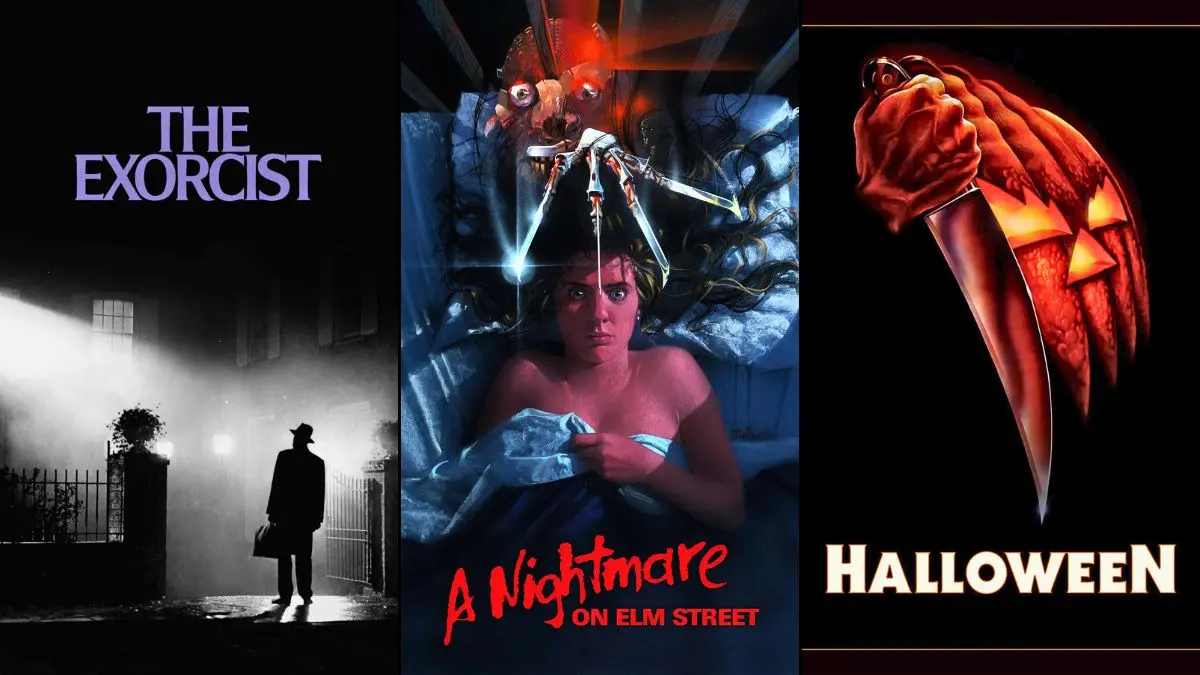


If you want a solid Halloween watchlist, these films cover classic slashers, modern shocks, international standouts, and inventive indie hits. Each pick includes quick facts that help you decide what fits your mood, from who made it to what it’s about and why it matters culturally. Save this list, queue a few tonight, and you’ll be set for spooky season without the guesswork.
‘Halloween’ (1978)
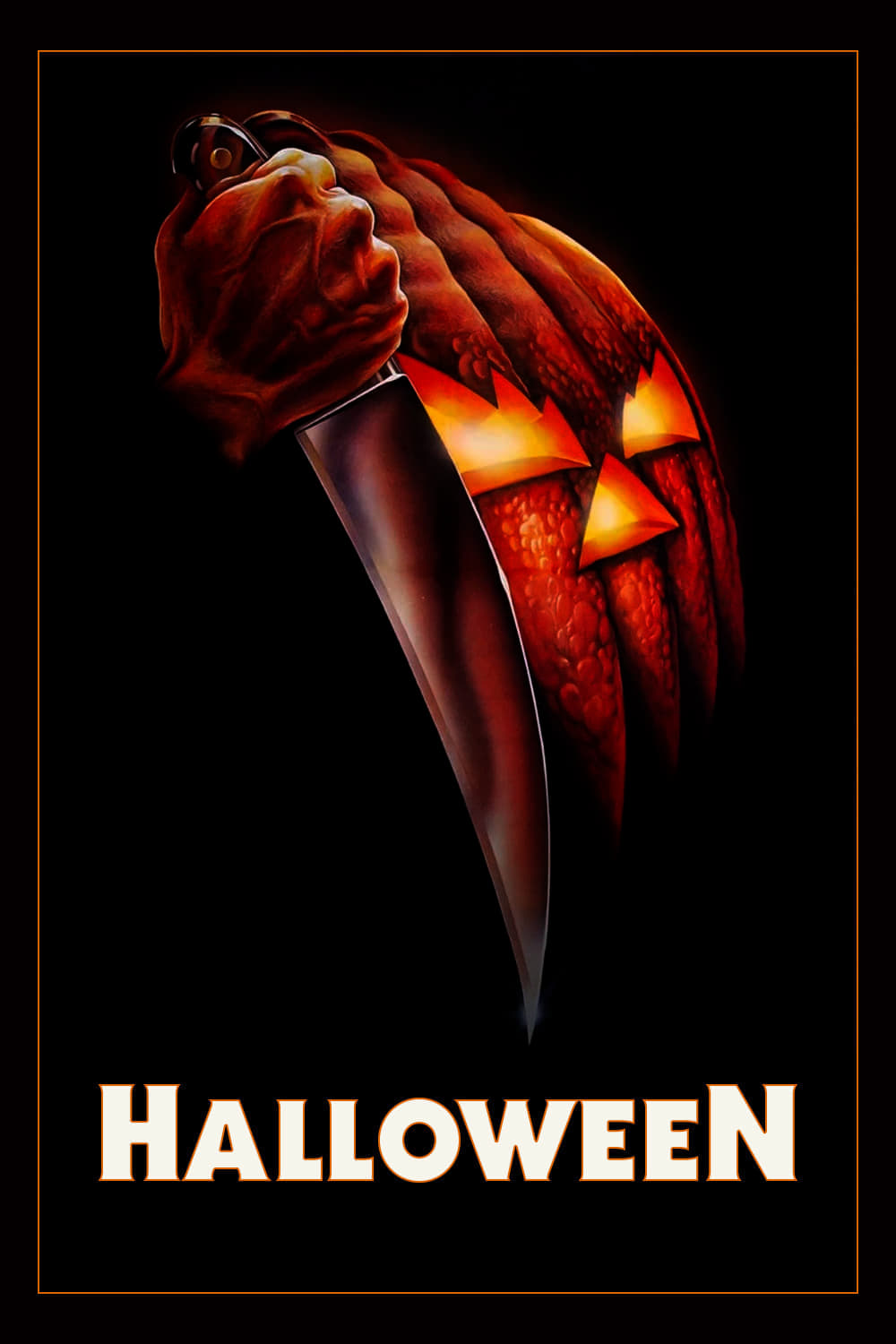
John Carpenter directs this suburban slasher about escaped killer Michael Myers stalking babysitters on October 31 in Illinois. Jamie Lee Curtis stars in her breakout role as Laurie Strode, with Carpenter composing the now famous minimalist score. Produced for around $300,000, it went on to gross tens of millions worldwide. Its success launched a long-running franchise and the holiday’s most recognizable horror icon.
‘The Conjuring’ (2013)
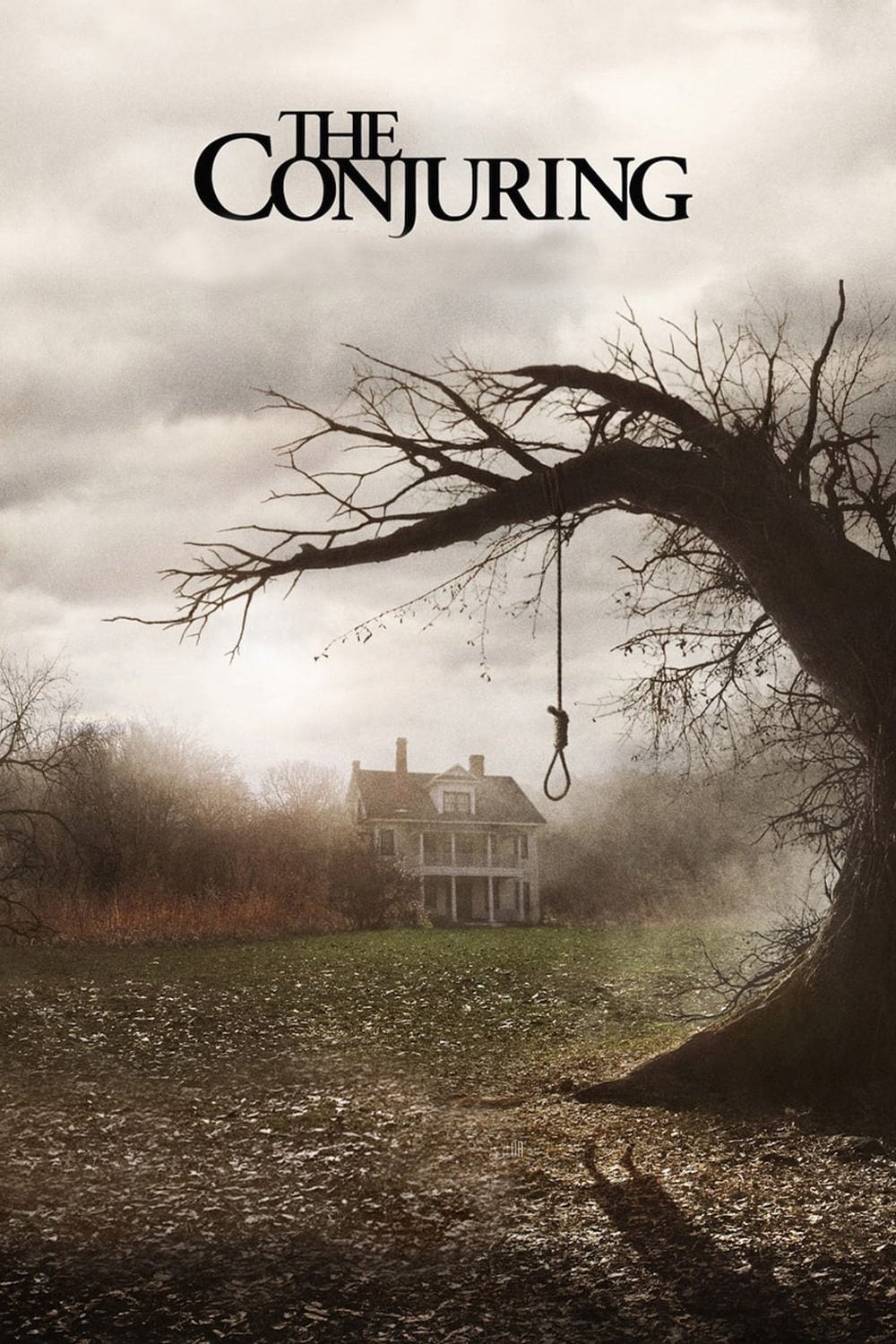
James Wan directs this case file from real-life paranormal investigators Ed and Lorraine Warren. Patrick Wilson and Vera Farmiga play the Warrens as they assist the Perron family in 1971 Rhode Island. The film’s period setting and practical scare design started a connected series that includes ‘Annabelle’ and ‘The Nun’. It became a major box office hit on a modest budget and revived interest in haunted house stories.
‘Hereditary’ (2018)

Ari Aster’s debut feature follows a family unraveling after the death of a secretive matriarch. Toni Collette leads the cast alongside Alex Wolff and Milly Shapiro, with Gabriel Byrne in support. The film premiered at Sundance and was released by A24 to strong box office returns for an indie horror drama. It is noted for its meticulous production design and unsettling sound work.
‘Get Out’ (2017)
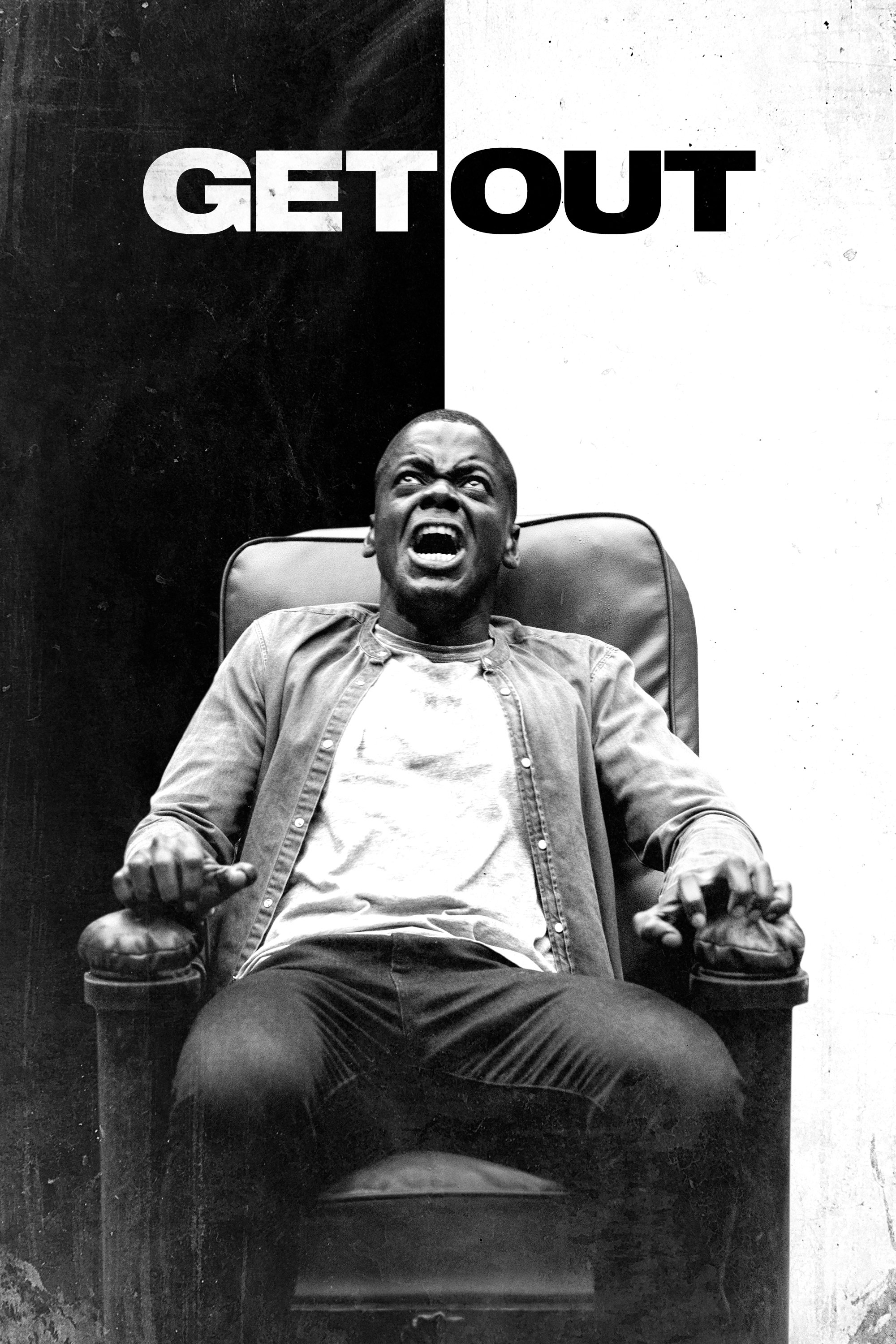
Jordan Peele writes and directs this thriller about a Black photographer meeting his girlfriend’s family in upstate New York. Daniel Kaluuya stars, with Allison Williams, Bradley Whitford, and Catherine Keener in key roles. The film earned multiple Academy Award nominations and won Best Original Screenplay. It became a cultural touchstone and a major commercial success on a small budget.
‘The Witch’ (2015)
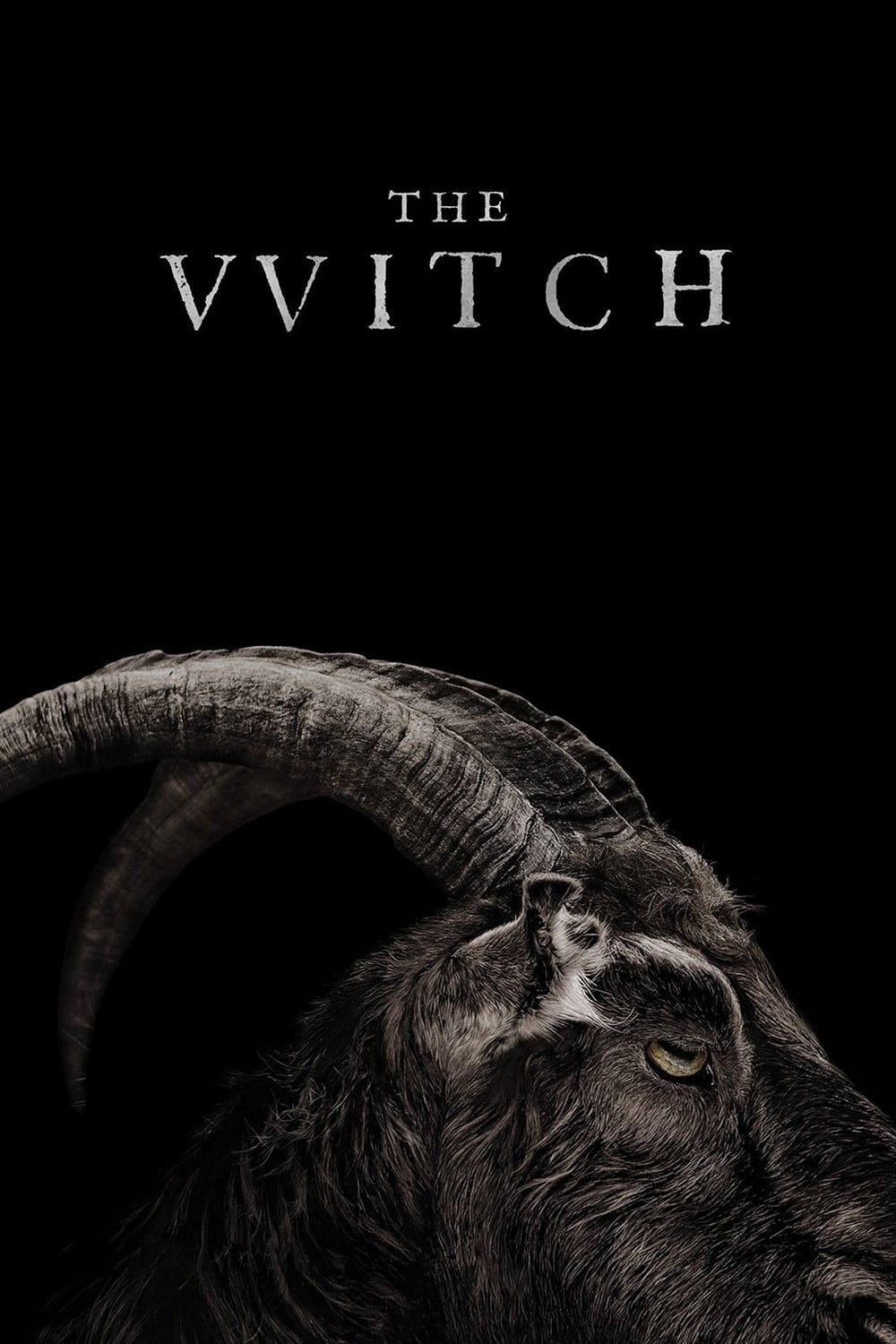
Robert Eggers sets this folk tale in 1630s New England as a Puritan family confronts fear and superstition at the edge of a forest. Anya Taylor-Joy makes her feature breakthrough, with dialogue drawn from period sources and diaries. Natural light cinematography and historically accurate production details build its stark atmosphere. The film won a directing award at Sundance and expanded through strong word of mouth.
‘Train to Busan’ (2016)
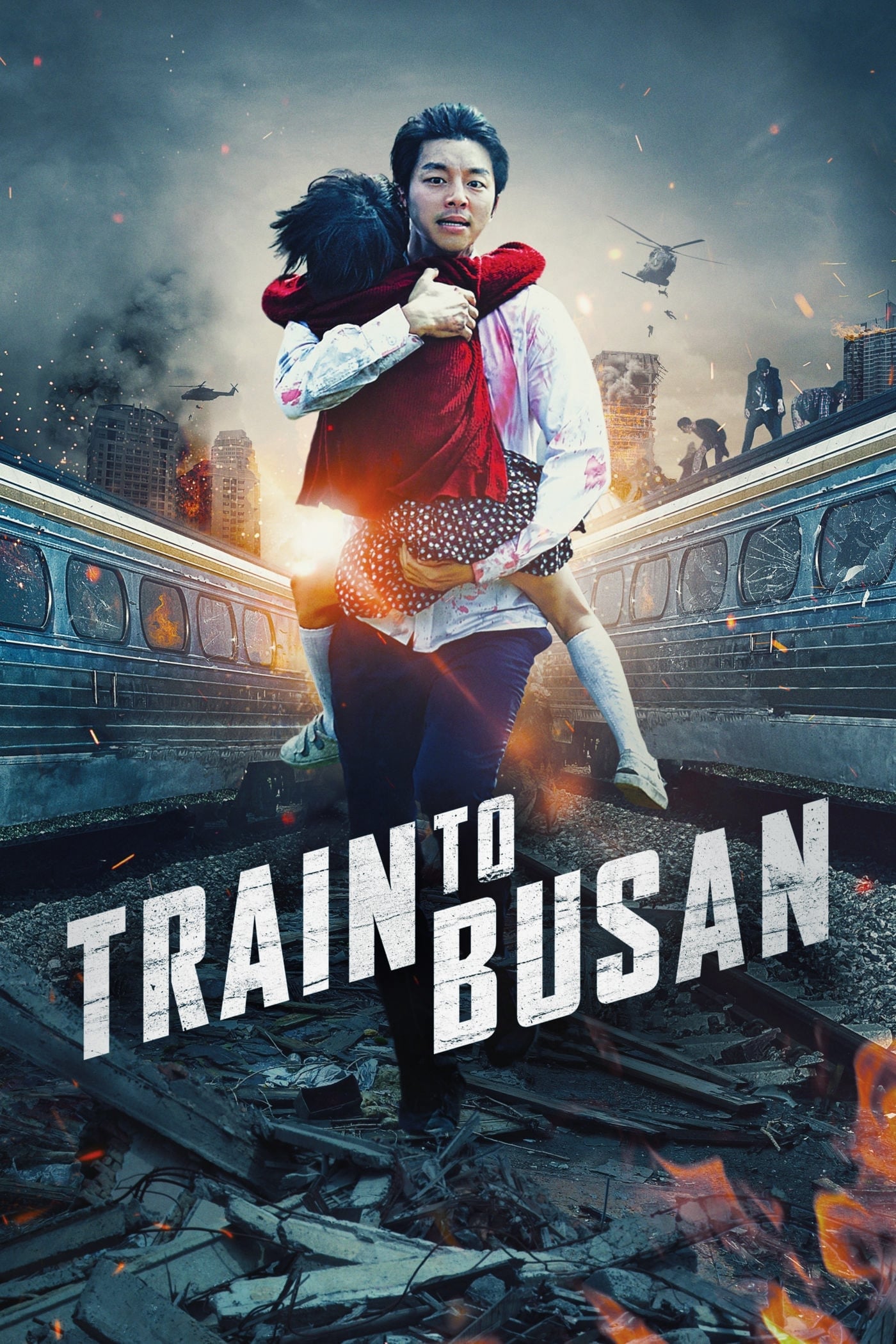
This South Korean zombie thriller from Yeon Sang-ho follows passengers trapped on a high-speed train during a rapid outbreak. Gong Yoo, Ma Dong-seok, and Jung Yu-mi lead the ensemble as the route to Busan becomes a fight for survival. The film blends action and disaster set pieces with tight, real-time pacing. It broke records in Korea and introduced many viewers to Korean genre cinema worldwide.
‘The Exorcist’ (1973)

William Friedkin adapts William Peter Blatty’s novel about a Georgetown girl suffering a mysterious affliction and a priest confronting his faith. Linda Blair, Ellen Burstyn, and Max von Sydow star in a production known for groundbreaking practical effects. The film received multiple Oscar nominations and became one of the highest-grossing horror films ever. Its restored versions keep the sound and imagery impactful for new audiences.
‘A Nightmare on Elm Street’ (1984)
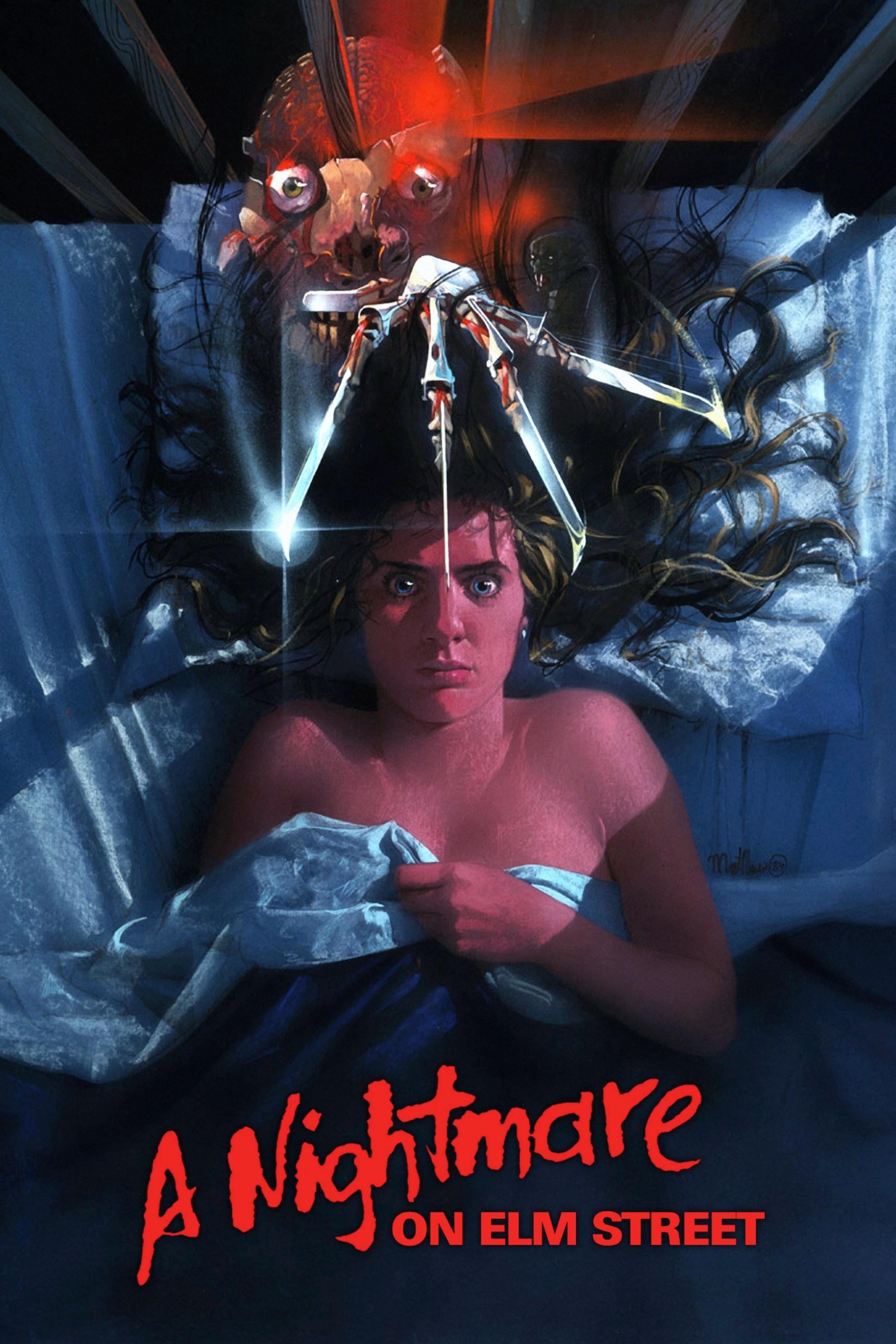
Wes Craven creates the dream-stalking villain Freddy Krueger who attacks teenagers while they sleep. Heather Langenkamp and Robert Englund lead the cast, with Johnny Depp appearing in his film debut. Practical effects and surreal dream logic helped set it apart from other slashers of the era. The film’s popularity spawned numerous sequels and crossovers.
‘It Follows’ (2014)
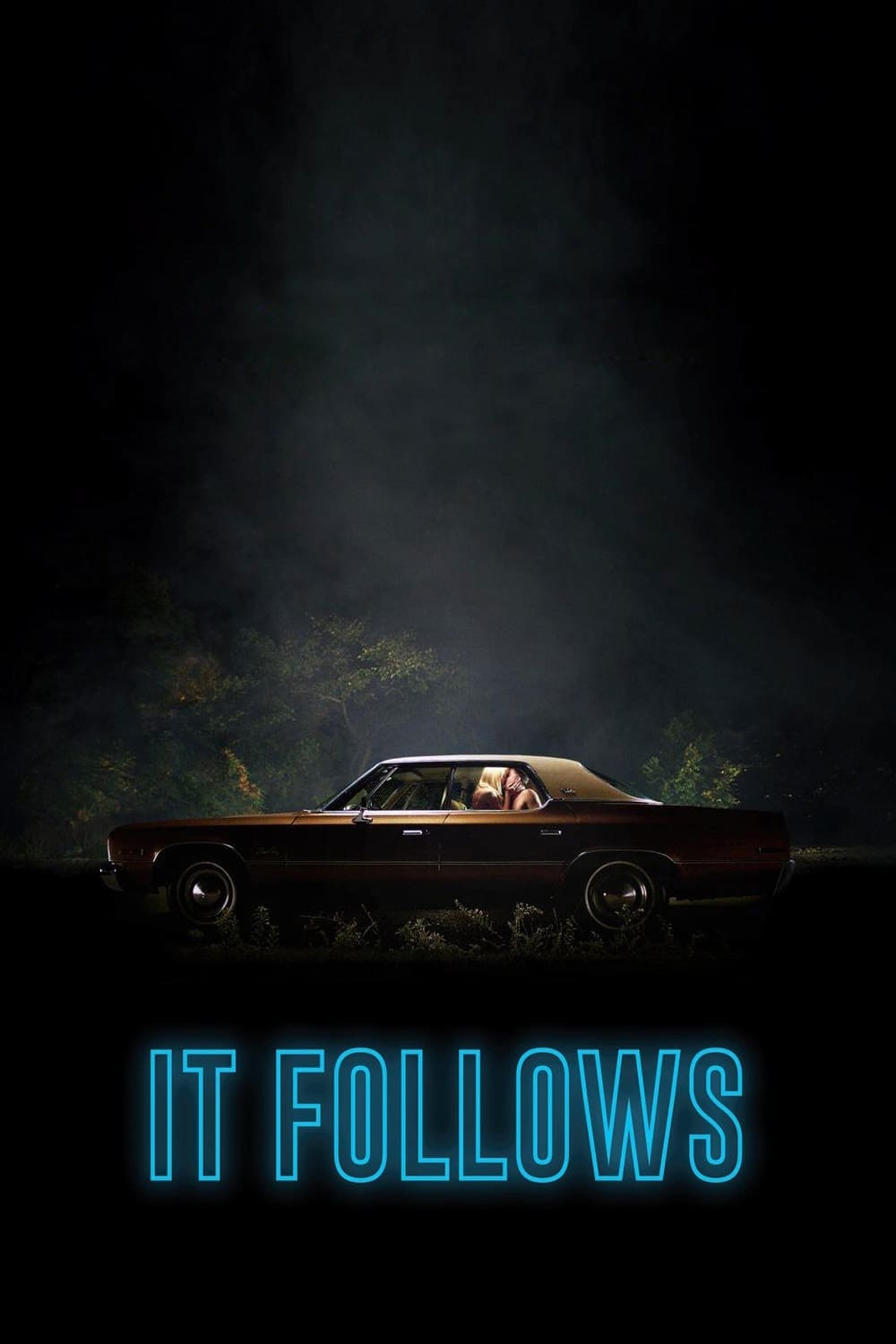
David Robert Mitchell tells a curse story that passes through intimacy and pursues victims at a walking pace. Maika Monroe stars, with the narrative unfolding in a deliberately timeless Midwest setting. The score by Disasterpeace uses synthesizers to echo 1980s genre sounds. It opened in limited release before expanding on strong interest and critical attention.
‘The Cabin in the Woods’ (2012)
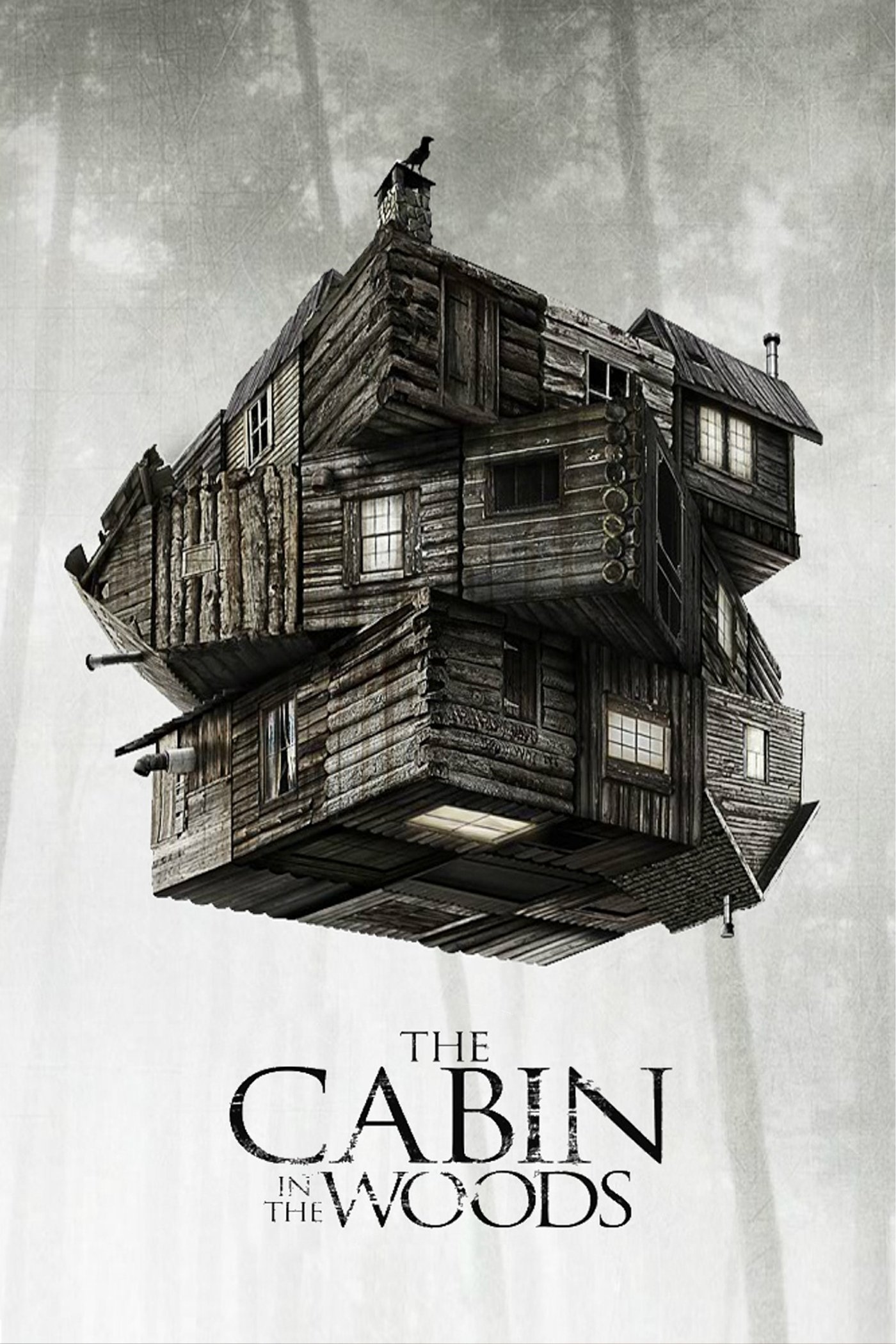
Drew Goddard directs from a script co-written with Joss Whedon, reframing familiar horror elements inside a controlled experiment. Kristen Connolly and Chris Hemsworth are part of an ensemble of students who head to a remote cabin. The story layers in surveillance, ritual, and genre conventions to explain the chaos. Delayed from its initial release, it arrived with a twisty premise that rewards paying attention.
‘The Ring’ (2002)
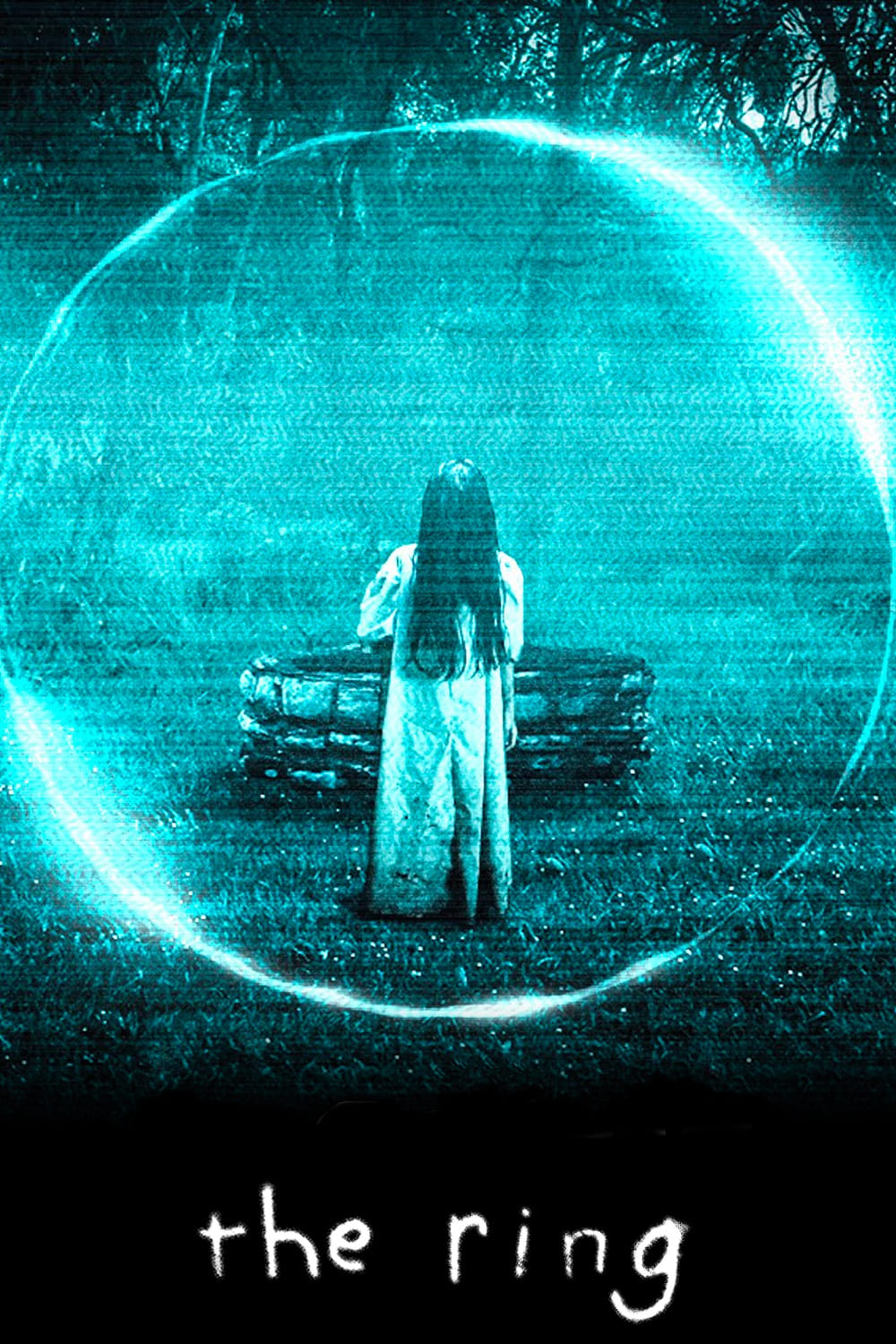
Gore Verbinski adapts the Japanese hit ‘Ringu’ with Naomi Watts investigating a cursed videotape tied to a seven-day deadline. The film updates the mystery for a Pacific Northwest setting with muted, rainy visuals. Its marketing campaign used the tape imagery to build curiosity before release. The success led to sequels and renewed global interest in Japanese horror remakes.
‘Paranormal Activity’ (2007)
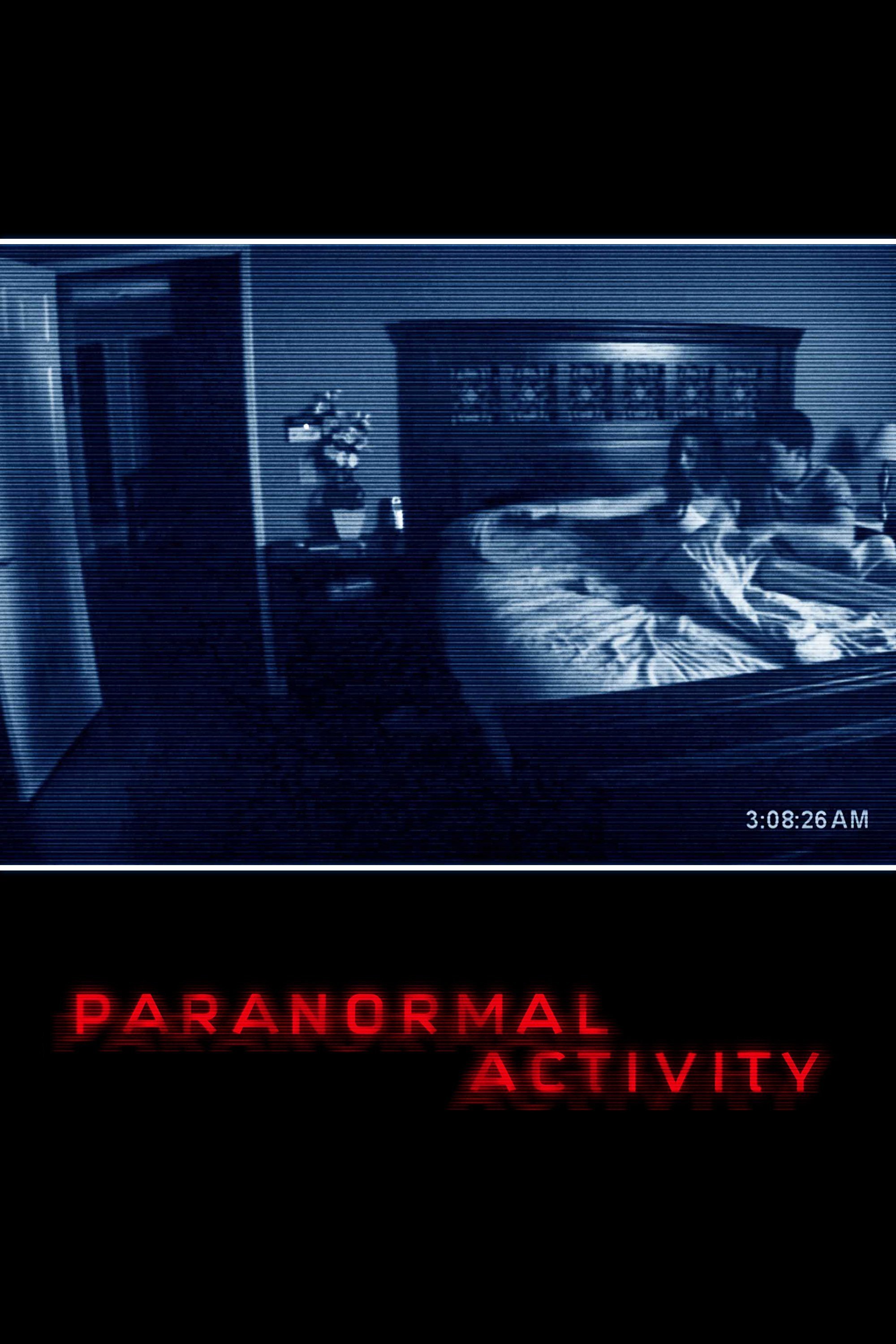
Oren Peli shot this found-footage haunting in a suburban home using consumer-grade cameras and improvised scenes. Made for a microbudget, it was acquired and distributed widely after festival buzz and test screenings. The film’s timeline unfolds through night-vision timestamps and off-screen disturbances. It became one of the most profitable films relative to cost in modern horror.
‘The Babadook’ (2014)
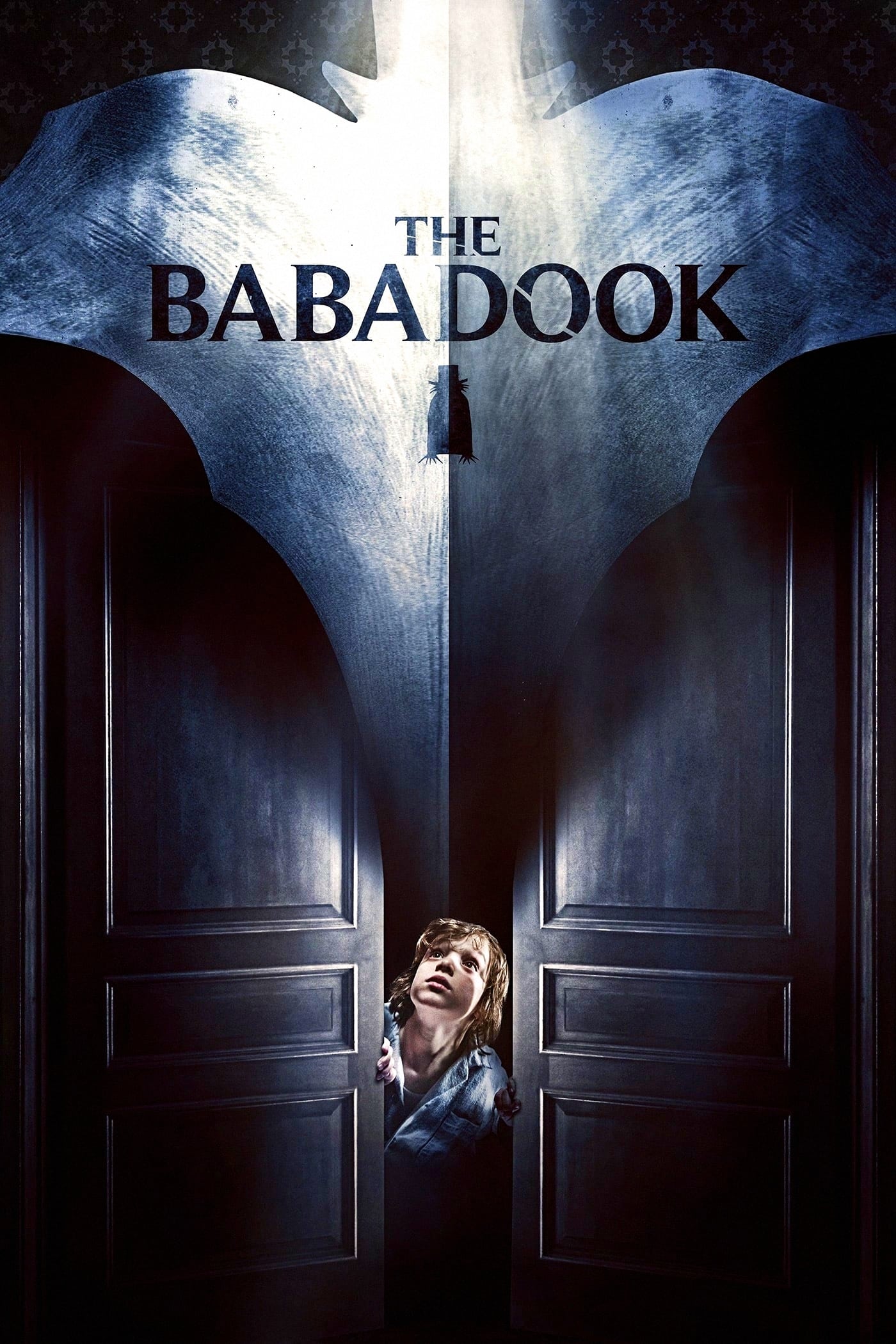
Jennifer Kent’s Australian feature centers on a widowed mother and her son who discover a threatening storybook character. Essie Davis and Noah Wiseman lead with performances focused on grief and fear inside a cramped house. The film premiered at Sundance and was acclaimed for its sound design and practical creature work. It helped spotlight a wave of Australian genre filmmaking in the 2010s.
‘Scream’ (1996)
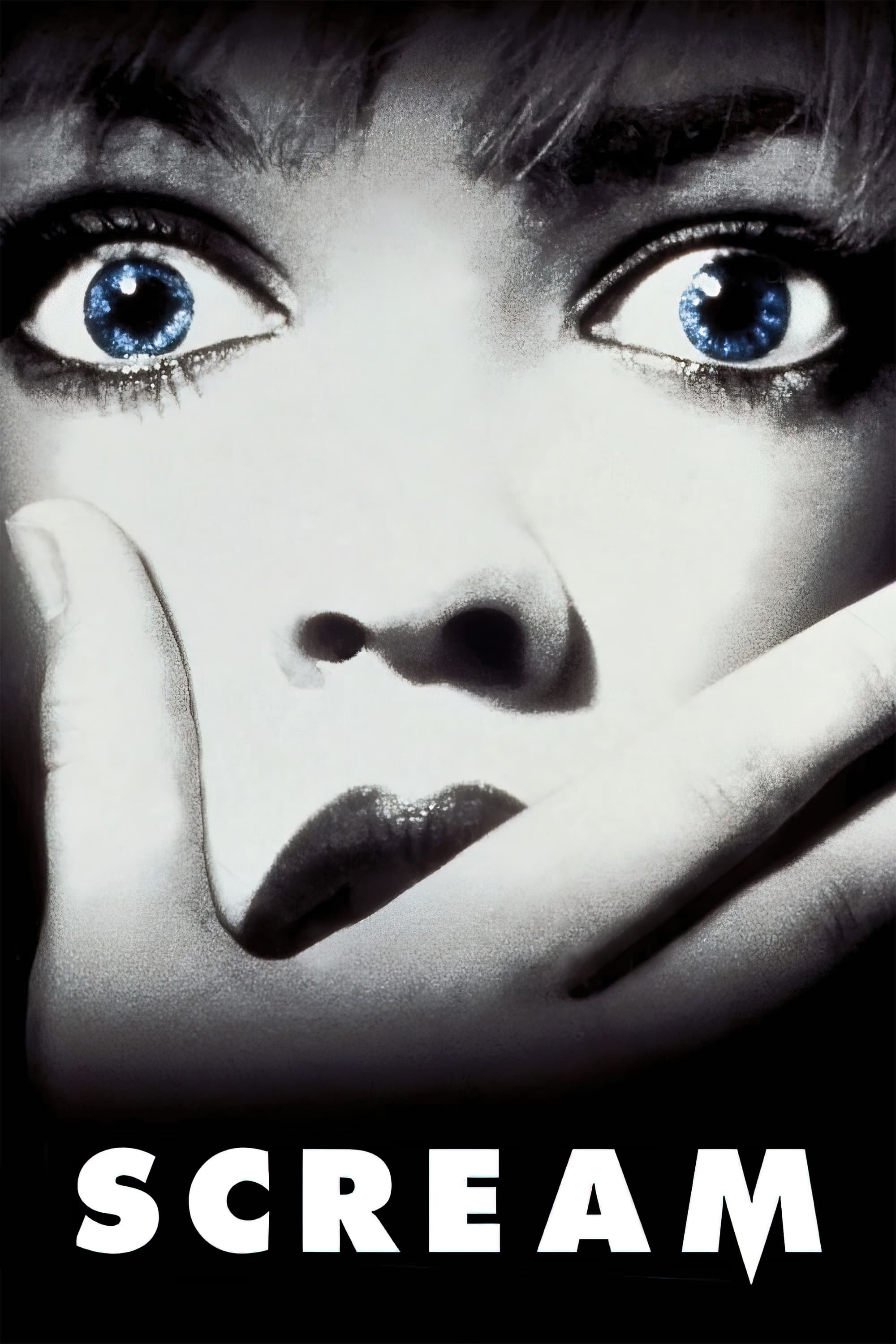
Wes Craven teams with writer Kevin Williamson for a meta slasher set in the town of Woodsboro. Neve Campbell, Courteney Cox, and David Arquette star as Ghostface begins a series of phone-based attacks. The film’s rules-aware dialogue and whodunit structure brought fresh energy to the subgenre. It revived slasher films commercially and led to a continuing franchise across decades.
‘Talk to Me’ (2023)
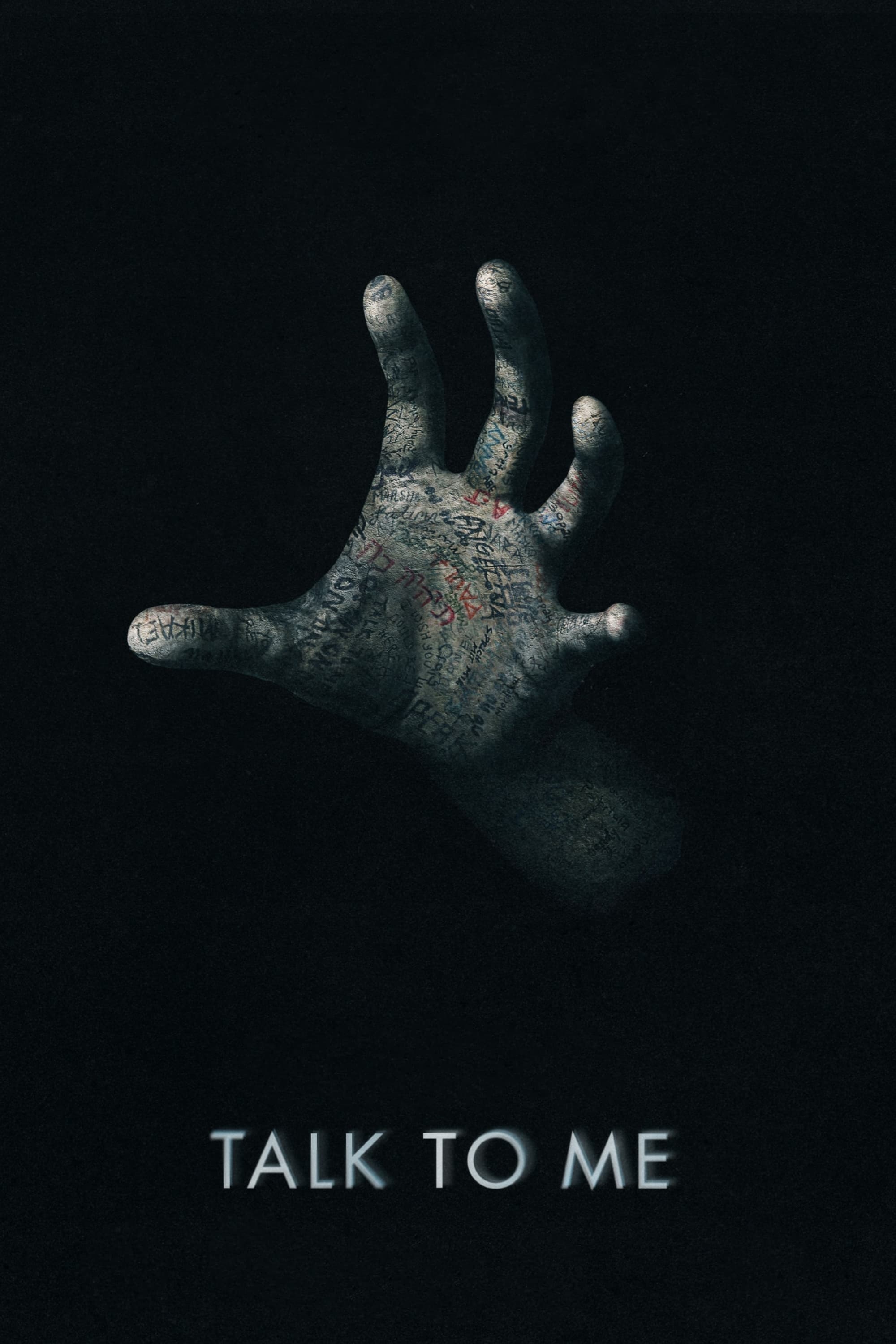
Australian filmmakers Danny and Michael Philippou direct this story about teens using an embalmed hand to summon spirits. Sophie Wilde stars, with the ritual spreading through friend groups and gatherings. A24 released the film after festival screenings where its set-piece concept drew attention. The story uses practical effects and makeup to ground its supernatural sequences.
‘Psycho’ (1960)
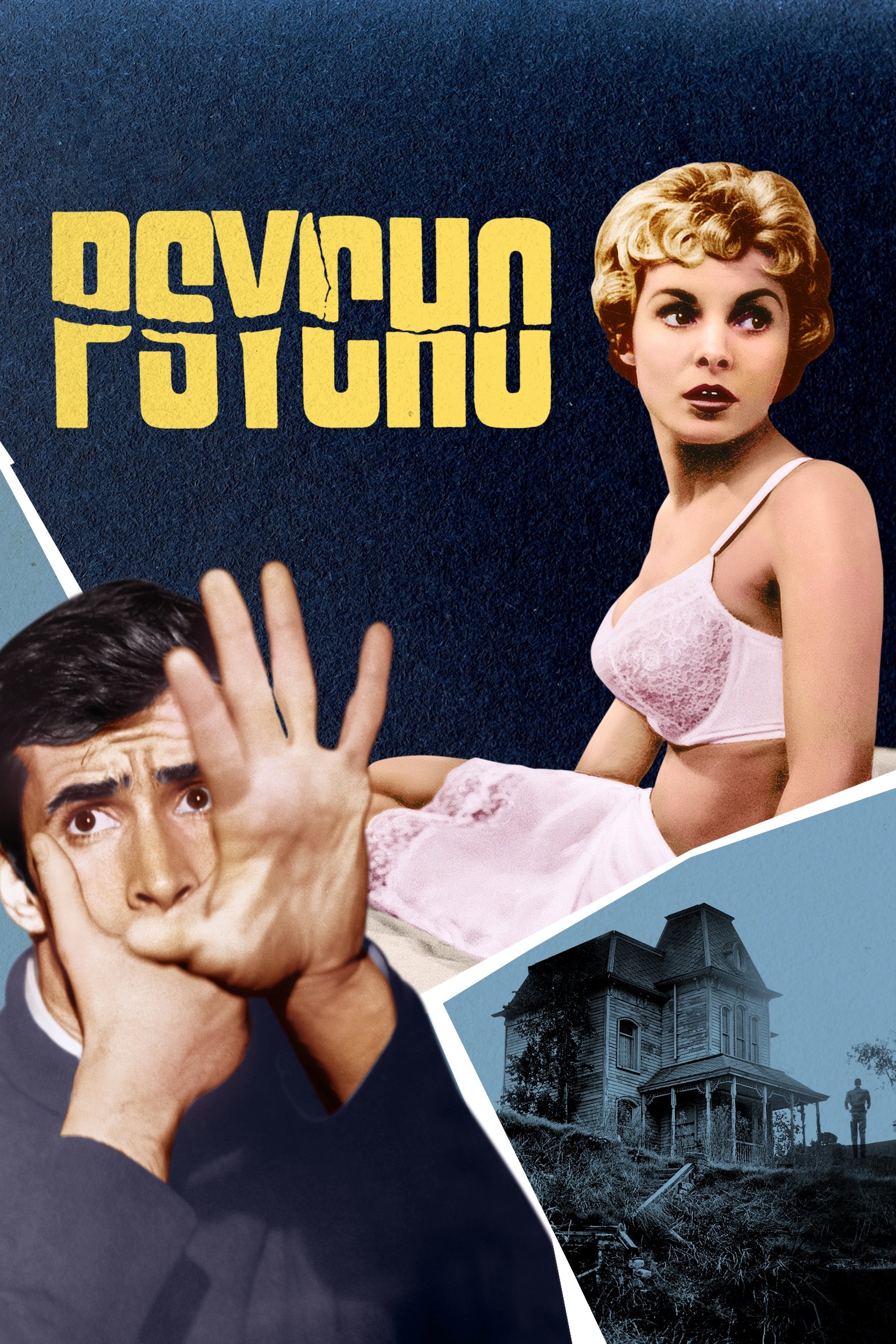
Alfred Hitchcock directs this thriller about a secretary who disappears after stopping at a remote motel. Anthony Perkins and Janet Leigh lead the cast, with Bernard Herrmann providing the distinctive string score. The shower sequence used innovative editing and sound to suggest violence without explicit imagery. The film influenced production codes and helped popularize psychological horror in mainstream cinema.
‘The Shining’ (1980)
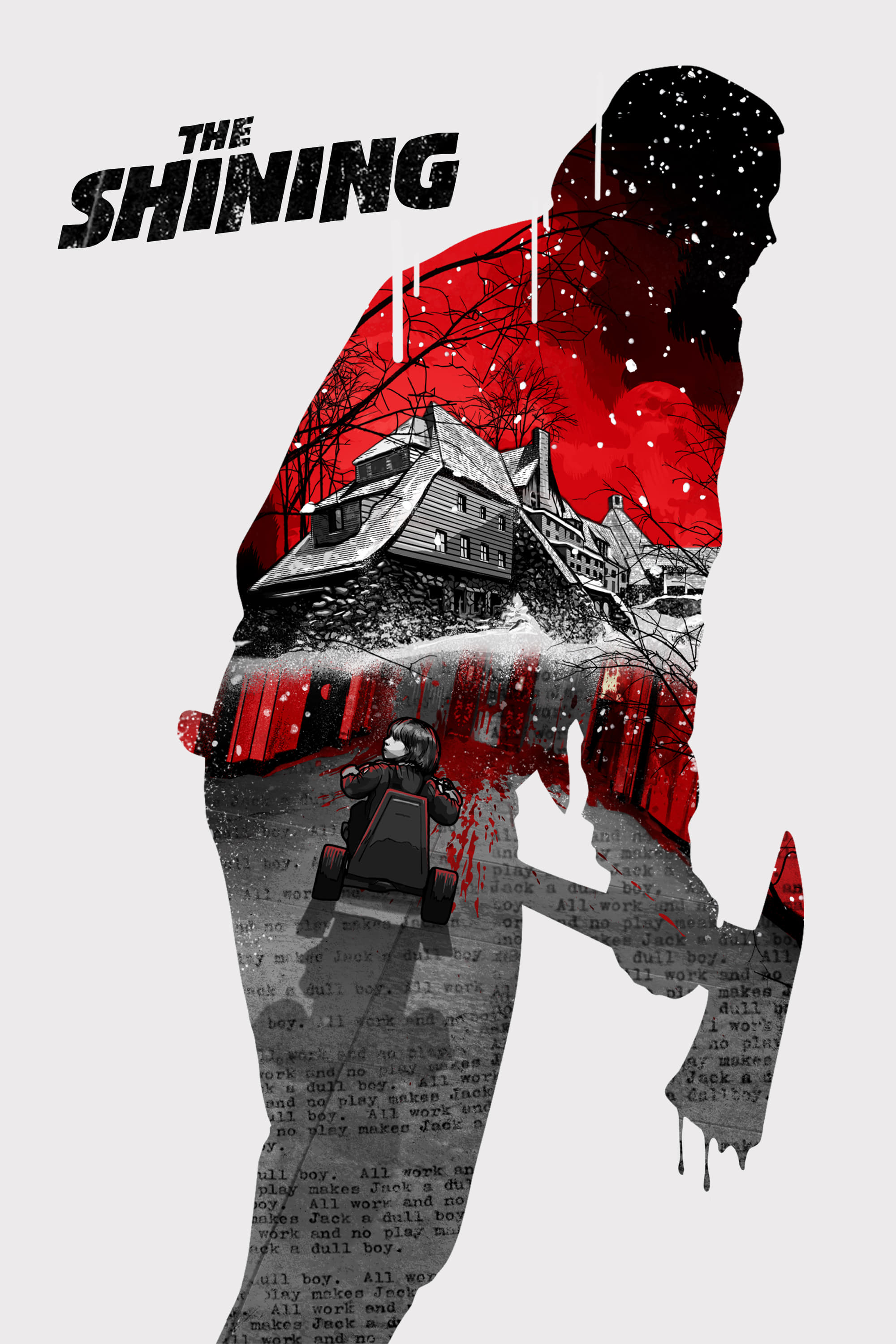
Stanley Kubrick adapts Stephen King’s novel into a story about a caretaker and his family isolated at a mountain hotel. Jack Nicholson and Shelley Duvall star, with Steadicam shots used extensively to follow movement through the corridors. The Overlook Hotel interiors were built on soundstages to control lighting and layout. The film’s imagery and phrases entered popular culture through repeated broadcasts and critical study.
‘The Texas Chain Saw Massacre’ (1974)
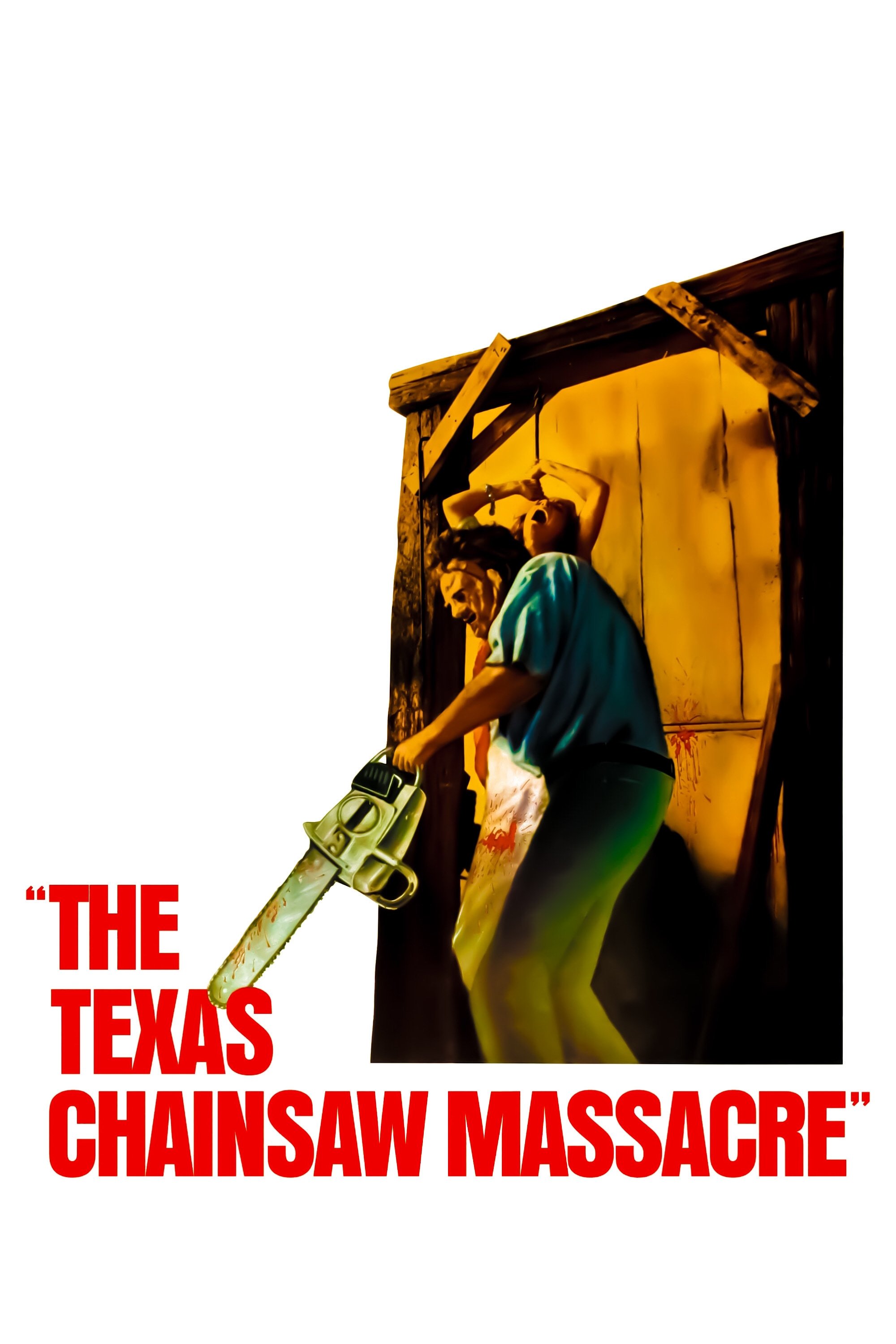
Tobe Hooper makes a gritty independent feature about friends who encounter a cannibal family in rural Texas. The production used natural light and handheld cameras to create a documentary feel. Despite minimal on-screen blood, the film drew controversy and faced censorship in several countries. Its low budget and strong box office returns turned it into a blueprint for independent horror distribution.
‘The Descent’ (2005)
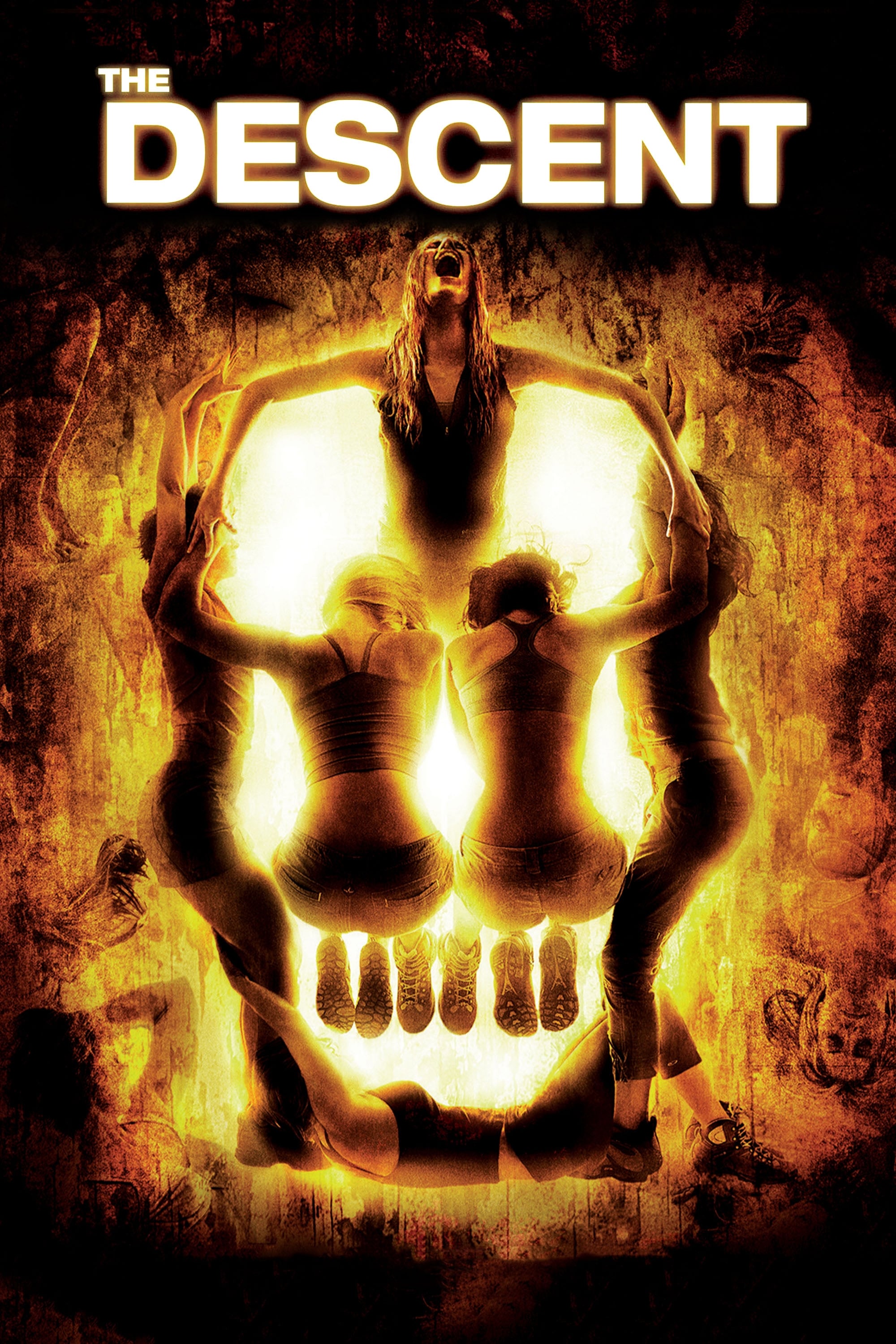
Neil Marshall directs a spelunking survival story that shifts into creature horror after a cave-in traps a group underground. The film was shot on constructed cave sets that allowed precise control of darkness and space. Different cuts were released in the UK and the US with alternate final scenes. Practical effects and tight framing build tension around limited visibility and navigation.
‘Candyman’ (1992)
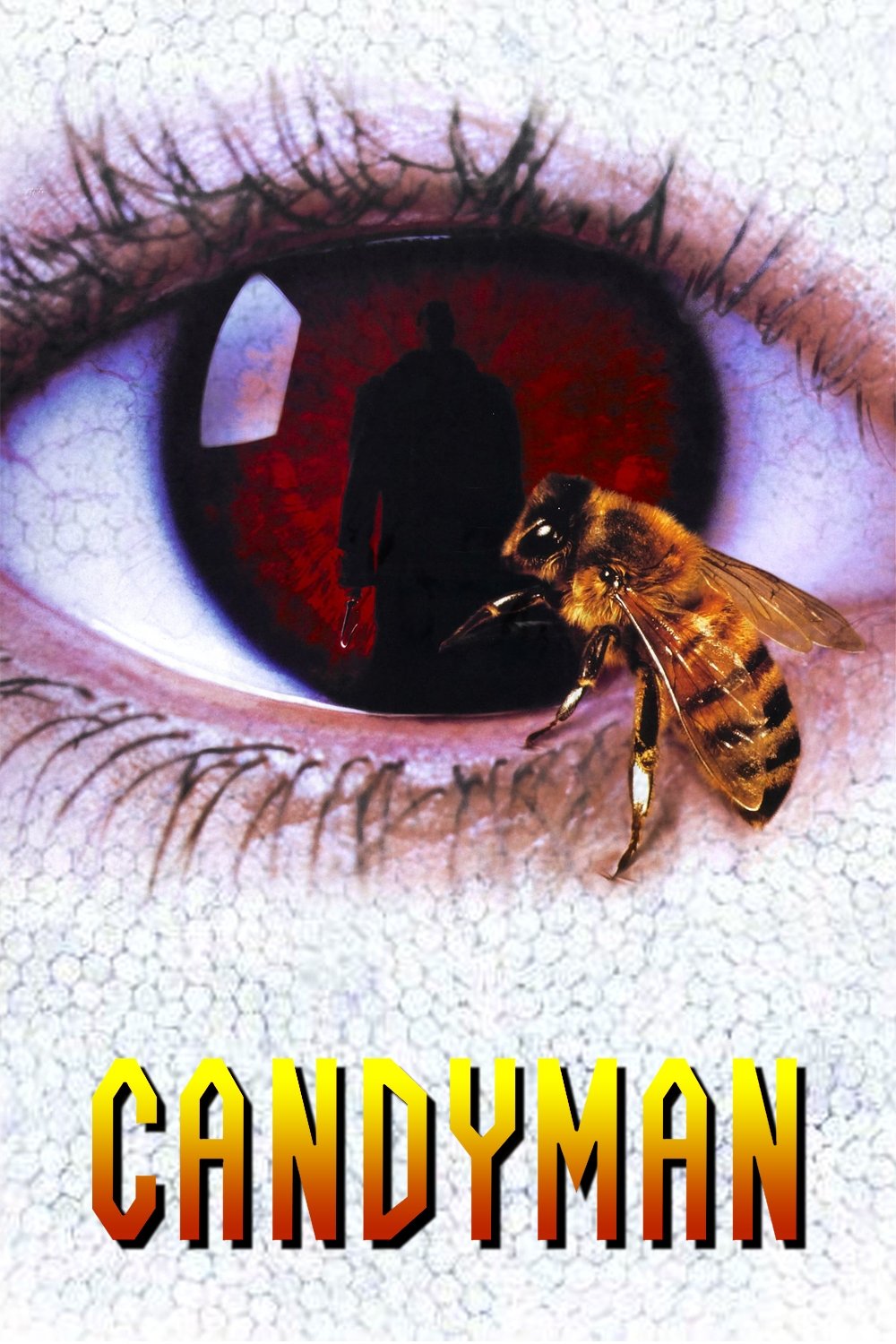
Bernard Rose adapts a Clive Barker story set around Chicago public housing and an urban legend tied to a mirror ritual. Tony Todd and Virginia Madsen star, with Philip Glass composing a choral score. The production filmed on location at Cabrini-Green, incorporating local architecture and history. The film developed a lasting legacy through sequels and a later continuation by Nia DaCosta.
‘The Blair Witch Project’ (1999)
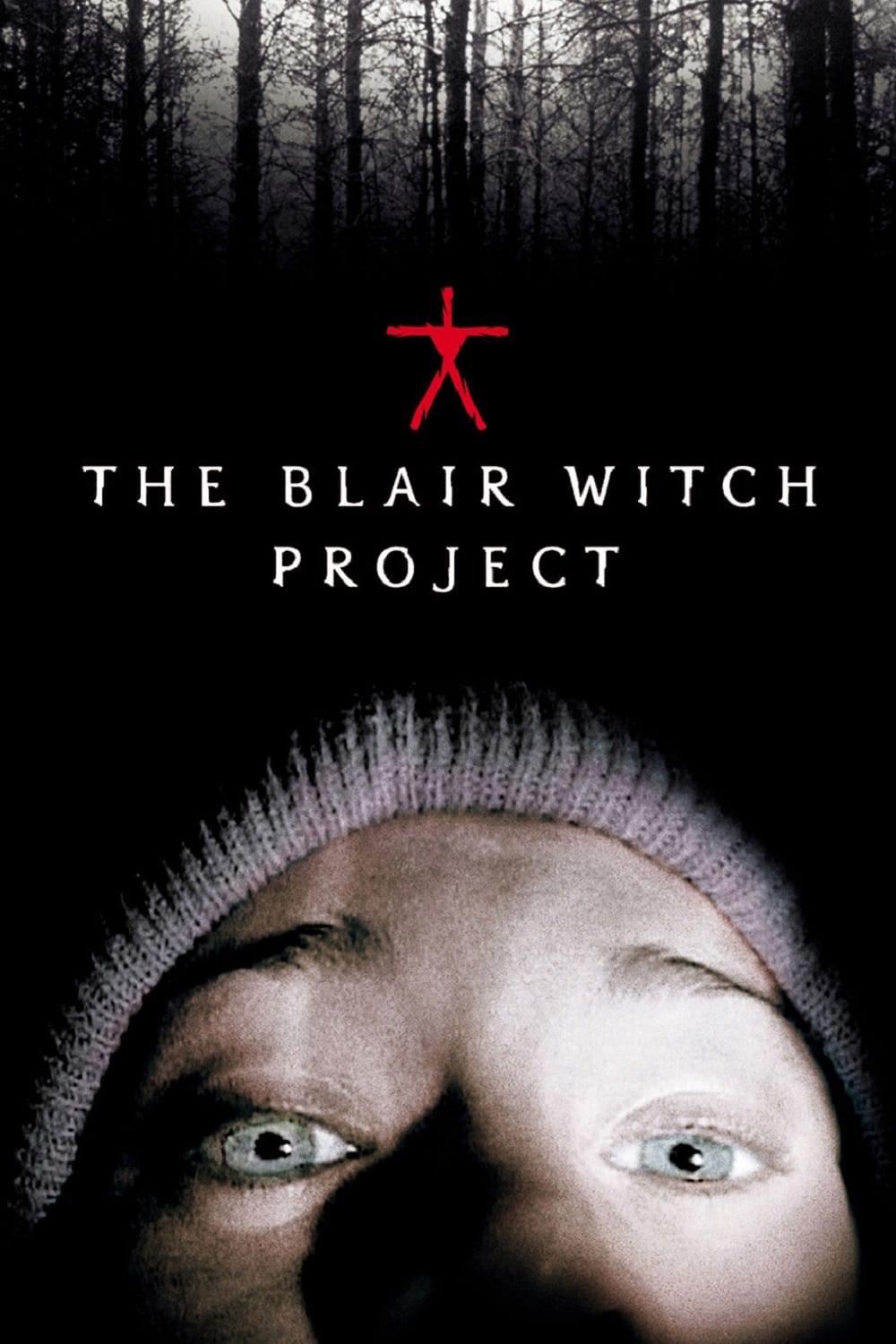
Daniel Myrick and Eduardo Sánchez release a found-footage feature presented as assembled tapes from missing filmmakers. The cast improvised within a planned map route while receiving nightly instructions. An early internet marketing campaign used fake police reports and documentary pages to frame the narrative. The film became a major box office success relative to its minimal production cost.
‘Insidious’ (2010)
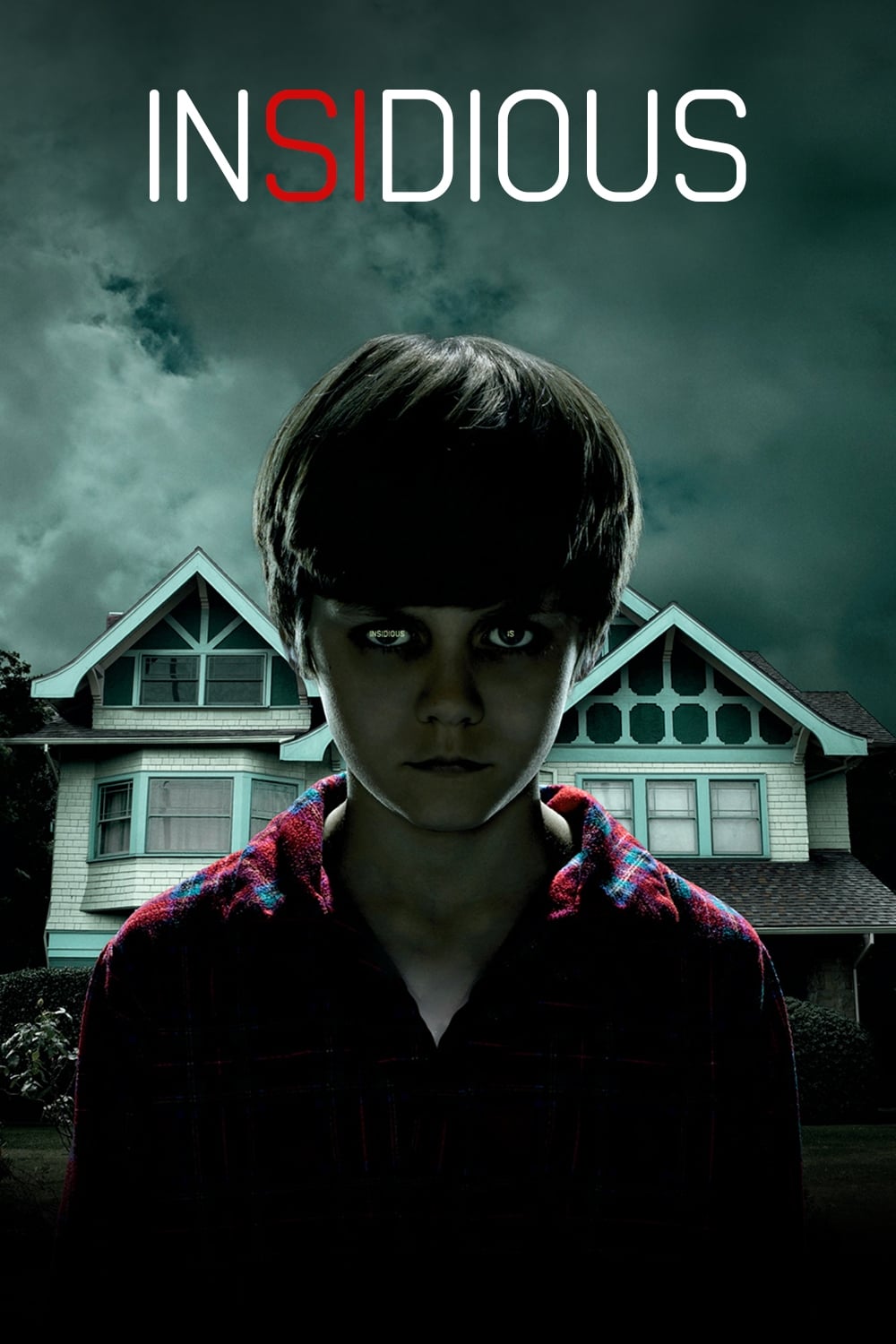
James Wan and Leigh Whannell create a supernatural story about astral projection and a realm called The Further. Patrick Wilson and Rose Byrne play parents who consult a medium to rescue their son. The production emphasizes practical makeup and in-camera effects for the spirits. Its performance helped establish a new series that continued with multiple sequels and prequels.
‘Suspiria’ (1977)
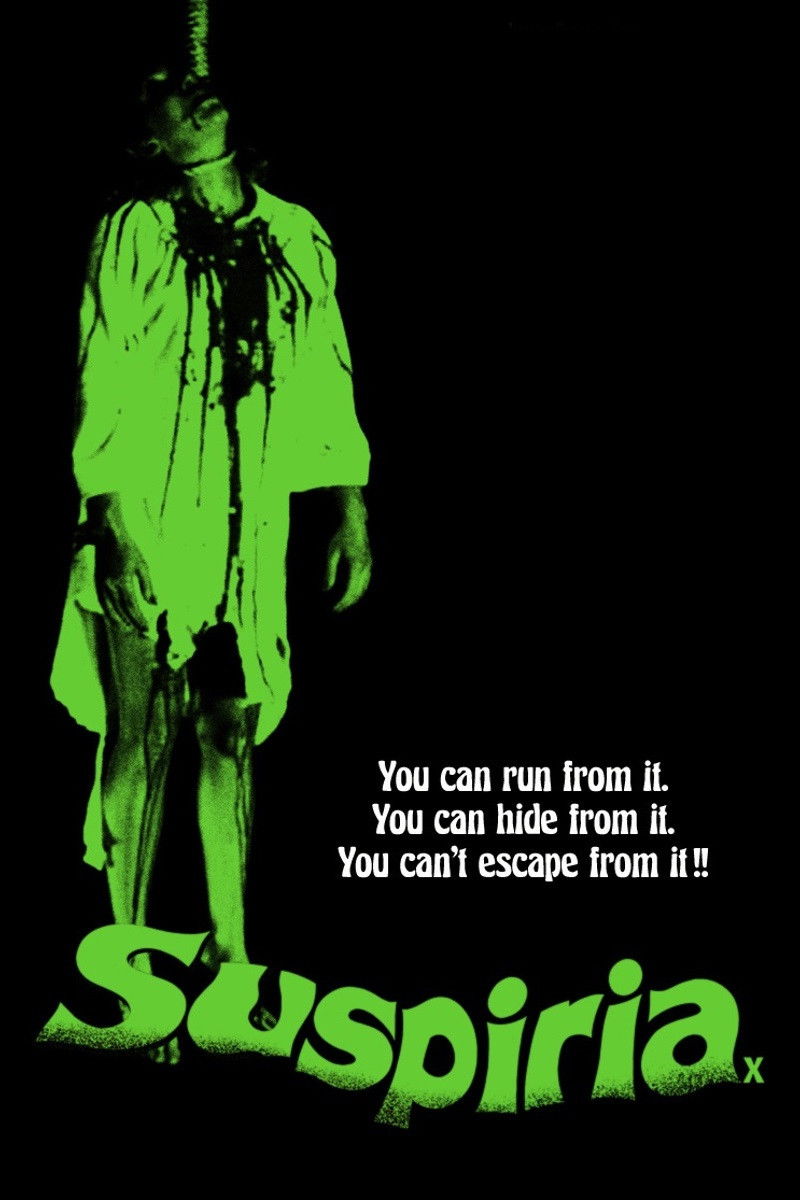
Dario Argento crafts a tale of a dance student who uncovers a secretive coven in a German academy. The film is known for saturated color lighting and wide-angle compositions. Italian prog rock band Goblin recorded the score with unusual instrumentation and layered rhythms. Miniatures and stylized sets support its dreamlike approach to architecture and movement.
‘Evil Dead II’ (1987)
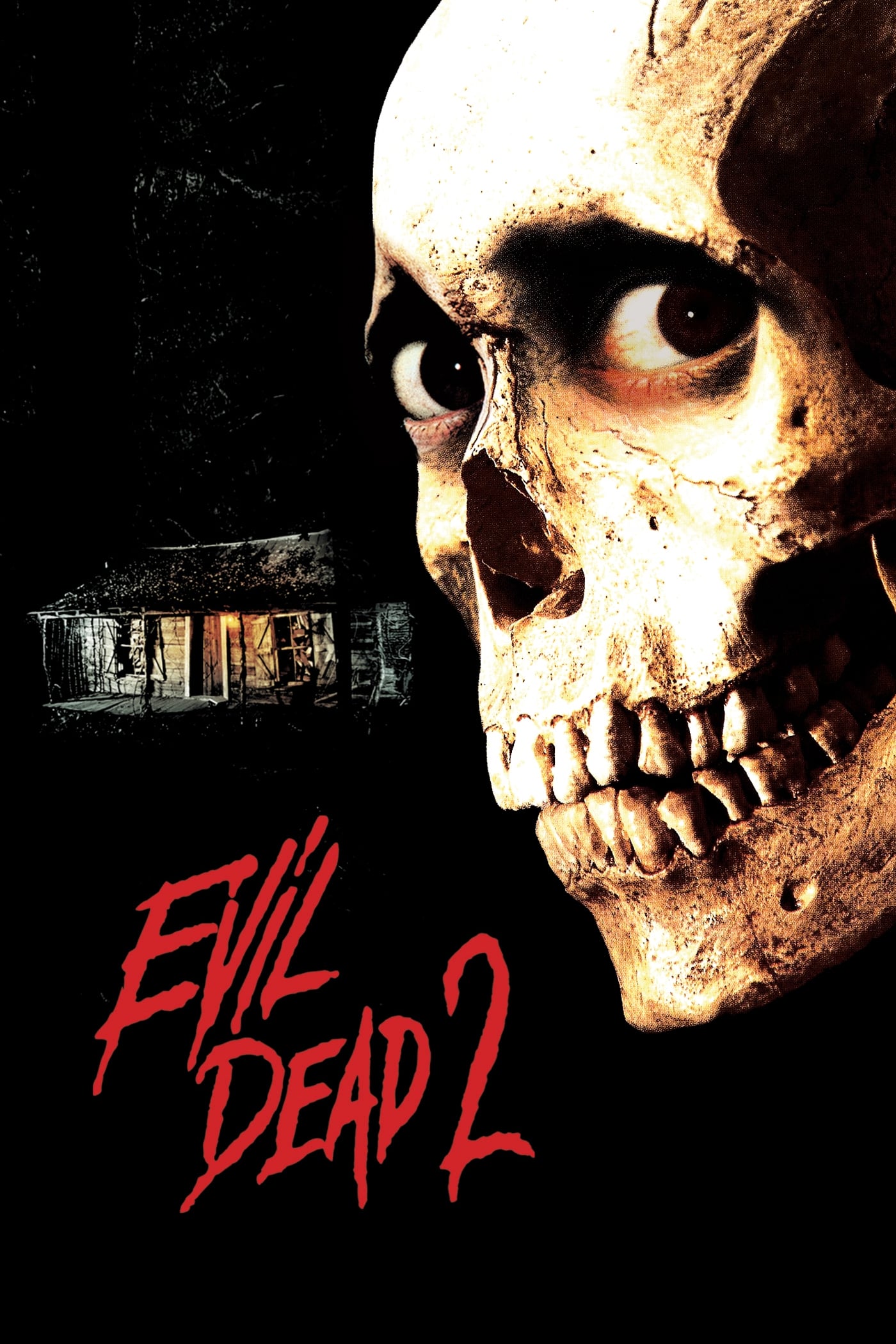
Sam Raimi blends horror and physical comedy in a cabin story that reimagines elements of his earlier film. Bruce Campbell returns as Ash Williams with extensive prosthetics and practical gore effects. The crew built a moving set to enable dynamic camera work and exaggerated action. The film’s style became a reference point for later entries and television adaptations.
‘The Others’ (2001)
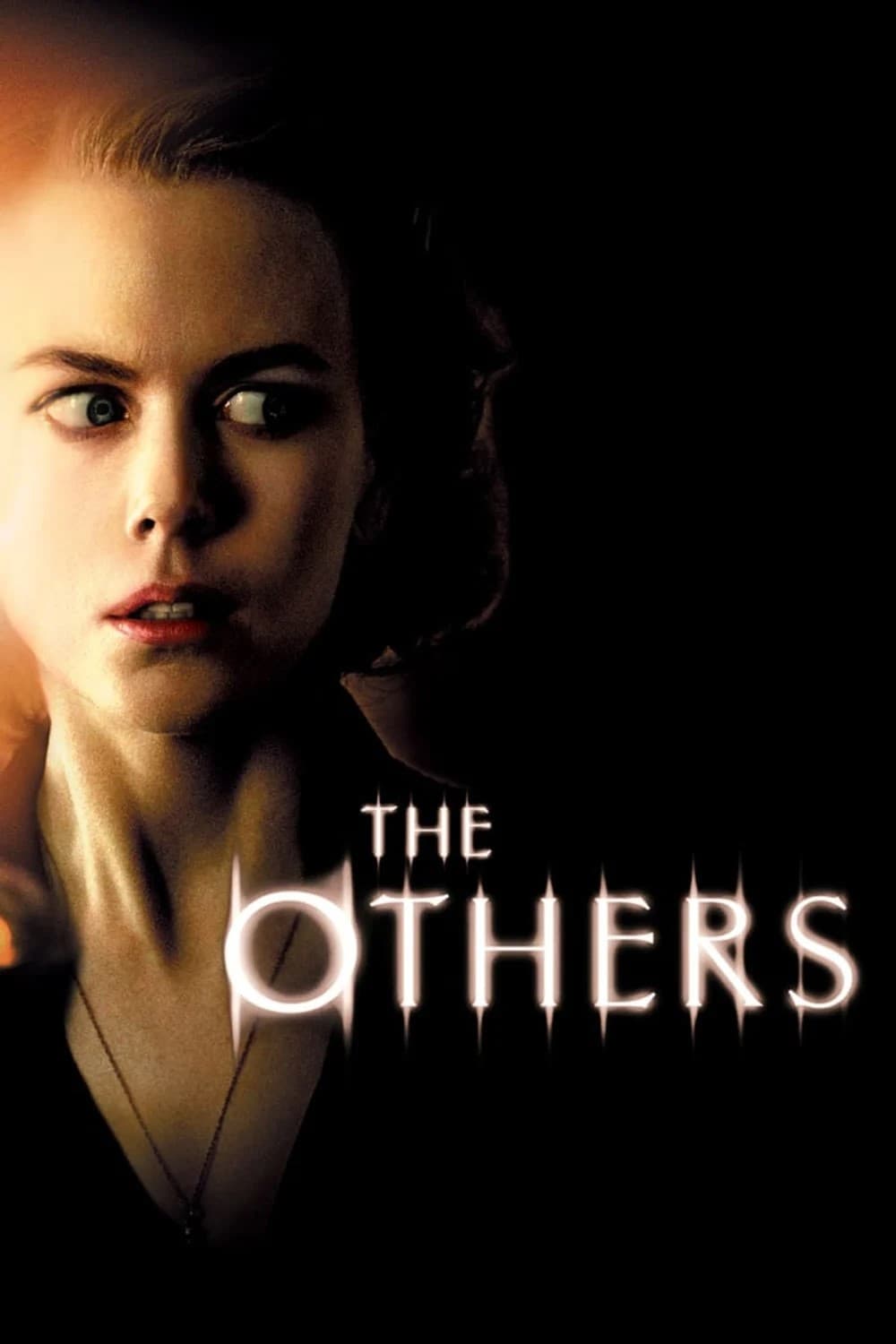
Alejandro Amenábar writes and directs a period ghost story about a mother and her photosensitive children in a coastal mansion. Nicole Kidman stars, with the production using muted color palettes and candlelit interiors. The narrative structure introduces new information through house rules and locked rooms. It performed strongly worldwide and received multiple award nominations.
‘The Invisible Man’ (2020)
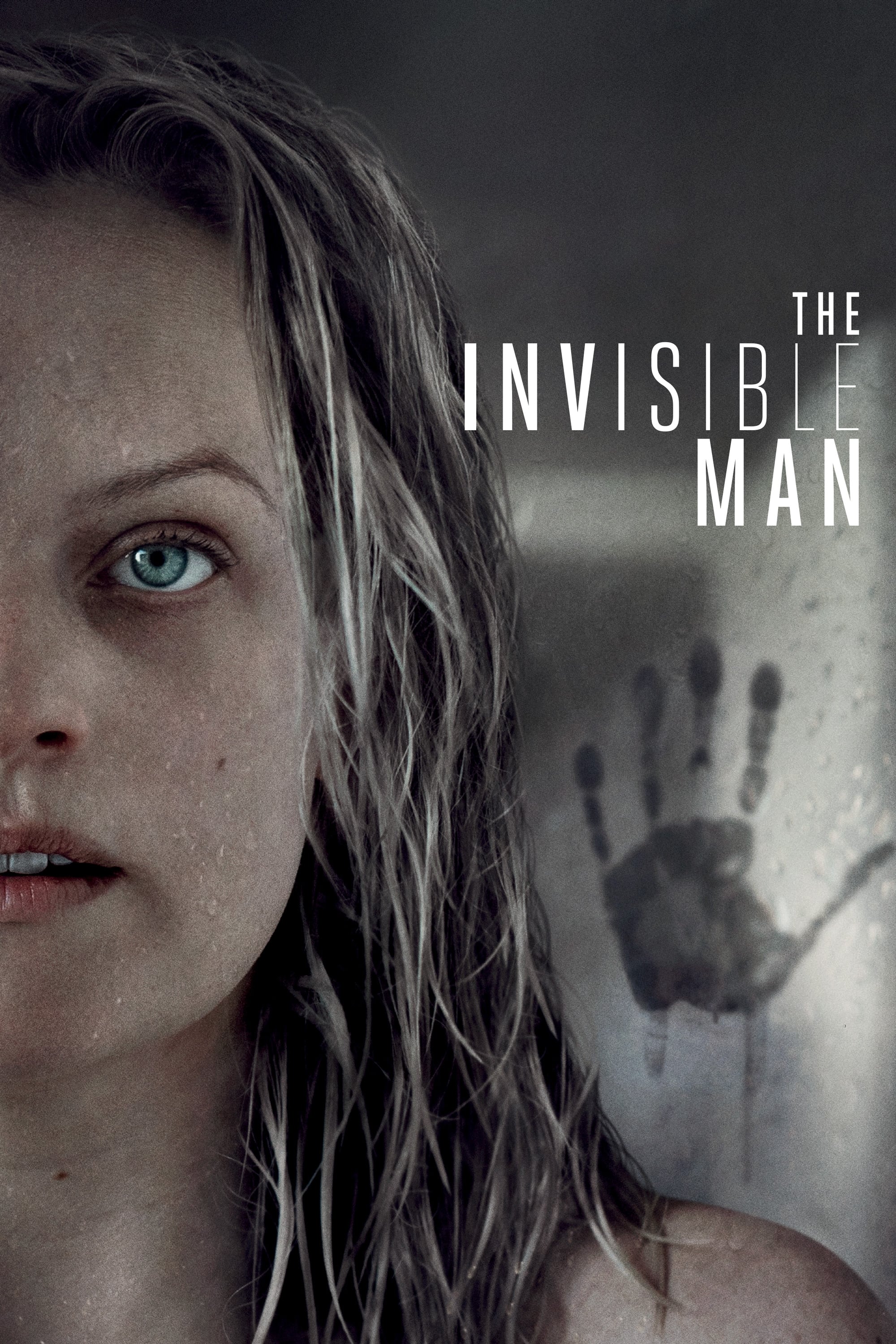
Leigh Whannell modernizes the classic concept through a story about surveillance and technological abuse. Elisabeth Moss leads the film, with sequences staged using motion-controlled cameras to sell unseen presence. Production used negative space and blocking to guide audience attention. Released by Universal and Blumhouse, it became a notable early hit in its release year.
‘The Wailing’ (2016)
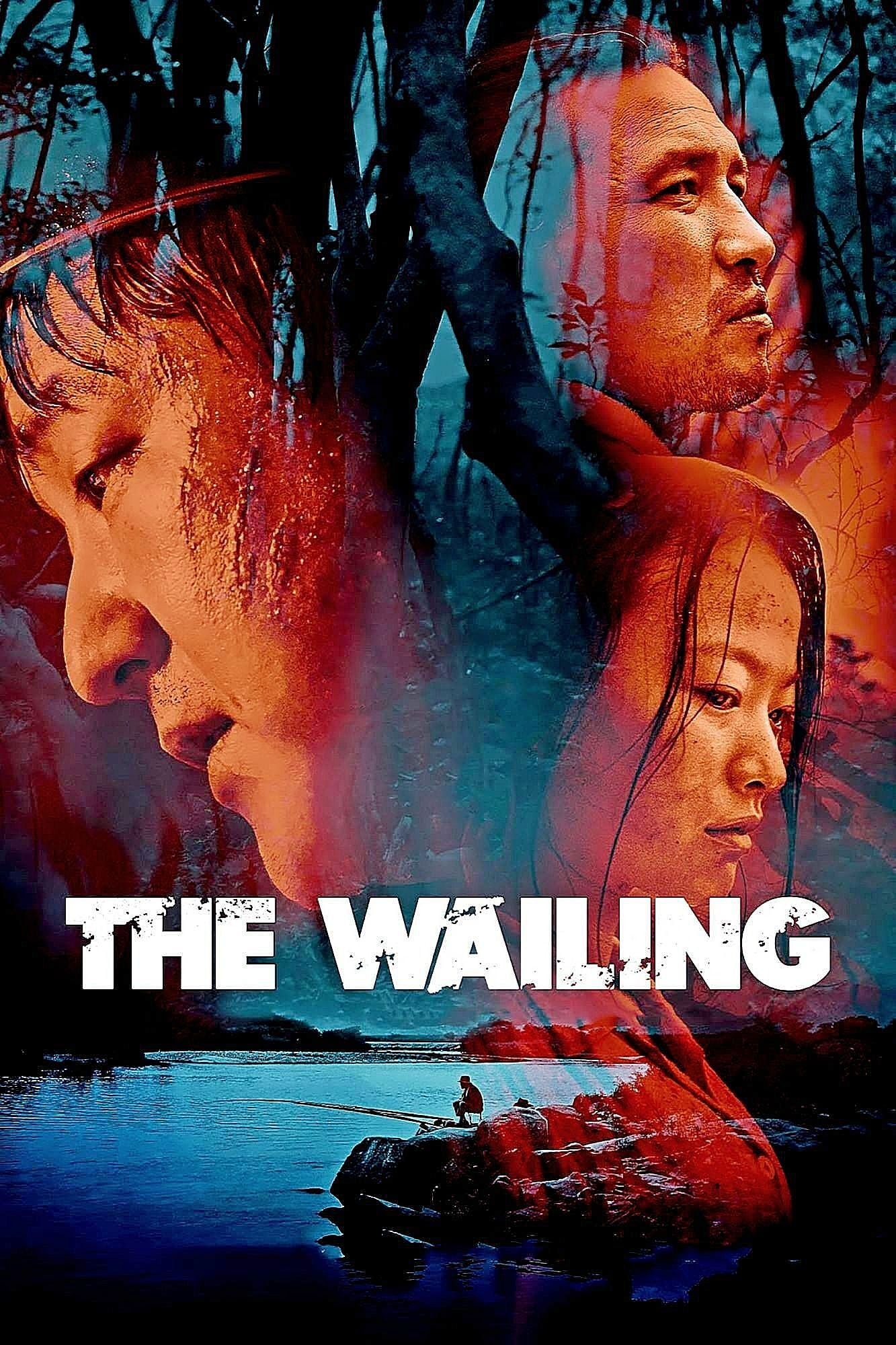
Na Hong-jin sets a supernatural mystery in a rural Korean village after a series of unexplained illnesses and deaths. Kwak Do-won and Hwang Jung-min star in a story that weaves police investigation with shamanic rituals. The runtime allows slow escalation with detailed local settings and weather changes. It earned international festival attention and critical recognition for atmosphere and structure.
‘Barbarian’ (2022)

Zach Cregger directs a story that begins with a double-booked rental home and expands through layered timelines. Georgina Campbell, Bill Skarsgård, and Justin Long play characters connected to the property’s history. The script shifts genre modes while revealing infrastructure hidden beneath the neighborhood. The production used location builds to control tunnels and sightlines for staged reveals.
‘Host’ (2020)
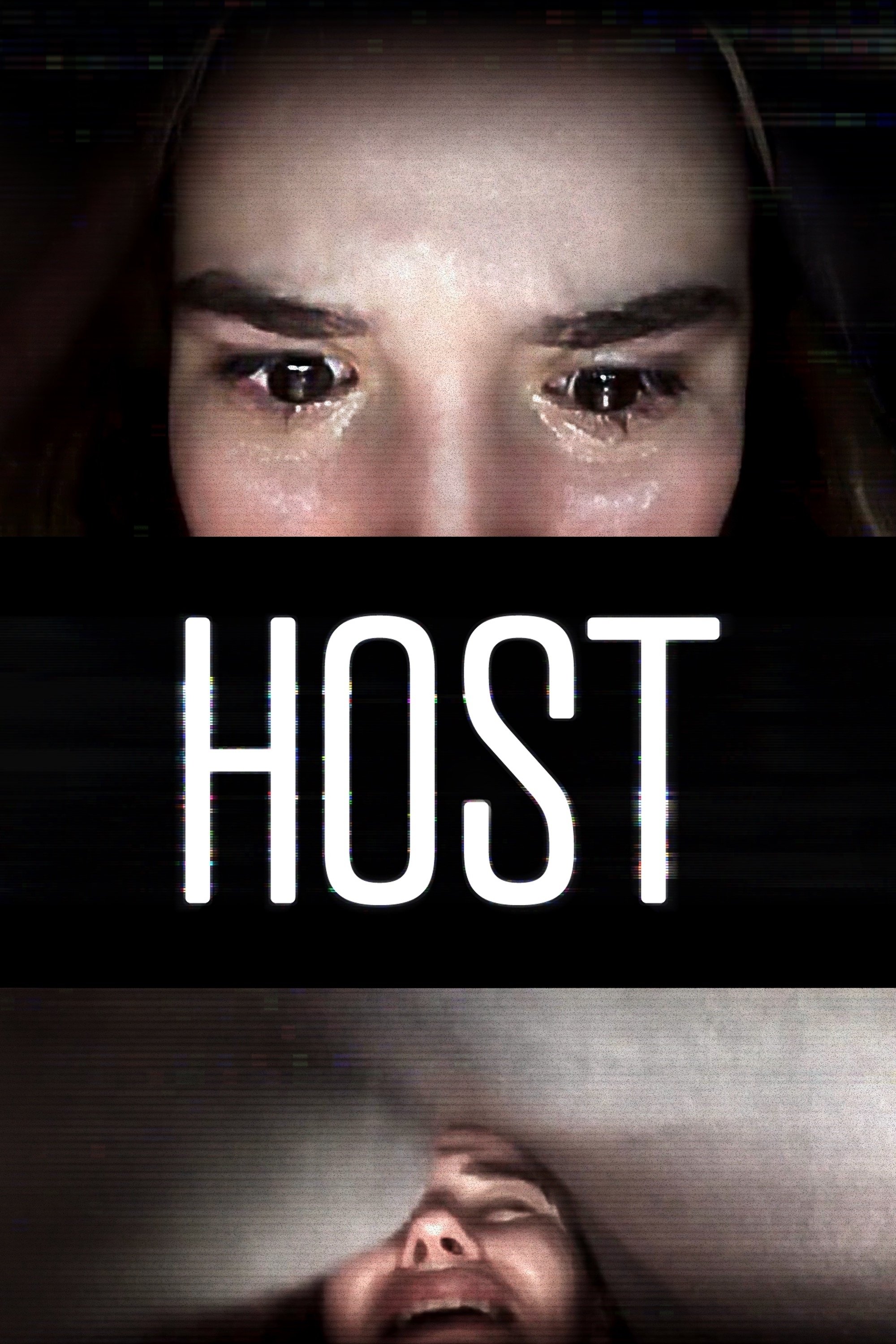
Rob Savage creates a screenlife horror feature set during a video call session arranged in lockdown conditions. The cast performed stunts at home with guidance from the effects team to maintain safety. The film runs under an hour and uses the interface of conferencing software for framing. Its release drew attention for rapid production that captured remote collaboration methods.
‘Midsommar’ (2019)
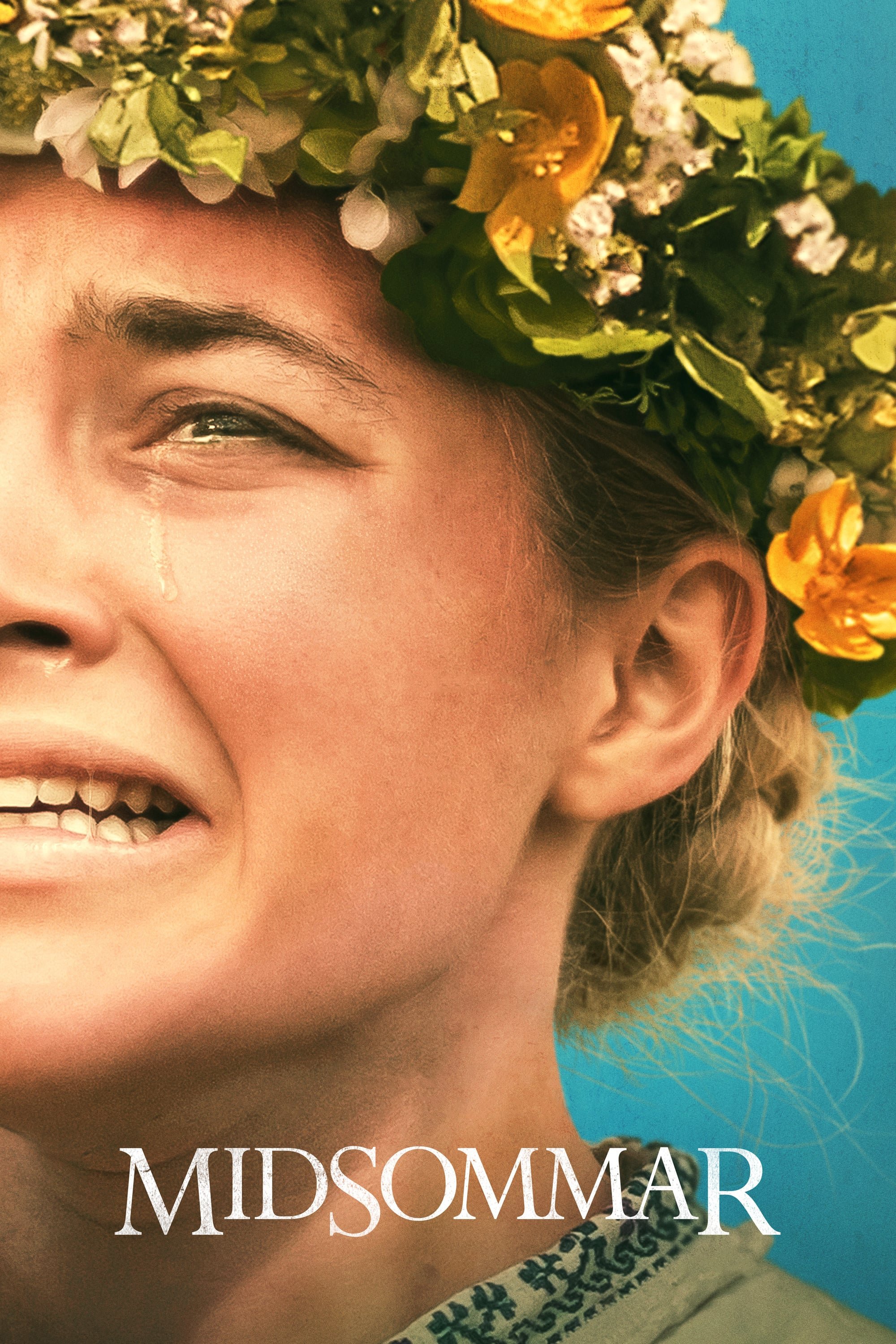
Ari Aster stages a daylight folk ritual narrative set in a remote Swedish community visited by American students. Florence Pugh leads the ensemble, with location shooting in Hungary standing in for rural Sweden. Production design built floral structures and costumes to support ceremonial sequences. The film’s extended cut adds character scenes that clarify group dynamics and decisions.
‘Poltergeist’ (1982)
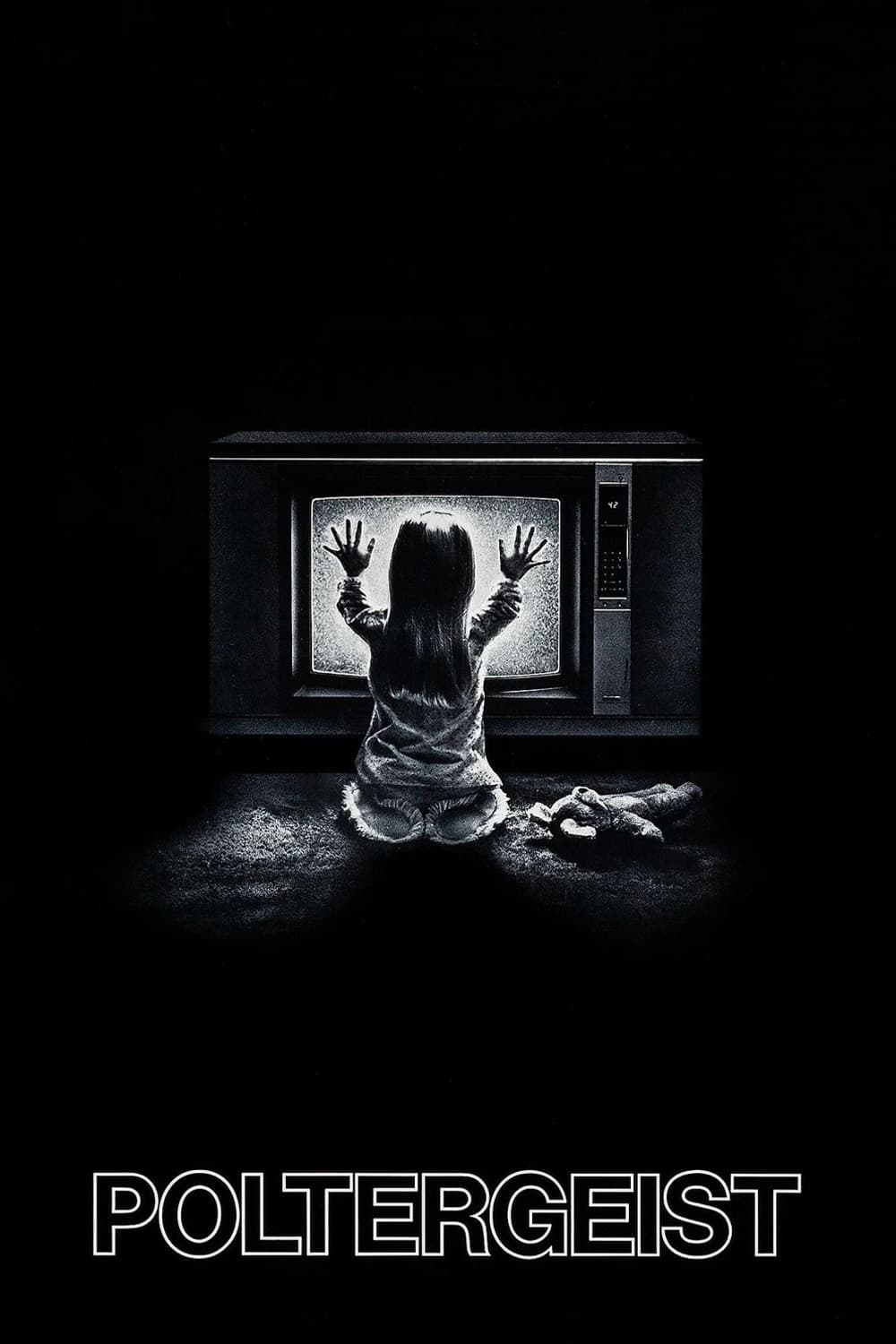
Tobe Hooper directs this suburban haunting that centers on a family whose home becomes a focus of disturbing events. Craig T. Nelson and JoBeth Williams lead the cast with Zelda Rubinstein as a spiritual medium. Producer Steven Spielberg helped shape the screenplay and production design. The film used cutting edge visual effects and sound work to stage its otherworldly set pieces.
‘An American Werewolf in London’ (1981)
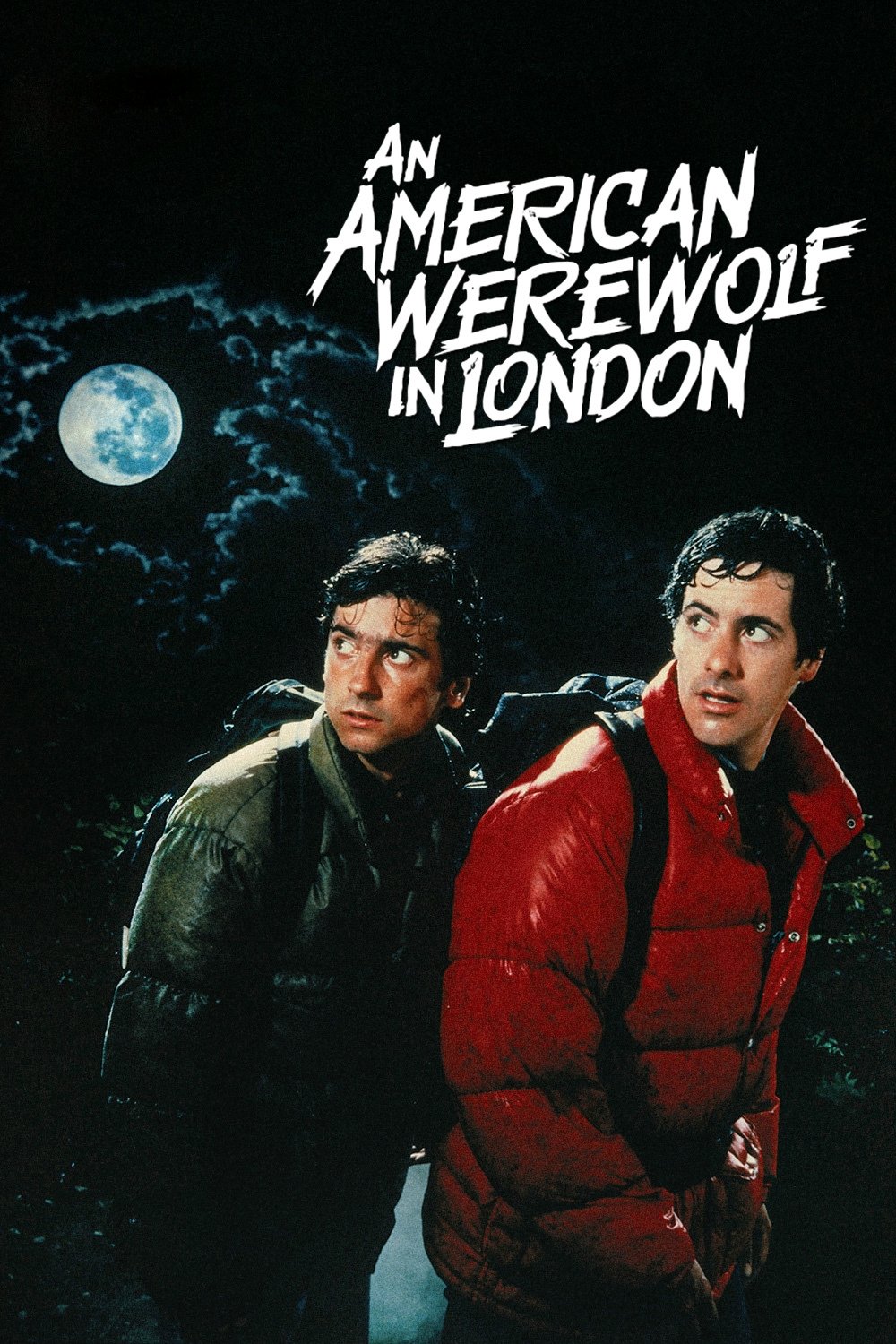
John Landis tells the story of backpackers who meet a creature on the English moors and face a terrible aftermath. David Naughton and Griffin Dunne star with Jenny Agutter in support. Rick Baker’s transformation makeup earned widespread recognition and set a new standard for practical effects. London locations and a dark sense of humor became key parts of its identity.
‘The Fly’ (1986)
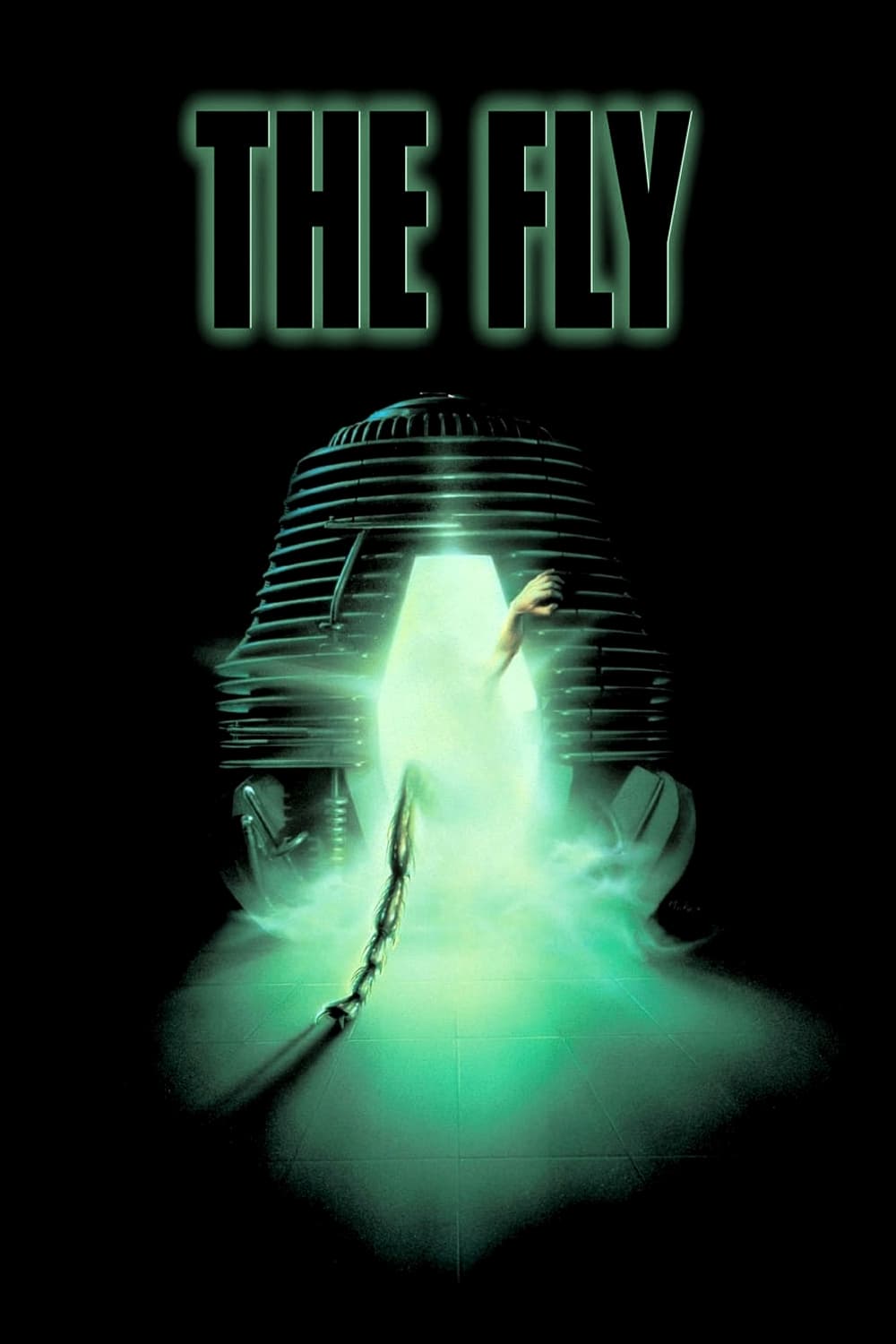
David Cronenberg adapts a story about a scientist whose teleportation experiment goes terribly wrong. Jeff Goldblum and Geena Davis star in a character driven narrative that focuses on physical change. The production relied on advanced makeup appliances and animatronics for on screen transformation. The score by Howard Shore adds a tragic tone to the unfolding events.
‘Carrie’ (1976)
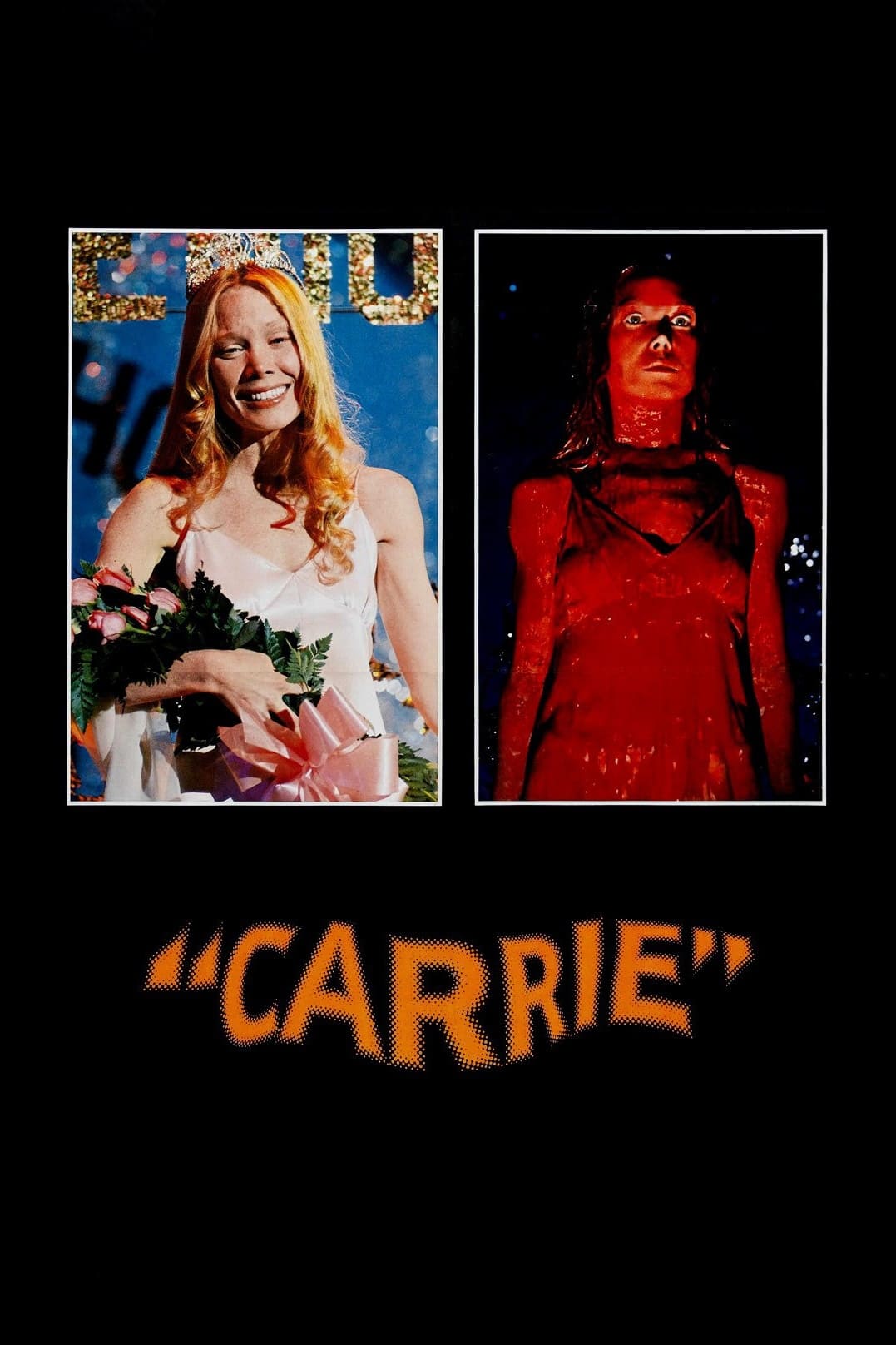
Brian De Palma adapts Stephen King’s debut novel about a bullied teenager with telekinetic abilities. Sissy Spacek and Piper Laurie received major award nominations for their performances. Split screen editing and stylized lighting are used in the climactic sequences. The film’s prom setting and small town atmosphere became enduring genre images.
‘The Haunting’ (1963)
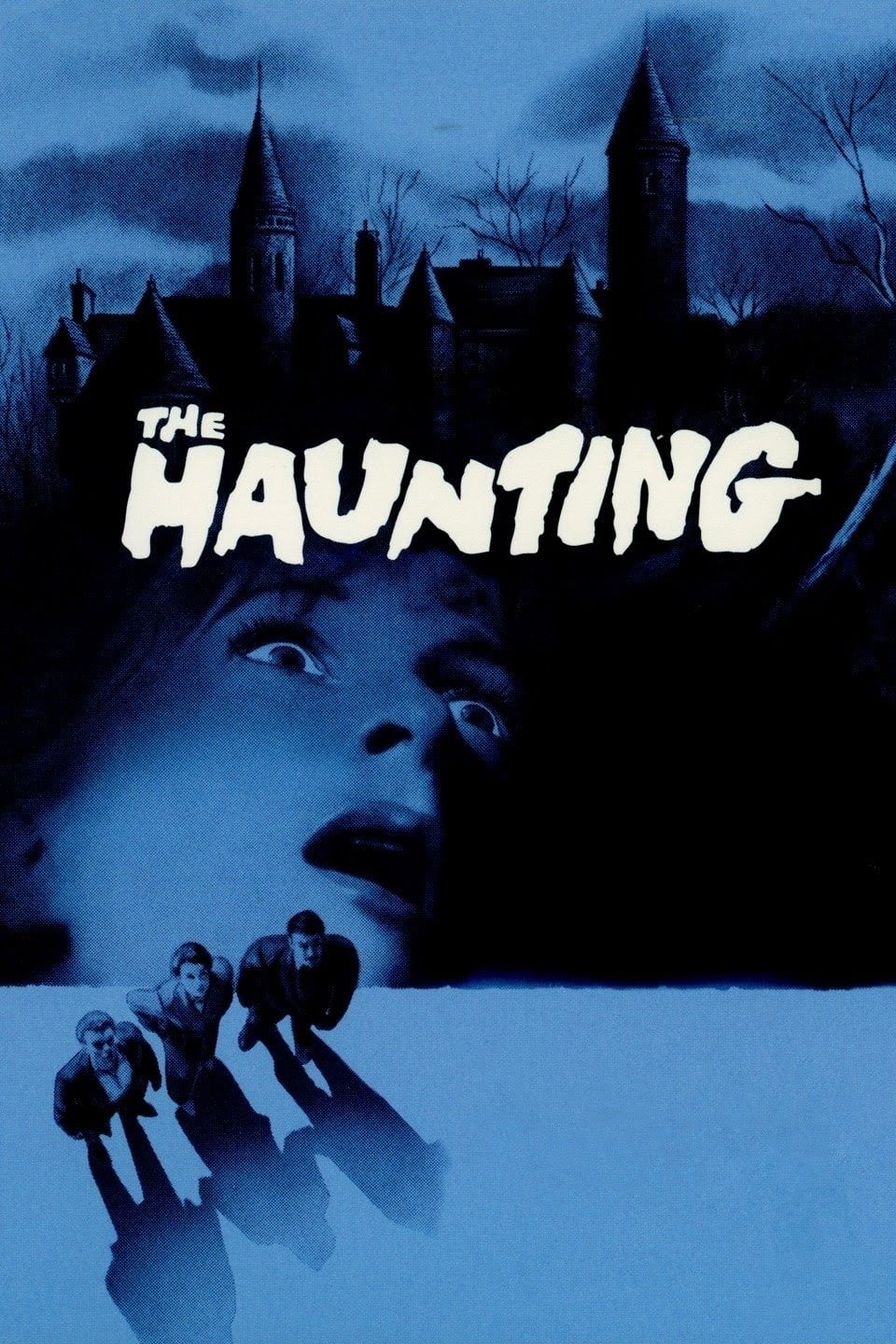
Robert Wise adapts Shirley Jackson’s novel about investigators who gather in a mansion with a troubled history. Julie Harris and Claire Bloom lead a cast that plays out fear through suggestion and sound. Cinematography uses wide angle lenses and careful framing to imply movement in empty rooms. The production emphasized practical effects and in camera tricks for atmosphere.
‘[REC]’ (2007)
!['[REC]' (2007)](https://image.tmdb.org/t/p/original/hgyJR4sgMsee6xMFM3xYiG6cDCh.jpg)
Jaume Balagueró and Paco Plaza present a found footage style story set in a quarantined Barcelona apartment building. Manuela Velasco plays a reporter whose late night ride along turns into a contained outbreak. The film uses real time pacing and confined spaces to drive tension. Its success led to sequels and an English language remake titled ‘Quarantine’.
‘The Orphanage’ (2007)
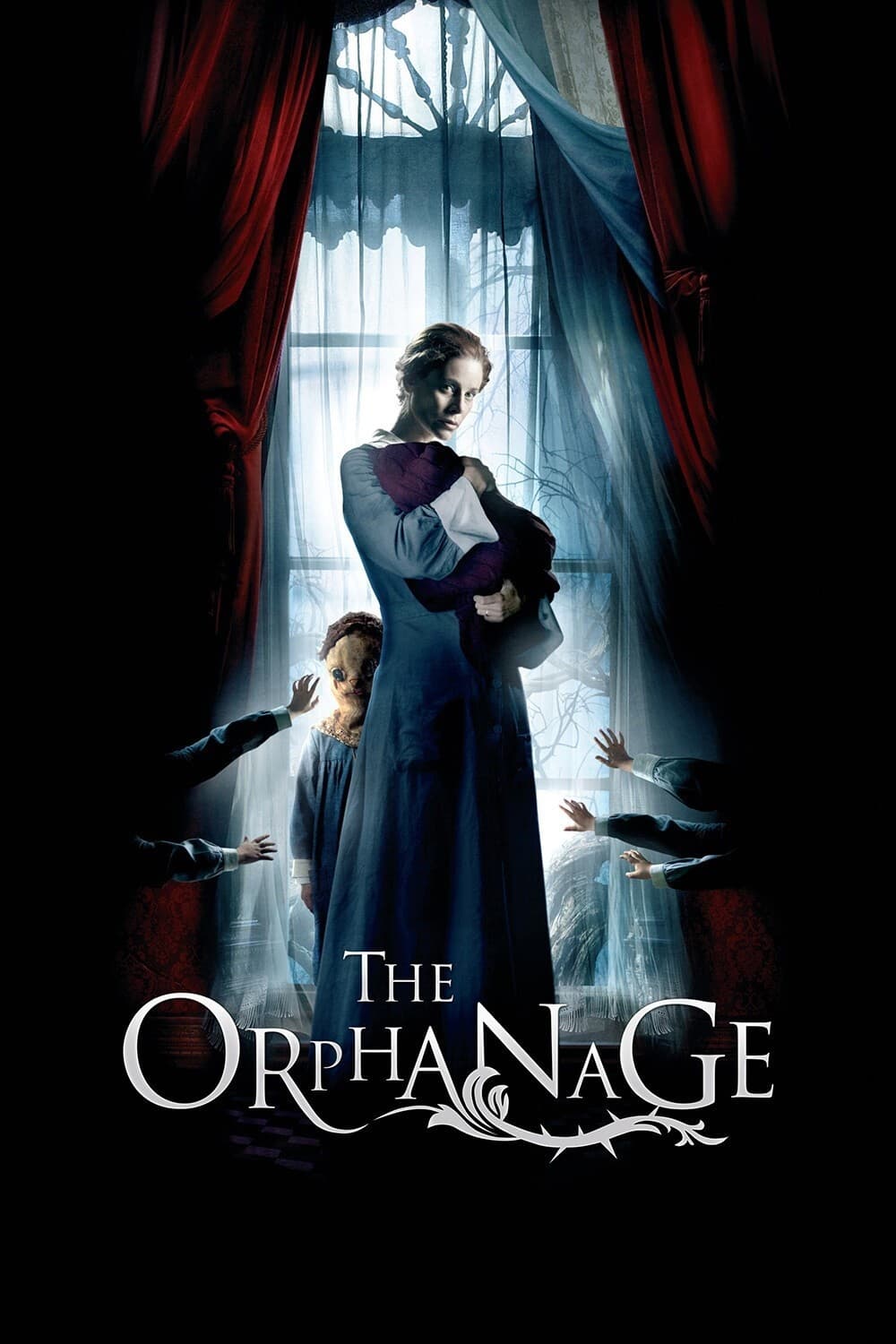
J. A. Bayona directs a Spanish ghost story about a woman who returns to the seaside home where she grew up. Belén Rueda stars as a mother searching for answers inside a former institution. The production team included Guillermo del Toro as an executive producer. Music and sound design support a focus on memory and hidden rooms.
‘Hellraiser’ (1987)
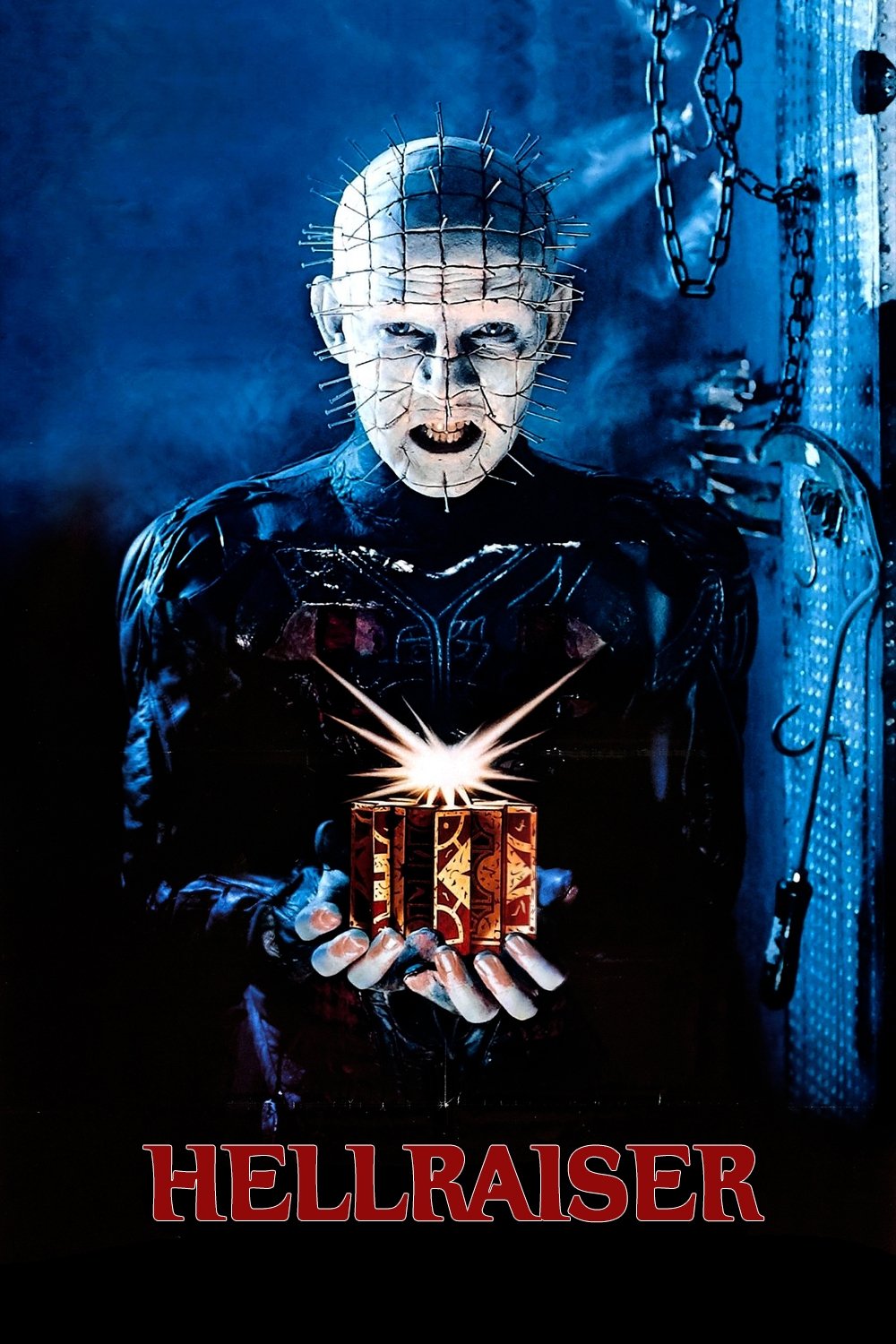
Clive Barker writes and directs this adaptation of his novella about a puzzle box that opens a gateway to sadistic beings. Doug Bradley debuts as Pinhead alongside an ensemble caught in a web of desire and betrayal. Practical effects and makeup created the look of the Cenobites and their environment. The film launched a franchise that explored the rules of the box and its lore.
‘The Omen’ (1976)
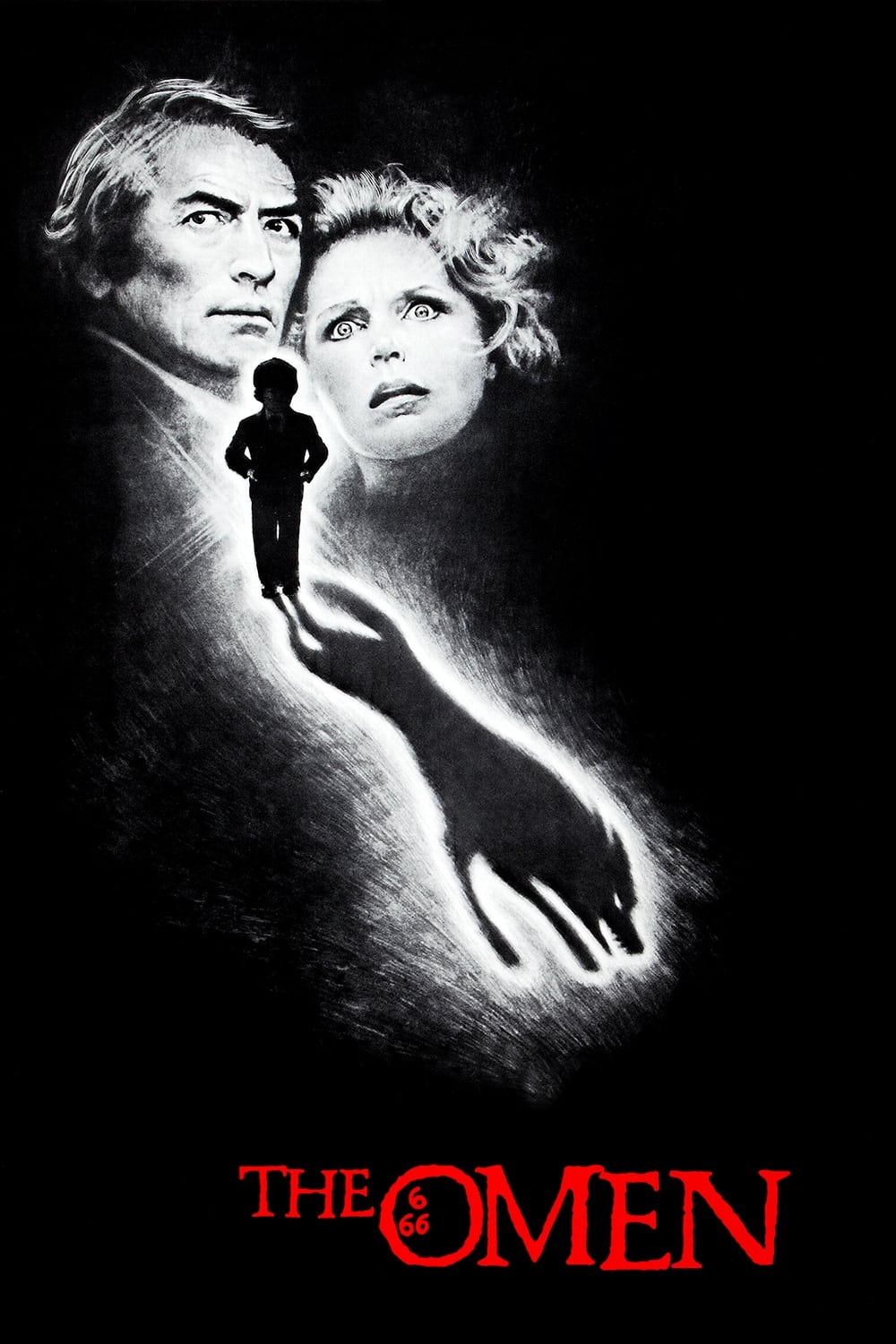
Richard Donner tells a story about a diplomat who begins to suspect a terrible secret about his son. Gregory Peck and Lee Remick star with memorable appearances by David Warner and Billie Whitelaw. The production features a choral score by Jerry Goldsmith that won major awards. International locations and set pieces build a sense of scale for the investigation.
‘The Devil’s Backbone’ (2001)
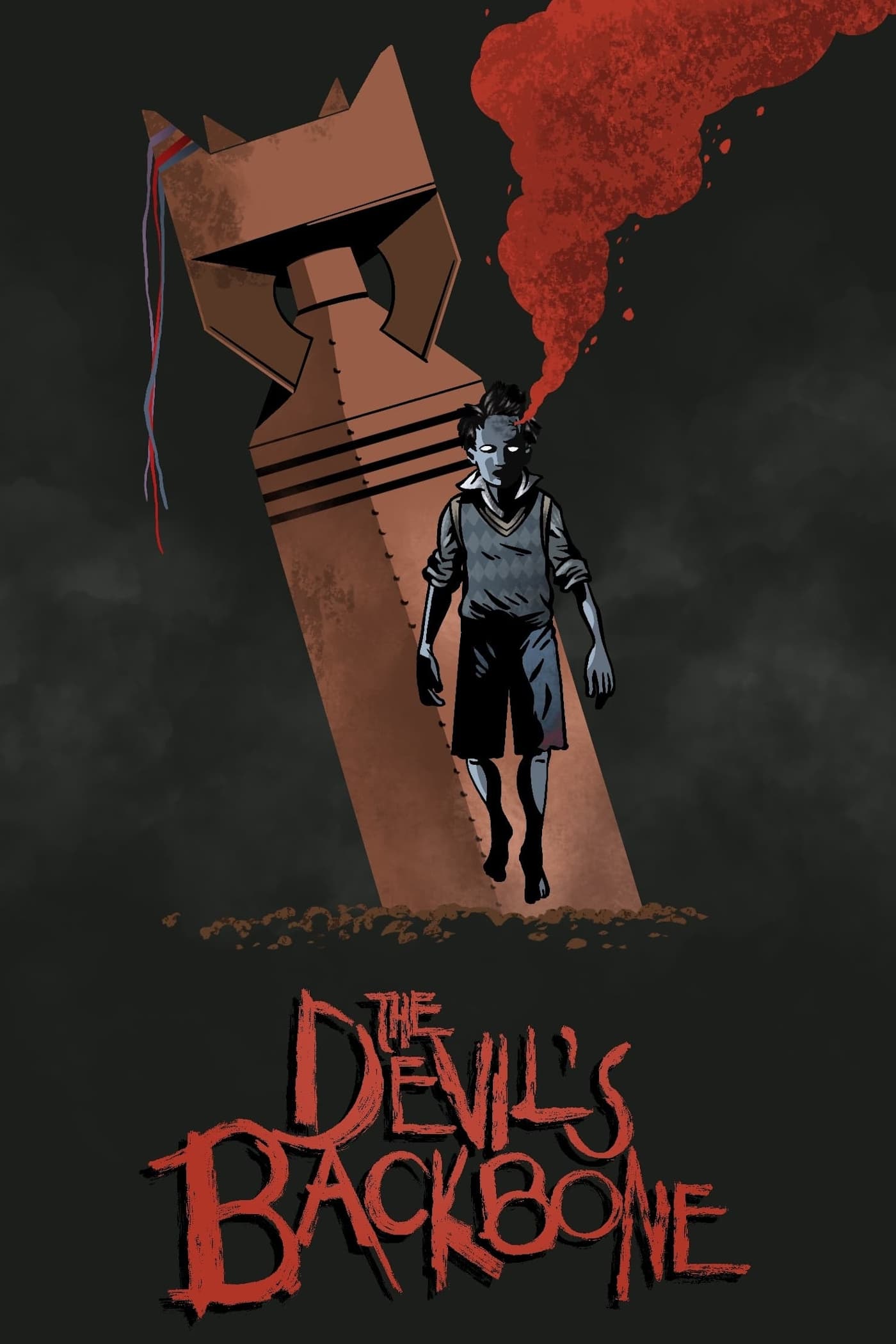
Guillermo del Toro sets this ghost story at a remote orphanage during a civil conflict. Fernando Tielve and Marisa Paredes lead a cast that explores themes of loss and memory. The production blends period detail with practical effects for the spectral imagery. Cinematography and color work emphasize heat and dust across courtyards and dormitories.
‘The Autopsy of Jane Doe’ (2016)
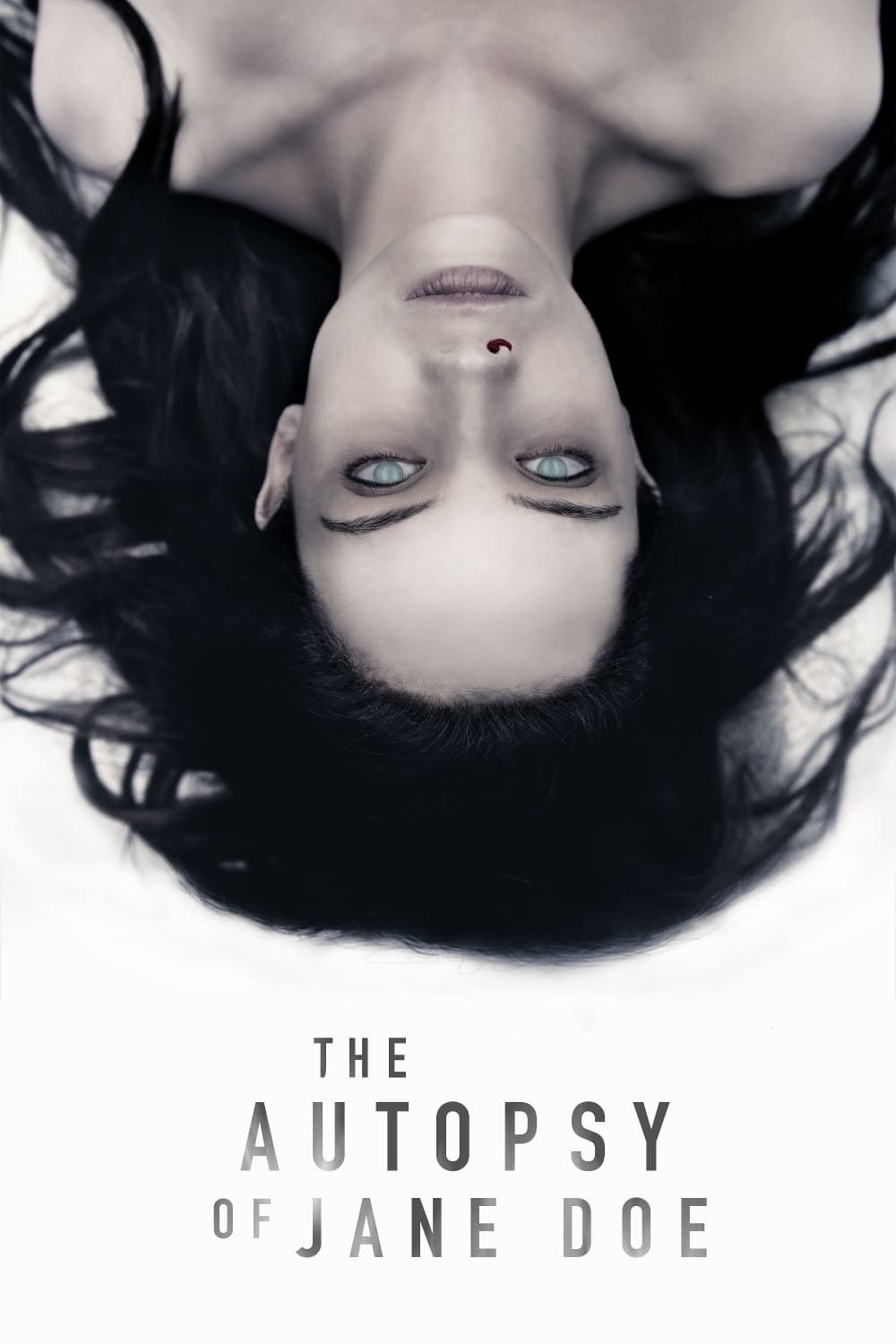
André Øvredal directs a contained mystery that unfolds inside a small town morgue overnight. Brian Cox and Emile Hirsch play coroners who document a body with increasingly strange findings. The narrative reveals clues through clinical procedures and discovered artifacts. Sound cues and environmental details guide attention to the next reveal.
‘Raw’ (2016)
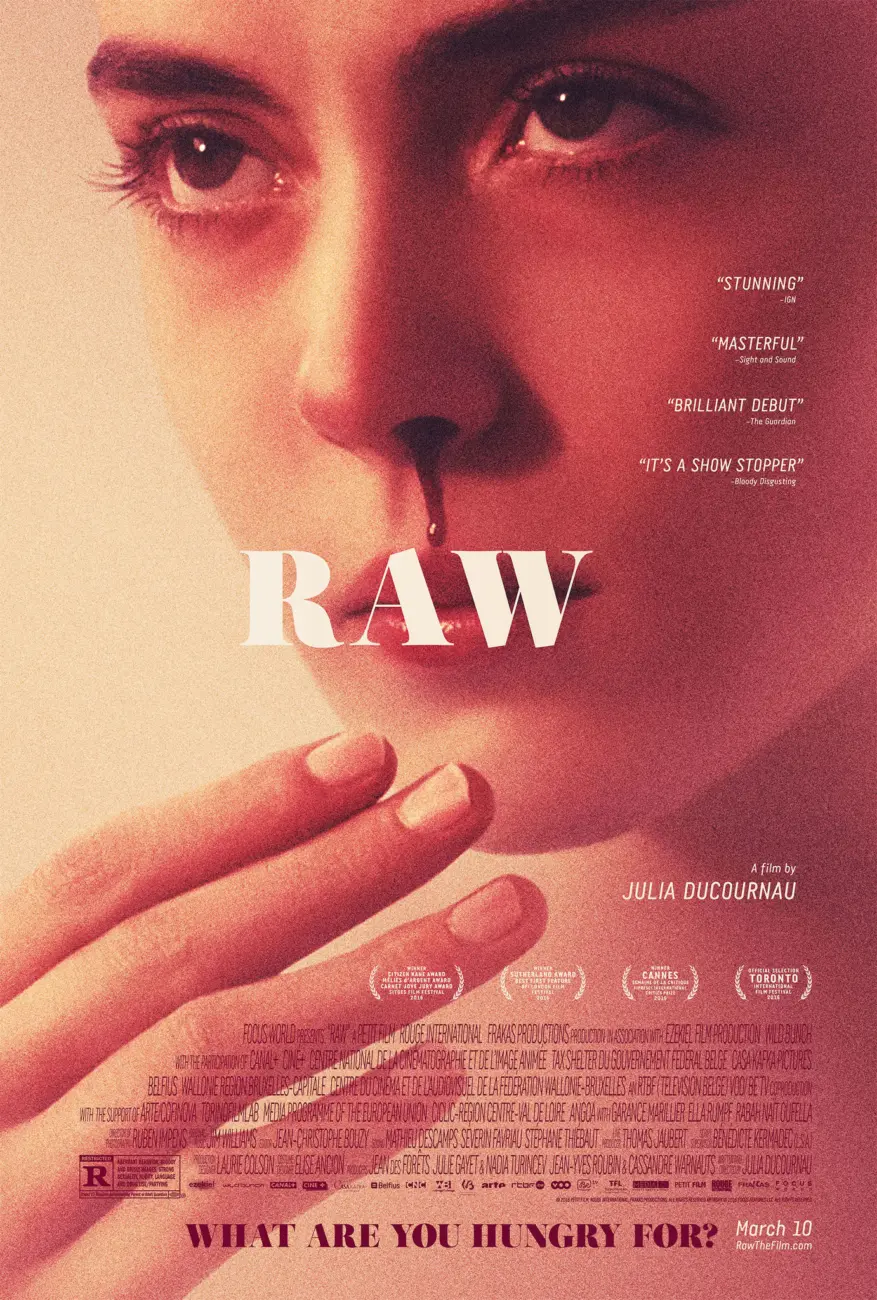
Julia Ducournau presents a coming of age story set at a veterinary school that spirals into darker territory. Garance Marillier stars with Ella Rumpf in a tale of sibling tension and identity. The production uses realistic campus settings and special effects makeup to chart behavior changes. Festival screenings brought strong attention to its bold approach.
‘Saint Maud’ (2019)
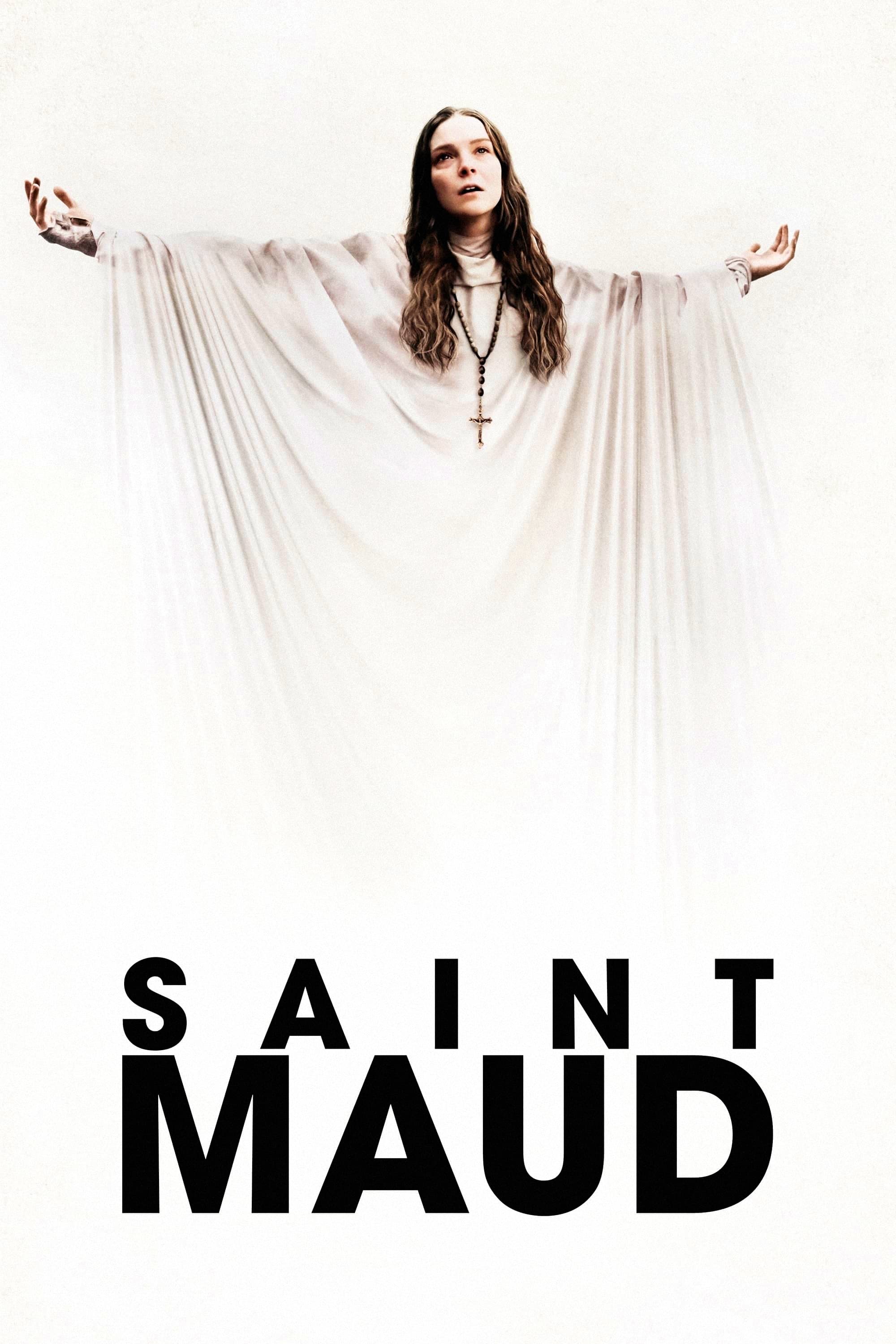
Rose Glass writes and directs a psychological study of a private nurse who pursues an intense spiritual mission. Morfydd Clark leads with Jennifer Ehle as her patient. The film uses close framing and controlled sound to reflect the character’s inner state. Location work around a coastal town adds to the sense of isolation.
‘Nope’ (2022)
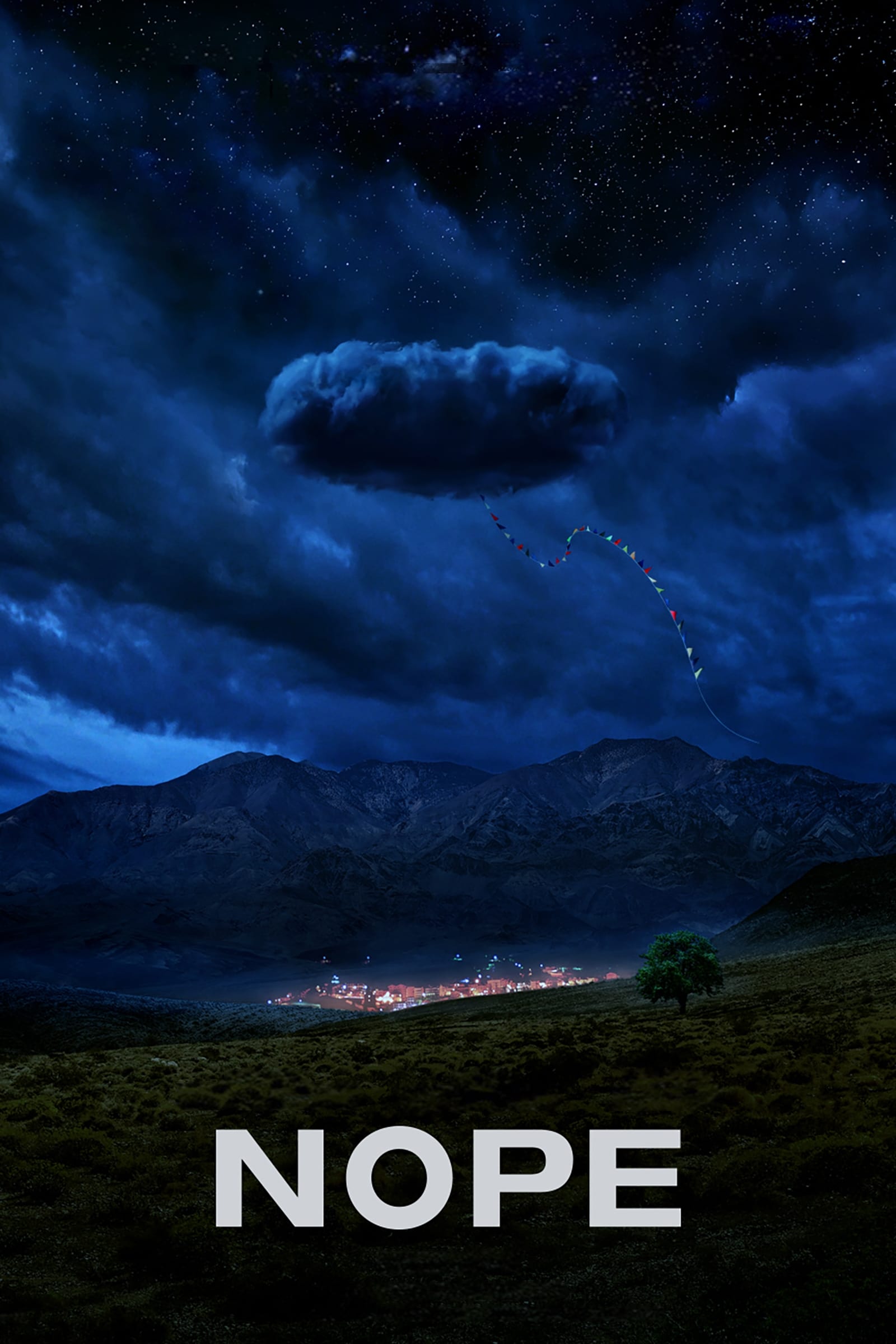
Jordan Peele crafts a story about siblings who run a horse training business and confront a mystery in the sky. Daniel Kaluuya and Keke Palmer star with Steven Yeun in a parallel narrative. Large format cinematography and day for night techniques shape the look of the valley. Practical rigs and sound design help sell scale during key sequences.
‘Under the Shadow’ (2016)
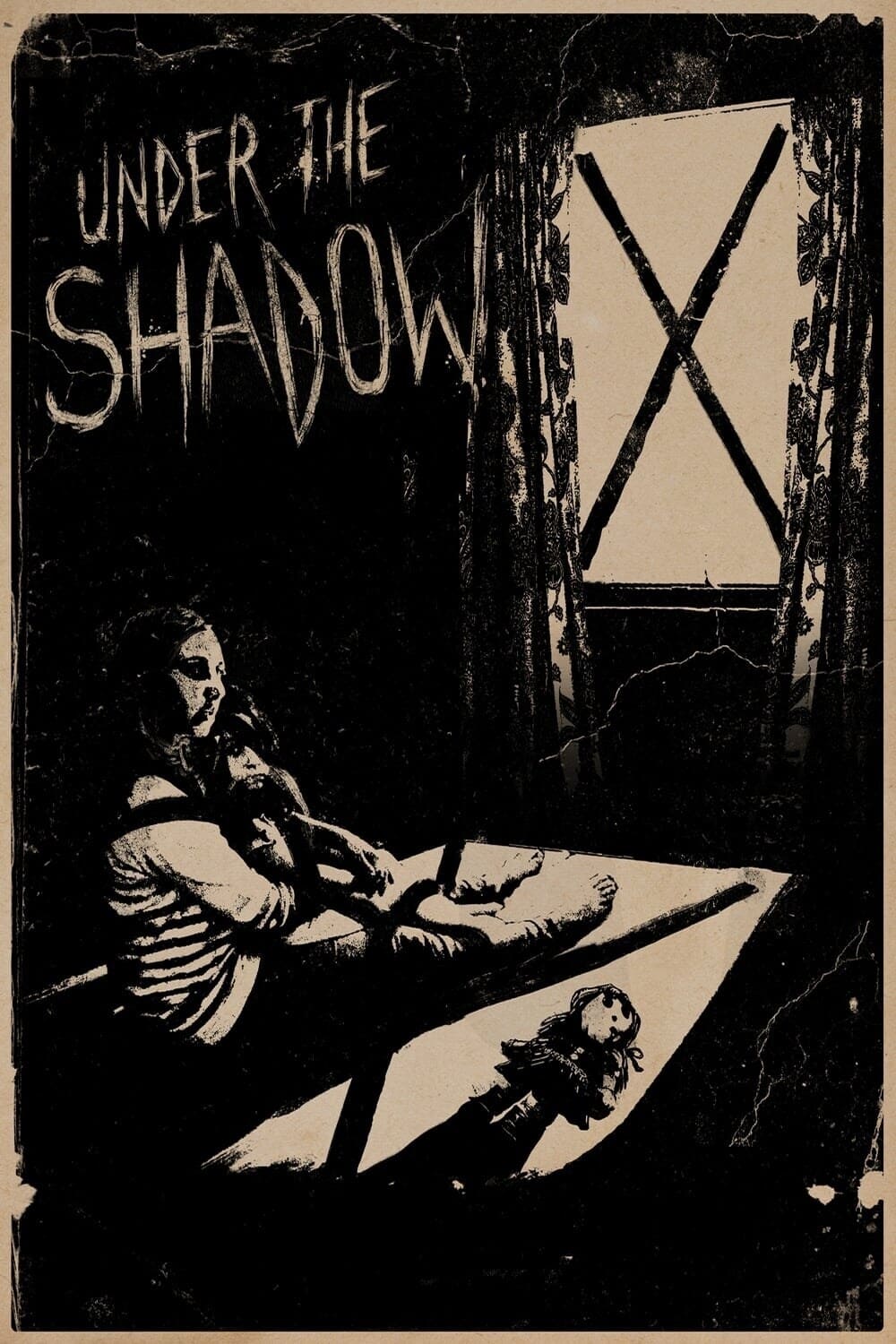
Babak Anvari sets this supernatural tale in Tehran during a period of conflict as a mother and child face a creeping presence. Narges Rashidi stars in a story that blends folklore with domestic life. The film uses apartment locations and limited resources to create a claustrophobic feel. Festival awards and critical recognition brought it to wider audiences.
Share your favorite Halloween stream in the comments and tell us which one you’re pressing play on first.

