


Best-Rated Movies from 1980s

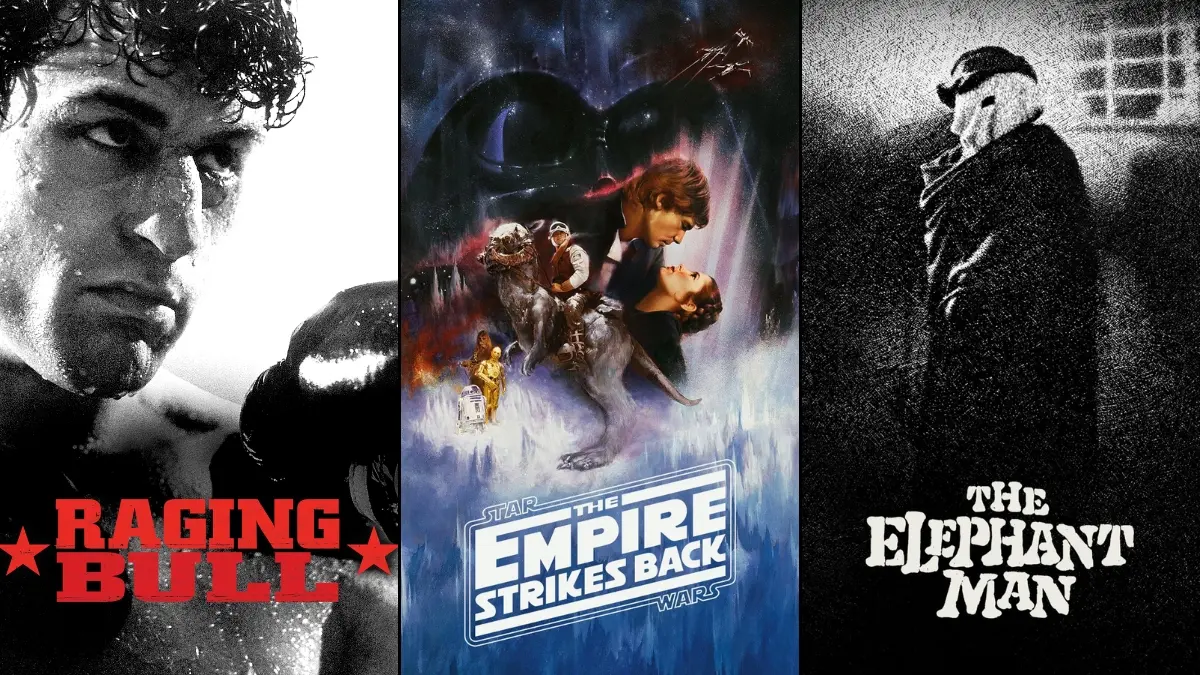


The year 1980 was a significant time for cinema. It marked the beginning of a new decade that would see the rise of blockbusters and independent films alike. Audiences were treated to a wide range of genres, from epic science fiction to gritty dramas. This era of filmmaking produced many movies that have since become classics. These films not only achieved success at the box office but also earned high praise from critics.
This list explores some of the best-rated movies released in 1980. These films have stood the test of time, continuing to be celebrated for their storytelling, performances, and direction. Whether you are revisiting old favorites or discovering them for the first time, these movies offer a glimpse into the rich cinematic landscape of the year. They represent a diverse collection of stories that have left a lasting impact on film history.
The Empire Strikes Back (1980)
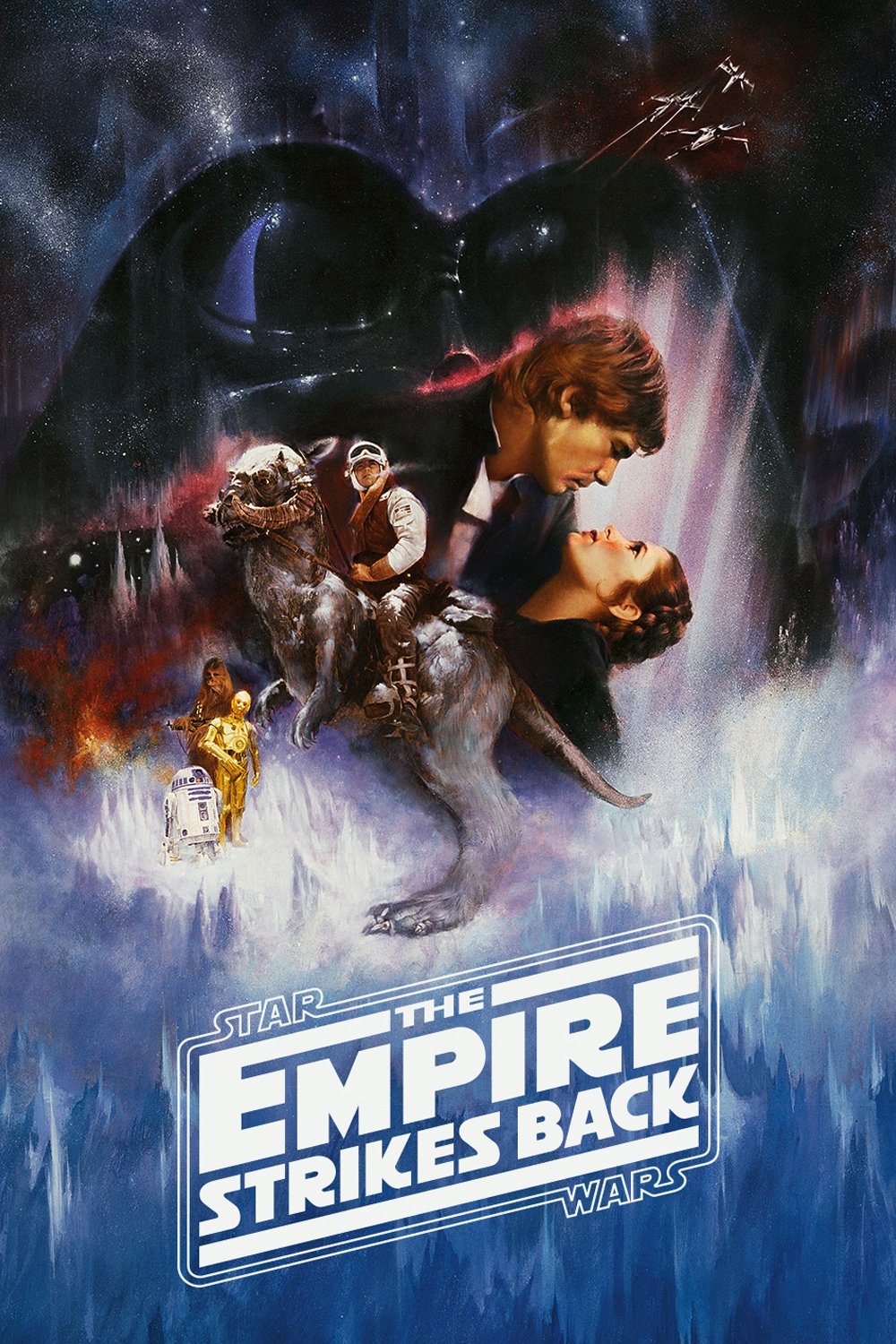
The second film in the original Star Wars trilogy, The Empire Strikes Back continues the story of Luke Skywalker and his battle against the evil Galactic Empire. Luke travels to the swamp planet of Dagobah to train under the wise Jedi Master Yoda. Meanwhile, his friends Han Solo, Princess Leia, and Chewbacca are pursued across the galaxy by Darth Vader. The film is known for its darker tone compared to its predecessor.
The movie is widely regarded as one of the greatest science fiction films ever made. It introduced iconic elements to the Star Wars saga, including the AT-AT walkers and the cloud city of Bespin. The film’s shocking cliffhanger ending left audiences stunned and eagerly awaiting the next installment. Its complex story and character development have been praised by critics and fans for decades.
Raging Bull (1980)
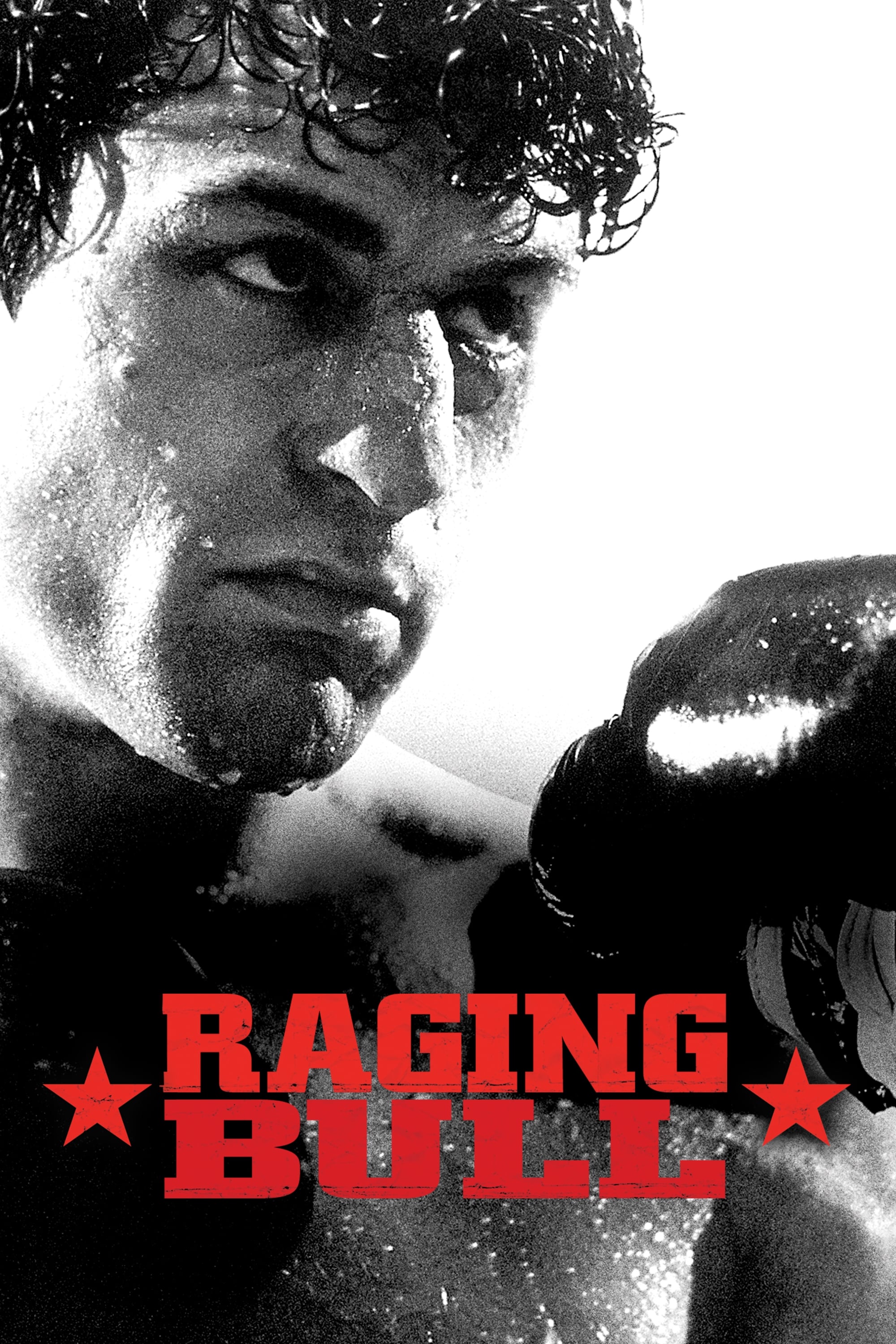
Raging Bull tells the story of middleweight boxer Jake LaMotta. Directed by Martin Scorsese, the film is shot in black and white. It follows LaMotta’s life, from his rise as a champion in the ring to his self-destructive behavior outside of it. The movie explores themes of jealousy, rage, and violence, showing how these qualities lead to his downfall.
Robert De Niro’s performance as Jake LaMotta is considered one of the greatest in film history. He famously gained a significant amount of weight to portray the older, out-of-shape LaMotta. The film was praised for its realistic and brutal boxing scenes, as well as its powerful storytelling. It received numerous awards and is often cited as one of the best films of the 1980s.
The Shining (1980)
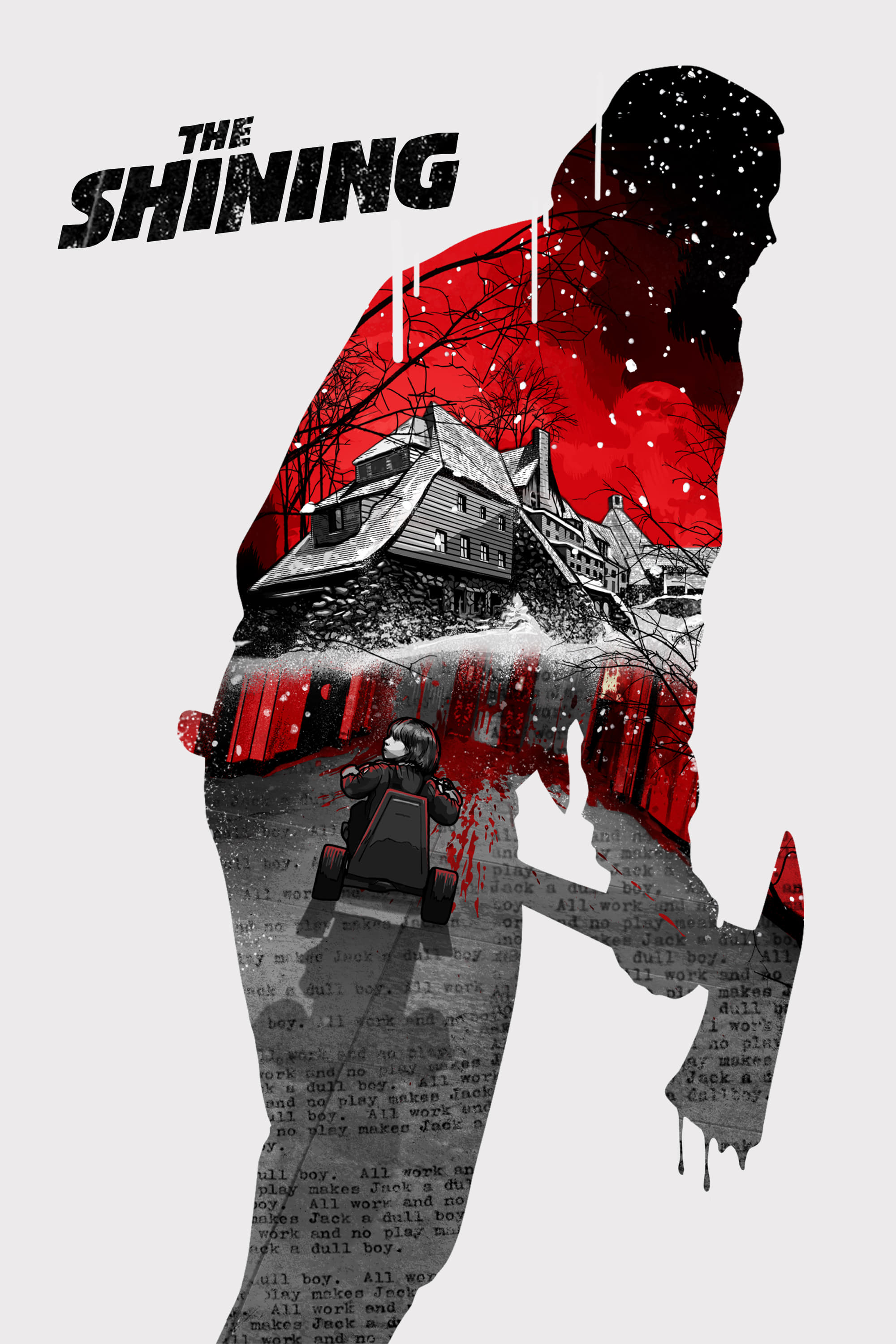
Based on Stephen King’s novel, The Shining is a horror film directed by Stanley Kubrick. It follows Jack Torrance, a writer who takes a job as the winter caretaker at the isolated Overlook Hotel. He brings his wife, Wendy, and their young son, Danny, with him. As the winter sets in, Jack’s sanity deteriorates, and supernatural forces within the hotel begin to terrorize the family.
The film is known for its unsettling atmosphere and iconic imagery, such as the creepy twin girls and the wave of blood from the elevator. Jack Nicholson’s performance as the unhinged Jack Torrance is both terrifying and memorable. While the initial reception was mixed, The Shining has since become a landmark in the horror genre, praised for its psychological depth and masterful direction.
Airplane! (1980)
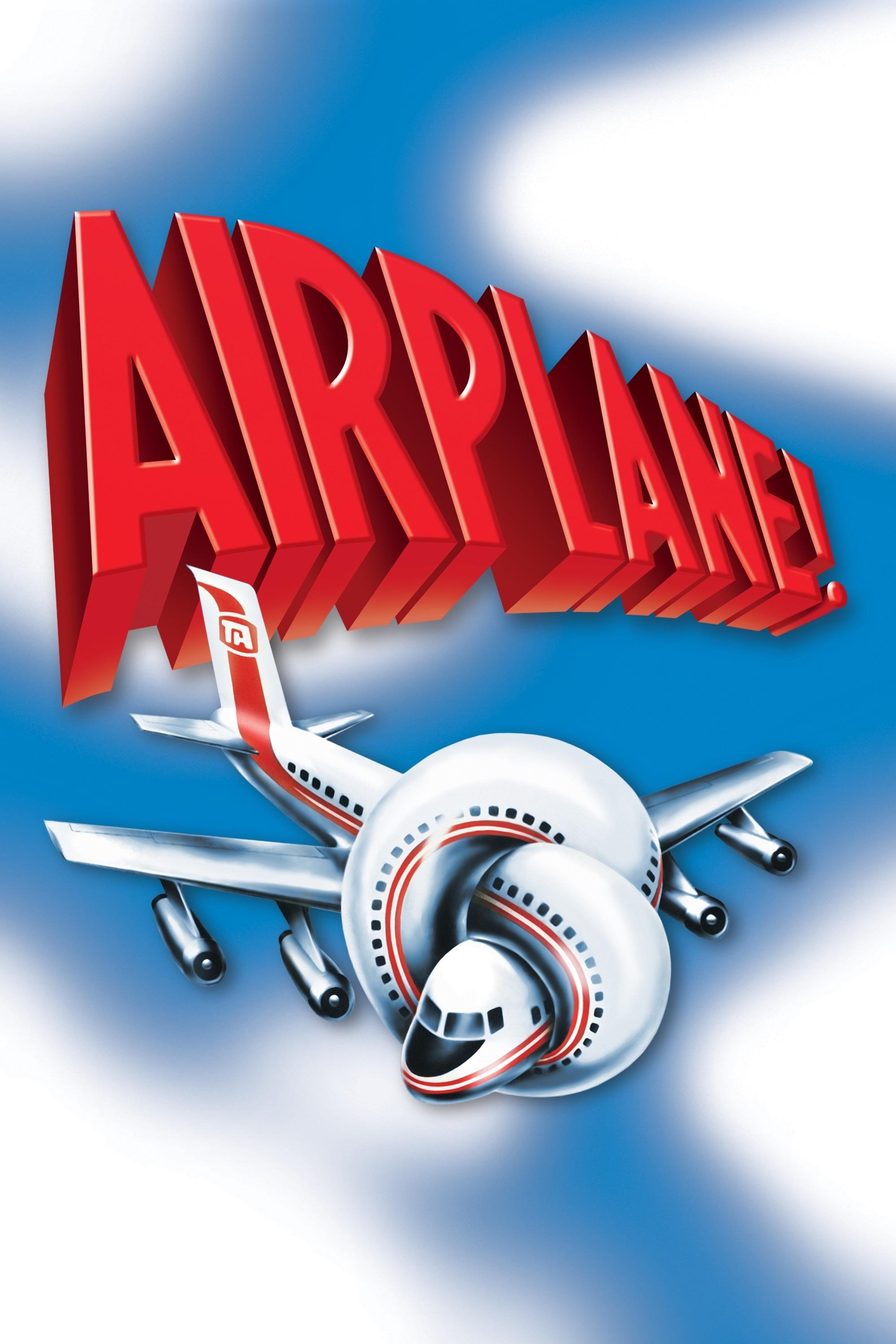
Airplane! is a parody film that spoofs the disaster movies of the 1970s. The story centers on an airplane flight where the pilots and many passengers become ill with food poisoning. An ex-fighter pilot with a fear of flying, Ted Striker, must overcome his trauma to land the plane safely. The film is packed with slapstick comedy, puns, and absurd sight gags.
The movie was a huge box office success and is now considered a classic of the comedy genre. Its rapid-fire jokes and deadpan delivery from actors like Leslie Nielsen and Robert Hays have been highly praised. Airplane! is often ranked as one of the funniest movies ever made and has had a lasting influence on comedy films that followed.
The Elephant Man (1980)
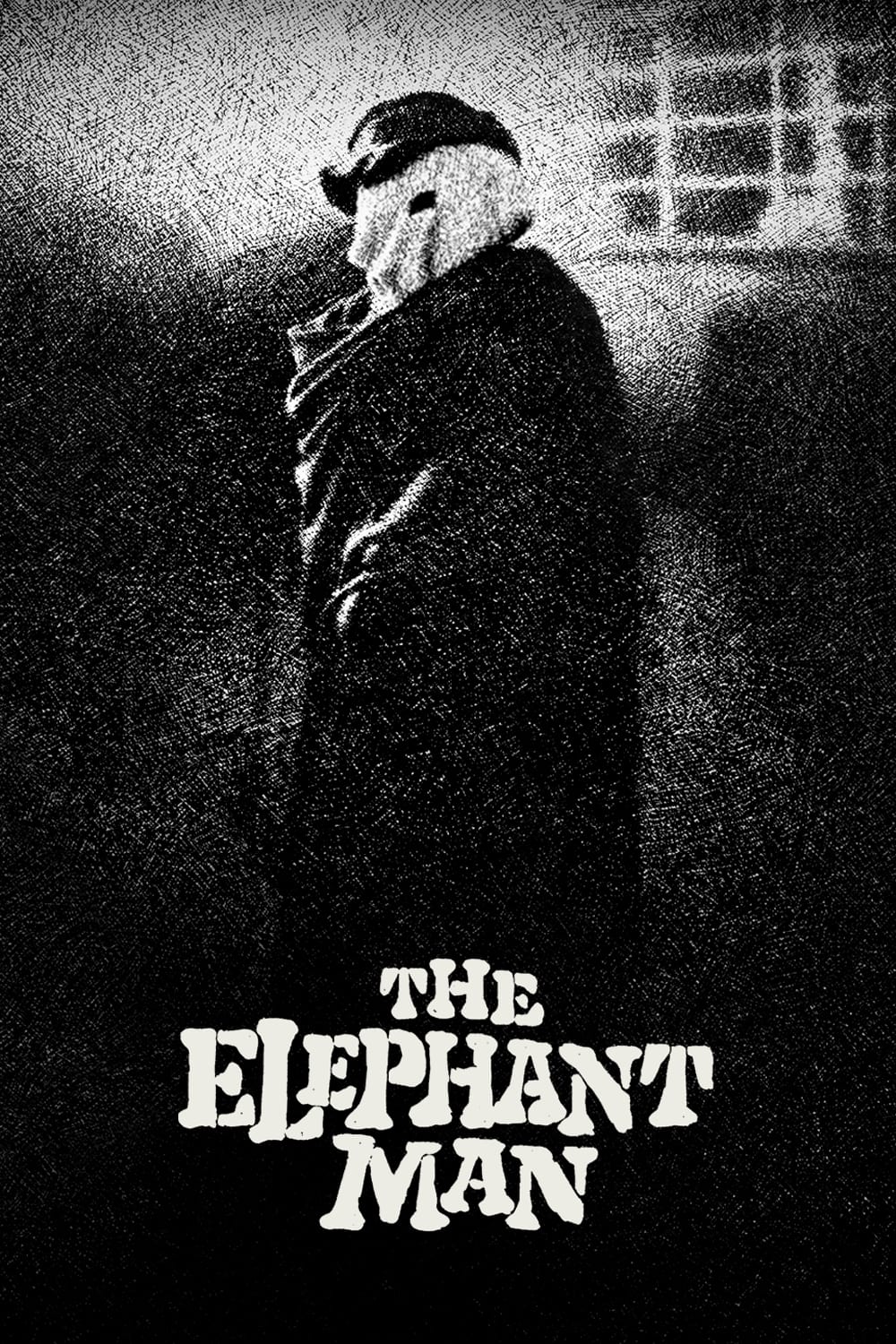
Directed by David Lynch, The Elephant Man is a biographical film based on the life of Joseph Merrick, a severely deformed man in 19th-century London. Rescued from a freak show by a kind surgeon, Dr. Frederick Treves, Merrick is given a chance to live with dignity. The film explores his struggles and his journey to be seen as a human being rather than a spectacle.
Shot in black and white, the film is praised for its emotional depth and a powerful performance from John Hurt as Merrick. It also stars Anthony Hopkins as the compassionate Dr. Treves. The Elephant Man received critical acclaim for its sensitive portrayal of Merrick’s life and its message about humanity and acceptance. The movie was nominated for eight Academy Awards, including Best Picture.
Ordinary People (1980)
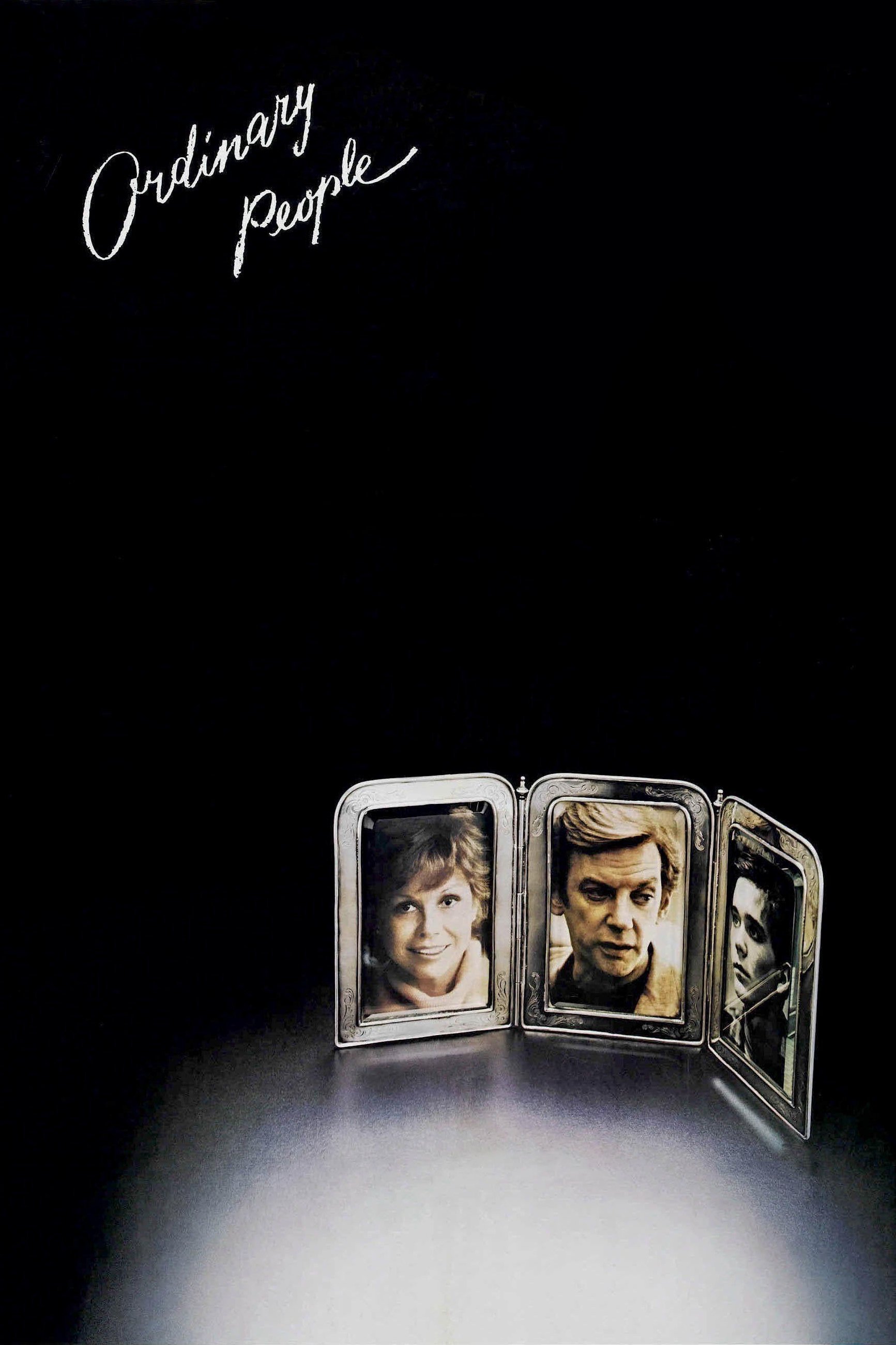
This film, directed by Robert Redford, tells the story of an upper-middle-class family coping with the aftermath of a tragic accident. The death of the older son in a boating accident causes deep emotional rifts within the family. The surviving son, Conrad, struggles with guilt and attempts suicide, while his mother becomes cold and distant. His father tries to hold the family together.
Ordinary People won four Academy Awards, including Best Picture, beating several other acclaimed films from that year. The movie was praised for its powerful performances from Donald Sutherland, Mary Tyler Moore, and Timothy Hutton, who won an Oscar for his role. It is a moving and realistic portrayal of grief, depression, and family dysfunction.
The Blues Brothers (1980)
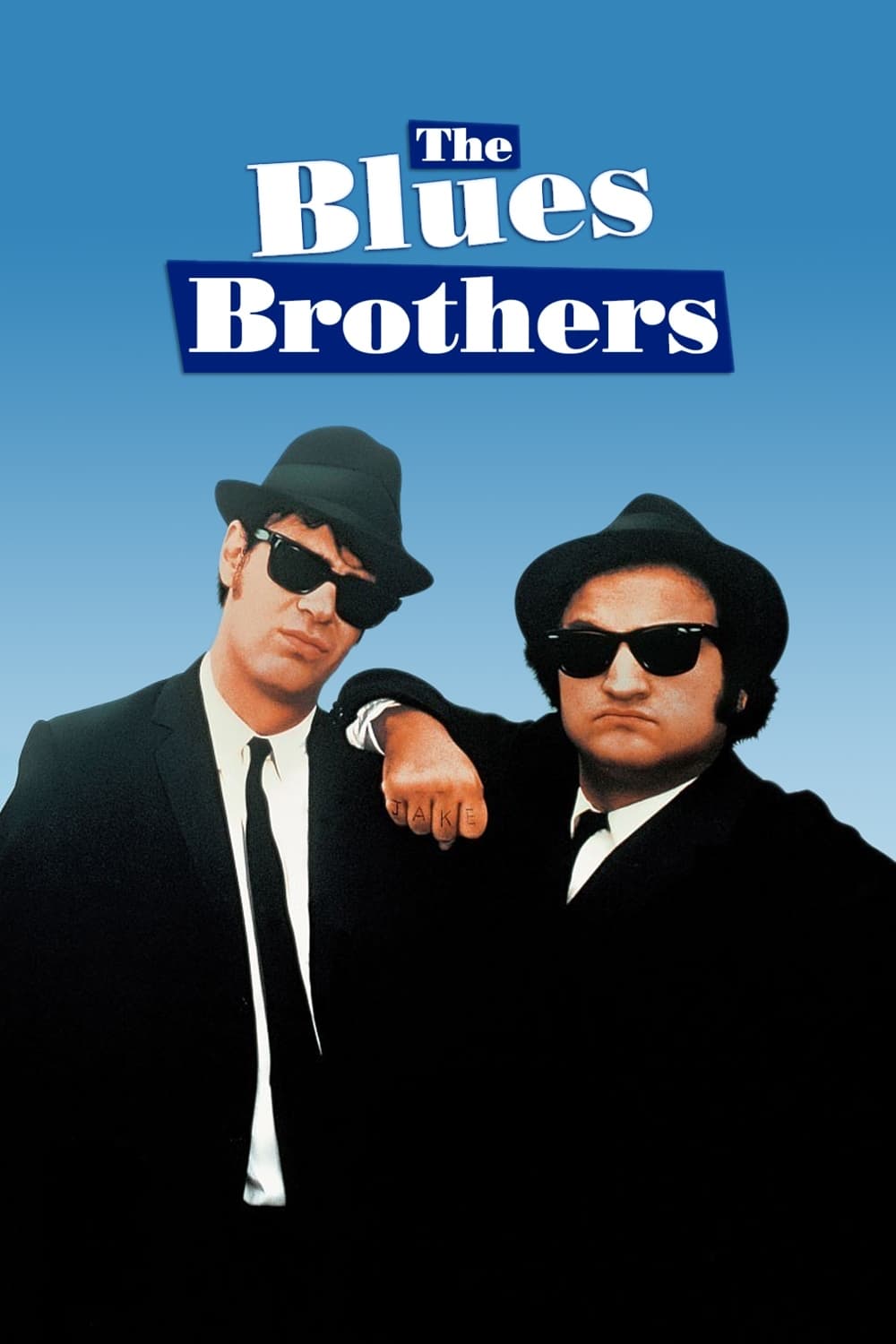
The Blues Brothers is a musical comedy starring John Belushi and Dan Aykroyd as “Joliet” Jake and Elwood Blues. The characters were first created for sketches on the TV show Saturday Night Live. In the film, the brothers set out on a “mission from God” to save the Catholic orphanage where they were raised from closing. To do this, they must reunite their old R&B band to earn the money needed.
The movie is famous for its high-energy car chases, which resulted in the destruction of over 100 cars. It also features musical performances from legendary artists like James Brown, Aretha Franklin, and Ray Charles. The Blues Brothers has become a cult classic, celebrated for its comedy, music, and chaotic action sequences.
Caddyshack (1980)
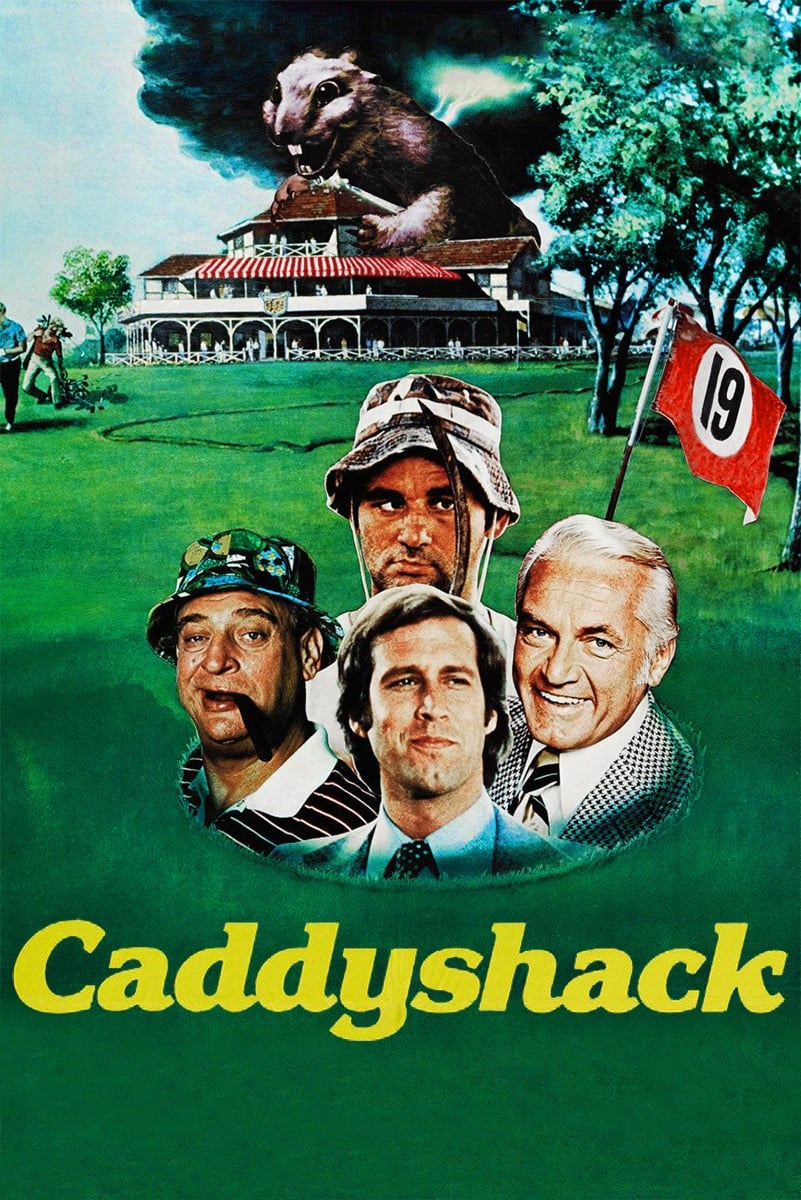
Caddyshack is a comedy set at an exclusive golf club. The story involves multiple characters, including a young caddie trying to win a scholarship, the club’s rich and obnoxious co-founder, and a laid-back new member. A major subplot features the golf course’s bumbling groundskeeper and his relentless, chaotic battle with a gopher that is tearing up the greens.
The film is known for its largely improvised and iconic performances from comedy stars Chevy Chase, Rodney Dangerfield, Ted Knight, and Bill Murray. While it received mixed reviews upon release, Caddyshack has since become a beloved cult classic. It is frequently cited as one of the funniest sports movies ever made.
Kagemusha (1980)
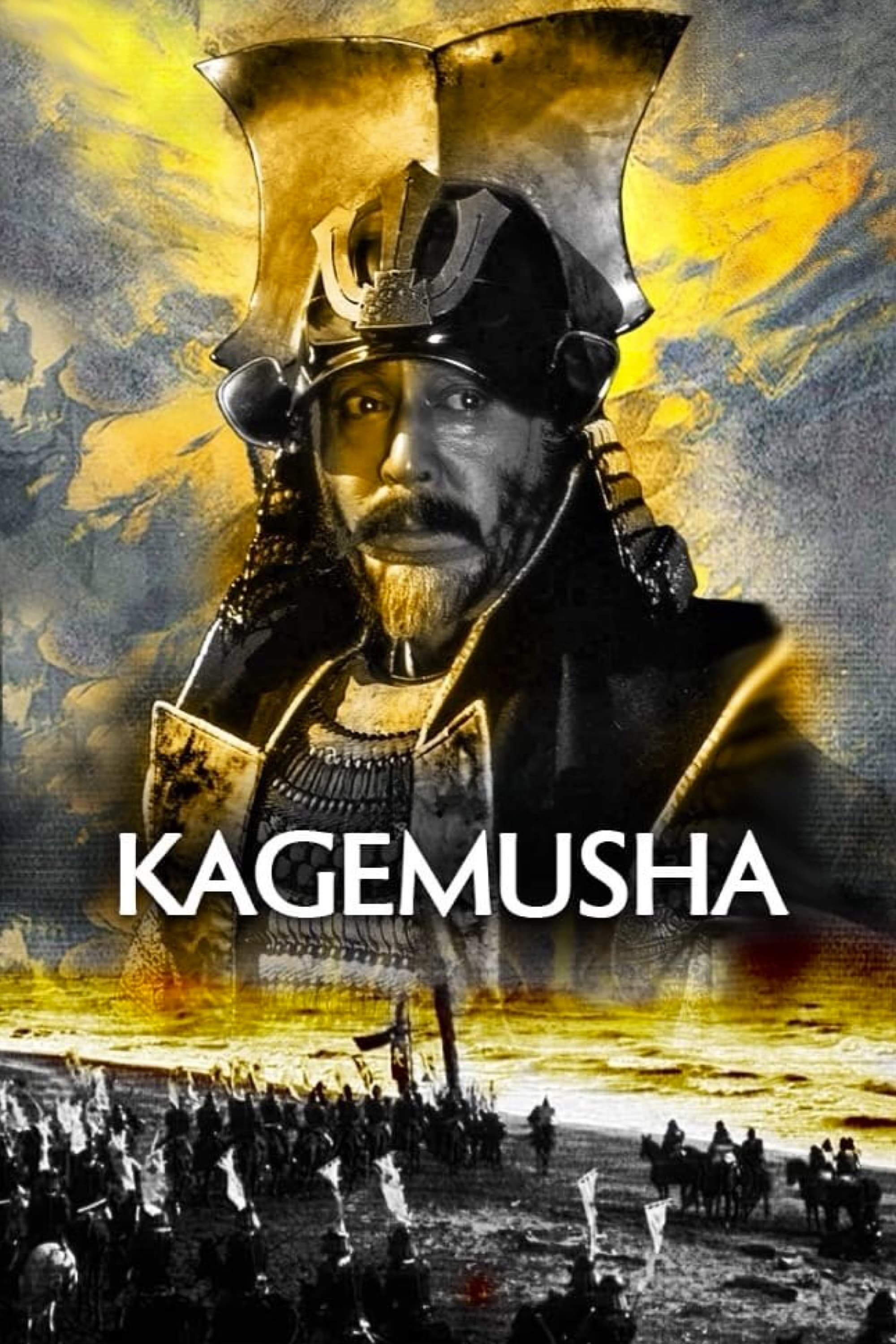
Directed by the legendary Akira Kurosawa, Kagemusha is a Japanese epic historical drama. The title translates to “The Shadow Warrior.” The film tells the story of a low-class thief who is recruited to impersonate a dying warlord in order to keep the clan’s enemies from attacking. He must learn to adopt the warlord’s mannerisms and fool his closest allies and rivals.
The film was a massive undertaking, noted for its stunning visuals, grand battle sequences, and vibrant color palette. George Lucas and Francis Ford Coppola were fans of Kurosawa and helped secure international funding for the film’s large budget. Kagemusha won the Palme d’Or at the Cannes Film Festival and was nominated for two Academy Awards.
Coal Miner’s Daughter (1980)

Coal Miner’s Daughter is a biographical film about the life of country music legend Loretta Lynn. The movie follows Lynn’s journey from her humble beginnings in rural Kentucky to becoming one of the most celebrated country singers of all time. Sissy Spacek stars as Loretta Lynn, and Tommy Lee Jones plays her husband, Doolittle Lynn.
Sissy Spacek won the Academy Award for Best Actress for her performance, in which she did all of her own singing. The film was a critical and commercial success, praised for its heartfelt storytelling and authentic portrayal of Lynn’s life and career. It received a total of seven Oscar nominations, including Best Picture.
The Long Good Friday (1980)
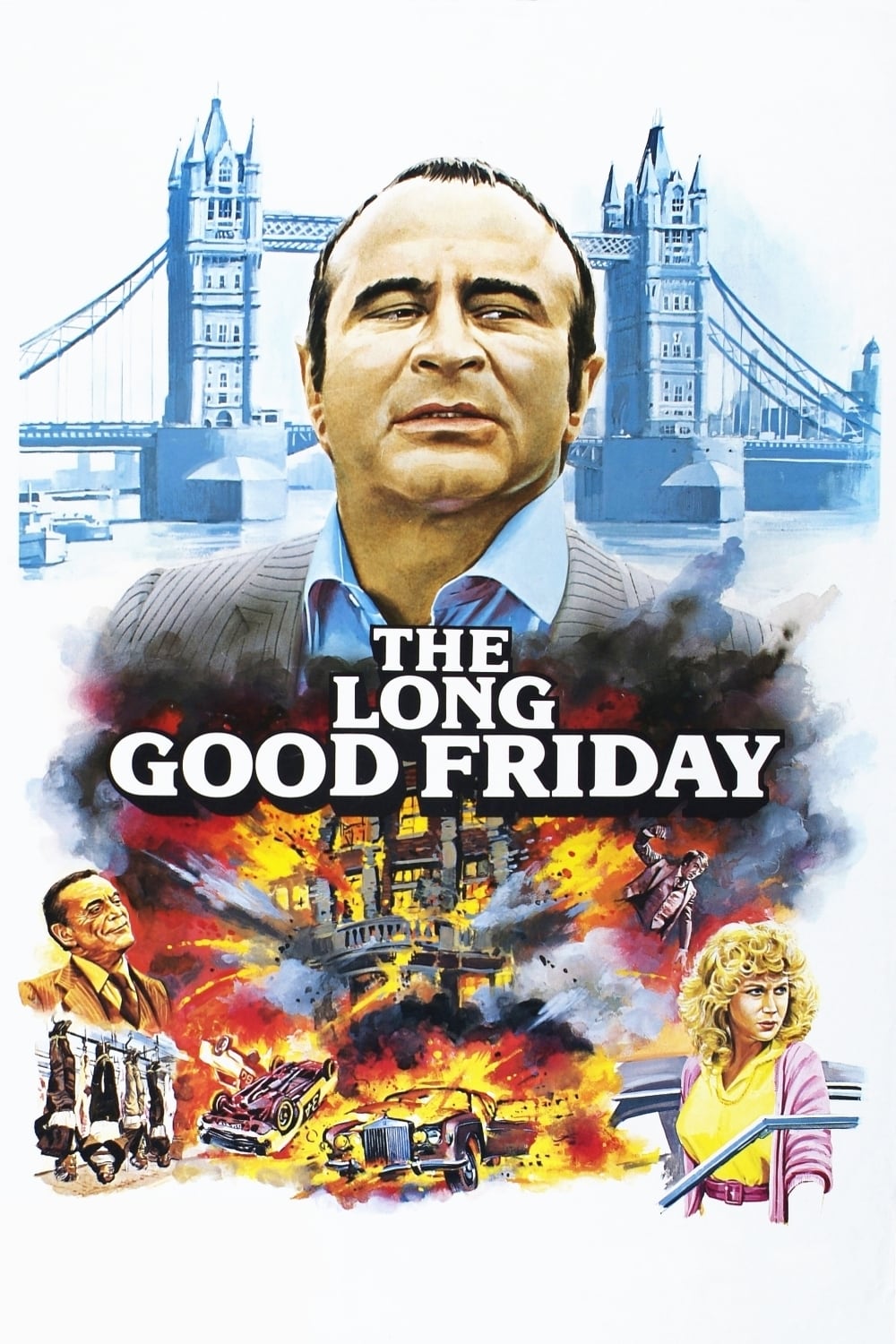
This British gangster film stars Bob Hoskins as Harold Shand, a powerful and ambitious London crime boss. Shand is on the verge of closing a major deal with the American mafia that would make his criminal enterprise legitimate. However, his plans are thrown into chaos when a series of violent attacks target his organization, leading him on a desperate search for who is responsible.
The Long Good Friday is celebrated for its gritty realism and a commanding performance from Hoskins. The film provides a tense and compelling look at the London underworld. It is now considered one of the greatest British crime films ever made and has achieved cult status.
Friday the 13th (1980)
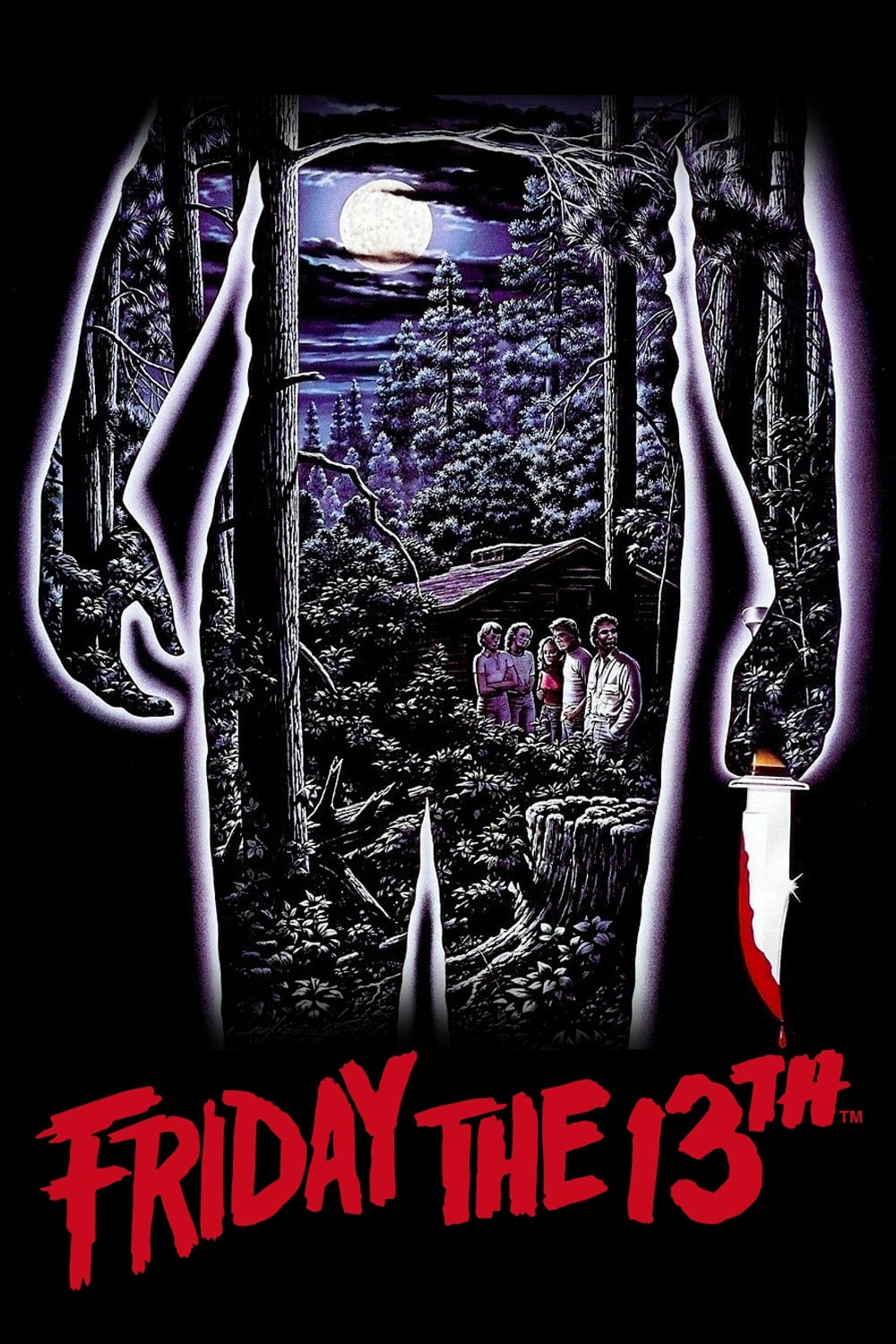
This film helped popularize the slasher genre in the 1980s. Friday the 13th is set at Camp Crystal Lake, a summer camp with a dark past. A group of teenage counselors attempts to reopen the camp, but they are stalked and murdered one by one by an unknown killer. The film builds suspense as the counselors try to figure out who is hunting them and why.
Despite being made on a small budget, Friday the 13th was a major box office success and launched a long-running franchise. The movie is famous for its creative and gory death scenes, which were handled by makeup effects artist Tom Savini. It established many of the tropes and conventions that would become standard in horror movies for years to come.
Fame (1980)
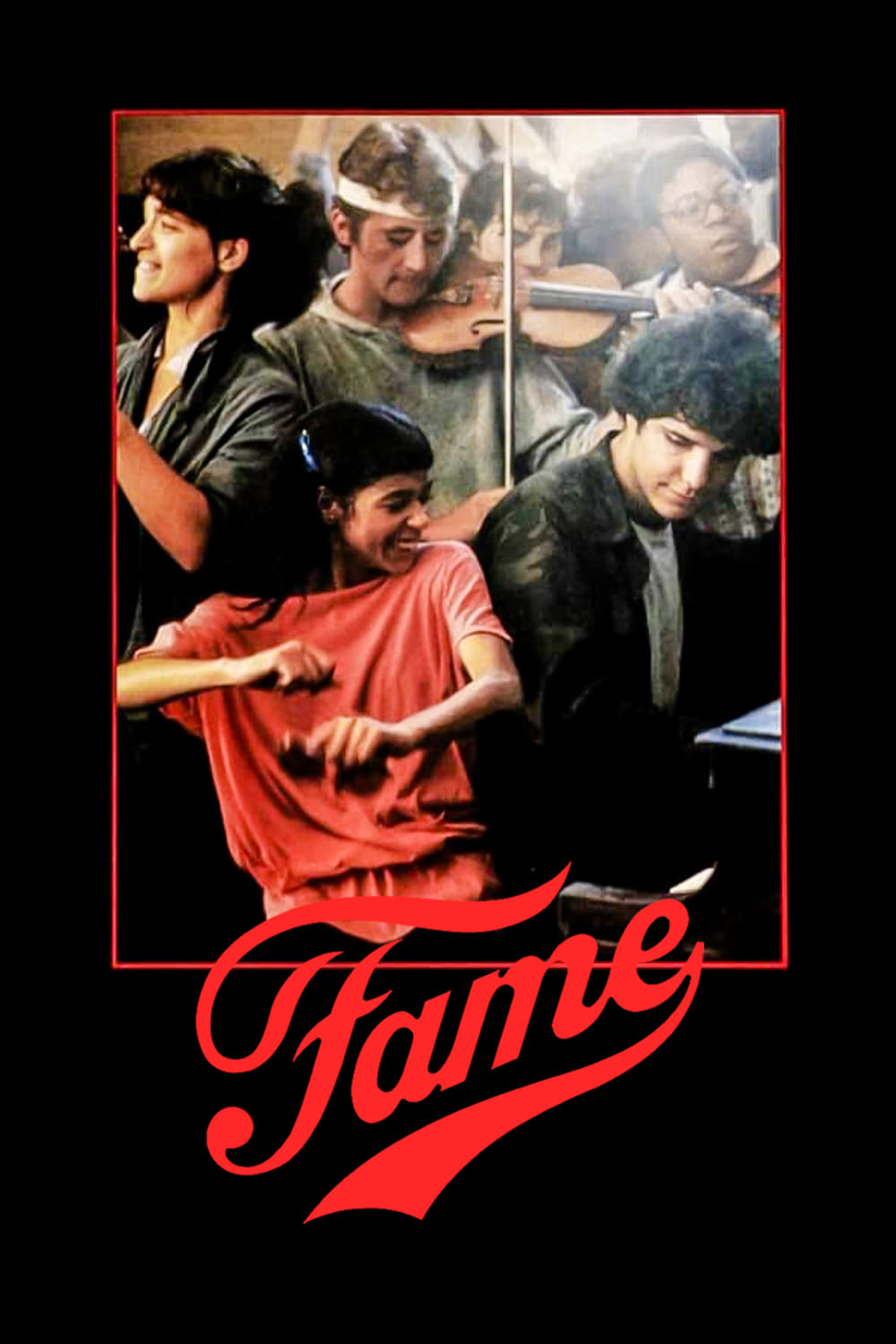
Fame is a musical drama that follows the lives of students at the New York High School of Performing Arts. The film chronicles their four years at the school, from their auditions to their graduation. It shows their struggles, triumphs, and personal growth as they pursue their dreams of becoming dancers, singers, actors, and musicians.
The movie was praised for its energetic musical numbers, talented young cast, and realistic depiction of the pressures faced by aspiring artists. The title song, “Fame,” won the Academy Award for Best Original Song and became a worldwide hit. The film’s success also led to a popular television series, a stage musical, and a remake.
The Stunt Man (1980)
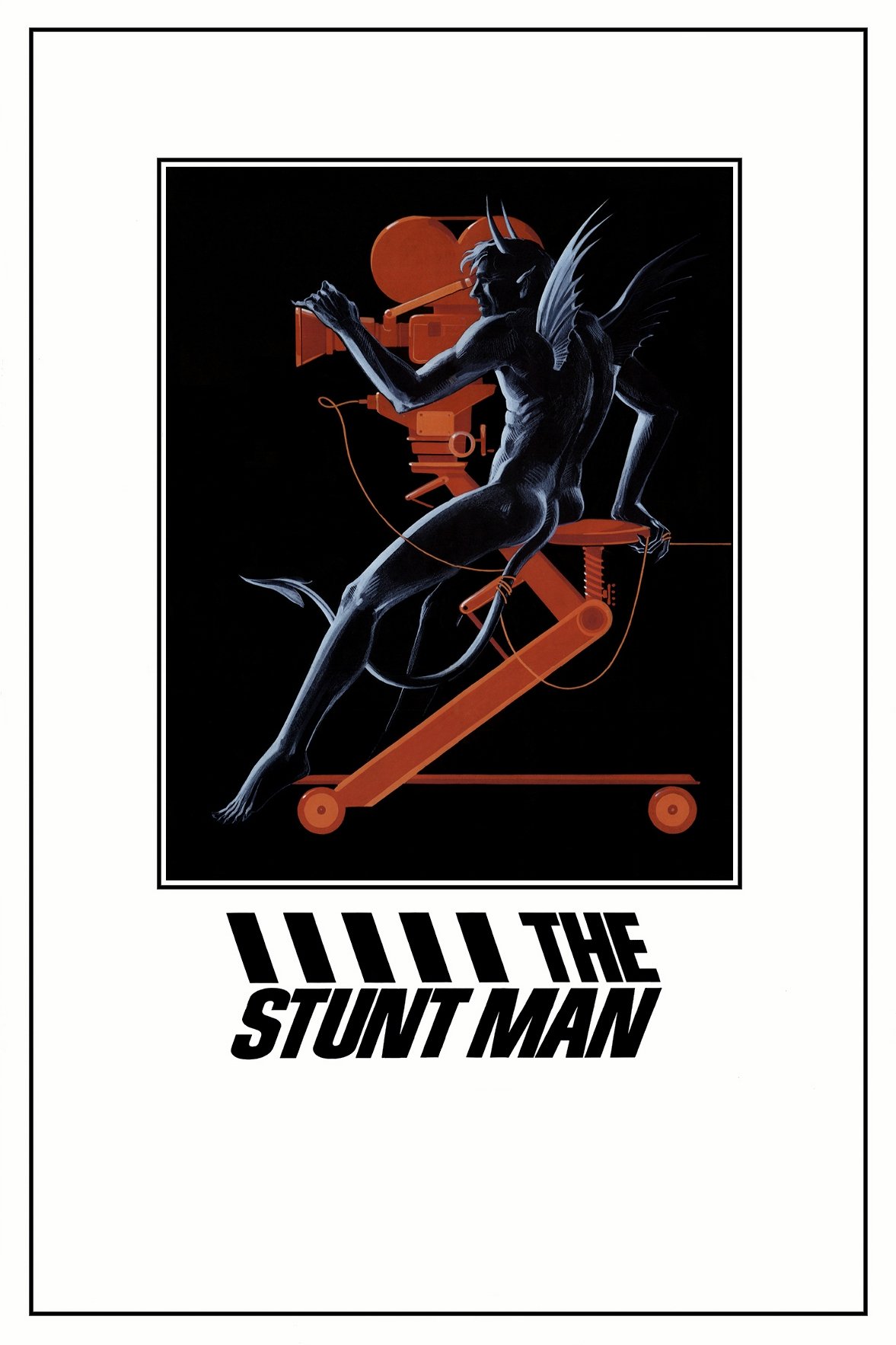
The Stunt Man is a unique film that blends action, comedy, and drama. It tells the story of a fugitive who stumbles onto a movie set and is hired by the film’s manipulative director to replace a stuntman who died. The fugitive, played by Steve Railsback, soon finds himself in increasingly dangerous situations, unsure if the director is trying to film him or kill him.
Peter O’Toole gives a memorable performance as the god-like director, a role that earned him an Academy Award nomination. The film plays with the audience’s perception of reality and fantasy, blurring the lines between the movie being made and the events happening off-camera. Though not a box office hit, it received widespread critical acclaim.
Private Benjamin (1980)
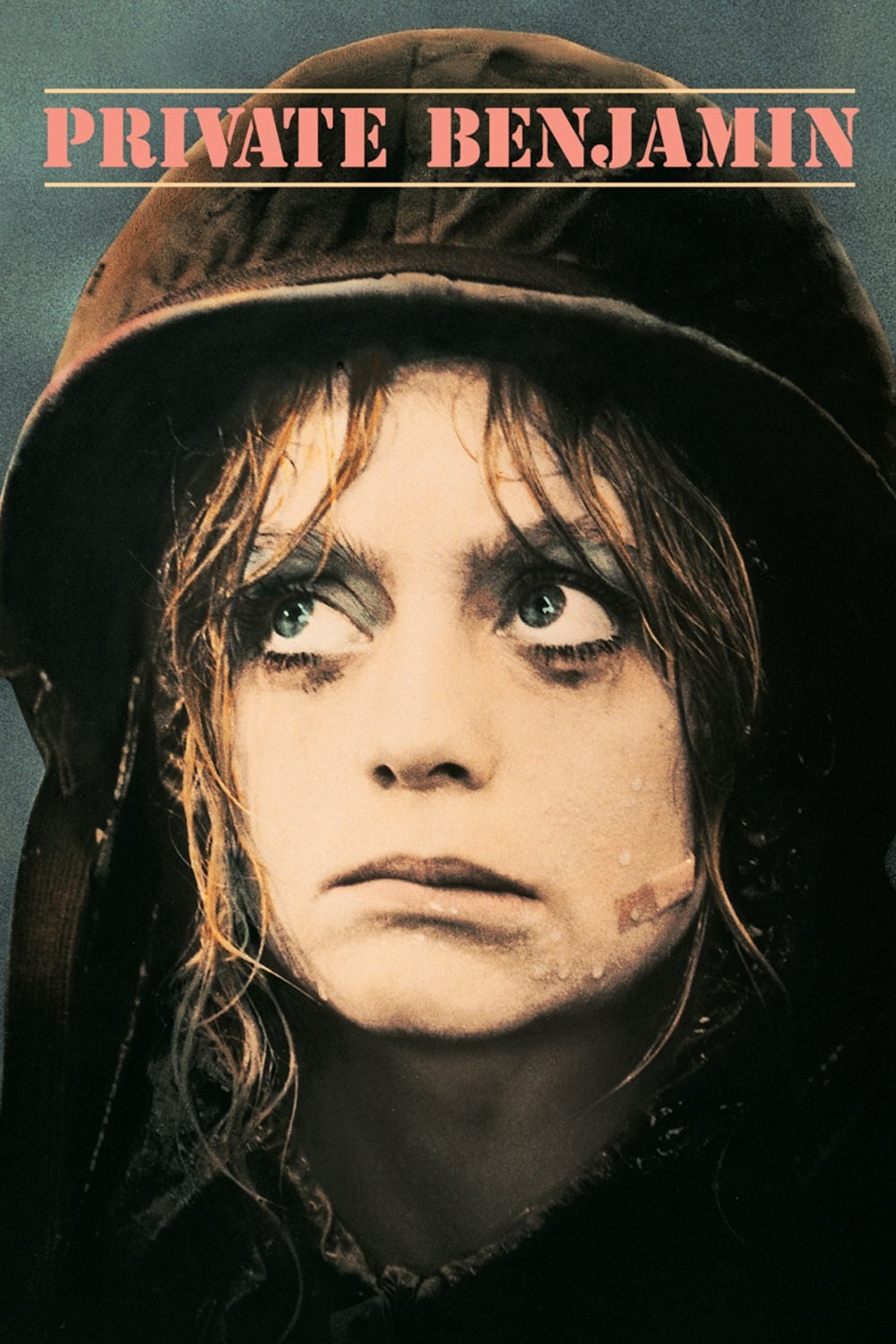
In this comedy, Goldie Hawn stars as Judy Benjamin, a sheltered woman from a wealthy background whose new husband dies on their wedding night. Feeling lost and without purpose, she is tricked into joining the U.S. Army by a dishonest recruiter. The film follows her difficult and often hilarious adjustment to the strict and demanding world of military life.
Goldie Hawn’s performance earned her an Academy Award nomination for Best Actress. The film was a huge commercial success and was praised for its humor and its message of female empowerment. It challenged stereotypes by showing a woman discovering her own strength and independence in an unlikely environment. The movie’s popularity led to a short-lived television series.
Breaker Morant (1980)
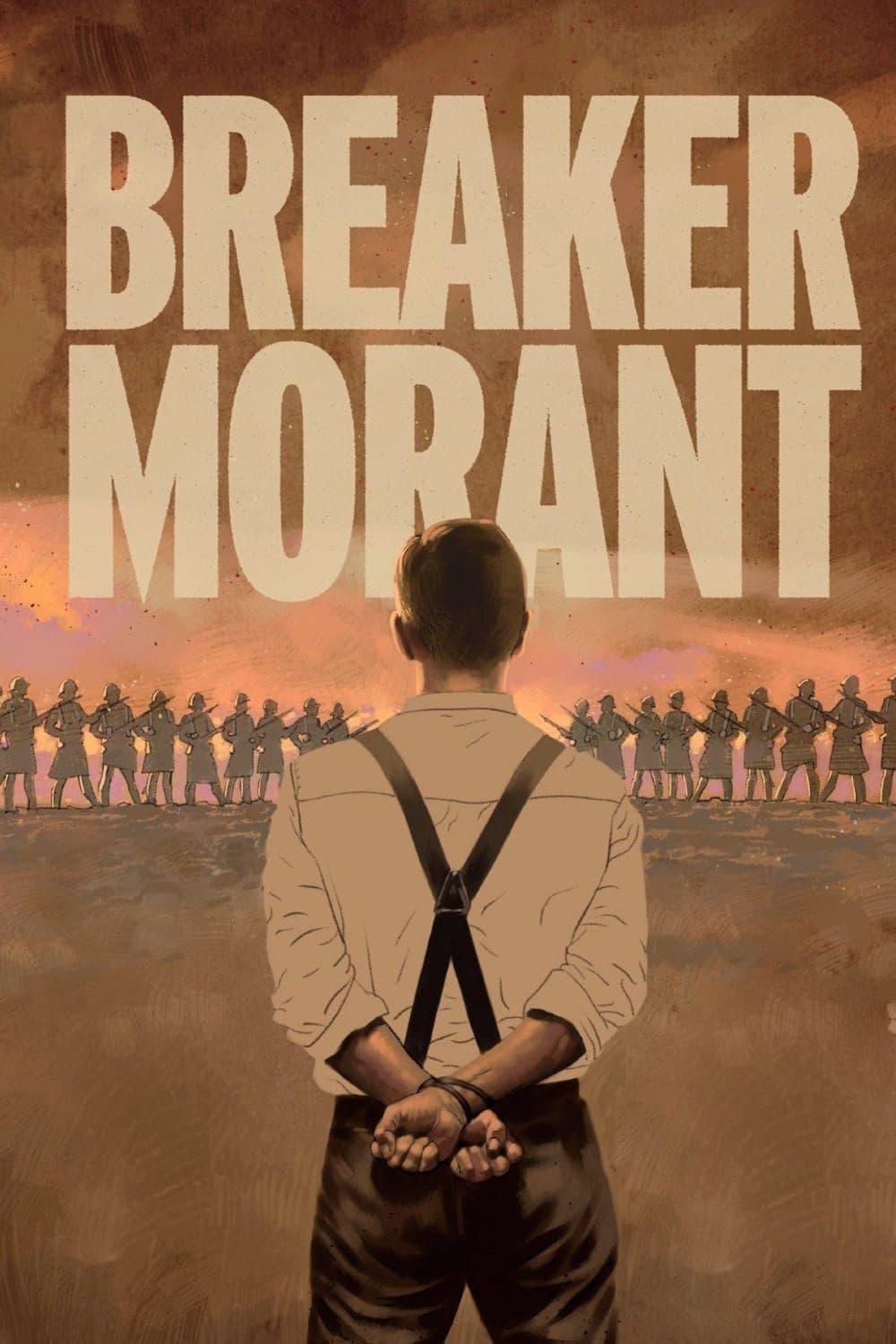
Breaker Morant is an Australian war drama based on a true story. Set during the Boer War, the film focuses on the court-martial of three Australian lieutenants. They are accused of executing prisoners of war and are used as scapegoats by the British military to help bring the war to an end. The story is told largely through flashbacks during the trial.
The film is praised for its powerful script, excellent performances, and exploration of complex moral questions about war and justice. It was a major success for the Australian film industry and received international acclaim, including an Academy Award nomination for Best Adapted Screenplay. It remains one of Australia’s most celebrated films.
The Fog (1980)

Directed by John Carpenter, The Fog is a supernatural horror film. The story is set in a small coastal town in California that is about to celebrate its 100th anniversary. As the town prepares for the festivities, a mysterious, glowing fog rolls in, bringing with it the vengeful ghosts of mariners who were killed a century earlier.
The film stars Adrienne Barbeau, Jamie Lee Curtis, and Janet Leigh. Carpenter creates a suspenseful and atmospheric horror tale using classic ghost story elements. While not as acclaimed as his film Halloween, The Fog was a commercial success and has become a cult favorite among horror fans for its eerie tone and effective scares.
Atlantic City (1980)
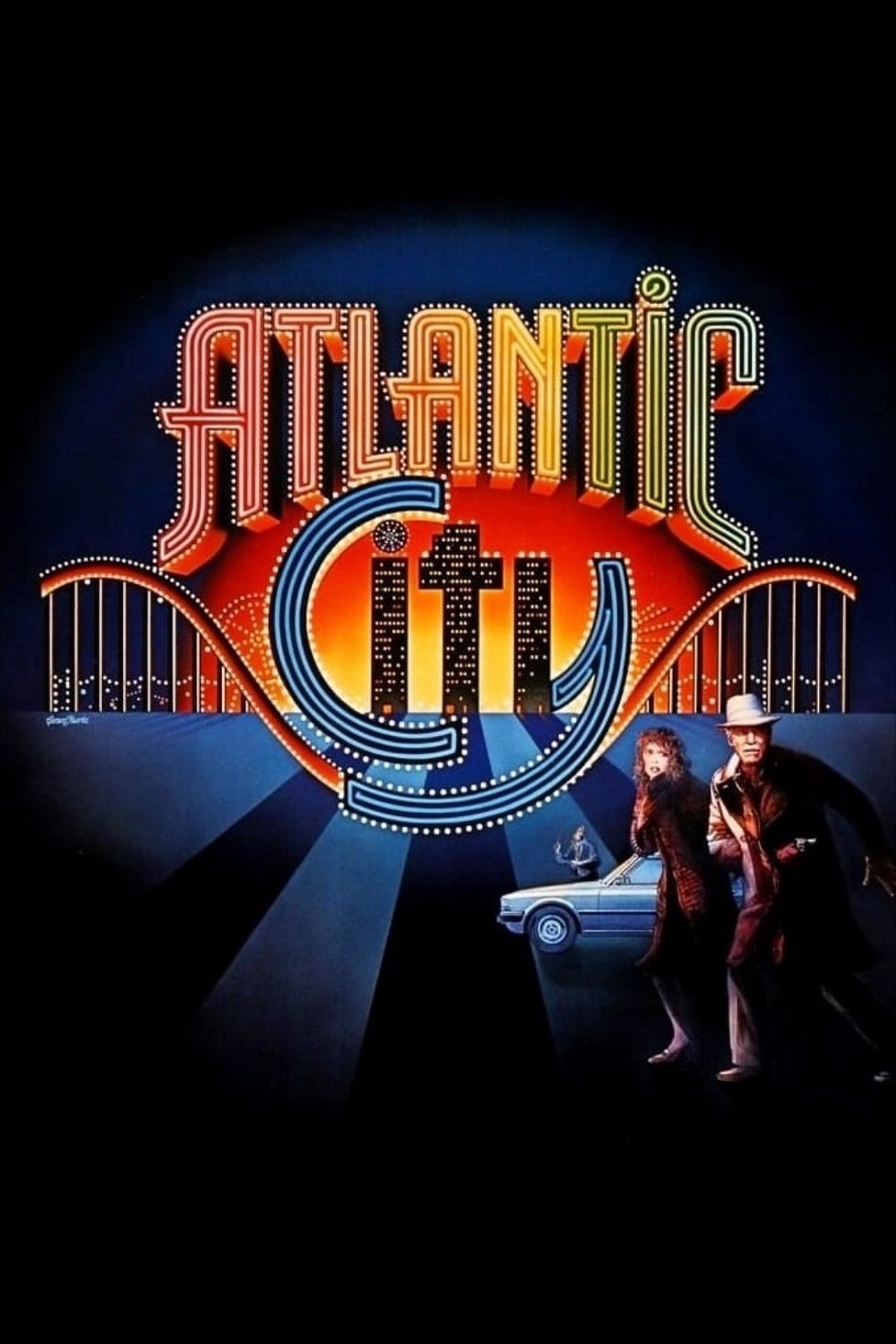
Directed by Louis Malle, Atlantic City stars Burt Lancaster and Susan Sarandon. The film is a romantic crime drama set against the backdrop of a city in transition, as old buildings are being torn down to make way for new casinos. Lancaster plays an aging, small-time mobster who gets involved with a younger woman (Sarandon) after her estranged husband shows up with stolen drugs.
The film is a character study that explores themes of aging, regret, and the illusion of the American dream. Burt Lancaster’s performance was highly praised, earning him an Academy Award nomination. The movie was a critical success, receiving five Oscar nominations in total, including for Best Picture, Best Director, and Best Actress for Sarandon.
The Gods Must Be Crazy (1980)
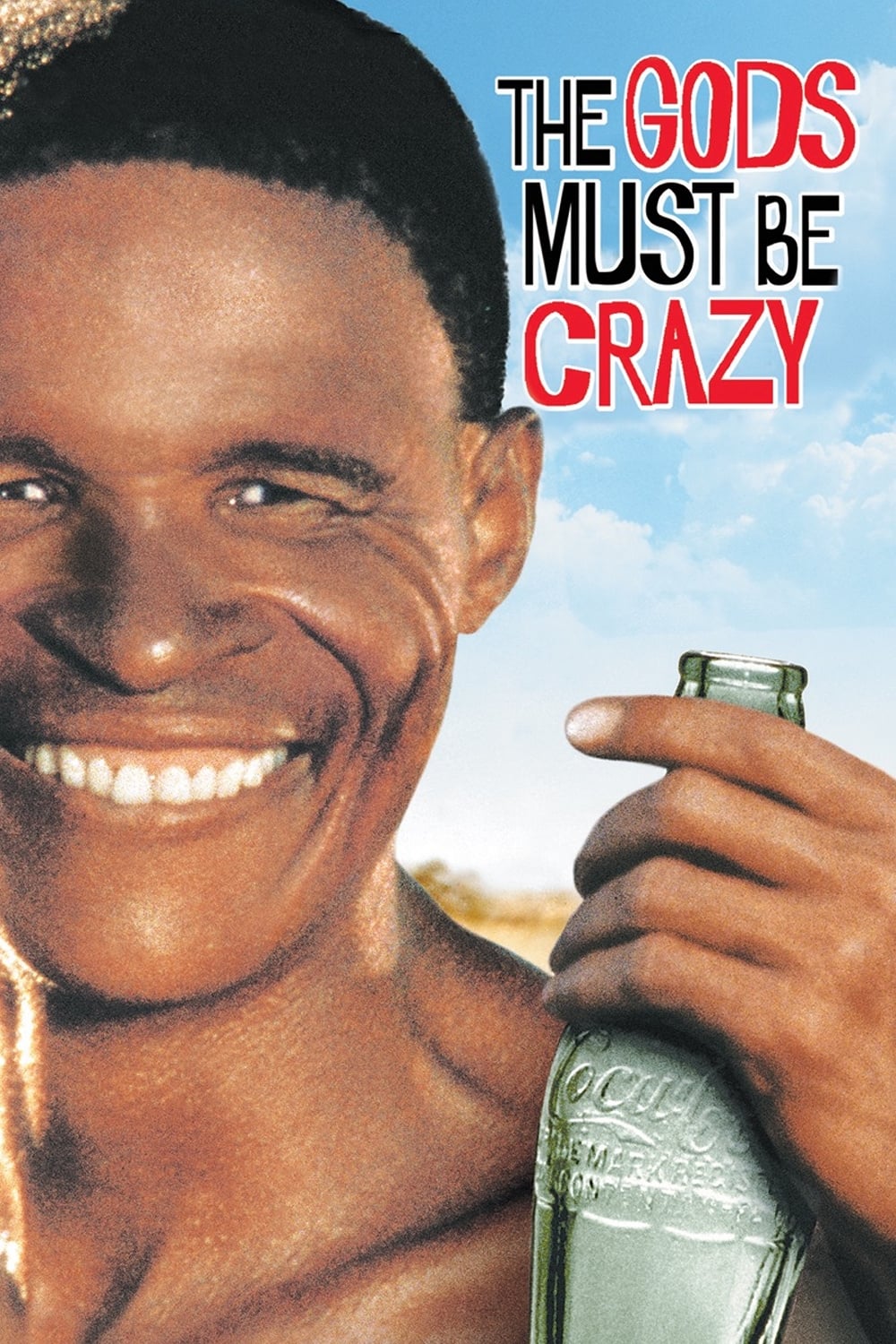
The Gods Must Be Crazy is a comedy from South Africa that became a surprise international hit. The film tells the story of Xi, a member of a remote African tribe in the Kalahari Desert whose life is disrupted when a glass Coca-Cola bottle falls from an airplane. Believing it to be a gift from the gods, the tribe finds many uses for it, but it also causes jealousy and conflict for the first time.
The film uses this simple premise to create a clever satire about the differences between a technologically advanced society and a traditional one. The story also involves a bumbling biologist and a newly hired schoolteacher, whose paths cross with Xi’s in a series of comedic situations. The movie’s charm and unique humor led to its worldwide success and a number of sequels.
Nine to Five (1980)
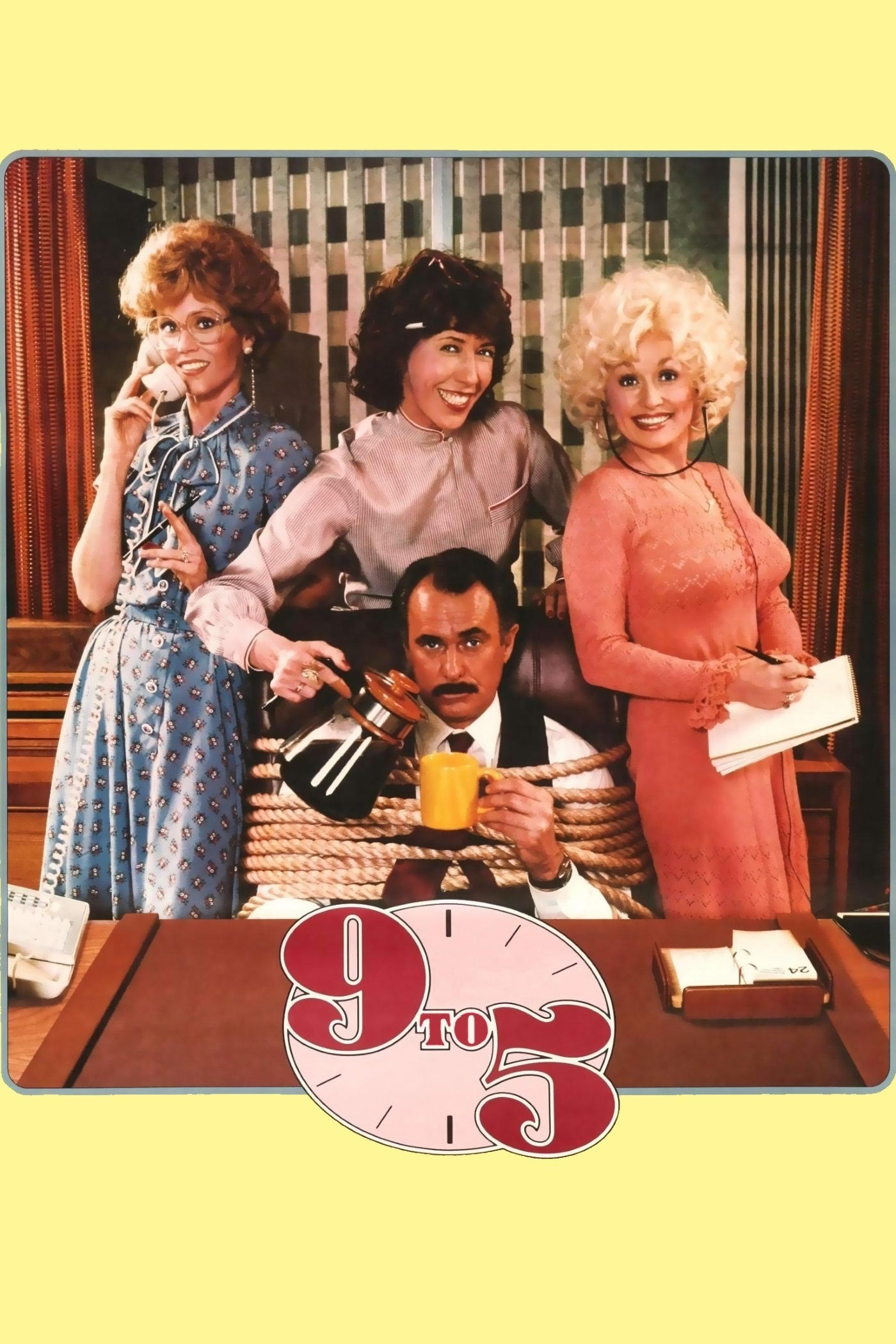
This popular comedy stars Jane Fonda, Lily Tomlin, and Dolly Parton as three working women who are pushed to their limits by their arrogant and sexist boss. The trio fantasizes about getting revenge on him, but their fantasies accidentally become a reality when they mistakenly believe they have poisoned him. They end up kidnapping him and running the office themselves.
9 to 5 was a massive box office success, praised for its humor and its timely social commentary on workplace inequality. Dolly Parton’s theme song, “9 to 5,” also became a huge hit and earned an Academy Award nomination. The film’s enduring popularity led to a television series and a Broadway musical.
American Gigolo (1980)
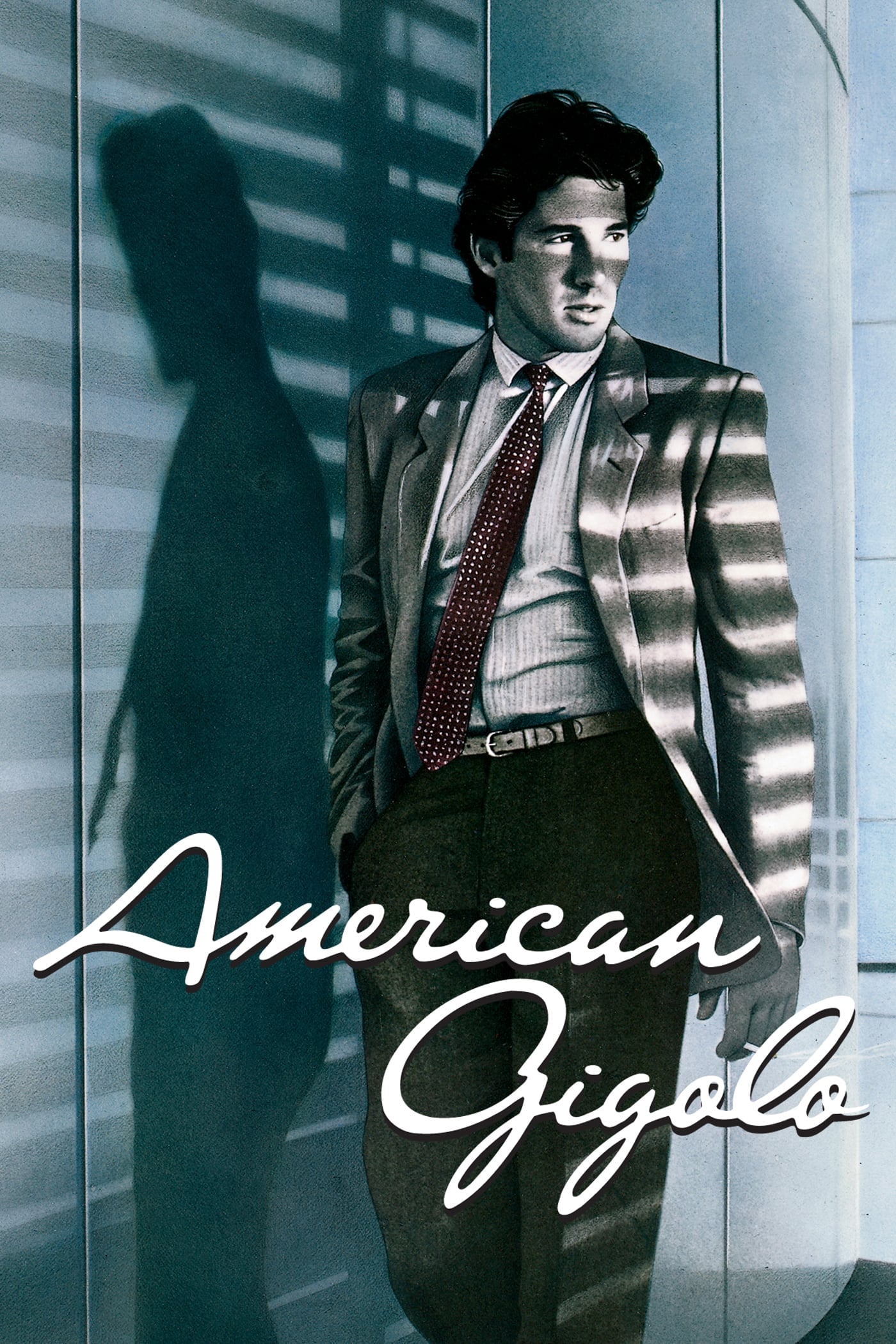
American Gigolo is a stylish neo-noir drama directed by Paul Schrader. Richard Gere stars as Julian Kaye, a high-priced male escort in Los Angeles who caters to wealthy older women. His life of luxury begins to unravel when one of his clients is murdered and he becomes the prime suspect. As he tries to clear his name, he finds that his powerful friends are unwilling to help him.
The film is noted for its sleek visual style, its Giorgio Armani wardrobe that helped launch Gere as a fashion icon, and its popular soundtrack by Giorgio Moroder. It explores themes of love, loneliness, and the superficiality of modern life. The movie was a commercial success and cemented Richard Gere’s status as a leading man.
Stir Crazy (1980)

Stir Crazy is a comedy film starring Gene Wilder and Richard Pryor. They play two friends, a writer and an actor, who leave New York City to find adventure in the West. Their plans go wrong when they are framed for a bank robbery and sentenced to 125 years in prison. In prison, one of them discovers he has a natural talent for rodeo riding, which the warden plans to exploit.
Directed by Sidney Poitier, the film was a massive box office hit, becoming one of the highest-grossing films of the year. It was the first film directed by an African-American to earn over $100 million at the box office. The chemistry between Wilder and Pryor is a highlight of the film, making it one of their most successful collaborations.
The Last Metro (1980)
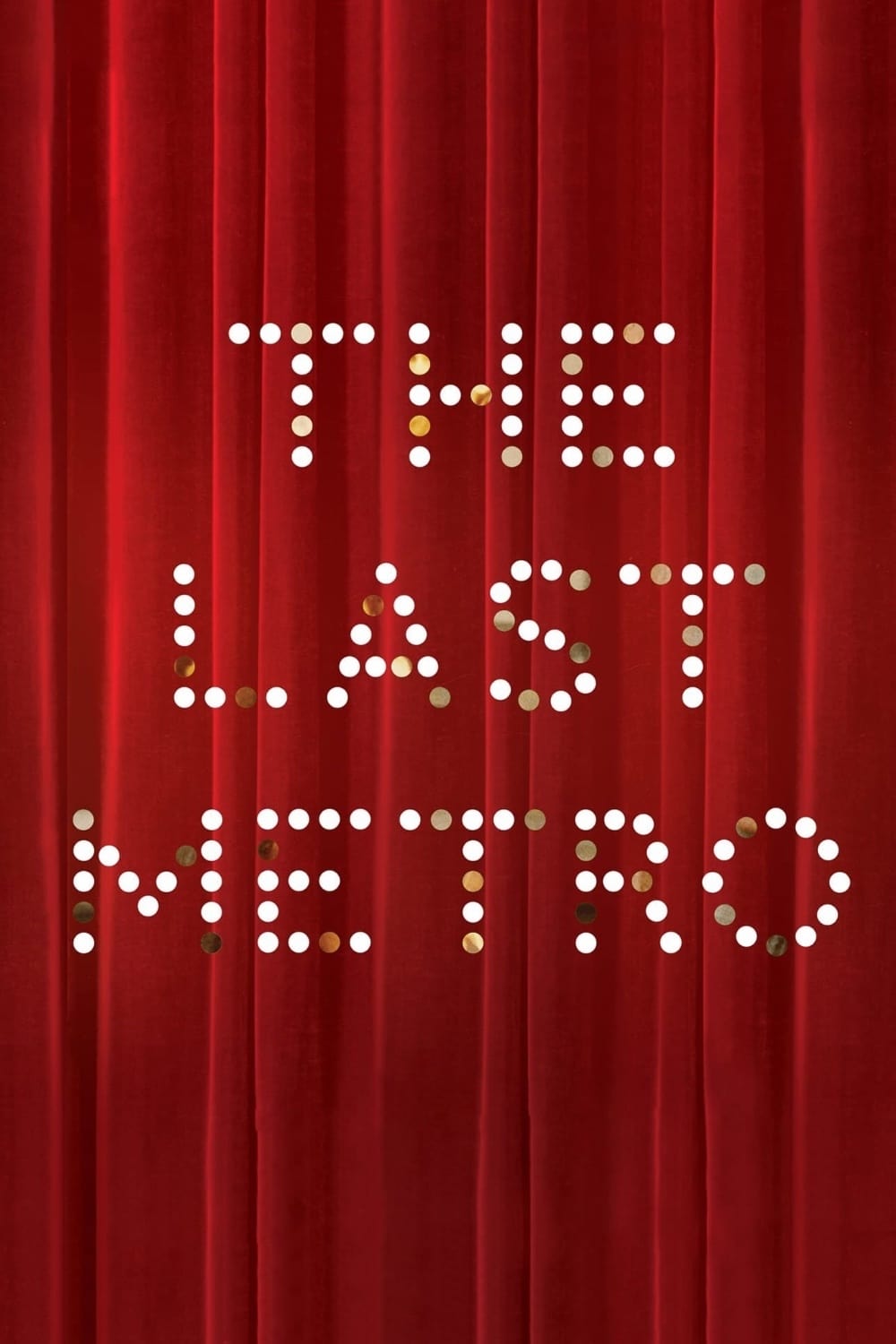
The Last Metro is a French drama film directed by François Truffaut. It is set in Paris during the German occupation of World War II. Catherine Deneuve plays Marion Steiner, an actress who must run her husband’s theater after he, being Jewish, is forced into hiding. He is secretly living in the theater’s cellar, and from there he continues to direct the new play through his wife.
The film explores the challenges of art and life under oppression. It was a major critical and commercial success in France, winning 10 César Awards, which is the French equivalent of the Oscars. The film was also nominated for an Academy Award for Best Foreign Language Film.
The Great Santini (1980)
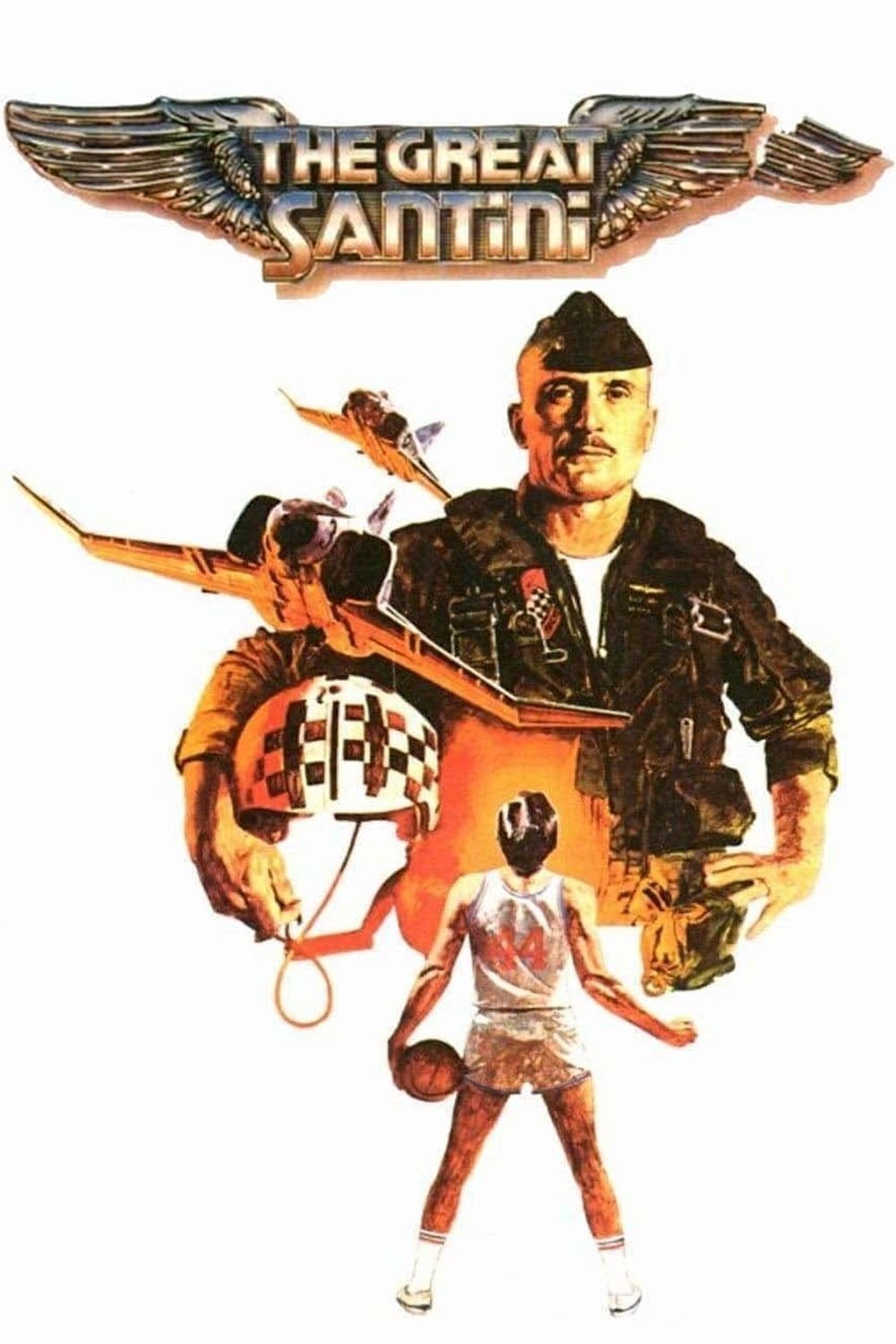
This drama stars Robert Duvall as Bull Meecham, a highly successful but domineering Marine fighter pilot. While he is a warrior in the sky, he runs his family with the same military discipline, which causes great conflict, especially with his teenage son. The family struggles to live a normal life under his authoritarian rule.
Robert Duvall’s powerful performance earned him an Academy Award nomination for Best Actor. The film provides a complex and moving portrait of a flawed man and the effects of his behavior on his wife and children. Though it had a difficult release, the movie received strong critical praise for its acting and emotional story.
The Changeling (1980)
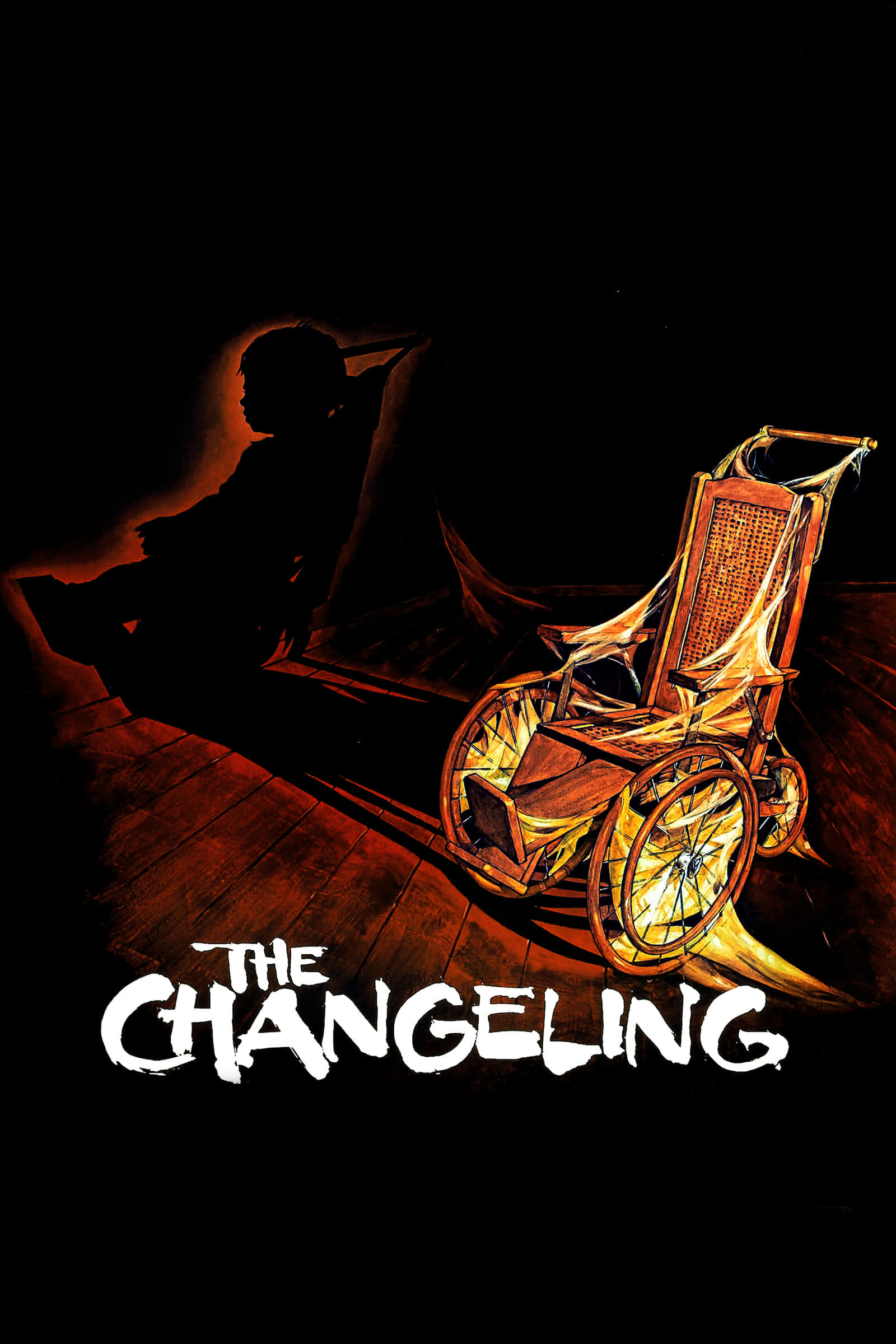
The Changeling is a Canadian supernatural horror film starring George C. Scott. He plays a composer who, after the tragic death of his wife and daughter, moves into a large, historic mansion in Seattle. Soon after settling in, he begins to experience strange and terrifying supernatural events. He discovers that the house is haunted by the spirit of a murdered child.
The film is known for its slow-burn suspense and genuinely creepy atmosphere rather than jump scares. It is considered a classic of the haunted house subgenre and is praised for Scott’s compelling performance. Director Martin Scorsese has listed The Changeling as one of the scariest horror films of all time.
Used Cars (1980)
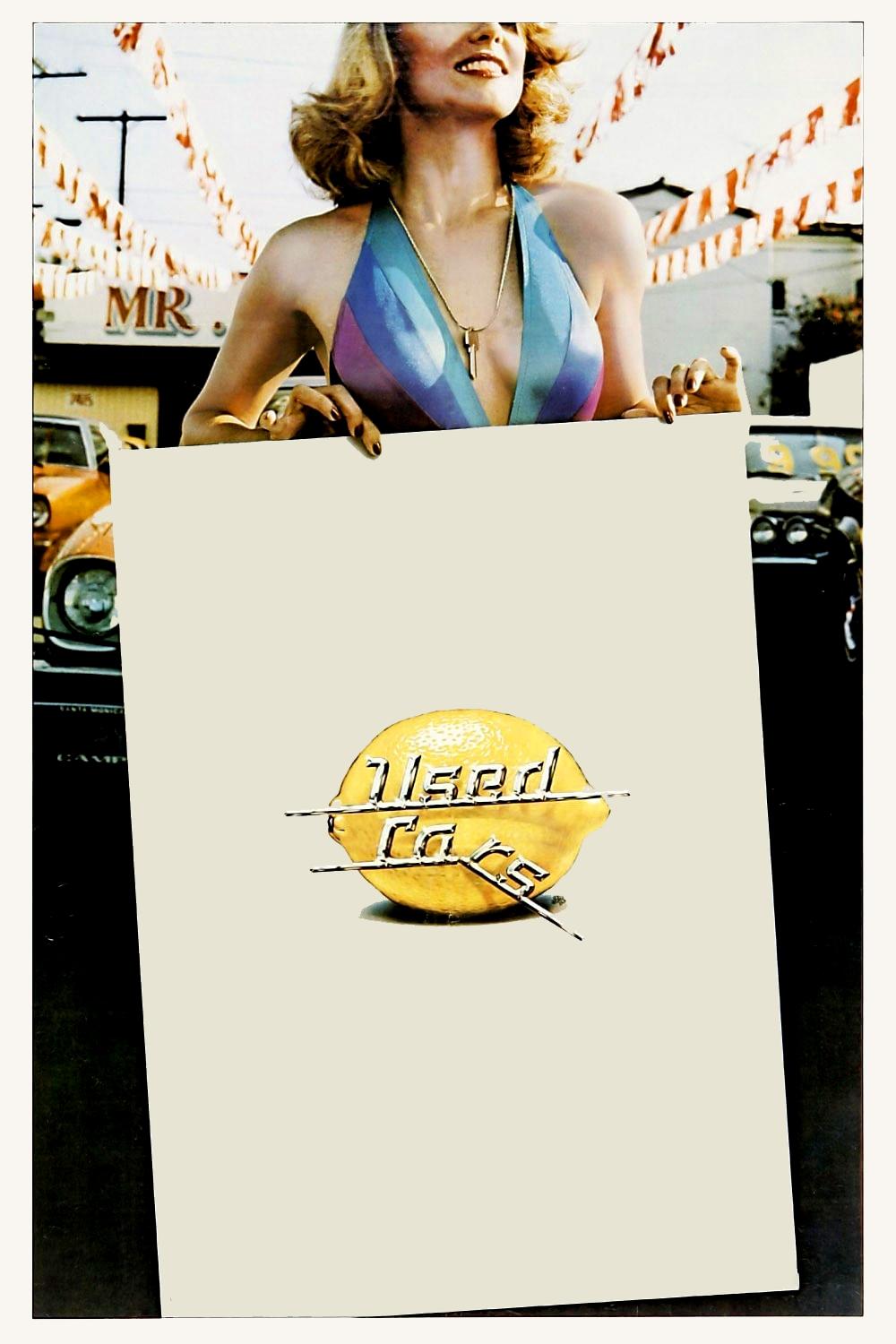
Used Cars is a dark comedy co-written and directed by Robert Zemeckis. Kurt Russell stars as a ruthless but charming salesman at a struggling used car lot. To save the business from the owner’s rival brother, who runs the successful dealership across the street, he and his fellow salesmen resort to increasingly outrageous and illegal schemes to sell cars.
The film is a satire of American consumerism and sales culture. It is filled with cynical humor and chaotic energy. While it was not a major box office success upon its initial release, Used Cars has since gained a cult following and is now regarded by many as a comedy classic.
My Bodyguard (1980)
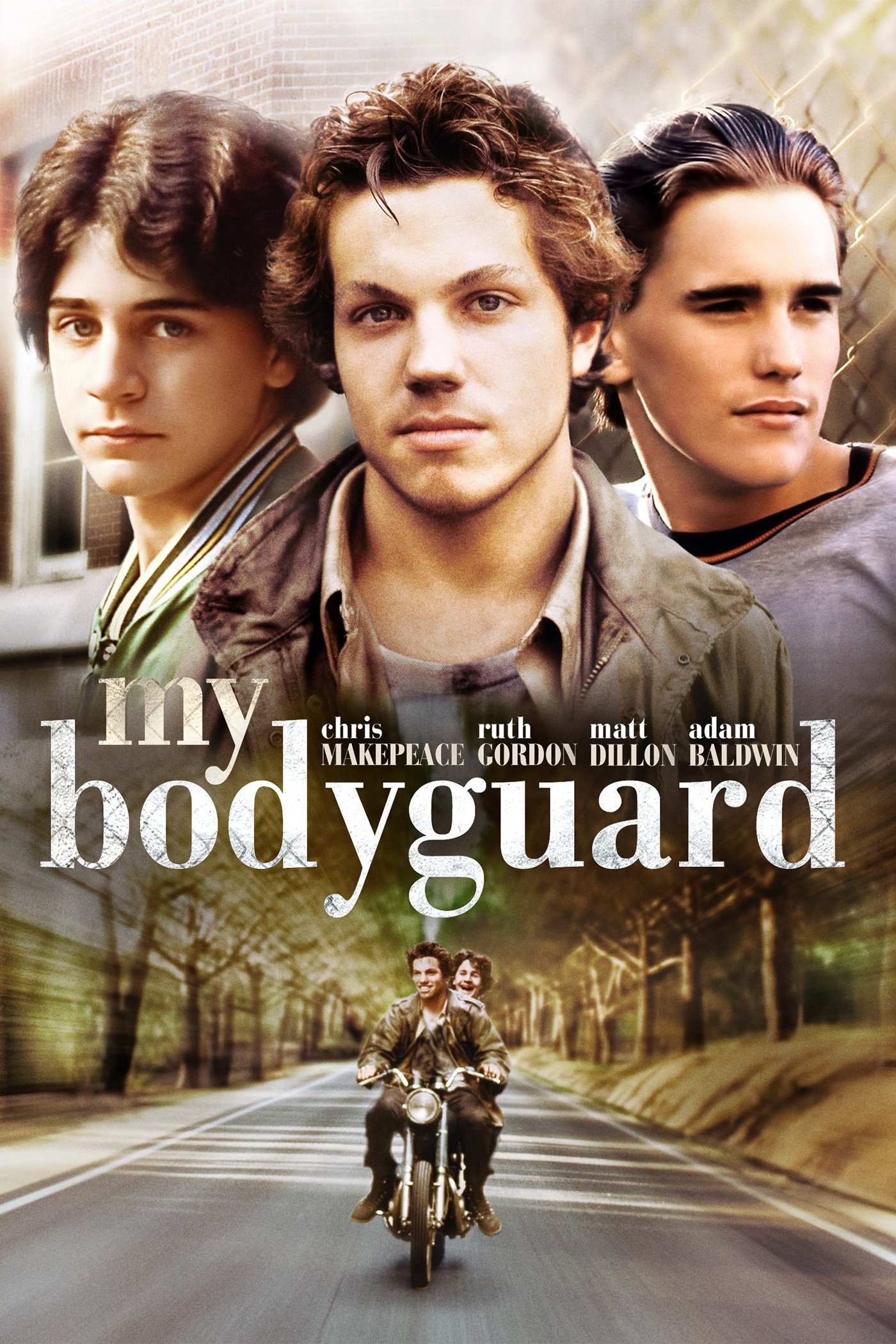
My Bodyguard is a comedy-drama about a new kid at a Chicago high school who is being bullied by a group of extortionists. To protect himself, he hires a feared but misunderstood outcast from his class to be his bodyguard. The film explores themes of friendship, courage, and standing up to bullies.
The movie received positive reviews for its heartfelt story and strong performances from its young cast, which included Chris Makepeace, Adam Baldwin, Matt Dillon, and a brief appearance by Joan Cusack. It was praised for feeling more realistic and genuine than many other teen-focused films of its time.
Melvin and Howard (1980)
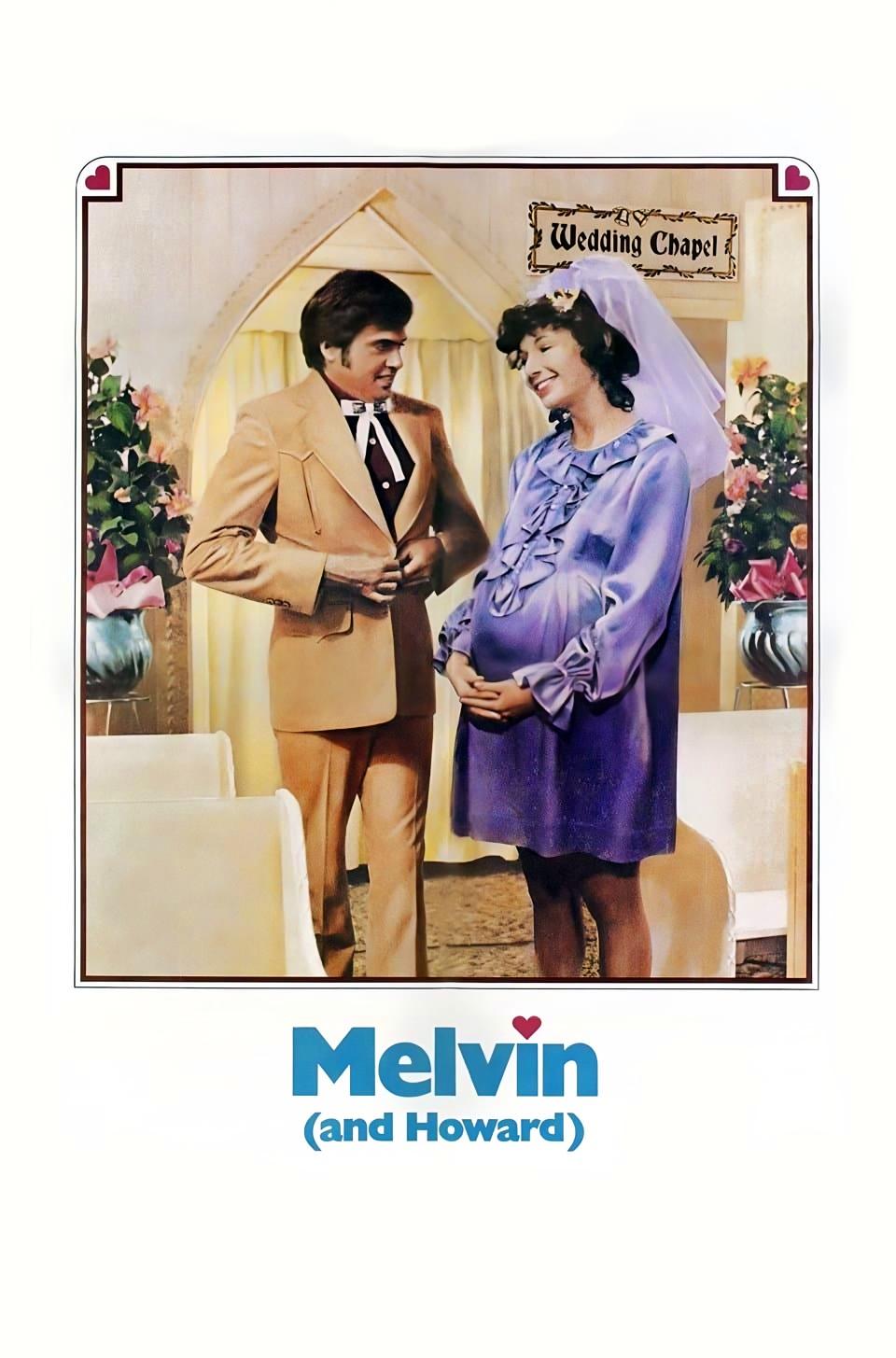
This film is based on the unusual story of Melvin Dummar, a gas station owner who claimed to have saved a mysterious old man in the Nevada desert. He later said the man was the reclusive billionaire Howard Hughes, and after Hughes’s death, a will appeared leaving Dummar a fortune. The film follows Melvin’s life as a dreamer and chronicles his supposed encounter with Hughes.
Jason Robards won the Academy Award for Best Supporting Actor for his brief but memorable performance as Howard Hughes. The movie was praised for its quirky charm and its portrayal of ordinary American life. It received critical acclaim and is considered an early highlight in the career of director Jonathan Demme.
Heaven’s Gate (1980)
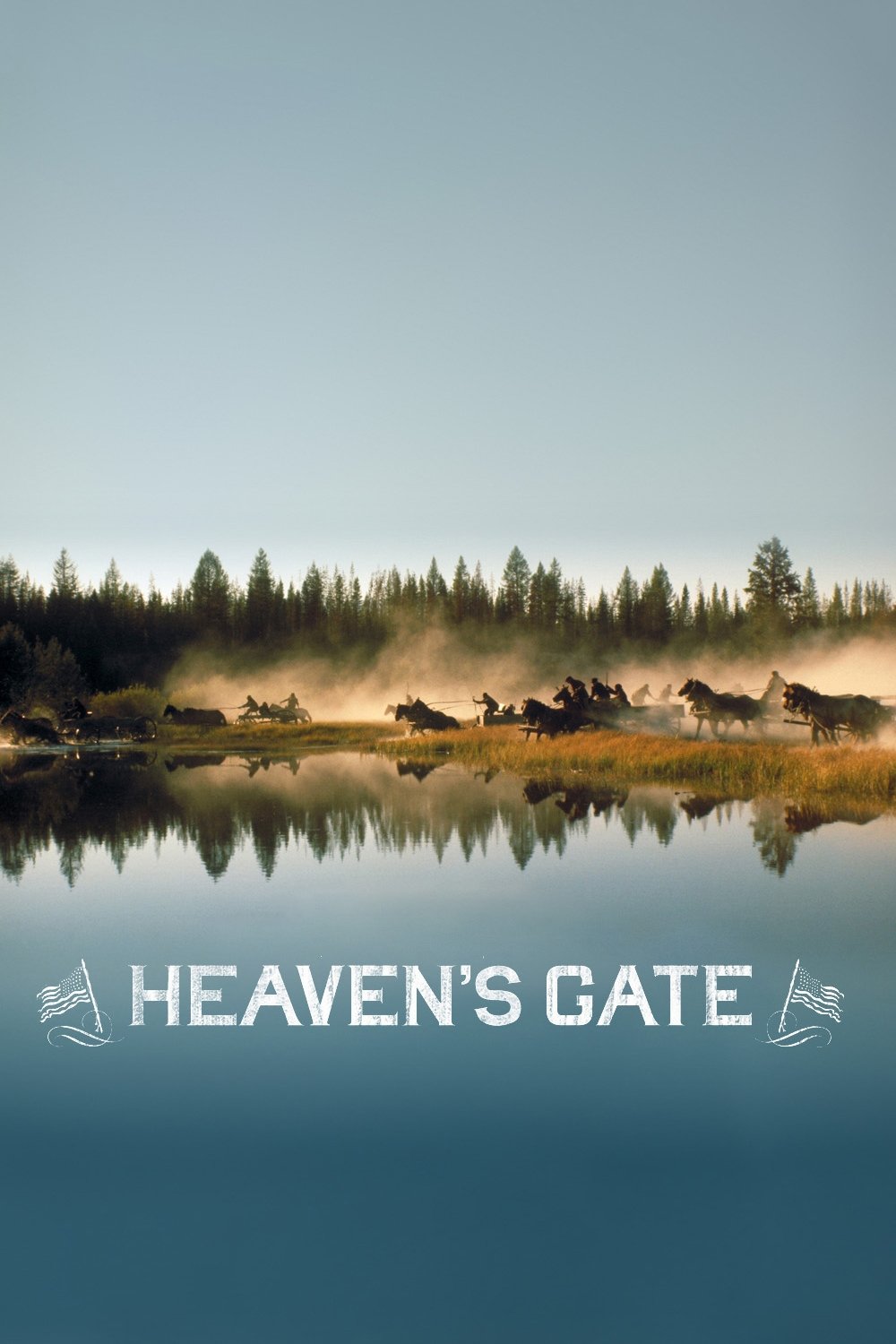
Heaven’s Gate, directed by Michael Cimino, is an epic Western film that tells a fictionalized story of the Johnson County War in 1890s Wyoming. It depicts a conflict between wealthy cattle barons and poor European immigrants. The film stars Kris Kristofferson, Christopher Walken, and Isabelle Huppert.
The movie is one of the most infamous films in Hollywood history. Its production was plagued by massive cost overruns and delays. When it was finally released, it was a catastrophic box office failure and received overwhelmingly negative reviews. The financial disaster is often credited with the downfall of its studio, United Artists, and the end of the director-driven era of New Hollywood.
Popeye (1980)
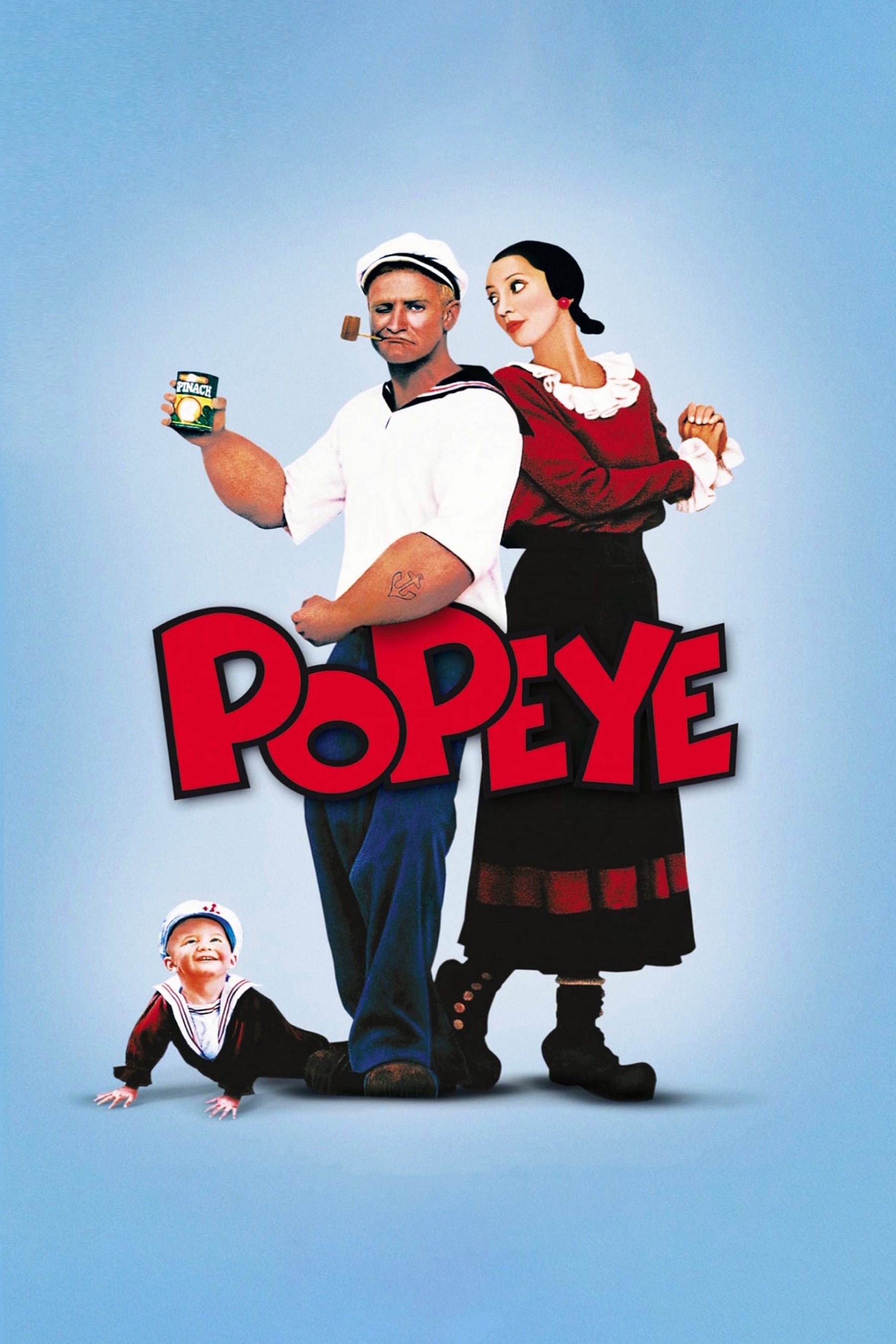
This musical comedy is a live-action adaptation of the classic comic strip and cartoon character. Directed by Robert Altman, the film stars Robin Williams in his first major film role as the spinach-loving sailor, Popeye. Shelley Duvall plays his love interest, Olive Oyl. The story follows Popeye as he arrives in the seaside town of Sweethaven, searching for his long-lost father.
The film’s visual style is notable for its large, elaborate set of the town of Sweethaven, which was built in Malta and still exists as a tourist attraction. While the initial reception from critics was mixed, the movie was a commercial success. Over the years, it has gained a cult following for its unique charm, songs, and quirky performances.
Gloria (1980)
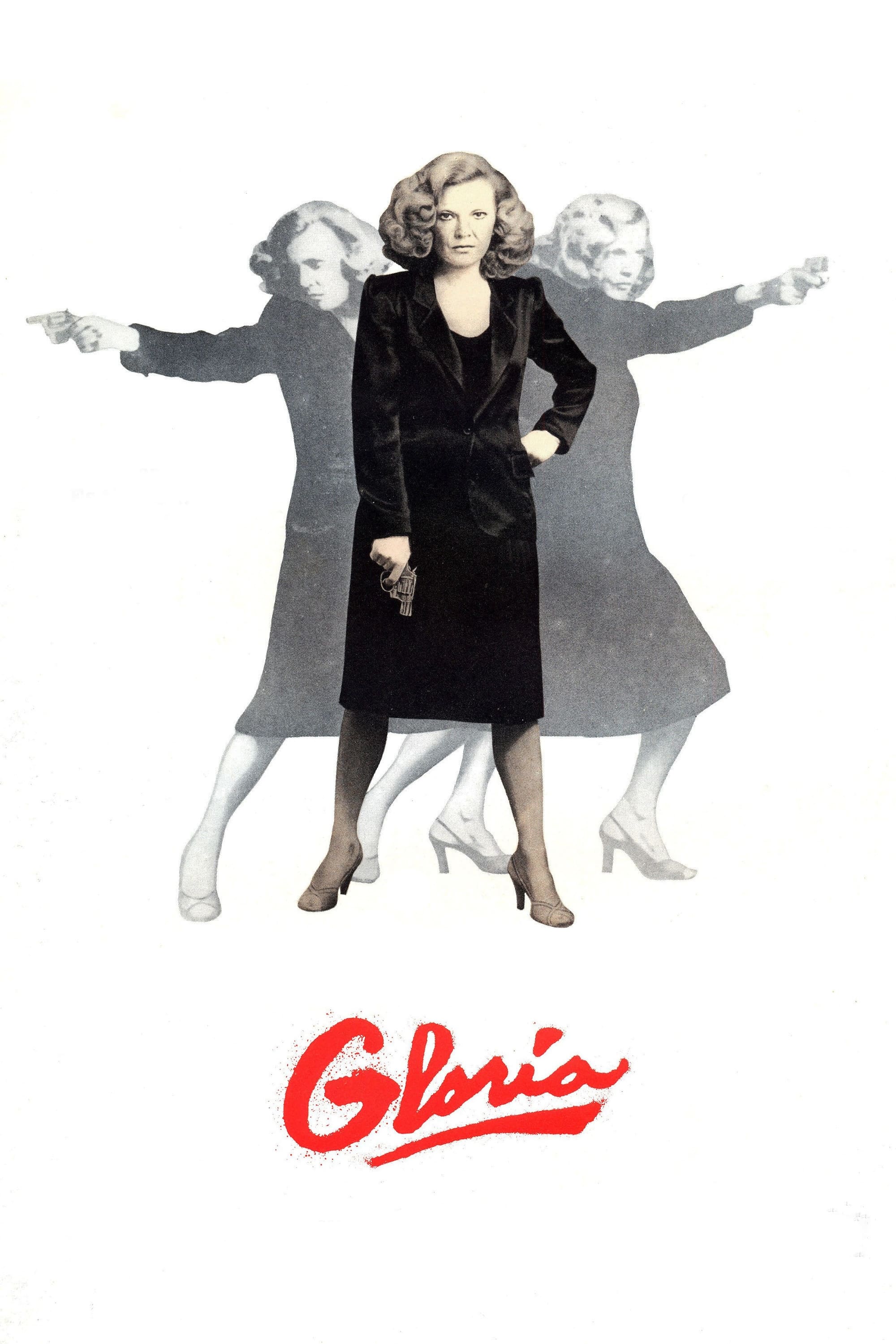
Gloria is a crime thriller directed by John Cassavetes. Gena Rowlands stars as Gloria, a former mobster’s girlfriend who reluctantly protects a young boy whose family has been killed by the mob. The boy has a book that contains information the mob wants, so Gloria and the child go on the run through New York City, pursued by her former associates.
Gena Rowlands received an Academy Award nomination for Best Actress for her tough and powerful performance. The film was praised for her portrayal of a hardened woman who discovers her maternal instincts. The movie won the Golden Lion at the Venice Film Festival, sharing the prize with Atlantic City.
The Final Countdown (1980)
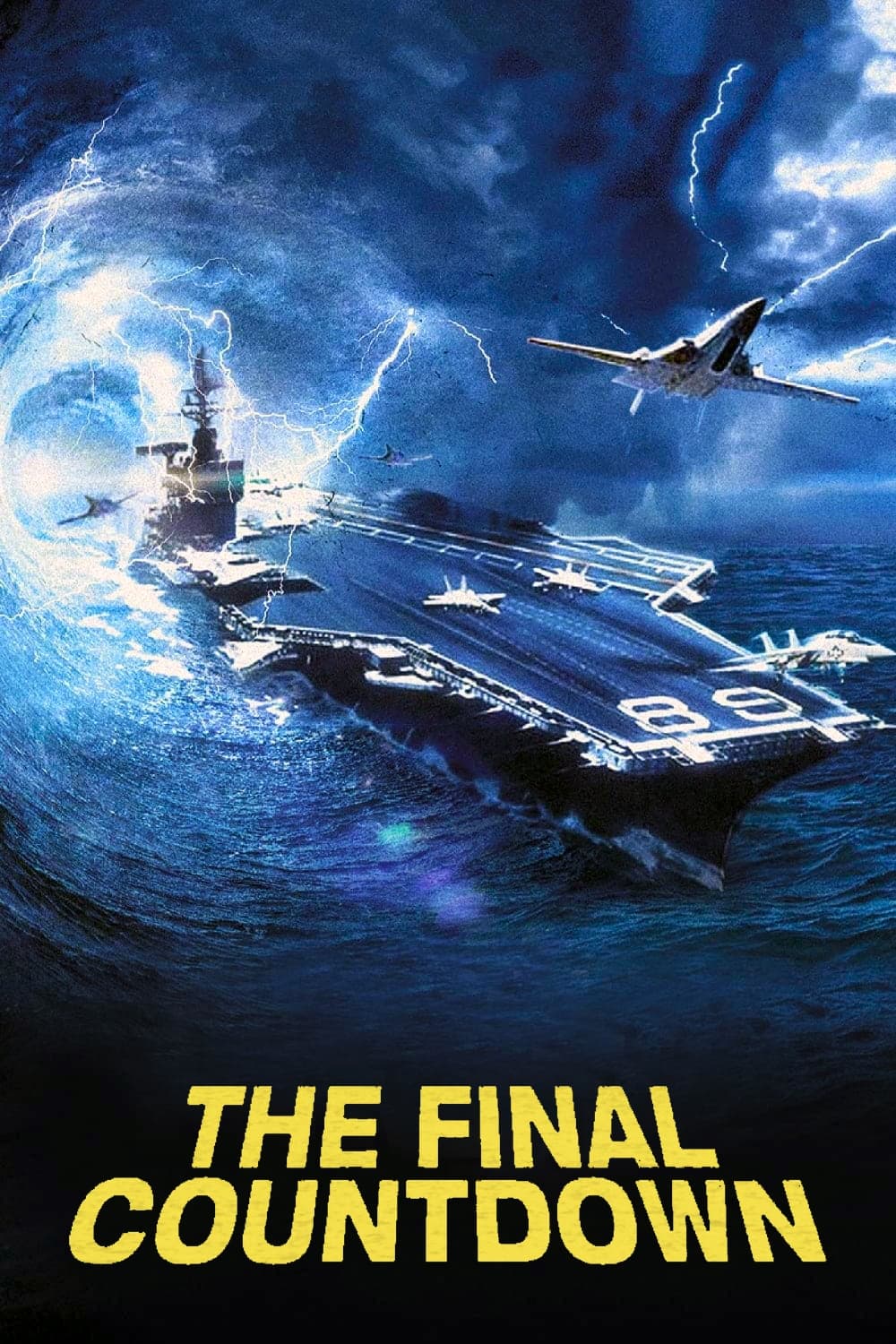
The Final Countdown is a science fiction war film with a unique premise. The modern nuclear-powered aircraft carrier, the USS Nimitz, is caught in a strange storm and is transported back in time to December 6, 1941, the day before the attack on Pearl Harbor. The ship’s crew, including stars Kirk Douglas and Martin Sheen, must decide whether to intervene and change history or let events unfold as they know they did.
The film is known for its impressive aerial photography featuring real U.S. Navy aircraft. It was made with the full cooperation of the Navy, which allowed for extensive filming aboard the actual USS Nimitz. The movie combines military action with a thought-provoking “what if” historical scenario.
Brubaker (1980)
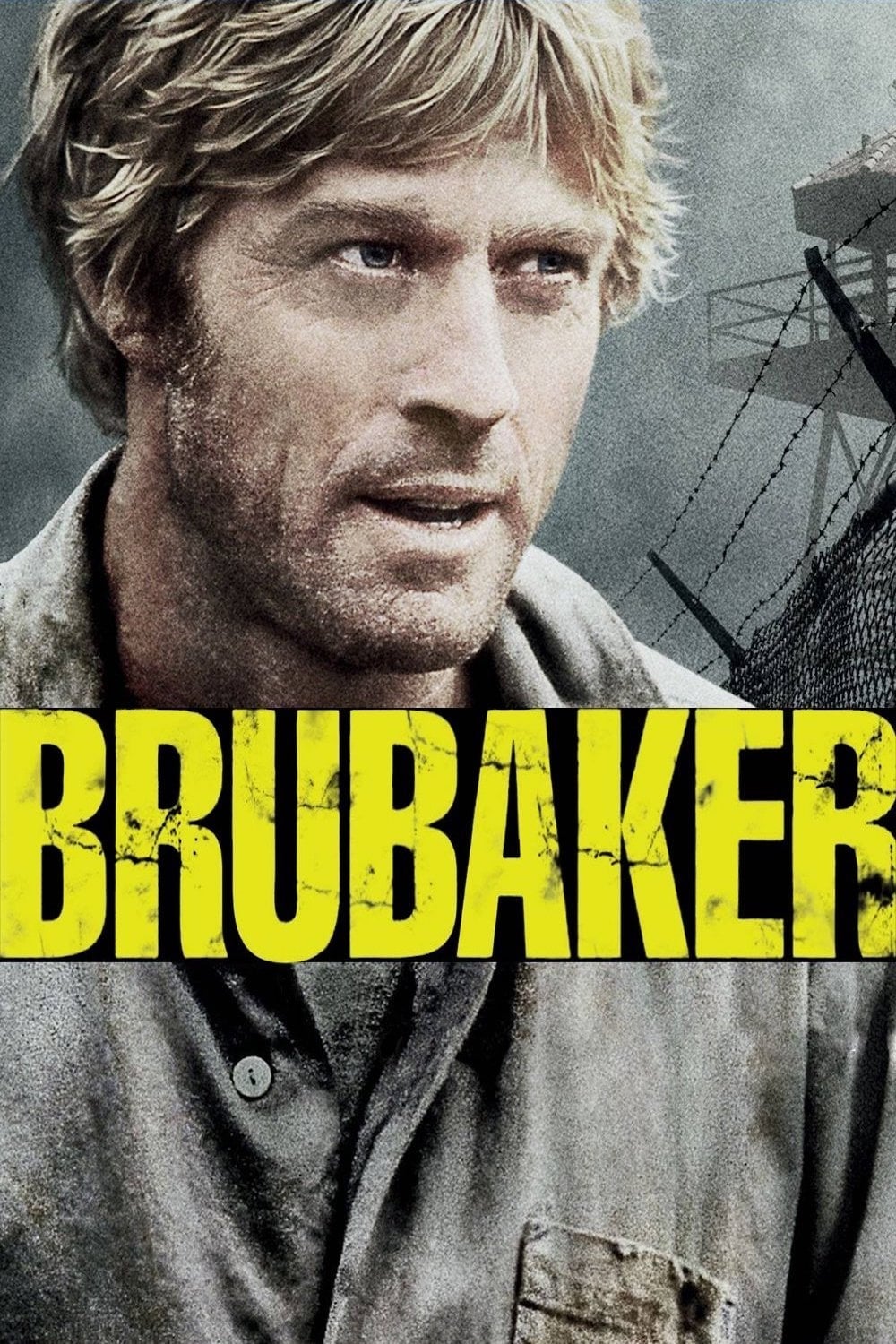
Brubaker is a prison drama starring Robert Redford. He plays a newly appointed prison warden who goes undercover as an inmate to expose the widespread corruption and abuse within a southern prison farm. Once he reveals his true identity, he attempts to reform the brutal and corrupt system, but faces strong resistance from both the guards and powerful local figures.
The film is based on the true story of Thomas Murton, a prison reformer who exposed scandals at a prison in Arkansas in the late 1960s. The movie received positive reviews for its compelling story and Redford’s strong performance. It was also nominated for an Academy Award for Best Original Screenplay.
Dressed to Kill (1980)
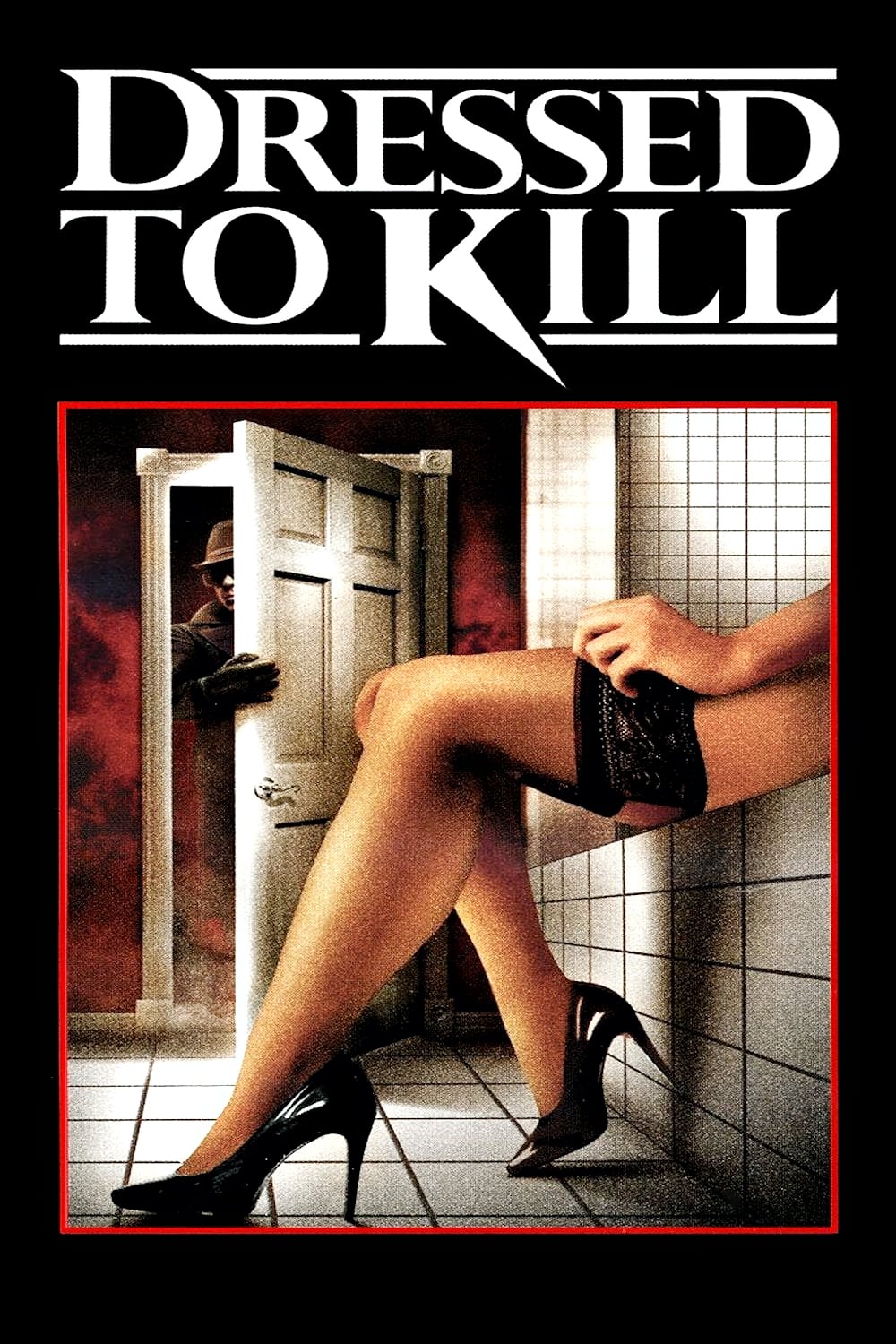
Directed by Brian De Palma, Dressed to Kill is a stylish and suspenseful psychological thriller. The film follows a high-class call girl who witnesses the murder of one of her clients. She then becomes the killer’s next target. With the police skeptical of her story, she teams up with the victim’s son to find the mysterious killer.
The movie is heavily influenced by the films of Alfred Hitchcock, particularly Psycho. It is known for its visual flair, suspenseful sequences, and a memorable score by Pino Donaggio. While it was controversial at the time for its violence and themes, Dressed to Kill was a box office success and is considered one of De Palma’s most significant films.
The Long Riders (1980)
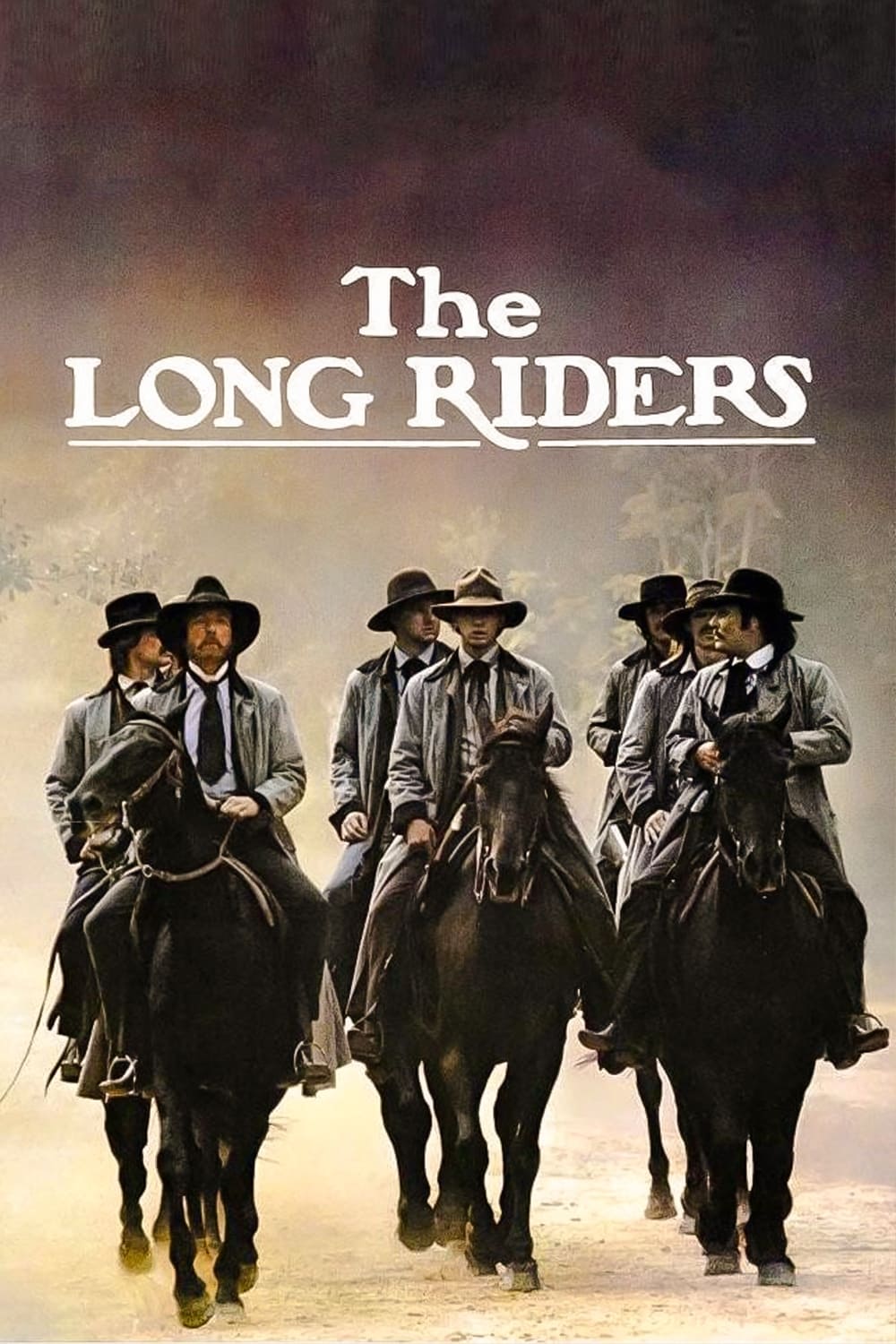
The Long Riders is a Western that tells the story of the James-Younger gang, a famous group of outlaws in the American West. The film is unique for its casting choices: four sets of real-life actor brothers play the brother characters in the gang. The Carradines, Keaches, Quaids, and Guests all star in the movie.
Directed by Walter Hill, the film is praised for its historical accuracy, authentic feel, and violent, slow-motion action sequences. It focuses on the personal lives and relationships of the gang members as much as their criminal activities. The movie received positive reviews for its innovative casting and gritty portrayal of the Old West.
Flash Gordon (1980)
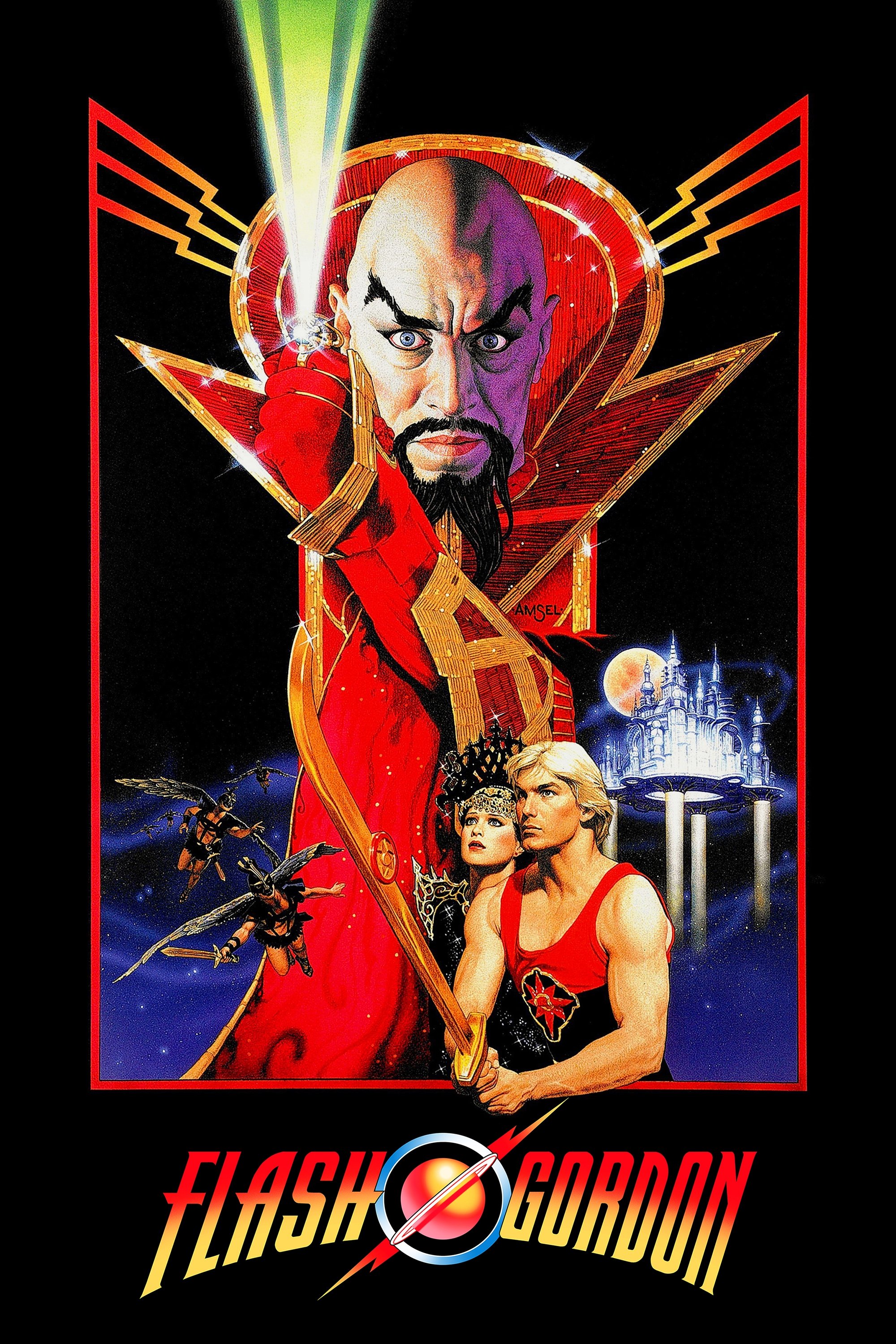
Flash Gordon is a campy and colorful space opera based on the classic comic strip hero. The story follows a New York Jets quarterback named Flash Gordon who, along with a travel agent and a scientist, is unwillingly transported to the planet Mongo. There, they must battle the tyrannical ruler Ming the Merciless to save Earth from destruction.
The film is famous for its vibrant, over-the-top visual style and its iconic rock soundtrack composed and performed by the band Queen. While it was not a huge box office hit in the United States, it became a major success in the United Kingdom. Over the years, Flash Gordon has become a beloved cult classic, celebrated for its fun and adventurous spirit.
Altered States (1980)
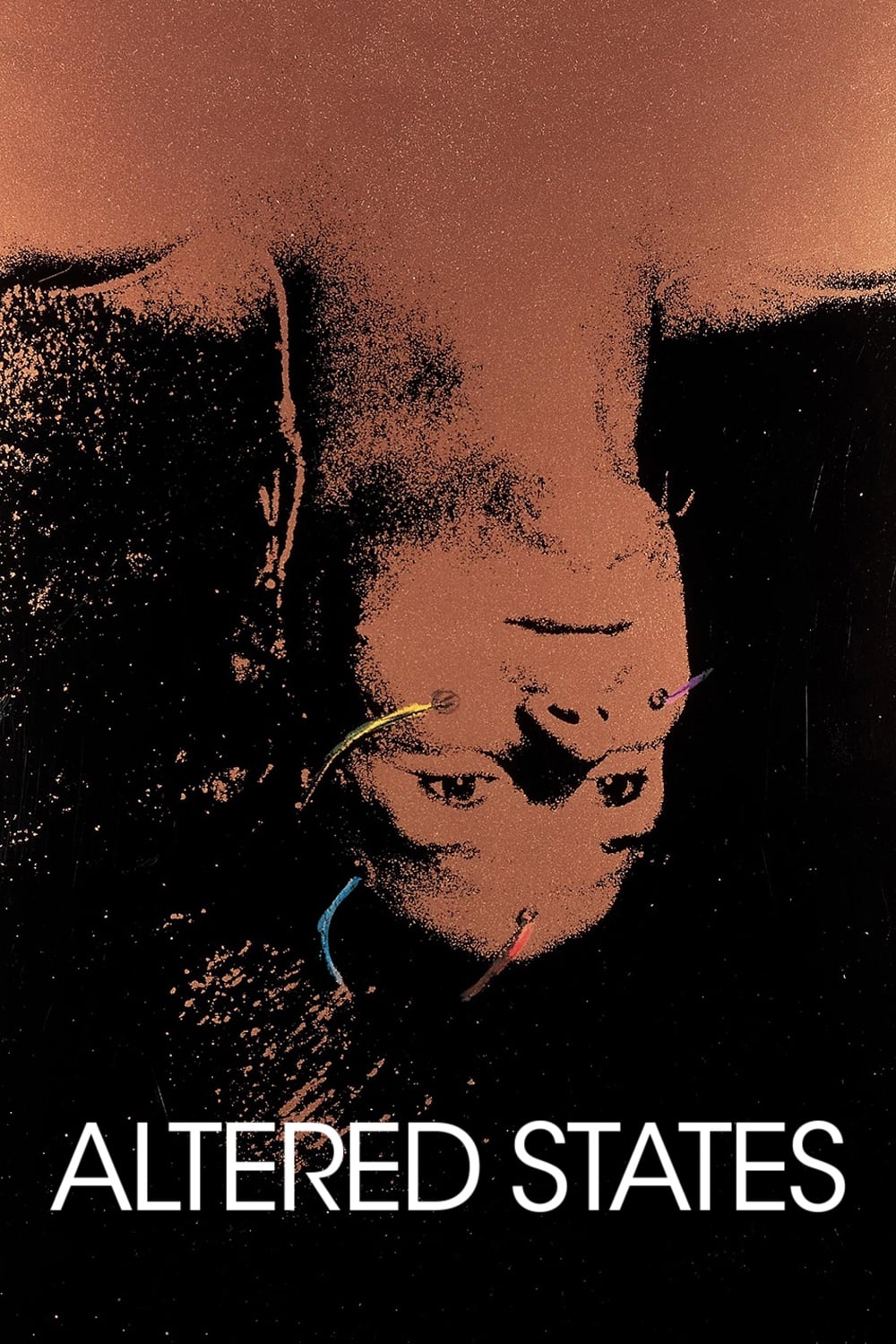
Altered States is a science fiction horror film directed by Ken Russell. It is based on a novel by Paddy Chayefsky. William Hurt stars in his film debut as a respected but obsessive scientist who studies states of consciousness. He uses sensory deprivation tanks and hallucinogenic drugs to explore his own mind, but his experiments cause him to physically regress into primitive forms of life.
The film is known for its surreal and mind-bending visual effects, which were groundbreaking for their time. It explores complex themes of science, spirituality, and the origins of humanity. The movie received critical praise for its originality and ambition, and it earned an Academy Award nomination for its score.
Urban Cowboy (1980)

Urban Cowboy stars John Travolta as a young man who moves from the country to Houston, Texas, to work in an oil refinery. He spends his nights at Gilley’s, a massive honky-tonk bar, where he falls in love with a feisty young woman played by Debra Winger. The film follows their turbulent romance, set against the backdrop of the country music scene.
The film was a major commercial success and had a significant cultural impact. It helped popularize country music and Western fashion, including mechanical bulls, which feature prominently in the movie’s plot. The soundtrack, filled with country hits, was also a huge bestseller.
Somewhere in Time (1980)
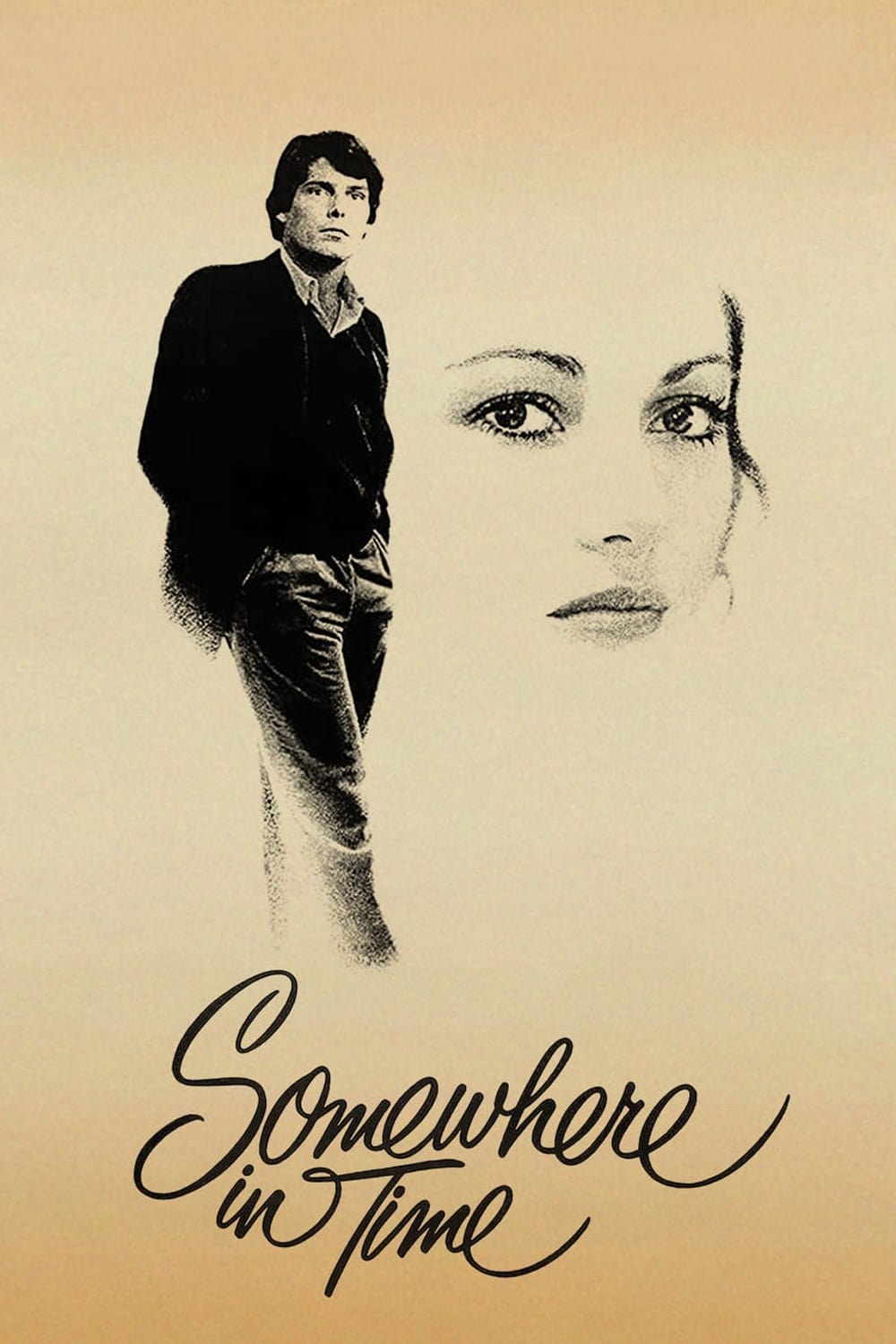
Somewhere in Time is a romantic fantasy film starring Christopher Reeve and Jane Seymour. Reeve plays a modern-day playwright who becomes obsessed with a photograph of a beautiful actress from 1912. He discovers that time travel is possible through self-hypnosis and wills himself back to the past to find her.
The film is known for its beautiful scenery, filmed at the historic Grand Hotel on Mackinac Island, and its lush, romantic musical score by John Barry. Though it was not a success at the box office, the movie developed a devoted fan base over the years through cable television and home video. It is now considered a cult classic romance.
Bronco Billy (1980)
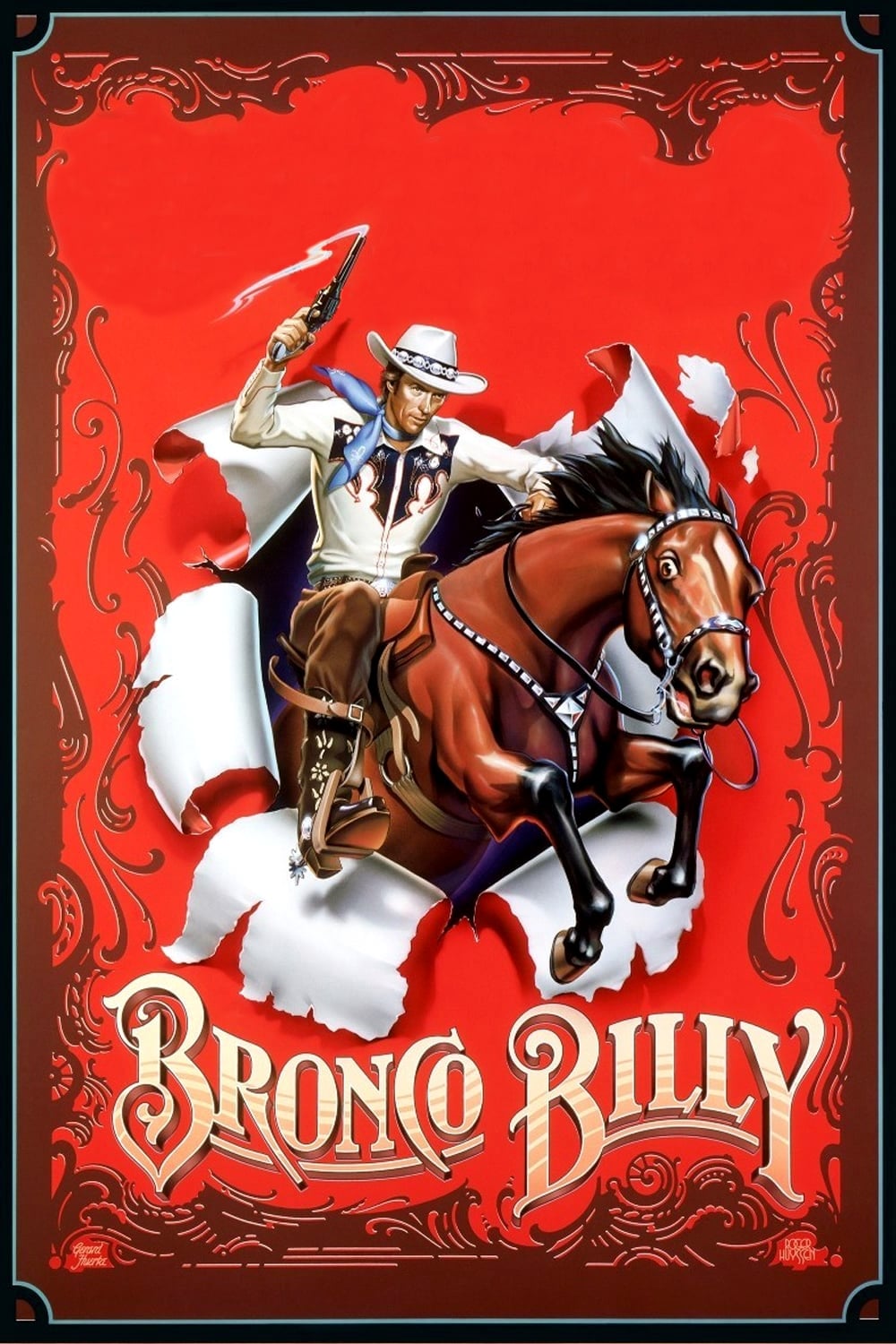
Bronco Billy is a comedy-drama directed by and starring Clint Eastwood. He plays Bronco Billy McCoy, the owner and star of a small, struggling Wild West show. He is a modern-day cowboy who lives by the values of the Old West. His life and his show are changed when he reluctantly hires a spoiled heiress who is on the run.
The film is a gentle and affectionate story that was a departure from Eastwood’s more famous action roles. While it was not a major box office hit, it was one of Eastwood’s personal favorite projects. The movie received positive reviews from critics, who praised its charm and Eastwood’s warm performance.
Seems Like Old Times (1980)
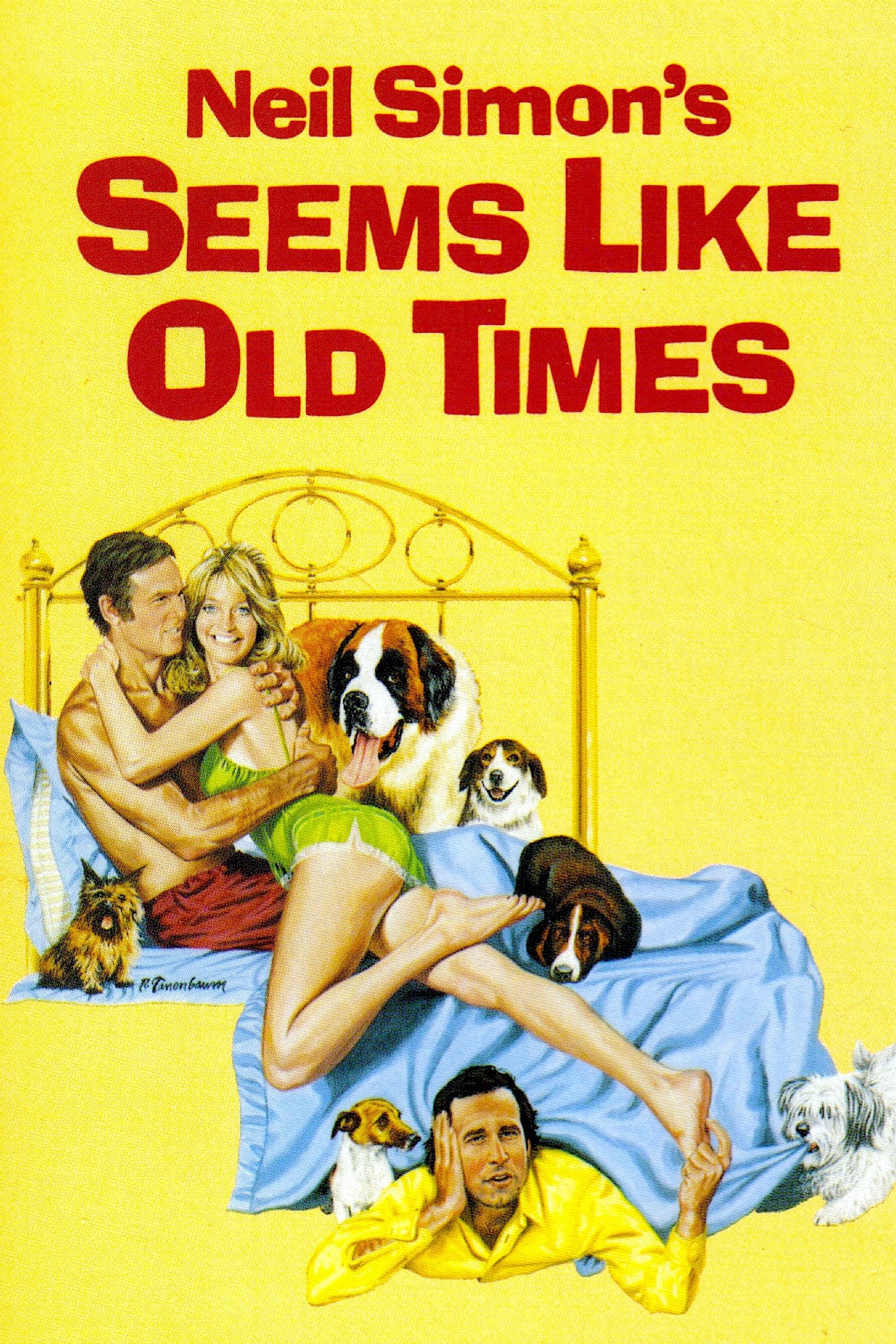
This comedy, written by Neil Simon, reunites Goldie Hawn and Chevy Chase. Hawn plays a liberal-minded public defender whose life is turned upside down when her ex-husband, a writer played by Chase, is forced to rob a bank and becomes a fugitive. He seeks refuge in her home, much to the dismay of her current husband, a district attorney who is running for office.
The film is a screwball comedy that relies on witty dialogue and farcical situations. It was a moderate box office success and was well-received by audiences. The chemistry between Hawn and Chase, who had previously starred together in Foul Play, was a major highlight for many viewers.
The Big Red One (1980)
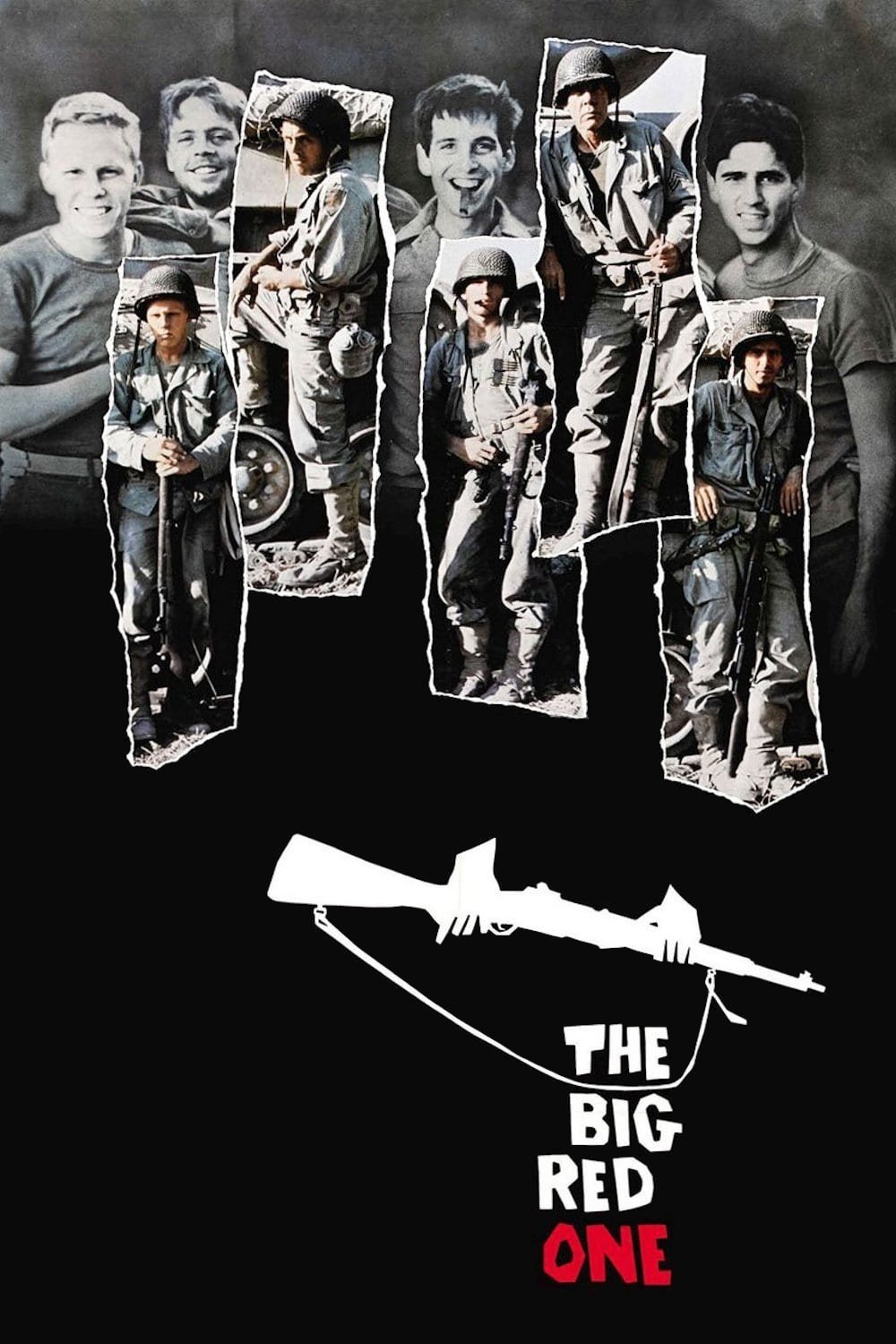
The Big Red One is a war film written and directed by Samuel Fuller. It is a semi-autobiographical account of Fuller’s own experiences as a soldier in the U.S. Army’s 1st Infantry Division during World War II. The film stars Lee Marvin as a grizzled sergeant leading a small squad of soldiers through various campaigns in North Africa and Europe.
The movie is known for its realistic and unsentimental depiction of war, focusing on the survival of a few individual soldiers. The version released in 1980 was heavily cut by the studio. In 2004, a reconstructed version was released that was much longer and closer to the director’s original vision, receiving widespread critical acclaim.
The Octagon (1980)

The Octagon is an action film starring martial arts star Chuck Norris. He plays a retired karate champion who is drawn back into a dangerous world when he discovers that a group of terrorists he is fighting are actually ninjas. He learns they were trained by his estranged half-brother at a secret mercenary camp known as “The Octagon.”
The film is notable for its extensive use of ninjas, which helped popularize them in American action movies throughout the 1980s. It also features an inner monologue from Norris’s character, which was an unusual stylistic choice. The movie was a financial success and helped solidify Chuck Norris’s status as a rising action star.
Xanadu (1980)
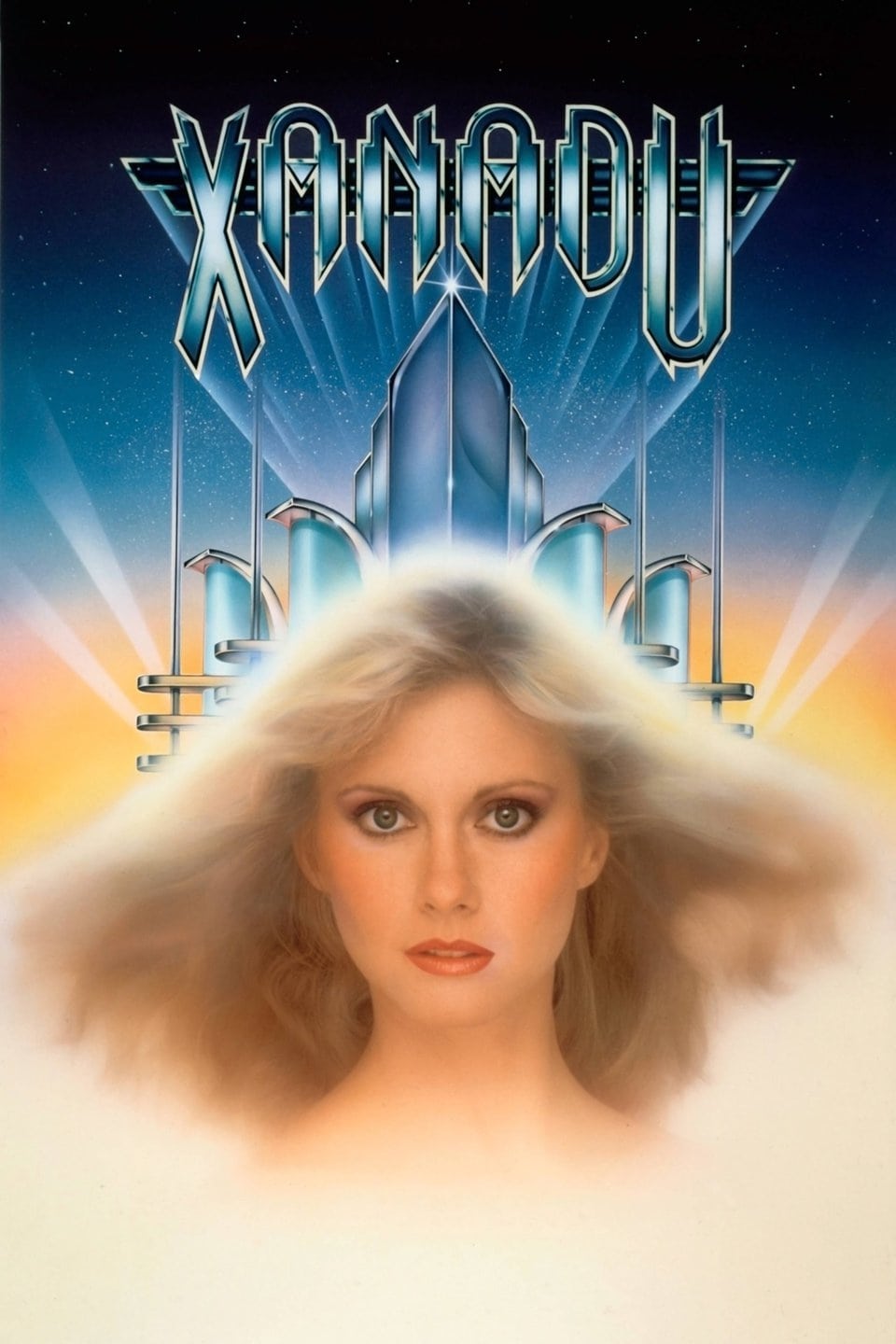
Xanadu is a musical fantasy film that stars Olivia Newton-John, Michael Beck, and Hollywood legend Gene Kelly in his final film role. Newton-John plays a Greek muse who comes to Earth to inspire a struggling artist to open a roller-disco nightclub. The film is known for its blend of 1940s big band music with 1980s rock and pop.
The movie was a commercial failure and was panned by critics upon its release. However, its soundtrack, which featured songs by Newton-John and the Electric Light Orchestra (ELO), was a huge international success. Over the years, Xanadu has become a cult classic, celebrated for its campy style and memorable music. It was later adapted into a successful Broadway musical.
Bad Timing (1980)
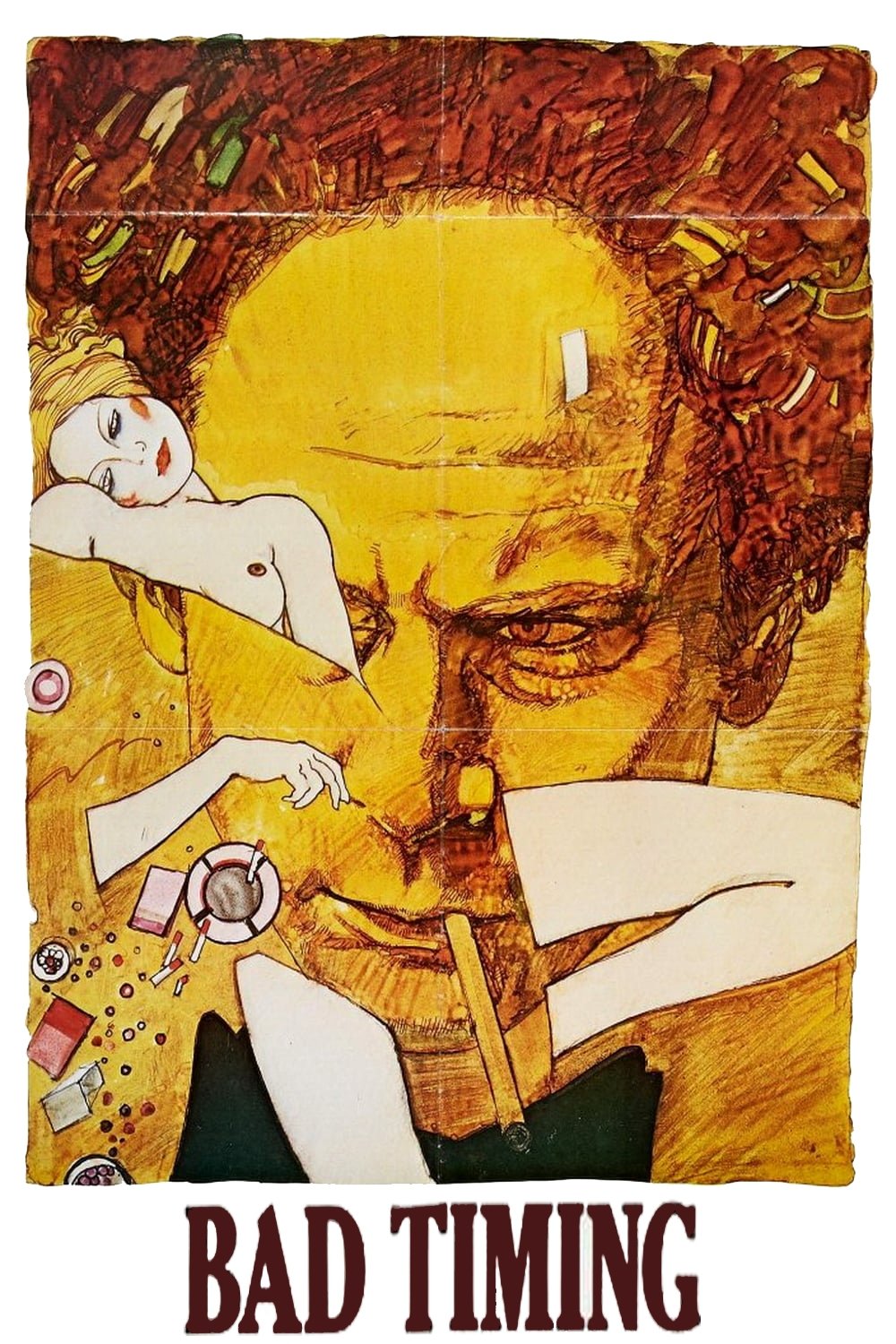
Bad Timing is a psychological thriller directed by Nicolas Roeg. The film stars Art Garfunkel and Theresa Russell as two Americans living in Vienna who are involved in a turbulent and obsessive relationship. The story is told in a non-linear fashion, intercutting scenes from their passionate affair with the investigation that follows the woman’s apparent suicide attempt.
The film is known for its complex, fragmented narrative structure and its raw, unflinching look at a destructive relationship. Upon its release, the film was highly controversial and received a polarized reaction from critics due to its explicit content and dark themes. It has since been re-evaluated by many and is now considered one of Roeg’s most challenging and compelling works.
Hopscotch (1980)
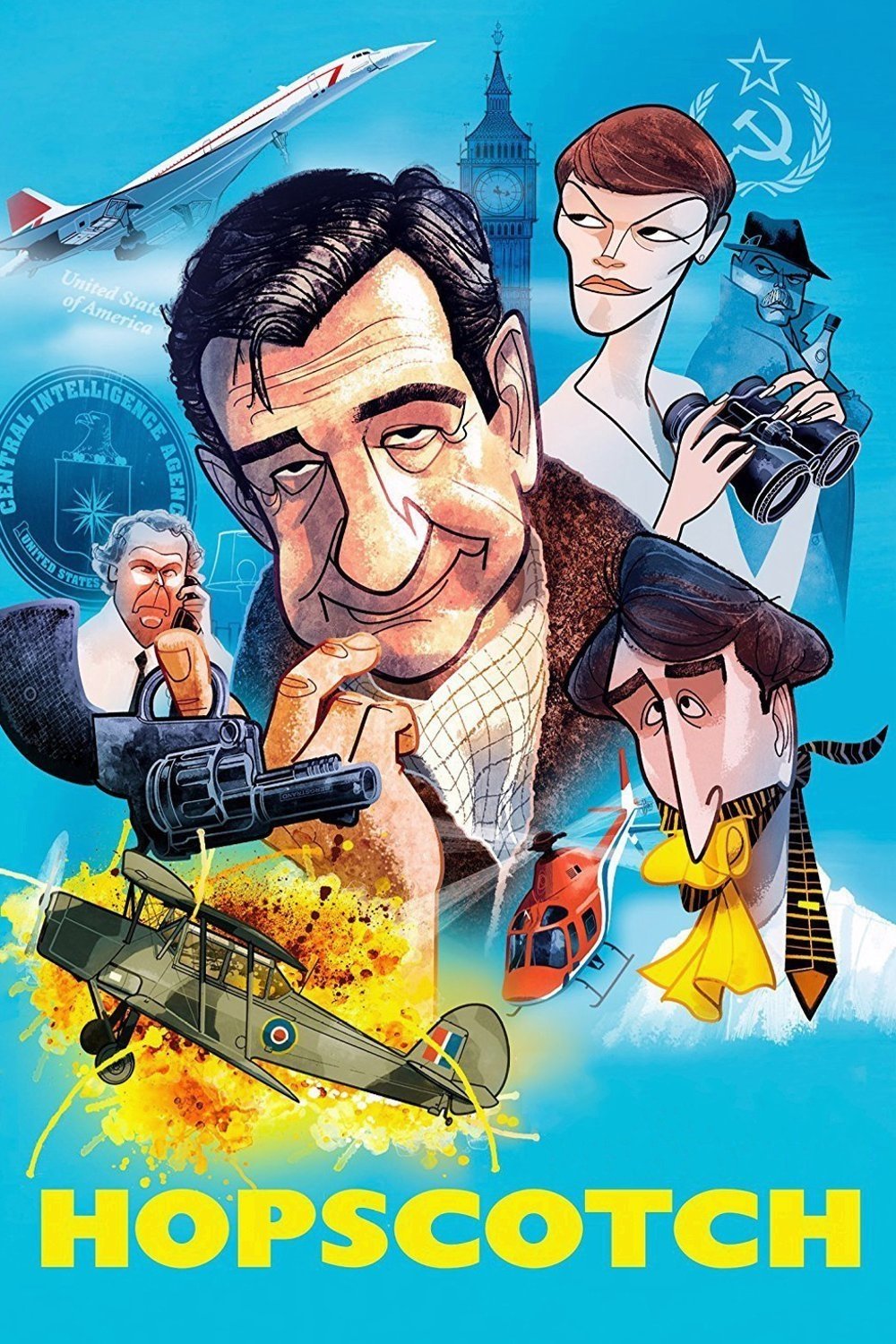
Hopscotch is a spy comedy starring Walter Matthau and Glenda Jackson. Matthau plays a veteran CIA field agent who, after being demoted to a desk job, decides to quit the agency and write a tell-all memoir. He then leads his former boss and other agents on a chase across Europe as he sends them chapters of the book, always staying one step ahead.
The film is a lighthearted and intelligent comedy that stands out from more serious spy thrillers. Matthau’s performance was widely praised, and he received a Golden Globe nomination for his role. The movie was a critical and commercial success, appreciated for its witty script and the charming chemistry between its leads.
The Hollywood Knights (1980)
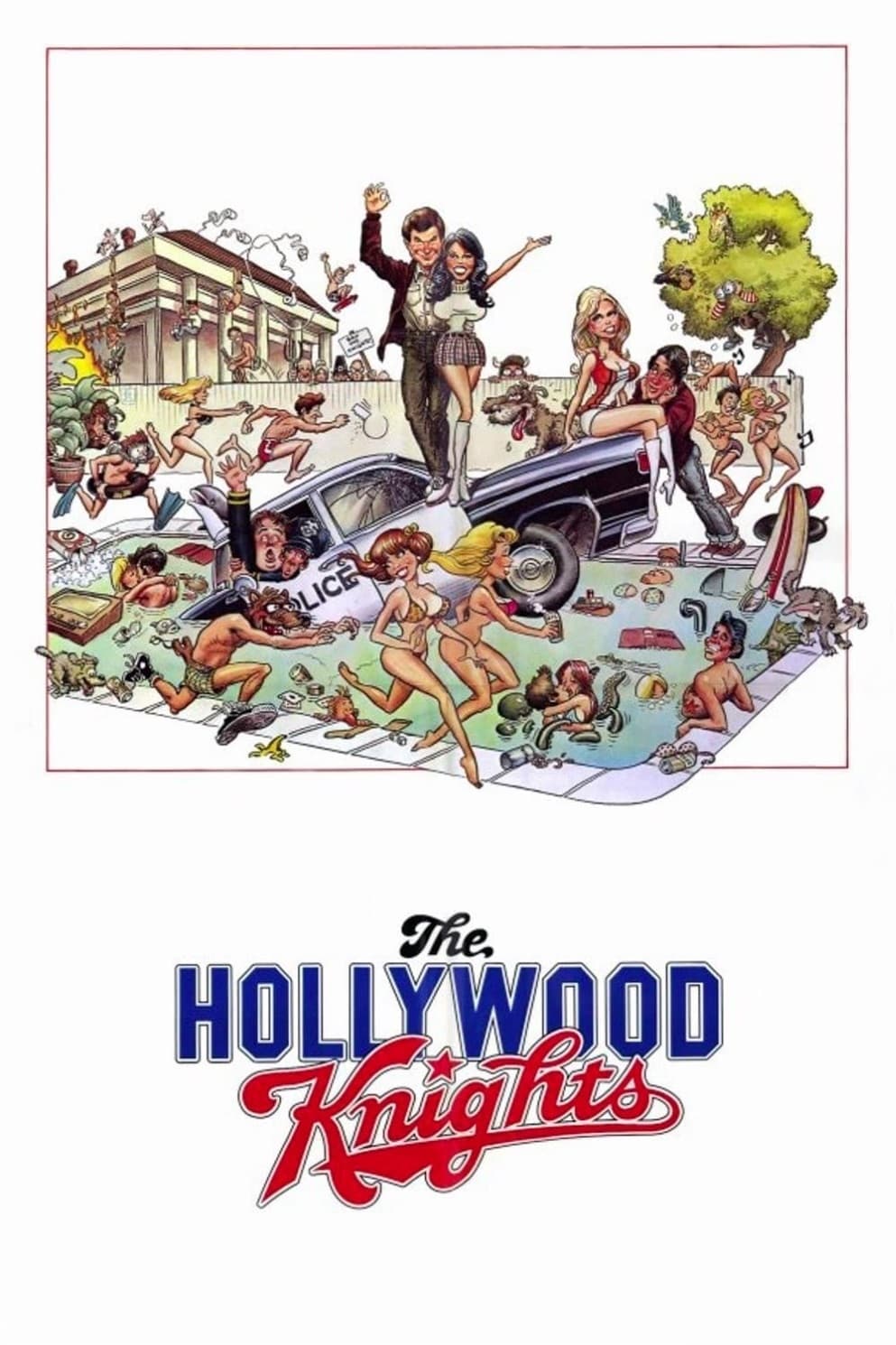
The Hollywood Knights is a comedy set on Halloween night in 1965 in Beverly Hills. The film follows the antics of a high school car club, the Hollywood Knights, as they protest the decision by local authorities to shut down their favorite hangout, a diner called Tubby’s Drive-In. The movie features a large ensemble cast, including Tony Danza, Michelle Pfeiffer, and Fran Drescher in early roles.
The film is often compared to American Graffiti but with a more raunchy and slapstick sense of humor. It is filled with pranks, drag races, and subplots involving the various members of the car club. While it was not a major critical success, it has become a cult favorite for its nostalgic 1960s setting and soundtrack.
Little Darlings (1980)
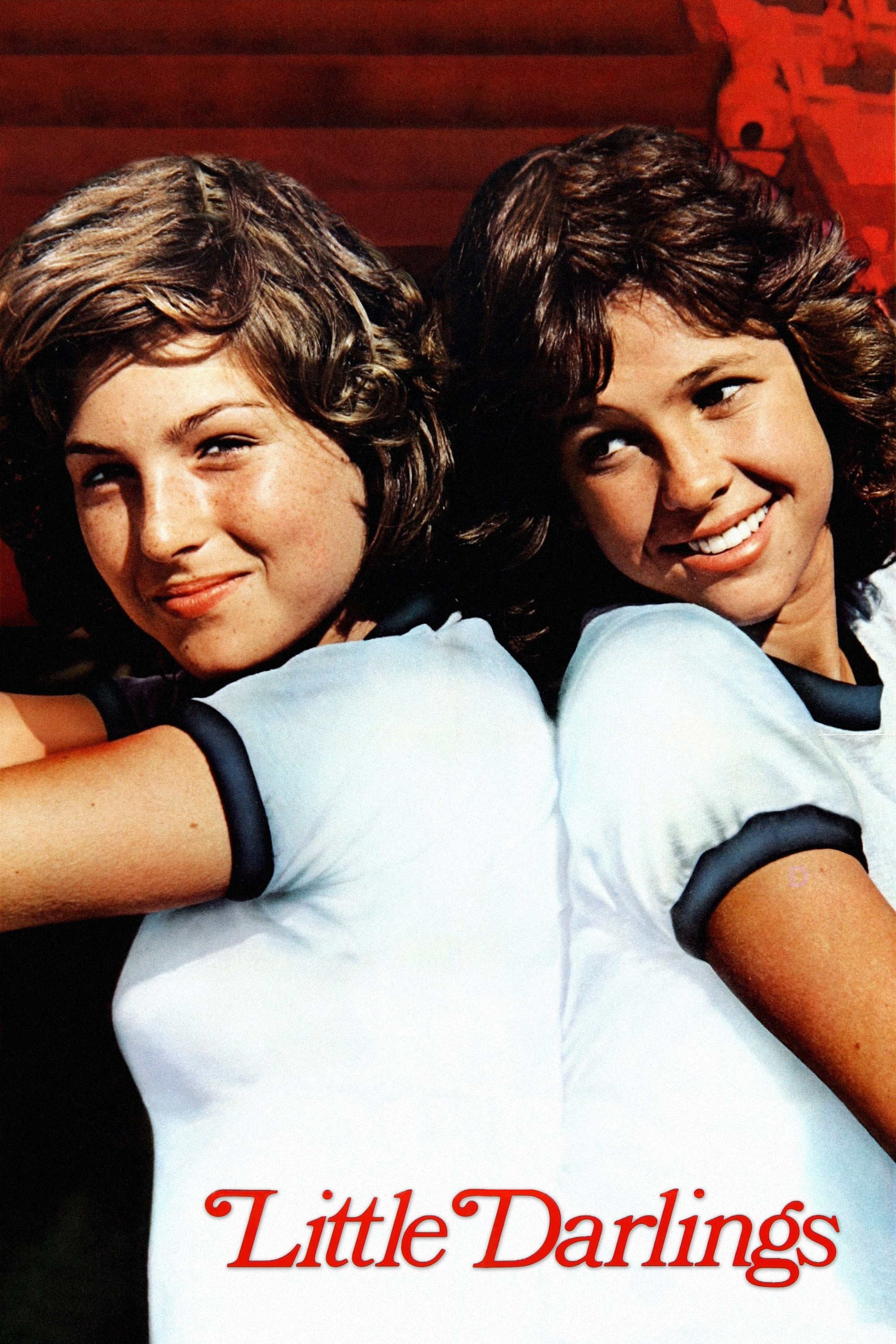
Little Darlings is a teen comedy-drama starring Tatum O’Neal and Kristy McNichol. They play two very different teenage girls at a summer camp who make a bet to see who can lose their virginity first. The film follows their individual journeys as they pursue their goal, leading them to unexpected discoveries about themselves and relationships.
The film was notable for its frank and honest approach to teenage sexuality, a topic that was often handled with less seriousness in other teen films of the era. The performances of O’Neal and McNichol were praised for their depth and authenticity. The movie was a box office success, resonating with young audiences for its blend of humor and drama.
Any Which Way You Can (1980)
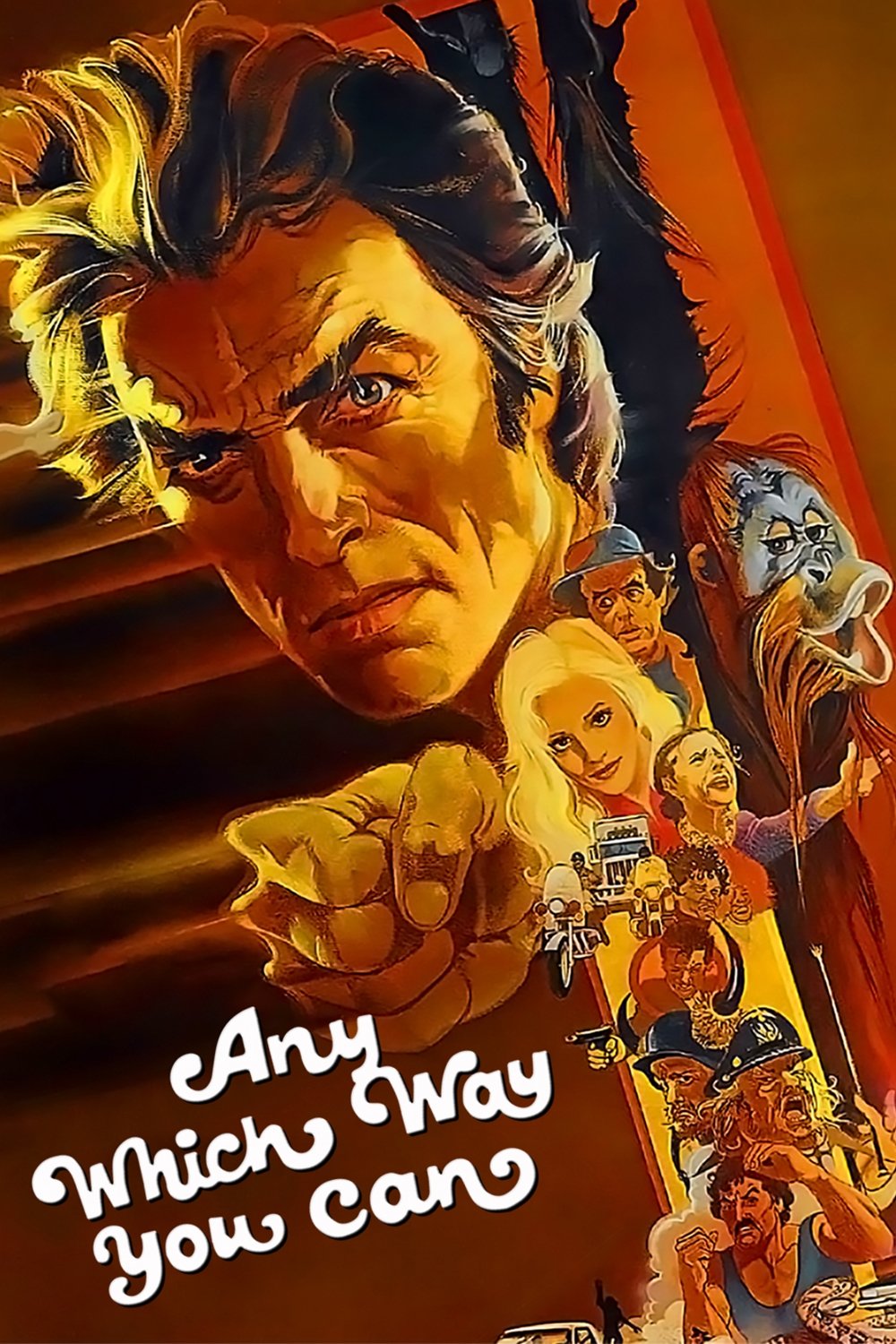
Any Which Way You Can is the sequel to the 1978 hit comedy Every Which Way but Loose. Clint Eastwood returns as Philo Beddoe, a truck driver and bare-knuckle fighter, along with his pet orangutan, Clyde. In this film, Philo decides to retire from fighting but is lured back for one more high-stakes match against a champion hired by the mob.
The movie was a huge commercial success, becoming one of the highest-grossing films of the year. Like its predecessor, it combines broad comedy with action sequences. The film also features a popular country soundtrack, including a duet between Eastwood and Ray Charles.

