Best Romance Anime of All Time, Ranked


Romance has been a pillar of anime from the medium’s earliest TV hits to today’s streaming favorites, spanning tender school stories, sweeping historical dramas, and contemporary films that topped global box offices. This list gathers series and movies across decades, studios, and subgenres—slow-burn relationships, second chances, love-triangle chess matches, and bittersweet long-distance connections—highlighting the titles that shaped how anime tells love stories.
Below you’ll find a countdown of 30 landmark romance anime. Each entry notes the core premise, key staff and studios, format and length, and where the story first came from—manga, light novel, visual novel, or an original screenplay. The headings show release years for quick reference, while the paragraphs stick to practical details so you can decide what to watch next.
‘Nisekoi’ (2014–2015)
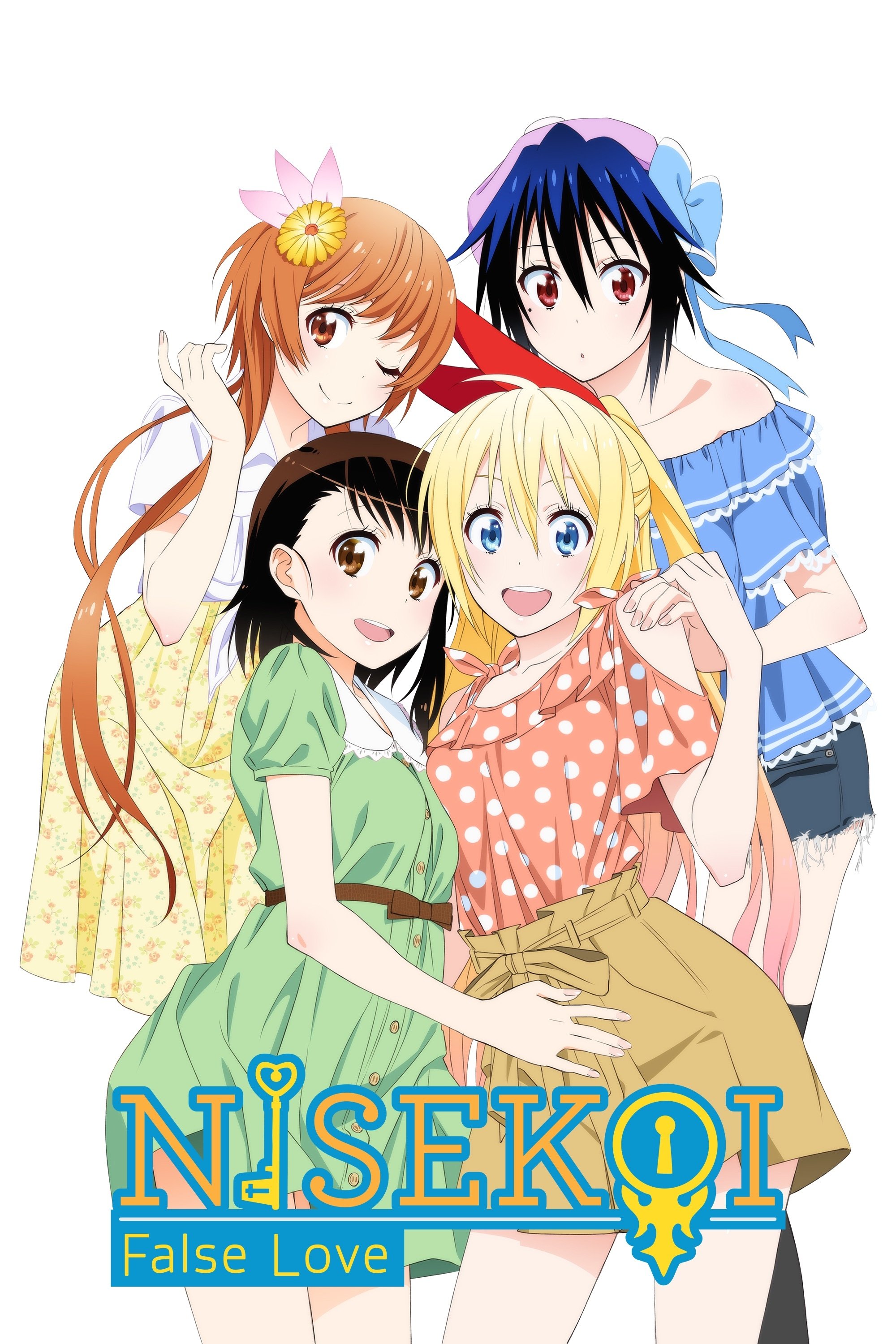
‘Nisekoi’ adapts Naoshi Komi’s manga about a fake-dating arrangement between high-school heirs from rival groups. Shaft produced two seasons, directed by Akiyuki Shinbō, with graphic on-screen text, tilted compositions, and bold color blocks typical of the studio’s style.
Lock-and-key symbols, identity mix-ups, and transfer-student arrivals structure major arcs. The adaptation includes character-song marketing and OVA episodes for popular side stories, aligning with the manga’s multi-heroine format.
‘The Garden of Words’ (2013)
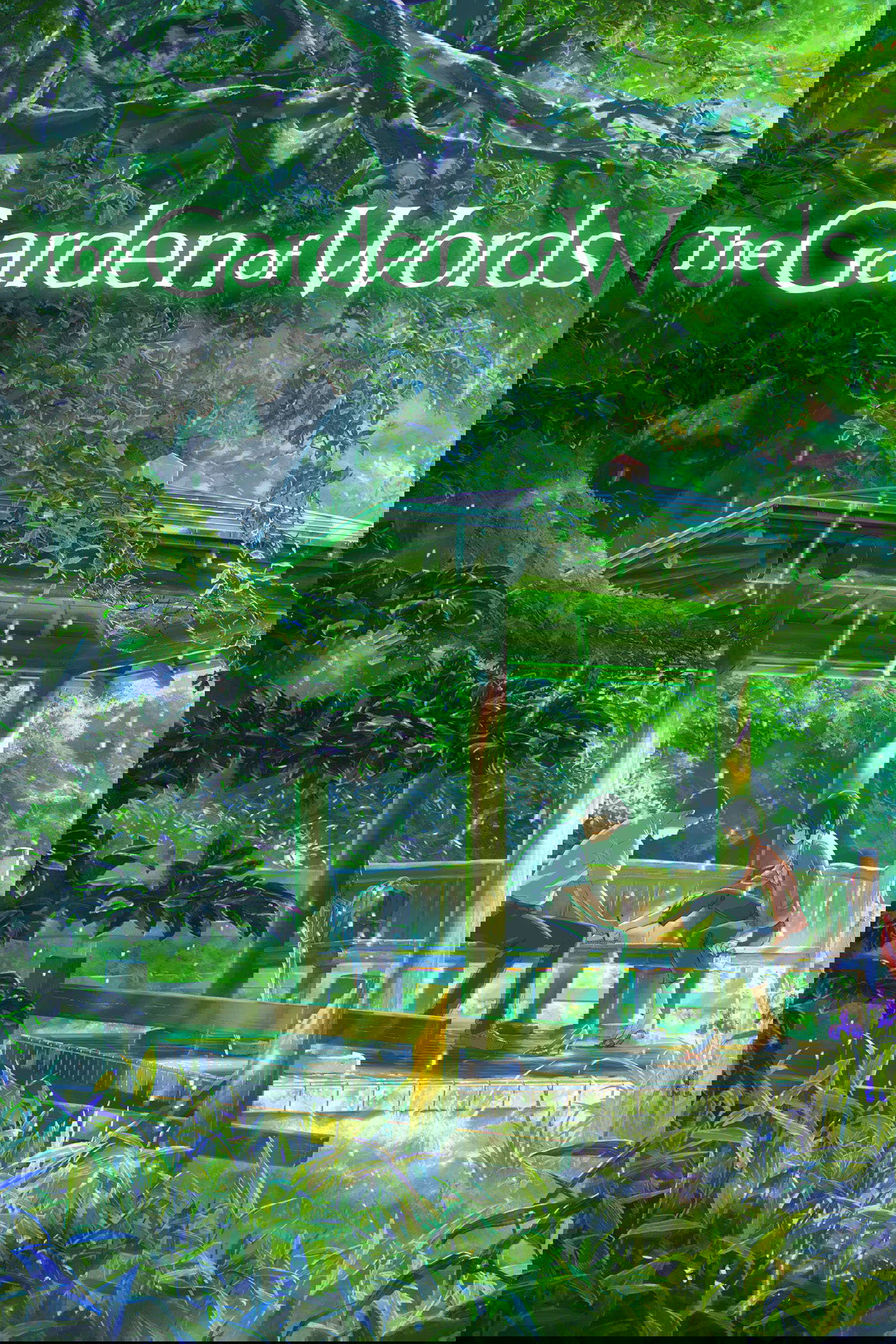
Makoto Shinkai’s ‘The Garden of Words’ follows a chance rainy-morning connection between a high-school student and a woman he meets in Shinjuku Gyoen, Tokyo. The film runs about 46 minutes and uses detailed background art and sound design to portray seasonal change as a narrative device, with a screenplay and direction by Shinkai and character designs by Kenichi Tsuchiya for CoMix Wave Films.
The story is an original screenplay rather than a manga adaptation and later received a novelization by Shinkai. The production emphasizes weather and urban greenery as motifs, with repeated meetings on rainy days structuring the progression of the relationship.
‘Lovely★Complex’ (2007)

‘Lovely★Complex’ adapts Aya Nakahara’s manga about a taller-than-average girl and a shorter boy navigating classmates’ expectations. Toei Animation produced the 24-episode series with direction by Kōnosuke Uda, using expressive facial animation to match the manga’s comedic beats.
Cultural-festival arcs, summer trips, and exam seasons function as plot anchors, while Kansai-ben (Kansai dialect) informs character flavor and setting. The anime follows the manga’s progression through misunderstandings, confession attempts, and the role of shared music fandom in the pair’s connection.
‘The Quintessential Quintuplets’ (2019–2021)
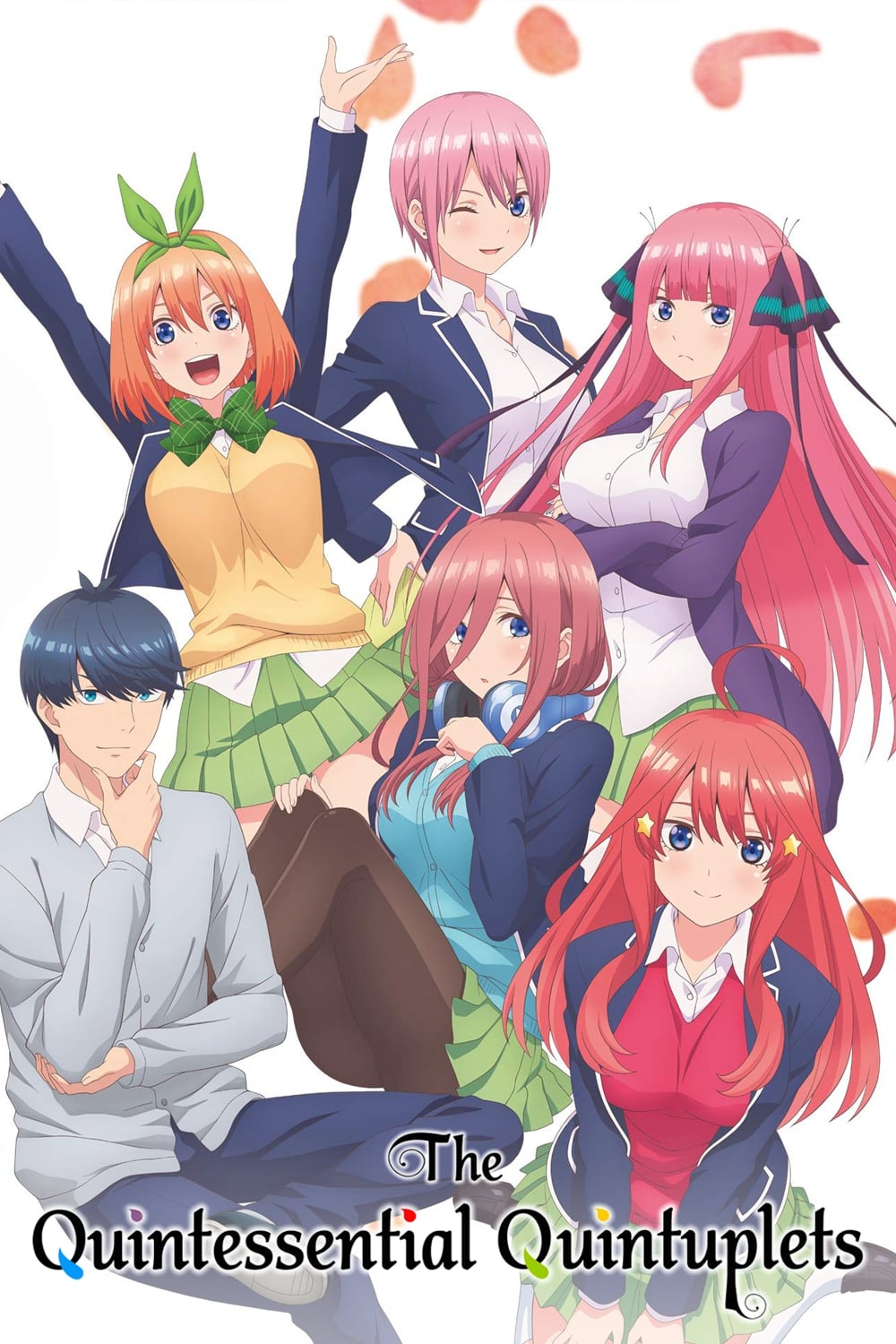
‘The Quintessential Quintuplets’ adapts Negi Haruba’s manga about tutor Fūtarō Uesugi and the Nakano quintuplets. Tezuka Productions handled Season 1 and Bibury Animation Studios took over Season 2 and the concluding film, keeping distinctive hair accessories and color coding to differentiate the sisters.
The narrative uses exam timelines and school trips to drive character-specific episodes, with multiple-choice narrative feints that reflect the manga’s structure. The anime’s finale shifts to feature-length format to resolve the identity-misdirection device established early in the story.
‘Golden Time’ (2013–2014)
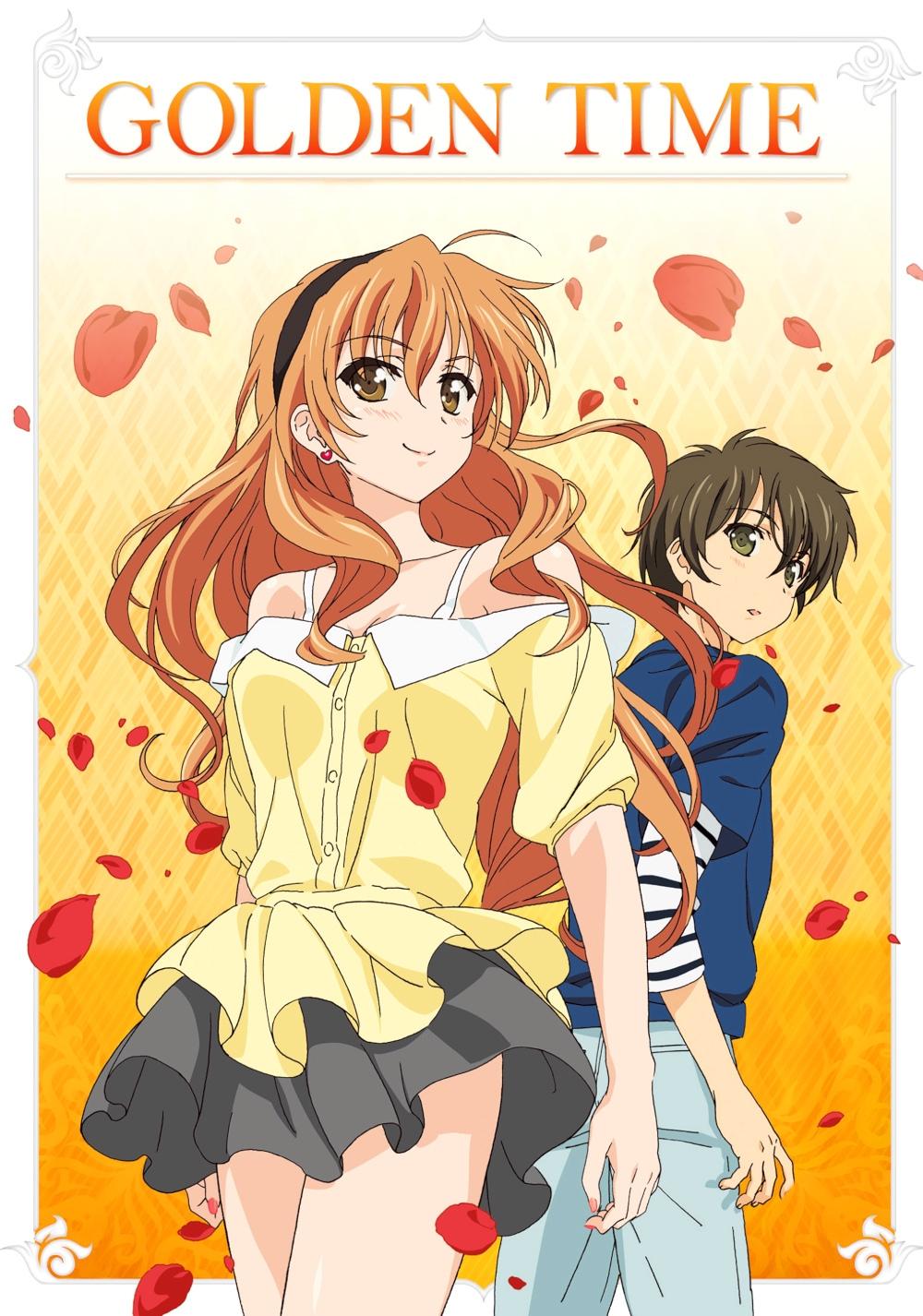
‘Golden Time’ adapts Yuyuko Takemiya’s light novels into a college-set romance produced by J.C.STAFF and directed by Chiaki Kon. The plot follows law student Banri Tada and model Koko Kaga, with a memory-loss premise that intersects with club activities and university festivals.
Urban locations and nighttime scenes frame relationship progress alongside part-time jobs and family obligations. The adaptation includes insert songs for band-club sequences and uses the school calendar to map turning points like welcome parties and summer break.
‘Snow White with the Red Hair’ (2015–2016)
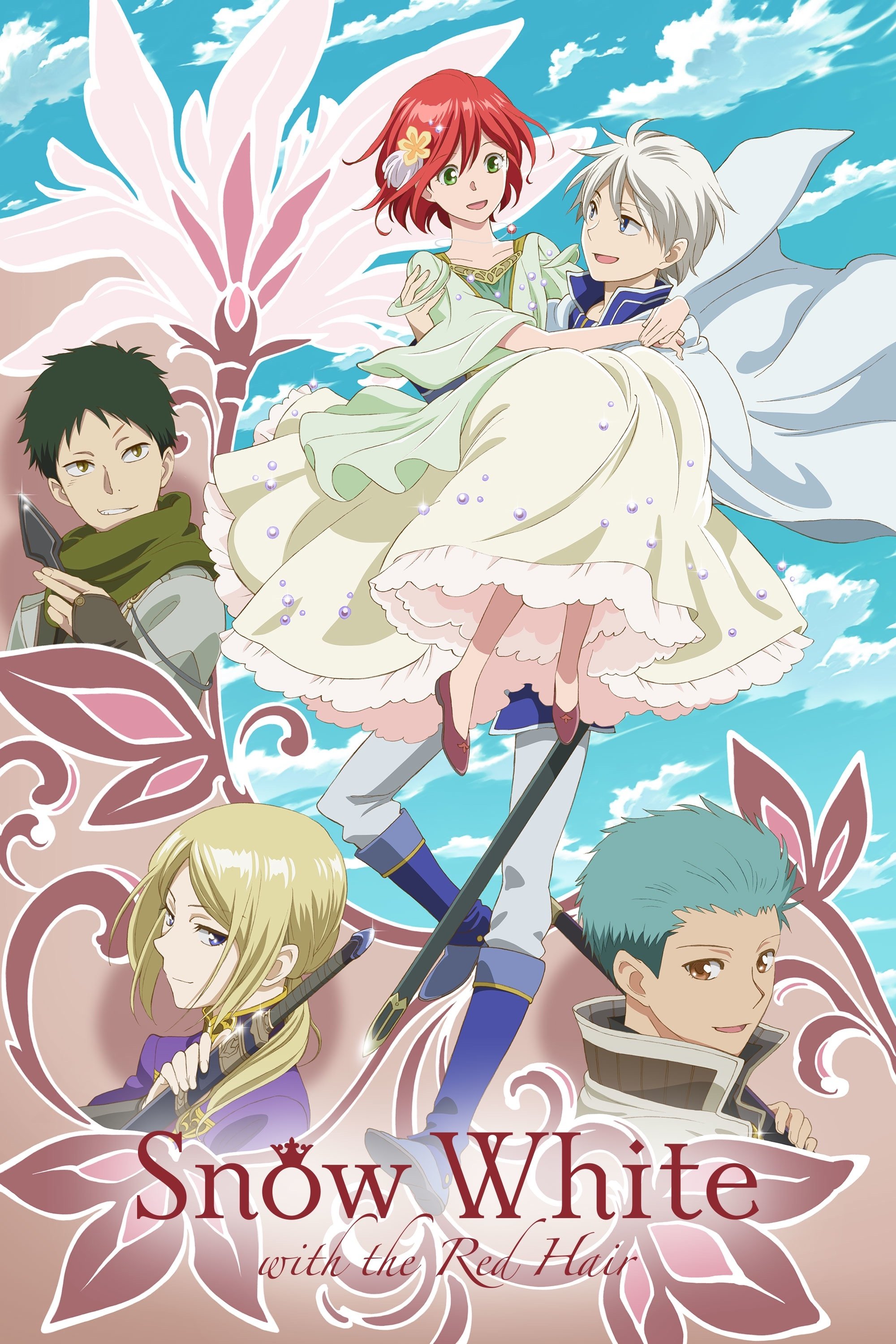
‘Snow White with the Red Hair’ adapts Sorata Akiduki’s manga into a two-season TV series produced by Bones, set in the kingdoms of Clarines and Tanbarun. The plot tracks herbalist Shirayuki and Prince Zen as political responsibilities intersect with their developing relationship, with animation direction overseen by Masahiro Ando and music by Michiru Oshima.
Across 24 episodes and an OVA, the series balances court intrigue with apprenticeship-style workplace arcs. Character designs retain the manga’s clean lines, while the adaptation adds additional vignettes to round out palace life and the professional details of herbal medicine.
‘My Love Story!!’ (2015)
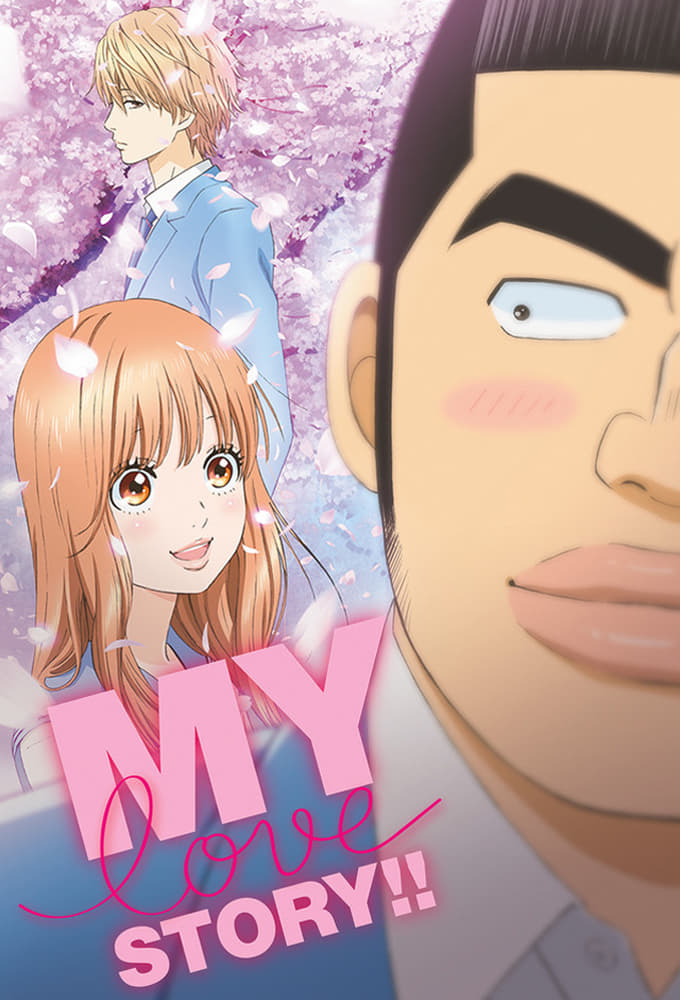
Based on the manga by Kazune Kawahara and Aruko, ‘My Love Story!!’ centers on first-year high-schooler Takeo Gōda, his best friend Makoto Sunakawa, and pastry-loving classmate Rinko Yamato. The 24-episode TV series was produced by Madhouse, directed by Morio Asaka, and keeps the manga’s comedic timing with carefully paced reaction beats.
The adaptation foregrounds day-to-day milestones like exchanging contact info, planning dates, and family introductions. The show’s framing often contrasts Takeo’s athletic build with soft visual motifs—handmade sweets, seasonal festivals—to highlight how ordinary routines structure the couple’s progress.
‘His and Her Circumstances’ (1998–1999)
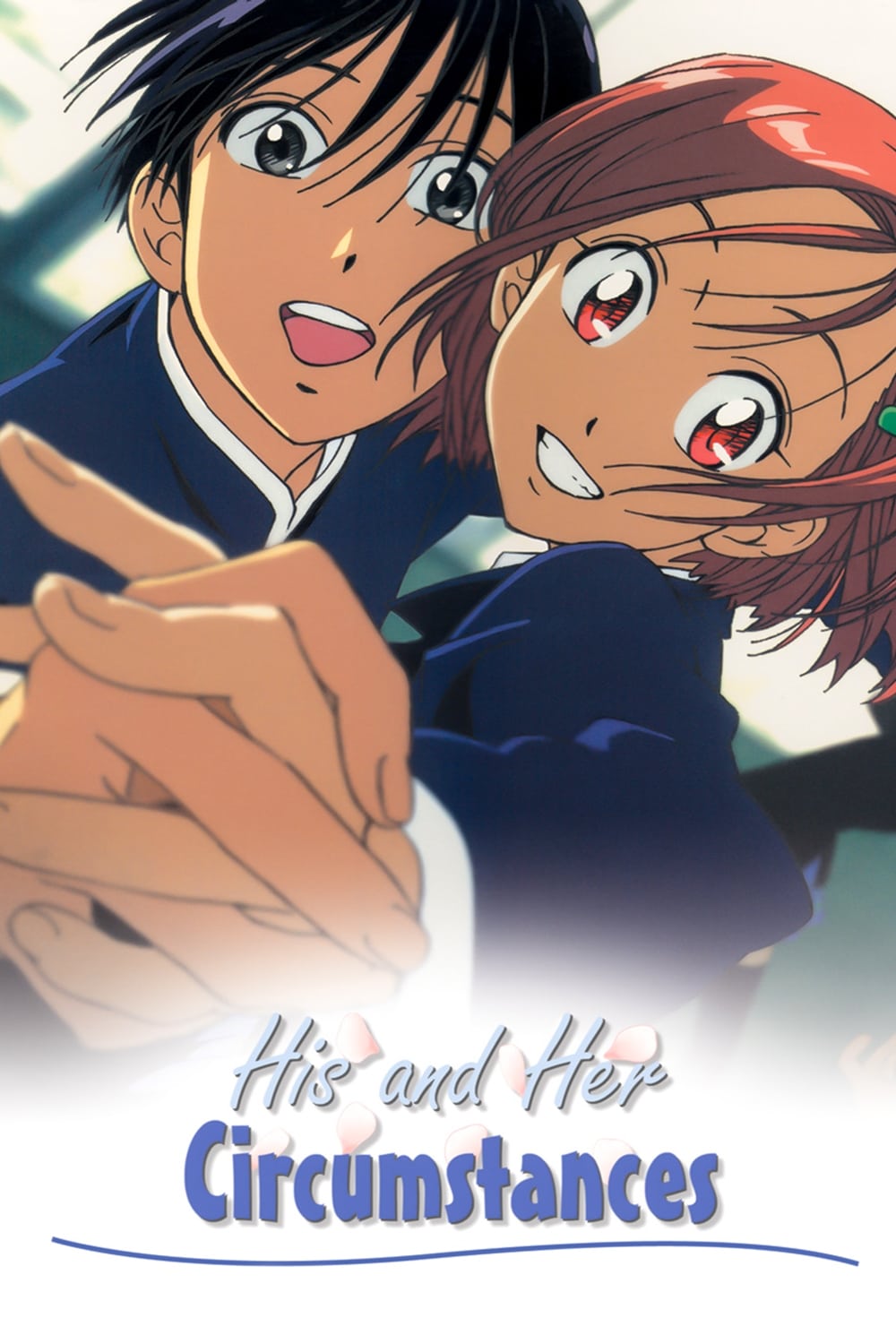
Directed by Hideaki Anno for much of its run, ‘His and Her Circumstances’ adapts Masami Tsuda’s manga about top student Yukino Miyazawa and rival Sōichirō Arima. The Gainax production blends on-model animation with mixed-media insertions—paper cutouts, scribbles—that reflect the late-90s TV schedule.
The series’ school setting frames family meetings, exam competition, and club activities, while later episodes shift toward quieter, dialogue-heavy staging. The adaptation covers early to mid-manga material, with some anime-original structuring to complete its broadcast run.
‘Josee, the Tiger and the Fish’ (2020)

‘Josee, the Tiger and the Fish’ adapts Seiko Tanabe’s short story into an animated feature by Bones, directed by Kotaro Tamura. The plot follows college student Tsuneo and wheelchair-using artist Kumiko (nicknamed Josee), focusing on caregiving work, art practice, and ocean-biology studies.
Osaka cityscapes and aquarium settings provide practical backdrops, with story beats built around part-time schedules, travel planning, and art exhibitions. The film distinguishes character perspectives through color design and framing rather than narration.
‘From Me to You: Kimi ni Todoke’ (2009–2011)
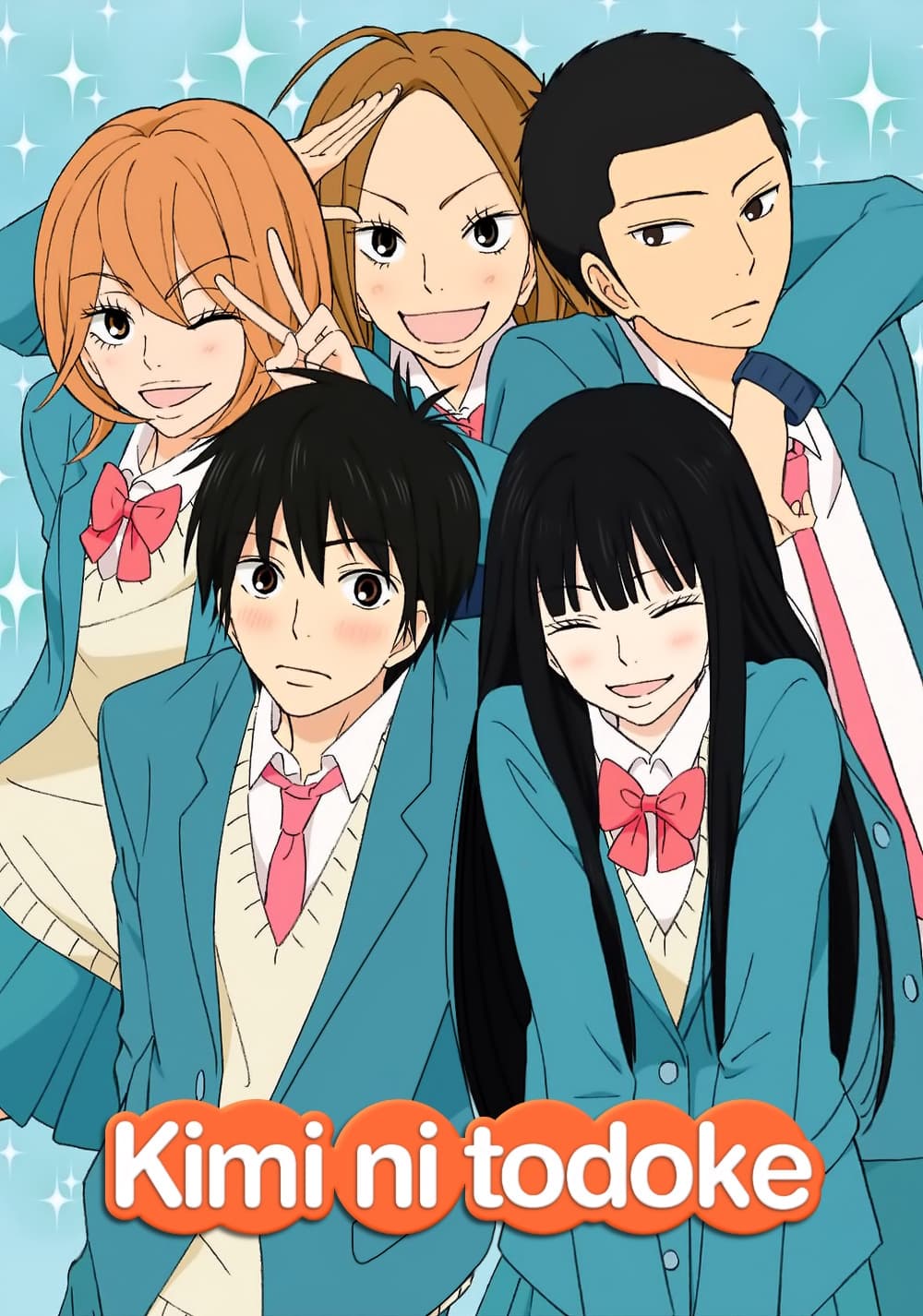
‘Kimi ni Todoke’ adapts Karuho Shiina’s shōjo manga about socially isolated student Sawako Kuronuma and outgoing classmate Shōta Kazehaya. The Production I.G TV series spans two seasons, directed by Hiro Kaburagi, with character designs by Toshiyuki Matsumoto that preserve the source’s delicate linework.
Classroom settings, group projects, and school events drive the story’s rhythm, with recurring attention to rumor dynamics and communication hurdles. The anime includes small epilogues and seasonal transitions to show incremental changes in Sawako’s social world and family interactions.
‘Bloom Into You’ (2018–2019)
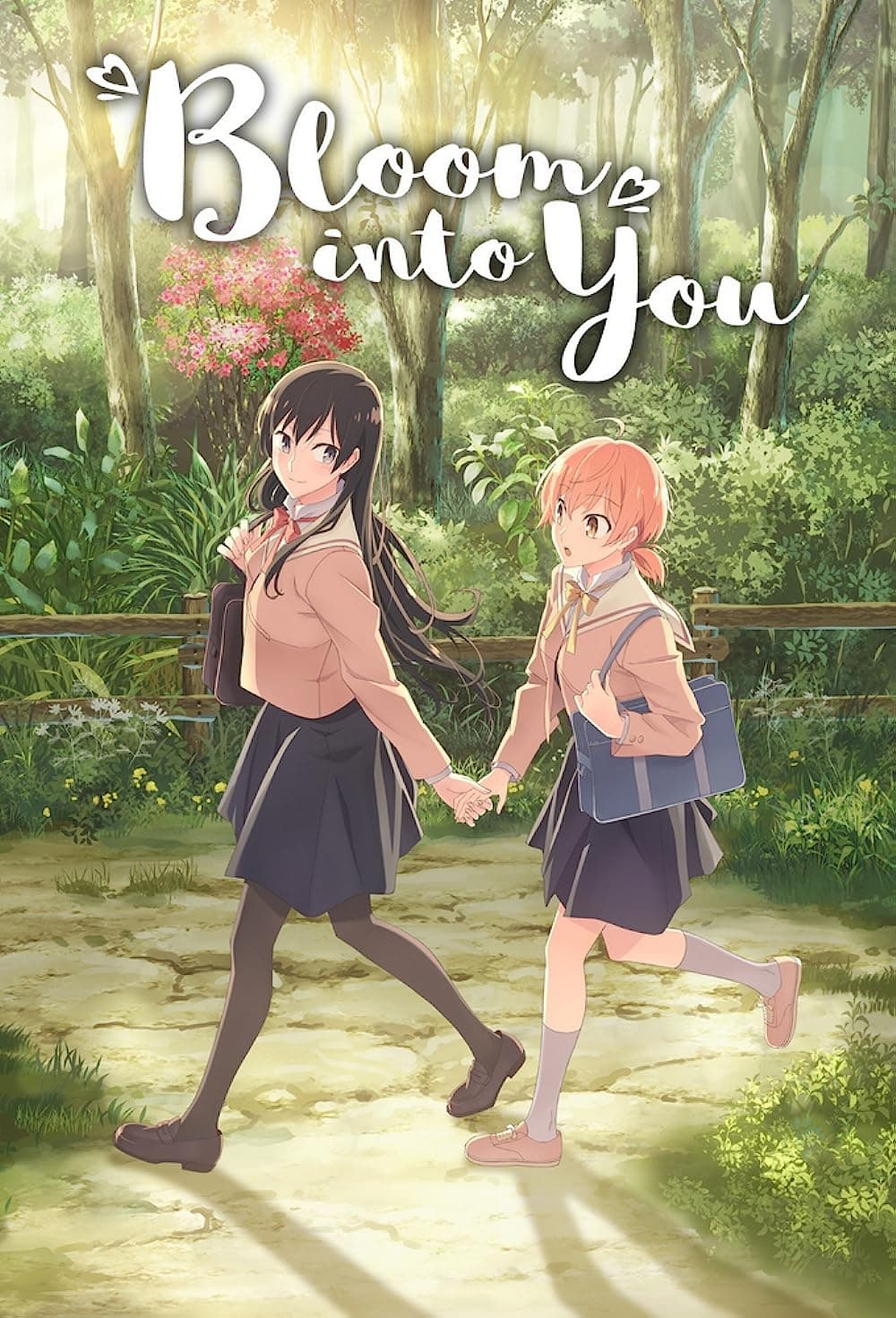
‘Bloom Into You’ adapts Nio Nakatani’s yuri manga about Yū Koito and student-council member Touko Nanami. Troyca produced the series, directed by Makoto Katō, with careful color scripting to delineate school corridors, auditoriums, and rehearsal spaces.
A school-play production within the story becomes a structural mirror for character self-perception and expectation. The adaptation keeps the manga’s focus on dialogue-driven scenes, using establishing shots and quiet pauses to pace chapter breaks.
‘Wotakoi: Love Is Hard for Otaku’ (2018)
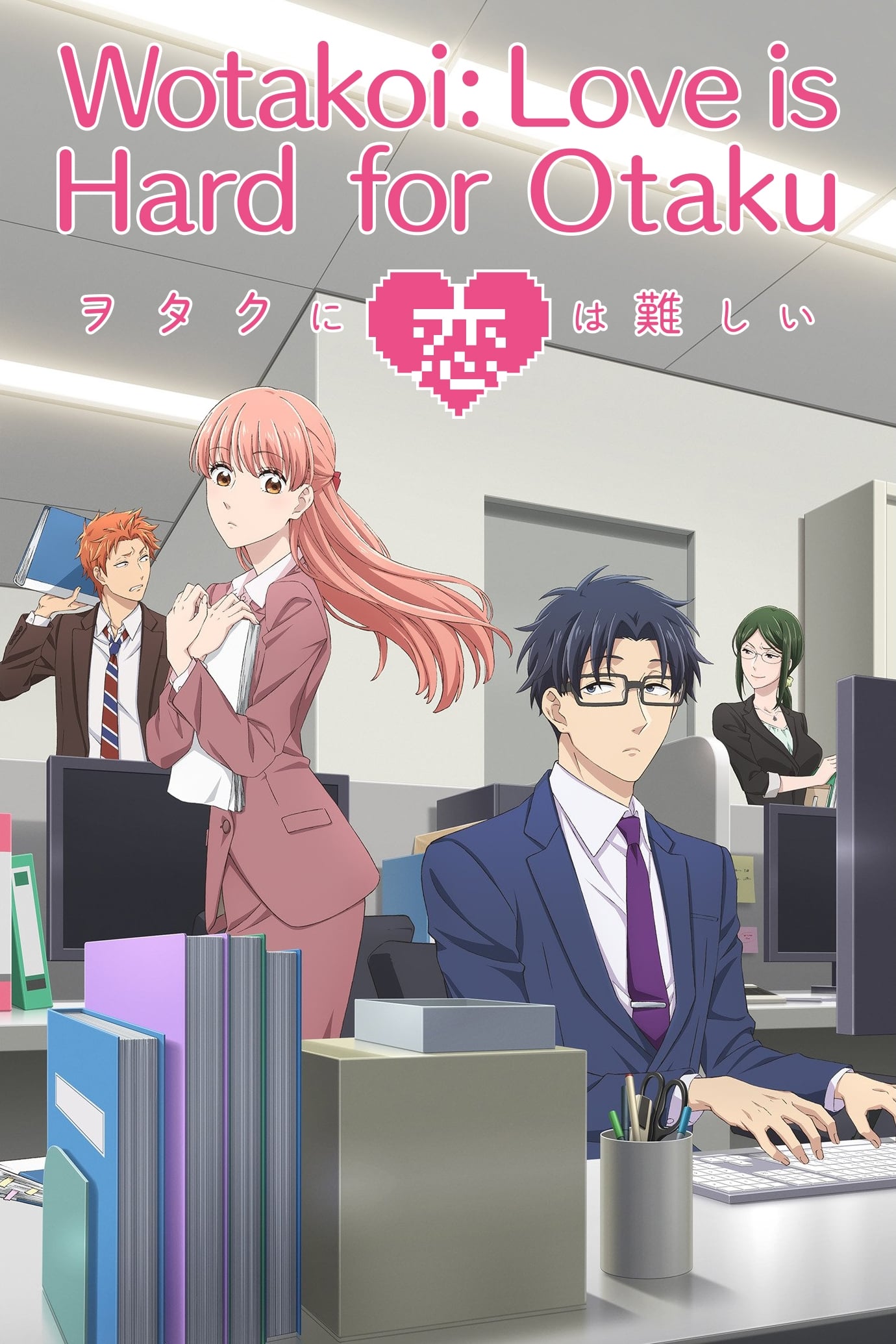
‘Wotakoi’ adapts Fujita’s manga about office workers whose hobbies include cosplay, games, and dōjinshi creation. A-1 Pictures produced the TV series with extra OVAs that adapt manga chapters focused on secondary couples.
The show emphasizes workplace settings—desks, after-work izakaya meetups, and company events—as relationship backdrops. Hobby subculture details, such as event lines at Comiket and game genres, are presented with specific terminology, embedding the romance in contemporary otaku life.
‘Maison Ikkoku’ (1986–1988)
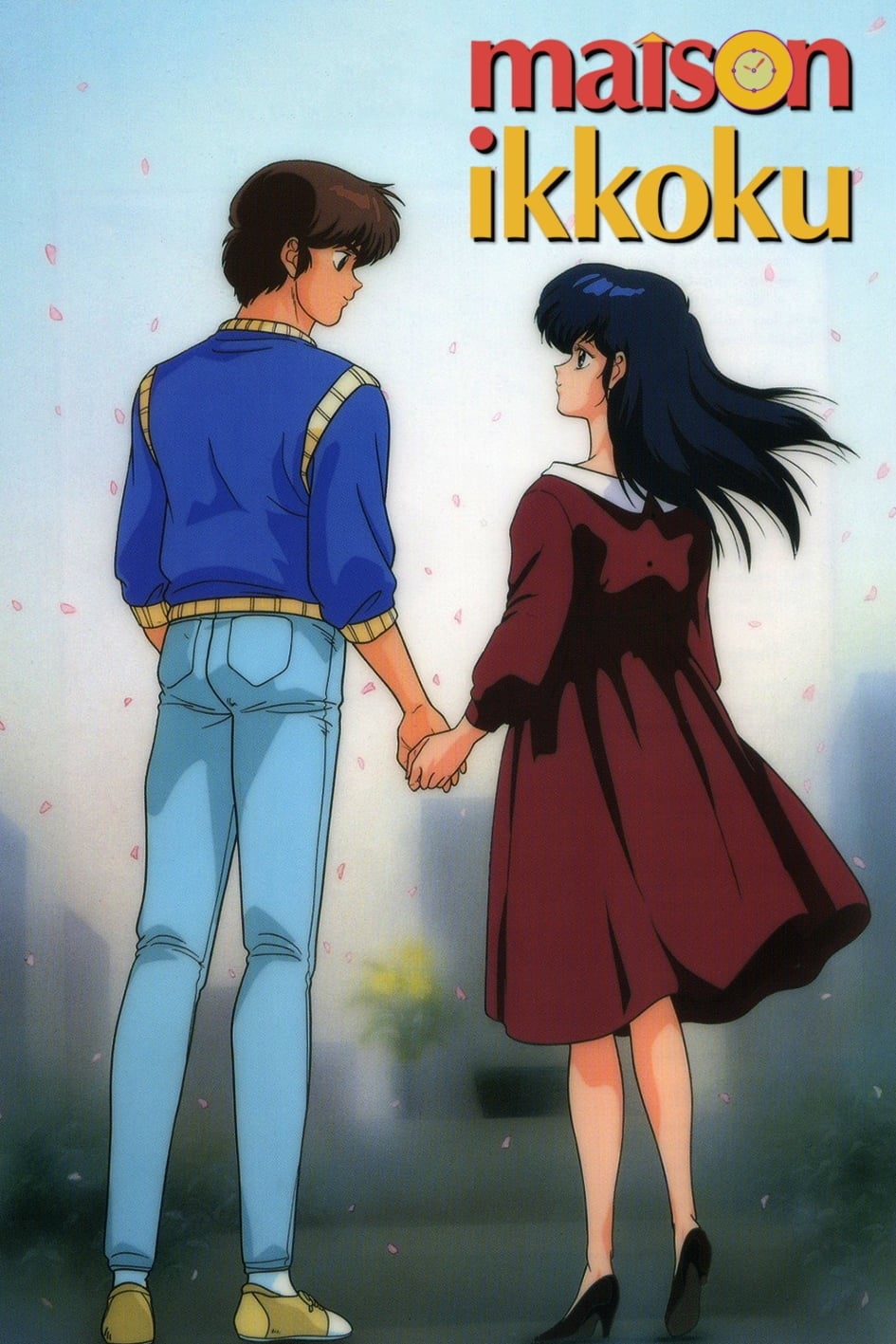
Based on Rumiko Takahashi’s manga, ‘Maison Ikkoku’ follows college examinee Yusaku Godai and apartment manager Kyoko Otonashi. Studio Deen produced the long-form TV series with over 90 episodes, plus films and OVAs, capturing late-Shōwa-era Tokyo neighborhood life.
The boardinghouse format enables episodic stories about tenants, part-time jobs, and exam cycles. The romance advances through seasonal traditions—New Year’s, cherry-blossom viewing—and everyday building maintenance scenes that bring the cast together.
‘Weathering with You’ (2019)
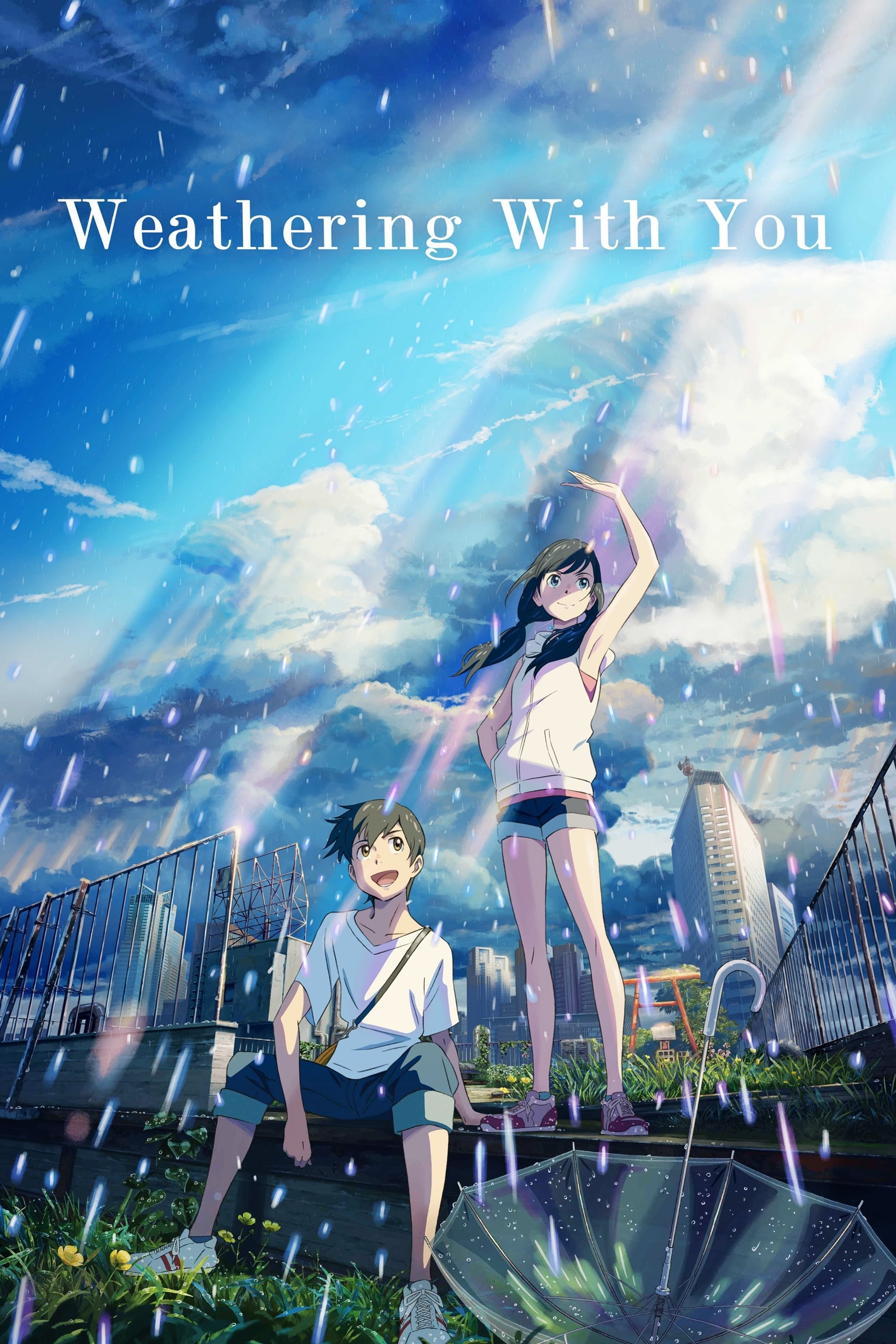
Makoto Shinkai’s ‘Weathering with You’ is an original feature produced by CoMix Wave Films, following runaway Hodaka and “sunshine girl” Hina in a rain-soaked Tokyo. The weather-control premise intersects with urban part-time gigs, police procedures for minors, and shrine folklore.
The production uses extensive location photography as reference, mapping real neighborhoods and transit routes. Music by RADWIMPS is integrated as both score and diegetic inserts, supporting time skips and montage sequences.
‘5 Centimeters per Second’ (2007)
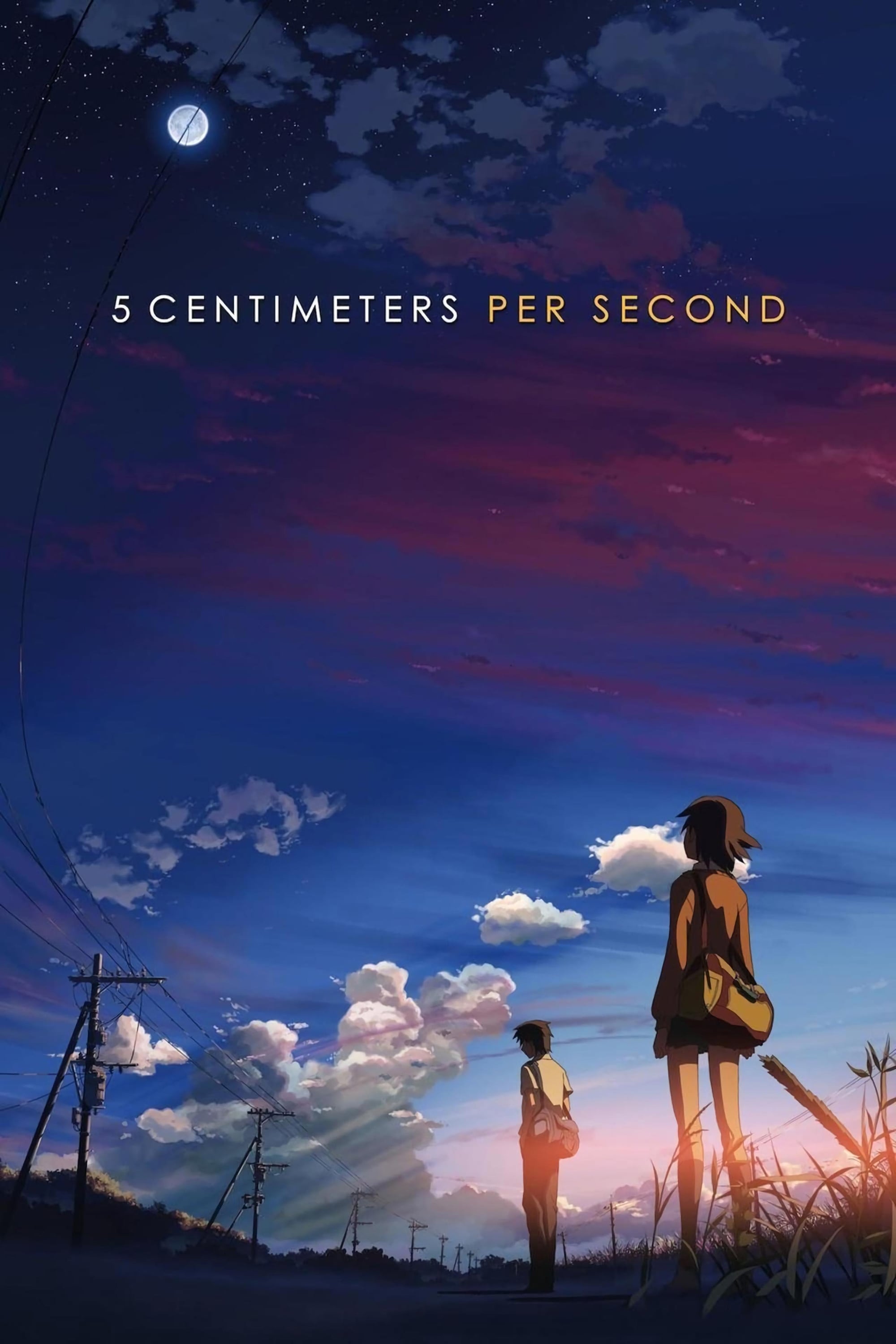
‘5 Centimeters per Second’ is a three-episode film project written and directed by Makoto Shinkai, produced by CoMix Wave Films. The story follows Takaki Tōno and Akari Shinohara from elementary school into adulthood, with each chapter—’Cherry Blossom’, ‘Cosmonaut’, and ‘5 Centimeters per Second’—marking a distinct stage.
Mail, trains, and seasonal transitions function as narrative devices that measure distance and time. The film originated as an original screenplay and later received a novelization, with background art emphasizing suburban and rural landscapes alongside metropolitan Tokyo.
‘The Girl Who Leapt Through Time’ (2006)
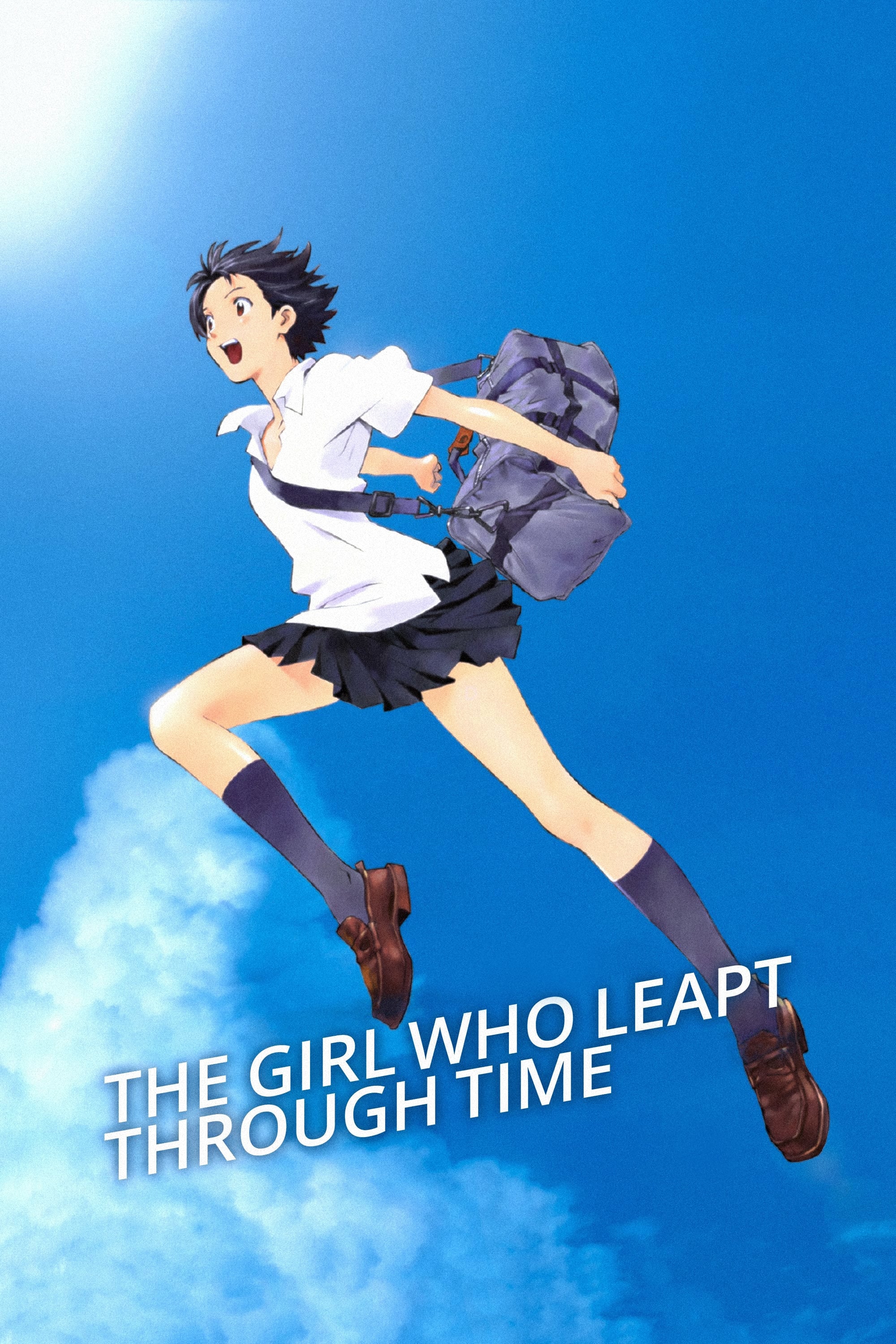
Madhouse’s ‘The Girl Who Leapt Through Time’ adapts Yasutaka Tsutsui’s novel concept into a new story centered on high-schooler Makoto Konno. Directed by Mamoru Hosoda, the film sets romantic tension against a time-leap mechanism that obeys specific rules and consequences.
Baseball practice, art projects, and family dinners locate the story in everyday school life. The time-travel constraints create schedule-based plot beats—missed trains, test retakes, and appointment changes—that affect character decisions.
‘Rascal Does Not Dream of Bunny Girl Senpai’ (2018)
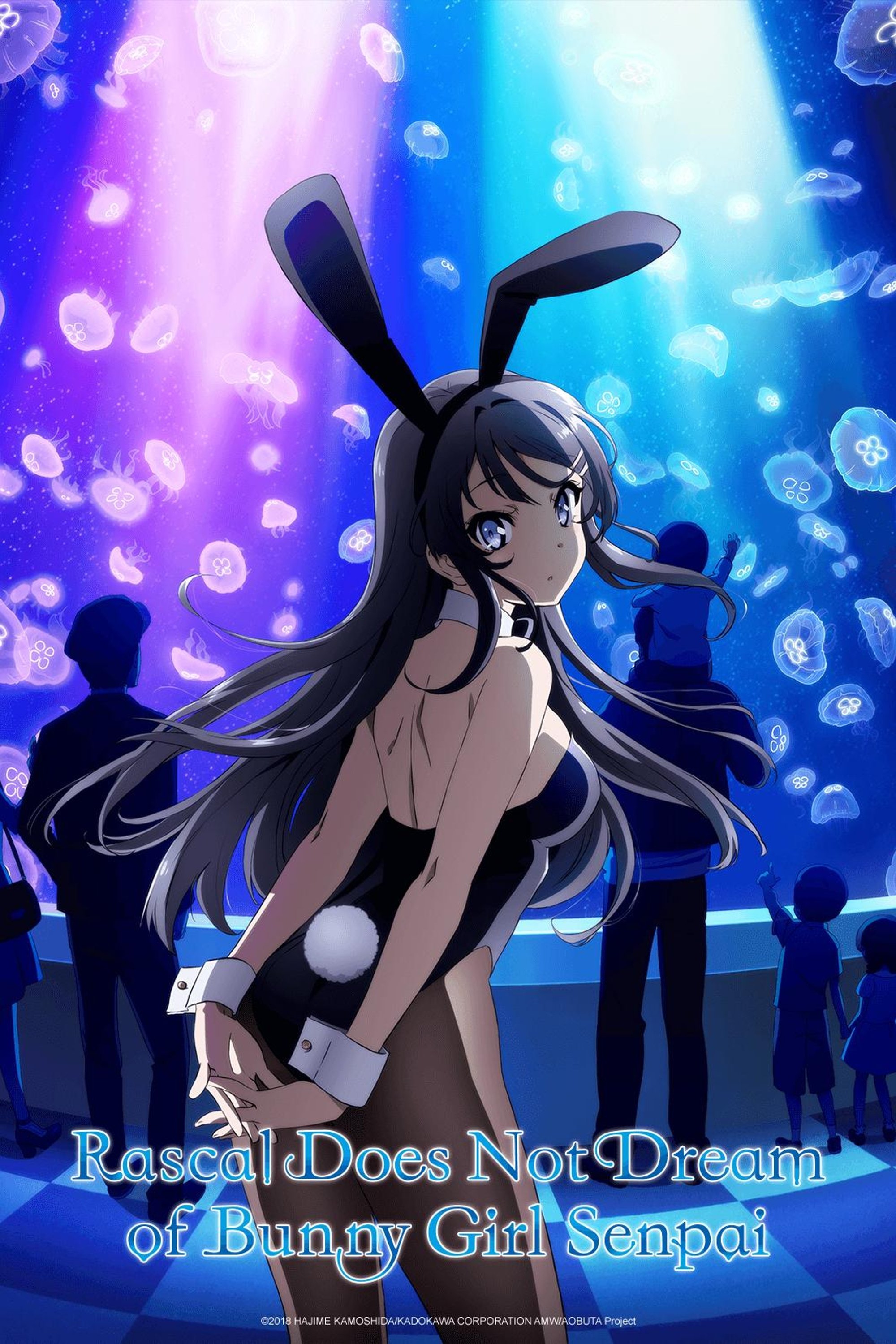
Based on Hajime Kamoshida’s light novels, ‘Rascal Does Not Dream of Bunny Girl Senpai’ is a CloverWorks TV series set in coastal Kanagawa, following Sakuta Azusagawa and Mai Sakurajima. “Adolescence syndrome” functions as a speculative metaphor, with arcs resolved through school-term milestones.
The main series is followed by feature-length sequels that adapt additional novel volumes, maintaining continuity of cast and locale. Study schedules, public transit, and part-time jobs provide ordinary structures around the speculative elements and relationship progress.
‘Clannad’ (2007–2008)
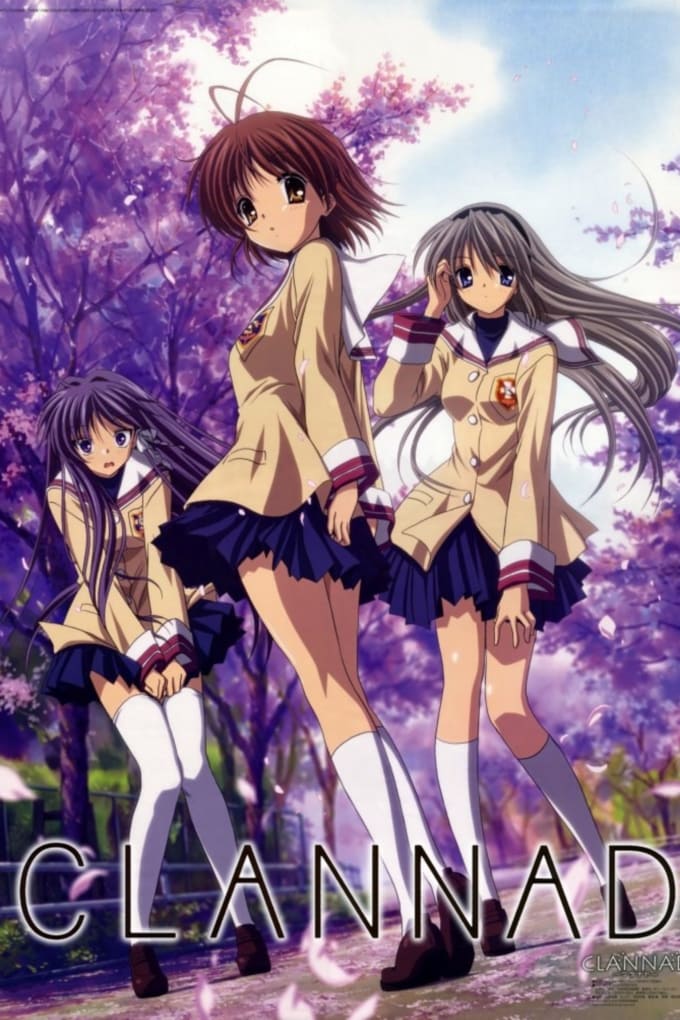
Kyoto Animation’s ‘Clannad’ adapts Key’s visual novel into a 23-episode TV series plus specials, directed by Tatsuya Ishihara. The narrative follows Tomoya Okazaki and Nagisa Furukawa in a high-school setting, organizing arcs around club revival efforts and family-run bakery scenes.
The production introduces routes from the game through self-contained character arcs that share school spaces and seasonal events. Visual motifs—dango mascots, the hill path, and the drama club room—serve as recurring locations that link the episodes.
‘Horimiya’ (2021)
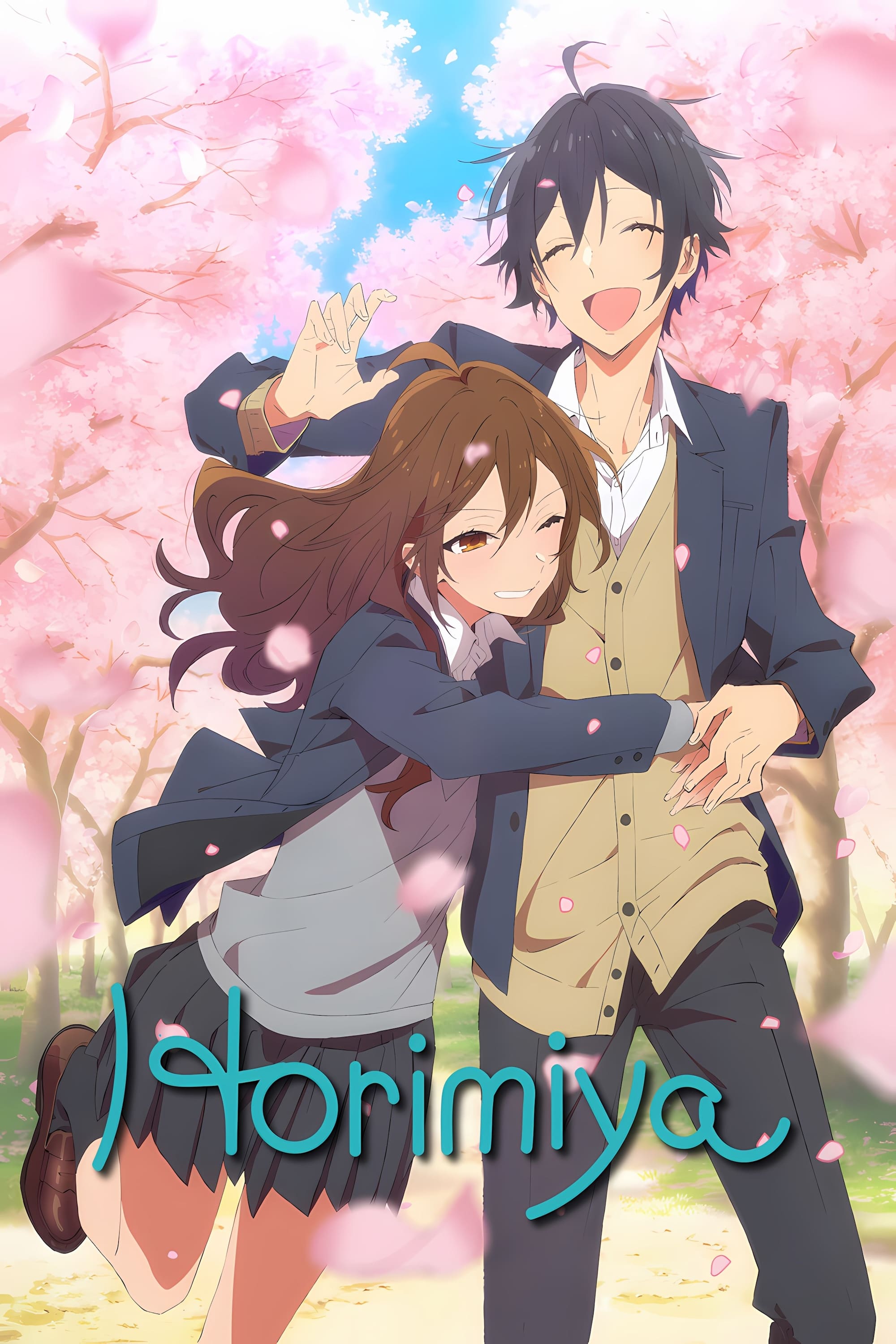
‘Horimiya’ adapts HERO and Daisuke Hagiwara’s manga about classmates Kyoko Hori and Izumi Miyamura, produced by CloverWorks and directed by Masashi Ishihama. The 13-episode series compresses the manga’s timeline, presenting key arcs with brisk pacing while retaining core character moments.
Costuming and hairstyles signal social presentation versus private life, a central motif in the source material. The follow-up ‘Horimiya: The Missing Pieces’ covers side stories not included in the main run, aligning the adaptation with later manga chapters without altering the original series’ endpoint.
‘Kamisama Kiss’ (2012–2016)
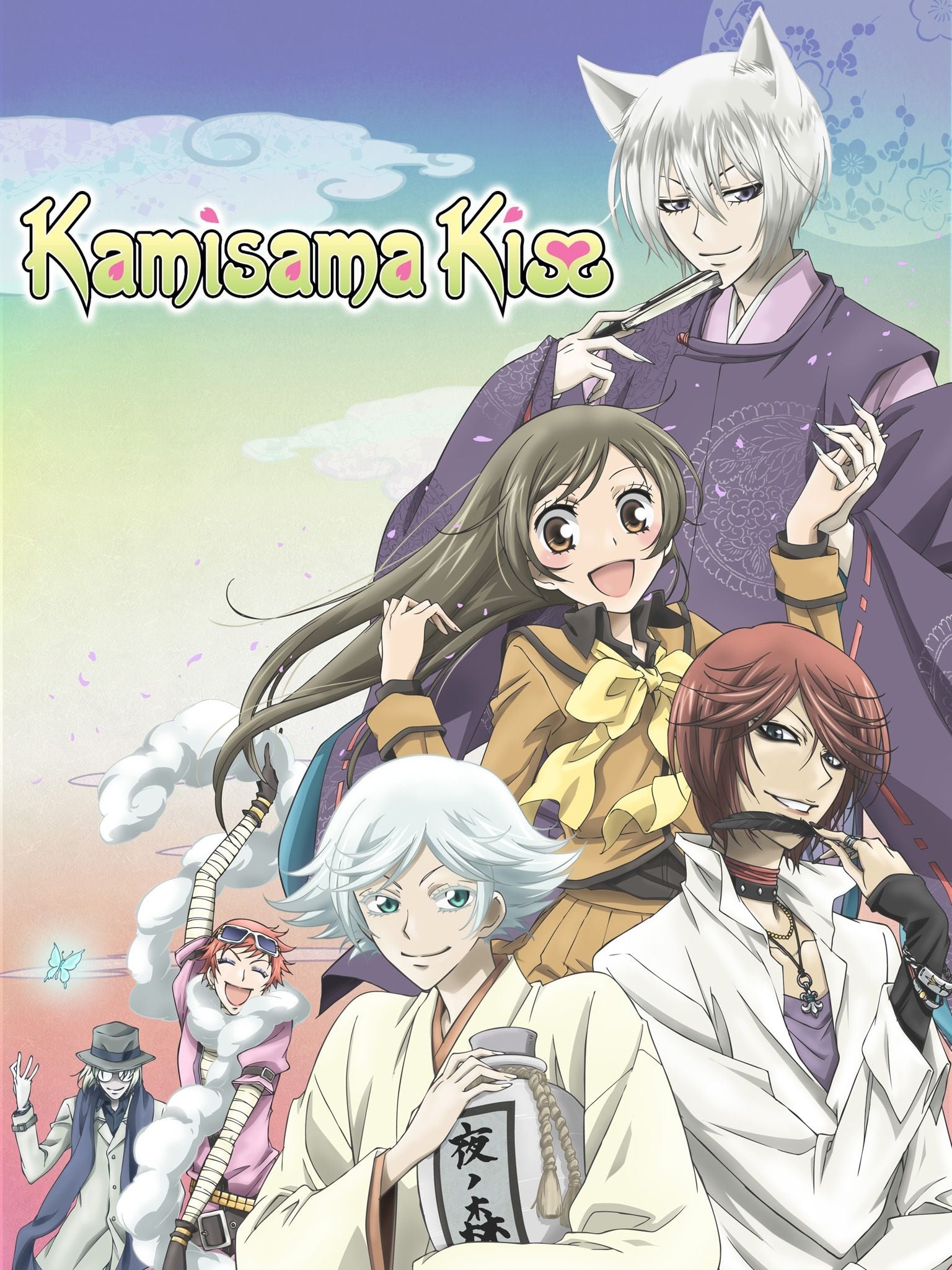
Adapted from Julietta Suzuki’s manga, ‘Kamisama Kiss’ follows Nanami Momozono, who becomes a land god and forms a familiar contract with the fox yokai Tomoe. TMS Entertainment produced two TV seasons plus OVAs, directed by Akitaro Daichi, mixing shrine duties with yokai politics.
Ritual scenes and mythological terms—yashiro (shrine), familiar contracts, and divine marks—serve as recurring plot devices. The adaptation structures arcs around godly responsibilities such as festival preparation and realm travel, while side characters like Kurama and Mizuki handle subplots that loop back into the central bond.
‘Toradora!’ (2008–2009)
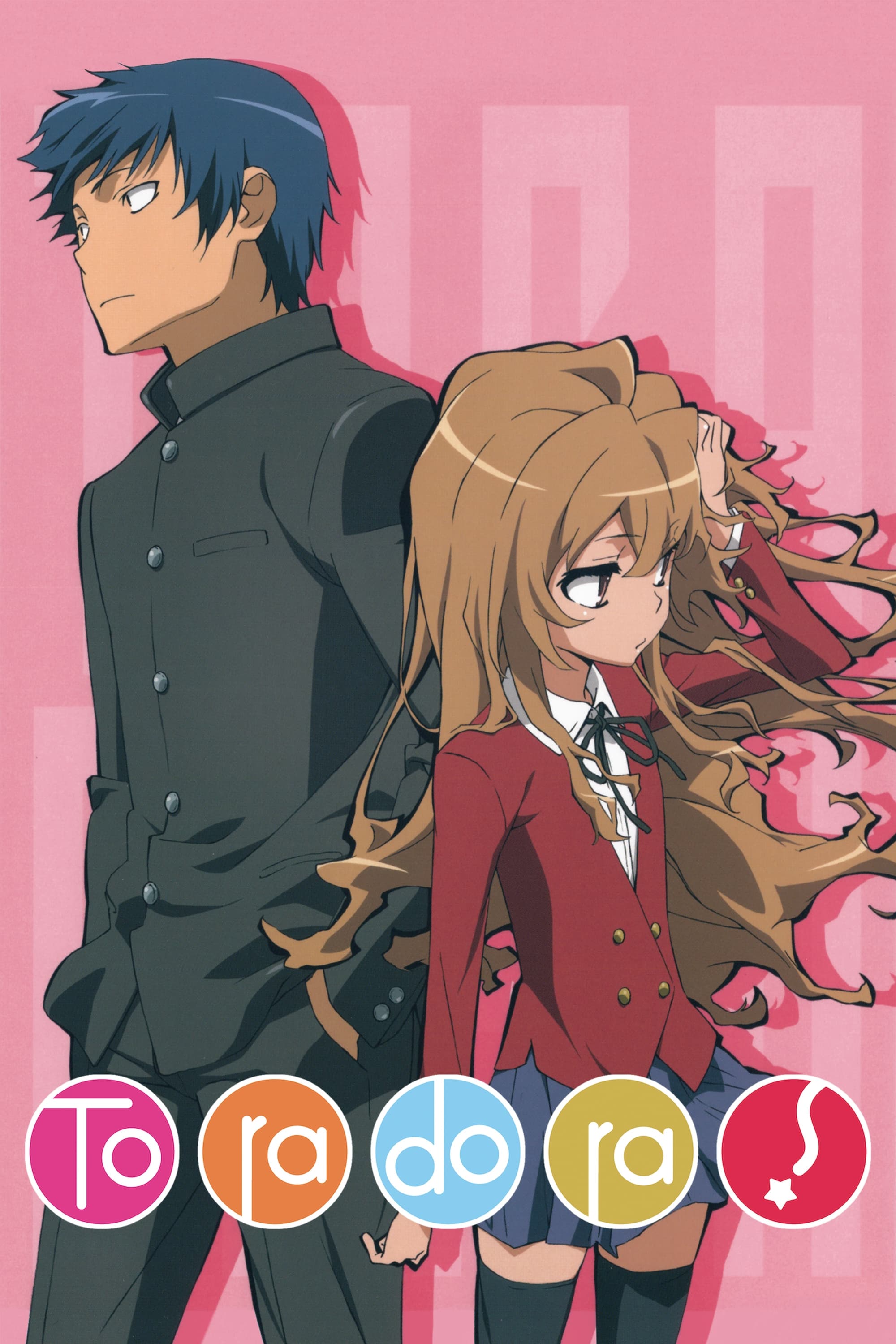
‘Toradora!’ adapts Yuyuko Takemiya’s light novels about Ryūji Takasu and Taiga Aisaka, produced by J.C.STAFF and directed by Tatsuyuki Nagai. The 25-episode TV series plus an OVA follows classroom alliances and family responsibilities that intersect with shifting pairings.
School-trip episodes, Christmas events, and student-council obligations structure the narrative calendar. The adaptation retains the novels’ focus on home life—parent work schedules, budgeting, and apartment routines—as factors in relationship choices.
‘A Silent Voice: The Movie’ (2016)
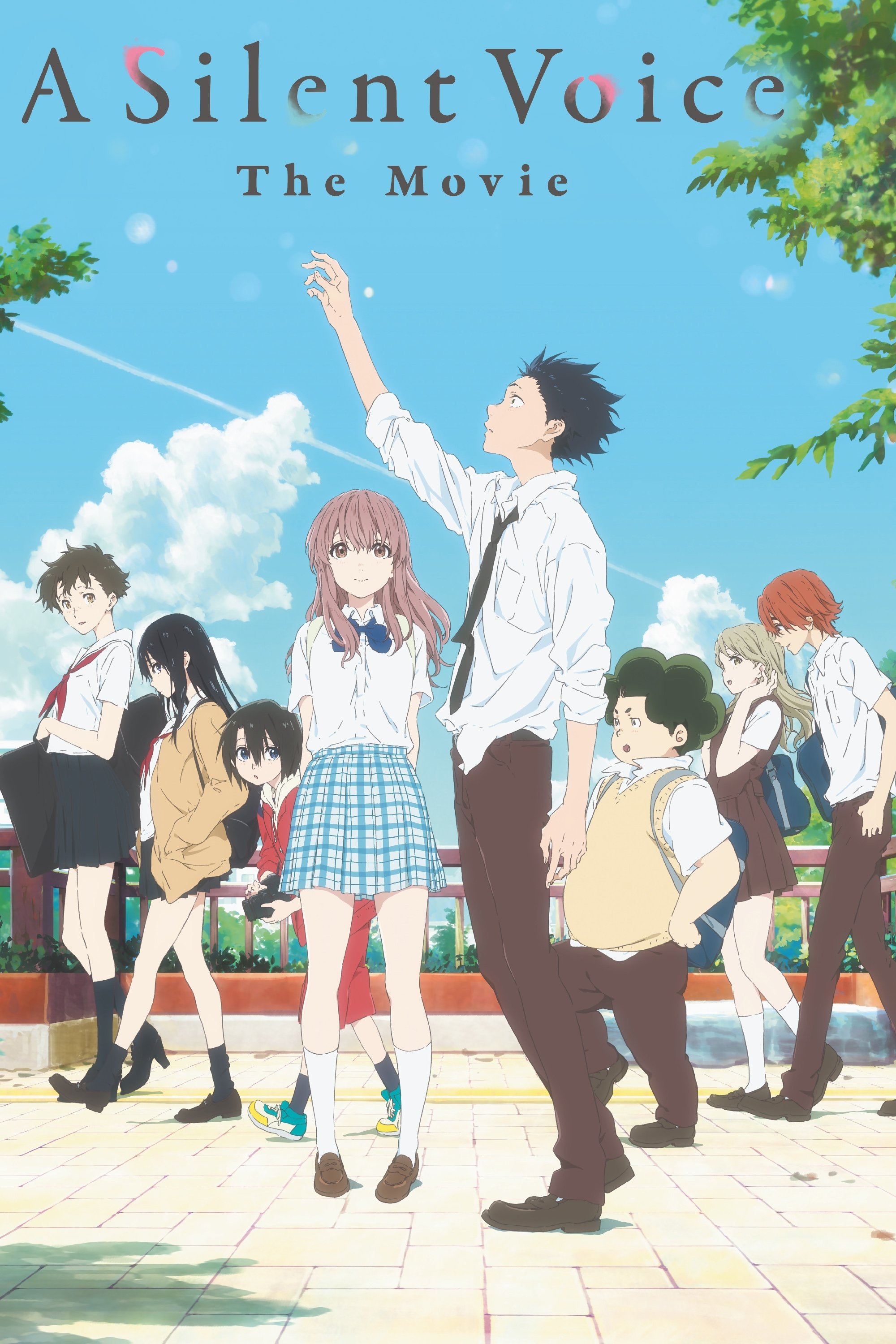
Kyoto Animation’s ‘A Silent Voice’ adapts Yoshitoki Ōima’s manga into a feature directed by Naoko Yamada, with character designs by Futoshi Nishiya. The story follows Shōya Ishida and Shōko Nishimiya from elementary-school incidents into high school, centering communication methods including sign language and written notes.
The production employs lens-like depth cues and recurring motifs such as crossed-out faces to visualize social withdrawal. The adaptation condenses the manga’s multi-volume arc into a self-contained film while keeping core set pieces like the rooftop, classroom, and bridge.
‘Howl’s Moving Castle’ (2004)
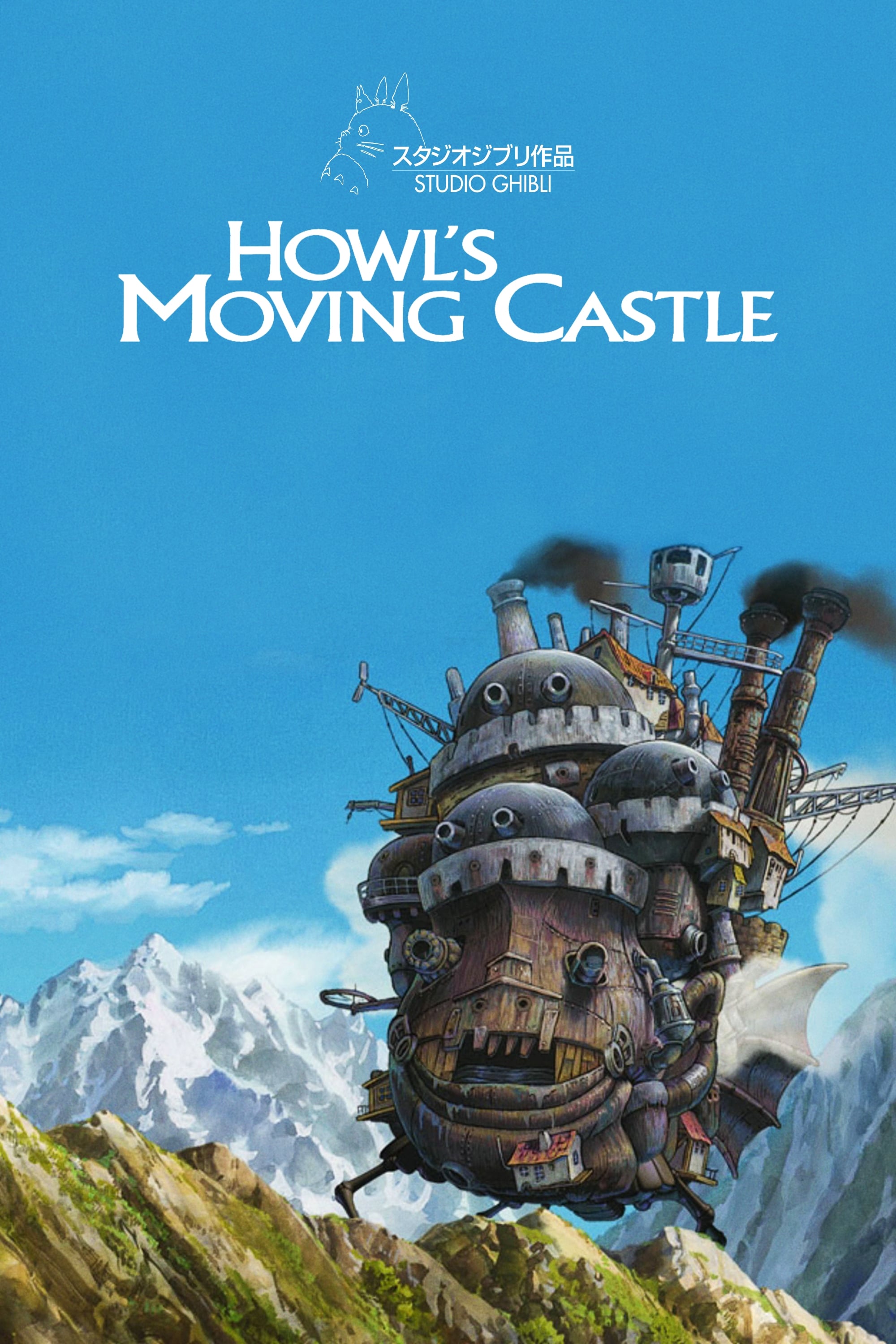
Studio Ghibli’s ‘Howl’s Moving Castle’ adapts Diana Wynne Jones’s novel into a feature directed by Hayao Miyazaki, with a wartime setting and a central relationship between Sophie and the wizard Howl. The film uses hand-drawn animation with CG assists for the castle’s mechanics, and music by Joe Hisaishi.
The curse premise drives location changes—from a hat shop to alpine valleys and the moving castle—while cooking scenes and housekeeping motifs establish domestic rhythms. The adaptation alters characters and plot structure from the novel to foreground the film’s anti-war backdrop.
‘Nana’ (2006–2007)
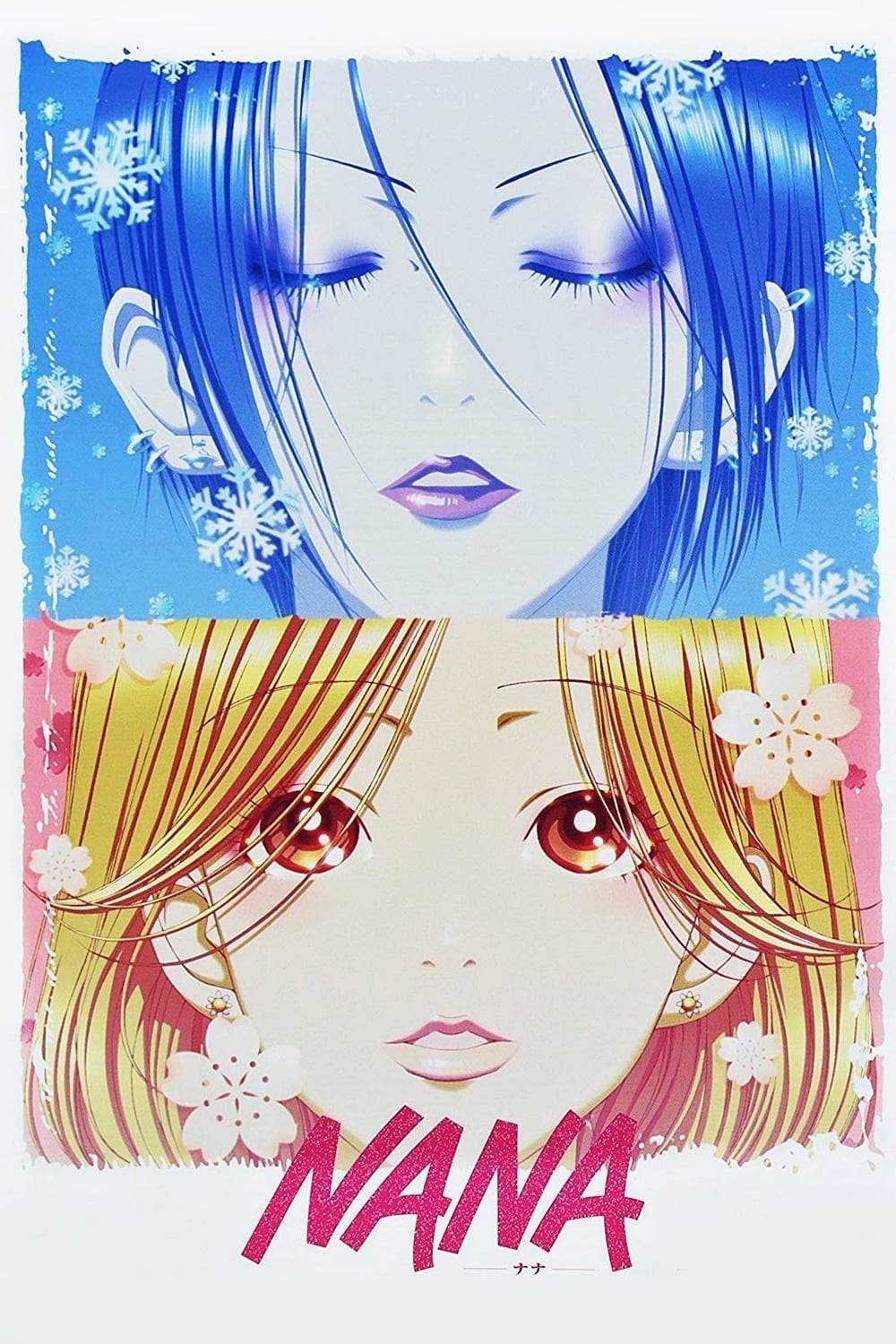
‘Nana’ adapts Ai Yazawa’s manga about two young women named Nana who move to Tokyo and form a close bond as their careers and relationships diverge. The Madhouse TV series covers a significant portion of the manga with 47 episodes, directed by Morio Asaka.
Live-house performances, band management, and fashion work provide concrete settings for the story’s romantic entanglements. The anime keeps brand and venue details from the source—song titles, magazine shoots—as anchors for character schedules and conflicts.
‘Your Name.’ (2016)
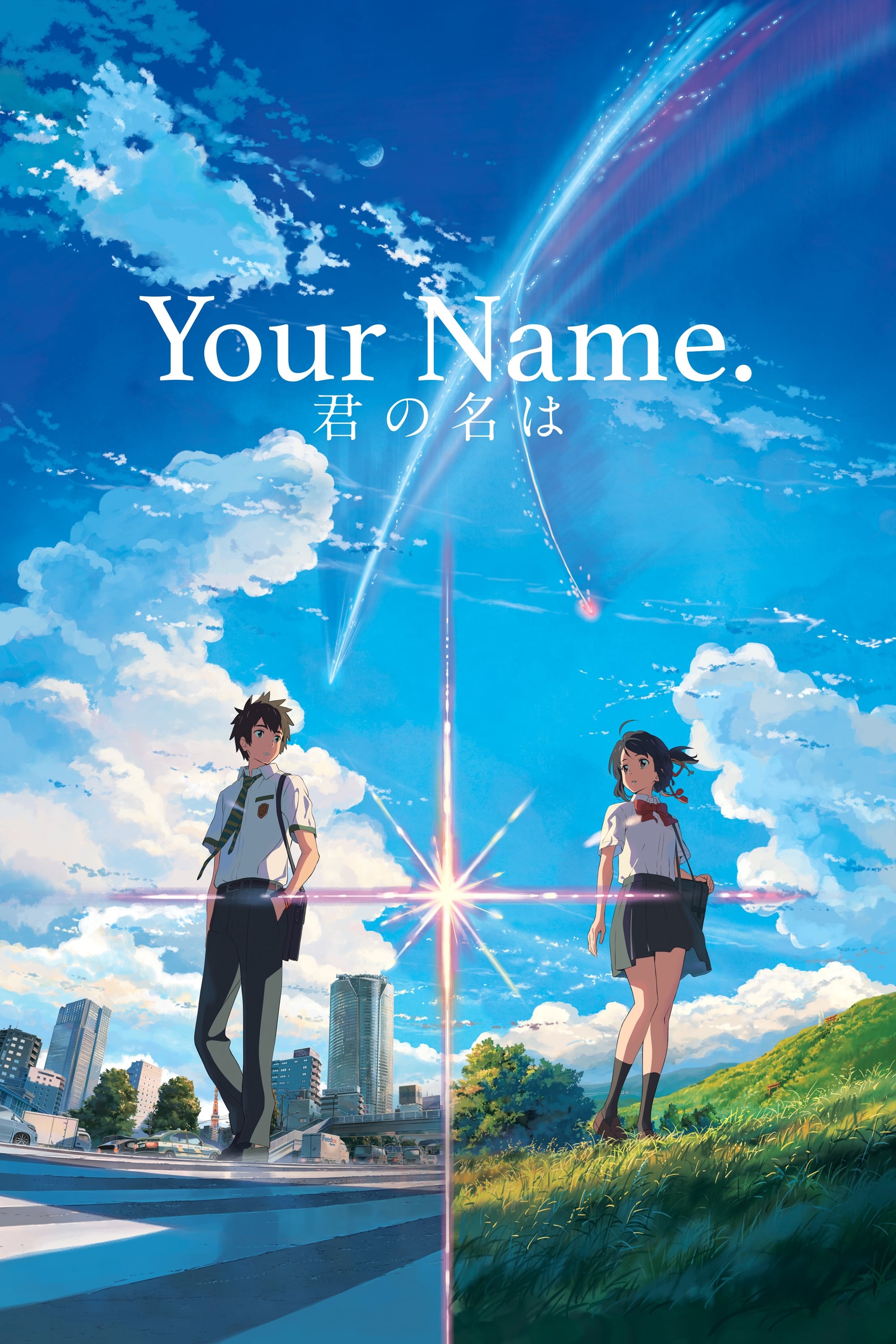
CoMix Wave Films’ ‘Your Name.’ is an original feature written and directed by Makoto Shinkai, following Mitsuha and Taki as they experience body-switching across different locales. The film maps real-world geography—rural shrines, urban Tokyo districts—and uses smartphone logs, calendars, and train timetables as plot instruments.
Editing structures intercutting between the protagonists with RADWIMPS’ music marking time jumps. The production employed extensive location scouting, and post-release tie-ins highlighted identifiable sites used as references for backgrounds.
‘Violet Evergarden’ (2018)
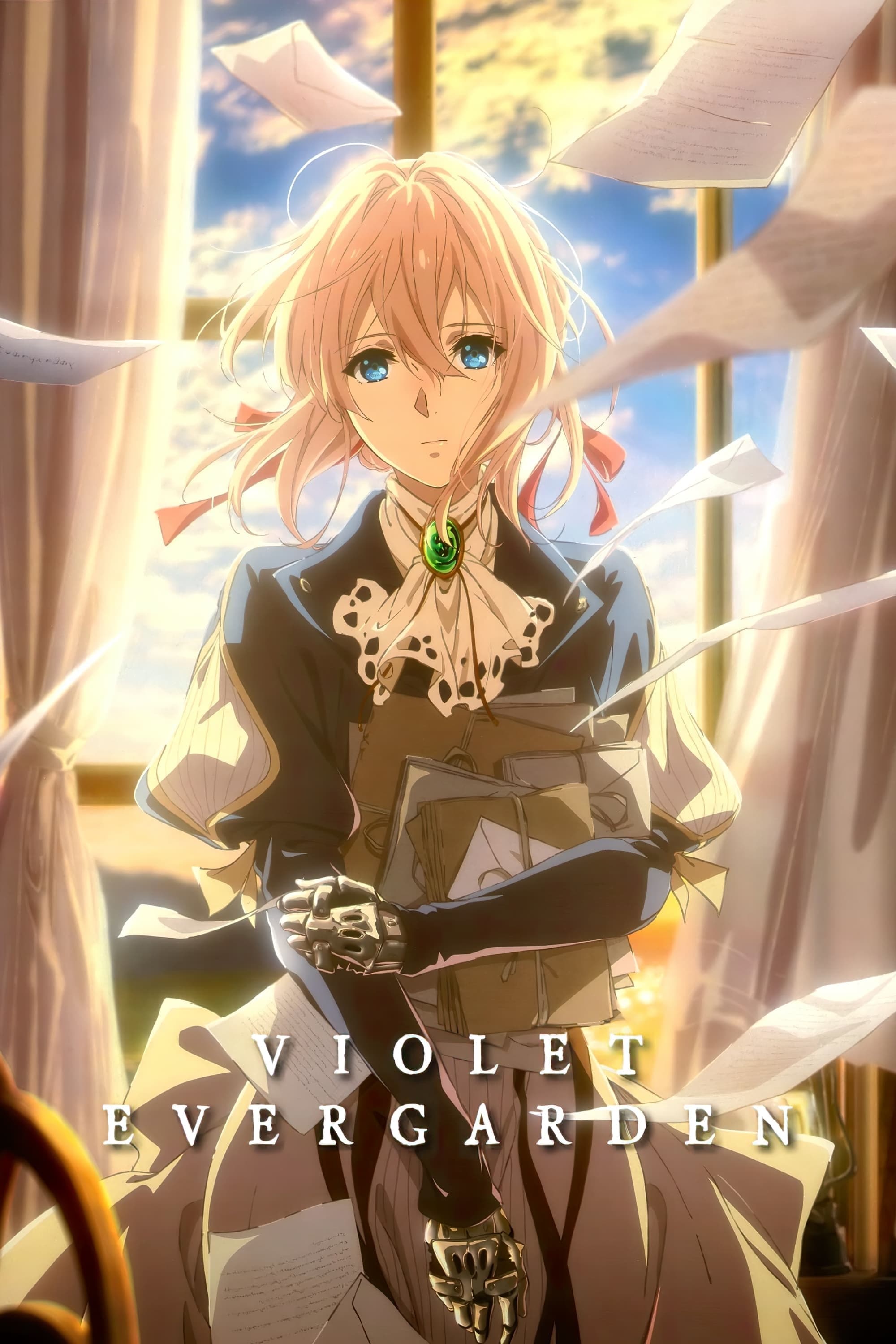
Kyoto Animation’s ‘Violet Evergarden’ adapts Kana Akatsuki’s light novels about a former soldier who becomes an Auto Memory Doll—a letter-writing professional. The 13-episode series and subsequent films follow episodic assignments across a post-war continent, with series direction by Taichi Ishidate.
Typewriters, postal routes, and client briefings provide concrete structures for each episode’s commission. The production emphasizes period costuming and architecture, with continuity tracked across recurring agencies like CH Postal Company and the Leidenschaftlich news service.
‘Kaguya-sama: Love Is War’ (2019–2023)

‘Kaguya-sama: Love Is War’ adapts Aka Akasaka’s manga about student-council officers Kaguya Shinomiya and Miyuki Shirogane, produced by A-1 Pictures across multiple TV seasons and a theatrical special. The premise frames romantic progress as psychological stand-offs, with episodes divided into short segments.
School festivals, committee planning, and exam results drive turning points. Visual gags, on-screen text, and narrator commentary follow the manga’s panel rhythm, while character-song singles and a feature-length holiday arc expand the adaptation’s release structure.
‘Your Lie in April’ (2014–2015)
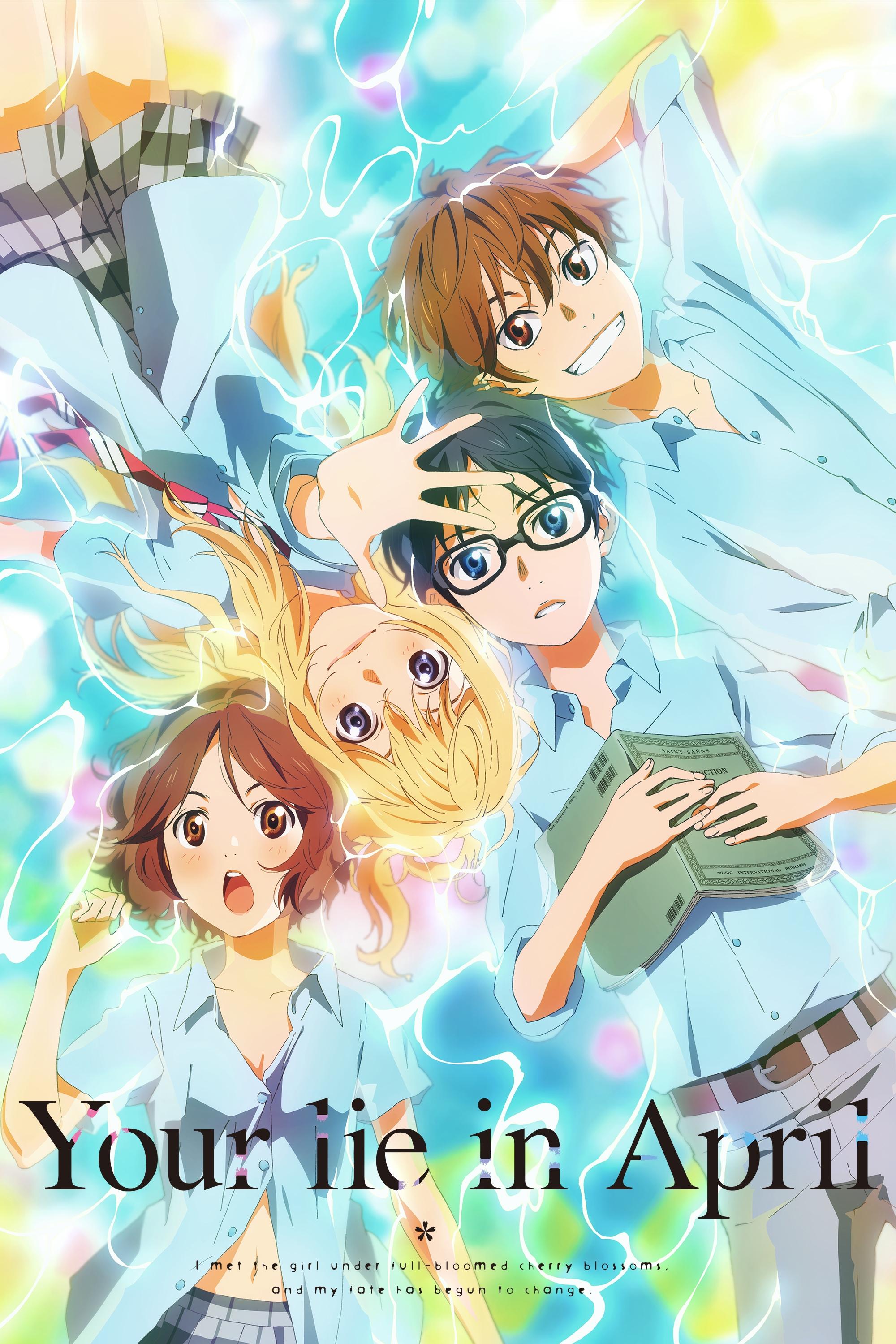
‘Your Lie in April’ adapts Naoshi Arakawa’s manga about pianist Kōsei Arima and violinist Kaori Miyazono, produced by A-1 Pictures. Concert competitions, practice schedules, and school events shape the timeline, with classical-music pieces identified by composer and movement.
The adaptation uses performance cuts—hand animation, fingering detail, and conductor shots—to match specific passages. Family background and medical appointments are integrated into the school calendar, anchoring character choices to concrete dates and venues.
‘Clannad: After Story’ (2008–2009)
‘Clannad: After Story’ continues Key’s visual-novel adaptation into post-graduation life, maintaining the Kyoto Animation staff and cast. The series documents work shifts, apartment setups, and changing family structures, extending the story beyond the school calendar.
Parallel sequences and a side-world motif connect earlier symbolism to later episodes. The broadcast includes recap specials that align with major plot turns, and home-video extras supplement certain character routes.
‘Fruits Basket’ (2019–2021)
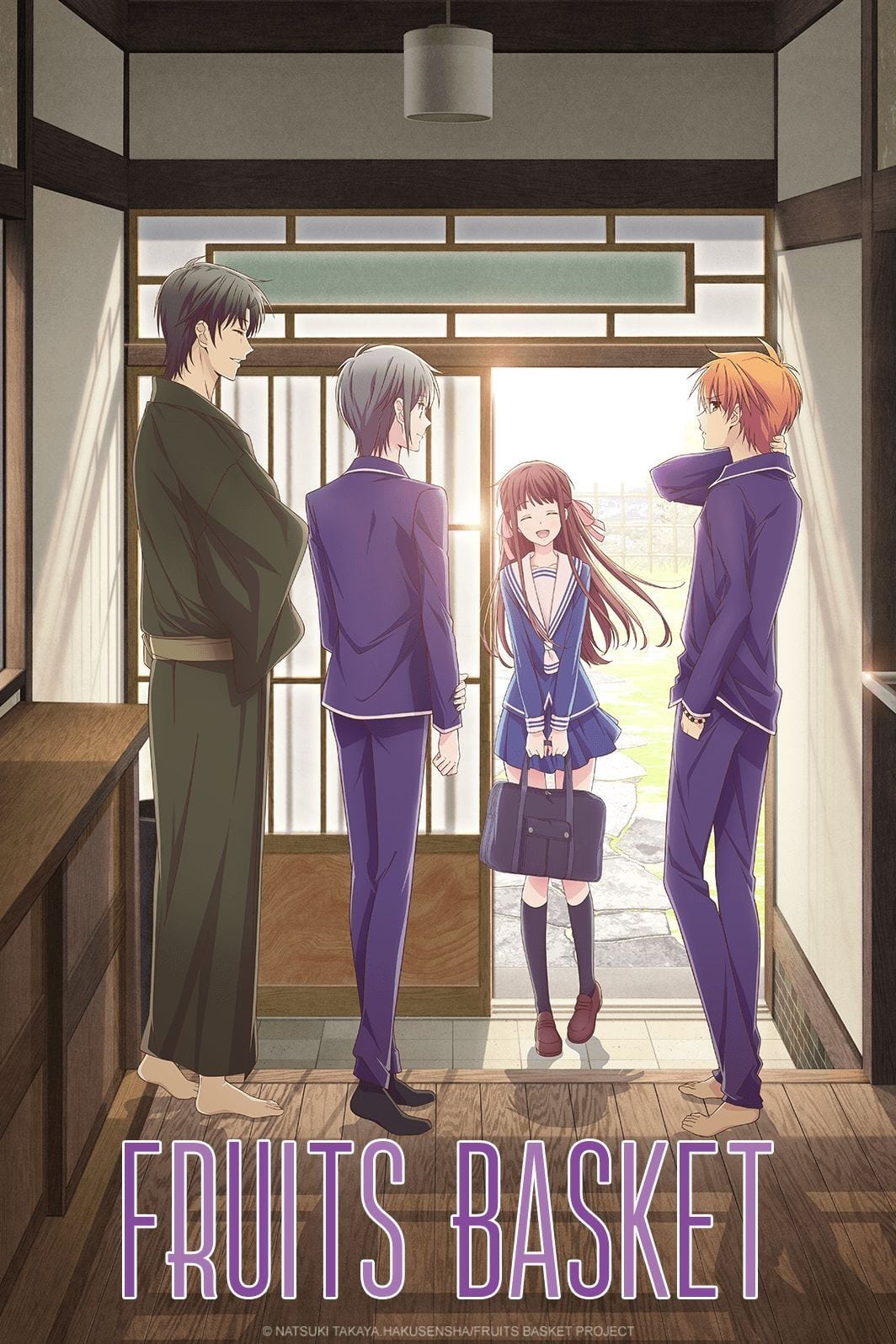
‘Fruits Basket’ adapts Natsuki Takaya’s manga into a complete TV retelling by TMS Entertainment, directed by Yoshihide Ibata. The story follows Tohru Honda and the Soma family, whose members transform into animals of the Chinese zodiac, organized around school terms, part-time work, and family gatherings.
The three-season structure covers the entire manga, reordering certain arcs for television pacing while preserving key family-history reveals. Character relationships evolve alongside cultural events—New Year’s, school festivals, and summer visits—so everyday schedules and holidays frame the narrative’s progress.
Share your favorites below: which romance anime would you add to this list—or which one belongs higher—let us know in the comments!