


Best TV Villains Who Were Recast

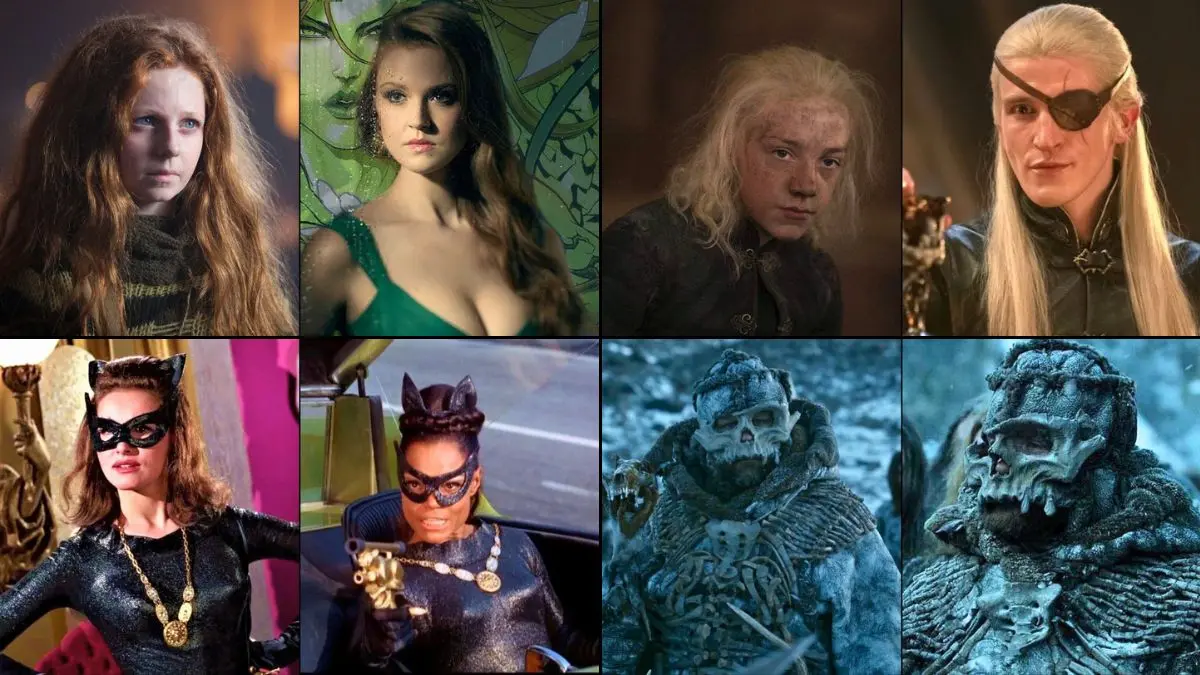


Great shows sometimes keep their most memorable antagonists alive by switching the performer behind the menace. When a production spans many seasons or jumps across timelines, a fresh face can keep the story moving while the character stays the same on the page. Viewers often meet the same villain at different points in a saga, with the role passed to a new actor who fits the moment the writers need to cover.
Recasting can happen for practical reasons like scheduling or makeup demands, or it can follow in-story explanations like magic, possession, or a time jump. The result is a long list of television baddies whose names never change even as the credits do. Here are notable examples across genres, from fantasy epics to superhero dramas and classic caped capers.
Ser Gregor Clegane, ‘Game of Thrones’
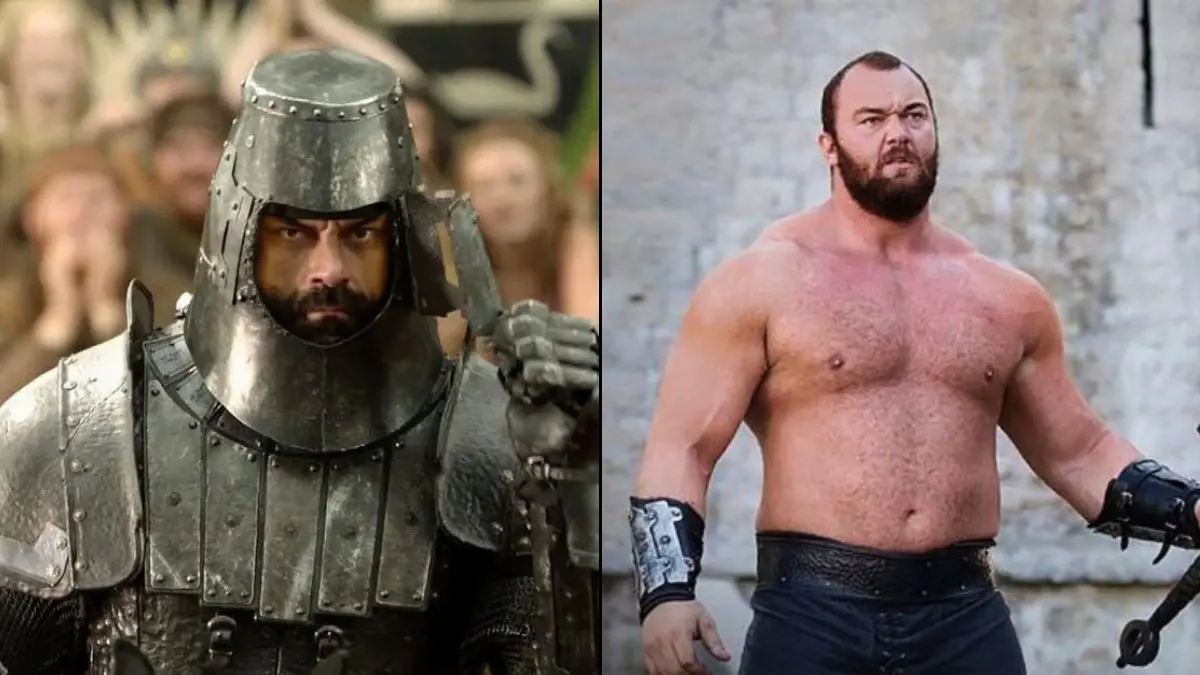
The Mountain first appeared with Conan Stevens in season 1 of ‘Game of Thrones’. The role then moved to Ian Whyte for season 2, followed by Hafþór Júlíus Björnsson who took over from season 4 through the finale.
Production used armor, height requirements, and heavy prosthetics to present a consistent brute across actors. The change aligned with the character’s limited dialogue and masked presence in later seasons, which let the show maintain continuity during battles and key plot turns.
The Night King, ‘Game of Thrones’
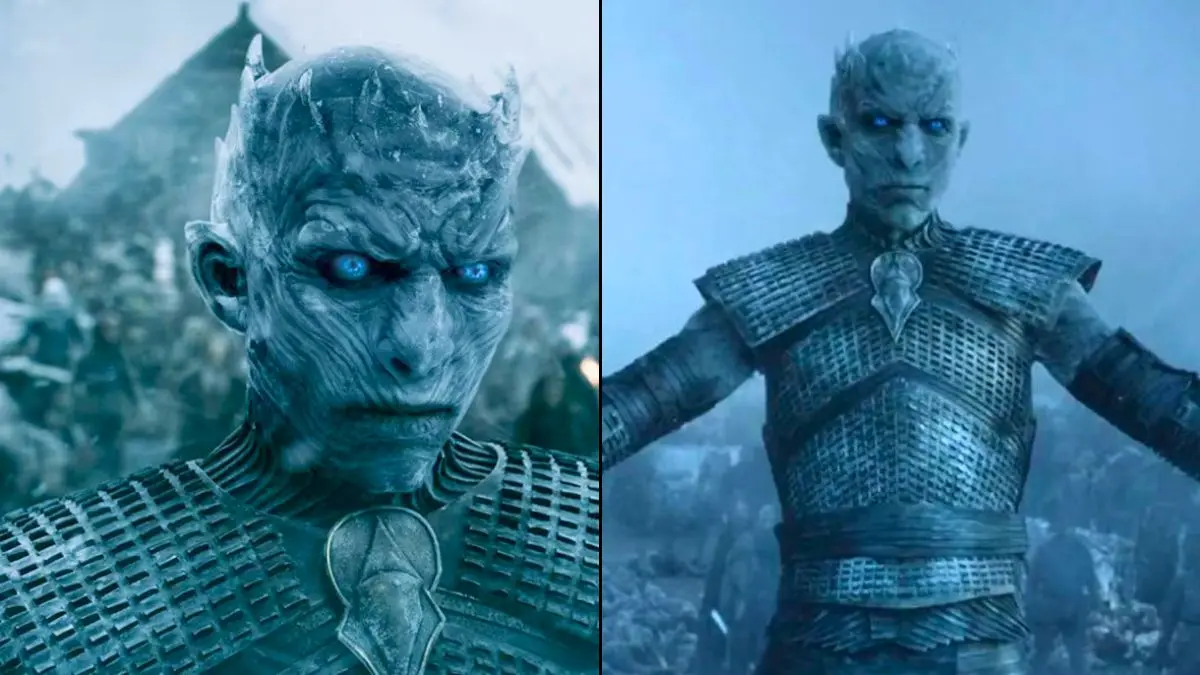
The Night King was introduced in seasons 4 and 5 with Richard Brake under extensive prosthetics. From season 6 to season 8, Vladimir Furdik assumed the role and performed the character’s major set pieces.
The switch kept the icy leader visually consistent through makeup design and wardrobe. Fight choreography and silent scenes allowed the production to transition between performers while preserving the same on-screen identity and movement style.
The Master, ‘Doctor Who’
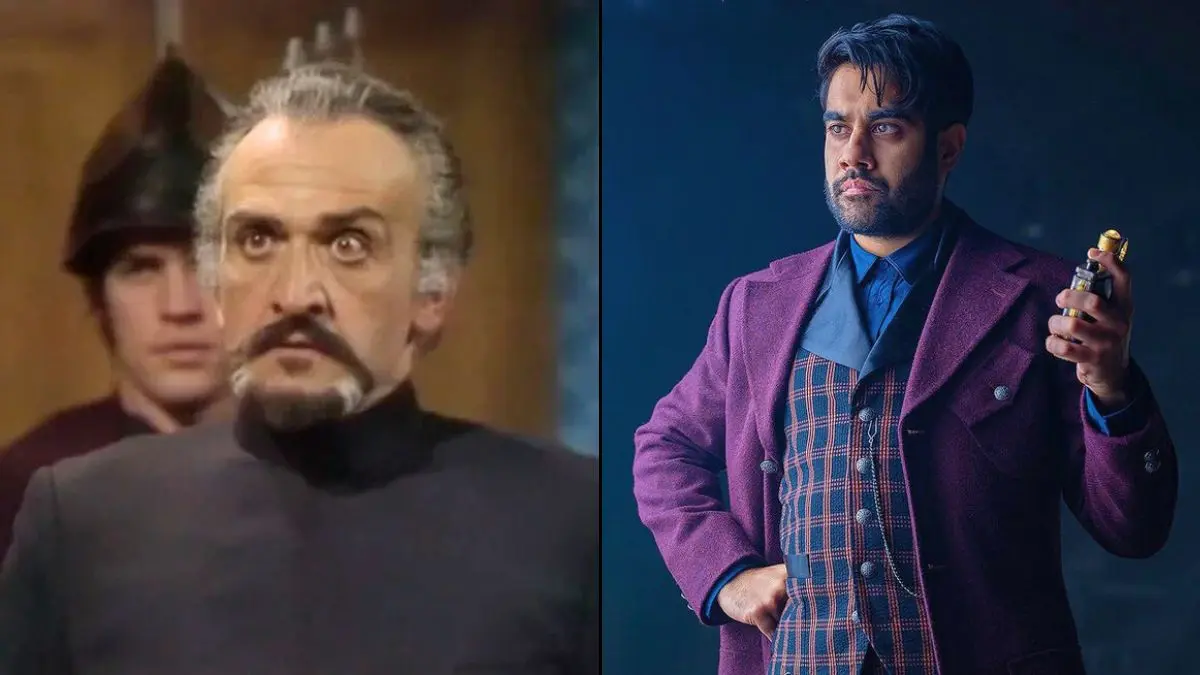
The Master has been played by many actors since the character’s debut in the classic era of ‘Doctor Who’. Performers include Roger Delgado in the early 1970s, Anthony Ainley through the 1980s, Eric Roberts in the 1996 TV film, John Simm during the revival, Michelle Gomez as Missy, and Sacha Dhawan in later seasons.
Regeneration explains each change inside the story, which matches the series rule that Time Lords can change appearance. This device lets writers bring the same adversary back across decades while aligning each portrayal with the tone of a given era.
Poison Ivy, ‘Gotham’
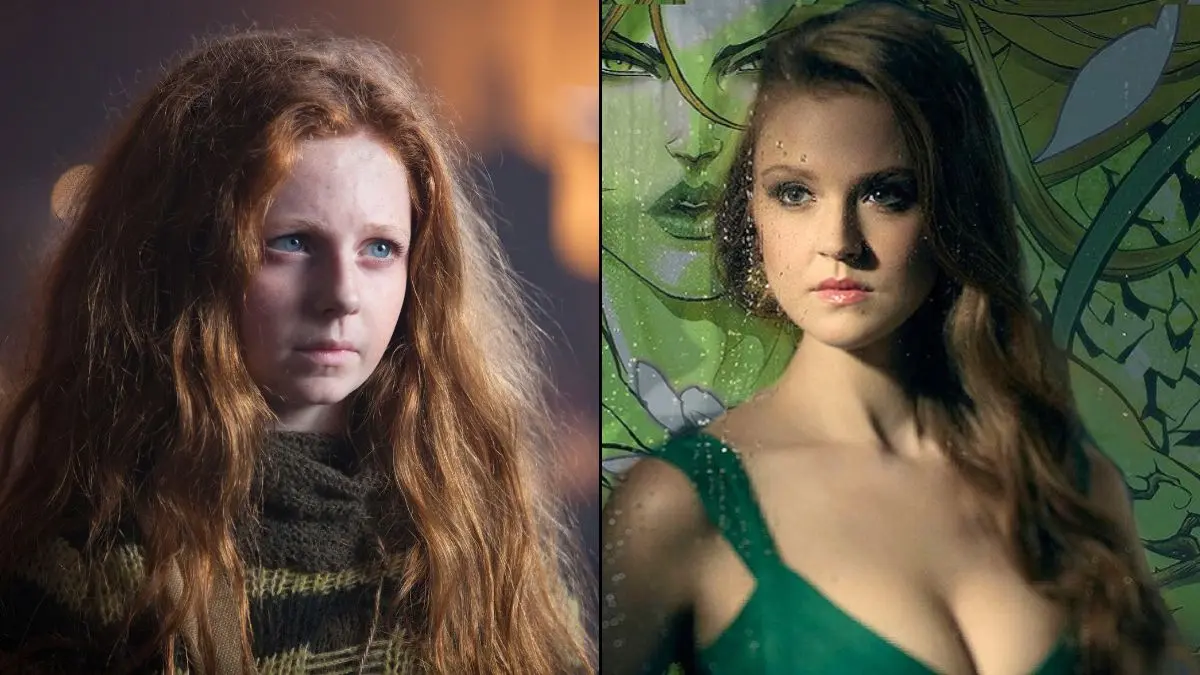
‘Gotham’ introduced Ivy Pepper with Clare Foley in seasons 1 and 2. The part shifted to Maggie Geha in season 3 after a plot device aged the character, then moved to Peyton List in seasons 4 and 5.
The narrative used an in-universe transformation to justify the switch, which let the show track Ivy’s growth from a young mischief maker to a fully formed foe. Costume and set design reinforced continuity as the character’s powers and goals escalated across actresses.
Morgan Edge, ‘Smallville’
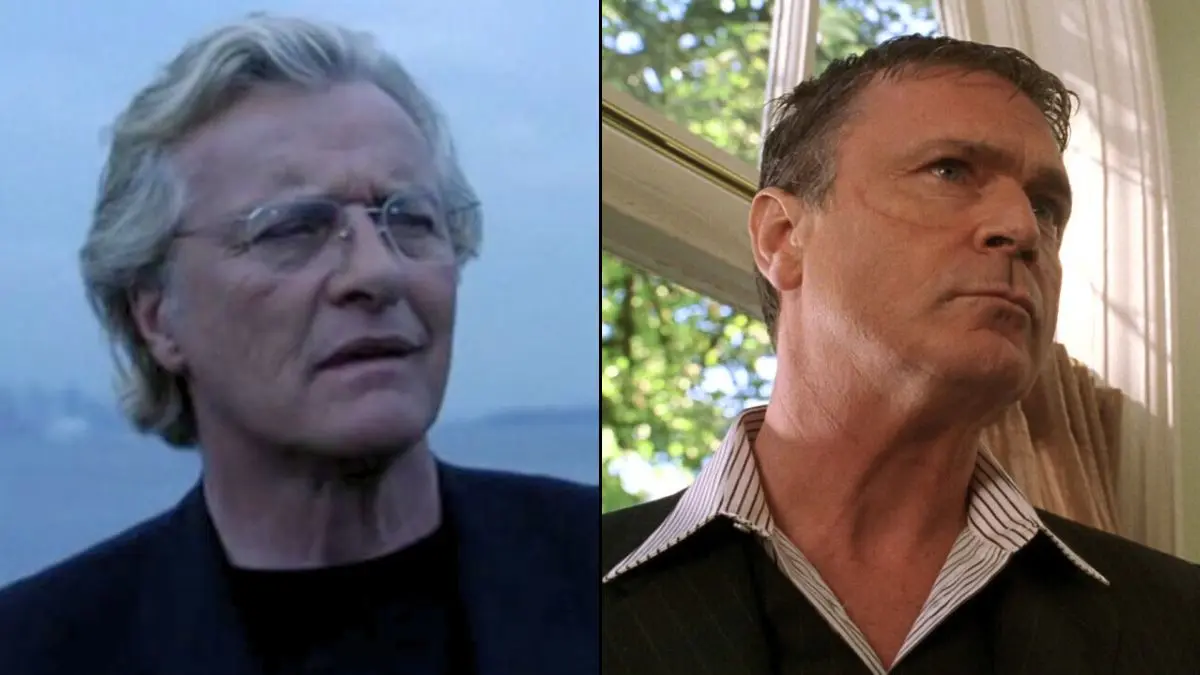
Morgan Edge appeared in ‘Smallville’ season 3 with Rutger Hauer. Later in the same season, Patrick Bergin took over after a story thread involving facial reconstruction explained the new look.
This approach allowed Edge to return quickly without reintroducing the character from scratch. The plot device fit the crime boss’s world and gave the production a clear path to continue arcs tied to his schemes and connections in Metropolis.
Eobard Thawne, ‘The Flash’
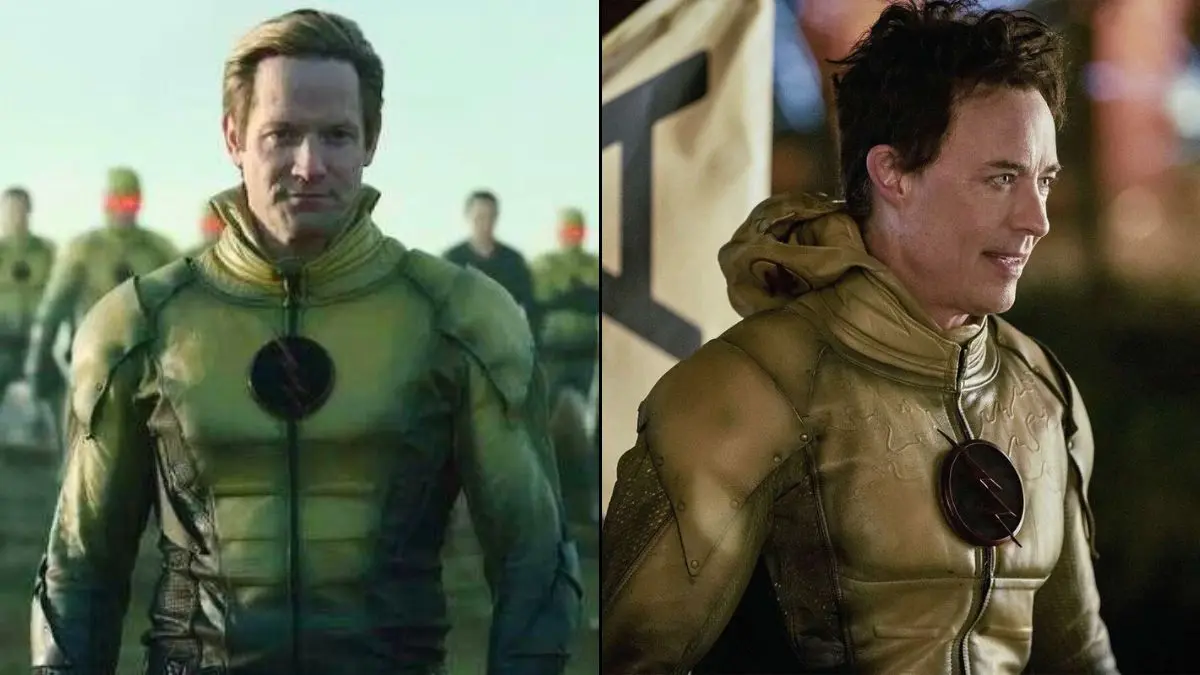
Eobard Thawne is shown with two faces across ‘The Flash’. Matt Letscher portrays the character’s original appearance, while Tom Cavanagh plays Thawne when he uses the identity of Harrison Wells and later as the familiar yellow-suited speedster.
Time travel and body mimicking account for the switch inside the narrative. The show alternates between the two performers to match different points on the timeline, which keeps the same villain active in present day plots and in origin stories.
Jafar, ‘Once Upon a Time’
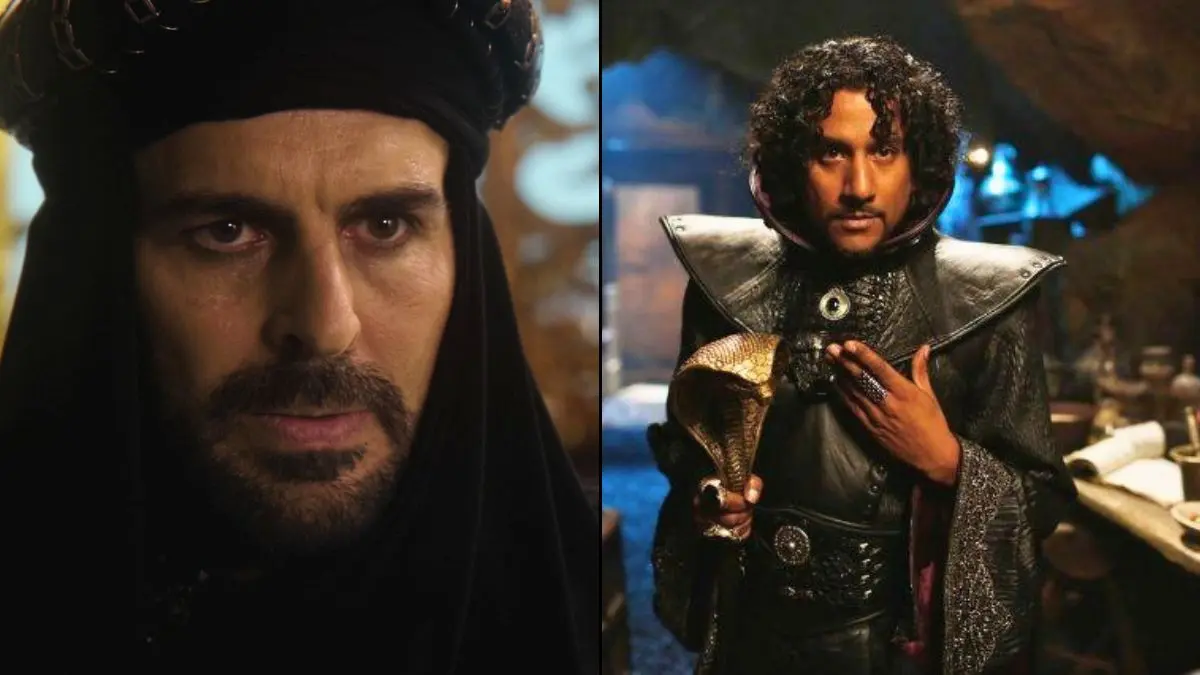
Jafar entered the franchise through ‘Once Upon a Time in Wonderland’ with Naveen Andrews. When the character appeared in ‘Once Upon a Time’ season 6, Oded Fehr played the sorcerer in Agrabah and Storybrooke threads.
The shared universe structure let writers carry the same antagonist into the main series with a new actor. Costuming and the snake staff iconography kept Jafar recognizable, while the change supported the schedule and tone of the later season.
Aemond Targaryen, ‘House of the Dragon’
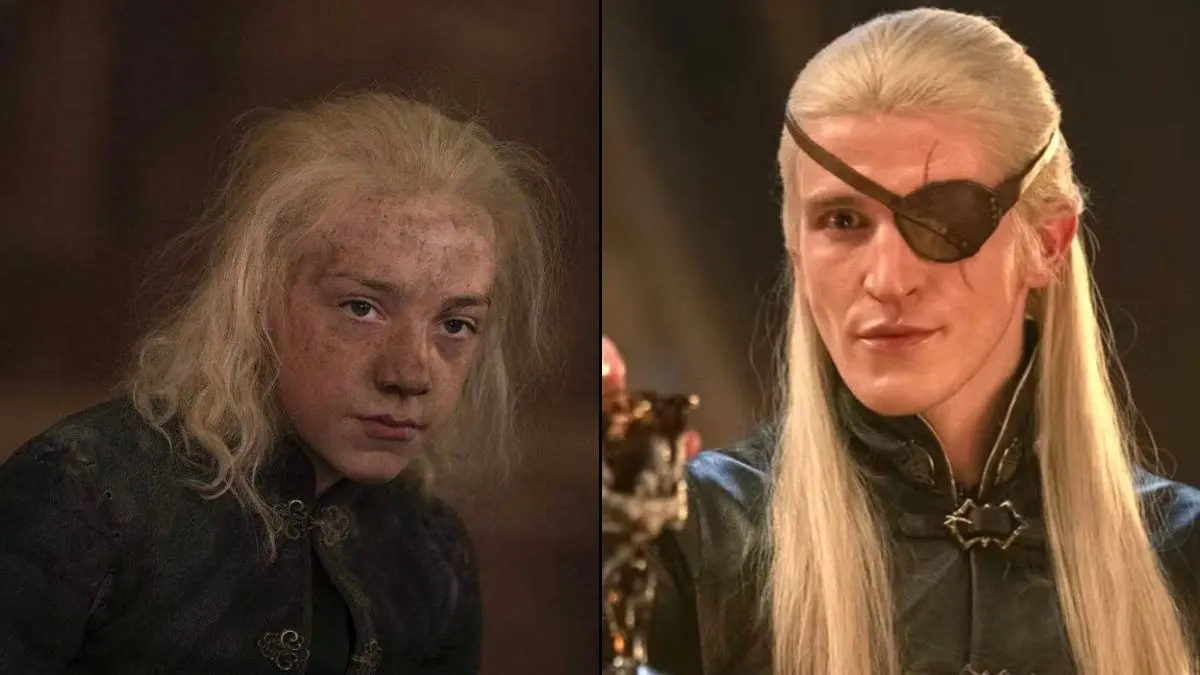
Aemond Targaryen is introduced as a youth played by Leo Ashton during the first season of ‘House of the Dragon’. The role transitions to Ewan Mitchell after the time jump that advances the Dance of the Dragons timeline.
The planned time shift requires older versions of the characters, which includes Aemond’s evolution into a fearsome rider. Casting aligns with the show’s structure, allowing the narrative to move from childhood slights to full wartime command.
Aegon II Targaryen, ‘House of the Dragon’
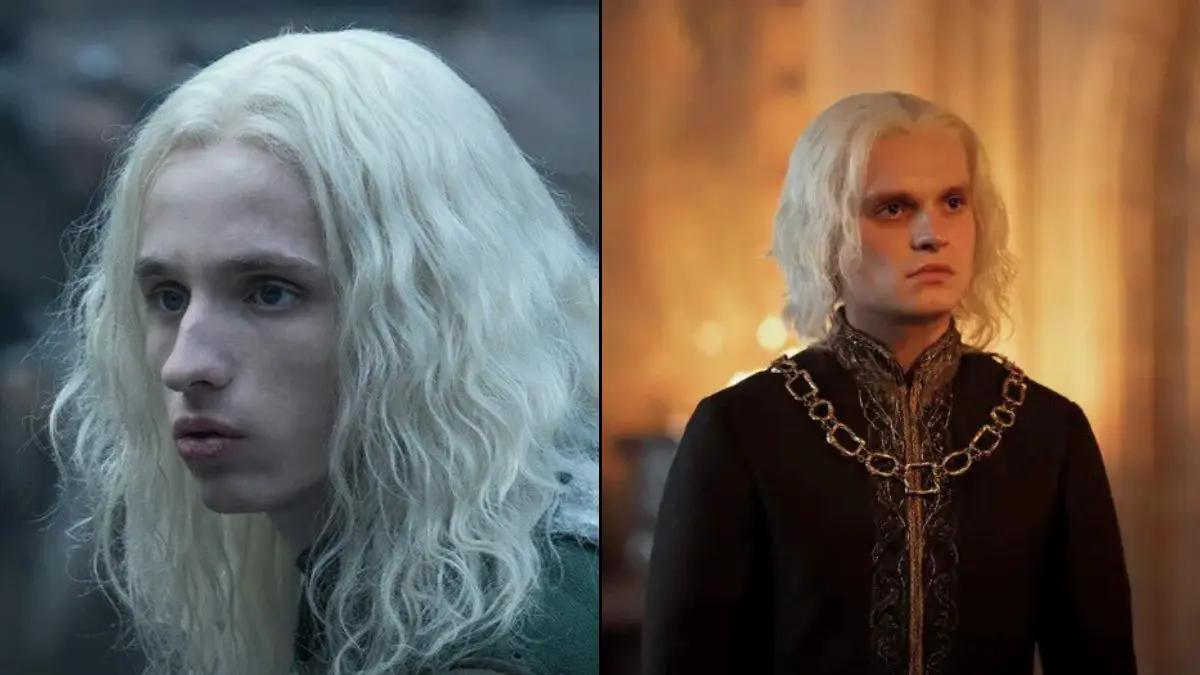
Aegon II appears as a younger prince before the midpoint of season 1. The character is later portrayed by Tom Glynn-Carney after the series advances the story to the years of succession conflict.
The recast reflects the production’s multi-year timeline. It supports episodes that cover coronations and campaigns, which depend on an adult incarnation of the claimant who can participate in court maneuvers and battles.
Lord of Bones, ‘Game of Thrones’
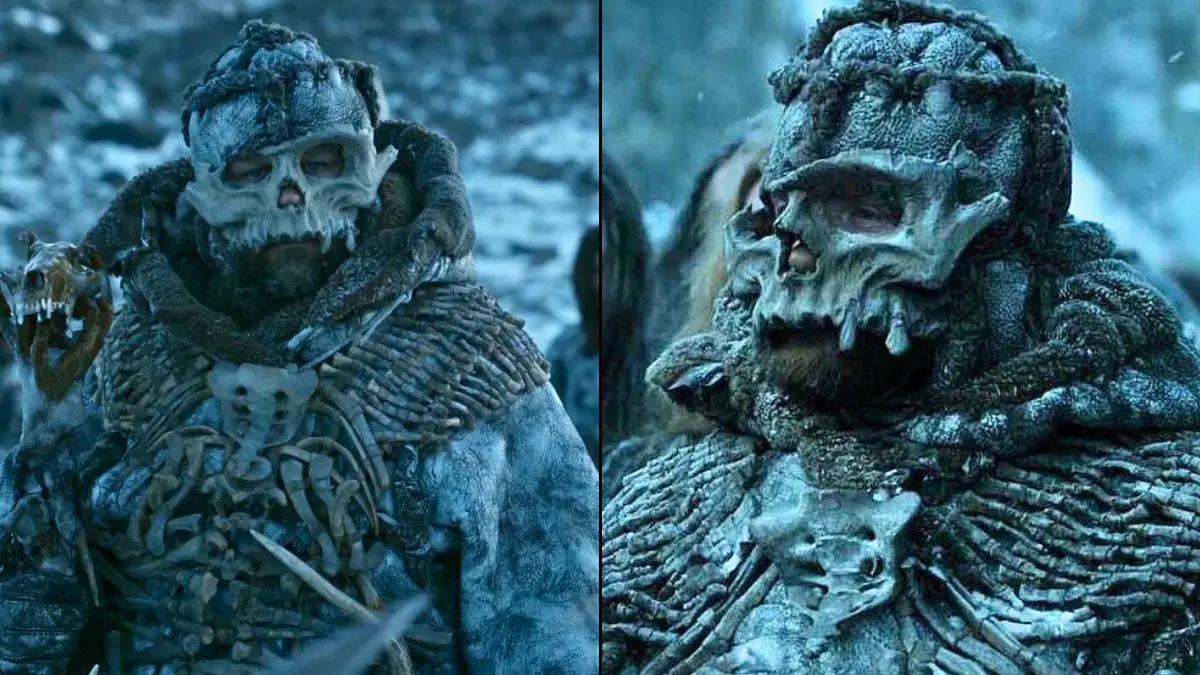
The wildling known as Rattleshirt is first played by Edward Dogliani in earlier seasons of ‘Game of Thrones’. The role later appears with Ross O’Hennessy during later episodes at the Wall and in wildling camps.
Costume choices such as the bone armor and mask maintained a consistent silhouette across the change. The character’s limited screen time and heavy gear made the transition straightforward during large ensemble scenes beyond the Wall.
Rita Repulsa, ‘Mighty Morphin Power Rangers’
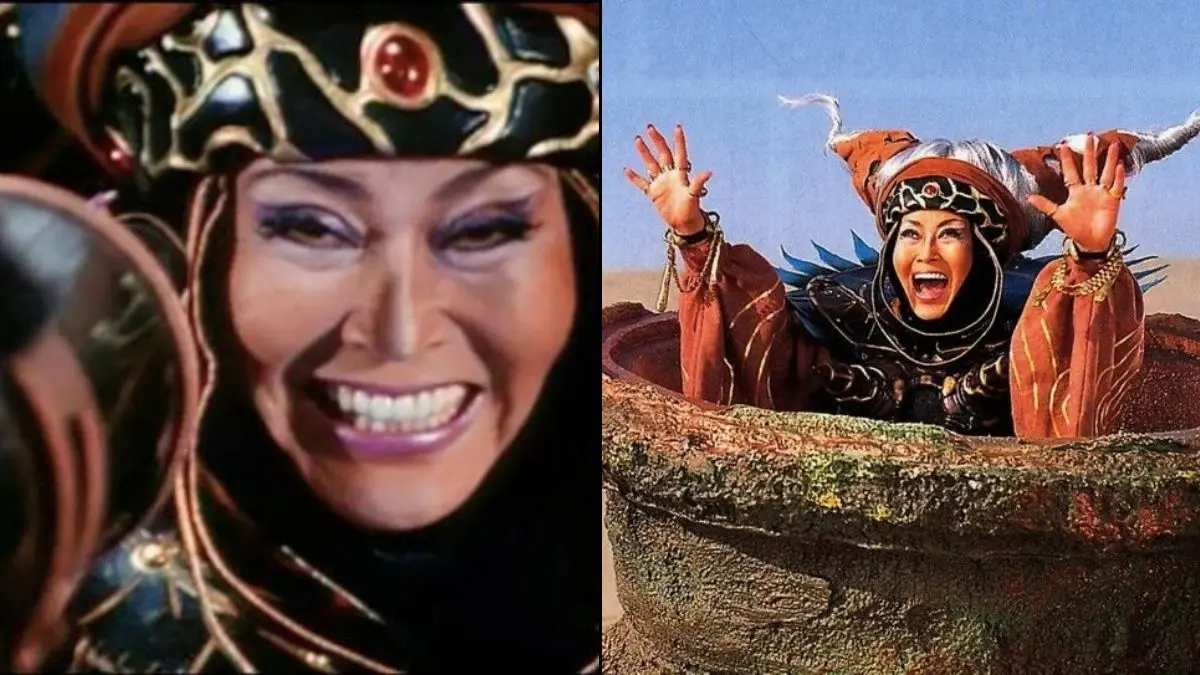
Rita Repulsa combines footage from the Japanese series with new American scenes. Machiko Soga appears in the original Japanese material, while Carla Perez portrays Rita in new footage for the American production, with Barbara Goodson providing the English voice.
This hybrid production method required multiple performers to create one continuous villain on screen. Editing and voice work stitched the pieces together, which kept Rita present across episodes that mixed sources and shooting locations.
Catwoman, ‘Batman’ (1966–1968)
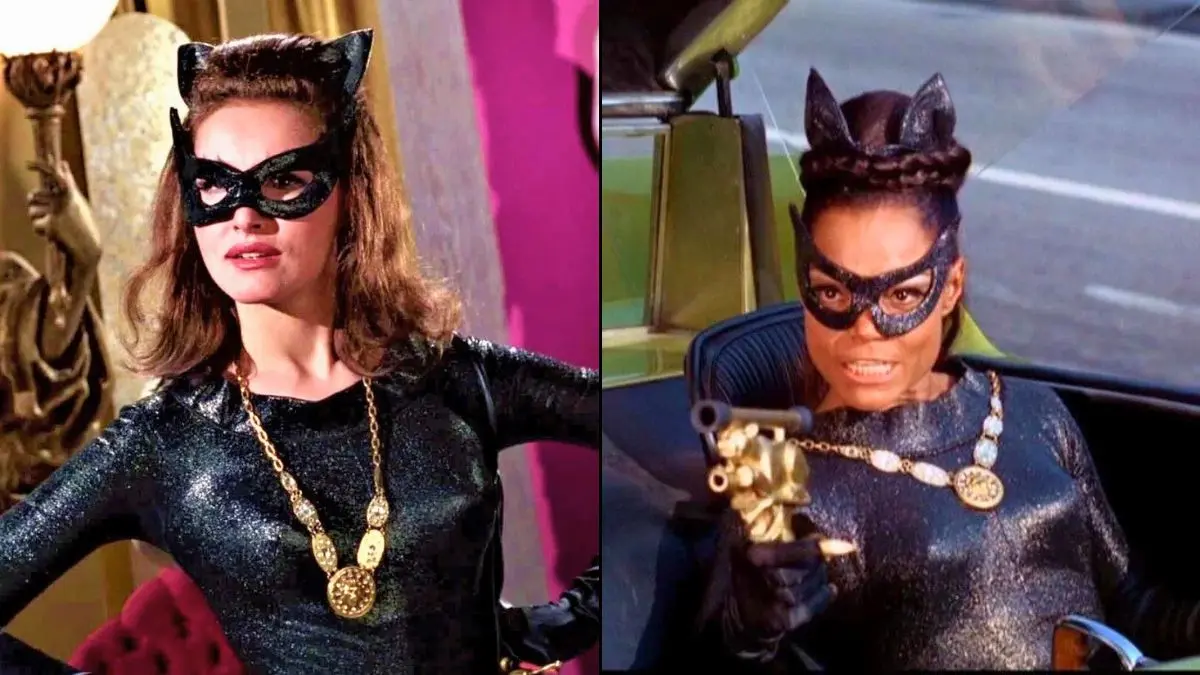
Catwoman was portrayed by Julie Newmar during the first two seasons of the 1960s ‘Batman’ television series. In the third season, Eartha Kitt took over the role when the character returned for new plots opposite Gotham’s heroes.
Sets, costumes, and recurring gadgets kept the character’s identity clear through the switch. The series format of self-contained adventures allowed the production to present the same feline thief in fresh capers without a story explanation for the different performer.
The Riddler, ‘Batman’ (1966–1968)
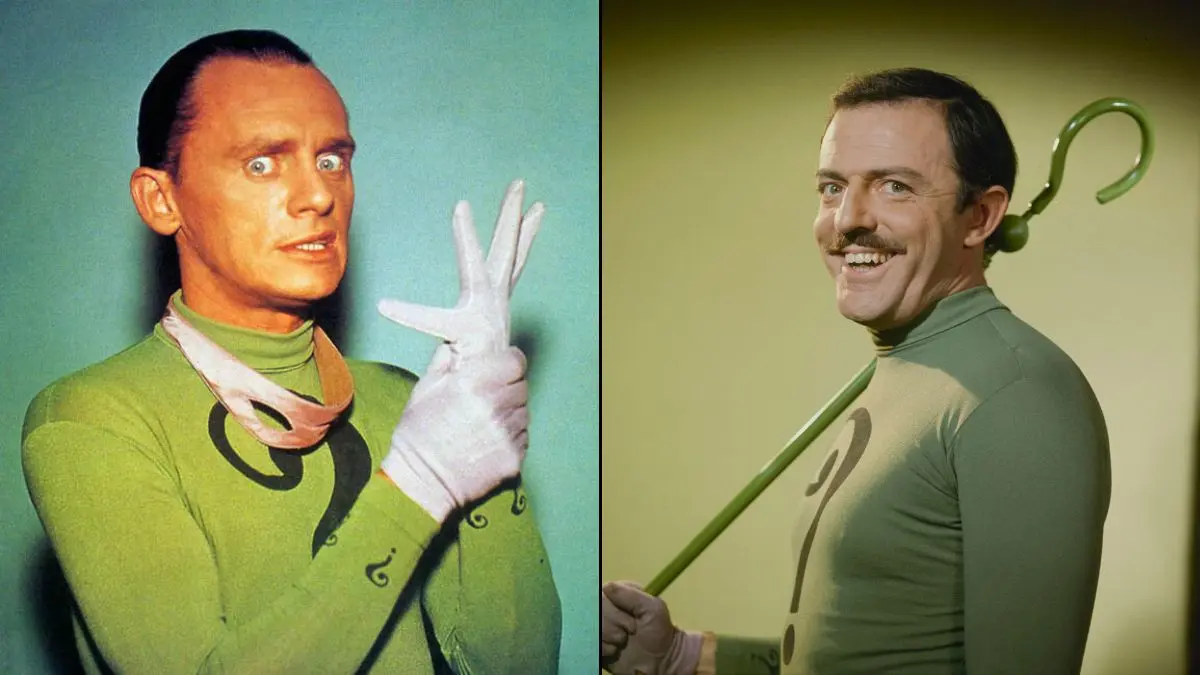
The Riddler is closely linked to Frank Gorshin in the 1960s show, but John Astin stepped into the role for a pair of episodes when Gorshin was unavailable. The character’s signature suit and question mark theme remained unchanged.
Because the series used two-part adventures with a repeatable structure, the temporary casting worked within production needs. The villain’s riddles, props, and lairs carried over, which let the episodes fit seamlessly into the season lineup.
Rassilon, ‘Doctor Who’
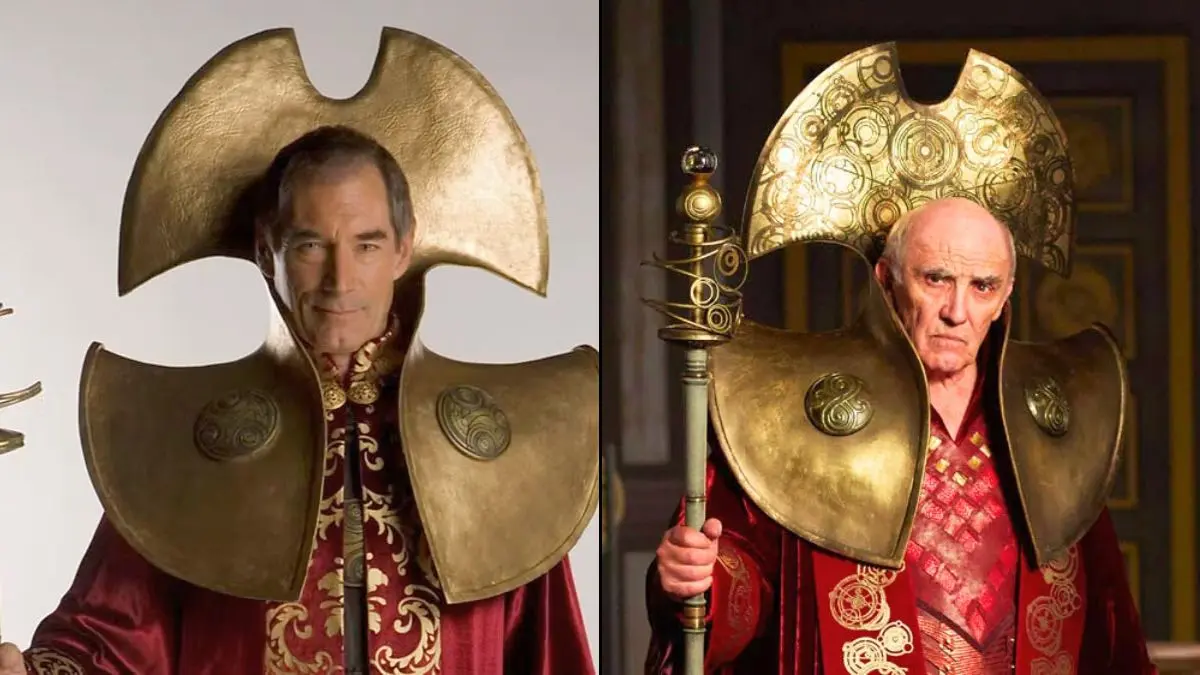
Rassilon appears in modern ‘Doctor Who’ with Timothy Dalton in a special set during the Time War. The part later returns in the revival era with Donald Sumpter as the Time Lord leader during a confrontation on Gallifrey.
The character’s long history in the franchise allows for new portrayals while keeping the same position in Time Lord society. Wardrobe and ceremonial symbols ensure continuity so that the audience can track Rassilon’s authority across different appearances.
Davros, ‘Doctor Who’
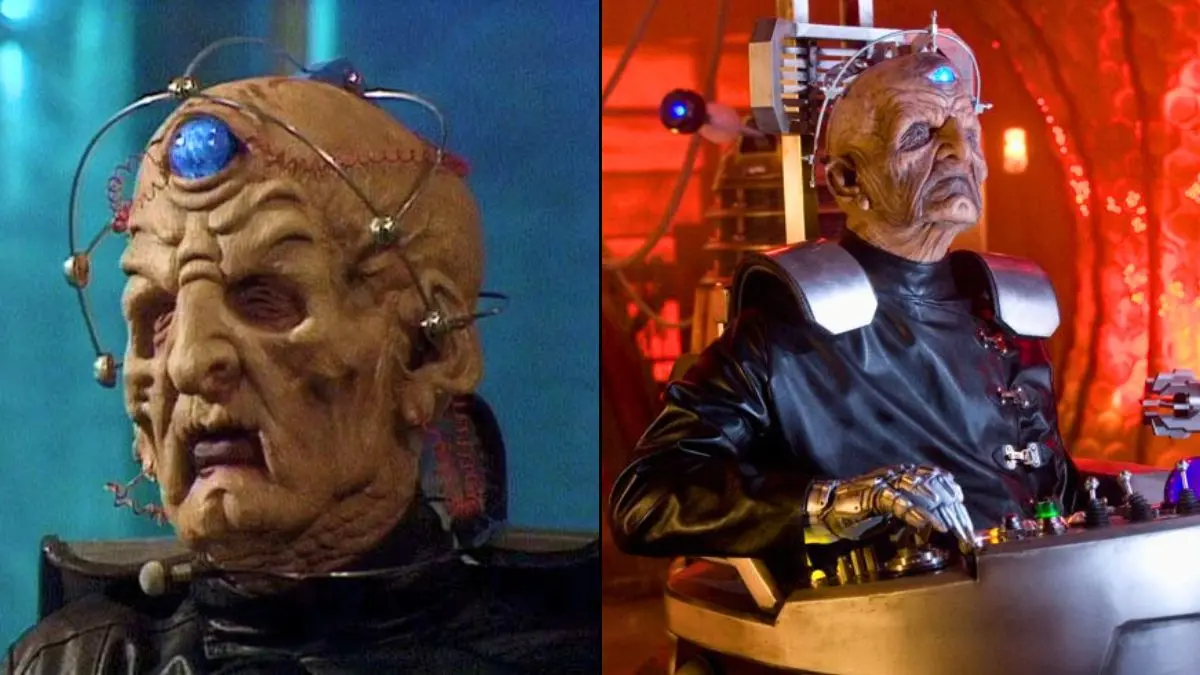
Davros, the creator of the Daleks, has been portrayed by several actors across classic and modern ‘Doctor Who’. Performers include Michael Wisher and Terry Molloy in earlier eras, with Julian Bleach taking on the role in later revival stories.
Heavy prosthetics and a consistent life support chair maintain the character’s look, which makes transitions between performers fit the ongoing lore. The show uses new encounters to place Davros at different points in the timeline while preserving the same origin and goals.
Share your favorite recast villain in the comments and tell everyone which portrayal worked best in your eyes.

