


Black Actors Who Battled Anxiety


Anxiety doesn’t care how famous you are—many Black male actors have talked about panic, racing thoughts, and the pressure to perform, and they’ve shared what actually helped them get better. The common threads are therapy, supportive communities, and practical tools like breathing exercises, journaling, and exercise. Several use structured routines and boundaries to keep symptoms from spiking on set or during press cycles. Below are notable examples, along with the specific steps they’ve described taking to manage symptoms and keep working.
Wayne Brady
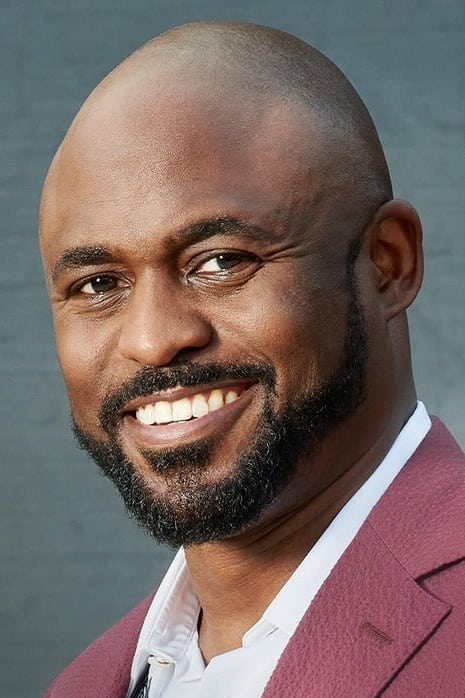
Wayne Brady has discussed experiencing anxiety alongside clinical depression during periods of personal and career stress. He credits consistent talk therapy for identifying triggers early and interrupting spirals. Brady keeps a daily structure—sleep, exercise, vocal warm-ups, and hydration—to regulate his nervous system on performance days. He also partners with mental-health organizations to encourage evaluation and evidence-based treatment among men.
Jordan Peele
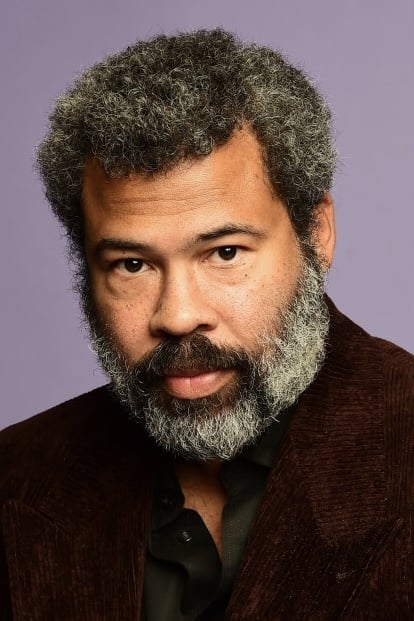
Jordan Peele has said he dealt with anxiety and panic attacks during his sketch-comedy years, which influenced how he paced career moves behind the camera. He uses boundary-setting—turning down opportunities when symptoms flare—and builds trusted teams to reduce perfectionism stress. Peele applies cognitive-behavioral techniques to challenge catastrophic thoughts before live or high-stakes appearances. He treats writing and directing as structured outlets that provide controllable work environments.
LaKeith Stanfield
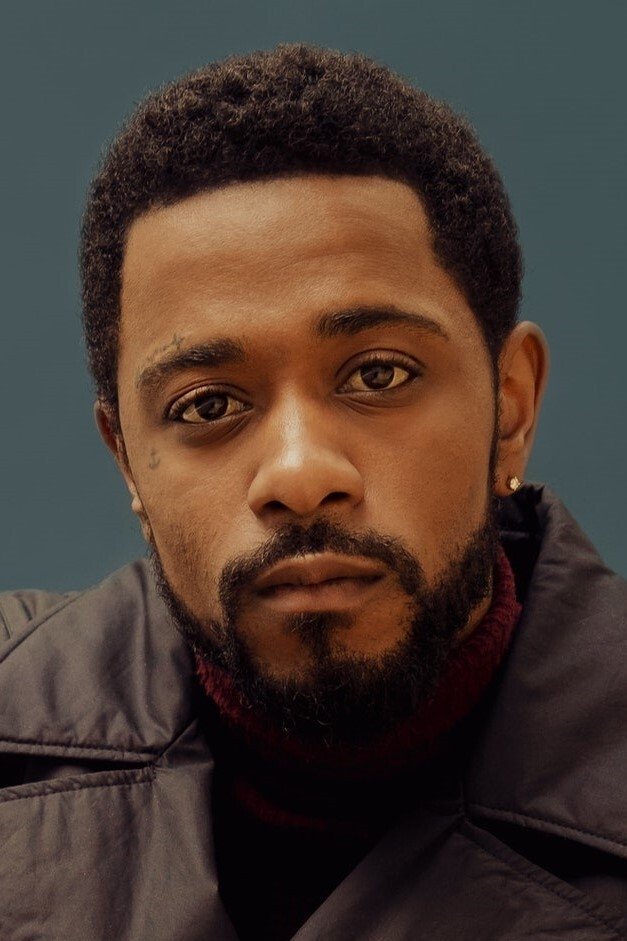
LaKeith Stanfield has been candid about anxiety escalating into panic, later seeking professional help and lifestyle changes. He limits alcohol, removes known triggers, and leans on therapy to address root causes, not just symptoms. Stanfield uses breathwork and grounding, including the 5-4-3-2-1 sensory method, during onset. He urges fans to work with licensed clinicians and to follow treatment plans consistently.
Kendrick Sampson
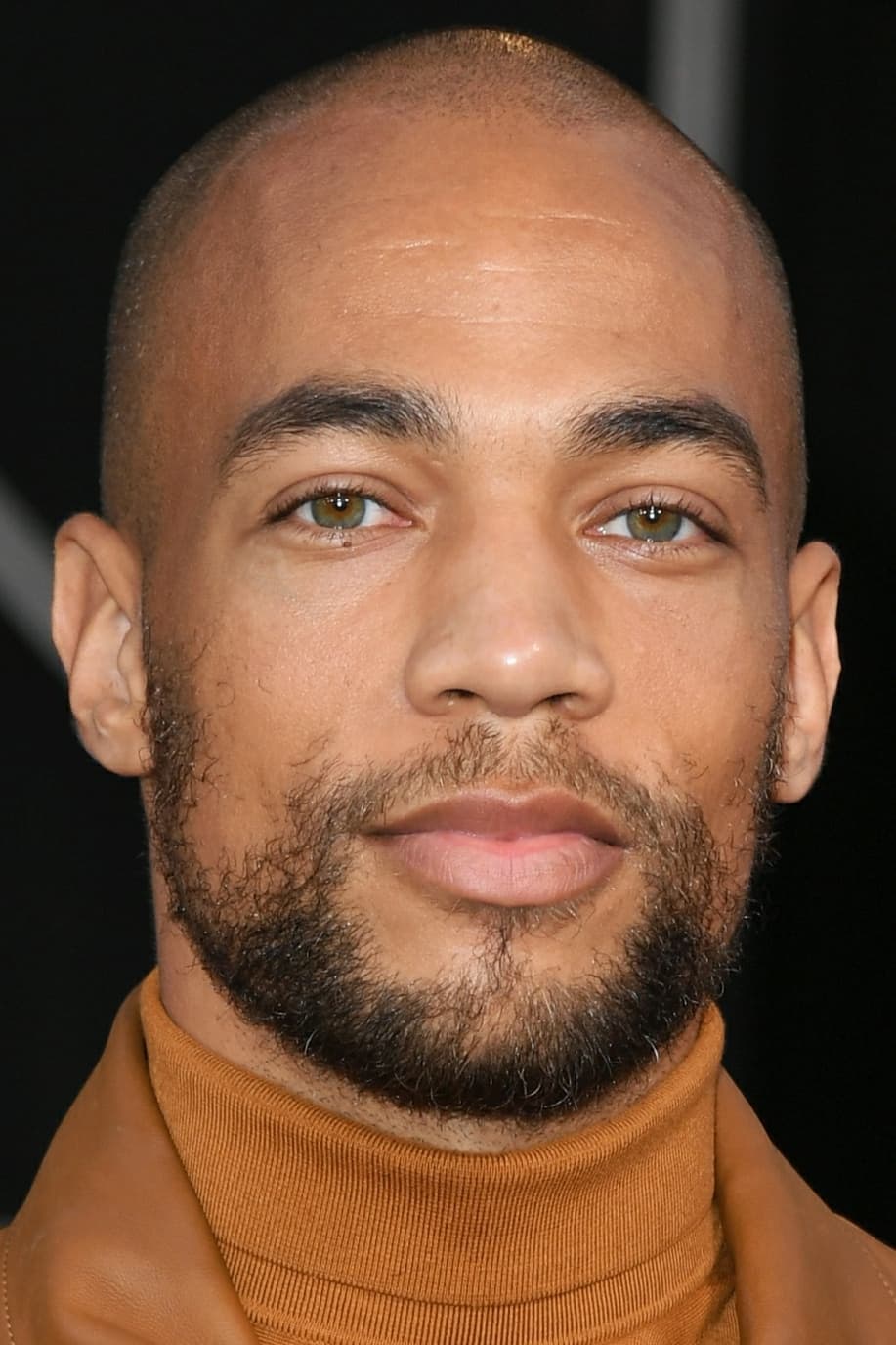
Kendrick Sampson has spoken about cycles of anxiety and panic, noting that advocacy work can heighten stress. He co-founded a wellness-focused organization that shares therapy resources and crisis support. Sampson uses mindfulness, journaling, and therapy to process activism-related stressors without shutting down. He also schedules recovery time after intense shoots or public events to avoid rebound symptoms.
Dwayne Johnson
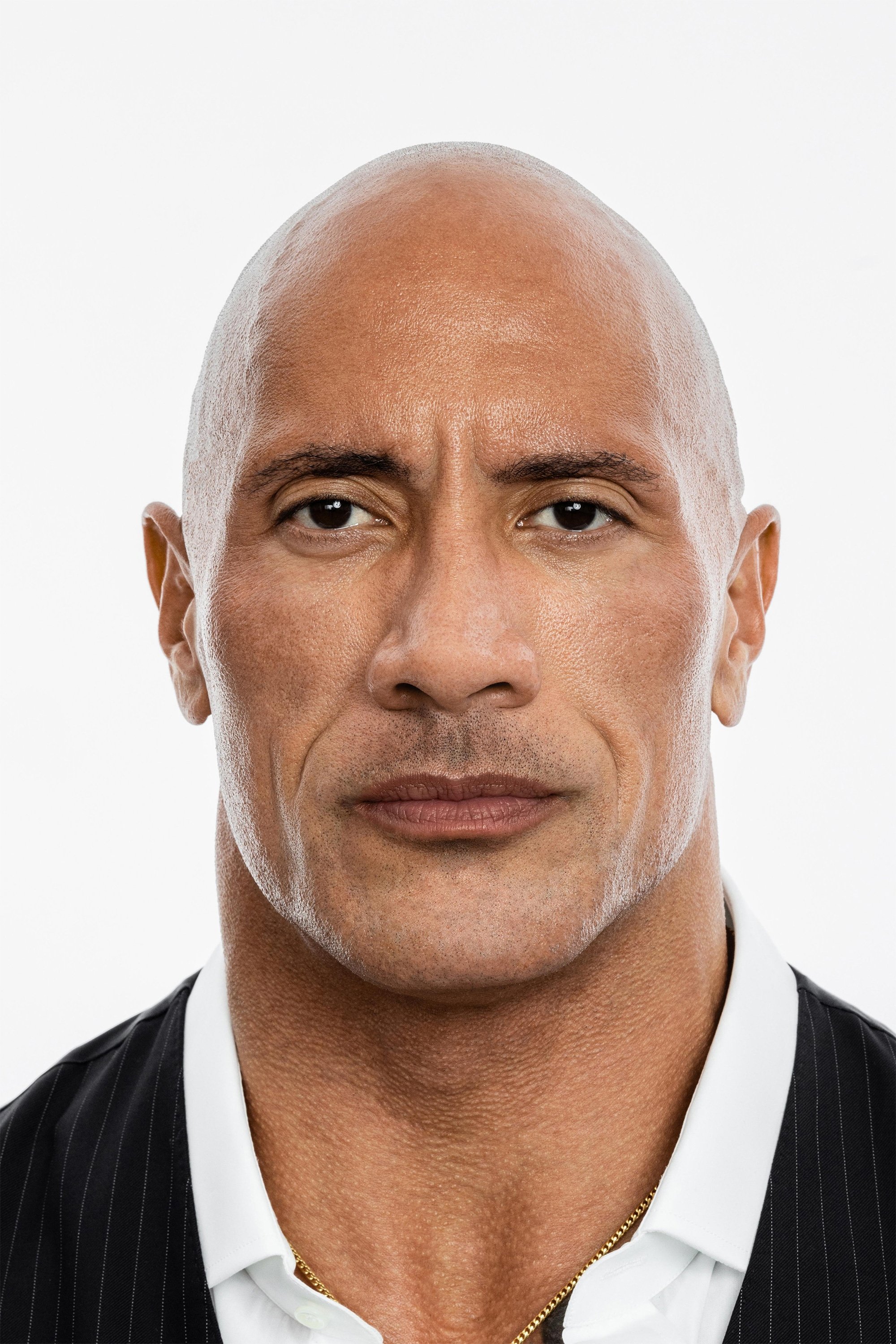
Dwayne Johnson has described anxiety symptoms tied to relentless schedules and high expectations. He treats training, sleep, and nutrition as non-negotiables that keep arousal in check. Johnson emphasizes early, honest conversations with friends and professionals instead of “toughing it out.” He frames mental-health maintenance like conditioning—simple, consistent habits that compound over time.
Kevin Hart
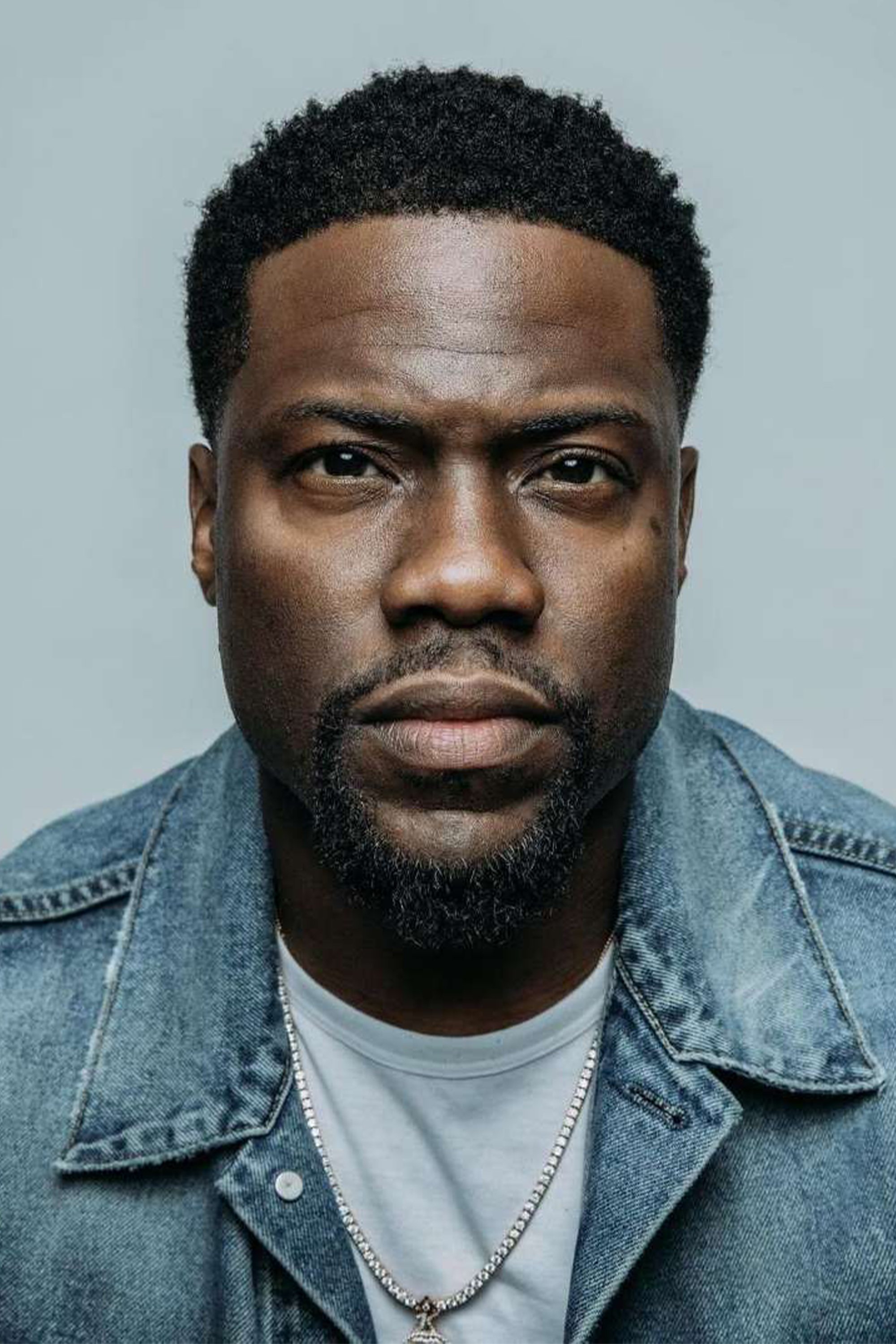
Kevin Hart has linked anxiety to post-accident recovery and career pressures that required therapy and lifestyle recalibration. He credits structured rehab, meditation, and gradual exposure to high-pressure environments for restoring confidence. Hart uses accountability circles to avoid overcommitment and protect recovery windows. He regularly points audiences to professional help and practical stress-management skills.
Donald Glover
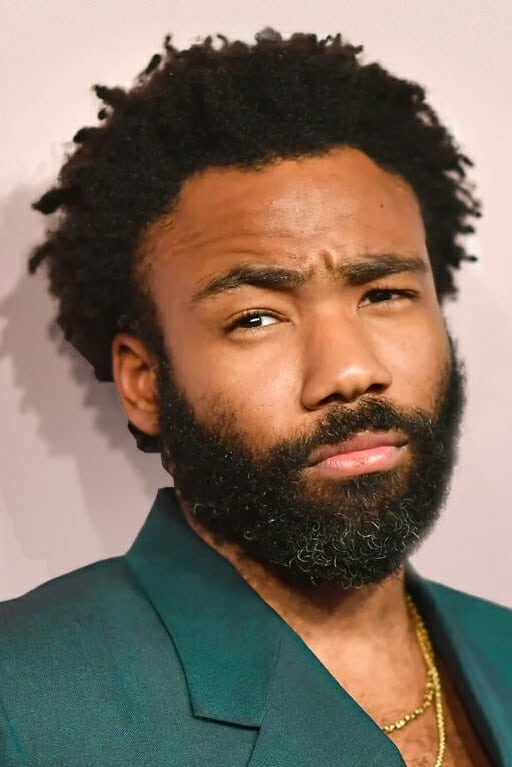
Donald Glover has discussed anxiety linked to creative perfectionism and constant public scrutiny. He separates creation from reception—finishing projects before reading reactions—to reduce symptom spikes. Glover builds device-free blocks and focused writing sessions to keep baseline stress lower. Mentors and collaborators help flag early signs of burnout so adjustments happen before escalation.
John Boyega
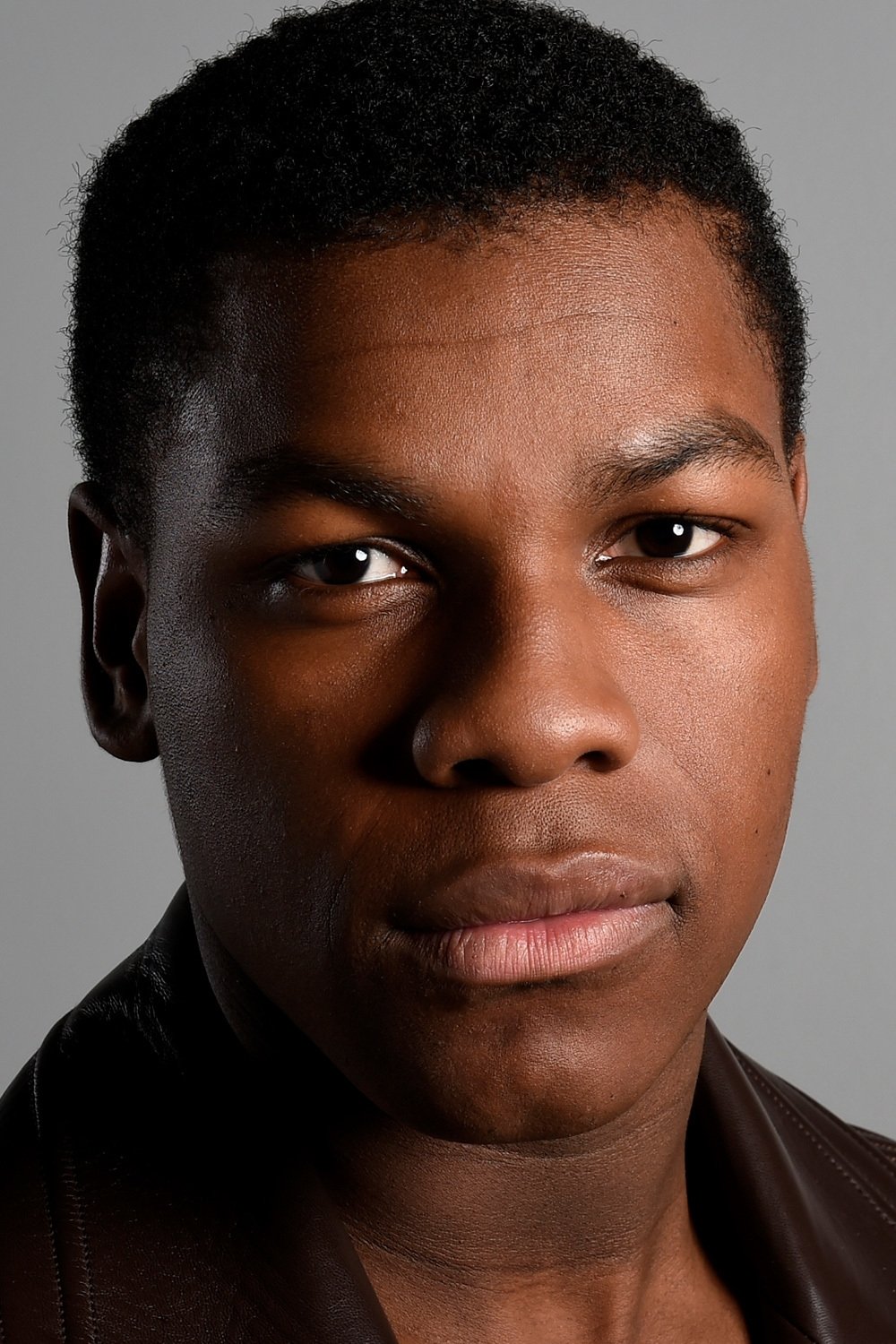
John Boyega has talked about anxiety amid intense workloads and public pressure, using therapy to recalibrate. He prioritizes rest, adding controlled breaks to return to sets with steadier focus. Boyega practices breathing techniques before interviews or live appearances to regulate heart rate and tension. He advises young performers to treat mental health as seriously as career strategy.
Terry Crews
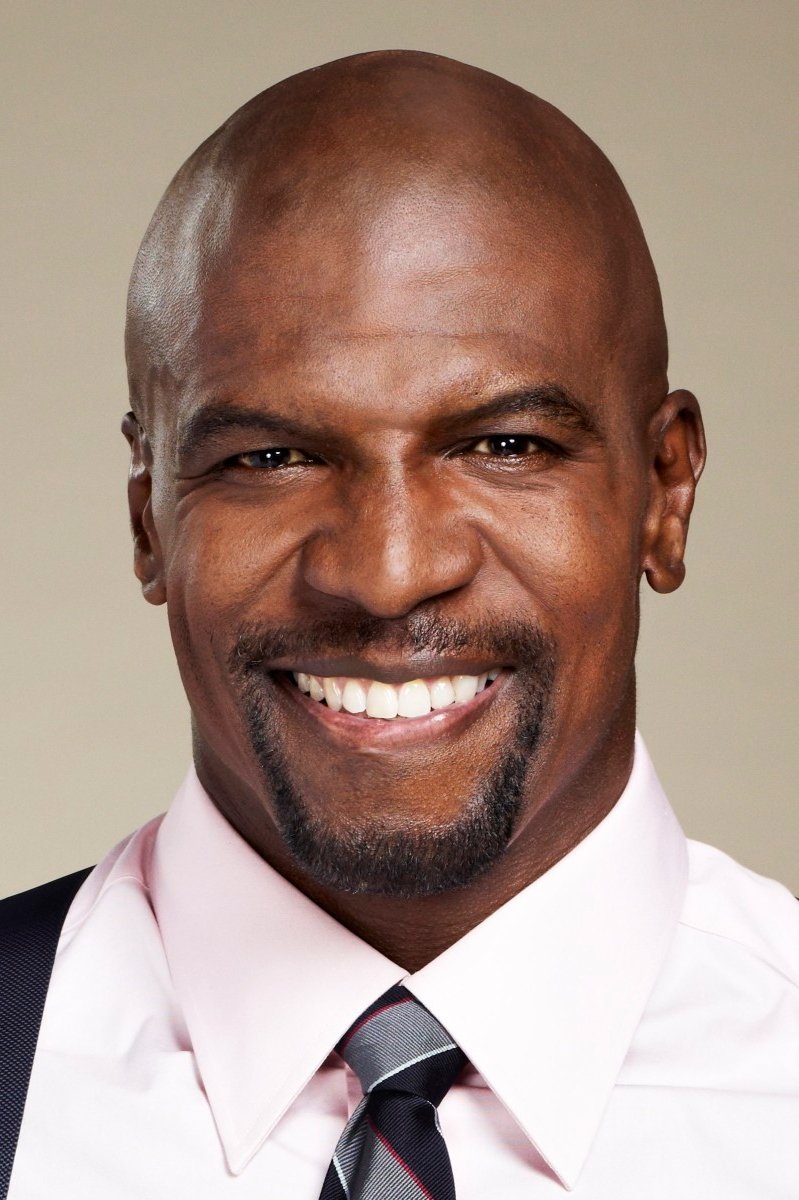
Terry Crews has described anxiety connected to trauma and performance demands. He credits individual and couples therapy for emotional regulation and better communication that lowers baseline stress. Crews uses diaphragmatic breathing and short movement breaks on set to reset his nervous system. Supportive communities and public accountability help him sustain long-term change.
Kid Cudi
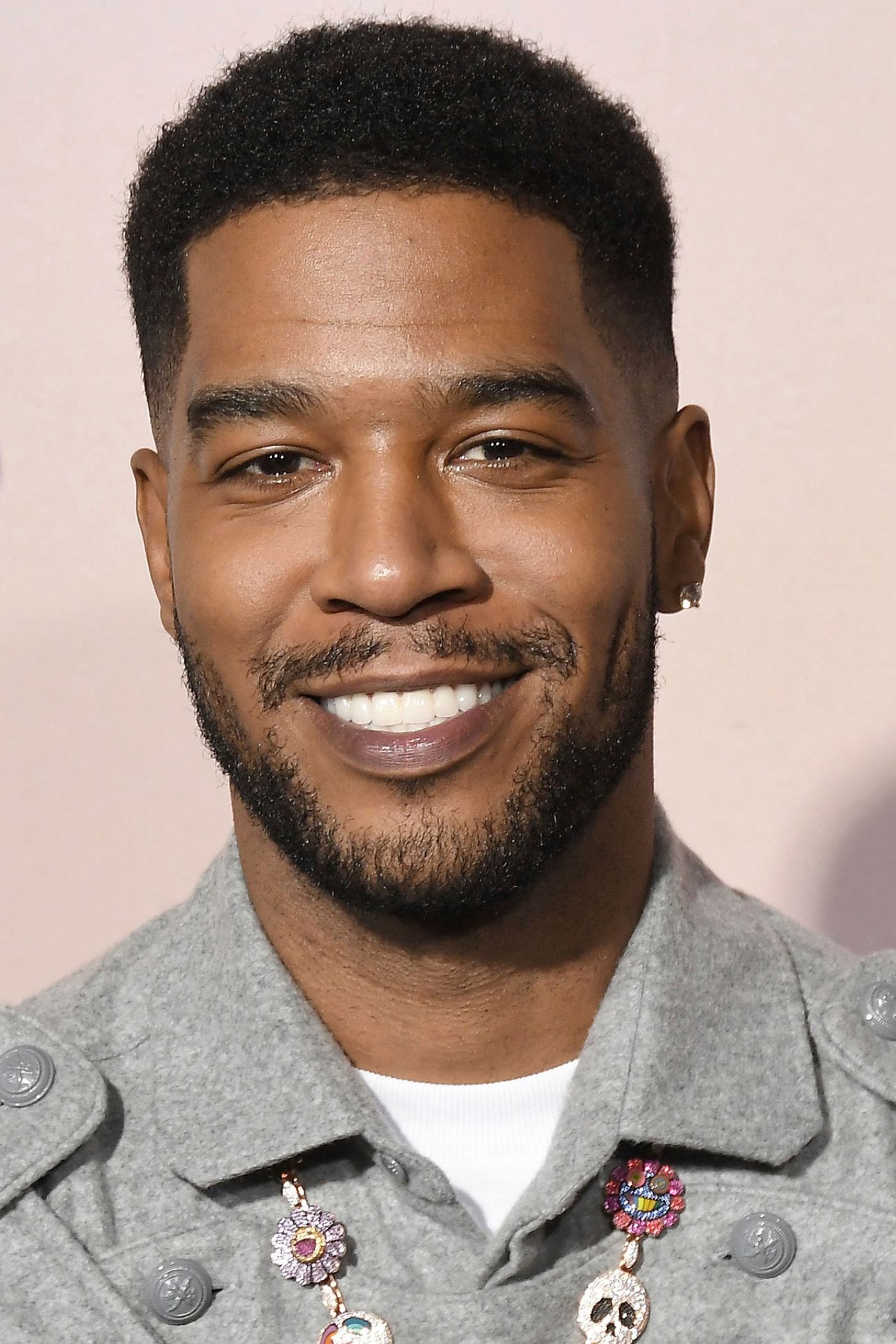
Scott Mescudi has spoken about chronic anxiety that led him to professional treatment and ongoing therapy. He highlights medication management under medical supervision when appropriate, combined with counseling. Mescudi sets workload boundaries with collaborators to avoid relapse triggers. He shares vetted resources and coping strategies, emphasizing help-seeking as strength.
David Harewood
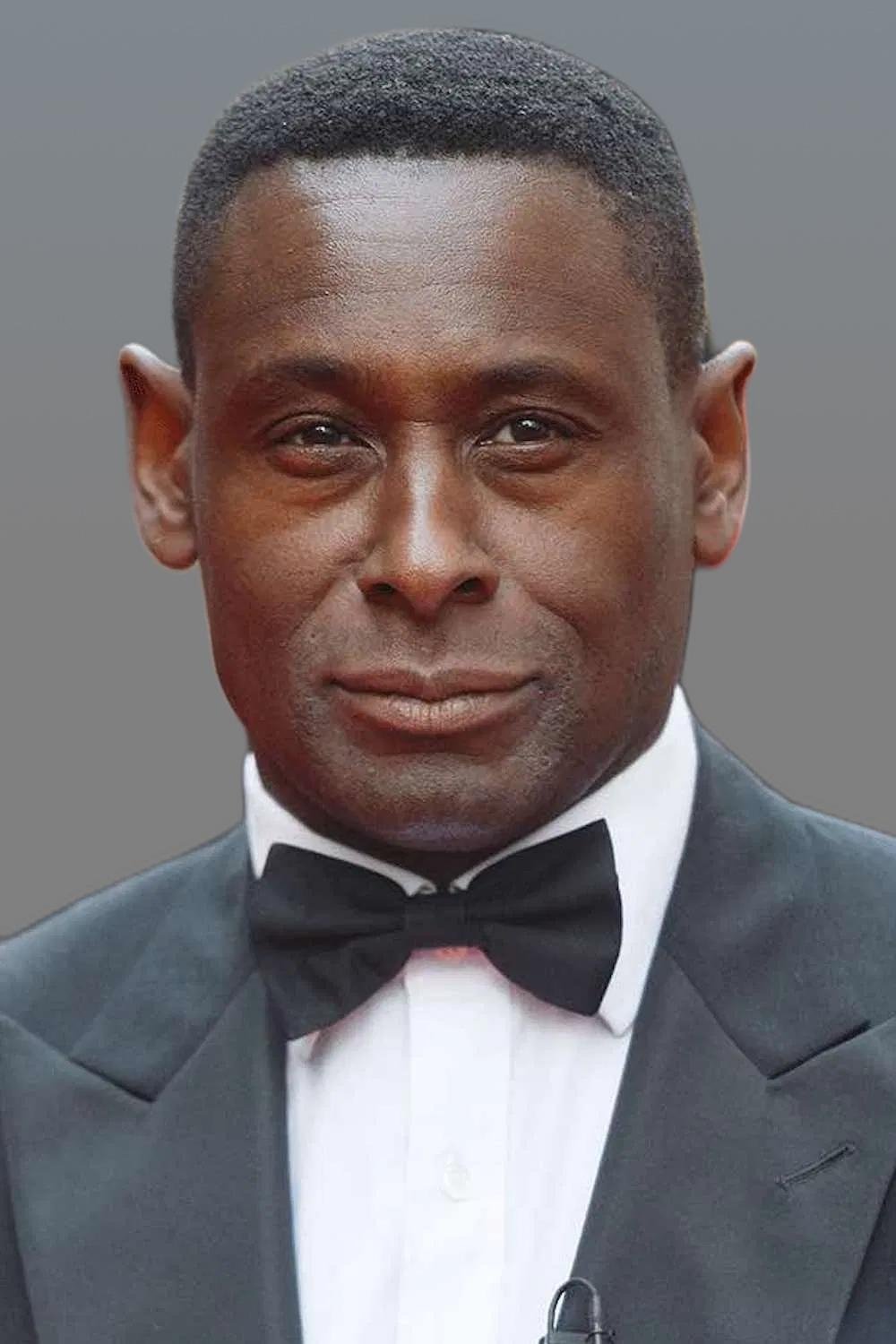
David Harewood has detailed spiraling anxiety that preceded a severe mental-health crisis early in his career. Long-term therapy and education about symptoms became the backbone of his recovery. He maintains routines—regular sleep, hydration, and exercise—to stabilize day-to-day stress. Harewood promotes early intervention and directs peers to clinicians and charities for support.
Ncuti Gatwa
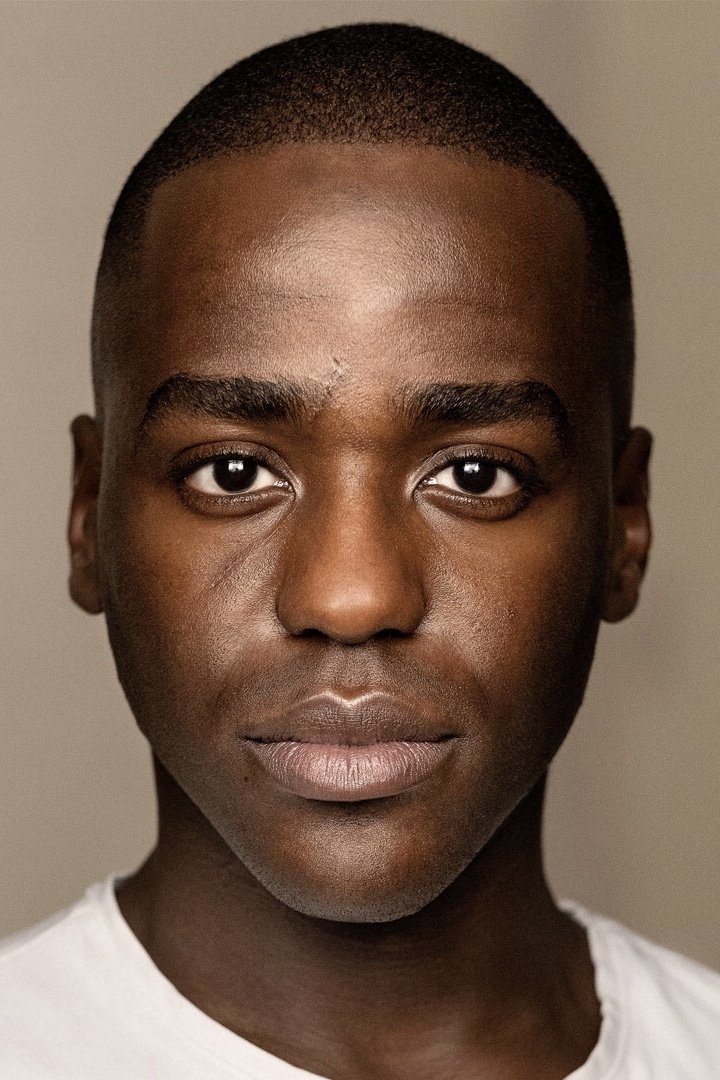
Ncuti Gatwa has spoken about anxiety tied to rapid public attention and heavy franchise workloads. He relies on boundaries—scheduled rest, device-free time, and selective commitments—to keep symptoms manageable. Gatwa benefits from producers who normalize mental-health check-ins on set. Mindfulness and breathwork steady nerves ahead of live appearances and long shooting days.
Sterling K. Brown
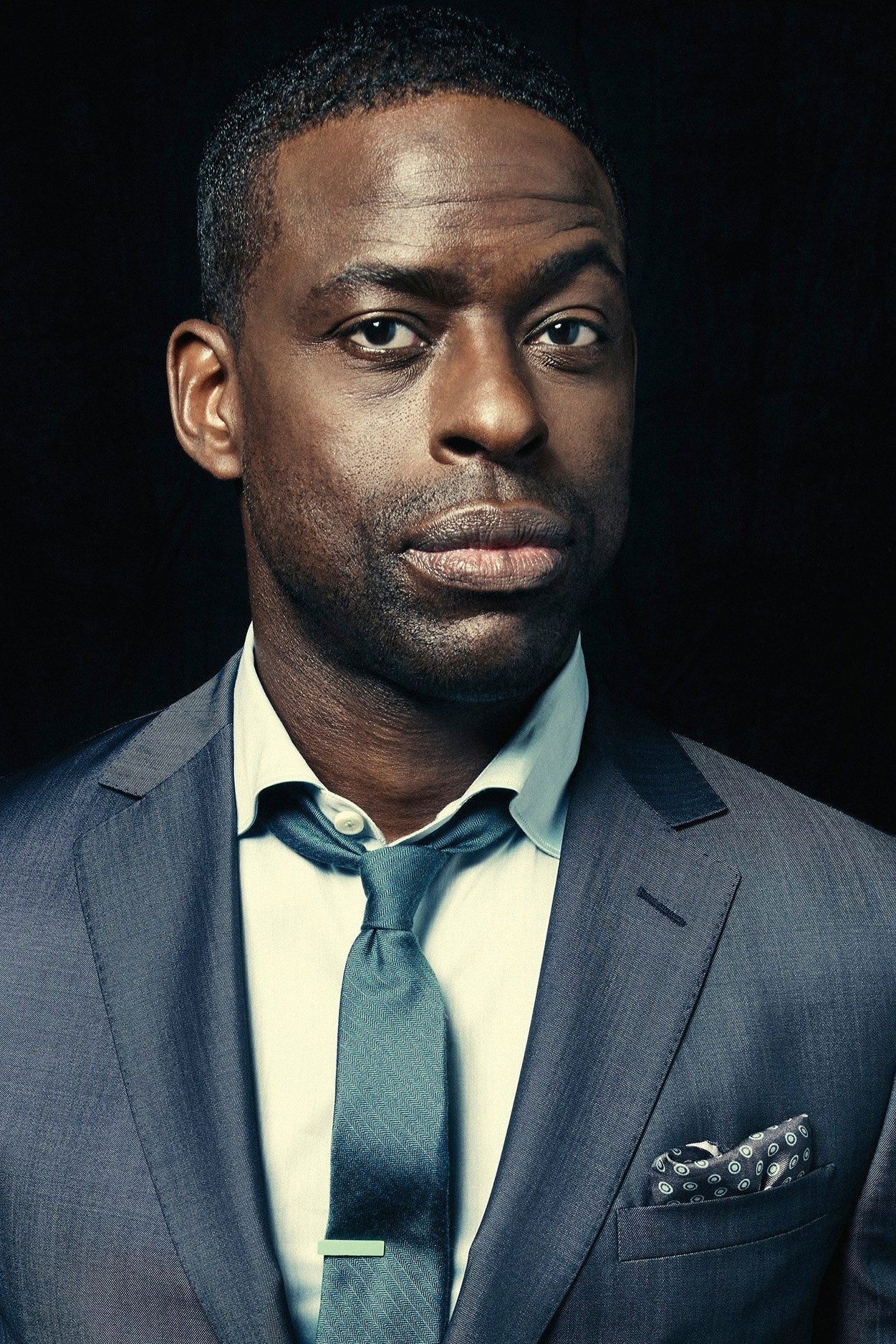
Sterling K. Brown has discussed living with anxiety and using consistent therapy to manage triggers during demanding production cycles. He prioritizes sleep hygiene, cardio, and journaling to keep symptoms predictable. Brown builds a care team—therapist, primary-care physician, and trusted friends—to spot early patterns. He also shares credible hotlines and directories so people can find help quickly.
Will Smith
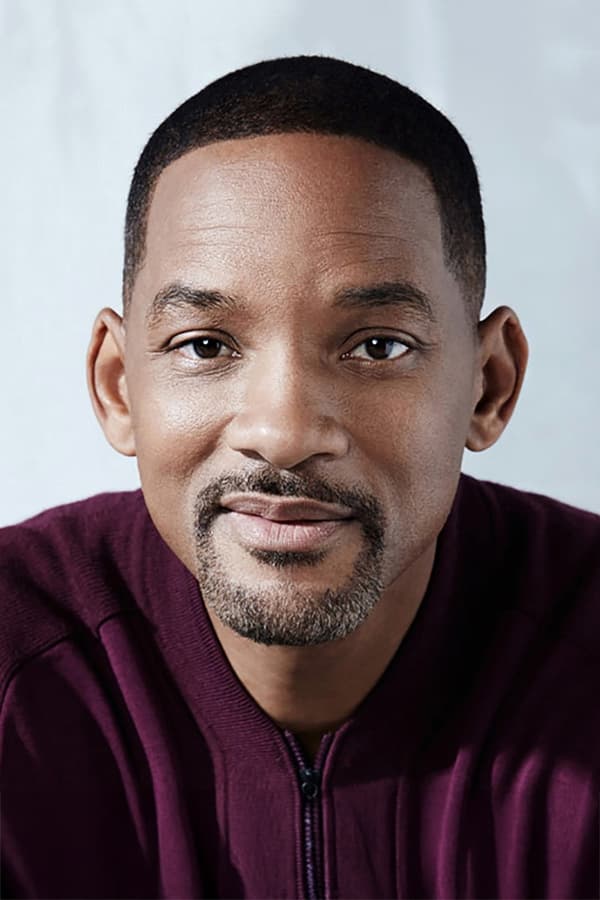
Will Smith has described confronting anxiety and intrusive thoughts while reassessing work, fitness, and personal history. Therapy, daily training, and nutrition form a combined plan to quiet physiological arousal. Smith uses candid conversations with family and mentors to prevent isolation during spikes. He treats mental-health upkeep as ongoing, tracked through routines rather than occasional fixes.
Michael B. Jordan
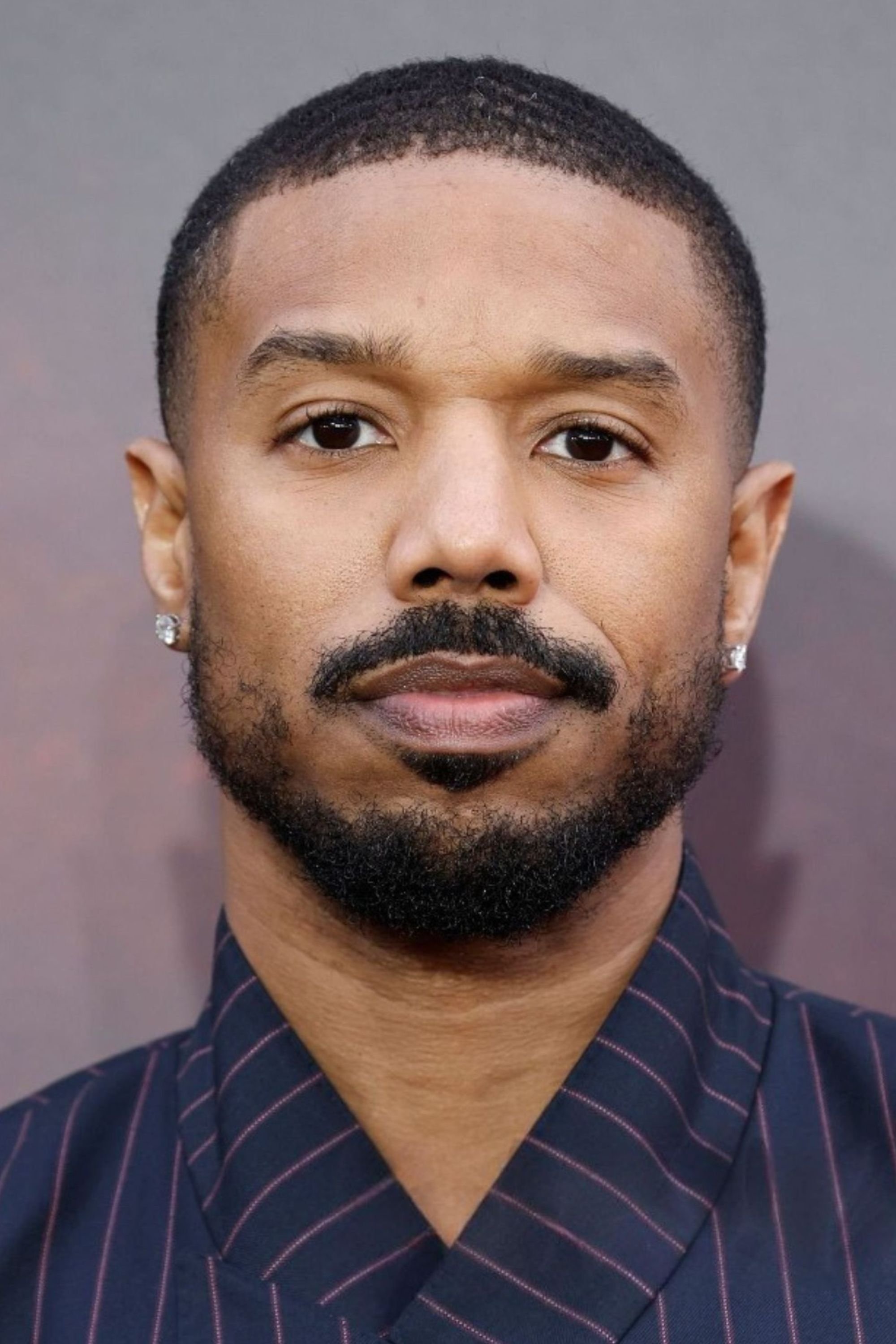
Michael B. Jordan has used therapy after demanding roles and during stretches when performance stress amplified anxiety. He schedules decompression—social-media breaks, travel buffers, and post-project recovery time. Jordan practices guided breathwork and focused warm-ups to regulate his nervous system on set. He advocates for production planning that includes reasonable call times and access to counseling.
Trevor Noah
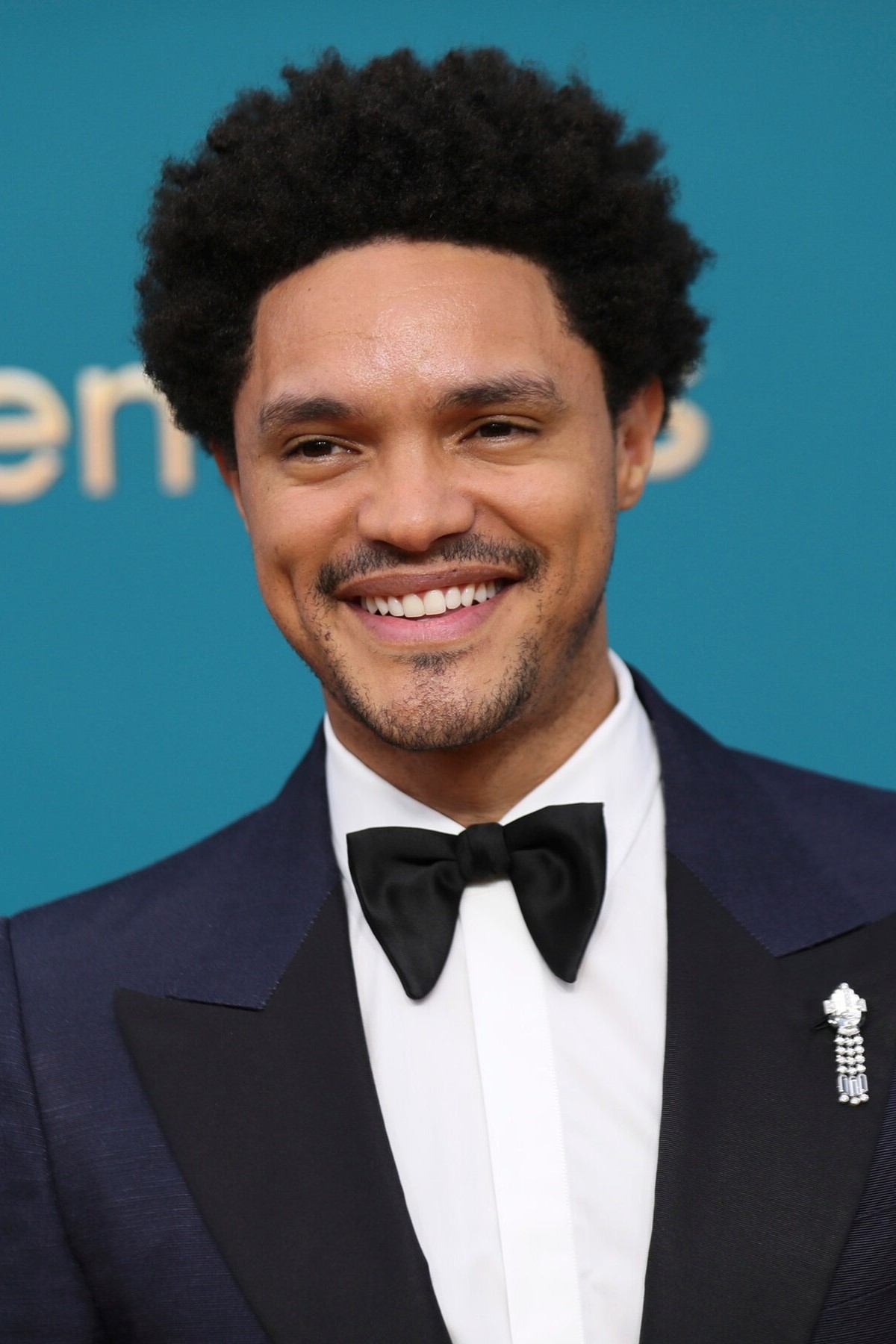
Trevor Noah has described anxiety intersecting with other mental-health challenges and the strain of constant scrutiny. He uses therapy, structured work blocks, and limits on doomscrolling to reduce flare-ups. Noah builds honest check-ins with collaborators to recalibrate deadlines before stress overwhelms. He steers audiences toward evidence-based care and community resources.
Tyler Perry
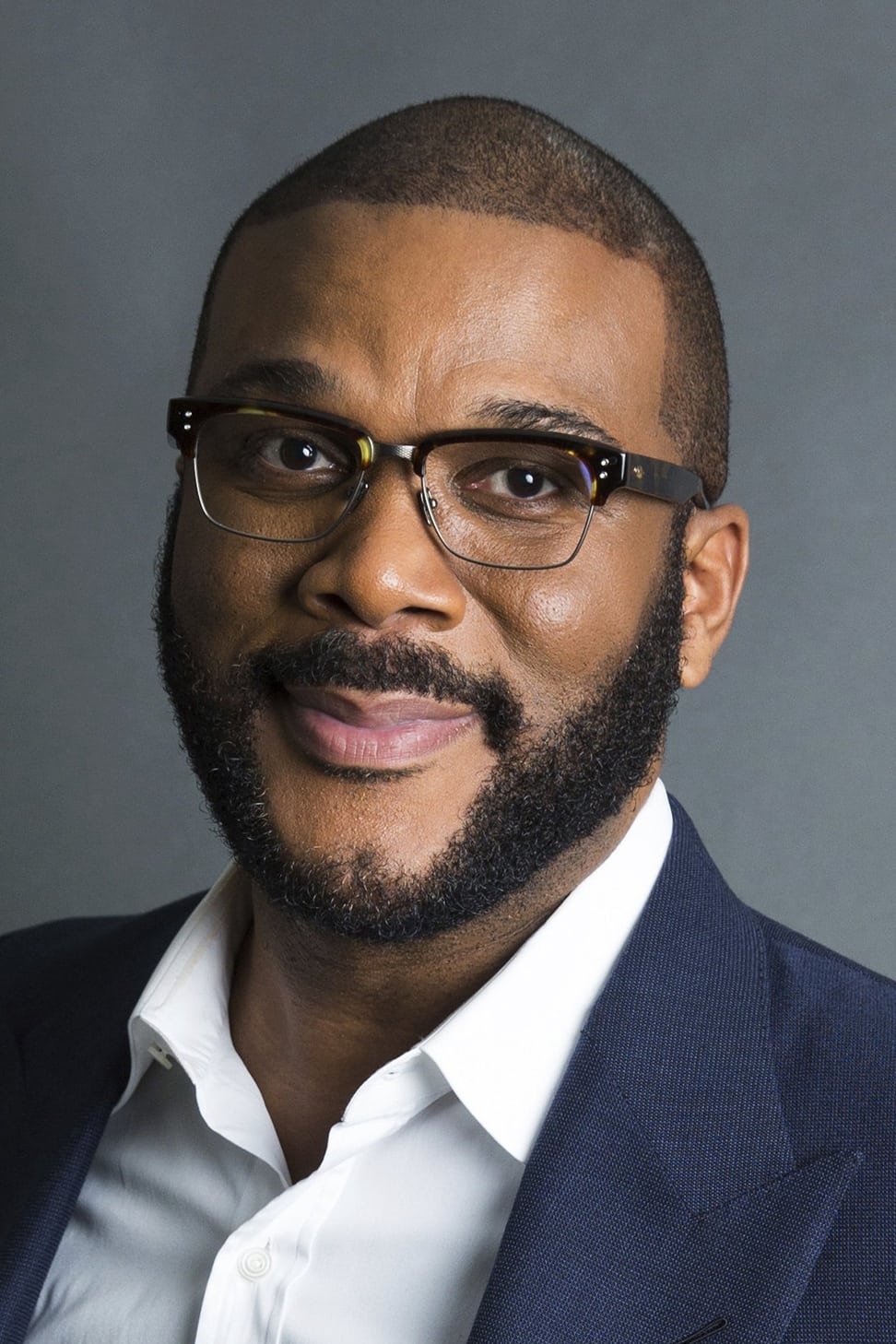
Tyler Perry has linked anxiety symptoms to childhood trauma and relentless work demands. Therapy and faith practices play central roles in his recovery and maintenance. Perry journals, practices gratitude, and schedules rest to keep stress responses lower. He supports initiatives that expand culturally competent care for Black communities.
Common
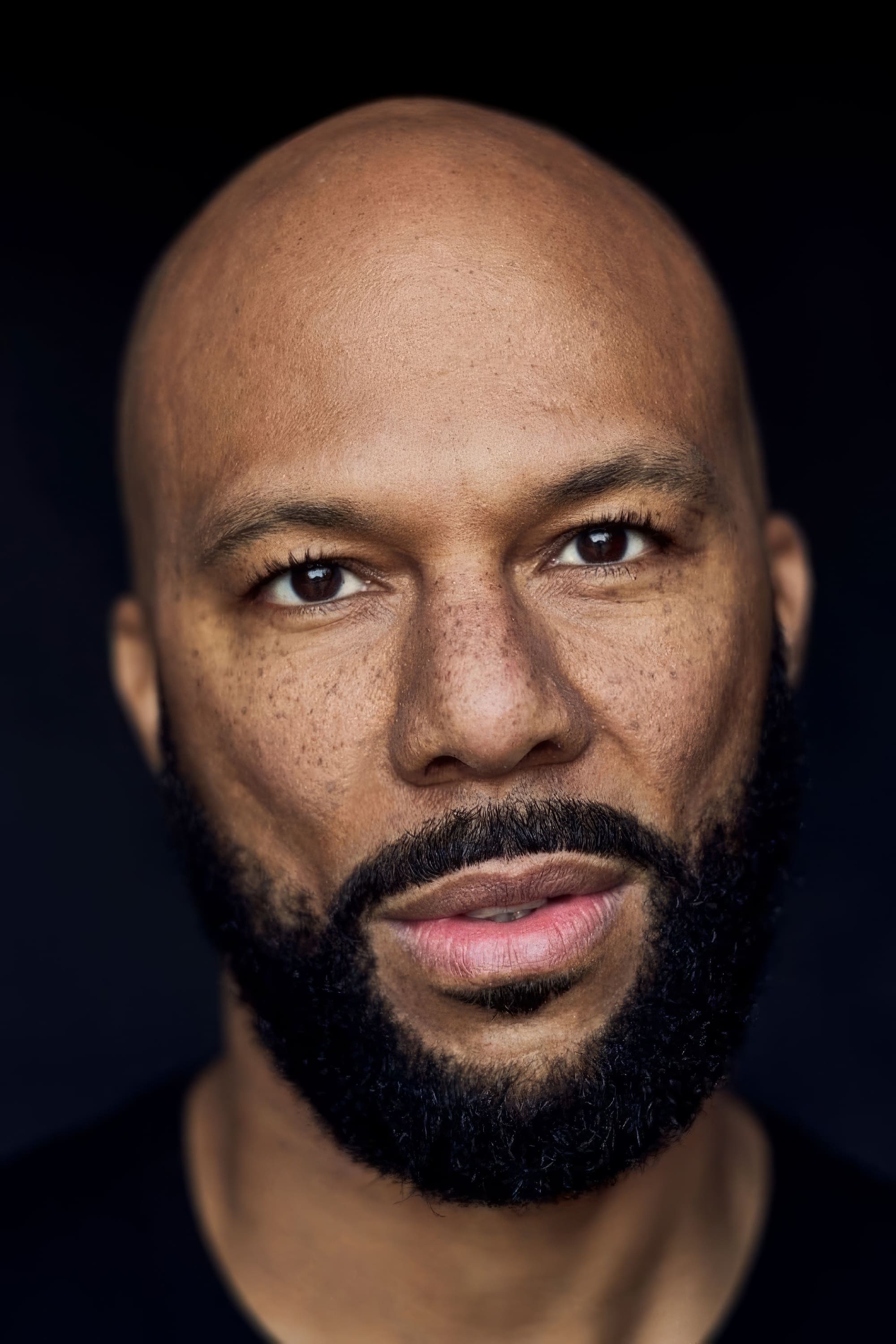
Common has discussed performance anxiety and how therapy helped reframe catastrophic thinking. He pairs training, meditation, and nutrition to keep baseline stress down before shoots or tours. Common uses breath counting and grounding techniques during onset. He shares resources and encourages seeking licensed professionals who understand cultural context.
Chris Rock
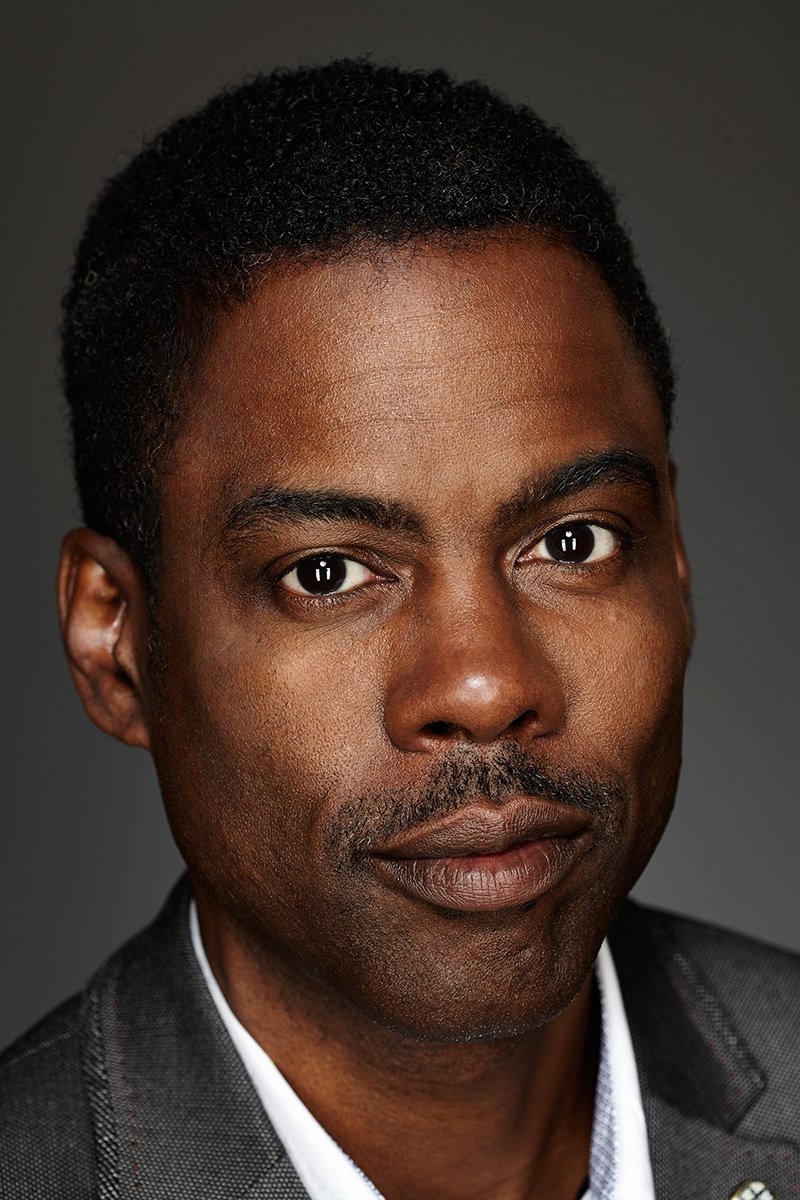
Chris Rock has worked with a therapist to address anxiety rooted in earlier life experiences and public performance. He emphasizes consistent sessions and gradual exposure to challenging situations. Rock limits social-media use during projects to prevent rumination. He describes therapy as skills training that improves focus, sleep, and decision-making.
Kel Mitchell
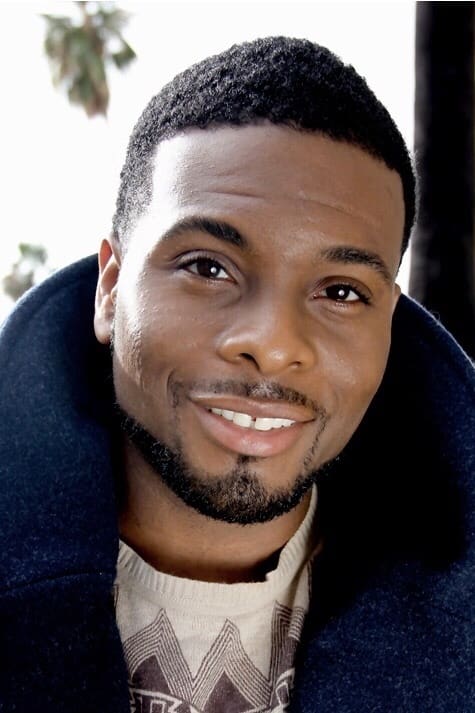
Kel Mitchell has been candid about anxiety co-occurring with depression and the impact of professional help. Therapy, faith-based support, and daily routines—hydration, movement, and meal planning—keep symptoms in check. Mitchell uses diaphragmatic breathing and progressive muscle relaxation before live tapings. He speaks with youth groups about recognizing panic signals and asking for help early.
Omari Hardwick
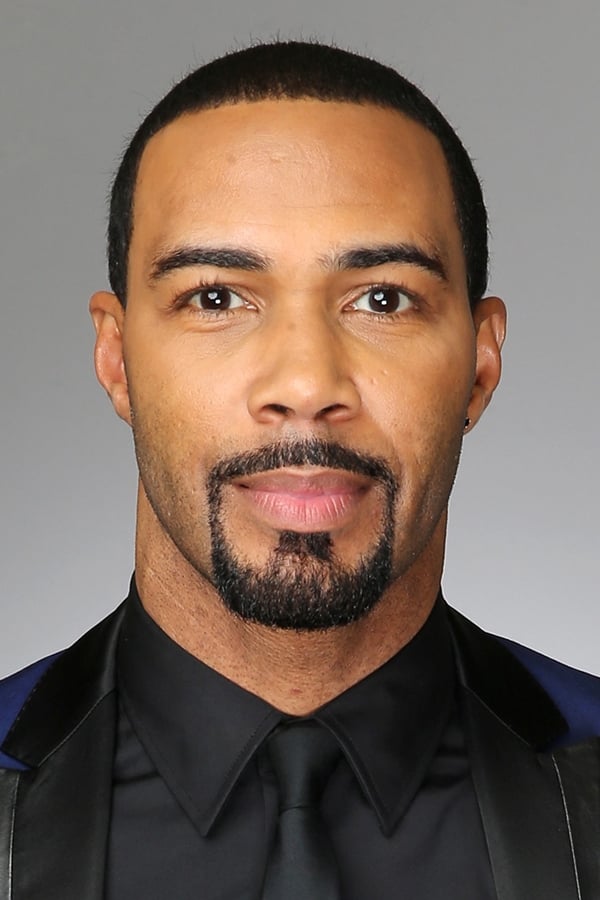
Omari Hardwick has navigated anxiety amid heavy workloads and personal loss, leaning on therapy and mentorship. He plans decompression windows after intense shoots and prioritizes cardio to discharge stress. Accountability partners help him spot overwork and adjust schedules. Creative practices—poetry and voice work—serve as structured outlets that reduce symptom intensity.
Billy Porter
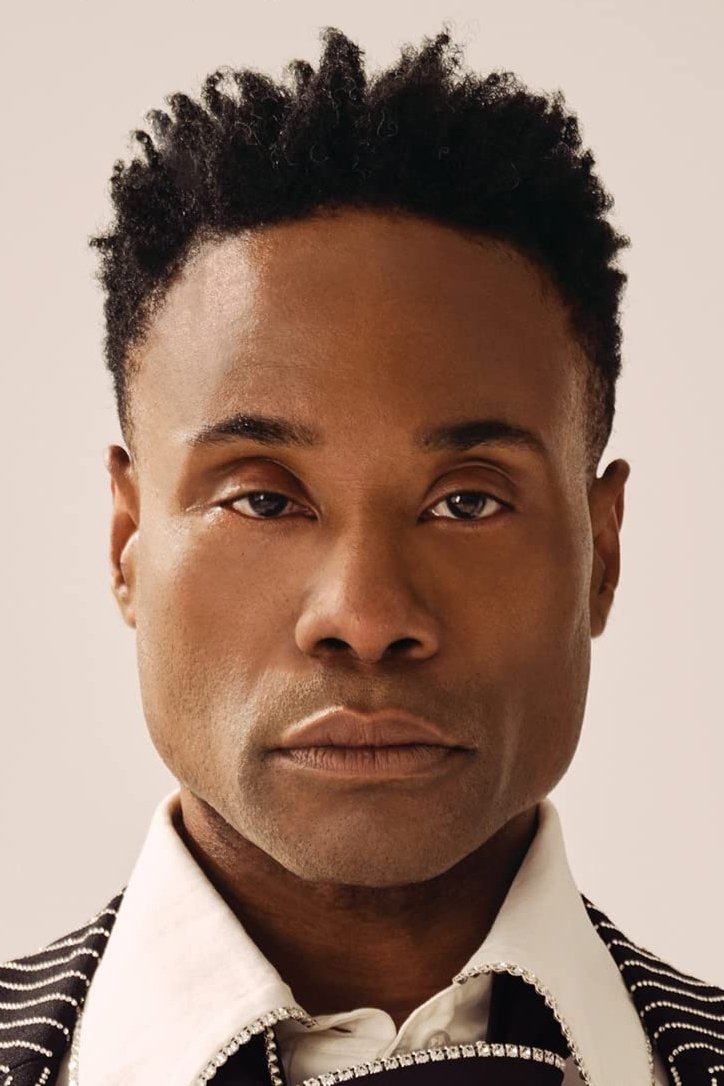
Billy Porter has detailed anxiety linked to trauma and industry pressure, and he explains how therapy shaped healthier boundaries. He uses mindfulness, vocal warm-ups, and intentional breathing before performances to manage arousal. Porter builds rest into production calendars and communicates needs to directors to avoid overextension. He advocates for accessible, affirming care for Black and LGBTQ+ communities.
Colman Domingo
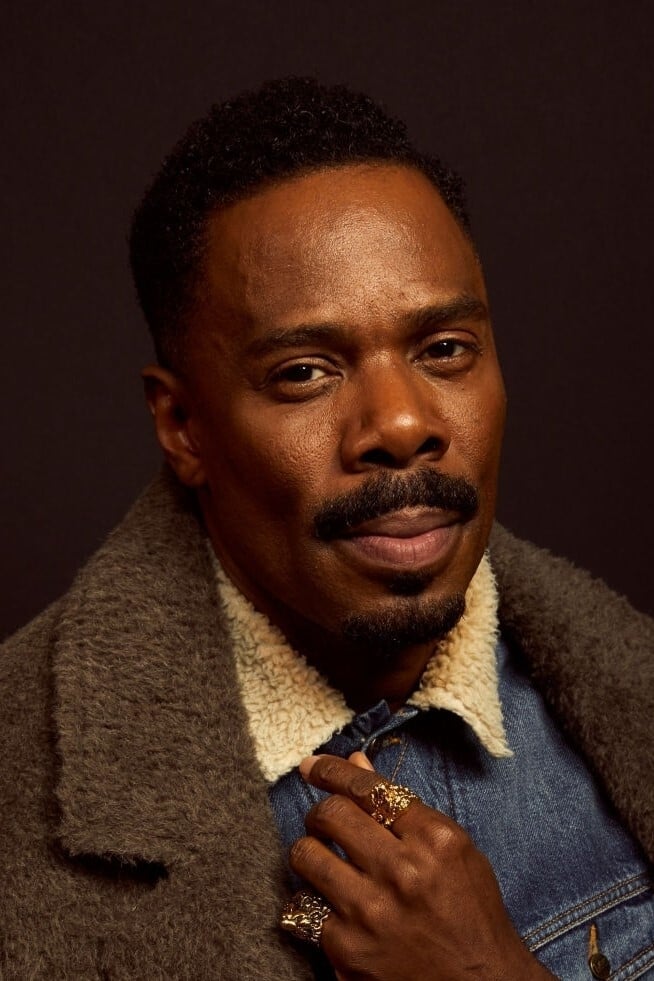
Colman Domingo has discussed anxiety-management strategies during projects that demand deep emotional range. Thorough preparation—table work, movement training, and vocal technique—reduces uncertainty that can trigger symptoms. He sets tech-free blocks and post-performance cooldowns to help his nervous system reset. Company cultures that normalize mental-health conversations are a priority in his collaborations.
Taye Diggs
Taye Diggs has described anxiety during parenting shifts, career transitions, and public attention. He integrates cardio, stretching, and breath control into pre-show routines to lower arousal. Diggs schedules recovery days after travel or press to prevent cumulative stress. He encourages early help-seeking and consistent daily habits that support long-term mental health.
If there’s someone you think belongs on this list, share their story—and what others can learn from it—in the comments.

