


Black Actors Who Battled Cancer

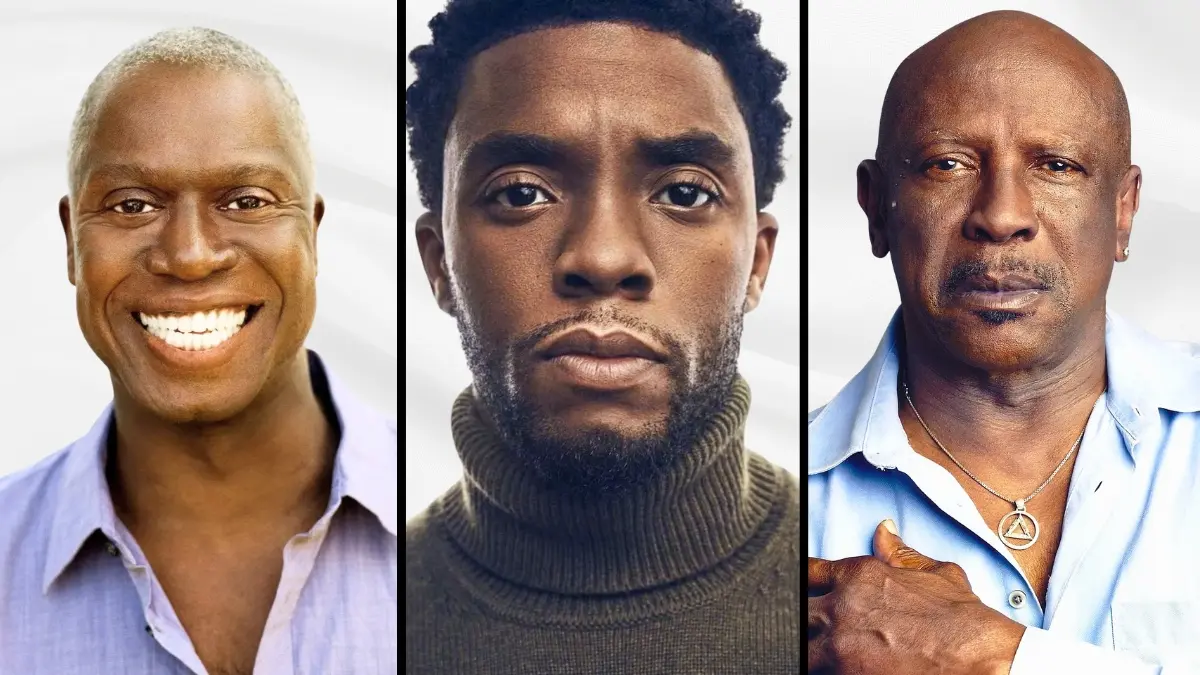


Cancer has touched the lives of many performers, and several Black male actors have faced it while continuing to work, advocate for awareness, or inspire fans through their legacies. The stories below focus on concrete details—diagnoses, timelines, and milestones—so readers can better understand what each man went through and how their experiences shaped conversations around detection, treatment, and support.
Chadwick Boseman
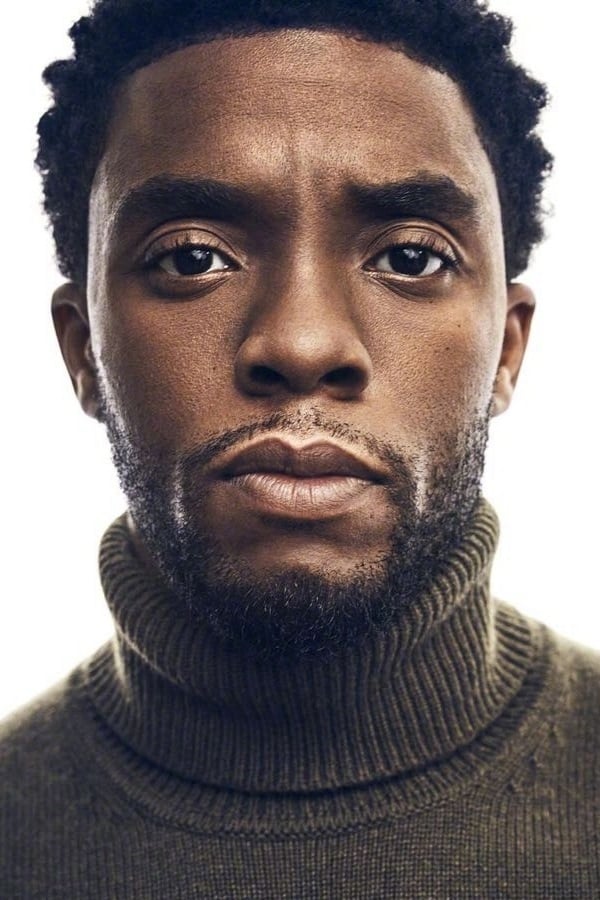
Diagnosed with colon cancer in 2016, Chadwick Boseman continued working through surgeries and chemotherapy while starring in projects such as ‘Black Panther’ and ‘Da 5 Bloods’. He kept his illness private during production schedules that demanded extensive travel and action work. Boseman died on August 28, 2020, at age 43. His death led to a surge in attention to colorectal screening and awareness around early-onset cases.
Richard Roundtree
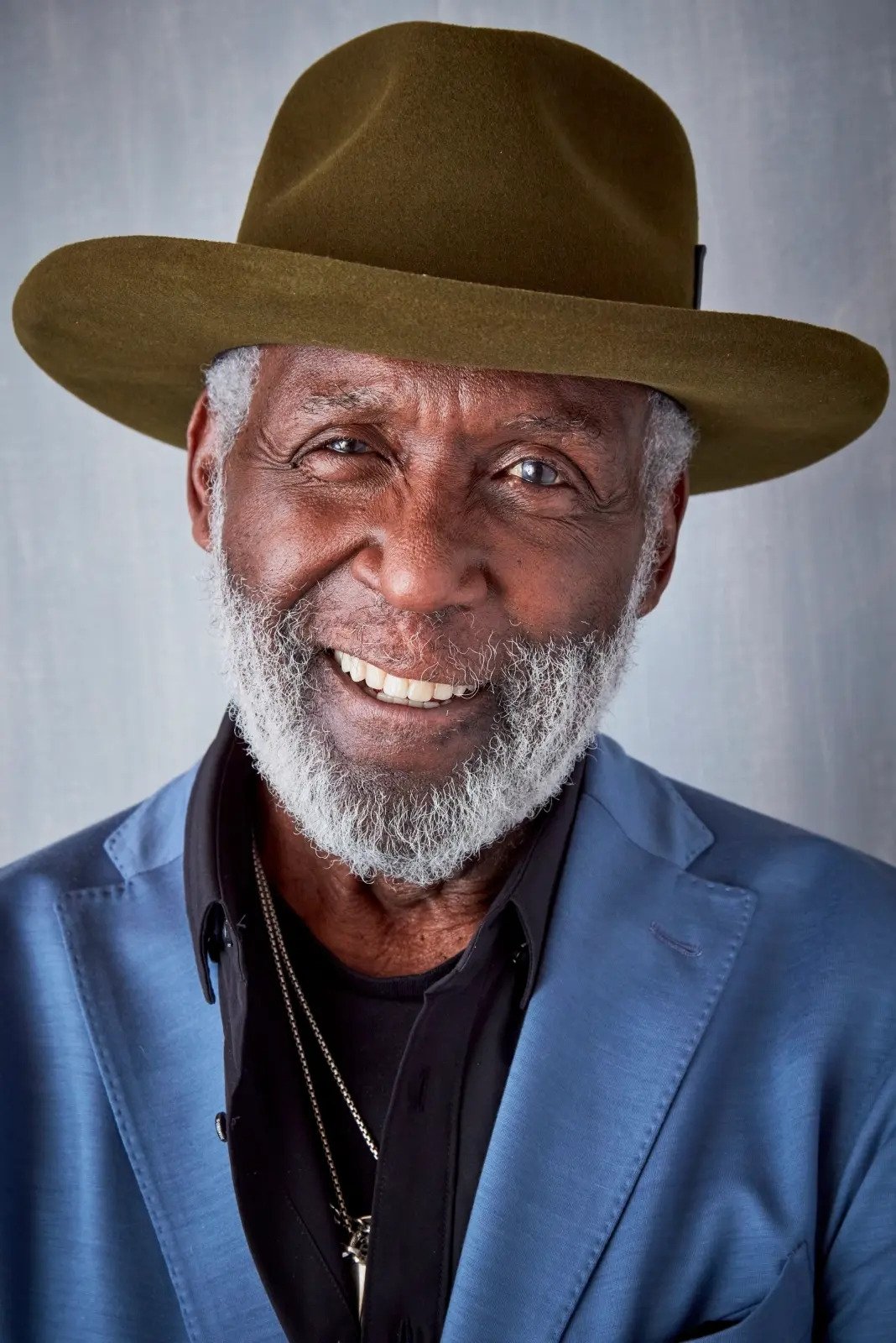
Richard Roundtree was diagnosed with male breast cancer in 1993 and underwent a double mastectomy and chemotherapy. He became a visible advocate for breast-cancer awareness among men, speaking publicly about self-exams and early detection. Decades later, he continued working in film and television. Roundtree died on October 24, 2023, from pancreatic cancer at age 81.
Louis Gossett Jr.
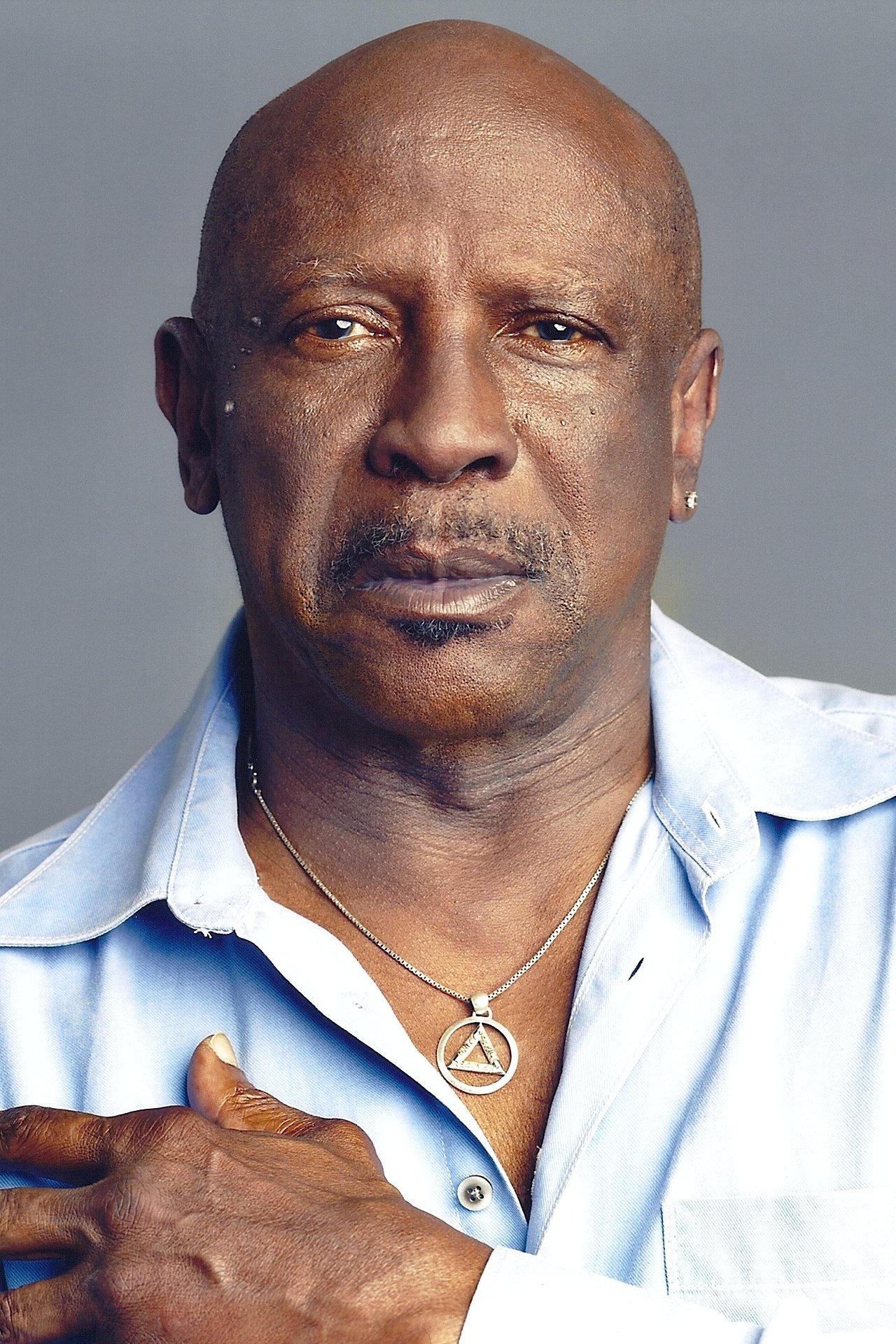
Louis Gossett Jr. announced a prostate-cancer diagnosis in 2010, emphasizing that it was caught early and treatable. He used interviews to encourage men—especially Black men, who face higher risks—to get regular screenings. Gossett continued to appear in films and series in the years following his treatment. He died on March 29, 2024, at age 87.
Robert Guillaume
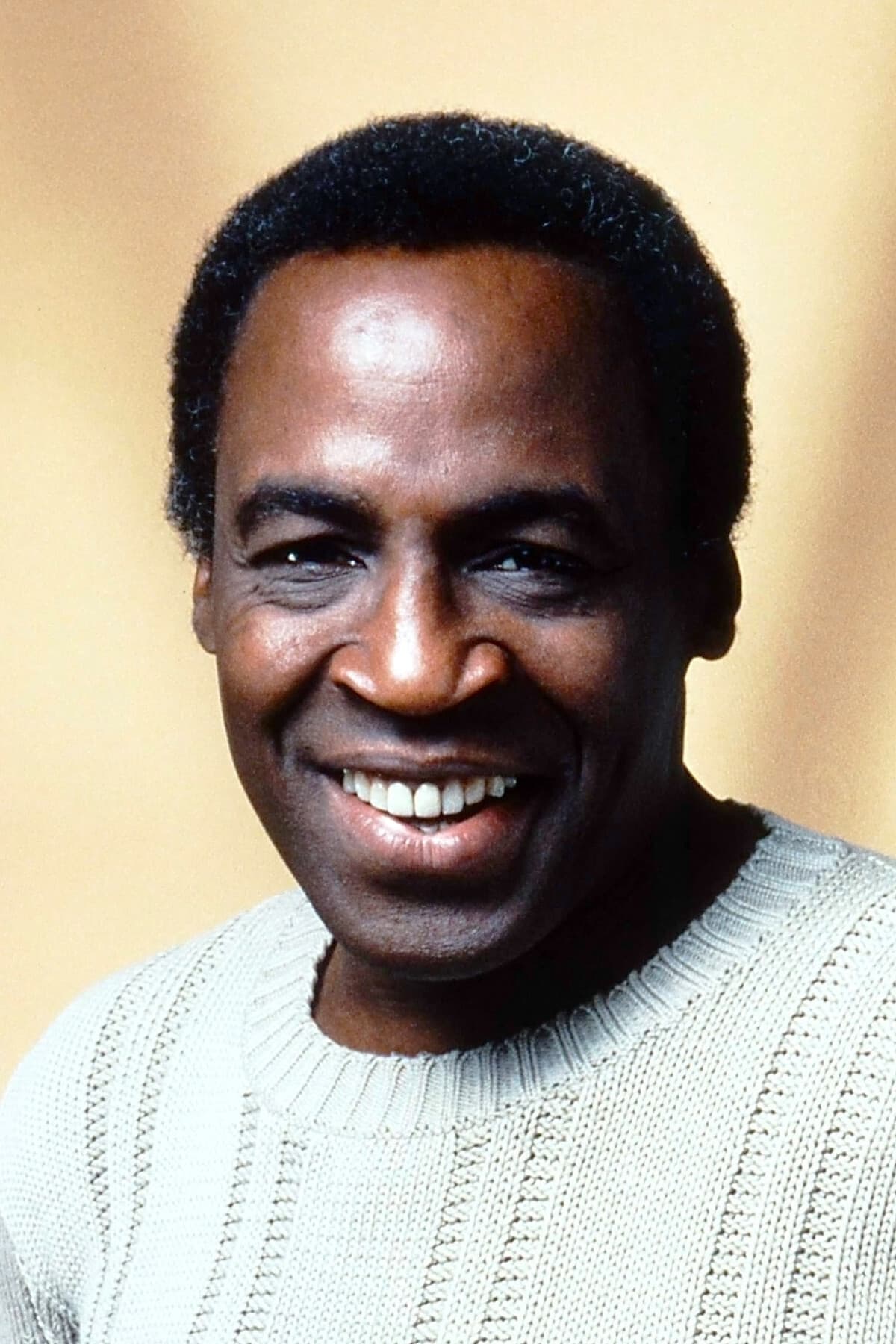
Robert Guillaume revealed a prostate-cancer diagnosis in 1995 and returned to work after treatment while supporting awareness campaigns. He spoke about navigating care options and the value of routine testing. Guillaume’s career remained active on stage and screen for years afterward. He died on October 24, 2017, at age 89.
Andre Braugher
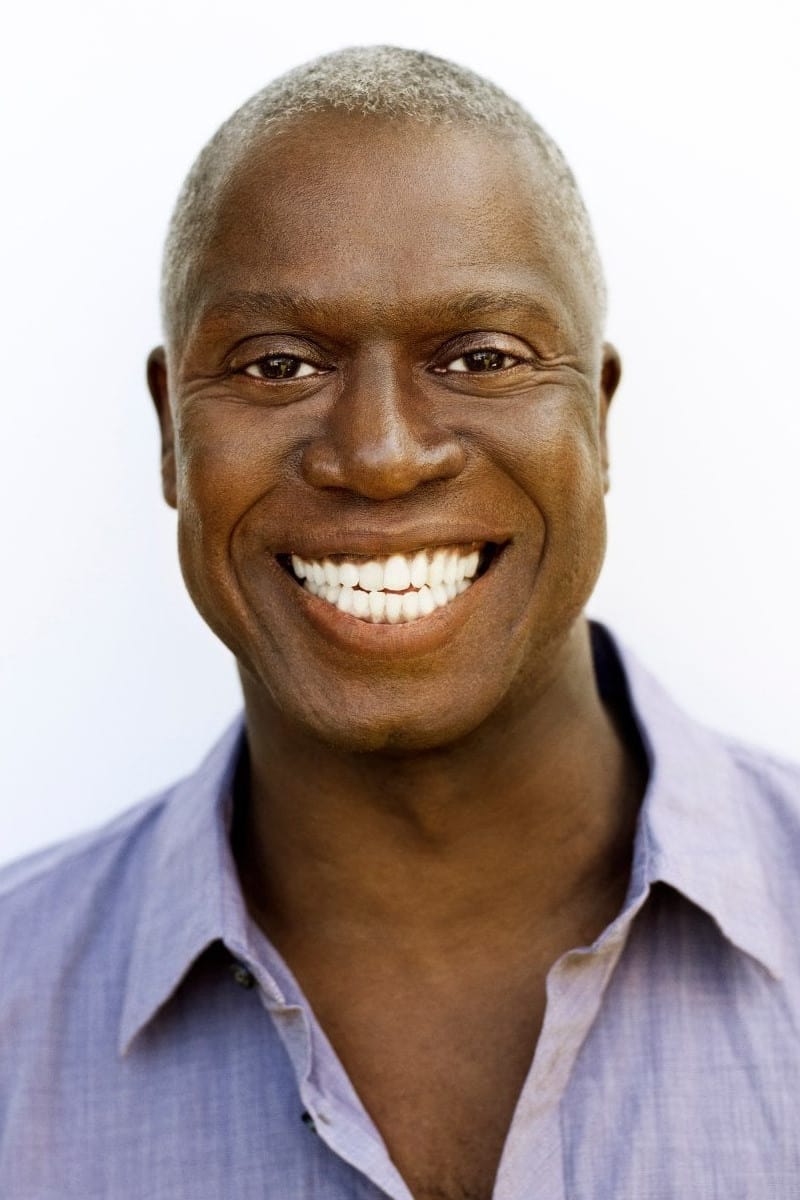
Andre Braugher died on December 11, 2023, of lung cancer at age 61. Family statements noted the illness had been brief. He was widely known for major television roles, including ‘Homicide: Life on the Street’ and ‘Brooklyn Nine-Nine’. News of his death prompted renewed attention to lung-cancer risks and the importance of medical evaluation for persistent respiratory symptoms.
Clarence Williams III
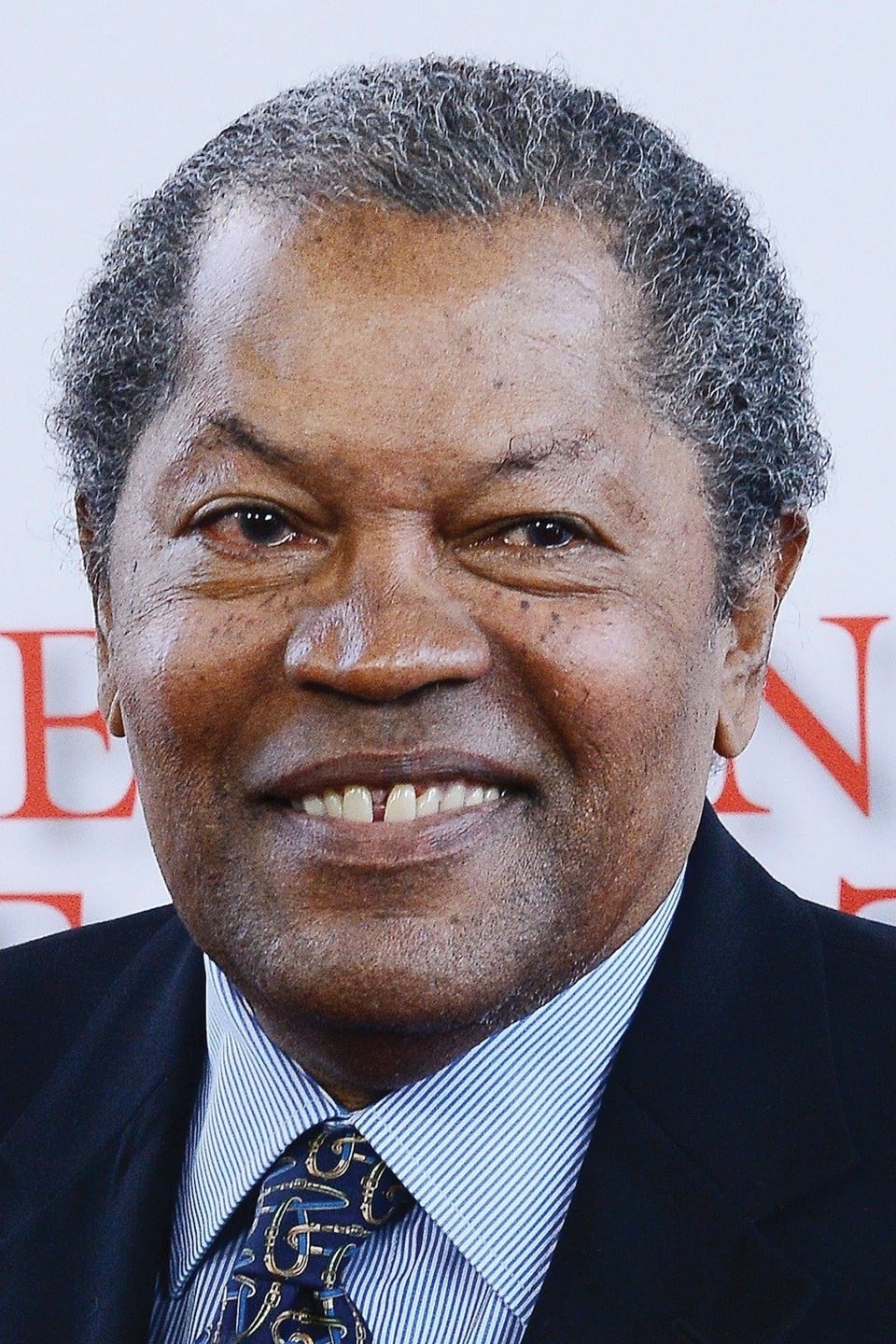
Clarence Williams III died of colon cancer on June 4, 2021, at age 81. Best known for ‘The Mod Squad’ and roles in films like ‘Purple Rain’, he worked for decades across television, film, and theater. Reports at the time noted that he had been ill prior to his passing. His death added to ongoing public discussion about colon-cancer screening guidelines.
Charlie Murphy

Charlie Murphy died of leukemia on April 12, 2017, at age 57. He was known for stand-up, writing, and acting, including memorable sketches on ‘Chappelle’s Show’. Murphy continued performing while receiving treatment. His passing highlighted the varied forms of blood cancers and the need for timely diagnosis and care.
Gregory Hines
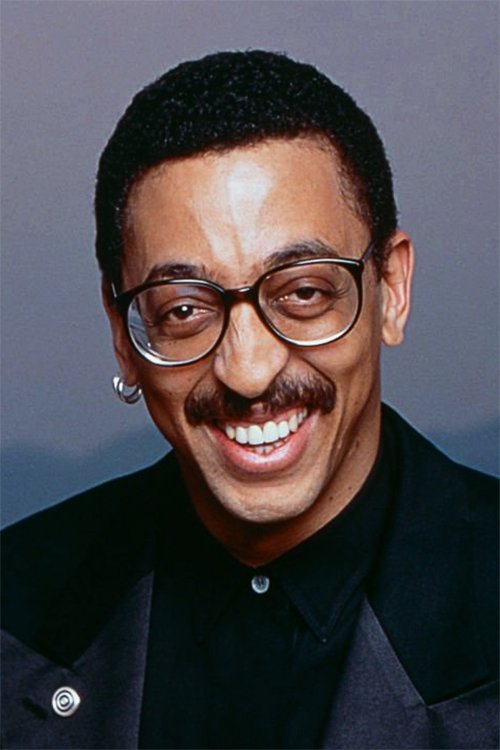
Gregory Hines died of liver cancer on August 9, 2003, at age 57. He balanced a career in dance, film, and television, appearing in projects such as ‘White Nights’ and ‘Waiting to Exhale’. News reports at the time indicated he had kept his illness relatively private. His death drew attention to liver-cancer risk factors and monitoring.
Bill Nunn
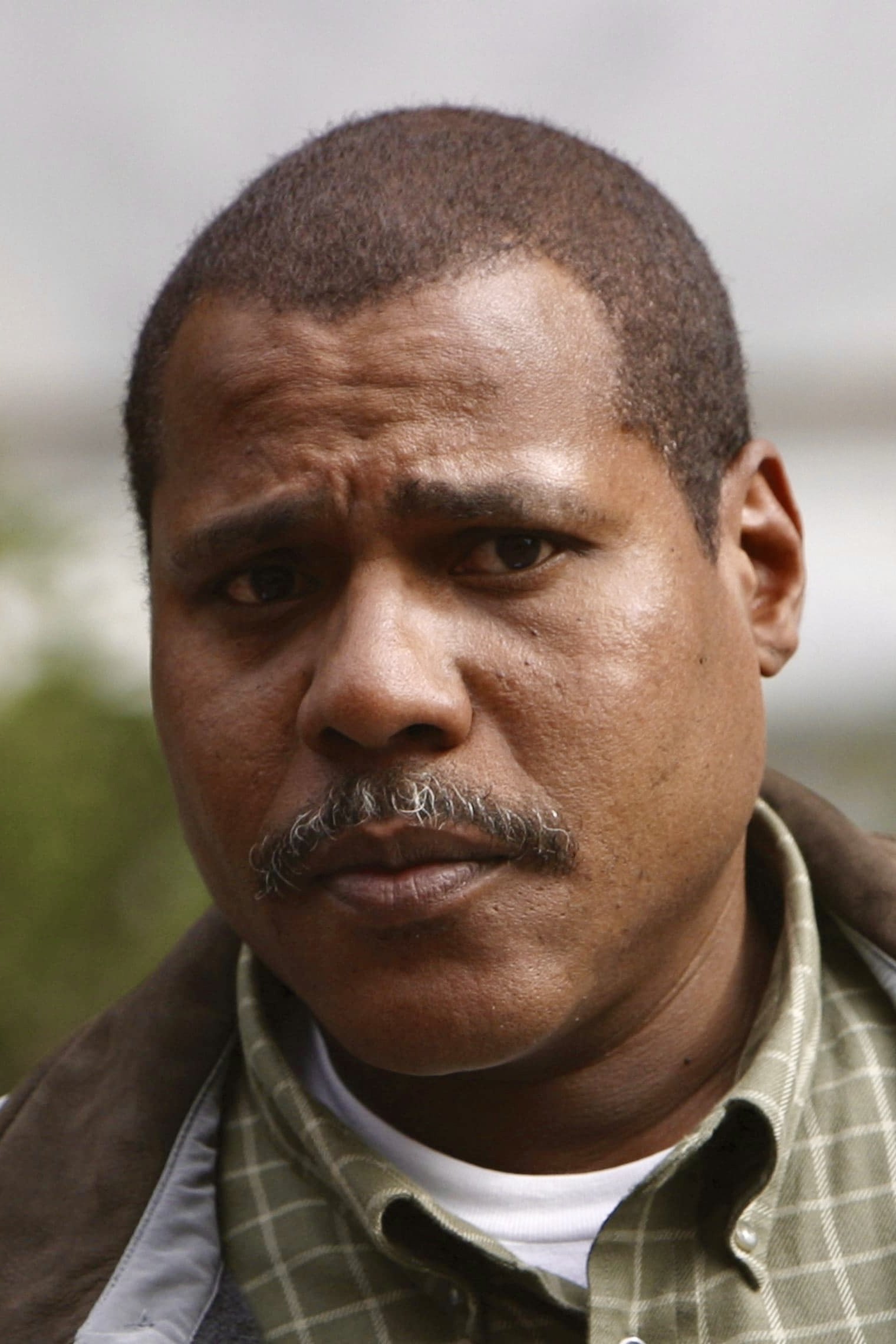
Bill Nunn died of leukemia on September 24, 2016, at age 62. He is remembered for roles in ‘Do the Right Thing’ and the ‘Spider-Man’ film series. Obituaries noted his diagnosis and treatment while recounting his decades-long career on screen and stage. His case contributed to broader conversations about symptoms and treatment paths for blood cancers.
Meshach Taylor
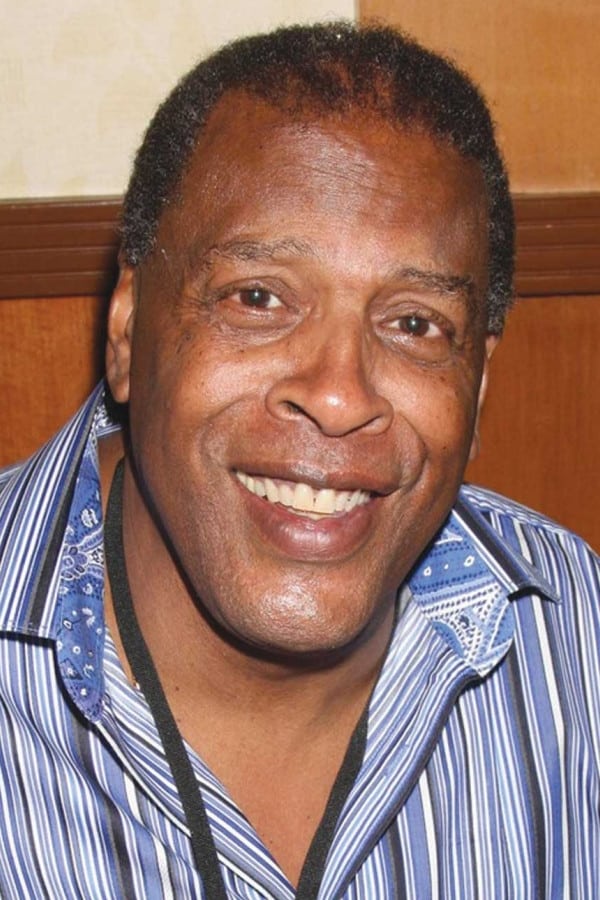
Meshach Taylor died of colorectal cancer on June 28, 2014, at age 67. Known for ‘Designing Women’ and films like ‘Mannequin’, he worked in television, film, and theater across several decades. Reports described a period of illness leading up to his passing. His story is frequently cited in discussions urging regular colorectal screening and attention to persistent gastrointestinal symptoms.
Mr. T

Diagnosed in the mid-1990s with cutaneous T-cell lymphoma (mycosis fungoides), Mr. T underwent radiation and other therapies after skin symptoms persisted. He later discussed remission and stressed follow-up care and persistence with treatment plans. During this period, he continued working in television appearances and public engagements. His experience brought attention to skin-manifesting lymphomas and the need for specialist evaluation of chronic rashes.
Reg E. Cathey
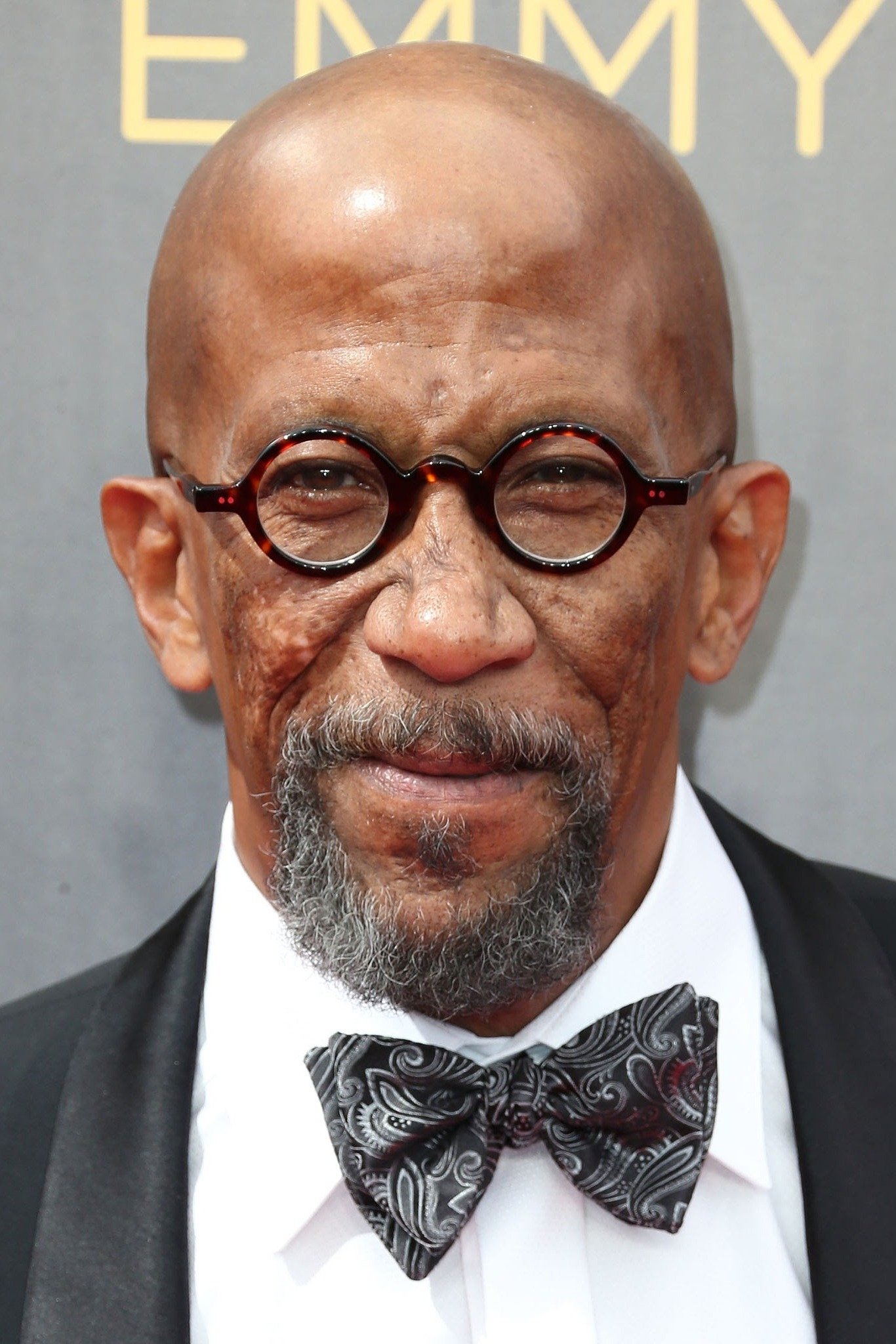
Reg E. Cathey died at age 59 on February 9, 2018, after battling lung cancer. Known for acclaimed work on ‘The Wire’ and ‘House of Cards’, he continued acting into his final years. Tributes from colleagues highlighted his dedication to craft despite illness. His passing drew attention to respiratory symptoms that warrant medical assessment and the variability in how lung cancer presents.
Samuel E. Wright
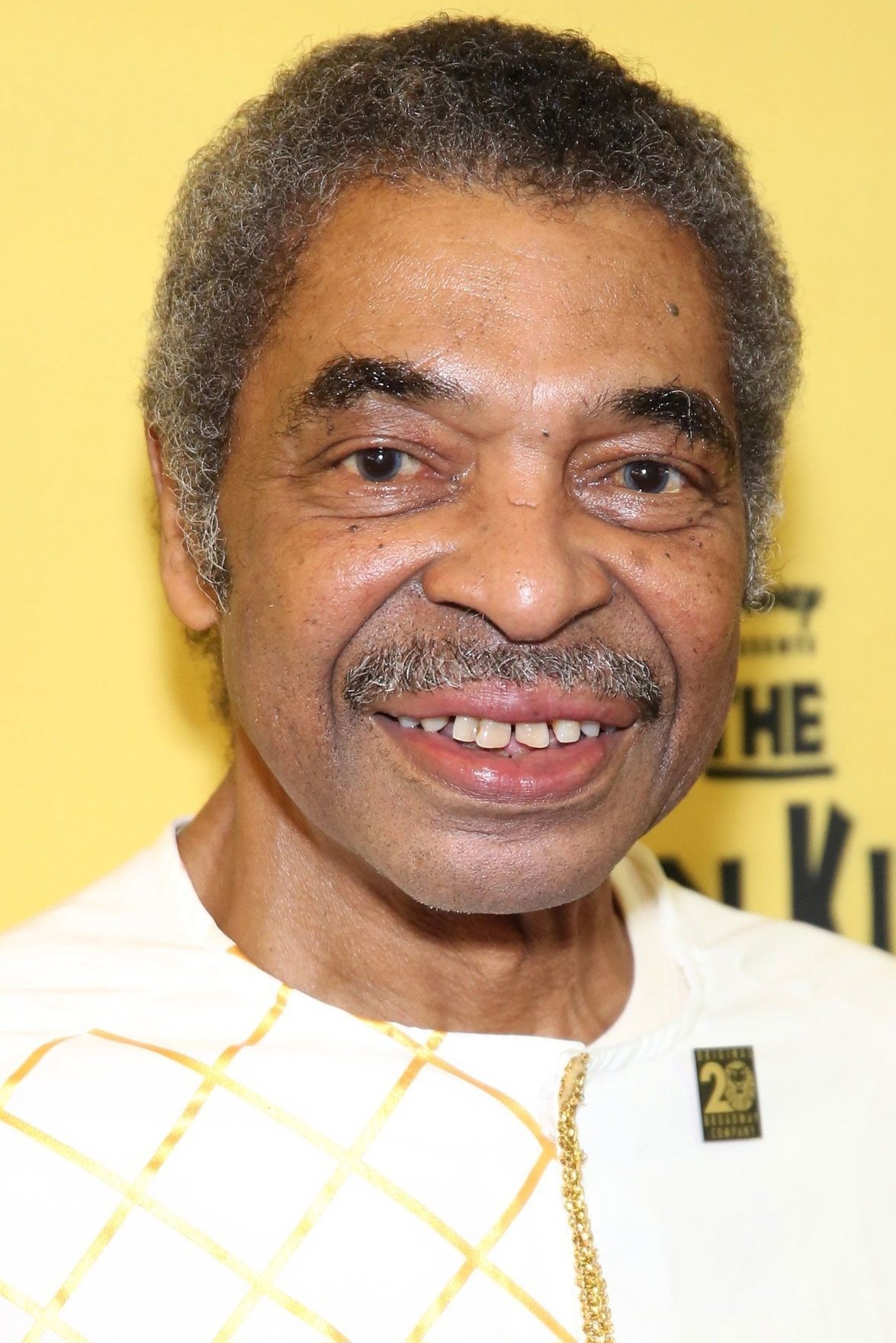
Samuel E. Wright, celebrated for voicing Sebastian in ‘The Little Mermaid’ and originating Mufasa on Broadway’s ‘The Lion King’, died of prostate cancer on May 24, 2021, at age 74. Public statements indicated the diagnosis was made several years before his death. His career spanned stage and screen roles over decades. News of his illness encouraged discussions about routine PSA screening and timely follow-up with urologists.
Sherman Hemsley
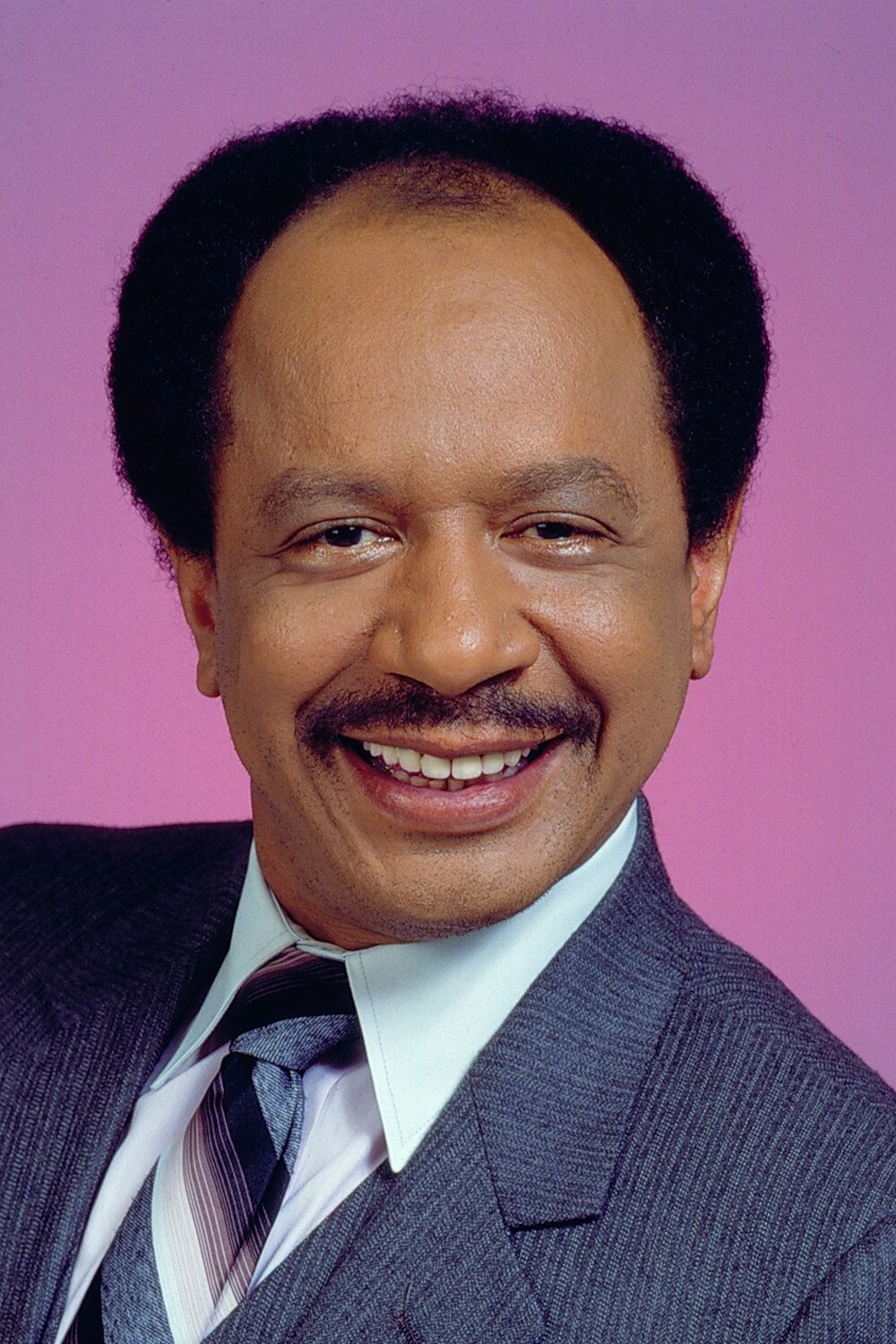
Sherman Hemsley died on July 24, 2012, at age 74 from complications of lung cancer involving superior vena cava syndrome caused by a chest mass. Reports noted he had been advised to undergo chemotherapy and radiation. Best known as George Jefferson, he remained a fixture in American television for decades. His case highlighted how tumors in the chest can present with vascular complications requiring urgent care.
Brock Peters
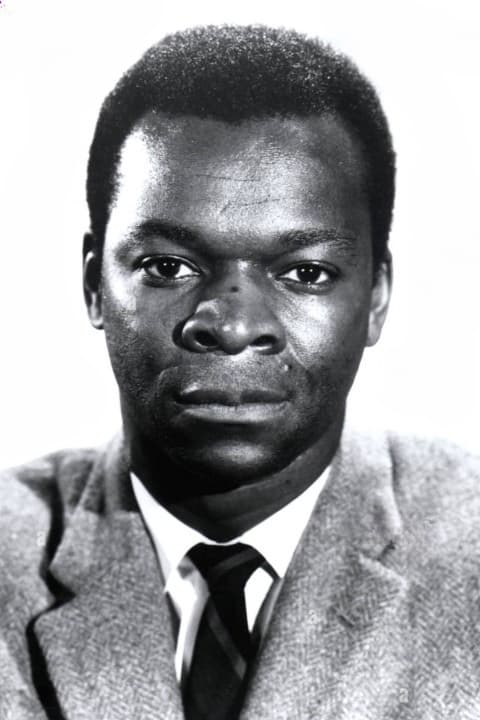
Brock Peters, remembered for ‘To Kill a Mockingbird’ and extensive stage and voice work, died of pancreatic cancer on August 23, 2005, at age 78. Obituaries detailed a long career that included film, television, and Broadway. Public memorials referenced his contributions across genres and generations. The circumstances of his death reinforced attention on pancreatic-cancer symptoms and typically late diagnoses.
Howard Rollins
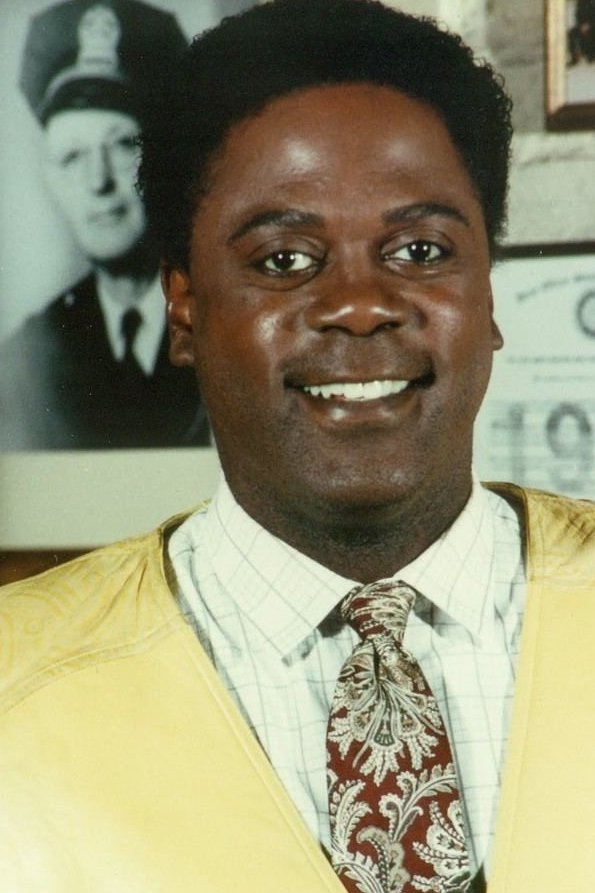
Howard Rollins died on December 8, 1996, at age 46 from complications related to lymphoma after a brief illness. Reports indicated he learned of the cancer only weeks before his death. He was widely known for ‘In the Heat of the Night’ and a body of film and TV work. His case is often cited in discussions about aggressive lymphomas and the need for rapid diagnostic work-ups when systemic symptoms emerge.
Julius Carry
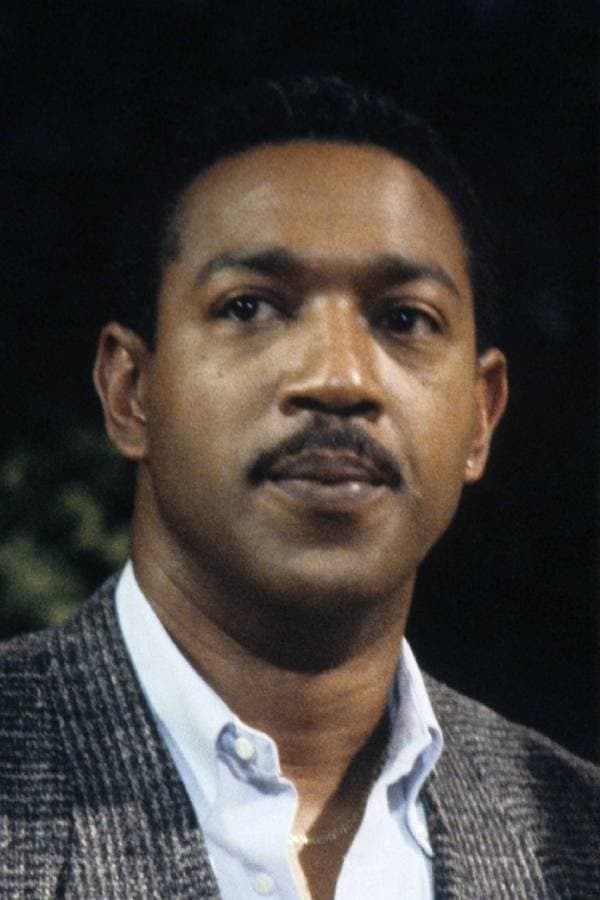
Julius Carry, known for roles in ‘The Last Dragon’ and ‘The Adventures of Brisco County, Jr.’, died of pancreatic cancer on August 19, 2008, at age 56. Industry remembrances noted a multi-decade career across television and film. Accounts described his illness preceding his passing in Los Angeles. His death added to public conversations about pancreatic-cancer risk factors and late-stage detection.
Ron O’Neal
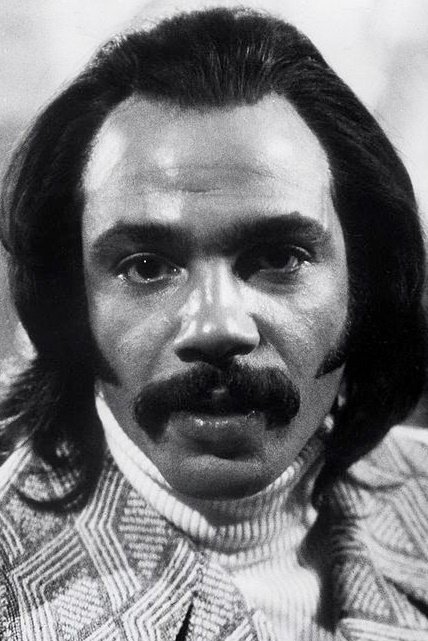
Ron O’Neal, star of ‘Super Fly’, died in Los Angeles on January 14, 2004, after a multi-year battle with pancreatic cancer; he was 66. Obituaries and retrospectives chronicled his stage and screen work from the 1960s onward. His diagnosis had been public for several years before his death. The case is frequently mentioned when discussing symptom recognition and referrals for persistent abdominal or back pain.
Lou Rawls
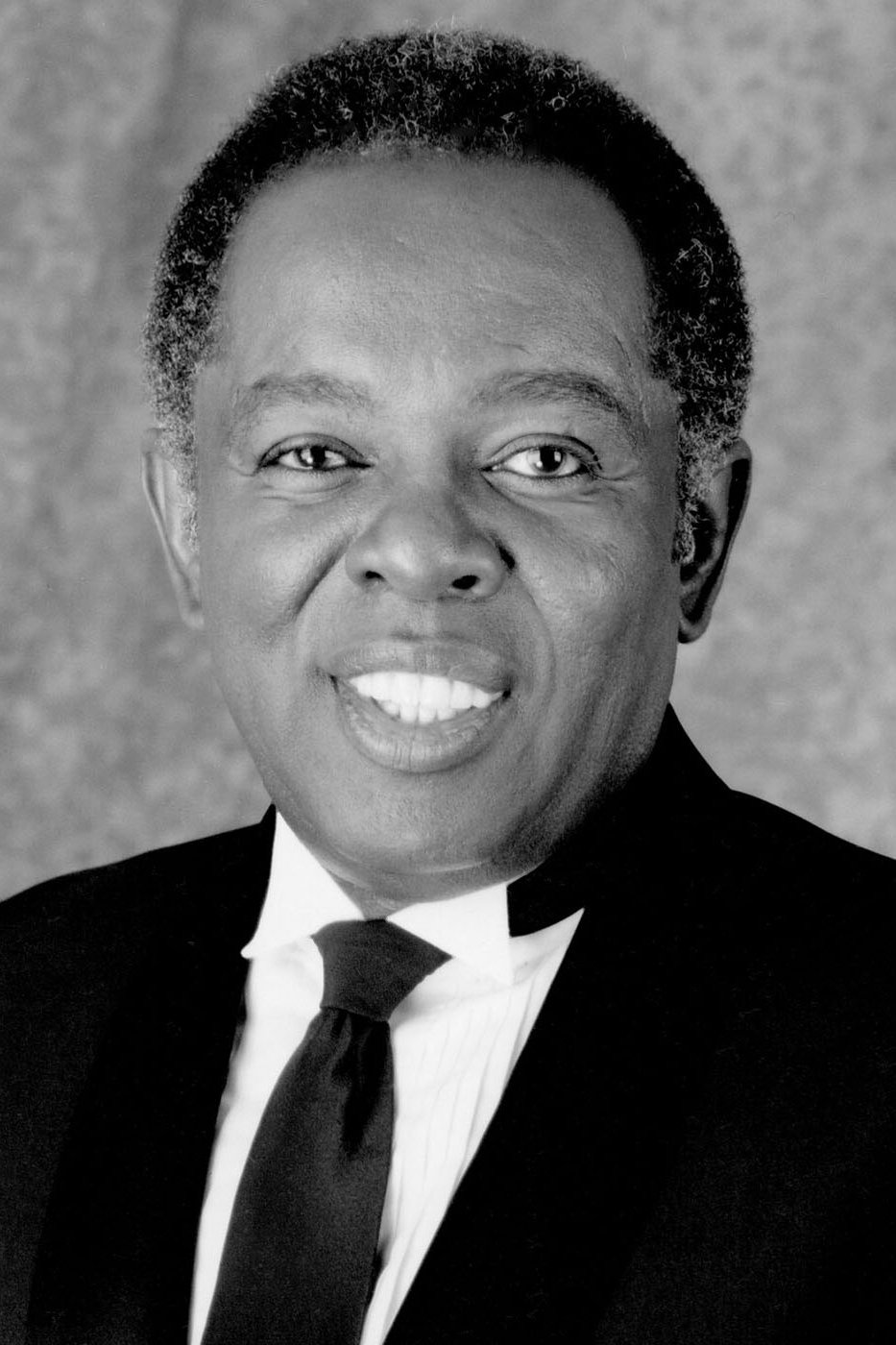
Lou Rawls—who appeared in films and television in addition to his celebrated music career—died on January 6, 2006, from lung cancer that had metastasized to his brain; he was 72. Coverage outlined disease spread and care in Los Angeles. His on-camera and voice roles spanned decades alongside recording and touring. Reports at the time emphasized individualized medical evaluation and risk-factor assessment in lung-cancer cases.
Carl Anderson
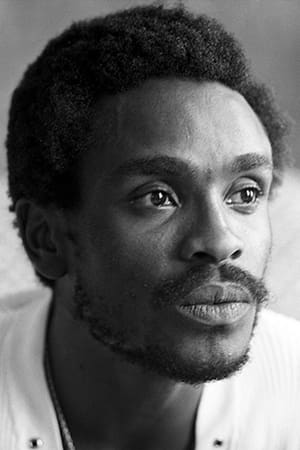
Carl Anderson, noted for playing Judas in ‘Jesus Christ Superstar’, died of leukemia on February 23, 2004, at age 58. He was diagnosed while performing with a national tour and underwent treatment in Los Angeles. Obituaries recounted a rapid clinical course in the months before his passing. His case is referenced in awareness materials about blood-cancer symptoms that can emerge during unrelated medical evaluations.
Bill Duke
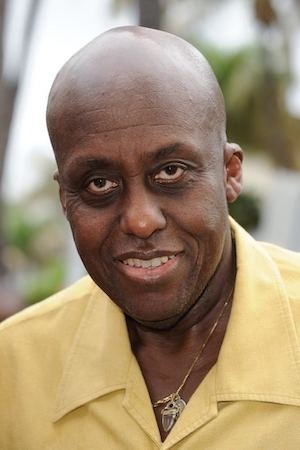
Actor-director Bill Duke publicly disclosed a prostate-cancer diagnosis and has spoken about monitoring and treatment choices, including active surveillance. He has participated in interviews and patient-education efforts to encourage screening and informed decision-making. Duke has continued to work steadily in front of and behind the camera. His outreach underscores how shared experiences can help patients navigate options with their clinicians.
Ernie Hudson
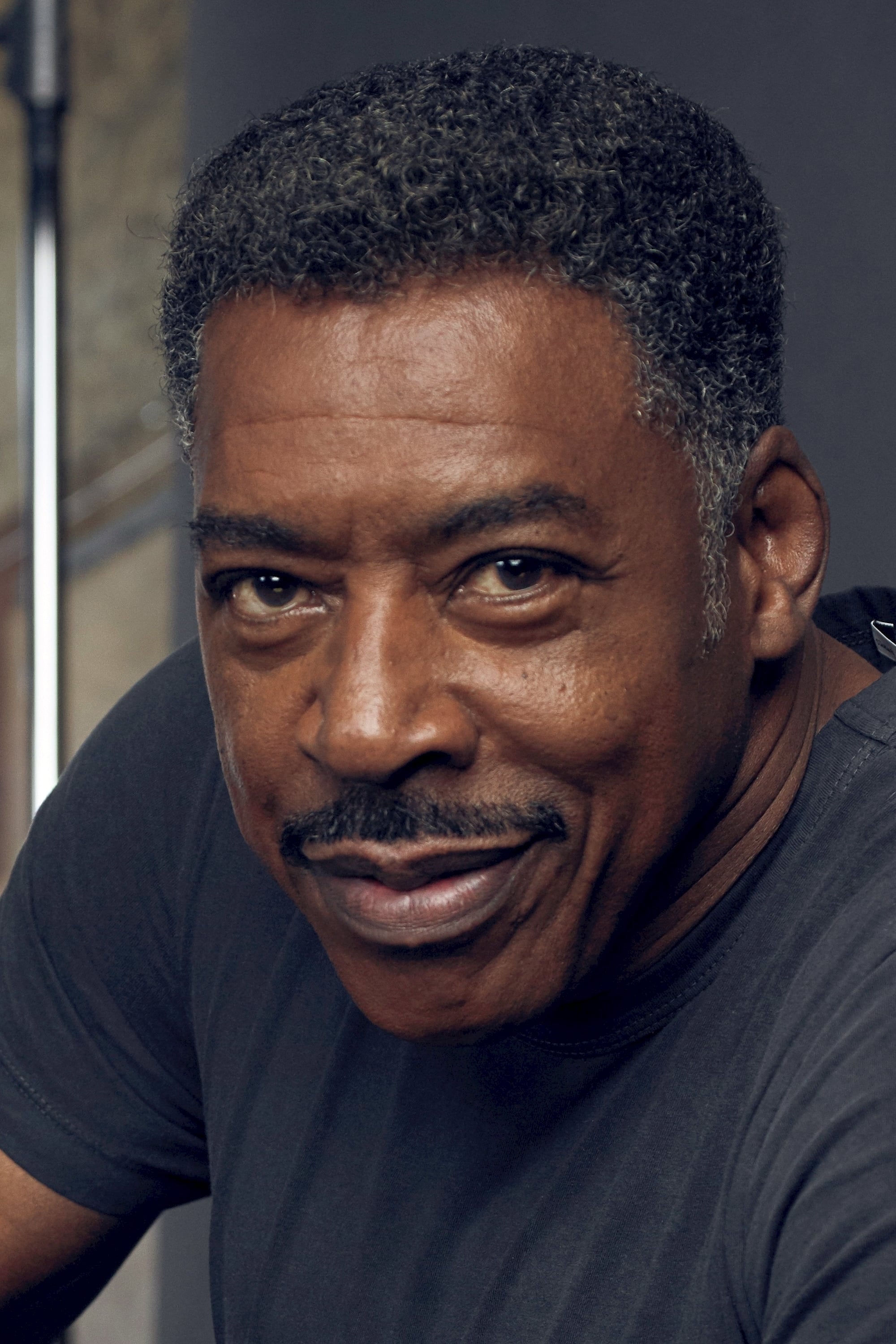
Ernie Hudson has discussed successful treatment for prostate cancer in 1998 and a later rectal-cancer diagnosis in 2011 that required surgery. He detailed serious post-operative complications and subsequent corrective procedures, crediting routine screenings with catching issues early. Hudson continued acting throughout his medical challenges. His account emphasizes colonoscopy, PSA testing, and follow-up as tools that can change outcomes.
If you know other names or resources that could help readers learn more about detection and support, share your thoughts in the comments.

