


Black Actresses Hollywood Failed to Understand

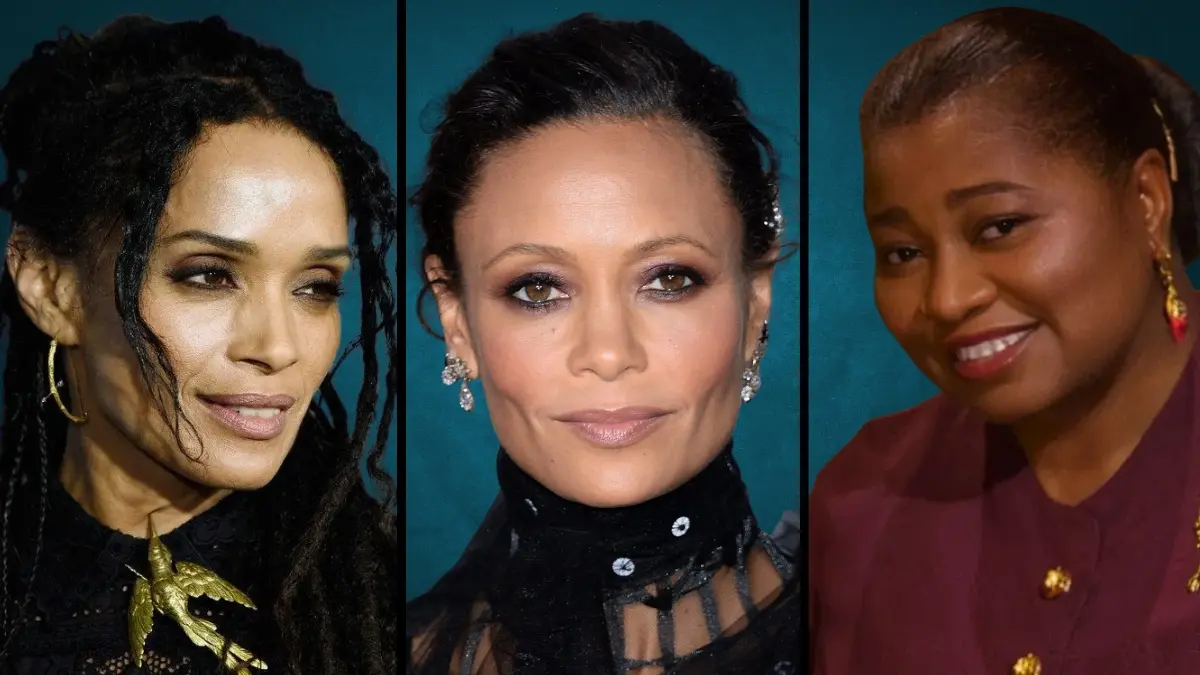


The history of Hollywood is filled with incredible talent that was overlooked or mishandled due to systemic bias and a lack of imagination. Black actresses have frequently faced the brunt of this ignorance while being relegated to stereotypes or supporting roles that failed to utilize their full range. Many of these women delivered powerhouse performances that hinted at star power the industry refused to cultivate properly. They often had to fight for dignity in roles that were written as caricatures or subservient figures. This list highlights fifty remarkable actresses who deserved better narratives and bigger platforms than the industry provided.
Hattie McDaniel
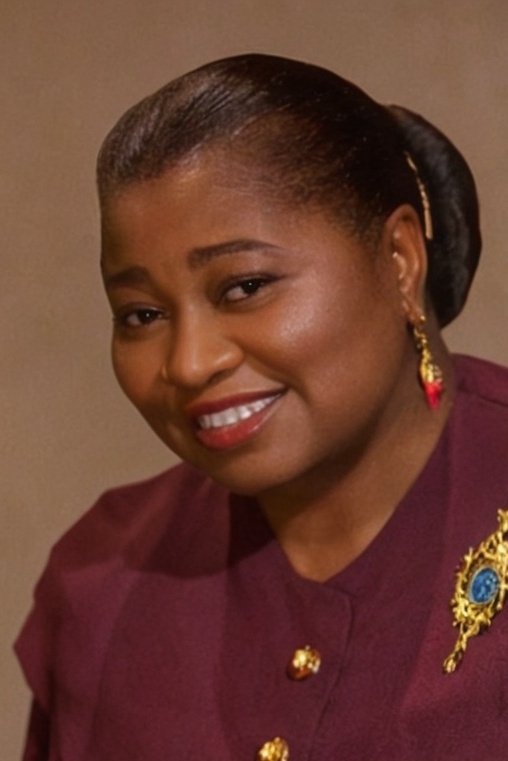
She was the first African American to win an Academy Award for her role in ‘Gone with the Wind’ (1939). The industry limited her immense talent to playing maids and domestic servants throughout her career. She famously stated she would rather play a maid than be one but was never given the chance to play the romantic leads or complex characters she was capable of portraying. Her historic win was marred by the fact that she was segregated from her co-stars during the ceremony.
Dorothy Dandridge
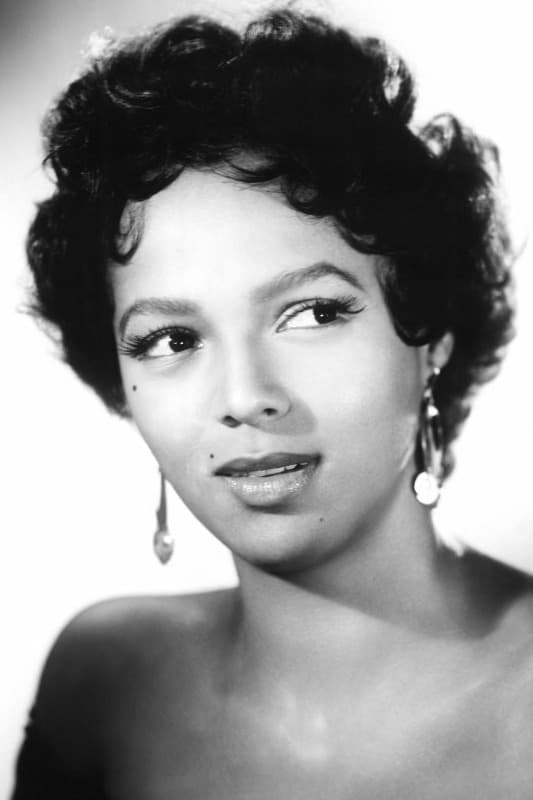
Dandridge was the first Black woman nominated for a Best Actress Oscar for ‘Carmen Jones’ (1954). Her beauty and talent were undeniable yet the studios did not know how to market a Black leading lady in the segregated era. She faced constant rejection for roles that were not specifically written for Black women. Her career tragically stalled as she refused to take demeaning roles that undermined her dignity.
Fredi Washington
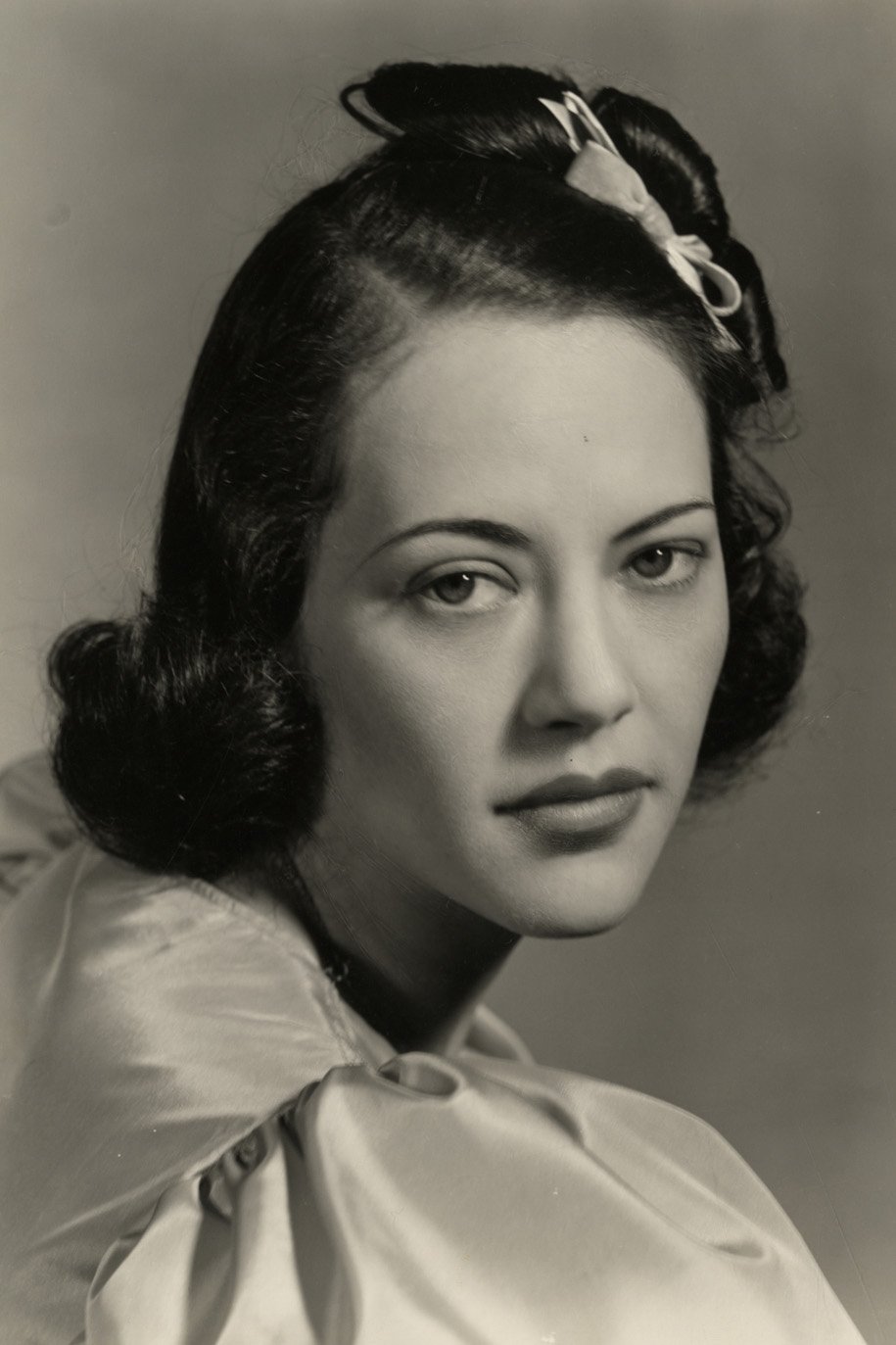
Her light complexion and immense talent in ‘Imitation of Life’ (1934) confused studio executives who did not know how to cast her. She refused to pass as white to gain better roles and remained proud of her heritage despite the professional cost. The industry trapped her between roles for dark-skinned women she did not fit and white roles she was barred from. She eventually left Hollywood to become a civil rights activist and theater founder.
Ethel Waters
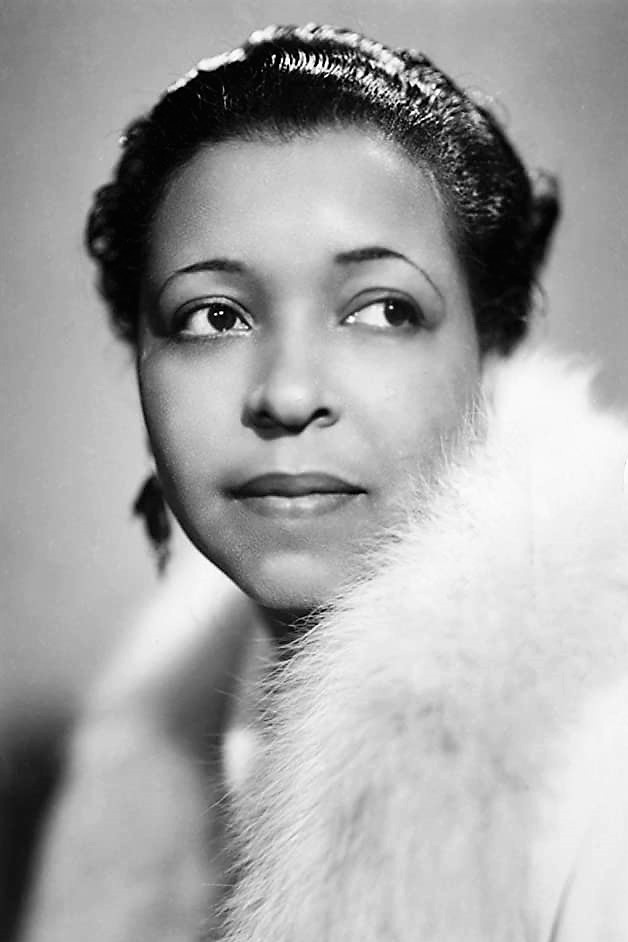
Waters was a vocal powerhouse and a dramatic actress of incredible depth who starred in ‘Pinky’ (1949). She broke barriers as the first Black woman to be nominated for an Emmy but was often cast in mammy roles that she tried to infuse with grit and humanity. Her difficult reputation often stemmed from her refusal to accept the disrespect common on sets at the time. She paved the way for future generations while fighting a system that wanted to simplify her complex persona.
Butterfly McQueen
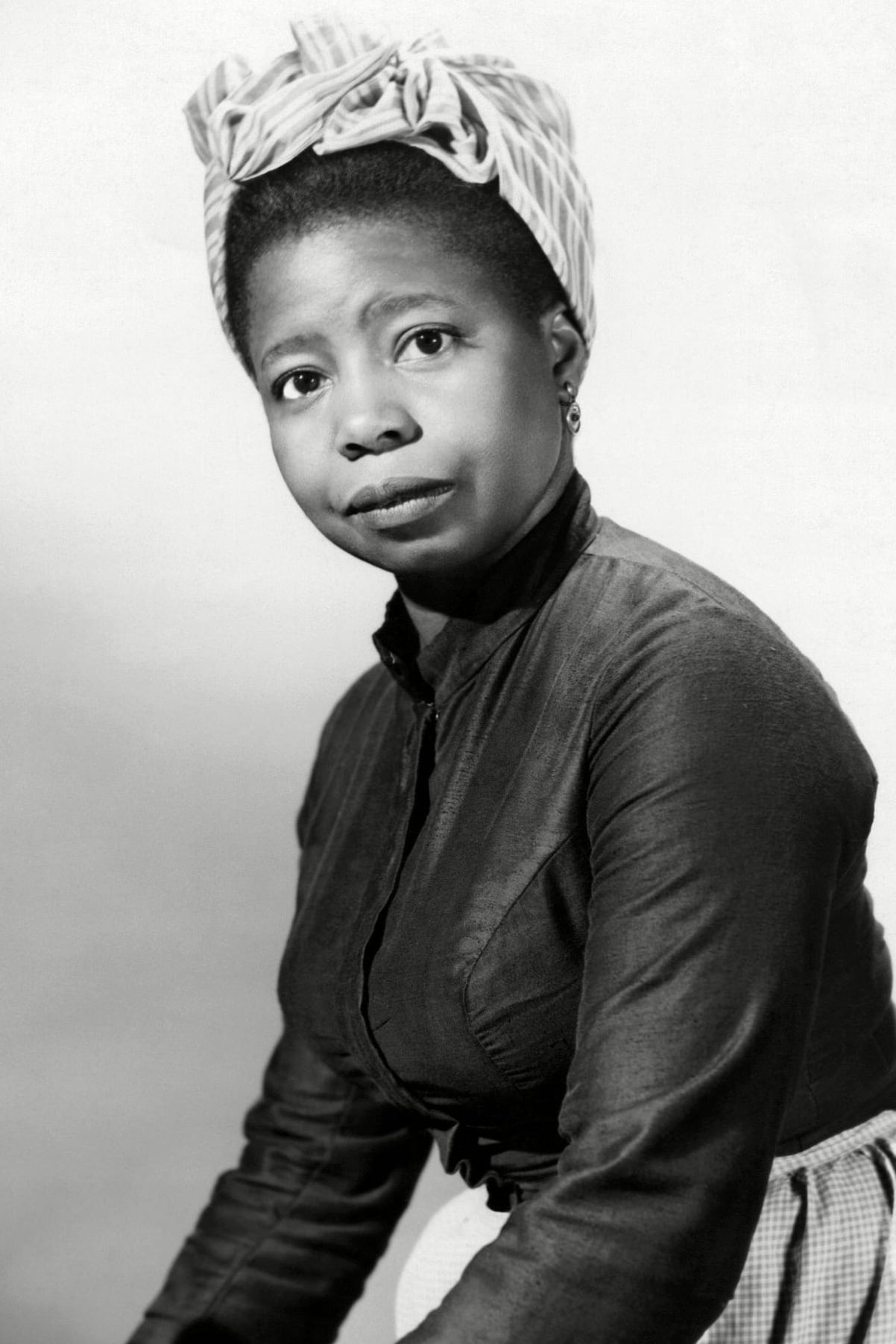
Best known for her role as Prissy in ‘Gone with the Wind’ (1939), she was an intelligent woman who despised the simple-minded characters she was forced to play. She eventually left the film industry because she refused to demean herself with further stereotypical roles. McQueen was a talented dancer and intellectual who felt the industry offered no space for her true self. Her departure from Hollywood was a protest against the limited imagination of casting directors.
Louise Beavers
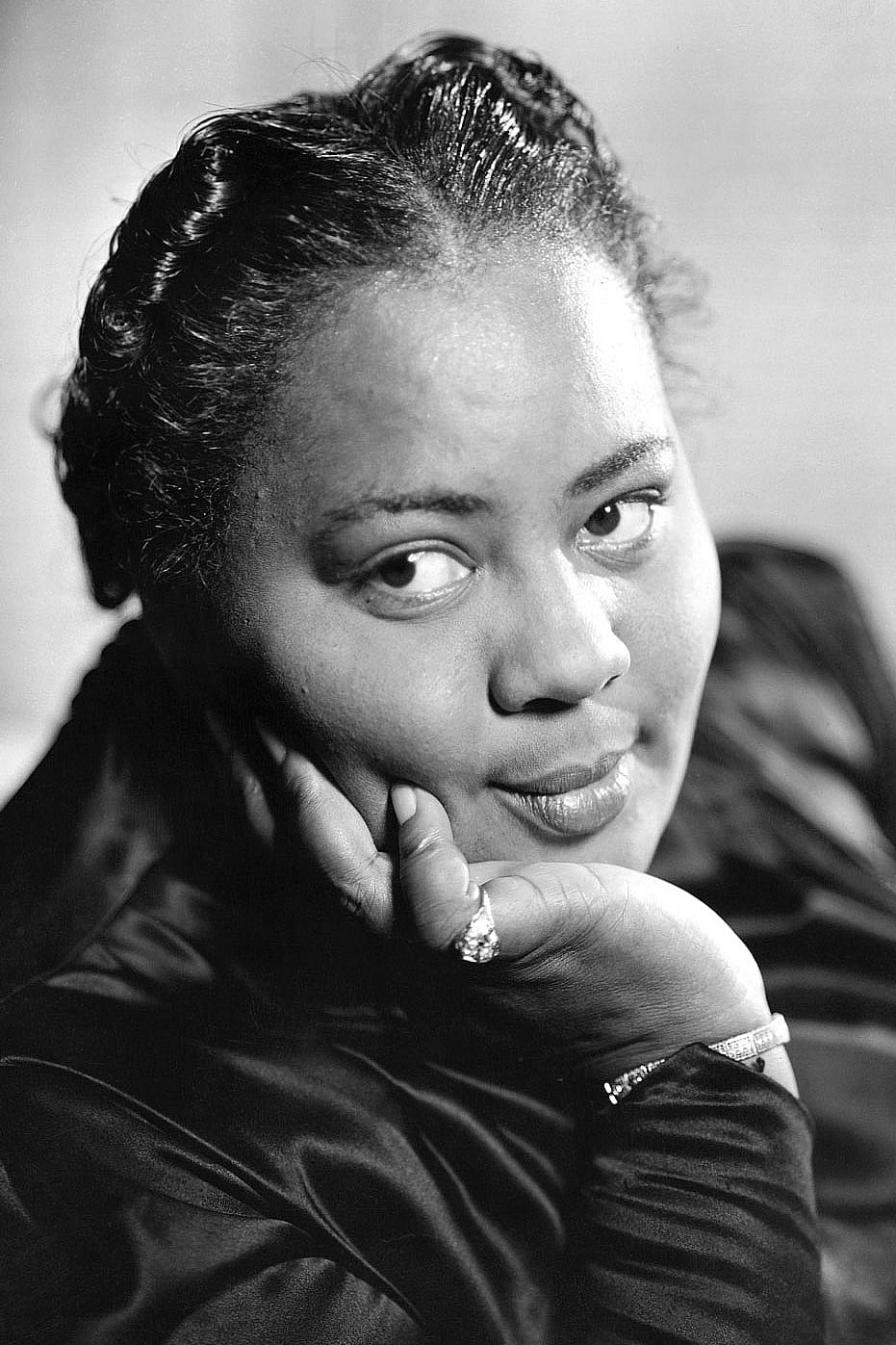
Beavers was a prolific actress who appeared in over 150 films including the original ‘Imitation of Life’ (1934). She was often forced to eat excessively to maintain the heavier figure that studios associated with the mammy archetype. Her natural voice was quite different from the dialect she was forced to adopt for her characters. She brought warmth and heart to every role despite the offensive constraints placed upon her.
Juanita Moore
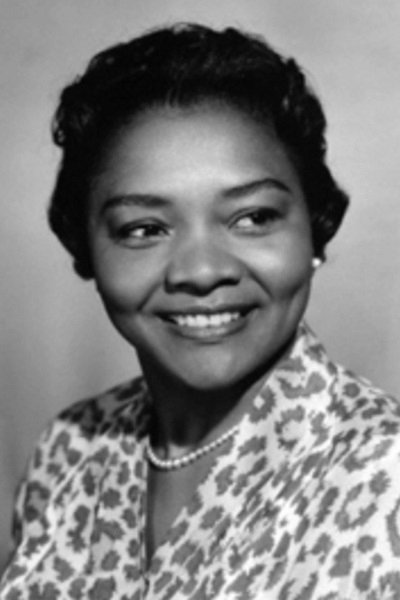
Her performance in the remake of ‘Imitation of Life’ (1959) earned her an Academy Award nomination and remains one of the most heartbreaking in cinema history. Despite this critical acclaim she struggled to find meaningful work in the years that followed. She was a dramatic actress of the highest caliber who was left behind as the industry failed to capitalize on her success. Moore often had to rely on television guest spots to keep her career afloat.
Beah Richards
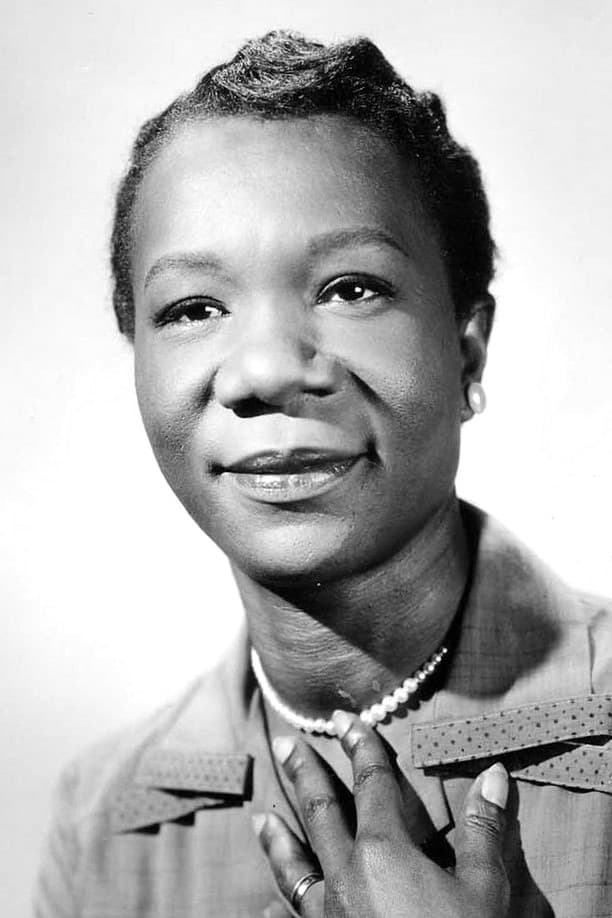
She delivered a searing performance as the mother in ‘Guess Who’s Coming to Dinner’ (1967) that earned her an Oscar nomination. Richards was a poet and playwright who brought a fierce intellect to her limited screen time. Hollywood mostly saw her as a matriarch figure and rarely allowed her to explore other facets of womanhood. Her gravitas commanded the screen in a way that should have led to more substantial leading roles.
Diana Sands
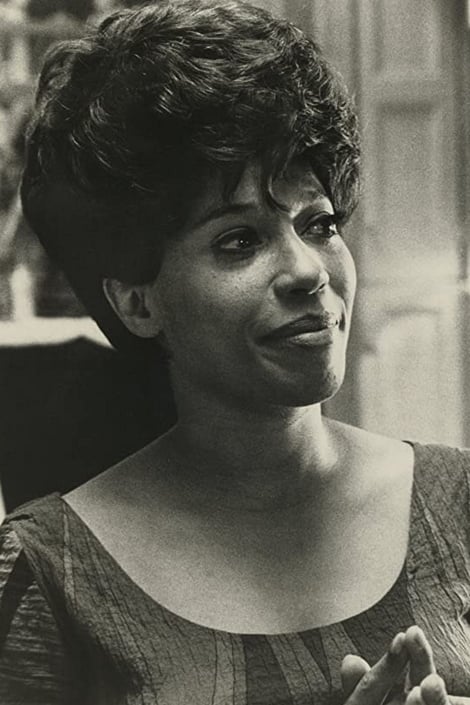
Sands was a dynamo on stage and screen who starred in ‘A Raisin in the Sun’ (1961). She possessed an intensity and modern energy that defied the passive stereotypes of the era. Her untimely death cut short a career that was already battling against the lack of serious dramatic roles for Black women. Critics often noted that she was an actress who could play anything if only given the opportunity.
Cicely Tyson

Tyson was a pioneer who refused to take roles that she felt were demeaning to Black women. Her performance in ‘Sounder’ (1972) is legendary for its raw emotion and dignity. She often went years without work because she would not compromise her standards for a paycheck. Her commitment to positive representation meant she sacrificed a more prolific career to maintain her integrity.
Ruby Dee
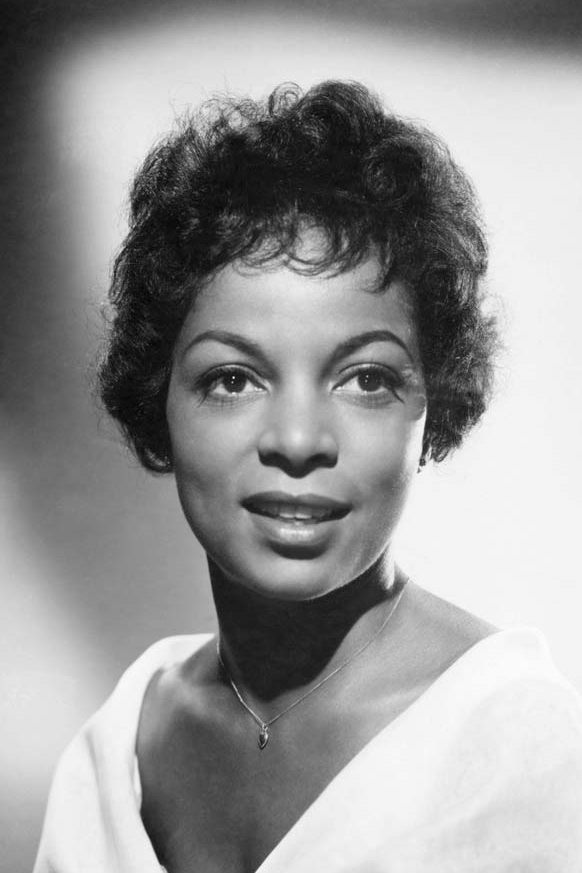
She was an American treasure who spent decades delivering stellar performances in films like ‘A Raisin in the Sun’ (1961) and ‘Do the Right Thing’ (1989). Dee was often relegated to supporting parts or wife roles despite being a lead talent. She and her husband Ossie Davis were a power couple who fought for civil rights within the industry. It took until ‘American Gangster’ (2007) for the Academy to finally recognize her with a nomination.
Diahann Carroll
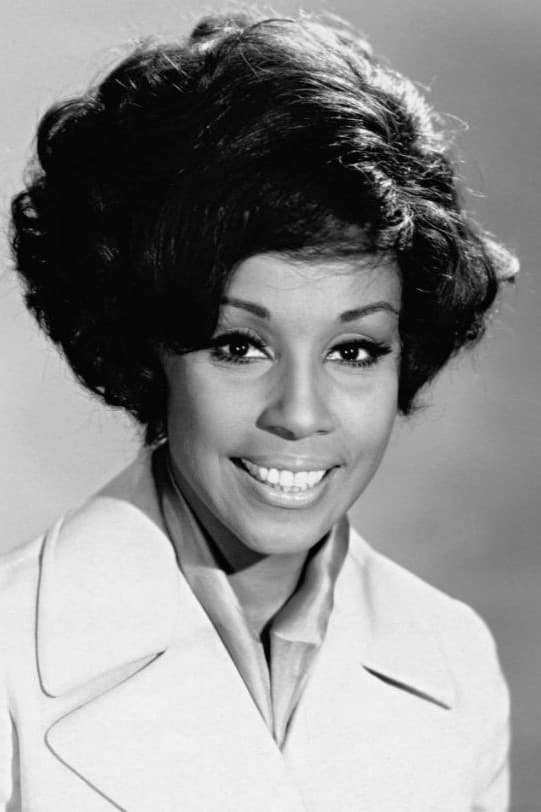
Carroll broke ground with her television show ‘Julia’ and brought glamour to ‘Dynasty’ later in her career. Her film career included a brilliant performance in ‘Claudine’ (1974) which showed her range beyond high-fashion roles. Hollywood struggled to cast her because she did not fit the downtrodden image executives expected of Black actresses. She had to fight constantly to be seen as a viable lead in major motion pictures.
Eartha Kitt
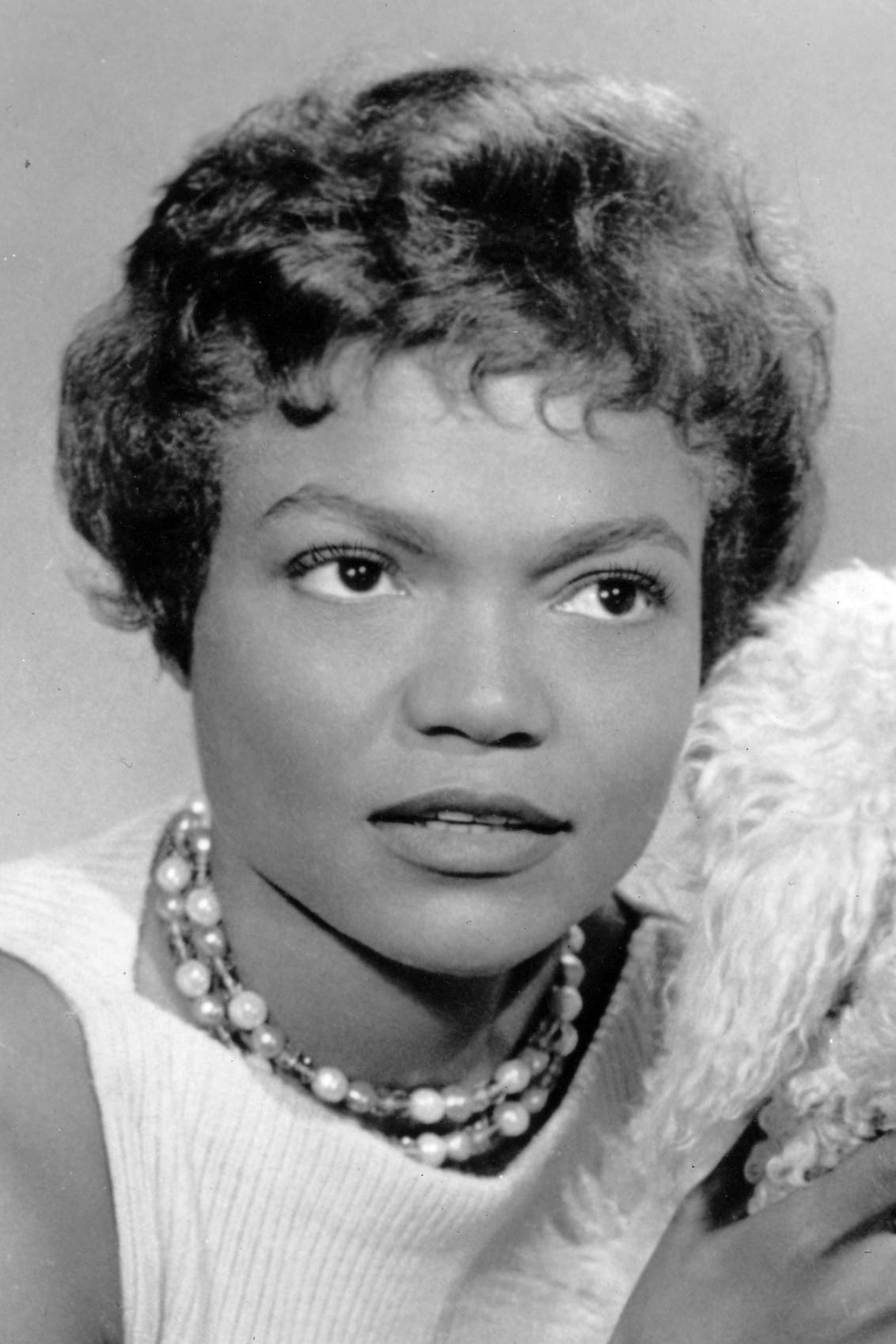
Kitt was an international superstar with a unique voice and presence that terrified and fascinated Hollywood. Her career in the United States was derailed after she spoke out against the Vietnam War at a White House luncheon. The industry blacklisted her for her political views and her refusal to be a docile entertainer. She found greater acceptance in Europe and on Broadway than she did in American film.
Vonetta McGee
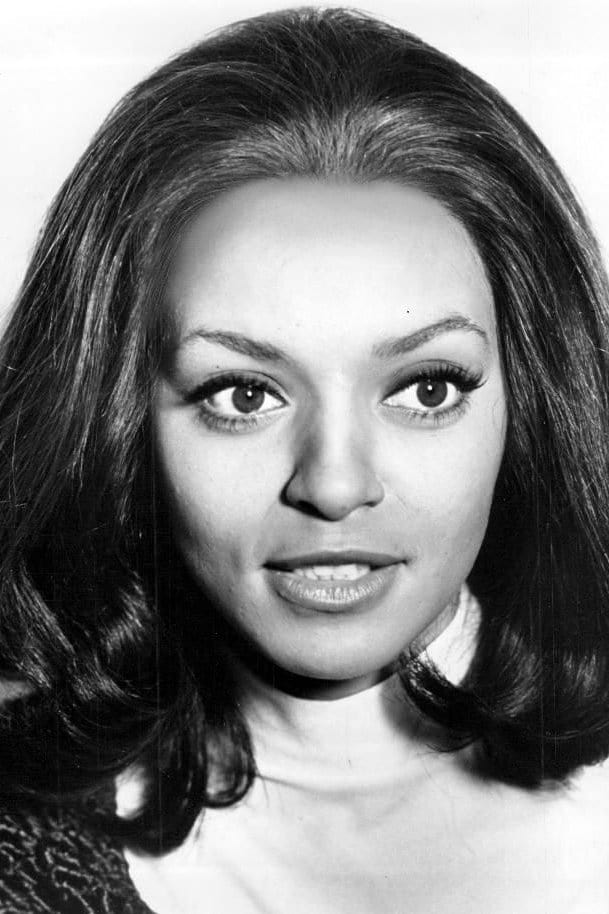
She was a stunning leading lady of the blaxploitation era who starred in ‘Blacula’ (1972) and ‘The Great Silence’ (1968). McGee possessed a quiet intensity and beauty that rivaled any mainstream star of the time. The collapse of the blaxploitation genre left her with few options as mainstream Hollywood ignored her. She was often compared to European actresses for her style but was denied the same career longevity.
Tamara Dobson
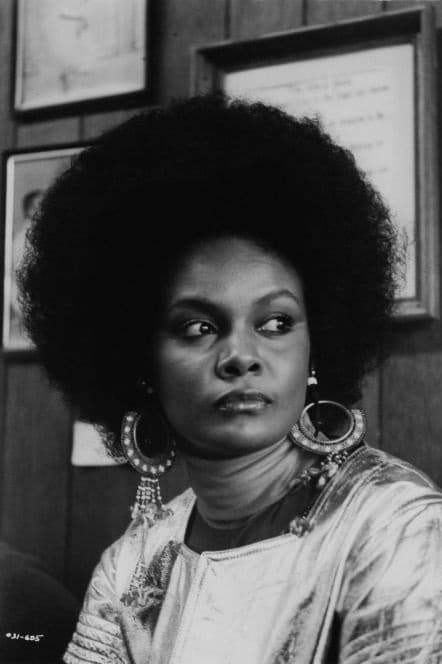
Dobson stood tall as a striking action star in ‘Cleopatra Jones’ (1973). She was a fashion model who brought a unique physicality and glamour to the screen that was rare for women of color. The industry could only see her as a martial arts novelty and failed to develop her into a crossover star. Her career faded as the demand for action heroines declined in the late seventies.
Pam Grier
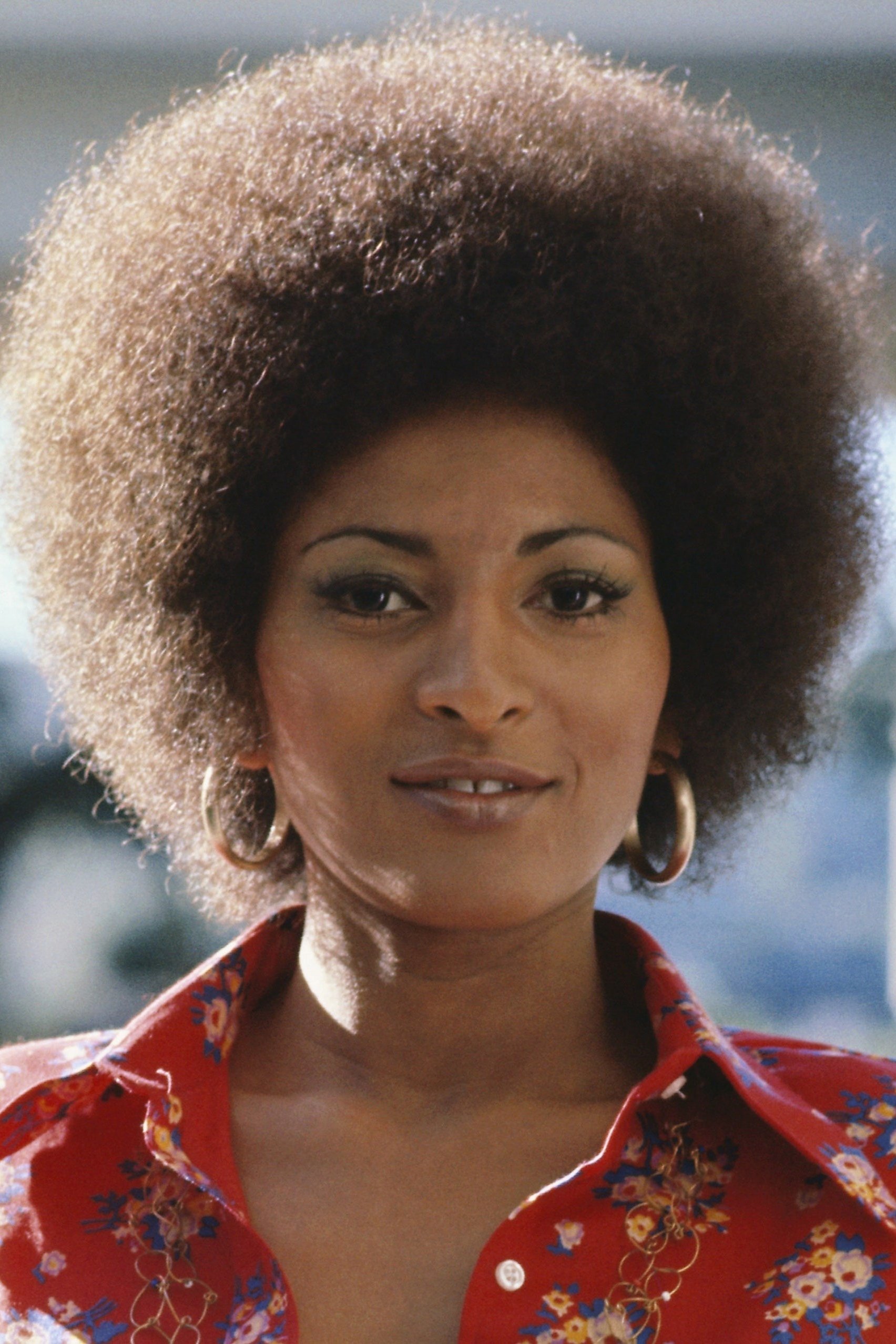
Grier became an icon of the seventies with films like ‘Coffy’ (1973) and ‘Foxy Brown’ (1974). She was the first female action star to carry a film franchise on her own shoulders. Mainstream Hollywood ignored her acting ability until Quentin Tarantino revitalized her career with ‘Jackie Brown’ (1997). Despite that late acclaim she never received the sustained A-list opportunities that her talent warranted.
Rosalind Cash
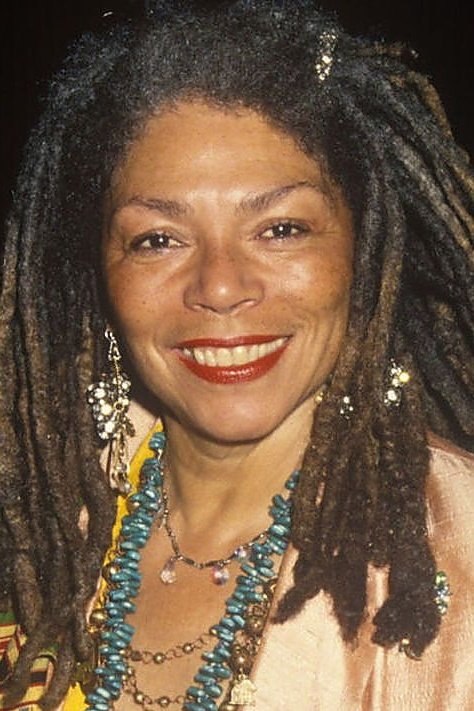
Cash was a fierce actress who refused to play stereotypical roles and often turned down demeaning work. She held her own against Charlton Heston in ‘The Omega Man’ (1971) with a performance of strength and equality. Her refusal to compromise meant she worked less frequently than her peers who accepted maid or prostitute roles. She remained a respected figure in the theater community but was underutilized in film.
Theresa Harris
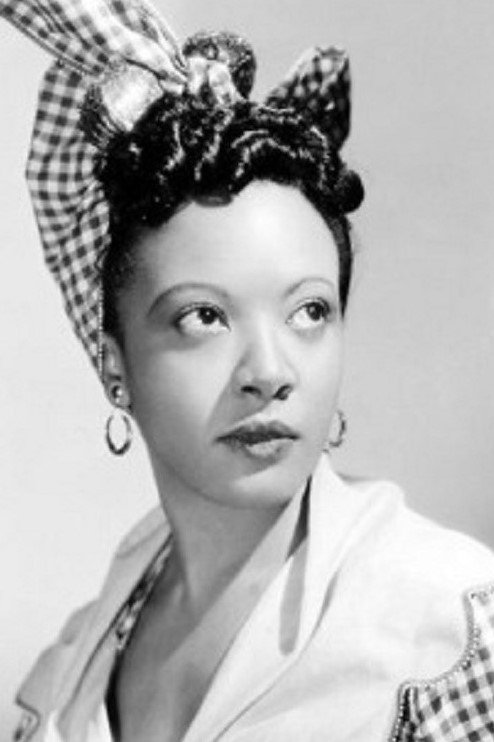
Harris was a scene-stealer in the 1930s who often played maids to white leading ladies. She famously outshone Barbara Stanwyck in ‘Baby Face’ (1933) with her charisma and beauty. Studios acknowledged her talent but claimed audiences would not accept a Black woman in a role equal to a white star. She spent her career in the background despite having the presence of a leading lady.
Gail Fisher
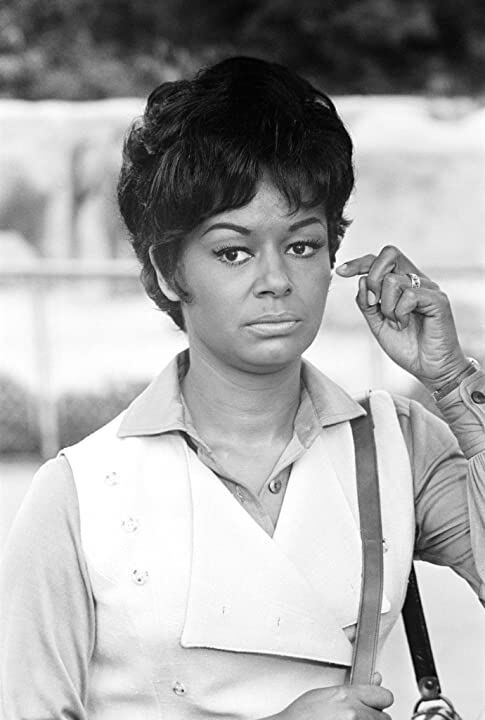
Fisher made history as the first Black woman to win an Emmy for a dramatic role in ‘Mannix’ (1967–1975). After the show ended she found it nearly impossible to find substantive work in Hollywood. The industry celebrated her historic win but failed to provide a second act for her career. Her struggle with the lack of roles contributed to her personal difficulties later in life.
Rae Dawn Chong
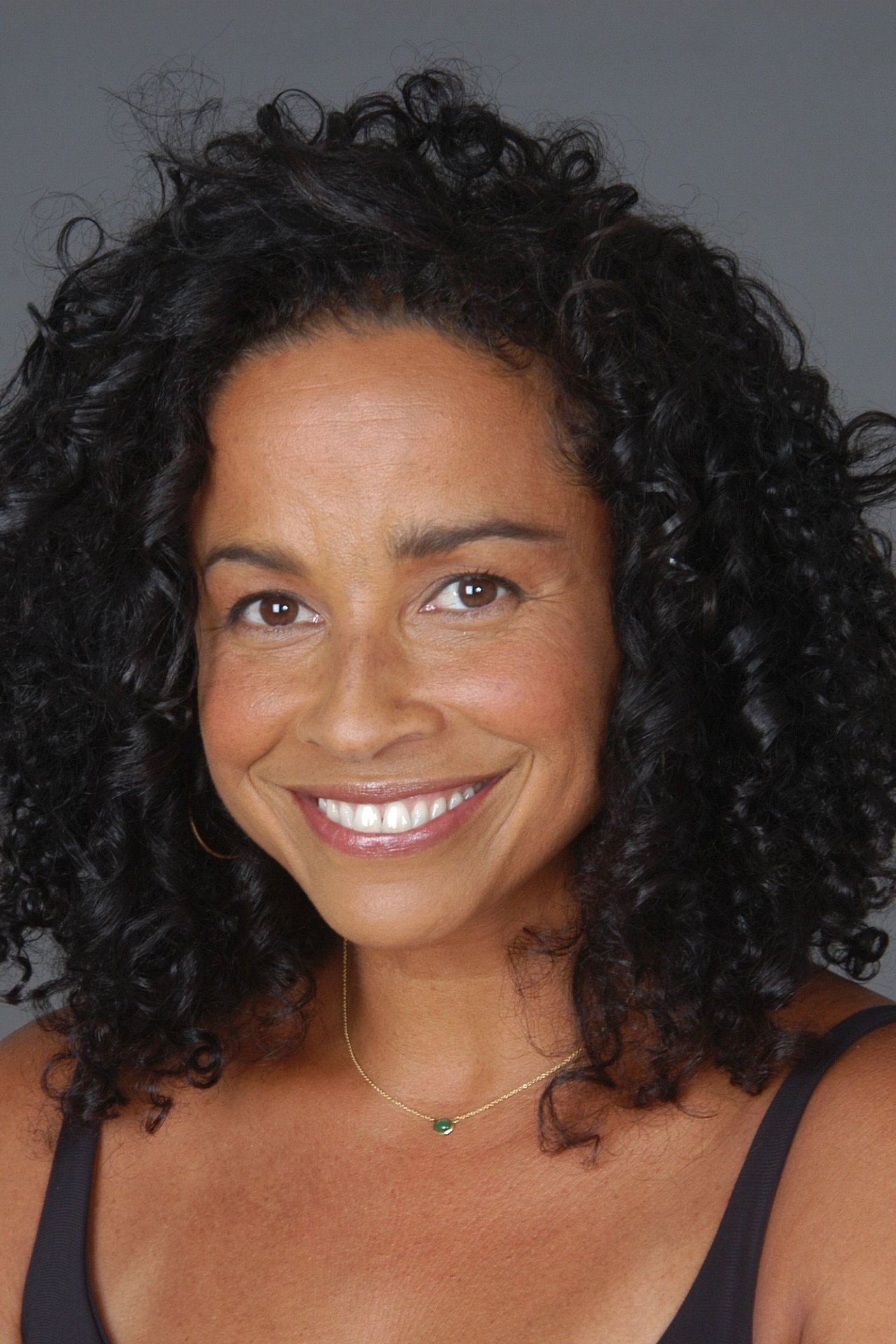
She was a breakout star in the eighties with roles in ‘Quest for Fire’ (1981) and ‘The Color Purple’ (1985). Chong had a unique look and energy that made her a favorite in action films like ‘Commando’ (1985). The industry eventually stopped casting her in lead roles as the nineties approached and trends shifted. She remains a symbol of the diverse talent that flourished briefly before being pushed aside.
Lisa Bonet
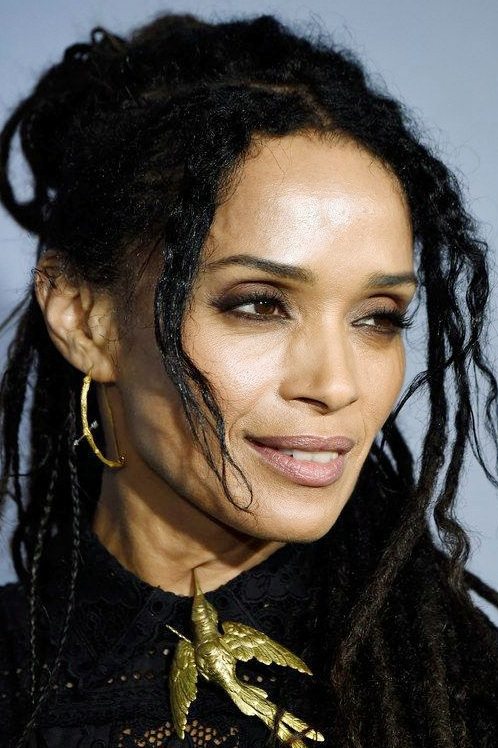
Bonet captured the world as Denise Huxtable but sought to break that mold with ‘Angel Heart’ (1987). Her bohemian vibe and refusal to conform to industry standards made her a difficult fit for traditional casting directors. She was often viewed through the lens of controversy rather than her eclectic acting ability. Hollywood did not know what to do with a free spirit who rejected the polished sitcom image.
Robin Givens
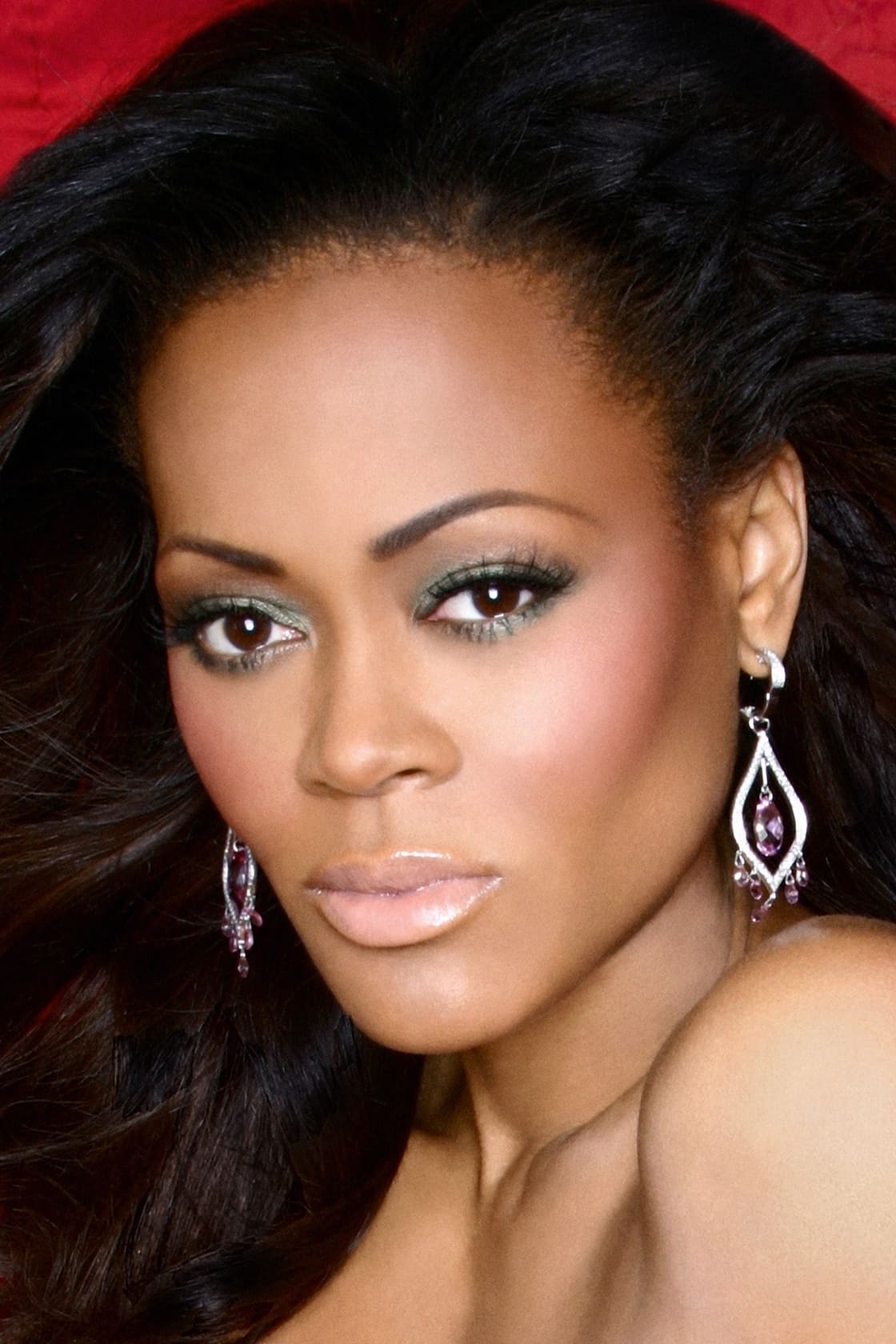
Givens was a highly trained actress who became famous for her role in ‘Head of the Class’ (1986–1991). Her personal life often overshadowed her professional accomplishments and led to her being typecast as a villainous vamp. She delivered strong performances in ‘Boomerang’ (1992) but was rarely allowed to play the vulnerable protagonist. The industry focused more on her tabloid headlines than her dramatic training.
Vanessa Williams
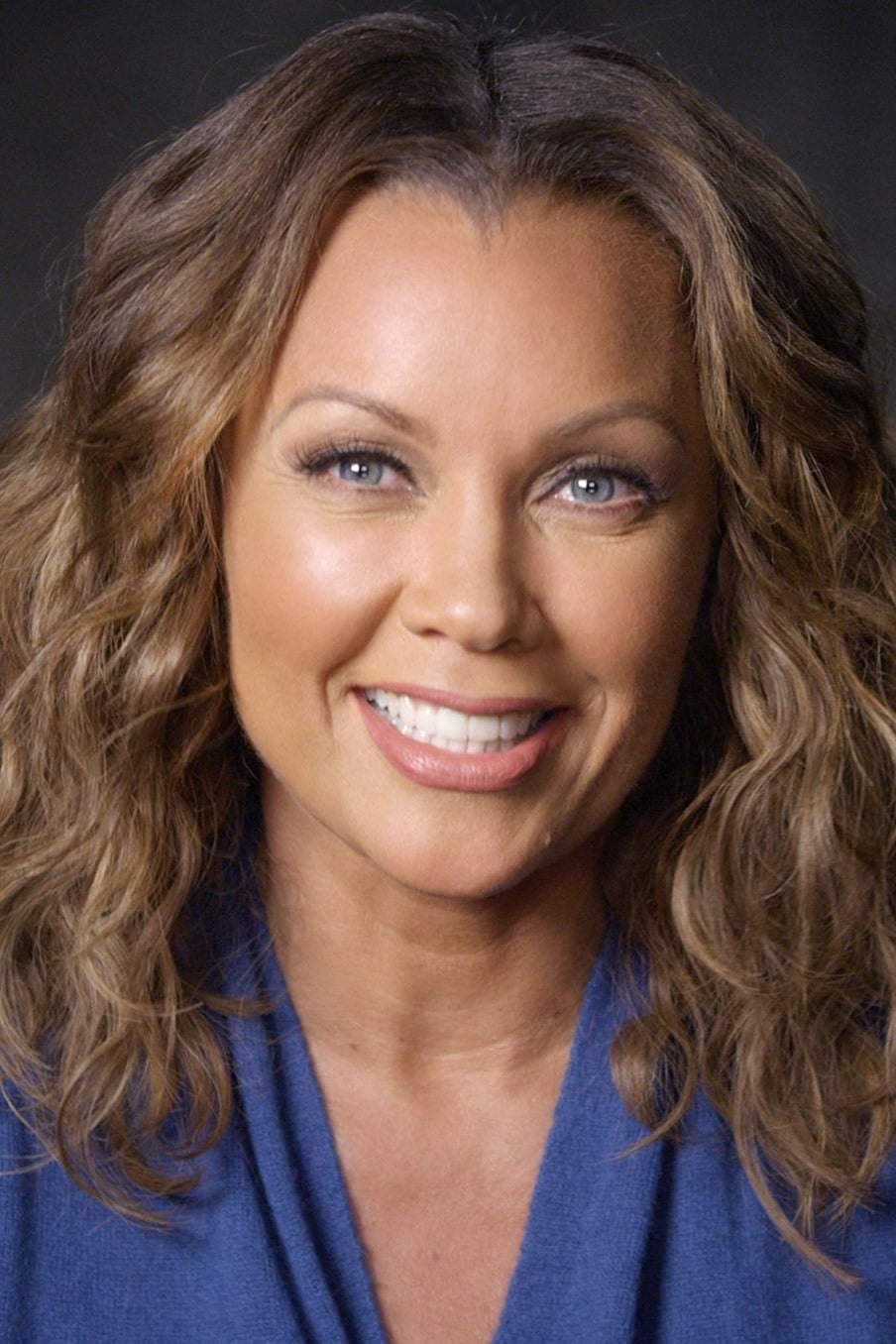
She rebuilt her career to become a star in film and television with hits like ‘Soul Food’ (1997). Williams proved she was a triple threat who could sing and act and dance with equal proficiency. Hollywood often cast her as the icy villain or the bougie antagonist rather than the warm lead. Her versatility kept her working but she was rarely given the vehicle to carry a major film alone.
Lynn Whitfield
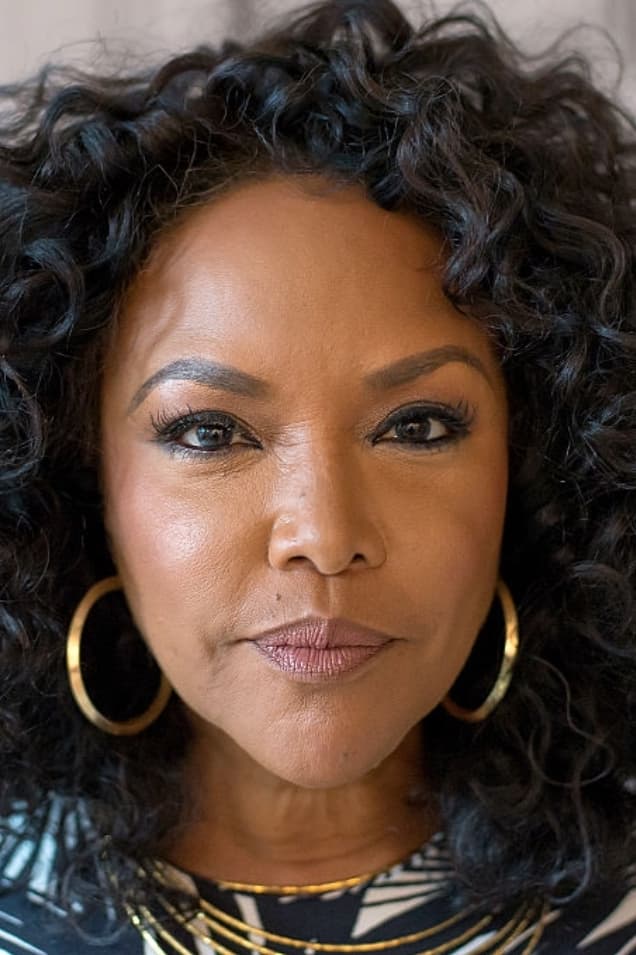
Whitfield terrified and mesmerized audiences in ‘A Thin Line Between Love and Hate’ (1996). She gained critical acclaim for ‘The Josephine Baker Story’ (1991) which showcased her immense range. The industry often pigeonholed her into roles requiring intense villainy or stern maternal figures. She has consistently elevated every project she is in despite the limited scope of roles offered.
Alfre Woodard
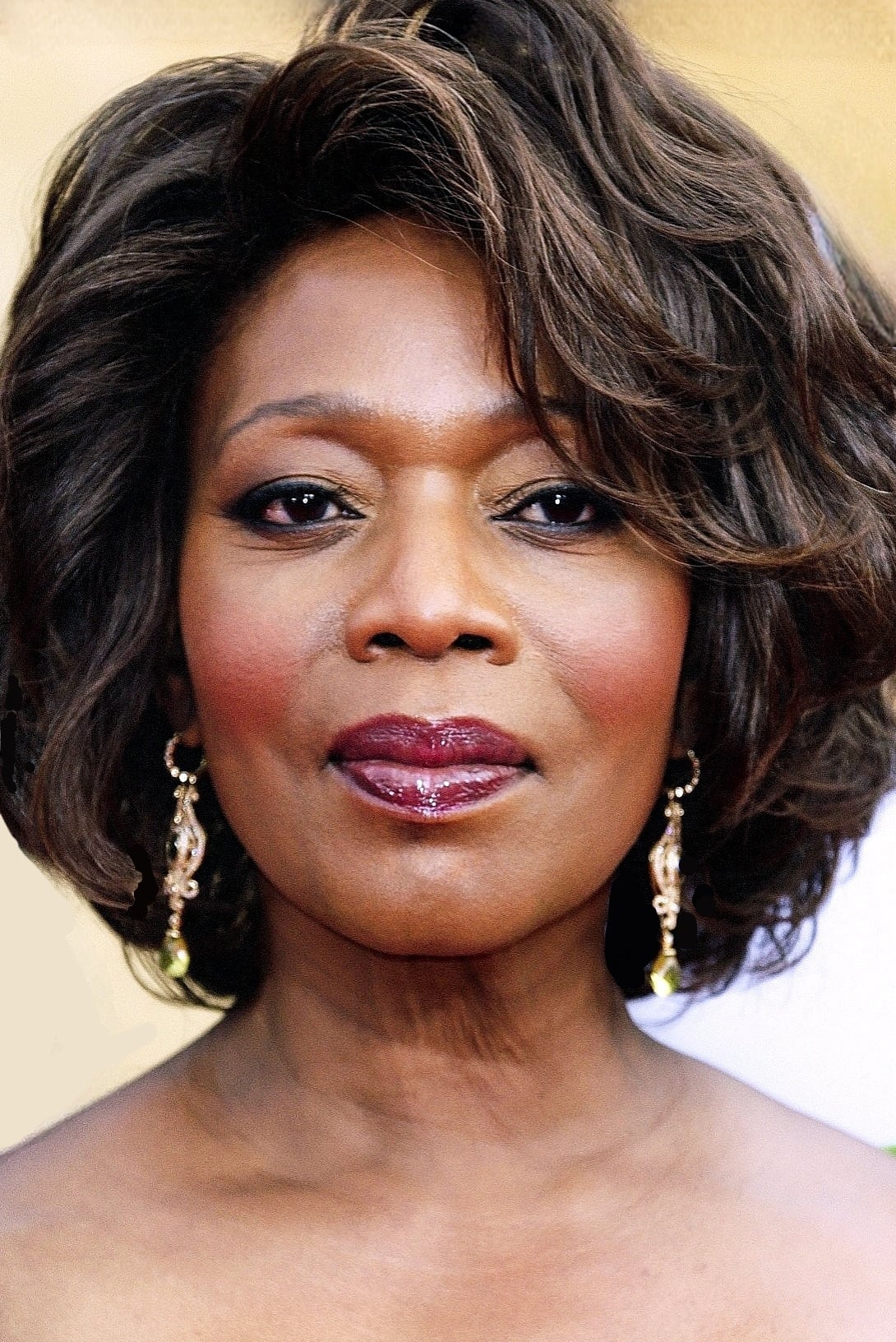
Woodard is one of the most acclaimed actresses of her generation with four Emmy awards and an Oscar nomination. She has rarely been given the lead role in a major studio blockbuster despite her proven capability. Her filmography is filled with brilliant supporting turns that ground entire movies. Critics and peers recognize her genius even if studio executives rarely bank on it for opening weekend.
Angela Bassett
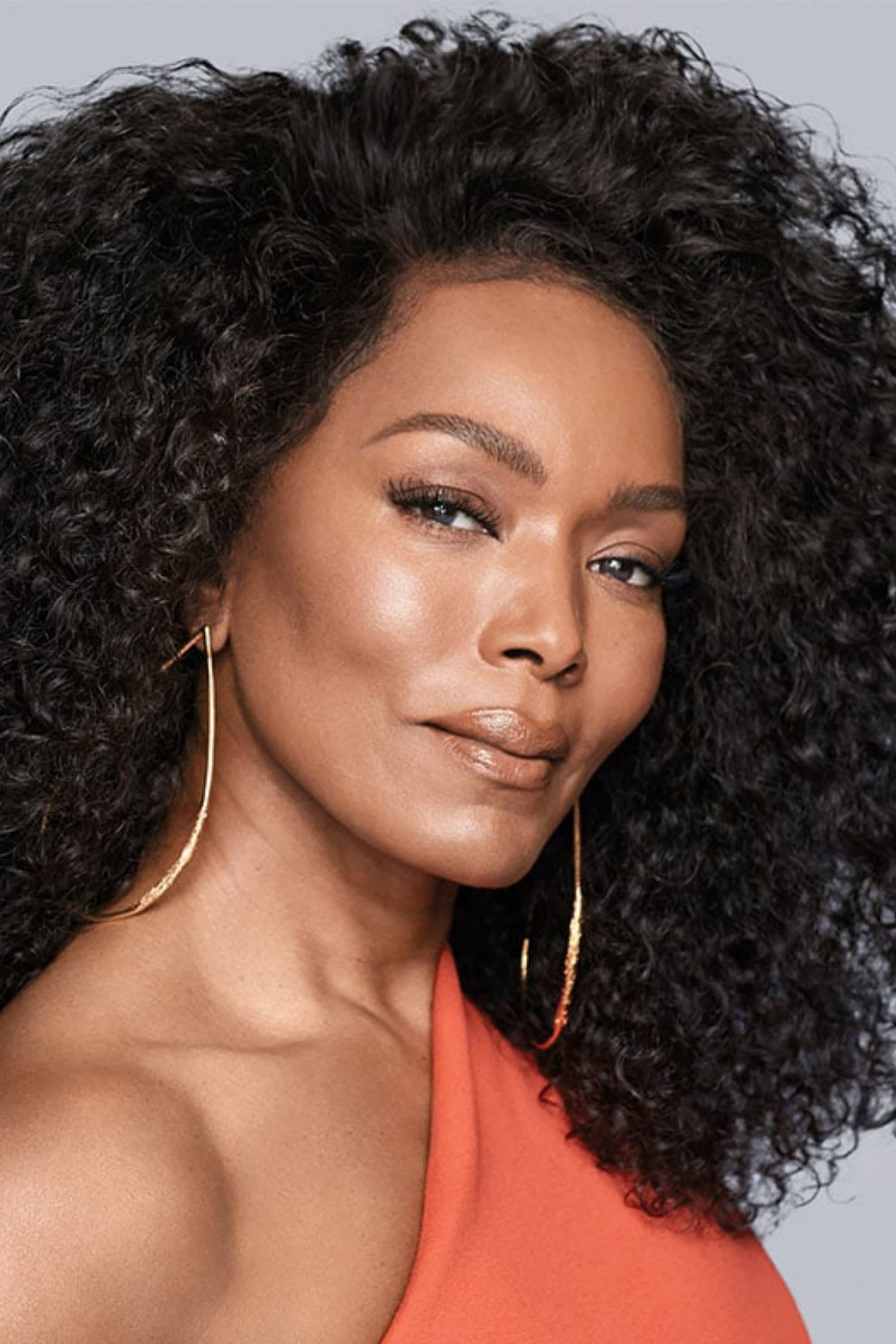
Bassett delivered a legendary performance as Tina Turner in ‘What’s Love Got to Do with It’ (1993). She possesses a regal intensity that should have made her the biggest star in the world. The industry often viewed her as too strong or too serious for the romantic comedies that built other careers. She has had to carve out her own path in television and action films to stay relevant.
Vivica A. Fox
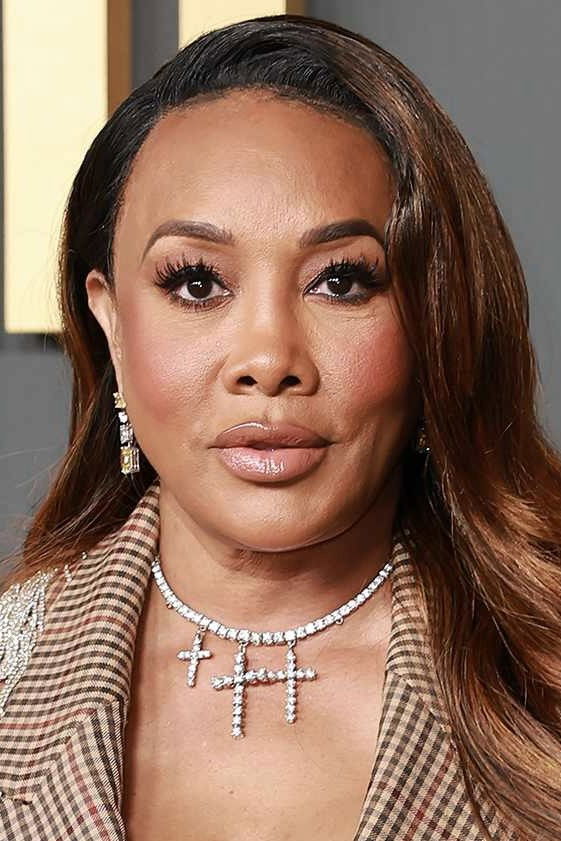
Fox exploded onto the scene in ‘Independence Day’ (1996) and ‘Set It Off’ (1996). She had the charisma and looks to be a major crossover star in the late nineties. Hollywood quickly relegated her to direct-to-video movies and niche comedies as opportunities for Black actresses shrank in the 2000s. She has remained a hardest working woman in show business despite the industry cooling on her potential.
Nia Long
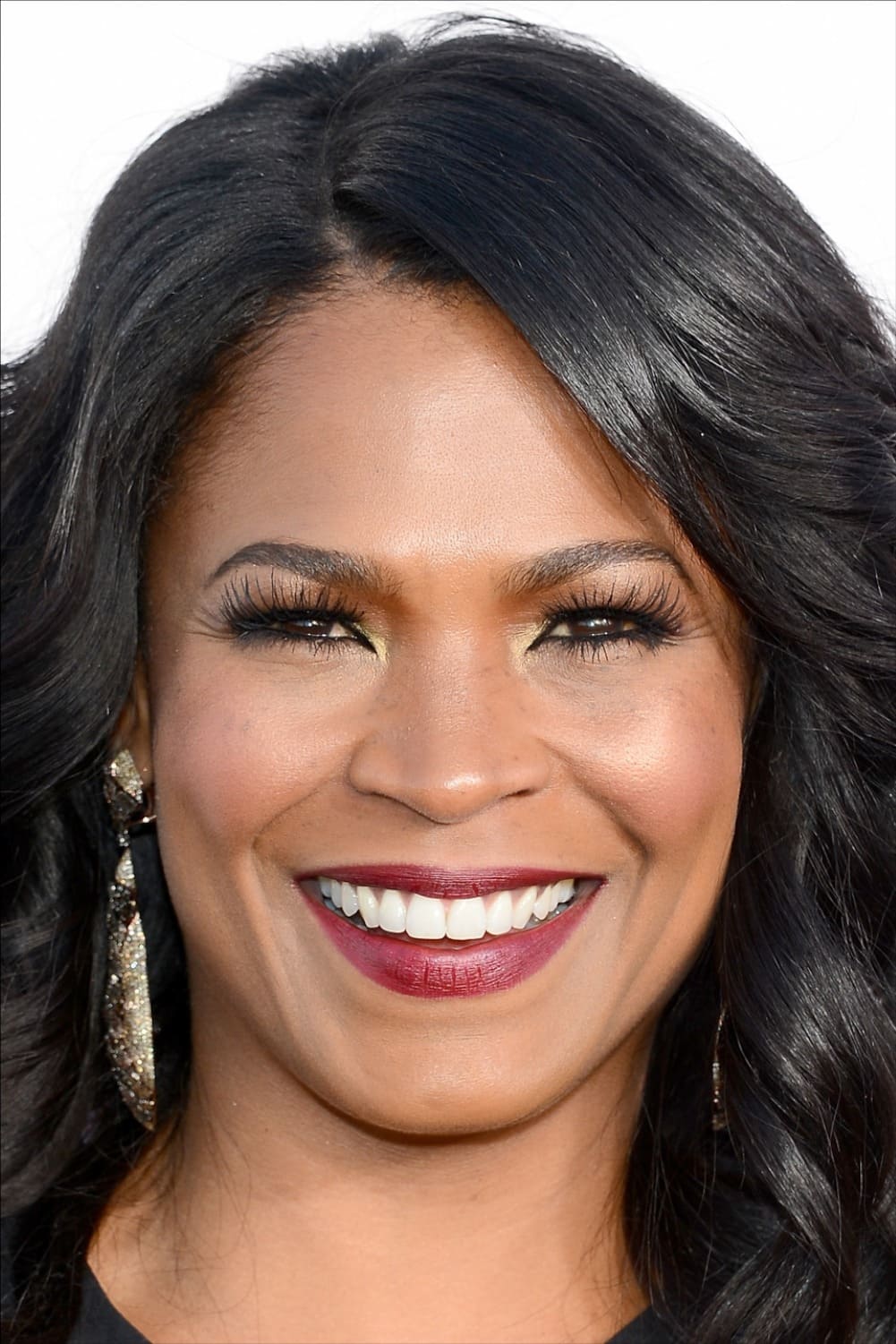
Long was the undisputed queen of Black cinema in the nineties with ‘Love Jones’ (1997) and ‘The Best Man’ (1999). She captivated audiences with her beauty and relatable charm in countless romantic leads. Mainstream Hollywood rarely cast her as the lead in big budget films outside of urban genres. She remains a beloved figure who never got the general market appreciation she deserved.
Sanaa Lathan
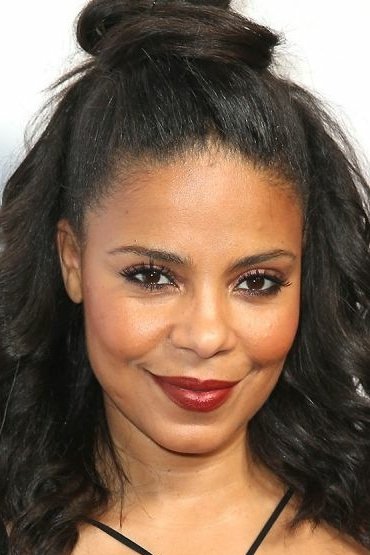
Lathan became an instant classic star with ‘Love & Basketball’ (2000). Her ability to handle drama and romance and physical roles was evident from the start. The studios failed to transition her into the A-list blockbuster roles that her white peers received. She has consistently delivered excellent work in independent films and theater while being overlooked by major franchises.
Gabrielle Union
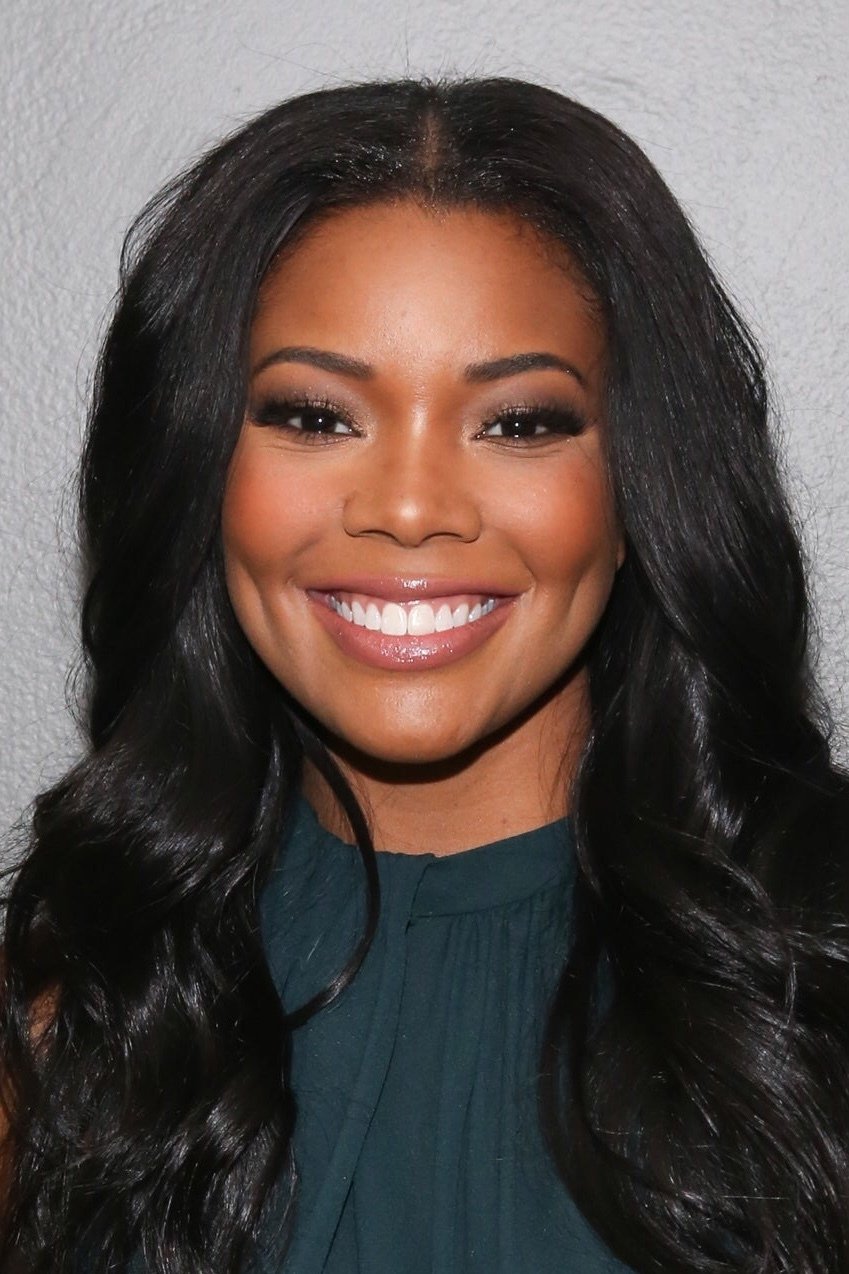
Union brought sharp wit and timing to ‘Bring It On’ (2000) and stole every scene she was in. For years she was cast as the best friend or the antagonist rather than the romantic lead she clearly was. She has spoken openly about the racism and toxic culture she faced in the industry. Her talent for comedy and drama was underutilized for decades until she began producing her own projects.
Regina King
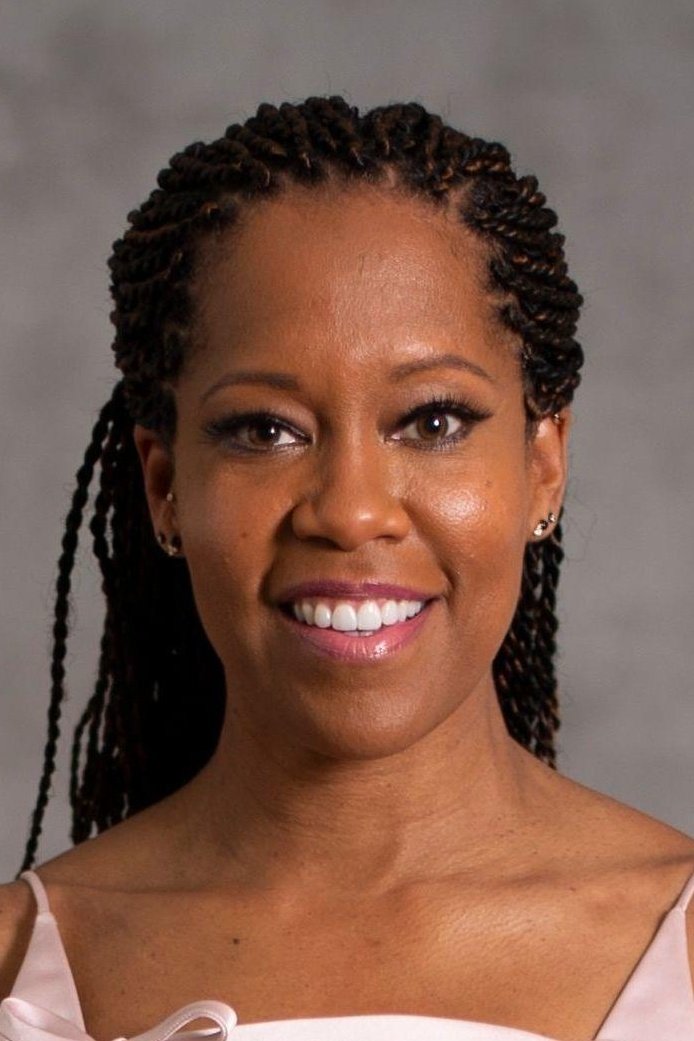
King grew up on screen and delivered a powerhouse performance in ‘Jerry Maguire’ (1996). It took decades for the industry to recognize her as a serious dramatic actress worthy of awards. She eventually won an Oscar for ‘If Beale Street Could Talk’ (2018) after years of being a reliable supporting player. Her transition to directing was partly born out of a desire to create the stories she wasn’t seeing.
Thandiwe Newton

Newton starred in ‘Beloved’ (1998) and ‘Crash’ (2004) and displayed incredible vulnerability. She was often exoticized by directors who focused on her look rather than her skill. Her role in ‘Westworld’ finally allowed her to show the full spectrum of her range to a global audience. She spent much of her early career feeling out of place in an industry that tried to put her in a box.
Sophie Okonedo
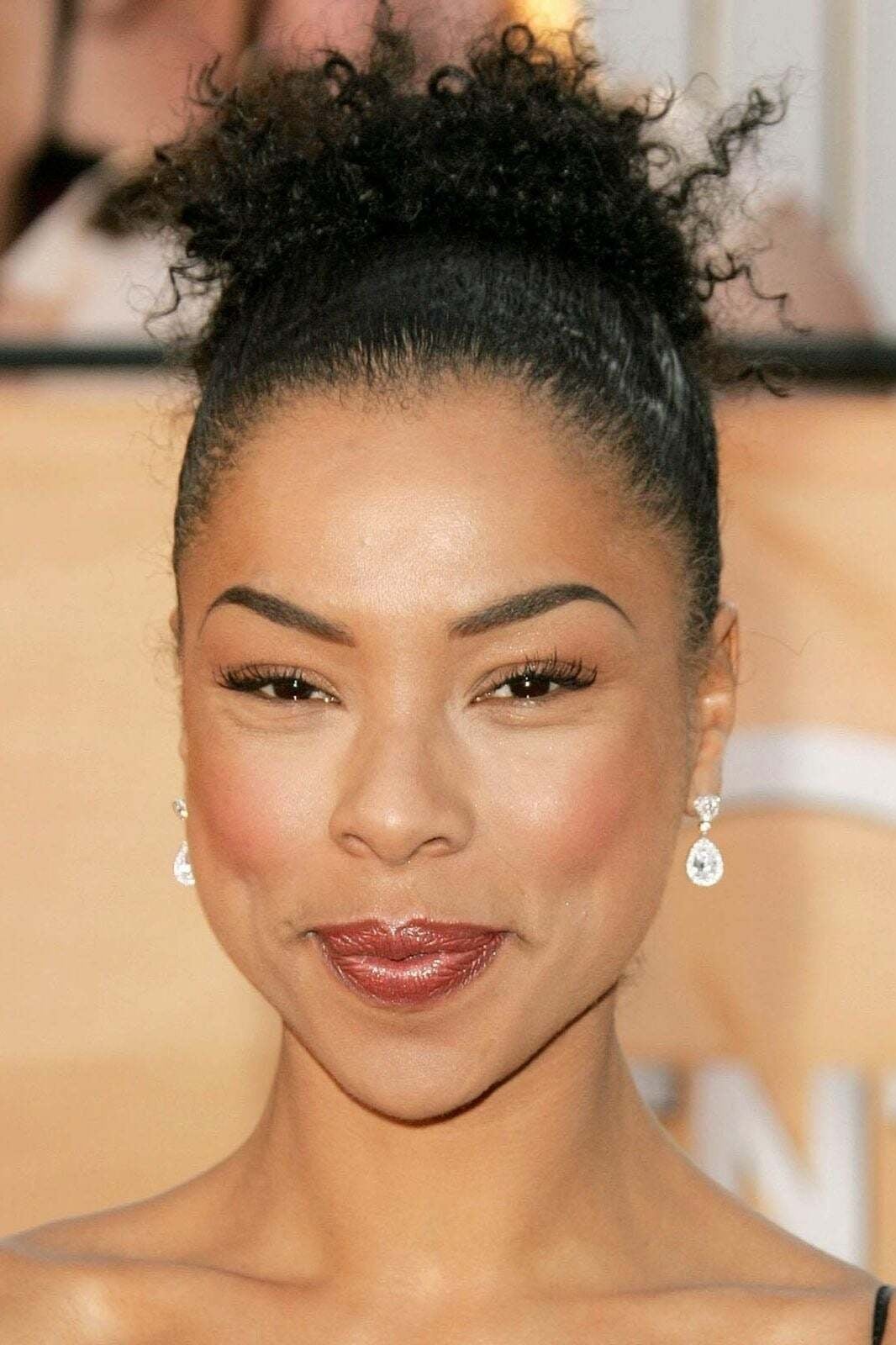
Her heartbreaking performance in ‘Hotel Rwanda’ (2004) earned her an Academy Award nomination. Okonedo is a shapeshifter who disappears into every role she plays on stage and screen. Hollywood offered her few follow-up roles that matched the caliber of her Oscar-nominated work. She has found more consistent respect and challenging material in the British theater scene.
Marianne Jean-Baptiste
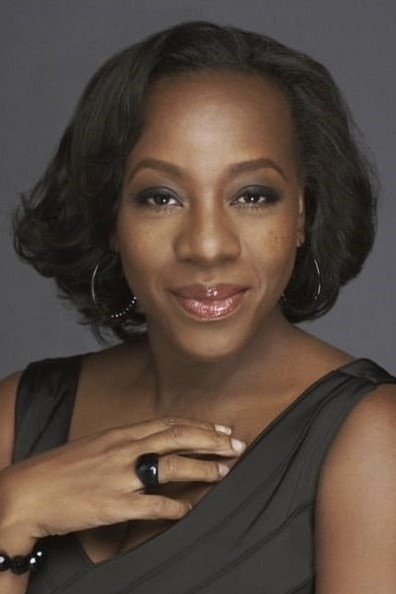
She became the first Black British actress nominated for an Oscar with ‘Secrets & Lies’ (1996). The lack of opportunities in the UK and the US led her to take police procedural roles to maintain a career. She famously noted that her Oscar nomination did not translate into the offers that white actresses received. Her talent remains formidable and often superior to the material she is given.
Kimberly Elise
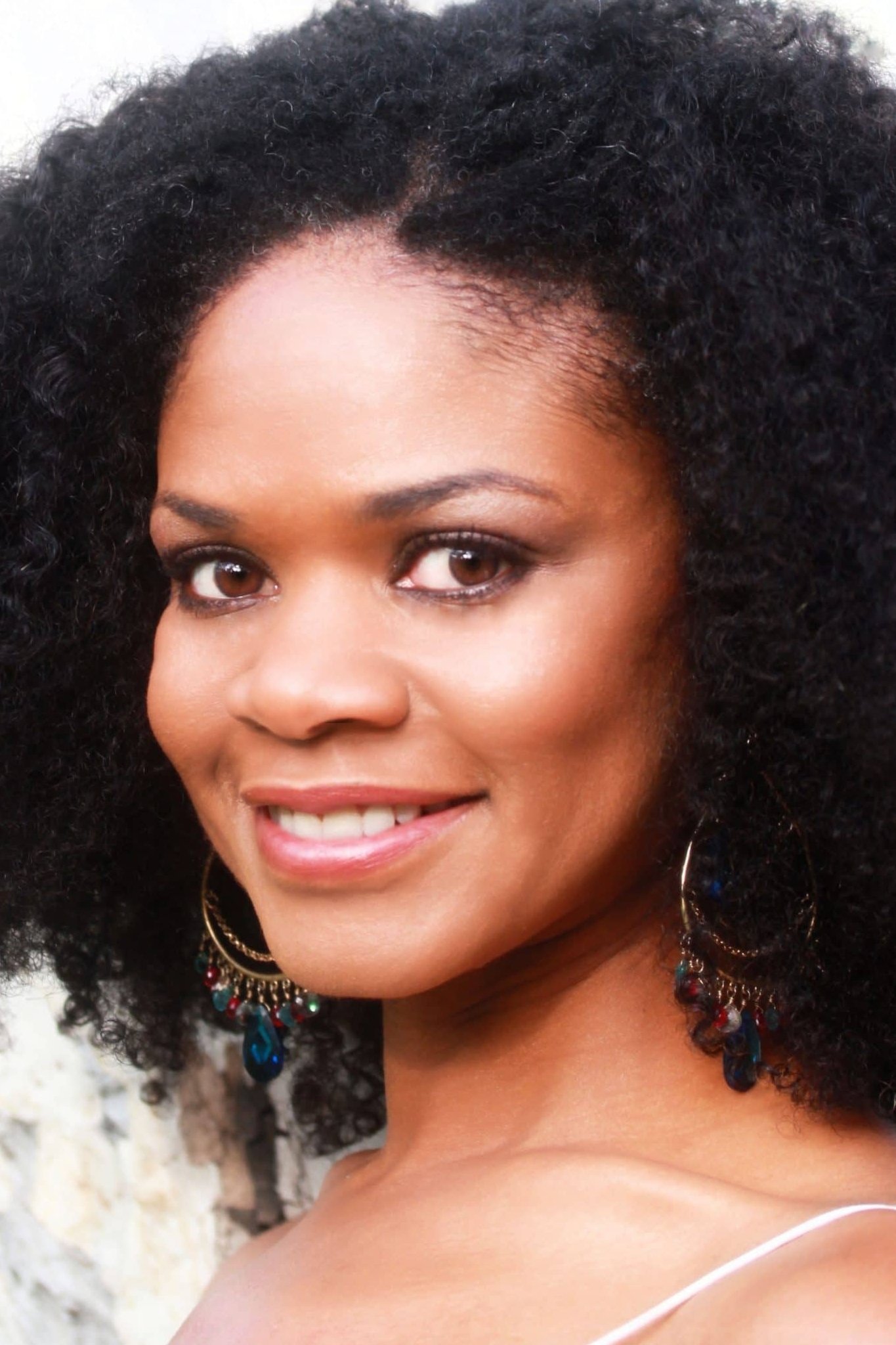
Elise burst onto the scene in ‘Set It Off’ (1996) and ‘Beloved’ (1998) with raw emotional power. She is frequently cited as one of the most underrated actresses working today. The industry has mostly cast her in melodramas or Tyler Perry productions that do not always garner critical respect. She has the dramatic weight to carry prestige biopics that are rarely greenlit.
Taraji P. Henson
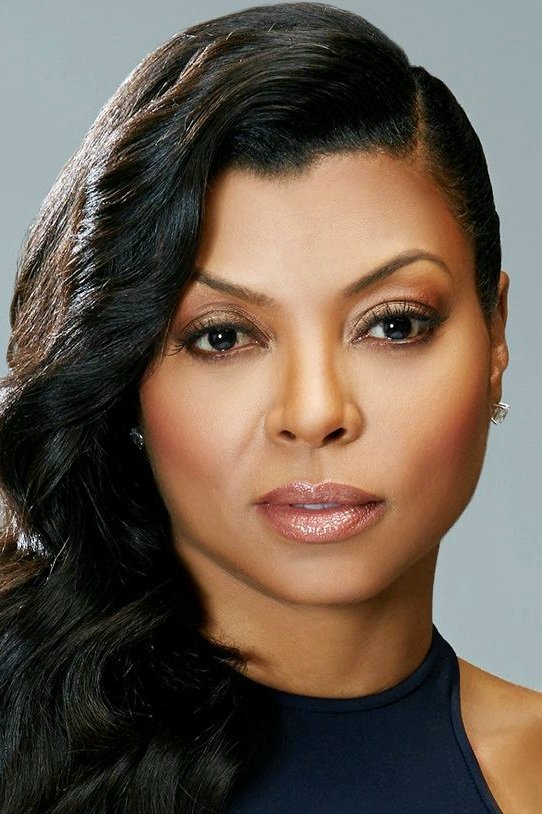
Henson earned an Oscar nomination for ‘The Curious Case of Benjamin Button’ (2008). She has been vocal about the pay disparity she faces compared to her white co-stars. Despite the massive success of ‘Empire’ and ‘Hidden Figures’ (2016) she still has to fight for her value in negotiations. Her ability to play both gritty and glamorous roles is unmatched.
Viola Davis
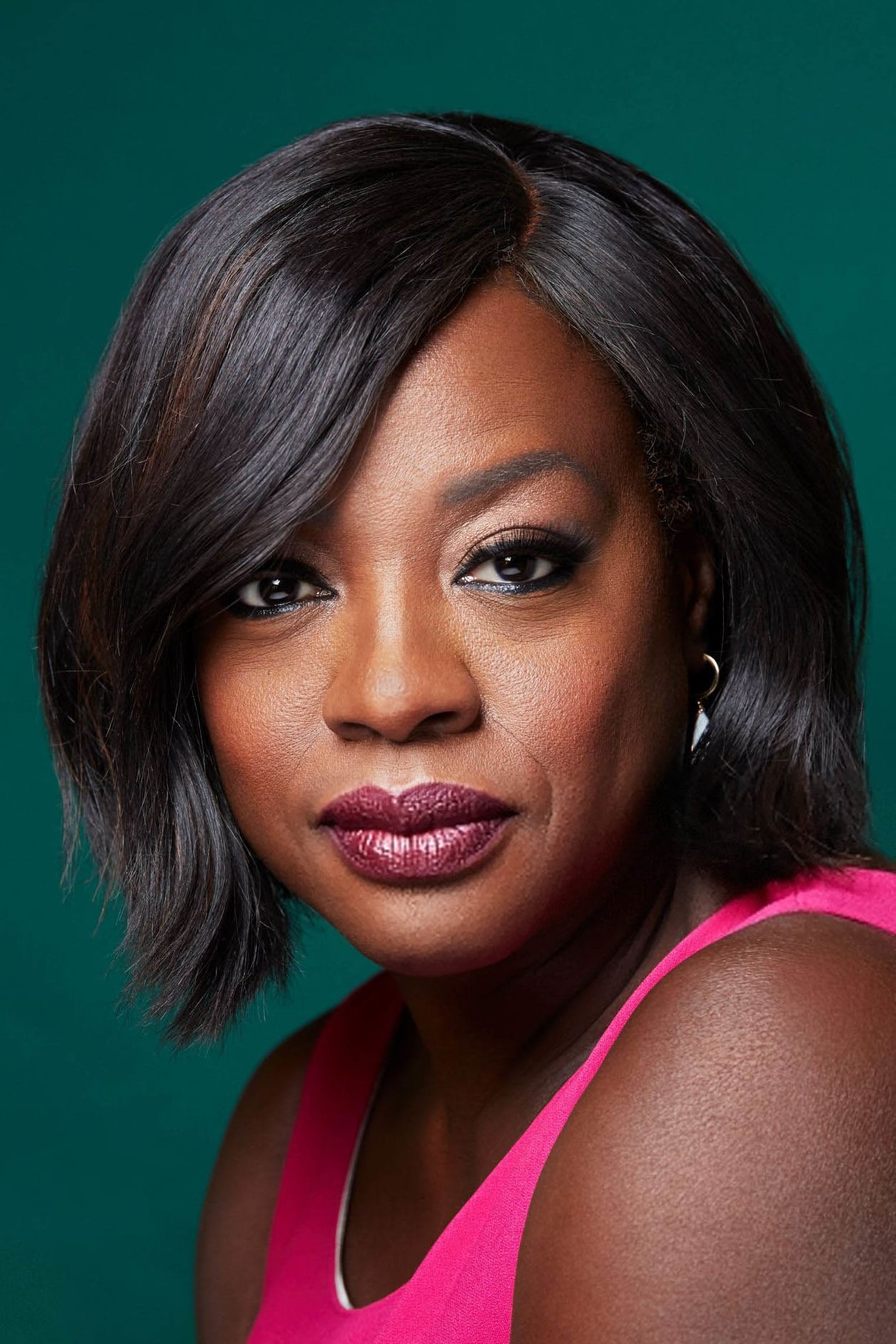
Davis is now an EGOT winner but she spent decades in small parts before breaking through. She has spoken about the limited imagination of casting directors who only saw her as a maid or a crack addict. It took her own advocacy and producing power to get roles like ‘The Woman King’ (2022) made. She is the prime example of a generational talent who was almost ignored by the system.
Loretta Devine
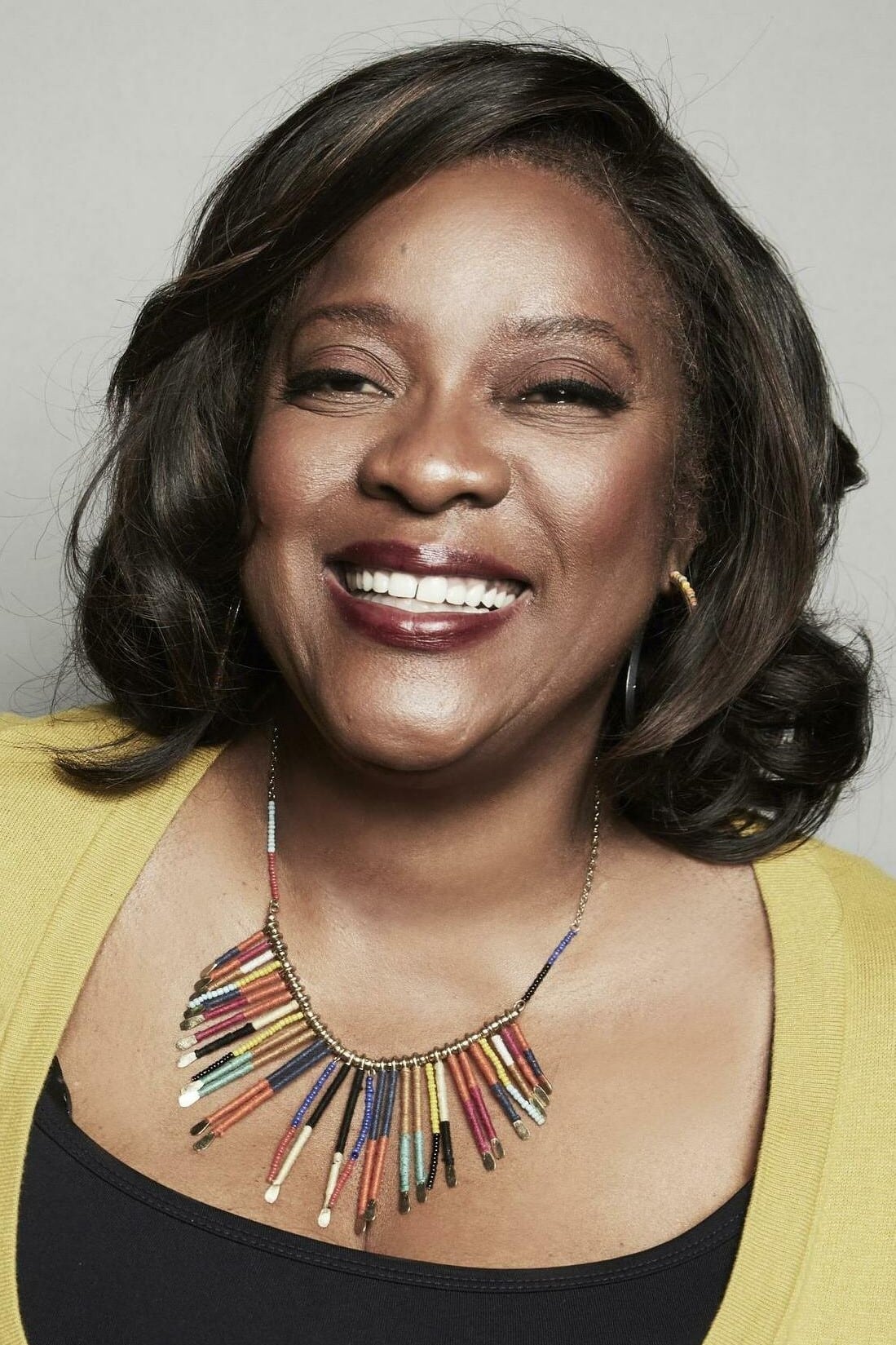
Devine is the original Dreamgirl who has blessed hundreds of projects with her unique voice and warmth. She is often cast as the mother or the church lady and rarely gets to be the central focus of a story. Her comedic timing and dramatic chops are consistently reliable and often the best part of bad movies. She is a legend who deserves a late-career renaissance in a lead role.
Naomie Harris
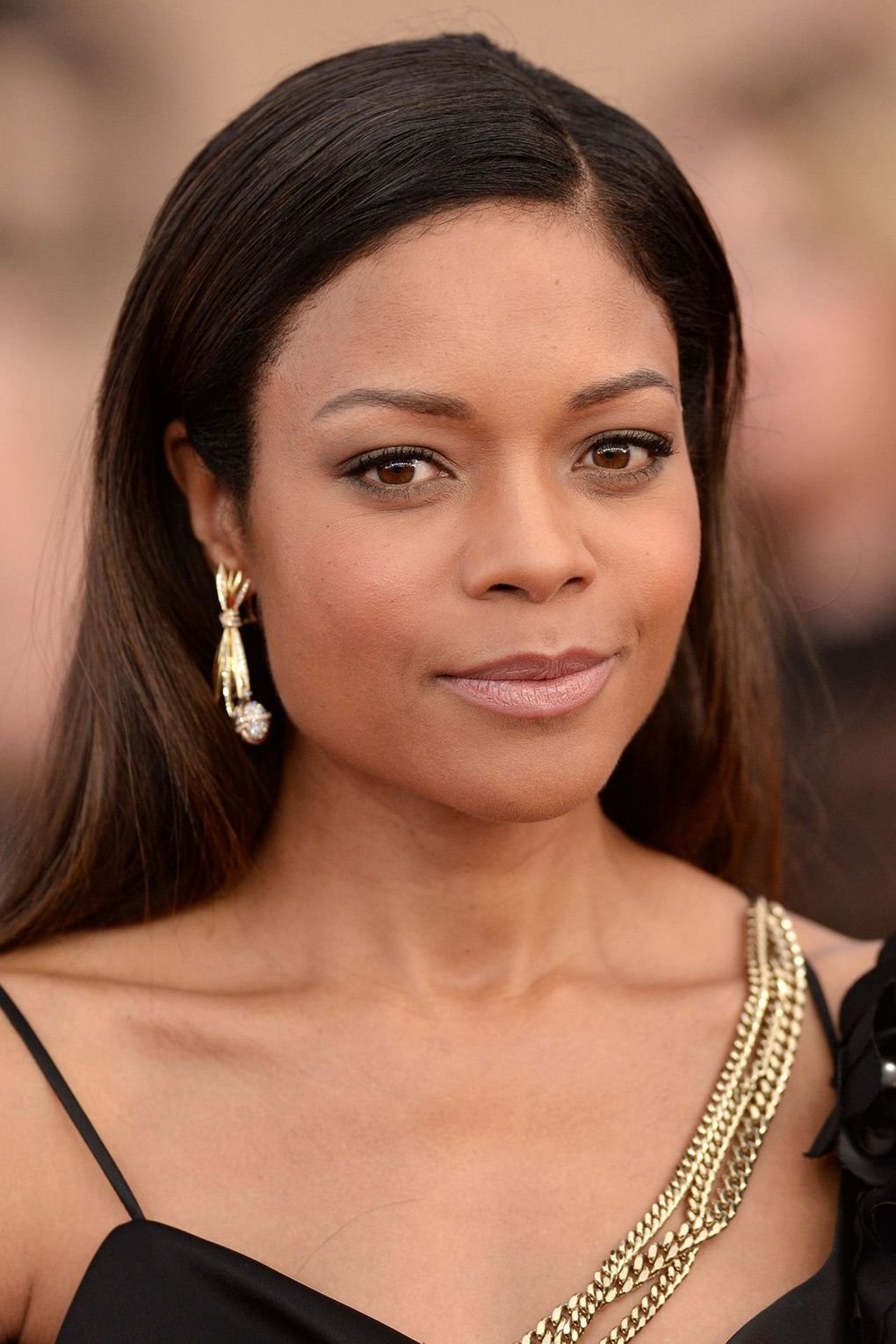
Harris played a pivotal role in ‘Moonlight’ (2016) filmed in just three days. She has played everything from a bond girl to a witch to a crack-addicted mother. The industry often overlooks her when discussing the top tier of dramatic actresses. She brings a fierce intelligence to her work that elevates every blockbuster she appears in.
Ruth Negga
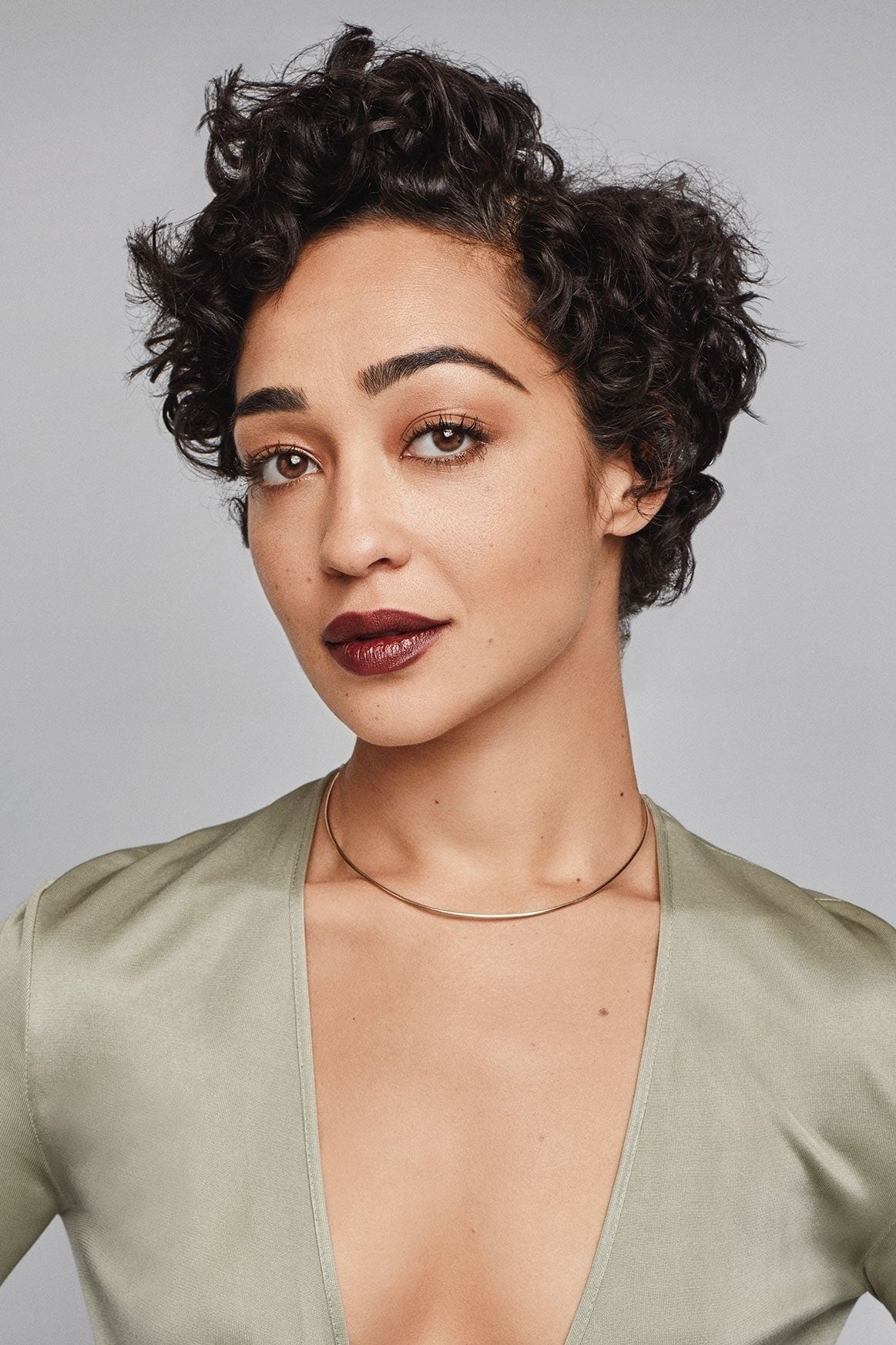
Negga delivered a quiet and devastating performance in ‘Loving’ (2016) that earned her an Oscar nod. Her unique look and intensity have made her a favorite of critics but not a staple of box office hits. She has a chameleon-like quality that allows her to play across genres and eras. Hollywood has yet to find the perfect franchise vehicle to utilize her singular presence.
Gugu Mbatha-Raw
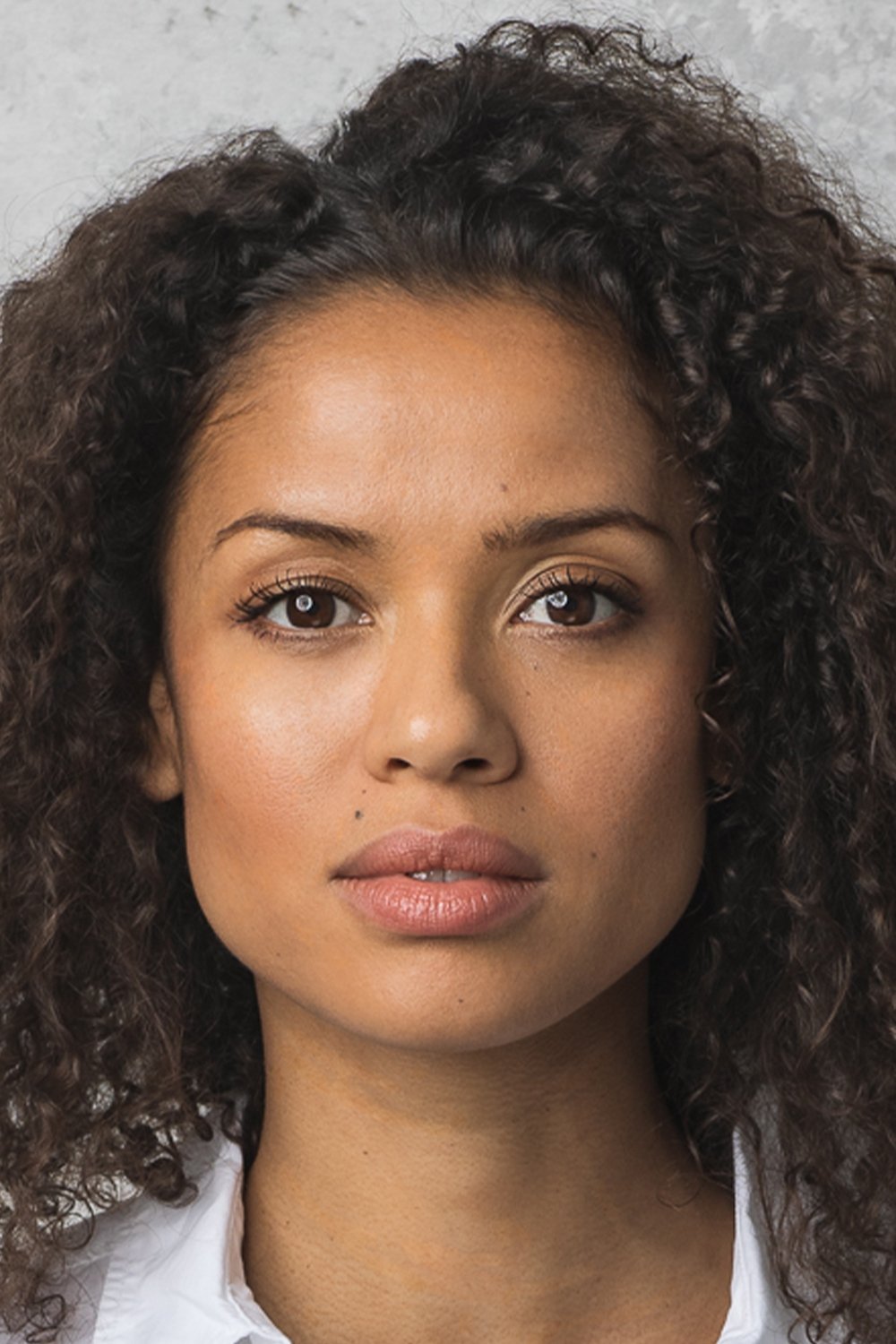
She stunned critics with her lead performance in the period drama ‘Belle’ (2013). Mbatha-Raw has the elegance and acting ability to be a major movie star in the vein of classic Hollywood icons. She has often been cast in sci-fi films or streaming projects that failed to find a wide audience. Her potential to be a definitive leading lady has been fumbled by inconsistent casting choices.
Nicole Beharie
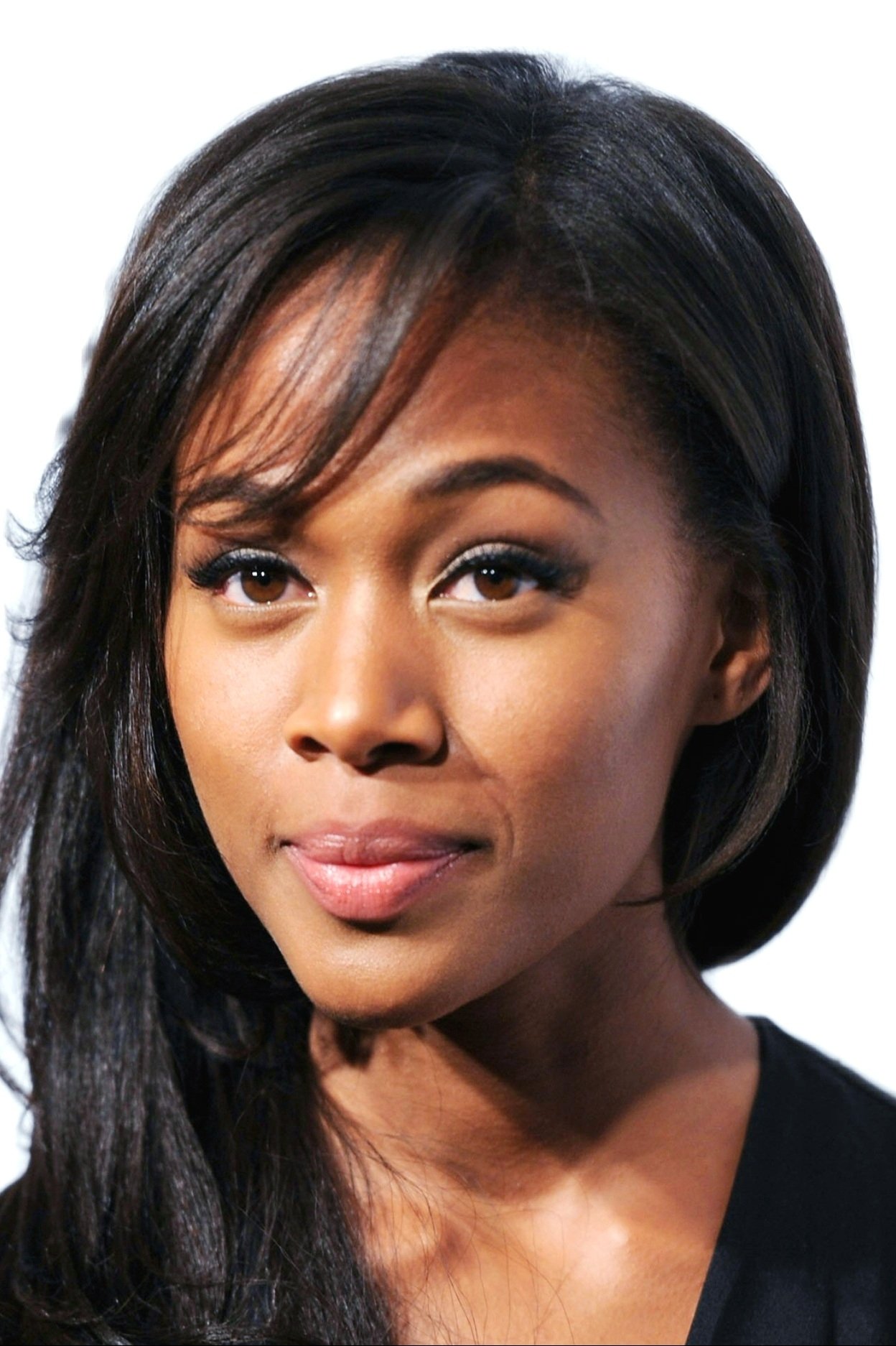
Beharie starred in ‘Sleepy Hollow’ (2013–2017) but was written off the show in a controversial manner. She spoke later about being labeled “difficult” when she was actually suffering from health issues and a lack of support. Her career took a hit from the industry labeling that she had to work hard to overcome. She recently reminded everyone of her talent in ‘Miss Juneteenth’ (2020).
Meagan Good
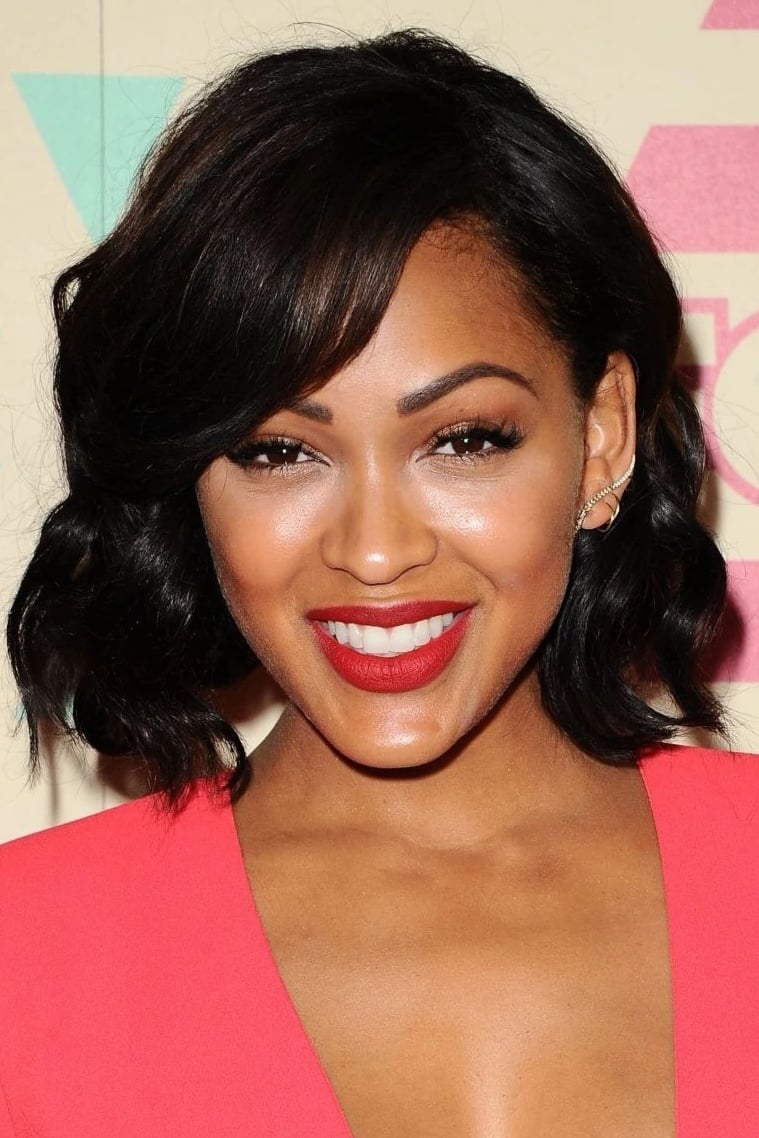
Good has been a working actress since she was a child and starred in ‘Eve’s Bayou’ (1997). She was typecast for years as the sexy love interest which limited her opportunities to show dramatic range. Directors often focused on her appearance rather than the depth she brought to her characters. She has recently begun to break out of that box with more mature and complex roles.
Jada Pinkett Smith
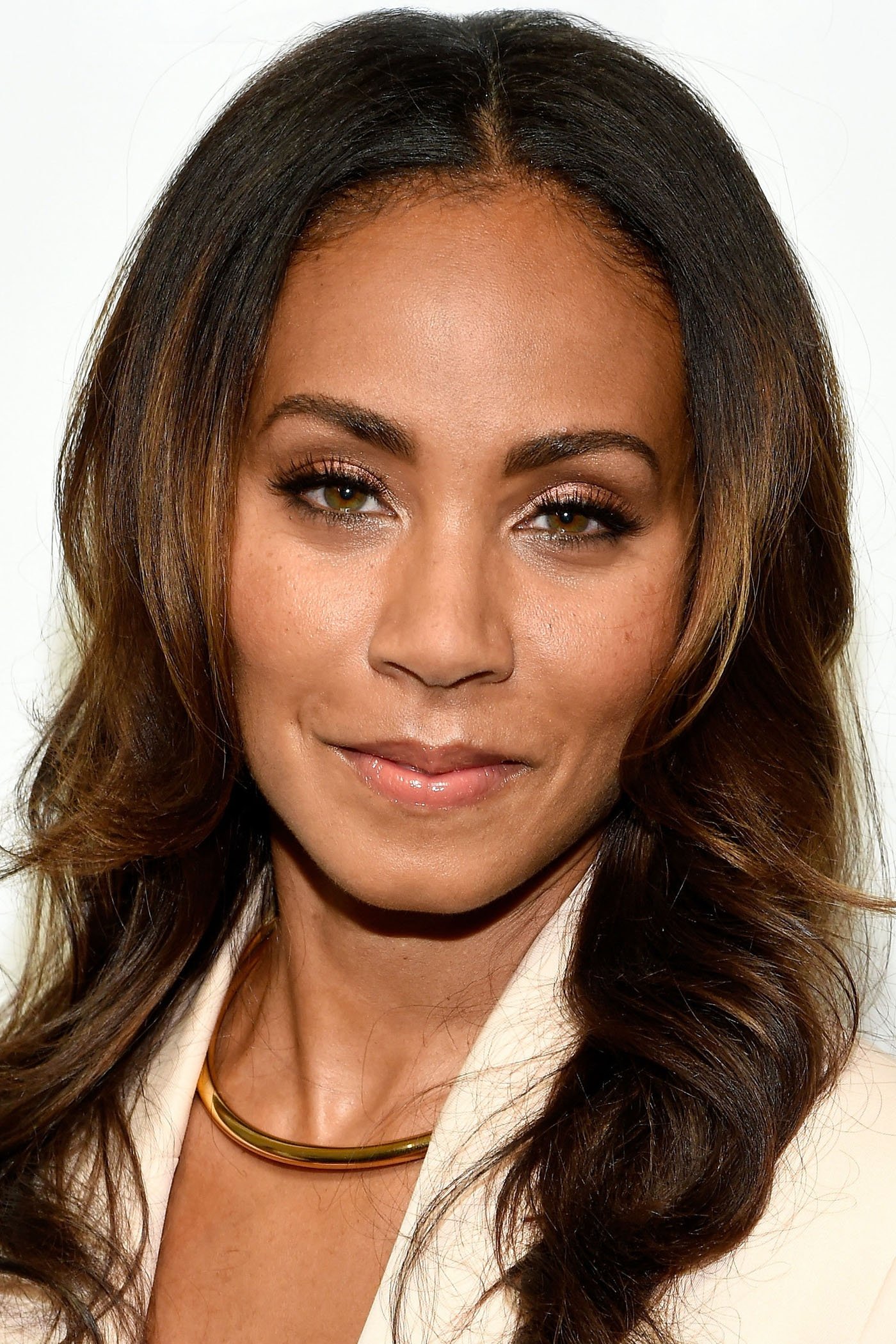
Pinkett Smith was a force in ‘Menace II Society’ (1993) and ‘Set It Off’ (1996). Her acting career often took a backseat to her family life and her marriage in the public eye. She possesses a raw energy and petite power that works well in both action and drama. The industry often forgot she was a trained actress capable of carrying a film on her own.
Paula Patton
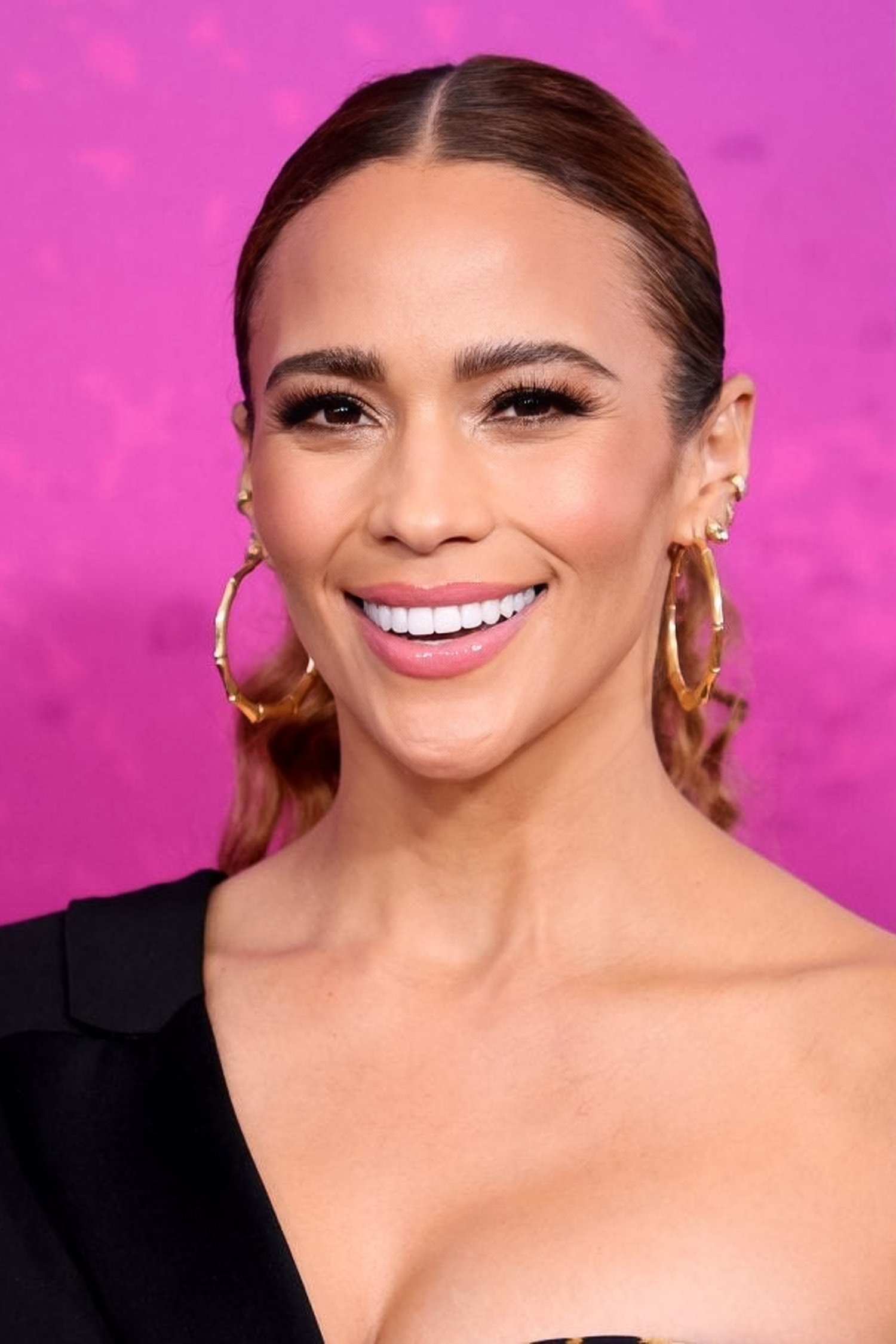
Patton had a major breakthrough in ‘Mission: Impossible – Ghost Protocol’ (2011). She looked poised to be the next big action star but the roles dried up or were in critical flops. Her casting in ‘Warcraft’ (2016) did not lead to the franchise success that was expected. She has struggled to find a project that properly utilizes her screen presence since then.
Sharon Leal
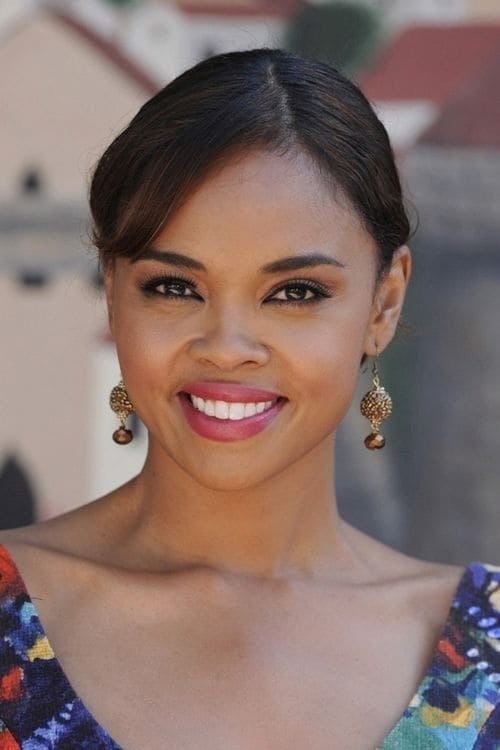
Leal held her own alongside Beyoncé and Jennifer Hudson in ‘Dreamgirls’ (2006). She has a natural likability and dramatic ability that works perfectly in ensemble casts. Hollywood often cast her in supporting roles in Tyler Perry films rather than giving her a lead vehicle. She remains a recognizable face who rarely gets the credit for her consistent work.
Elise Neal

Neal was a breakout in ‘Rosewood’ (1997) and ‘Scream 2’ (1997). She brought a fresh energy to the screen that was popular in the late nineties urban film boom. As the genre faded she found fewer opportunities in mainstream Hollywood productions. She continues to work steadily but was never given the crossover push she warranted.
Tika Sumpter
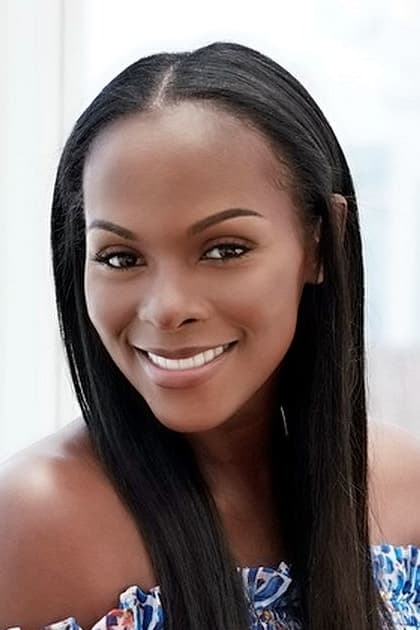
Sumpter played Michelle Obama in ‘Southside with You’ (2016) and received critical praise. She realized early on that she would have to produce her own projects to get the roles she wanted. The industry was content to keep her in supporting comedic roles or soap operas. She took control of her career to ensure she was not left behind by a passive system.
Keke Palmer

Palmer was a child prodigy in ‘Akeelah and the Bee’ (2006) who carried the film with ease. For years the industry transitioned her into hosting and teen sitcoms rather than serious adult roles. She has had to remind the world of her dramatic talent with recent performances in ‘Nope’ (2022). She is a multi-hyphenate talent who is often underestimated despite her decades of experience.
Share your thoughts on which actress you think was the most overlooked in the comments.

