


Black Actresses Who Are Against AI Usage

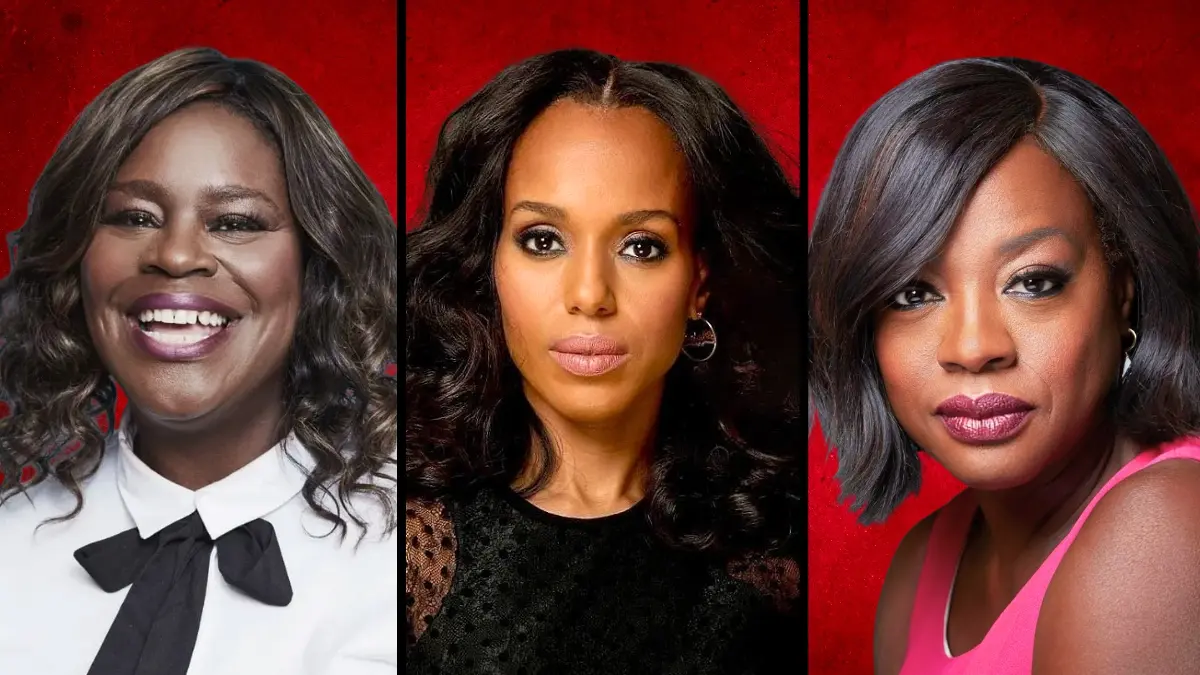


The rapid advancement of artificial intelligence in Hollywood has sparked significant debate regarding the protection of creative rights and likenesses. Many performers have voiced concerns about the potential for technology to replicate their voices and images without consent or fair compensation. The 2023 SAG-AFTRA strike highlighted these issues as a central point of negotiation between actors and major studios. Black actresses have been particularly vocal about the dangers of unregulated AI and the importance of preserving human artistry. These fifteen women have taken a stand through protests, public statements, or union leadership to advocate for stricter regulations.
Viola Davis
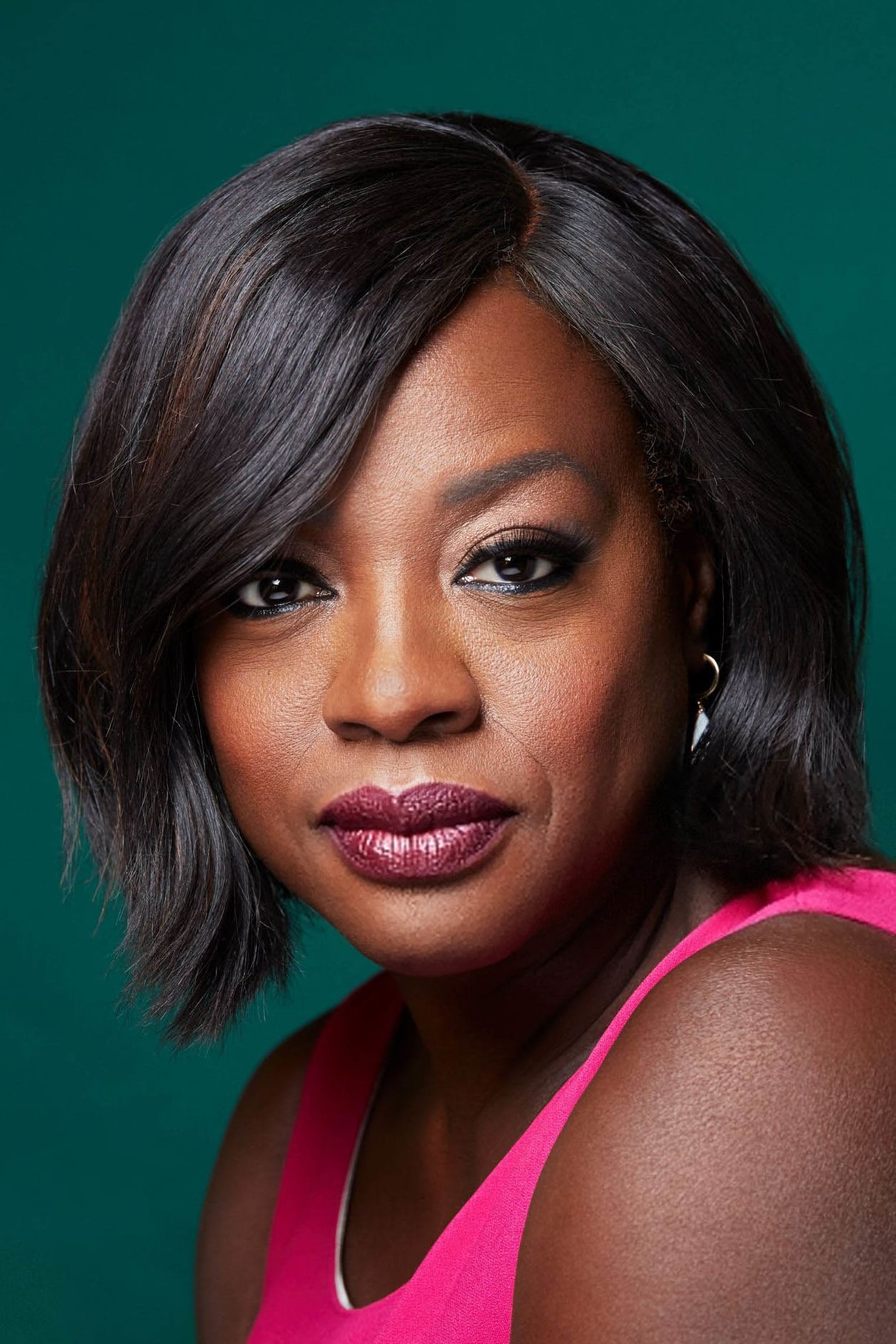
This EGOT winner has been a staunch advocate for artist protections and expressed deep concern regarding artificial intelligence during the industry strikes. Davis described the use of AI as a quagmire that poses complex threats to the acting profession. She emphasized that she is always fighting for the artists and believes their work provides an essential service to humanity that technology cannot replicate. Her commentary often highlights the need to keep the human element central to storytelling while ensuring performers are not exploited.
Taraji P. Henson
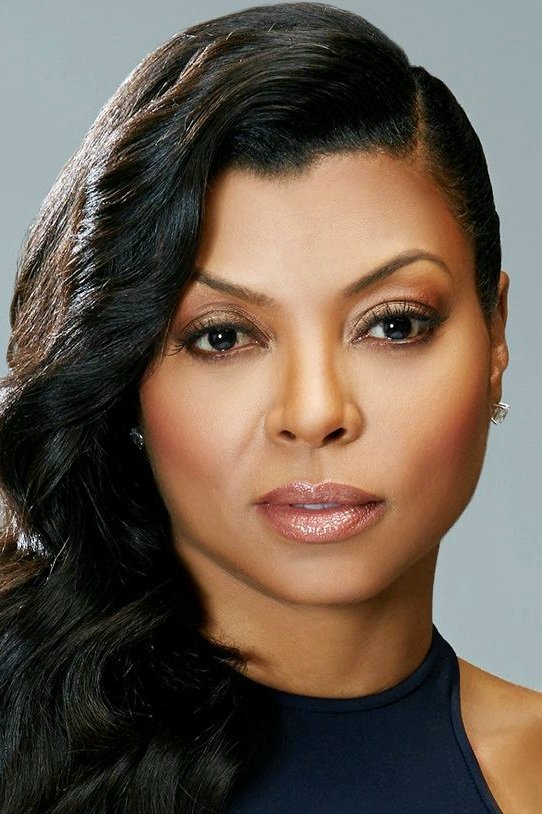
Henson has been incredibly vocal about the economic disparities in Hollywood and the specific threat AI poses to Black artists. She candidly stated that greed would be the end of humanity if studios continued to prioritize cost-cutting technology over human talent. The actress argued that stealing a human’s likeness for computer generation devalues the decades of work performers put into their craft. Her passionate stance during the strike underscored the urgency of securing contracts that prevent unauthorized digital replication.
Kerry Washington
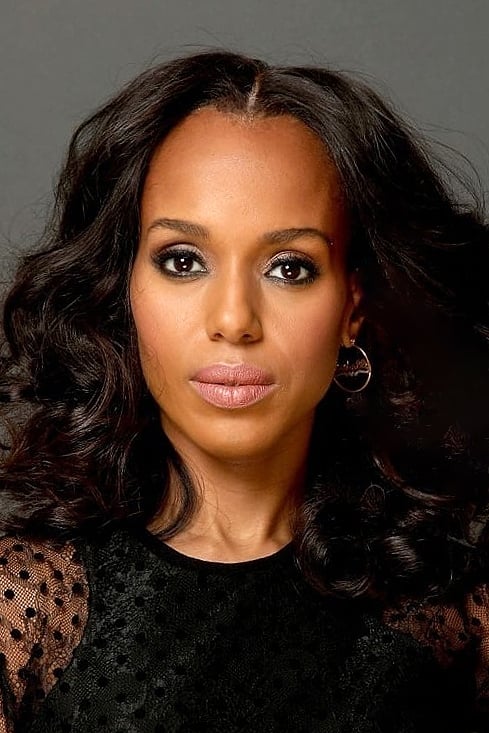
Washington has used her platform to discuss the intersection of technology and consent within the entertainment industry. She famously stated that her face and voice belong to her and should not be manipulated without her explicit permission. The ‘Scandal’ star believes that while AI offers possibilities, the lack of regulation creates a wild west environment that endangers performers. Her advocacy focuses on ensuring that contracts include strict language about compensation and the right to refuse digital simulation.
Issa Rae
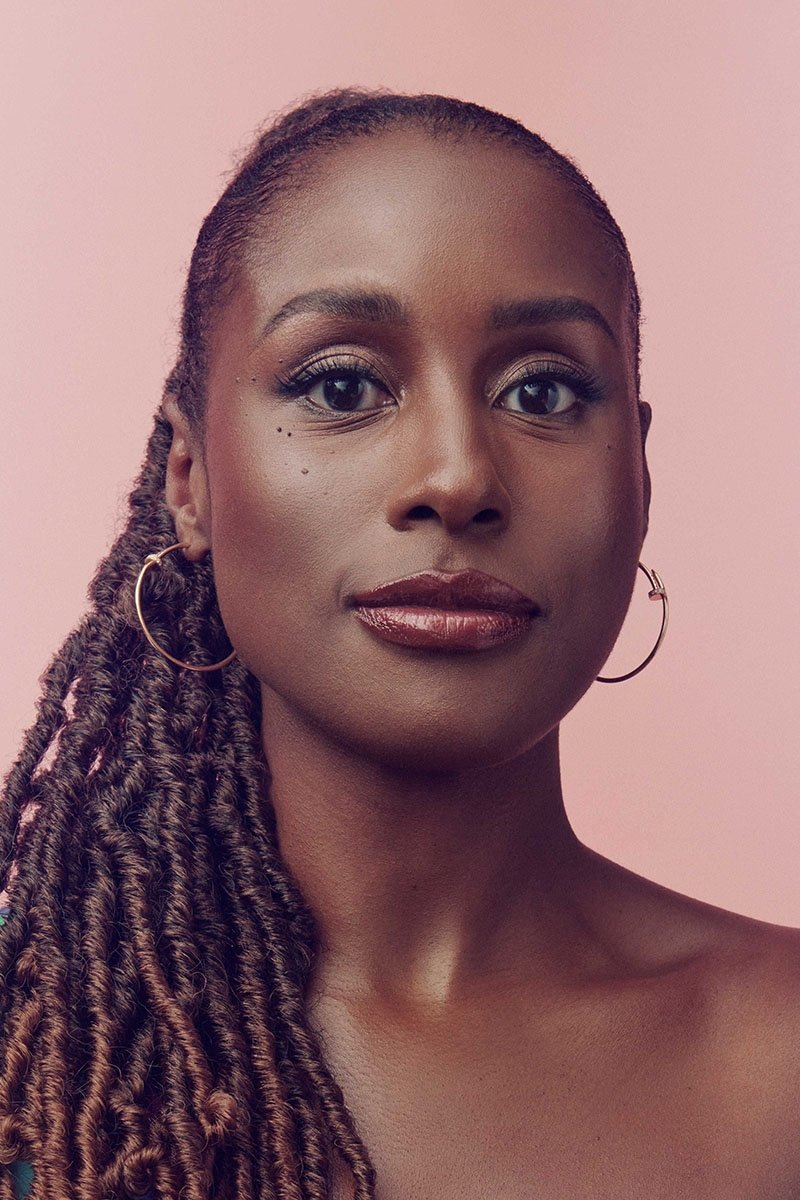
The creator of ‘Insecure’ has described the unregulated use of AI in Hollywood as terrifying and comparable to a dystopian nightmare. Rae noted that the issue feels like a real-life episode of ‘Black Mirror’ where creatives lose control over their own identities. She has publicly supported the writers and actors unions in their fight to establish boundaries around machine learning technologies. Her concerns extend to how AI might derivative content that mimics diverse voices without actually hiring diverse creators.
Rosario Dawson
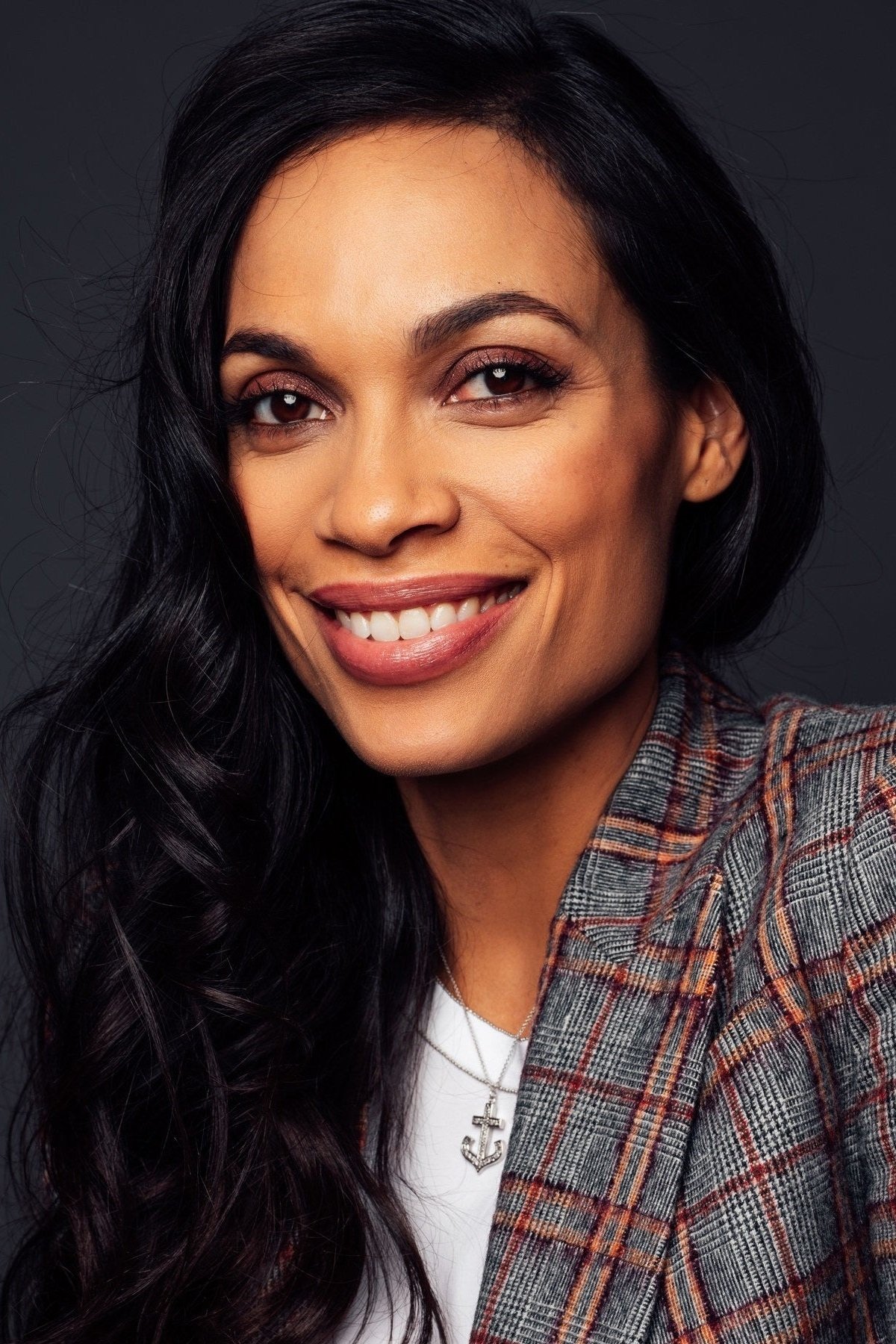
Dawson was among the thousands of creatives who signed a high-profile statement warning against the unlicensed use of creative works for AI training. She has consistently shown solidarity on picket lines and emphasized that the threat of AI affects all levels of the industry. The actress views the technology as a major unjust threat to the livelihoods of the people behind the art. Her activism highlights the need for a legal framework that prevents corporations from feeding copyrighted performances into data sets without permission.
Lupita Nyong’o
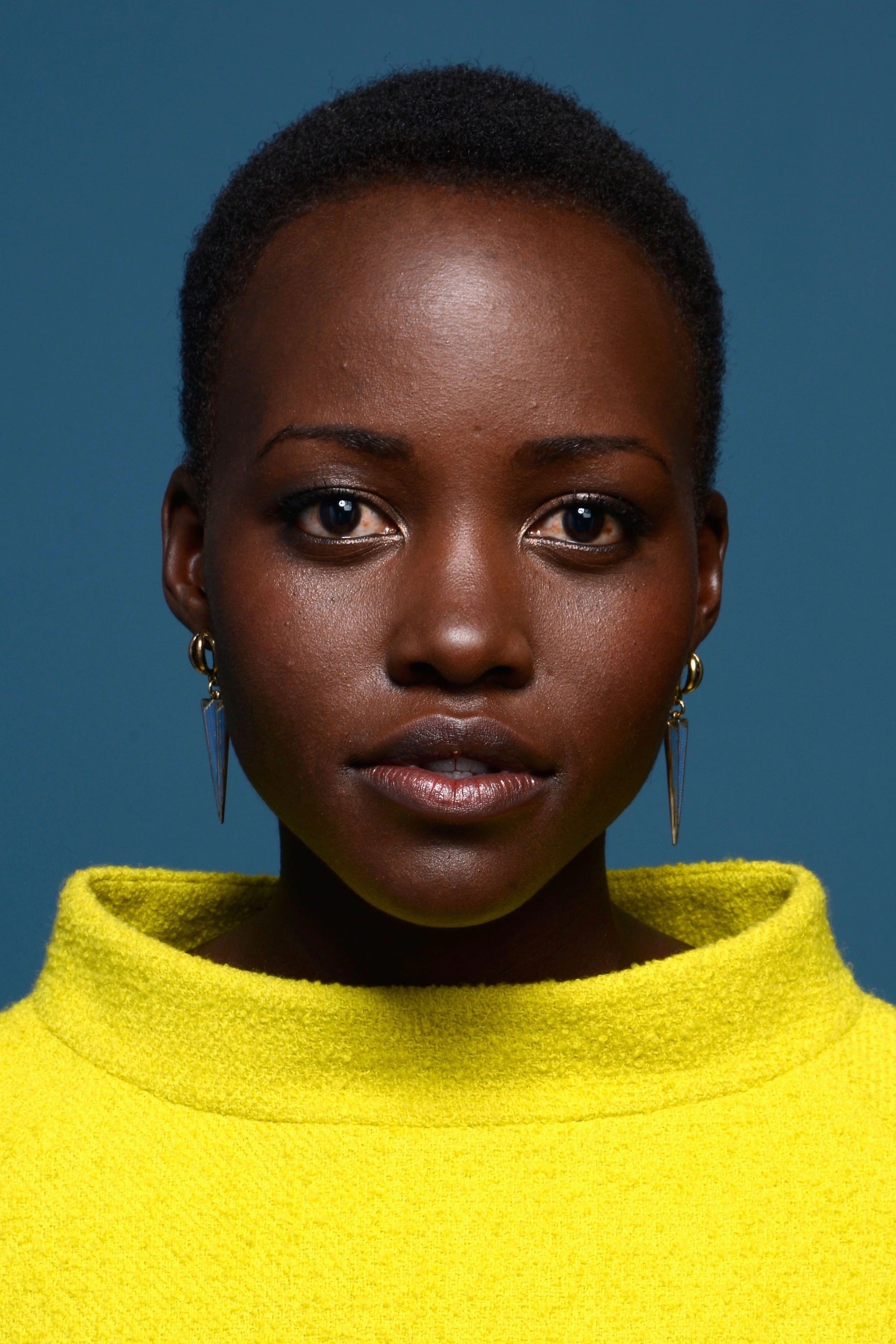
Nyong’o was a visible presence on the picket lines and vocalized her support for the union’s battle against digital replacement. She stated that while actors did not want to strike, the need for strong protections against having their likenesses used to train AI made it necessary. The Oscar winner emphasized that securing a fair and dignified livelihood includes ensuring that machines do not displace human actors. Her participation in the strike reinforced the message that physical performances must be protected from synthetic recreation.
Uzo Aduba
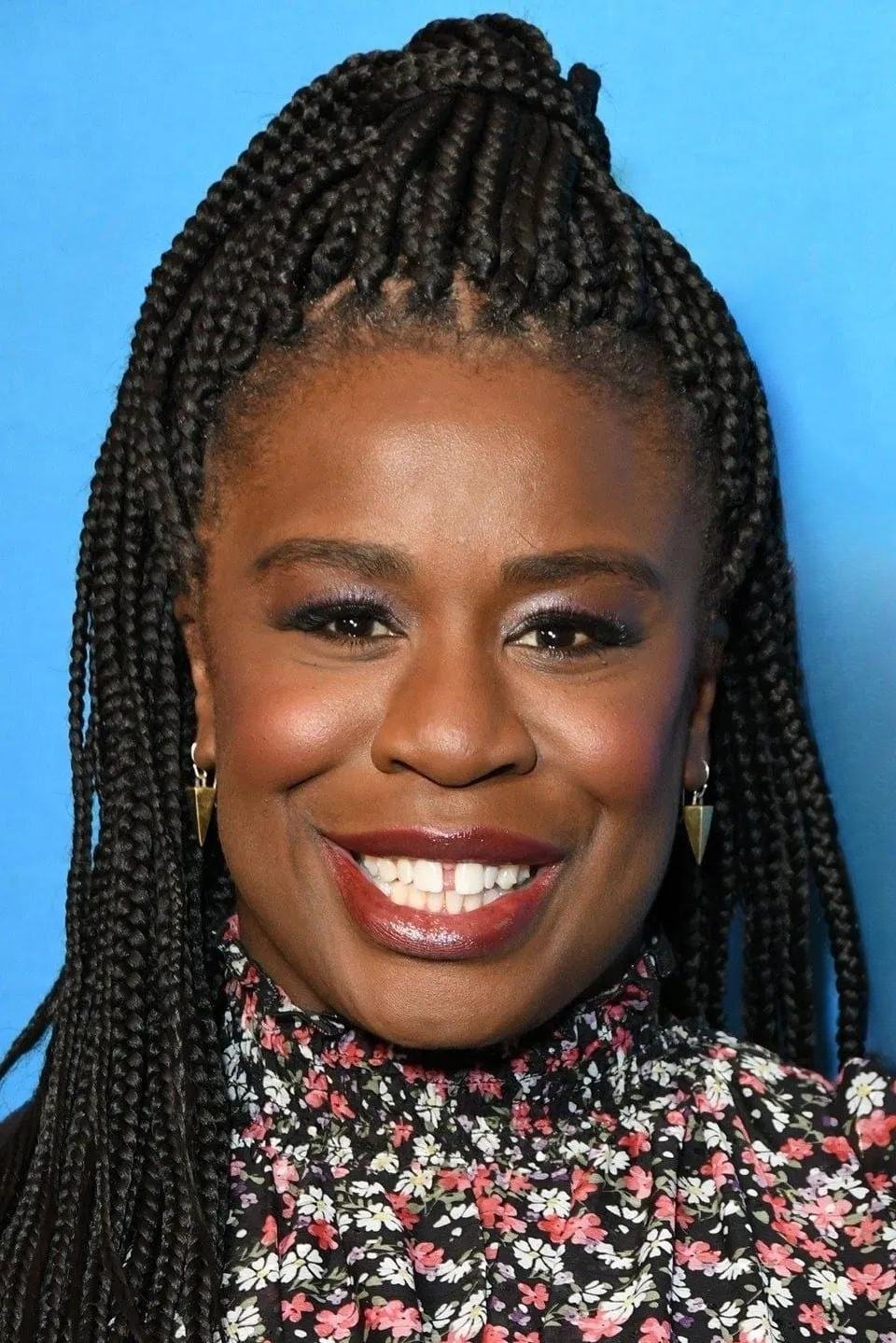
Aduba joined her fellow actors in protesting the studio proposals that would allow for broader use of artificial intelligence. She remarked that the most concerning aspect of the negotiations was the entire concept of what AI could do to the acting profession. The ‘Orange Is the New Black’ star argued that it should not be the status quo for workers to struggle while technology is used to undercut their value. Her statements reflect a broader anxiety about the dehumanization of the entertainment workforce.
Yvette Nicole Brown
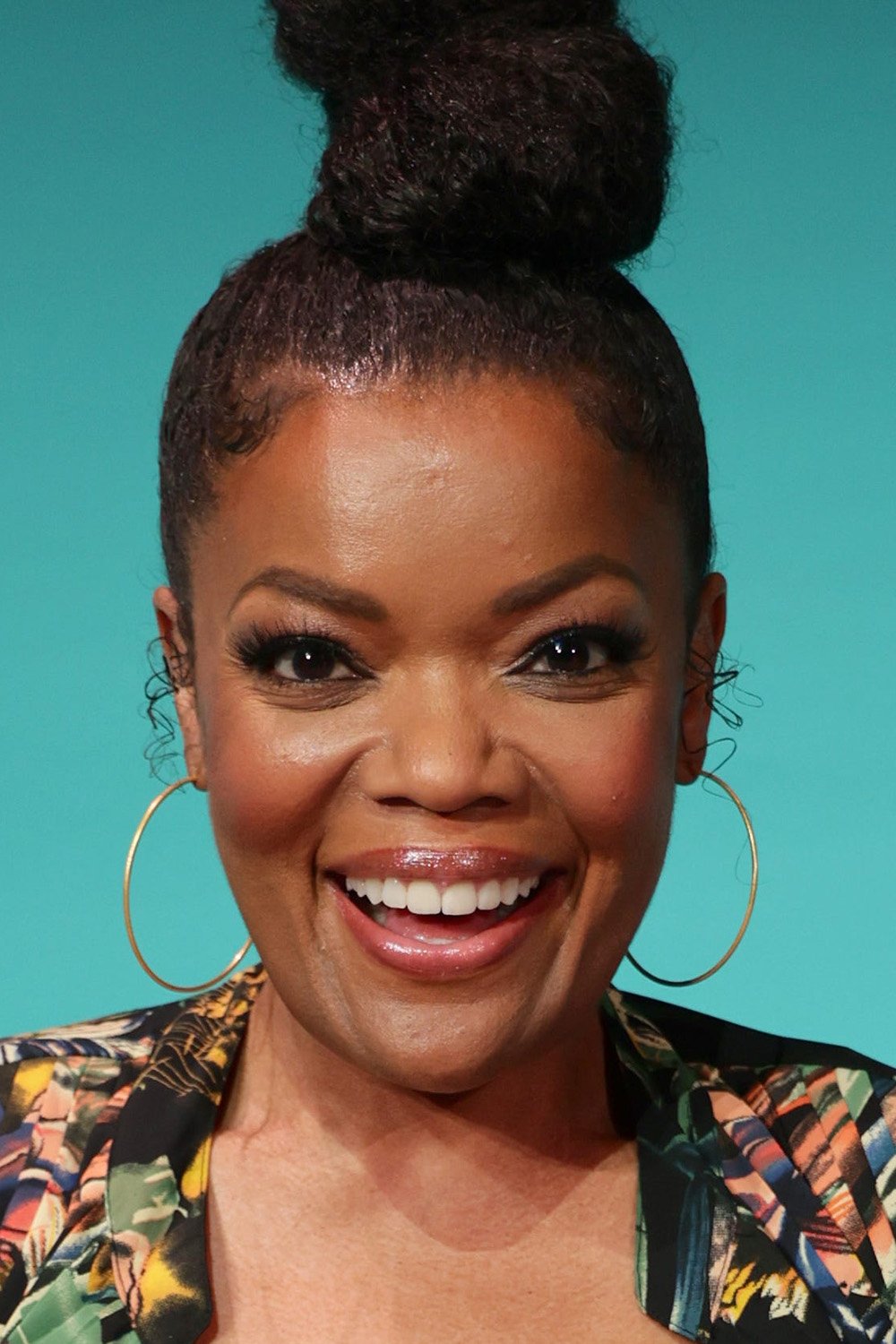
As a member of the SAG-AFTRA National Board, Brown played a critical role in communicating the dangers of AI to the public and her fellow members. She frequently took to social media and the picket lines to explain that the fight was about preventing studios from owning an actor’s image for eternity. Brown highlighted that without strict regulations, background actors could be scanned once and replaced forever without further pay. Her leadership helped galvanize support for the specific AI protections that were eventually included in the new contract.
Wanda Sykes
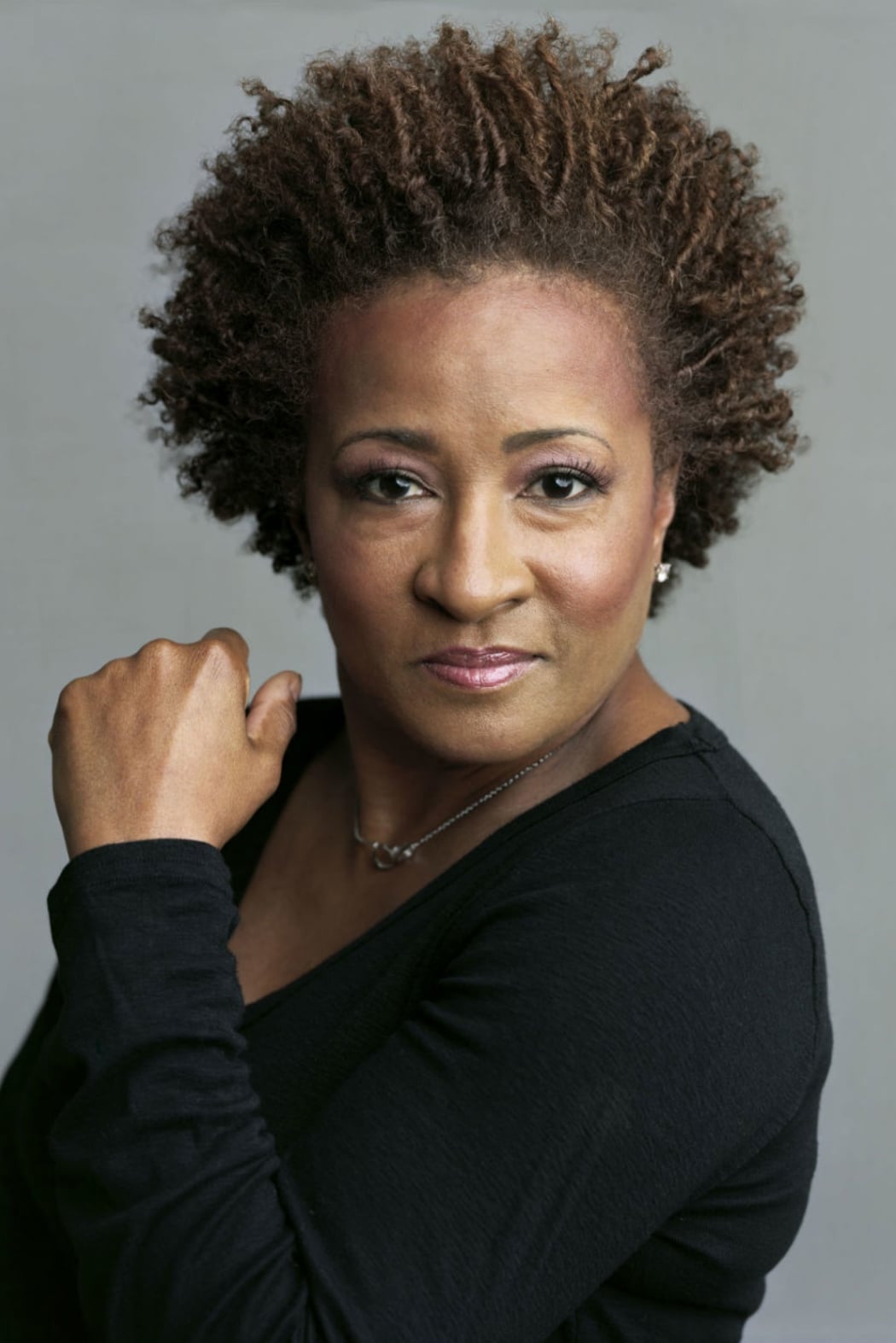
Sykes used her sharp wit and social media presence to criticize the studios for their initial refusal to regulate artificial intelligence. She tweeted sarcastically about the absurdity of executives wanting to schedule meetings rather than agree to immediate regulations. The comedian and actress has been a long-time supporter of union strength and fair wages for writers and performers. Her commentary often points out the greed inherent in replacing human creativity with algorithmic content.
Marsai Martin
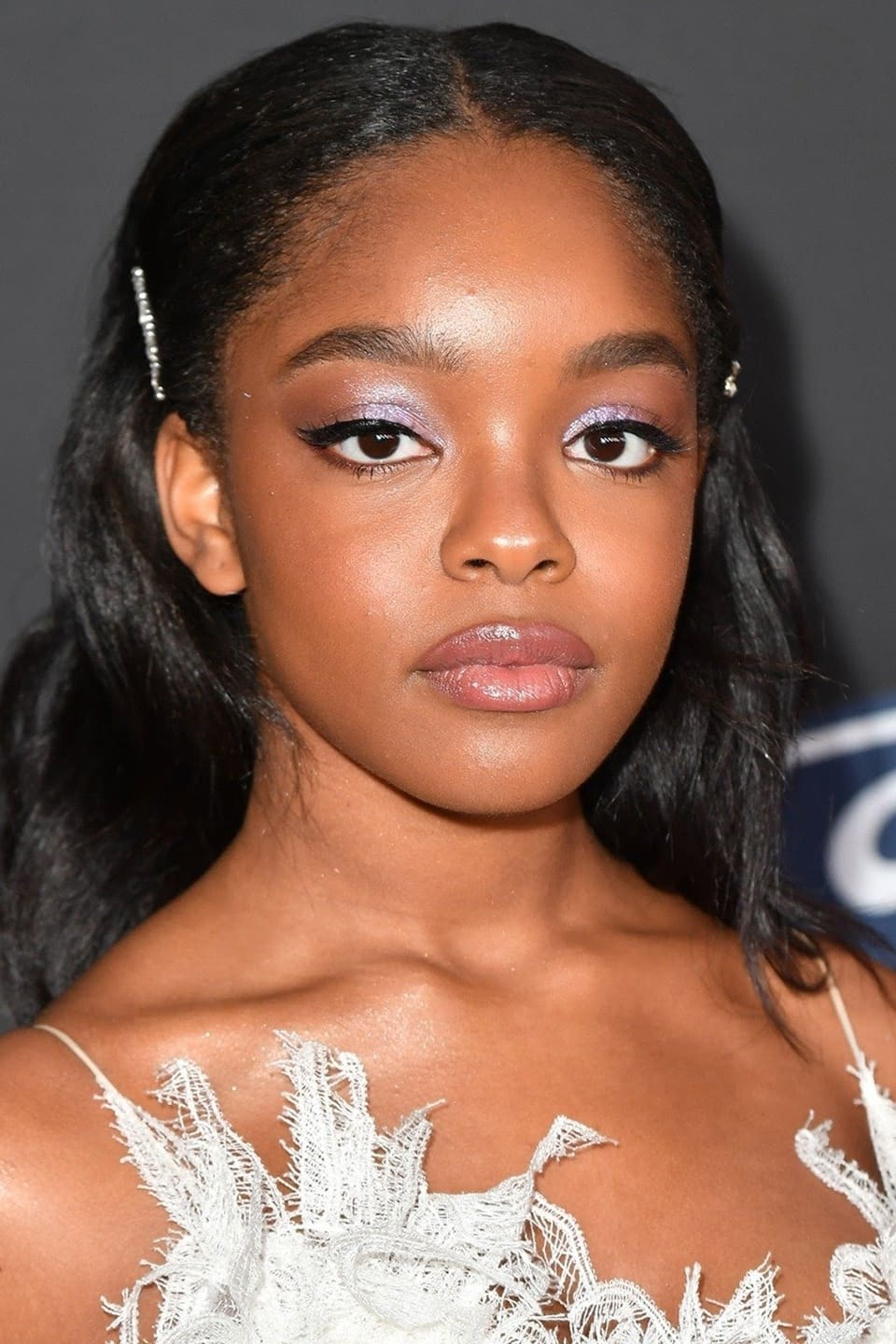
The young star and producer took a definitive stance by partnering with Dove for a campaign that committed to never using AI to represent real bodies in advertising. Martin expressed that real beauty involves showing an authentic and unapologetic self which she believes technology can never truly capture. She has spoken about having conversations with her peers regarding the future of their industry in the face of unrealistic digital standards. Her actions demonstrate a commitment to authenticity over synthetic perfection in media representation.
Quinta Brunson
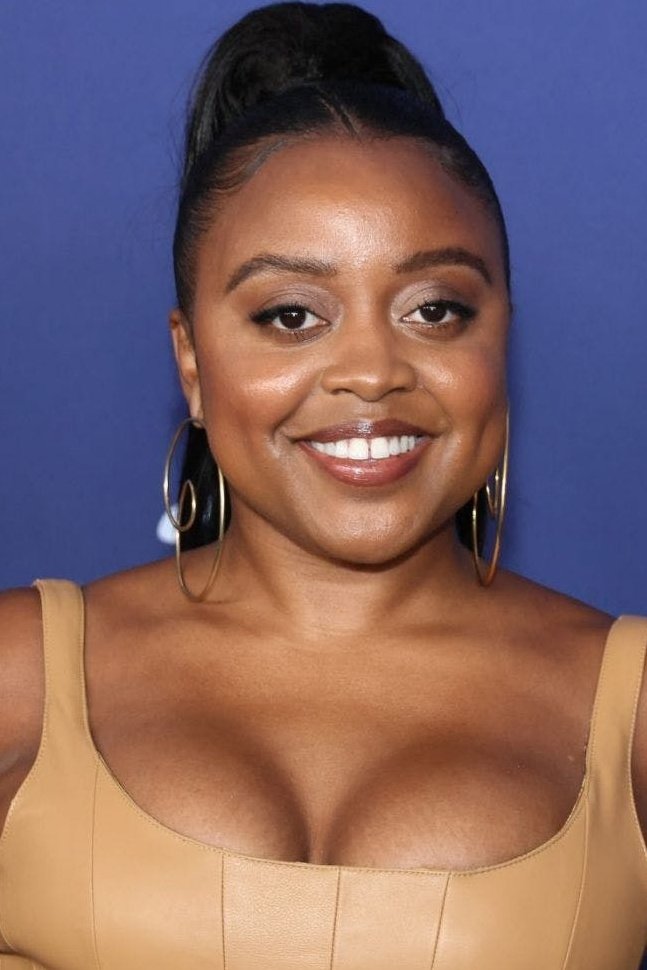
Brunson has expressed discomfort with the promotion of AI-generated content and its encroachment on creative spaces. She notably apologized to her followers after accidentally promoting an AI-generated video and clarified that she does not support the technology’s use in that manner. The ‘Abbott Elementary’ creator is a strong proponent of the writers and actors unions and their efforts to safeguard jobs. Her focus remains on nurturing human talent and storytelling rather than relying on automated tools.
Angela Bassett
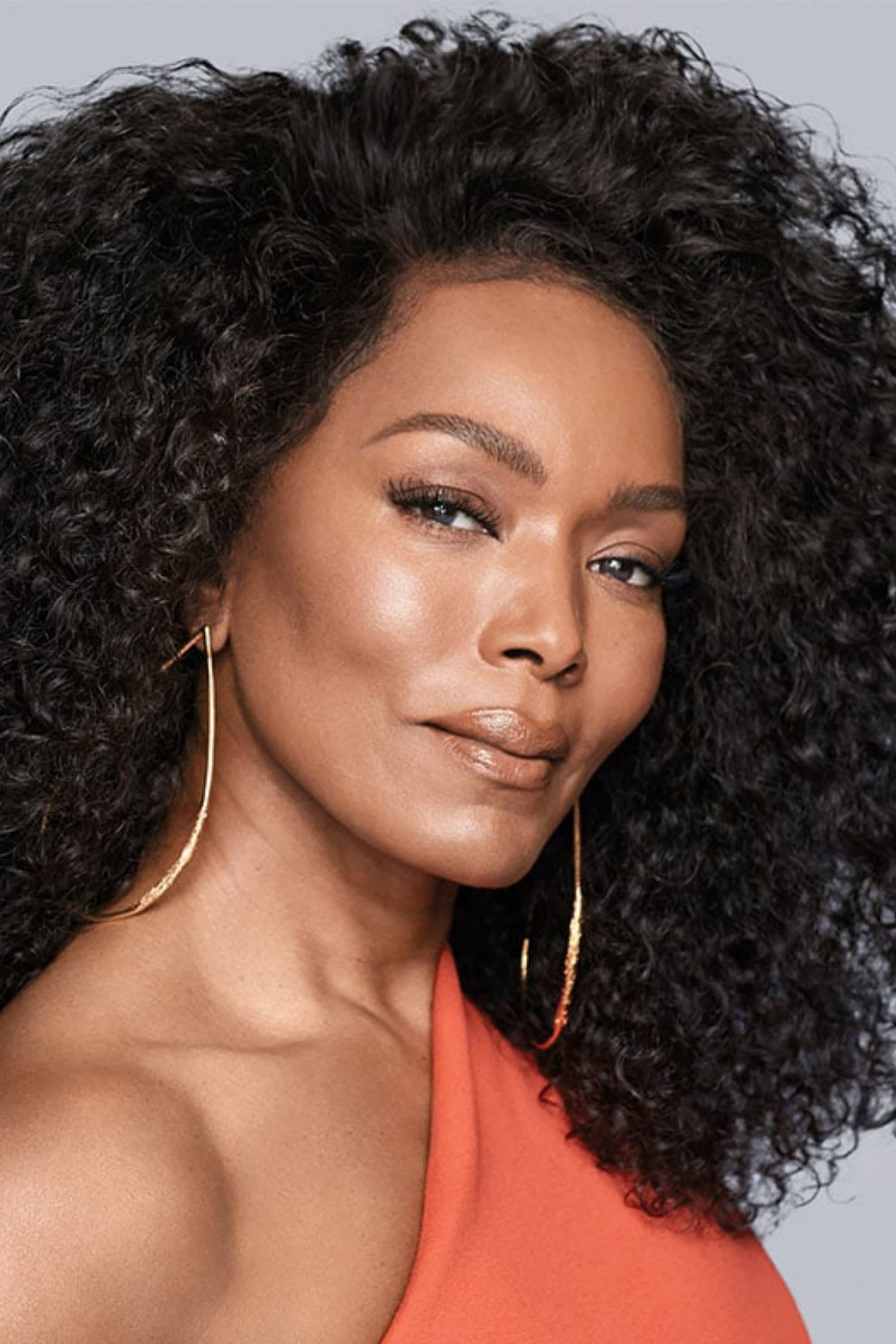
Bassett has voiced skepticism about the rapid expansion of technology in filmmaking and its potential to get out of hand. During the press tour for ‘Mission: Impossible’, she noted the irony of promoting a film about a rogue entity while the industry faced real-world AI challenges. She stood in solidarity with her union to demand that human performance remain the core of cinema. Her legendary career serves as a testament to the emotional depth that only a human actor can provide.
Sheryl Lee Ralph

As a Vice President of the SAG-AFTRA Los Angeles Local, Ralph was at the forefront of the battle to secure AI protections for union members. She delivered passionate speeches urging the industry to value human connection and the unique contributions of living performers. Ralph emphasized that the strike was necessary to ensure that the art form remained human-centered and economically viable for future generations. Her leadership was instrumental in keeping the membership united on the issue of digital rights.
Niecy Nash-Betts
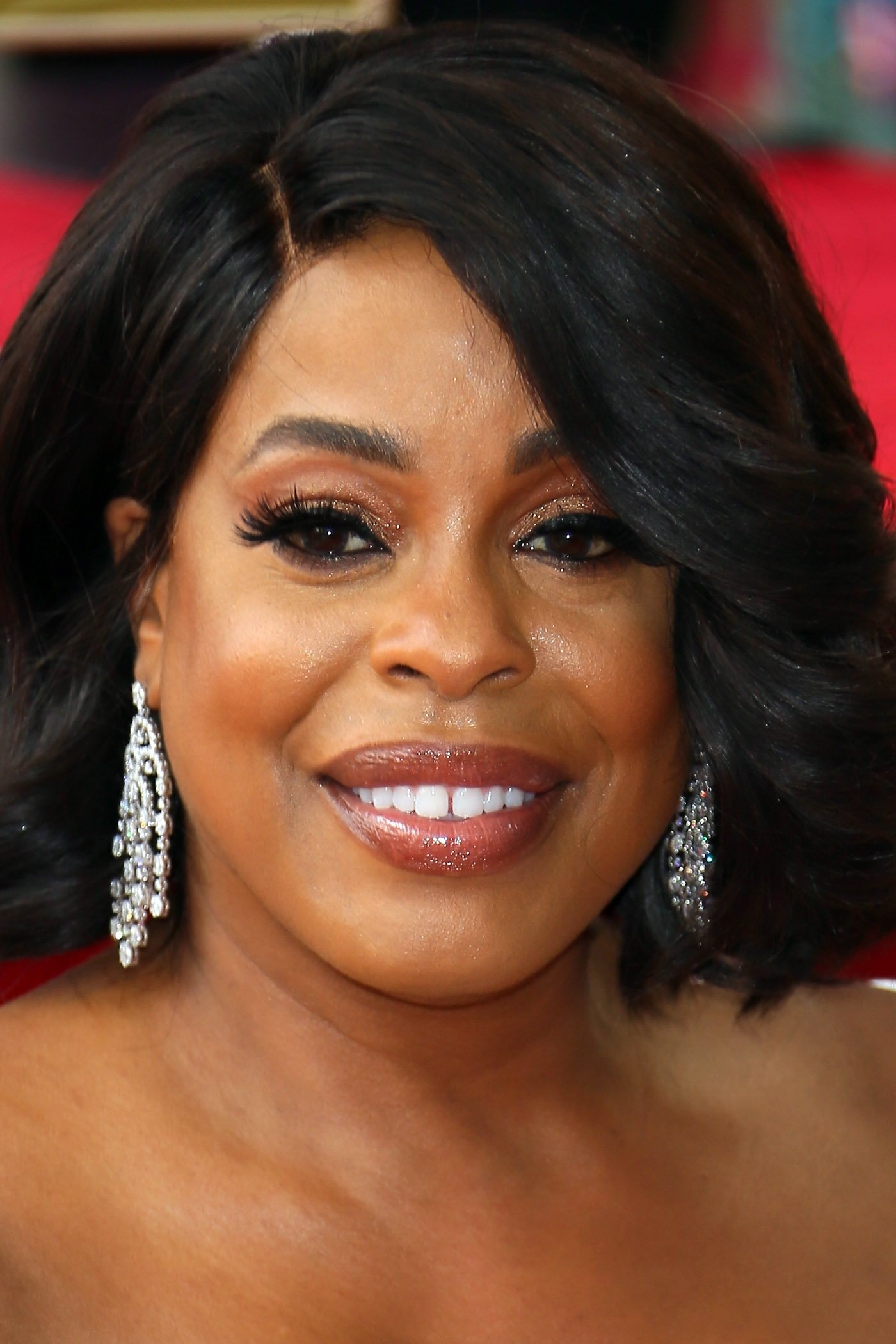
Nash-Betts was an enthusiastic supporter of the strike and frequently appeared on picket lines to demand better terms for actors. She voiced her support for the union’s stance that artificial intelligence should not be used to bypass hiring professional talent. The actress highlighted that the fight was about respect for the craft and ensuring that performers share in the profits their likenesses generate. Her advocacy focuses on the tangible human cost of replacing actors with digital simulations.
Retta
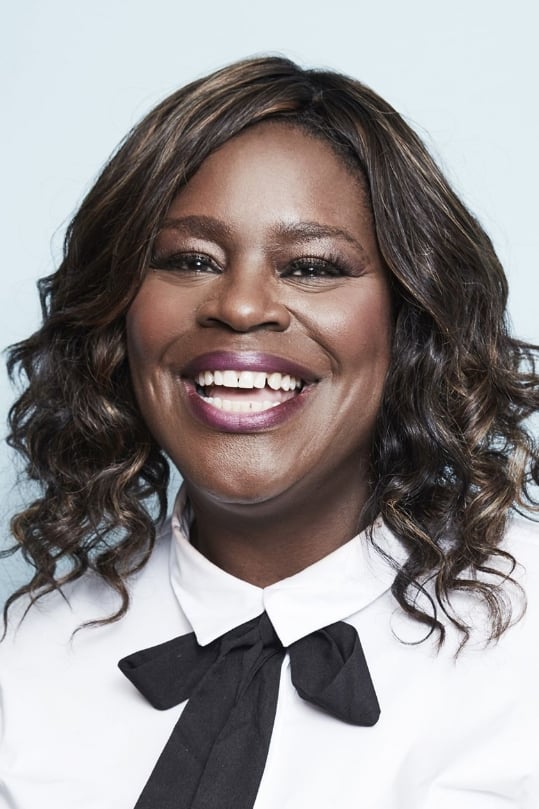
The ‘Parks and Recreation’ star was a constant fixture at union events and rallies where the regulation of AI was a primary demand. Retta used her platform to amplify the message that actors deserve to control how their images are used and monetized. She expressed solidarity with both writers and actors in their refusal to accept contracts that left loopholes for technological exploitation. Her presence highlighted the collective resolve of the acting community to prevent their erasure by machines.
Share your thoughts on how AI regulations should be handled in Hollywood in the comments.

