


Black Actresses Who Stepped Outside Their Comfort Zones for a Role

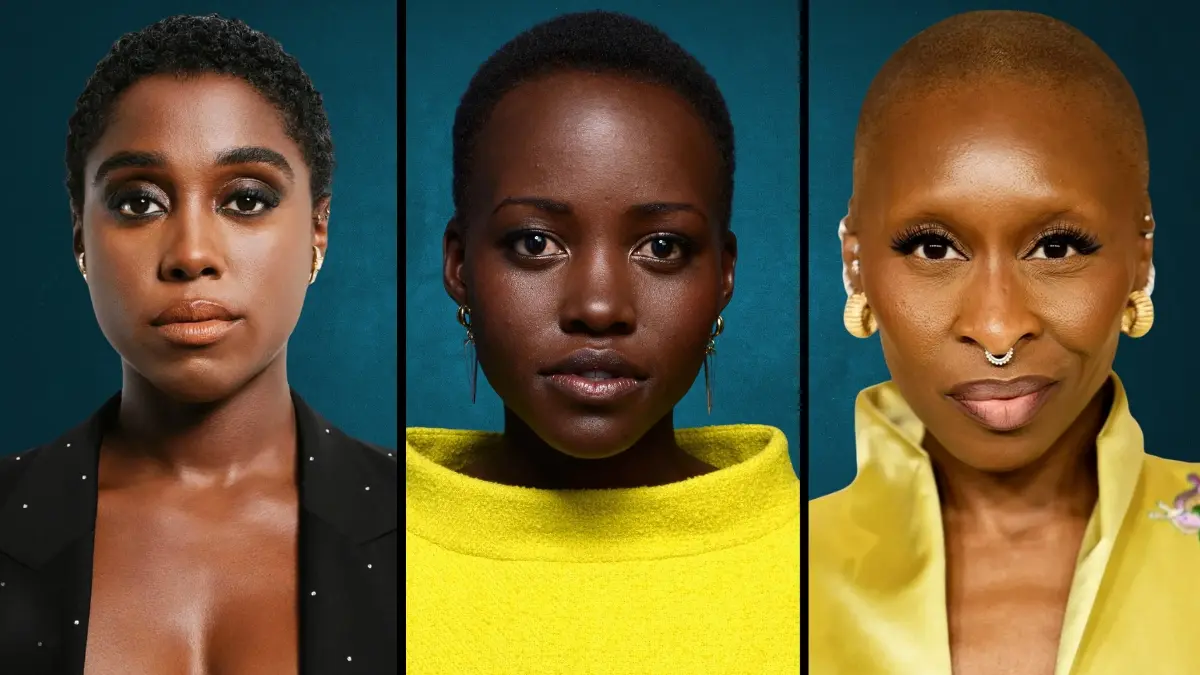


The history of cinema and television is marked by transformative performances that require actors to venture far beyond their established public personas. For many Black actresses, these roles have involved intensive physical conditioning, the mastery of complex dialects, or the exploration of deeply challenging emotional landscapes. By moving away from familiar archetypes and embracing roles that demand significant sacrifice or change, these performers have expanded the boundaries of their craft. This list examines 50 instances where Black actresses took creative risks to deliver some of the most compelling performances in modern entertainment history.
Viola Davis
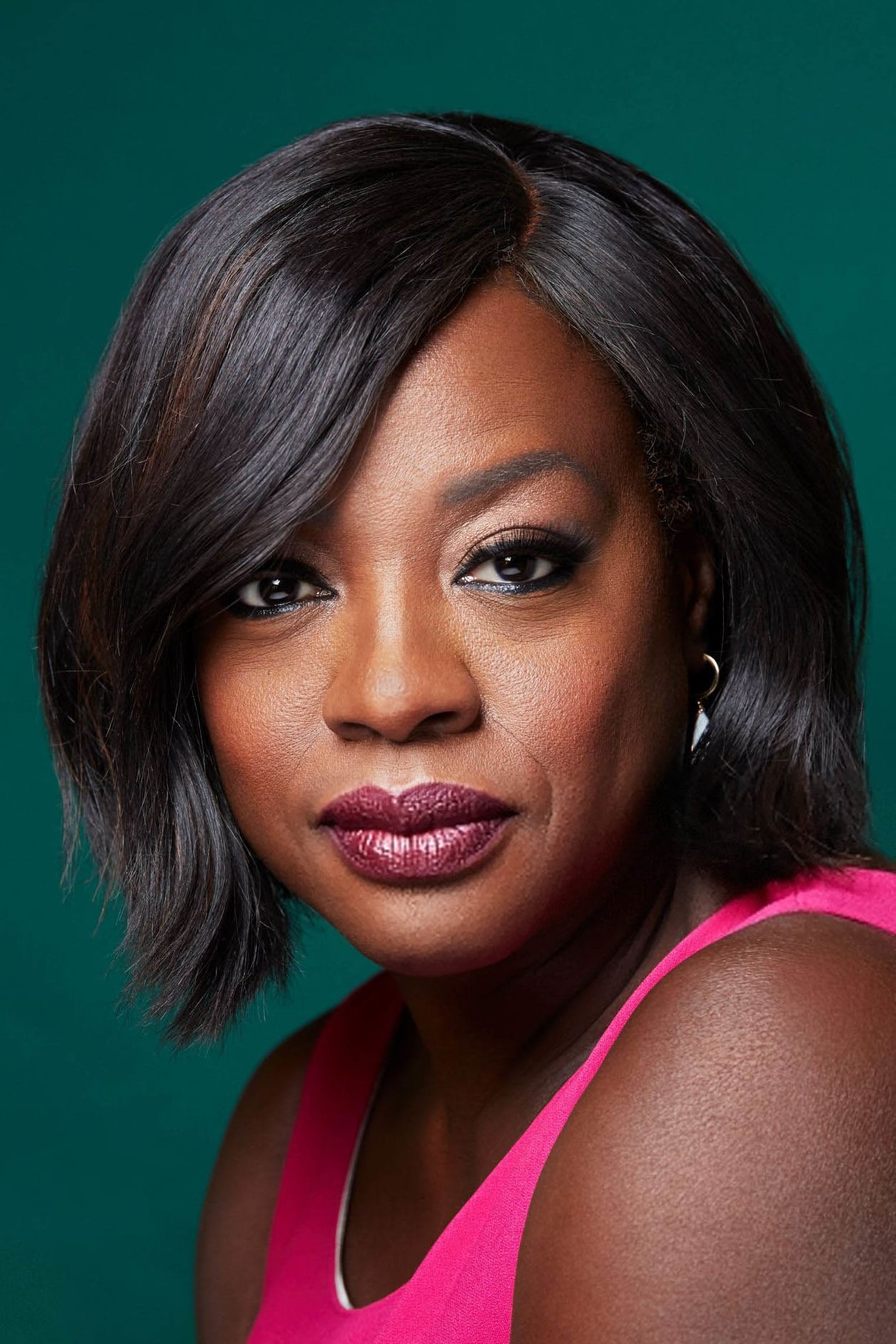
Viola Davis underwent a rigorous physical transformation to portray General Nanisca in the historical epic ‘The Woman King’. At age 56, she committed to months of weight training, sprinting, and martial arts choreography to perform her own stunts. This role marked a significant departure from her previous dramatic work, as she transitioned into the high-octane space of action cinema. Her dedication to the physical demands of the Dahomey Amazons showcased a different facet of her versatility as a performer.
Halle Berry
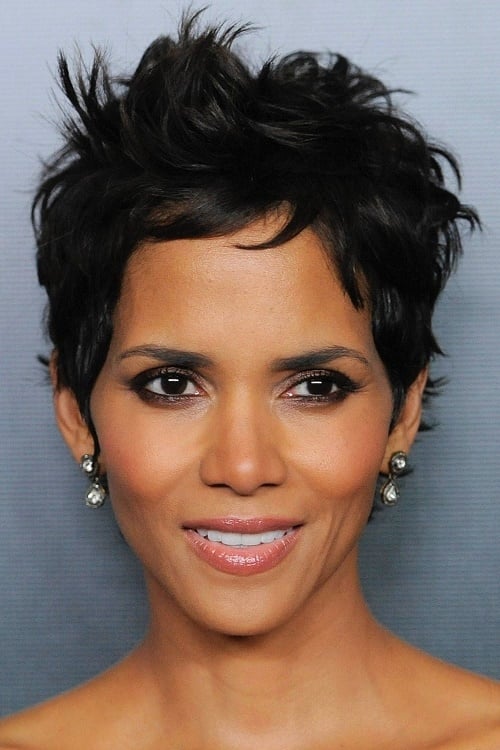
In the drama ‘Monster’s Ball’, Halle Berry portrayed Leticia Musgrove, a woman struggling with poverty and the execution of her husband. She deliberately moved away from her established image as a glamorous Hollywood leading lady to embrace a raw and emotionally vulnerable performance. The role required her to navigate complex themes of grief and racial tension in a gritty Southern setting. This creative risk ultimately made her the first Black woman to win the Academy Award for Best Actress.
Lupita Nyong’o
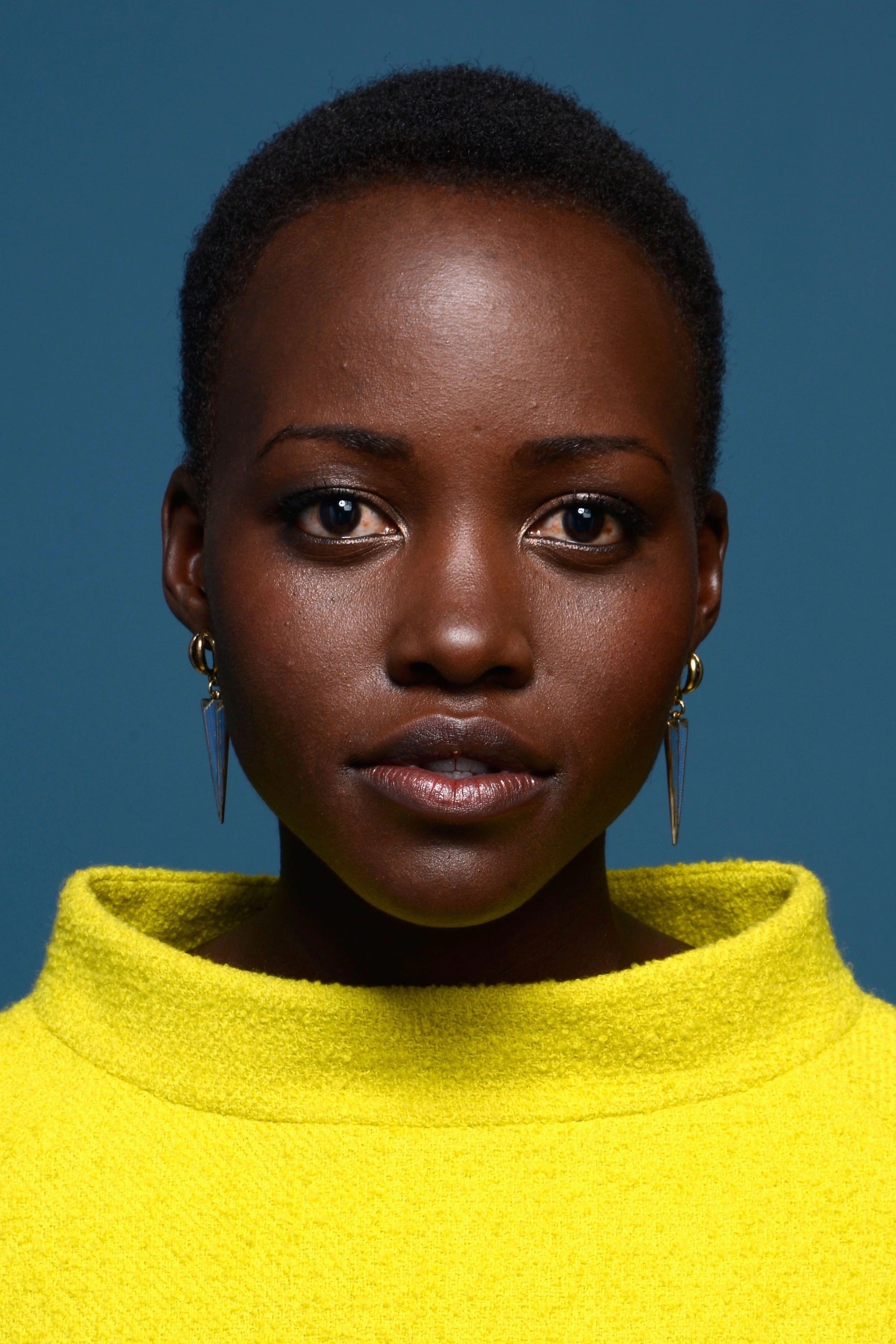
Lupita Nyong’o took on the challenge of playing two distinct characters in Jordan Peele’s horror film ‘Us’. She portrayed both Adelaide Wilson and her sinister doppelgänger, Red, which required a unique vocal performance characterized by a raspy, strained quality. To achieve this sound, she studied a condition called spasmodic dysphonia and worked extensively with a vocal coach. This dual role forced her to explore terrifying psychological depths and physically demanding choreography.
Angela Bassett
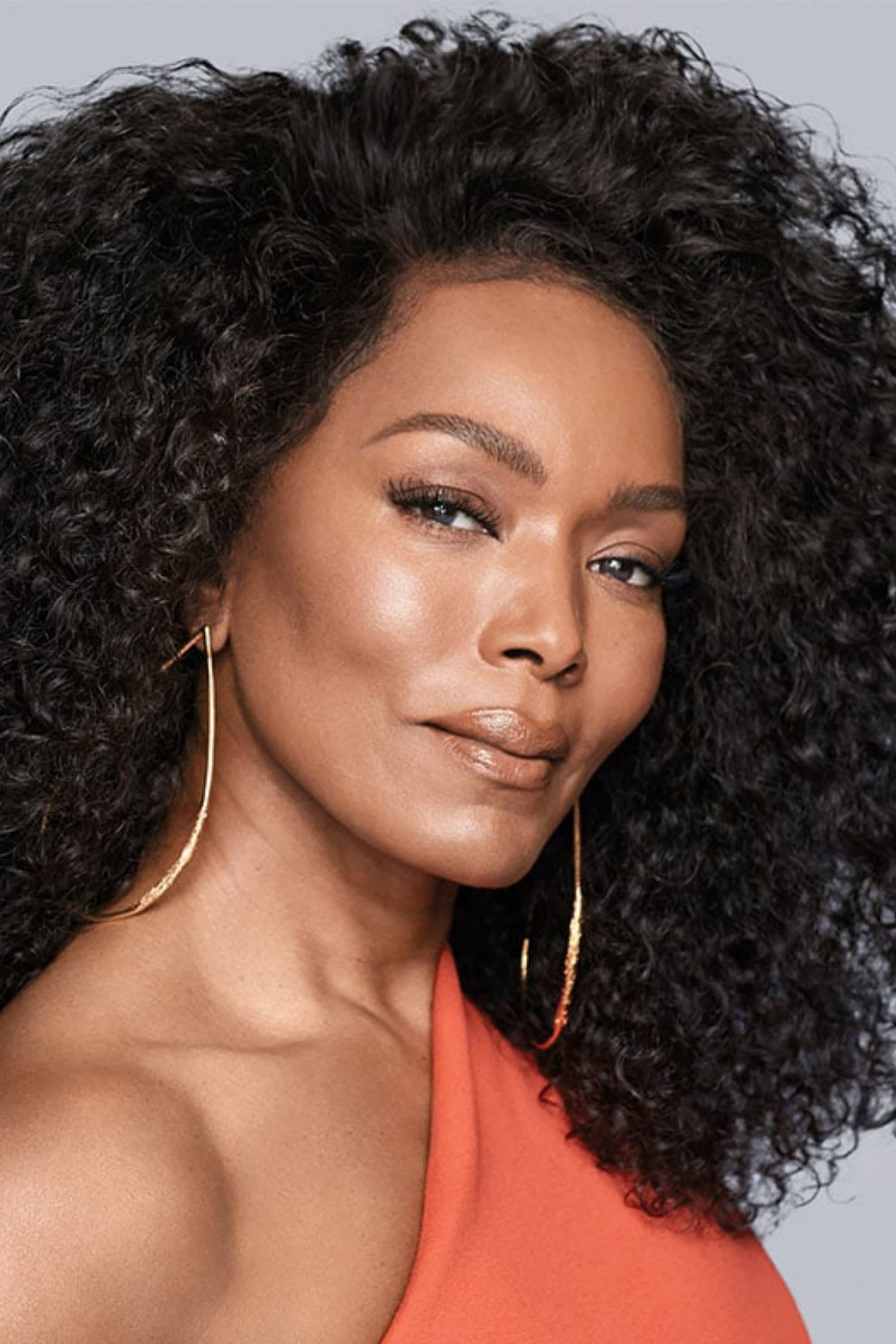
Angela Bassett achieved a remarkable physical and vocal likeness to Tina Turner in the biographical film ‘What’s Love Got to Do with It’. She underwent an intense fitness regimen to emulate the singer’s iconic muscular physique and practiced for hours to master her energetic stage presence. Beyond the physical transformation, Bassett had to depict the traumatic reality of domestic abuse with harrowing conviction. Her performance remains a benchmark for biographical portrayals in the film industry.
Octavia Spencer
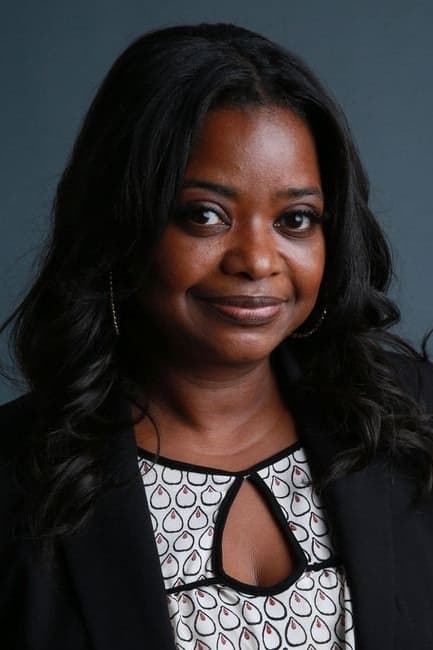
Commonly known for playing nurturing or witty characters, Octavia Spencer took a dark turn in the psychological horror film ‘Ma’. She portrayed Sue Ann, a lonely woman who descends into a violent obsession with a group of teenagers. This role allowed her to explore villainy and psychological instability, which was a sharp contrast to her previous Oscar-winning roles. By playing against type, she demonstrated her range in a genre she had rarely frequented before.
Cynthia Erivo
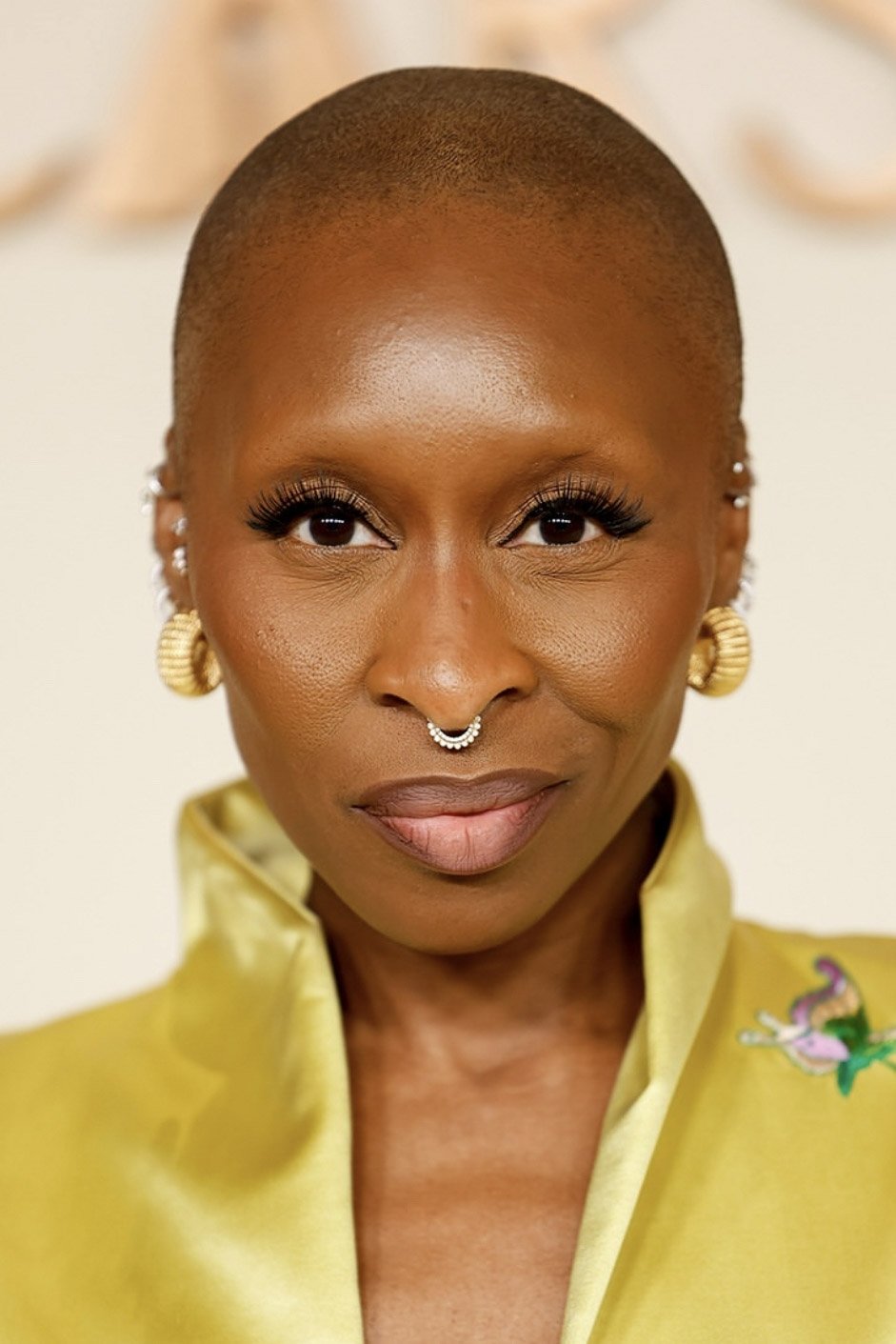
Cynthia Erivo endured significant physical and emotional strain to play the title role in ‘Harriet’. The production required her to film in harsh outdoor conditions, often involving running through difficult terrain to mimic Harriet Tubman’s real-life escapes. She also leaned into a deep, gravelly vocal register and a stoic demeanor that differed from her Broadway musical roots. Her commitment to the historical accuracy of the role highlighted the physical toll of the Underground Railroad.
Zoe Saldaña
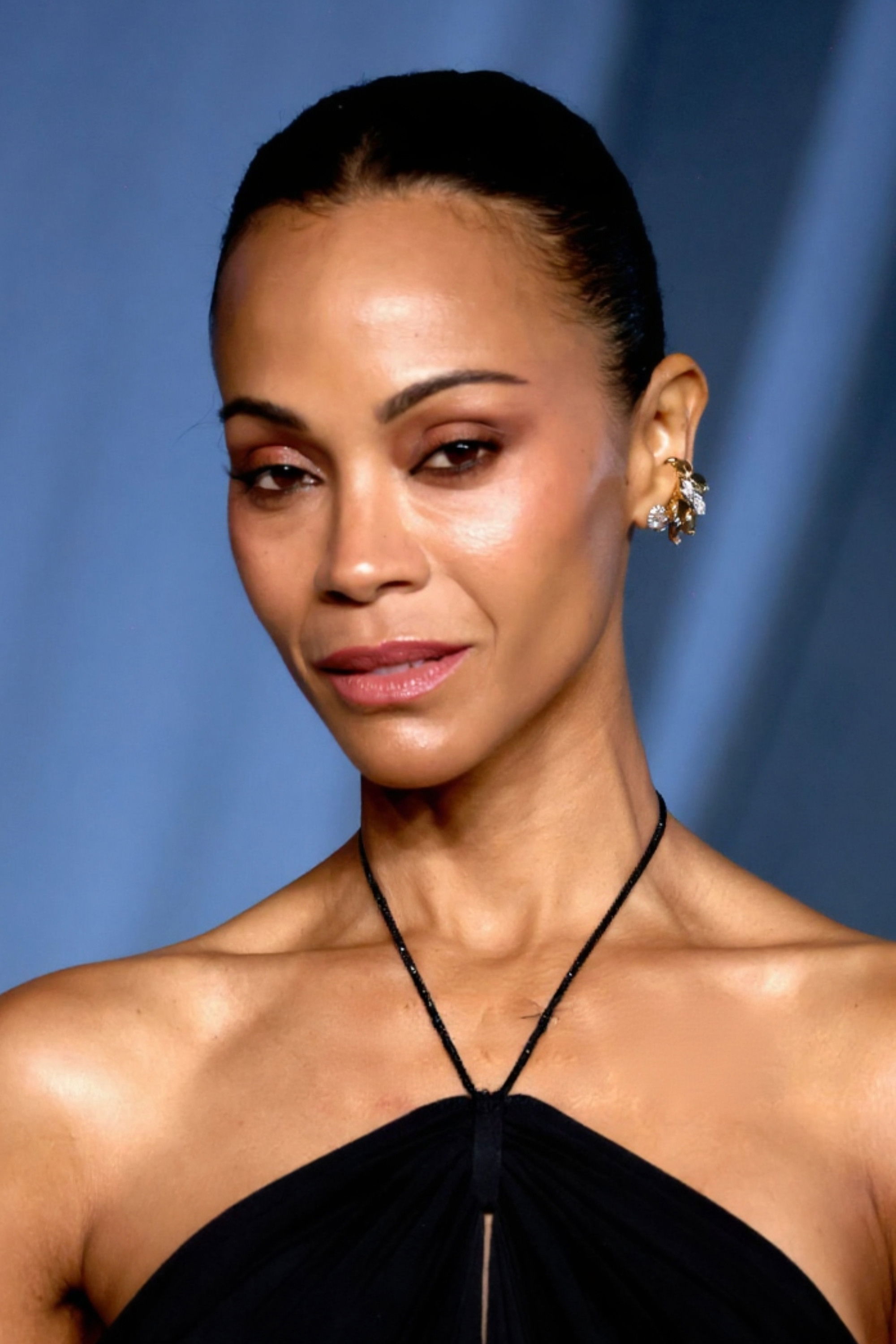
Zoe Saldana embraced the world of motion-capture technology for her role as Neytiri in ‘Avatar’. This required her to act in a specialized suit while imagining a vibrant alien environment that would only be added later through digital effects. She also had to learn a completely fictional language and master the movements of a non-human species. This departure from traditional live-action acting established her as a pioneer in the realm of performance-capture cinema.
Taraji P. Henson
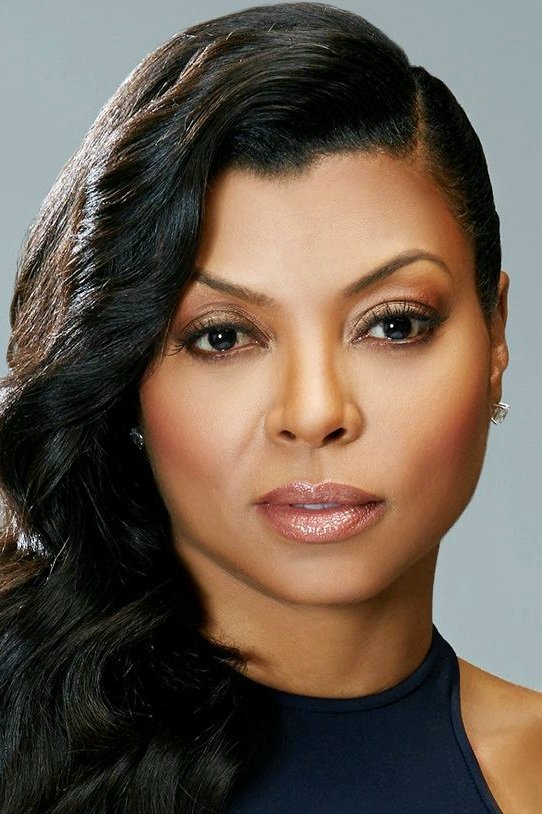
In ‘The Curious Case of Benjamin Button’, Taraji P. Henson played Queenie, a woman who ages over several decades. The role required her to spend hours in the makeup chair to realistically portray the character from her youth into old age. This was a departure from her more contemporary and high-energy roles, requiring a quiet, maternal grace. Her subtle performance earned her an Academy Award nomination and proved her capability in period dramas.
Naomie Harris
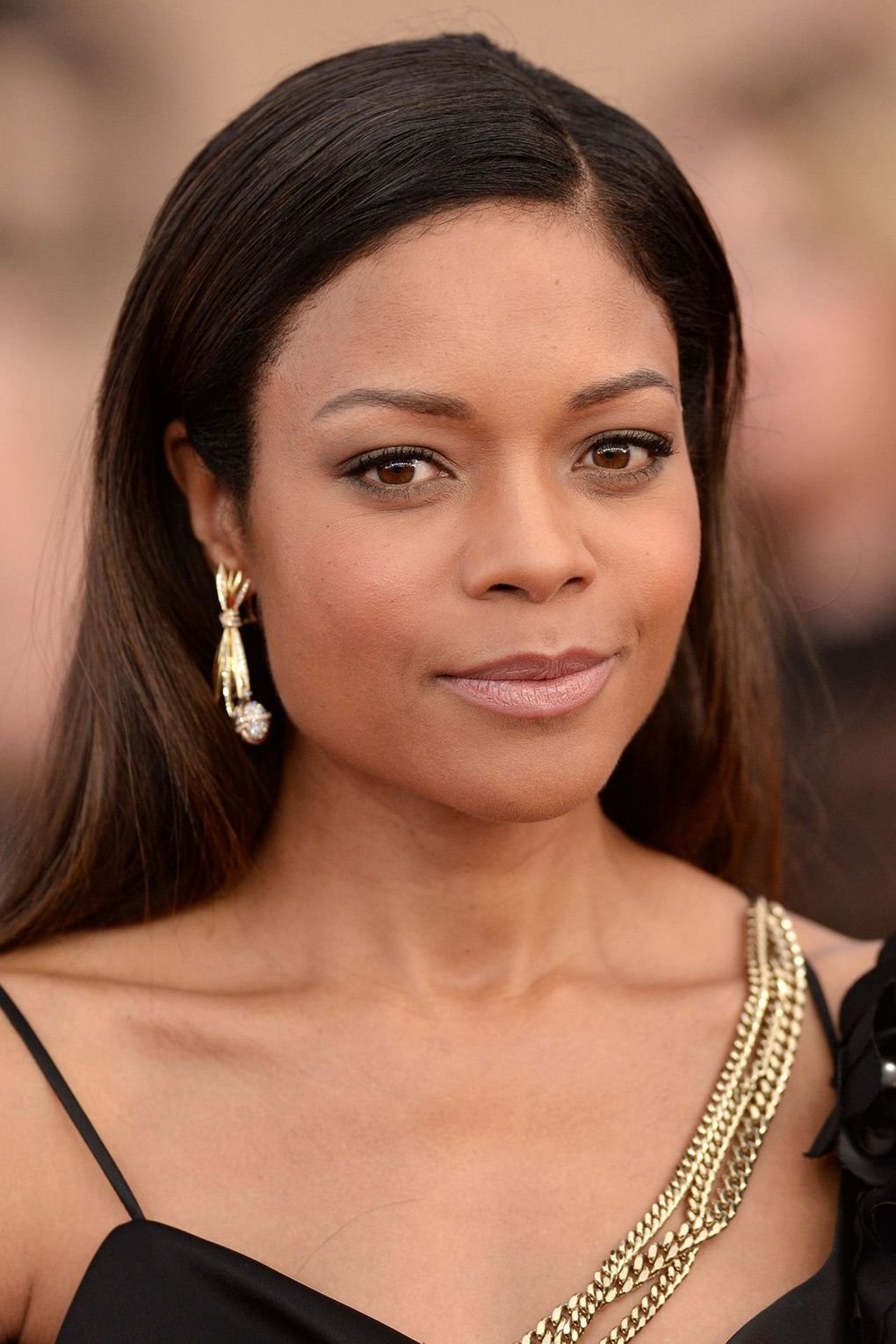
Naomie Harris had only three days to film her entire performance as Paula in ‘Moonlight’. She played a mother struggling with drug addiction, a role that required her to inhabit a frantic and deteriorating mental state. Harris initially hesitated to take the role because she did not want to portray a negative stereotype, but she eventually decided to give the character depth and humanity. The result was a haunting performance that garnered widespread critical acclaim.
Mo’Nique
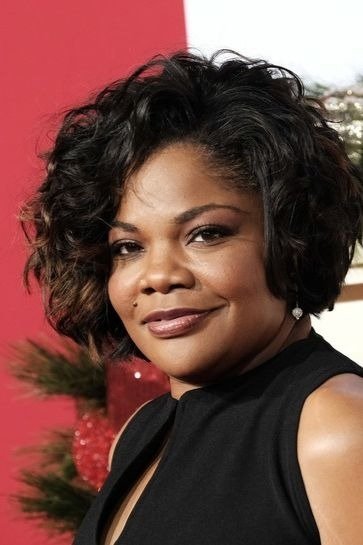
Primarily known for her work in stand-up comedy and sitcoms, Mo’Nique shocked audiences with her performance in ‘Precious’. She played Mary Lee Johnston, a monstrously abusive mother, which required her to tap into a level of darkness and cruelty unseen in her previous work. She avoided the use of makeup to emphasize the character’s harsh life and environment. This dramatic turn won her an Academy Award and completely redefined her professional reputation.
Danai Gurira
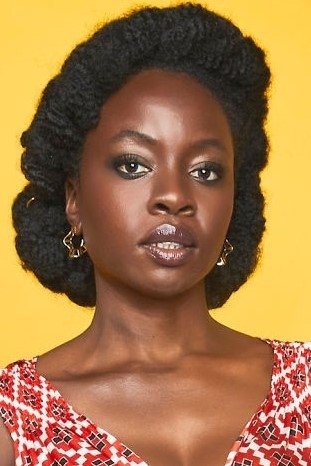
Danai Gurira fully committed to the role of Okoye in ‘Black Panther’ by shaving her head to represent the Dora Milaje. This was a significant aesthetic change that she initially found daunting but later described as empowering. She also underwent extensive weapons training to master the use of a vibranium spear in complex fight sequences. Her performance combined fierce physical prowess with a rigid adherence to fictional Wakandan tradition.
Jennifer Hudson
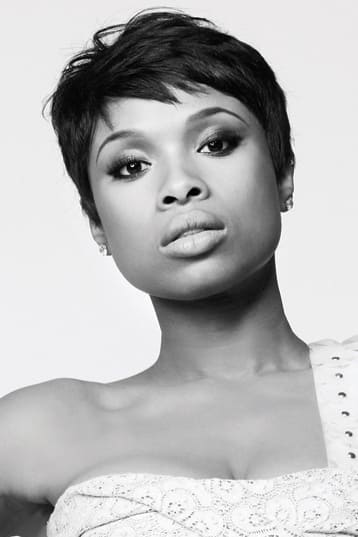
Jennifer Hudson made her film debut in ‘Dreamgirls’, moving from reality television to a major musical production. She portrayed Effie White, a character that required her to convey profound professional rejection and personal heartbreak. The role culminated in the iconic performance of “And I Am Telling You I’m Not Going,” which demanded immense vocal and emotional stamina. Her transition from ‘American Idol’ contestant to an Oscar-winning actress remains one of the most successful jumps in entertainment.
Regina King
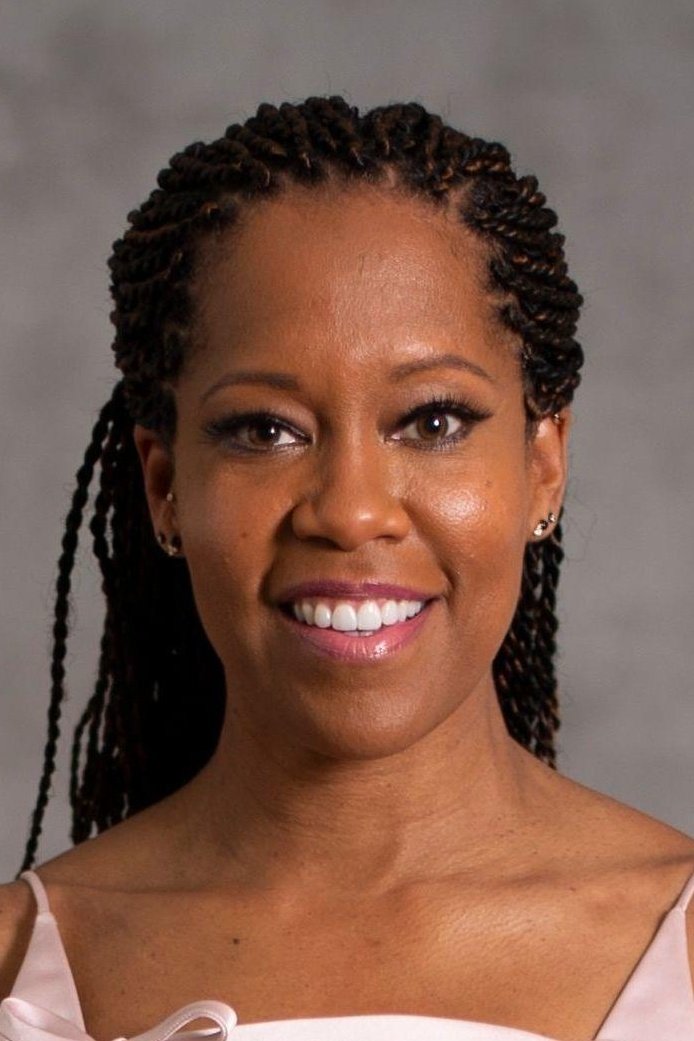
Regina King stepped into the world of masked vigilantes for her lead role in the series ‘Watchmen’. She portrayed Sister Night, a character that balanced a grounded family life with high-intensity action sequences and stunt work. This role required her to navigate a complex alternate history while maintaining a physically imposing presence. It was a stylistic departure from her more grounded dramatic work in films like ‘If Beale Street Could Talk’.
Zendaya

Zendaya transitioned away from her Disney Channel roots by taking on the role of Rue Bennett in the series ‘Euphoria’. She portrayed a teenager struggling with severe substance abuse, requiring her to film many scenes depicting withdrawal and emotional breakdowns. This gritty and raw performance was a stark contrast to her previous lighthearted roles. Her work on the show has been recognized for its honest and often uncomfortable depiction of mental health.
Andra Day
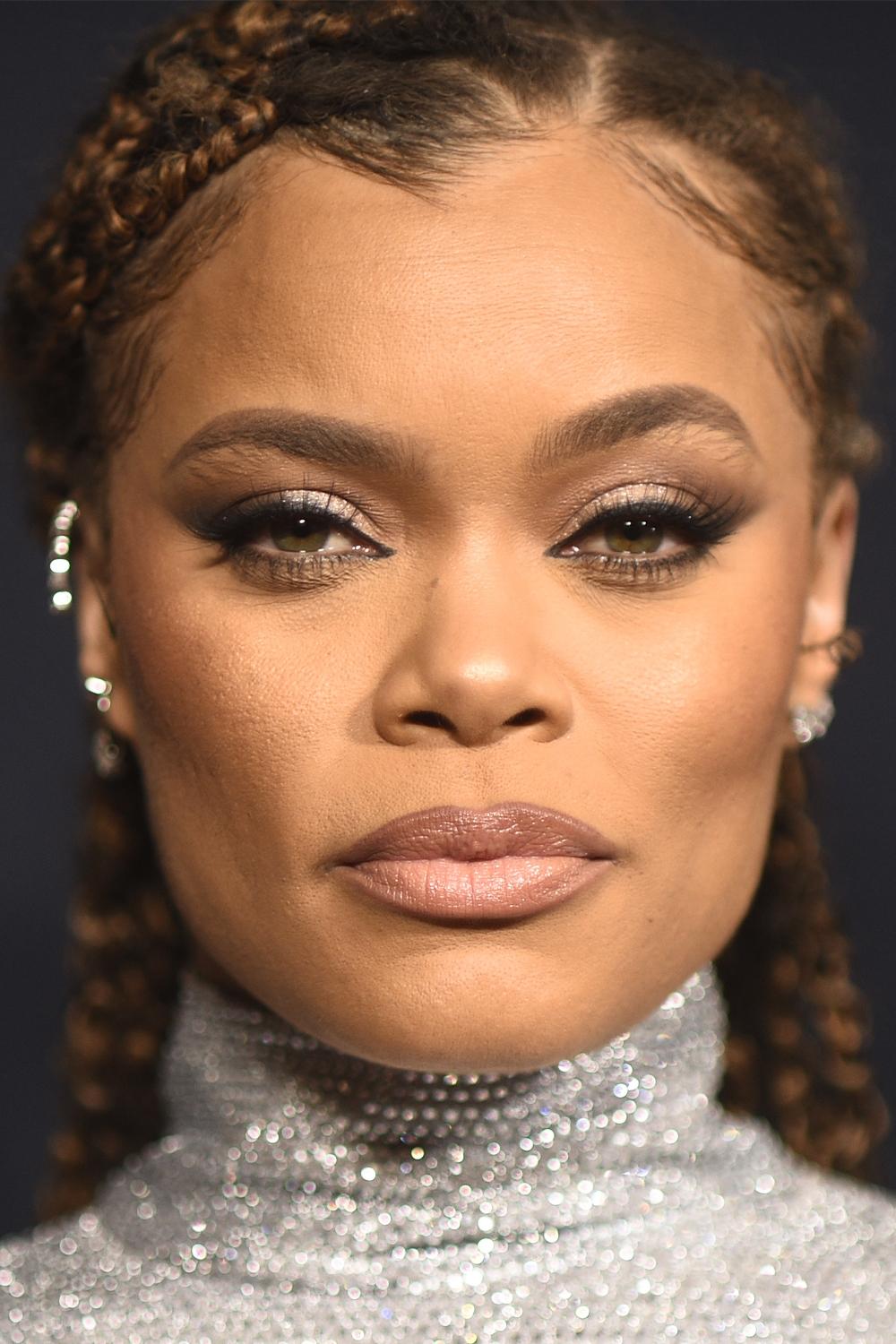
Andra Day took a significant risk for her debut acting role in ‘The United States vs. Billie Holiday’. She lost 39 pounds and began smoking cigarettes to achieve the raspy, worn-out vocal tone characteristic of Holiday’s later years. Day also refrained from drinking water on set to keep her throat dry for the singing scenes to sound more authentic. Her immersion into the tragic life of the jazz singer earned her an Academy Award nomination.
Uzo Aduba
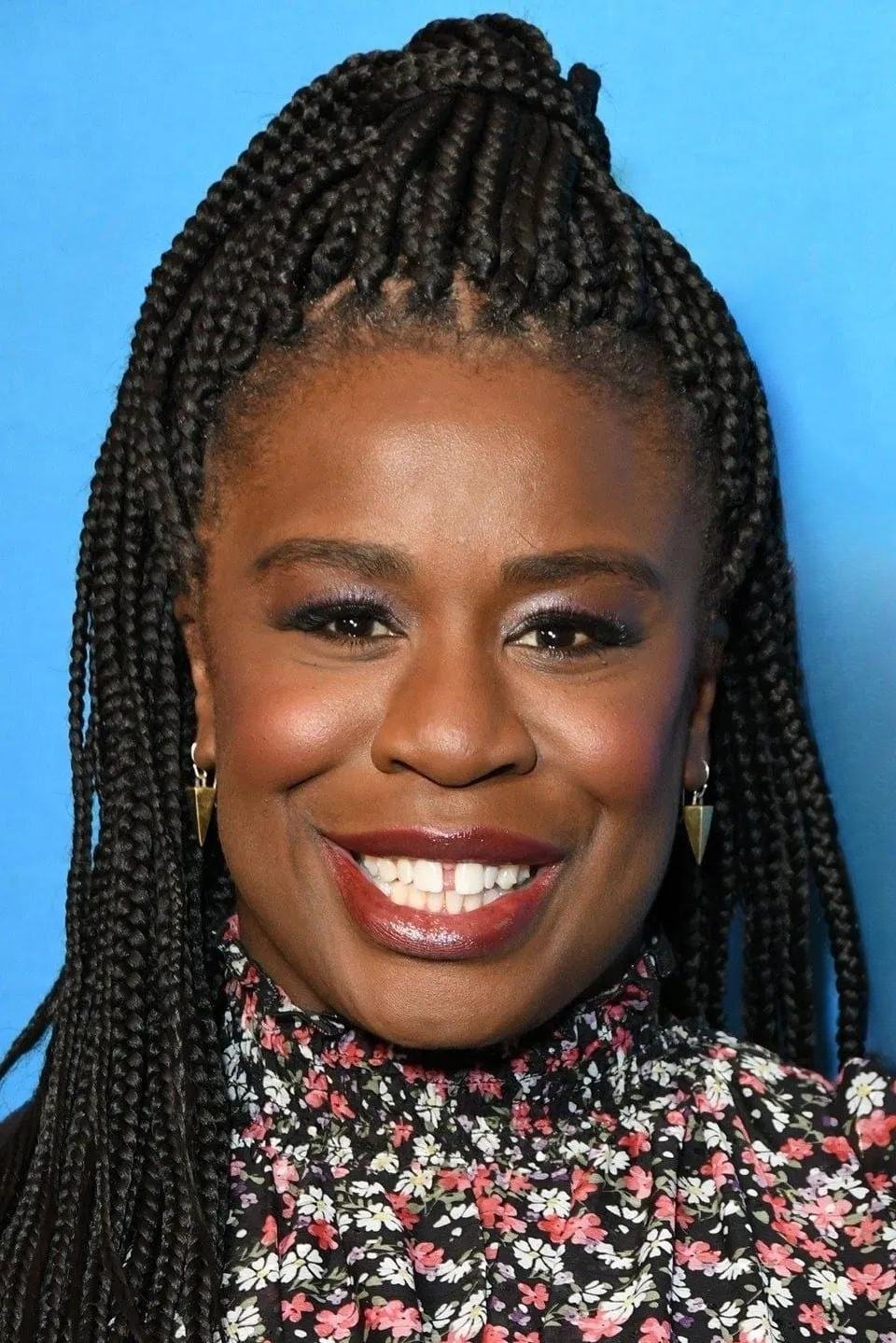
Uzo Aduba became unrecognizable to many viewers when she took the role of Suzanne “Crazy Eyes” Warren in ‘Orange Is the New Black’. She adopted unique facial expressions and a distinctive manner of speaking that were entirely different from her natural persona. The character required a delicate balance of comedic timing and tragic emotional depth. Aduba’s performance was so convincing that many fans were surprised by her glamorous appearance in real life.
Janelle Monáe
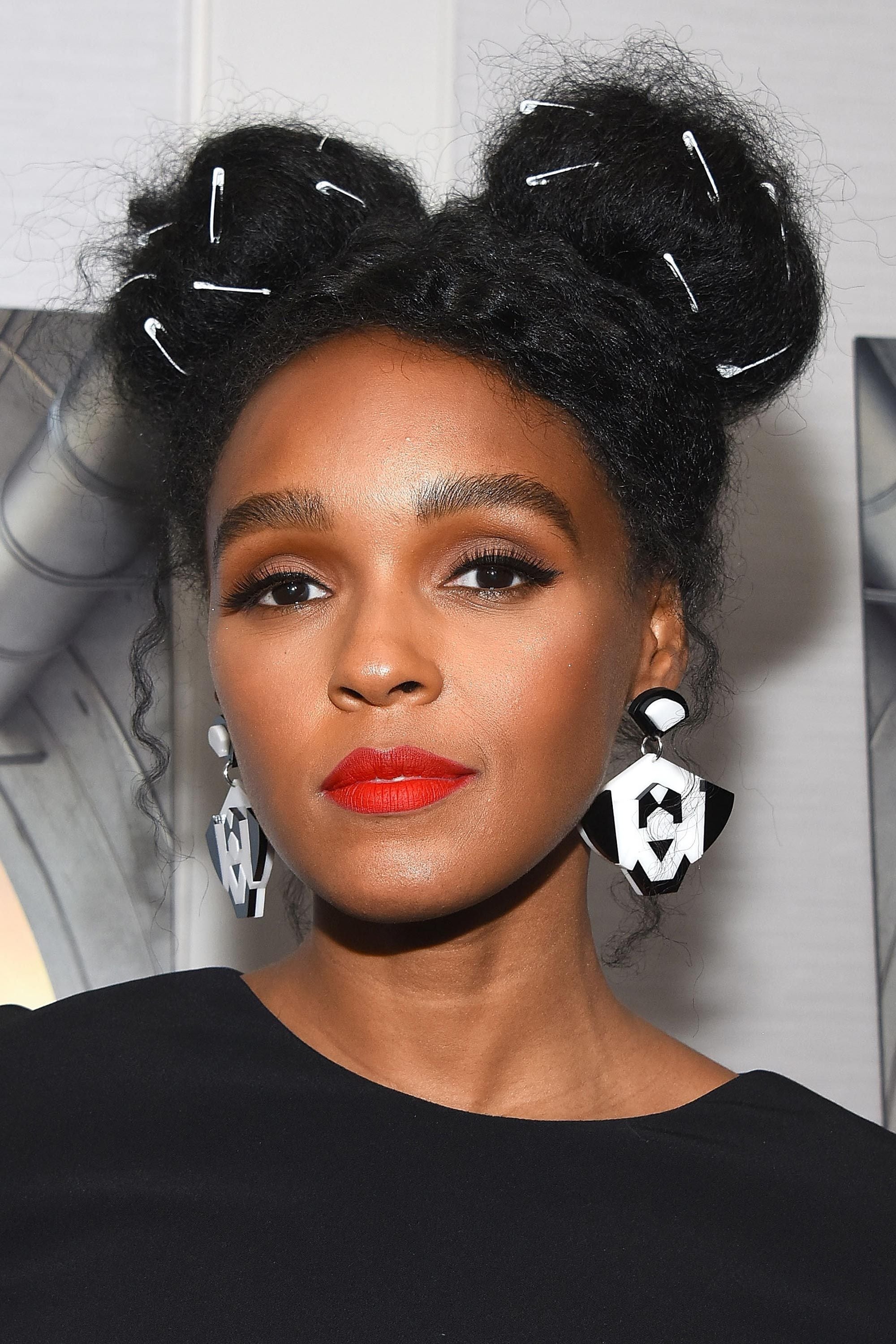
Janelle Monáe moved from her established career as a concept-heavy musician to dramatic acting in ‘Hidden Figures’ and ‘Moonlight’. In ‘Moonlight’, she played Teresa, a compassionate figure who provided a safe haven for the protagonist. This required her to dial back her futuristic musical aesthetic to play a grounded, maternal character in a realistic setting. Her successful transition into film demonstrated her ability to inhabit diverse, human-centric stories.
Kerry Washington
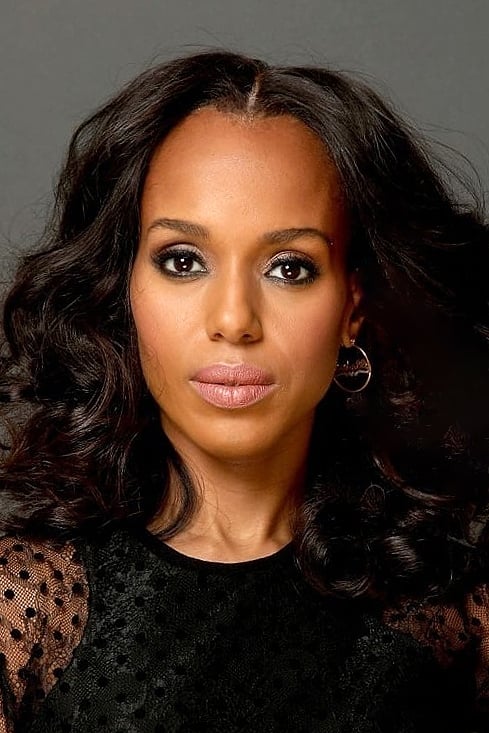
Kerry Washington portrayed Anita Hill in the television movie ‘Confirmation’, which depicted the 1991 Supreme Court nomination hearings. The role required her to recreate a highly publicized and sensitive historical event while capturing Hill’s precise composure and speech patterns. Washington had to navigate the political and social tensions of the era with a restrained but powerful performance. This was a shift from the fast-paced, high-drama world of her popular series ‘Scandal’.
Dominique Fishback
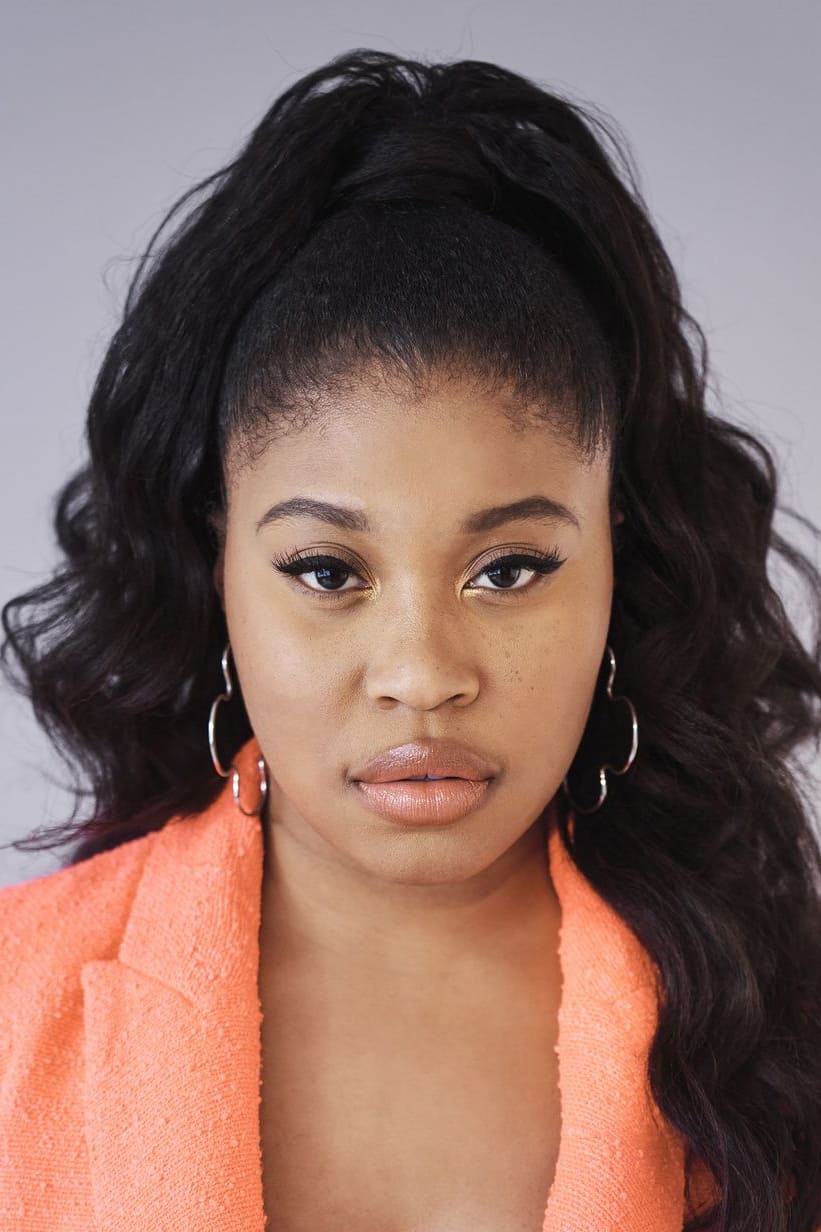
Dominique Fishback took on a disturbing lead role in the series ‘Swarm’, where she played an obsessed fan named Dre. The character is a serial killer, requiring Fishback to perform acts of extreme violence while maintaining a blank, unsettling demeanor. She spent significant time developing the character’s internal logic to make her actions feel grounded in her specific reality. This was a major departure from her more sympathetic roles in projects like ‘Judas and the Black Messiah’.
Whoopi Goldberg
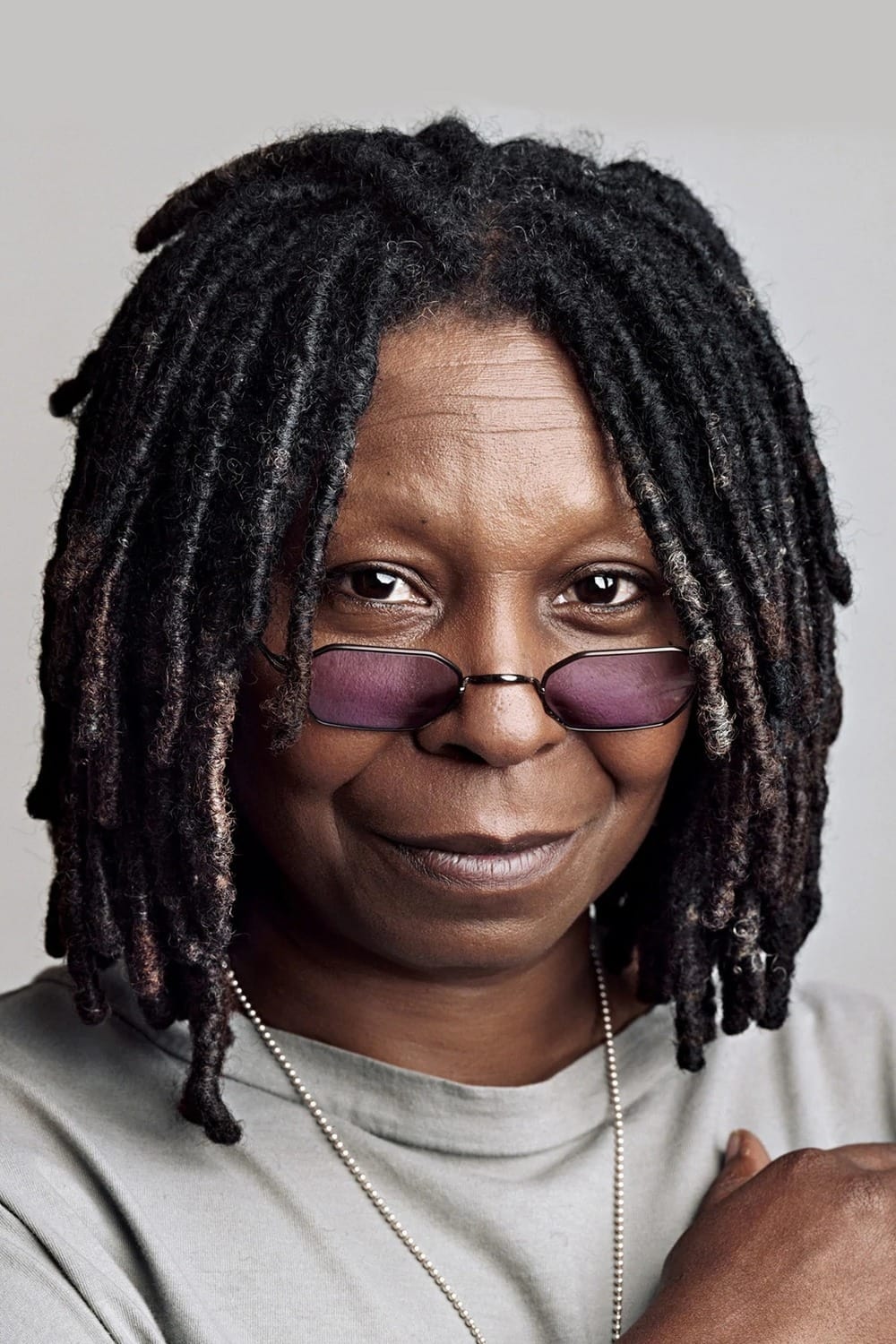
Whoopi Goldberg made her film debut in ‘The Color Purple’, a role that required her to age decades on screen. She played Celie, a woman who endures years of abuse and hardship in the American South. Goldberg, who started in improvisational comedy, had to rely on subtle facial expressions and silence to convey her character’s internal suffering. Her performance proved her capability as a world-class dramatic actress.
Ruth Negga

Ruth Negga delivered a quiet and restrained performance in ‘Loving’, which told the story of the couple behind the landmark civil rights case. She moved away from the high-energy roles she had played in series like ‘Preacher’ to inhabit the soft-spoken Mildred Loving. The role relied on internal emotion and subtle glances rather than grand theatrical gestures. This nuanced approach earned her an Academy Award nomination and widespread critical praise.
Thandiwe Newton

Thandiwe Newton faced the unique challenge of playing an android who gains consciousness in the series ‘Westworld’. This required her to alternate between a robotic, programmed state and a deeply emotional, self-aware being. She often had to film scenes involving nudity and clinical detachment, which she described as a challenging but empowering experience. Her performance as Maeve Millay explored the intersection of technology and human emotion.
Gugu Mbatha-Raw
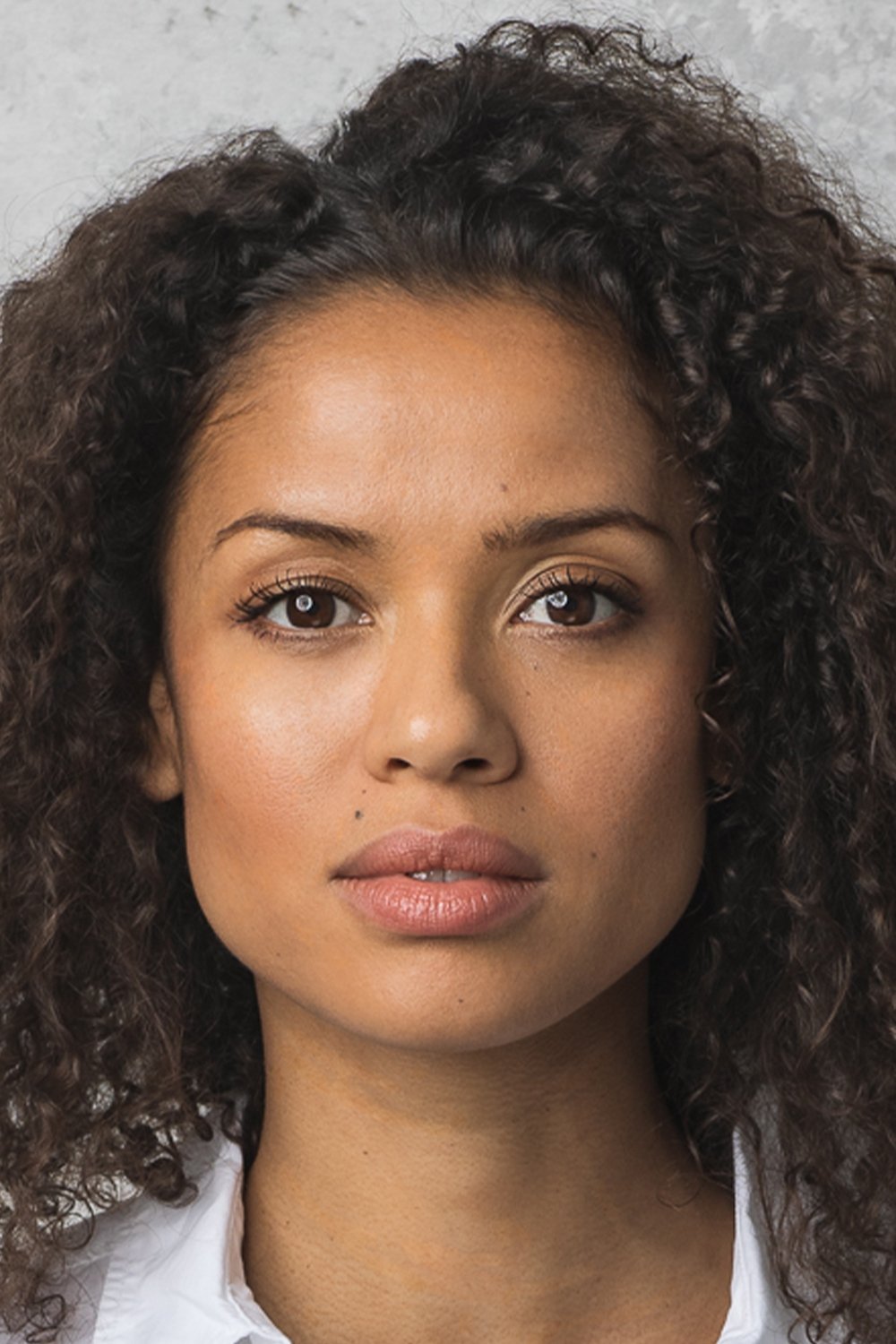
In the period drama ‘Belle’, Gugu Mbatha-Raw played Dido Elizabeth Belle, the biracial daughter of a British Admiral. She had to master the strict etiquette and formal speech of 18th-century England while conveying the character’s struggle with her social identity. This role required a level of period-specific precision that differed from her previous contemporary work. Her performance helped bring a hidden historical figure to the forefront of modern cinema.
Alfre Woodard
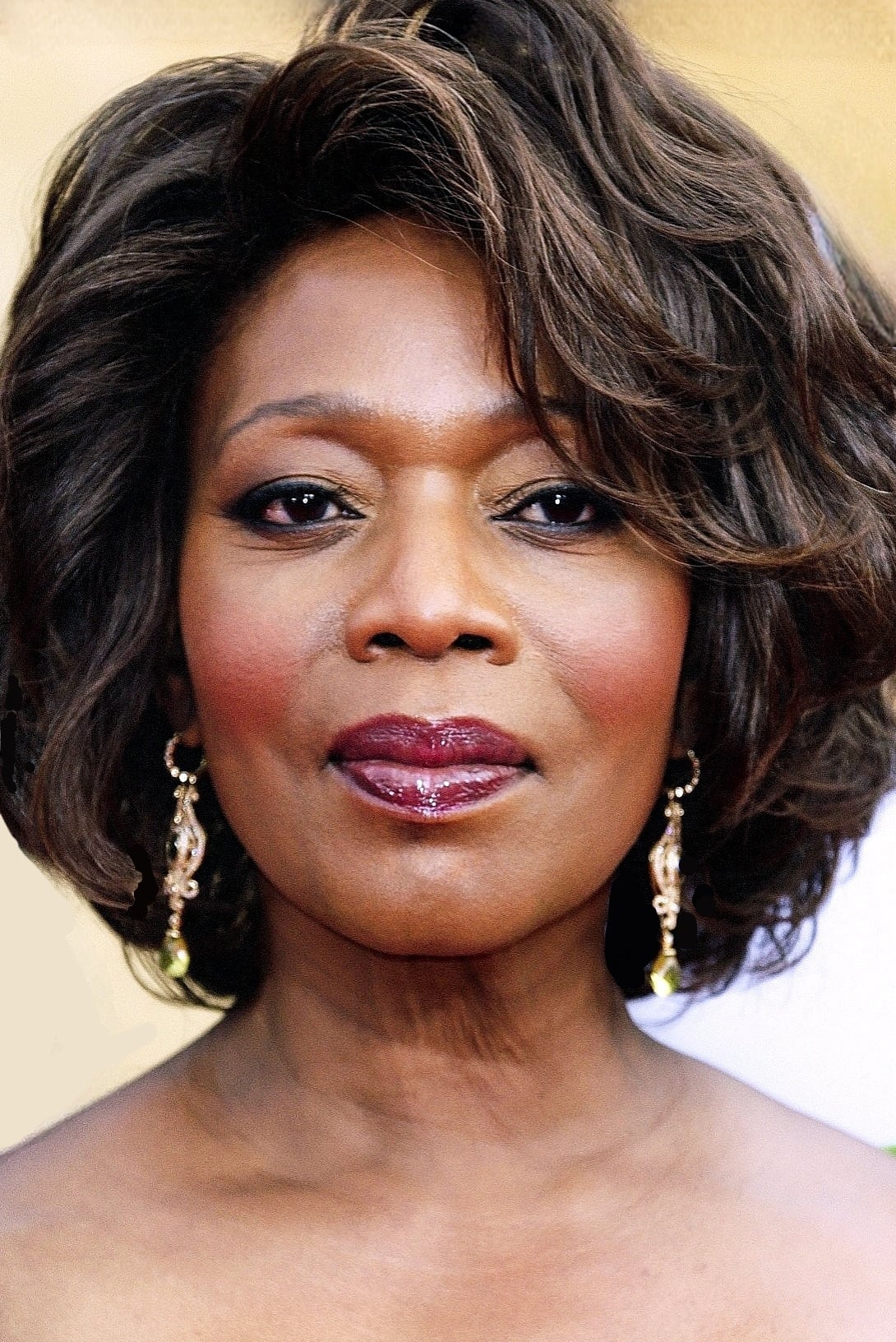
Alfre Woodard took on a heavy emotional burden in ‘Clemency’, playing Bernadine Williams, a prison warden overseeing executions. The role required her to portray the psychological toll of her profession through long takes and minimal dialogue. Woodard studied real-life wardens to understand the emotional compartmentalization needed for the job. Her performance was noted for its intense focus and the visible weight of the character’s moral conflict.
Gabourey Sidibe
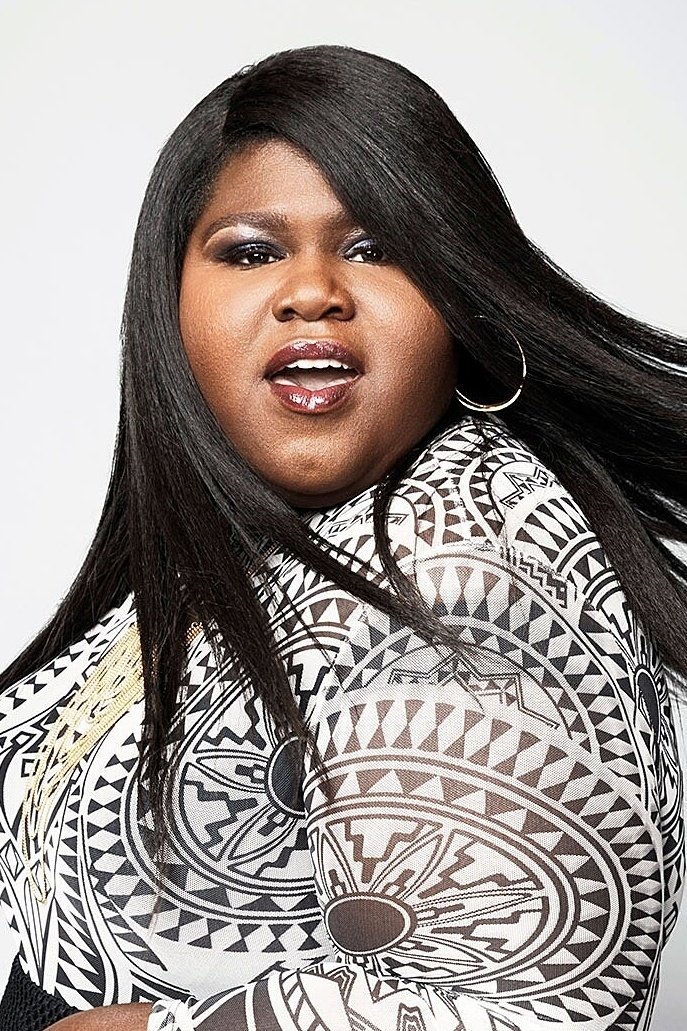
Gabourey Sidibe made her acting debut in ‘Precious’, playing a teenager facing extreme poverty and domestic abuse. With no prior professional acting experience, she had to inhabit a world of trauma and neglect that was far removed from her own life. She delivered a performance that was both heartbreaking and resilient, earning her an Academy Award nomination. Her success broke traditional Hollywood casting molds and paved the way for more diverse storytelling.
Jurnee Smollett

Jurnee Smollett took on a physically and emotionally demanding role in the horror series ‘Lovecraft Country’. She played Letitia Lewis, which required her to perform intense stunts and confront supernatural creatures while navigating the horrors of Jim Crow America. Smollett drew on her family’s history to bring authenticity to the character’s fight for survival. This role allowed her to showcase a fiercer, more action-oriented side of her acting range.
Keke Palmer

Keke Palmer stepped into a high-intensity horror role in Jordan Peele’s ‘Nope’, playing Emerald Haywood. This required her to balance her natural comedic charisma with the genuine terror of an alien encounter. She performed various physical stunts, including a high-speed motorcycle sequence toward the film’s climax. This role demonstrated her transition from child stardom into a versatile leading lady in major blockbuster cinema.
Tracee Ellis Ross
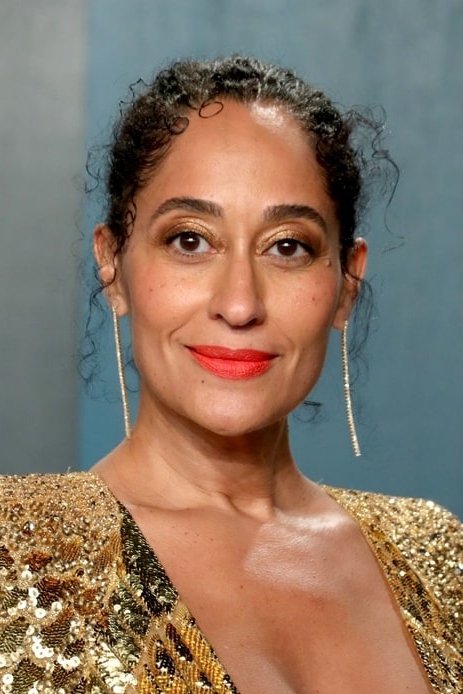
Tracee Ellis Ross overcame a lifelong fear of singing publicly to star in the film ‘The High Note’. She played Grace Davis, a legendary superstar who is afraid to release new music late in her career. Ross worked with vocal coaches for months to find her own voice and record the film’s soundtrack. This personal and professional hurdle added an extra layer of authenticity to her portrayal of a nervous but talented artist.
Letitia Wright
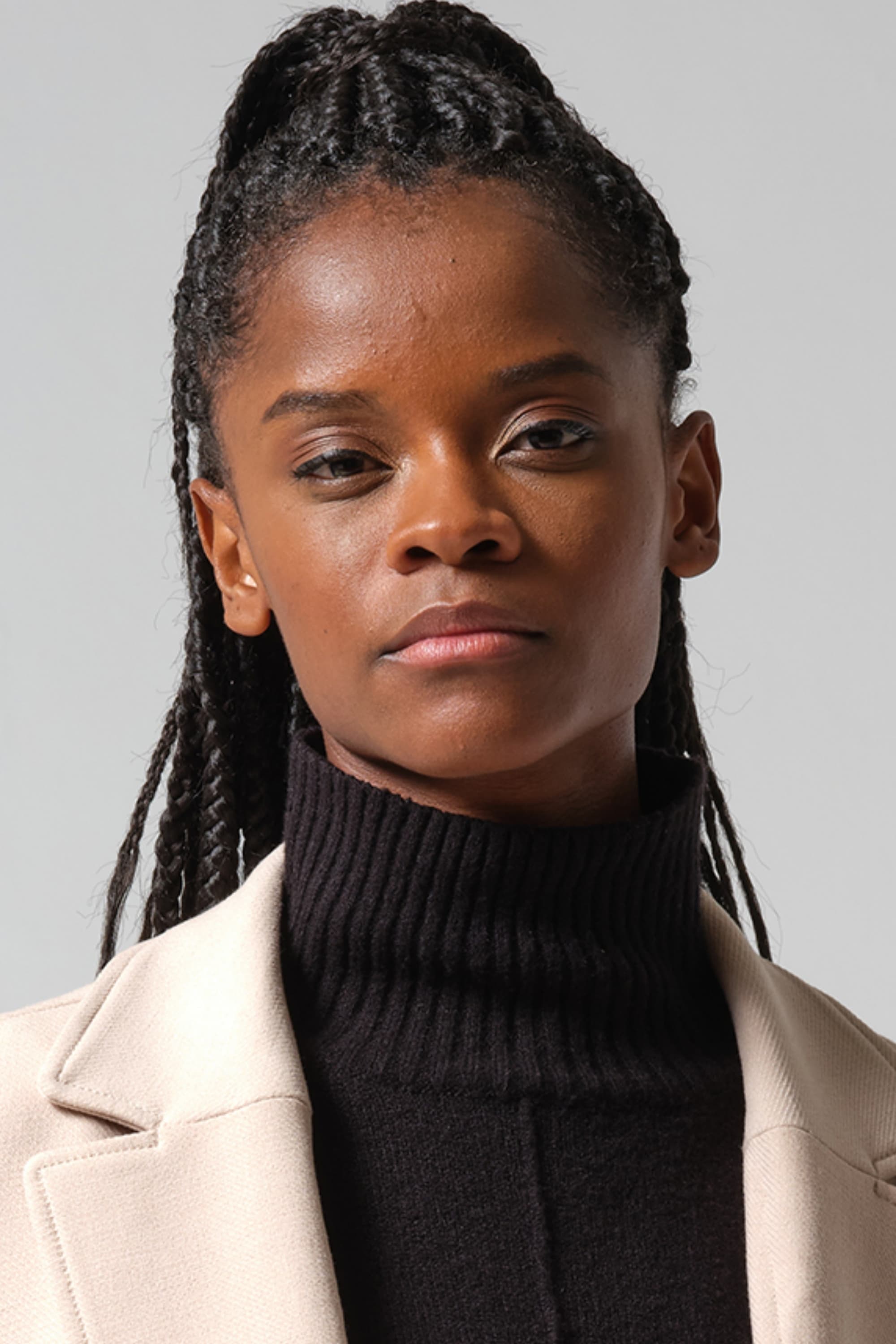
Letitia Wright took on a somber and physically demanding lead role in ‘Black Panther: Wakanda Forever’. Following the death of her co-star Chadwick Boseman, her character, Shuri, had to undergo a journey of profound grief and eventual leadership. Wright had to balance the character’s scientific intellect with a new, vengeful physicality. The role required her to carry the weight of a major franchise during a period of real-life mourning.
Thuso Mbedu
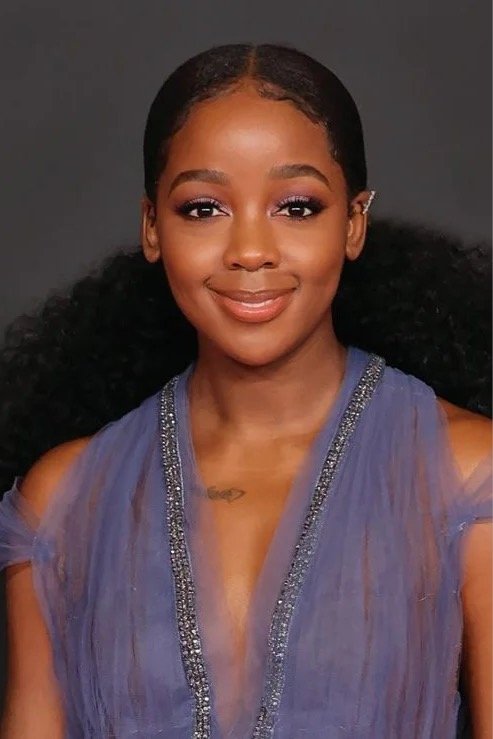
Thuso Mbedu made her American debut in ‘The Underground Railroad’, portraying Cora, an enslaved woman escaping a Georgia plantation. The role required her to film scenes of intense physical and emotional trauma, often in difficult outdoor environments. She spent months researching the historical period to bring a sense of realism to the character’s suffering and resilience. Her performance was widely regarded as a breakout turn that showcased her incredible range.
Danielle Brooks
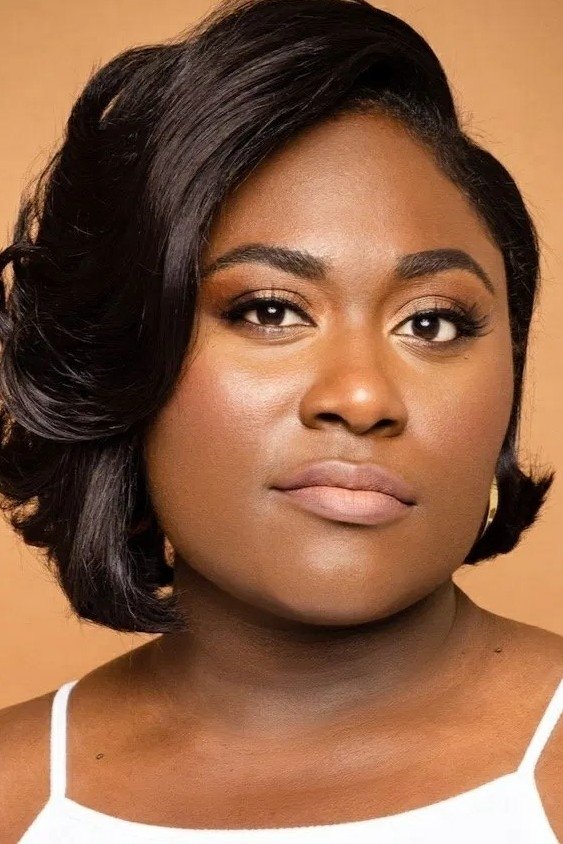
Danielle Brooks stepped into the iconic role of Sofia in the musical film ‘The Color Purple’. While she had played the role on Broadway, the film required her to adapt her performance for the camera, emphasizing more subtle emotional shifts. She had to portray a character who moves from fierce independence to being broken by the state, and finally to a state of quiet strength. Her performance earned her an Academy Award nomination for Best Supporting Actress.
Fantasia Barrino
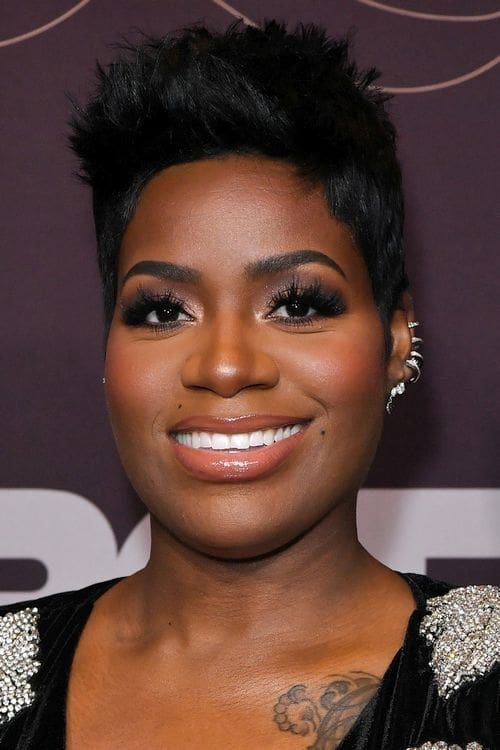
Fantasia Barrino returned to the role of Celie in the 2023 musical adaptation of ‘The Color Purple’. Having previously played the role on stage, she had to recalibrate her performance to be more intimate for the screen. The role required her to inhabit a character who endures decades of trauma before finding her voice. Her vocal performances in the film were praised for their raw power and emotional clarity.
Sophie Okonedo
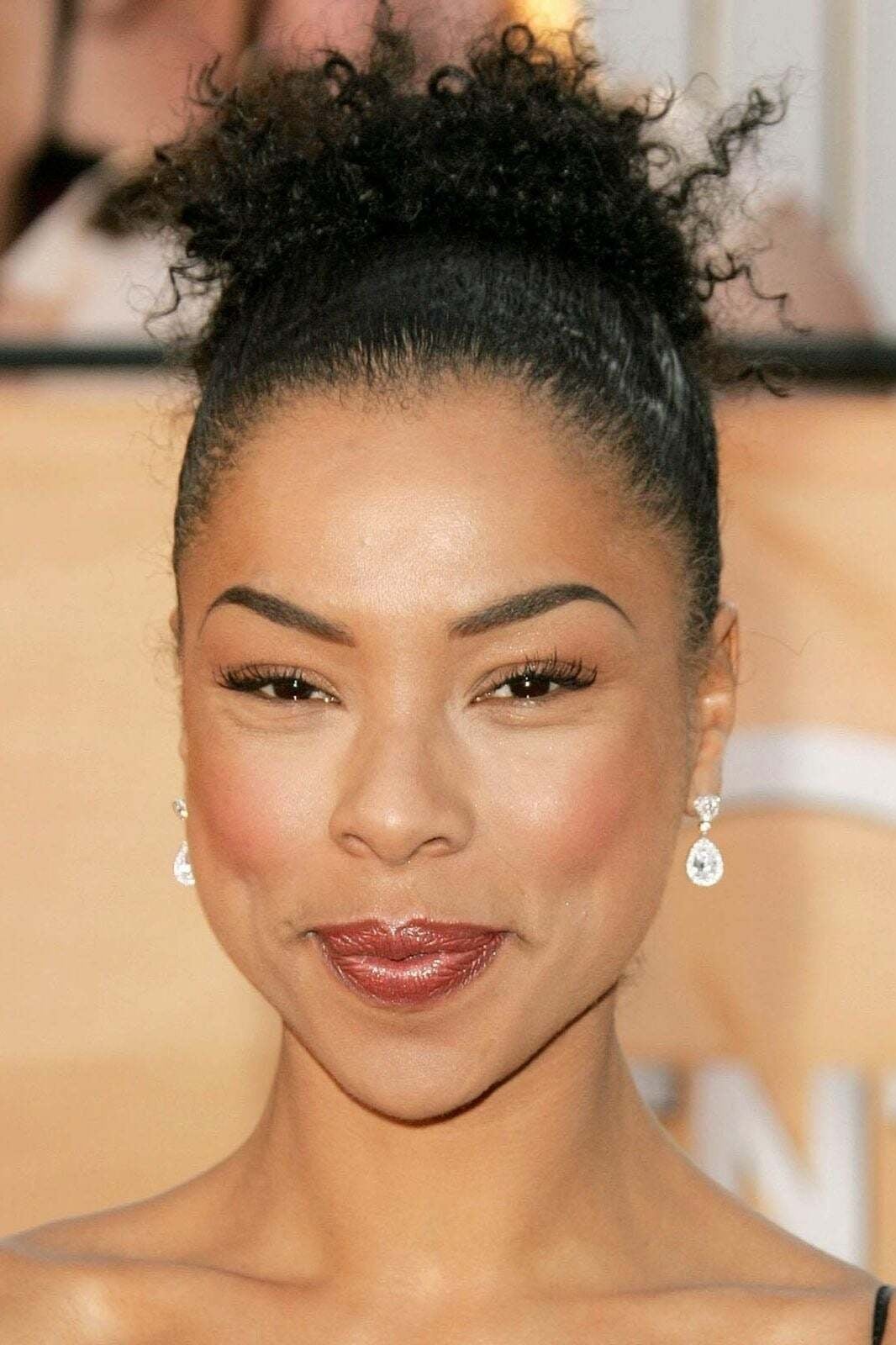
In ‘Hotel Rwanda’, Sophie Okonedo played Tatiana Rusesabagina, a woman trying to keep her family alive during the Rwandan genocide. The role required her to convey a constant state of terror and desperation while remaining a source of support for her husband. Okonedo’s performance was grounded in a realistic portrayal of a mother in a war zone. This harrowing role earned her an Academy Award nomination and international recognition.
Marianne Jean-Baptiste
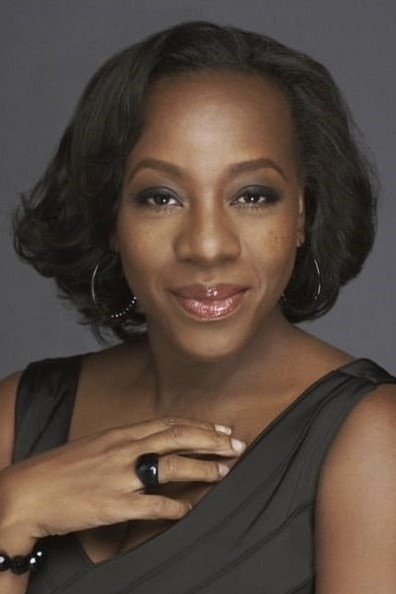
Marianne Jean-Baptiste delivered a breakthrough performance in the British drama ‘Secrets & Lies’. She played Hortense, a successful Black optometrist who discovers her biological mother is a working-class white woman. The role relied heavily on improvisation, requiring Jean-Baptiste to react naturally to the unfolding family drama. Her understated and dignified performance made her the first Black British actress to be nominated for an Academy Award.
Queen Latifah
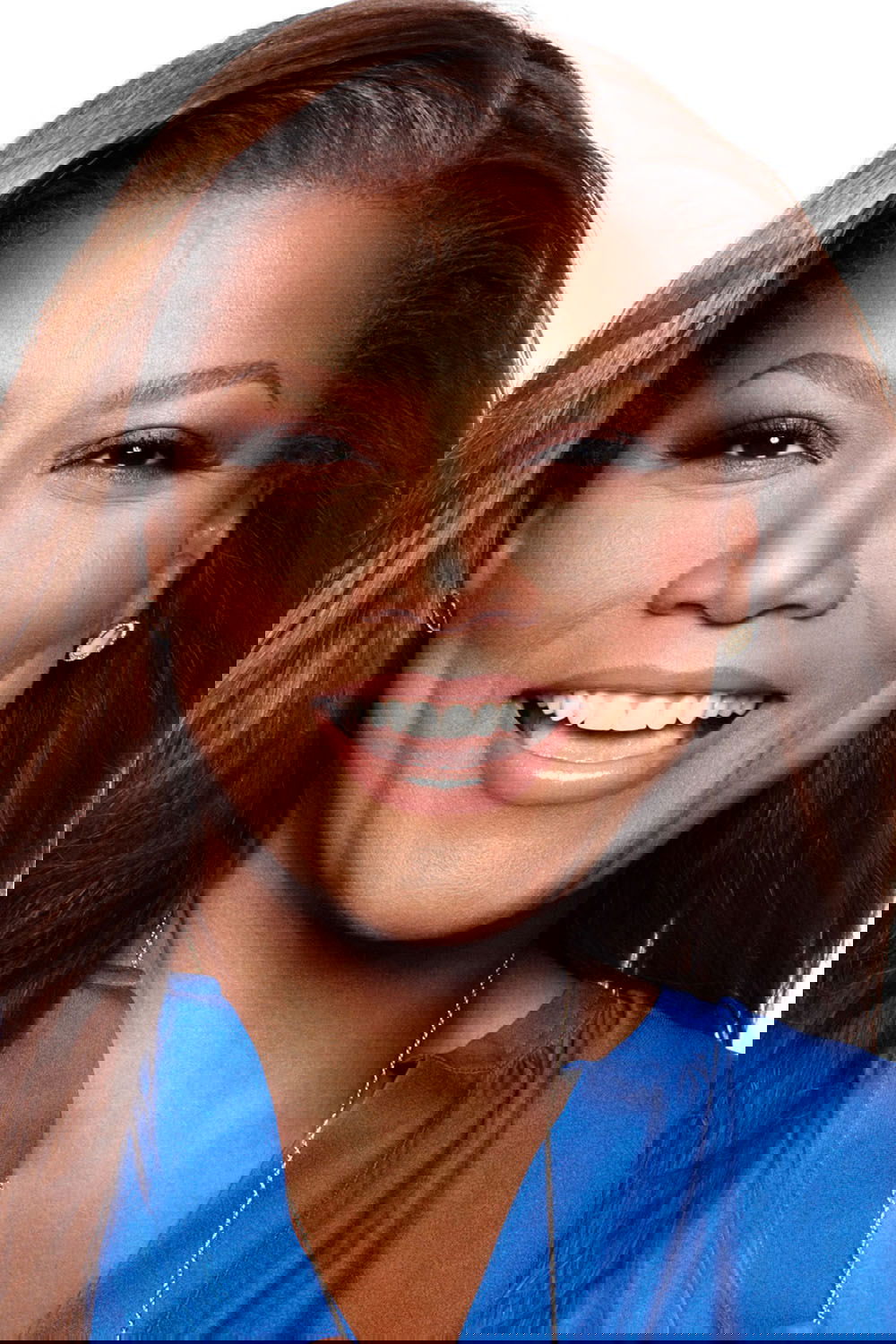
Queen Latifah moved away from her persona as a hip-hop pioneer to play the hardened criminal Cleo in ‘Set It Off’. This role was a significant departure from her previous media image, requiring her to portray a character with a tough exterior and a tragic end. She underwent weapons training and worked on the character’s aggressive physicality. This performance proved she could successfully transition from music to a serious acting career.
Vivica A. Fox
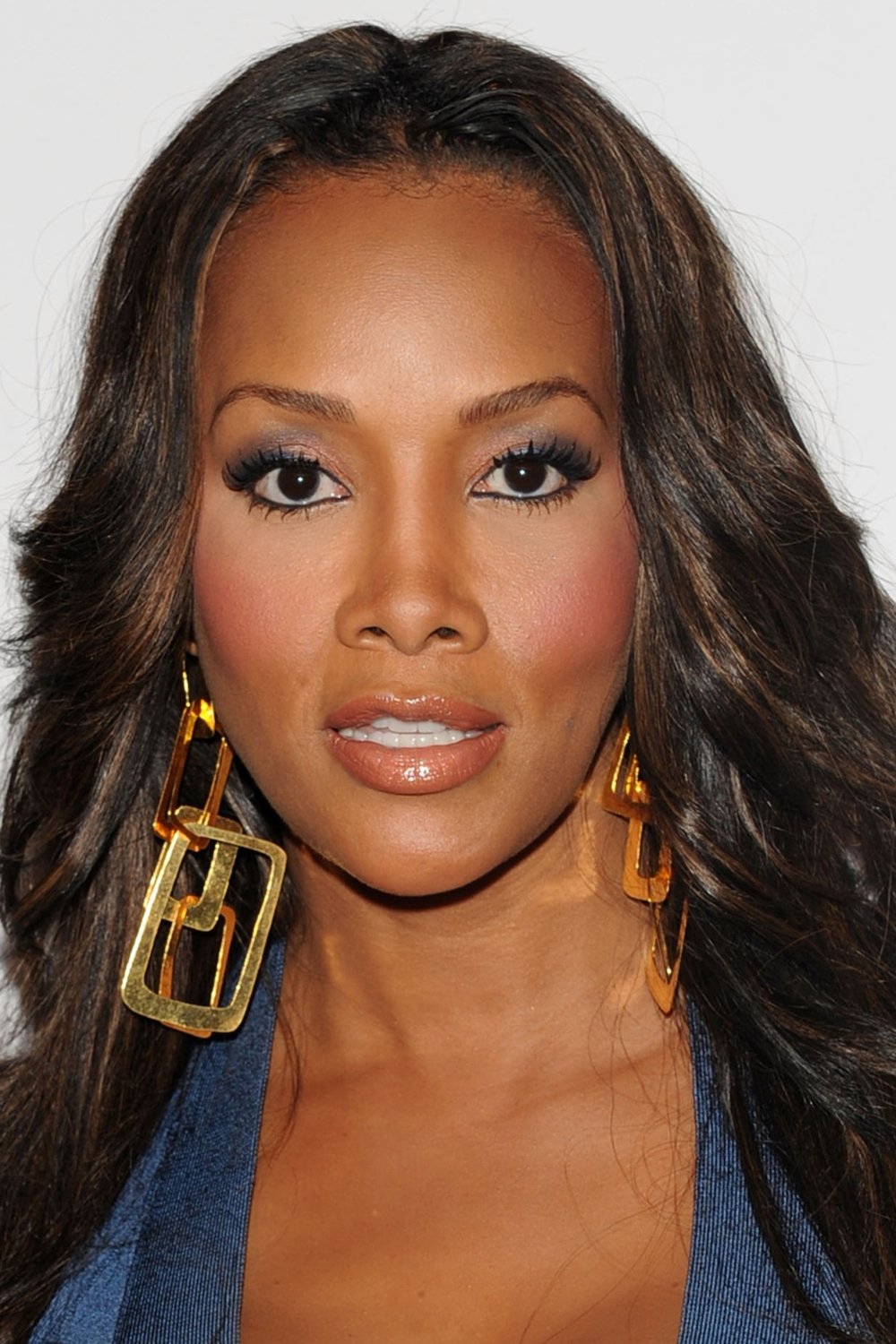
Vivica A. Fox underwent intensive martial arts training for her role as Vernita Green in ‘Kill Bill: Vol. 1’. She spent months learning fight choreography for a brutal opening scene that took place in a suburban kitchen. This role was a sharp contrast to the romantic leads and comedic characters she had played in the past. Her commitment to the physical demands of Quentin Tarantino’s action-heavy directing style showcased her versatility.
Rosario Dawson
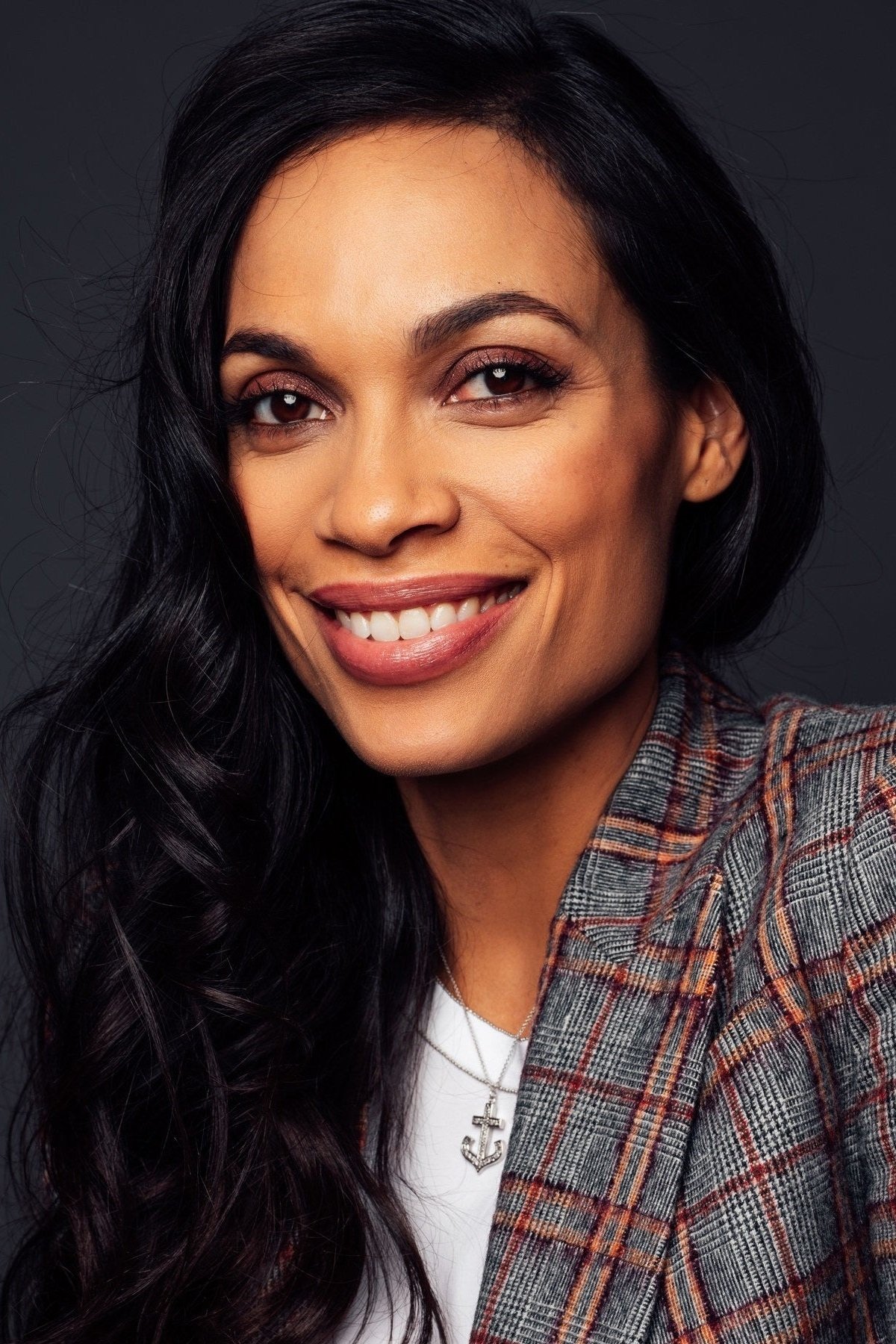
Rosario Dawson took on the challenge of bringing a beloved animated character to live-action in ‘Ahsoka’. She had to master a unique style of lightsaber combat that involved using two blades simultaneously. The role also required her to wear extensive prosthetic makeup and headpieces for long filming days. Dawson worked to capture the specific cadence and wisdom of a character with a decades-long history in the ‘Star Wars’ universe.
Teyonah Parris
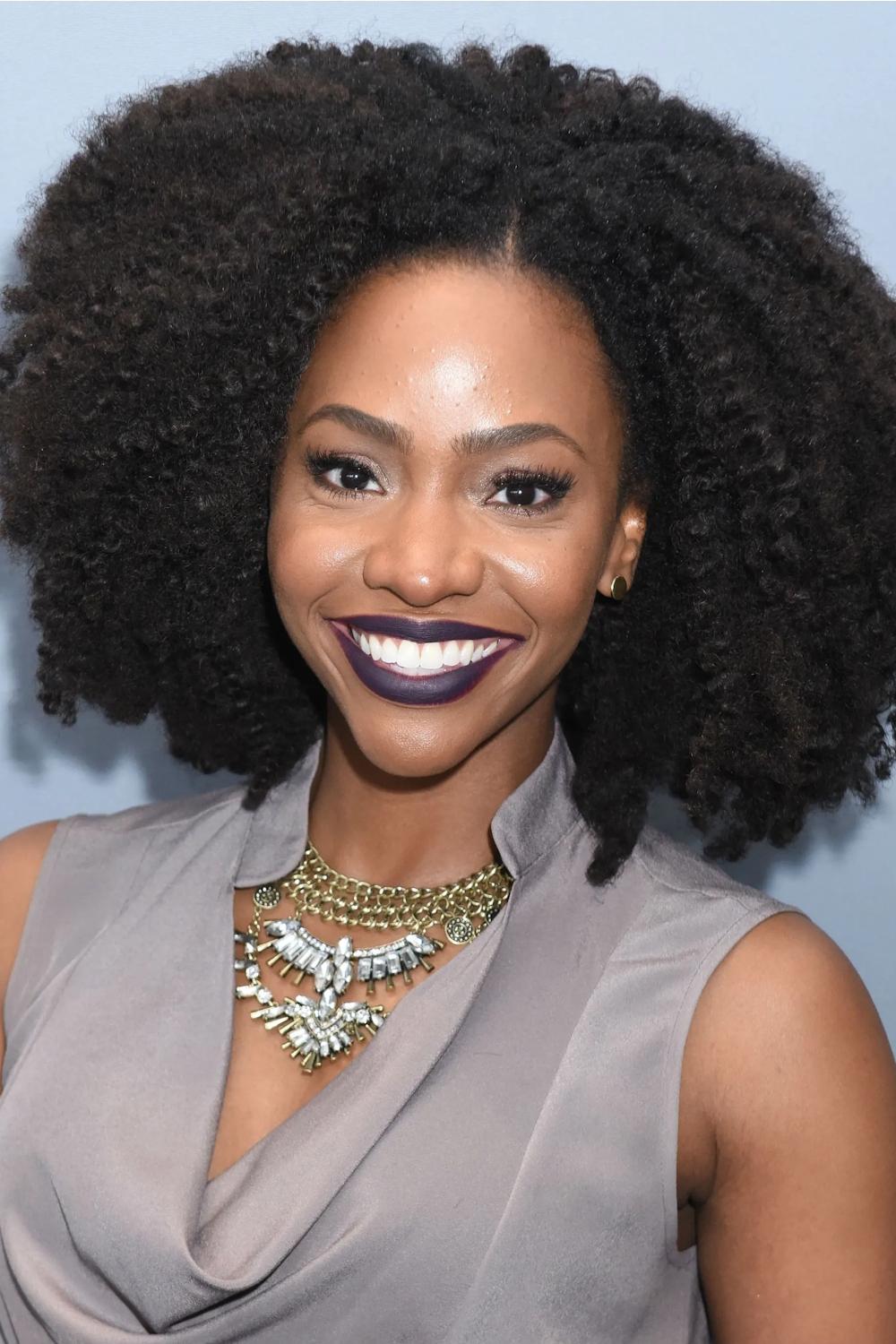
In ‘Chi-Raq’, Teyonah Parris played Lysistrata, a woman who leads a sex strike to end gang violence in Chicago. The role required her to deliver dialogue written in rhyming verse, a stylistic choice by director Spike Lee. She had to combine a heightened, theatrical performance style with the grounded reality of the city’s violence. This bold creative choice pushed her to explore a unique form of modern Greek tragedy.
Lashana Lynch

Lashana Lynch joined the James Bond franchise in ‘No Time to Die’ as Nomi, a new 00 agent. She underwent rigorous tactical and weapons training to portray a character who could stand as an equal to Bond. Lynch insisted on her character being portrayed as a “real” woman, including scenes that showed the physical and mental fatigue of her job. Her performance challenged the traditional tropes of women in the spy genre.
Michaela Coel
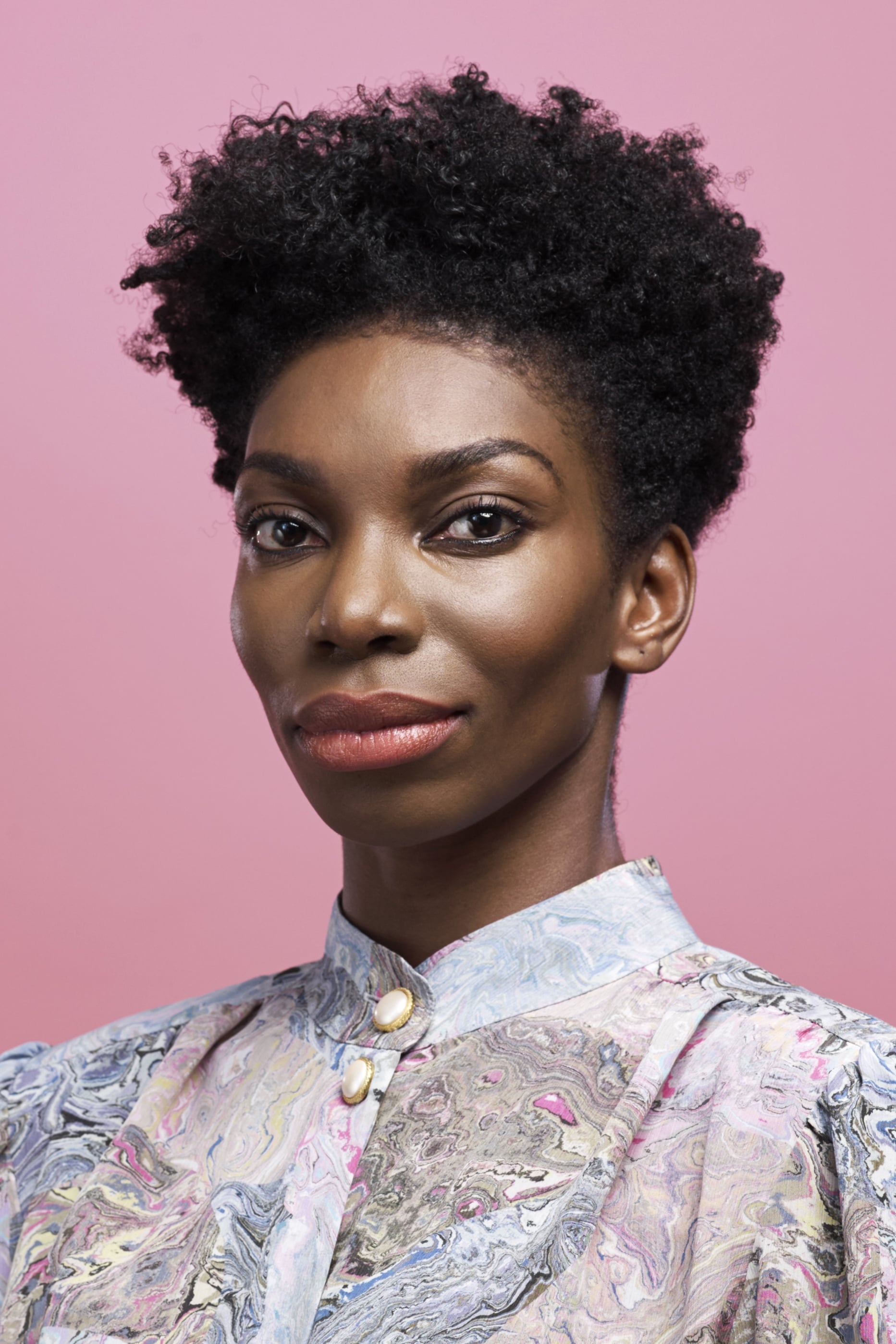
Michaela Coel wrote and starred in ‘I May Destroy You’, a series that dealt with the aftermath of sexual assault. The role required her to explore her own personal traumas in a fictionalized setting, resulting in a raw and vulnerable performance. She moved between comedy and devastating drama, often within the same scene. Her work on the series was praised for its unflinching honesty and innovative storytelling.
Tessa Thompson

Tessa Thompson learned American Sign Language and practiced singing for her role in the ‘Creed’ franchise. She played Bianca, a musician who is dealing with progressive hearing loss, which added a layer of vulnerability to her character. Thompson also took a creative lead in writing the songs her character performed in the films. This multi-disciplinary approach allowed her to create a fully realized and authentic character.
Amandla Stenberg
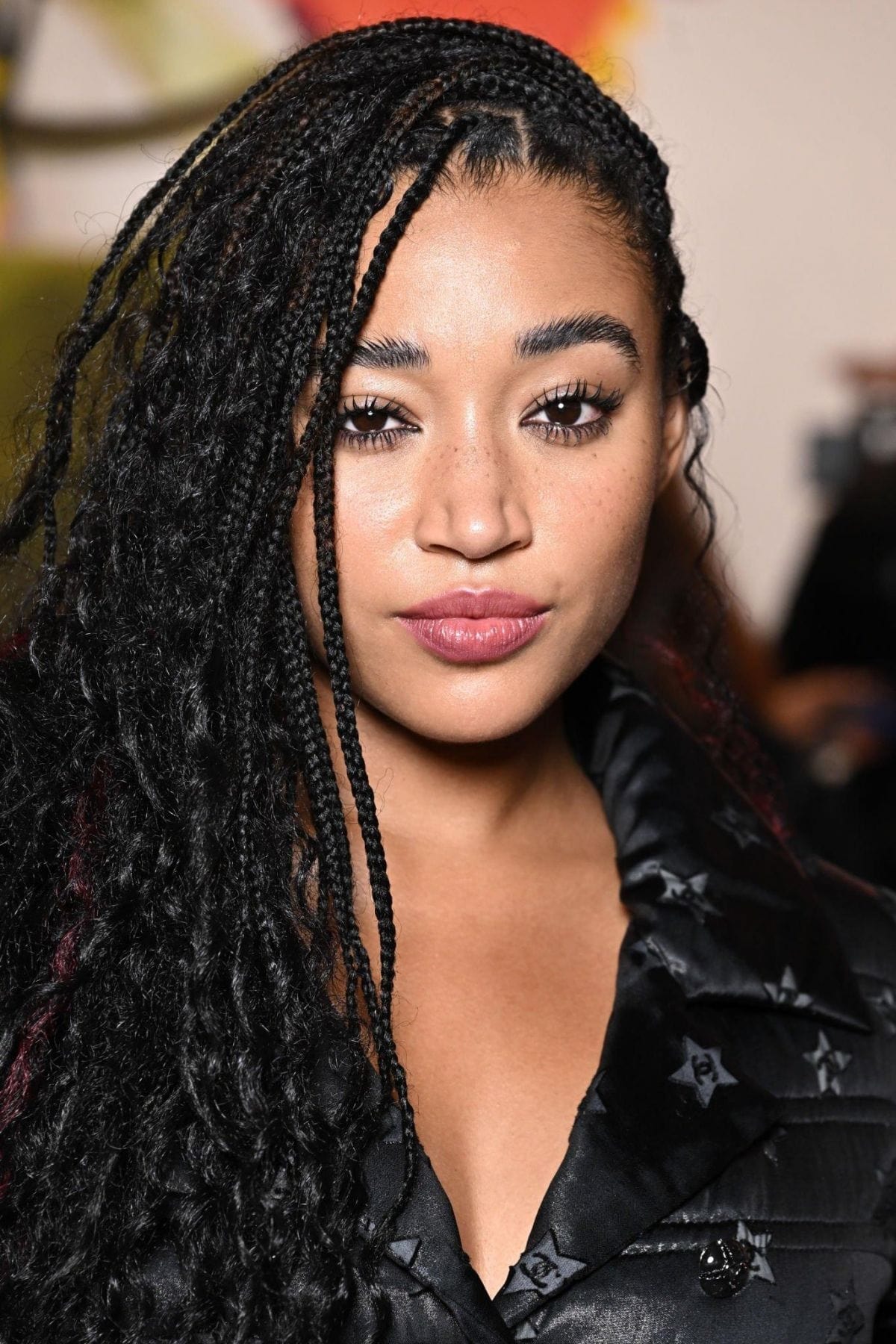
Amandla Stenberg took on the emotionally taxing lead role in ‘The Hate U Give’, playing Starr Carter. The role required her to portray a teenager who witnesses a police shooting and must navigate the subsequent social and political fallout. Stenberg had to balance two different versions of her character: the one who attends a private school and the one who lives in her local neighborhood. Her performance was praised for its maturity

