‘Buffy the Vampire Slayer’ Star Seth Green Jokes The WB Wanted Its Teen Stars ‘As Naked as Possible’ in the ’90s

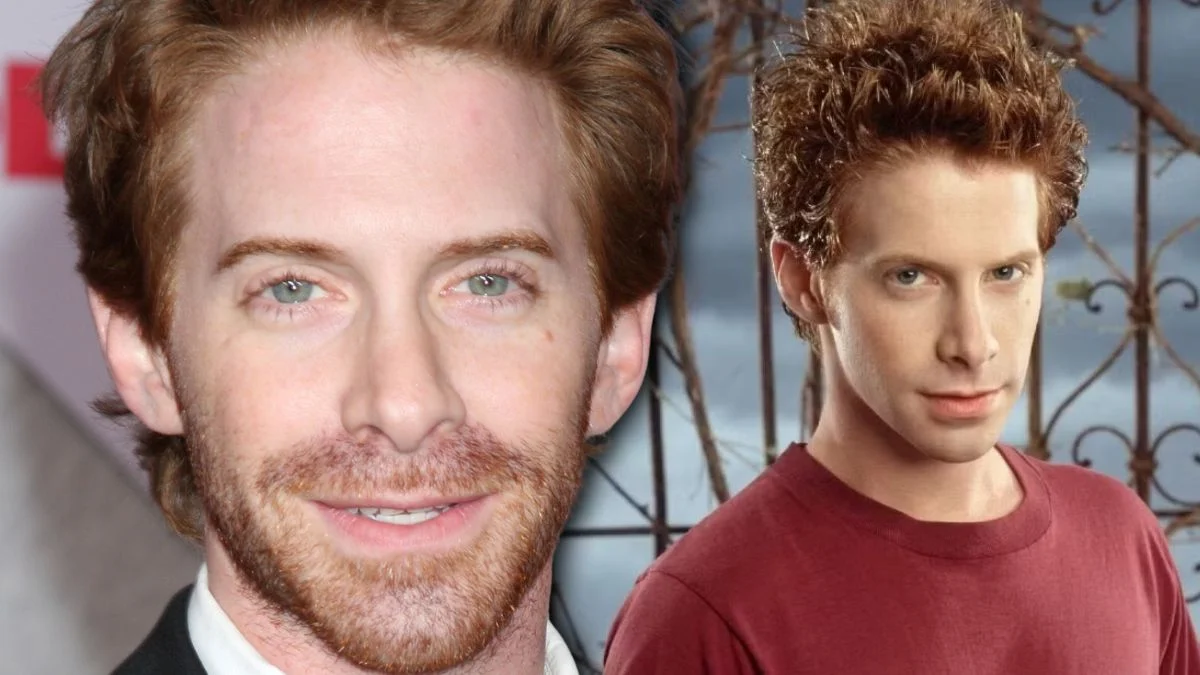

Teen dramas of the late ’90s built a reputation for pushing boundaries with their young casts, often blurring the line between coming-of-age storytelling and outright fan service. Few actors from that era have more insight into how those shows operated behind the scenes than Seth Green, who spent years navigating the genre’s particular expectations firsthand.
Green got his start playing Oz, the guitar-playing werewolf boyfriend of Willow Rosenberg, when he joined ‘Buffy the Vampire Slayer’ during its second season back in 1997. The role turned him into a teen heartthrob almost overnight, but it also came with demands that Green has only recently started discussing candidly.
Speaking during a recent podcast appearance, Green joked that The WB wanted its young stars to be as naked as possible during that era of teen programming. According to Entertainment Weekly, Green recalled the network’s blunt approach to nudity and physicality among its cast, joking that executives essentially wanted to see how far they could push things given the actors’ ages.
Green explained that being asked to remove his shirt on camera wasn’t exactly unusual for the show, especially once actors got cast into romantic storylines. He noted that by the time he joined the cast, he’d already seen plenty of his co-stars in various states of undress, framing it as simply part of the network’s overall culture at the time.
That candid admission fits into a broader pattern of stories from actors who worked in teen television during the late ’90s and early 2000s, an era frequently criticized in hindsight for how it handled younger performers. Green’s comments add another firsthand account to that ongoing conversation, offering a rare glimpse into how casually those expectations were communicated on set.
Green also touched on how seriously he personally took the physical demands of the role, despite the seemingly lighthearted way the network approached the subject. His comments suggest a level of self-awareness about the situation even as it was happening, rather than viewing it purely as an innocuous quirk of the job.
Green’s time on ‘Buffy’ remains one of the defining credits of his early career, alongside his breakout role as Scott Evil in the ‘Austin Powers’ franchise. He’s since built a decades-long career spanning live-action roles, voice acting as Chris Griffin on ‘Family Guy,’ and his work as co-creator of the Emmy-winning stop-motion series ‘Robot Chicken.’
Green’s remarks arrive amid a steady stream of similar revelations from actors reflecting on the entertainment industry’s treatment of young performers during that period. His comments join a wider cultural reckoning that has prompted numerous former teen stars to speak more openly about expectations placed on them early in their careers.
While Green’s tone throughout the discussion remained largely comedic rather than critical, the underlying substance of his comments highlights just how normalized certain expectations were within teen programming at the time. That casual framing, treating physical exposure as simply part of the job, reflects broader industry attitudes that have only recently started facing more scrutiny.
Green’s ‘Buffy’ tenure ran from the show’s second season through its fourth, with Oz eventually departing the series in a storyline that saw the character struggle with his werewolf transformations before leaving Sunnydale behind. The role remains one of fans’ most fondly remembered characters from the show’s ensemble, even as Green’s recent comments add a more complicated layer to memories of that production era.
Green’s willingness to revisit these stories now, decades removed from the show’s original run, offers a more complete picture of what working in teen television actually looked like behind the scenes during that time. Whether more castmates from that generation of shows continue opening up about similar experiences remains to be seen as the broader conversation continues.
What do you think about The WB’s approach to its young stars in the ’90s?
Have something to add? Let us know in the comments!