


Classic Movies that Initially Flopped at the Box-Office



Some movies find their audience right away. Others stumble through opening weekends and quiet theater runs before catching on later. This list highlights well known films that missed the mark at first but built lasting reputations through rereleases, home video, television, restorations, or simple word of mouth.
You will see marketing misfires, tough competition, distribution battles, and misunderstood themes behind these slow starts. You will also see how cable slots, midnight screenings, campus showings, and later critical attention turned these films into staples that people return to again and again.
‘Citizen Kane’ (1941)
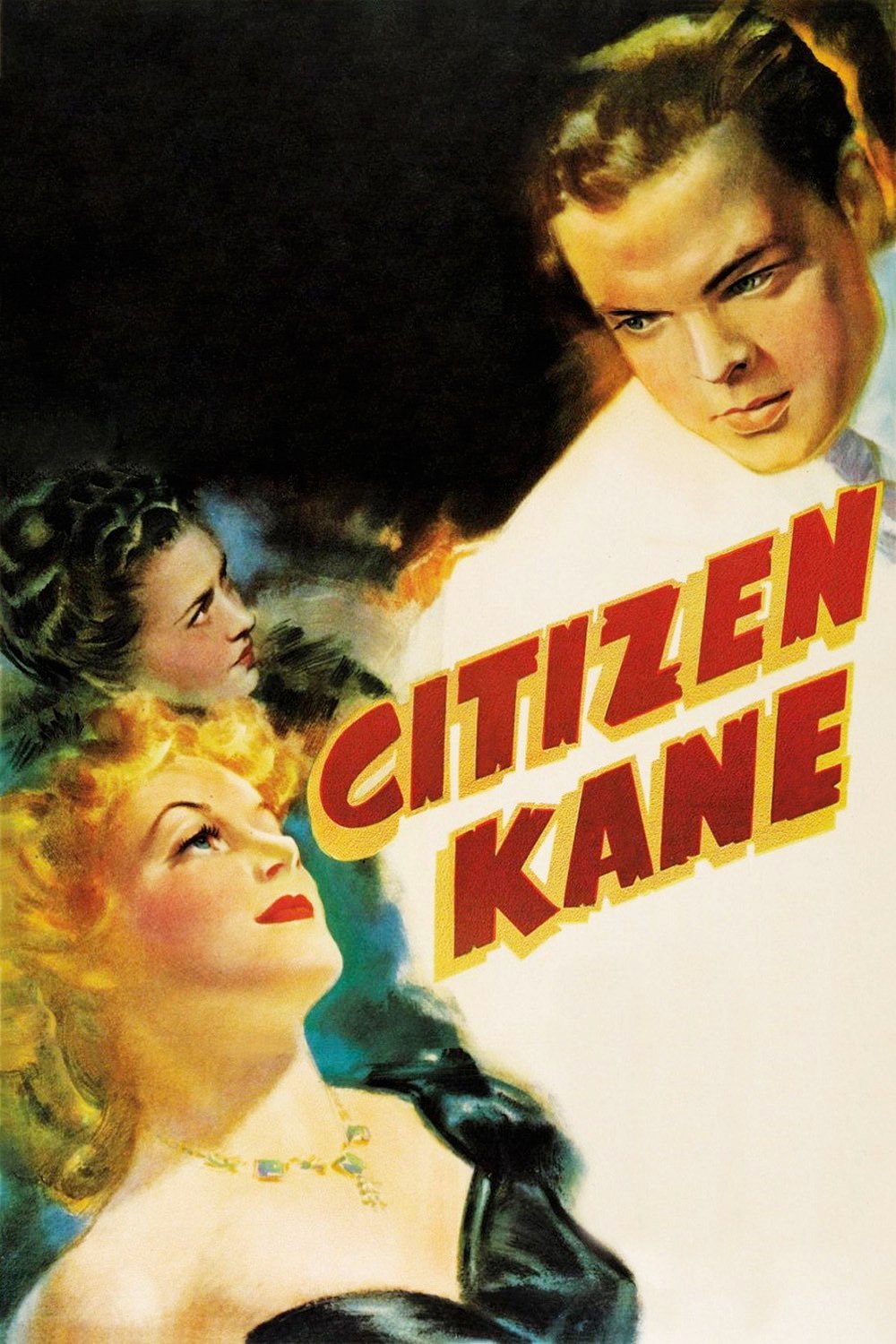
Orson Welles faced pressure from powerful media interests that pushed theaters to avoid the film and kept advertising support to a minimum. The restricted rollout meant small crowds and weak ticket sales for a production that had drawn major attention before release.
The film’s reputation grew through classroom study, revival screenings, and rereleases that presented its technical innovations to new viewers. Restoration work and wide availability on tape and disc helped it move from curiosity to touchstone.
‘It’s a Wonderful Life’ (1946)
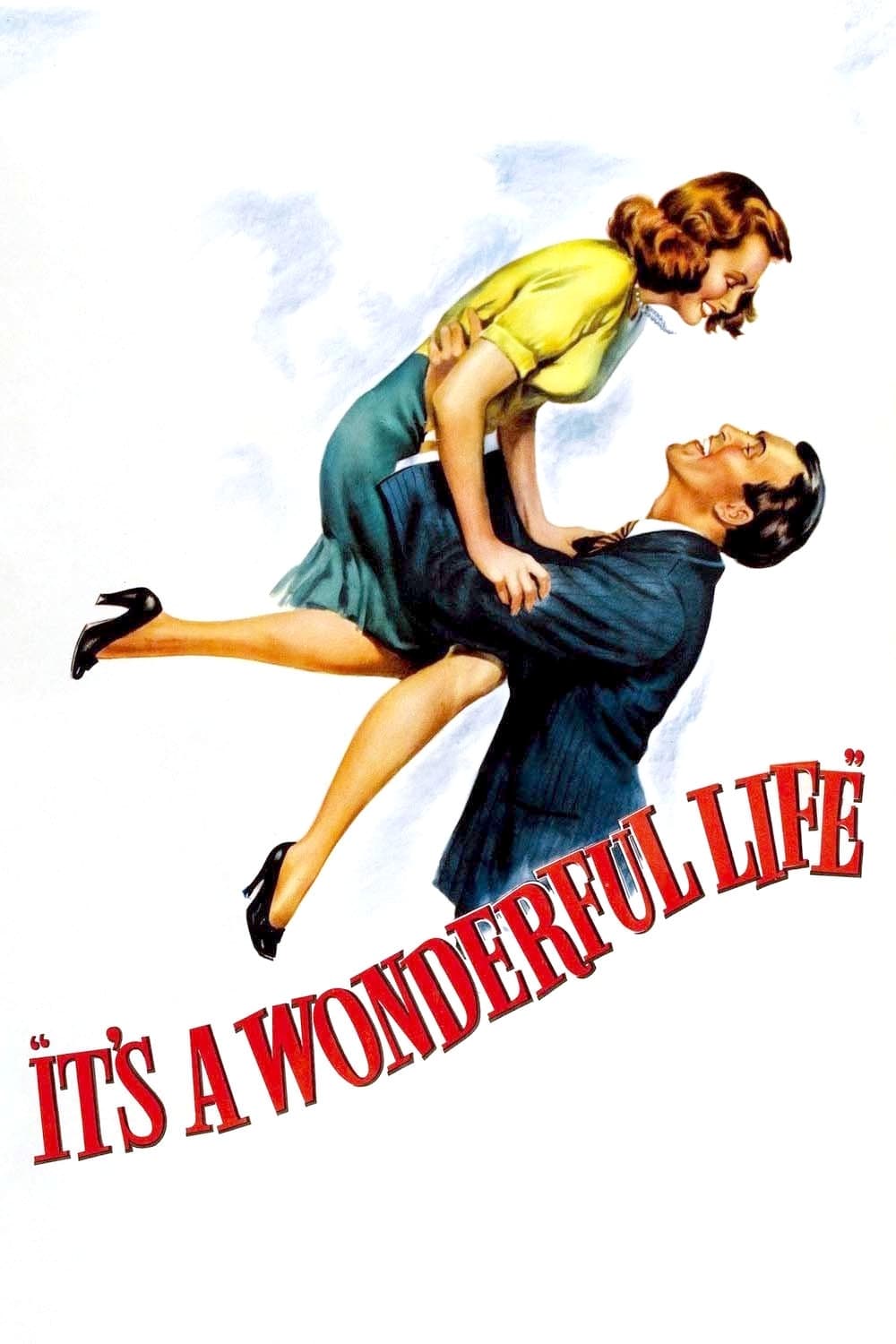
Liberty Films spent heavily on production and promotion and expected a broad holiday audience. The initial release did not meet those expectations and the company struggled to recoup costs through the first theatrical run.
Television syndication exposed the movie to families every season and repeated airings turned it into a tradition. As the audience grew, rereleases and new editions cemented its place as a perennial favorite.
‘The Wizard of Oz’ (1939)
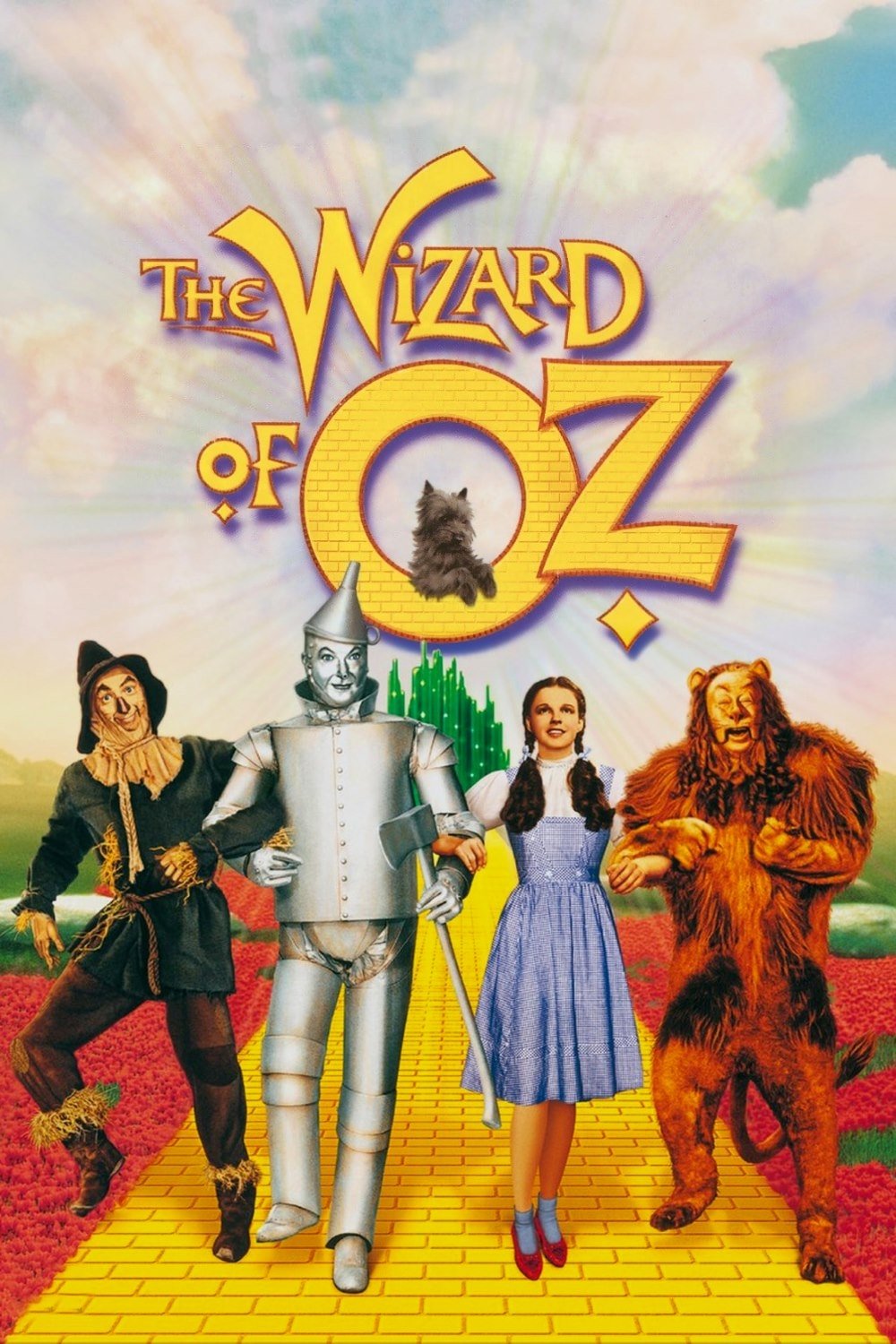
The production carried large costs for sets, music, and special effects that were unusual for the time. The first theatrical run did not deliver the box office needed to cover those expenses and returns looked modest.
Rereleases introduced the film to new generations and an early network broadcast helped it reach millions at once. Soundtrack reissues and restored prints kept interest high and the audience kept expanding.
‘Vertigo’ (1958)
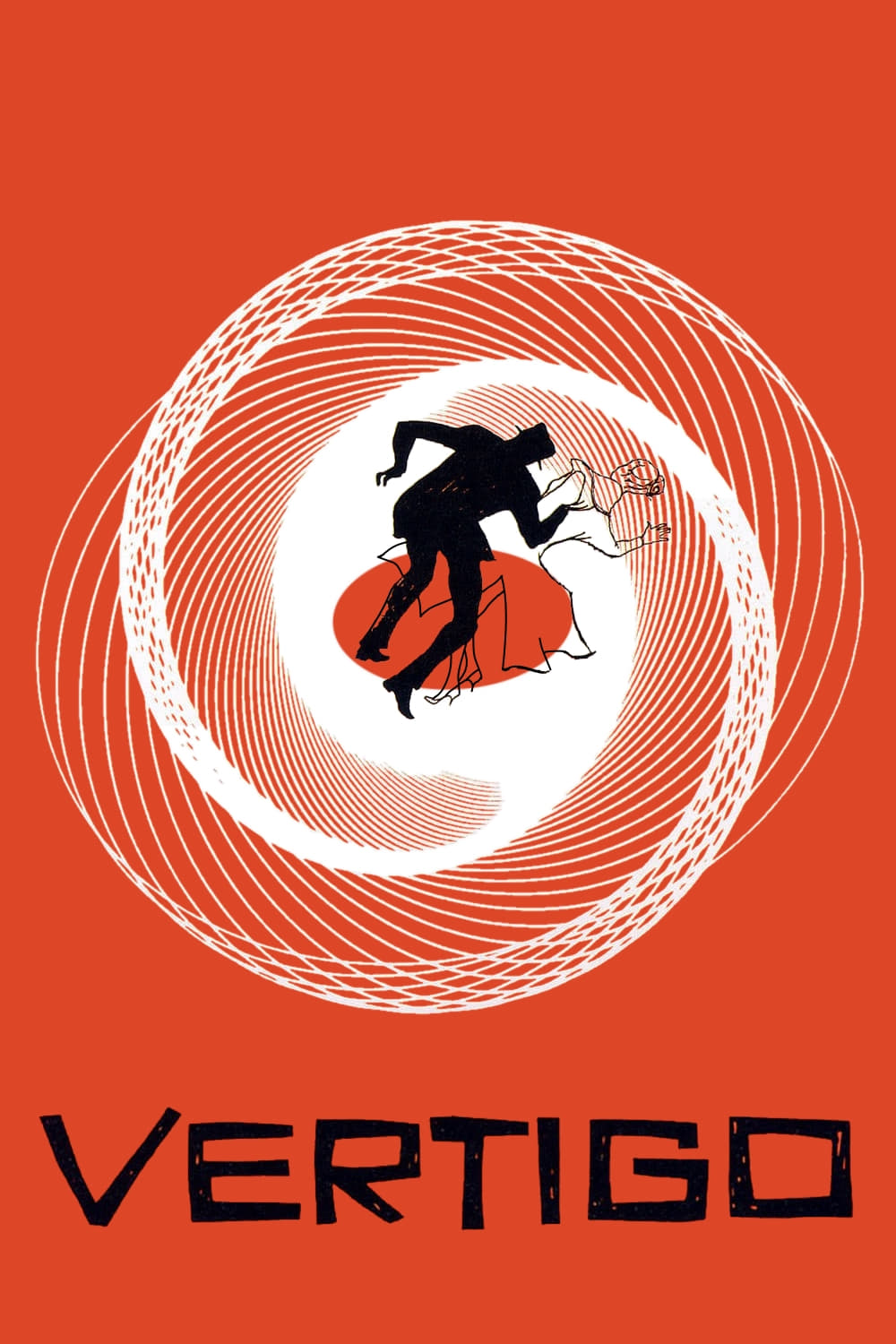
Early reviewers were mixed and the movie did not connect with a wide audience during its first run. Its longer runtime and subdued pacing limited showtimes and the box office trailed other thrillers.
When rights cleared and a major restoration toured theaters, critics and viewers reevaluated its craft and design. Home video editions and repertory screenings spread that reassessment and the film’s standing rose steadily.
‘Harold and Maude’ (1971)
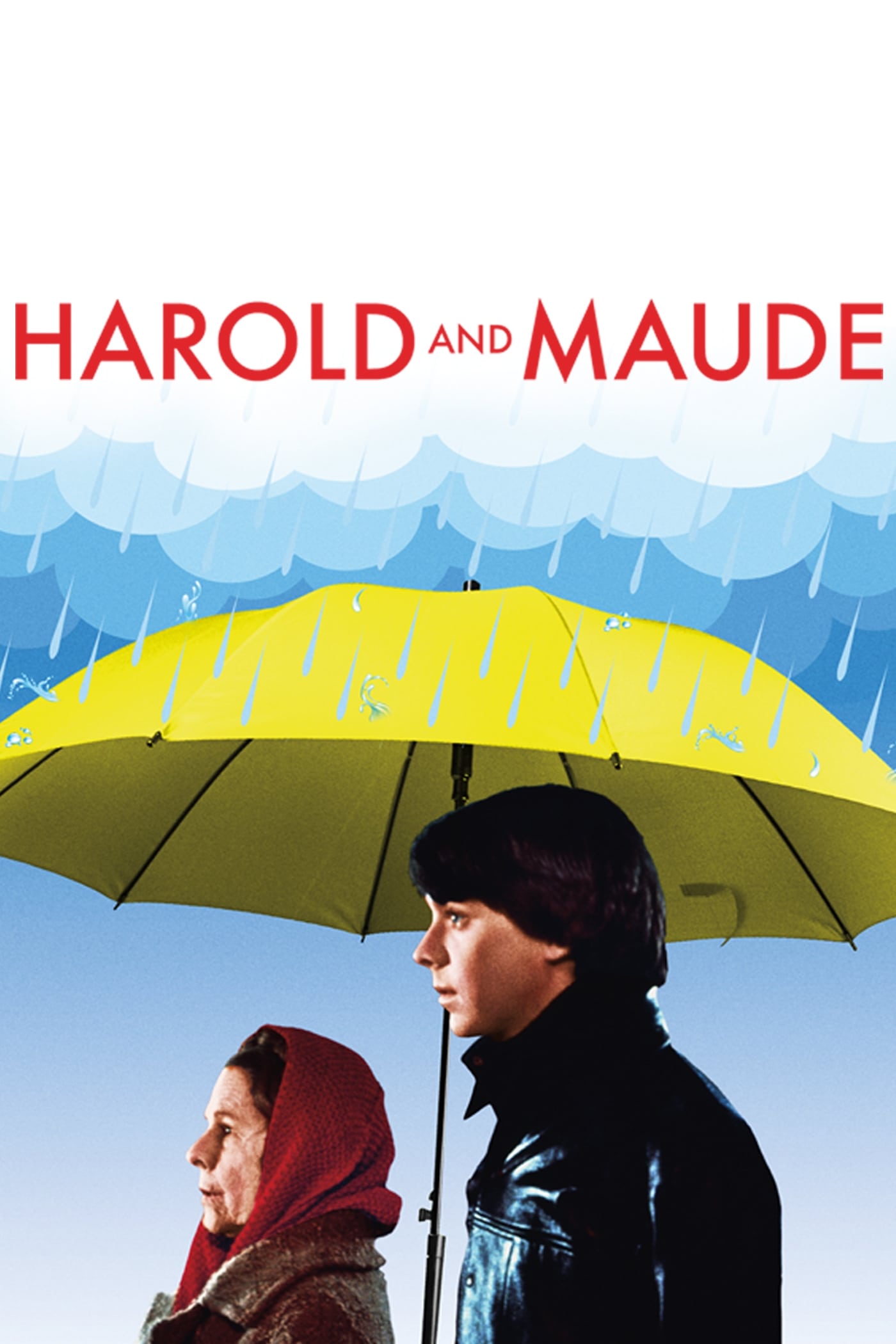
Theatrical bookings were limited and the unusual premise made marketing a challenge. Initial attendance was low and the film slipped out of first run circuits quickly.
College campuses and midnight programs kept it alive with steady crowds and repeat viewings. Soundtrack recognition and word of mouth turned those niche screenings into a durable cult following.
‘Willy Wonka & the Chocolate Factory’ (1971)
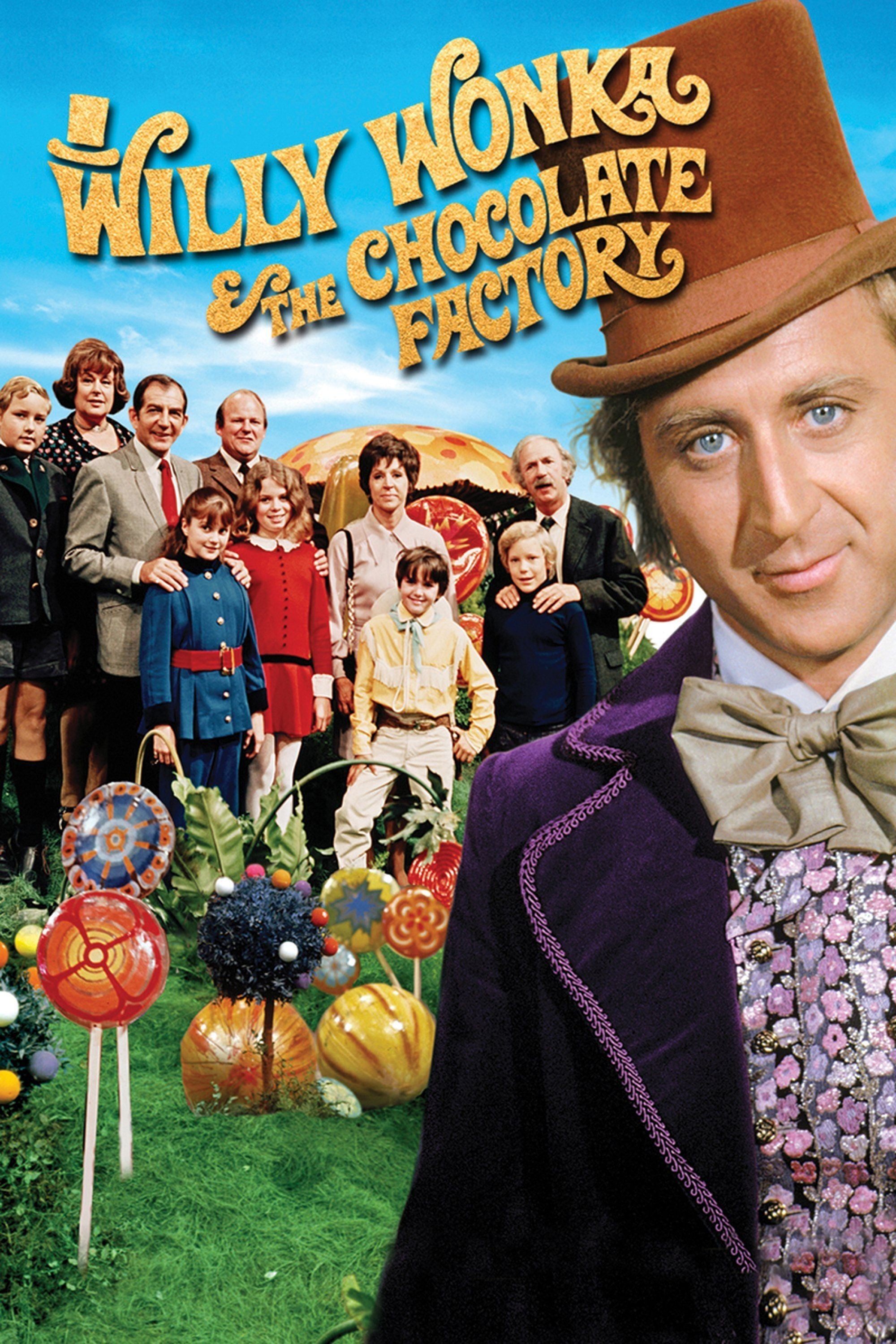
The film opened without a clear marketing push toward families and timing worked against it during the first release. Box office results disappointed the studio despite positive viewer reactions in select markets.
Television broadcasts introduced the story to children who then sought out books, soundtracks, and later video editions. Merchandising and frequent replays built a multigenerational audience that theaters had not captured.
‘Blade Runner’ (1982)
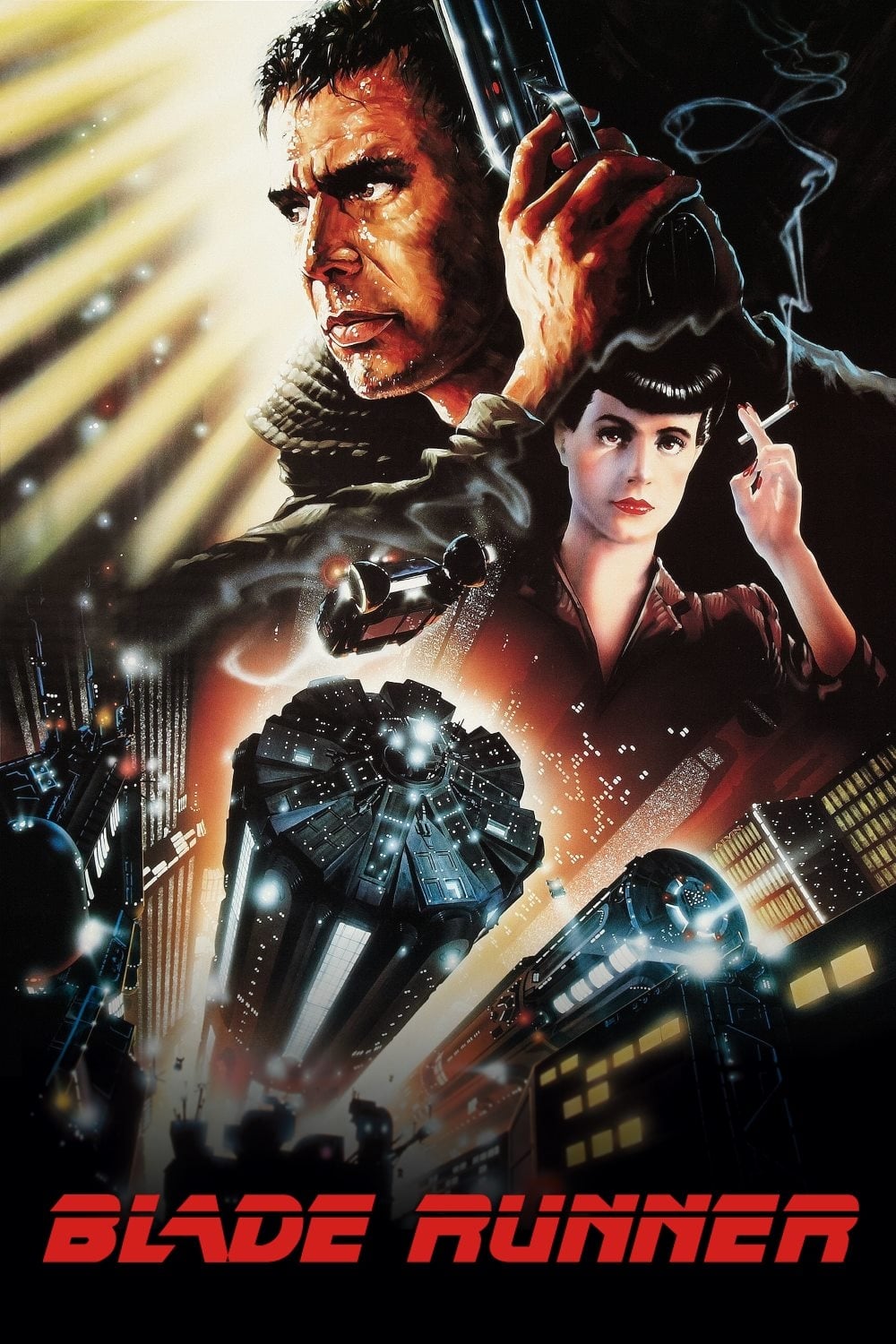
The opening faced stiff competition from brighter crowd pleasers and audience expectations leaned toward action rather than meditative science fiction. Mixed reviews and word of mouth about a confusing ending kept casual viewers away.
Alternate cuts and director approved versions reframed the story and drew fresh attention at festivals and on disc. Art direction, visual effects, and design work became staples in film courses and the fan base grew.
‘The Thing’ (1982)
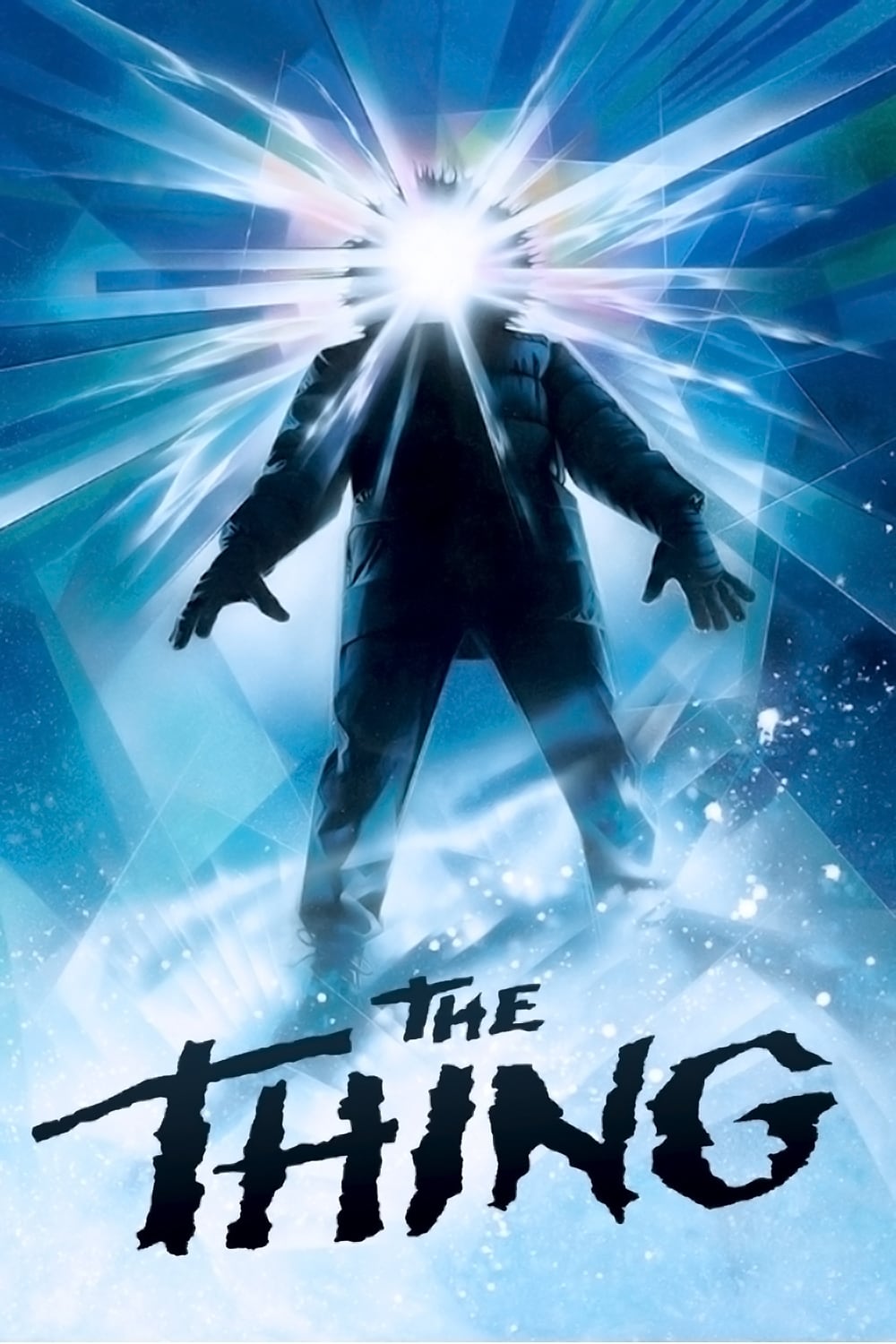
The release arrived during a wave of optimistic science fiction and some viewers reacted strongly to the graphic effects. The movie opened to soft numbers and dropped quickly from first run screens.
Cable rotation and home video gave it a second life with horror fans who praised its practical effects and tense atmosphere. Special edition releases and retrospectives highlighted the production methods and boosted its legacy.
‘The Big Lebowski’ (1998)
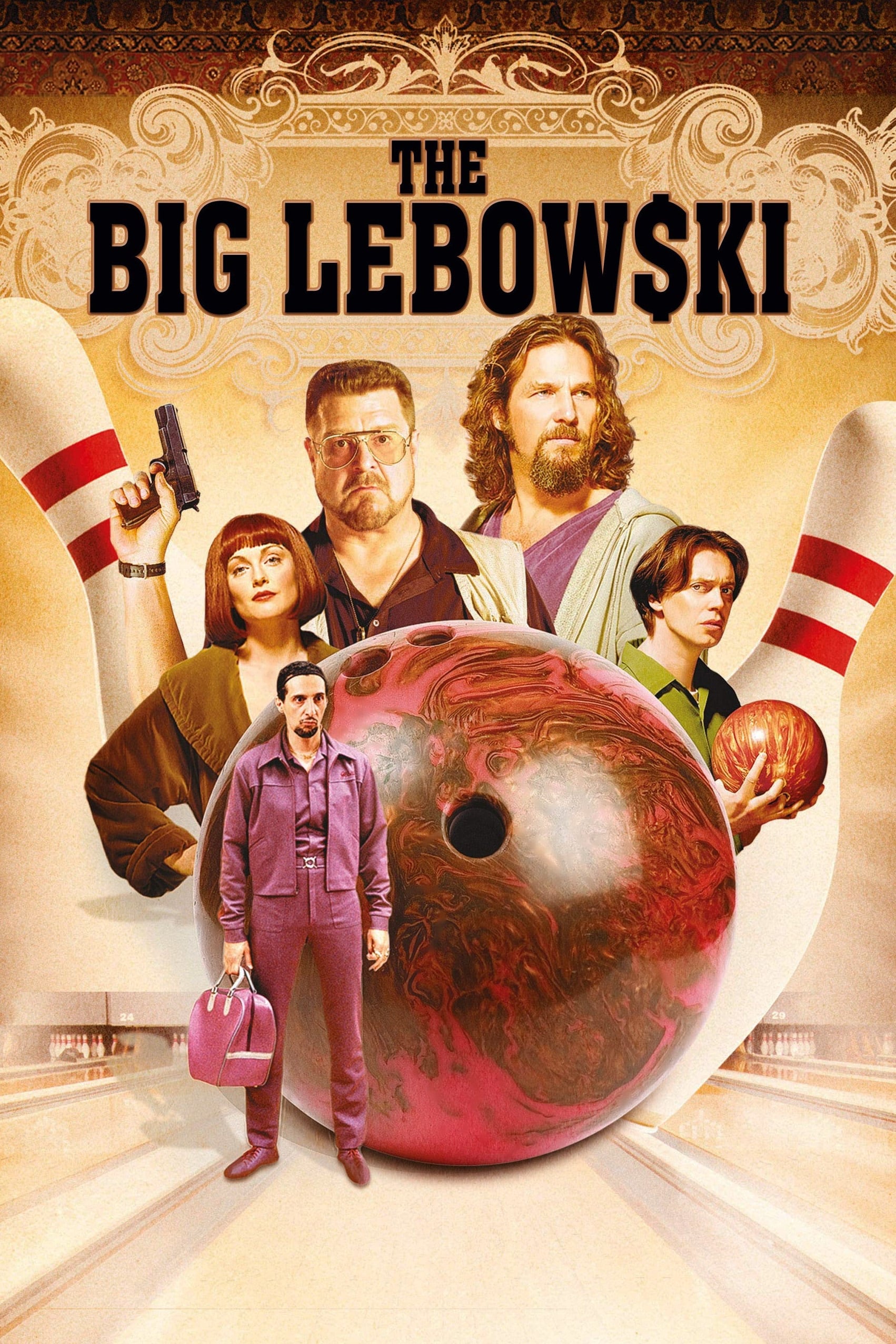
Initial trailers did not clearly set expectations and many viewers skipped a ticket in favor of other titles. The theatrical gross landed far below what the studio had hoped for a wide release comedy.
Home video and cable viewings drove steady discovery and repeat quotes turned into community events. Festivals, fan gatherings, and licensed tie ins kept interest high long after the original run.
‘Fight Club’ (1999)

The marketing team faced strict limits on what footage could air on television and many ads did not convey the story. Early box office returns were underwhelming and several markets reduced showtimes quickly.
A strong disc release with extensive bonus material became a favorite among collectors and students. As more people watched at home, sales surged and the film’s audience expanded beyond its first theatrical reach.
‘Office Space’ (1999)
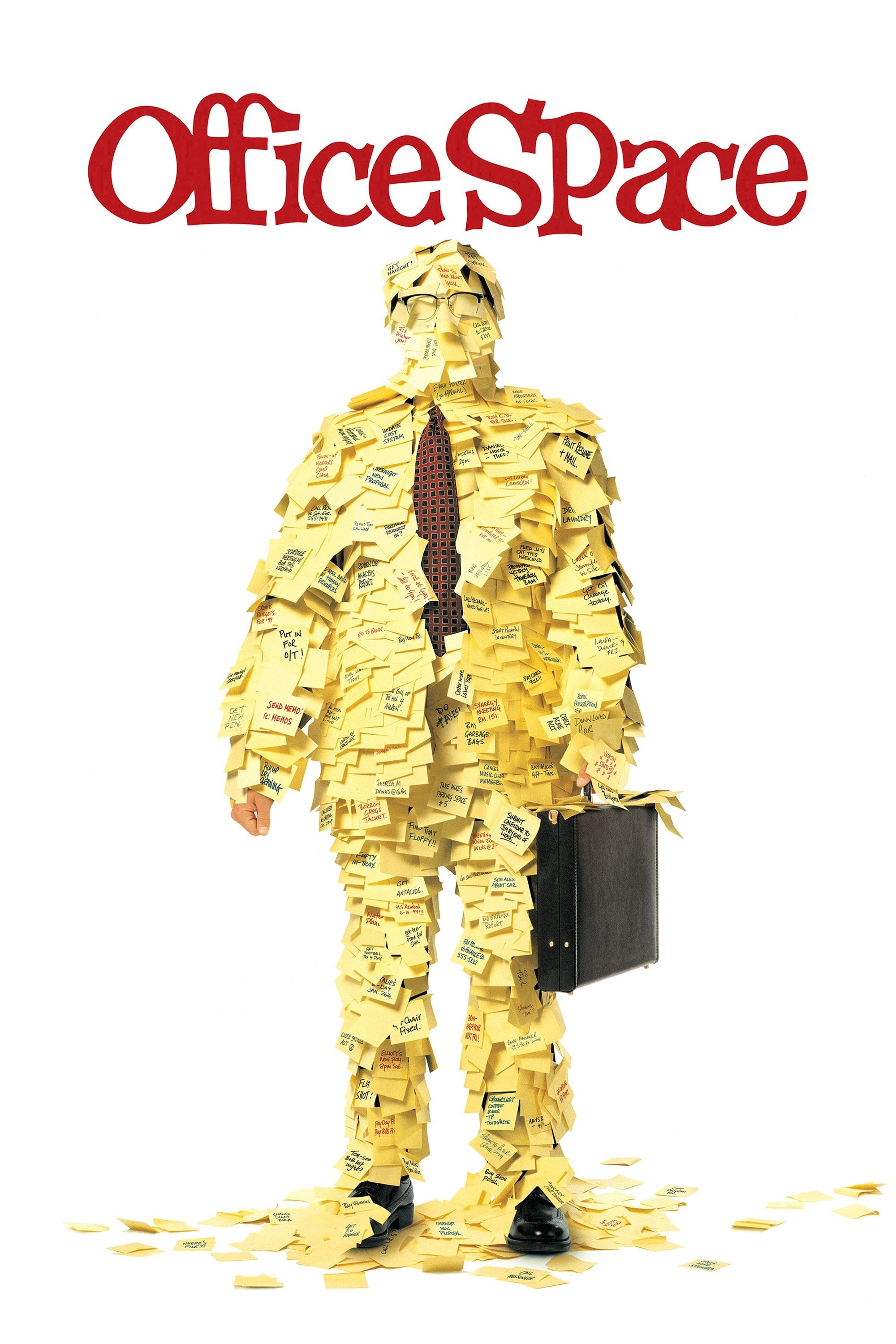
A modest promotional campaign and limited advance screenings left many potential viewers unaware of the release. The theatrical take stayed low through its short run despite positive reactions from early audiences.
Cable channels adopted the film in regular rotation and quotes spread across workplaces. The disc release performed well and brought wider recognition to the cast and the director’s style.
‘Donnie Darko’ (2001)
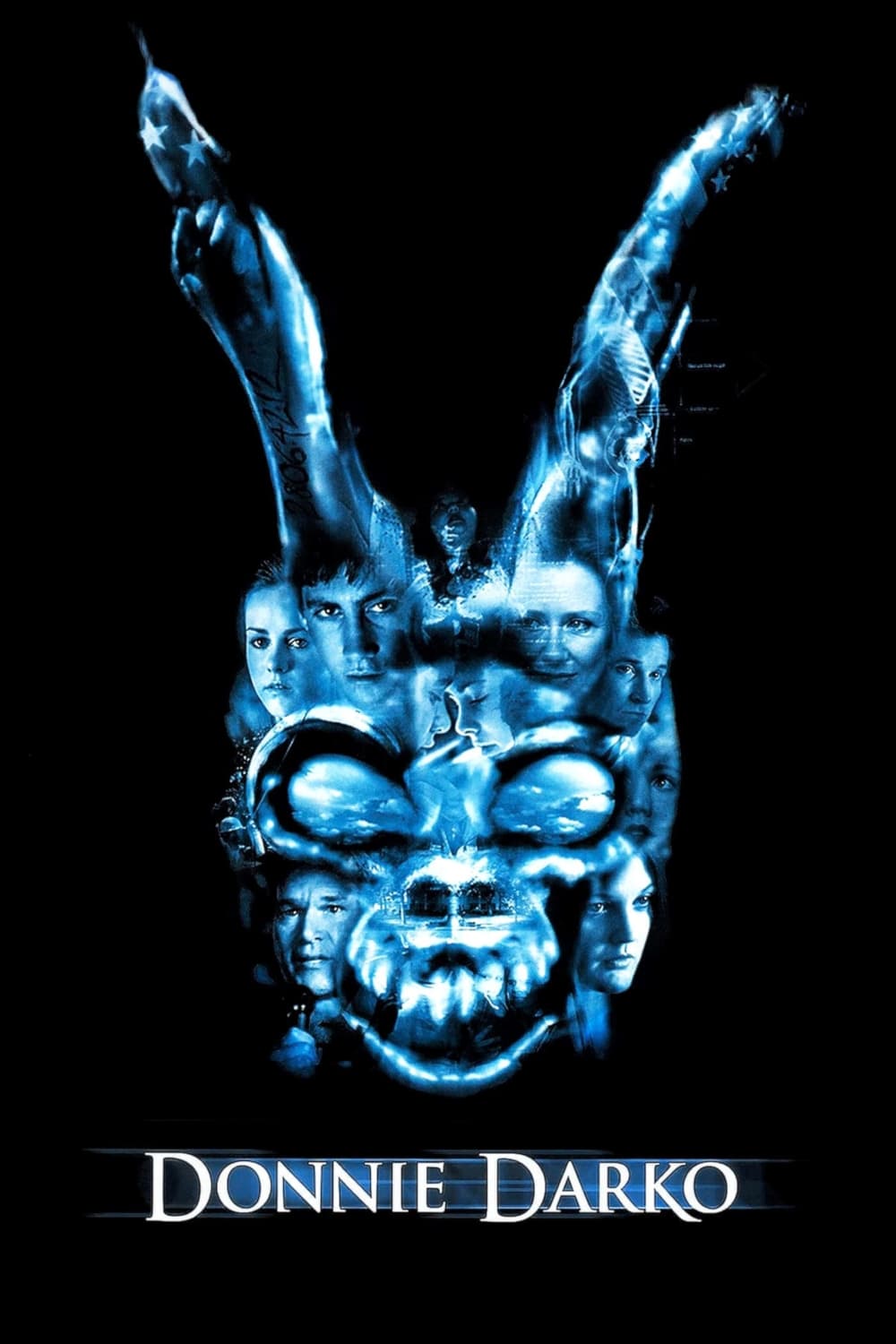
The plot involved an aviation incident that made exhibitors cautious and cut into advertising plans. The movie opened in a small number of theaters and attendance stayed modest.
Specialty retailers and online communities embraced the disc release and encouraged deeper viewing. Director and extended editions added context and reissues brought larger audiences to repertory screenings.
‘The Iron Giant’ (1999)
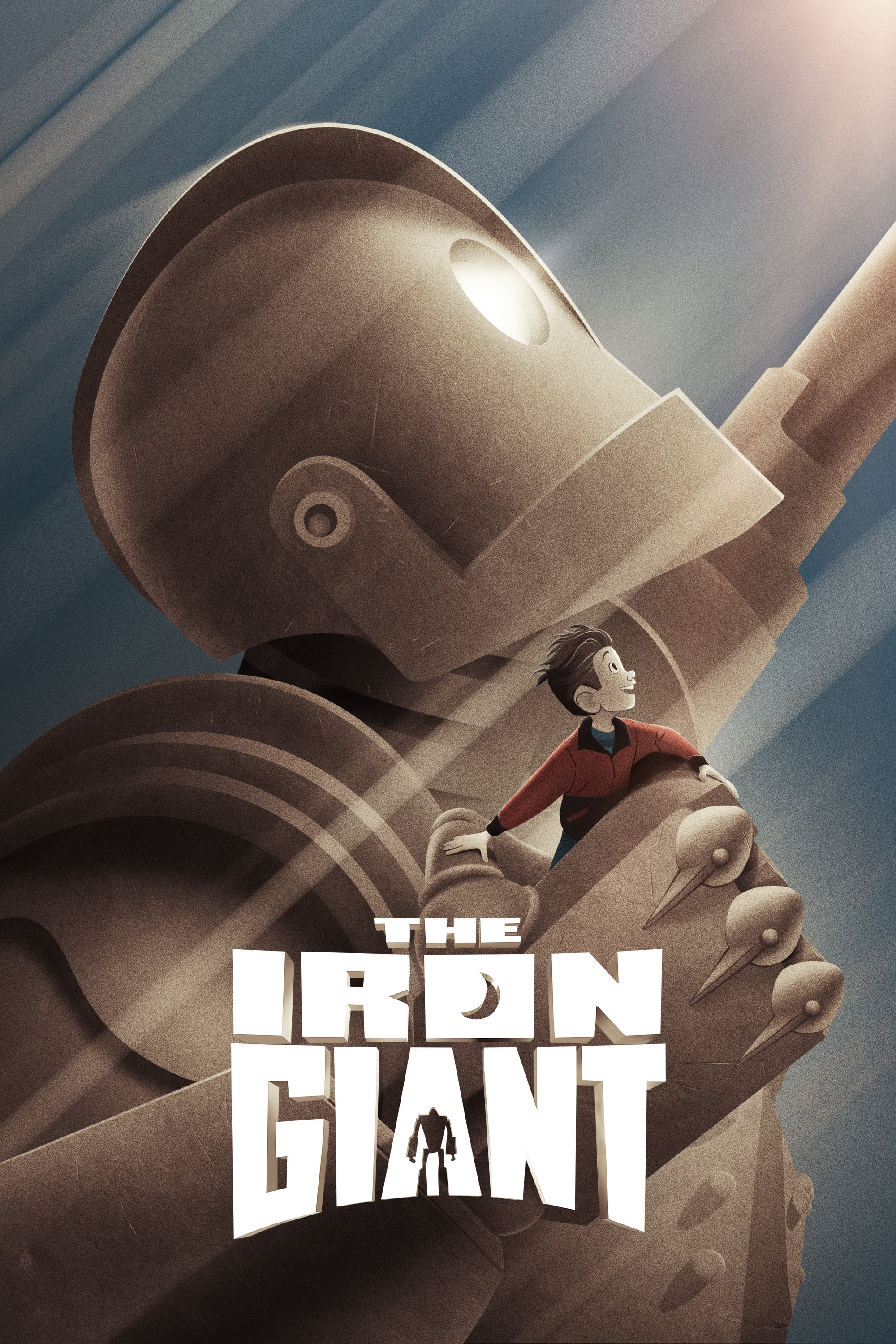
Studio changes during production led to a quiet rollout with little consumer marketing. The film underperformed in theaters despite strong reactions from families and critics.
Television airings and school library copies introduced the story to children who missed it on the big screen. Later restored editions and a brief theatrical return increased visibility and built long term affection.
‘The Princess Bride’ (1987)
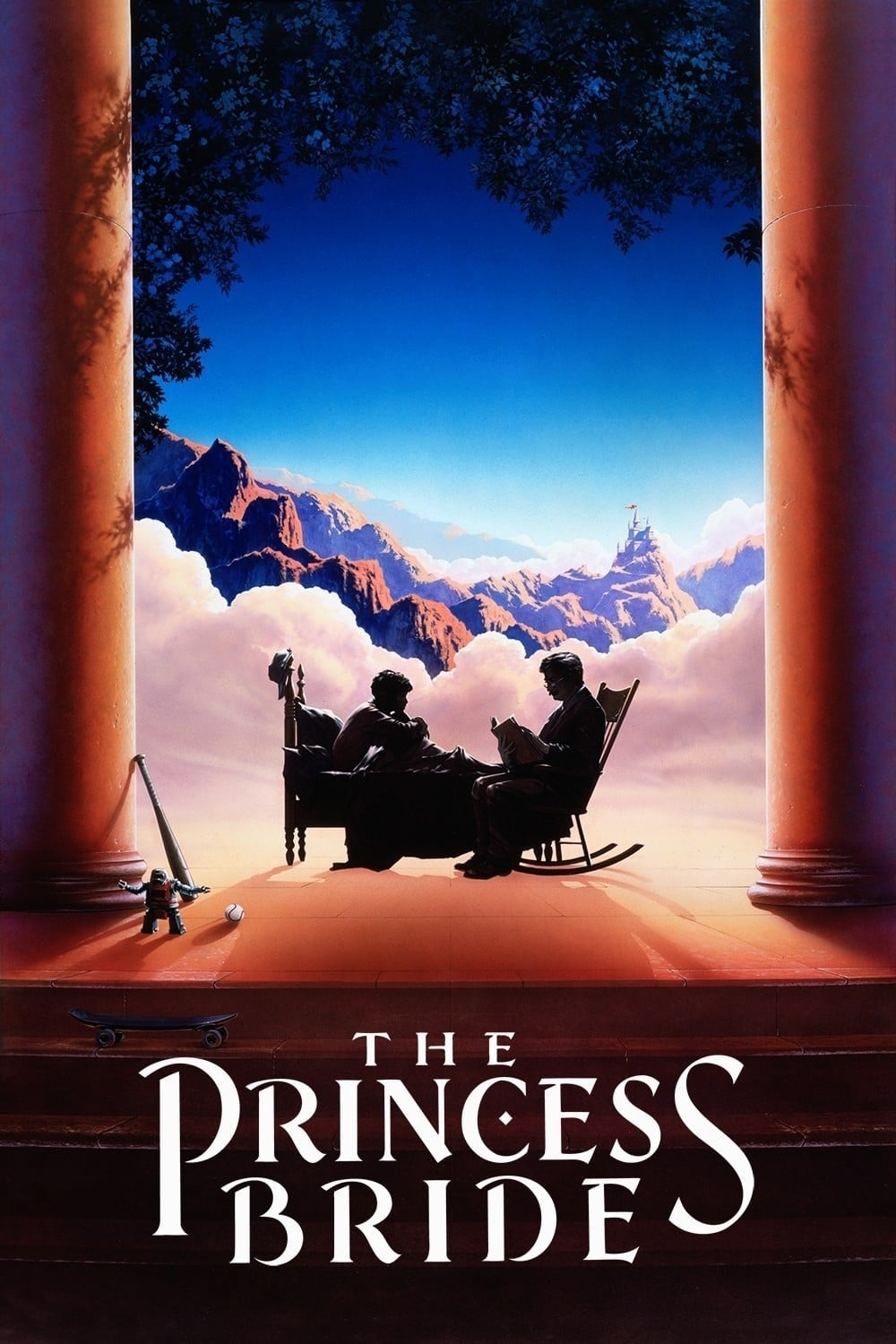
Marketing struggled to describe the mix of adventure, comedy, and romance in a single message. The theatrical performance was modest and it left first run venues without reaching a wide audience.
Video rentals turned it into a favorite for sleepovers and family nights and quotes spread through word of mouth. Anniversary screenings and new editions kept it circulating and drew parents and kids together.
‘Brazil’ (1985)
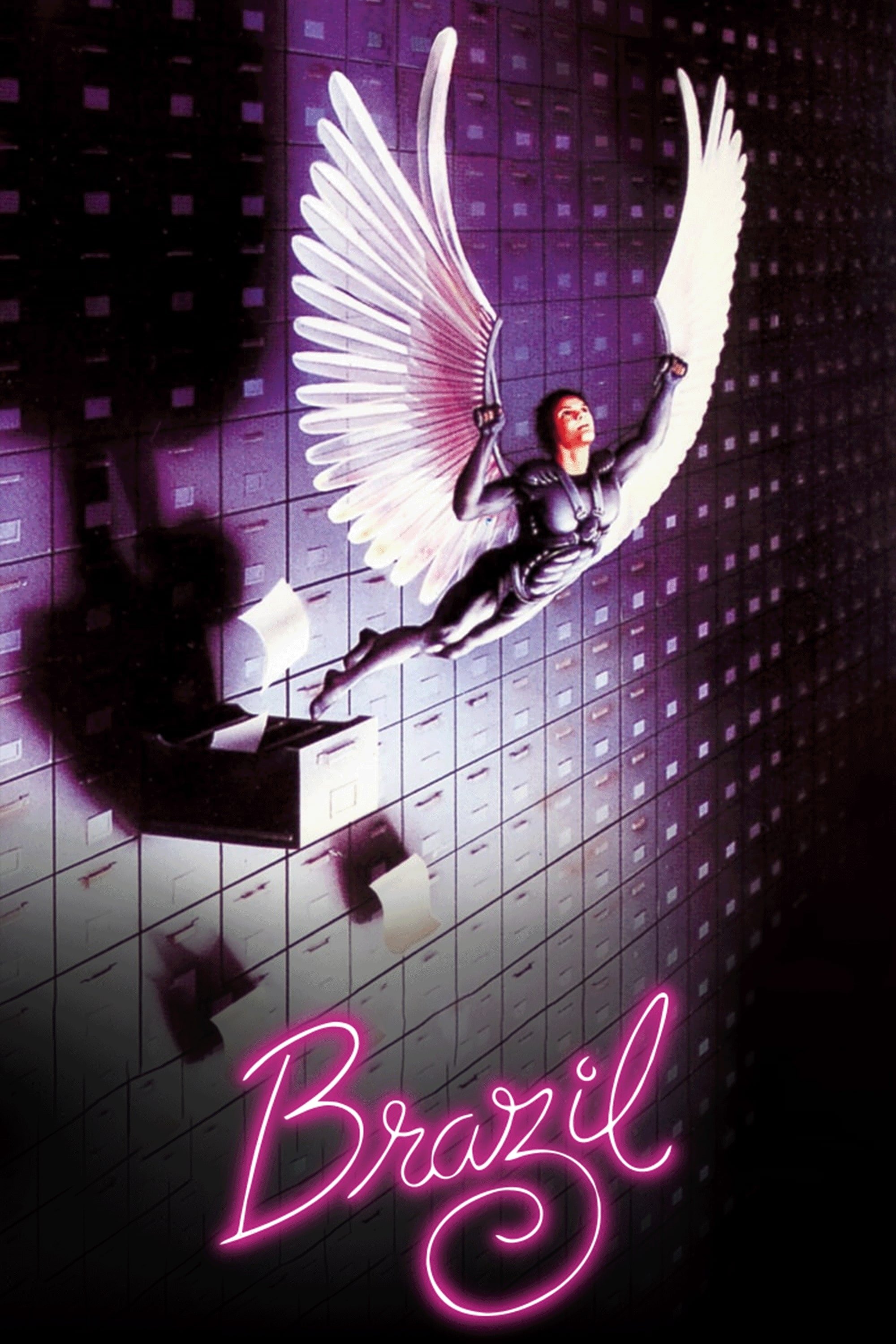
A well known dispute over the studio cut delayed a full release and created confusion in advertising. The compromised version reached only select markets and the box office stayed low.
A director preferred version toured festivals and art houses and drew strong interest. Scholarly attention and behind the scenes coverage of the editing battle helped the film gain classic status.
‘Dune’ (1984)

Theatrical edits trimmed complex material and left some viewers confused. Mixed reviews and a crowded marketplace kept attendance down and the movie faded from screens quickly.
Television broadcasts and video renters discovered its world building and production design. Expanded editions and books tied to the film drew new fans who had missed the initial run.
‘Metropolis’ (1927)
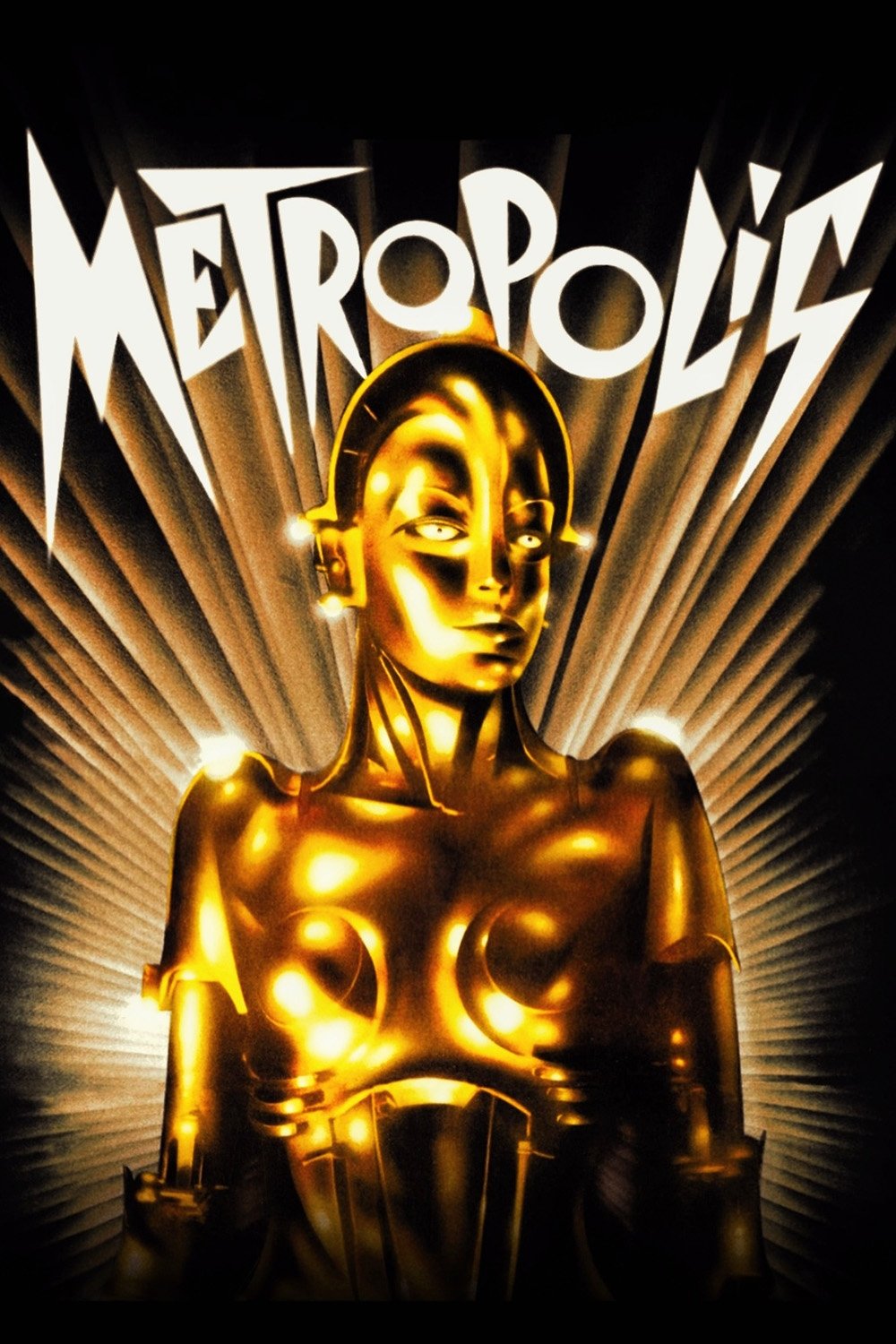
The original cut was expensive to exhibit and many venues received shorter versions that were hard to follow. Ticket sales did not cover the major production costs during the first release.
Film archives and restorations recovered missing footage and improved the score and image. High profile screenings and museum programs showcased those restorations and brought in fresh audiences.
‘Peeping Tom’ (1960)
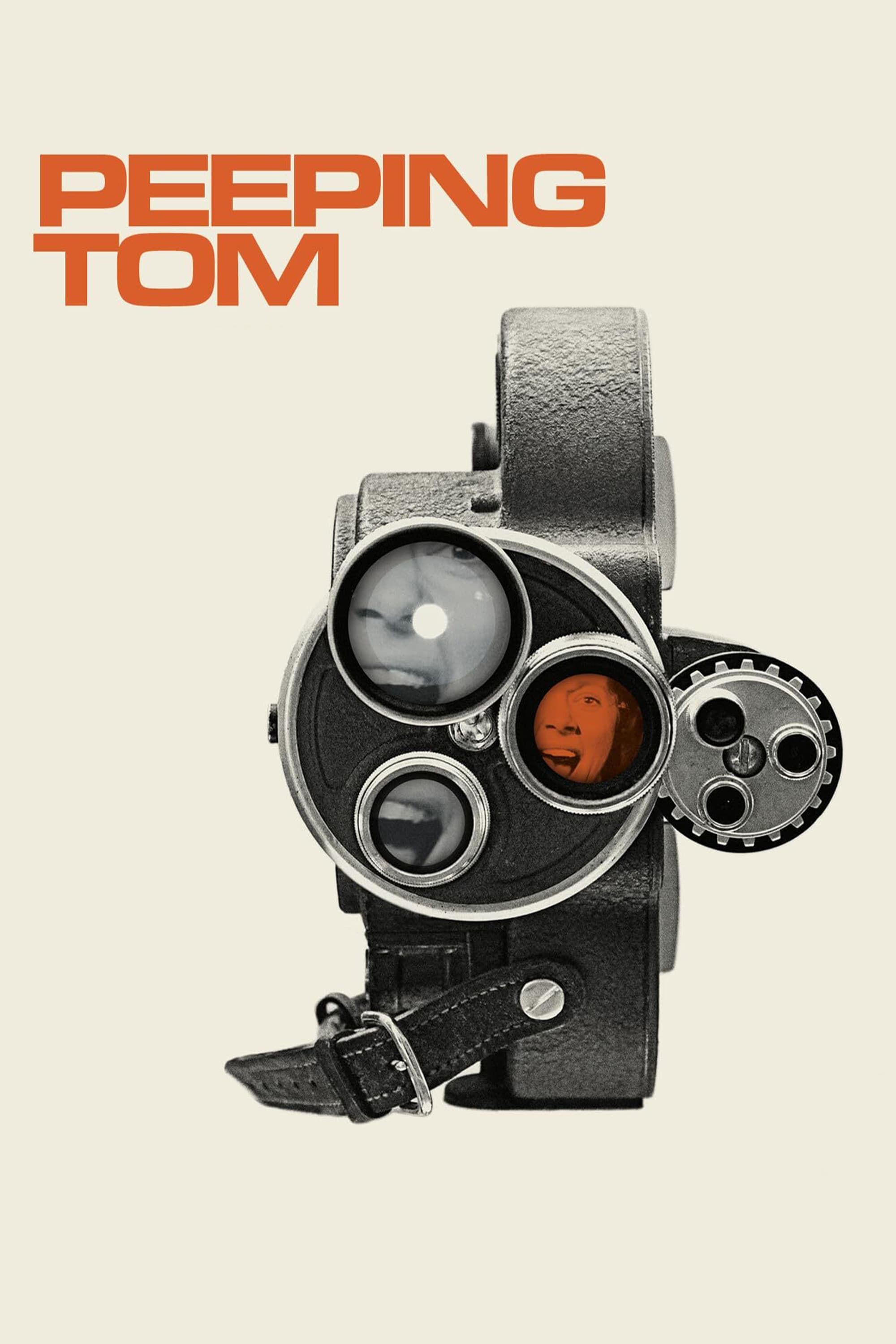
A harsh critical reaction led theaters to pull bookings and advertisers backed away. The film earned little during its initial release and the director’s reputation suffered.
Later critics and filmmakers praised its technical craft and psychological focus. Restorations and festival spotlights revived interest and placed it among important works in the genre.
‘Fear and Loathing in Las Vegas’ (1998)
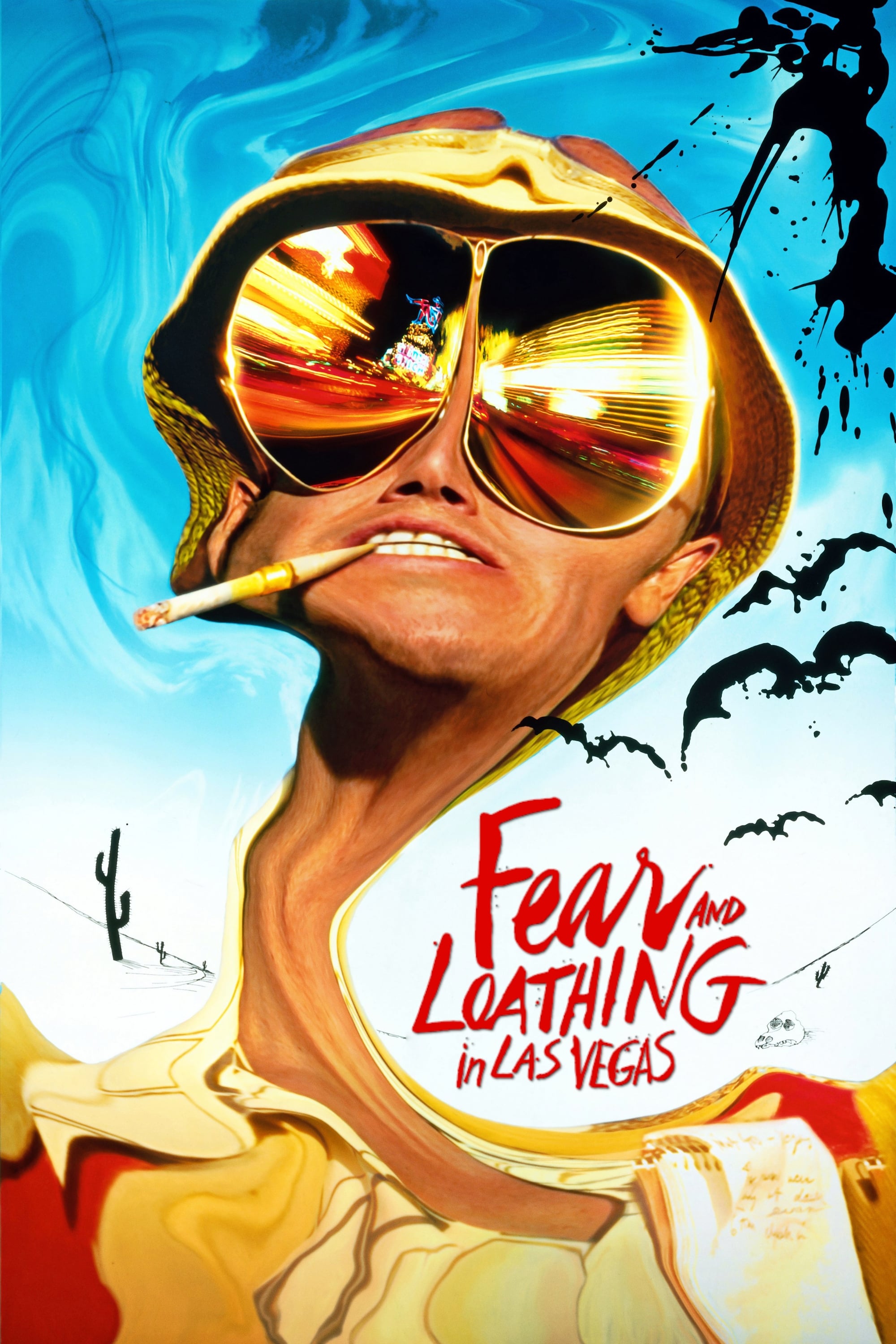
Theatrical marketing wrestled with how to present the tone and the result confused some viewers. The opening weekend did not build momentum and the total gross stayed below the production spend.
Home video editions with extensive supplements appealed to literature fans and film students. Midnight screenings and campus events kept it in circulation and grew a devoted audience.
‘Children of Men’ (2006)
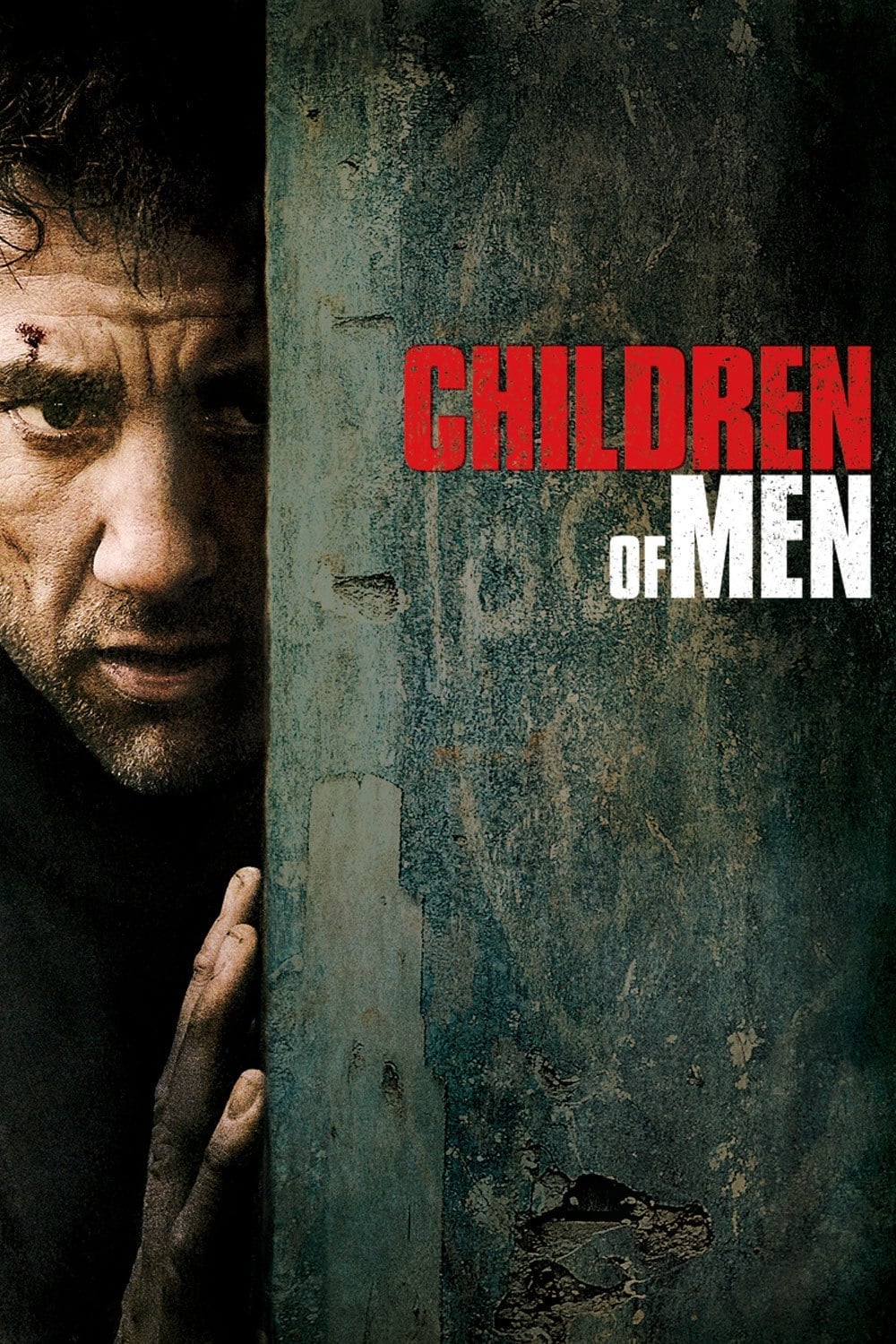
Despite strong reviews, the theatrical release delivered only modest earnings relative to the budget. The downbeat premise and limited advertising reach made expansion difficult.
As awards attention gathered, more viewers sought it out on disc and streaming. Craft discussions about long takes, production design, and sound kept it in the conversation and boosted its stature.
‘Scott Pilgrim vs. the World’ (2010)
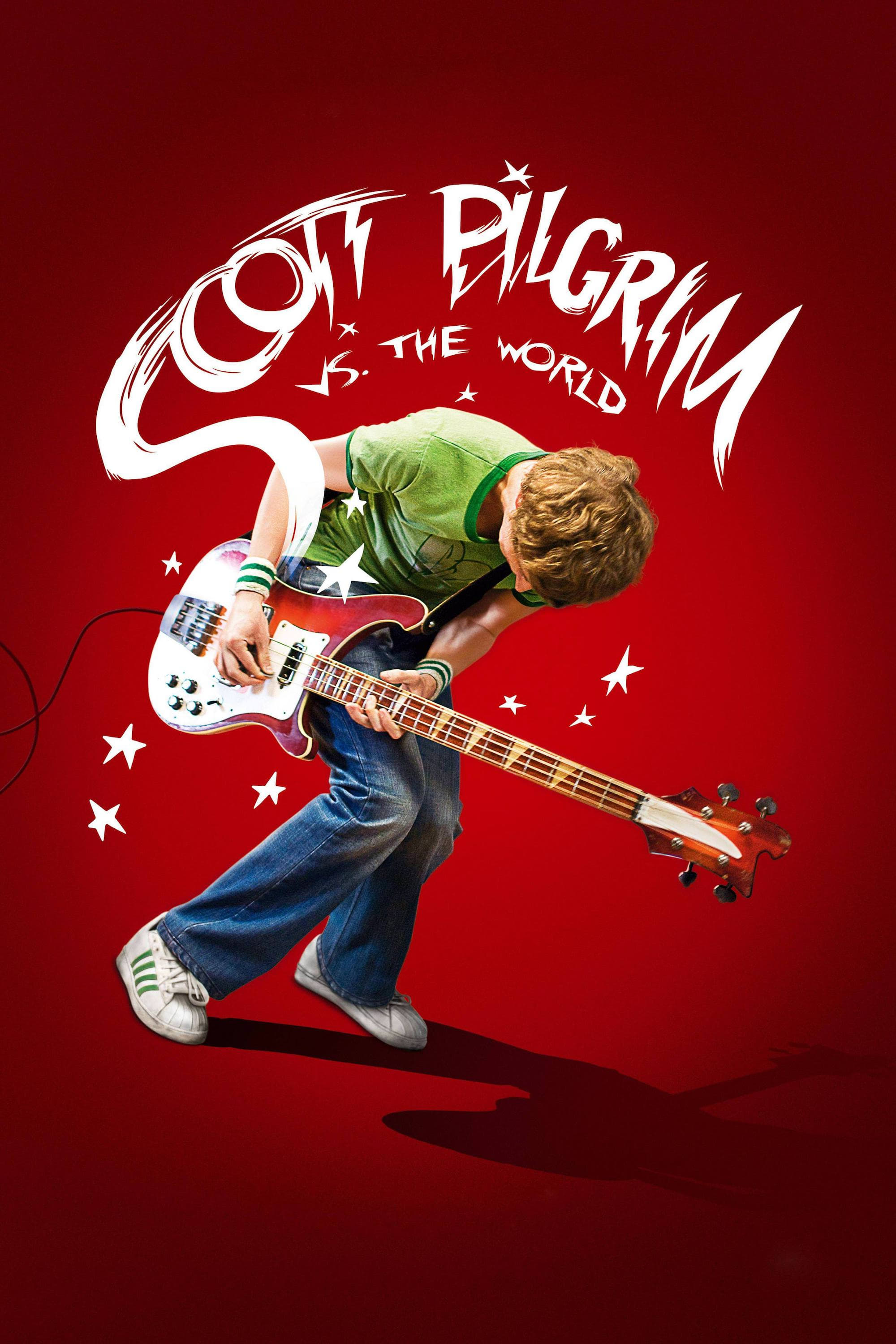
The intricate visual style and niche references made broad marketing a challenge. A crowded release window meant tough competition and the film’s box office lagged behind expectations.
Video game tie ins, cast reunions, and rereleases drew new interest. Streaming availability and a later theatrical reissue helped fans discover details they had missed the first time.
‘The Rocky Horror Picture Show’ (1975)
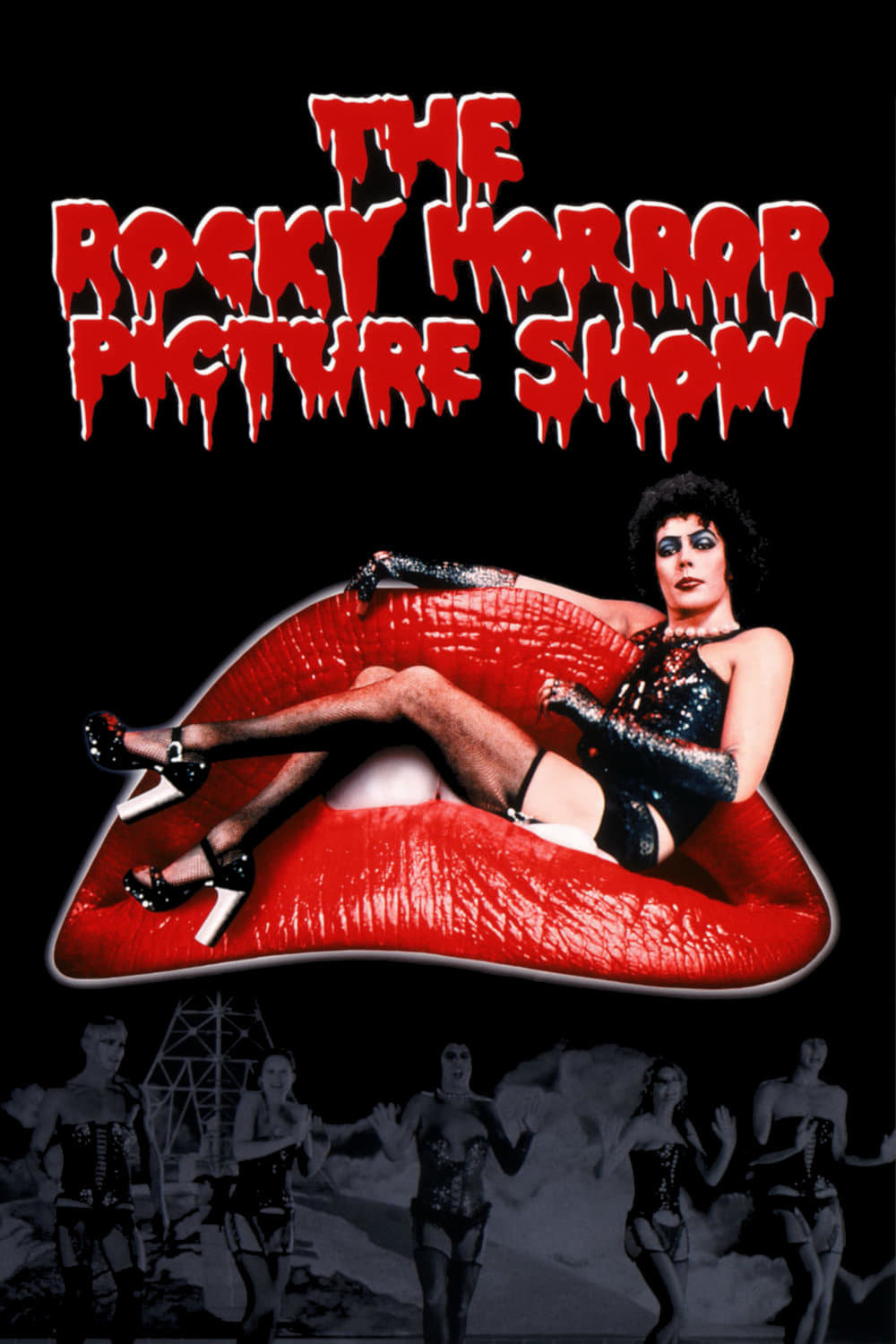
The first run struggled to find an audience and many theaters dropped it quickly. Reviews were mixed and standard showtimes did not encourage repeat visits.
A switch to midnight screenings invited audience participation and kept prints in constant use. Costumes, sing alongs, and community events turned it into a long running phenomenon with steady crowds.
‘Speed Racer’ (2008)
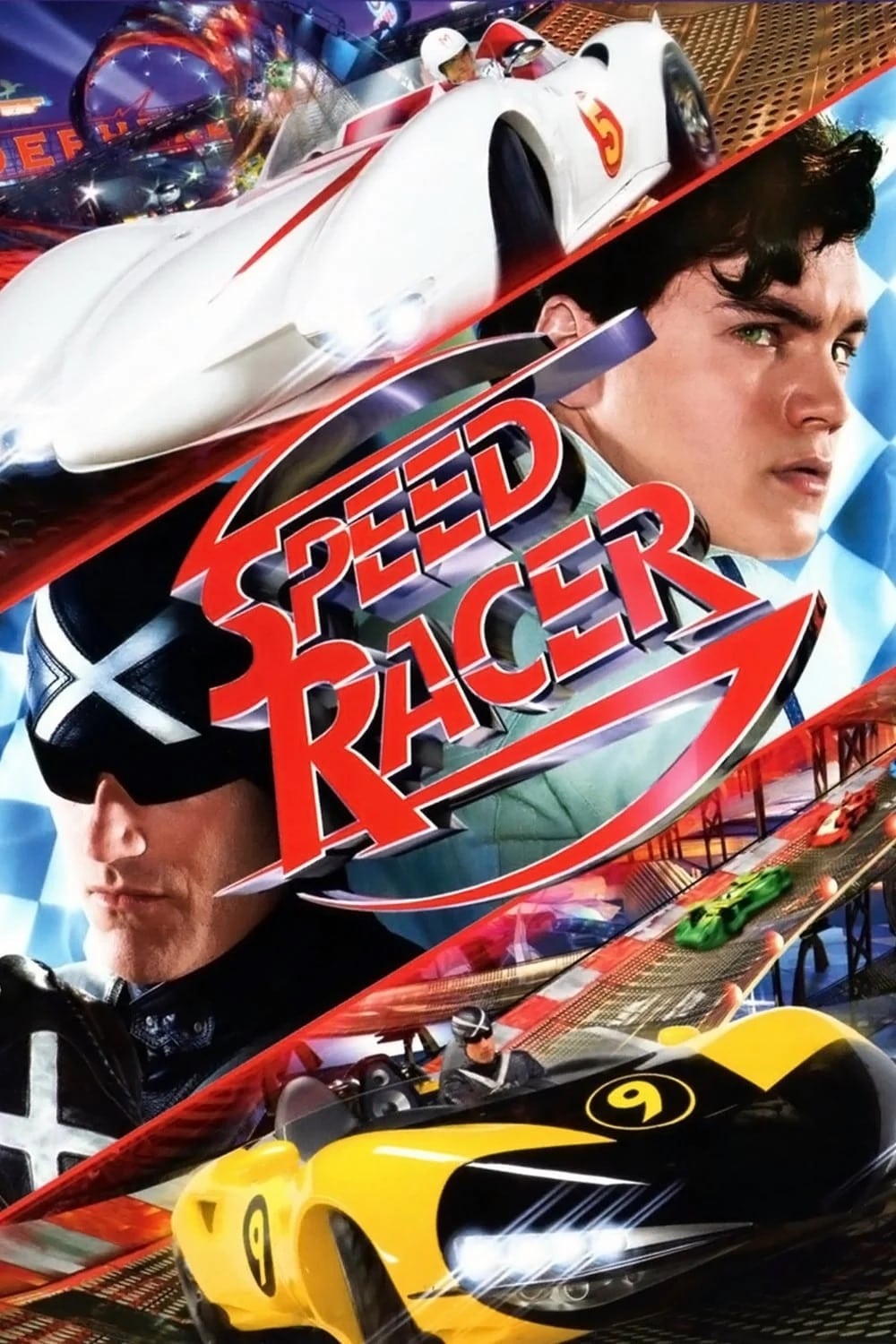
Family marketing collided with a release window filled with louder action titles and the opening was soft. Theatrical totals did not cover the sizable production and promotion costs.
High definition home formats showcased its layered visuals and design and drew fresh attention. As new viewers discovered it at home, discussions of technique and visual effects improved its reputation.
‘The Assassination of Jesse James by the Coward Robert Ford’ (2007)
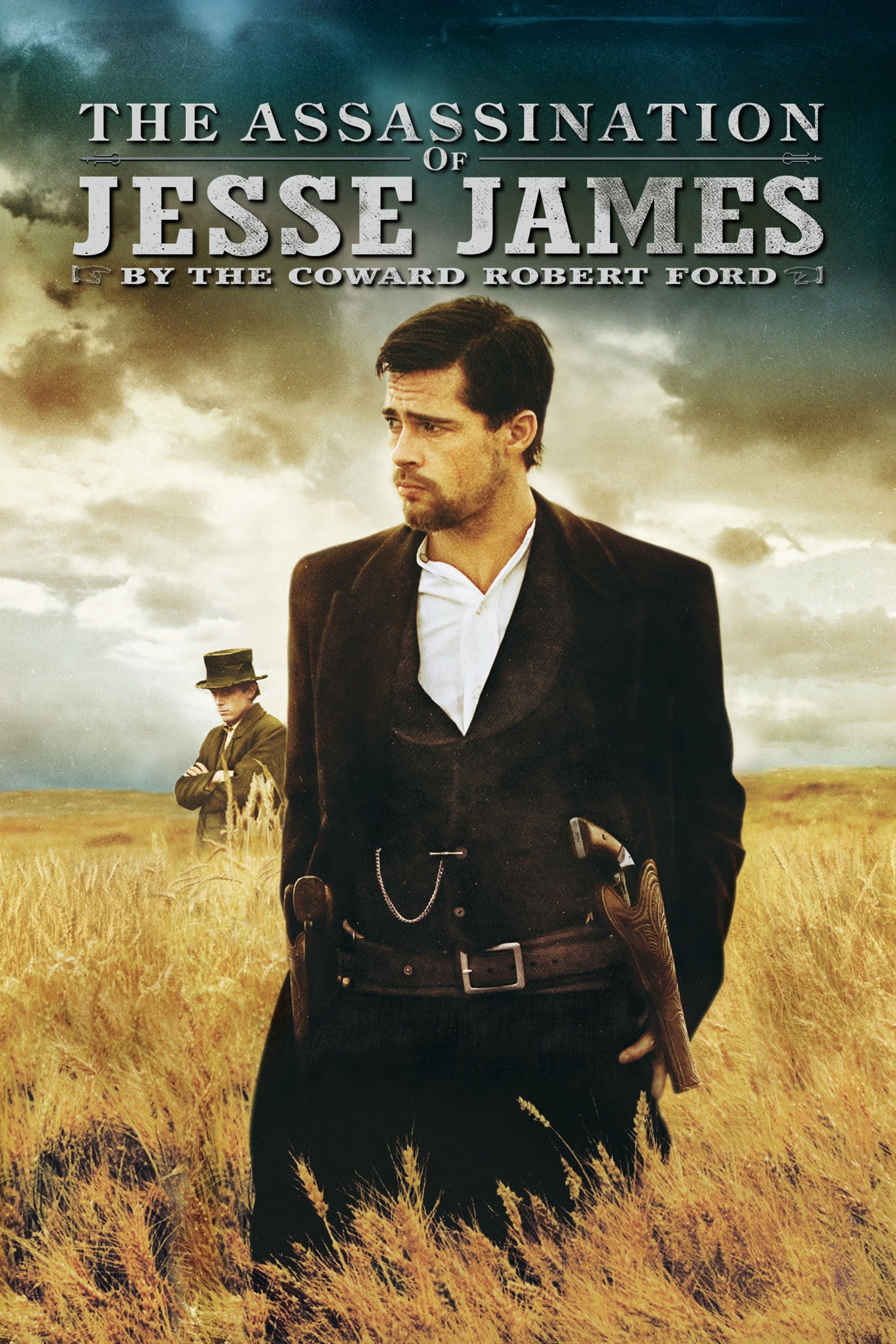
A limited rollout and a long runtime reduced the number of daily showings and slowed expansion. The film’s quiet tone made it a tough sell for mainstream audiences and receipts stayed low.
Festival play and critical praise led to strong performance on disc. Cinematography features and archival interviews kept interest alive and encouraged new theatrical retrospectives.
‘The Shawshank Redemption’ (1994)
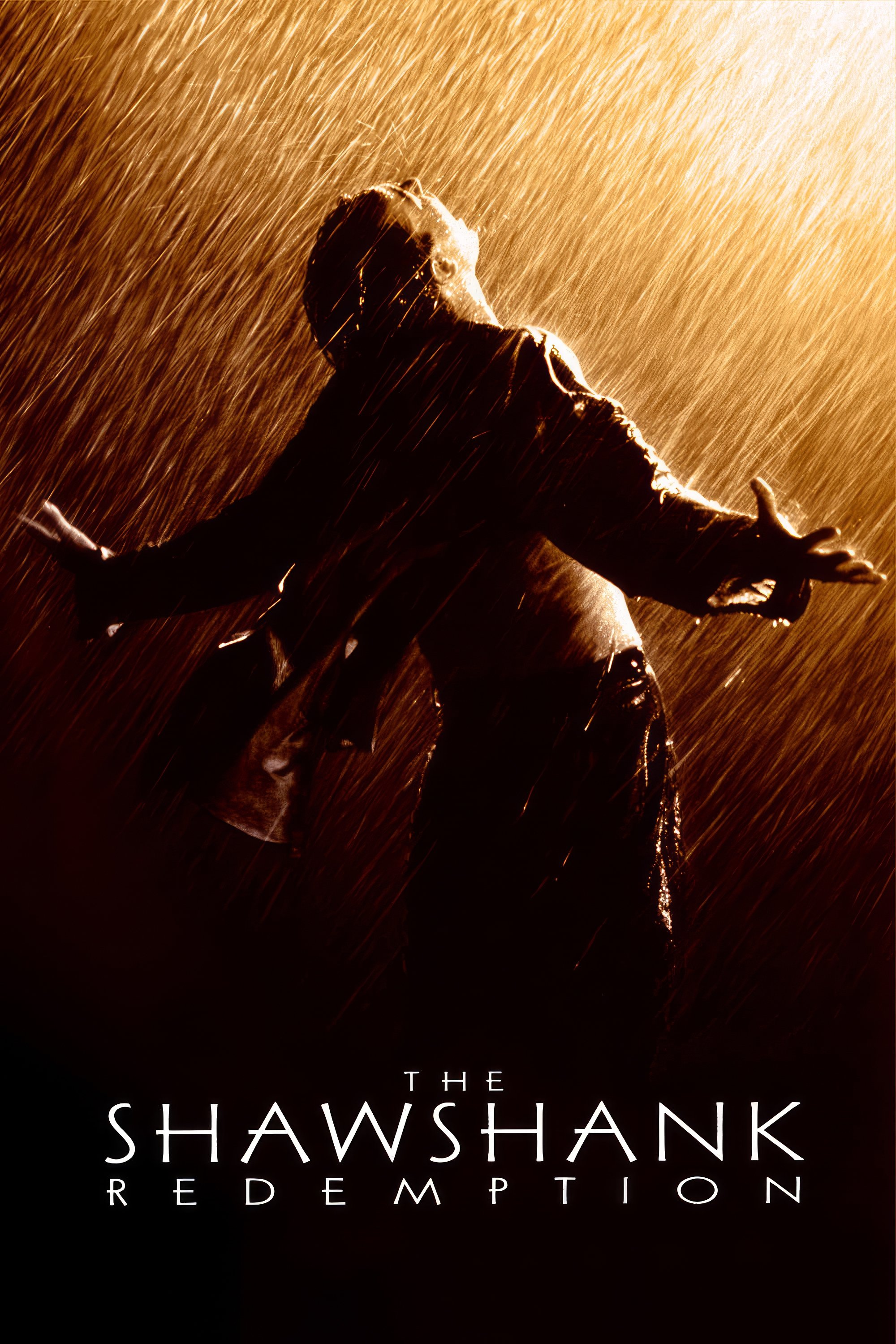
The initial release faced stiff competition and a title that was hard to market. The theatrical take was modest even with very positive early reactions from viewers.
A cable rotation introduced the story to a huge audience and rentals remained strong for years. Awards attention and steady television play turned a slow starter into a widely loved classic.
Share your favorite late blooming discoveries in the comments so everyone can compare notes on which box office underdogs became must watch classics.

