‘Clayface’ Ending Explained: Matt Hagen’s Monstrous Final Form and the Twist That Closes the Film

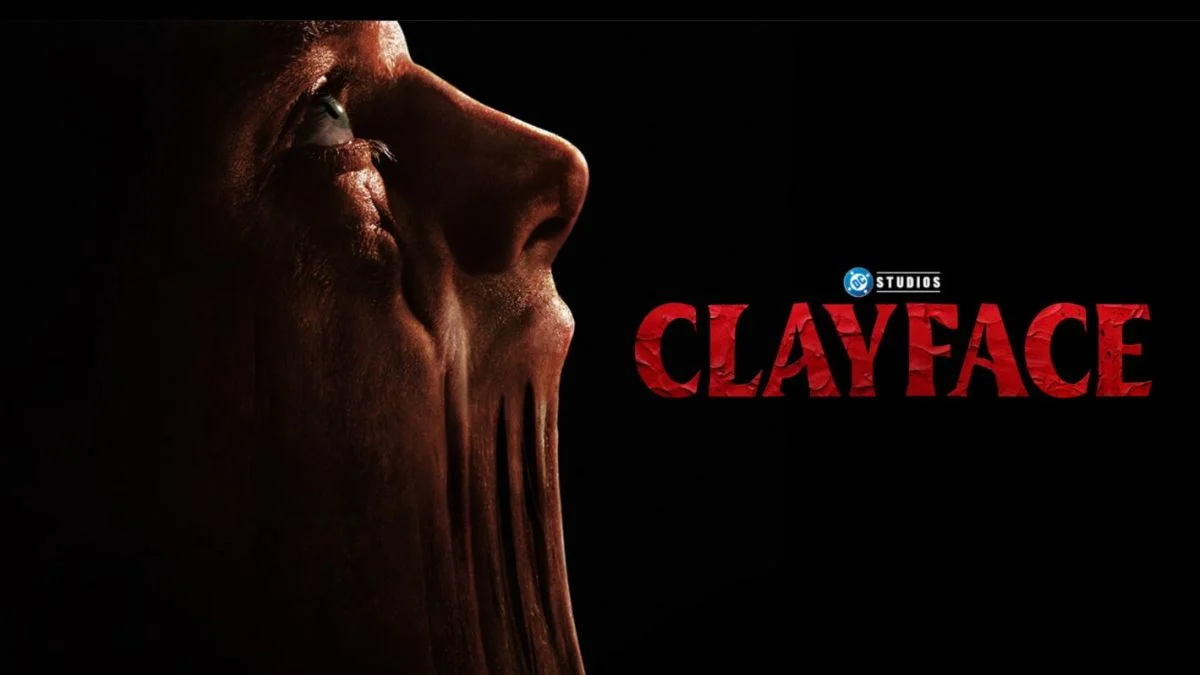

The ‘Clayface‘ ending explained is the question lighting up fan discussions this weekend, and it’s easy to see why. DC Studios’ first true horror outing refuses to wrap its story with a neat bow, leaving audiences with a lingering sense of dread instead.
The film is the third entry in James Gunn and Peter Safran’s new DC Universe. It follows actor Matt Hagen (Tom Rhys Harries), whose face is sliced up with a switchblade by Gotham crime kingpin Markos Szabo (David Dencik), leaving him disfigured and his career in ruins. Early reactions have been strong, with viewers praising how gruesome the movie gets.
Hagen turns to Dr. Caitlyn Corr (Naomi Ackie), a scientist whose nanotechnology research was ripped off by her financial backers. Her experimental treatment restores his looks, but it also starts turning his body into something else entirely. By the final act, that transformation has spiraled into a full-blown revenge rampage.
The climax sees Hagen killing Szabo and the others who ruined his life, a rampage that leaves him completely unhinged. A crowded nightclub set piece has him shape-shifting from one persona to another while he hunts for Szabo. During the fight with Szabo’s goons, he even briefly takes on the face of actor Aaron Paul.
Detective Borrelli (Max Minghella) grows suspicious as everyone who wronged Hagen keeps turning up dead, and Hagen kills him to end the investigation. That leaves Caitlyn, who is Borrelli’s fiancée, alone with the monster she helped create.
In the tense confrontation, Hagen tells her he can be whoever she wants him to be, even the recently deceased Borrelli. Caitlyn grabs Borrelli’s taser and strikes, sending Hagen out a window and into the rainy street below, then activates a kill switch protocol. Accounts of the exact mechanics differ slightly between outlets, but the outcome is the same.
As the rain beats down, Hagen assumes the classic brown-gray Clayface form, complete with an enormous frame and a grotesque, monstrous face. He screams in pain and in horror at what he has become. At one point he even begs Caitlyn to put him out of his misery, a sign that the decent man he used to be is still in there somewhere.
The payoff lands harder because the marketing kept this look hidden. Director James Watkins explained the strategy by comparing it to the shark in ‘Jaws’, arguing you don’t want the audience to see it too early.
The kill switch isn’t enough to finish the job. The ending shows Caitlyn wandering the streets of Gotham, looking suspiciously at the people she passes. The next scene first appears to be Caitlyn returning to confess her feelings.
As the camera slowly pulls out, the embrace is revealed to be a trick, because the Caitlyn in Hagen’s arms is nothing but an imitation created by his mercurial mass. The film closes on the reveal that this was Matt all along, and he heads for his new home in the sewers of Gotham City. It’s an unsettling finish, since Hagen has clearly not learned anything from his actions.
There is no mid-credits or post-credits scene, so viewers can leave as soon as the final image fades. Alleged details of a Batman-related bonus scene did circulate before release, but they were not confirmed.
Watch the first trailer for #Clayface. The new DC horror film is in theaters October 23. https://t.co/gqrrtJSou5
— Rotten Tomatoes 🍅 (@RottenTomatoes) April 22, 2026
Gunn has said the film takes place before all of the DCU’s movies and shows, including ‘Superman’, and that this is the same Clayface who appeared in ‘Creature Commandos’ and fought Rick Flag Sr. and Eric Frankenstein. He has also indicated that Hagen ends up back in prison after that series, which suggests the monster’s freedom in Gotham’s sewers won’t last forever.
Batman never shows up on screen. Watkins has said the shadow of the Bat is felt throughout the movie’s corrupt, decaying version of Gotham. One reading of the ending is that Hagen’s tragic arc is a dark reflection of Bruce Wayne, who also turned to extremes when he decided his city couldn’t be trusted to deliver justice.
What did you think of the Clayface ending?
Have something to add? Let us know in the comments!