


Clint Eastwood Calls This Western His Career’s High Point

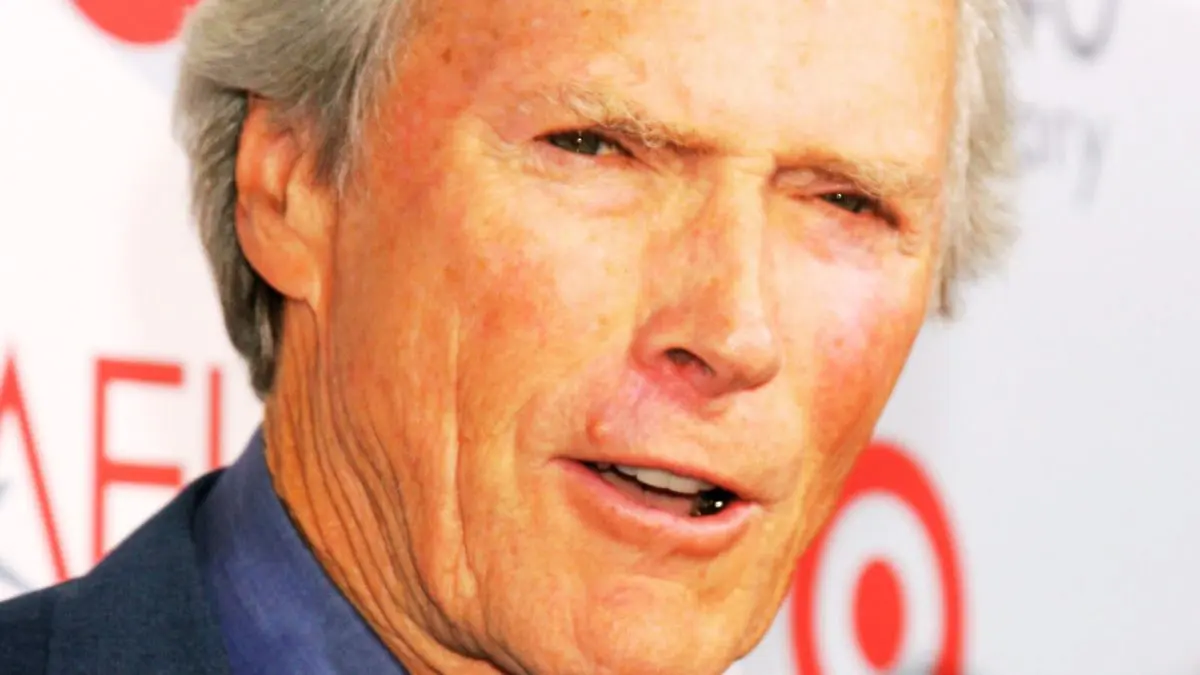


Clint Eastwood has made many memorable Westerns, but he often points to The Outlaw Josey Wales as one of the biggest moments of his career.
Released in 1976 and now holding a 91% score on Rotten Tomatoes, the movie has grown into a classic that many dads love to pass down to their kids, even if moms sometimes roll their eyes at its violent streak.
The story is set during the Civil War. Eastwood plays Josey Wales, a Missouri farmer who loses his wife and son to pro-Union soldiers. Fueled by revenge, he becomes a Bushwhacker and rides out on a bloody path.
On the surface it is a tough and violent Western, but it also carries a message about how war destroys people. Eastwood himself later said the film was “certainly one of the high points of my career … in the Western genre of filmmaking.”
When the film came out, it marked a big step forward for Eastwood as a director. He had already made his debut with Play Misty for Me, but critics were still unsure about him. With Josey Wales, the reaction was much stronger. Even Orson Welles, who was never shy about giving his opinion, called Eastwood “one of America’s finest directors.”
The movie had a messy start behind the scenes. At first, Philip Kaufman, who would later make The Right Stuff, was the director. Kaufman and Eastwood didn’t see eye to eye on how Josey should be played, and Kaufman’s slower pace on set annoyed his star.
Since Eastwood was also the producer, he had the power to fire Kaufman. He then took over directing himself. That decision upset the Directors Guild of America so much that they later created the “Eastwood rule,” which banned actors or producers from firing a director and stepping in to replace them.
The movie’s source material also carried controversy. The book was written by Asa Earl Carter, a man known for racist and extremist views. Kaufman himself called him “a crude fascist” who was deeply anti-government.
Still, Eastwood shaped the story into something different. Rather than promoting hate, he used it to show how war can twist men and strip away their humanity.
Eastwood has always been careful about how people connect the film to the Vietnam War, which was ongoing when he made it.
In a 2001 DVD introduction, he explained, “[The Outlaw Josey Wales is] … a story that needs to be told about the conditions of war on people at that particular time, especially in history, and the dissatisfaction people were having with the war in Vietnam. Not that this was parallel, but just the basic illness of war and what it can cause to people.”
Years later, in a 2011 interview with The Wall Street Journal, he expanded on those thoughts, saying, “As for Josey Wales, I saw the parallels to the modern day at that time. Everybody gets tired of it, but it never ends. A war is a horrible thing, but it’s also a unifier of countries. . . . Man becomes his most creative during war. Look at the amount of weaponry that was made in four short years of World War II—the amount of ships and guns and tanks and inventions and planes and P-38s and P-51s, and just the urgency and the camaraderie, and the unifying. But that’s kind of a sad statement on mankind, if that’s what it takes.”
Looking back, The Outlaw Josey Wales was more than just another Western. It became a movie that mixed revenge, violence, and grit with a message about the cost of war. Eastwood didn’t just prove himself as an actor but also as a filmmaker who could take on weighty themes. No wonder he still sees it as a career high point.
Have something to add? Let us know in the comments!

