Comparing ‘The Odyssey’ to the Top Fantasy and Myth Movies Ever Made

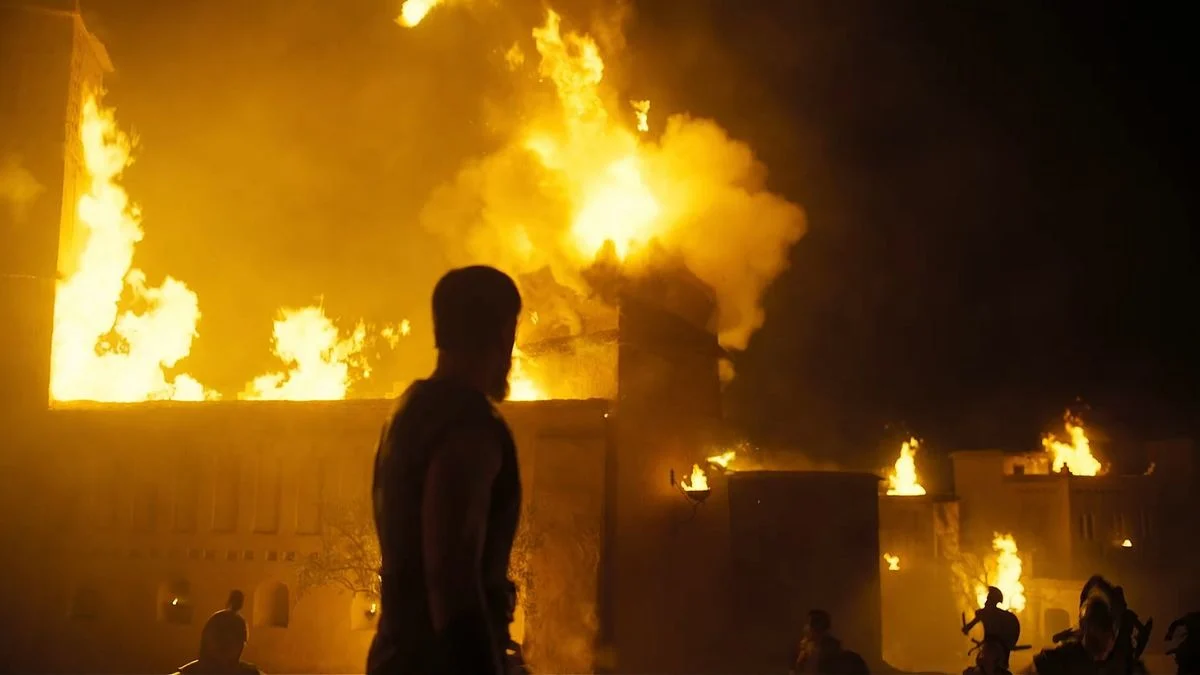

Christopher Nolan’s ‘The Odyssey‘ has landed with a thunderclap, and critics keep reaching for the same reference points to describe it. The film is Nolan’s screen adaptation of the epic poem attributed to Homer, released on July 17, 2026. Early reviews have already called it one of the greatest epic fantasy films ever made, with critics praising its craftsmanship and emotional weight.
So how does ‘The Odyssey’ actually measure up against the genre’s biggest landmarks, from ring quests to wizarding schools to labyrinths full of fauns? Here is how Nolan’s epic compares to ten of the most acclaimed fantasy and myth movies in film history.
‘The Lord of the Rings: The Fellowship of the Ring’ (2001)
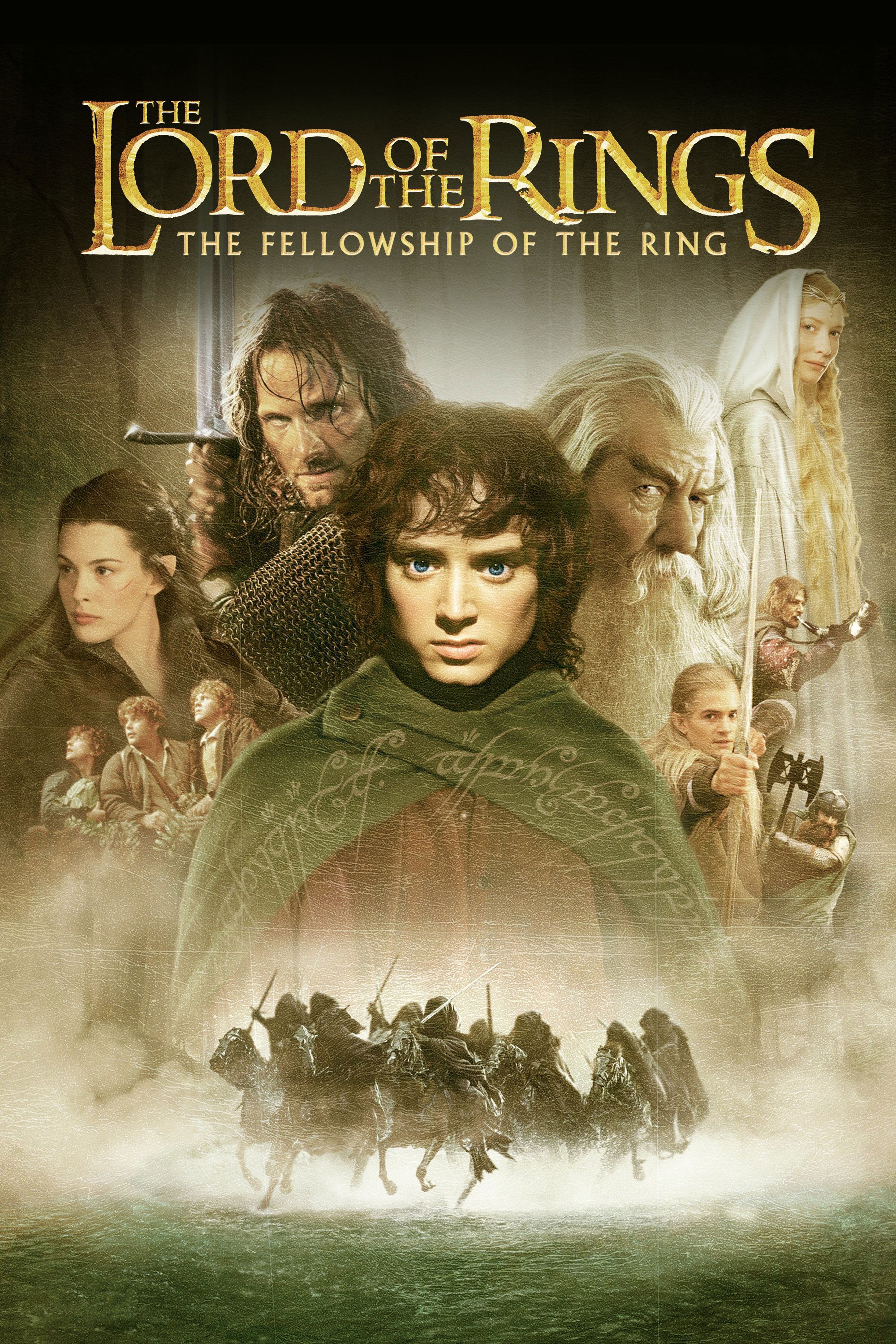
This is the comparison every critic keeps making, and for good reason. Peter Jackson’s trilogy quickly became the benchmark for fantasy epics, and even the fact that critics are reaching for Middle-earth as a reference point for ‘The Odyssey’ says everything about Nolan’s achievement. Polygon’s Jake Kleinman wrote that The Odyssey’s biggest draw is its sheer visual scale, which feels on par with what Peter Jackson achieved for Lord of the Rings, minus the elves and orcs. ‘The Fellowship of the Ring’ followed young hobbit Frodo Baggins and eight companions on a journey to destroy the One Ring, grossing $897 million worldwide on a $93 million budget. Where Jackson built an entirely invented world from Tolkien’s pages, Nolan is working from a poem nearly three thousand years old, and that grounding in real myth gives ‘The Odyssey’ a rawer, less fantastical texture even at a similar scale.
‘Ulysses’ (1954)
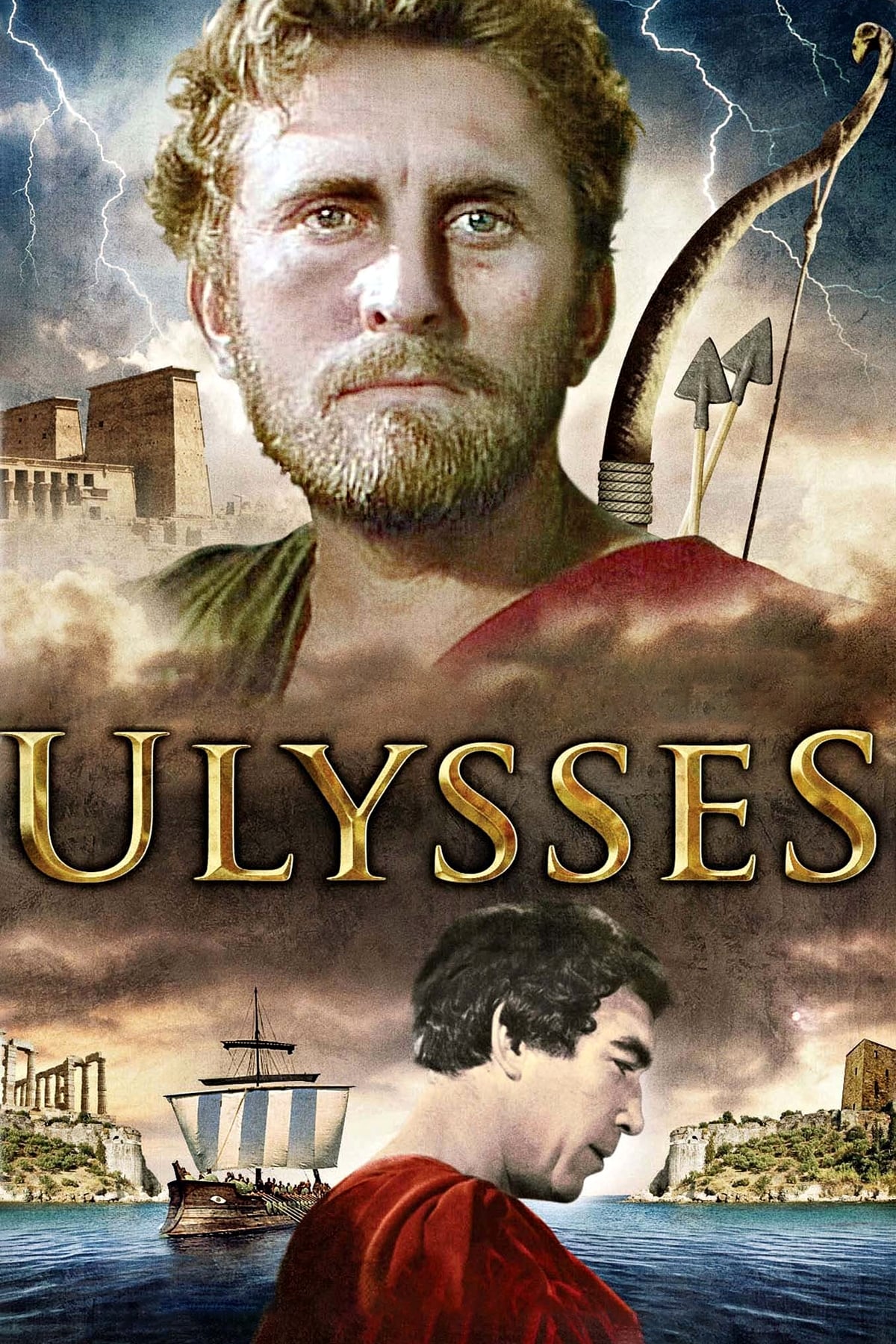
Long before Matt Damon donned Odysseus’s armor, Kirk Douglas made the same journey home in this lavish Italian production. Ulysses, king of Ithaca, has been away fighting the war in Troy for ten years, and his wife Penelope is beset by boorish suitors camped out in their courtyard, entreating her to remarry. Douglas’s performance balances stoic endurance with internal torment, portraying a man haunted by the gods and by memory itself. Both films tackle the same homecoming, but where Nolan leans into brutal realism and IMAX scale, this earlier version plays more like a swashbuckling matinee adventure, dubbed dialogue and all.
‘Jason and the Argonauts’ (1963)
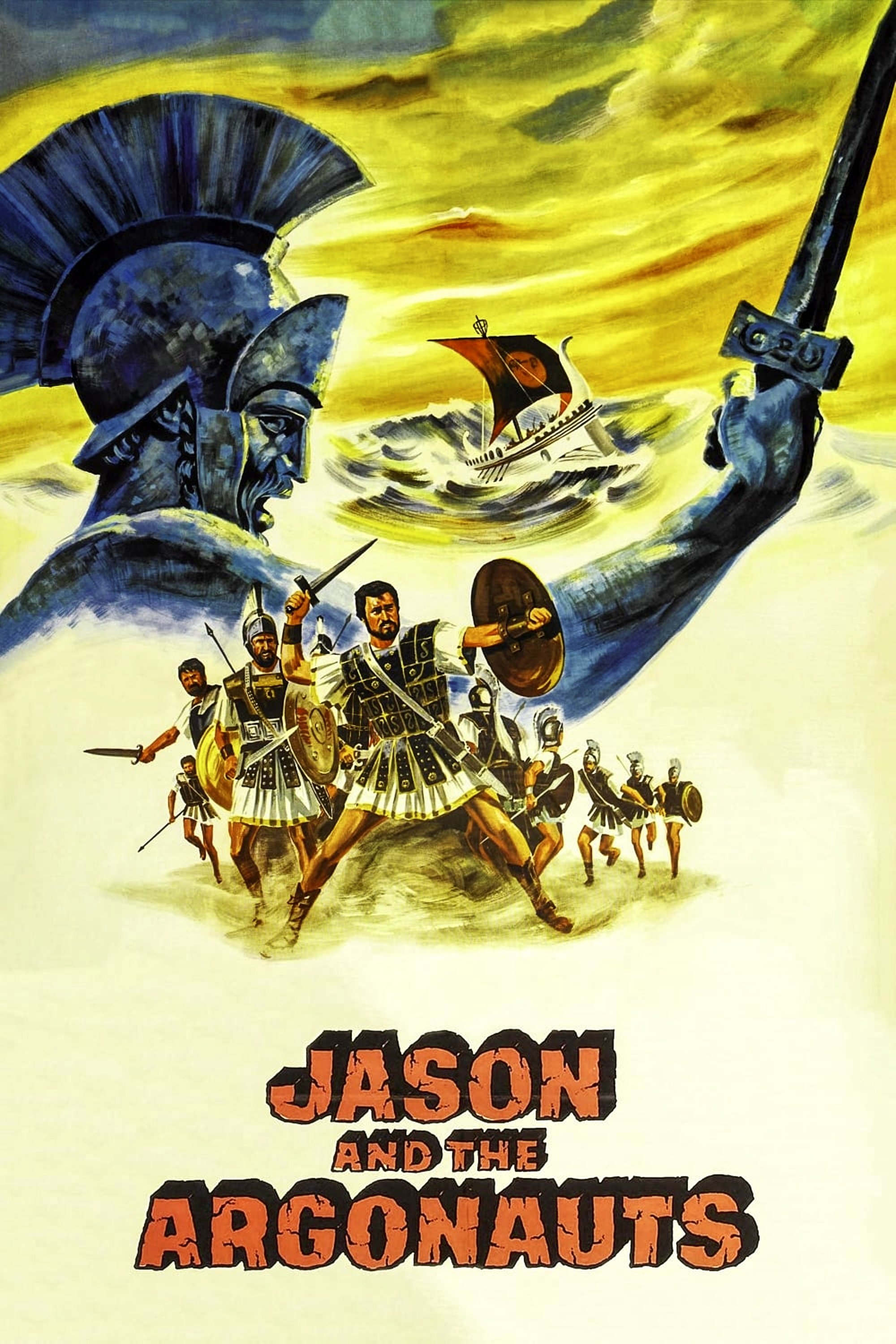
Ray Harryhausen’s stop motion classic remains the gold standard for practical effects fantasy and shares ‘The Odyssey’s’ obsession with monsters blocking the hero’s path. Jason and his crew of Argonauts sail for Colchis in the ship Argo, battling the seven headed Hydra and the bronze giant Talos along the way. The stop motion effects are considered one of the most influential and important uses of special effects in cinema history. Nolan trades in hand crafted models for practical, in camera IMAX photography, but the throughline of hand built spectacle over pure CGI is one both films clearly share.
‘Electra’ (1962)
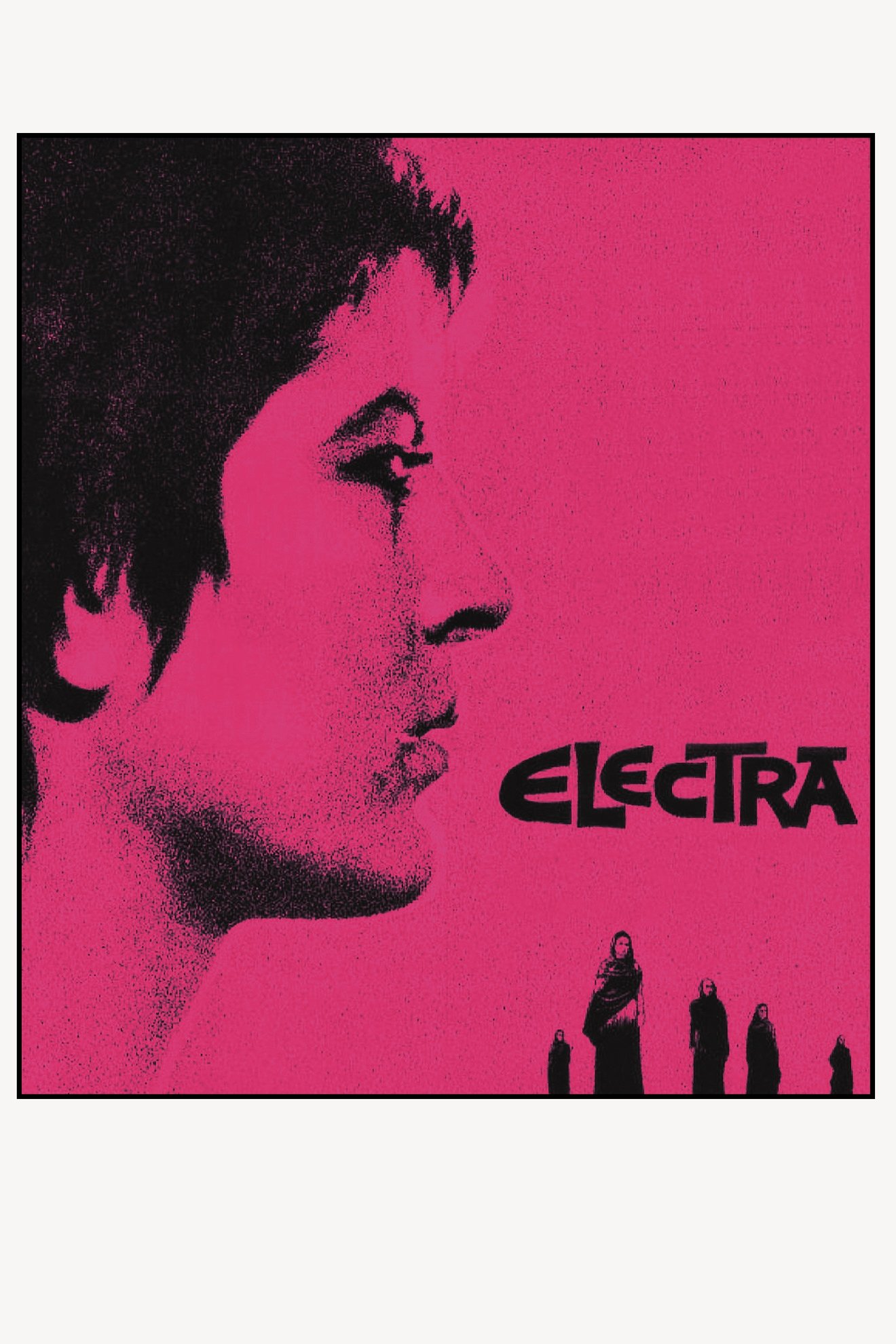
Michael Cacoyannis’s Greek tragedy trilogy opener picks up on characters who orbit the same war ‘The Odyssey’ leaves behind. King Agamemnon is murdered by his wife Clytemnestra and her lover Aegisthus after he returns from the Trojan War, and their daughter Electra decides to take revenge with her brother Orestes. Irene Papas’s performance in the title role garnered Cacoyannis his first international success and an award at the 1962 Cannes Film Festival. Where Nolan’s film is a globe trotting sea adventure, this is a tight, austere chamber piece, proof that Greek myth can be scaled down to a single household and still hit just as hard.
‘Excalibur’ (1981)
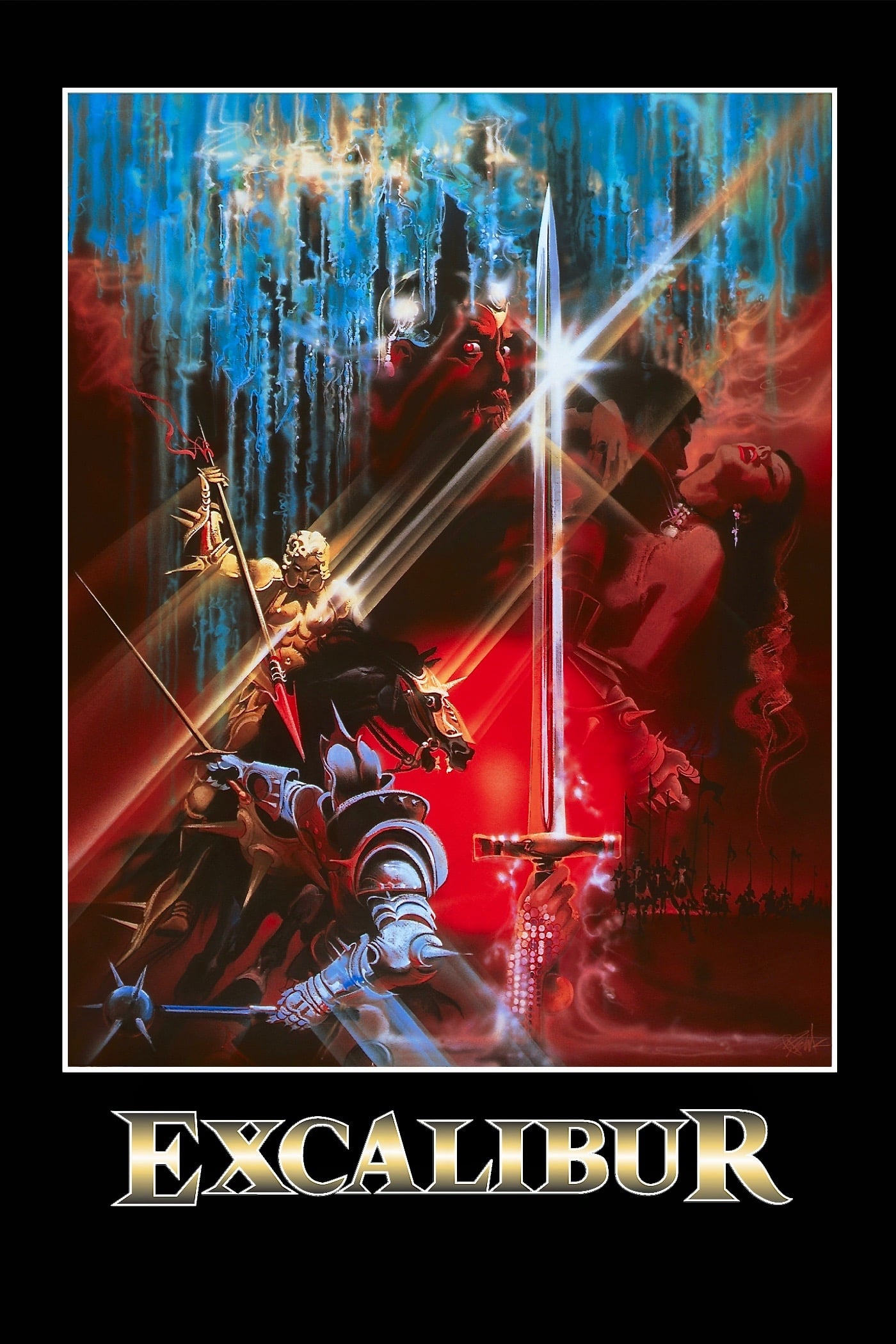
John Boorman’s Arthurian epic tackles a different mythology but wrestles with the same tension between fate, kingship, and the supernatural that runs through Nolan’s film. Aided by the sorcerer Merlin, Arthur fulfills his fate by bringing together the Knights of the Round Table at Camelot, before facing greater tests in pursuit of love, the Holy Grail, and his nation’s survival. Boorman had actually attempted to mount a production of Tolkien’s Lord of the Rings in the 1970s before pivoting to this material, making the comparison between the two mythic universes almost inevitable. Both films treat their gods and magic as something ancient and dangerous rather than whimsical, though Boorman leans far more theatrical and operatic than Nolan’s restrained approach.
‘Clash of the Titans’ (2010)
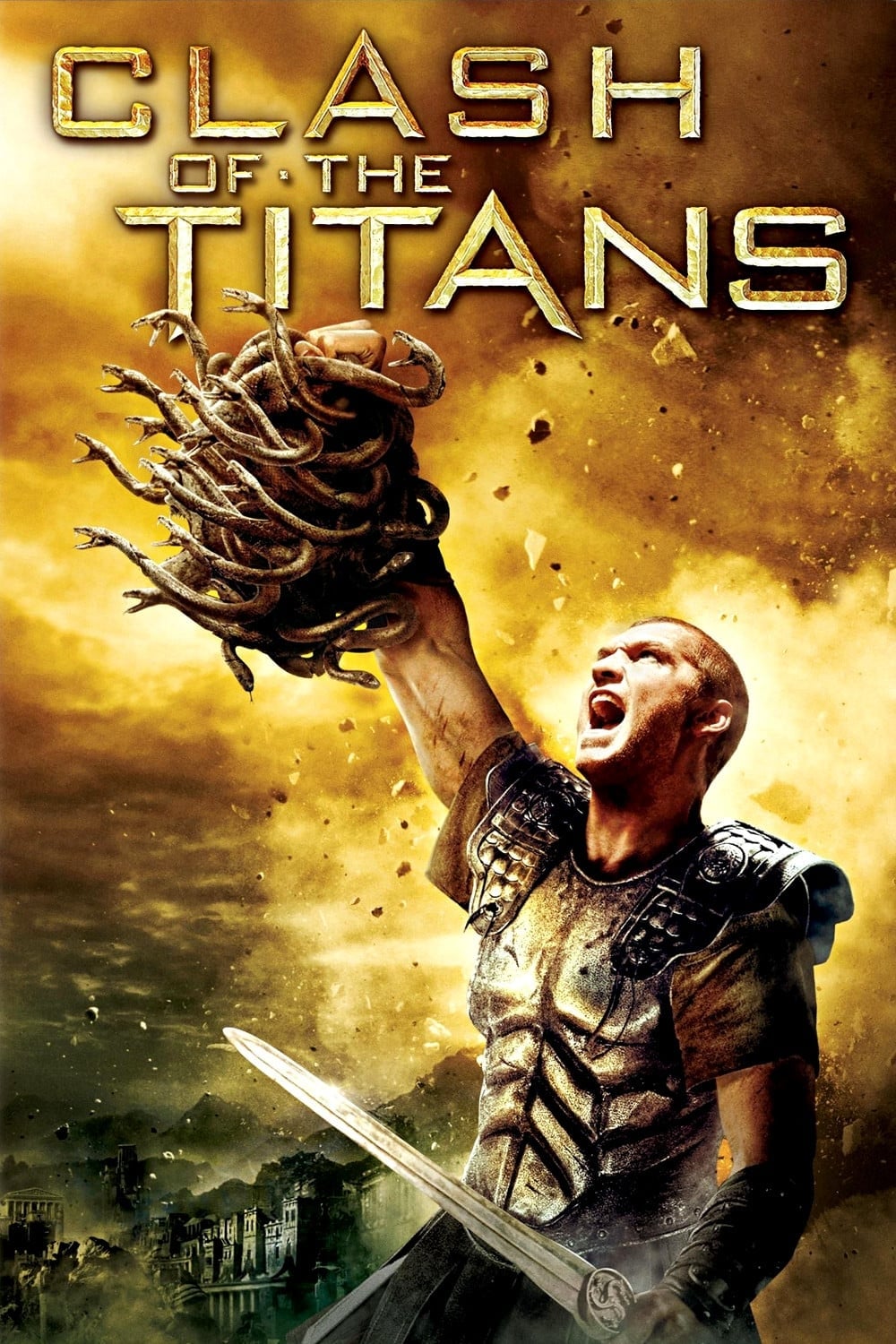
This Perseus adventure draws from the same pantheon of gods that governs Odysseus’s fate throughout ‘The Odyssey’. Perseus survives a massacre orchestrated by Hades, is brought before King Kepheus and Queen Cassiopeia, and is eventually tasked with stopping the Kraken to save Andromeda. Sam Worthington stars as Perseus alongside Liam Neeson as Zeus and Ralph Fiennes as Hades. It is a far broader, more action forward take on Greek mythology than Nolan’s film, more interested in monster battles than the interior, anti-war themes running through ‘The Odyssey’.
‘300’ (2006)
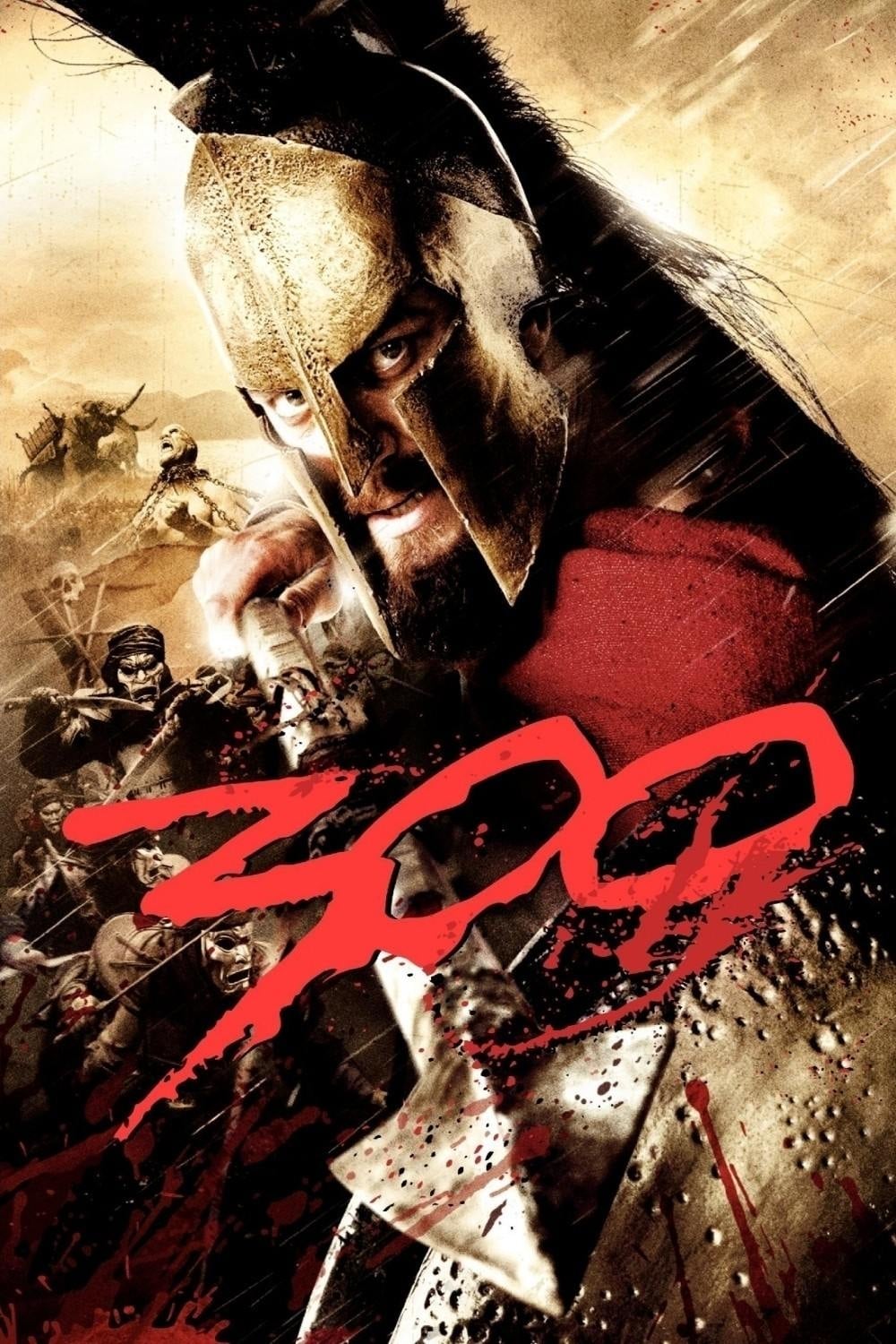
Zack Snyder’s stylized retelling of the Battle of Thermopylae shares Nolan’s fascination with ancient Greek warfare, even if the two films could not look more different. Set in 480 BCE, the film recounts King Leonidas of Sparta leading three hundred of his men against the superior Persian army of Xerxes at the narrow pass of Thermopylae. Interestingly, Snyder originally wanted Brad Pitt for the role of Leonidas because of his performance as Achilles in ‘Troy’. Snyder’s hyper stylized, slow motion violence is about as far from Nolan’s grounded, practical approach to war as two Greek inspired films can get.
‘Pan’s Labyrinth’ (2006)
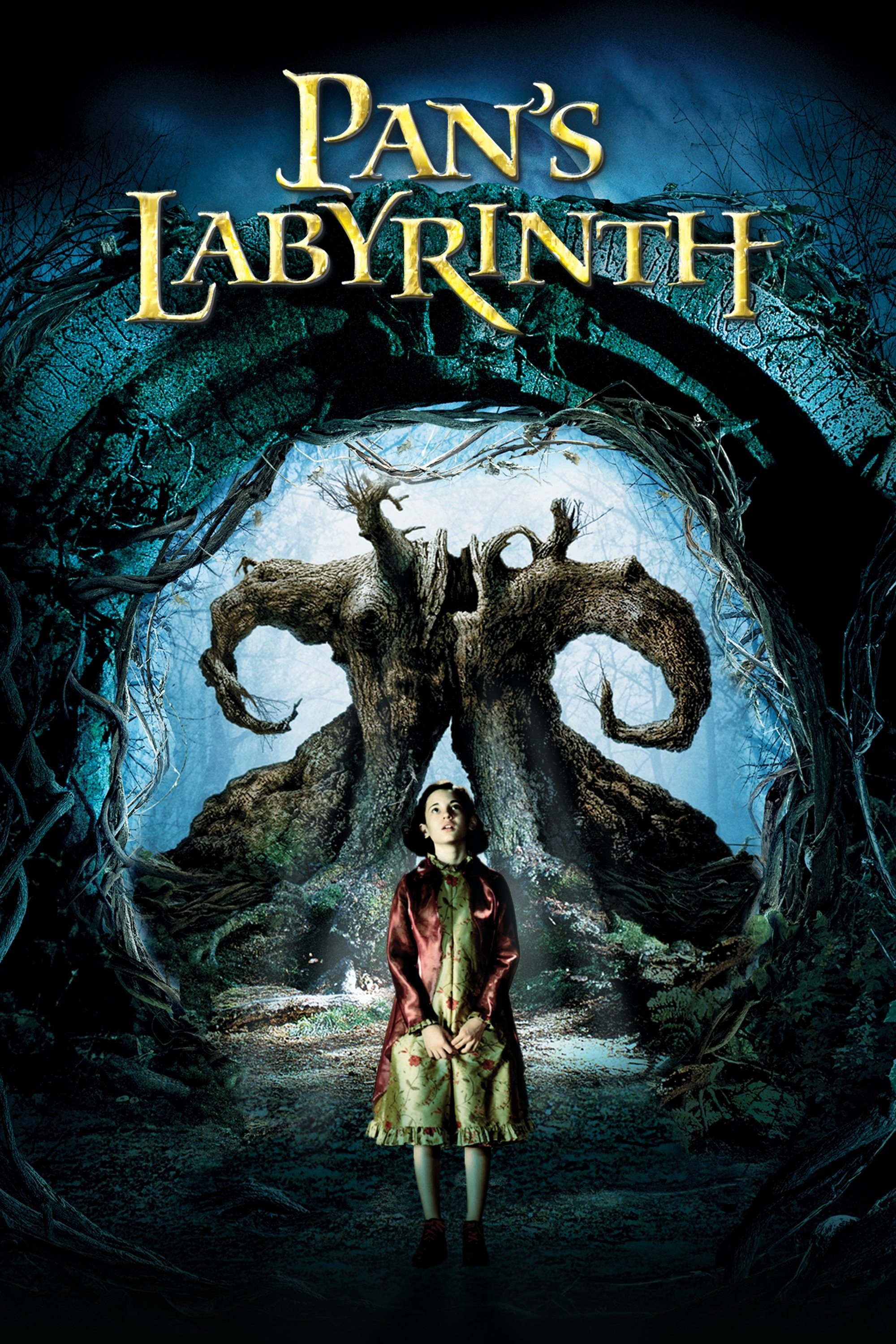
Guillermo del Toro’s dark fable shares ‘The Odyssey’s’ interest in myth as a lens for processing real world trauma. Eleven-year-old Ofelia comes face to face with the horrors of fascism when she and her pregnant mother are uprooted to the countryside, and her violent reality merges with a fantastical interior world when she meets a faun in a decaying labyrinth. The film grossed $83 million worldwide and won three Academy Awards. One outlet put it well when reviewing ‘The Odyssey’ itself, noting that Nolan’s uncanny, earthy, and frequently frightening renderings of the great monsters feel closer in spirit to the tactile horrors of Guillermo del Toro’s oeuvre than the comforting whimsy of Peter Jackson’s trilogy.
‘The NeverEnding Story’ (1984)
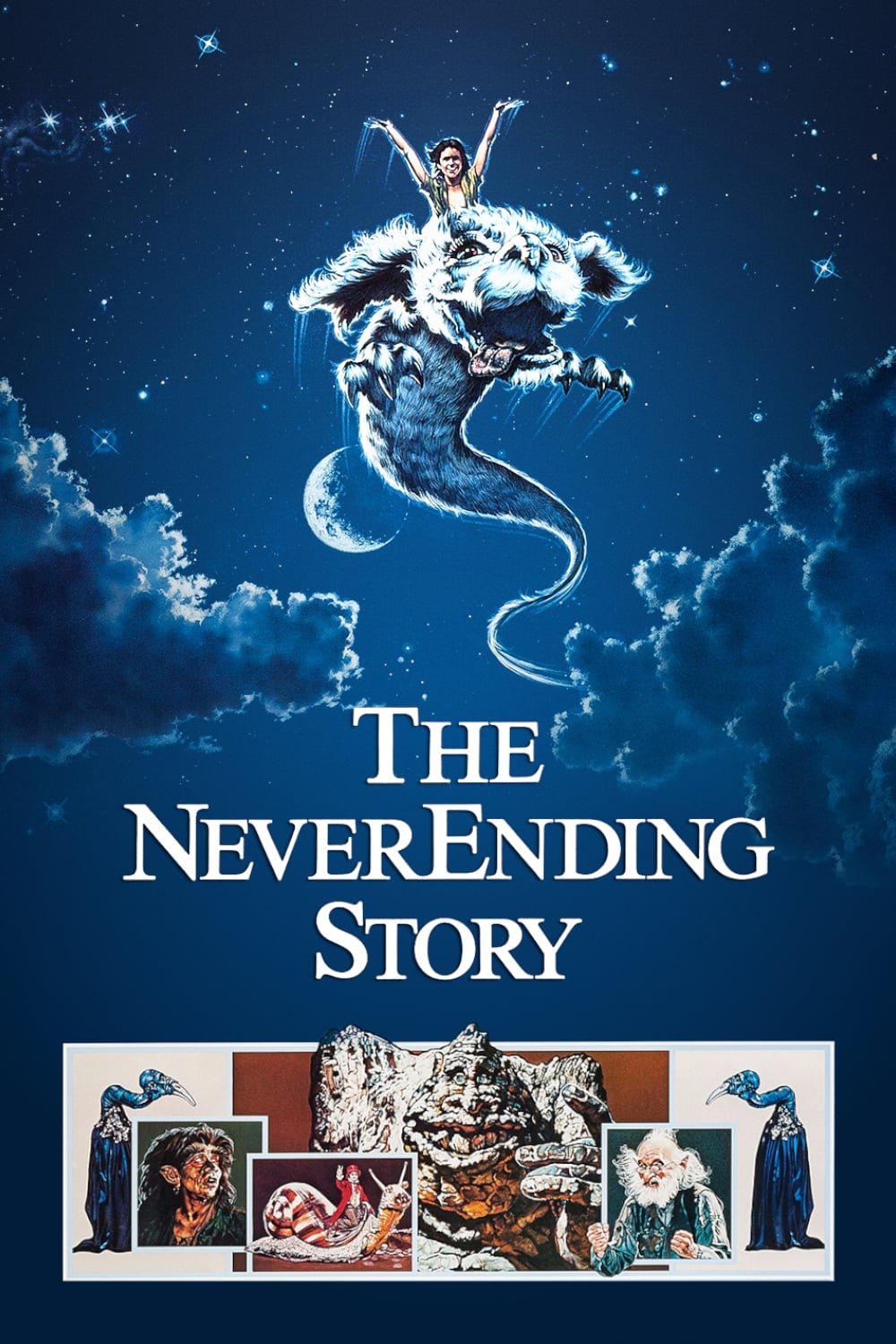
Wolfgang Petersen’s beloved fantasy is a strange but fitting companion piece, given the director’s own history with this exact mythology. The film follows a young warrior named Atreyu who, with the help of a luck dragon, must save the fantasy realm of Fantasia from a destructive force called the Nothing. Petersen was actually set to direct ‘Troy’ before Christopher Nolan, and only left the earlier Trojan War project to pursue a Batman versus Superman film that was ultimately canceled. The tonal gap could not be wider, from a gentle children’s fable to Nolan’s brutal war epic, but both films share a sincere belief that ancient stories still have something urgent to say.
‘Harry Potter and the Philosopher’s Stone’ (2001)
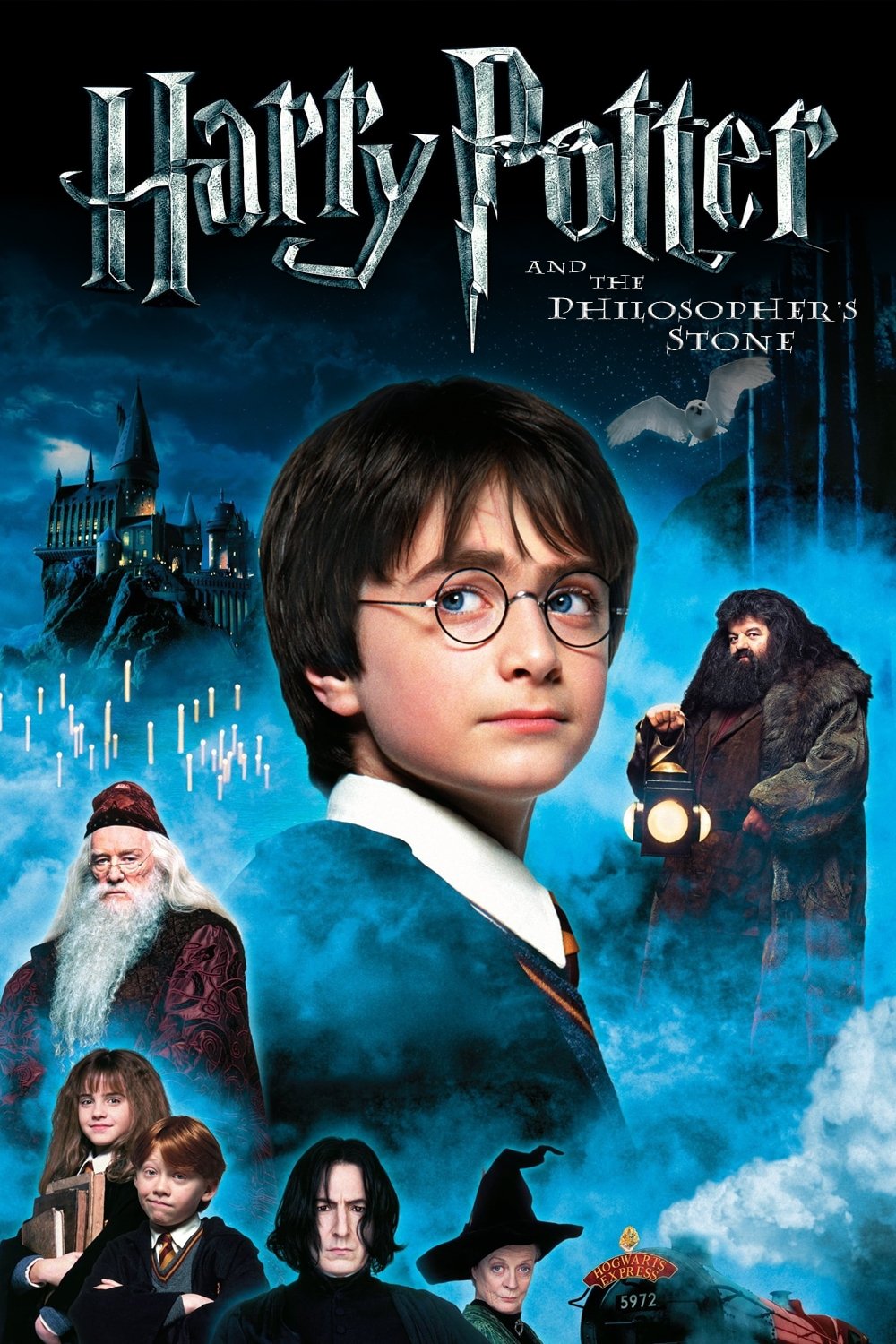
It might seem like an odd pairing, but this film established the modern template for turning beloved literary source material into a theatrical event, the same challenge Nolan faced with Homer. The film follows Harry’s first year at Hogwarts as he discovers he is a famous wizard, and grossed $1.029 billion worldwide on a $125 million budget. It became the highest grossing film of 2001 and briefly the second highest grossing film of all time. Where Chris Columbus prioritized fidelity to J.K. Rowling’s text above all else, Nolan has taken a more interpretive, restrained approach to Homer, trimming and reshaping the source material rather than transcribing it scene for scene.
‘The Return’ (2024)
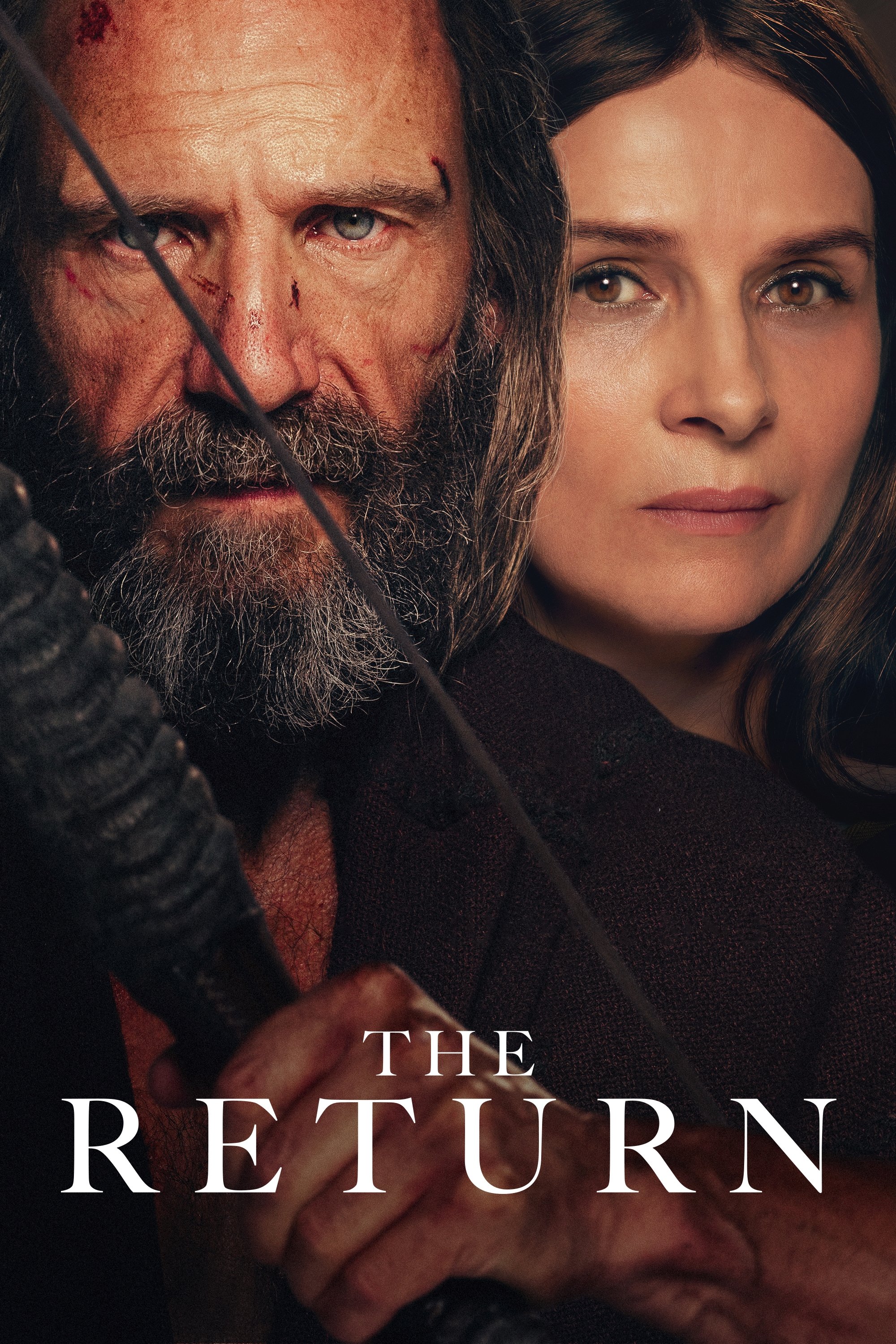
The most direct point of comparison is also the most recent, since this film tackles the exact same homecoming that closes out ‘The Odyssey’. Odysseus washes up on the shores of Ithaca twenty years after leaving for Troy, haggard and unrecognizable, to find his wife Penelope hounded by suitors and his son Telemachus facing danger. Ralph Fiennes and Juliette Binoche play their characters as psychically scarred survivors of war, with much of the film unfolding through silence and expression rather than dialogue. Where ‘The Return’ strips the myth down to an intimate, nearly wordless character study, Nolan goes in the opposite direction, giving the same story a $250 million, globe spanning IMAX canvas.
Ten wildly different takes on myth, magic, and monsters, and somehow ‘The Odyssey’ finds a way to echo pieces of all of them while still feeling entirely like its own thing. Where do you think Nolan’s epic ultimately lands among this company?