


Contract Clauses You Won’t Believe Actors Negotiated


Some actors push their contracts far beyond salary and billing. Hidden in the fine print are unusual clauses that shape everything from creative control and character fates to golf schedules and facial hair. These provisions can affect whole productions, marketing plans, and even the future of a franchise.
Below are twenty-five real-world examples of clauses actors negotiated to secure rights, protect their brand, or change how a project was made and sold. Each one shows how leverage, timing, and strategy can turn a standard deal into something far more consequential.
Jack Nicholson – Profit participation and merchandising on ‘Batman’
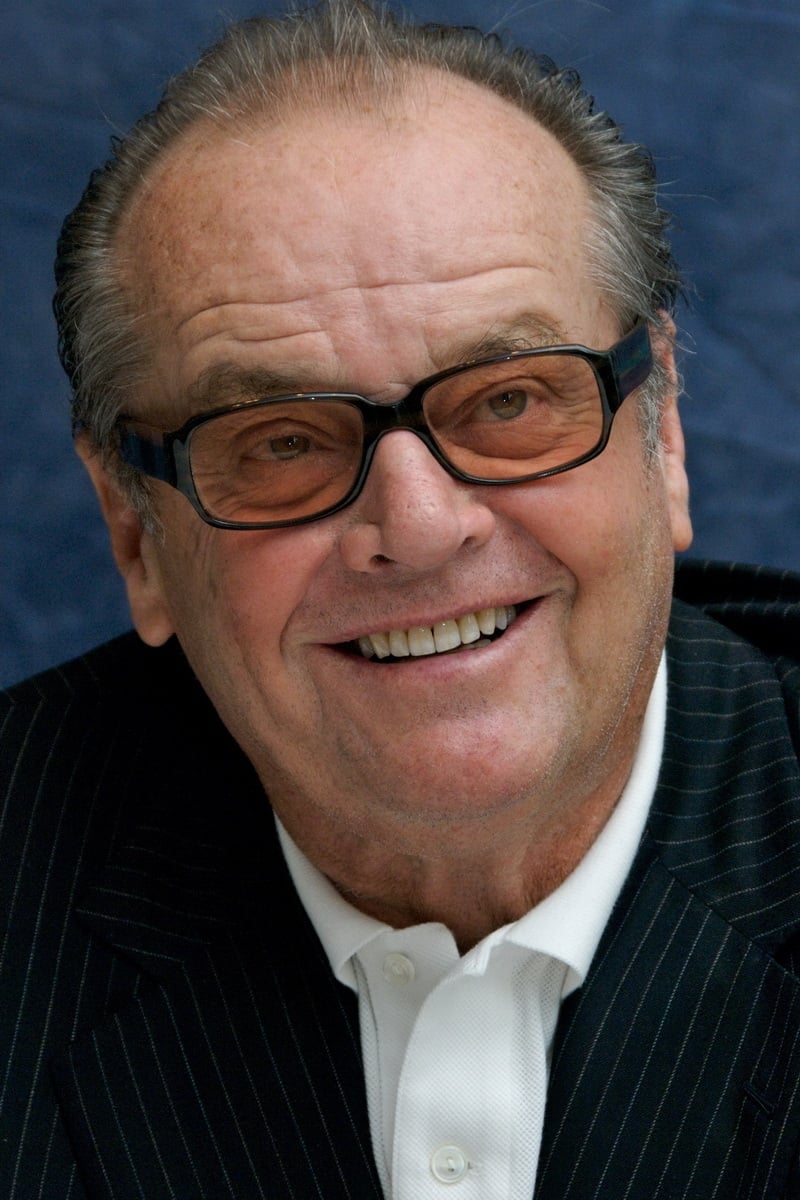
Nicholson negotiated a back-end participation structure on ‘Batman’ that tied his compensation to the film’s box-office and merchandise performance. The deal reportedly extended to licensed products using the Joker’s image, aligning his upside with the studio’s across multiple revenue streams.
The clause exemplified how a star can exchange some upfront certainty for substantial contingent earnings. It also set a template for major talent to seek slices of ancillary markets—soundtracks, toys, and home-video—when a character’s visual identity drives consumer sales.
Robin Williams – Advertising and merchandising limits on ‘Aladdin’
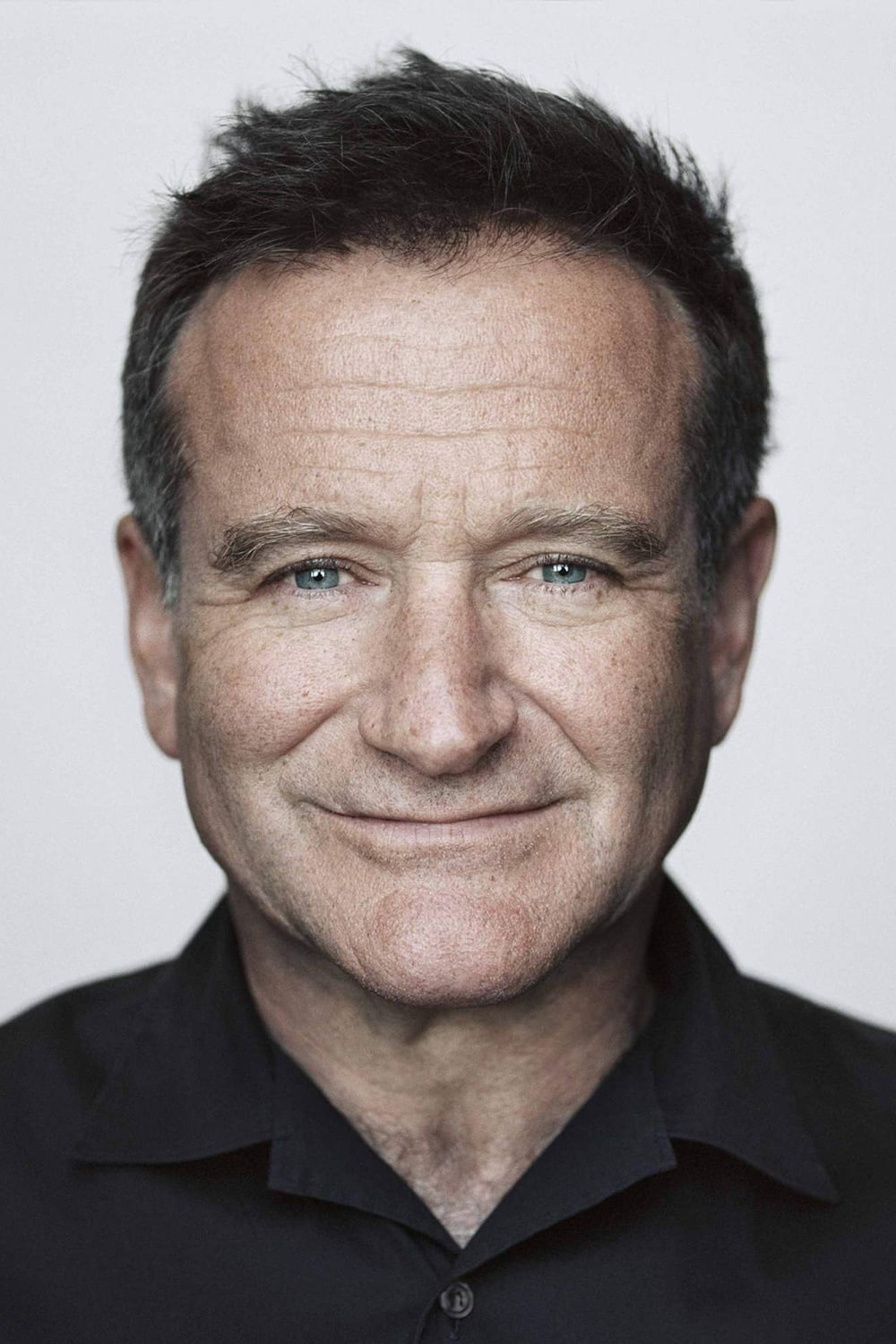
Williams agreed to voice the Genie in ‘Aladdin’ on the condition that his voice and character would not be used to sell merchandise or dominate advertising. The intent was to keep the focus on the film rather than turning the Genie into a commercial mascot.
The contract carved out boundaries for trailer cuts, poster placement, and retail tie-ins tied to the character’s likeness and vocal performance. That language influenced later negotiations for animated features where performers sought tighter control over how their voices and characters were leveraged in campaigns.
Cameron Diaz – Low upfront fee for gross participation on ‘Bad Teacher’

For ‘Bad Teacher’, Diaz traded a reduced upfront salary for a percentage of gross receipts. This rebalanced risk and reward, letting the studio control initial cash outlay while giving her significant upside if the film connected with audiences.
The clause specified how gross would be defined, when payments would trigger, and which distribution channels counted. It also addressed audit rights, ensuring she could verify reported revenues across theatrical, home entertainment, and television windows.
Jim Carrey – Salary swap for profit share on ‘Yes Man’
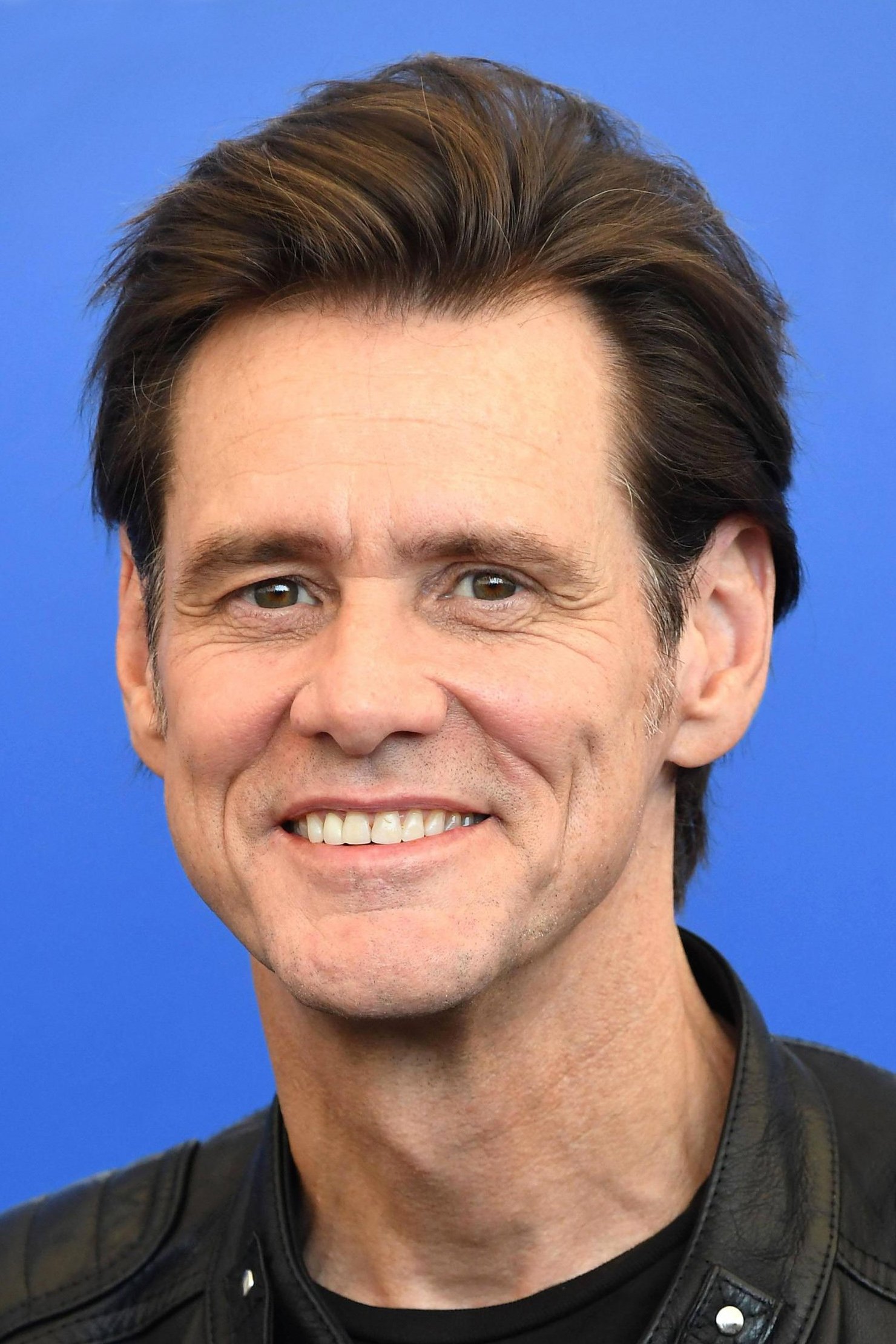
Carrey structured his ‘Yes Man’ deal to swap most of his guaranteed salary for a substantial share of profits. That approach minimized fixed costs for the studio while converting his compensation into a performance-based stake.
The agreement laid out recoupment order, distribution fees, and caps on certain studio charges before profits were calculated. It also included access to participation statements and audit provisions to reconcile backend calculations over time.
Robert Downey Jr. – Multi-film backend and appearance provisions for Marvel titles
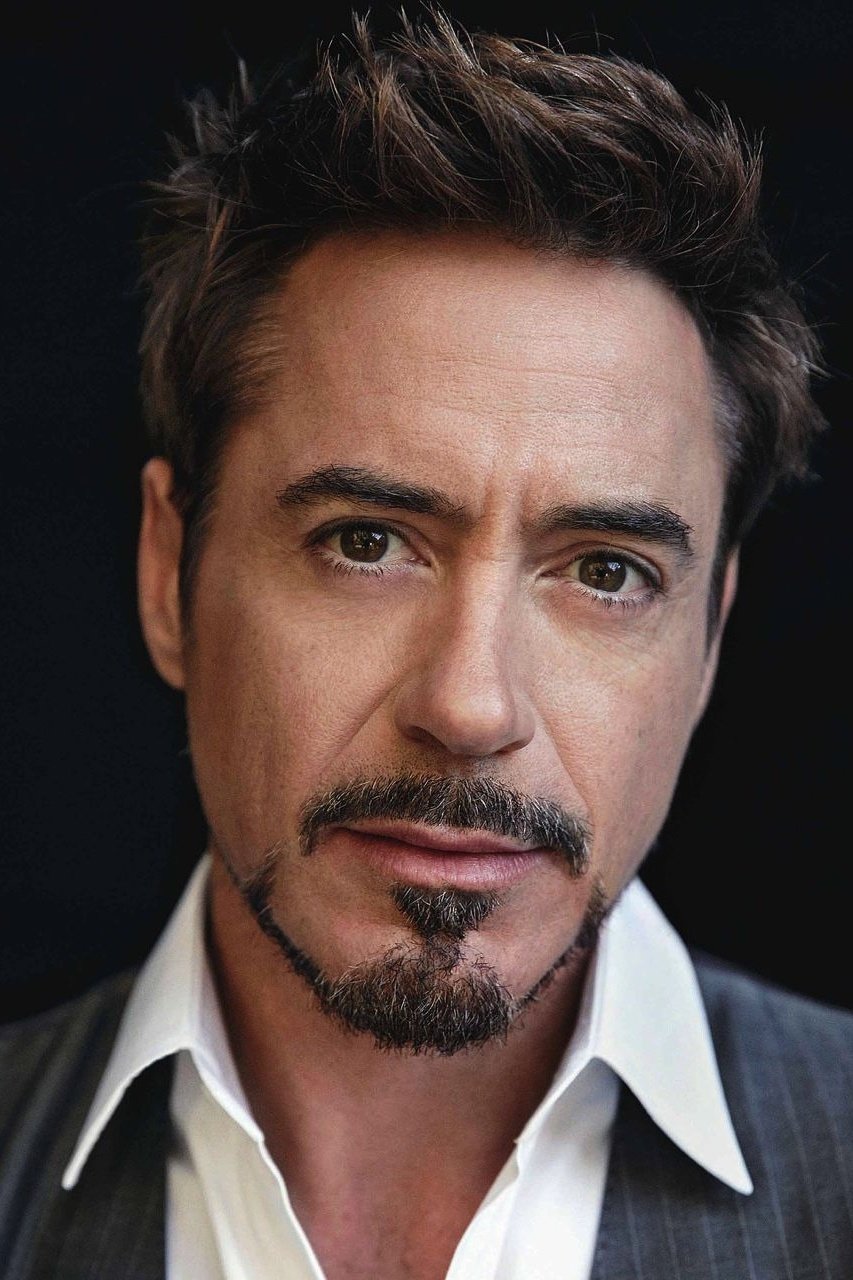
Following ‘Iron Man’, Downey negotiated backend participation and structured bonuses tied to ensemble appearances. His contract contemplated cross-title cameos and team-ups, aligning his compensation with the shared-universe strategy.
The language detailed appearance commitments, scheduling coordination across productions, and marketing obligations. It also defined how revenues from different titles would be allocated when a character’s presence boosted another film’s performance.
Tom Cruise – Producer authority, stunt approval, and release window leverage on ‘Mission: Impossible’
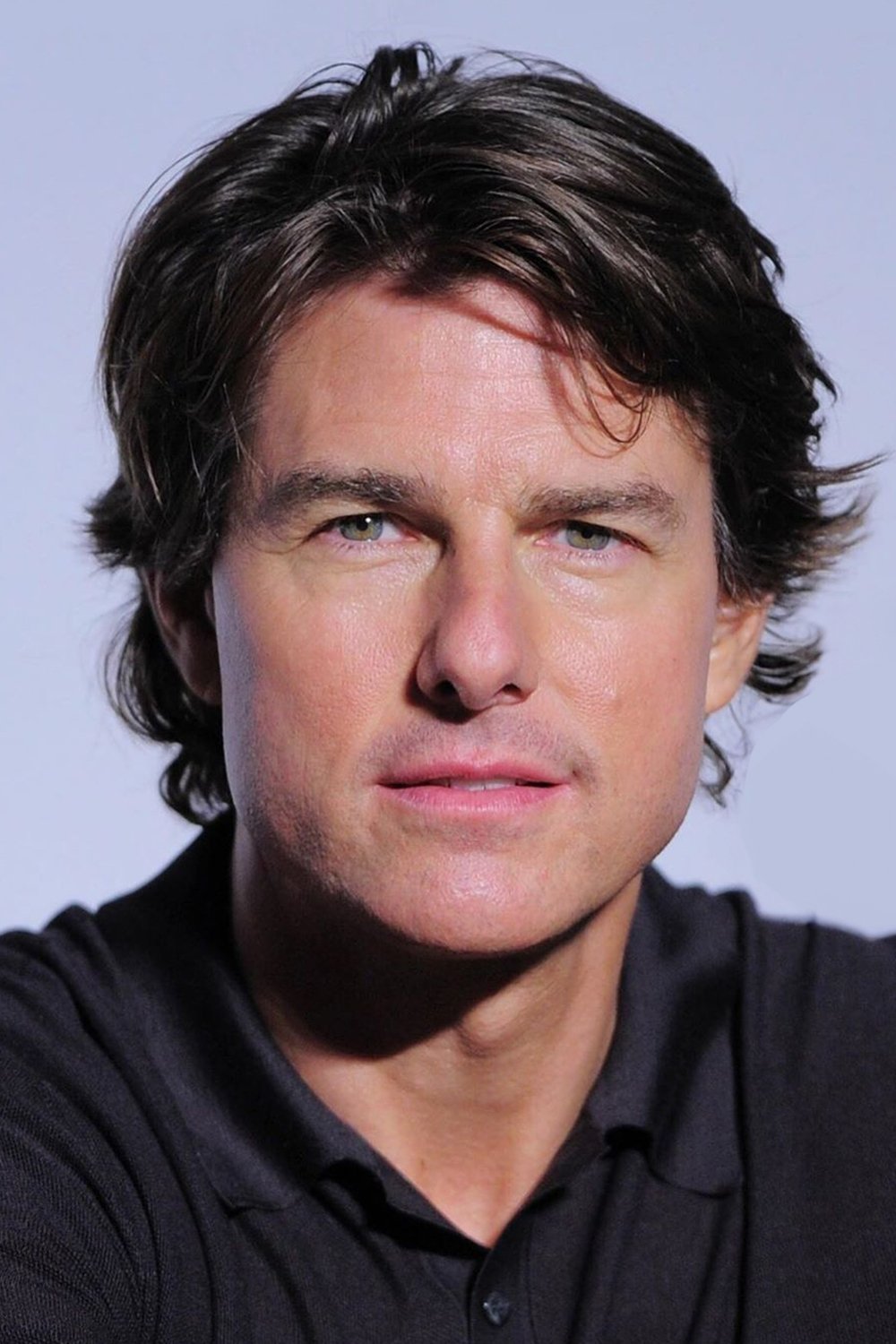
Cruise’s ‘Mission: Impossible’ contracts pair his role as star with producer authority. Clauses give him meaningful say over stunt design, safety protocols, and post-production decisions that affect action sequences and performance presentation.
The deal framework incorporates consultation on release patterns and premium formats, ensuring stunt-driven set pieces are showcased as intended. Insurance, risk management, and rehearsal time are expressly budgeted to support complex practical sequences.
Scarlett Johansson – Theatrical-window protection on ‘Black Widow’

Johansson’s contract included language anticipating an exclusive theatrical window, with compensation tied to that model. When release strategies shifted, the agreement’s window and participation terms became the basis for enforcing how her pay should be calculated.
Key provisions addressed what counted as equivalent distribution, how hybrid releases would be treated, and what remedies applied if the window changed. This type of clause clarified talent compensation in an era of evolving release platforms.
Henry Cavill – No-shave provision during ‘Mission: Impossible — Fallout’
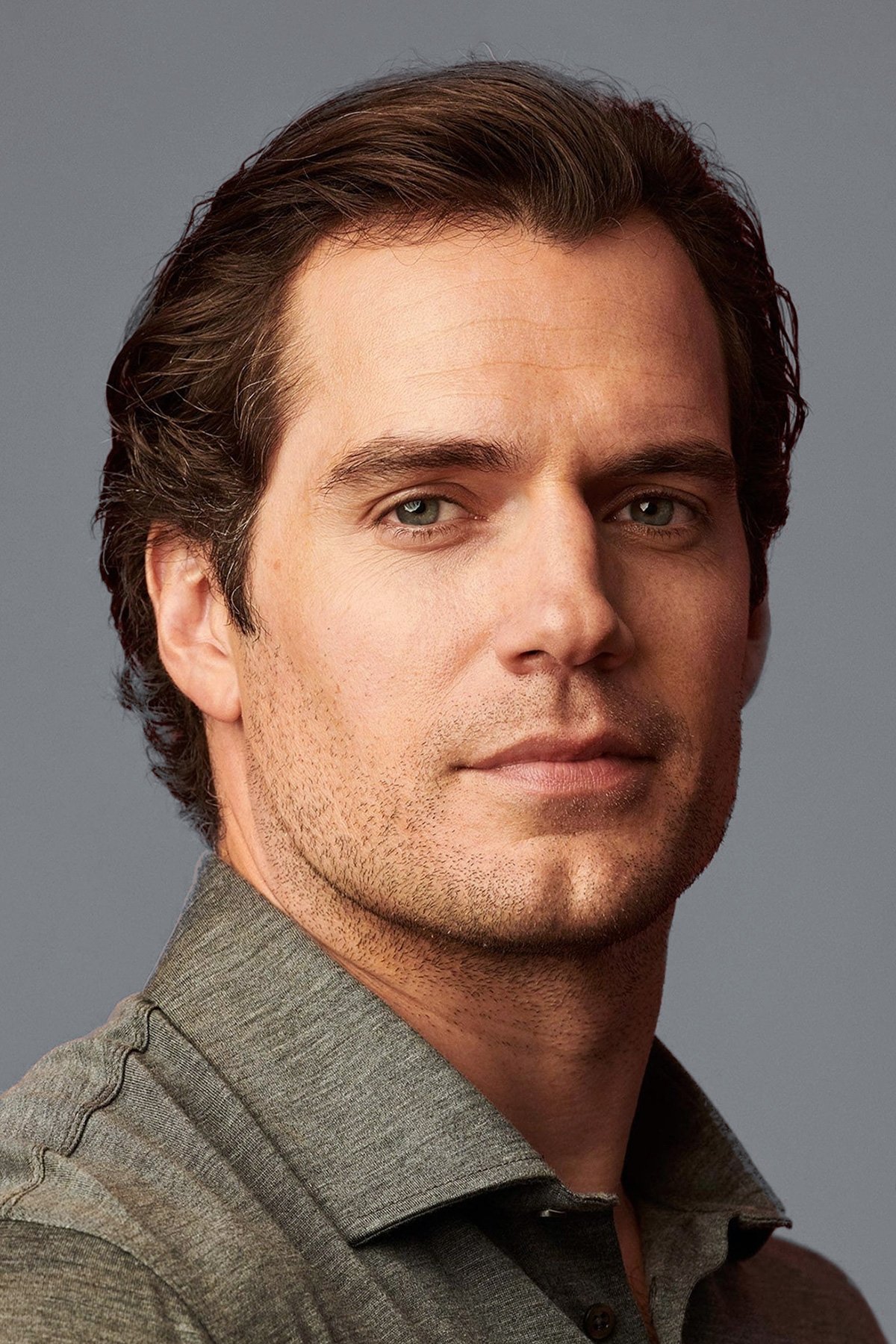
Cavill’s ‘Mission: Impossible — Fallout’ agreement included a grooming clause restricting him from shaving his moustache during principal photography. The provision protected character continuity and hair-and-makeup consistency across the production schedule.
Because the clause was explicit, it controlled his appearance while he fulfilled other obligations, forcing workarounds on overlapping projects. The language also tied any exceptions to producer approval, preventing unilateral changes that would disrupt continuity.
Vin Diesel – Franchise rights trade for ‘Riddick’
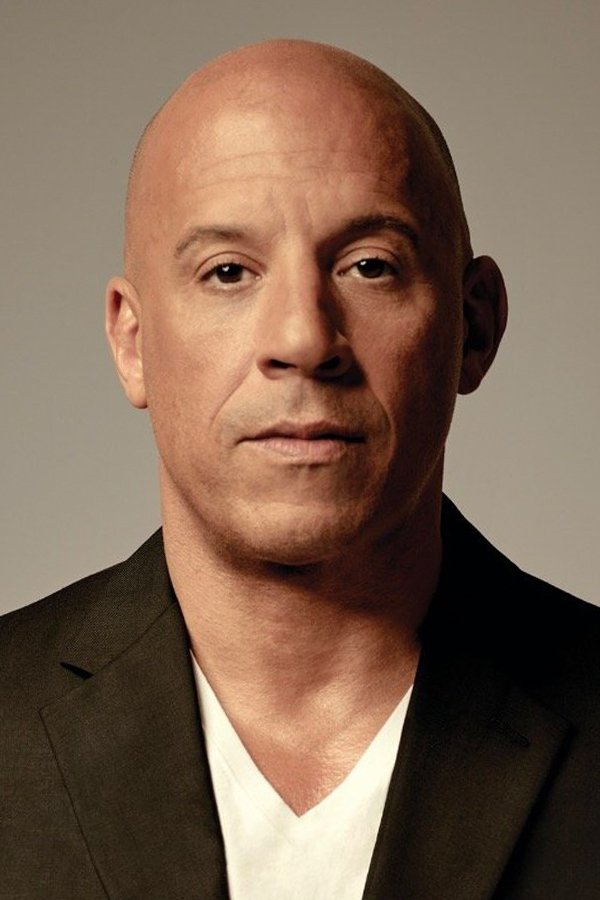
Diesel negotiated a rights transfer that allowed him to gain control of ‘Riddick’ in exchange for a cameo in ‘The Fast and the Furious: Tokyo Drift’. The clause secured character and sequel rights, enabling him to develop future entries independently.
The agreement included trademark, sequel, and remake rights plus approvals around ancillary exploitation. By consolidating ownership, it gave him the ability to package financing and distribution on later projects anchored to the same character.
Samuel L. Jackson – Golf time carved into shooting schedules
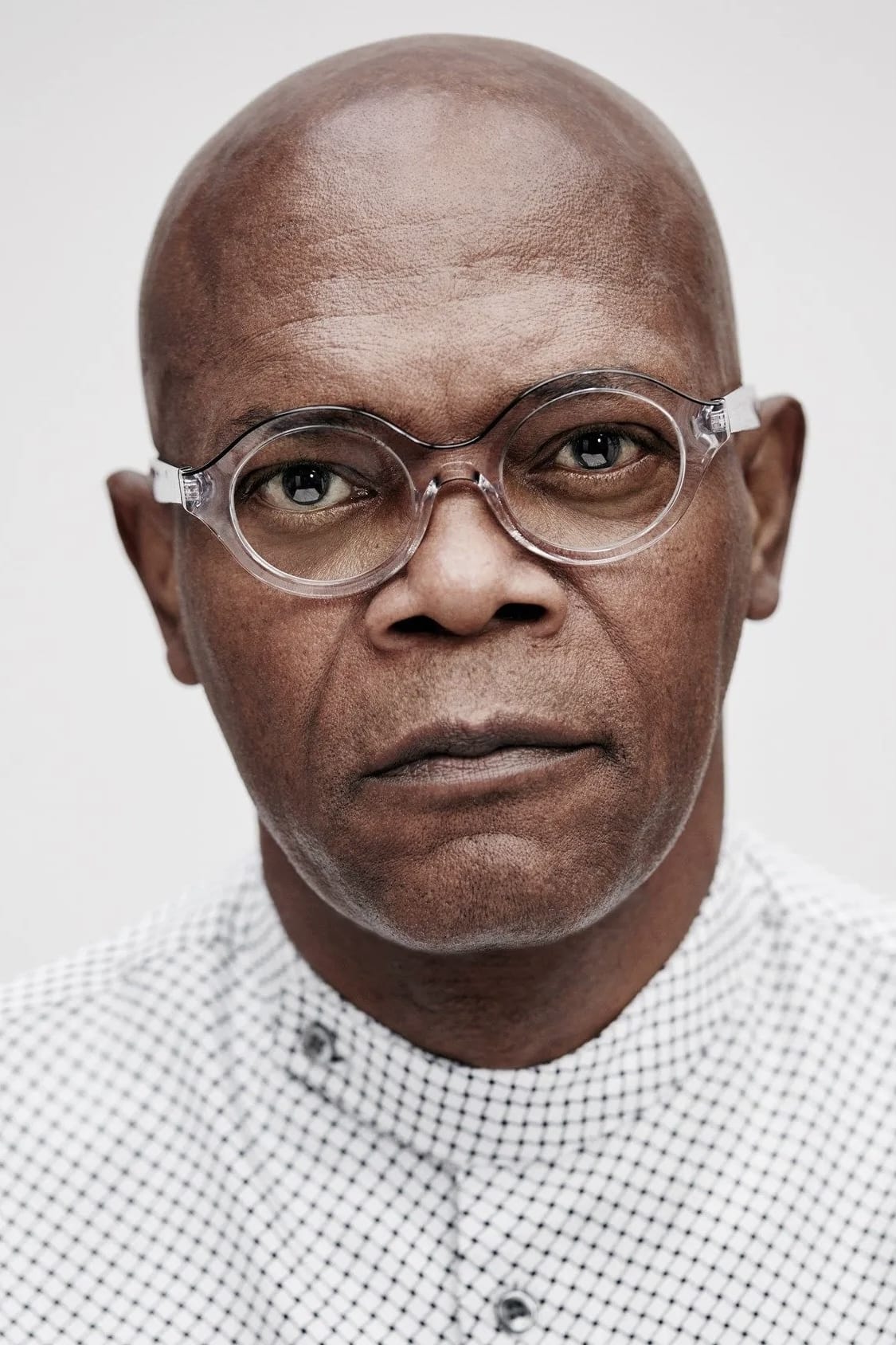
Jackson has used a “golf clause” that permits regular tee times during production weeks. The language sets boundaries on call times and off-day access so leisure commitments can coexist with scene requirements.
These provisions are coordinated with assistant directors and unit production managers to avoid overtime conflicts. They also specify blackout dates during complex sequences or second-unit work to preserve the production calendar.
Queen Latifah – No-death clause for characters
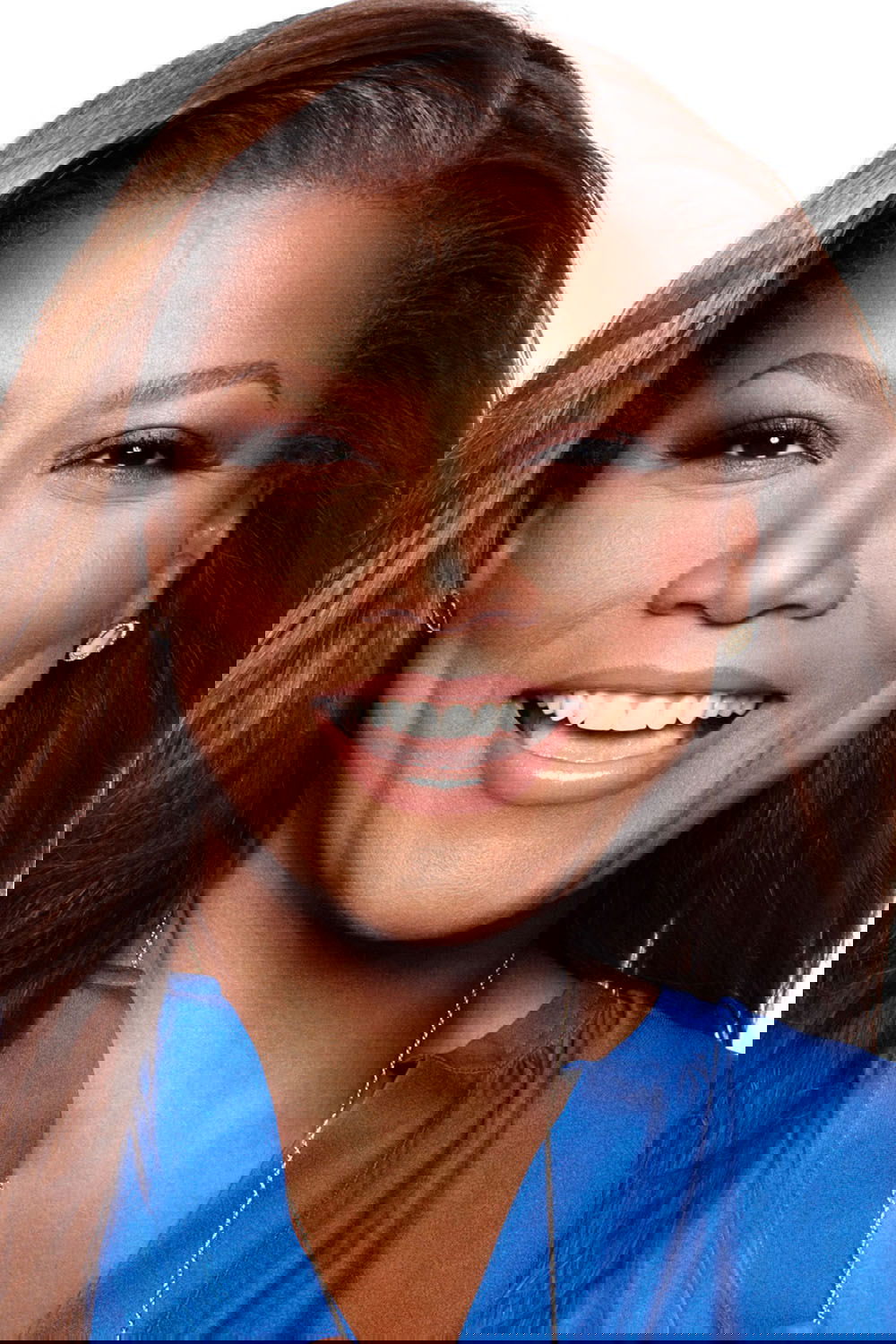
Latifah has negotiated provisions preventing her characters from being killed on-screen. The clause protects recurring opportunities and avoids foreclosing future appearances in the same story world.
Contract language defines what counts as death, how cliffhangers are handled, and whether flashbacks or alternate timelines are permitted. It also outlines remedies if scripts change in ways that would violate the restriction.
Steve McQueen – Line-count and billing parity on ‘The Towering Inferno’
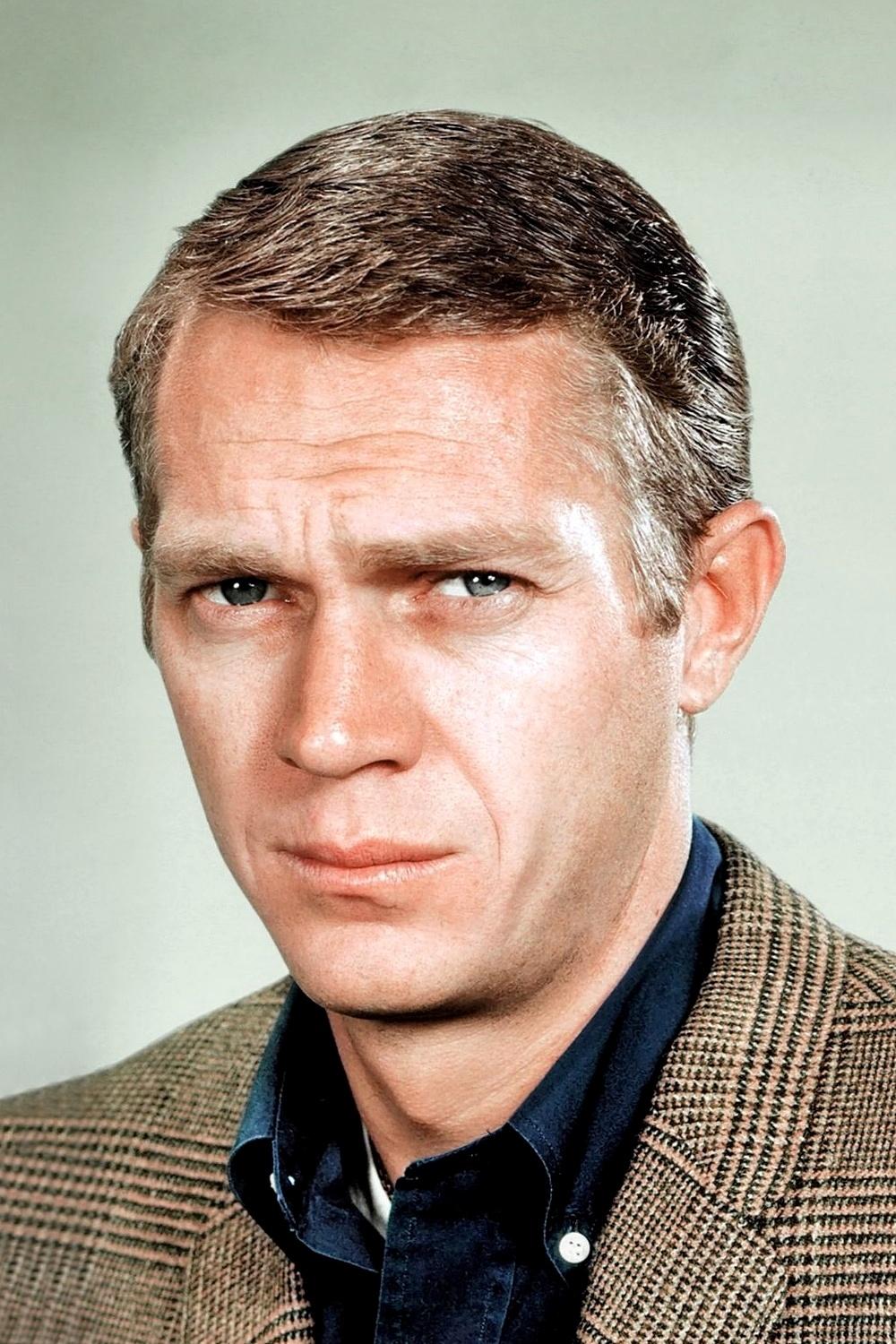
McQueen’s deal on ‘The Towering Inferno’ included conditions to ensure parity with Paul Newman, including the number of lines and shared top billing. The clause balanced star power and avoided positioning either lead as subordinate in marketing.
The billing provision prescribed order and typography, while the performance language required script adjustments to maintain balance. Marketing materials, trailers, and advertising were audited against the agreed standards before release.
Dwayne Johnson – Fight-outcome and portrayal approval in ensemble action films
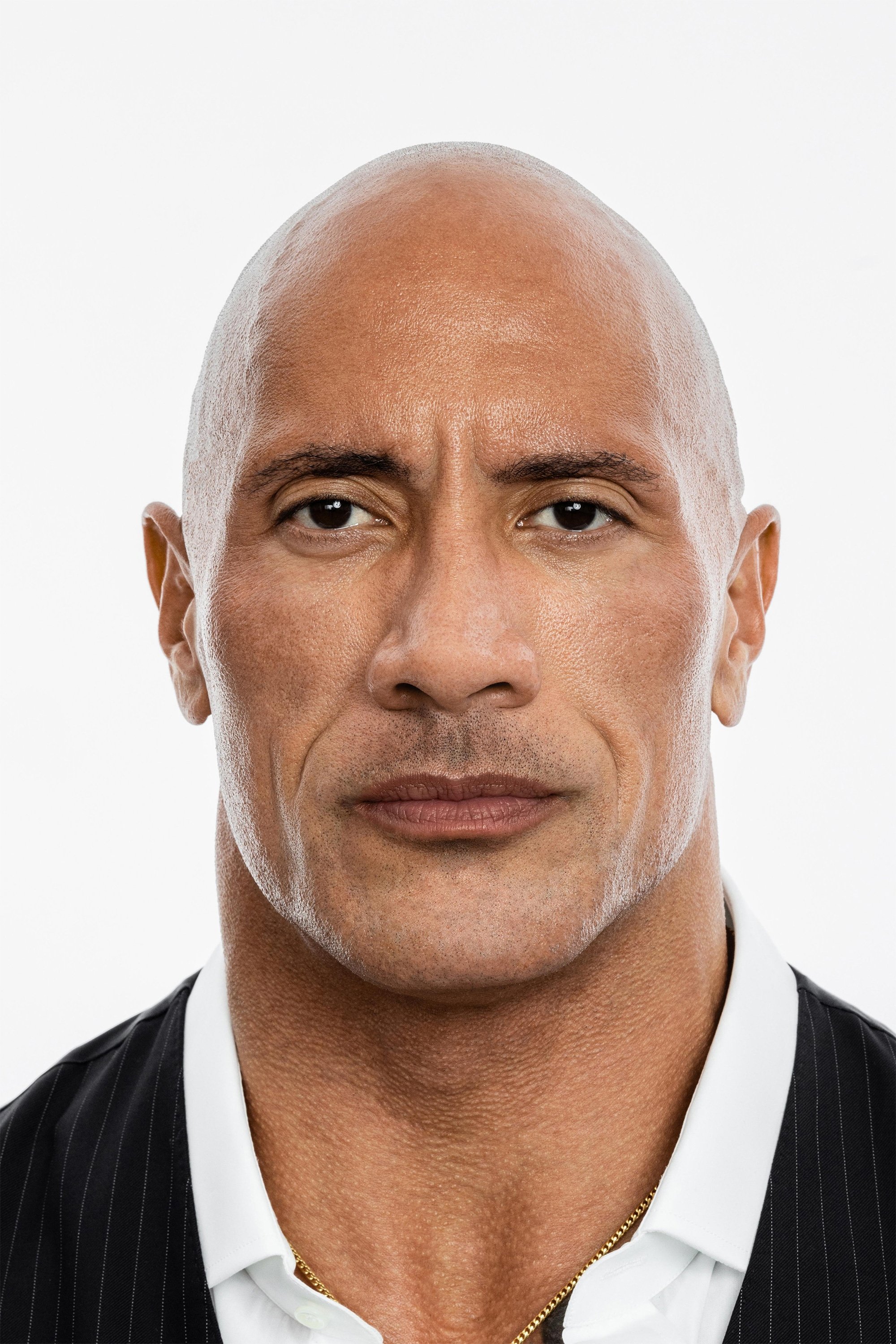
Johnson has secured contractual say over fight choreography and character portrayal in ensemble action projects. The clause ensures his character’s competence, resilience, and outcome in key confrontations align with established franchise identity.
The language sets thresholds for on-screen damage, dictates review of stunt previs, and defines escalation points if choreography changes. It also integrates with rating targets and safety plans so approvals occur before costly shoot days.
Jason Statham – Combat depiction controls in franchise entries
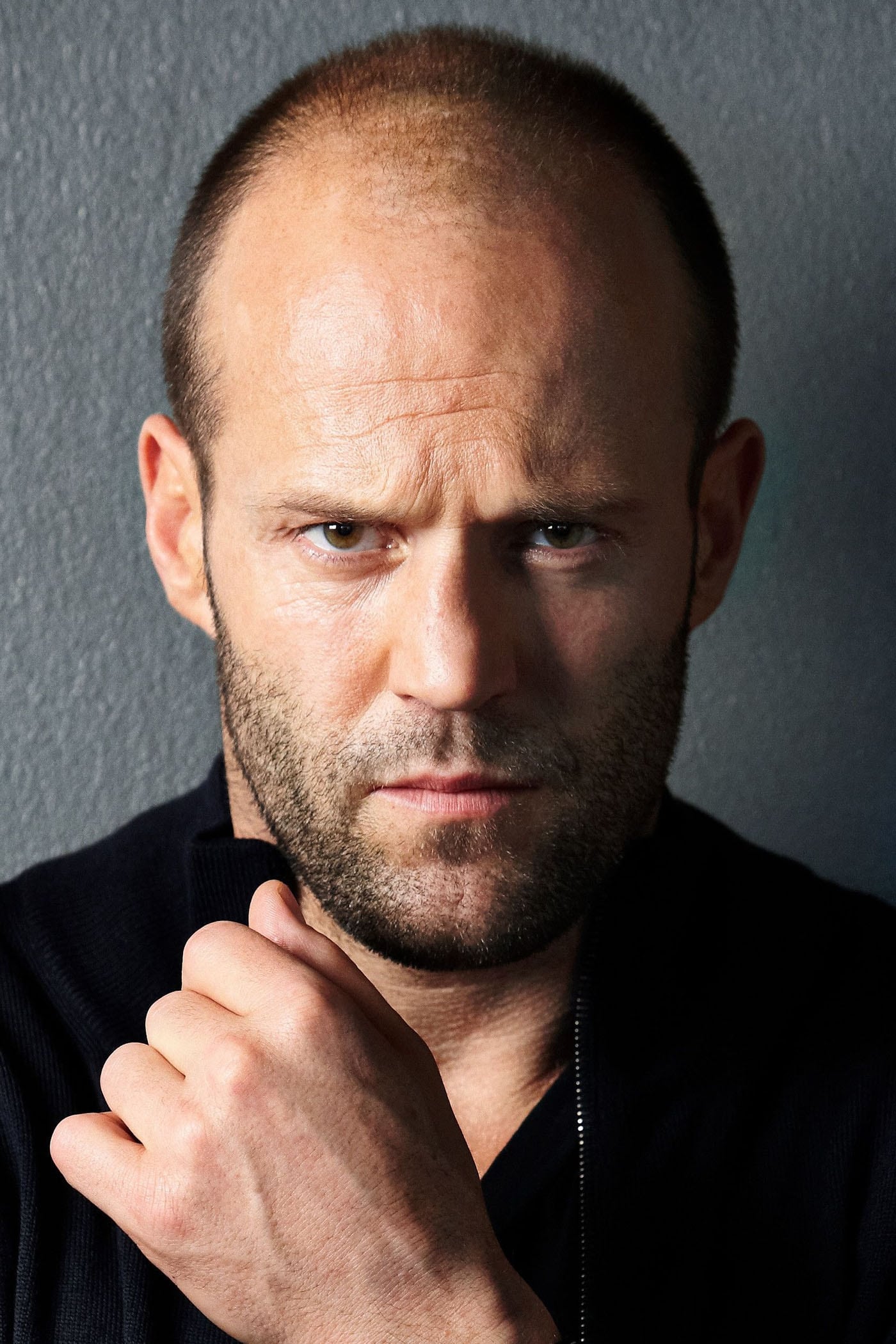
Statham’s agreements include approval rights over how his character fares in fights, emphasizing parity in hand-to-hand sequences. These controls protect continuity of persona across franchises known for set-piece rivalries.
The clause interfaces with editorial decisions by requiring review of rough cuts for major confrontations. It also specifies ADR and reshoot allowances if choreography or edits compromise the agreed depiction.
Michelle Rodriguez – Character-development conditions for returning to ‘Fast & Furious’

Rodriguez has negotiated for stronger female characterization as a condition of returning to ‘Fast & Furious’ installments. The clause ties her participation to script pages that give women substantive arcs and agency within the heist-action structure.
The agreement defines consultation steps, rewrite windows, and credit implications when requested changes are made. It also sets deadlines to lock pages so production can schedule stunts and training with a finalized character trajectory.
Alec Guinness – Participation in royalties and licensing for ‘Star Wars’
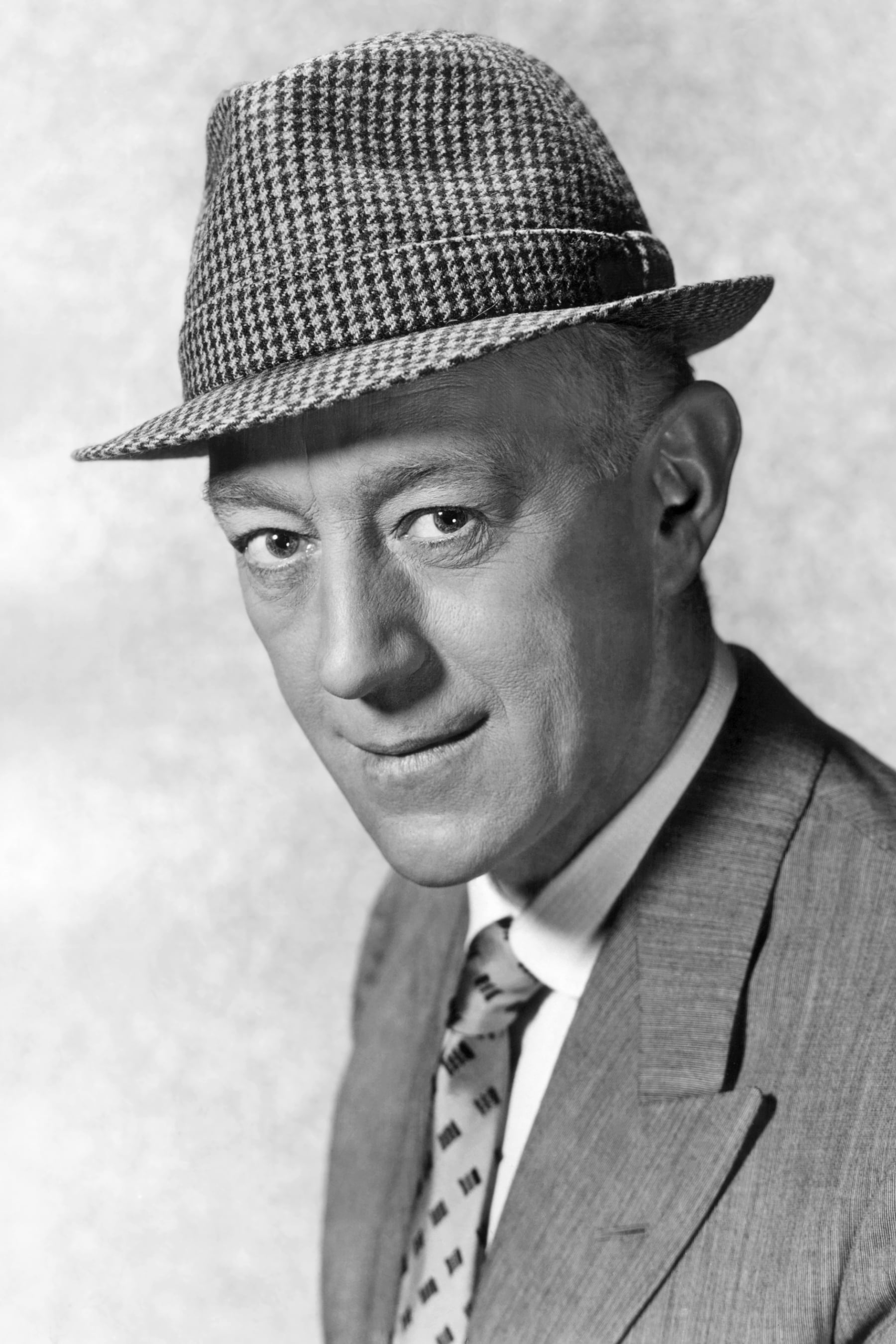
Guinness’s ‘Star Wars’ contract tied his compensation to royalties and licensing, not just salary. The structure recognized the franchise’s merchandising potential, linking his earnings to the saga’s long-tail revenue.
The clause established reporting across multiple categories—publishing, toys, and other licensed products. It further clarified approvals for signature usage and likeness so character-driven merchandise aligned with the negotiated terms.
Sandra Bullock – First-dollar gross on ‘Gravity’
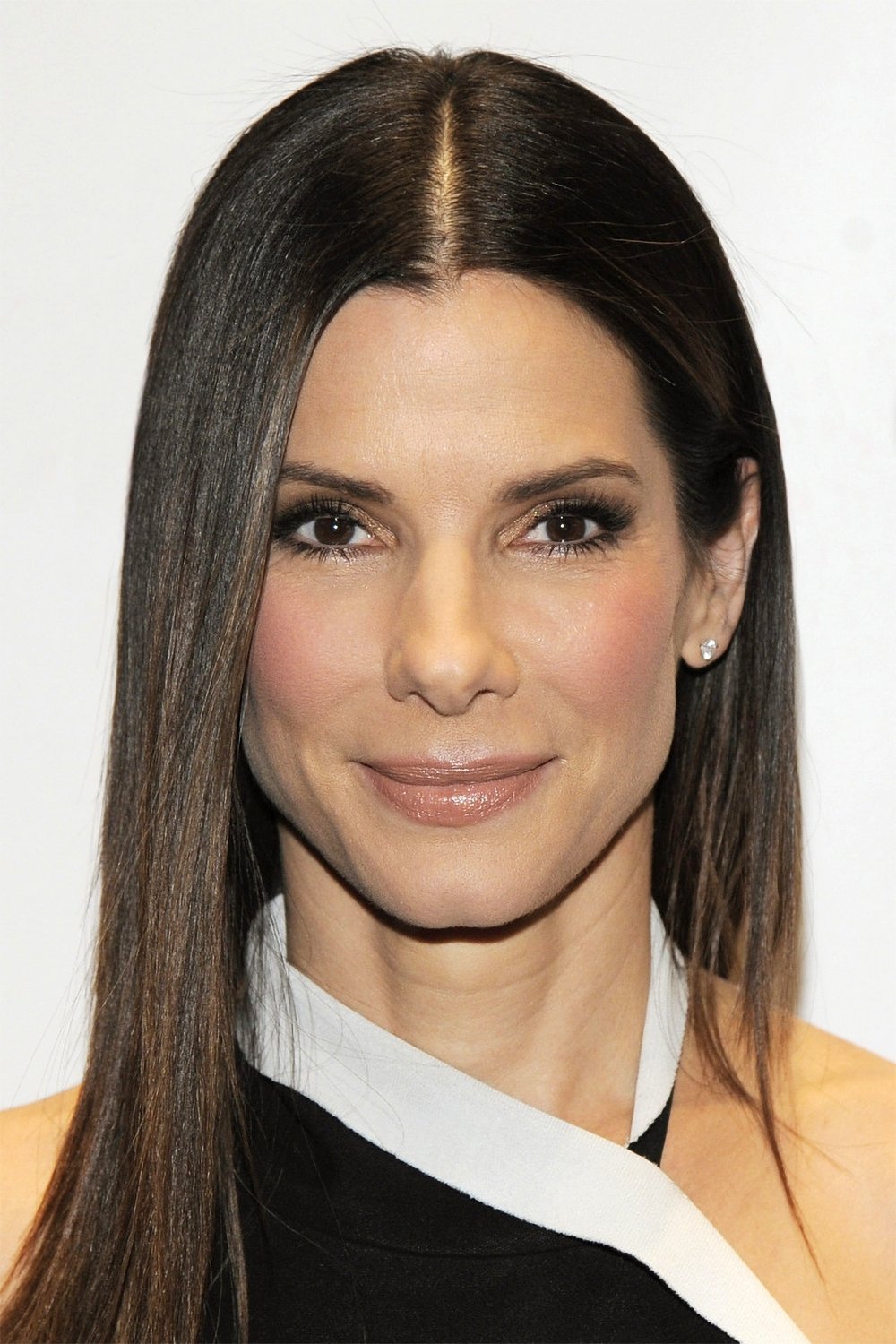
Bullock negotiated a first-dollar gross position on ‘Gravity’, aligning her compensation with theatrical revenue before many distribution costs. This improved cash flow timing relative to net profits that are paid later in a film’s lifecycle.
The agreement detailed distribution fees, off-the-top charges, and audit rights. It also specified how premium formats and international receipts were treated to prevent dilution of the first-dollar base.
Daniel Craig – Producer credit and creative consultation on Bond films
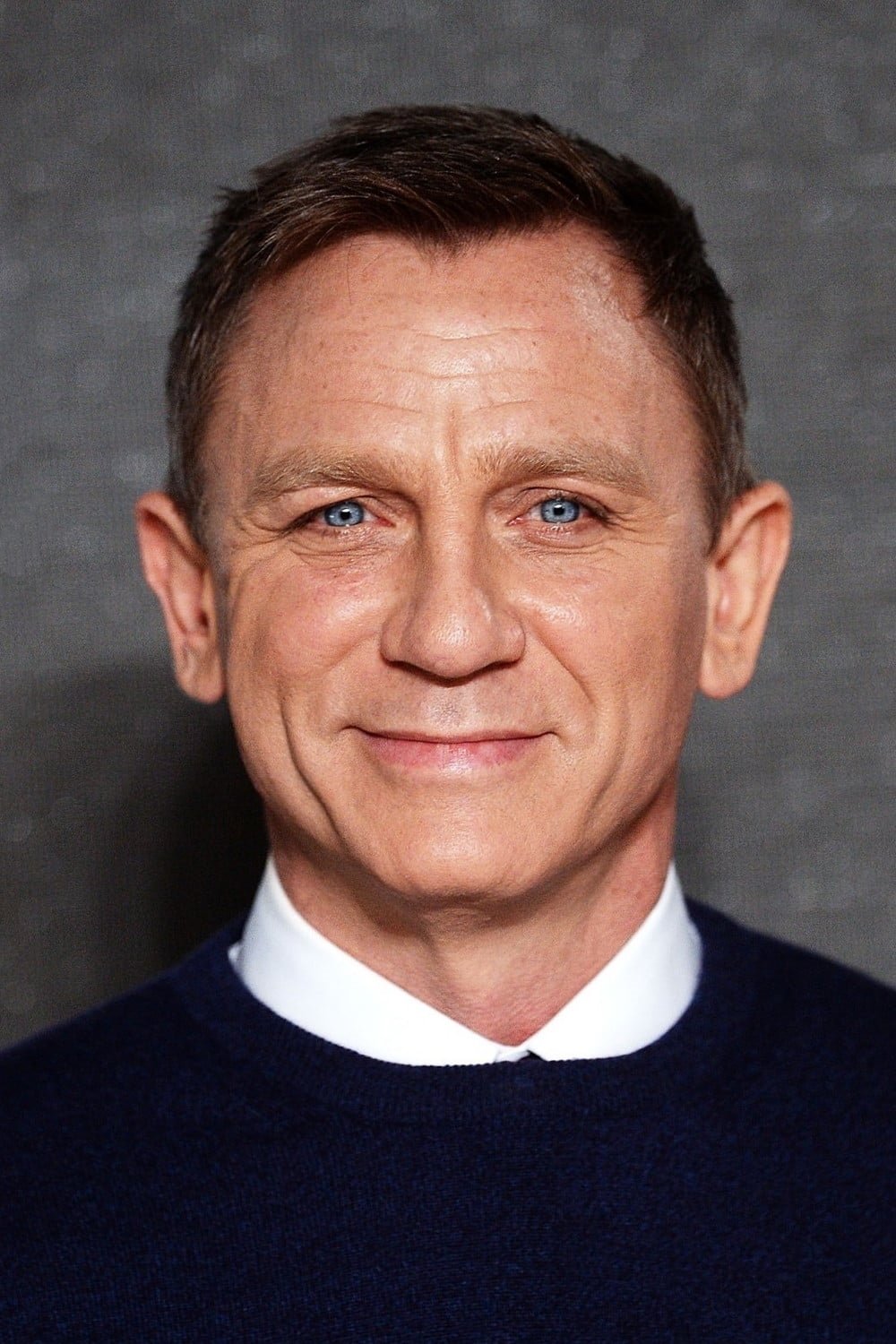
Craig’s Bond contracts evolved to include producer credit and formal creative consultation. That language guaranteed involvement in script development, action design, and tone decisions consistent with the franchise’s direction.
The clauses enumerated meeting cadence with writers and directors, access to rough cuts, and notes that required good-faith consideration. They also addressed conflict resolution if creative feedback intersected with delivery deadlines.
Johnny Depp – Likeness and look approvals plus backend on ‘Pirates of the Caribbean’
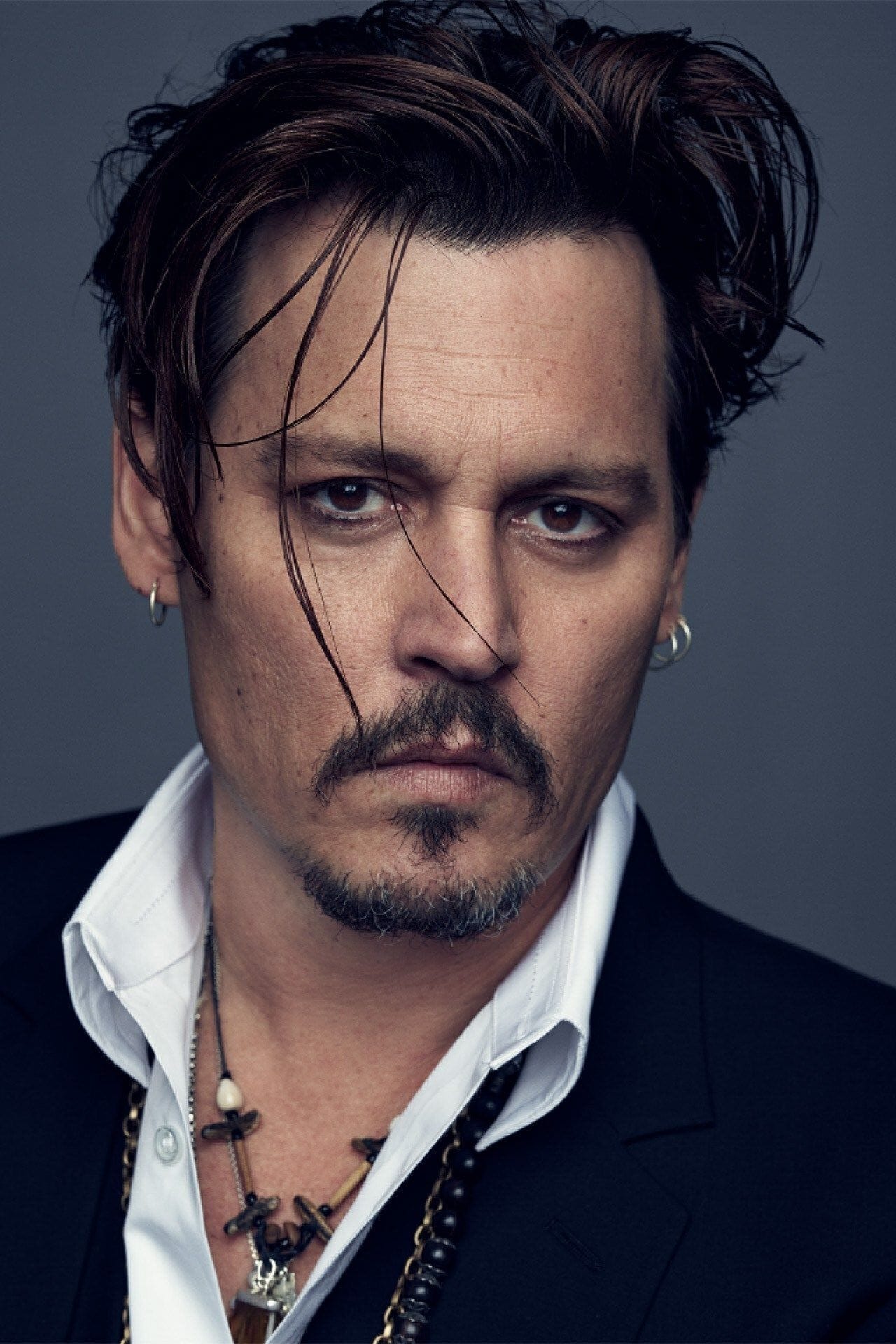
Depp negotiated approvals over Jack Sparrow’s look, including wardrobe, makeup, and use of likeness in merchandise and marketing. Combined with backend participation, the deal connected character stewardship to financial outcomes.
The contract spelled out approval checkpoints in pre-production and post-production, including toy prototypes and key art. It also covered digital uses to ensure the character’s presentation remained consistent across platforms.
Michael B. Jordan – Inclusion rider requirements through Outlier Society
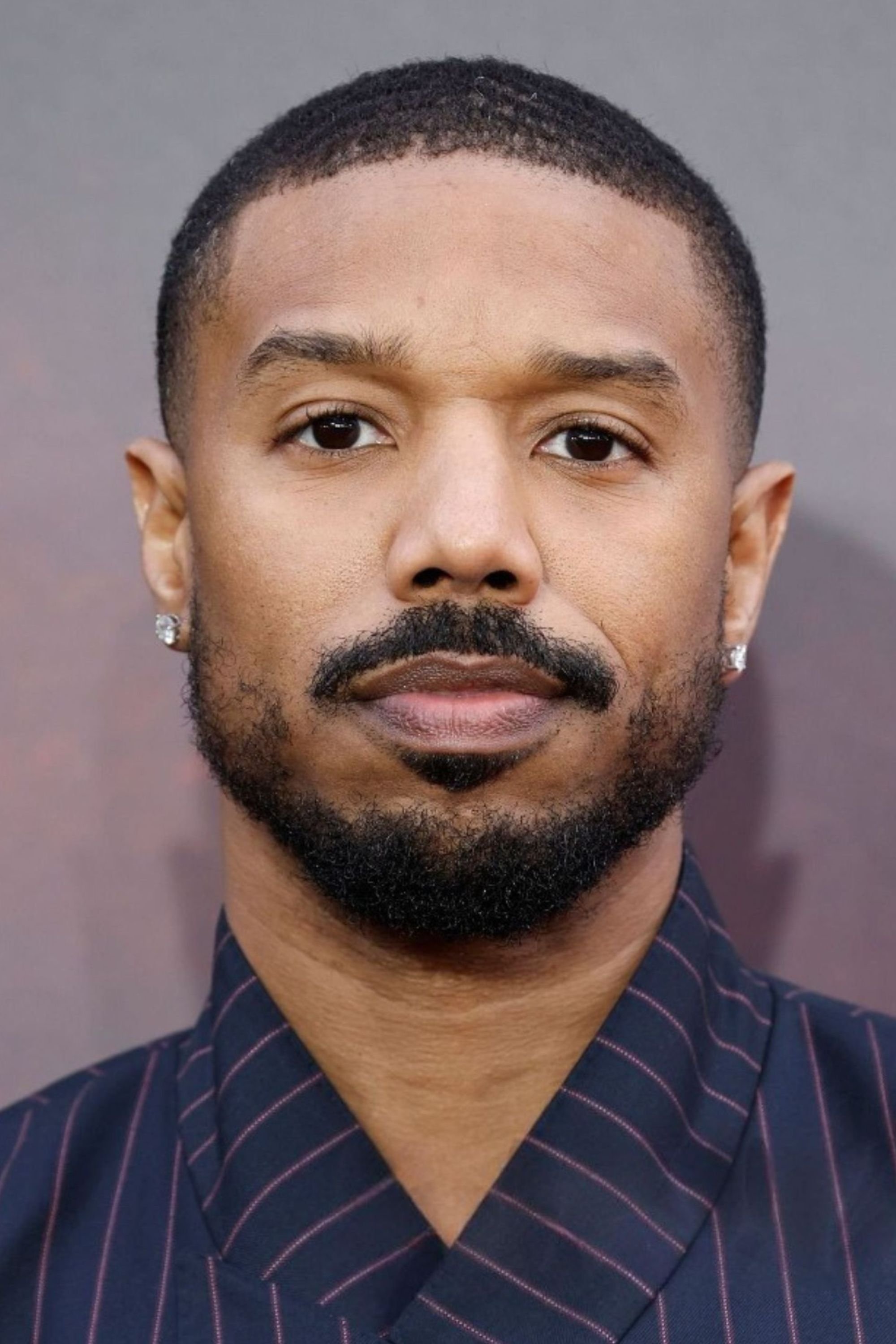
Jordan adopted inclusion rider provisions that commit productions to diverse hiring across cast and crew. When he acts and produces, those terms are incorporated into his agreements and vendor deals.
The rider defines benchmarks, data reporting, and remedies if targets are missed. It also embeds outreach obligations to broaden candidate pools for department heads and below-the-line roles.
Brie Larson – Inclusion rider commitments on studio projects

Larson’s deals have integrated inclusion riders to drive equitable hiring on projects she leads. The clause requires the production to track and improve representation across key categories.
The language includes baseline measurements at pre-production and post-wrap, with adjustments to recruitment strategies if goals lag. It further calls for anonymized reporting so compliance can be verified by stakeholders.
Jackie Chan – Stunt and safety control with edit and dubbing input
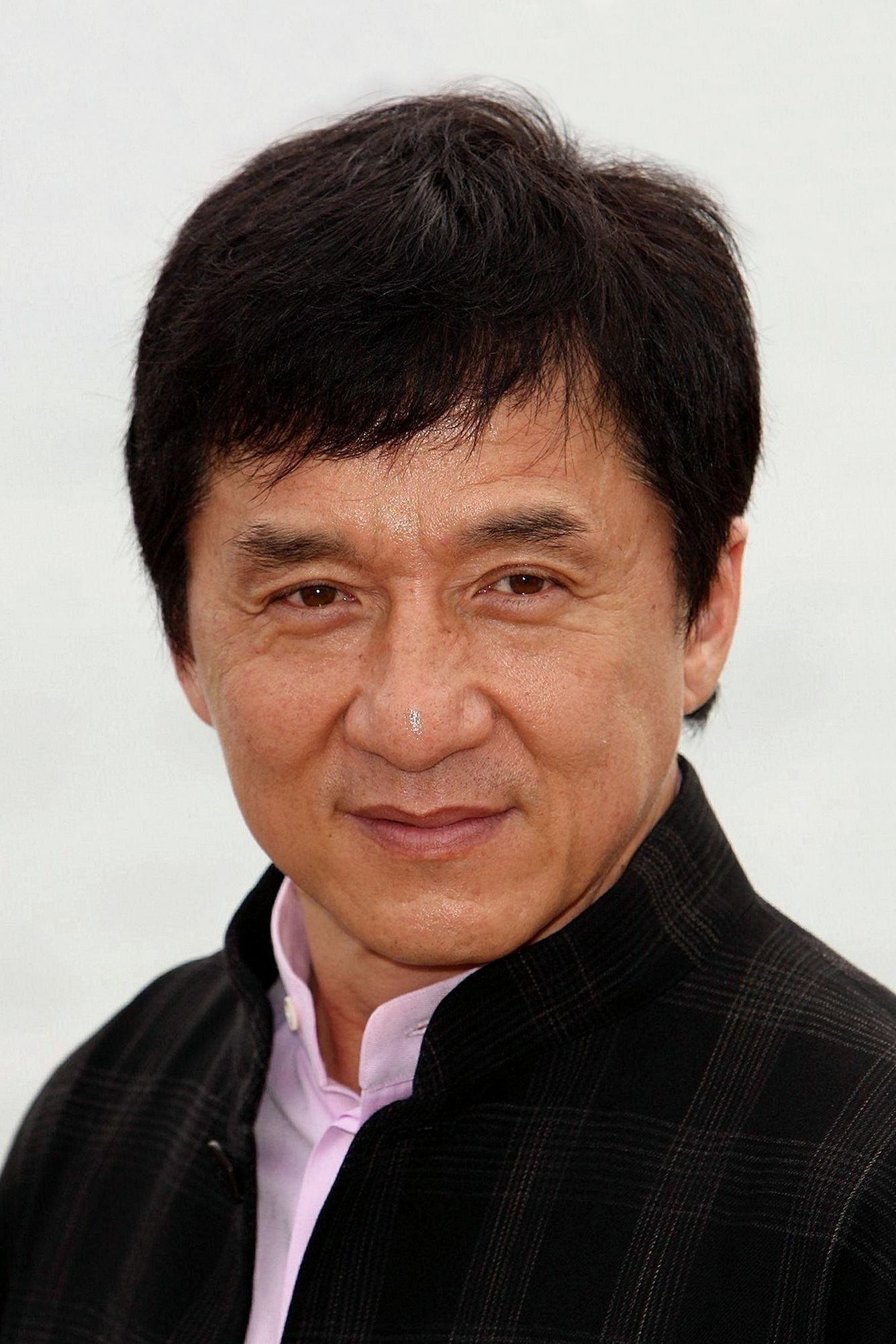
Chan’s contracts commonly include authority over stunt design and safety measures, reflecting his performance style. He also negotiates input into editing of action sequences and dubbing to preserve rhythm and clarity in multiple language versions.
These provisions specify rigging standards, rehearsal durations, and medical staffing during complex gags. Edit and dub clauses define review timelines and allow pickup shots or ADR if action readability suffers in cutdowns.
Anna Kendrick – No-nudity rider with body-double controls

Kendrick’s agreements include a no-nudity rider that restricts on-screen exposure and governs how intimacy is staged. The clause also grants approval over any body-double usage to prevent misrepresentation.
Production documents incorporate closed-set protocols, modesty garments, and shot lists locked before intimate scenes. Editorial safeguards bar digital manipulation that would contravene the rider without written consent.
Jessica Alba – No-nudity clause and digital-alteration restrictions

Alba’s contracts include no-nudity provisions and limits on digital alteration of her body. The language protects against composites or CGI that would create imagery she did not perform.
The clause requires producer sign-off and performer approval for any body-double footage or VFX that touches covered areas. It also mandates secure handling of plate shots and reference photography used by effects teams.
Bill Murray – Studio-financing commitment tied to ‘Ghostbusters’ for ‘The Razor’s Edge’
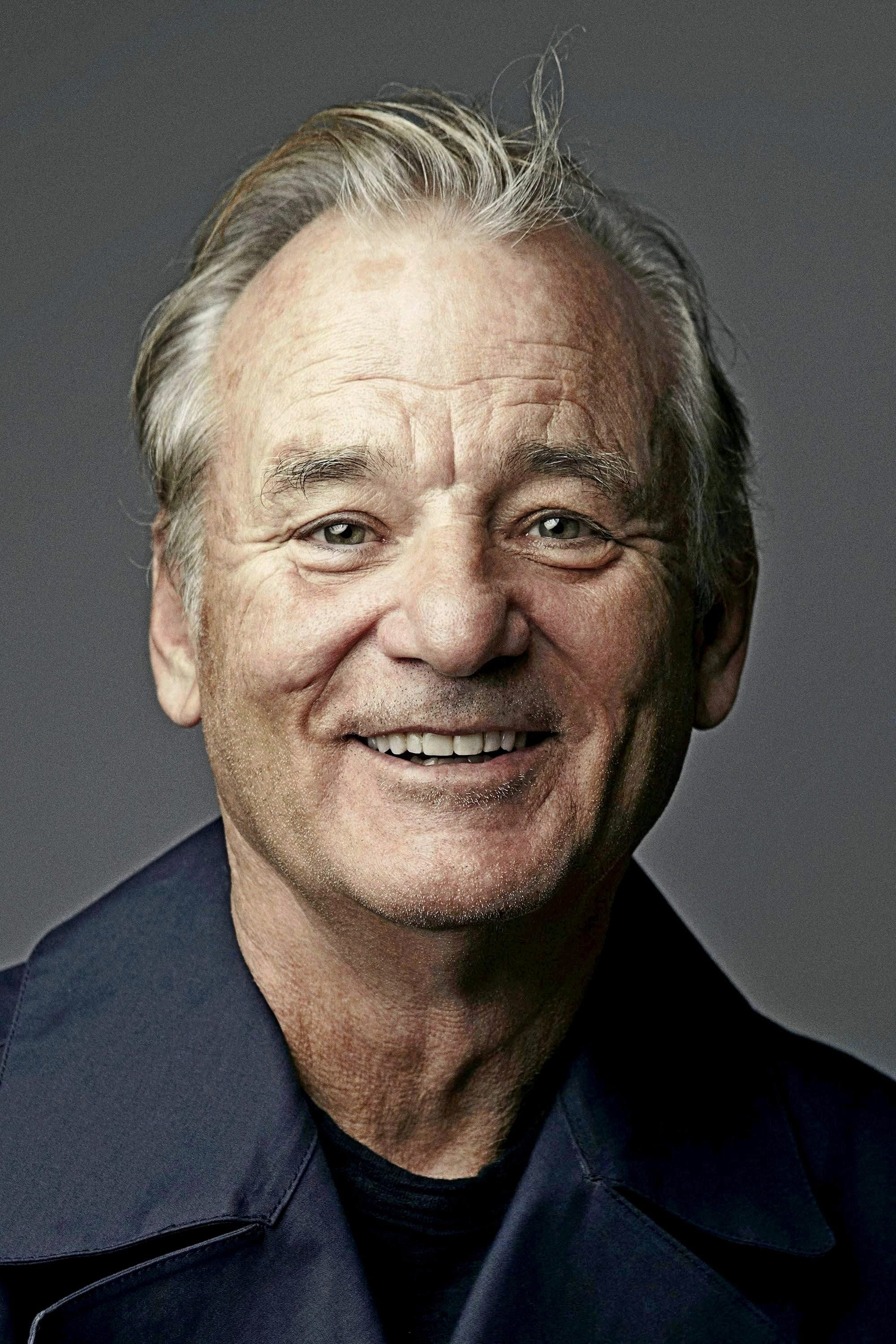
Murray’s agreement to star in ‘Ghostbusters’ was paired with a clause committing the studio to finance his drama ‘The Razor’s Edge’. The cross-collateralized arrangement linked a commercial project to a personal passion film.
The paperwork established budget parameters, scheduling priority, and distribution guarantees for the companion title. It ensured the smaller film moved forward with a defined release plan rather than remaining in turnaround.
Share the wildest contract clause you’ve heard about in the comments!

