


Coziest Thrillers to Watch on a Rainy Night




When the weather turns gray, a good mystery with gentle stakes and a comforting vibe can be the perfect match. The titles below lean into clever puzzles, charismatic leads, and inviting settings rather than graphic shocks. You will find classic whodunits, contained suspense stories, and friendly detective shows that keep tension engaging without getting too heavy. Pour something warm, settle in, and pick from these cozy thrillers that favor wit, atmosphere, and satisfying reveals.
‘Rear Window’ (1954)
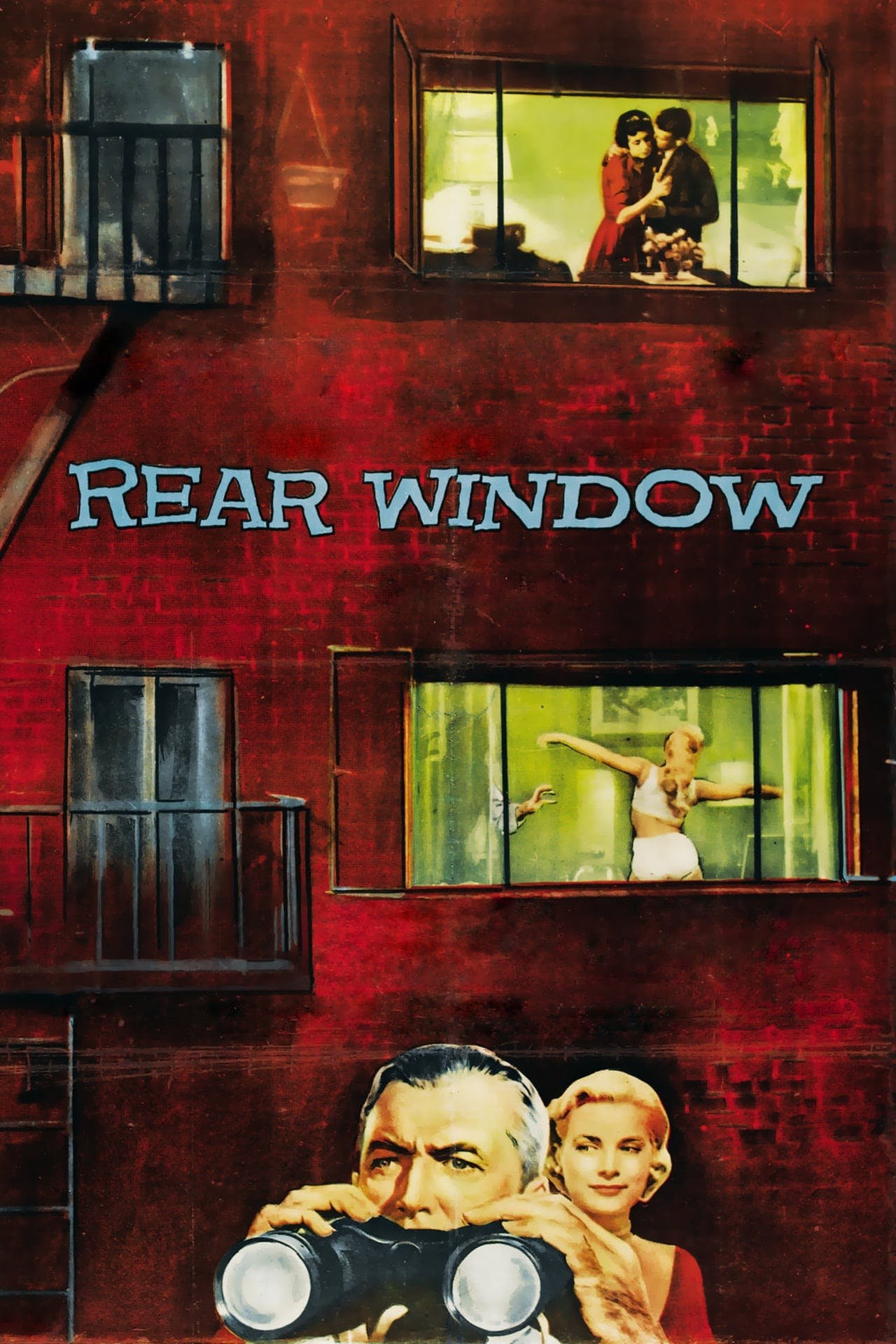
Alfred Hitchcock sets the story in a Greenwich Village courtyard where a photographer in a cast watches neighbors from his apartment. The film gradually builds a possible murder mystery through glimpses of daily routines and late night trips. James Stewart and Grace Kelly drive the investigation with careful observation and simple tools. Much of the suspense comes from limited perspectives and how small clues add up across the courtyard.
‘Charade’ (1963)

Set in Paris, this caper follows a widow pursued by men seeking stolen money that her late husband hid. Audrey Hepburn and Cary Grant move through embassies, markets, and metro stations as identities shift and motives blur. The script balances romantic banter with puzzles involving codes and false names. Key turns hinge on everyday objects like stamps and coats that change hands at just the right moment.
‘To Catch a Thief’ (1955)
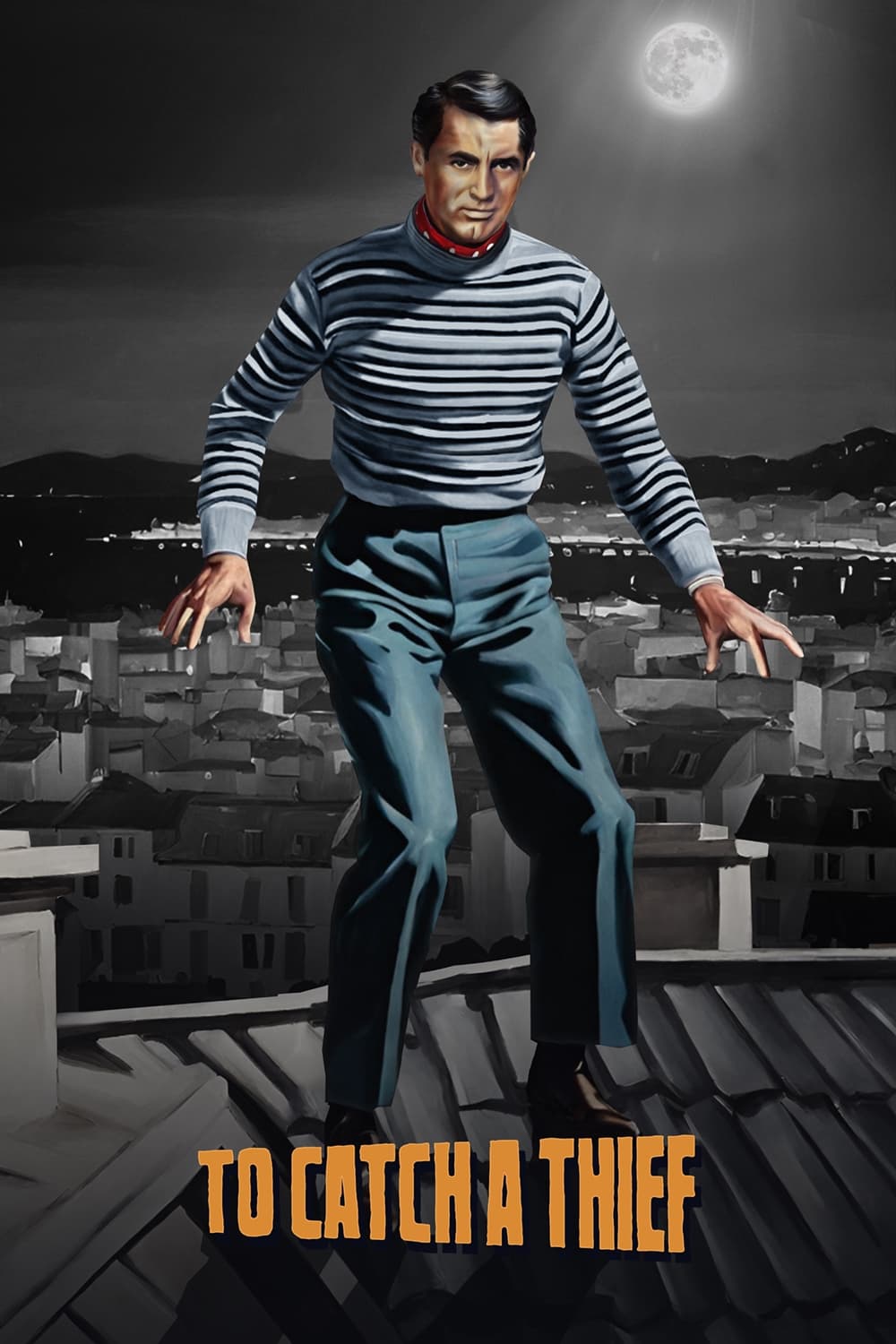
On the French Riviera, a retired cat burglar tries to clear his name when copycat jewel thefts begin. Cary Grant and Grace Kelly travel coastal roads, casinos, and hotel balconies while police close in. Suspicion moves between socialites and local officers as alibis are checked against nighttime fireworks. The plot relies on meticulous timing, disguise, and surveillance among crowded summer parties.
‘North by Northwest’ (1959)
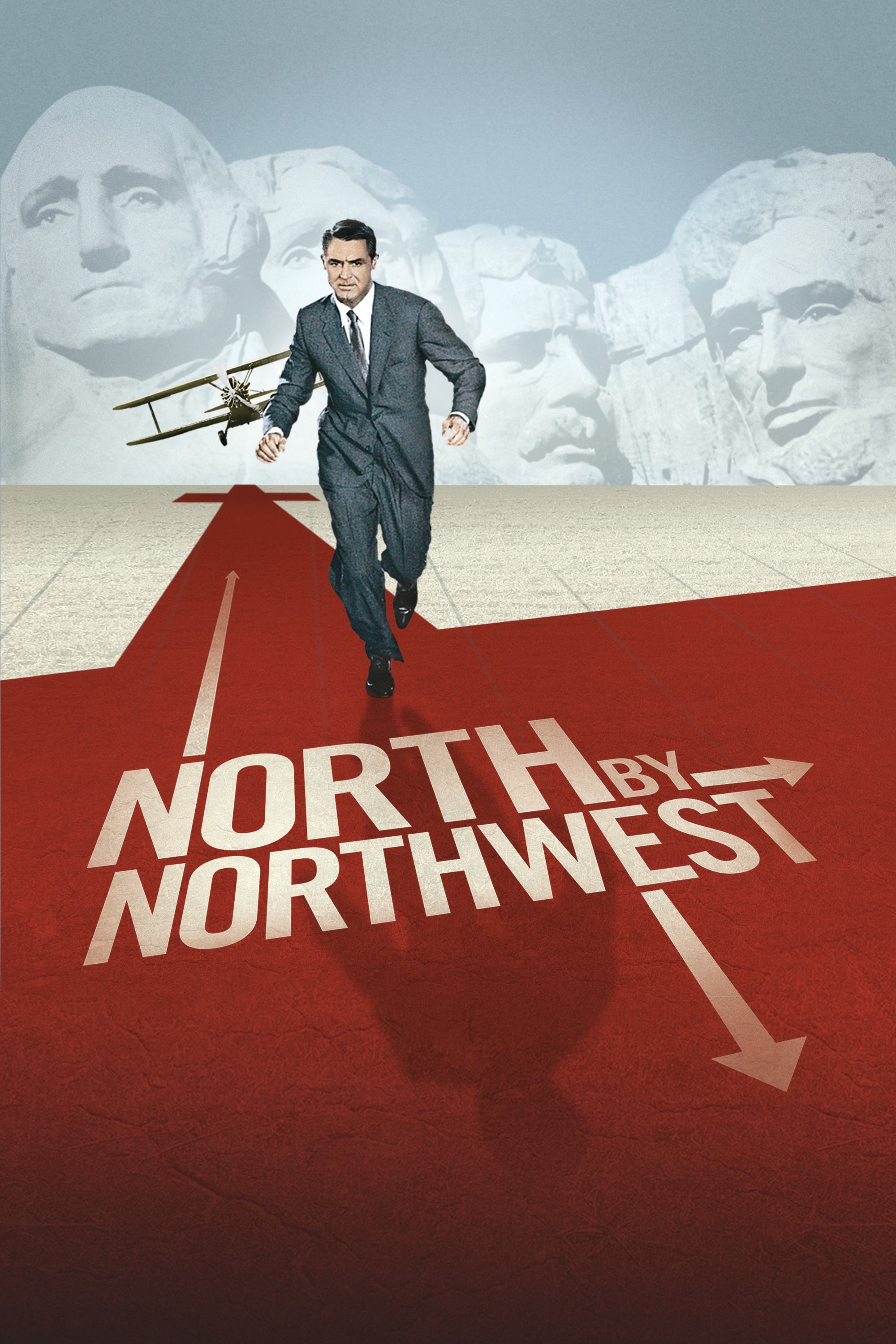
A New York ad executive is mistaken for a spy and chased across cities and trains. The story uses landmarks, tailored suits, and train compartments to keep the tension playful and brisk. Misidentification drives a trail of meetings, auctions, and crop duster ambushes. Information passes through matchbooks, hotel registers, and coded instructions that keep the chase clever.
‘The Lady Vanishes’ (1938)
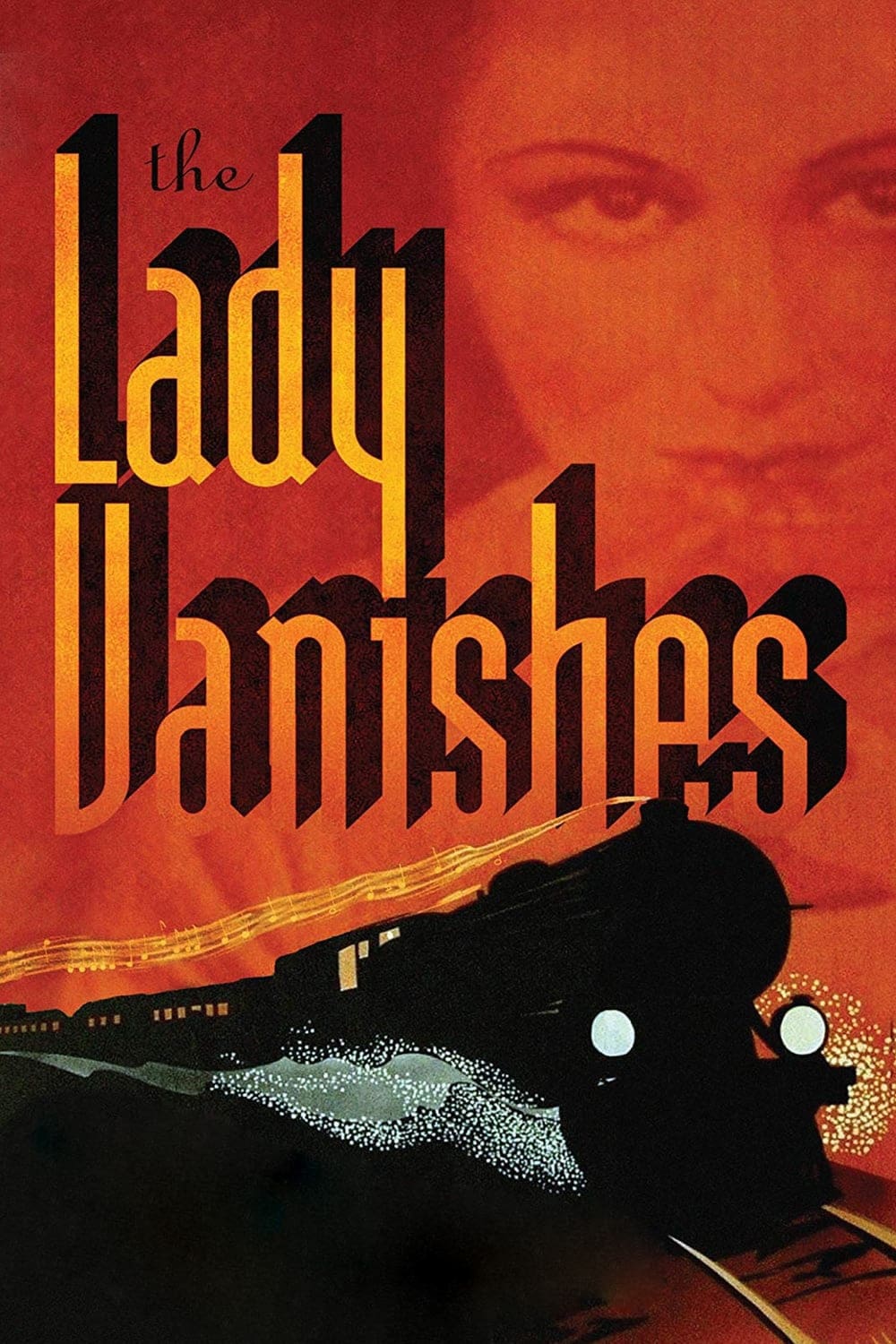
A young traveler befriends an older woman on a train who later disappears without a trace. Fellow passengers deny the woman ever existed, pushing the heroine to check luggage cars and compartments. The clues include a coded melody and a suspicious bandaged patient. The confined carriages create a moving stage where alliances shift from carriage to carriage.
‘The Man Who Knew Too Much’ (1956)
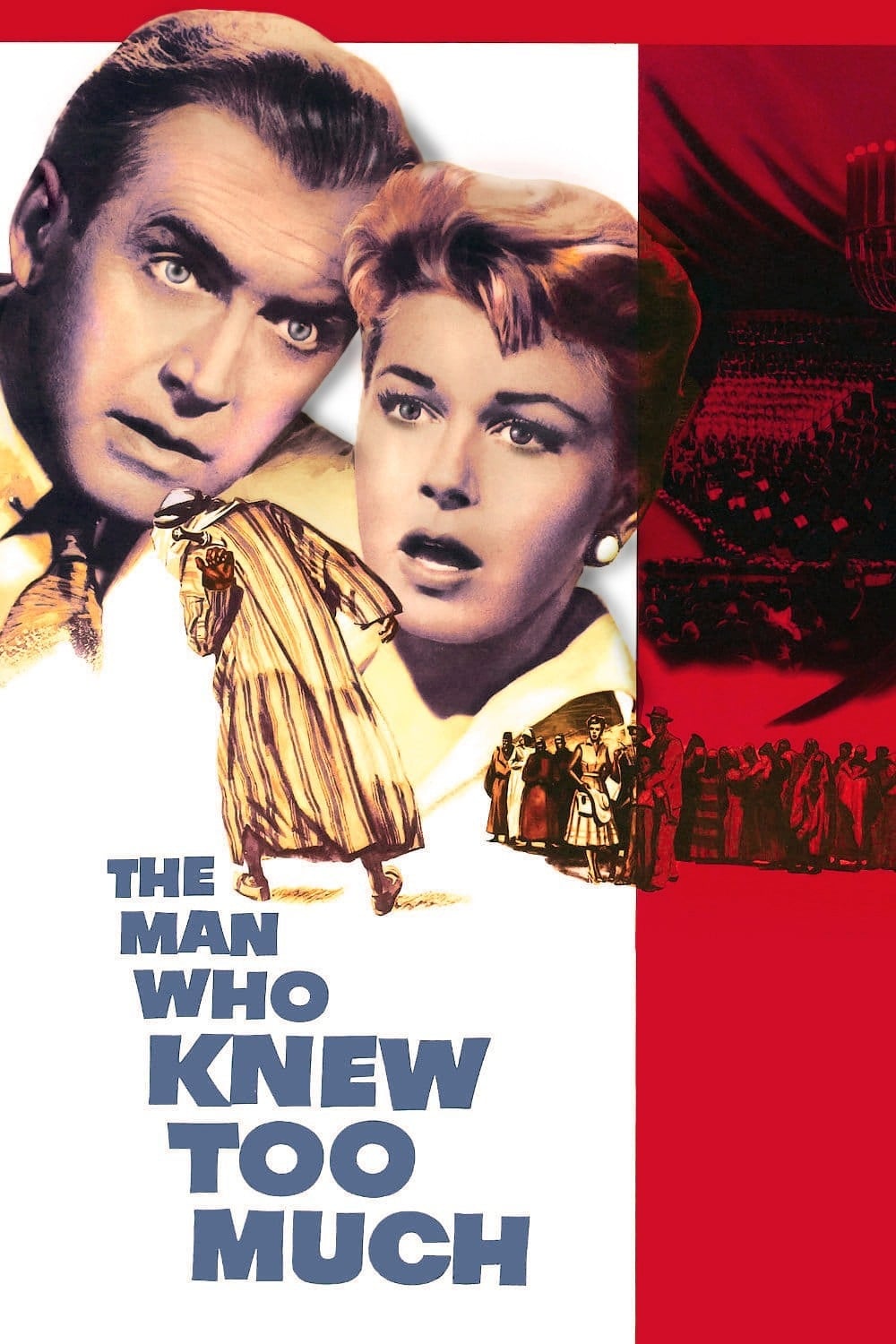
An American family on vacation in Morocco learns of a planned assassination and gets pulled into a plot stretching to London. Phone calls, hotel notes, and a message passed at a marketplace set the stakes. The investigation moves through embassies, a taxidermist’s shop, and a concert hall. Timing and sound cues tie the key sequence to a single cymbal crash.
‘Murder on the Orient Express’ (1974)
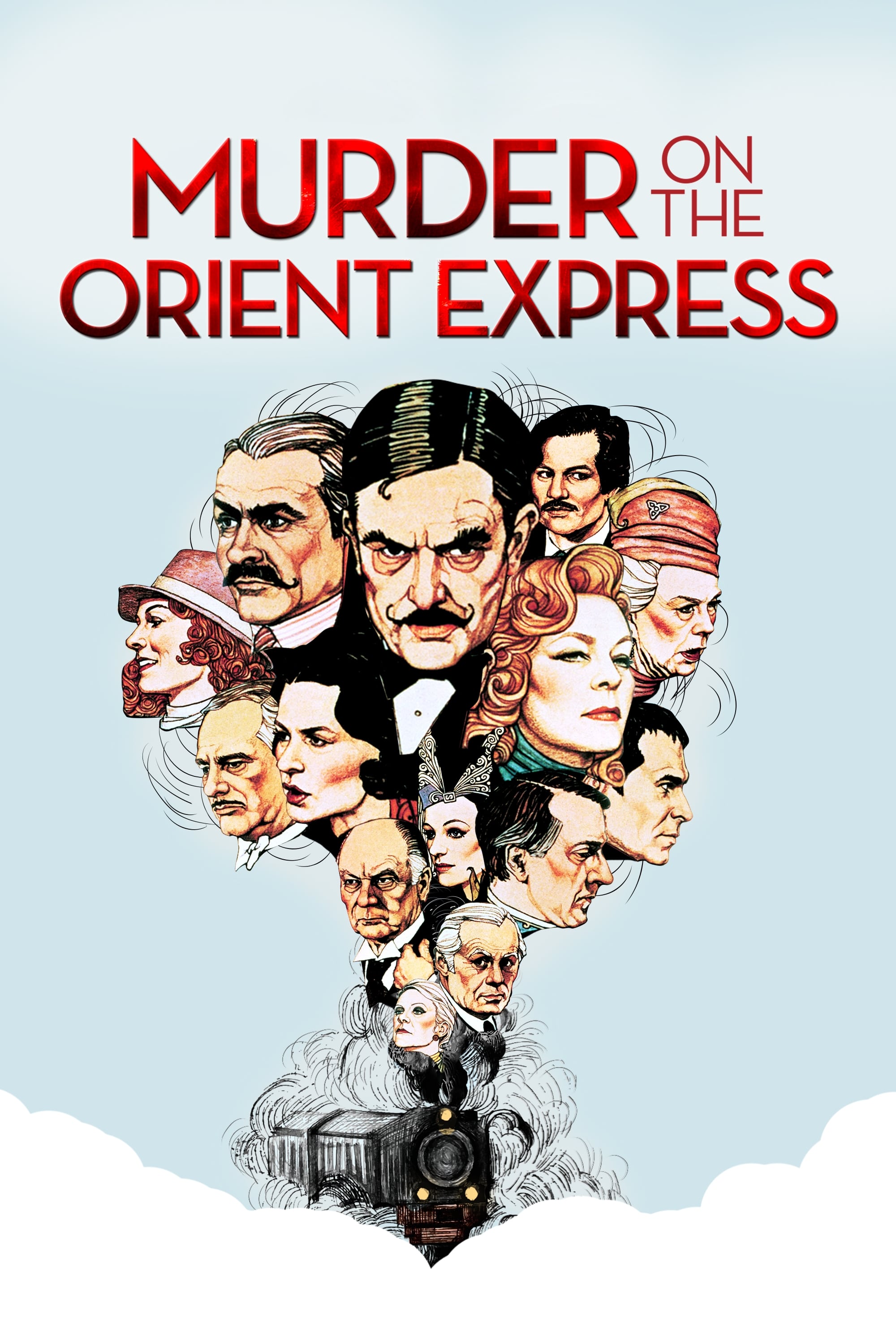
Hercule Poirot boards a snowbound luxury train and interrogates a carriage of suspects after a passenger is killed. Each compartment conceals props, uniforms, and tickets that complicate timelines. Interviews build a web of motives tied to a past crime. The solution depends on how seating plans, door latches, and conductor schedules intersect overnight.
‘Death on the Nile’ (1978)
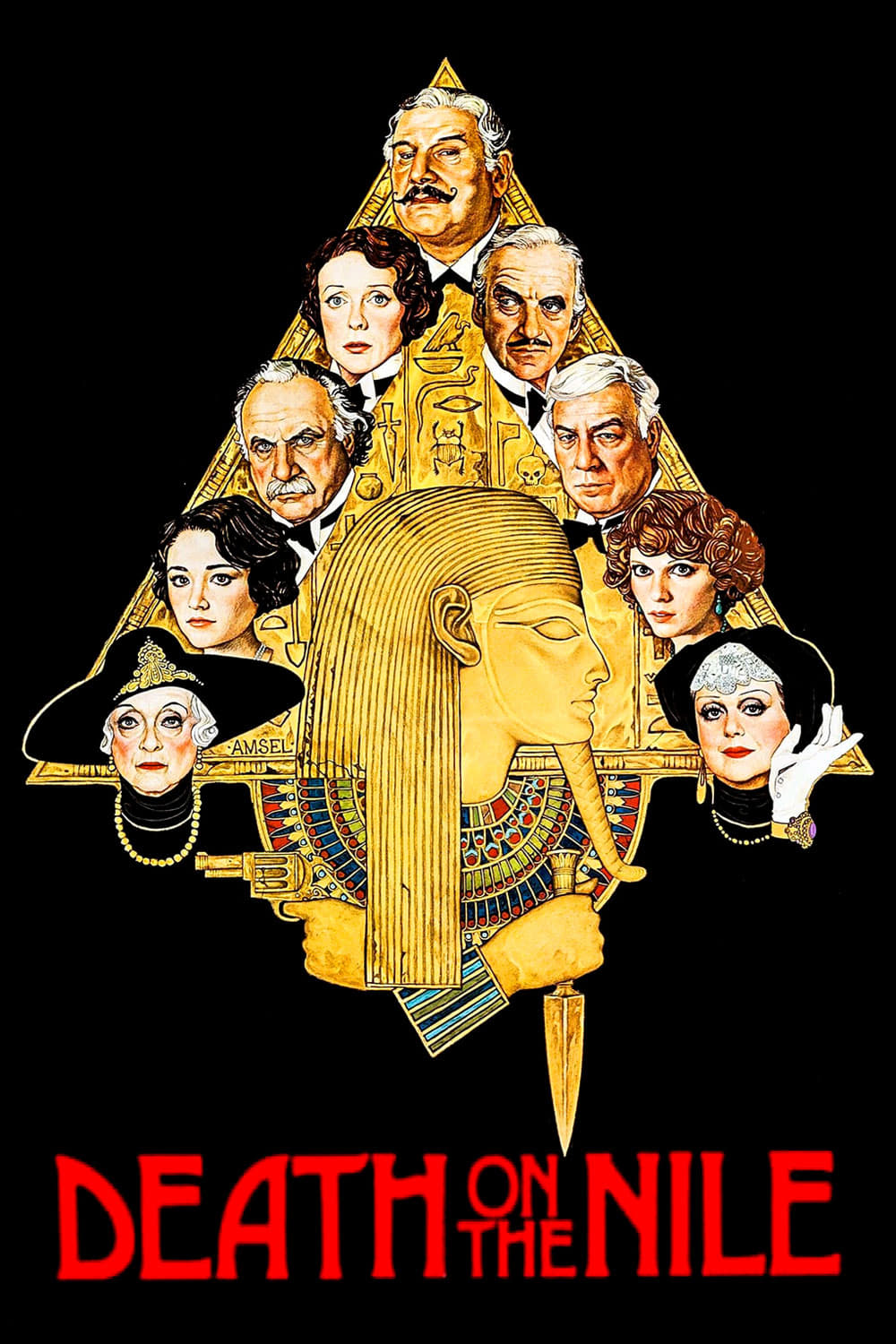
During a river cruise in Egypt, a newlywed heiress is shot and the suspects include friends and rivals aboard the steamer. Poirot traces alibis that rely on cabins, gunshots heard over music, and staged diversions on deck. The timeline turns on when passengers borrowed scarves, weapons, and boats. Shore excursions and temple visits add stops that fracture the group’s stories.
‘The Thin Man’ (1934)
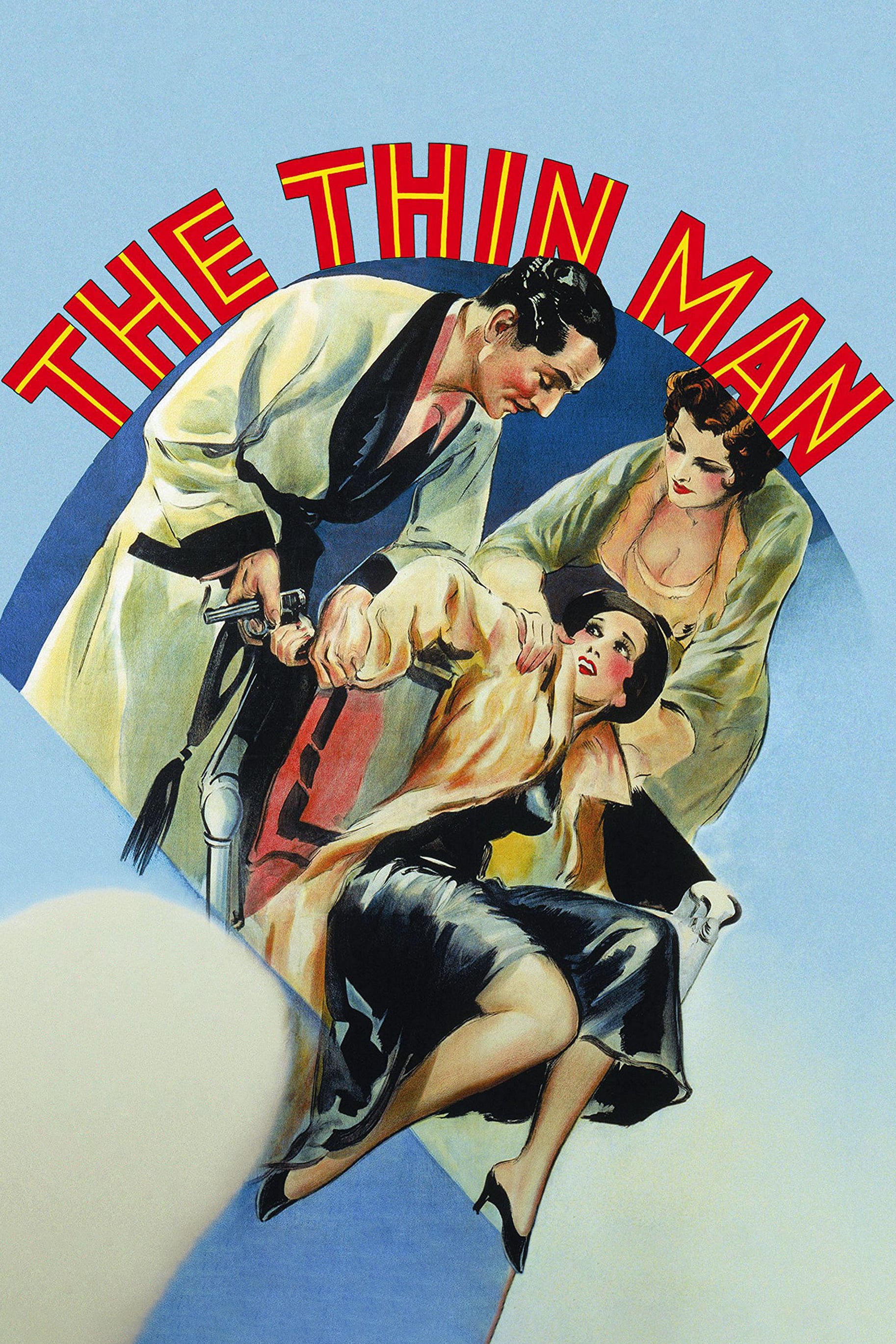
Private detective Nick Charles and his wife Nora investigate a missing inventor during the holidays. Dinner parties, speakeasies, and hotel suites provide informal interrogation rooms. The case involves a found body, a secret apartment, and the inventor’s family finances. Clues accumulate through playful questioning and a climactic dinner reveal.
‘Green for Danger’ (1946)
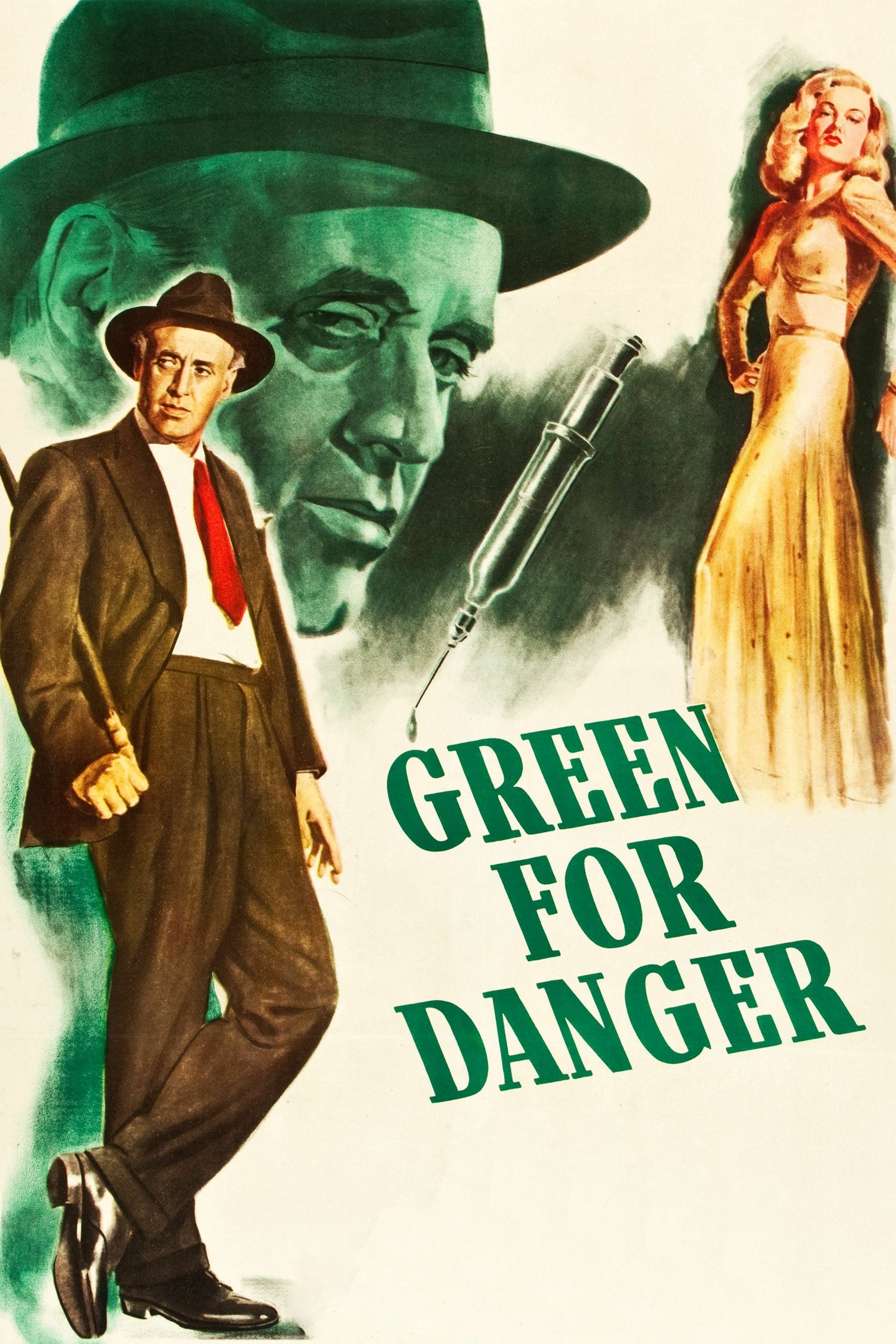
A wartime British hospital becomes the scene of a suspicious death during surgery. An inspector arrives to interview surgeons and nurses while air raids continue outside. Medical equipment, ether masks, and operating schedules serve as key details. The mystery reconstructs who could have accessed the theater at precise times.
‘Gosford Park’ (2001)
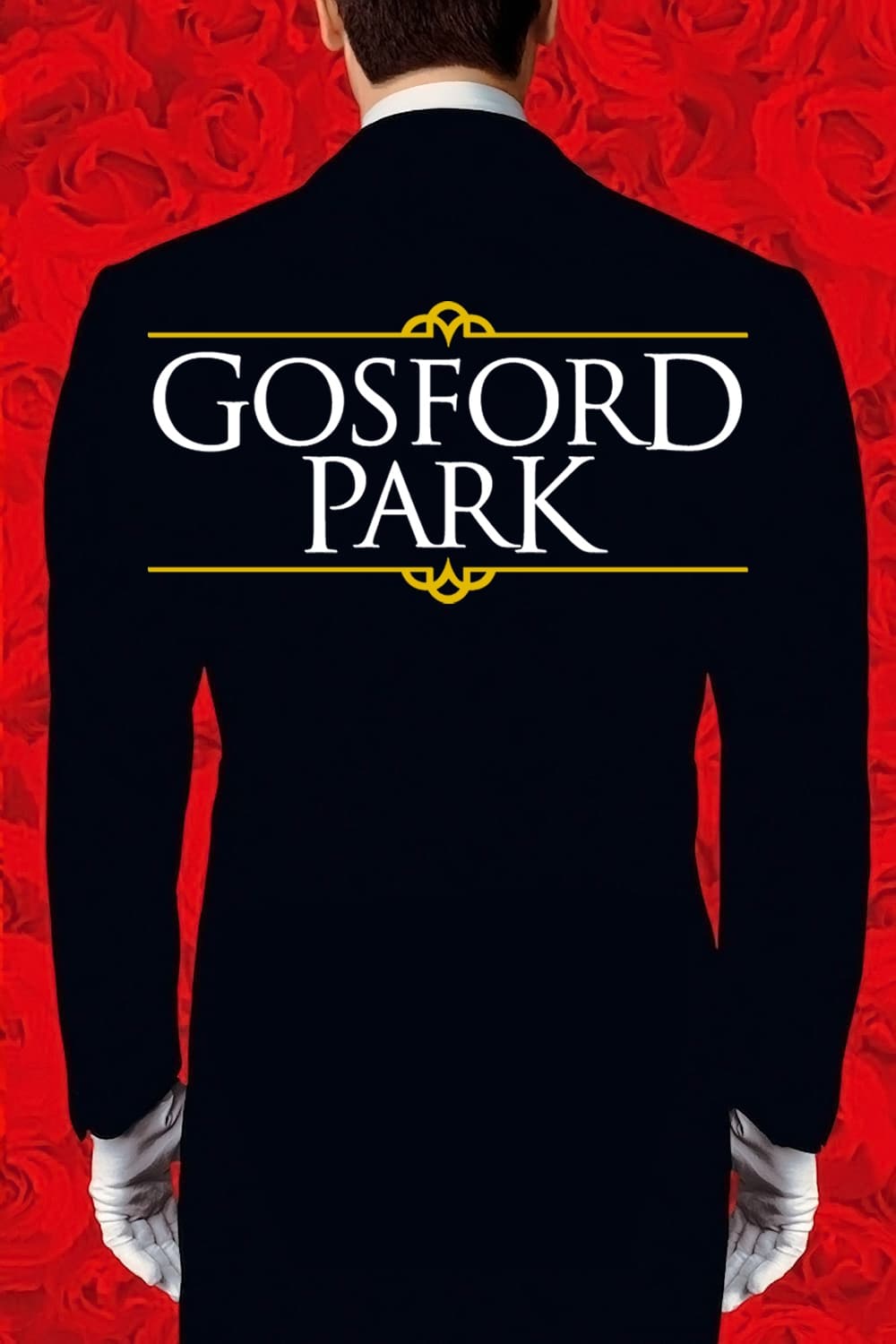
At an English country house in 1932, a weekend shooting party turns deadly and a detective must parse upstairs and downstairs accounts. Servant bells, silver inventories, and breakfast trays track movements. Hidden relationships link guests through music, film work, and finances. The solution draws on who heard which conversations through doors and corridors.
‘The Others’ (2001)
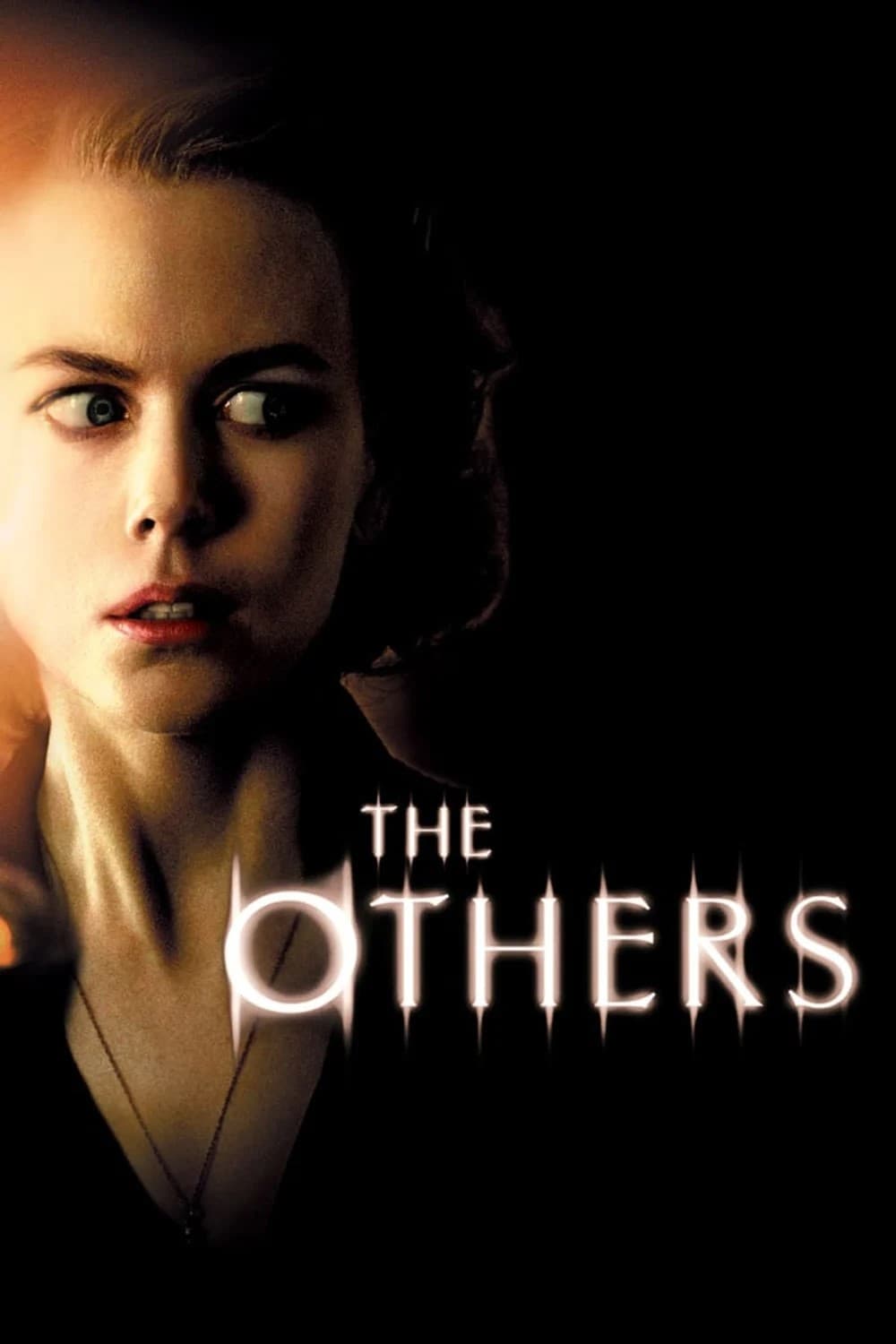
A mother and her photosensitive children live in a fogbound mansion where doors must be kept locked and curtains drawn. Unexplained footsteps and missing items unsettle the strict routine. A set of new servants and an old photo album raise questions about the house’s history. The rules of light and silence guide every search and discovery.
‘Wait Until Dark’ (1967)
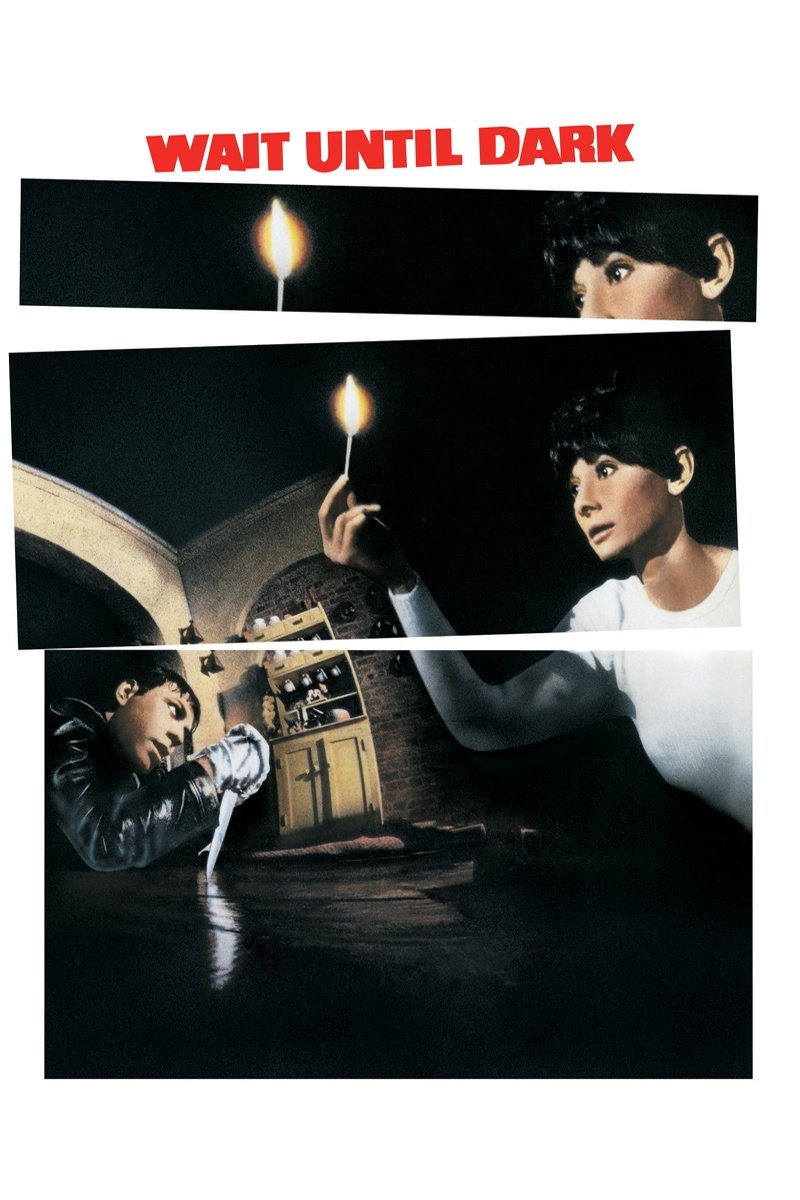
A blind woman in a basement apartment becomes the target of criminals searching for a hidden doll. The layout of kitchen, hallway, and blinds turns into a tactical map. She evens the odds by controlling light bulbs and using sound to track intruders. The final sequence uses darkness as a tool rather than a handicap.
‘The Prestige’ (2006)
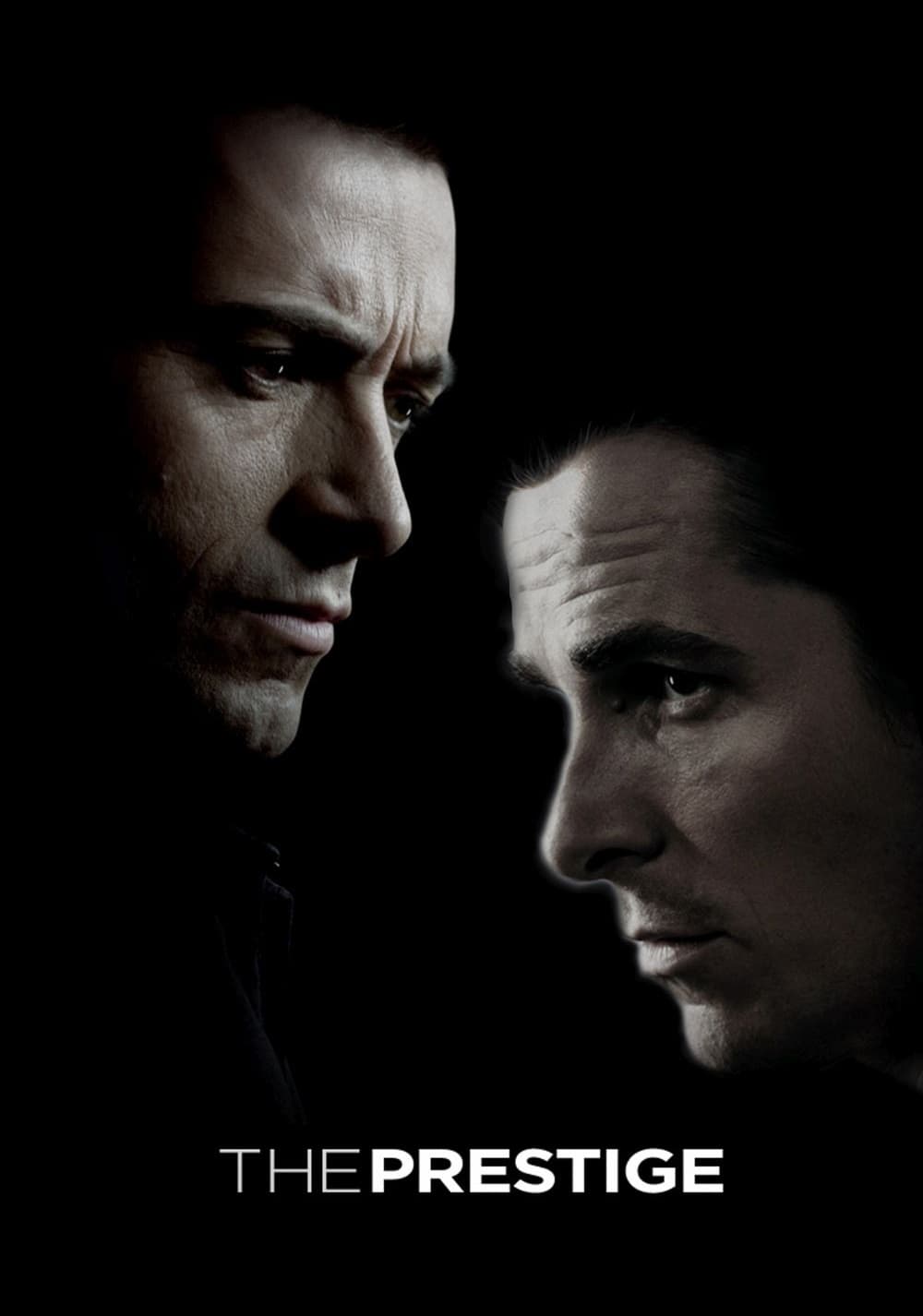
Two rival magicians in Victorian London compete to outdo each other’s illusions. Journals, stage props, and disguises carry secrets between theaters and workshops. The narrative alternates diaries within diaries to reveal each trick’s mechanics. The mystery hinges on misdirection, doubles, and machines hidden behind curtains.
‘The Illusionist’ (2006)
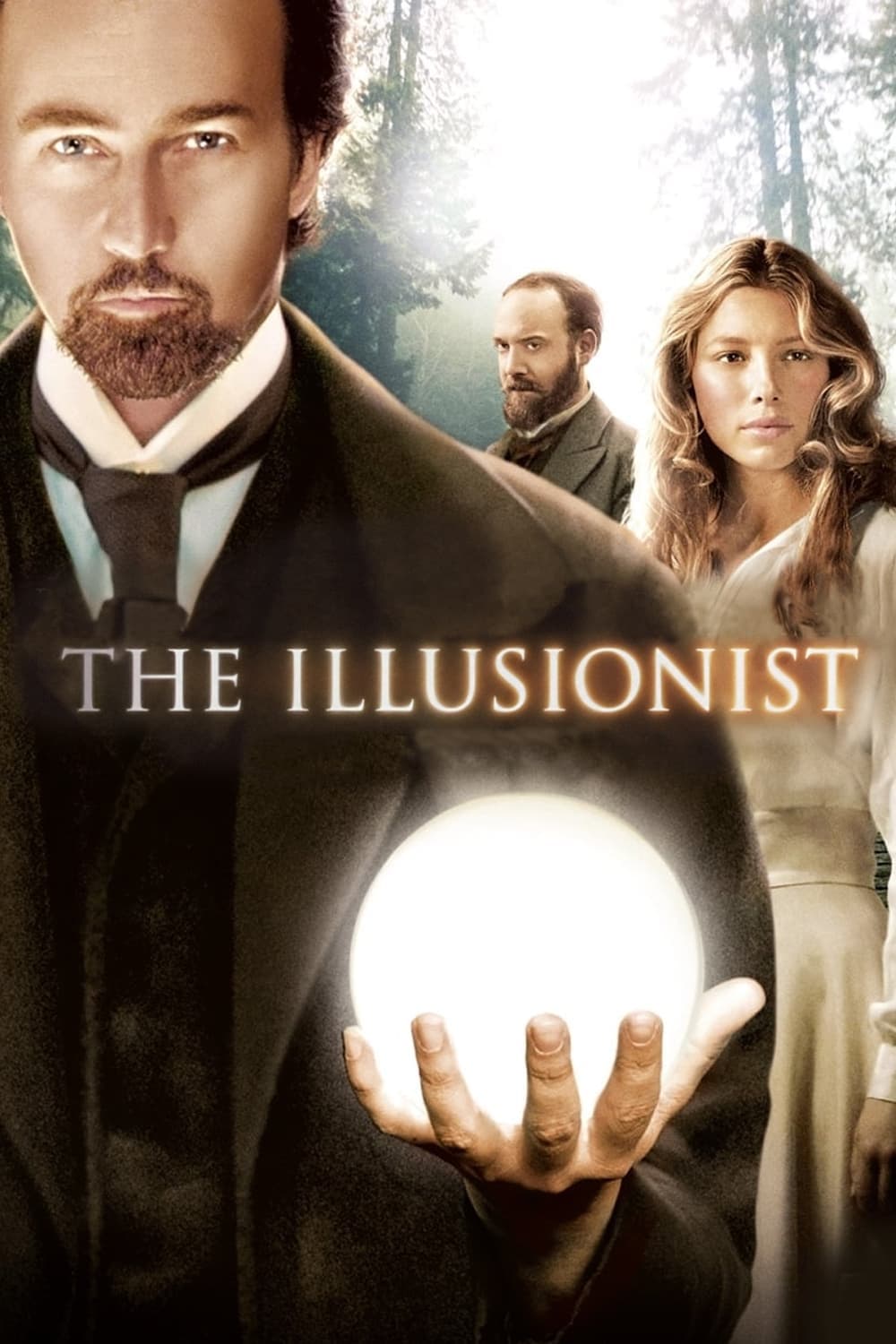
A stage magician returns to Vienna and rekindles a romance while performing feats that confound authorities. Police records, family alliances, and a crown prince’s schedule tighten the net. Performances use mirrors, smoke, and plants to blur what is real. An inspector pieces together footprints, eyewitness accounts, and stagecraft.
‘Knives Out’ (2019)

A renowned author dies in his mansion and a private detective interviews a bickering family. The plot uses phone logs, medical records, and a tricky staircase to build its puzzle. Household objects like knives, trellises, and vials guide key reveals. The house’s rooms and secret passages structure each interrogation.
‘Glass Onion: A Knives Out Mystery’ (2022)

A tech billionaire invites friends to a private Greek island for a murder game that turns serious. Invitations, gift boxes, and puzzle layers set up shifting alliances. The island’s rooms, artwork, and security systems create new misdirections. Flashbacks reframe earlier scenes by revealing how access and timing were staged.
‘See How They Run’ (2022)
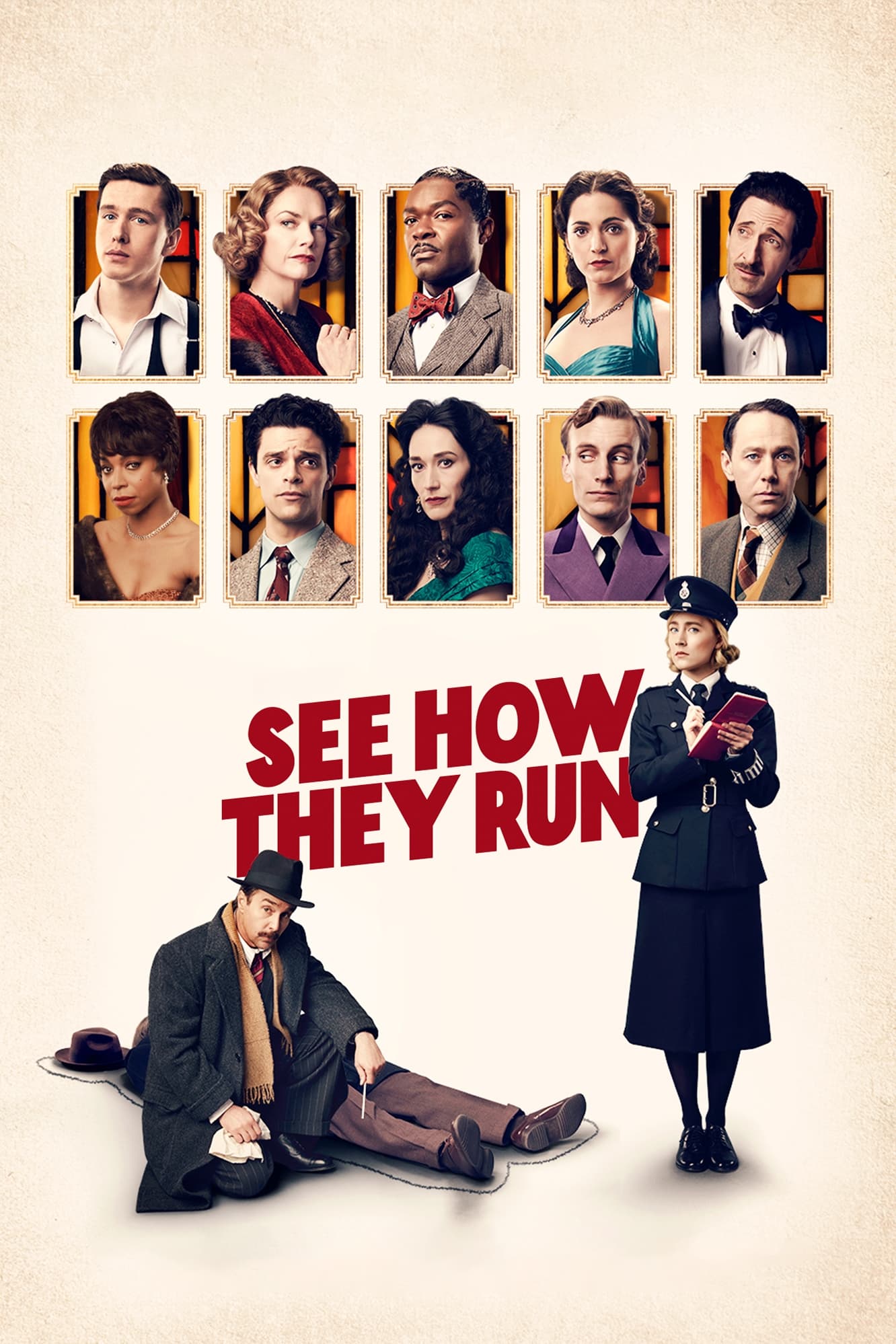
In 1950s London, a murder behind a hit play leads a weary inspector and a keen constable through theaters and pubs. Stage blocking, props, and understudy schedules provide timelines. Contracts and adaptation rights add professional motives. The theater’s backstage corridors make for convenient entrances and exits during the crime.
‘Game Night’ (2018)

A weekly game gathering spirals when a staged kidnapping mixes with a real one. Scorecards, glass tables, and neighborly visits become part of the evidence. The group follows clues through suburban streets, bar trivia nights, and living rooms. A friendly but intense neighbor supplies key information from his front porch and freezer.
‘A Simple Favor’ (2018)

A mommy vlogger looks into her glamorous friend’s sudden disappearance. Insurance policies, school pickups, and old classmates form a trail. Flashbacks uncover identity changes, family history, and financial stress. Wardrobes, photographs, and a lake dock supply the needed confirmations.
‘The Kid Detective’ (2020)

A once celebrated child sleuth now runs a small office and gets a serious case. The investigation uses town maps, school gossip, and old case files. Candy shop owners and former classmates provide leads that loop back to earlier adventures. The tone stays grounded in routine legwork like stakeouts and note taking.
‘Enola Holmes’ (2020)

Sherlock Holmes’s younger sister searches for their missing mother across Victorian London and the countryside. Ciphers, flower codes, and hidden cash guide her movements. Train rides and boarding houses connect scenes as she avoids hired pursuers. Political reform and factory votes give context to the stakes.
‘Searching’ (2018)

A father hunts for his missing daughter using her laptop, social accounts, and video calls. The entire story unfolds across screens, tabs, and message threads. Bank transactions, browser histories, and livestream replays create the clue chain. Timelines are reconstructed from timestamps and geotags.
‘The Hound of the Baskervilles’ (1959)
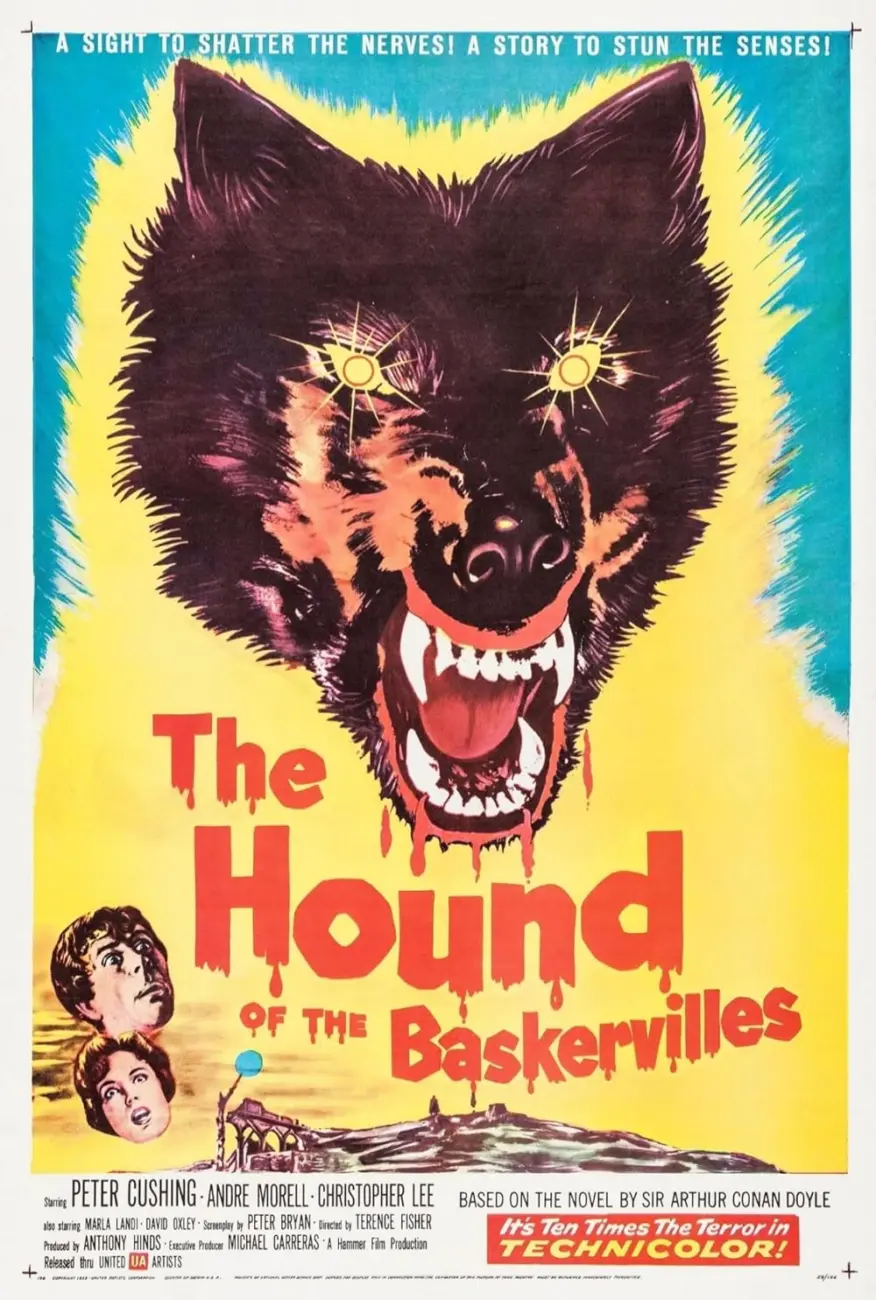
Sherlock Holmes and Dr. Watson travel to the moors to investigate a family curse and a mysterious death. Footprints, ancient legends, and a concealed prisoner complicate the picture. Torches, mire paths, and a ruined abbey shape the search. The case turns on who used the fog and terrain to their advantage.
‘Brick’ (2005)
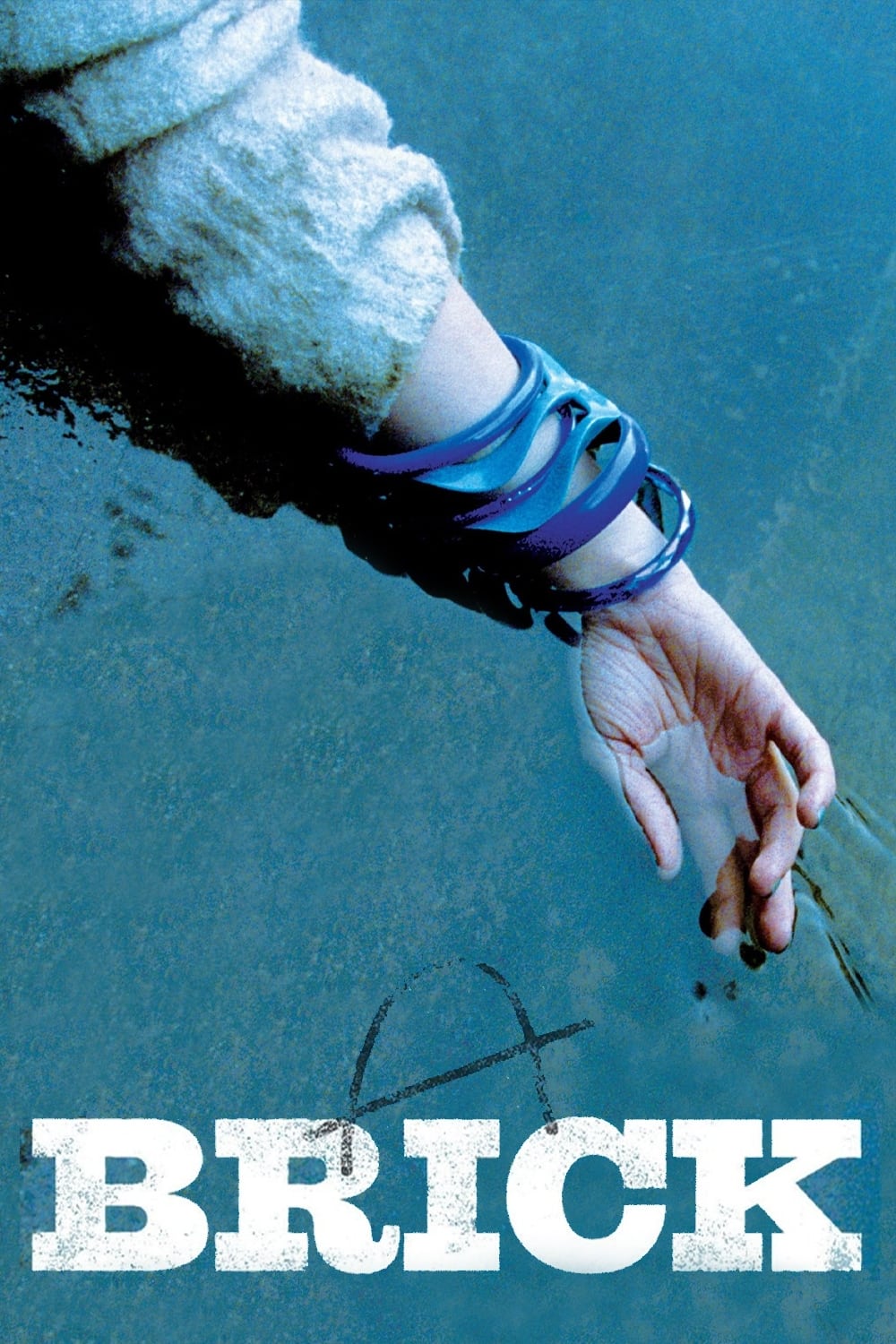
A high school loner probes a classmate’s disappearance using slangy calls, notebooks, and locker routes. The plot maps typical campus spots like parking lots, theaters, and drainage tunnels. He navigates cliques that function like classic noir factions. Phone payoffs and meetups hinge on code words and folded notes.
‘The Nice Guys’ (2016)
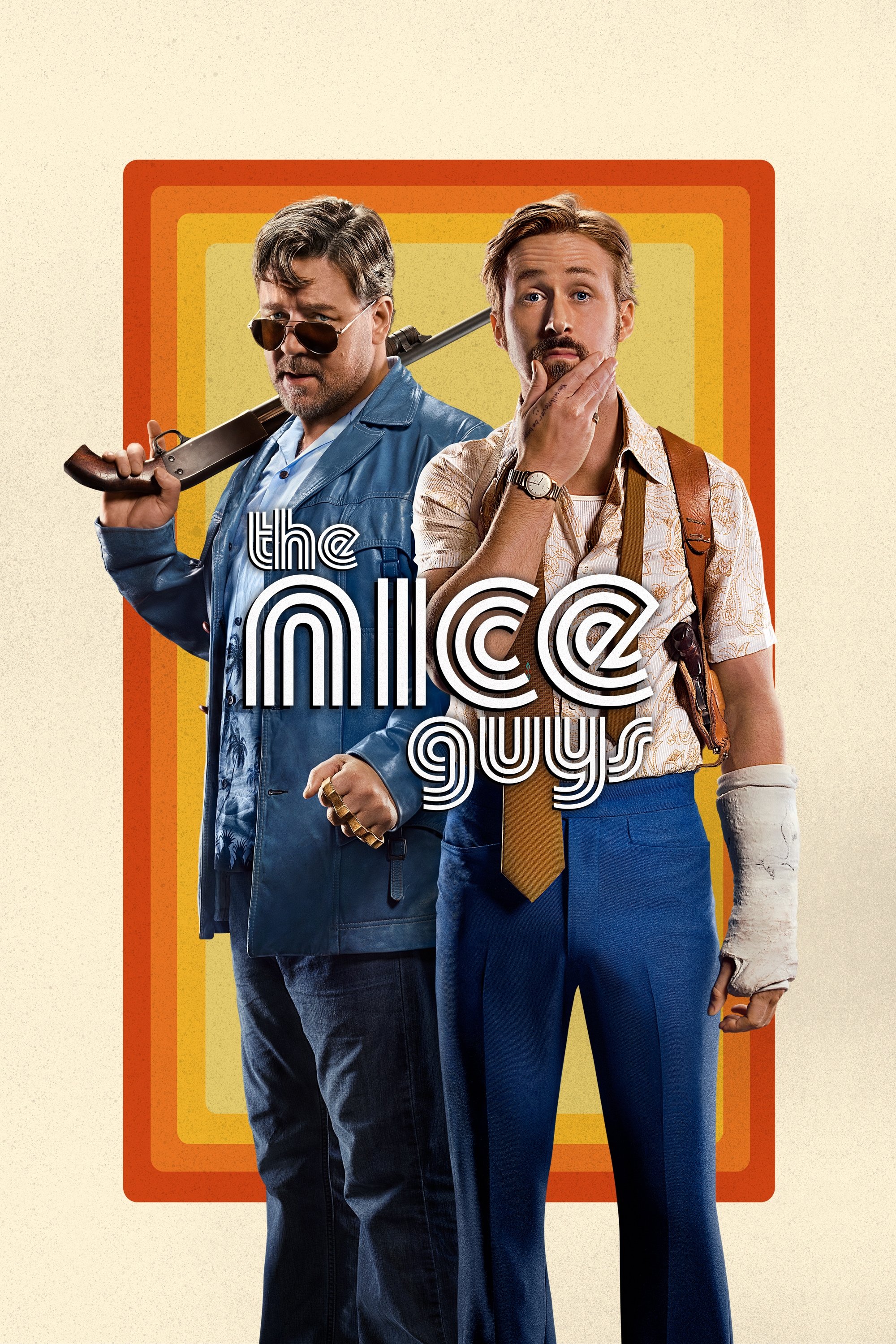
A private eye and an enforcer team up in 1970s Los Angeles to find a missing woman. Parties, car shows, and movie industry offices supply a breadcrumb trail. Witnesses trade information for small favors like rides and introductions. The case ties to pollution hearings and a film that several groups want suppressed.
‘Only Murders in the Building’ (2021– )

Three neighbors start a podcast while investigating deaths inside their Upper West Side apartment building. Building boards, freight elevators, and hallway security cameras provide practical leads. Episodes use floor plans, package deliveries, and pet timelines. Guest stars rotate as suspects whose daily routines overlap in lobbies and laundry rooms.
‘Monk’ (2002–2009)
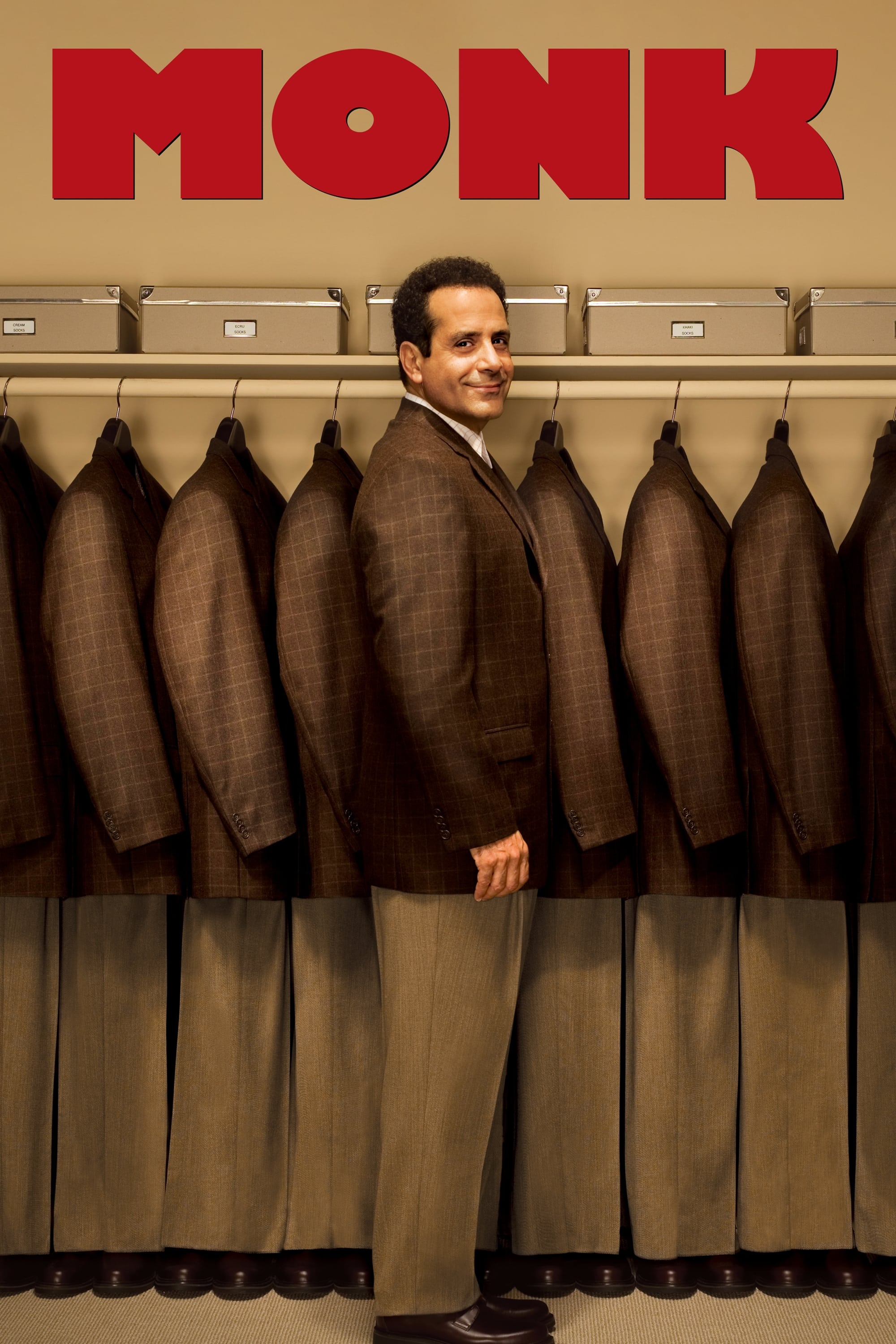
Adrian Monk solves cases while managing obsessive routines that shape his methods. Evidence boards, hand wipes, and precise timekeeping often reveal inconsistencies. The show uses everyday San Francisco locations like parks, ferries, and markets. Assistants help translate patterns that others miss in ordinary scenes.
‘Psych’ (2006–2014)

A sharp observer pretends to be psychic and partners with the police. He picks up on small tells like tan lines, receipts, and food orders. Cases span diners, comic shops, and county fairs that hide useful witnesses. Running gags and flashbacks reinforce how memory aids detection.
‘Columbo’ (1971–2003)
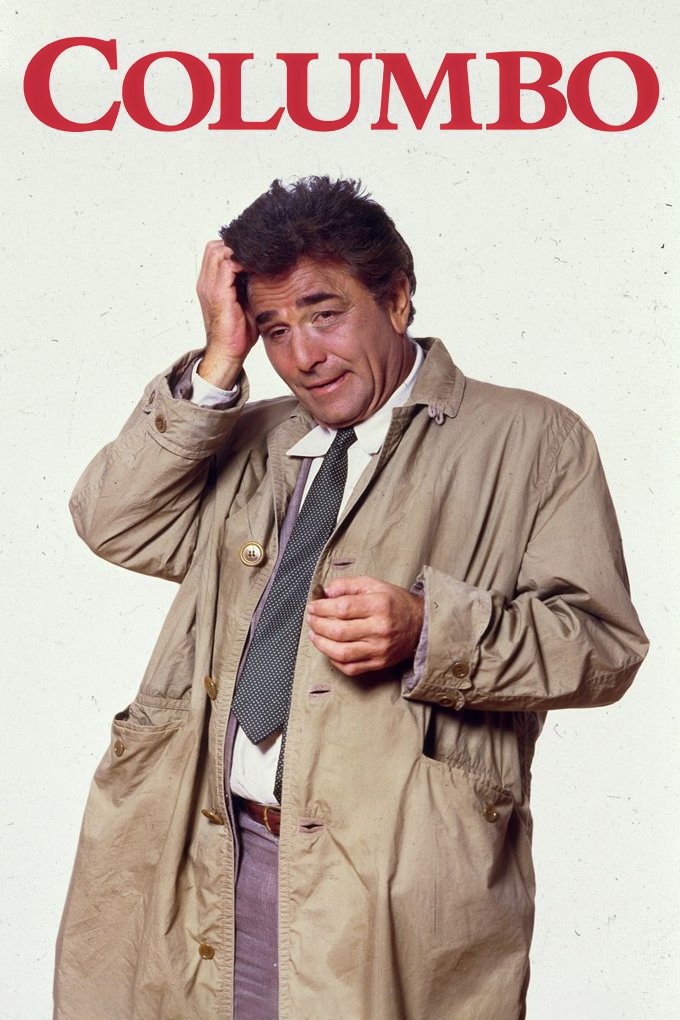
Each case shows the culprit first, then follows Lieutenant Columbo as he dismantles their plan. He uses casual conversation to gather details like cigar ash and car mileage. Country clubs, studios, and mansions offer routine settings for his return visits. The crux is often a small contradiction the killer overlooked.
‘Sherlock’ (2010–2017)
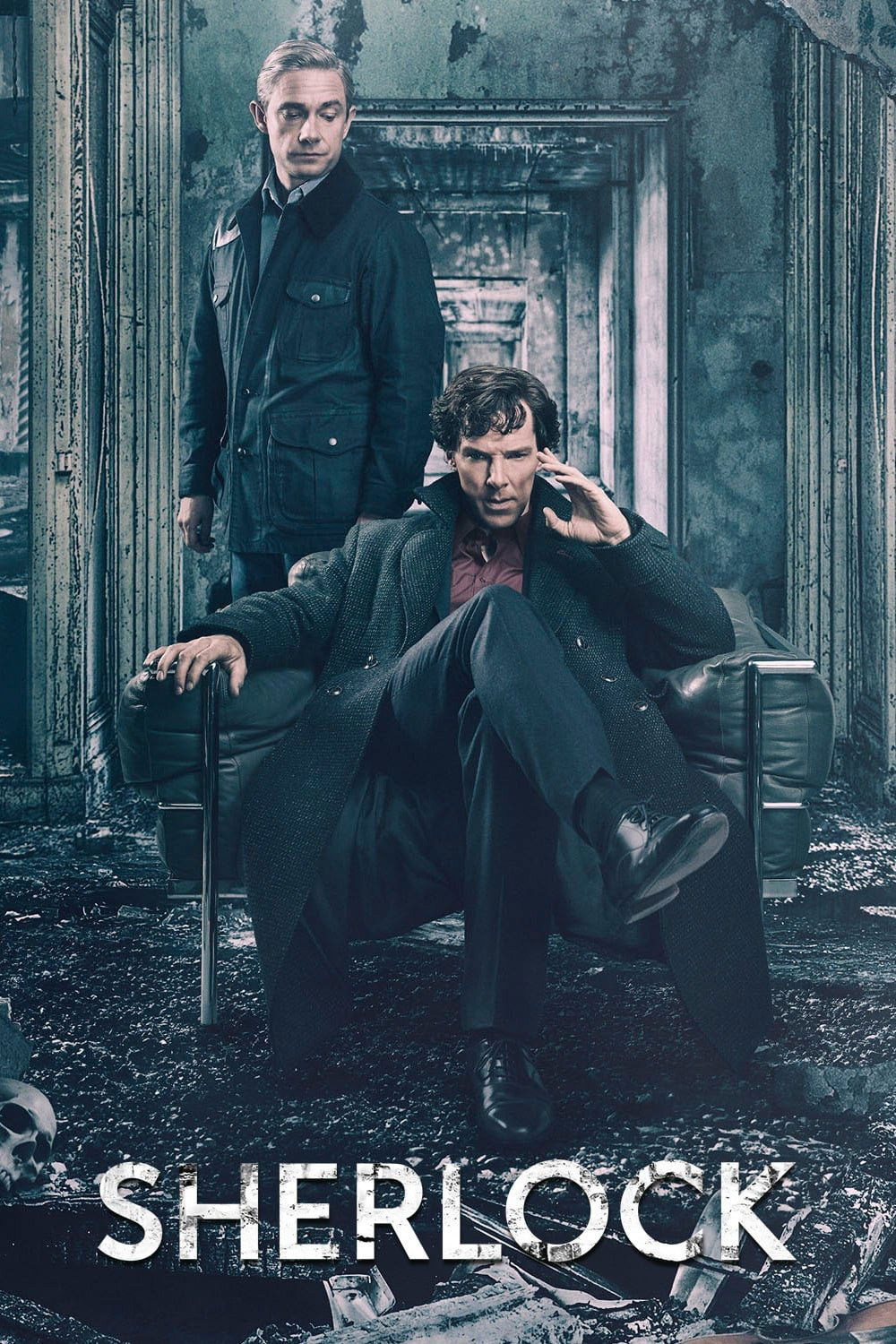
Modern updates place Holmes and Watson in London with text overlays and fast deductions. Phone data, GPS traces, and crime scene photos feed rapid inferences. Episodes remix classic stories using cab rides, abandoned flats, and coded messages. The friendship anchors a series of puzzles solved with sharp observation.
‘Agatha Christie’s Poirot’ (1989–2013)
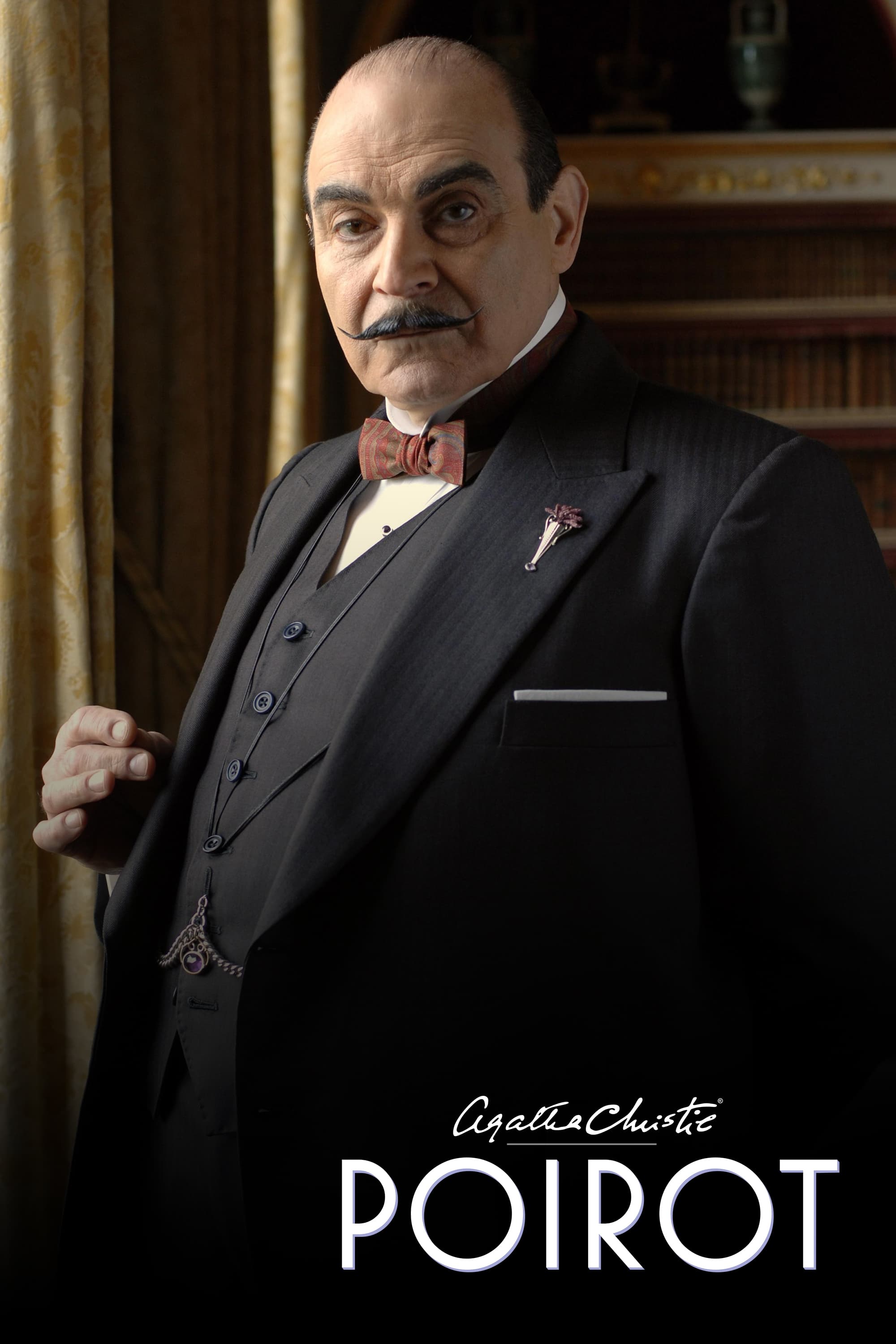
David Suchet’s Poirot tackles cases across trains, hotels, and seaside resorts. Timetables, monogrammed items, and inheritance documents recur as clues. The series carefully reconstructs alibis using bellhop logs and breakfast trays. Each case ends with a drawing room explanation that walks through motives and methods.
‘Agatha Christie’s Marple’ (2004–2013)

Miss Marple applies village wisdom to crimes among friends and visitors. Garden clubs, church fêtes, and guesthouses supply suspect pools. Letters, wills, and family gossip reveal hidden connections. The show often turns on how people behave when they think no one is watching.
‘Midsomer Murders’ (1997– )
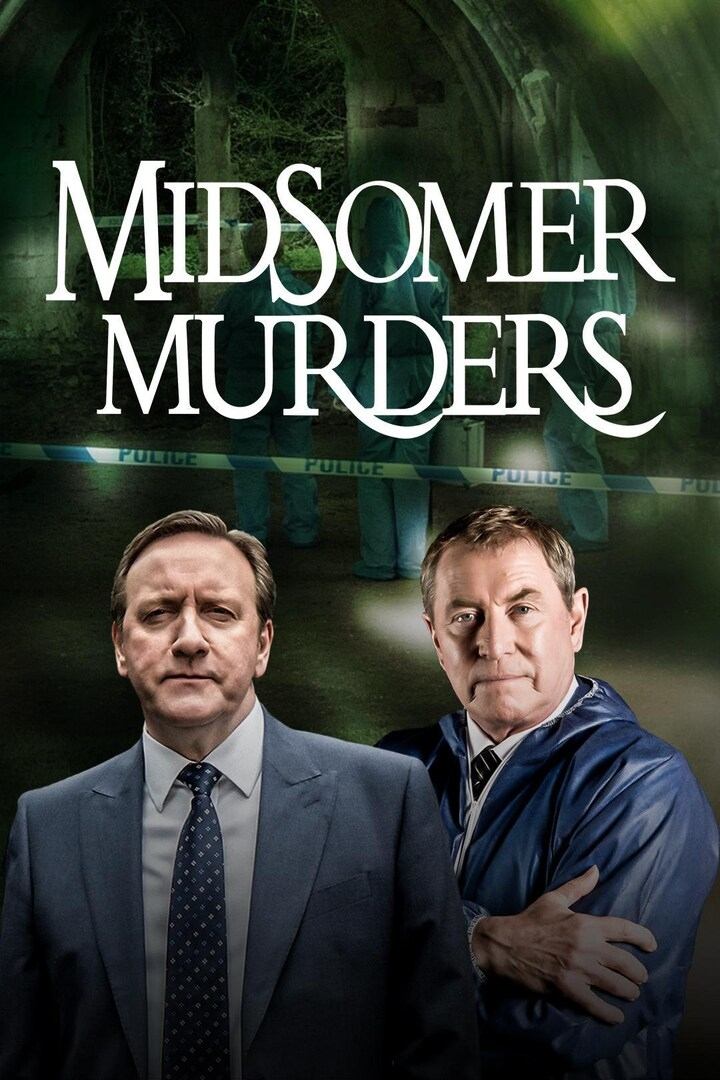
A rural county sees intricate crimes that draw on local traditions and societies. Detectives canvas pubs, antique shops, and parish halls for patterns. Maps of footpaths and festival schedules often matter. Long running characters maintain continuity as new villages come into focus.
‘Father Brown’ (2013– )
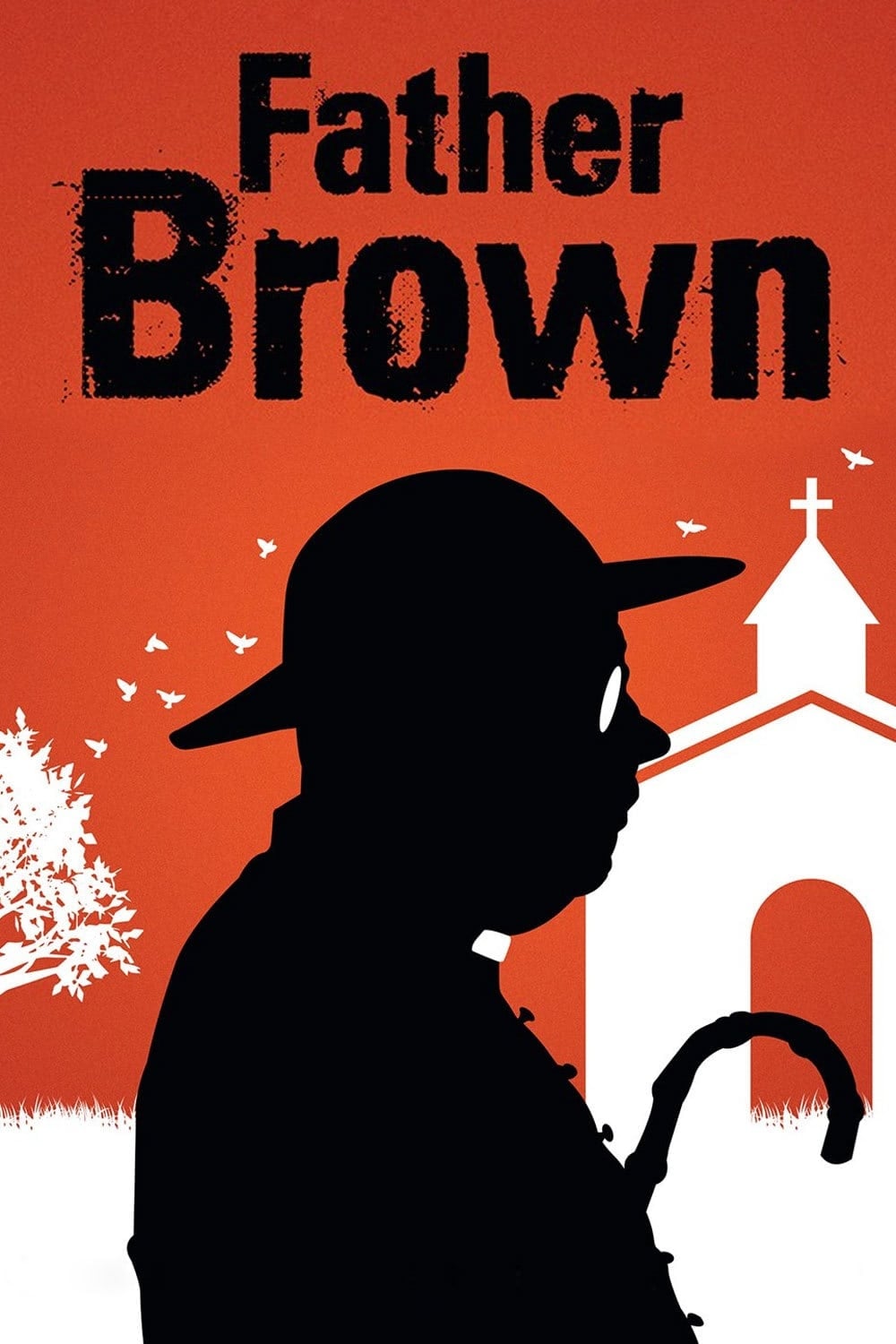
A priest in the Cotswolds uses empathy and parish access to solve mid century mysteries. Confessionals, village greens, and manor houses frame interviews. Missing artifacts and family secrets tie many cases together. The bicycle, the rectory, and the church hall become recurring hubs of activity.
‘Grantchester’ (2014– )
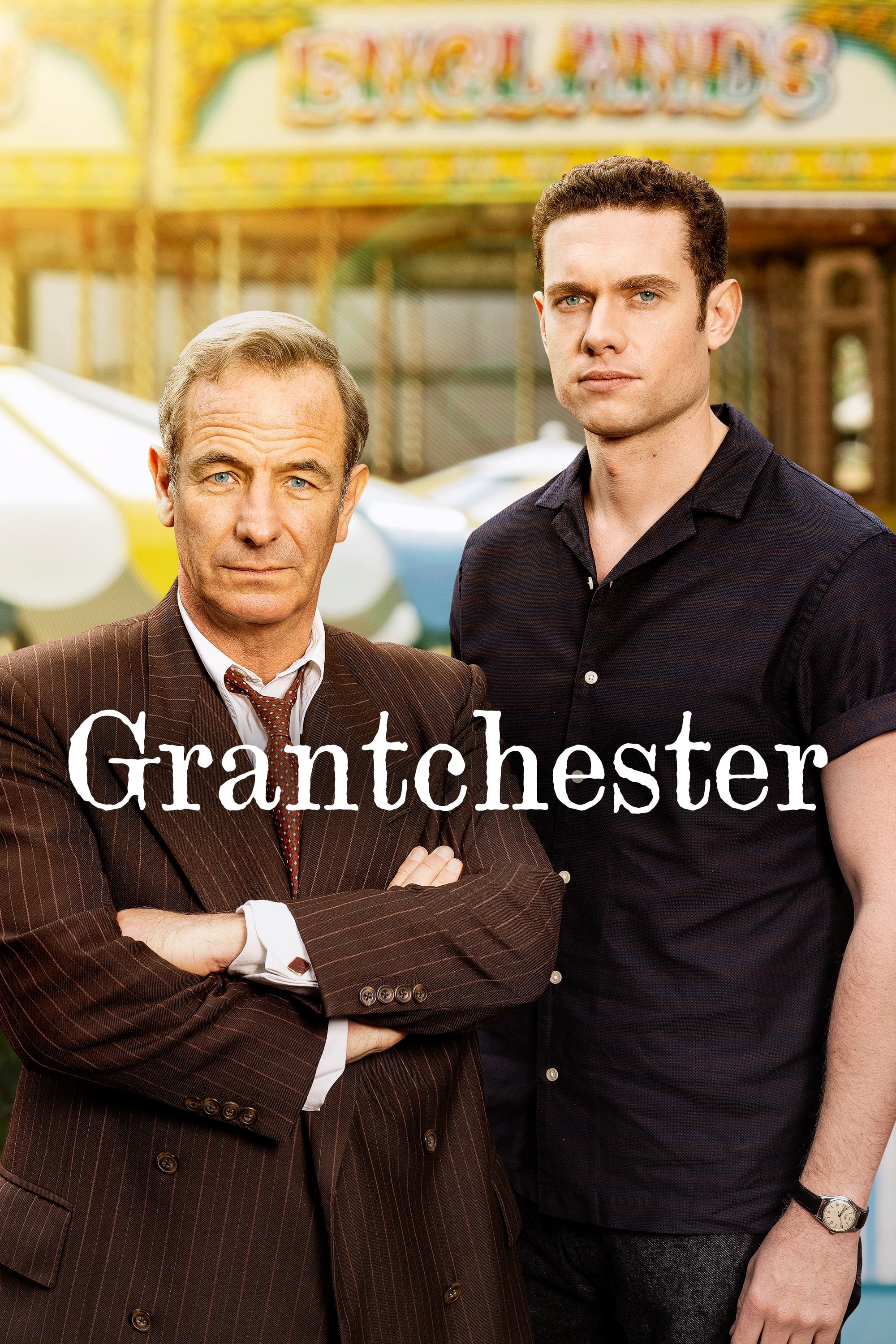
A vicar and a detective partner in a Cambridgeshire village during the 1950s and 1960s. Jazz clubs, cricket grounds, and local farms add period detail. Moral dilemmas sit alongside forensics like fingerprints and fibers. Cases often pivot on who attended tea, sermons, or charity events.
‘Miss Fisher’s Murder Mysteries’ (2012–2015)
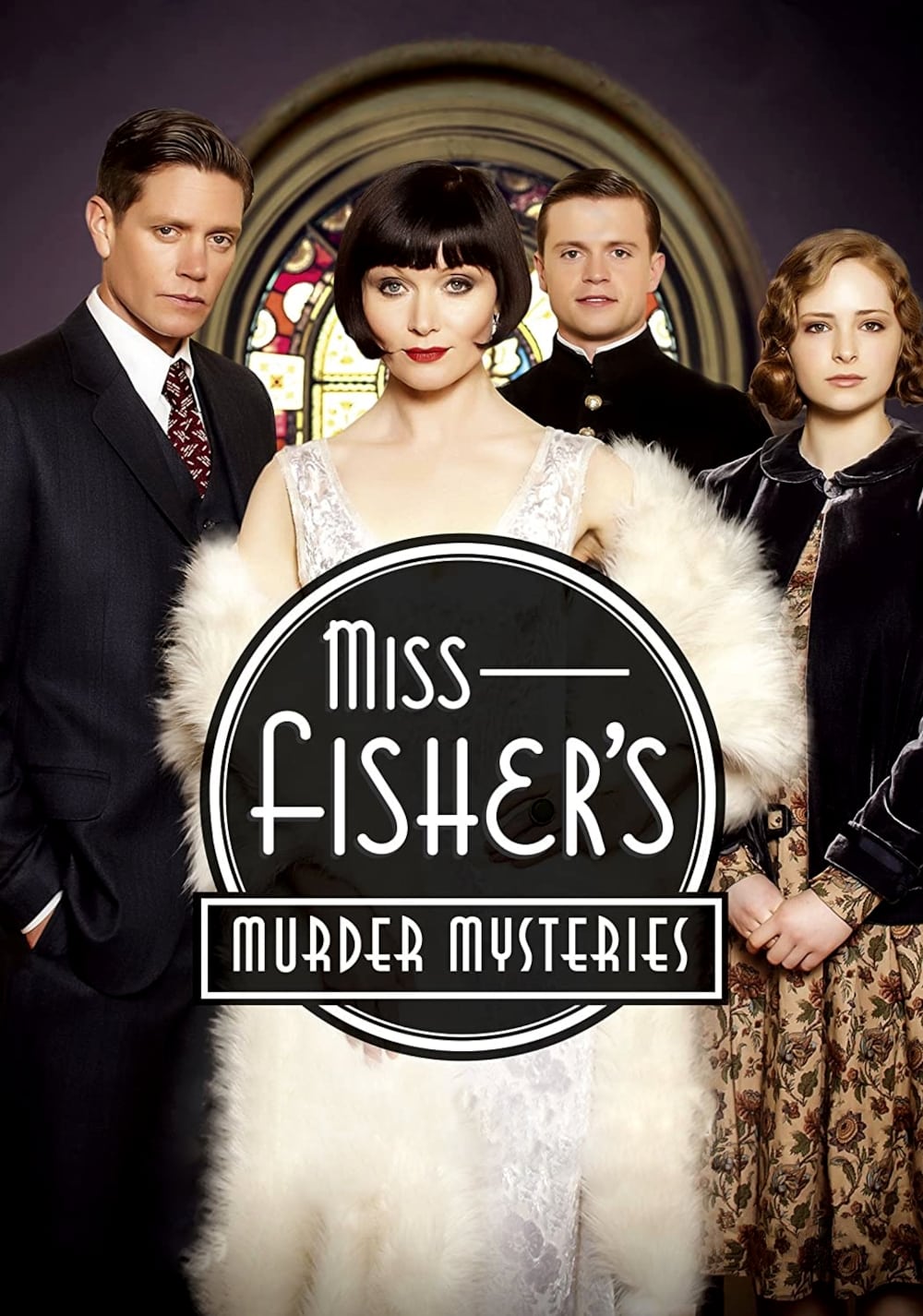
In 1920s Melbourne, Phryne Fisher investigates with a gold pistol, a fast car, and a sharp wardrobe. Cases span music halls, docks, and department stores. Evidence includes dance cards, telegrams, and society columns. Household staff and police allies help piece together timelines.
‘The Night Manager’ (2016)

A hotel night manager infiltrates an arms dealer’s circle using his professional discretion and access. Passports, shell companies, and private villas create a network to penetrate. Intelligence handlers coordinate safe houses and cover jobs. The adaptation moves through European and Middle Eastern locations tied to shipping routes.
‘The Afterparty’ (2022– )

A reunion murder gets retold each episode through a different guest’s genre lens. Texts, party photos, and ride share logs reconstruct the night. Security cameras and backyard props refine the timeline. The season format allows a full case per gathering with fresh perspectives.
‘The Brokenwood Mysteries’ (2014– )
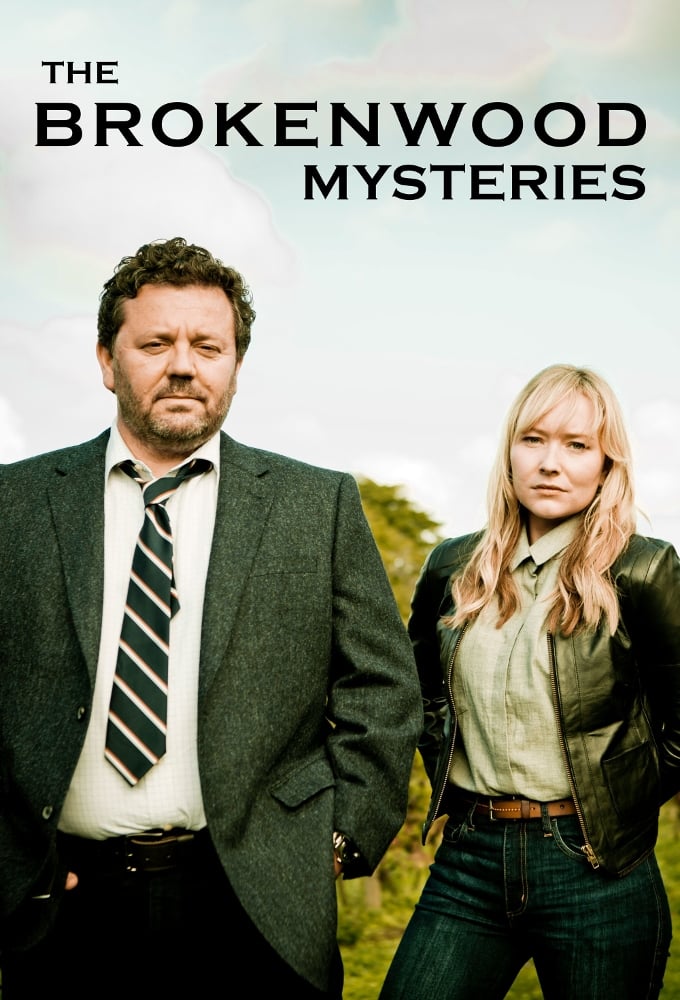
Detectives in a New Zealand town work cases centered on vineyards, clubs, and community events. Country roads, local radio, and family businesses provide leads. Forensics mix with straightforward interviewing and map work. Episodes highlight how small towns hold long memories that solve present day crimes.
Share your favorite cozy thriller picks in the comments so everyone can add a few more rainy night watches to their list.

