


Critically Hated Movies That Are Now Considered Classics

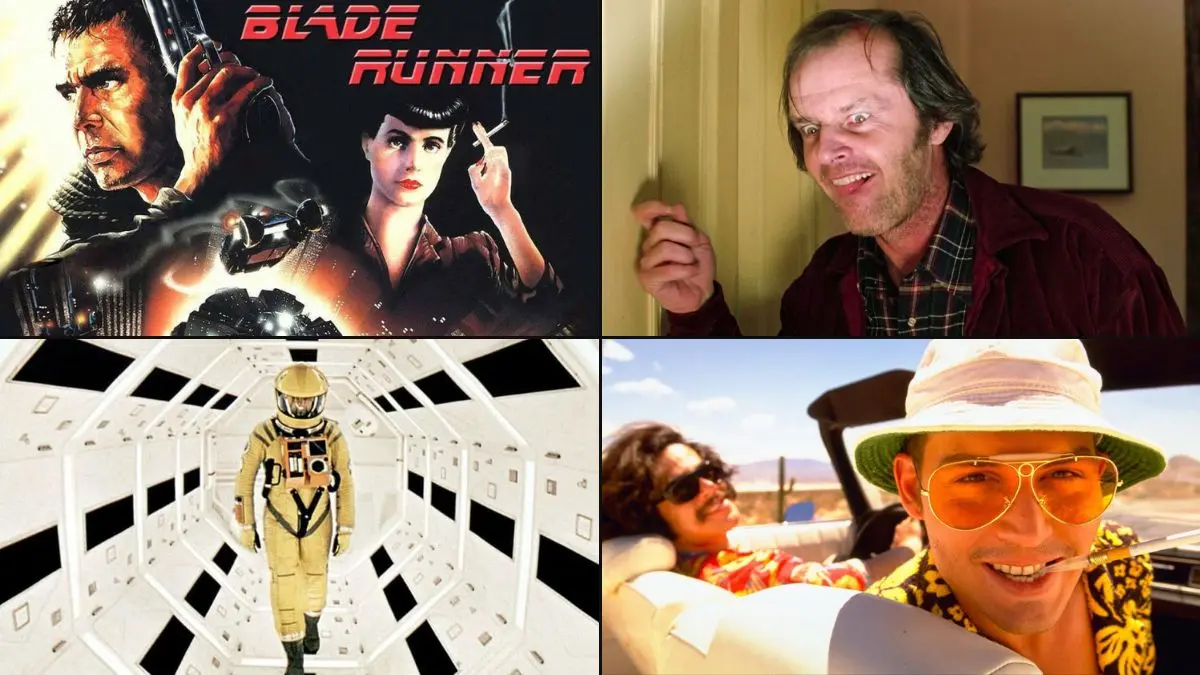


Some movies are not liked by critics when they first come out. They get bad reviews and might not make a lot of money at the box office. This can happen for many reasons. Maybe the movie was too different for its time, or the story was unusual.
Over the years, people’s opinions can change. A movie that was once hated can find a new audience. Viewers might see the film in a new way and appreciate its unique qualities. These movies often become “cult classics” or are later seen as masterpieces that were simply misunderstood at first.
Blade Runner (1982)
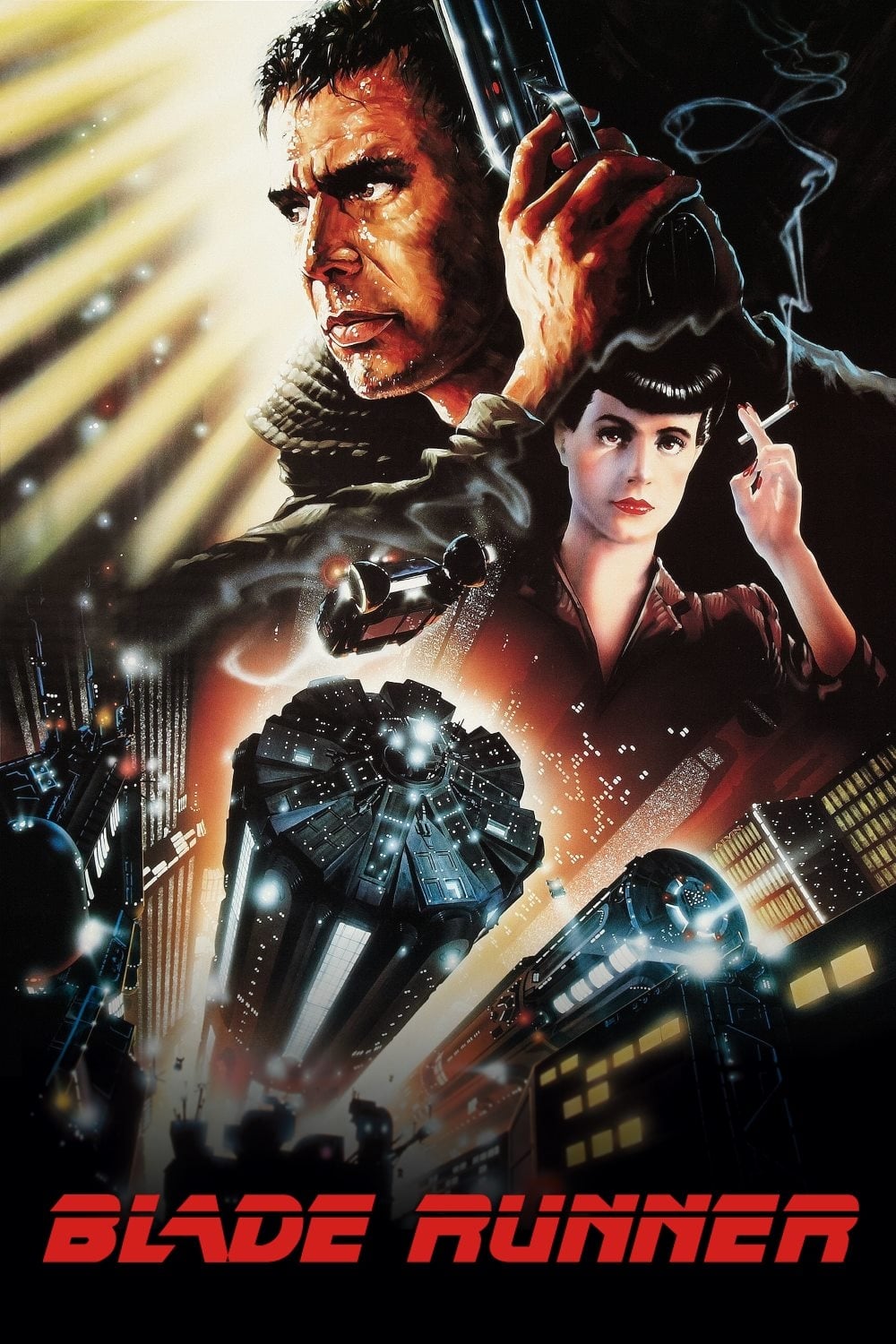
When Blade Runner was released, many critics did not like it. They found the story to be slow and the characters to be underdeveloped. The movie’s dark and rainy vision of the future was also not what audiences were used to in science fiction films. As a result, the movie did not perform well at the box office in the United States.
However, the film found a new life on home video. Over time, people began to appreciate its stunning visuals and complex themes. Today, Blade Runner is considered a science fiction masterpiece. Its influence can be seen in many later films, and it is praised for its deep questions about what it means to be human.
The Thing (1982)
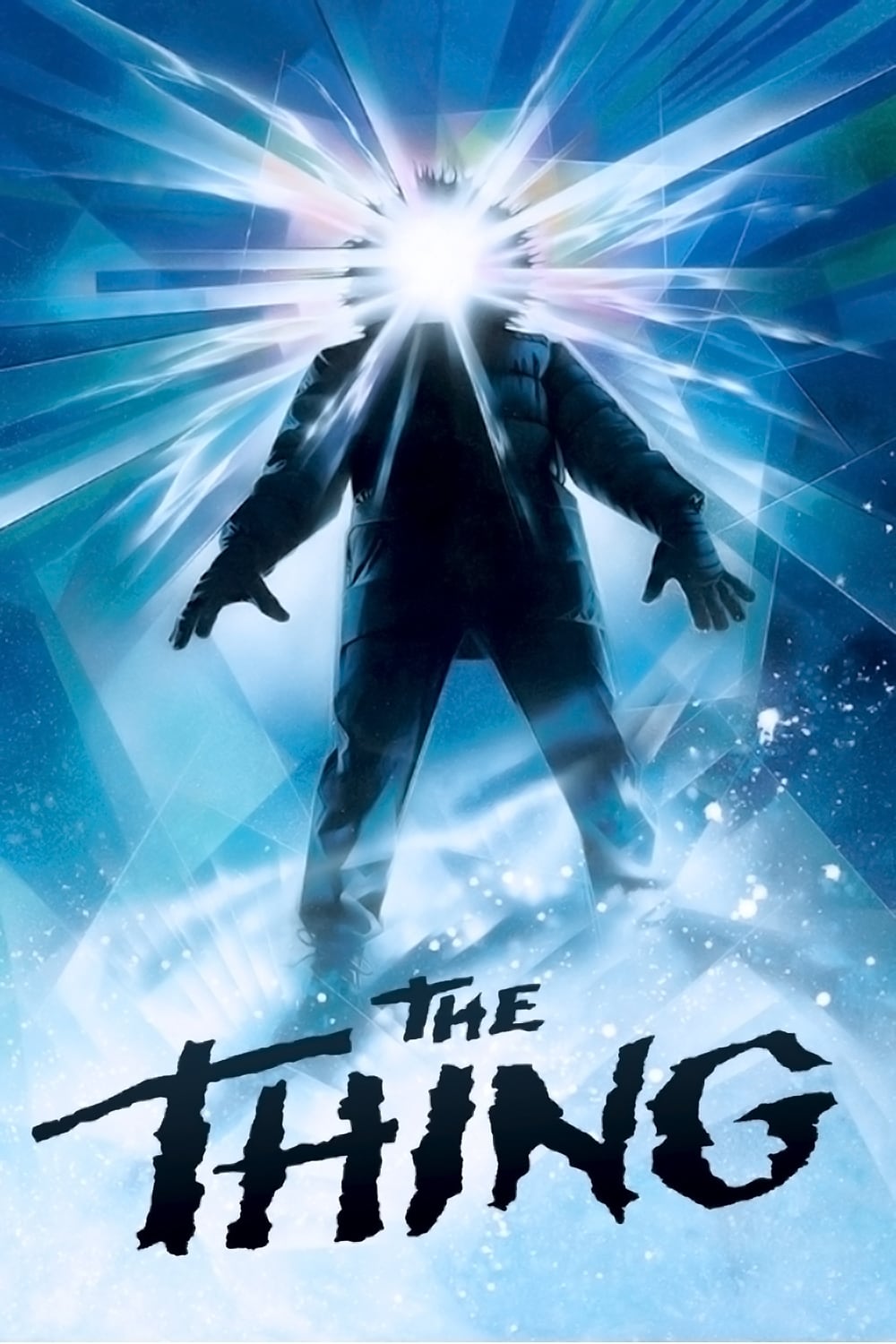
Upon its release, John Carpenter’s The Thing was met with strong negative reviews. Critics called the movie “instant junk” and criticized its gory special effects. The film’s nihilistic and tense tone was also a point of criticism, and it was a commercial failure.
Decades later, The Thing is now hailed as a classic of the horror genre. Its practical effects are celebrated for their creativity and effectiveness. The film is praised for its suspenseful atmosphere and its exploration of paranoia and mistrust. It has gained a large cult following and is considered one of the best horror movies ever made.
Fight Club (1999)

Fight Club was one of the most polarizing films of 1999. Many critics condemned the movie for what they saw as a promotion of violence and toxic masculinity. The film’s controversial themes and brutal scenes led to a divided reception, and it underperformed at the box office.
Despite the initial backlash, Fight Club became a massive success on DVD. It found a large audience with younger viewers who connected with its anti-consumerist message. The film is now considered a cult classic and a brilliant social satire. Its unique visual style and thought-provoking ideas have made it a landmark film of the 1990s.
The Shining (1980)
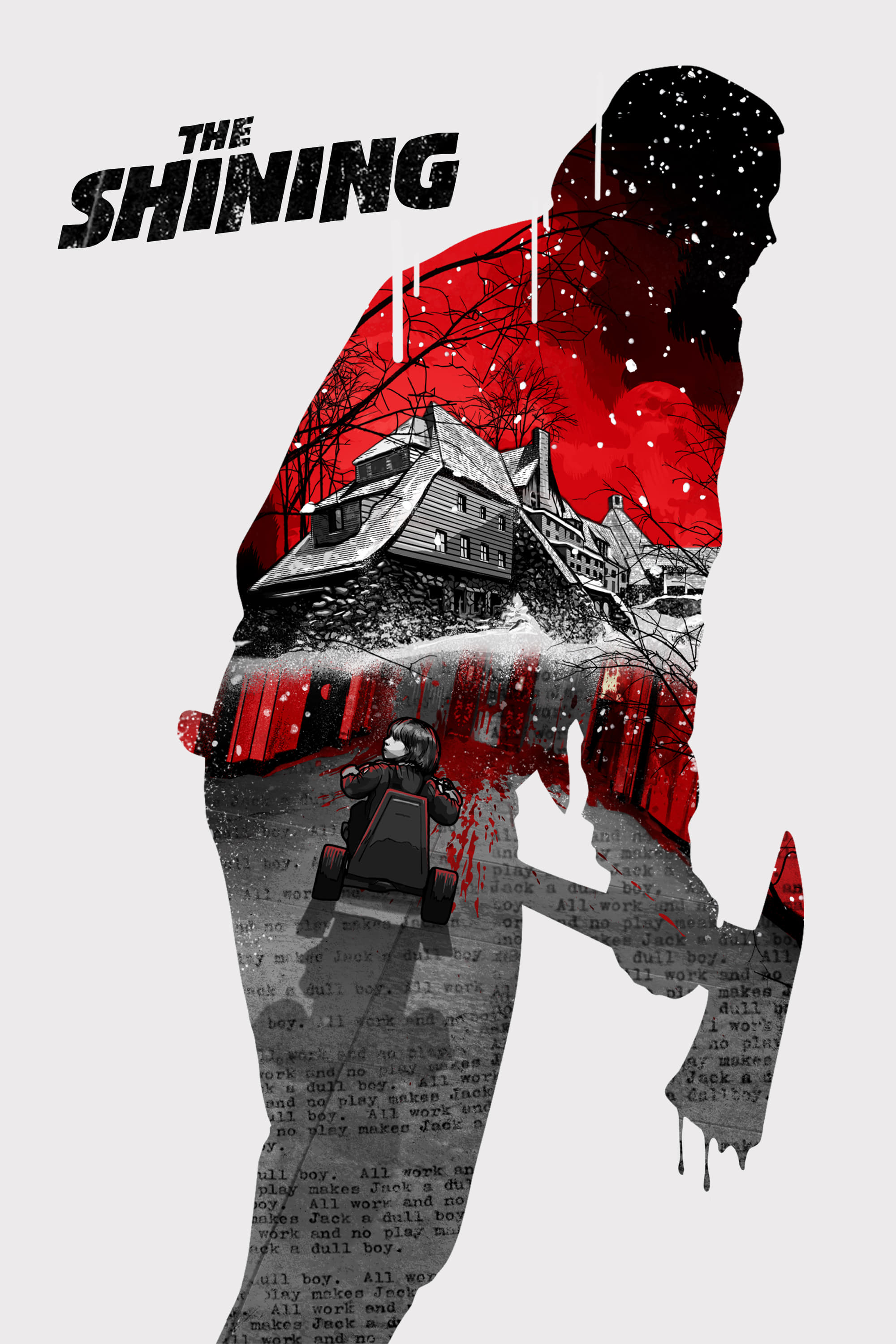
Stanley Kubrick’s adaptation of Stephen King’s novel The Shining was not universally praised when it was released. Critics were divided, with some finding the film to be cold and slow. Even Stephen King himself famously disliked the movie for its changes from his book. The film also received two Razzie Award nominations, including one for Kubrick as worst director.
Over time, opinions on The Shining have shifted dramatically. It is now widely regarded as one of the greatest horror films ever made. The movie’s unsettling atmosphere, iconic imagery, and masterful direction are now celebrated. It is the subject of numerous interpretations and has had a profound impact on popular culture.
Psycho (1960)
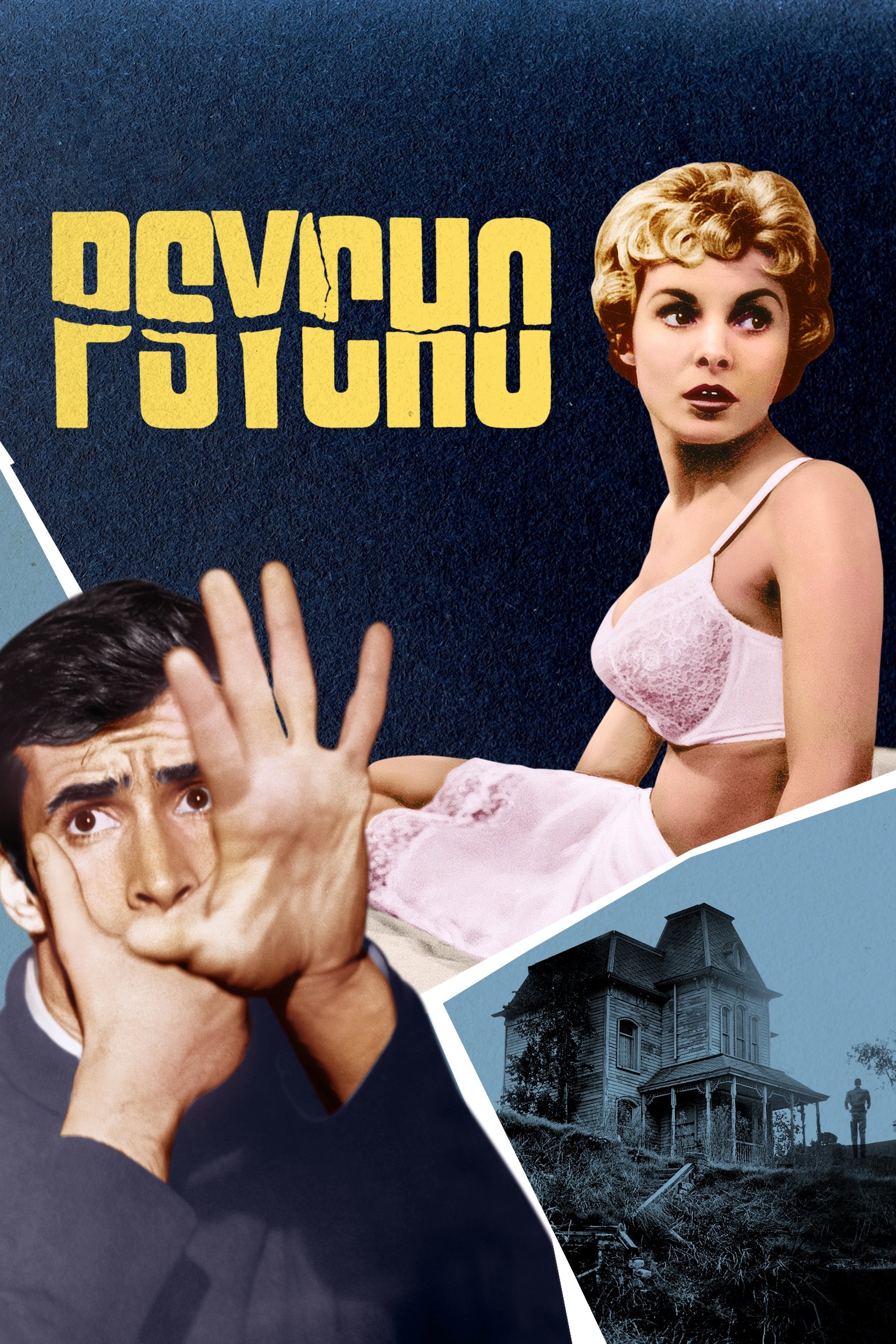
Alfred Hitchcock’s Psycho is now seen as a revolutionary film, but it was not an immediate critical darling. Some reviewers at the time were critical of the movie’s violence and disturbing subject matter. They found it to be a shocking and morbid departure from Hitchcock’s previous work.
However, audiences were thrilled by the film’s suspense and shocking twists. Psycho became a massive commercial success and changed the horror genre forever. Today, it is praised as a masterpiece of suspense and a landmark in cinema history. The shower scene in particular is one of the most famous and studied scenes in all of film.
2001: A Space Odyssey (1968)
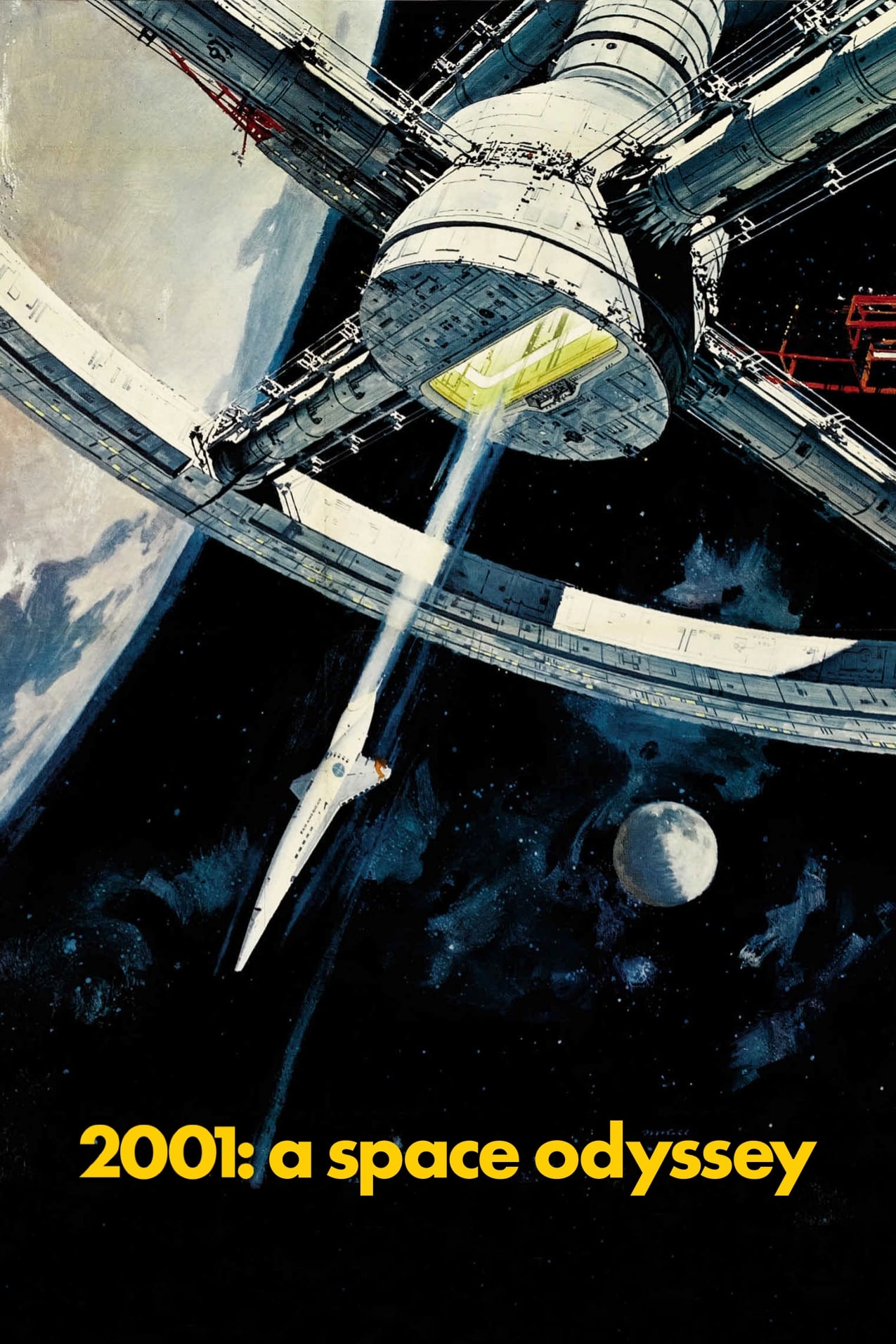
When Stanley Kubrick’s 2001: A Space Odyssey premiered, it left many critics and audiences confused. The film’s slow pace, lack of dialogue, and abstract story were unlike anything seen before. Some reviewers dismissed it as “a shaggy God story” and found it to be boring and pretentious.
As time went on, the film’s reputation grew immensely. It is now considered a landmark achievement in filmmaking and one of the greatest science fiction movies ever made. Its groundbreaking special effects, ambitious scope, and philosophical themes have been highly influential. 2001 is celebrated for pushing the boundaries of what cinema could be.
Vertigo (1958)
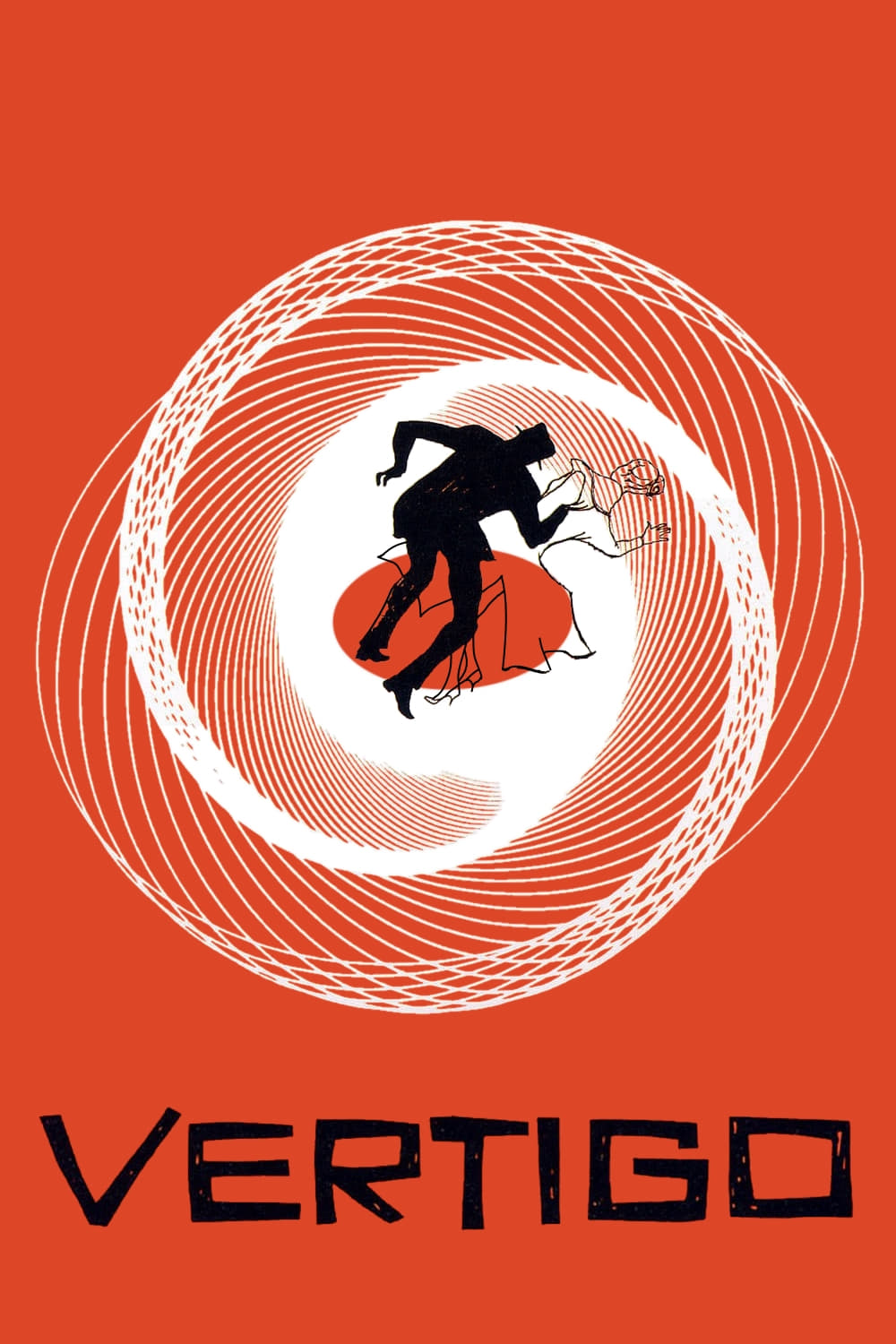
Alfred Hitchcock’s Vertigo was met with mixed reviews upon its initial release. Critics found the plot to be too slow and convoluted. The film was also a commercial disappointment, and for many years it was not as highly regarded as Hitchcock’s other works from the same period.
After being out of circulation for many years, Vertigo was re-released in the 1980s and underwent a major critical re-evaluation. It is now considered by many to be Hitchcock’s masterpiece and one of the greatest films ever made. Its complex psychological themes and stunning visuals are now praised, and in 2012 it replaced Citizen Kane as the best film of all time in the Sight & Sound critics’ poll.
It’s a Wonderful Life (1946)
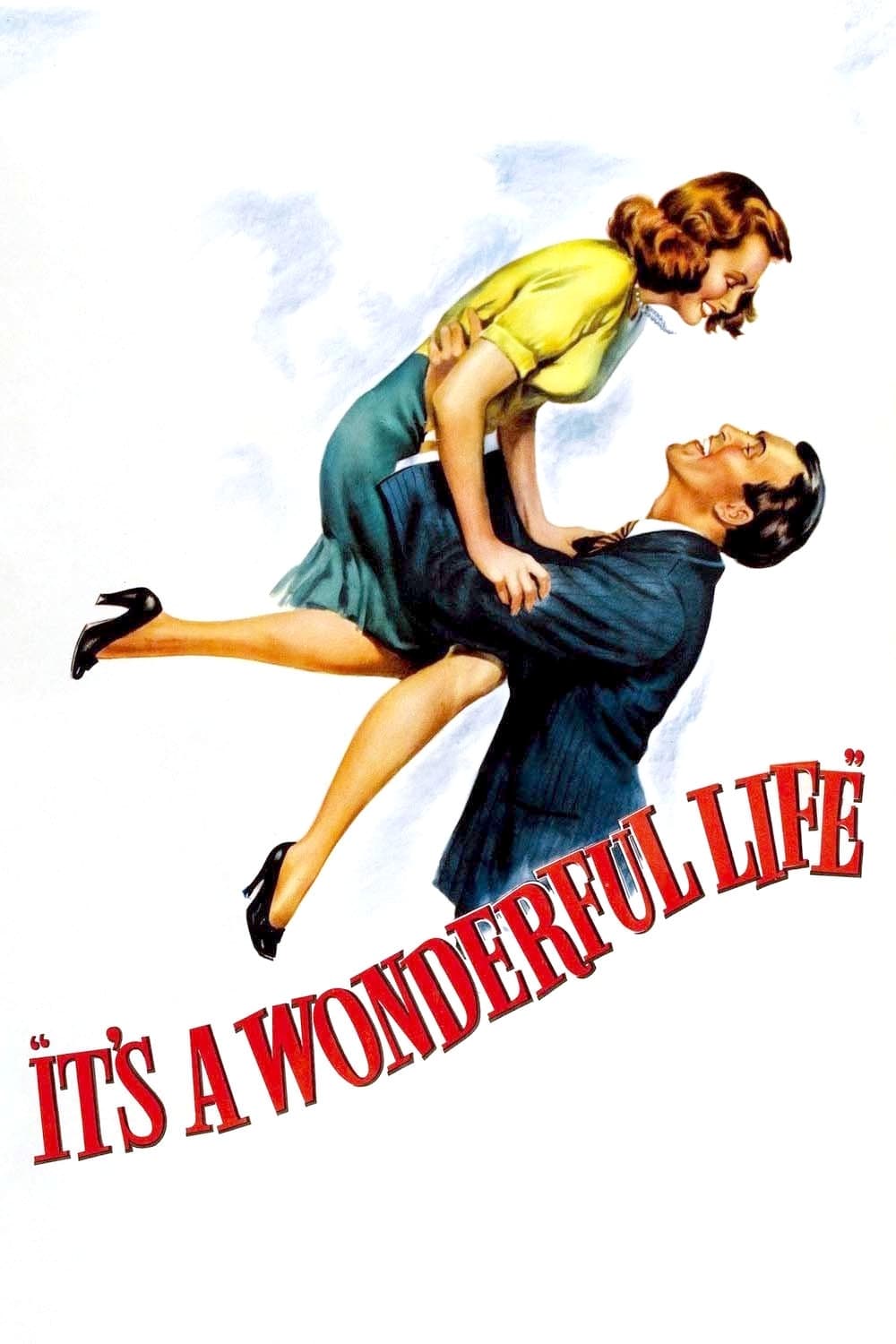
Frank Capra’s It’s a Wonderful Life is now a beloved Christmas classic, but it was not a big hit when it was first released. The film received mixed reviews and failed to make a profit at the box office. Some critics found the movie to be overly sentimental and simplistic.
The film fell into the public domain in the 1970s, which meant that television stations could air it without paying royalties. As a result, it was shown frequently on TV, especially during the holiday season. This constant exposure allowed the film to find a new, massive audience who fell in love with its heartwarming story. Today, it is considered a timeless classic and a staple of Christmas viewing.
The Big Lebowski (1998)
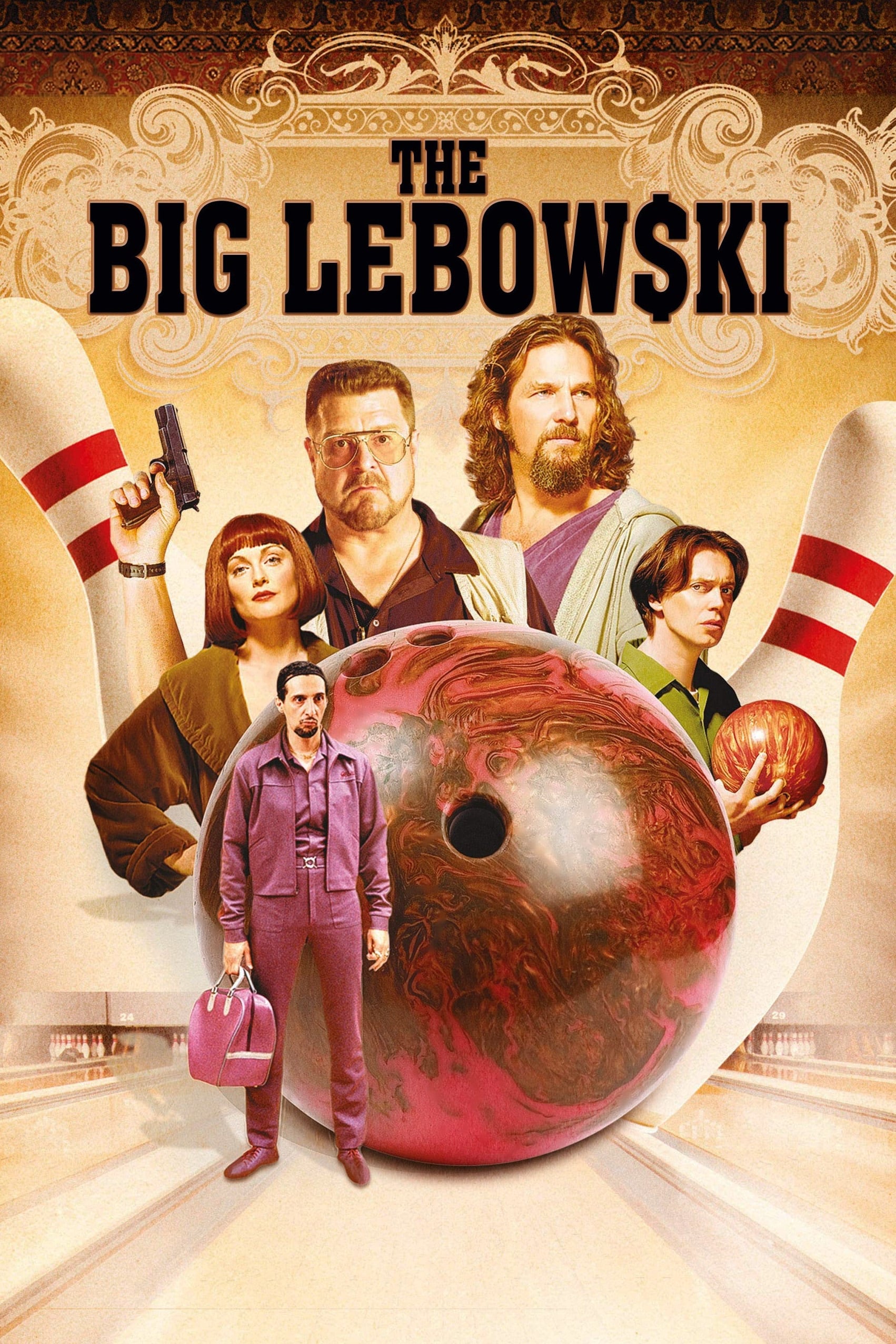
When the Coen Brothers’ The Big Lebowski was released, it confused many critics. They were unsure what to make of its rambling plot and quirky characters. While some praised the film’s humor and unique style, others dismissed it as a pointless and messy follow-up to the Coens’ Oscar-winning film Fargo.
Over the years, The Big Lebowski has become a cultural phenomenon. The film has gained a massive cult following, with fans celebrating its memorable dialogue and lovable characters. The main character, “The Dude,” has become a pop culture icon. There are now annual festivals dedicated to the film, and it is considered a comedy classic.
Fear and Loathing in Las Vegas (1998)
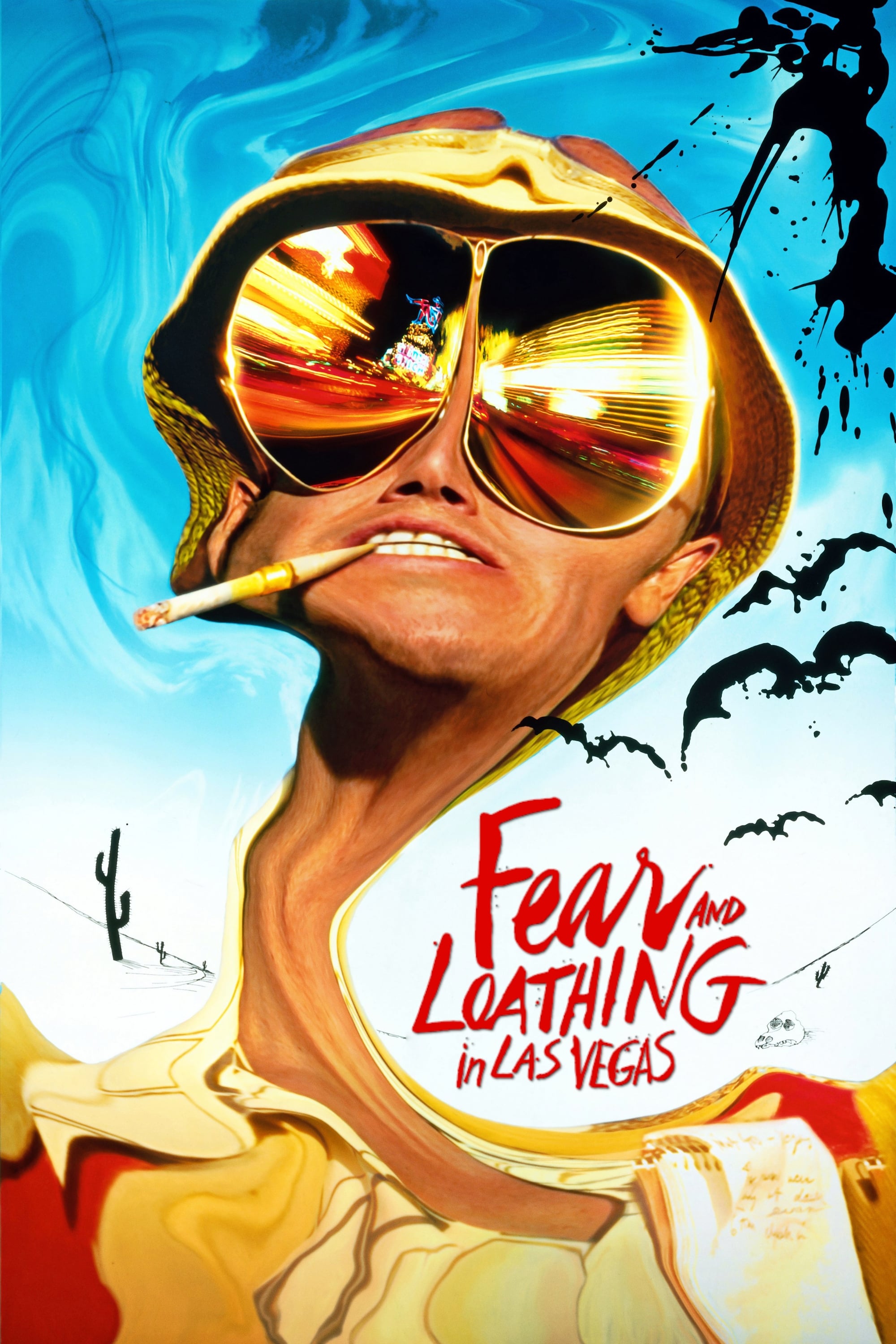
Terry Gilliam’s adaptation of Hunter S. Thompson’s novel Fear and Loathing in Las Vegas was a critical and commercial failure upon its release. Many critics found the film to be an incoherent and indulgent mess. They criticized its chaotic narrative and relentless weirdness, and the film bombed at the box office.
Despite its initial reception, the film found a second life on DVD. It has since become a beloved cult classic, praised for its unique visual style and its faithful capturing of the spirit of Thompson’s book. The performances of Johnny Depp and Benicio del Toro are now considered iconic. For many, the film is a wild and brilliant cinematic trip.
Scarface (1983)

Brian De Palma’s Scarface was met with largely negative reviews when it was released. Critics attacked the film for its extreme violence, constant profanity, and graphic drug use. Some Cuban expatriates in Miami also objected to the film’s portrayal of Cubans as criminals.
Over time, critics have re-evaluated the film, and it is now considered by many to be one of the greatest gangster films ever made. It has become a cult classic and a major influence on pop culture, especially in hip-hop music and video games. Al Pacino’s performance as Tony Montana is now seen as iconic.
Halloween (1978)

While now considered a horror masterpiece, John Carpenter’s Halloween was not an immediate hit with all critics. Some reviewers at the time were unimpressed, dismissing it as just another exploitation film. The movie was made on a small budget and didn’t have the backing of a major studio.
However, audiences were terrified and thrilled by the film’s relentless suspense and the iconic villain, Michael Myers. Word-of-mouth made it a massive commercial success. Today, Halloween is credited with popularizing the slasher genre and is praised for its masterful direction, suspenseful score, and for setting a new standard for horror films.
Office Space (1999)

Mike Judge’s Office Space was not a success when it was released in theaters. It received mixed reviews and failed to find a large audience, becoming a box office disappointment. Critics were not sure what to make of its dry, subtle humor about the misery of corporate life.
The movie’s fortunes turned around completely thanks to home video and cable television. Viewers who had experienced the frustrations of cubicle life connected deeply with the film’s characters and situations. It has since become a massive cult classic, with its jokes and characters becoming a part of everyday office culture.
Heathers (1989)
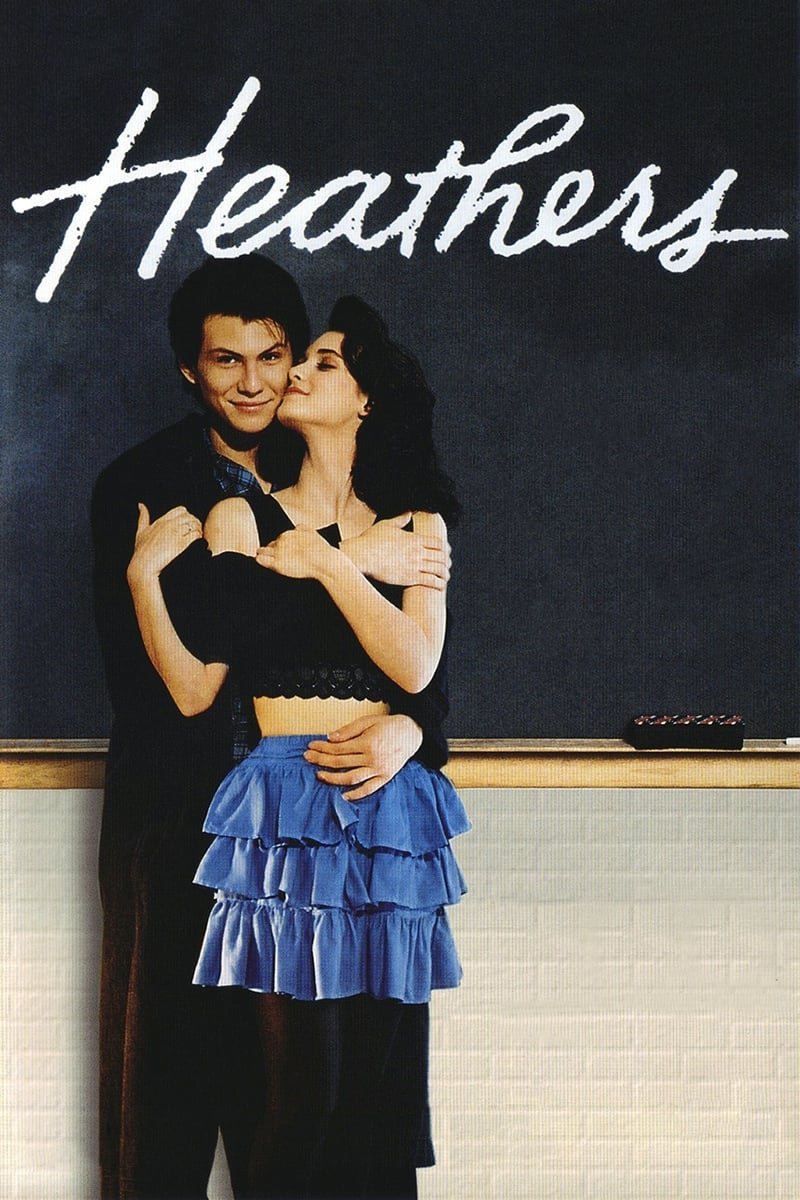
Upon its release, Heathers was not a commercial success and received reviews that, while often positive about its cleverness, were also concerned by its dark tone. The film’s cynical take on teen suicide, cliques, and high school violence made many critics and audiences uncomfortable.
However, the film developed a strong cult following over the years. Its sharp, satirical dialogue and fearless approach to dark subject matter were eventually recognized as groundbreaking. Heathers is now considered a landmark teen film, influencing many dark comedies that came after it.
The Rocky Horror Picture Show (1975)
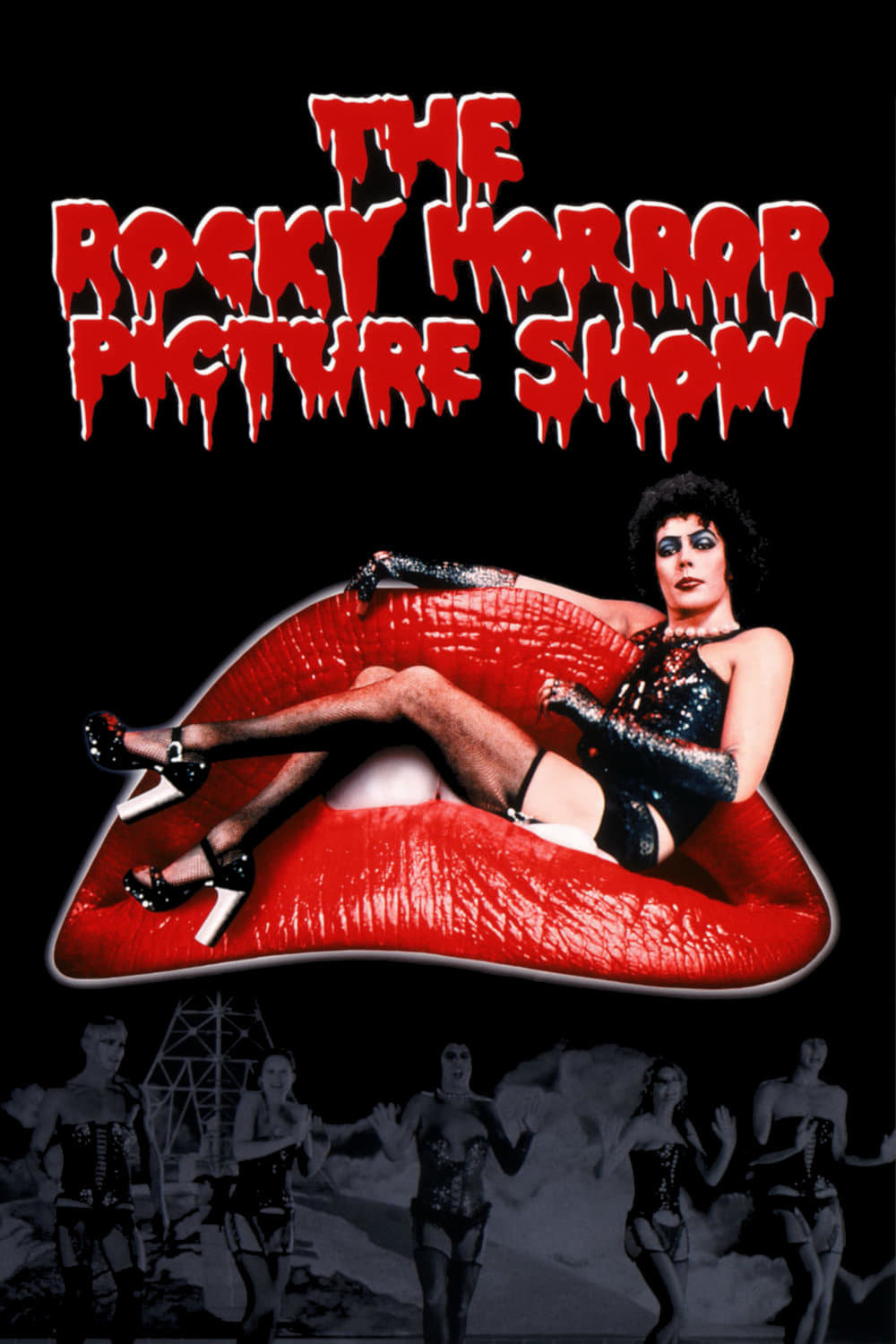
When The Rocky Horror Picture Show first came out, it was a complete box office bomb. Critics didn’t know what to make of its bizarre mix of science fiction, horror, and musical numbers. The initial release was a failure, and the movie was quickly pulled from theaters.
The film’s new life began with midnight screenings in New York City. Audiences started dressing up as the characters, shouting lines at the screen, and using props, turning the movie into an interactive experience. This audience participation phenomenon spread across the world, making The Rocky Horror Picture Show the ultimate cult classic, which still plays in theaters today.
Citizen Kane (1941)
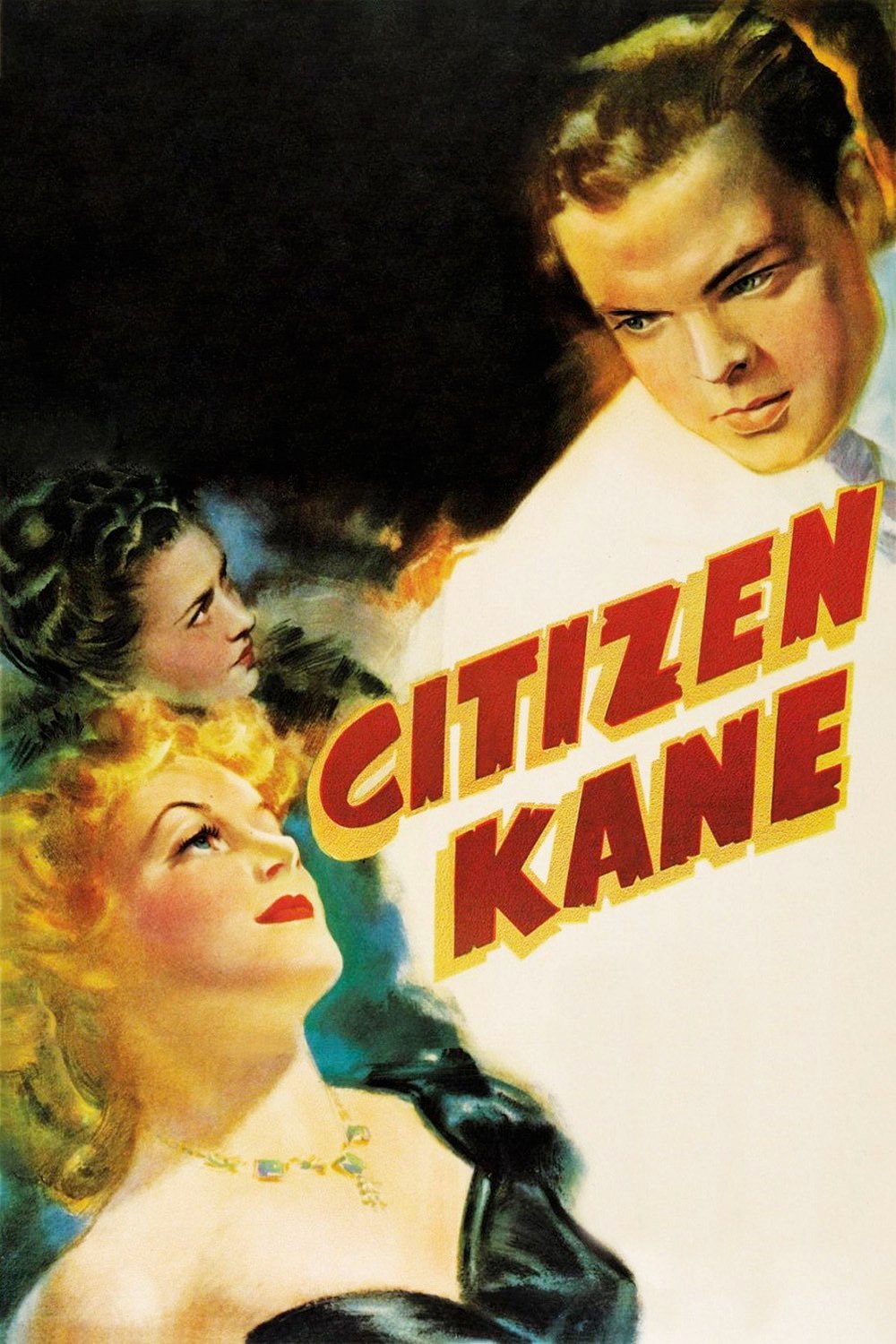
Although many critics praised Citizen Kane for its innovative filmmaking when it was released, it was a commercial failure. This was largely due to the powerful newspaper magnate William Randolph Hearst, who believed the main character was an unflattering portrayal of himself. Hearst banned any advertising or mention of the film in his many newspapers, which severely hurt its box office performance.
Decades later, the film was re-released and its reputation soared. French critics in the 1950s were among the first to champion it as a masterpiece. Today, it is frequently cited as one of the greatest films ever made, celebrated for its revolutionary cinematography, editing, and narrative structure.
Raging Bull (1980)
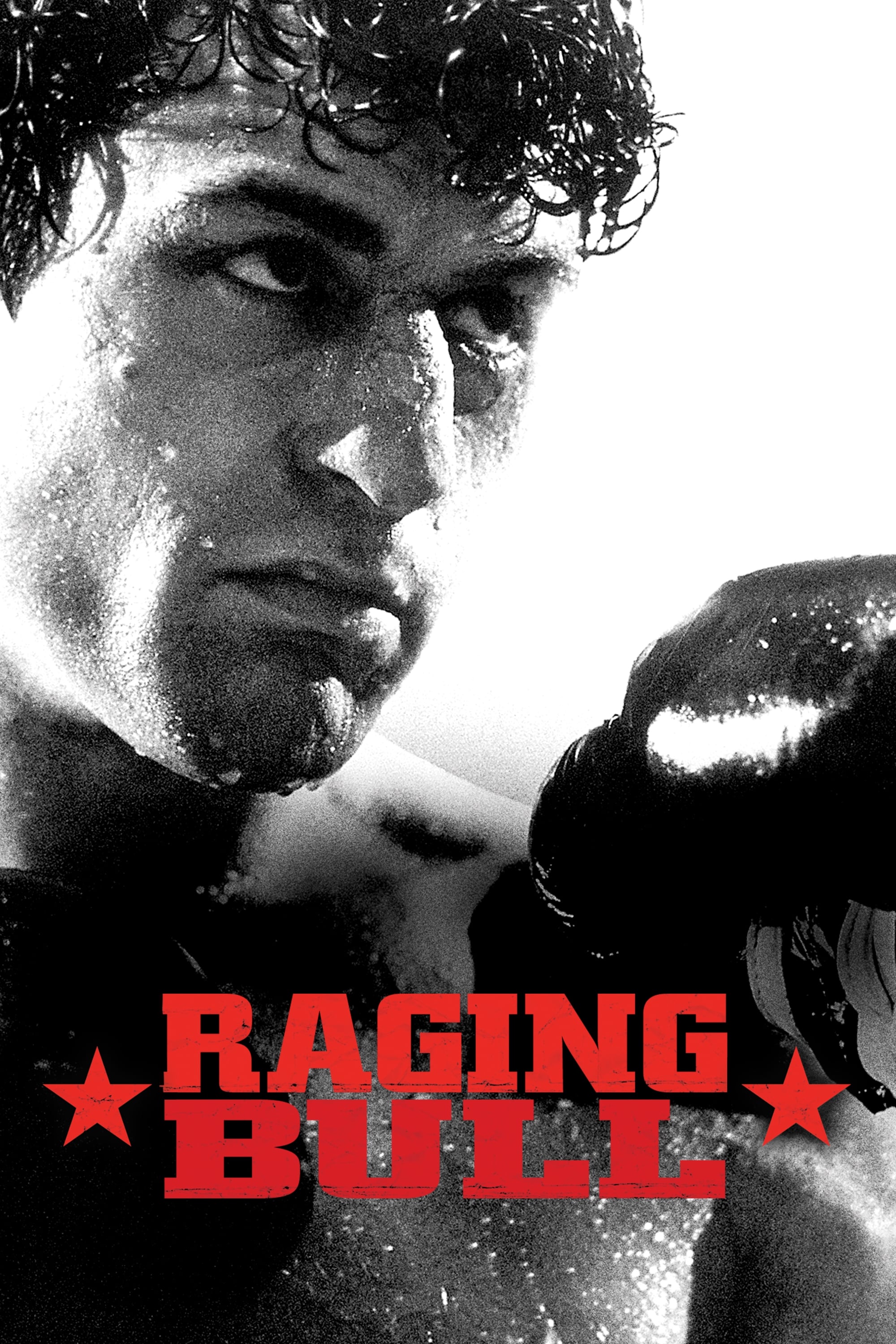
Martin Scorsese’s Raging Bull was met with a divided response from critics. While some praised the powerful performances and raw filmmaking, many were put off by the film’s brutal violence and the unlikeable nature of its main character, boxer Jake LaMotta. The film’s stark black-and-white cinematography was also an unusual choice at the time.
Over the years, Raging Bull has been re-evaluated and is now widely considered to be a masterpiece and one of the finest films of the 1980s. The performances by Robert De Niro and Joe Pesci are seen as some of the best in their careers. The film is praised for its unflinching and artistic look at jealousy, rage, and self-destruction.
Clue (1985)
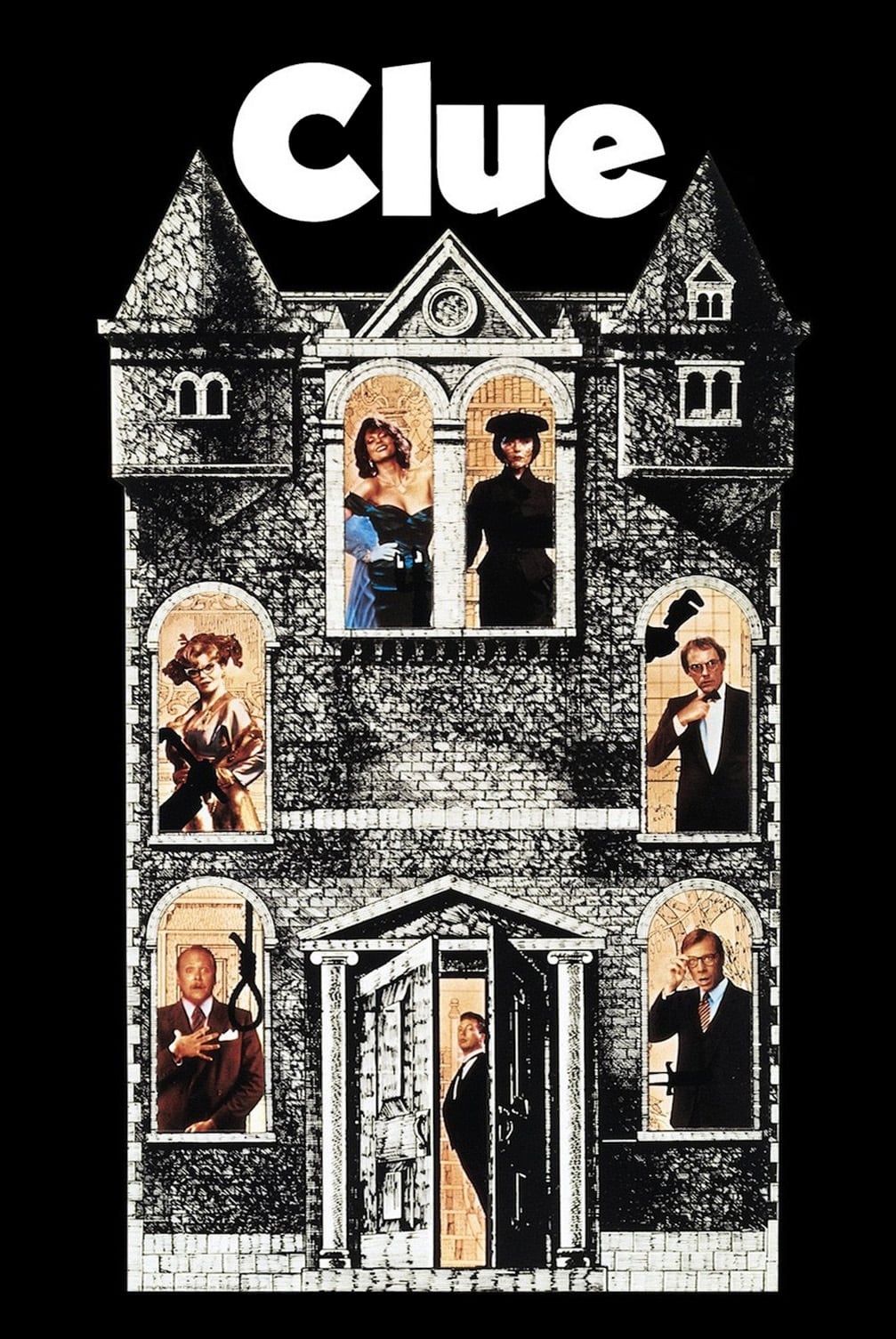
Based on the popular board game, the movie Clue was a box office flop when it was released. Critics were not kind to it, with many finding the gimmick of having three different endings confusing and unsatisfying. The film’s frantic, slapstick humor did not appeal to everyone at the time.
Thanks to countless airings on television and home video, Clue found a new audience that appreciated its witty dialogue and the hilarious performances from its ensemble cast. It is now a beloved cult classic, with fans who can quote every line and have a favorite of the three endings.
Showgirls (1995)

Showgirls was one of the most hated films of the 1990s. It was universally panned by critics for its over-the-top acting, ridiculous dialogue, and excessive nudity. The film was a major box office bomb and was considered a huge embarrassment for everyone involved.
In the years since, Showgirls has been re-evaluated as a cult classic, though in a unique way. Many now view it as an unintentional comedy and a brilliant satire of the sleazy side of show business. The film is celebrated at campy “so bad it’s good” screenings, where audiences cheer and laugh at its most outrageous moments.
Point Break (1991)
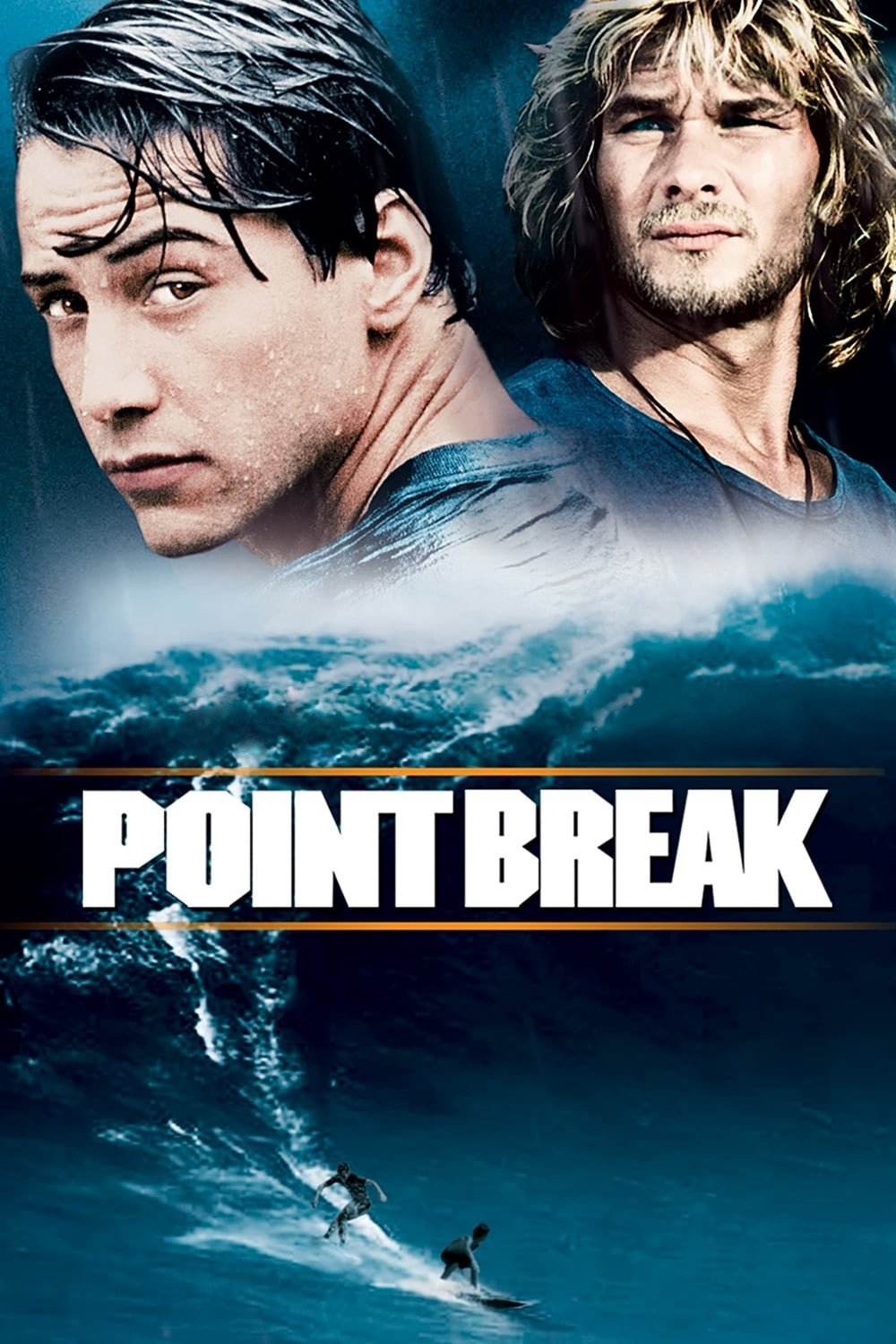
When it was first released, Point Break received mixed reviews. Many critics dismissed it as a silly action movie with an absurd plot about an FBI agent who goes undercover with a gang of surfing bank robbers. They often criticized the dialogue and the acting.
However, audiences were drawn to the film’s thrilling action sequences and the unique chemistry between its stars, Keanu Reeves and Patrick Swayze. Over time, the film has gained a massive cult following and is now considered a classic of the action genre. Its skydiving and surfing scenes are still praised for their practical effects and excitement.
The Warriors (1979)
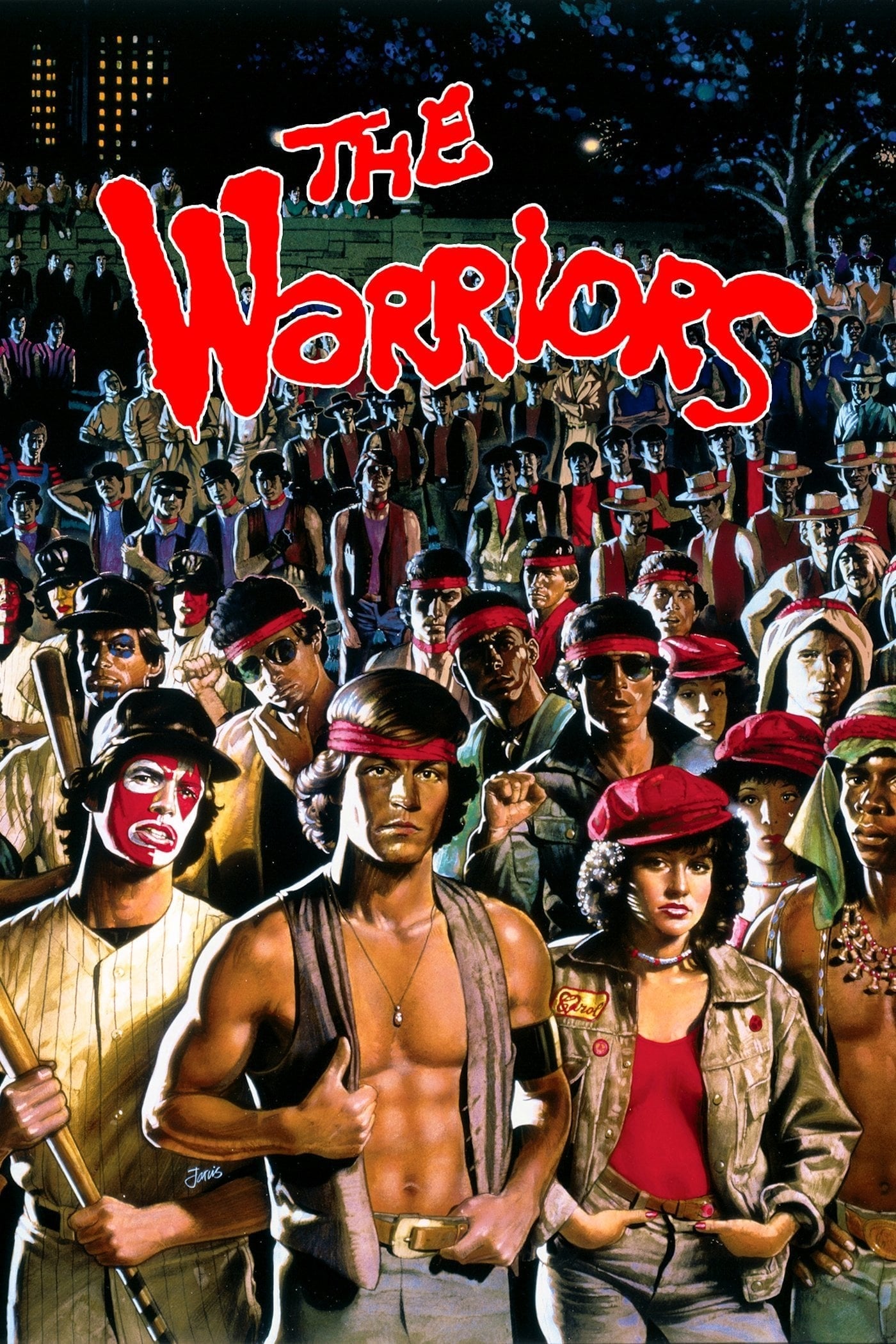
Walter Hill’s The Warriors was met with negative reviews and controversy upon its release. Critics called the film unrealistic and were put off by its stylized violence. Early screenings were also linked to instances of real-world violence, which led the studio to halt its advertising.
Despite the initial problems, the movie became a cult classic. Its unique visual style, memorable characters, and portrayal of a dystopian New York City have made it a fan favorite. The film has been re-evaluated by critics and is now seen as an influential piece of cinema.
Mallrats (1995)
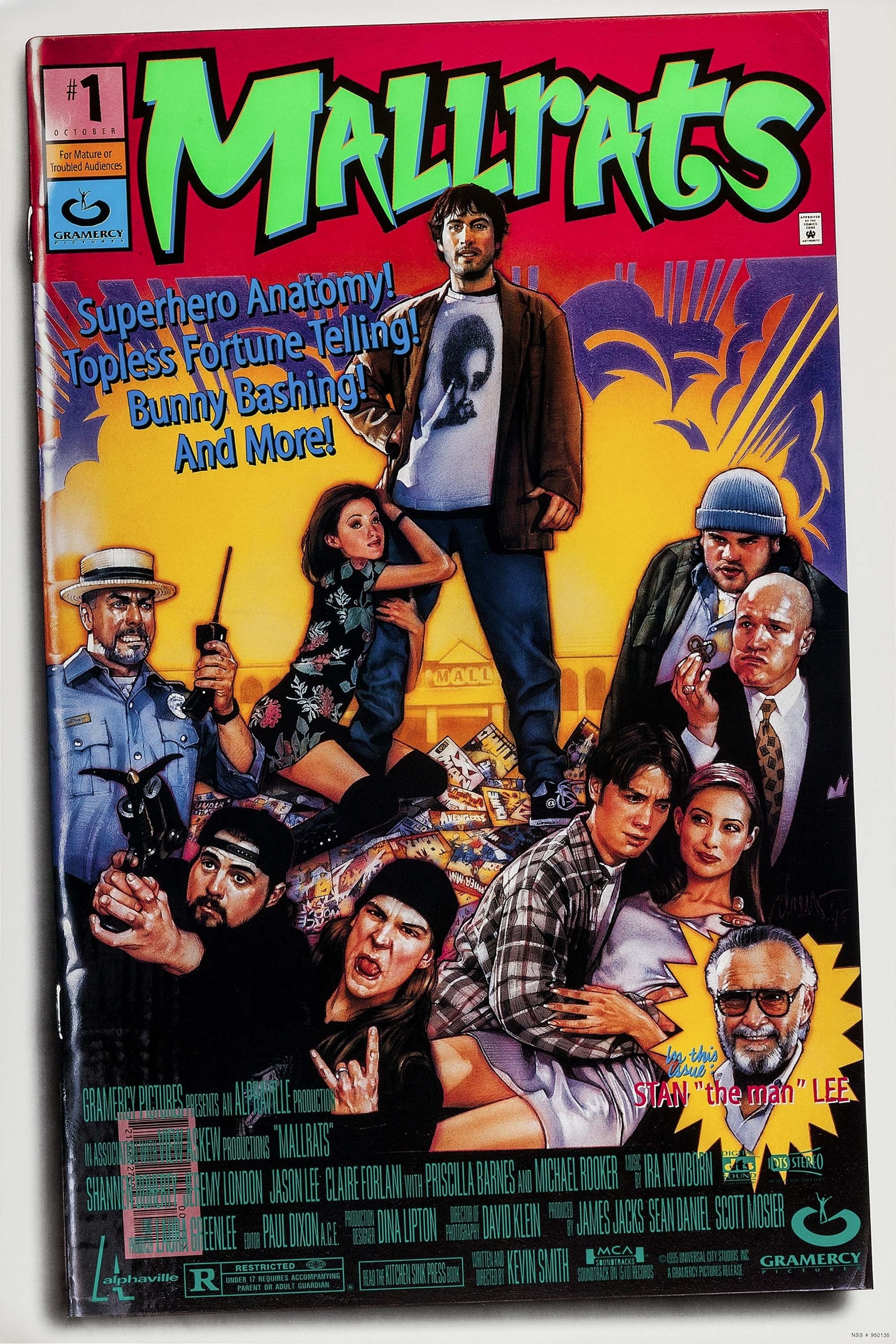
Kevin Smith’s follow-up to his indie hit Clerks, Mallrats was a critical and commercial failure. Critics who had praised the clever dialogue of Clerks found Mallrats to be juvenile and less focused. The movie bombed at the box office, unable to find an audience.
Like many films on this list, Mallrats found its audience on home video. Fans of Smith’s other work discovered the film and fell in love with its quirky characters and pop culture references. It is now considered a cult classic and an important part of Smith’s “View Askewniverse” series of connected films.
Billy Madison (1995)
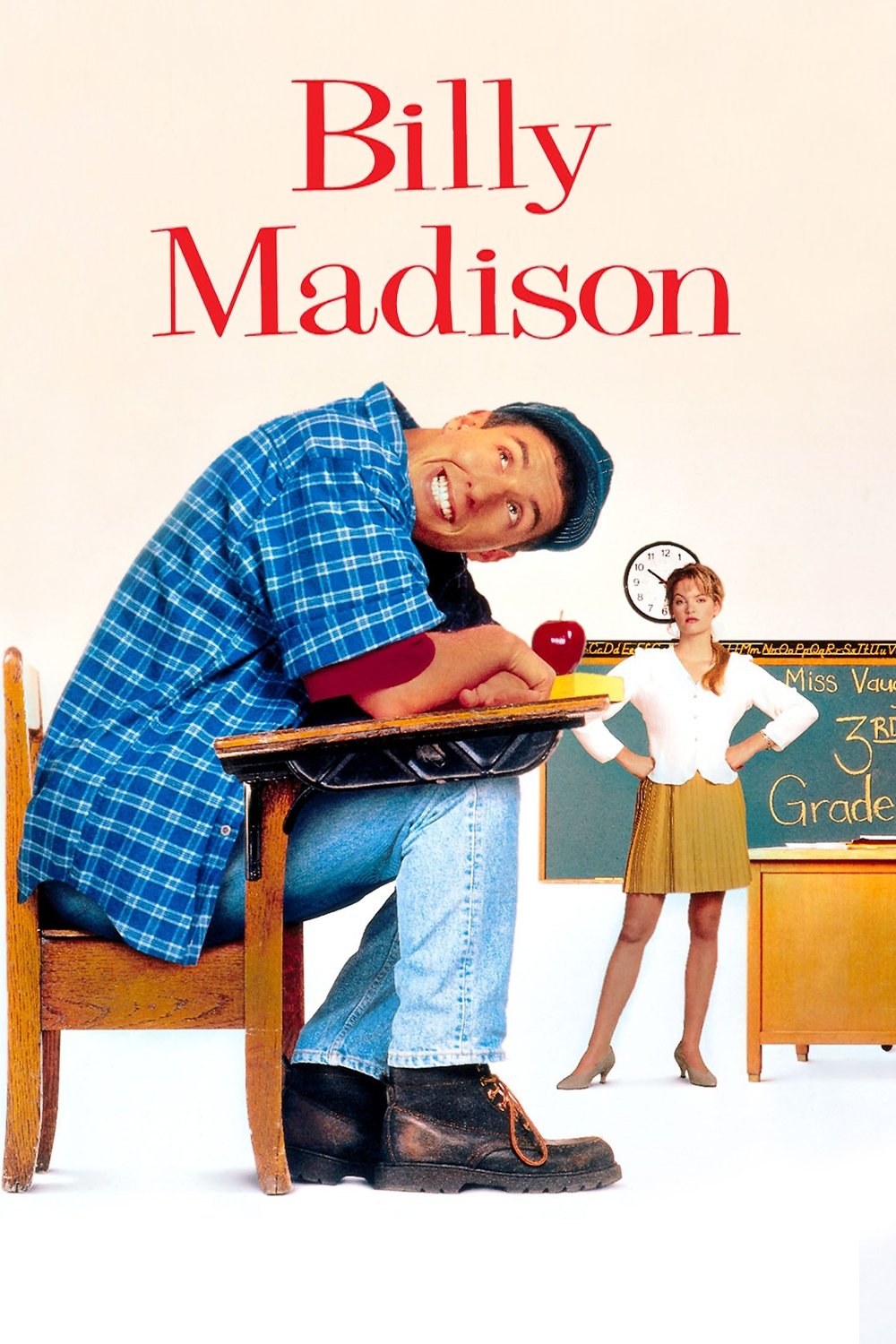
Adam Sandler’s first starring film, Billy Madison, was overwhelmingly disliked by critics. Reviewers called the movie “execrable” and “singularly stupid,” and criticized Sandler’s obnoxious screen presence.
However, the film was a box office success and resonated with audiences who enjoyed its silly, juvenile humor. Over the years, Billy Madison has developed a large cult following and is now considered a classic comedy of the 1990s. For many, it’s one of Sandler’s most popular and defining works.
Dumb and Dumber (1994)
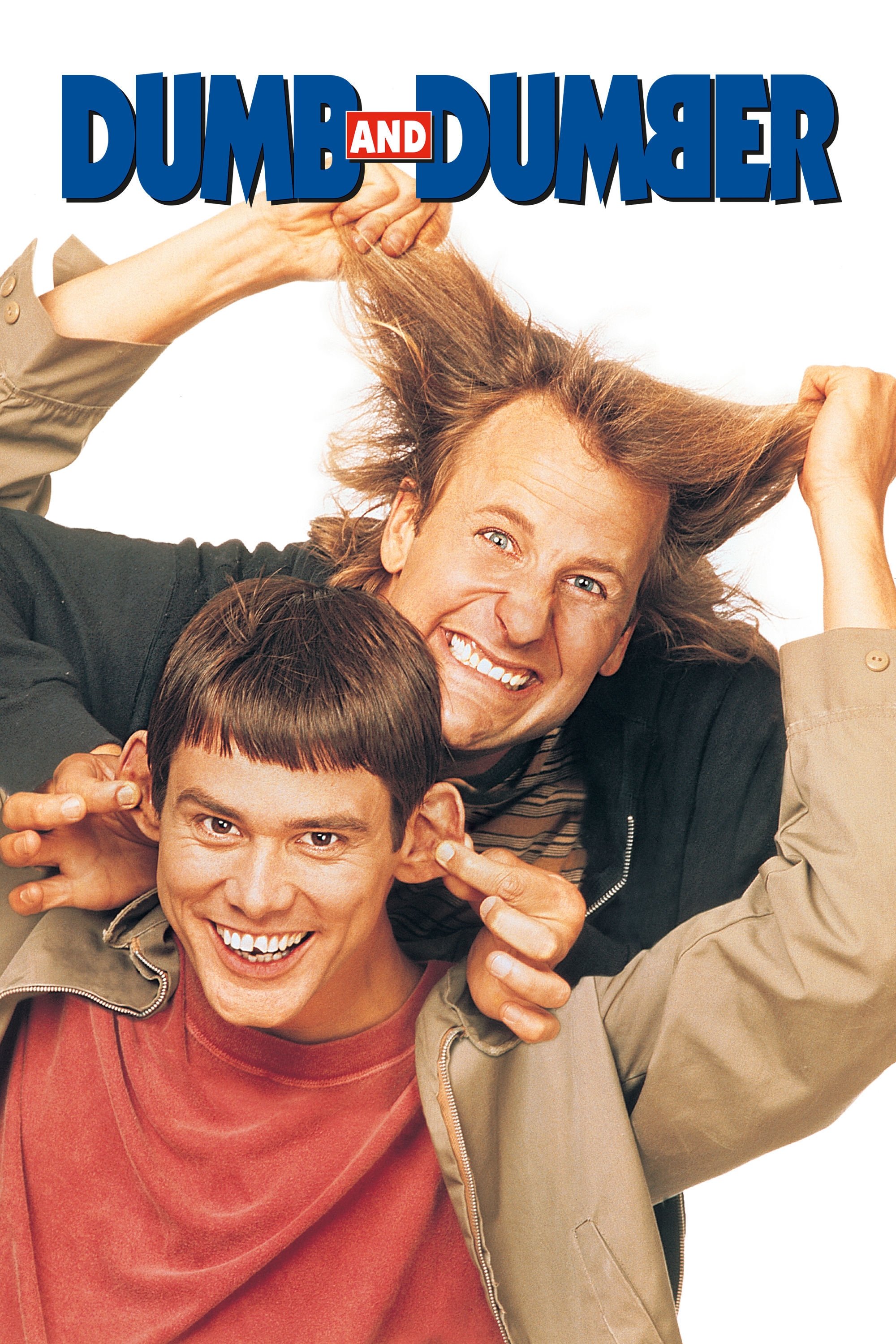
Upon its release, many critics dismissed Dumb and Dumber as just another stupid comedy. They criticized its low-brow humor and what they saw as a foolish plot. The film was not seen as high art by any stretch of the imagination.
Despite the reviews, the movie was a massive box office hit. Audiences loved the slapstick humor and the chemistry between Jim Carrey and Jeff Daniels. Today, Dumb and Dumber is widely regarded as one of the best comedies of the 1990s and a classic of the genre.
The Fifth Element (1997)
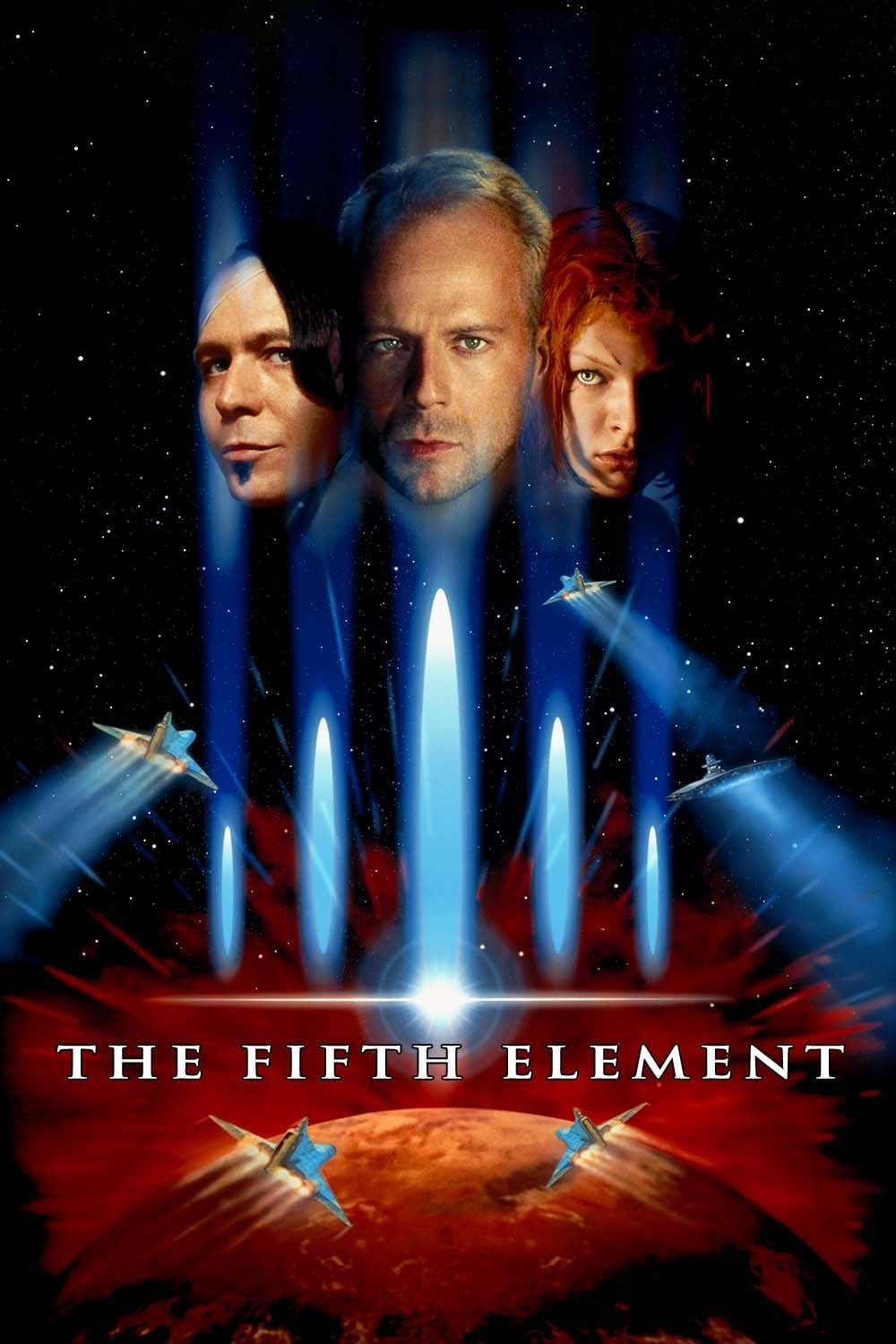
Luc Besson’s science-fiction epic The Fifth Element received a mixed to negative reception from American critics when it was first released. Many found its tone to be all over the place, and its bright, over-the-top visual style was not what they were used to from sci-fi films.
Audiences, particularly outside the U.S., embraced the film’s unique vision and sense of fun. Over time, it has become a beloved cult classic. People now celebrate its imaginative world-building, wild costume design, and memorable characters, recognizing it as a one-of-a-kind sci-fi adventure.
Starship Troopers (1997)
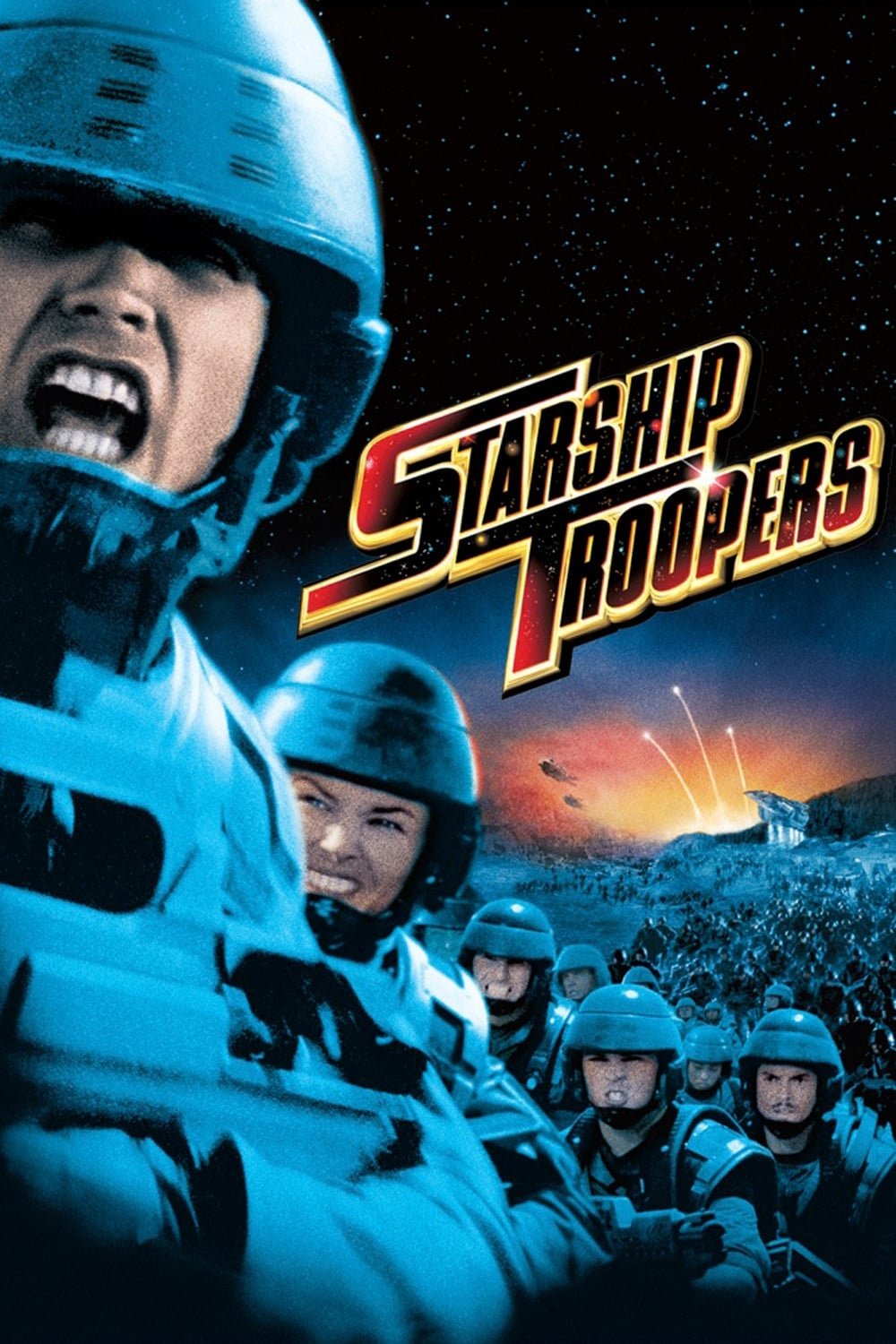
Paul Verhoeven’s Starship Troopers was widely misunderstood by critics at the time of its release. They saw it as a straightforward, brainless action movie and condemned its excessive violence and what they perceived as fascist themes.
Years later, viewers and critics began to understand that the film was actually a clever and sharp satire of militarism and propaganda. It is now praised for its dark humor and subversive message. The movie has gained a significant cult following and is seen as a smart and prescient sci-fi film.
Tron (1982)
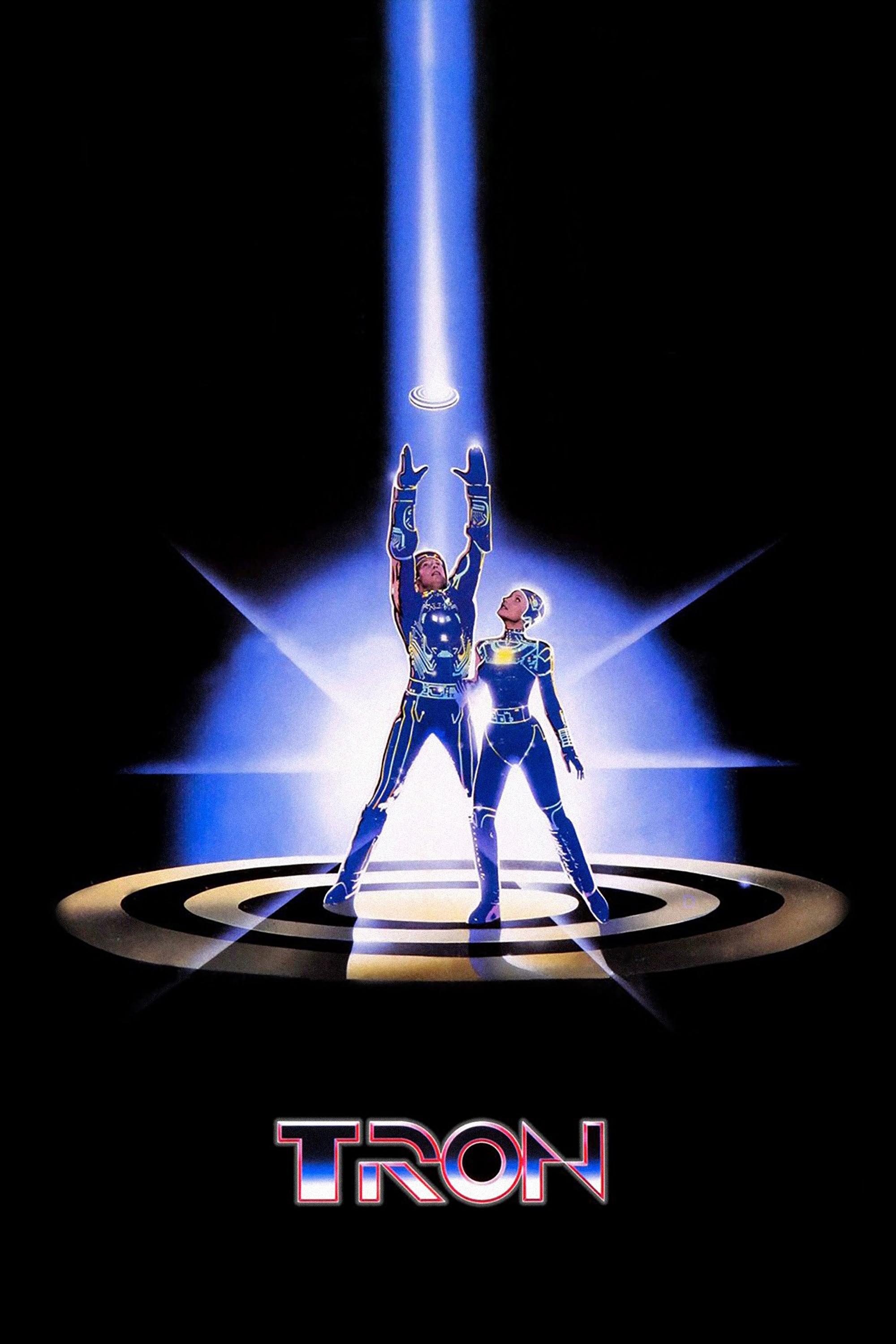
When Tron was released, its groundbreaking computer-generated imagery was the main topic of discussion. However, many critics felt that the story and characters were weak and served only as a framework for the special effects. The film was only a moderate success at the box office.
Tron became a cult classic due to its unique visual style and its pioneering use of CGI. It influenced a generation of filmmakers and video game designers. Its reputation grew so much over the years that it eventually led to a long-awaited sequel, Tron: Legacy, in 2010.
Labyrinth (1986)
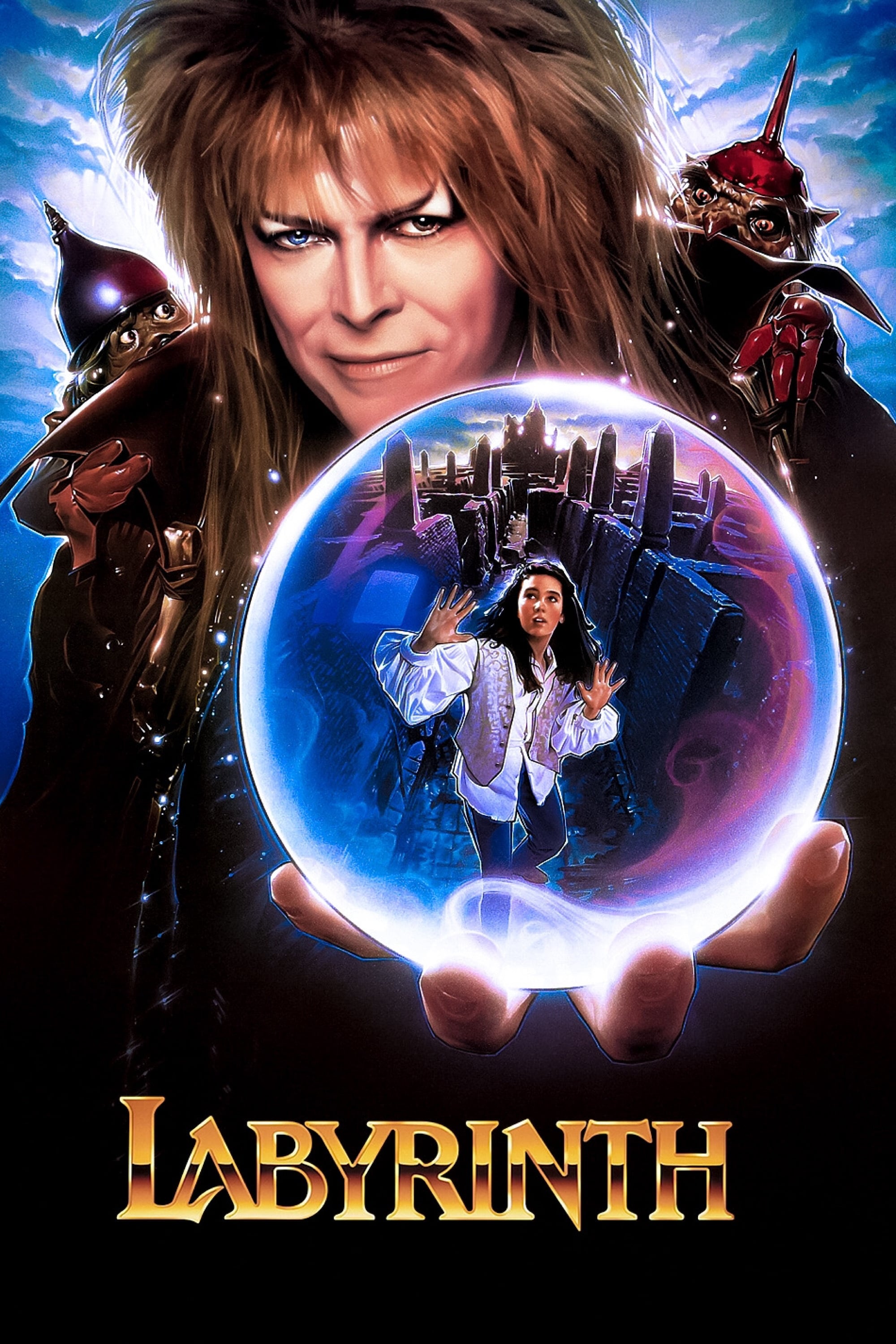
Jim Henson’s fantasy film Labyrinth was a box office disappointment and received mixed reviews. Some critics found the story to be weak and the tone to be uneven. It was not the big success that Henson and his team had hoped for.
On home video, Labyrinth found its audience. A new generation of viewers fell in love with its imaginative world, amazing puppetry, and the iconic performance of David Bowie as the Goblin King. It is now a cherished cult classic, particularly for those who grew up in the 1980s.
The Dark Crystal (1982)
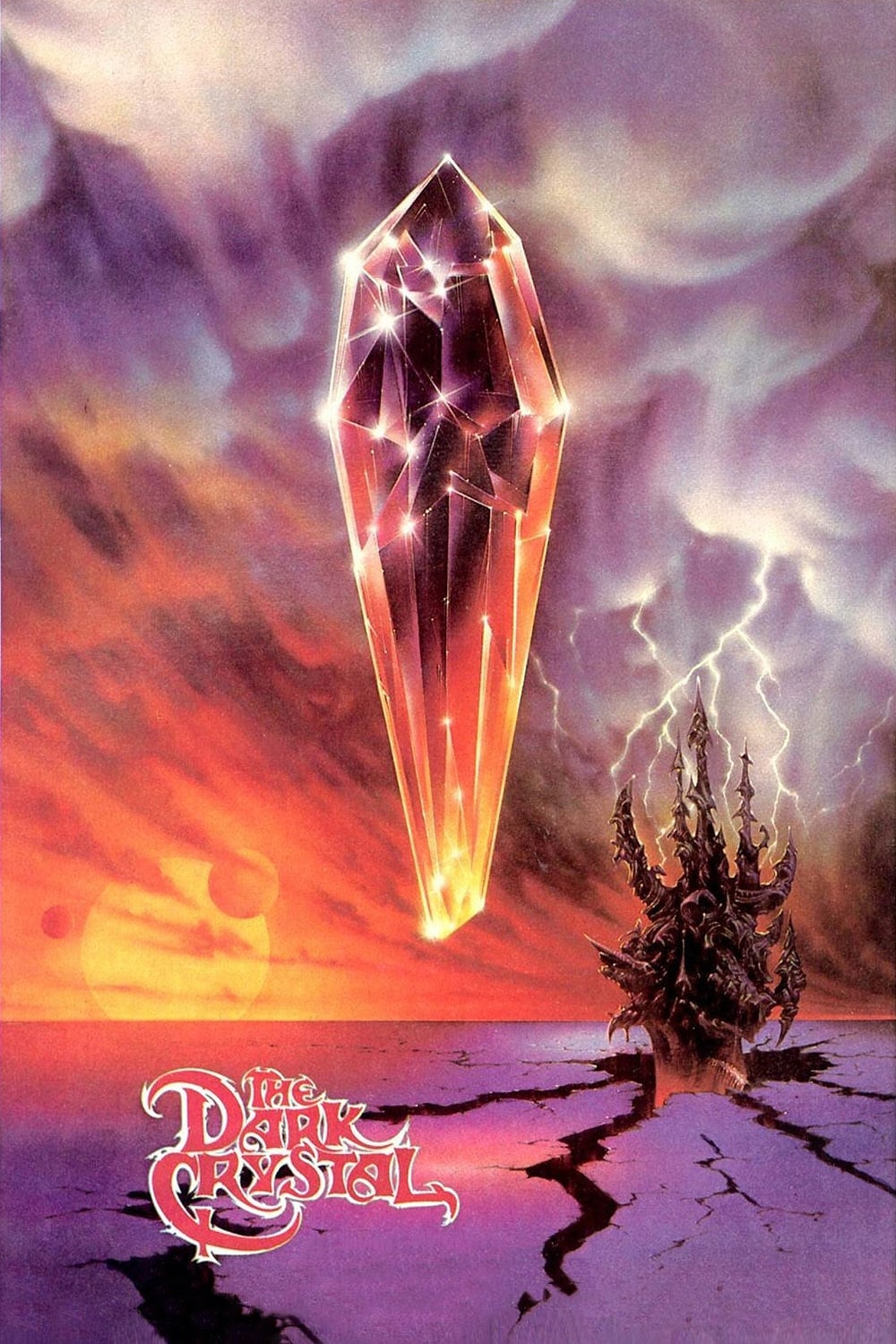
Jim Henson and Frank Oz’s The Dark Crystal was met with a lukewarm response. Critics were impressed by the film’s technical achievements in puppetry and world-building, but many found the story to be too dark and the characters to be unengaging.
Like Labyrinth, The Dark Crystal became a beloved classic for many through home video and television. Its detailed fantasy world and incredible artistry gained a loyal following over the decades. The film’s reputation has grown to the point where it inspired a critically acclaimed prequel series on Netflix in 2019.
Event Horizon (1997)

Paul W.S. Anderson’s Event Horizon was a critical and commercial failure when it premiered. Critics called it a “stinker” and complained that it was all style and no substance. The movie’s troubled production and studio-mandated cuts also hurt its initial reception.
However, the film sold very well on DVD and began to develop a strong cult following. Fans appreciated its mix of sci-fi and gothic horror, as well as its genuinely terrifying and hellish imagery. Today, it is regarded by many as a modern horror classic.
Jennifer’s Body (2009)
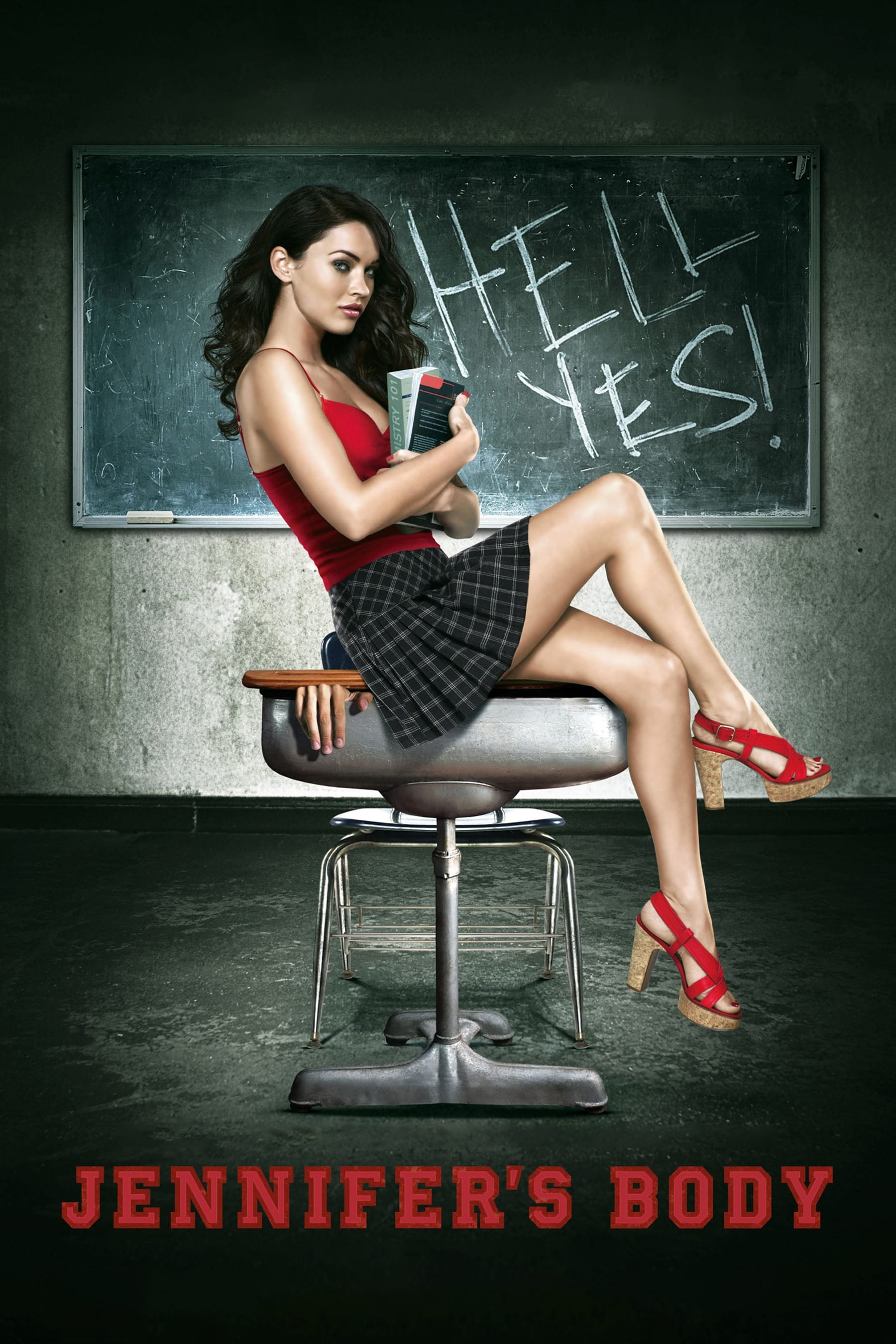
When Jennifer’s Body was released, it was marketed as a straightforward horror movie for teenage boys, which led to confusion and disappointment. Critics gave it poor reviews, and it was not a box office success. Many did not understand its feminist themes or its dark, comedic tone.
Years later, the film was re-evaluated, especially in the wake of the #MeToo movement. New audiences and critics recognized it as a clever and sharp feminist horror-comedy that was ahead of its time. It has since become a celebrated cult classic, praised for its smart writing and for subverting horror genre expectations.
Peeping Tom (1960)
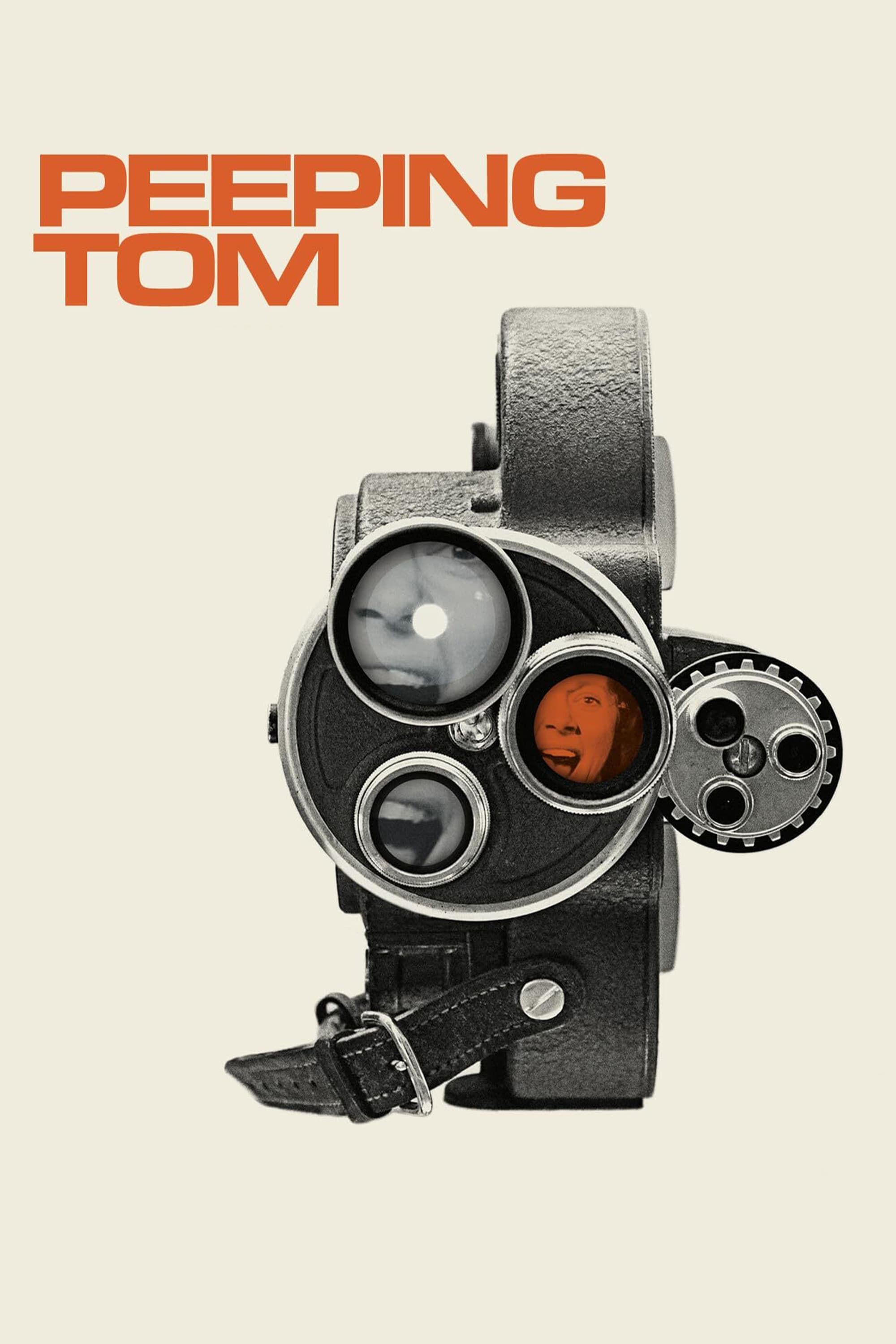
Michael Powell’s Peeping Tom was one of the most reviled films of its time. Critics were so disgusted by its story about a serial killer who films his victims’ dying moments that they called for the movie to be destroyed. The backlash was so severe that it effectively ruined the career of its legendary director.
Decades later, the film was rediscovered and re-evaluated, thanks in part to champions like Martin Scorsese. It is now considered a masterpiece of psychological horror and a groundbreaking film that explores themes of voyeurism and the nature of cinema itself.
Freaks (1932)
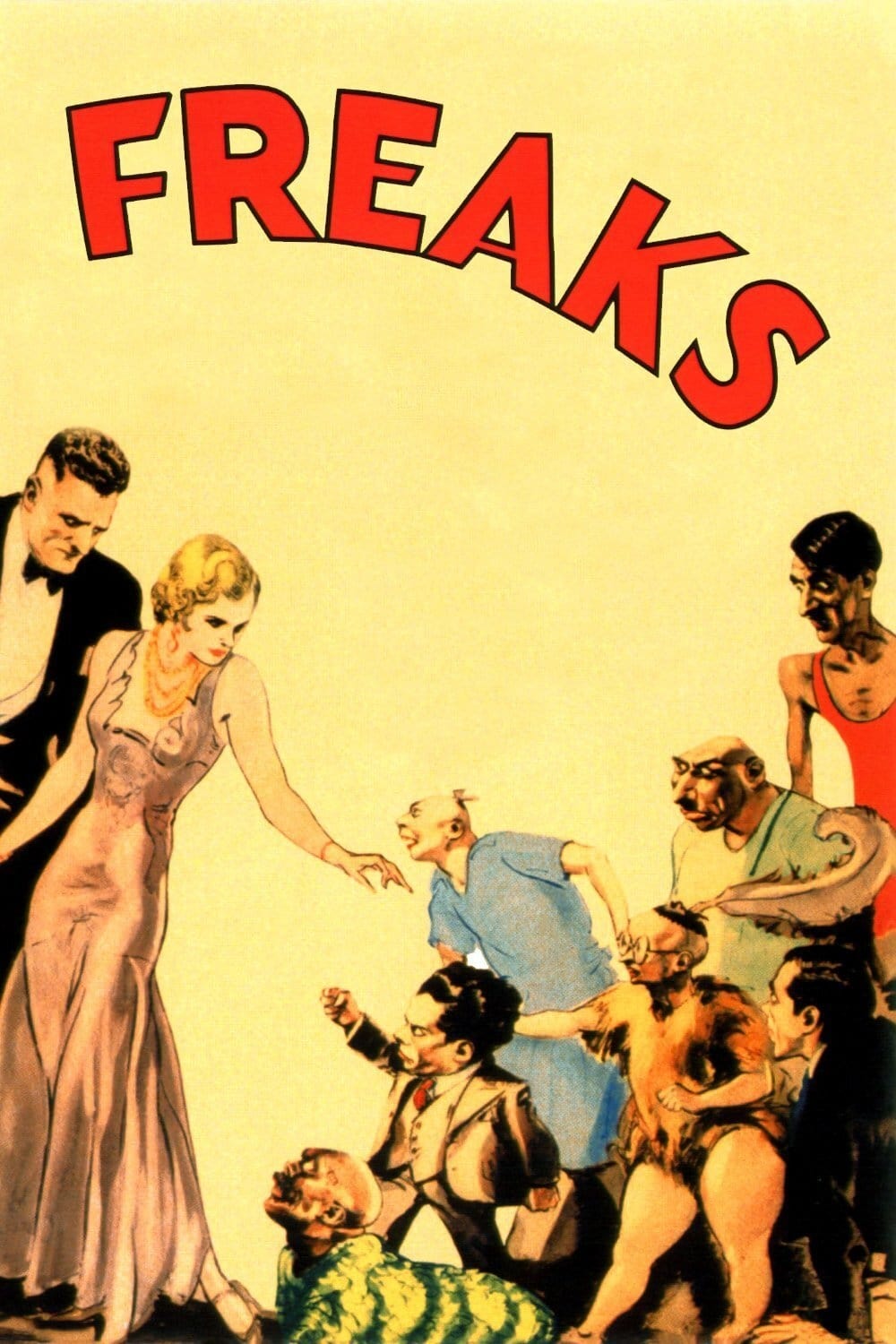
Tod Browning’s Freaks was so shocking to audiences and critics in 1932 that it was pulled from theaters and heavily censored. The film, which used real circus performers with physical deformities, was considered horrifying and exploitative. The public backlash severely damaged Browning’s directing career.
For many years, the film was banned in several countries and was very difficult to see. However, it eventually gained a cult following in the 1960s and was re-evaluated as a brave and compassionate work. Today, Freaks is seen as a landmark horror film, famous for its controversial nature and its powerful message of what it means to be an outsider.
The Boondock Saints (1999)
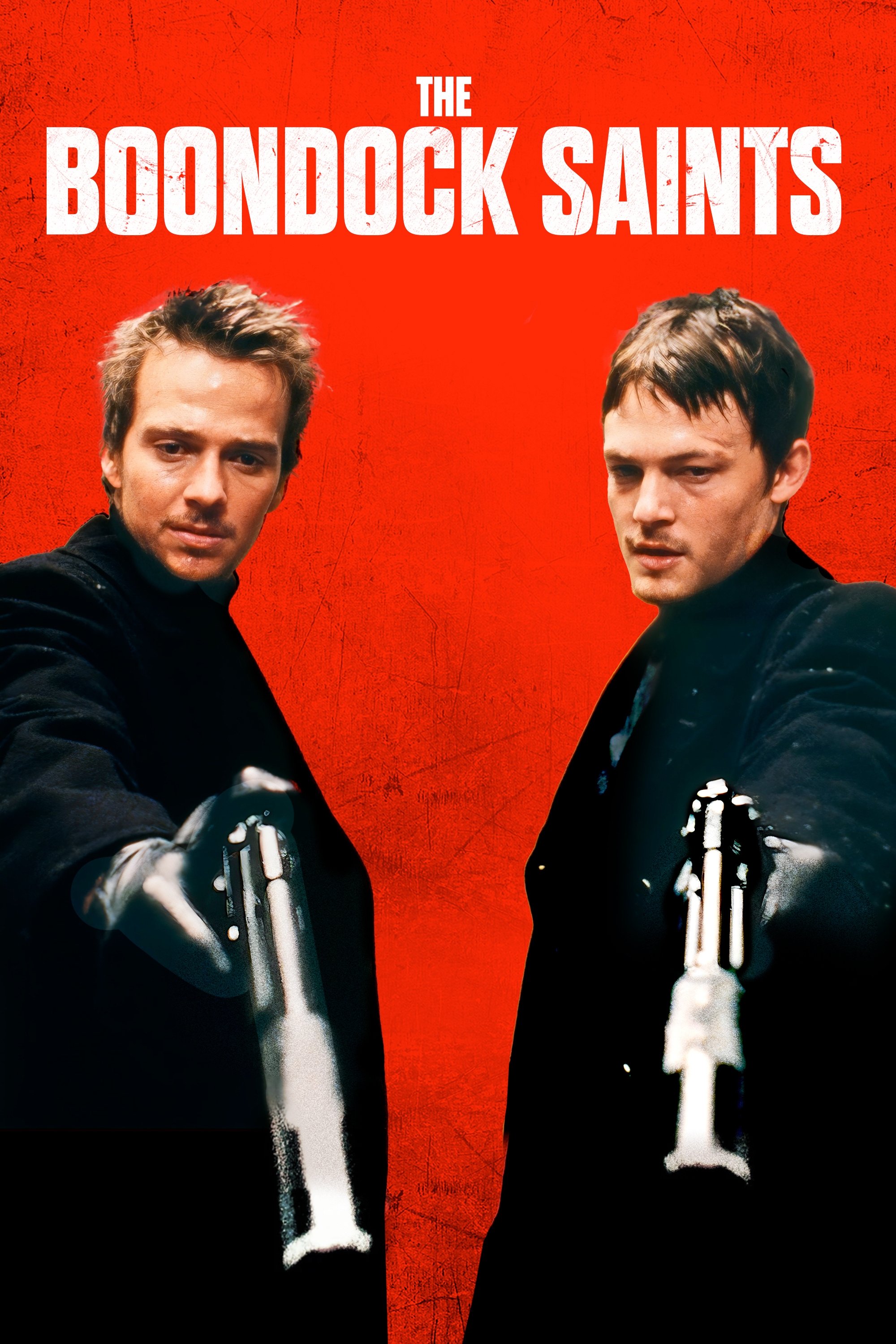
The Boondock Saints was barely released in theaters and was savaged by the few critics who saw it. They criticized its excessive violence and what they saw as a poor imitation of Quentin Tarantino’s style. The film was a complete commercial failure.
The movie exploded in popularity on home video, becoming one of the biggest cult hits of the video store era. Young male audiences in particular were drawn to its vigilante justice theme and stylized action. Despite its continued poor critical reputation, it remains a massive cult phenomenon with a loyal and passionate fanbase.
Dirty Harry (1971)

While a commercial success, Dirty Harry was very controversial with critics at the time of its release. Many accused the film of having a fascist moral position for its portrayal of a cop who takes the law into his own hands. The film’s violence and its main character’s methods were a source of much debate.
Over time, Dirty Harry has become one of Clint Eastwood’s most iconic films and a classic of the action-thriller genre. The character of Harry Callahan is a pop culture icon, and the film is praised for its tense action and gritty style. It set the standard for many police movies that followed.
Heaven’s Gate (1980)
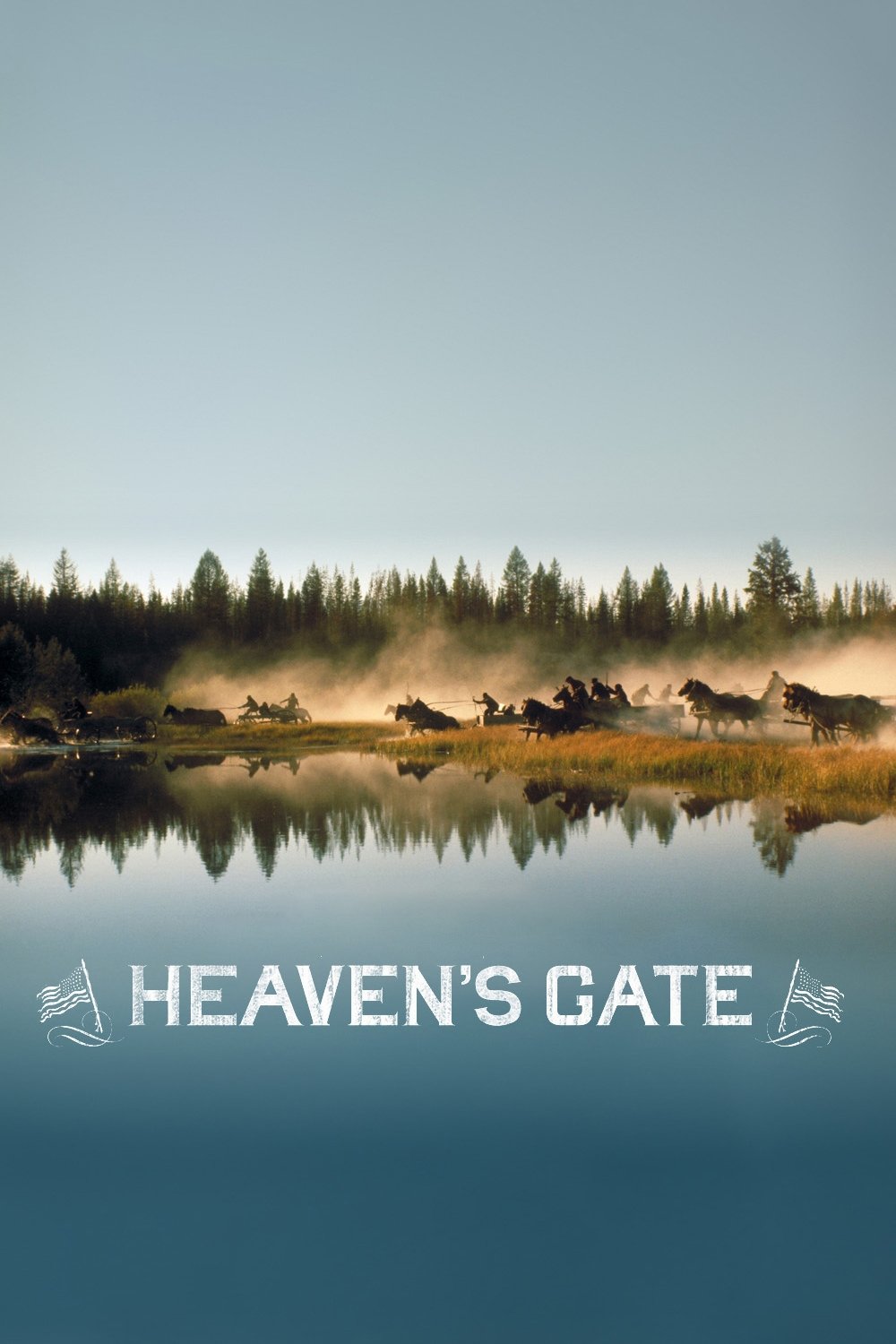
Heaven’s Gate is one of the most infamous box office bombs in history. The film’s production was plagued by massive cost overruns and stories about its director’s perfectionism. When it was finally released, critics were merciless, calling it an “unqualified disaster” and a “numbing shambles.” The failure of the film led to the collapse of its studio, United Artists.
In the decades since, the film has undergone a significant reappraisal, especially after longer director’s cuts were made available. Many now see it as a beautiful, ambitious, and misunderstood epic Western. While its troubled history is still famous, many critics now consider it a masterpiece.
Mommie Dearest (1981)
Upon its release, Mommie Dearest was intended to be a serious drama about the alleged abuse actress Joan Crawford inflicted on her adopted daughter. However, critics and audiences found Faye Dunaway’s performance as Crawford to be so hysterically over-the-top that the film became an unintentional comedy. It was widely panned and won several Razzie Awards.
The film quickly became a cult classic, famous for its camp value. Audiences began attending screenings to laugh and shout the film’s most famous lines, such as “No wire hangers, ever!” While it failed as a drama, it has succeeded as one of the most beloved “so bad it’s good” movies of all time.
Wet Hot American Summer (2001)
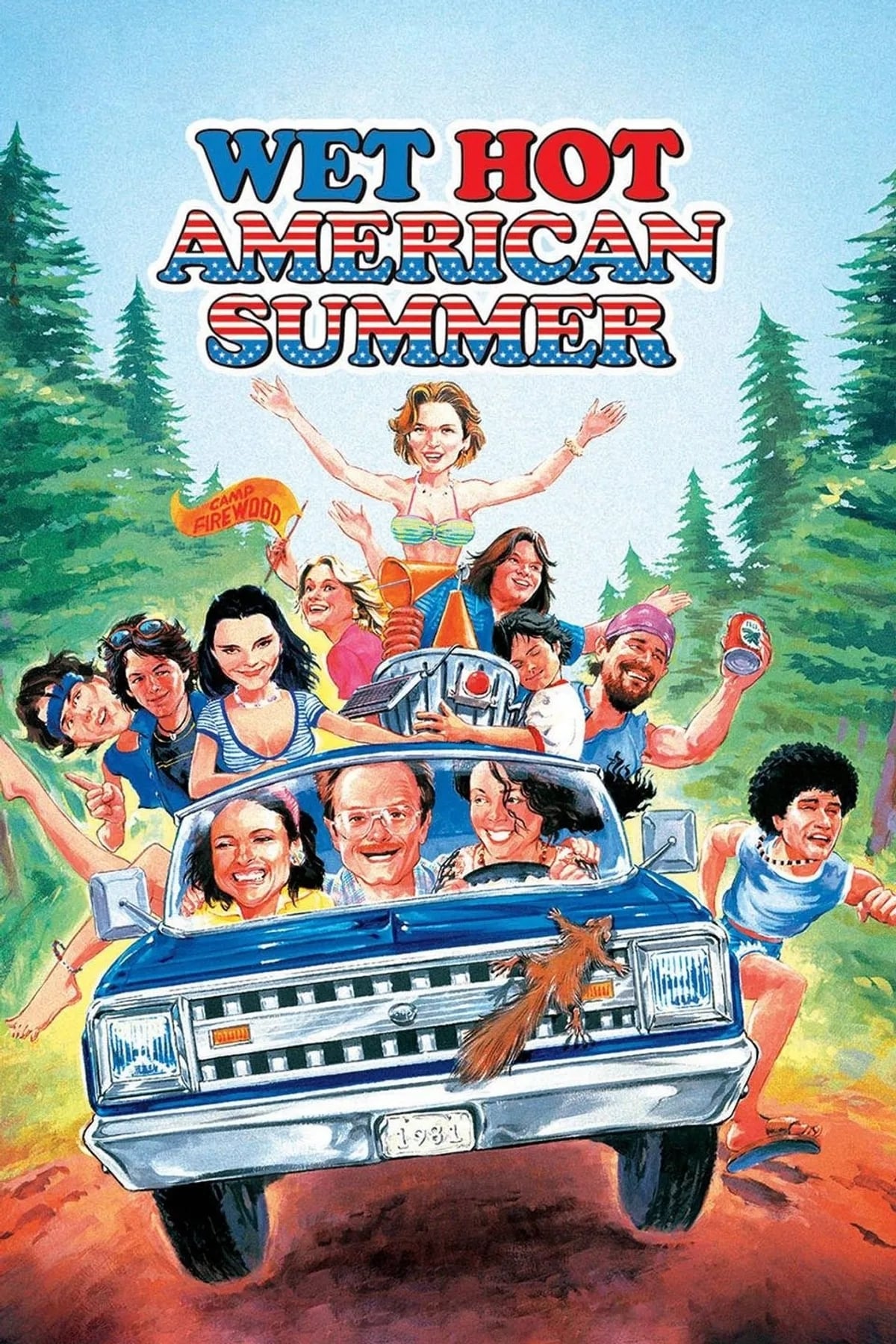
This satire of 1980s summer camp movies was a complete failure when it was released. It received terrible reviews from critics who didn’t connect with its absurd and surreal brand of humor. The film also bombed at the box office, making very little money during its short theatrical run.
Wet Hot American Summer developed a massive cult following on DVD and through word-of-mouth. Its unique comedy style and its cast of future stars (including Paul Rudd, Amy Poehler, and Bradley Cooper) made it a favorite. The film’s popularity led to two revival series on Netflix with the original cast.
Harold and Maude (1971)
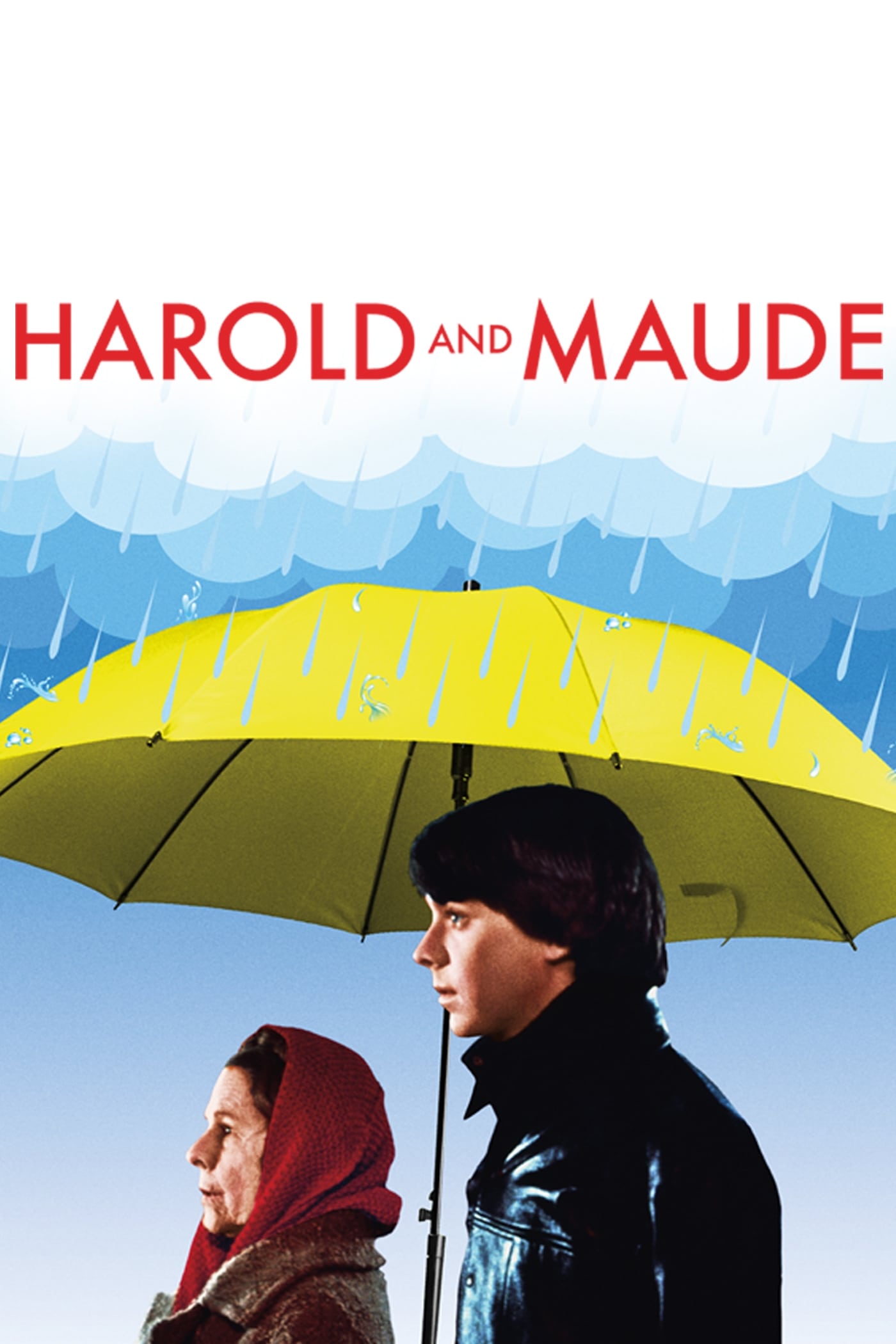
Harold and Maude, a dark comedy about a death-obsessed young man who falls in love with a 79-year-old woman, was a commercial and critical failure when it was released. Critics found the characters “creepy” and were offended by the film’s humor.
The film slowly built a cult following throughout the 1970s and 80s at repertory theaters. It was finally profitable in 1983. Today, it is considered a classic of counter-culture cinema, celebrated for its life-affirming message, quirky humor, and wonderful soundtrack by Cat Stevens.
Caddyshack (1980)
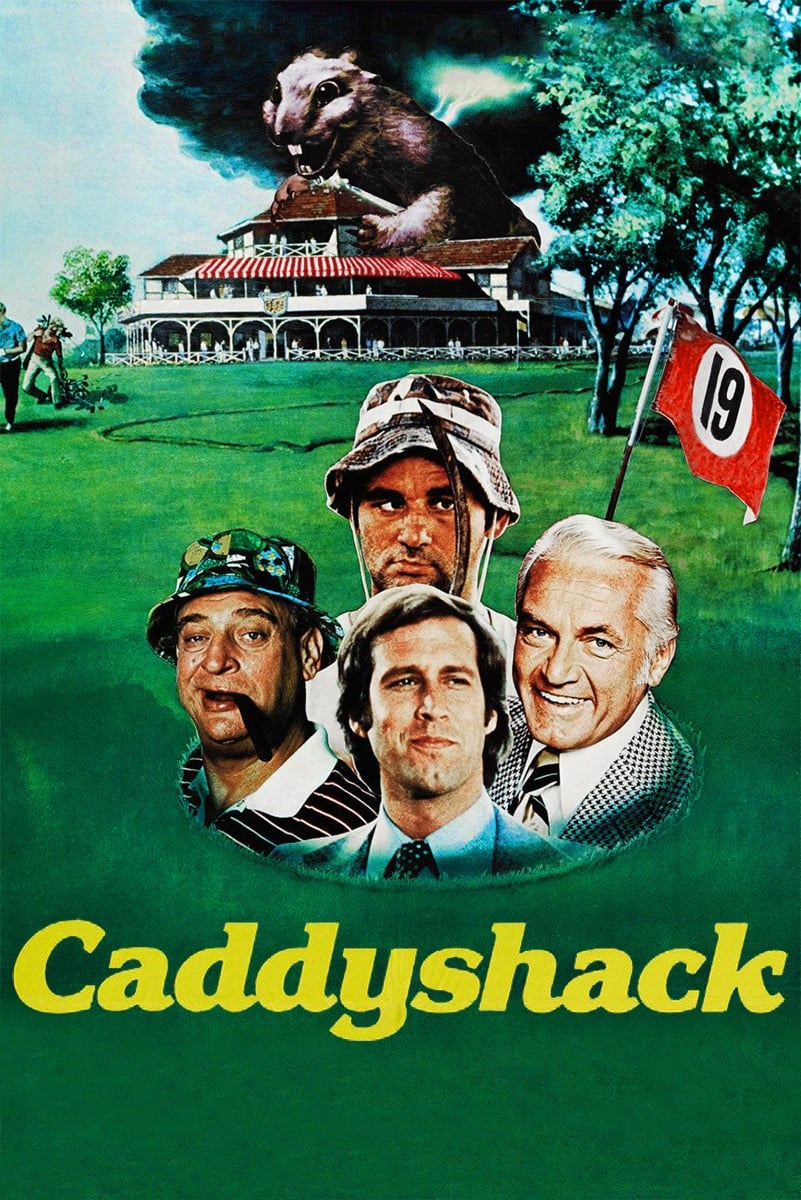
When Caddyshack first came out, it received many poor reviews. Critics found the plot to be messy and disjointed, and saw it as nothing more than a collection of vulgar and sloppy sketches. It was not seen as a well-made film.
Despite the critics, audiences loved the film’s anarchic humor and the iconic comedic performances from Bill Murray, Chevy Chase, and Rodney Dangerfield. It was a box office success and has since become one of the most quoted and beloved comedies ever made. It is now considered a classic of the genre.
Brazil (1985)
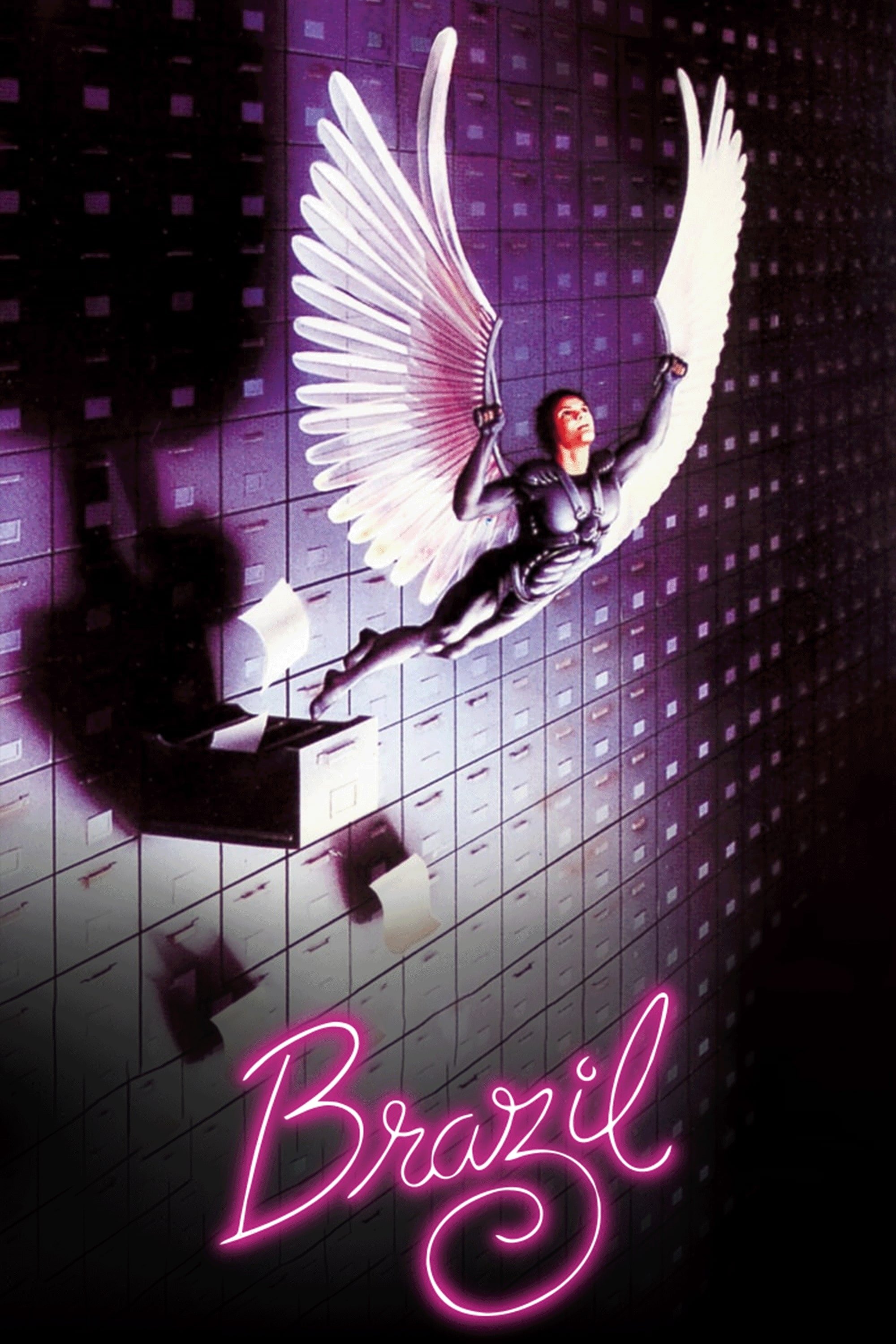
Terry Gilliam’s dystopian sci-fi film Brazil famously had a difficult release. The studio was worried the film was too dark and depressing for American audiences and wanted to re-edit it to have a happy ending. Gilliam fought the studio publicly to have his version released.
While the film received praise from some critics who saw Gilliam’s original cut, the studio’s lack of faith hurt its box office performance. Over the years, as Gilliam’s preferred version became more widely available, the film’s reputation has grown immensely. It is now hailed as a visionary masterpiece of dystopian satire.
Fast Times at Ridgemont High (1982)
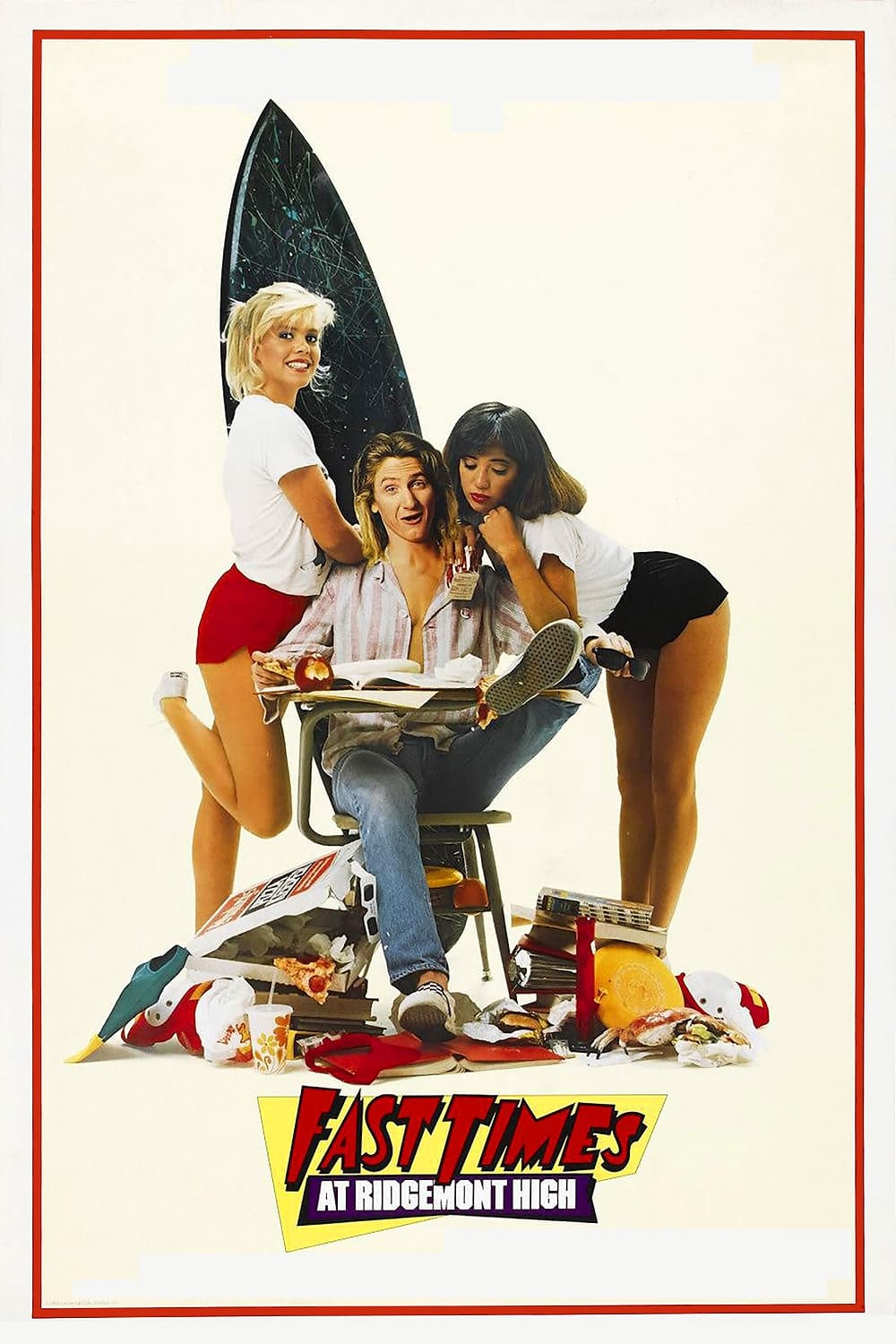
Based on a book by Cameron Crowe, Fast Times at Ridgemont High was met with many dismissive reviews from critics. They saw it as just another raunchy teen comedy with little substance. The film was not expected to have a lasting impact.
However, the film was a hit with teenage audiences who saw their own lives reflected in its honest portrayal of high school. It is now considered a classic of the 1980s and is praised for its realistic characters and for launching the careers of several future stars, including Sean Penn, Jennifer Jason Leigh, and Forest Whitaker.
Star Wars: Episode III – Revenge of the Sith (2005)
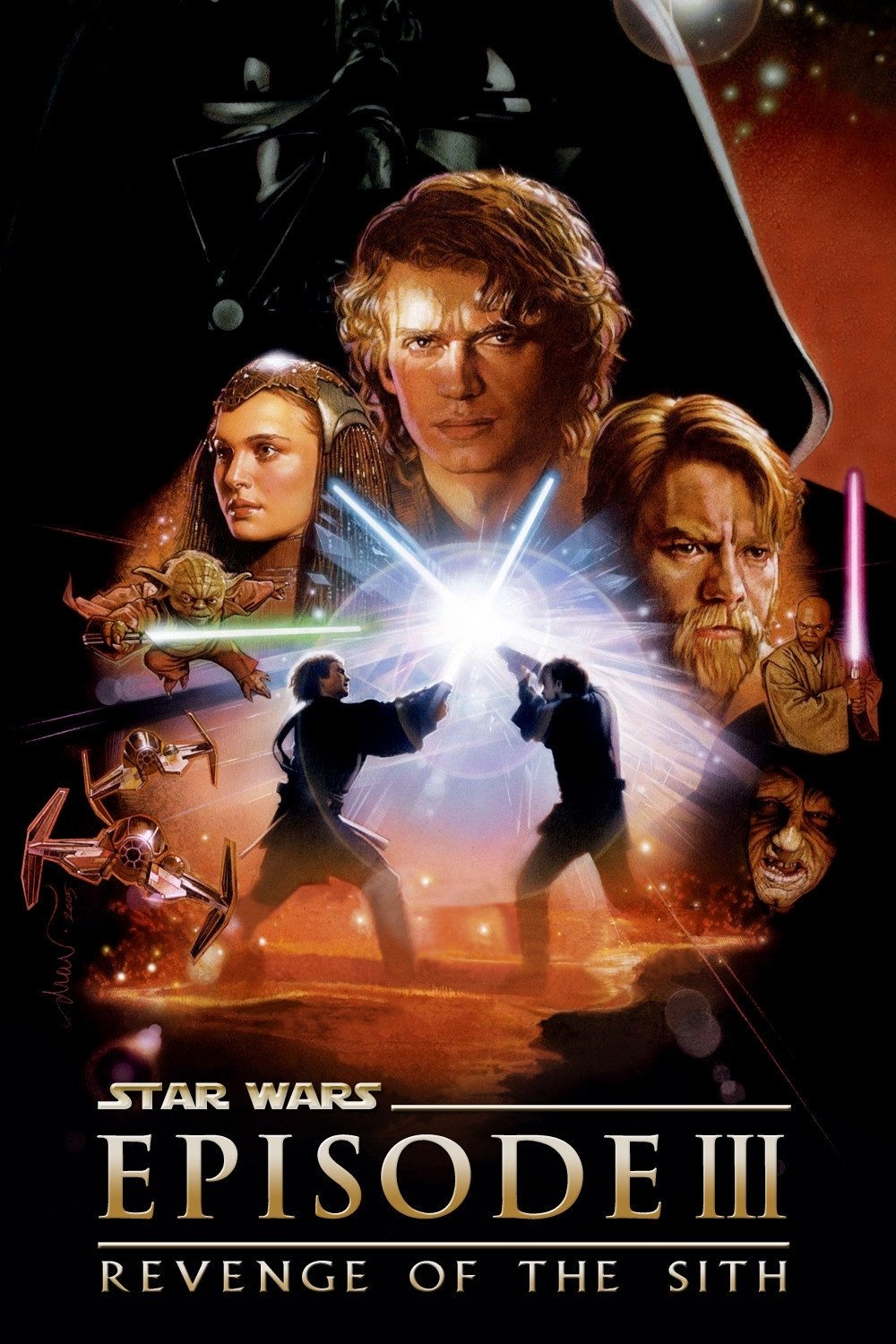
The Star Wars prequel trilogy was largely disliked by both critics and fans. When Revenge of the Sith was released, many reviews were still negative, criticizing the clunky dialogue and some of the performances. It was seen by many as the best of a bad bunch, but not a great film.
Over the years, a new generation of fans who grew up with the prequels has led to a significant re-evaluation of the film. Many now praise its dark tone, epic scope, and complex themes about the fall of democracy. It is now viewed much more favorably than it was upon its release and is considered by some to be a high point of the entire saga.
Constantine (2005)
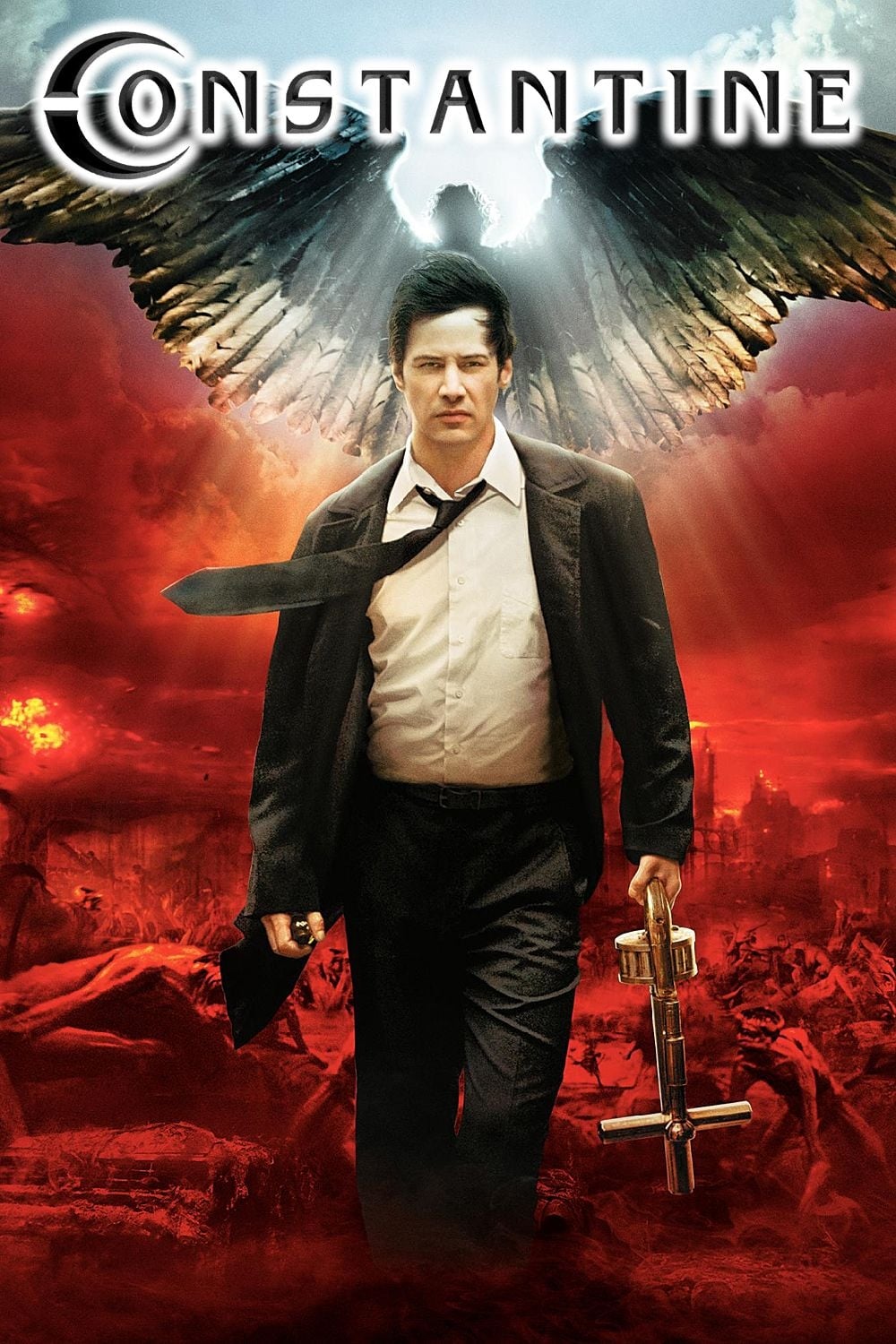
Based on the Hellblazer comics, Constantine received mixed-to-negative reviews upon its release. Critics and fans of the comic were unhappy with changes made to the character, including making the British hero an American played by Keanu Reeves. Roger Ebert gave the film a low rating, criticizing its premise and special effects.
Despite the initial reception, the film found an audience on home video and has gained a significant cult following over time. Viewers have come to appreciate its unique blend of horror, fantasy, and noir, as well as its striking visual style. A sequel with Keanu Reeves is now in development, a testament to the film’s enduring popularity.
Step Brothers (2008)
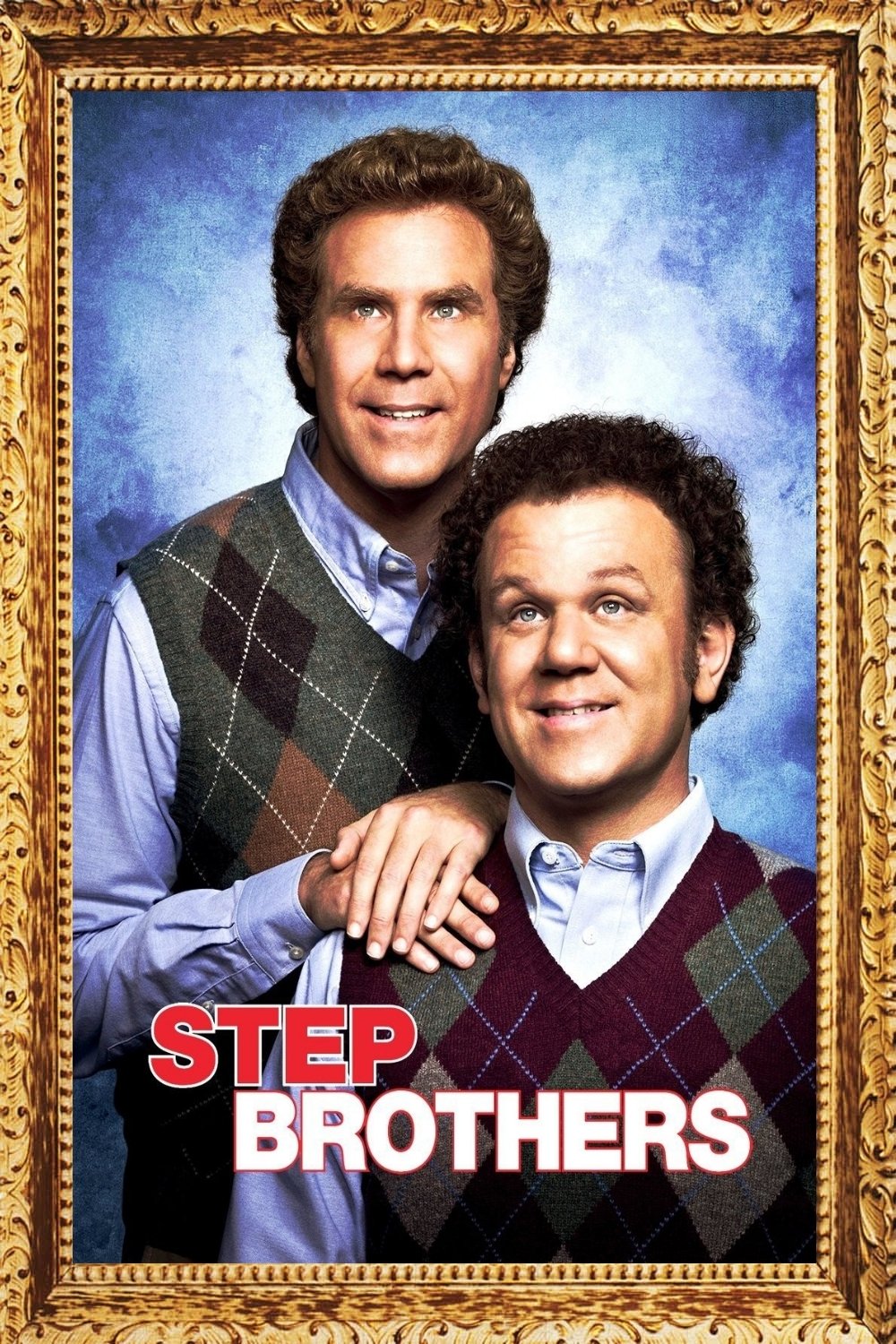
Like many broad comedies starring Will Ferrell, Step Brothers was not a hit with critics. Reviewers found its premise of two grown men acting like children to be stupid and immature. The film was seen as another silly comedy that relied on shouting and low-brow jokes.
Audiences, however, found the film hilarious, and it was a box office success. It has since become a massive comedy classic, with countless quotes and scenes that have become part of pop culture. The chemistry between Will Ferrell and John C. Reilly is now celebrated, and for many, it is one of the funniest movies of the 2000s.
Miami Vice (2006)
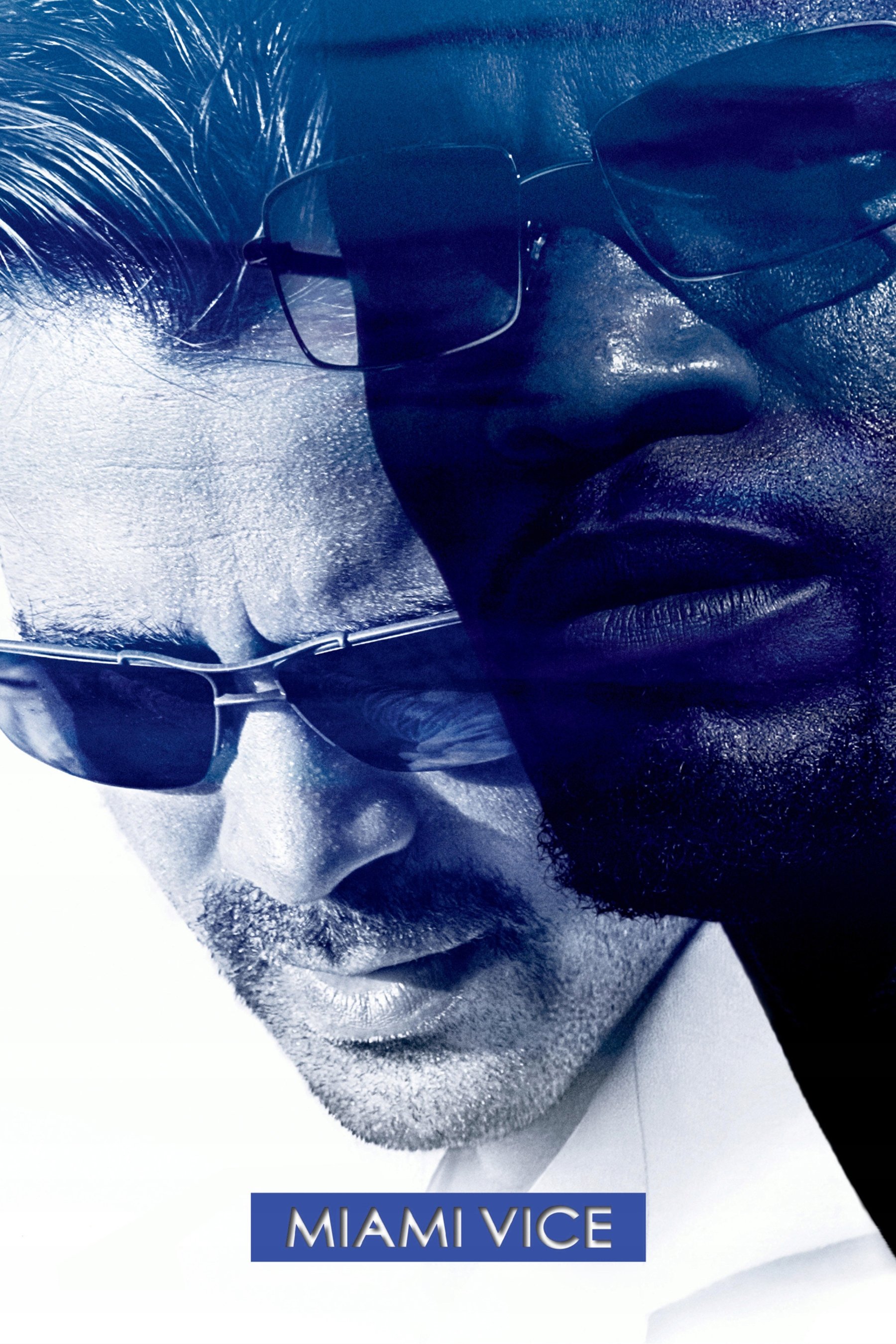
Michael Mann’s film adaptation of the classic 1980s TV show Miami Vice confused and disappointed many critics and audiences. The film’s moody, hyper-realistic digital look and its complex, mumbled plot were not what people were expecting. It was not a box office hit and was considered a failed experiment.
Over time, a growing number of critics and cinephiles have championed the film as a misunderstood masterpiece. They praise its unique visual style, its intense and realistic action sequences, and its serious, brooding tone. It is now seen by many as a brilliant piece of modernist action filmmaking.
A Night at the Roxbury (1998)
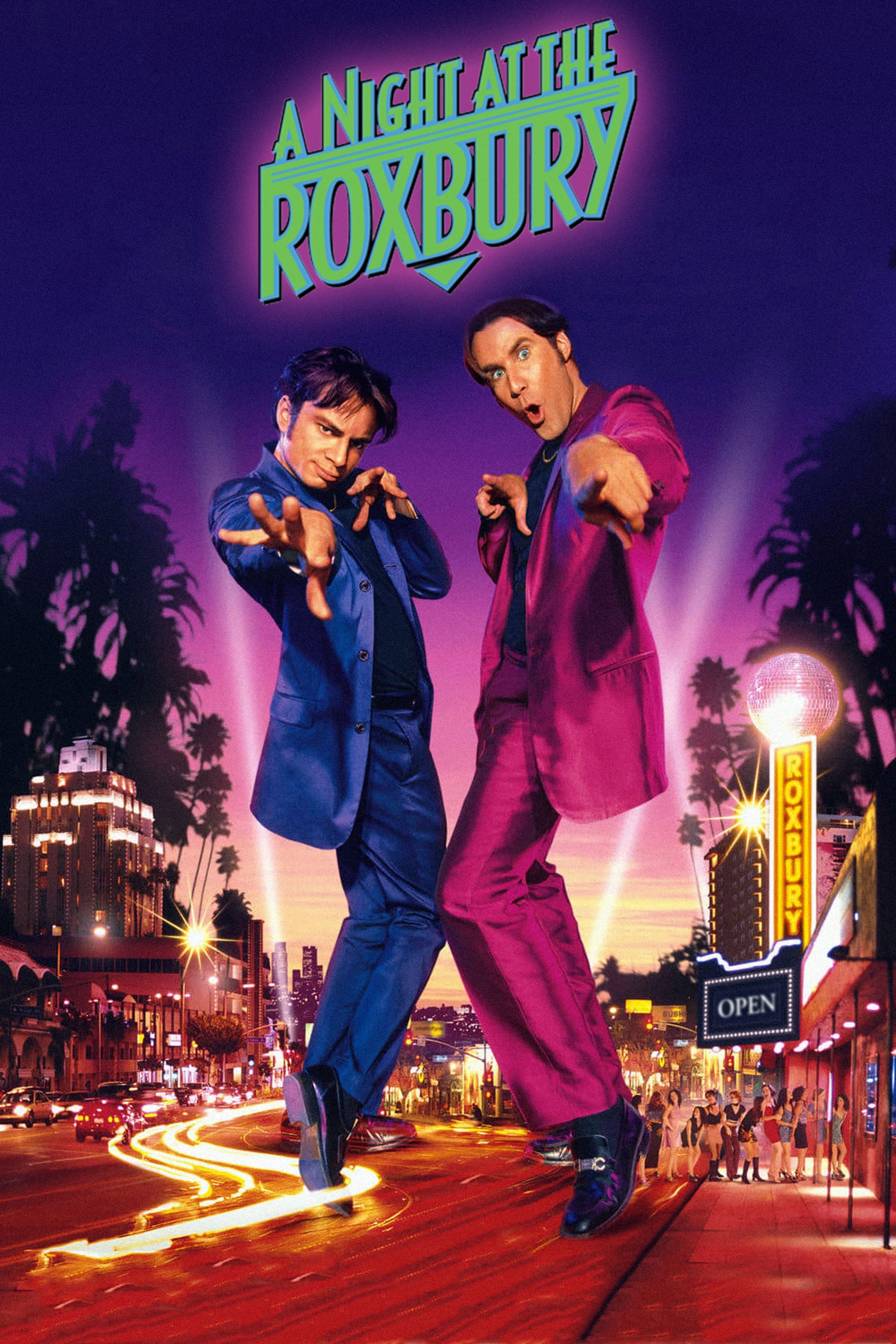
Based on a recurring Saturday Night Live sketch, A Night at the Roxbury was torn apart by critics. It was seen as a thin one-joke idea stretched out to a full-length movie. The film was a critical and commercial failure, dismissed as another bad movie based on an SNL skit.
Thanks to its constant presence on cable TV, the film found a cult audience that appreciated its simple, silly humor and its infectious soundtrack. The head-bobbing Butabi brothers became endearing characters for a generation of viewers. While not a critical darling, it is a fondly remembered comedy for many.
Joe Versus the Volcano (1990)
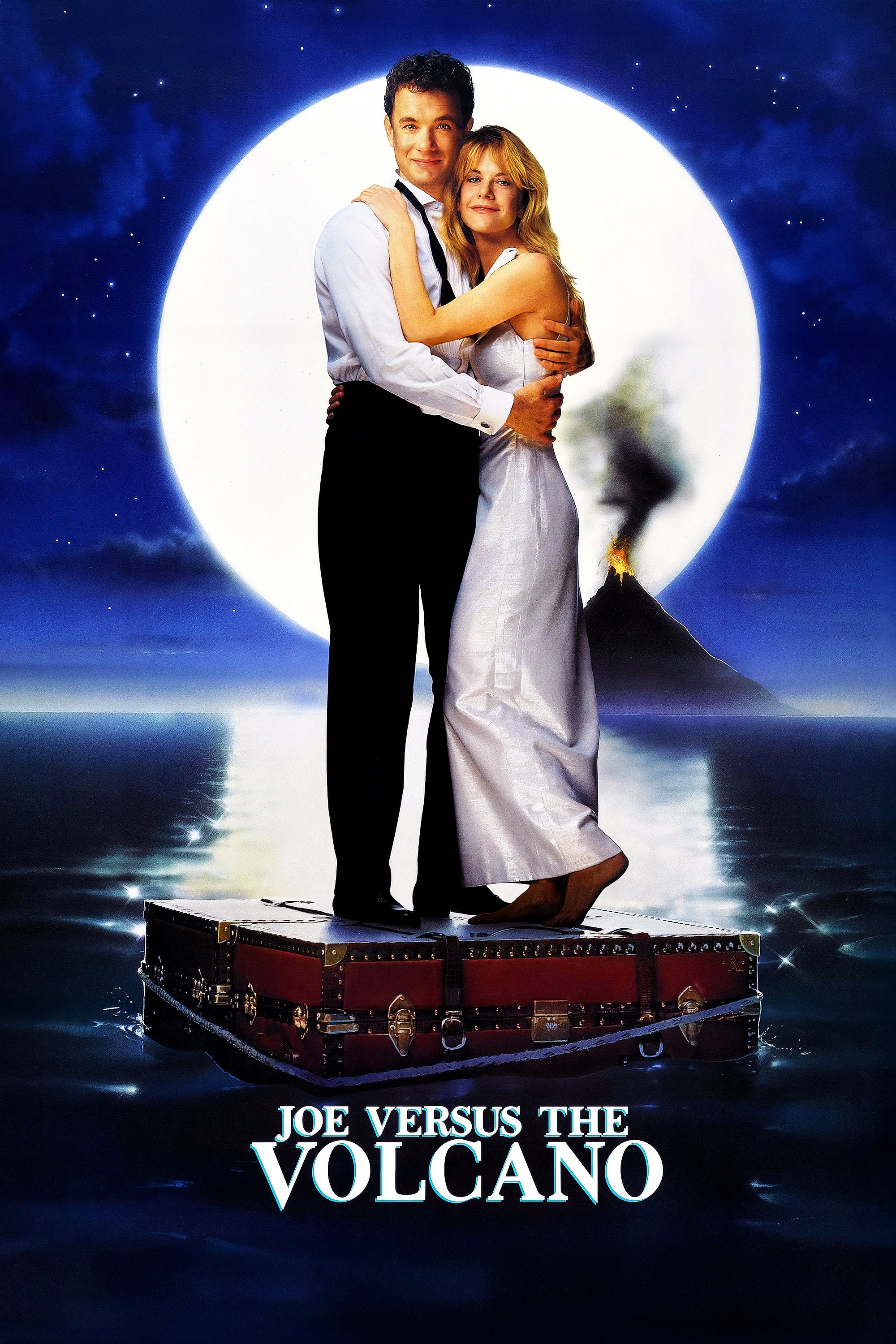
This odd romantic comedy starring Tom Hanks and Meg Ryan was a box office flop and received mixed reviews. Critics found its quirky, stylized humor and fairytale-like story to be strange and self-indulgent. It was considered a bizarre misstep for its famous stars.
Over the years, Joe Versus the Volcano has gained a passionate cult following. Fans celebrate the film for its unique style, its philosophical themes about finding meaning in life, and its incredible production design. It is now seen as a brave and original film that was simply too weird for mainstream audiences in 1990.
Ishtar (1987)

Ishtar is legendary as one of the biggest bombs in Hollywood history. Before it was even released, it became famous for its troubled production and massive budget. When it finally came out, critics savaged it, and it was a spectacular failure at the box office, becoming a punchline for years to come.
Decades later, some brave critics and directors like Martin Scorsese and Quentin Tarantino have begun to defend the film. They argue that while it has flaws, it is a smart and funny political satire that was unfairly destroyed by bad press. While still controversial, the film is slowly being re-evaluated as a misunderstood comedy.

