Decoding the Terrifying New Villain of ‘Godzilla Minus Zero’ as King Ghidorah Emerges Once Again

The global cinematic landscape experienced a massive seismic shift when Toho brought its crown jewel back to its tragic historical origins. Audiences worldwide embraced a harrowing, post-World War II period drama that juxtaposed human heartbreak against breathtaking urban ruin. That historic critical and commercial triumph firmly placed writer and director Takashi Yamazaki at the helm of modern monster cinema.
Following a historic Academy Award victory for Best Visual Effects, industry speculation turned toward where the franchise could possibly venture next. The release set box office milestones across international markets, as Deadline reported when the project became the highest-grossing live-action Japanese film in North American history. Longtime fans and film analysts wondered whether a direct follow-up could preserve that deeply personal emotional core while substantially enlarging the scope of destruction.
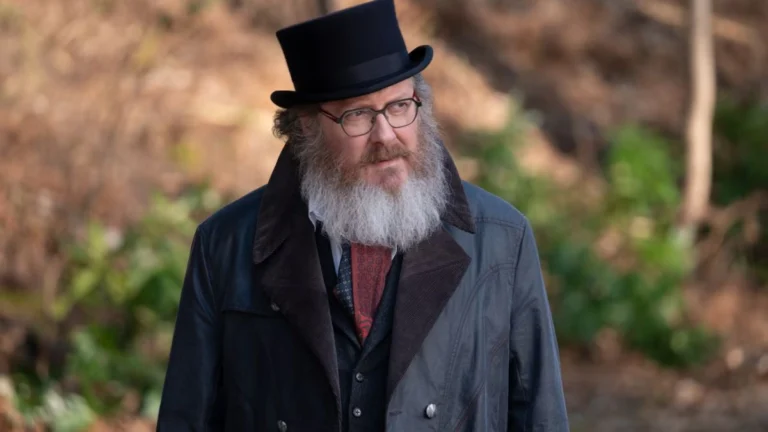
When Toho officially unveiled the theatrical follow-up titled ‘Godzilla Minus Zero‘, anticipation reached a fever pitch over which antagonist would challenge humanity. While the atomic reptile once again emerges from the oceanic deep, he is no longer the sole terror menacing postwar Japan. The narrative introduces the legendary three-headed dragon King Ghidorah, marking the iconic creature’s first appearance in a mainline Japanese live-action film in 24 years.
A Horrifying Evolution of an Iconic Kaiju
Set in 1949, roughly two years after the devastating Ginza disaster in ‘Godzilla Minus One’, the sequel plunges back into a recovering society. The arrival of Ghidorah unleashes immediate panic across the countryside, presenting an extraterrestrial entity that rapidly mutates as it consumes terrestrial matter. Equipped with massive wings, crushing anti-gravity fields, and lightning-like gravity beams, this three-headed menace represents an apex predator far beyond conventional human defense.
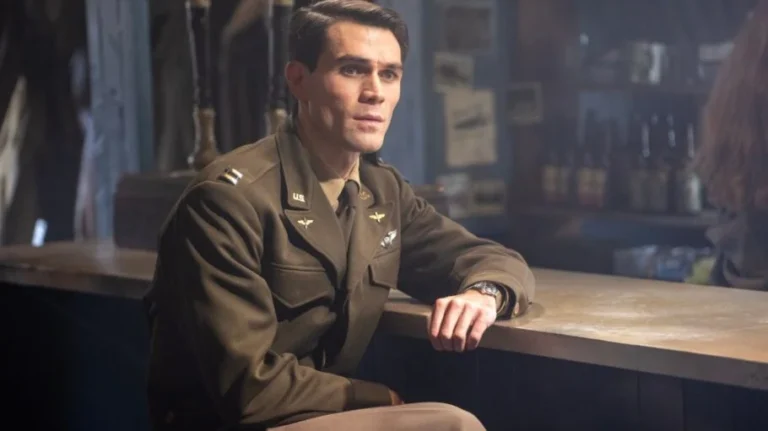
The catastrophe pulls returning protagonist Kōichi Shikishima, portrayed by Ryunosuke Kamiki, away from his quiet domestic life and back into active peril. Alongside naval coordinator Kenji Noda, survivor groups quickly discover that standard artillery fire and naval tactics are entirely useless against Ghidorah’s grotesque cellular regeneration. To avert absolute annihilation, Japan’s desperate disaster authorities realize that their only viable shield is the very terror that previously leveled Tokyo.
Elevating Stakes While Honoring Grounded Trauma
Pivoting toward an action-heavy showdown presented distinct narrative challenges for the production team after the intimate survivor focus of its predecessor. Writer-director Takashi Yamazaki recognized that escalating into a clash of titans required maintaining the raw emotional authenticity that defined the original story. The creative crew aimed to ensure that the spectacle never overshadowed the genuine human cost of war and reconstruction.
Reflecting on the immense creative pressure of helming both the directorial vision and visual design, Yamazaki explained how his hands-on background guided the sequel’s technical execution. “Our situation was unique, given how I was situated in the larger scheme of the overall production,” Yamazaki told IGN, adding, “And the fact that I had a clear goal, more perhaps than other directors, because of my VFX background.”
Deciding the Real Antagonist of the Sequel
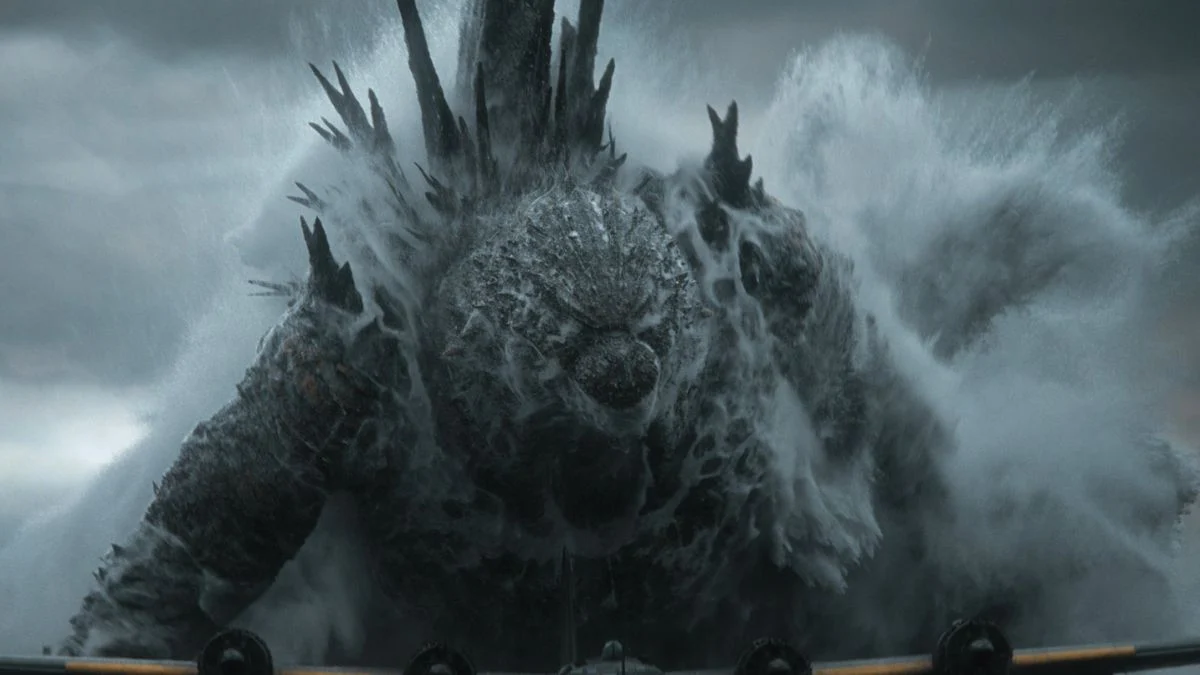
Introducing King Ghidorah radically shifts the established moral calculus of the 135-minute blockbuster. Much like James Cameron’s approach in ‘Terminator 2: Judgment Day’, the preceding threat is reframed as an unwilling bulwark against a far worse apocalypse. Yet ‘Godzilla Minus Zero’ never paints its titular leviathan as a friendly protector, ensuring that every thunderous collision between the two behemoths inflicts agonizing collateral damage.
The film also expands its critique of authority by highlighting bureaucratic negligence and institutional apathy as recurring societal villains. Characters like Shikishima and his wife Noriko, played by Minami Hamabe, carry indelible physical marks and deep mental trauma that government leaders largely ignore. The true emotional struggle lies not merely in repelling titanic monsters, but in fighting to preserve individual humanity amid national indifference.
A Darker Frontier for the Historic Franchise
Arriving as the first entry in the 72-year franchise to carry an R rating, ‘Godzilla Minus Zero’ delivers uncompromising, visceral horror. By transforming King Ghidorah into a cosmic terror and forcing Godzilla into an apocalyptic duel, the production crafts a gripping exploration of survival. Yamazaki once again demonstrates that colossal monster spectacle hits hardest when rooted in the enduring resilience of ordinary people.
What did you think of King Ghidorah’s terrifying return in ‘Godzilla Minus Zero’, and who do you think was the story’s true villain?