


Delroy Lindo Breaks Silence After Controversy Over N-Word at BAFTAs

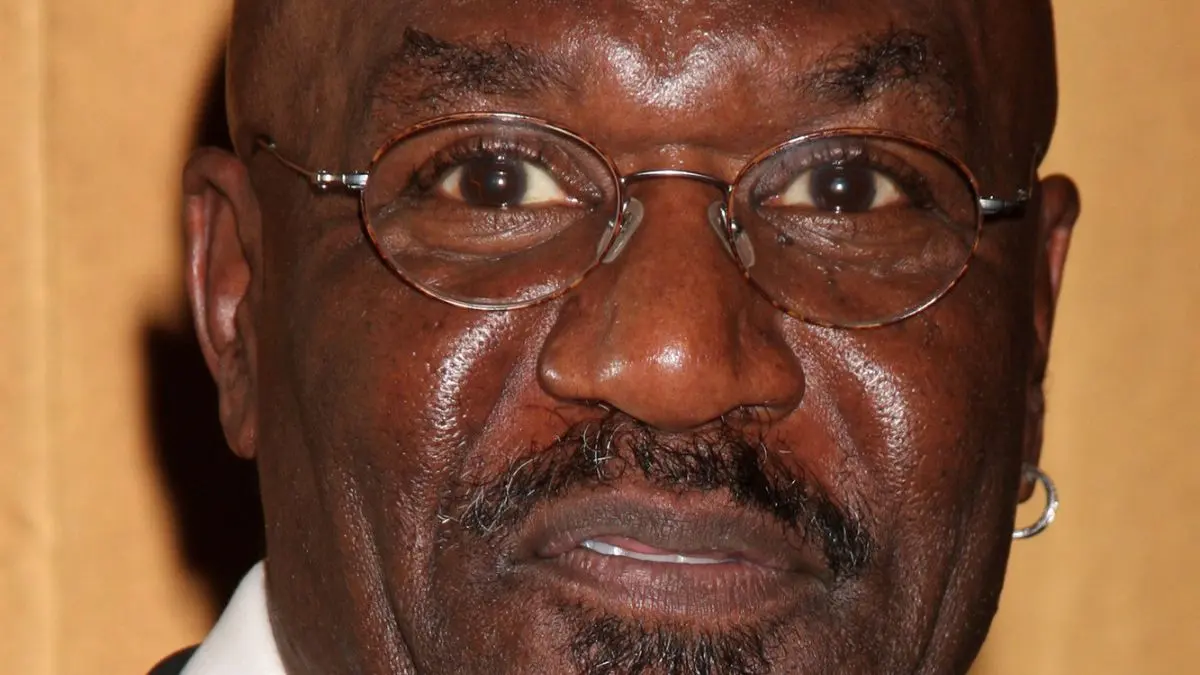


During one of the 2026 BAFTA after parties, Delroy Lindo spoke to Vanity Fair about the shocking moment when the N-word was shouted during the ceremony. He and “Sinners” co-star Michael B. Jordan were presenting the award for Best Visual Effects to “Avatar: Fire and Ash” when the outburst occurred.
Lindo said that they “did what we had to do” in the moment and expressed frustration that “someone from BAFTA spoke to us afterwards.”
The slur came from John Davidson, who has Tourette syndrome. Davidson attended the BAFTAs as the subject of the nominated biopic “I Swear.” The film’s lead, Robert Aramayo, won Best Actor for portraying Davidson, whose condition causes involuntary vocal tics. According to Variety, Davidson also shouted other phrases during the ceremony, including “shut the f*** up” during an introduction by BAFTA chair Sara Putt and “f*** you” when the directors of “Boong” accepted the Best Children’s and Family Film award.
Sources claimed that floor managers had warned nearby guests about Davidson’s condition, but no one was informed in advance about the specific words that might be spoken. Many nominees and attendees reported receiving no prior notice from BAFTA or the BBC.
During the ceremony, host Alan Cumming addressed the audience, saying: “You may have noticed some strong language in the background. This can be part of how Tourette’s syndrome shows up for some people as the film explores that experience. Thanks for your understanding and helping create a respectful space for everyone.”
He later added, “Tourette’s Syndrome is a disability and the tics you’ve heard tonight are involuntary, which means the person who has Tourette’s Syndrome has no control over their language. We apologize if you are offended tonight.”
The controversy intensified after the BBC aired the tape-delayed broadcast, where Davidson’s use of the N-word was still audible. The broadcaster apologized and removed the BAFTA ceremony from iPlayer until the offensive language was edited out.
A BBC spokesperson said, “Some viewers may have heard strong and offensive language during the BAFTA Film Awards. This arose from involuntary verbal tics associated with Tourette syndrome, and as explained during the ceremony it was not intentional. We apologize that this was not edited out prior to broadcast and it will now be removed from the version on BBC iPlayer.”
This incident has sparked debate over how live events handle unexpected disruptions, particularly when disabilities are involved. Lindo and Jordan’s response, along with the subsequent BBC apology, highlights the tension between live performance, audience expectations, and sensitive content management.
I think this raises important questions about planning and communication at major events. Should organizations give full transparency to nominees about potential disruptions, even if unintentional? What do you think about how BAFTA and the BBC handled the situation? Share your thoughts in the comments.

