


Demi Moore’s Career: From ‘Choices’ to ‘The Substance’

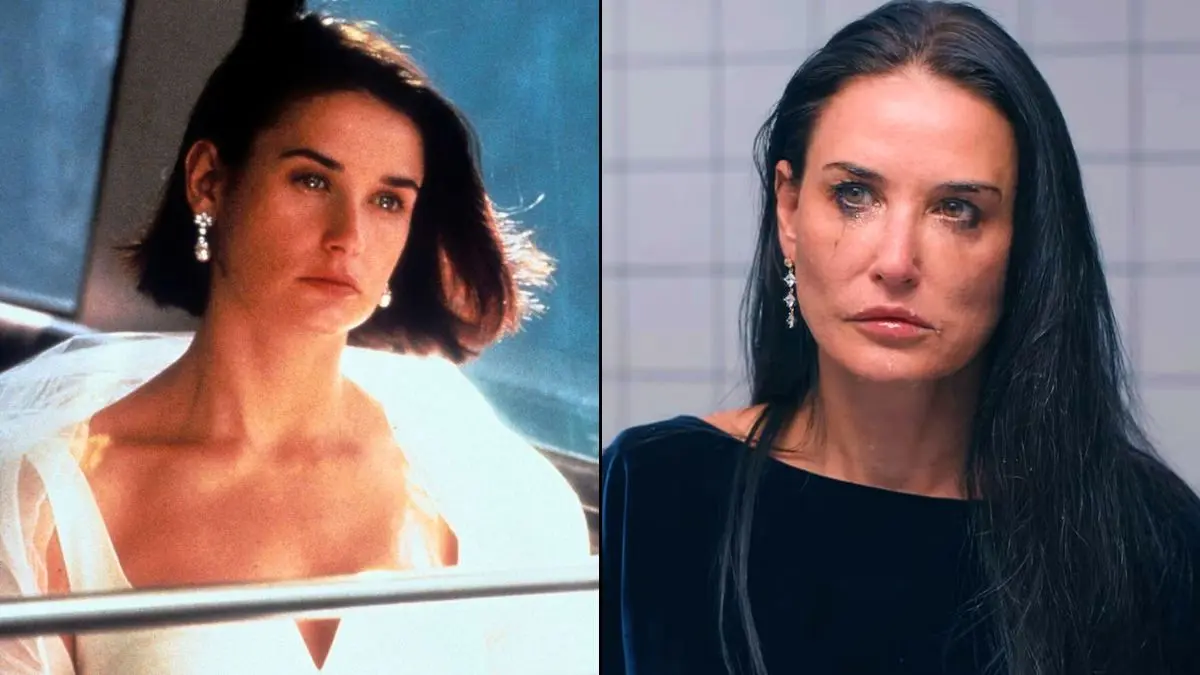


Demi Moore rose to prominence in the 1980s as a member of the iconic “Brat Pack,” a group of young actors who frequently appeared together in popular coming-of-age films. She captured the attention of audiences with her distinctive voice and intense screen presence. Her early roles established her as a talented actress capable of both dramatic and comedic performances. By the end of the decade, she had successfully transitioned from teen idol to a serious leading lady, setting the stage for a massive career surge.
The 1990s saw Moore become one of the most powerful and highest-paid actresses in Hollywood. She starred in a string of major box office hits, taking on controversial and challenging roles that generated significant public discussion. After a period away from the spotlight, she returned to acting with a focus on interesting independent films and compelling supporting roles in larger productions. Her career is one of resilience, marked by iconic performances and a willingness to take risks.
‘Choices’ (1981)

Demi Moore made her film debut in the drama ‘Choices’. She played the role of Corri, the supportive girlfriend of a high school football star who faces a difficult personal decision after a hearing impairment derails his athletic ambitions. The film explored themes of disability and teenage challenges.
In this small, early role, Moore showcased the natural presence and emotional sincerity that would define her later work. Though the film itself is not widely known, it served as her official entry into the world of cinema. It was the first step in a long and impactful career, providing her with initial on-set experience.
‘Parasite’ (1982)
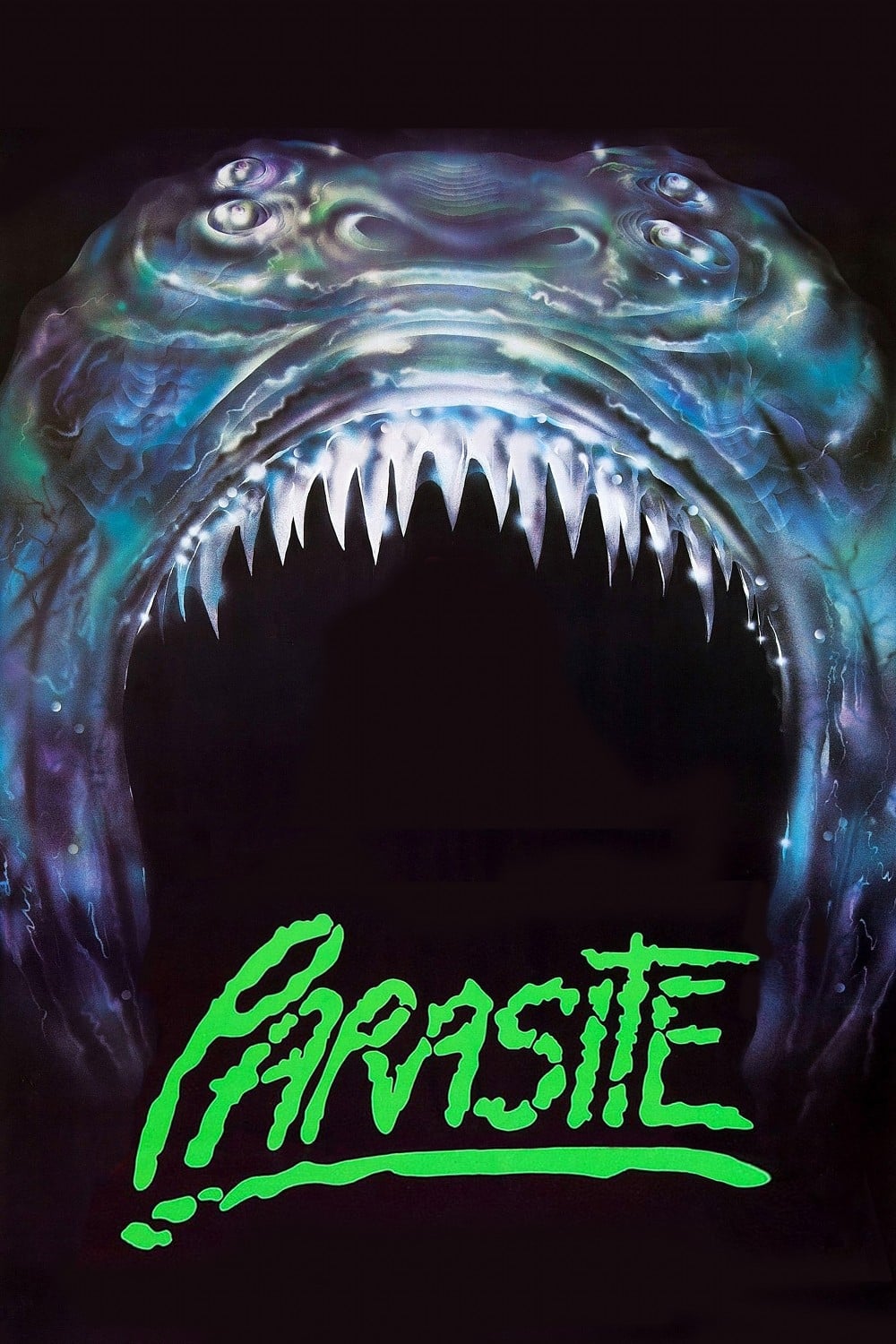
In the 3-D science-fiction horror film ‘Parasite’, Moore played Patricia Welles, a lemon grower who helps a scientist stop a deadly parasite he created from terrorizing a post-apocalyptic town. The role required her to act in a genre setting filled with practical effects and action sequences.
‘Parasite’ was an early commercial project for Moore that tapped into the popular 3-D movie trend of the time. While a departure from the dramatic roles that would later define her career, it gave her valuable experience in a studio production. The role showed her ability to hold her own in a genre picture.
‘Blame It on Rio’ (1984)
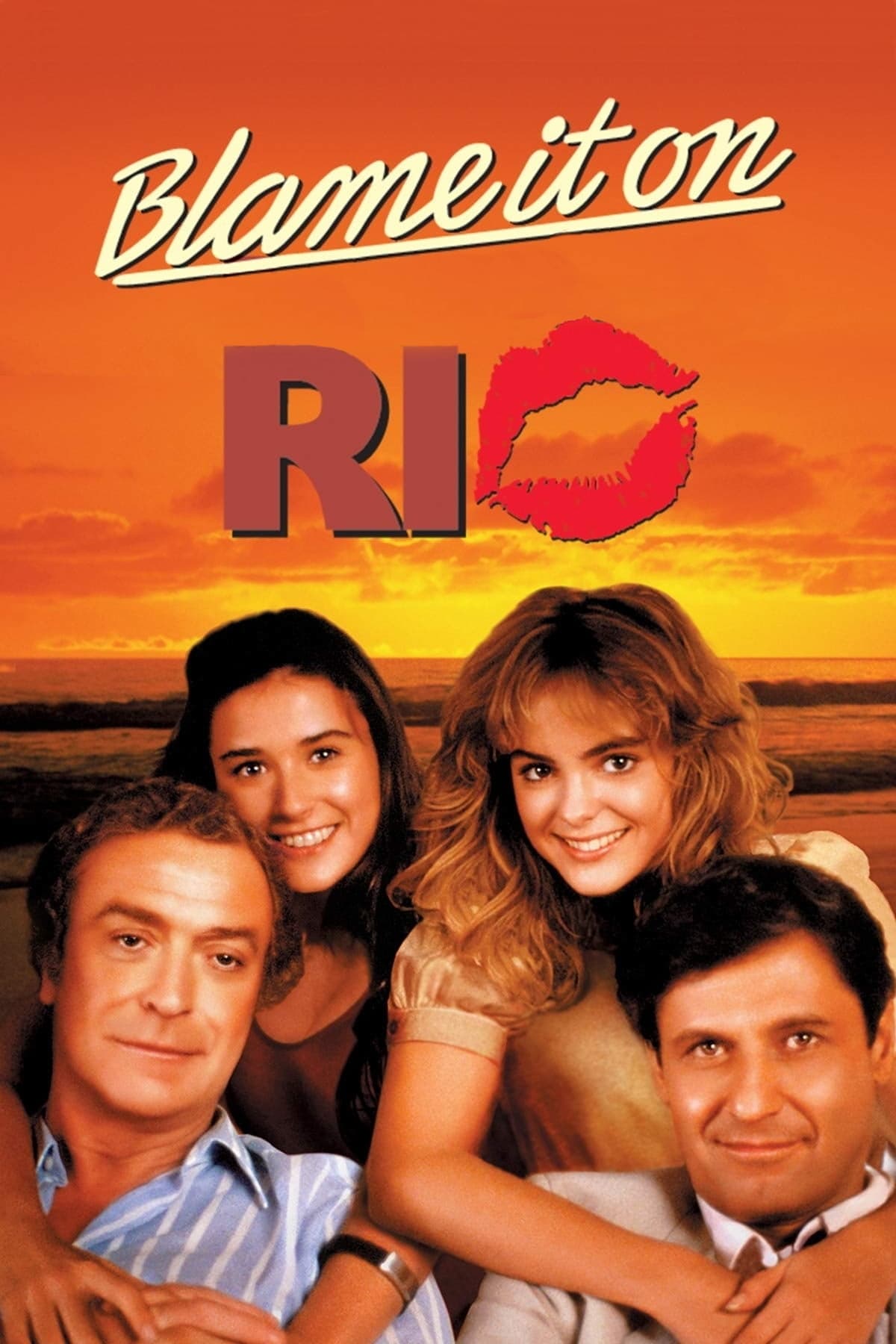
In the romantic comedy ‘Blame It on Rio’, Demi Moore played Nicole “Nikki” Hollis, the daughter of a character played by Michael Caine. The film is about two friends who take their daughters on vacation to Rio de Janeiro, where complications arise when Nikki pursues her father’s best friend. The role was one of her first major film appearances and brought her significant attention.
Moore’s performance showcased her charisma and fearlessness as a young actress. While the film itself was controversial for its subject matter, it served as a notable stepping stone in her early career. It helped to establish her as a rising talent in Hollywood and an actress who was not afraid to take on provocative roles.
‘No Small Affair’ (1984)
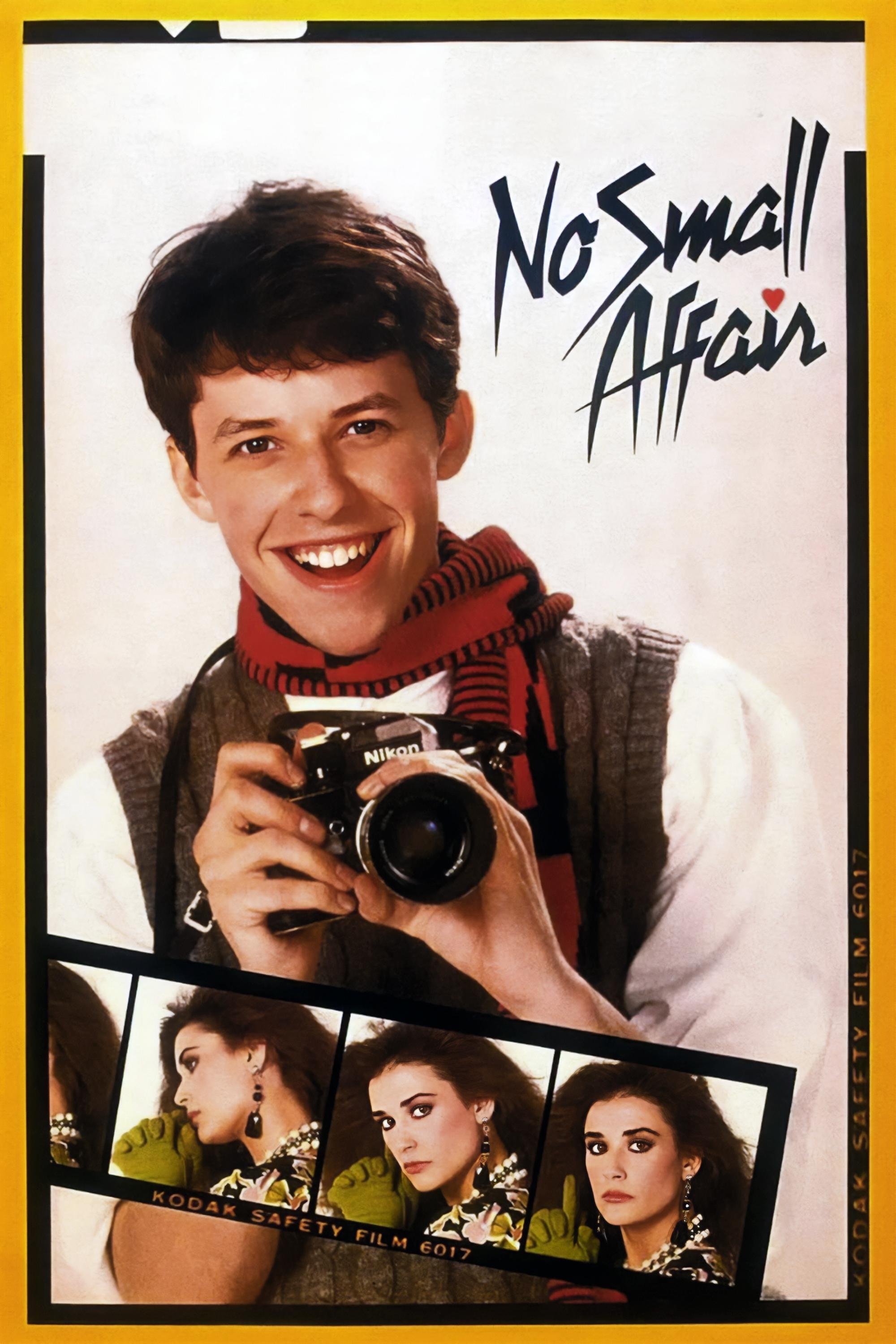
Moore starred opposite Jon Cryer in the romantic comedy-drama ‘No Small Affair’. She played Laura Victor, a 22-year-old nightclub singer who becomes the object of affection for a 16-year-old amateur photographer. Her character is cynical about love and focused on her career until the persistent teenager changes her perspective.
This was one of Moore’s first leading roles, and it allowed her to portray a more complex and mature character. She showcased her ability to be both tough and vulnerable, demonstrating a depth that went beyond typical teen roles. The film was a key step in positioning her as a capable leading lady.
‘St. Elmo’s Fire’ (1985)
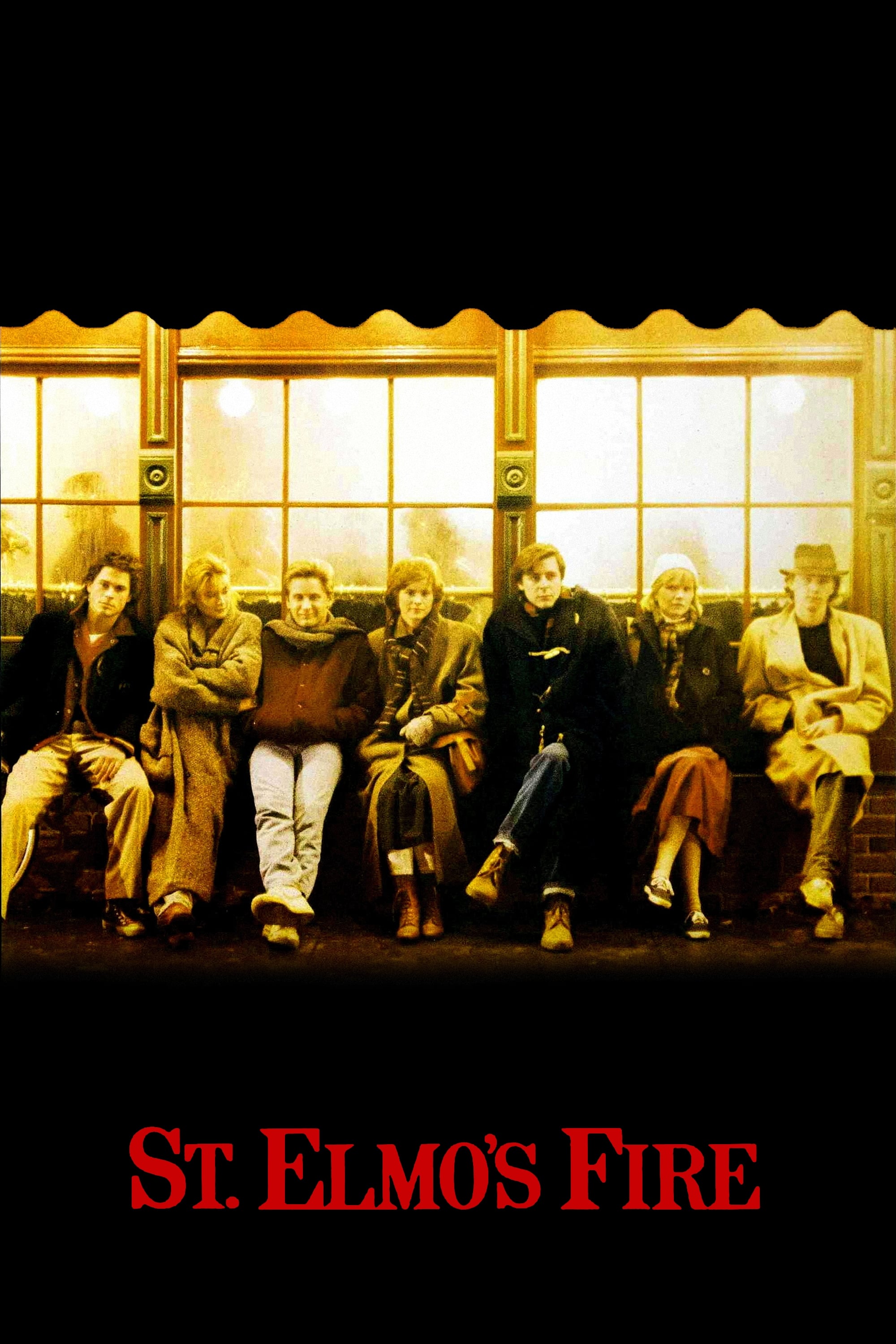
As a key member of the “Brat Pack,” Demi Moore starred in the quintessential ensemble drama ‘St. Elmo’s Fire’. She played Jules, the dramatic and self-destructive member of a group of recent college graduates navigating love, careers, and the challenges of adult life. Her character’s storyline, involving addiction and unrequited love, was one of the most intense in the film.
‘St. Elmo’s Fire’ was a cultural touchstone for its generation, and Moore’s performance was a standout. She brought a raw vulnerability to Jules, making the character both tragic and compelling. The film solidified her status as a prominent young star and remains one of the most defining movies of that era.
‘About Last Night…’ (1986)

Demi Moore starred opposite Rob Lowe in this romantic comedy-drama, which offered a more realistic look at modern relationships than many other films of its time. She played Debbie Sullivan, a young woman who enters into a serious relationship after a one-night stand. The film explores the couple’s journey as they navigate the highs and lows of commitment.
‘About Last Night…’ was a critical and commercial success that marked Moore’s transition into more mature, adult roles. Her performance was praised for its depth and relatability, proving she could lead a film with both humor and emotional honesty. The role demonstrated her growth as an actress beyond the “Brat Pack” label.
‘One Crazy Summer’ (1986)
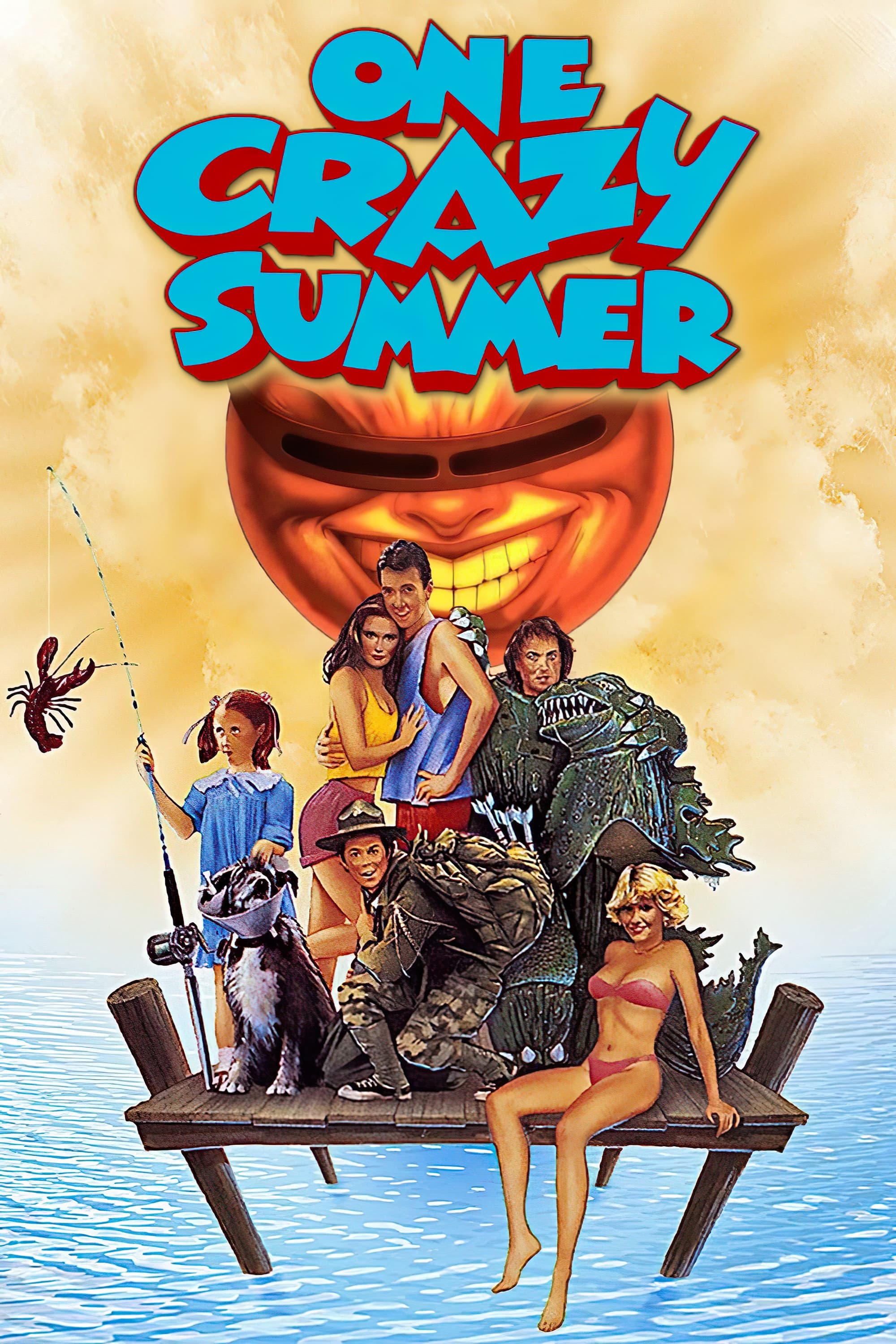
In the teen comedy ‘One Crazy Summer’, Moore played Cassandra Eldridge, a rock singer on the run from a biker gang. She teams up with a group of friends, led by John Cusack’s character, to save her family home from a greedy developer. The film is a quirky and chaotic adventure set during a Nantucket summer.
The role allowed Moore to showcase her comedic timing and play a more lighthearted, adventurous character. It was another popular teen film from the decade that paired her with other notable young actors. ‘One Crazy Summer’ remains a fun and nostalgic part of her early filmography.
‘Wisdom’ (1986)
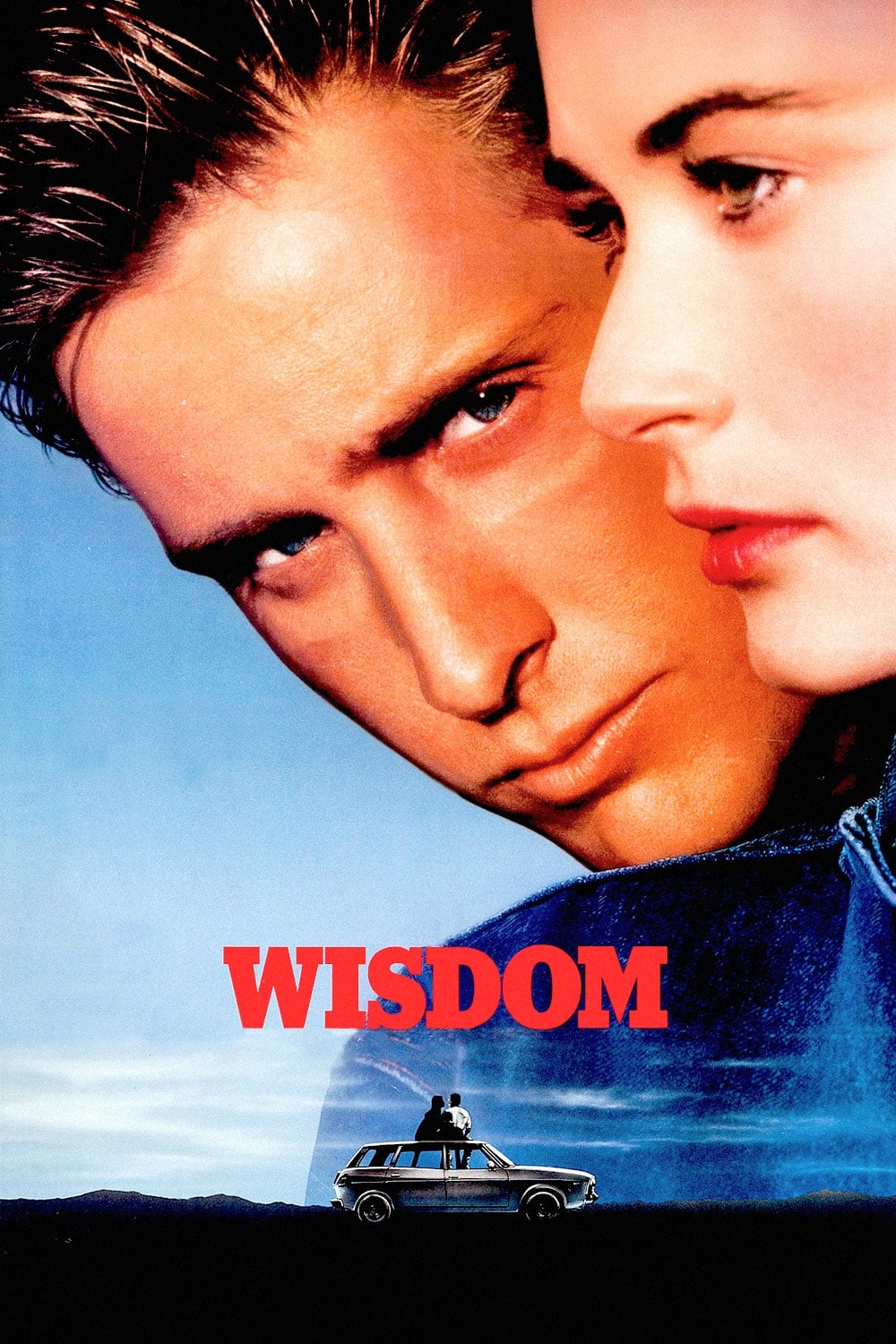
Moore starred alongside Emilio Estevez, who also wrote and directed the film, in the crime drama ‘Wisdom’. She played Karen Simmons, the girlfriend of a man who becomes a modern-day Robin Hood after his felony conviction prevents him from finding a job. Together, they embark on a bank-robbing spree to help struggling farmers.
The film was an ambitious project that explored themes of social justice and disillusionment. Moore’s role was that of a loyal partner who gets drawn into a life of crime. While the film received poor reviews, it was another example of the “Brat Pack” actors taking on more serious and politically charged material.
‘The Seventh Sign’ (1988)
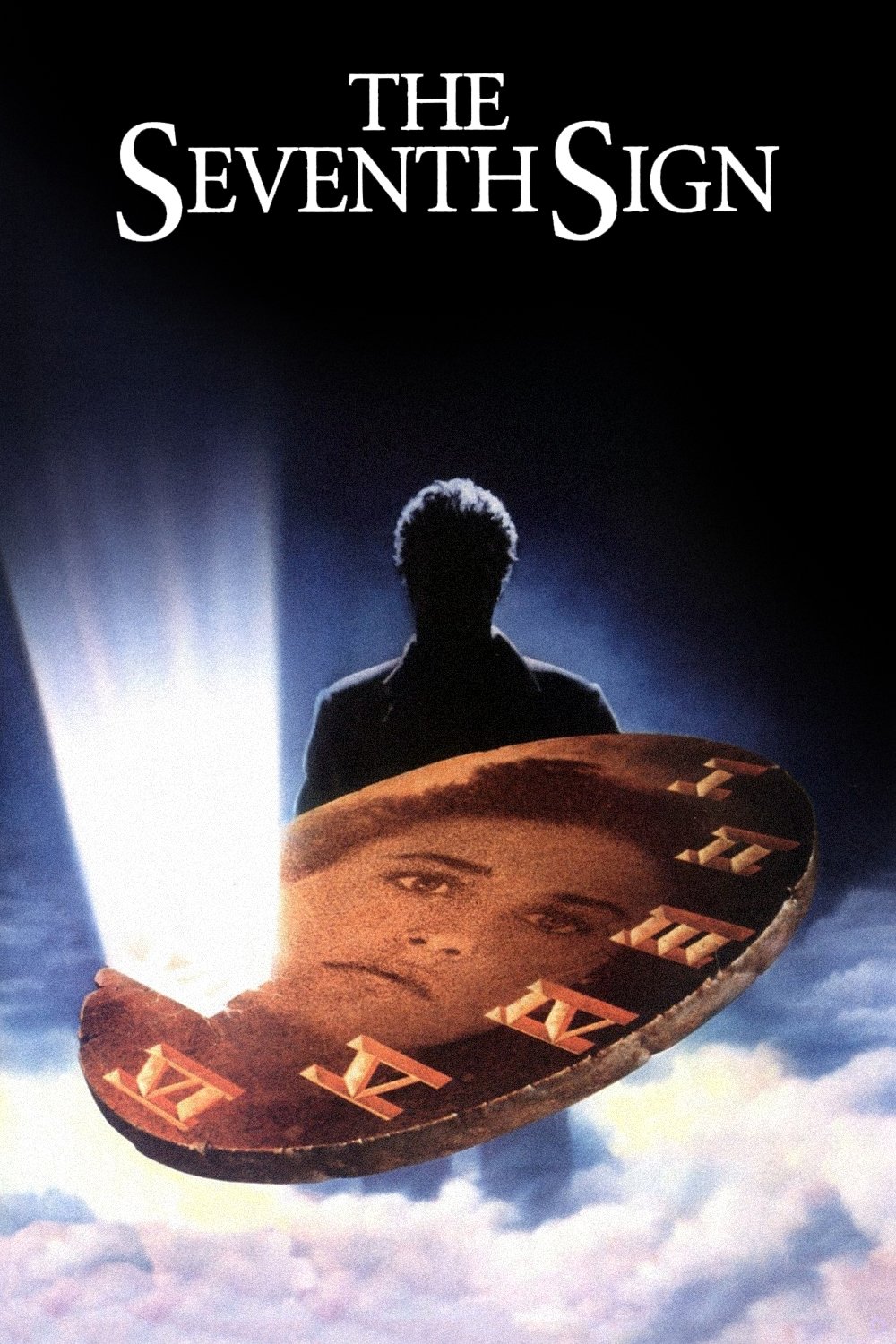
In the supernatural thriller ‘The Seventh Sign’, Moore had her first top-billed leading role. She played Abby Quinn, a pregnant woman who discovers that she and her unborn child are central figures in a series of events foretelling the apocalypse. The film follows her race against time to prevent the end of the world.
This role was a significant step for Moore, as it was her first time carrying a major studio film as the sole lead. While the movie received mixed reviews, it was a box office success and demonstrated her ability to attract an audience. It showcased her potential as a dramatic actress capable of leading a high-concept thriller.
‘We’re No Angels’ (1989)
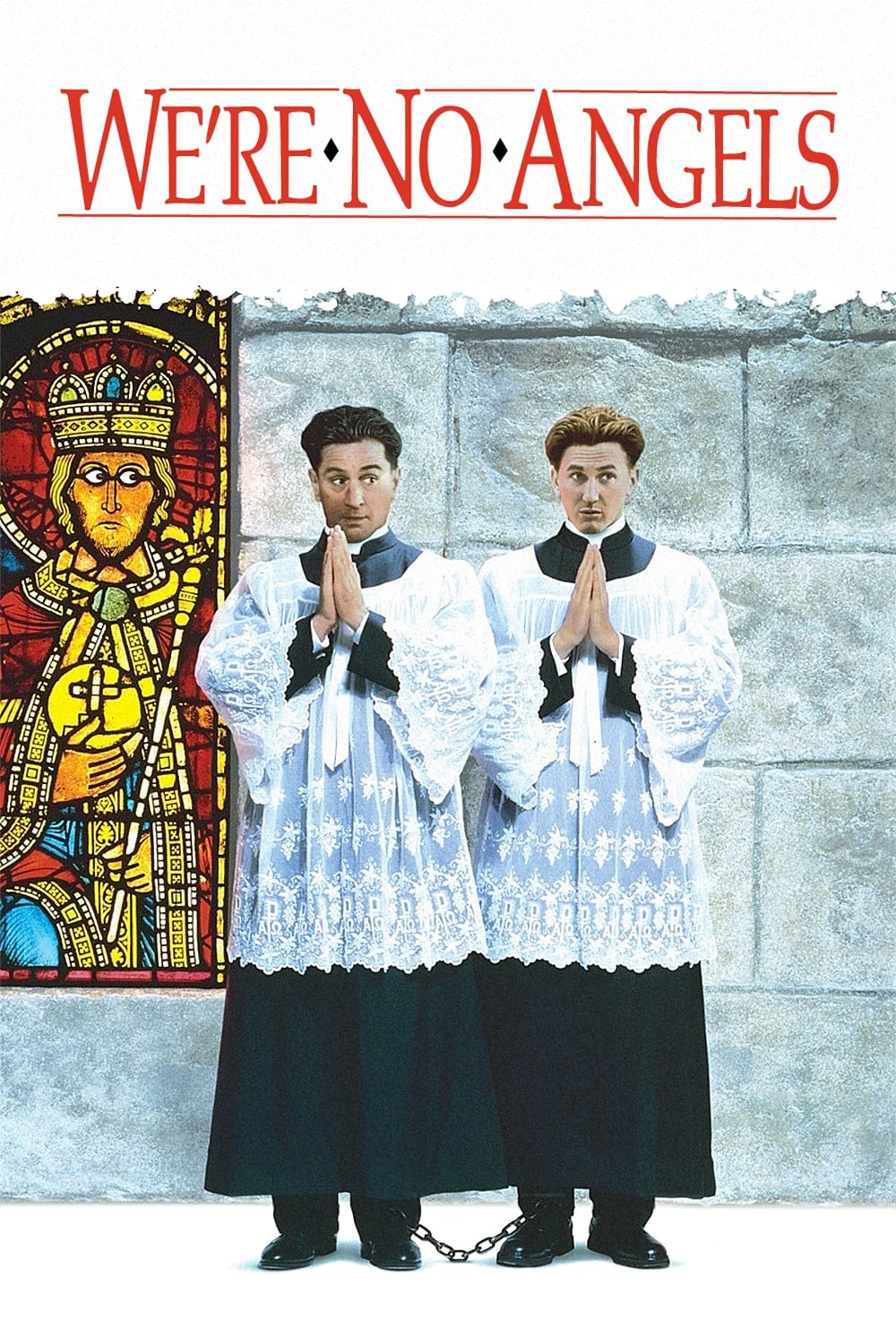
Moore co-starred with Robert De Niro and Sean Penn in the comedy ‘We’re No Angels’. She played Molly, a single mother in a small town near the Canadian border during the Great Depression. She befriends two escaped convicts who are pretending to be priests, and her kindness helps to change their outlook on life.
The film was a notable project that allowed her to work with acclaimed actors and a respected director. Moore provided the story with its heart and moral grounding. Her role as a tough but caring woman in a period setting was a departure from her previous contemporary characters.
‘Ghost’ (1990)

Demi Moore became a global superstar with her role as Molly Jensen in the romantic fantasy thriller ‘Ghost’. She played a grieving artist whose murdered lover, played by Patrick Swayze, tries to communicate with her from the afterlife with the help of a psychic. The film was an unexpected cultural phenomenon and the highest-grossing film of its year.
Her emotional performance earned her a Golden Globe nomination and was central to the film’s incredible success. The iconic pottery scene became one of the most famous moments in cinema history. ‘Ghost’ cemented Moore’s status as an A-list leading lady and remains her most beloved and commercially successful film.
‘Nothing but Trouble’ (1991)
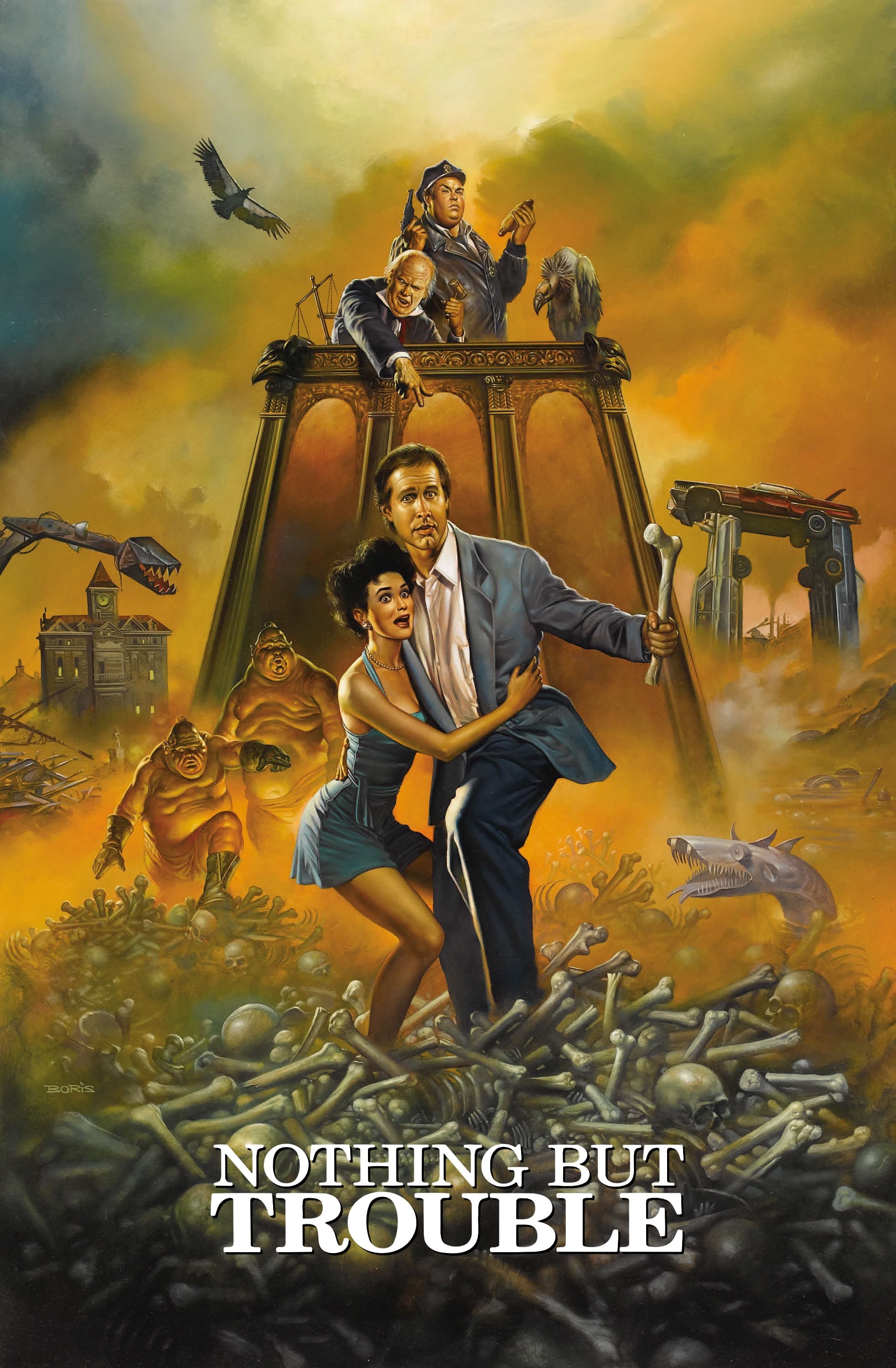
In the dark comedy ‘Nothing but Trouble’, Moore starred alongside Chevy Chase, Dan Aykroyd, and John Candy. She played Diane Lightson, a financial advisor who gets caught in a bizarre and dangerous speed trap run by a strange family in a remote village. The film is a surreal and macabre adventure.
This role was a venture into broad, eccentric comedy for Moore. The film has since become a cult classic due to its strange tone and elaborate production design. Her performance as the “straight man” amidst the chaos was essential to grounding the film’s wild and unpredictable humor.
‘Mortal Thoughts’ (1991)
Moore starred in and produced the neo-noir thriller ‘Mortal Thoughts’. She played Cynthia Kellogg, a woman being interrogated by police about the murder of her best friend’s abusive husband. The story unfolds through a series of flashbacks, with an unreliable narrator who may be hiding the truth.
The film was a gritty and intense project that showcased Moore’s dramatic capabilities. Her performance as the conflicted Cynthia was praised for its complexity and emotional depth. Taking on a producer role also signaled her growing power and influence in Hollywood.
‘The Butcher’s Wife’ (1991)
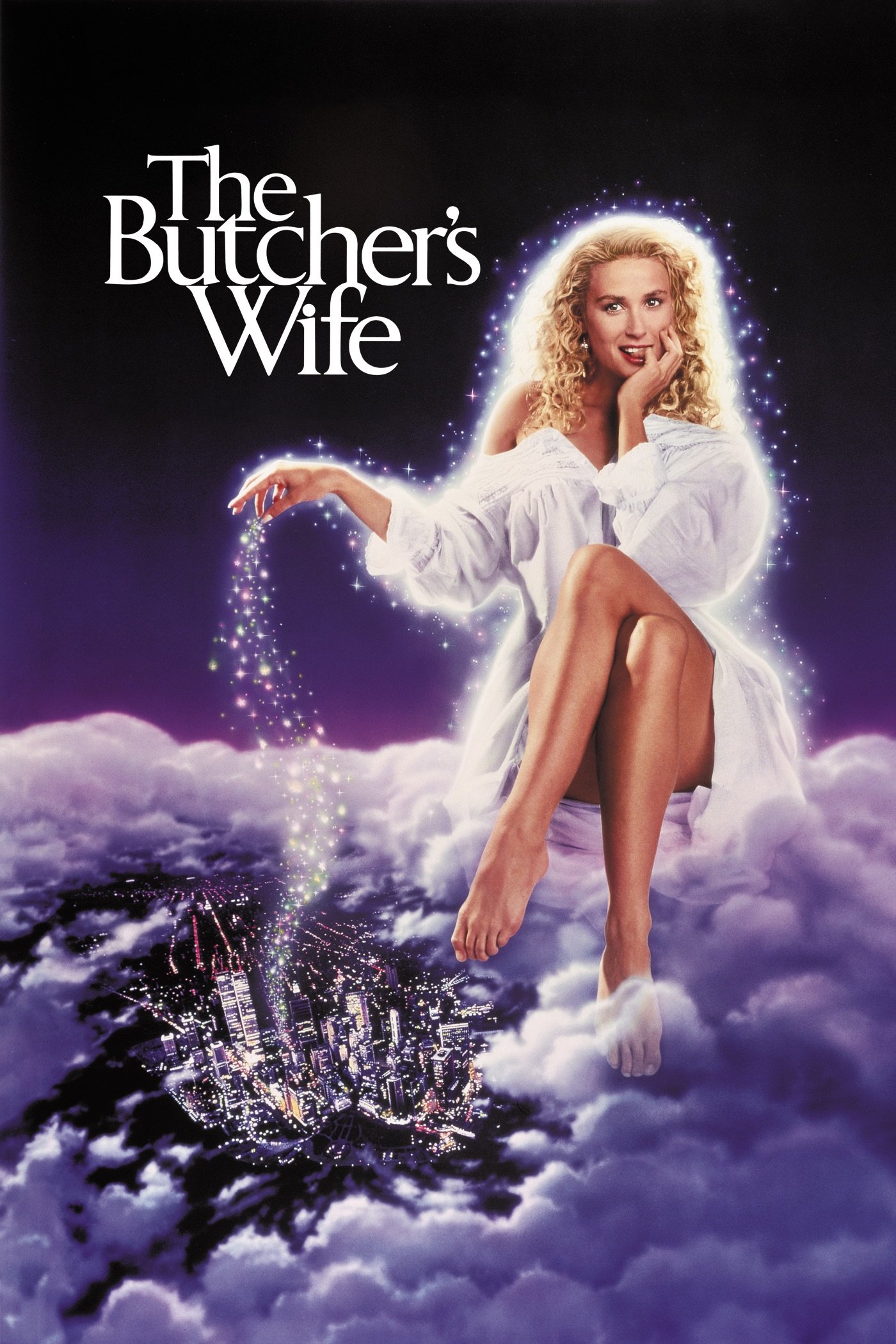
In the romantic fantasy ‘The Butcher’s Wife’, Moore played Marina Lemke, a clairvoyant woman from a small island who believes a New York butcher is her destined husband. Once she moves to the city, her psychic abilities begin to positively affect the lives of everyone in her neighborhood, though she questions her own happiness.
The role allowed Moore to play a whimsical and lighthearted character with an innocent charm. It was a departure from the intense thrillers and dramas she was becoming known for at the time. The film showcased her versatility and her ability to lead a sweet, character-driven story.
‘A Few Good Men’ (1992)
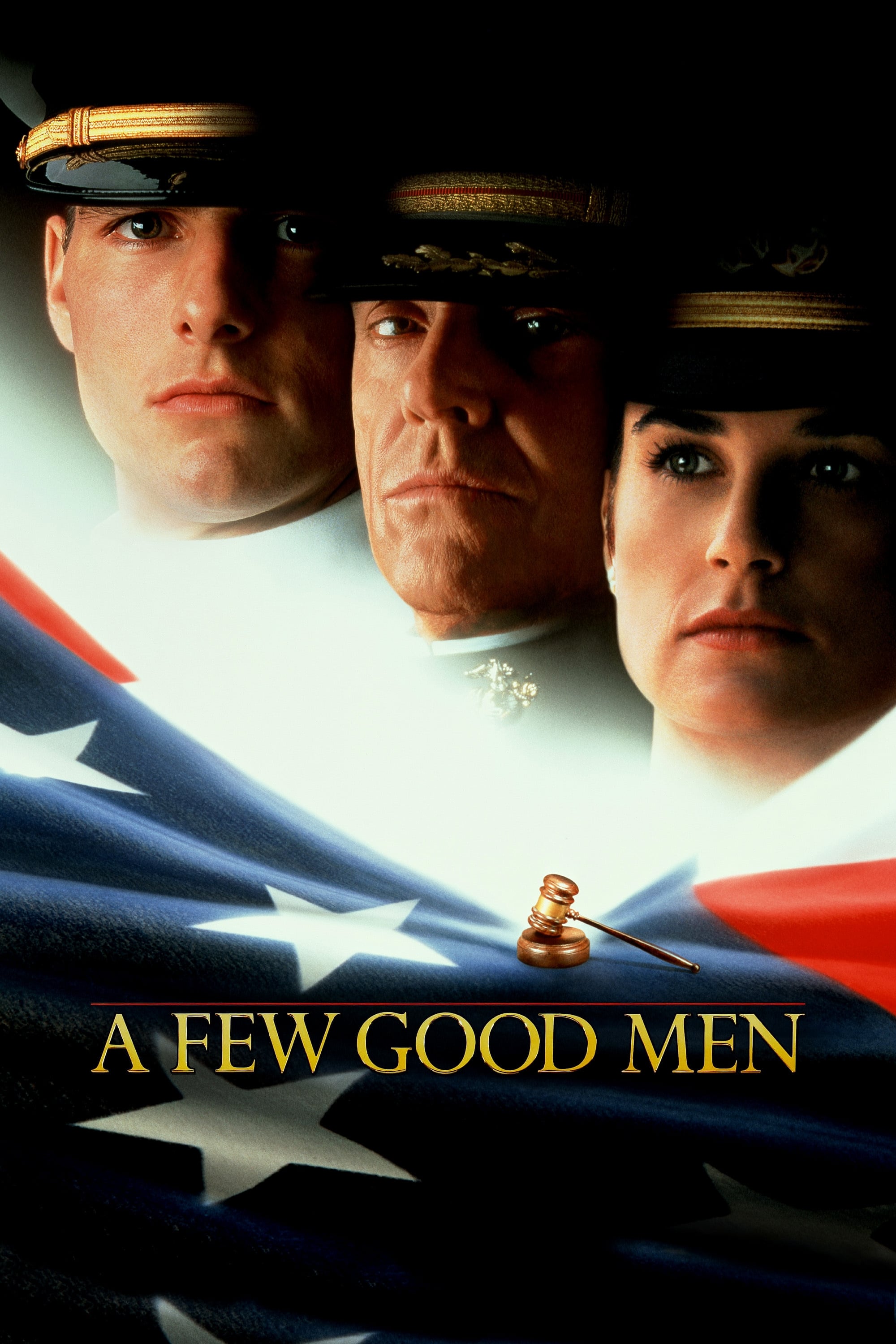
Moore starred alongside Tom Cruise and Jack Nicholson in the acclaimed legal drama ‘A Few Good Men’. She played Lieutenant Commander JoAnne Galloway, a determined and principled Navy lawyer who helps defend two Marines accused of murder. Her character is instrumental in pushing the investigation forward to uncover a high-level conspiracy.
The film was a massive critical and commercial success, earning an Academy Award nomination for Best Picture. Moore held her own in a powerhouse cast, delivering a strong and confident performance as the moral center of the legal team. Her role in ‘A Few Good Men’ further solidified her position as a top-tier Hollywood actress.
‘Indecent Proposal’ (1993)
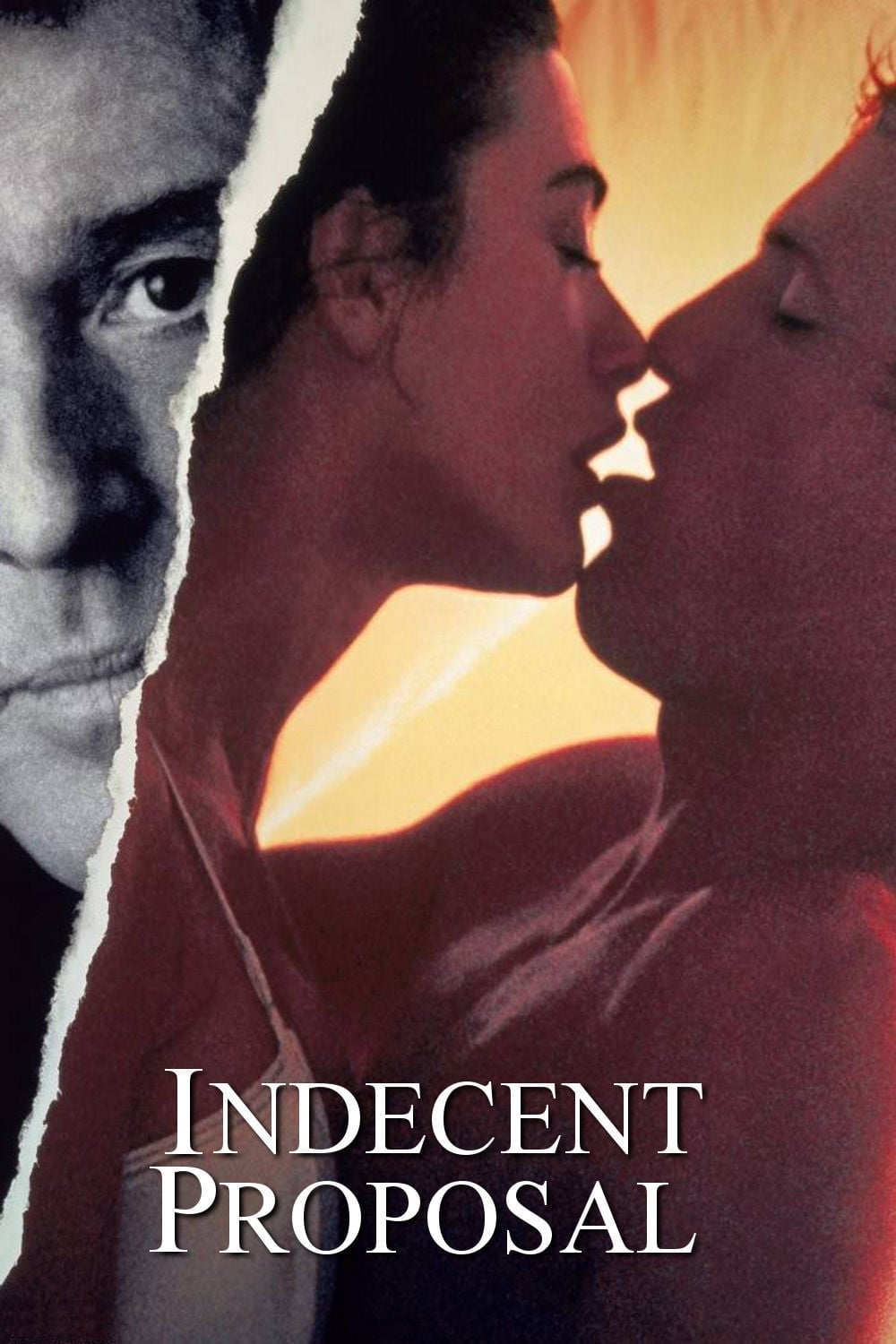
In one of the most talked-about films of the decade, Moore starred as Diana Murphy. She and her husband, played by Woody Harrelson, are a loving but financially struggling couple who are offered one million dollars by a billionaire in exchange for a night with Diana. The film explored themes of love, money, and morality, sparking debates worldwide.
‘Indecent Proposal’ was a huge box office success, and its central premise became a major pop culture topic. Moore’s performance was at the heart of the film’s controversial story, making her one of the most discussed actresses of the era. The role cemented her reputation for taking on daring and thought-provoking projects.
‘Disclosure’ (1994)
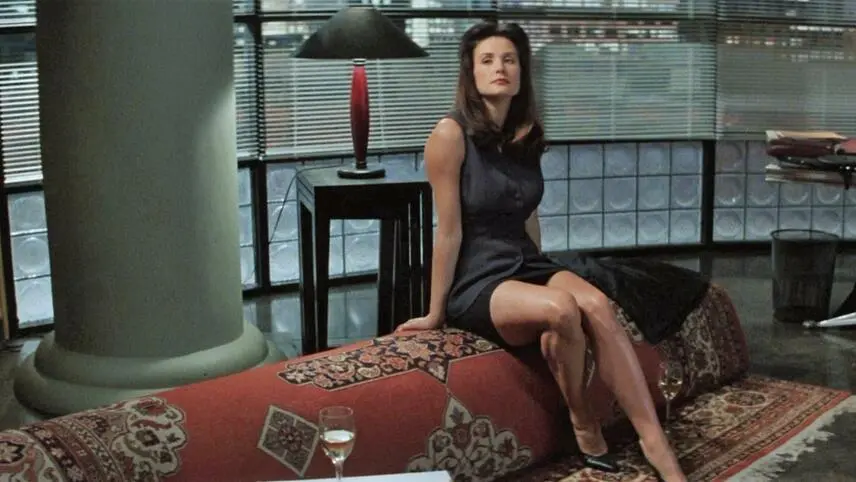
Moore played against type as the villain in the thriller ‘Disclosure’. She portrayed Meredith Johnson, a powerful executive who sexually harasses a male employee, played by Michael Douglas, and then falsely accuses him of harassment when he rejects her. The film was notable for flipping the typical gender roles in a workplace harassment story.
The movie was another major commercial success for Moore. Her performance as the manipulative and predatory antagonist was praised as cold, calculating, and effective. The role demonstrated her versatility and willingness to play an unsympathetic character, further showcasing her range as an actress.
‘The Scarlet Letter’ (1995)
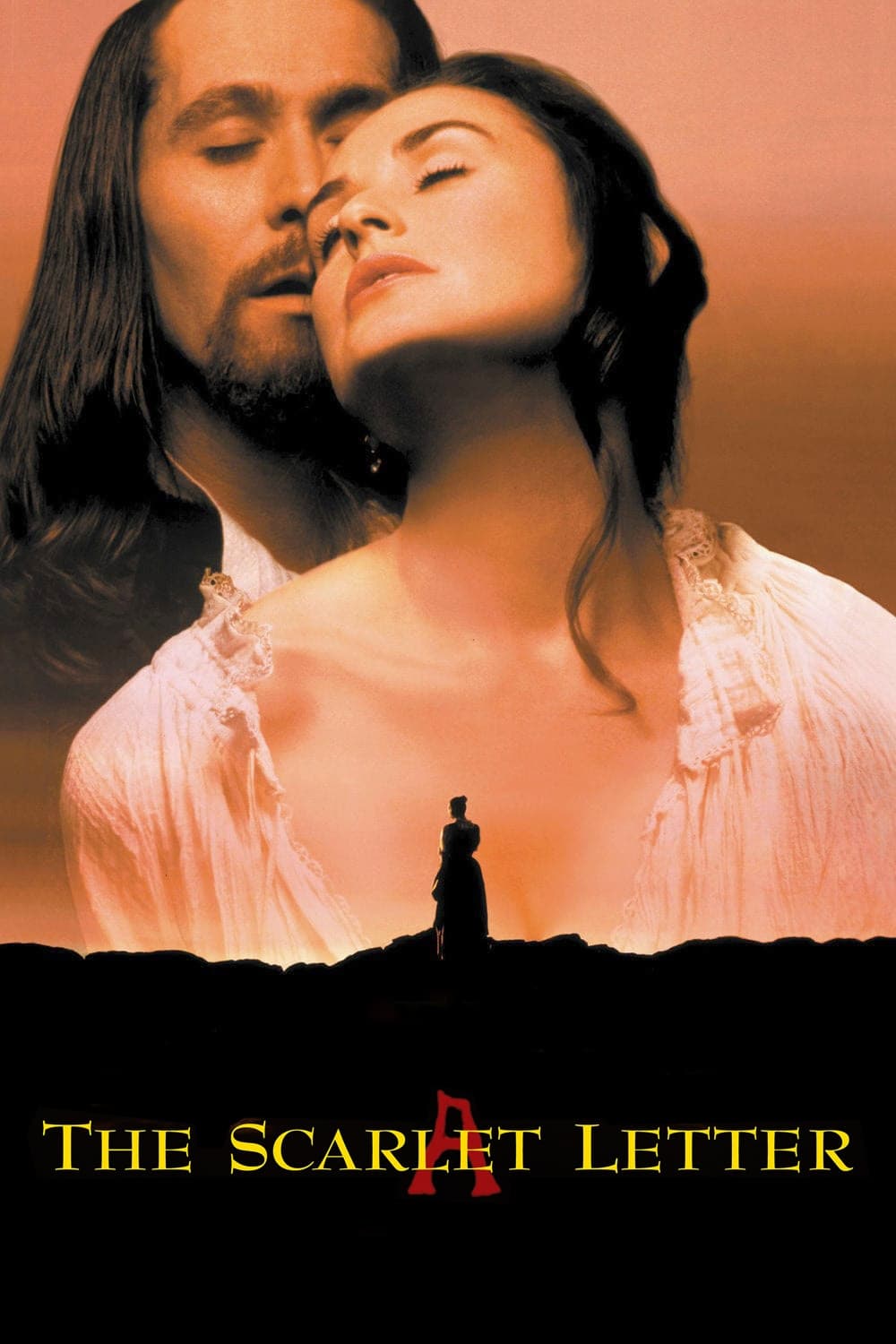
Moore took on the classic literary role of Hester Prynne in this adaptation of Nathaniel Hawthorne’s novel. The film tells the story of a woman in 17th-century Puritan Boston who has a child out of wedlock and is forced to wear a scarlet “A” on her clothing as a symbol of her sin. The adaptation took significant liberties with the original story.
Despite being a critical and commercial failure, the film was a significant and ambitious project for Moore at the height of her fame. Her portrayal of the strong-willed and defiant Hester was a testament to her commitment to taking on challenging historical roles, even if the final product was not well-received.
‘Now and Then’ (1995)
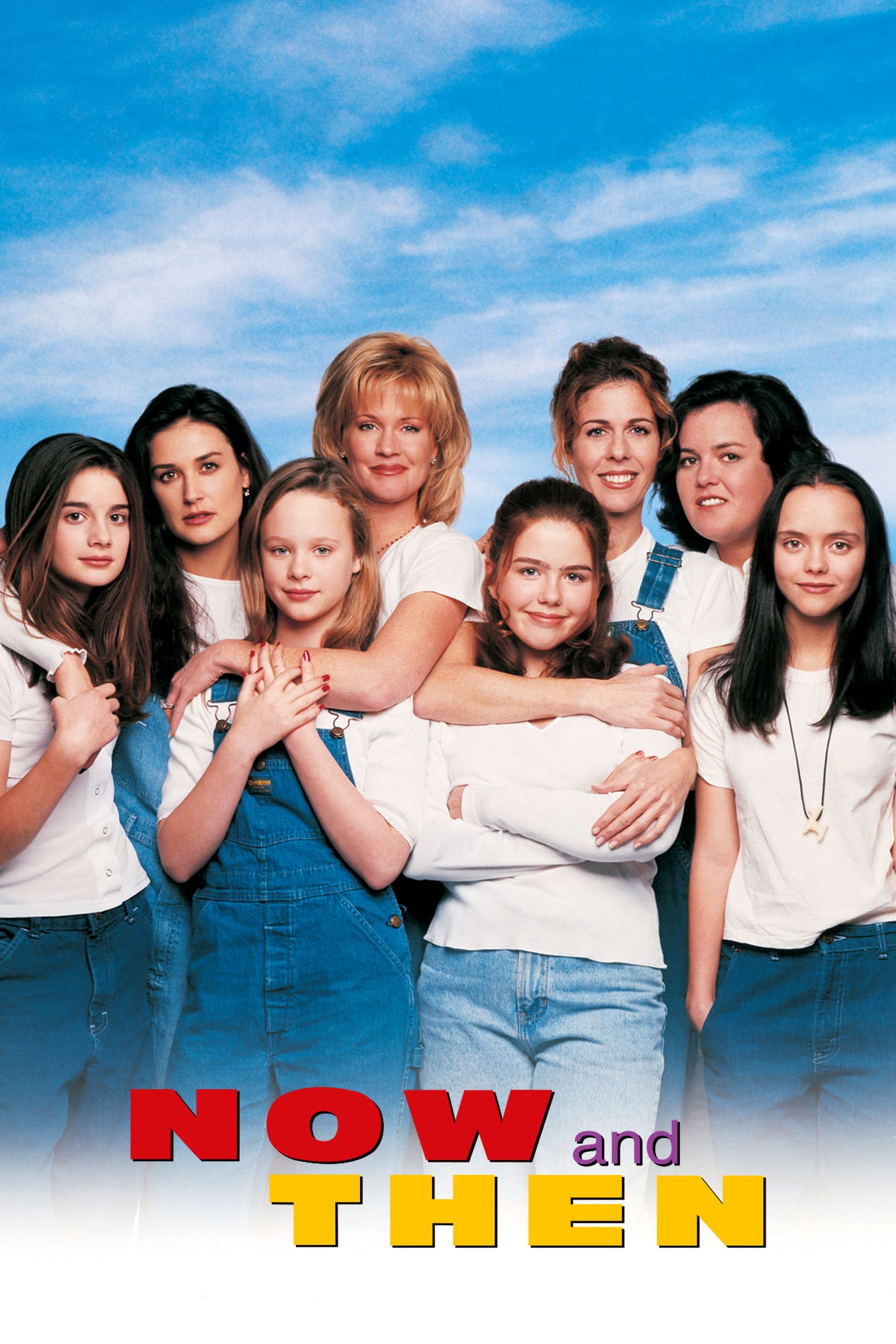
In addition to starring in it, Moore also produced the beloved coming-of-age film ‘Now and Then’. The story follows four women who reunite as adults and reminisce about a pivotal summer from their childhood in 1970. Moore played the older version of the character Samantha Albertson, who also narrates the film.
‘Now and Then’ has become a cherished cult classic, particularly with audiences who grew up in the 90s. Although her on-screen role was small, her work as a producer was crucial to getting the female-centric story made. The film remains a heartfelt and nostalgic favorite, highlighting her passion for storytelling both in front of and behind the camera.
‘The Juror’ (1996)
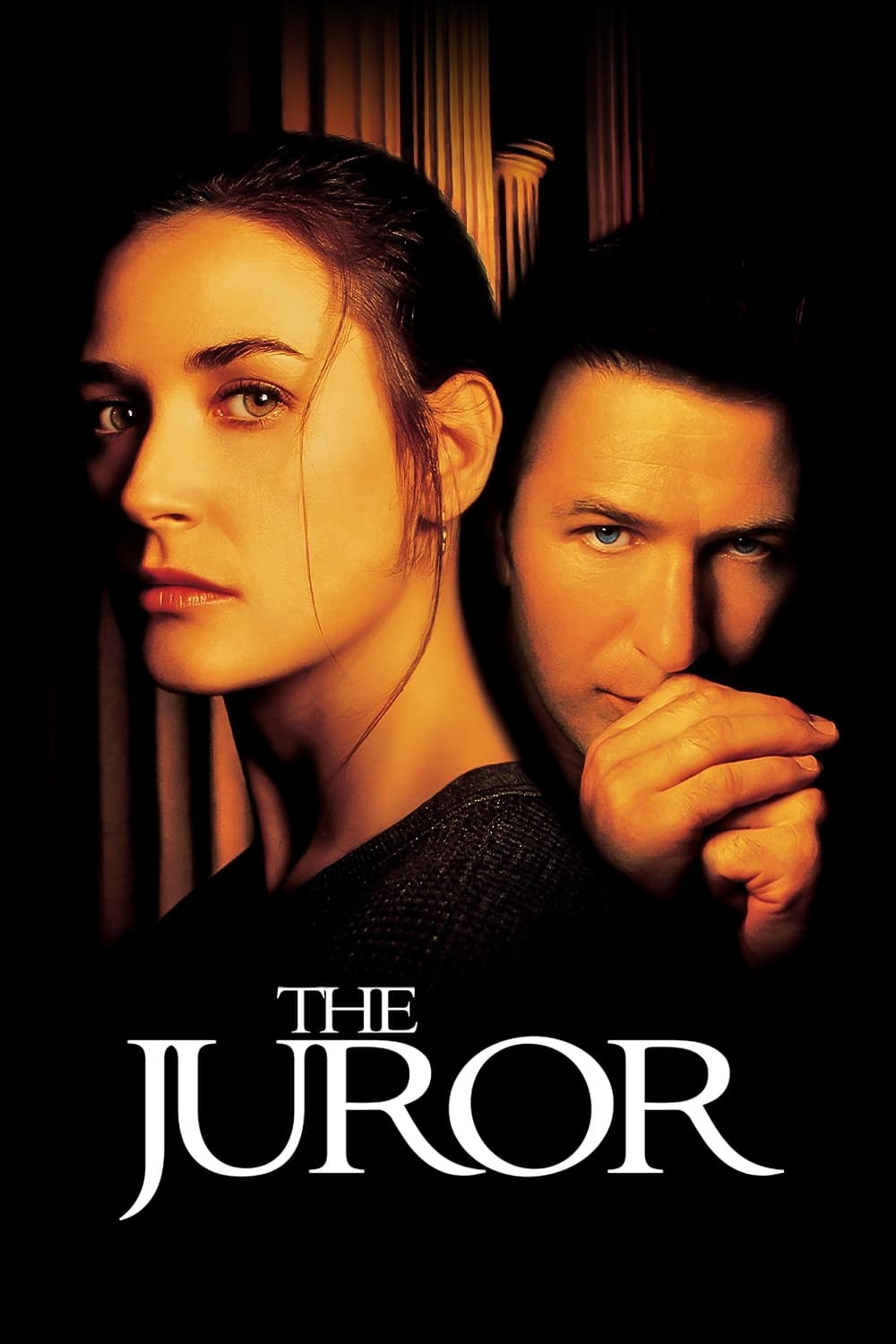
In the thriller ‘The Juror’, Moore played Annie Laird, a single mother and artist who is selected to be a juror in a high-profile mob trial. She is then intimidated by a dangerous hitman, played by Alec Baldwin, who forces her to sway the jury to acquit the defendant. Her character must find a way to protect her son and fight back.
The film was a tense and suspenseful project that placed Moore at the center of a life-or-death situation. It capitalized on her star power to lead another high-stakes thriller, a genre she excelled in during the decade. Her performance conveyed the terror and resilience of an ordinary person in extraordinary circumstances.
‘The Hunchback of Notre Dame’ (1996)

Moore provided the speaking voice for the spirited and kind-hearted Esmeralda in Disney’s animated musical ‘The Hunchback of Notre Dame’. Her character is a dancer who befriends the lonely bell-ringer Quasimodo and stands up against injustice and prejudice in Paris.
Voicing a Disney heroine was a significant addition to her filmography, introducing her to a younger audience. Moore’s husky voice perfectly matched Esmeralda’s fiery and compassionate personality, making the character one of Disney’s most memorable and independent heroines. The film was a major box office success and received critical acclaim.
‘Striptease’ (1996)
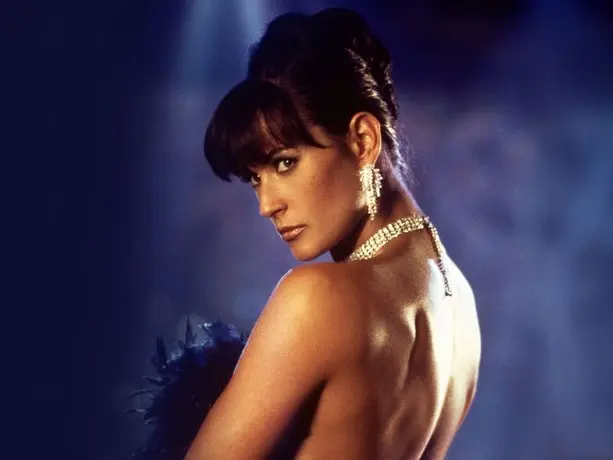
Moore made headlines when she was paid a then-record salary of $12.5 million for her role in ‘Striptease’. She played Erin Grant, a former FBI secretary who becomes an exotic dancer to earn enough money to fight for the custody of her daughter. The film combined elements of comedy, crime, and drama.
Despite the media attention surrounding her salary, the film was a critical and commercial disappointment. However, the role is a significant part of Moore’s career history, representing the peak of her commercial power and Hollywood’s willingness to invest heavily in her star appeal. Her performance required intense physical training and dedication.
‘Beavis and Butt-Head Do America’ (1996)
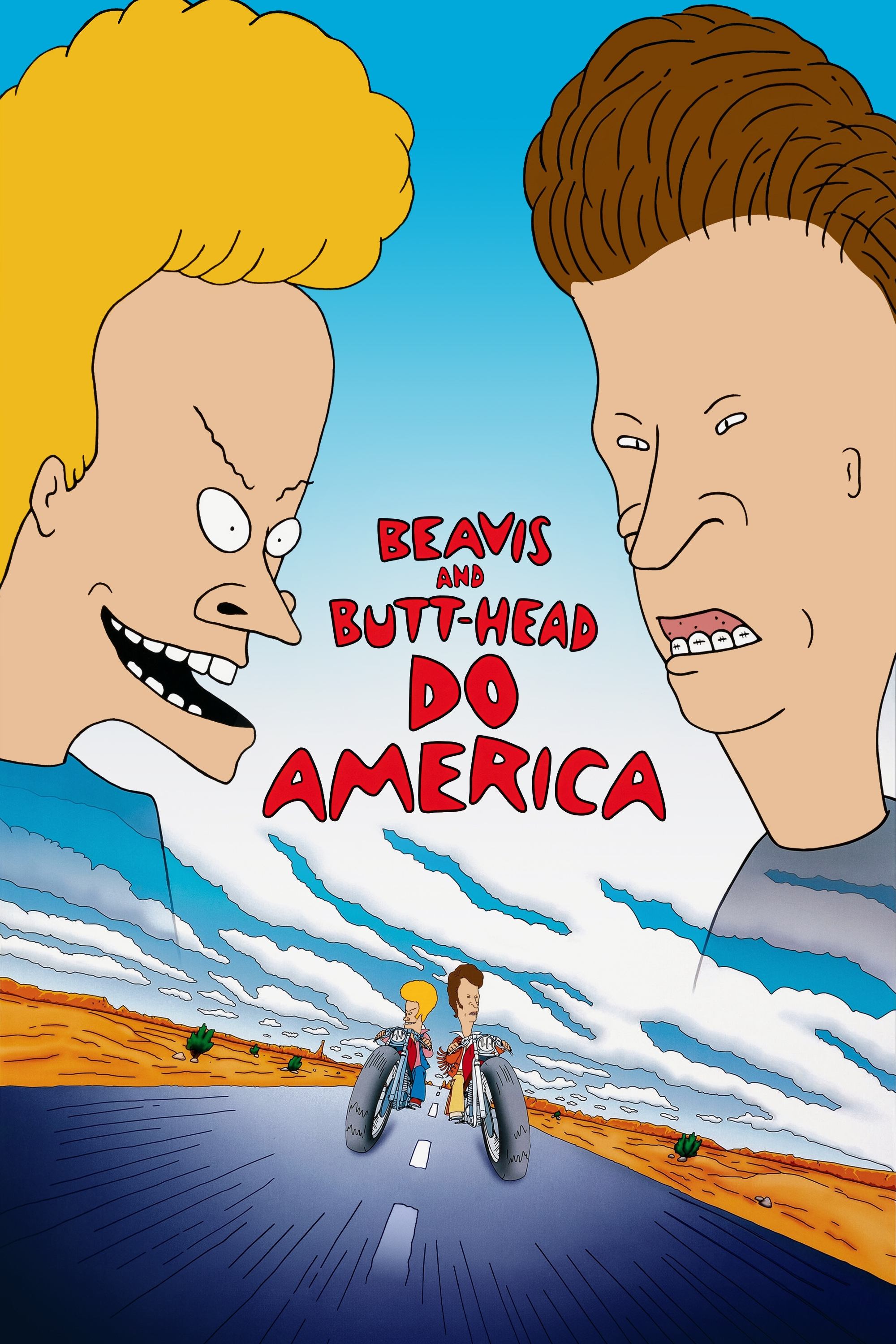
In the animated comedy ‘Beavis and Butt-Head Do America’, Moore lent her voice to the character of Dallas Grimes. She is the former wife of a dangerous arms dealer who hires the clueless teenage duo to get rid of her husband, leading them on a chaotic cross-country adventure.
Voicing a character in this edgy and popular animated film showed a different side of Moore’s career choices. It demonstrated her willingness to participate in projects that were irreverent and culturally relevant to a younger demographic, showcasing her sense of humor and versatility.
‘G.I. Jane’ (1997)
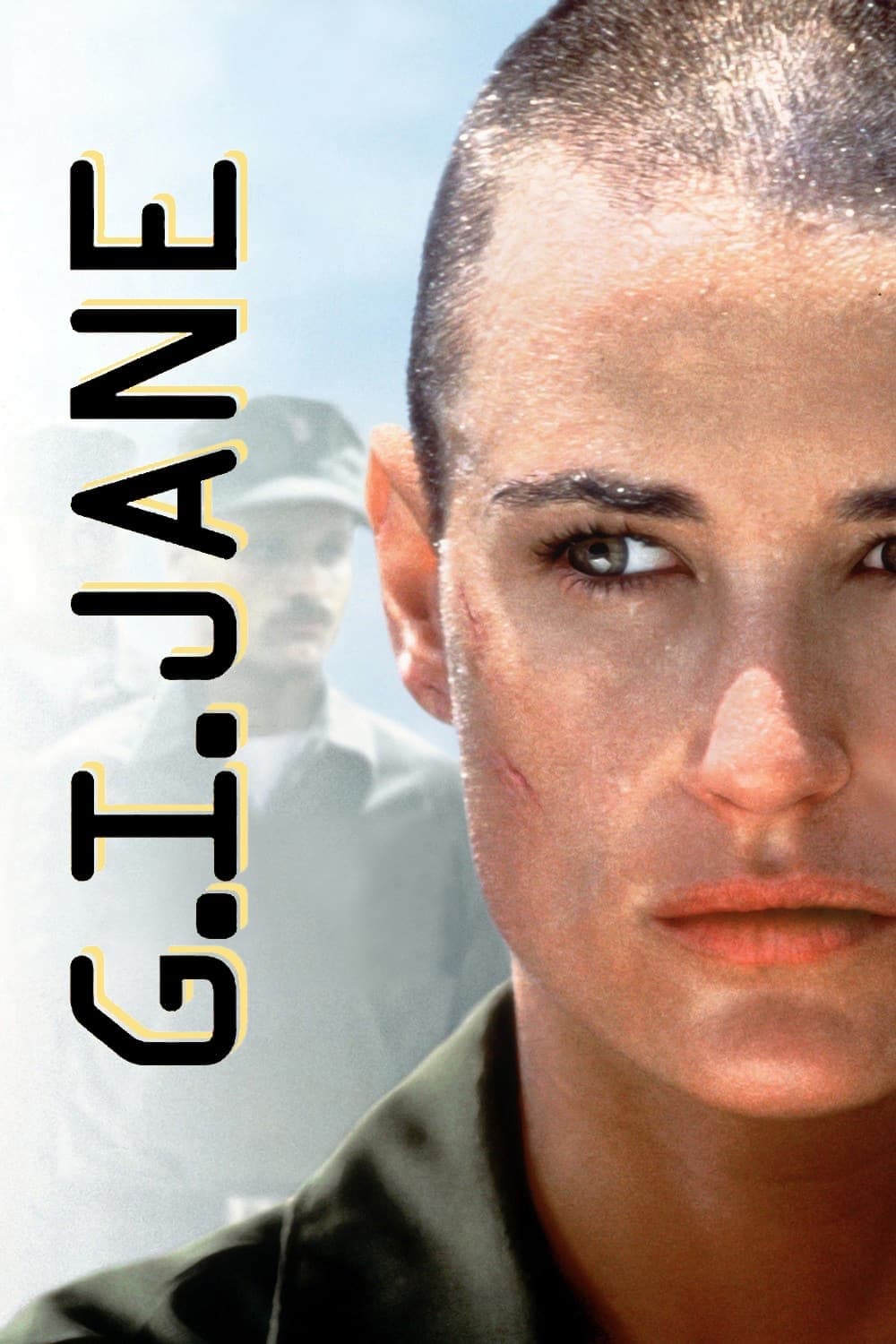
In ‘G.I. Jane’, Moore underwent a dramatic physical transformation to play Lieutenant Jordan O’Neil. Her character is the first woman chosen to undergo the grueling training for the elite U.S. Navy SEALs. The film follows her struggle to prove she can meet the same brutal physical standards as her male counterparts.
Moore famously shaved her head on screen for the role and performed her own stunts, earning respect for her intense commitment. While the film received mixed reviews, her powerful and dedicated performance was widely recognized. The image of her with a shaved head in a military uniform became an iconic symbol of female strength and determination in 90s cinema.
‘Deconstructing Harry’ (1997)
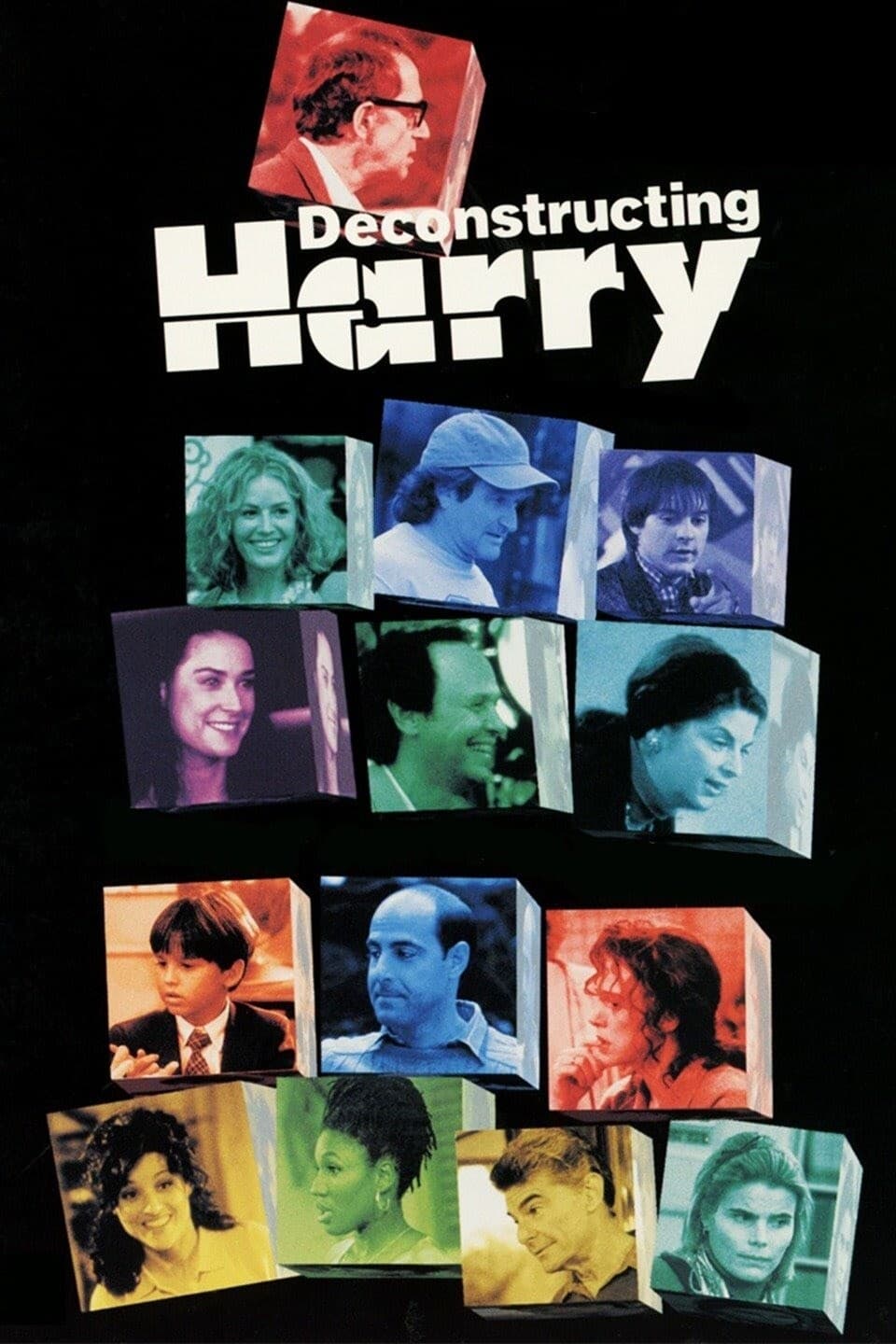
Moore had a role in Woody Allen’s dark comedy ‘Deconstructing Harry’. She played Helen, a fictional character from the novel of the film’s protagonist, a neurotic writer named Harry Block. Her character is a psychiatrist who becomes emotionally involved with her patient in one of the film’s many surreal vignettes.
Working with a renowned writer-director like Woody Allen was a notable choice for Moore, placing her among a prestigious ensemble cast. The role, though small, was part of a critically acclaimed film that showcased her ability to fit into the unique, dialogue-heavy world of an auteur filmmaker.
‘Passion of Mind’ (2000)
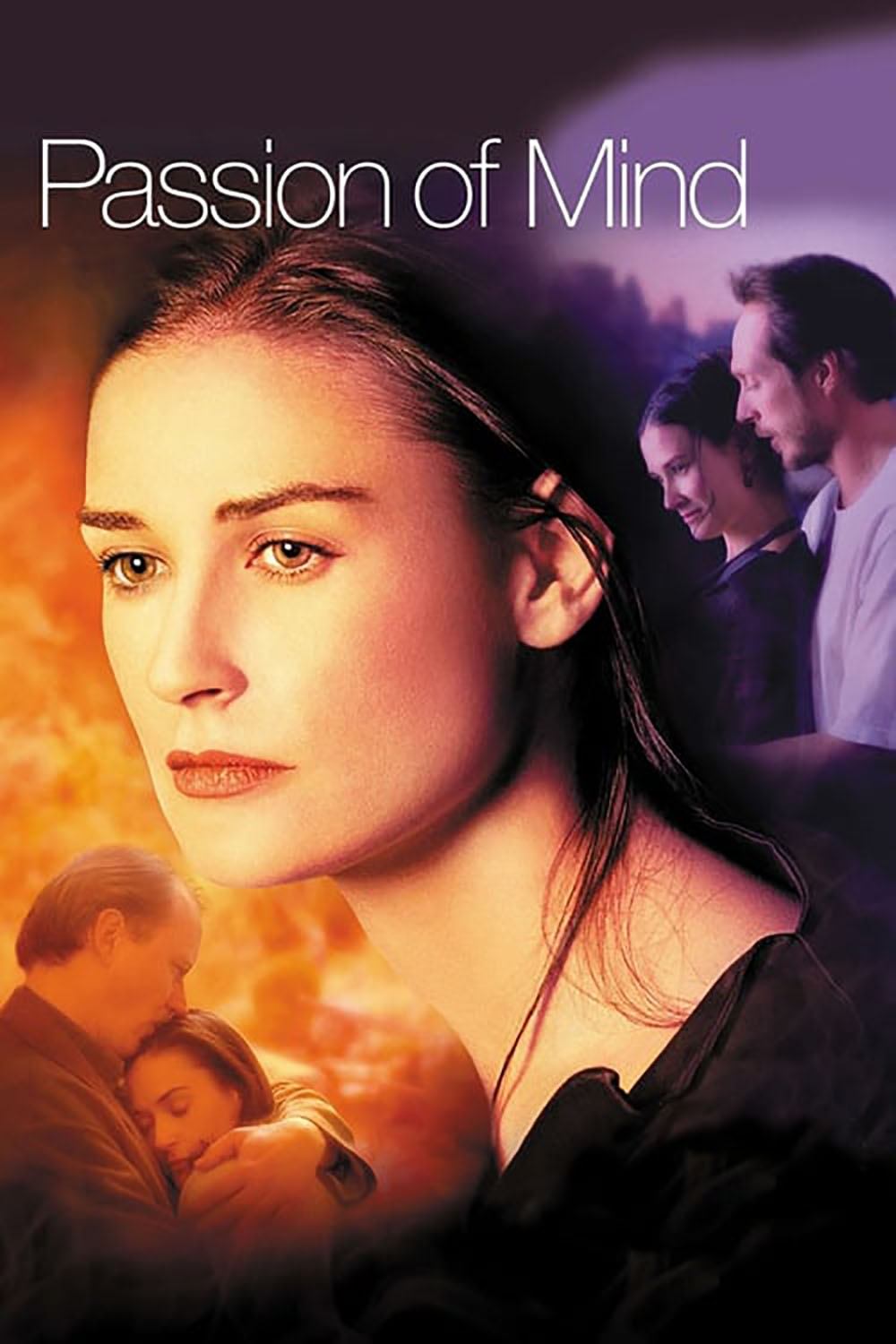
In the psychological drama ‘Passion of Mind’, Moore played dual roles. She portrayed Martha, a widowed book reviewer in France, who dreams every night that she is Marty, a high-powered literary agent in New York City. The film follows her struggle to determine which of her two lives is real.
This was a challenging leading role that required Moore to portray two distinct characters with intertwined consciousnesses. The complex narrative rested entirely on her ability to make both women feel real and sympathetic. It was an ambitious project that allowed her to explore themes of identity and reality.
‘The Hunchback of Notre Dame II’ (2002)
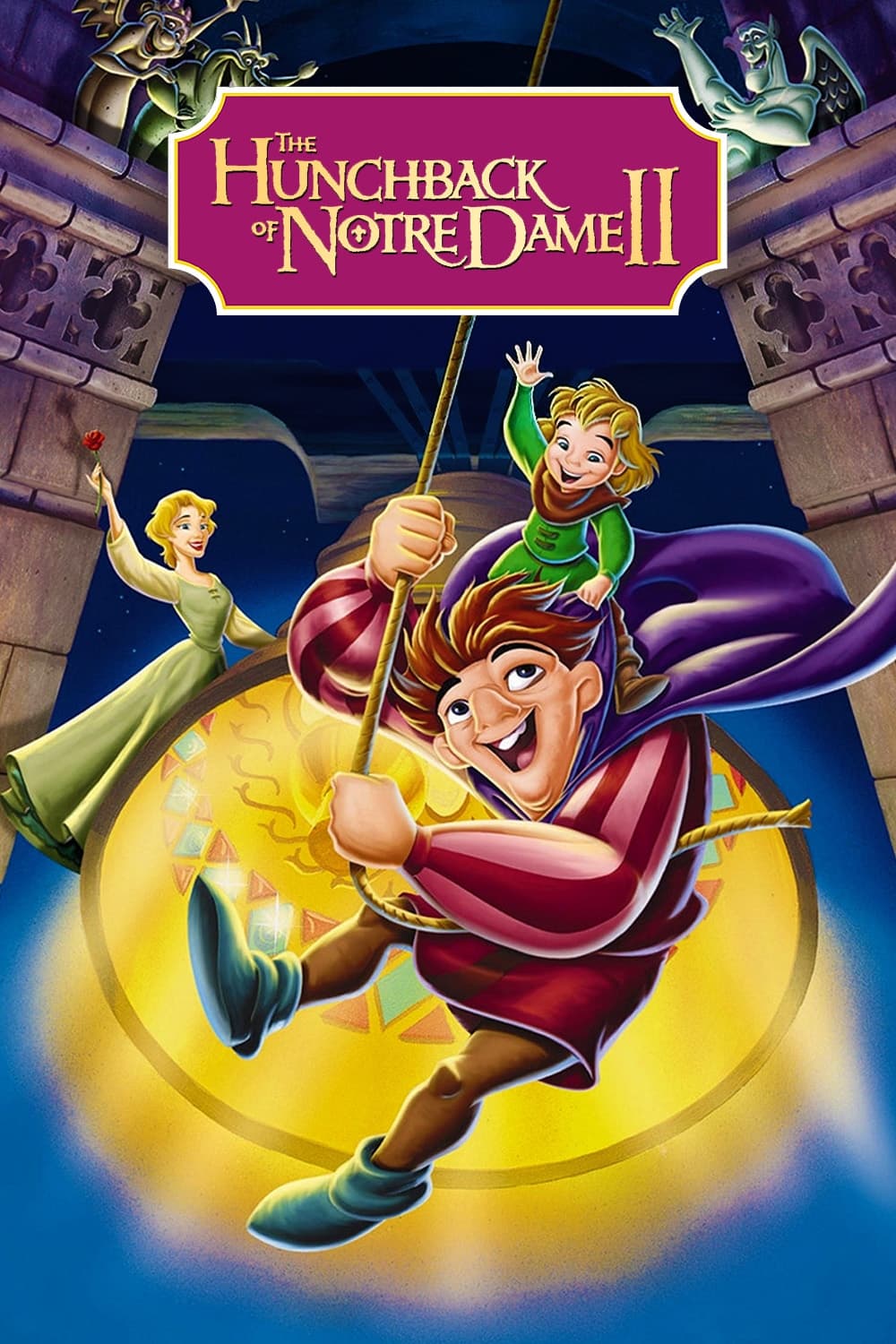
Moore reprised her voice role as Esmeralda in the direct-to-video sequel, ‘The Hunchback of Notre Dame II’. In this story, Esmeralda is now married to Phoebus, and she helps Quasimodo find love while protecting a precious bell from a manipulative circus master.
Returning to the character showed her continued connection to the popular Disney property. While the sequel did not have the scale or acclaim of the original, it allowed a new generation of young viewers to experience the beloved characters. It kept her voice work in the public eye.
‘Charlie’s Angels: Full Throttle’ (2003)
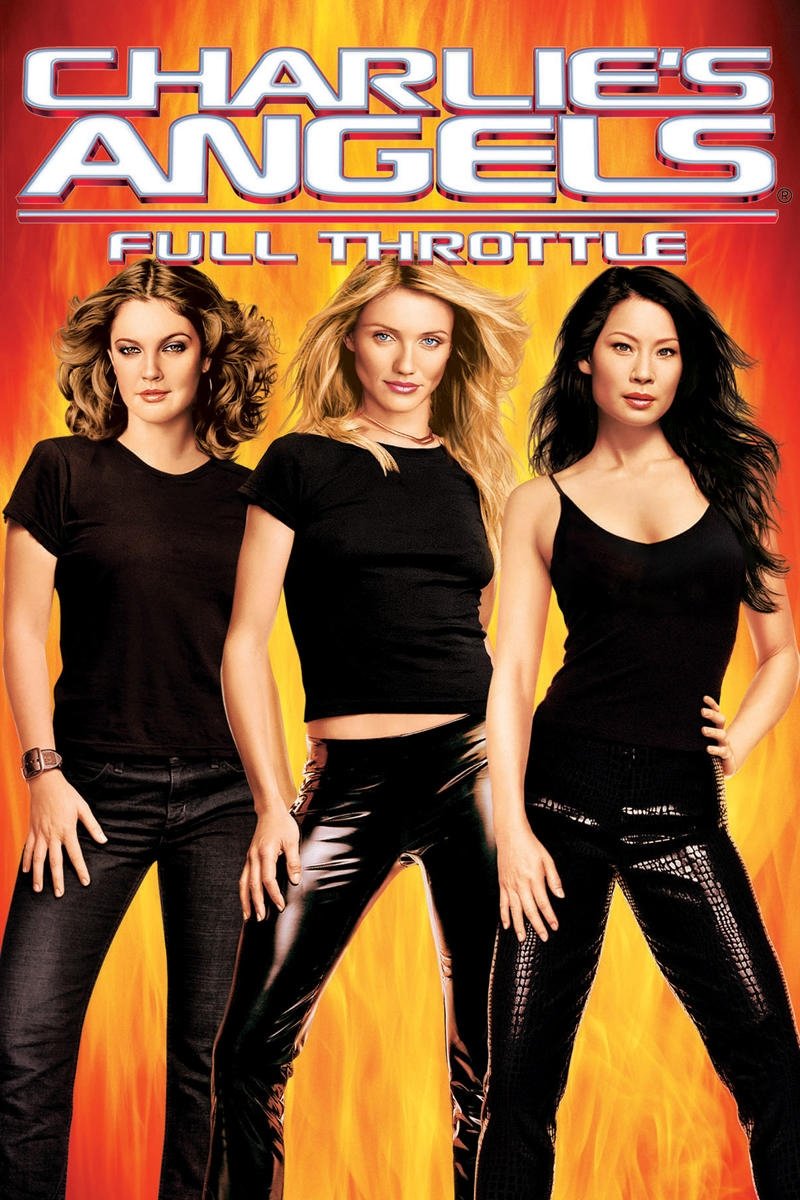
After a hiatus from major films, Moore made a high-profile return as the main villain in ‘Charlie’s Angels: Full Throttle’. She played Madison Lee, a former Angel who has turned against the agency. Her character was a formidable and stylish antagonist for the new generation of Angels.
Her comeback was widely publicized and celebrated, with many praising her commanding presence and physical fitness. The role reintroduced her to audiences in a fun, action-packed blockbuster. Moore’s performance as the cunning villain was a highlight of the film and marked a successful re-entry into mainstream Hollywood.
‘Half Light’ (2006)

In the mystery-thriller ‘Half Light’, Moore played Rachel Carlson, a successful mystery novelist whose life is shattered after her young son drowns. To cope with her grief and find inspiration, she moves to a remote cottage on the Scottish coast, where she becomes involved in a series of supernatural and dangerous events.
This was a leading role for Moore in a suspenseful, atmospheric thriller. Her performance was central to building the film’s sense of mystery and psychological dread. The role allowed her to explore themes of grief, isolation, and paranoia, carrying the film with a deeply emotional portrayal.
‘Bobby’ (2006)
Moore was part of a large ensemble cast in the historical drama ‘Bobby’. The film fictionalizes the hours leading up to the assassination of U.S. Senator Robert F. Kennedy at the Ambassador Hotel. She played Virginia Fallon, an alcoholic singer whose career is in decline and who is scheduled to perform at the hotel that night.
The film received a lengthy standing ovation at the Venice Film Festival and the cast won a Screen Actors Guild Award for Outstanding Performance by a Cast in a Motion Picture. Moore’s performance as the tragic and troubled singer was praised by critics as a poignant and effective part of the film’s emotional tapestry.
‘Flawless’ (2007)

Moore starred opposite Michael Caine in the heist thriller ‘Flawless’. Set in 1960s London, she played Laura Quinn, a bright and ambitious American executive at a major diamond corporation who is repeatedly passed over for promotion because she is a woman. She teams up with a disgruntled janitor to steal a fortune in diamonds from the company.
The film was a stylish and intelligent caper that gave Moore a strong leading role. Her character’s journey from a frustrated professional to a daring jewel thief was compelling. The role allowed her to portray a smart, determined woman who takes control of her own destiny in a male-dominated world.
‘Mr. Brooks’ (2007)
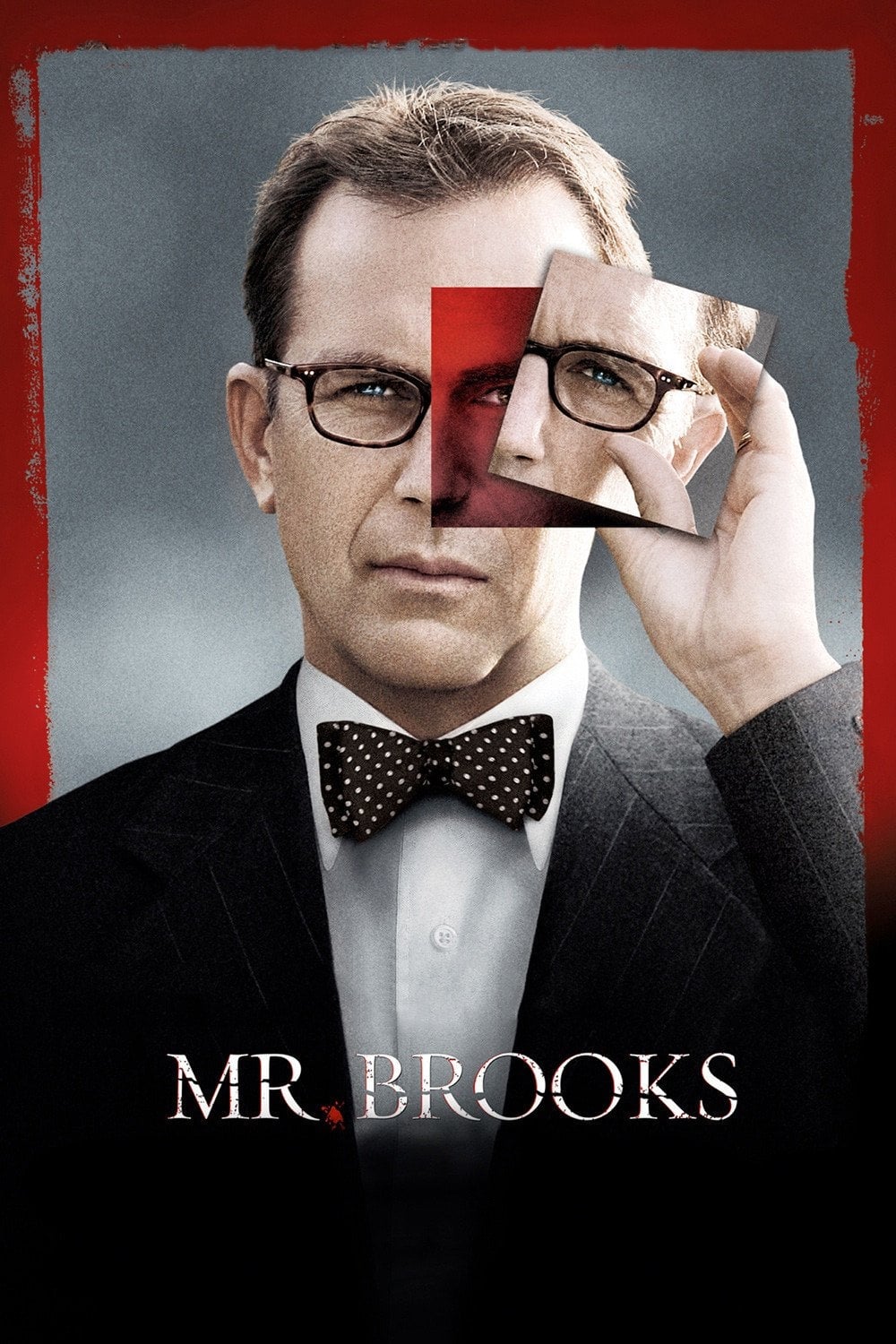
In the psychological thriller ‘Mr. Brooks’, Moore starred opposite Kevin Costner. She played Detective Tracy Atwood, a tough and determined police officer with her own personal struggles who is hunting a notorious serial killer. Her character is locked in a cat-and-mouse game with the film’s titular anti-hero.
Moore delivered a strong and convincing performance as the flawed but brilliant detective. The film was a modest box office success and received generally positive reviews, with many critics highlighting the compelling dynamic between her character and Costner’s. The role showcased her ability to excel in gritty, character-driven thrillers.
‘Happy Tears’ (2009)
In the independent dramedy ‘Happy Tears’, Moore co-starred with Parker Posey. They played two sisters who return to their family home to care for their aging father, who is suffering from a rare form of dementia. Moore’s character, Laura, is the more grounded and responsible of the two sisters.
The film was a character-driven piece that explored complex family dynamics with both humor and pathos. Moore’s performance was praised for its subtlety and emotional realism, providing a stable center against the more eccentric characters. It was another example of her strong work in independent cinema.
‘The Joneses’ (2009)

Moore starred alongside David Duchovny in the social satire ‘The Joneses’. They played the heads of a seemingly perfect family that moves into an upscale suburb. In reality, they are not a family at all, but employees of a marketing company hired to create demand for new products by showcasing them in their daily lives.
The film was a sharp critique of consumer culture, and Moore’s role as the savvy and ambitious leader of the fake family was central to its premise. She delivered a charismatic and complex performance, balancing her character’s professional drive with her growing moral conflict.
‘Bunraku’ (2010)

In the highly stylized action film ‘Bunraku’, Moore played Alexandra, the enslaved consort of a ruthless crime boss in a post-apocalyptic world. Her character is a woman who uses her intelligence and cunning to survive in a dangerous and visually unique universe that blends martial arts with film noir and samurai aesthetics.
This was an unconventional and visually inventive project for Moore. The film’s unique style, which combined live-action with pop-up book and origami-inspired visuals, made it a distinctive entry in her filmography. Her role was that of a classic femme fatale in a hyper-stylized world.
‘Margin Call’ (2011)
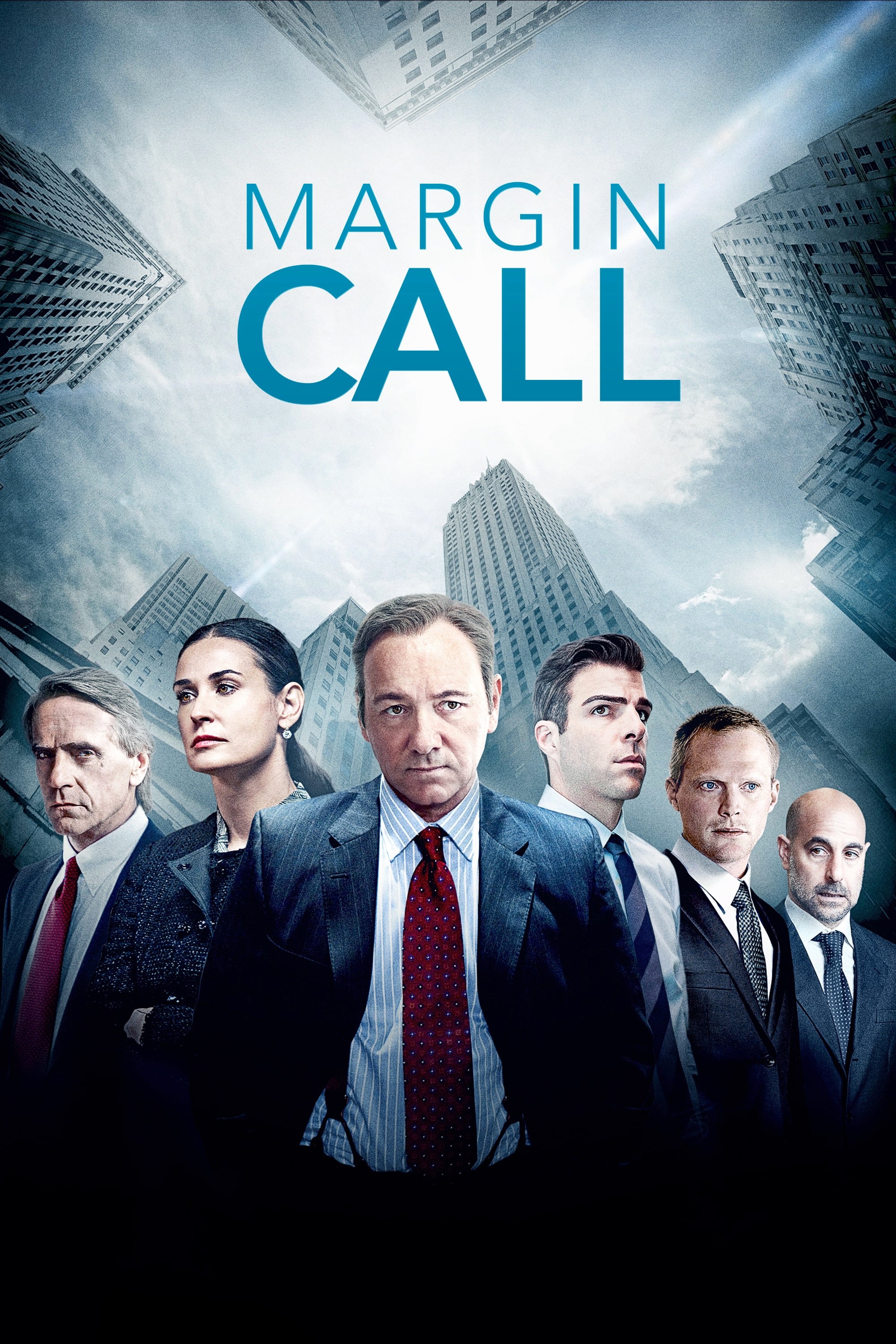
Moore joined another acclaimed ensemble cast for the financial thriller ‘Margin Call’. The film depicts the 24-hour period at a large Wall Street investment bank during the initial stages of the financial crisis. She played Sarah Robertson, the firm’s chief risk management officer, who is one of the few to recognize the impending disaster.
The film was highly praised for its intelligent script and the strong performances from its entire cast, which was nominated for several awards. Moore’s portrayal of a high-powered executive facing a professional and ethical crisis was subtle and effective. The role was another example of her excellent work in serious, dialogue-driven ensemble dramas.
‘Another Happy Day’ (2011)

In the dark family drama ‘Another Happy Day’, Moore played Patty, the second wife of a man whose tumultuous family reunites for their son’s wedding. She is an outsider who must navigate the intense and often toxic emotional dynamics of her husband’s ex-wife and their troubled children.
Moore took on a supporting role in a powerful ensemble cast filled with strong performances. Her character served as an observer and a calming presence amidst the family’s explosive conflicts. The film was praised at the Sundance Film Festival for its raw and unflinching look at family dysfunction.
‘LOL’ (2012)

Moore played Anne Williams, the mother of a teenage girl played by Miley Cyrus, in the coming-of-age comedy-drama ‘LOL’. The film explores the relationship between mother and daughter as they both navigate the complexities of love and communication in the digital age.
The role allowed Moore to play a relatable, contemporary parent struggling to connect with her child. Her storyline ran parallel to her daughter’s, showing that challenges in romance and friendship are not limited by age. It was a sweet, lighthearted film that connected her with a younger audience.
‘Very Good Girls’ (2013)

In the drama ‘Very Good Girls’, Moore had a supporting role as Kate, the mother of one of two teenage best friends who make a pact to lose their virginity during their last summer before college. Her character is a bohemian and free-spirited parent who has a different approach to life than the other families in the film.
Moore brought warmth and a non-judgmental presence to her role as the supportive mother. The film focused on the young lead actresses, but her performance contributed to the story’s exploration of different family values and lifestyles.
‘Forsaken’ (2015)

In the Western ‘Forsaken’, Moore played Mary-Alice Watson, the former love of an infamous gunslinger who returns to his hometown to mend his relationship with his estranged father. Her character is a steadfast woman who has built a life for herself but still holds a connection to her past love.
Starring in a classic Western allowed Moore to work in a new genre for her career. She provided the film with its emotional core, representing the peaceful life the protagonist left behind and might never regain. She delivered a graceful and strong performance opposite Kiefer and Donald Sutherland.
‘Wild Oats’ (2016)
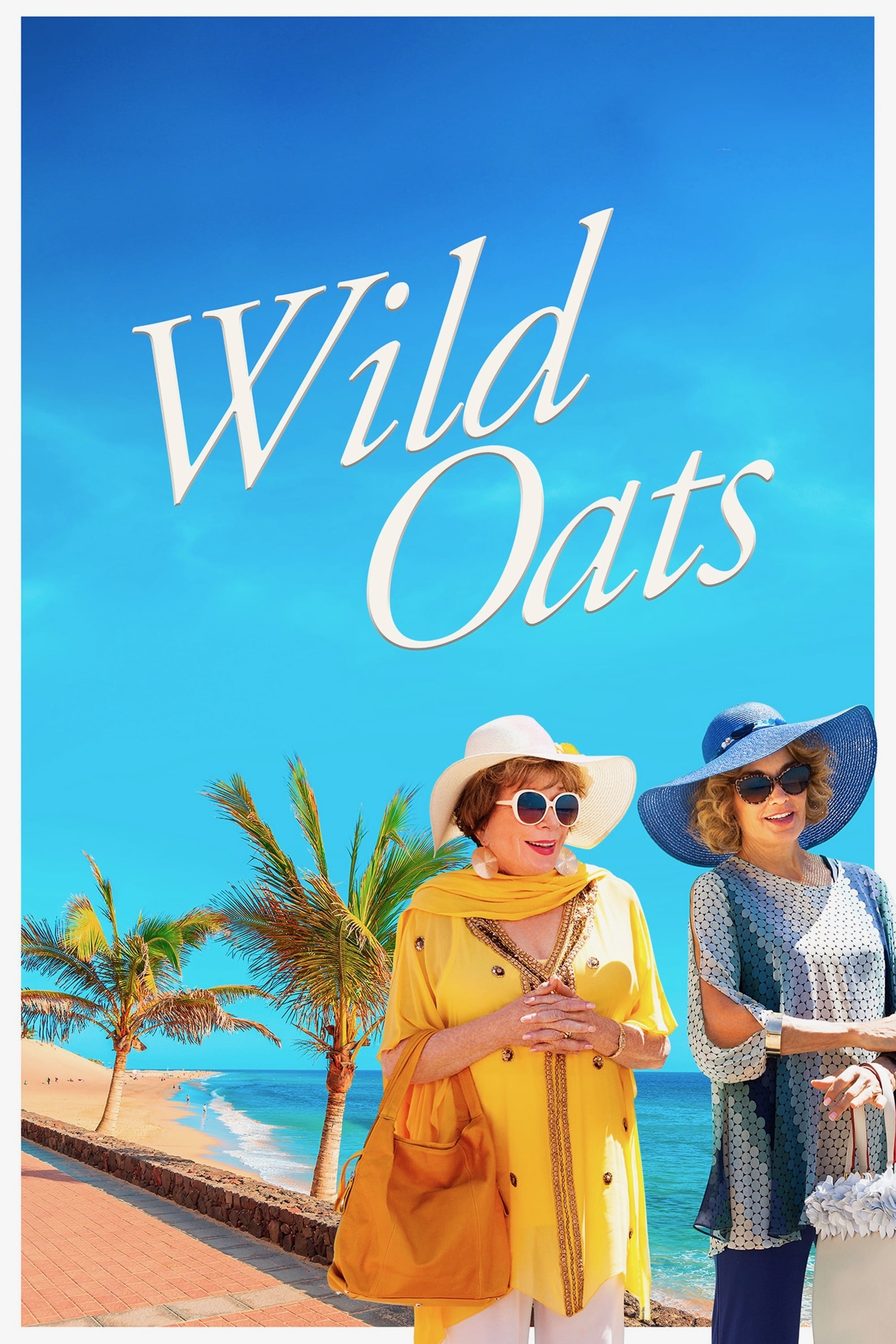
Moore joined a cast of veteran actresses, including Shirley MacLaine and Jessica Lange, for the comedy ‘Wild Oats’. She played Crystal, the daughter of a woman who accidentally receives a life insurance check for $5 million instead of $50,000 and decides to go on a wild vacation with her best friend.
In this supporting role, Moore played the concerned daughter who tries to track down her adventurous mother. The film was a lighthearted caper that celebrated older women taking control of their lives, and her role provided a grounding counterpoint to the main characters’ extravagant adventures.
‘Blind’ (2016)

In the romantic drama ‘Blind’, Moore played Suzanne Dutchman, the wife of a businessman who is indicted for his financial crimes. As part of a plea deal, she is sentenced to community service reading to a blind novelist, played by Alec Baldwin, who lost his sight and his wife in a car crash. A complicated relationship develops between them.
Moore’s character is a woman forced to re-evaluate her life and values after her world is turned upside down. The film is a character-driven story about two people finding an unexpected connection while dealing with their own personal traumas. Her performance was central to the film’s emotional journey.
‘Rough Night’ (2017)
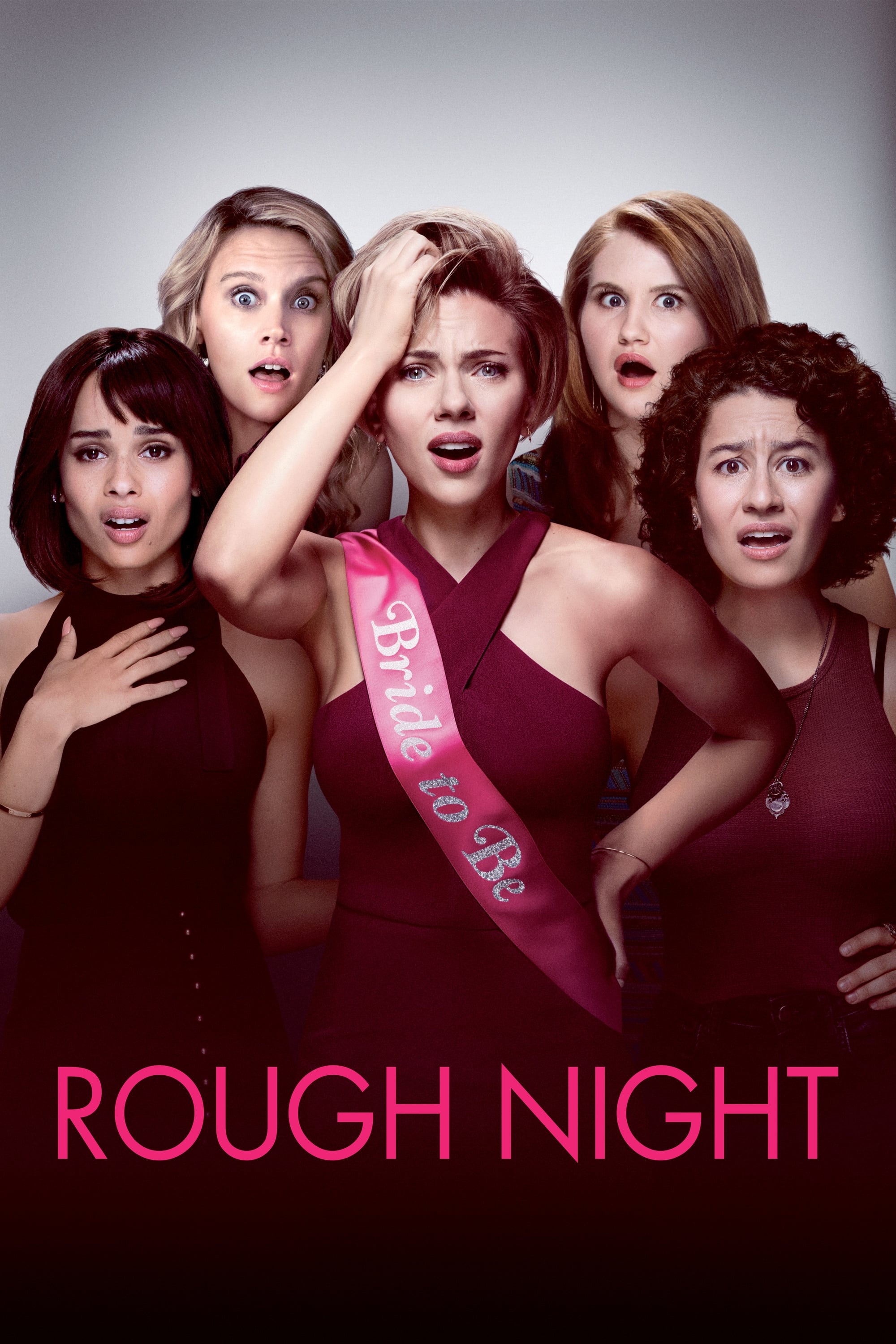
In the ensemble comedy ‘Rough Night’, Moore had a supporting role as Lea, a swinging neighbor who becomes entangled with a group of friends during a wild bachelorette party in Miami. Her character and her husband, played by Ty Burrell, have a sexually liberated lifestyle and create some awkward comedic moments for the main cast.
The role was a fun, comedic detour for Moore, allowing her to play an eccentric and over-the-top character. She showcased her comedic skills in a few memorable scenes, adding another layer of chaos to the film’s R-rated humor.
‘Love Sonia’ (2018)

Moore took on a small but impactful role in the international drama ‘Love Sonia’. The film tells the harrowing story of a young Indian girl’s journey to rescue her sister from the brutal world of global sex trafficking. Moore played Selma, an American social worker and survivor who runs a safe house for rescued women.
Though her screen time was brief, the role was significant for its connection to a powerful social issue. Moore’s involvement brought greater attention to the film and its important subject matter. Her performance was filled with empathy and provided a moment of hope in the film’s dark narrative.
‘Corporate Animals’ (2019)

In the horror-comedy ‘Corporate Animals’, Moore starred as Lucy, the egotistical and incompetent CEO of a company that makes edible cutlery. During a corporate team-building retreat in a New Mexico cave system, she and her employees become trapped after a cave-in, and their survival instincts turn primal.
The role allowed Moore to fully embrace broad, satirical comedy. Her performance as the delusional and narcissistic CEO was a hilarious send-up of corporate culture. She led the ensemble cast through a dark and absurd story that mixed workplace satire with survival horror.
‘Please Baby Please’ (2022)
In the surreal musical drama ‘Please Baby Please’, Moore played Maureen, the glamorous and mysterious upstairs neighbor of a bohemian couple whose lives are changed after they witness a murder. Her character introduces them to a decadent and sexually fluid underworld, challenging their conventional notions of identity.
The film was a highly stylized and avant-garde project that premiered to positive reviews. Moore’s performance was praised as a captivating and enigmatic highlight of the film. She embraced the movie’s theatrical and campy tone, delivering a memorable and otherworldly performance.
‘The Unbearable Weight of Massive Talent’ (2022)
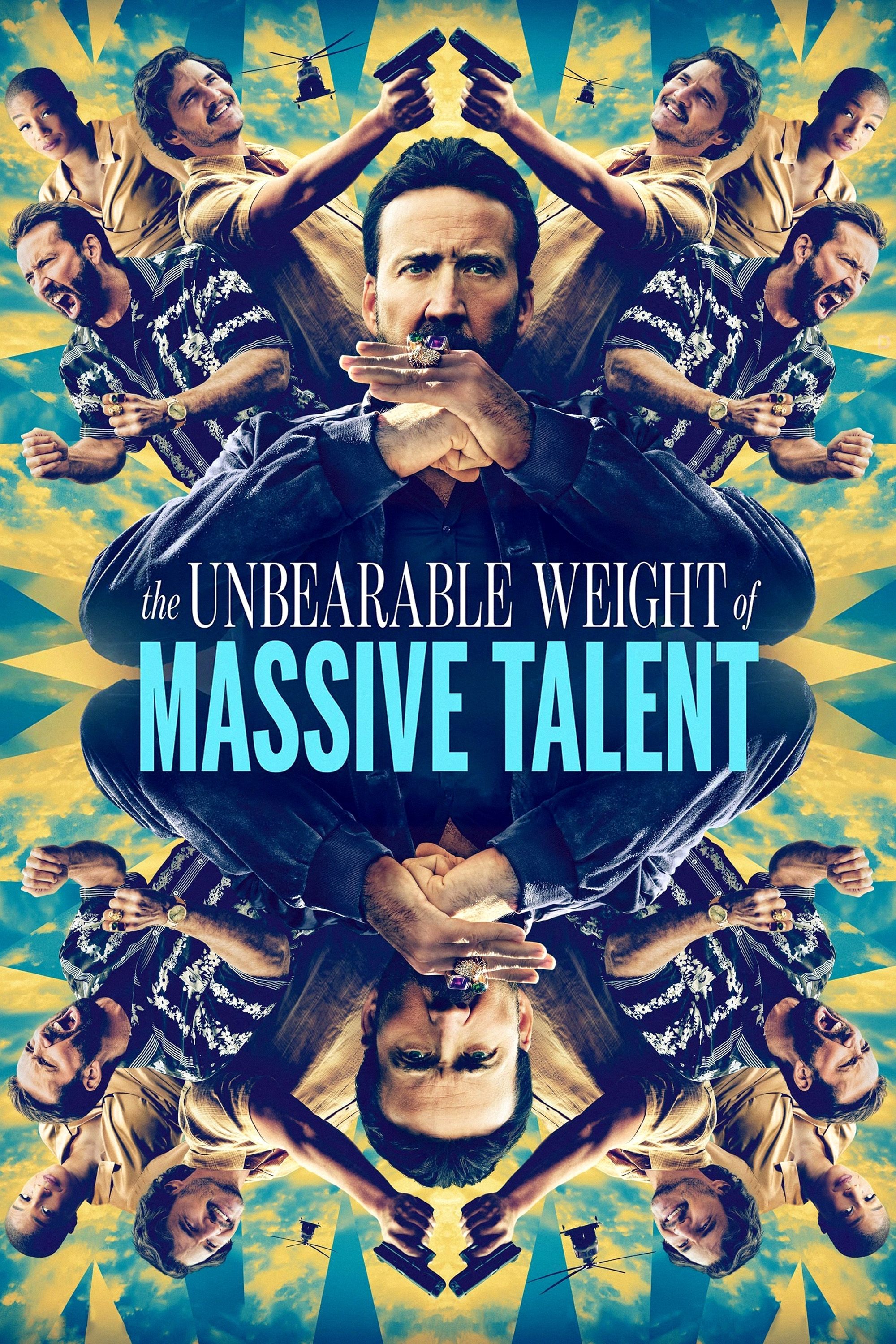
In the action-comedy ‘The Unbearable Weight of Massive Talent’, Moore appeared in a cameo role playing Olivia Cage, the fictionalized ex-wife of Nicolas Cage’s character. She appears in a surreal, de-aged form in a fictional film-within-the-film, representing a past version of his on-screen persona.
While a brief appearance, it was a clever and meta role within a film celebrated for its self-awareness. Her participation played into the movie’s fun exploration of celebrity and Hollywood history, connecting her to the film’s star in a humorous and inventive way.
‘The Substance’ (2024)
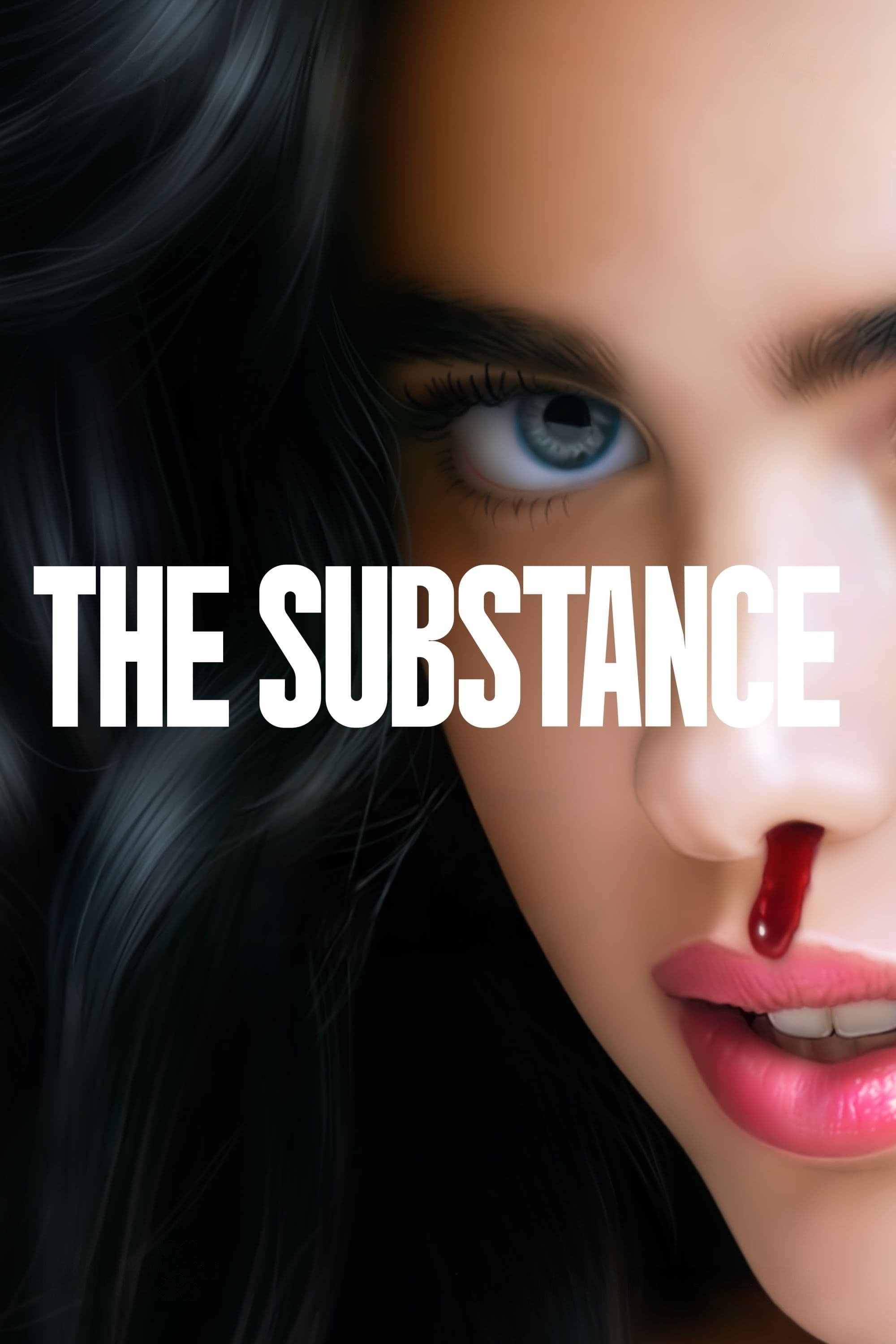
Demi Moore made a triumphant return to the spotlight in the body horror film ‘The Substance’. She played Elisabeth Sparkle, an aging celebrity who uses a black-market serum that creates a younger, more beautiful version of herself. The film explores themes of fame, beauty standards, and self-destruction in a visceral and provocative way.
The film premiered at the Cannes Film Festival to rave reviews and a lengthy standing ovation, with Moore’s performance receiving widespread critical acclaim as one of the best of her career. Her fearless and vulnerable portrayal was hailed as a major comeback, generating significant awards buzz. The role reaffirmed her status as a bold and compelling actress.
From her Brat Pack days to her recent triumphs, which Demi Moore role has stayed with you the most?

