


Do You Agree These Are the Greatest Sci-Fi TV Shows of All Time?

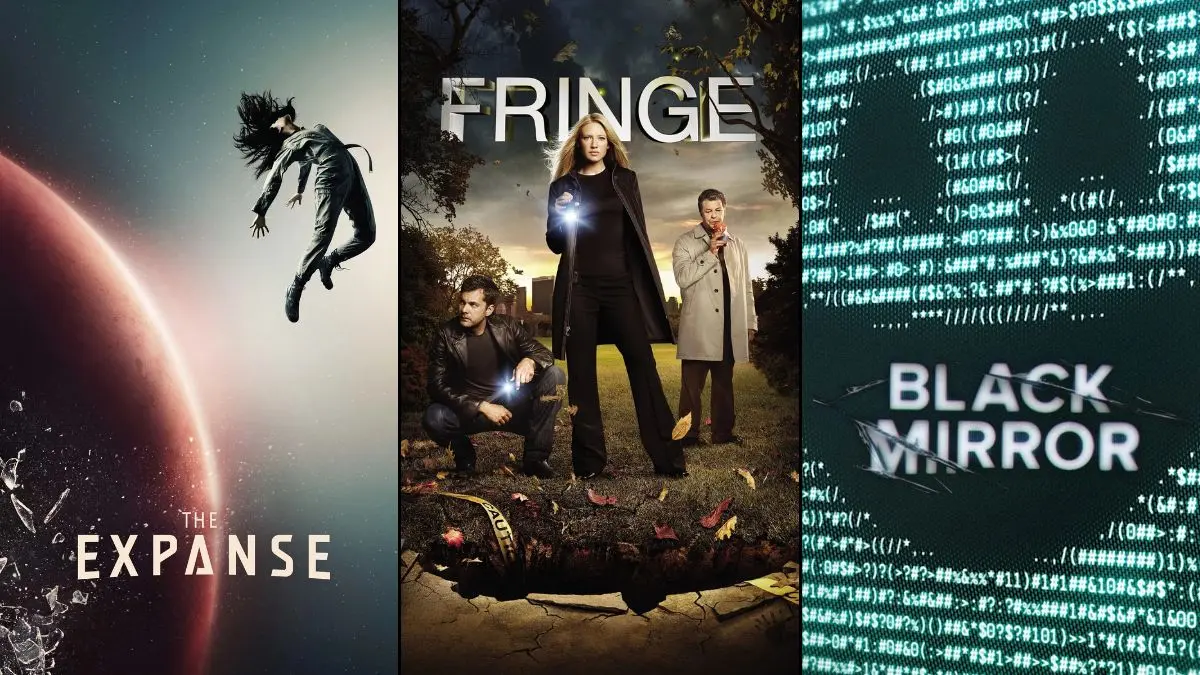


Science fiction television has explored distant galaxies and futuristic ideas for decades and has produced many influential series that continue to shape the genre. These shows range from space adventures to philosophical explorations of technology and humanity. Their impact can be seen in how later series adopt similar themes and narrative structures. Here are fifteen more titles that have made a significant mark on sci-fi television.
‘Babylon 5’ (1994–1998)
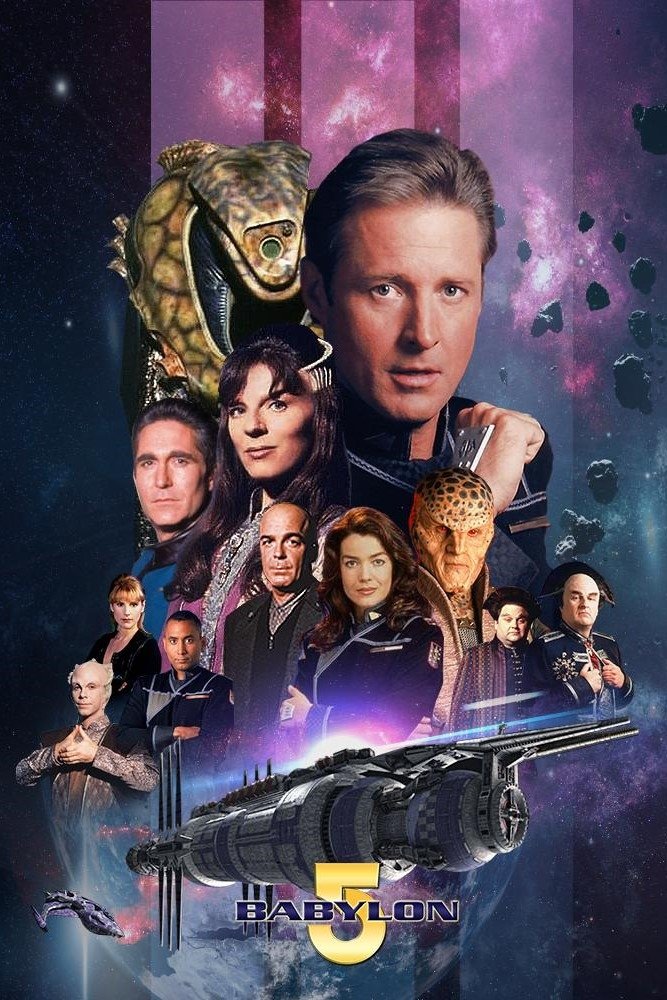
This series follows the political and military events aboard a space station that serves as a hub for multiple alien species. Its long-form storytelling allowed complex plots to unfold across several years. The show introduced serialized narratives that were uncommon in science fiction at the time. Its worldbuilding and character arcs continue to influence later ensemble sci-fi series.
‘Stargate Atlantis’ (2004–2009)
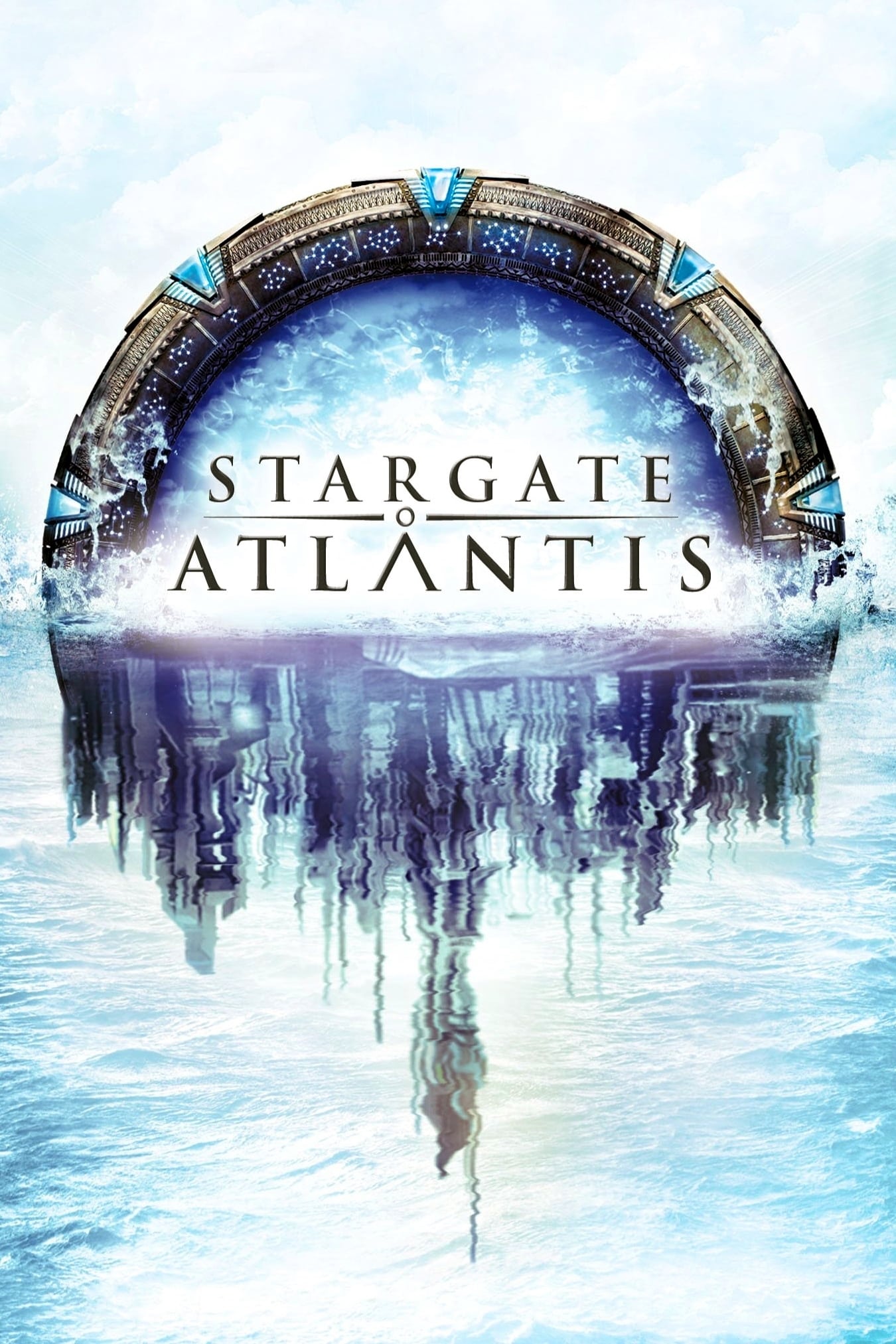
A team of explorers travels to a distant galaxy after discovering an ancient city built by a powerful civilization. The show expands the mythology of its franchise through new planets and adversaries. Characters face challenges related to technology, survival and diplomacy. Its exploration theme keeps each episode focused on discovery and problem solving.
‘The Expanse’ (2015–2022)
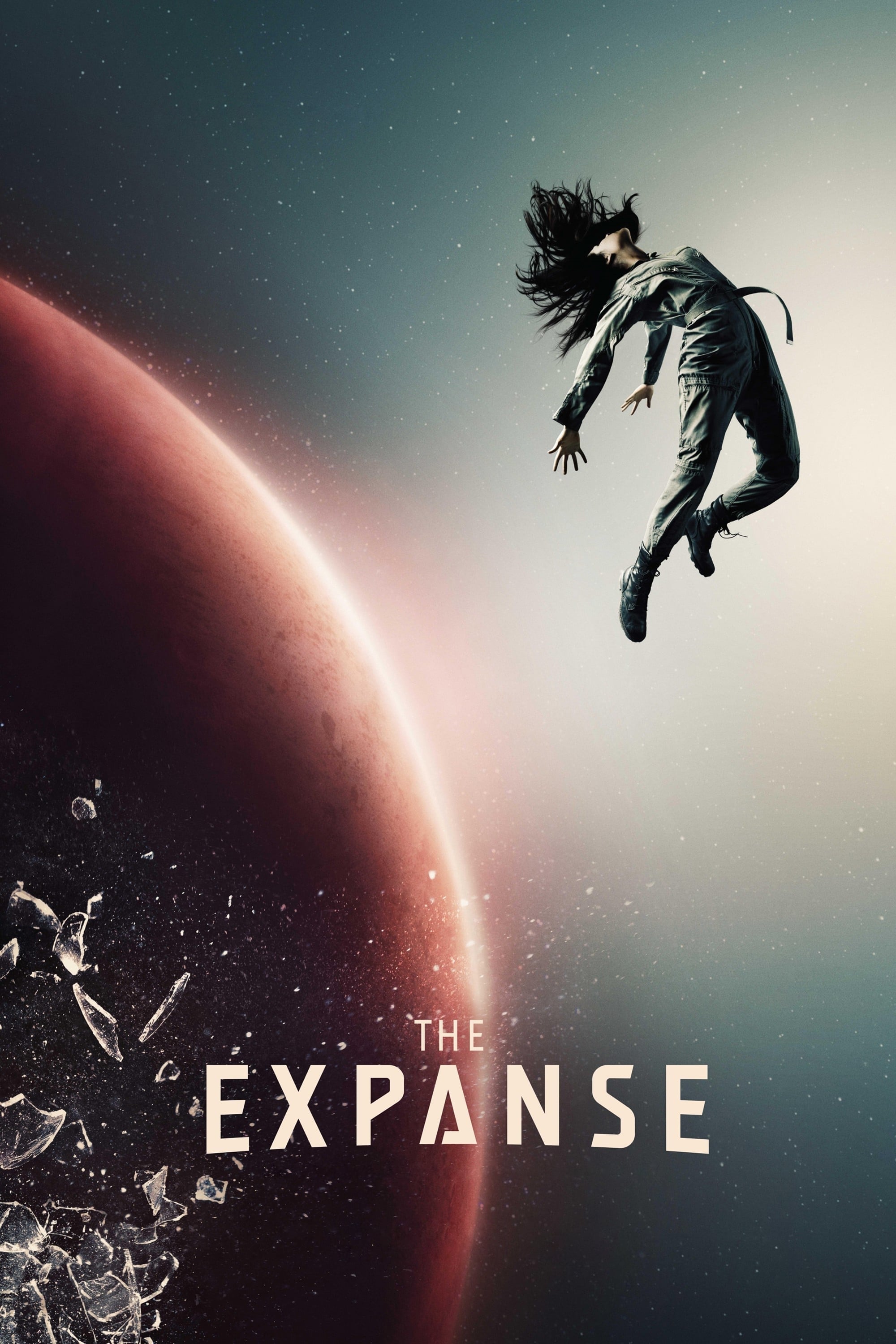
Set within a colonized solar system, the series follows political tension between Earth, Mars and the Belt. Its realistic depiction of space travel provides grounded technological detail. The narrative connects mystery, science and interplanetary conflict. The show is notable for its attention to physics and socio political nuance.
‘Fringe’ (2008–2013)
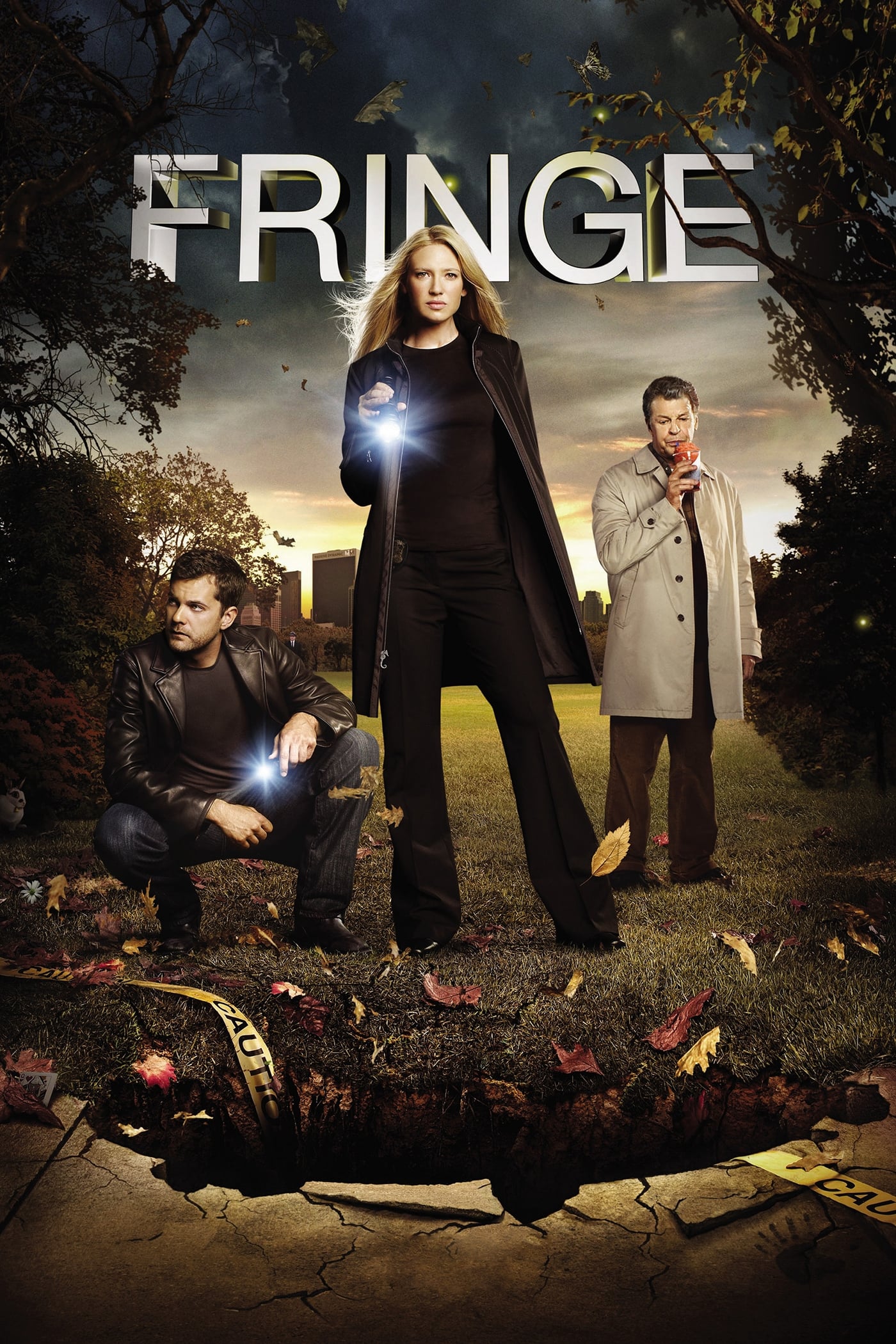
A special investigative team studies strange scientific phenomena that impact everyday life. The show uses ideas like parallel universes and advanced biotechnology. As the story develops, episodes reveal connections between scientific anomalies and larger conspiracies. Its blend of procedural elements and mythology helped define its identity.
‘Battlestar Galactica’ (2004–2009)
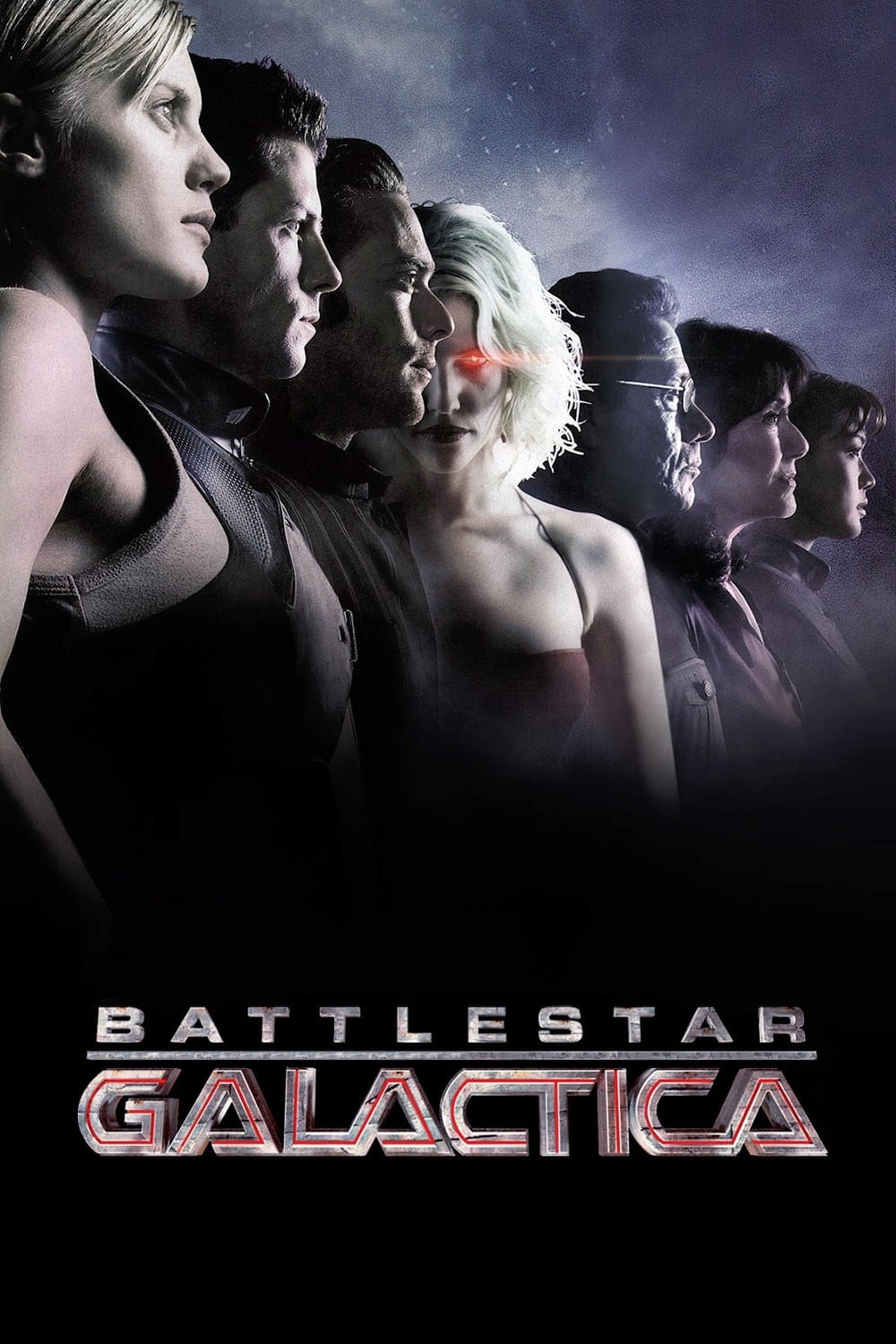
This reimagined series depicts humanity fleeing robotic enemies while searching for a new home. The story focuses on survival under extreme pressure and the ethical challenges leaders face. Technology, identity and belief systems all play major roles. Its character driven structure shaped later gritty sci-fi dramas.
‘Farscape’ (1999–2003)
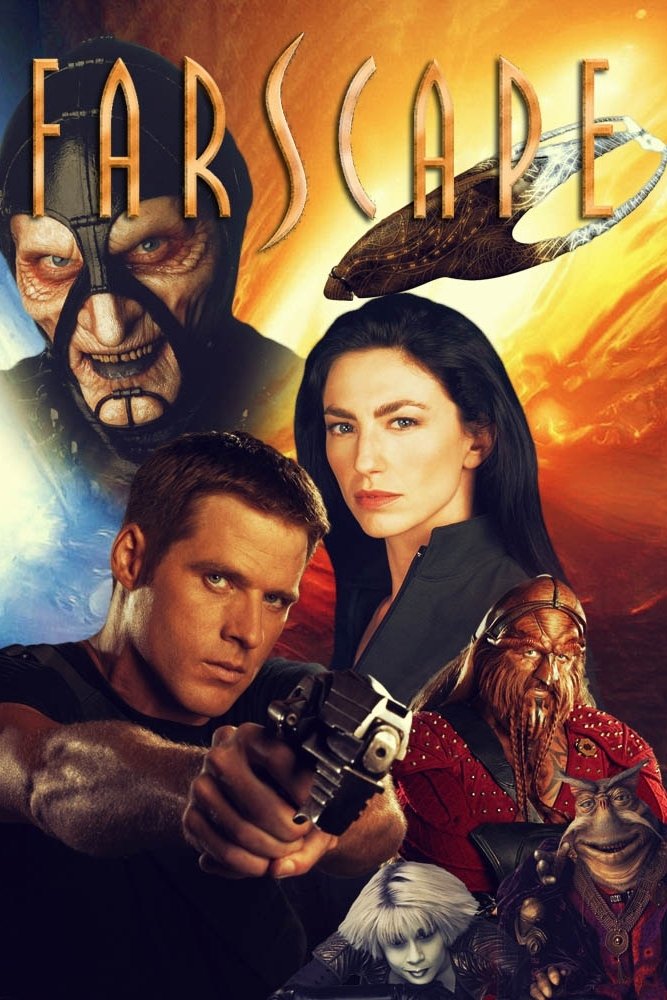
An astronaut accidentally travels across the universe and joins a group of fugitives aboard a living ship. The series uses imaginative alien design and unconventional storytelling. Its episodic adventures explore themes of cooperation, adaptation and cultural difference. The show remains known for its creativity and practical effects.
‘The Orville’ (2017–present)
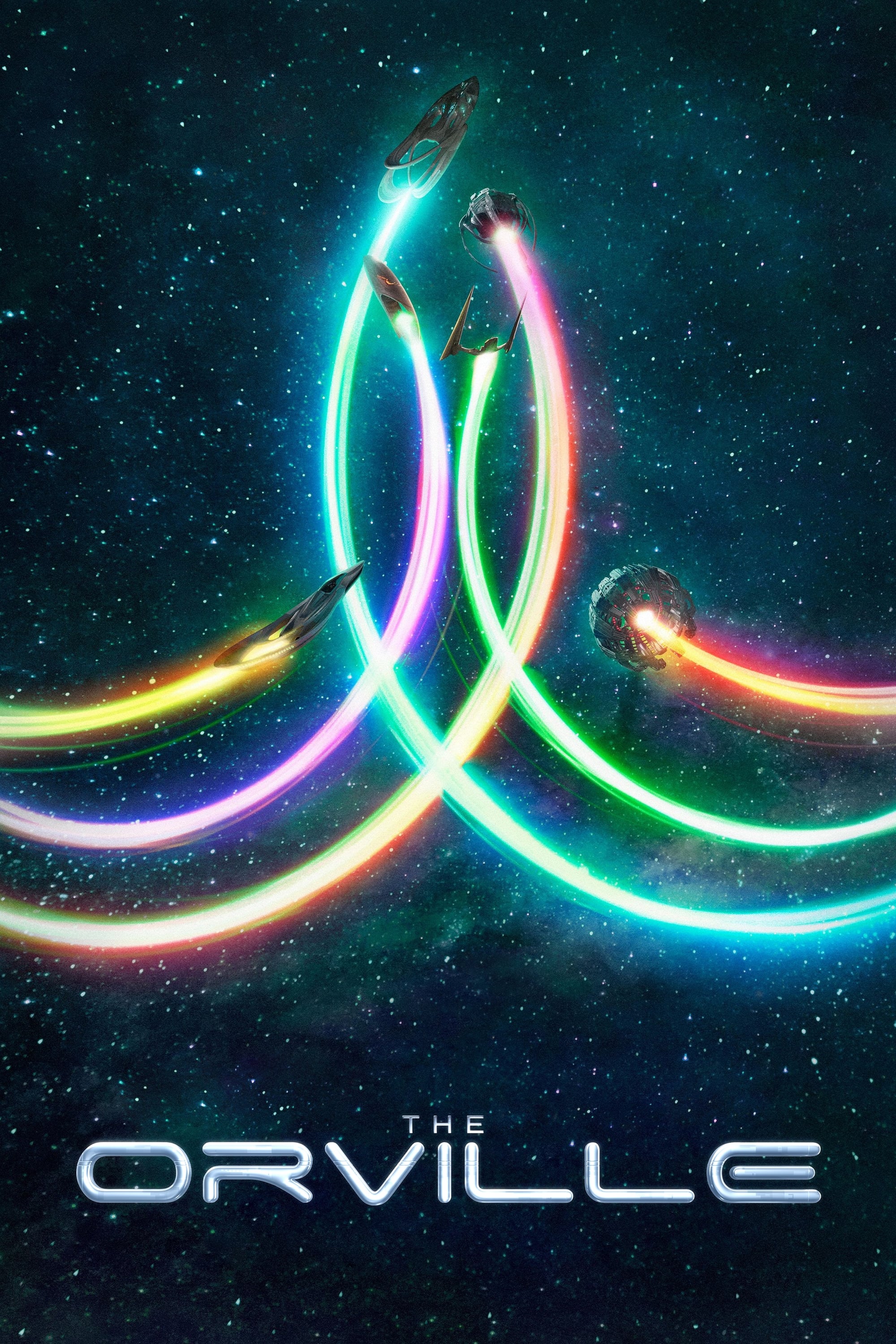
This show follows the crew of a mid-level exploratory vessel as they tackle diplomatic and scientific missions. Episodes examine issues such as ethics, cultural clashes and technological responsibility. The series blends humor with traditional sci-fi concepts. Its format focuses on character relationships and problem solving.
‘Stargate SG-1’ (1997–2007)
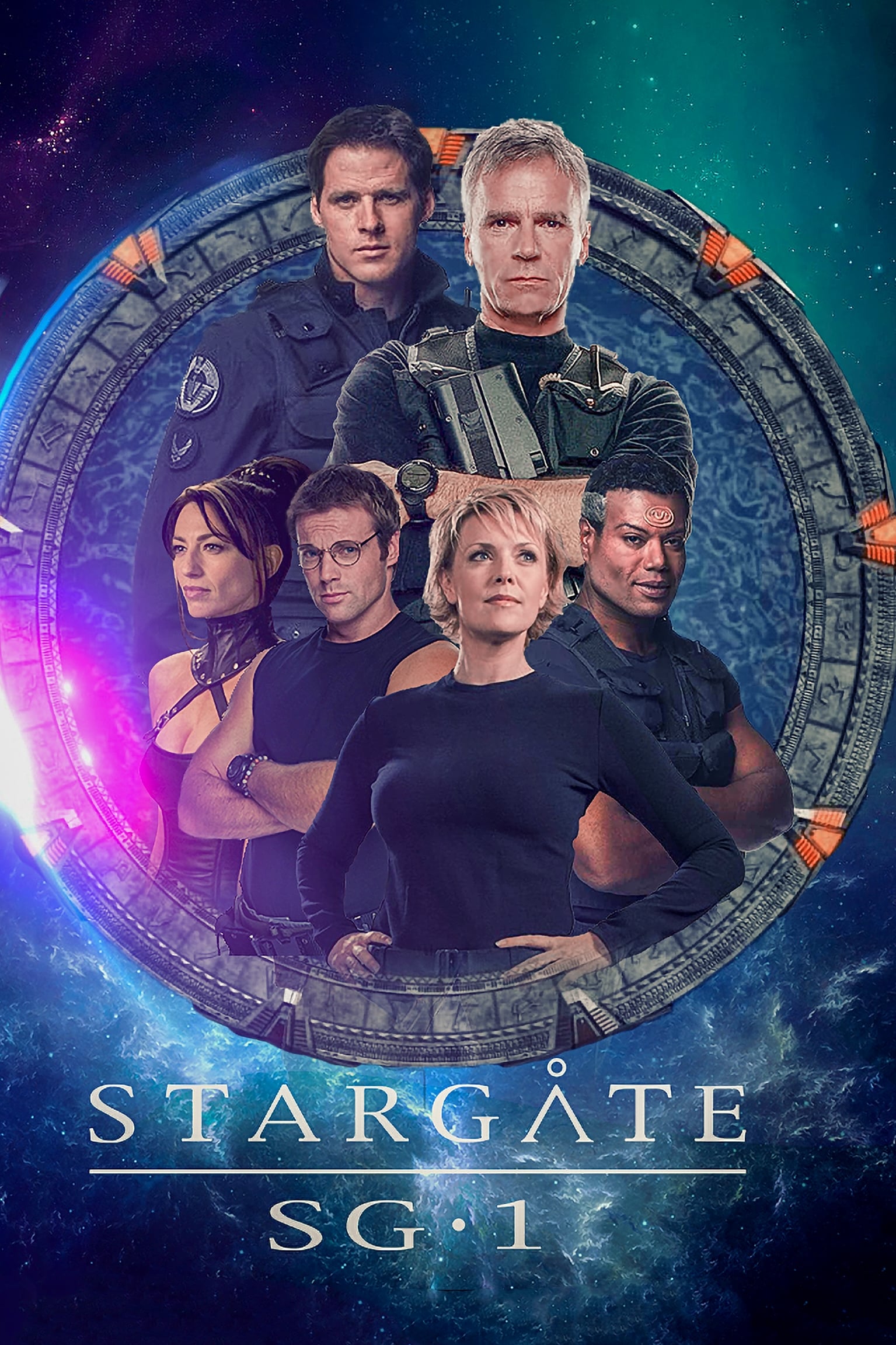
A military team travels to distant worlds using ancient portals discovered on Earth. Each mission uncovers new civilizations and advanced technologies. The show established a large fictional universe with recurring enemies and allies. Its mix of exploration and mythology contributed to its long run.
‘Black Mirror’ (2011–present)
This anthology examines the unintended consequences of emerging technologies. Each episode presents a standalone story that explores social, psychological and ethical themes. The series often focuses on near future scenarios that feel plausible. Its format encourages reflection on how innovation shapes human behavior.
‘The X-Files’ (1993–2002)
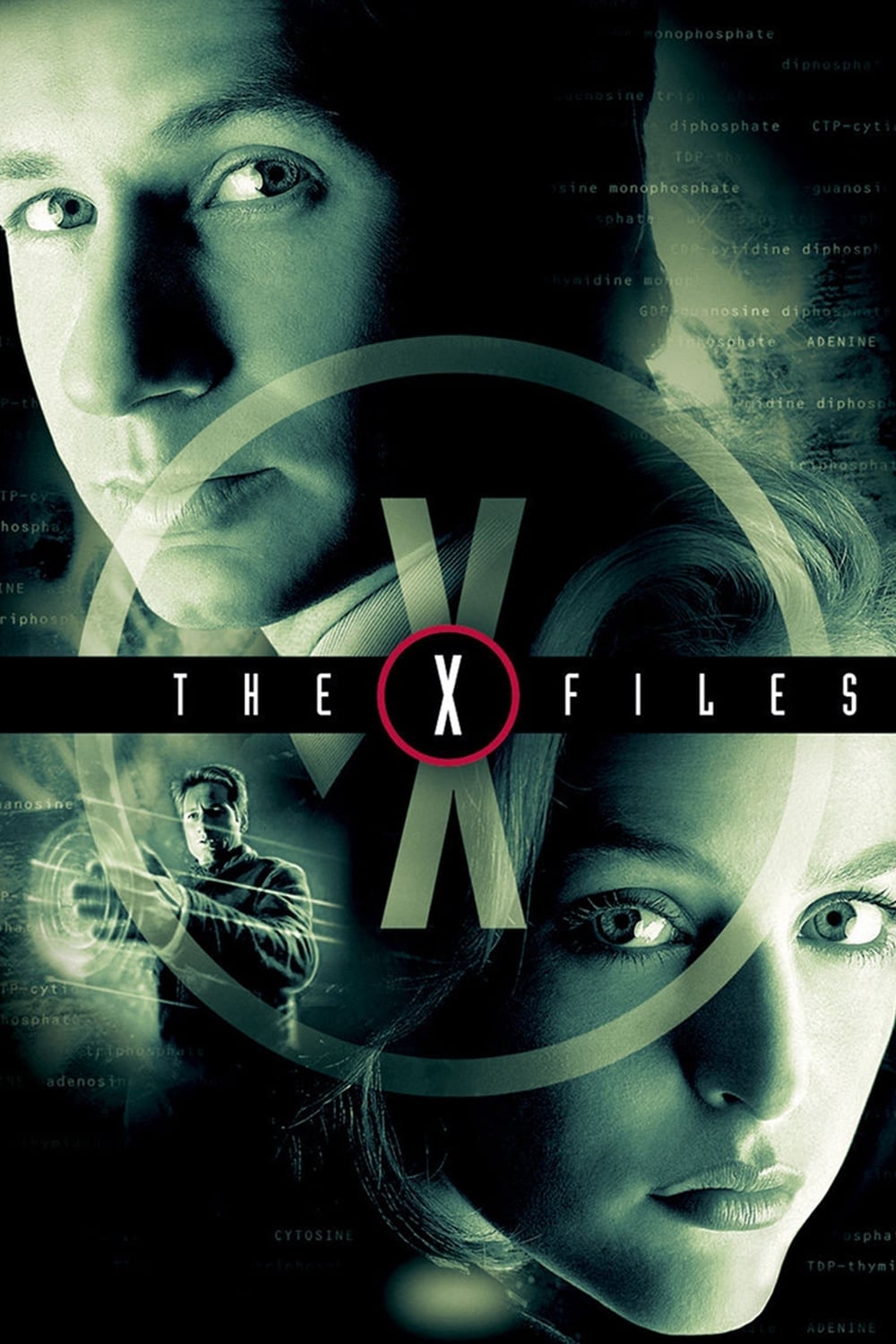
Two investigators examine unexplained events involving extraterrestrial encounters and government secrecy. The show alternates between standalone cases and a larger conspiracy story. It explores ideas related to belief, evidence and scientific inquiry. Its structure influenced later genre series that mix mythology with weekly mysteries.
‘The Outer Limits’ (1995–2002)
This anthology features stories about scientific experiments and futuristic concepts. Each episode presents characters encountering unexpected consequences of technology. Themes examine moral choices and scientific responsibility. The show uses speculative scenarios to highlight human reactions under pressure.
‘Firefly’ (2002)
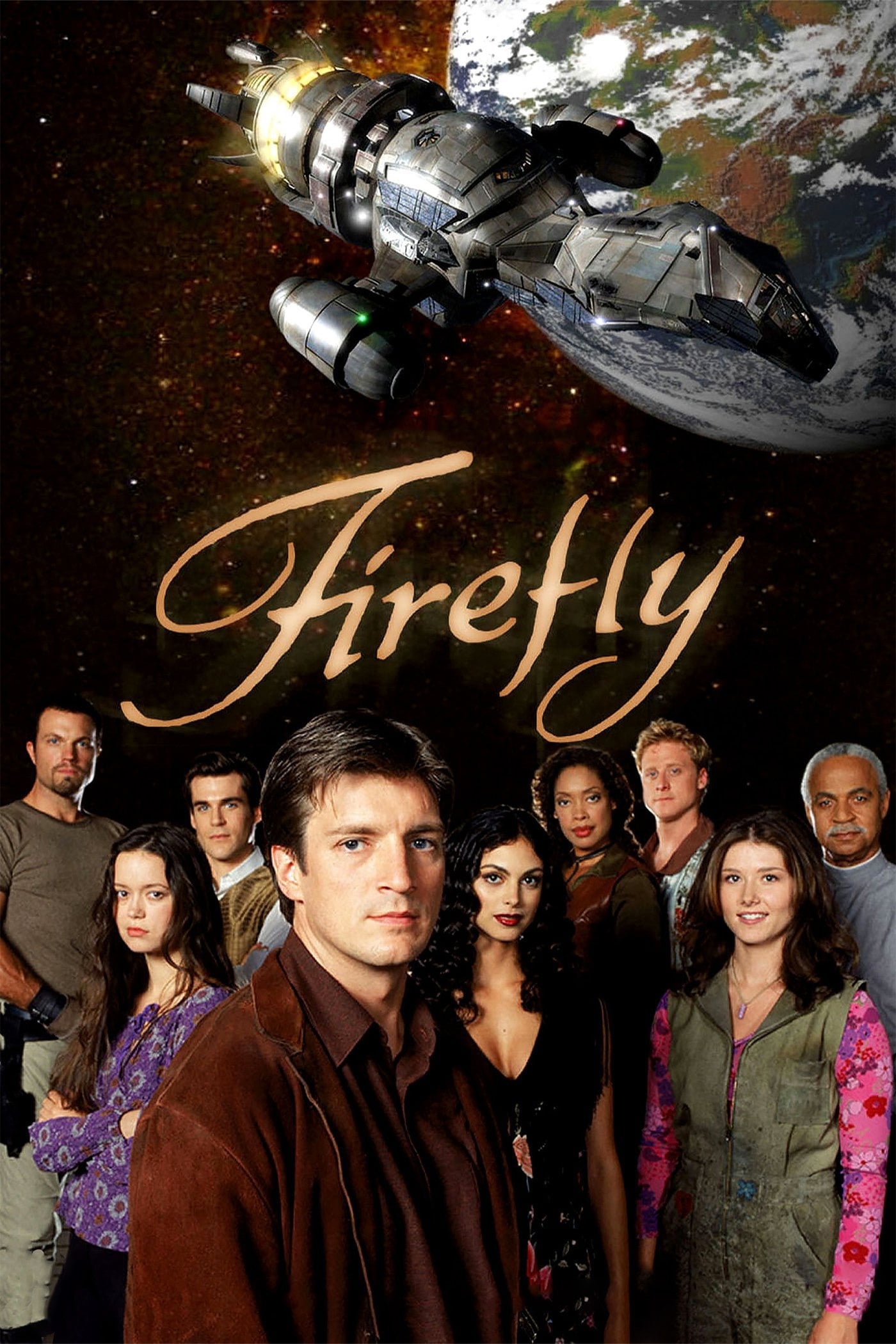
A small spaceship crew takes on transport jobs while dealing with political tension and frontier life. The show blends space travel with themes of independence and survival. Characters navigate challenges that come from limited resources and powerful authorities. Its storytelling combines ensemble dynamics with worldbuilding detail.
‘Lost in Space’ (2018–2021)
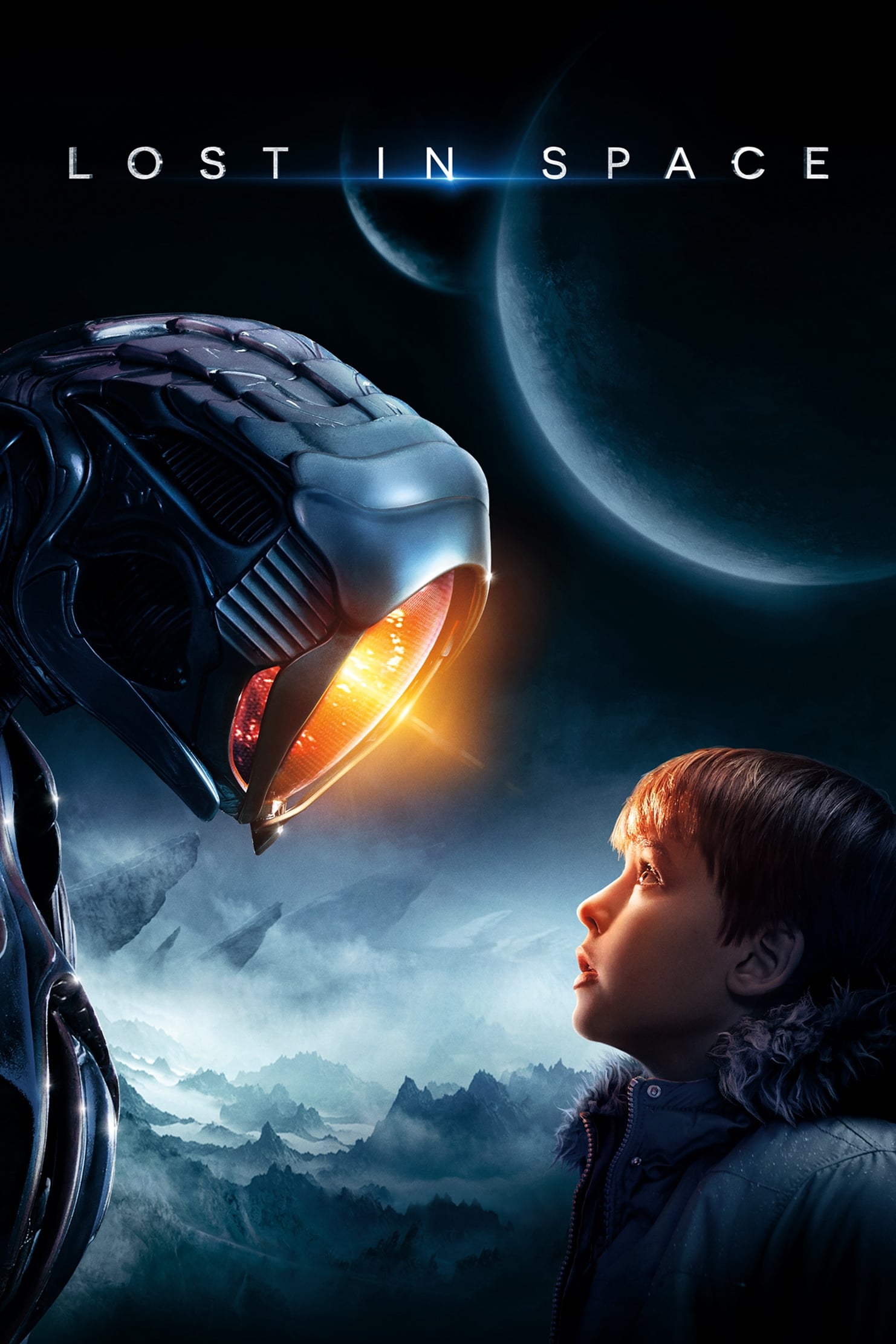
A family becomes stranded on distant worlds while trying to reach a human colony. Each episode focuses on overcoming environmental hazards or solving scientific problems. The show uses its setting to explore cooperation and resilience. Its portrayal of technology emphasizes adaptation in unpredictable situations.
‘The 100’ (2014–2020)
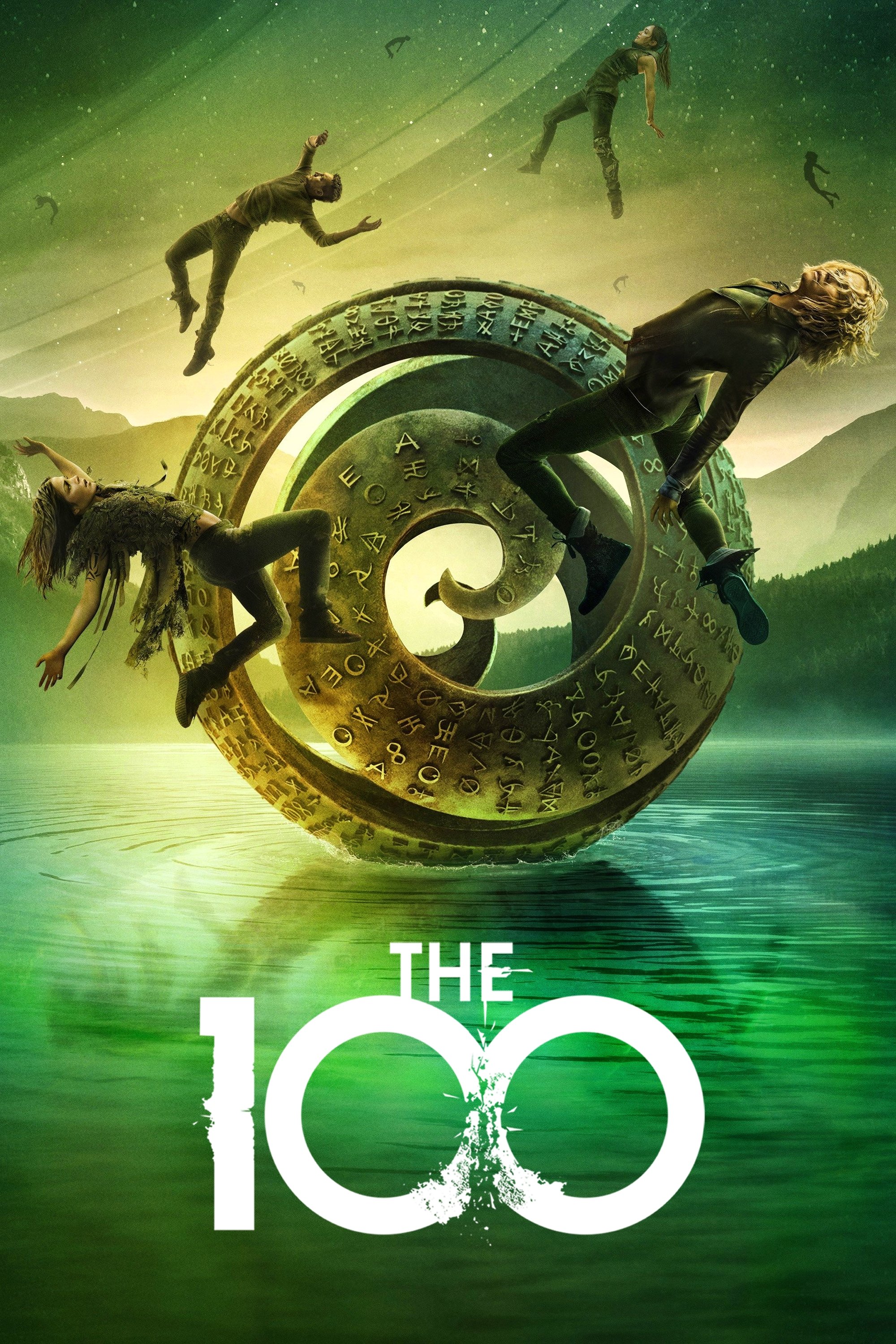
A group of young survivors returns to Earth after a long period in space. They encounter new environments and societies shaped by past disasters. The series examines conflict, governance and resource management. Characters frequently face choices involving survival and community welfare.
‘Sense8’ (2015–2018)
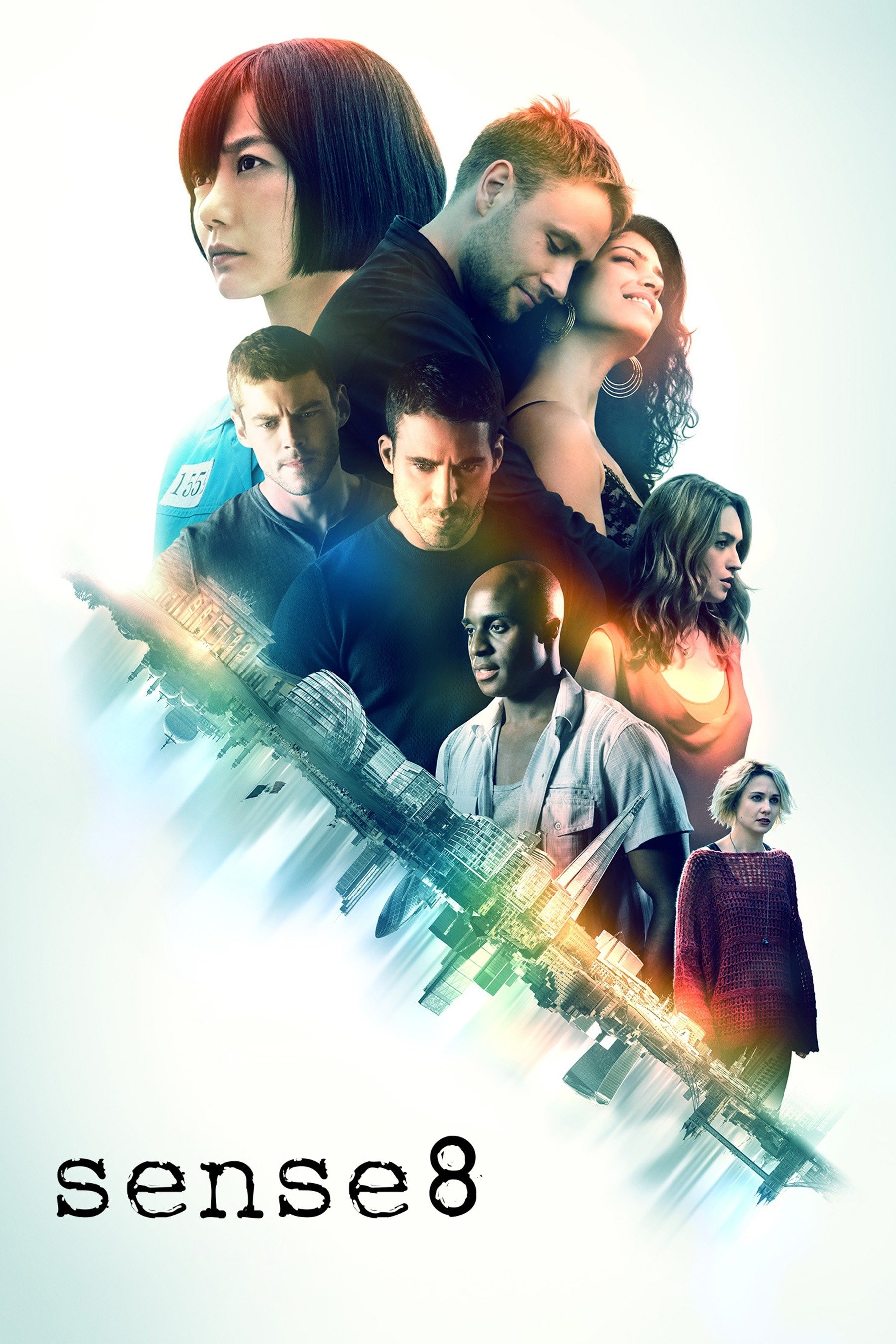
Eight individuals around the world become mentally connected and share abilities. Their link creates advantages and challenges as they confront external threats. The show explores identity, communication and global interconnectedness. Its narrative highlights collaboration among people with different backgrounds.
‘Altered Carbon’ (2018–2020)

Set in a future where consciousness can be transferred between bodies, the series follows individuals navigating technology that blurs identity and mortality. Episodes explore political power linked to digital immortality. The story examines social divides created by access to advanced biotechnology. Its worldbuilding highlights how technology reshapes justice and personal autonomy.
‘The Man in the High Castle’ (2015–2019)

This show presents an alternate history in which major world powers control different regions of the United States. Characters encounter mysterious films that challenge their understanding of reality. The narrative focuses on resistance movements and political influence. The series uses speculative elements to explore control and ideological conflict.
‘Killjoys’ (2015–2019)
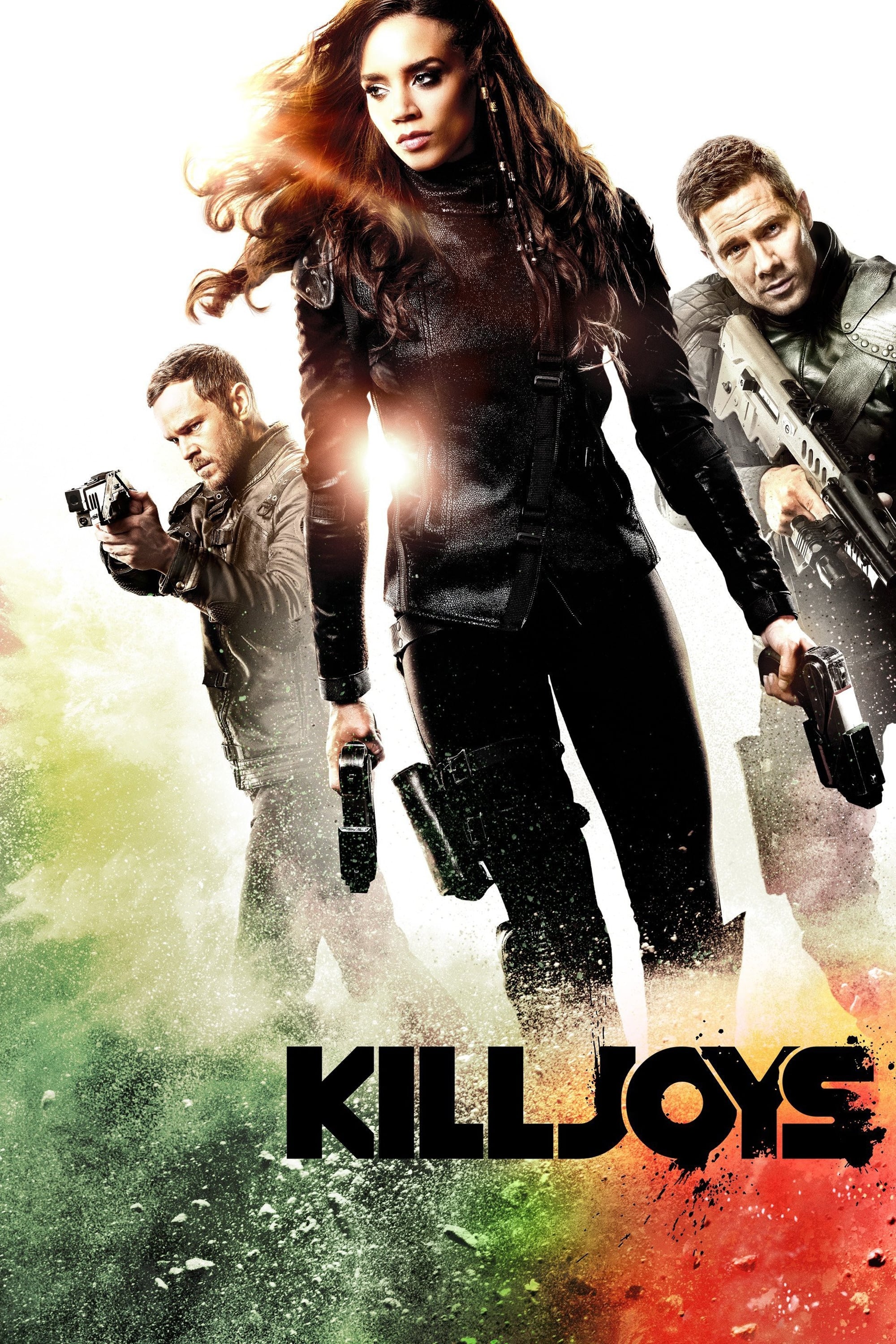
A team of bounty hunters operates across a planetary system with shifting alliances. Their missions involve political instability and advanced weapons. The show develops a detailed universe with interconnected factions. Characters navigate evolving threats while maintaining strict operational codes.
‘Continuum’ (2012–2015)
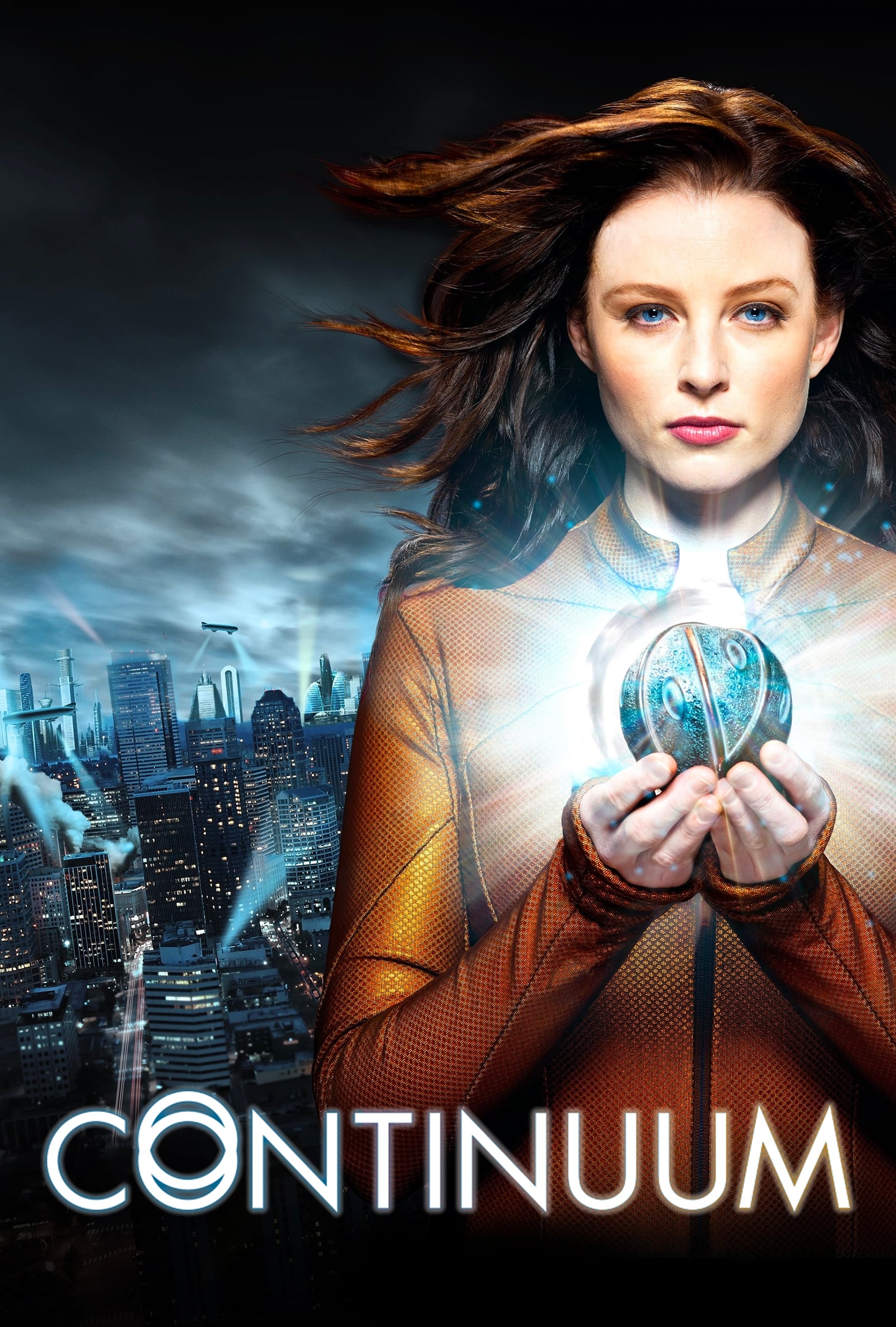
A group of rebels travels from the future to the present, and a law enforcement officer accidentally follows them. Episodes explore how current events influence future political movements. Technology from the future impacts investigations and decision making. The show examines cause and effect through its time travel premise.
’12 Monkeys’ (2015–2018)
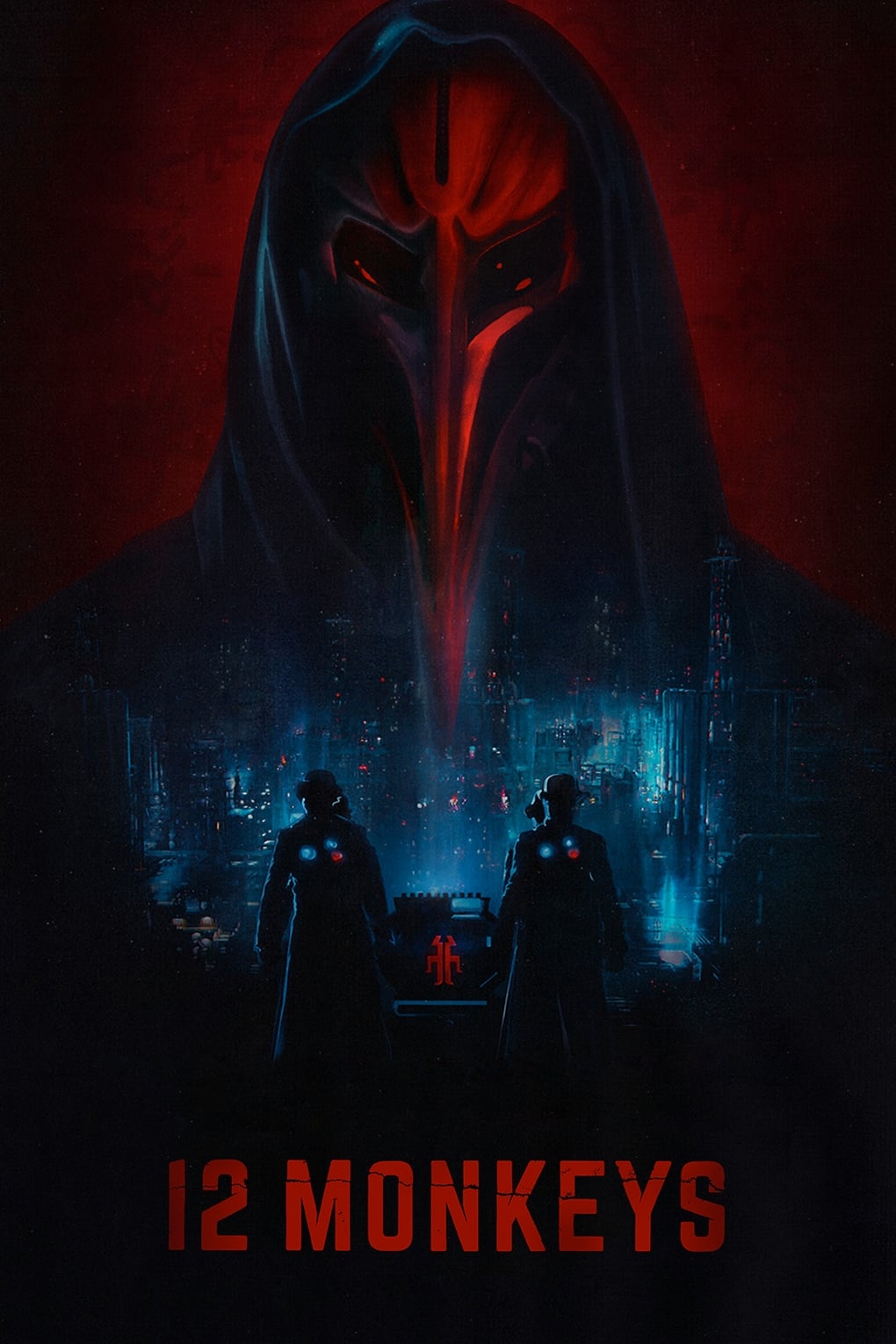
Based on the film, this series depicts a man sent back in time to prevent a global catastrophe. The storyline addresses the challenges of altering major historical events. Characters encounter shifting timelines that complicate their mission. Its structure highlights the consequences of repeated temporal intervention.
‘The OA’ (2016–2019)
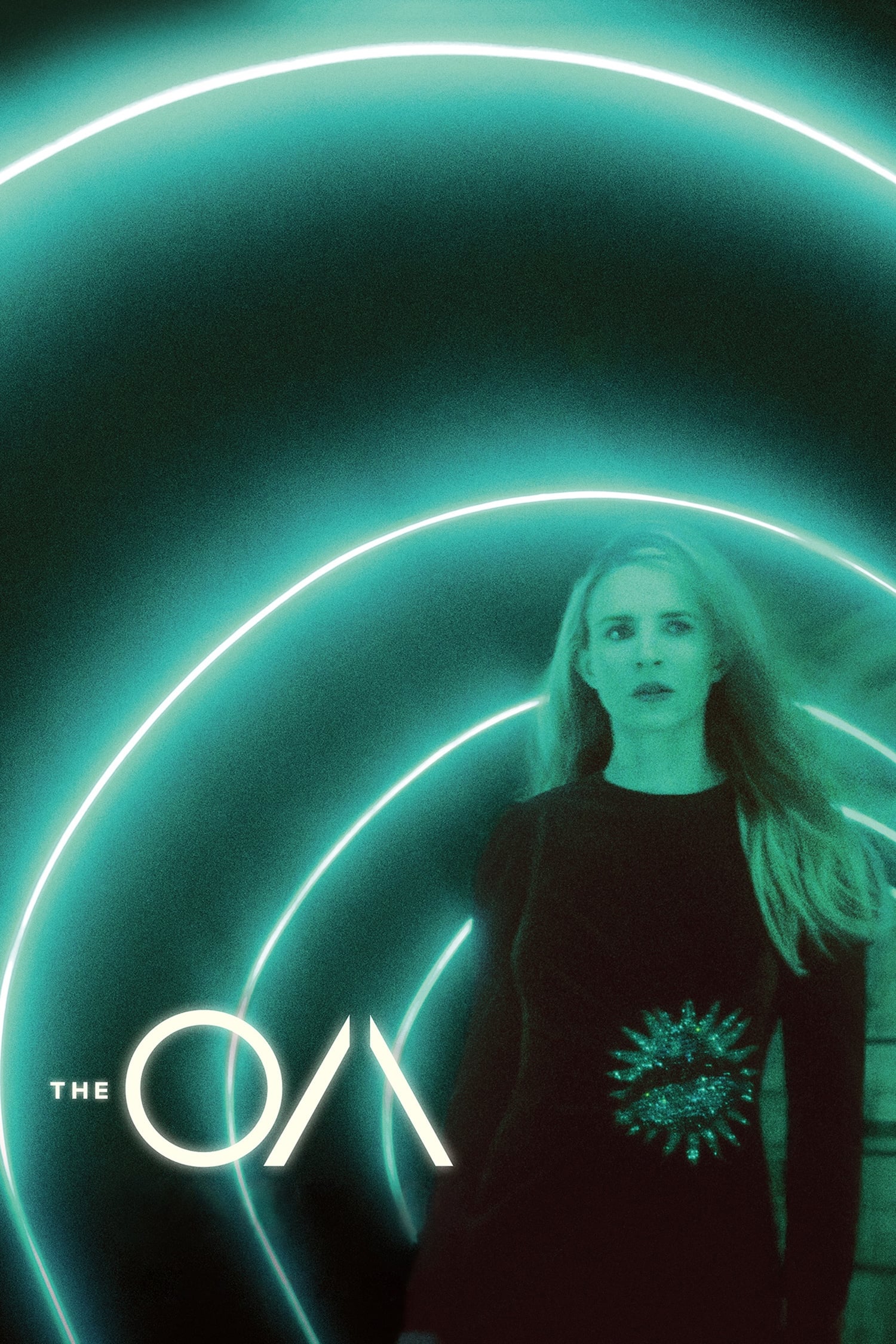
A woman reappears after years of absence with new abilities and a mysterious story involving other dimensions. The series focuses on memory, identity and unconventional scientific experimentation. Characters collaborate to uncover the truth behind her experiences. Its narrative incorporates speculative elements to explore human connection.
‘Raised by Wolves’ (2020–2022)
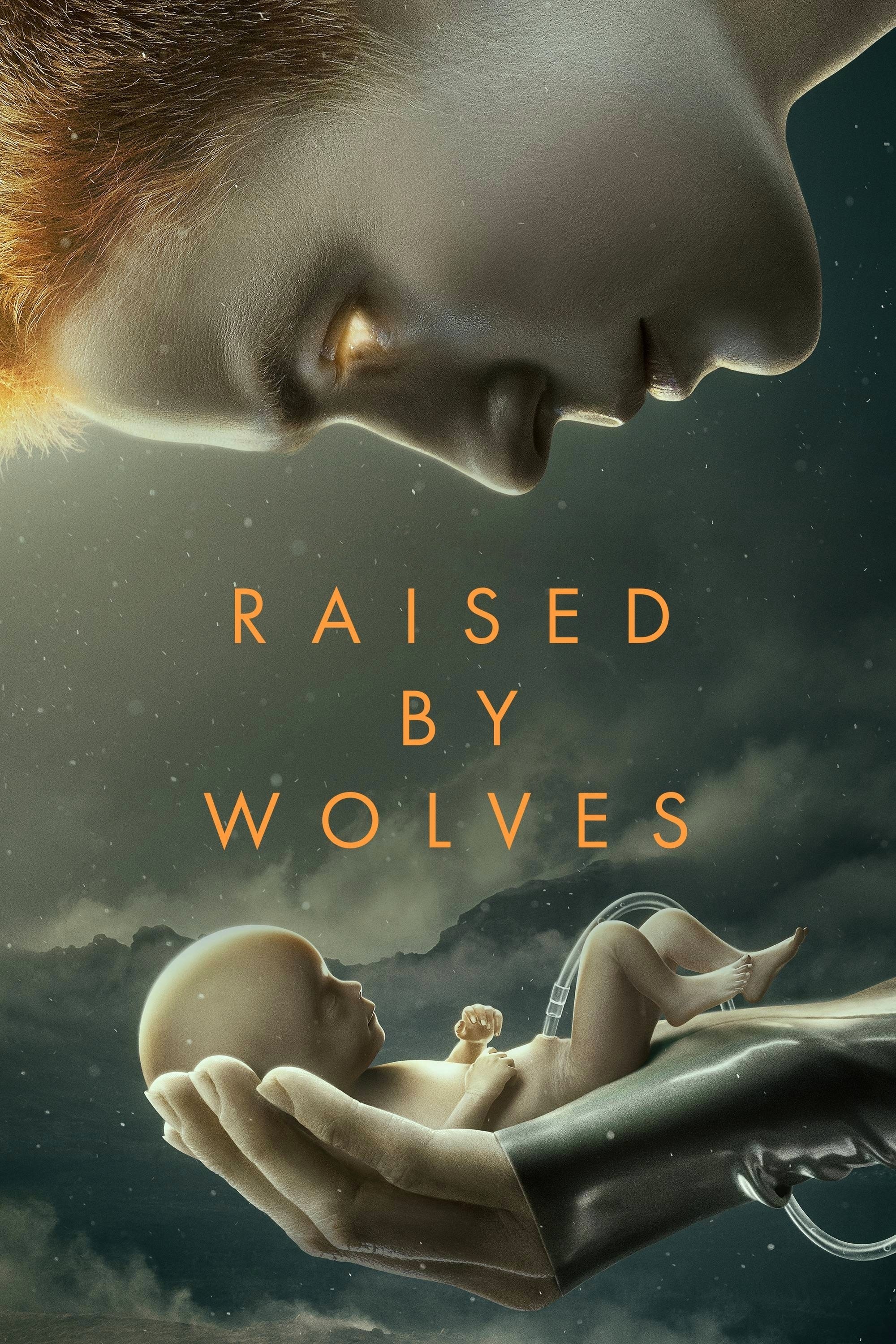
Two androids attempt to raise human children on a distant planet after Earth’s collapse. Their efforts confront ideological conflict and environmental dangers. The show depicts how artificial intelligence interprets parenting and survival. Its setting emphasizes the contrast between technology and belief systems.
‘Snowpiercer’ (2020–2024)
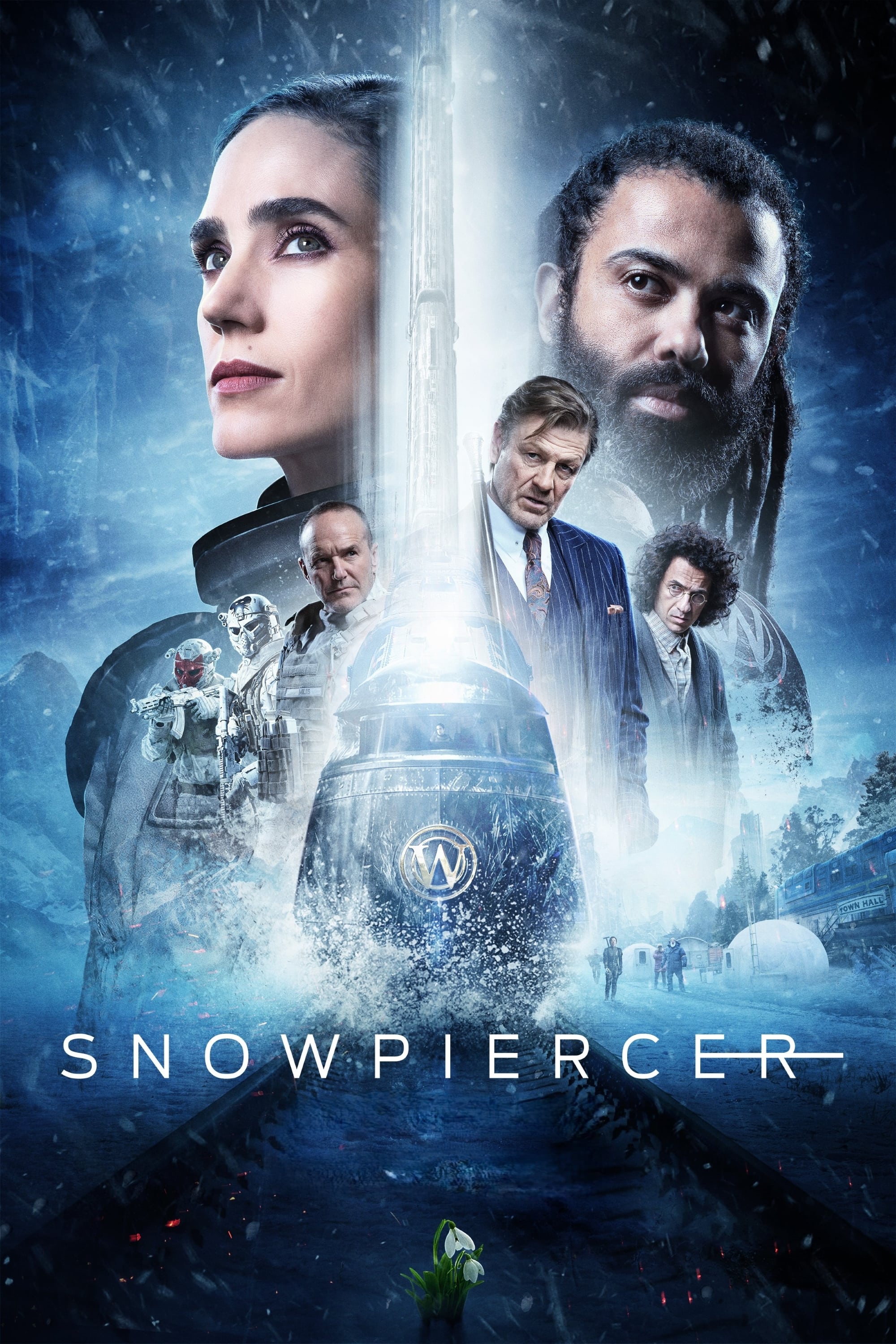
Humanity survives on a constantly moving train after a global freeze. The series examines resource control and class structure within confined environments. Conflicts emerge as power shifts between different sections of the train. Technology and engineering play key roles in maintaining life onboard.
‘Star Trek: Discovery’ (2017–2024)
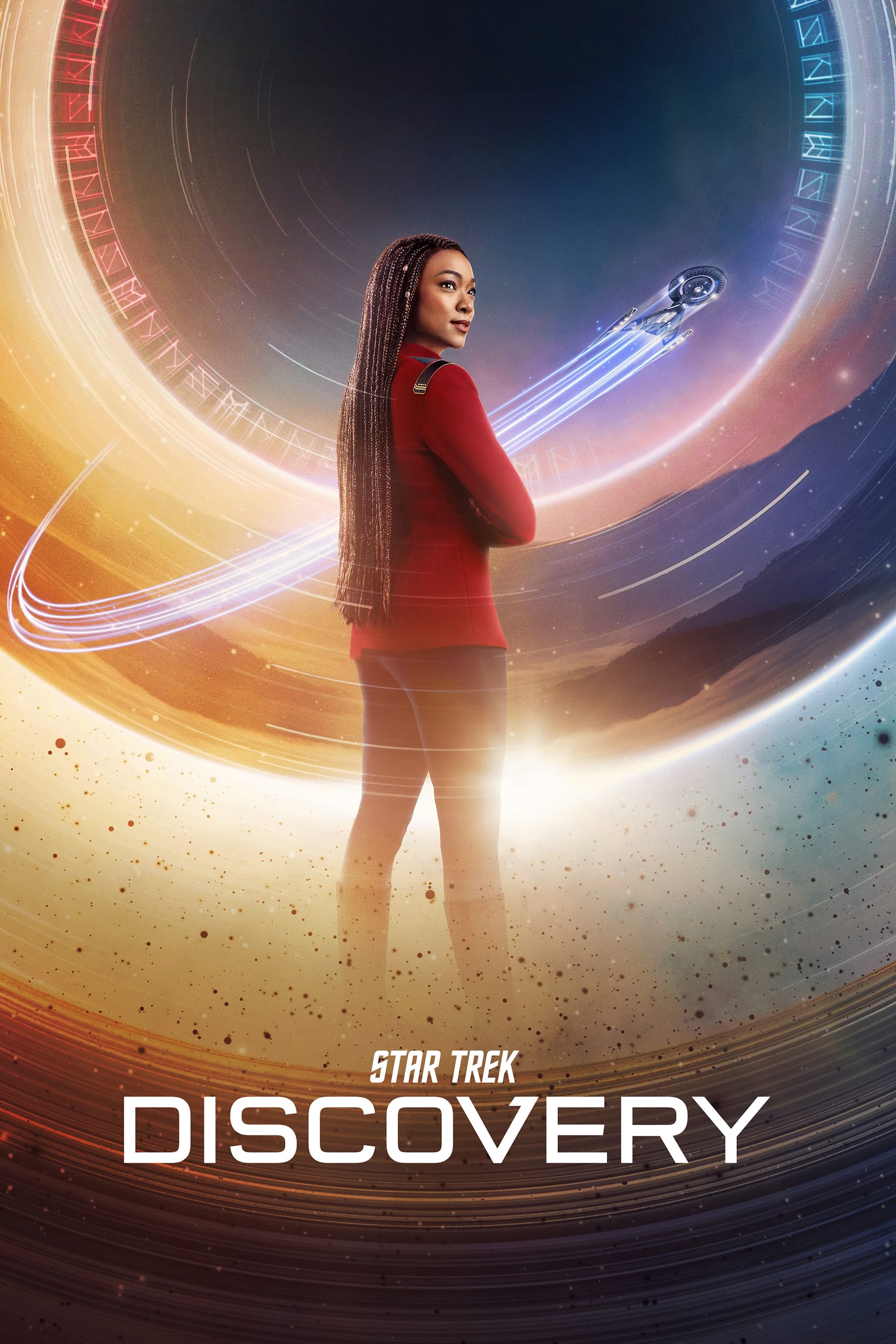
This entry in the franchise follows a crew that encounters new scientific mysteries and interstellar challenges. Storylines explore diplomacy, exploration and advanced technologies. The show expands established lore through new species and scientific concepts. Its missions emphasize cooperation and scientific problem solving.
‘Quantum Leap’ (1989–1993)
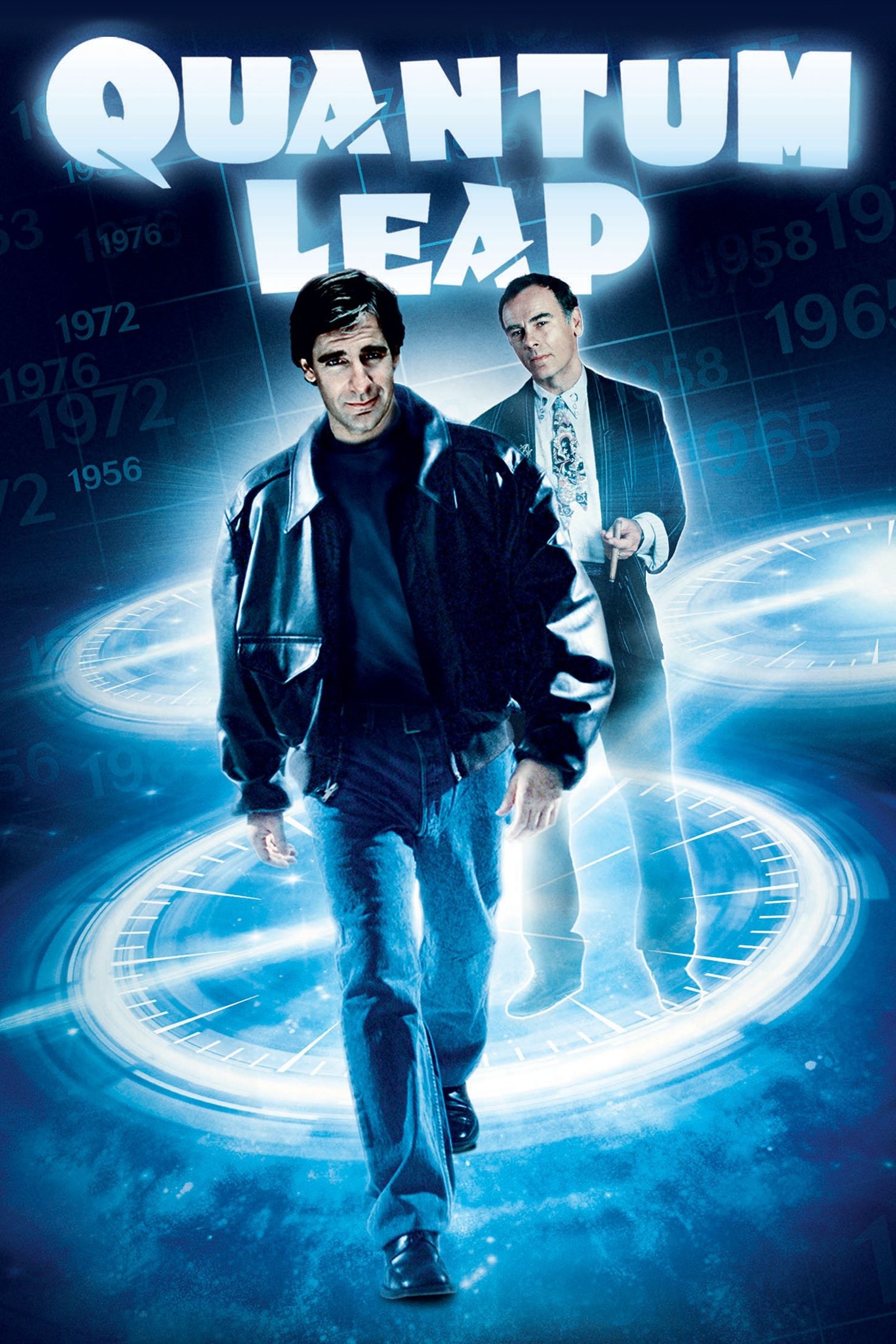
A scientist becomes trapped in a time travel experiment and temporarily inhabits the lives of others. Each leap requires him to resolve issues affecting the people he encounters. The series blends historical settings with speculative science. Its format focuses on how individual actions influence broader outcomes.
‘The Leftovers’ (2014–2017)

This series follows the aftermath of a mysterious event in which a portion of the population suddenly disappears. Characters struggle to understand the cause while dealing with social and emotional consequences. The show incorporates speculative elements related to unexplained phenomena. Its themes examine belief, adaptation and community response.
‘Foundation’ (2021–present)
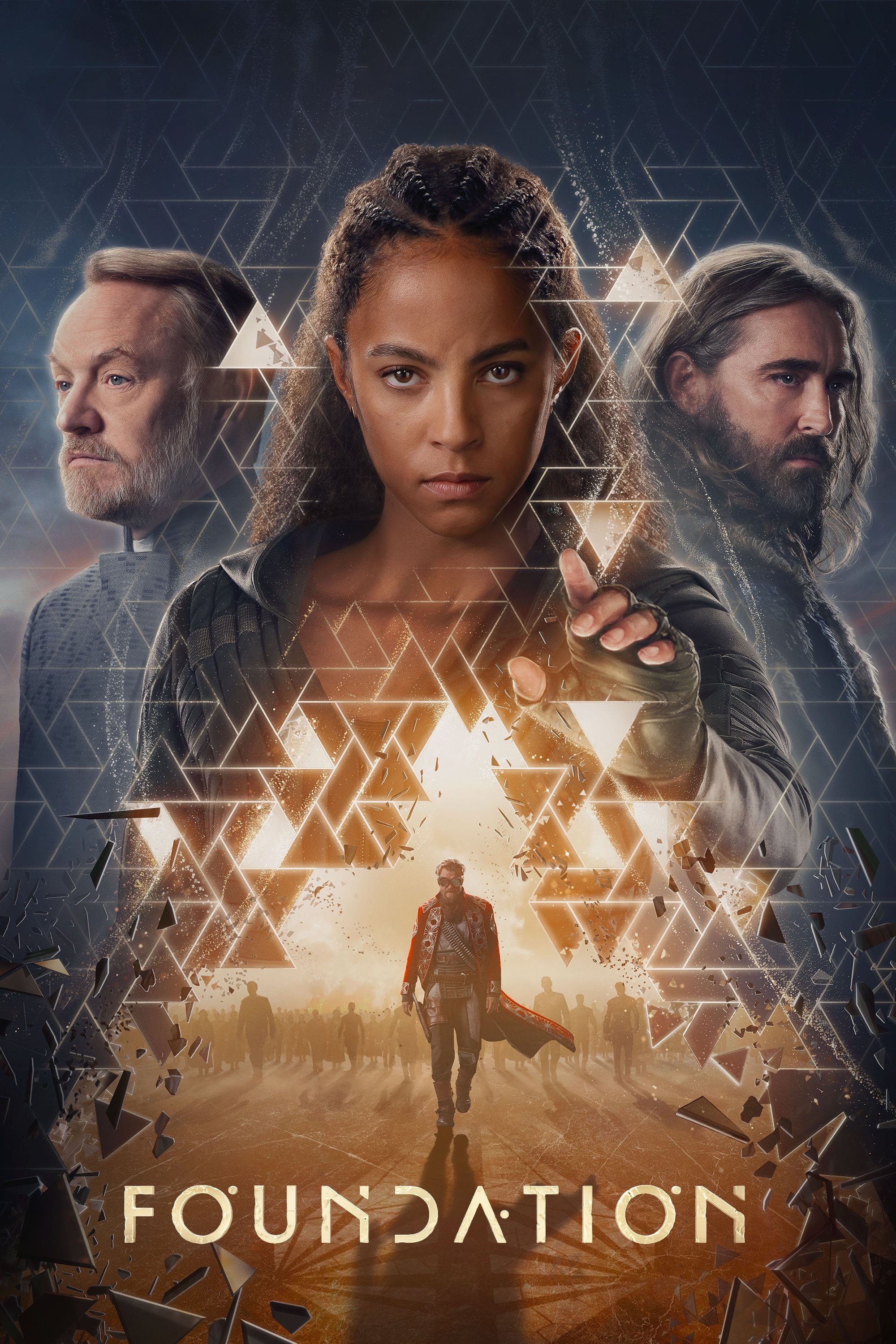
Based on classic science fiction literature, the series depicts a plan designed to reduce the impact of a predicted civilization collapse. Characters navigate political pushback and technological limitations. The show features vast settings shaped by scientific and mathematical forecasting. Its narrative examines the preservation of knowledge across generations.
‘The Peripheral’ (2022–present)
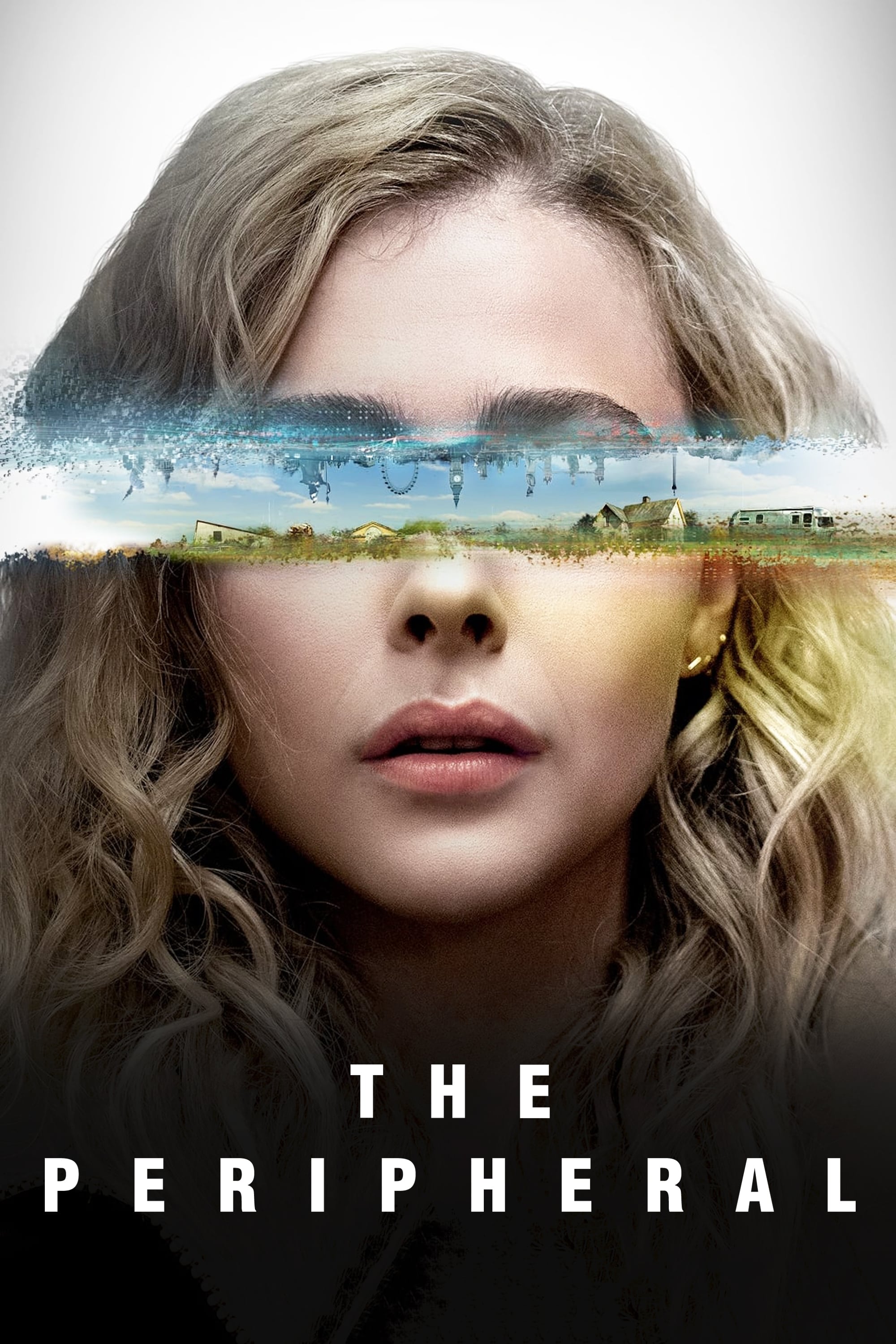
A young woman connects to a future timeline using advanced virtual technology that blurs physical and digital realities. The story reveals political and environmental consequences in the future world. Characters uncover hidden agendas involving powerful organizations. The series uses speculative tools to explore surveillance and societal change.
‘Colony’ (2016–2018)
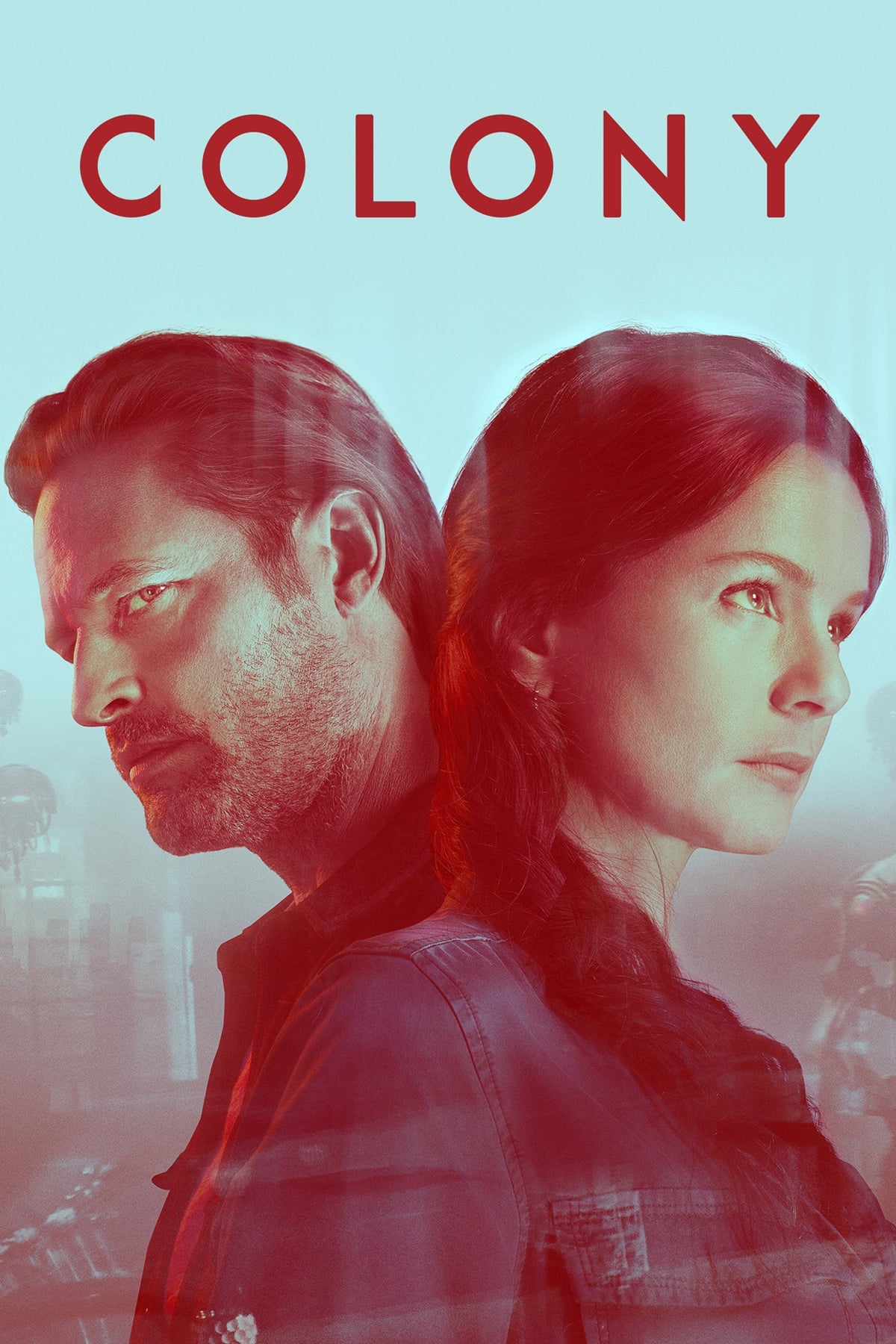
After an extraterrestrial force occupies Earth, humans attempt to survive under strict authoritarian rule. Families face difficult choices involving cooperation or resistance. The series highlights how technology and control mechanisms influence daily life. Its narrative focuses on adaptation under occupation.
‘Legion’ (2017–2019)
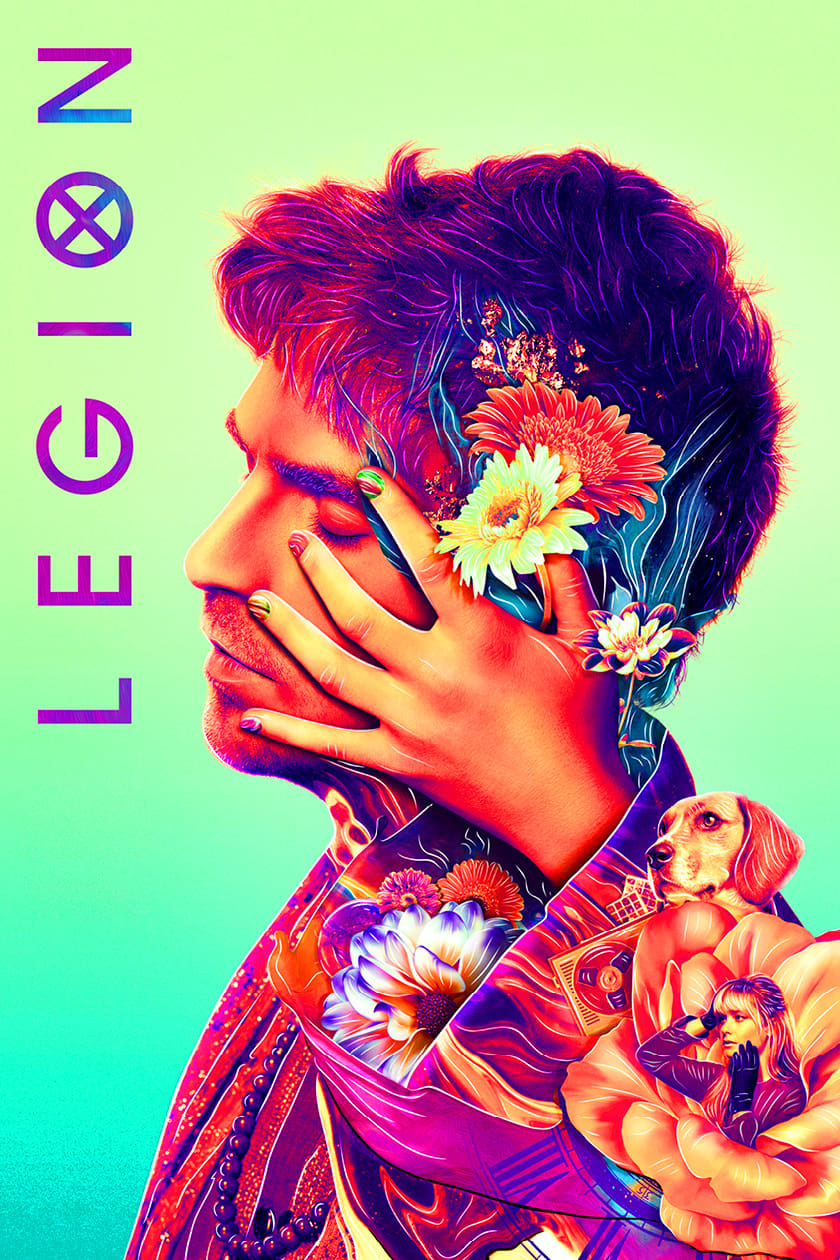
A man with extraordinary abilities attempts to understand his powers while confronting hidden threats. The show integrates advanced scientific concepts through genetic mutation and perception. Storylines involve groups studying or manipulating individuals with enhanced capabilities. Its speculative elements emphasize altered reality and psychological complexity.
‘Westworld’ (2016–2022)
This series takes place in an advanced theme park where artificial beings interact with human visitors. The story examines how programmed behavior evolves over time. Characters confront questions about autonomy and memory. Its setting highlights the consequences of immersive technology on society.
‘Defiance’ (2013–2015)
Set in a future Earth transformed by alien terraforming, the show follows a community balancing fragile peace. Multiple species attempt to coexist under uncertain leadership. Conflicts arise from political ambition and scarce resources. Its worldbuilding emphasizes cultural adaptation and interspecies negotiation.
‘Terra Nova’ (2011)
Humans travel to prehistoric Earth to rebuild civilization after environmental collapse in the future. Families must navigate wildlife threats and internal power struggles. The settlement relies on advanced technology to survive in unfamiliar conditions. The show uses its setting to explore governance and survival strategy.
‘Dark Matter’ (2015–2017)
A group of people awakens on a spaceship with no memory of their identities. As they uncover their past, they face powerful organizations and moral challenges. The story focuses on trust within the crew. Its mysteries revolve around technology and shifting alliances.
‘Revolution’ (2012–2014)
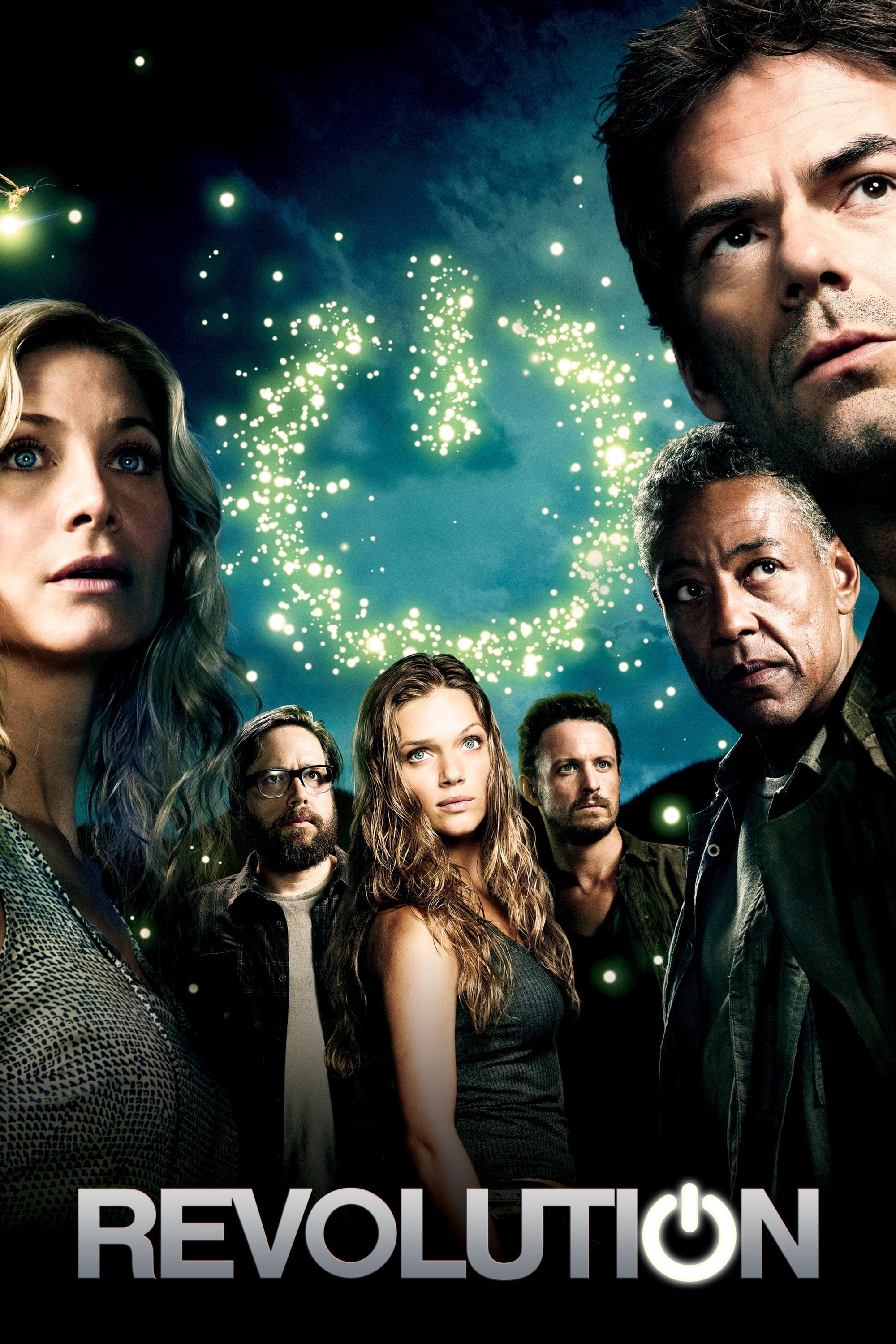
This show portrays a world where all advanced technology suddenly stops working. Society reorganizes into new factions that compete for control. Characters travel across regions to uncover the reason for the outage. Its plot examines how communities function without modern systems.
‘The Event’ (2010–2011)
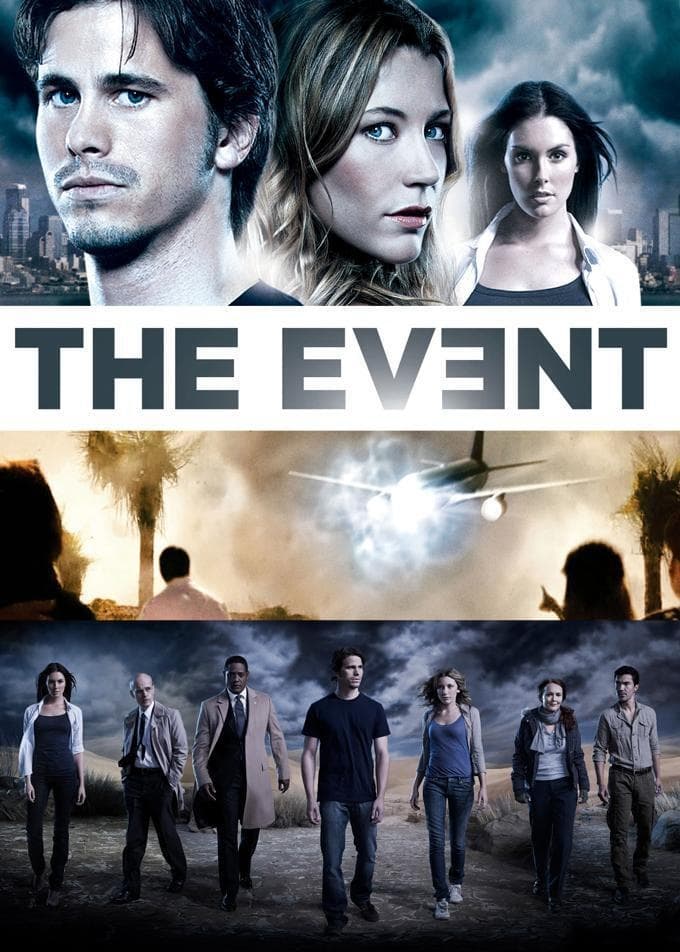
A series of hidden government operations connects to a classified group with unusual origins. Characters uncover information that influences national security decisions. The story links political intrigue with advanced technology. Episodes reveal how secret actions affect global outcomes.
‘Falling Skies’ (2011–2015)
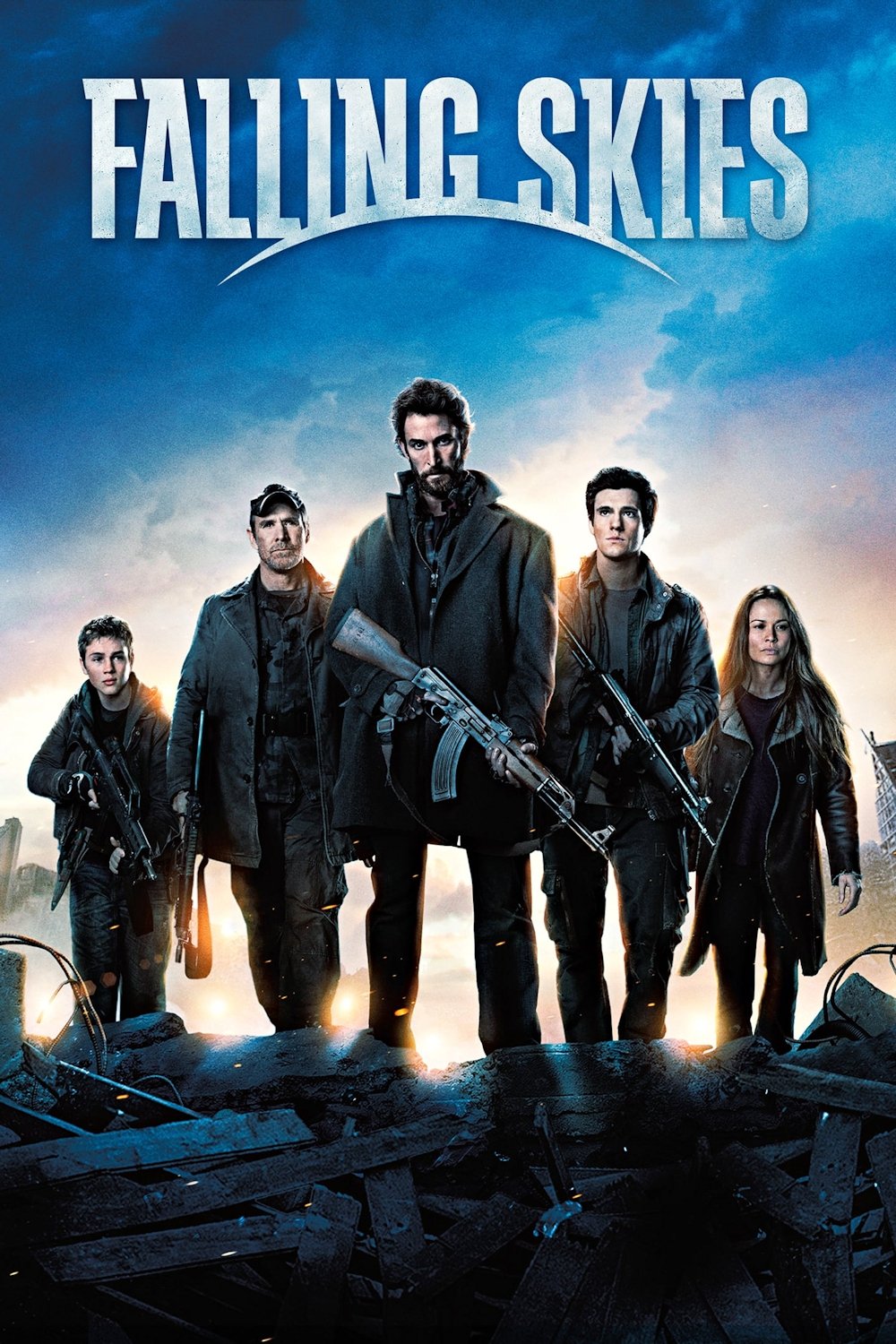
After an alien attack disrupts civilization, surviving groups attempt to rebuild. Families and fighters coordinate defenses against evolving threats. The series explores leadership during prolonged conflict. Its narrative focuses on resistance strategies and community resilience.
‘Incorporated’ (2016–2017)
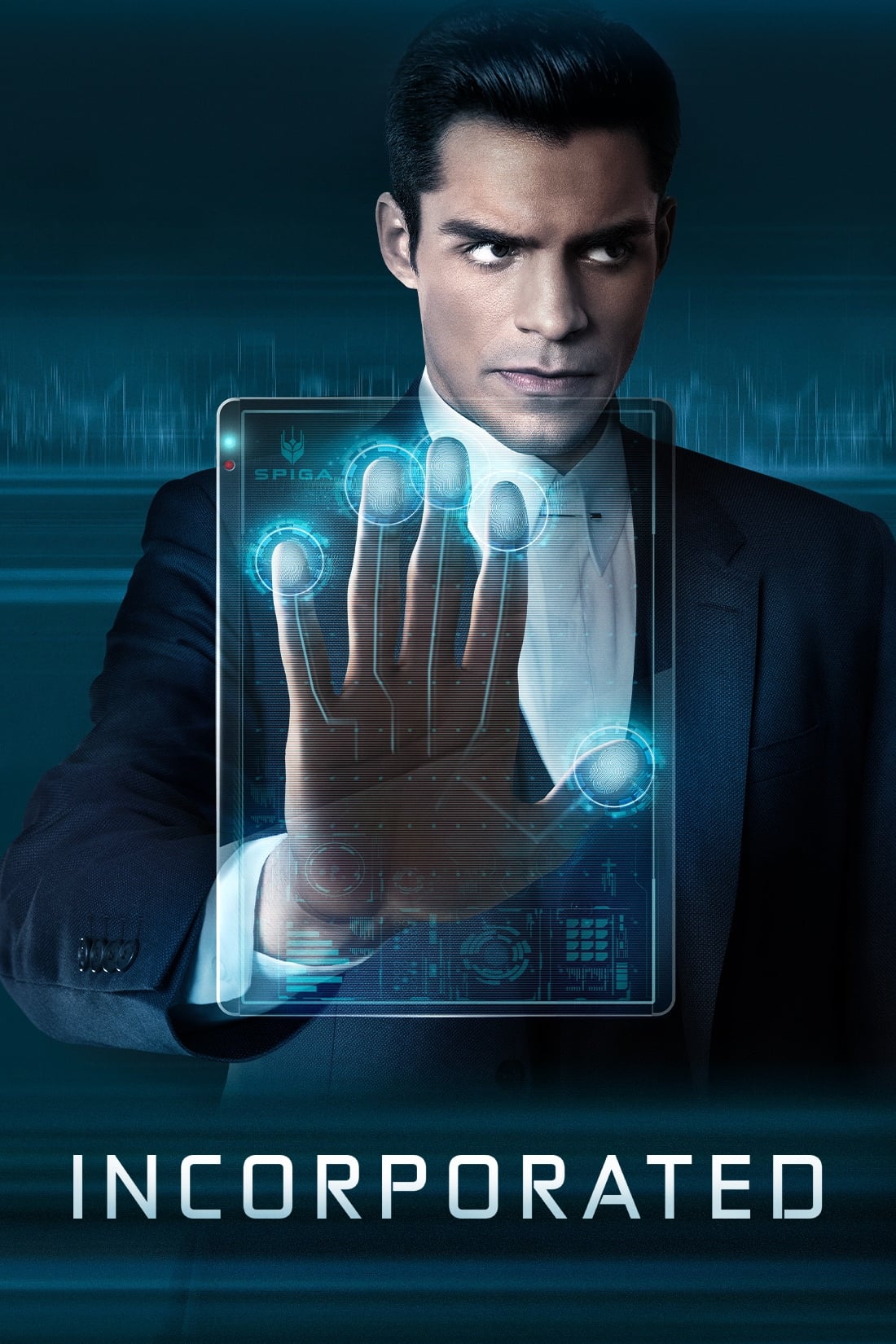
Set in a future dominated by powerful corporations, this series follows a man infiltrating restricted zones. Surveillance systems and strict regulations shape everyday life. Characters navigate corporate hierarchies and technological barriers. Its themes address economic control and engineered inequality.
‘V’ (2009–2011)
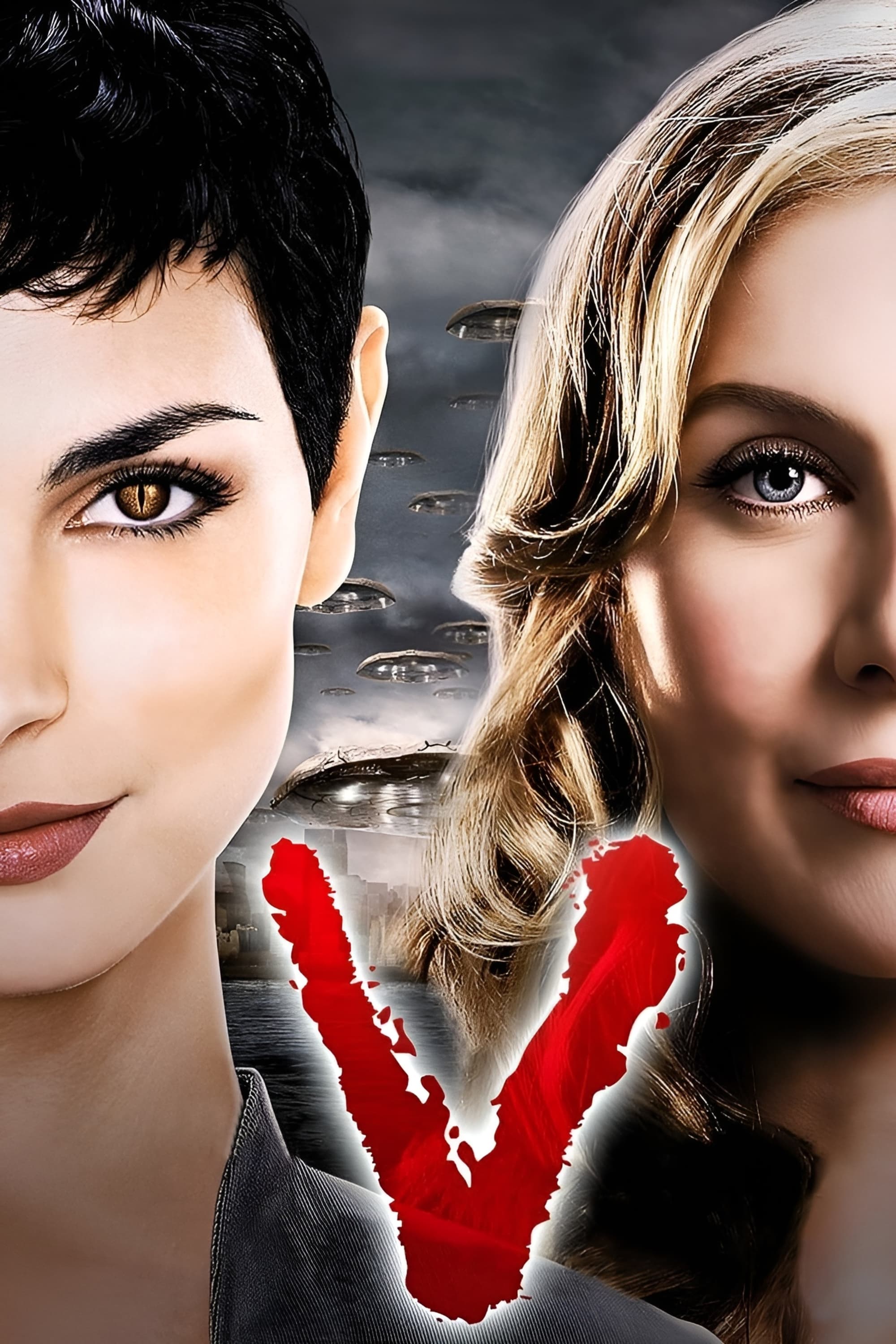
Mysterious visitors arrive with promises of assistance and cooperation. As people learn more, hidden intentions become clear. Governments struggle to manage public response and potential threats. The series uses its premise to examine trust and manipulation.
‘Time After Time’ (2017)
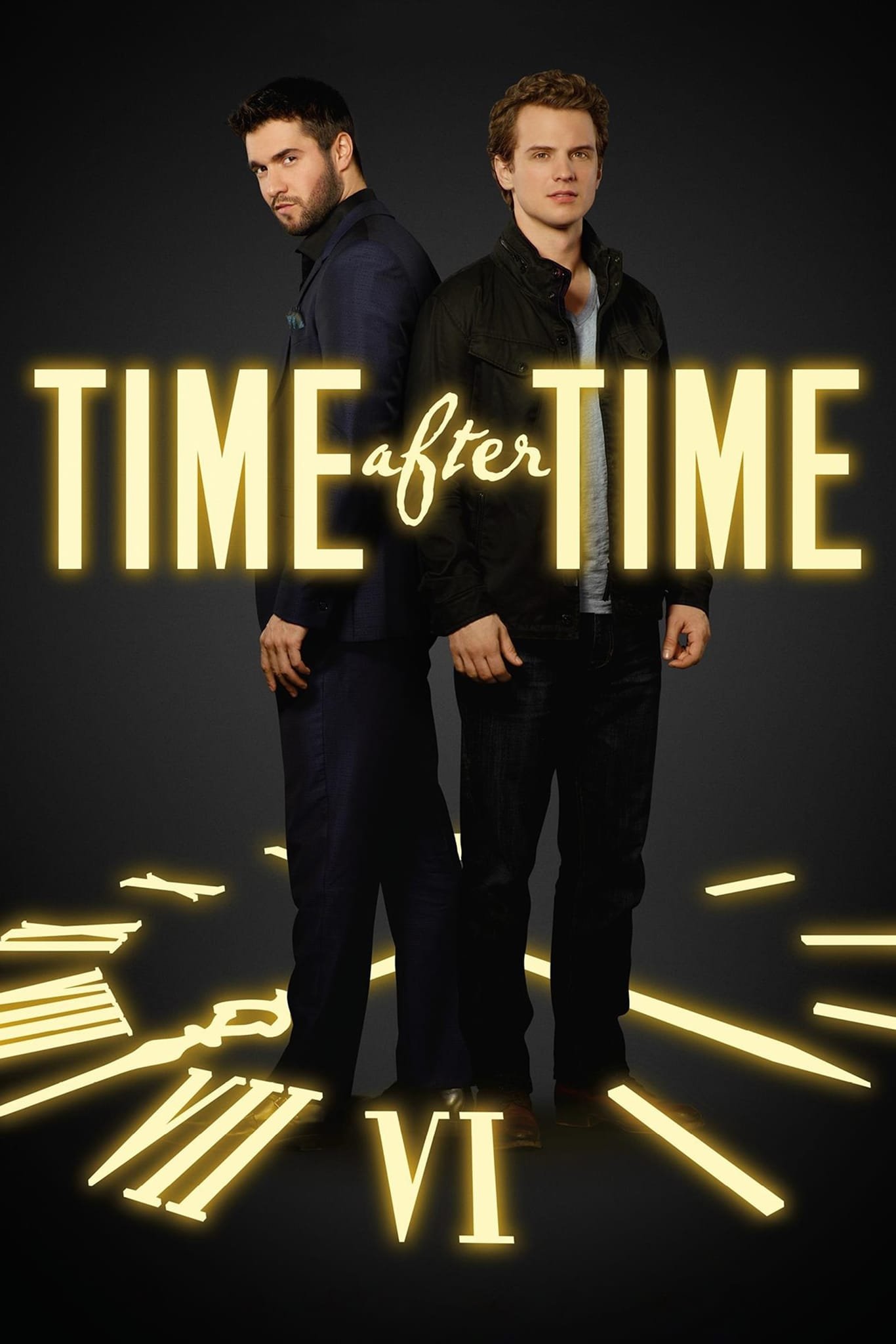
H G Wells pursues a dangerous figure who uses his time machine to travel into the modern world. The show blends historical elements with speculative science. Characters adjust to technological differences across eras. Its plot highlights the challenges of tracking individuals across time.
‘Wayward Pines’ (2015–2016)

A secretive community hides information about its origins and long term purpose. Residents follow strict rules enforced by unseen authorities. Outsiders attempt to reveal the truth behind the settlement. Its storyline incorporates scientific experimentation and societal control.
‘Under the Dome’ (2013–2015)

A town becomes sealed beneath an impenetrable barrier with no clear cause. Residents must organize resources and maintain order while cut off from the outside world. Conflicts grow as conditions intensify. The show explores environmental isolation and community behavior.
‘The Tomorrow People’ (2013–2014)
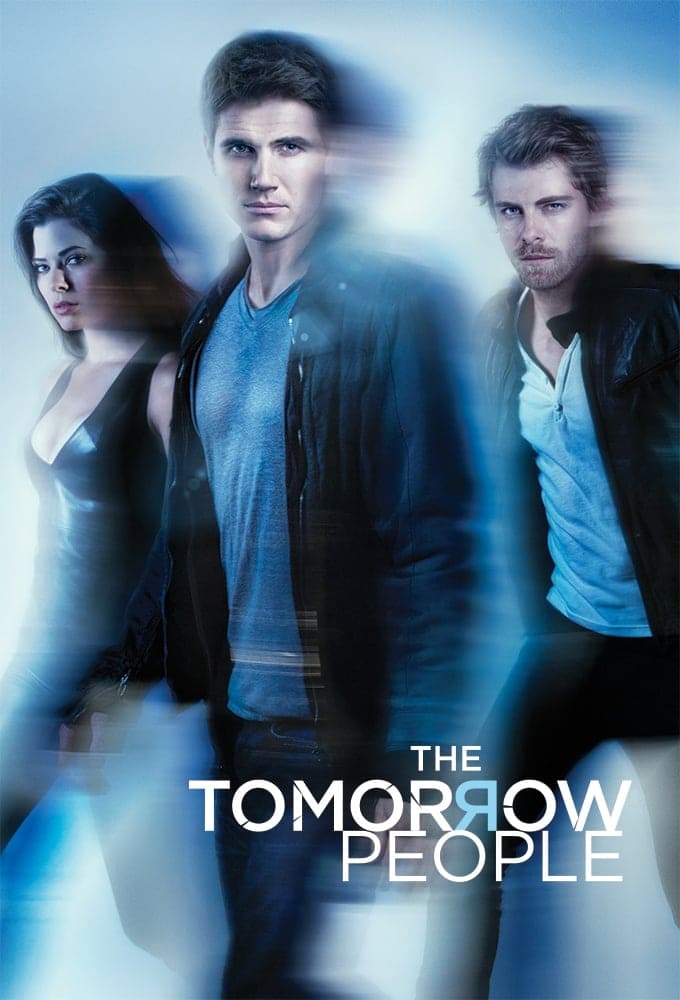
Individuals with emerging abilities become targets of an organization that monitors unusual traits. They work together to protect themselves and understand their evolution. Episodes explore how genetic changes affect identity. The series blends speculative science with social tension.
‘The Nevers’ (2021)
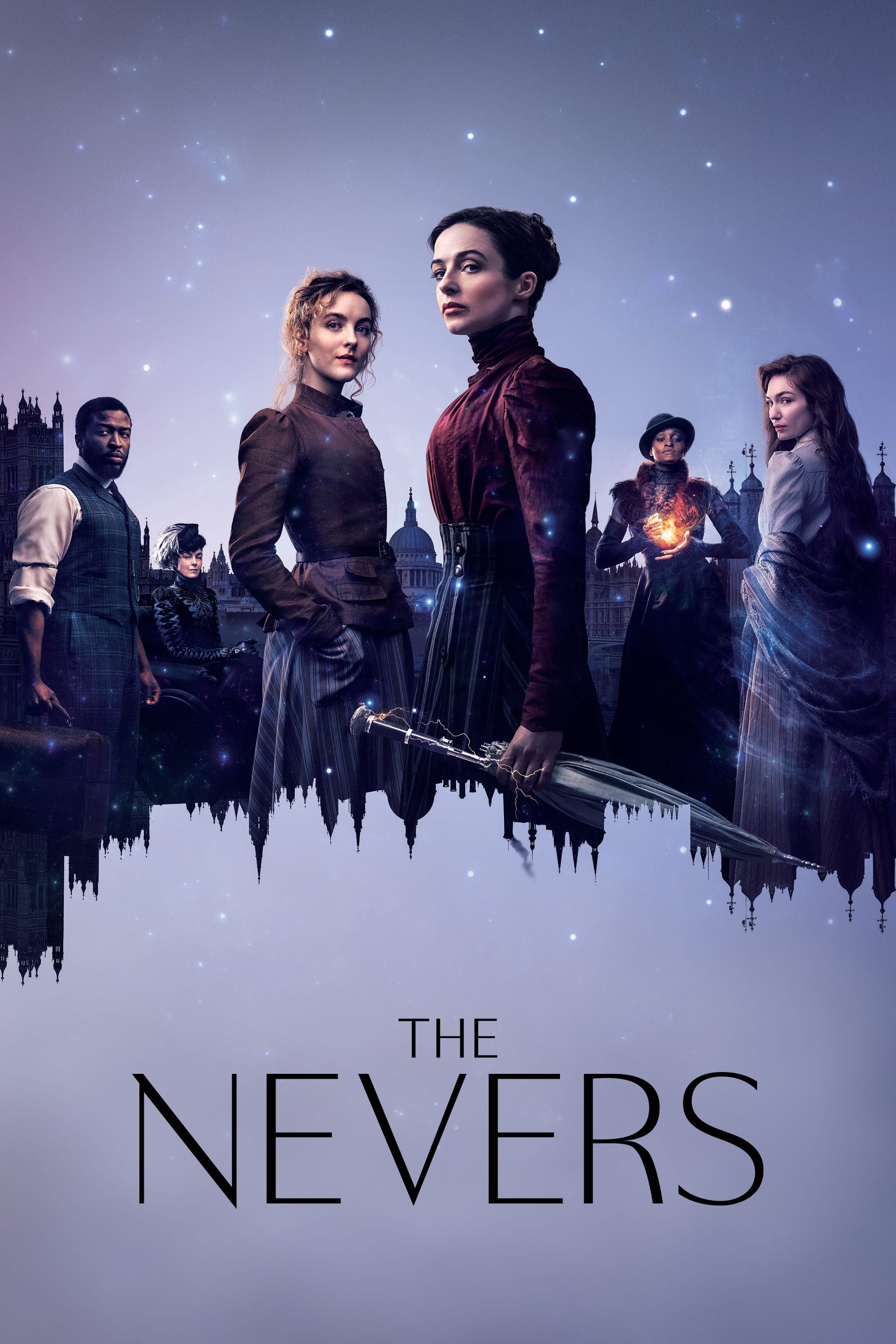
Victorian era characters gain unusual powers after a mysterious event. Their abilities create tension between authorities and marginalized groups. The series explores technological influences that appear ahead of their time. Its plot focuses on protection, secrecy and transformation.
‘FlashForward’ (2009–2010)
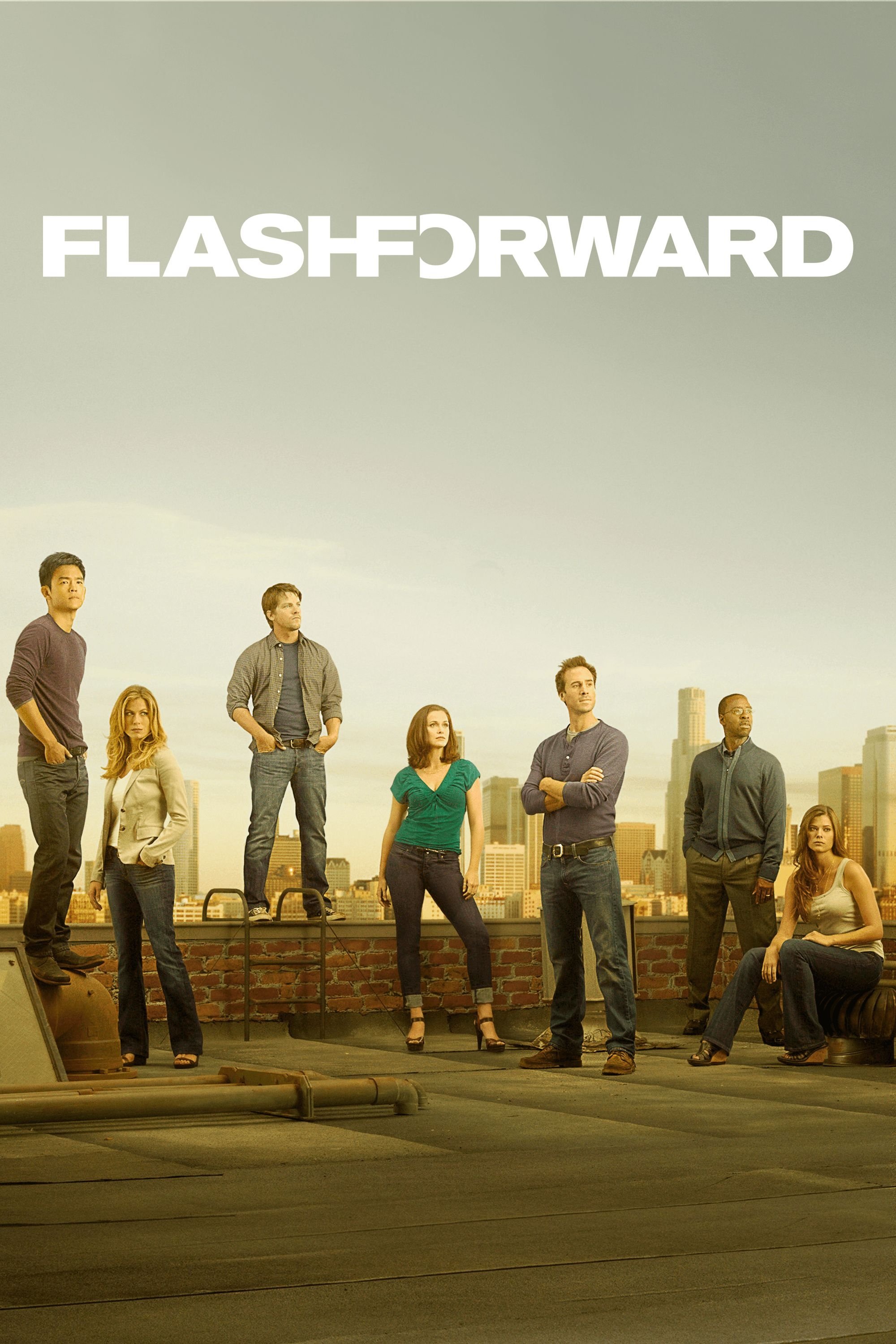
A global event causes people to see visions of their future lives. Governments and researchers attempt to understand the origin of the phenomenon. Characters use their glimpses to guide decisions. The story examines prediction, agency and scientific investigation.
Share more sci-fi titles you think deserve recognition in the comments.

