‘Ebenezer’ Ending Explained: How Ti West’s Gothic Adaptation Redefines Scrooge’s Redemption

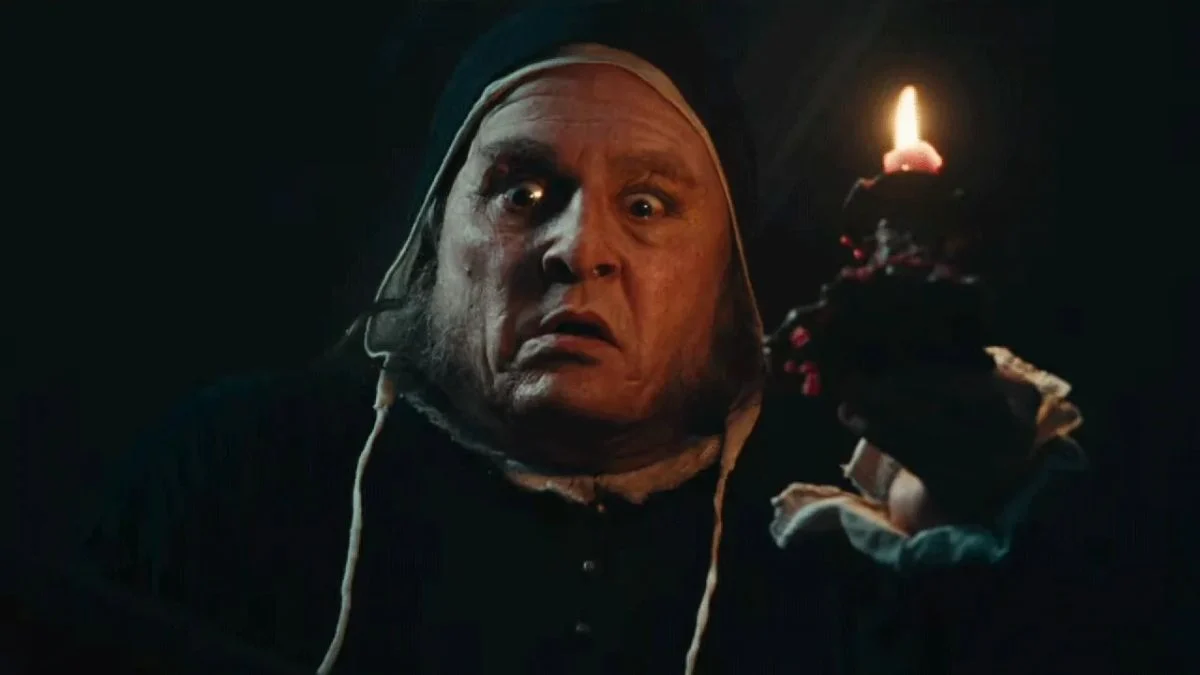
The winter cinematic landscape frequently revives Victorian ghost stories, yet few holiday narratives have captivated audiences as deeply as Charles Dickens’ timeless tale of greed and salvation. For over a century, filmmakers have reinterpreted the haunting cautionary fable of cold London streets and supernatural intervention across multiple cinematic eras. The release of director Ti West’s ‘Ebenezer‘ brings an unmistakably darker edge to this tradition, blending chilling gothic terror with the poignant emotional stakes of classic literature.
Arriving in theaters through Paramount Pictures with a modest $40 million production budget, the project marks a significant turning point in modern holiday cinema. The production drew substantial industry intrigue when the studio officially greenlit the gothic dark fantasy, particularly given West’s previous triumphs with gritty horror cinema. The film also represents a high-profile return to major studio filmmaking for Johnny Depp, positioning his central performance under an intense cultural microscope.
A Majestic Ensamble
To surround Depp with formidable screen presences, the filmmakers assembled an accomplished British ensemble to portray the iconic ghosts and Londoners inhabiting Dickens’ world. Industrial trades buzzed when Deadline reported that Ian McKellen and Tramell Tillman joined the cast alongside Rupert Grint as the suffering clerk Bob Cratchit. The narrative establishes its eerie tone from the opening moments by showing McKellen’s Jacob Marley still alive in business with Scrooge before dying on Christmas Eve, cementing the ruthless cruelty underpinning their financial empire.
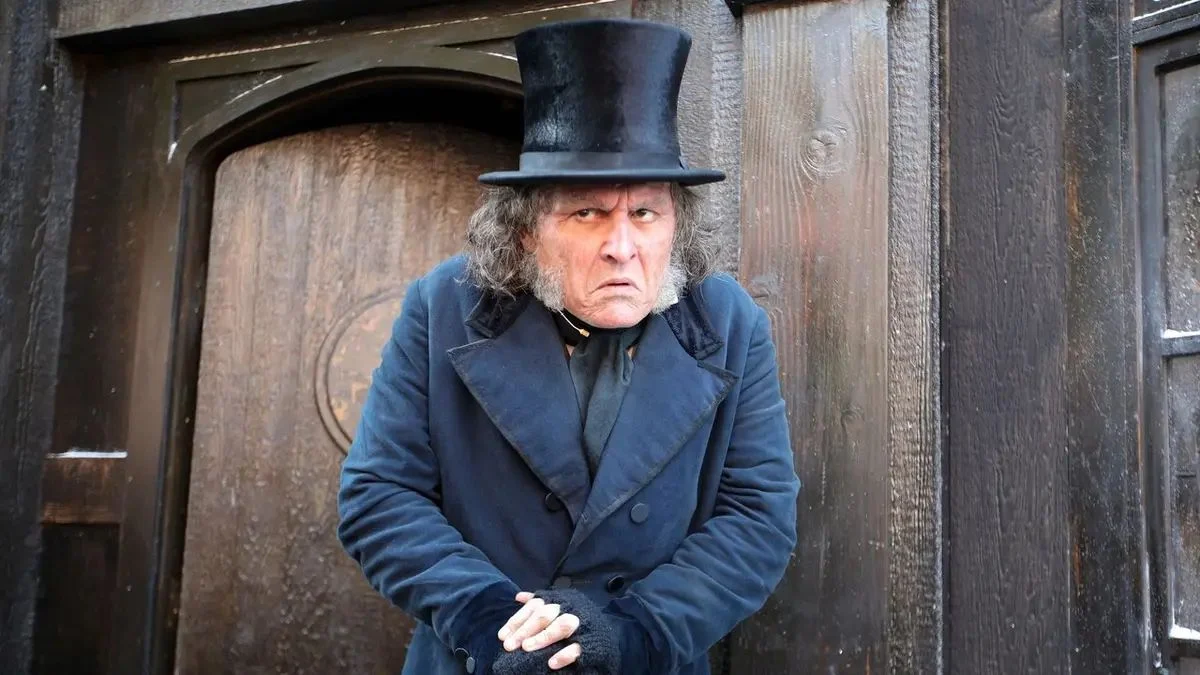
As Christmas Eve falls, Scrooge is confronted by three otherworldly phantoms who systematically tear down his emotional defenses. Andrea Riseborough embodies a spectral Ghost of Christmas Past, forcing him to reexamine the loss of his humanity and early companionship. Tillman’s towering Ghost of Christmas Present subsequently drags the miser through freezing alleyways and crowded workhouses, culminating in a harrowing encounter with the embodiments of Ignorance and Want.
The Climax at the Grave and the Christmas Morning Awakening
The harrowing journey reaches its terrifying peak when the silent Ghost of Christmas Future guides Scrooge through a desolate cemetery. Confronted by scavengers stripping his dead body of belongings and witnessing the devastating grief in the Cratchit household over Tiny Tim, Scrooge is finally broken. Weeping hysterically over an unkempt headstone bearing his own name, the terrified financier falls to his knees and pleads for an opportunity to alter his miserable legacy.
Scrooge awakens abruptly in his bedchamber, tangled in bedsheets and realizing with ecstatic tears that the spirits granted him a second chance. The brisk morning light reveals an immediate shift in temperament as he purchases the largest prize turkey in town to deliver anonymously to the Cratchit household. Joyously stepping out onto London’s cobbled streets, Scrooge visits his estranged nephew Fred, played by Sam Claflin, and Fred’s wife Clara, played by Daisy Ridley, tearfully begging for family forgiveness.
Explaining Bob Cratchit’s Salary Raise and Scrooge’s Fate
The emotional crux of the finale unfolds the following morning inside the counting house when Bob Cratchit arrives late for work. While traditional adaptations often play this moment for pure slapstick trickery, West grounds the confrontation with palpable dramatic tension and quiet sincerity. Scrooge drops his theatrical severity, embraces his trembling employee, and formally announces a substantial raise alongside a promise to fund medical treatment for Tiny Tim.
By focusing on Scrooge’s deliberate psychological awakening rather than mere holiday spectacle, the ending underscores that true redemption demands active restitution. When discussing his approach to humanizing the iconic miser, director Ti West told Entertainment Weekly, “In other adaptations, Scrooge is kind of an asshole, and then the rest of the characters are benevolent, perfect people. And it was really our goal to try to balance that out to say that there’s much more of a gray area in the story”. This deliberate nuance reframes the classic third-act redemption, giving the miser’s dramatic change of heart a tangible, hard-fought weight.
The Deeper Meaning Behind ‘Ebenezer’ and Its Modern Resonance
This philosophical gray area enriches the resolution, preventing Scrooge’s dramatic metamorphosis from feeling entirely naive or effortless. The chilling Victorian atmosphere lingers until the final frame, illustrating that the world remains bleak, but one man’s moral awakening can nevertheless illuminate dark corners. Ultimately, ‘Ebenezer’ delivers an ending that celebrates genuine repentance, confirming that no lifetime of self-absorbed isolation is ever beyond the transformative grace of radical human empathy.
Share your thoughts on the dark ending and Johnny Depp’s performance in ‘Ebenezer’ in the comments below!