


Essential Horror Movies Every Self-Proclaimed Fan Should Watch

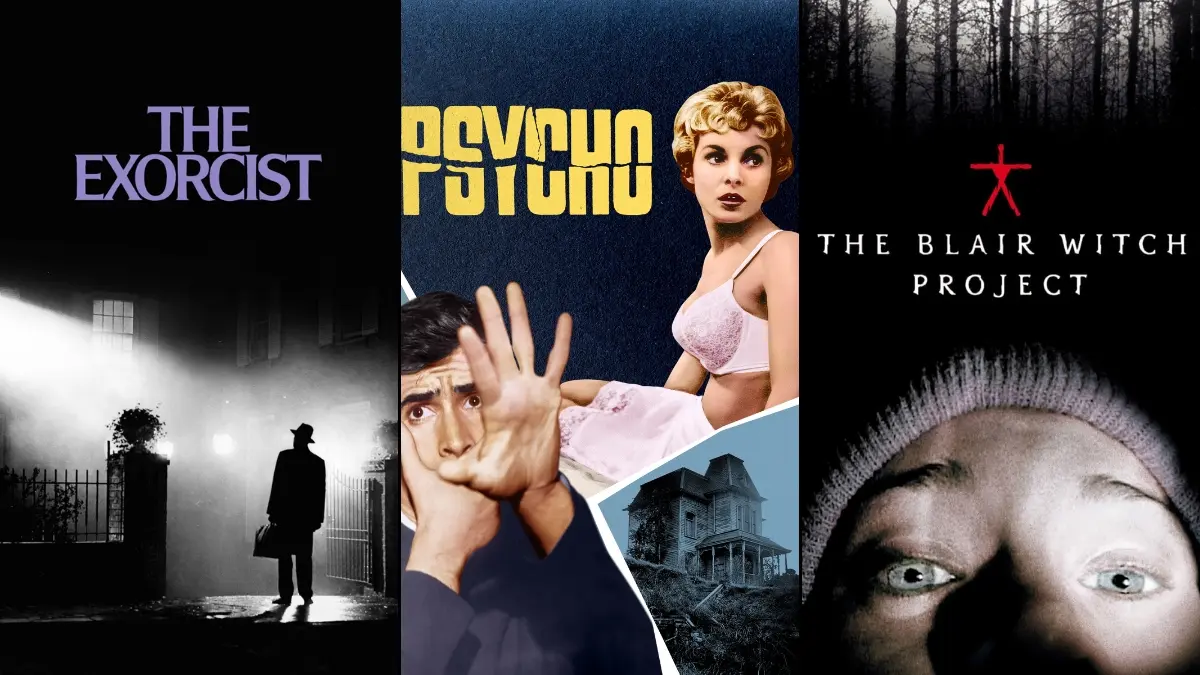


If you love scary cinema, a solid foundation helps you understand how the genre evolved—across eras, styles, and continents. This list spotlights pivotal titles that shaped techniques, spawned trends, and launched enduring franchises. You’ll find slashers, supernatural chillers, found-footage breakthroughs, and international landmarks that redefined what audiences expect from horror. Use it as a guided tour through key movements, craft innovations, and the stories that influenced countless films that followed.
‘Psycho’ (1960)
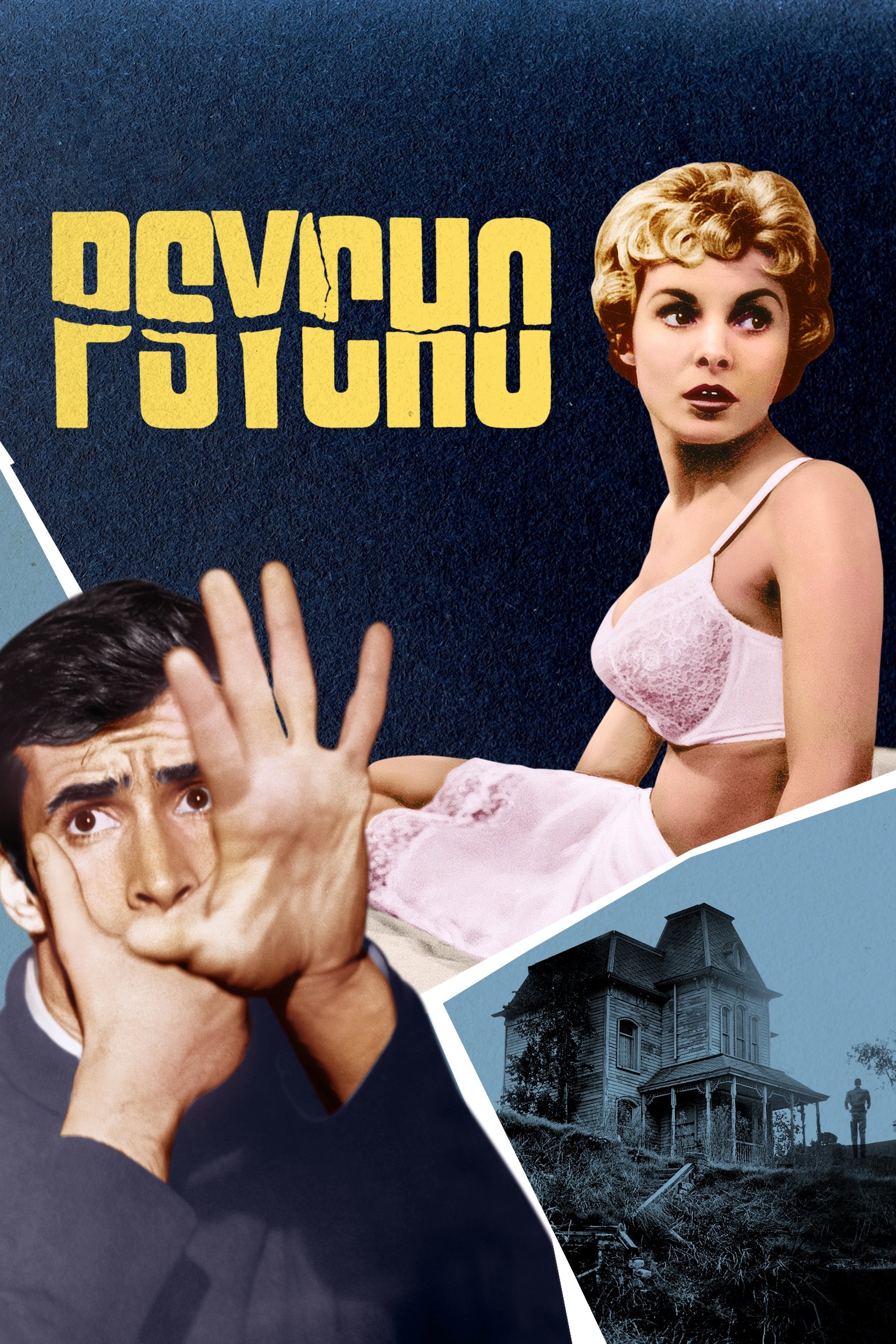
Alfred Hitchcock’s thriller pivots on a fugitive embezzler whose stop at the Bates Motel introduces Norman Bates and the now-famous shower sequence. Bernard Herrmann’s string score and Hitchcock’s release strategy—such as limiting late admissions—helped cement its impact. The production pushed mainstream boundaries of on-screen violence and subject matter in its day. It reshaped narrative expectations with a mid-film perspective shift and twist-driven structure.
‘The Exorcist’ (1973)

William Friedkin adapts William Peter Blatty’s novel about a possessed child, focusing on a Jesuit priest’s crisis of faith and a veteran exorcist’s mission. Groundbreaking makeup effects, practical rigs, and location work in Washington, D.C., and Iraq define its technical approach. Its release spurred medical, theological, and censorship debates, leading to major box-office milestones. The film received Academy Awards recognition for screenplay and sound and became a touchstone for possession narratives.
‘The Texas Chain Saw Massacre’ (1974)
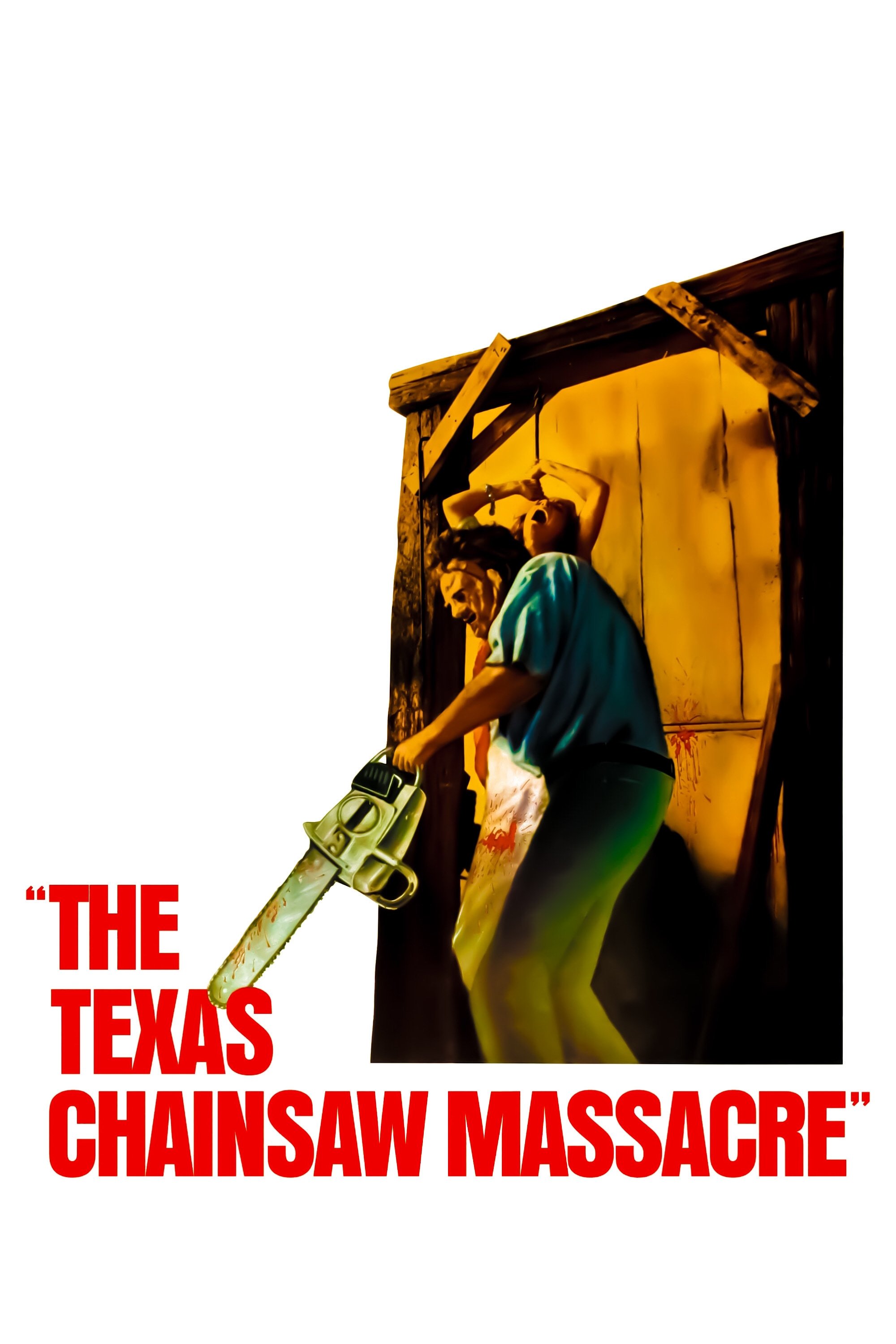
Tobe Hooper’s low-budget production follows a group of friends who encounter a cannibalistic family led by Leatherface. Shot with a gritty visual style, it relies on practical effects and careful framing to imply more violence than it shows. Roadshow distribution and ratings controversies drew massive attention and long runs in certain markets. Stark sound design and a sun-scorched rural setting influenced later independent horror.
‘Halloween’ (1978)
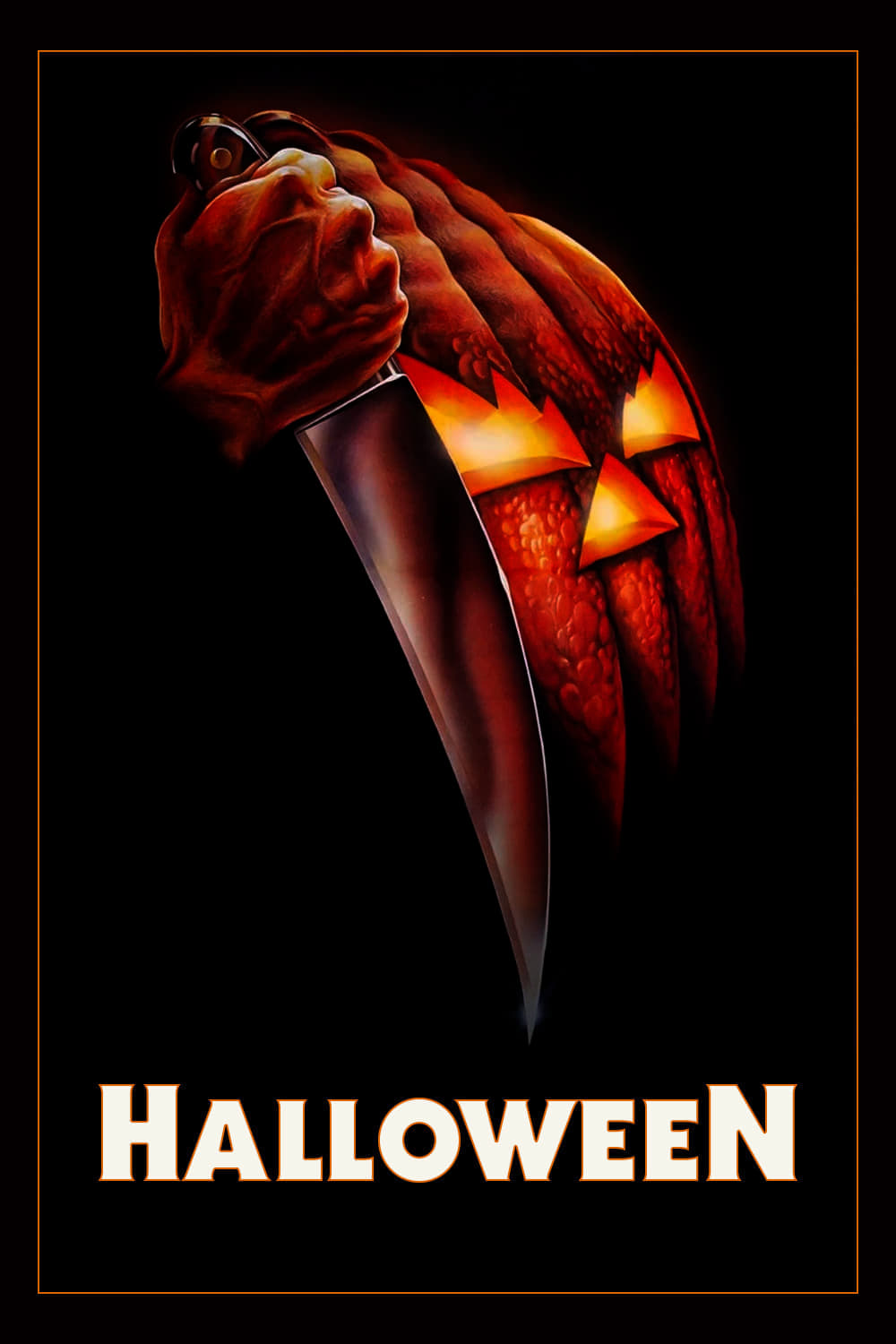
John Carpenter’s slasher tracks escaped killer Michael Myers as he stalks babysitters in a suburban town, with Jamie Lee Curtis in a breakout role. Carpenter’s minimalist synth score, anamorphic framing, and long takes created a clean, suspense-first aesthetic. An independent budget and strong profits encouraged a wave of seasonal slashers. It helped codify tropes later revisited across sequels and reboots.
‘Alien’ (1979)
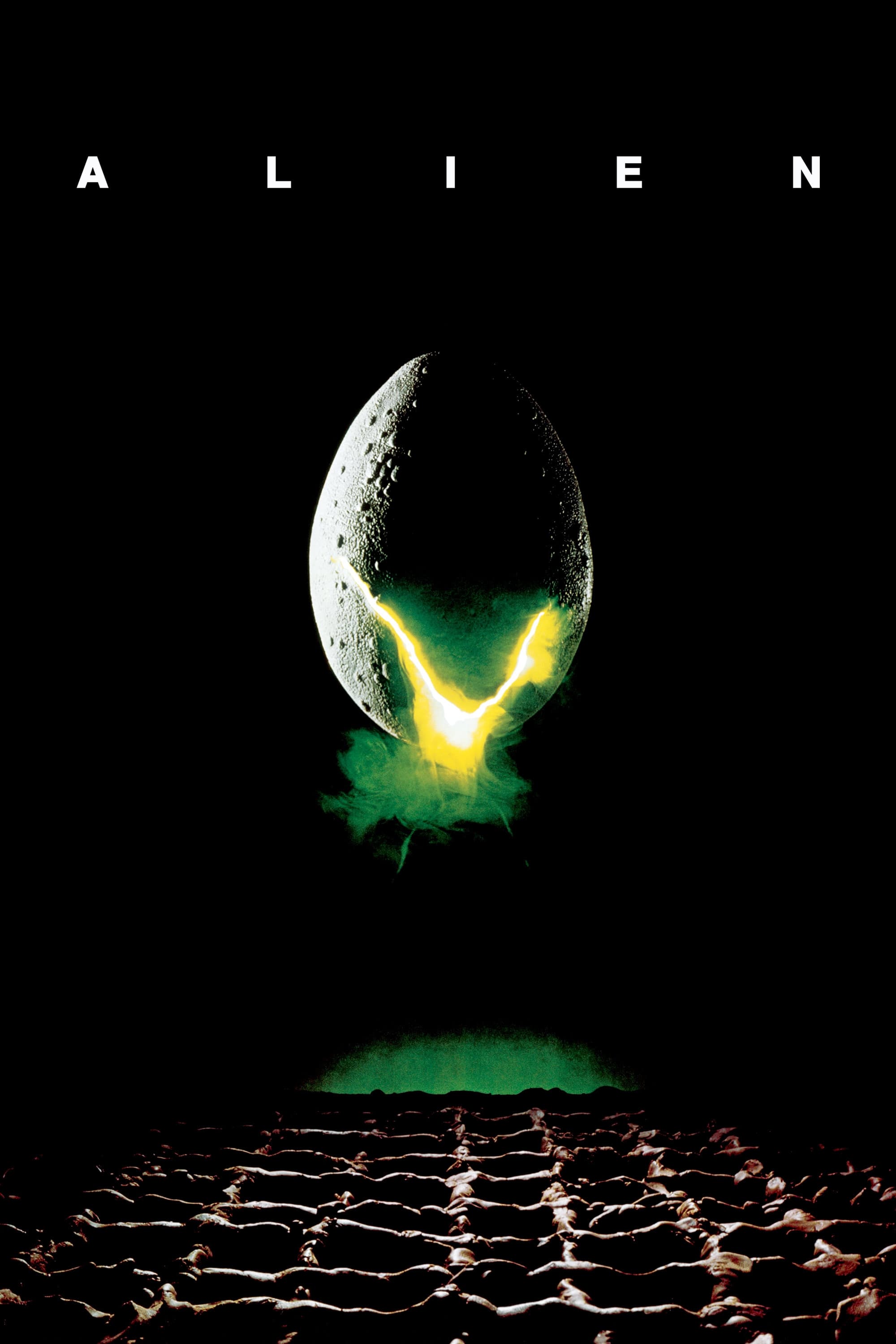
Ridley Scott’s sci-fi horror sends a commercial crew into a deadly first-contact scenario, introducing Ripley and the xenomorph. H. R. Giger’s biomechanical creature design, combined with practical effects and claustrophobic production design, set a new bar for world-building. Pacing emphasizes detection, containment, and survival procedures aboard a working-class spaceship. Success led to a long-running franchise spanning films, games, and expanded lore.
‘The Shining’ (1980)
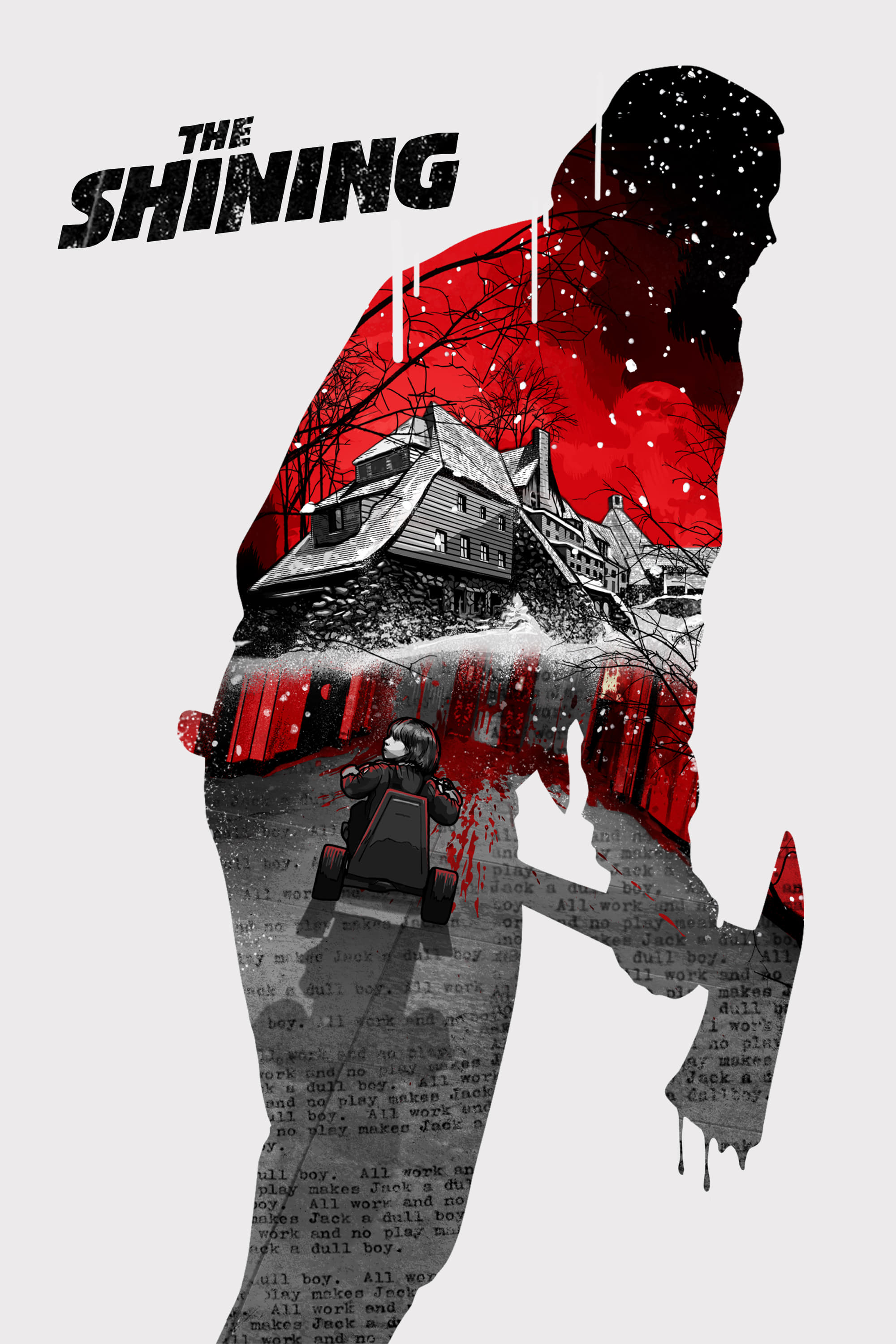
Stanley Kubrick’s adaptation of Stephen King’s novel centers on a caretaker family isolated at the Overlook Hotel. Extensive Steadicam work, symmetrical compositions, and meticulous set construction produced a distinct visual language. The narrative examines cabin fever, family dynamics, and the hotel’s unsettling history through carefully orchestrated imagery. Motifs—maze patterns, typewritten pages, and ominous room numbers—became enduring references in popular culture.
‘The Thing’ (1982)
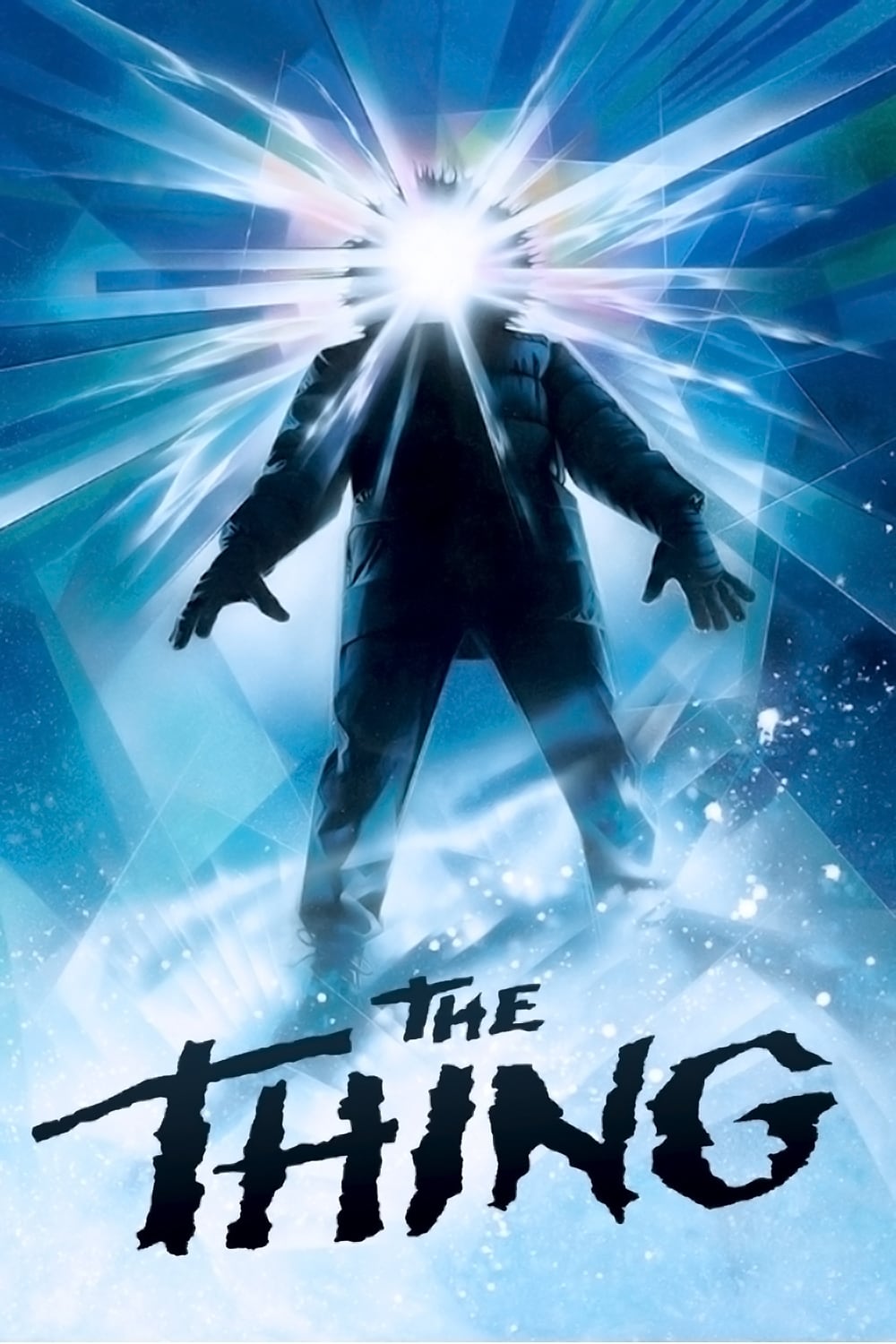
John Carpenter’s Antarctic-set story follows researchers confronting a shape-shifting organism that imitates its hosts. Rob Bottin’s practical effects—animatronics, prosthetics, and creature transformations—remain a benchmark for in-camera horror. Process-oriented scenes like blood-testing and quarantine protocols structure the investigation. A contained setting and trust-eroding premise influenced later ensemble survival narratives.
‘A Nightmare on Elm Street’ (1984)
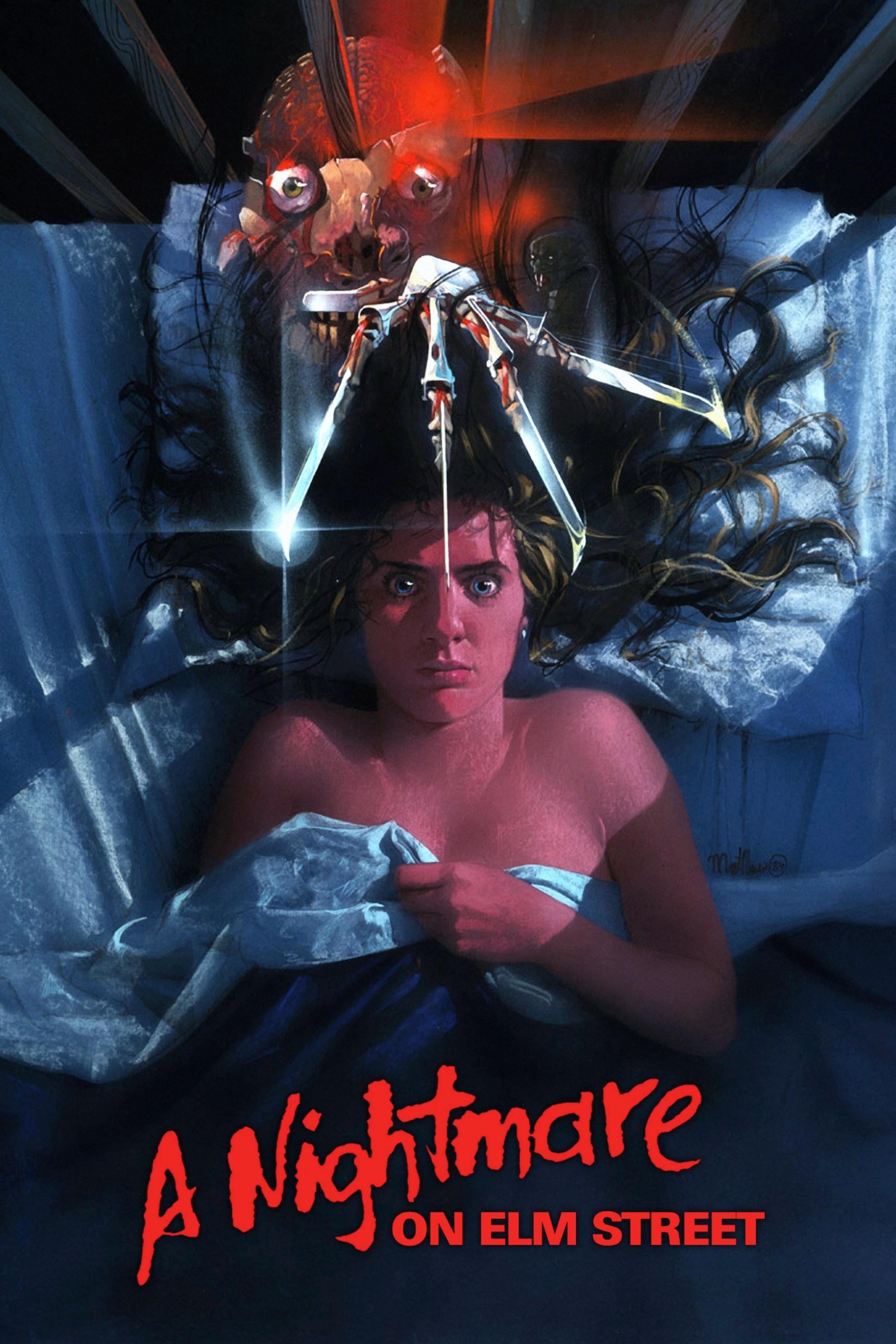
Wes Craven introduces Freddy Krueger, a murderer who attacks teenagers in their dreams with real-world consequences. Surreal set-pieces and practical effects—such as rotating rooms—deliver signature imagery. It became a cornerstone for New Line Cinema and generated sequels, a crossover, and merchandise. The dream-logic premise enabled inventive rules that evolved across the series.
‘Ringu’ (1998)

Hideo Nakata’s J-horror classic follows a journalist investigating a cursed videotape tied to the vengeful spirit Sadako. Restrained sound, long takes, and everyday settings emphasize dread over spectacle. The film catalyzed international interest in Japanese horror and inspired remakes, notably ‘The Ring’. Its urban-legend framework—watch a tape, receive a phone call, and face a deadline—became a modern folklore template.
‘The Blair Witch Project’ (1999)
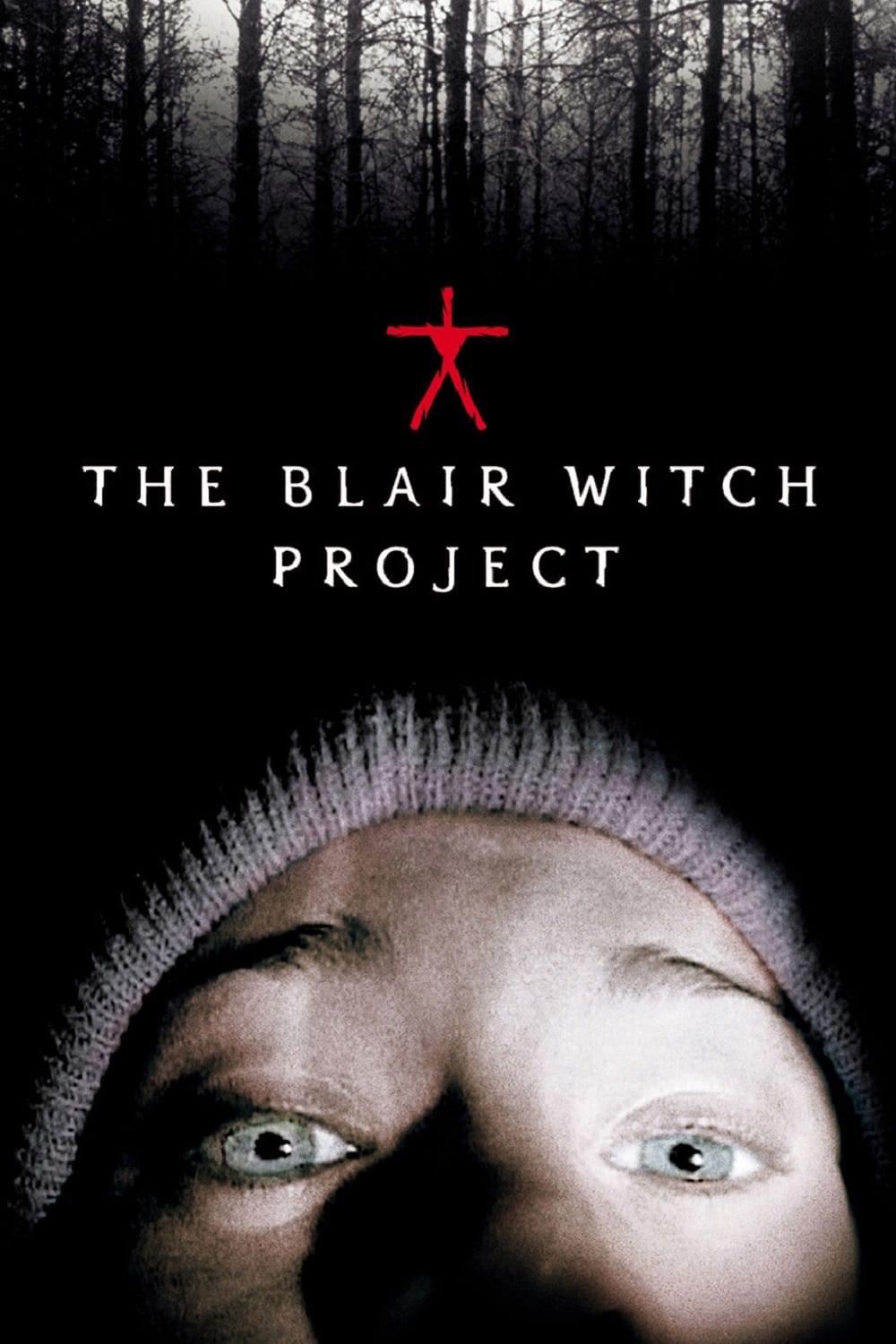
Daniel Myrick and Eduardo Sánchez present a found-footage account of student filmmakers lost in Maryland woods. Lightweight cameras, improvised performances, and location audio simulate documentary realism. Innovative online marketing and a minimal budget led to massive returns and widespread discussion. Off-screen implication and map-loss scenarios influenced numerous found-footage releases.
’28 Days Later’ (2002)
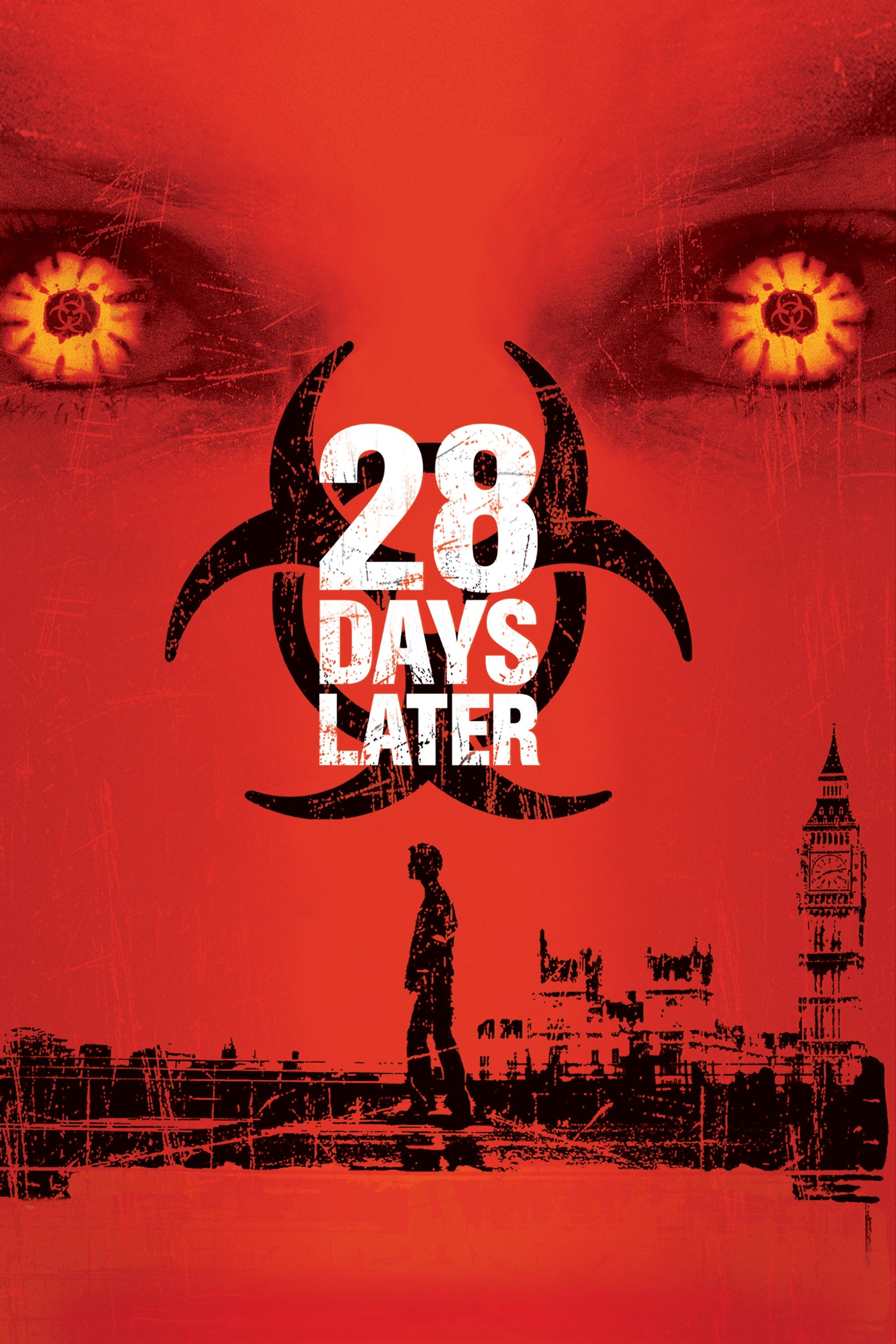
Danny Boyle depicts societal collapse after a rage virus spreads, following a small group navigating a deserted cityscape. Shot partly on digital video, the production used early-morning street closures and quick setups to achieve empty urban imagery. The depiction of fast, aggressive infected altered expectations for outbreak narratives. Focus on quarantine, small-group dynamics, and military refuge shaped later post-apocalyptic storytelling.
‘Let the Right One In’ (2008)
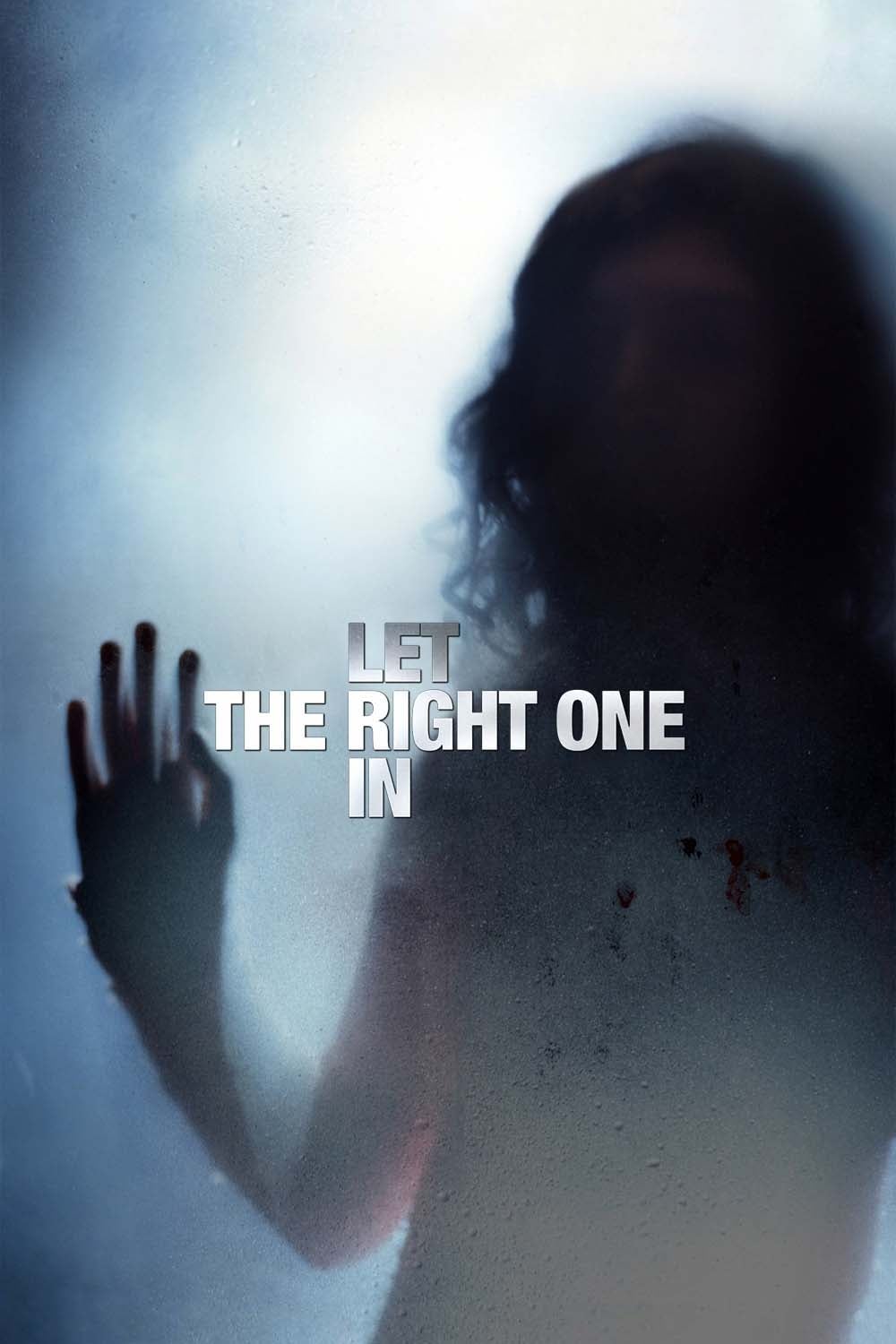
Tomas Alfredson adapts John Ajvide Lindqvist’s novel about a bullied boy and a centuries-old child vampire in a snowy suburb. The film balances intimate character study with methodical scenes of feeding, invitation rules, and guardianship. Visual choices favor muted palettes and negative space to underscore isolation. An English-language remake, ‘Let Me In’, introduced the story to broader audiences.
‘The Conjuring’ (2013)
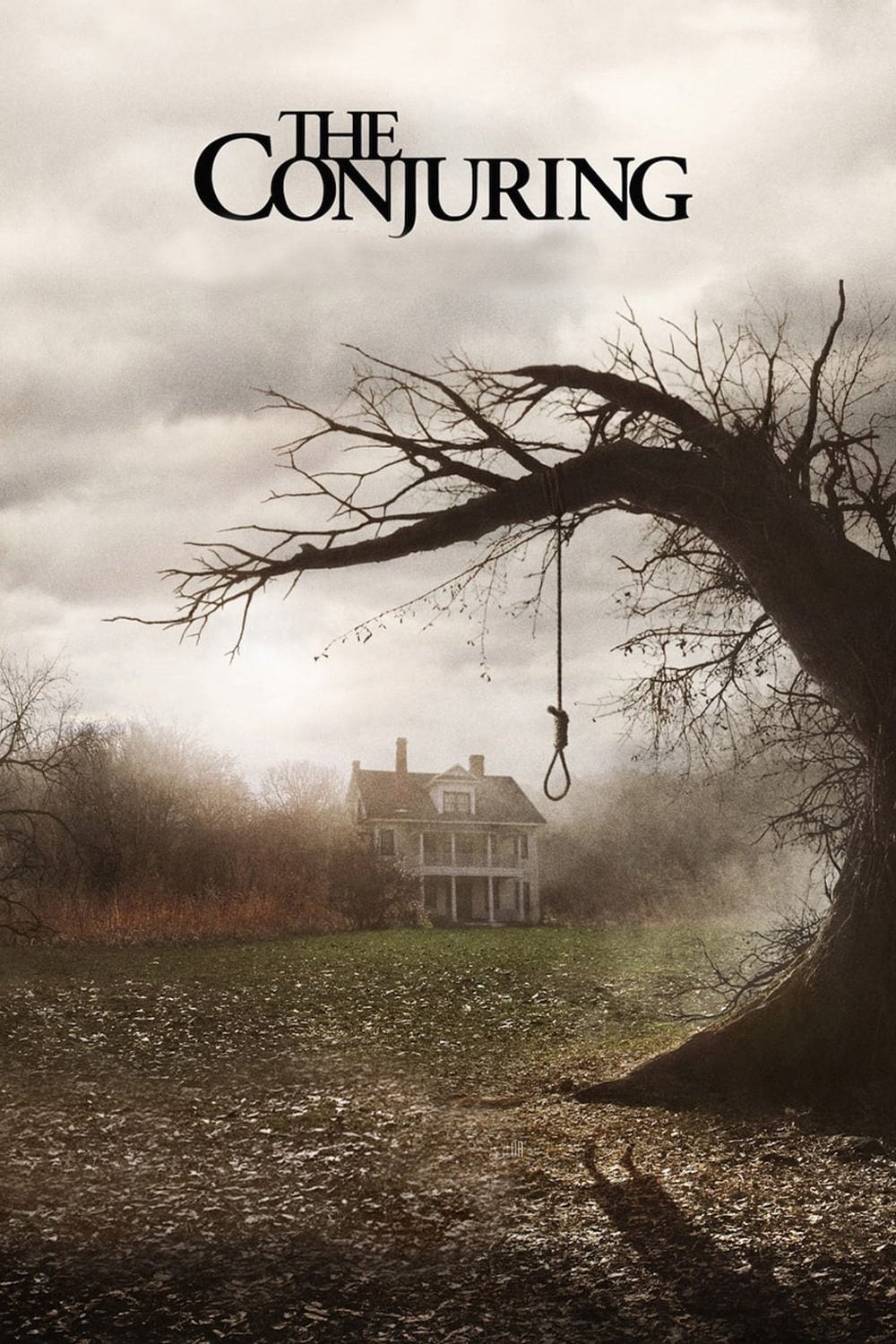
James Wan dramatizes a case from paranormal investigators Ed and Lorraine Warren involving a farmhouse haunting. Pre-digital camera moves, practical scares, and period design evoke a 1970s setting. Strong performance launched a shared universe including ‘Annabelle’, ‘The Nun’, and additional spin-offs. The plot organizes around investigation steps, from initial interviews to a formal exorcism attempt.
‘Get Out’ (2017)
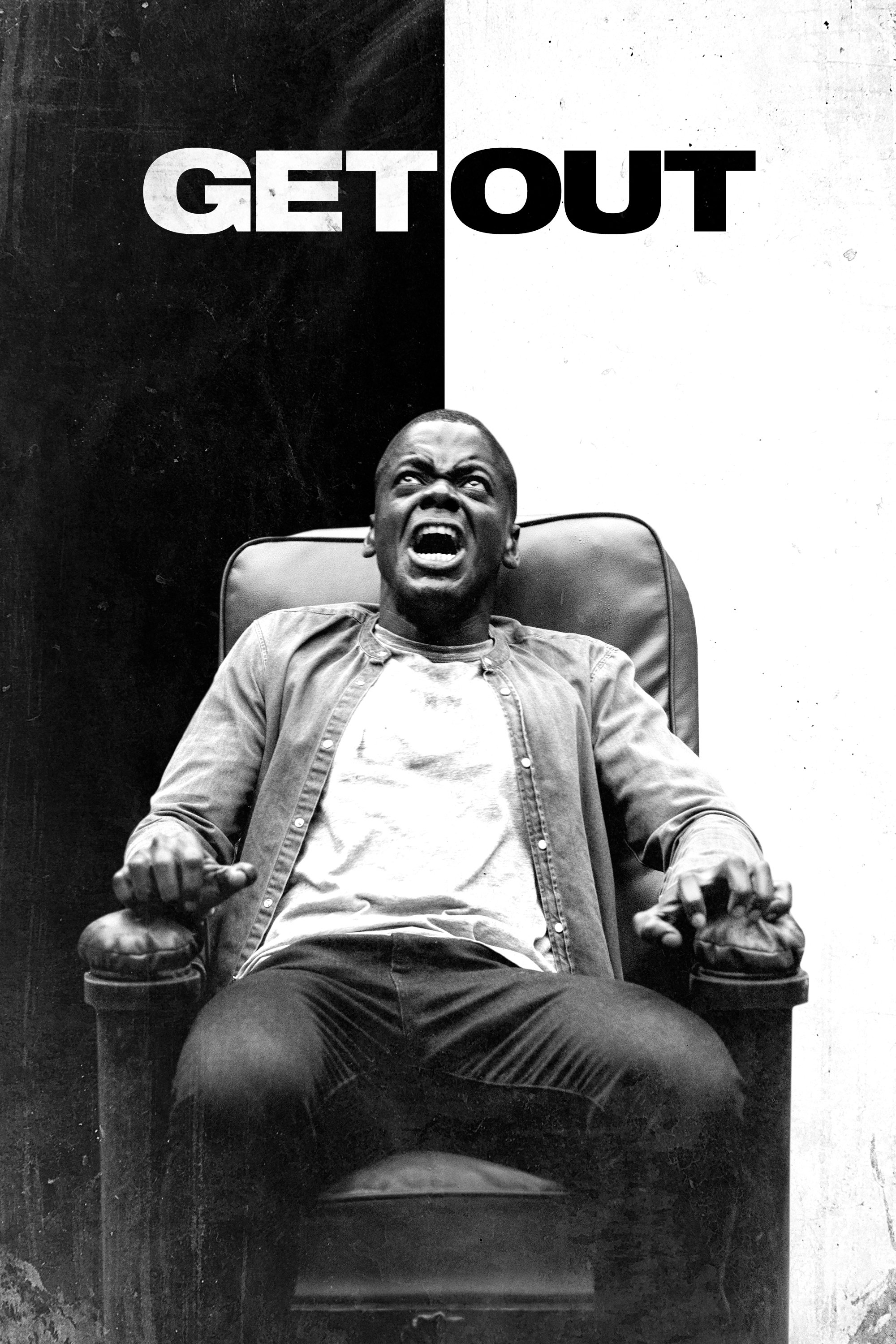
Jordan Peele blends social satire with genre mechanics in a story about a photographer visiting his girlfriend’s family. The narrative layers clues—casual remarks, coded behaviors, and hypnotic triggers—that later reveal a surgical conspiracy. Its release prompted extensive cultural discussion and won major awards, including original screenplay. Grounded locations and practical staging highlight unsettling interactions.
‘Hereditary’ (2018)

Ari Aster tracks a family dealing with grief as hidden forces manipulate their fates, centering on a mother’s deteriorating perspective. Miniature-house motifs echo the characters’ lack of control, mirrored by precise framing and slow camera moves. Practical effects, in-frame reveals, and choral scoring build escalating unease. A festival premiere and strong critical response positioned it as a modern touchstone.
‘Nosferatu’ (1922)
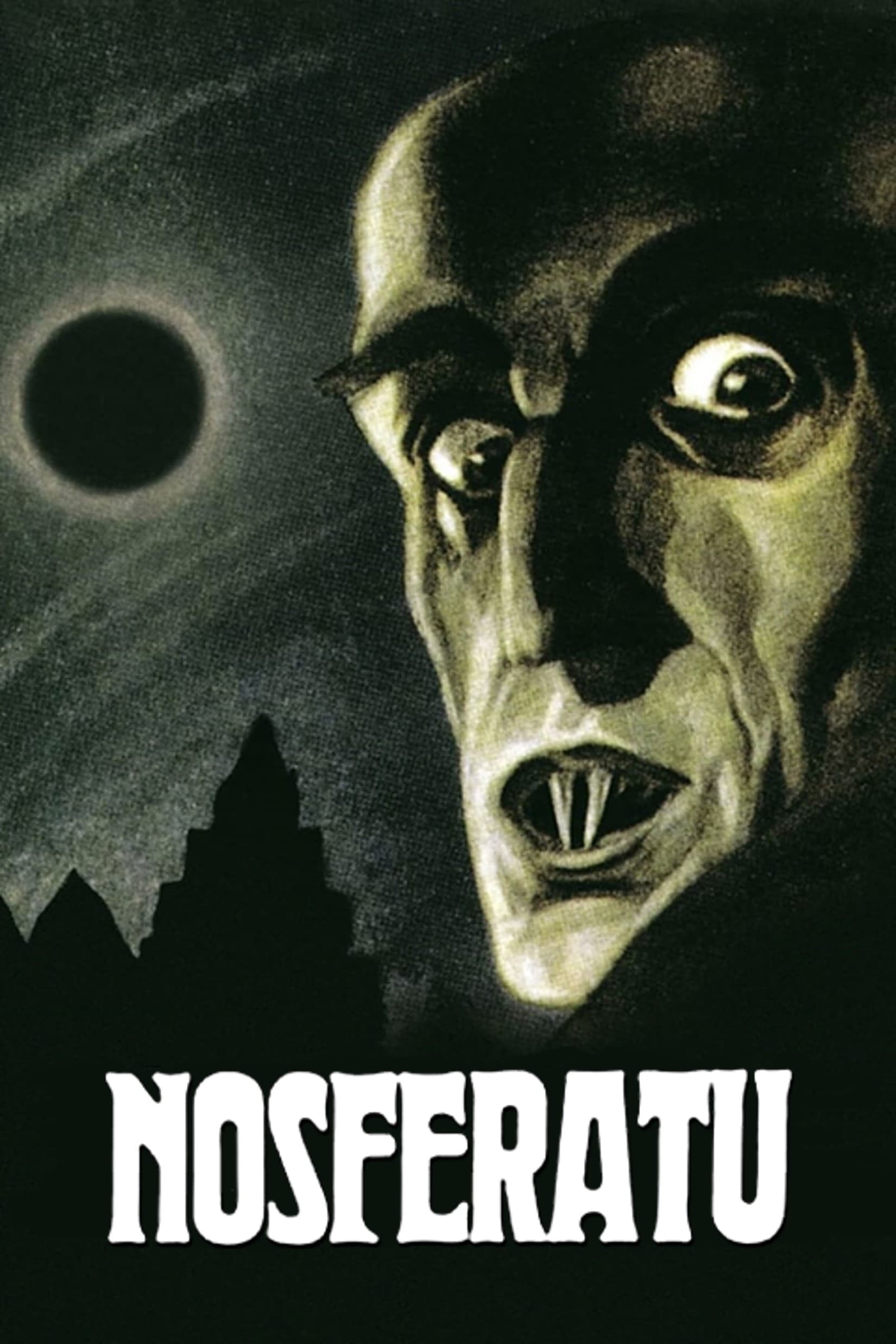
F. W. Murnau’s unauthorized take on Bram Stoker’s story introduces Count Orlok, a ratlike vampire whose arrival brings plague to a port town. Location shooting, negative exposures, and elongated shadows build atmosphere. Legal action from the Stoker estate led to an order to destroy prints, though copies survived and circulated widely. The film became a cornerstone of German Expressionism’s visual grammar and later vampire depictions.
‘Night of the Living Dead’ (1968)
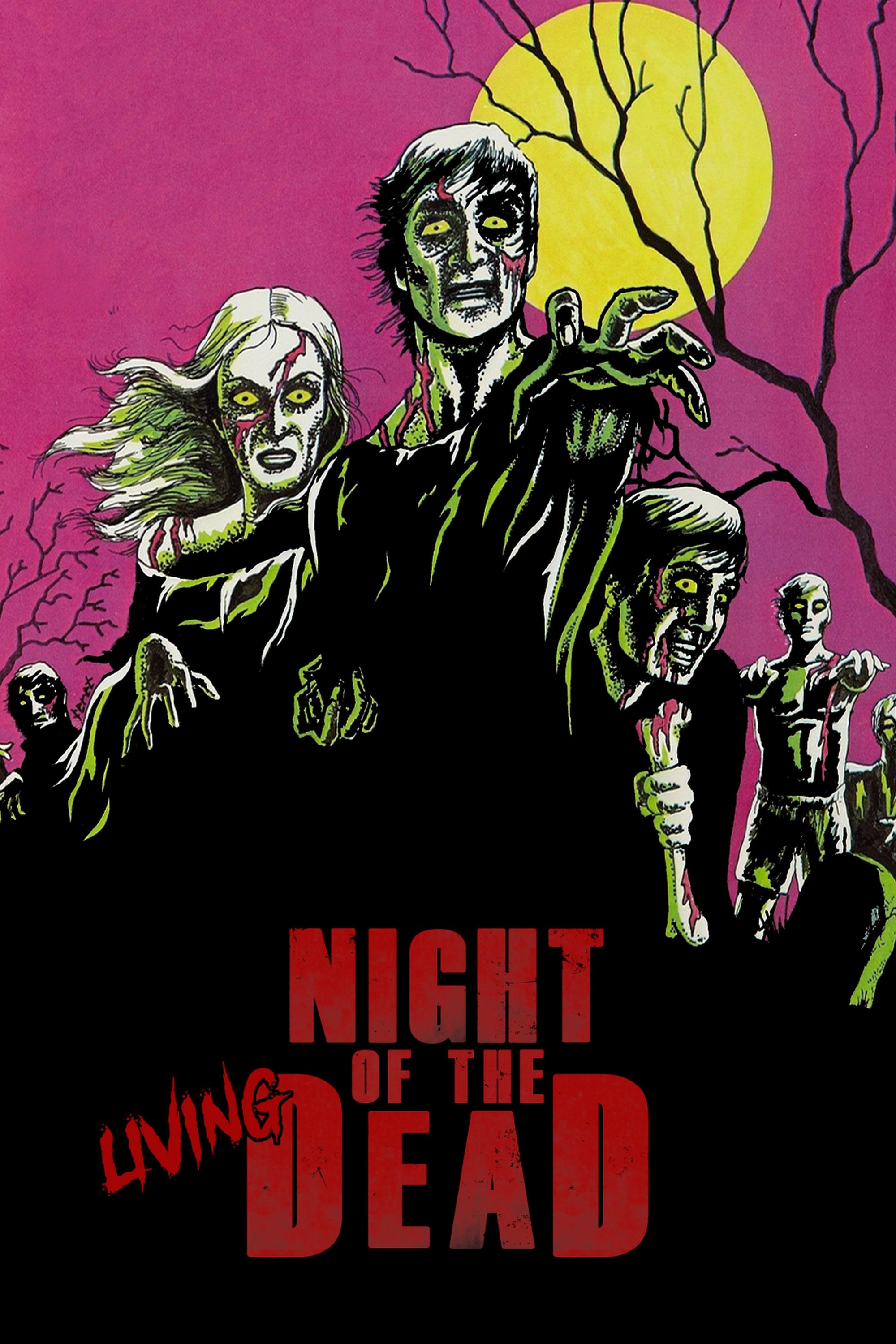
George A. Romero’s independent feature follows strangers barricaded in a farmhouse while the dead return to life. It established core zombie conventions—slow-moving ghouls, bites that transmit the condition, and organized defenses. Non-union casting, guerrilla locations, and public-domain complications shaped distribution. News-broadcast inserts and survival logistics set a template for outbreak storytelling.
‘Rosemary’s Baby’ (1968)
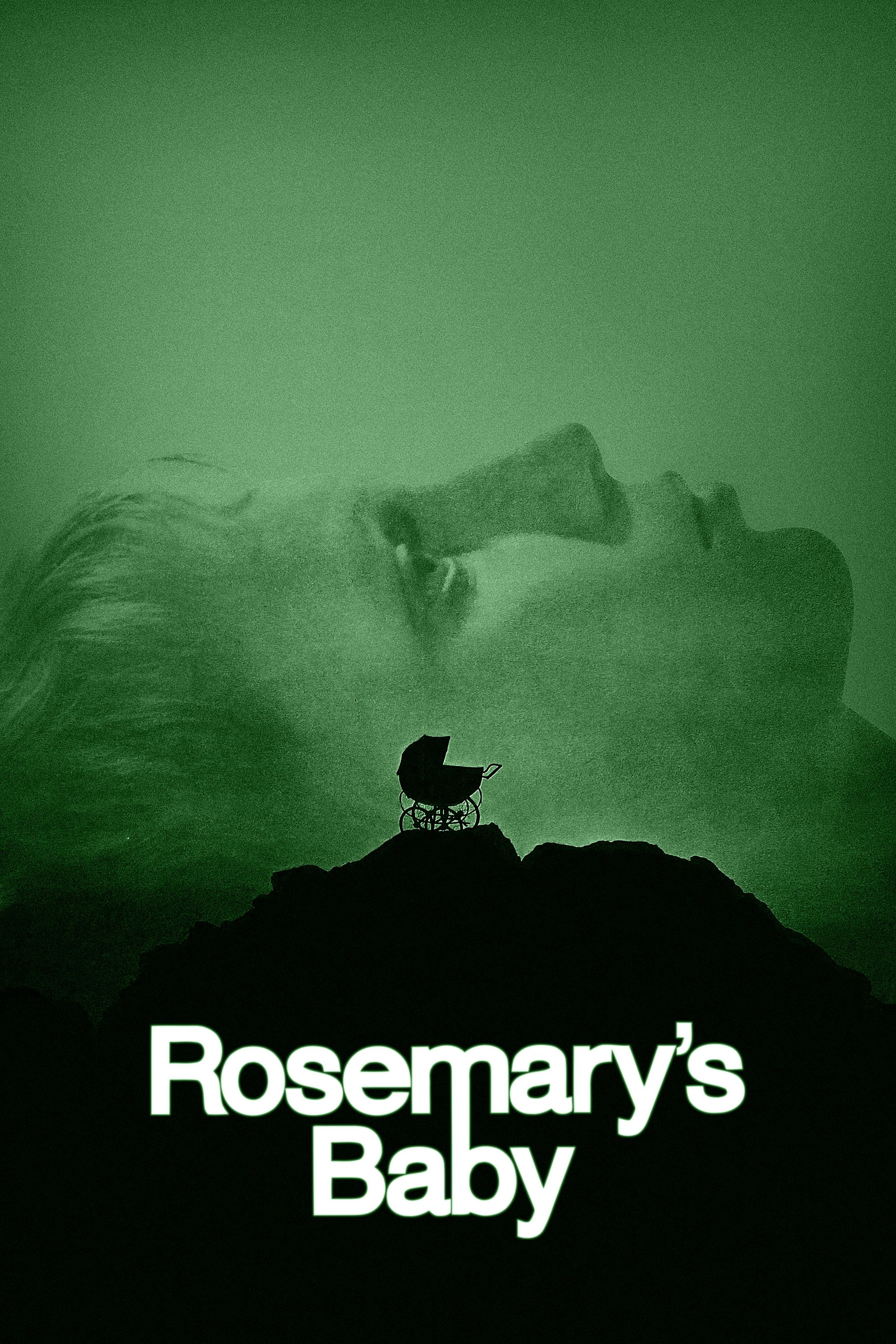
Roman Polanski adapts Ira Levin’s novel about a pregnant woman who suspects her neighbors are part of a sinister conspiracy. Apartment interiors, controlled soundscapes, and subjective framing track her isolation. A high-profile release and awards recognition brought occult subject matter into mainstream conversation. An urban setting and medical details ground ritual elements in everyday life.
‘The Wicker Man’ (1973)
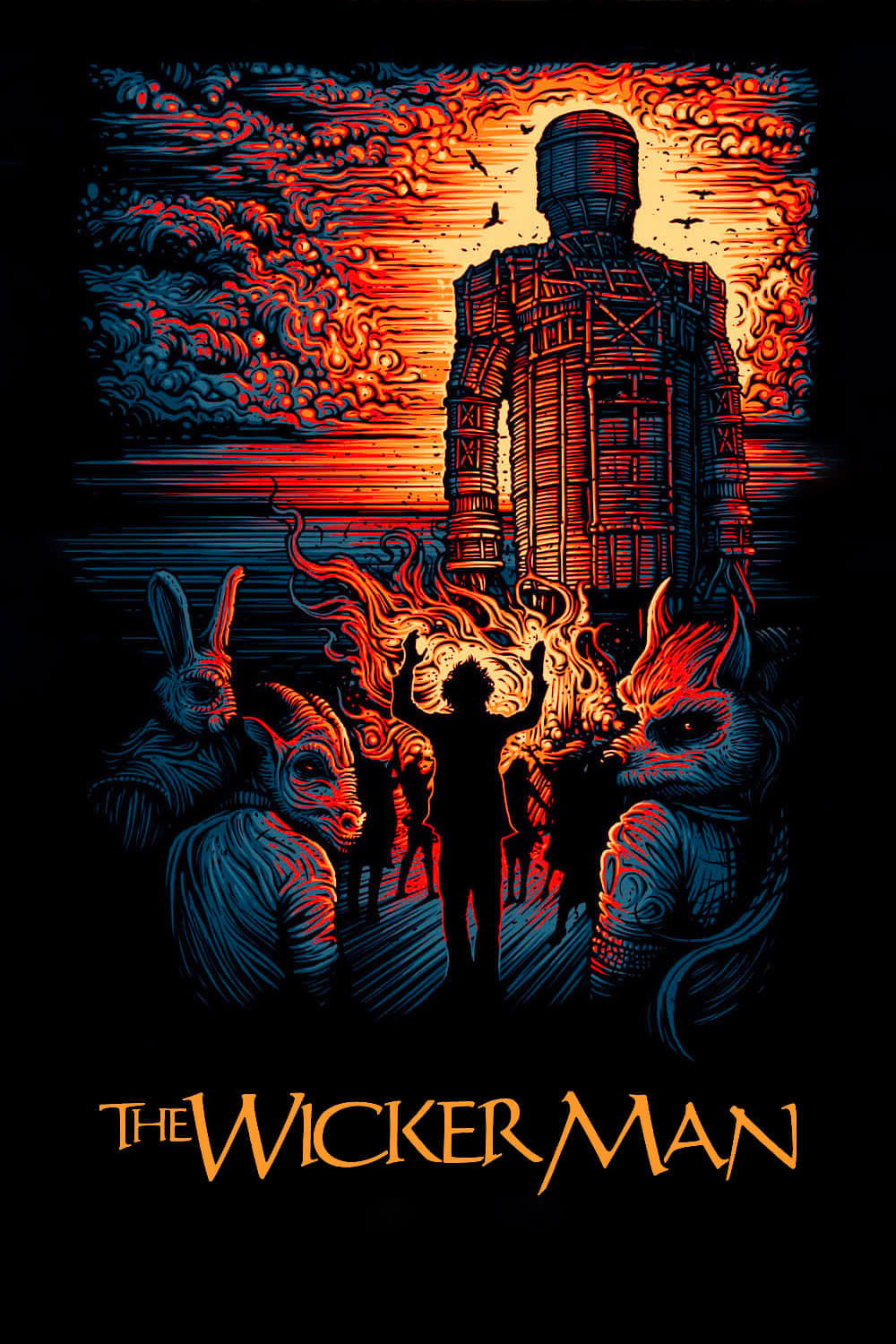
Robin Hardy’s folk-horror story follows a police sergeant investigating a missing child on a remote island community. Musical interludes, agricultural rituals, and contrasting belief systems structure the investigation. The film’s release history includes recut versions with longer edits restoring key scenes. Its finale and seasonal customs influenced subsequent folk-horror narratives and modern festival imagery.
‘Suspiria’ (1977)
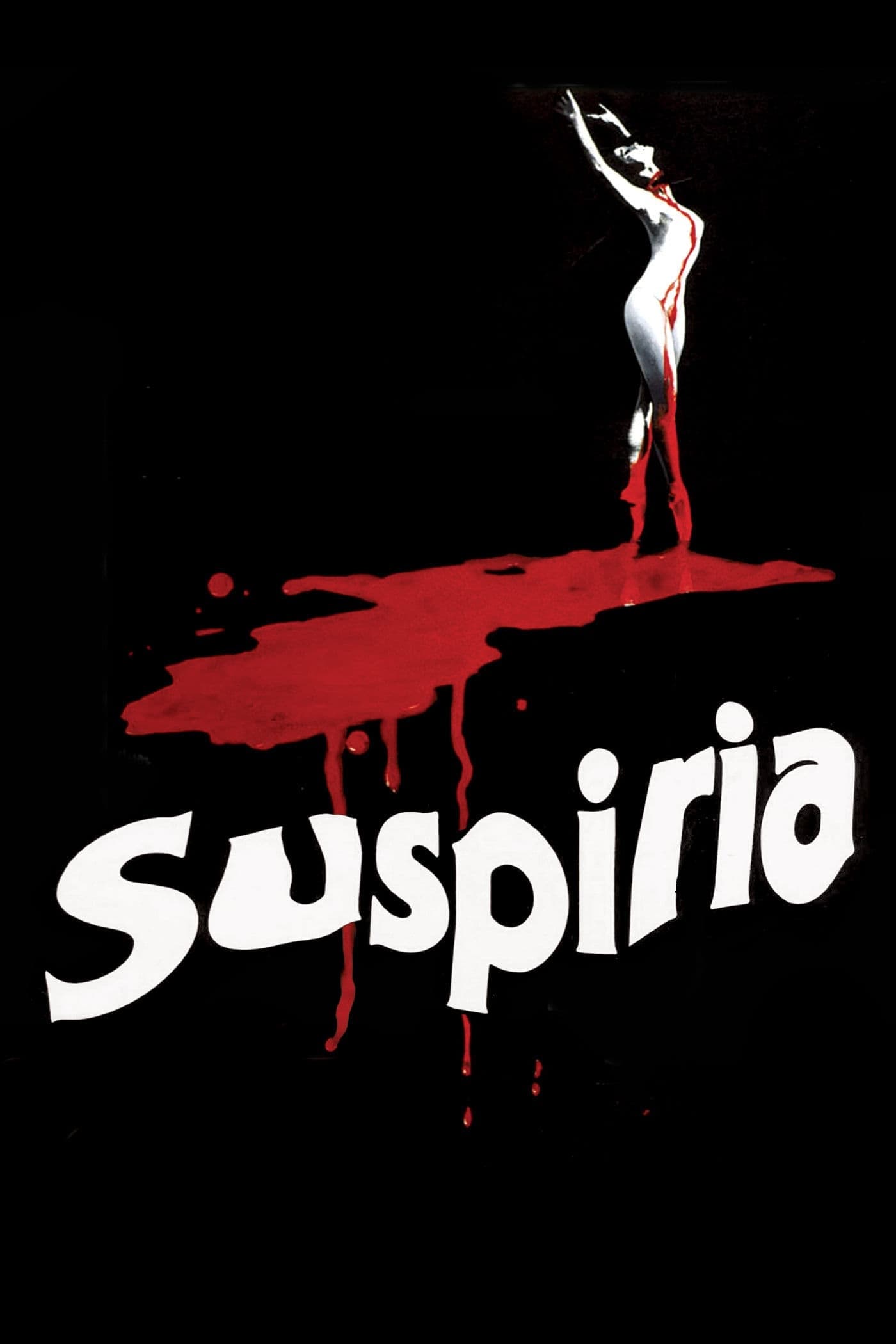
Dario Argento’s supernatural mystery centers on a ballet student uncovering a secret coven within a prestigious academy. Saturated color gels, stylized sets, and an aggressive score by Goblin define its sound and look. Minimal reliance on naturalistic lighting creates an otherworldly interior world connected by elaborate set-pieces. International co-production and dubbing practices reflect Europe’s genre filmmaking of the period.
‘The Fly’ (1986)
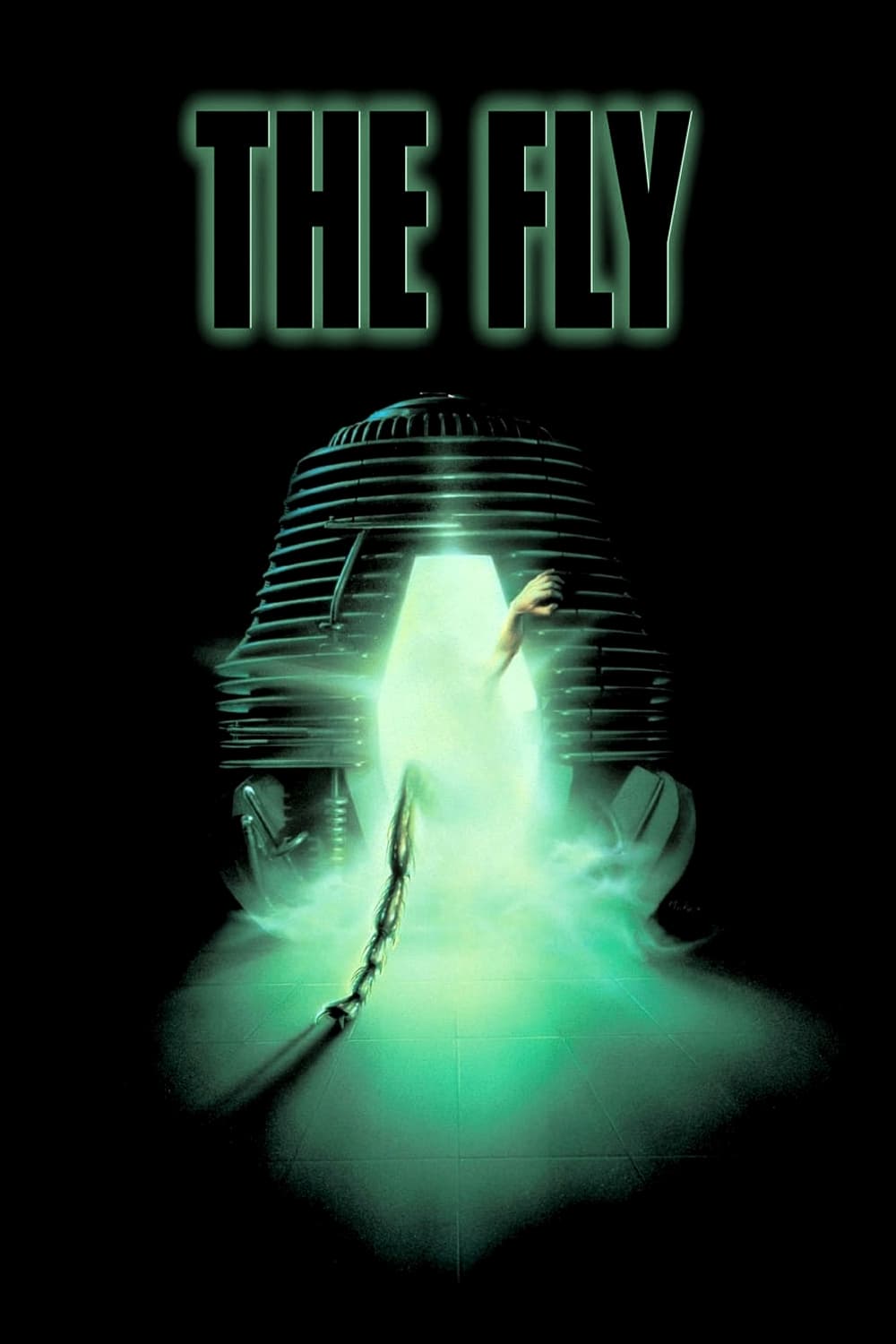
David Cronenberg reimagines a mid-century concept as a character-driven body-horror tragedy involving a teleportation experiment. Extensive prosthetics, animatronics, and progressive makeup stages depict the transformation process. The narrative foregrounds lab procedure, scientific ambition, and biohazard implications. Awards for makeup acknowledged practical-effects achievements and technical supervision.
‘The Silence of the Lambs’ (1991)
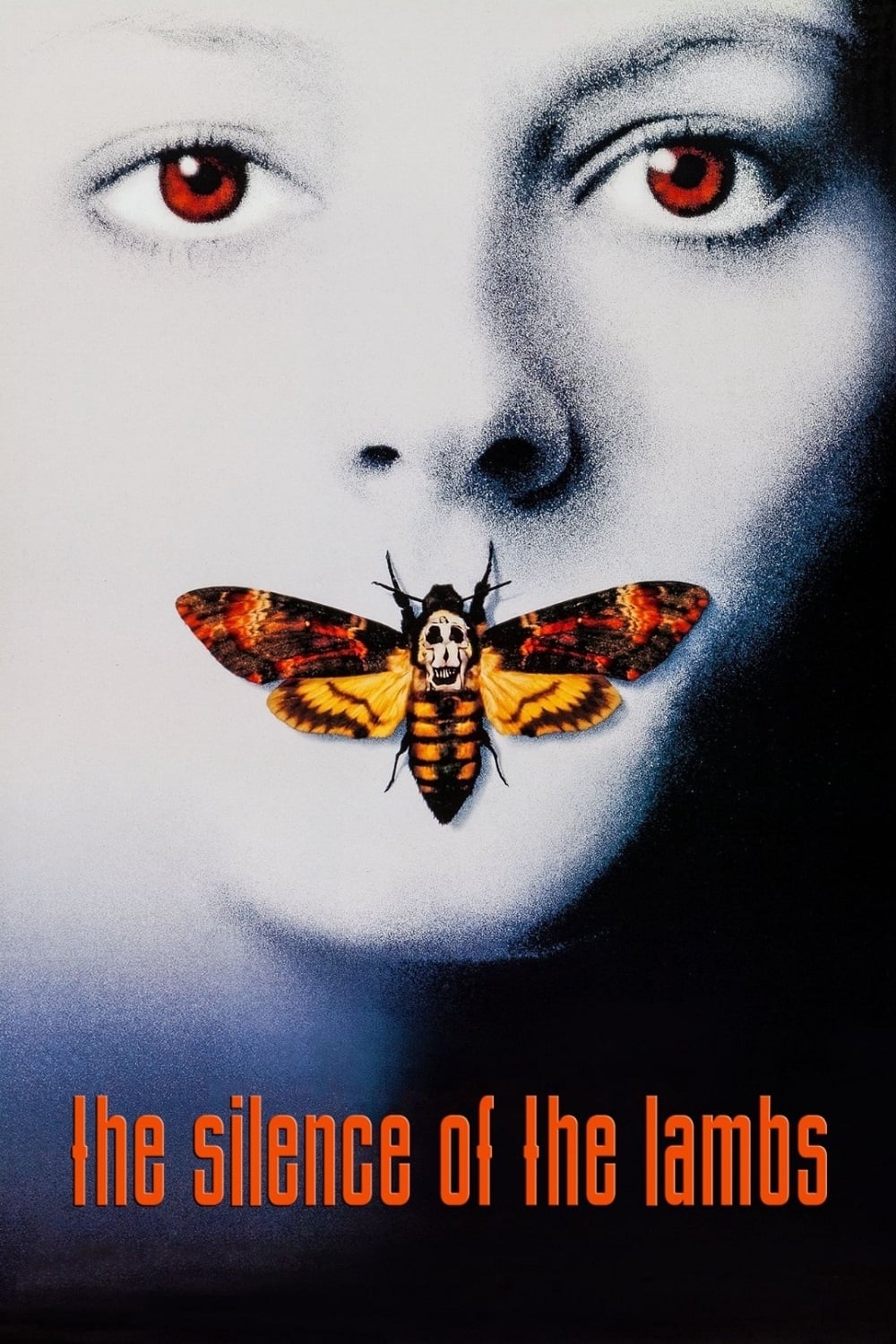
Jonathan Demme’s crime-horror thriller follows an FBI trainee consulting an incarcerated psychiatrist to profile an active killer. Direct-to-camera close-ups, steady shot-reverse-shot rhythms, and procedural beats structure interviews and searches. The film achieved major industry milestones across top awards categories. Archival, forensic, and behavioral-science elements give the investigation a detailed institutional framework.
‘Audition’ (1999)

Takashi Miike adapts Ryū Murakami’s novel about a widower whose search for companionship leads to a disturbing discovery. Restrained domestic scenes contrast with controlled bursts of surgical imagery. Production design and casting support a gradual shift from romance procedures to interrogations of past harm. Festival screenings and international distribution introduced broader audiences to contemporary Japanese horror.
‘Ju-On: The Grudge’ (2002)
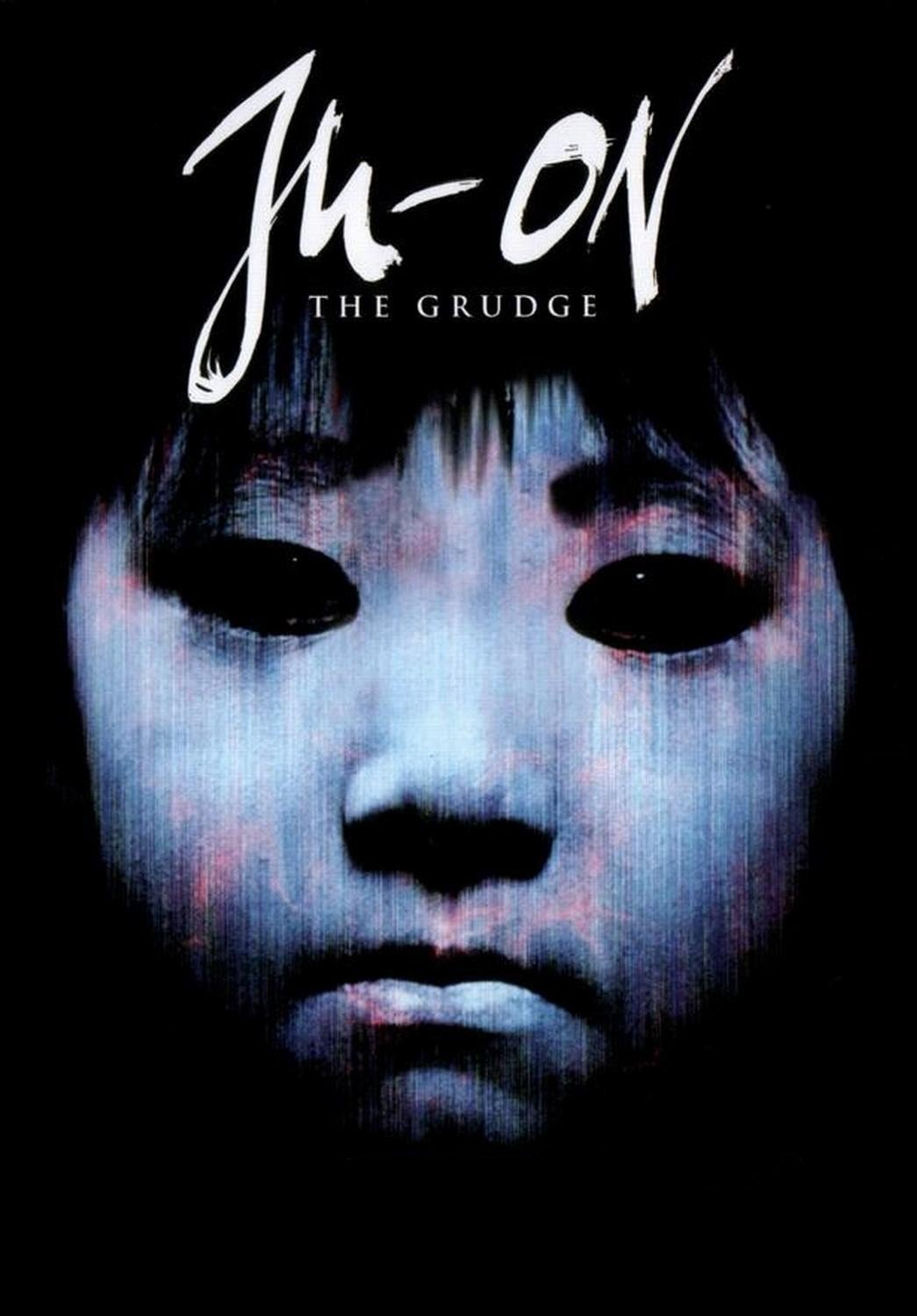
Takashi Shimizu structures a haunted-house narrative as interlinked episodes tracking a curse that transfers between people and places. Everyday environments—homes, schools, and offices—stage apparitions with minimal effects. Nonlinear chapters create a casefile-like reconstruction of events and victims. Success generated sequels, remakes, and crossovers that mapped the curse across multiple timelines.
‘[REC]’ (2007)
!['[REC]' (2007)](https://image.tmdb.org/t/p/original/hgyJR4sgMsee6xMFM3xYiG6cDCh.jpg)
Jaume Balagueró and Paco Plaza present a camcorder-recorded emergency call that escalates inside a quarantined apartment building. Firefighter protocols, building schematics, and public-health measures integrate into its real-time structure. Limited lighting, diegetic sound, and confined stairwells heighten a documentary feel. The property expanded into a series exploring different containment strategies and origins.
‘Paranormal Activity’ (2007)
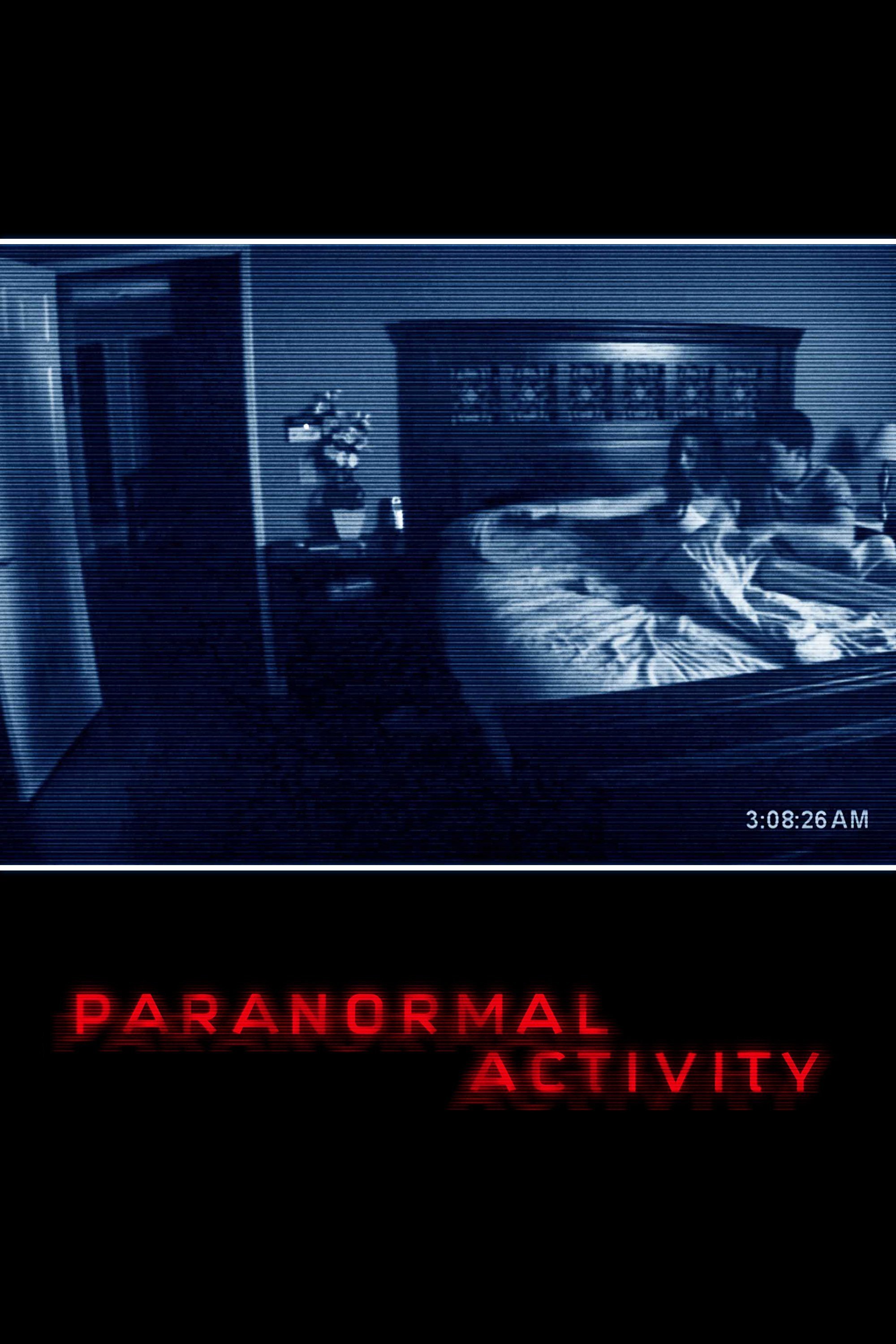
Oren Peli’s microbudget feature captures nocturnal disturbances through fixed home cameras and time-stamped footage. A minimal cast, suburban locations, and iterative test screenings shaped the final edit. Platformed releases and a viral campaign led to strong box-office performance and multiple sequels. Consumer-grade surveillance became a central horror device within domestic spaces.
‘The Babadook’ (2014)
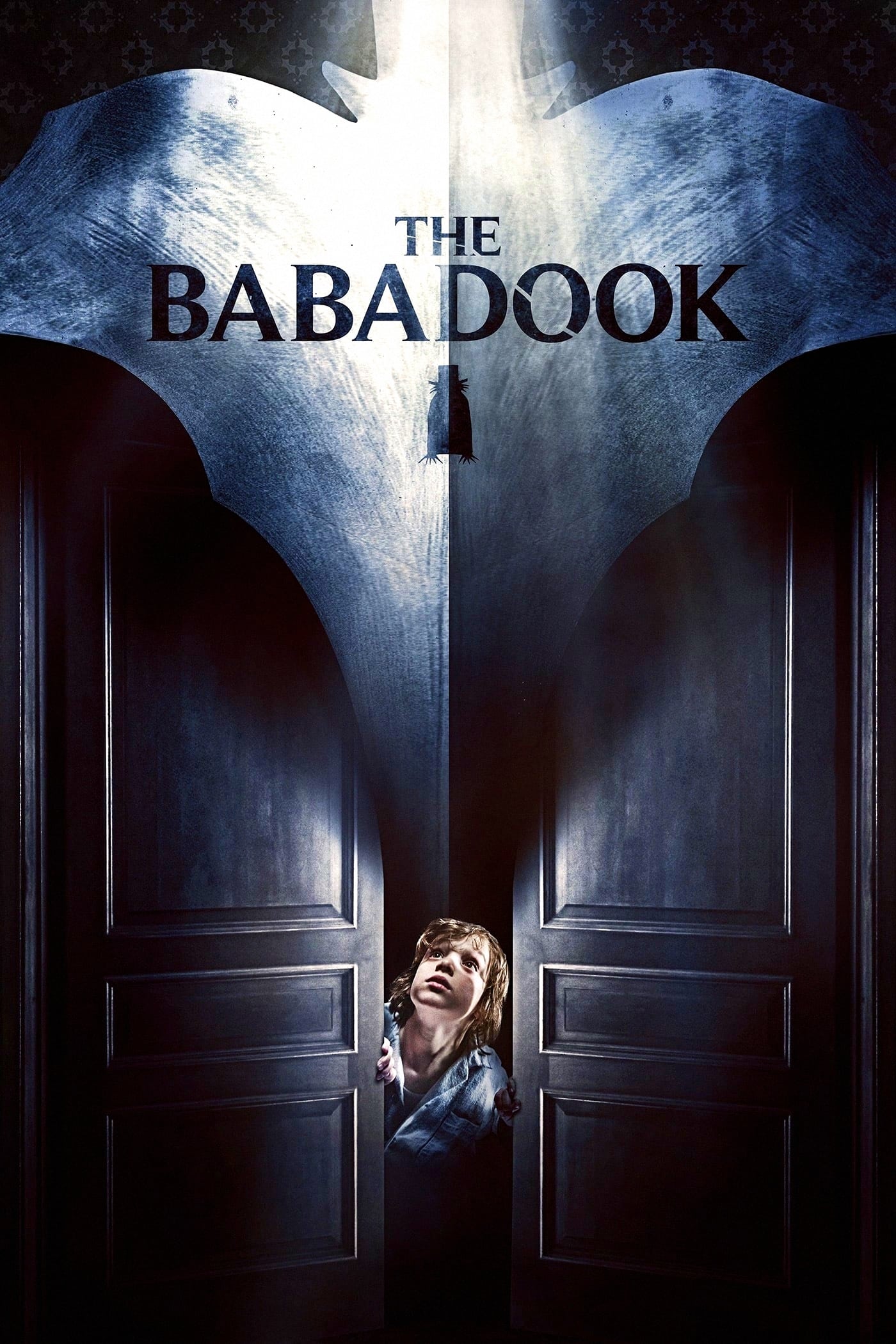
Jennifer Kent’s debut follows a single mother and her son as a pop-up book heralds a malevolent presence. In-camera effects, puppetry, and controlled sets depict the entity and the home. Sound design and rhythmic knocking motifs structure escalation across nighttime sequences. Festival acclaim and international distribution broadened visibility for Australian genre filmmaking.
‘The Witch’ (2015)
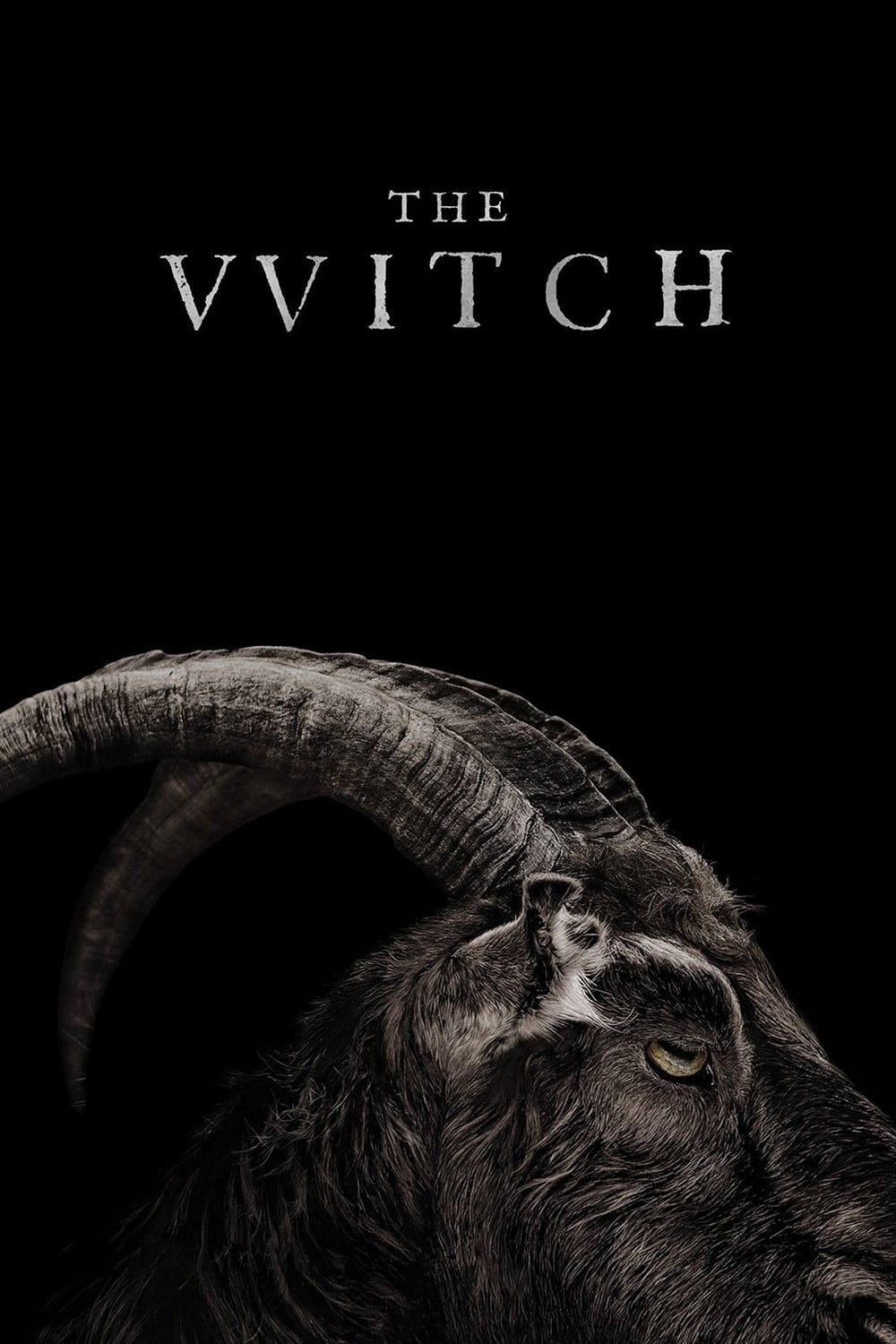
Robert Eggers sets a colonial family’s isolation against folklore, scripture, and the wilderness beyond their homestead. Period dialect, researched production design, and natural light ground its setting. Animal handling, practical props, and off-screen suggestion support the supernatural elements. Attention to historical detail helped define a contemporary wave of period-focused horror.
‘Train to Busan’ (2016)
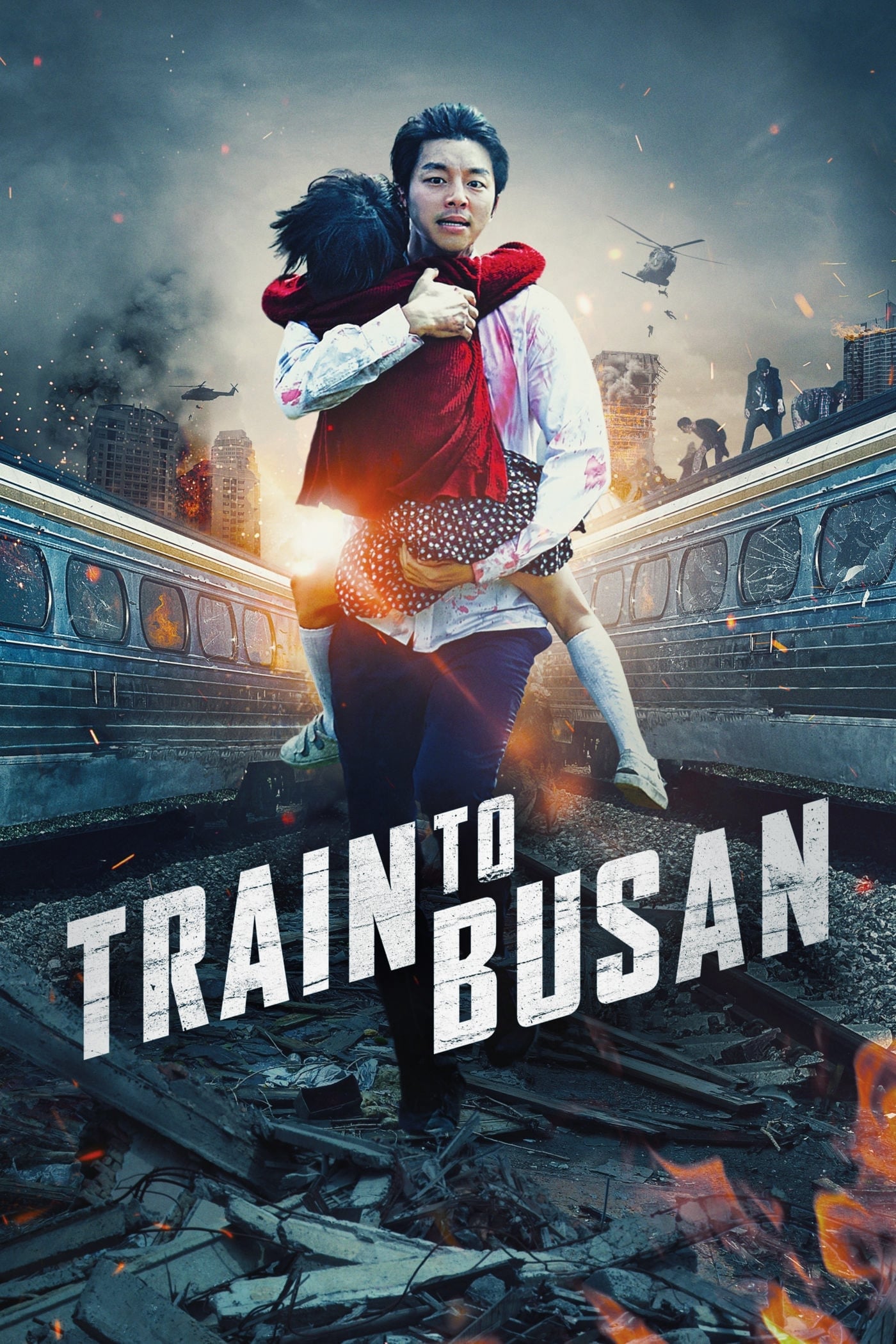
Yeon Sang-ho stages a viral outbreak aboard a moving train, organizing action by car number, stops, and passenger roles. Tight corridors and timed station halts create clear tactical problems for survivors. Ensemble arcs pair with evolving rules about infection and movement. Strong performance in regional and international markets led to an animated prequel and a follow-up.
‘A Quiet Place’ (2018)
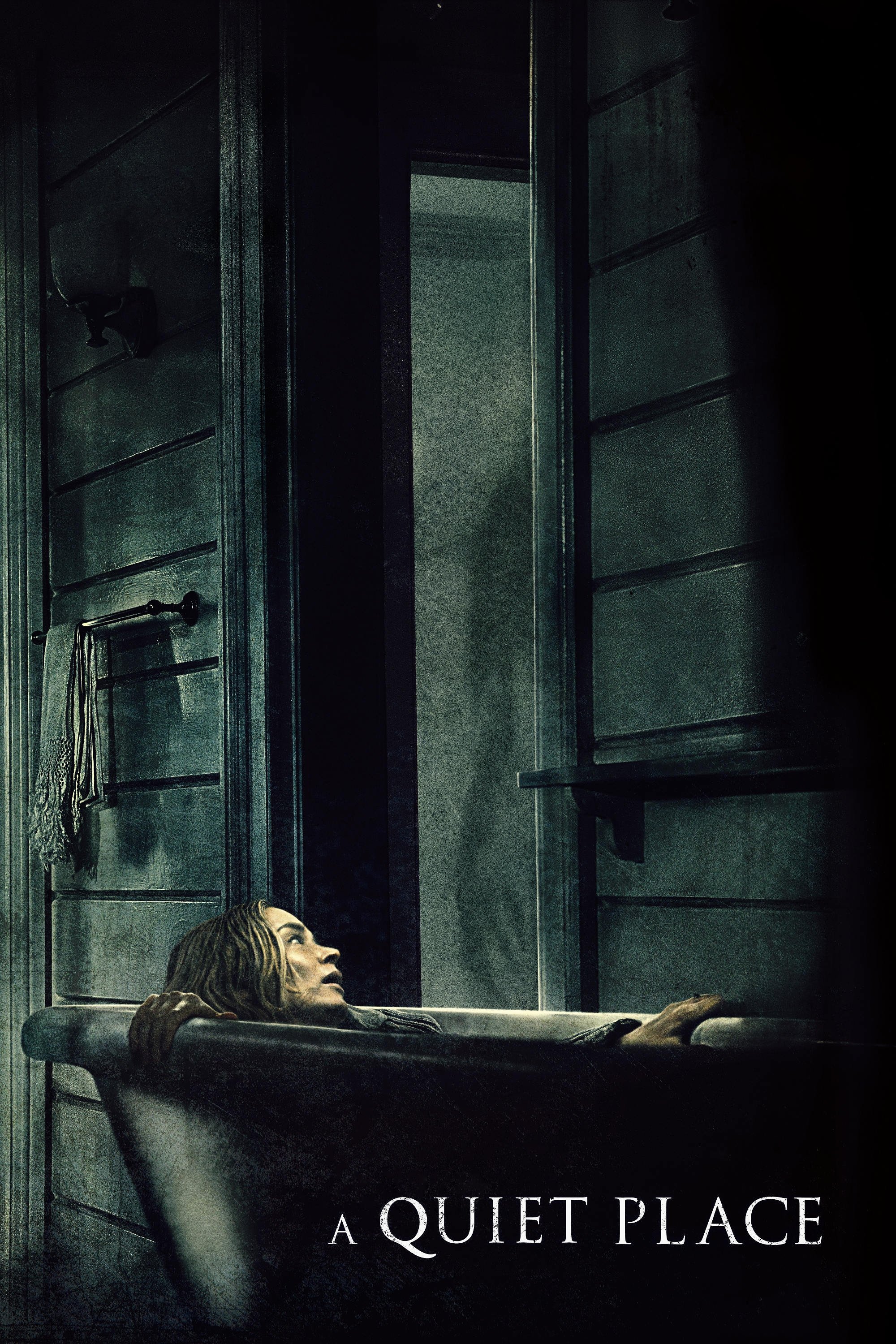
John Krasinski’s survival story follows a family living under sound-sensitive predators governed by noise-minimizing routines. Rules—sand paths, light signals, and modified tools—structure daily life and emergencies. Production emphasized visual storytelling, captioning, and environmental cues to convey information without dialogue. Commercial success led to sequels expanding the timeline and early-contact scenarios.
‘Frankenstein’ (1931)
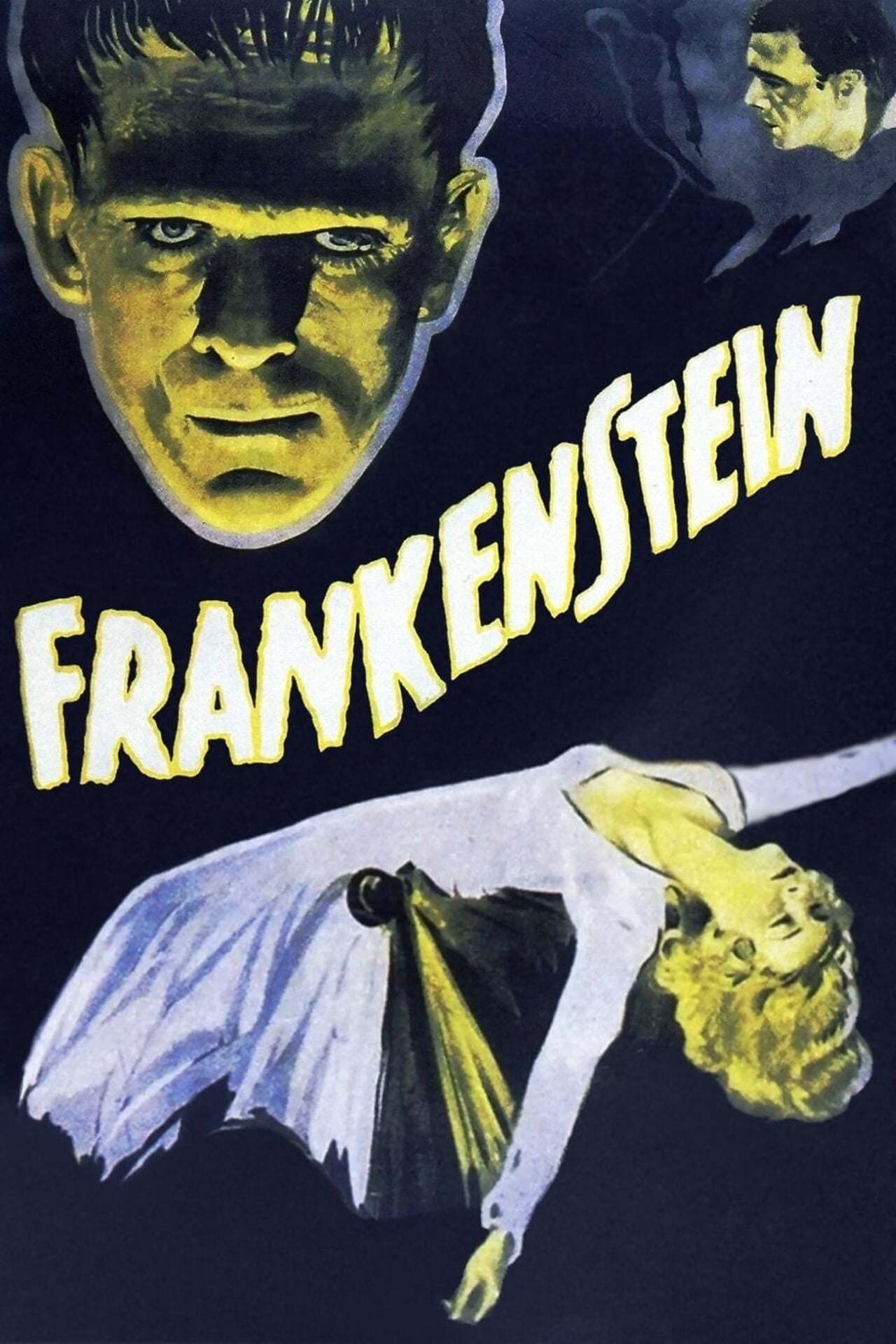
James Whale adapts Mary Shelley’s novel into a studio Gothic about a scientist who animates a stitched-together body. Makeup artist Jack Pierce created the flat-head, neck-bolt look that became the character’s standard image. Expressionist-influenced sets, laboratory props, and dramatic lighting define its visual style. Success helped establish a cycle of Universal monster features and crossovers.
‘Bride of Frankenstein’ (1935)
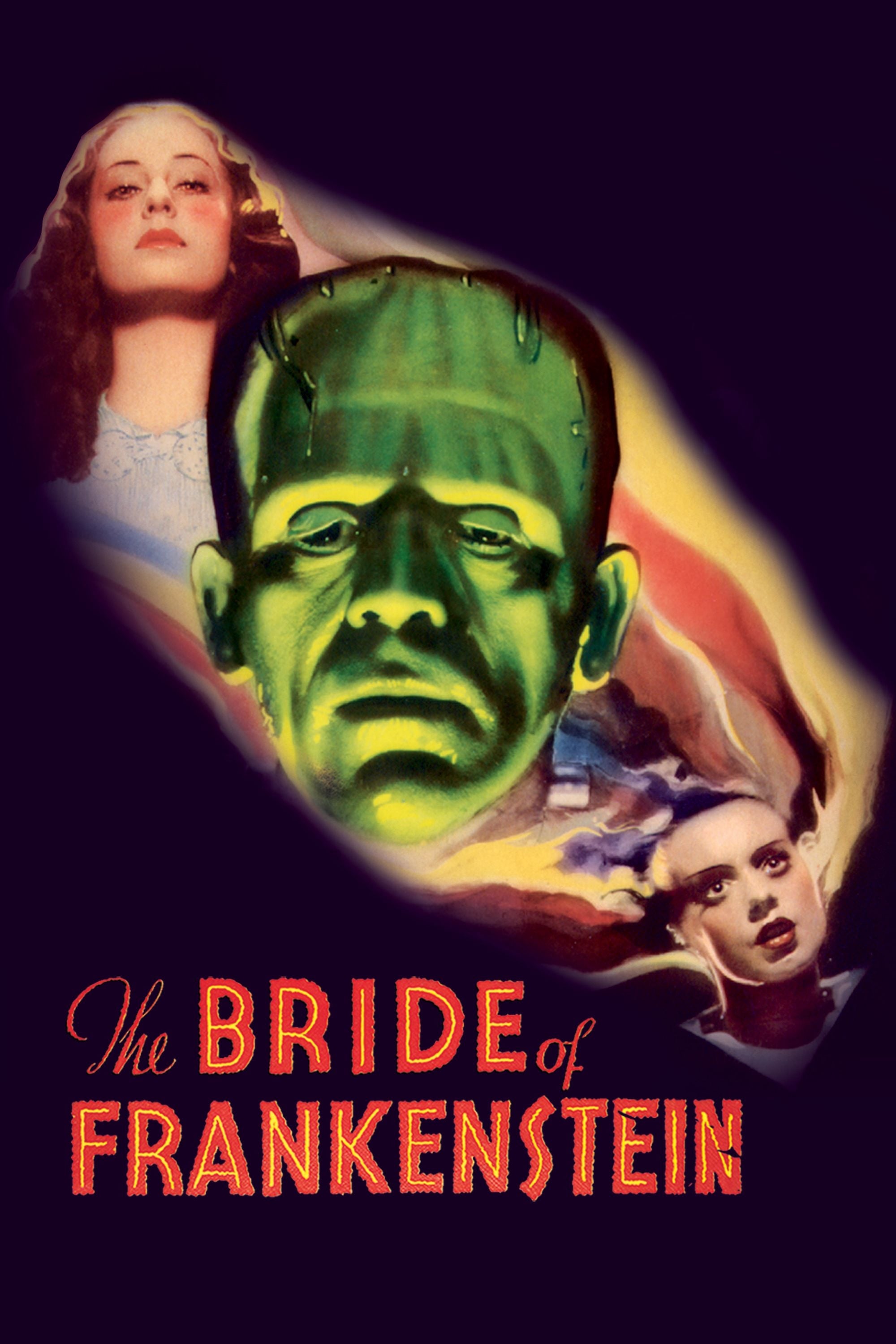
James Whale’s follow-up extends the story as the doctor faces pressure to create a companion for his creation. Stylized sets, miniature effects, and a musical score assign leitmotifs to key characters. Elsa Lanchester appears as both the author in a prologue and the iconic bride. Its blend of laboratory spectacle, escapes, and moral negotiation broadened the franchise’s scope.
‘Black Christmas’ (1974)
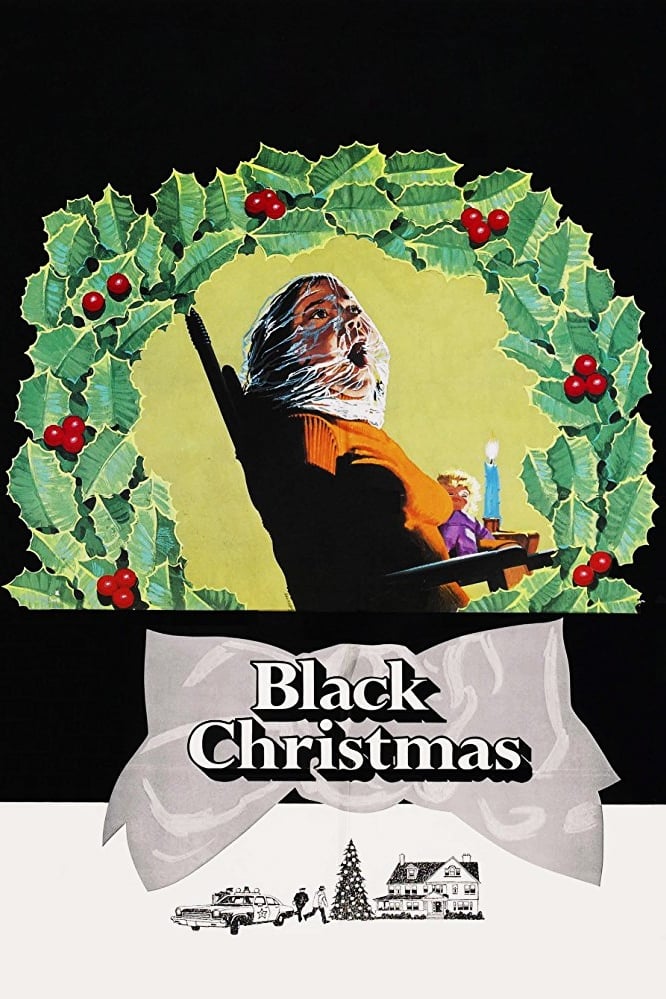
Bob Clark’s proto-slasher follows sorority sisters receiving obscene calls as an unseen intruder stalks the house. Point-of-view shots, holiday decorations as misdirection, and a parallel police investigation shape the tension. The setting concentrates action across phones, attic spaces, and windowed stairwells. An ambiguous resolution and seasonal backdrop influenced later campus and holiday-set thrillers.
‘Jaws’ (1975)
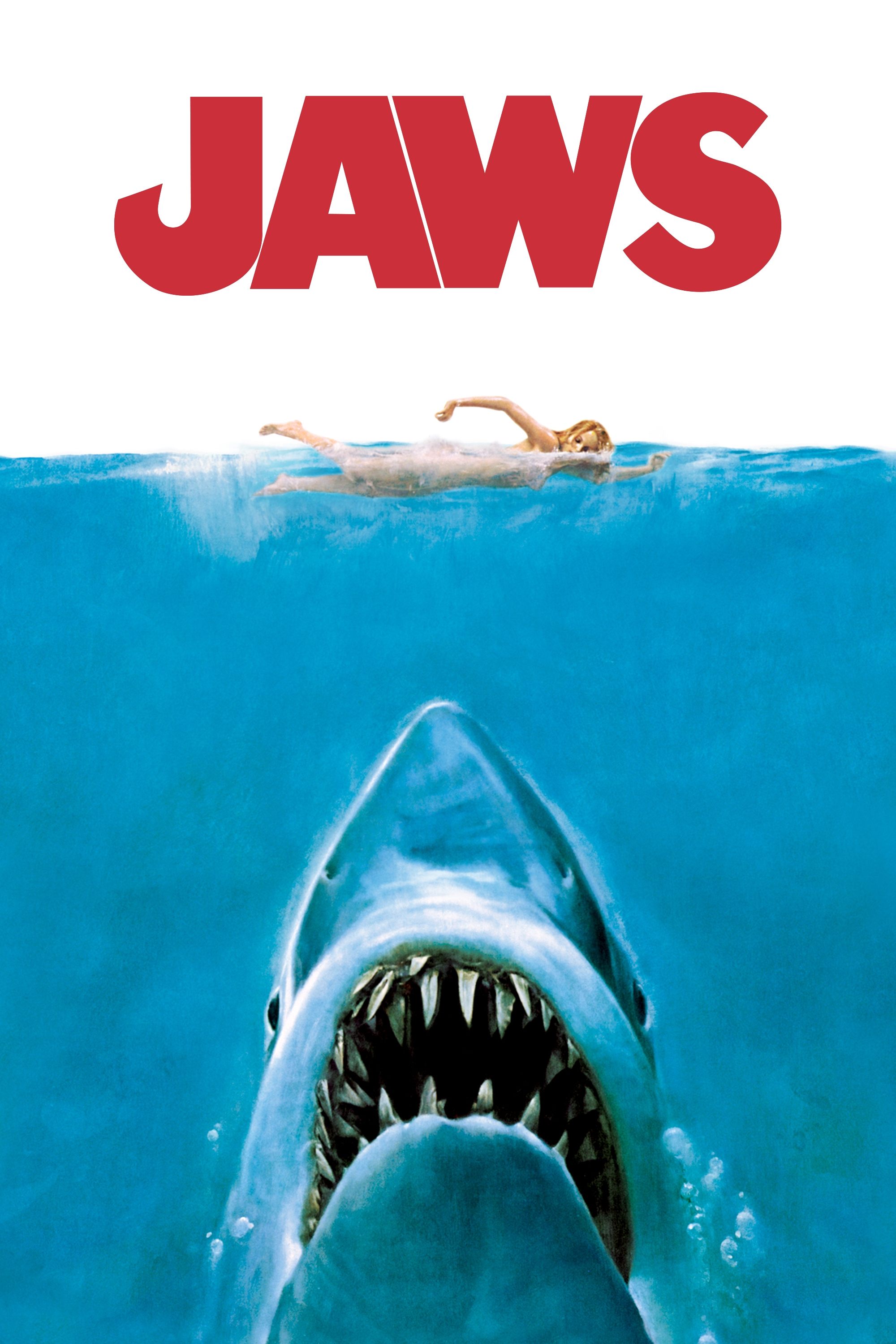
Steven Spielberg crafts a seaside thriller about a local sheriff, a marine biologist, and a skipper hunting a rogue great white shark. Mechanical effects for the shark prompted strategic shooting choices that emphasized suspense and water-level framing. John Williams’s two-note motif functions as an auditory signal for approach and attack. Wide release and tie-in marketing pioneered a modern summer blockbuster model.
‘Dawn of the Dead’ (1978)
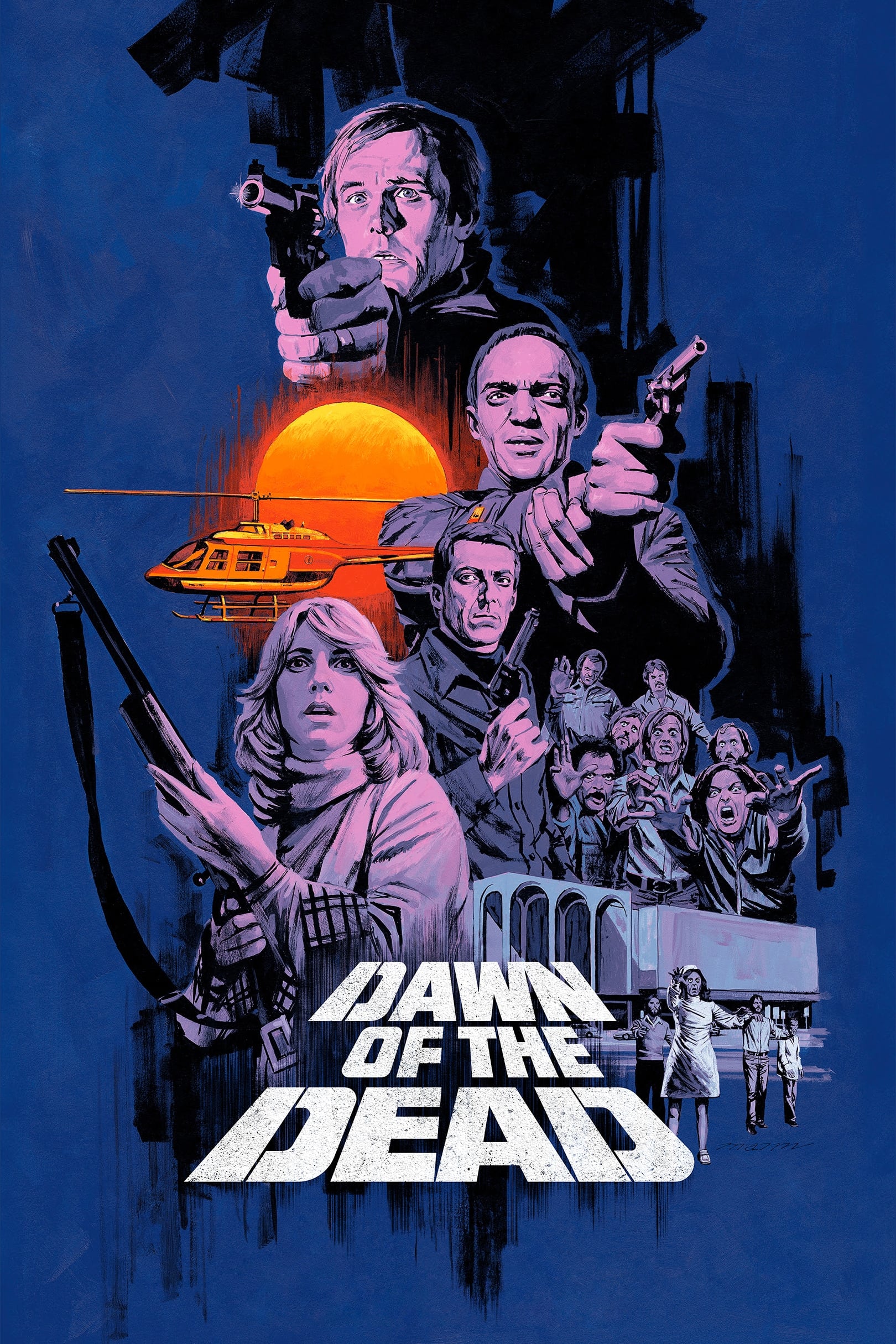
George A. Romero relocates an undead siege to a suburban shopping mall where survivors fortify corridors and storefronts. Tom Savini’s makeup and stunt coordination support large-scale crowd scenes with blood effects and prosthetics. Consumer spaces contrast with improvised defenses like barricades, walkie-talkies, and rooftop access. Multiple cuts circulate, reflecting differing regional edits and pacing preferences.
‘The Evil Dead’ (1981)
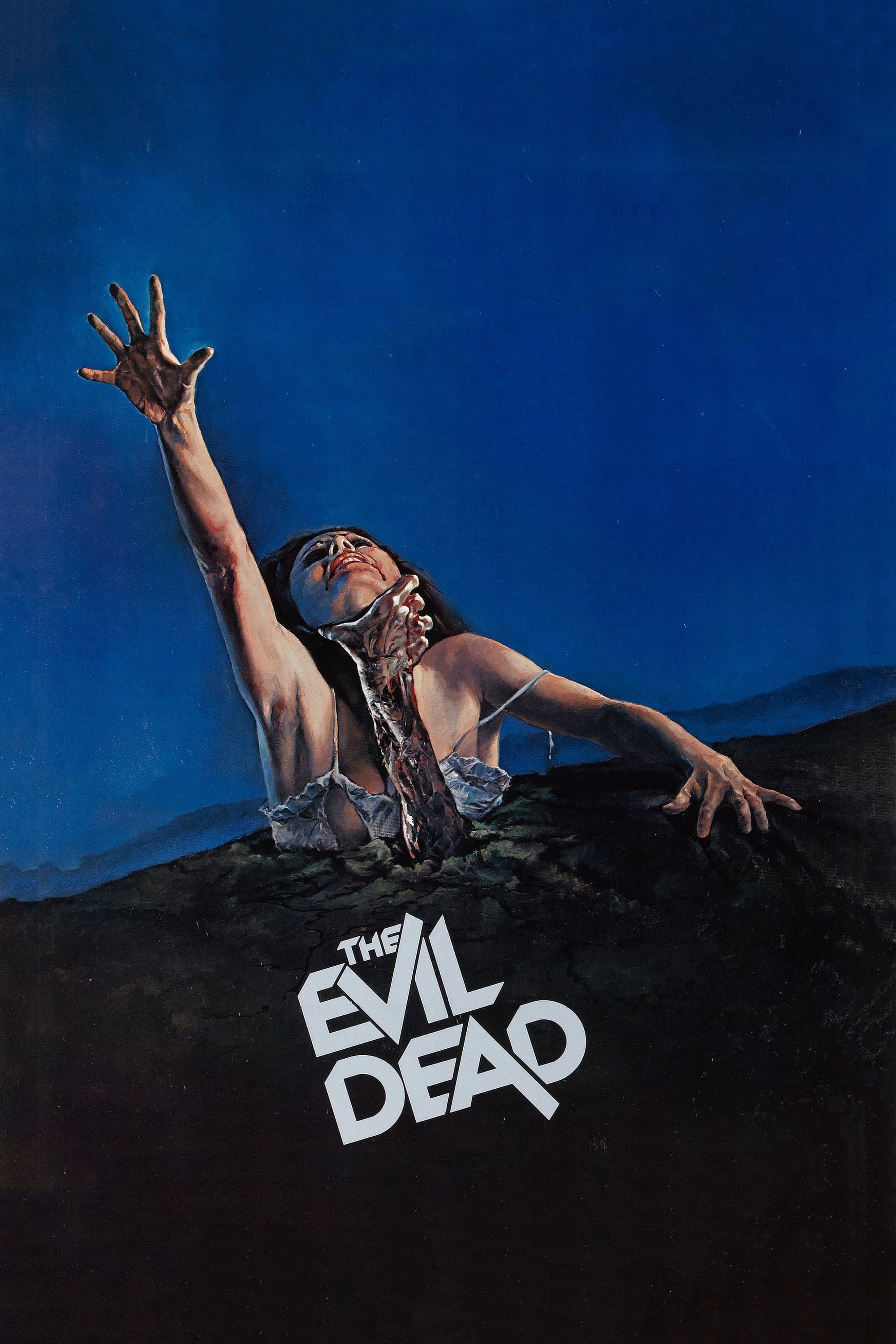
Sam Raimi’s cabin-in-the-woods story unleashes demonic possession triggered by a forbidden text and audio incantation. Low-budget ingenuity produced distinctive “shaky-cam” moves, stop-motion gags, and extensive gore makeup. The isolated location organizes set-pieces around cellar doors, windows, and woodland approaches. Grassroots distribution and festival play helped launch a cult franchise with sequels, a remake, and a series.
‘Possession’ (1981)
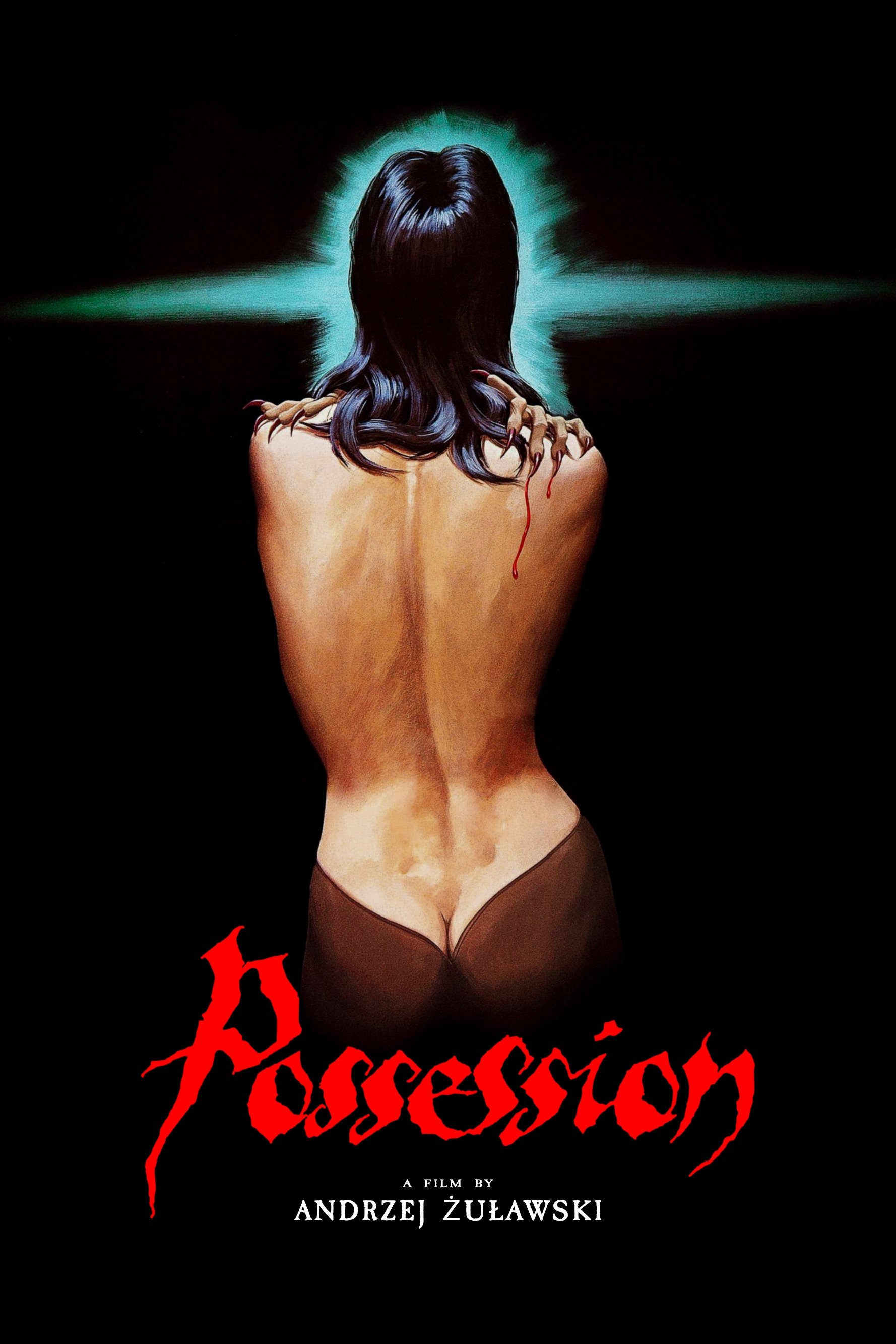
Andrzej Żuławski stages a marital breakdown that intersects with espionage and an inexplicable creature in a divided city. Intense performances, handheld camerawork, and location use emphasize tunnels and checkpoints. Carlo Rambaldi’s special-effects work contributes to transformation imagery. Longer cuts restore psychological and procedural details altered in shorter releases.
‘Poltergeist’ (1982)
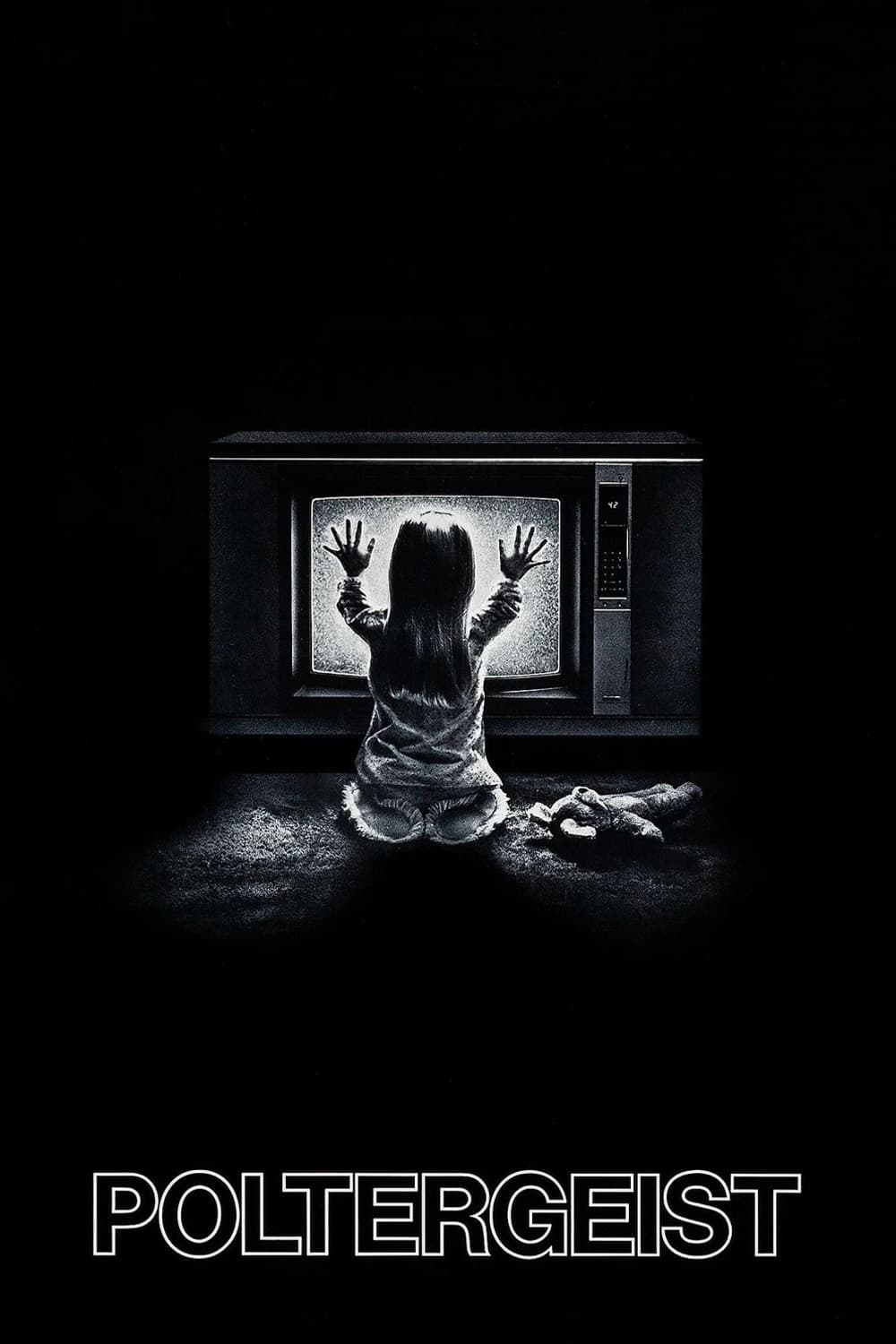
Tobe Hooper directs a suburban haunting centered on a family home disrupted by spectral phenomena. Optical effects, practical rigs, and television static recur as a portal motif. Scenes map the house’s layout—closets, crawl spaces, and a backyard pool—to stage rescues and manifestations. Its combination of domesticity and spectacle led to sequels and a continuation across media.
‘Hellraiser’ (1987)
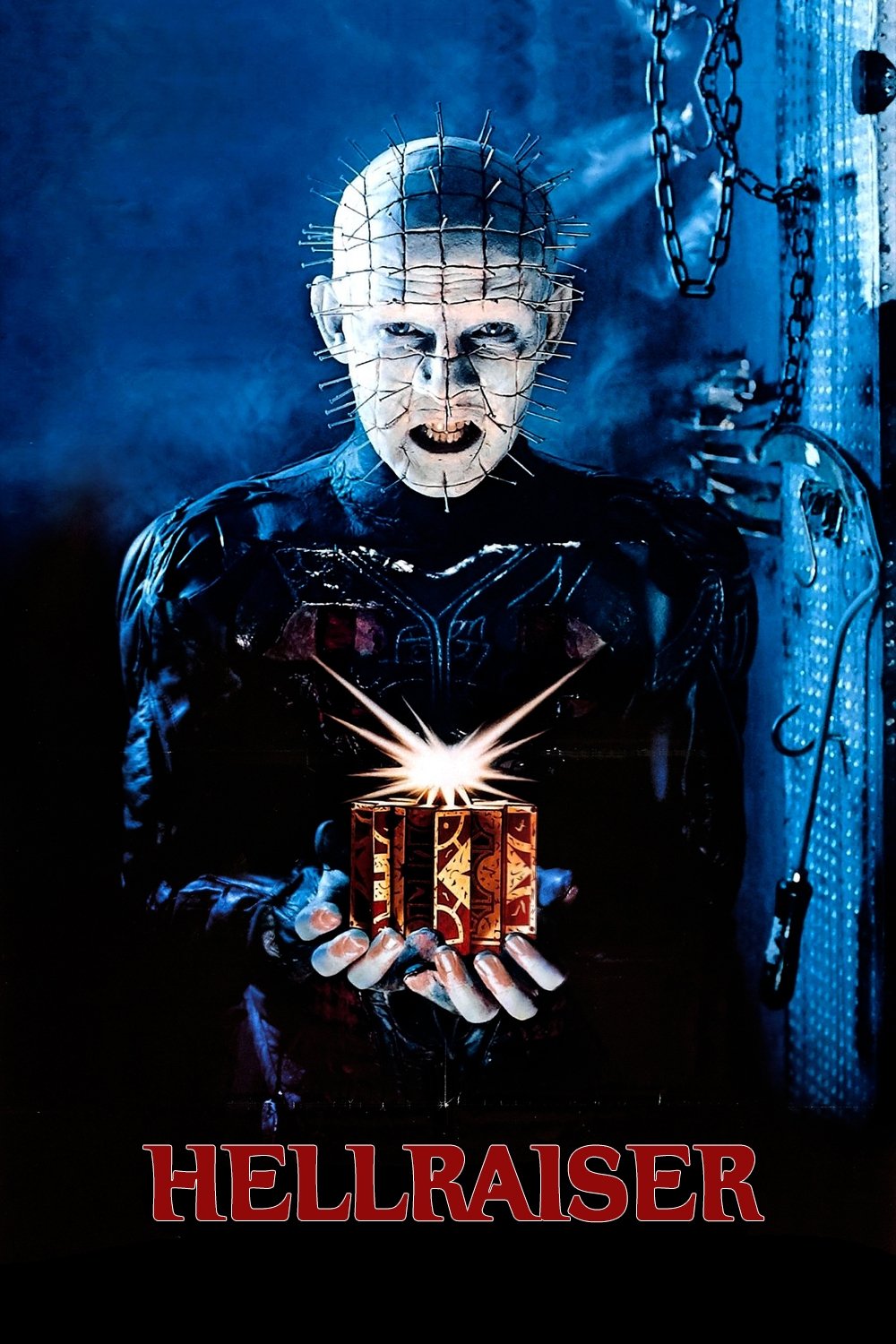
Clive Barker adapts his novella into a story of a puzzle box that summons extradimensional beings governed by strict rules. Practical effects—hooks, prosthetics, and skin-suit gags—visualize bodily resurrection and punishment. Production design emphasizes industrial textures, candles, and labyrinthine imagery. The configuration device, its rituals, and the Cenobites’ designs became recurring series elements.
‘Candyman’ (1992)
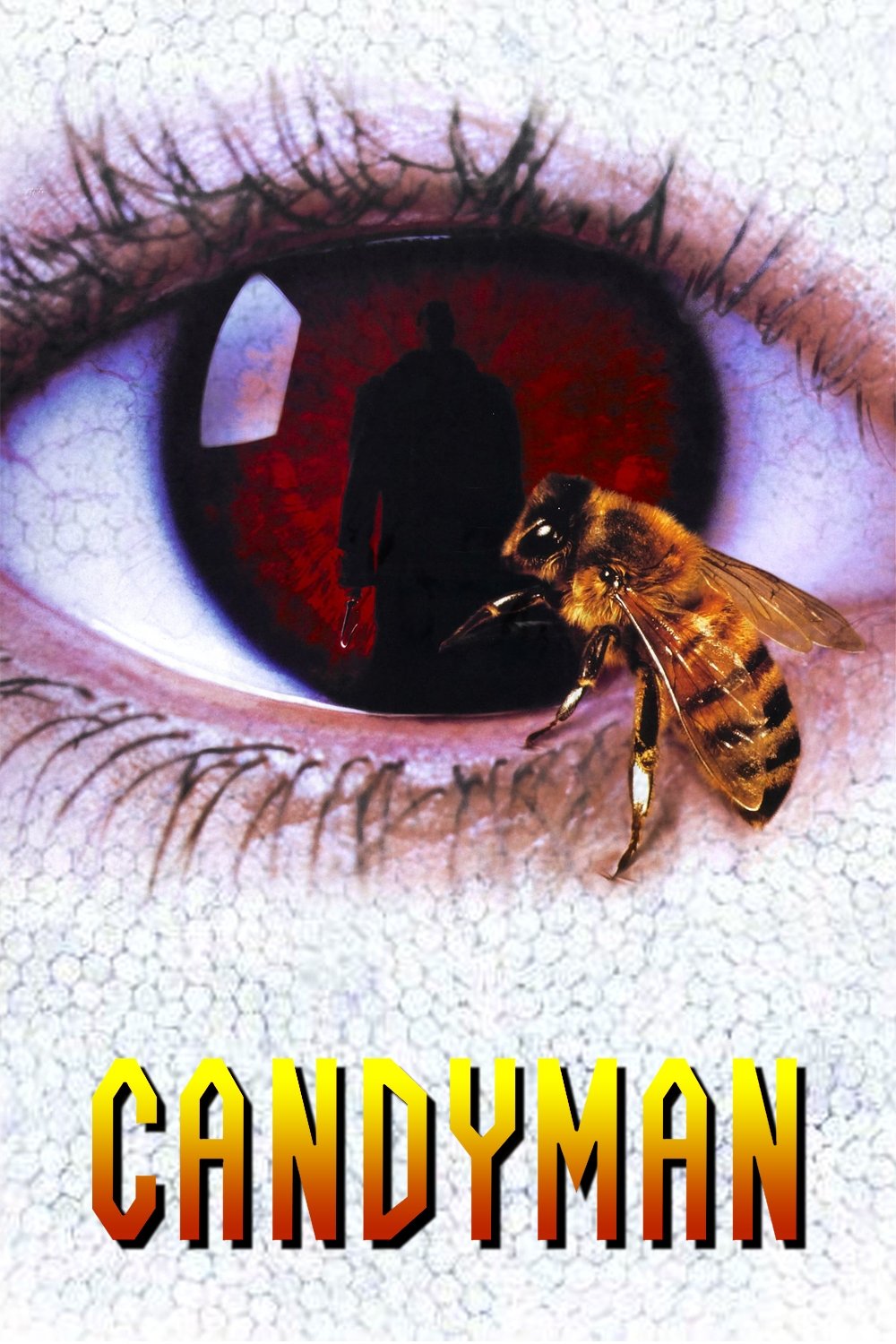
Bernard Rose explores urban folklore as a graduate researcher investigates murders linked to a mirror-invoked figure. Location photography in public housing, combined with Philip Glass’s choral score, shapes the atmosphere. The story connects academic inquiry, community history, and belief’s power to manifest harm. Later installments revisited the legend through shifting timelines and perspectives.
‘Scream’ (1996)
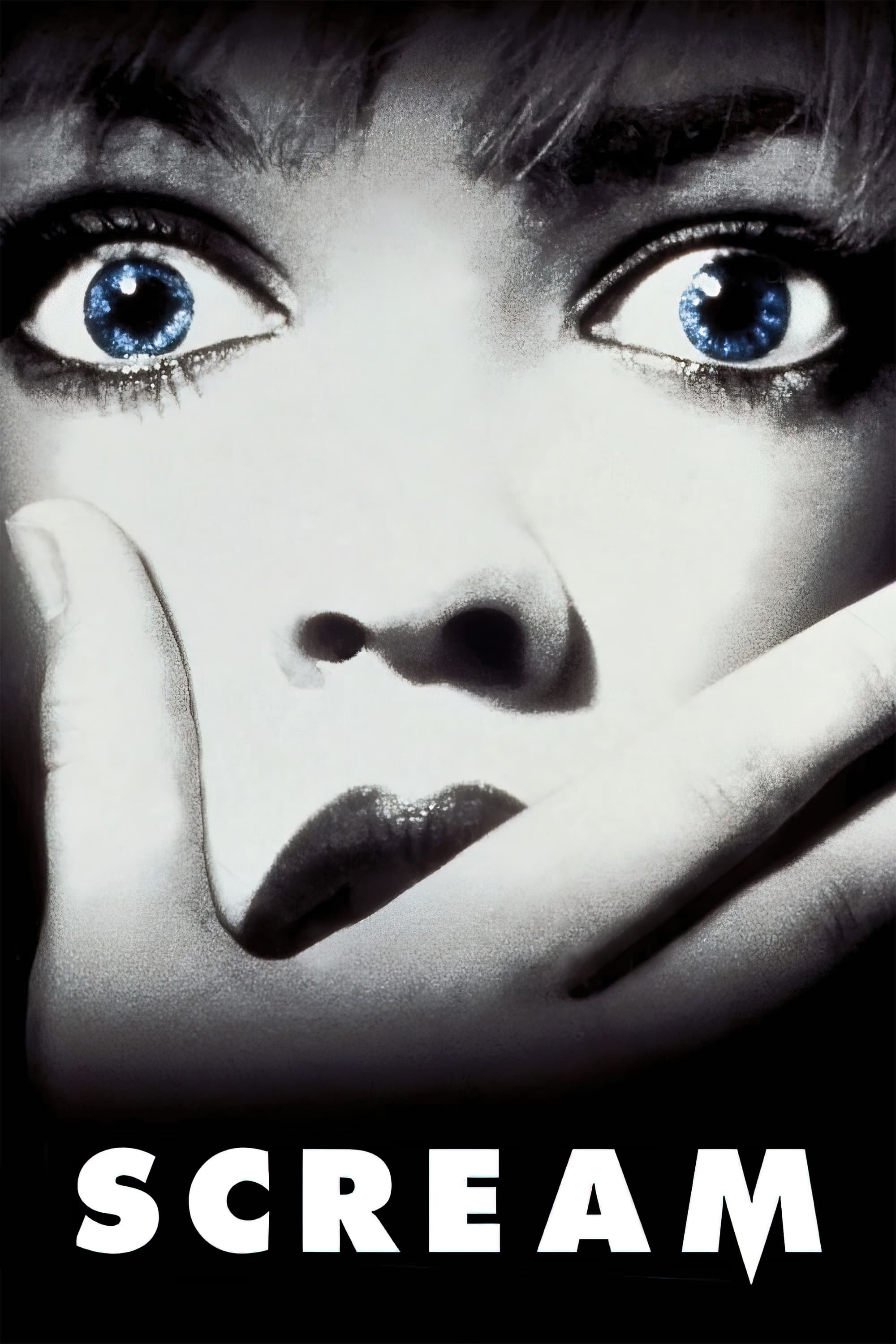
Wes Craven presents a masked killer targeting high-school students while phone calls and trivia games set the stage for attacks. The plot organizes around curfews, parties, and police protocols in a small town. Voice modulation, costume design, and call tracing become recurring investigative elements. Strong box-office performance revitalized slasher production and generated multiple sequels and a series.
‘The Sixth Sense’ (1999)
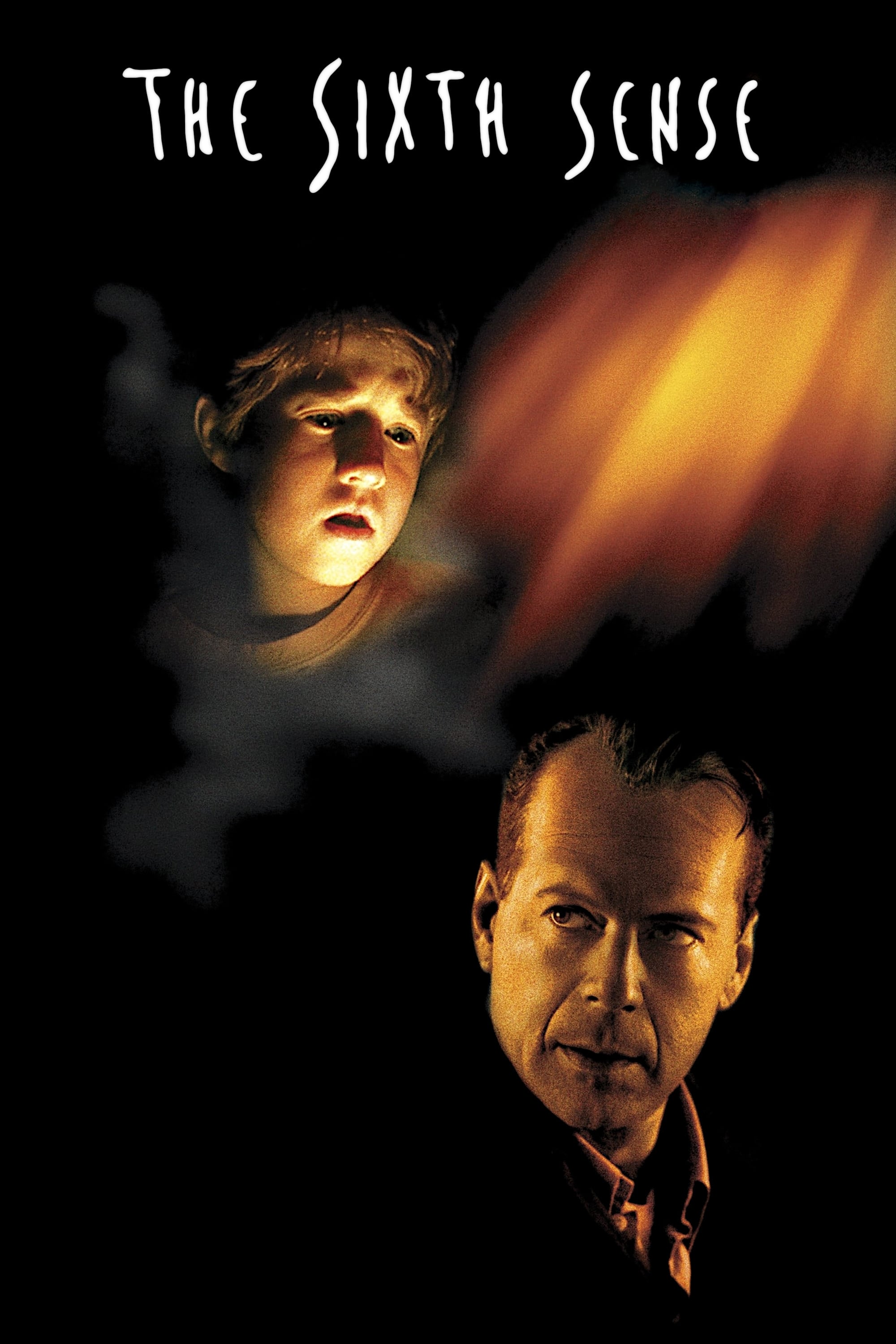
M. Night Shyamalan’s supernatural drama follows a child psychologist working with a boy who reports encounters with the dead. Visual and conversational cues gain new meaning after a late reveal. Careful sound design, color accenting, and restrained camera moves support quiet set-pieces. The film earned extensive awards recognition and strong international returns.
‘The Descent’ (2005)
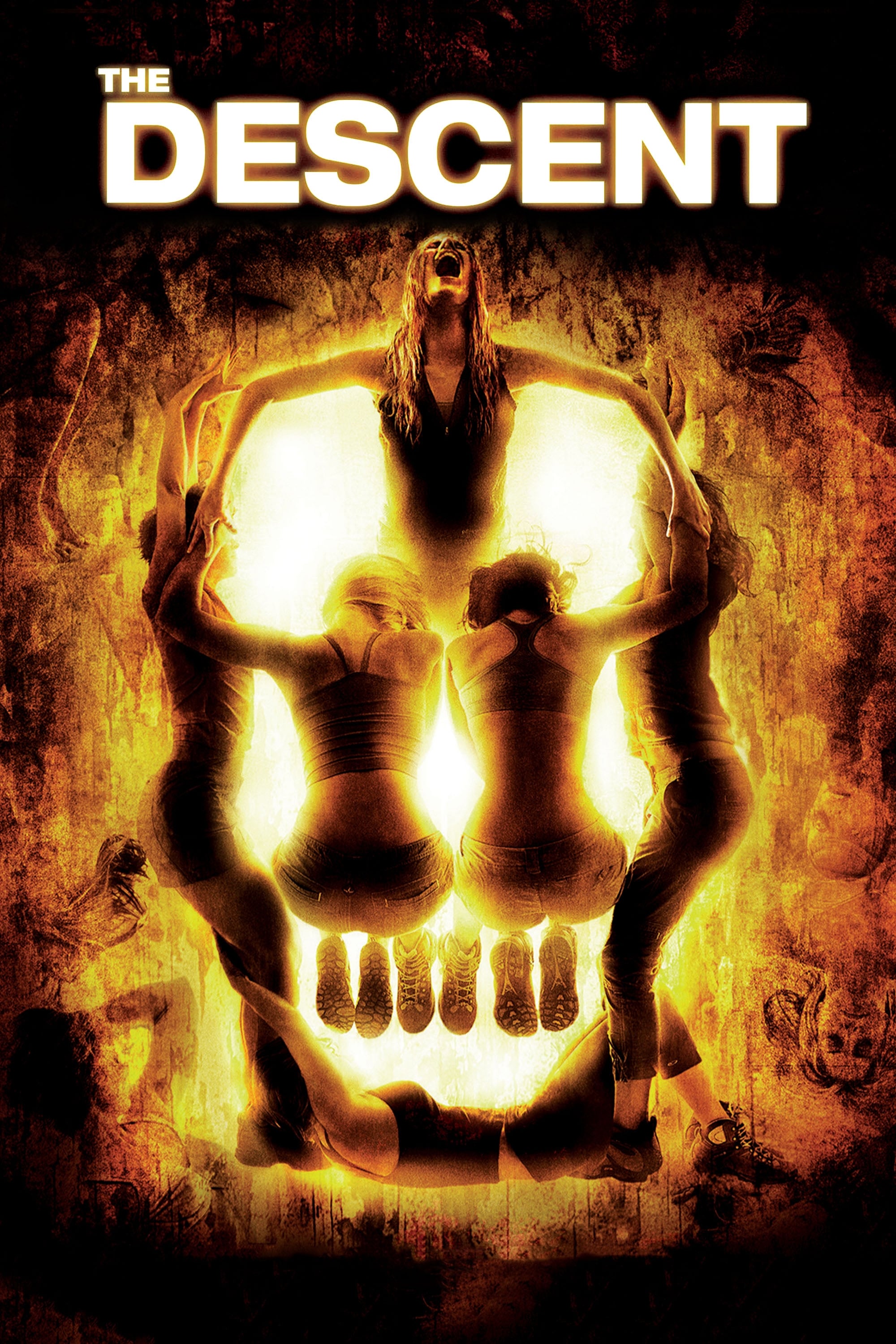
Neil Marshall sends a group of friends into an unmapped cave system where a collapse traps them underground. Practical spelunking sets, low-light photography, and helmet lamps structure visibility. Creature encounters exploit narrow passages, echoing chambers, and route-finding decisions. Different regional endings offer alternate final notes to the survival storyline.
‘It Follows’ (2014)
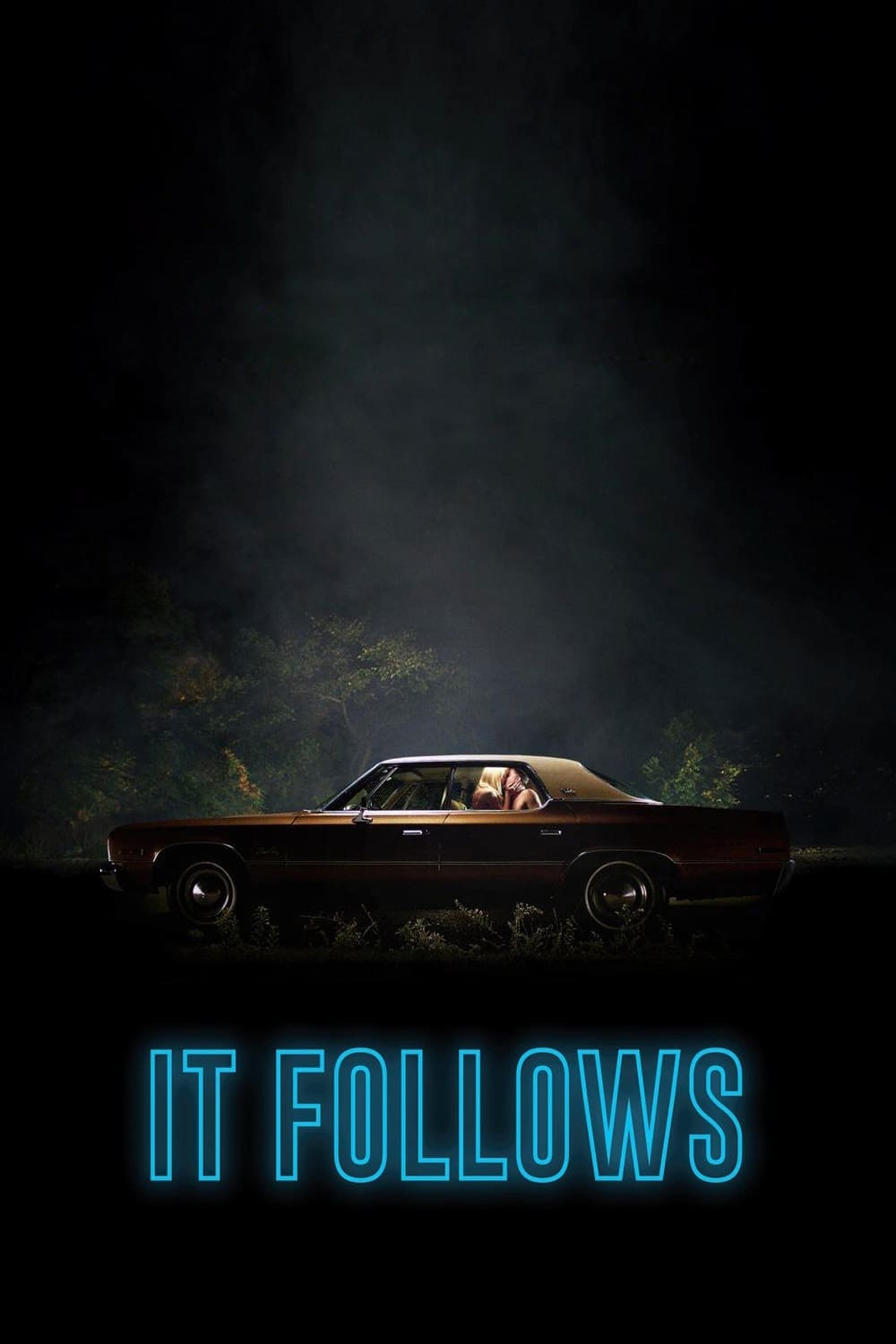
David Robert Mitchell builds a curse that transfers through intimacy and pursues victims at a steady walking pace. Staging emphasizes wides, slow pans, and background movement to encourage scanning for approach vectors. Electronic scoring, suburban locations, and ambiguous period details create a floating sense of time. Rule-based tracking of the entity’s behavior guides characters’ strategies and setbacks.
‘Midsommar’ (2019)
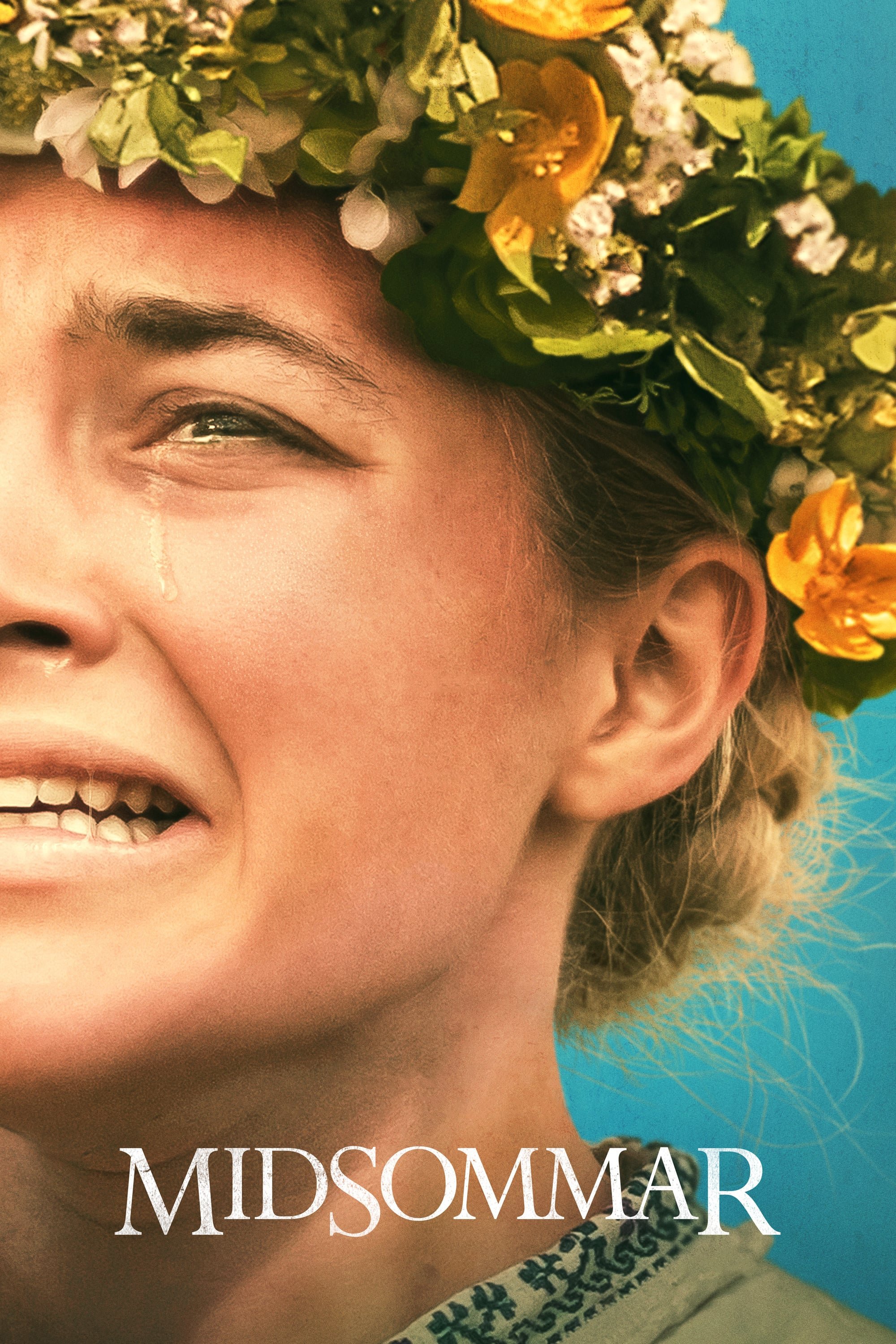
Ari Aster relocates a grieving couple to a remote festival where daylight rituals unfold according to a strict calendar. Bright, open-air compositions, embroidered costumes, and runic set dressing define the presentation. Folk practices, communal architecture, and seasonal milestones structure the narrative’s progression. The release spurred extensive discussion of folk-horror conventions and ethnographic staging.
Share your essential additions and unforgettable first watches in the comments so everyone can compare notes.

