


Essential Mystery Movies to Revisit Every Year


Mystery movies reward close attention, sharp recall, and fresh perspectives each time you press play, so this list pulls together enduring essentials that span classic noir, twisty thrillers, and modern whodunits—each one rich with craft details, memorable performances, and clues worth rechecking.
‘Se7en’ (1995)
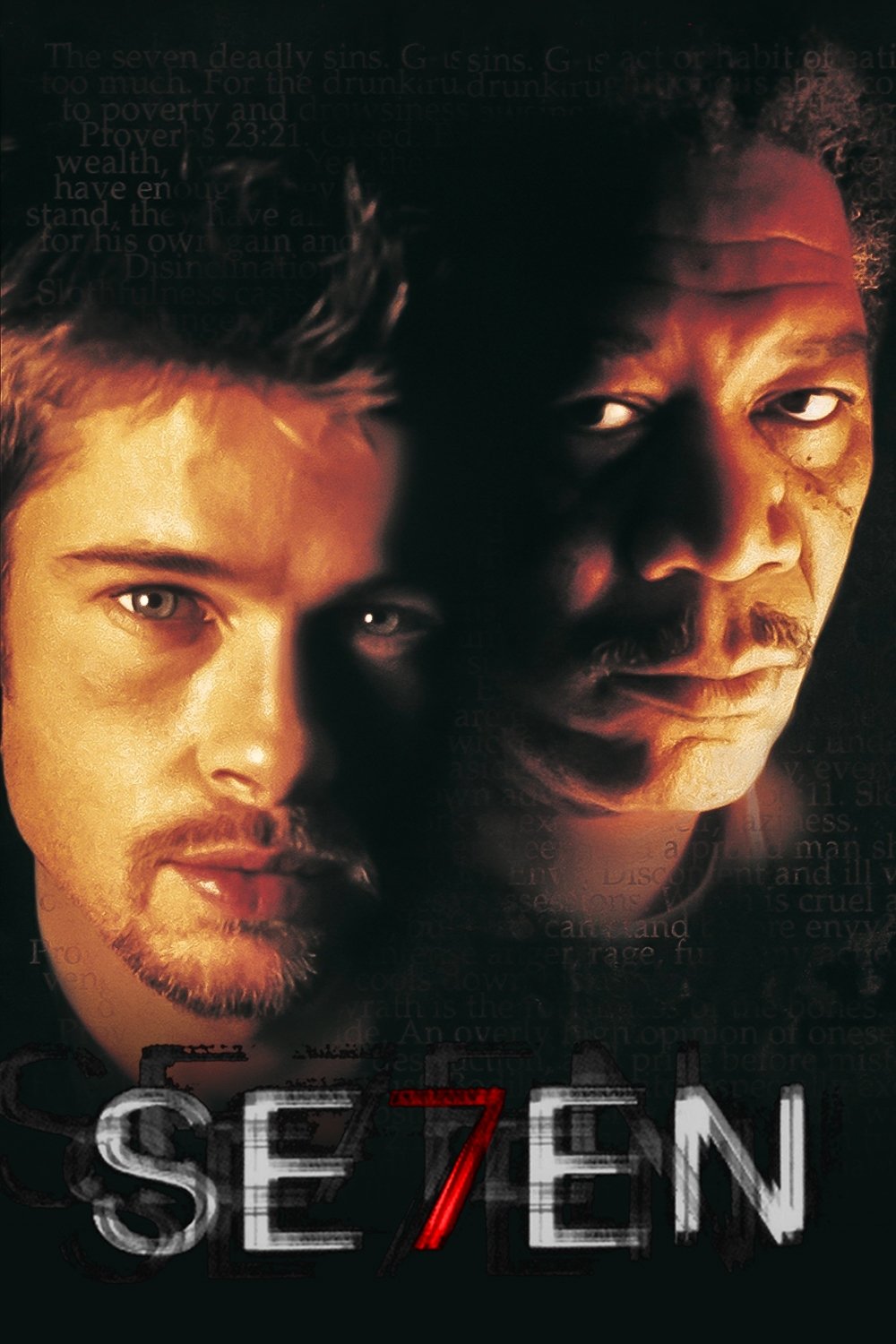
Directed by David Fincher, this crime thriller follows two detectives tracking a killer who stages murders around the seven deadly sins. It stars Morgan Freeman and Brad Pitt, with a screenplay by Andrew Kevin Walker. The film combines methodical police work, coded patterns, and meticulously staged crime scenes to drive the investigation.
‘Zodiac’ (2007)
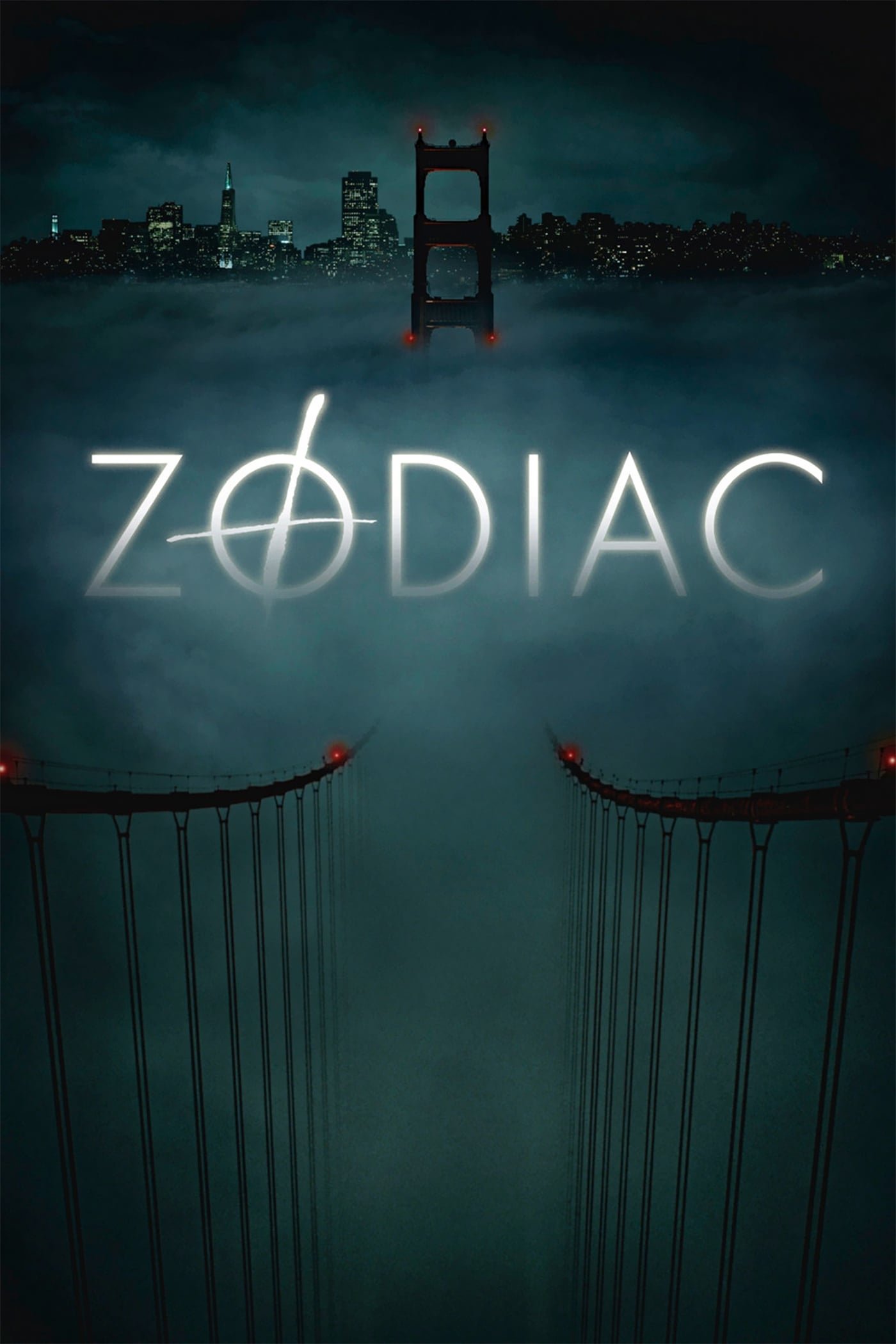
David Fincher adapts accounts by journalist Robert Graysmith, focusing on reporters and detectives drawn into the unsolved Zodiac case. Jake Gyllenhaal, Robert Downey Jr., and Mark Ruffalo anchor the investigation across newsrooms and precincts. Cryptograms, composite sketches, and shifting suspect profiles structure the long-running pursuit.
‘Chinatown’ (1974)
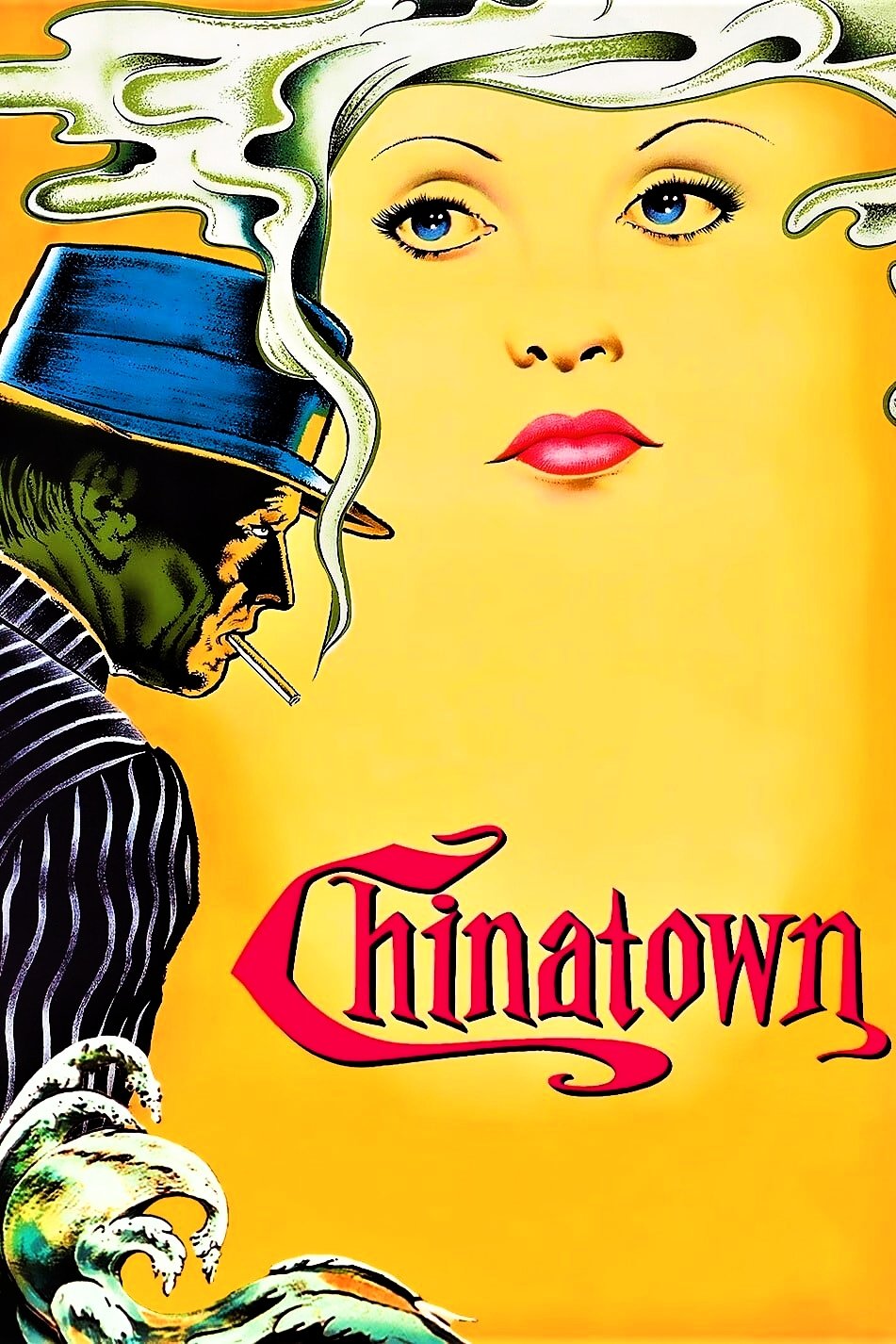
Roman Polanski’s neo-noir centers on private investigator J. J. Gittes as he uncovers municipal corruption tied to Los Angeles water rights. Jack Nicholson, Faye Dunaway, and John Huston lead the cast. The case unfolds through public records, engineered drought schemes, and interlocking personal and political interests.
‘The Silence of the Lambs’ (1991)
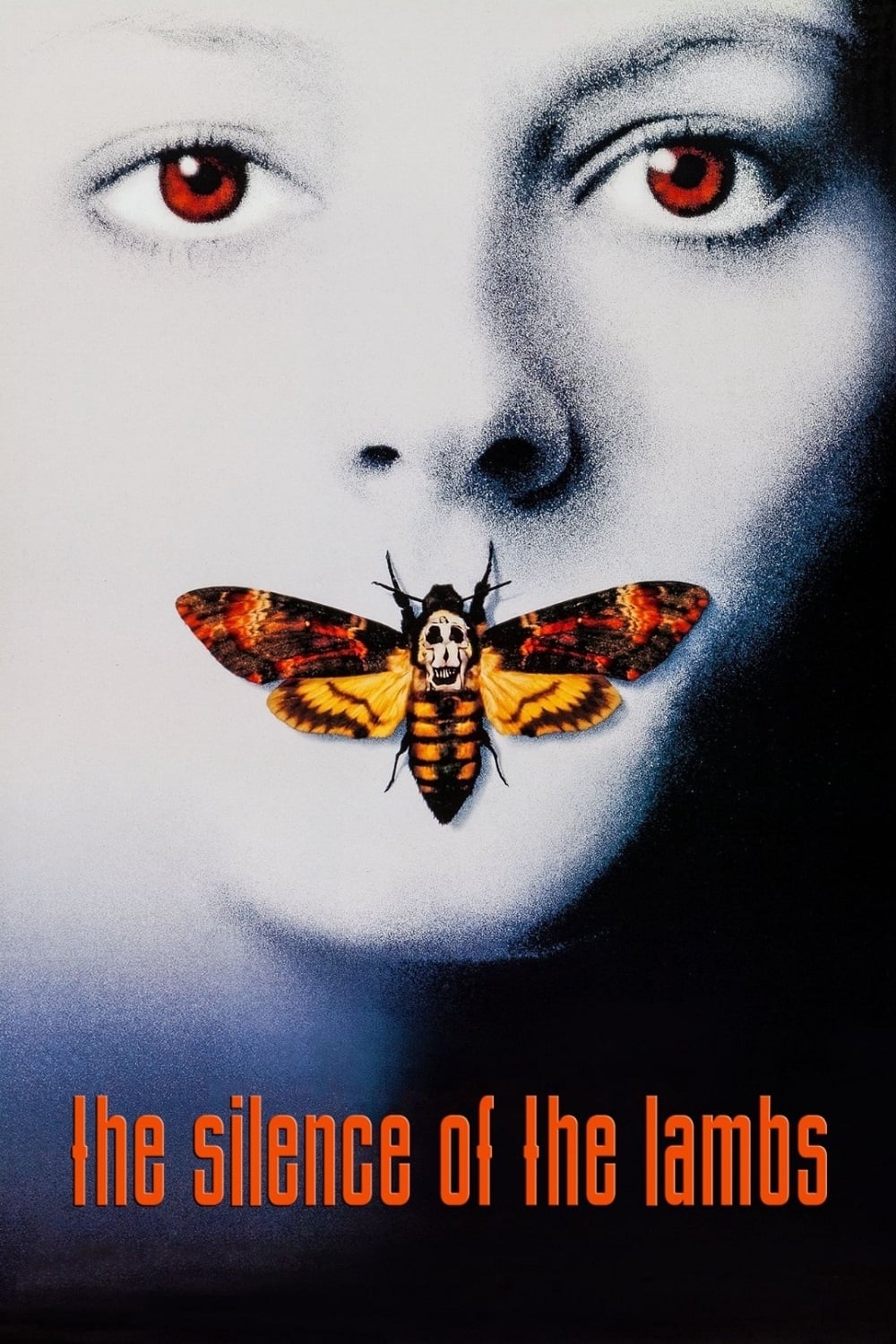
Directed by Jonathan Demme, this psychological thriller pairs FBI trainee Clarice Starling with incarcerated psychiatrist Hannibal Lecter to profile a serial killer. Jodie Foster and Anthony Hopkins deliver defining performances. Behavioral analysis, crime-scene forensics, and interagency collaboration propel the search.
‘Rear Window’ (1954)
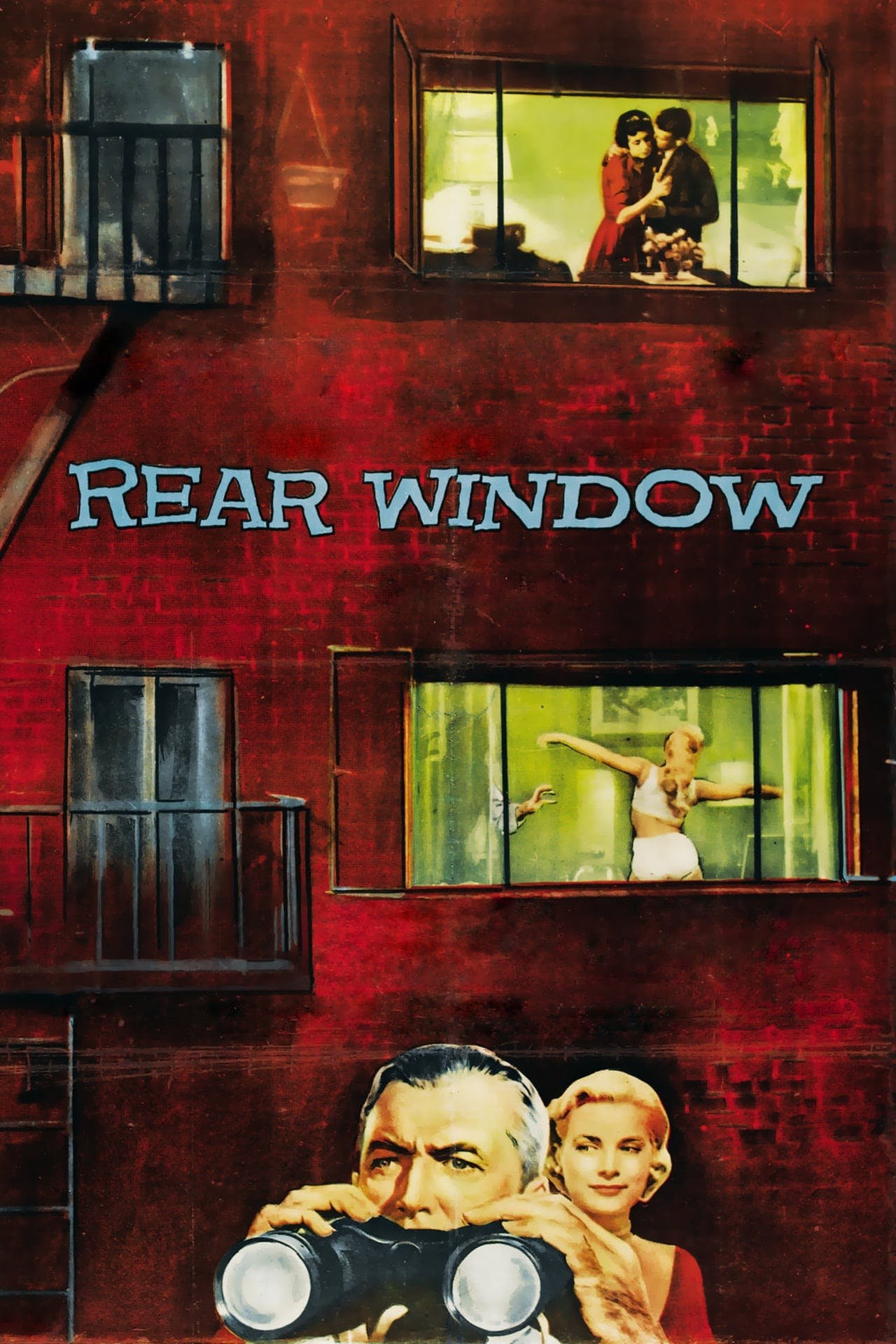
Alfred Hitchcock’s suspense classic confines much of its action to a single courtyard observed by a recuperating photographer. James Stewart and Grace Kelly lead the cast. Sightlines, telephoto lenses, and patterned routines across neighboring apartments become the evidence base for a suspected murder.
‘Vertigo’ (1958)
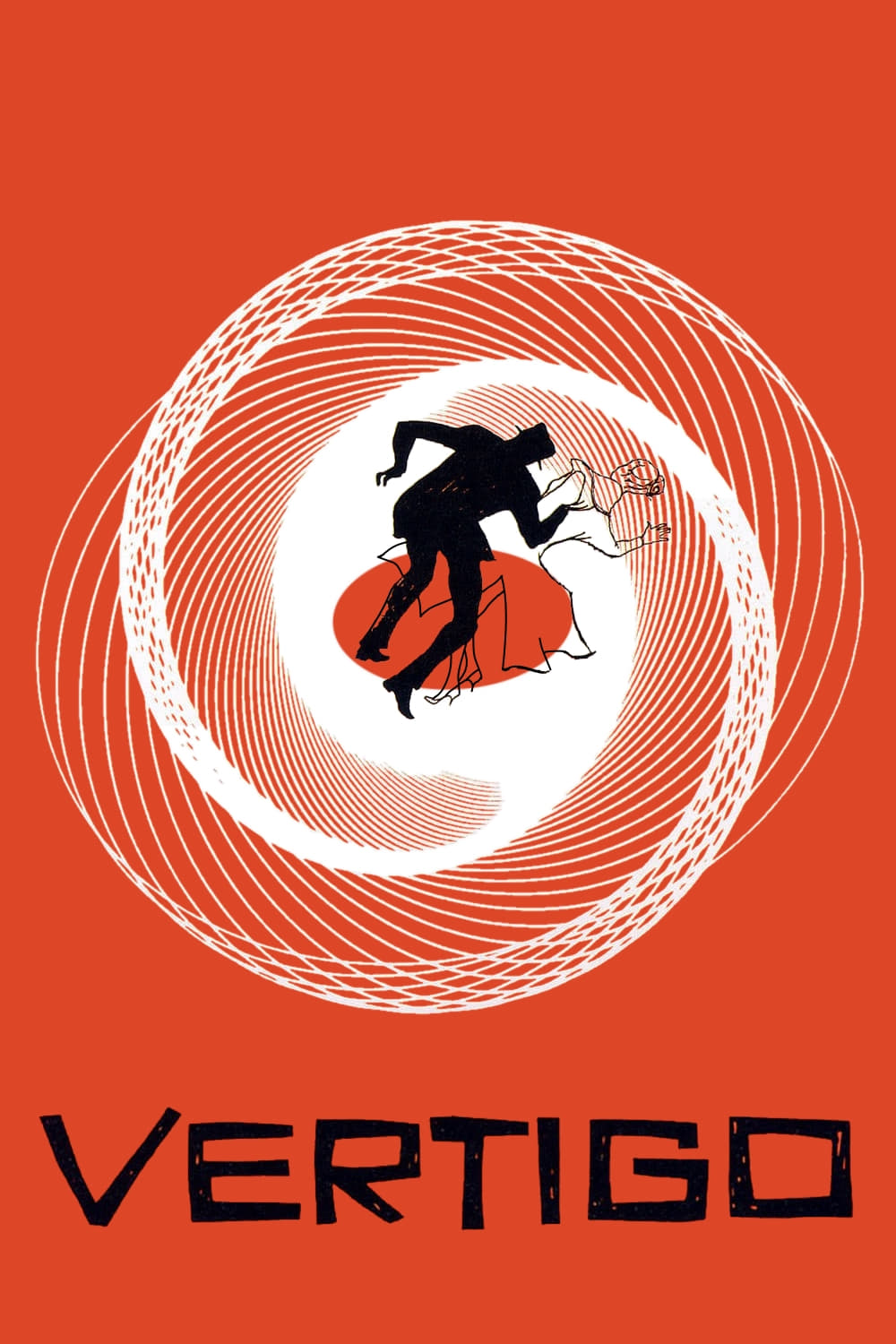
Hitchcock examines identity, deception, and surveillance through a detective with acrophobia drawn into a complex scheme. James Stewart and Kim Novak star, supported by Bernard Herrmann’s score. Camera techniques, color motifs, and San Francisco locations map the story’s layered revelations.
‘Memento’ (2000)
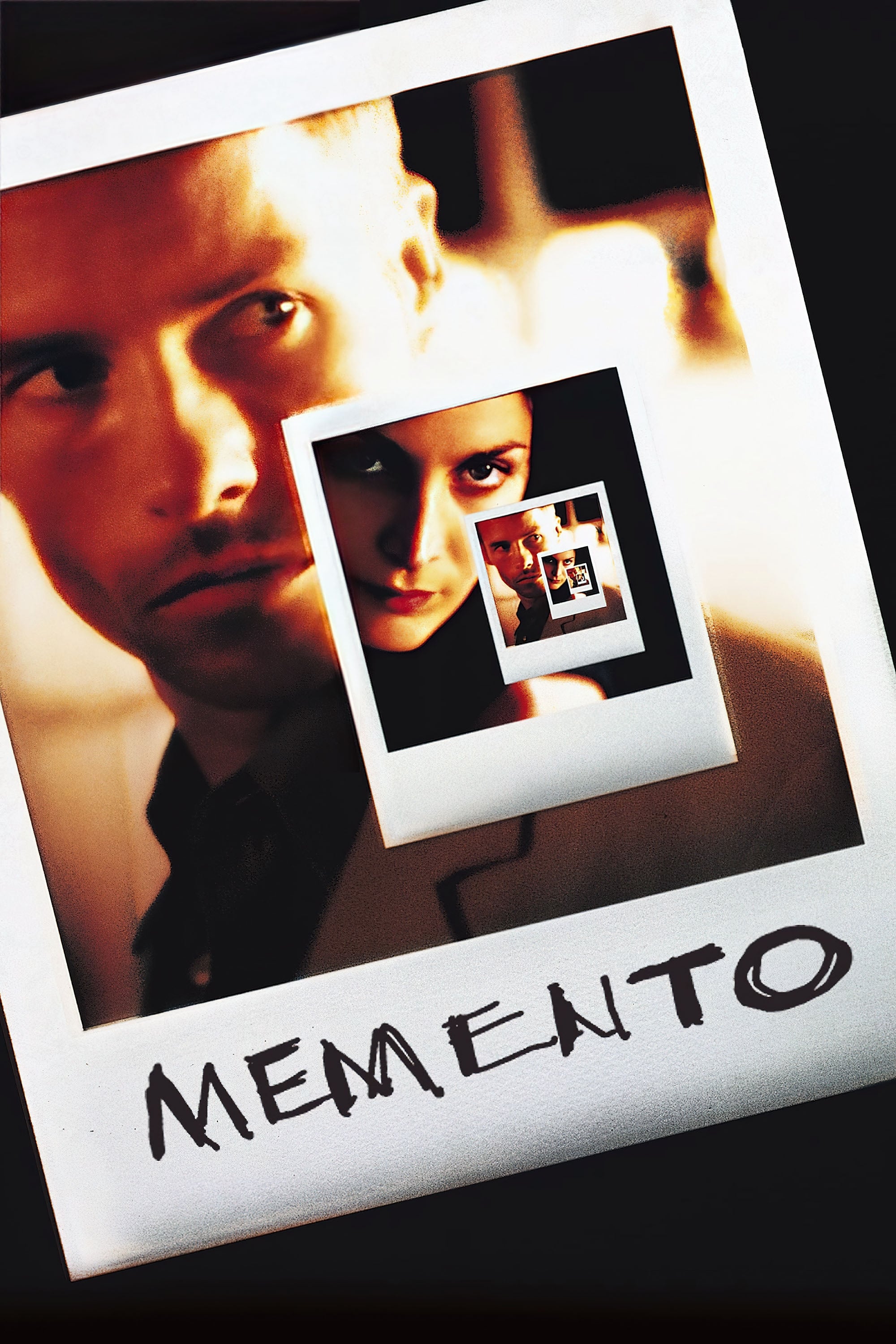
Christopher Nolan tells a nonlinear investigation through a protagonist with anterograde amnesia who relies on notes and tattoos. Guy Pearce leads a cast that navigates intercut color and black-and-white sequences. Reverse chronology and personal records structure how clues are gathered and interpreted.
‘The Usual Suspects’ (1995)
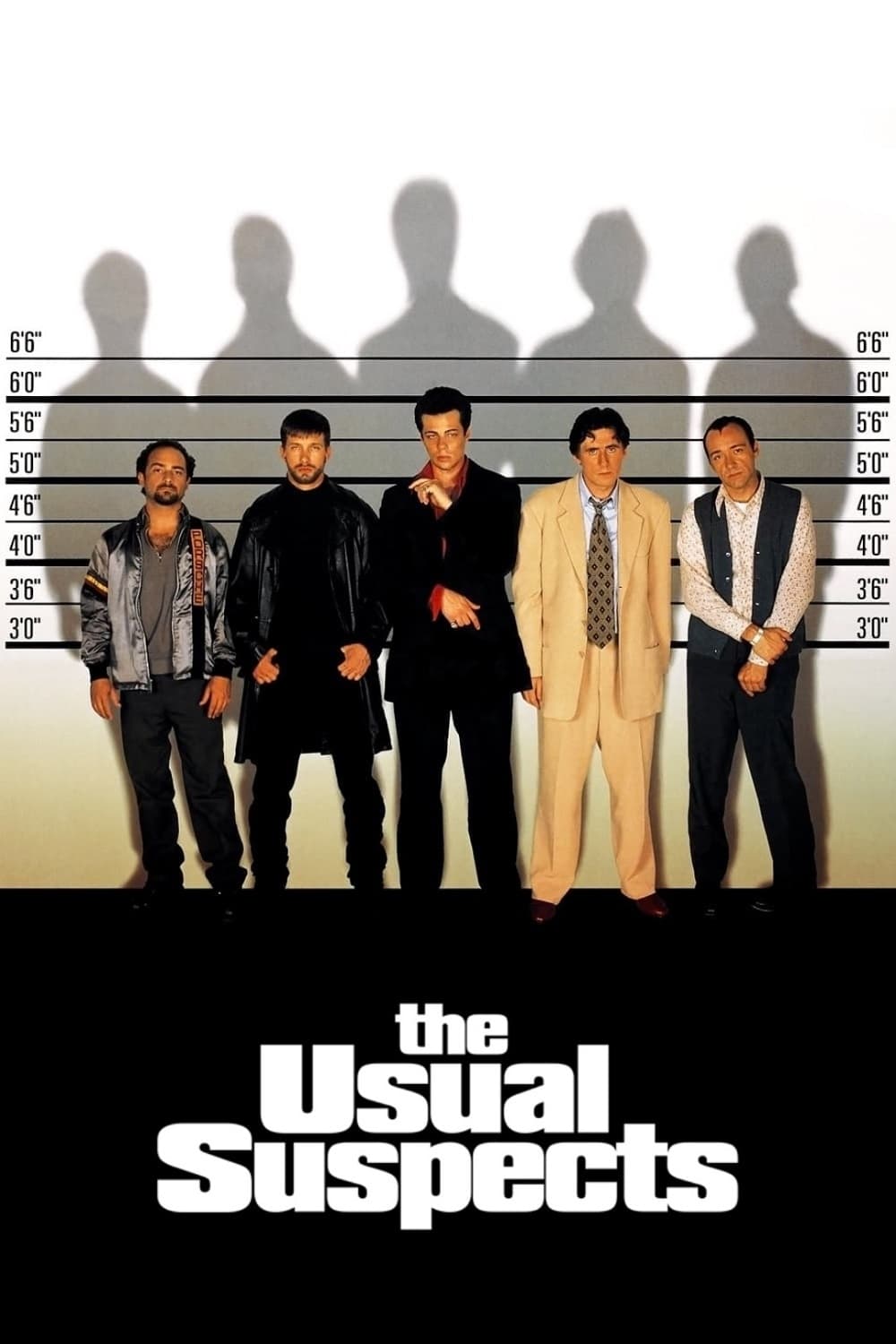
Bryan Singer directs a heist-turned-interrogation puzzle centered on the elusive figure Keyser Söze. Kevin Spacey, Gabriel Byrne, and Benicio Del Toro headline the ensemble. An unreliable narrator, conflicting testimonies, and nonlinear flashbacks reframe the evidence presented to investigators.
‘L.A. Confidential’ (1997)
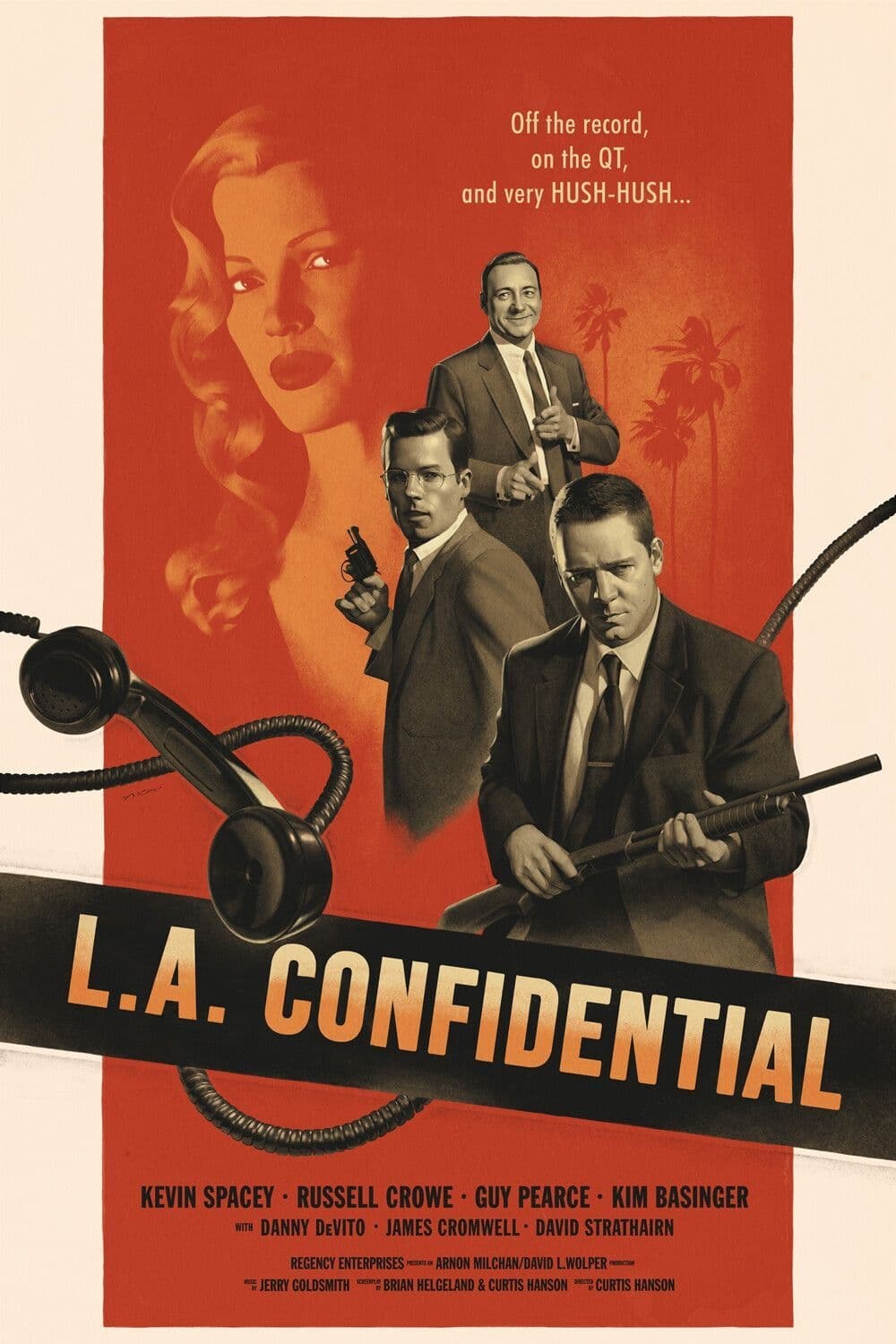
Curtis Hanson adapts James Ellroy’s novel about police corruption, tabloid scandals, and organized crime in Los Angeles. Russell Crowe, Guy Pearce, and Kevin Spacey headline, with Kim Basinger in a key supporting role. Case files, vice stings, and interdepartmental politics interlock across the investigation.
‘Mystic River’ (2003)
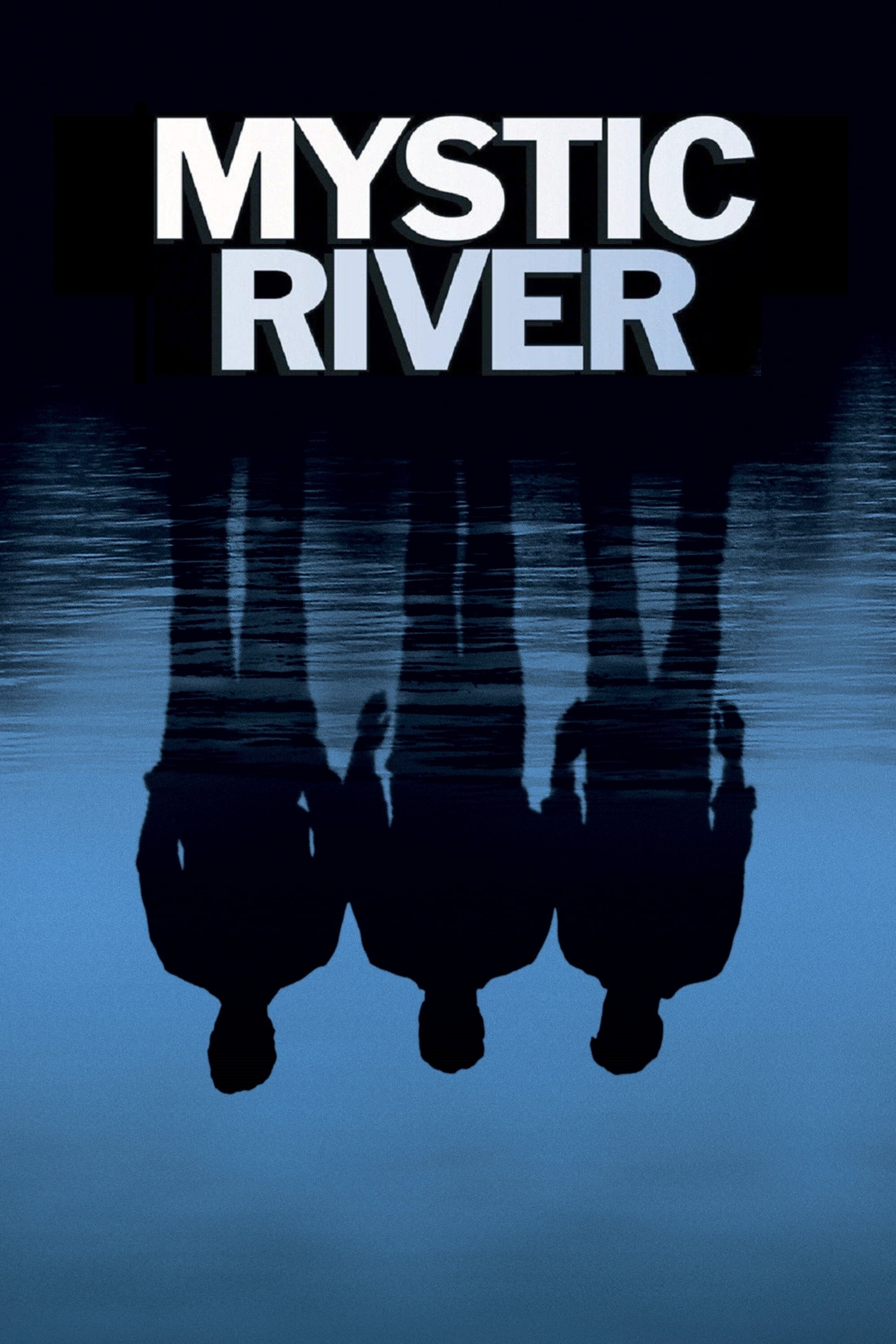
Clint Eastwood directs this drama about childhood friends whose lives intersect after a tragedy draws police scrutiny. Sean Penn, Tim Robbins, and Kevin Bacon lead the cast. Neighborhood ties, witness statements, and parallel inquiries examine the consequences of trauma and suspicion.
‘Gone Girl’ (2014)
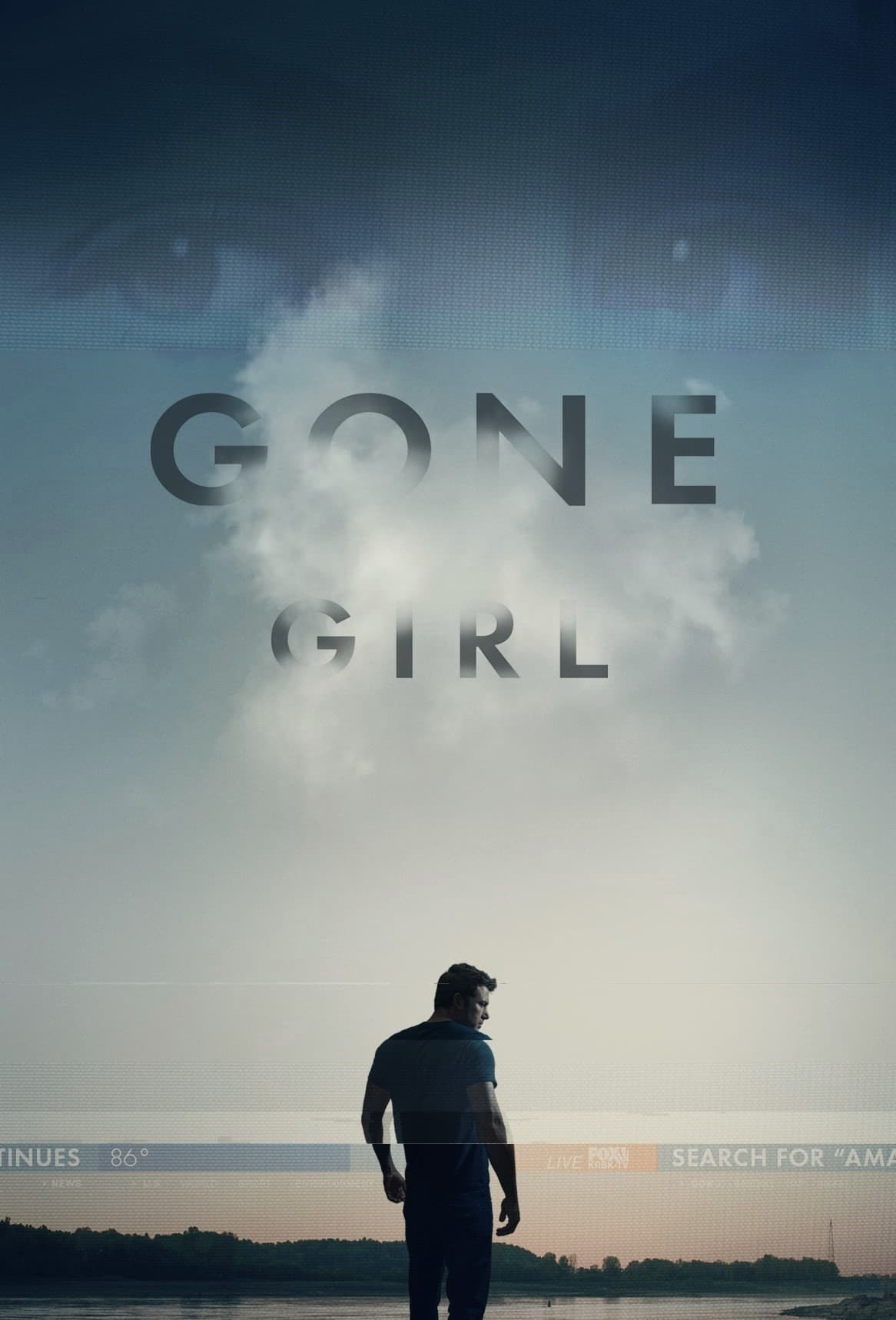
David Fincher adapts Gillian Flynn’s bestseller about a missing wife and the media storm that follows. Ben Affleck and Rosamund Pike star, with Flynn writing the screenplay. Press conferences, financial records, and competing narratives shape public perception and the course of the case.
‘Prisoners’ (2013)
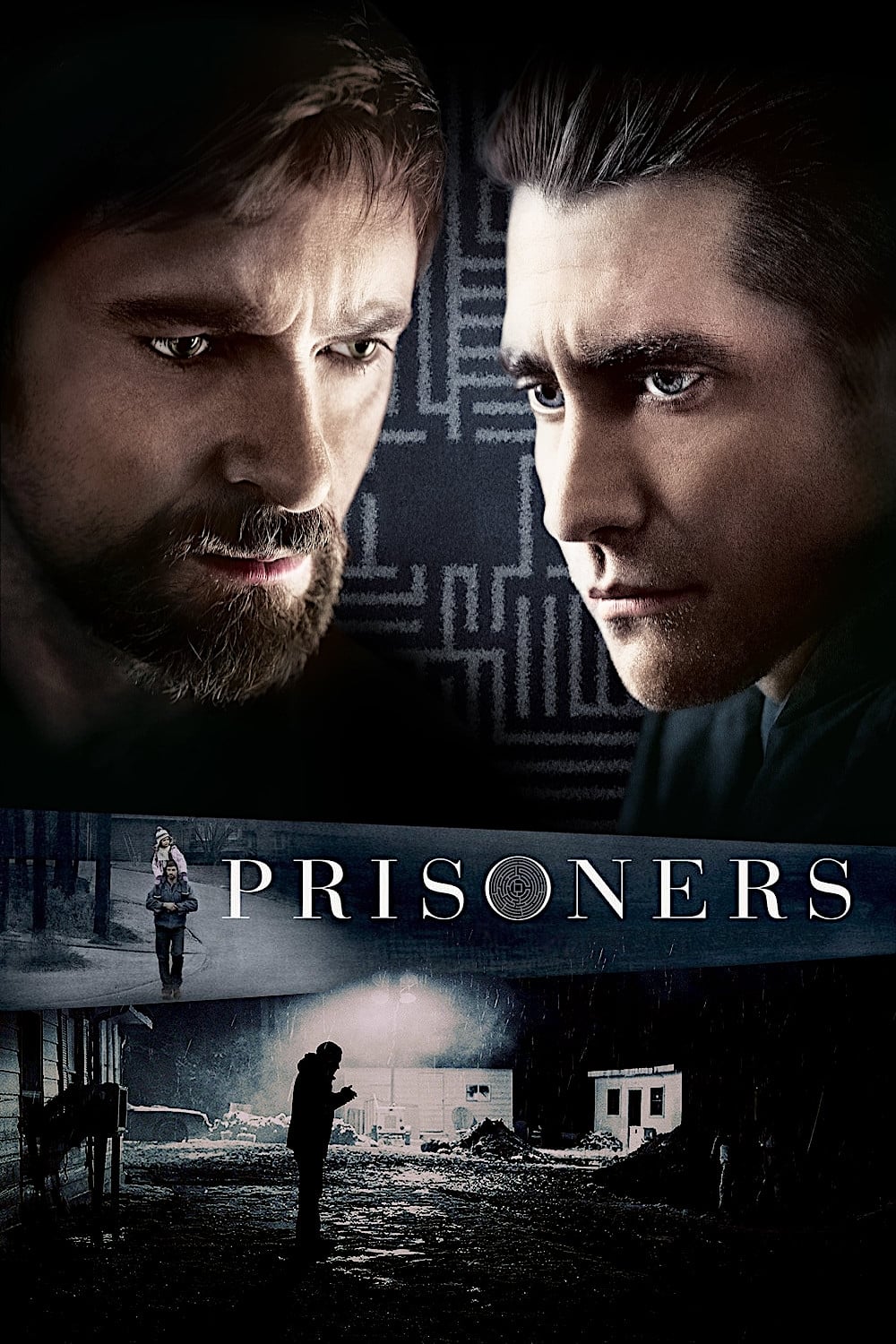
Denis Villeneuve’s thriller follows a father and a detective pursuing leads after two children disappear. Hugh Jackman and Jake Gyllenhaal anchor parallel approaches—vigilantism and procedure. Evidence boards, cold-weather searches, and dead-end tips illustrate the pressures of a time-sensitive investigation.
‘The Sixth Sense’ (1999)
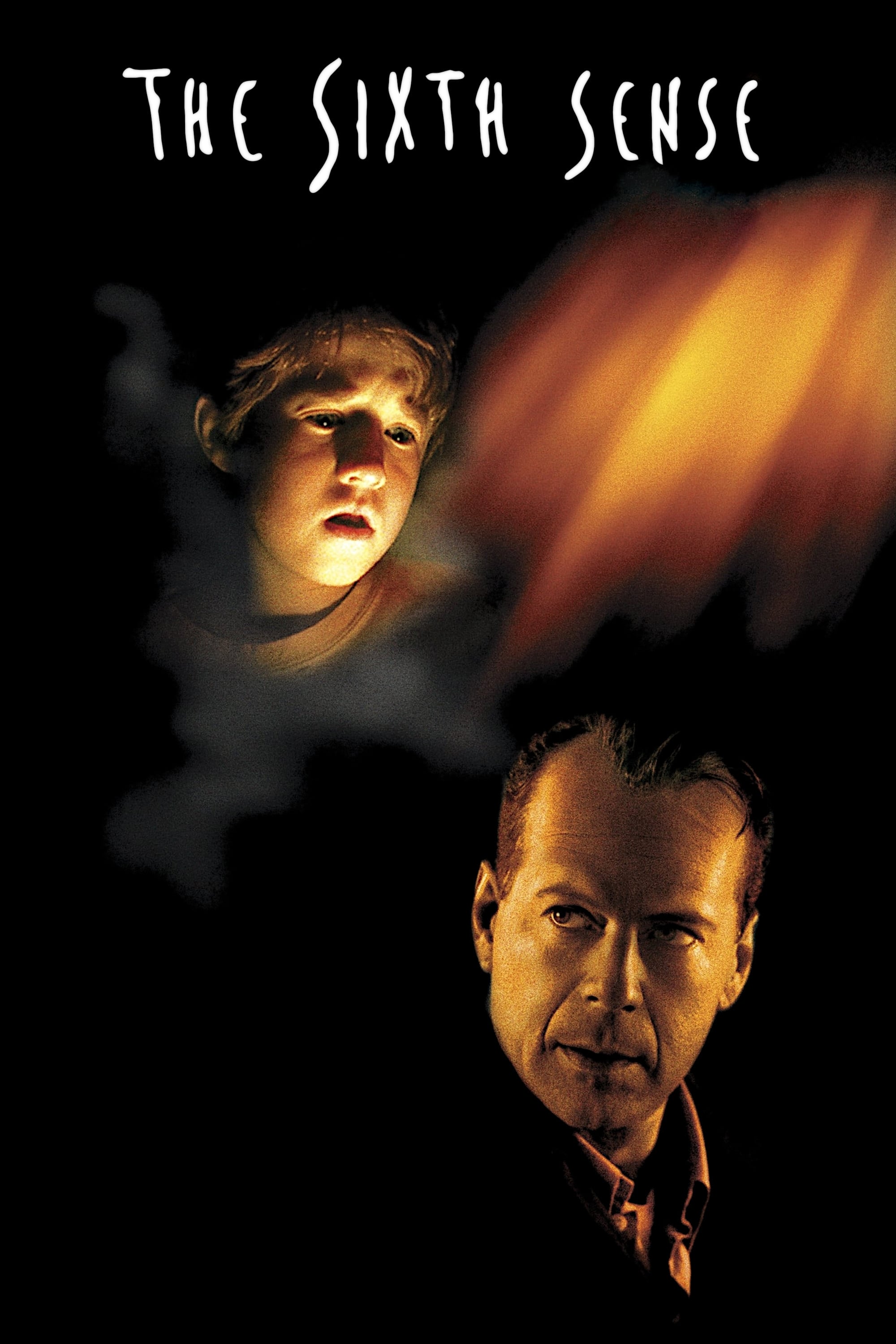
M. Night Shyamalan’s story centers on a child psychologist working with a boy who says he can see the dead. Bruce Willis and Haley Joel Osment lead the cast. Careful staging, recurring visual cues, and patient dialogue place emphasis on observation and inference.
‘Shutter Island’ (2010)
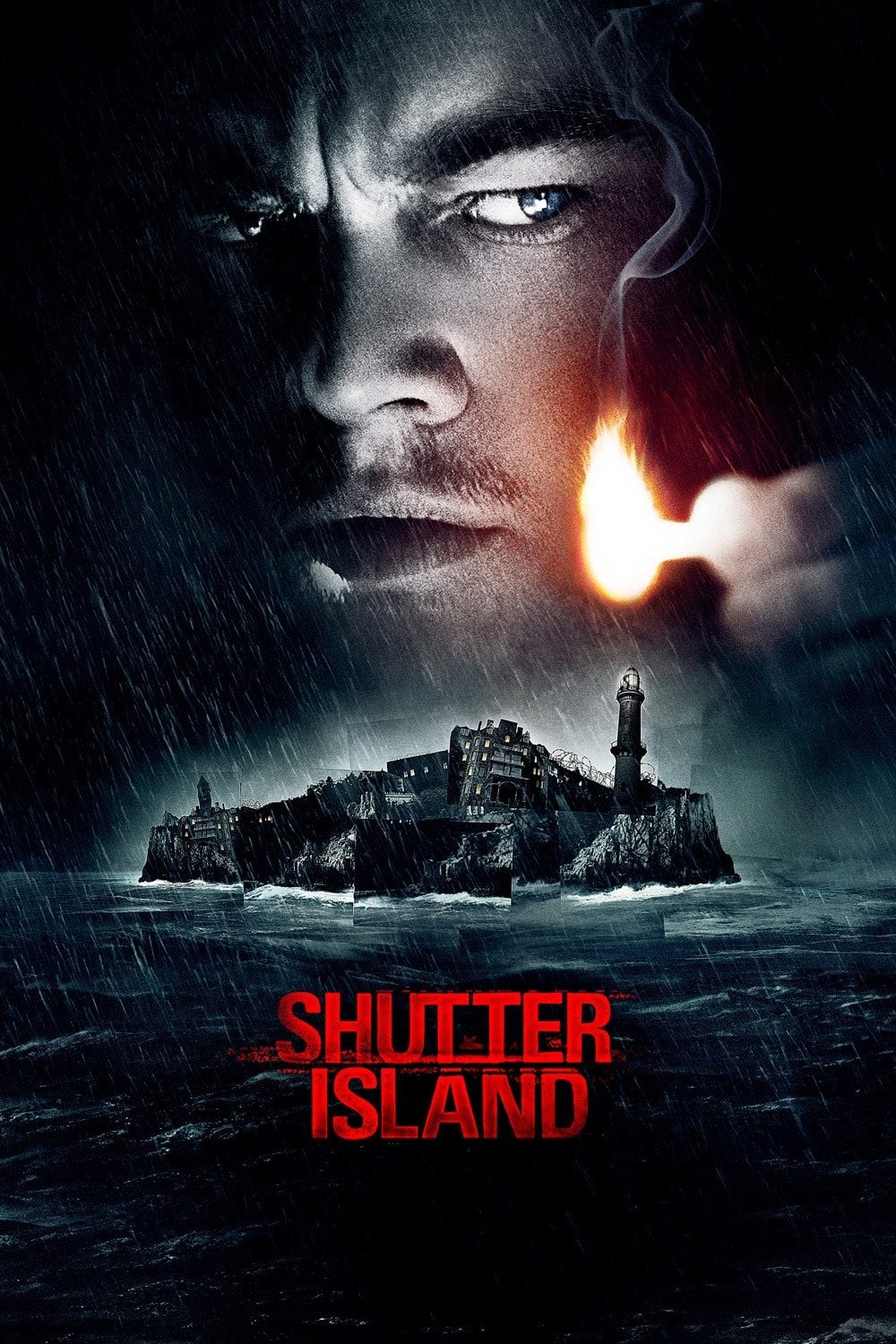
Martin Scorsese adapts Dennis Lehane’s novel about U.S. Marshals investigating a patient’s disappearance at a remote facility. Leonardo DiCaprio and Mark Ruffalo star. Intake forms, staff interviews, and storm-isolated grounds narrow and complicate the search.
‘Memories of Murder’ (2003)
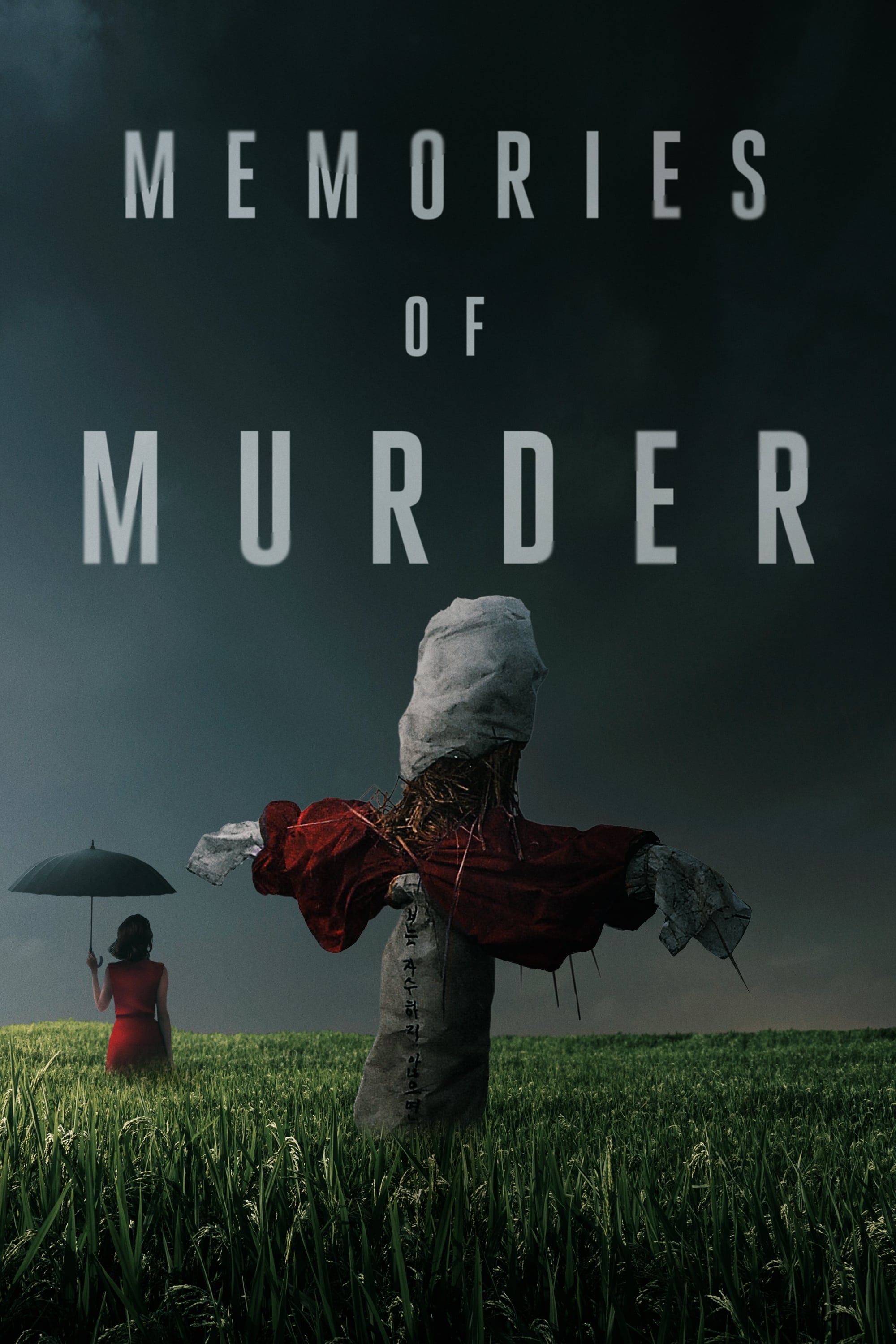
Bong Joon Ho dramatizes a series of killings investigated by detectives with contrasting methods. Song Kang-ho and Kim Sang-kyung headline. Rural terrain, forensic constraints, and evolving tactics show a department adapting under pressure.
‘The Girl with the Dragon Tattoo’ (2011)
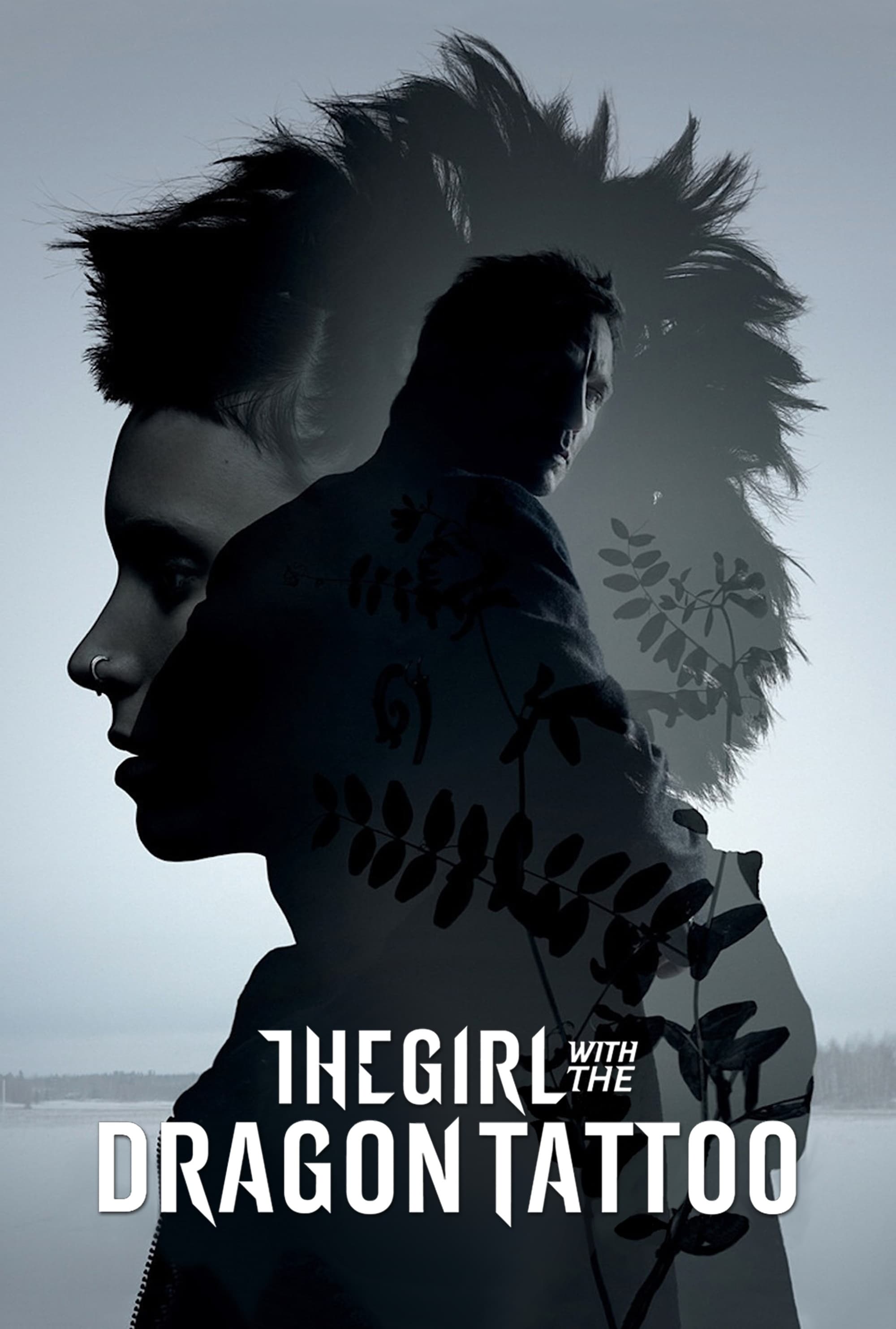
David Fincher adapts Stieg Larsson’s novel, pairing a journalist and a hacker to probe a wealthy family’s past. Rooney Mara and Daniel Craig lead the investigation. Corporate archives, financial trails, and digitized records reveal decades-old connections.
‘Knives Out’ (2019)
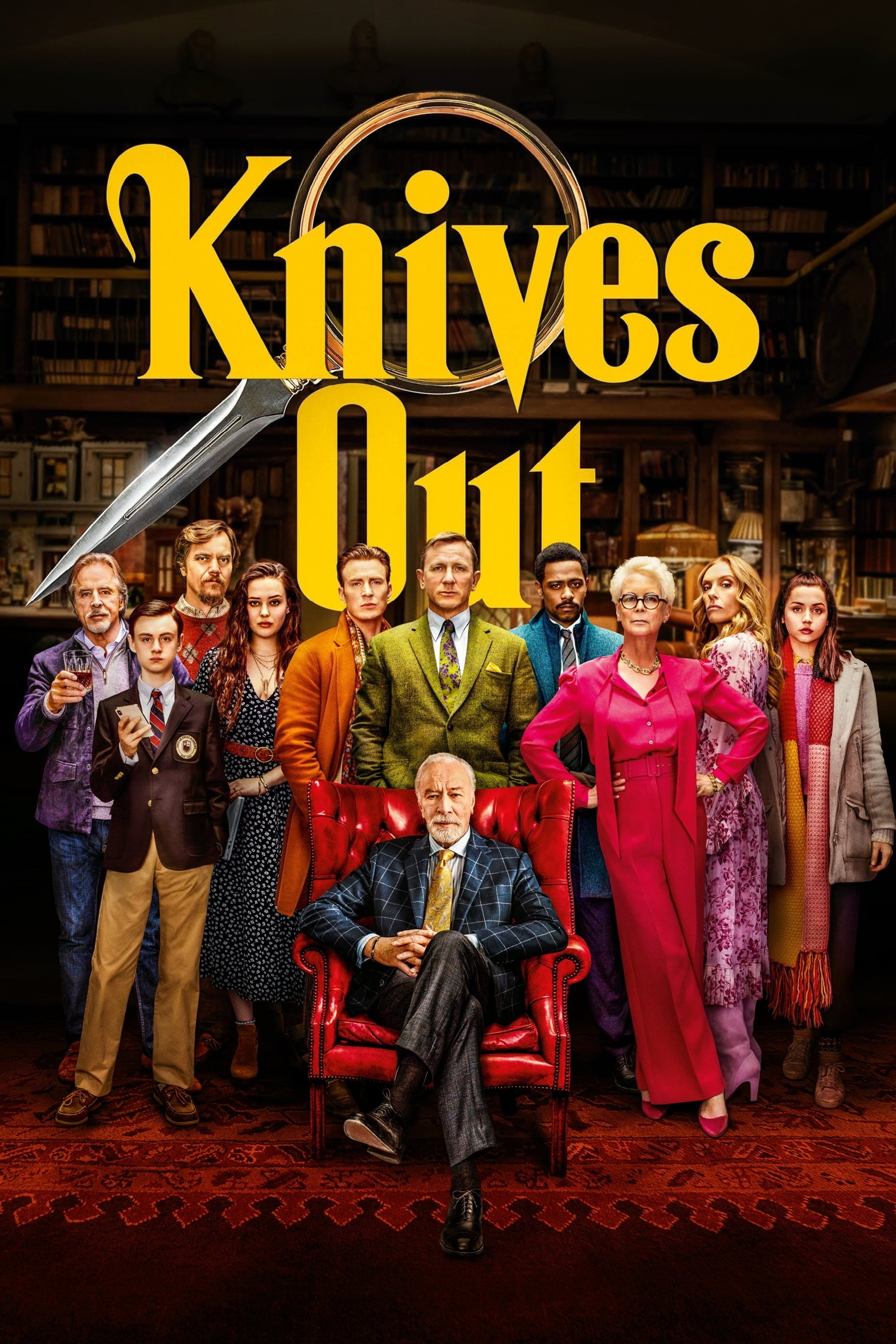
Rian Johnson crafts a country-house whodunit led by detective Benoit Blanc, played by Daniel Craig. Ana de Armas and an ensemble portray witnesses whose accounts overlap and diverge. Floor plans, contested alibis, and inheritance documents lay out solvable clues.
‘The Big Sleep’ (1946)
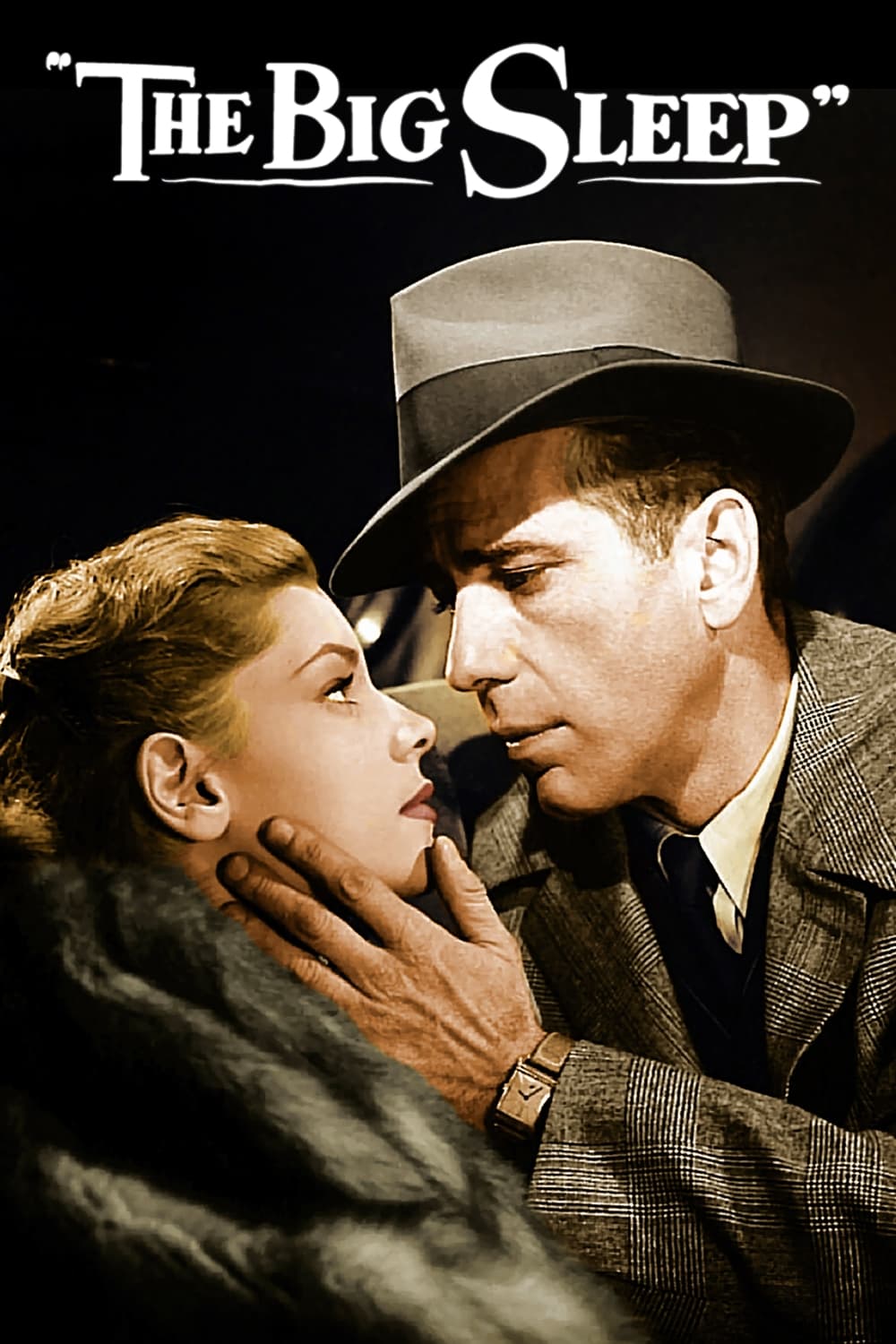
Howard Hawks adapts Raymond Chandler’s novel, with Humphrey Bogart as Philip Marlowe and Lauren Bacall co-starring. Rapid-fire dialogue and layered plotlines define the case. Blackmail notes, missing persons, and competing enforcers drive the detective’s rounds.
‘The Maltese Falcon’ (1941)
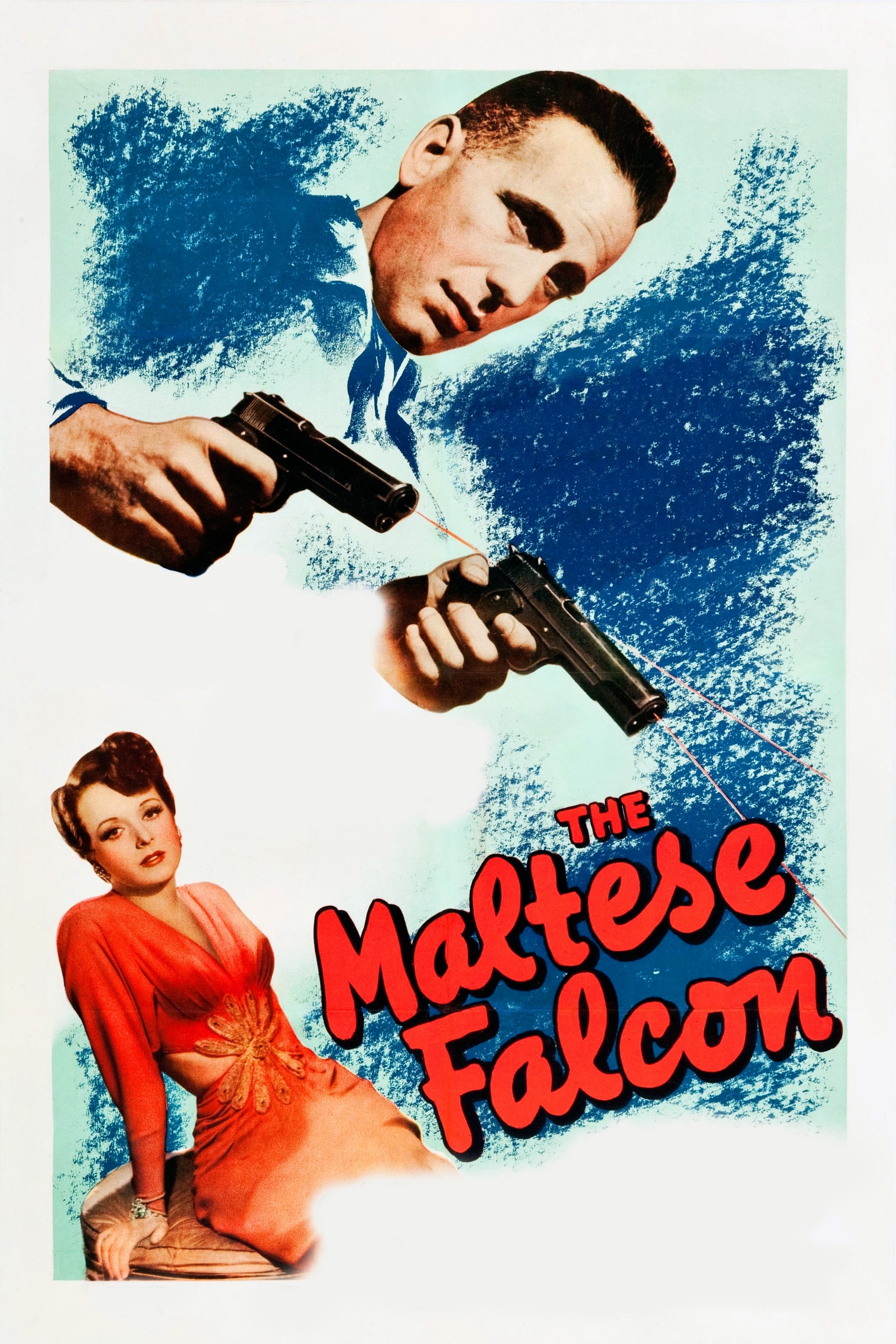
John Huston adapts Dashiell Hammett’s novel about a private eye entangled in the hunt for a valuable statuette. Humphrey Bogart, Mary Astor, and Sydney Greenstreet headline. Interrogations, office confrontations, and traded artifacts escalate the stakes around a single object.
‘The Third Man’ (1949)
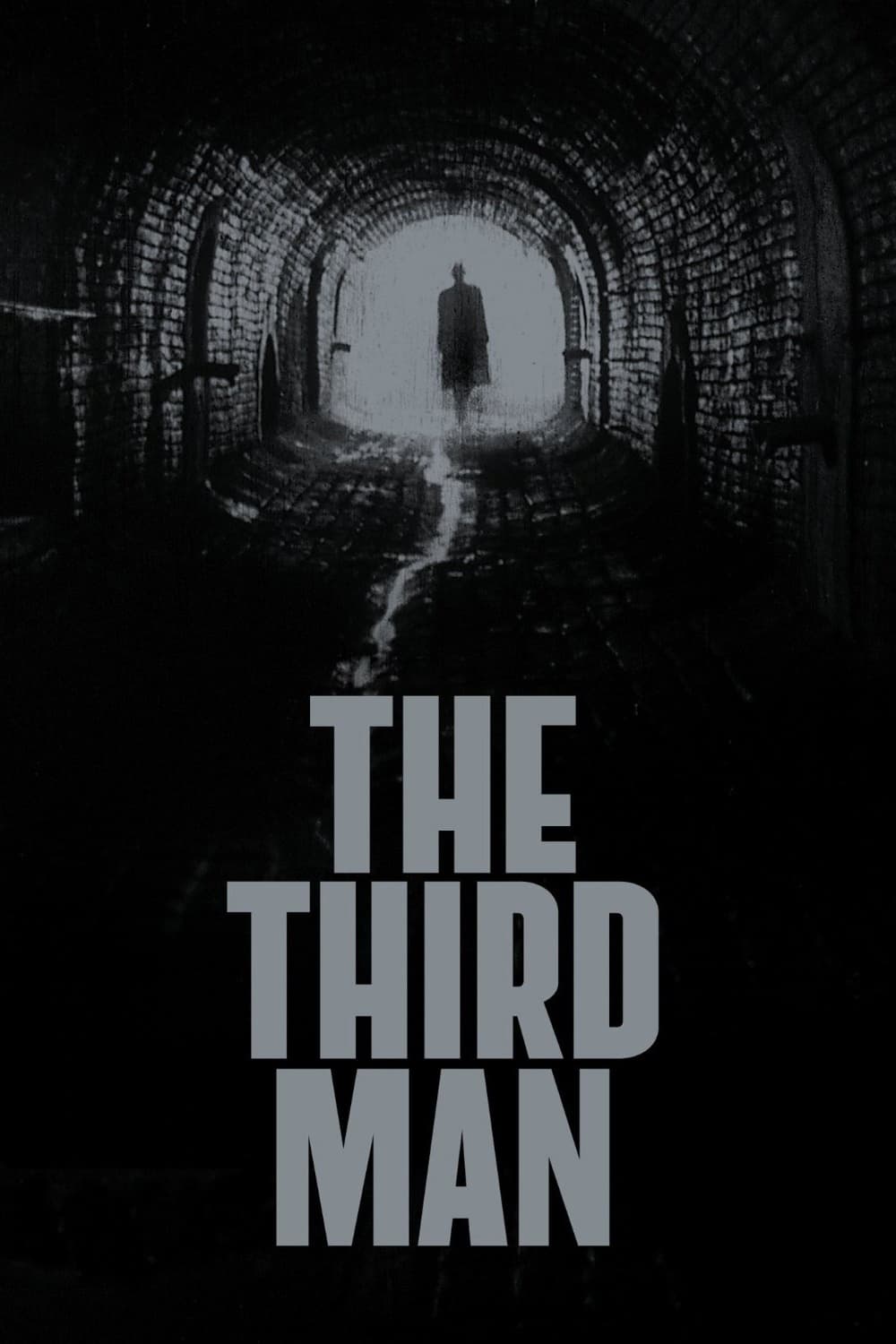
Carol Reed sets this mystery in postwar Vienna, where a pulp writer seeks the truth about a friend’s death. Joseph Cotten and Orson Welles star, with Anton Karas’s zither score. Divided-city checkpoints, sewer tunnels, and black-market dealings structure the inquiry.
‘Mulholland Drive’ (2001)
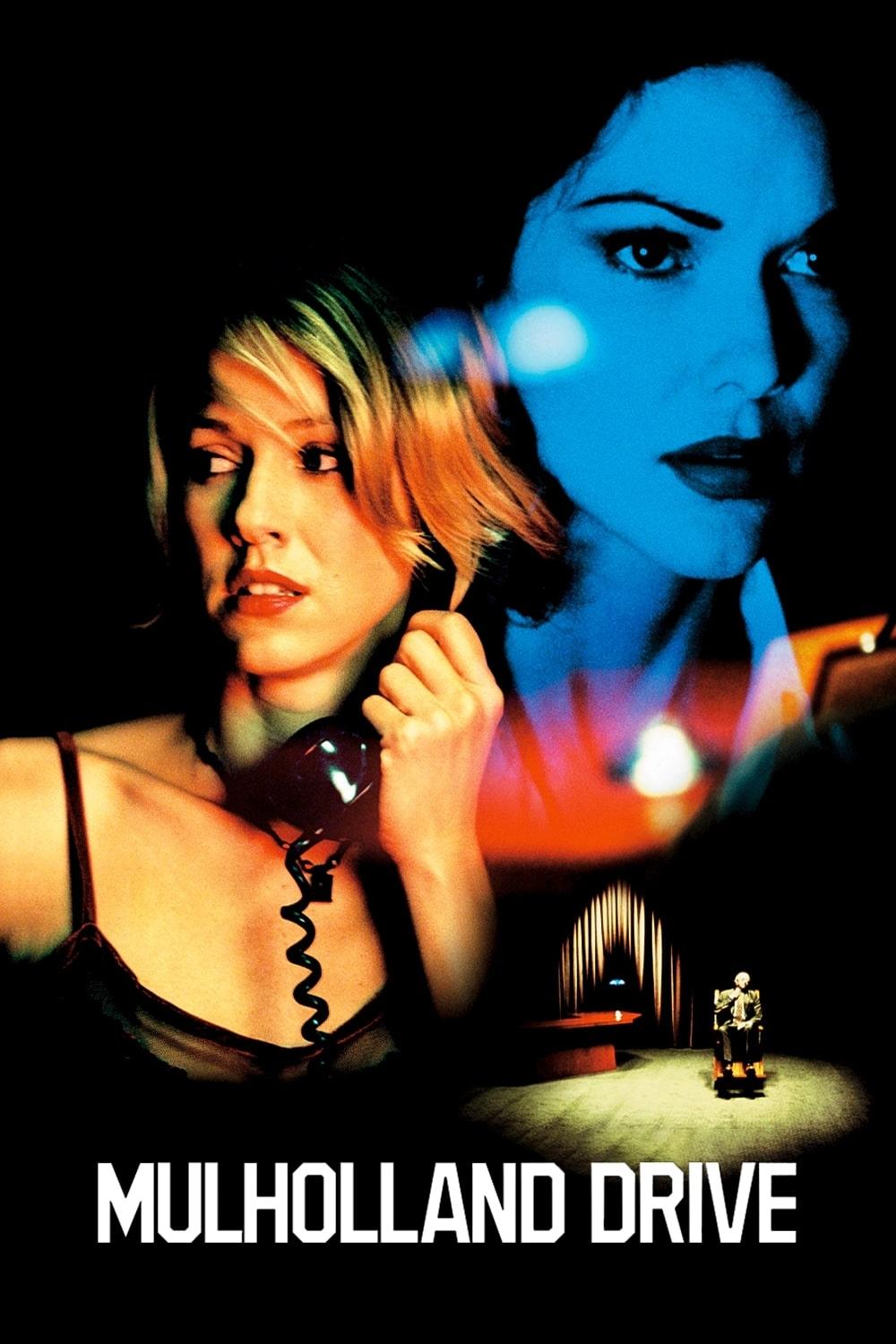
David Lynch weaves a Hollywood-set mystery between interlocking identities and buried histories. Naomi Watts and Laura Harring lead the cast. Keys, audition tapes, and a blue box serve as recurring objects that connect parallel storylines.
‘Blue Velvet’ (1986)
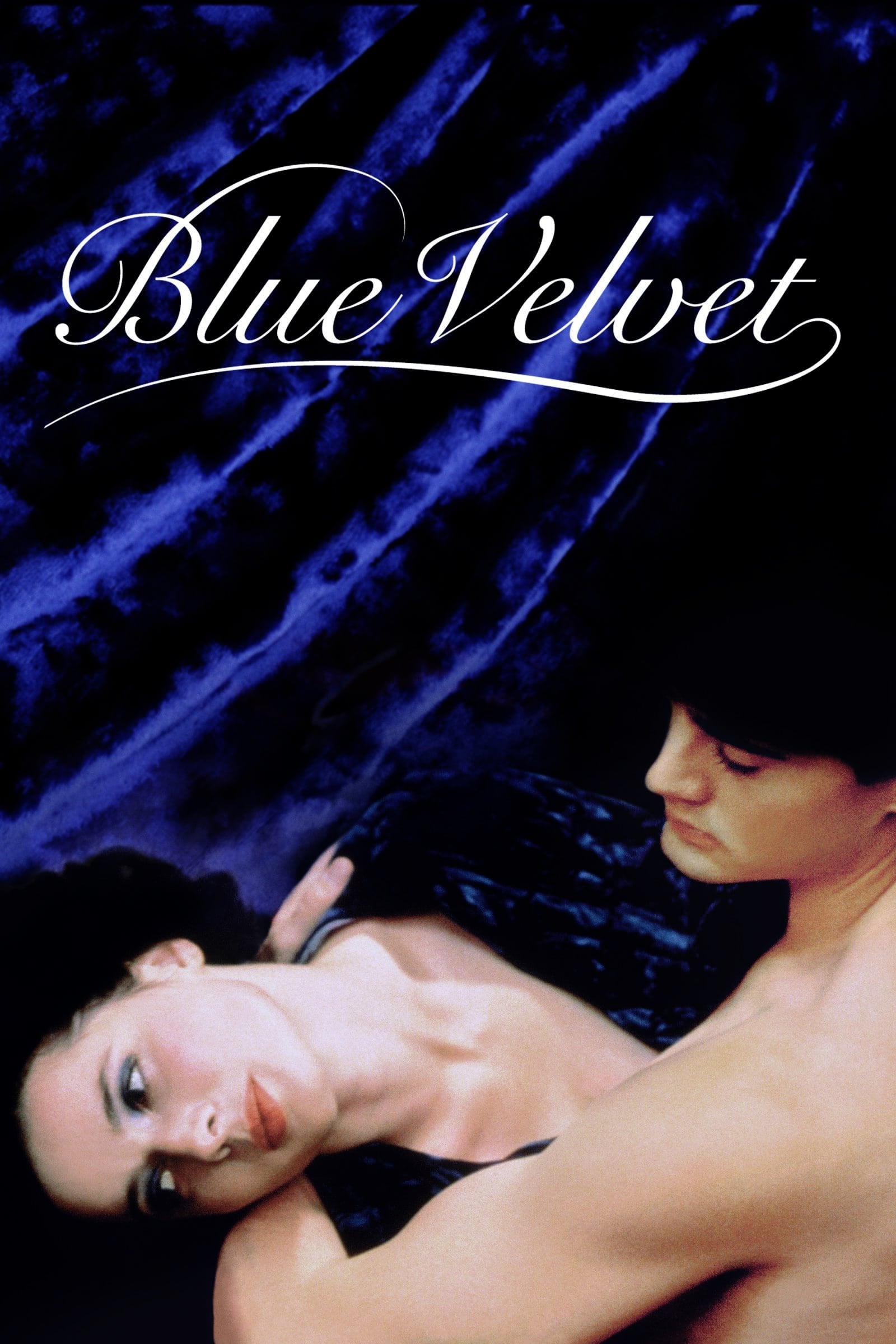
David Lynch investigates a small town’s hidden criminal network after a severed ear turns up in a field. Kyle MacLachlan, Isabella Rossellini, and Dennis Hopper star. Nightclubs, warehouses, and suburban interiors become sites of surveillance and discovery.
‘Oldboy’ (2003)
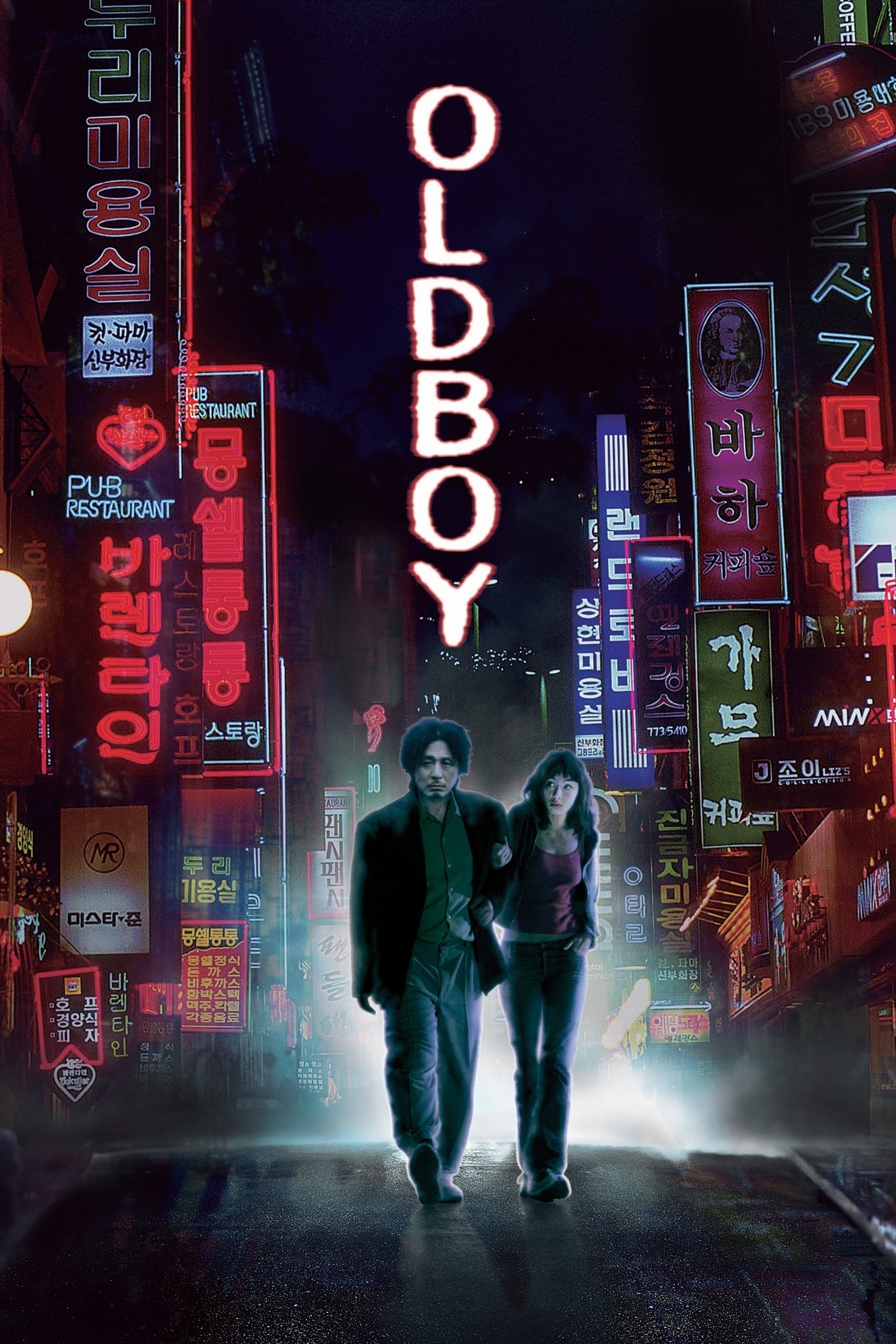
Park Chan-wook’s neo-noir follows a man mysteriously imprisoned and released, who then hunts his captor. Choi Min-sik leads the film. Hypnosis, personal records, and staged encounters guide the protagonist through a revenge-driven investigation.
‘The Wicker Man’ (1973)
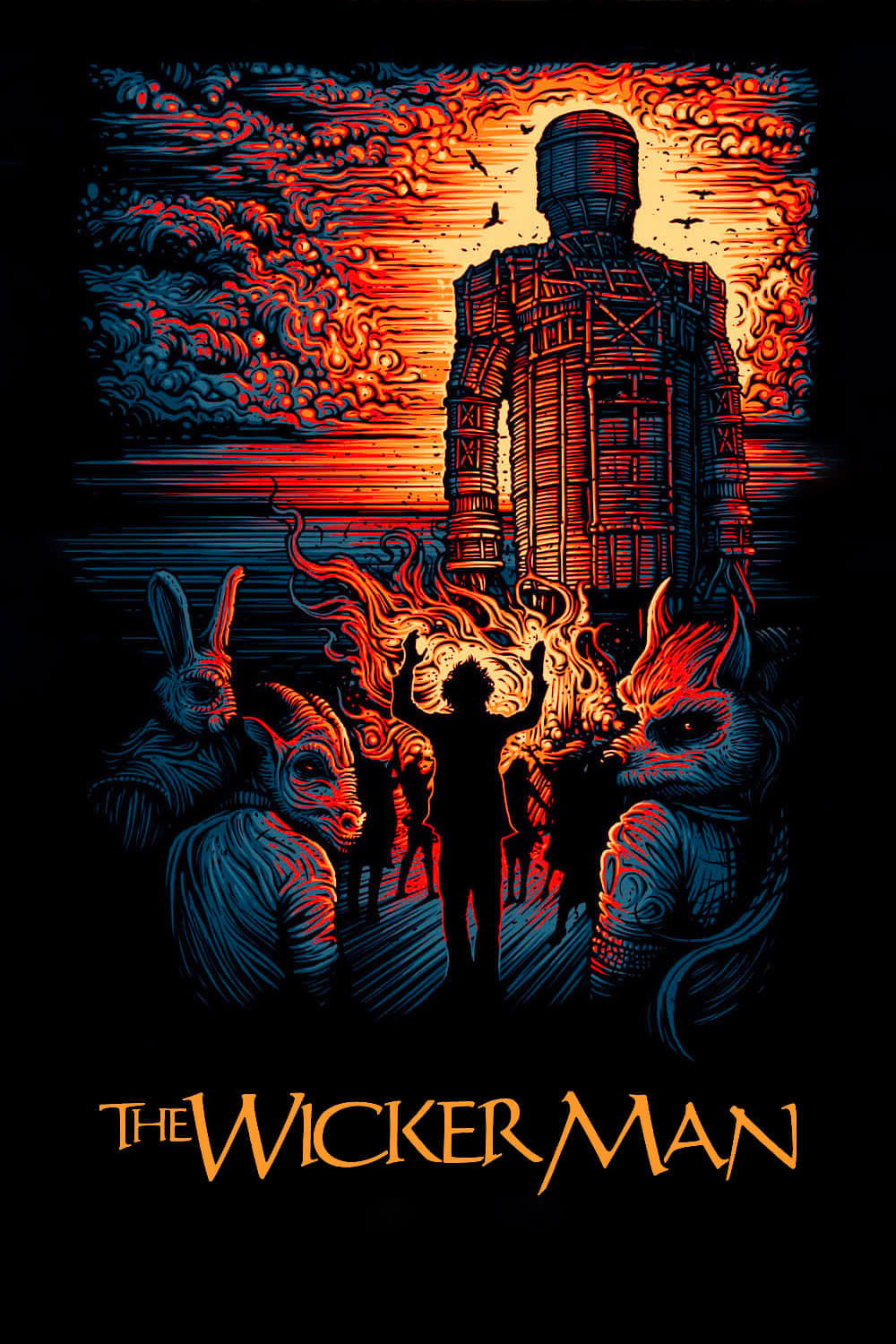
Robin Hardy directs a folk mystery about a police sergeant searching for a missing girl on a remote island. Edward Woodward and Christopher Lee star. Local rituals, school registers, and conflicting testimonies pit official procedure against insular customs.
‘The Secret in Their Eyes’ (2009)
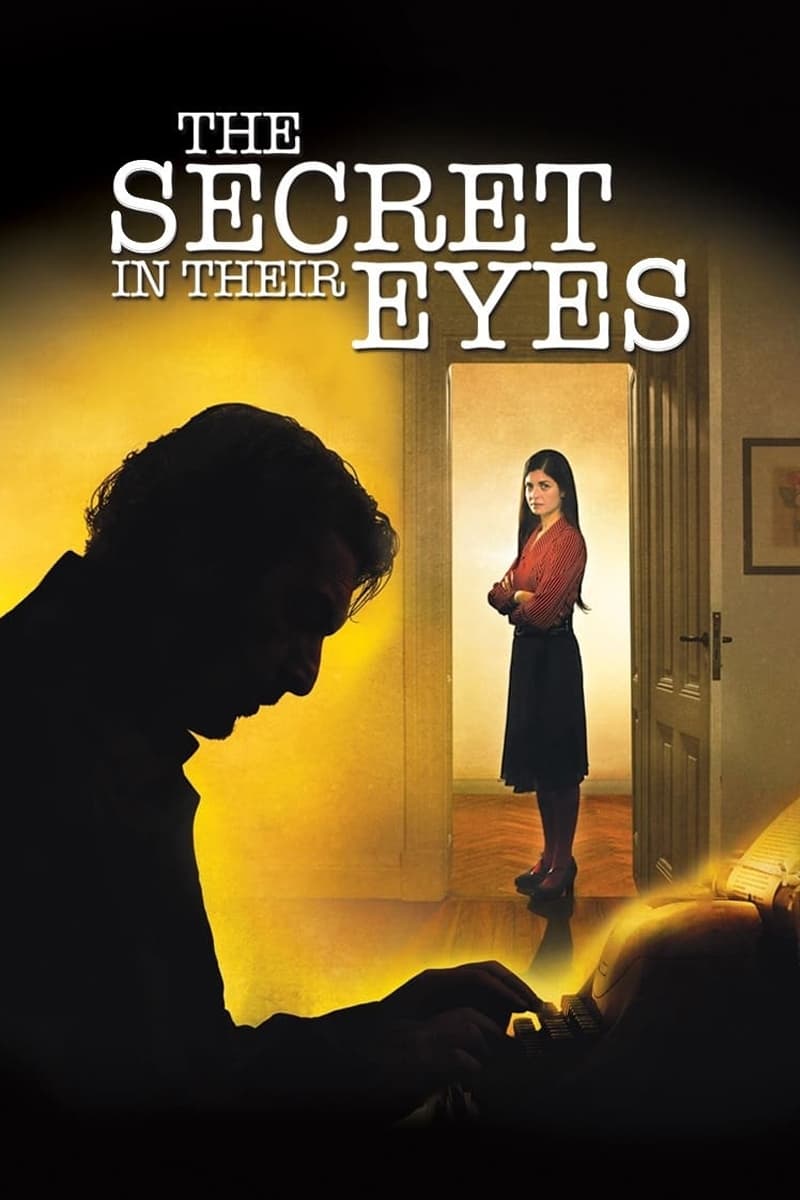
Juan José Campanella’s crime drama follows a retired investigator revisiting an unresolved case and an enduring attachment. Ricardo Darín, Soledad Villamil, and Guillermo Francella headline. Court documents, photographic evidence, and timeline shifts connect past and present leads.
‘Rashomon’ (1950)
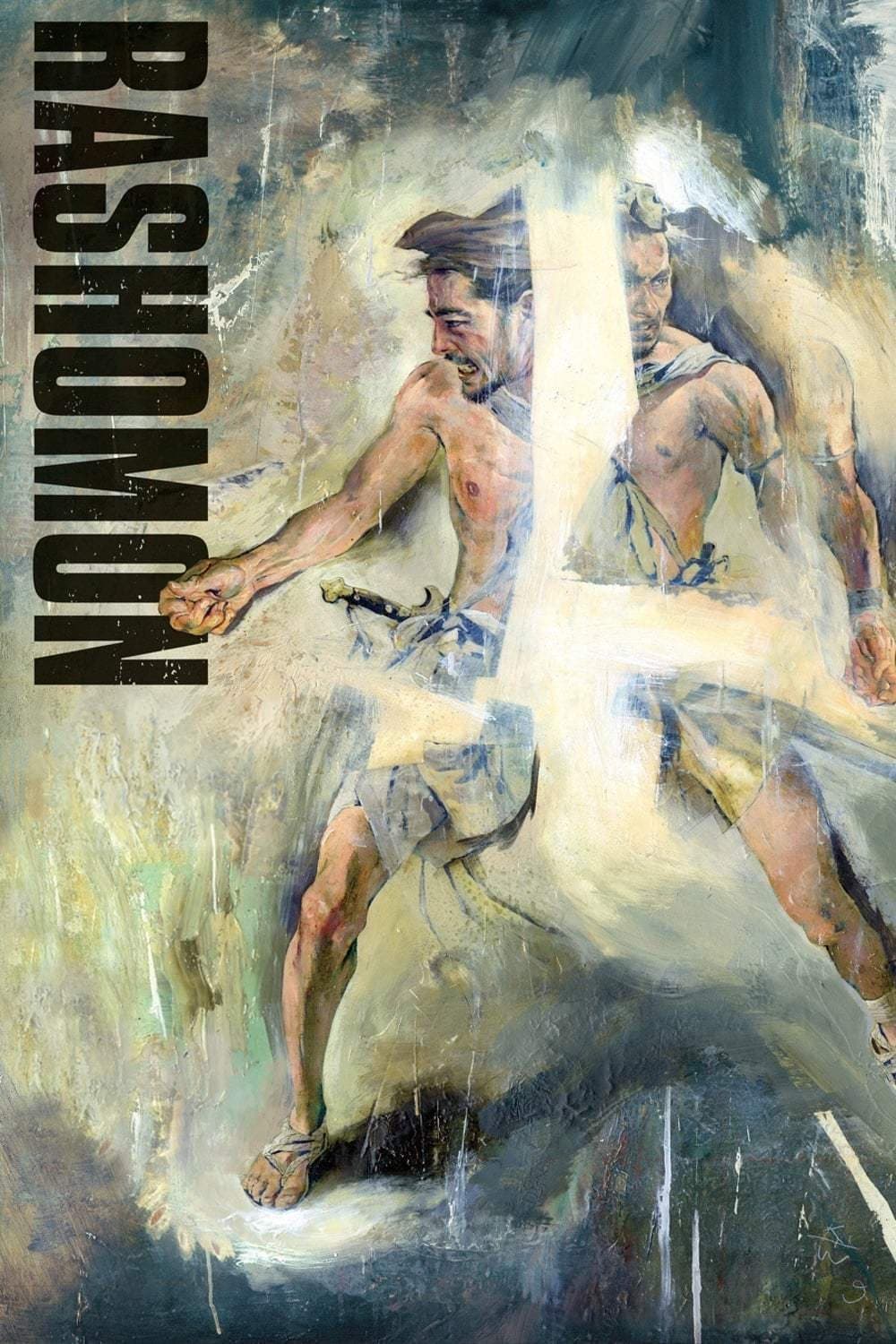
Akira Kurosawa presents a crime recounted from multiple perspectives that contradict one another. Toshiro Mifune, Machiko Kyō, and Takashi Shimura lead the ensemble. Testimony framing, contested details, and a forest setting examine how perception alters recorded truth.
‘Witness for the Prosecution’ (1957)
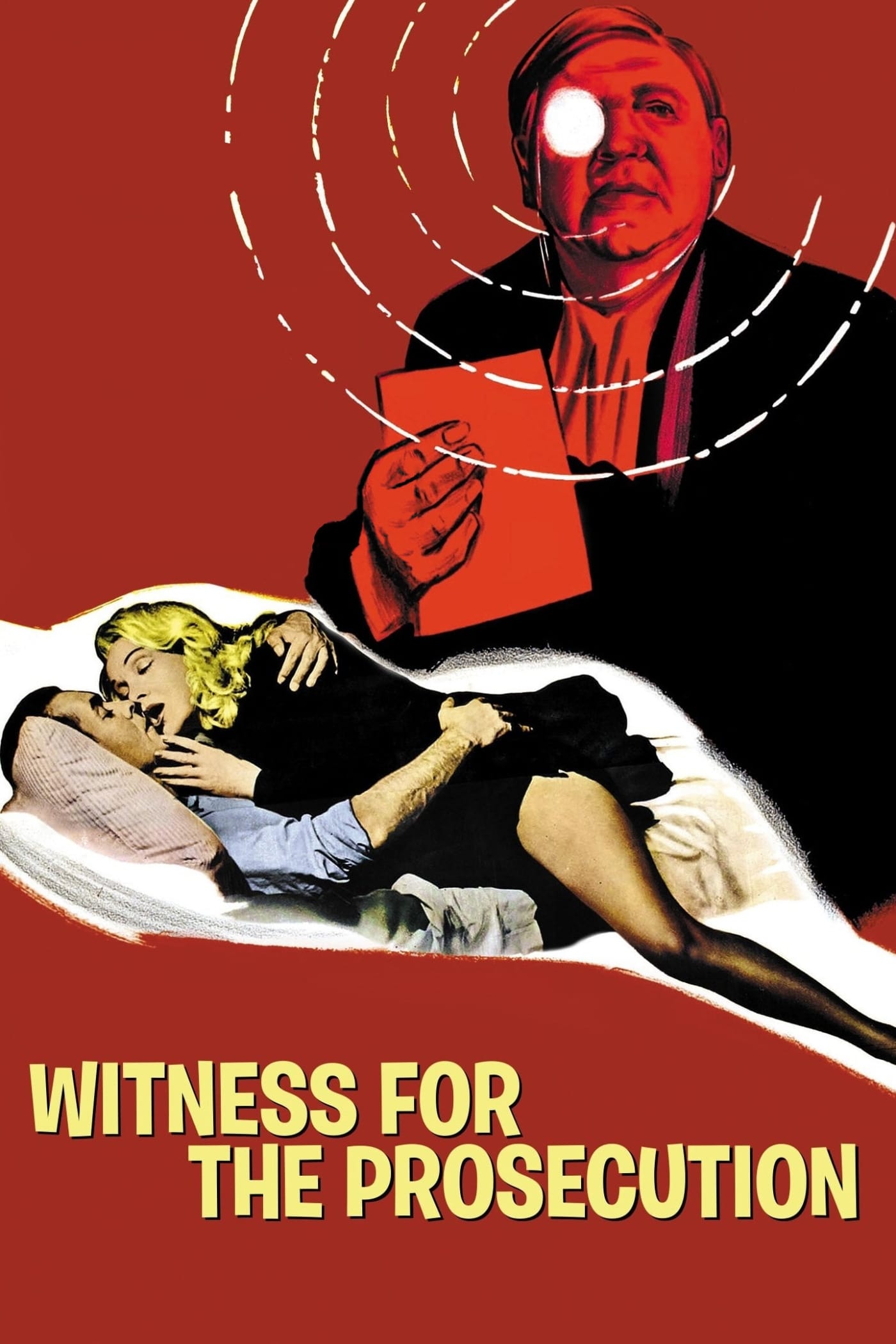
Billy Wilder adapts Agatha Christie’s courtroom mystery about a murder trial complicated by an elusive spouse. Charles Laughton, Marlene Dietrich, and Tyrone Power star. Cross-examinations, medical reports, and contradictory alibis structure the case.
‘The Night of the Hunter’ (1955)

Charles Laughton’s film follows a self-styled preacher who seeks hidden money left by a condemned man. Robert Mitchum and Shelley Winters headline. Hymns, coded threats, and river journeys mark a pursuit observed largely through children’s eyes.
‘The Thin Man’ (1934)
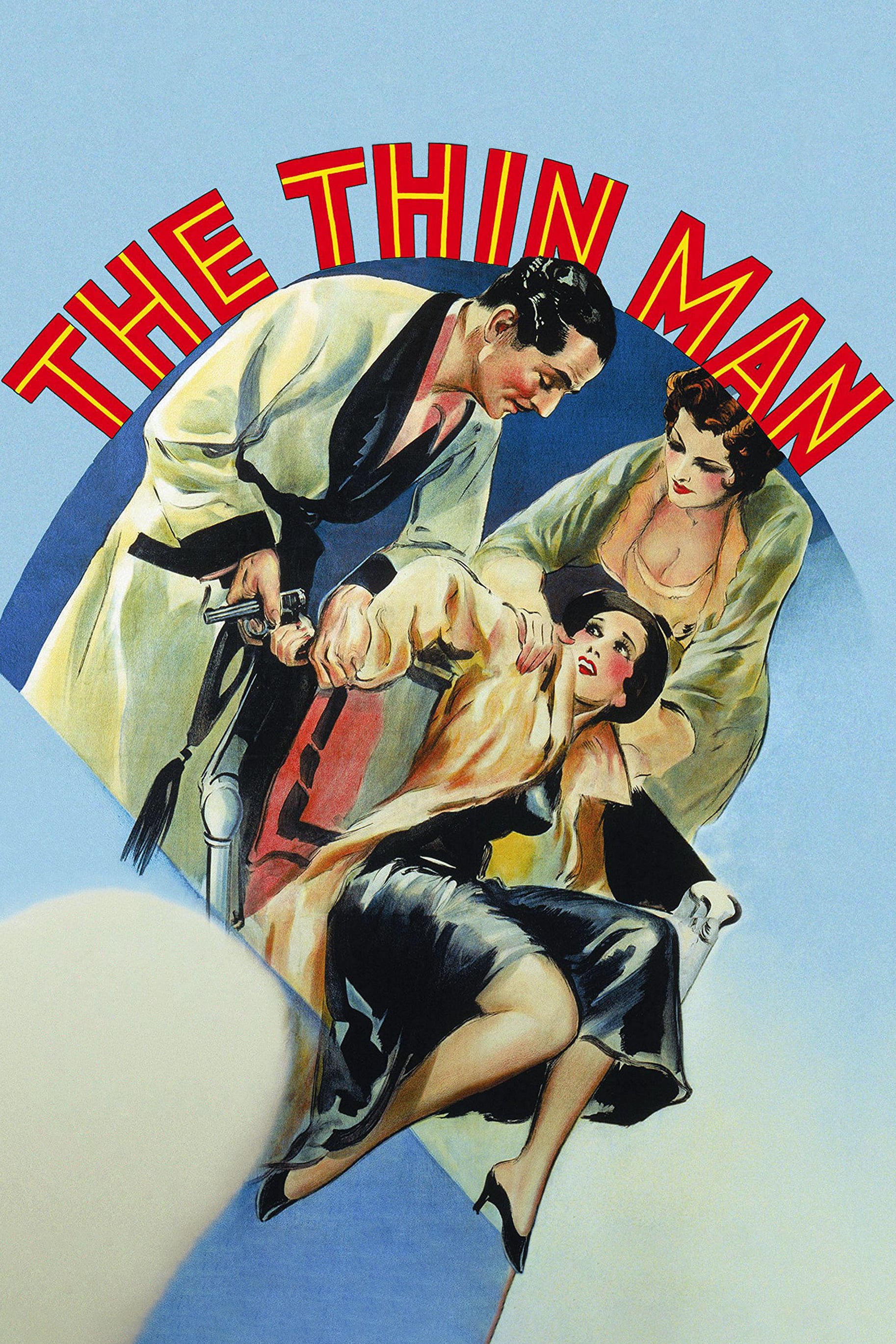
W. S. Van Dyke adapts Dashiell Hammett’s novel about Nick and Nora Charles investigating a disappearance. William Powell and Myrna Loy bring quick-witted teamwork to the case. Party guest lists, business quarrels, and overlapping social circles supply suspects and motives.
‘Double Indemnity’ (1944)
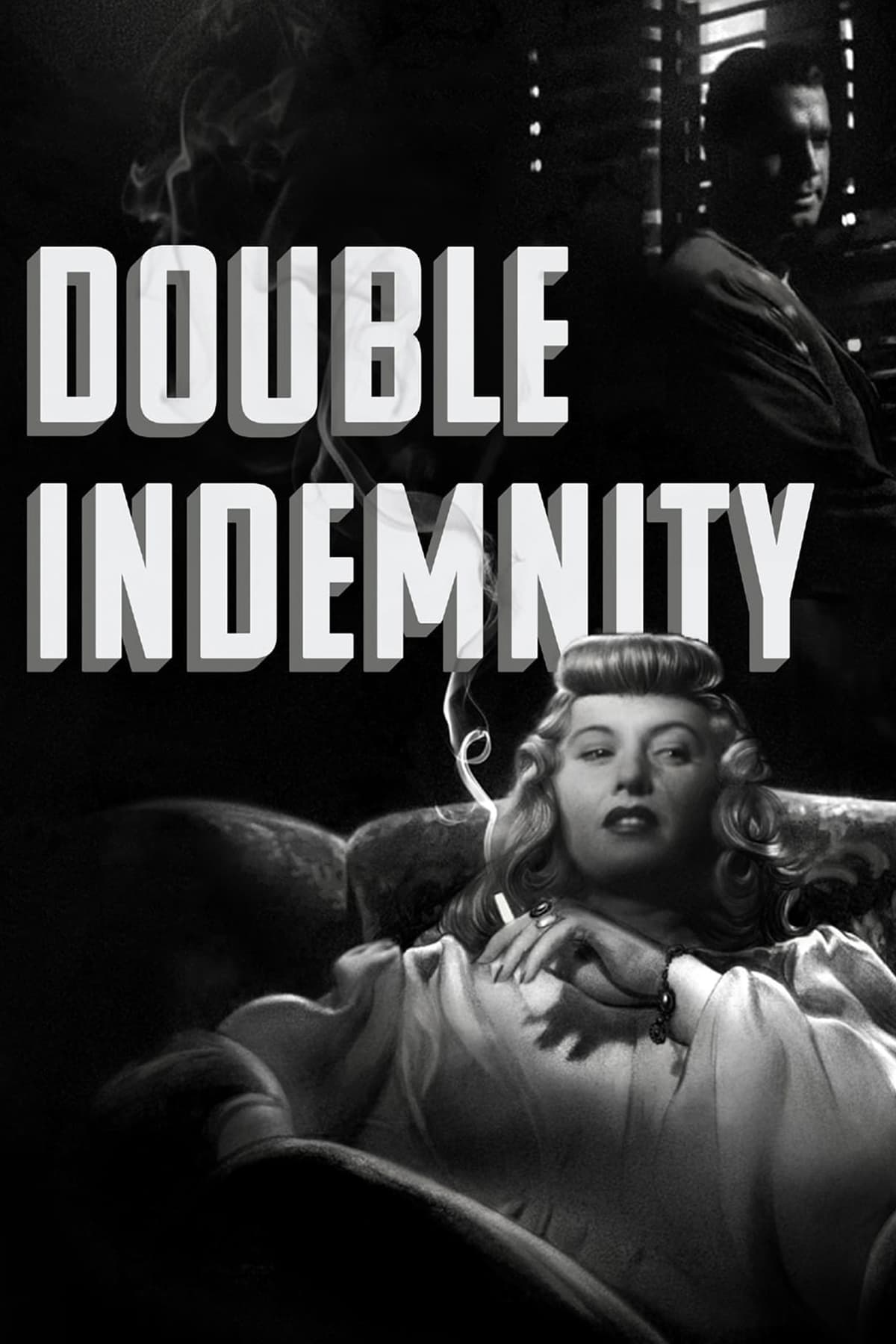
Billy Wilder’s noir centers on an insurance salesman and a femme fatale exploiting a policy clause. Fred MacMurray, Barbara Stanwyck, and Edward G. Robinson star. Claims procedures, actuarial red flags, and audio confessions detail how the plot is constructed and exposed.
‘The Long Goodbye’ (1973)
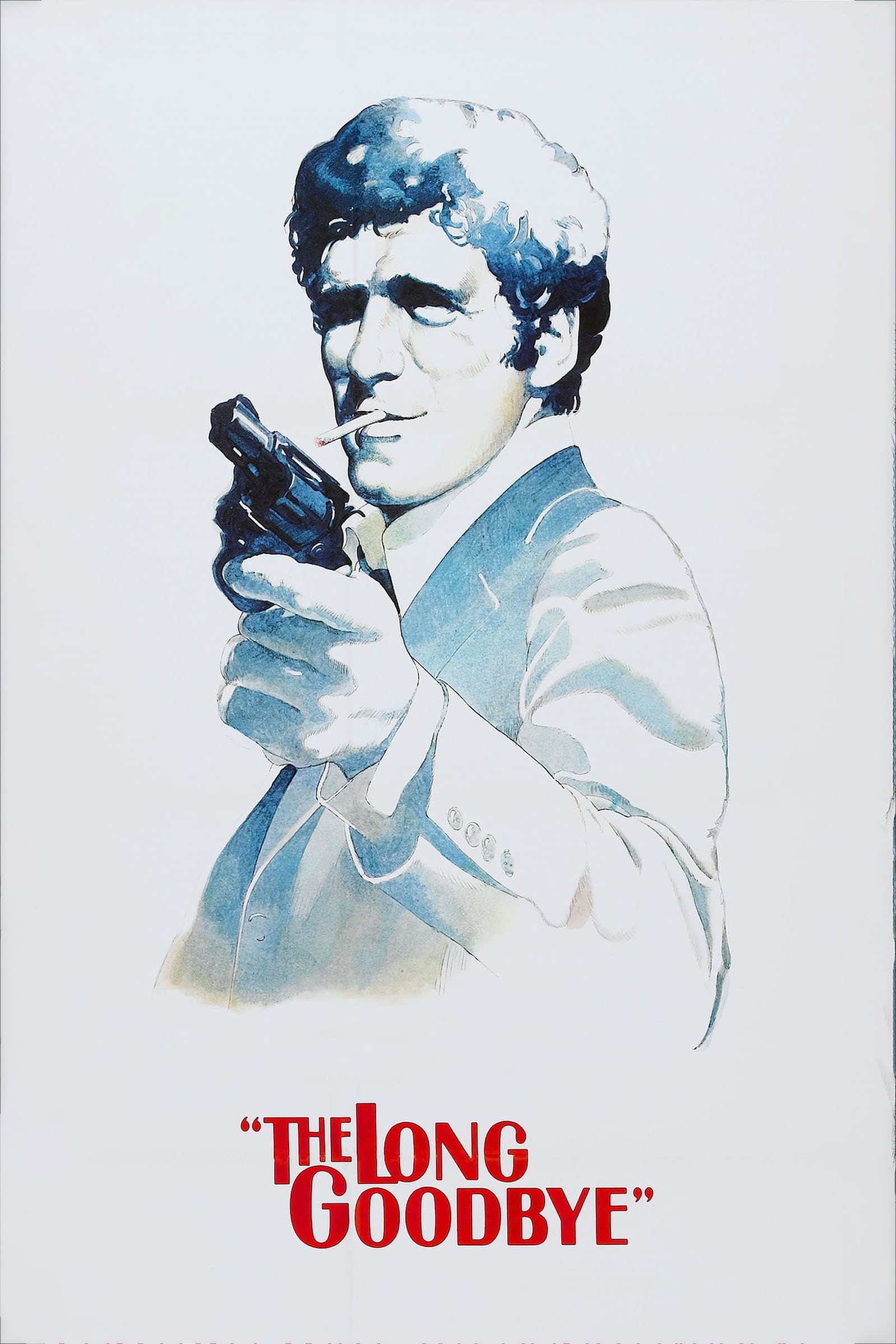
Robert Altman relocates Raymond Chandler’s detective to contemporary Los Angeles amid a missing-person inquiry. Elliott Gould plays Philip Marlowe. Grocery runs, beach-house visits, and cross-city stakeouts link personal favors to organized crime.
‘The Conversation’ (1974)
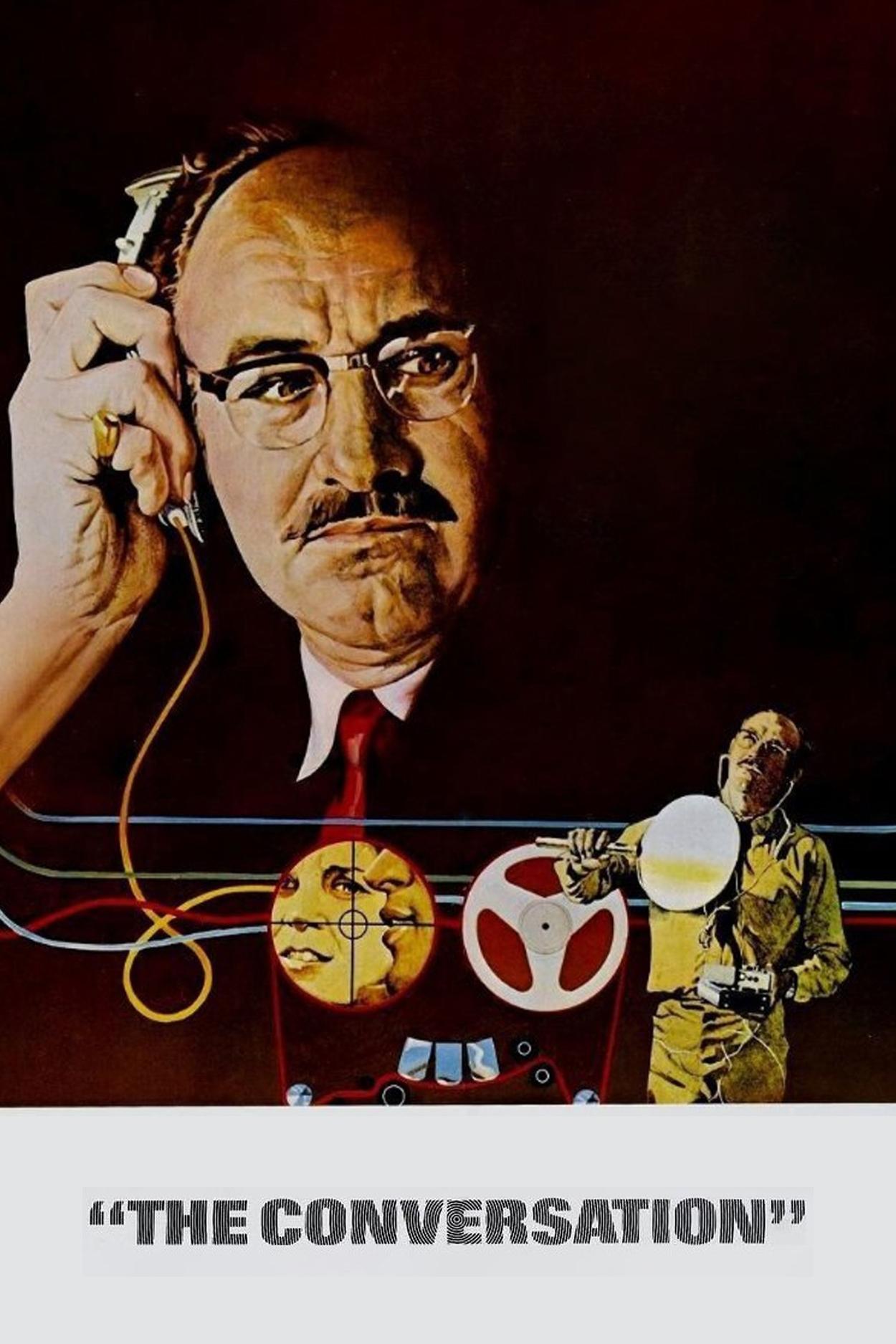
Francis Ford Coppola follows a surveillance expert who records a cryptic dialogue and becomes consumed by its meaning. Gene Hackman stars. Microphone placement, tape splicing, and audio artifacts reveal how interpretation can alter perceived events.
‘The Name of the Rose’ (1986)
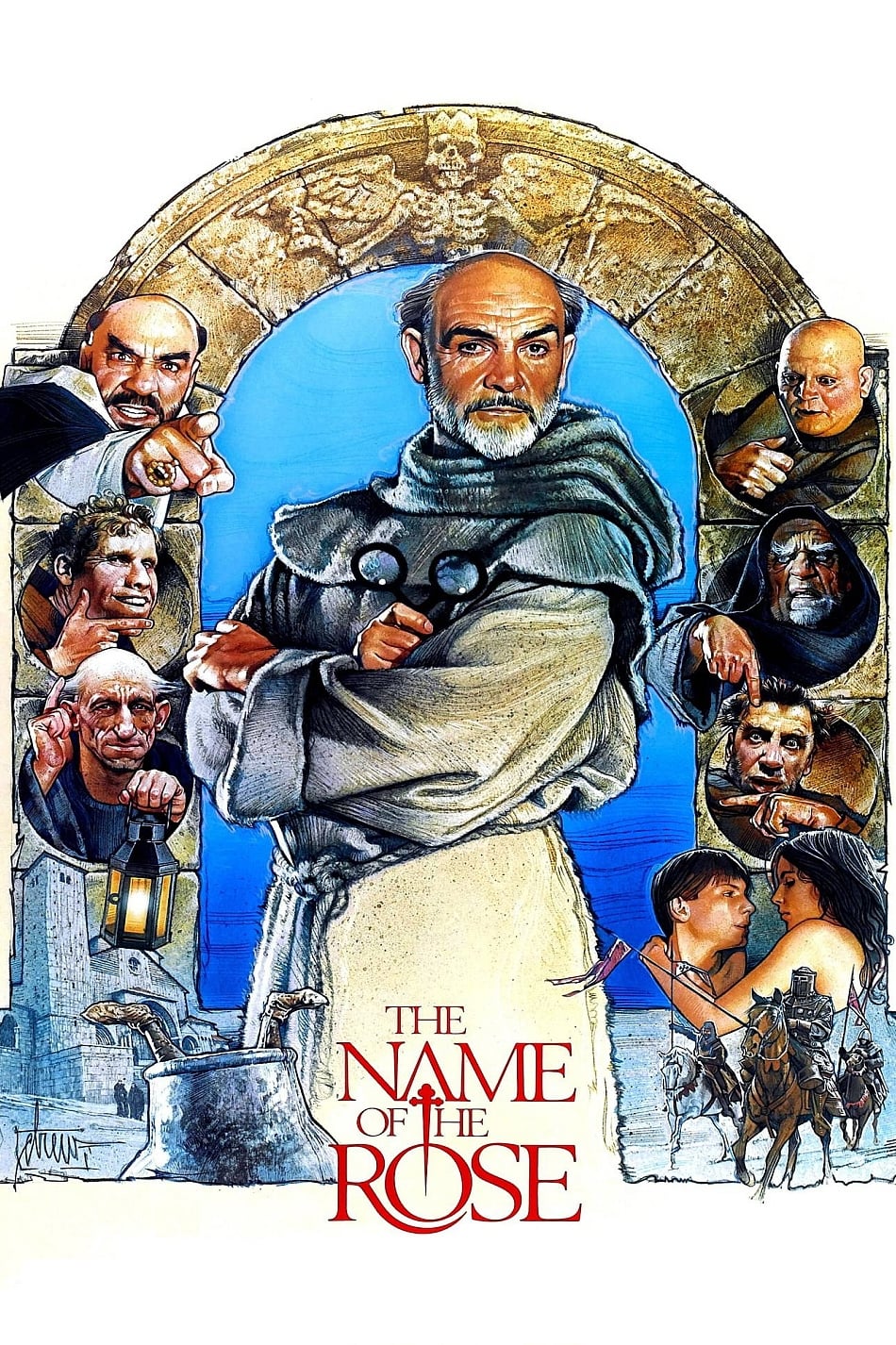
Jean-Jacques Annaud adapts Umberto Eco’s monastery mystery involving a series of suspicious deaths. Sean Connery and Christian Slater lead the investigation. Manuscripts, library architecture, and scholastic debates serve as key sites of evidence gathering.
‘The Vanishing’ (1988)
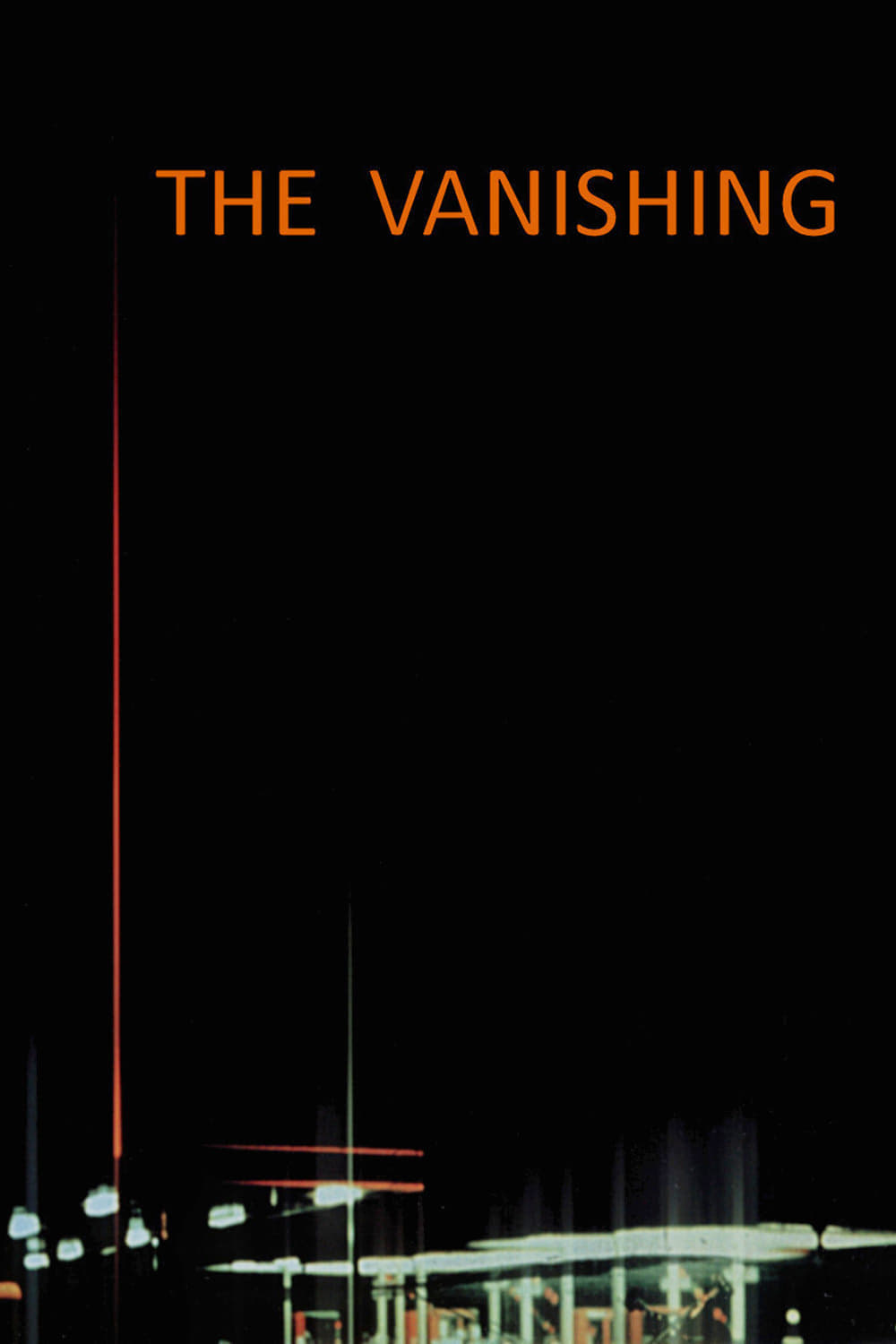
George Sluizer’s thriller traces a man’s relentless search for a partner who disappears at a roadside stop. The story contrasts the investigator’s persistence with the perpetrator’s methodical planning. Everyday settings—service stations, apartments, and highways—frame escalating attempts to learn the truth.
‘Insomnia’ (2002)
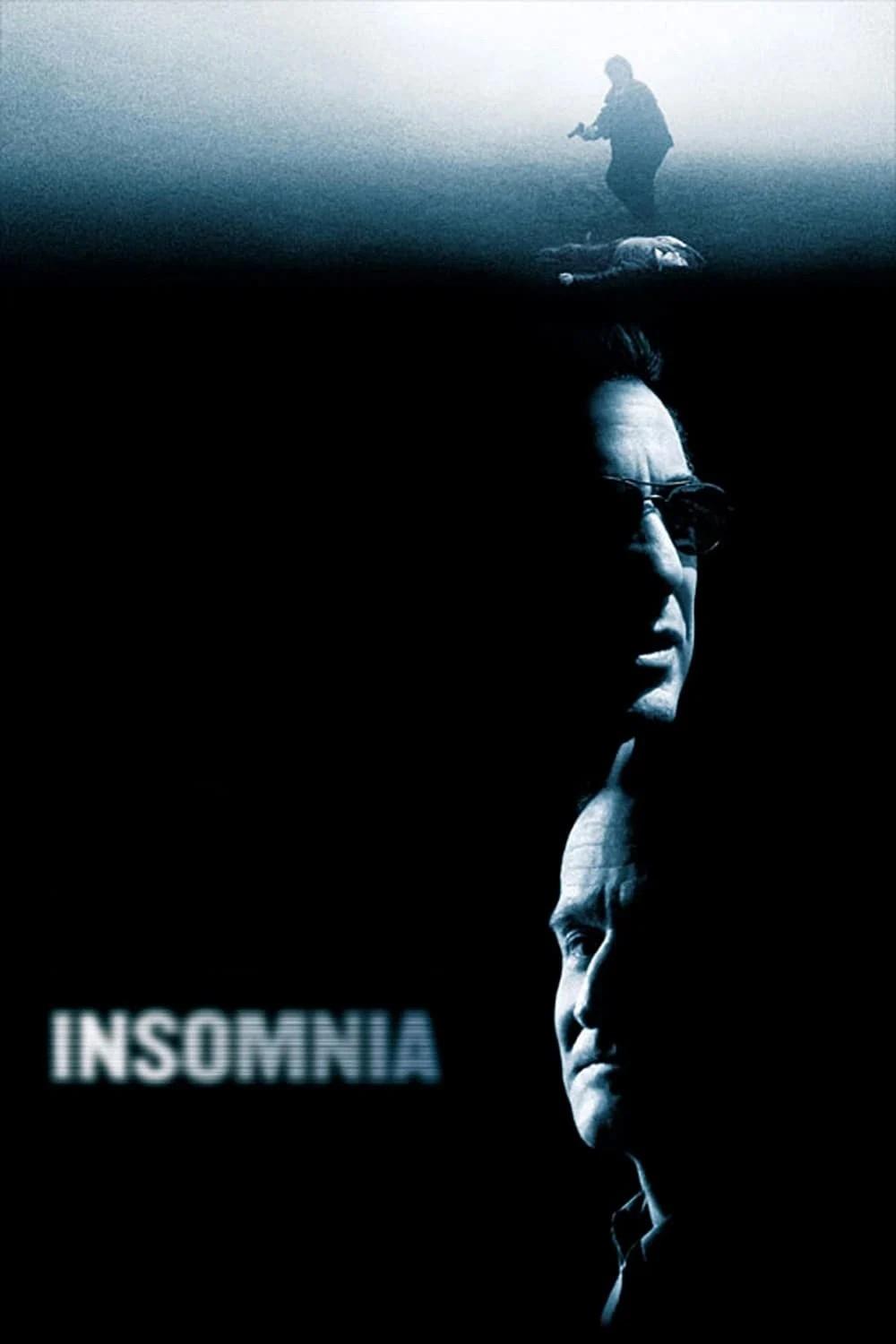
Christopher Nolan remakes a Nordic thriller about a detective sent to a northern town where constant daylight complicates judgment. Al Pacino, Robin Williams, and Hilary Swank star. Crime-scene reconstruction, negotiated deals, and the physical effects of sleeplessness shape the choices made.
‘Brick’ (2005)
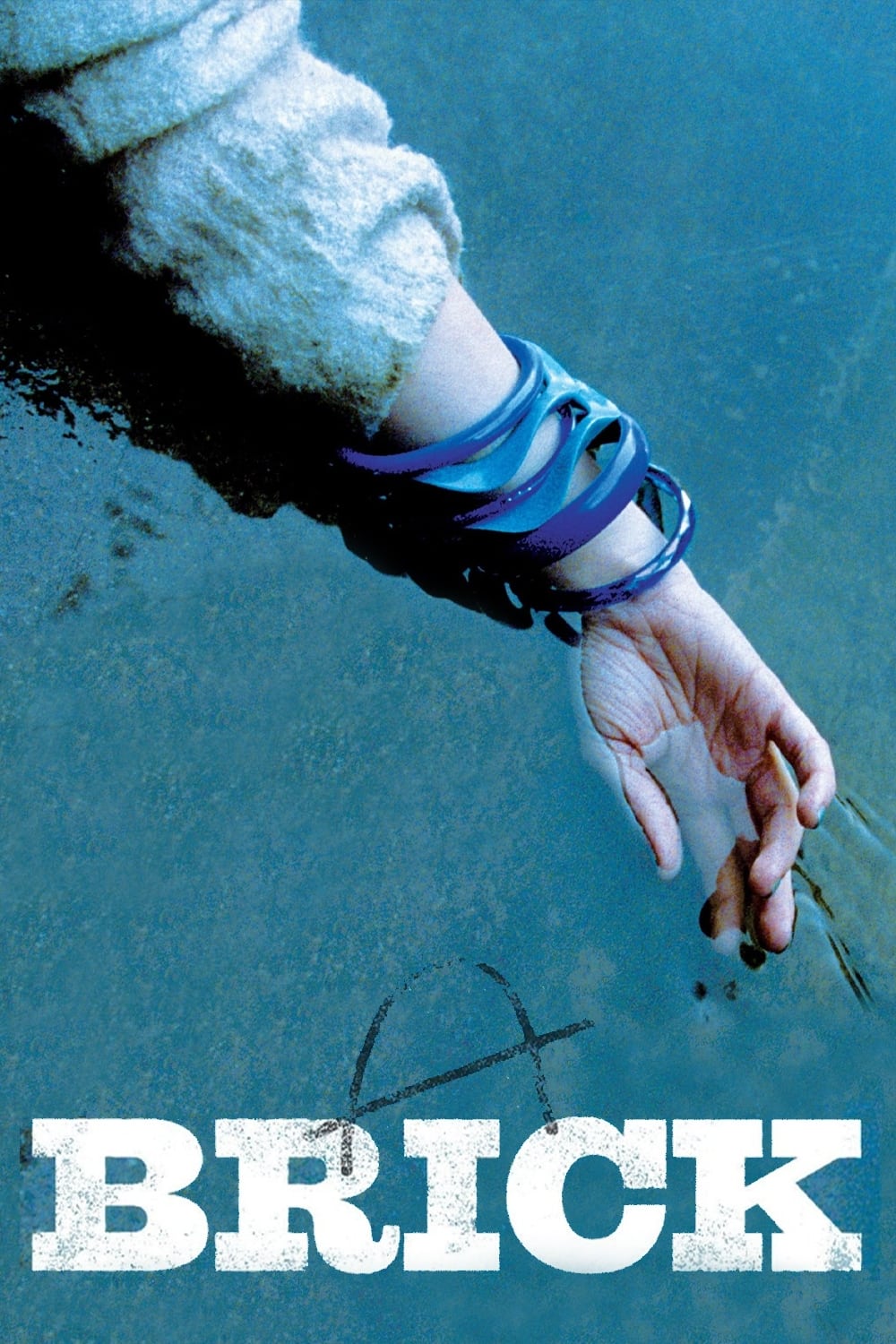
Rian Johnson sets a hard-boiled mystery within a suburban high school. Joseph Gordon-Levitt plays a student who navigates cliques, a local kingpin, and a missing-person case. Hallways, cul-de-sacs, and coded slang mirror classic noir structures.
‘The Prestige’ (2006)
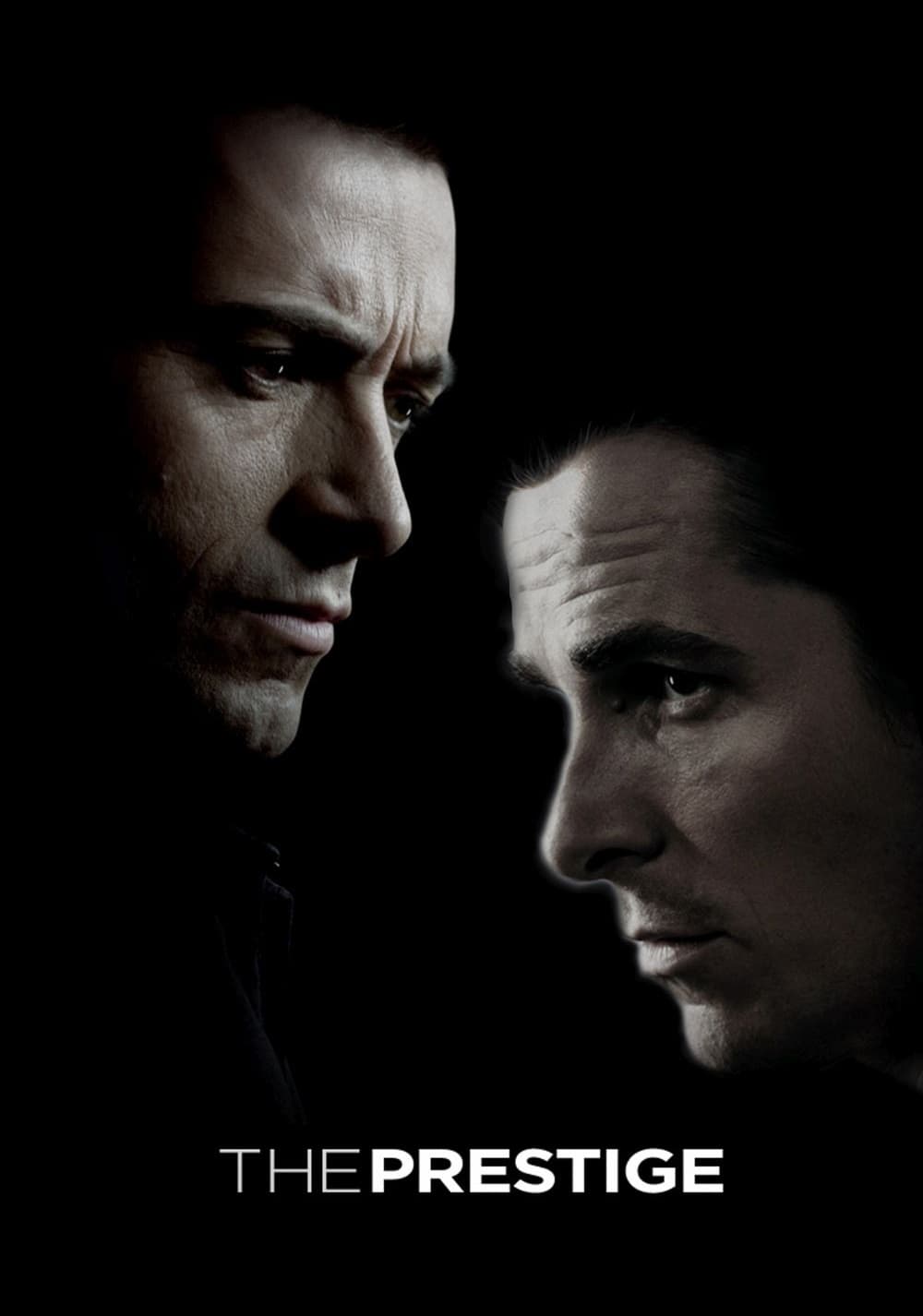
Christopher Nolan adapts Christopher Priest’s novel about rival stage magicians locked in a cycle of sabotage. Hugh Jackman and Christian Bale lead the cast. Diaries, stagecraft, and concealed mechanisms create a paper trail of secrets and misdirection.
‘The Others’ (2001)
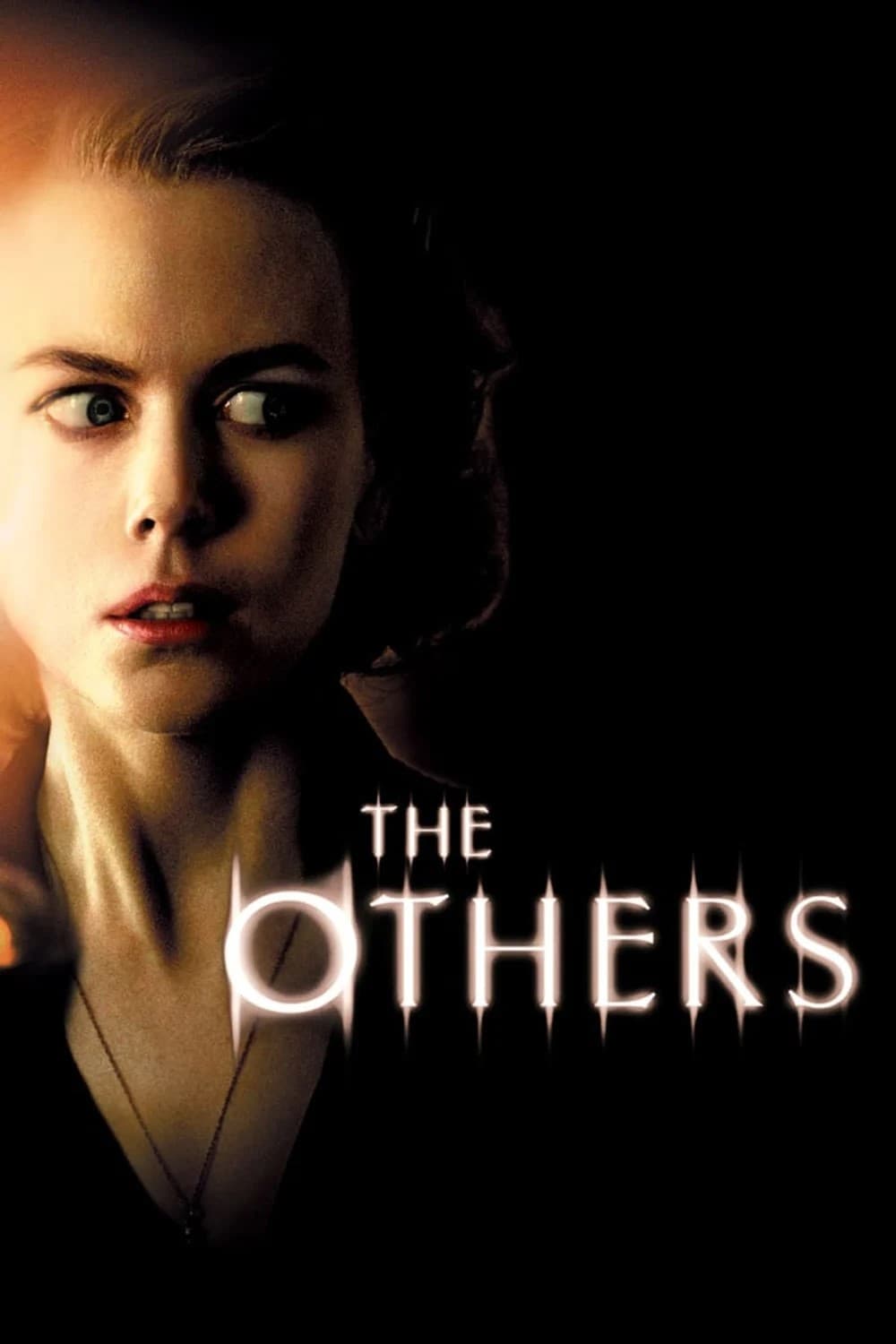
Alejandro Amenábar directs a gothic tale of a mother and children in an isolated manor governed by strict rules. Nicole Kidman stars. Shuttered rooms, strict routines, and unusual household staff provide the framework for a domestic investigation.
‘Tinker Tailor Soldier Spy’ (2011)
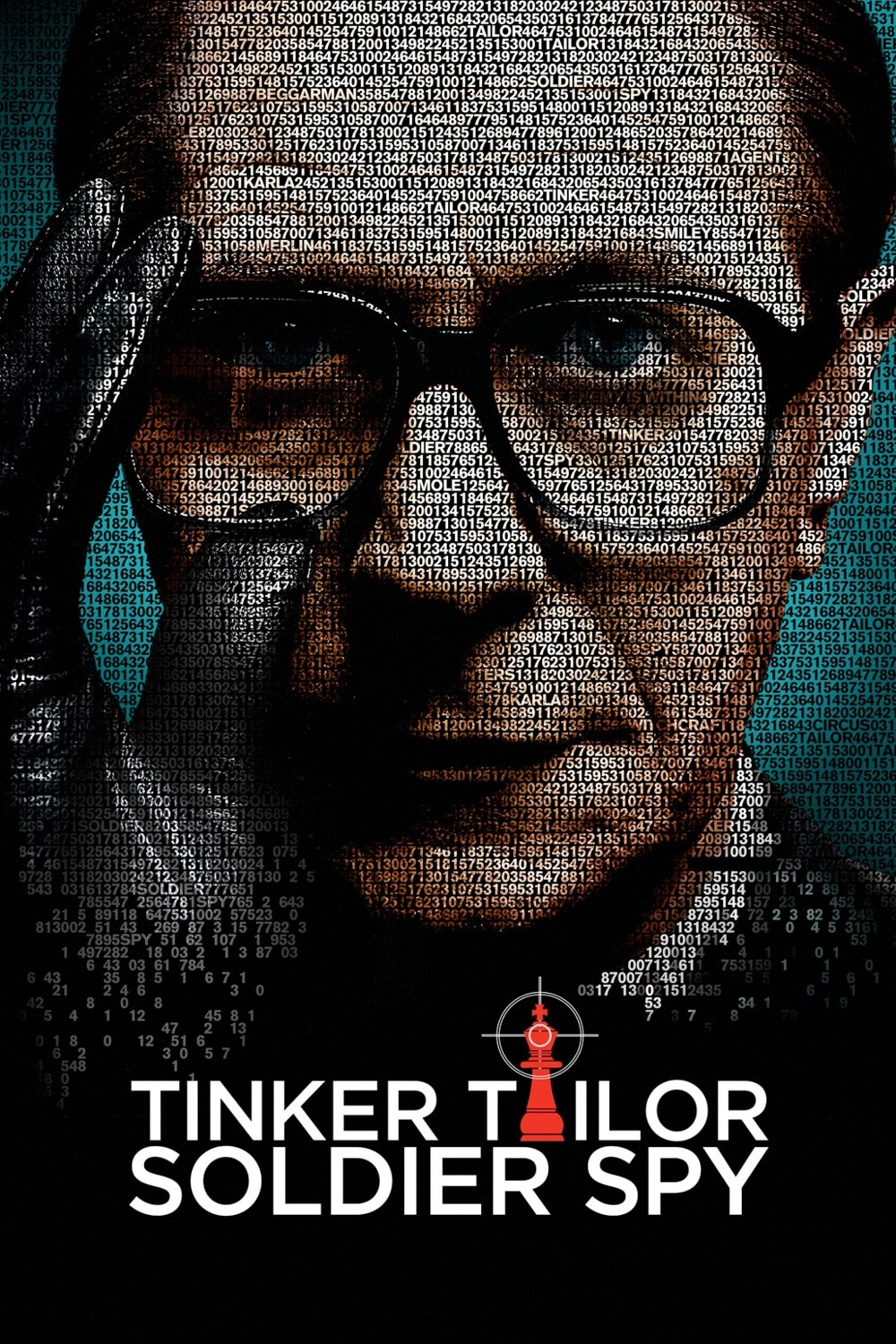
Tomas Alfredson adapts John le Carré’s Cold War mole hunt inside an intelligence service. Gary Oldman anchors an ensemble that combs archives and surveillance logs. Safe houses, codenames, and controlled leaks narrow a pool of suspects.
‘The Handmaiden’ (2016)
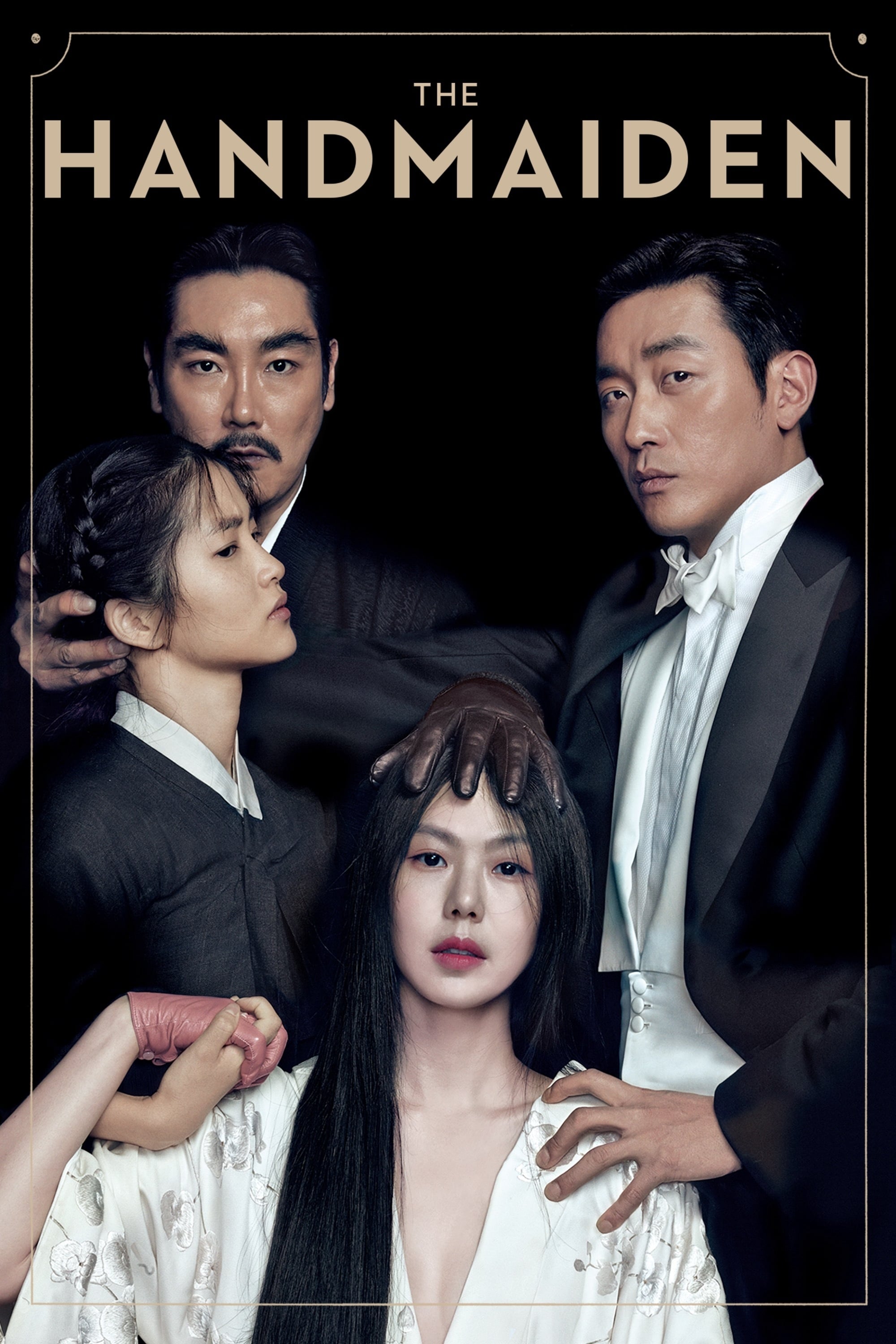
Park Chan-wook reimagines a British novel in a colonial Korean setting, following a con artist, an heiress, and an inheritance plot. Kim Min-hee, Kim Tae-ri, and Ha Jung-woo headline. Forged letters, hidden compartments, and shifting viewpoints repeatedly recontextualize earlier scenes.
Share the mystery staples you revisit every year—and the ones we missed—in the comments!

