


Essential Psychological Movies to Revisit Every Year

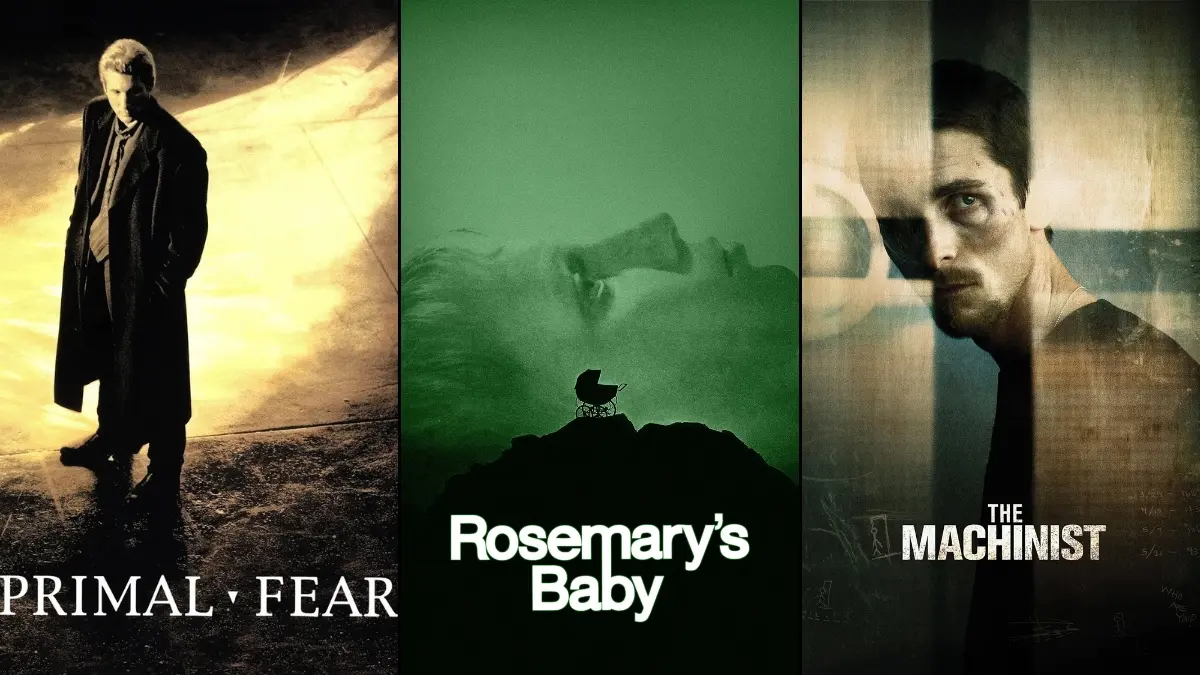


From identity puzzles and memory mazes to unreliable narrators and creeping paranoia, psychological films unpack how minds work under pressure, trauma, and obsession. This list gathers landmark thrillers, dramas, and mysteries that explore perception, selfhood, and morality through precise direction, structured ambiguity, and character-centered storytelling. Each entry highlights core context—who made it, what it’s about, and the techniques or milestones that made it influential—so you can decide what to queue up next when you’re in the mood for something intricate and absorbing.
‘Psycho’ (1960)
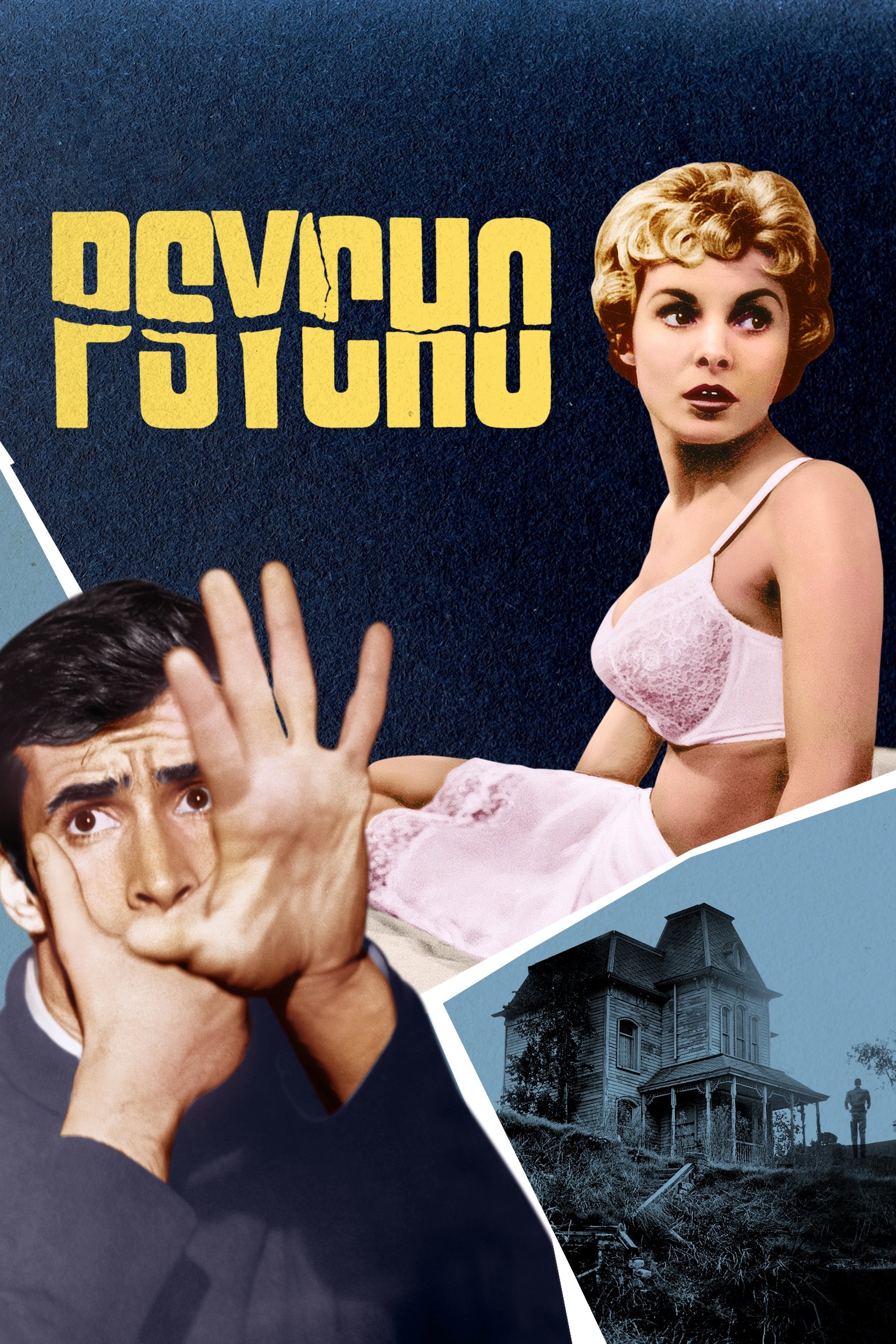
Alfred Hitchcock’s film follows a secretary who disappears after stealing money, drawing a detective to the Bates Motel and its reclusive proprietor. Its shower sequence, Bernard Herrmann’s string score, and editing rhythms became templates for suspense filmmaking. The movie also pushed boundaries around violence on screen and spoiler-conscious marketing tactics.
‘The Shining’ (1980)
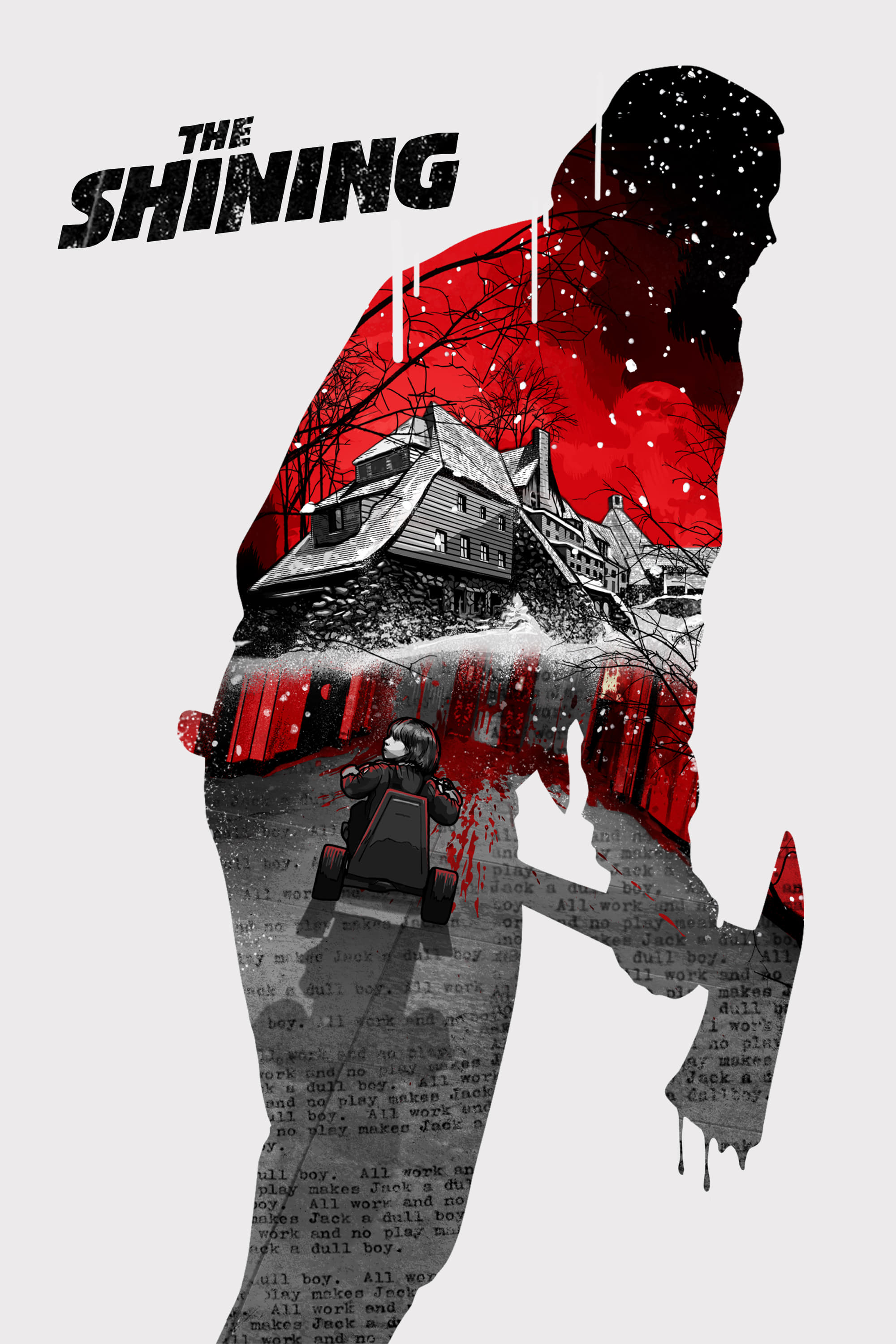
Directed by Stanley Kubrick from Stephen King’s novel, this story centers on a caretaker’s winter isolation with his family in a remote hotel. The production is known for Steadicam tracking shots, symmetrical compositions, and a sound design that heightens dread. It examines cyclical violence and psychological disintegration amid ambiguous supernatural elements.
‘Se7en’ (1995)
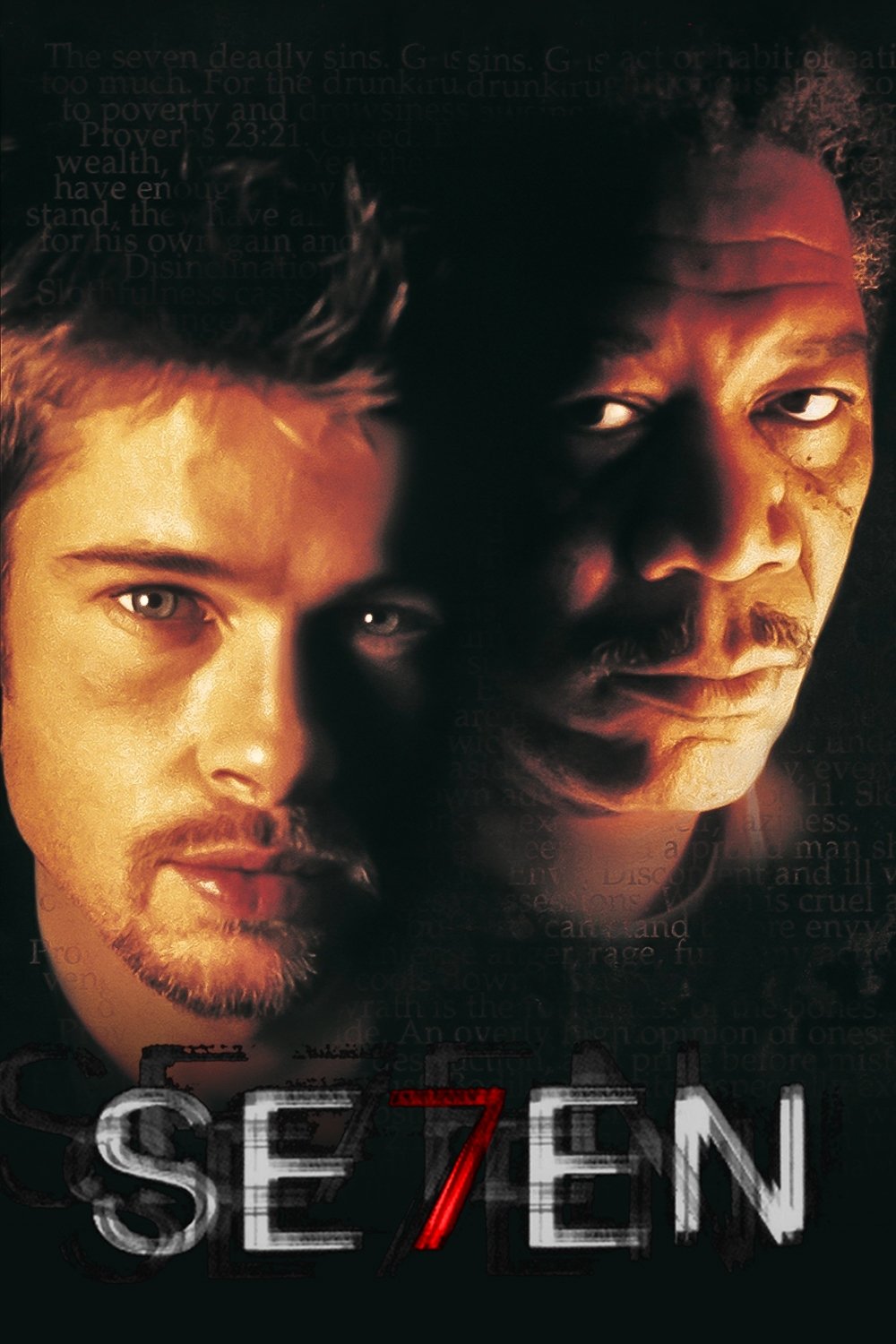
David Fincher’s crime thriller pairs veteran and rookie detectives hunting a serial killer who stages murders around the seven deadly sins. The film employs desaturated visuals, meticulous procedural details, and coded clues that drive its investigation. Its structure emphasizes inevitability and moral compromise, culminating in a stark, character-defining finale.
‘Fight Club’ (1999)

Adapted from Chuck Palahniuk’s novel and directed by David Fincher, this film follows an insomniac and a charismatic soap maker who start an underground club. It uses voiceover, fourth-wall nudges, and visual splices to foreground fractured identity. Consumer culture, alienation, and the psychology of groups form the thematic backbone.
‘The Sixth Sense’ (1999)
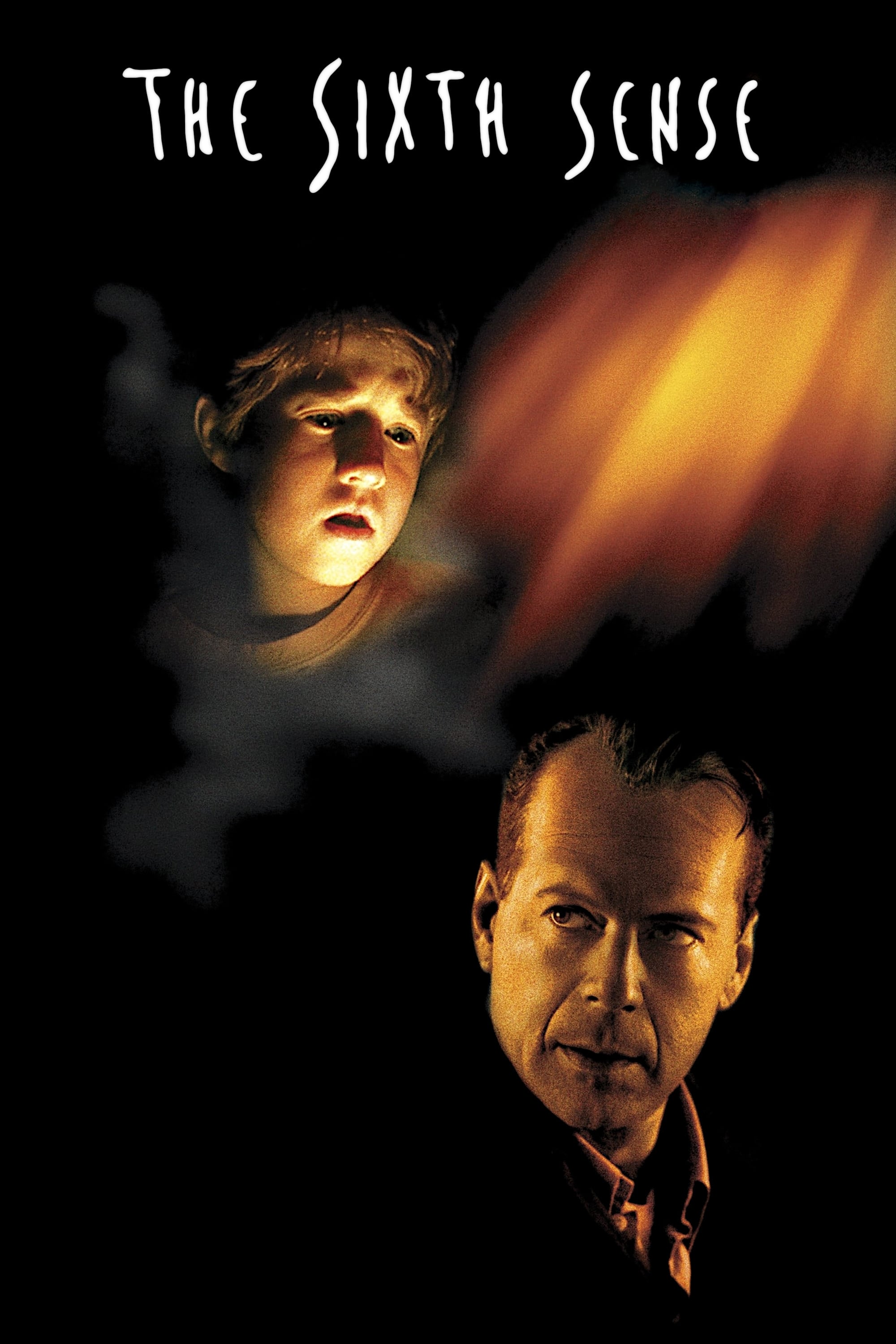
M. Night Shyamalan’s drama tracks a child psychologist working with a boy who claims to see the dead. Careful shot choices, recurring motifs, and restrained performances layer clues throughout ordinary settings. The narrative’s perspective management invites a rewatch to trace how information is seeded and withheld.
‘Memento’ (2000)
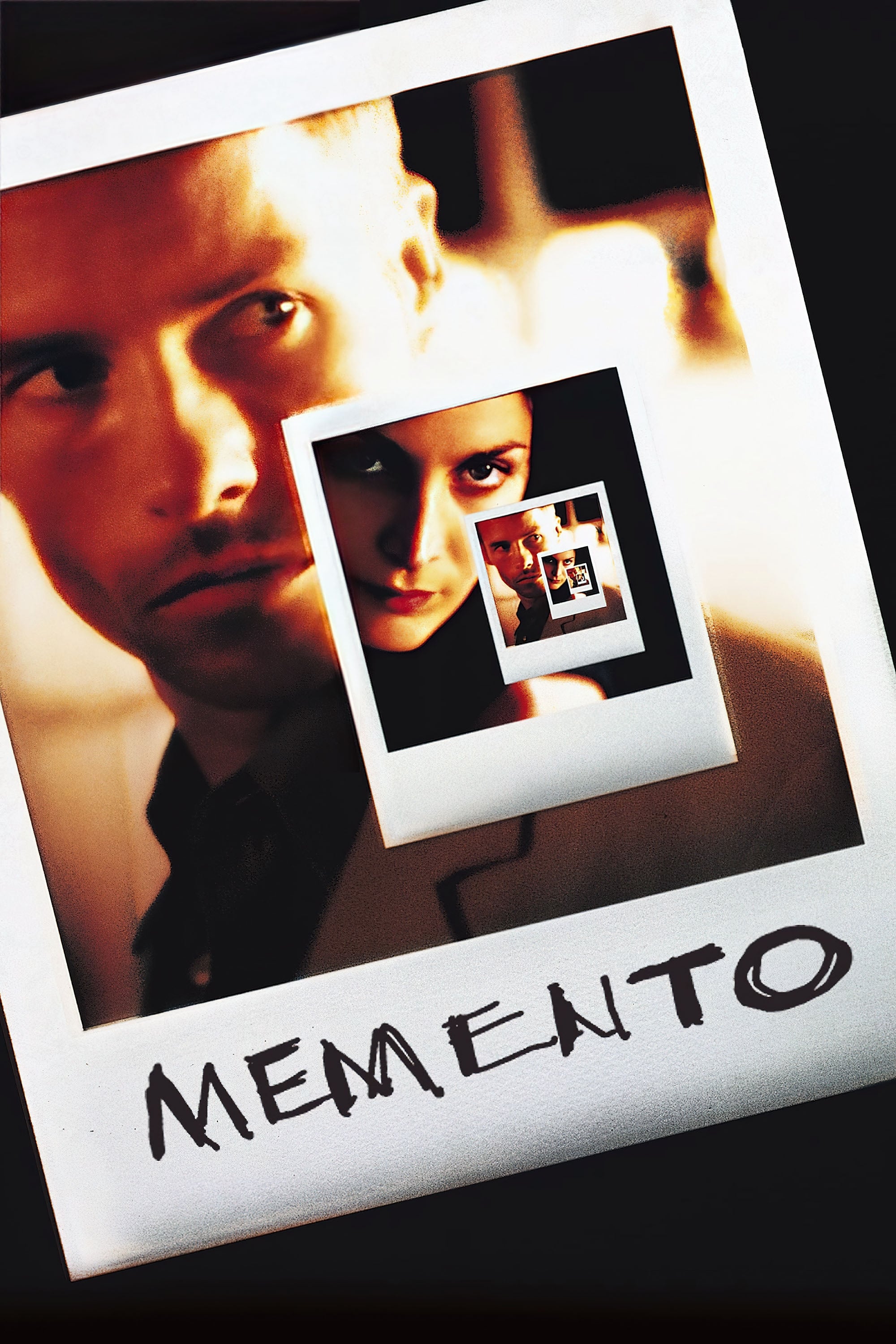
Christopher Nolan’s breakthrough puzzle follows a man with anterograde amnesia who relies on tattoos and notes to investigate a crime. Its dual timelines—one moving forward and one moving backward—align viewer confusion with the protagonist’s deficits. The structure becomes an inquiry into memory reliability and self-constructed narratives.
‘Mulholland Drive’ (2001)
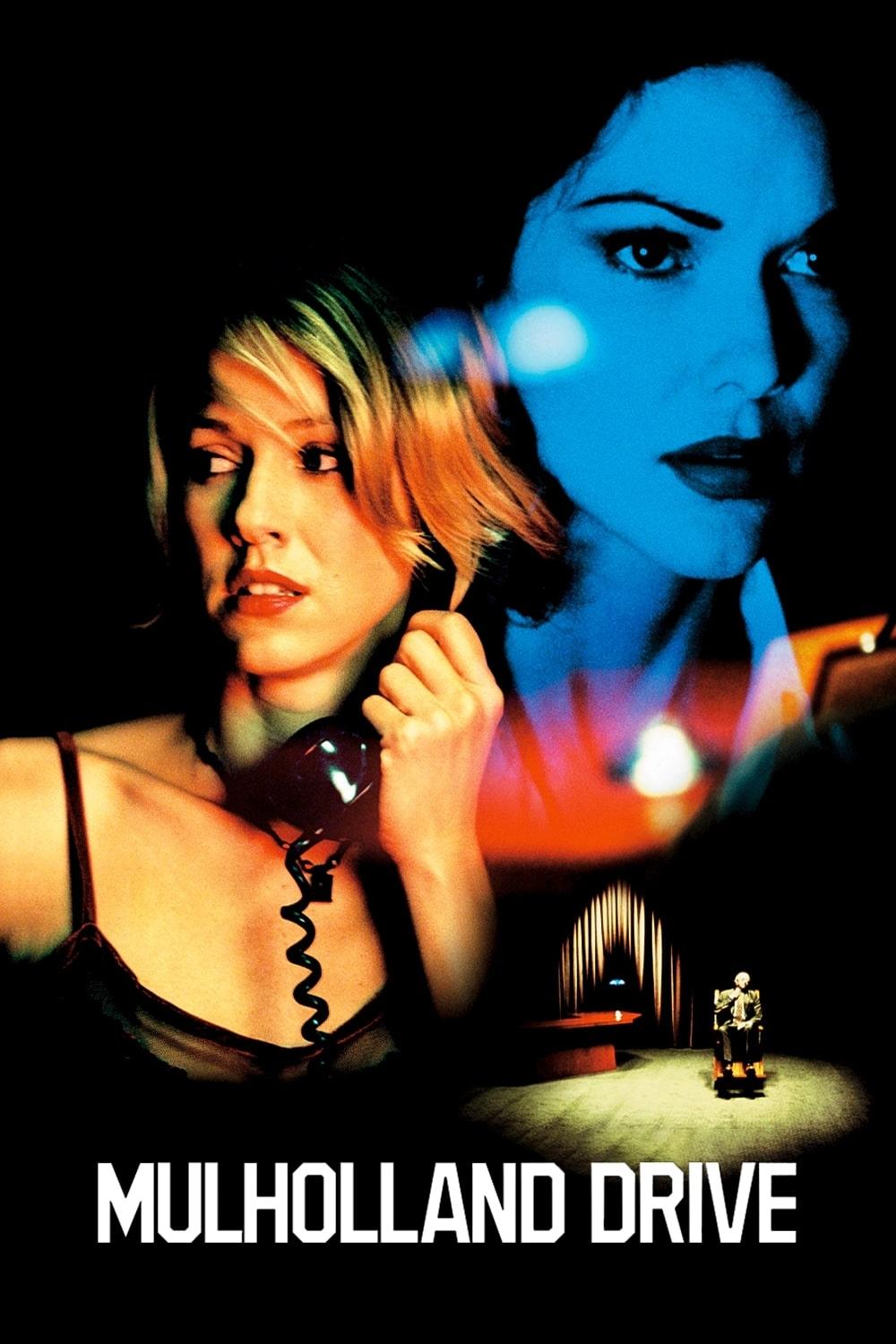
David Lynch’s Los Angeles mystery interweaves an amnesiac, a hopeful actor, and Hollywood’s dream machinery. The film employs shifts in identity, diegetic performances, and surreal transitions to question what is imagined versus real. Sound cues, blue-toned imagery, and nested stories create a study in desire, loss, and reinvention.
‘Donnie Darko’ (2001)
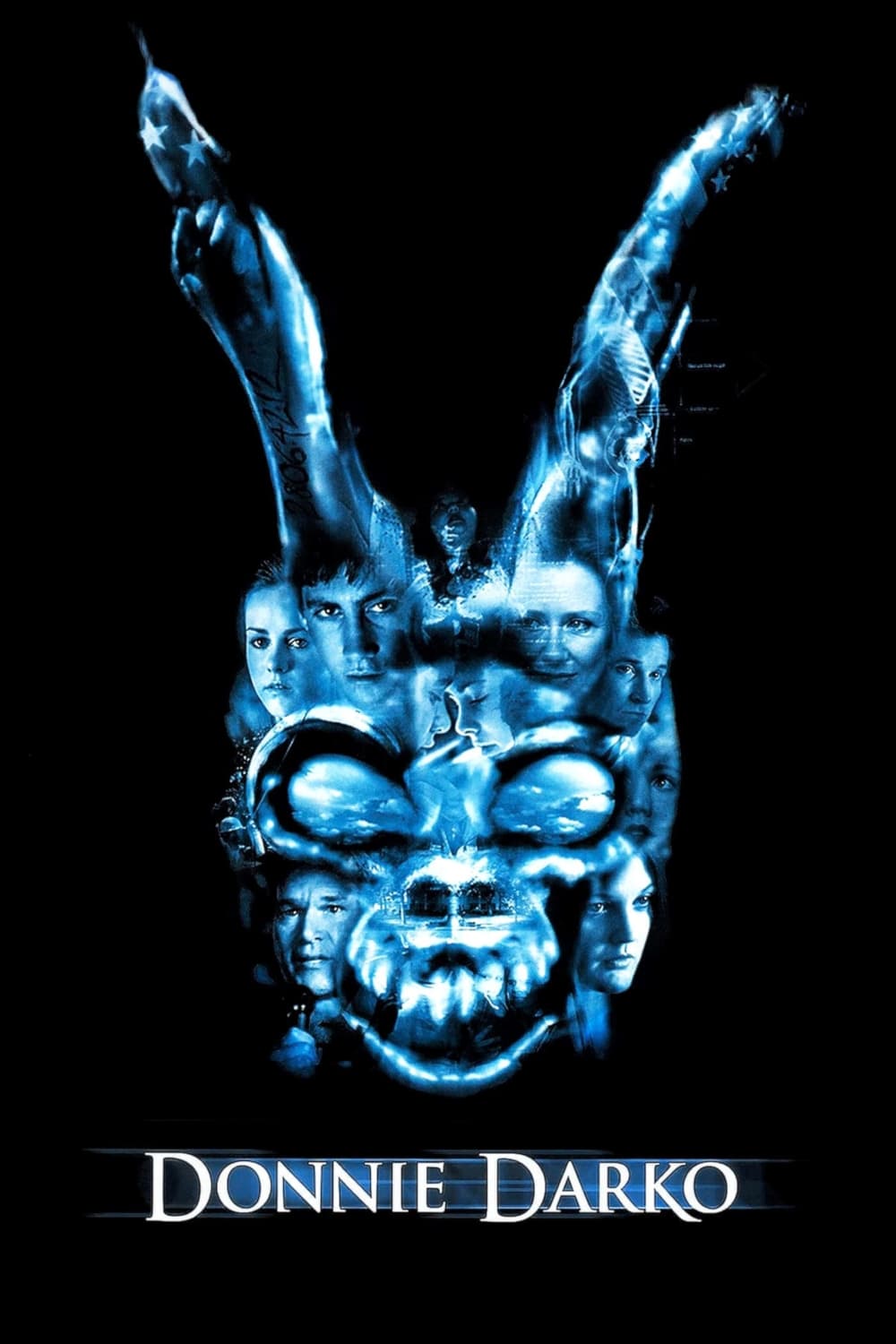
Richard Kelly’s cult favorite follows a troubled teenager visited by a figure in a rabbit suit who foretells catastrophe. The story blends suburban drama with time-loop mechanics, emphasizing predestination and mental health. Its soundtrack, visual markers, and recurring artifacts—like the jet engine—anchor the puzzle logic.
‘A Beautiful Mind’ (2001)
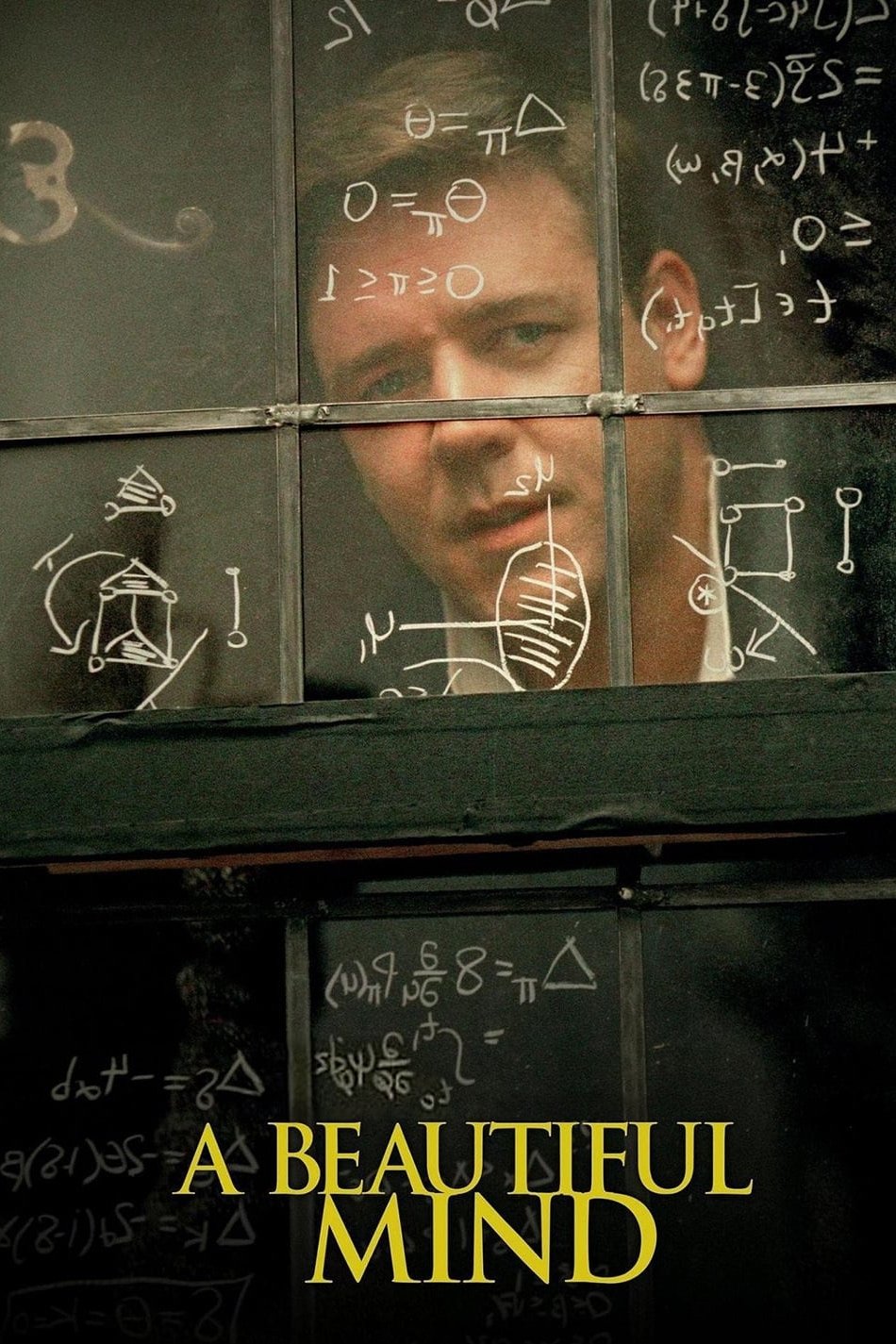
Ron Howard’s biographical drama chronicles mathematician John Nash’s career and experiences with schizophrenia. The film depicts delusions as integrated characters and scenarios, then reframes them through later insight. It explores treatment, partnership, and the separation of intellectual achievement from perceptual distortion.
‘The Silence of the Lambs’ (1991)
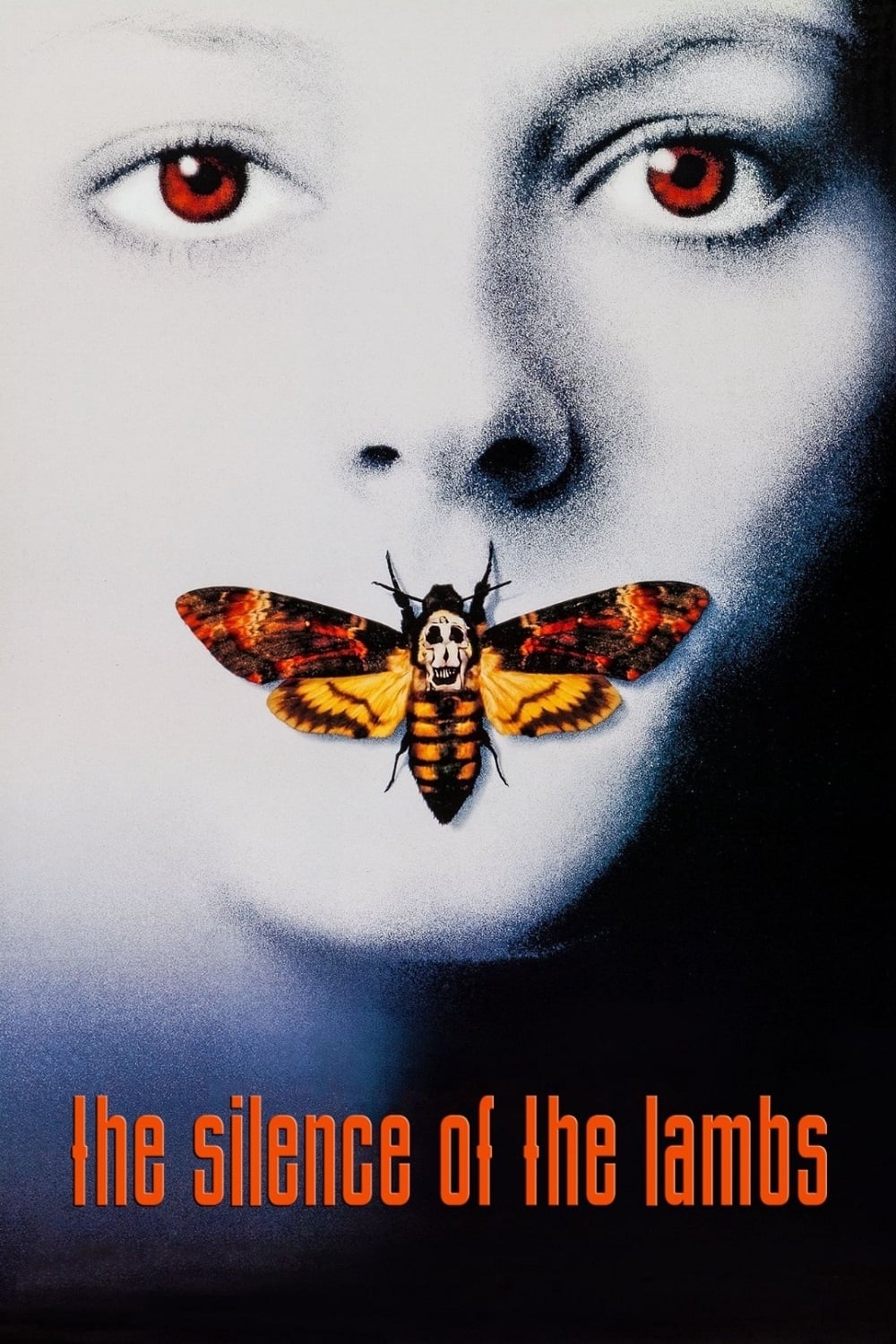
Jonathan Demme’s thriller features an FBI trainee consulting an imprisoned psychiatrist to catch a serial killer. Tight close-ups and eye-line matches build psychological pressure in dialogue scenes. The film underscores profiling methods, victimology, and the interplay of manipulation and trust within interviews.
‘Black Swan’ (2010)

Darren Aronofsky’s ballet-set story follows a dancer balancing technical perfection with a role’s darker demands. Handheld camerawork, mirror imagery, and body-horror elements track stress and identity split. The production integrates rehearsal spaces and performance staging to collapse boundaries between practice and hallucination.
‘Shutter Island’ (2010)
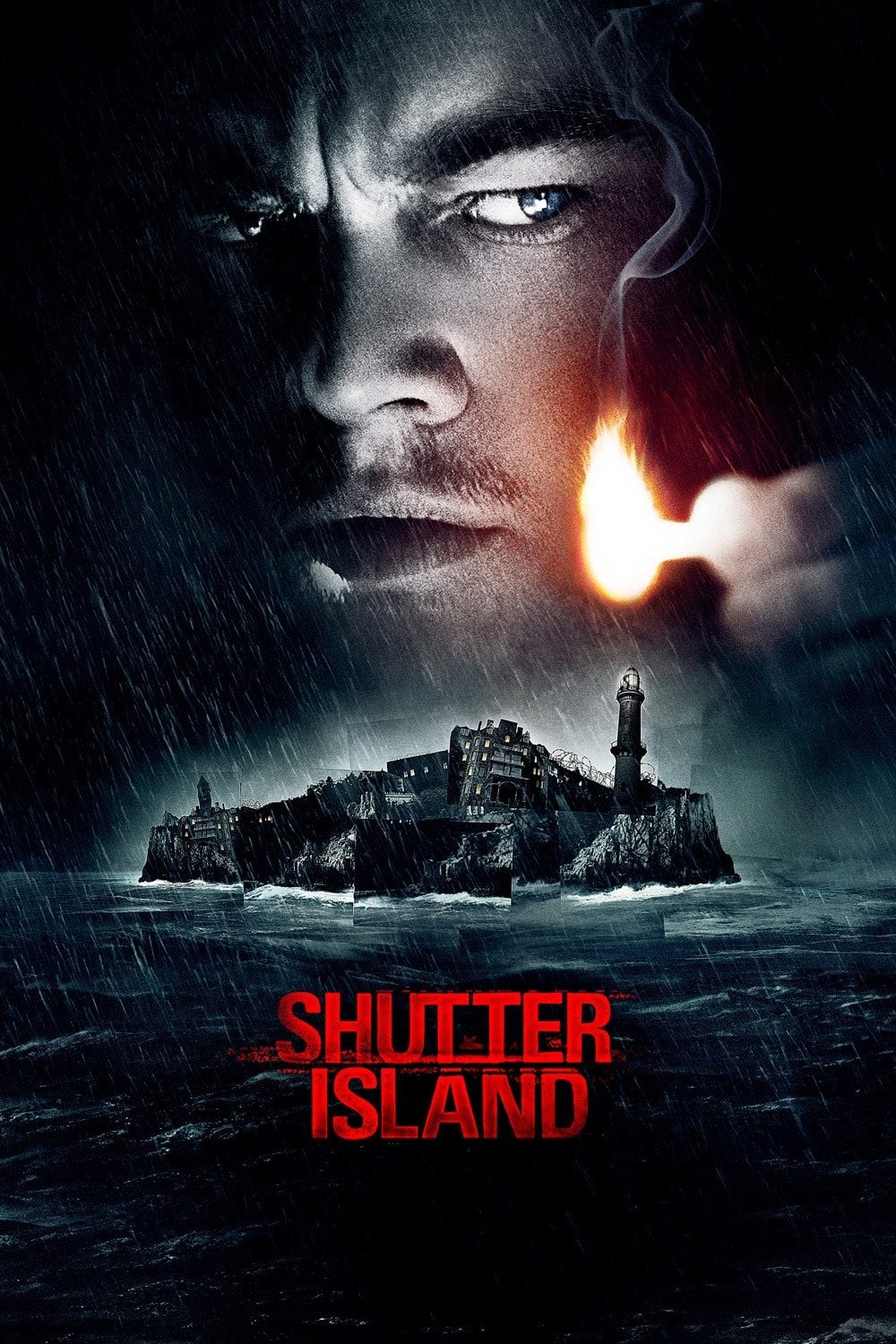
Martin Scorsese adapts Dennis Lehane’s novel about U.S. Marshals visiting a remote psychiatric facility after a patient vanishes. Storm-lashed settings, wartime flashbacks, and constrained vantage points shape an investigative maze. Institutional protocols, treatment debates, and patient files ground the mystery in clinical context.
‘The Machinist’ (2004)
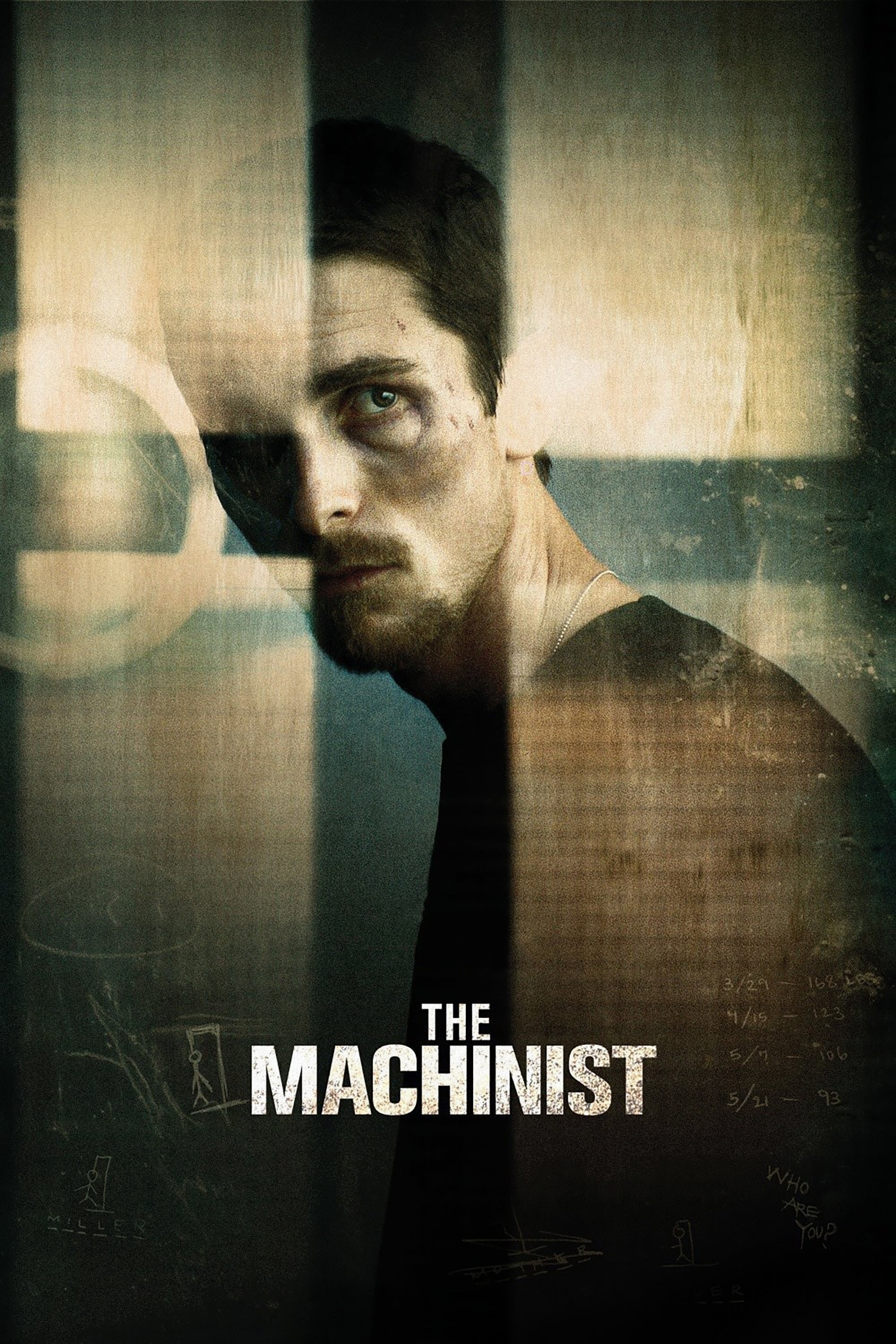
Brad Anderson’s film centers on an industrial worker suffering severe insomnia and paranoia. Visual desaturation, weight-loss transformation, and recurring cues—like notes and a mysterious co-worker—externalize guilt and dissociation. The narrative connects workplace accidents, memory lapses, and symbolic doubles to chart psychological decline.
‘Gone Girl’ (2014)
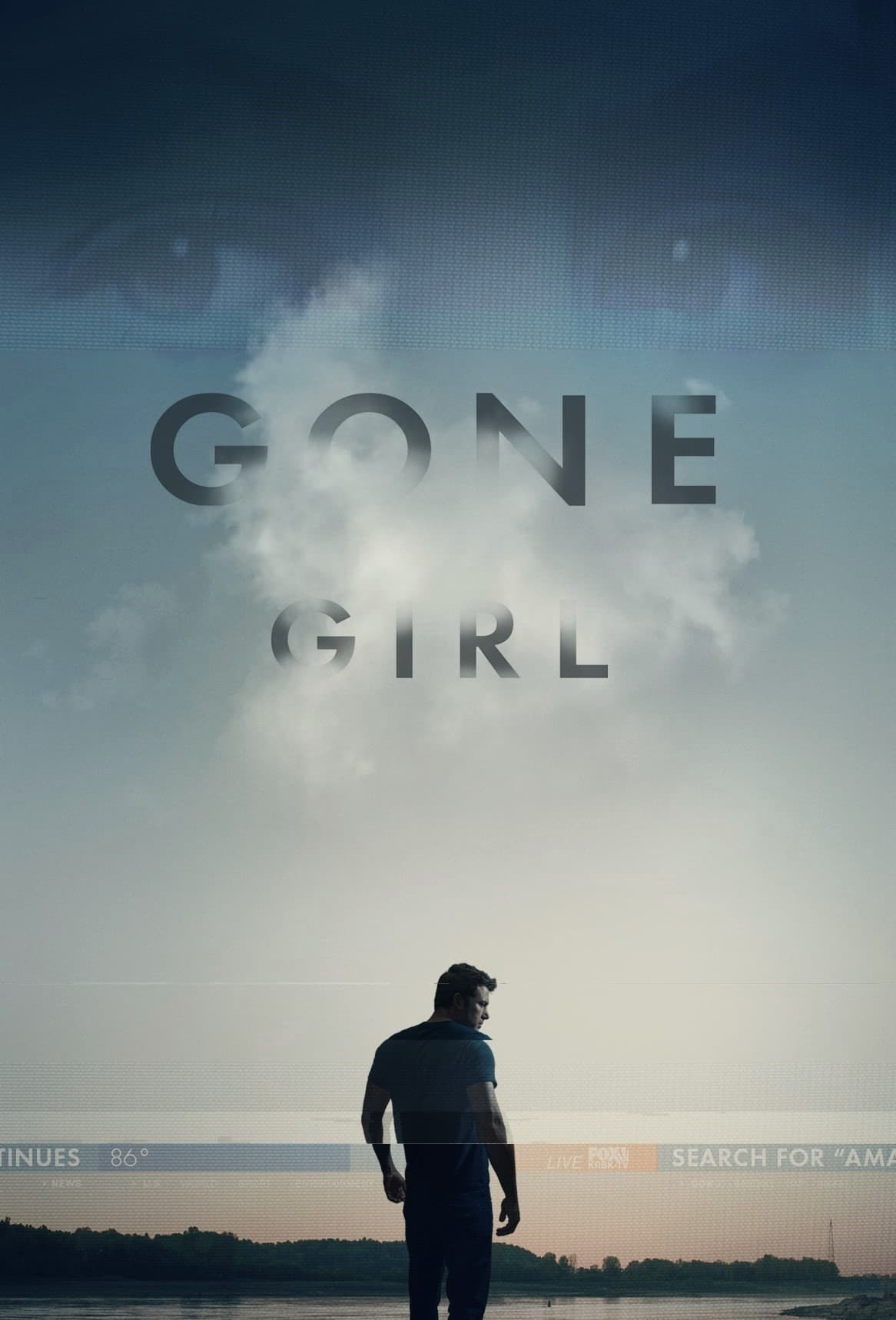
David Fincher’s adaptation of Gillian Flynn’s novel examines a missing-person case that turns into a media spectacle. Alternating viewpoints and diary entries reframe events, testing credibility and narrative control. The film scrutinizes public performance in relationships, image management, and strategic storytelling under scrutiny.
‘Joker’ (2019)
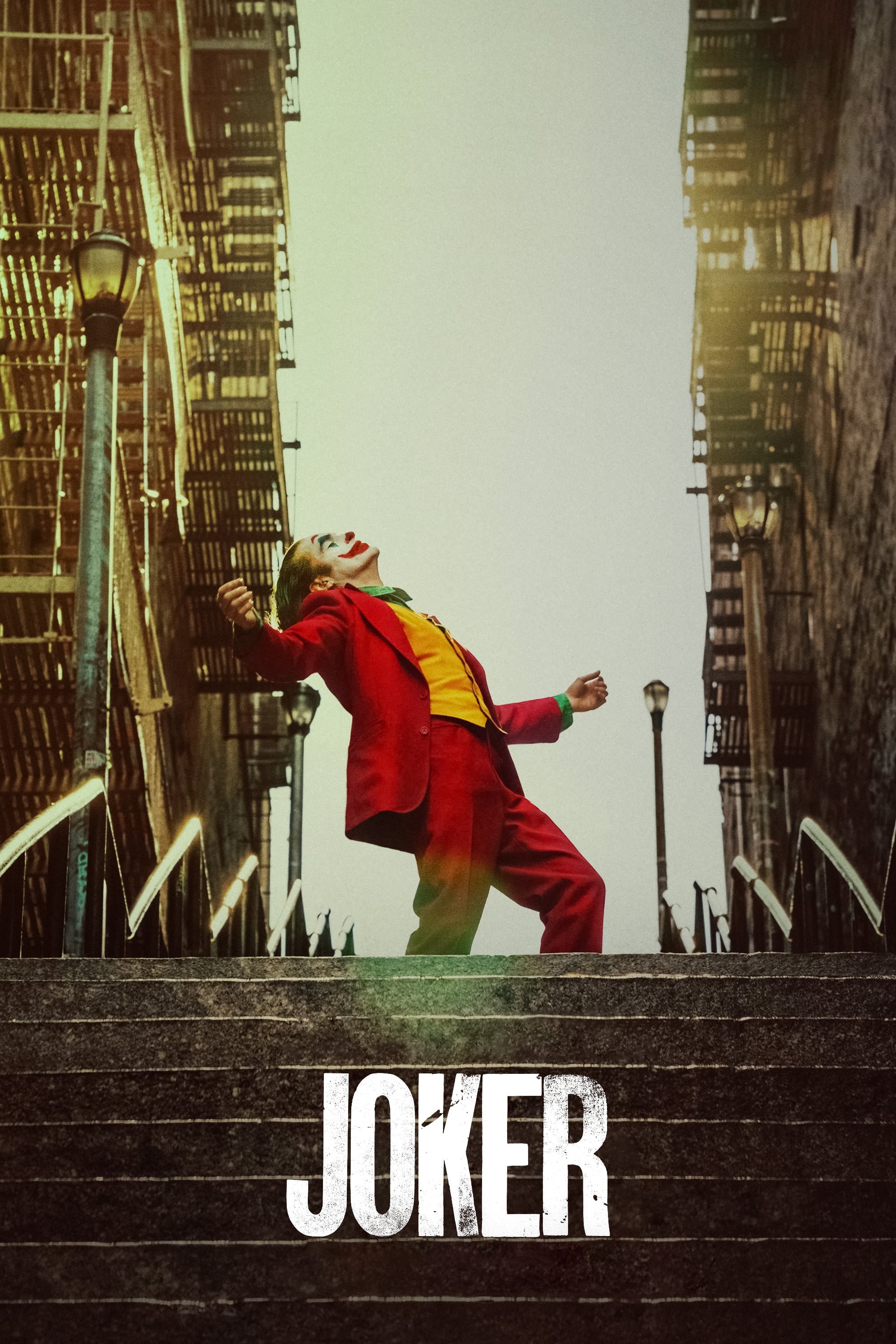
Todd Phillips’s character study follows a struggling performer whose isolation and untreated illness intersect with social breakdown. Period-specific production design and a string-led score underscore mounting instability. The film references urban policy, healthcare gaps, and the feedback loop between marginalization and violence.
‘Jacob’s Ladder’ (1990)

Adrian Lyne’s psychological horror follows a Vietnam veteran haunted by nightmares and fragmented memories. Nonlinear scenes, sudden time shifts, and unsettling practical effects evoke dissociation. The plot engages with trauma, experimental treatments, and the search for meaning in ambiguous visions.
‘Pi’ (1998)
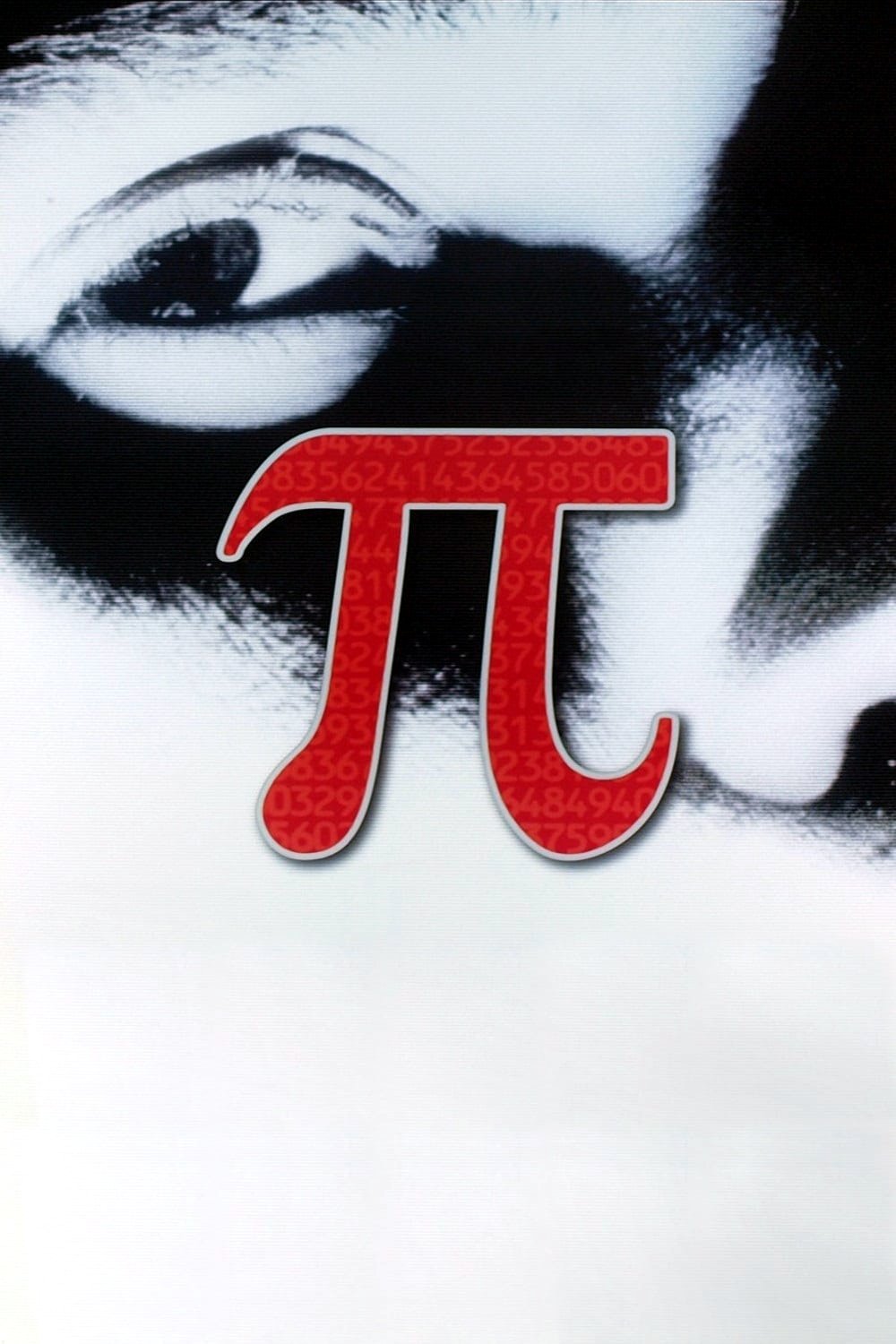
Darren Aronofsky’s debut is a high-contrast, black-and-white tale of a mathematician chasing patterns in markets and nature. Rapid edits, claustrophobic framing, and analog tech props create an obsessive atmosphere. The story intersects number theory, mysticism, and paranoia about discovery and control.
‘Prisoners’ (2013)
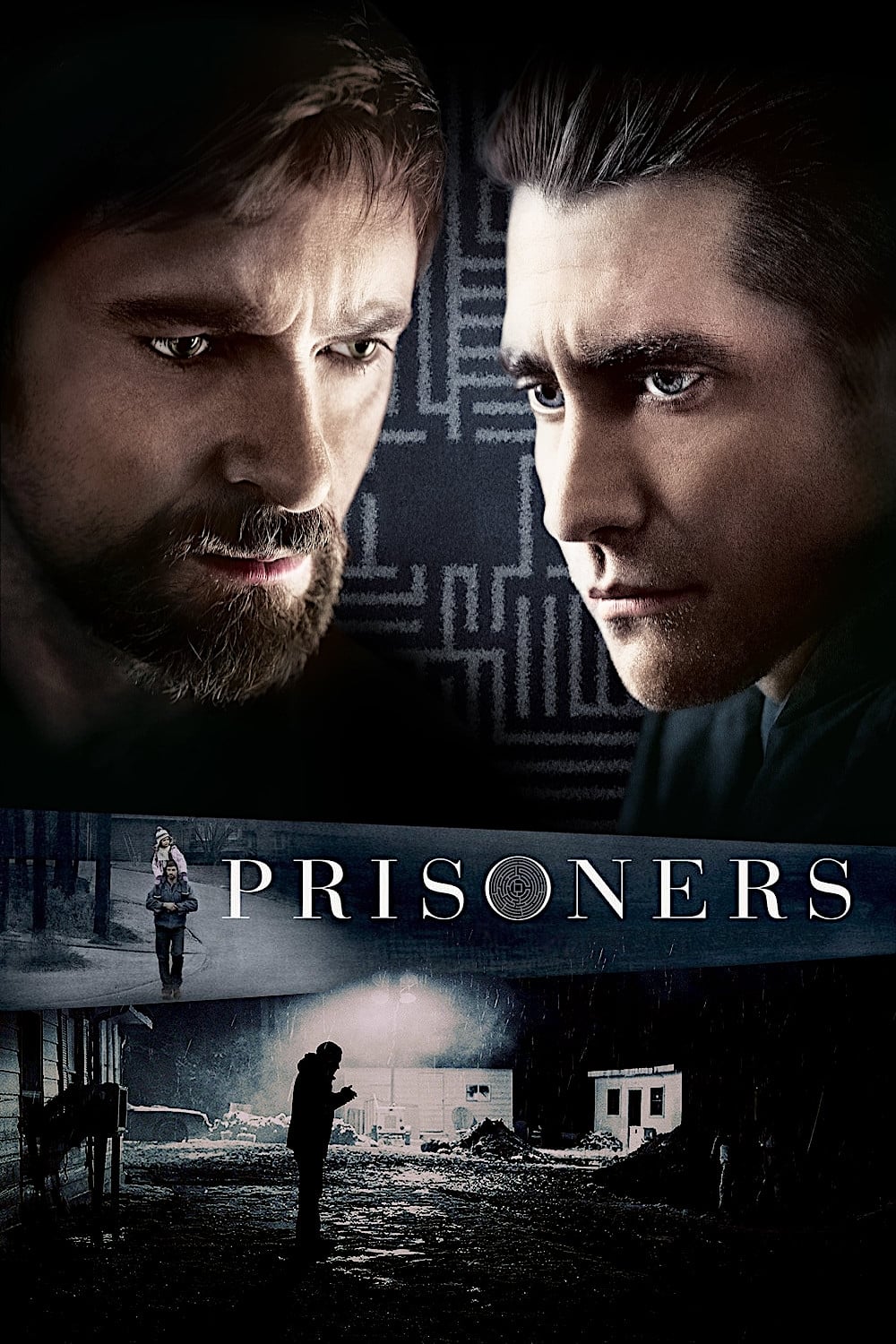
Denis Villeneuve’s thriller deals with two missing children and the moral lines crossed during a desperate search. The film uses overcast palettes, lingering exterior shots, and procedural detail to build tension. It addresses vigilante impulses, institutional limitations, and the psychological toll on families and investigators.
‘Oldboy’ (2003)
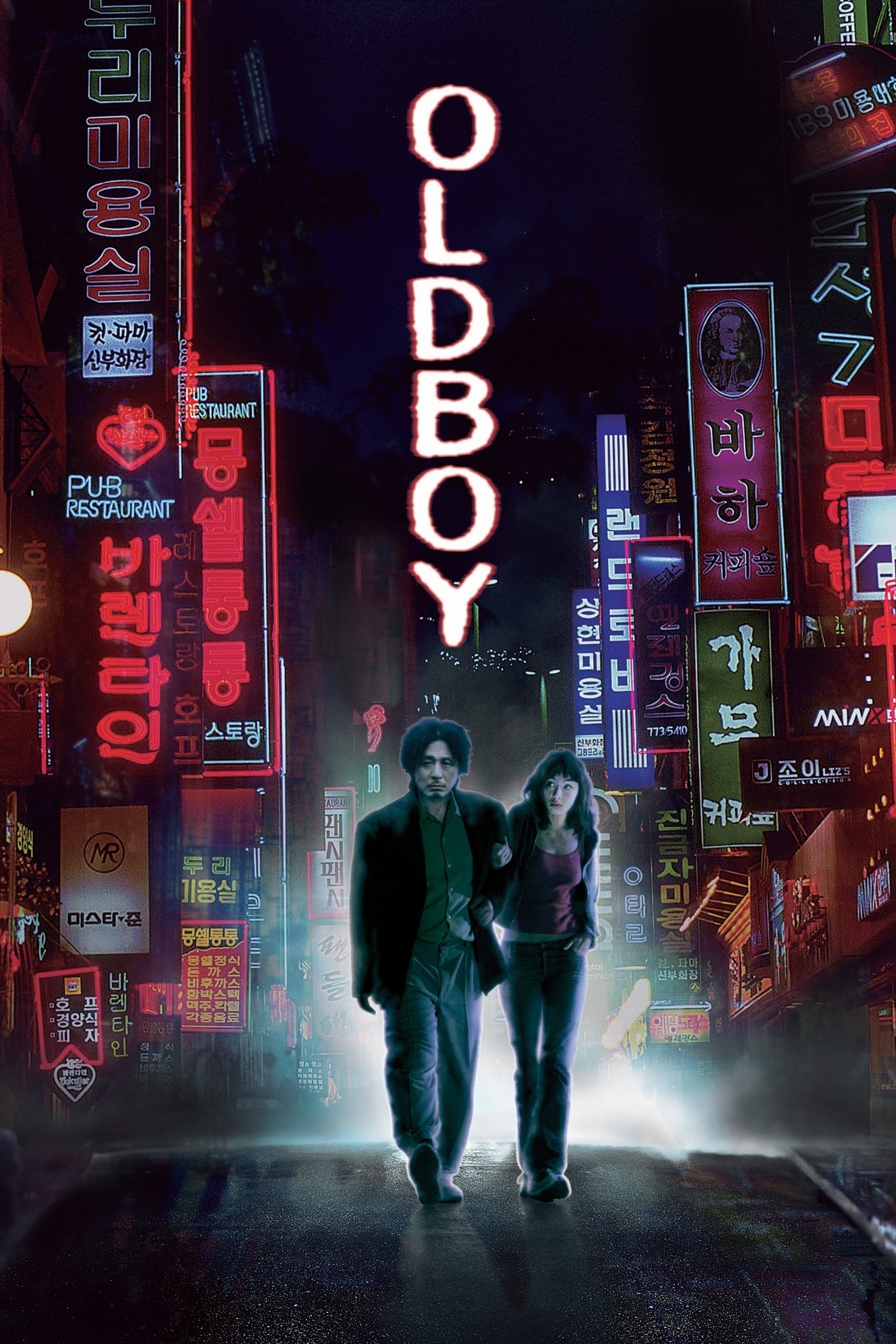
Park Chan-wook’s neo-noir follows a man mysteriously imprisoned for years and then released to find answers. Its corridor fight, hypnotic motifs, and twist-laden narrative emphasize memory manipulation and revenge psychology. The story interrogates causality, shame, and the cost of orchestrated outcomes.
‘Perfect Blue’ (1997)

Satoshi Kon’s animated thriller tracks a pop idol transitioning to acting as a stalker and a doppelgänger-like presence close in. Match cuts, screen-within-screen devices, and blurred scene boundaries question reality. The film dissects celebrity, surveillance, and identity under media fabrication.
‘Persona’ (1966)
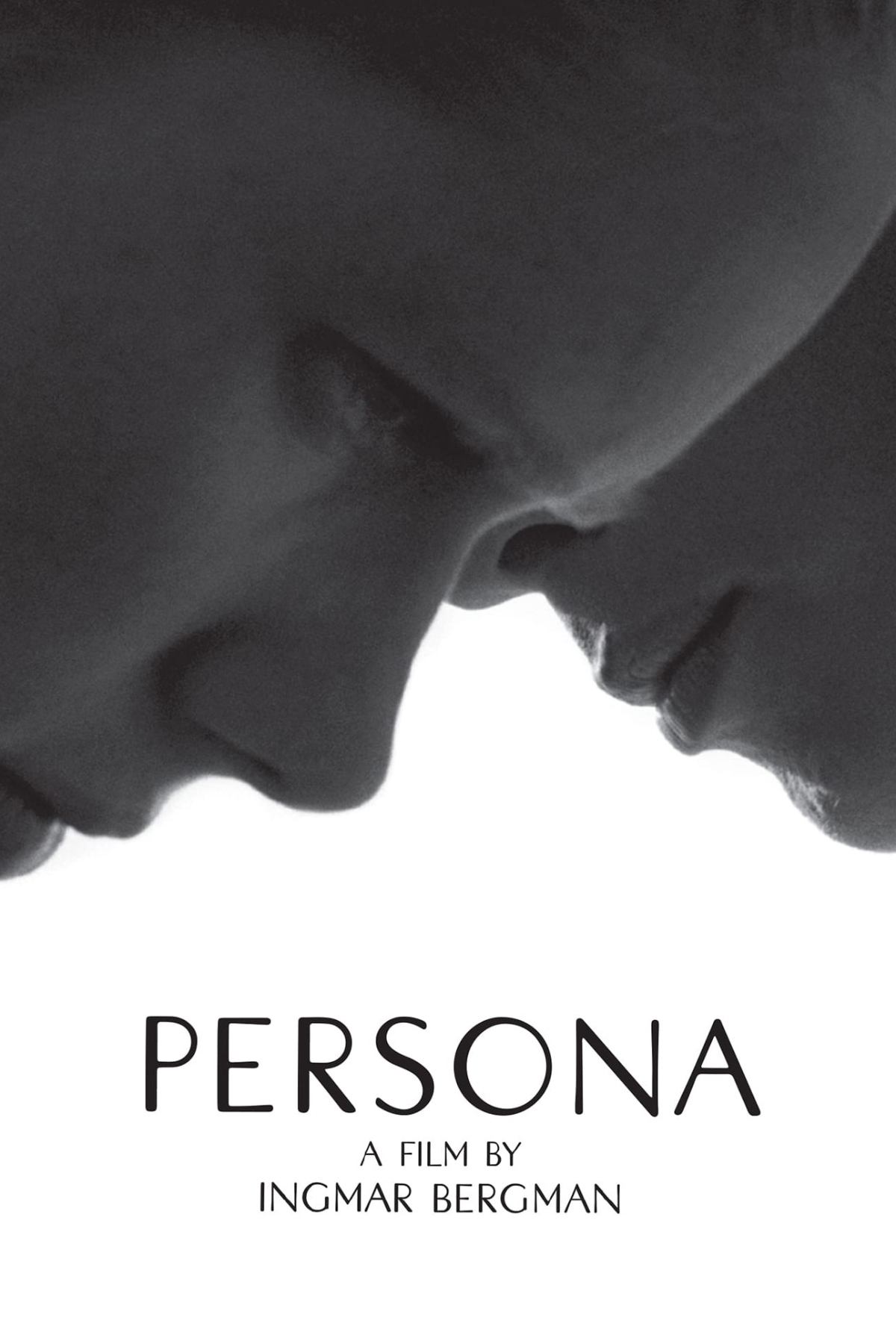
Ingmar Bergman’s chamber piece pairs an actress who has stopped speaking with a nurse who cares for her on a remote island. Minimalist settings, direct address, and filmic ruptures explore merging identities. The work examines performance, confession, and the instability of self.
‘Rosemary’s Baby’ (1968)
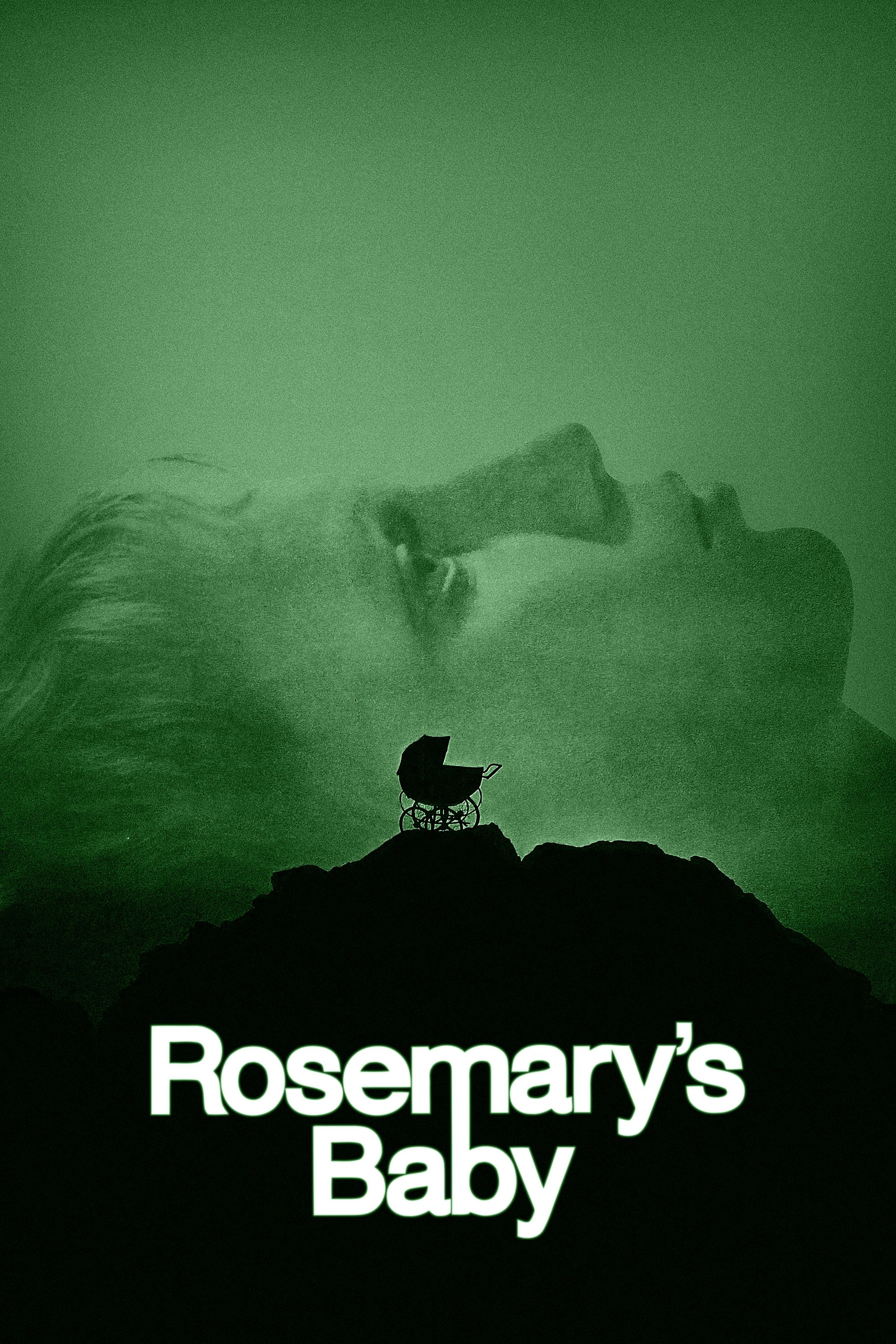
Roman Polanski’s urban-set story follows a young woman whose pregnancy becomes surrounded by intrusive neighbors and strange rituals. Apartment layouts, sound bleed-through, and medical gatekeeping amplify isolation. The film engages with bodily autonomy, gaslighting, and the tension between coincidence and conspiracy.
‘Blue Velvet’ (1986)
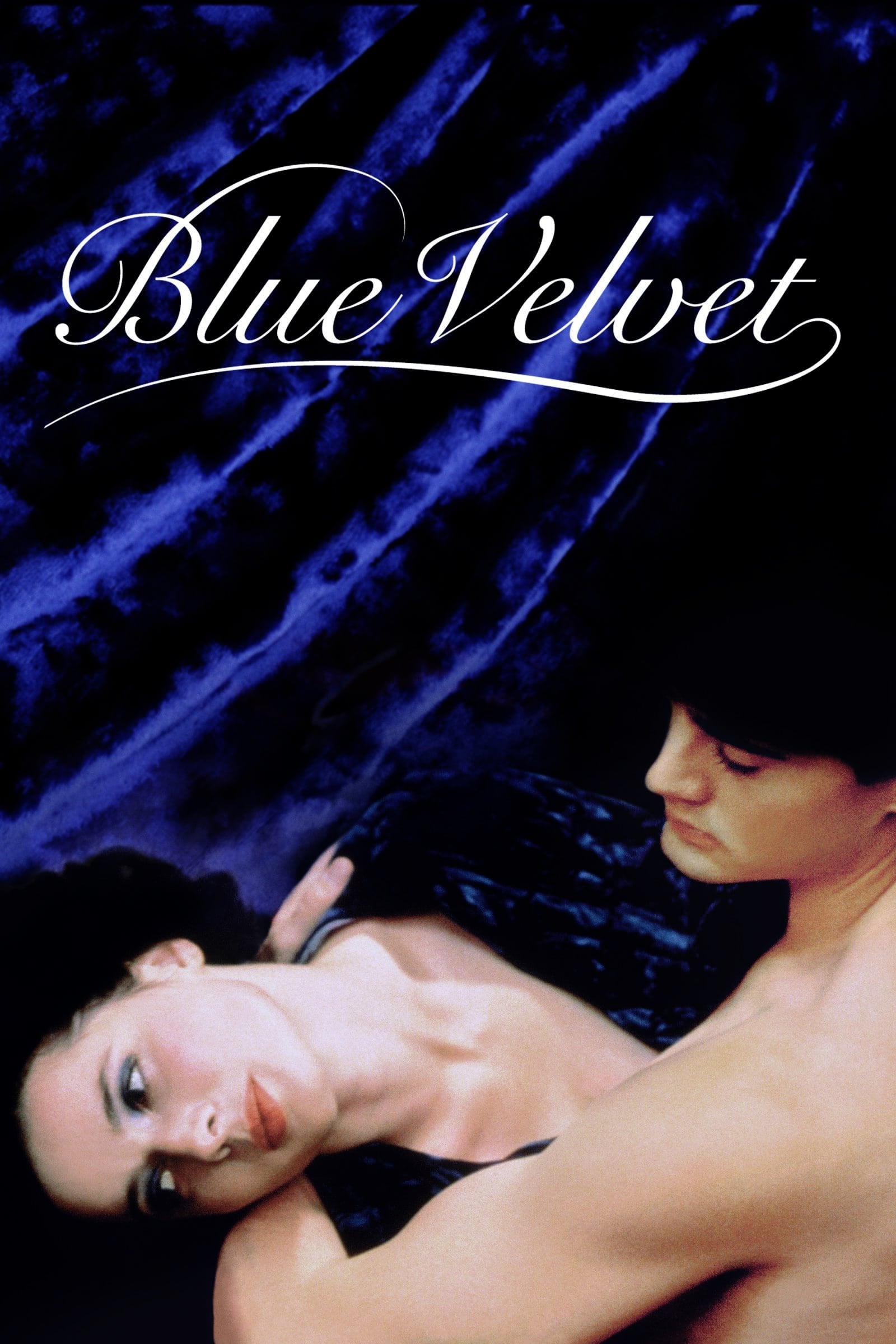
David Lynch presents a small town where a college student uncovers a violent underworld after finding a severed ear. Carefully staged interiors, color symbolism, and stylized performances construct a split between surface normalcy and hidden impulses. Themes include voyeurism, control, and the psychology of fear and desire.
‘Funny Games’ (1997)
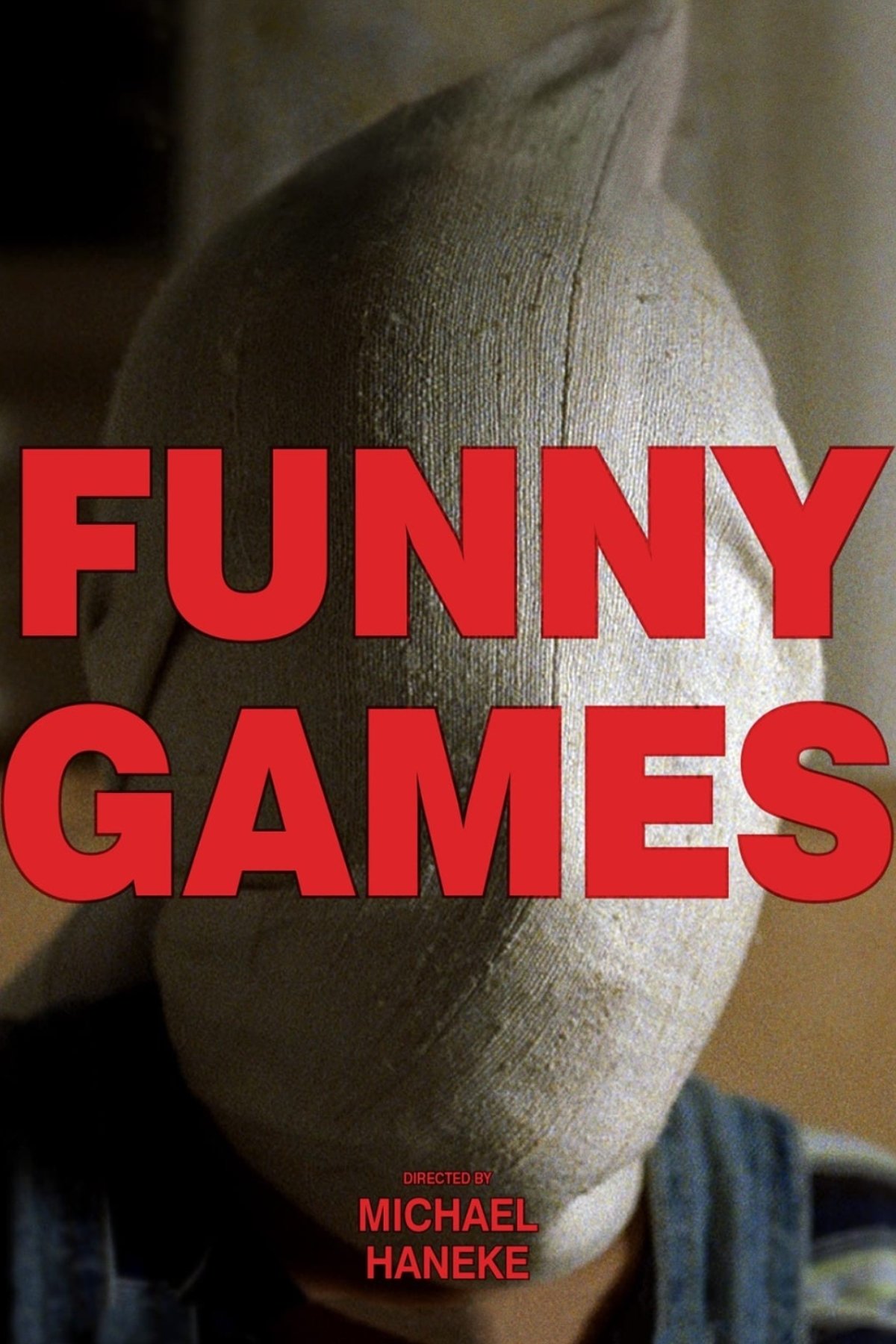
Michael Haneke’s home-invasion drama depicts two young men subjecting a family to escalating cruelty. The film uses long takes, withheld on-screen violence, and direct audience address to interrogate complicity. It examines ritualized behavior, narrative expectation, and the mechanics of tension.
‘Synecdoche, New York’ (2008)
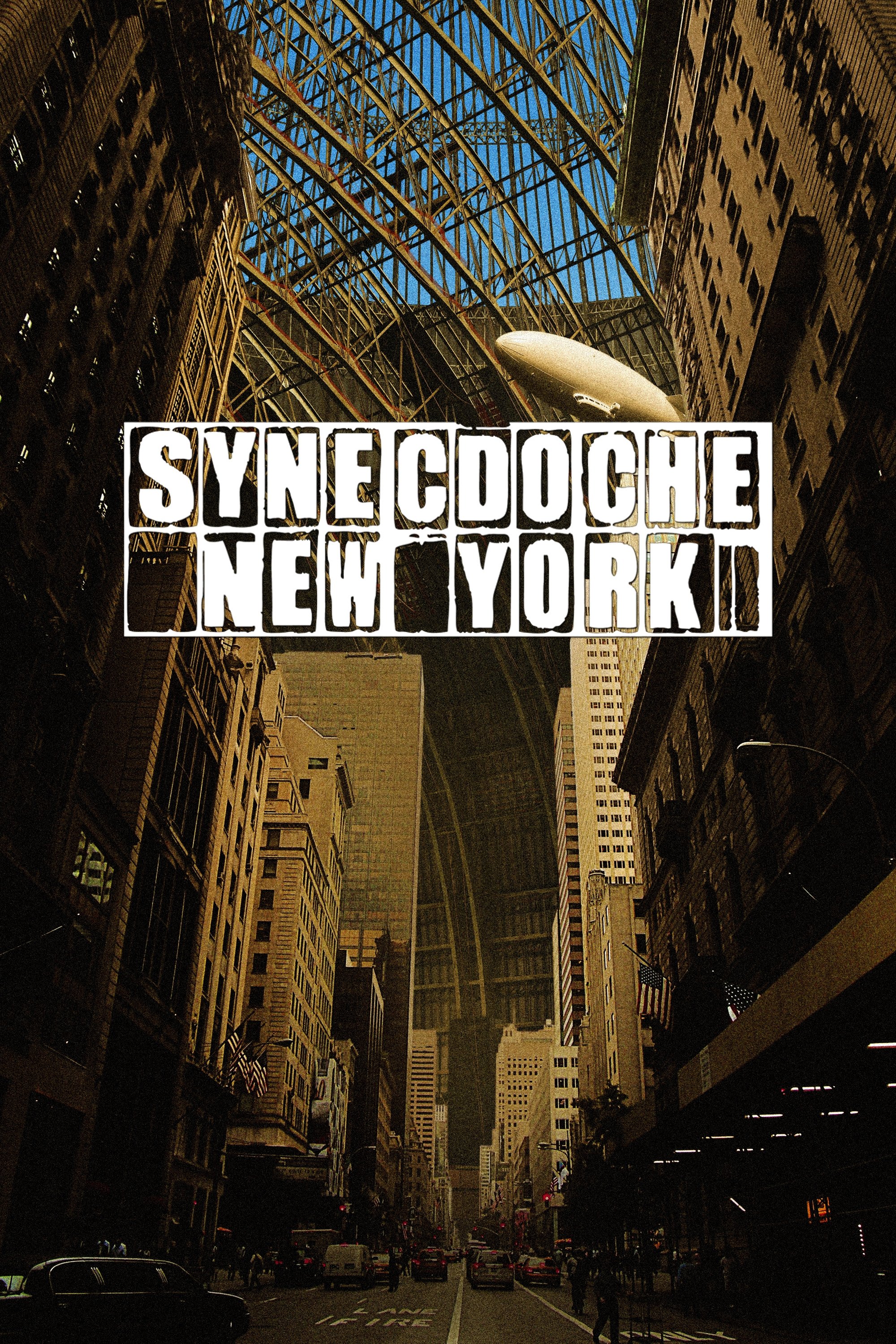
Charlie Kaufman’s metafiction follows a theater director building a life-sized replica of a city inside a warehouse as his relationships fracture. Nested performances, time compressions, and role substitutions blur personal history and art. The project’s scale becomes a framework for mortality, identity, and meaning-making.
‘Vertigo’ (1958)
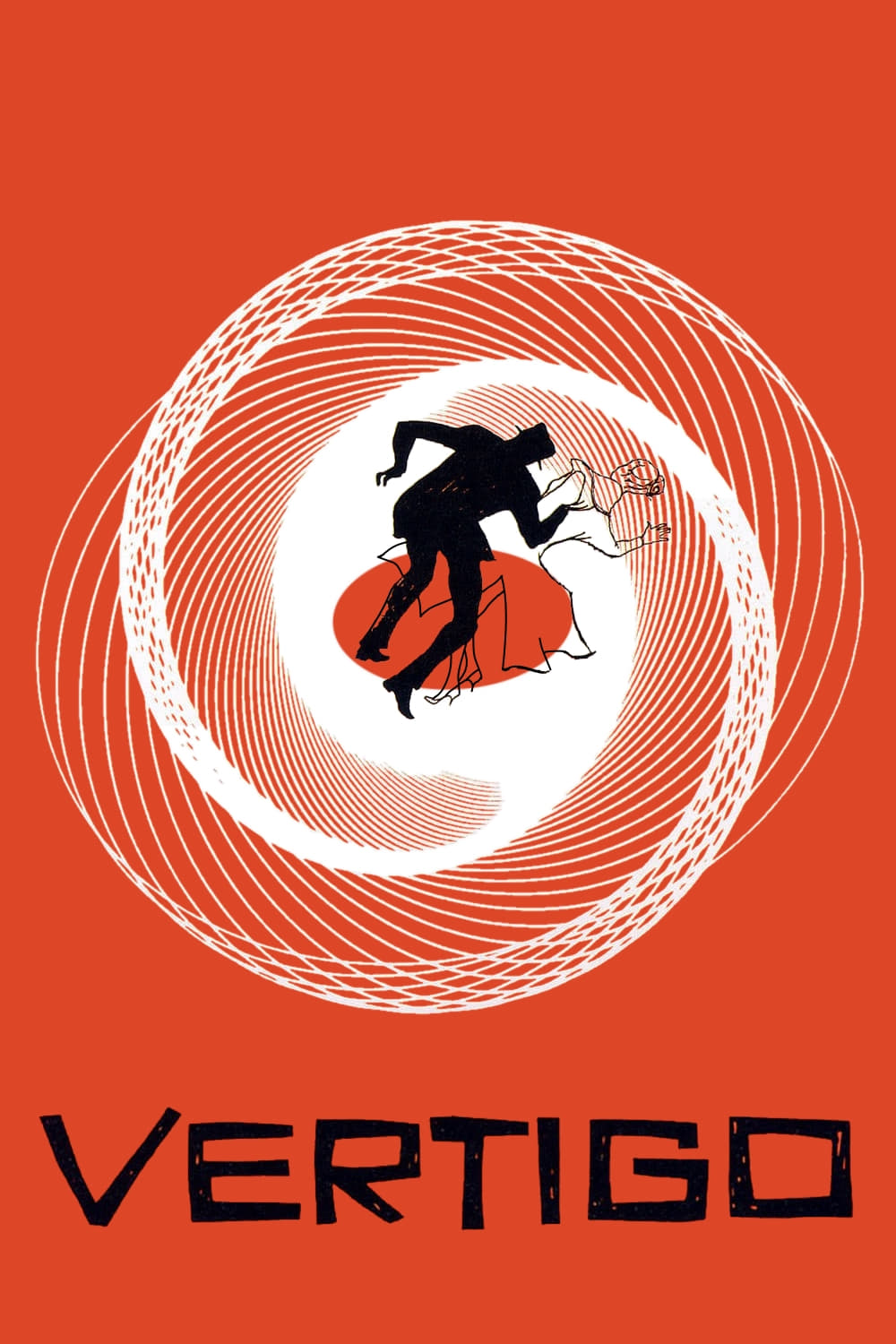
Alfred Hitchcock’s thriller follows a retired detective hired to observe a woman whose behavior suggests possession or suicidal intent. Its rotating-dolly effect, color symbolism, and mirrored identities establish a study of obsession and control. San Francisco locations, a Bernard Herrmann score, and layered flashbacks anchor its investigation of perception and desire.
‘The Conversation’ (1974)
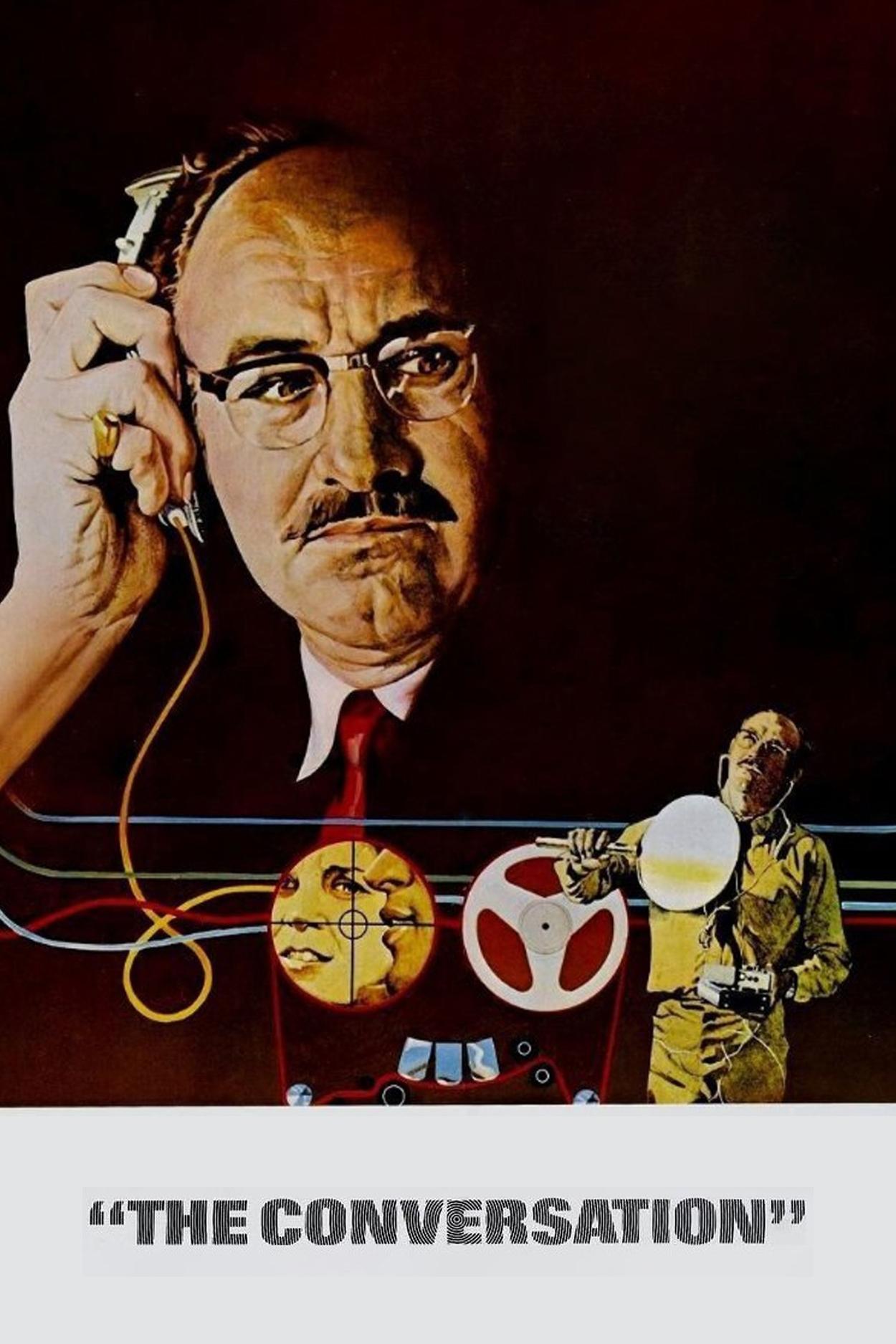
Francis Ford Coppola centers the story on a surveillance expert who becomes fixated on a cryptic recording from a routine job. Location sound, overlapping dialogue, and analog tape workflows drive the plot’s technical realism. The film examines privacy, guilt, and mistrust in professional eavesdropping while probing what was truly heard.
‘Taxi Driver’ (1976)
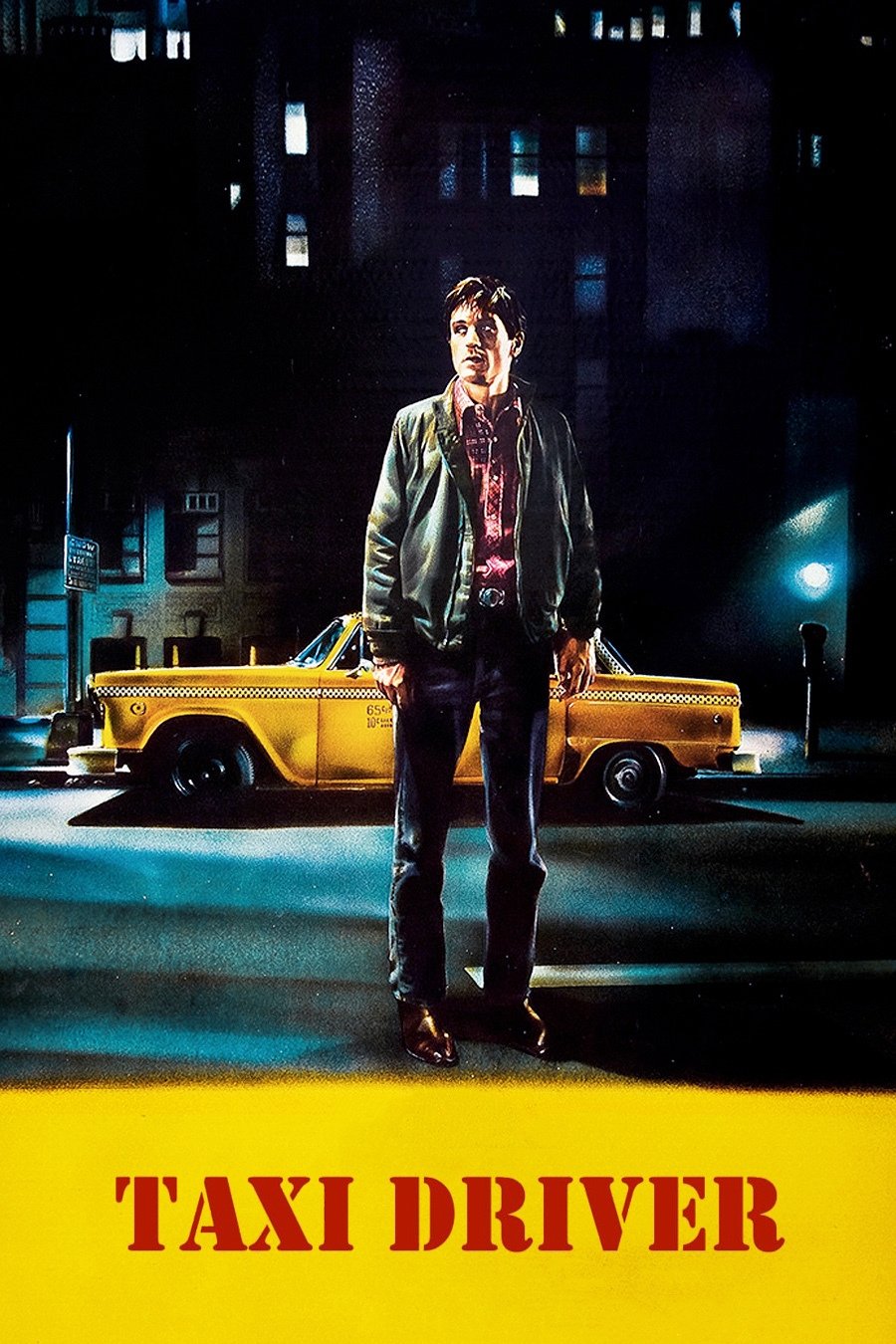
Martin Scorsese follows a night-shift cab driver whose isolation and violent fantasies escalate in a decaying urban environment. Voiceover, subjective city imagery, and a jazz score chart the protagonist’s fraying psyche. The narrative intersects with political spectacle, vigilantism, and the lure of a cleansing act.
‘Repulsion’ (1965)
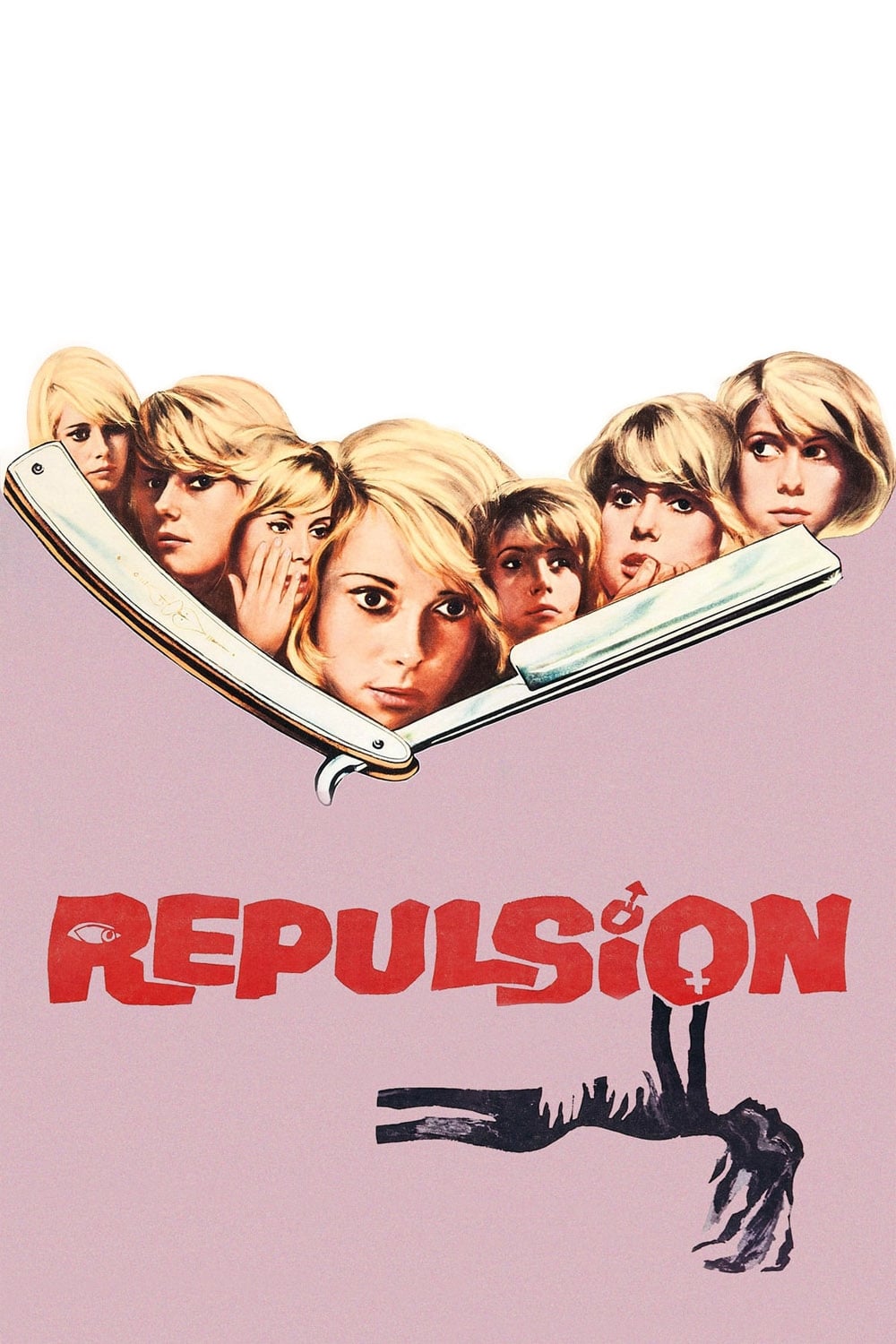
Roman Polanski focuses on a young woman whose fear of intimacy spirals while she is left alone in an apartment. Hallway distortions, cracking walls, and amplified diegetic sounds externalize her dread. The tight setting, minimal cast, and repetitive rhythms map withdrawal and hallucinations.
‘Zodiac’ (2007)
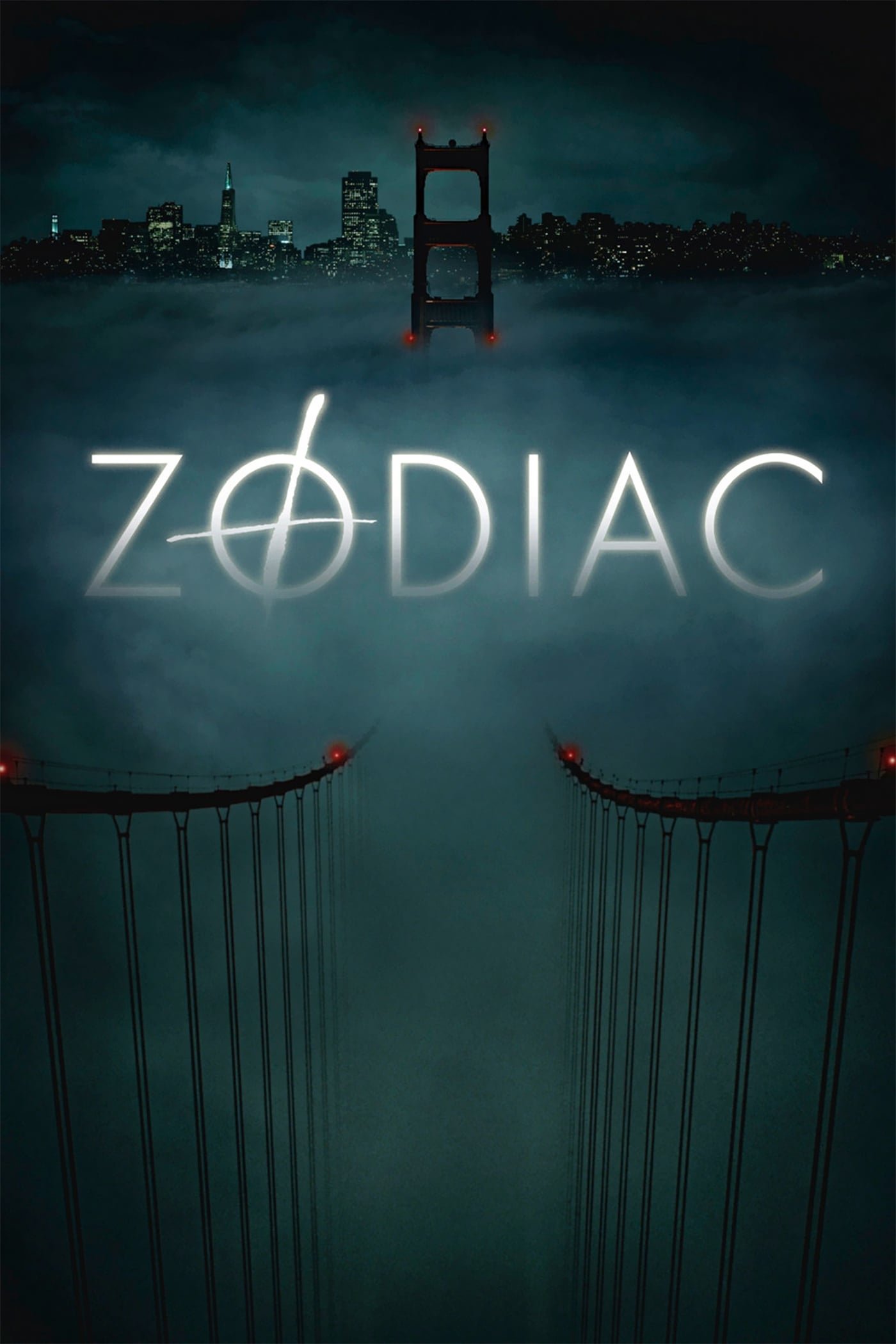
David Fincher reconstructs the Bay Area investigation into a series of cryptic murders through journalists and detectives who refuse to let the case go. Digital cinematography, timeline cards, and document-driven scenes emphasize process and uncertainty. The film details codes, suspect composites, and jurisdictional hurdles that stall resolution.
‘The Prestige’ (2006)
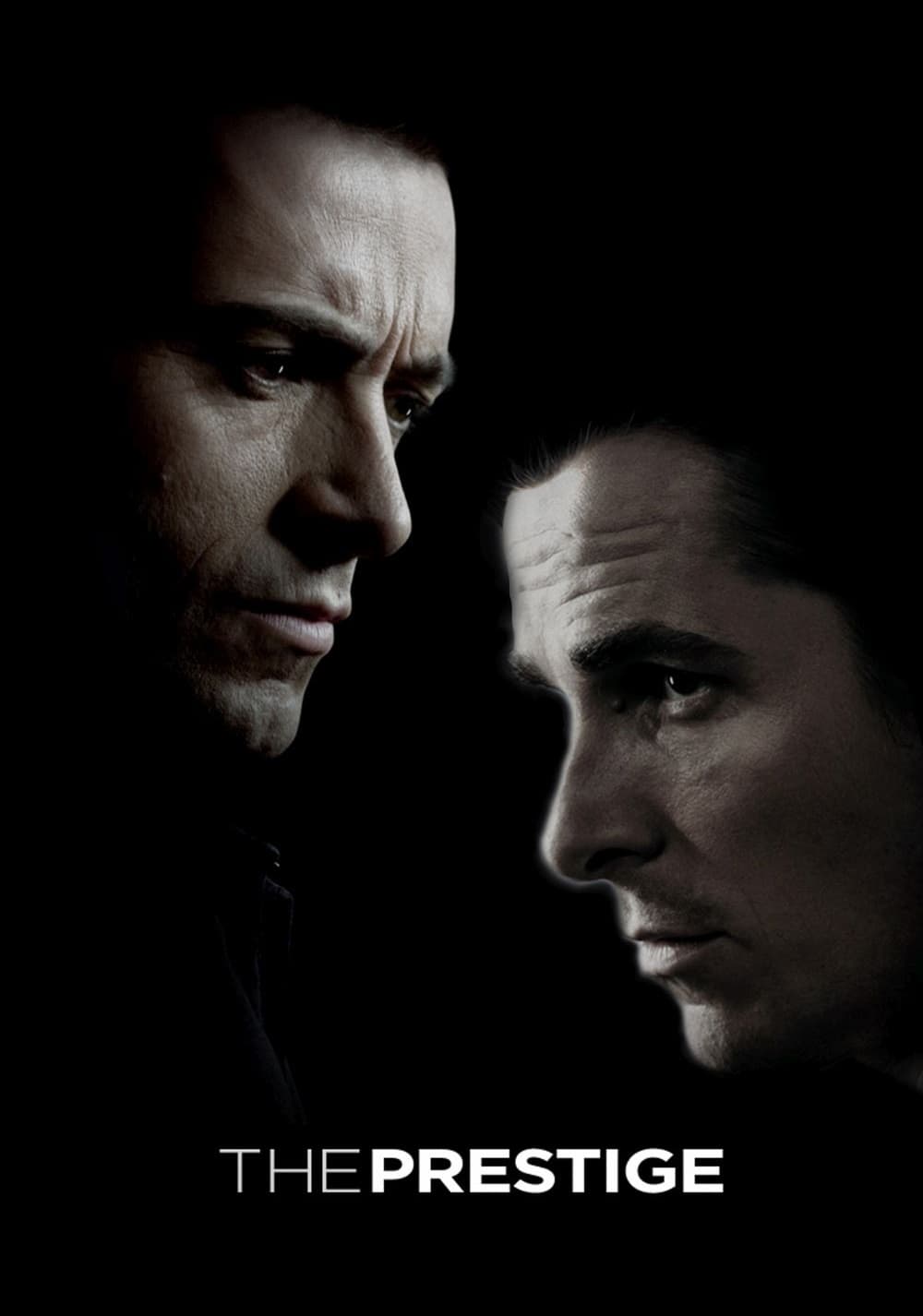
Christopher Nolan adapts a rivalry between stage magicians whose escalating one-upmanship demands dangerous feats. The narrative uses diary-within-diary devices, engineering period tech, and misdirection principles drawn from stagecraft. Its structure highlights the cost of secrecy, duplication, and sacrifice in pursuit of acclaim.
‘Enemy’ (2013)
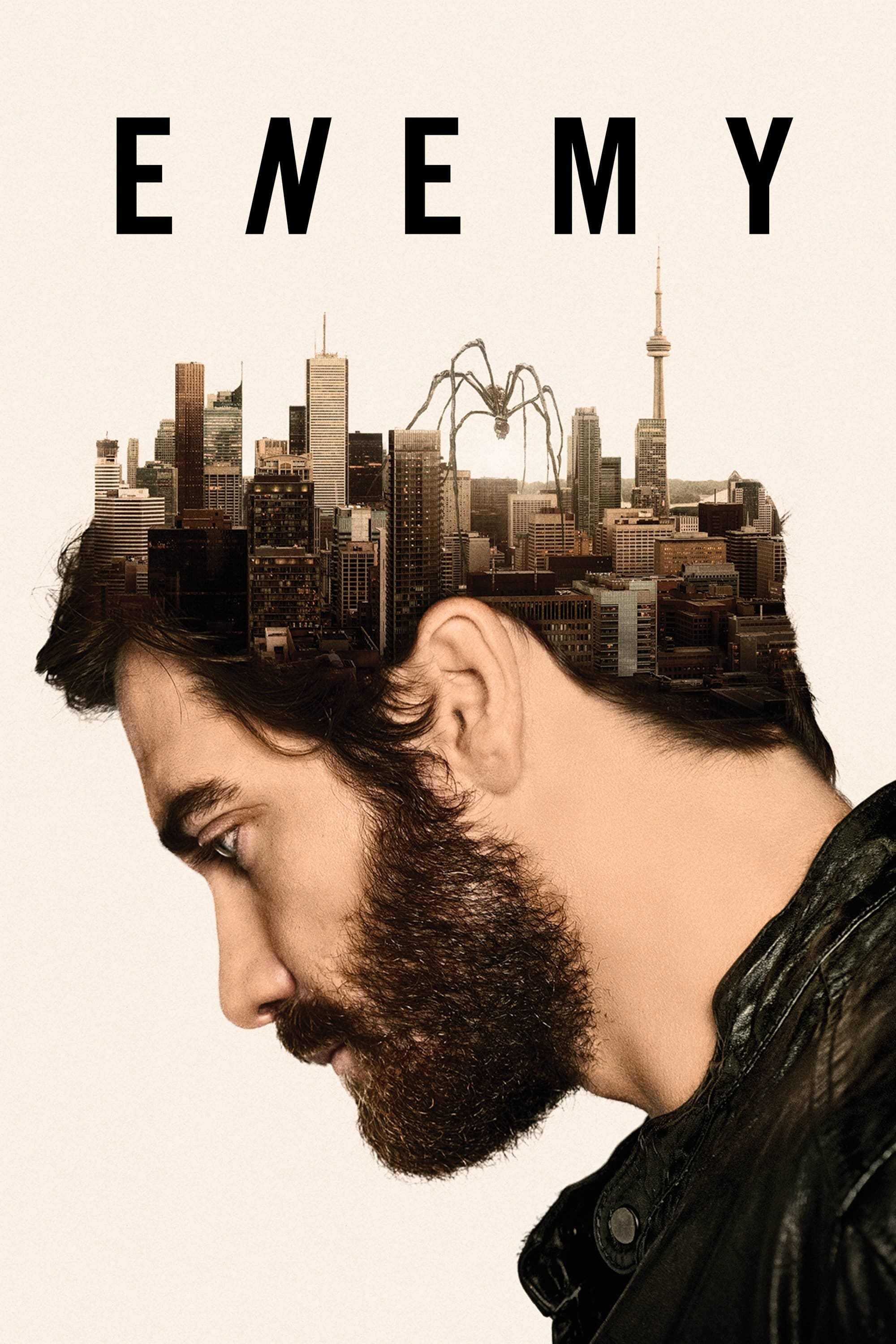
Denis Villeneuve presents a lecturer who discovers an exact double living nearby, triggering an identity entanglement. Sepia-leaning palettes, recurring spider imagery, and sparse dialogue create sustained unease. The adaptation of José Saramago’s novel uses urban geography and mirrored routines to question autonomy and fate.
‘A Tale of Two Sisters’ (2003)
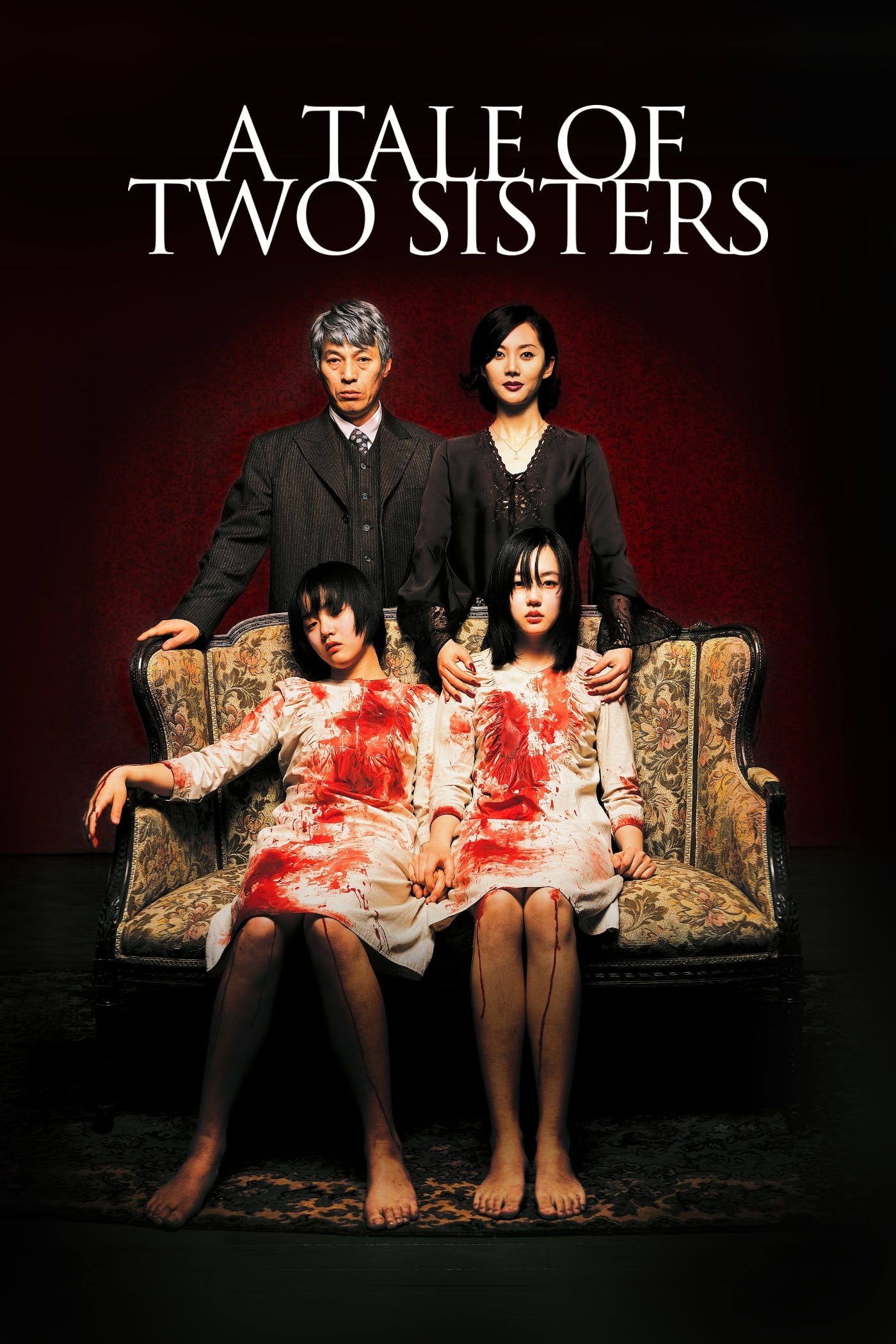
Kim Jee-woon’s story follows siblings returning from treatment to a country home dominated by a stern stepmother and buried family trauma. Traditional folklore motifs, saturated interiors, and careful blocking layer clues about memory and denial. Editing patterns and object placements invite close tracking of what is imagined or misremembered.
‘Hereditary’ (2018)

Ari Aster’s family saga examines grief and inherited patterns as strange phenomena derail everyday life. Miniature-house designs, matched compositions, and abrupt framing shifts situate characters as pieces in a larger plan. The script integrates therapeutic settings, ritual elements, and historical research into a slow-burn revelation.
‘The Babadook’ (2014)
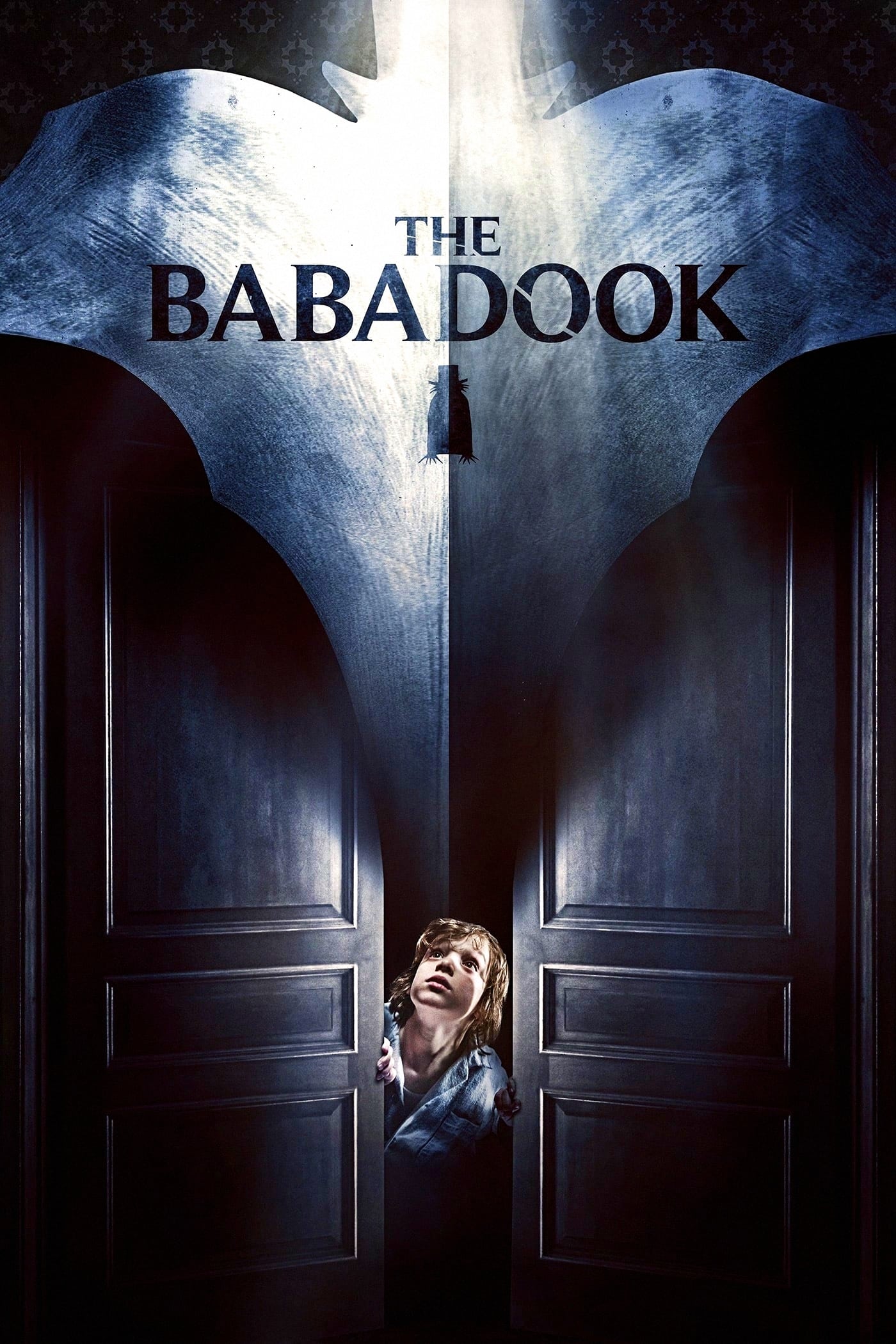
Jennifer Kent’s debut centers on a single mother and her son confronted by a figure from a pop-up book that appears to intrude on their home. Practical effects, controlled lighting, and book-as-prop storytelling support an allegory of unprocessed loss. Sound cues—knocks, rustles, and voice distortion—track mounting intrusion.
‘The Others’ (2001)
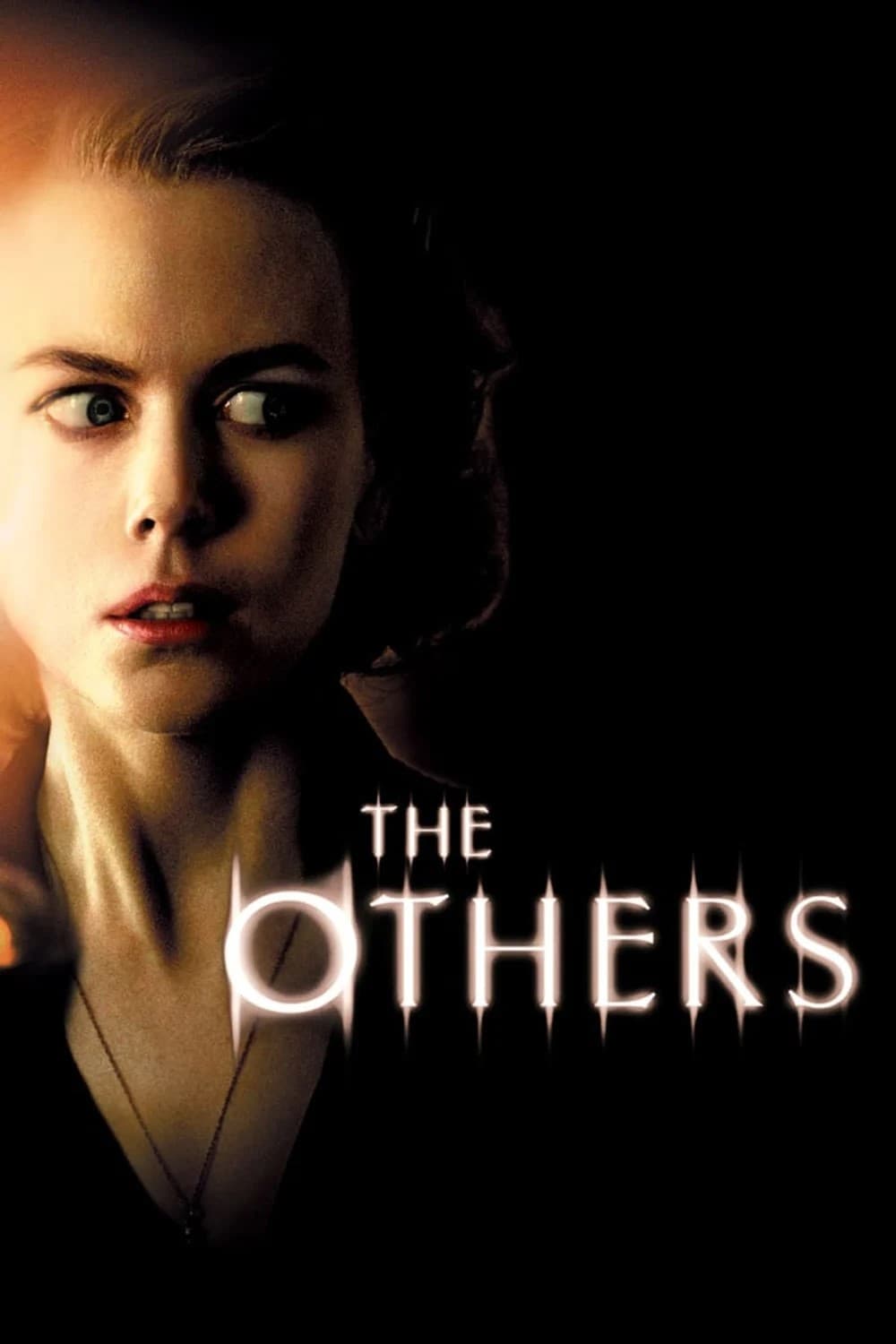
Alejandro Amenábar tells of a mother and two light-sensitive children living in a fog-shrouded house where rules and routines govern every door and curtain. Candlelit scenes, soft-focus frames, and measured reveals build a chamber-piece mystery. Themes of faith, doubt, and misinterpretation drive the careful handling of testimony and evidence.
‘Primal Fear’ (1996)
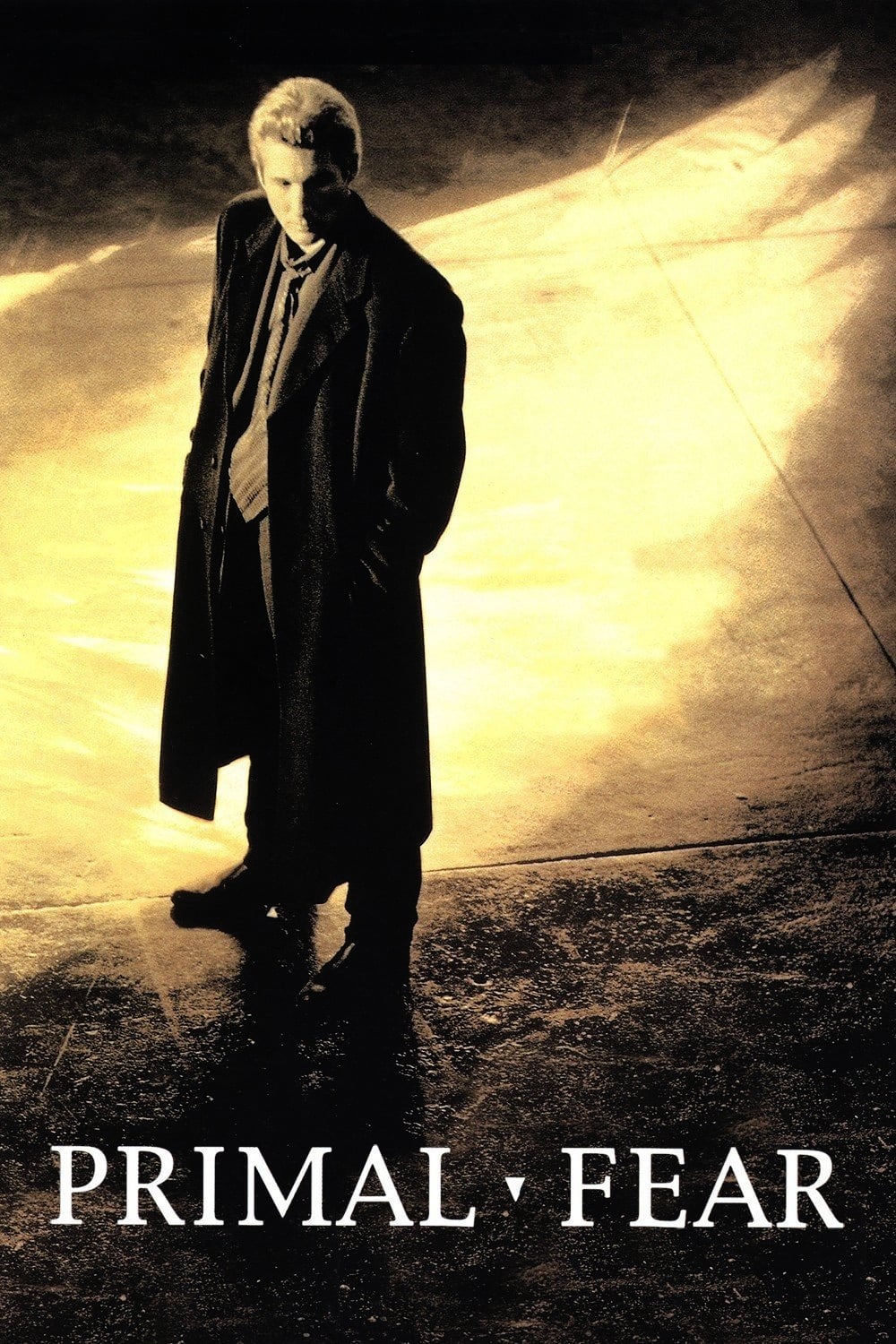
Gregory Hoblit’s legal thriller follows a defense attorney representing a shy altar boy accused of a high-profile killing. Courtroom strategy, psychiatric evaluations, and media pressure shape the case’s shifting narrative. The film explores credibility, manipulation, and the performance of sincerity under scrutiny.
‘American Psycho’ (2000)

Mary Harron adapts Bret Easton Ellis’s novel about a Manhattan investment banker whose double life moves between status rituals and violent fantasies. Period-accurate brand signifiers, business-card set pieces, and music monologues document performative identity. The film interrogates conformity, image maintenance, and the ambiguity of narrated events.
‘Requiem for a Dream’ (2000)
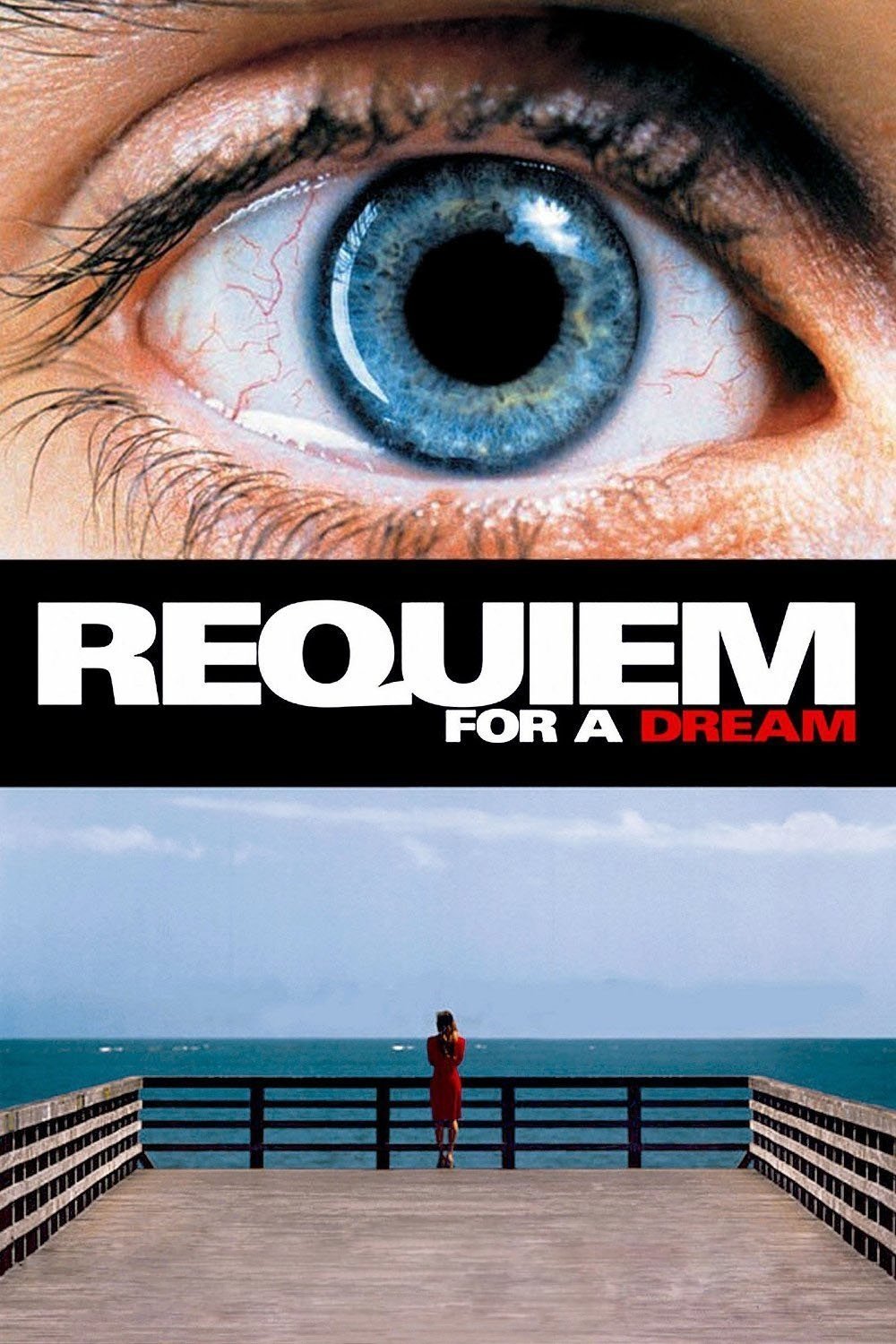
Darren Aronofsky tracks four interconnected characters whose addictions escalate through seasonal chapters. Hip-hop montages, split screens, and rapid-fire match cuts visualize compulsive cycles. The score and recurring sound motifs—refrigerator hums, pill clicks—map the tightening grip of dependency.
‘Caché’ (2005)

Michael Haneke’s mystery begins when a couple receives unmarked videotapes surveilling their home and routines. Long static shots, absence of non-diegetic music, and unresolved angles question what counts as evidence. The film probes guilt, denial, and the legacy of past violence through ethically fraught observation.
Share your own psychological must-watches in the comments so everyone can expand their yearly rotation.

