


Essential Sci-Fi Movies to Revisit Every Year


From visionary space epics to cerebral futures grounded in present-day anxieties, science fiction keeps revealing new layers with every rewatch—thanks to rich worldbuilding, striking design, and ideas that echo far beyond the end credits. This list gathers a broad sweep of landmark titles, focusing on who made them, what they’re about, and the craft and innovations behind them, so you can dip back in anytime and still discover something new.
‘2001: A Space Odyssey’ (1968)
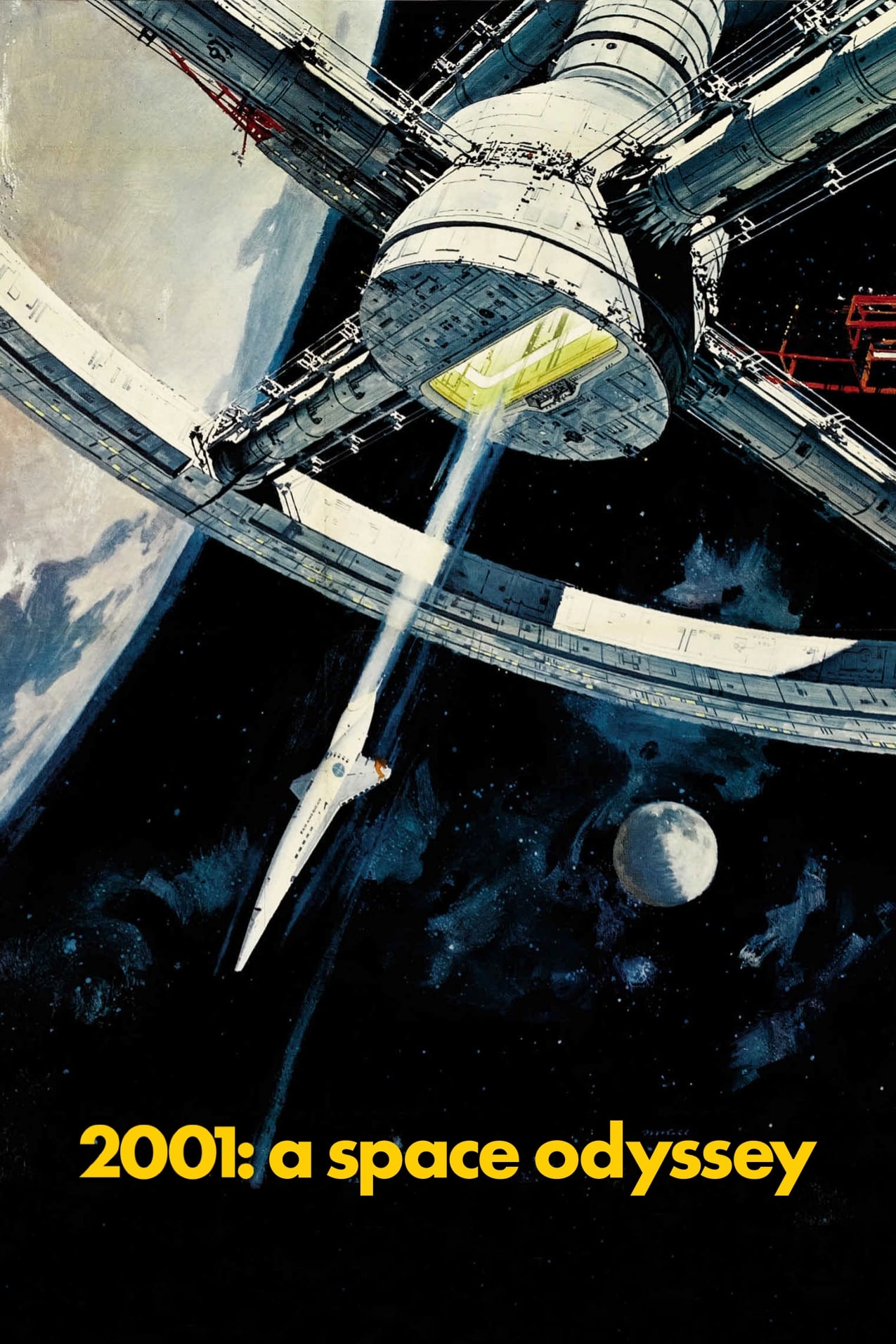
Directed by Stanley Kubrick, with pioneering visual effects supervised by Douglas Trumbull. The story spans prehistoric Earth to deep space, following the enigmatic Monolith and an astronaut’s confrontation with the HAL 9000 computer. Its scientific realism drew on NASA advisers and meticulous research into spacecraft design. The classical-music soundtrack and long-form sequences helped redefine cinematic sci-fi language.
‘Blade Runner’ (1982)
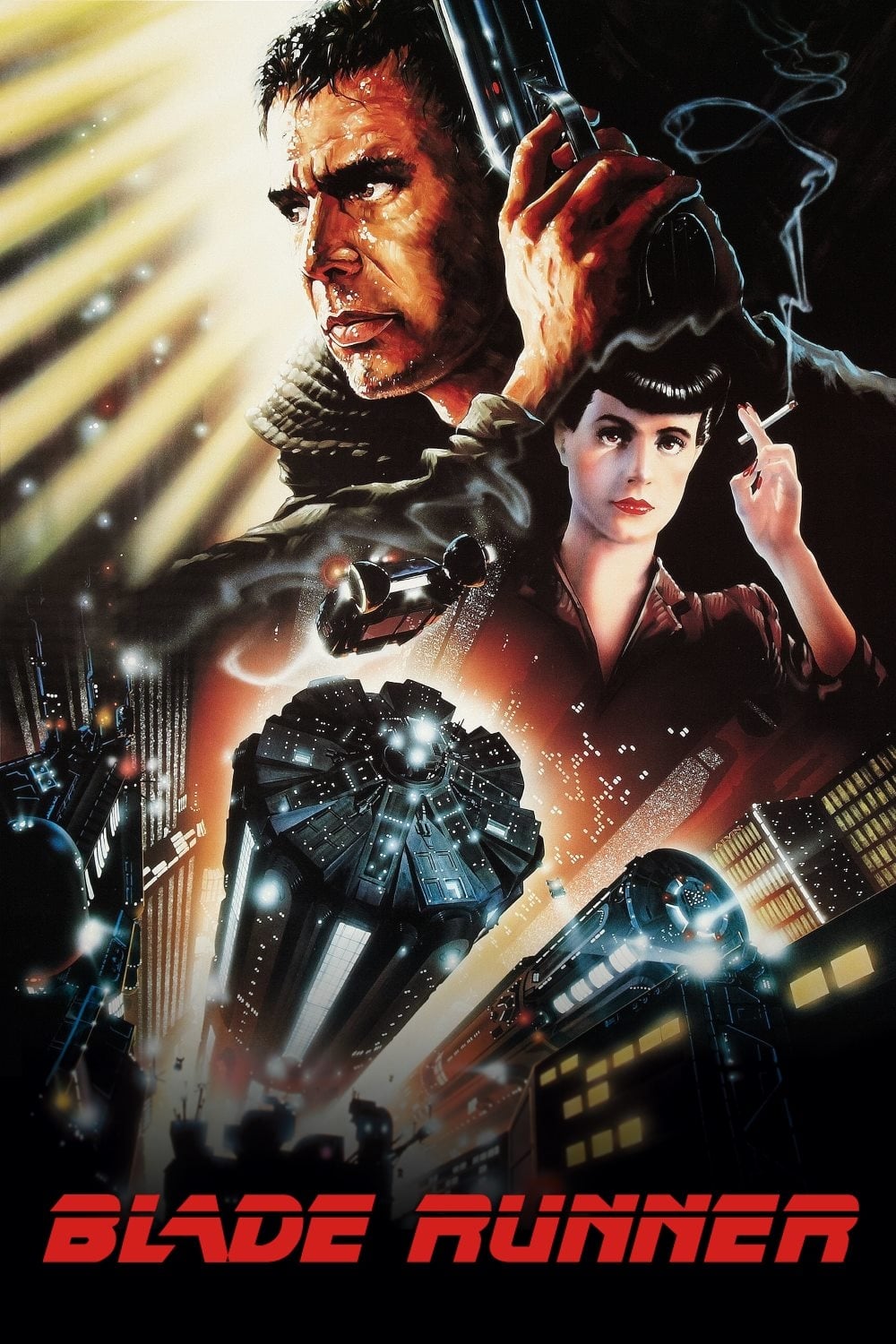
Directed by Ridley Scott and adapted from Philip K. Dick’s work, it follows a detective tasked with retiring bioengineered replicants. Production design by Lawrence G. Paull and neon-drenched cinematography by Jordan Cronenweth established the benchmark for cyberpunk visuals. Vangelis composed the influential electronic score. Multiple cuts exist, with the ‘Final Cut’ reflecting Scott’s definitive vision.
‘Blade Runner 2049’ (2017)
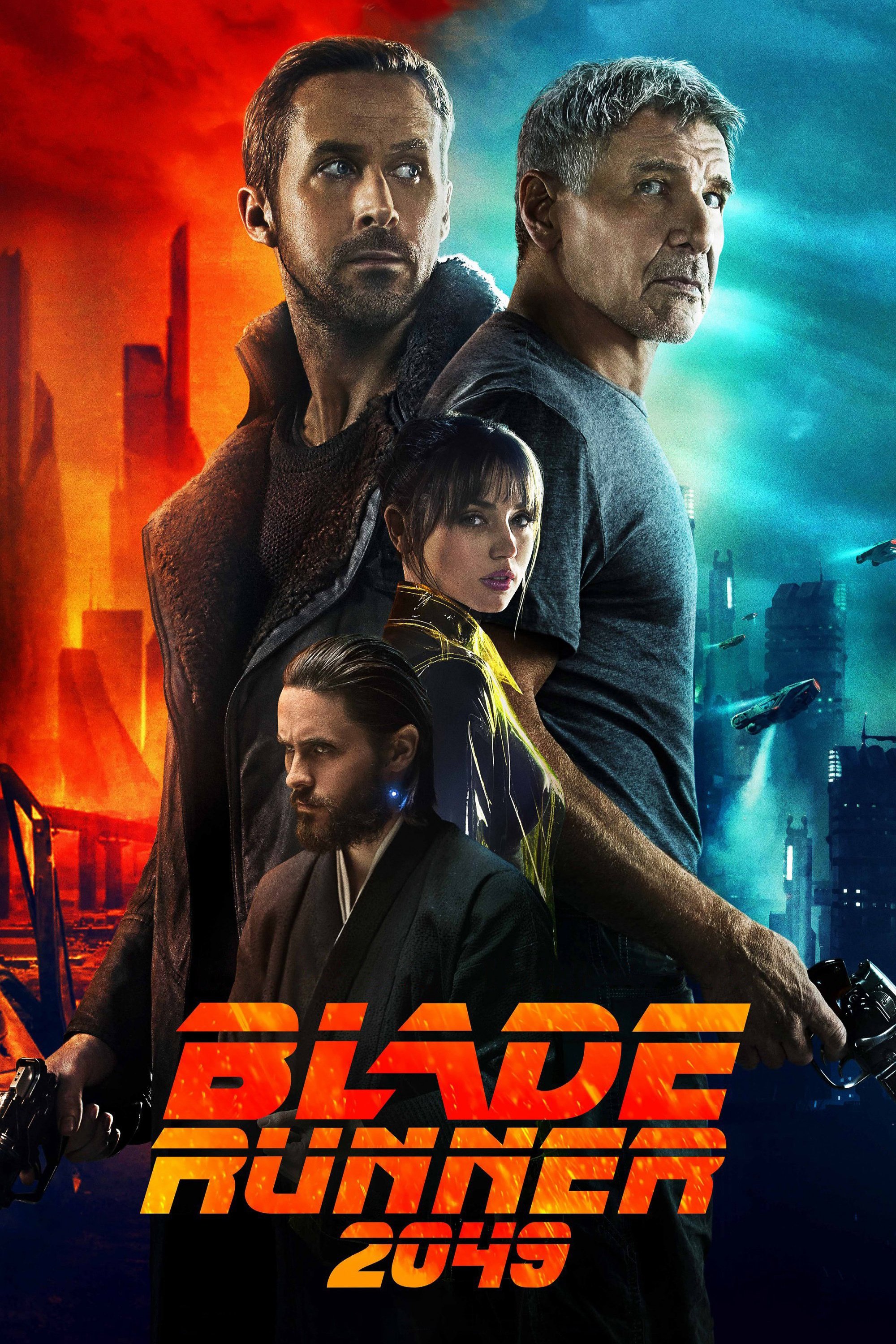
Directed by Denis Villeneuve, with cinematography by Roger Deakins and music by Hans Zimmer and Benjamin Wallfisch. The film expands the replicant mythos through a detective’s investigation that intersects corporate secrets and memory technology. Production design blends brutalist architecture with environmental collapse imagery. Deakins’ imaging earned widespread recognition for its color and light innovations.
‘The Matrix’ (1999)
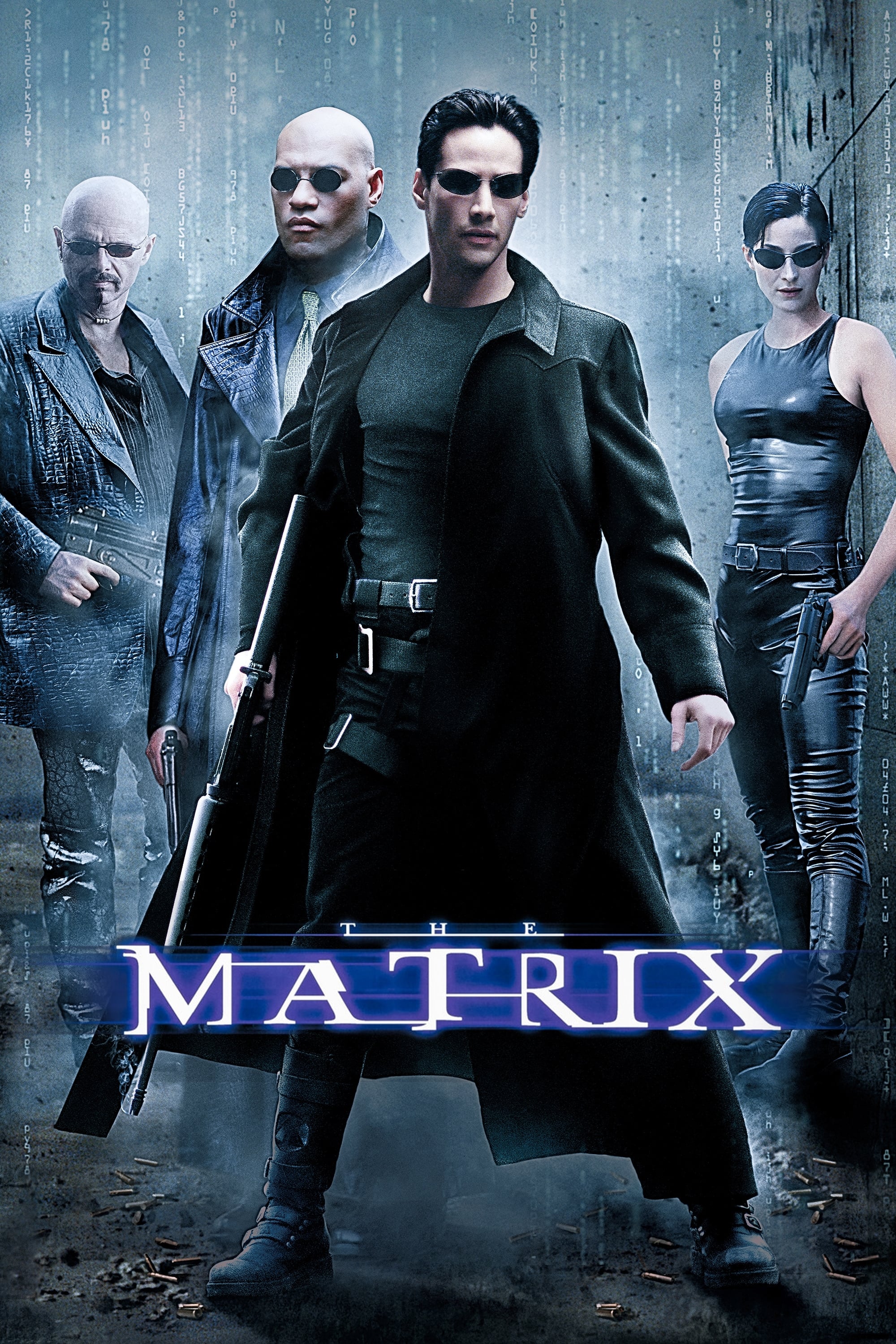
Written and directed by Lana and Lilly Wachowski, it follows a hacker who learns reality is a simulated construct. The production popularized bullet-time photography and wire-fu fight choreography under Yuen Woo-ping. Design draws on noir, anime, and hacker subcultures to distinguish real world and simulation. Its visual-effects pipeline integrated practical stunts with then-state-of-the-art compositing.
‘Alien’ (1979)
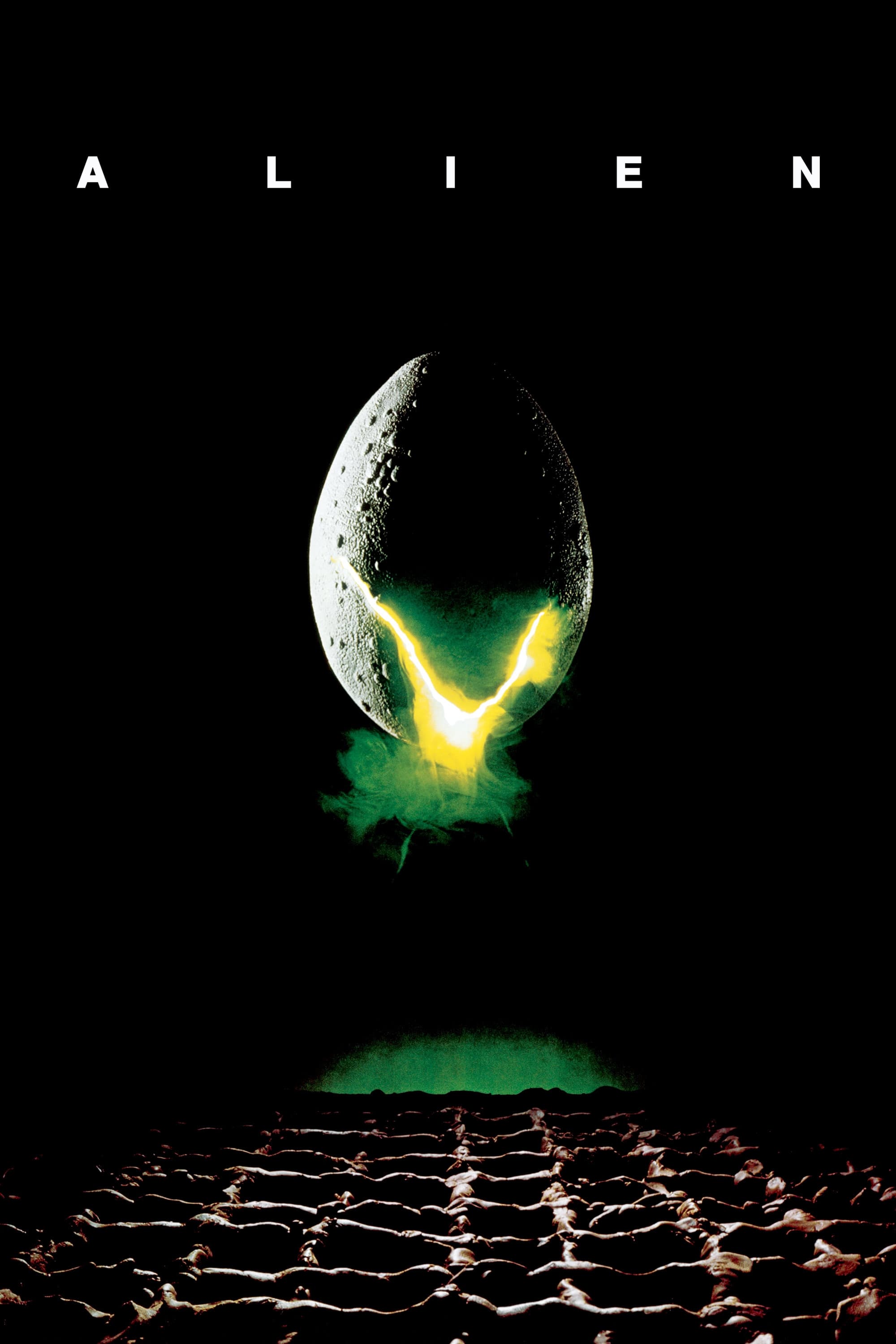
Directed by Ridley Scott, featuring production design by Michael Seymour and creature concepts by H. R. Giger. The plot centers on a commercial starship crew responding to a distress signal and encountering a lethal xenomorph. Jerry Goldsmith’s score and sound design build sustained tension. Miniatures, matte work, and biomechanical sets created a lived-in industrial aesthetic.
‘Aliens’ (1986)
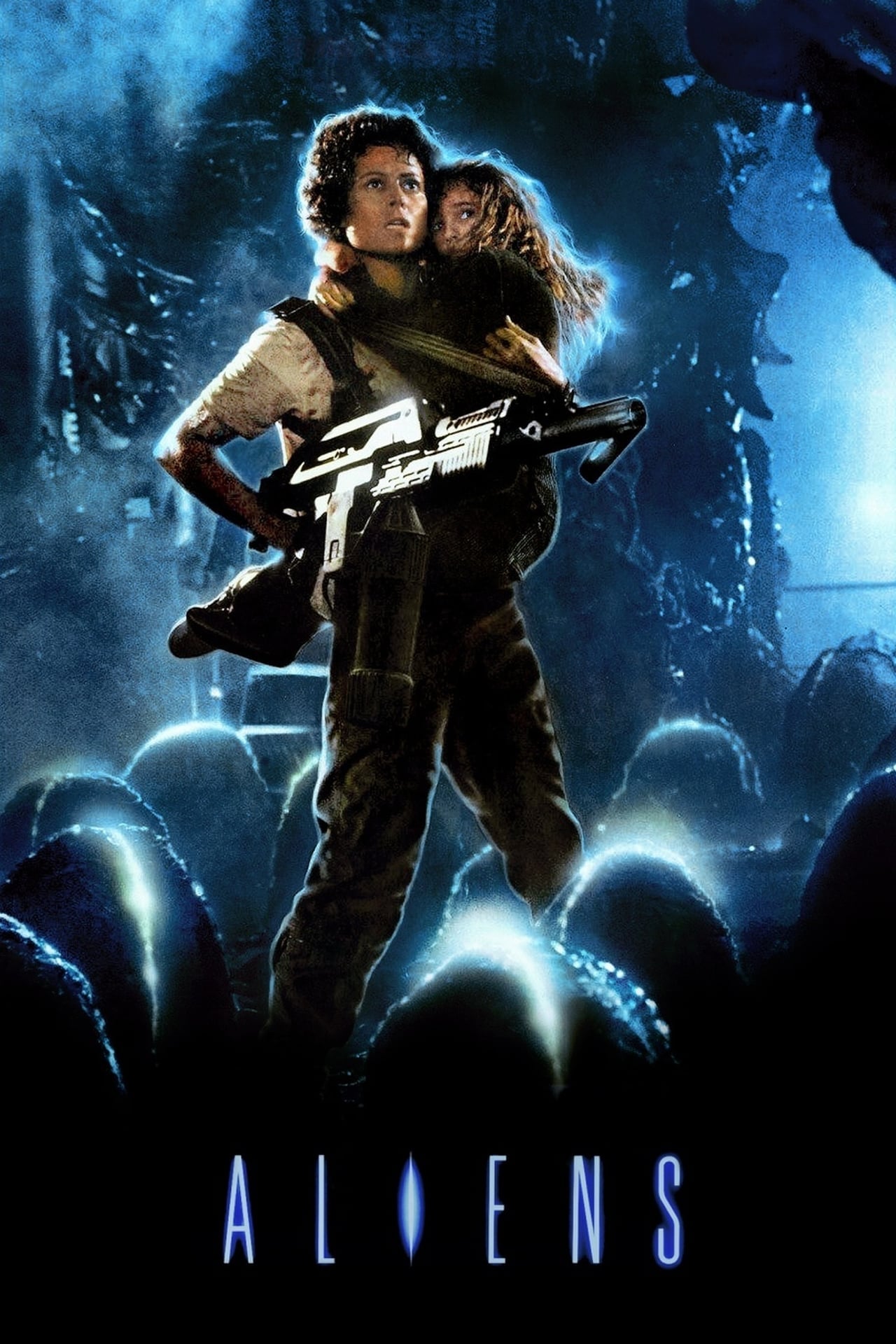
Written and directed by James Cameron, it follows a rescue mission to a colony overrun by xenomorphs. The film introduced the Colonial Marines, power loader exosuit, and hive-queen lifecycle expansion. Stan Winston’s practical effects and miniature photography anchor large-scale action. The blend of military-sci-fi hardware and character-driven stakes broadened the franchise’s scope.
‘Star Wars: Episode IV – A New Hope’ (1977)
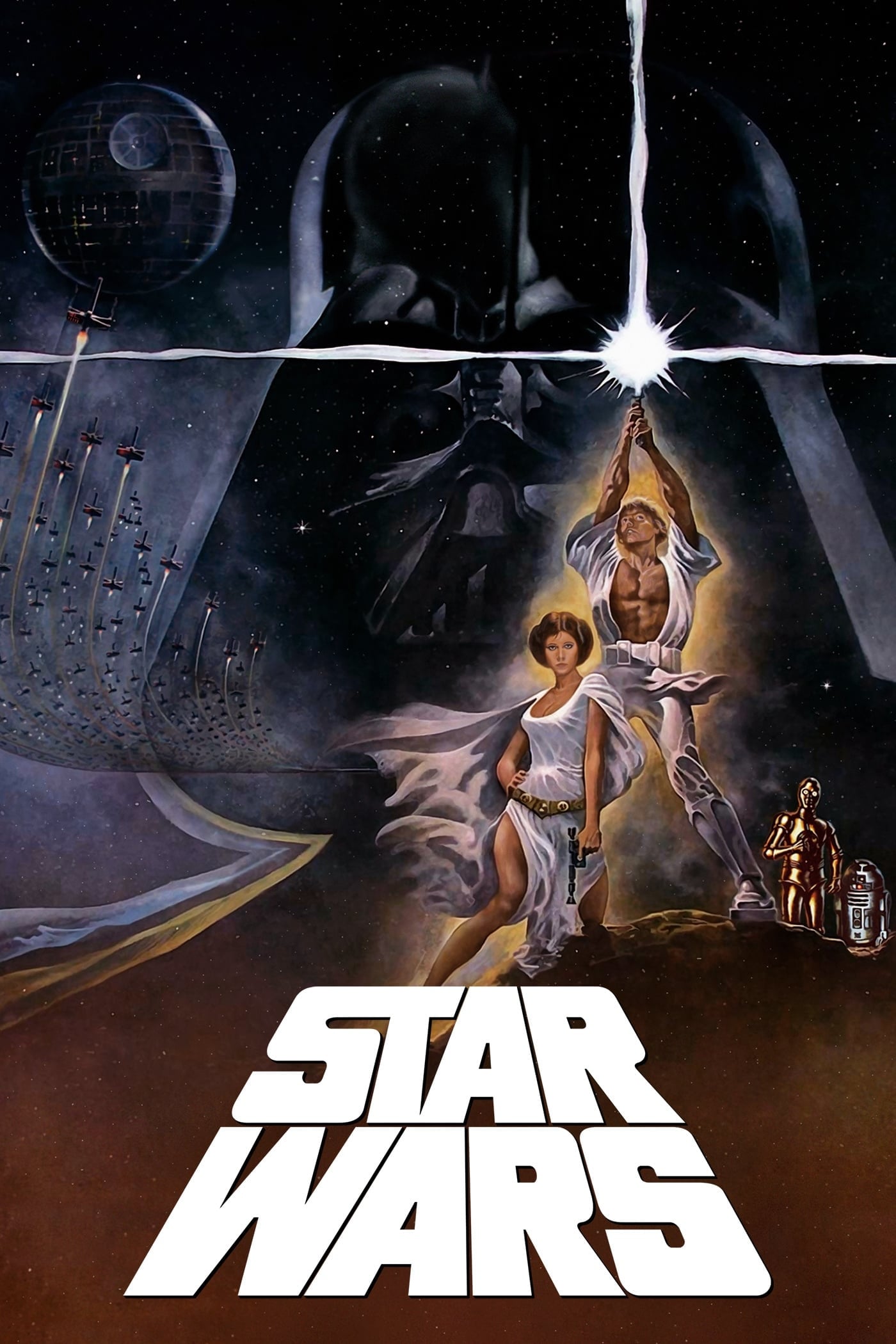
Created by George Lucas, it chronicles a farmhand’s journey into a galactic rebellion. Industrial Light & Magic developed motion-control camera systems to accomplish dynamic space battles. John Williams’ orchestral score established leitmotifs for characters and factions. Iconic sound design by Ben Burtt crafted the sonic identities of droids, blasters, and starships.
‘The Empire Strikes Back’ (1980)
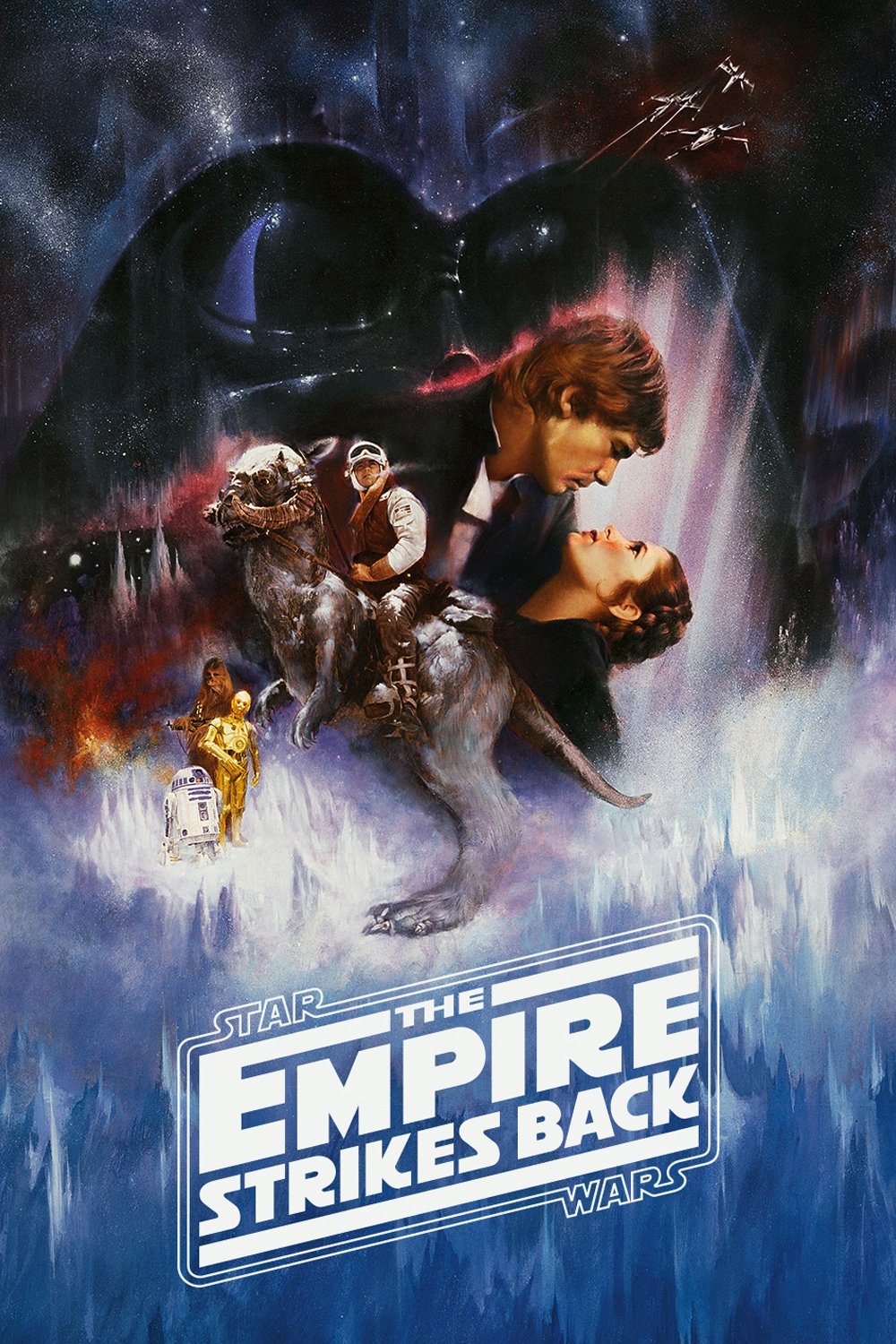
Directed by Irvin Kershner, with story by George Lucas and screenplay contributions from Lawrence Kasdan and Leigh Brackett. The narrative splits heroes across training, pursuit, and a climactic duel, deepening character arcs. Advanced stop-motion by Phil Tippett brought walkers and creatures to life. Matte paintings and miniature work expanded environments with striking detail.
‘Terminator 2: Judgment Day’ (1991)
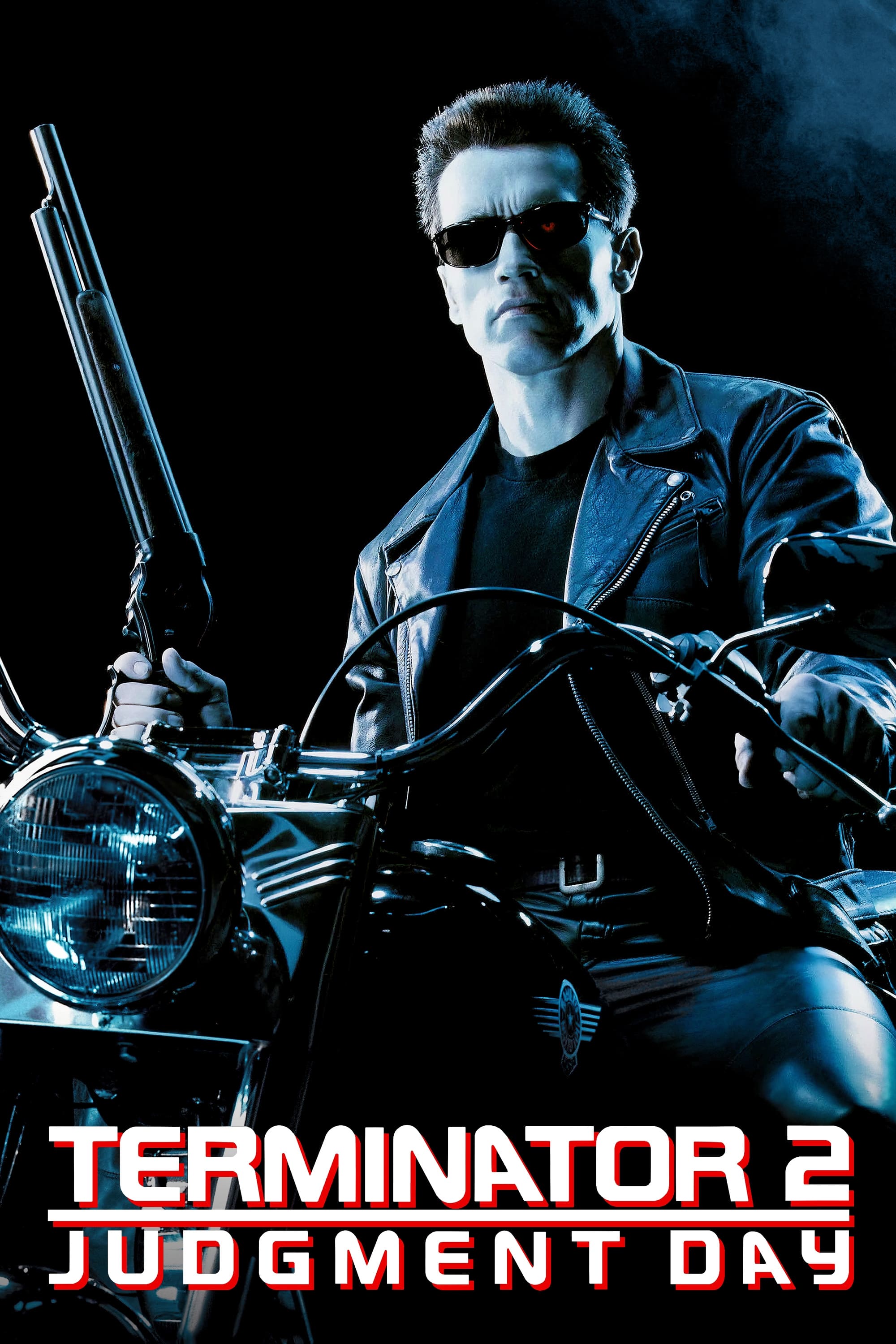
Written and directed by James Cameron, continuing the struggle against Skynet with a reprogrammed protector. The T-1000 character advanced liquid-metal morphing via ground-breaking CGI from Industrial Light & Magic. Practical stunt work and animatronics by Stan Winston Studio integrated seamlessly with digital effects. Brad Fiedel’s percussive score reinforced mechanized tension.
‘The Terminator’ (1984)
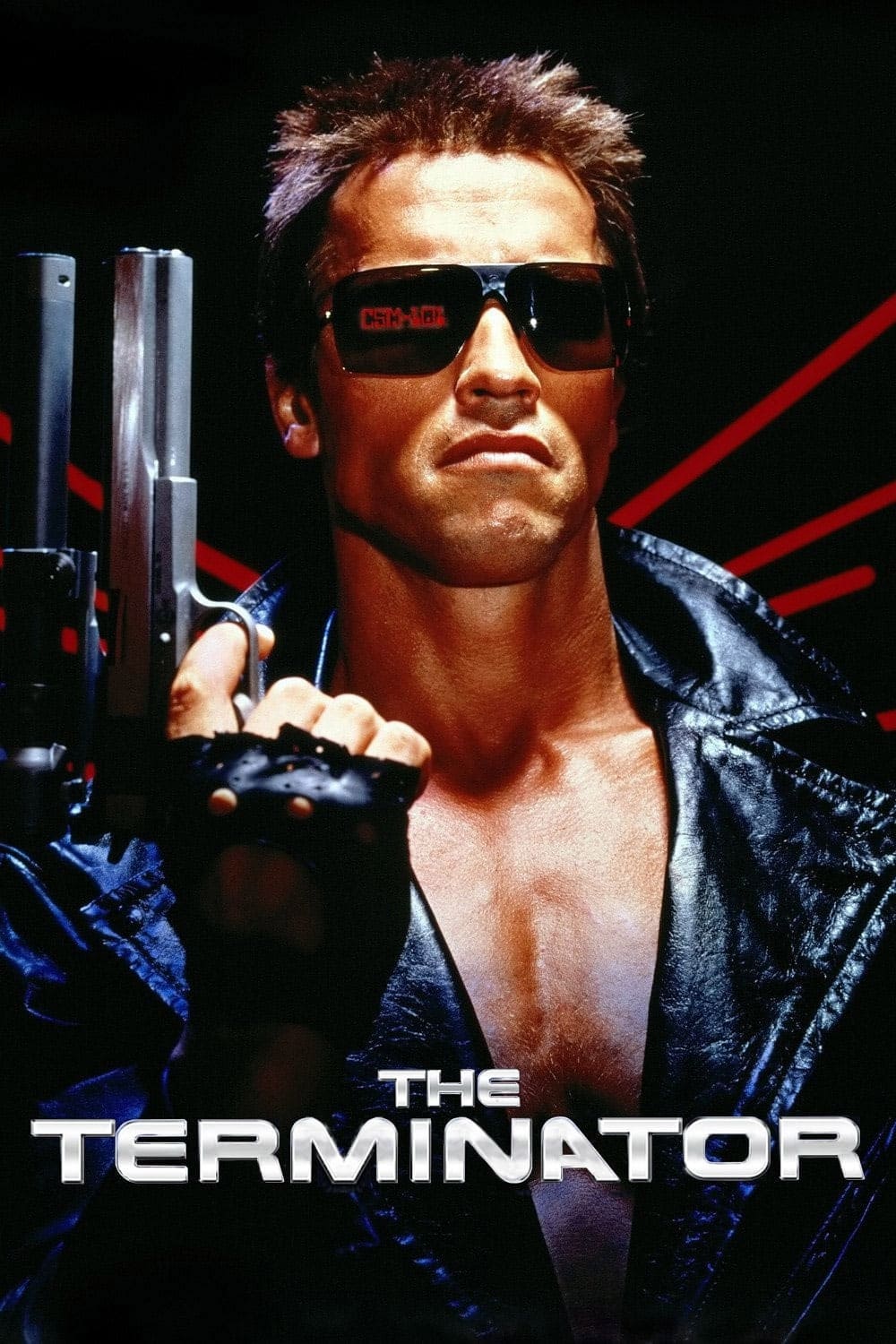
James Cameron’s breakout feature follows a relentless cyborg assassin and the target crucial to humanity’s future. Low-budget ingenuity drove miniature work, stop-motion, and in-camera tricks. The synth-driven score and urban night photography shaped its tech-noir mood. Its time-loop premise laid the foundation for a long-running franchise.
‘Back to the Future’ (1985)
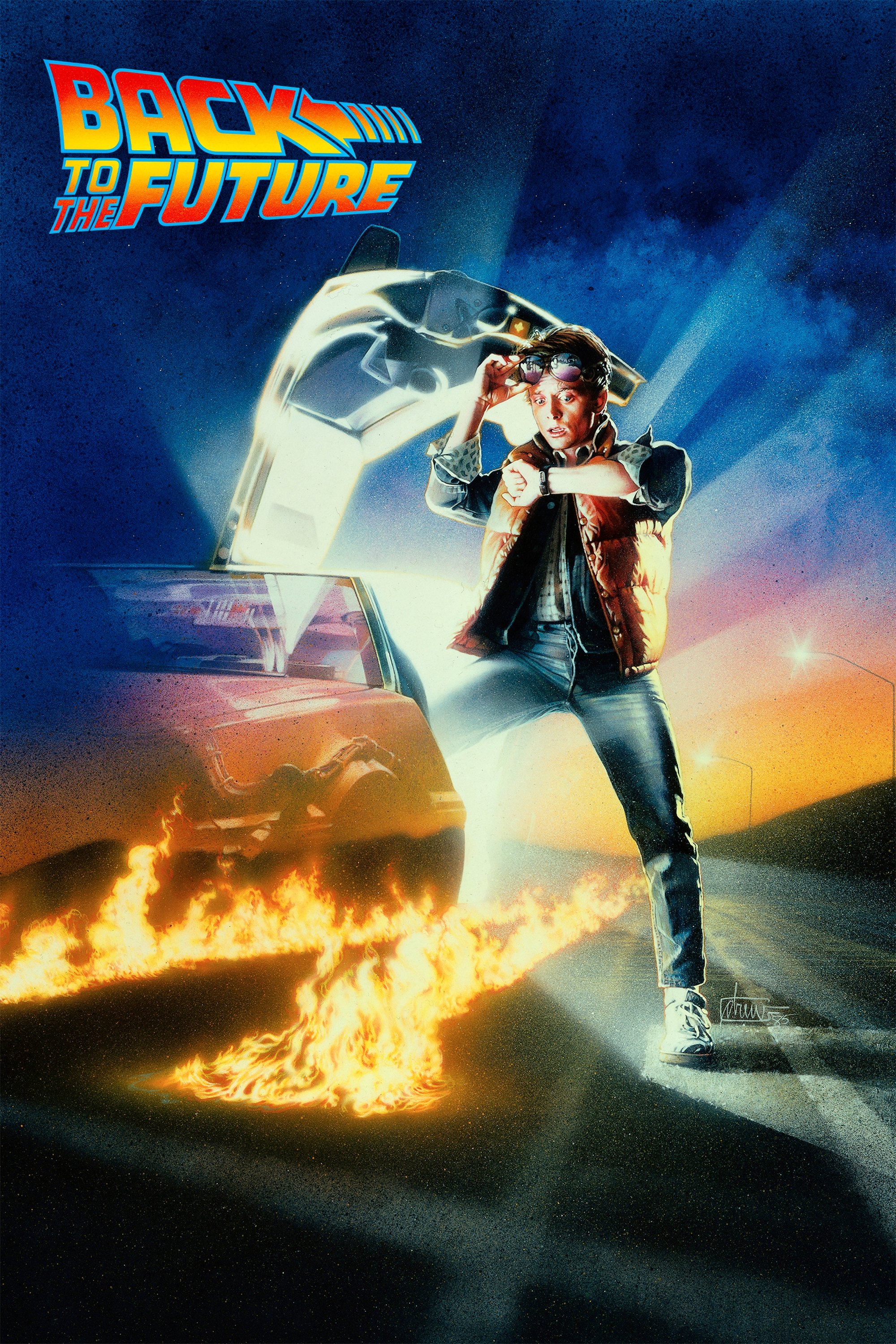
Directed by Robert Zemeckis, with Michael J. Fox and Christopher Lloyd leading a time-travel adventure centered on a modified DeLorean. Visual effects combined optical compositing, motion control, and practical gags. Alan Silvestri’s score and Huey Lewis and the News’ songs define its upbeat tone. The narrative structure demonstrates clear cause-and-effect stakes across timelines.
‘E.T. the Extra-Terrestrial’ (1982)
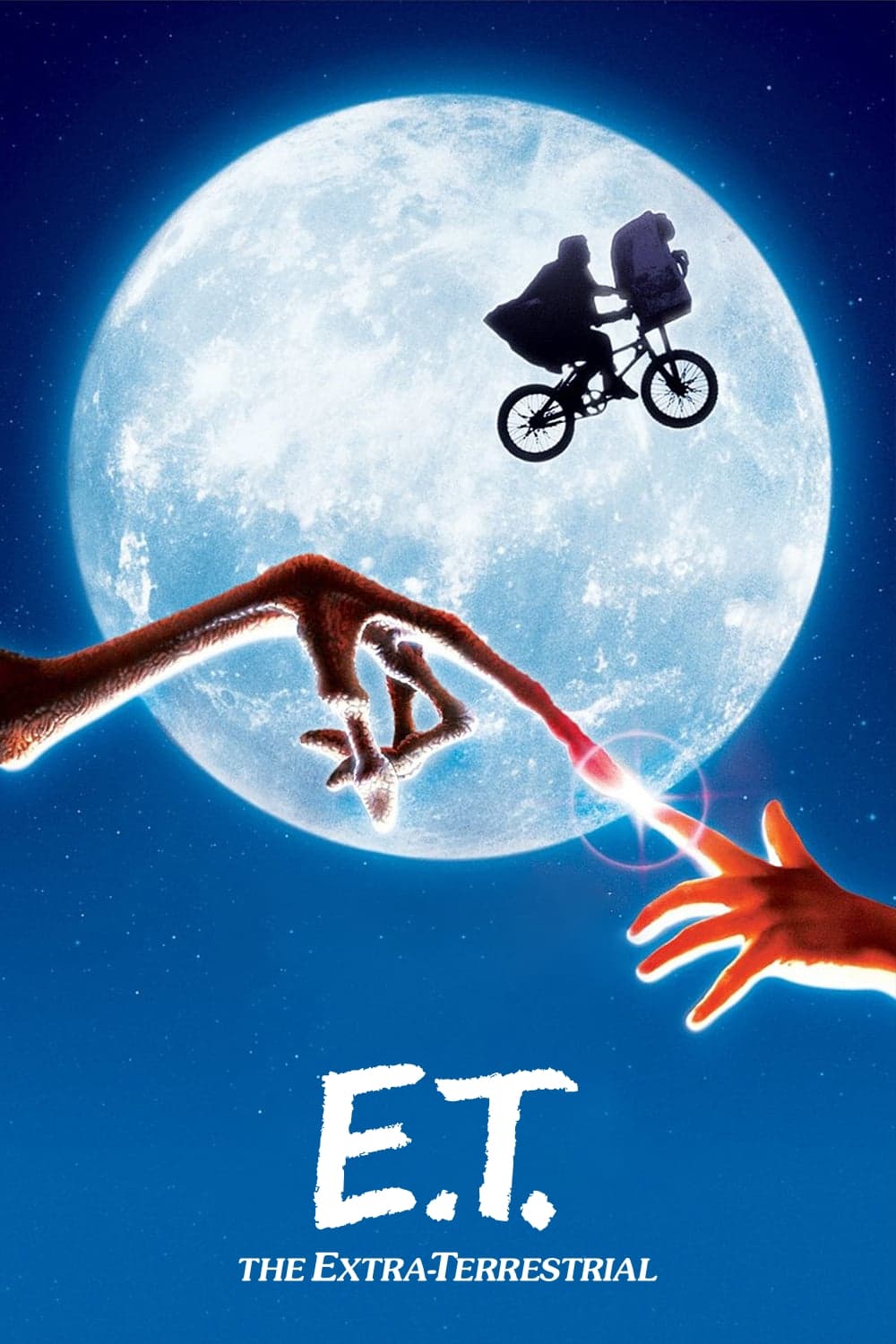
Steven Spielberg directs a tale of a stranded alien befriending a suburban family. Carlo Rambaldi designed the animatronic title character, enabling expressive close-ups. John Williams’ sweeping score underscores flight and wonder motifs. The film’s suburban setting and practical effects helped normalize sci-fi elements within everyday life.
‘Close Encounters of the Third Kind’ (1977)
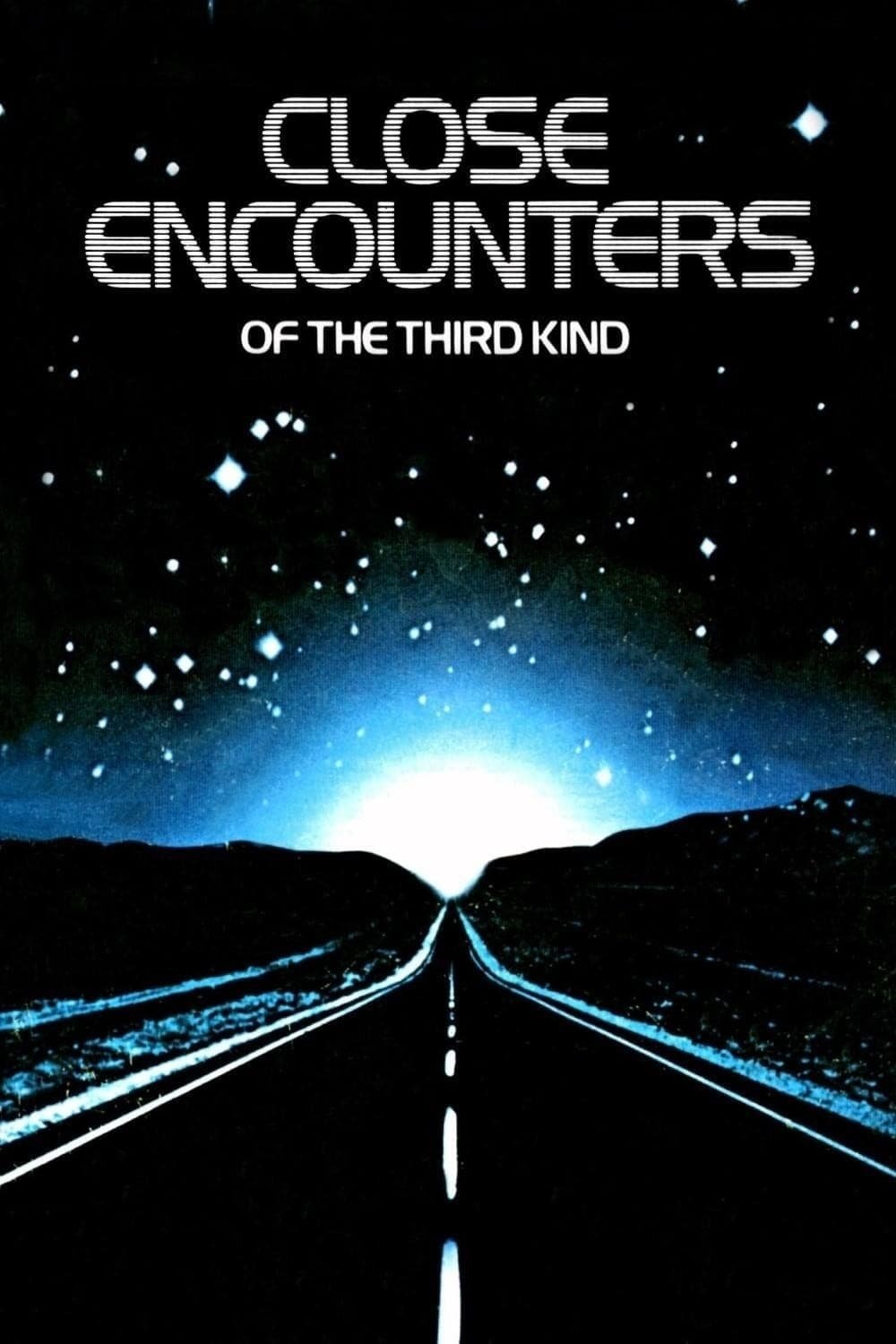
Written and directed by Steven Spielberg, focusing on ordinary people drawn to an inexplicable signal. Douglas Trumbull’s effects team created illuminated mothership imagery with large-scale miniatures. John Williams developed a five-note leitmotif used for communication. The production consulted astronomers and researchers on contact scenarios and air-traffic phenomena.
‘The Thing’ (1982)
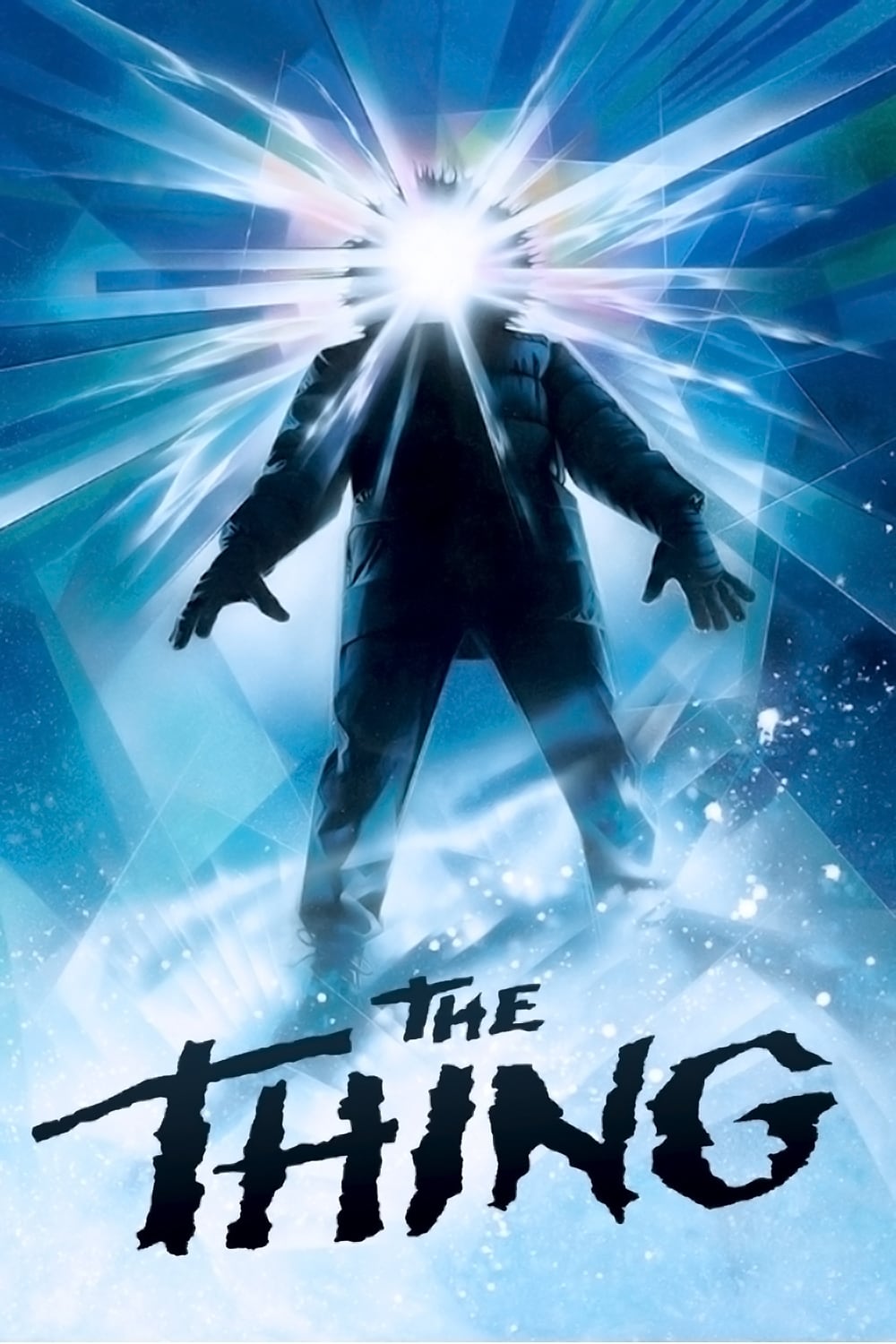
Directed by John Carpenter, adapted from John W. Campbell Jr.’s story about a shape-shifting organism at an Antarctic outpost. Rob Bottin’s practical effects showcase transformational creature work. Ennio Morricone composed the minimalist, pulsating score. The isolated setting and paranoid structure emphasize identity uncertainty within a small team.
‘Jurassic Park’ (1993)

Steven Spielberg’s adaptation of Michael Crichton’s novel centers on a theme park featuring cloned dinosaurs. The film merged animatronic creatures by Stan Winston Studio with early photoreal CGI from Industrial Light & Magic. Location work and sound design created distinct behaviors for each species. John Williams’ score and meticulous previs shaped set-piece pacing.
‘Inception’ (2010)
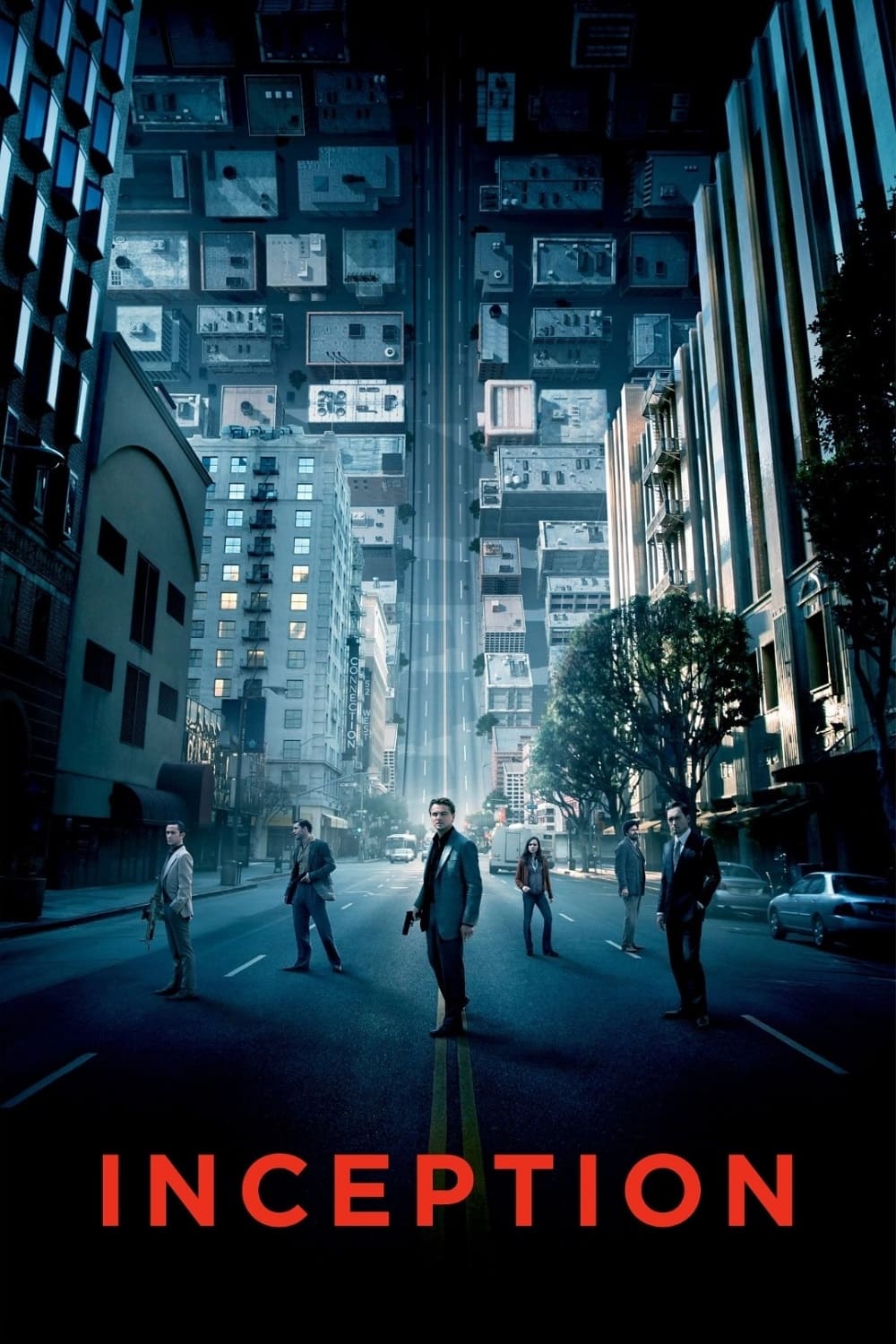
Written and directed by Christopher Nolan, it follows a team executing a heist within layered dream states. Large rotating sets enabled zero-gravity hallway sequences without relying solely on CGI. Hans Zimmer’s score employs time-manipulation motifs that mirror the plot’s nested structure. Global locations and complex editing delineate dream levels and rules.
‘Interstellar’ (2014)
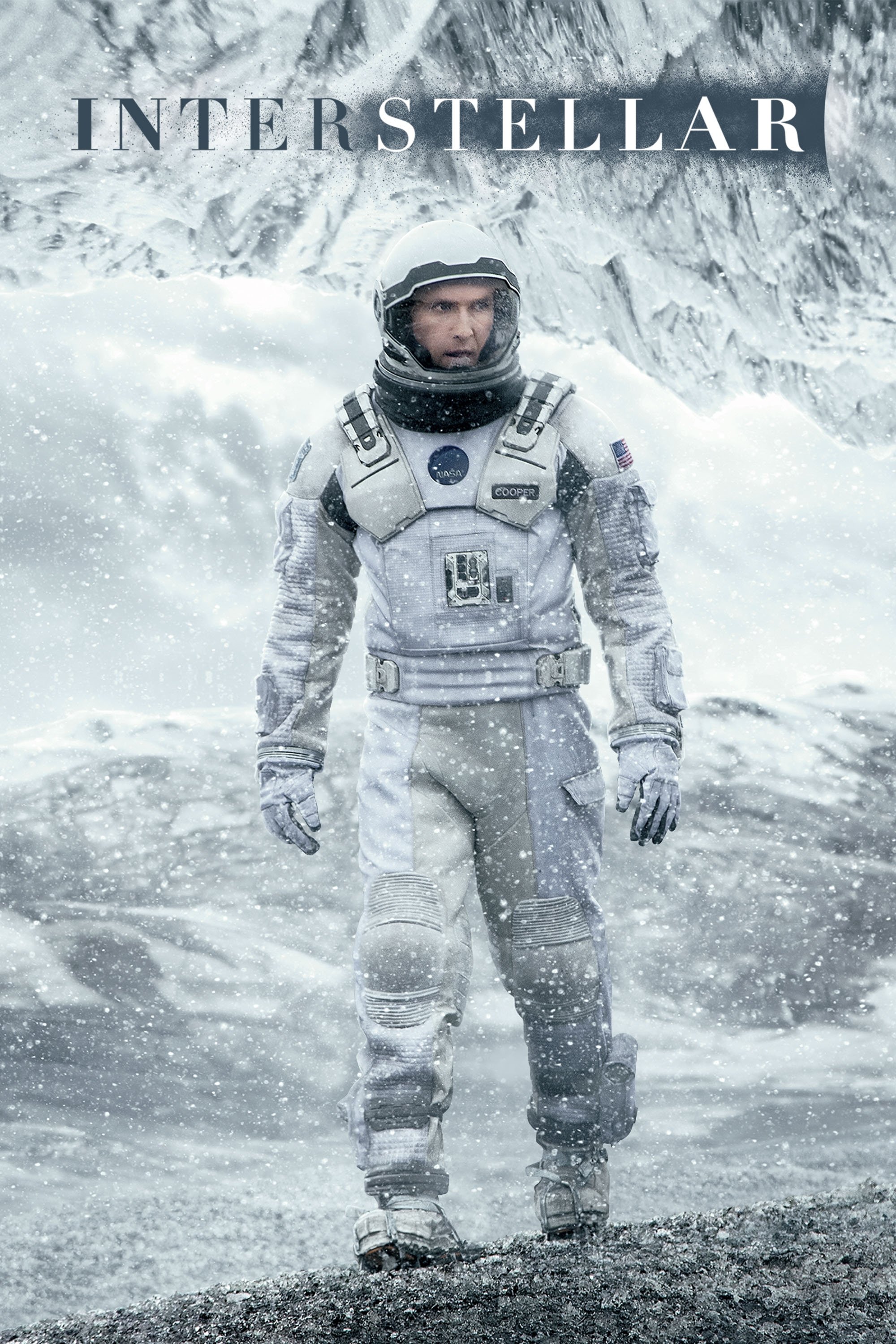
Christopher Nolan directs a spacefaring quest built around relativity, time dilation, and a mission to find habitable worlds. Physicist Kip Thorne consulted on black hole imaging and gravitational physics. Visualizations of the wormhole and the black hole’s accretion disk came from custom rendering software. Practical spacecraft sets and large-format photography grounded the cosmic scale.
‘Arrival’ (2016)
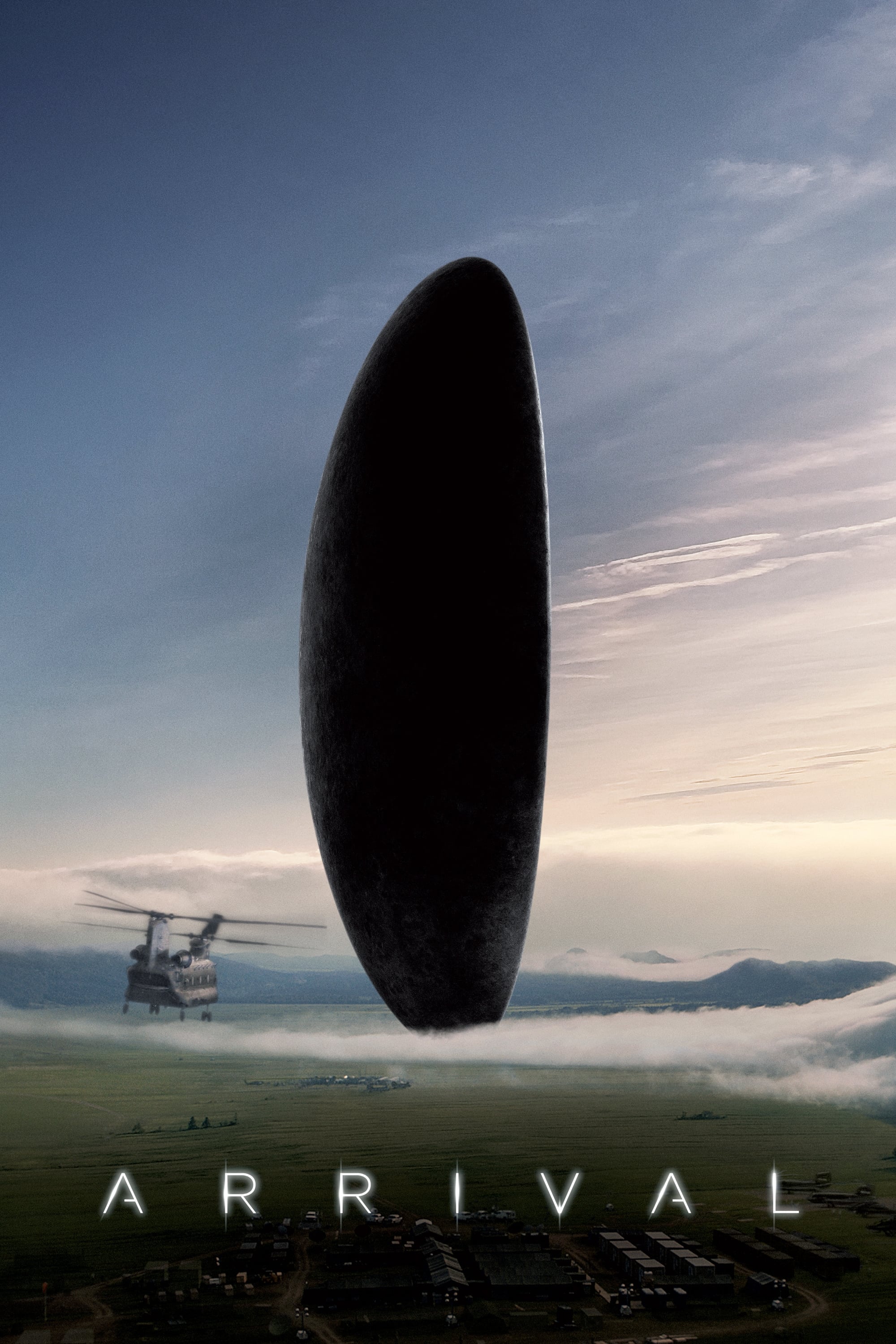
Directed by Denis Villeneuve, based on Ted Chiang’s story about a linguist tasked with deciphering an alien language. The film uses a non-linear structure to reflect the language’s properties. Production design emphasizes clean, tactile interfaces and distinctive heptapod visuals. Jóhann Jóhannsson’s score and sound design integrate vocal textures and percussive pulses.
‘Ex Machina’ (2014)
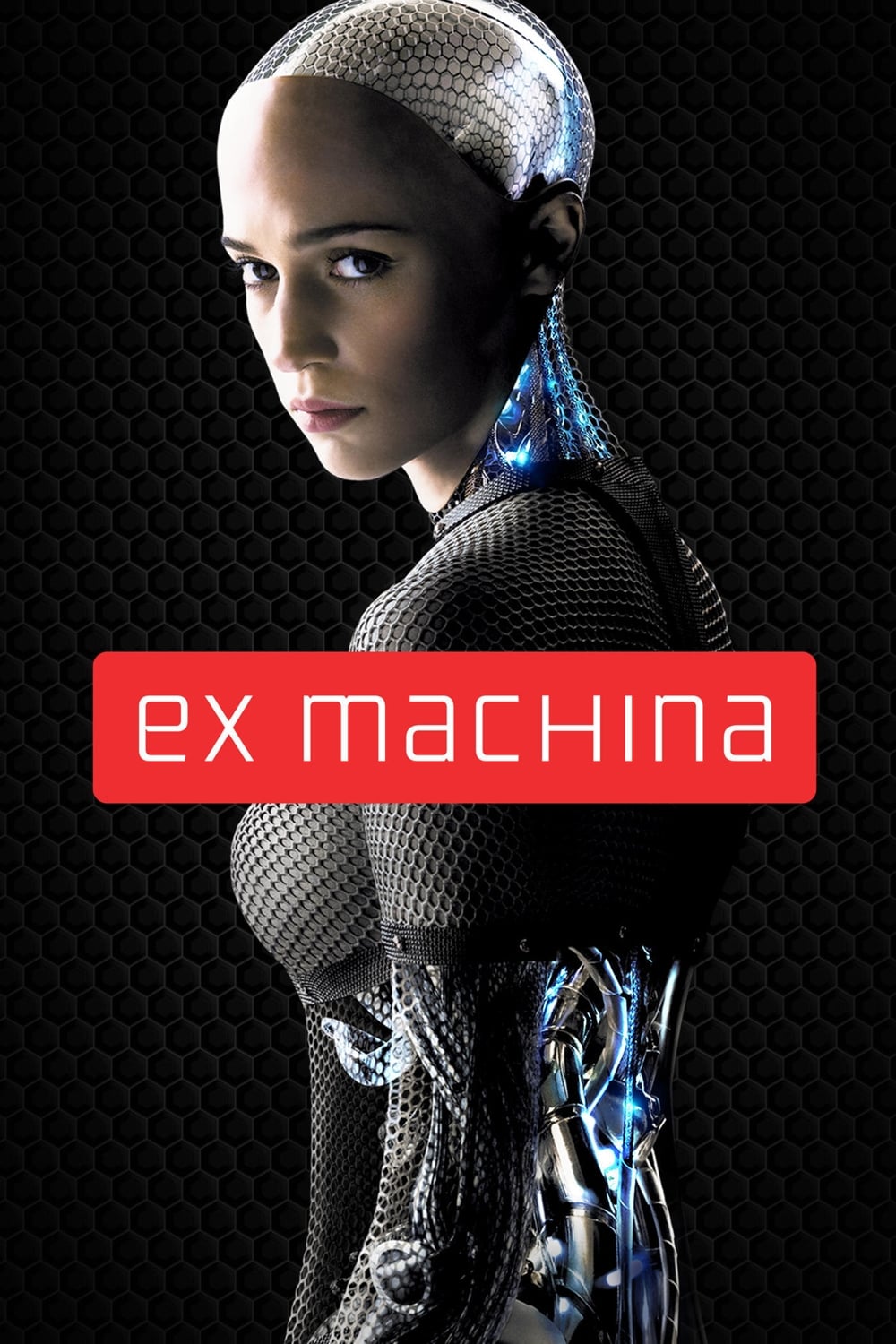
Written and directed by Alex Garland, it centers on a programmer evaluating an advanced humanoid AI. Visual effects achieved the android’s transparent body through precise rotoscoping and compositing. The contained setting highlights interface design, surveillance, and power dynamics. Performances and minimal locations keep focus on the Turing-style testing framework.
‘Her’ (2013)

Written and directed by Spike Jonze, it explores a relationship between a writer and an operating system. Production design blends near-future interfaces with warm, human-scaled spaces. Music and sound design emphasize voice, ambient cues, and device intimacy. The script examines AI companionship, data privacy, and evolving definitions of connection.
‘Children of Men’ (2006)
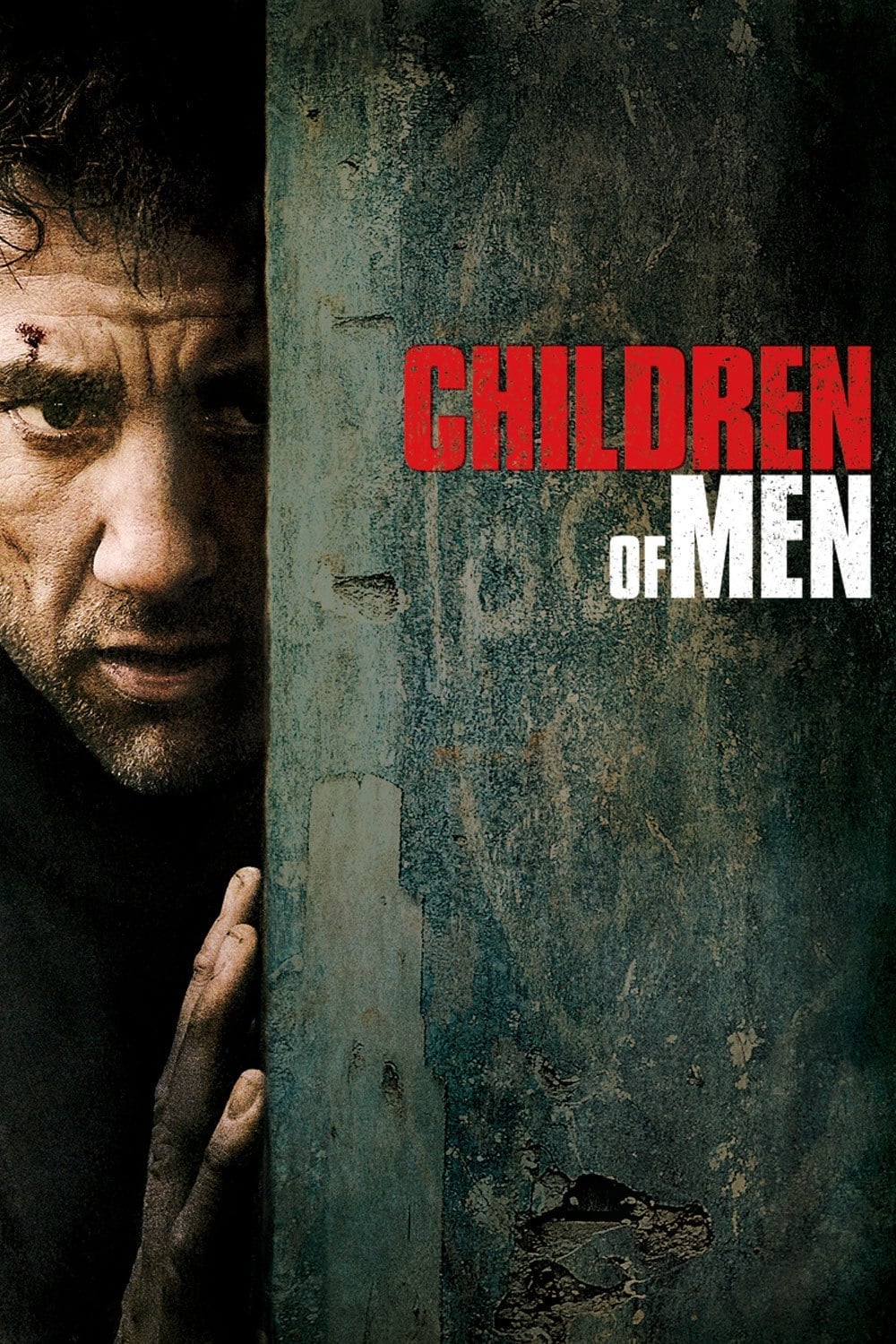
Directed by Alfonso Cuarón, adapted from P. D. James’ novel about global infertility and social collapse. Long-take cinematography by Emmanuel Lubezki captures dynamic urban conflict and refugee crises. Production design integrates propaganda, surveillance, and decaying infrastructure. The narrative structure uses a guarded convoy and safe-passage objective to drive momentum.
‘Minority Report’ (2002)
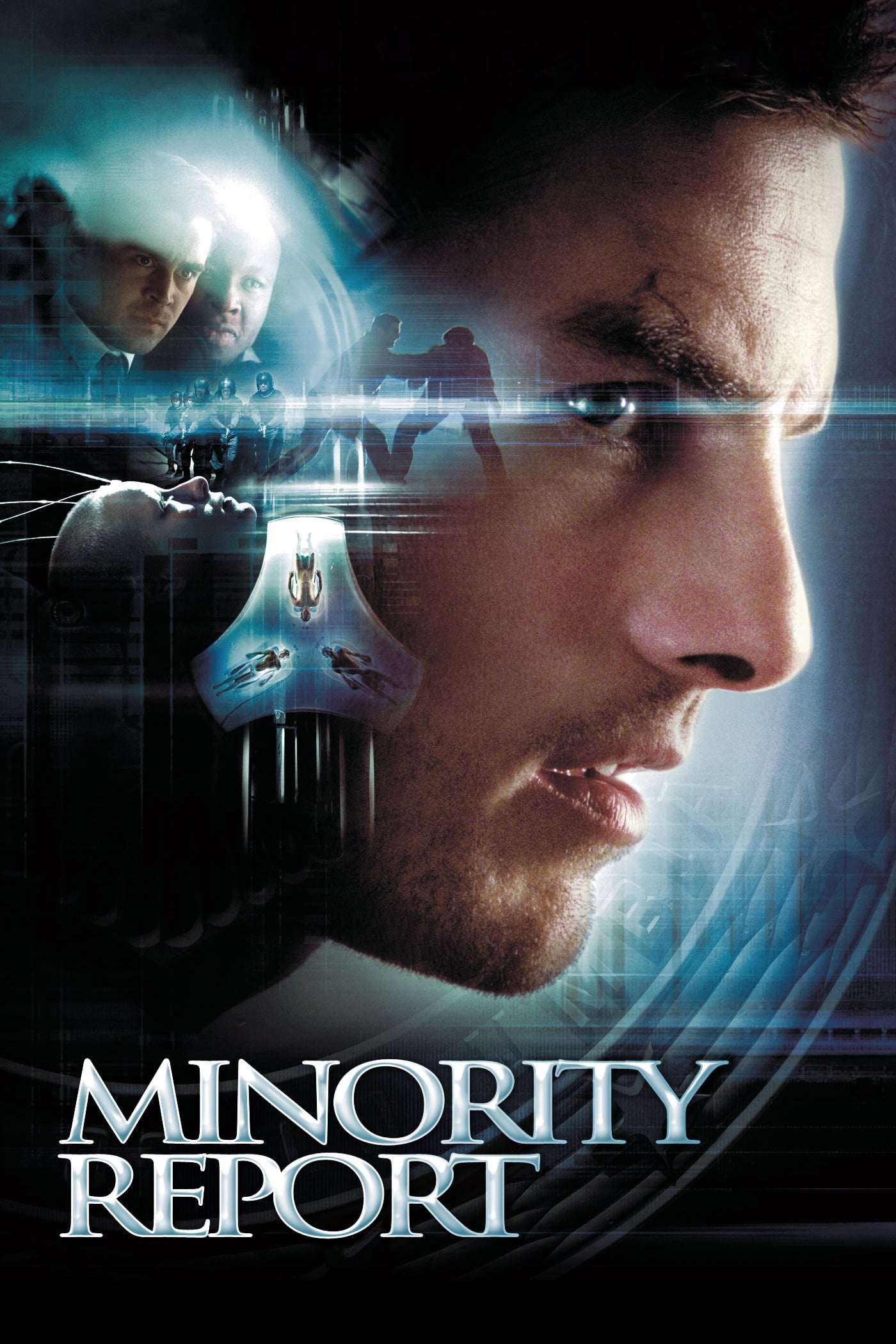
Steven Spielberg adapts Philip K. Dick’s story about pre-crime policing and predictive surveillance. Future-tech consultants contributed to gesture-based interfaces, personalized advertising, and autonomous vehicles. Action sequences leverage practical stunts, moving sets, and integrated VFX. The plot interrogates free will through procedural investigation mechanics.
‘Snowpiercer’ (2013)
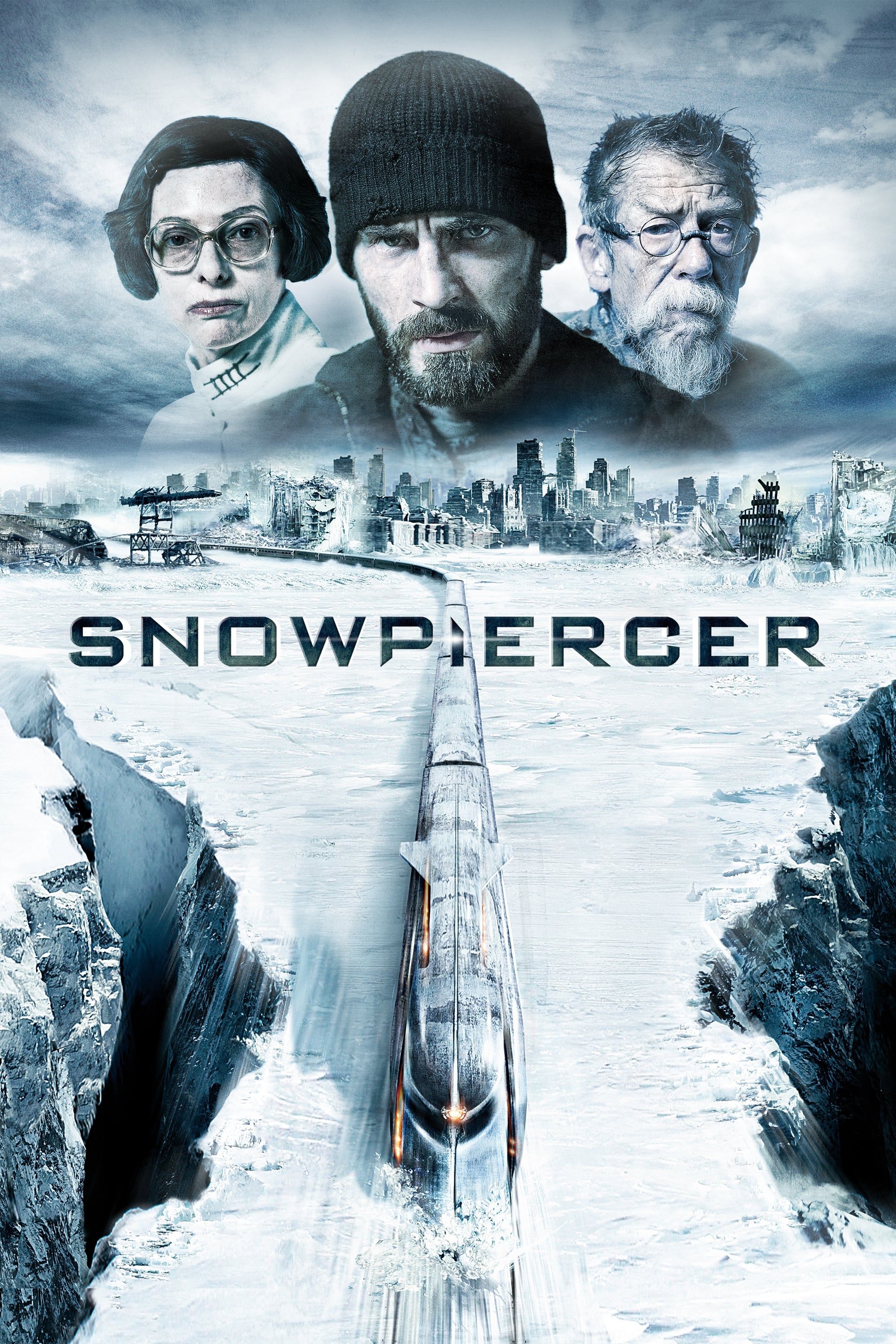
Directed by Bong Joon Ho, based on the French graphic novel ‘Le Transperceneige,’ set aboard a perpetually moving train. Production design distinguishes social classes by compartment aesthetics, materials, and lighting. Practical train-car sets enabled fight choreography within tight corridors. The narrative uses compartment progression as a structural map of inequality.
‘Gattaca’ (1997)

Written and directed by Andrew Niccol, it portrays a society stratified by genetic engineering and biometrics. Art direction and costume design emphasize retro-future minimalism and strict order. The plot follows an identity swap enabled by borrowed genetic markers and meticulous deception. The film examines screening regimes, discrimination, and personal agency.
‘Annihilation’ (2018)
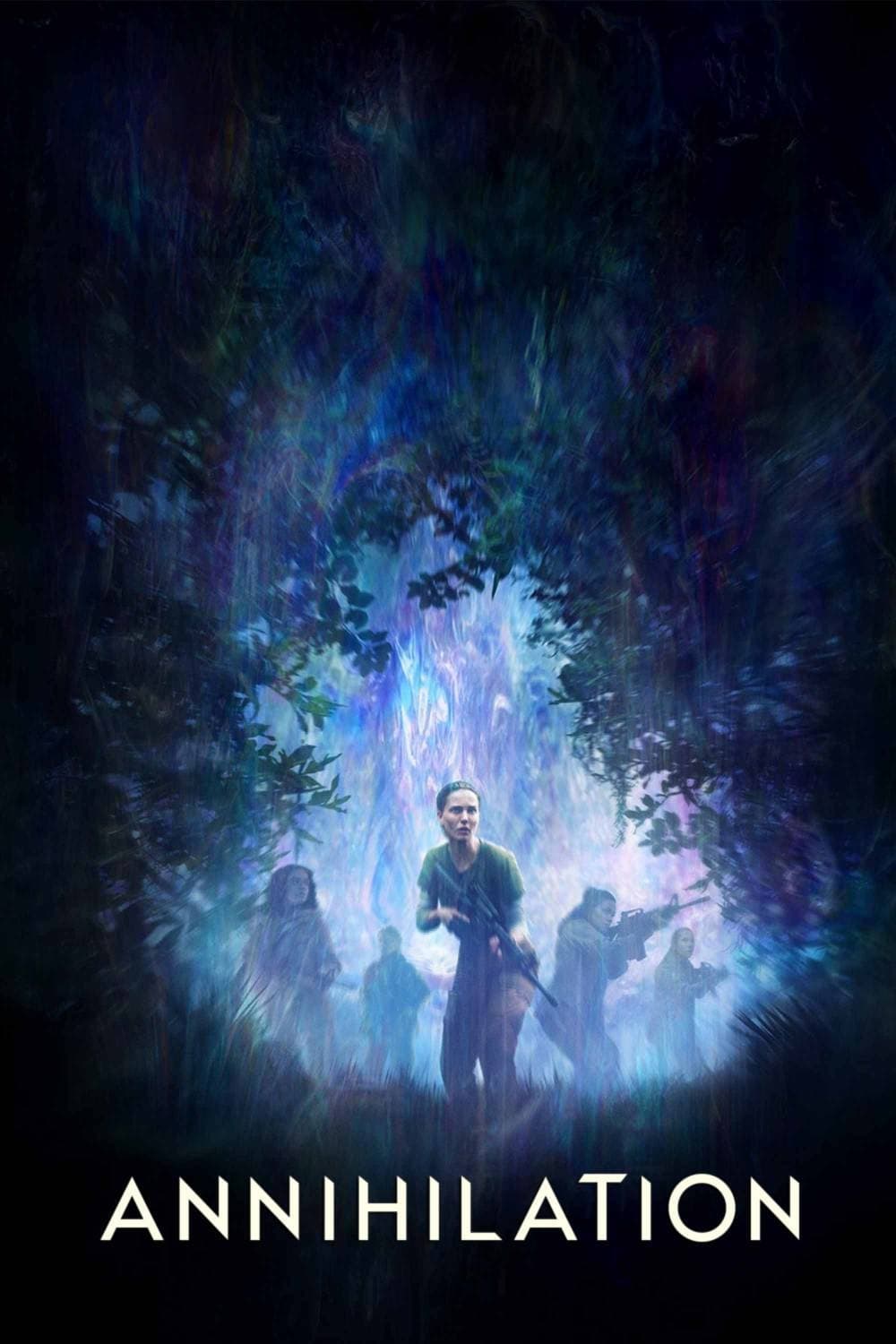
Directed by Alex Garland, adapted from Jeff VanderMeer’s novel about a scientific expedition into a mutating zone. The production crafts hybrid flora and fauna using practical builds and digital augmentation. Sound design and score deploy unsettling drones and diegetic anomalies. The story structure frames discovery through field notes, samples, and debrief interviews.
‘Metropolis’ (1927)
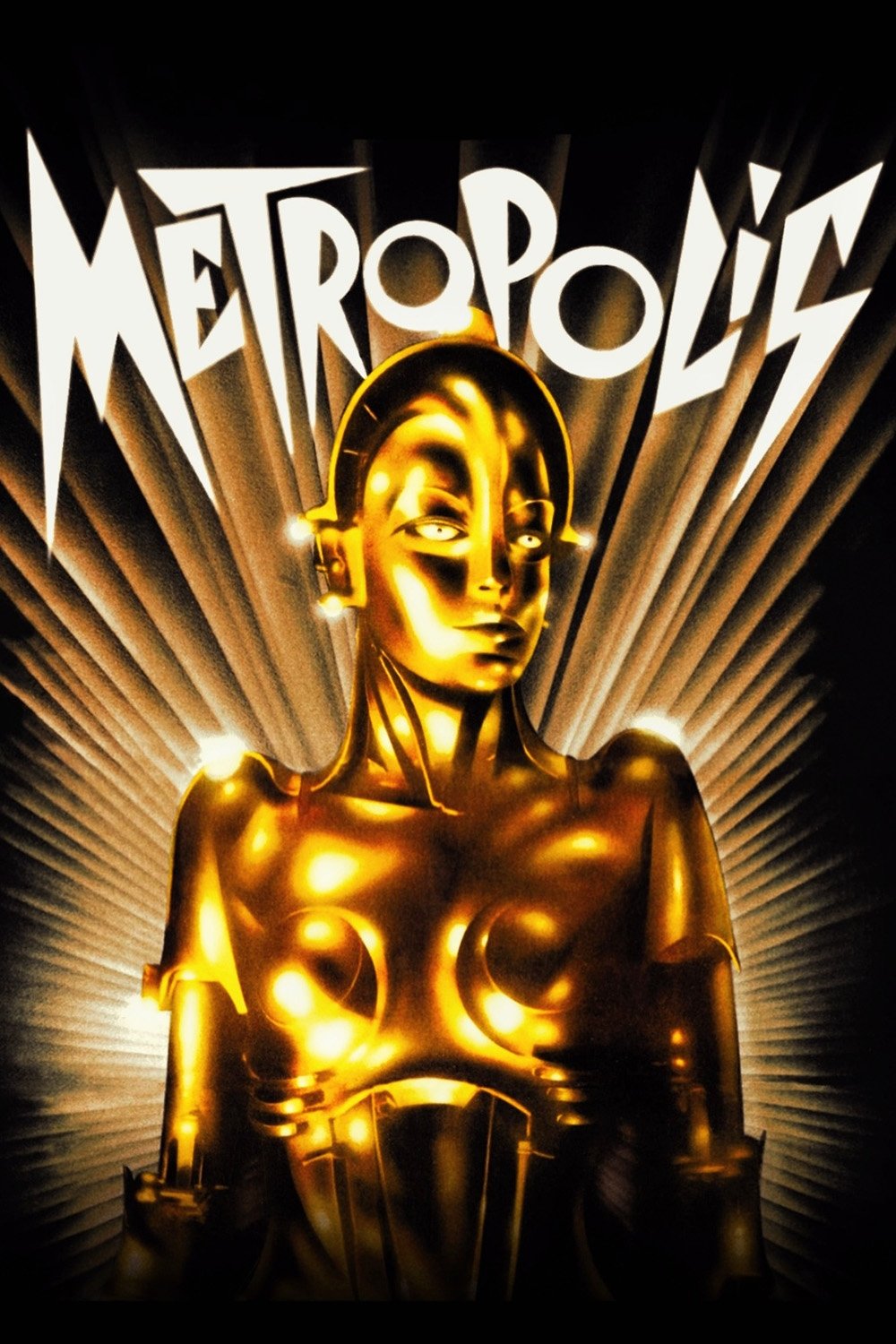
Directed by Fritz Lang, this silent-era epic depicts a towering city split between elites and underground workers. Miniature cityscapes, multiple exposures, and the Schüfftan process created unprecedented visuals. The story follows a mediator bridging class divisions, while the robot Maria stands as an early screen android. Restorations have reassembled footage long thought lost to better reflect the original cut.
‘The Day the Earth Stood Still’ (1951)
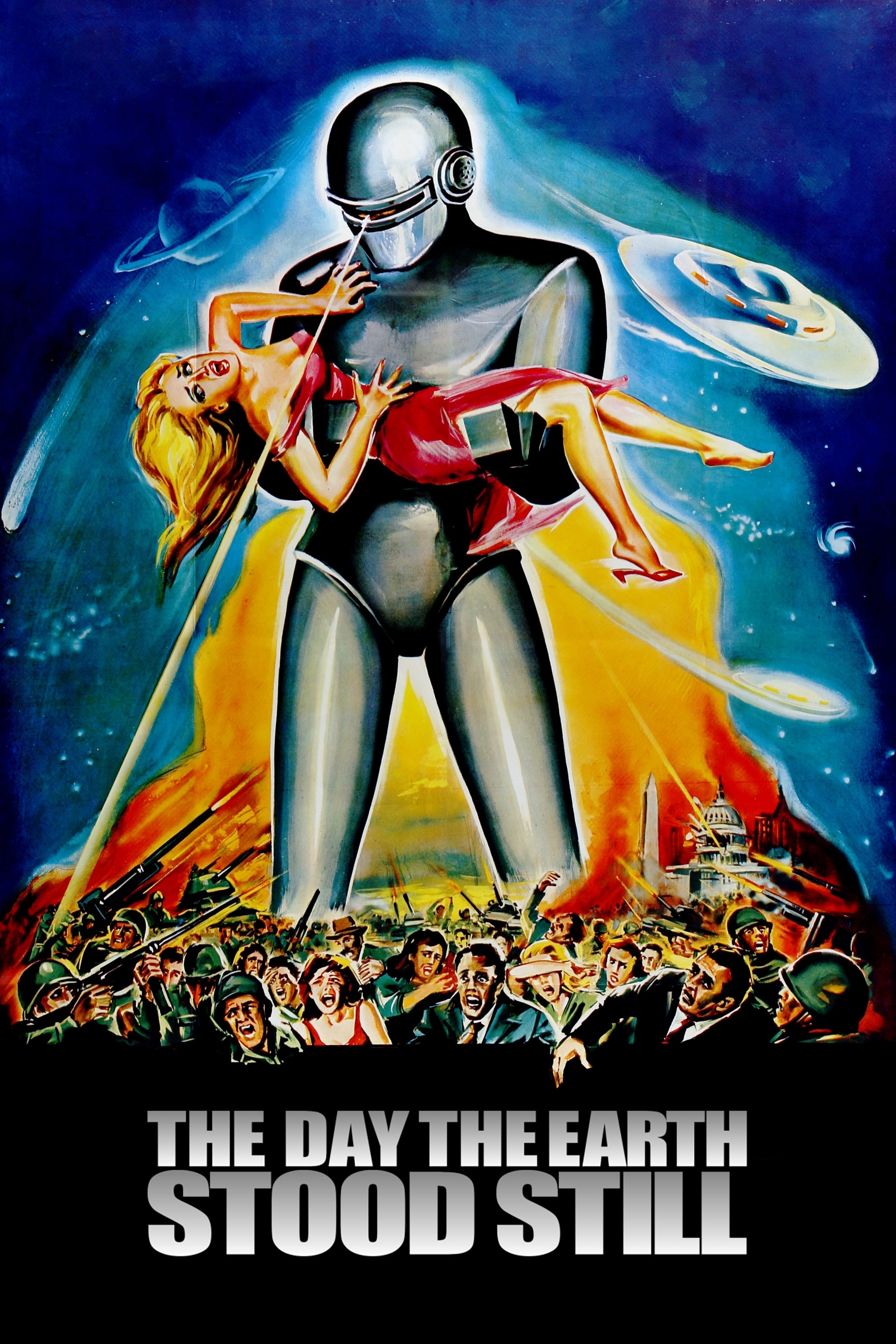
Directed by Robert Wise, it follows a visitor named Klaatu and the robot Gort arriving in Washington, D.C. Bernard Herrmann’s score employs theremin to shape an otherworldly sound. The narrative explores global tensions through a first-contact scenario set against Cold War anxieties. Practical effects and restrained design keep the focus on message and character.
‘Forbidden Planet’ (1956)
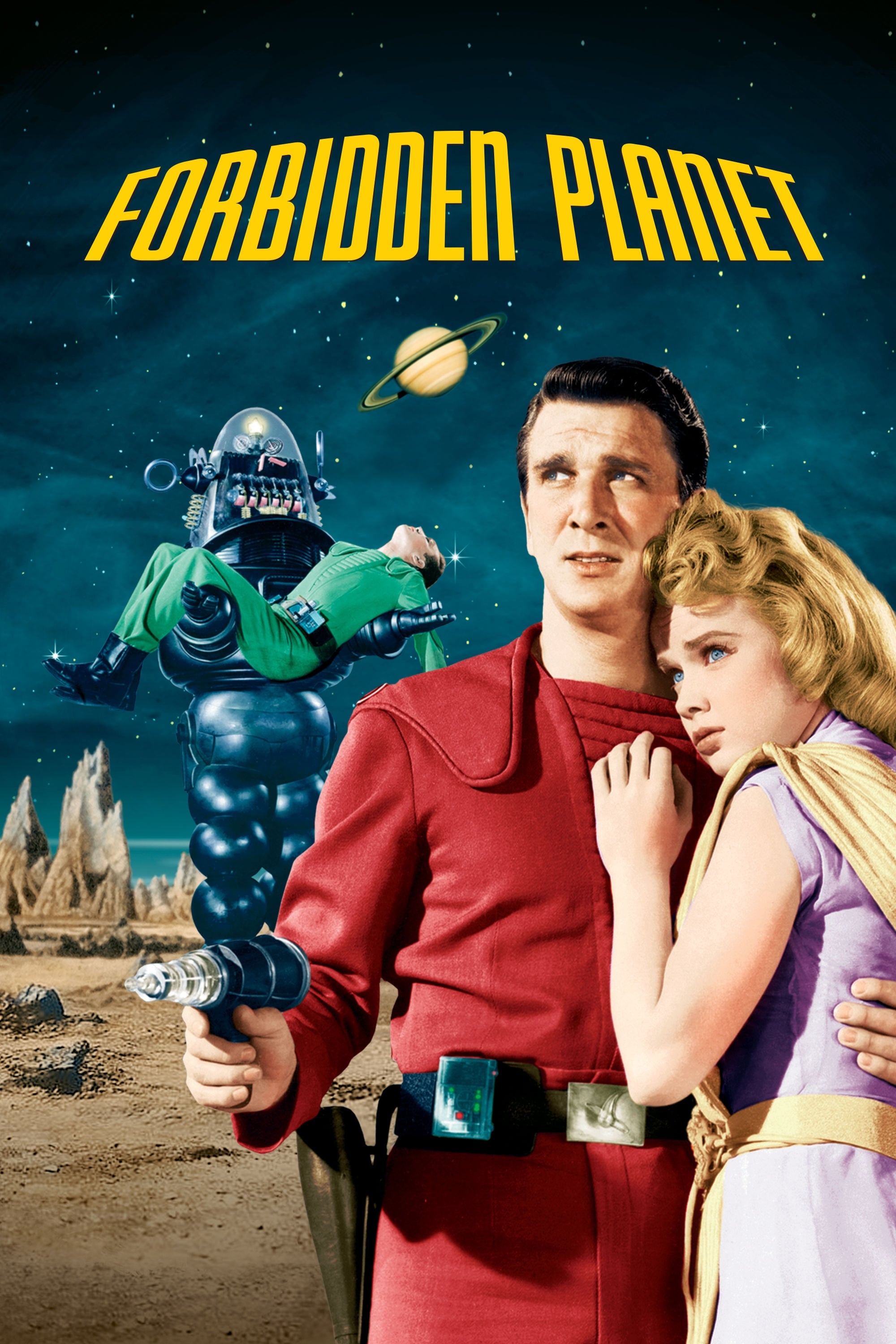
This Cinemascope production, directed by Fred M. Wilcox, relocates Shakespearean intrigue to a distant world. Robby the Robot and the “Id monster” became enduring sci-fi icons. Electronic tonalities by Bebe and Louis Barron form a pioneering all-synth soundtrack. The film’s art direction and matte work showcase sleek spacecraft, labs, and alien ruins.
‘Stalker’ (1979)

Directed by Andrei Tarkovsky, it tracks a guide leading two clients into a restricted Zone rumored to grant desires. Long takes and desaturated palettes contrast industrial decay with pockets of lushness. Sound design layers distant rumbles, dripping water, and rail clatter to build atmosphere. The production’s hazardous location work shaped its distinctive textures.
‘Star Trek II: The Wrath of Khan’ (1982)
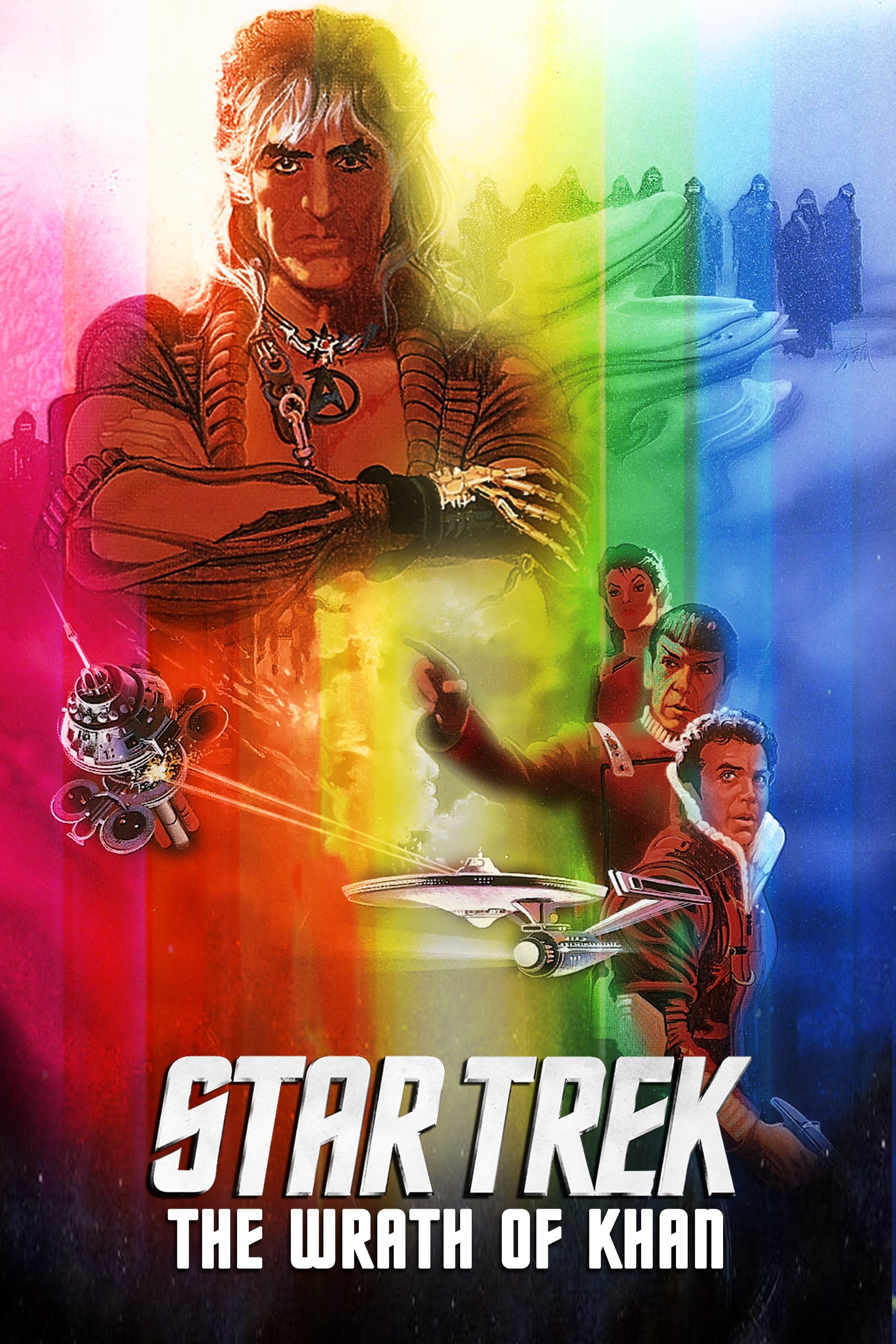
Directed by Nicholas Meyer, it pits Admiral Kirk against a genetically engineered adversary with deep ties to the crew’s past. Industrial Light & Magic delivered one of the first fully computer-generated sequences for a demonstration of terraforming. Practical model work and naval-inspired tactics define the space combat. Character arcs address mentorship, sacrifice, and legacy within Starfleet.
‘Brazil’ (1985)
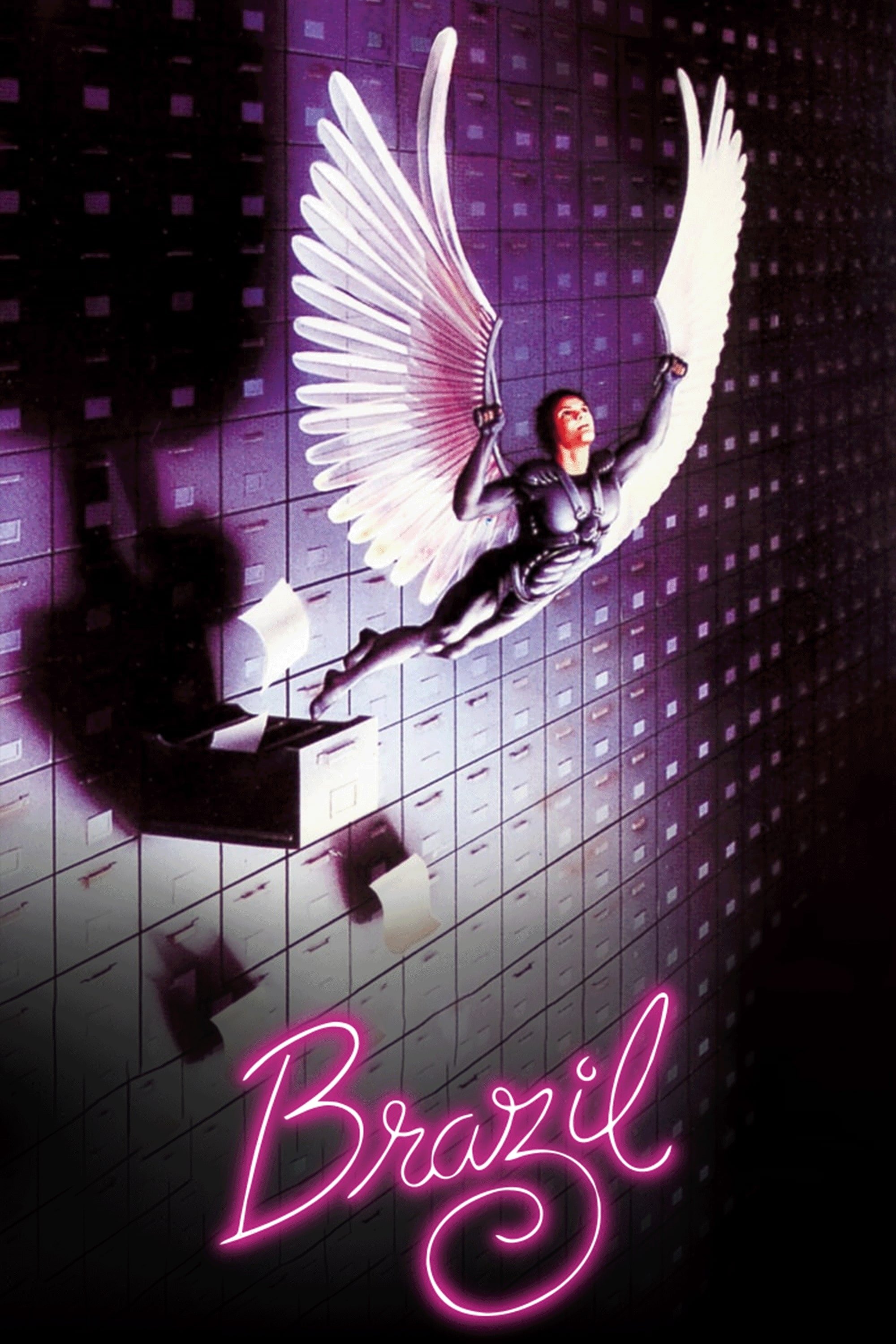
Directed by Terry Gilliam, it portrays a labyrinthine bureaucracy where a clerical error derails an office worker’s life. Production design melds retro-futurist ducts, pneumatic tubes, and balky machines. Visual effects combine miniatures and in-camera tricks to realize dream imagery. The film’s multiple studio cuts led to later restorations that reflect the director’s intentions.
‘RoboCop’ (1987)
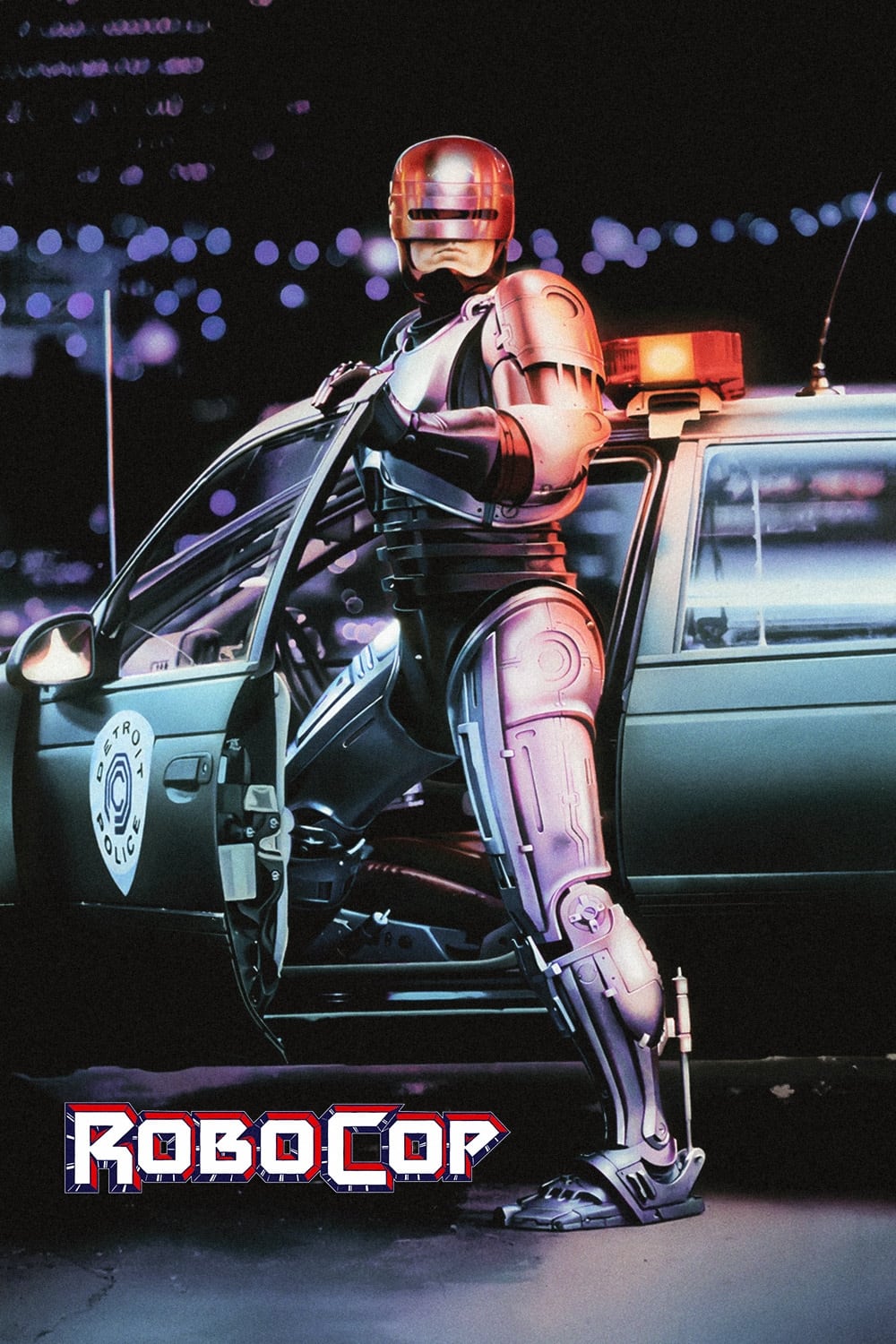
Directed by Paul Verhoeven, it follows a wounded officer integrated with corporate-owned cybernetics in Detroit. Stop-motion and suit animatronics bring ED-209 and the title character to life. The script examines privatized policing, media saturation, and corporate governance. Practical squibs, prosthetics, and miniature city elements ground the action.
‘Akira’ (1988)
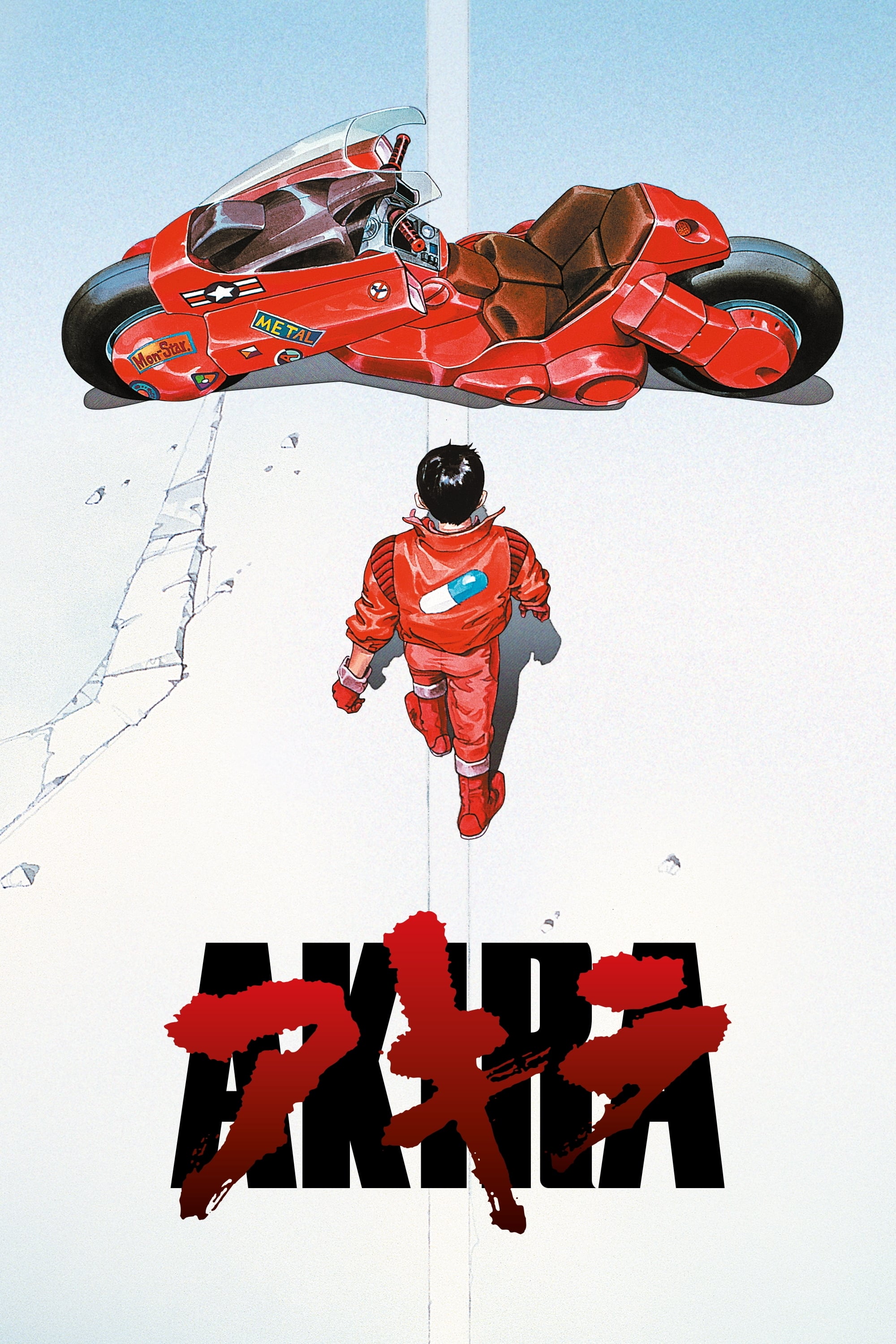
Directed by Katsuhiro Otomo, this feature adapts his manga into a dense urban sci-fi epic set in Neo-Tokyo. The production used extensive animation cels and early digital assistance to manage complex lighting and motion. A distinctive score by Geinoh Yamashirogumi blends choral textures and percussion. Its imagery popularized biker gangs, psychic experimentation, and city-scale destruction in animation.
‘Total Recall’ (1990)
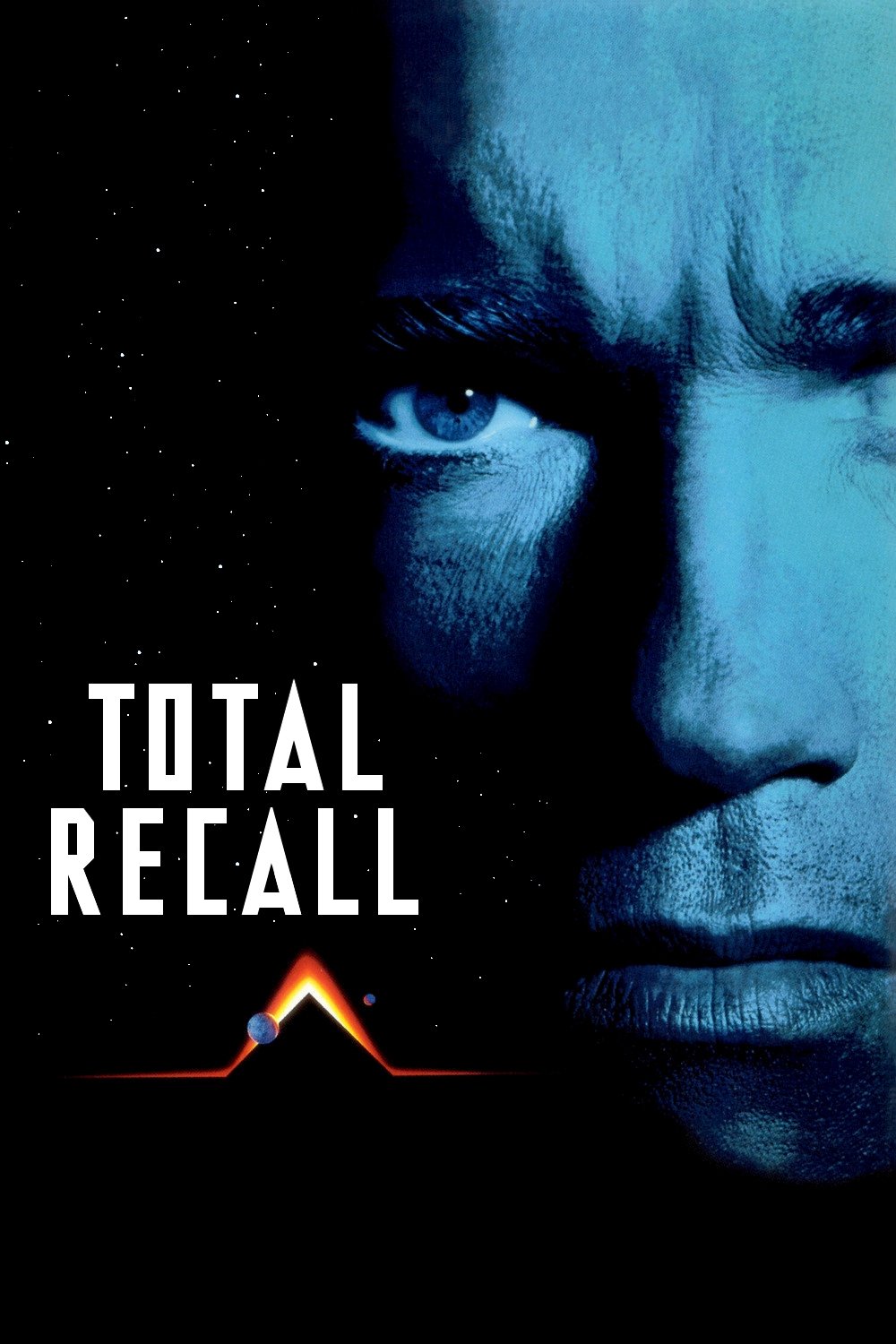
Directed by Paul Verhoeven and based on a Philip K. Dick story, it follows a construction worker drawn into Martian intrigue after a memory-implant procedure. Practical makeup, animatronics, and large-scale miniatures execute transformations and off-world environments. The narrative toggles between reality and implanted experiences to question identity. The production’s physical sets include transit hubs, domes, and mining interiors.
‘Ghost in the Shell’ (1995)

Directed by Mamoru Oshii, it explores cybernetic bodies, networked consciousness, and a police unit tracking a hacker known as the Puppet Master. The film integrates cel animation with early digital compositing for translucent shells and data effects. Kenji Kawai’s score fuses traditional vocals with electronic textures. Philosophical inquiries center on memory, autonomy, and legal personhood for artificial entities.
‘The Fifth Element’ (1997)
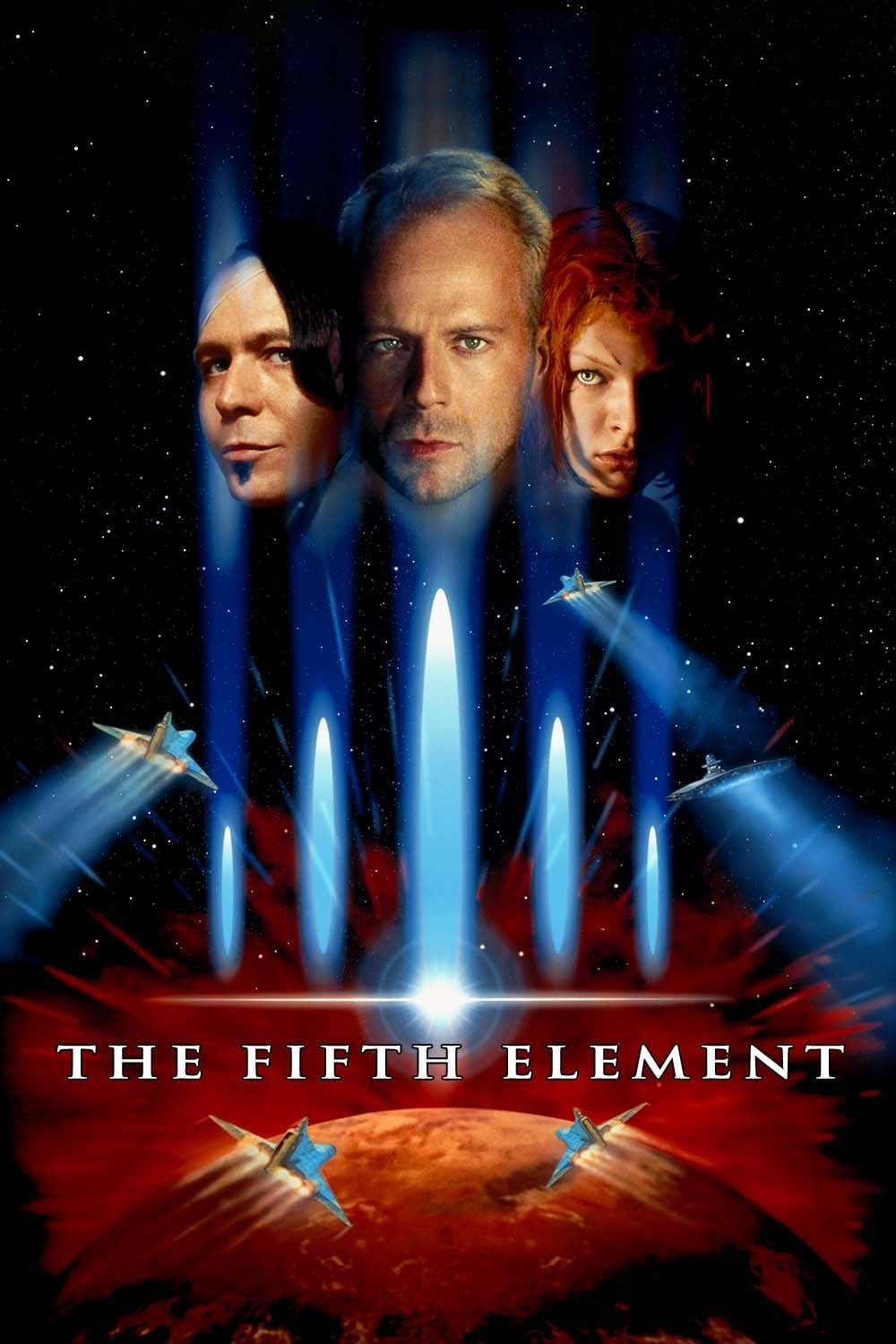
Directed by Luc Besson, it follows a cab driver drawn into a quest to retrieve elemental stones and safeguard humanity. Costume design by Jean Paul Gaultier and model-based cityscapes define its visual identity. Practical sets and wirework support vertical traffic lanes, corridor chases, and skyport action. The narrative structure weaves ancient artifacts, corporate schemes, and operatic performance.
‘Sunshine’ (2007)
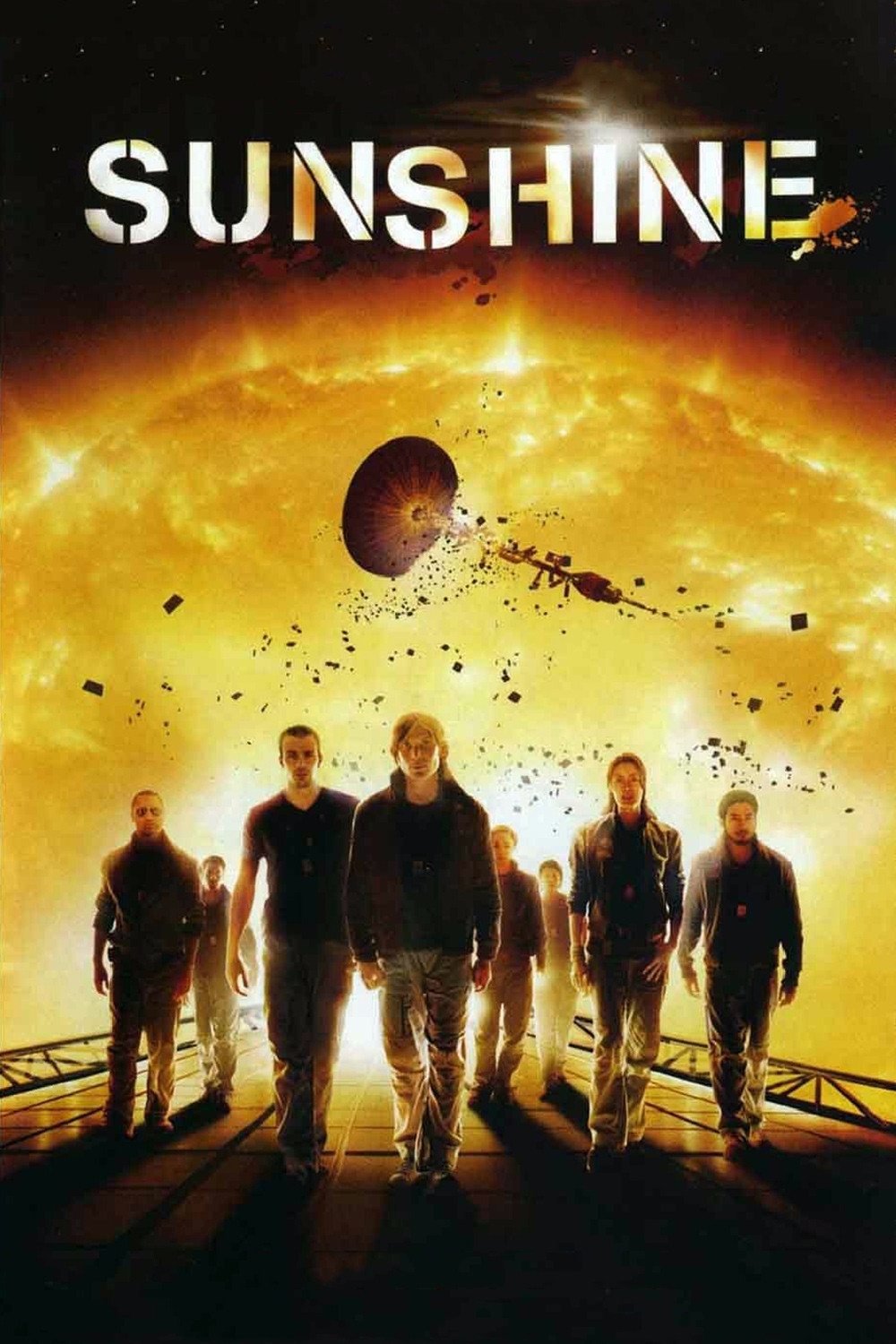
Directed by Danny Boyle, it tracks an international crew tasked with delivering a device to reignite a fading star. Scientific advisers informed the ship’s shielding concepts, oxygen gardens, and mission protocols. Cinematography emphasizes glare, lens artifacts, and stark silhouettes to convey proximity to intense radiation. The soundscape blends electronic pulses with choral elements to underscore isolation.
‘Moon’ (2009)
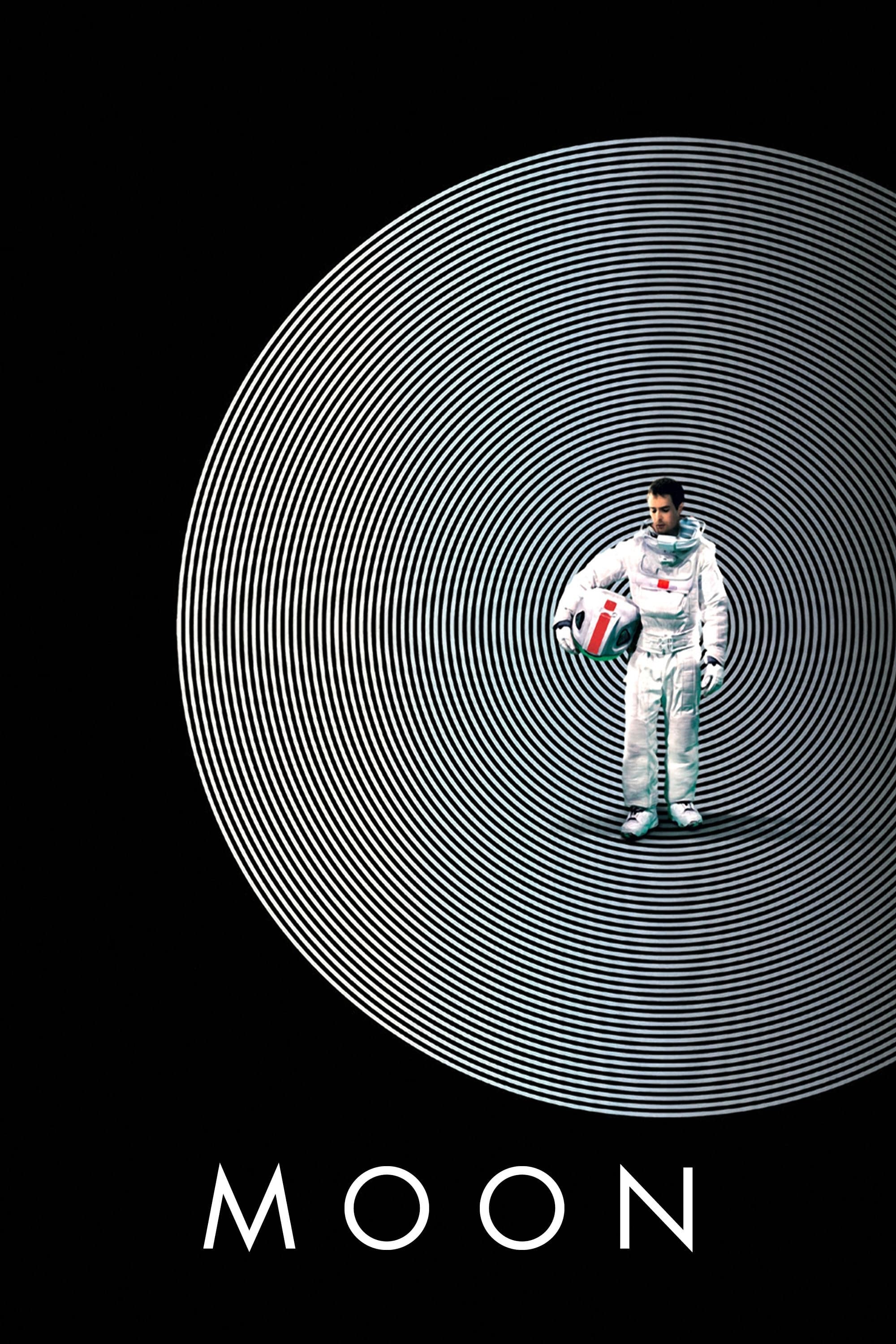
Directed by Duncan Jones, it centers on a lunar base worker nearing the end of a solitary contract who uncovers hidden truths. Miniature models create exterior rover sequences and base exteriors with tactile realism. A calm-voiced AI companion provides logistical support and gentle counseling. The plot studies corporate labor practices, identity continuity, and duty of care.
‘District 9’ (2009)
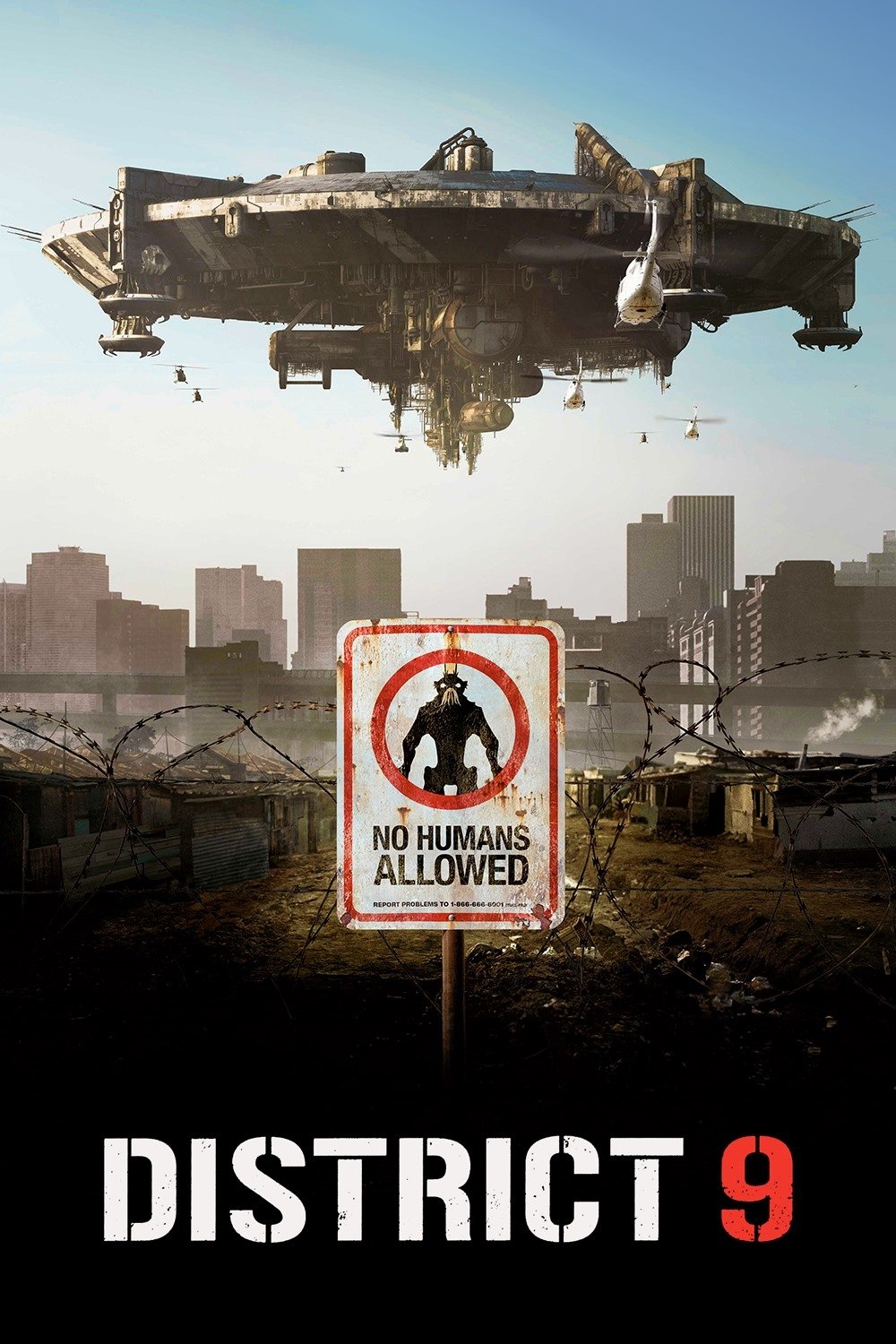
Directed by Neill Blomkamp and produced by Peter Jackson, it portrays alien refugees confined to townships near Johannesburg. Documentary-style camerawork mixes with high-detail CGI for weapons, exosuits, and creature effects. The script addresses segregation, displacement, and black-market technology. Practical locations and news-footage techniques heighten verisimilitude.
‘Edge of Tomorrow’ (2014)
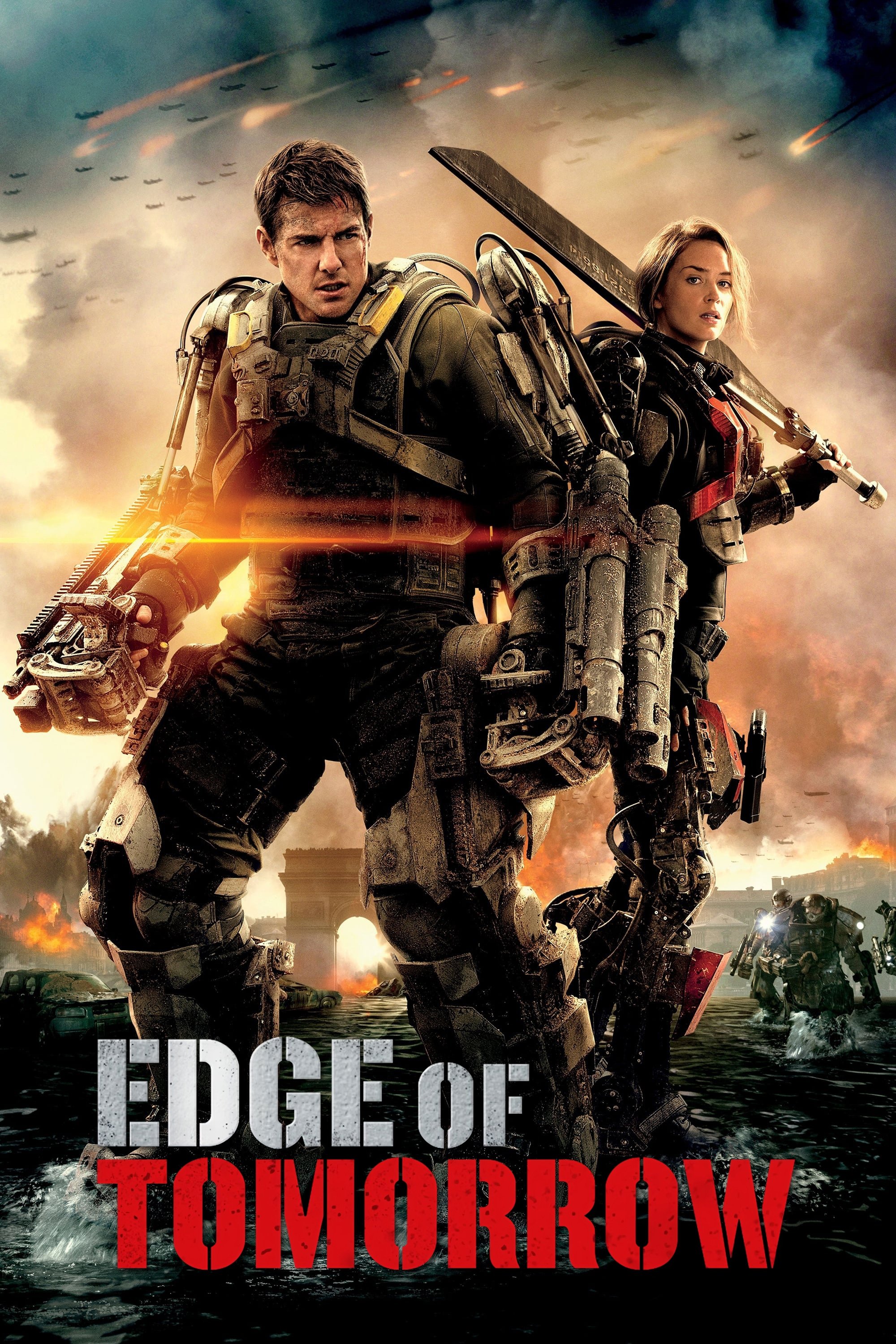
Directed by Doug Liman and adapted from the Japanese novel ‘All You Need Is Kill,’ it pairs a public affairs officer with an elite soldier against an adaptive alien threat. Exo-suit rigs and military choreography shape battlefield movement. The time-loop structure supports iterative tactics and skill acquisition. Production combined real locations with set builds for beachheads, training halls, and command centers.
Share your go-to rewatch picks—and any must-add titles we missed—in the comments.

