


Essential Thriller Movies to Revisit Every Year

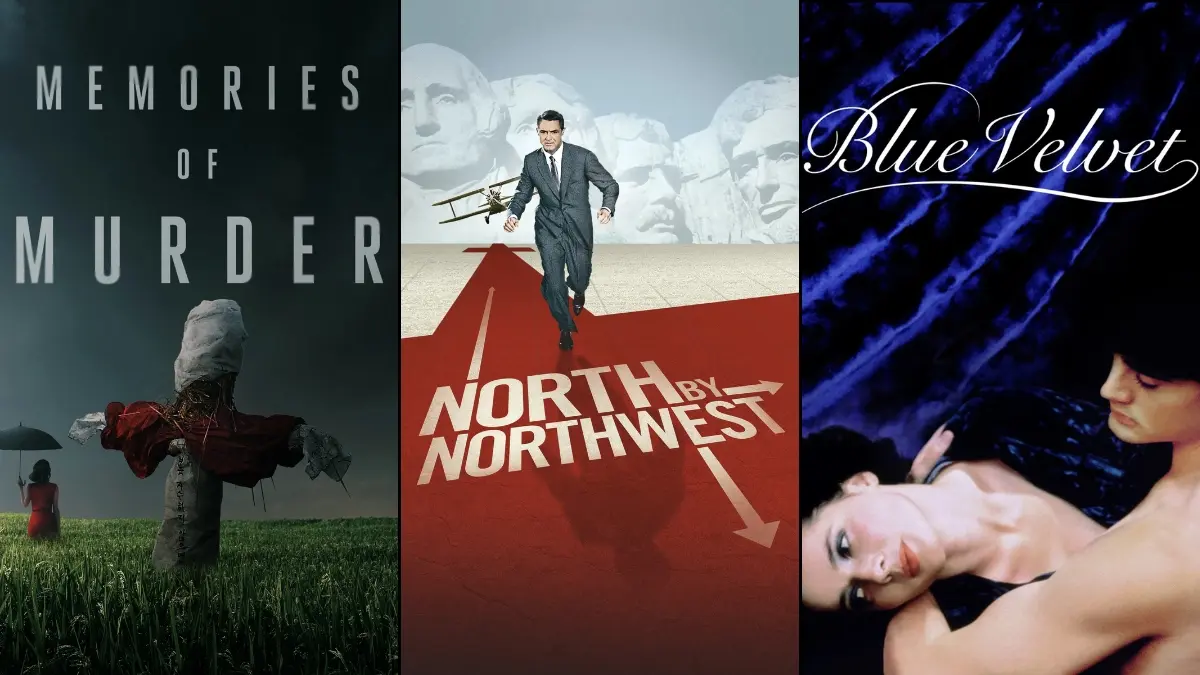


These thrillers span decades, countries, and subgenres—crime, psychological, procedural, and neo-noir—so you can rotate through them and always find something tense, clever, and tightly made. Each pick below includes the essentials: who made it, who’s in it, what it’s about, and what set it apart, so you can queue confidently and dive straight into the suspense.
‘Rear Window’ (1954)
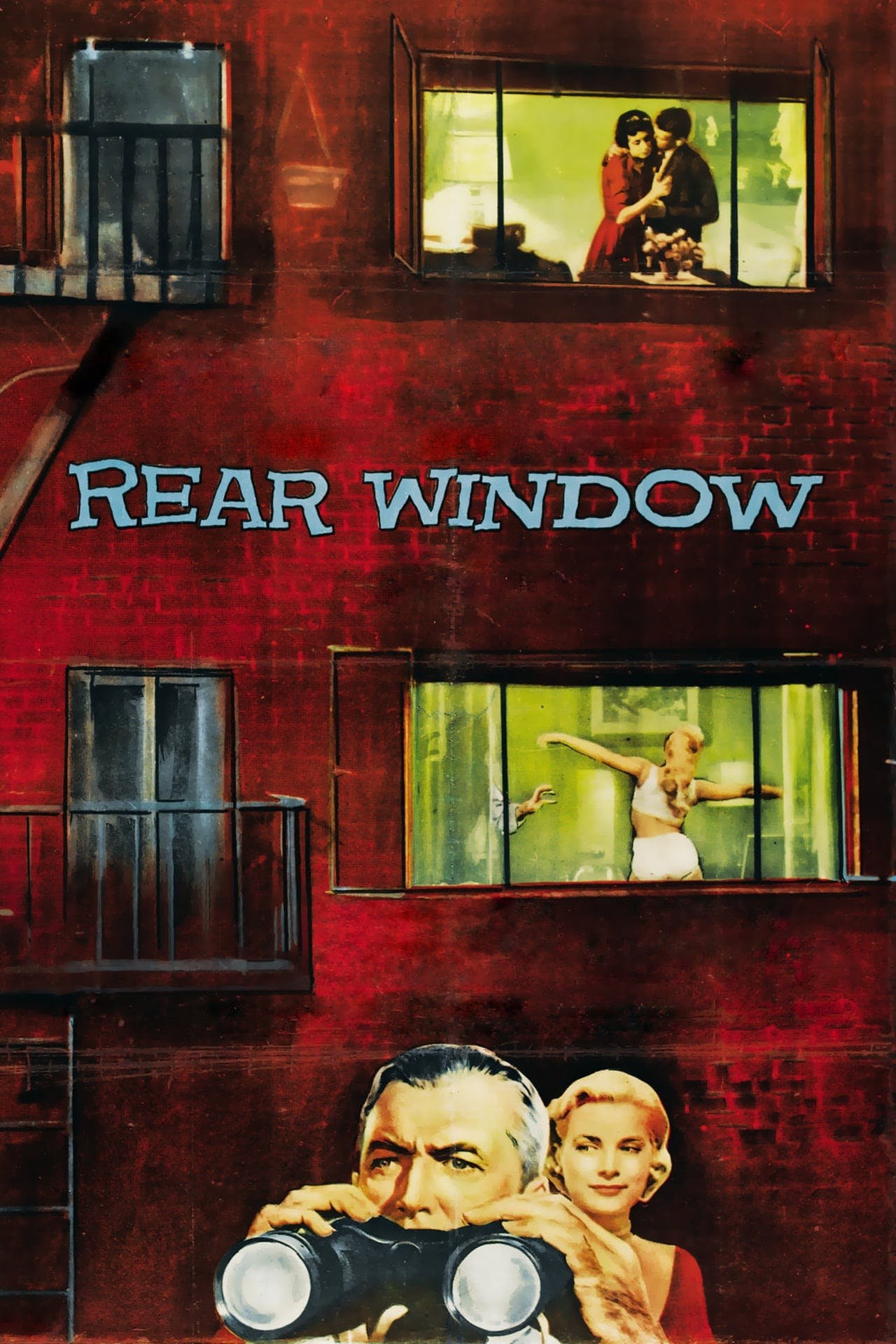
Directed by Alfred Hitchcock and starring James Stewart and Grace Kelly, this confined-space thriller unfolds entirely from an apartment vantage point. A photojournalist with a broken leg watches neighbors and suspects a murder across the courtyard. The production used a massive, fully functional set with multiple apartments visible at once. It’s based on the short story ‘It Had to Be Murder’ by Cornell Woolrich.
‘Psycho’ (1960)
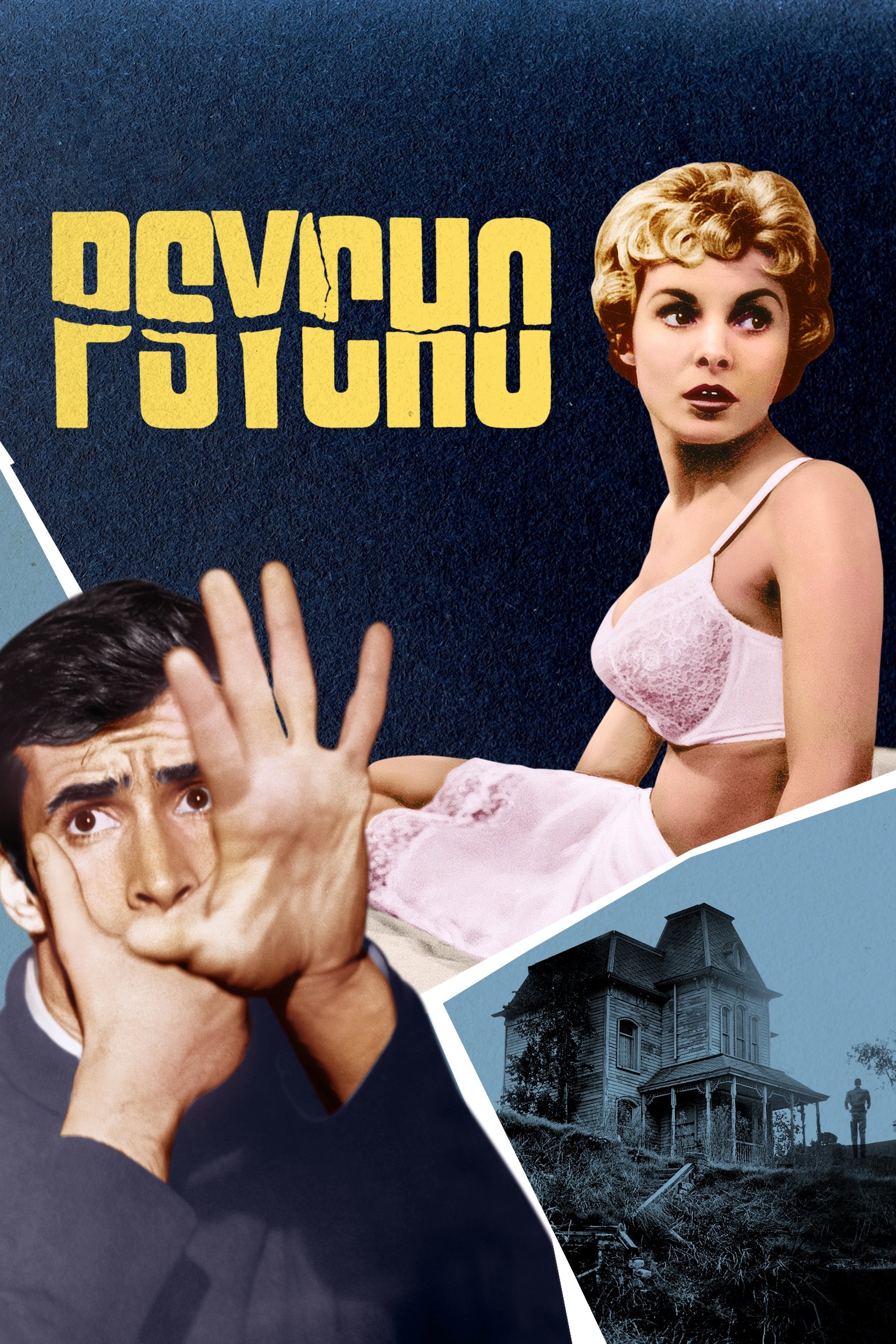
Alfred Hitchcock’s film features Anthony Perkins as Norman Bates and Janet Leigh as a fleeing embezzler who stops at a secluded motel. The screenplay adapts Robert Bloch’s novel, itself informed by the crimes of Ed Gein. Bernard Herrmann’s string-only score became widely recognizable in popular culture. The movie’s marketing asked audiences not to reveal key plot points.
‘North by Northwest’ (1959)
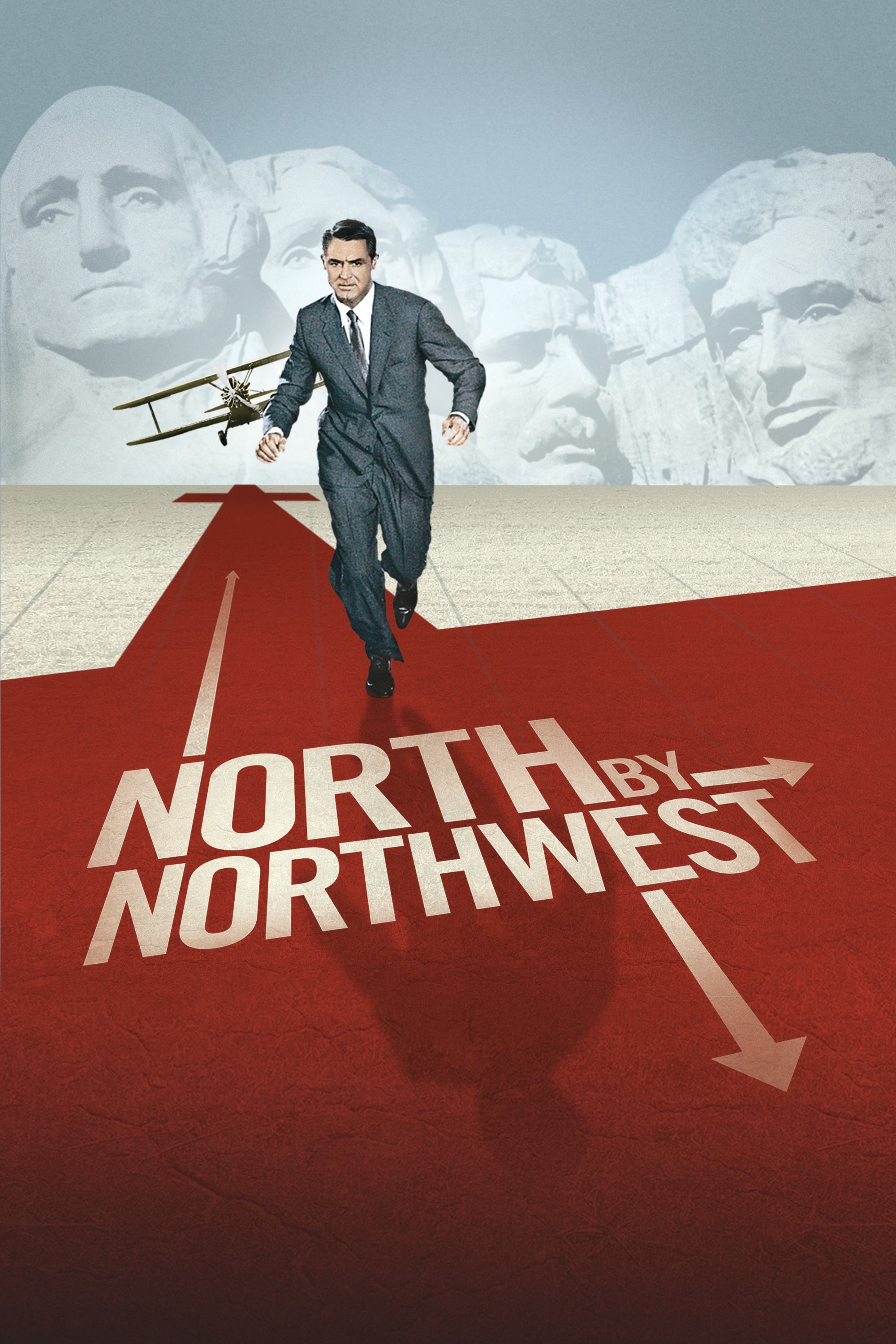
This cross-country chase pairs Cary Grant with Eva Marie Saint in a mistaken-identity story orchestrated by Alfred Hitchcock. The narrative involves espionage, microfilm, and a suave ad executive hunted by foreign agents. Ernest Lehman wrote the screenplay with a focus on set-piece suspense. Notable sequences include the crop-duster attack and the Mount Rushmore climax.
‘The Third Man’ (1949)
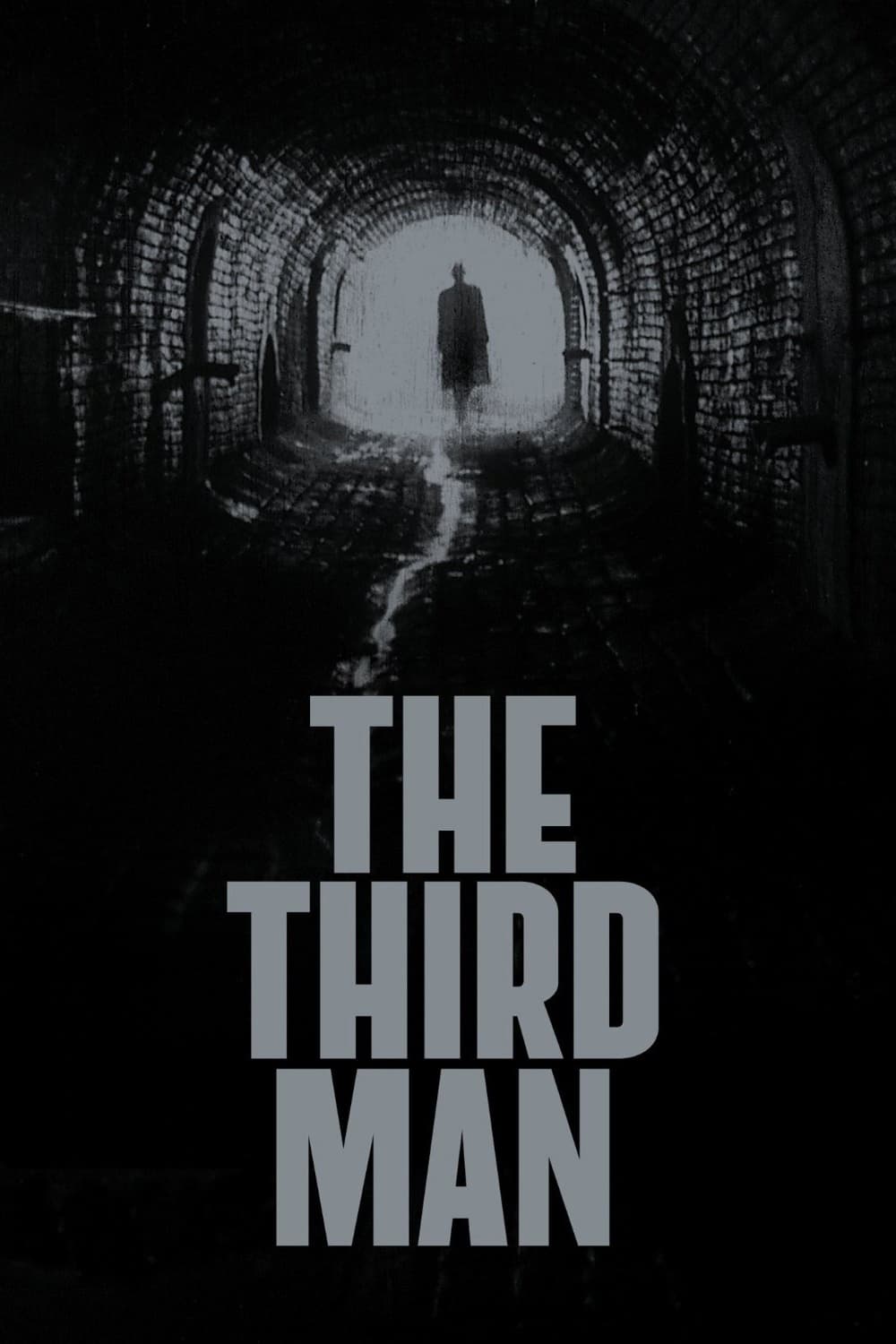
Carol Reed directs this postwar Vienna mystery, starring Joseph Cotten and Orson Welles. A pulp novelist arrives to meet a friend and stumbles into black-market intrigue and a faked death. The film is noted for tilted compositions and Anton Karas’s zither score. It adapts a story by Graham Greene and was shot on location among real ruins and sewer tunnels.
‘The Wages of Fear’ (1953)
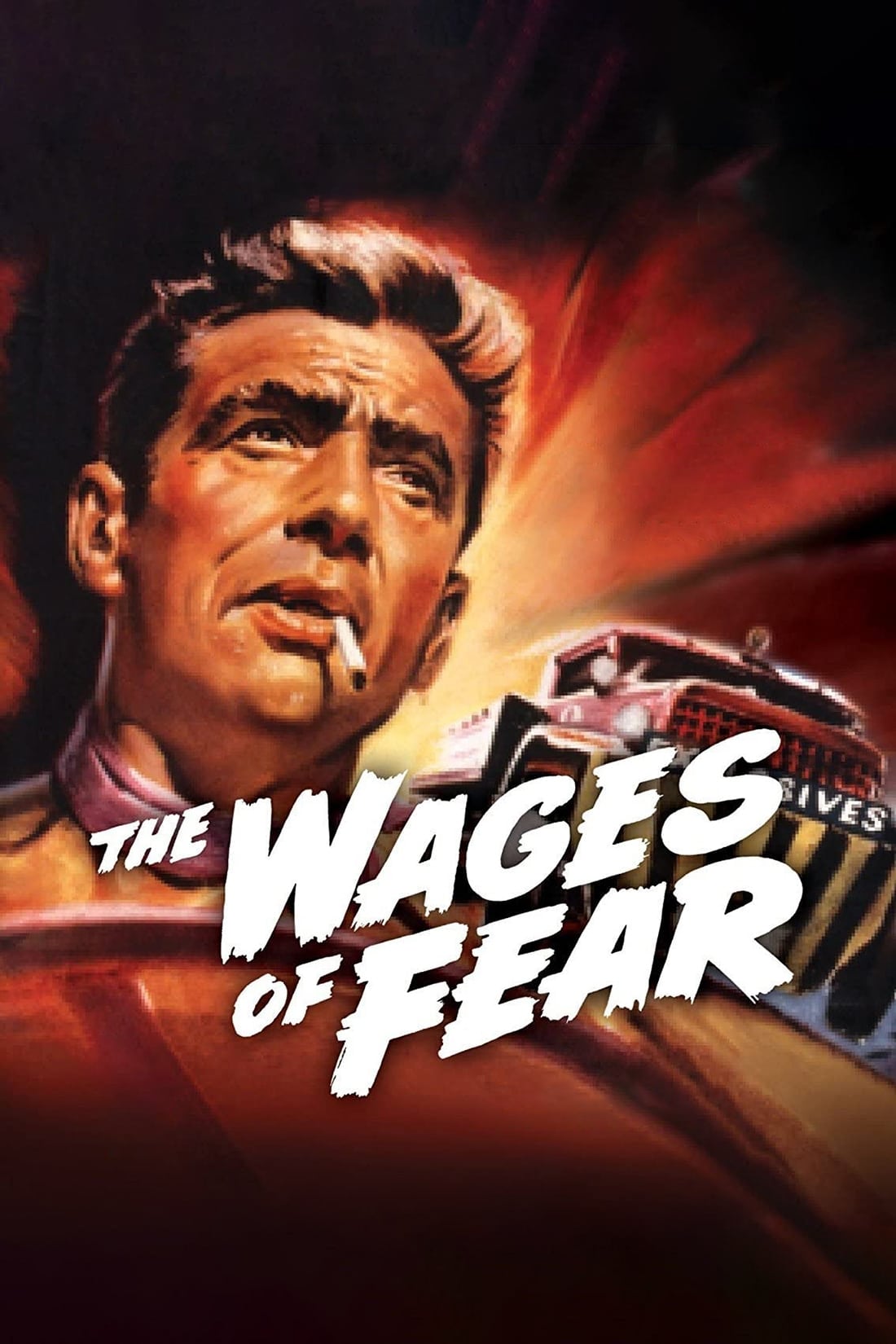
Henri-Georges Clouzot’s film follows desperate men hired to drive trucks loaded with nitroglycerin over treacherous roads. The production staged complex, hazardous set pieces with practical effects. Based on Georges Arnaud’s novel, it examines corporate exploitation in a Latin American setting. It later inspired remakes, including ‘Sorcerer’.
‘Jaws’ (1975)
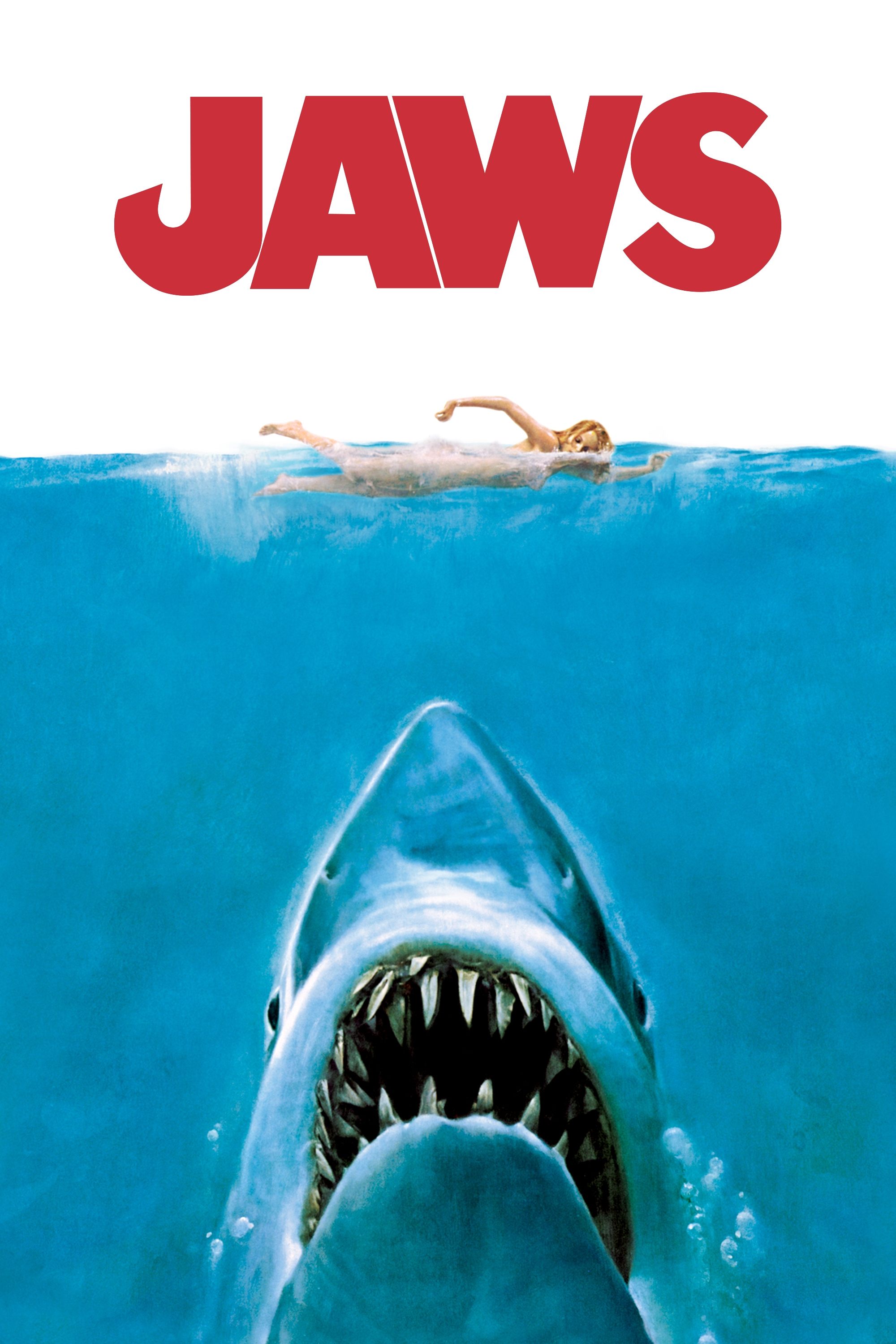
Steven Spielberg’s coastal thriller centers on a police chief, a marine biologist, and a shark hunter responding to attacks in a beach town. Mechanical difficulties with the shark model led to increased use of implication and point-of-view suspense. John Williams composed a two-note motif associated with the predator’s approach. The film adapts Peter Benchley’s bestseller.
‘The French Connection’ (1971)
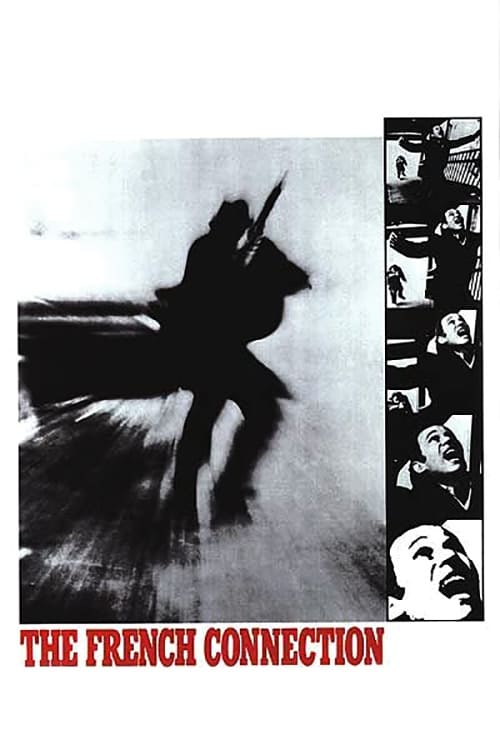
William Friedkin directs Gene Hackman and Roy Scheider as narcotics detectives pursuing a smuggling ring. The story draws from real events involving New York officers nicknamed “Popeye” and “Cloudy.” It features a celebrated car-versus-train chase shot with guerrilla methods and minimal permits. The film won multiple Academy Awards, including Best Picture and Best Director.
‘Chinatown’ (1974)
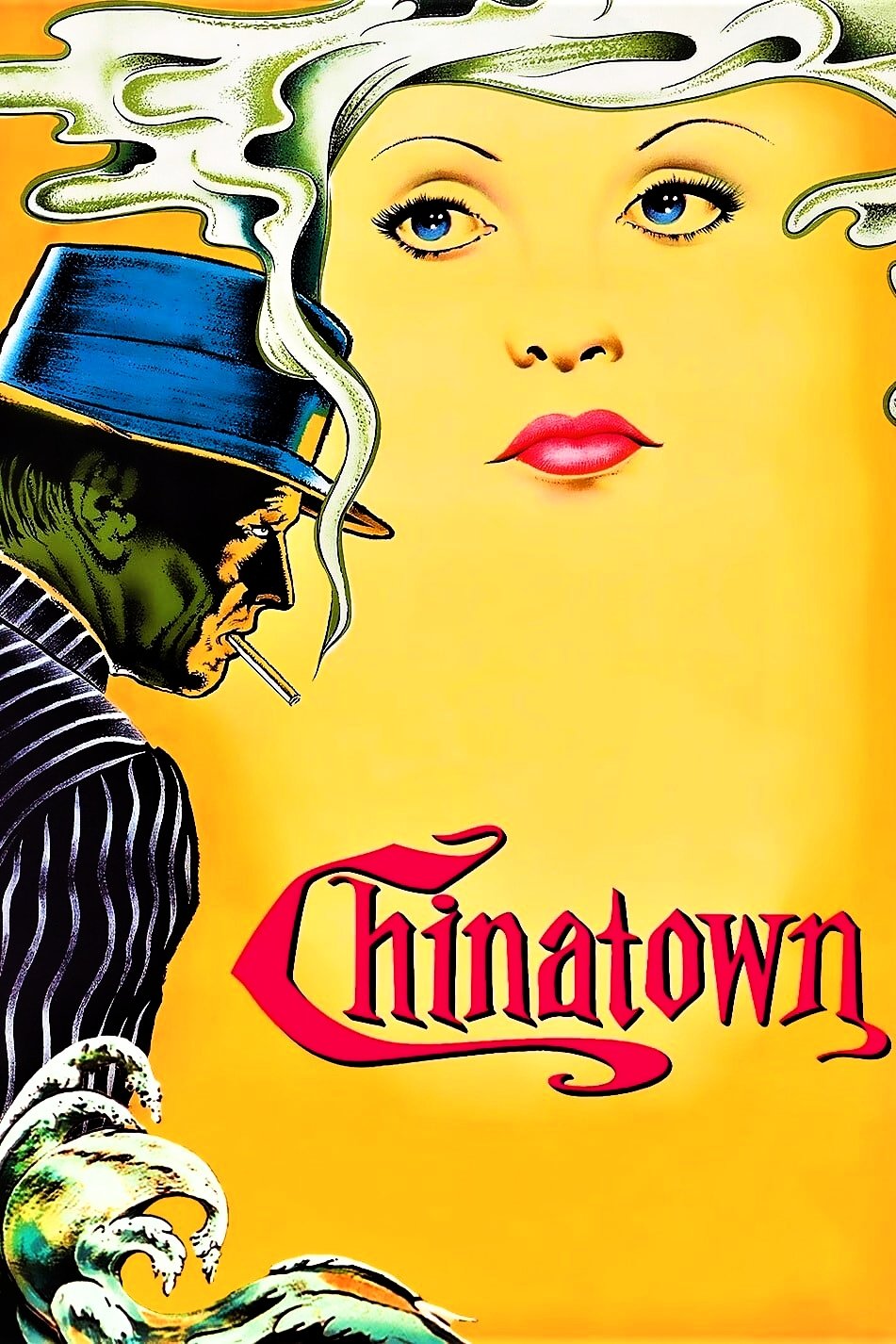
Roman Polanski’s neo-noir stars Jack Nicholson as a private investigator and Faye Dunaway as a client tied to a water-rights conspiracy. Robert Towne wrote the screenplay, incorporating Los Angeles infrastructure and historic power struggles. The production uses period detail and restrained color to evoke the setting. Jerry Goldsmith’s trumpet-led score was composed under tight deadlines.
‘Blade Runner’ (1982)
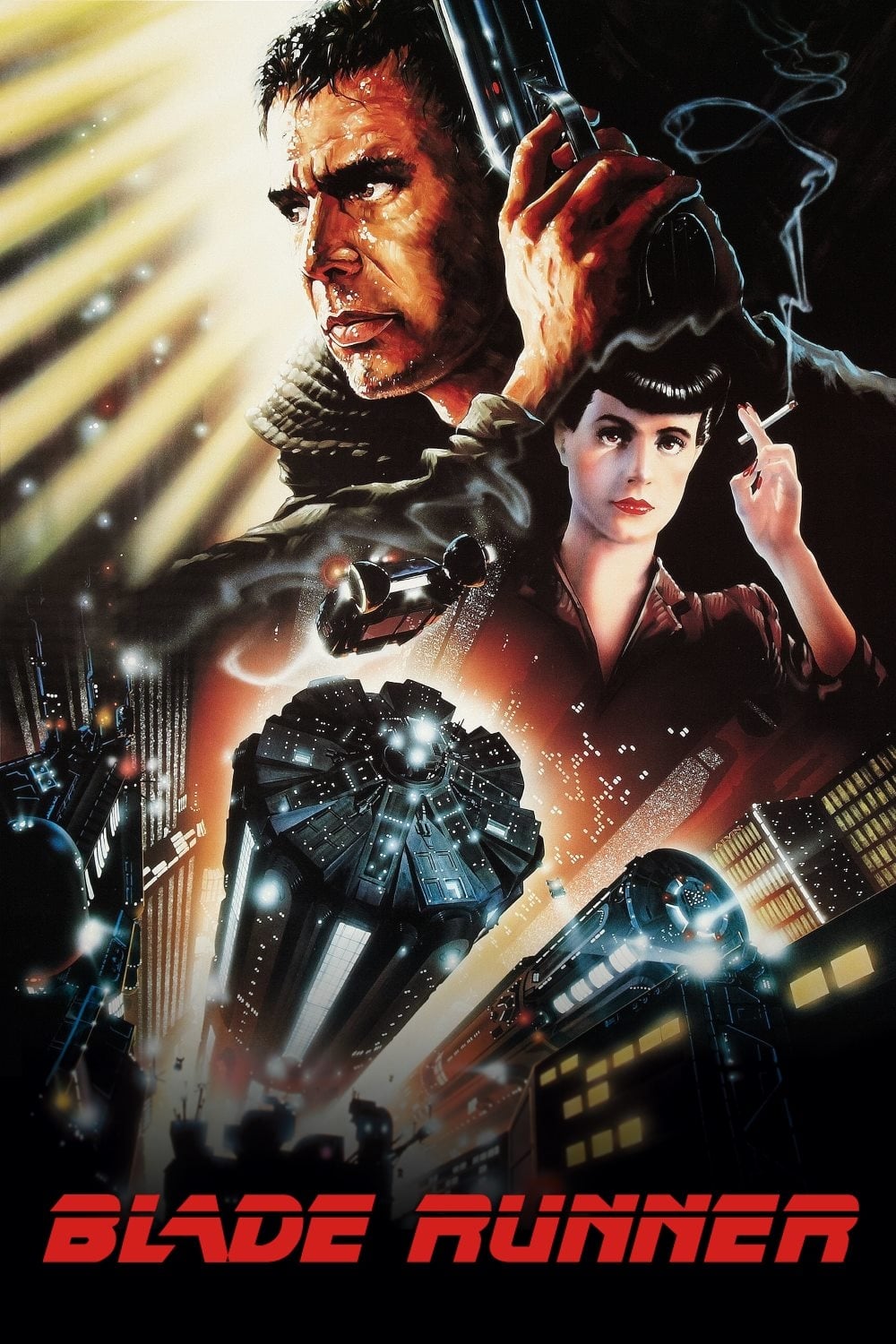
Ridley Scott adapts ‘Do Androids Dream of Electric Sheep?’ into a neo-noir about a cop tasked with retiring bioengineered replicants. Harrison Ford leads a cast that includes Rutger Hauer and Sean Young. The film’s visual design blends neon, rain, and dense urban layers influenced by futurist architecture. Multiple cuts exist, with the ‘Final Cut’ reflecting the director’s preferred version.
‘Die Hard’ (1988)
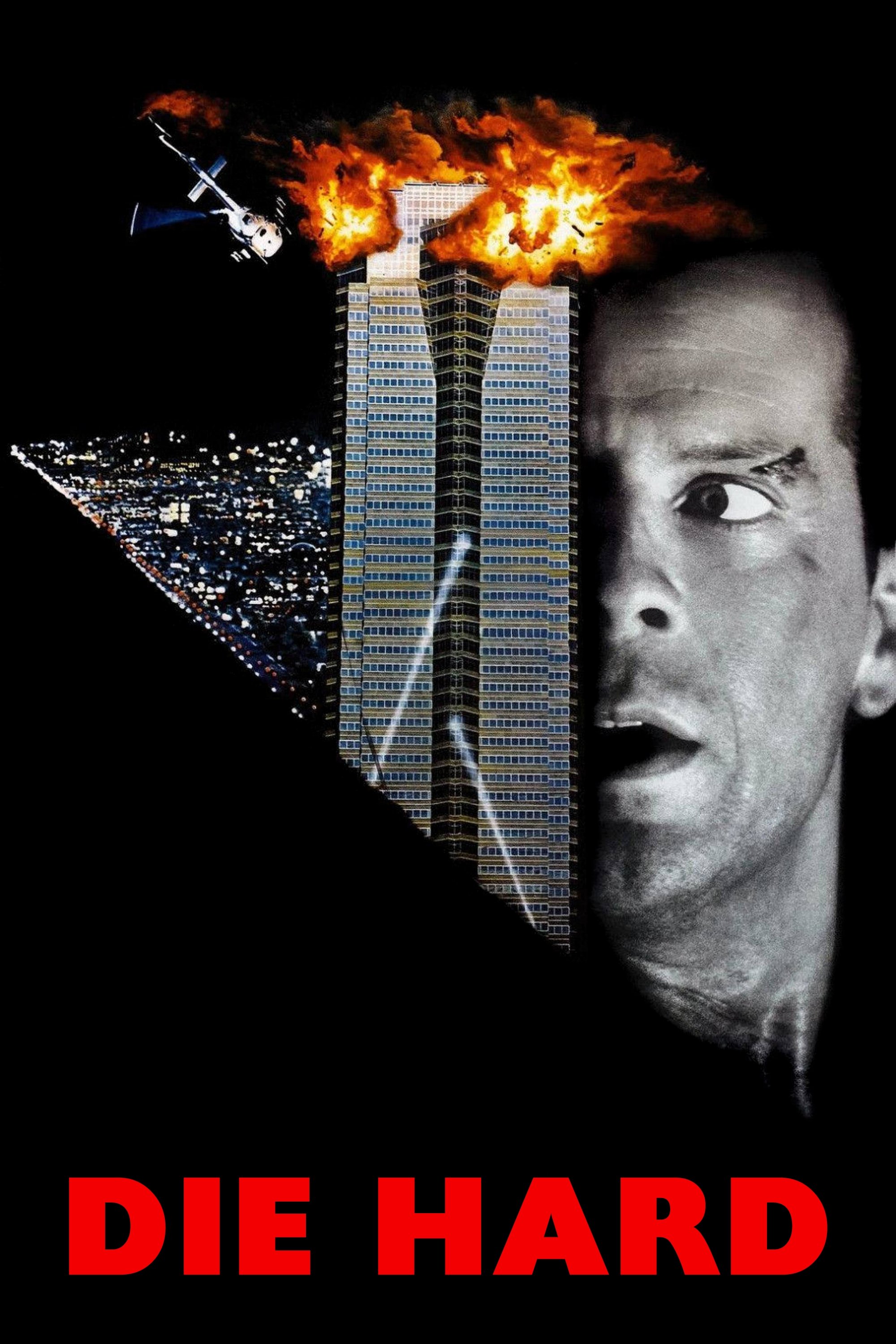
John McTiernan’s high-rise thriller stars Bruce Willis as an off-duty cop confronting armed thieves during a corporate party. The action unfolds within a single Los Angeles skyscraper, emphasizing vertical movement and confined tactics. Alan Rickman’s antagonist leads a crew using staged terrorism as cover for a heist. It adapts Roderick Thorp’s novel ‘Nothing Lasts Forever’.
‘The Silence of the Lambs’ (1991)
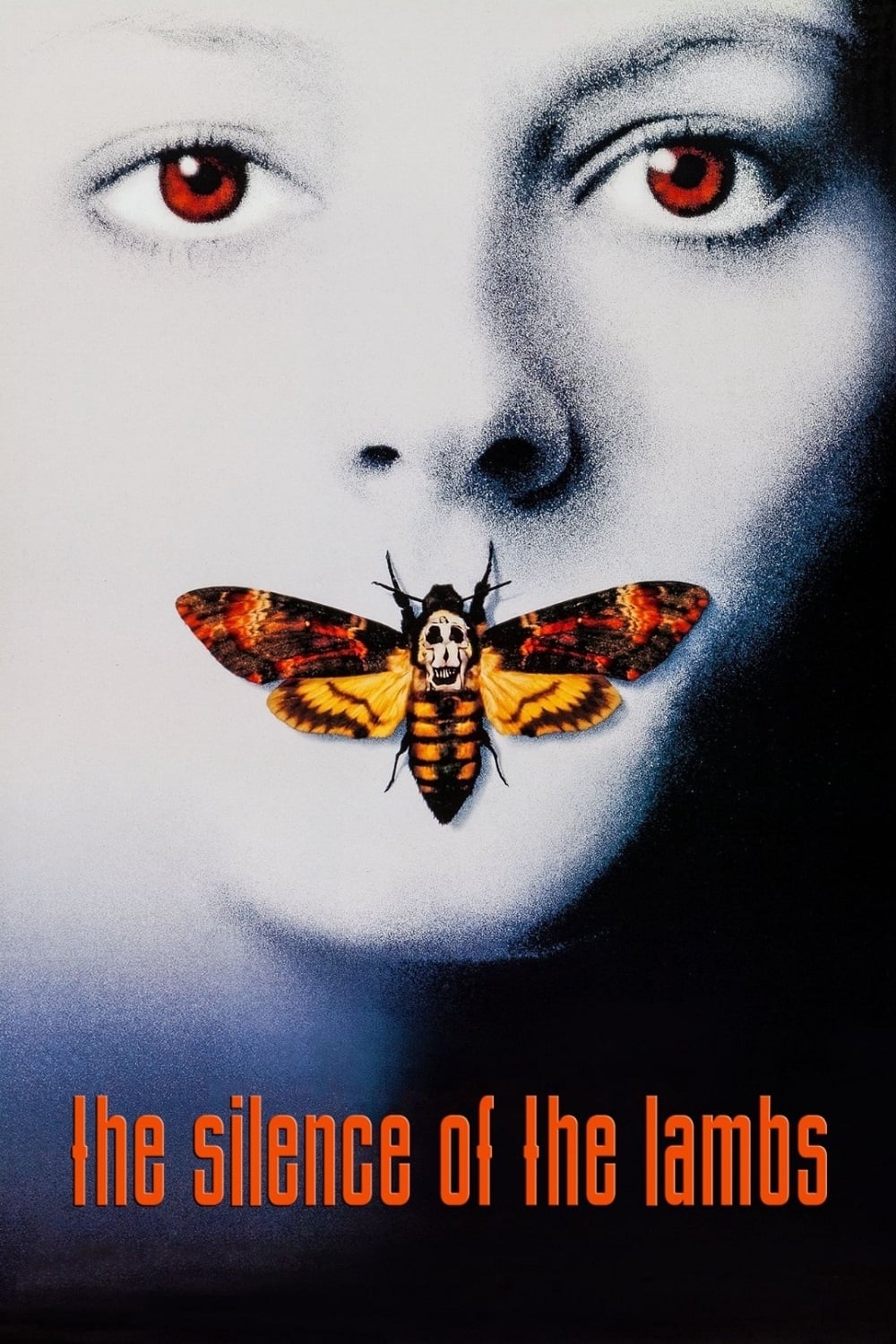
Jonathan Demme directs Jodie Foster as an FBI trainee seeking insight from Anthony Hopkins’s incarcerated psychiatrist to catch a serial killer. The film adapts Thomas Harris’s novel and integrates behavioral-science interviewing techniques. It is among the few titles to win the Academy Awards “Big Five.” The production emphasizes eye-line framing to heighten interrogation scenes.
‘The Fugitive’ (1993)
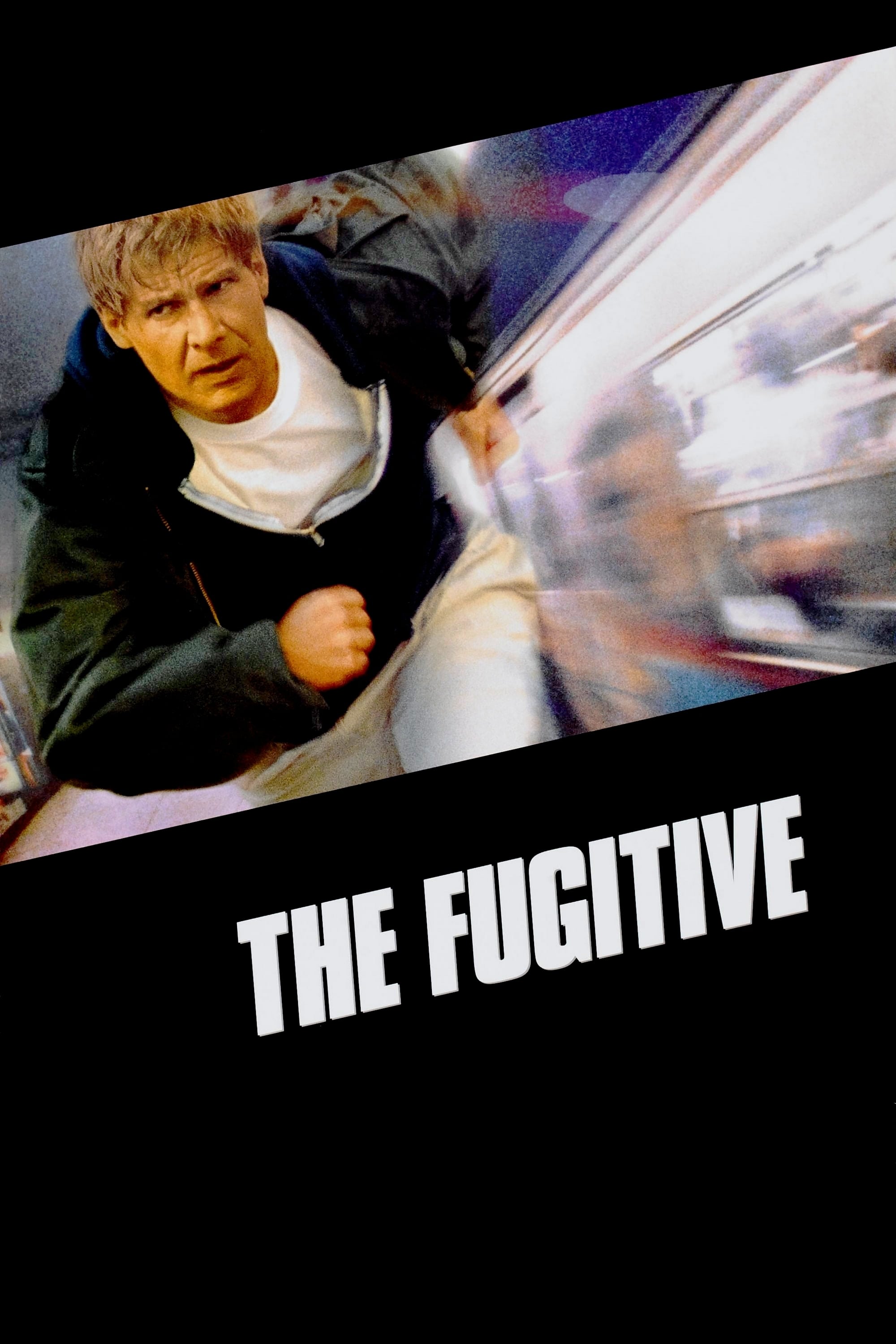
Andrew Davis’s man-on-the-run story features Harrison Ford as a surgeon wrongfully convicted of killing his wife and Tommy Lee Jones as the U.S. Marshal tracking him. Key sequences include a prison bus crash and a dam jump staged with large-scale practical effects. The plot involves a pharmaceutical conspiracy uncovered through hospital records and samples. The role earned Tommy Lee Jones an Academy Award for Supporting Actor.
‘Se7en’ (1995)
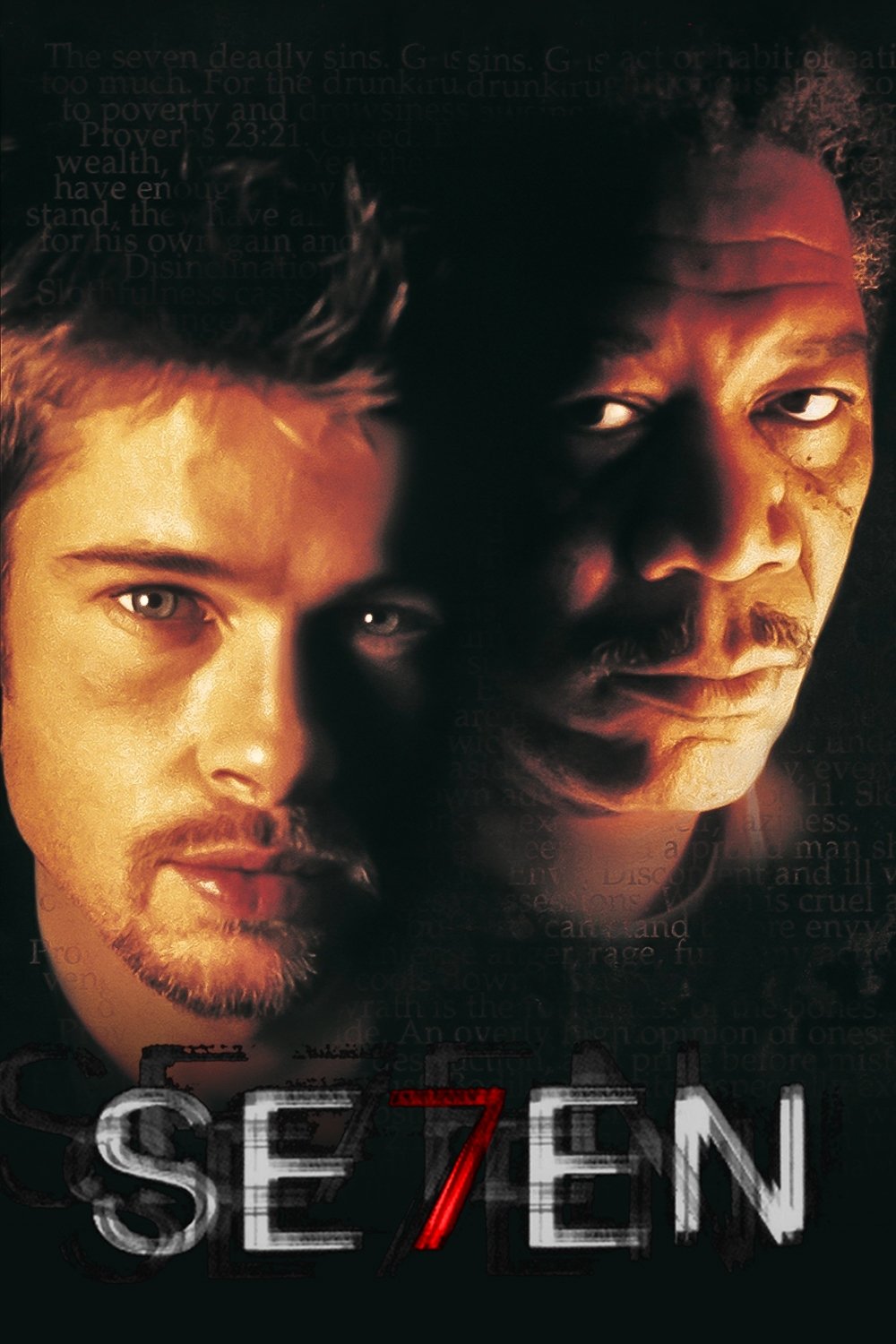
David Fincher’s procedural pairs Brad Pitt and Morgan Freeman as detectives investigating murders themed to the deadly sins. The screenplay by Andrew Kevin Walker structures the case as a puzzle with meticulously staged crime scenes. Production design uses rain-soaked, unnamed-city aesthetics and hand-crafted notebooks. The opening credits employ stylized typography and macro photography.
‘Heat’ (1995)
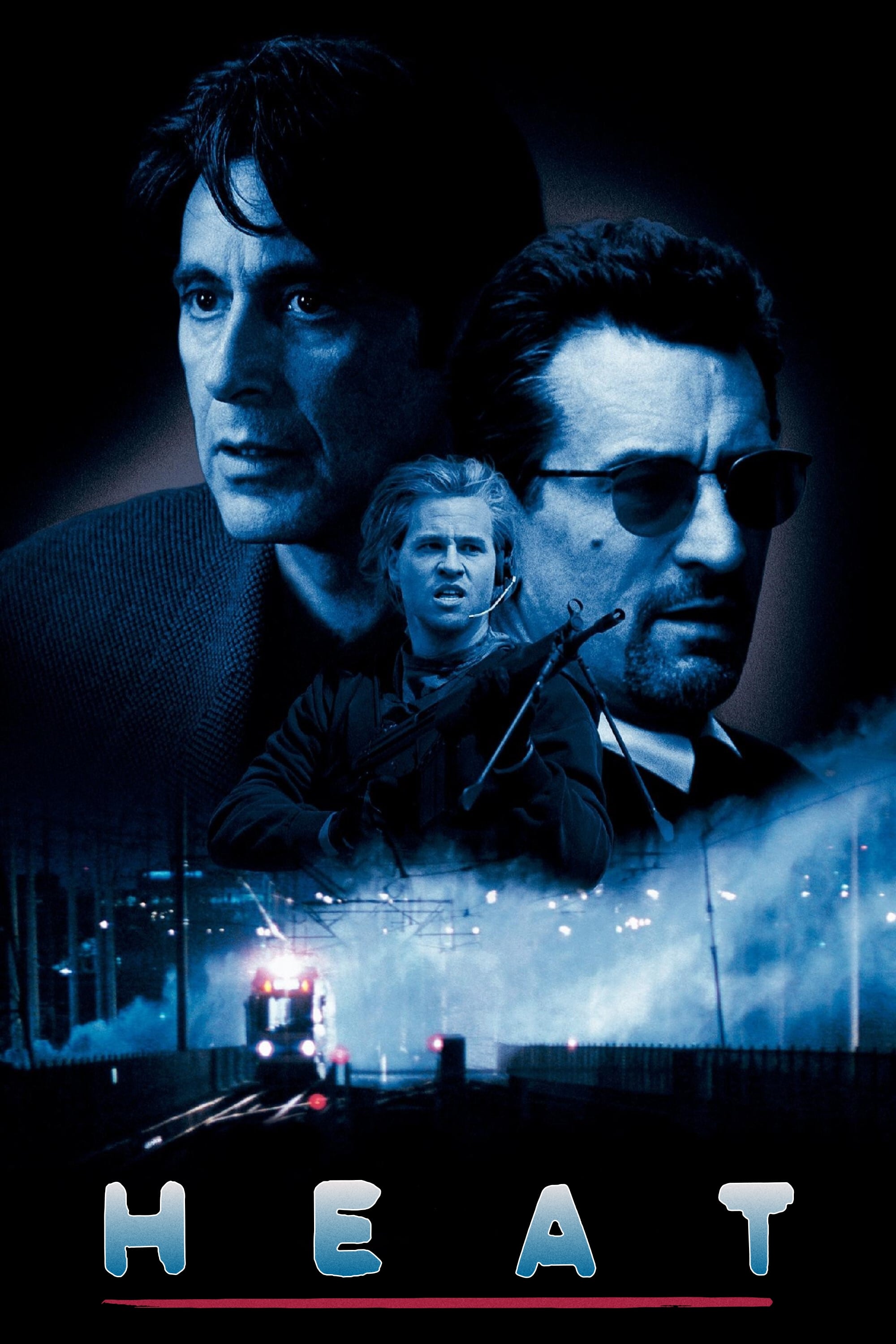
Michael Mann’s crime saga follows a professional crew led by Robert De Niro and a relentless detective played by Al Pacino. The film draws on a real confrontation between a Chicago cop and a thief, influencing its coffee-shop face-off. Downtown Los Angeles locations were used extensively for shootouts and surveillance sequences. Sound design emphasizes echoing gunfire captured on live city streets.
‘The Usual Suspects’ (1995)
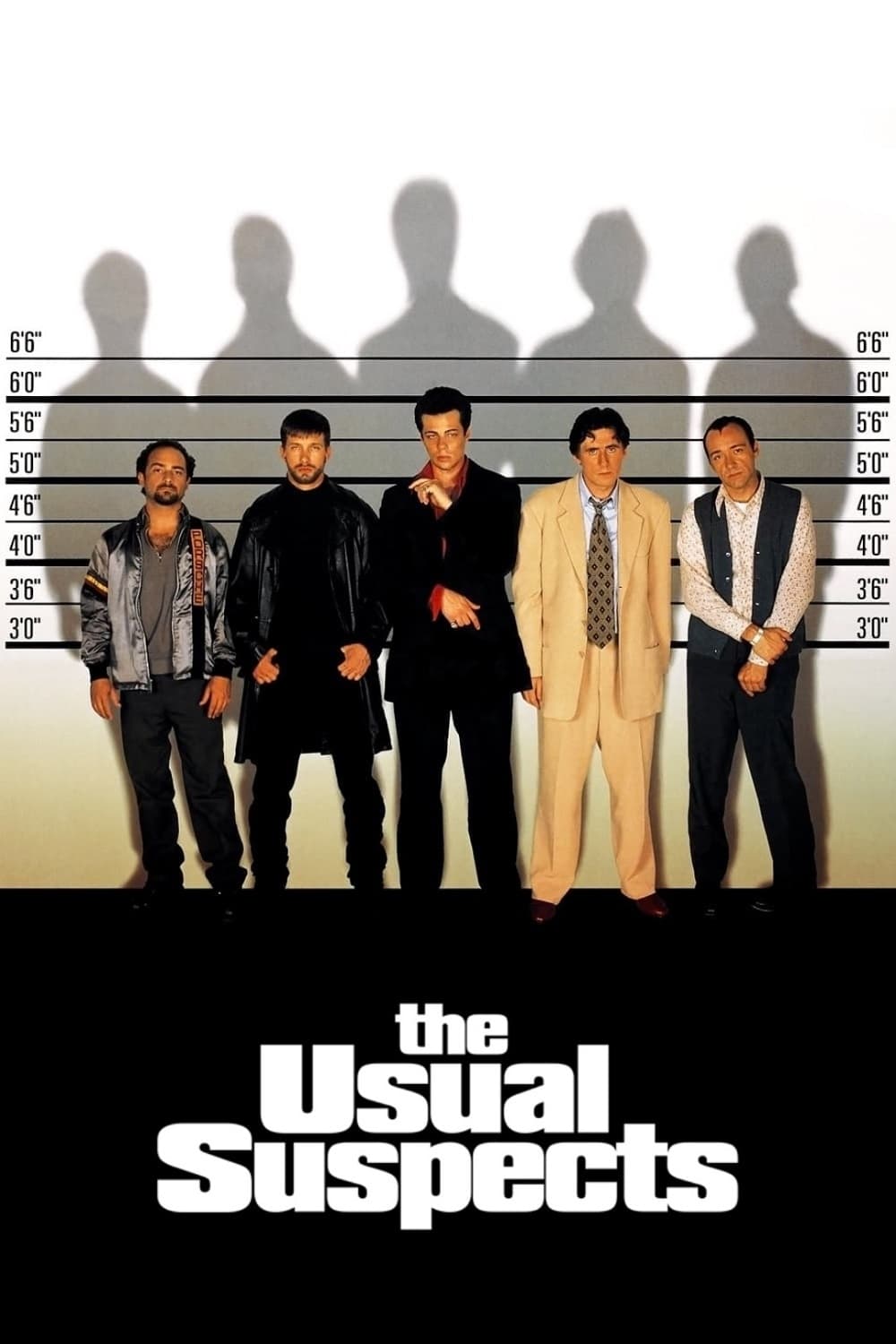
Bryan Singer directs an ensemble piece centered on a lineup of criminals and the myth of a shadowy mastermind. Christopher McQuarrie’s screenplay structures the narrative through an unreliable interrogation. The cast includes Kevin Spacey, Benicio Del Toro, and Gabriel Byrne. Notable elements include a dock explosion and a final walk from a police station.
‘Memento’ (2000)
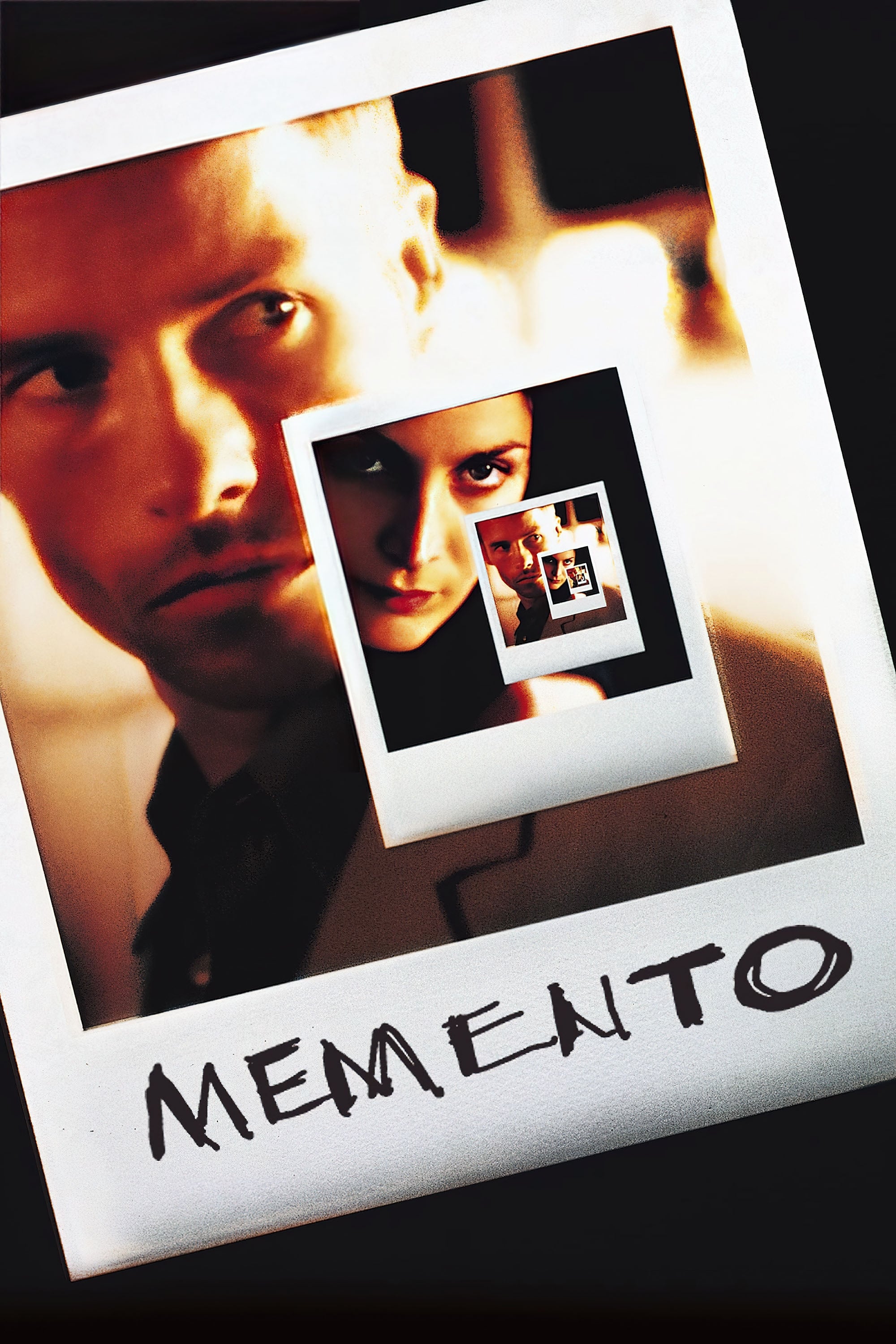
Christopher Nolan’s breakthrough tells the story of a man with anterograde memory loss tracking his wife’s killer. The structure intercuts black-and-white chronological scenes with color scenes presented in reverse order. Guy Pearce leads, with Carrie-Anne Moss and Joe Pantoliano in key roles. The screenplay adapts a concept from the short story ‘Memento Mori’ by Jonathan Nolan.
‘Mulholland Drive’ (2001)
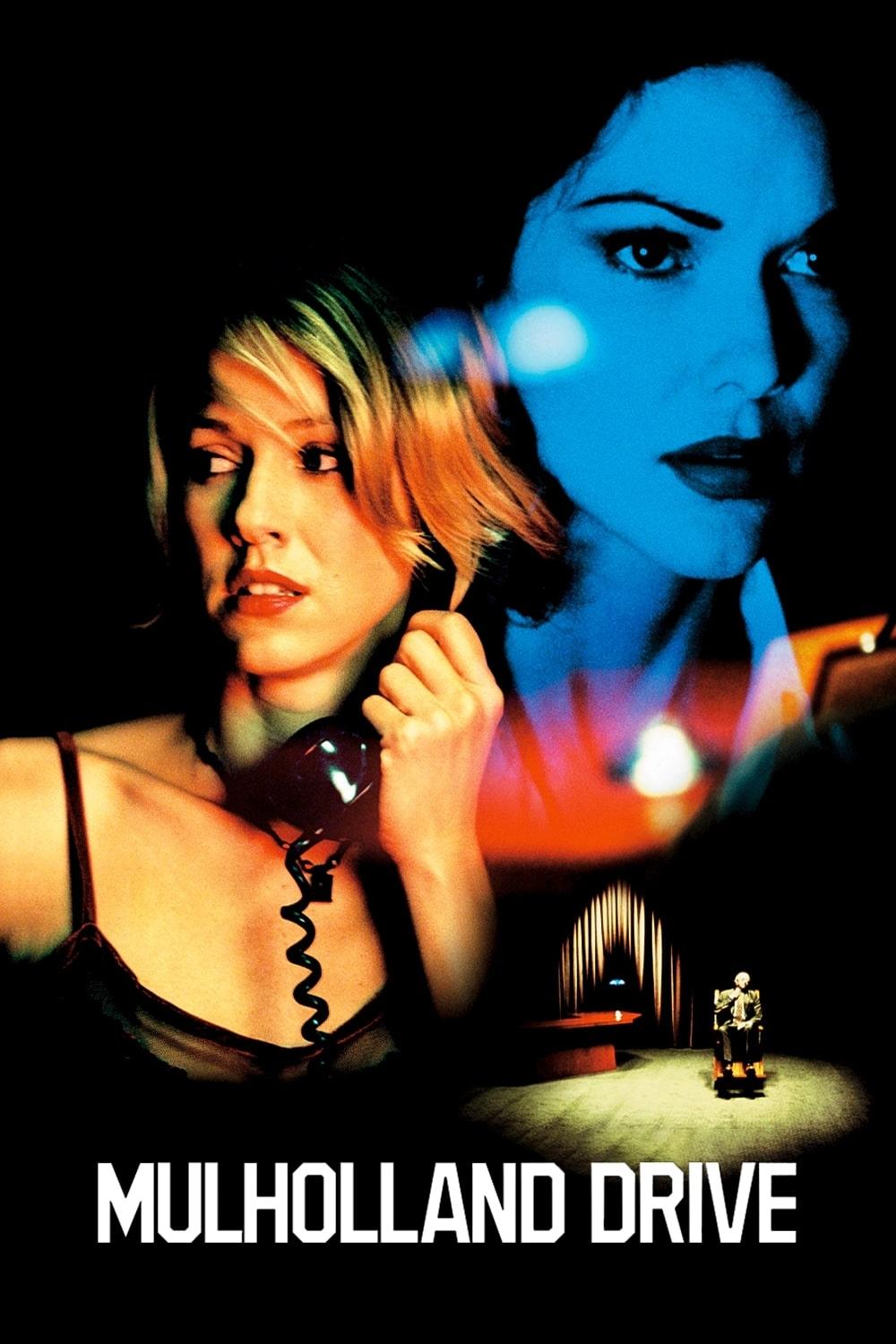
David Lynch’s Los Angeles mystery follows an aspiring actor and an amnesiac woman entangled in a shifting identity puzzle. The project began as a television pilot before expanding into a feature, shaping its dreamlike structure. Naomi Watts and Laura Harring star, with significant scenes at Club Silencio. Angelo Badalamenti’s score underscores themes of illusion and performance.
‘The Bourne Identity’ (2002)
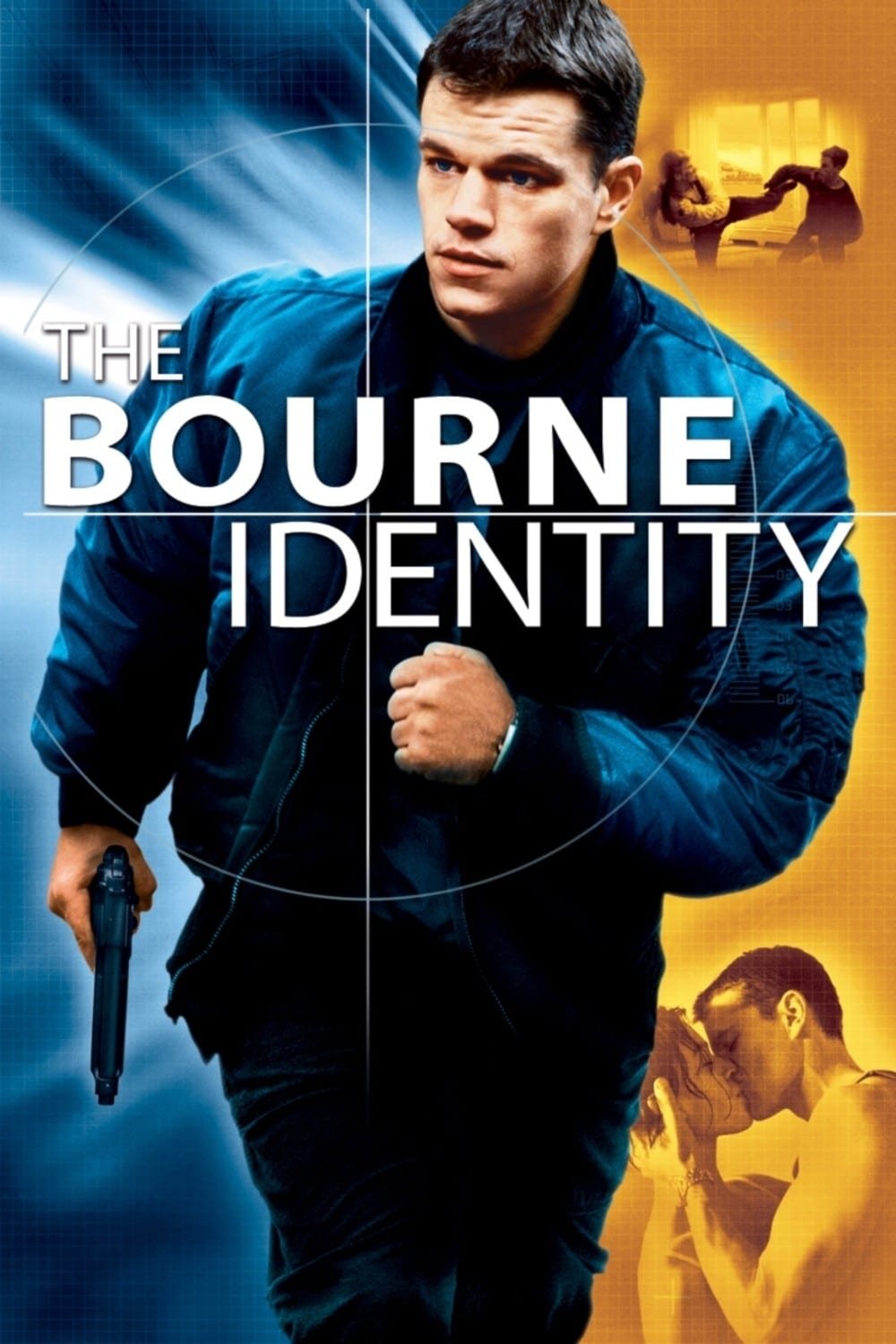
Doug Liman adapts Robert Ludlum’s novel about an amnesiac operative hunted by his own handlers. Matt Damon stars, with on-location action across Europe and close-quarters fight choreography influenced by Kali and boxing. The film introduced a grounded, handheld approach to spycraft set pieces. It launched a franchise that continued with ‘The Bourne Supremacy’ and ‘The Bourne Ultimatum’.
‘Oldboy’ (2003)
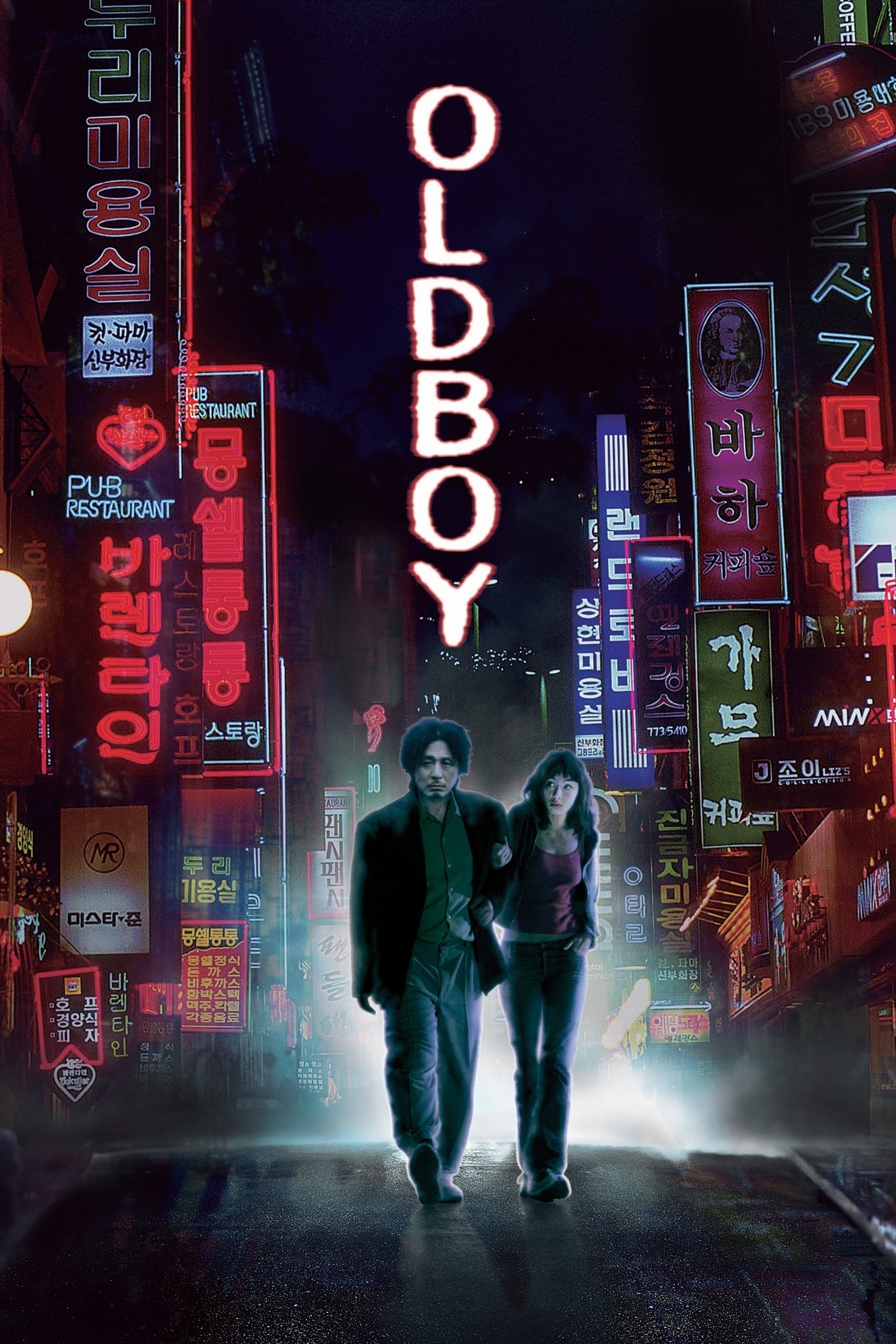
Park Chan-wook’s neo-noir centers on a man mysteriously imprisoned for years and released to uncover who orchestrated the ordeal. The film adapts a Japanese manga by Garon Tsuchiya and Nobuaki Minegishi. It features a corridor fight staged as a single extended shot. Score and production design blend classical motifs with modern grit.
‘Memories of Murder’ (2003)
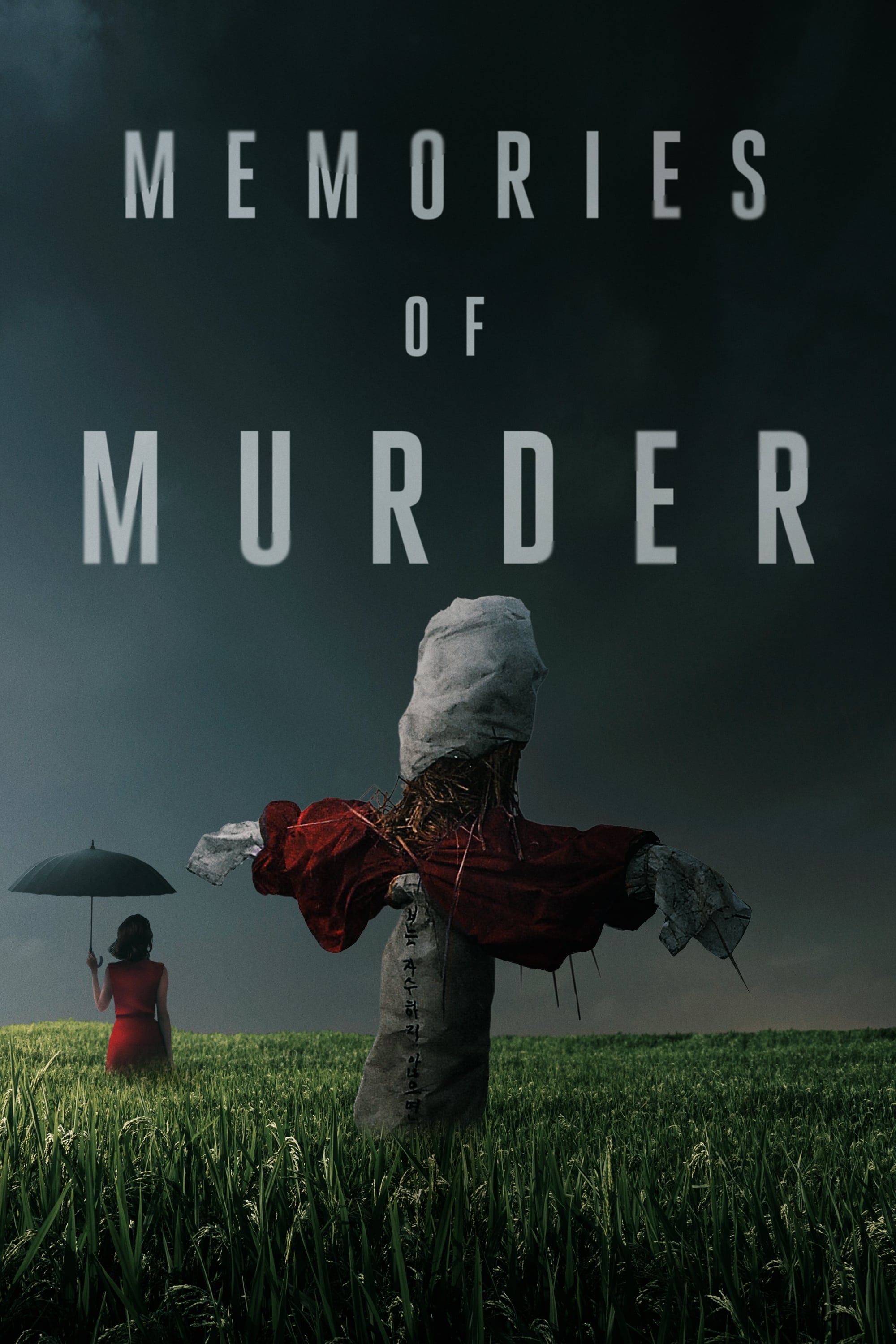
Bong Joon Ho dramatizes the hunt for a serial killer in rural Korea, drawing from a real unsolved case. Song Kang-ho and Kim Sang-kyung play detectives whose methods clash as evidence grows thin. The film uses shifting weather, fields, and tunnels to mark investigative stages. It later gained renewed attention when the historical case saw developments.
‘Zodiac’ (2007)
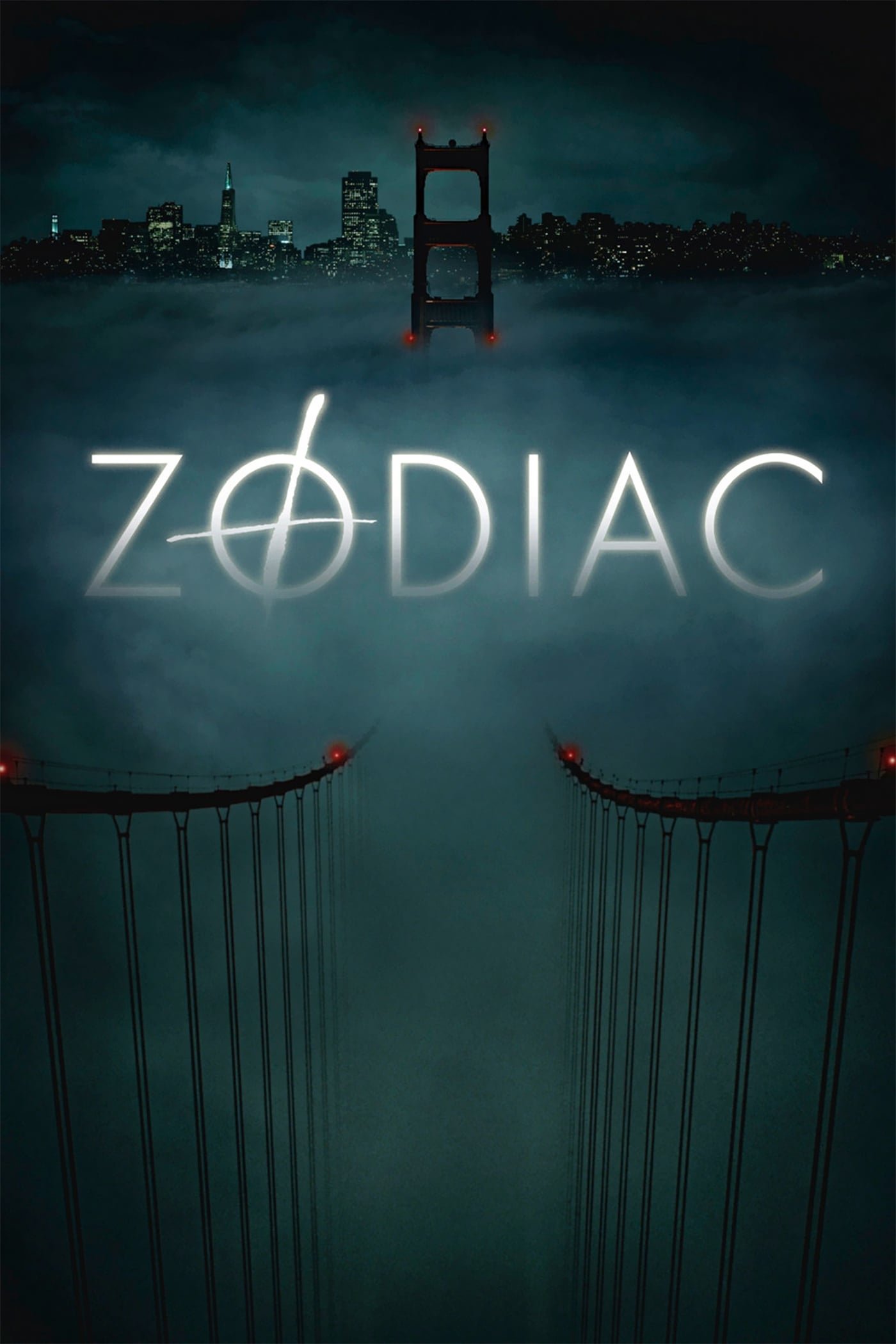
David Fincher’s newsroom-police-cartoonist procedural tracks multiple investigators and a cartoonist obsessed with ciphers linked to a serial case. The cast includes Jake Gyllenhaal, Robert Downey Jr., and Mark Ruffalo. Digital cinematography recreates period San Francisco, from the Transamerica Pyramid to Vallejo crime scenes. The script adapts Robert Graysmith’s books and integrates authentic letters and codes.
‘No Country for Old Men’ (2007)
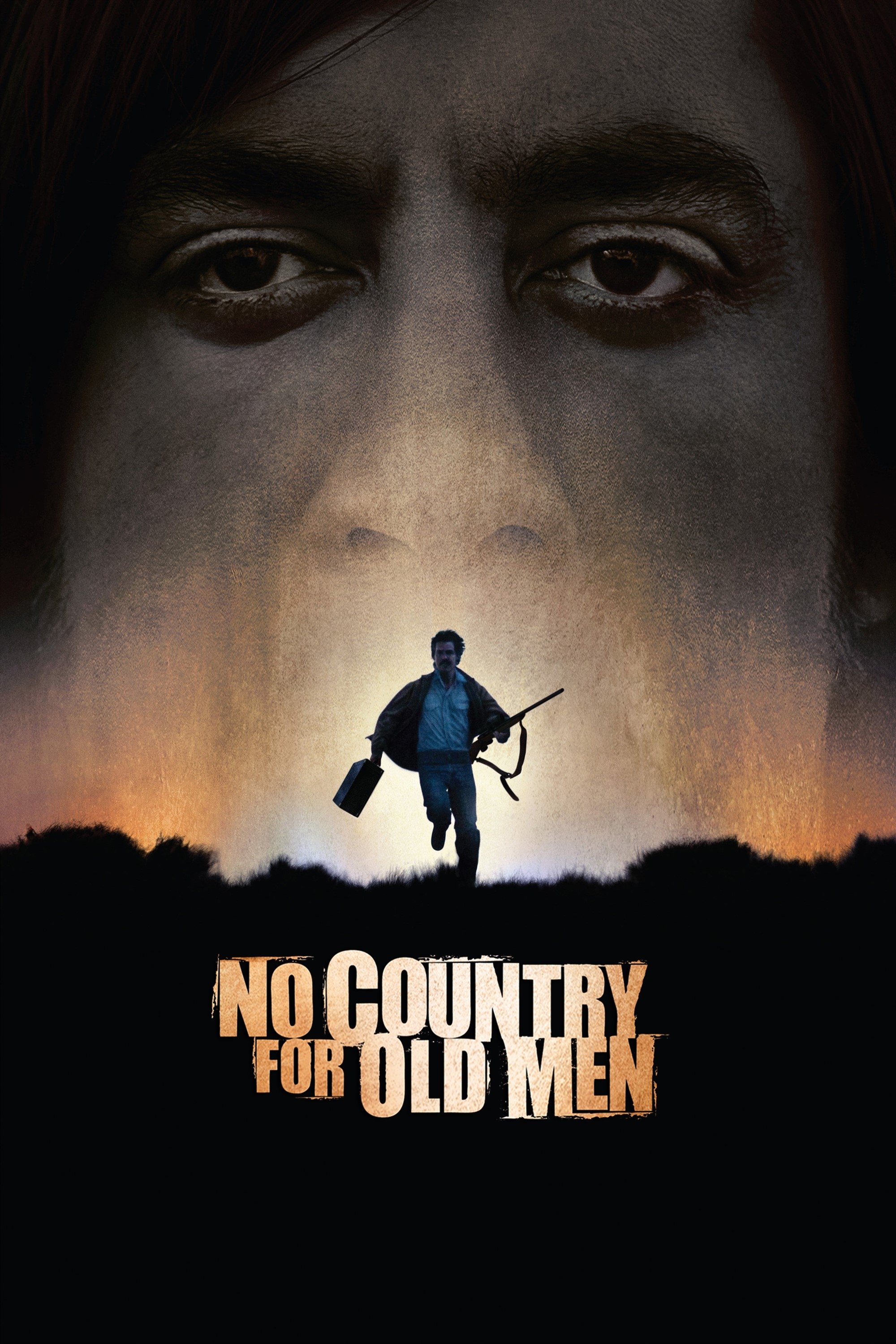
Joel and Ethan Coen adapt Cormac McCarthy’s novel about a hunter who stumbles upon drug-deal money and a relentless pursuer. Javier Bardem, Josh Brolin, and Tommy Lee Jones lead the cast. The production emphasizes natural sound, with minimal score and West Texas landscapes. It won multiple Academy Awards, including Best Picture and Best Supporting Actor.
‘Shutter Island’ (2010)
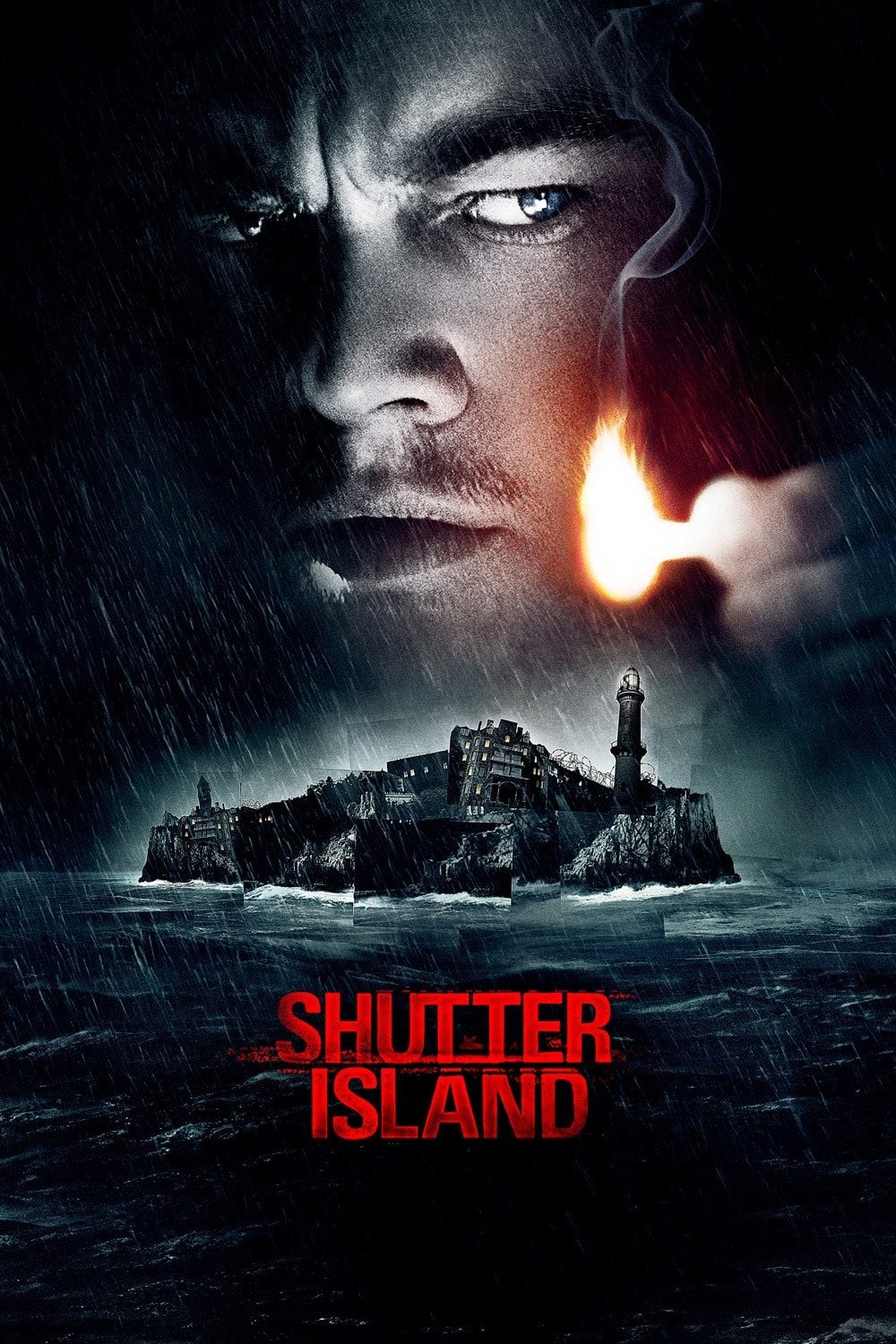
Martin Scorsese directs Leonardo DiCaprio and Mark Ruffalo as U.S. Marshals sent to a remote psychiatric facility after a disappearance. The story adapts Dennis Lehane’s novel, weaving medical records, storm damage, and patient interviews. The production shot at historic locations, including a decommissioned prison. Music supervision assembles modern classical pieces to heighten unease.
‘The Girl with the Dragon Tattoo’ (2011)
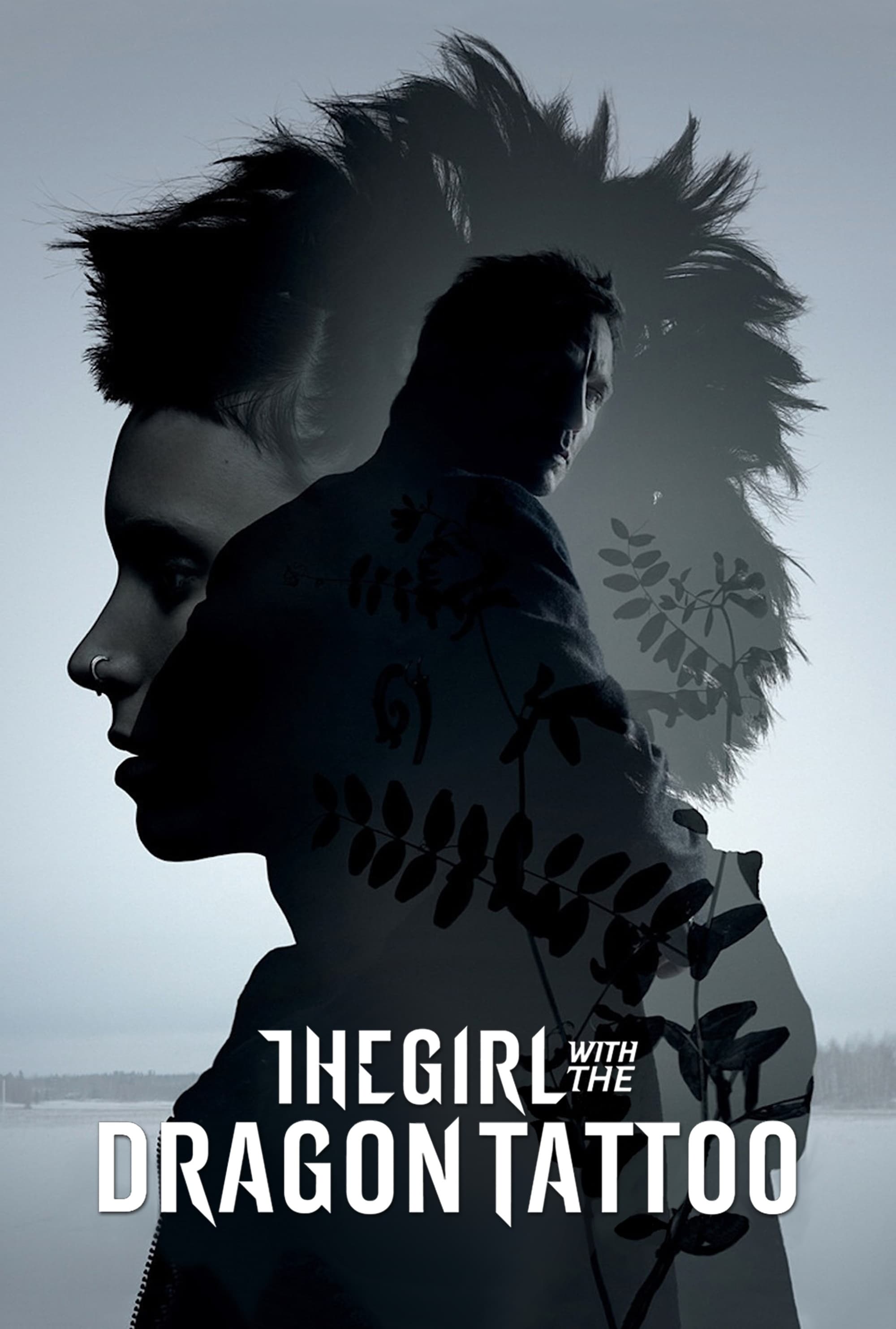
David Fincher adapts Stieg Larsson’s novel about a journalist and a hacker investigating a wealthy family’s secret history. Rooney Mara and Daniel Craig star, with a score by Trent Reznor and Atticus Ross. The production filmed extensively in Sweden and used cold, desaturated palettes. It presents forensic accounting, archival research, and corporate records as key investigative tools.
‘Prisoners’ (2013)
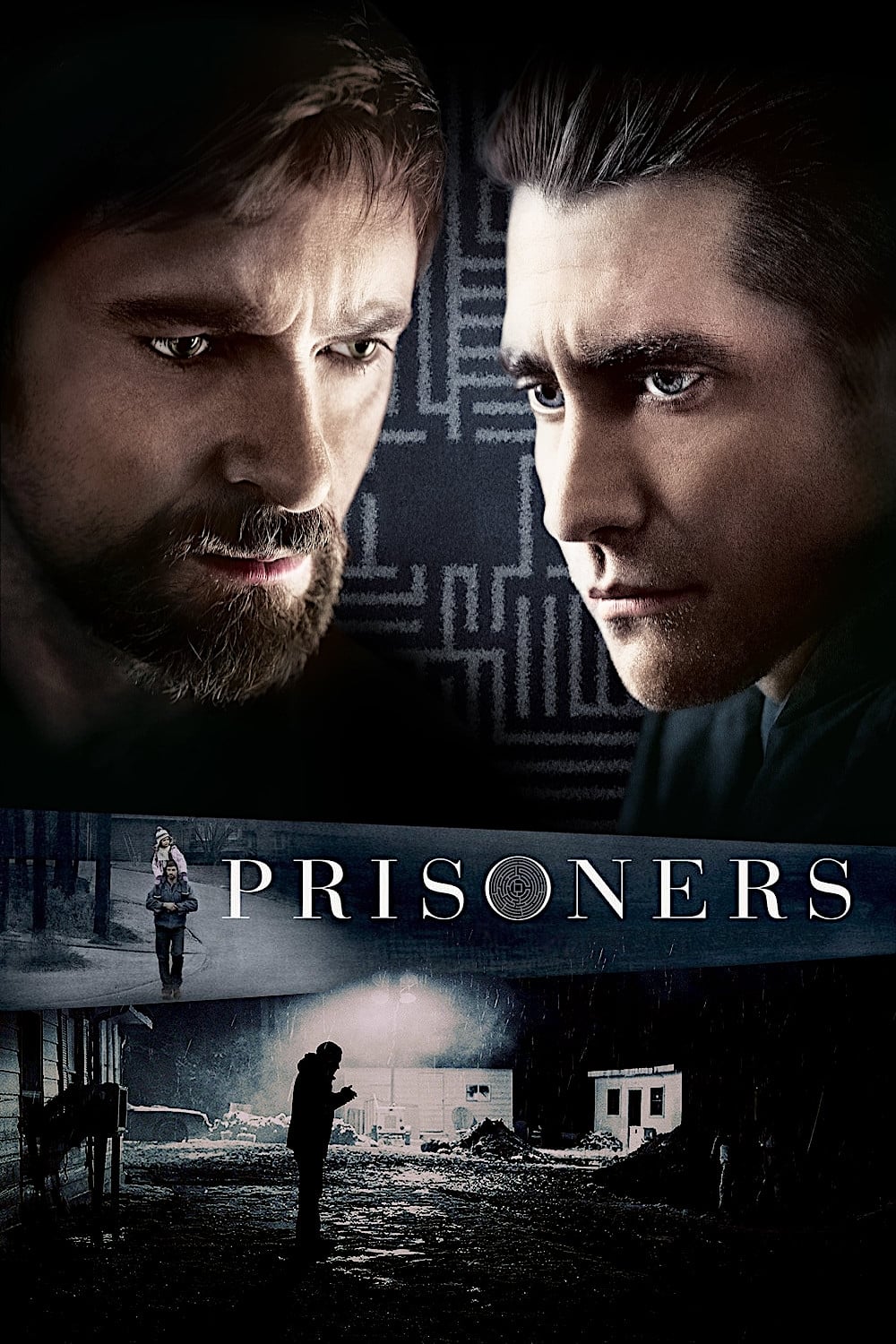
Denis Villeneuve’s thriller follows two families and a detective after two children go missing, probing moral lines during the search. Hugh Jackman, Jake Gyllenhaal, Viola Davis, and Melissa Leo lead the ensemble. The investigation weaves forensics, labyrinth imagery, and case files tied to older crimes. Cinematographer Roger Deakins used overcast natural light to maintain a muted, tense look.
‘The Conversation’ (1974)
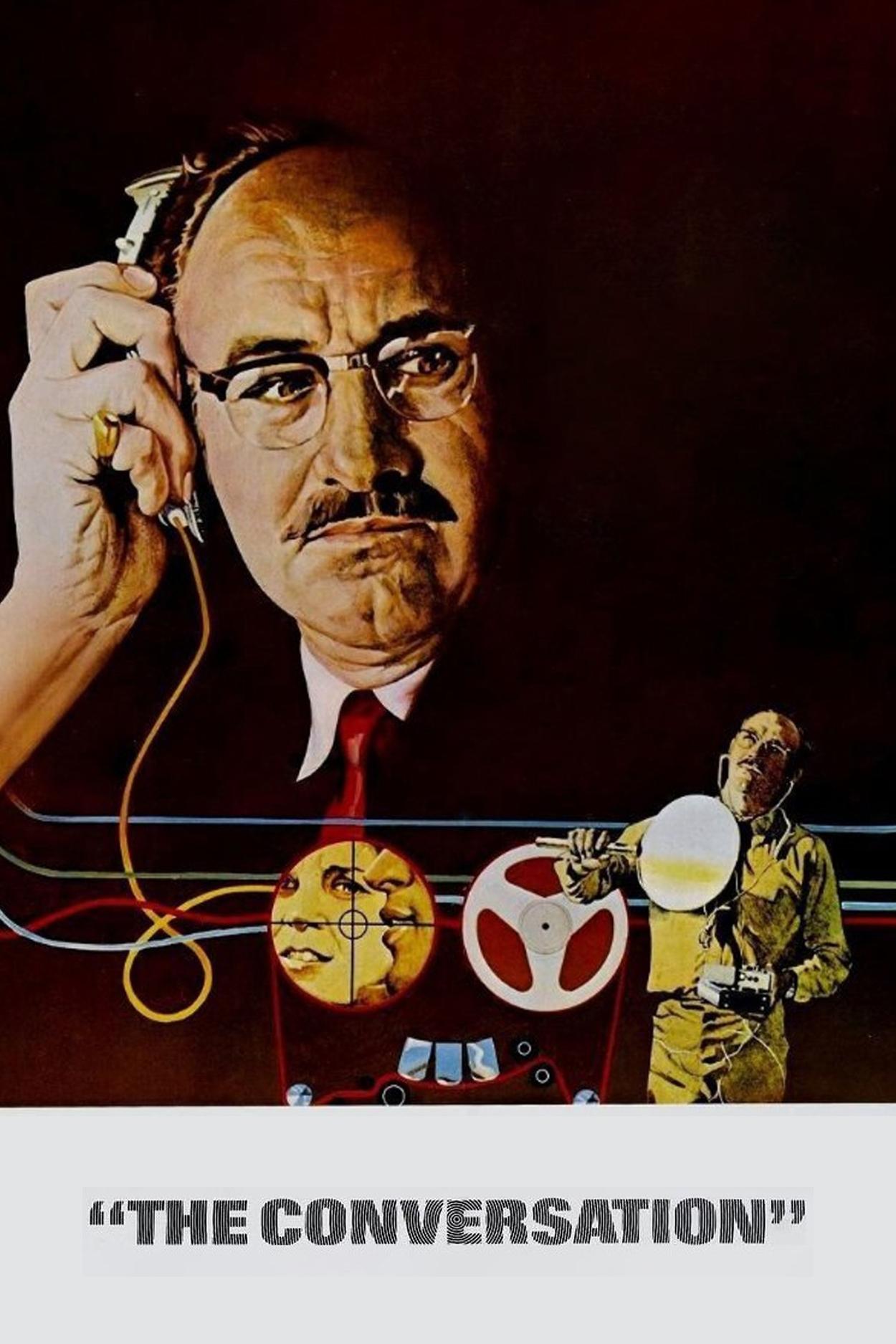
Francis Ford Coppola’s surveillance thriller follows a wiretapper who becomes consumed by the implications of a recorded exchange. Gene Hackman leads a cast that includes John Cazale and Harrison Ford. The film showcases analog eavesdropping gear, long-lens photography, and layered sound design. Walter Murch’s editing and audio work reconstruct snippets of dialogue to drive the investigation.
‘The Night of the Hunter’ (1955)

Charles Laughton directs a Southern Gothic thriller about a faux preacher pursuing hidden cash from a condemned robber’s family. Robert Mitchum, Shelley Winters, and Lillian Gish headline the cast. Expressionistic lighting, river sequences, and stylized sets shape its fairy-tale atmosphere. The story adapts Davis Grubb’s novel about greed and innocence in a Depression-era setting.
‘The Manchurian Candidate’ (1962)
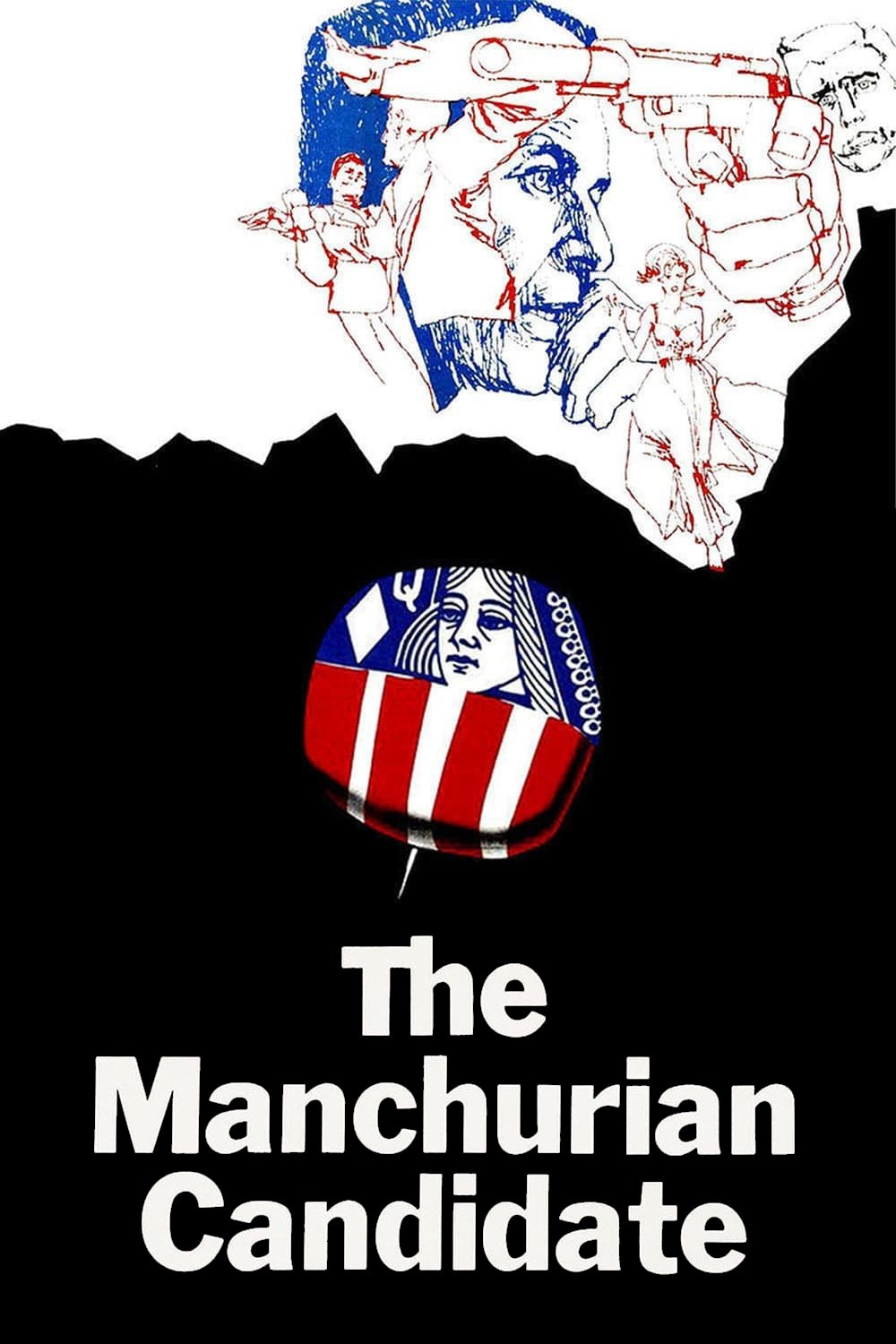
John Frankenheimer’s political thriller centers on brainwashing, conspiracy, and a decorated soldier turned unwitting weapon. Frank Sinatra, Laurence Harvey, and Angela Lansbury star. The movie mixes documentary-style street shooting with surreal dream montages. It adapts Richard Condon’s novel and explores Cold War anxieties through assassination plots and party machinations.
‘L.A. Confidential’ (1997)
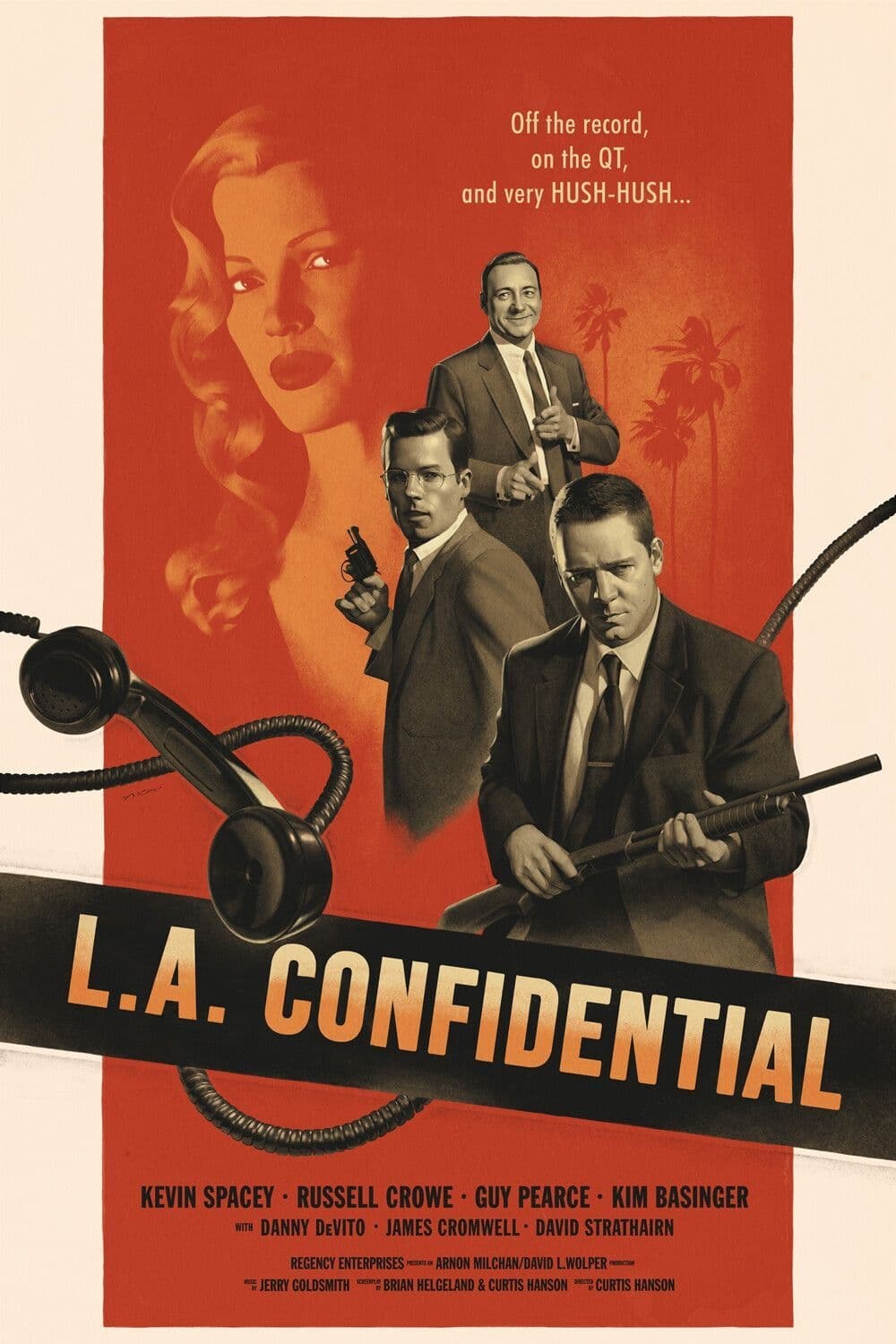
Curtis Hanson adapts James Ellroy’s crime saga about police corruption, tabloid sleaze, and a massacre case. Kevin Spacey, Russell Crowe, Guy Pearce, and Kim Basinger anchor the ensemble. Production design reconstructs a glossy yet brutal vision of midcentury Los Angeles. The screenplay braids multiple investigations involving vice squads, studio publicists, and a gossip rag.
‘The Vanishing’ (1988)
George Sluizer’s Dutch thriller adapts Tim Krabbé’s novella ‘The Golden Egg’ about a disappearance at a roadside rest stop. Bernard-Pierre Donnadieu and Gene Bervoets star in a story that tracks an abductor’s planning alongside a partner’s search. The film examines routine, practice runs, and psychological rehearsal. A calm, procedural approach heightens dread around a key reveal.
‘Le Samouraï’ (1967)
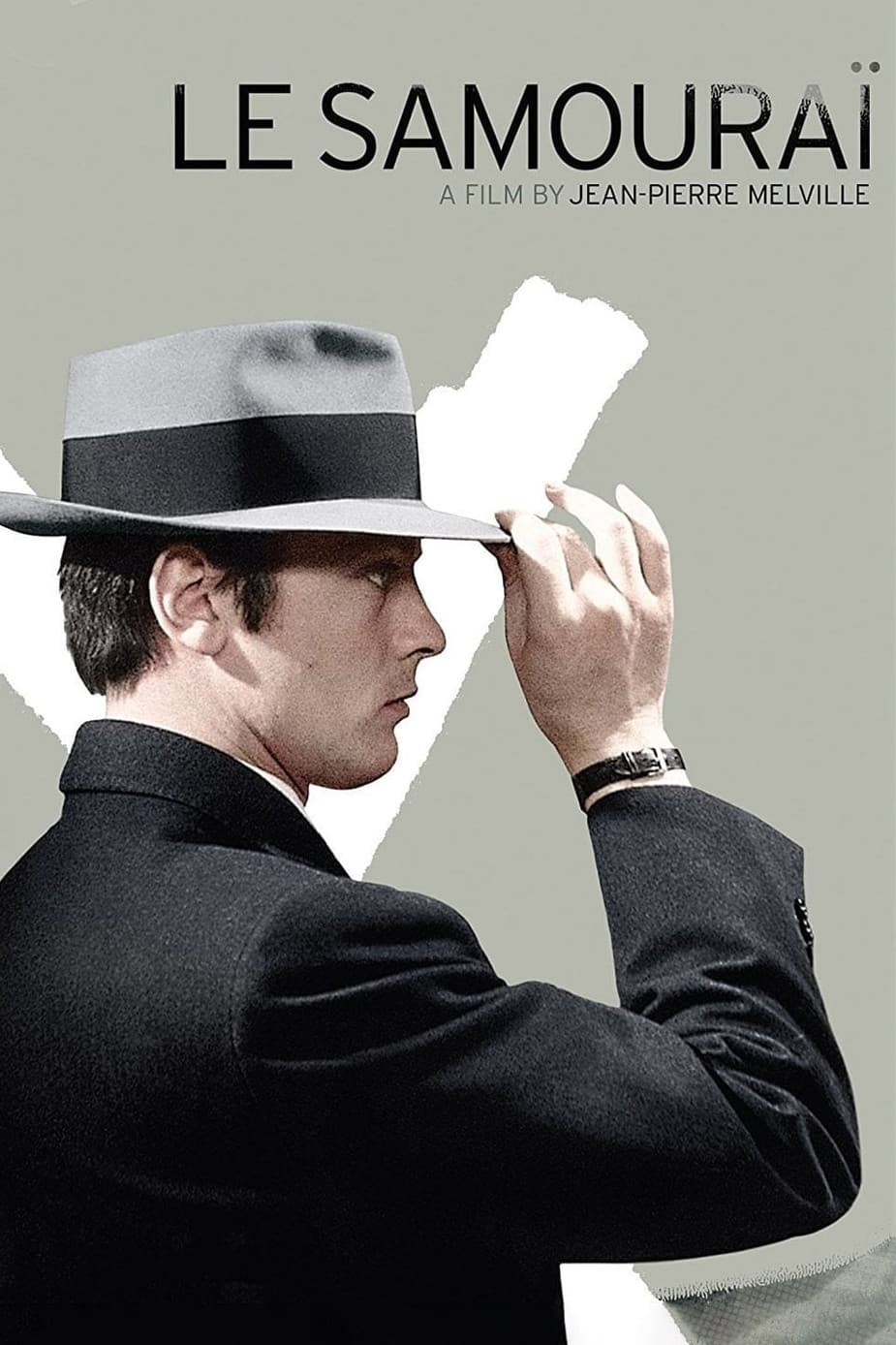
Jean-Pierre Melville’s minimalist crime thriller follows a solitary hitman whose alibi begins to unravel. Alain Delon’s taciturn lead operates by strict personal codes and meticulous routines. Sparse dialogue, cool palettes, and precise framing define the aesthetic. Police surveillance, nightclub stakeouts, and Metro chases build a cat-and-mouse structure.
‘Sicario’ (2015)
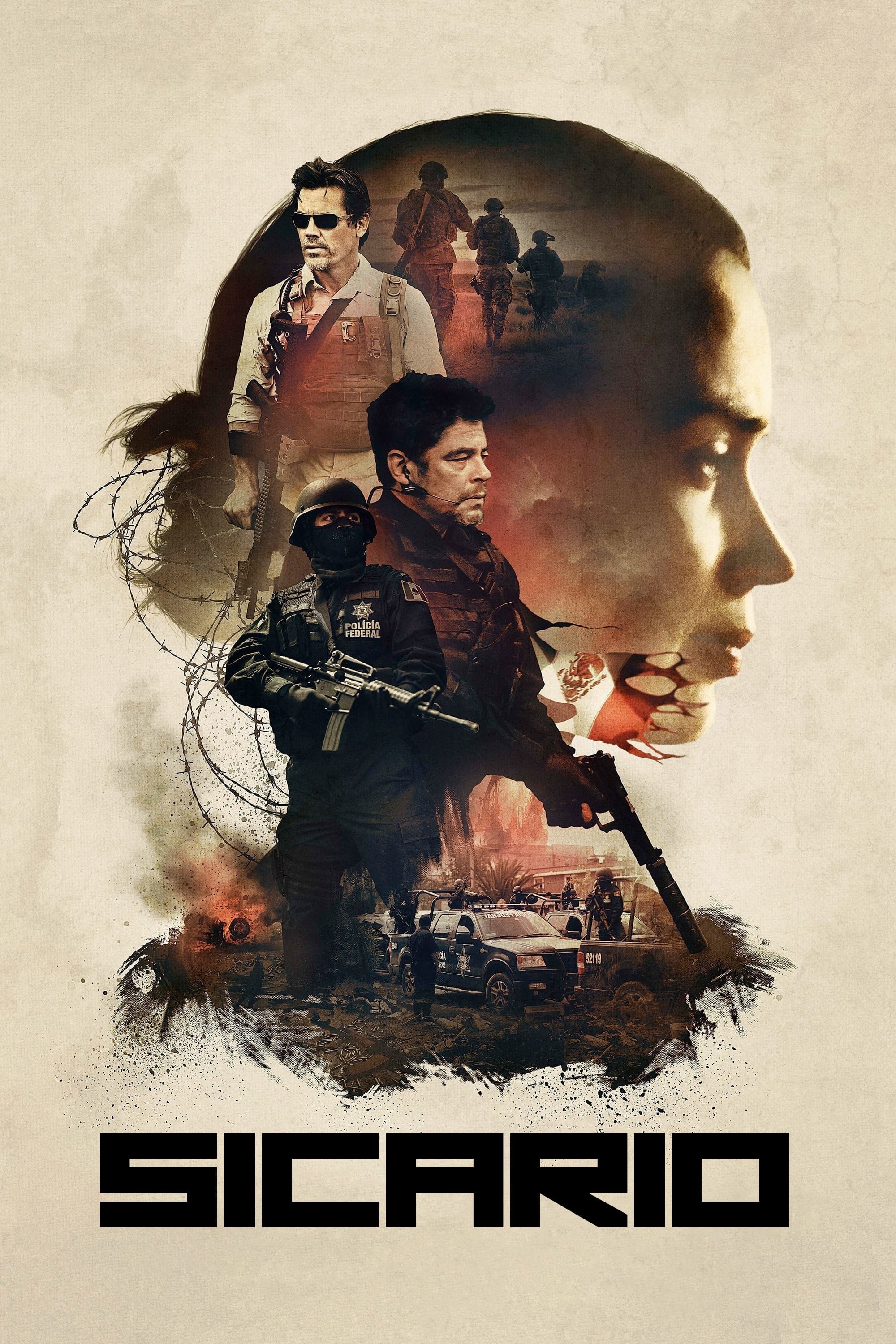
Denis Villeneuve’s border thriller observes an interagency task force targeting a cartel figure. Emily Blunt, Benicio Del Toro, and Josh Brolin headline the cast. Roger Deakins’s aerials, infrared night work, and convoy staging emphasize tactical movement. Jóhann Jóhannsson’s percussion-driven motifs underpin raids, tunnel operations, and jurisdictional maneuvers.
‘Collateral’ (2004)
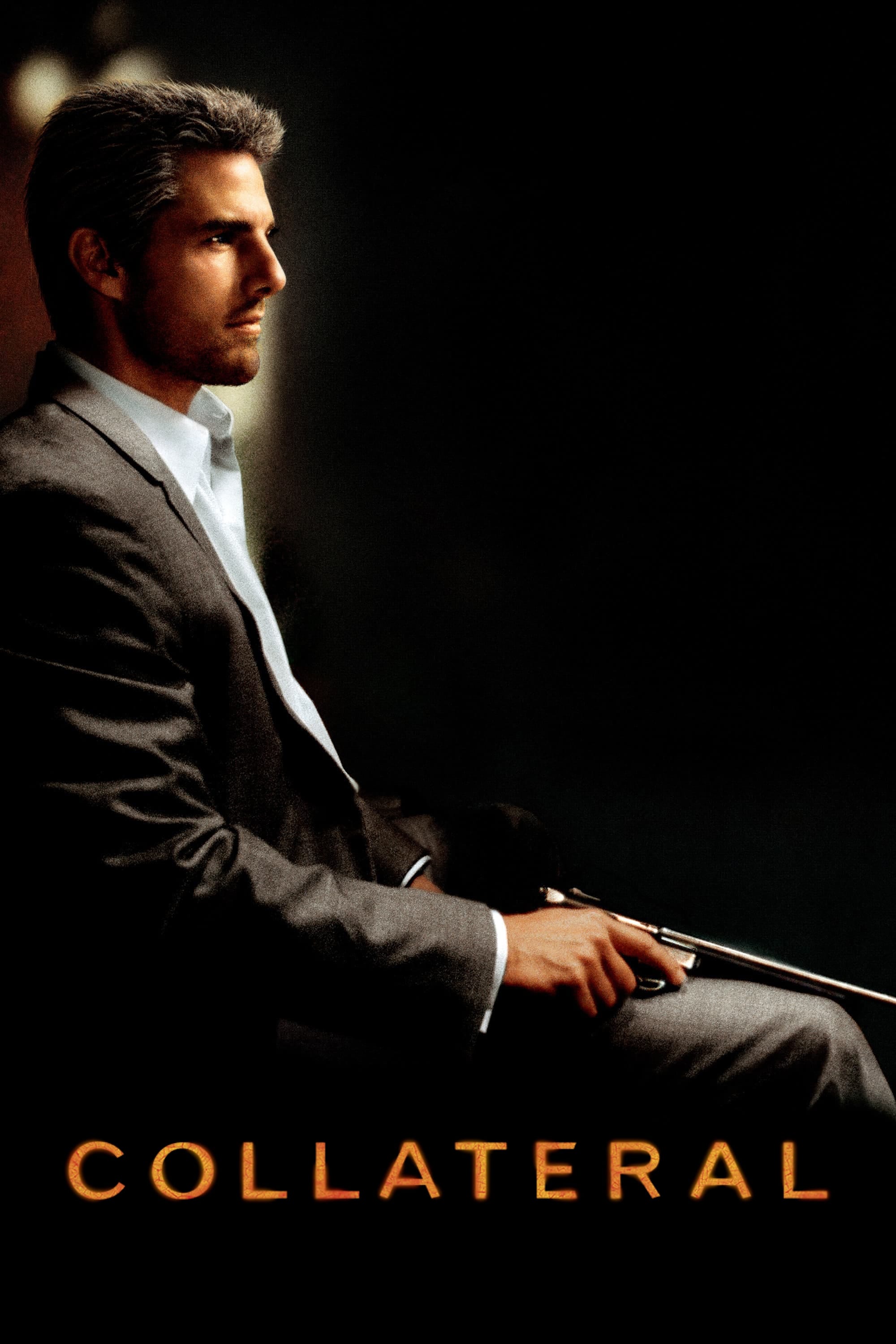
Michael Mann’s nocturnal thriller pairs a cab driver with a contract killer crossing Los Angeles for sequential hits. Tom Cruise and Jamie Foxx lead, with extensive use of digital cameras for ambient city light. The route includes jazz clubs, office towers, and a transit hub, plotted by a handler’s itinerary. The narrative integrates surveillance tools, burner phones, and GPS-like waypoints.
‘Gone Girl’ (2014)
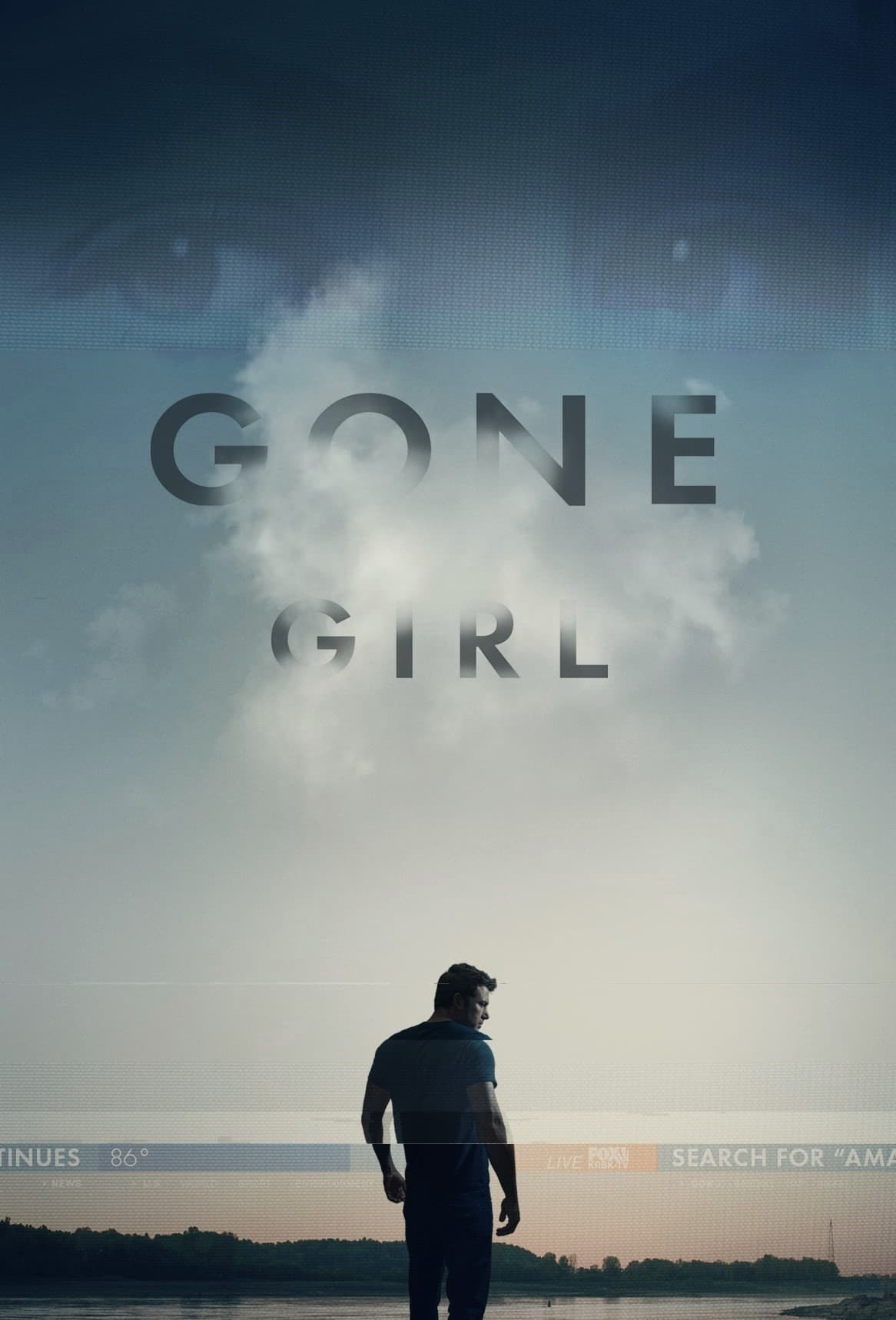
David Fincher adapts Gillian Flynn’s bestseller about a missing spouse whose case becomes a media spectacle. Ben Affleck and Rosamund Pike star, with the author providing the screenplay. The film dissects public-relations tactics, financial pressures, and legal maneuvering. Visual motifs include diary pages, staged scenes, and televised narratives that redirect suspicion.
‘Tinker Tailor Soldier Spy’ (2011)
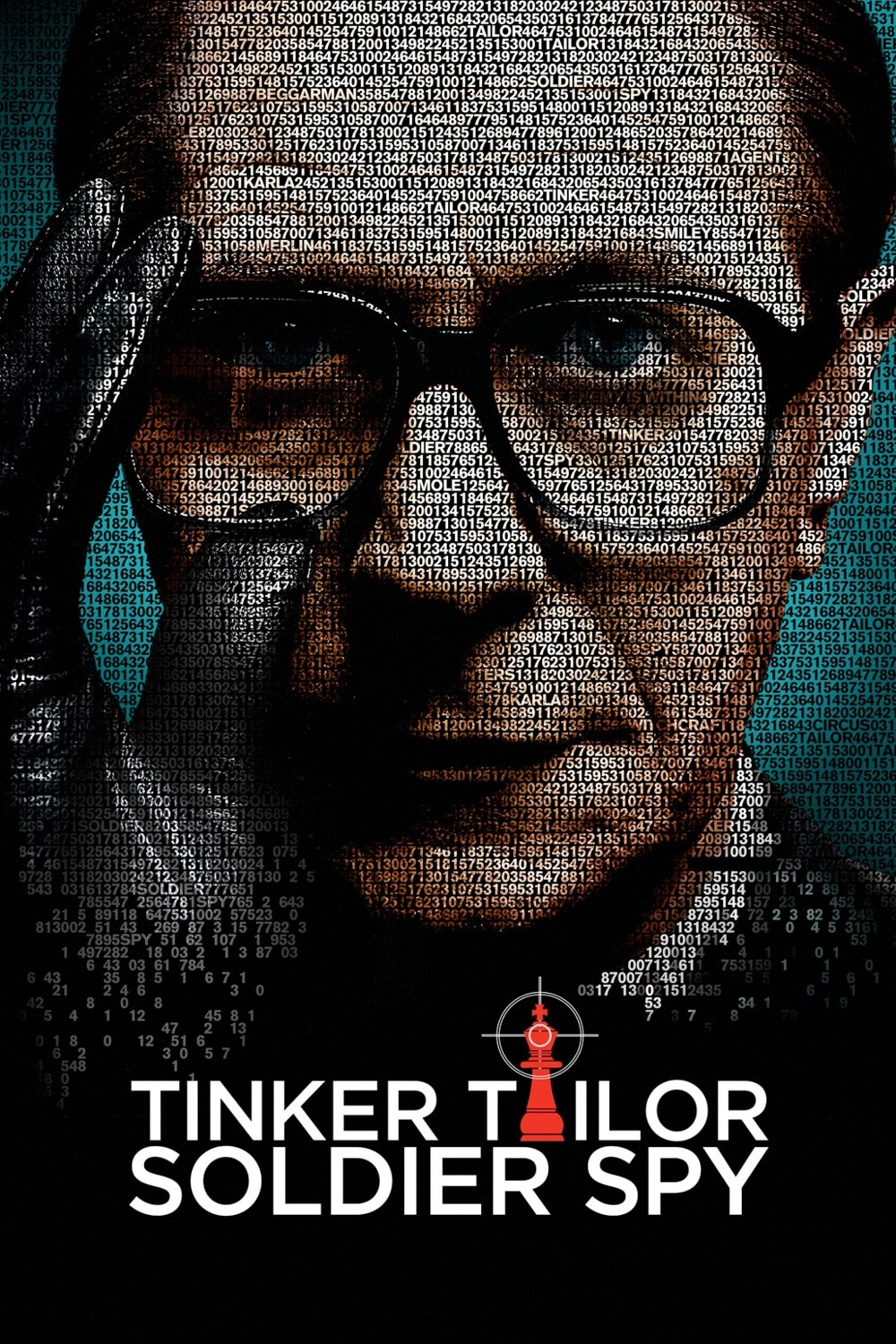
Tomas Alfredson adapts John le Carré’s spy novel about a mole hunt inside a British intelligence service. Gary Oldman leads an ensemble that includes Colin Firth, Tom Hardy, and Mark Strong. The production emphasizes drab offices, encoded files, and tradecraft details. Flashbacks, safe houses, and a school-hall rendezvous piece together the internal breach.
‘The Handmaiden’ (2016)
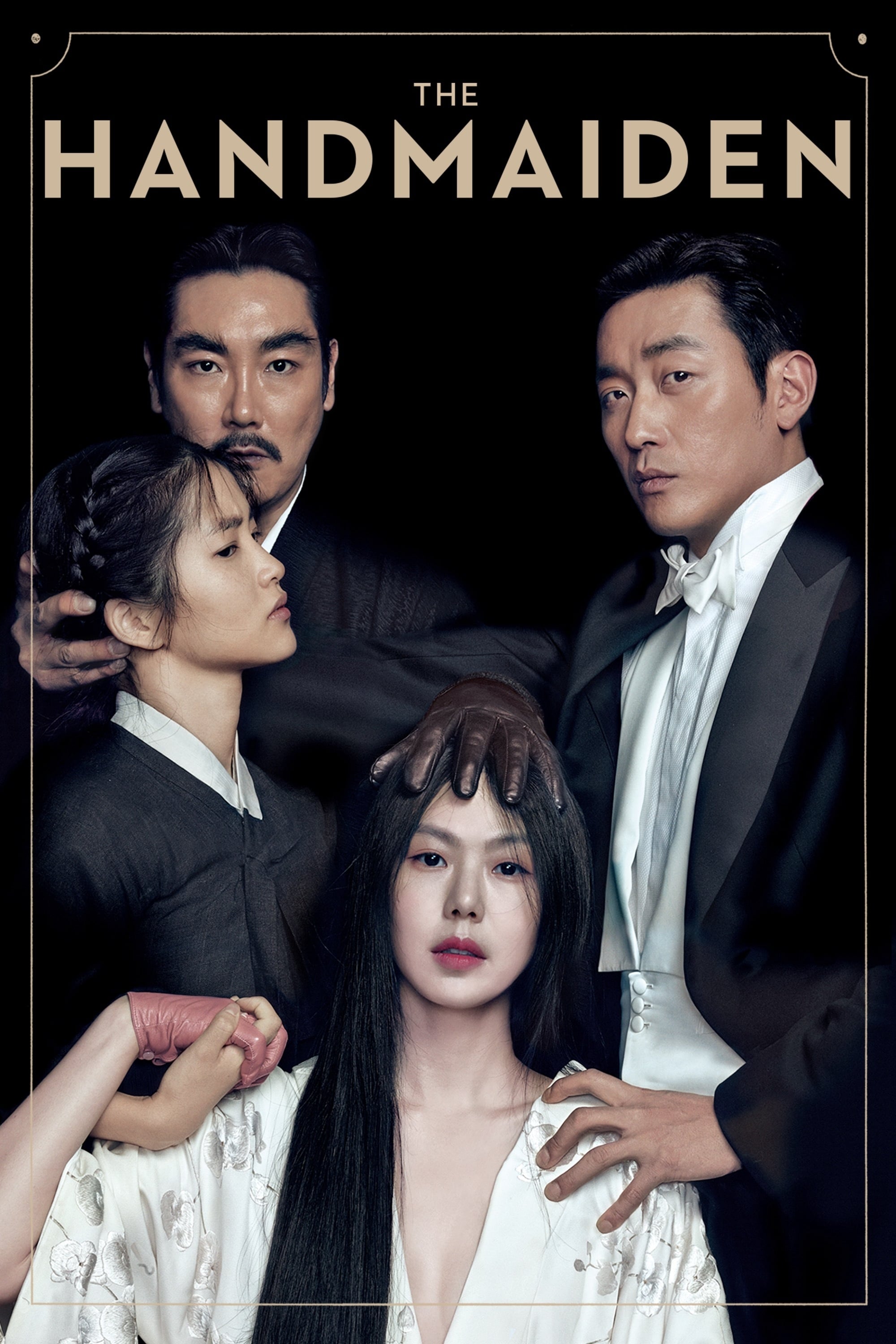
Park Chan-wook reshapes Sarah Waters’s ‘Fingersmith’ into a con-game thriller set in occupied Korea. Kim Min-hee, Kim Tae-ri, and Ha Jung-woo headline a story of deception, forged identities, and rare-book collections. The film uses divided chapters to rewind and reframe key events. Elaborate sets, calligraphy props, and hidden compartments power the scheme.
‘Primal Fear’ (1996)
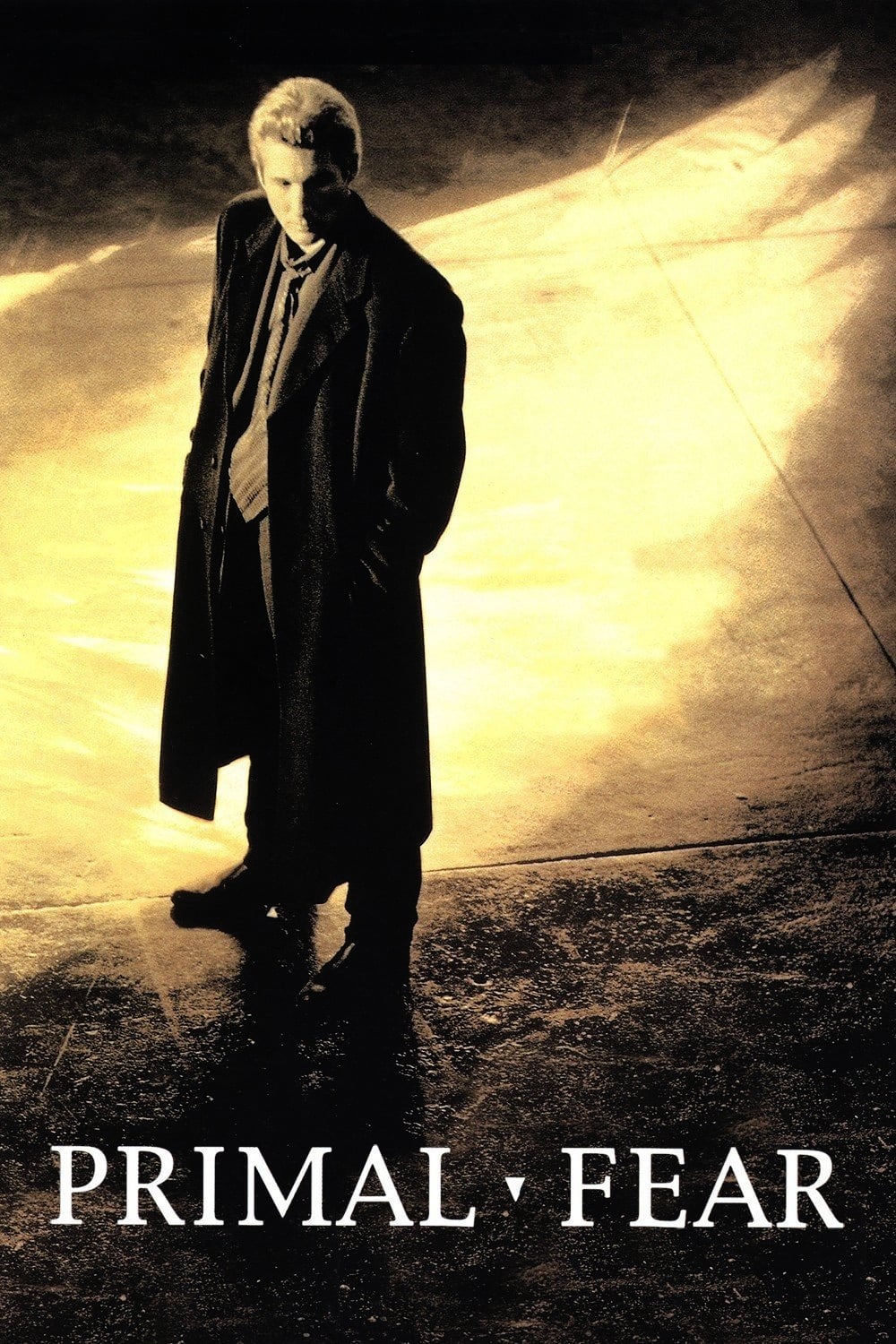
Gregory Hoblit’s legal thriller centers on a defense attorney representing an altar boy accused in a high-profile killing. Richard Gere and Edward Norton lead, with Laura Linney and John Mahoney in support. The plot leans on plea strategies, psychiatric evaluations, and courtroom maneuvering. It adapts William Diehl’s novel and examines incentives around media-heavy cases.
‘Blue Velvet’ (1986)
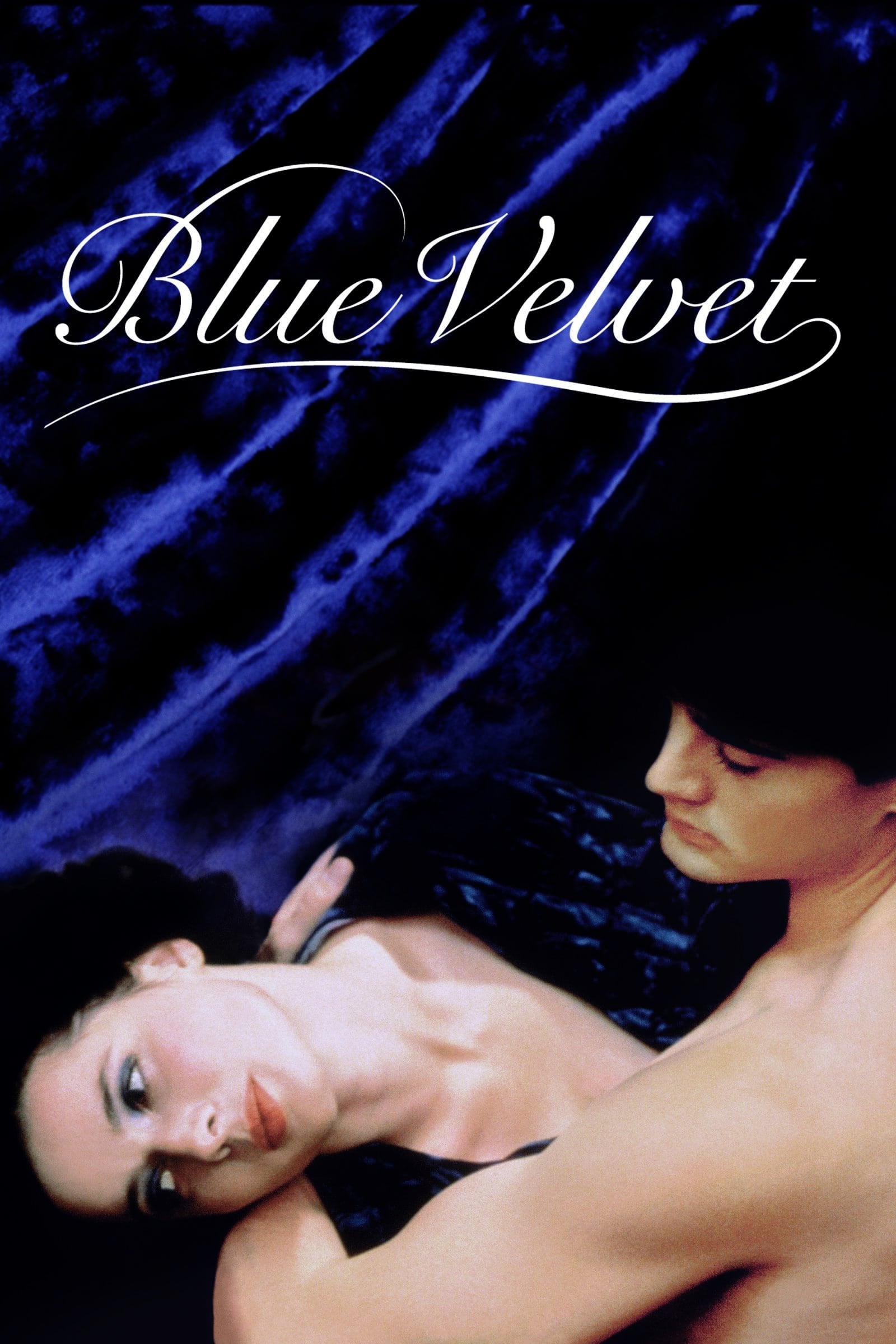
David Lynch’s suburban noir starts with a discovered severed ear that pulls a college student into a criminal underworld. Kyle MacLachlan, Isabella Rossellini, Dennis Hopper, and Laura Dern star. The film juxtaposes manicured neighborhoods with nightclubs, warehouses, and backrooms. Sound design, torch songs, and color symbolism shape the investigation’s mood.
‘Cape Fear’ (1991)
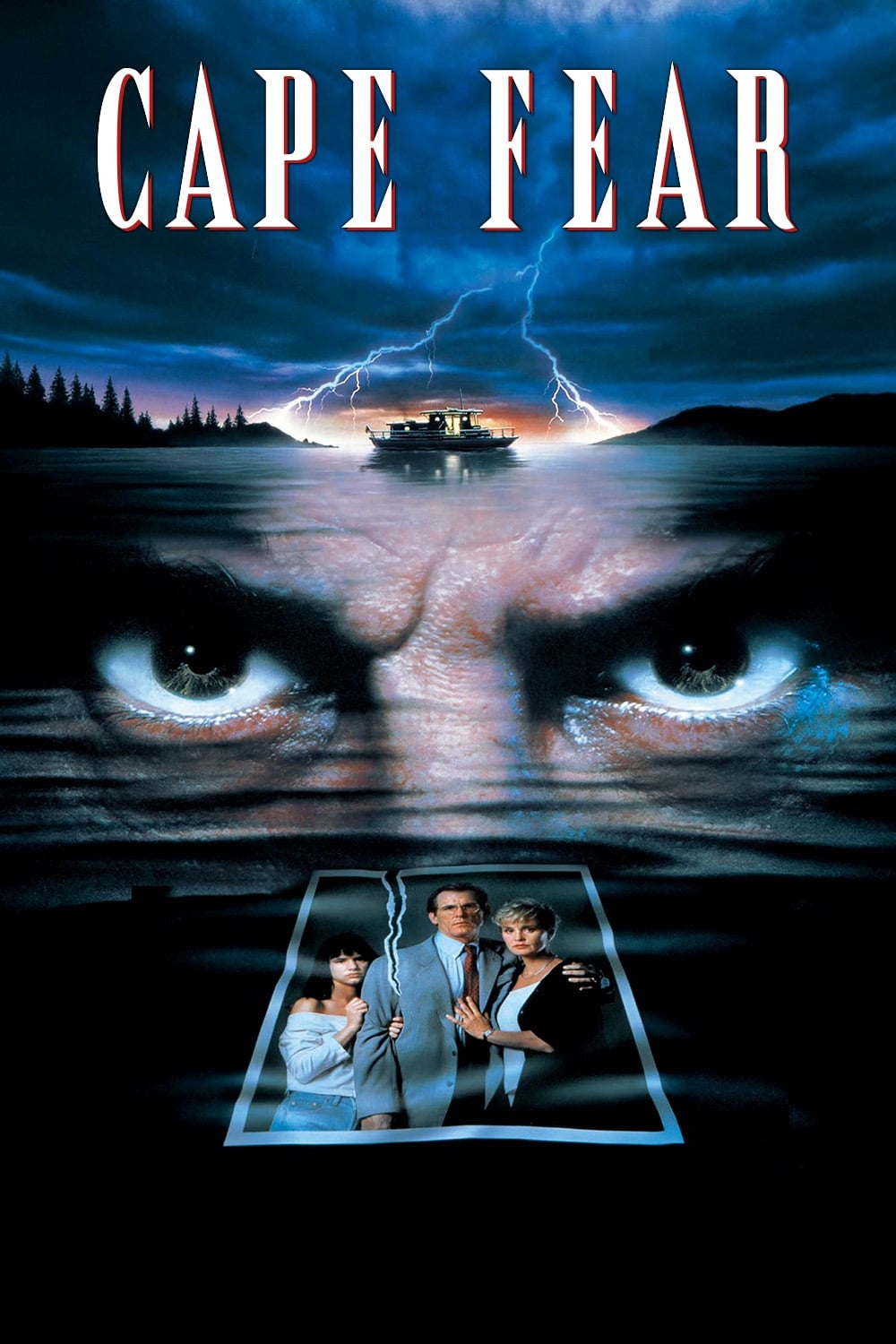
Martin Scorsese’s remake follows a recently released convict stalking the family of his former attorney. Robert De Niro, Nick Nolte, and Juliette Lewis headline, with appearances that nod to the earlier adaptation. Bernard Herrmann’s original themes were re-orchestrated by Elmer Bernstein to drive tension. The story uses restraining orders, stakeouts, and river-set sequences to escalate the pursuit.
‘Wind River’ (2017)

Taylor Sheridan’s thriller investigates a death on a remote reservation, pairing a wildlife officer with an FBI agent. Jeremy Renner and Elizabeth Olsen lead, with on-location shooting in harsh, snowy conditions. The case turns on tracking expertise, autopsy findings, and jurisdictional complications. Logistics—distance, radio calls, and terrain—shape every step of the search.
Share your go-to rewatch thrillers in the comments and tell us which ones you queue up every year.

