


Essential TV Series Every Self-Proclaimed Fan Should Watch


If you call yourself a TV fan, these series form a practical roadmap through the medium’s biggest creative leaps—across crime sagas, political dramas, sci-fi anthologies, workplace comedies, and landmark miniseries. Each pick below includes concise, useful context: creators, networks, subjects, and why the show matters in TV history. Use it to fill gaps in your watchlist or to understand how different genres shaped what we stream today.
‘The Sopranos’ (1999–2007)
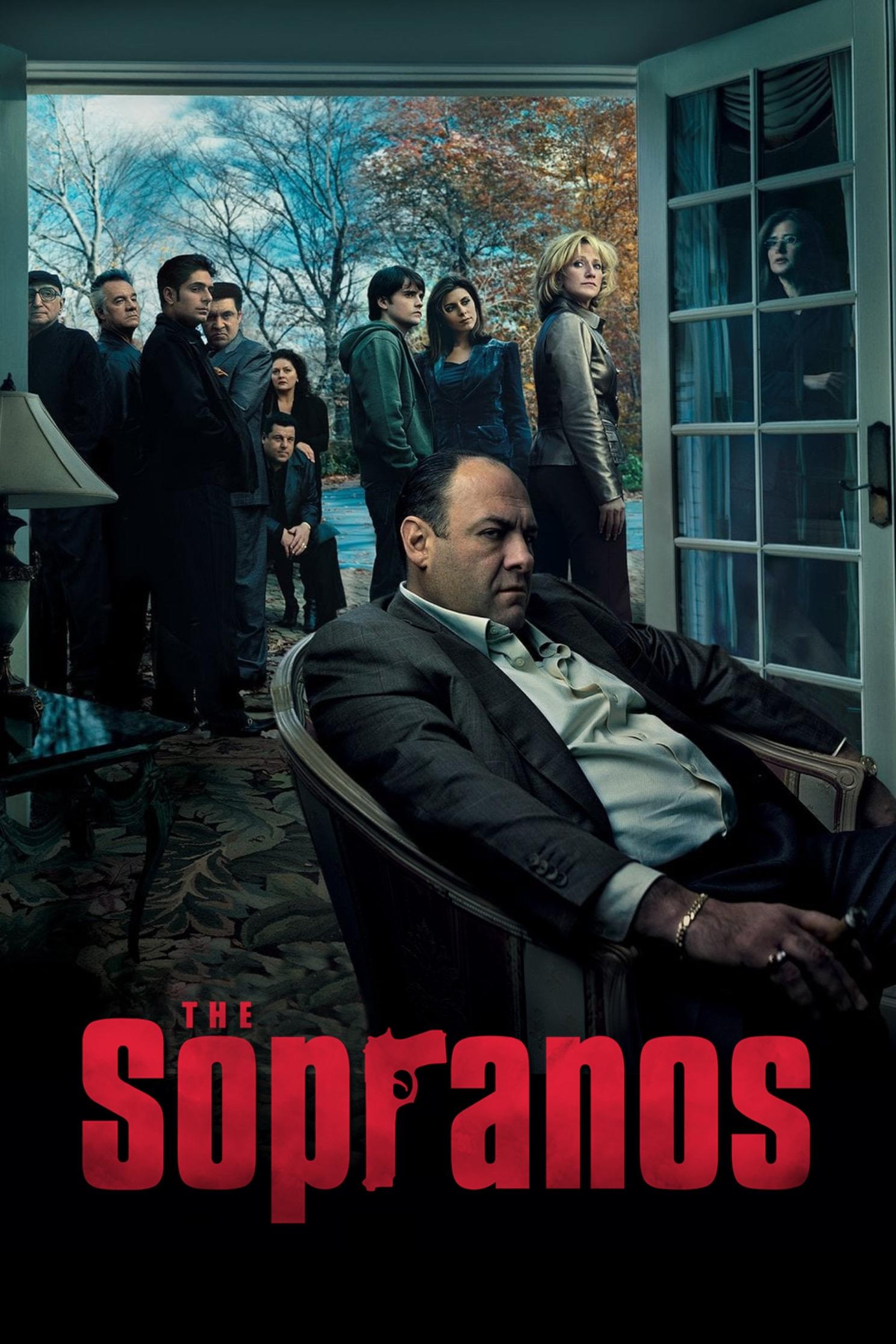
Created by David Chase for HBO, this crime drama centers on New Jersey mob boss Tony Soprano and the psychological toll of balancing a criminal enterprise with family life. James Gandolfini and Edie Falco lead an ensemble that helped redefine anti-hero storytelling on television. The series integrated psychotherapy sessions as a structural device to explore character and theme. Its influence can be traced through later prestige dramas and awards recognition across writing, acting, and directing.
‘The Wire’ (2002–2008)
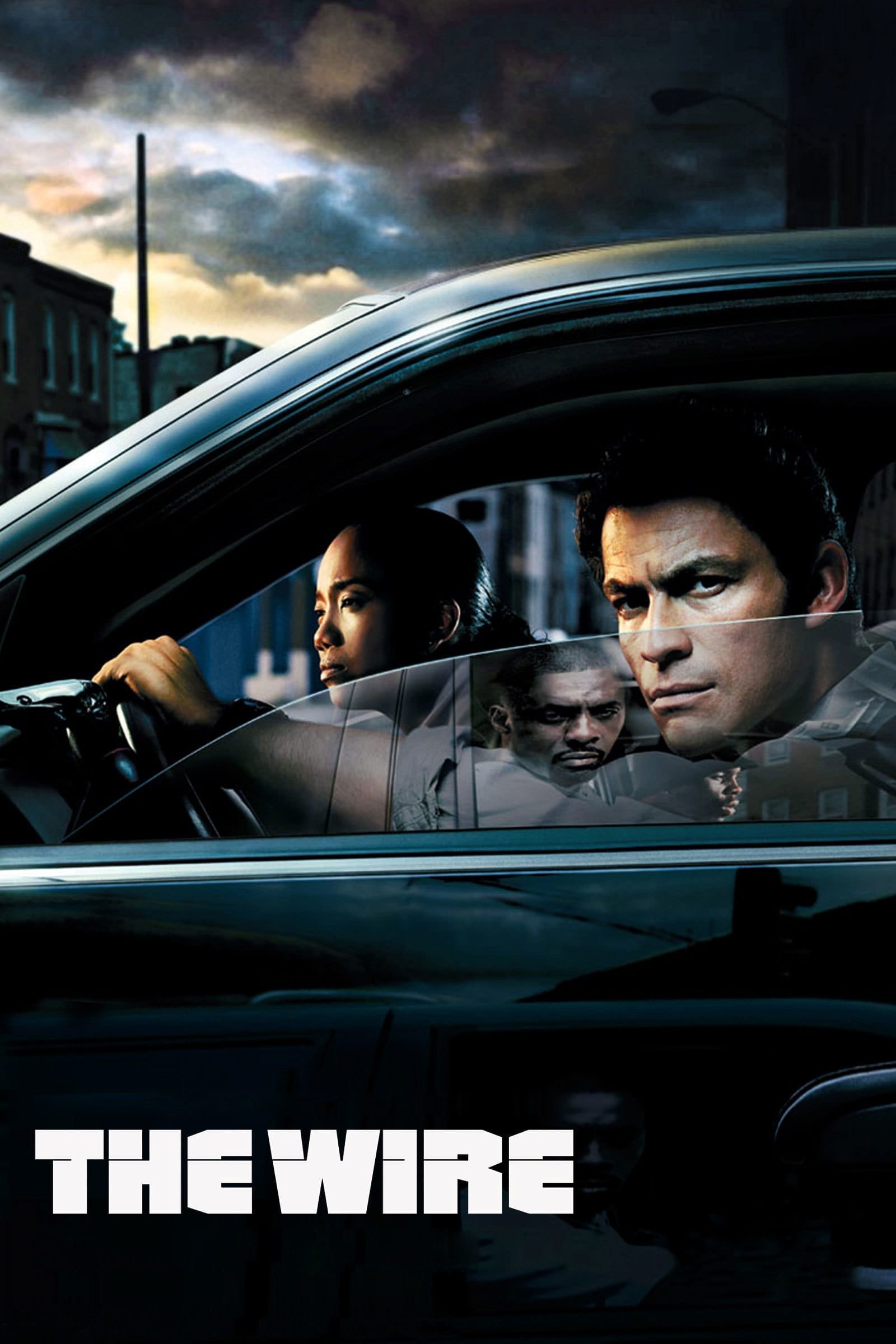
Created by David Simon and set in Baltimore, this HBO series examines interconnected institutions—police, drug trade, schools, media, and city politics. It uses a rotating focus each season to show how systems shape individual choices. The production incorporated former journalists, detectives, and community voices to ground its realism. Its multi-layered narrative is frequently used in academic courses on urban policy and media.
‘Breaking Bad’ (2008–2013)
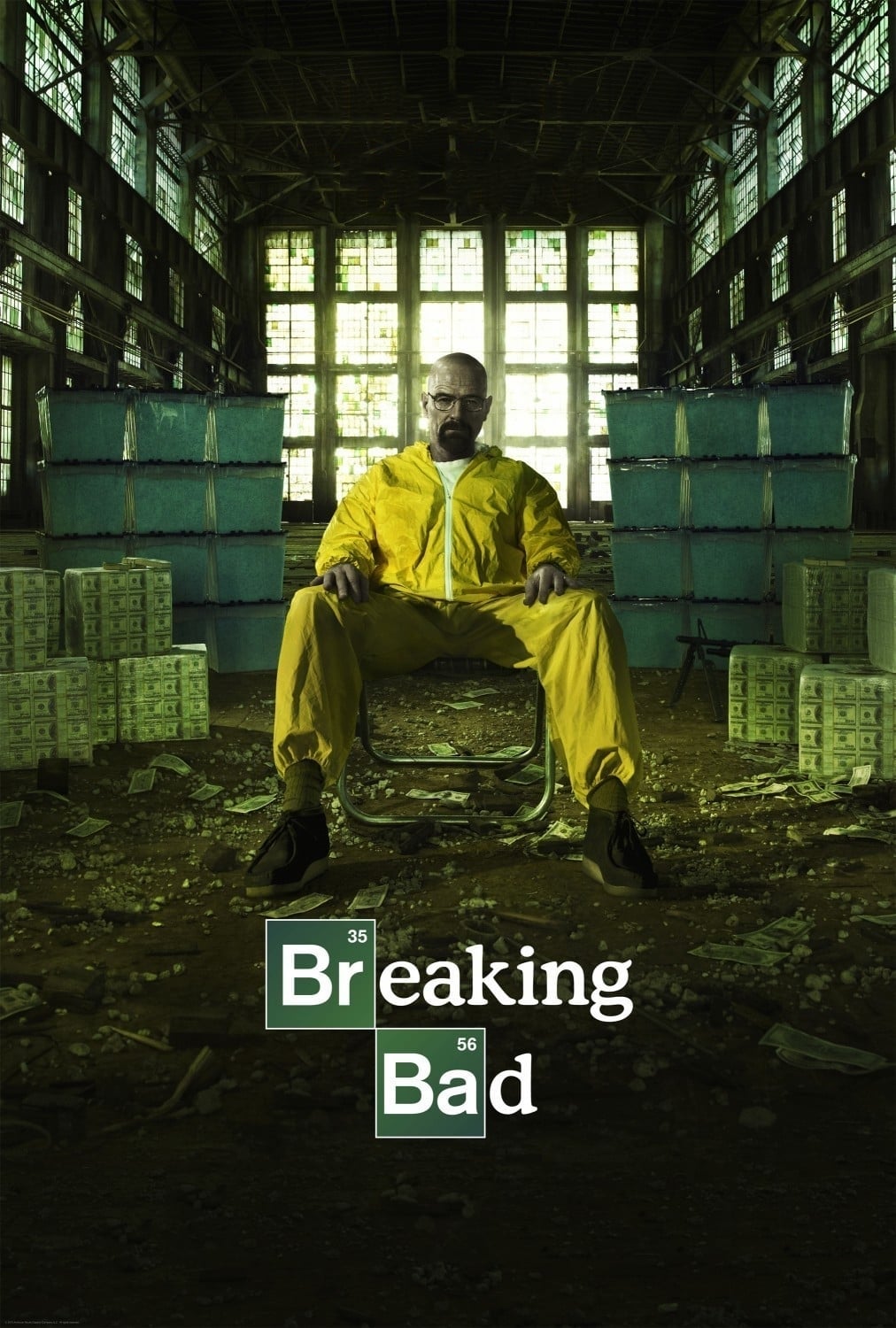
Created by Vince Gilligan for AMC, this drama follows a chemistry teacher who turns to manufacturing methamphetamine with a former student. Shot largely in and around Albuquerque, it leveraged location as a visual signature and economic driver. The show’s meticulous plotting spurred a prequel, ‘Better Call Saul’, and an epilogue film, ‘El Camino’. Its craft in editing, sound, and cinematography is widely cited in film-school curricula.
‘Mad Men’ (2007–2015)
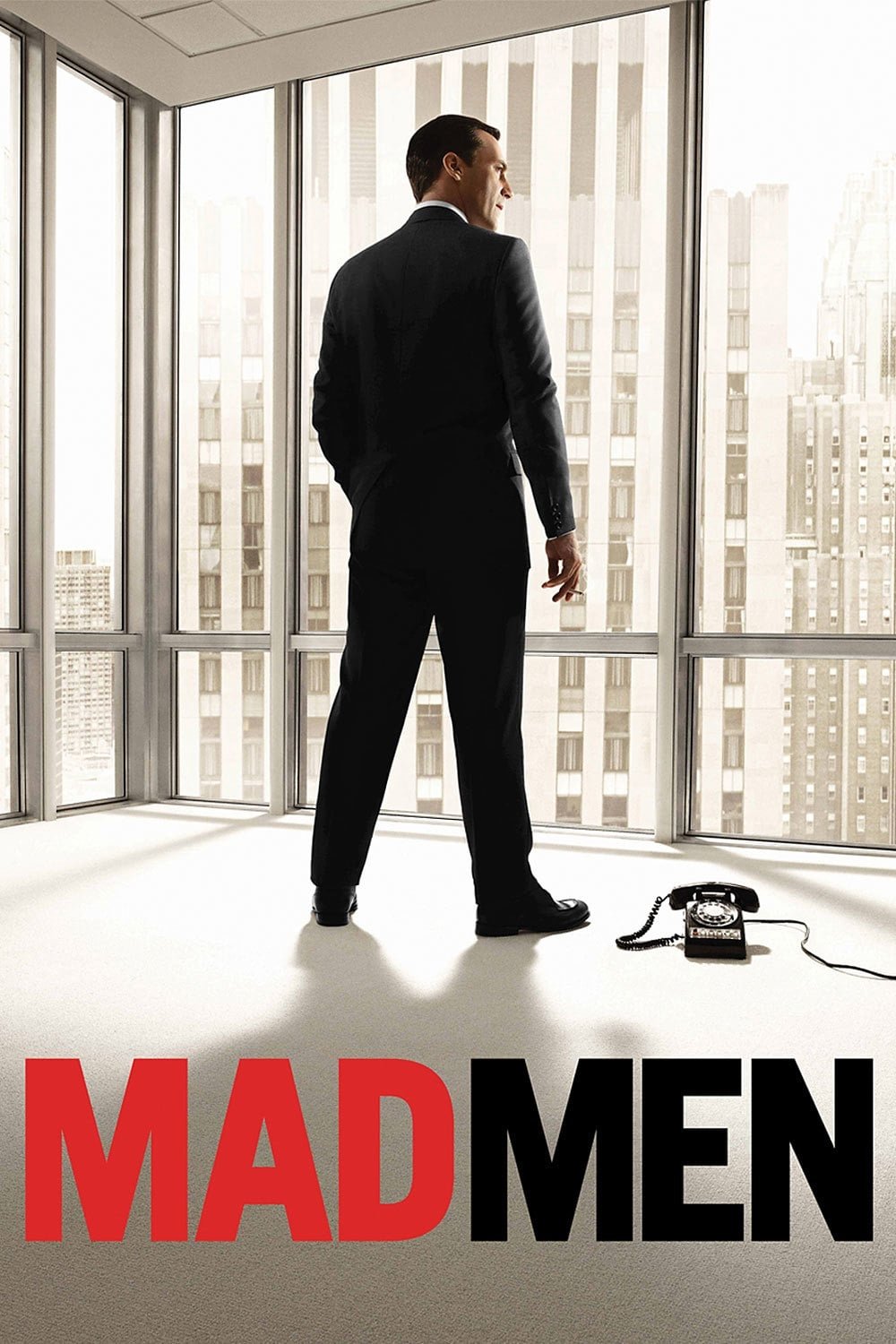
Created by Matthew Weiner for AMC, this ensemble drama explores a Madison Avenue advertising agency and the shifting social landscape it mirrors. Jon Hamm, Elisabeth Moss, and Christina Hendricks headline a cast depicting workplace dynamics, branding, and identity. The production is recognized for detail in costume, set design, and period-appropriate marketing campaigns. It influenced renewed interest in mid-century design and the history of American advertising.
‘Game of Thrones’ (2011–2019)
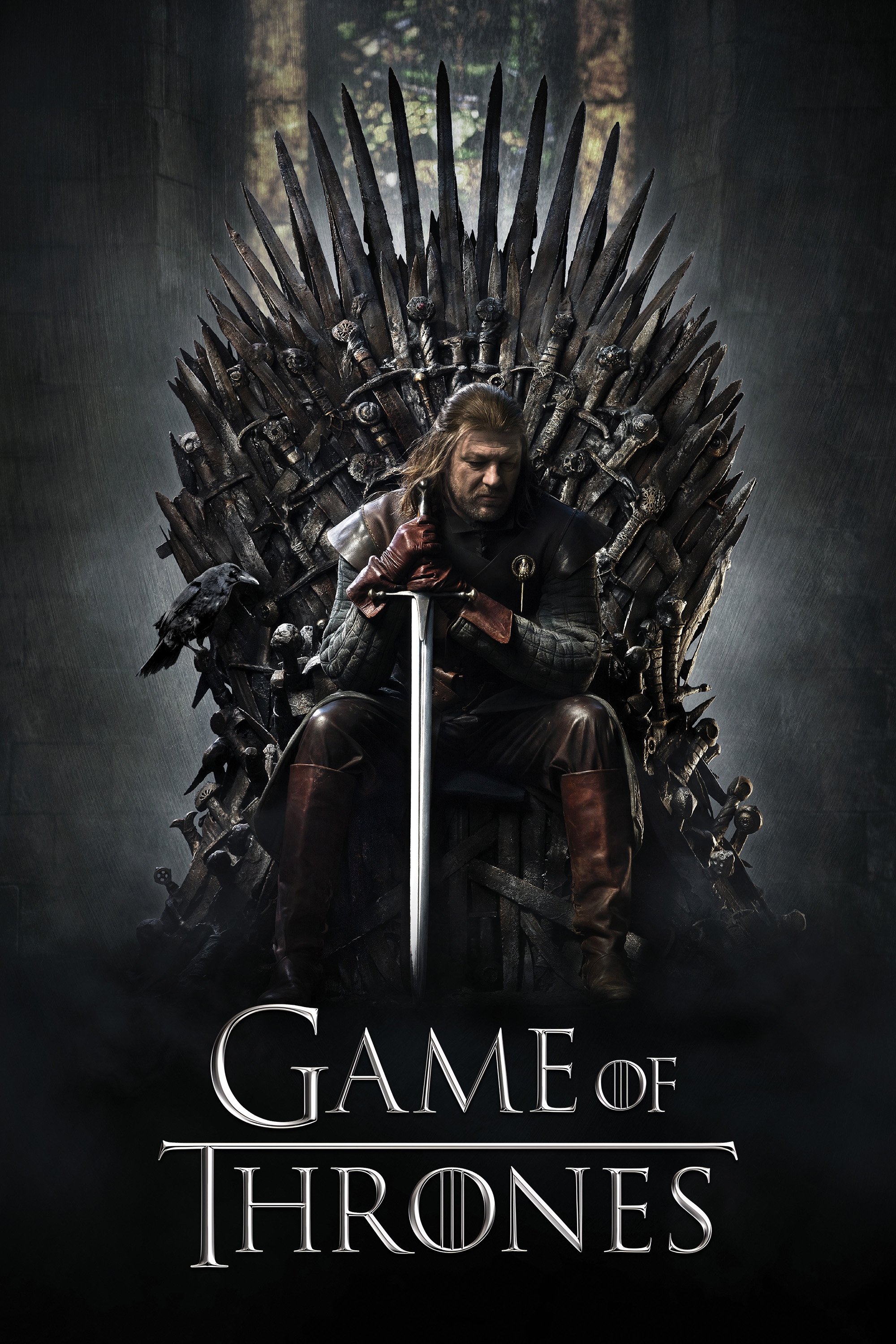
Developed by David Benioff and D. B. Weiss for HBO, this adaptation of George R. R. Martin’s ‘A Song of Ice and Fire’ chronicles rival houses contending for power. The series filmed across multiple countries, employing large-scale stunt work, VFX, and constructed languages. Its ensemble structure spawned detailed fan wikis and companion materials tracking characters and locations. It set records for awards in technical categories and helped popularize global fantasy television.
‘The West Wing’ (1999–2006)
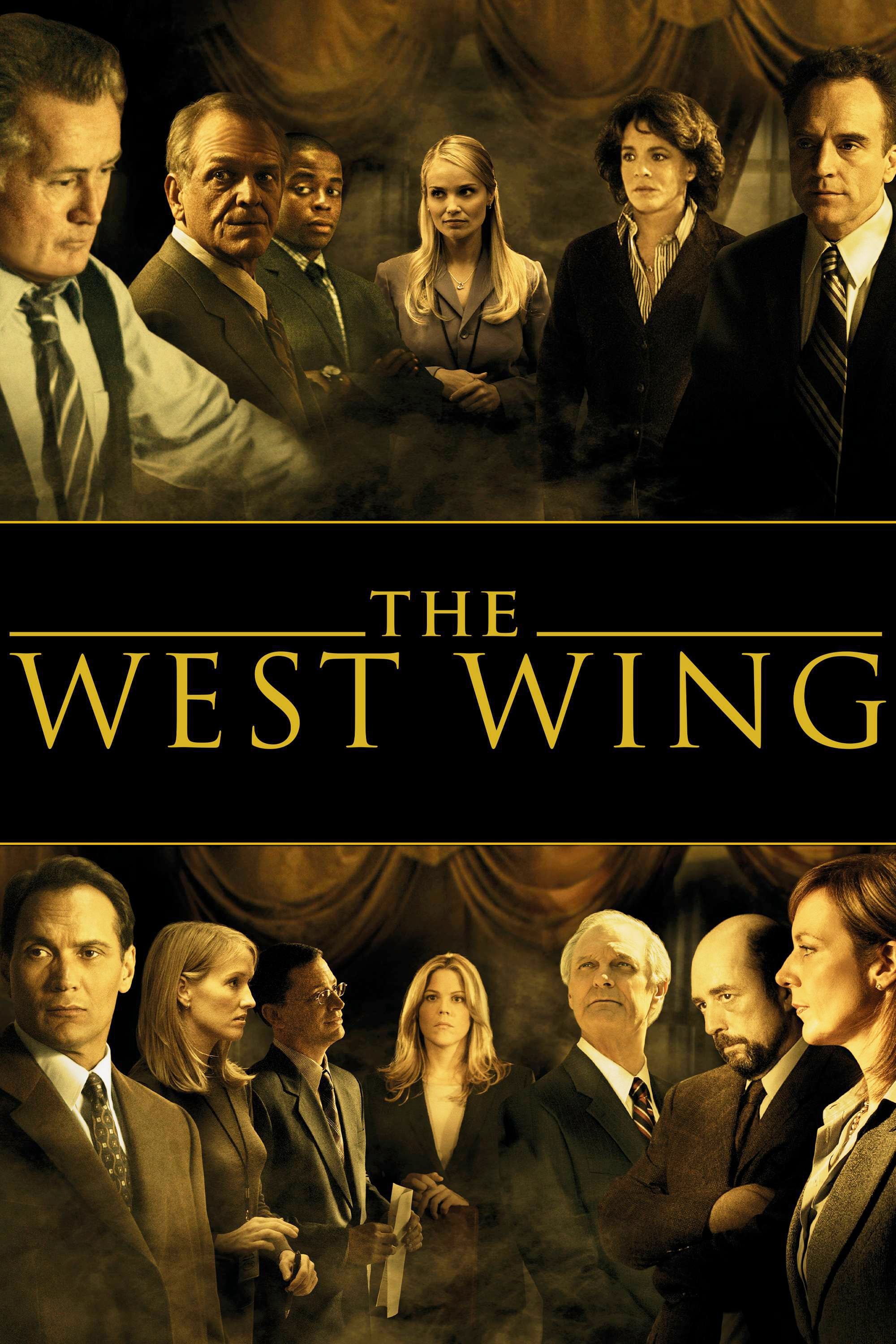
Created by Aaron Sorkin for NBC, this political drama portrays senior White House staff managing policy, crises, and communications. Known for rapid-fire dialogue and “walk-and-talk” staging, it foregrounds process and staffing roles rarely depicted on screen. The writers employed consultants with government experience for accuracy in procedure and terminology. It established a template for behind-the-scenes political series and inspired civic-education discussions.
‘The X-Files’ (1993–2018)
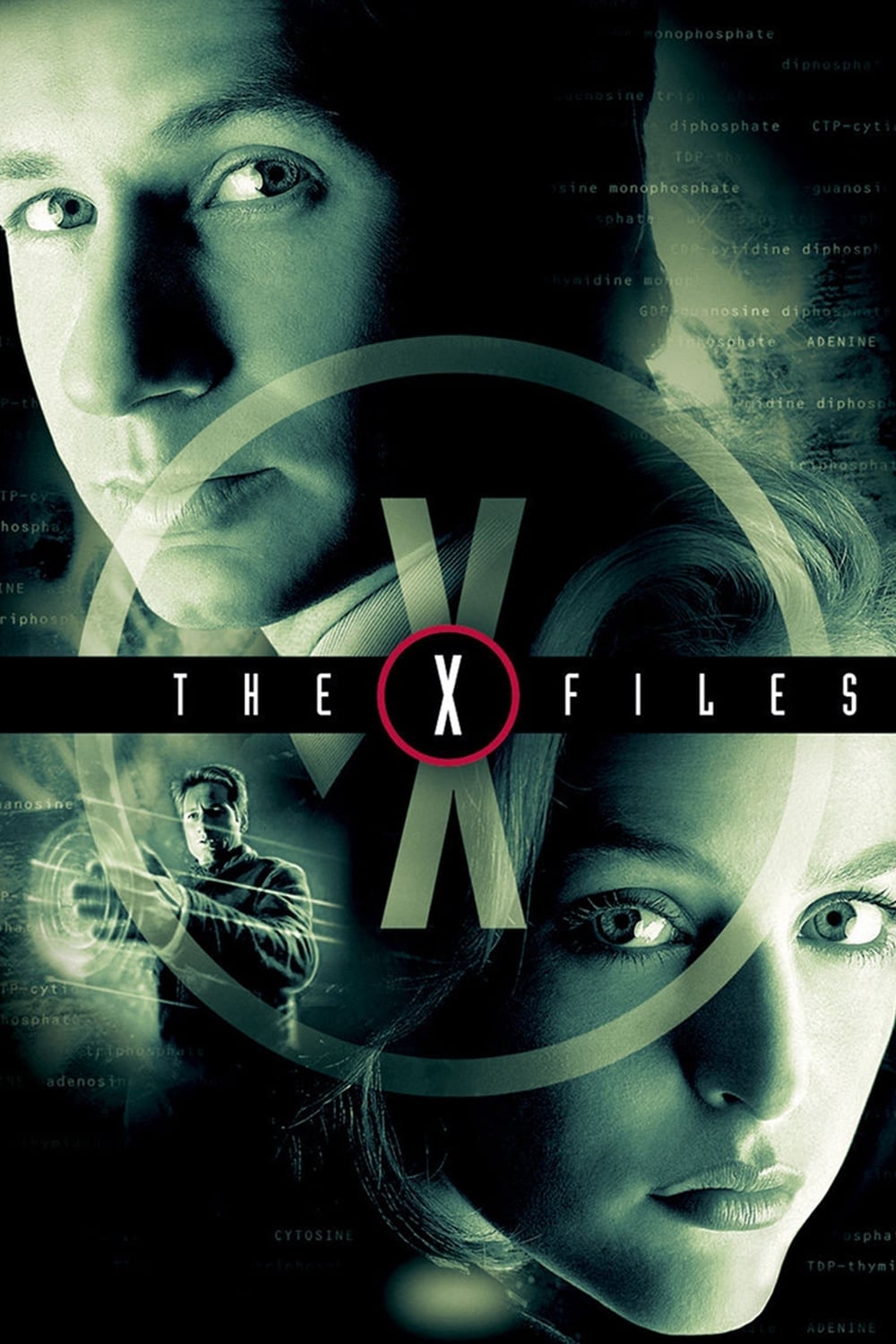
Created by Chris Carter for Fox, this science-fiction procedural follows FBI agents investigating paranormal cases. It blends serialized mythology arcs with self-contained “monster-of-the-week” episodes, a structure that influenced later genre shows. Two theatrical films and event-series revivals extended the franchise. The show’s production popularized Vancouver and later Los Angeles as flexible locations for supernatural storytelling.
‘Friends’ (1994–2004)
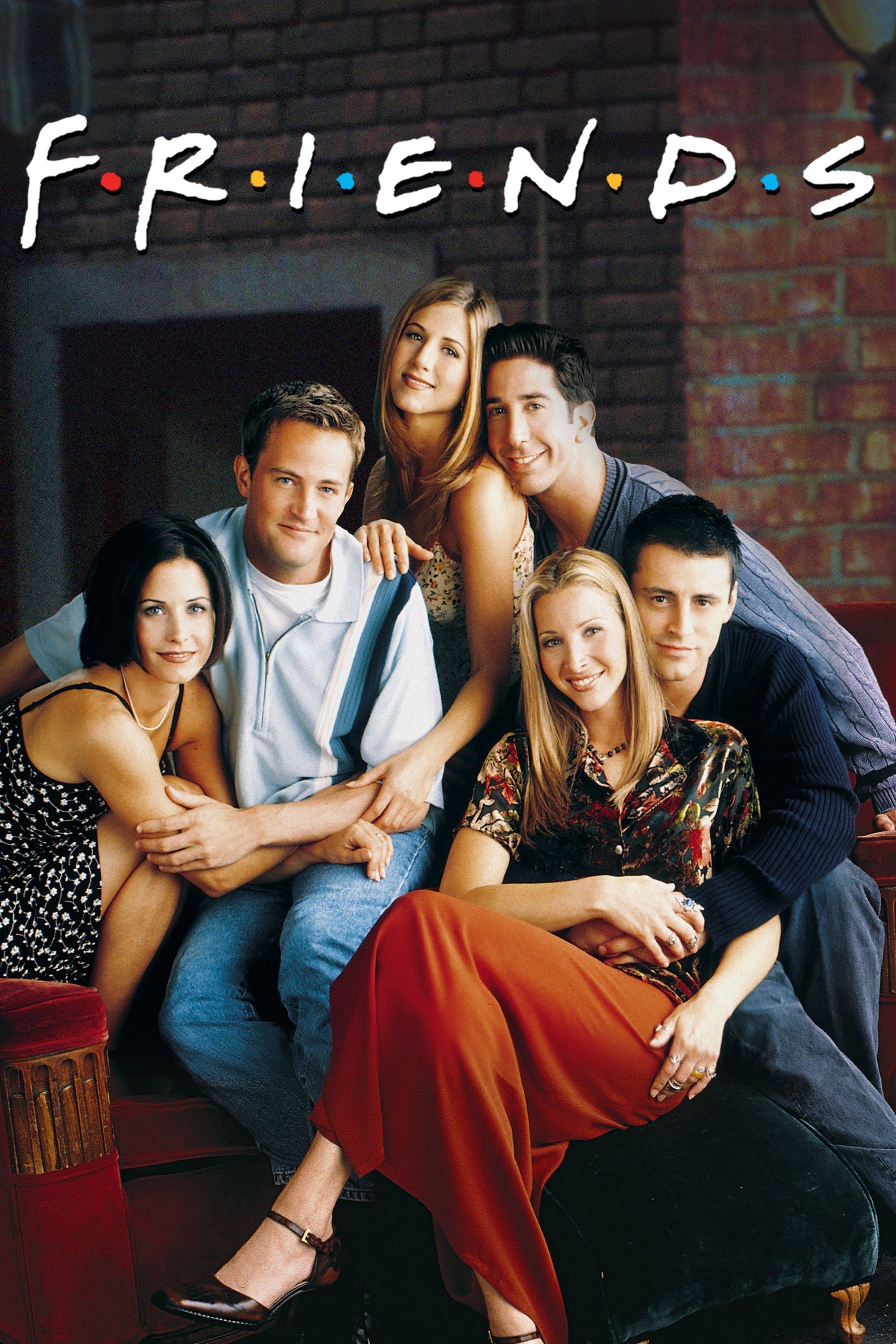
Created by David Crane and Marta Kauffman for NBC, this multi-camera sitcom focuses on a tight-knit group living in Manhattan. Its set pieces—Central Perk, the purple apartment, and recurring holiday episodes—became cultural touchstones. The series’ syndication and streaming runs introduced it to new audiences globally. It standardized ensemble-cast negotiations and revenue models that many comedies adopted afterward.
‘Seinfeld’ (1989–1998)
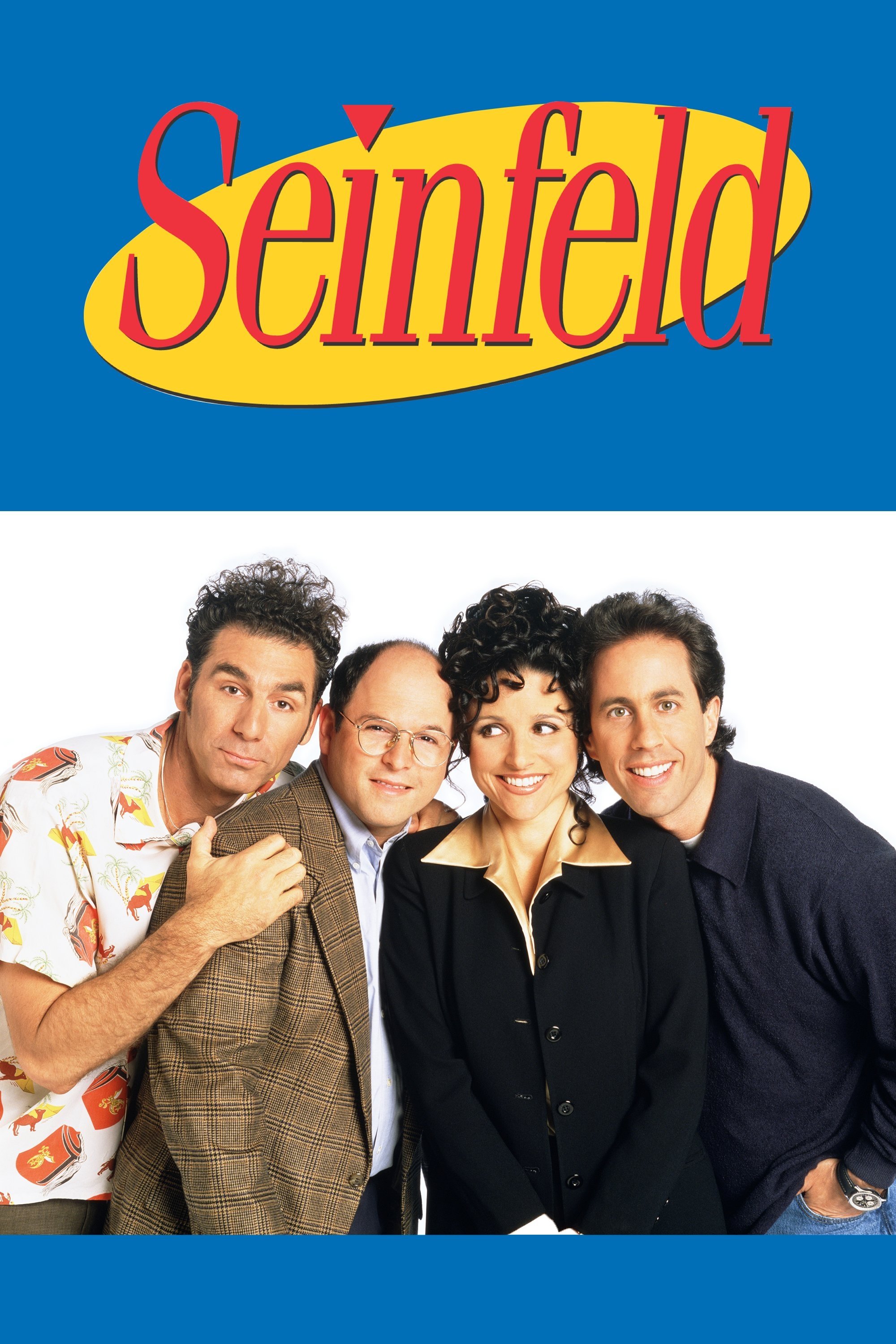
Created by Larry David and Jerry Seinfeld for NBC, this sitcom is built around observational humor and everyday social minutiae. Its writing emphasizes interlocking storylines that resolve through precise callbacks. Phrases and concepts from the show entered common speech and advertising. The series’ production approach—writer-driven rooms and stand-up-adjacent sensibilities—shaped later comedy development.
‘The Twilight Zone’ (1959–1964)
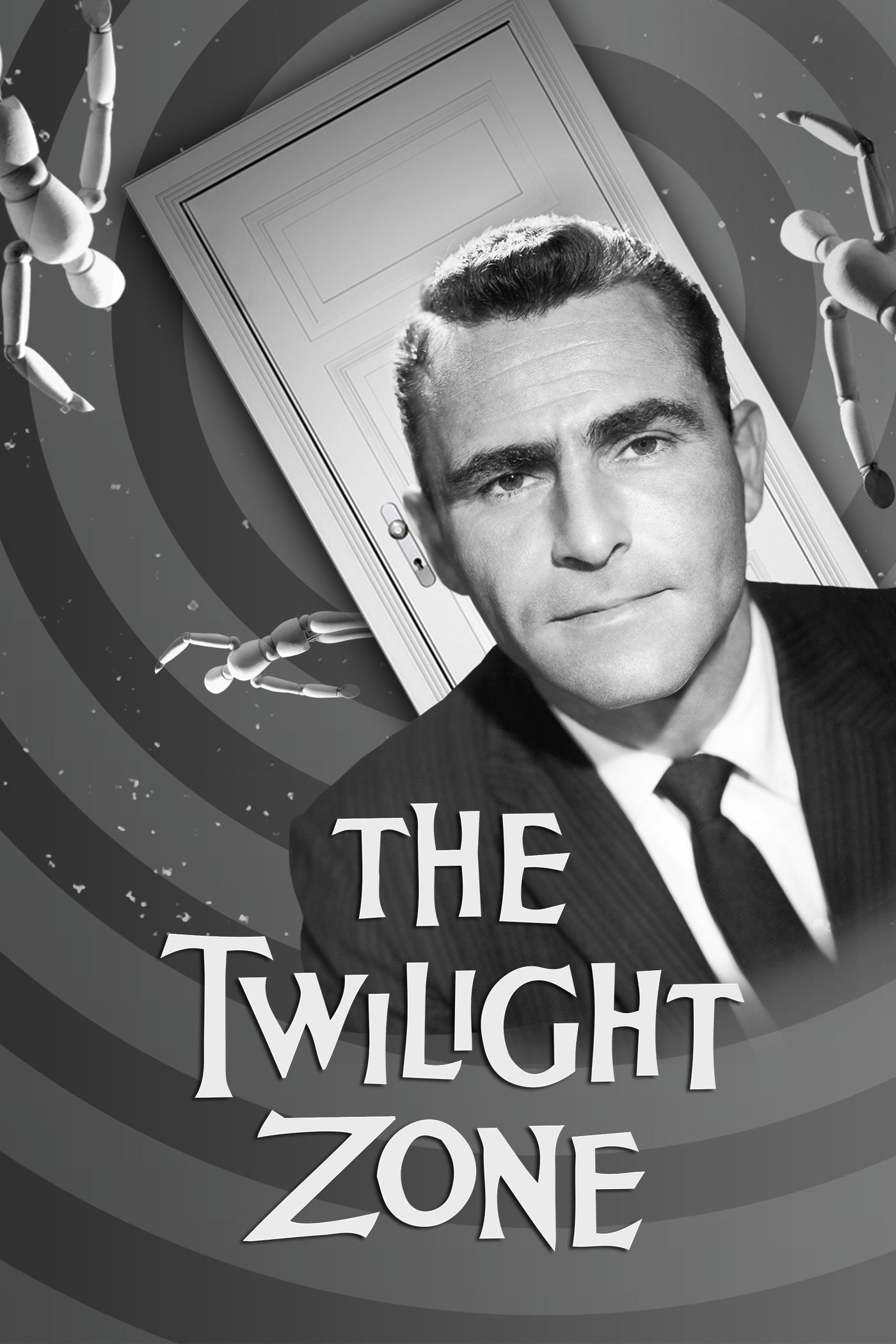
Created and hosted by Rod Serling for CBS, this anthology uses speculative premises to tackle ethics, prejudice, war, and technology. Episodes feature twist endings and self-contained narratives suitable for classroom discussion and media studies. The franchise inspired multiple reboots and international adaptations. Its library remains a resource for understanding censorship, network standards, and mid-century television craft.
‘The Crown’ (2016–2023)
Created by Peter Morgan for Netflix, this biographical drama charts the reign of Queen Elizabeth II and the institution around the monarchy. The series recasts major roles every two seasons to align character ages with historical phases. Large-scale production values—costumes, stately locations, and score—anchor its depiction of statecraft and media scrutiny. It regularly engaged historical consultants and generated companion materials examining fact versus dramatization.
‘Chernobyl’ (2019)
Created by Craig Mazin for HBO, this limited series reconstructs the Soviet nuclear disaster and its investigation. It draws on survivor testimonies, declassified reports, and scientific analysis to portray causes and response. Filming utilized decommissioned industrial sites to recreate technical environments and procedures. The show spurred renewed public interest in radiation safety, engineering culture, and emergency governance.
‘Deadwood’ (2004–2006)
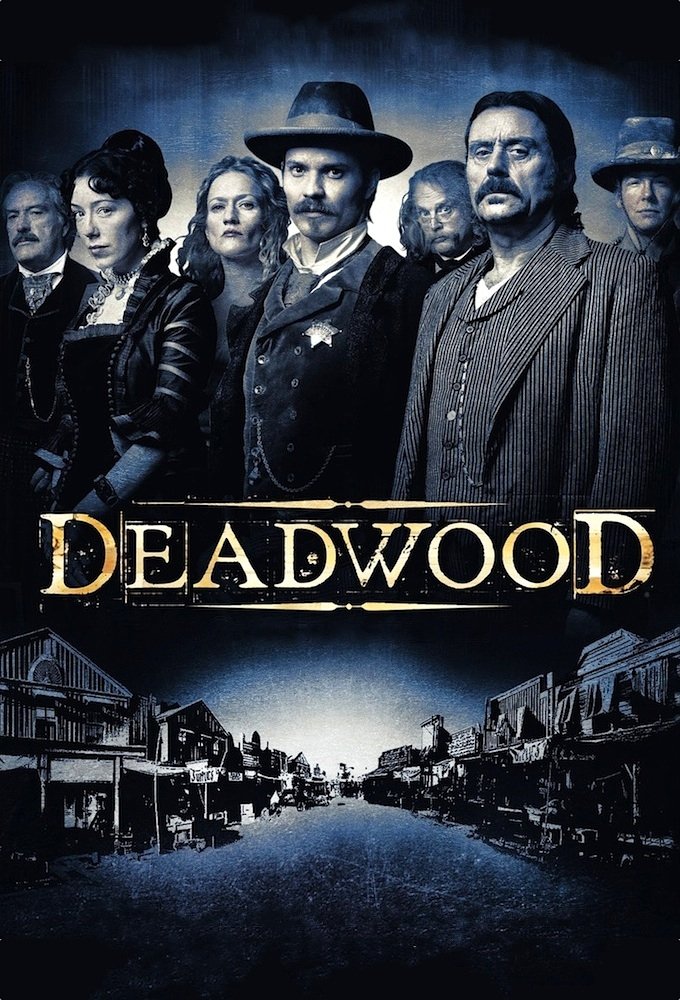
Created by David Milch for HBO, this western depicts the development of a lawless mining camp into a functioning community. Its dialogue reflects period diction blended with linguistic research into frontier vernacular. The ensemble includes Ian McShane and Timothy Olyphant, portraying alliances among business owners, officials, and outlaws. A follow-up film later provided narrative closure with original cast and production teams.
‘Band of Brothers’ (2001)
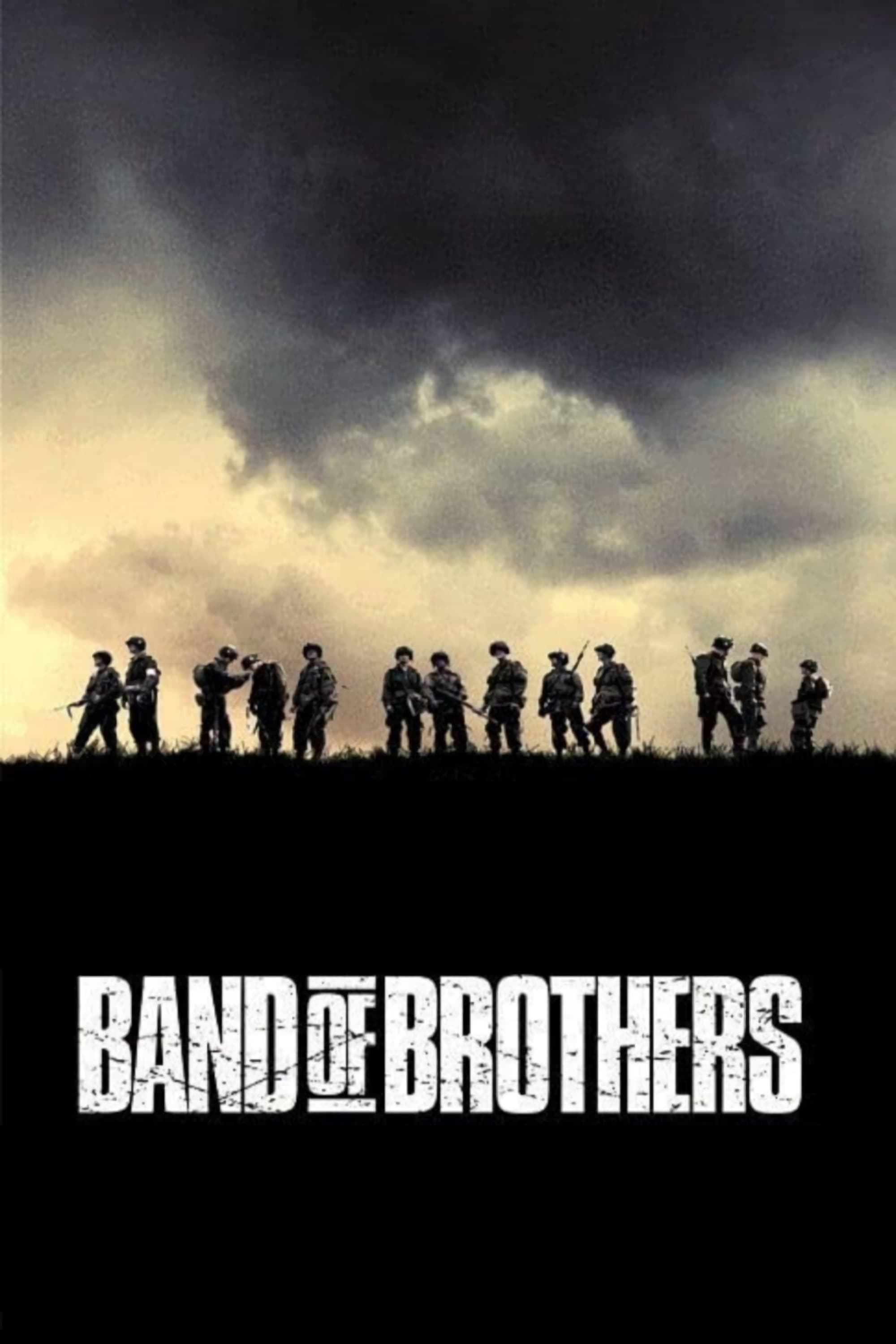
Produced by Tom Hanks and Steven Spielberg for HBO, this miniseries adapts Stephen E. Ambrose’s nonfiction account of Easy Company of the 506th Parachute Infantry Regiment. Veterans served as consultants, appearing in interviews that frame episodes. The production built extensive sets and used military advisors to stage airborne training and combat tactics. Its companion miniseries, ‘The Pacific’, extends the historical coverage to a different theater of war.
‘Star Trek: The Next Generation’ (1987–1994)
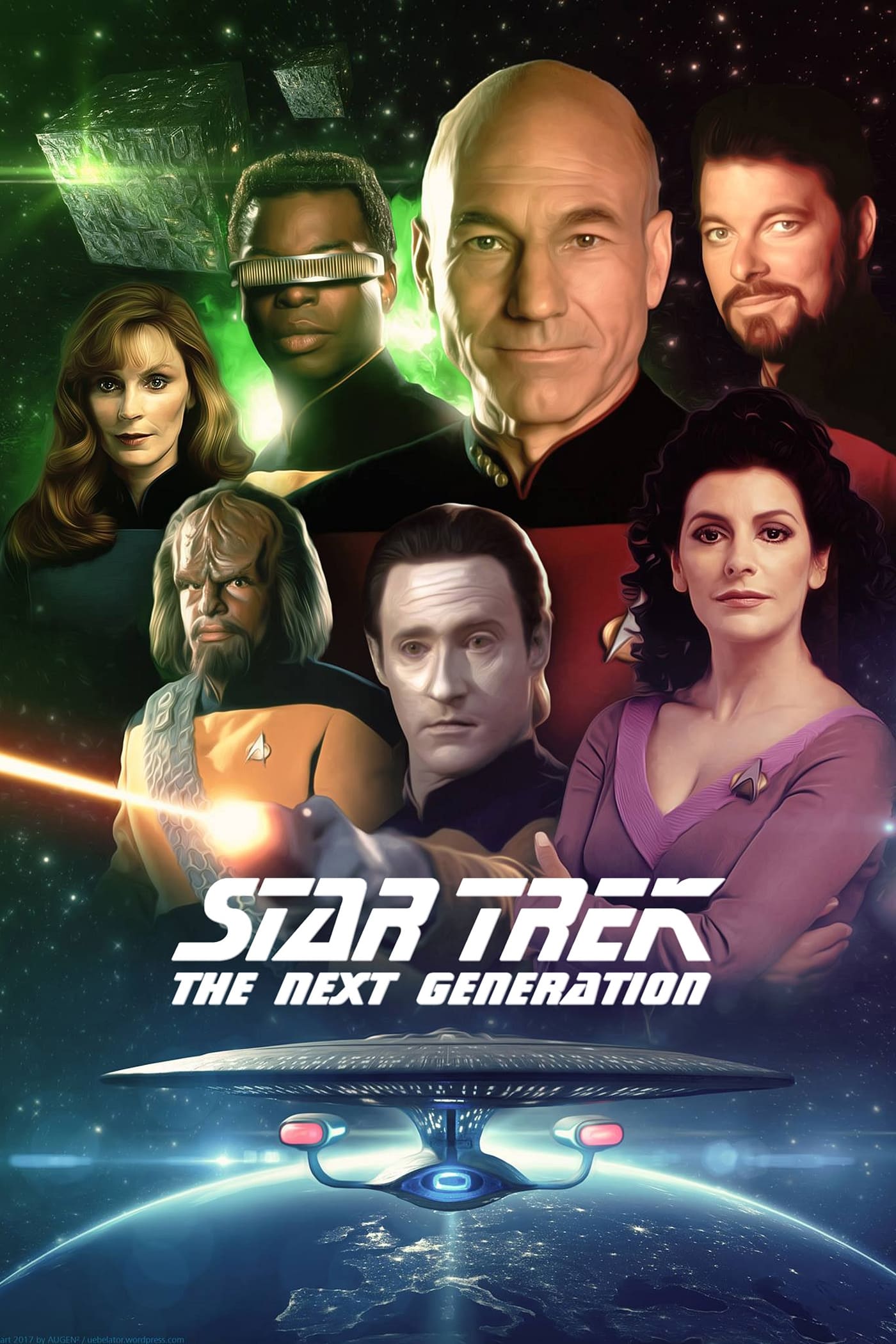
Created by Gene Roddenberry and produced for first-run syndication, this science-fiction series follows the crew of the USS Enterprise-D under Captain Jean-Luc Picard. It introduced technologies like the holodeck and expanded ‘Star Trek’ lore with new species and diplomatic frameworks. Patrick Stewart leads a cast whose characters continued in later films and series. The show’s writers’ room generated alumni who went on to helm multiple ‘Star Trek’ spin-offs.
‘Succession’ (2018–2023)
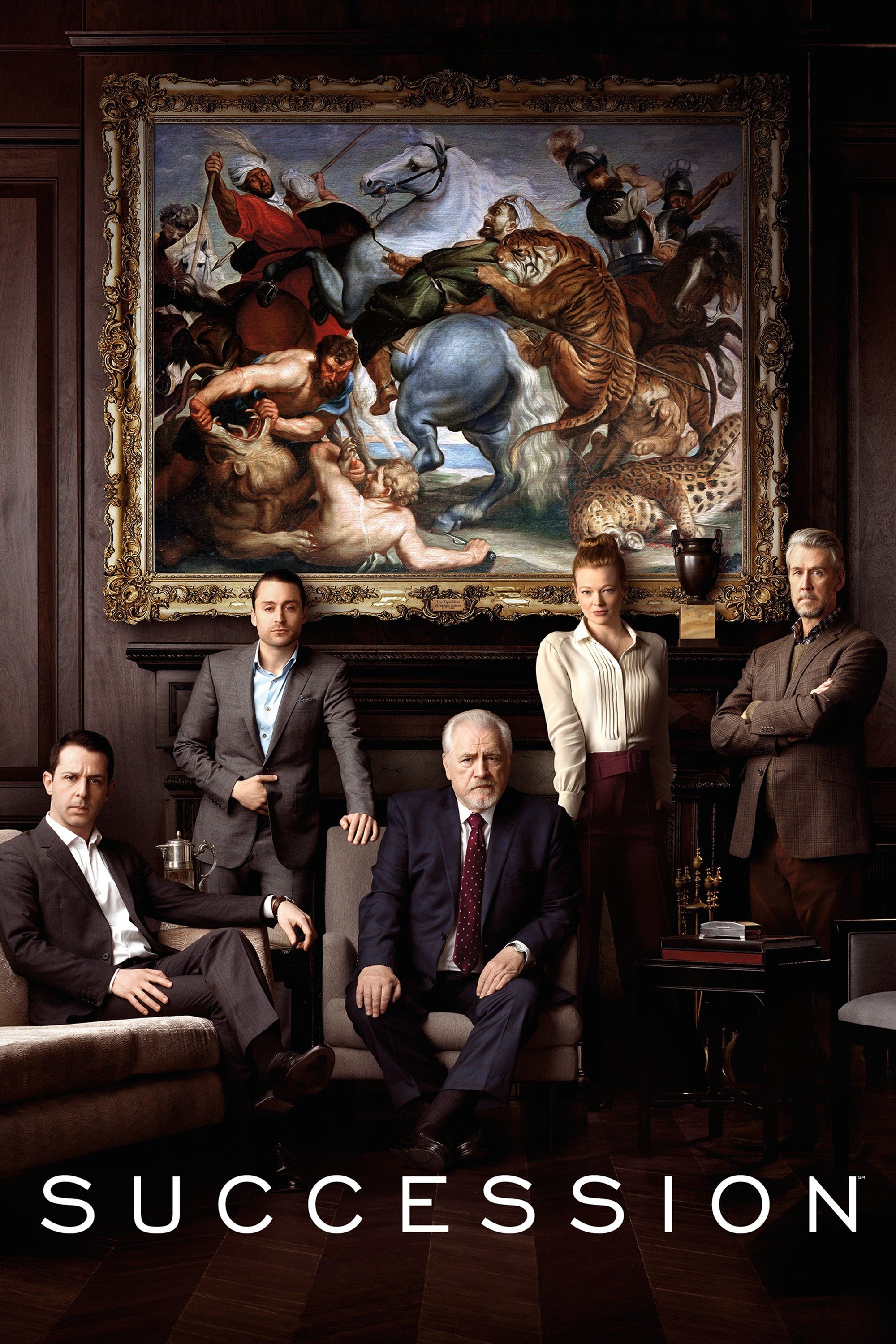
Created by Jesse Armstrong for HBO, this corporate drama follows a media dynasty navigating leadership battles, acquisitions, and regulatory scrutiny. The series uses boardrooms, earnings calls, and shareholder meetings to frame shifting alliances. Writers collaborated with consultants to depict dealmaking, trusts, and governance protocols. Its production emphasized international locations and detailed art direction to reflect private-wealth infrastructure and corporate culture.
‘Better Call Saul’ (2015–2022)
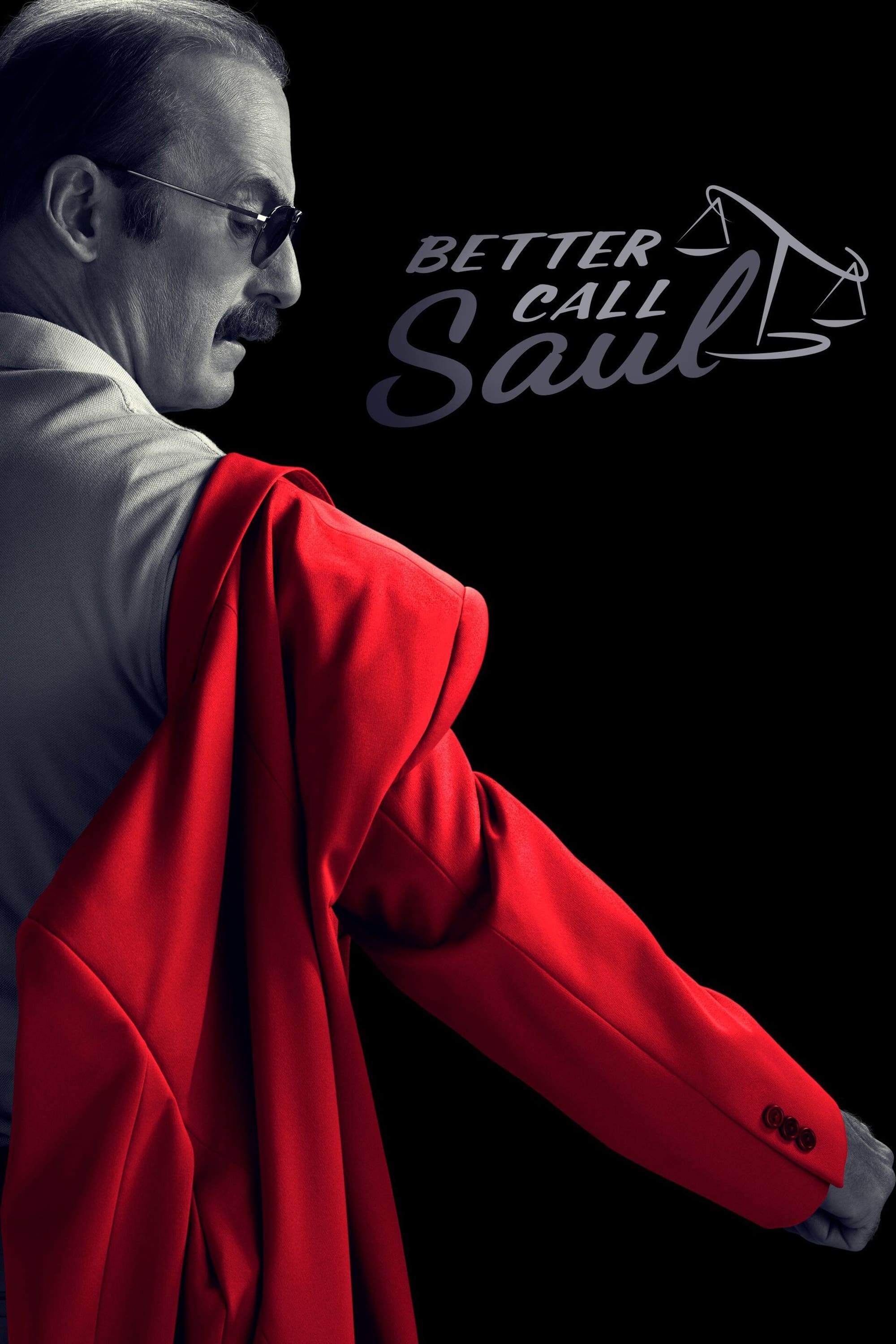
Developed by Vince Gilligan and Peter Gould for AMC, this legal drama traces an attorney’s transformation within the New Mexico legal and criminal ecosystems. It integrates case-of-the-week proceedings with long-form arcs connecting law firms, cartel factions, and family obligations. The show foregrounds contract law, plea negotiations, and professional discipline as plot engines. Careful sound design and visual motifs link characters across related narratives in the broader franchise.
‘The Americans’ (2013–2018)
Created by Joe Weisberg for FX, this spy drama centers on deep-cover agents managing operations alongside day-to-day suburban life. The writing details tradecraft like dead drops, surveillance detection routes, and asset recruitment. Production made extensive use of period-specific props and analog tech to depict communications and counterintelligence. Consultants with intelligence backgrounds informed procedures and terminology throughout the series.
‘Fargo’ (2014– )
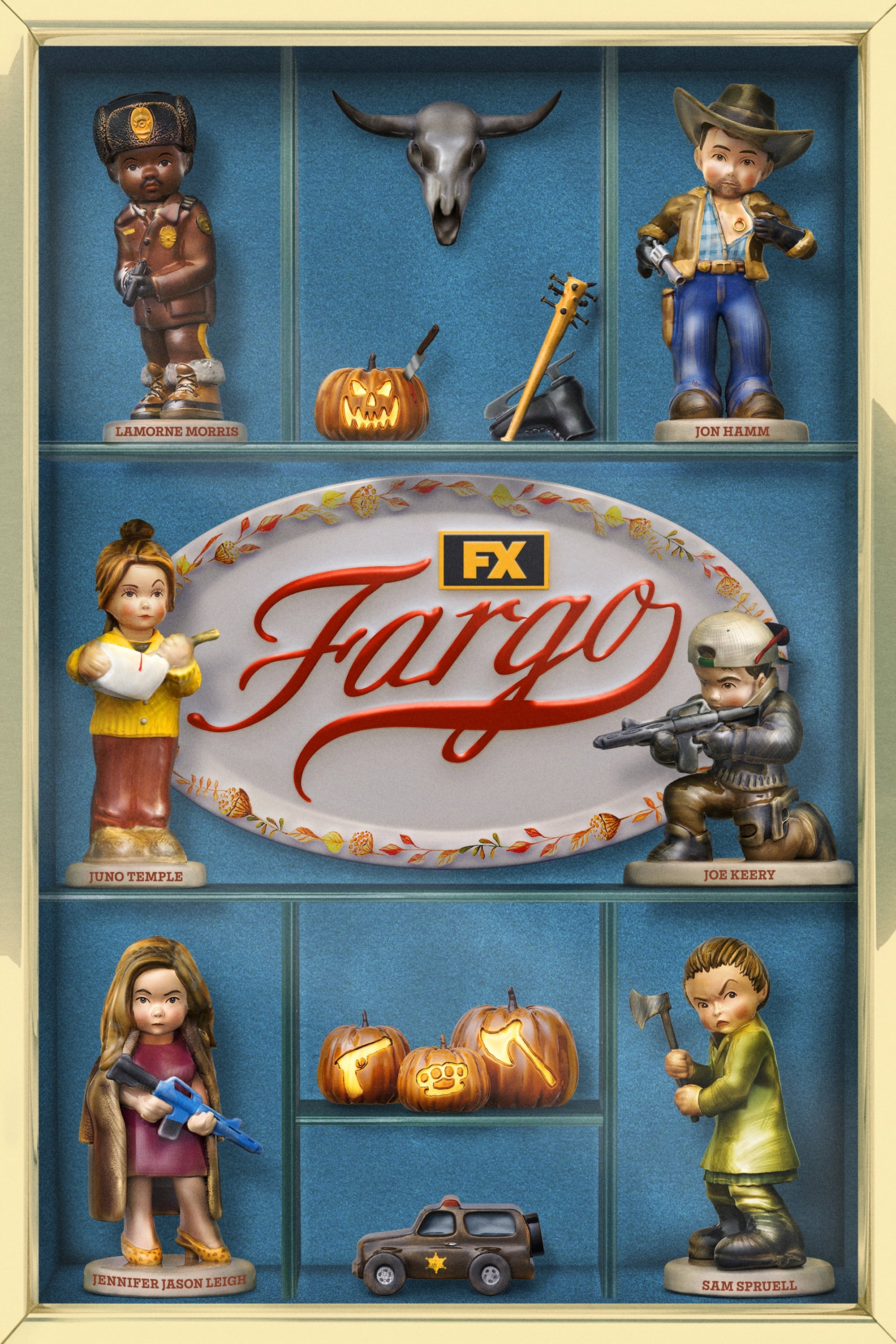
Created by Noah Hawley for FX, this anthology crime series tells discrete stories linked by regional setting, criminal enterprises, and moral dilemmas. Each season introduces new timelines, law-enforcement teams, and underworld structures. The production blends stylized cinematography with practical effects and location shooting in cold-weather environments. Recurring thematic devices—like overlapping investigations and family dynamics—connect entries without direct character continuity.
‘True Detective’ (2014– )
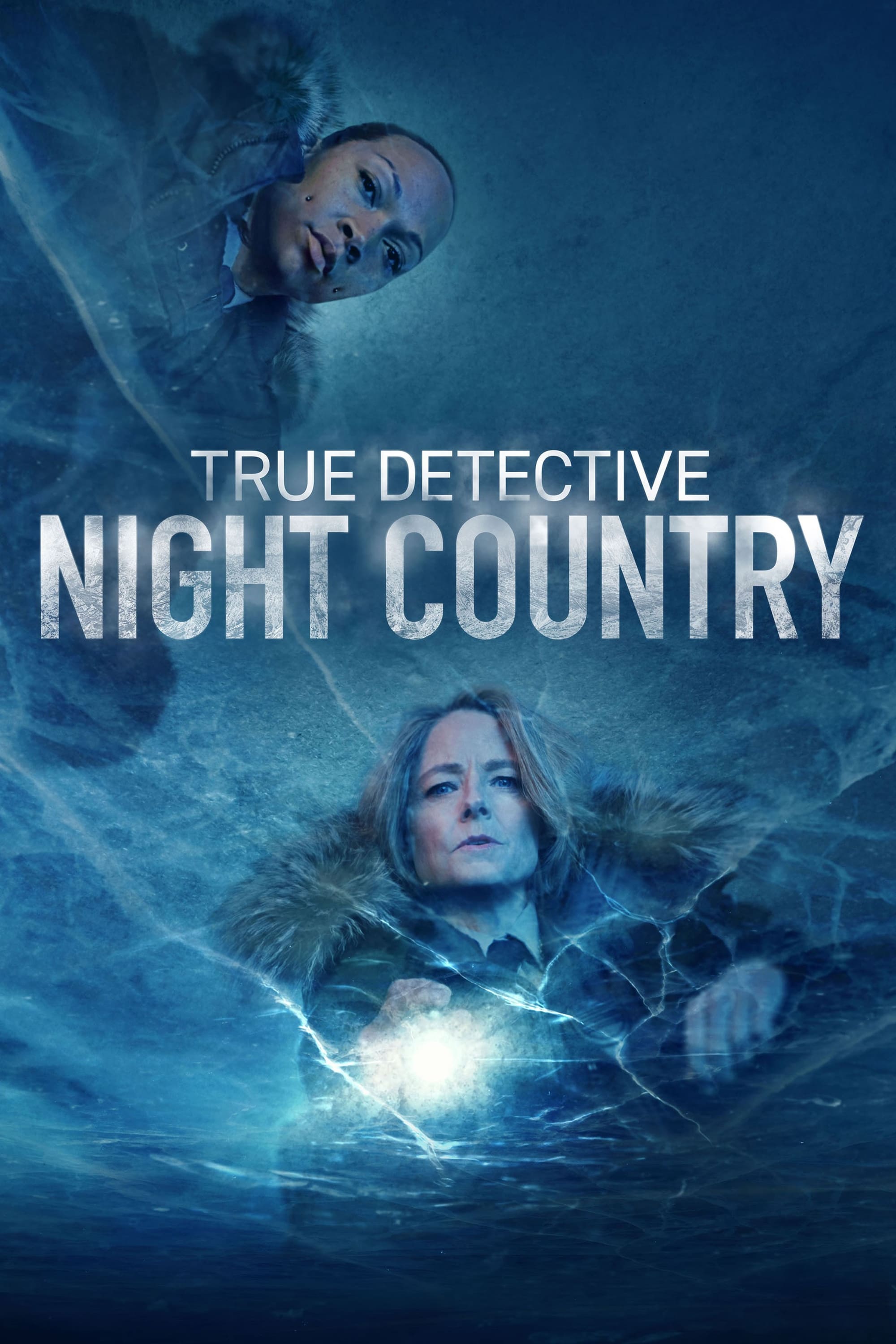
Created by Nic Pizzolatto for HBO, this anthology follows different investigations that expose institutions, subcultures, and historical wounds. Each season employs distinct timelines and detectives whose personal histories intersect with the casework. Directors and composers shift aesthetics to fit regional settings, from rural landscapes to urban sprawl. The format allows self-contained narratives while retaining procedural and philosophical through-lines.
‘The Leftovers’ (2014–2017)
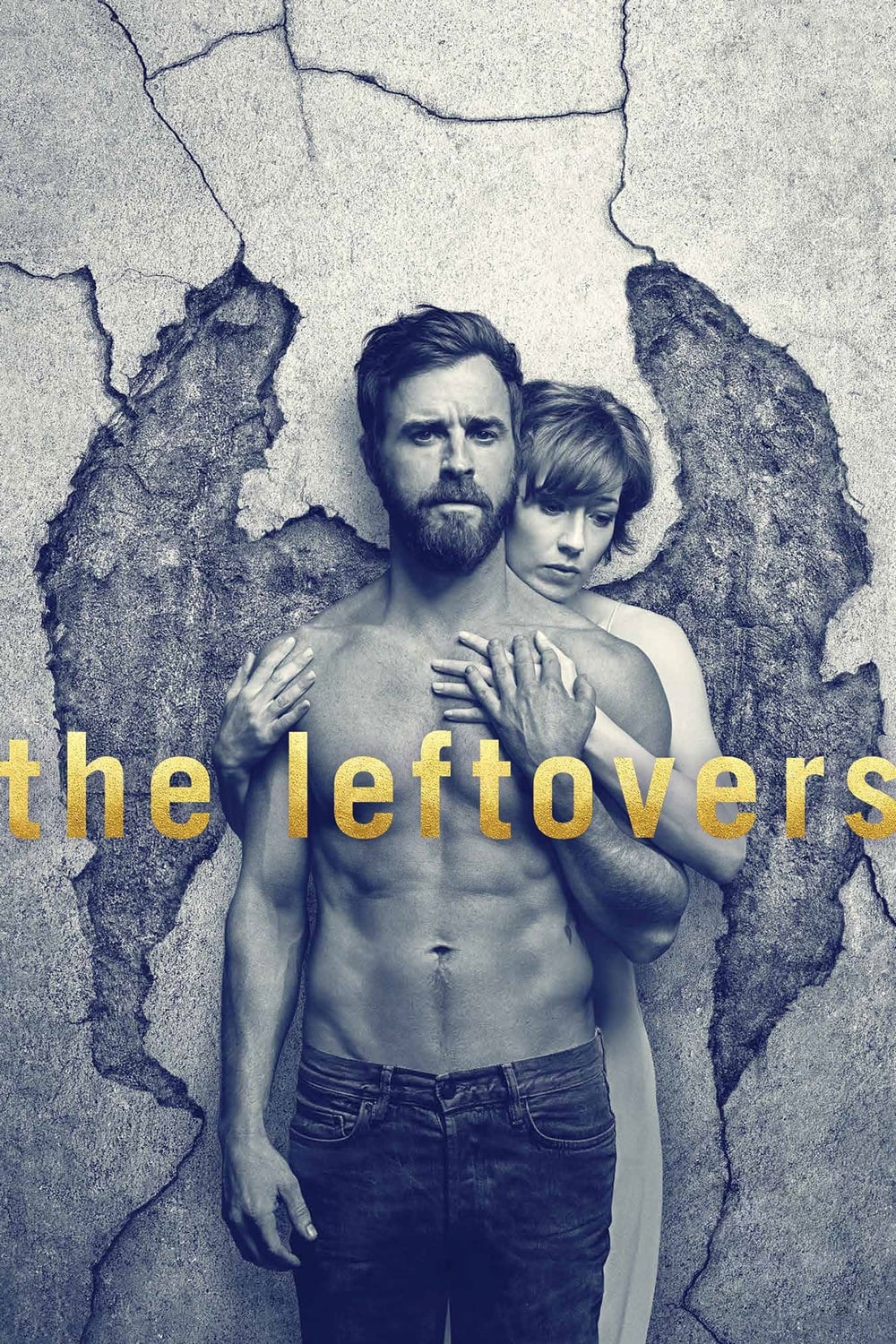
Created by Damon Lindelof and Tom Perrotta for HBO, this drama examines communities coping with unexplained loss. It blends intimate family stories with organized movements, public rituals, and institutional responses. The series uses symbolic imagery and carefully curated needle drops to structure episodes. Writers’ room research drew on sociology, religion, and psychology to map collective behavior and belief formation.
‘The Simpsons’ (1989– )
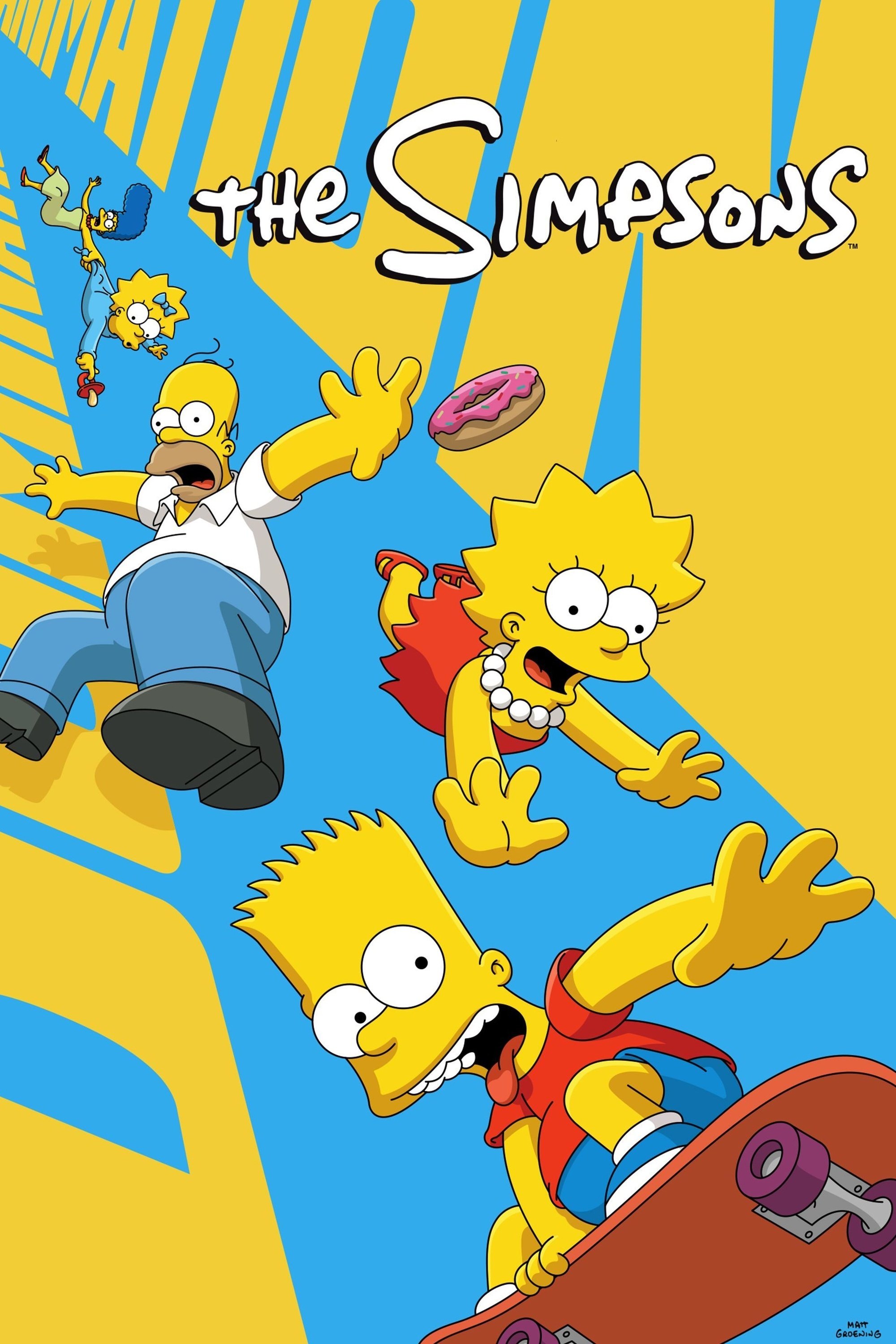
Created by Matt Groening for Fox, this animated sitcom chronicles a family and town whose characters support satire across politics, entertainment, and technology. The show integrates cold opens, couch gags, and sign jokes as recurring structural elements. Voice actors portray multiple roles, enabling an expansive roster of citizens, celebrities, and one-off figures. Its production pipeline—table reads, animatics, and overseas animation—became a model for weekly animated series.
‘The Office’ (2005–2013)
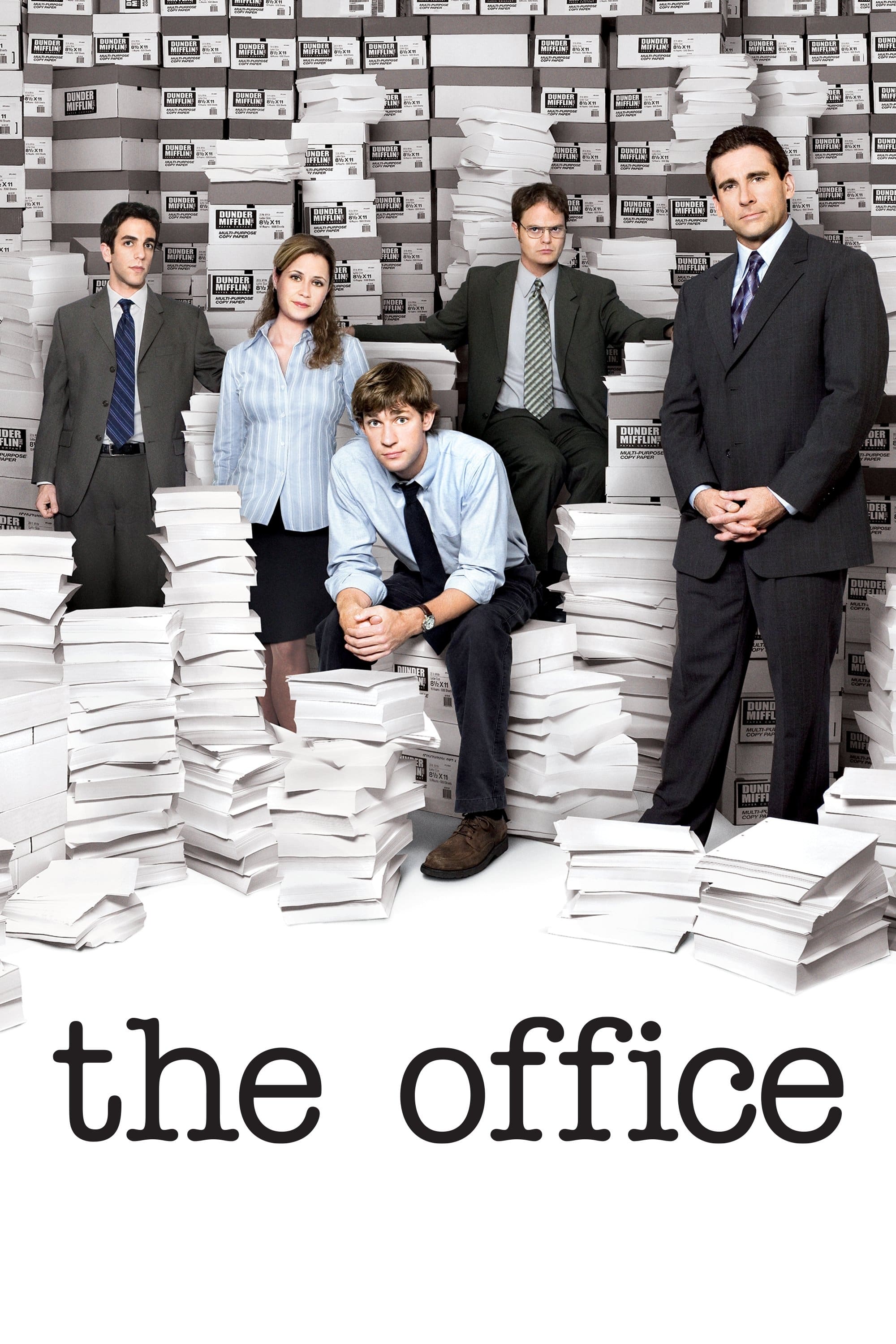
Developed by Greg Daniels for NBC from the UK original, this mockumentary depicts a paper company’s staff through interviews and observed workplace routines. Single-camera staging, improvisation, and character-specific props shape a distinct documentary texture. The series expanded a fictional company ecosystem with internal websites, transmedia bits, and branded materials. It influenced subsequent workplace comedies that adopted talking-head segments and handheld coverage.
‘Six Feet Under’ (2001–2005)
Created by Alan Ball for HBO, this family drama centers on a funeral home where business operations intersect with personal change. Cold-open vignettes provide case-of-the-episode context that feeds into themes of grief, ethics, and finance. Production design emphasizes domestic and mortuary spaces with recurring color palettes and symbolic objects. The writers engaged with end-of-life law, insurance, and industry practices to ground storylines.
‘Battlestar Galactica’ (2004–2009)
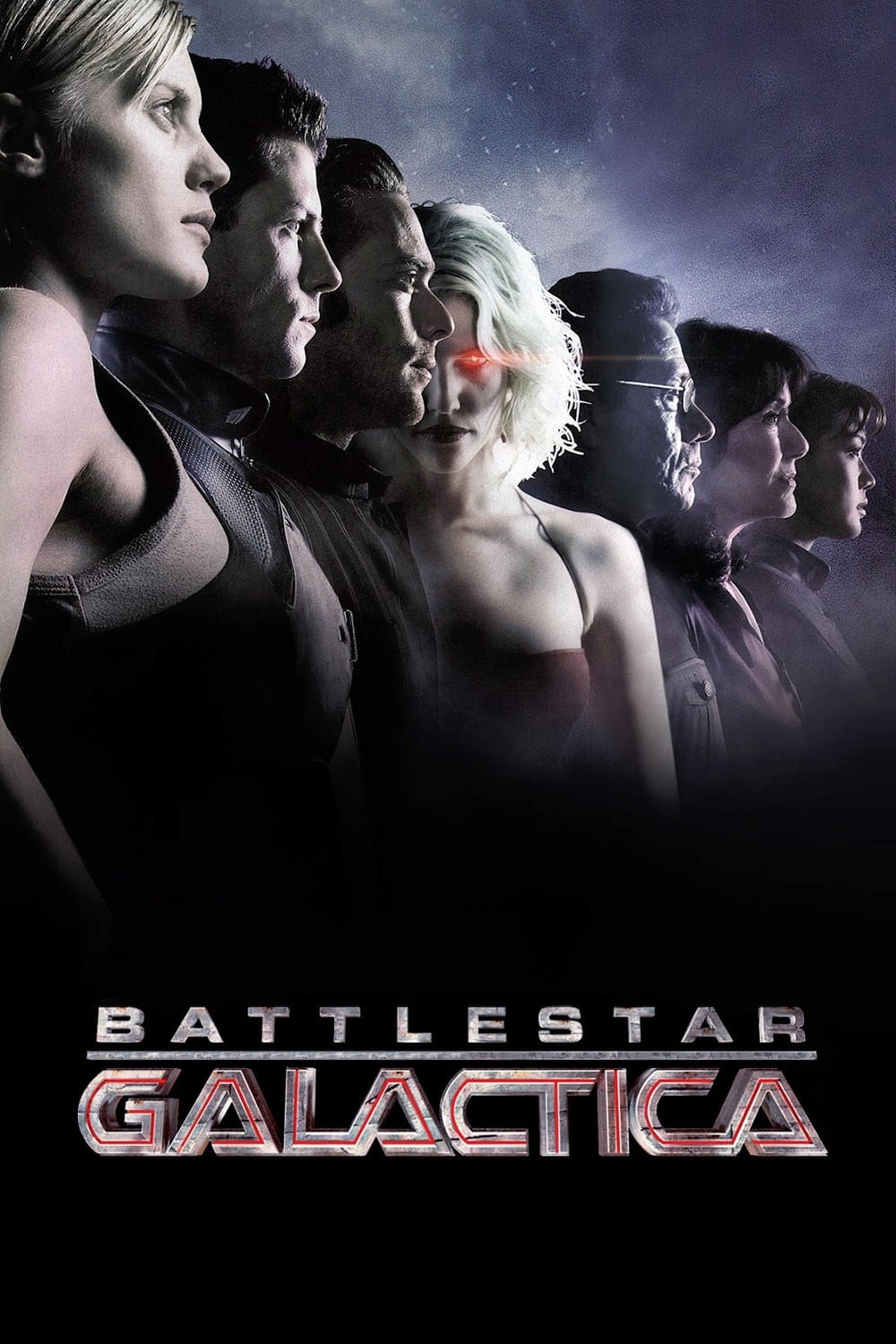
Developed by Ronald D. Moore for the Sci Fi Channel, this space drama follows military and civilian fleets under constant threat. It employs serialized strategy arcs, political elections, and chain-of-command conflicts. The show adopted handheld visual language and diegetic computer interfaces to heighten realism. Its worldbuilding covers resource allocation, jurisprudence, and media within a displaced society.
‘Sherlock’ (2010–2017)
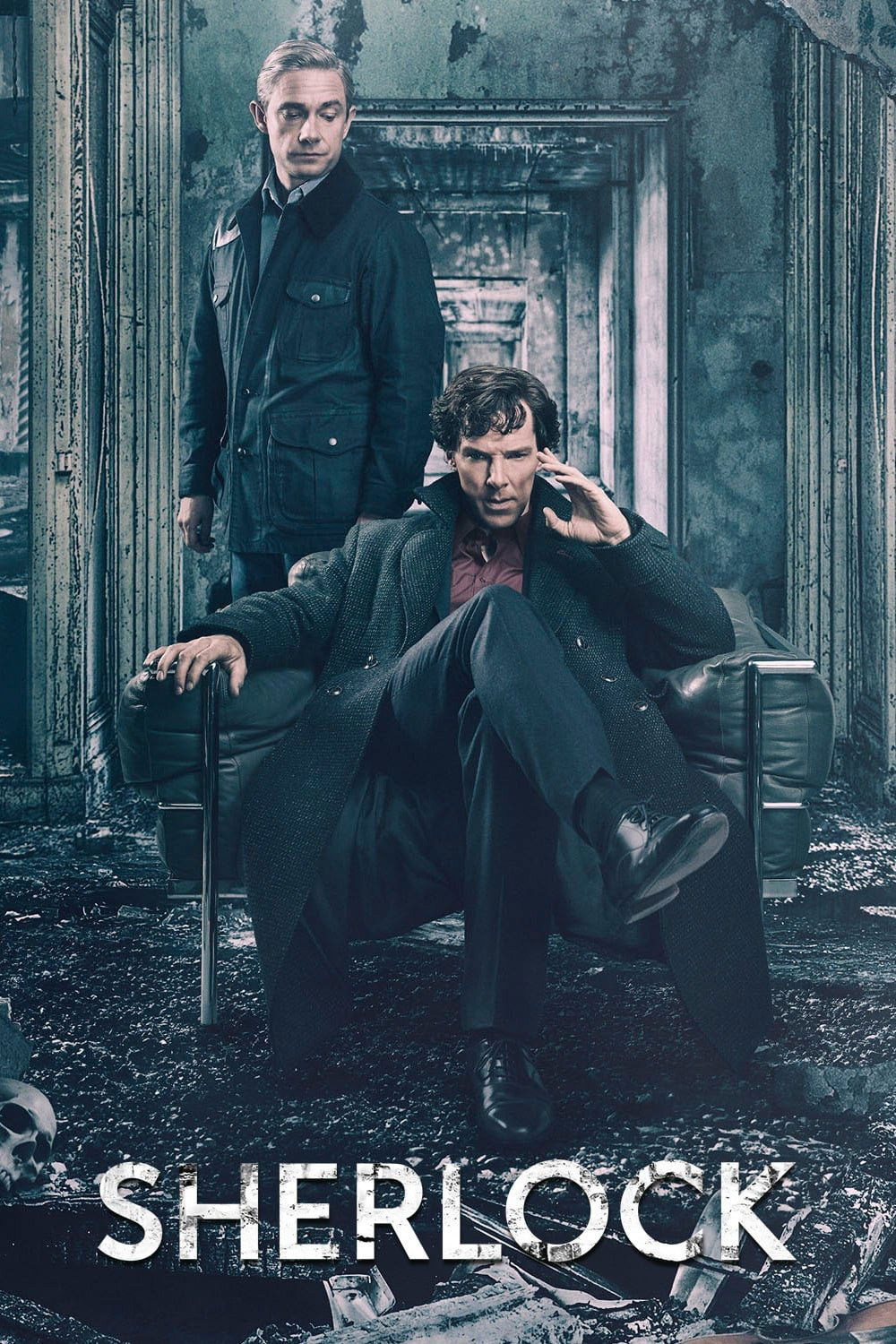
Created by Steven Moffat and Mark Gatiss for the BBC, this contemporary adaptation features feature-length episodes focused on deduction, forensics, and urban surveillance. Visual overlays externalize observation and pattern recognition. The series updates canonical cases with modern communications and criminology. International distribution leveraged co-production structures that shaped release schedules and financing.
‘Atlanta’ (2016–2022)
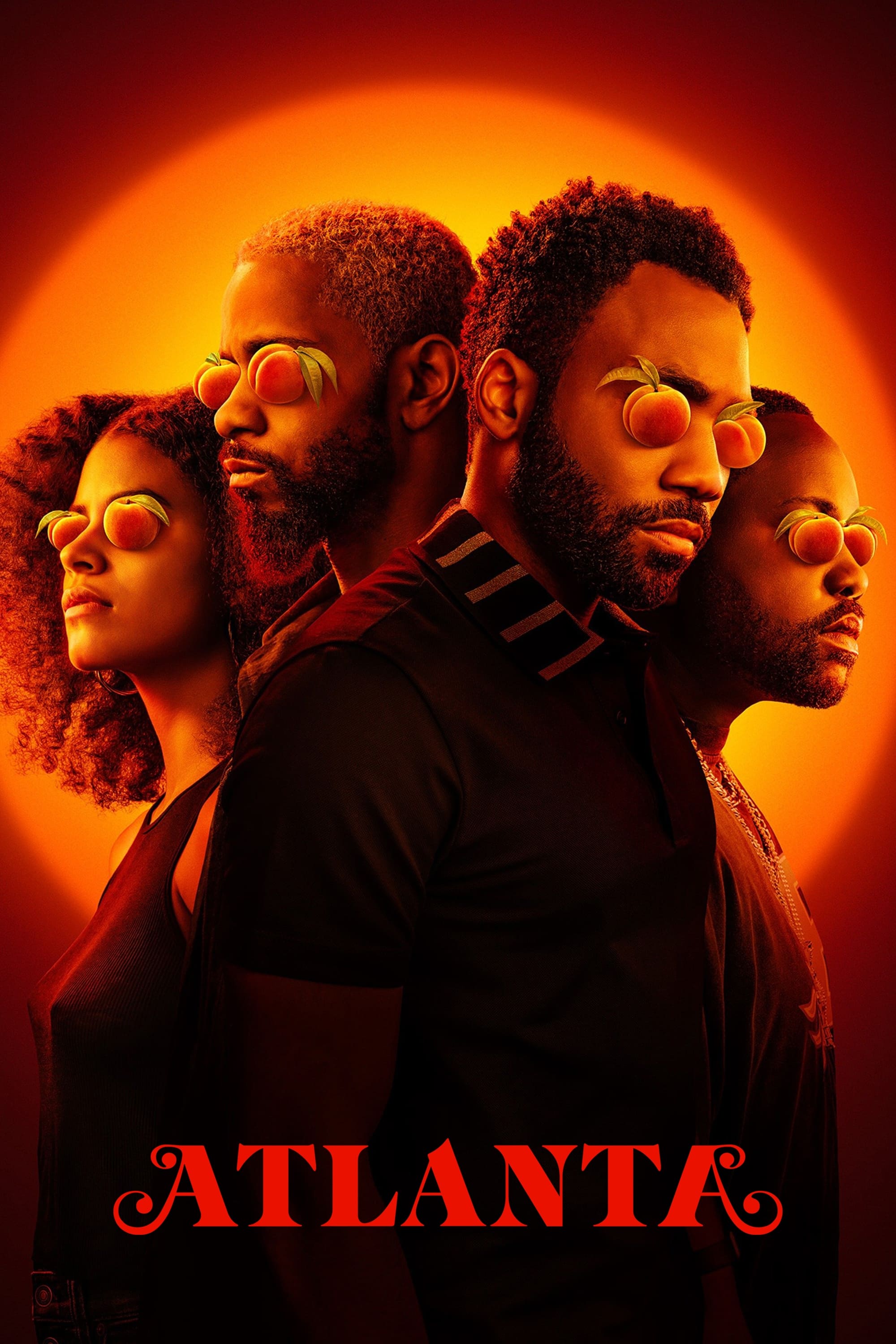
Created by Donald Glover for FX, this series follows management, music careers, and city life across surreal and grounded episodes. It uses bottle episodes and anthology-adjacent experiments to explore fame, economics, and identity. Production shot in multiple cities to mirror touring, migration, and cross-Atlantic industry ties. Music supervision and licensing choices function as narrative devices as much as ambiance.
‘Lost’ (2004–2010)
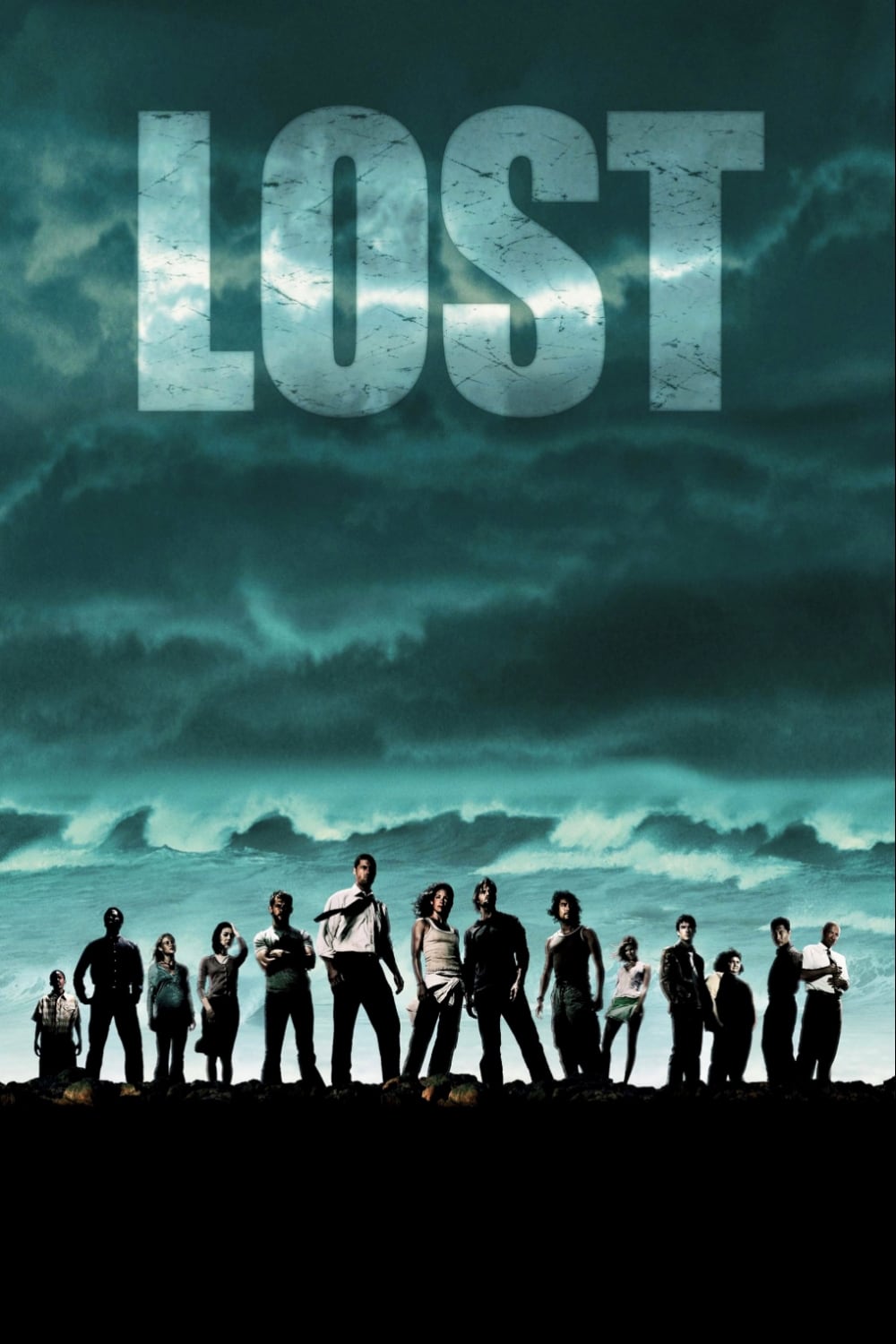
Created by Jeffrey Lieber, J. J. Abrams, and Damon Lindelof for ABC, this mystery drama uses ensemble flashbacks, flash-forwards, and other time structures to reveal character histories. The show blends survival logistics with scientific and mythic frameworks. It maintained an official alternate-reality game and companion materials to extend clues and lore. Location production emphasized natural environments, large sets, and practical effects.
‘The Handmaid’s Tale’ (2017– )
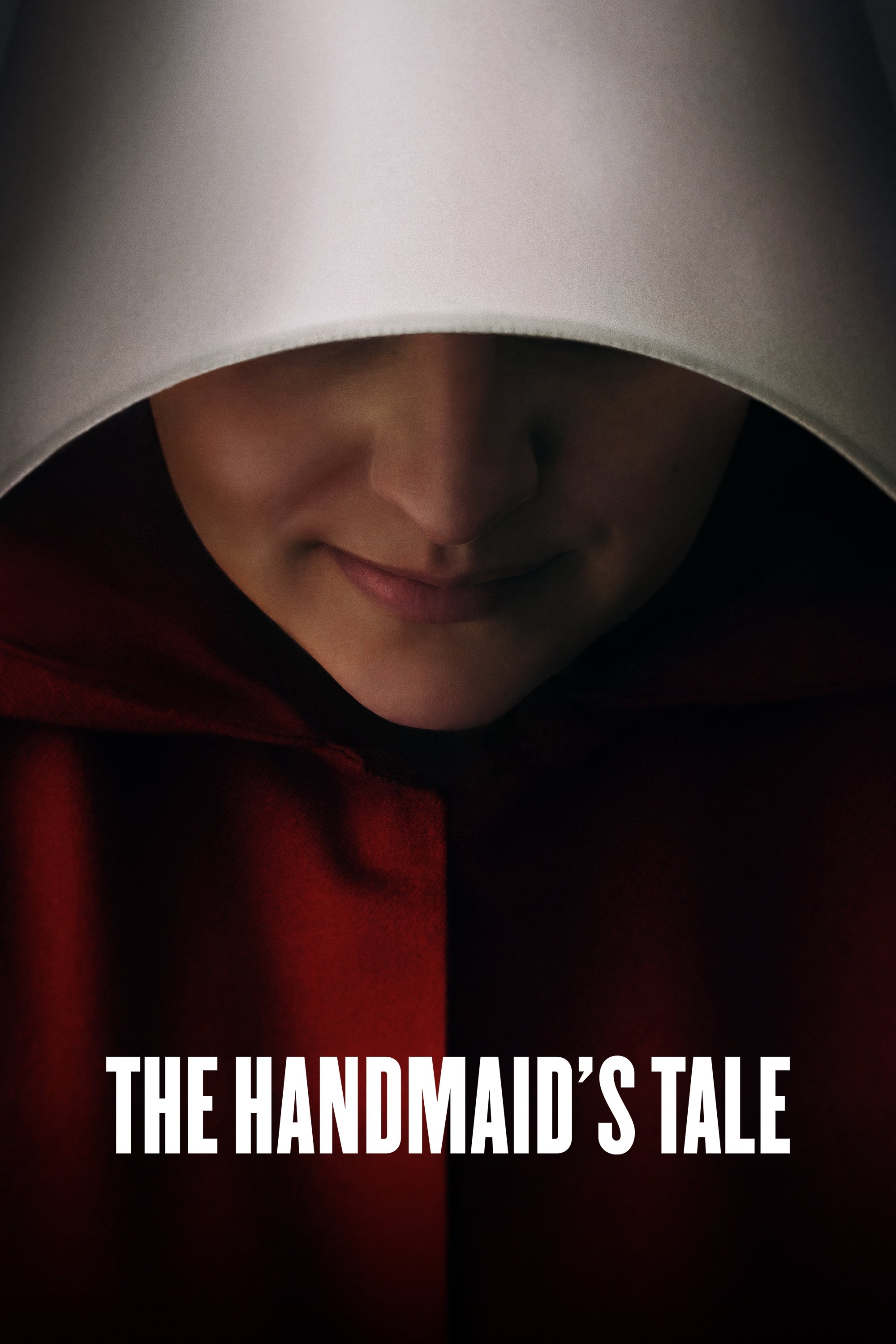
Created by Bruce Miller for Hulu from Margaret Atwood’s novel, this dystopian drama tracks an authoritarian regime’s institutions and resistance networks. The series details command hierarchies, surveillance, and legal mechanisms governing daily life. Costume design and iconography reinforce roles and status within the society. International shoots and multilingual elements reflect cross-border dynamics and asylum processes.
‘Oz’ (1997–2003)
Created by Tom Fontana for HBO, this prison drama portrays administration, rehabilitation programs, and competing factions within a maximum-security facility. Storylines examine privatization, medical care, and legal appeals alongside daily operations. The production’s minimalist sets and theatrical interludes support rapid shifts between units and viewpoints. Its structure paved the way for later serialized ensemble dramas set in complex institutions.
‘Stranger Things’ (2016– )
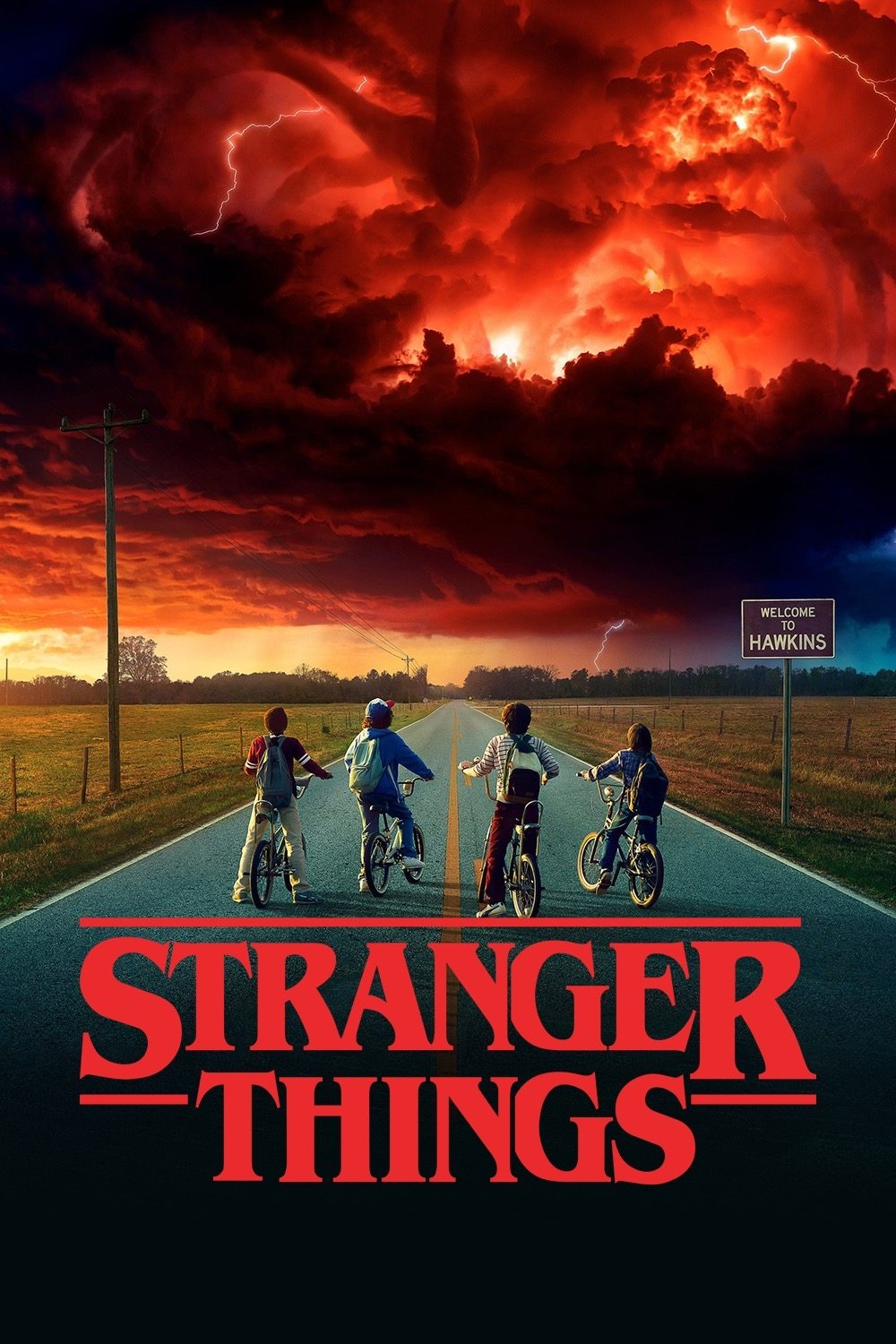
Created by the Duffer Brothers for Netflix, this series blends small-town investigation with government labs and parallel-dimension threats. It uses practical creature effects, analog tech props, and synth-driven scoring to anchor its setting. Ensemble casting centers on kids, teens, and parents whose storylines converge through local institutions. The production expanded across multiple states and soundstages to stage large-scale set pieces and stunts.
‘Black Mirror’ (2011– )
Created by Charlie Brooker, this anthology explores technology’s social and ethical consequences through stand-alone episodes. Installments use near-future devices, legal frameworks, and media ecosystems to frame dilemmas. The series shifts genres—thriller, satire, romance—while keeping consistent production design language around interfaces. International co-productions enabled varied locations and casts suited to each premise.
‘The Mandalorian’ (2019– )
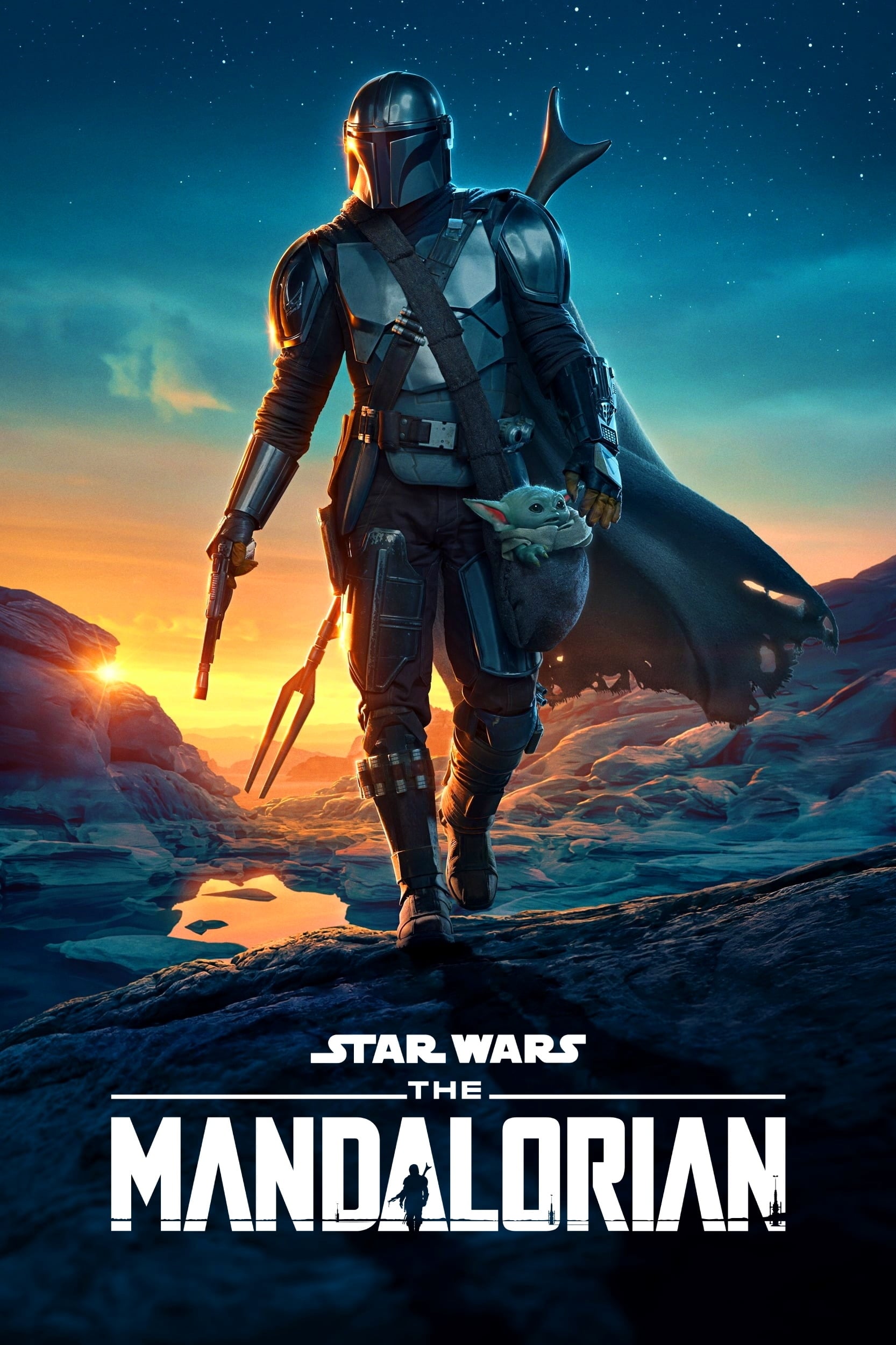
Created by Jon Favreau for Disney+, this space-western follows a bounty hunter operating under a guild code within a larger franchise timeline. It pioneered StageCraft virtual-production volumes to render environments in-camera. Episodic jobs intersect with broader arcs involving clans, remnants, and found-family bonds. Directors rotate across chapters, bringing distinct action and tone while adhering to shared assets and lore.
‘The Expanse’ (2015–2022)
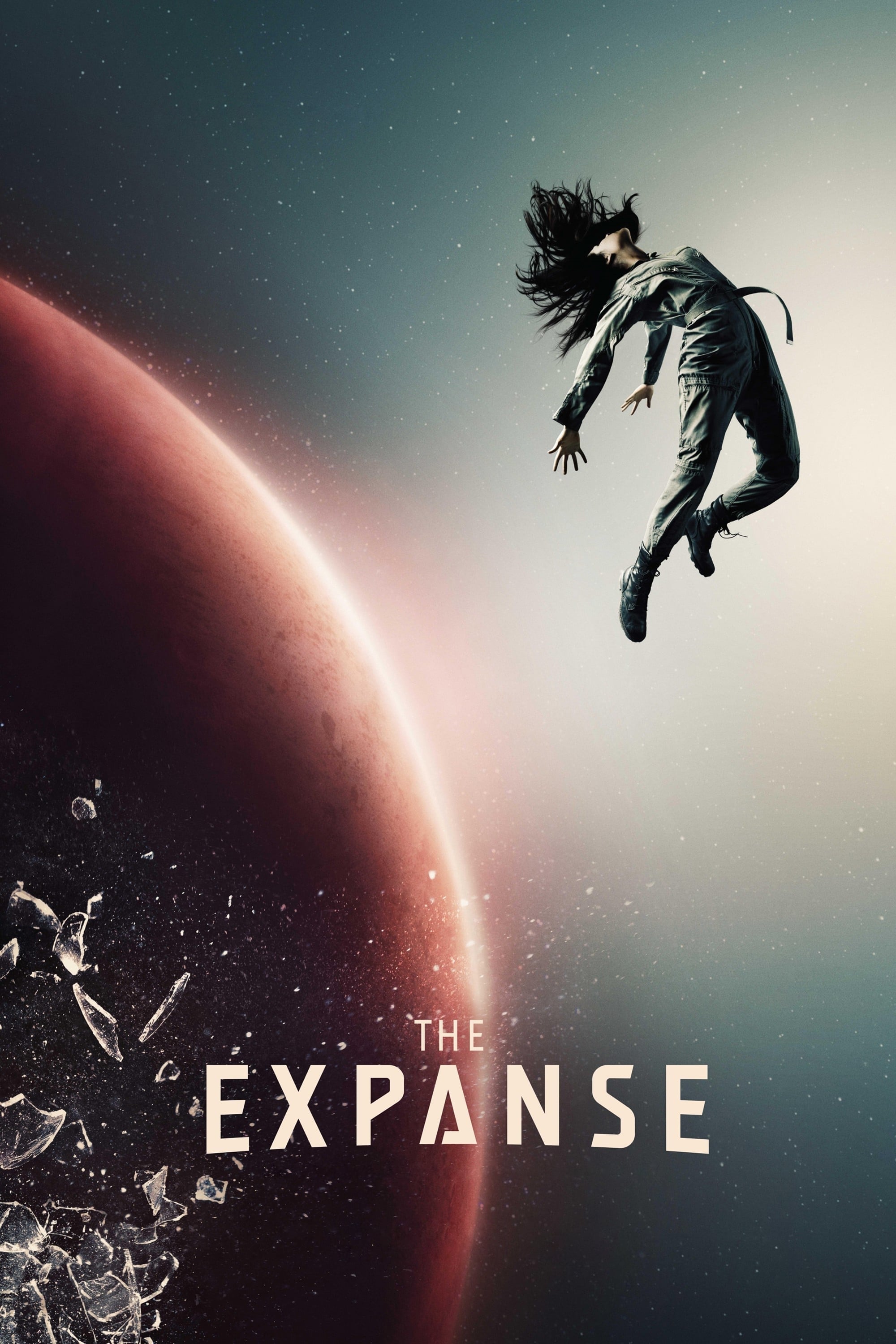
Developed by Mark Fergus and Hawk Ostby from novels by James S. A. Corey, this series maps political, commercial, and scientific interests across Earth, Mars, and the Belt. Production emphasizes realistic spacecraft physics, multilingual culture, and factional governance. Visual effects integrate with full-scale sets to depict stations, ships, and habitats. The show moved between distributors while retaining continuity in writers, cast, and technical advisors.
‘The Boys’ (2019– )

Developed by Eric Kripke for Prime Video from the comic by Garth Ennis and Darick Robertson, this series examines corporate-managed superheroes and the teams that challenge them. Storylines detail brand deals, security operations, and public-relations tactics. Practical gore effects and large-scale stunts support action sequences coordinated with VFX extensions. Spin-offs expand the universe through collegiate settings and alternate teams.
‘The Last of Us’ (2023– )
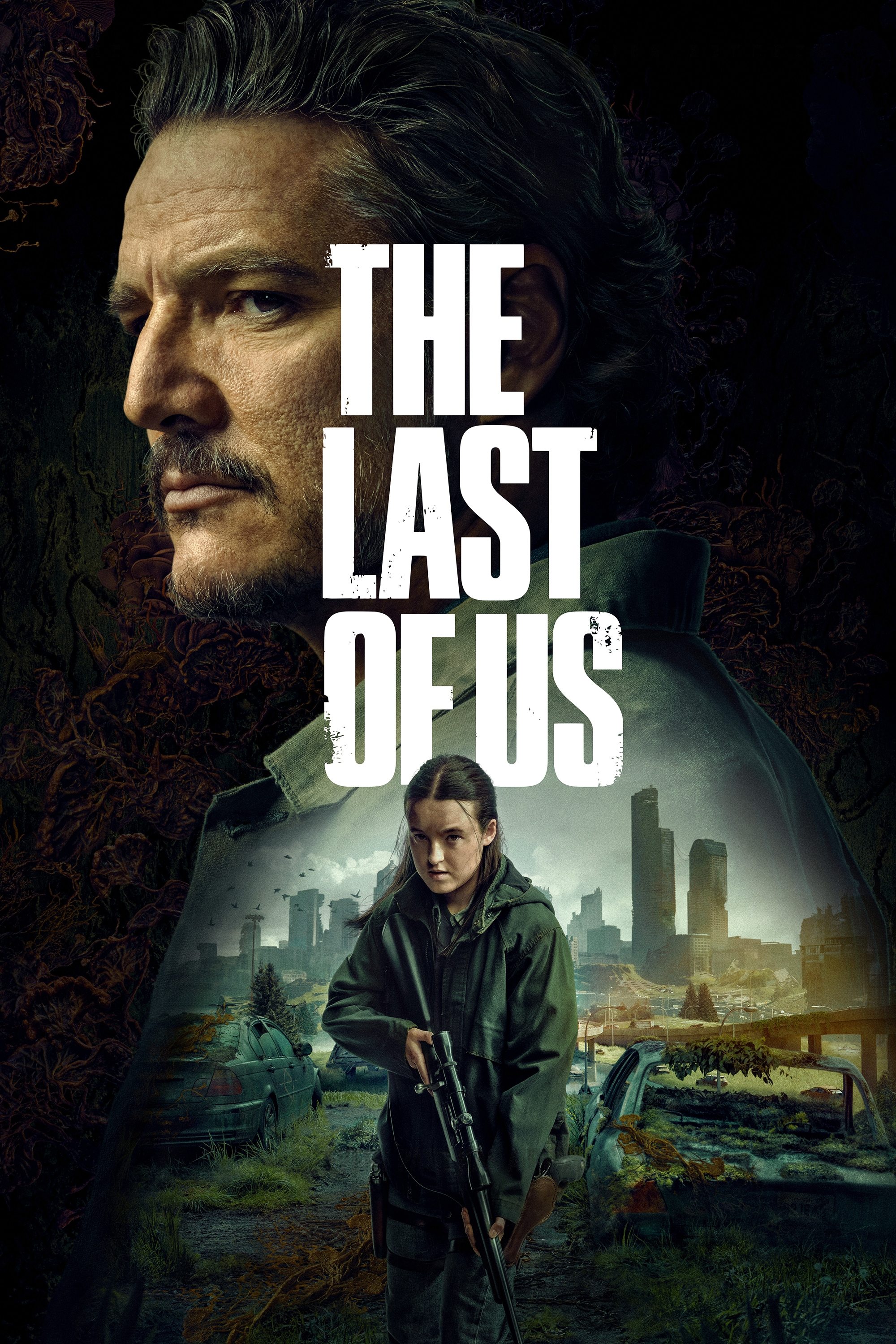
Created by Craig Mazin and Neil Druckmann for HBO, this adaptation follows cross-country travel amid a fungal pandemic and shifting factions. Production used real locations, large backlot builds, and creature prosthetics informed by mycology research. The narrative structure pairs episodic stopovers with a character-focused throughline. Music supervision and sound design adapt motifs from the source material.
‘Westworld’ (2016–2022)
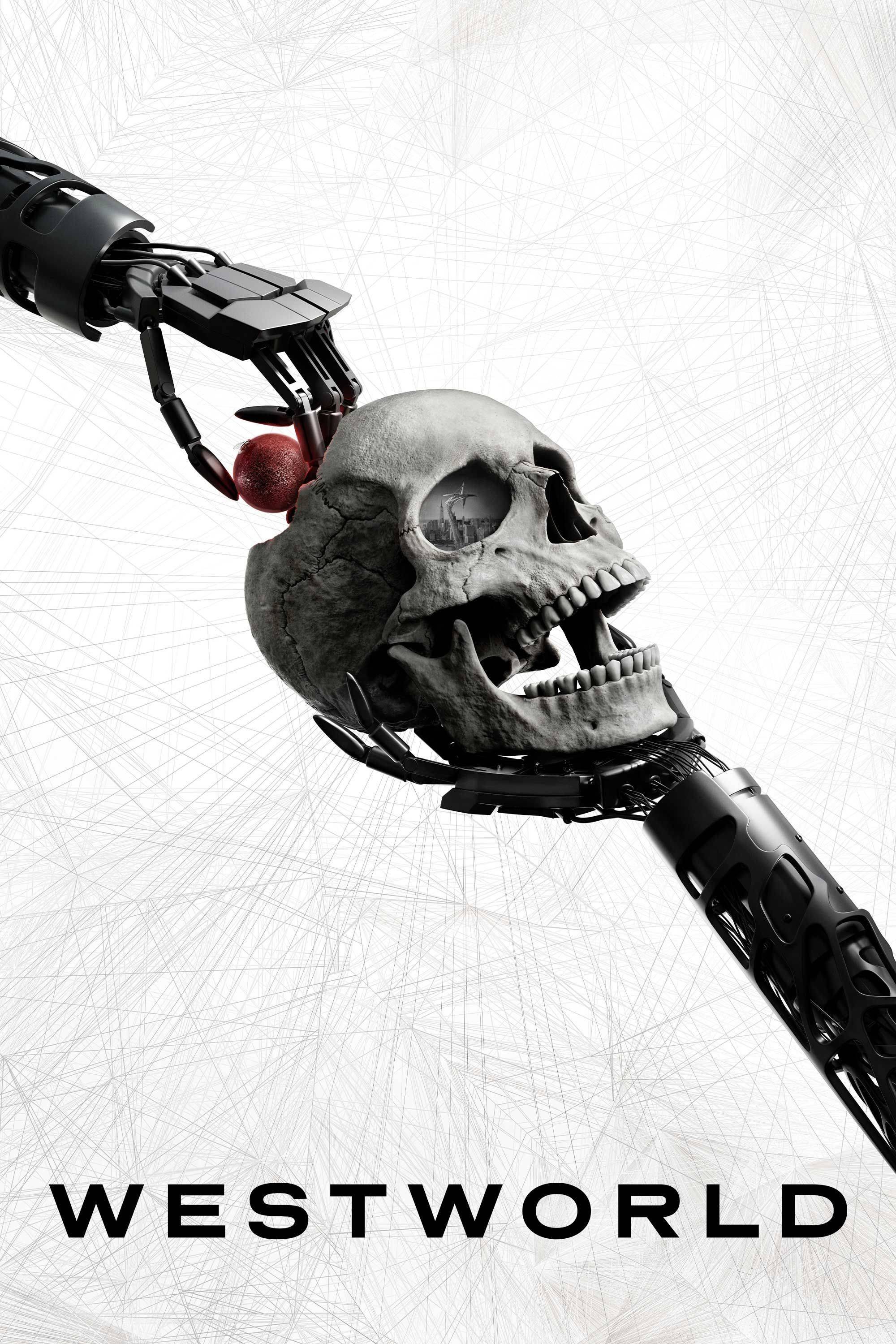
Developed by Jonathan Nolan and Lisa Joy for HBO from Michael Crichton’s concept, this series starts with an immersive theme park run by advanced androids. It explores corporate oversight, data governance, and autonomy across changing settings. The production integrates nonlinear timelines, diegetic player pianos, and extensive VFX workflows. International shoots and desert locations created contrasting visual identities for different zones.
‘Boardwalk Empire’ (2010–2014)
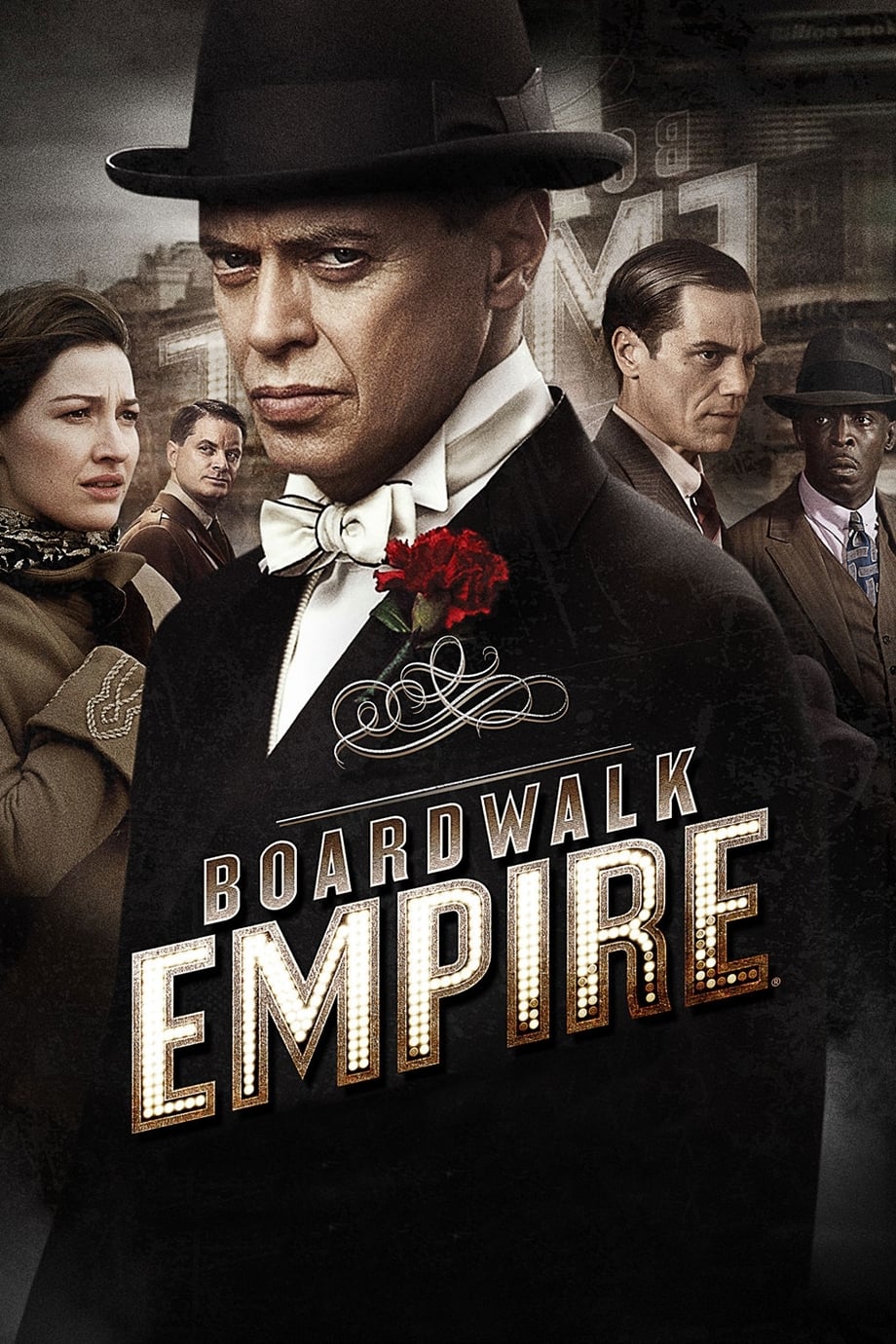
Created by Terence Winter for HBO, this period crime drama follows Atlantic City’s political machine and bootlegging networks. The pilot enlisted Martin Scorsese, setting a cinematic blueprint for costumes, sets, and camera language. Large boardwalk sets, vintage vehicles, and archival research reconstruct Prohibition-era operations. The ensemble depicts rival organizations, law enforcement, and municipal offices intertwined by patronage and commerce.
‘Homeland’ (2011–2020)
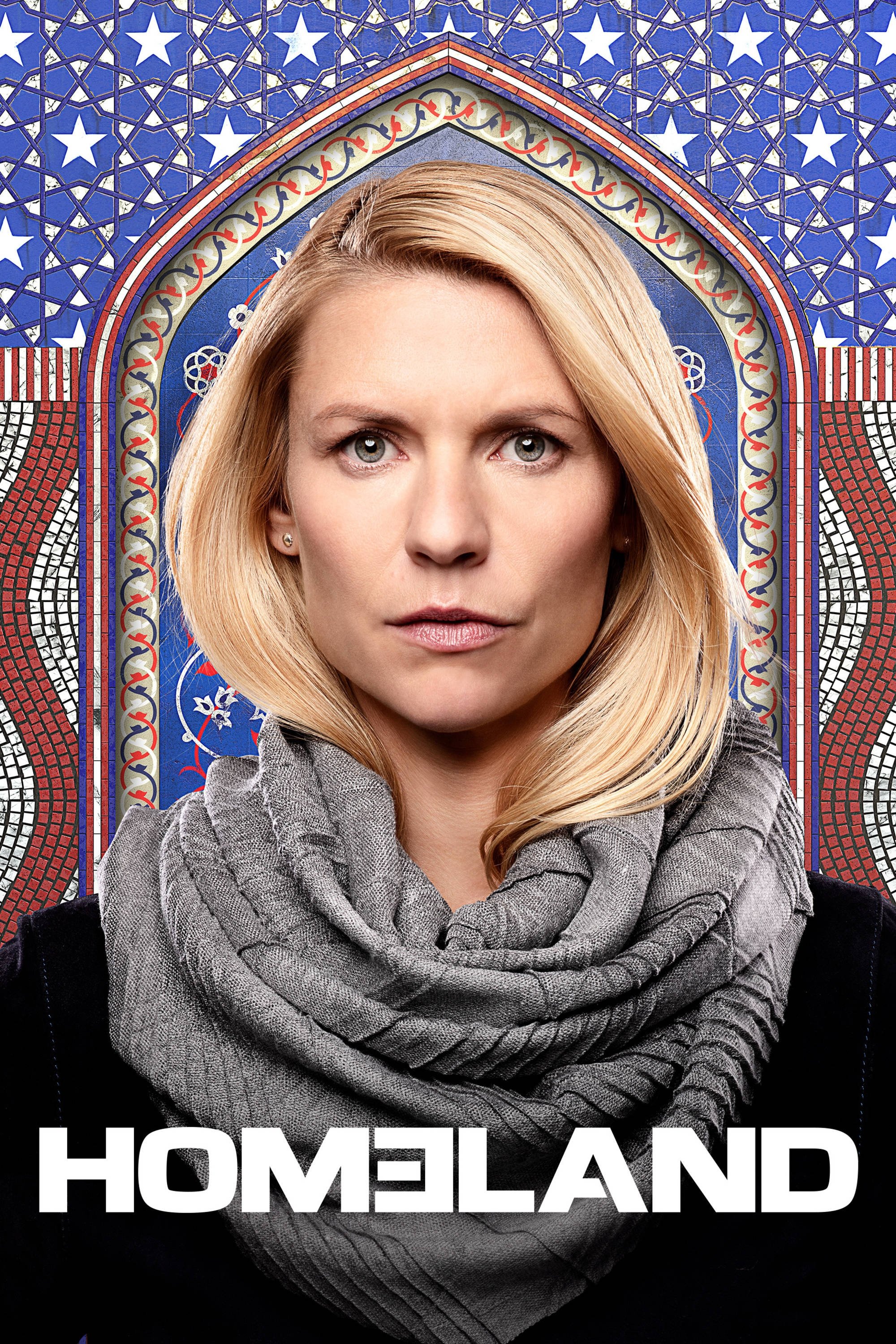
Developed by Howard Gordon and Alex Gansa for Showtime from the Israeli series ‘Prisoners of War’, this thriller tracks intelligence work, counterterror operations, and diplomacy. Storylines feature surveillance protocols, interagency coordination, and field tradecraft. International filming mirrored shifting geopolitical theaters and embassy environments. The writers used consultants to align terminology and procedure with contemporary practice.
‘House’ (2004–2012)
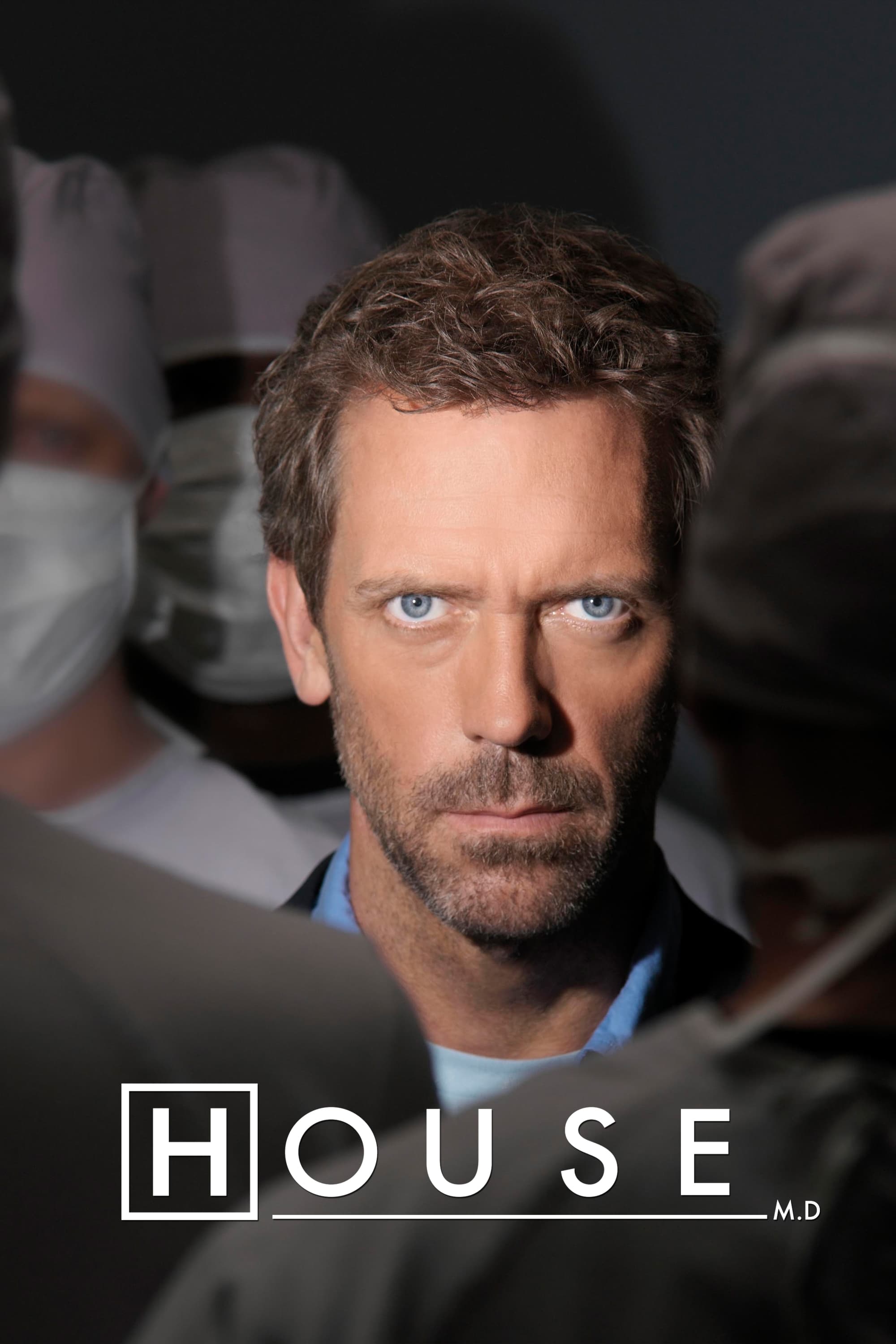
Created by David Shore for Fox, this medical procedural centers on a diagnostic team handling rare and complex cases. Episodes follow differential diagnosis, specialized testing, and hospital ethics structures. The series popularized whiteboard case mapping and cross-disciplinary consultation as visual devices. Recurring characters rotate through fellowships and administrative roles, reflecting staffing changes in a teaching hospital.
‘Twin Peaks’ (1990–1991)
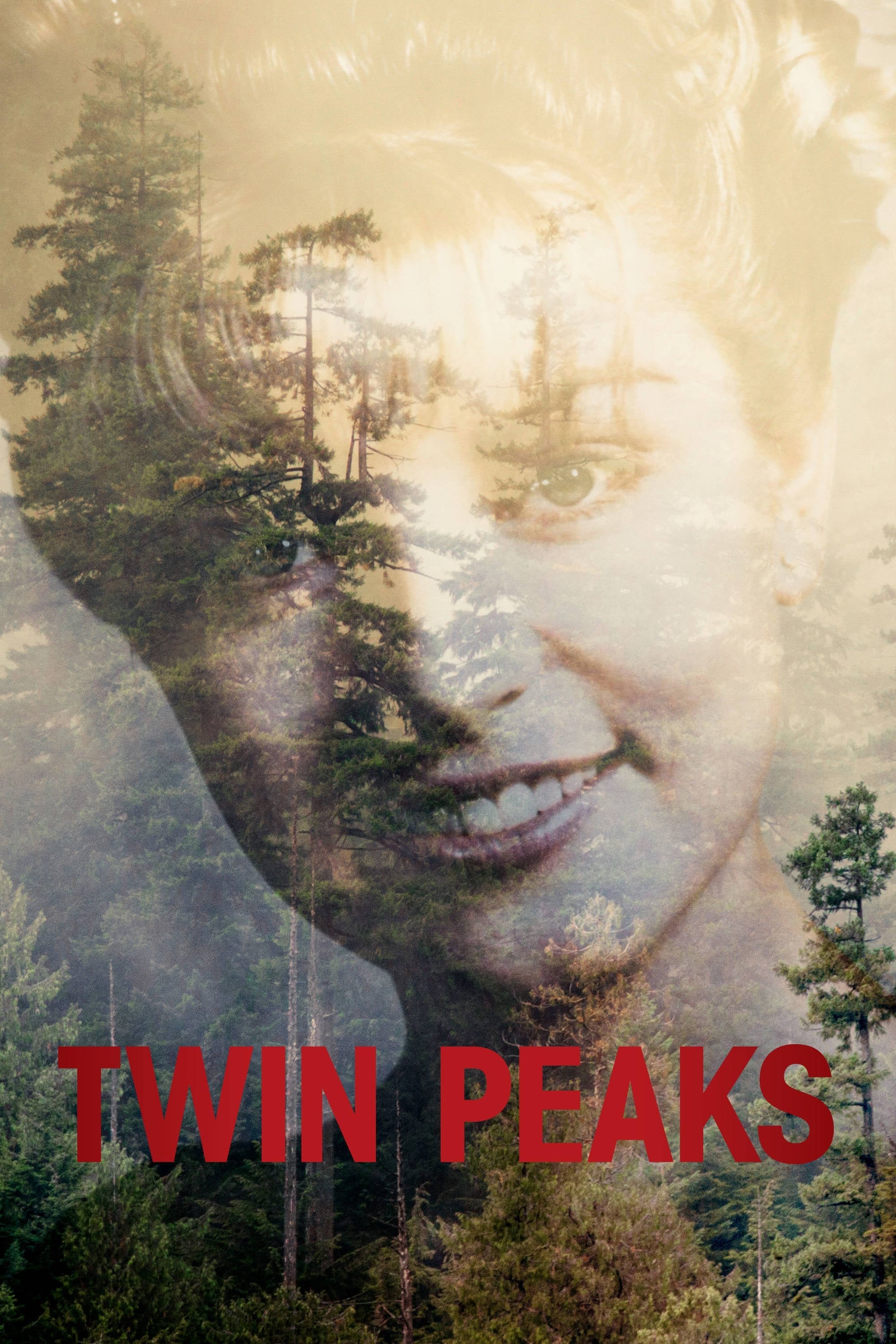
Created by David Lynch and Mark Frost for ABC, this mystery drama investigates the death of a teenager in a Pacific Northwest town. Its structure intertwines law enforcement, local businesses, and community rituals with offbeat elements. Music by Angelo Badalamenti and distinctive production design established a recognizable atmosphere. A later event-series continuation reunited much of the team and expanded narrative scope.
‘Rome’ (2005–2007)
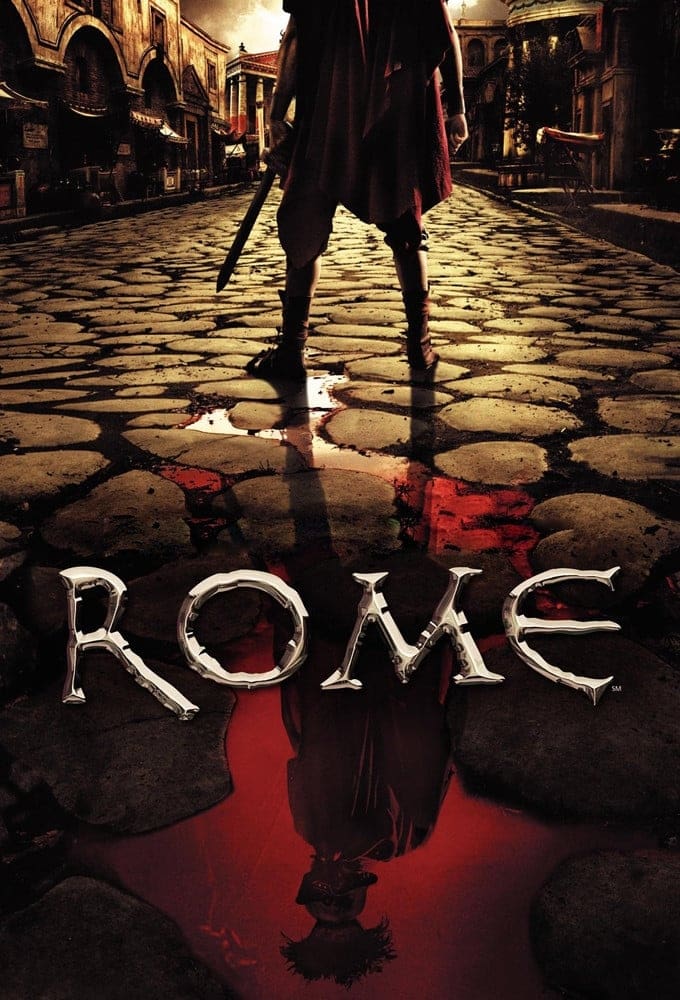
Created by Bruno Heller, John Milius, and William J. MacDonald for HBO and the BBC, this historical drama charts military campaigns and political alliances around the late Republic. Large sets and location work depict forums, barracks, and domestic spaces. The production integrates Latin terms, military ranks, and civic offices to illustrate governance. An ensemble of soldiers, statesmen, and households connects battlefield decisions to city life.
‘The Marvelous Mrs. Maisel’ (2017–2023)
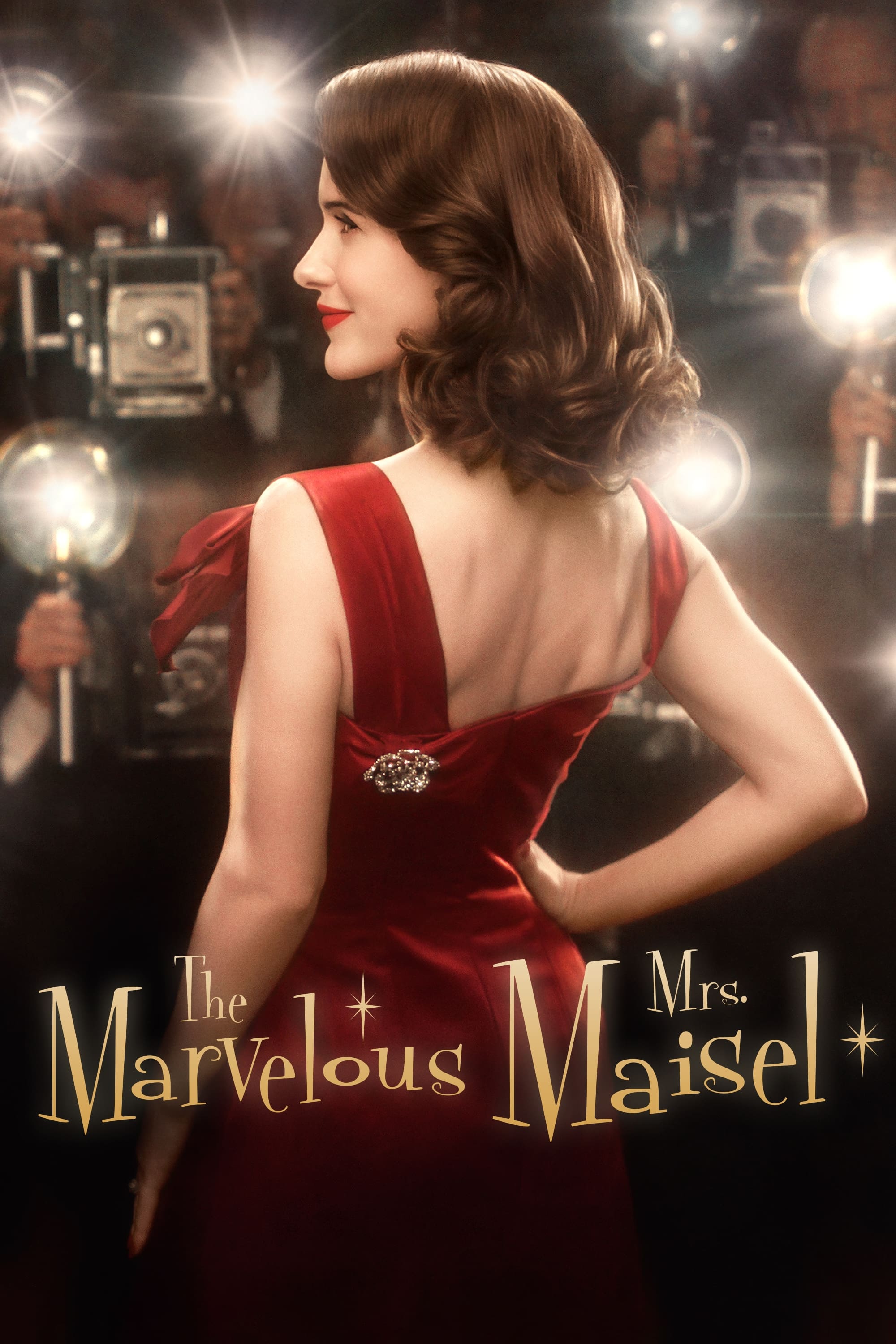
Created by Amy Sherman-Palladino for Prime Video, this period dramedy follows a performer navigating stand-up circuits and industry gatekeepers. The show uses long takes, choreographed crowd scenes, and era-specific wardrobe. Storylines track club bookings, management contracts, and network opportunities. Real venues and recreated stages anchor the entertainment-business timeline.
‘The Good Place’ (2016–2020)
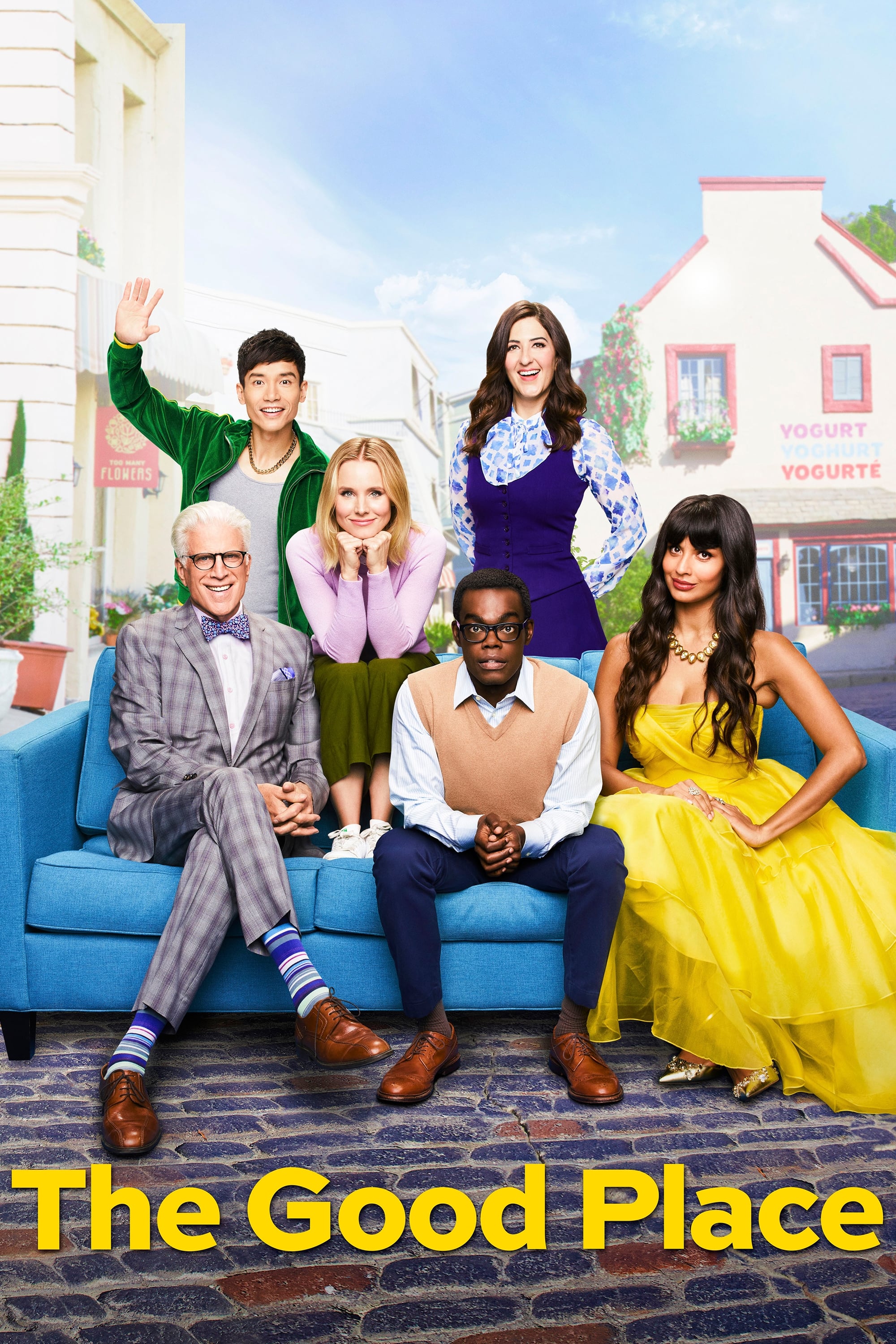
Created by Michael Schur for NBC, this high-concept comedy explores moral philosophy through structured afterlife systems. The series introduces point-based ethics accounting, neighborhood design, and bureaucratic appeals. Expository segments incorporate real philosophical thought experiments and terminology. Narrative resets and architecture gags serve both plot mechanics and worldbuilding.
‘Narcos’ (2015–2017)
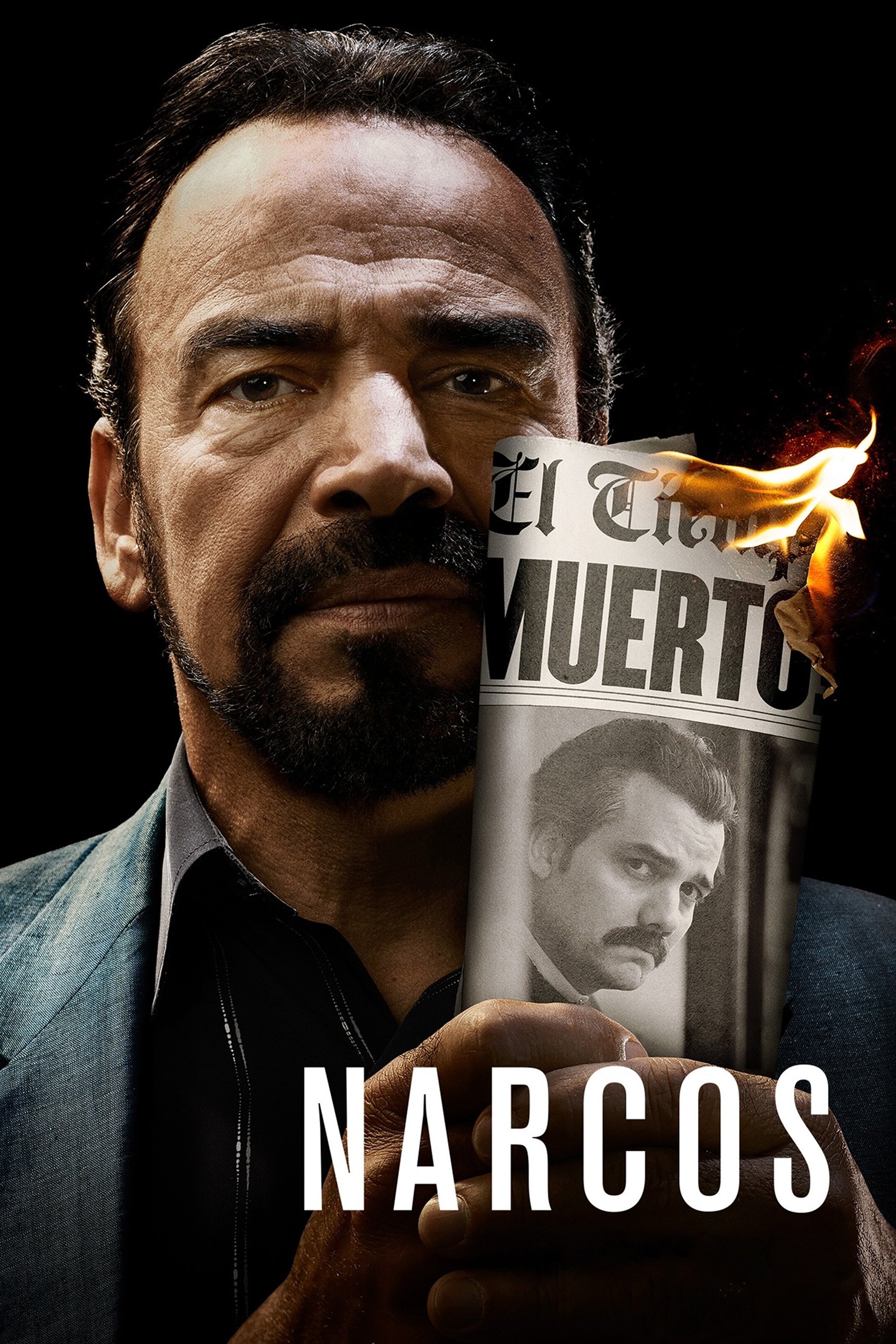
Created by Chris Brancato, Carlo Bernard, and Doug Miro for Netflix, this crime drama chronicles drug-trafficking organizations and law-enforcement responses. It combines archival footage with dramatized operations across agencies and borders. Bilingual dialogue, regional casting, and location shooting support authenticity. A companion series shifts focus to different groups while maintaining investigative frameworks.
Share your own essential picks in the comments—what would you add to this list?

