


Every ‘A Nightmare on Elm Streer’ Movie Ranked from Worst to Best


From Springwood to the dreamscape, the ‘A Nightmare on Elm Street’ series has carved out one of horror’s most recognizable mythologies, expanding Freddy Krueger’s lore across crossovers, meta sequels, and a modern remake. Below is a countdown—from the weakest entry up to the high point—covering who made each film, key cast, story focus, and notable production or box-office facts. Titles are formatted with their release years in the headings only, and the paragraphs stick to useful, verifiable details about each movie.
‘Freddy’s Dead: The Final Nightmare’ (1991)
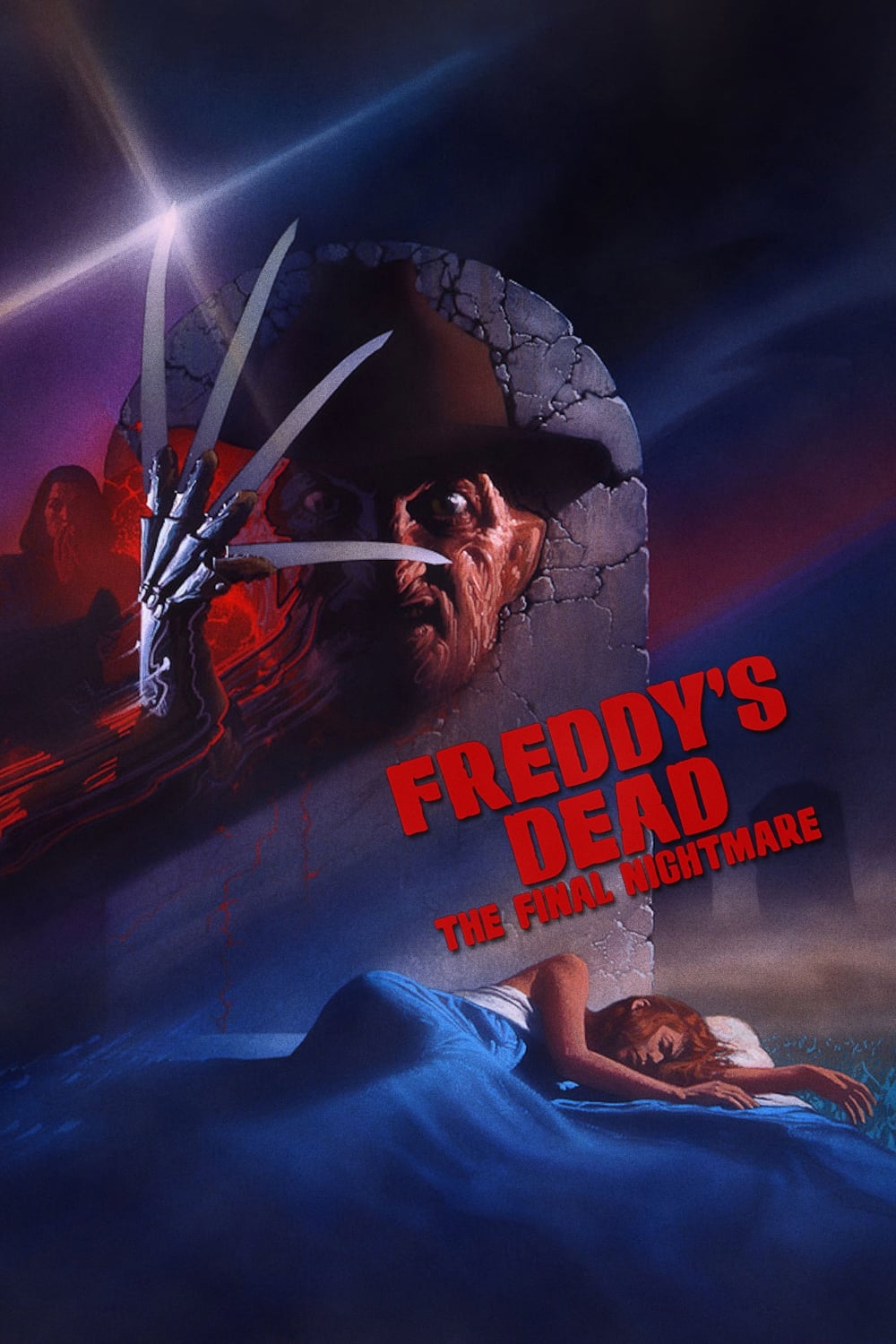
Directed by Rachel Talalay, this sixth entry follows a small group from a youth shelter as they uncover Freddy Krueger’s past while Springwood stands nearly depopulated of teens. Robert Englund returns alongside Lisa Zane and Yaphet Kotto, with a finale that employed a brief 3D sequence in theaters. New Line positioned the movie as a series capstone at the time; it topped the domestic box office on opening weekend and finished with over $34 million in North America. The film’s production credits include a story by Talalay and a screenplay by Michael De Luca.
‘A Nightmare on Elm Street: The Dream Child’ (1989)
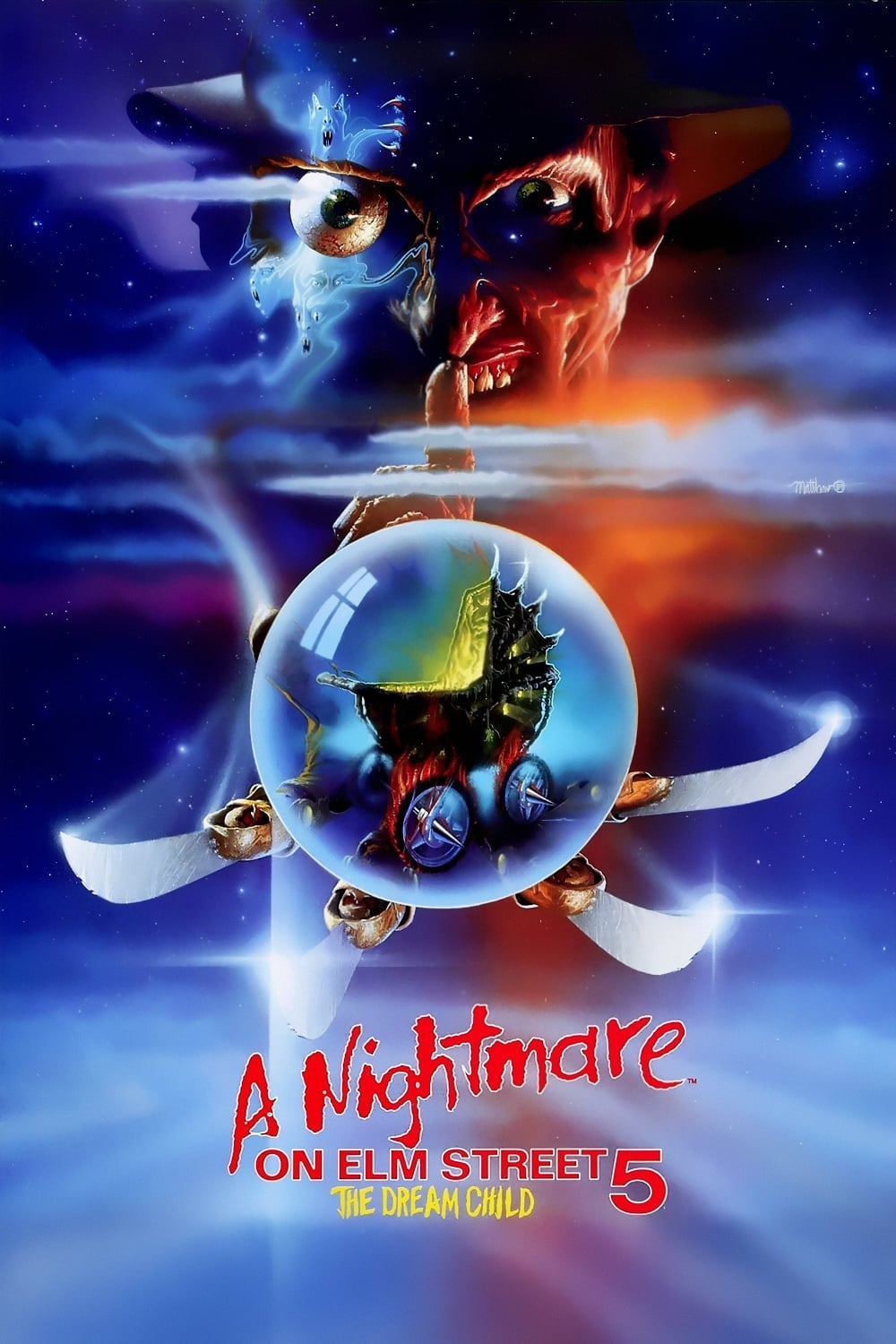
Stephen Hopkins directs this continuation of Alice Johnson’s story, tying Freddy’s resurrection to themes of pregnancy and inherited trauma. Lisa Wilcox and Danny Hassel lead the cast, with set-pieces that lean heavily on stylized, gothic production design. The movie opened in wide release and ultimately grossed about $22 million domestically, ranking among that year’s slasher releases despite a shorter theatrical run. Notable franchise lore touches include visions involving Amanda Krueger and extended dream logic sequences.
‘A Nightmare on Elm Street’ (2010)
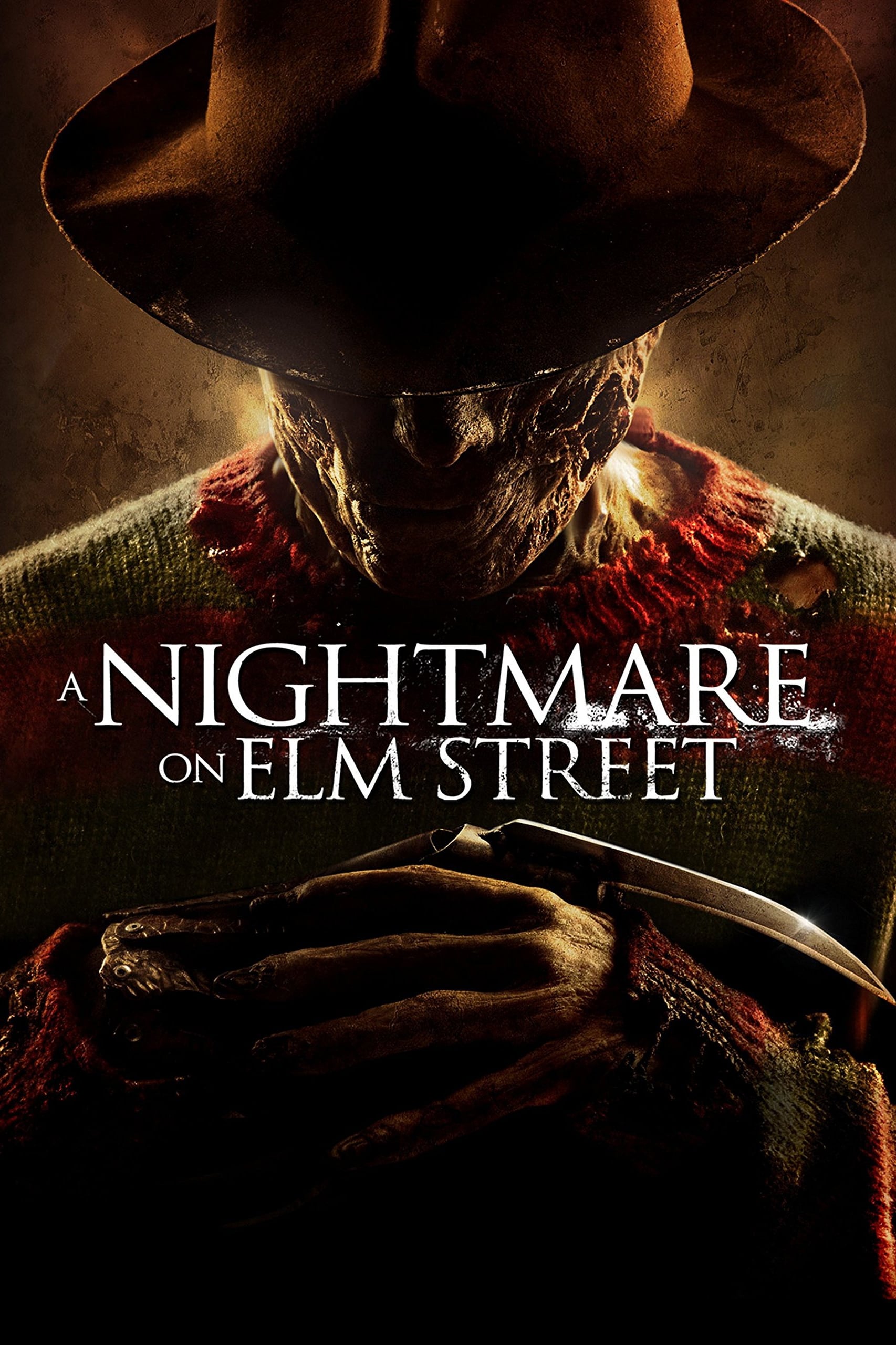
Samuel Bayer’s remake reimagines Wes Craven’s concept with Jackie Earle Haley as Freddy Krueger and Rooney Mara, Kyle Gallner, and Katie Cassidy among the new Springwood teens. Produced by Platinum Dunes, it was mounted as a darker-leaning reintroduction, filmed primarily in Illinois, with the plot centering on a group of classmates uncovering a shared childhood link. The release rolled out on over 3,000 screens and set franchise records for widest opening at the time, followed by a robust home-media slate. The project’s development involved scripts by Wesley Strick and Eric Heisserer and public commentary from both Craven and Englund during production.
‘A Nightmare on Elm Street Part 2: Freddy’s Revenge’ (1985)
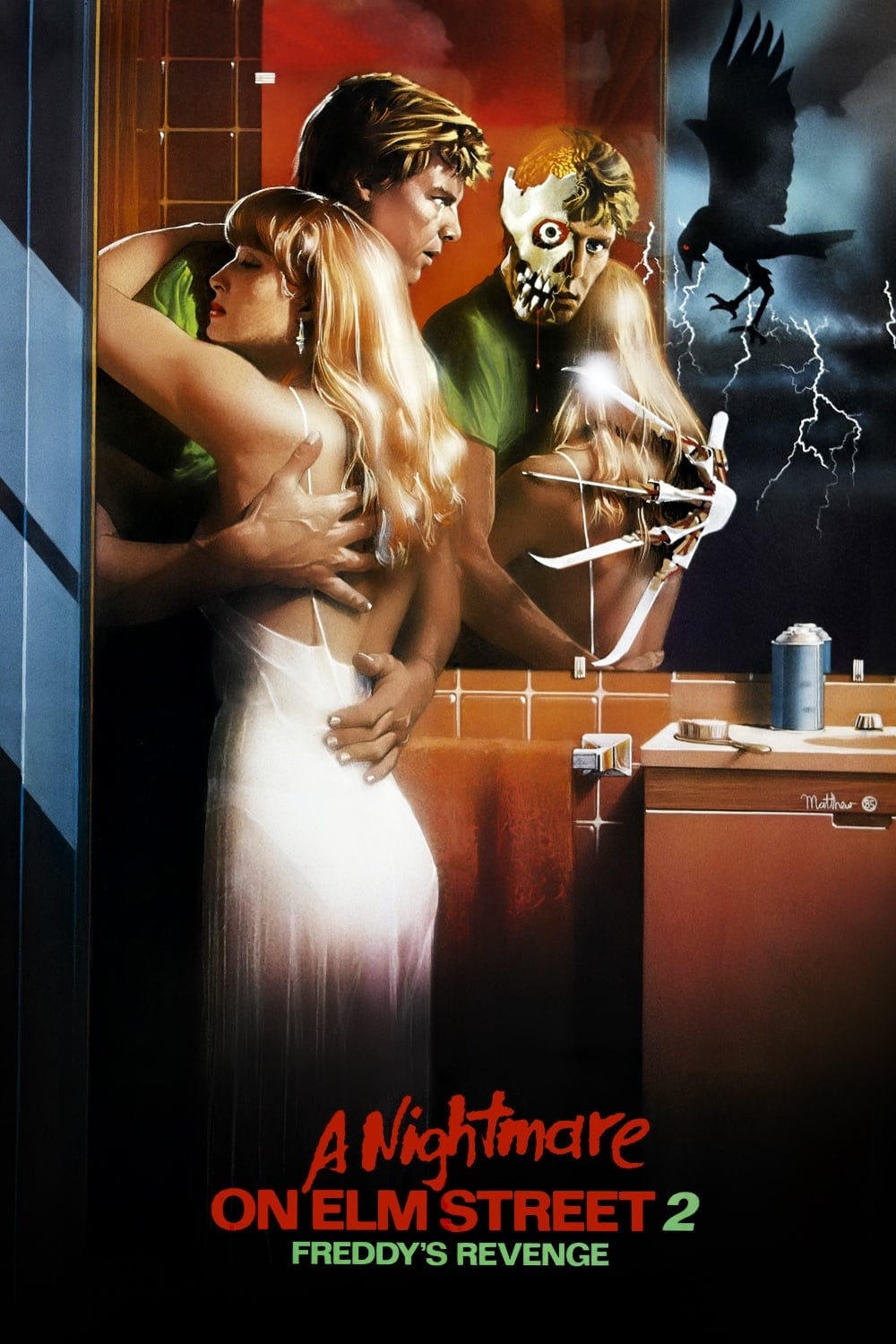
Jack Sholder directs this direct sequel focusing on Jesse Walsh, a teen whose nightmares suggest Freddy is pushing to manifest in the waking world. The story moves much of the action outside the dream realm, with Mark Patton and Kim Myers leading the cast and Robert Englund returning as Freddy. Key plot beats include discoveries tied to Nancy Thompson’s diary and the use of the dream-suppressant framing later expanded elsewhere in the series. The film’s set-pieces range from school-bound horrors to home invasions that blur lines between sleep and reality.
‘A Nightmare on Elm Street 4: The Dream Master’ (1988)
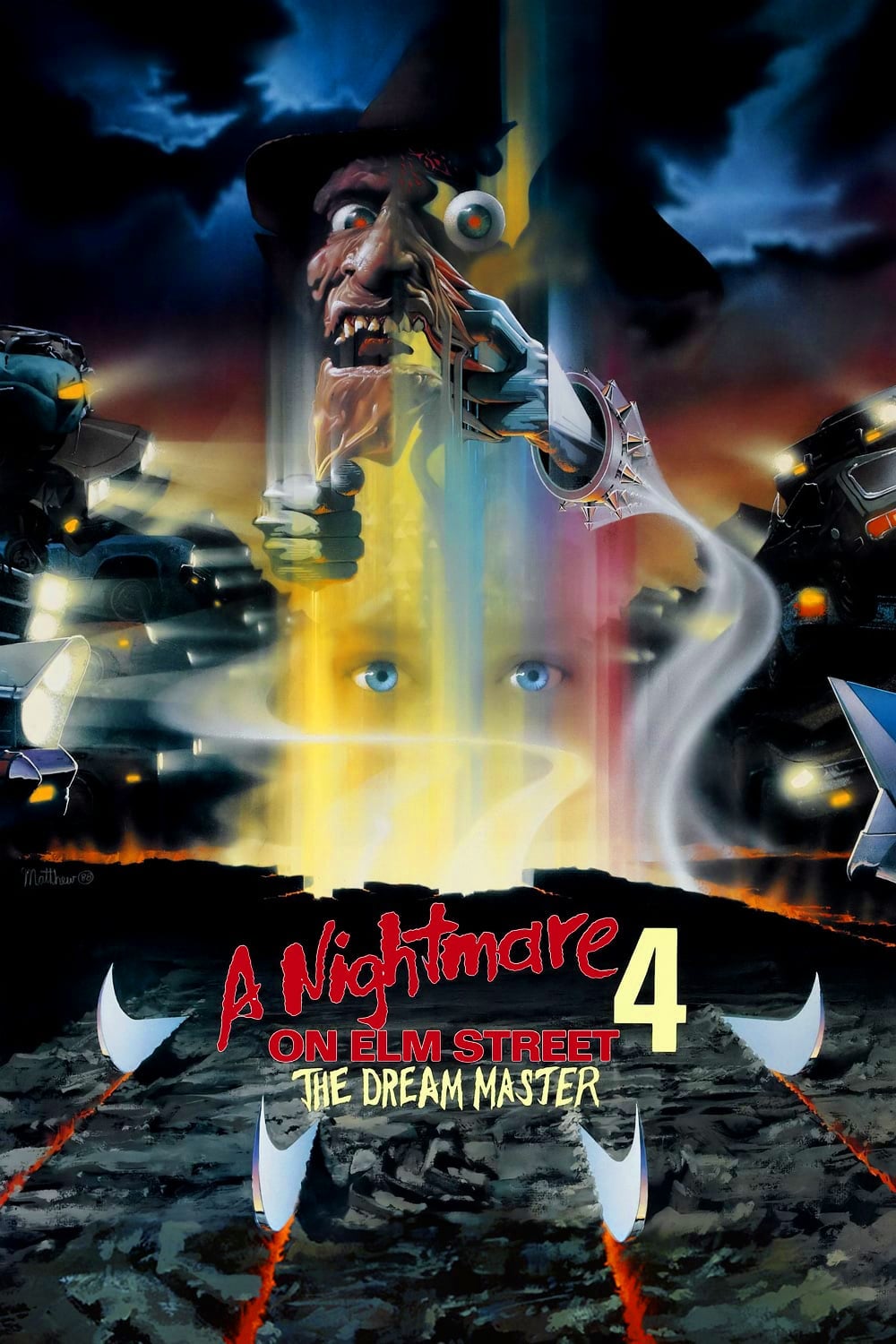
Renny Harlin takes the director’s chair for a kinetic follow-up that passes the narrative baton to Alice Johnson, played by Lisa Wilcox. The movie emphasizes elaborate visual effects and choreographed dream kills, while drawing connective tissue from the prior installment’s survivors. It became the highest-grossing domestic entry of the original run, supported by aggressive marketing and a late-summer release slot. Box-office tracking and reference guides note its franchise-leading status prior to the later crossover.
‘Freddy vs. Jason’ (2003)

Ronny Yu directs this crossover, which unites Freddy Krueger and Jason Voorhees in a single storyline built around Springwood’s dream-suppressant strategy backfiring. The ensemble features Monica Keena, Jason Ritter, Kelly Rowland, and Robert Englund, with the plot orchestrating a rivalry that ricochets between Elm Street and Camp Crystal Lake. The film earned over $116 million worldwide, becoming the top-grossing entry for both franchises and marking Englund’s final feature appearance as Freddy. Development history spans years of scripts and unrealized endings before the production locked into the released version.
‘New Nightmare’ (1994)
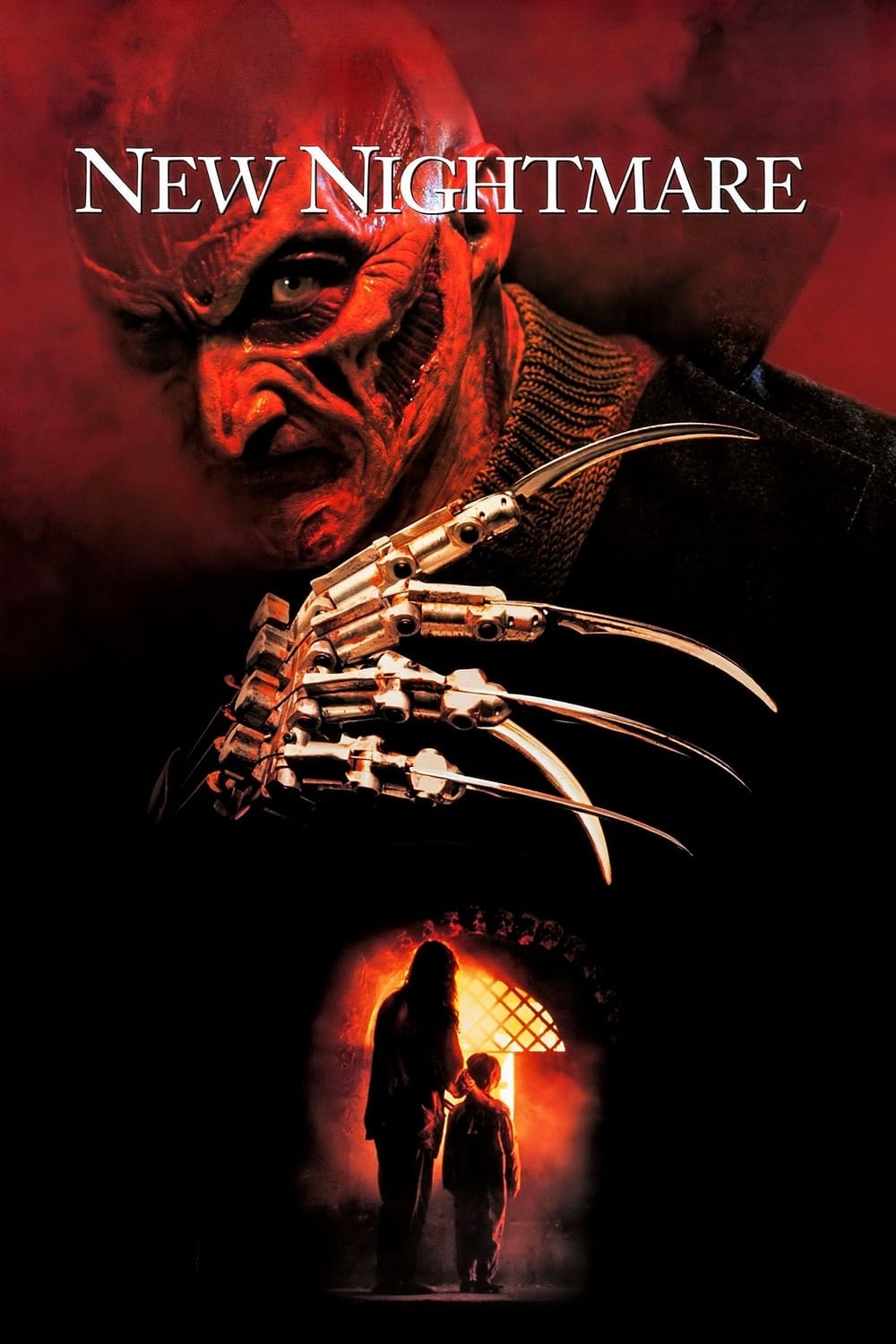
Wes Craven returns with a meta approach that casts Heather Langenkamp, John Saxon, and Robert Englund as themselves, threatened by a darker, reinterpreted Freddy bleeding into their real lives. The film retools Freddy’s look and glove, positioning the antagonist as an ancient entity that adopted the Krueger persona. While the theatrical run was modest, later scholarship frequently links its self-aware framing to ideas Craven would pursue in another series. Production details highlight New Line’s support for a more cerebral tone and design changes aimed at reinvigorating the character.
‘A Nightmare on Elm Street 3: Dream Warriors’ (1987)
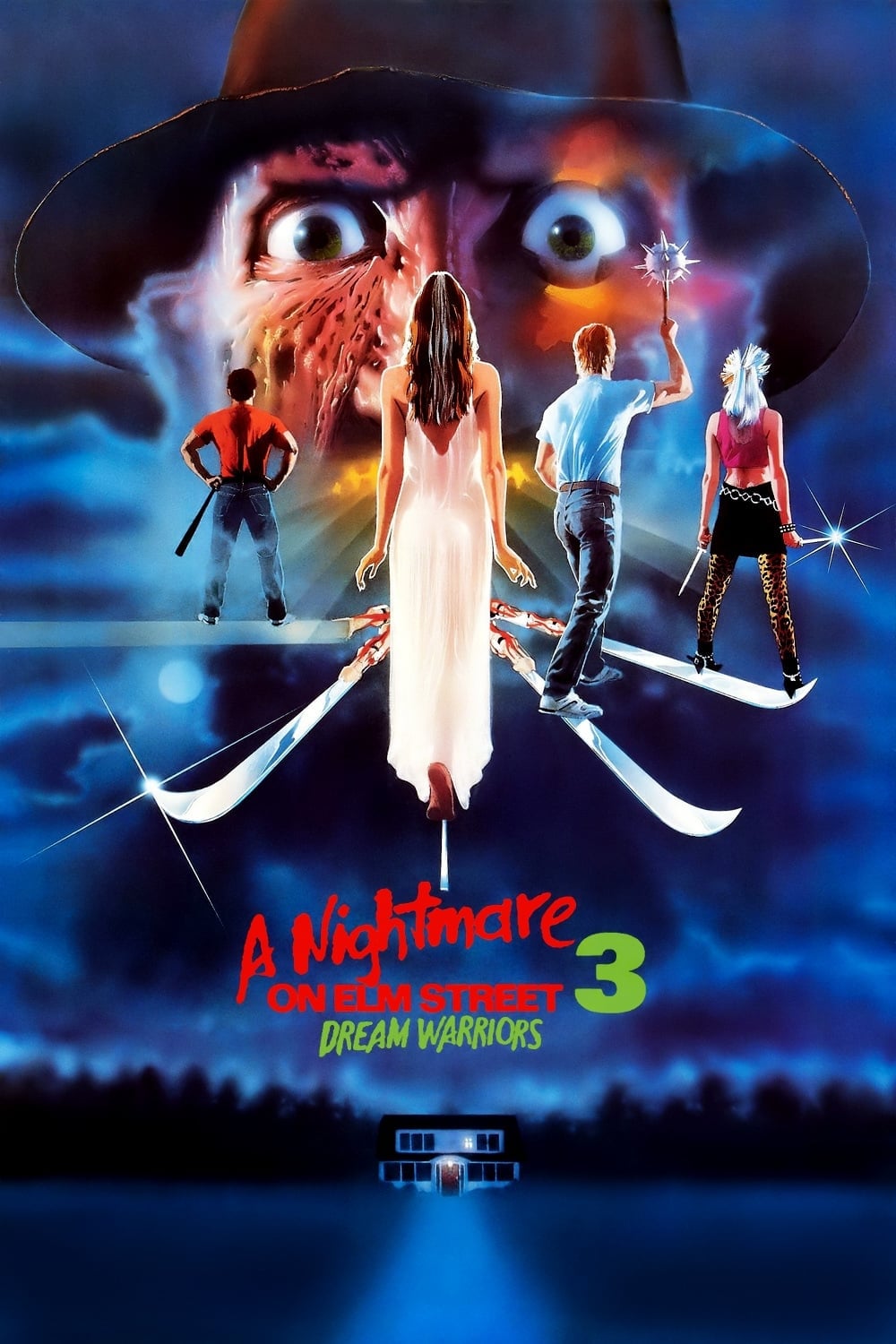
Chuck Russell directs and co-writes (with contributions from Wes Craven and others) this hospital-set chapter that arms its teen ensemble with lucid-dream “powers.” Patricia Arquette joins franchise stalwarts Heather Langenkamp and John Saxon, with Robert Englund anchoring the antagonist’s expanded mythology. The film introduces elements—like Hypnocil and Westin Hills—that recur later, and features a prominent tie-in track by Dokken. Box-office records and archival coverage document its strong indie performance and durable popularity within the series.
‘A Nightmare on Elm Street’ (1984)
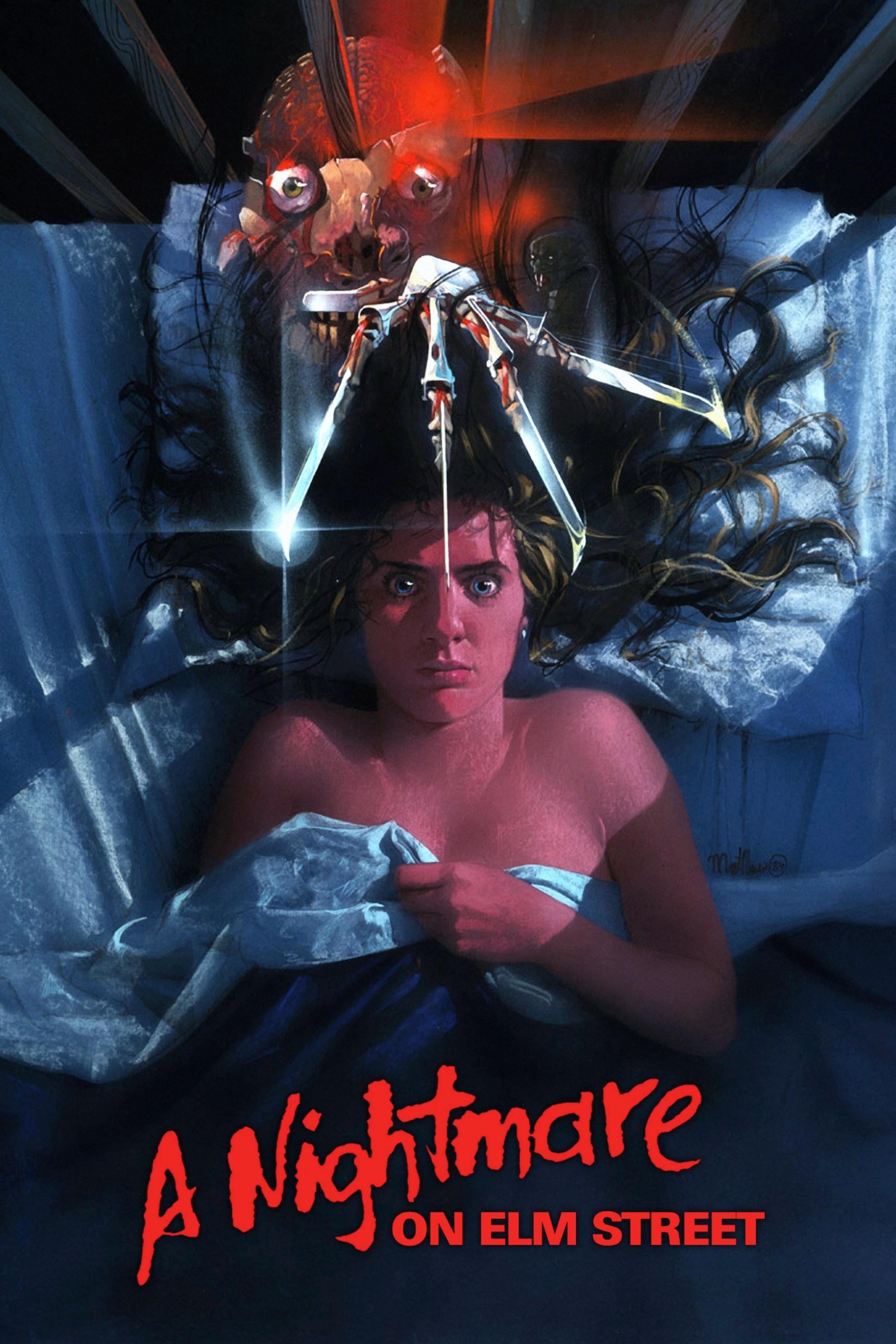
Wes Craven’s original launches the franchise with Heather Langenkamp as Nancy Thompson, John Saxon as her father, and Robert Englund unveiling Freddy Krueger; Johnny Depp makes his film debut. The story establishes dream-world rules that collide with waking life, a conceit that set the film apart within the slasher landscape. Production histories note New Line Cinema’s critical support and the movie’s evolution into a breakout success that built the studio’s identity. The film’s legacy has been revisited in anniversary features, retrospectives, and reclassifications by rating boards over the years.
Share your own Elm Street countdown in the comments—where do you place each entry and why?

