


Every Christopher Nolan Movie Ranked by How Hard Is To Understand It

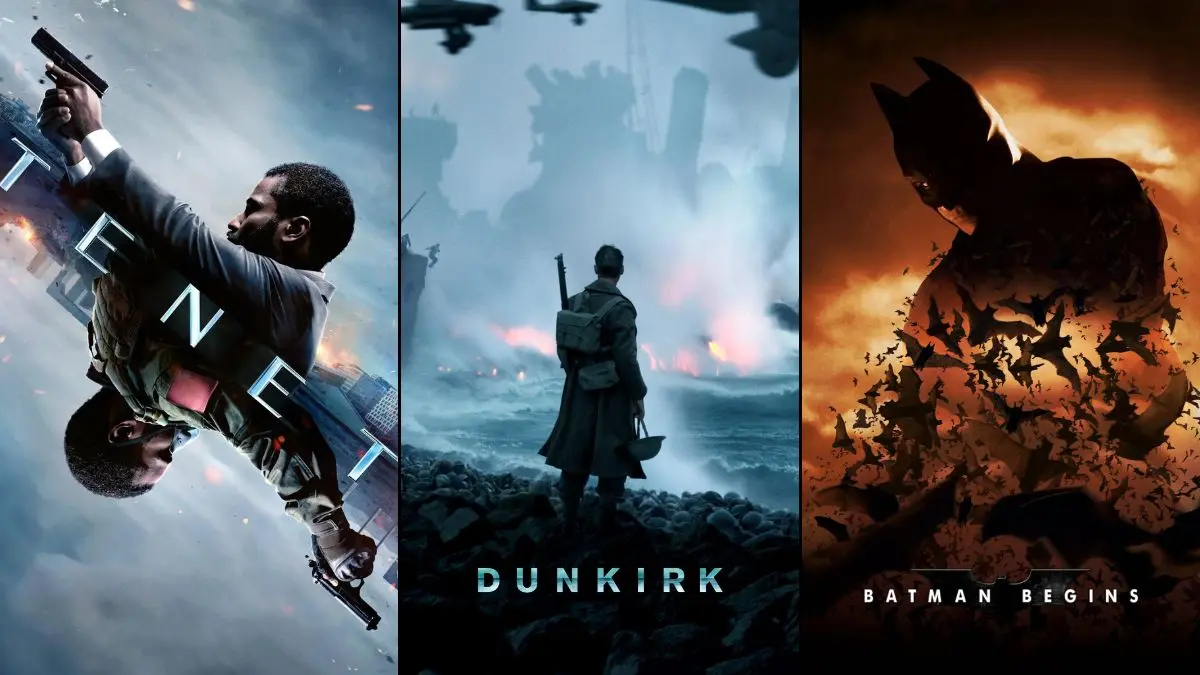


Christopher Nolan’s films pack in ambitious ideas, big set pieces, and meticulous craft, and they cover everything from memory puzzles to historical epics. Below is a complete countdown of his feature films. Each entry includes straightforward details on what the movie covers, who is involved, and how it fits in his body of work.
‘Insomnia’ (2002)
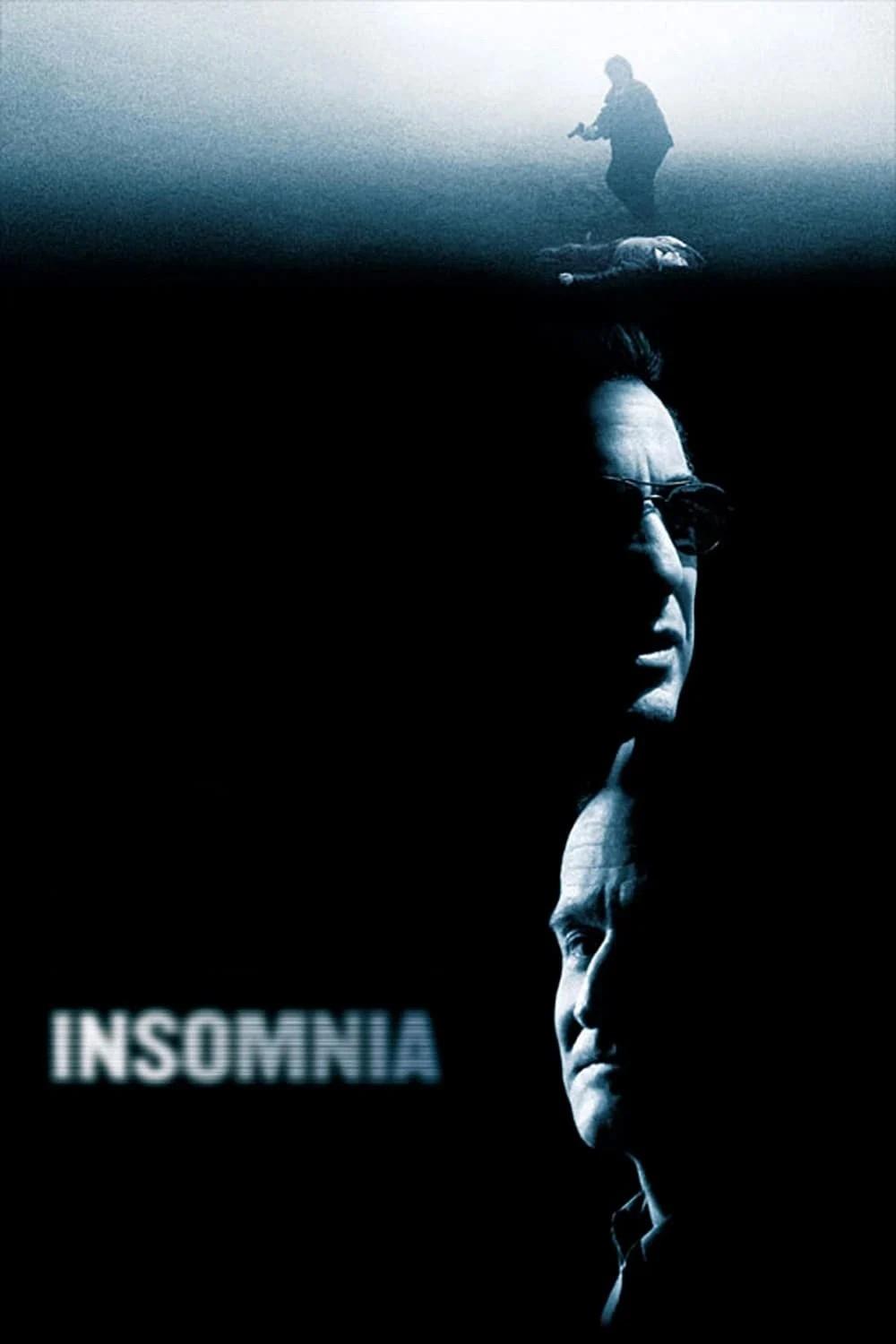
This remake of the Norwegian thriller follows a Los Angeles detective sent to a small Alaska town to investigate a teen’s killing during the midnight sun. It stars Al Pacino, Robin Williams, and Hilary Swank and was shot on location in British Columbia and Alaska. The film foregrounds procedure and atmosphere, with Nolan emphasizing practical effects and natural light. It marked his first studio project and established recurring themes of guilt and compromised truth.
‘Tenet’ (2020)
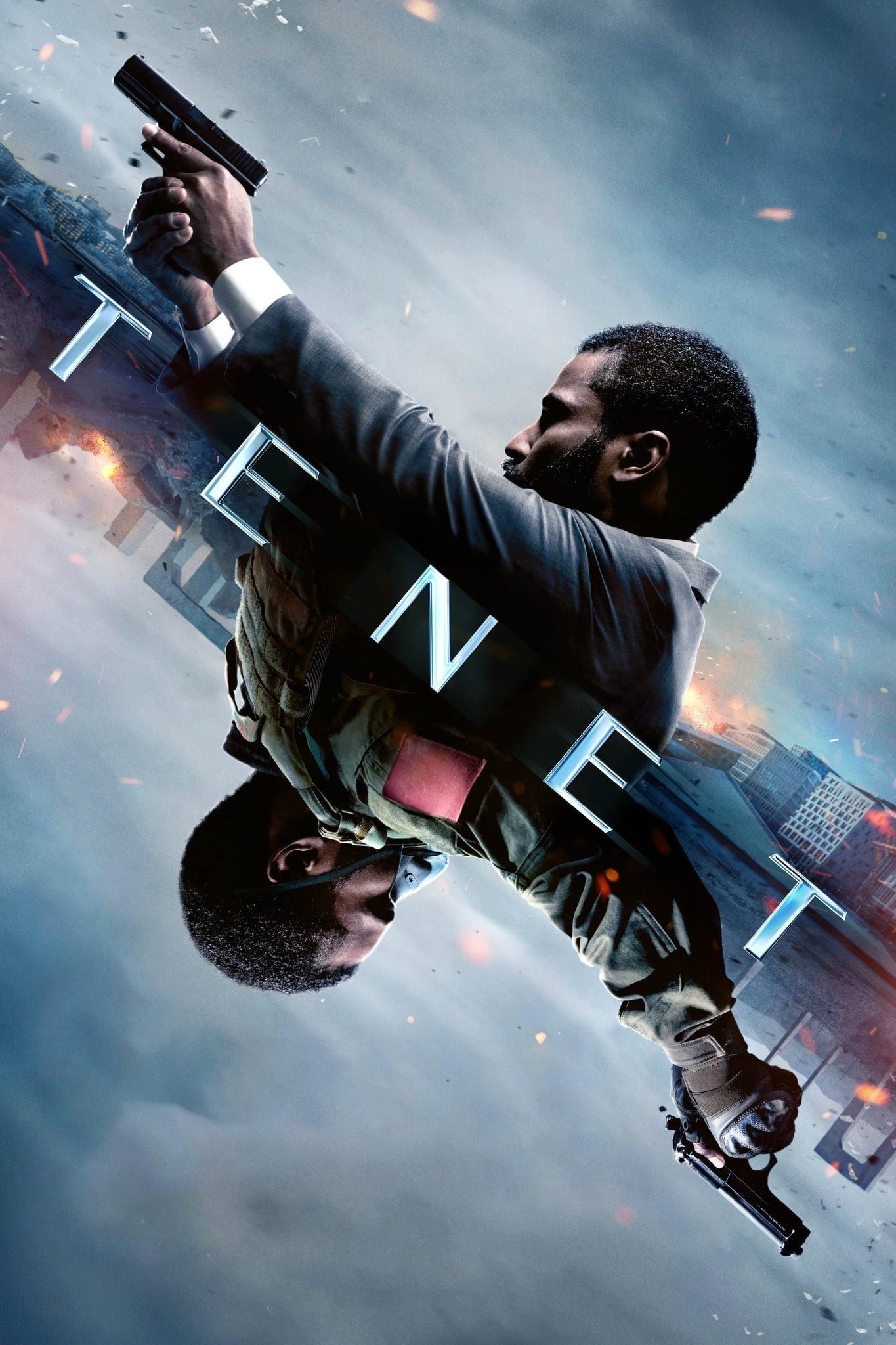
The story tracks a covert operative who learns to manipulate time through a technology that inverts the entropy of objects and people. John David Washington and Robert Pattinson lead the cast, with extensive filming across Estonia, Italy, India, the United Kingdom, and the United States. Nolan staged large scale practical sequences, including the destruction of a real airplane set and reverse motion choreography. The score by Ludwig Göransson uses time shifting motifs that mirror the film’s temporal mechanics.
‘Following’ (1998)

Nolan’s debut feature is a black and white neo noir about a young writer who follows strangers around London and falls in with a burglar. It was shot on weekends over about a year with a tiny budget and a cast of mostly unknown actors. The film uses a non chronological structure and handheld 16 mm photography to build tension. It introduced Nolan’s interest in fractured timelines and unreliable narrators.
‘Dunkirk’ (2017)
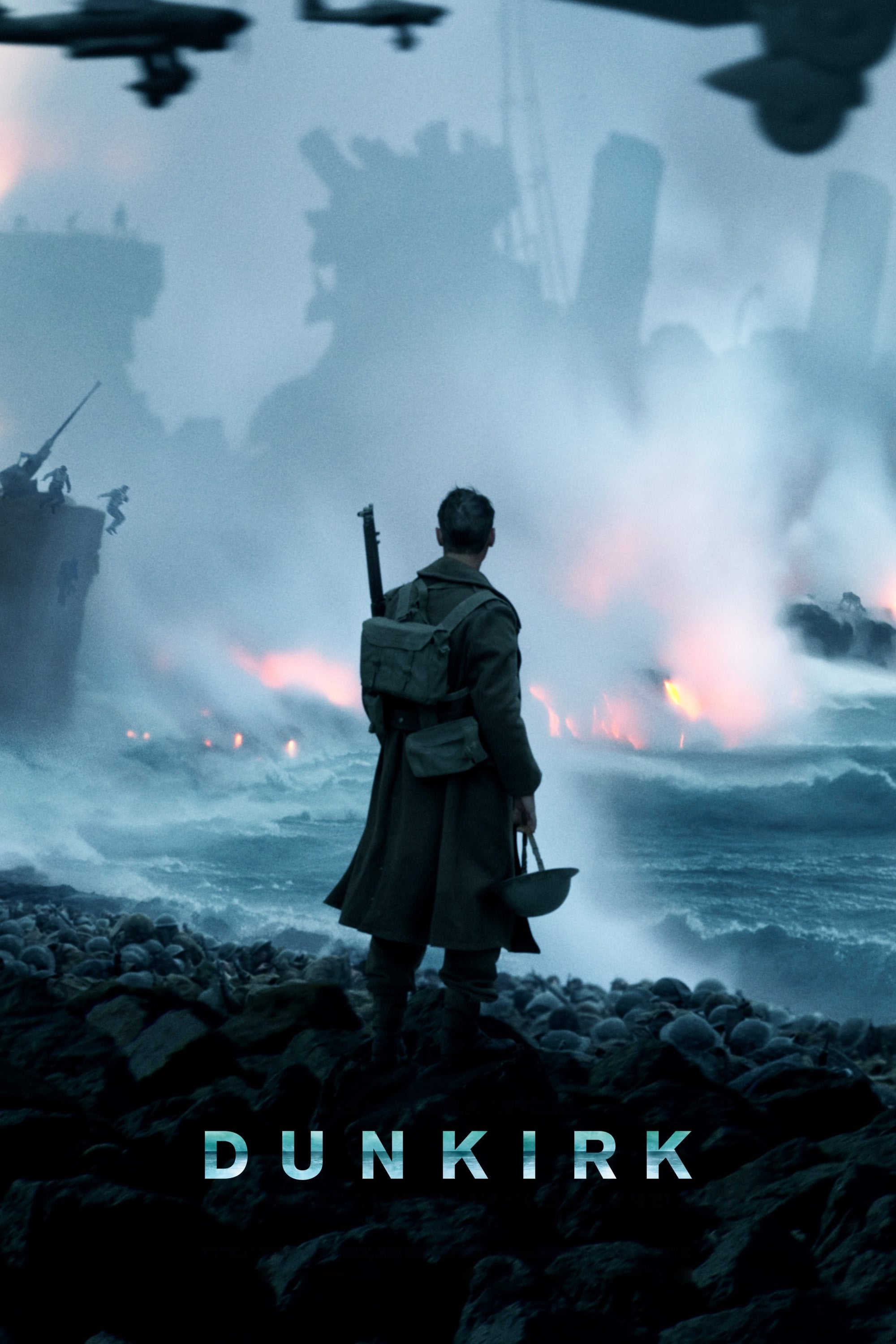
This World War II drama depicts the evacuation of Allied soldiers from France from land, sea, and air perspectives. Nolan used three intercut timeframes and large format 65 mm and IMAX cameras for immersive realism. Practical vessels and aircraft were employed, and location work took place in Dunkirk and the Netherlands. The minimal dialogue, ticking sound design, and Hoyte van Hoytema’s aerial photography emphasize survival and scale.
‘Batman Begins’ (2005)
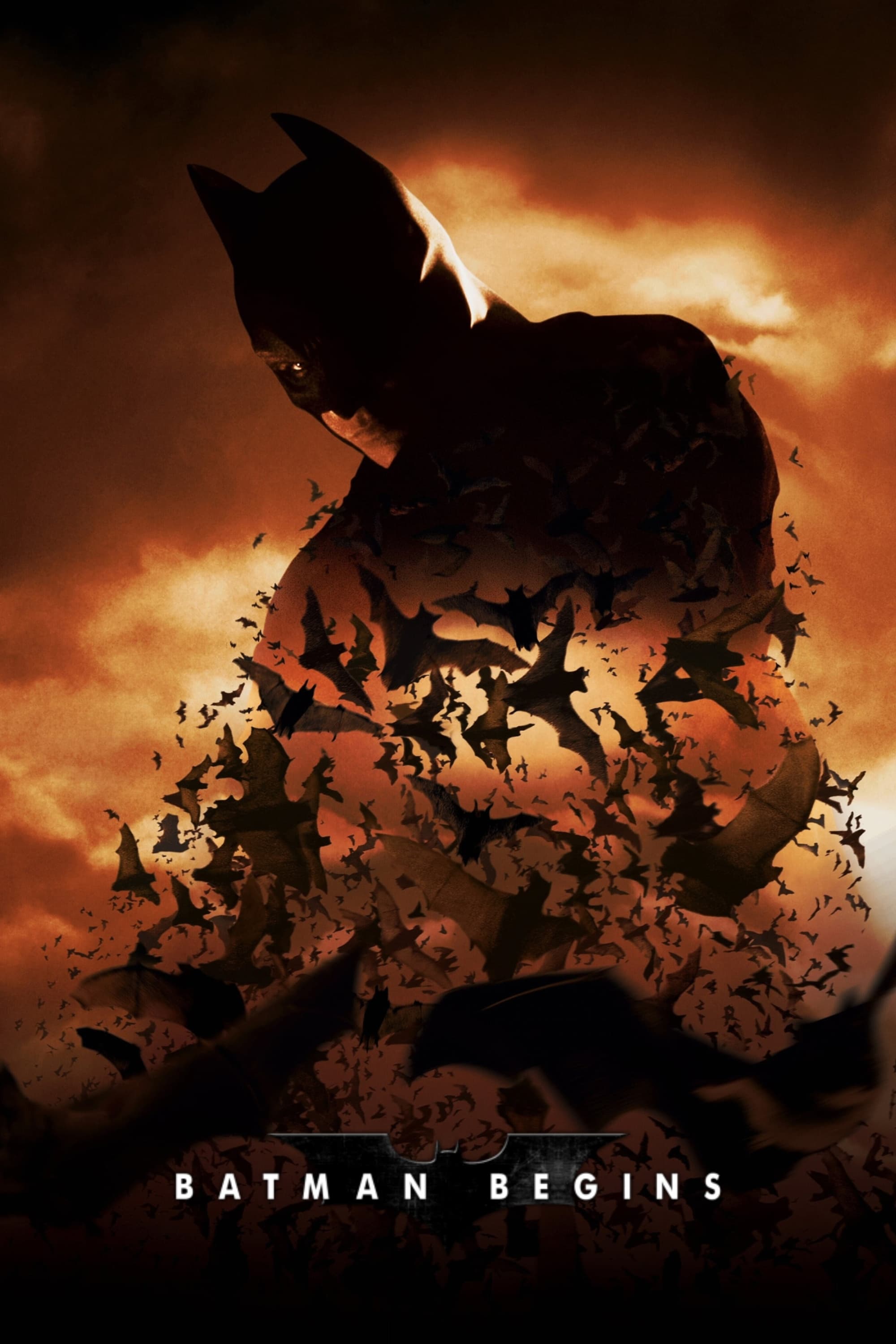
The film reintroduces Bruce Wayne’s origin, tracing his training and return to Gotham to confront organized crime and corruption. Christian Bale stars alongside Michael Caine, Gary Oldman, and Cillian Murphy, with production spanning sets in the UK and location shoots in Chicago and Iceland. Nathan Crowley’s grounded production design shaped the trilogy’s visual identity. The movie blended practical stunt work with selective visual effects to anchor its action.
‘Oppenheimer’ (2023)
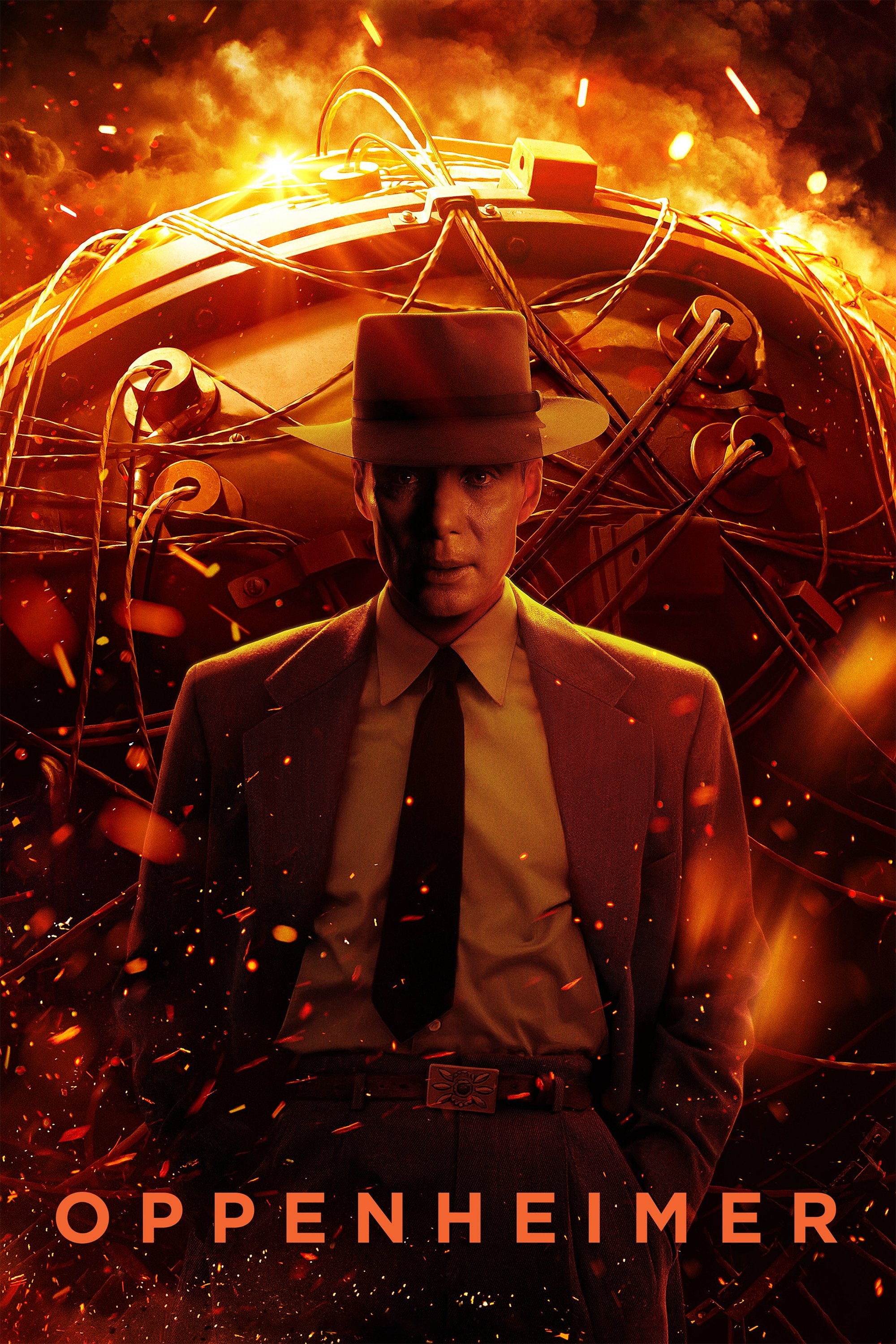
This biographical drama follows J. Robert Oppenheimer’s leadership of the Manhattan Project and the political fallout that followed. Cillian Murphy portrays Oppenheimer with supporting roles by Emily Blunt, Robert Downey Jr., and Matt Damon. Nolan and Hoyte van Hoytema shot in IMAX 65 mm and created black and white large format sequences without digital color grading. The Trinity test was achieved with practical effects and in camera techniques rather than computer generated imagery.
‘The Dark Knight Rises’ (2012)
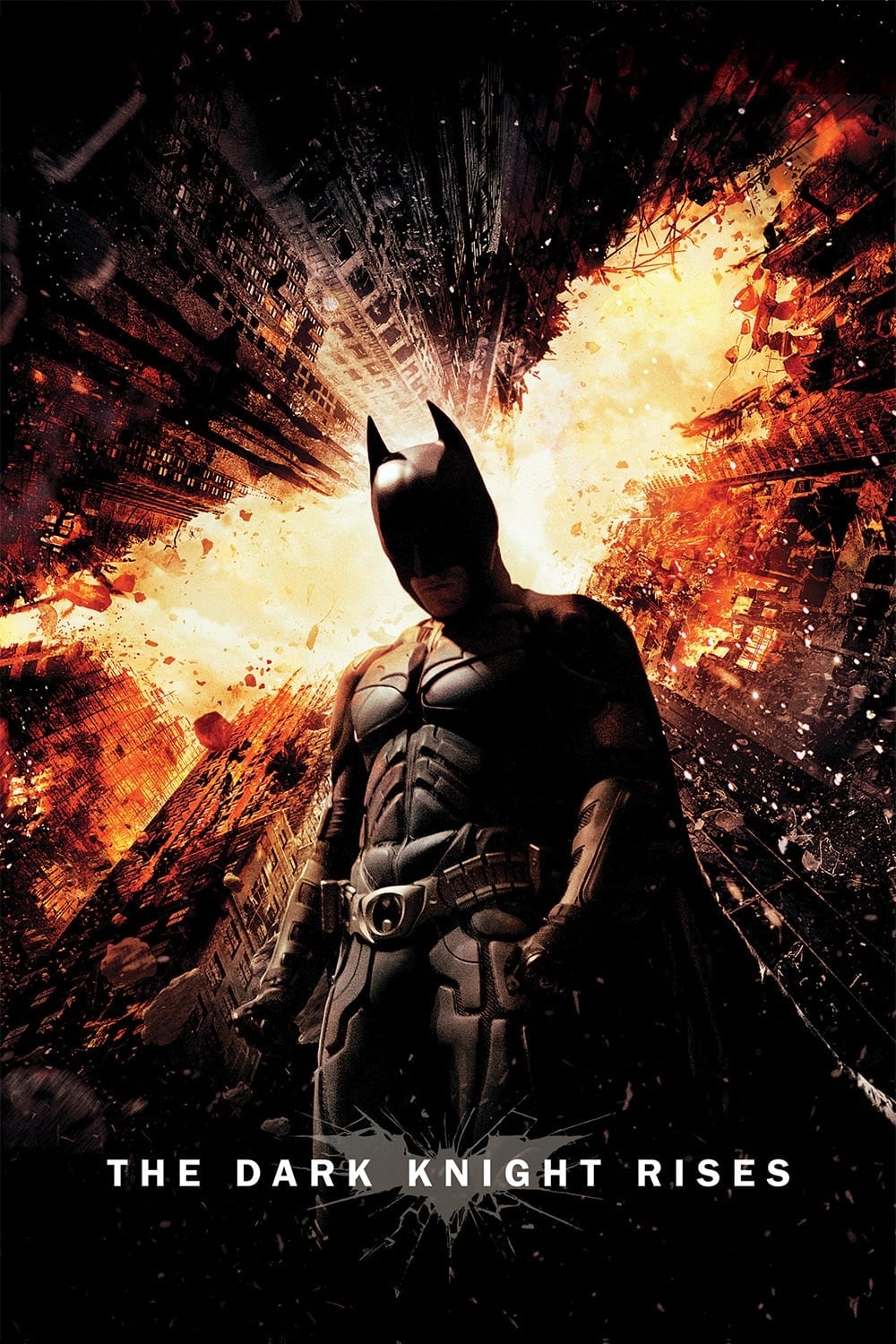
The conclusion to the trilogy finds Bruce Wayne returning from exile to face Bane and a citywide crisis. Production mounted large set pieces in Pittsburgh, New York, Los Angeles, and India, including an airplane hijack and football stadium sequence. The crew used IMAX cameras for many action scenes and leaned on practical stunts for the Bat’s aerial shots. The film closes character arcs introduced in the first two entries and ties plot threads across the series.
‘Memento’ (2000)
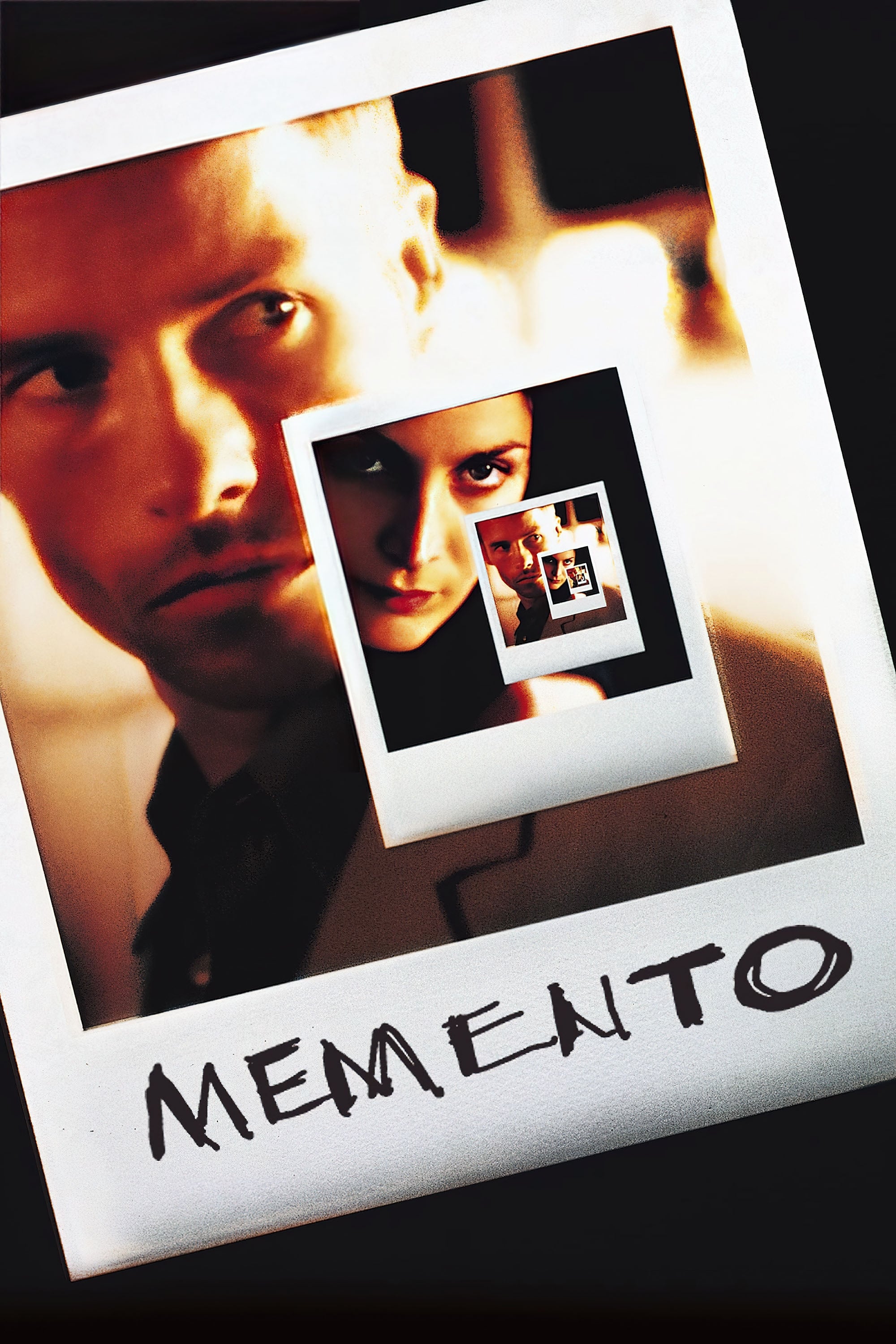
This neo noir centers on Leonard Shelby, who has anterograde amnesia and tracks clues through Polaroids and tattoos. The narrative alternates between black and white scenes that move forward and color scenes that move backward to converge at a single point. Guy Pearce leads the cast, with location shooting in and around Los Angeles. Its structure demonstrates Nolan’s precise control of editing and perspective to deliver information piece by piece.
‘The Prestige’ (2006)
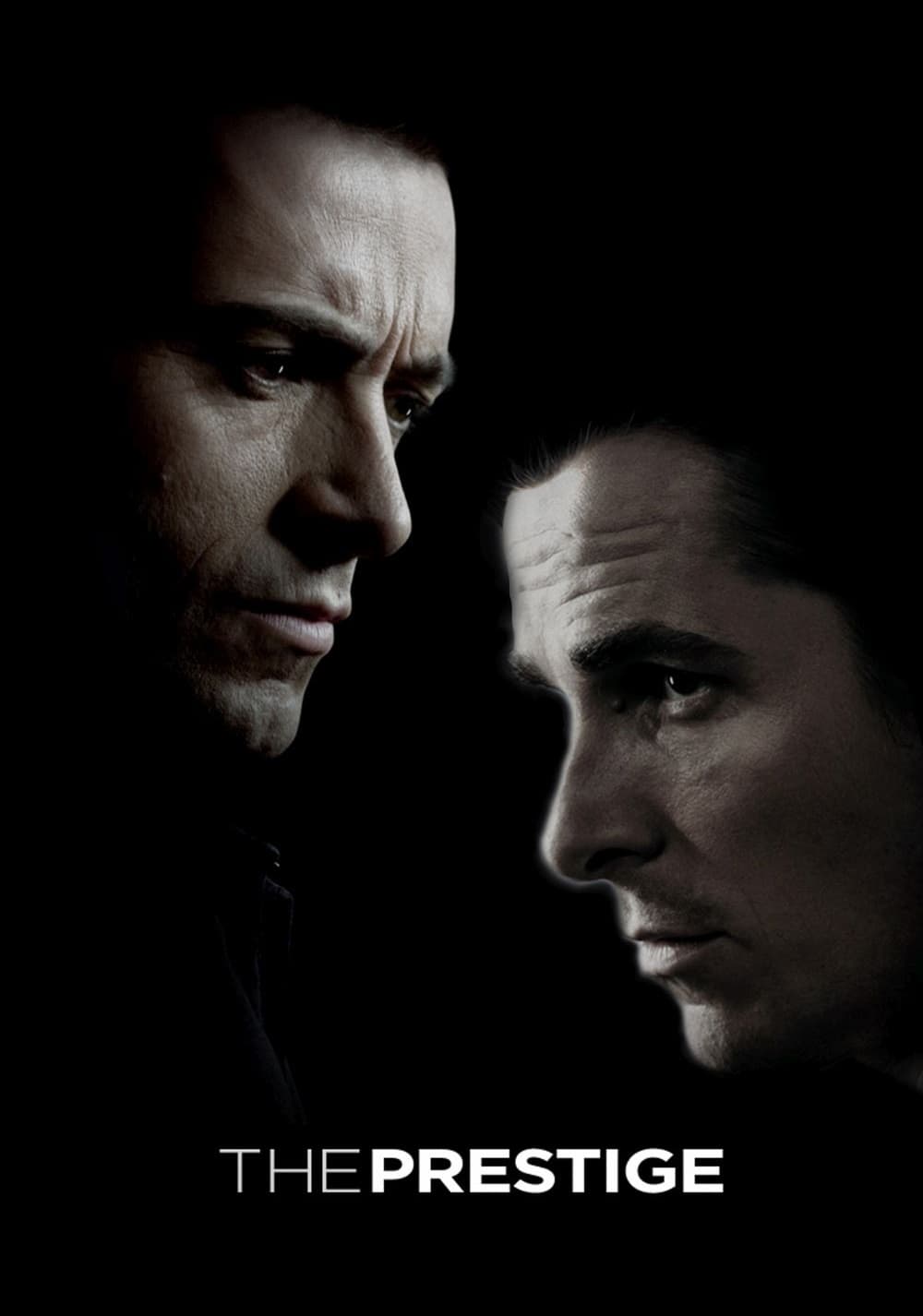
Set in turn of the century London, the film follows rival stage magicians whose competition becomes destructive. Hugh Jackman and Christian Bale star, with supporting roles by Scarlett Johansson and Michael Caine. The production recreates period technology and stagecraft, including Tesla inspired electrical devices. Nonlinear storytelling reveals diary within diary framing and showcases meticulous art direction and practical illusions.
‘Interstellar’ (2014)
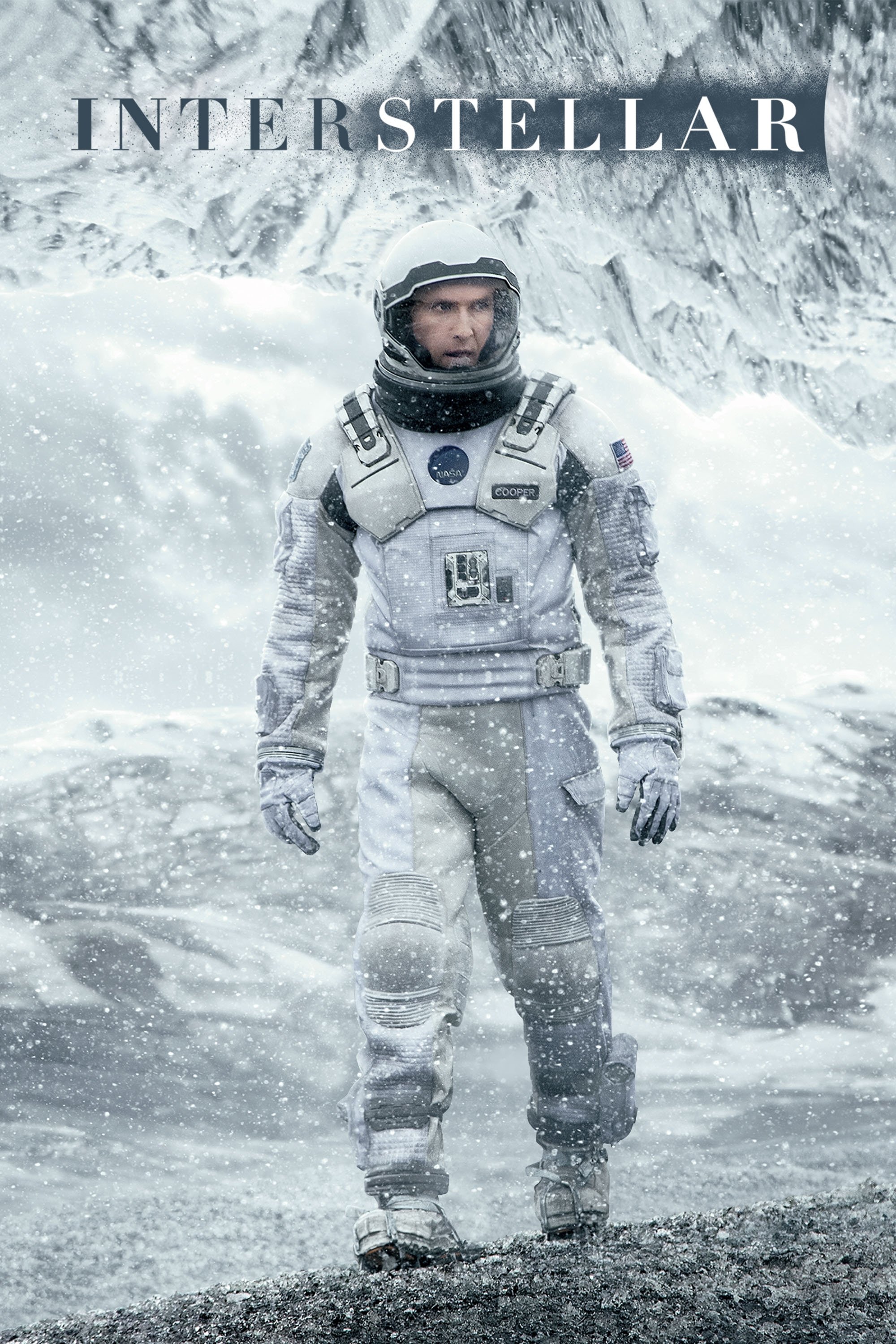
A former pilot joins a mission through a wormhole to find a new home for humanity as Earth’s crops fail. The team consulted with physicist Kip Thorne to visualize black hole lensing with accurate simulations. Large scale sets and miniatures combined with IMAX photography create tactile space and planetary environments. Hans Zimmer’s organ driven score and on location dust effects support the film’s emphasis on time dilation and relativity.
‘Inception’ (2010)
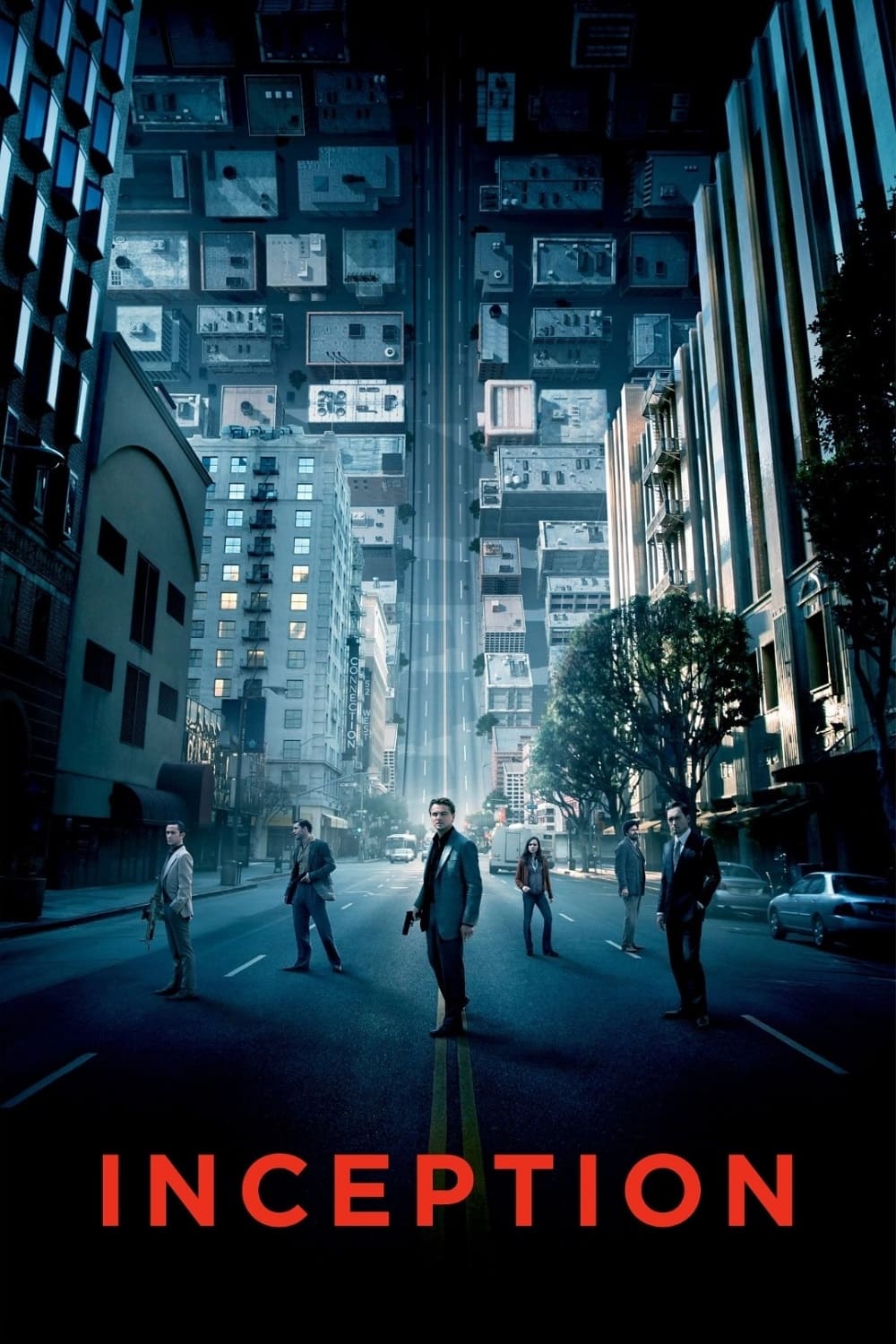
A team of specialists performs shared dreaming to plant an idea in a target’s mind through layered dream states. The production built rotating corridor sets for zero gravity fights and used real city locations in Paris, Tokyo, Tangier, and Los Angeles. Visual effects blend with in camera techniques, such as folding city streets and slow motion explosions captured at high frame rates. The screenplay outlines strict rules for dream architecture, kicks, and totems to manage its multilevel heist.
‘The Dark Knight’ (2008)
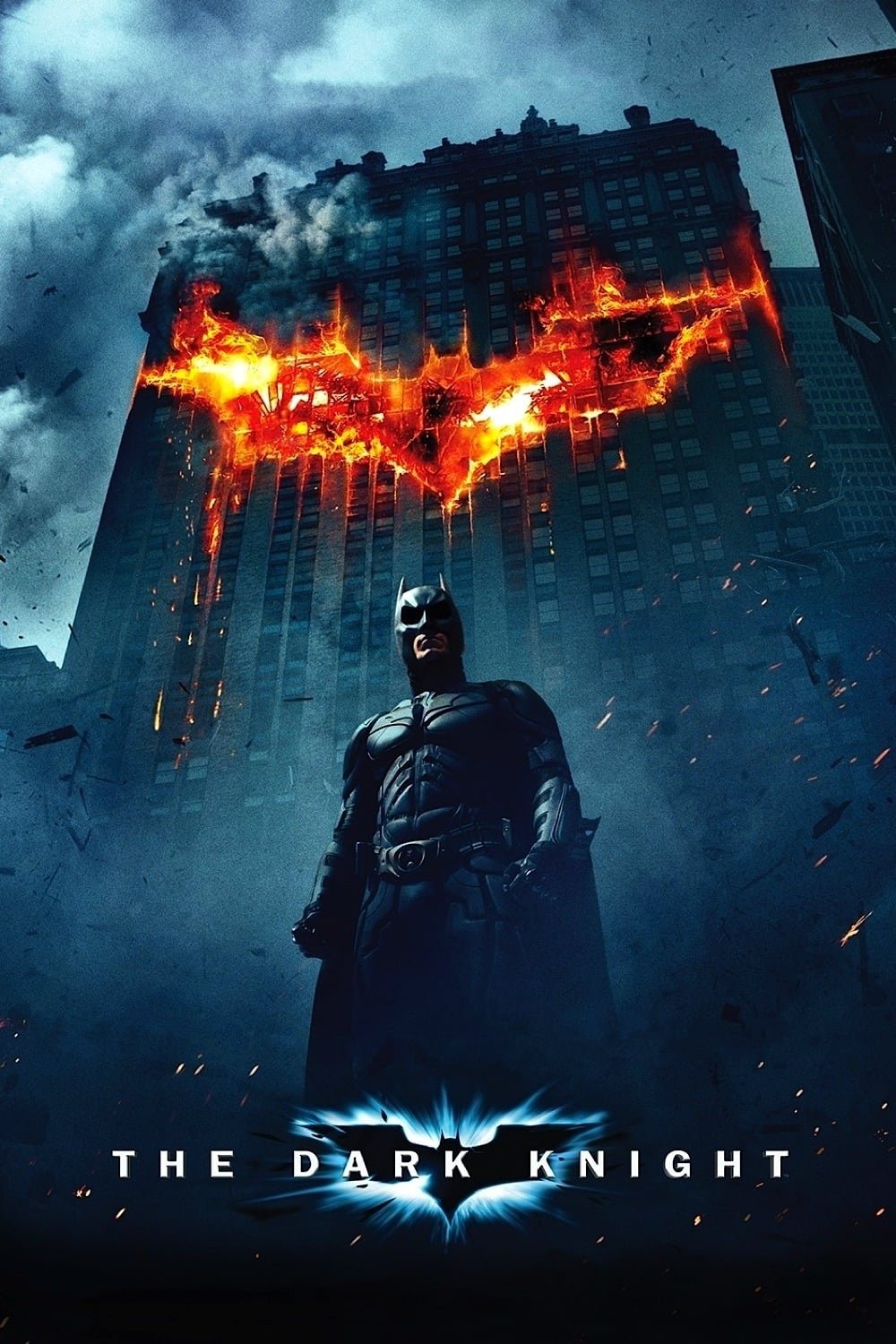
Batman faces the Joker as crime escalates in Gotham, with the story examining criminal networks and civic response. Nolan introduced IMAX for major action beats, including the opening heist and the Hong Kong extraction. The film uses practical vehicular stunts like the truck flip achieved with a pneumatic ram. Its ensemble cast, large scale location work, and integrated effects pipeline set a new benchmark for contemporary crime dramas.
Tell us which entries you would move up or down in your own list in the comments.

