


Every ‘Friday the 13th’ Movie Ranked from Worst to Best

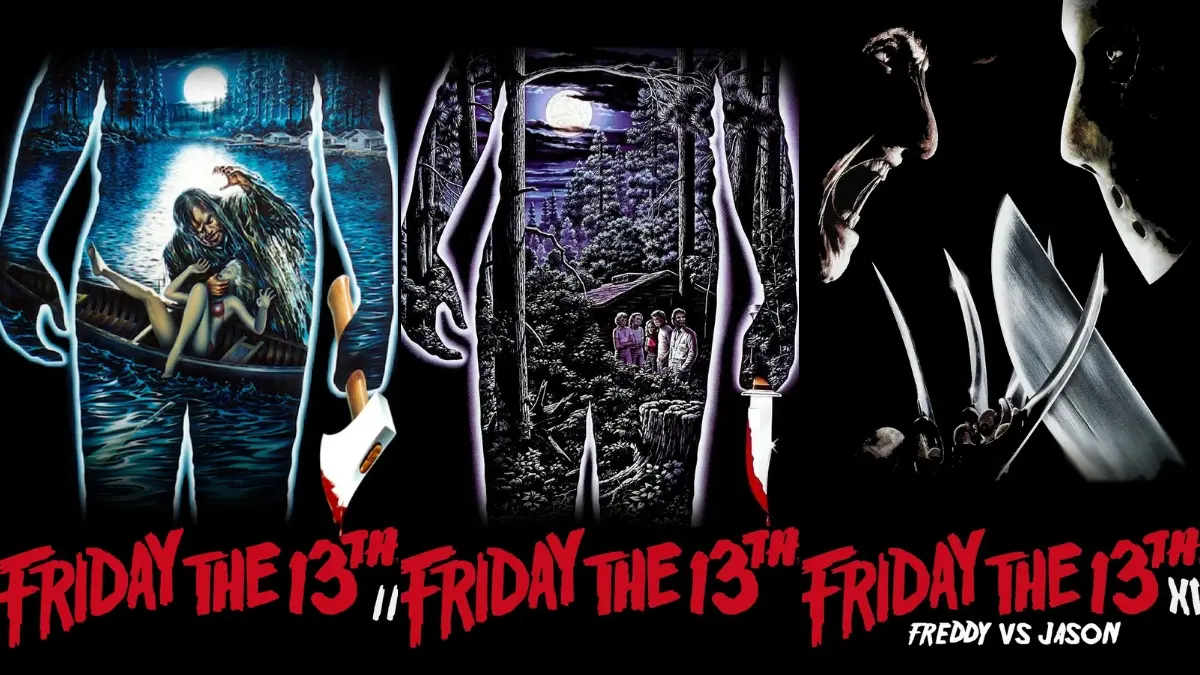


From Camp Crystal Lake to deep space and back to Springwood, the ‘Friday the 13th’ franchise has hacked its way across twelve features, spawning new killers, masks, and fan-favorite moments along the way. Below is a complete countdown, organized strictly by how audiences have scored each entry, with quick, fact-packed snapshots to help you place each film in the series timeline, mythology, and production history.
‘Jason Goes to Hell: The Final Friday’ (1993)
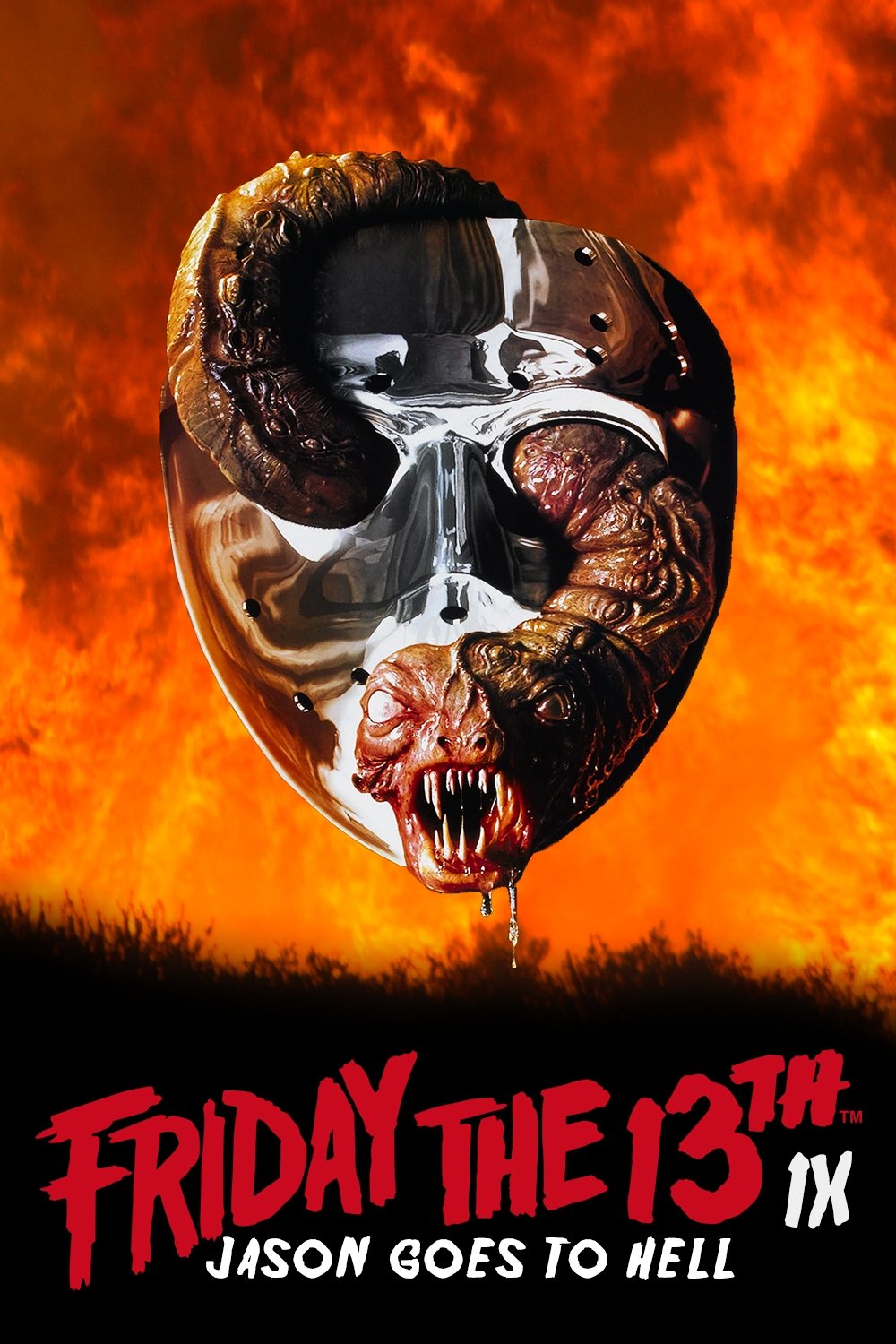
Adam Marcus directed this New Line entry, which shifts gears into body-hopping after Jason’s physical form is destroyed in an opening assault. The plot follows a possessed-by-essence Jason seeking a surviving Voorhees relative to be reborn, introducing lore about his bloodline. A prop Necronomicon appears on screen, a wink that later fueled fan theories about shared universes. The ending features a gloved hand dragging the mask underground, planting the seed for a crossover that would arrive later.
‘Jason X’ (2001)

Directed by James Isaac, this installment cryo-freezes Jason and launches him to a starship in the far future, where nanotechnology upgrades him into “Uber Jason.” The film was shot largely in Canada and leans on sci-fi tech, including holographic campers used to distract the killer. Stunts and makeup effects emphasize metallic armor plating and regenerative effects after catastrophic damage. Its production preceded the crossover movie, releasing after a long development lull for the series.
‘Friday the 13th Part VIII: Jason Takes Manhattan’ (1989)

Rob Hedden’s sequel places most of its runtime on a graduating class’s cruise ship before a late detour to New York City. The Times Square sequence was filmed on location, while many urban scenes used Vancouver stand-ins. The narrative follows survivors navigating sewers and subways as Jason pursues them off the boat. A toxic-waste finale closes the chase beneath the city streets.
‘Friday the 13th: A New Beginning’ (1985)
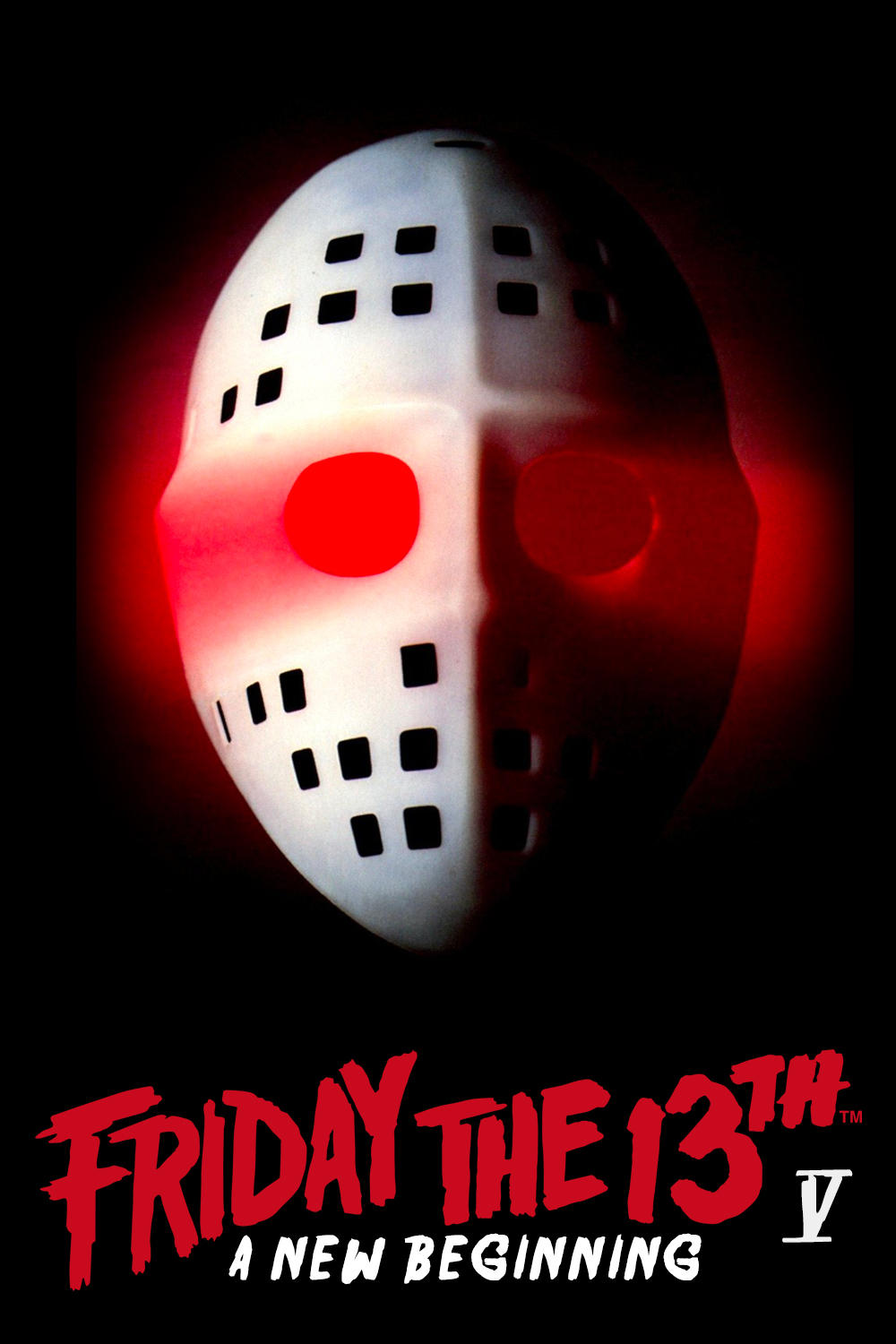
Danny Steinmann directs this pivot that centers on an older Tommy Jarvis coping with trauma at a rural halfway house. A series of murders points to Jason’s return, but the twist reveals a copycat killer adopting the hockey mask. The film expands the Jarvis thread begun earlier while largely detaching from supernatural elements. Its structure set up the next entry to make a definitive choice about Jason’s status.
‘Friday the 13th Part VII: The New Blood’ (1988)
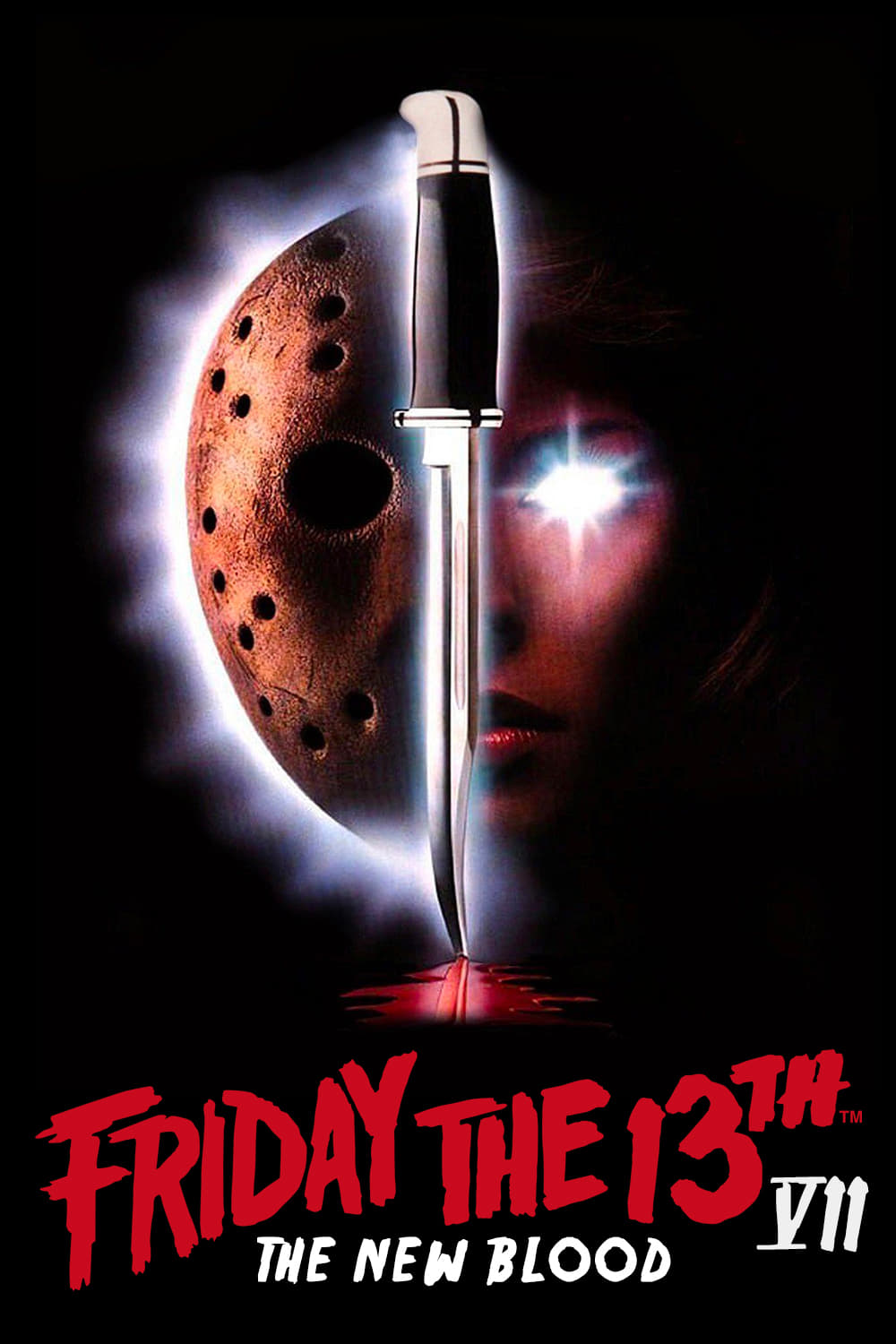
John Carl Buechler directs, with Kane Hodder’s first turn under the mask—an era-defining stunt and performance run that continued for multiple films. The story pits Jason against telekinetic teenager Tina Shepard, culminating in a dockside showdown that showcases wire-rigged effects. Extensive gore work was trimmed to satisfy ratings requirements, leaving legendary cut material fans still discuss. Practical makeup emphasizes Jason’s exposed ribs, jaw damage, and water-rotted costume layers.
‘Friday the 13th’ (2009)
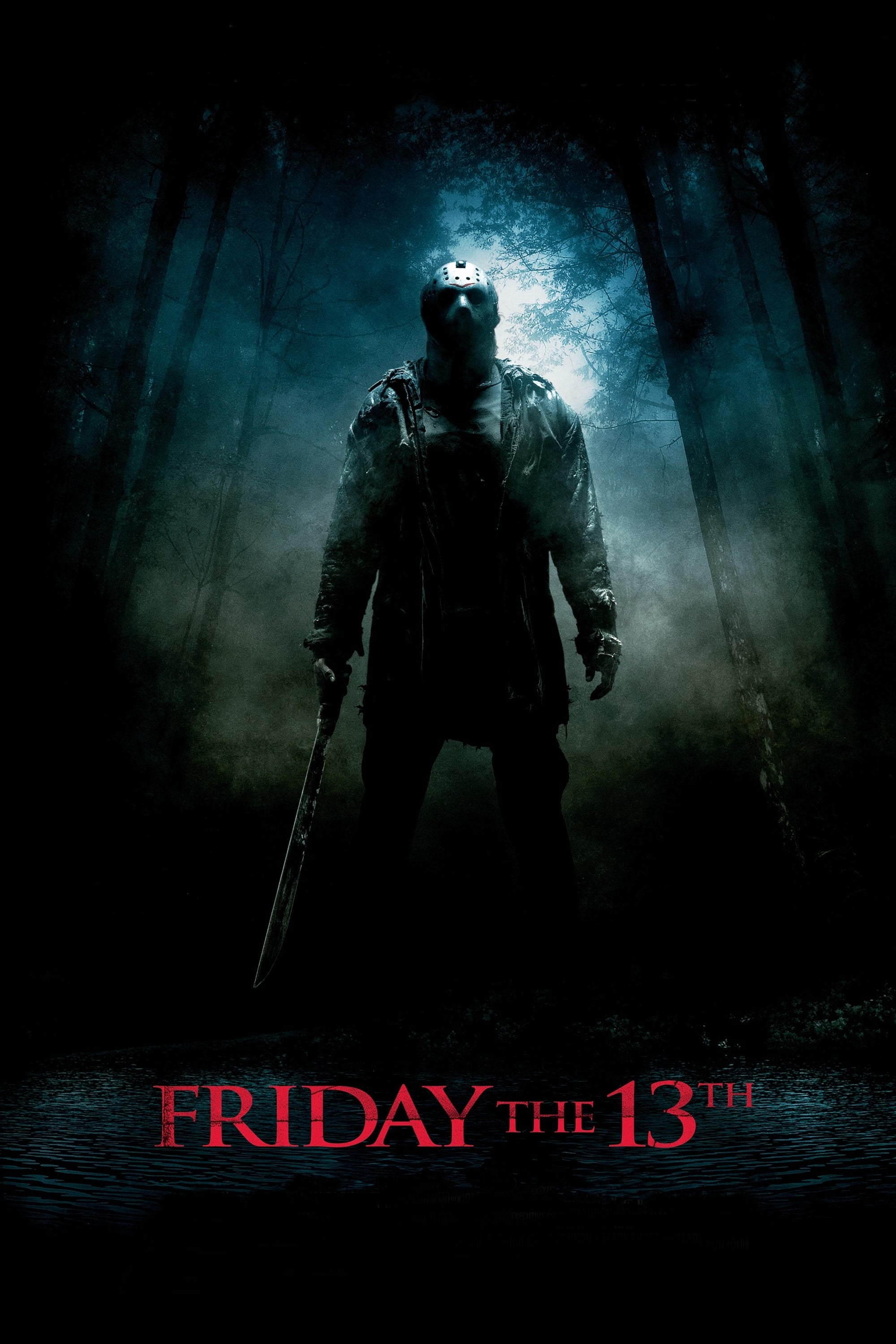
Platinum Dunes and director Marcus Nispel re-imagine the setup by compressing origin beats into a cold open and blending elements from the early sequels. This Jason digs tunnels around Crystal Lake, stalks campers with traps, and keeps a captive survivor as bait. The production features brisk chase sequences, a compound bow kill, and an intensified survival-thriller approach. It serves as a standalone continuity separate from the earlier timeline.
‘Friday the 13th Part III’ (1982)
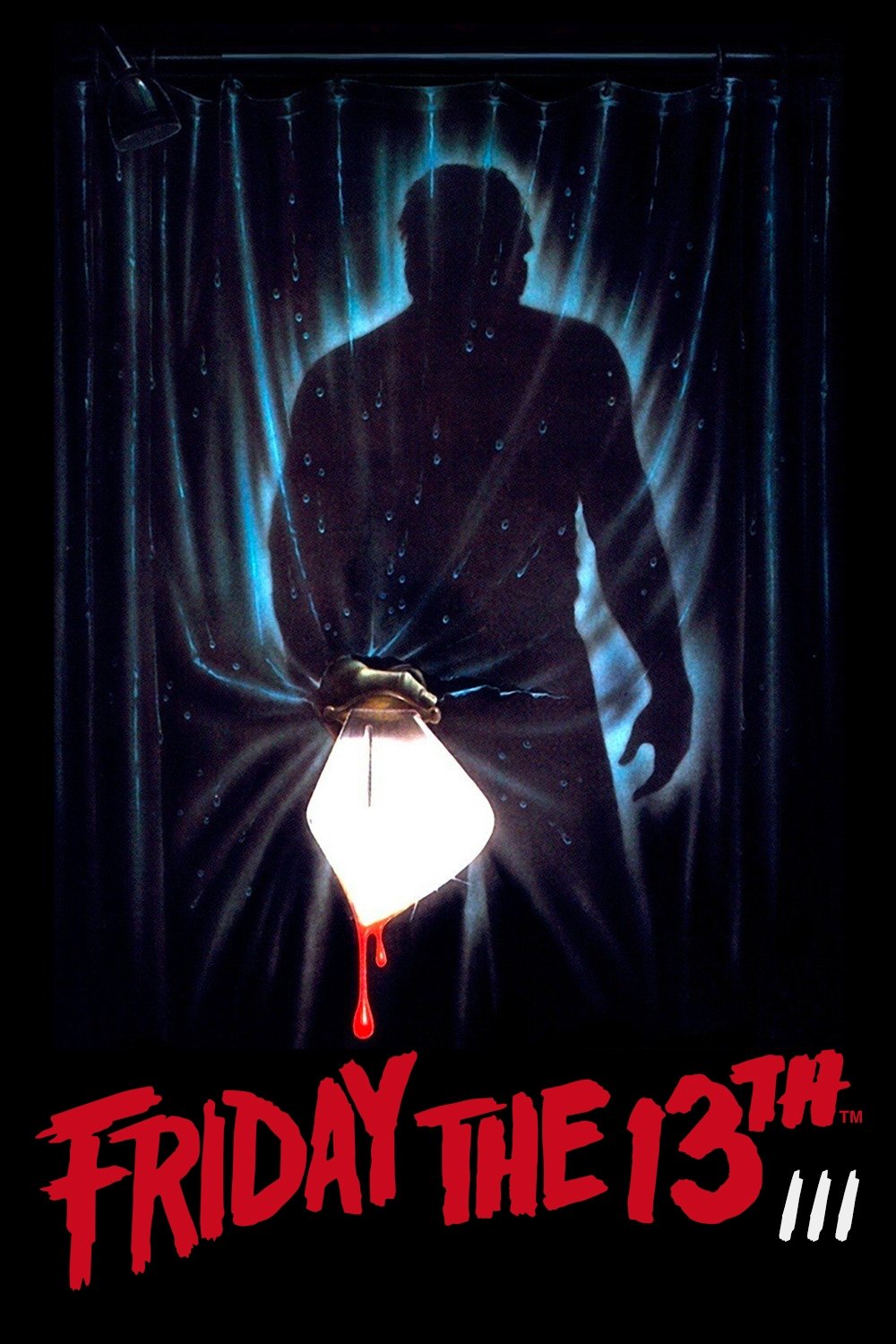
Steve Miner returns to direct, shooting with a 3-D rig that motivated a parade of yo-yos, eyeballs, and pitchforks toward the lens. Jason acquires the iconic hockey mask at Higgins Haven, a milestone that permanently defines the character’s look. The barn fight finale uses rope rigs and practical gags to sell multiple near-escapes. Disco-infused end credits music became a quirky calling card for this entry.
‘Freddy vs. Jason’ (2003)

Ronny Yu’s crossover unites the ‘A Nightmare on Elm Street’ and ‘Friday the 13th’ mythologies, with Robert Englund returning as Freddy and Ken Kirzinger donning the hockey mask. The plot engineers Freddy’s resurrection by leveraging Jason’s fear factor in Springwood, then sends both slashers crashing back to Crystal Lake. Large-scale fire gags, wire-assisted brawls, and water-vs-fire imagery headline the third-act melee. After a protracted development process, the film delivered a box-office jolt for both franchises.
‘Friday the 13th Part VI: Jason Lives’ (1986)
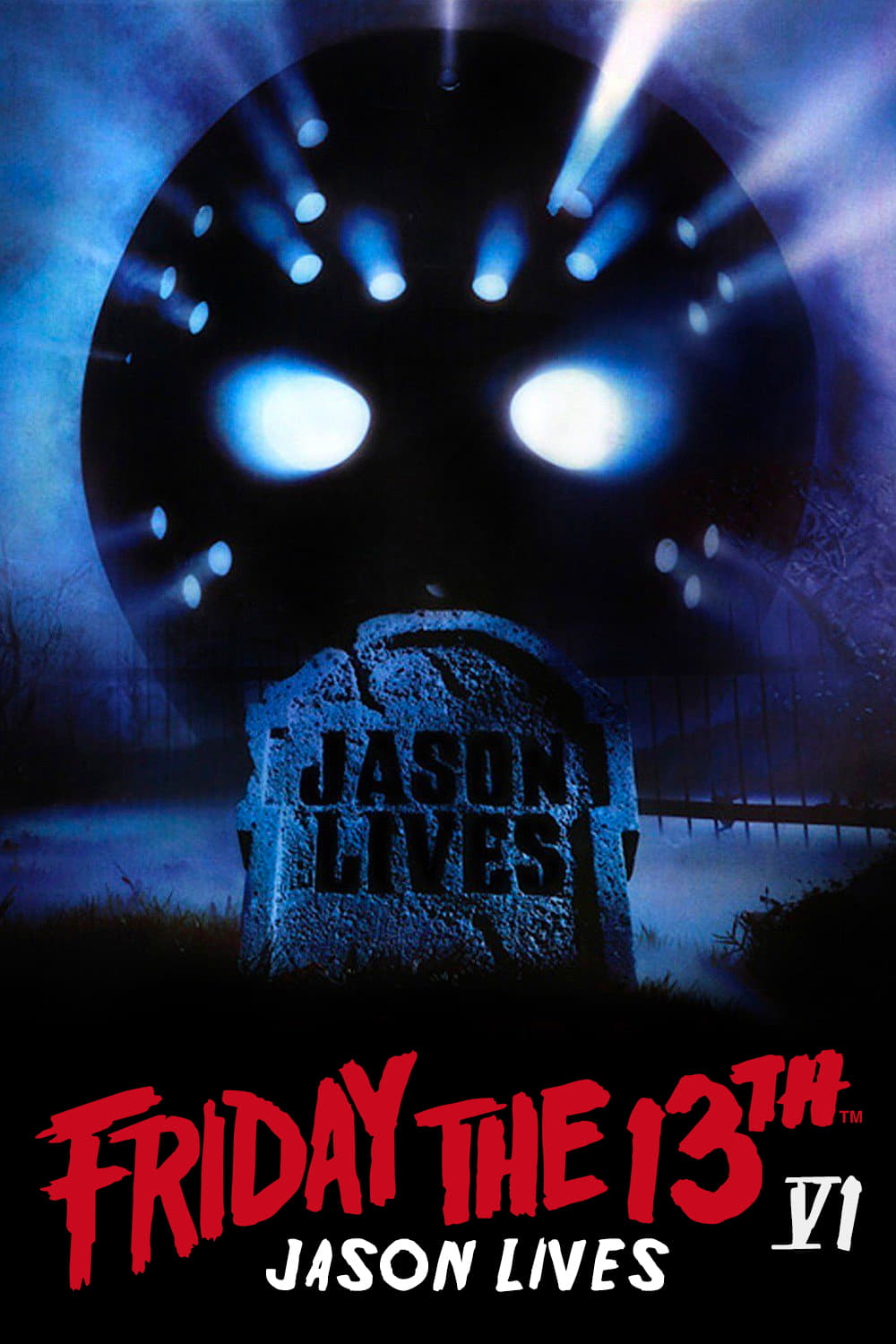
Writer-director Tom McLoughlin resurrects Jason via a lightning strike at a cemetery, formalizing the character’s undead status. The movie mixes self-aware humor with gothic visuals, from fog-soaked graveyards to lakeside cabins. Soundtrack cuts by Alice Cooper punctuate chase beats and end credits. Paintball gags, a sheriff’s patrol subplot, and a camp session with actual children round out its distinct tone within the series.
‘Friday the 13th: The Final Chapter’ (1984)

Joseph Zito directs this effects-driven entry featuring Tom Savini’s return to design Jason’s demise. The story intertwines partying teens with the Jarvis family, introducing young Tommy and his sister Trish. A morgue prologue bridges directly from the prior film’s ending, then shifts back to Crystal Lake for the showdown. Savini’s prosthetics work and a shattered-mask climax became franchise touchstones.
‘Friday the 13th Part 2’ (1981)
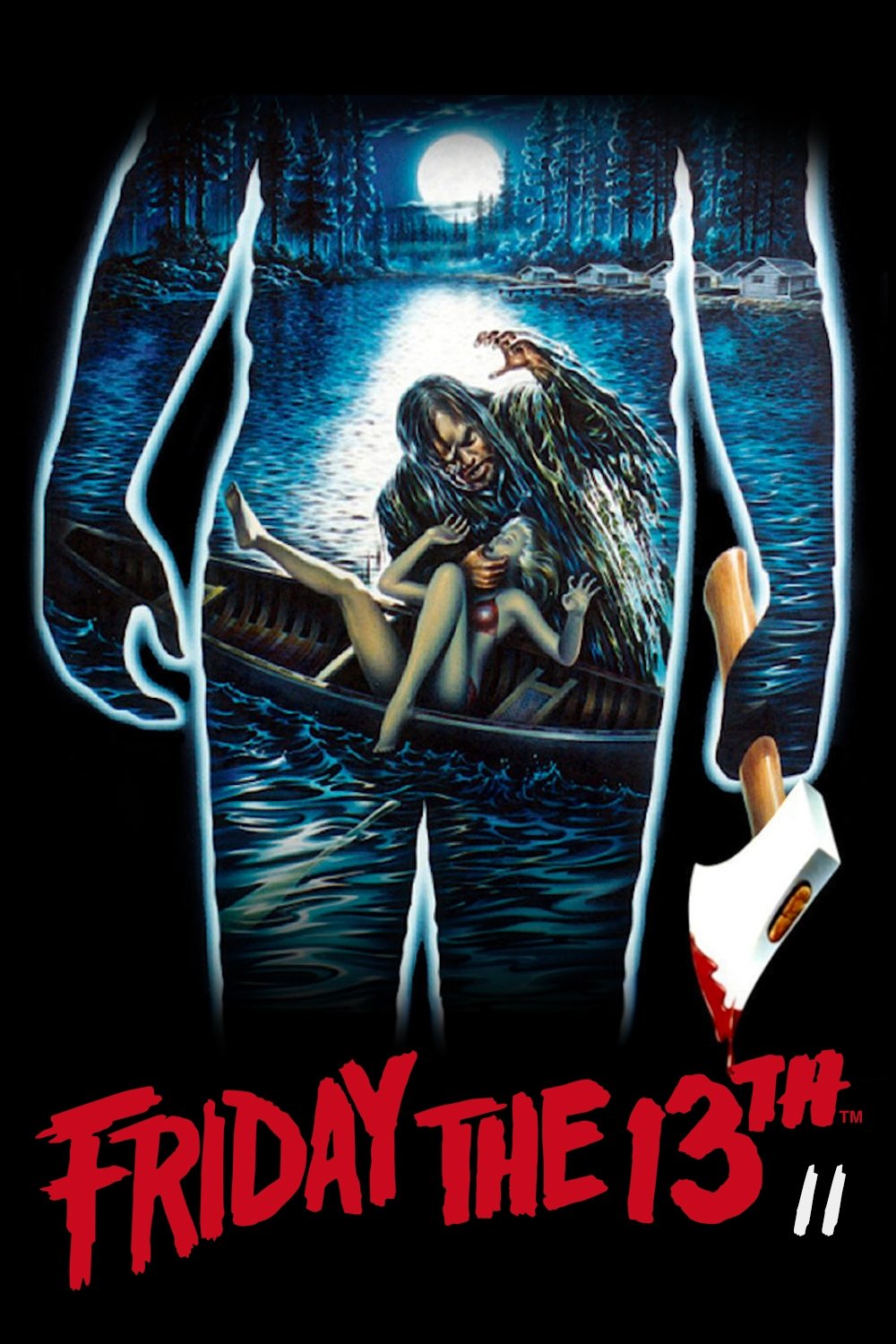
Steve Miner’s sequel reveals adult Jason as the killer, initially wearing a sack mask and tracking survivor Alice before targeting counselor-in-training Ginny. Key locations include a training camp across the lake and Jason’s shack containing a shrine to his mother. The finale’s ruse involving a sweater and a maternal voice is central to Ginny’s strategy. This chapter cements the series’ formula of isolated cabins, group dynamics, and escalating set-piece kills.
‘Friday the 13th’ (1980)
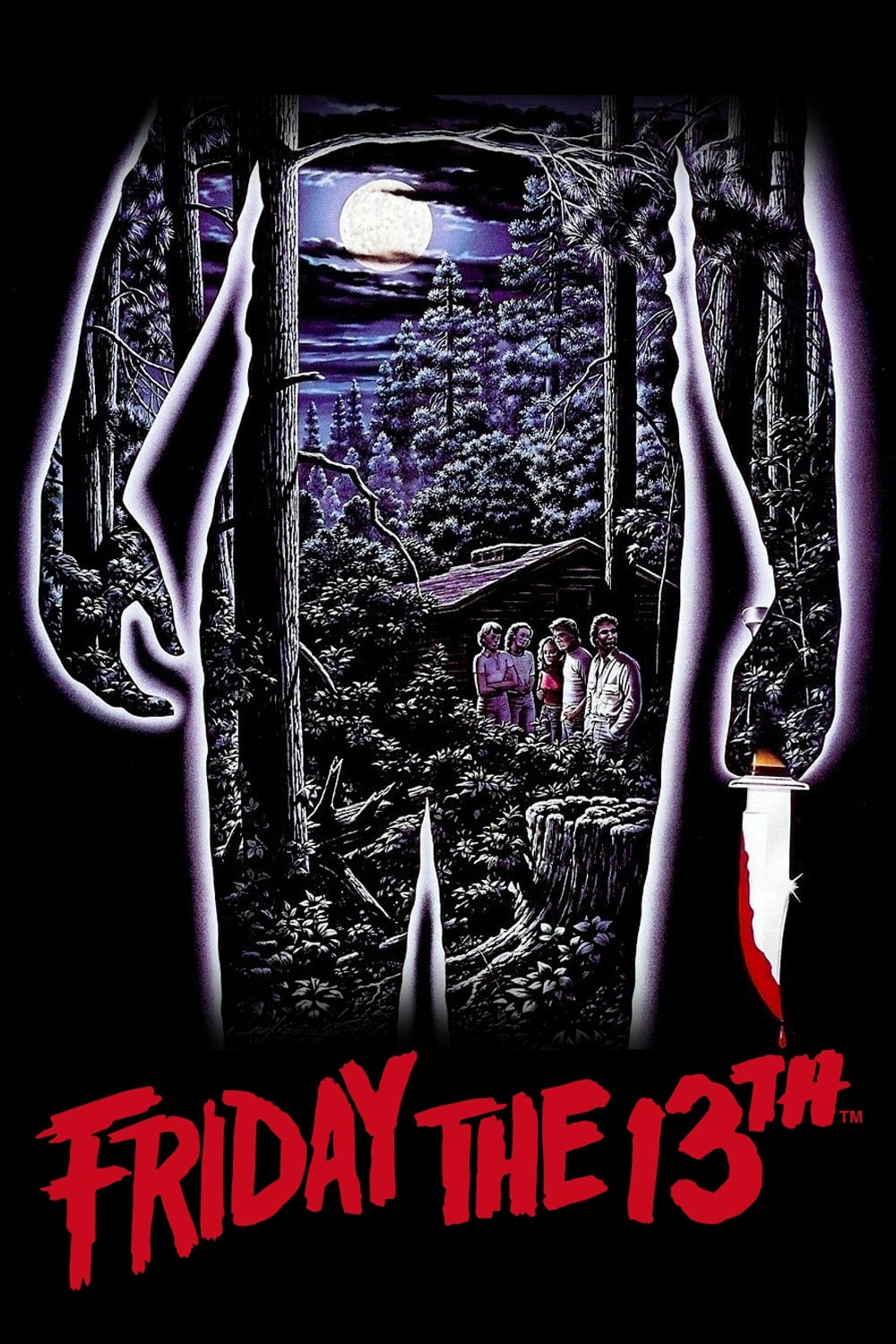
Sean S. Cunningham’s original launches the legend at Camp Crystal Lake, with counselors preparing to reopen the site despite a tragic past. The killer is revealed as Pamela Voorhees, avenging her son through stealth attacks and blades-forward set pieces. Tom Savini’s makeup effects, including practical arrows and throatslits, define the gritty style, while Harry Manfredini’s “ki-ki-ki, ma-ma-ma” motif shapes the franchise sound. A lakeside dream jolt and a decapitation climax secured the template countless slashers would follow.
Tell us which entries you revisit most often—and why—in the comments!

