


Every ‘Harry Potter’ Movie Ranked from Worst to Best

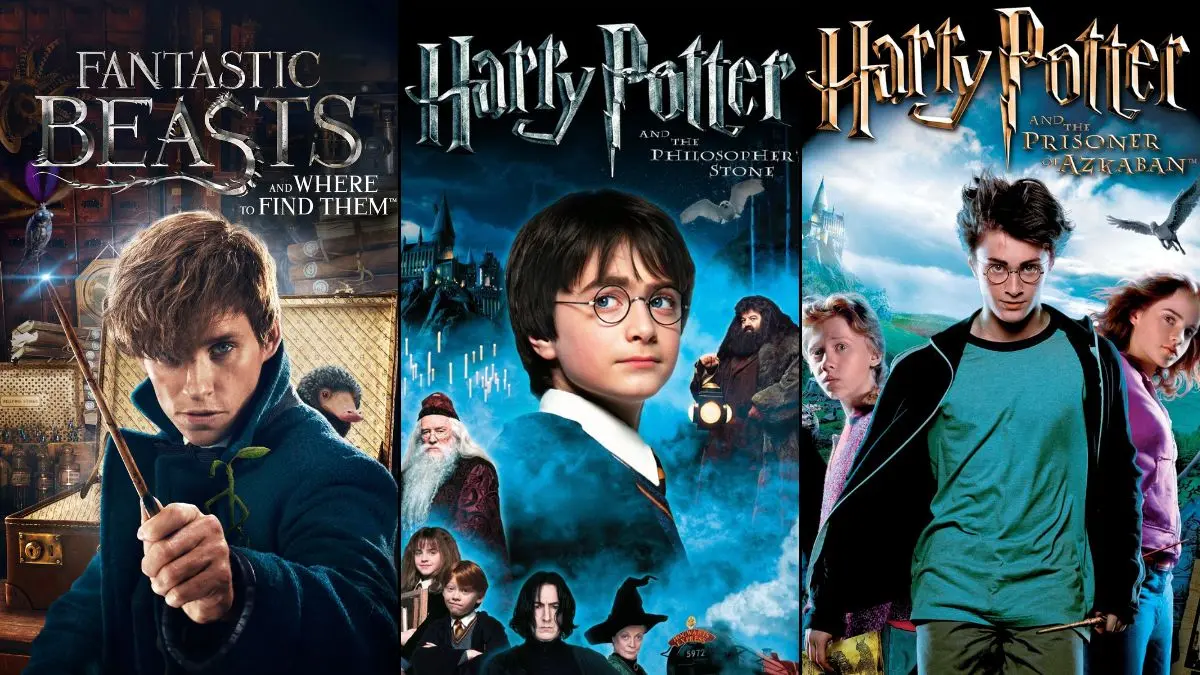


From the first sorting ceremony to the last showdown at Hogwarts, the eight-film saga packs in new characters, bigger set pieces, and plenty of behind-the-scenes milestones. Below, each entry gets a quick refresher with who made it, what it adds to the series, standout accolades, and how it performed at the box office. No spoilers beyond the broad setup—just the essentials fans often look up.
‘Fantastic Beasts: The Crimes of Grindelwald’ (2018)
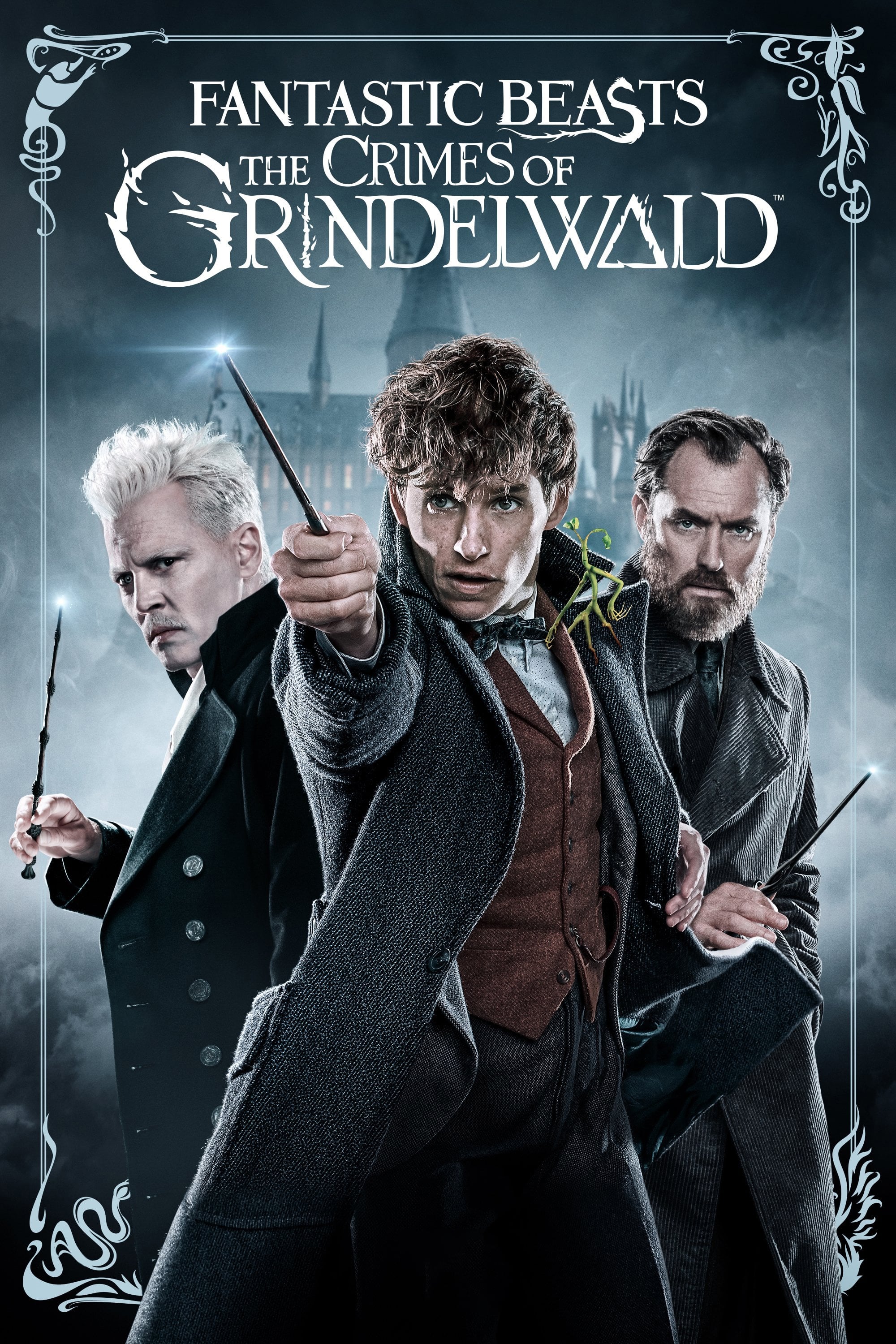
Directed by David Yates from a screenplay by J. K. Rowling, this sequel continues Newt Scamander’s story while expanding the roles of Albus Dumbledore and Gellert Grindelwald. The plot shifts the action to Paris and the French Ministry of Magic, exploring wizarding politics and secret histories tied to the Lestrange family. It introduces elements like the blood pact that binds two central figures and deepens the international scope of the Wizarding World. Production took place at Leavesden Studios with extensive location work and large-scale visual effects.
‘Fantastic Beasts: The Secrets of Dumbledore’ (2022)
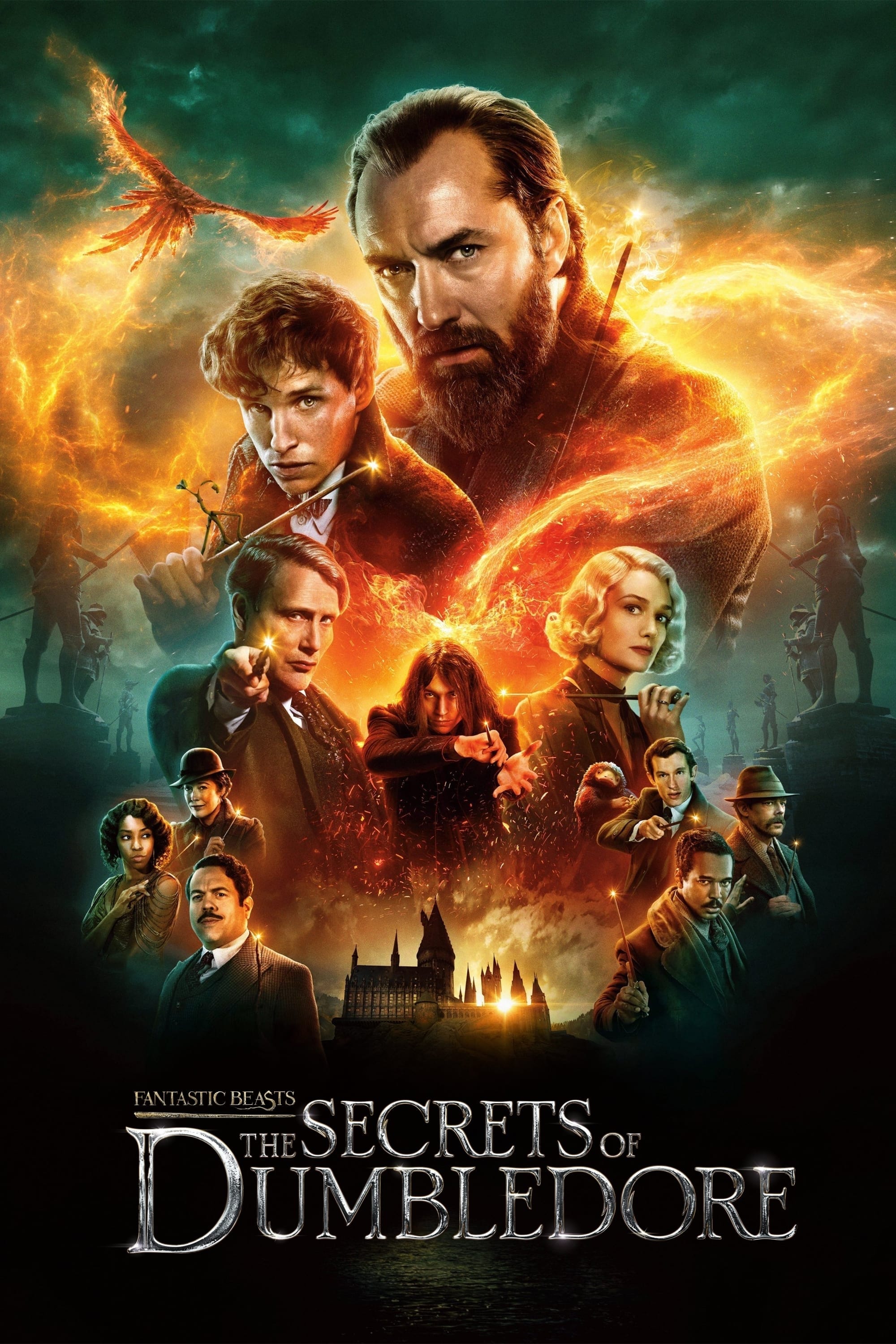
David Yates directs with a script credited to J. K. Rowling and Steve Kloves, focusing on the conflict between Dumbledore and Grindelwald as alliances form around a global wizarding election. The story spans multiple countries and showcases new magical creatures, including the Qilin, which plays a key role in the selection of leadership. The ensemble features returning characters such as Newt, Theseus, Jacob, and Queenie, alongside new allies like Professor Lally Hicks. Filming resumed under pandemic protocols, with schedule adjustments shaping its release.
‘Fantastic Beasts and Where to Find Them’ (2016)
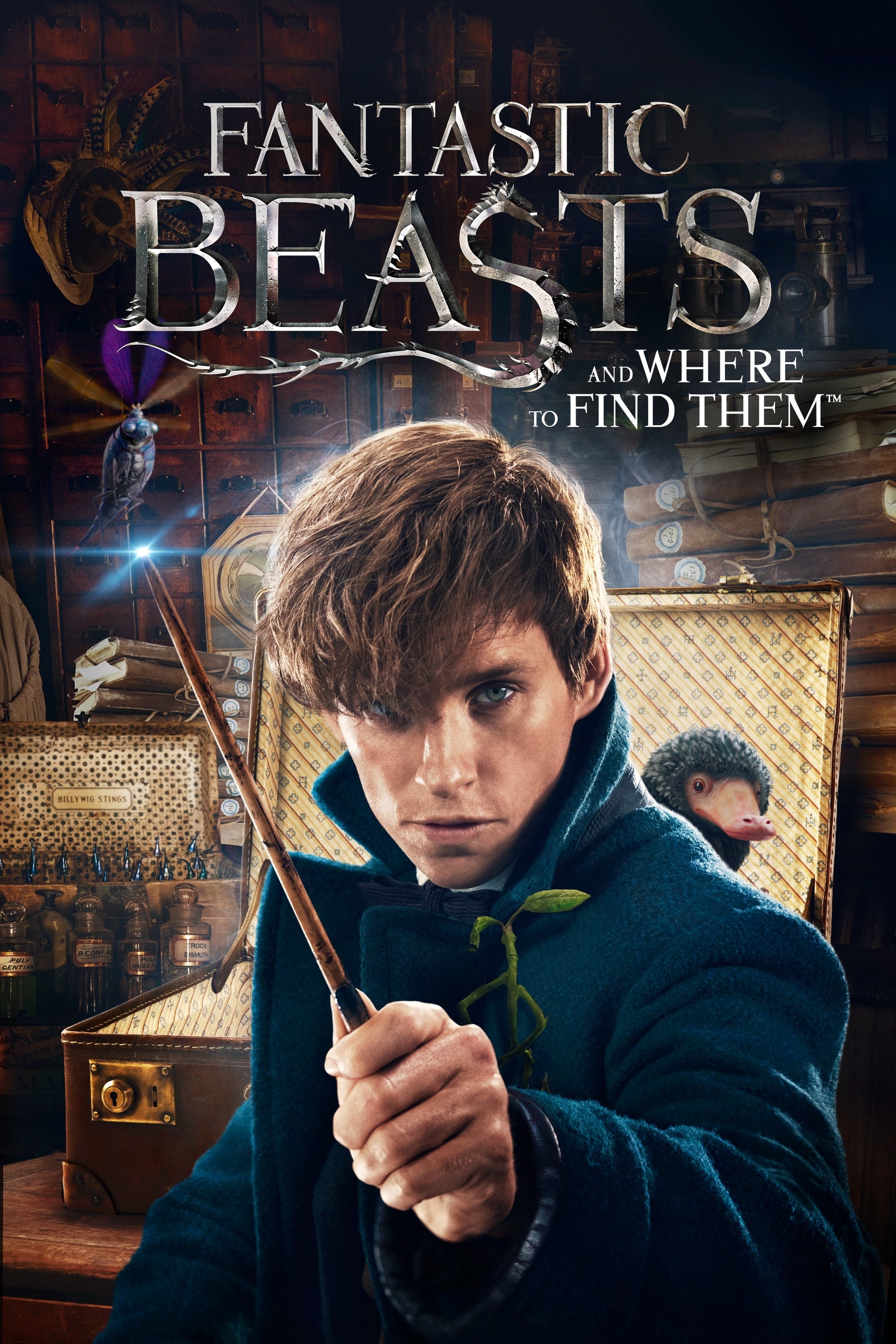
Directed by David Yates and written by J. K. Rowling, this spin-off introduces magizoologist Newt Scamander and a new American setting centered on MACUSA. Set in New York, it expands the franchise beyond Hogwarts with a period production design and a focus on creature world-building. The narrative weaves in the concept of an Obscurus and establishes the early threat of Grindelwald. Principal photography took place at Leavesden Studios with a large visual-effects team creating new magical species.
‘Harry Potter and the Chamber of Secrets’ (2002)
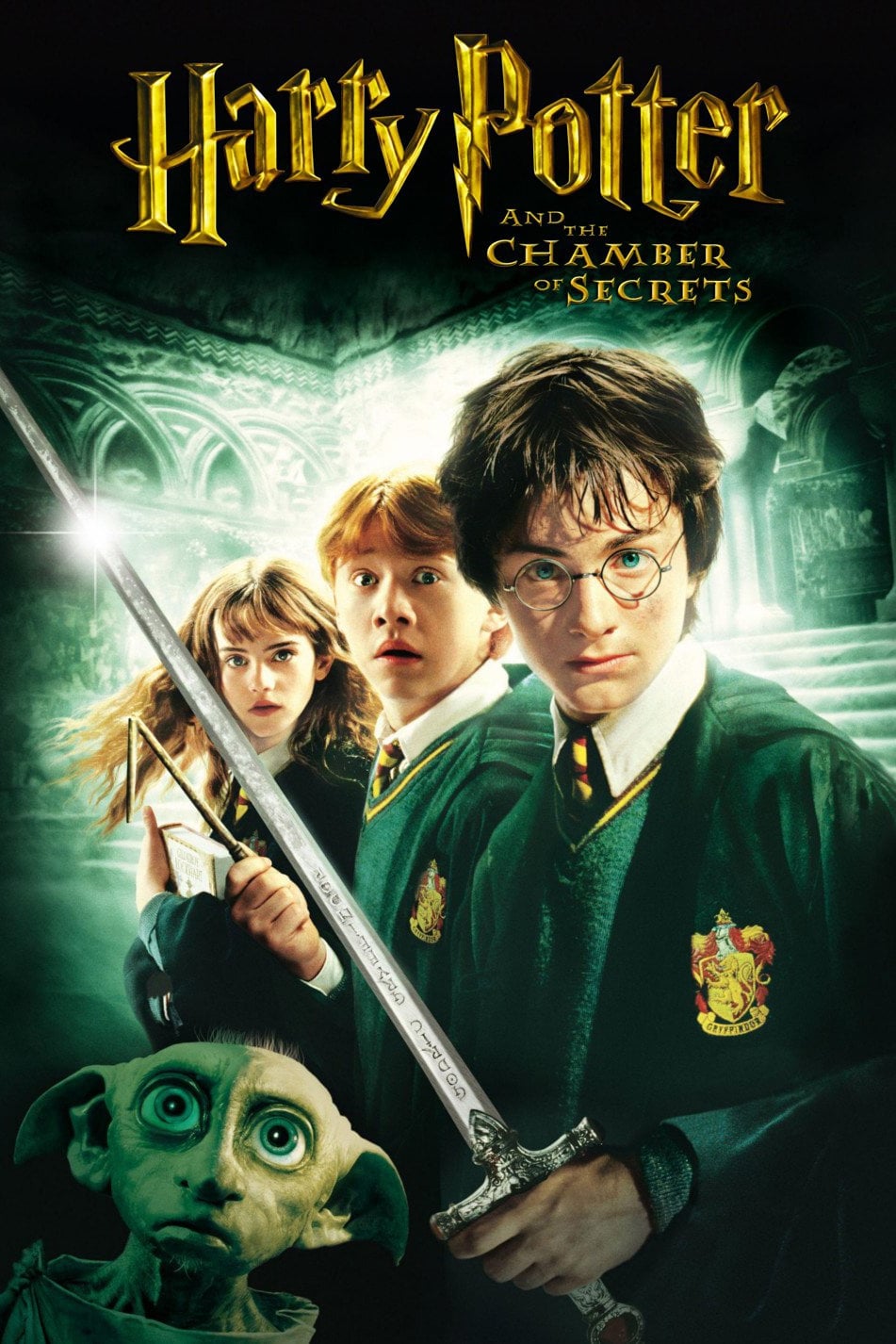
Directed by Chris Columbus and adapted from J. K. Rowling’s second novel, this entry returns to Hogwarts for a mystery rooted in the school’s earliest days. It introduces Dobby the house-elf and celebrity Defense Against the Dark Arts teacher Gilderoy Lockhart, both of whom become fan favorites. The film earned multiple BAFTA nominations and is notably the only installment in the series to receive a rare “A+” audience grade from CinemaScore. It grossed about $879 million worldwide.
‘Harry Potter and the Order of the Phoenix’ (2007)
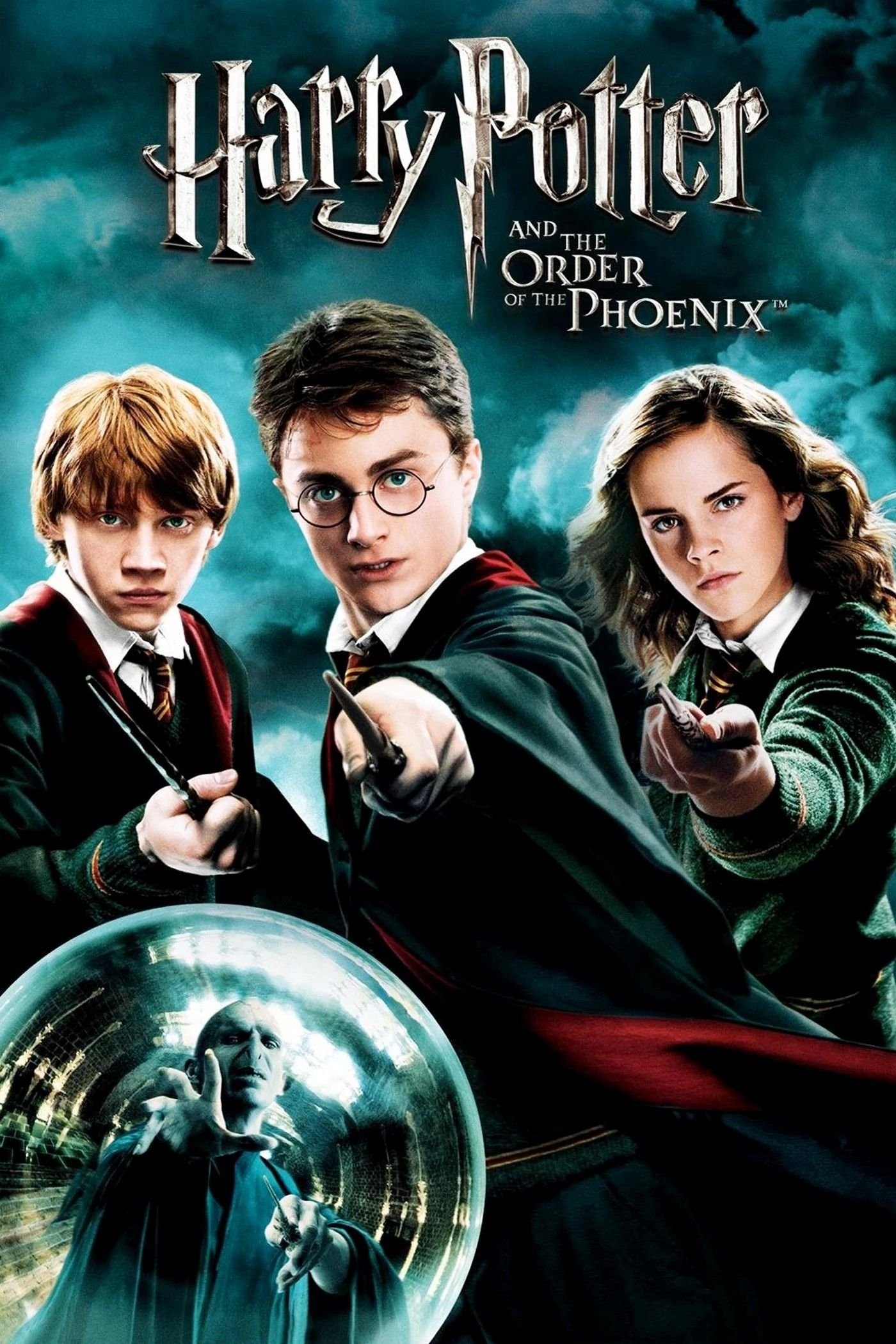
David Yates takes over directing, with the screenplay by Michael Goldenberg—the sole script in the series not written by Steve Kloves. The story adds Luna Lovegood and Dolores Umbridge and centers on students secretly forming Dumbledore’s Army to practice defensive magic. It received BAFTA nominations for production design and special visual effects. Worldwide box office totaled about $943 million.
‘Harry Potter and the Philosopher’s Stone’ (2001)
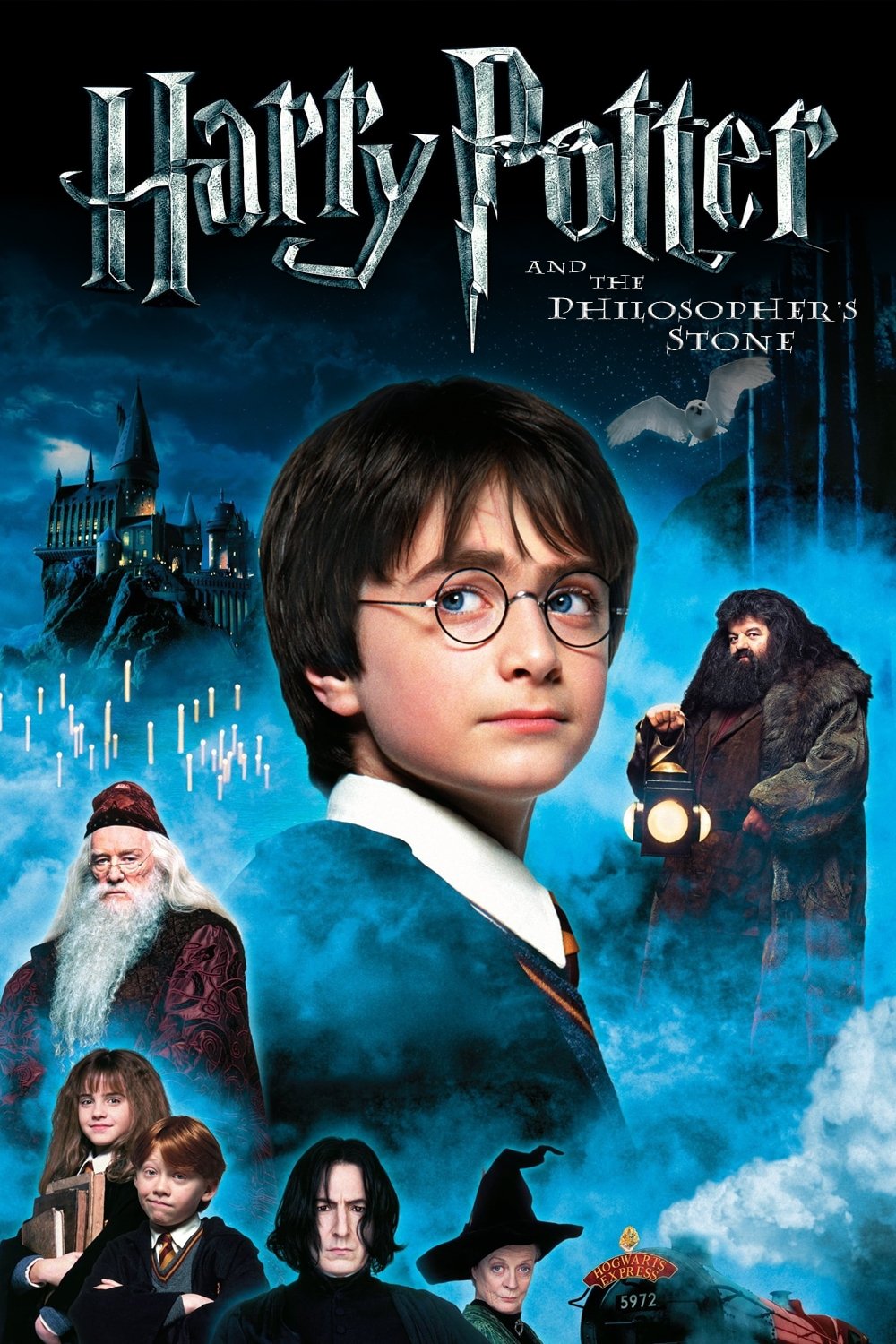
Directed by Chris Columbus, the series opener introduces the golden trio—Harry, Ron, and Hermione—along with Hogwarts, Quidditch, and the core rules of the Wizarding World. It received three Academy Award nominations, including Best Original Score for John Williams. Filmed largely in the UK with extensive work at Leavesden, it set the visual blueprint many later films followed. Across original runs and re-releases, it has earned over $1.02 billion worldwide.
‘Harry Potter and the Half-Blood Prince’ (2009)
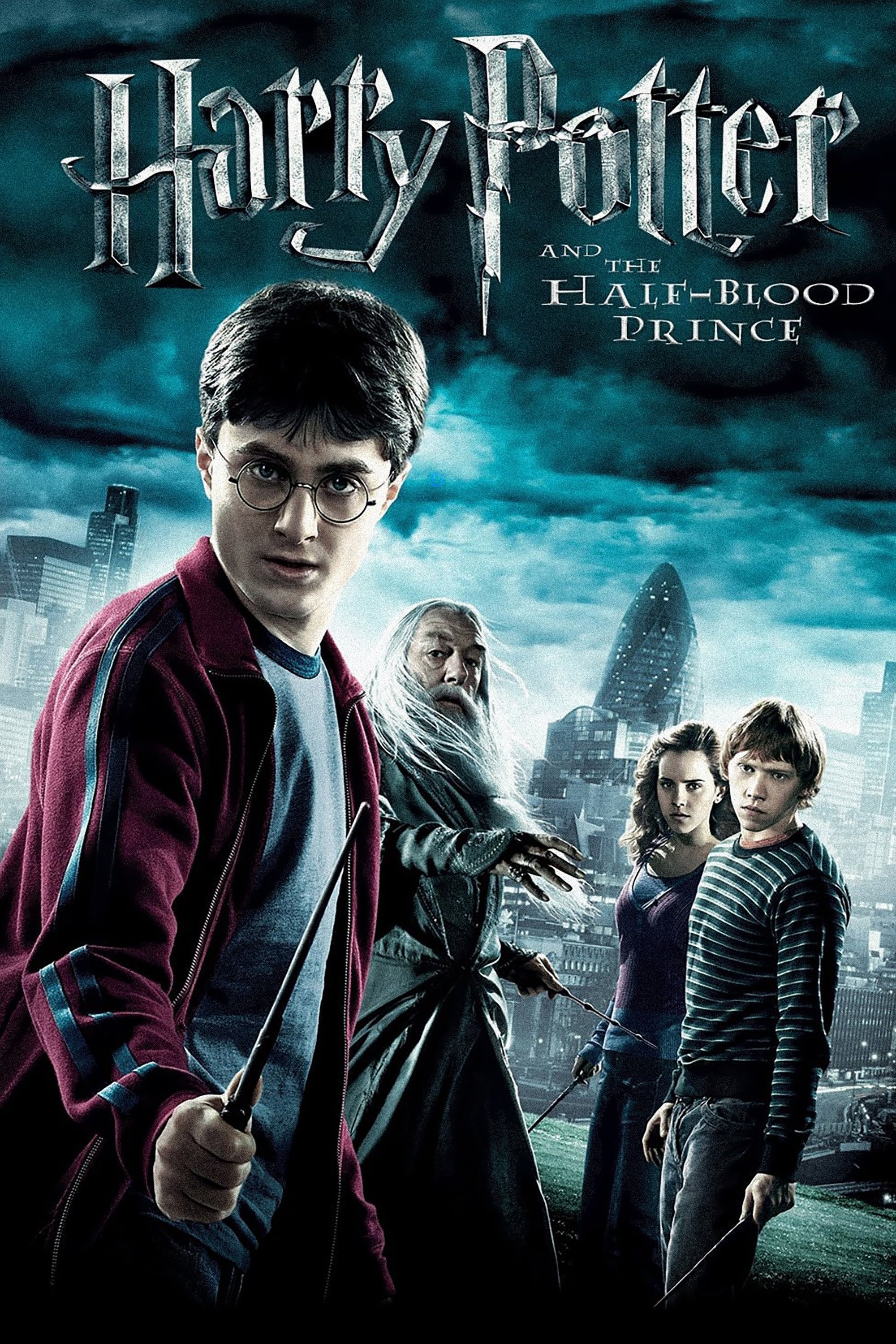
Directed by David Yates, this chapter digs into Voldemort’s past as Dumbledore enlists Horace Slughorn, whose memories hold crucial clues. Jim Broadbent joins the cast as Slughorn, while the plotline with an annotated Potions textbook drives several key discoveries. Cinematographer Bruno Delbonnel earned the series’ only Academy Award nomination for Best Cinematography. The film took in about $934 million worldwide.
‘Harry Potter and the Goblet of Fire’ (2005)
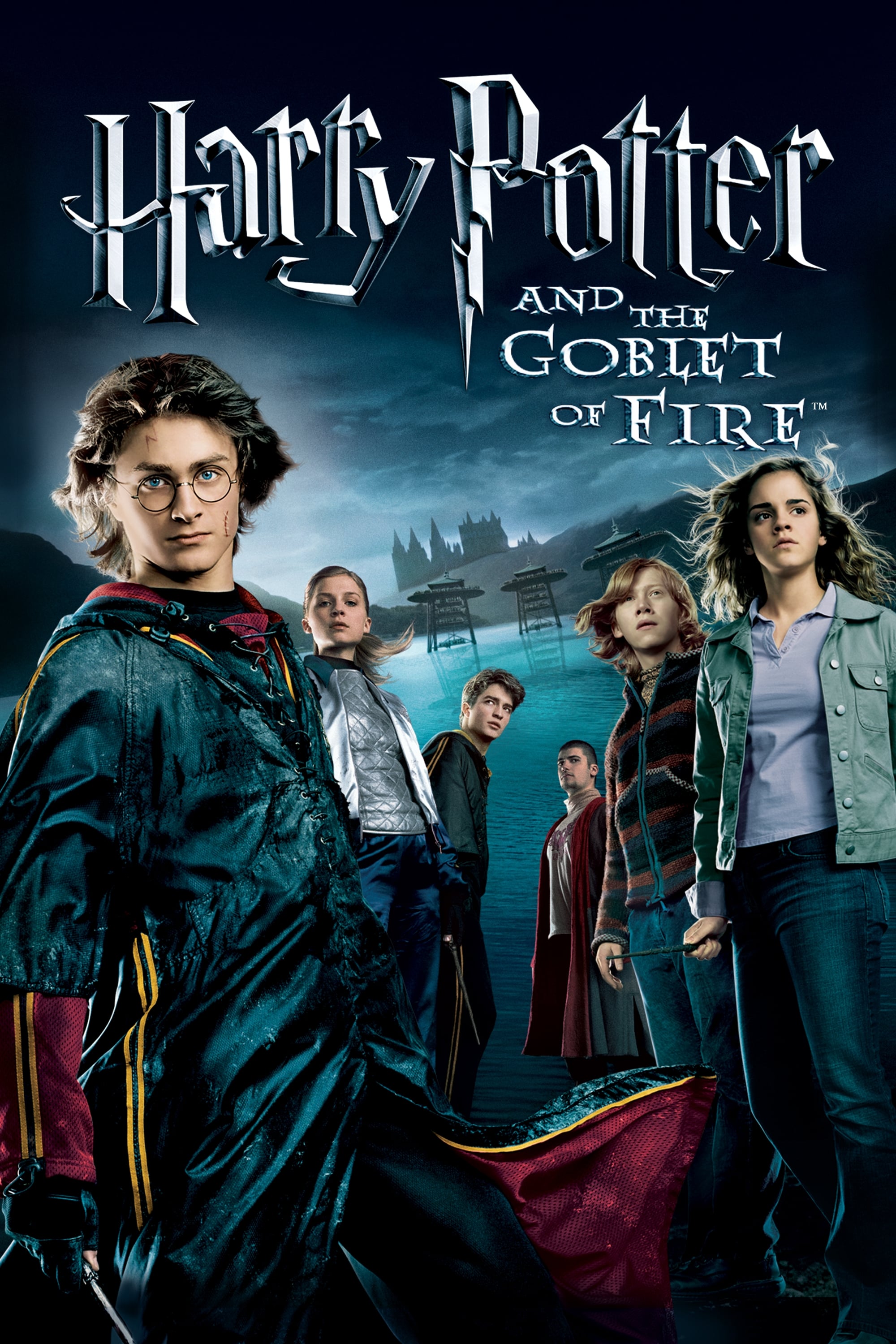
Mike Newell directs the Triwizard Tournament storyline, bringing rival schools to Hogwarts and escalating the series’ scale with three perilous tasks. Ralph Fiennes fully appears as Lord Voldemort, a turning point for the overarching conflict. The film was nominated for the Academy Award for Best Art Direction and won the BAFTA Award for Best Production Design. It grossed roughly $896 million worldwide.
‘Harry Potter and the Deathly Hallows: Part 1’ (2010)
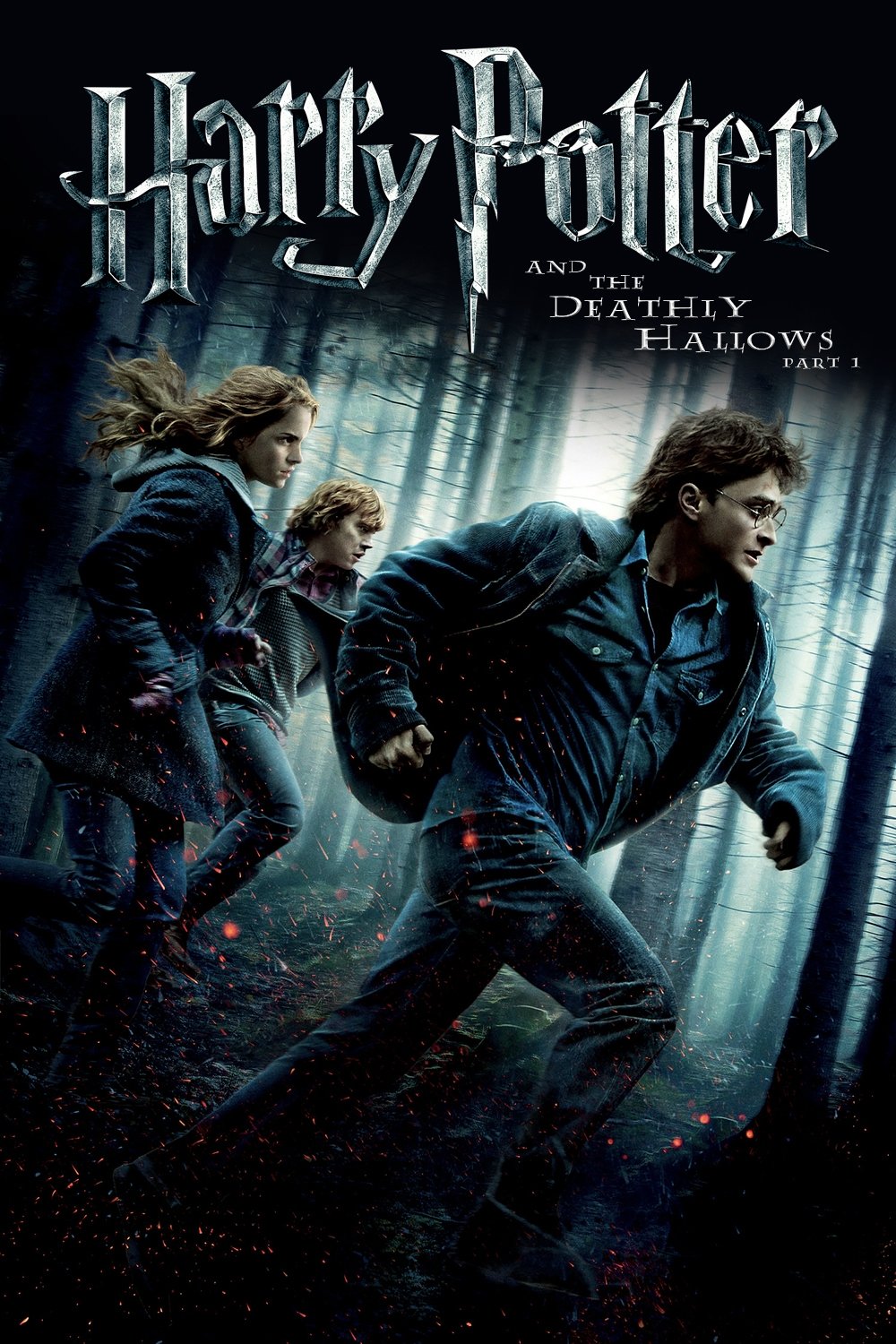
David Yates charts the trio’s mission beyond Hogwarts as they search for Horcruxes and learn the legend of the Deathly Hallows. The production showcases location work across the UK, with an emphasis on practical and visual effects for the stealth-and-survival set pieces. It received Academy Award nominations for Art Direction and Visual Effects. Global box office reached about $961 million.
‘Harry Potter and the Deathly Hallows: Part 2’ (2011)
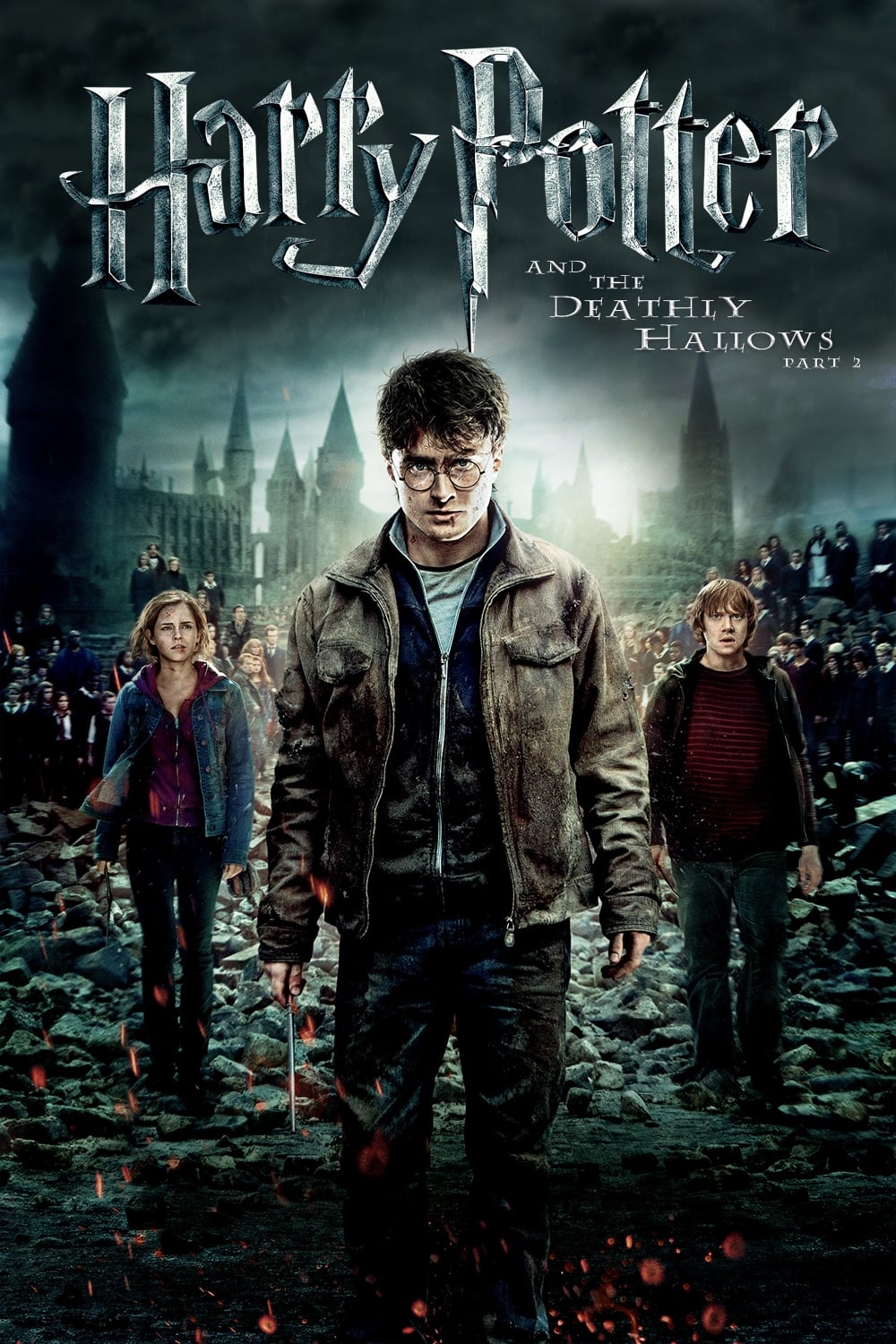
The finale, directed by David Yates, brings the Horcrux hunt to its conclusion and stages the Battle of Hogwarts with large-scale practical and digital effects work. It received three Academy Award nominations and won the BAFTA for Special Visual Effects among many other honors. This installment is the highest-grossing in the franchise at about $1.342 billion worldwide. It also closed the main film series while cementing the production design lineage led across all eight films by Stuart Craig and team.
‘Harry Potter and the Prisoner of Azkaban’ (2004)
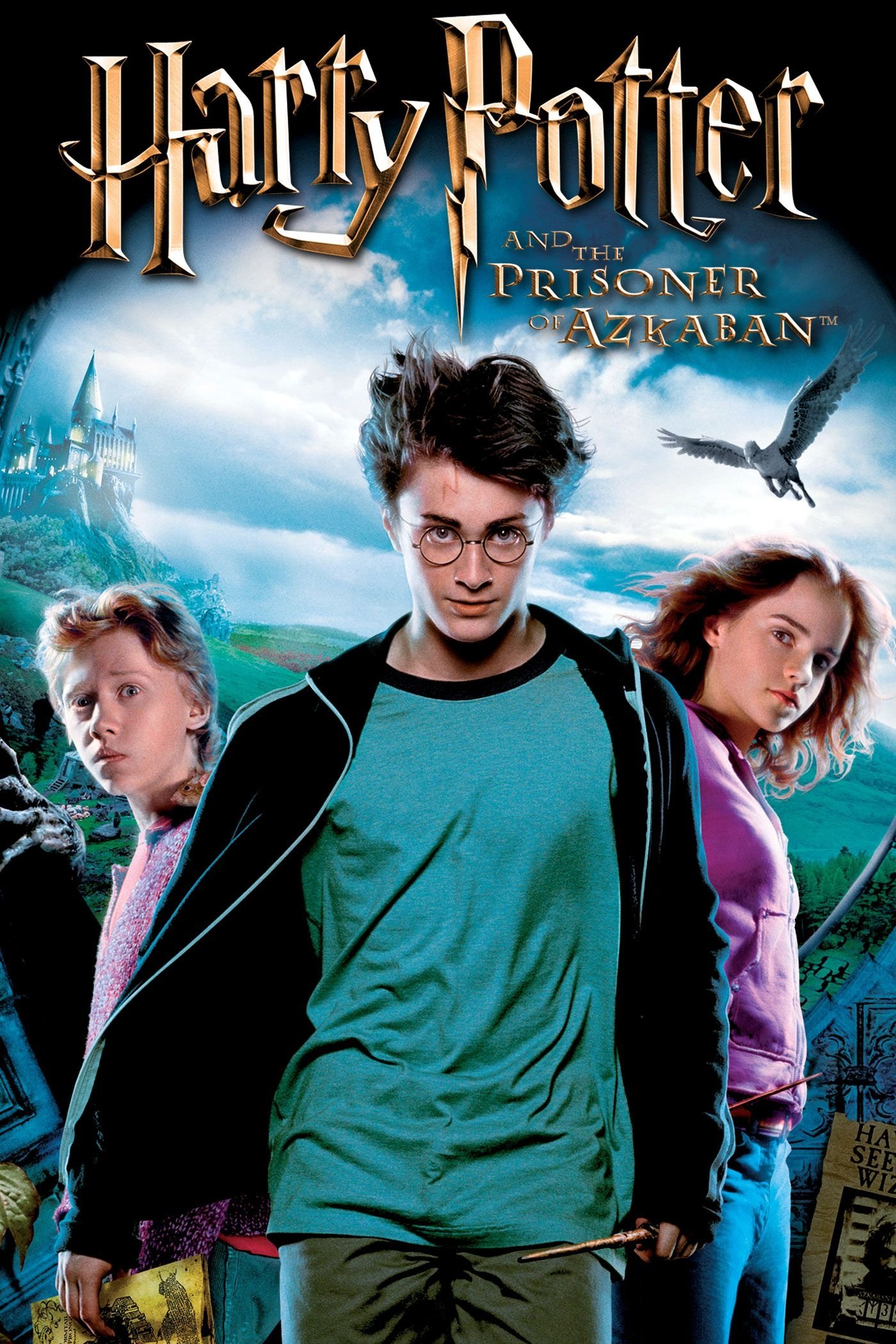
Alfonso Cuarón shifts the series’ tone with a darker, more grounded style, while introducing Sirius Black and Remus Lupin. The story expands Wizarding World lore with Dementors and time travel, pushing character and visual design in new directions. It earned two Academy Award nominations—Best Original Score and Best Visual Effects—and multiple BAFTA nods. Worldwide grosses came to about $796 million.
What’s your personal order—including the ‘Fantastic Beasts’ entries—share it in the comments!

