Every Leonardo DiCaprio Movie, Ranked from Worst to Best


Leonardo DiCaprio’s career stretches from a creature-feature debut to collaborations with many of the most exacting directors working today. Across historical epics, crime sagas, romances, and psychological thrillers, he’s taken on real people, Shakespearean lovers, master forgers, Wall Street operators, and frontiersmen. This list rounds up his feature-film acting roles and orders them as a clean countdown.
Below, you’ll find every title from his early-1990s breakout through recent prestige releases. Each entry gives useful context—who made it, what it’s about, key cast and craft notes, box-office or awards snapshots, and the essentials that place the film in DiCaprio’s wider body of work.
‘Critters 3’ (1991)

DiCaprio’s feature debut drops him into a direct-to-video sci-fi horror sequel about mischievous alien “Krites” terrorizing an urban apartment building, with the young actor appearing as Josh. Shot quickly and economically, it arrived during the waning years of the original creature-comedy cycle and was produced back-to-back with a follow-up.
The production leans on practical puppetry, corridor chases, and compact sets, continuing running gags and lore established by the franchise. Its chief archival interest is how it situates a future A-lister inside the mechanics of low-budget effects filmmaking at the turn of the 1990s.
‘Don’s Plum’ (2001)
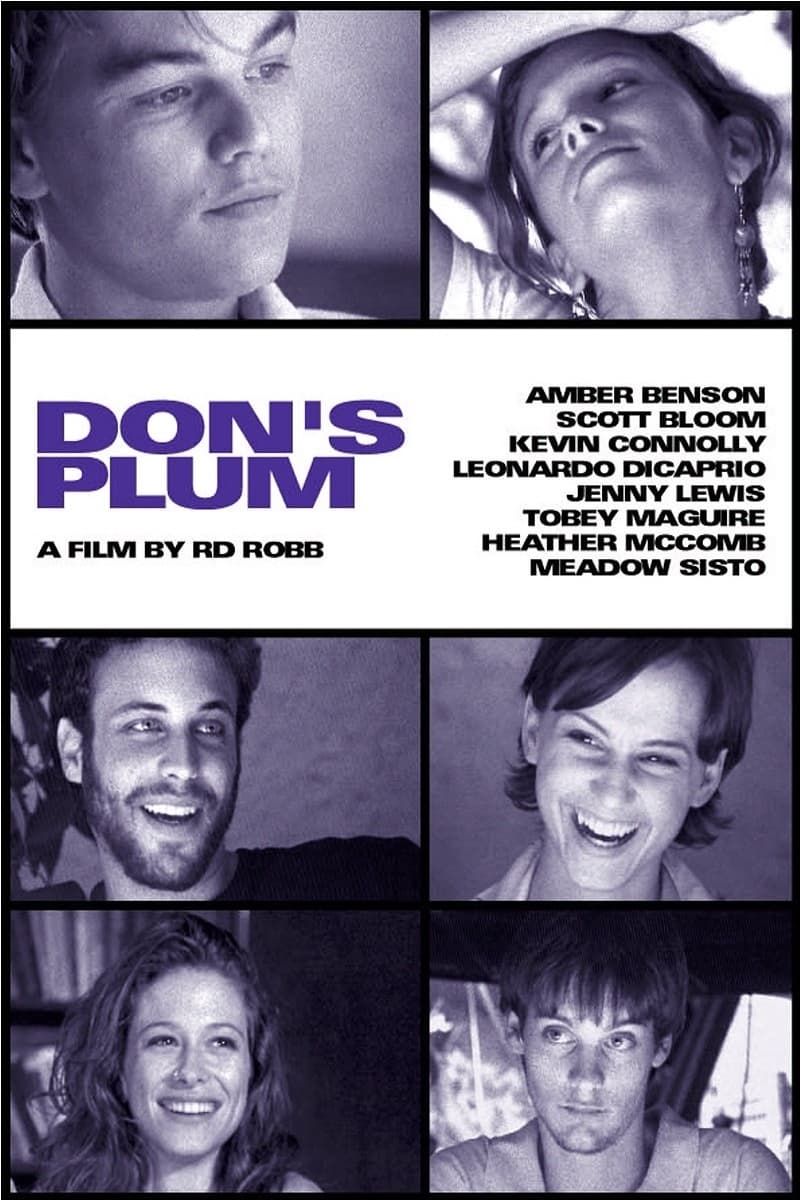
This microbudget indie—shot in black and white over a handful of nights—follows a group of Los Angeles friends who meet in a diner to trade confessions and provocations. DiCaprio appears alongside Tobey Maguire and a rotating ensemble in loosely structured, dialogue-driven scenes.
The film’s reputation stems from its restricted distribution in the United States and Canada after legal disputes; in other territories it circulated through limited screenings and home-video releases. As a result, it’s more often discussed in the context of indie production, contracts, and release rights than for conventional box-office performance.
‘Celebrity’ (1998)
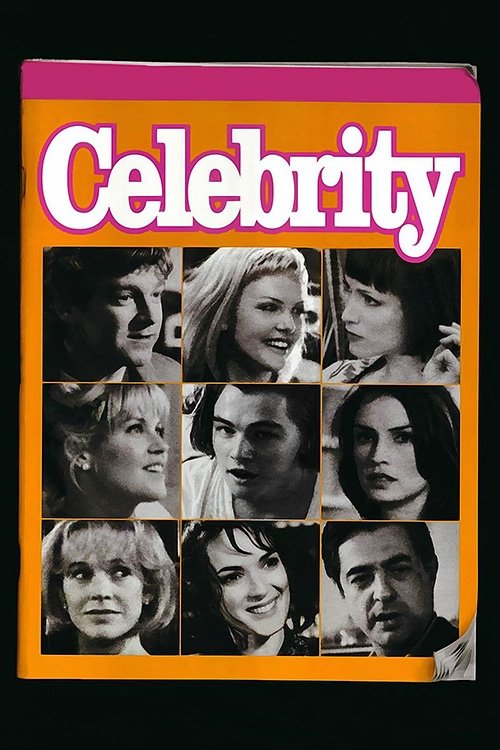
Woody Allen’s ensemble satire trails a journalist drifting through Manhattan’s fame industry, with DiCaprio cameoing as a volatile movie star. Shot in black and white by Sven Nykvist, it assembles a large cast to sketch the media machinery surrounding models, agents, and auteurs.
The film’s episodic structure moves through vignettes that critique publicity ecosystems and the churn of tabloid culture in the late 1990s. DiCaprio’s appearance arrives within a collage of scenes designed to lampoon status-chasing in show business.
‘The Quick and the Dead’ (1995)

Sam Raimi’s stylized Western centers on a dueling tournament in a lawless town, with DiCaprio as “The Kid,” an impulsive sharpshooter seeking validation. The supporting cast includes Sharon Stone, Gene Hackman, and Russell Crowe, with production design that riffs on classic western iconography.
Raimi’s kinetic camera moves—whip-pans, snap zooms, and extreme angles—stage showdowns as set pieces. The tournament bracket framework lets the film alternate character beats with clockwork shootouts, giving each duel a distinct visual hook.
‘J. Edgar’ (2011)
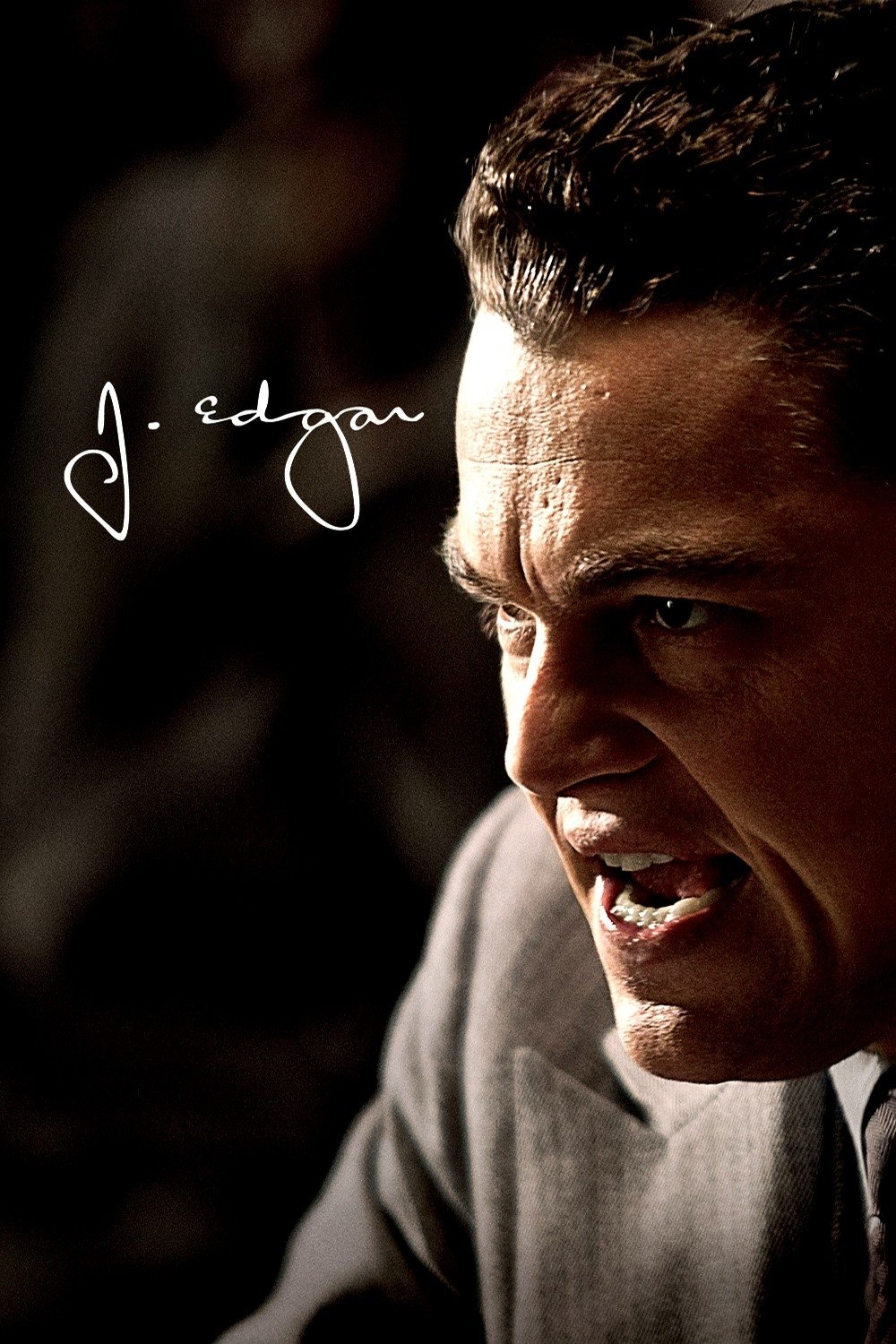
Clint Eastwood’s biographical portrait spans decades of J. Edgar Hoover’s tenure at the FBI, tracking surveillance expansions, political alliances, and the close partnership with Clyde Tolson. DiCaprio portrays Hoover across ages using extensive prosthetic makeup to connect early Bureau histories to mid-century power.
The narrative uses interrogations and flashbacks to thread high-profile cases, early fingerprinting, and crime-lab development into a study of federal image-making. Production departments recreate period offices, newsreels, and wardrobe to map institutional growth onto personal mythology.
‘Total Eclipse’ (1995)
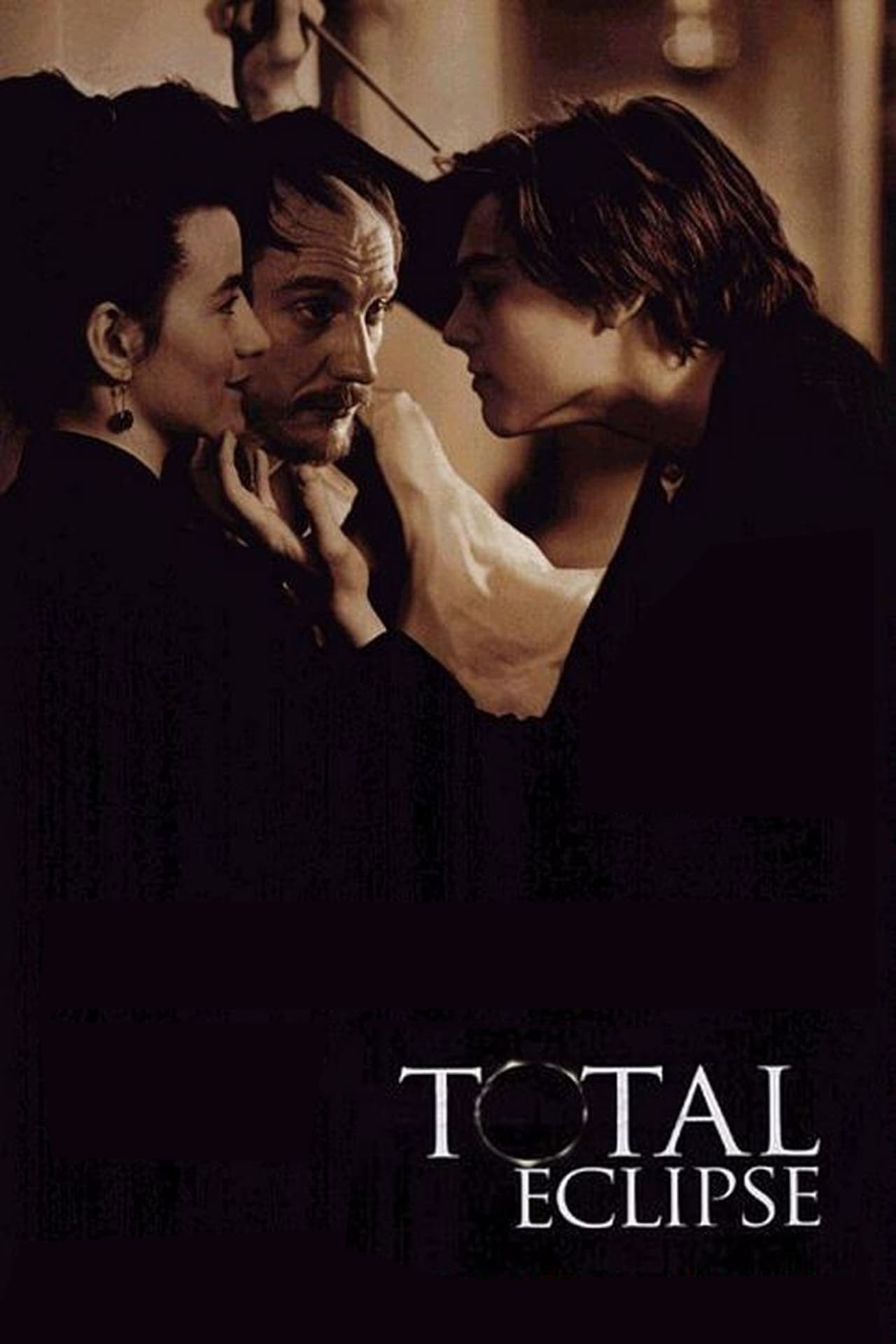
This biographical drama chronicles the tempestuous relationship between poets Arthur Rimbaud and Paul Verlaine in 19th-century France. DiCaprio plays Rimbaud opposite David Thewlis’s Verlaine, adapting Christopher Hampton’s stage play.
The film relies on letters, verse, and documented travels across France and Belgium to trace creative collaboration and rupture. Location work and costuming place the pair within cafés, garrets, and salons that situate their literary influence in specific cultural settings.
‘The Beach’ (2000)

Adapted from Alex Garland’s novel, Danny Boyle’s drama follows a young traveler who discovers a secret island community in Thailand. DiCaprio’s character becomes a conduit for exploring how utopian ideals clash with the compromises required to keep the commune hidden.
The production mixes on-location photography in the Gulf of Thailand with soundstage work, balancing travelogue allure and psychological unraveling. The story touches on group dynamics, resource rules, and the tension between escape fantasies and practical survival.
‘The Man in the Iron Mask’ (1998)
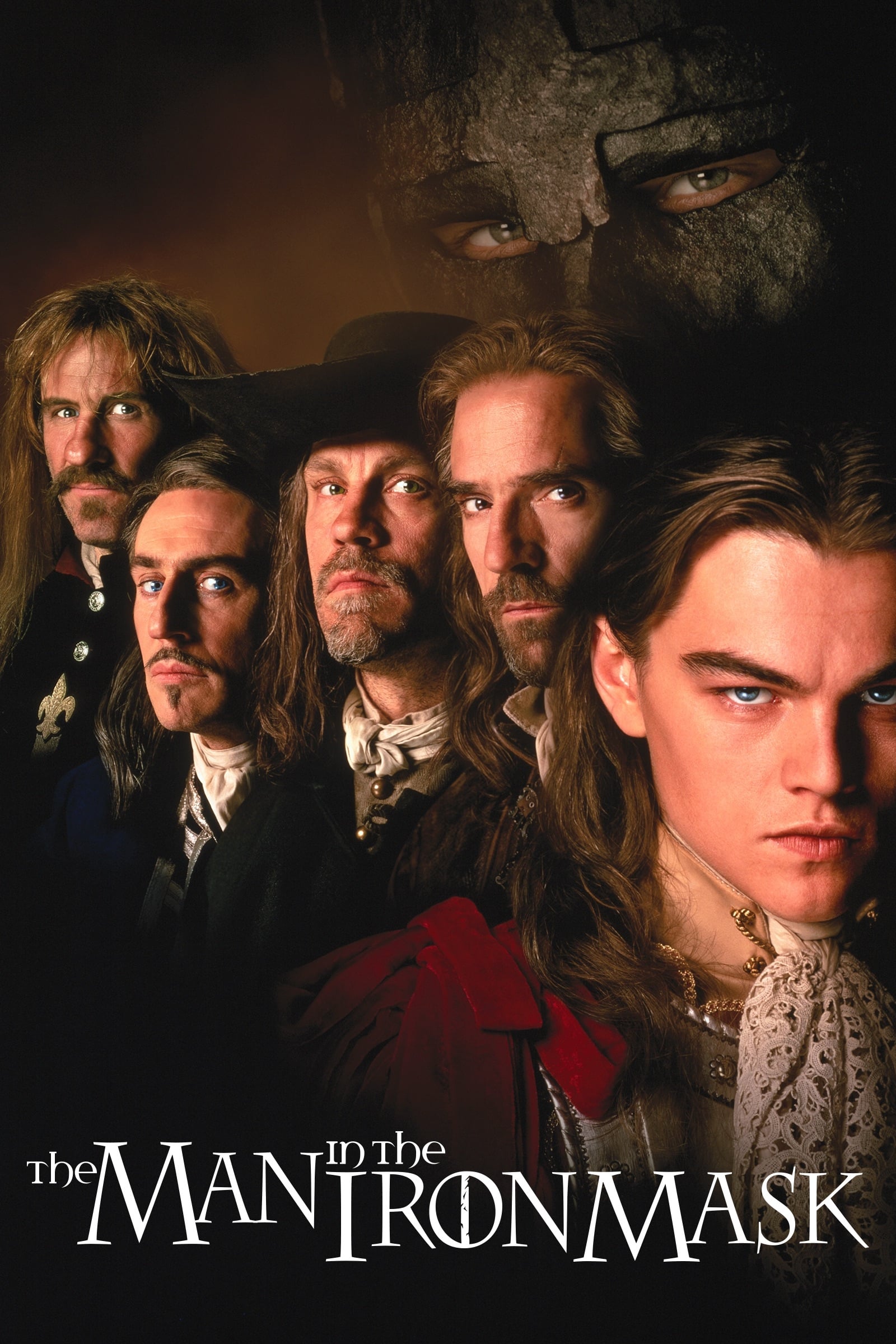
Set within Dumas’s Musketeer universe, the film pairs DiCaprio in a dual role as King Louis XIV and his imprisoned twin, Philippe. A conspiracy by the aging Musketeers to swap rulers drives the palace intrigue, swordplay, and secret-passage plotting.
Lavish costumes and ornate sets anchor the courtly atmosphere, while an ensemble—Jeremy Irons, John Malkovich, Gérard Depardieu, Gabriel Byrne—provides the veteran counterweight to the twin-performance showcase. The narrative uses masquerade and mistaken identity staples to advance the coup plan.
‘Marvin’s Room’ (1996)
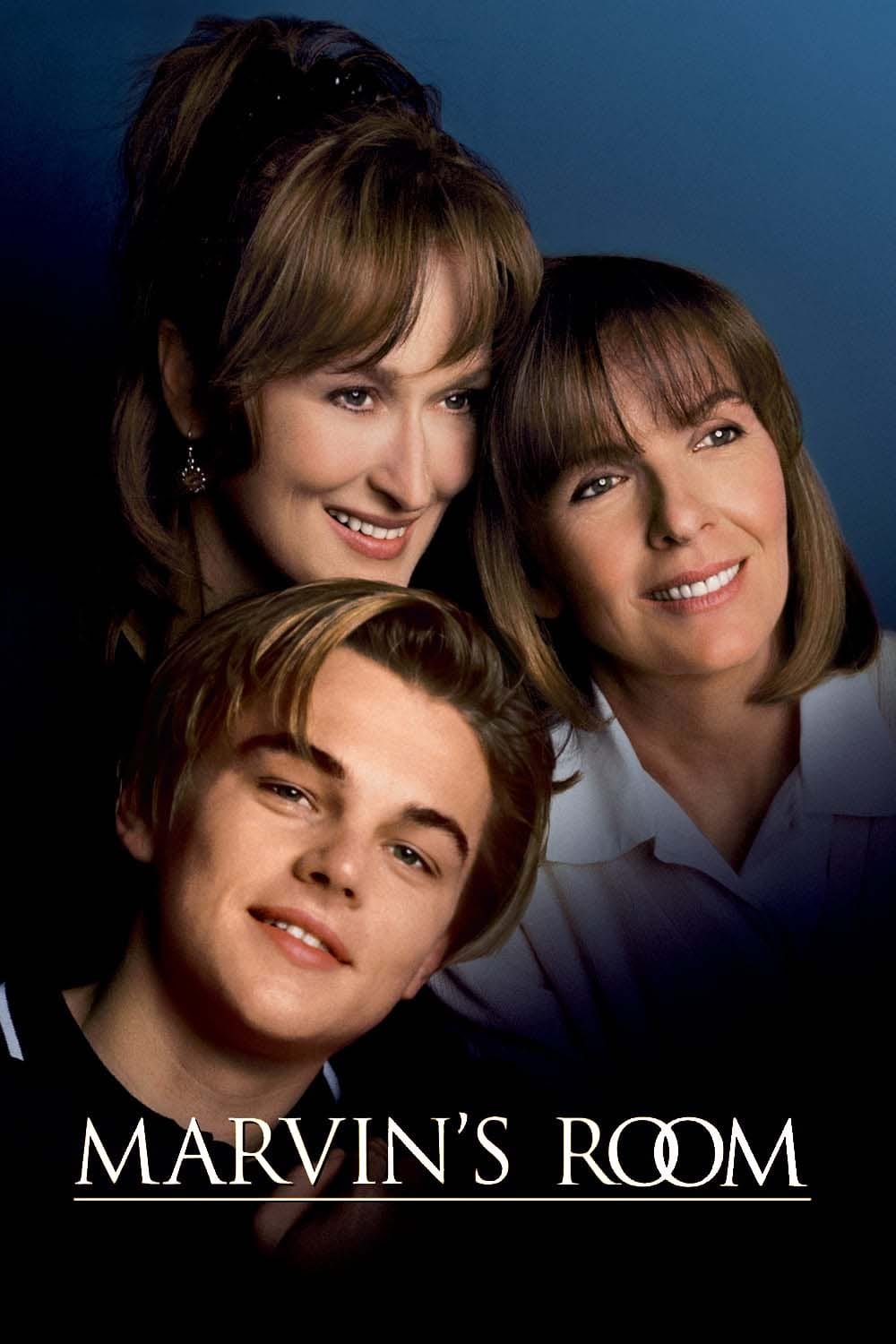
Based on Scott McPherson’s play, this family drama brings together estranged sisters when a leukemia diagnosis forces hard choices. DiCaprio appears as a troubled teen whose behavior becomes a pivot point in the family’s reconnection attempts.
With Diane Keaton and Meryl Streep as the leads, the film emphasizes caregiving logistics and the negotiations around long-term illness. Modest Florida locations and intimate interiors ground the story in hospital-visit rhythms and domestic routines.
‘Romeo + Juliet’ (1996)
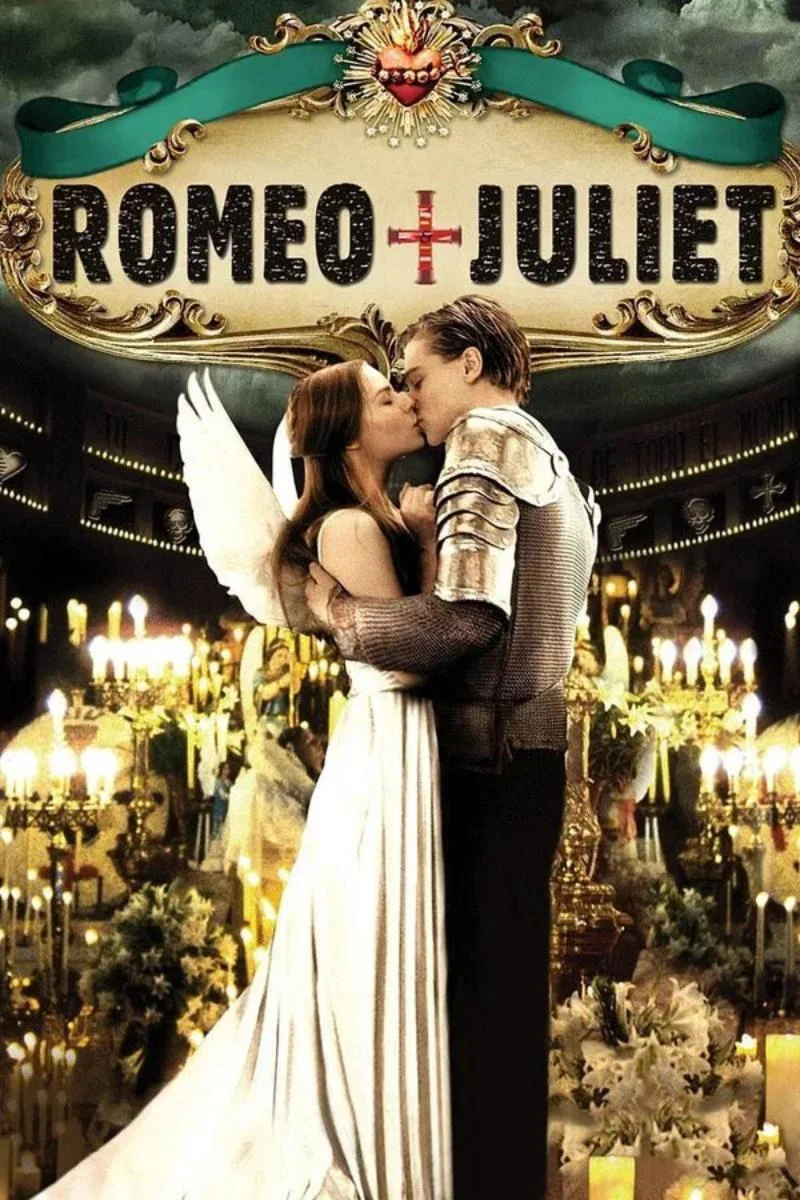
Baz Luhrmann relocates Shakespeare’s tragedy to a hyper-stylized modern Verona Beach where rival corporate “houses” wage war with handgun “swords.” DiCaprio’s Romeo shares the spotlight with Claire Danes’s Juliet amid music-video editing, neon altars, and billboard iconography.
The production keeps the original language while deploying contemporary vehicles, costumes, and TV news cut-ins to translate feuds and fate into 1990s pop imagery. Its design choices helped reintroduce the play to younger audiences through fashion, soundtrack, and MTV-era pacing.
‘Body of Lies’ (2008)
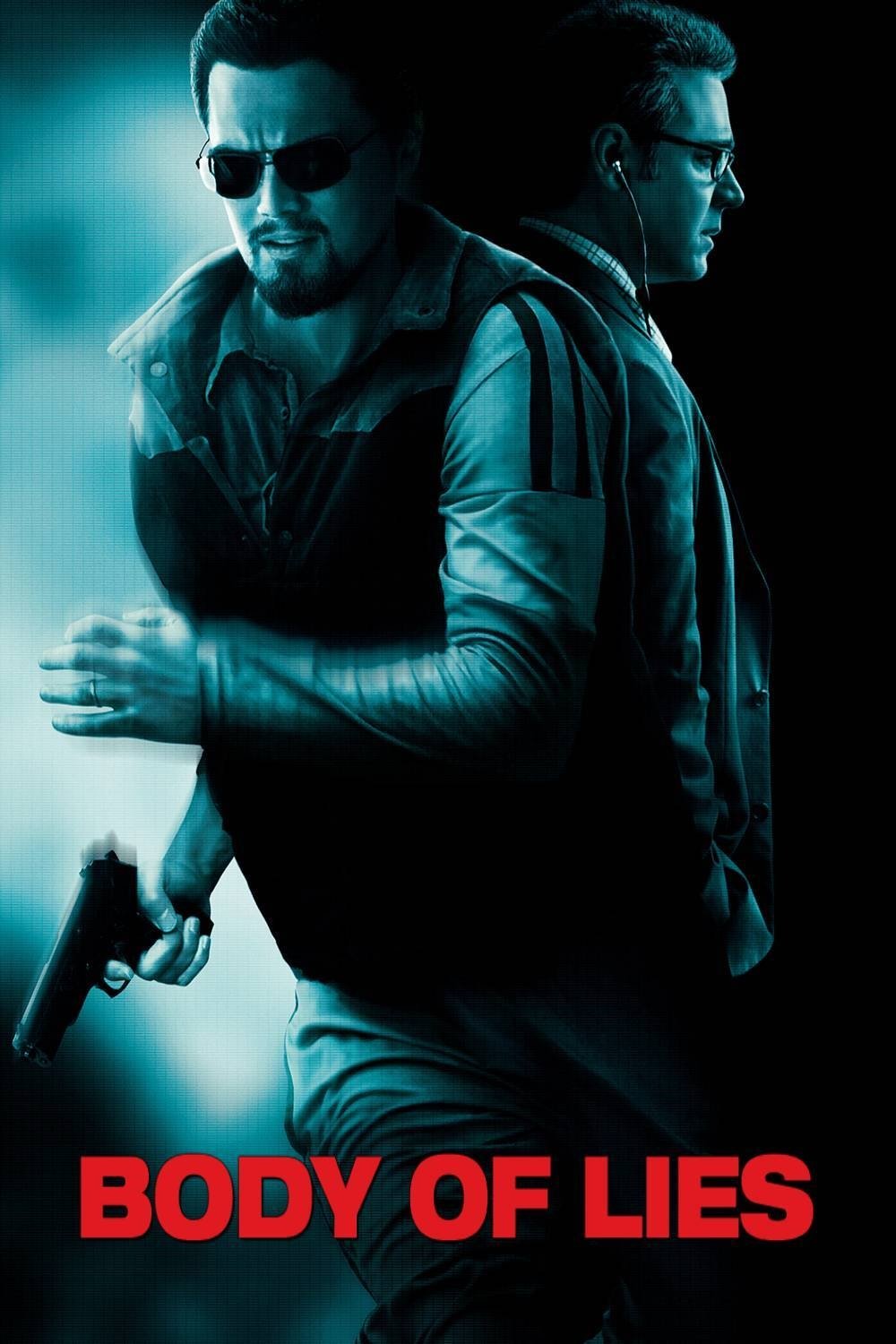
Ridley Scott’s espionage thriller follows a CIA operative tracking a terror cell across Jordan and Europe, with DiCaprio’s field agent coordinating—and clashing—with handlers in Langley and local intelligence. Russell Crowe and Mark Strong co-star in a story grounded in surveillance tradecraft and asset management.
Shot across multiple countries, the film integrates on-the-ground operations with debates about disinformation and the limits of satellite-age oversight. Its plotting moves through safehouses, source recruitment, and competing bureaucratic incentives.
‘Don’t Look Up’ (2021)
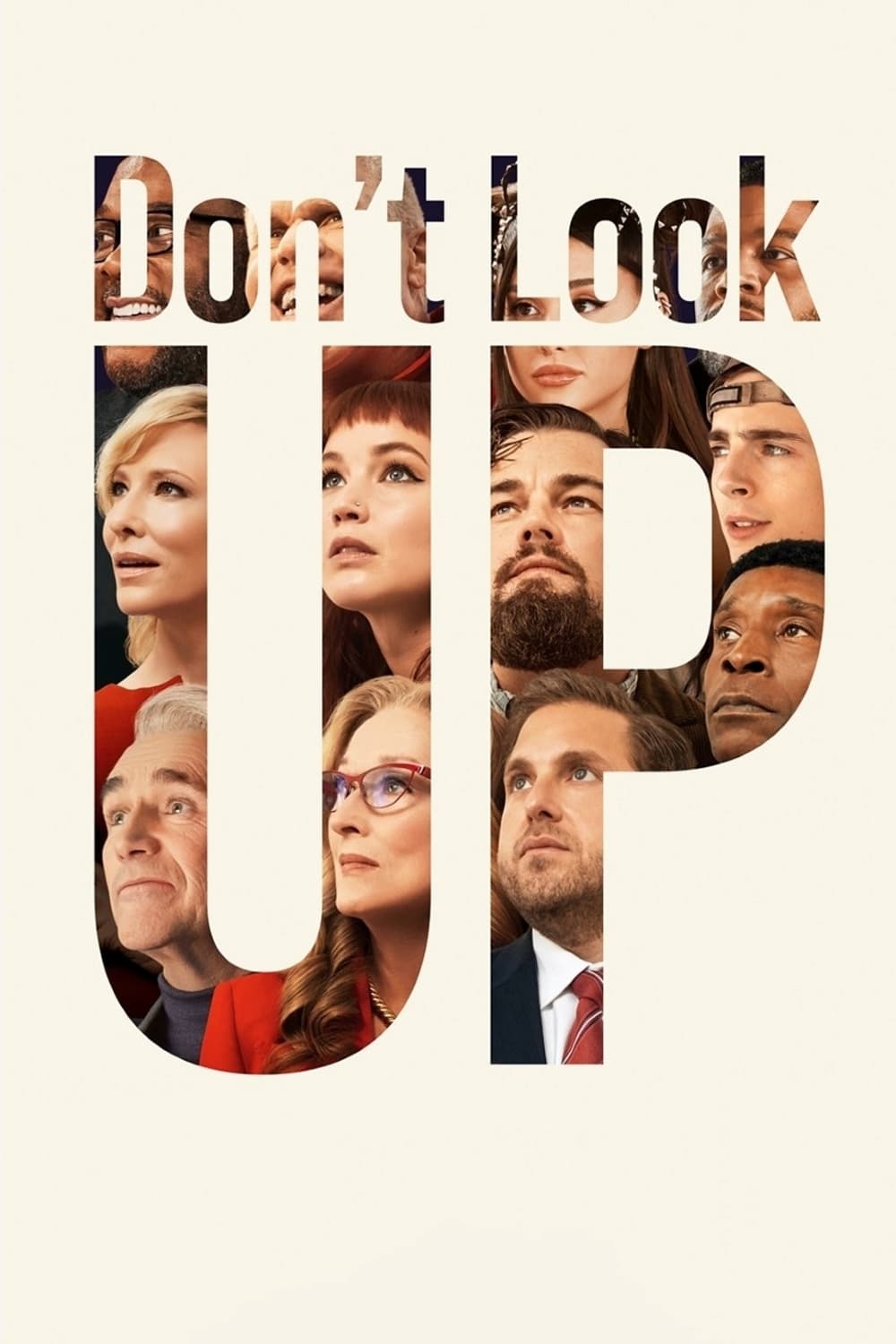
Adam McKay’s satire uses an impending comet strike to examine information silos, media incentives, and policymaking gridlock. DiCaprio plays an astronomer pushed into talk-show circuits and political briefings as communications strategies collide with scientific briefings.
The ensemble—Jennifer Lawrence, Meryl Streep, Jonah Hill, and others—maps the modern attention economy, from algorithmic platforms to donor events. The film structures urgency through press tours, hearings, and launch countdowns tied to a planetary-defense timetable.
‘The Great Gatsby’ (2013)
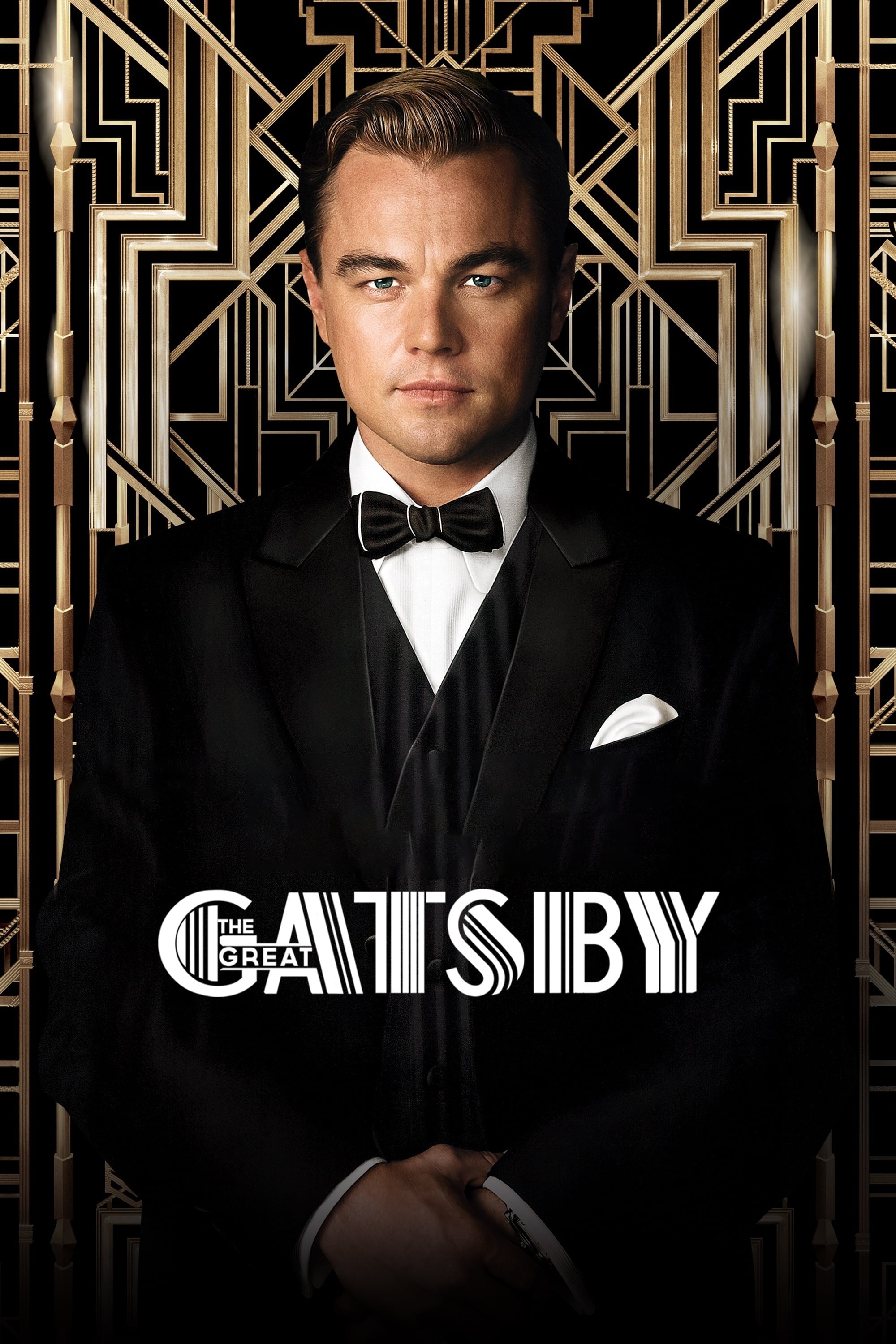
Luhrmann’s adaptation of F. Scott Fitzgerald’s novel frames the Jazz Age through lavish parties, an unreliable narrator, and a mysterious millionaire host. DiCaprio’s Gatsby orchestrates reunions and reinventions against a backdrop of Long Island mansions and Manhattan suites.
The production blends period setting with contemporary music, CG-assisted cityscapes, and art direction that translates Fitzgerald’s symbolism into saturated spectacle. Costume and set pieces—from shirt-throw scenes to Plaza Hotel confrontations—anchor the book’s iconic beats.
‘This Boy’s Life’ (1993)
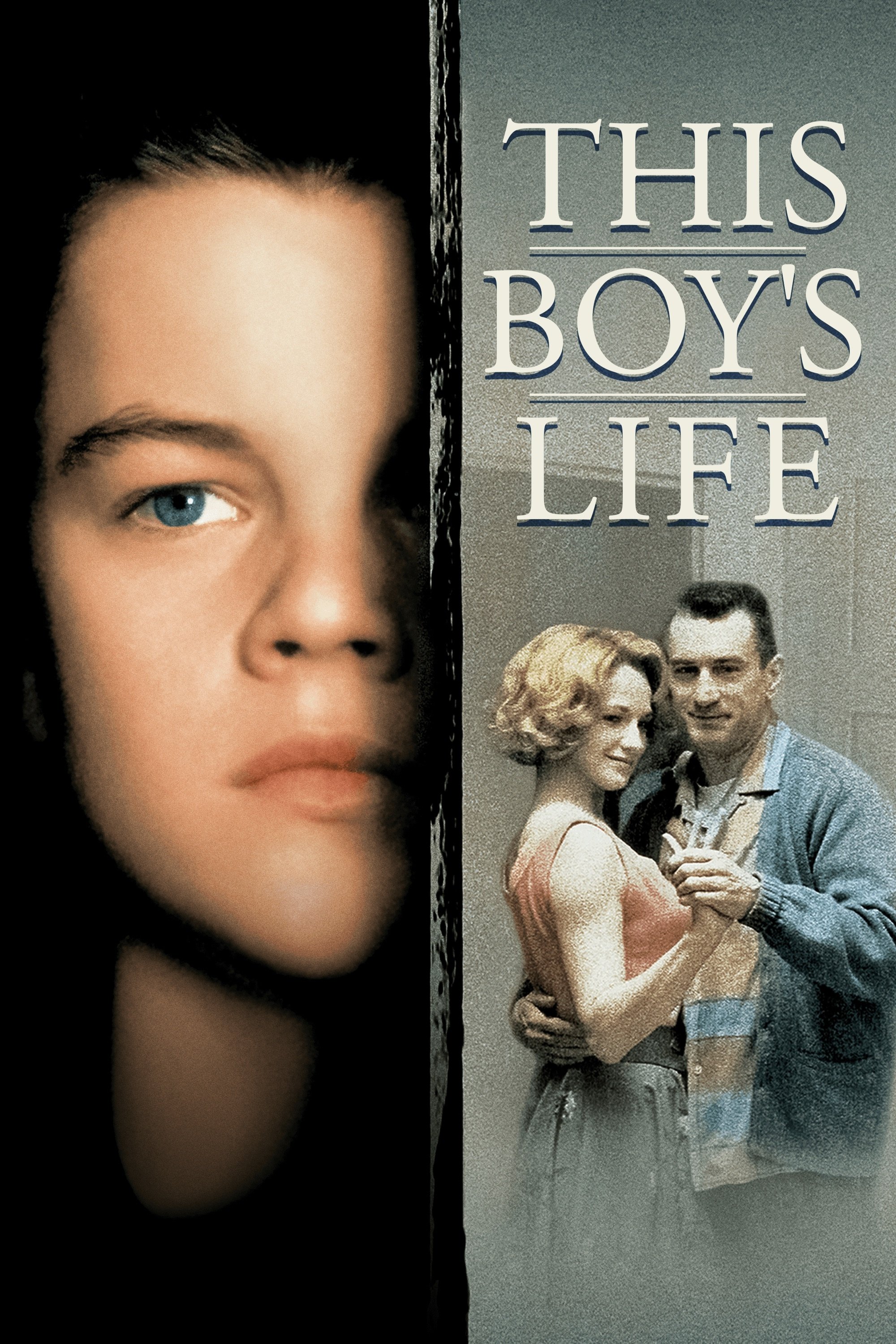
Set in 1950s America and adapted from Tobias Wolff’s memoir, the film follows a mother and son who relocate for a fresh start and encounter an abusive stepfather. DiCaprio, in his first lead feature role, tracks a teen’s strategies for survival and self-invention.
With Robert De Niro and Ellen Barkin, the film maps small-town routines—school, odd jobs, church dances—onto volatile domestic life. Period details in cars, clothing, and interiors situate the story within postwar American mobility.
‘The Basketball Diaries’ (1995)
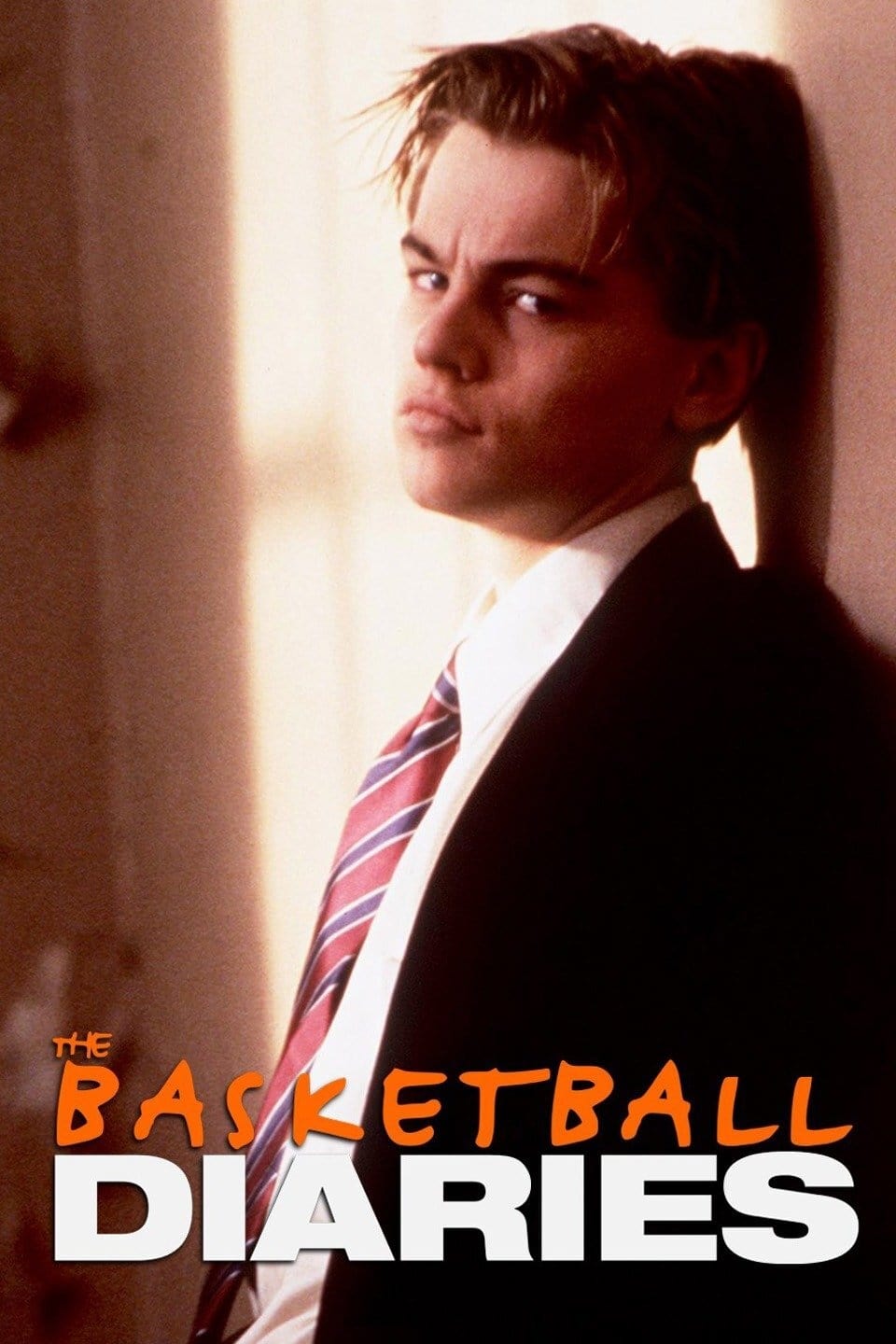
Adapted from Jim Carroll’s memoir, the film traces a high-school athlete’s slide into heroin addiction in New York City. DiCaprio portrays the incremental compromises of habit set against flashes of poetry and ball-court promise.
Locations shift from classrooms and playgrounds to grim apartments and precinct rooms, showing systems that fail and friendships that fracture. The soundtrack and handheld camerawork mirror the jagged rhythms of relapse and attempted recovery.
‘Revolutionary Road’ (2008)
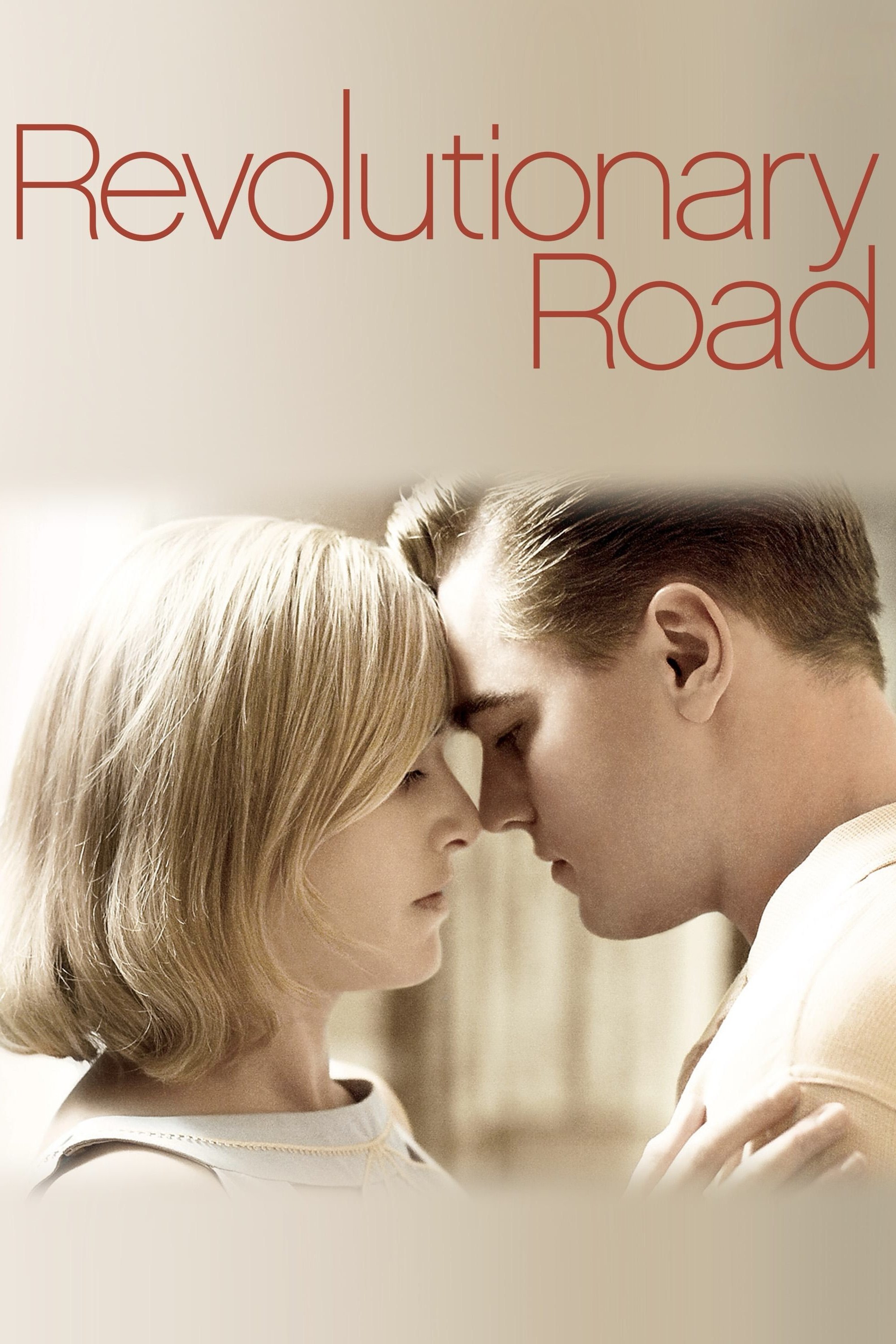
This suburban drama, adapted from Richard Yates’s novel, reunites DiCaprio with Kate Winslet as a couple straining against mid-1950s conformity. The story tracks grand plans, deferred dreams, and the pressures exerted by neighbors, employers, and expectations.
Rail commutes, office partitions, and kitchen-table debates are staged with period-accurate production design. Therapy sessions, real-estate conversations, and dinner parties become tight, revealing pressure cookers within the marriage.
‘One Battle After Another’ (2025)
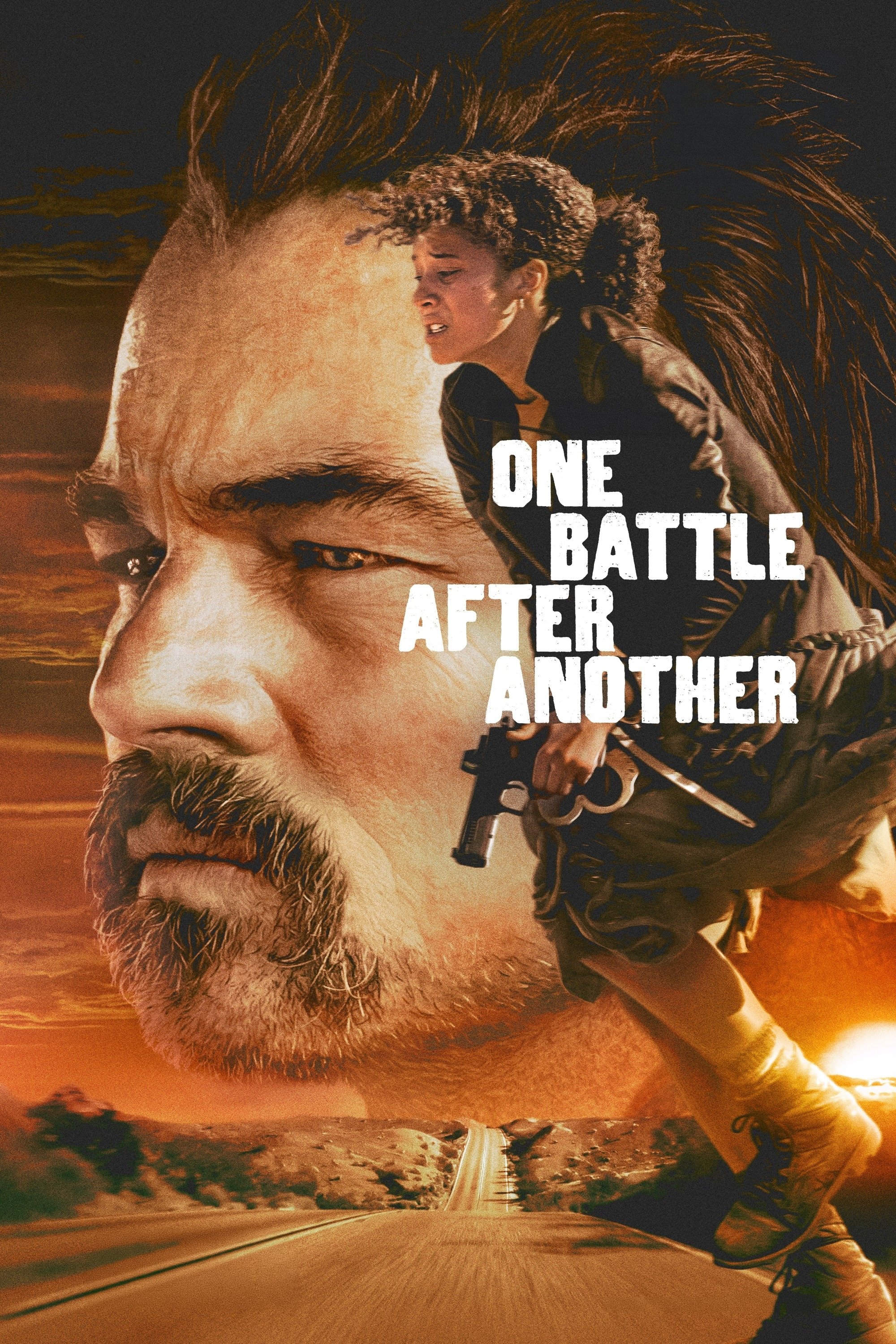
Paul Thomas Anderson’s 2020s action-drama casts DiCaprio as a former revolutionary drawn back into conflict after a personal loss, moving between safehouses, border towns, and corporate targets. Reports detail a blend of large-scale set pieces with character-centric quiet passages.
Coverage highlights collaboration with long-time Anderson craftspeople, practical stunt work augmented by restrained effects, and a score that alternates percussive propulsion with reflective motifs. Festival and release-window notes emphasize topical undercurrents within a studio-scale execution.
‘Gangs of New York’ (2002)
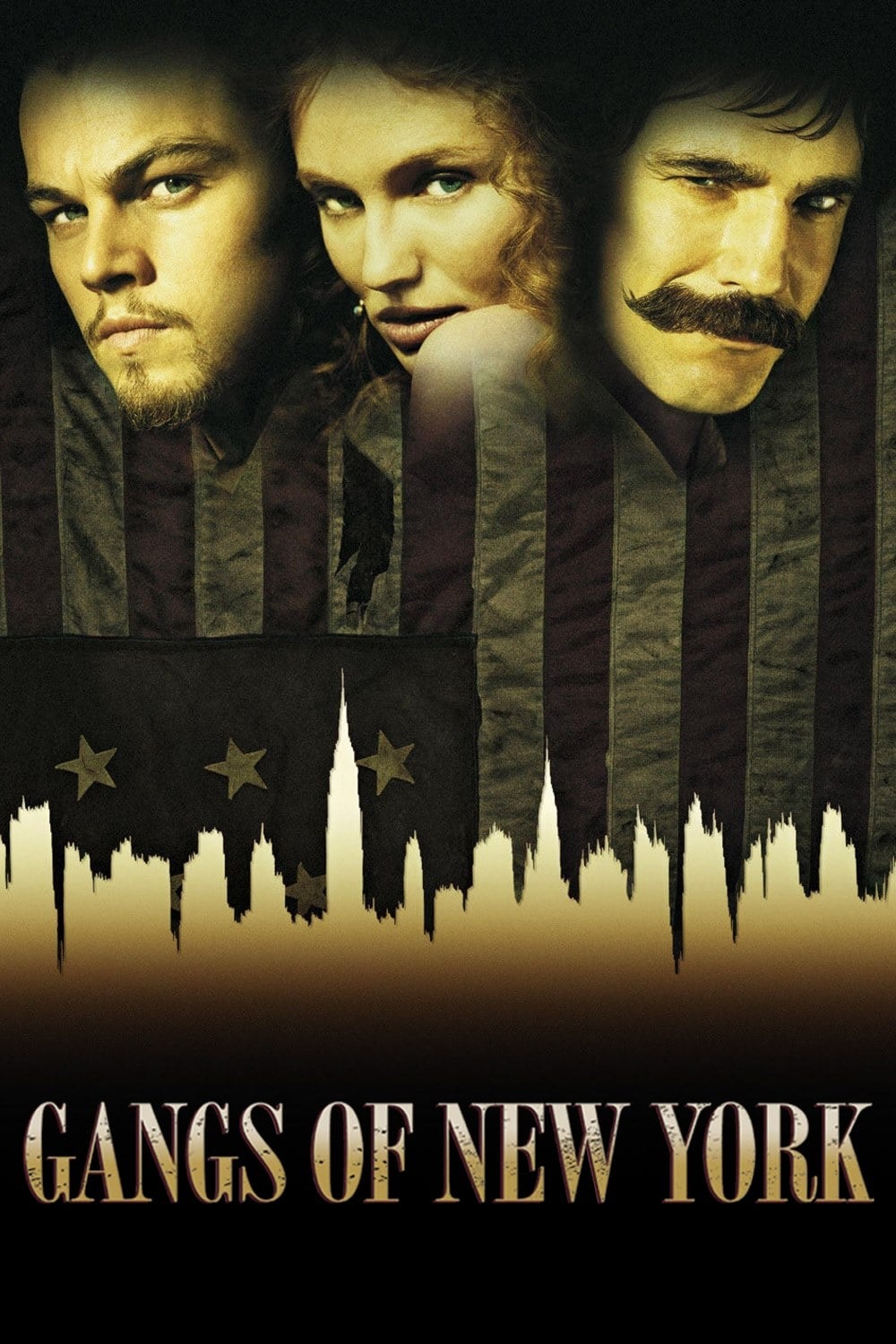
Martin Scorsese’s historical epic stages a gang war in mid-19th-century Manhattan’s Five Points, where immigrant factions and nativist groups battle for turf and political leverage. DiCaprio’s Amsterdam Vallon seeks vengeance while navigating Tammany Hall and city-wide upheaval.
Vast sets, meticulous costumes, and staged riots reconstruct a volatile New York at the birth of modern urban politics. The film interweaves personal vendettas with draft riots, party machines, and the rough mechanics of power on the streets.
‘The Aviator’ (2004)
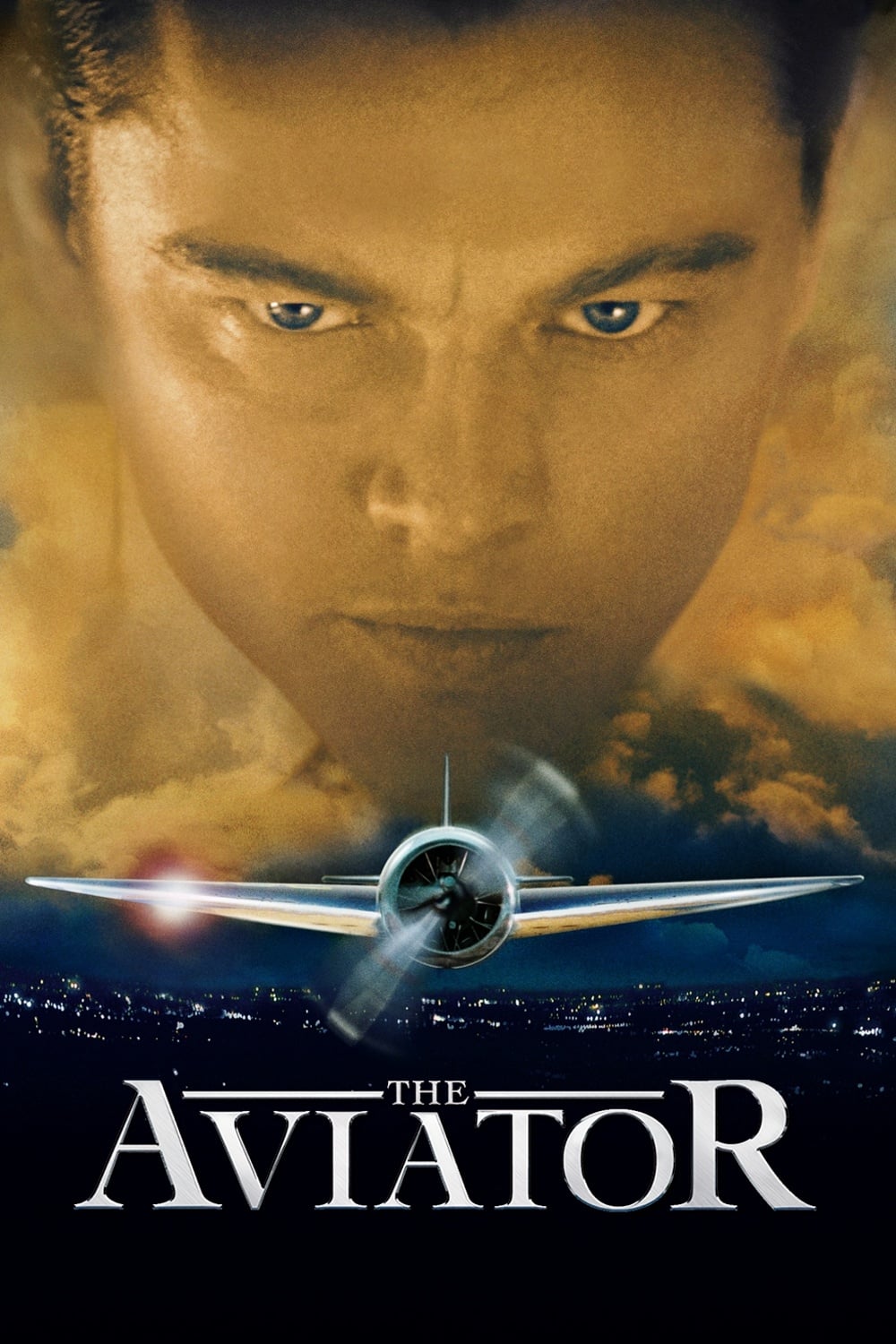
Covering the most visionary phase of Howard Hughes’s life, Scorsese’s biopic follows aviation breakthroughs, Hollywood productions, and an escalating struggle with obsessive-compulsive disorder. DiCaprio’s Hughes balances test flights and film sets with boardroom battles.
Aerial sequences, period color processes, and painstaking sound design highlight engineering ambition and studio showmanship. The film details aircraft development, record-setting flights, and regulatory fights that shaped early commercial aviation.
‘Once Upon a Time… in Hollywood’ (2019)
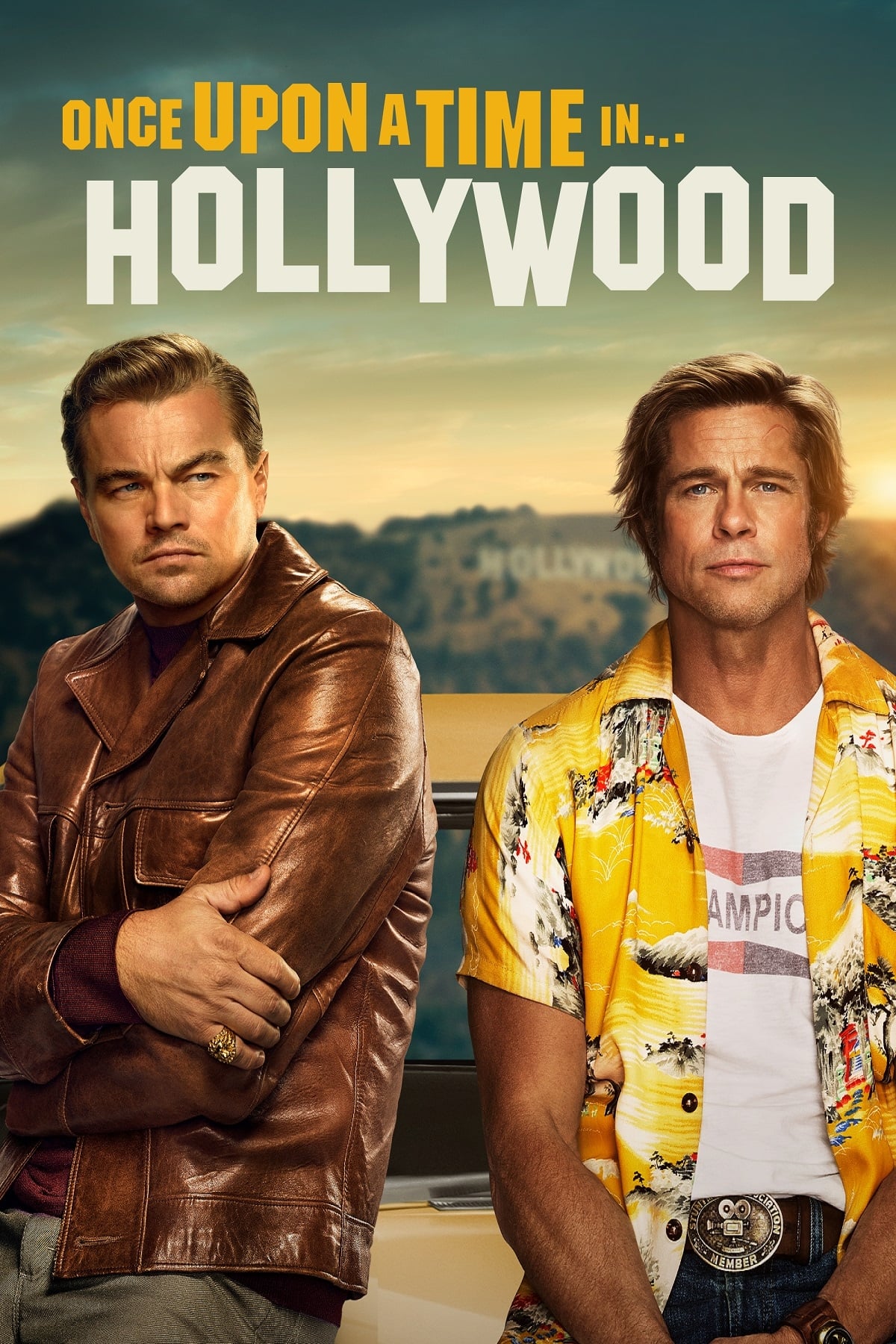
Quentin Tarantino’s late-1960s Los Angeles lingers with a fading TV actor and his stunt double as movie and real-world histories intersect. DiCaprio’s Rick Dalton cycles through pilot shoots, line readings, and career recalibration under shifting industry winds.
Backlot tours, Western sets, and neon-lit boulevards place viewers inside an analog Hollywood of radios, marquees, and film splices. The production’s period detail recreates theaters, signage, and studio backlots while weaving in true-crime timelines.
‘What’s Eating Gilbert Grape’ (1993)
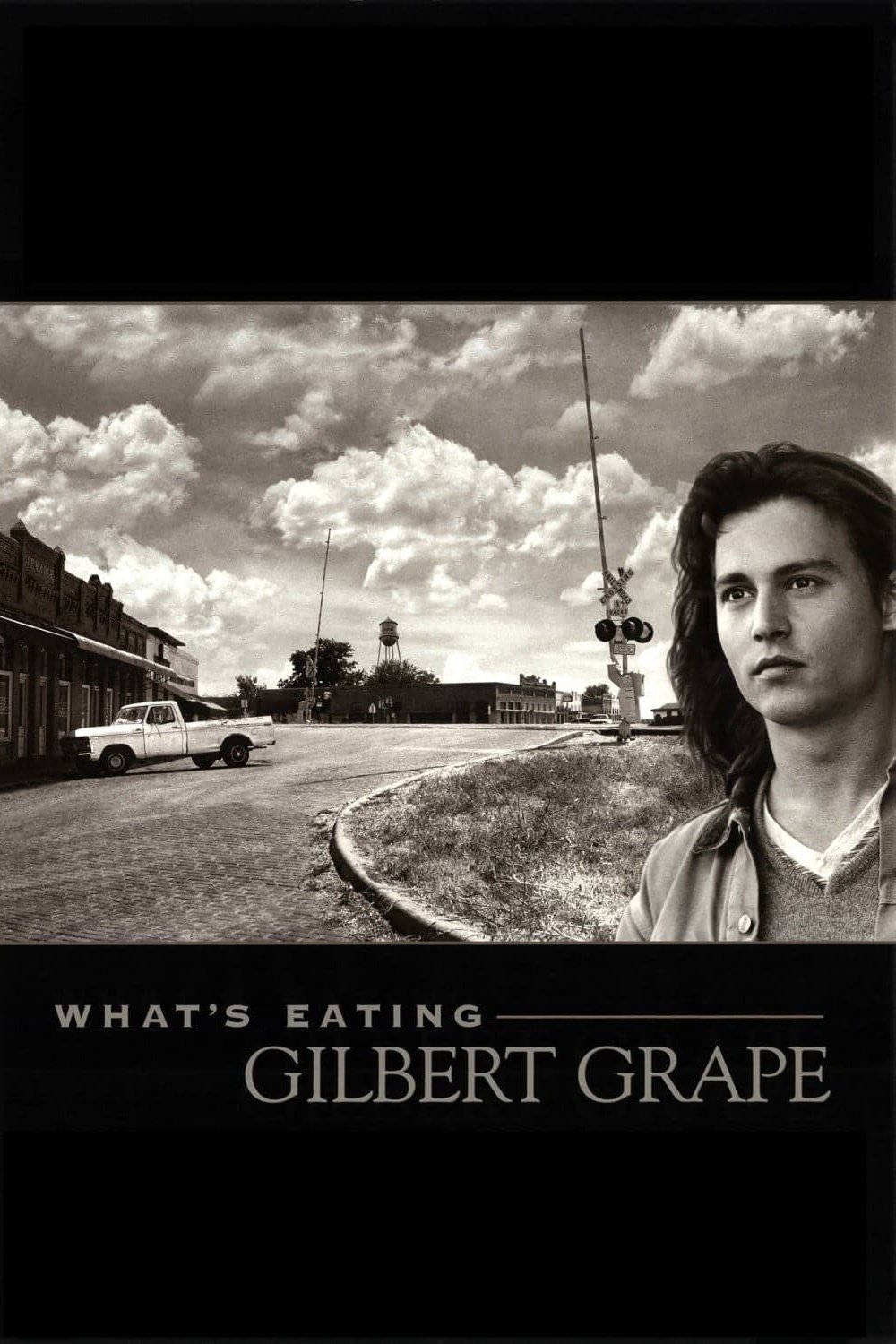
Set in a small Midwestern town, the film follows a young man balancing family caretaking with stalled personal plans. DiCaprio’s performance as Arnie centers routines—grocery runs, house maintenance, birthday rituals—within a portrait of siblings and a home under strain.
Director Lasse Hallström focuses on community texture: parades, diners, and backroads that define the town’s pace. Attention to domestic labor and social services frames the family’s choices within practical constraints.
‘Killers of the Flower Moon’ (2023)
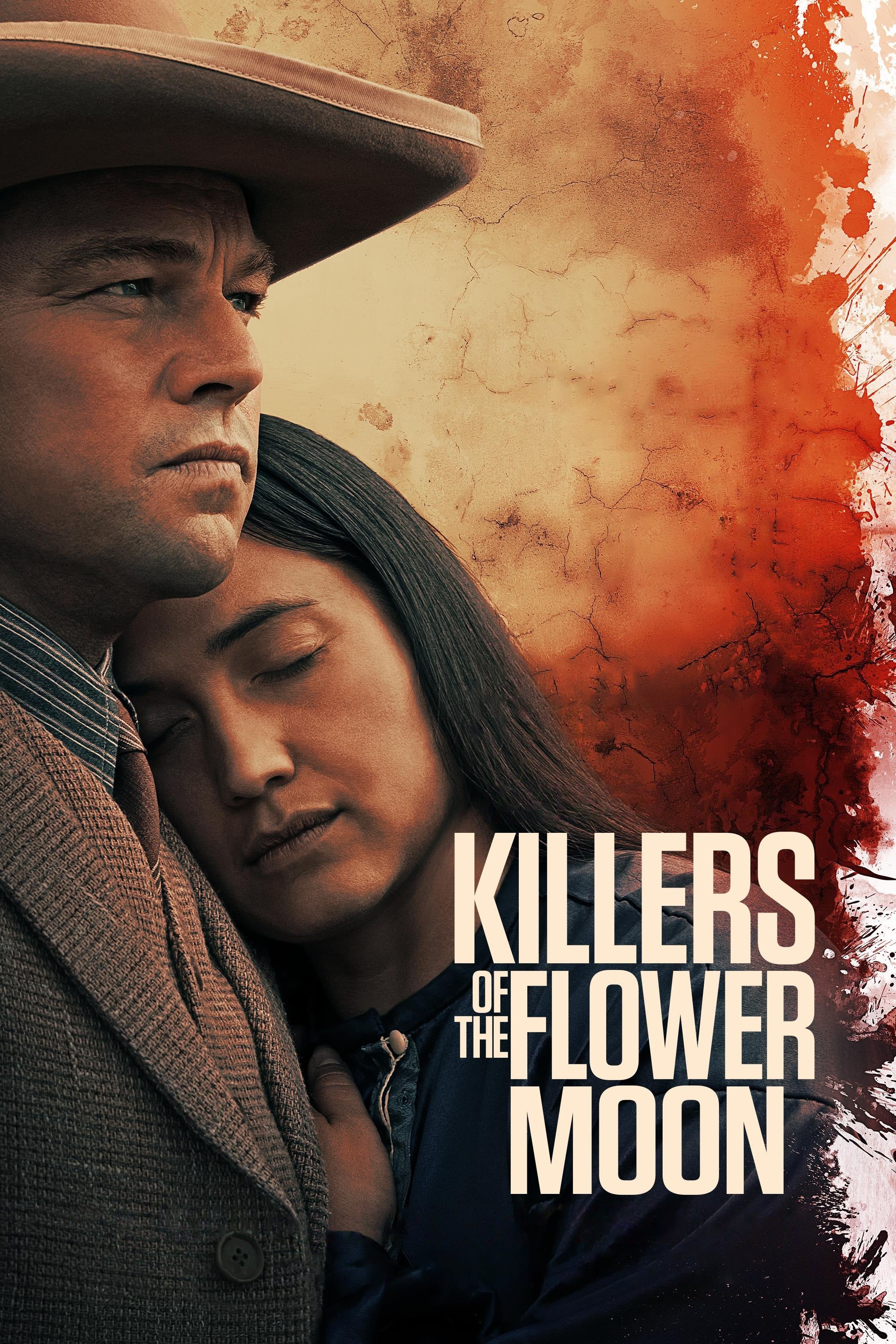
Scorsese’s true-crime epic dramatizes the Osage murders tied to oil wealth in 1920s Oklahoma, with DiCaprio as Ernest Burkhart enmeshed in a plot that intertwines family, greed, and systemic violence. The story follows investigations that became foundational FBI cases.
Authentic locations, Osage language and consultants, and period banking and legal procedures are central to the production. Courtroom strategy and community testimony operate as pivotal tools in confronting crimes long left unpunished.
‘Titanic’ (1997)
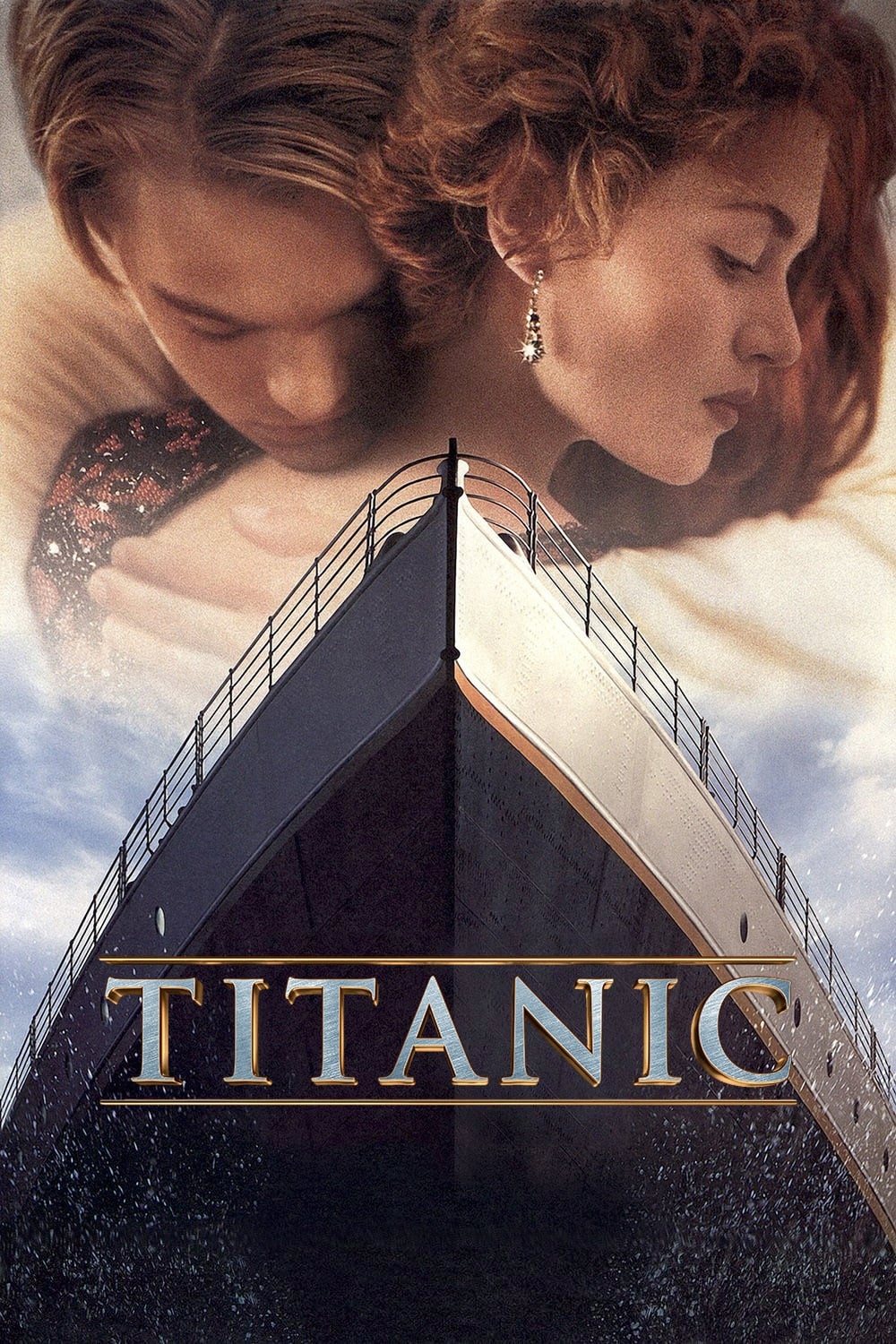
James Cameron’s historical romance reconstructs the RMS Titanic’s design, route, and sinking while following a shipboard love affair across class lines. DiCaprio’s Jack intersects with passenger lists, muster protocols, and deck-by-deck emergency responses during the disaster.
Practical sets, miniatures, and then-cutting-edge effects depict watertight compartments, lifeboat capacity, and the sequence of failures on the night of April 14–15, 1912. The film’s cultural footprint includes extensive awards recognition and record-setting global box-office returns.
‘Blood Diamond’ (2006)
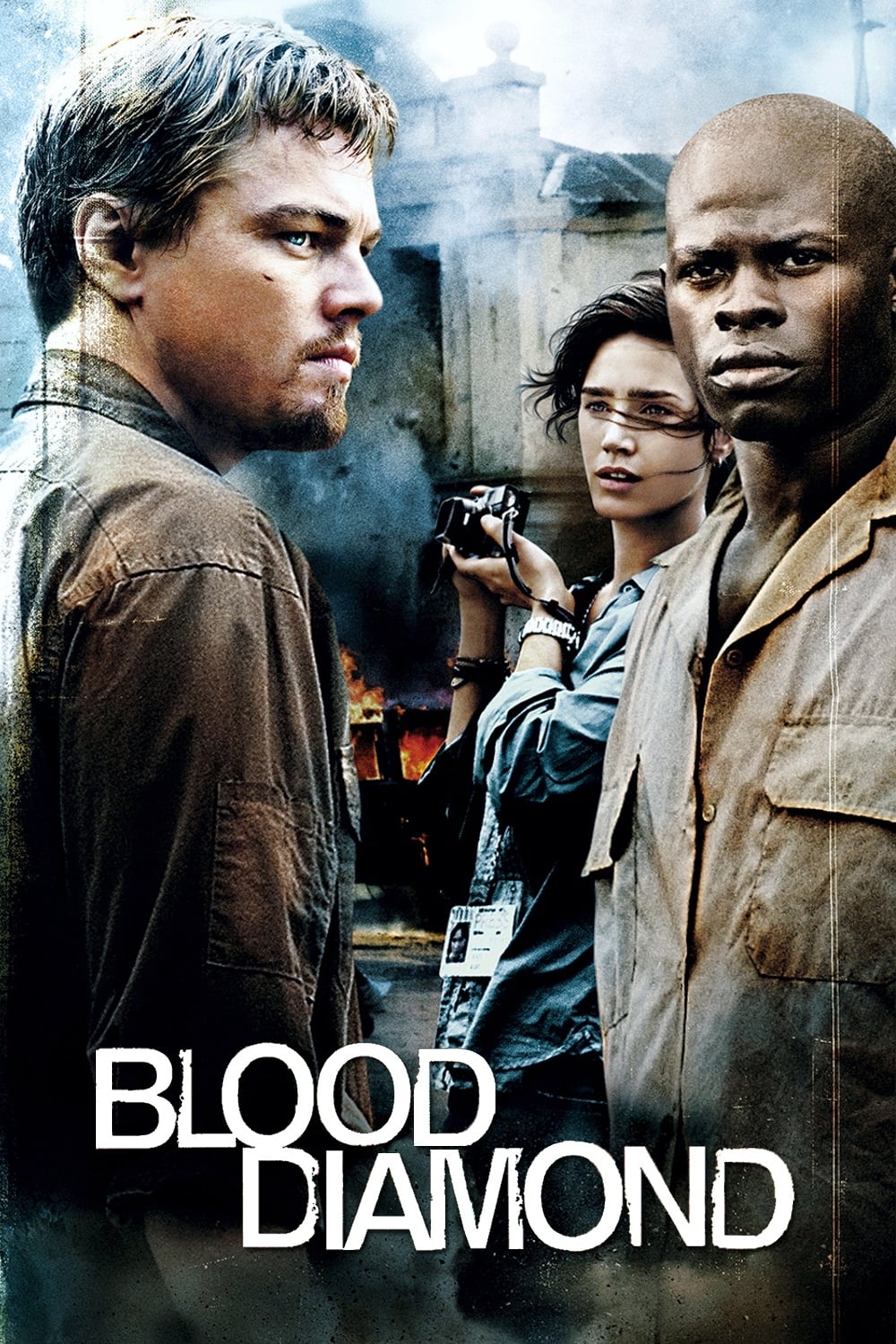
Edward Zwick’s thriller situates a personal quest within the late-1990s trade in conflict diamonds. DiCaprio’s smuggler and Djimon Hounsou’s fisherman cross borders and factions as the film details supply chains from mines to markets.
On-location action set pieces share space with reporting-style scenes about certification initiatives, refugee flows, and rebel financing. The narrative contributed to broader public awareness of provenance concerns that would inform consumer campaigns and policy debates.
‘The Revenant’ (2015)
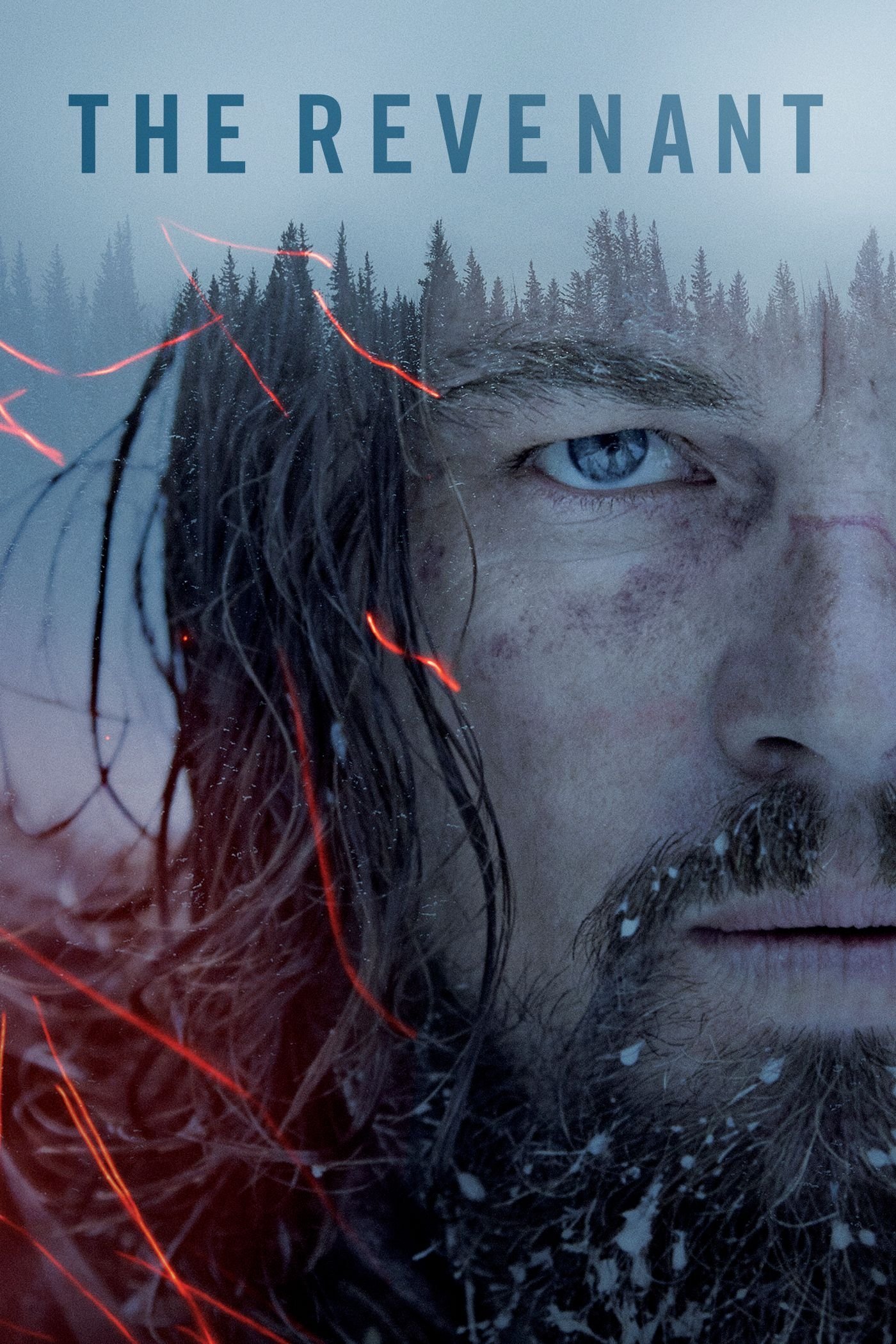
Alejandro G. Iñárritu’s survival saga follows a frontiersman who endures injury, exposure, and betrayal in the early American West. DiCaprio’s performance is shaped by long takes, harsh weather shoots, and scenes in indigenous languages.
Emmanuel Lubezki’s natural-light cinematography and extensive practical effects capture river crossings, winter forests, and fur-trading encampments. The production’s commitment to terrain and period techniques corresponded with major awards across acting and crafts.
‘Catch Me If You Can’ (2002)

Steven Spielberg’s caper tracks Frank Abagnale Jr.’s teenage cons across airlines, banks, and hospitals, with DiCaprio navigating check fraud, forged credentials, and extradition logistics. Tom Hanks co-stars as the pursuing FBI agent.
Mid-century production design—airport counters, Pan Am uniforms, suburban interiors—supports a brisk tour of pre-digital loopholes. The film is built around case files and interviews that informed the screenplay’s episodic structure.
‘The Wolf of Wall Street’ (2013)
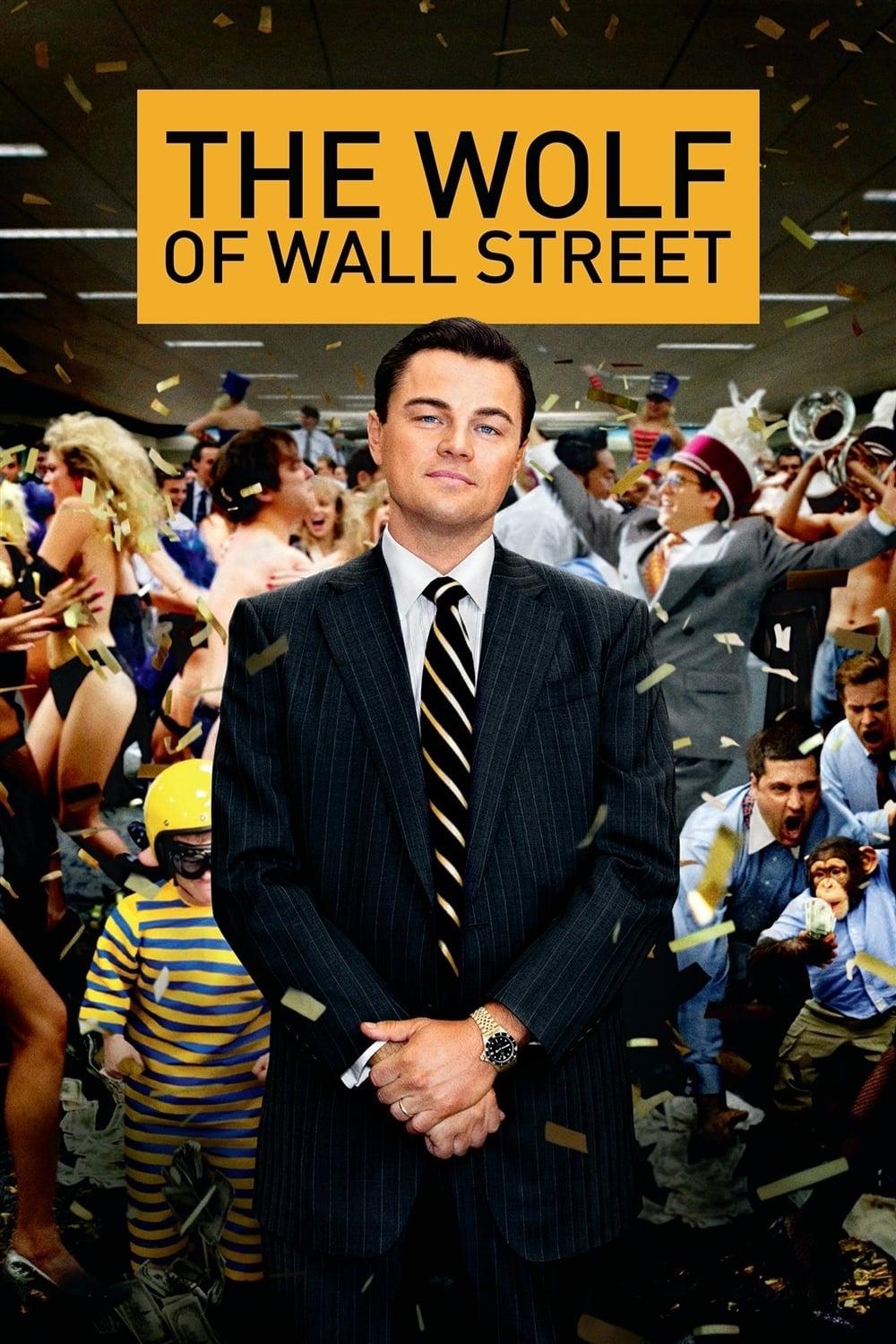
Scorsese’s black comedy chronicles stock-market fraud, boiler-room tactics, and prosecution strategies, with DiCaprio as Jordan Belfort narrating schemes that escalate from penny stocks to IPO manipulation. The script draws on memoir material and court documents.
Voiceover, fourth-wall breaks, and precision editing illustrate persuasion mechanics and money-laundering channels. The ensemble—Jonah Hill, Margot Robbie, and others—renders office hierarchies, sales scripts, and cooperation deals in granular detail.
‘Shutter Island’ (2010)
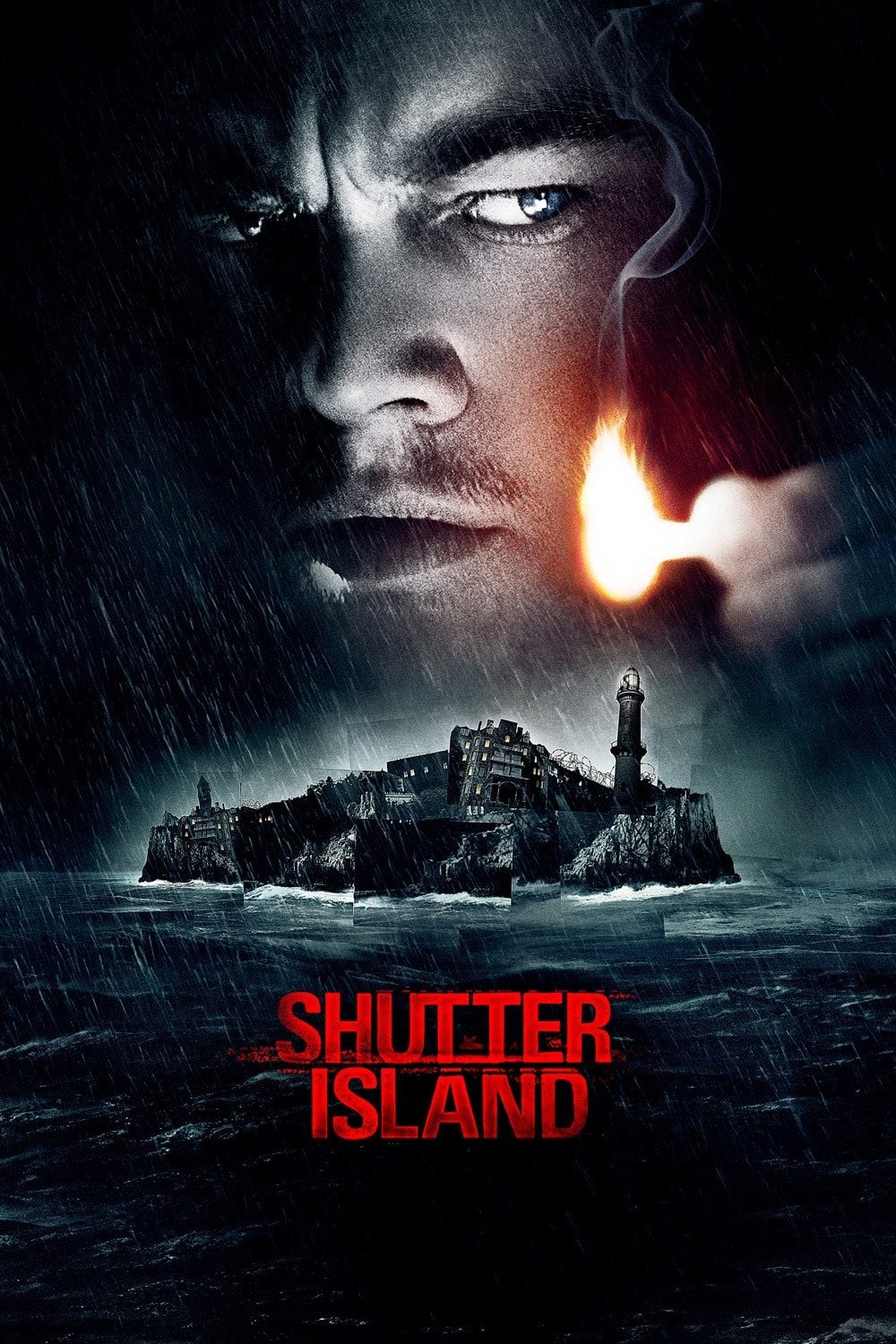
This psychological thriller follows U.S. Marshals investigating a disappearance at a remote asylum off the Massachusetts coast. DiCaprio’s marshal navigates storms, patient files, and a labyrinthine facility as the story layers interviews, records, and memory.
Production design turns wards, lighthouses, and cliffside paths into narrative devices, while intercut wartime imagery deepens the procedural lens. Genre cues and orchestral selections fold noir stylings into a study of trauma.
‘Django Unchained’ (2012)
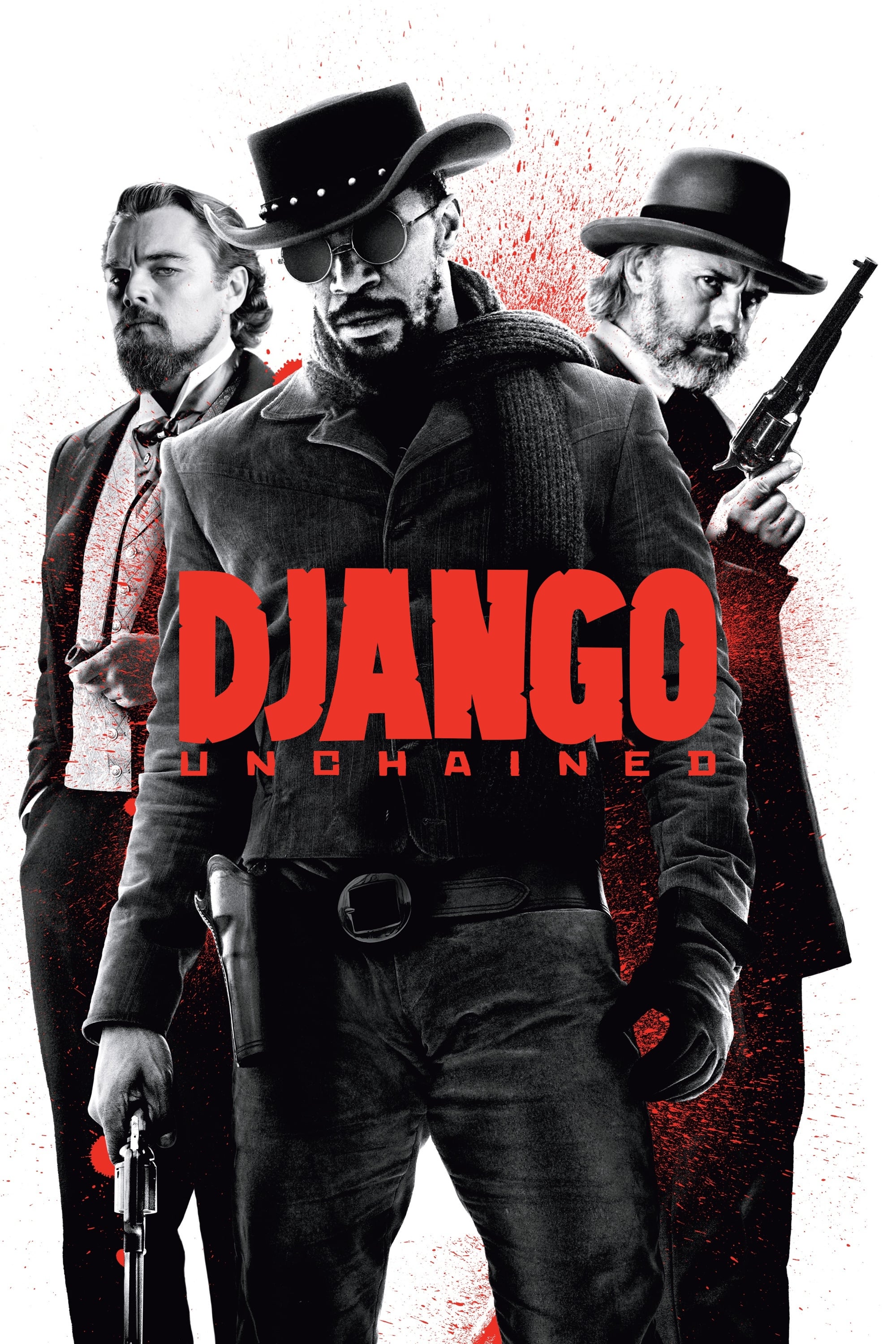
Set in the antebellum South, Quentin Tarantino’s Western-inflected rescue tale traces a freed man’s mission to reclaim his wife from a Mississippi plantation. DiCaprio’s Calvin Candie presides over an estate where negotiation and violence collide.
Gunfights, bounty-hunting codes, and dinner-table diplomacy drive the structure from town-to-town travel to a plantation siege. Period costuming and soundtrack needle-drops refract American myth through genre pastiche.
‘The Departed’ (2006)
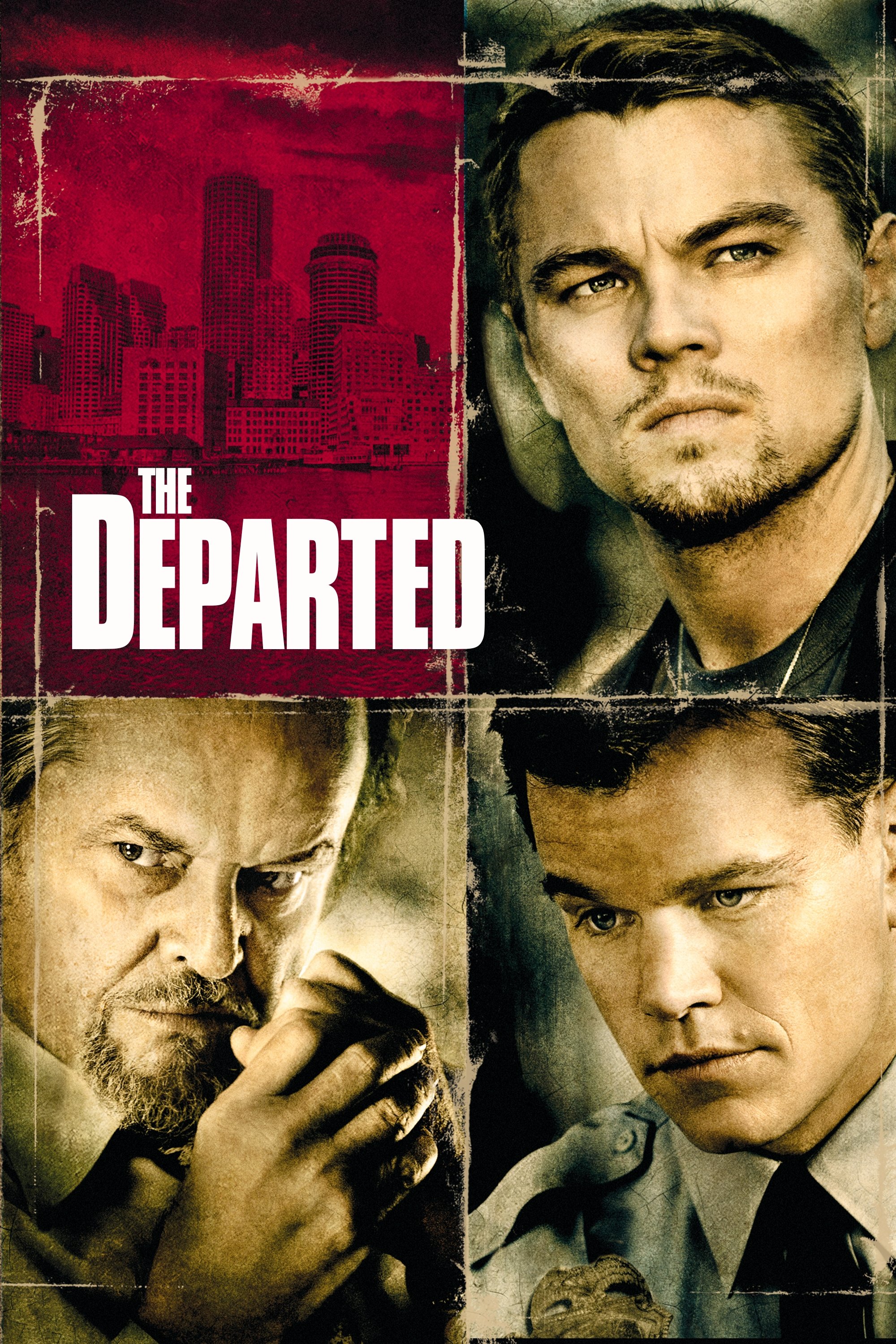
Scorsese’s Boston crime drama crosscuts an undercover cop inside a mob crew with a mob mole inside the police. DiCaprio’s undercover officer manages handlers, wiretaps, and paranoia as parallel investigations tighten.
Adapted from Hong Kong’s ‘Infernal Affairs’, the story relocates to Massachusetts politics and organized crime, spotlighting informant protocols and sting operations. Editing rhythm and soundtrack selections shape mounting tension through intersecting deceptions.
‘Inception’ (2010)
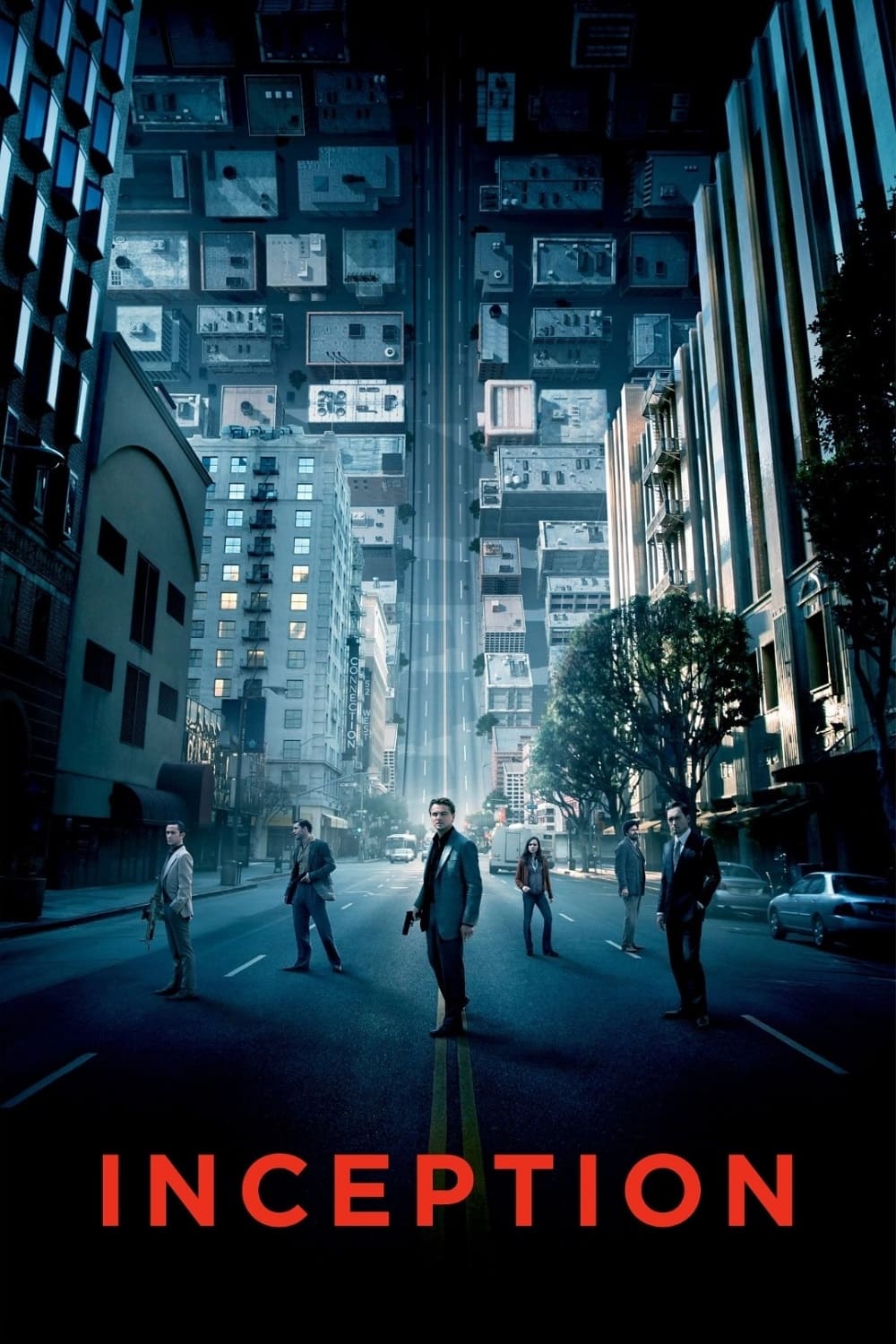
Christopher Nolan’s heist-within-dreams assembles a team that infiltrates layered subconscious spaces for corporate espionage. DiCaprio’s extractor conducts planning sessions that translate psychology into architecture, from city-bending streets to rotating-hallway combat.
The production fuses practical rigs and visual effects to extend dream logic into coherent rules—kicks, totems, and calibrated time dilation. Hans Zimmer’s score, global locations, and puzzle-box cutting established a widely referenced blockbuster blueprint.
Share your own order—and which performance you’re revisiting next—in the comments!