


Every Nolan Movie Ending Scene, Ranked


Christopher Nolan is known for movies that make you think, especially when the credits start to roll. His endings are often the most talked-about part of his films. They can be a final twist that changes everything you thought you knew, a quiet moment of reflection, or a big, emotional conclusion. Nolan uses his endings to leave a lasting impression, making you question the characters’ journeys and the movie’s central ideas long after you’ve left the theater.
From his low-budget debut to his latest blockbuster, Nolan has consistently delivered memorable final scenes. Each ending is carefully crafted to serve the story, whether it’s by providing a shocking revelation, a sense of hope, or a haunting ambiguity. This list will look at every one of his movie endings, ranking them based on their impact and how well they conclude the stories they are a part of.
Following (1998)

The young writer, known as The Young Man, finds himself framed for a murder he did not commit. He goes to the police and tells them his entire story about being mentored by a burglar named Cobb. However, the police inform him that the woman he was involved with has been found dead.
Through flashbacks, it is revealed that Cobb was working for a crime boss to set up The Young Man from the beginning. Cobb kills the woman and plants evidence to implicate the writer. The film ends with The Young Man being arrested, a pawn in a much larger game that he never understood. Cobb, having successfully manipulated everyone, disappears into a crowd, a ghost who was never really there.
Dunkirk (2017)
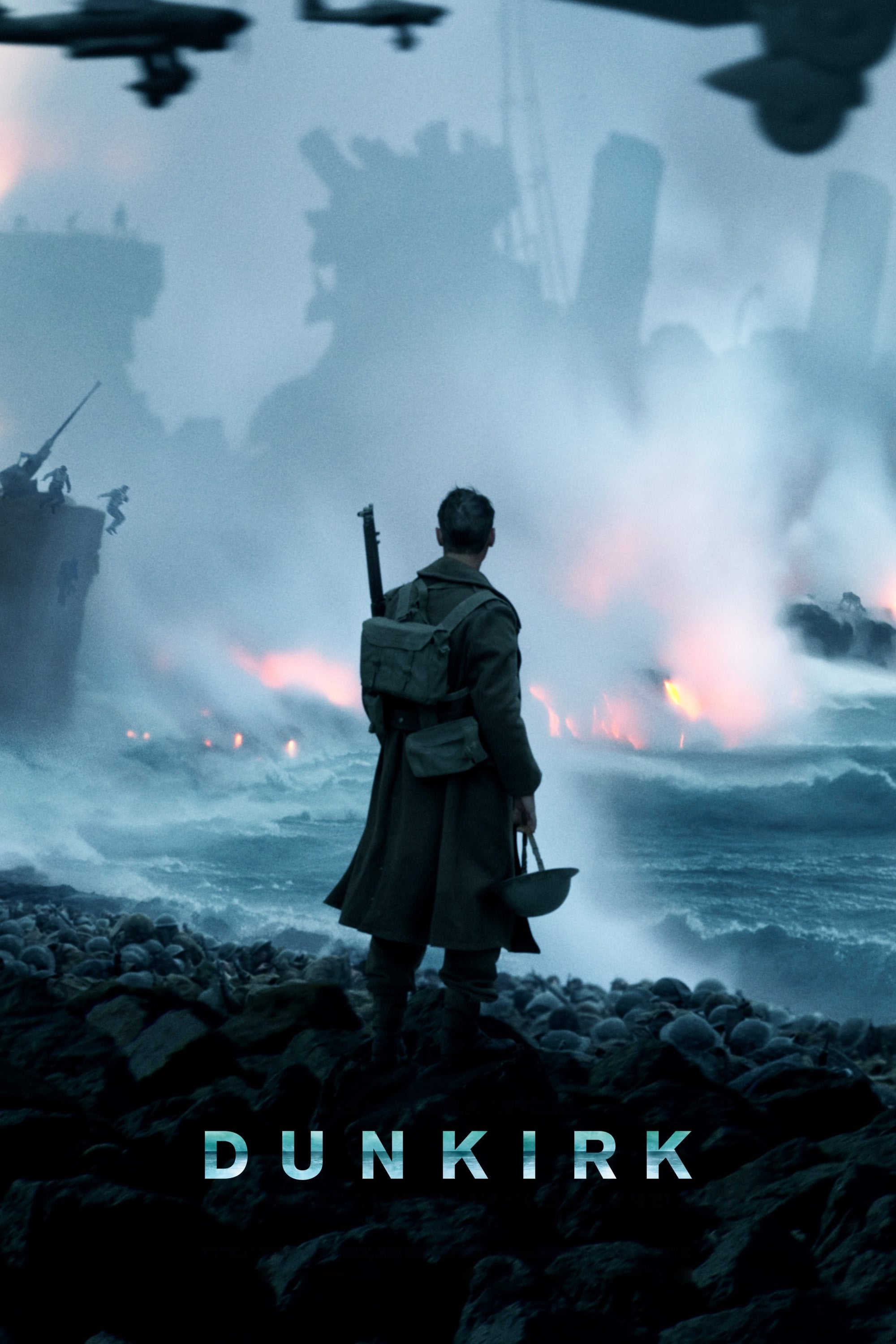
The film ends with the successful evacuation of hundreds of thousands of Allied soldiers from Dunkirk. A young soldier, Alex, reads Winston Churchill’s “We shall fight on the beaches” speech from a newspaper as he and his comrades travel home on a train. The speech acknowledges the “colossal military disaster” but frames the evacuation as a victory of spirit.
Meanwhile, a Spitfire pilot named Farrier, having run out of fuel after defending the evacuating ships, lands his plane on the beach and sets it on fire before being taken prisoner by German soldiers. The ending is not one of triumphant celebration, but of somber reflection on the cost of war and the resilience of the human spirit in the face of defeat.
Insomnia (2002)
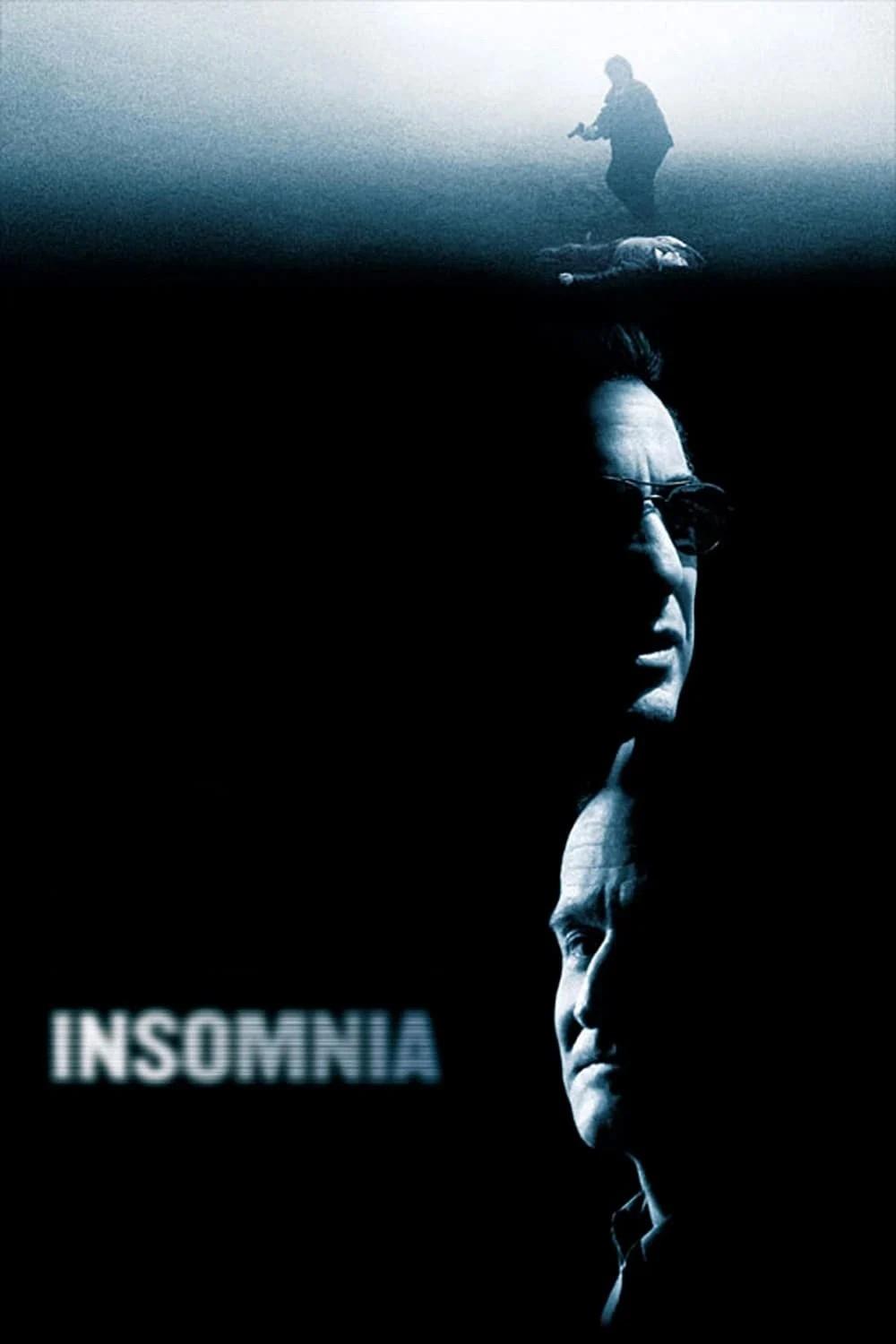
Detective Will Dormer, suffering from extreme sleep deprivation, finally confronts the killer, Walter Finch. In the struggle, both men are shot. As Dormer lies dying, his rookie partner, Ellie Burr, finds evidence that could incriminate him in the accidental shooting of his partner earlier in the film.
Burr prepares to throw the evidence away, but Dormer stops her, telling her not to lose her way. He asks her to let him sleep, and he dies, finally finding peace from his guilt and the perpetual daylight. The film ends with Burr holding the evidence, leaving it unclear what she will do, but suggesting she will follow Dormer’s final advice to maintain her integrity.
Batman Begins (2005)
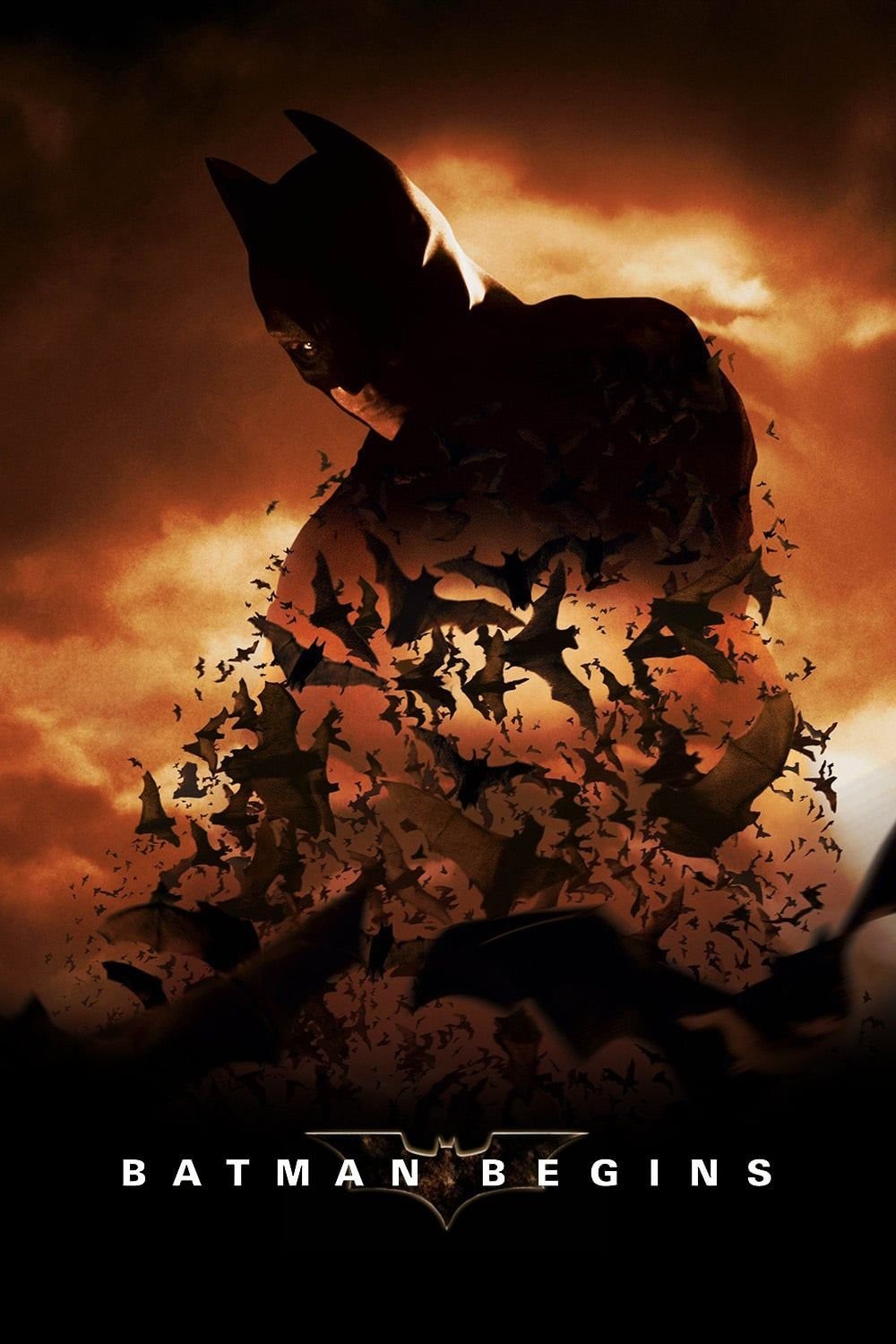
After defeating Ra’s al Ghul and thwarting his plan to destroy Gotham, Batman has established himself as the city’s protector. He meets with Detective Gordon on a rooftop, who unveils the new Bat-Signal. Their partnership is solidified, marking a new era of fighting crime in Gotham.
Gordon then presents Batman with a new challenge. He describes a criminal with a flair for the theatrical who leaves behind a joker playing card at crime scenes. This final moment serves as a direct setup for the next film, introducing the arrival of Batman’s most iconic nemesis and hinting at the escalation of threats that his presence will bring to the city.
Tenet (2020)
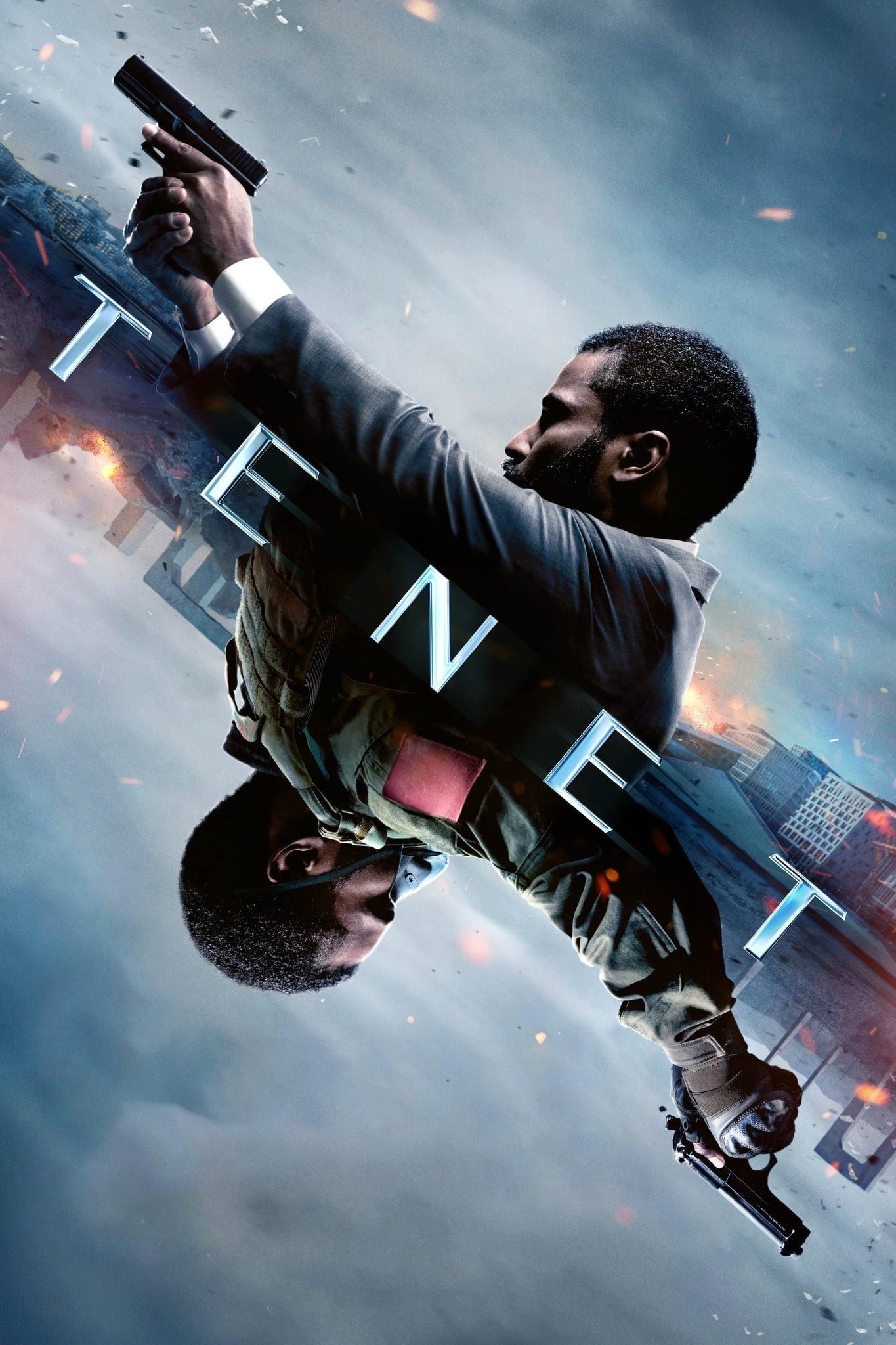
The Protagonist successfully prevents a doomsday device from being activated, saving the world from being destroyed by a future generation. In the aftermath, it is revealed that The Protagonist himself is the founder of the Tenet organization. He has been moving backward and forward through time to ensure events unfold as they should.
In the final scene, The Protagonist saves Kat from an assassination attempt, revealing that he is the one who has been protecting her all along. He also understands that his trusted companion, Neil, was recruited by a future version of himself and has been on a long journey that is just beginning from The Protagonist’s perspective. The ending solidifies the film’s theme of a complex, looping timeline where cause and effect are intertwined.
The Dark Knight Rises (2012)
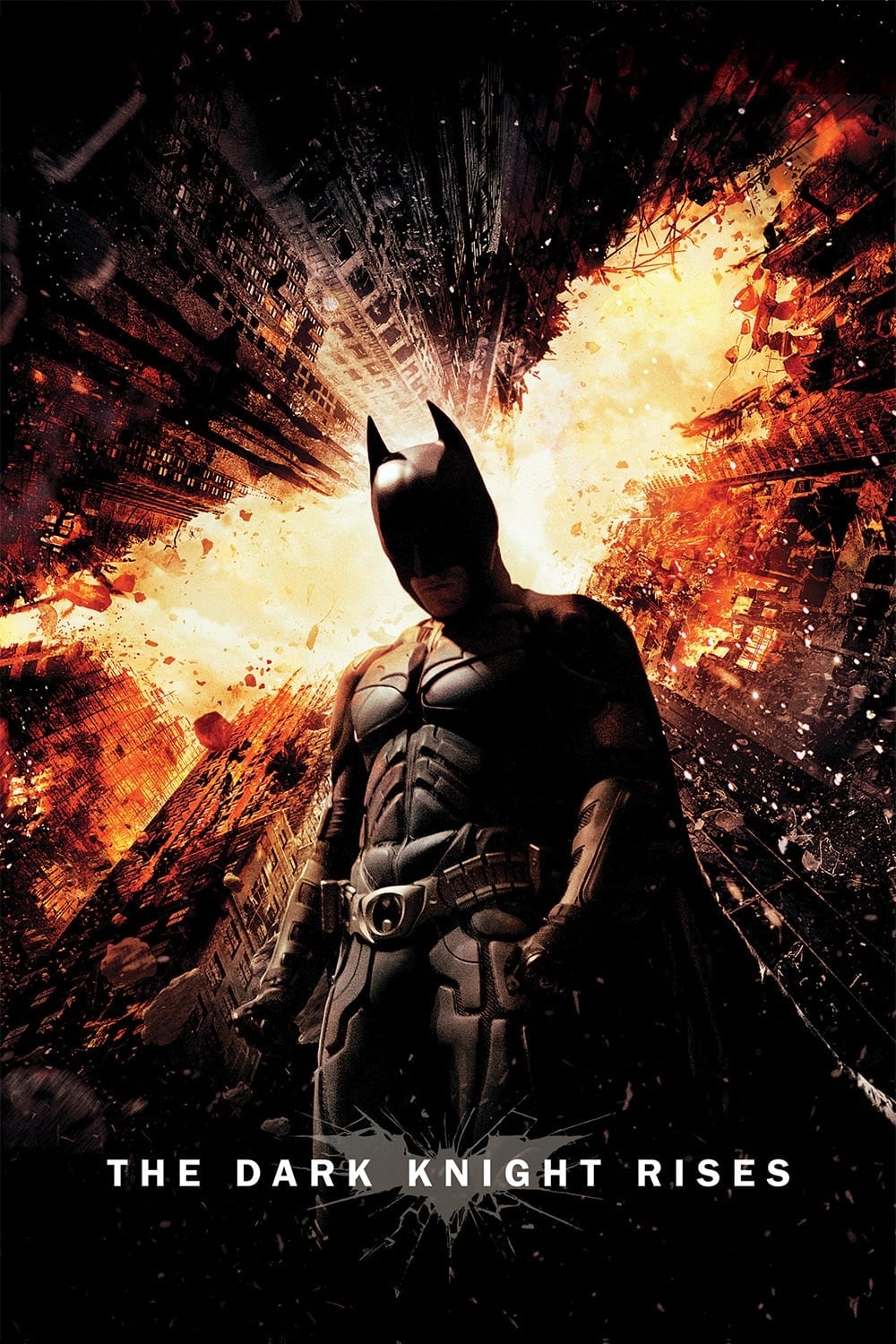
Batman saves Gotham by flying a nuclear bomb out over the bay, seemingly sacrificing himself in the explosion. His death is mourned, and he is honored as a hero. Bruce Wayne is also presumed dead, with his remaining estate being used to fund an orphanage.
However, the ending reveals that Bruce is alive and well. Alfred, his faithful butler, sees him at a cafe in Florence with Selina Kyle, fulfilling a long-held dream of seeing Bruce find peace. Lucius Fox also discovers that the autopilot on Batman’s aircraft had been fixed. The film’s final shot shows John Blake, whose first name is revealed to be Robin, discovering the Batcave, suggesting that the mantle of Batman will live on.
Interstellar (2014)
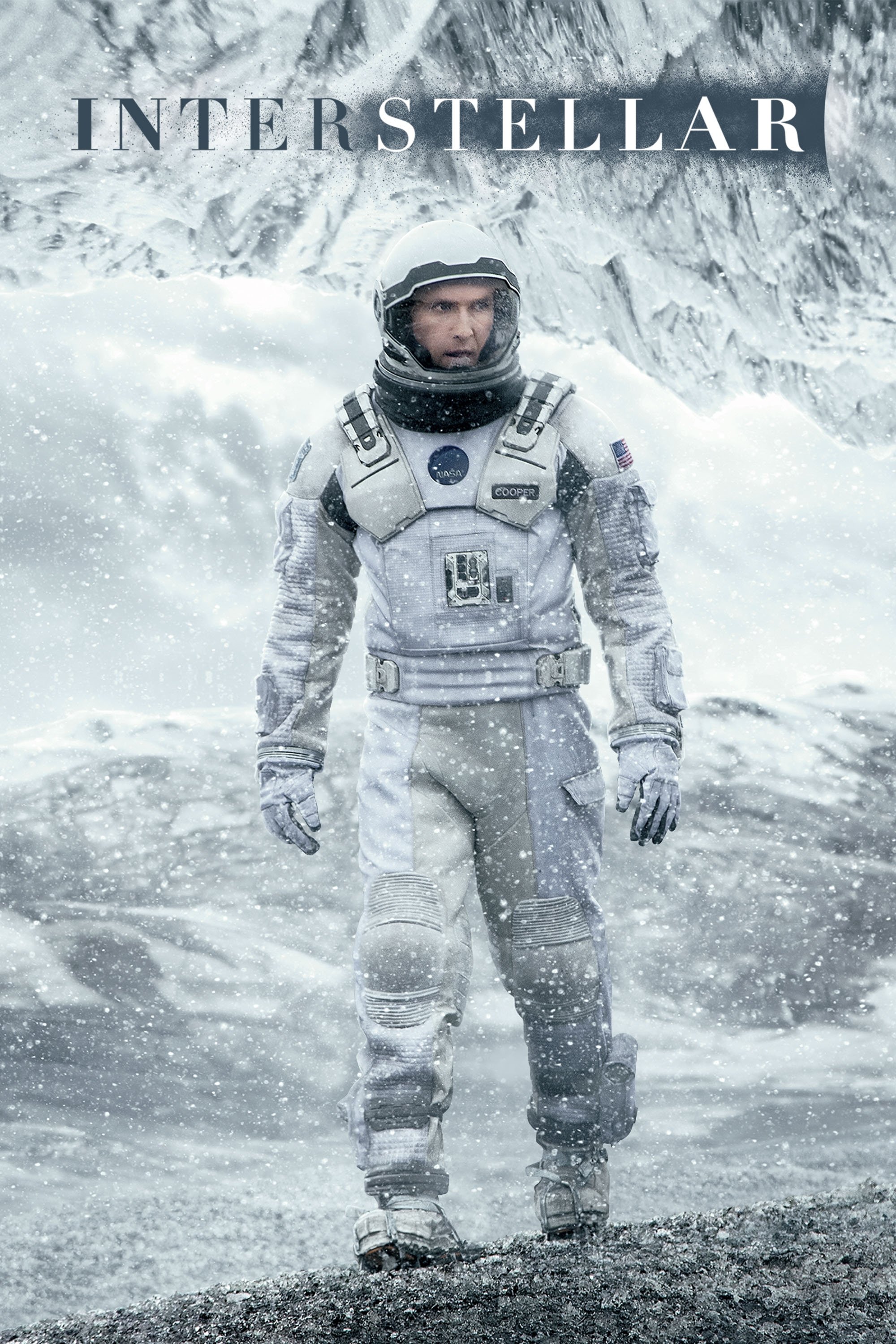
After falling into a black hole, Cooper finds himself inside a tesseract, a five-dimensional space where he can communicate across time with his daughter, Murph. He relays crucial data to her through the hands of a watch he left her, allowing the adult Murph to solve the gravity equation that will save humanity. His mission complete, the tesseract collapses, and he is found floating in space.
Cooper wakes up on a space station orbiting Saturn, a new home for humanity. He is reunited with a very old Murph, who is on her deathbed surrounded by her family. She encourages him to go find Brand, who is setting up a new colony on a distant planet. The film ends with Cooper stealing a ship and setting off on a new journey, this time not to save humanity, but for a personal connection.
The Dark Knight (2008)
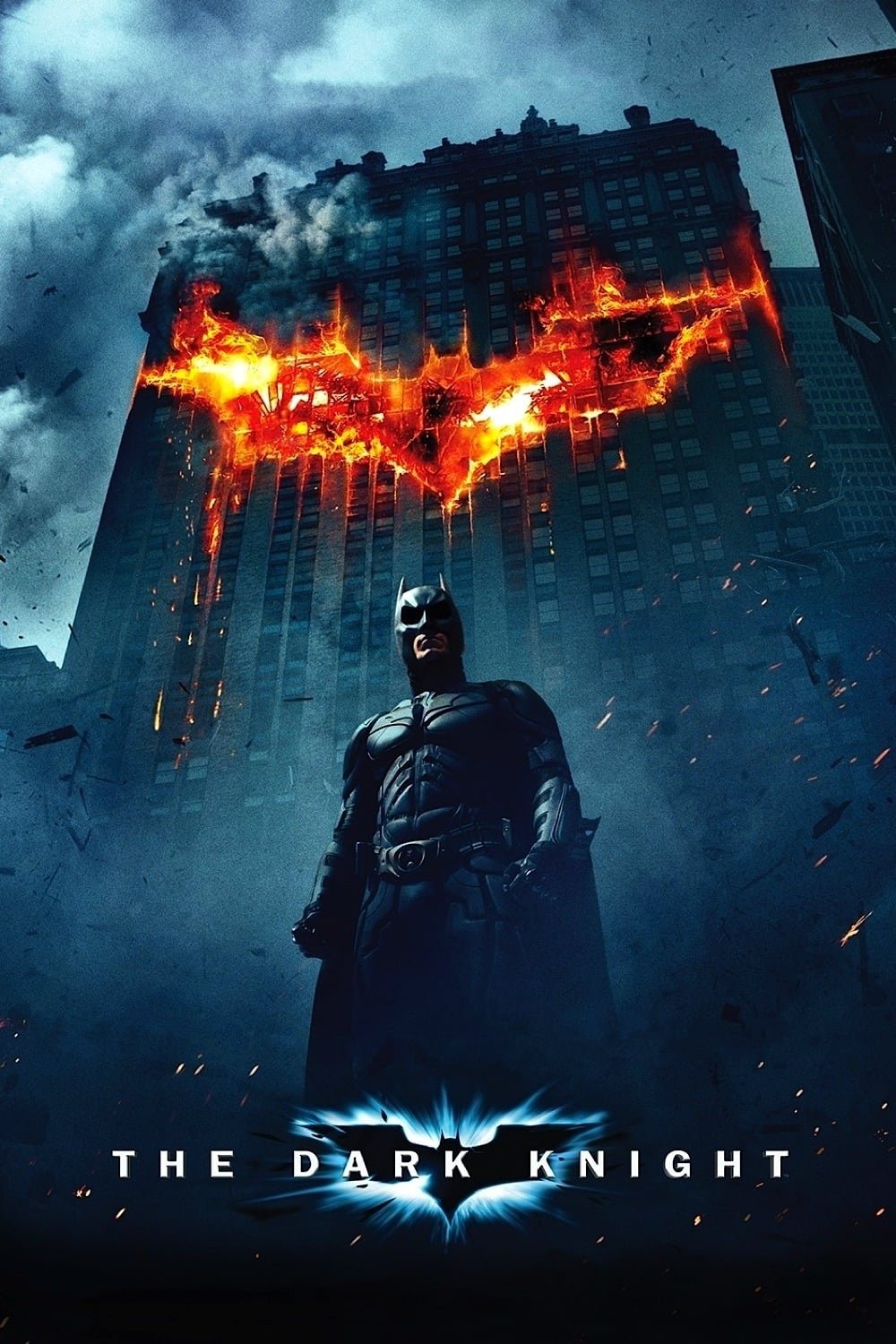
Following the Joker’s reign of terror, Gotham is left scarred. Harvey Dent, the city’s “white knight,” has been driven to madness and murder. To preserve Dent’s heroic image and prevent the city from losing hope, Batman makes a difficult choice. He decides to take the blame for Dent’s crimes.
In the final moments, Commissioner Gordon smashes the Bat-Signal as a city-wide manhunt for Batman begins. Gordon explains to his son that Batman is not the hero Gotham deserves right now, but the one it needs—a “dark knight.” The film ends with Batman speeding away on his Batcycle, now a fugitive, having sacrificed his reputation for the good of the city.
Memento (2000)
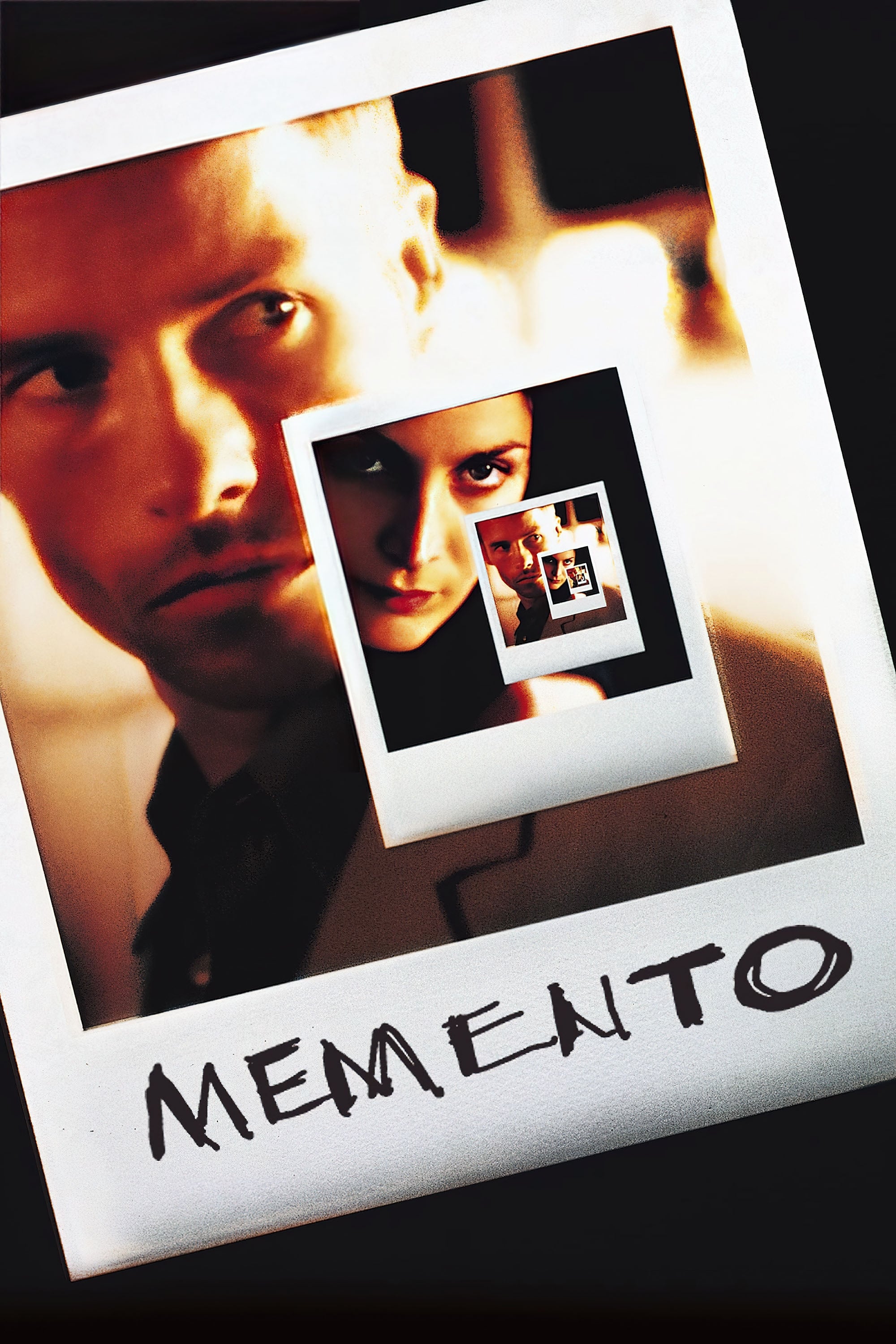
The end of the film reveals the beginning of Leonard Shelby’s self-deception. We learn that Teddy, a corrupt cop, helped Leonard find and kill the man who attacked him and his wife a year prior. However, Leonard’s condition—the inability to form new memories—means he has forgotten this act of revenge. Teddy has been manipulating him ever since.
After Teddy reveals the truth, Leonard, unwilling to accept a world without a purpose, chooses to create a new one. He deliberately burns a photo that would exonerate Teddy and writes a note on Teddy’s picture, telling himself not to believe his lies. This act sets up the narrative we have been watching, revealing that Leonard’s quest for vengeance is a loop of his own making.
The Prestige (2006)
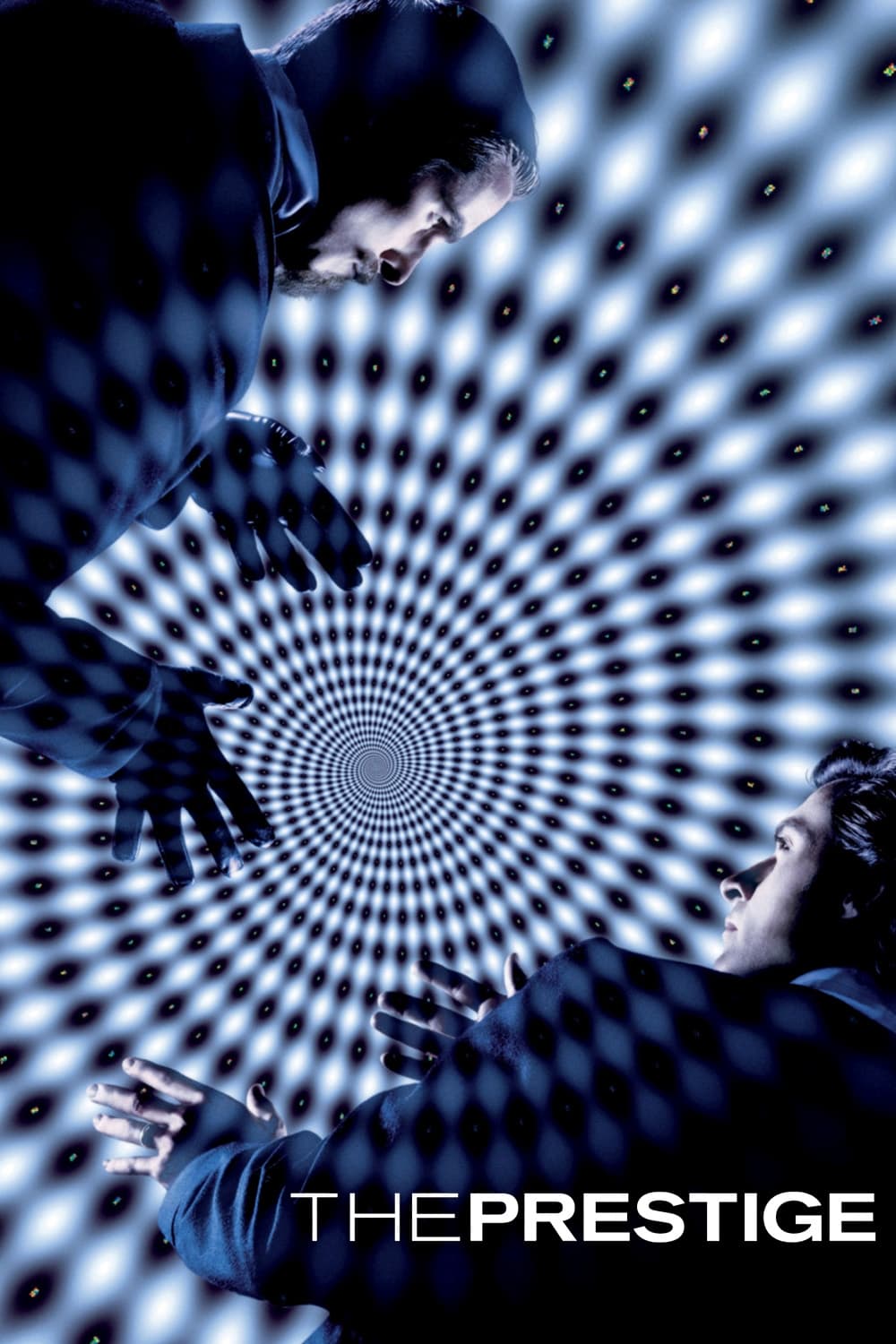
The film’s final scene reveals the dark secrets behind the teleportation trick that obsessed rival magicians Robert Angier and Alfred Borden. It is disclosed that Borden was actually a set of identical twins who lived one life, which is how they performed their version of the trick. Angier, on the other hand, used a machine that created a clone of himself each night, while the original drowned in a tank below the stage.
In the end, the surviving Borden twin shoots Angier. As Angier dies, he reveals the terrible cost of his obsession, gesturing to a warehouse filled with tanks, each containing a drowned clone of himself. The film concludes with Borden reuniting with his daughter, having defeated his rival but at a great personal cost.
Inception (2010)
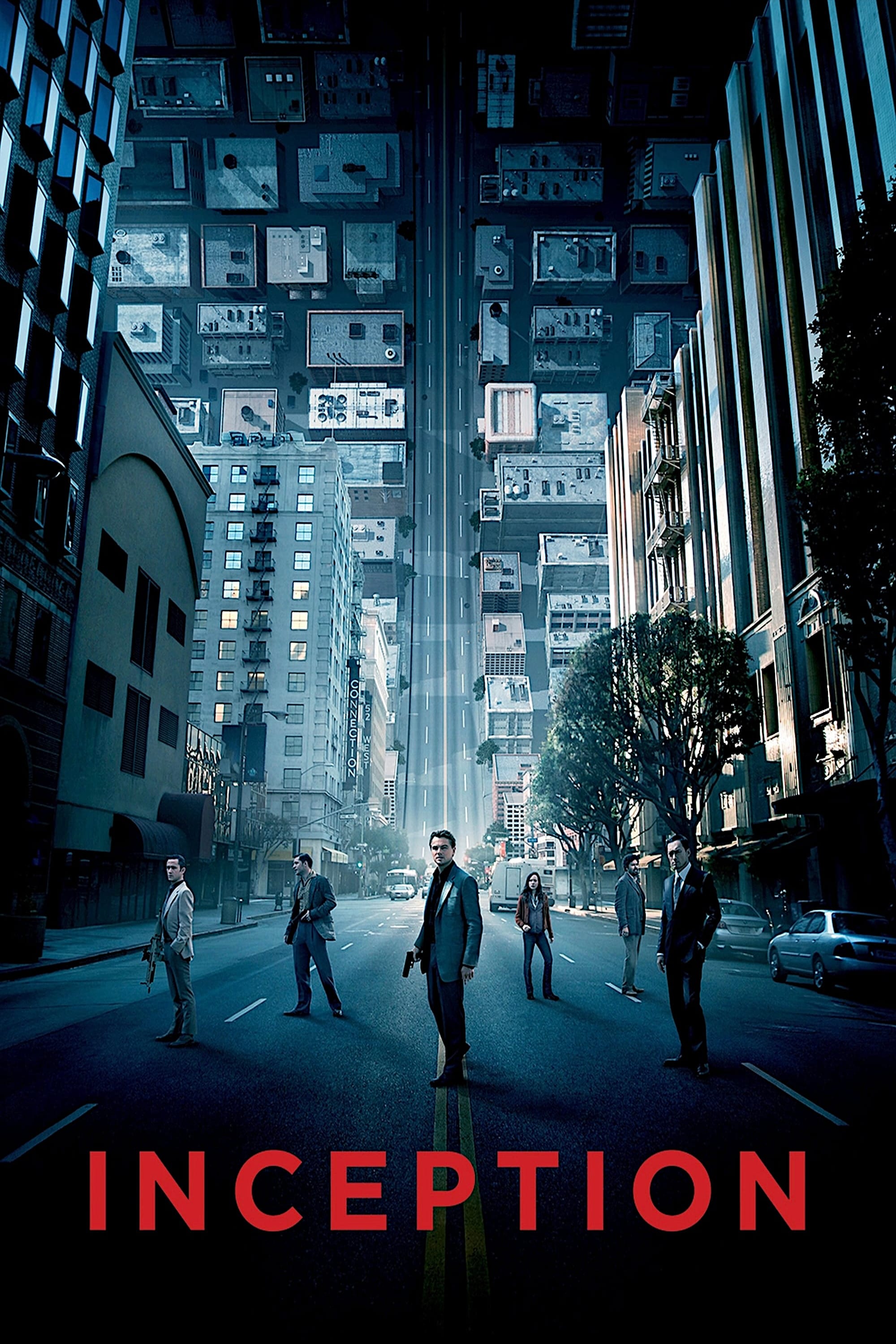
Dom Cobb is finally reunited with his children. After successfully planting an idea in a target’s mind, his criminal record is cleared, and he is allowed to return to the United States. In his home, he sees his children playing, just as he remembered them in his dreams. Before going to them, he spins his top, a totem he uses to determine if he is in the real world or a dream.
The camera focuses on the spinning top. It wobbles slightly, suggesting it might eventually fall, but the screen cuts to black before its fate is revealed. This ambiguous final shot leaves the audience to question whether Cobb has truly found his way back to reality or is living in a dream. The ending has been debated by fans for years, with its meaning left open to interpretation.
Oppenheimer (2023)
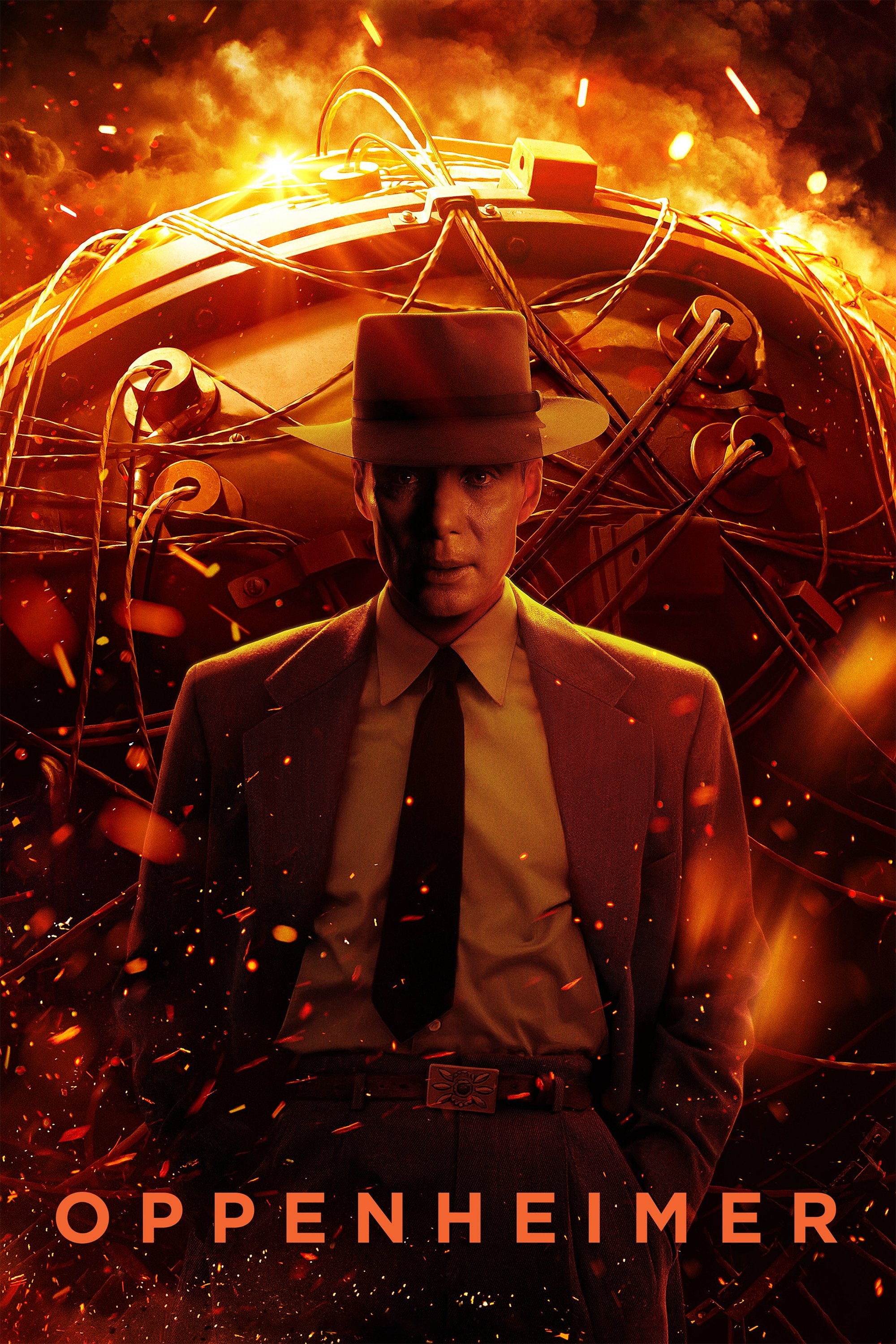
The film concludes with a full-circle moment, returning to a conversation between J. Robert Oppenheimer and Albert Einstein. It is revealed that their discussion was not about scientific rivalries, but about the terrifying possibility that they have set in motion a chain reaction that will destroy the world. Oppenheimer expresses his belief that they did just that.
As Einstein walks away, the film ends with Oppenheimer’s haunting vision of nuclear warheads encircling the globe, a powerful and chilling image of the legacy of his creation. The final shot is a close-up on Oppenheimer’s face, filled with the terror of what he has unleashed upon the world. This ending solidifies the film’s central theme of the immense and terrifying consequences of scientific discovery without moral consideration.

