


Every ‘Star Trek’ Movie Ranked from Worst to Best

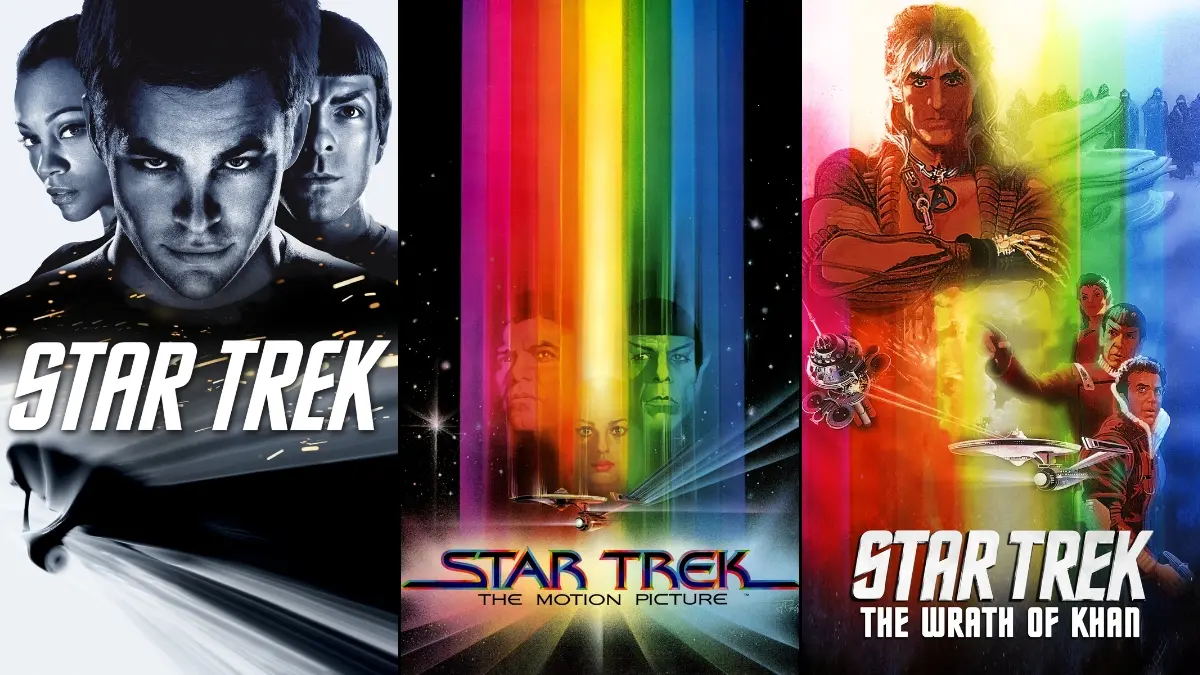


From planet-hopping adventures to time-bending rescues, the ‘Star Trek’ films cover decades of starships, crews, and big-screen spectacle. Below is a countdown from the least-loved entry to the top-rated voyage, presented with quick, useful details on each film’s story focus, creative team, and notable context. Set a course for nostalgia—or discover which missions you’ve missed—without any spoilers that would ruin the fun.
‘Star Trek V: The Final Frontier’ (1989)
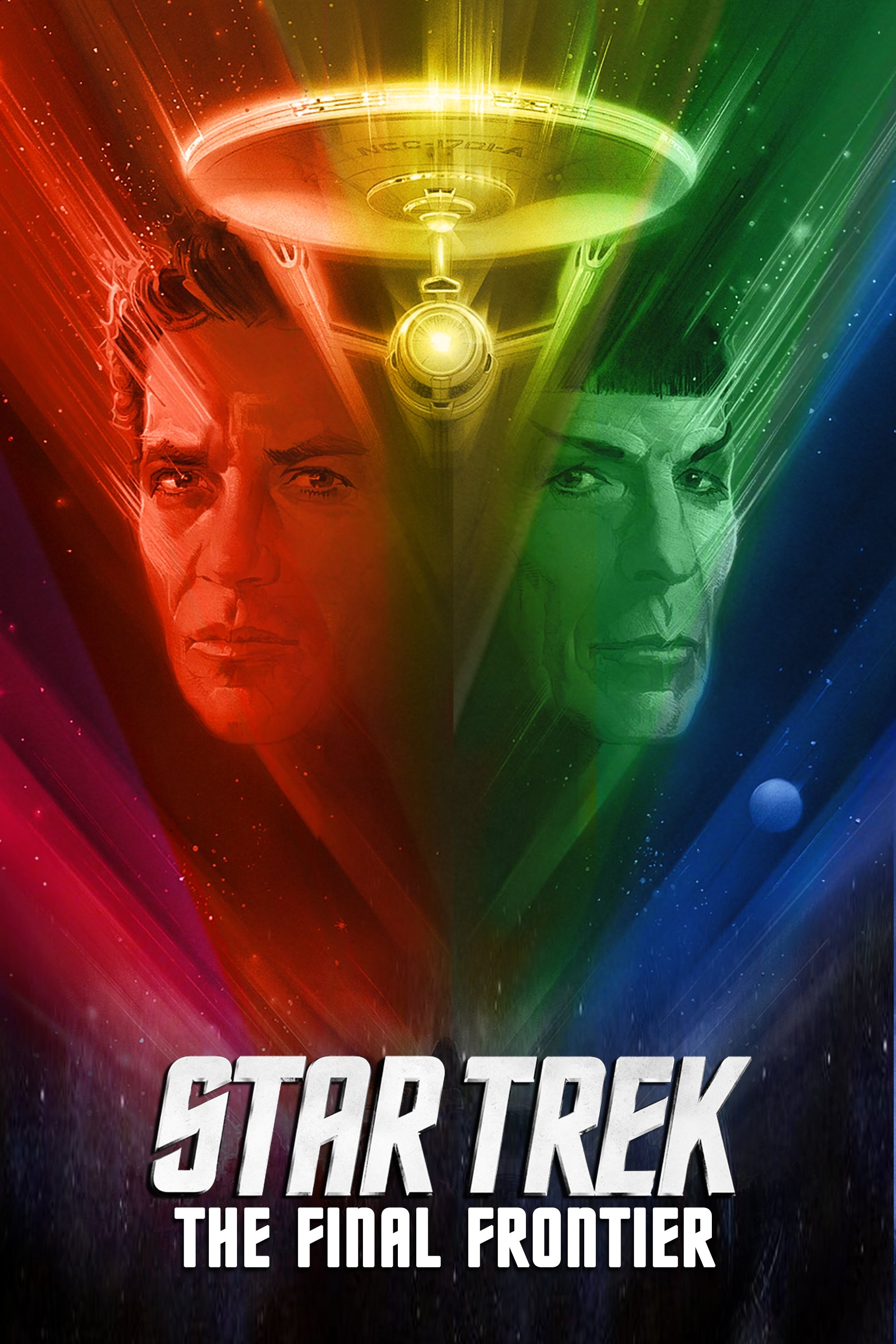
Directed by William Shatner, this entry follows the Enterprise crew after a charismatic Vulcan, Sybok, commandeers the ship to seek a mythical planet beyond the Great Barrier. The film blends spiritual themes with a quest narrative that takes the crew to the heart of an enigmatic phenomenon. Principal cast includes William Shatner, Leonard Nimoy, and DeForest Kelley, with key sequences set on Nimbus III and at the galaxy’s center. Rated PG, it features moderate sci-fi action and remains one of the franchise’s most debated tonal swings.
‘Star Trek: Nemesis’ (2002)
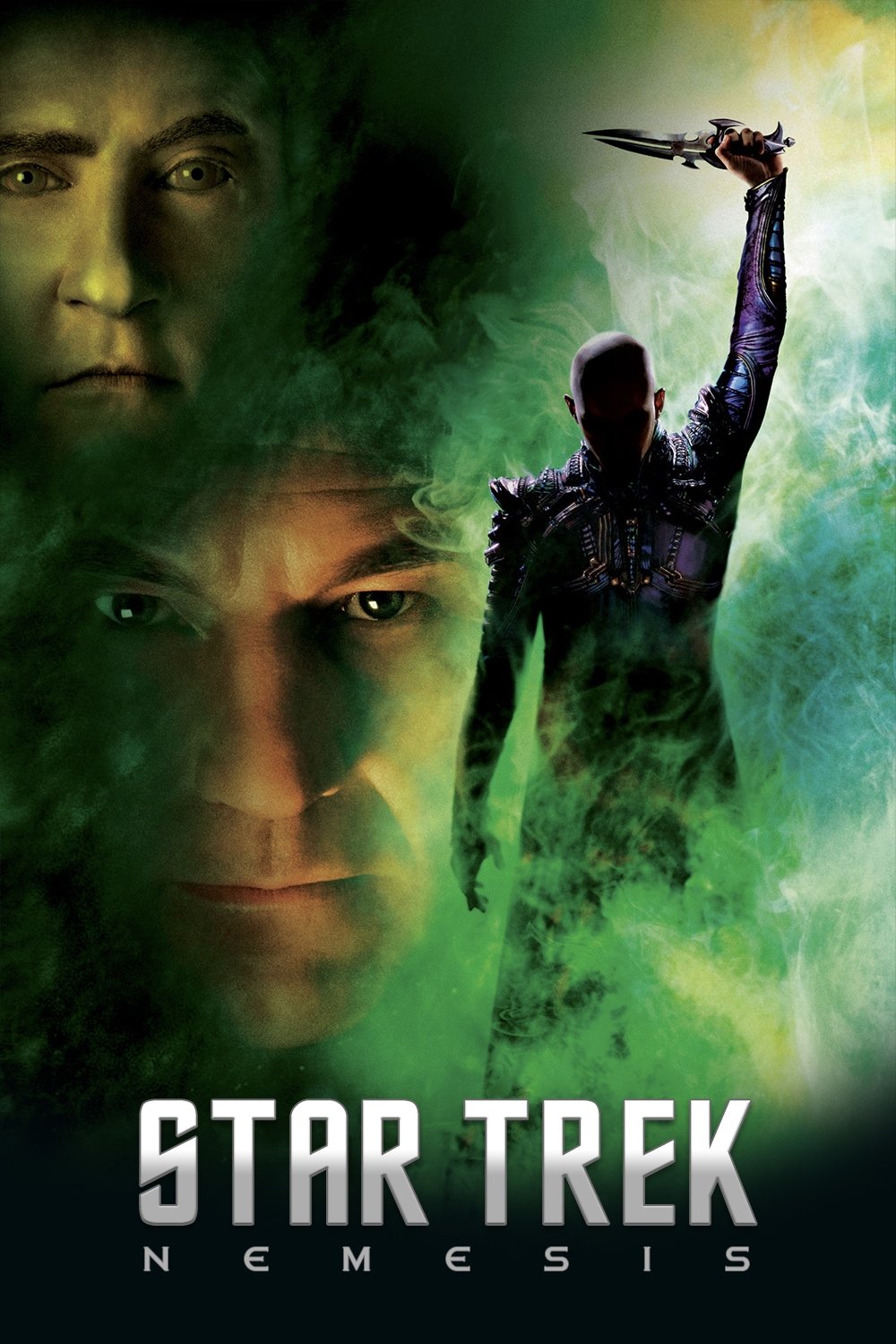
Captain Picard faces a Romulan political crisis led by Shinzon, a genetically engineered human with a personal connection to the Enterprise’s captain. Stuart Baird directs, with Patrick Stewart, Jonathan Frakes, Brent Spiner, and Tom Hardy among the principal cast. The plot introduces a powerful Thalaron-based superweapon and explores themes of identity and diplomacy within the Romulan Empire. It carries a PG-13 rating for sci-fi action and peril.
‘Star Trek: Insurrection’ (1998)
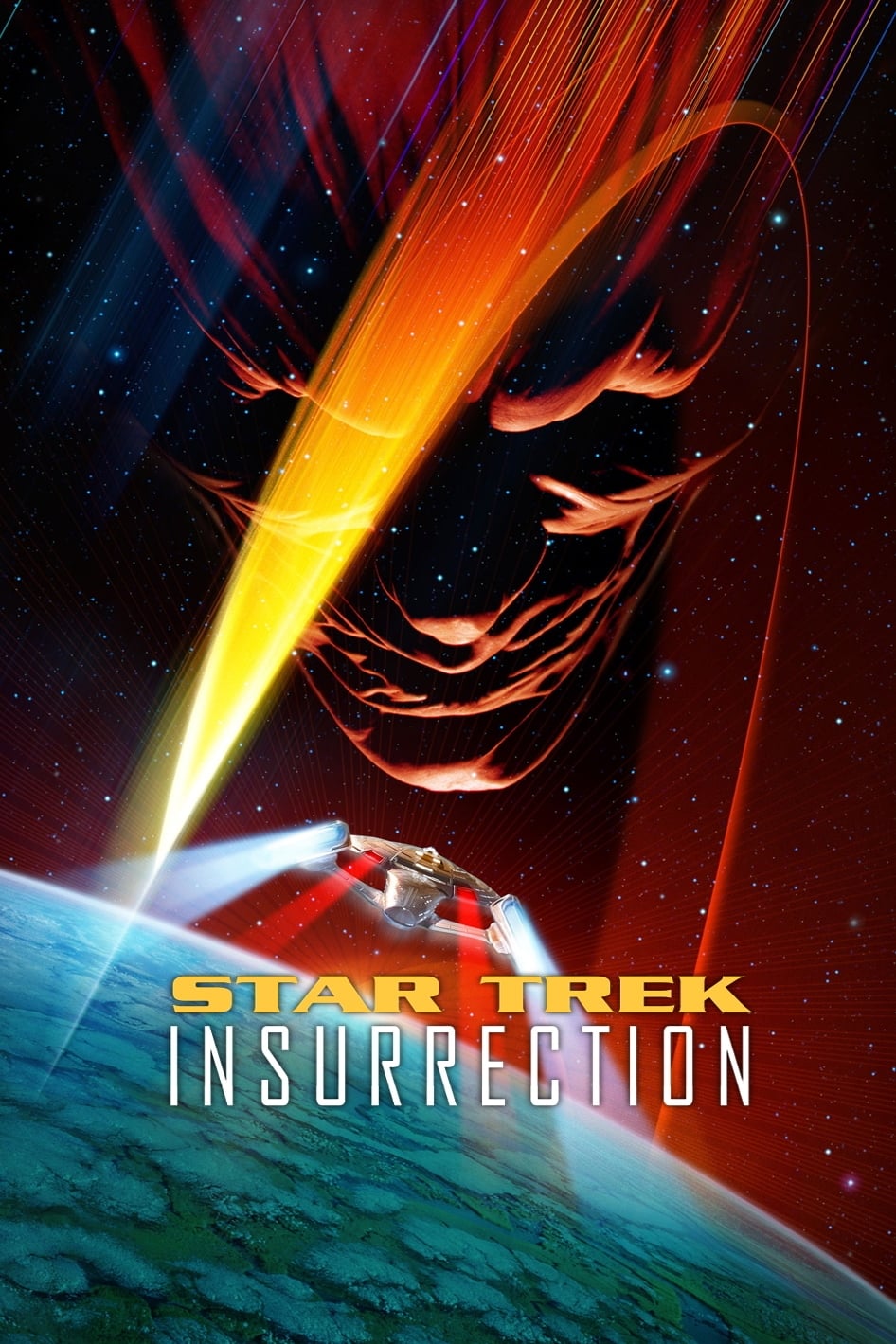
This film centers on a prime directive dilemma as the Enterprise crew uncovers a conspiracy involving the peaceful Ba’ku people and a rejuvenating planet. Directed by Jonathan Frakes, it reunites the ‘Star Trek: The Next Generation’ ensemble and emphasizes character interplay alongside set-piece action. The production highlights include location photography paired with visual effects that accentuate the planet’s unique properties. It’s rated PG for sci-fi action and mild language.
‘Star Trek: The Motion Picture’ (1979)
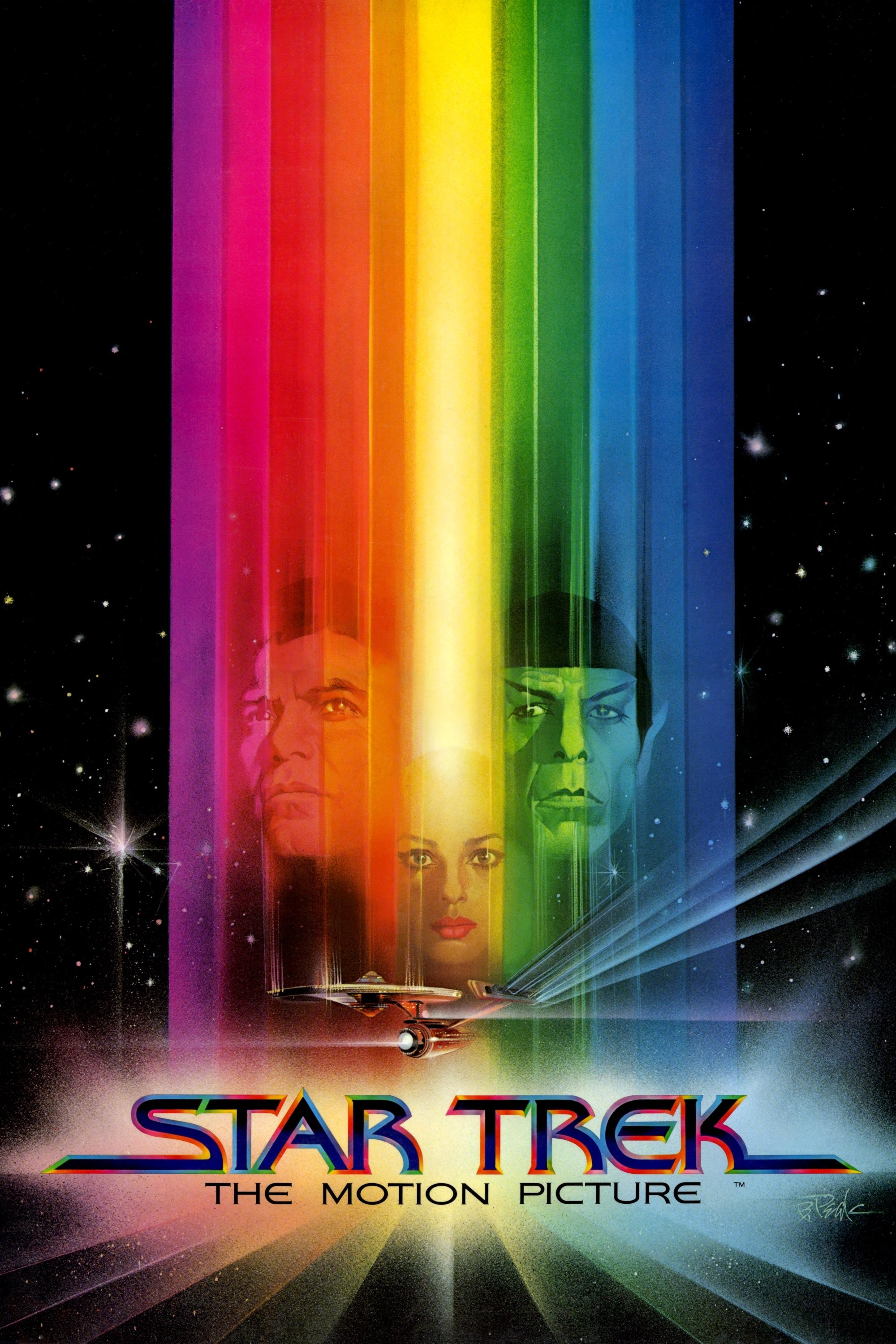
Admiral Kirk returns to the Enterprise to intercept V’Ger, a vast and mysterious cloud entity heading toward Earth. Robert Wise directs, emphasizing grand visual design, Jerry Goldsmith’s iconic score, and a slower, exploratory pace that leans into big-idea science fiction. The film’s large-scale production and effects work marked the series’ jump from television to cinematic spectacle. It received mixed reception on release but established the template for the franchise’s film universe.
‘Star Trek: Generations’ (1994)
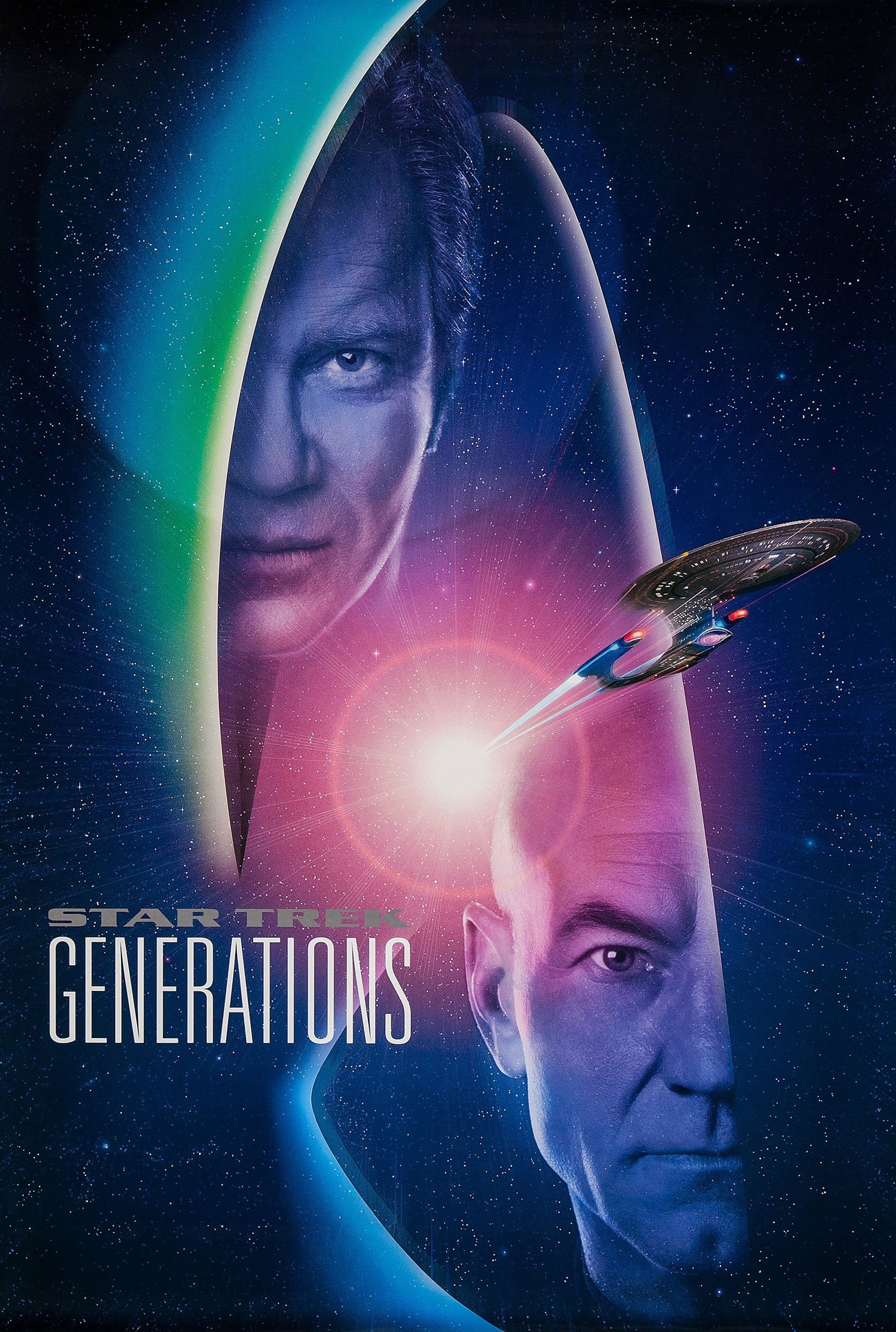
Bridging eras, this installment brings together figures from the original crew and ‘Star Trek: The Next Generation’ through the cosmic phenomenon known as the Nexus. Directed by David Carson, it features Patrick Stewart, William Shatner, Brent Spiner, and Malcolm McDowell. The story pivots on a villain’s plan to reenter the Nexus, forcing the Enterprise-D crew into a high-stakes moral calculus. The movie is rated PG for sci-fi action and mild language.
‘Star Trek III: The Search for Spock’ (1984)
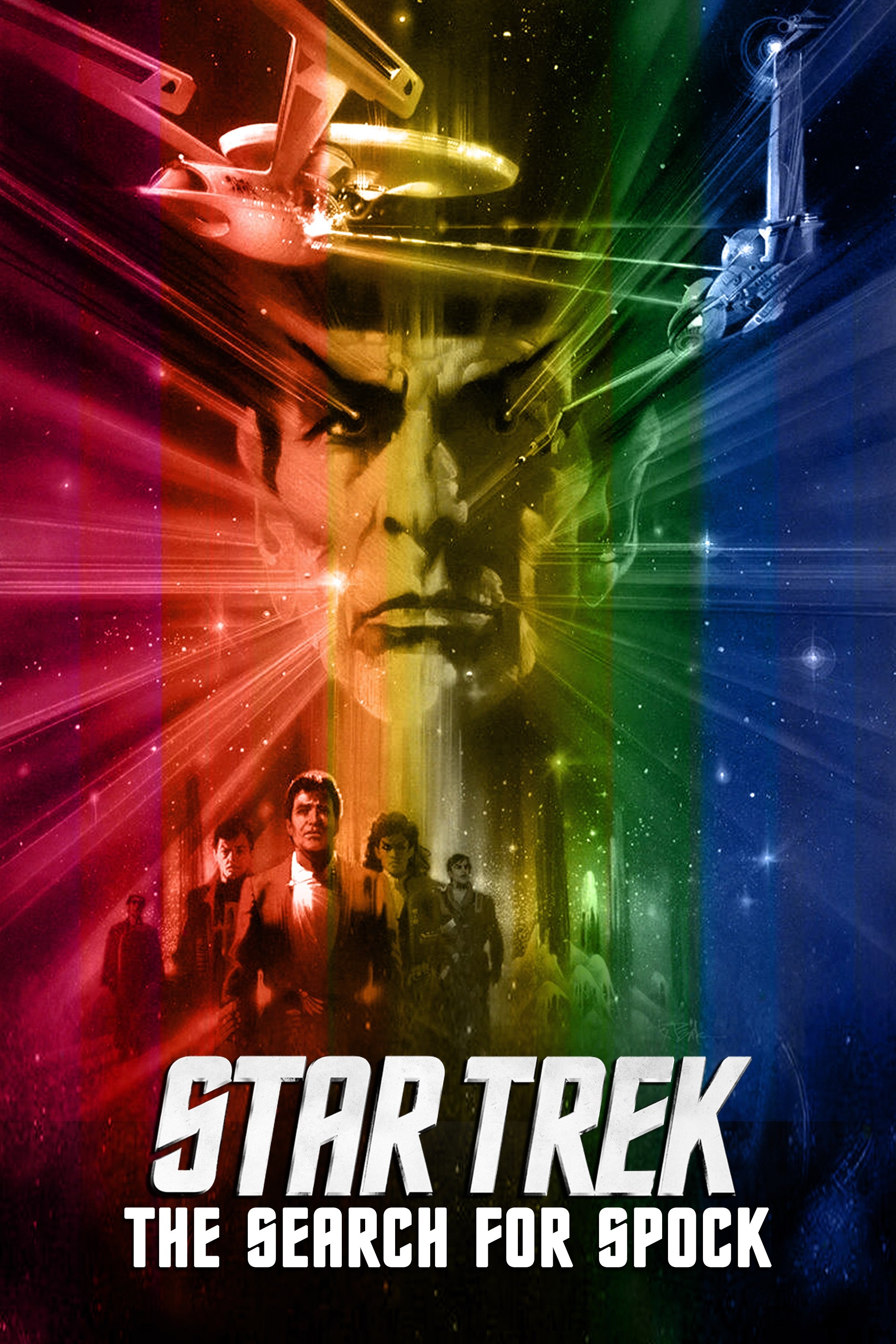
Following the aftermath of a devastating encounter, the Enterprise crew undertakes an unauthorized mission to recover their friend’s katra and investigate the Genesis Planet. Leonard Nimoy directs, guiding a narrative that balances espionage elements with personal loyalty and sacrifice. The film introduces Christopher Lloyd’s Kruge as a formidable Klingon adversary and features the self-destruct of the original Enterprise. Content guidance notes mild violence and peril.
‘Star Trek Beyond’ (2016)
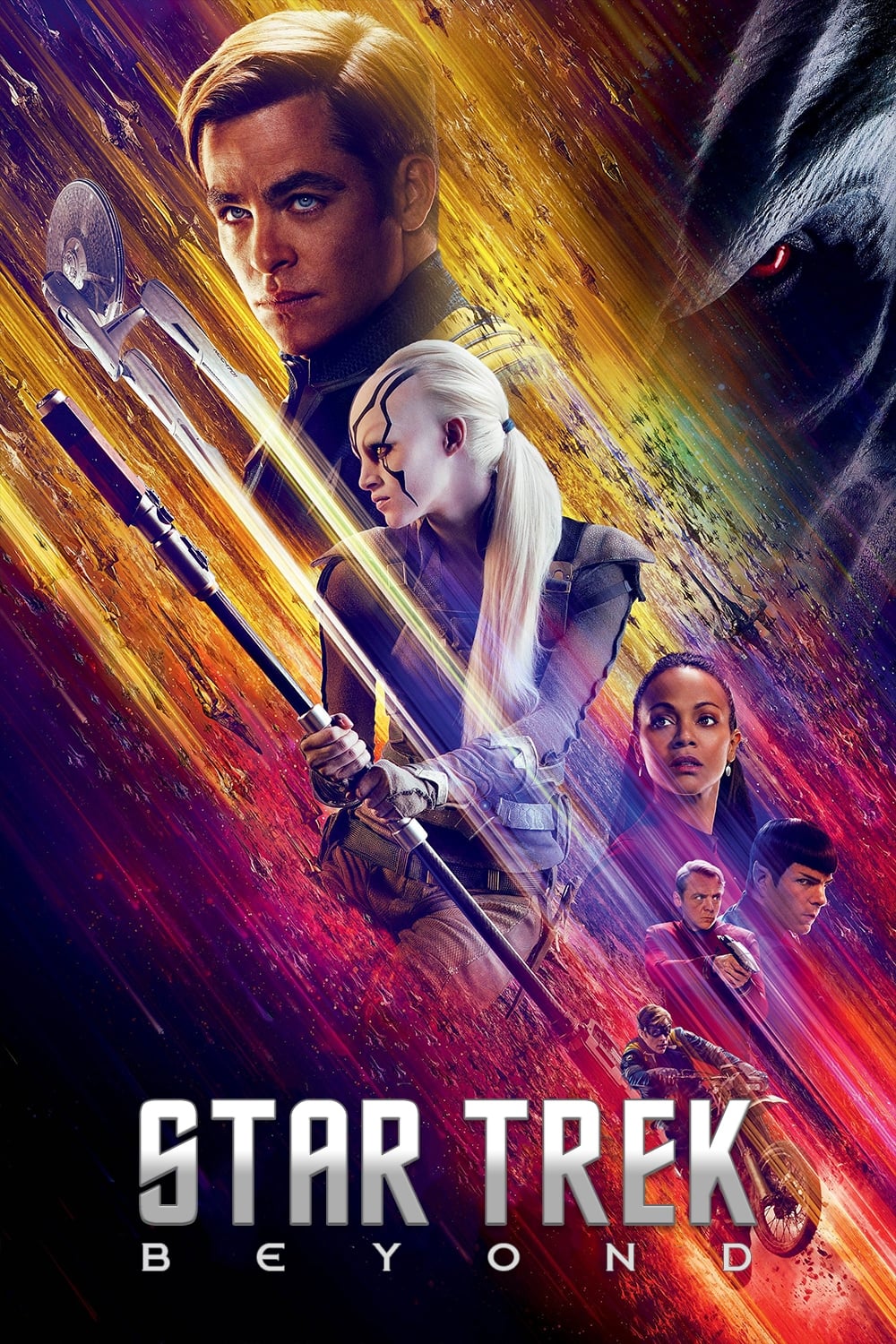
Stranded after a surprise attack, the crew contends with Krall on a remote world while uncovering the Federation’s history with a lost starship. Justin Lin directs, emphasizing practical sets, kinetic action, and ensemble problem-solving. The film adds Jaylah to the roster of allies and showcases the advanced starbase Yorktown. It’s rated PG-13 for sequences of sci-fi action and violence.
‘Star Trek VI: The Undiscovered Country’ (1991)
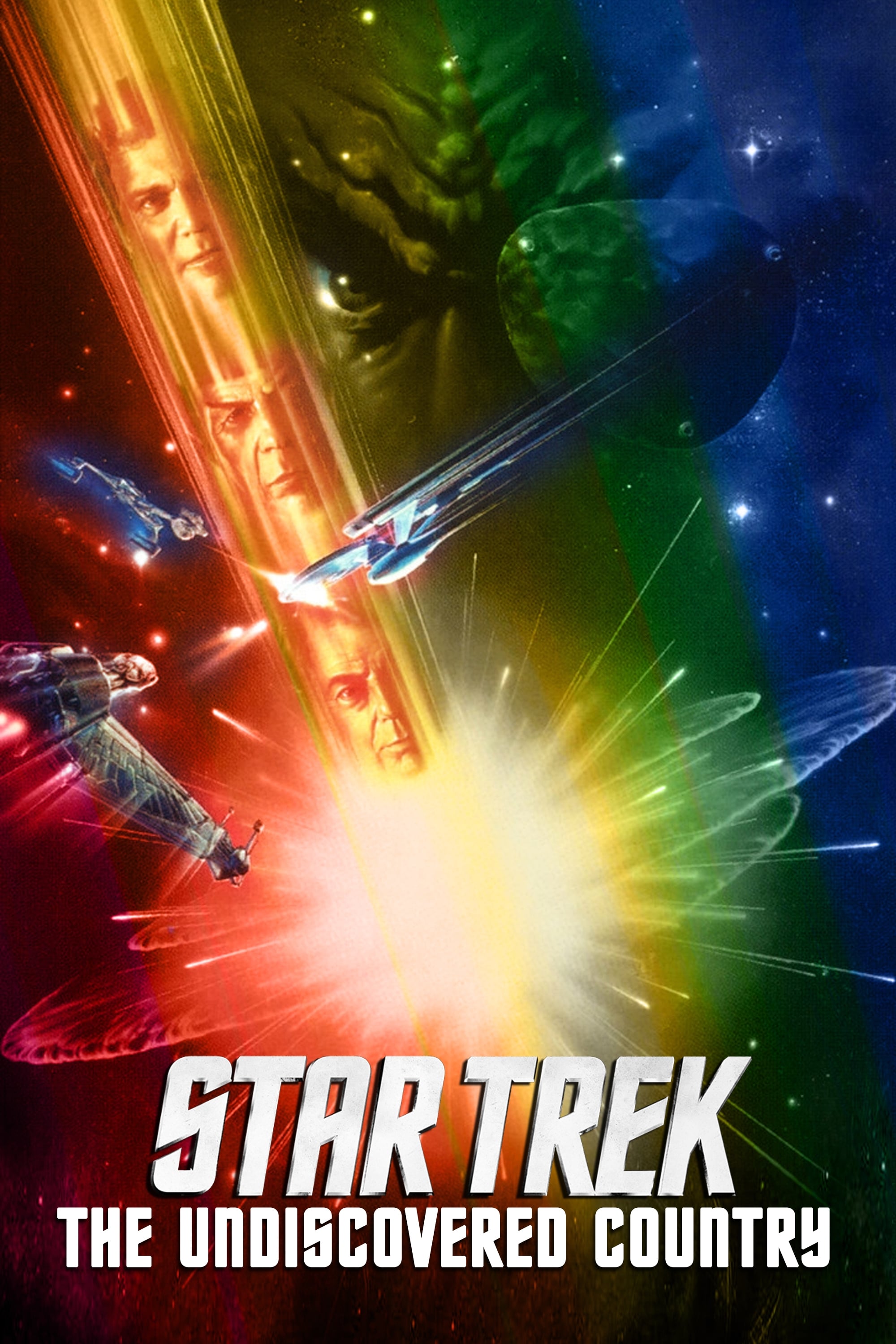
The crew navigates a fragile peace process with the Klingon Empire after a catastrophic event forces political change. Directed by Nicholas Meyer, the film blends conspiracy-thriller elements with courtroom drama and starship action. It features Kim Cattrall, Christopher Plummer, and David Warner alongside the returning ensemble. The movie carries a PG rating with moderate violence.
‘Star Trek IV: The Voyage Home’ (1986)
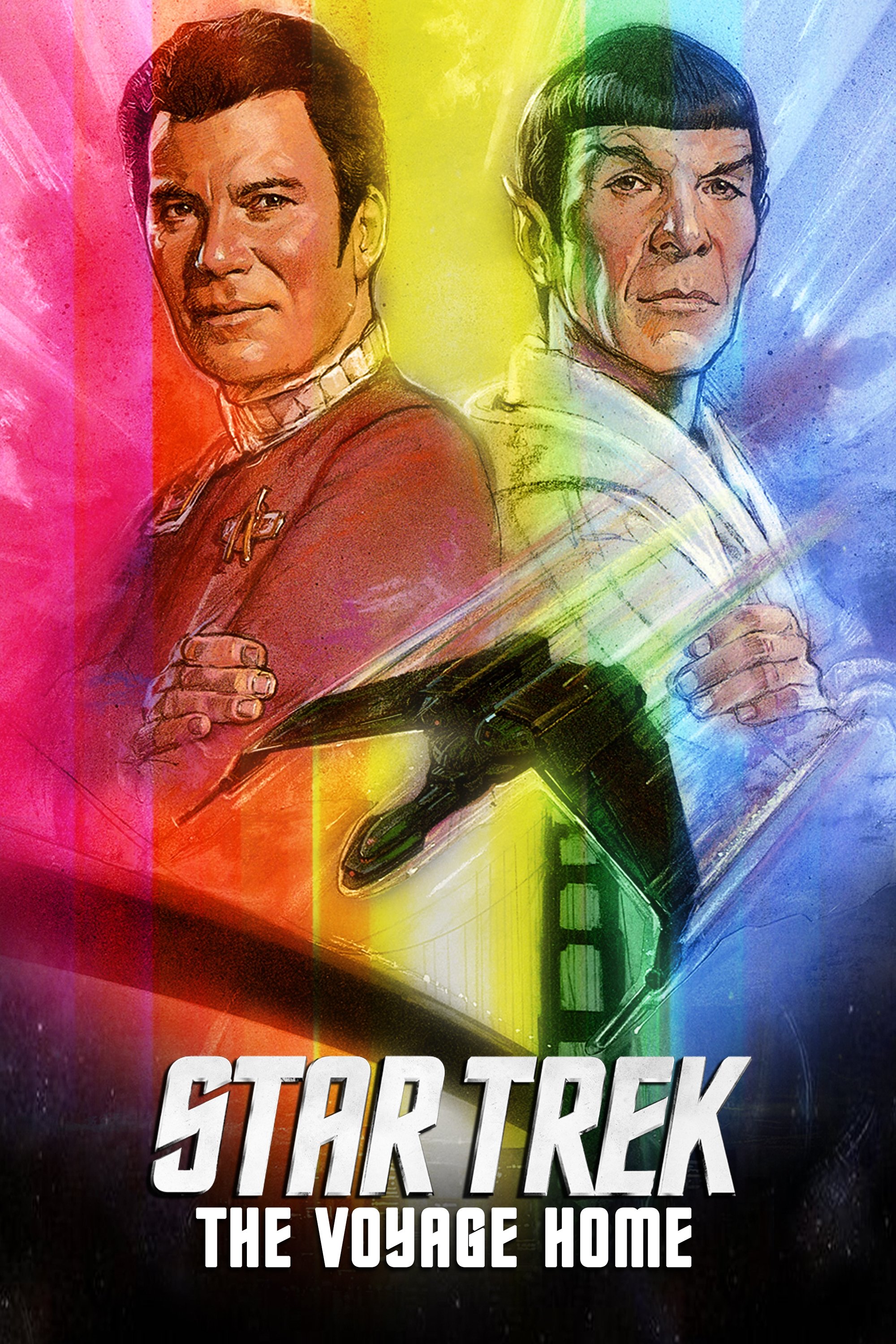
Seeking a way to communicate with a powerful alien probe, the crew time-travels to San Francisco to locate humpback whales. Leonard Nimoy directs, leaning into fish-out-of-water comedy, environmental themes, and teamwork over heavy combat. Key scenes include cloaked-ship hijinks and a daring marine-mammal rescue plan. The film is broadly family-friendly with mild intensity.
‘Star Trek: First Contact’ (1996)
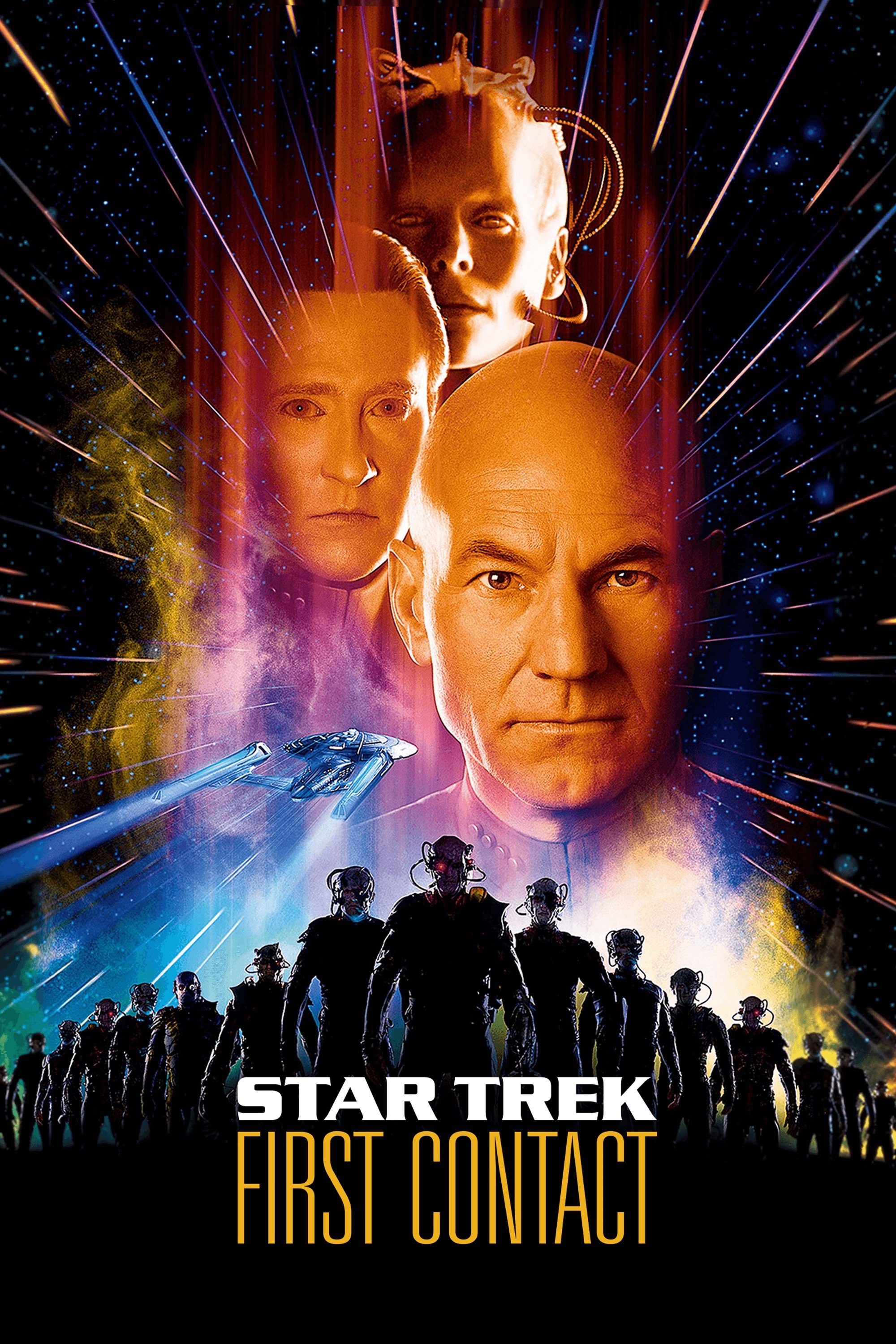
Facing the Borg, the Enterprise-E follows a temporal incursion that threatens a pivotal moment in human history. Directed by Jonathan Frakes, it highlights Patrick Stewart’s Captain Picard, Alice Krige’s Borg Queen, and set pieces aboard a partially assimilated starship. The story fuses horror-tinged tension with an optimistic milestone in spaceflight. It’s rated PG-13 for sci-fi adventure violence.
‘Star Trek Into Darkness’ (2013)
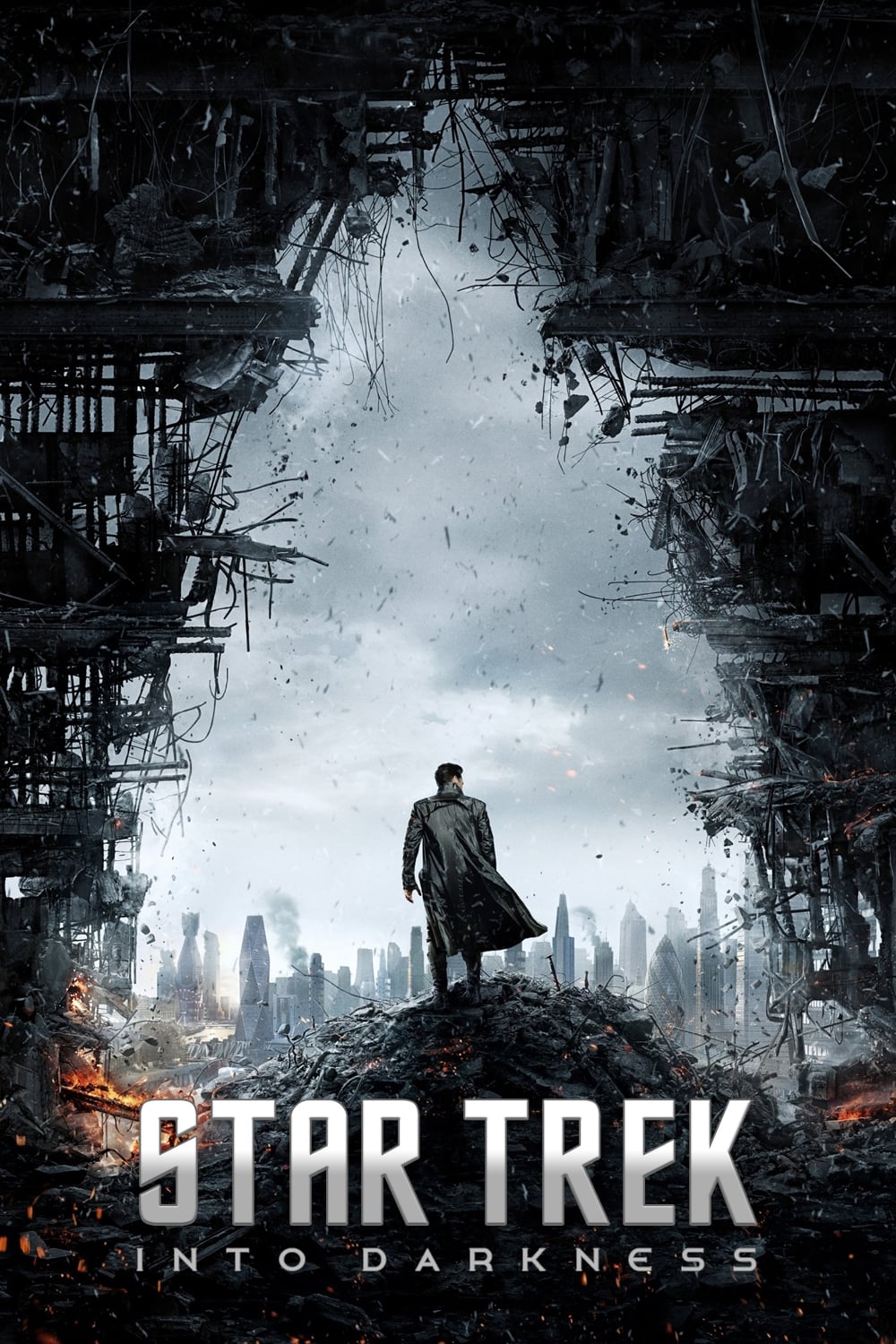
A rogue mission leads the crew into conflict with a mysterious figure whose identity ties back to Starfleet’s past. J.J. Abrams directs, featuring Chris Pine, Zachary Quinto, Zoe Saldaña, and Benedict Cumberbatch. The film is known for large-scale IMAX sequences, kinetic aerial sabotage, and a London-set inciting attack. Rated PG-13 for intense sci-fi action and violence.
‘Star Trek II: The Wrath of Khan’ (1982)
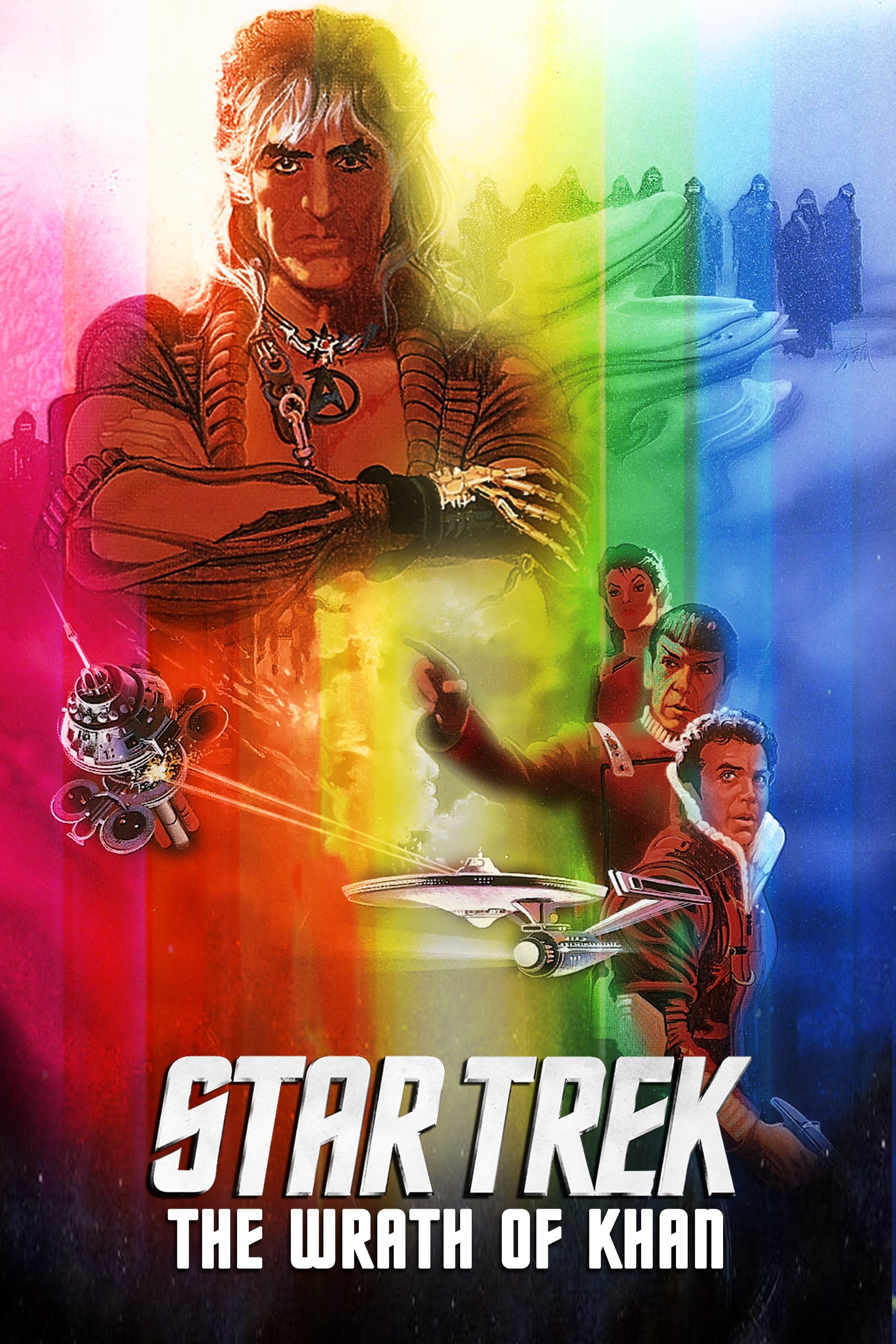
Admiral Kirk faces Khan Noonien Singh, whose pursuit of vengeance intersects with the Genesis Project’s planet-forming device. Directed by Nicholas Meyer, the film refocuses the series on naval-style tactics, character consequences, and a tightly structured duel. Key elements include Reliant-Enterprise engagements and a celebrated Kobayashi Maru motif. Ensemble standouts include Ricardo Montalbán, Kirstie Alley, and Paul Winfield.
‘Star Trek’ (2009)
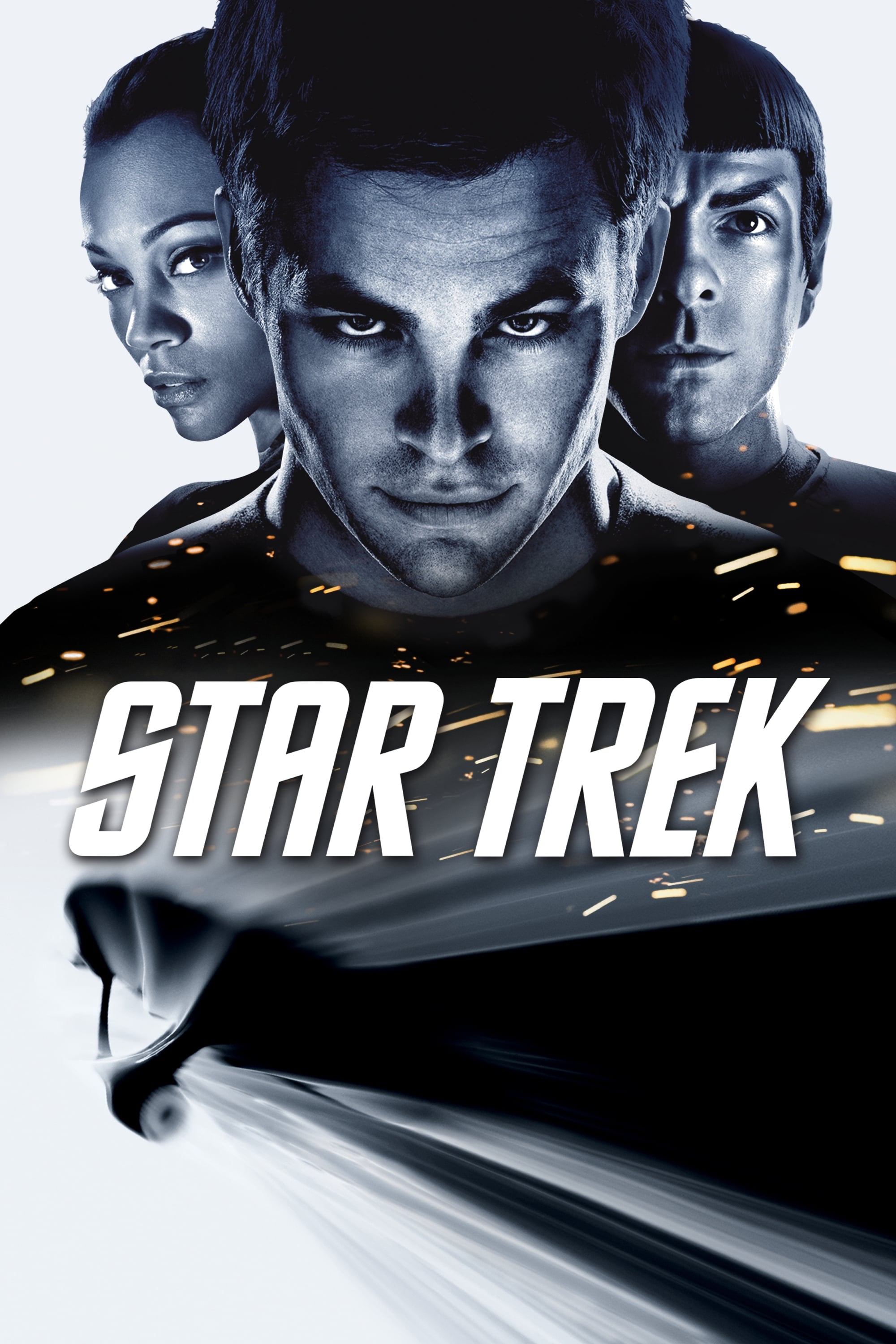
This reboot introduces an alternate timeline via a Romulan incursion, bringing a young crew together at Starfleet Academy and aboard a newly commissioned Enterprise. J.J. Abrams directs, emphasizing character re-introductions, fast-paced set pieces, and lens-flared visual energy. The principal cast includes Chris Pine, Zachary Quinto, Karl Urban, Zoe Saldaña, and Anton Yelchin. It’s rated PG-13 for sci-fi action and brief sexual content.
Think I got it right—or would you reshuffle the order? Share your take in the comments!

