Every ‘Star Trek’ Series, Ranked from Worst to Best


The Star Trek universe spans decades of television across live-action and animation, covering pre-Federation test flights, five-year missions, station-side politics and even the far future. Across these shows, you’ll see recurring technologies like transporters and warp drive evolve, while procedures such as first contact, the Prime Directive and command training are applied in different eras and regions of space.
Below is a clear countdown from the lowest-placed entry to the top spot, focusing on what each series covers, how it’s structured, where it fits in the larger timeline and how it connects to the rest of the franchise. Each item includes practical context—premises, formats, key arcs, ships and institutions—so you can quickly see how the pieces fit together.
‘Star Trek: Discovery’ (2017–2024)
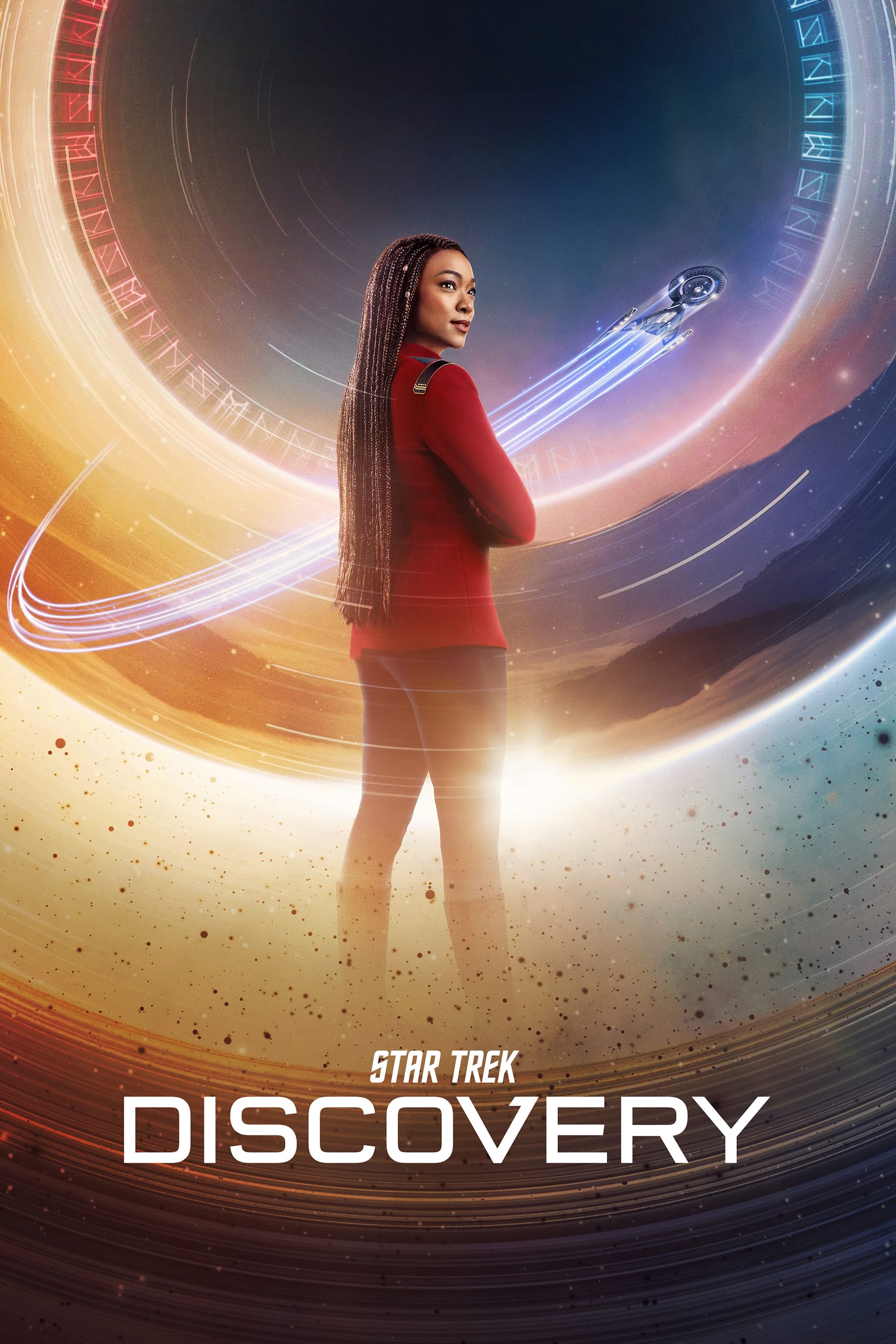
Set initially a decade before the original Enterprise era and later in the 32nd century, this series follows Michael Burnham through Starfleet assignments that range from classified conflict to time-travel fallout. Storylines introduce organizations such as Section 31, expand the spore-drive concept and establish new species and alliances that reshape the state of the Federation after a long period of decline.
Production favors season-long arcs, cinematic visual effects and frequent crossovers with legacy figures tied to Spock and Pike. The final stretch resolves long-running mysteries around ancient technology, codifies 32nd-century Starfleet practices and leaves spinoff-ready threads involving specialized intelligence work and rebuilt institutions.
‘Star Trek: Short Treks’ (2018–2020)
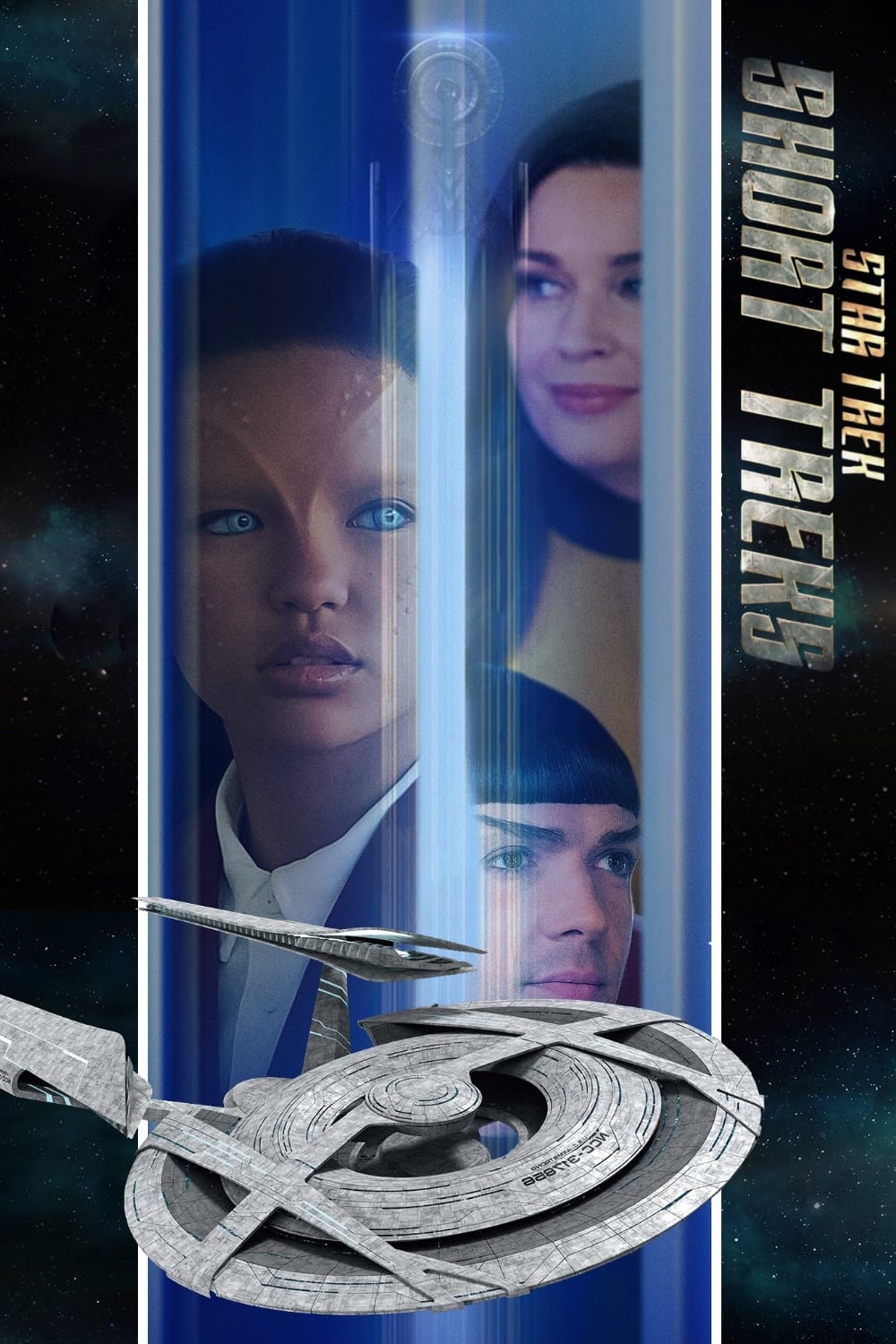
This anthology presents self-contained shorts that supply backstory, tone experiments and direct prologues to longer seasons. Individual episodes spotlight figures like Saru and Spock, introduce ships and clarify technologies—sometimes in dialogue-light vignettes, sometimes in animated one-offs.
Because entries are standalone, the collection doubles as a quick primer on modern continuity. Several shorts set up season premieres, explain command evaluations or first-contact prep, and fill in events that other series reference without dedicating full episodes to those details.
‘Star Trek: The Animated Series’ (1973–1975)
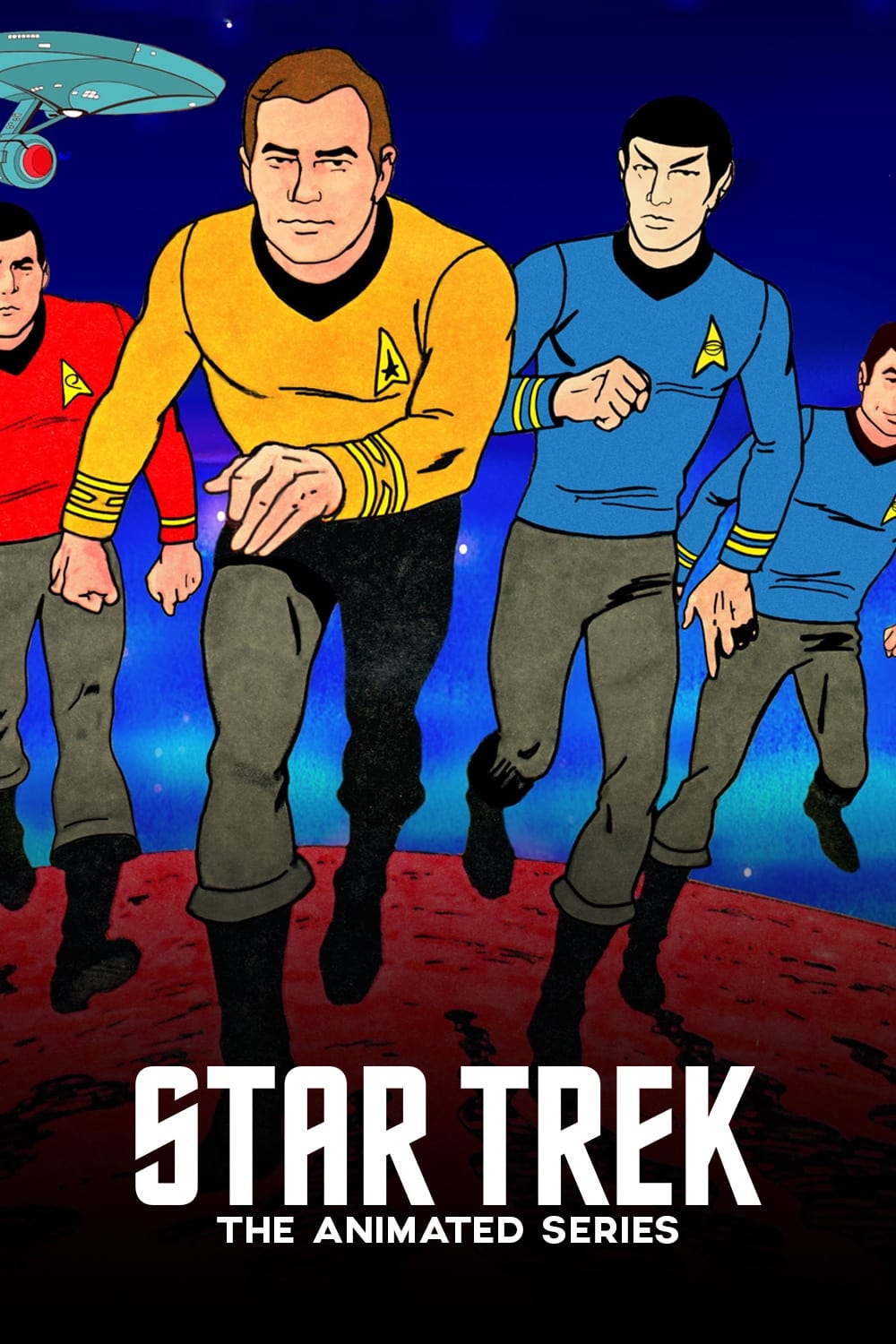
This animated continuation reunites the original Enterprise crew in voice roles and expands mission scope beyond live-action limitations of its era. Episodes revisit established worlds, add Vulcan history and experiment with non-humanoid officers, while maintaining shipboard procedures, departmental roles and science-first troubleshooting.
Across its run, the series preserves continuity items that later productions treat as canon, from terminology and alien biology to starbase operations. It also adapts unfilmed ideas from the earlier writers’ room, making it a compact source of Federation world-building that prequels and sequels continue to mine.
‘Star Trek: Picard’ (2020–2023)
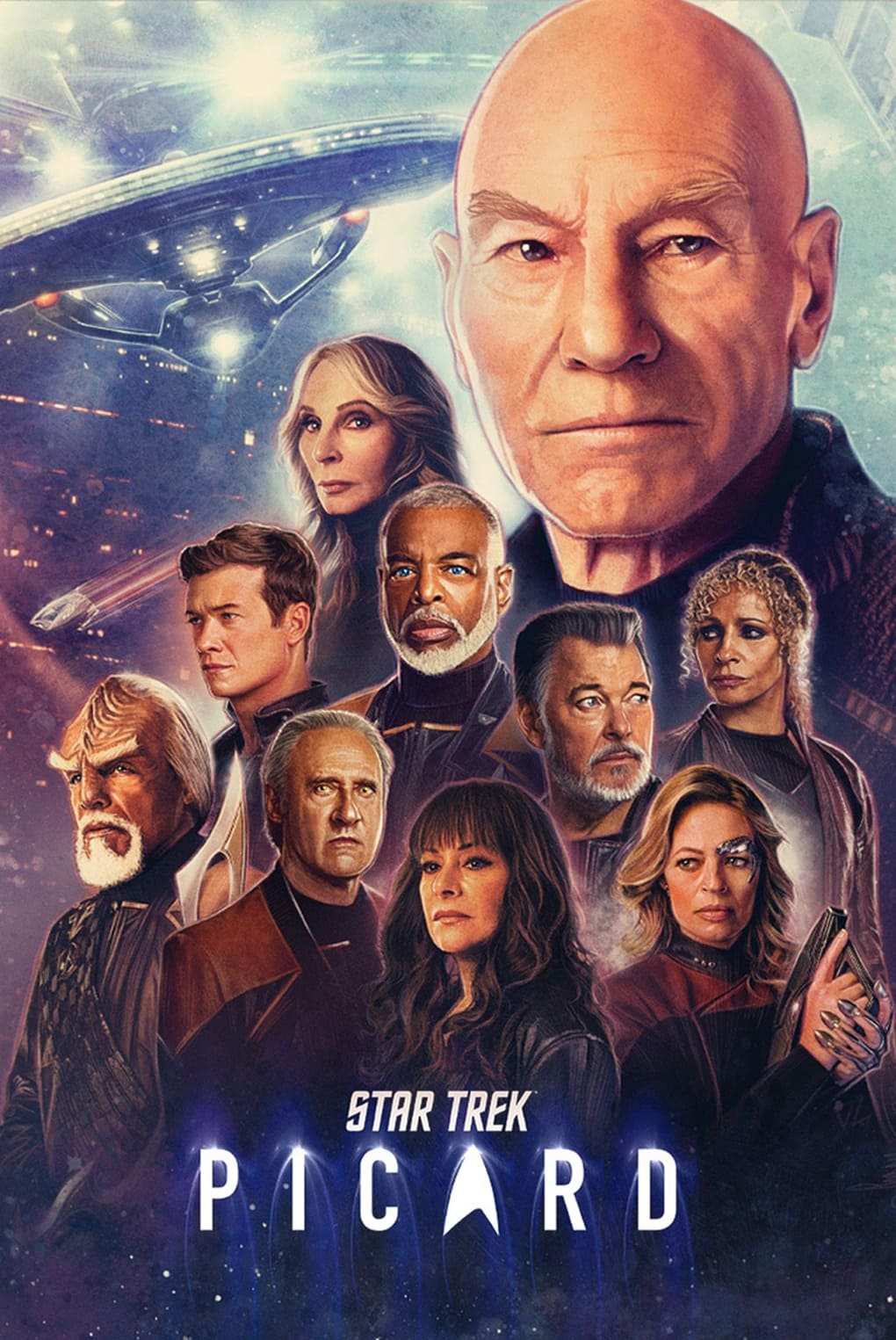
Focused on Jean-Luc Picard’s life after leaving the Enterprise, this series tracks the aftermath of major Alpha Quadrant disruptions including synthetic labor restrictions and Romulan displacement. Each season centers on a distinct crisis—personal rescue, timeline entanglement and a sector-wide threat—that reconnects with former shipmates and long-standing adversaries.
The production reintroduces starship classes, interface designs and command structures that define early 25th-century Starfleet. It concludes multiple character arcs, updates fleet doctrine in response to new vulnerabilities and establishes the operational landscape that companion media continues to explore.
‘Star Trek: Prodigy’ (2021–2024)
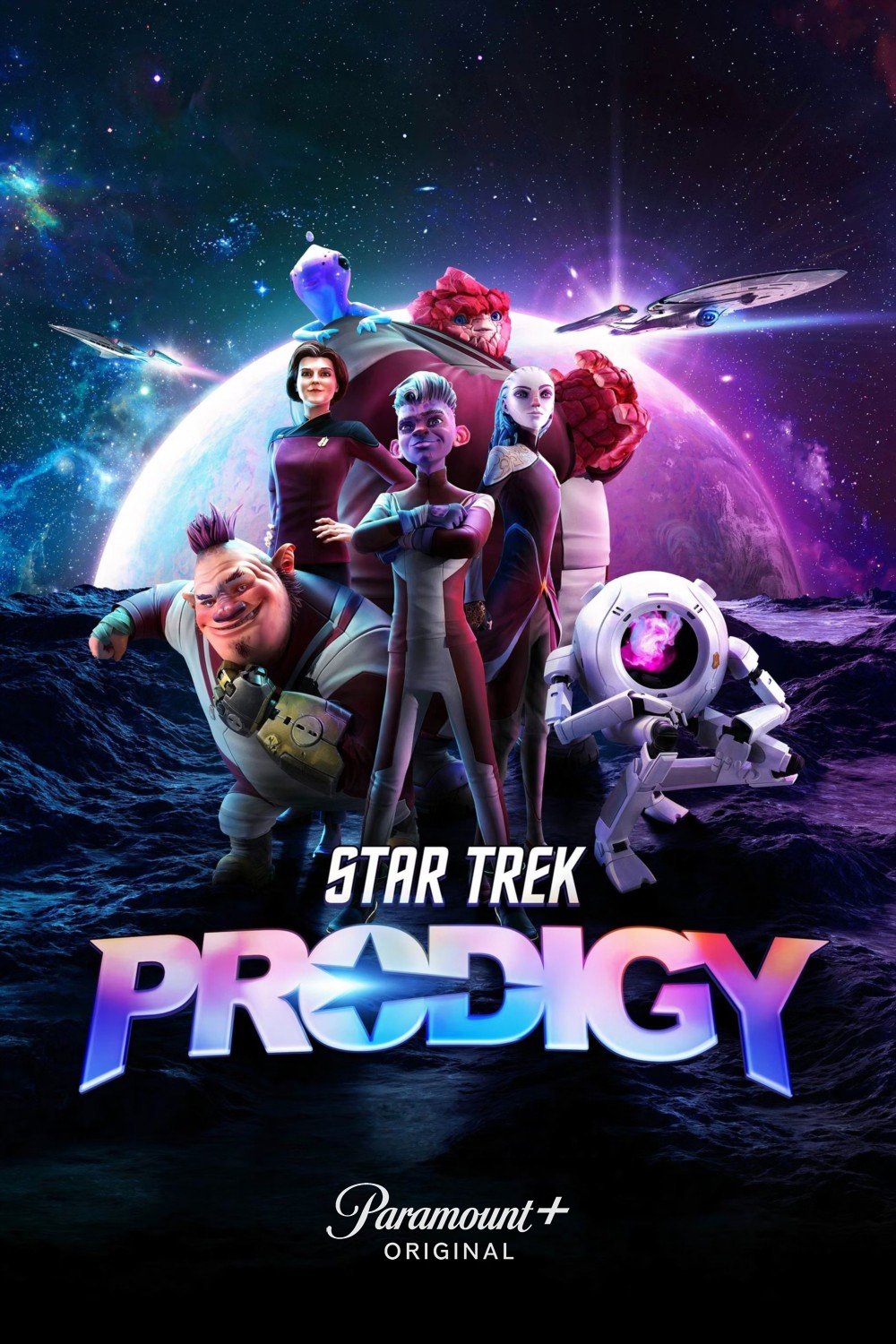
Aimed at younger viewers yet structured for newcomers of any age, this animated adventure follows a group of escapees who discover a lost Federation starship with advanced training systems. Episodes use the crew’s learning curve to teach chain of command, first-contact etiquette and crisis problem-solving while traversing Delta Quadrant territory.
As the story progresses, the group moves toward formal service and interacts with legacy technology connected to long-range exploration. The series bridges late-24th-century outcomes with current Federation initiatives, highlighting how mentorship, cadet programs and starship design adapt after extended missions far from the core.
‘Star Trek: Enterprise’ (2001–2005)
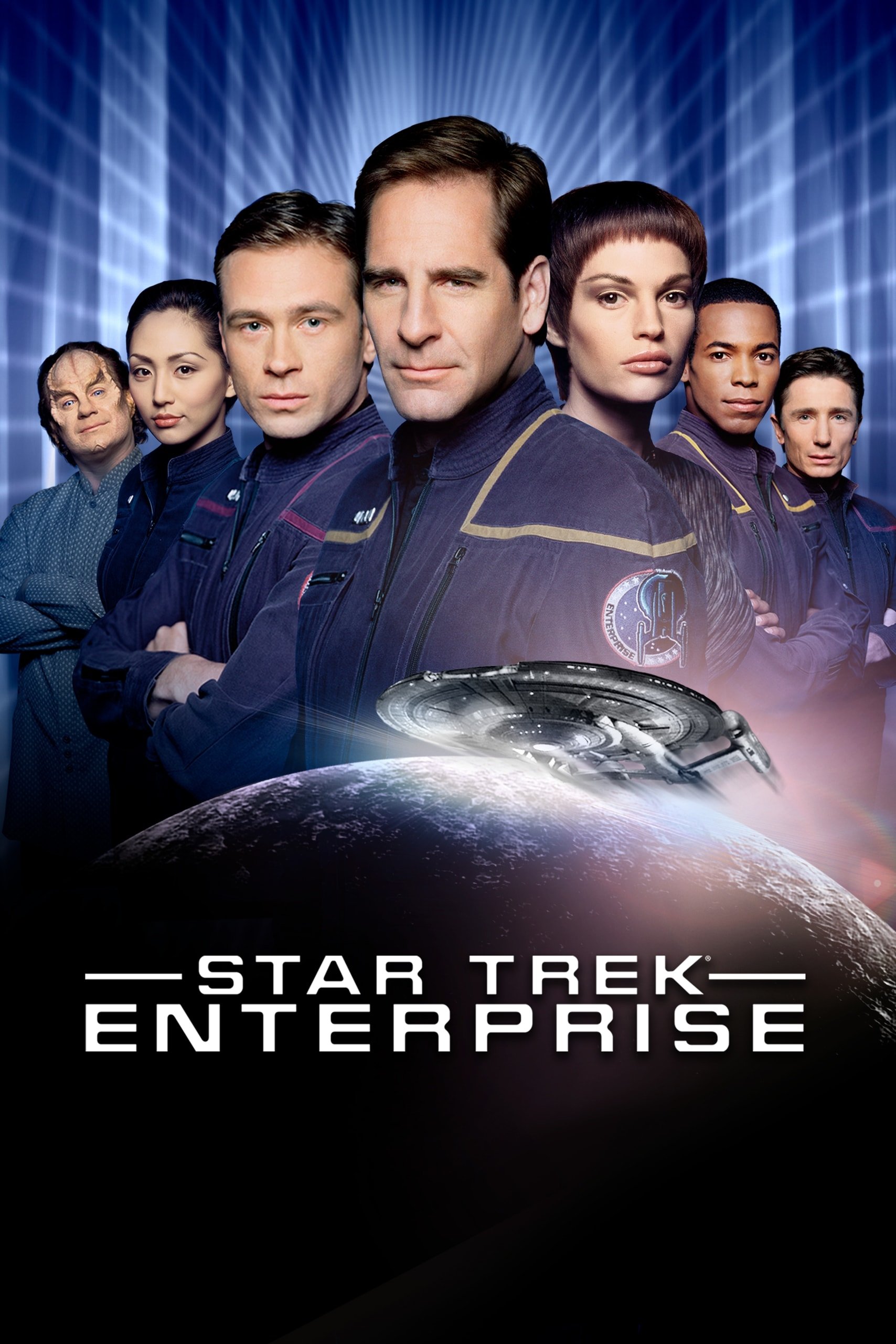
This prequel chronicles the NX-01’s early deep-space voyages during humanity’s first sustained warp-5 era. The crew operates with prototype equipment—polarized hull plating, early transporters and phase pistols—while building diplomatic ties that will become the Federation’s foundation.
Later seasons shift into tighter arcs, including the Xindi conflict and missions that formalize interstellar law. The series documents how translation systems, medical safeguards and exploration protocols mature, and it charts the relationships among humans, Vulcans and Andorians that shape the political order seen later.
‘Star Trek: Lower Decks’ (2020–2024)
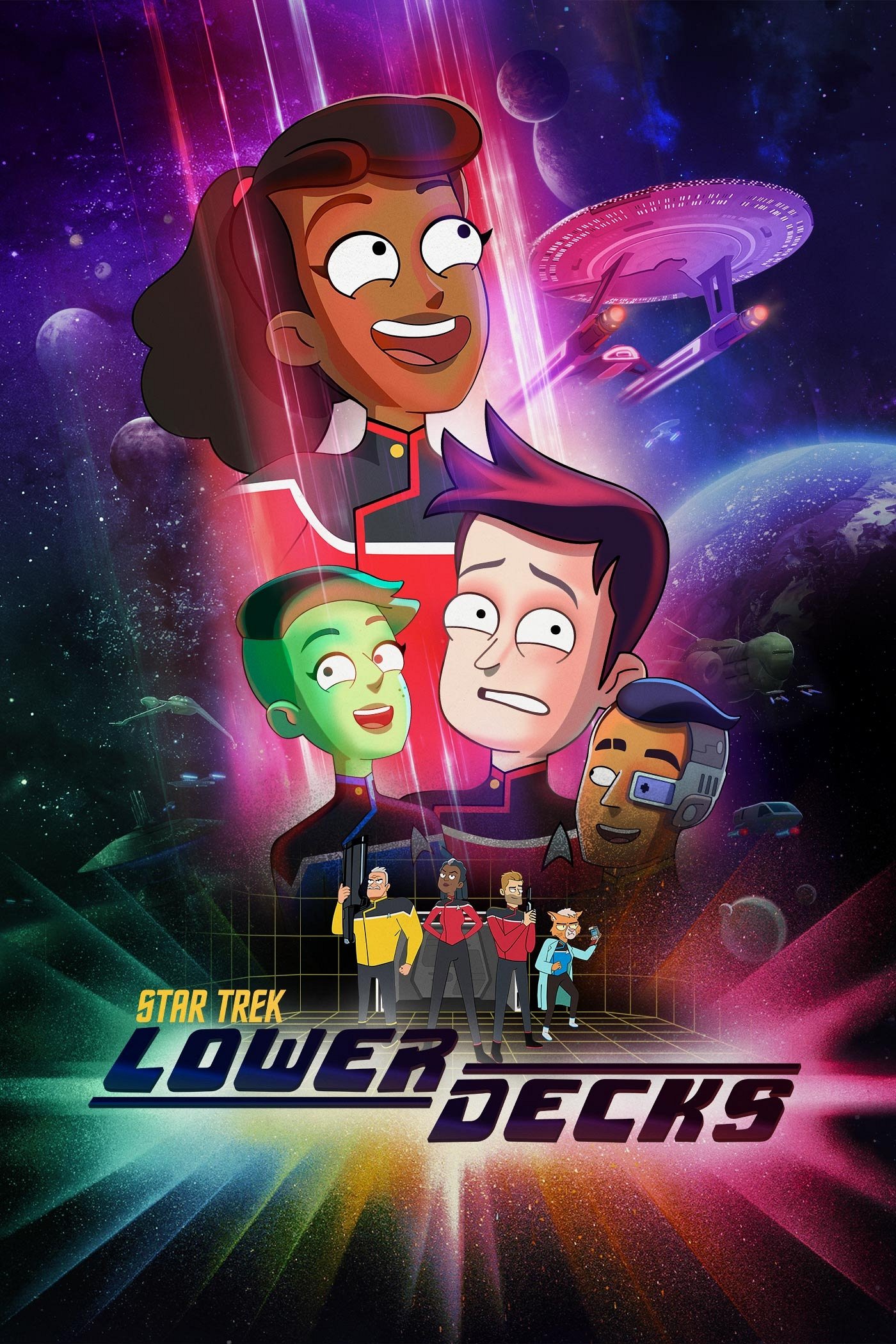
This animated comedy centers on support crew aboard a California-class ship, turning second-contact follow-ups, maintenance tasks and routine crises into its core stories. Despite the humor, episodes adhere to established cartography and technology, revisiting starbases, minor species and treaties from across the franchise.
Across its seasons, the show expands the fleet beyond headline vessels and depicts day-to-day Starfleet workflows—engineering rotations, departmental certifications and after-action paperwork. Frequent crossovers tie its events to live-action continuity, while ship classes, uniforms and interfaces align with contemporaneous series.
‘Star Trek: Voyager’ (1995–2001)
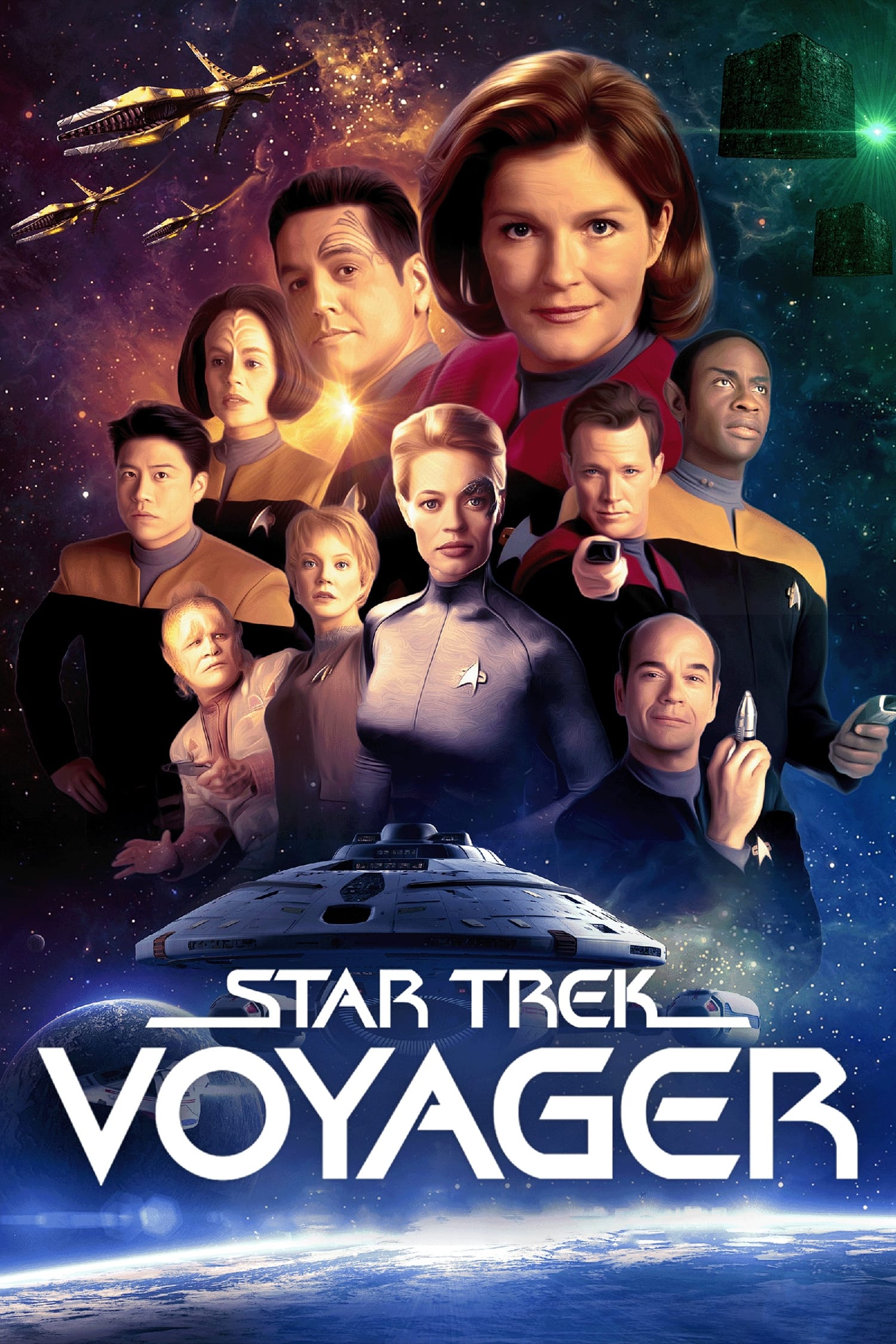
Stranded in the Delta Quadrant, the crew undertakes a long return journey while interacting with powers and phenomena unique to that region. The setup enables recurring contact with local adversaries, and multi-episode arcs track improvements in propulsion, holography and medical practice that change the ship’s capabilities.
The series examines Federation doctrine under isolation—energy rationing, non-interference and crew integration—through practical dilemmas such as refugee policy and supply constraints. Its conclusion returns personnel and technology to the Alpha Quadrant, where outcomes influence later promotions, starship classes and diplomatic alignments.
‘Star Trek: Deep Space Nine’ (1993–1999)
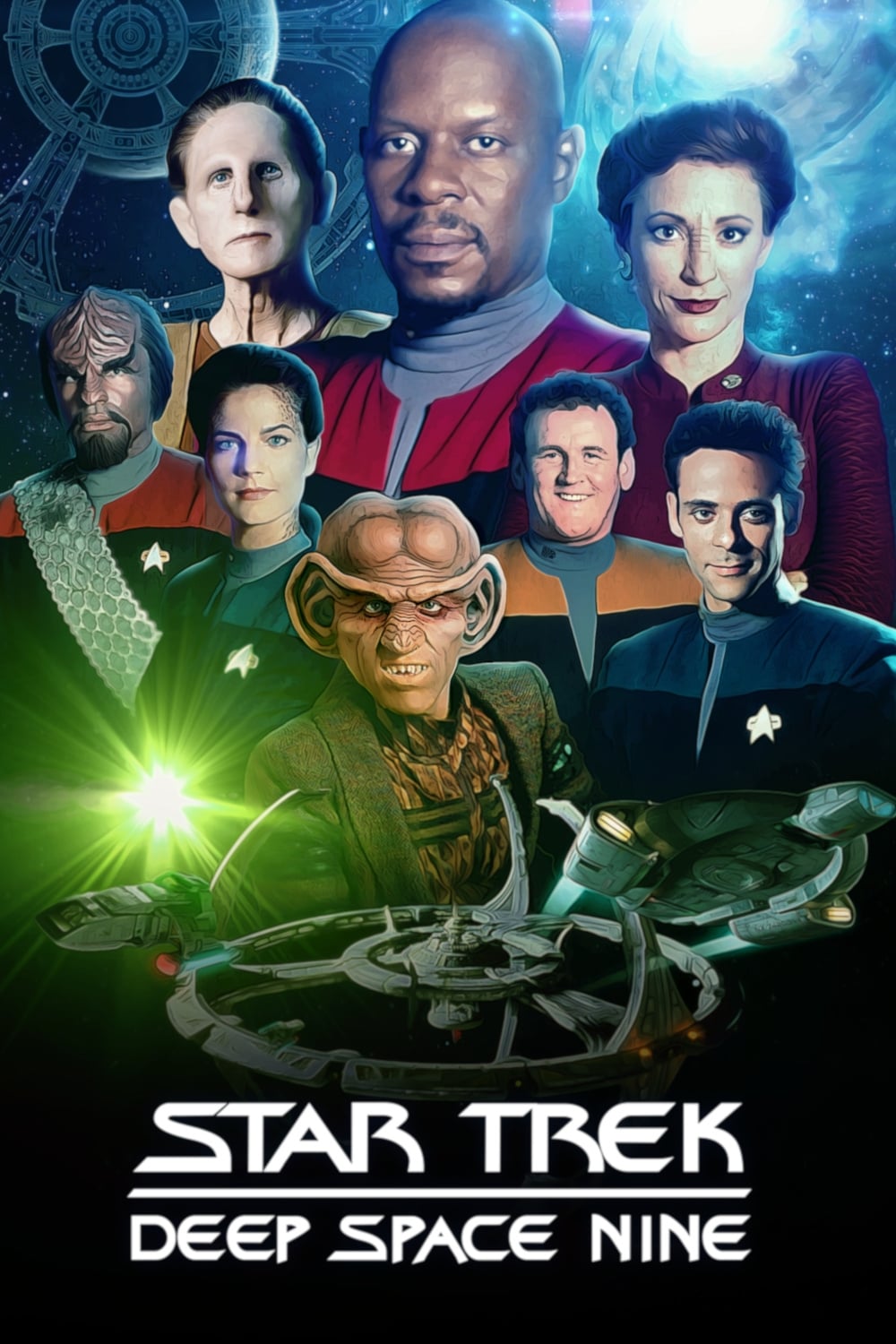
Set on a strategic station near a stable wormhole, this series focuses on governance, commerce and security at a fixed crossroads for multiple powers. Early arcs emphasize Bajoran reconstruction and Cardassian withdrawal; later arcs broaden to quadrant-wide conflict, intelligence operations and carrier-supported campaigns.
It introduces the Dominion and provides the franchise’s most sustained look at large-scale war within Starfleet doctrine. Persistent storylines track treaty shifts, station upgrades and starship assignments, establishing precedents for serialized plotting, logistics and interservice coordination that later productions adopt.
‘Star Trek: Strange New Worlds’ (2022– )
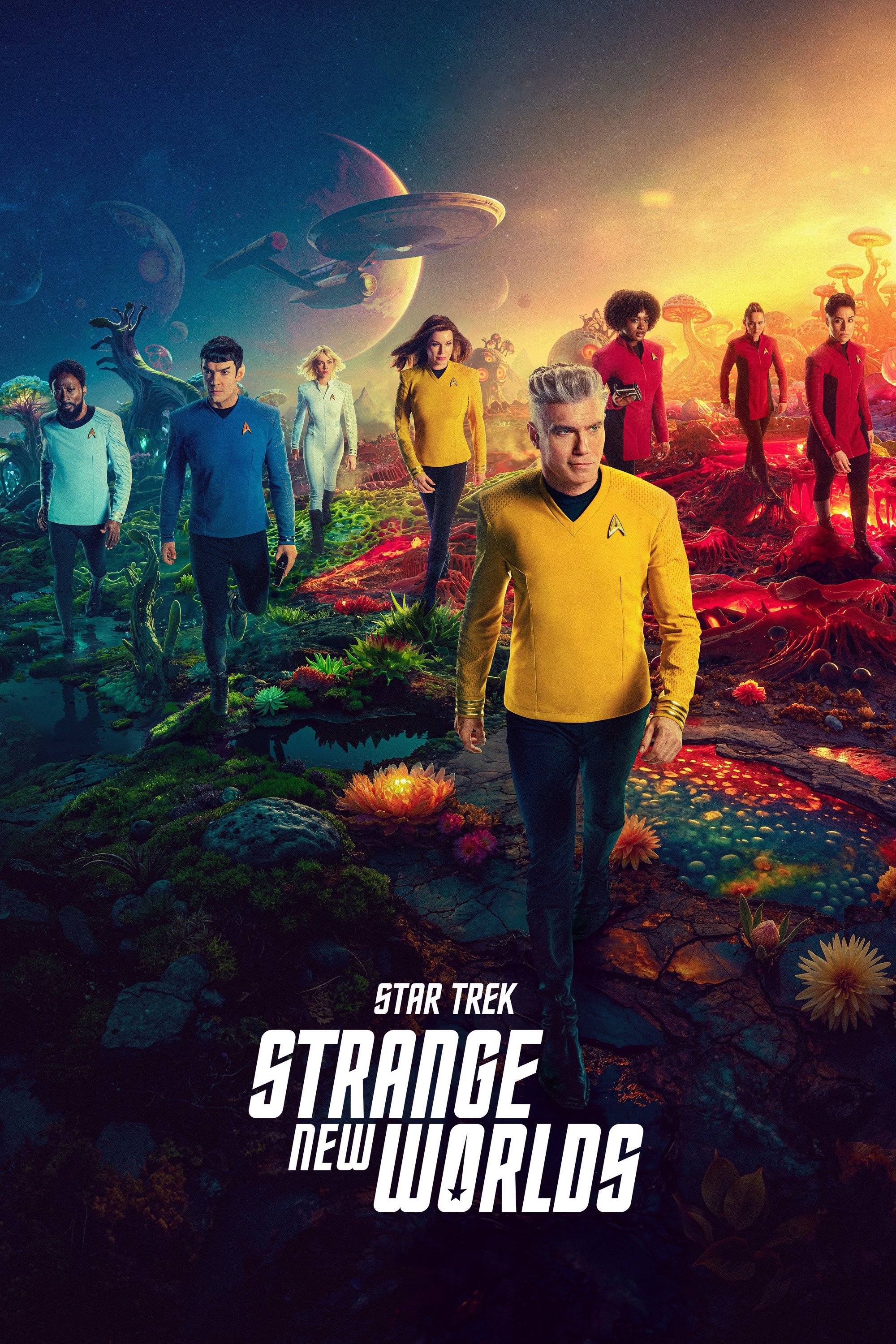
Following Captain Pike’s Enterprise, this series returns to a primarily episodic structure that balances exploration, diplomacy and spaceflight hazards. The ensemble mixes legacy officers such as Spock and Uhura with new specialists in linguistics, medical ethics, engineering and security, anchoring distinct mission types.
Episodes range from courtroom dramas and first-contact puzzles to survival stories and musical detours, with character threads woven between standalone plots. The production maps pre-Kirk technology benchmarks and regional politics, positioning itself as a bridge between early Federation history and later five-year missions.
‘Star Trek: The Original Series’ (1966–1969)
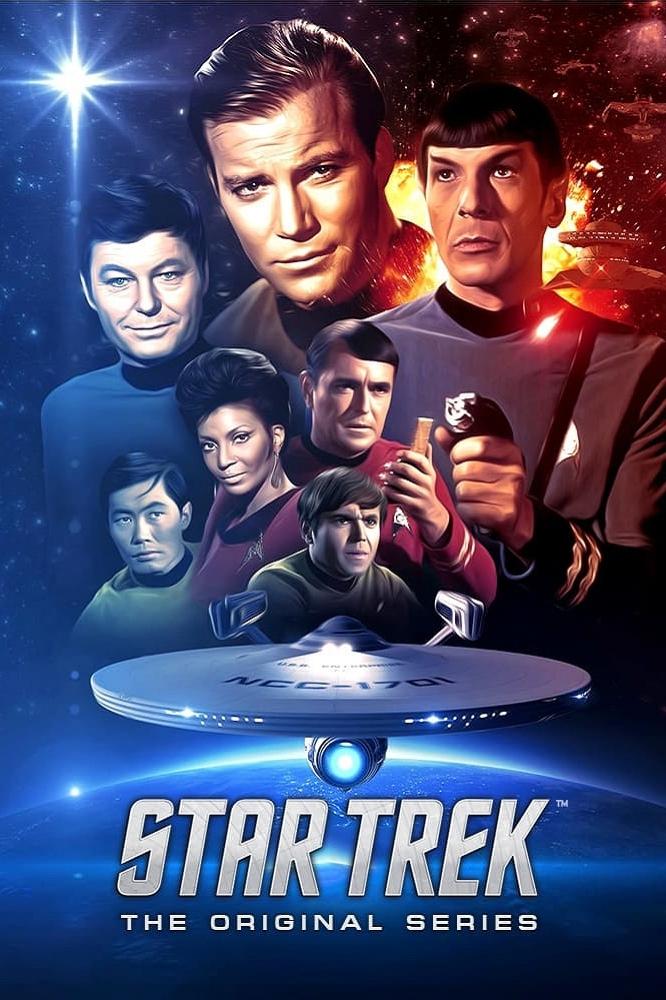
The foundational show established the exploratory mandate, the command-triad dynamic and the guiding rules—non-interference, scientific rigor and humanitarian relief—that define Starfleet. Stories codified key species, starbase structures and recurring technologies, from transporter protocols and warp conventions to departmental roles.
Its production created durable iconography—the Constitution-class silhouette, communicators, tricorders and color-coded uniforms—alongside moral frameworks referenced by successors. It also seeded adversaries, alliances and political geography that prequels and sequels revisit, refine and expand across later timelines.
‘Star Trek: The Next Generation’ (1987–1994)
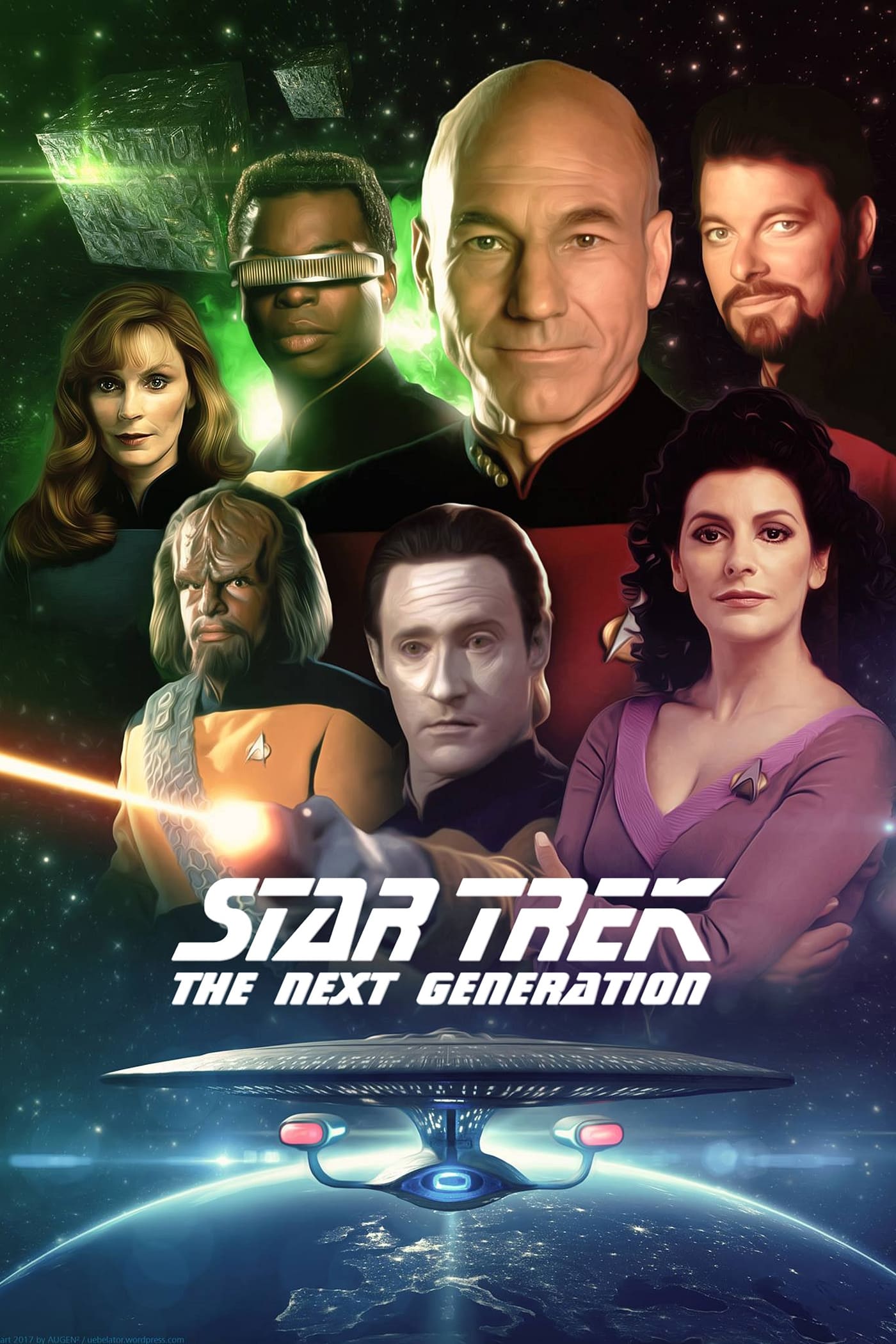
Set aboard the Galaxy-class Enterprise-D, this series updates the franchise’s utopian framework with a larger crew and a mix of episodic stories and multi-part arcs. It introduces the Borg, expands Klingon and Romulan statecraft and standardizes LCARS interface language across departments.
Over its run, it broadens Federation law, first-contact doctrine and ethical case studies used by subsequent series. Its personnel pipeline, ship classes and treaty outcomes echo throughout the shared timeline, with characters and vessels reappearing in crossovers and follow-ups that extend its technical and cultural groundwork.
Share your own order—and the episodes that best showcase each crew—in the comments!