


Every ‘Superman’ Live-Action Movie Ranked from Worst to Best

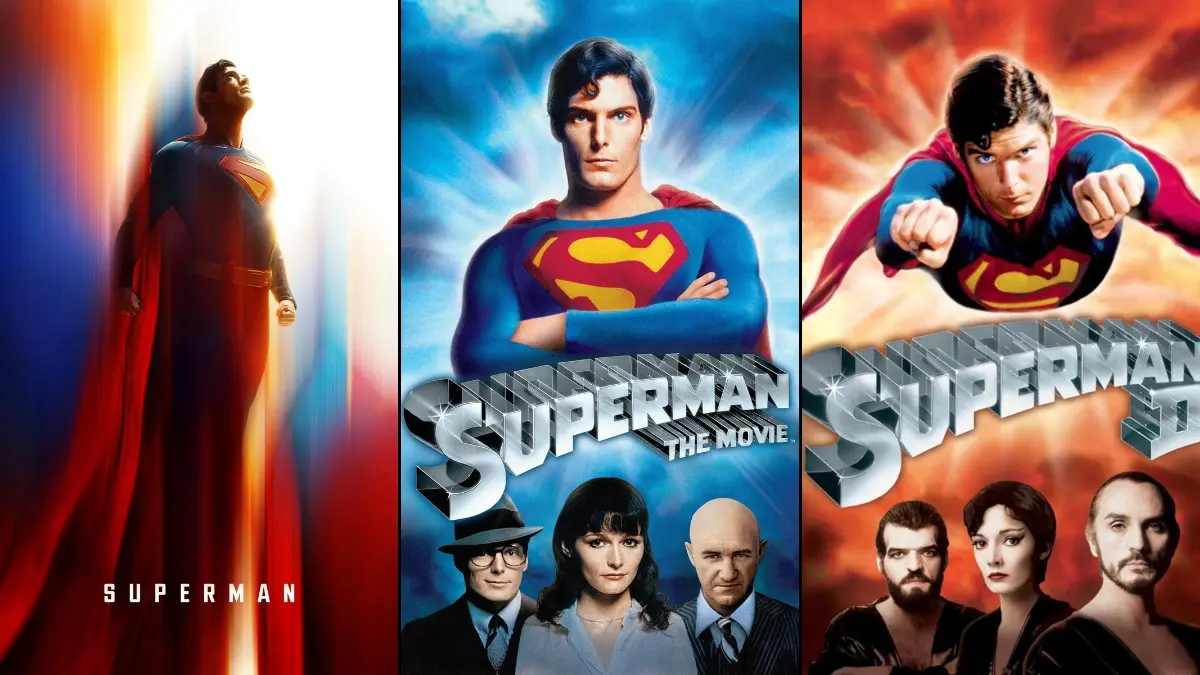


From theatrical serial roots to modern mega-team-ups, live-action takes on the Last Son of Krypton have spanned decades, studios, and tones. Below is a complete countdown of every feature-length, live-action film featuring the character in a primary role, covering who made them, who starred, and the key story focus for each. This list sticks to widely released live-action films and ensemble entries where the character is central.
‘Superman IV: The Quest for Peace’ (1987)

Directed by Sidney J. Furie, this Cannon production reunites Christopher Reeve with Gene Hackman and Margot Kidder, and introduces Jon Cryer as Lenny Luthor. The plot follows a disarmament appeal that leads Lex Luthor to create ‘Nuclear Man’ from stolen DNA, setting up clashes across Metropolis and in orbit. Production drew on Pinewood stages and heavy optical work, including recycled and trimmed effects footage due to budget constraints. Subplots involve Daily Planet ownership changes and editorial pressure on Lois Lane.
‘Superman III’ (1983)
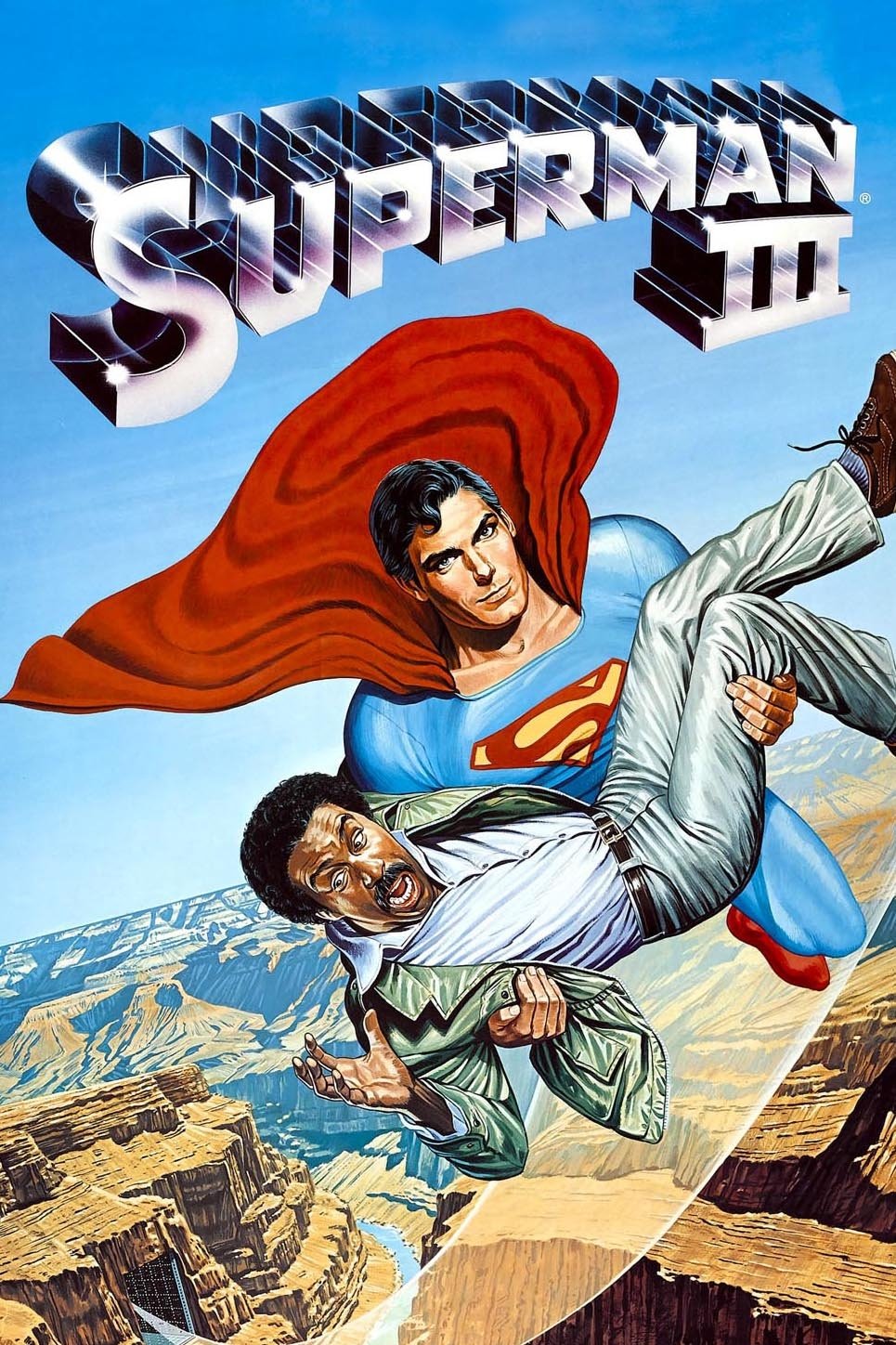
Richard Lester directs, with Christopher Reeve joined by Richard Pryor as programmer Gus Gorman and Annette O’Toole as Lana Lang. The narrative centers on corporate fraud at Webscoe and a weather-manipulating satellite that escalates into a sentient super-computer threat. A corrupted-kryptonite incident triggers the “split” persona thread, culminating in a junkyard confrontation between identities. Exterior work and interiors were split between Canadian locations and UK soundstages.
‘Superman and the Mole Men’ (1951)
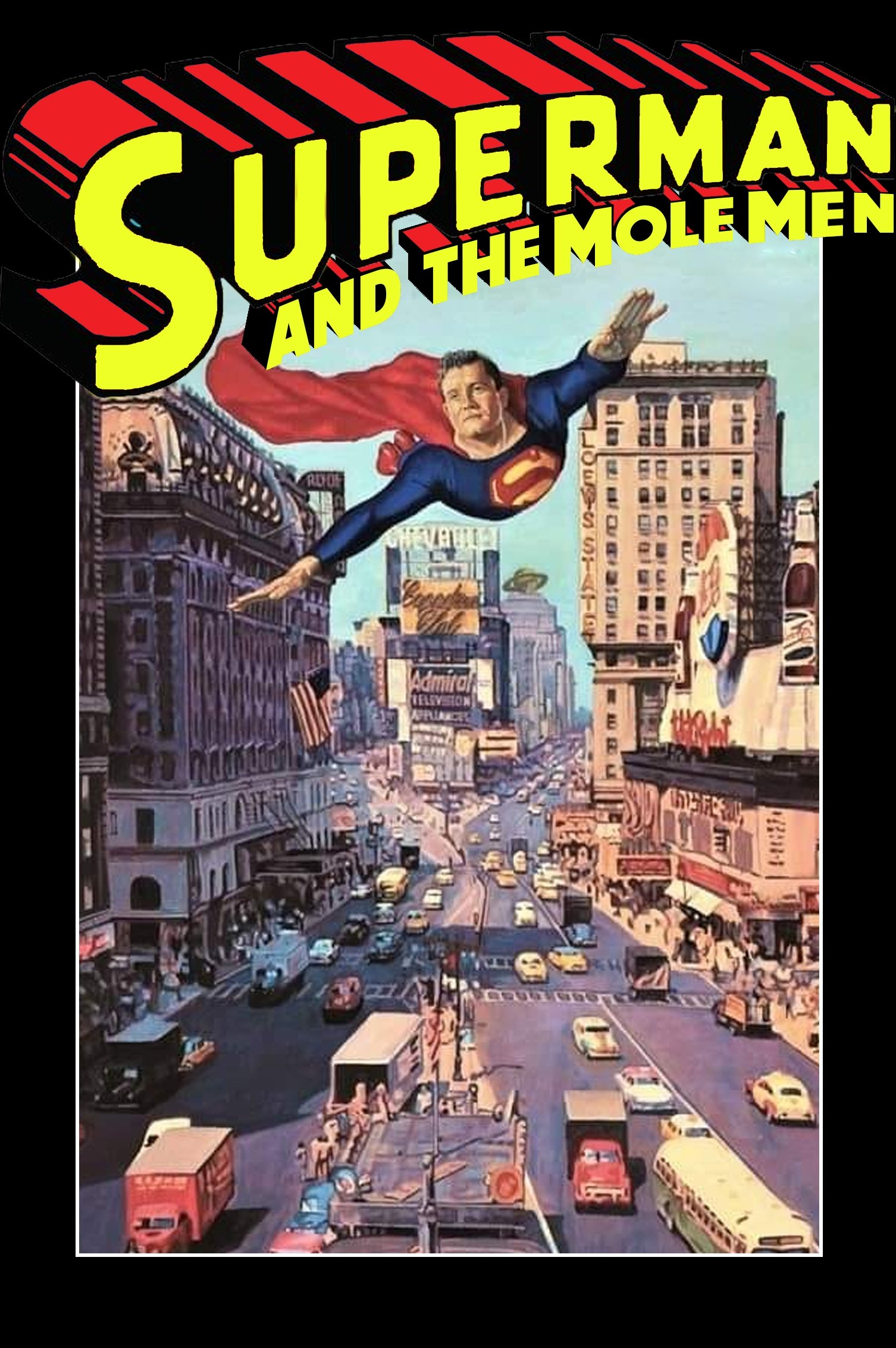
Directed by Lee Sholem, this feature stars George Reeves and Phyllis Coates and functions as a springboard to ‘Adventures of Superman’. The story follows subterranean beings emerging near the town of Silsby after an ultra-deep drilling project, provoking panic that the title hero works to defuse. Produced by Lippert Pictures, it was later recut for television as ‘The Unknown People’. Reeves’ portrayal here links directly into his subsequent television continuity.
‘Superman Returns’ (2006)
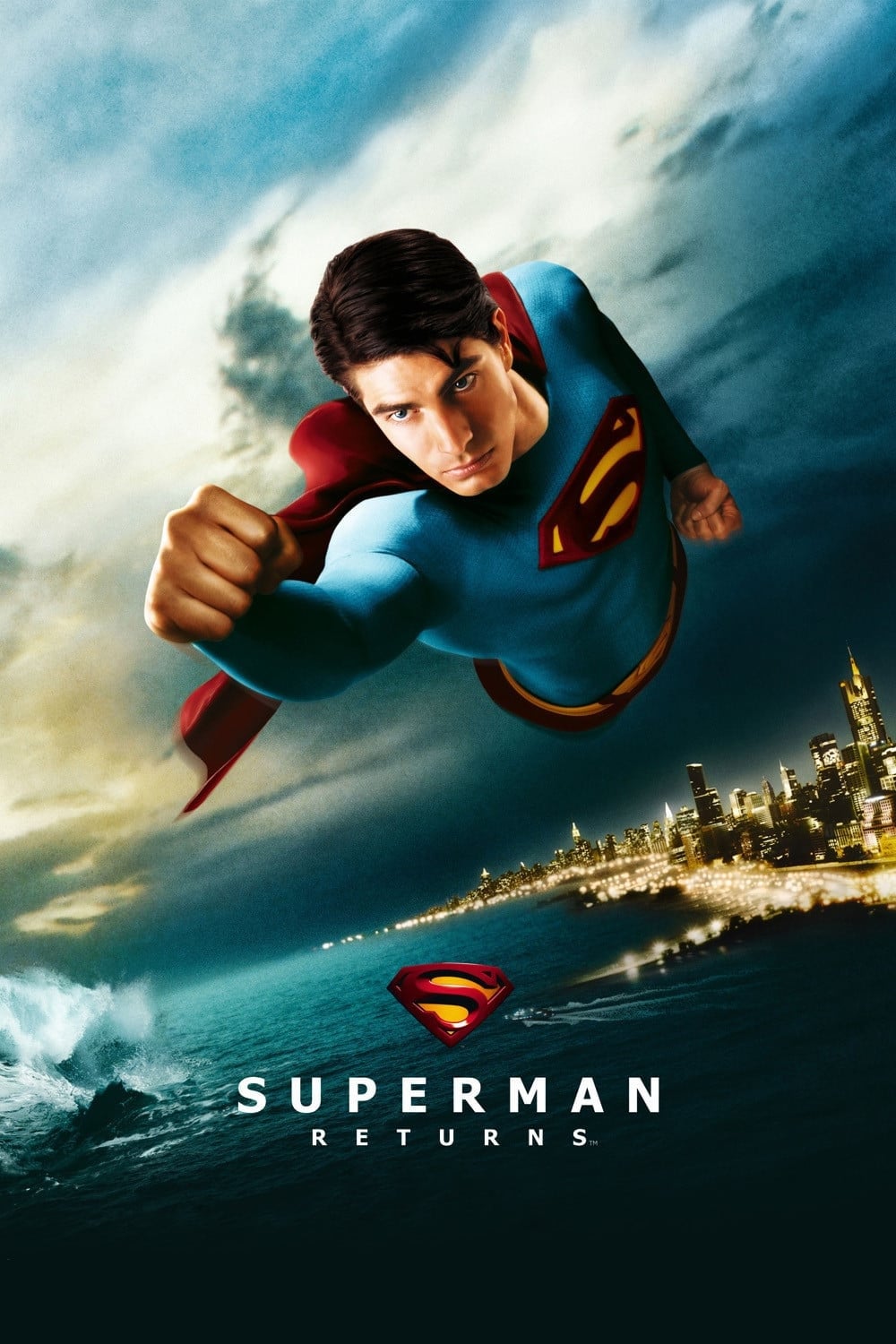
Bryan Singer directs Brandon Routh alongside Kate Bosworth and Kevin Spacey, positioning the film as a continuation of the Donner-Reeve era. The plot tracks the character’s return from a long absence, an investigation by Lois Lane, and Lex Luthor’s real-estate scheme powered by Kryptonian crystals. Large-scale sets (including the Daily Planet and Fortress) and extensive virtual cinematography were used for flight and rescue sequences. Editor-composer John Ottman integrates new cues with the classic fanfare theme.
‘Batman v Superman: Dawn of Justice’ (2016)
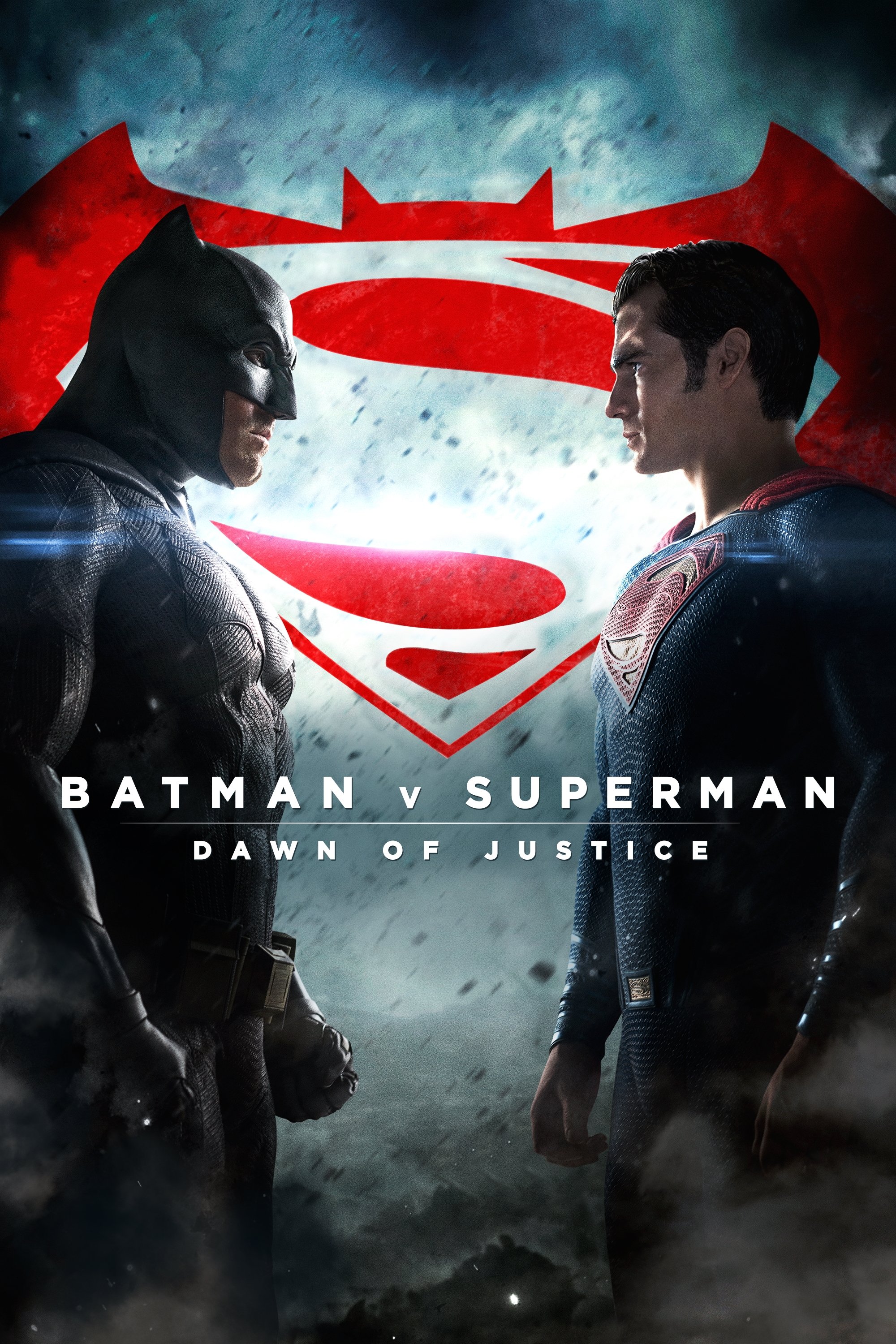
Zack Snyder directs Henry Cavill, Ben Affleck, and Gal Gadot in a crossover that interweaves Metropolis fallout with Gotham’s vigilantism and Lex Luthor’s manipulations. The plot culminates in the creation of ‘Doomsday’ and introduces key Justice League figures through dossiers and cameos. Two official edits exist: a theatrical version and a longer ‘Ultimate Edition’ with restored connective scenes. The release features distinct grading and editorial structures across versions.
‘Man of Steel’ (2013)
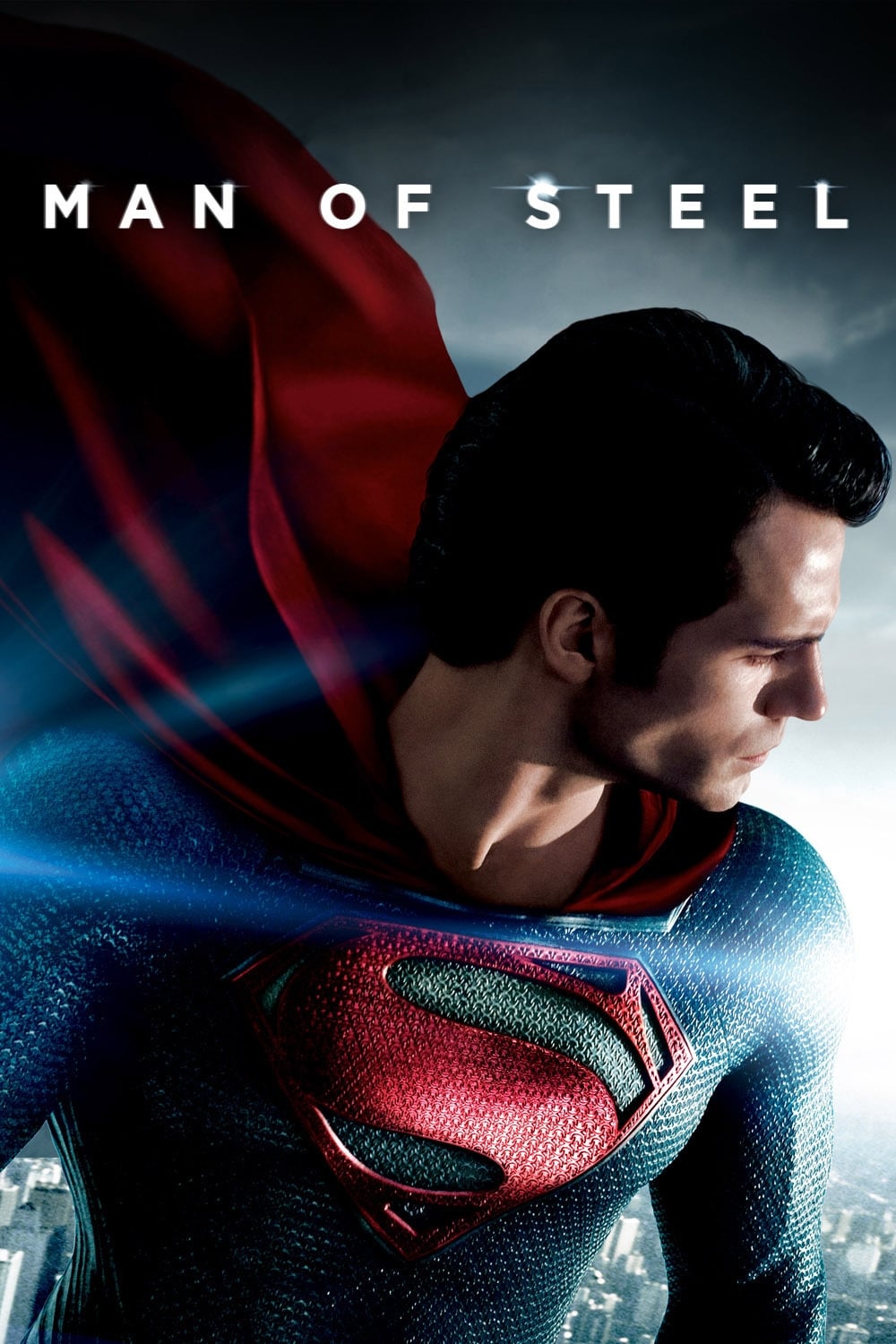
Zack Snyder directs Henry Cavill with Amy Adams, Michael Shannon, and Russell Crowe, launching a new continuity. The plot spans Krypton’s collapse, a Kansas upbringing, investigative work by Lois Lane, and a global confrontation with General Zod and the World Engine. The production deployed handheld-influenced digital cinematography, large-format VFX, and multi-country location work. Hans Zimmer’s percussion-driven score establishes a new musical identity distinct from earlier themes.
‘Superman’ (2025)
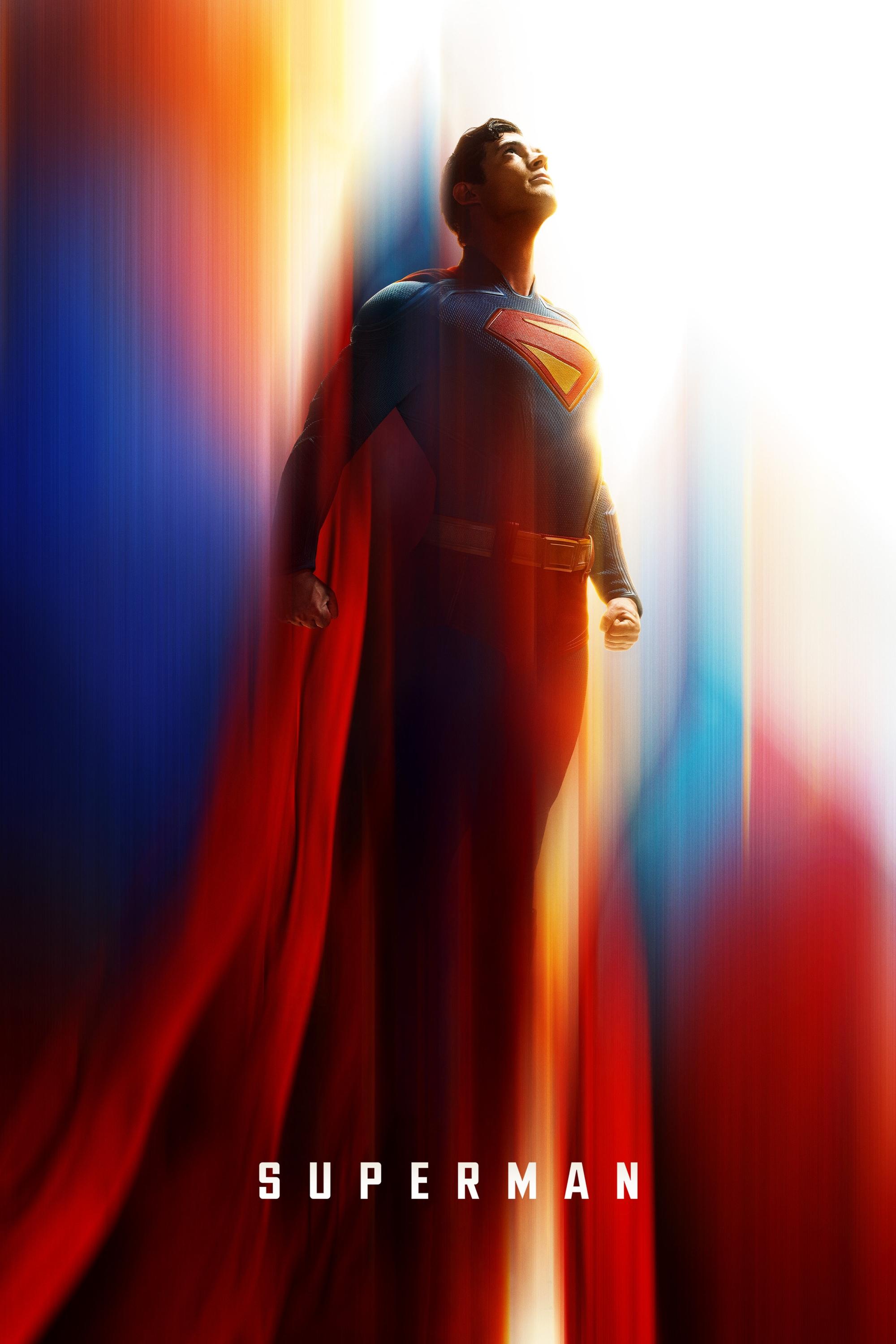
Written and directed by James Gunn, this DC Studios entry stars David Corenswet as Clark Kent, Rachel Brosnahan as Lois Lane, and Nicholas Hoult as Lex Luthor. The story frames the hero balancing Kryptonian heritage with a working-reporter life in Metropolis, while the newsroom, political currents, and new threats reshape his public standing. Production emphasizes grounded city locations with stylized design, and the release arrived mid-summer with subsequent streaming on Max. The film carries a PG-13 classification for violence, action, and language.
‘Superman II’ (1980)
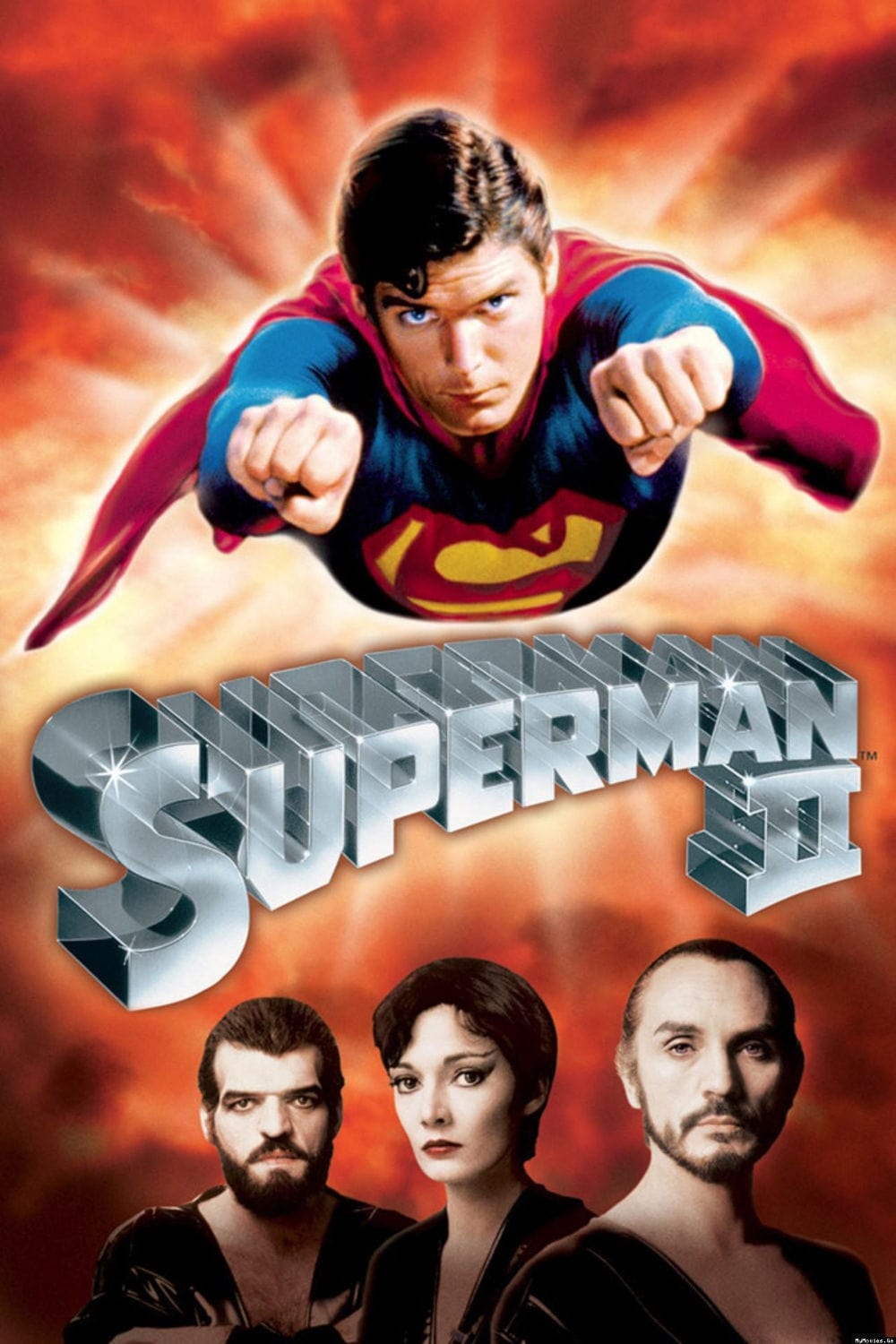
Released under Richard Lester with significant earlier photography by Richard Donner, this sequel stars Christopher Reeve, Margot Kidder, Gene Hackman, and Terence Stamp. The narrative brings General Zod, Ursa, and Non from the Phantom Zone to Earth, intersecting with incidents involving Paris and a U.S. test site. Parallel versions circulate—the theatrical cut and ‘Superman II: The Richard Donner Cut’—reconstructed from alternate footage and original story intent. Key set pieces include the Metropolis street battle and Fortress confrontations.
‘Superman’ (1978)
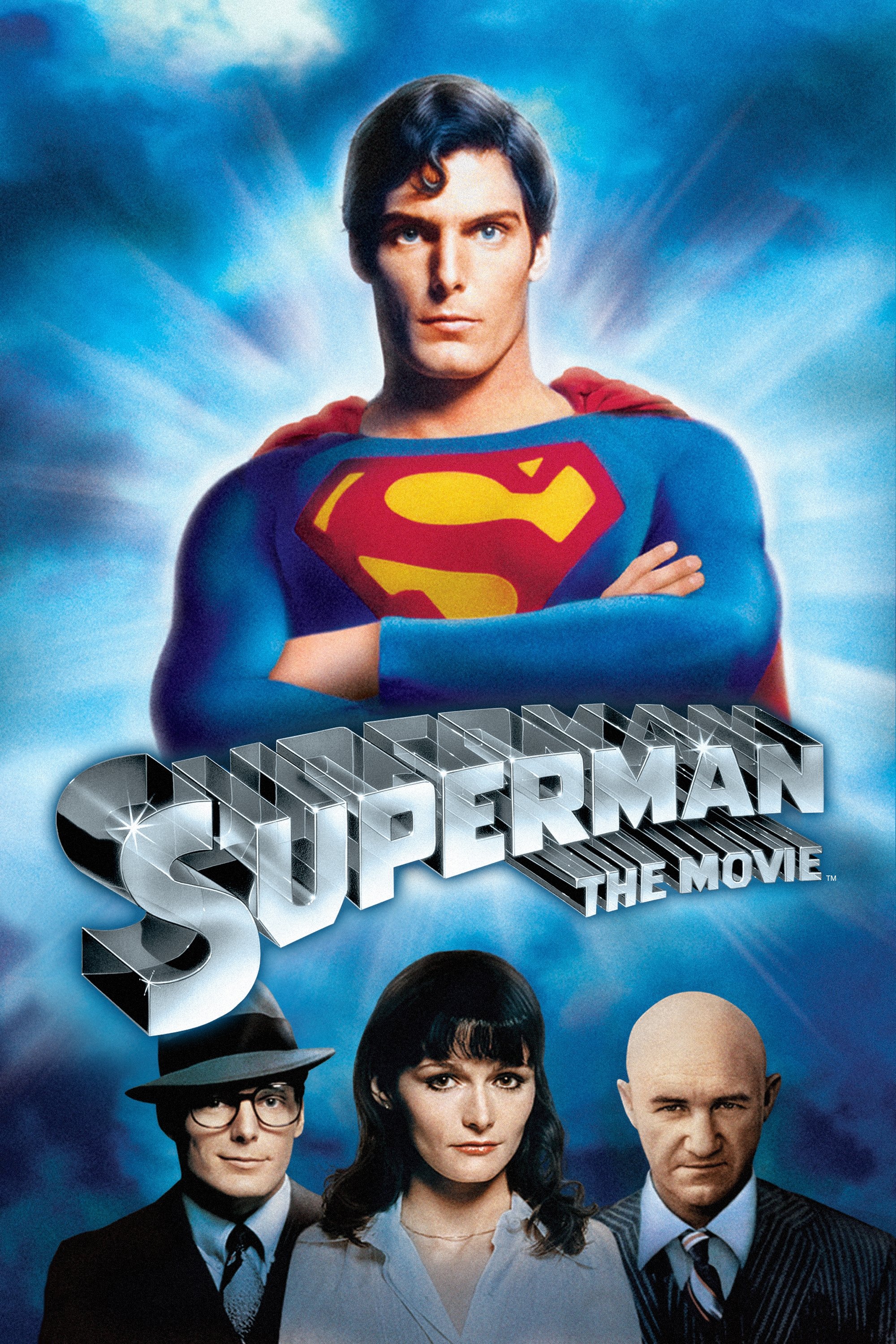
Richard Donner directs Christopher Reeve with Margot Kidder, Gene Hackman, and Marlon Brando in a large-scale production mounted across UK stages and North American locations. The story arcs from Krypton and Smallville to Metropolis, culminating in a dual-missile plot engineered by Lex Luthor. “You’ll believe a man can fly” became reality through wire-rigs, front-projection, and Zoptic process photography, enabling sustained aerial shots. John Williams’s orchestral themes set the musical template for many later screen appearances.
Think we nailed it—or would you order them differently now that ‘Superman’ is in the mix? Share your picks in the comments!

