


Every Tarantino Movie Ending Scene, Ranked


Quentin Tarantino is a filmmaker known for his memorable scenes, and his movie endings are no exception. They are often what people talk about long after they’ve left the theater. His endings can be violent, quiet, or even change history.
This list looks at every Tarantino movie ending and ranks them in descending order. It explores what makes each one unique and how it fits into the larger story. From the bloody and explosive to the thoughtful and bittersweet, Tarantino’s finales are always worth discussing.
Inglourious Basterds (2009)
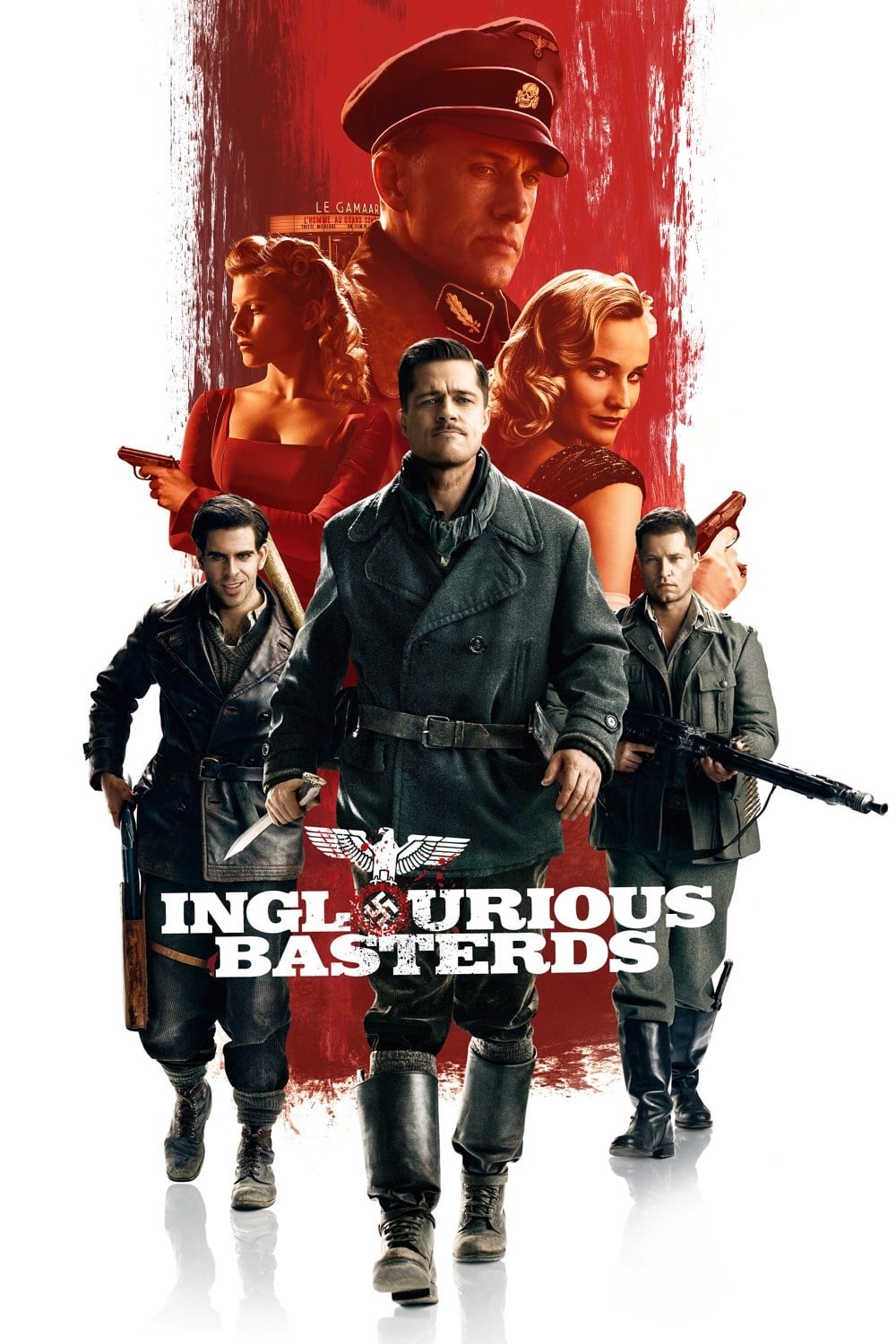
In the final moments of Inglourious Basterds, the war in Europe is over, but not before a fiery end for Hitler and the Nazi high command in a movie theater. The mastermind behind this victory, SS Colonel Hans Landa, has negotiated his surrender and is set to receive a full pardon and numerous benefits. However, Lt. Aldo Raine has one last act of defiance.
Raine carves a swastika into Landa’s forehead, a permanent mark of his Nazi past that he cannot escape. Raine then declares it his “masterpiece”. This ending rewrites history with a brutal and darkly comedic twist, delivering a sense of justice that is both satisfying and unsettling.
Pulp Fiction (1994)
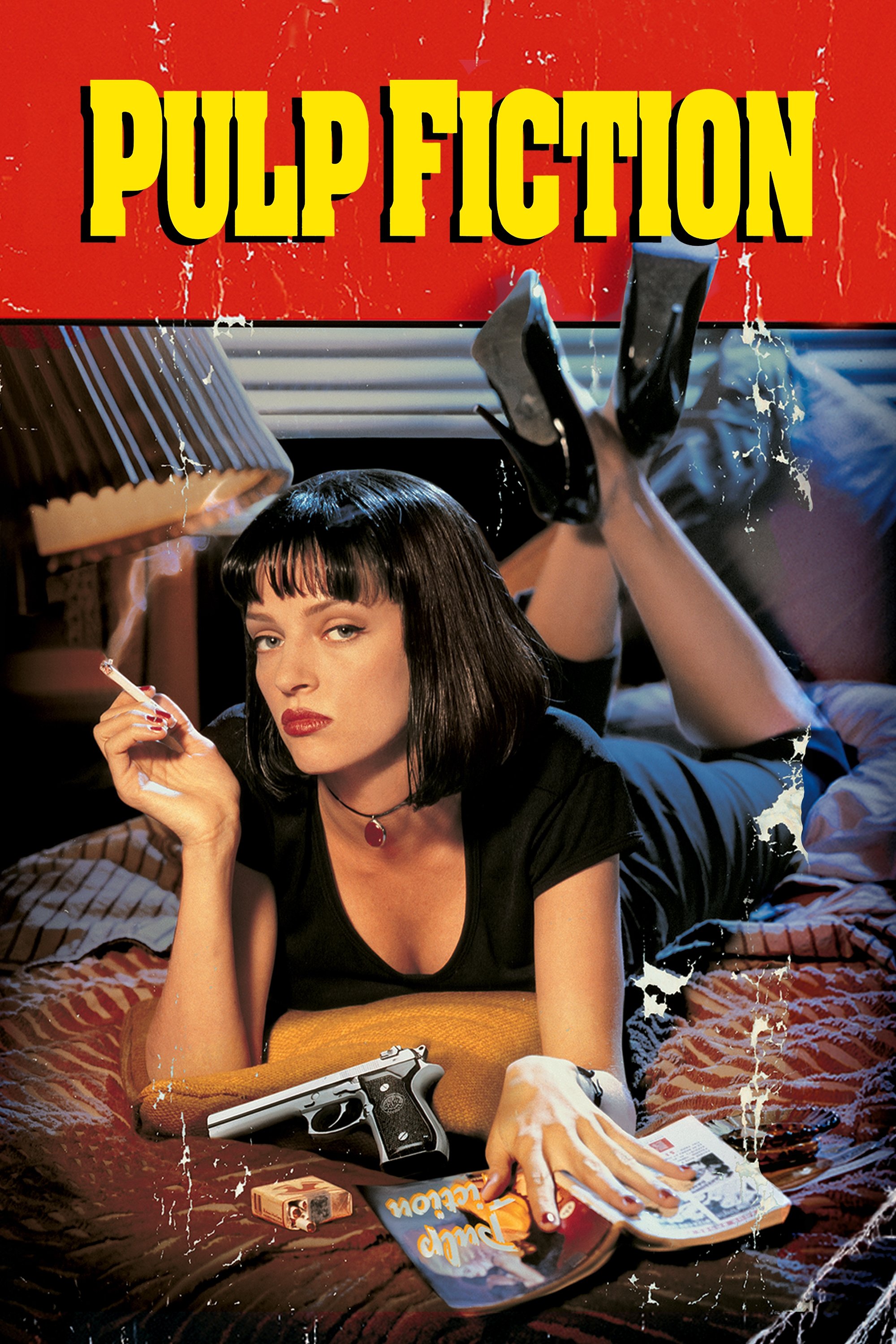
The ending of Pulp Fiction brings the film’s circular narrative to a close back in the Hawthorne Grill. Hitman Jules Winnfield, having experienced what he believes to be a miracle, has a change of heart. When a robbery unfolds, he defuses the situation not with violence, but with a calm discussion and a look into his wallet.
Jules spares the lives of the robbers, Pumpkin and Honey Bunny, and offers them his own money. He speaks of trying to be “the shepherd” and walks away from his life of crime. This ending is a powerful statement on redemption and choice, leaving the audience with a sense of hope and ambiguity.
Once Upon a Time… in Hollywood (2019)
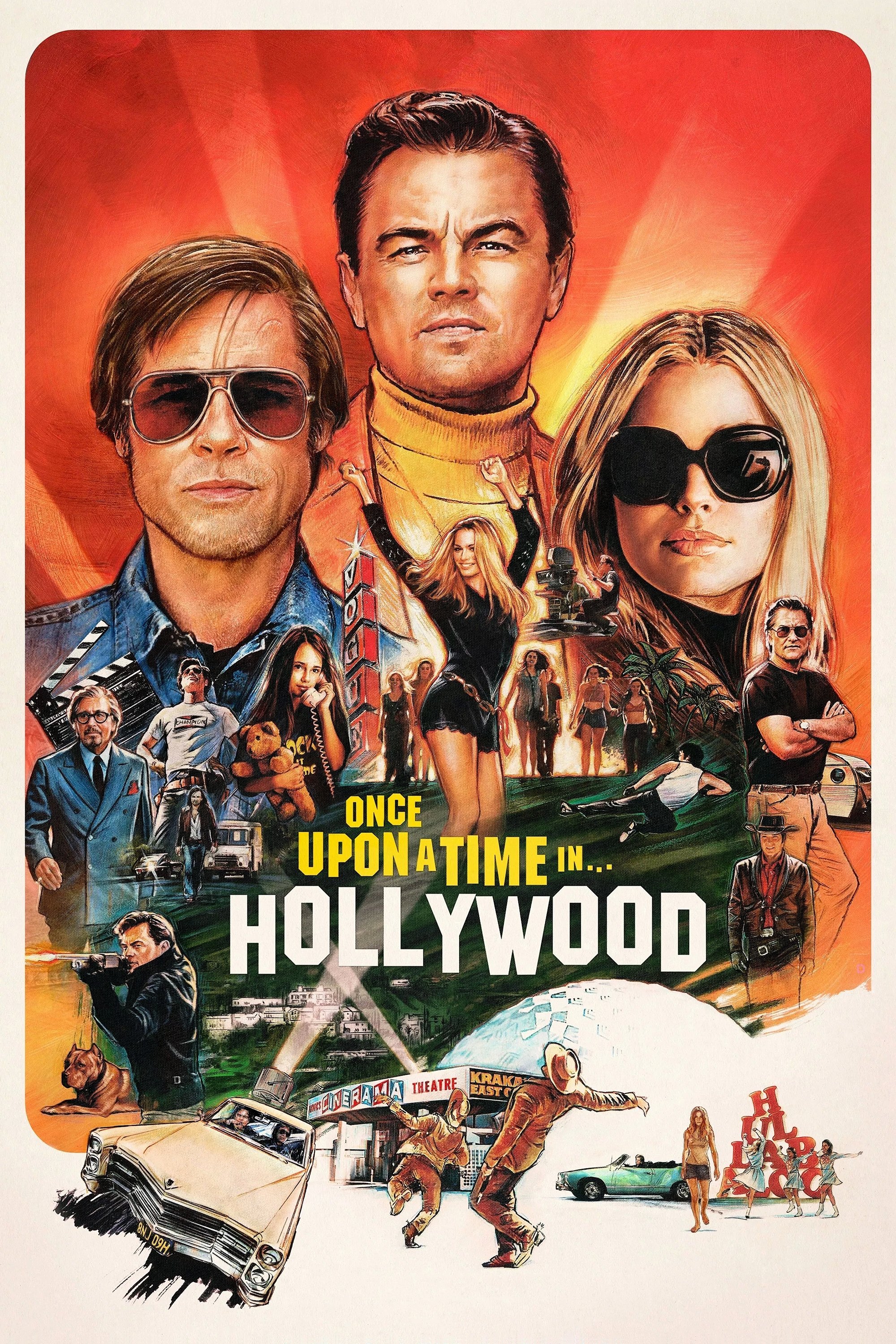
The ending of Once Upon a Time in Hollywood offers a fairy tale revision of a dark chapter in Hollywood history. On the night of the infamous Tate murders, the Manson family members divert their attention to the home of washed-up actor Rick Dalton. What follows is a shockingly violent and darkly humorous confrontation where Dalton and his stunt double, Cliff Booth, dispatch the attackers.
Instead of the tragic real-life events, Sharon Tate is unharmed and invites Dalton into her home for a drink. The ending is a cathartic and optimistic rewriting of history, celebrating the idea of a Hollywood where heroes, even flawed ones, can save the day. It’s a powerful and emotional conclusion that has been praised for its subversion of audience expectations.
Kill Bill: Vol. 2 (2004)
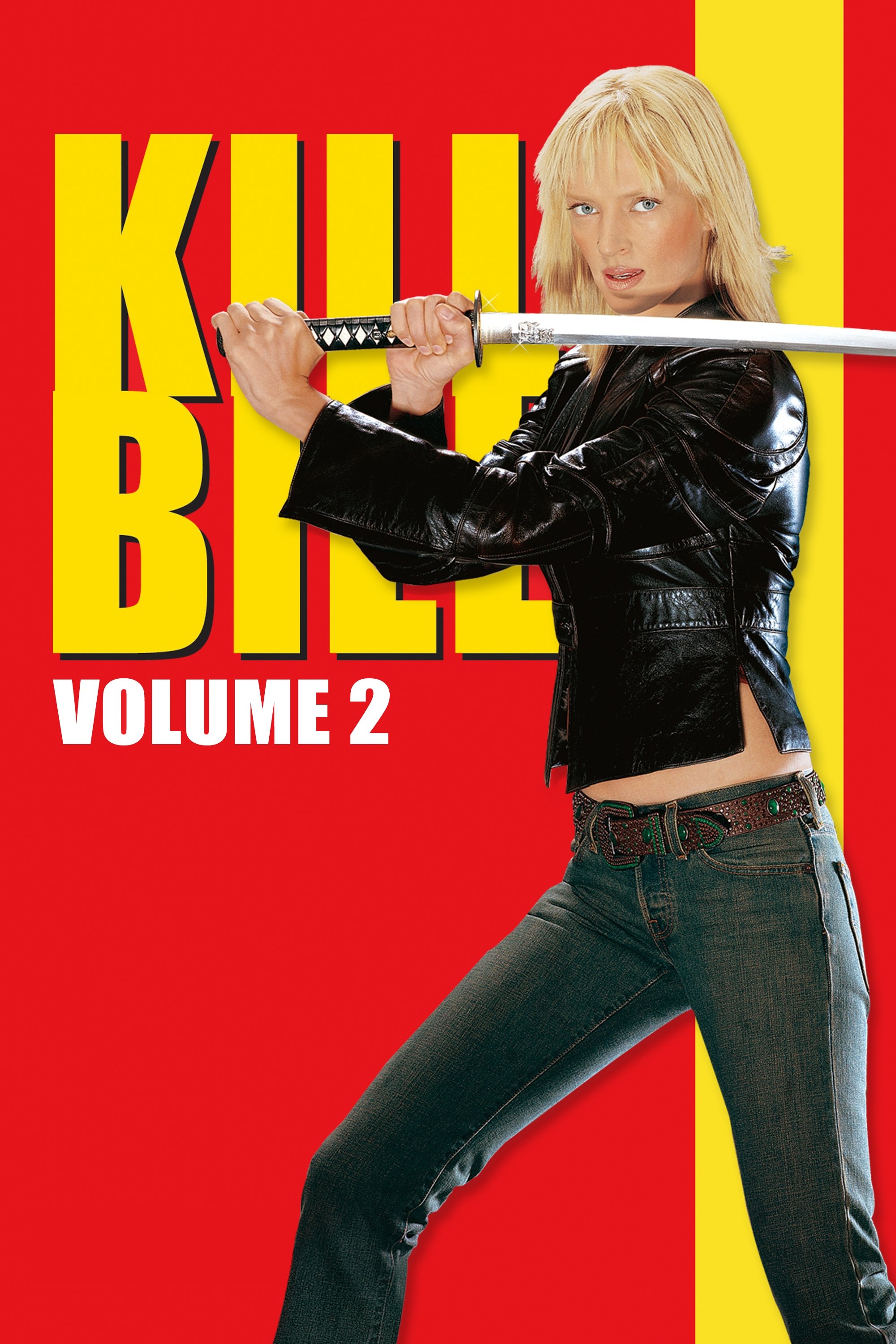
After a long and bloody path of revenge, The Bride finally confronts Bill. The climax is not a grand sword fight but an extended conversation filled with tension and emotion. Bill explains his motivations, and The Bride learns that her daughter is alive.
The final confrontation is swift. The Bride uses the “Five Point Palm Exploding Heart Technique,” a move taught to her by the legendary Pai Mei. Bill accepts his fate, takes five steps, and falls dead. The film ends with The Bride and her daughter starting a new life, a surprisingly quiet and hopeful conclusion to a violent two-part epic.
Django Unchained (2012)
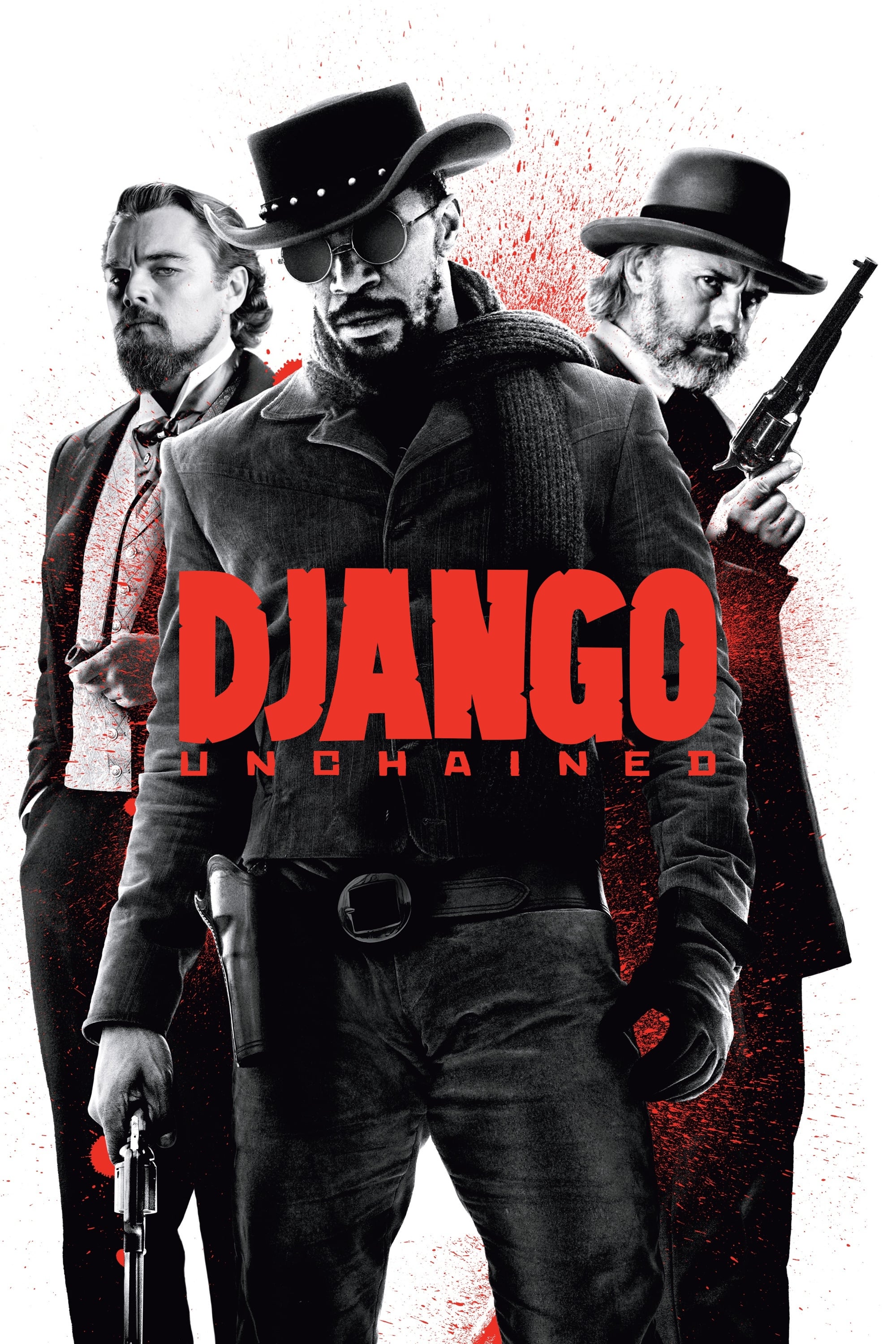
The final act of Django Unchained sees the hero captured and sold back into slavery after the death of his mentor, Dr. King Schultz. However, Django uses his wit and skills to escape and returns to the Candyland plantation for a final showdown. He frees his wife, Broomhilda, and eliminates the remaining villains.
The movie culminates with Django blowing up the Candyland mansion, a symbolic destruction of the institution of slavery. He and Broomhilda ride off into the night, free at last. While the ending is triumphant, it follows a particularly bloody and drawn-out sequence that some feel lessens its impact compared to earlier scenes.
Reservoir Dogs (1992)
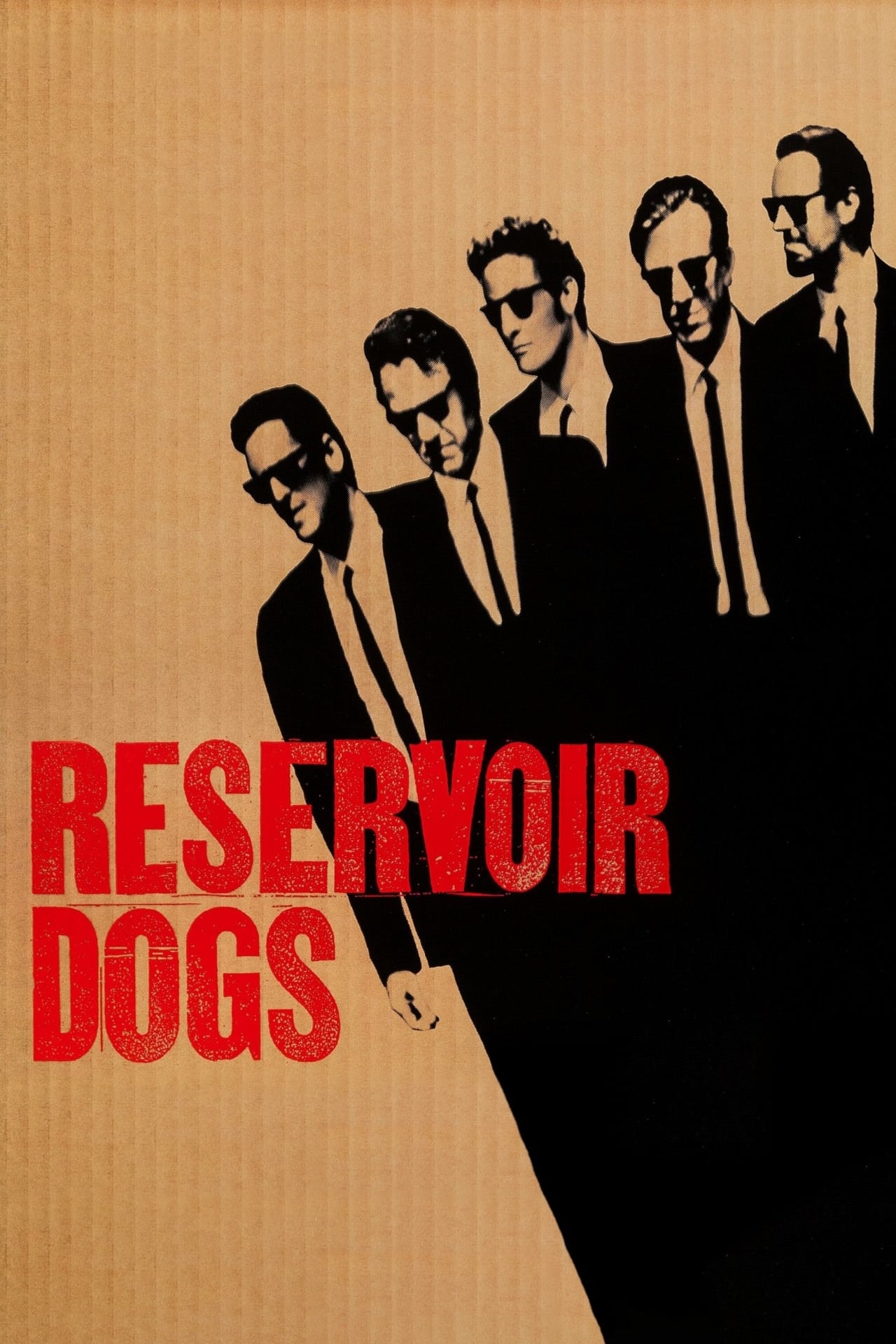
The ending of Reservoir Dogs is a bloody and tragic conclusion to a heist gone wrong. In the final moments, the surviving criminals are in a tense standoff. The undercover cop, Mr. Orange, reveals his identity to Mr. White, who had formed a close bond with him.
As the police storm the warehouse, a heartbroken Mr. White cradles Mr. Orange. The scene descends into a hail of gunfire, and the camera focuses on the dying men. The film cuts to black, leaving the audience with a sense of dread and the tragic consequences of betrayal and misplaced trust.
Jackie Brown (1997)
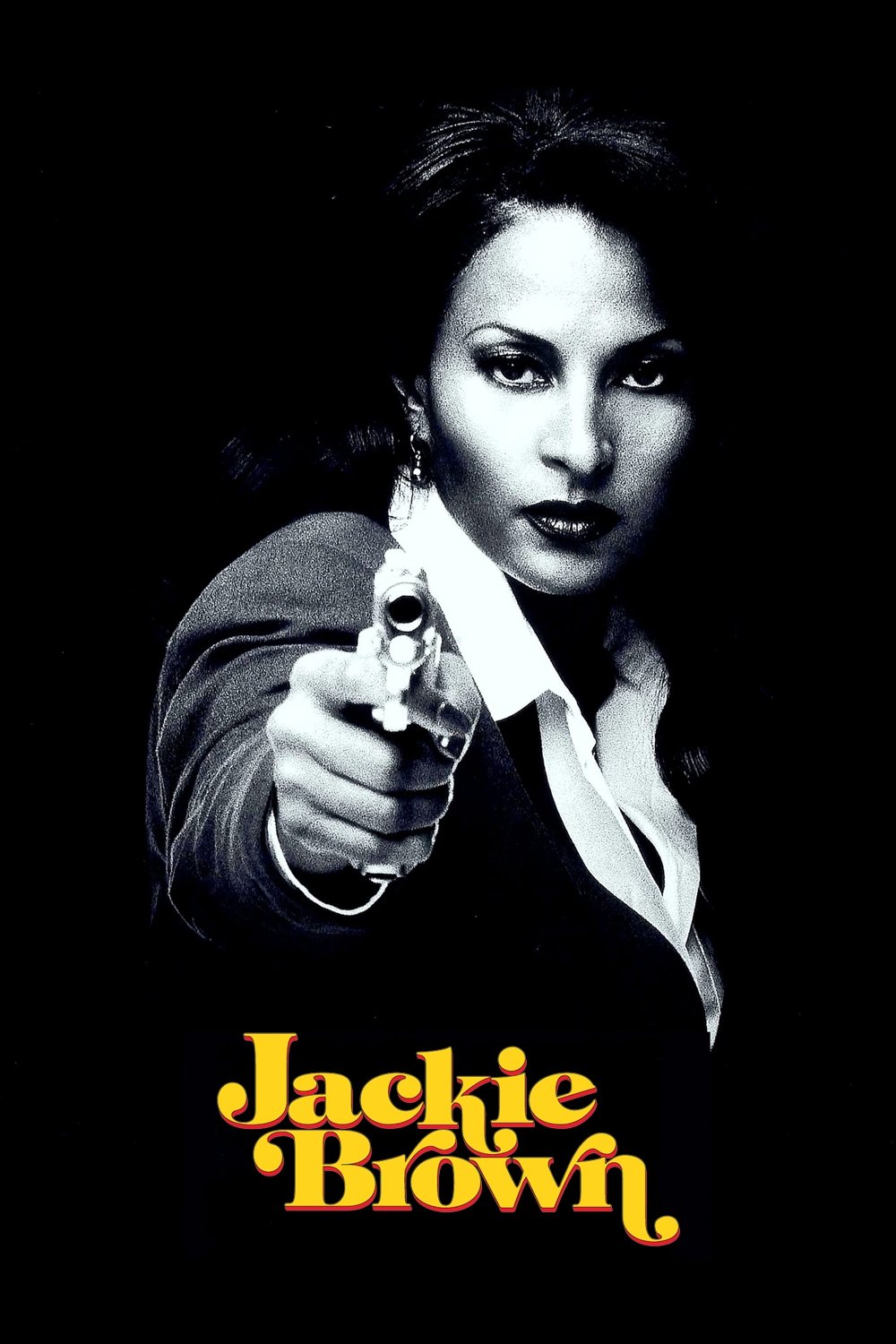
The ending of Jackie Brown is a quiet and realistic conclusion to a clever crime story. After successfully outsmarting the gun runner Ordell Robbie and the police, Jackie is ready to leave for Spain with the stolen money. She invites Max, the bail bondsman who has fallen for her, to come with her.
Max declines, and the two share a bittersweet goodbye kiss. The final shot is of Jackie driving away, singing along to the radio, while Max is left to regret his decision. It’s a mature and understated ending that focuses on the characters’ choices and their consequences, a departure from Tarantino’s more explosive finales.
The Hateful Eight (2015)
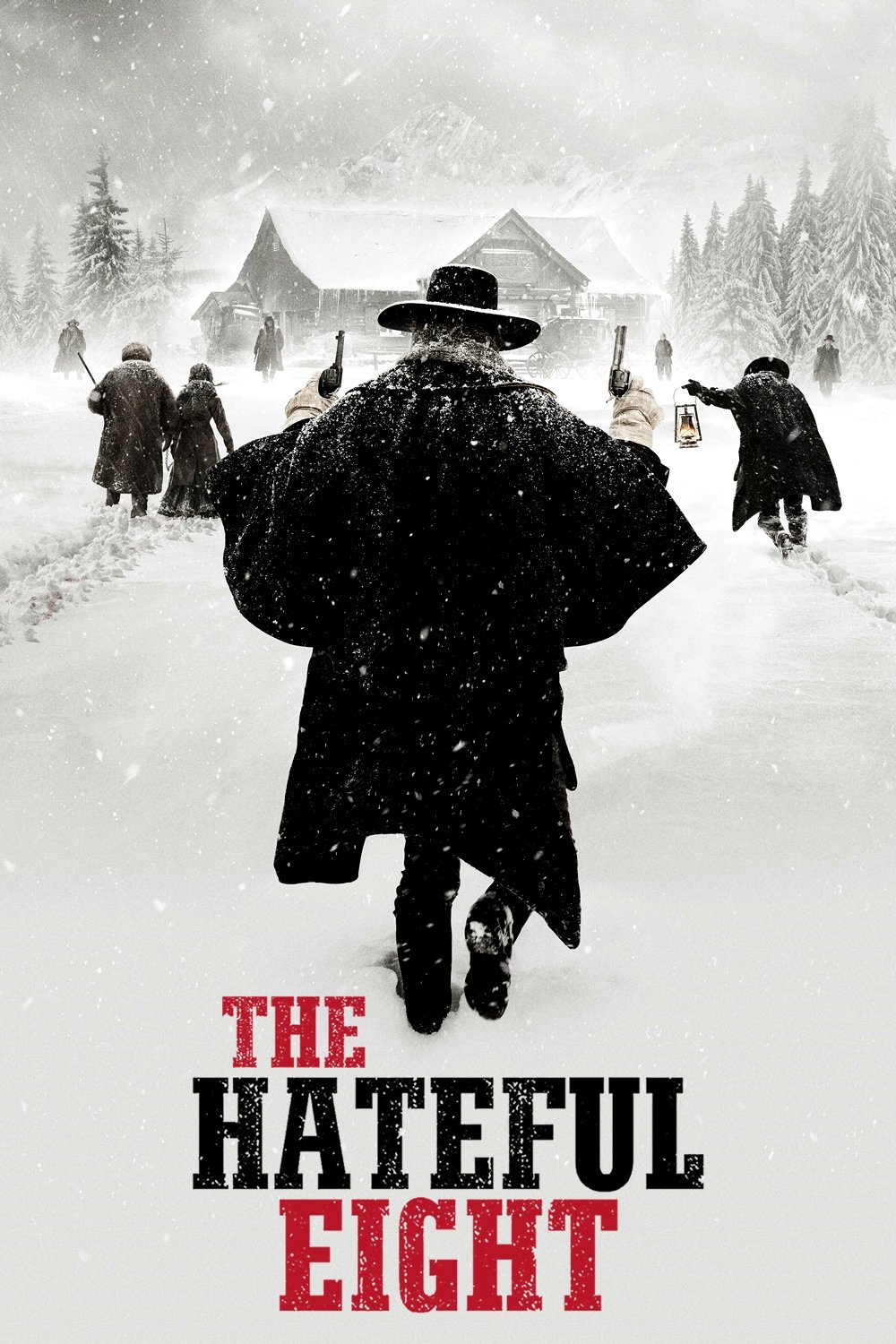
The final moments of The Hateful Eight see the last two survivors, Major Marquis Warren and Chris Mannix, severely wounded but triumphant. They have managed to kill the remaining members of the Domergue gang and have Daisy Domergue at their mercy.
Instead of a quick death, they decide to hang her, fulfilling the wish of the now-deceased bounty hunter John Ruth. The two men, a Black former Union soldier and a racist Southerner, find a moment of grim satisfaction and shared understanding as they watch her die. The ending is dark and nihilistic, leaving their own fates ambiguous.
Death Proof (2007)
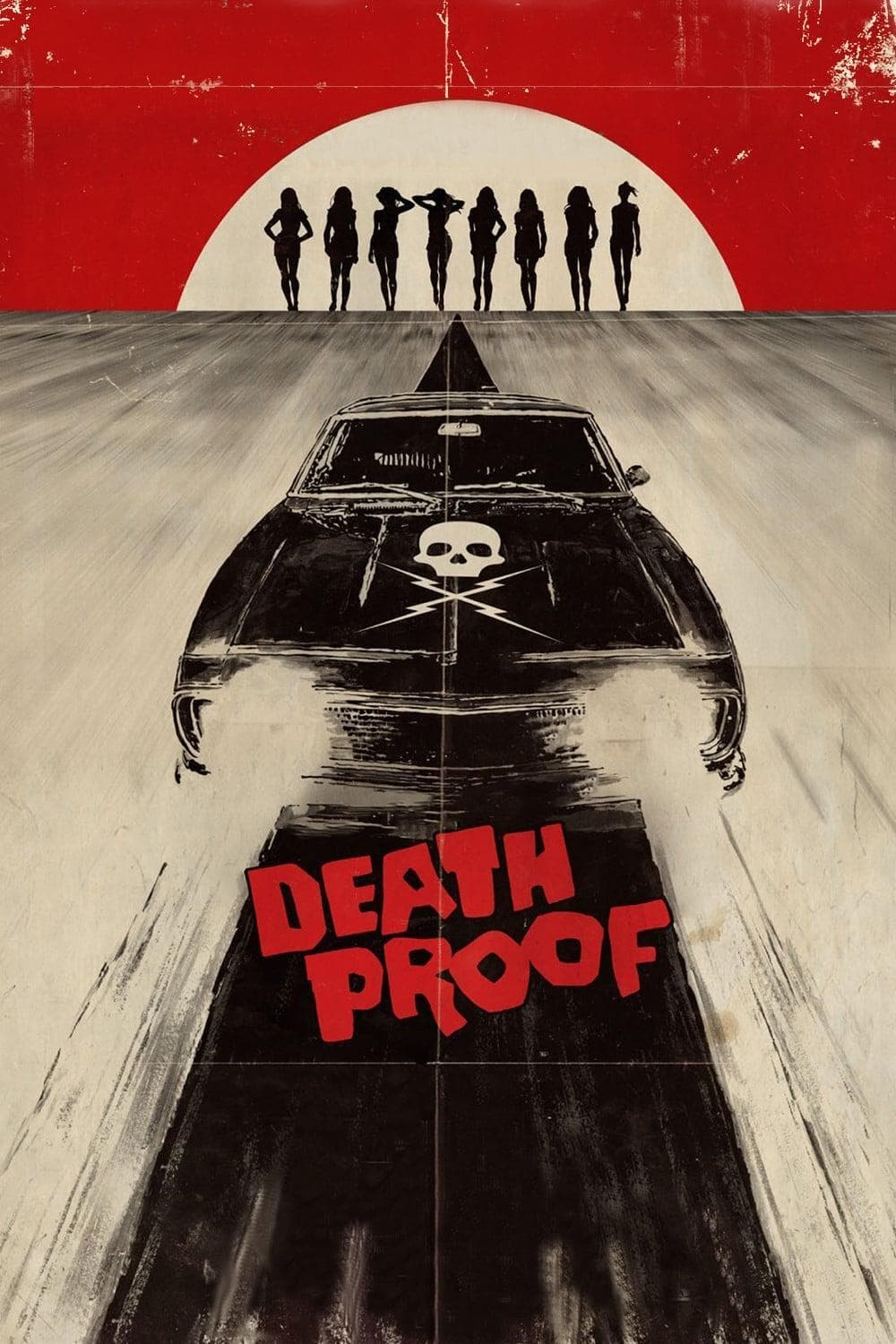
The ending of Death Proof provides a cathartic and crowd-pleasing finale. After being terrorized by the sadistic Stuntman Mike, the film’s female protagonists turn the tables on their attacker. In a thrilling car chase, they hunt him down and brutally beat him to death.
The final scene is a direct and violent act of retribution, a staple of the slasher genre that the film emulates. The women who were intended to be victims become the victors, a satisfying conclusion to a film that celebrates female empowerment and resilience.
Kill Bill: Vol. 1 (2003)
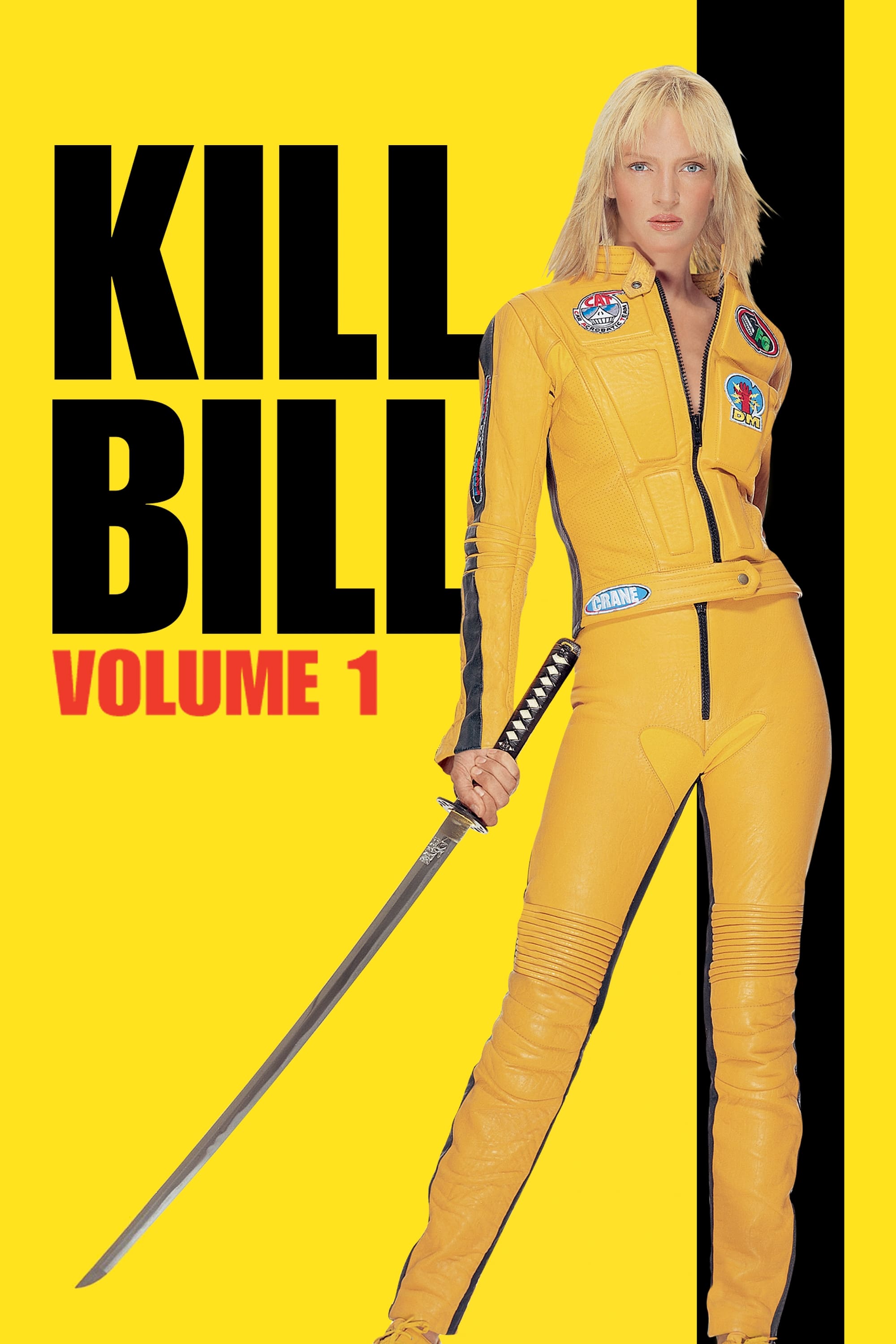
The first installment of Kill Bill ends not with a resolution but with a major cliffhanger. After a spectacular and bloody battle with the Crazy 88 and O-Ren Ishii, The Bride has successfully crossed the first name off her kill list.
However, the final scene reveals a crucial piece of information. Bill, the ultimate target of her revenge, is heard speaking to a captured Sofie Fatale. He asks if The Bride knows that her daughter is still alive. This revelation sets the stage for the second volume and leaves the audience eagerly awaiting the next chapter in The Bride’s quest for vengeance.

