


Every ‘The Texas Chainsaw Massacre’ Movie Ranked from Worst to Best


From a gritty indie shocker to remakes, prequels, and legacy sequels, the ‘Texas Chainsaw’ saga has carved a winding path through horror history. Below is a clean countdown from the roughest entry to the most acclaimed, focusing on clear facts—who made each film, what it’s about, where it fits in the series timeline, and noteworthy production details. Let’s fire up the saw and go through them one by one.
‘The Return of the Texas Chainsaw Massacre’ (1995)
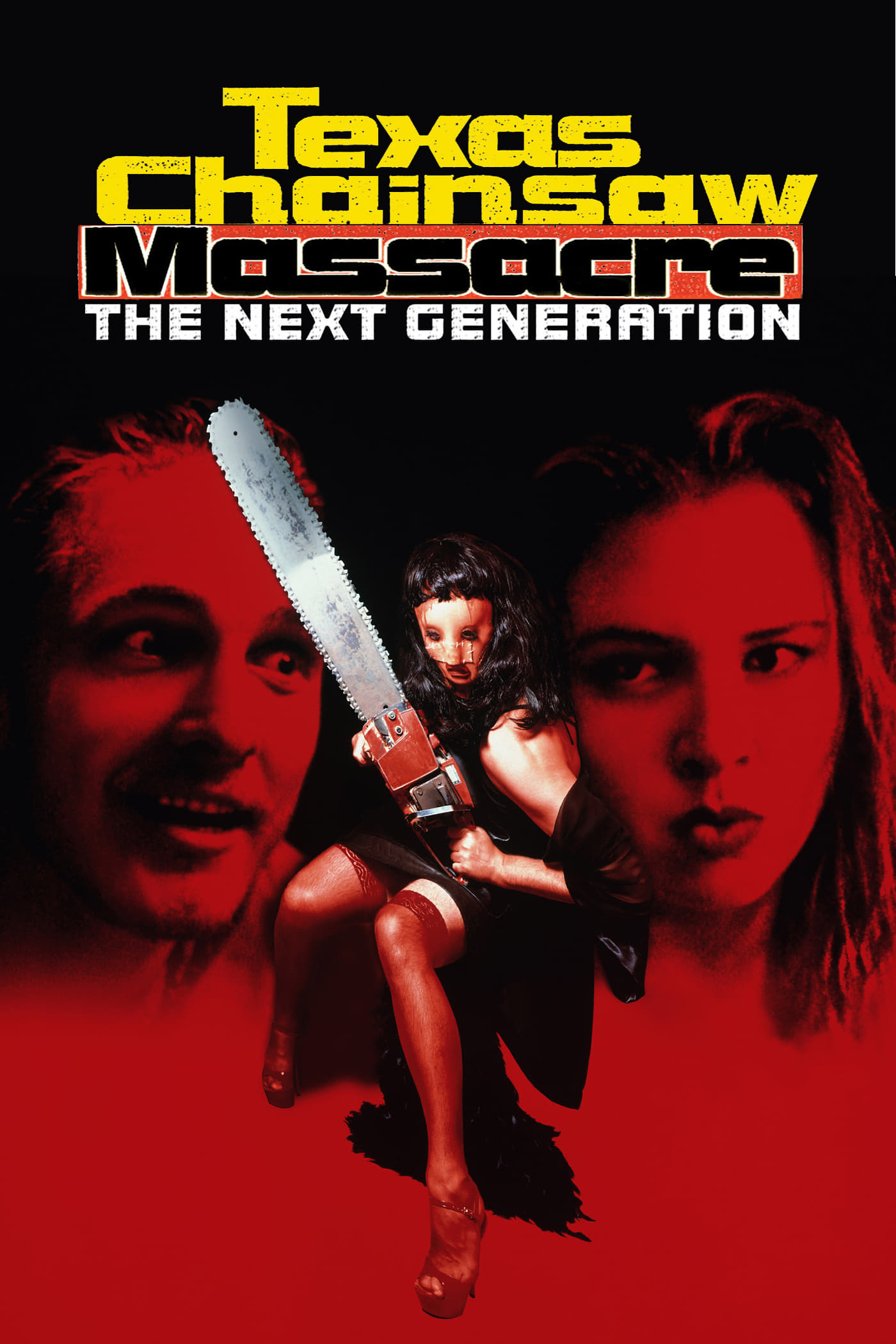
Written and directed by Kim Henkel, this entry reimagines the Sawyer clan with a new set of victims crossing paths with Leatherface during a prom-night detour. The cast includes Renée Zellweger and Matthew McConaughey in early-career roles, with McConaughey portraying a violently unhinged antagonist linked to a mysterious organization. The film exists in its own continuity, functioning more as a twisted riff on the original’s setup than a direct continuation. It was released in multiple cuts, including a longer director’s version that alters pacing and certain scenes.
‘Texas Chainsaw Massacre’ (2022)
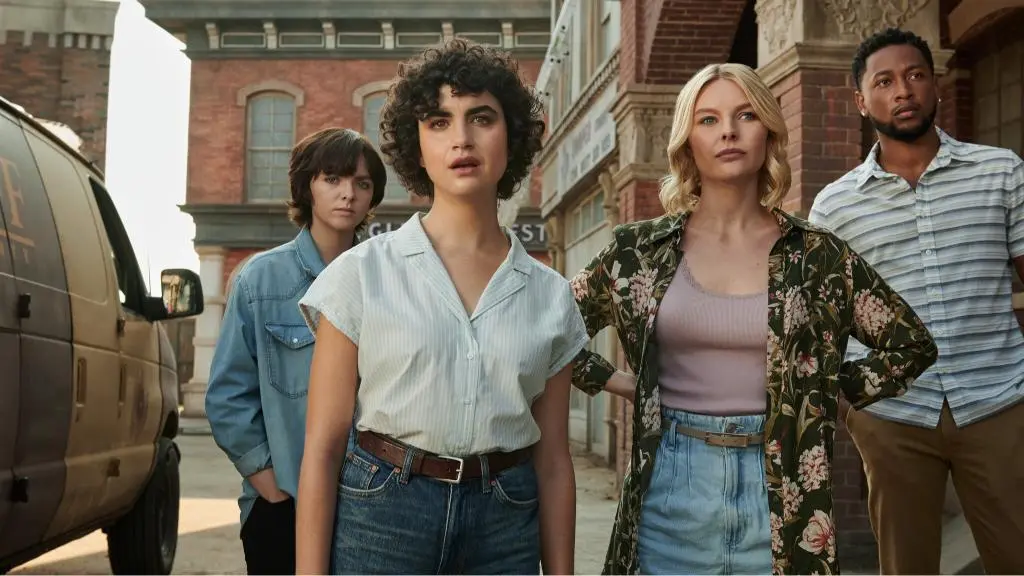
Directed by David Blue Garcia, this installment follows a group of entrepreneurs who try to revitalize a near-ghost town and instead awaken Leatherface. It brings back the character of Sally Hardesty—now portrayed by Olwen Fouéré—positioning the story as a direct follow-on to the earliest continuity. Legendary produced and Netflix distributed the film, giving the franchise a streaming-first release with a short, tight runtime. The score by Colin Stetson and the “bus” set-piece are signature production elements frequently noted in coverage.
‘Texas Chainsaw 3D’ (2013)
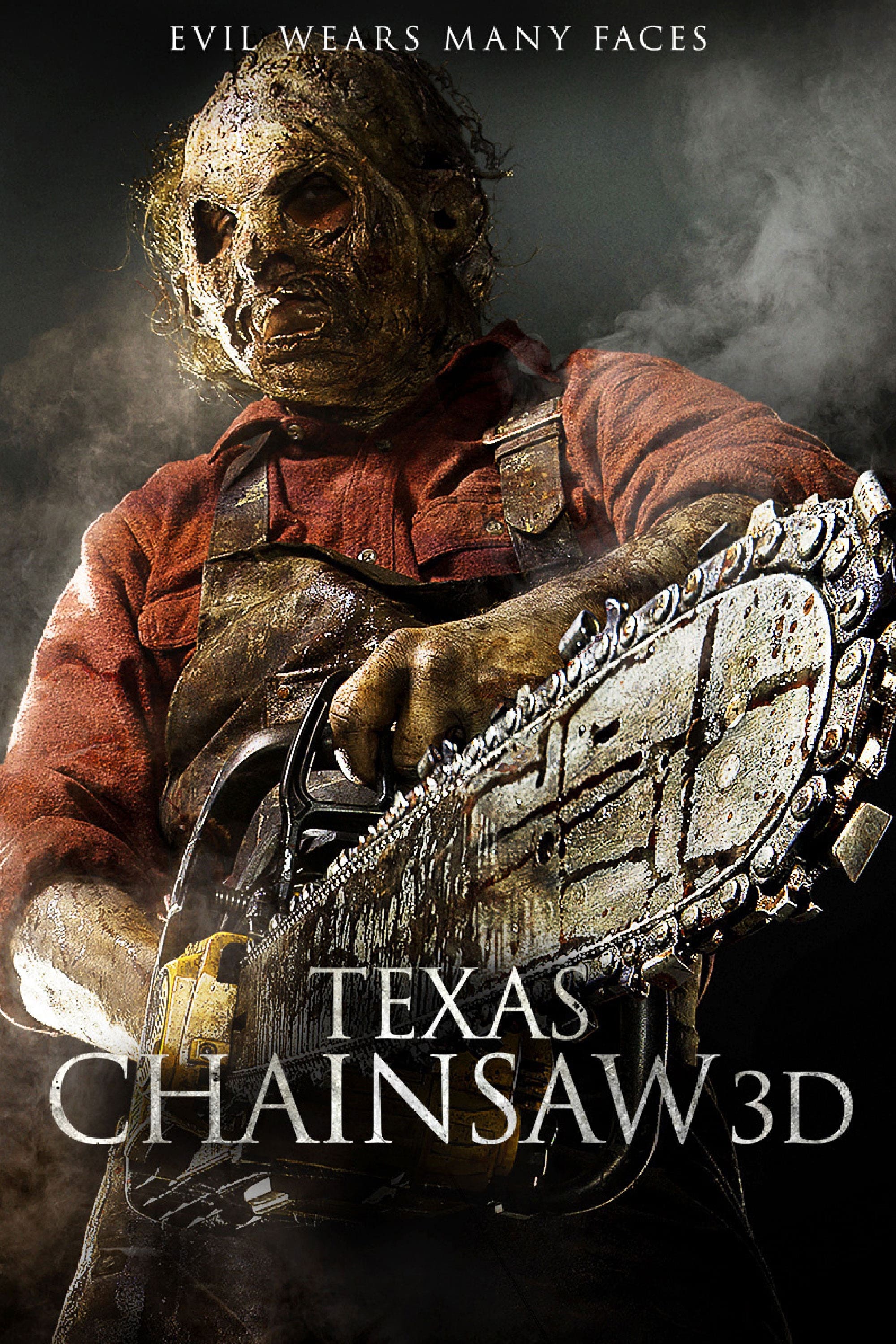
Marketed as a direct sequel to the original continuity, this film follows a young woman who inherits property in Texas and discovers a hidden family connection. It ignores intervening sequels, jumping forward to a new generation and reframing Leatherface’s legacy. The movie was released in 3D and features Alexandra Daddario in the lead, with a story that intersects legacy characters and a modern-day setting. Lionsgate handled distribution, and the production leans on continuity revelations that recontextualize the family’s history.
‘Leatherface’ (2017)
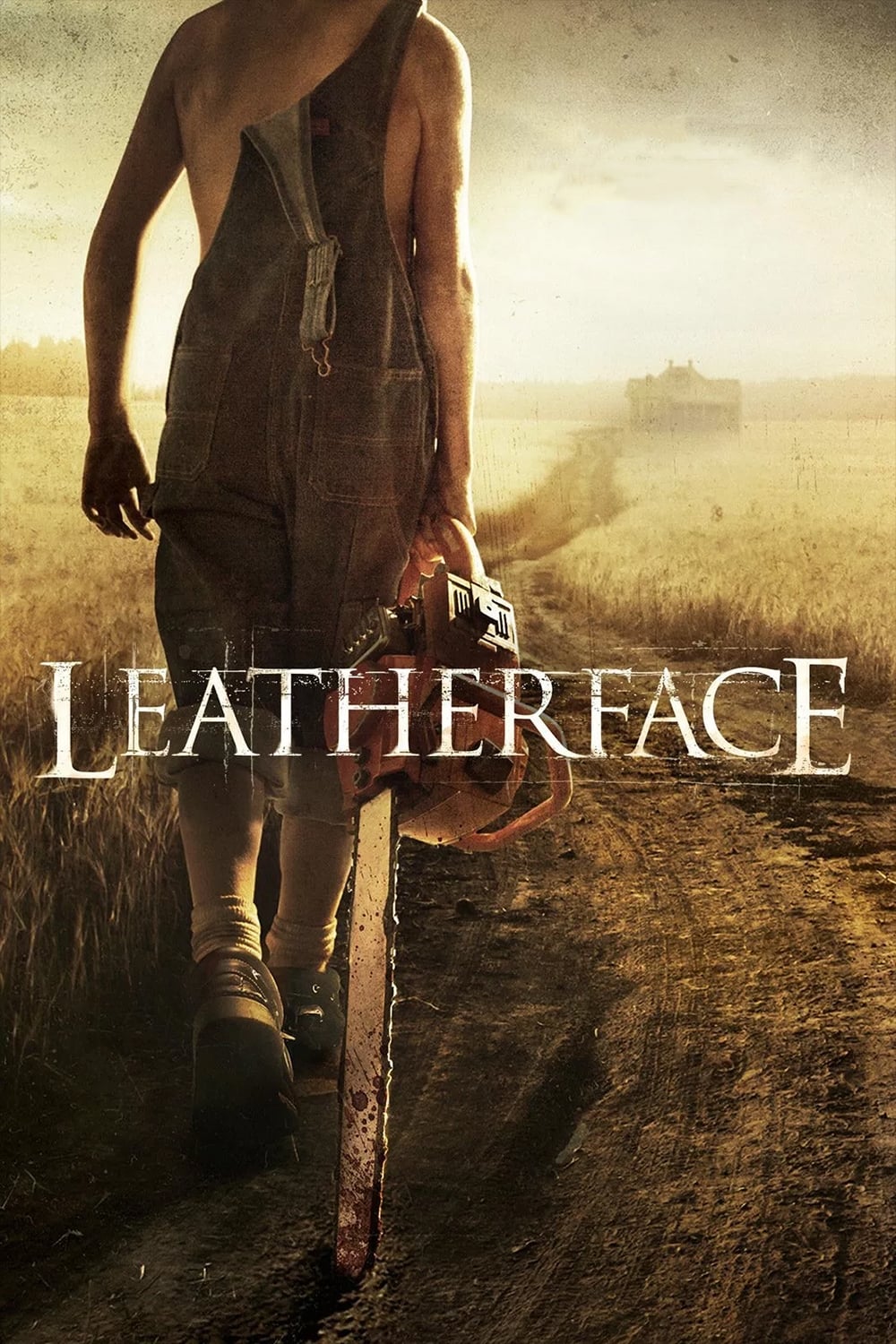
Serving as a prequel origin tale, this film tracks a teenage patient who escapes a mental institution and gradually becomes the masked killer. It features a road-movie structure that introduces accomplices and law enforcement figures pursuing the fugitives. The movie positions itself as a character study, filling in gaps about the future antagonist’s psychology and family environment. It’s part of the franchise’s ongoing attempts to map out a coherent backstory across divergent timelines.
‘Leatherface: The Texas Chainsaw Massacre III’ (1990)
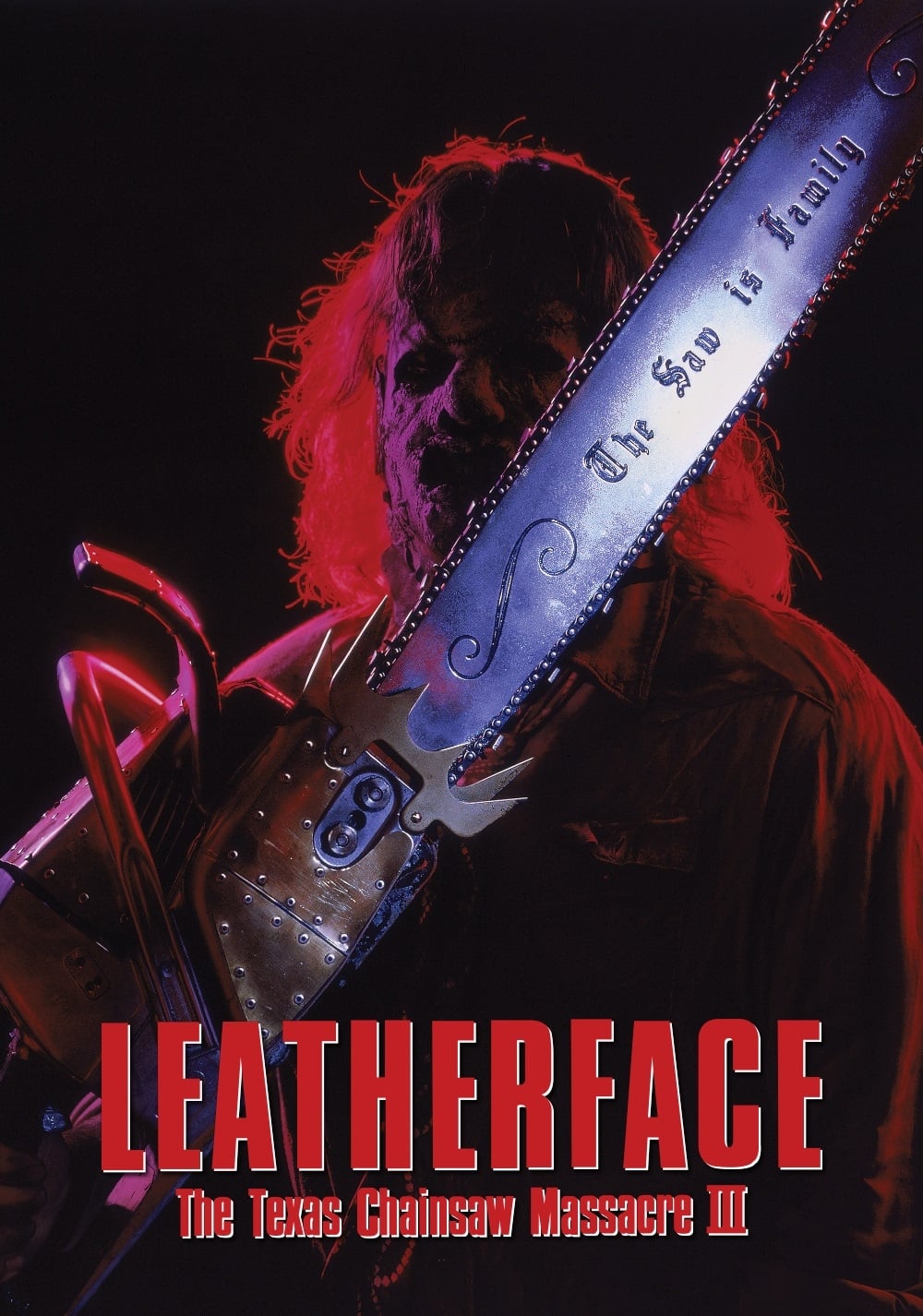
This entry follows stranded travelers who encounter a reconfigured Sawyer clan, including a different portrayal of the chainsaw-wielding killer. The production is known for significant cuts to avoid an X rating, resulting in multiple versions with different runtimes. Ken Foree appears in a prominent role, and the film adopts a more straightforward chase-survival narrative. Technical listings note varying theatrical and unrated lengths across regions.
‘The Texas Chainsaw Massacre 2’ (1986)
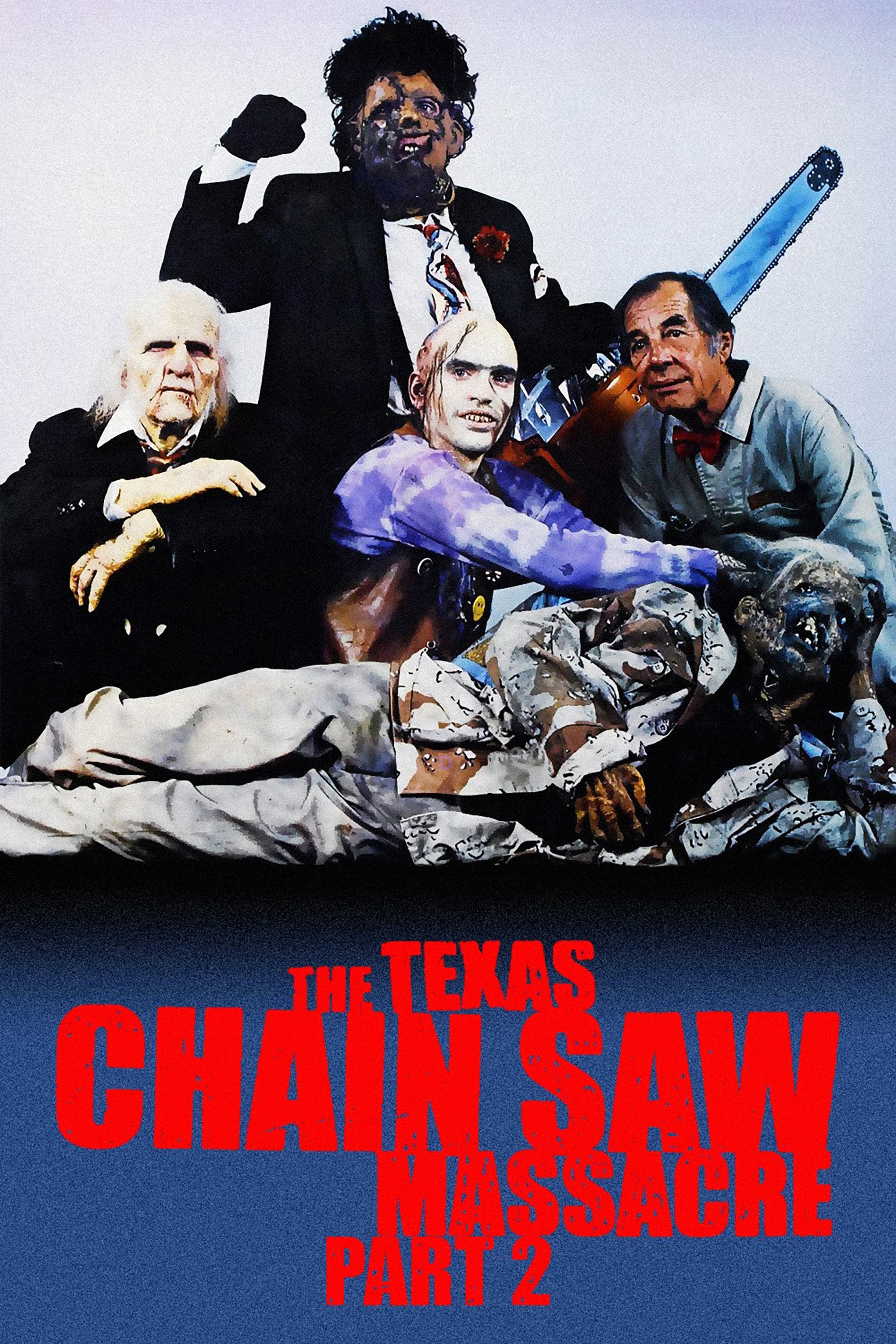
Director Tobe Hooper returns with a tonal shift that blends graphic horror with pitch-black satire, following a radio DJ and a determined ex–lawman on Leatherface’s trail. The story expands the family’s lair into an underground labyrinth and introduces new, over-the-top family members. Tom Savini’s practical effects work and a louder, neon-tinged aesthetic distinguish it from its predecessor. It stands as the first sequel to extend the world beyond a single isolated farmhouse setup.
‘The Texas Chainsaw Massacre: The Beginning’ (2006)
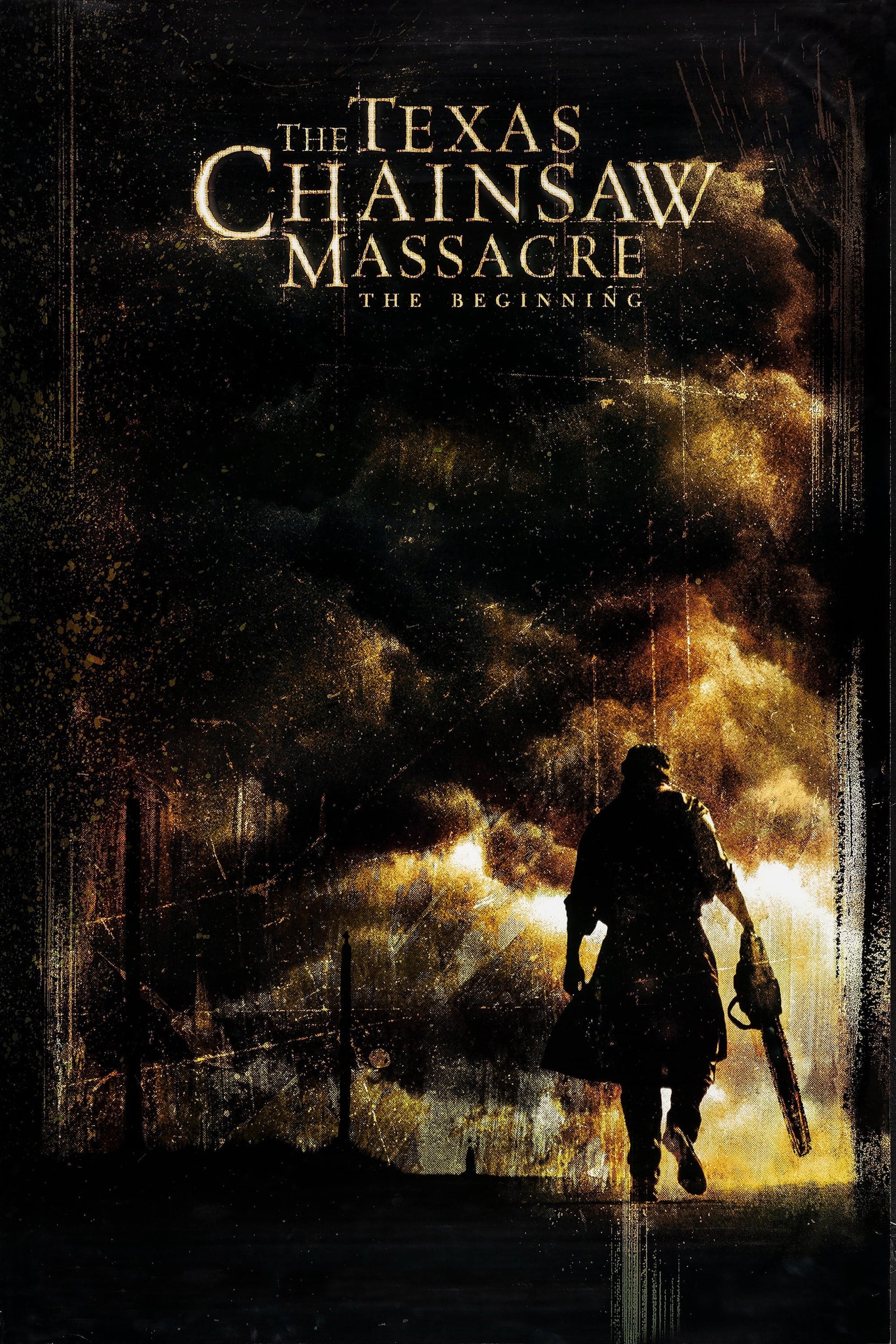
This prequel to the Platinum Dunes continuity traces the origins of the Hewitt household and the rise of Sheriff Hoyt, setting the stage for the events that follow in the remake timeline. The film emphasizes the family’s dynamics, the slaughterhouse backdrop, and the creation of the killer’s signature tools. It reunites several key players from its companion entry while introducing new victims on a doomed road trip. Technical notes confirm both theatrical and unrated cuts.
‘The Texas Chainsaw Massacre’ (2003)
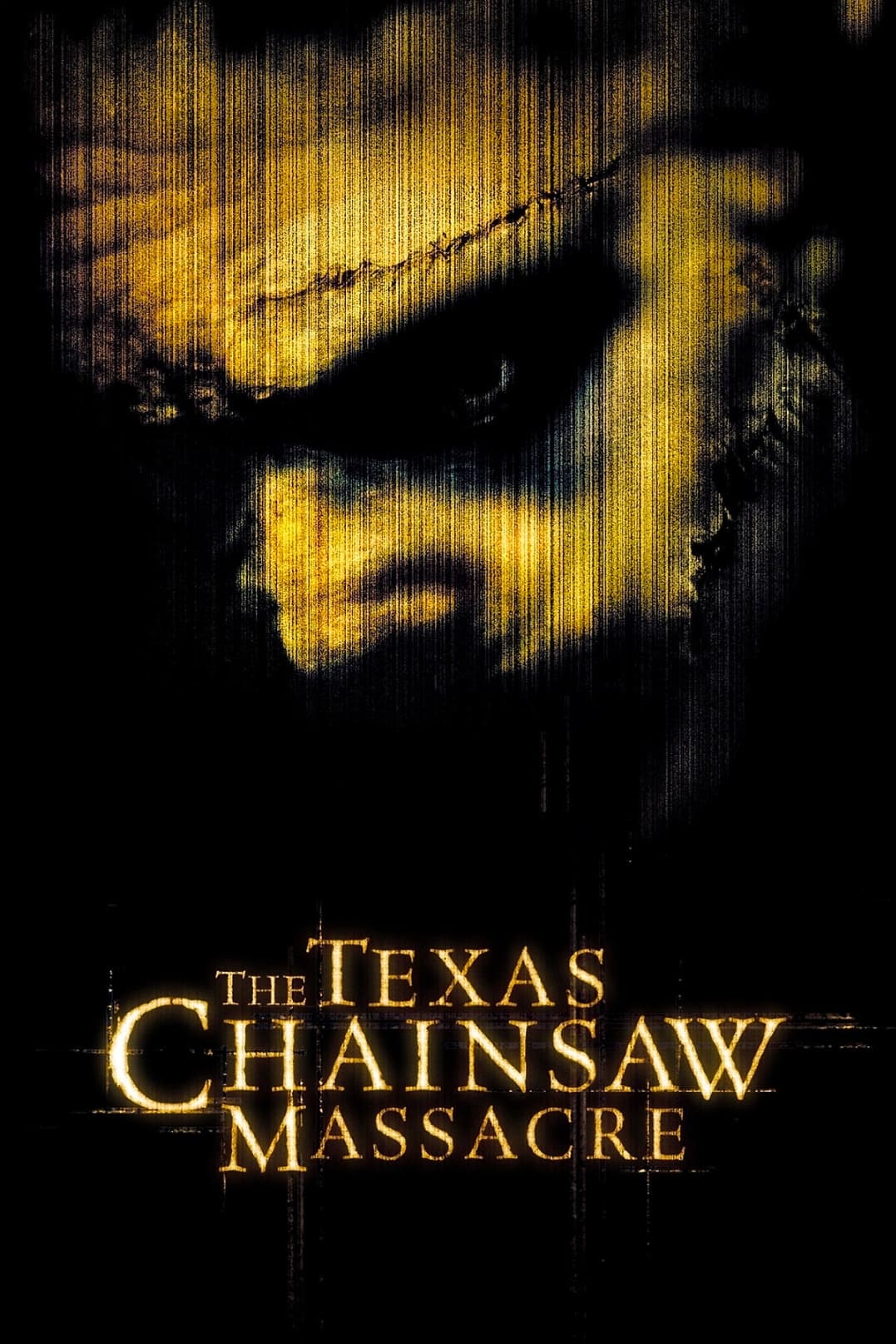
Produced by Michael Bay’s Platinum Dunes and directed by Marcus Nispel, this remake launches a parallel continuity with a modernized visual style and heavy practical makeup effects. Jessica Biel leads the cast, and the story reframes Leatherface within the Hewitt family under the watch of a corrupt small-town lawman. The production emphasizes grimy production design, a new family lineage, and documentary-style bookend narration. It became a major box-office success that revived interest in slasher remakes.
‘The Texas Chain Saw Massacre’ (1974)
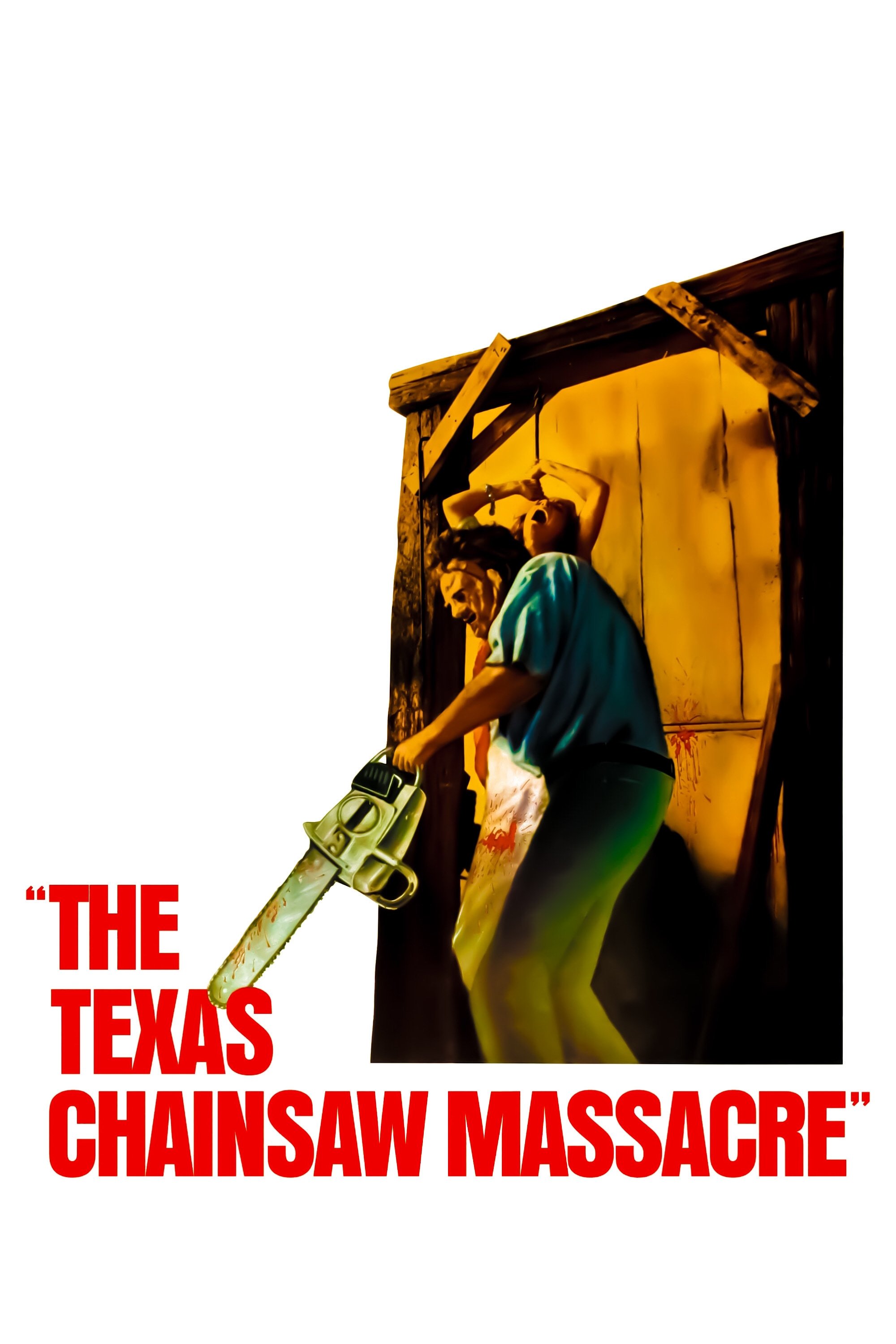
Directed by Tobe Hooper, the original film follows a group of friends who stumble upon a cannibal family, introducing Leatherface, the hitchhiker, and other now-iconic figures. Its low-budget ingenuity, vérité camera style, and abrasive sound design created a template that influenced generations of horror. The film established the franchise’s rural setting, familial depravity, and the relentless pursuit structure that later entries reinterpret. It remains the foundational text for all subsequent continuities and reboots.
Got your own order for the ‘Texas Chainsaw’ films—or entries you think deserve a bump up or down? Share your list in the comments!

