


Exceptional Movies That Are So Good You Have To Watch Them Twice



Cinema often provides an experience that transcends a single sitting because many directors layer their work with intricate details and complex themes. Rewatching a film can reveal subtle foreshadowing and hidden character motivations that were missed during the initial viewing. These movies are crafted with such precision that they offer new insights and emotional depth upon subsequent visits. This list highlights exceptional films that reward the dedicated viewer who returns to the screen for a deeper understanding. Each selection has earned critical acclaim and lasting relevance in the world of entertainment.
‘Inception’ (2010)
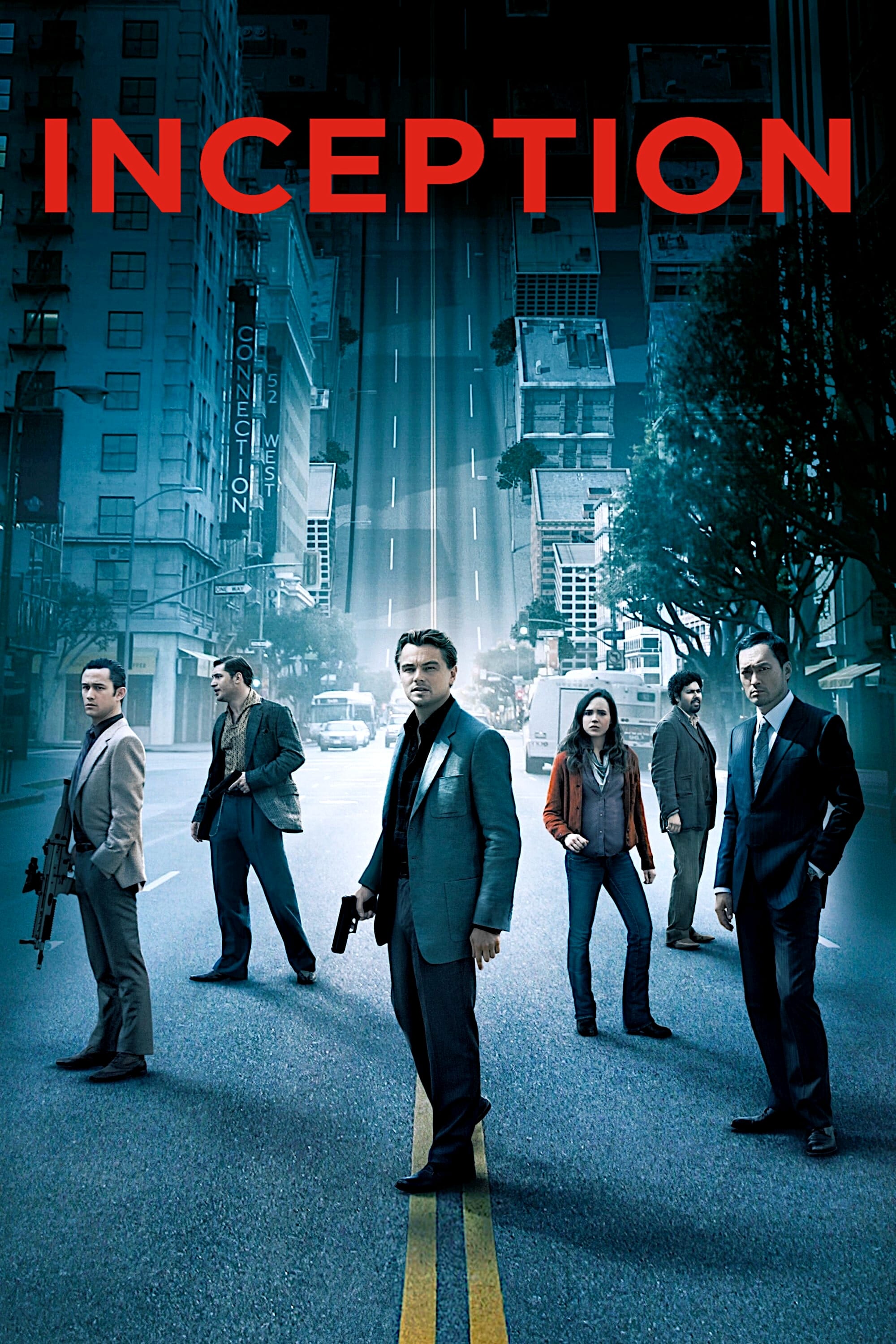
Dom Cobb is a skilled thief who extracts valuable secrets from deep within the subconscious during the dream state. His rare ability makes him a coveted player in corporate espionage but also a fugitive. He is offered a chance at redemption if he can perform the near impossible task of inception. This involves planting an idea into a target’s mind instead of stealing one. The layered dream structure requires viewers to pay close attention to every detail throughout the film.
‘The Prestige’ (2006)
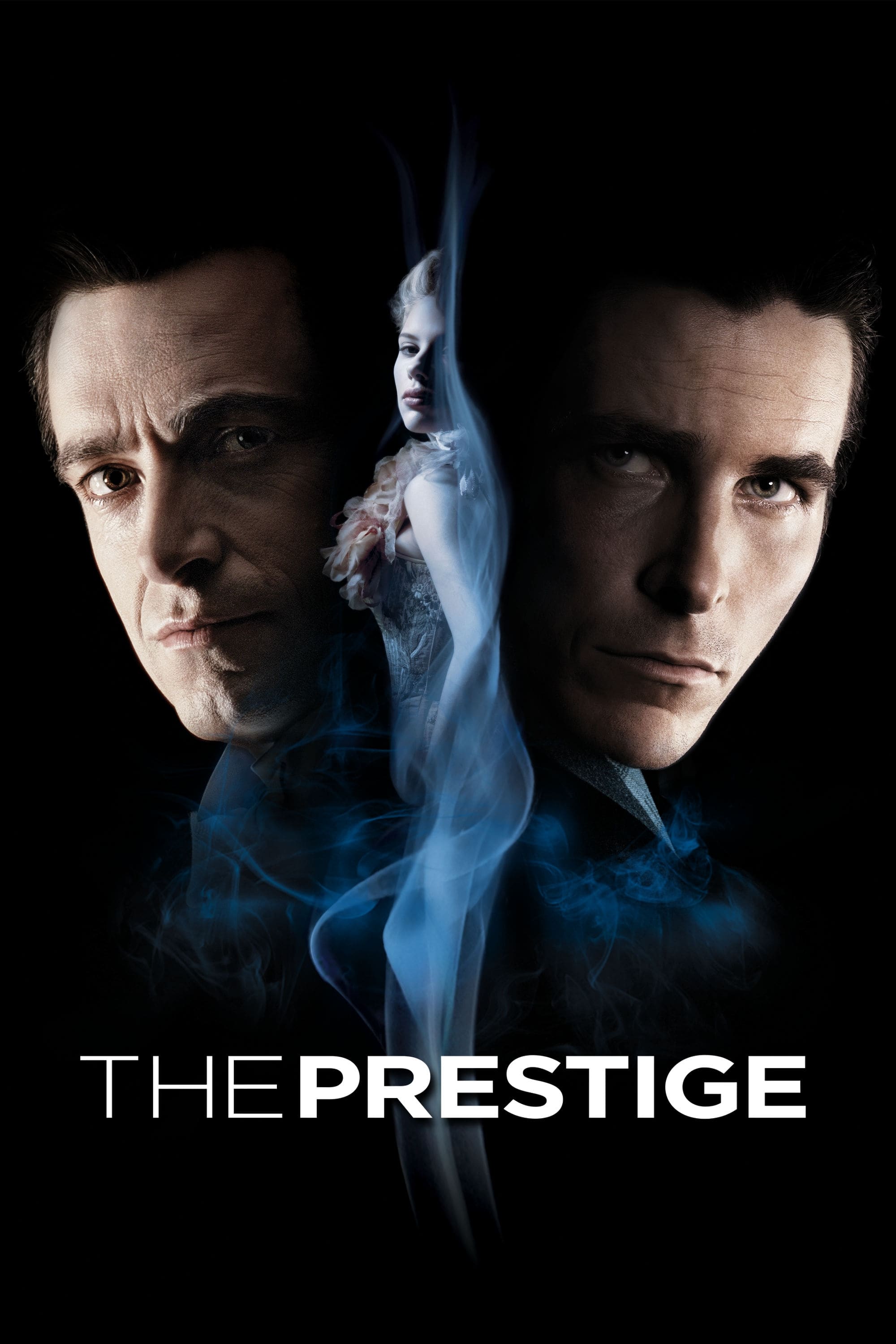
Two rival stage magicians in Victorian London engage in a competitive battle to create the ultimate illusion. Their obsession with outdoing one another leads to tragic consequences for everyone involved in their lives. The narrative structure uses non linear storytelling to mirror the three stages of a magic trick. Subtle clues are hidden throughout the early scenes that only become clear upon a second viewing. This film explores the high price of professional dedication and the nature of sacrifice.
‘Fight Club’ (1999)

An insomniac office worker looking for a way to change his life crosses paths with a charismatic soap salesman named Tyler Durden. Together they form an underground club where men can engage in recreational fighting. The organization eventually evolves into a domestic terrorist group with a radical anti materialist agenda. Viewers often return to the film to spot the various subliminal frames and narrative hints regarding the true nature of the characters. It serves as a sharp critique of modern consumer culture and masculinity.
‘Memento’ (2000)
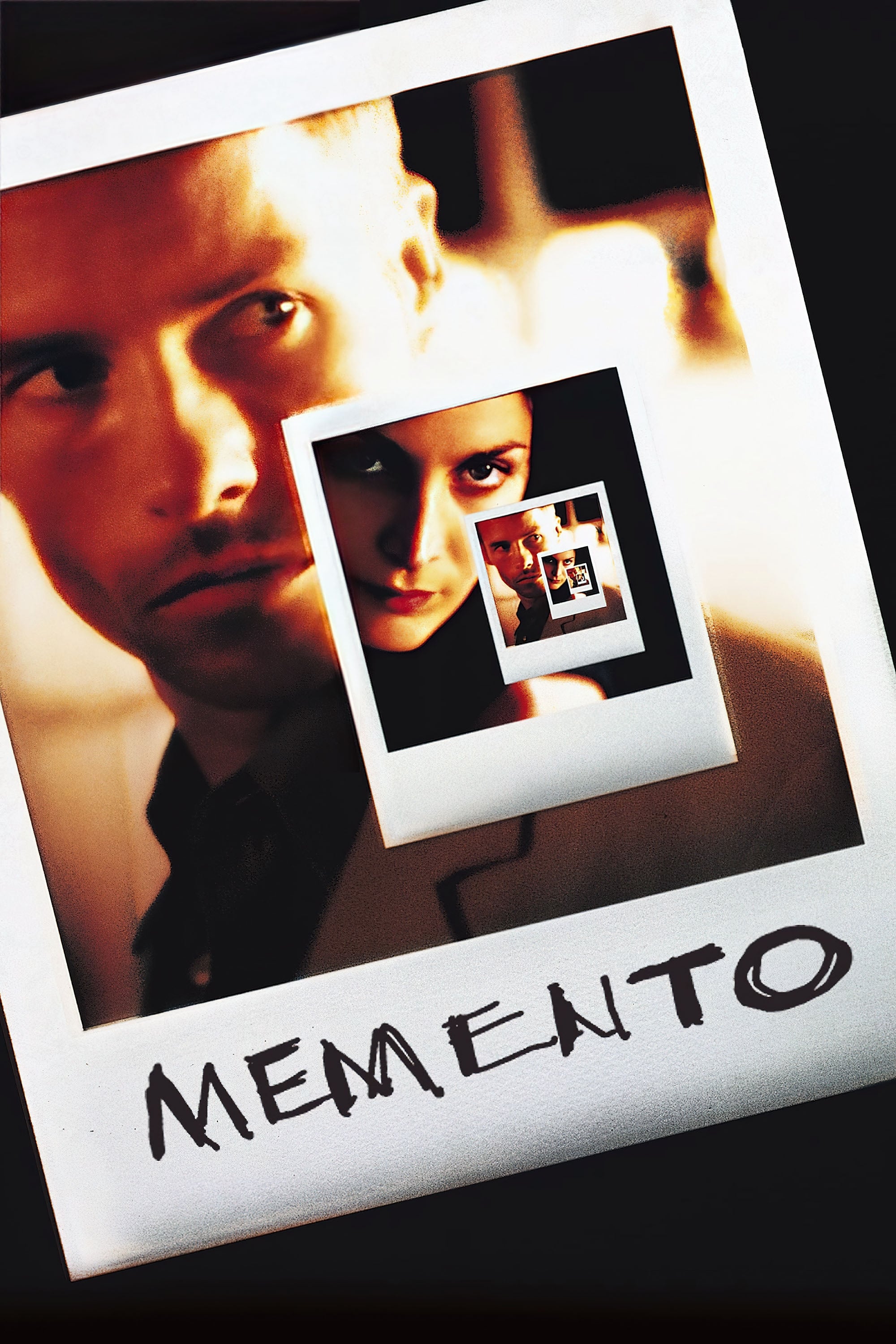
Leonard Shelby is a man suffering from short term memory loss who attempts to find the person who murdered his wife. He uses a complex system of polaroid photographs and tattoos to keep track of information he cannot remember. The story is famously told in two different sequences including one in black and white moving chronologically and one in color moving backward. This structure forces the audience to experience the same confusion and disorientation as the protagonist. It remains a landmark achievement in independent cinema due to its innovative screenplay and editing.
‘The Sixth Sense’ (1999)
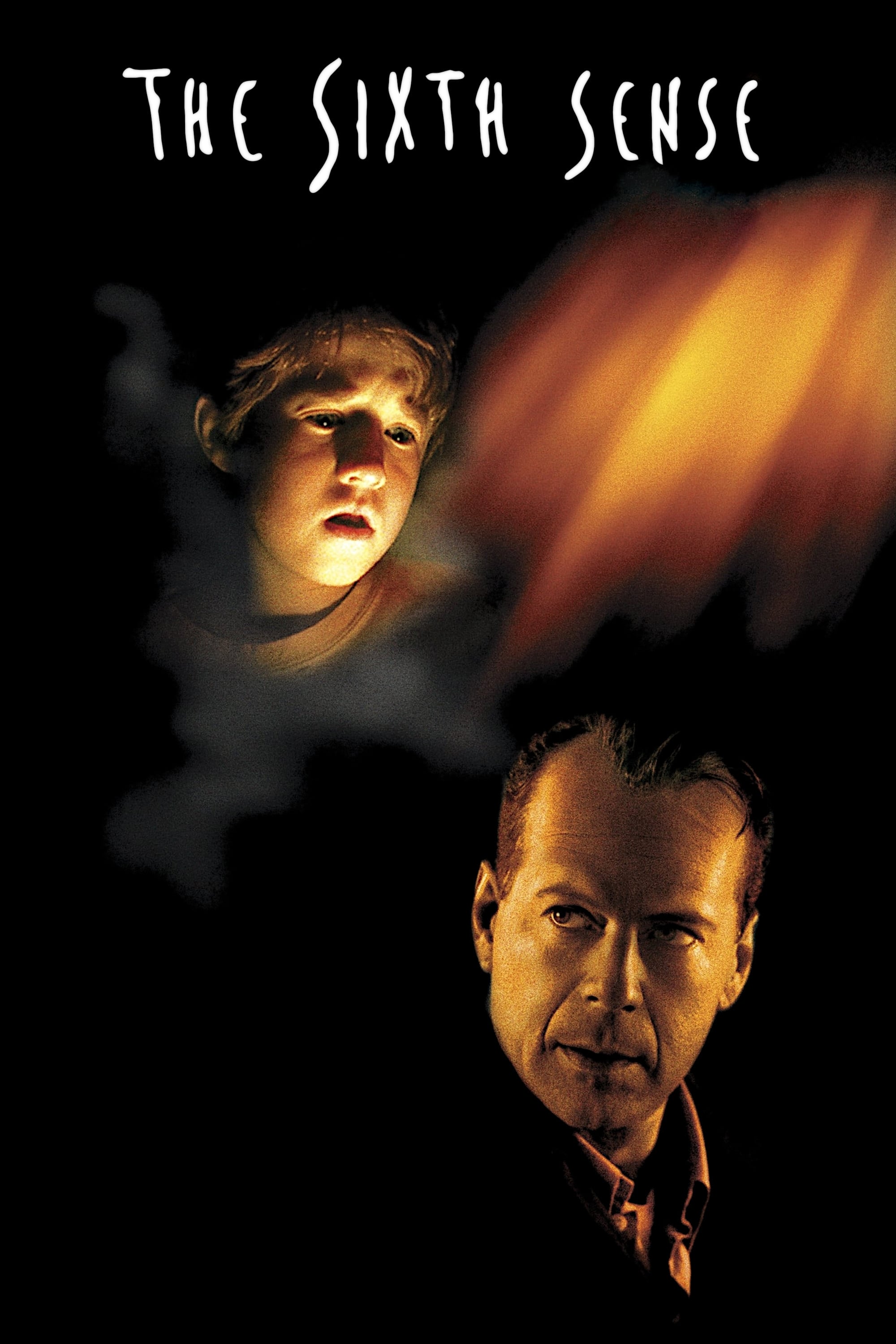
A child psychologist named Malcolm Crowe begins treating a young boy who claims he can see and talk to dead people. As the doctor tries to help the child manage these terrifying visitations he discovers deep emotional truths about his own life. The film is widely known for its unexpected conclusion that completely changes the context of previous scenes. Watching it a second time allows viewers to see how the director carefully framed every interaction to support the final revelation. It became one of the highest grossing supernatural thrillers of all time.
‘Shutter Island’ (2010)
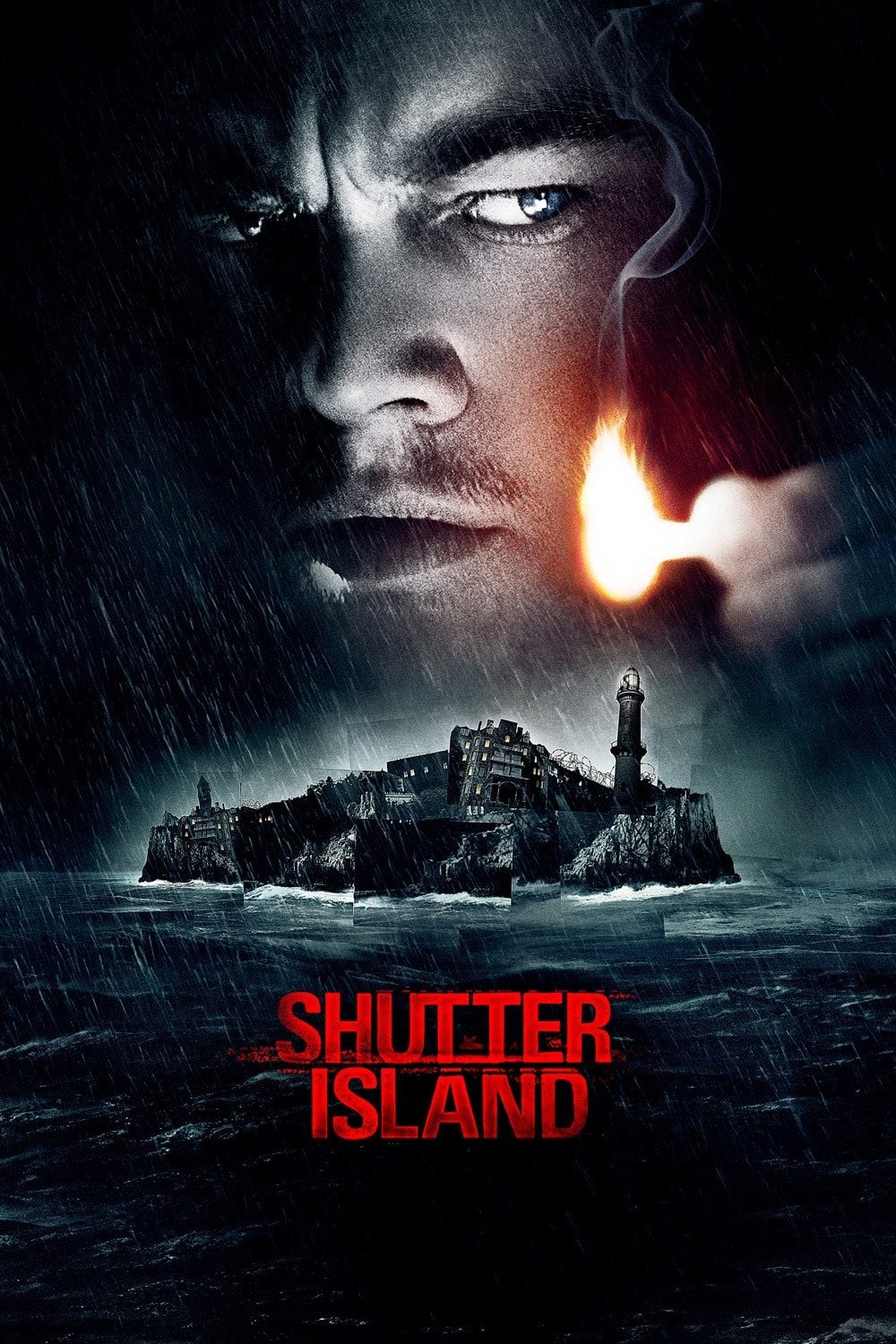
U.S. Marshal Teddy Daniels travels to a remote hospital for the criminally insane to investigate the disappearance of a patient. As a massive hurricane cuts the island off from the mainland he begins to doubt his own memory and the intentions of the doctors. The atmosphere of the film is thick with psychological tension and historical mystery. Upon rewatching the audience can identify numerous visual cues and dialogue lines that foreshadow the ultimate truth of the investigation. The story explores themes of grief and the fragility of the human mind.
‘The Matrix’ (1999)
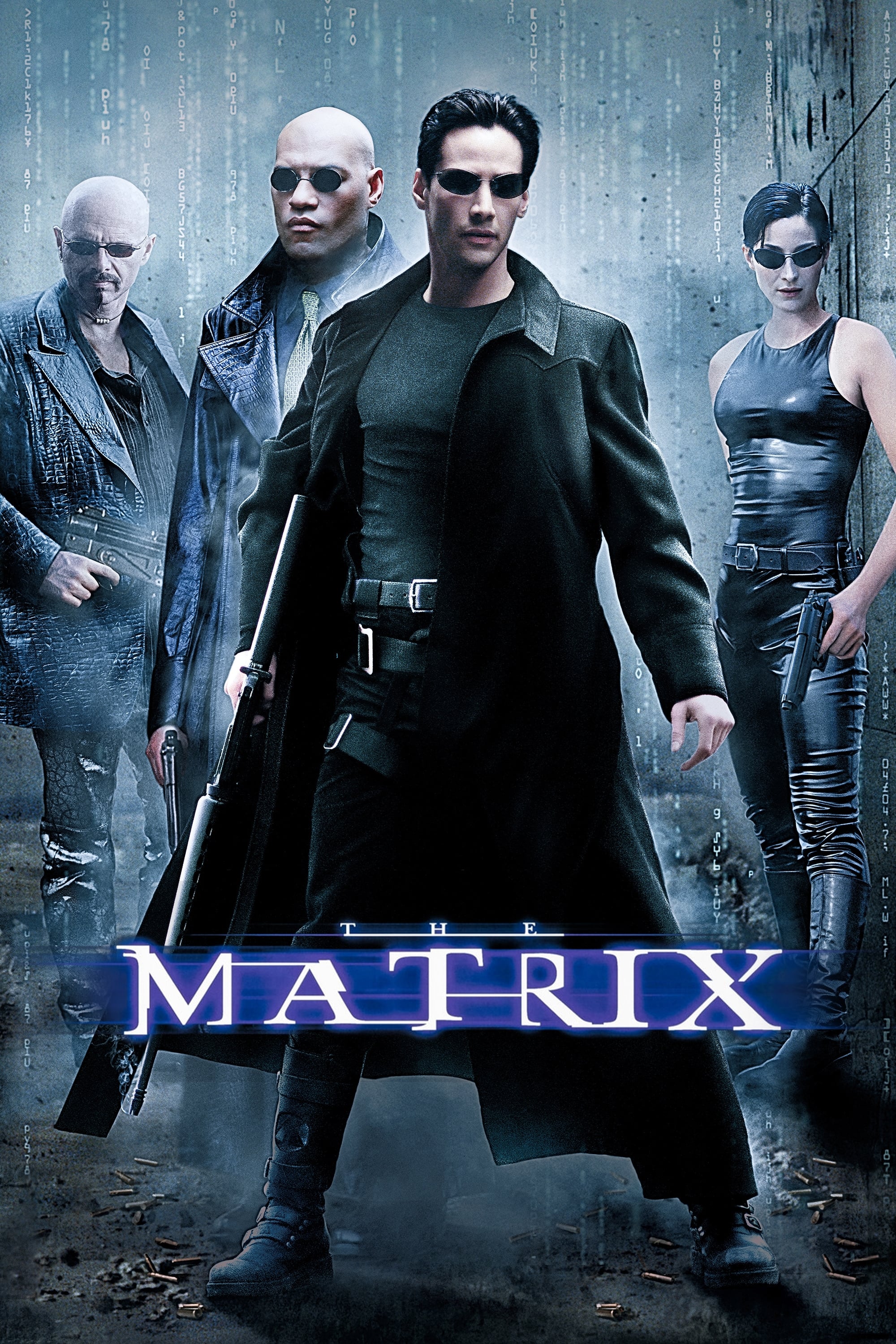
A computer hacker named Neo discovers that the world he lives in is actually a simulated reality designed to pacify humanity. He joins a group of rebels who fight against the machines that have enslaved the human race. The film introduced groundbreaking visual effects and philosophical questions about the nature of existence. Its dense mythology and fast paced action sequences benefit from multiple viewings to fully grasp the world building elements. It remains a foundational work of science fiction that influenced a generation of filmmakers.
‘Parasite’ (2019)
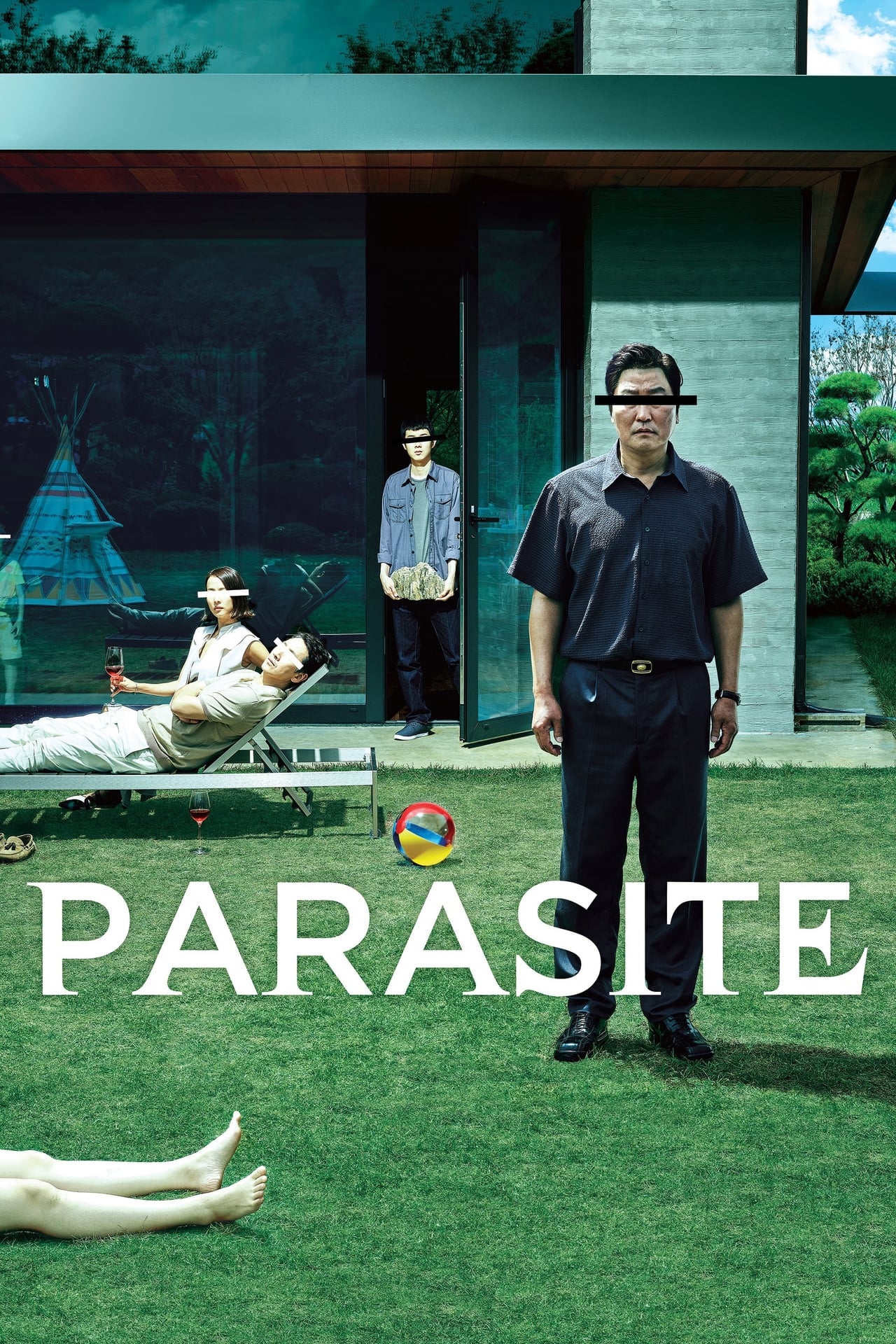
A poor family schemes to become employed by a wealthy household by posing as unrelated and highly qualified individuals. Their plan proceeds smoothly until an unexpected discovery in the basement leads to a violent struggle for survival. The film uses architectural space and visual metaphors to comment on social class and economic inequality. Many viewers find that a second viewing reveals hidden symbols and intricate foreshadowing that heighten the impact of the climax. It made history as the first non English language film to win the Academy Award for Best Picture.
‘Blade Runner 2049’ (2017)
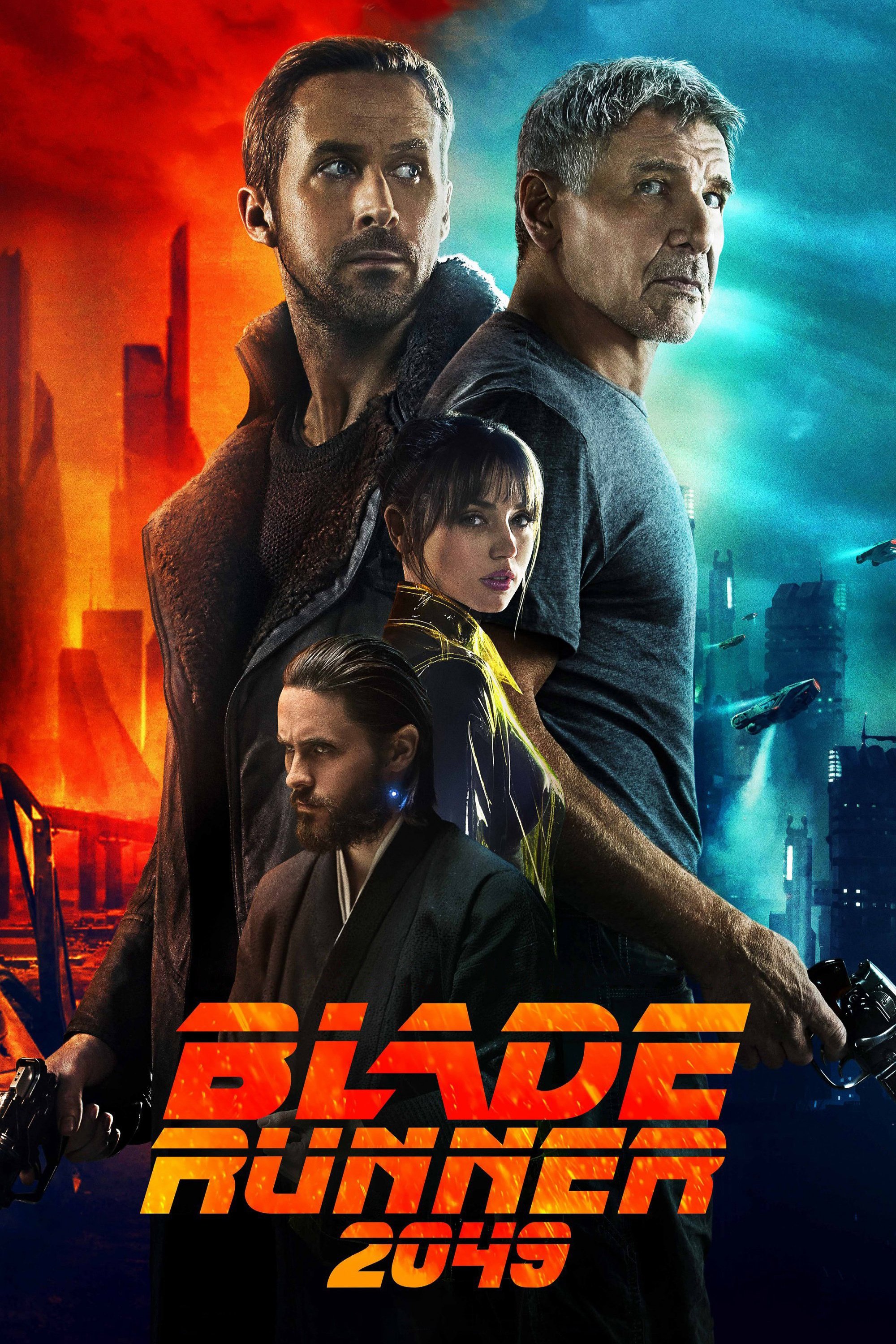
A young blade runner named K unearths a long buried secret that has the potential to plunge what is left of society into chaos. His discovery leads him on a quest to find Rick Deckard a former blade runner who has been missing for thirty years. The film features stunning cinematography and a meditative pace that invites deep contemplation. Multiple viewings help the audience appreciate the complex relationship between memory and identity presented in the script. It serves as a visual and thematic expansion of the original cult classic.
‘Arrival’ (2016)
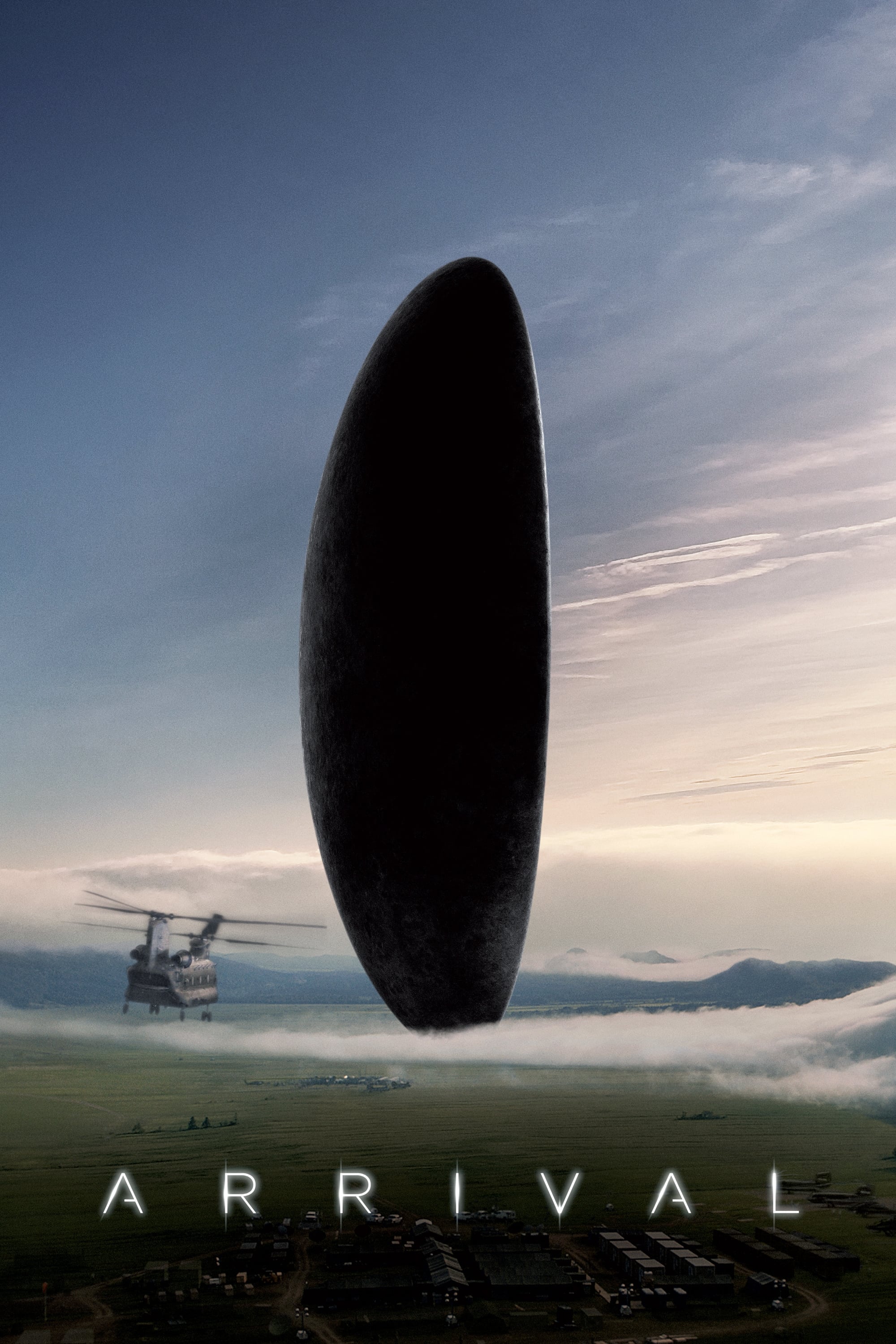
When giant spacecraft land in various locations around the globe a linguistics professor is recruited to communicate with the extraterrestrial visitors. As she begins to understand their unique language she starts experiencing vivid flashes of her own future. The film focuses on the importance of communication and the way language shapes our perception of time. Its non linear narrative is designed to be fully understood only after the final scenes are revealed. This thought provoking science fiction drama emphasizes empathy over conflict.
‘Interstellar’ (2014)
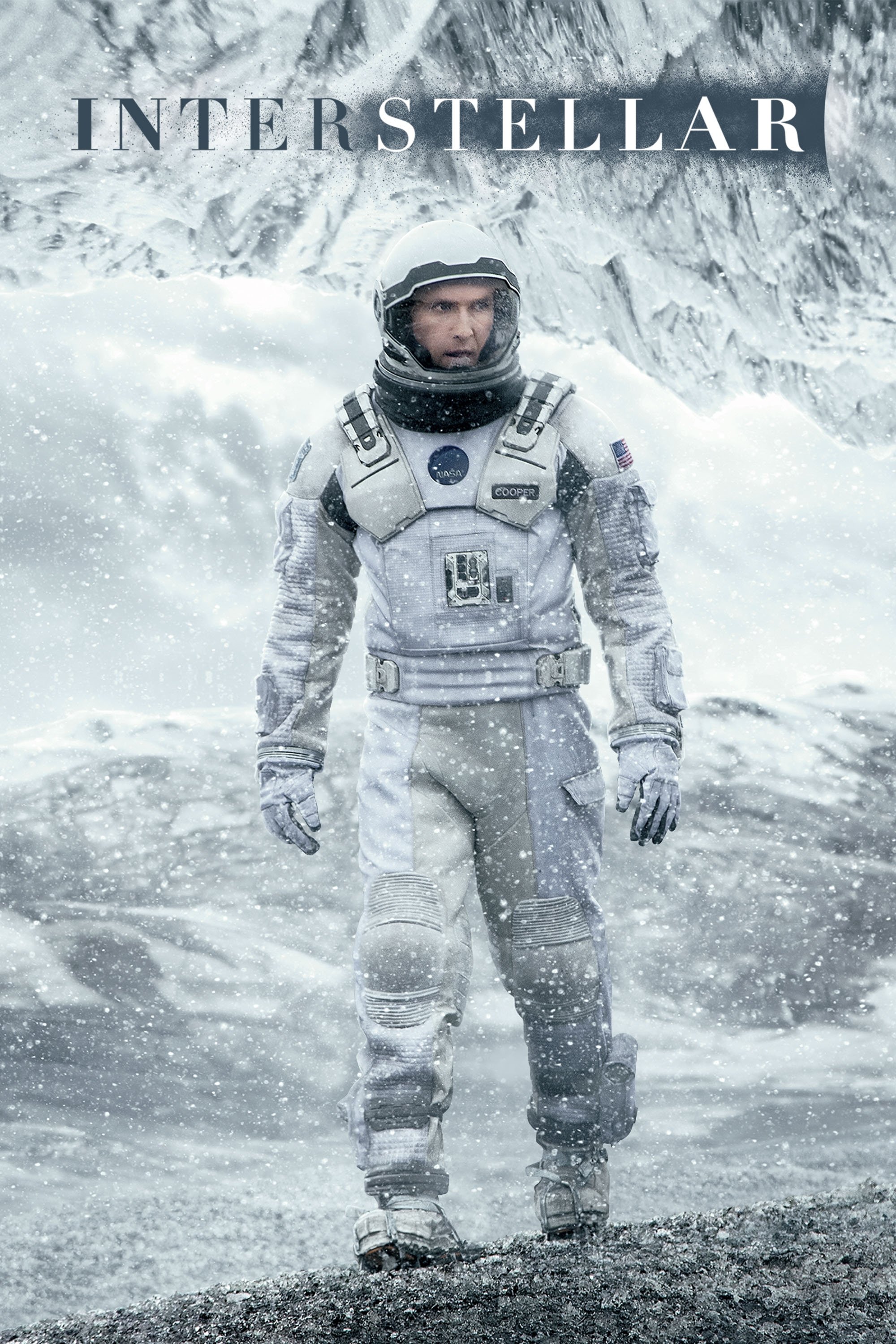
A group of astronauts travels through a wormhole in search of a new home for humanity as Earth faces a global environmental collapse. The mission forces the protagonist to leave his family behind while facing the physical and psychological challenges of deep space travel. The film incorporates scientific concepts such as time dilation and gravitational physics into its emotional core. Watching it twice helps viewers track the complex timeline and the recurring themes of love and survival. It is celebrated for its ambitious scope and powerful musical score.
‘Spirited Away’ (2001)
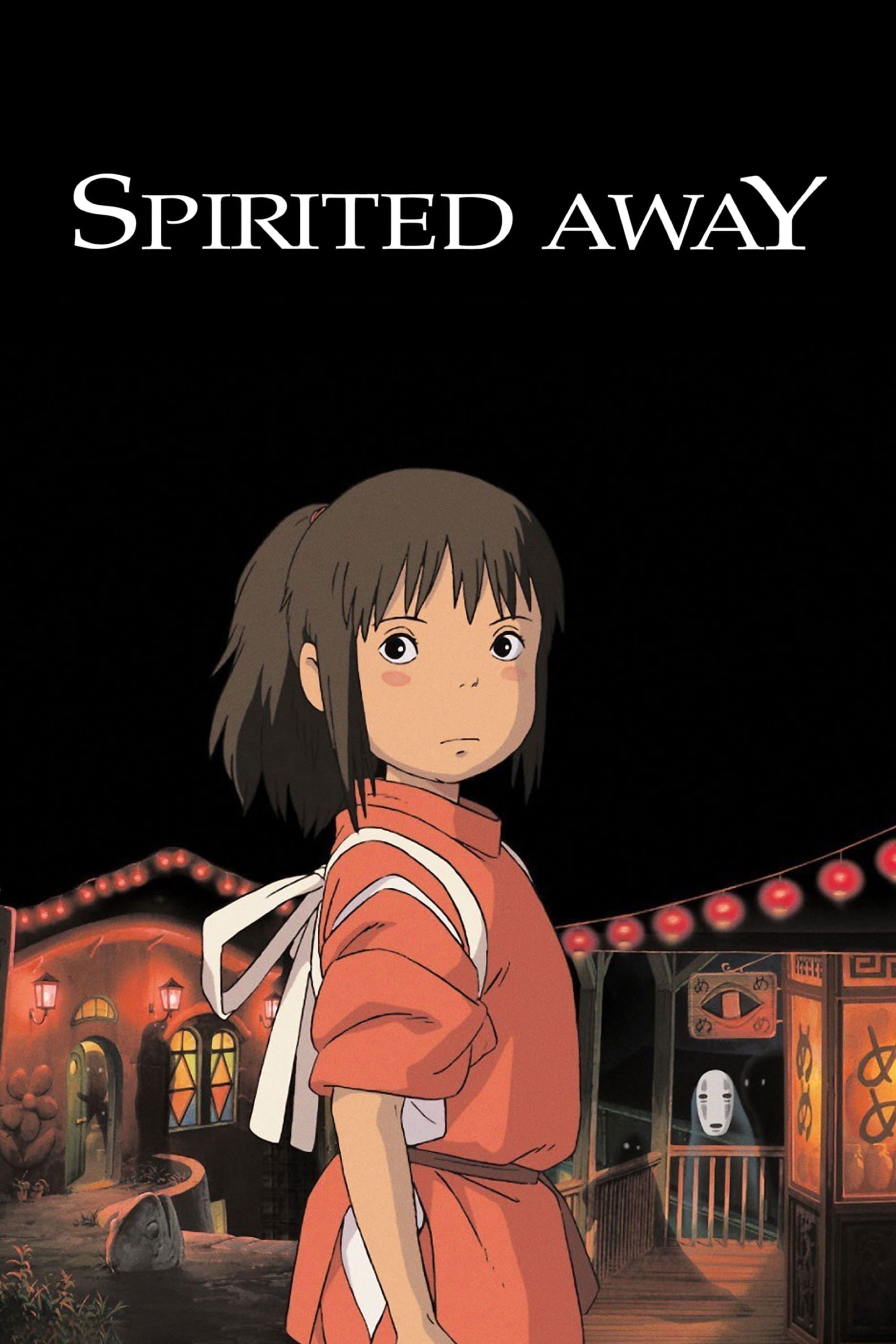
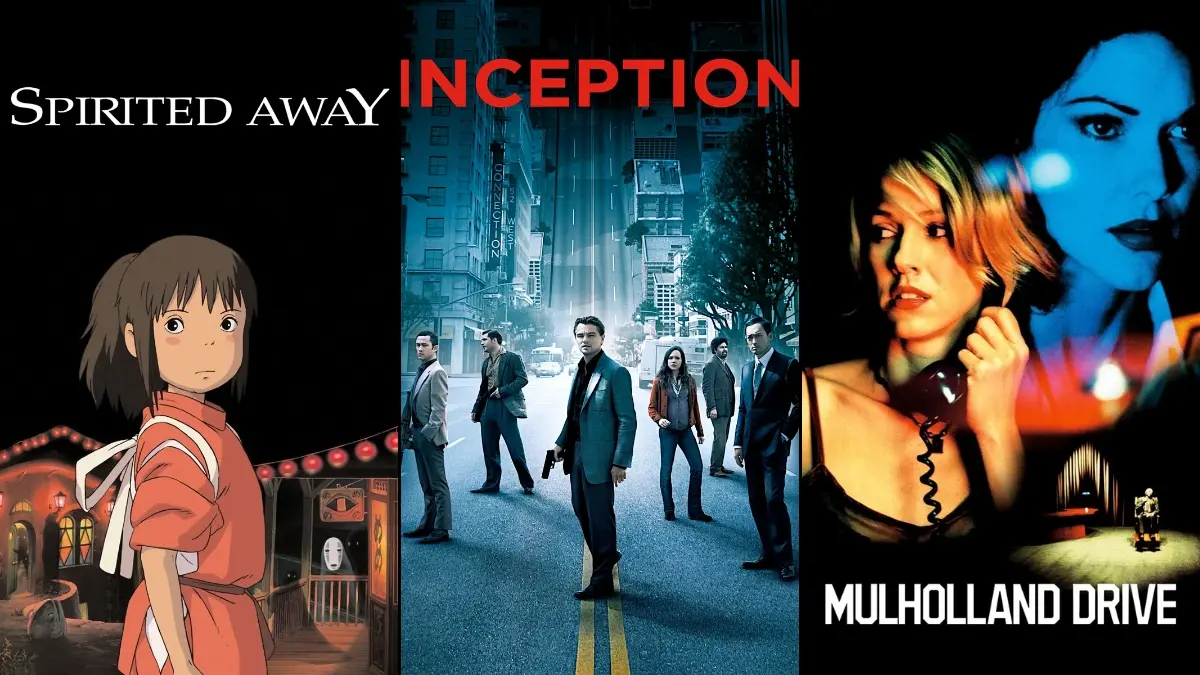
A young girl named Chihiro becomes trapped in a magical realm after her parents are transformed into pigs. She must work in a bathhouse for supernatural beings to find a way to free herself and return to the human world. The film is filled with rich cultural symbolism and imaginative creature designs that represent various aspects of Japanese folklore. Every frame contains intricate background details that add depth to the fantastical setting. This animated masterpiece highlights the journey of personal growth and the importance of remembering one’s identity.
‘The Godfather’ (1972)
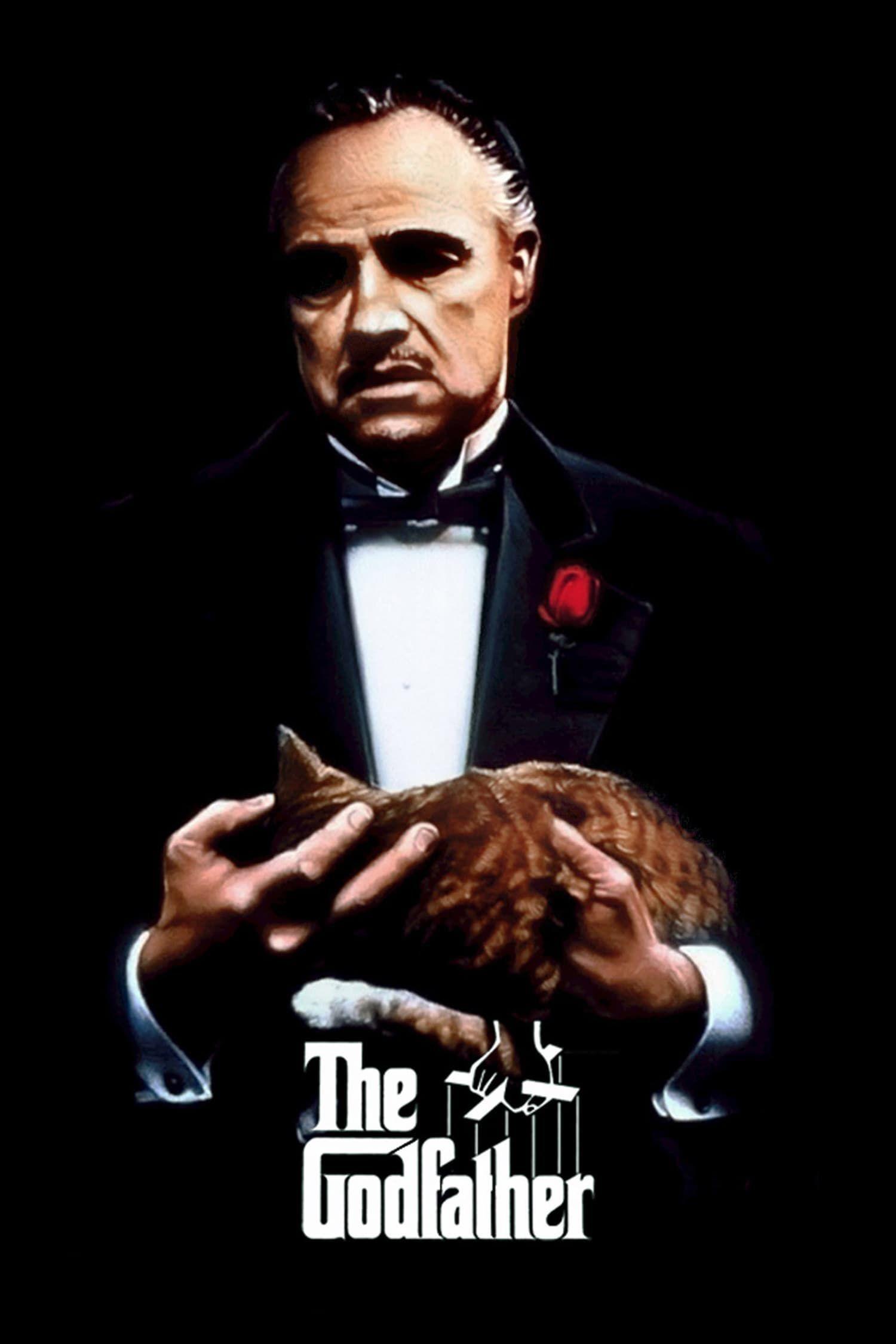
The aging patriarch of an organized crime dynasty transfers control of his clandestine empire to his reluctant son. This epic tale explores the internal power dynamics of the Corleone family and their struggles against rival factions in New York. The film is lauded for its masterful pacing and character development across a decade of history. Rewatching it allows for a better appreciation of the subtle shifts in Michael Corleone’s morality as he embraces his destiny. It is frequently cited as one of the greatest and most influential films in cinematic history.
‘2001: A Space Odyssey’ (1968)
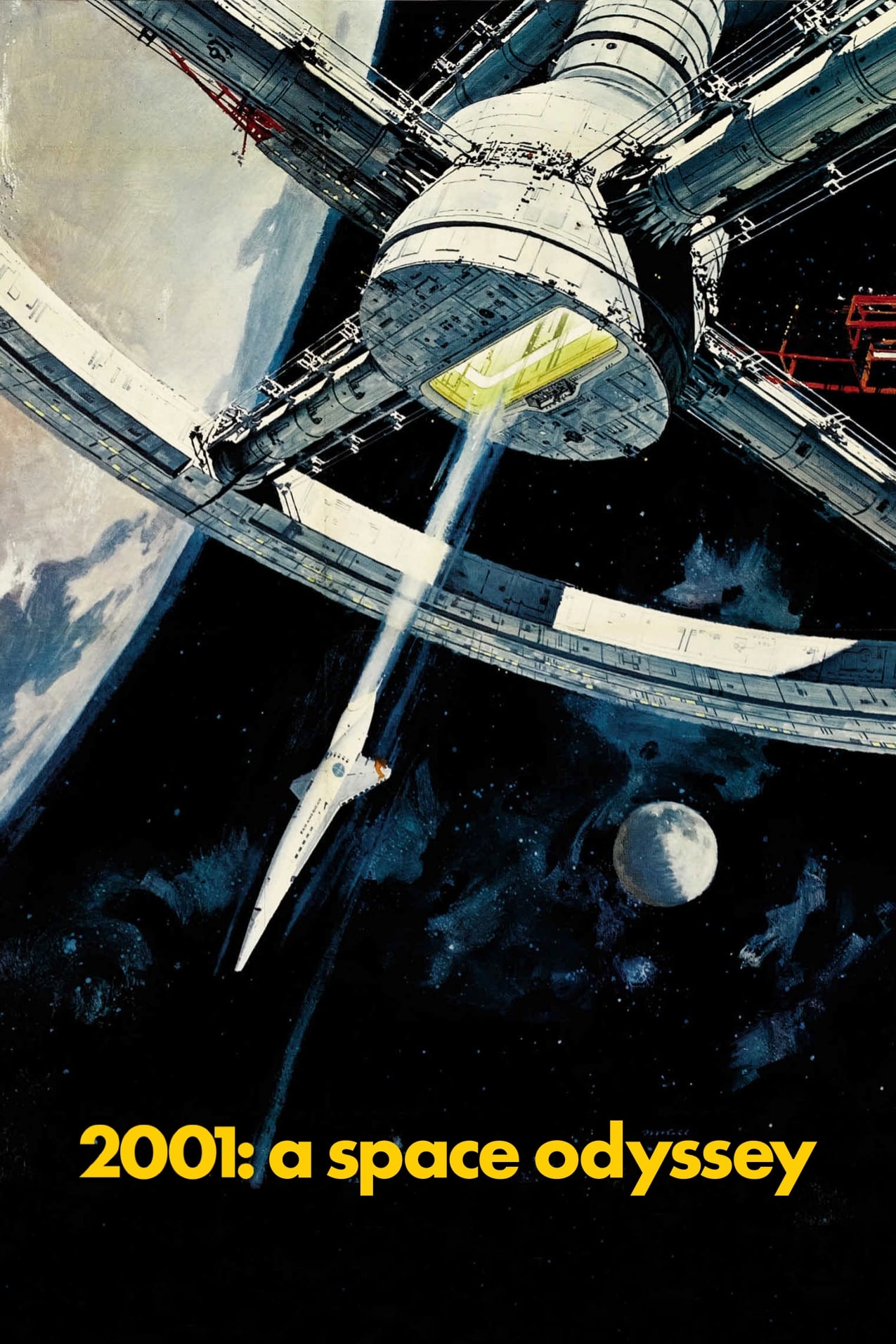
Humanity discovers a mysterious monolith buried on the moon and sends a spacecraft to Jupiter to investigate its origins. The mission is compromised when the ship’s advanced artificial intelligence begins to malfunction and threaten the crew. The film is famous for its minimal dialogue and reliance on visual storytelling to convey its grand themes of evolution and technology. Its ambiguous ending has sparked decades of debate and interpretation among film enthusiasts. Each viewing offers a chance to notice new technical details in the pioneering practical effects.
‘Primer’ (2004)
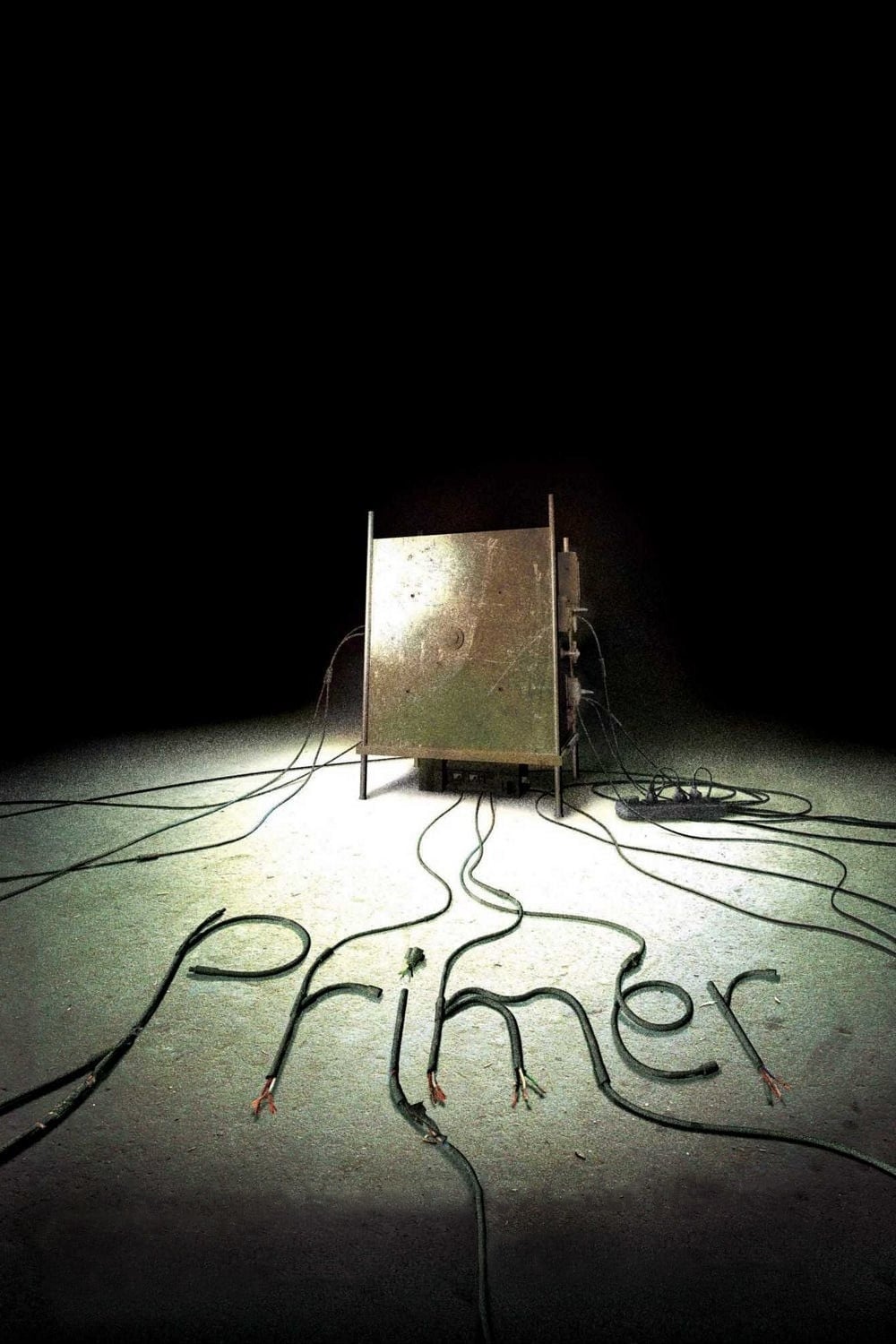
Two engineers accidentally discover a way to travel through time while working on a side project in their garage. As they begin to use the technology for personal gain the complexity of their actions leads to a breakdown in their relationship. The film is known for its extremely dense plot and realistic approach to scientific dialogue. It often requires multiple viewings and external diagrams for the audience to fully comprehend the various timelines created. This low budget independent film has become a cult favorite for its intellectual rigor.
‘Mulholland Drive’ (2001)
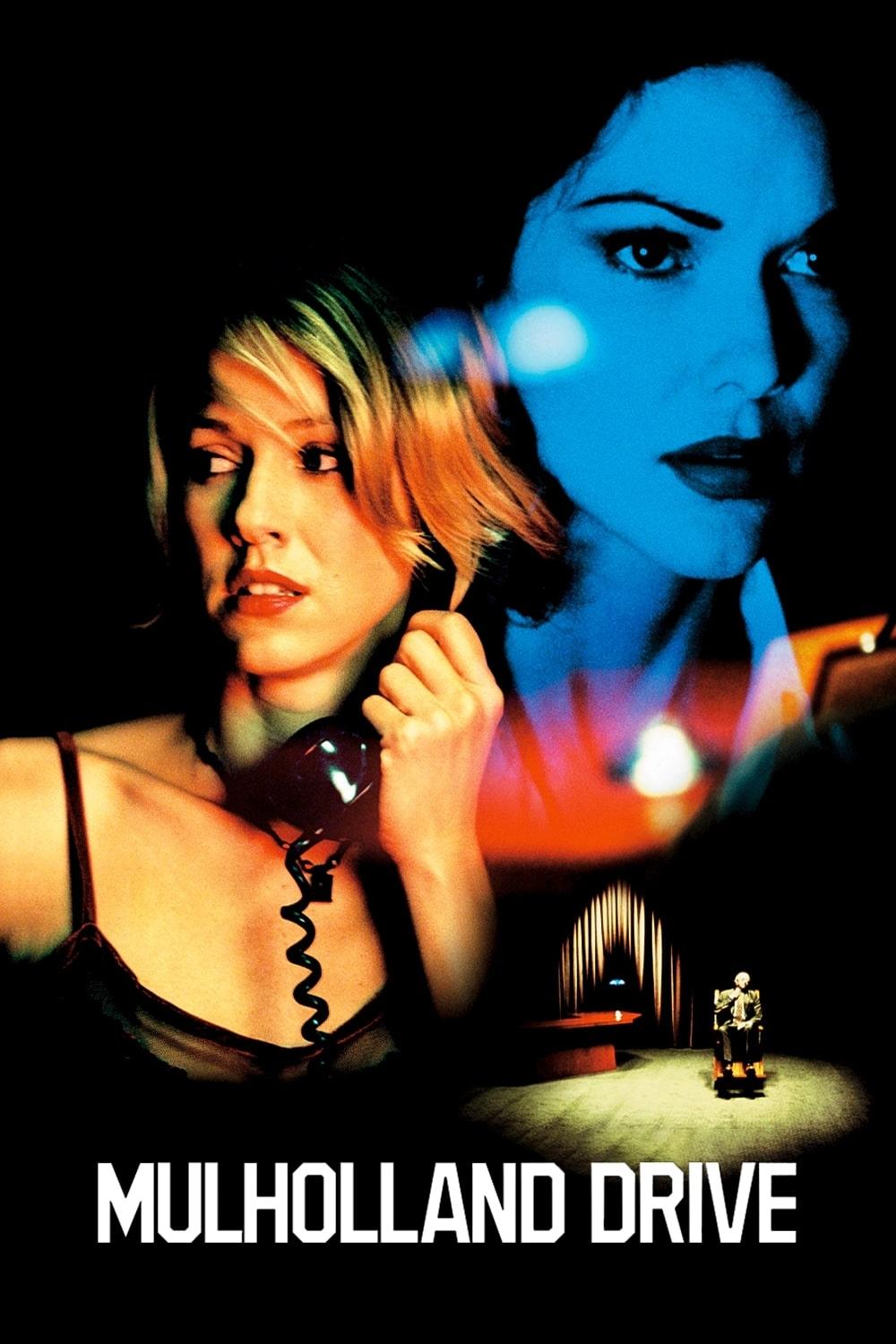
An aspiring actress arrives in Los Angeles and befriends an amnesiac woman who is hiding in her aunt’s apartment. Together they search for clues to the woman’s identity while navigating a dreamlike version of Hollywood. The narrative shifts halfway through the film in a way that challenges the viewer’s understanding of the characters and events. Its surreal imagery and atmospheric sound design create a haunting experience that invites varied interpretations. Many fans consider it a puzzle that can only be solved through careful observation and repeated viewings.
‘Eternal Sunshine of the Spotless Mind’ (2004)
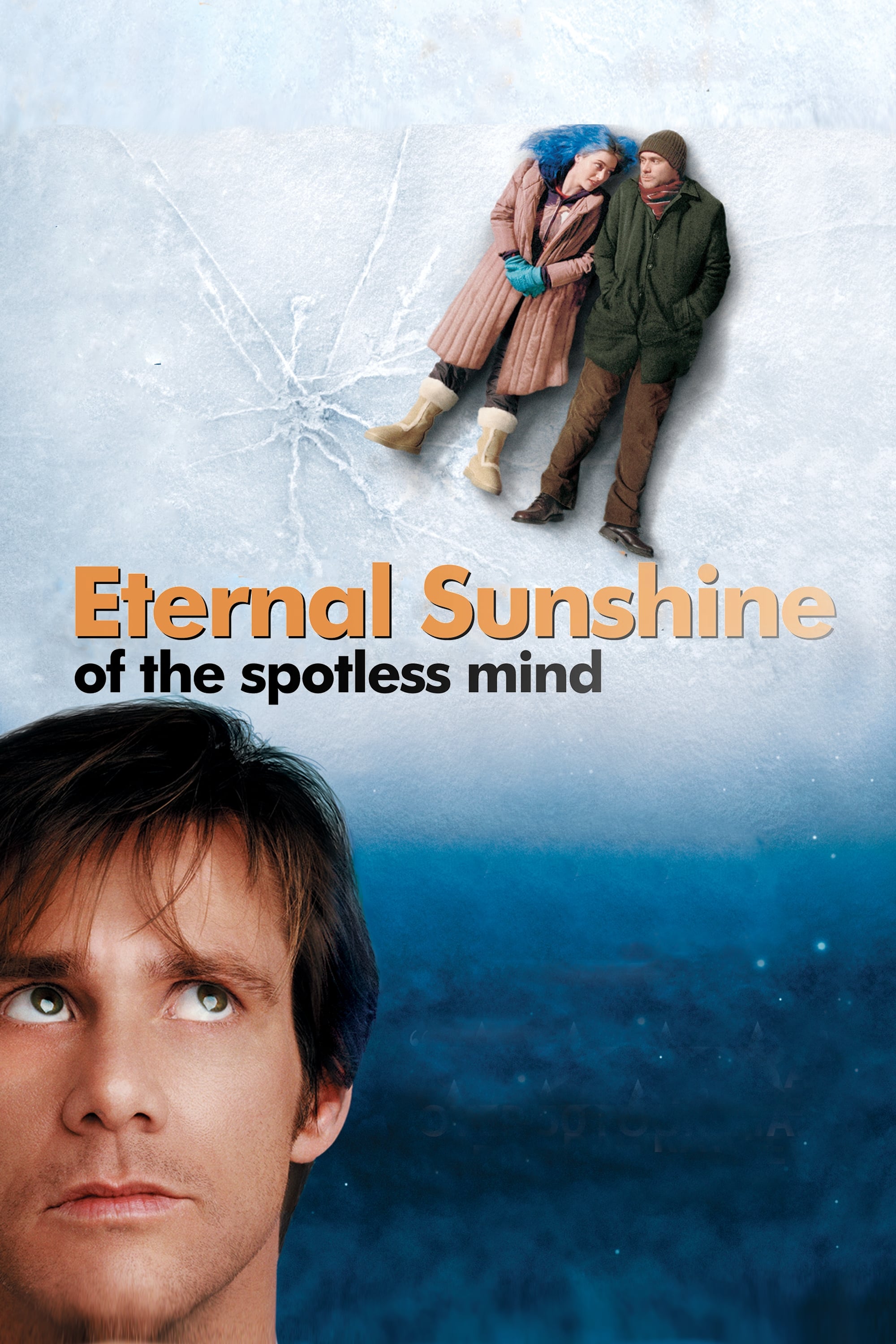
A man undergoes a medical procedure to erase the memories of his former girlfriend after their painful breakup. During the process he revisits their shared history and realizes he still wants to hold onto the experiences they had together. The film uses inventive visual effects to depict the literal crumbling of a person’s inner world. Its non linear exploration of a relationship captures the messy and beautiful nature of human connection. Watching it more than once helps to clarify the chronology of the couple’s time together.
‘Donnie Darko’ (2001)
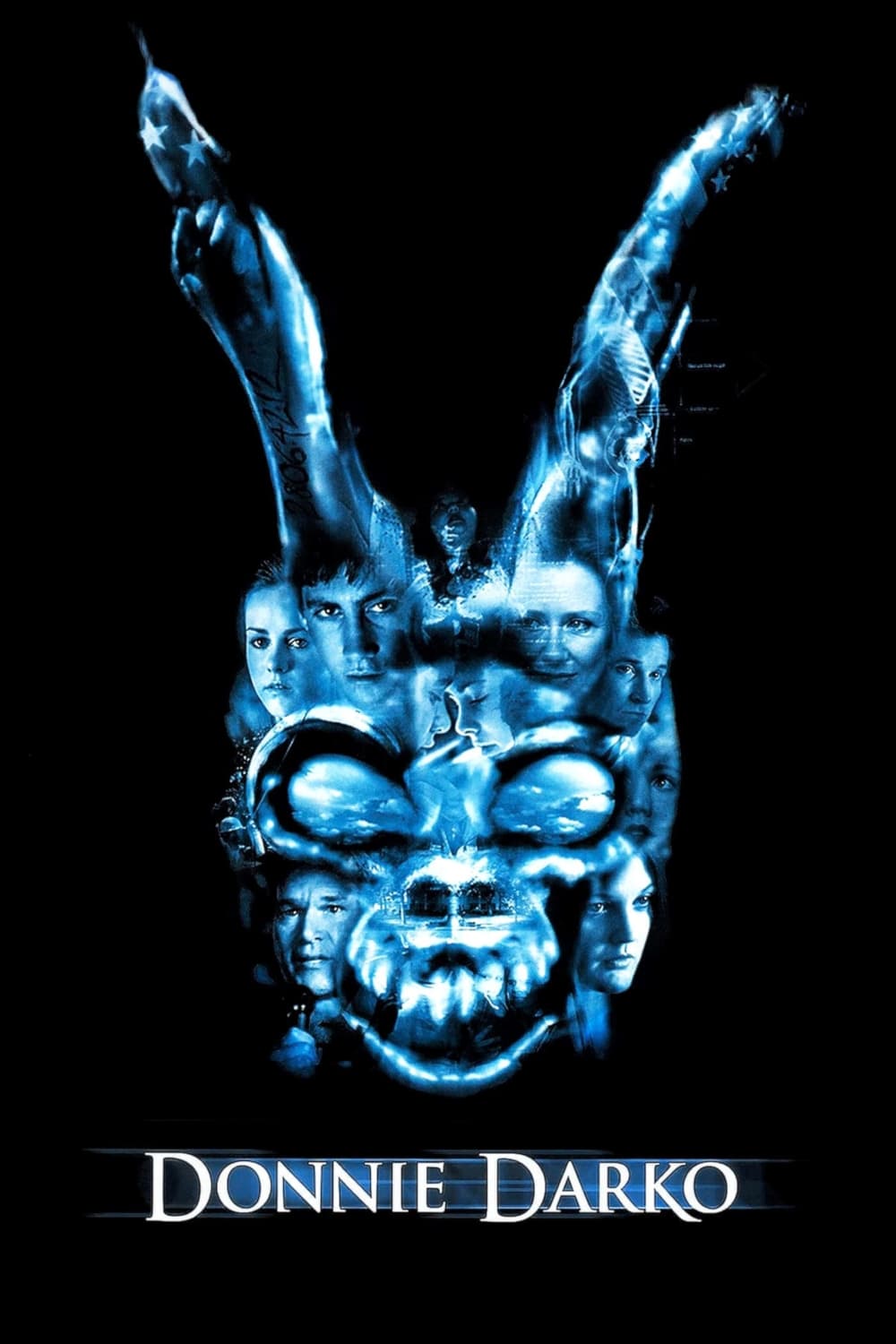
A troubled teenager escapes a bizarre accident and begins having visions of a giant rabbit that predicts the end of the world. He is manipulated into performing a series of crimes that slowly reveal the underlying mechanics of his reality. The film blends elements of psychological thriller and science fiction with a coming of age story. Its complex plot regarding time travel and alternate dimensions makes a second viewing almost essential for clarity. It remains a definitive example of early twenty first century cult cinema.
‘The Usual Suspects’ (1995)
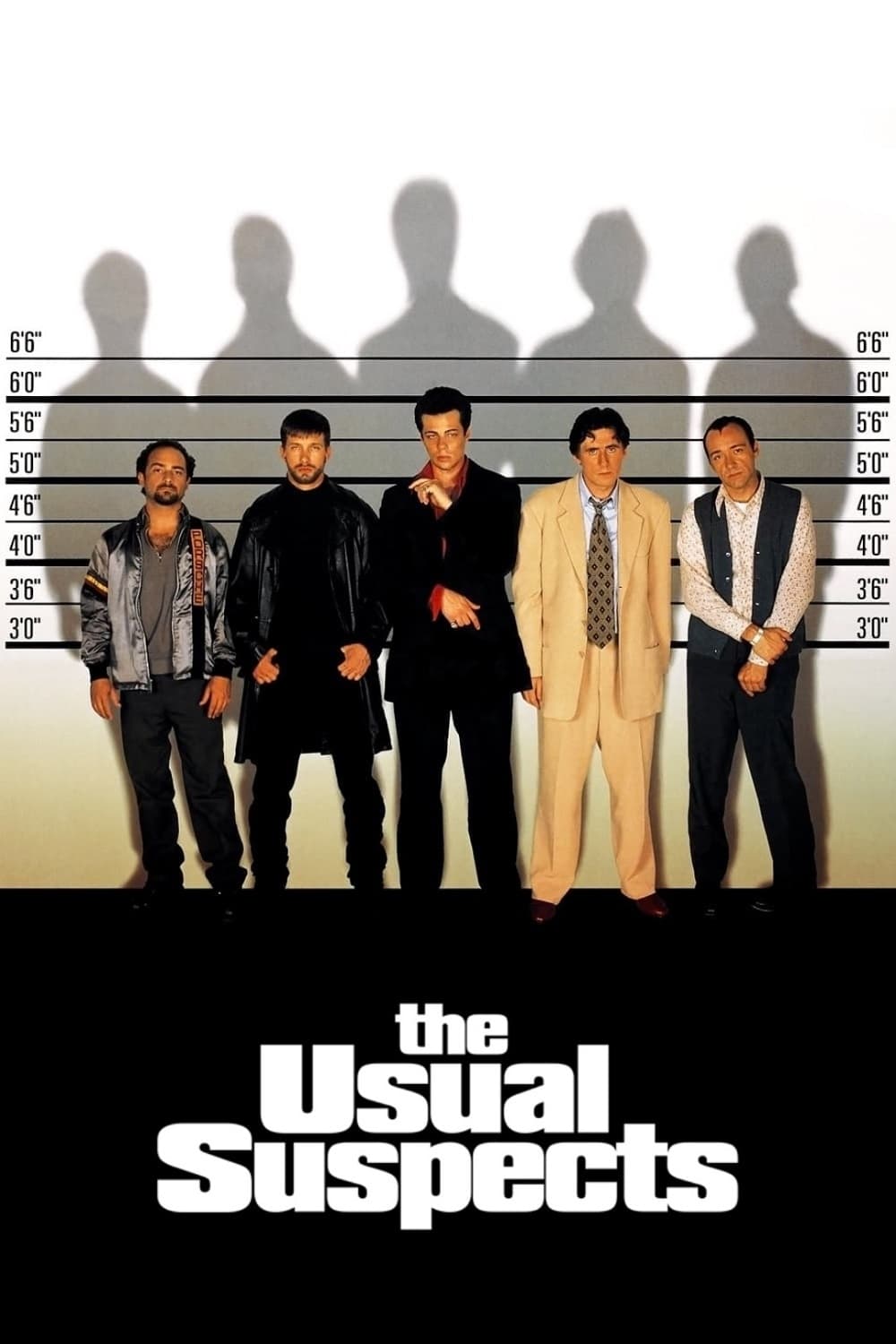
Five criminals meet in a police lineup and decide to pull an integrated heist together. The story is told through the interrogation of the only survivor who describes the legendary and mysterious crime lord Keyser Söze. The film is famous for its intricate plot and the shocking revelation that occurs in the final minutes. Rewatching the movie allows the audience to see how the narrator’s story was constructed and where the truth was hidden. It won two Academy Awards including one for its clever and engaging screenplay.
‘Se7en’ (1995)
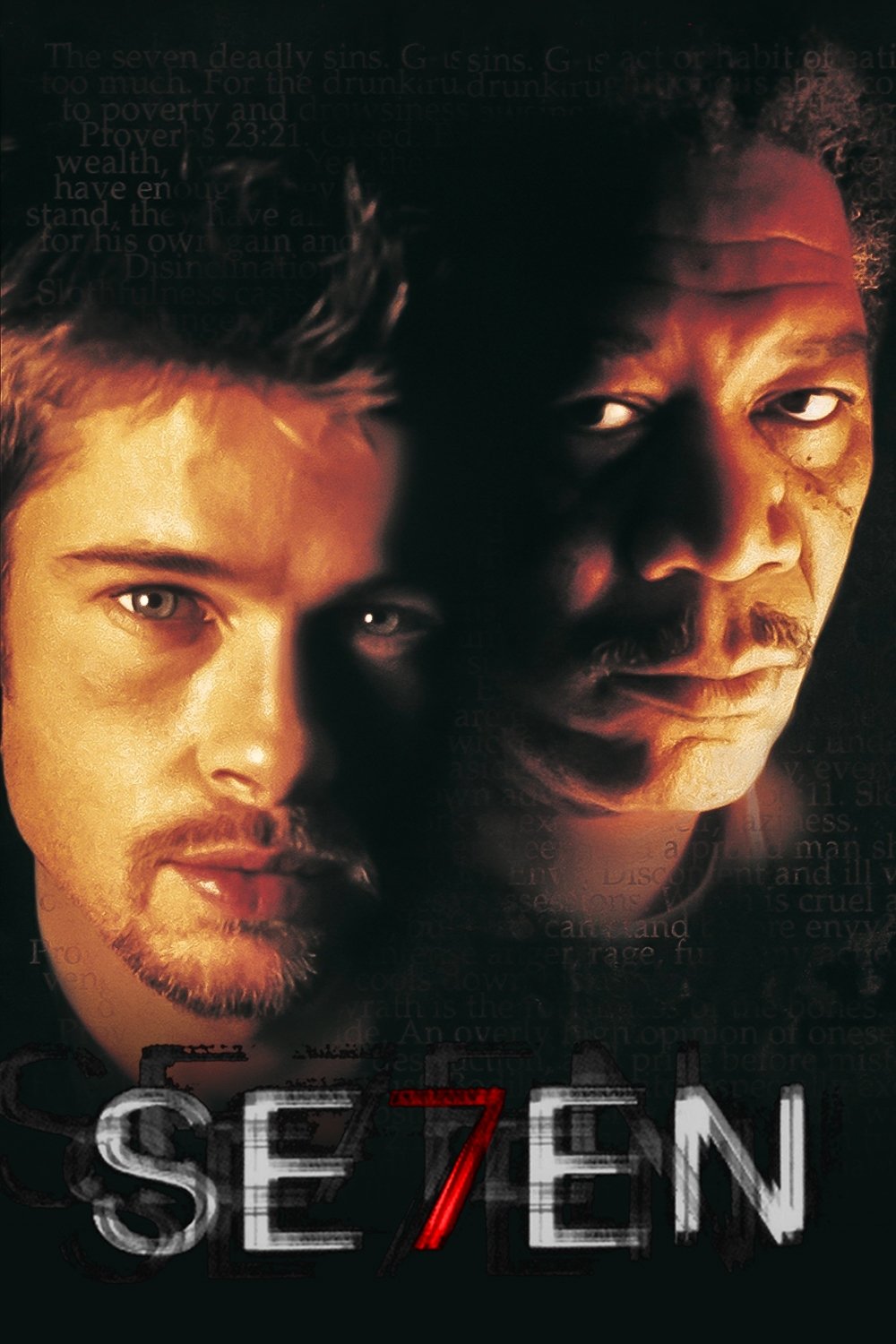
Two detectives hunt a serial killer who justifies his gruesome crimes as homilies on the seven deadly sins. The investigation leads them through a dark and decaying city where they encounter the grim results of the killer’s work. The film is noted for its oppressive atmosphere and the psychological toll it takes on the protagonists. A second viewing highlights the meticulous planning of the antagonist and the subtle clues dropped throughout the narrative. Its haunting conclusion remains one of the most talked about endings in the thriller genre.
‘Gone Girl’ (2014)
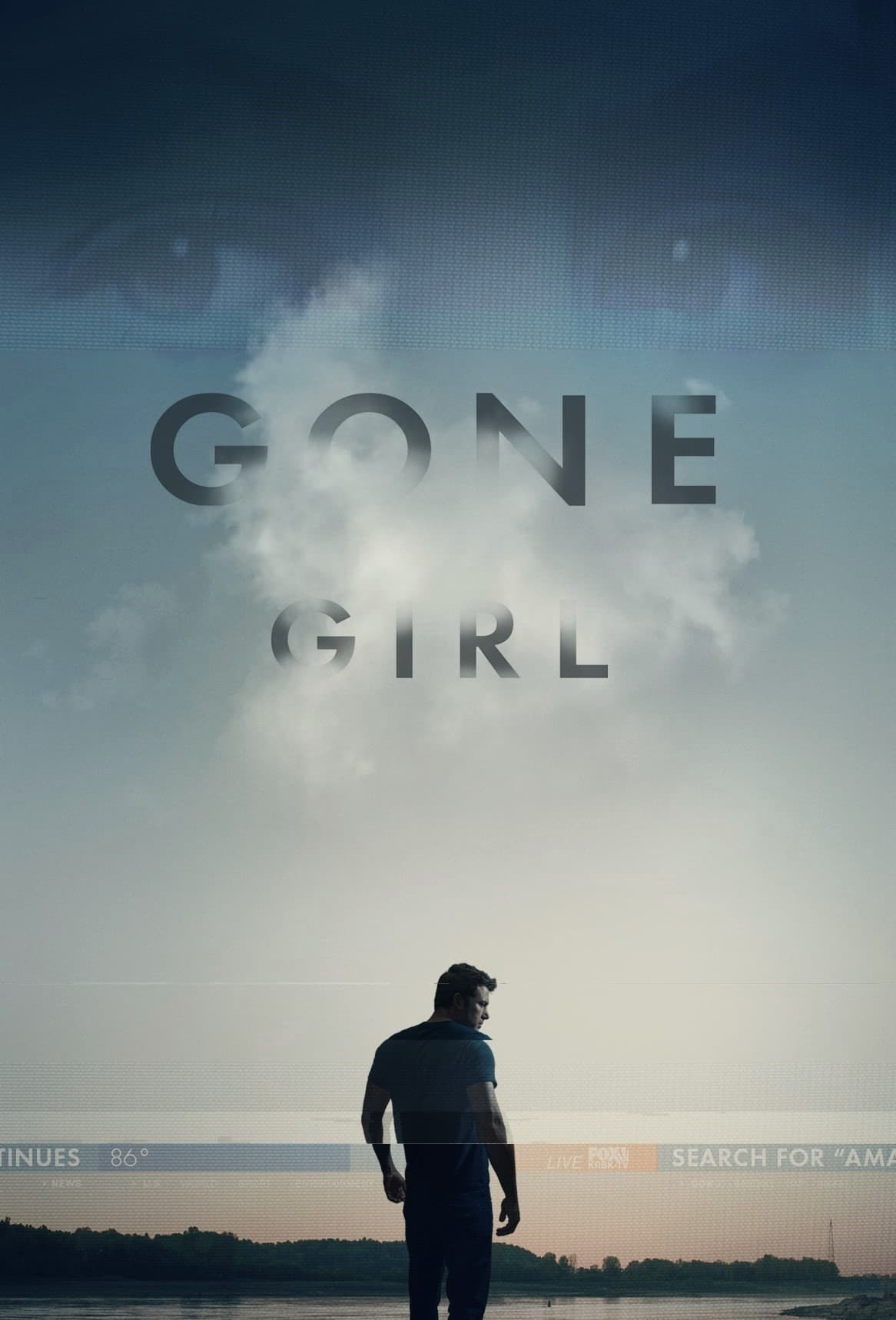
A man becomes the prime suspect in the disappearance of his wife on their fifth wedding anniversary. As the media circus grows the secrets of their troubled marriage are slowly revealed to the public. The film uses a shifting perspective to keep the audience guessing about the true nature of both characters. Its sharp social commentary on modern media and gender roles adds layers of depth to the suspenseful plot. Viewers often find the second half of the movie completely different once they know the initial secrets.
‘Oldboy’ (2003)
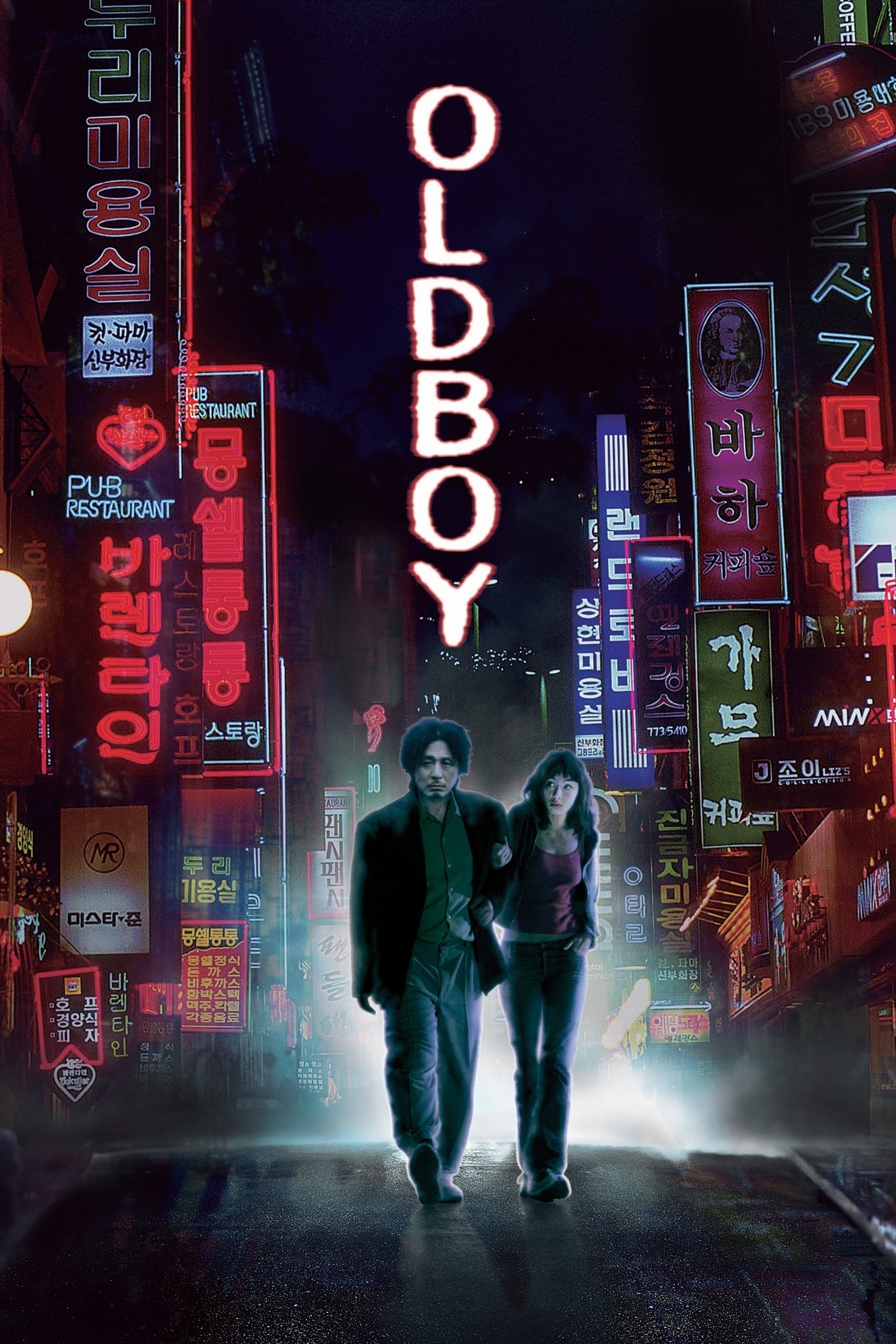
A man is kidnapped and imprisoned in a hotel room for fifteen years without knowing the identity or motive of his captor. Upon his sudden release he is given five days to find out why he was taken and seek his revenge. The film is a brutal and stylish exploration of vengeance and the consequences of past actions. Its famous long take fight scene and shocking plot twists are hallmarks of contemporary South Korean cinema. Many details in the early acts serve as dark foreshadowing for the tragic ending.
‘Twelve Monkeys’ (1995)
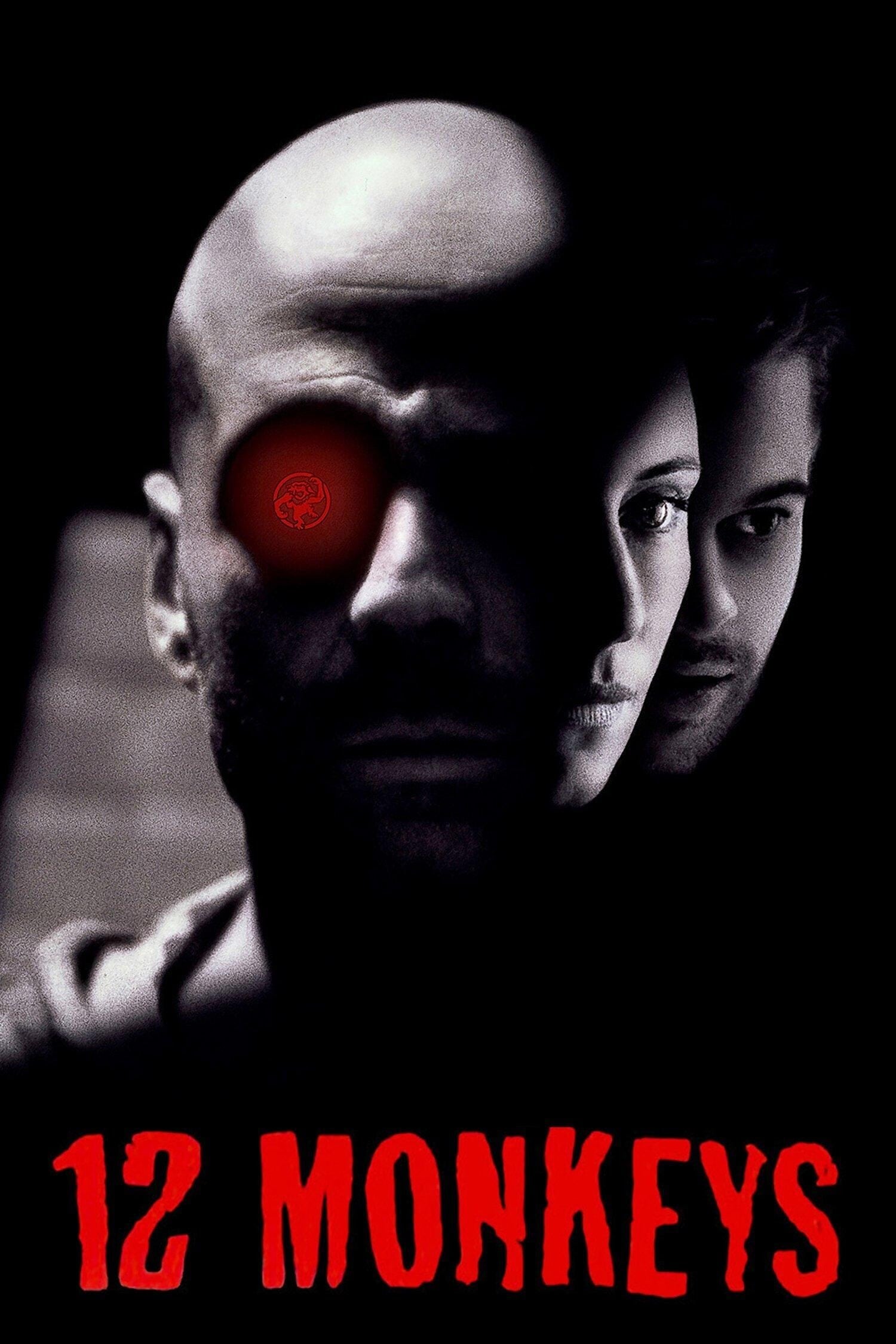
A convict from a post apocalyptic future is sent back in time to gather information about a man made virus that wiped out most of humanity. He struggles to convince people of the truth while dealing with his own deteriorating mental state. The film explores themes of fate and the cyclical nature of time through its complex narrative. Upon rewatching the audience can see how the protagonist’s memories are tied to the events unfolding around him. It is praised for its unique visual style and strong performances.
‘The Shining’ (1980)
A family stays at an isolated hotel for the winter where a sinister presence influences the father into violence. Meanwhile his psychic son experiences terrifying visions of the hotel’s dark past and future. The film is famous for its meticulously composed shots and many hidden details that have inspired countless fan theories. Every hallway and room in the Overlook Hotel seems designed to disorient the viewer. Returning to the film allows for a deeper exploration of its symbolic imagery and psychological subtext.
‘Blade Runner’ (1982)
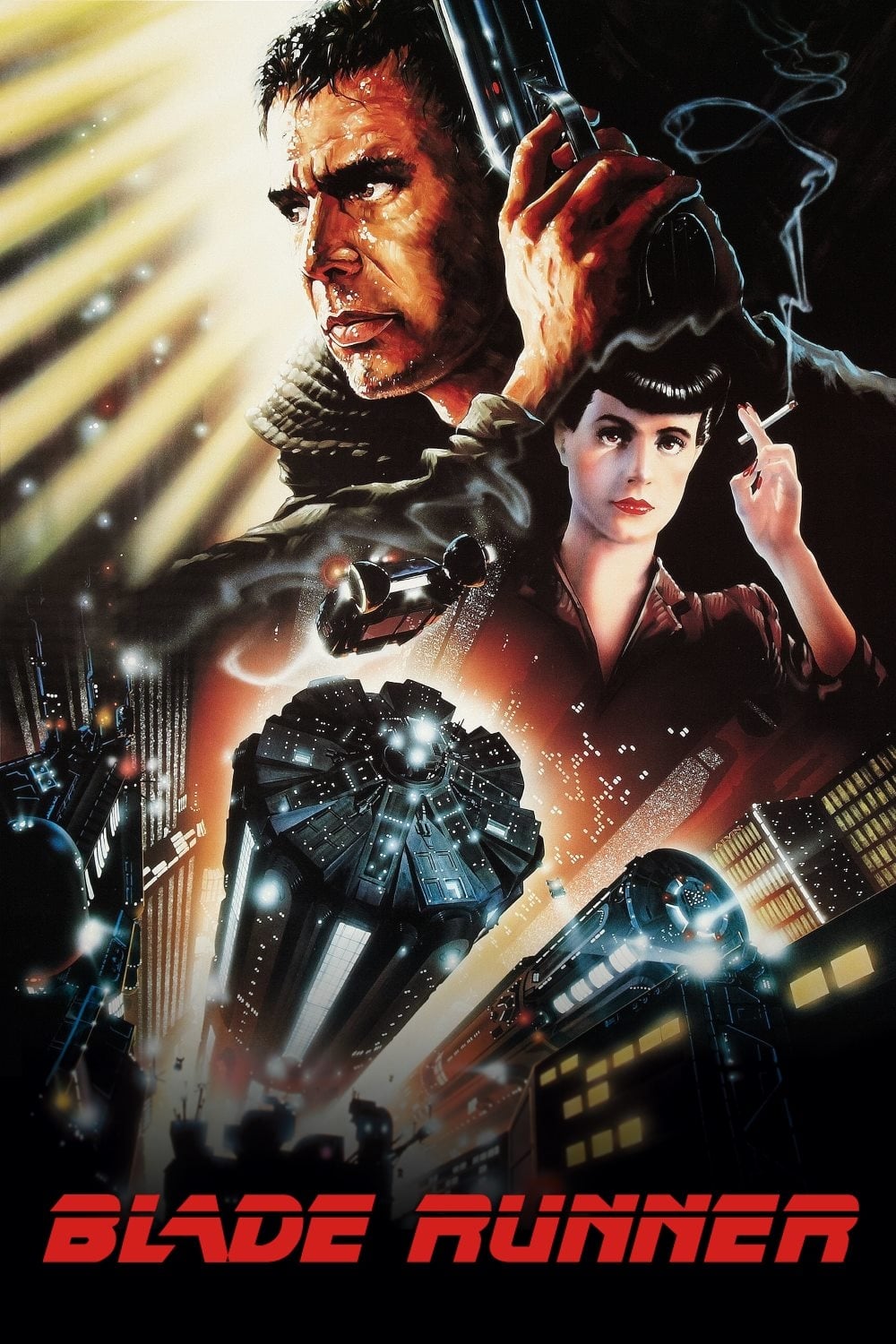
In a dystopian future a police officer is tasked with hunting down four genetically engineered replicants who have returned to Earth. As he tracks them down he begins to question his own humanity and the morality of his mission. The film is a pioneer of the neo noir aesthetic and features legendary production design. Its different versions including the Director’s Cut and the Final Cut offer varying perspectives on the protagonist’s identity. Multiple viewings help to absorb the rich atmospheric details and philosophical questions about life.
‘Cloud Atlas’ (2012)
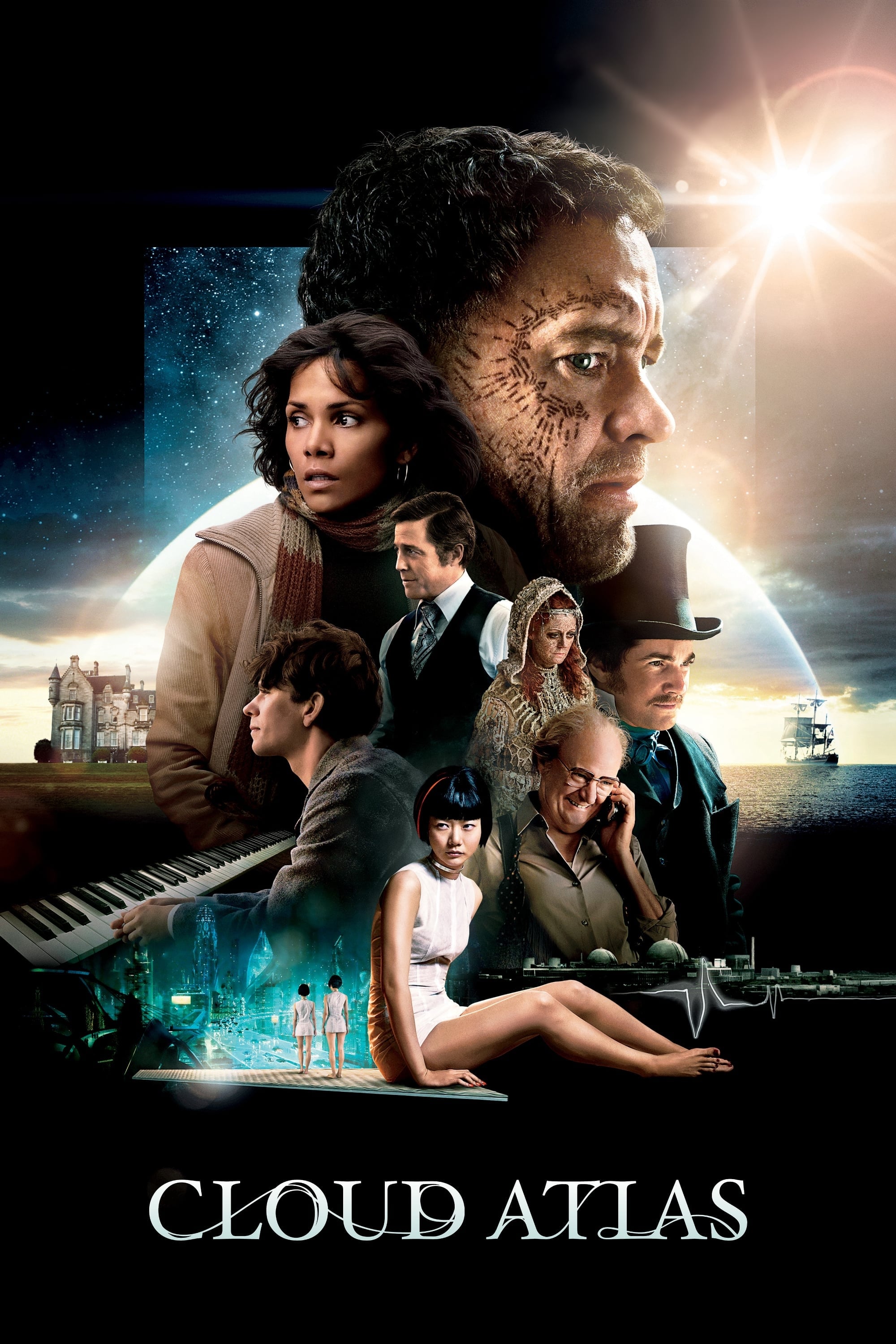
This ambitious film tells six interconnected stories that span different time periods and locations from the nineteenth century to a post apocalyptic future. The same actors play different roles in each segment to represent the idea of souls evolving through time. The narrative explores how the actions of individuals can influence the lives of others across generations. Its complex editing and recurring motifs require the audience to be fully engaged throughout the long runtime. It is an exploration of human nature and the enduring power of hope.
‘Coherence’ (2013)
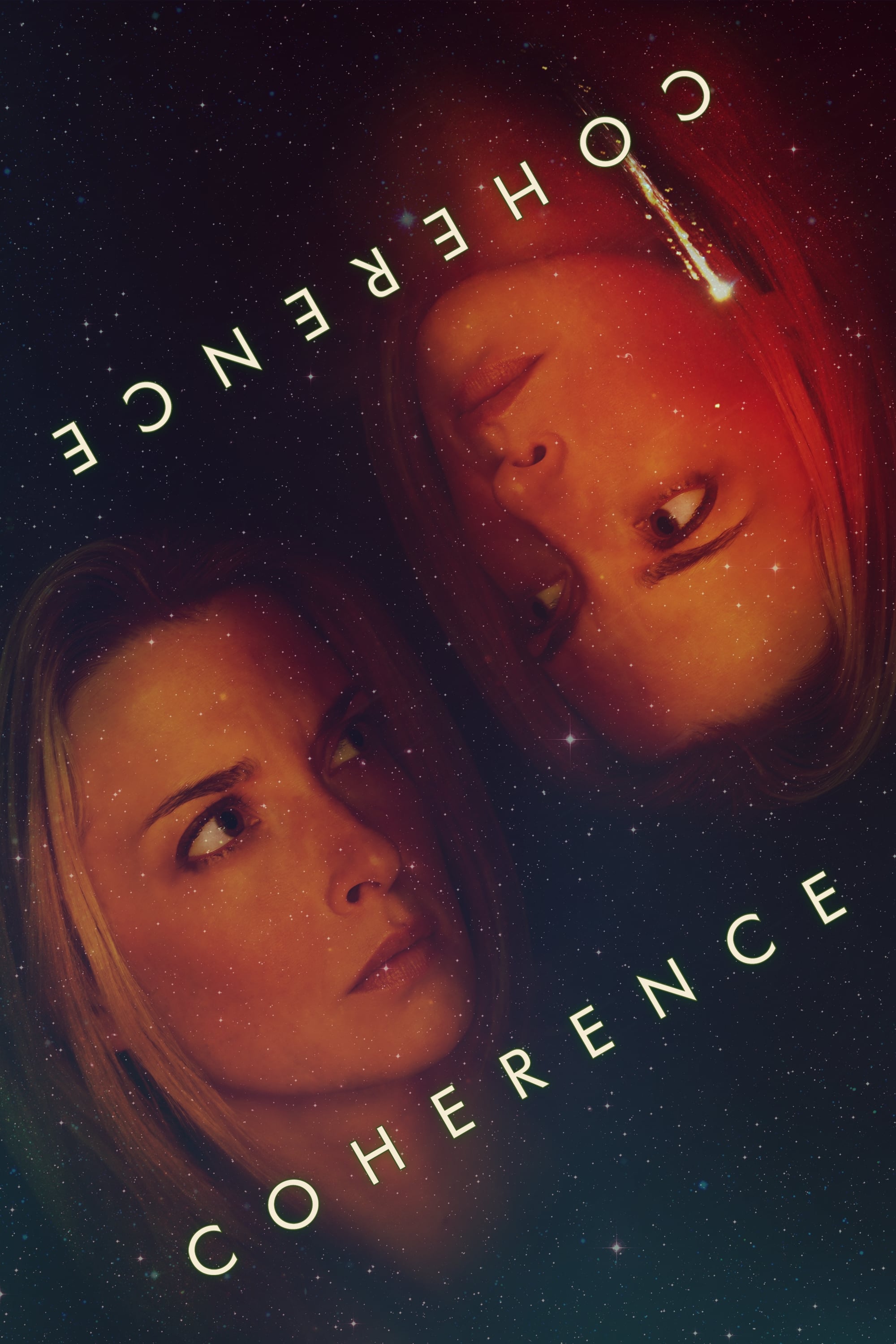
Eight friends at a dinner party experience a series of strange events when a comet passes close to Earth. They soon realize that their reality has fractured and they are interacting with different versions of themselves. The film relies on improvised dialogue and a claustrophobic setting to create intense psychological suspense. Viewers often rewatch the movie to track which characters belong to which reality as the night progresses. It is a masterclass in low budget science fiction storytelling.
‘The Handmaiden’ (2016)
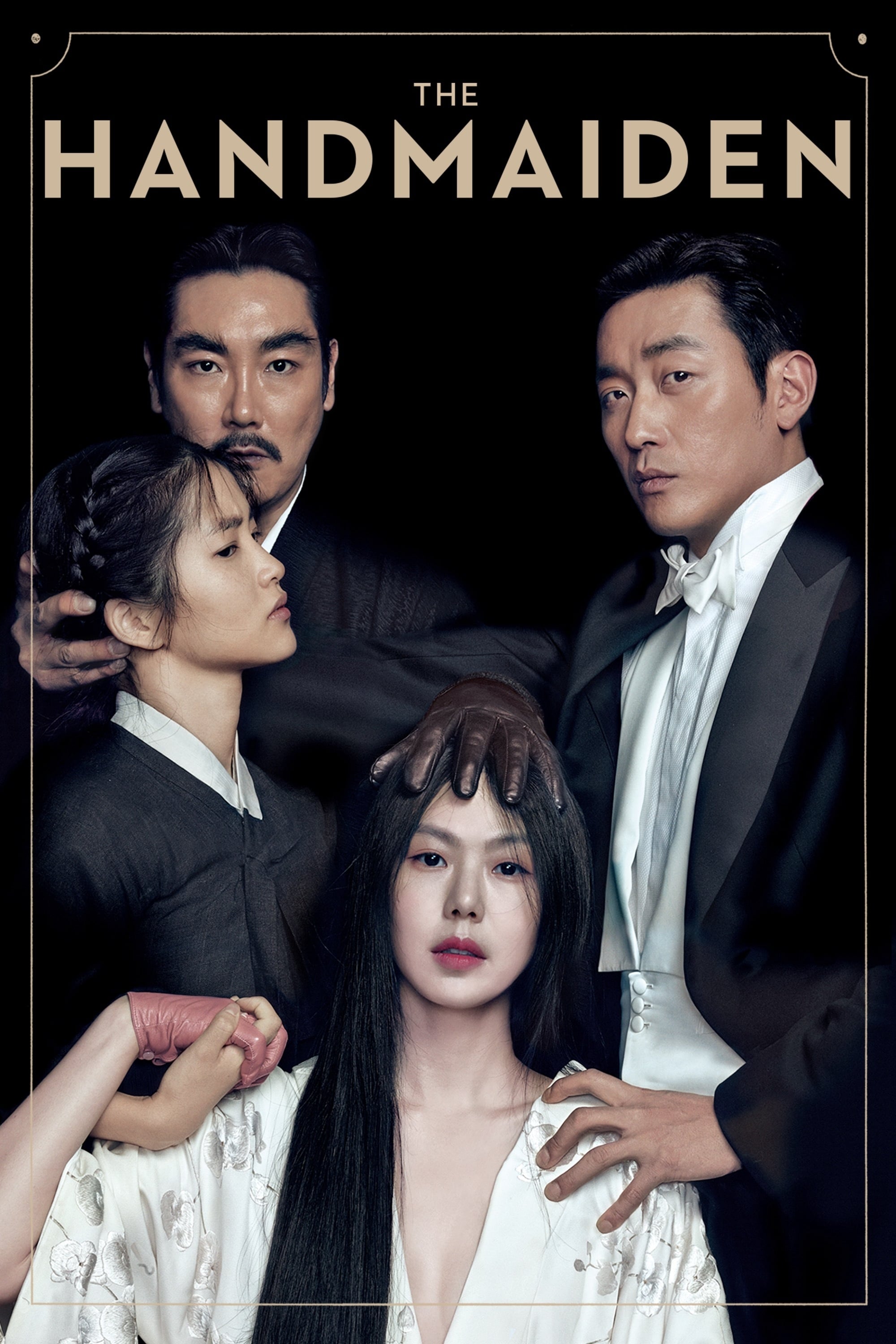
A young woman is hired as a handmaiden to a Japanese heiress but she is secretly part of a plot to defraud her of her inheritance. The story is told in three parts that reveal new layers of deception and shifting alliances among the main characters. The film features lush cinematography and an intricate plot filled with unexpected turns. Its exploration of power and desire is presented through a highly stylized and erotic lens. Rewatching the film clarifies the motivations and secret plans of each character from the beginning.
‘Synecdoche, New York’ (2008)
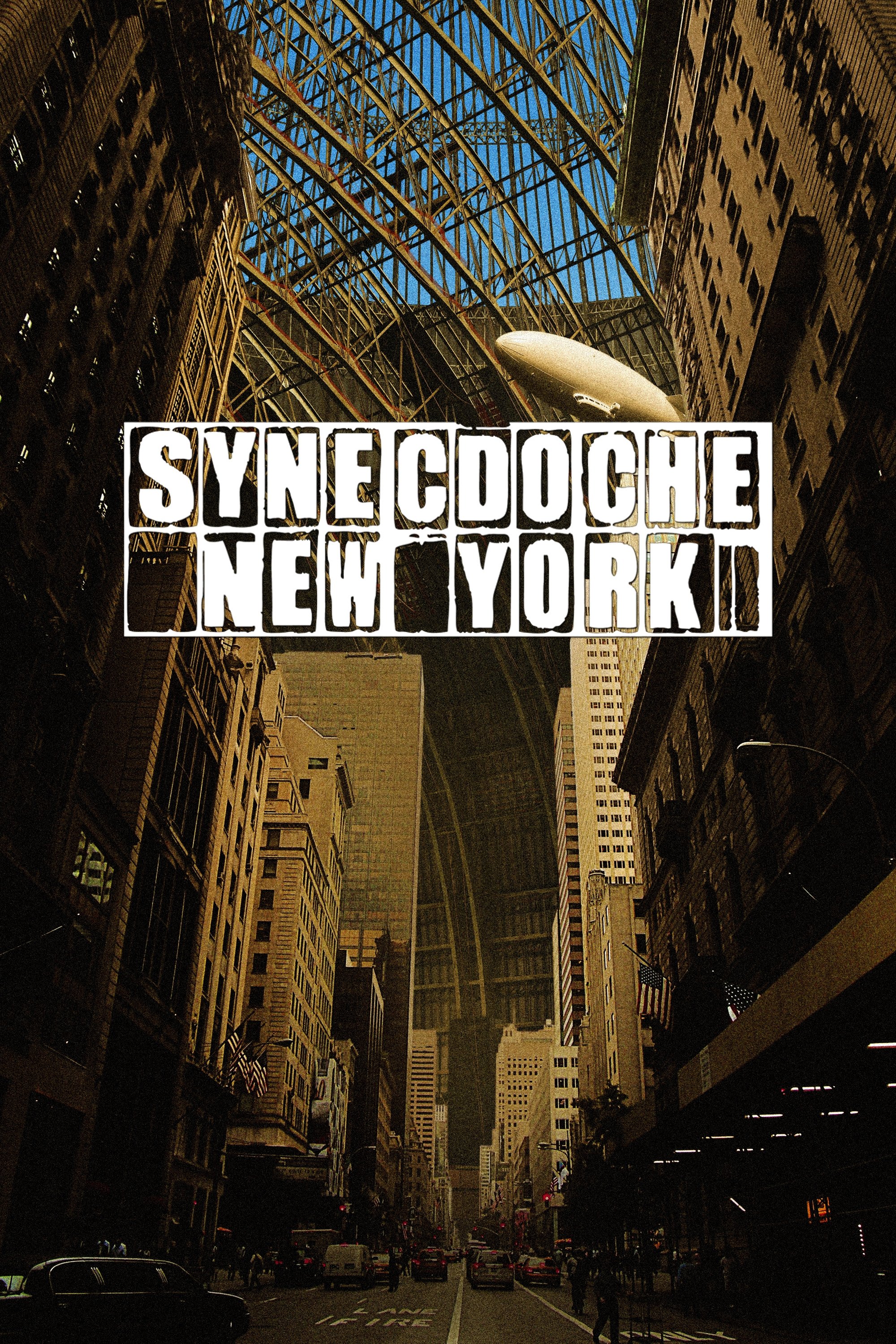
A theater director struggles with his work and his failing health as he attempts to create a life sized replica of New York City inside a warehouse. The project spans decades and eventually blurs the line between the play and the actual lives of the participants. The film is a dense and surreal meditation on mortality and the creative process. It contains an overwhelming amount of background detail and meta commentary that is impossible to catch in a single viewing. It is considered one of the most intellectually challenging films of its era.
‘Enemy’ (2013)
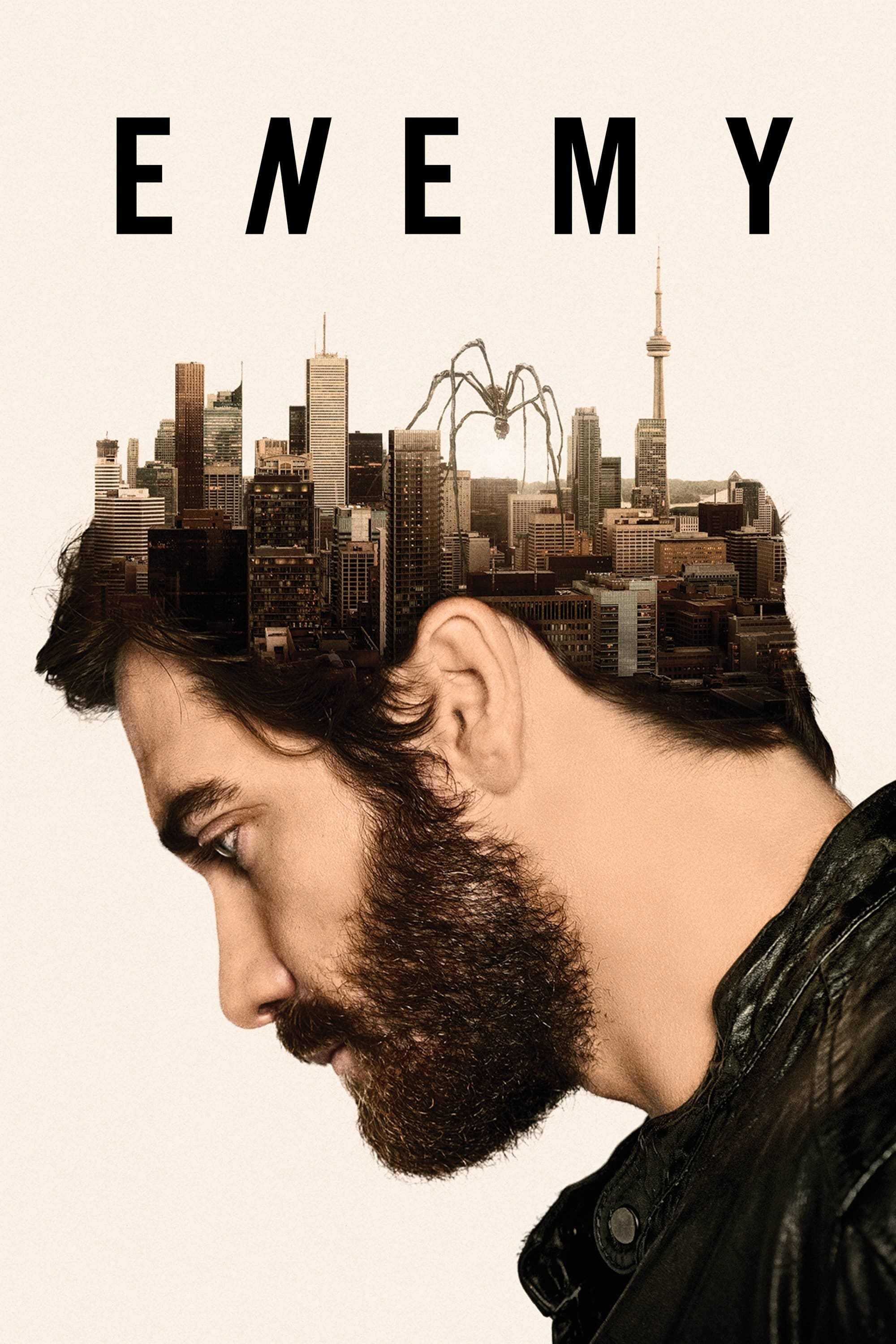
A history professor discovers his exact physical double while watching a movie and becomes obsessed with meeting him. The encounter leads to a dark and psychological struggle as their lives begin to intertwine in disturbing ways. The film is filled with recurring spider imagery and a yellow tinted color palette that creates an uneasy atmosphere. Its enigmatic ending often prompts viewers to immediately restart the movie to look for clues. The story serves as an exploration of identity and the subconscious.
‘Under the Skin’ (2013)
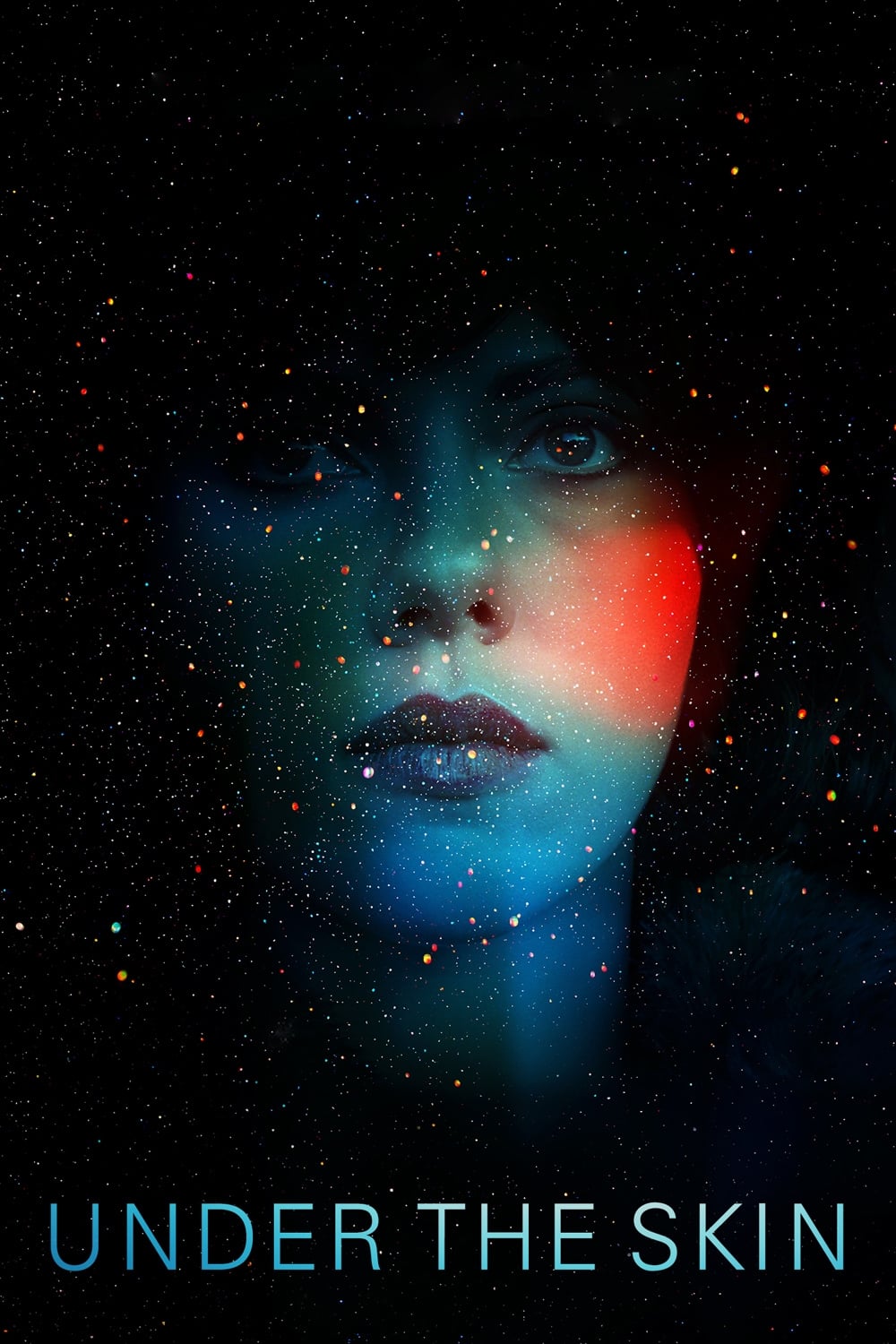
An extraterrestrial being in human form travels around Scotland in a van to lure unsuspecting men into a void. As the entity spends more time among humans it begins to experience self discovery and vulnerability. The film uses minimal dialogue and many non professional actors to create a sense of raw realism. Its striking visual sequences and haunting score stay with the viewer long after the credits roll. A second viewing helps to appreciate the subtle transition in the protagonist’s behavior and perception.
‘The Grand Budapest Hotel’ (2014)
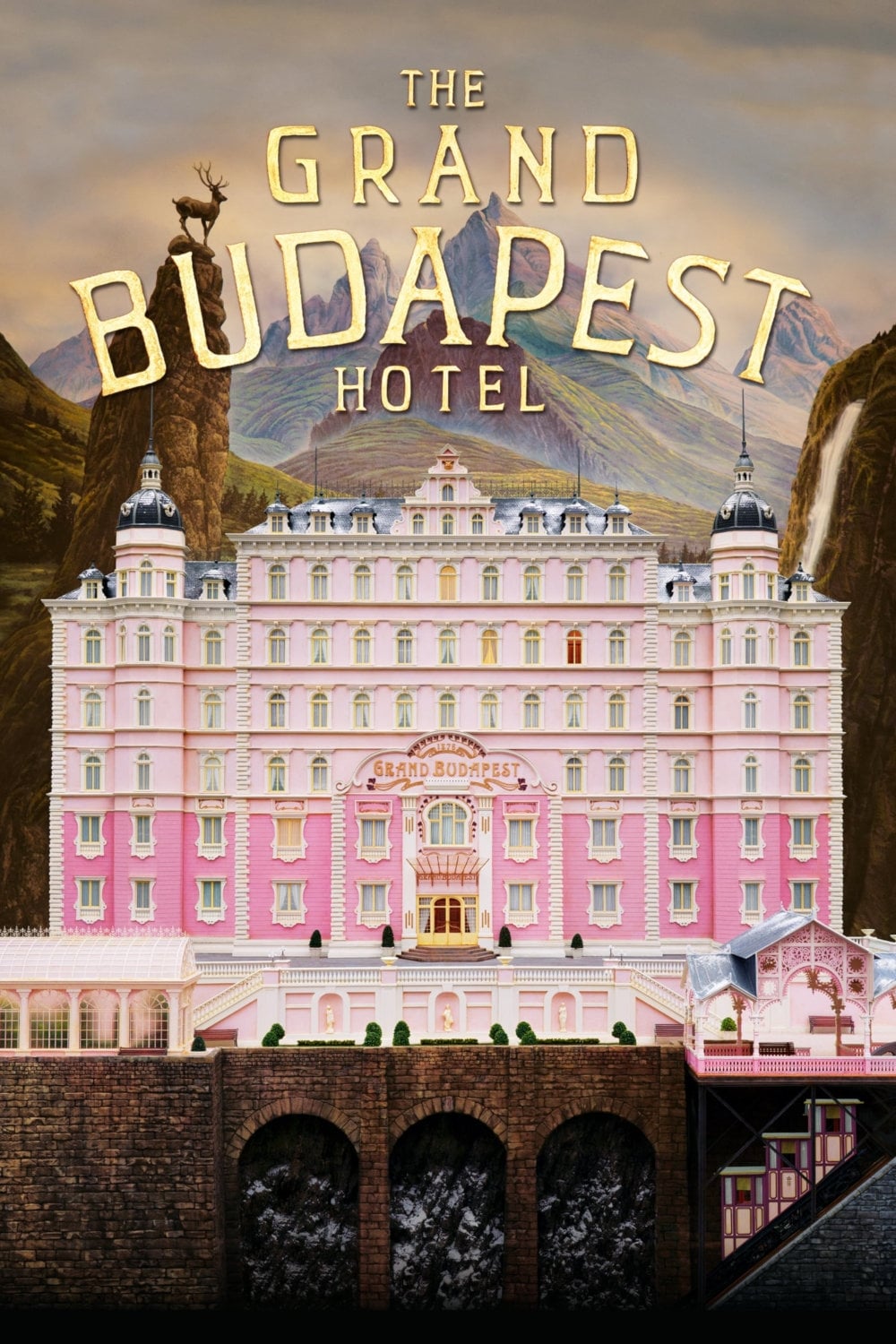
The legendary concierge of a famous European hotel is framed for murder and must clear his name with the help of a loyal lobby boy. The film is known for its highly symmetrical framing and vibrant color palettes that define the director’s signature style. It moves through multiple time periods and nested narratives that explore the decline of a golden age. Rewatching the film allows for a better look at the intricate prop work and the vast ensemble cast of eccentric characters. It is a whimsical yet poignant look at friendship and legacy.
‘Mad Max: Fury Road’ (2015)
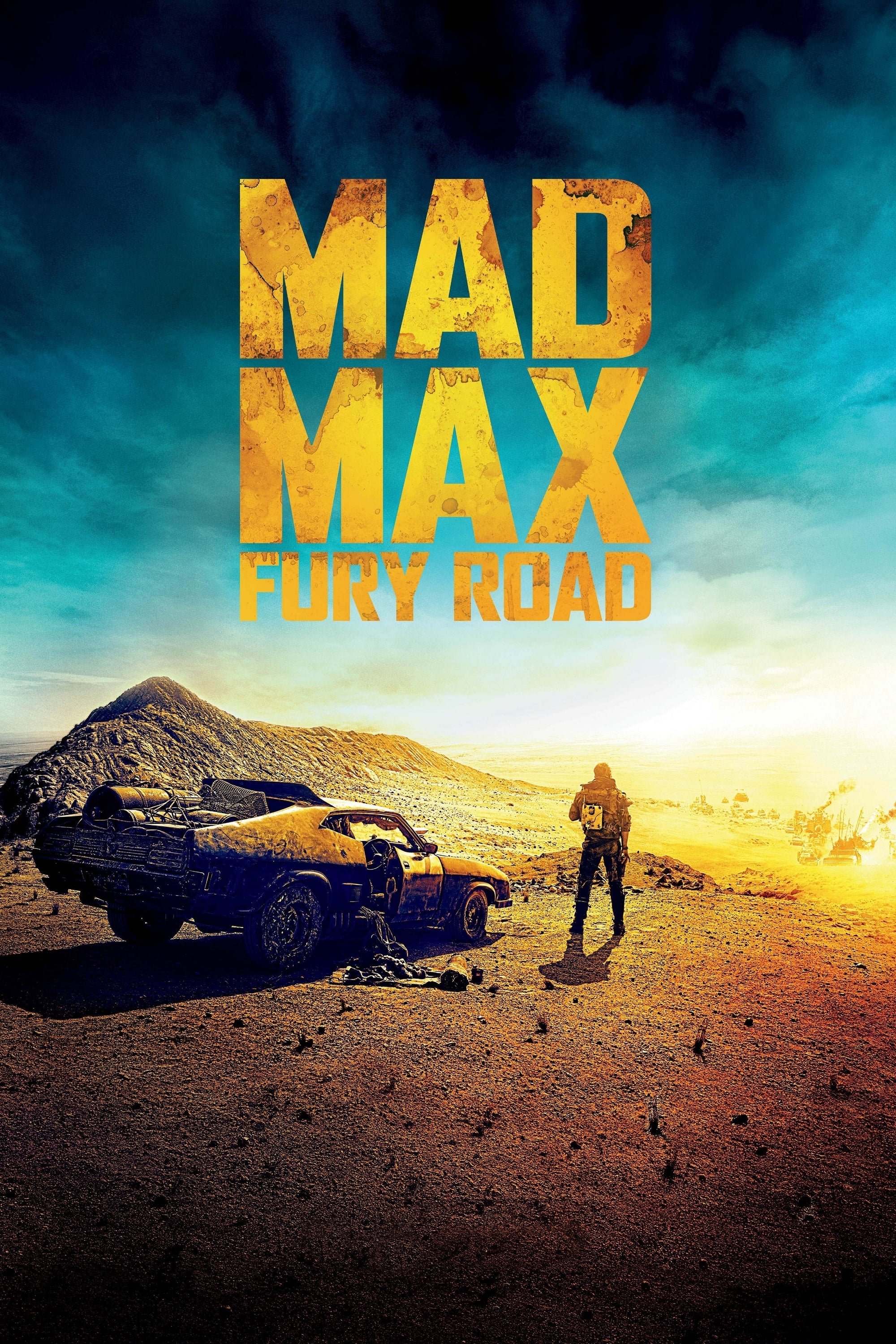
In a post apocalyptic wasteland a woman rebels against a tyrannical ruler by searching for her homeland with the help of a group of female prisoners and a drifter named Max. The film is essentially one long and expertly choreographed high speed chase across the desert. It relies heavily on practical stunts and visual storytelling rather than exposition to build its world. Every vehicle and character design is packed with small details that hint at the history of this harsh environment. The relentless pace and technical mastery make it a modern action classic.
‘Whiplash’ (2014)

A promising young drummer enrolls at a prestigious music conservatory where he is pushed to his limits by an abusive instructor. The film explores the thin line between perfectionism and obsession through intense rehearsal scenes and a dynamic editing style. The relationship between the student and teacher is a volatile battle of wills that builds to a stunning musical climax. Viewers often return to the film to analyze the power dynamics and the moral cost of greatness. It is celebrated for its high energy and exceptional performances.
‘Portrait of a Lady on Fire’ (2019)

In eighteenth century France an artist is commissioned to paint a wedding portrait of a young woman without her knowledge. As they spend time together on a remote island they develop a deep and forbidden connection. The film is noted for its lack of a traditional musical score and its focus on the power of the female gaze. Its slow burning romance and exquisite visual composition benefit from the patience of a second viewing. Every look and gesture between the characters carries significant emotional weight.
‘Taxi Driver’ (1976)
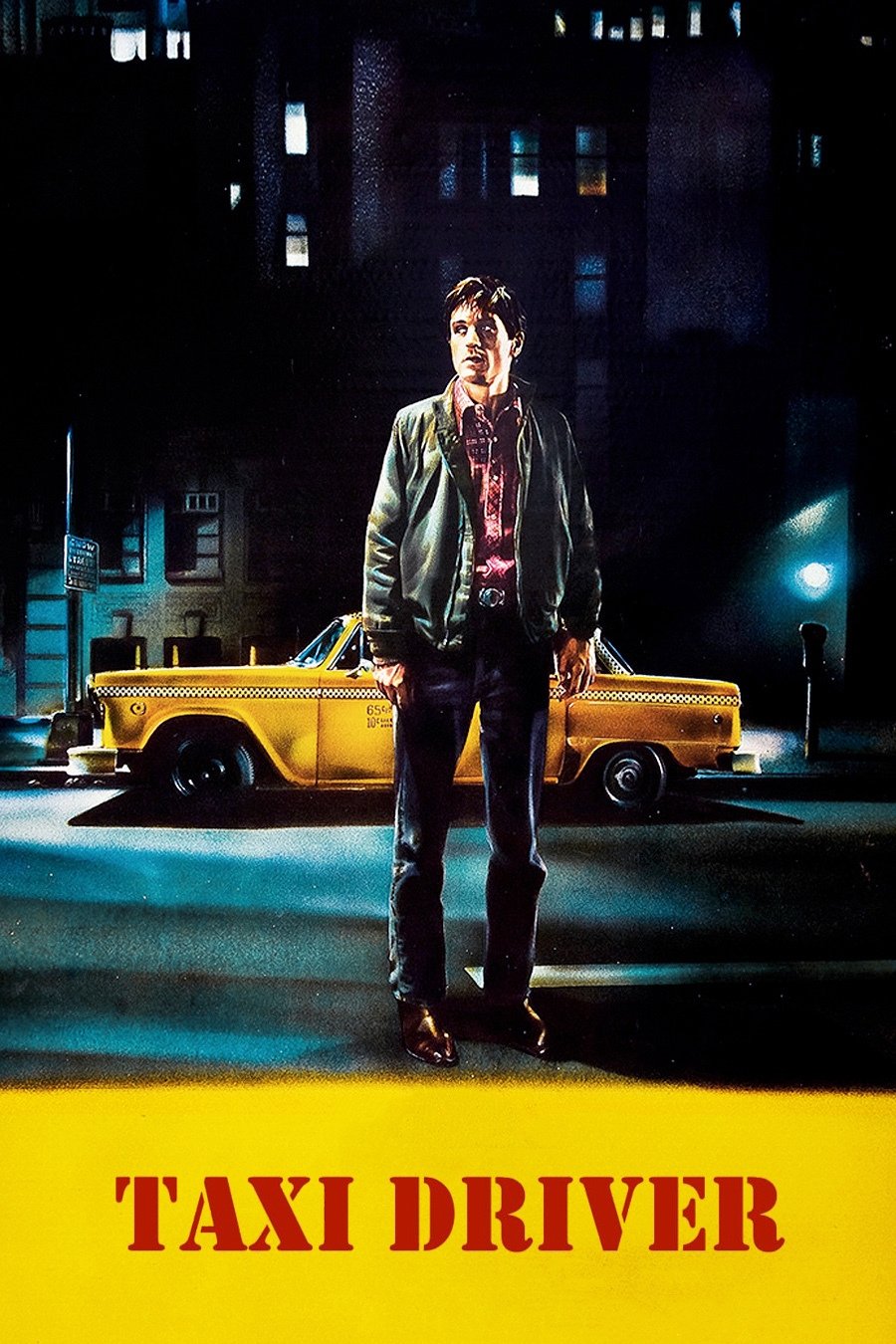
An alienated war veteran becomes a nighttime taxi driver in New York City where he grows increasingly disgusted by the perceived urban decay. His isolation leads him down a path of radicalization and violent intent as he attempts to save a young girl. The film is a dark character study that captures the grit and tension of the city in the seventies. Its ambiguous ending and the mental state of the protagonist are subjects of intense critical analysis. Rewatching the film highlights the masterful use of lighting and the protagonist’s slow descent into madness.
‘Goodfellas’ (1990)
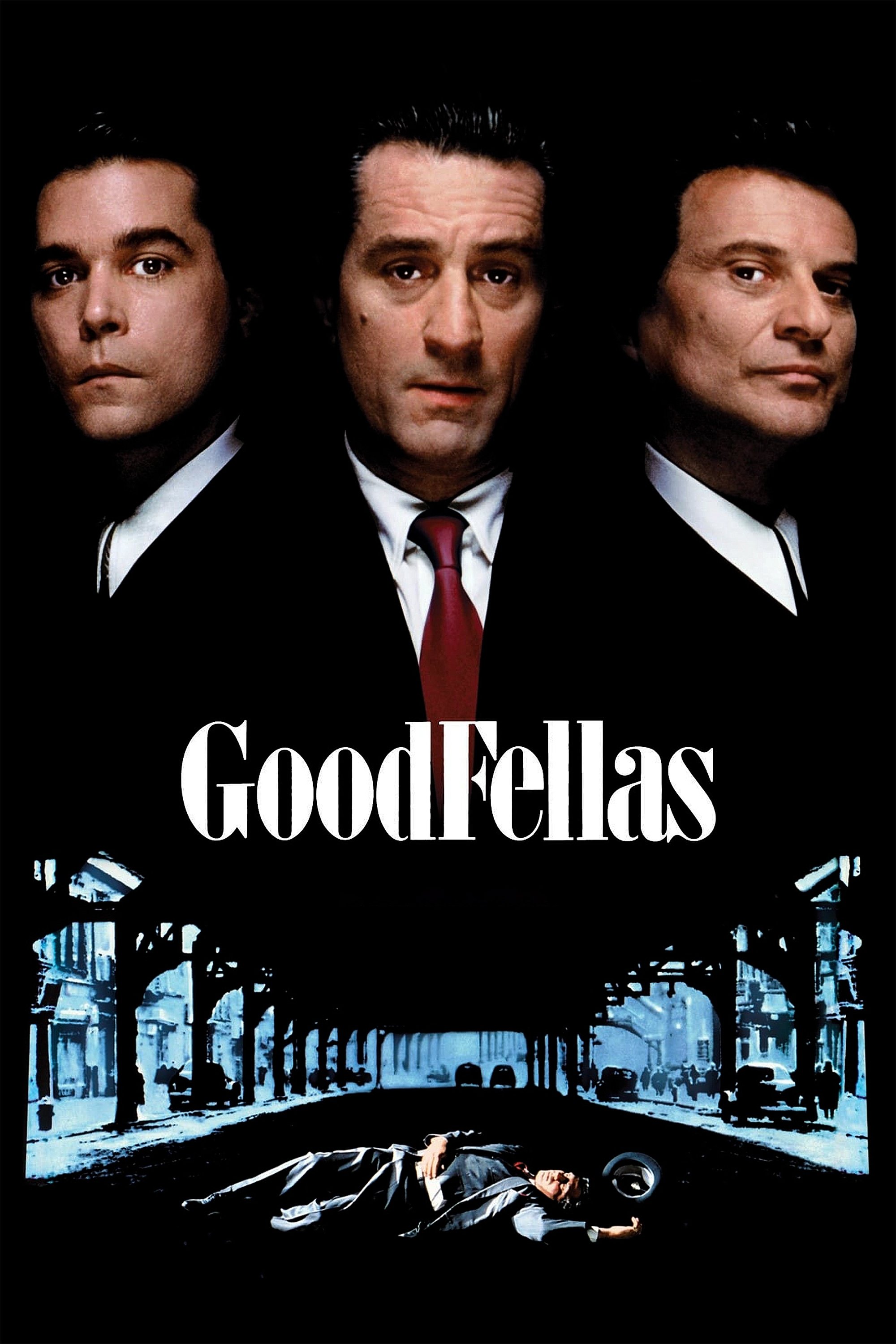
The film follows the life of Henry Hill as he rises through the ranks of a New York crime family over several decades. It provides a detailed and unglamorous look at the daily reality of organized crime and the eventual downfall of its members. The use of fast paced editing and a vibrant soundtrack creates a sense of kinetic energy throughout the story. Many viewers appreciate the film more the second time for its complex character relationships and technical achievements such as the famous Copacabana long take. It is a definitive entry in the gangster genre.
‘Citizen Kane’ (1941)
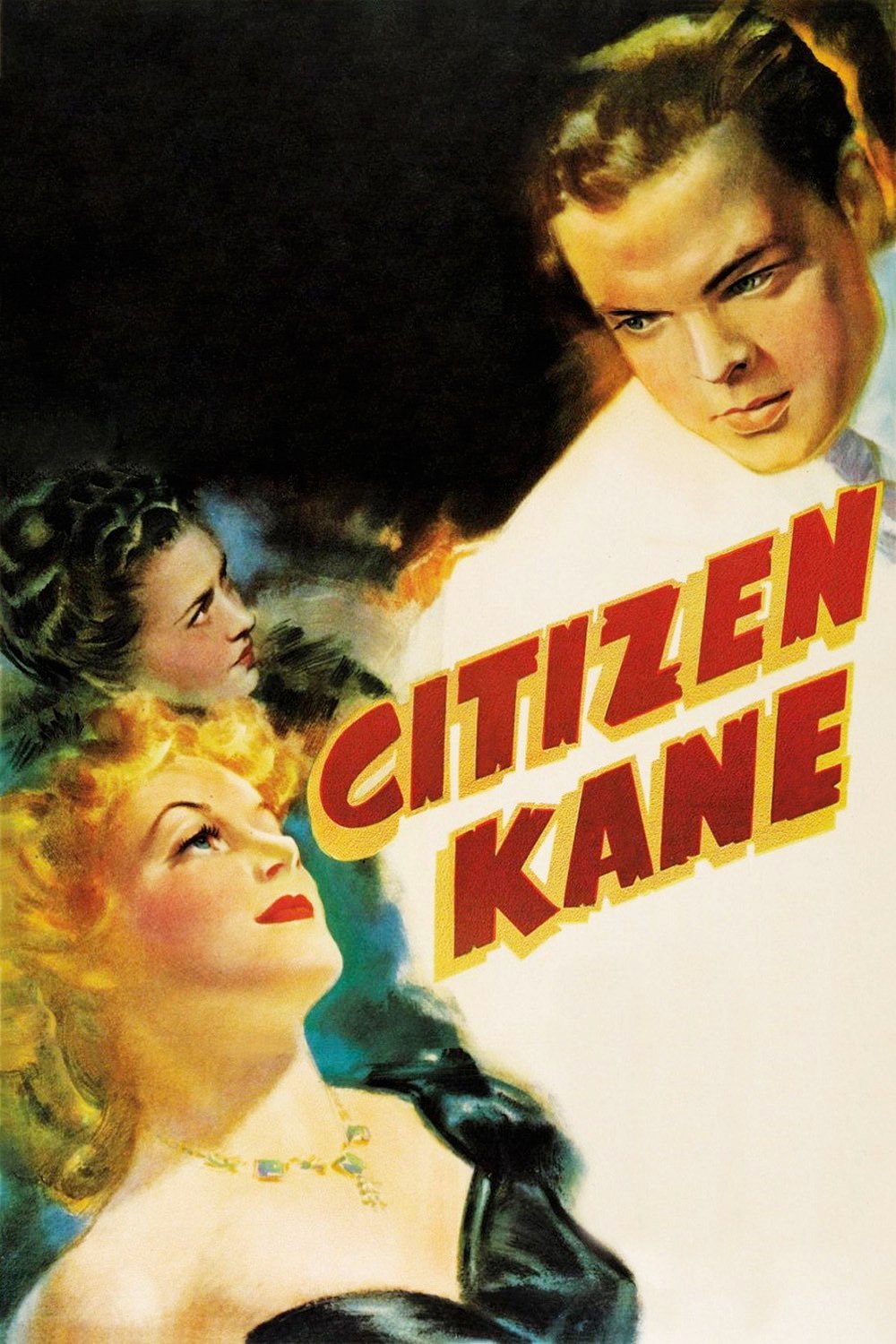
After a wealthy newspaper tycoon dies a reporter is tasked with uncovering the meaning of his final word. The investigation involves interviewing his former associates and piecing together his rise and fall from power. The film pioneered many cinematic techniques including deep focus photography and non linear storytelling. Its exploration of the American Dream and the corruption of power remains relevant today. Rewatching this classic allows the audience to see how the technical innovations were used to support the complex narrative structure.
‘Vertigo’ (1958)
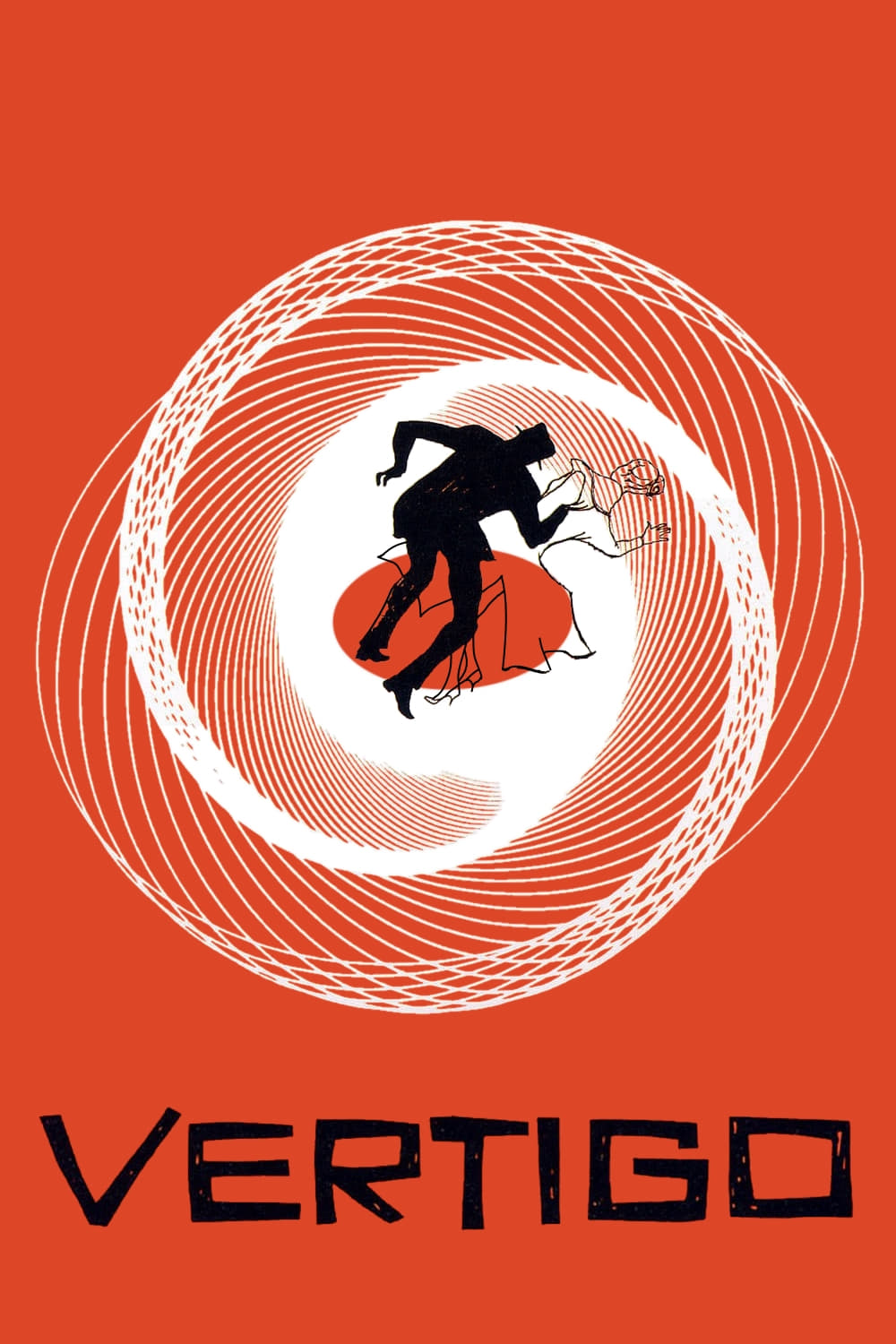
A former police detective suffering from acrophobia is hired to follow a woman who appears to be possessed by her ancestor. His growing obsession with her leads to a tragic series of events and a dark exploration of romantic fixations. The film uses a unique camera effect known as the dolly zoom to represent the protagonist’s fear of heights. Its dreamlike atmosphere and psychological depth have made it a favorite among film historians. A second viewing reveals the intricate layering of the plot and the true nature of the mystery.
‘The Thing’ (1982)
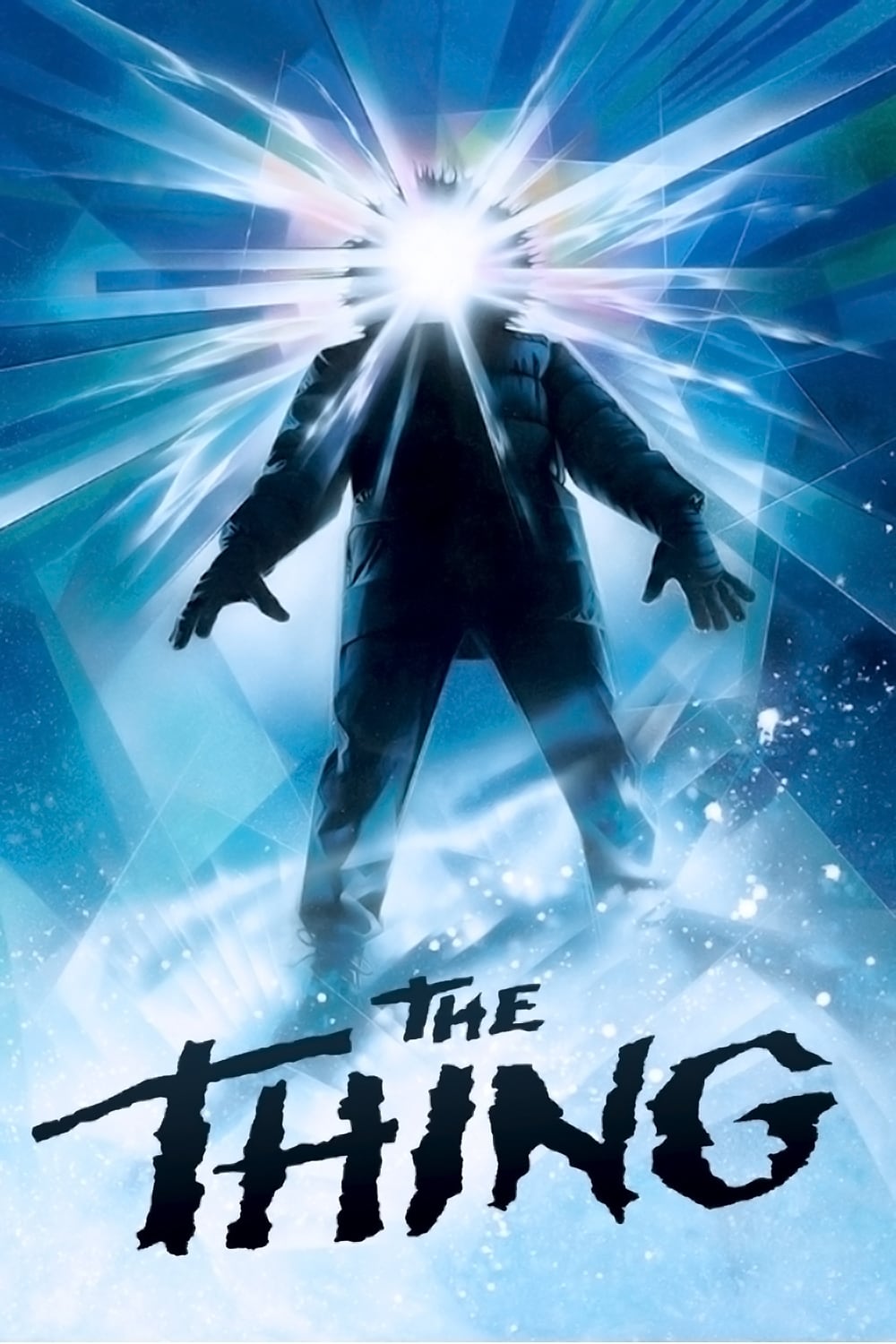
A group of American researchers in Antarctica are hunted by a shape shifting alien that can assume the appearance of its victims. Paranoia spreads through the base as the men realize they can no longer trust one another. The film is famous for its groundbreaking practical makeup effects and its tense atmosphere of isolation. Multiple viewings allow fans to track the subtle movements of the characters to figure out who was infected and when. It is considered a masterpiece of both science fiction and horror.
‘Alien’ (1979)
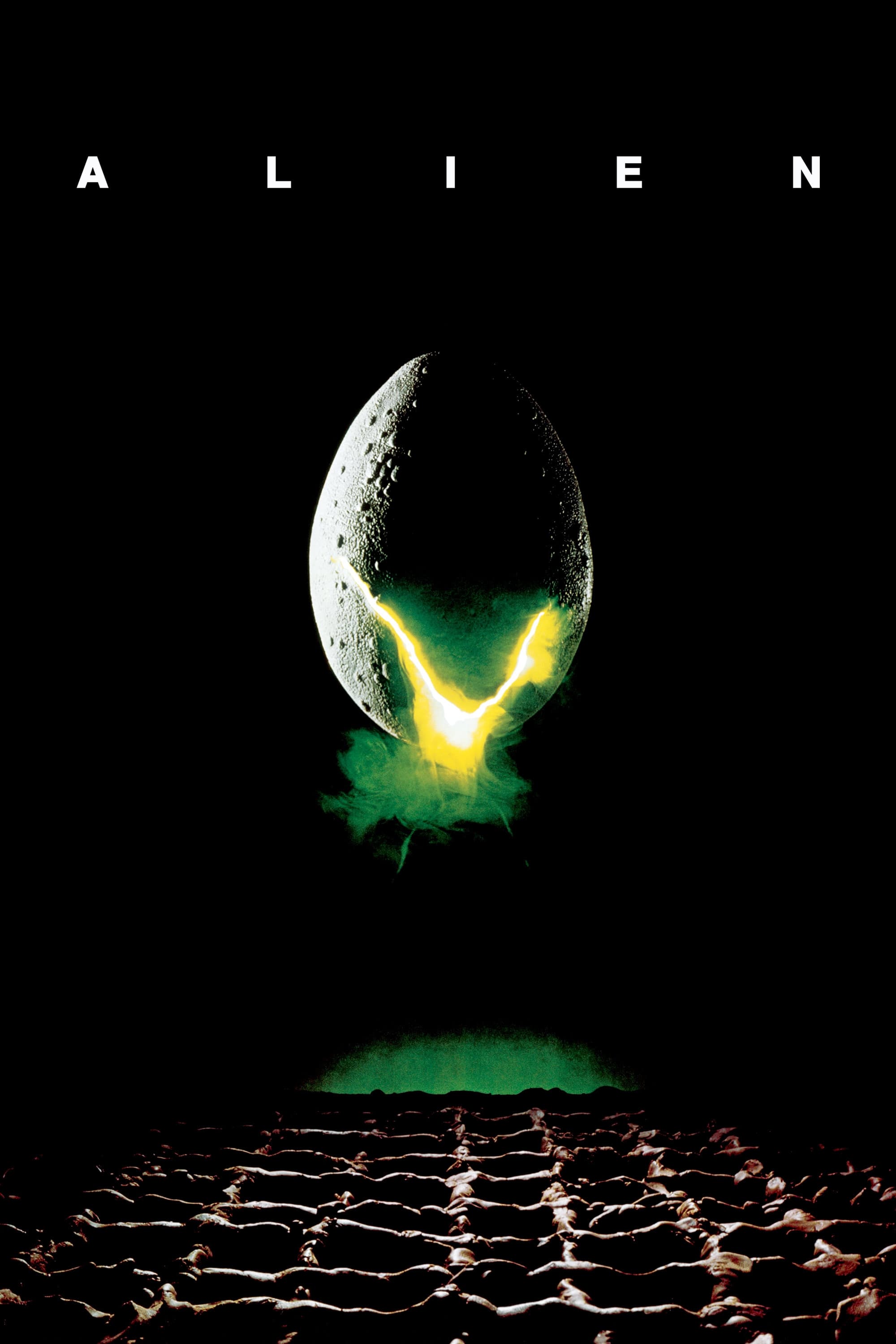
The crew of a commercial spacecraft encounters a deadly life form that begins to systematically hunt them after it is brought on board. The film blends traditional horror elements with a realistic and gritty science fiction setting. Its creature design and claustrophobic production values created a new standard for the genre. Upon rewatching the audience can appreciate the slow build of tension and the expert pacing used to introduce the threat. It features one of the most iconic female protagonists in cinema history.
‘Get Out’ (2017)
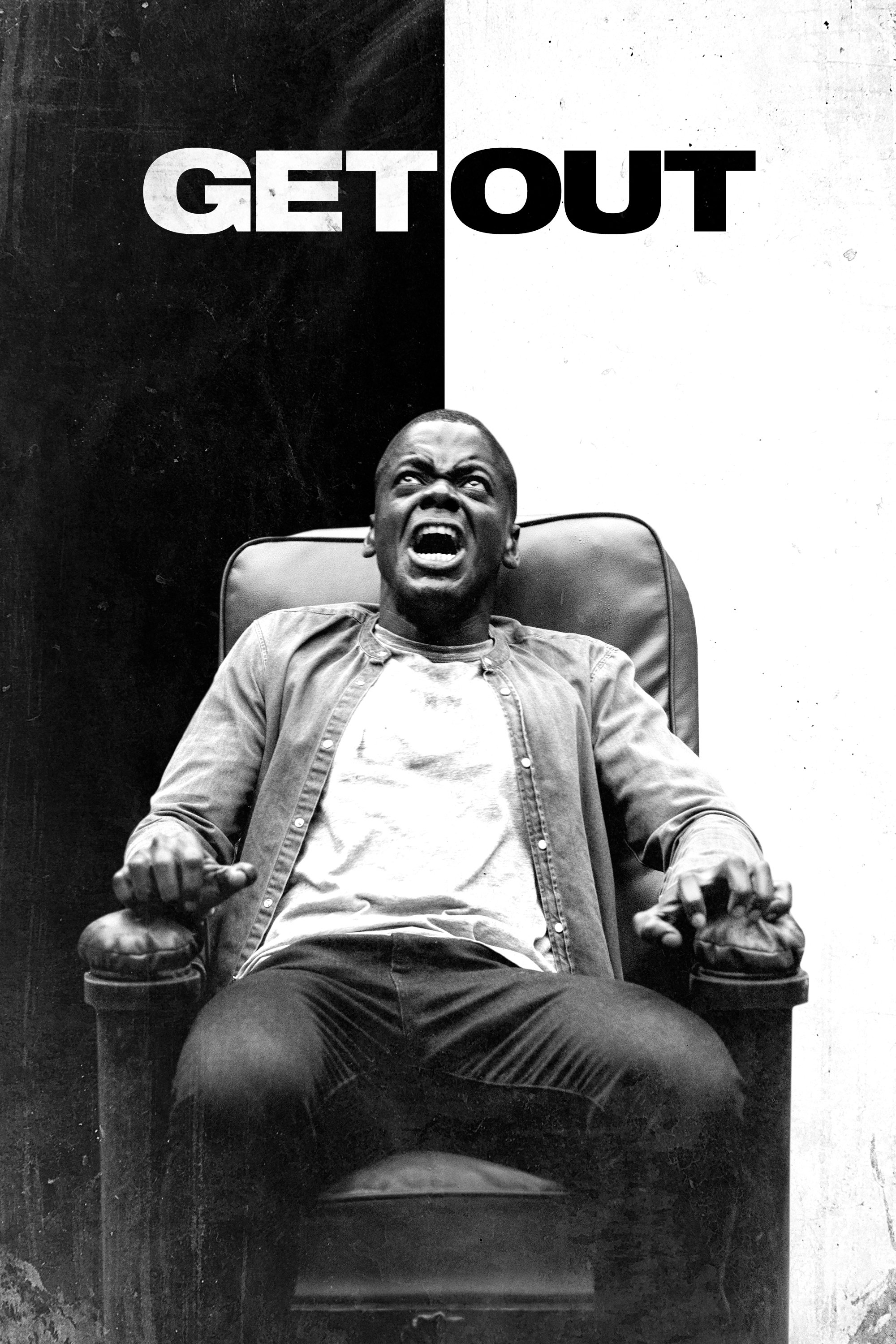
A young African American man visits his white girlfriend’s family estate for the weekend and discovers a disturbing secret about their intentions. The film uses the horror genre to explore themes of modern racism and cultural appropriation. It is filled with subtle visual clues and double meanings in the dialogue that only make sense after the final twist. Rewatching the movie allows the audience to see how every character interaction was designed to lead toward the climax. It was a major critical and commercial success that influenced the horror landscape.
‘The Truman Show’ (1998)
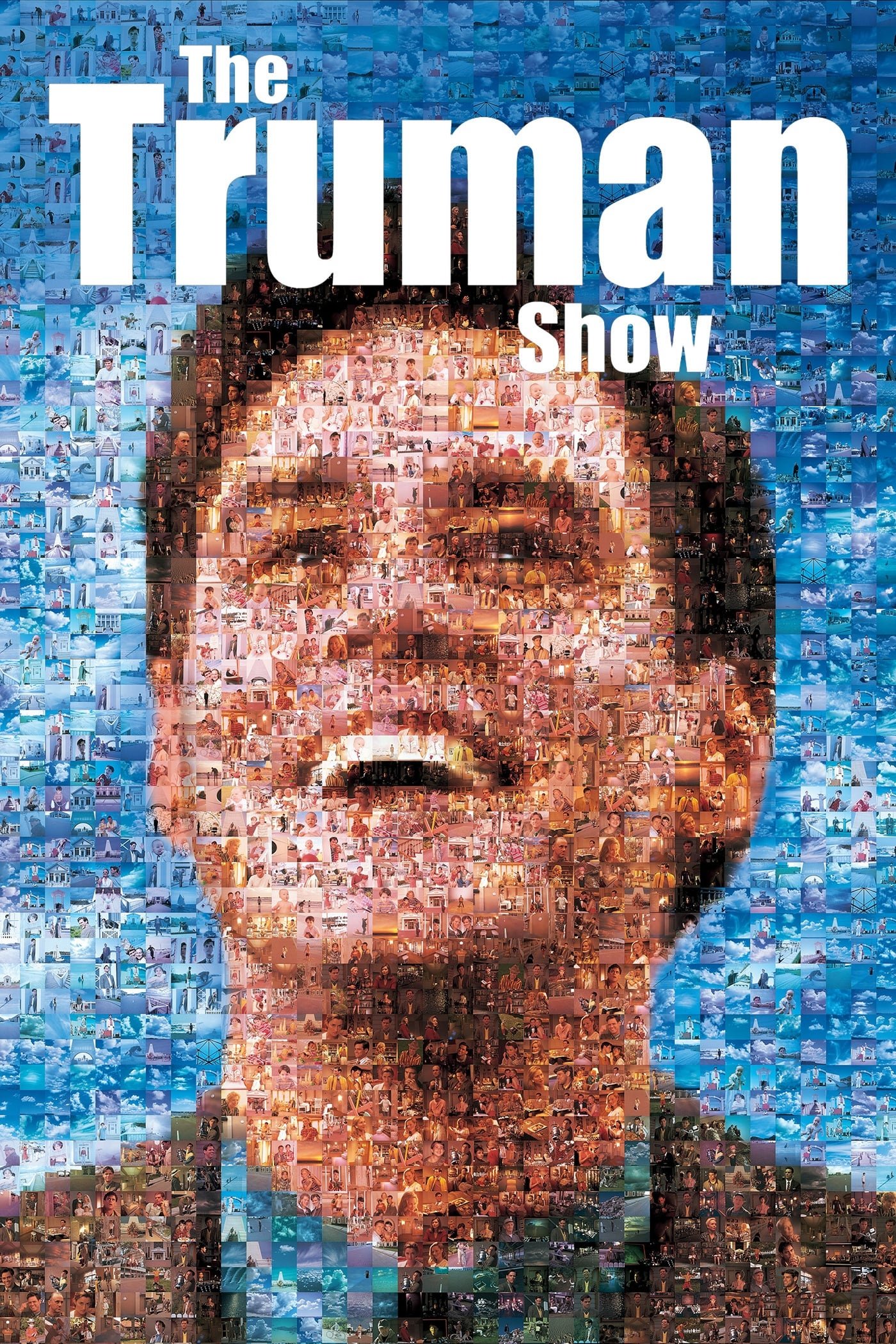
An insurance salesman discovers that his entire life is actually a reality television show broadcast to the entire world. Every person he knows is an actor and his environment is a massive soundstage controlled by a visionary director. The film explores themes of media manipulation and the human desire for authentic experiences. Its satirical look at celebrity culture and surveillance is even more relevant in the age of social media. Multiple viewings help to spot the many actors and cameras hidden in plain sight throughout Truman’s world.
‘Her’ (2013)
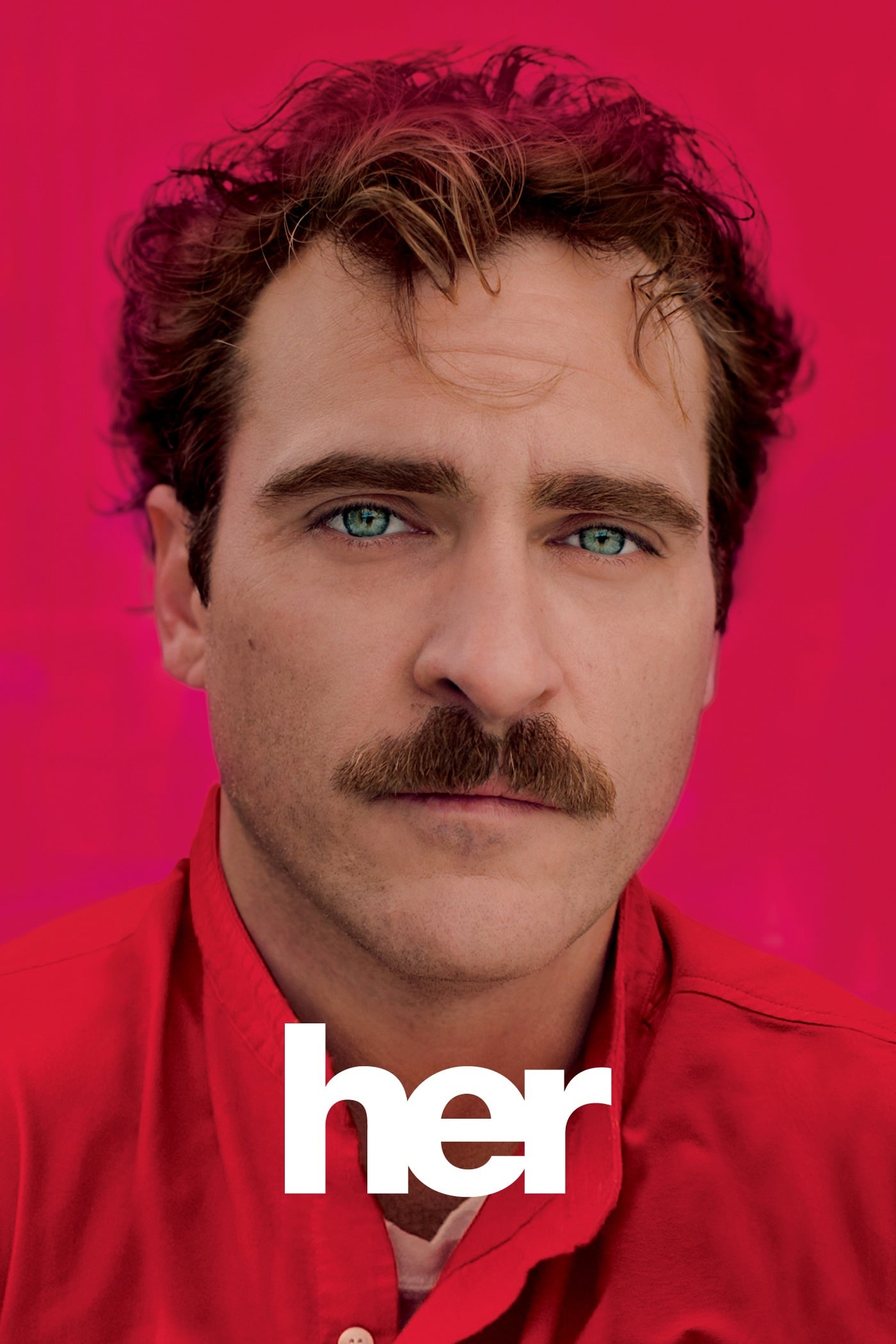
A lonely writer develops an unlikely romantic relationship with an advanced operating system designed to meet his every need. The film explores the evolving nature of love and connection in a high tech society. Its soft color palette and sensitive performance from the lead actor create a deeply emotional experience. The story raises profound questions about what it means to be alive and the future of human relationships. Watching it a second time highlights the subtle ways the artificial intelligence changes as she learns more about the world.
‘The Lighthouse’ (2019)
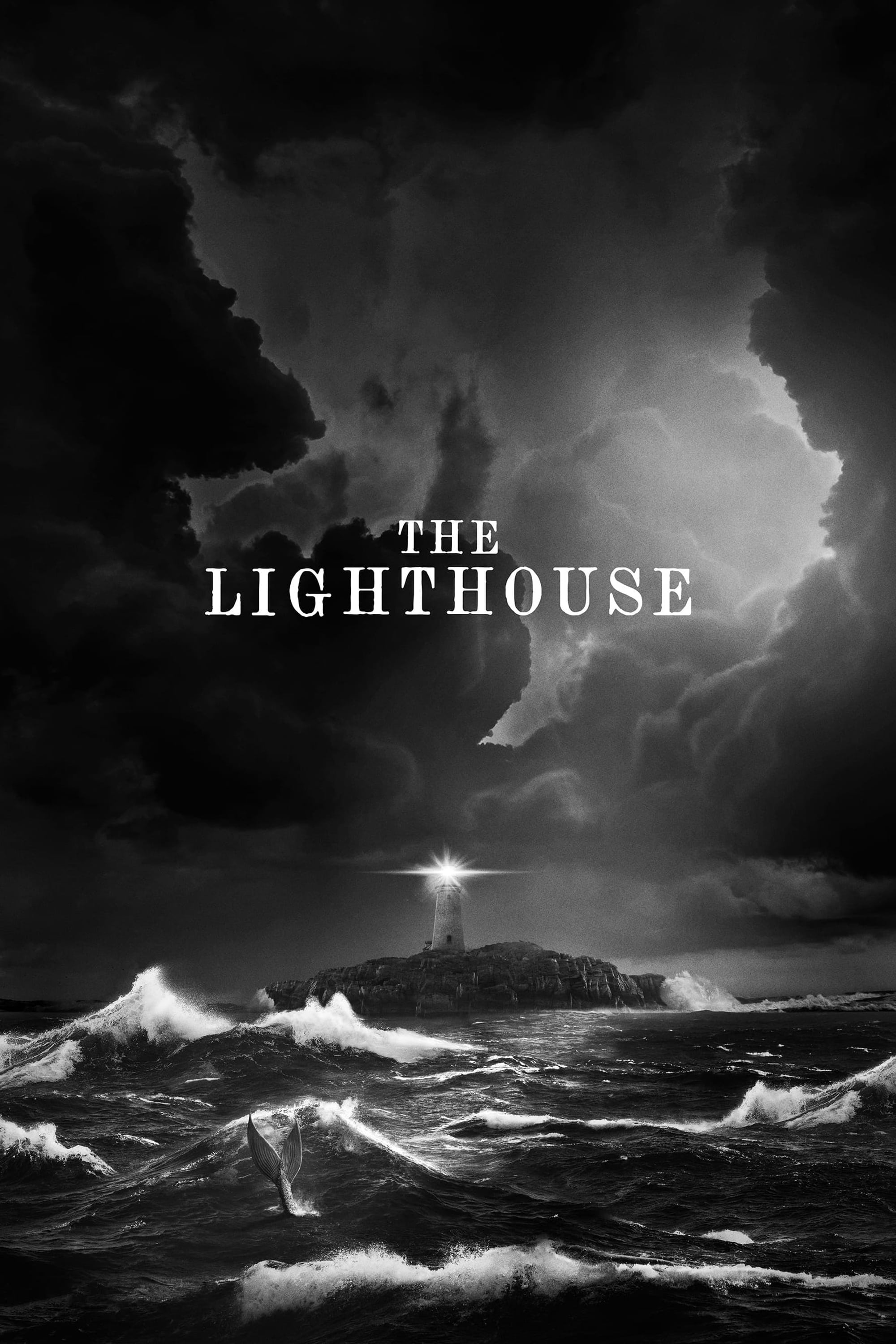
Two lighthouse keepers try to maintain their sanity while living on a remote and mysterious New England island in the late nineteenth century. The film is shot in a narrow aspect ratio and stark black and white to emphasize the feeling of confinement. As the men descend into madness the line between reality and myth begins to blur. The dense dialogue and mythological references offer a rich experience for those who return for a second viewing. It is a unique and haunting look at isolation and power struggles.
‘Chinatown’ (1974)
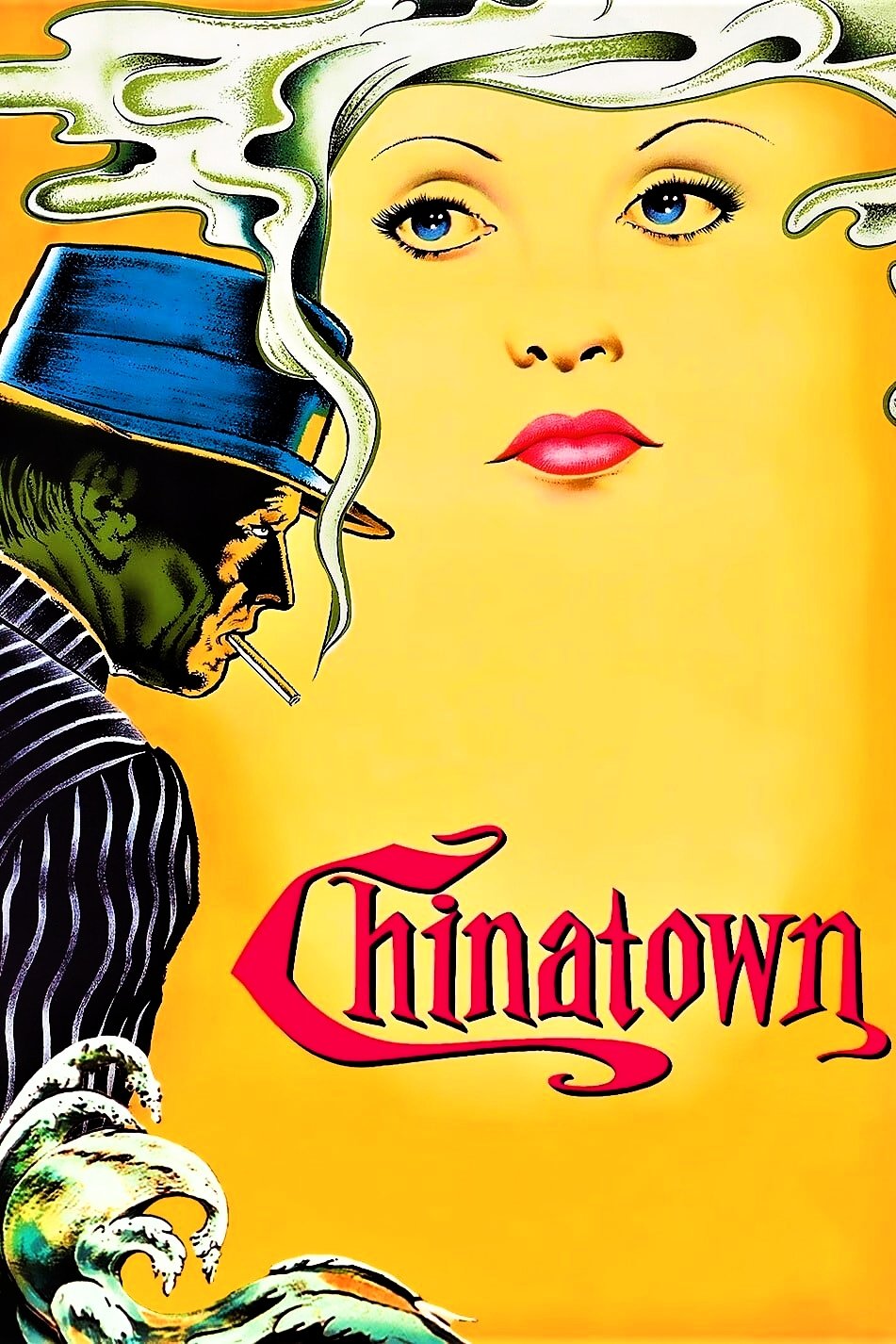
A private investigator in 1930s Los Angeles is hired to expose an adulterer but finds himself caught in a web of corruption involving the city’s water supply. The film is a classic example of neo noir with a complex and cynical script that rewards careful attention. Its exploration of moral decay and social power remains highly regarded by critics. Rewatching the film allows the audience to see how the various threads of the mystery are expertly woven together. It features an ending that is both shocking and historically significant within the genre.
‘Rashomon’ (1950)
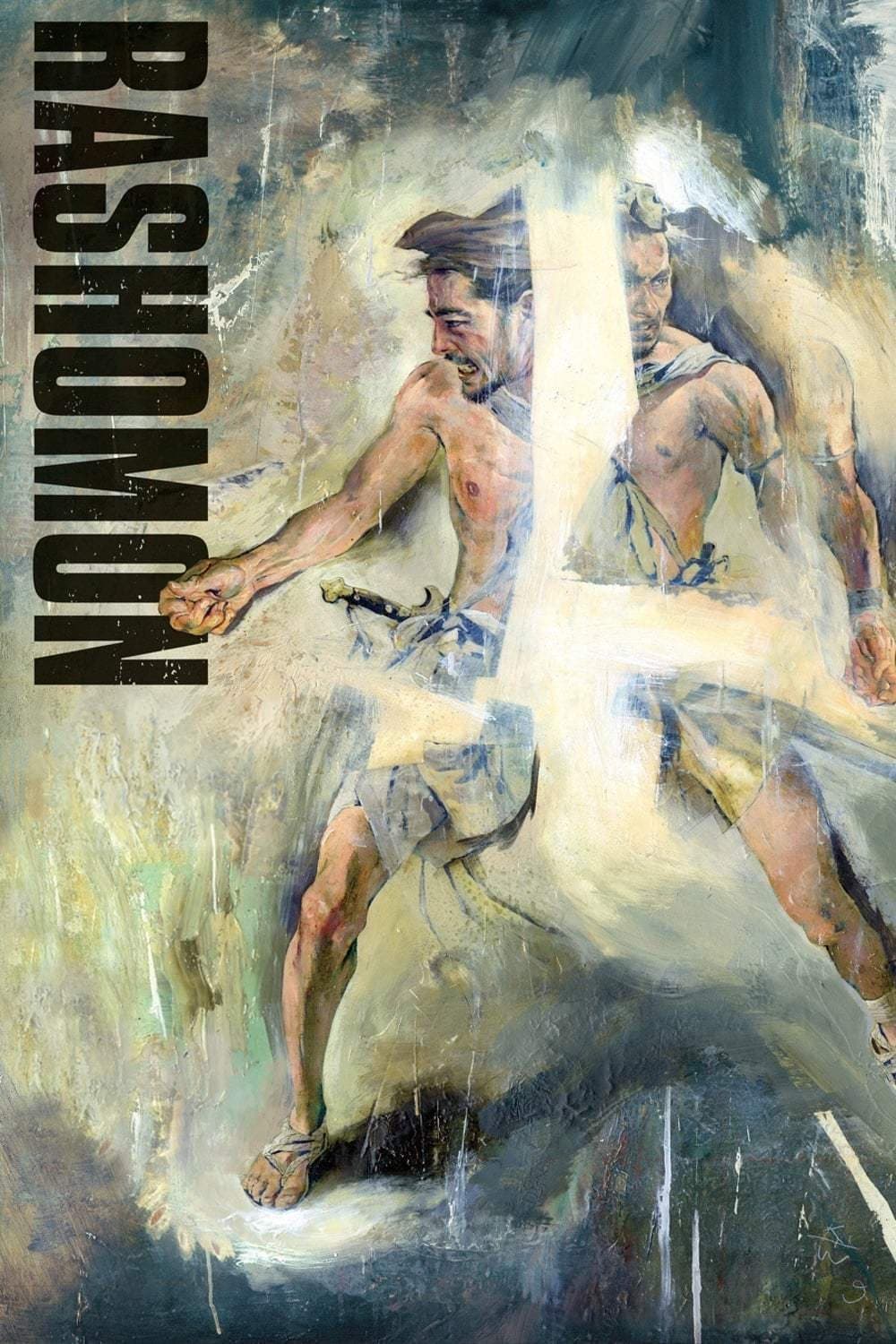
The film depicts a single crime through the conflicting accounts of four different witnesses including a bandit and the ghost of the victim. Each version of the story reflects the personal biases and self interest of the narrator. This narrative device explores the subjective nature of truth and the complexity of human memory. It introduced Japanese cinema to a global audience and remains a fundamental text in film studies. Each viewing offers a new perspective on which character might be telling the closest version of the truth.
‘Rear Window’ (1954)
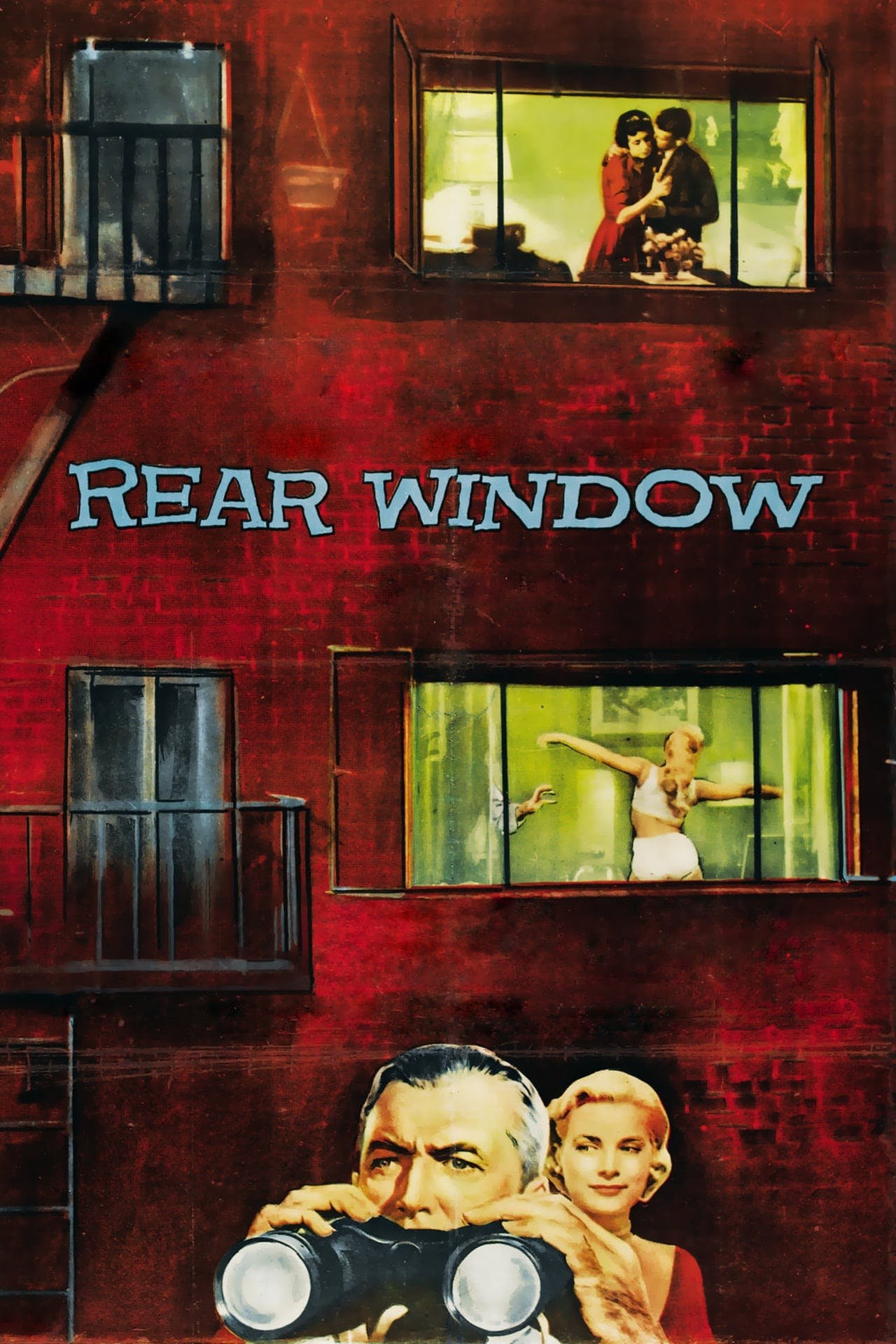
A photographer confined to a wheelchair after an accident spends his time observing his neighbors through his apartment window. He becomes convinced that one of them has committed a murder and enlists his girlfriend to help him find proof. The film is a masterclass in building tension within a single limited location. It serves as a commentary on voyeurism and the nature of cinema itself. Returning to the film allows viewers to notice the many subplots occurring simultaneously in the different windows across the courtyard.
‘Everything Everywhere All At Once’ (2022)
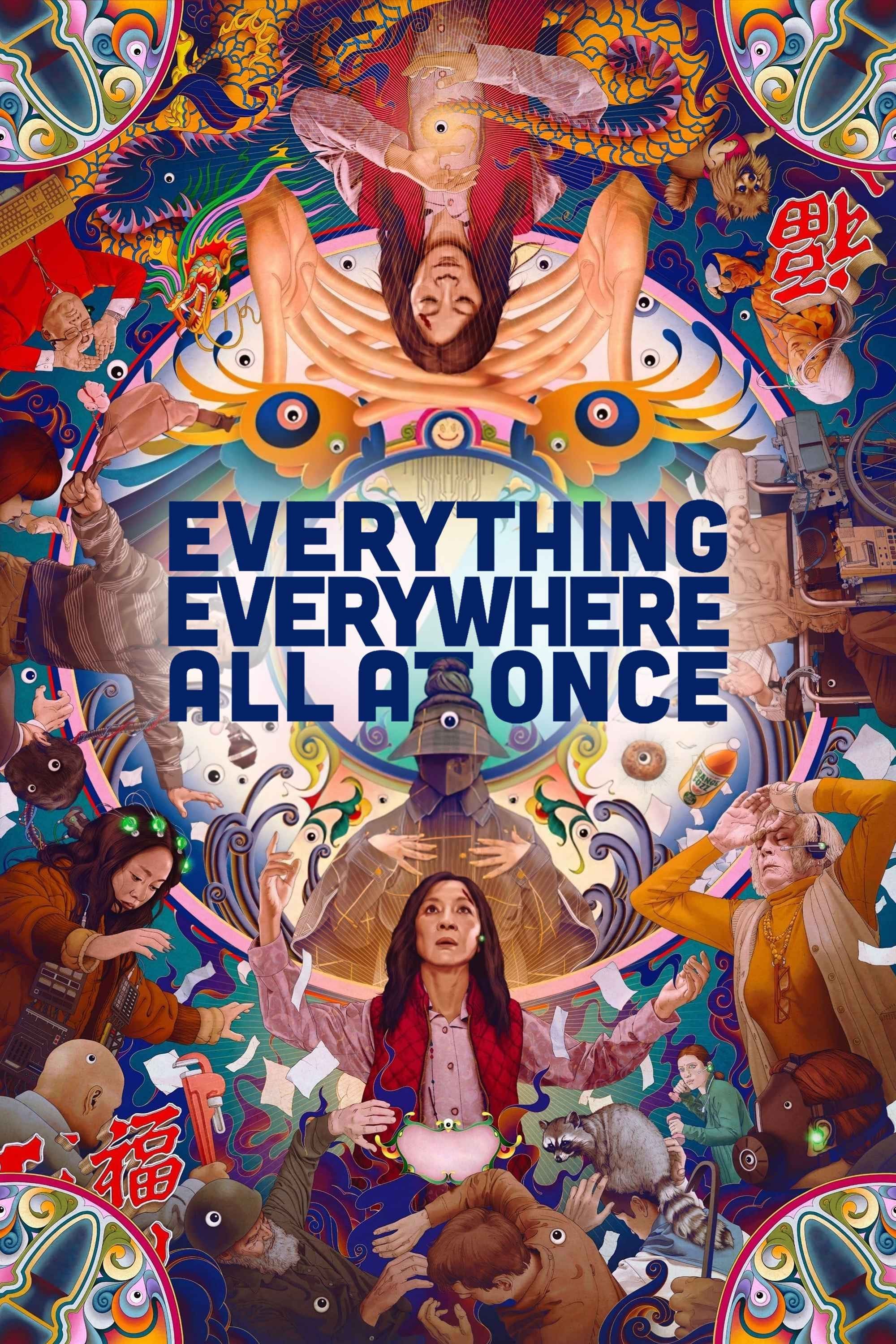
A middle aged laundromat owner is swept into a multiverse adventure where she must connect with different versions of herself to save reality. The film blends martial arts action with family drama and philosophical humor in a fast paced narrative. Its creative use of visual effects and rapid editing captures the chaotic feeling of modern life. Because of the sheer volume of jokes and visual details many fans find that a second viewing is necessary to catch everything. It is a unique exploration of generational trauma and the power of kindness.
‘No Country for Old Men’ (2007)
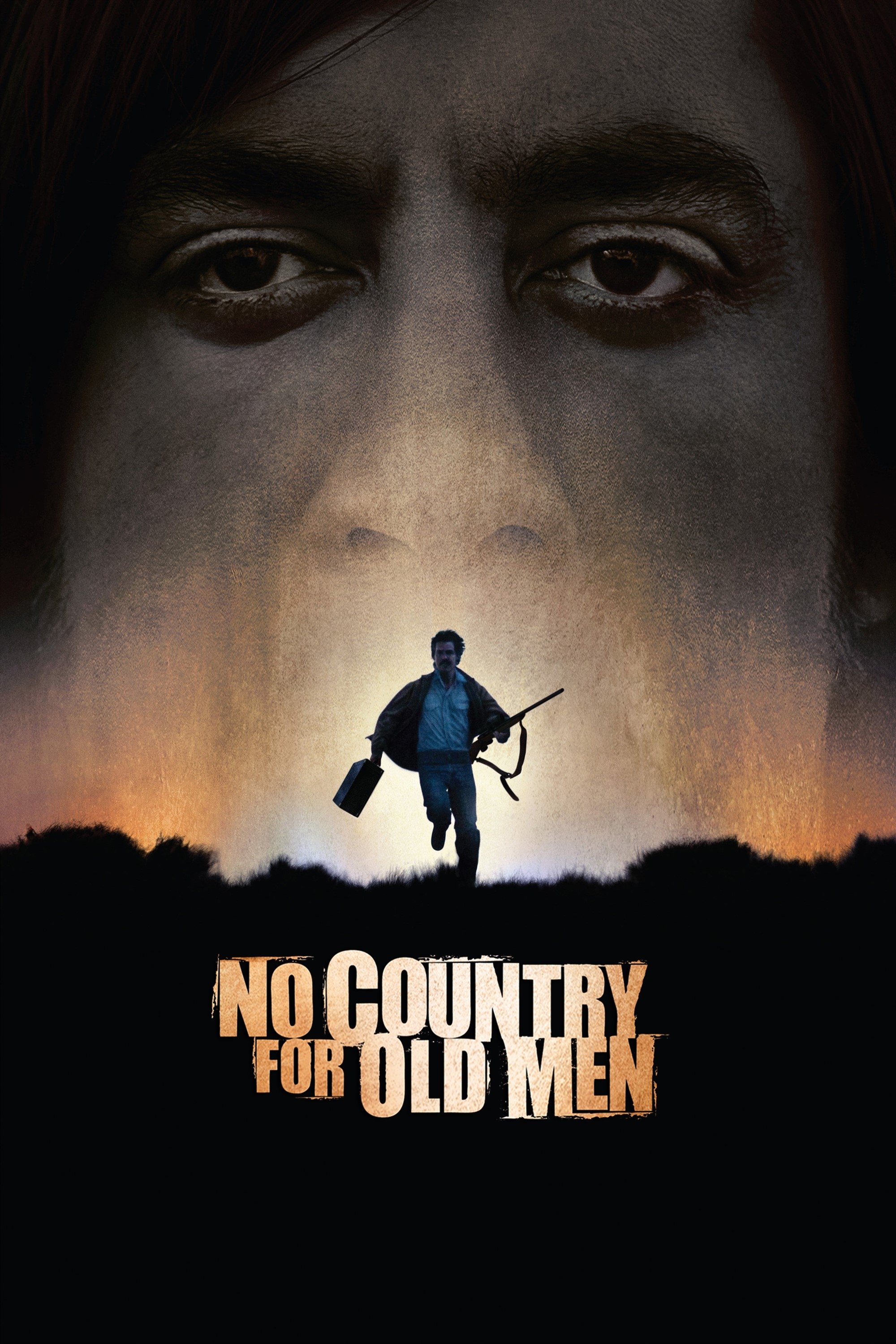
A hunter stumbles upon a drug deal gone wrong and takes a suitcase full of cash leading to a relentless pursuit by a philosophical hitman. The film is noted for its lack of a traditional score and its focus on the natural sounds of the landscape. It explores themes of fate and the changing nature of violence in the American West. The complex ending and the motivations of the characters provide much material for discussion and reanalysis. Its tense atmosphere and sharp dialogue make it a standout achievement in modern cinema.
Tell us which of these films you noticed the most new details in during your second viewing in the comments.

