


Female-lead Series You Are Sleeping On (but Shouldn’t)

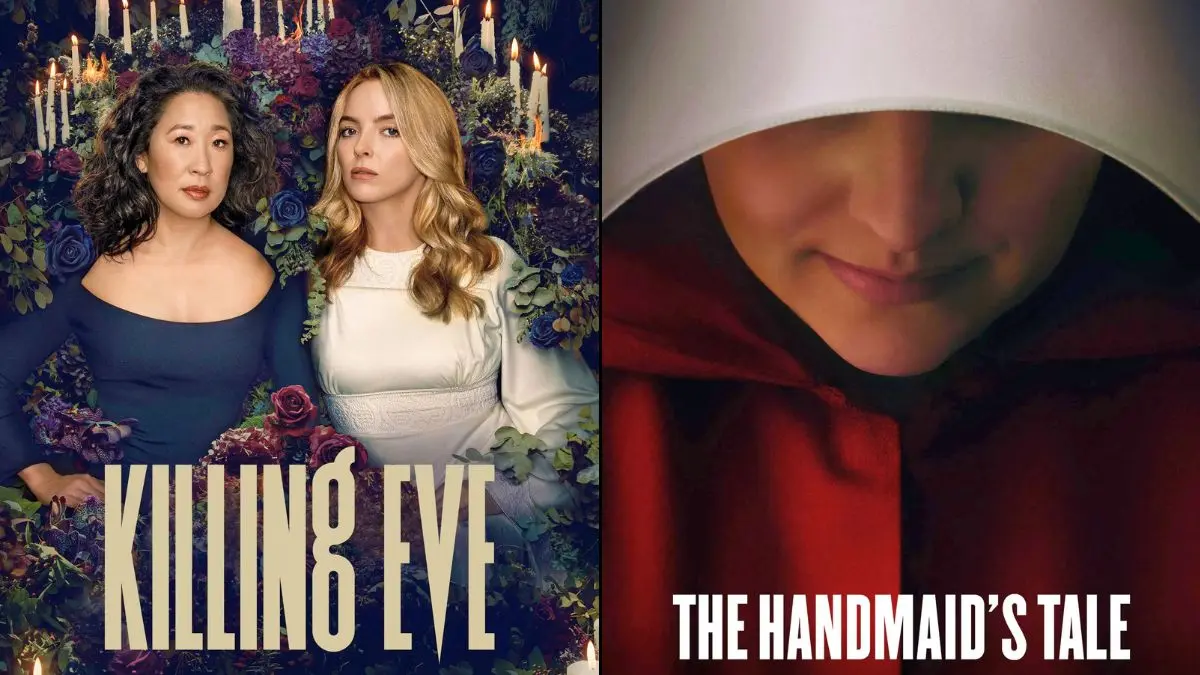


Great female-led shows keep pushing stories forward in ways that feel fresh and surprising. If you missed some of the best ones, this list rounds up compelling series powered by women at the center of the story, from twisty thrillers to sharp comedies to character-driven dramas.
You will find crime investigations, messy friendships, survival sagas, and boundary-pushing creativity. Each entry explains what the series focuses on and where it shines, so you can quickly decide what to queue up next without digging around for plot summaries later.
‘Killing Eve’ (2018–2022)
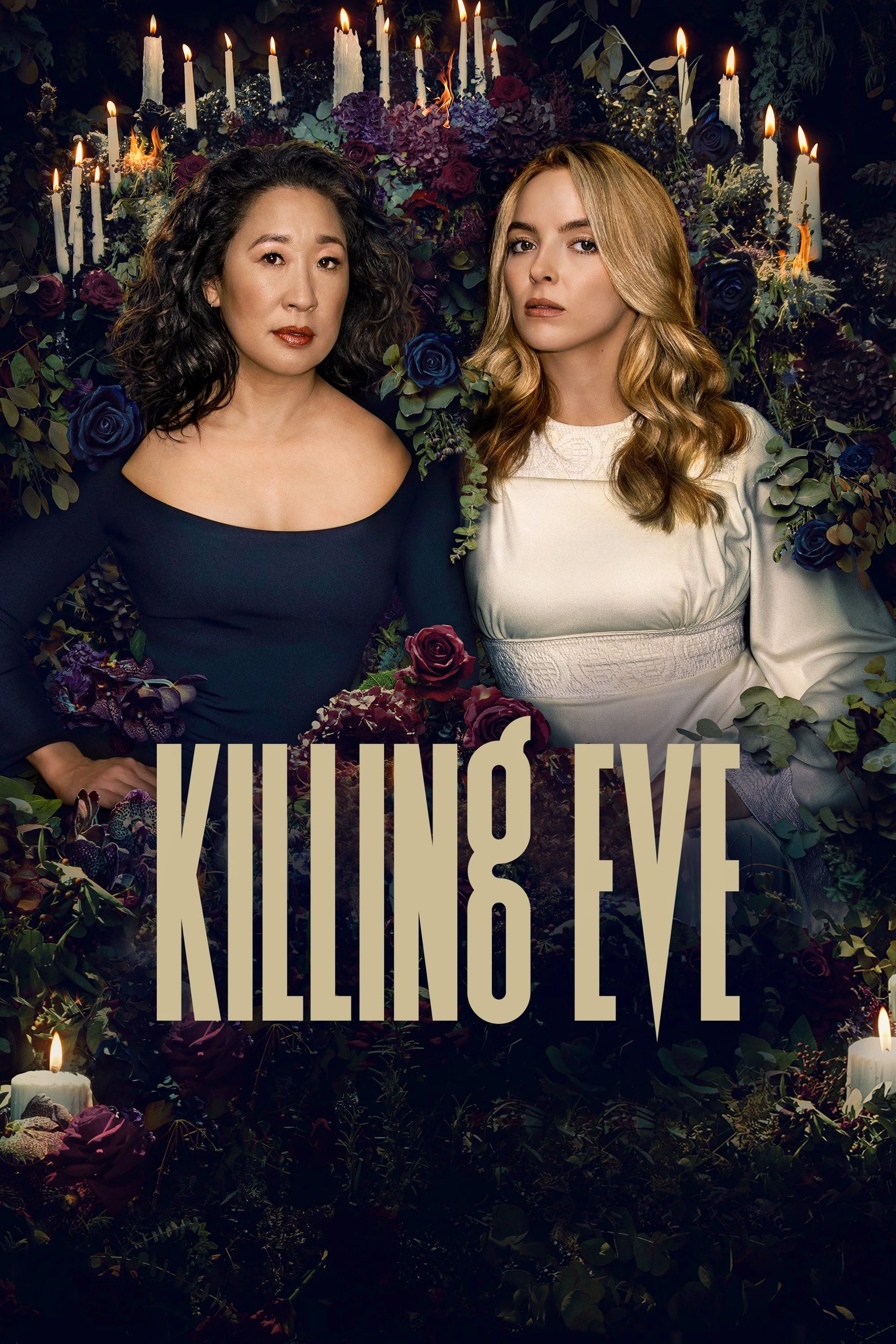
The cat and mouse chase in ‘Killing Eve’ follows a bored security operative who becomes fixated on tracking a stylish assassin with a flair for chaos. Across multiple seasons the story moves across Europe with high-stakes operations, double agents, and shifting loyalties that complicate every victory.
Costumes, music cues, and inventive set pieces help define the tone while the script leans into psychological mind games. The series also explores workplace politics inside intelligence services and the personal cost of obsession as the pursuit becomes as intoxicating as it is dangerous.
‘Fleabag’ (2016–2019)
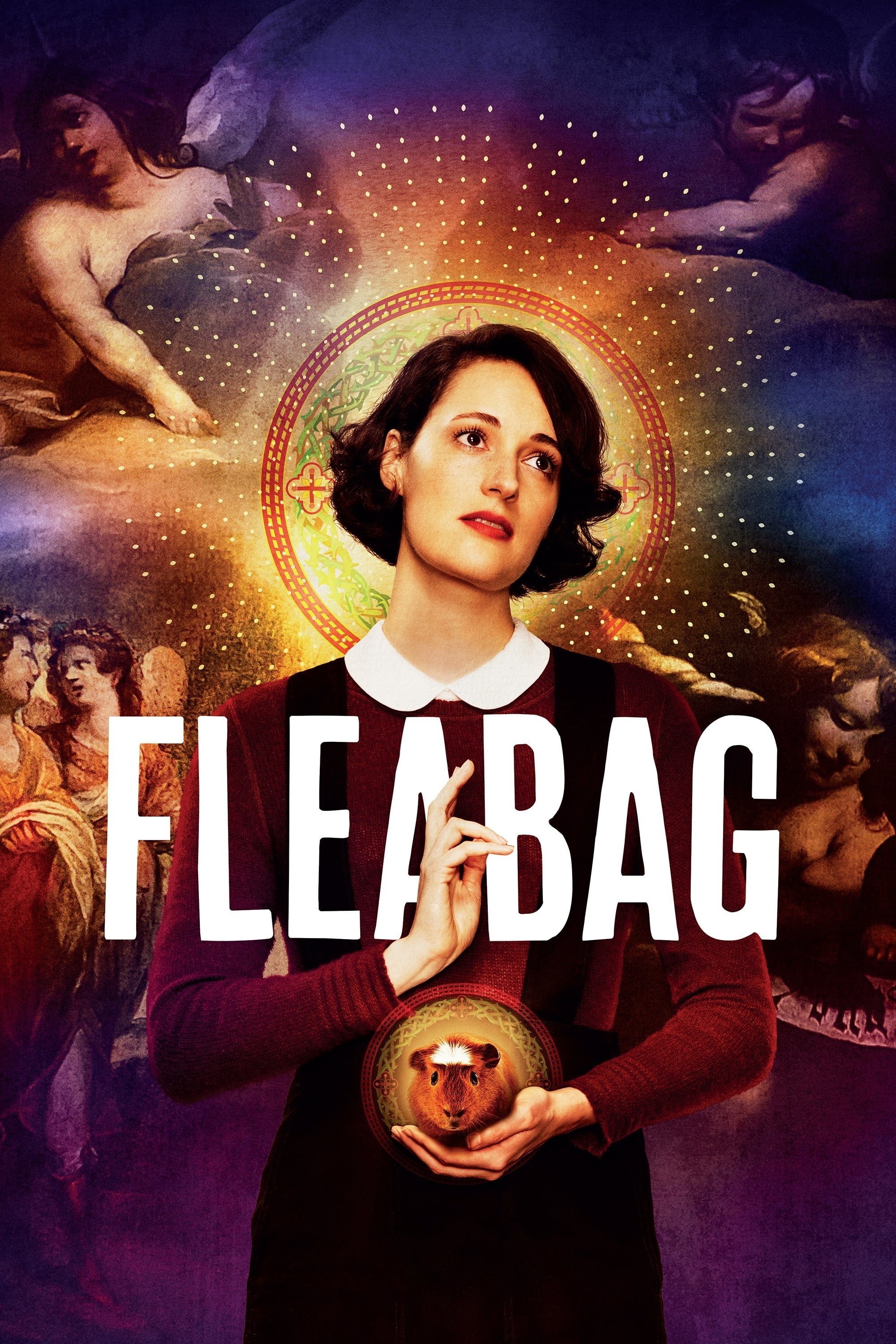
‘Fleabag’ centers on a sardonic Londoner navigating grief, relationships, and money troubles while speaking directly to the audience. The fourth-wall device is built into the storytelling and becomes a tool for revealing control, vulnerability, and emotional distance.
Locations rotate among a small café, a family home, and a church as the protagonist attempts to rebuild her life. The show balances tightly written humor with careful character studies of family dynamics, highlighting how small choices ripple through friendships and love.
‘The Marvelous Mrs. Maisel’ (2017–2023)

Set in mid-century New York, ‘The Marvelous Mrs. Maisel’ follows a housewife who discovers she has a gift for stand-up comedy. The story traces club gigs, touring, and industry hurdles as she works with a dedicated manager and tries to outpace changing tastes.
Production values showcase period fashion, brisk walk-and-talk scenes, and long tracking shots through busy sets. The series spends time on the business of comedy including booking politics, agent negotiations, and how material evolves from messy notes to polished routines.
‘The Handmaid’s Tale’ (2017– )
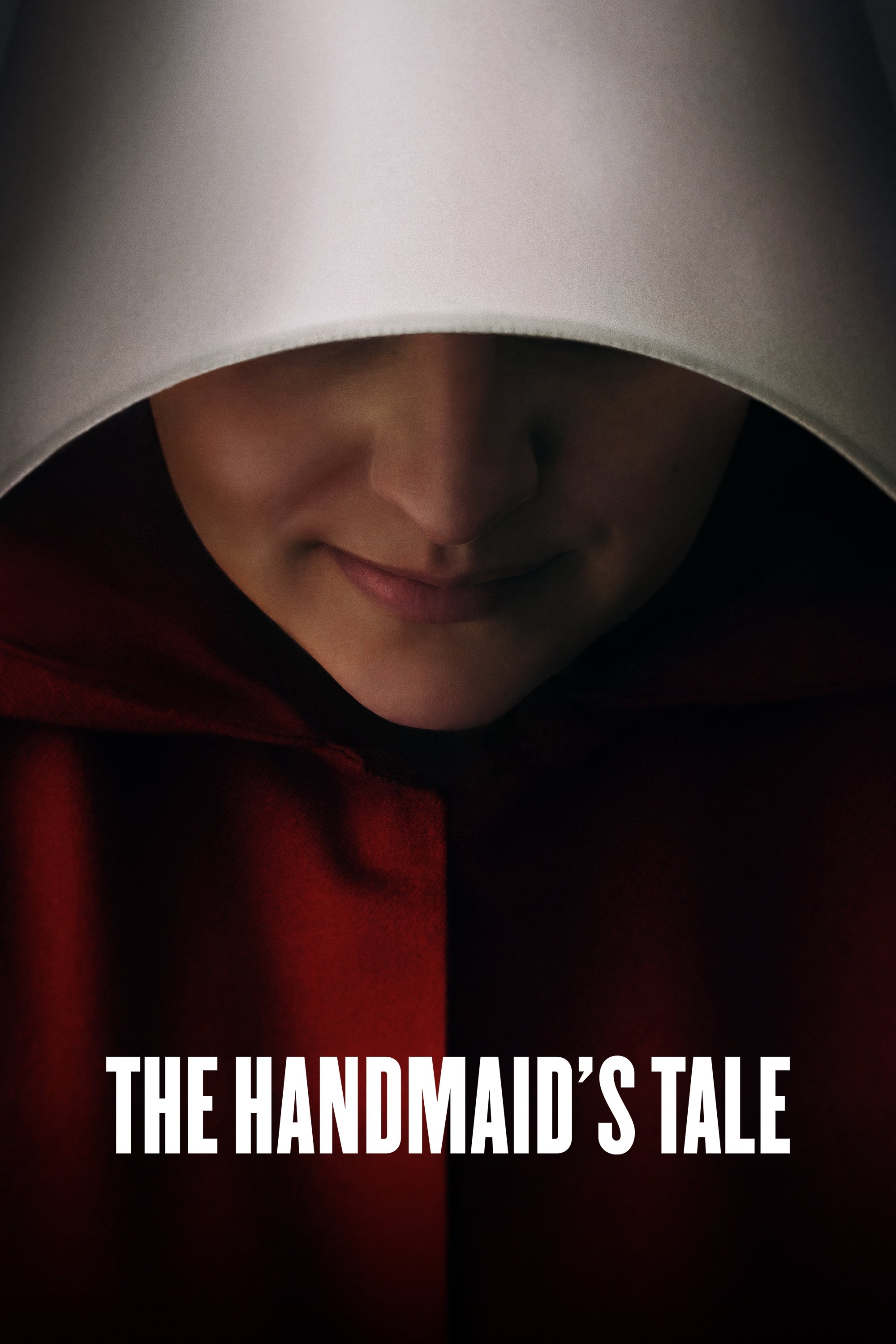
‘The Handmaid’s Tale’ adapts a dystopian novel about a theocratic regime where women lose basic rights and are forced into rigid roles. The narrative follows one woman’s resistance inside a surveillance state where small acts carry heavy consequences.
The show expands the world through flashbacks and international angles that examine policy, propaganda, and underground networks. Visual storytelling uses color coding and ritual to communicate power, while the plot tracks escape attempts, reprisals, and the mechanics of rebellion.
‘Orphan Black’ (2013–2017)
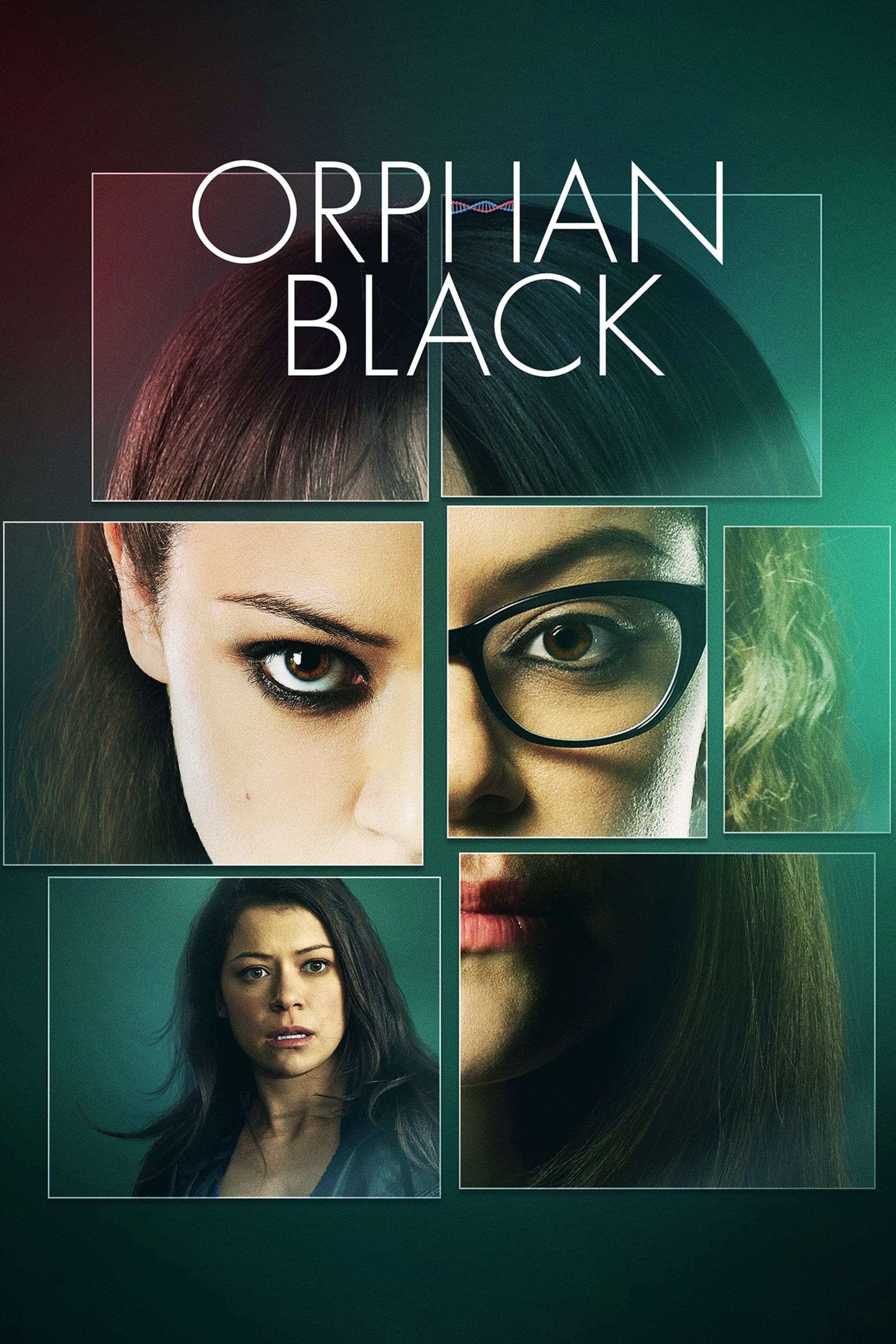
In ‘Orphan Black’ a woman discovers she is one of many clones and becomes entangled in biotech conspiracies and corporate agendas. The plot weaves identity theft, scientific ethics, and family bonds as clones with distinct lives collide.
The production blends thriller pacing with lab intrigue, using practical effects and body doubles to sell shared scenes. Storylines cover legal rights over one’s body, intellectual property claims, and the dangers of privatized research that blurs consent.
‘I May Destroy You’ (2020)
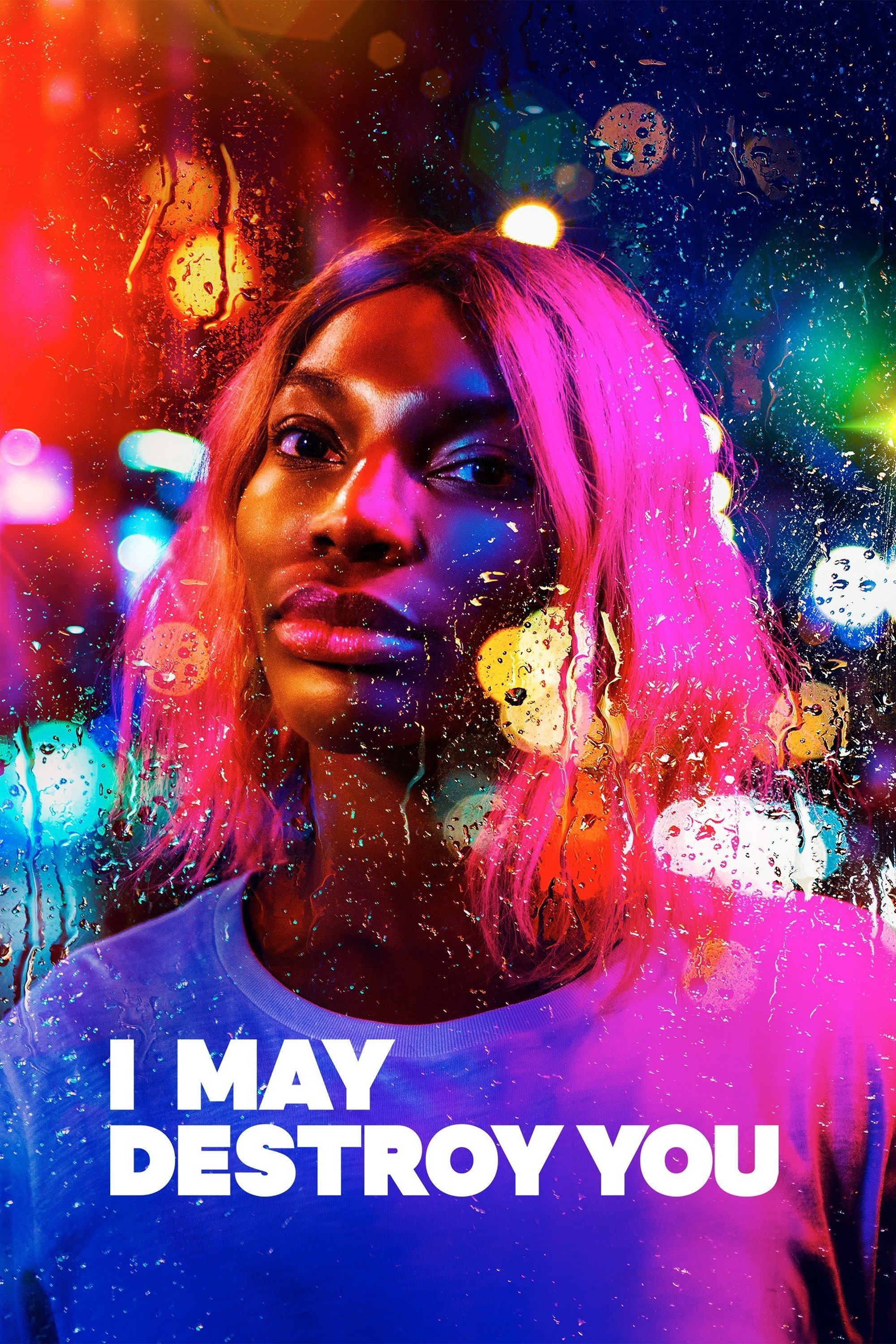
‘I May Destroy You’ follows a writer piecing together the aftermath of sexual assault while navigating friendship, work deadlines, and social media. The narrative uses non-linear structure to show memory gaps, fragmented nights out, and the challenges of reporting.
The series examines consent in modern settings including party culture and digital communication. It also explores how creative industries respond to trauma, from predatory deals to pressure for content that exploits personal pain.
‘Unbelievable’ (2019)

Based on reported cases, ‘Unbelievable’ tracks two detectives investigating a series of assaults while another strand follows a young woman whose report is dismissed. The dual perspective shows how methodical policing and interagency cooperation build a case.
Attention to procedure highlights evidence handling, database cross-checks, and interview tactics that avoid retraumatization. The show underscores the impact of not being believed and how institutional practices can change when accountability is prioritized.
‘Big Little Lies’ (2017–2019)

‘Big Little Lies’ centers on a coastal community where a suspicious death exposes secrets among parents at an elementary school. The plot unspools through interviews, school events, and home lives that reveal pressure points around money, status, and control.
The series observes how friendship networks form a protective barrier for people leaving abusive situations. It also maps the ripple effects of gossip, legal maneuvering, and media attention on families and classrooms.
‘Gentleman Jack’ (2019–2022)
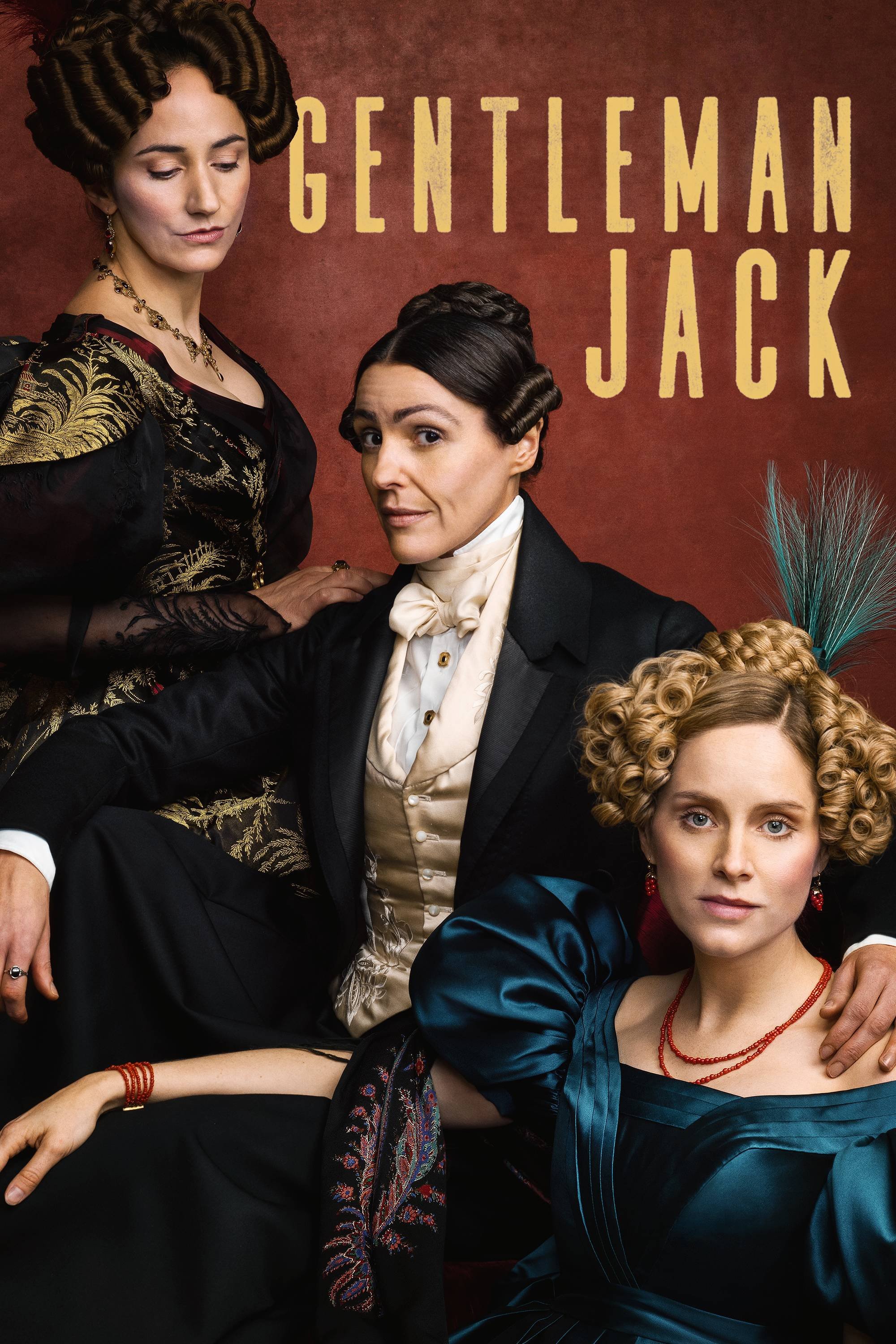
‘Gentleman Jack’ dramatizes the diaries of a landowner who defies social expectations in business and romance. The story moves between estate management, industrial ventures, and a relationship that faces family resistance and public scrutiny.
Detailed focus on contracts, leases, and investments gives insight into how wealth and influence were built. The show also documents travel, correspondence, and medical practices that shaped daily life and personal autonomy.
‘The Good Wife’ (2009–2016)
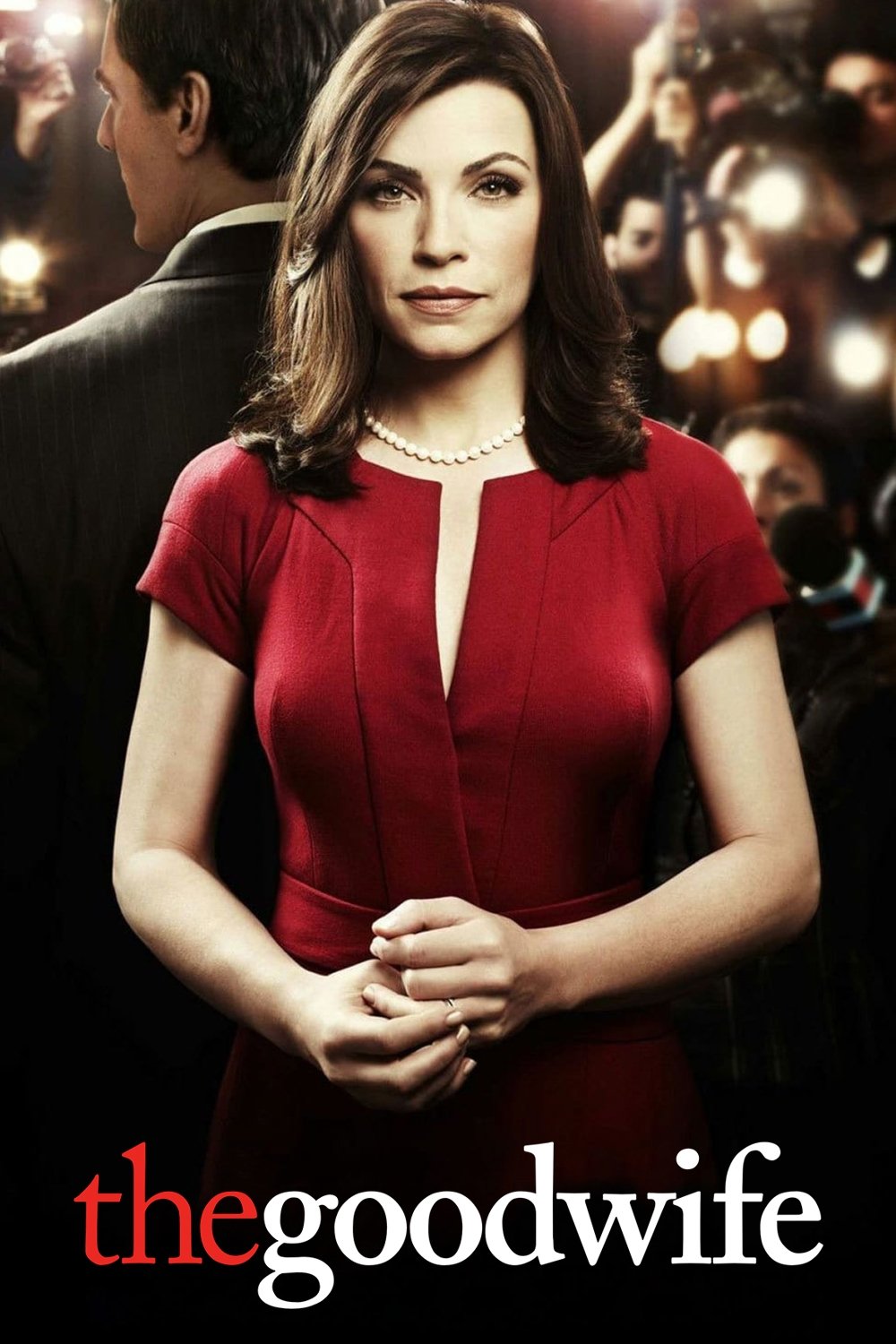
‘The Good Wife’ follows a woman returning to law after a political scandal upends her family. Cases of the week intersect with firm politics, technology issues, and shifting alliances in the courtroom and the boardroom.
Across its run the series tracks promotions, elections, and the formation of new practices as lawyers split and compete. It examines e-discovery, tech platforms, and privacy questions that reshape legal strategies and public relations.
‘Alias’ (2001–2006)
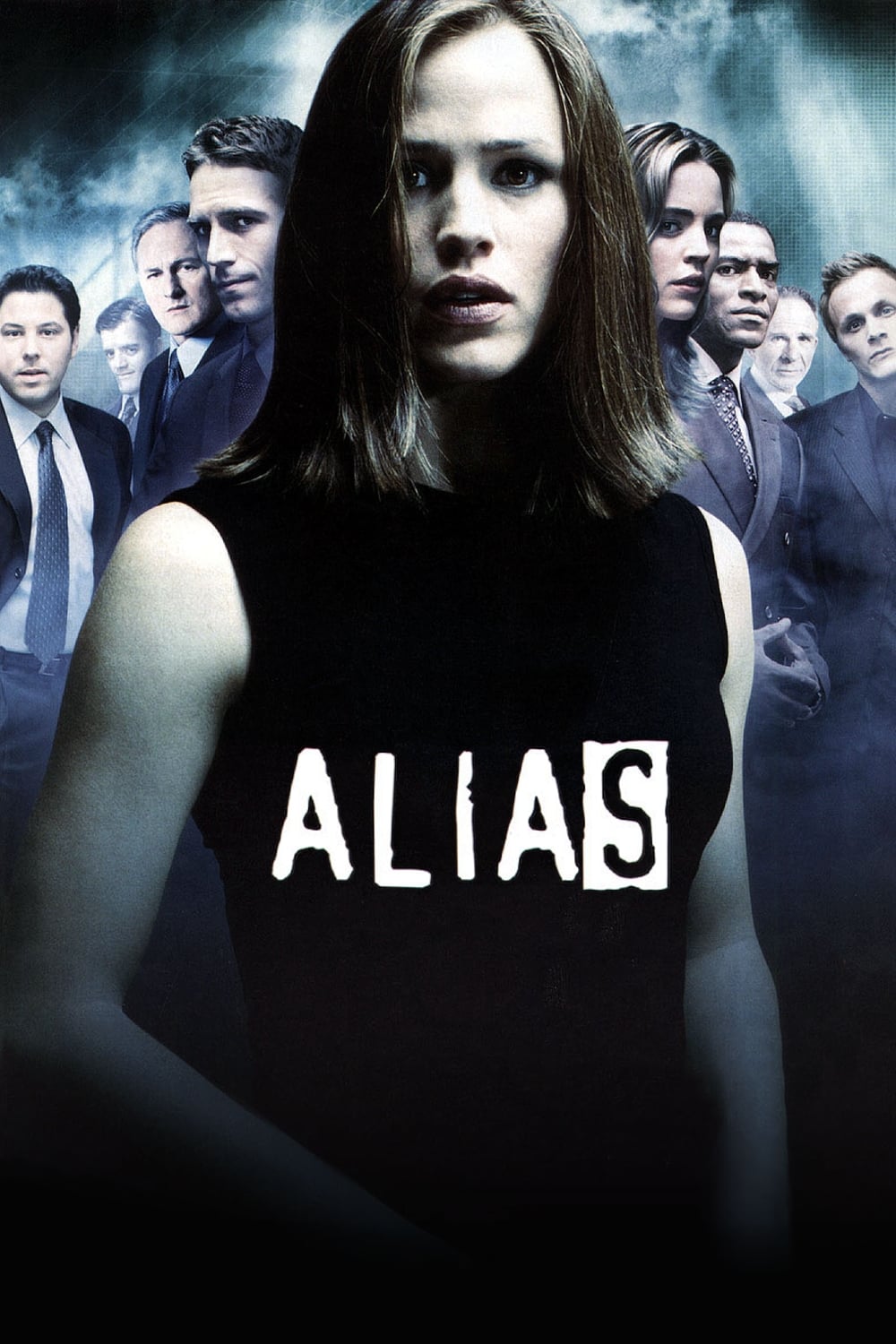
In ‘Alias’ a graduate student is recruited into espionage and discovers layers of deception inside a covert organization. Missions span global locations with gadgets, languages, and cover identities that change rapidly.
Serialized arcs introduce encrypted artifacts, internal moles, and complex family history that influences loyalties. The show blends mission-of-the-week formats with larger mythology, showing how operations planning and safe-house logistics work under pressure.
‘Veronica Mars’ (2004–2019)
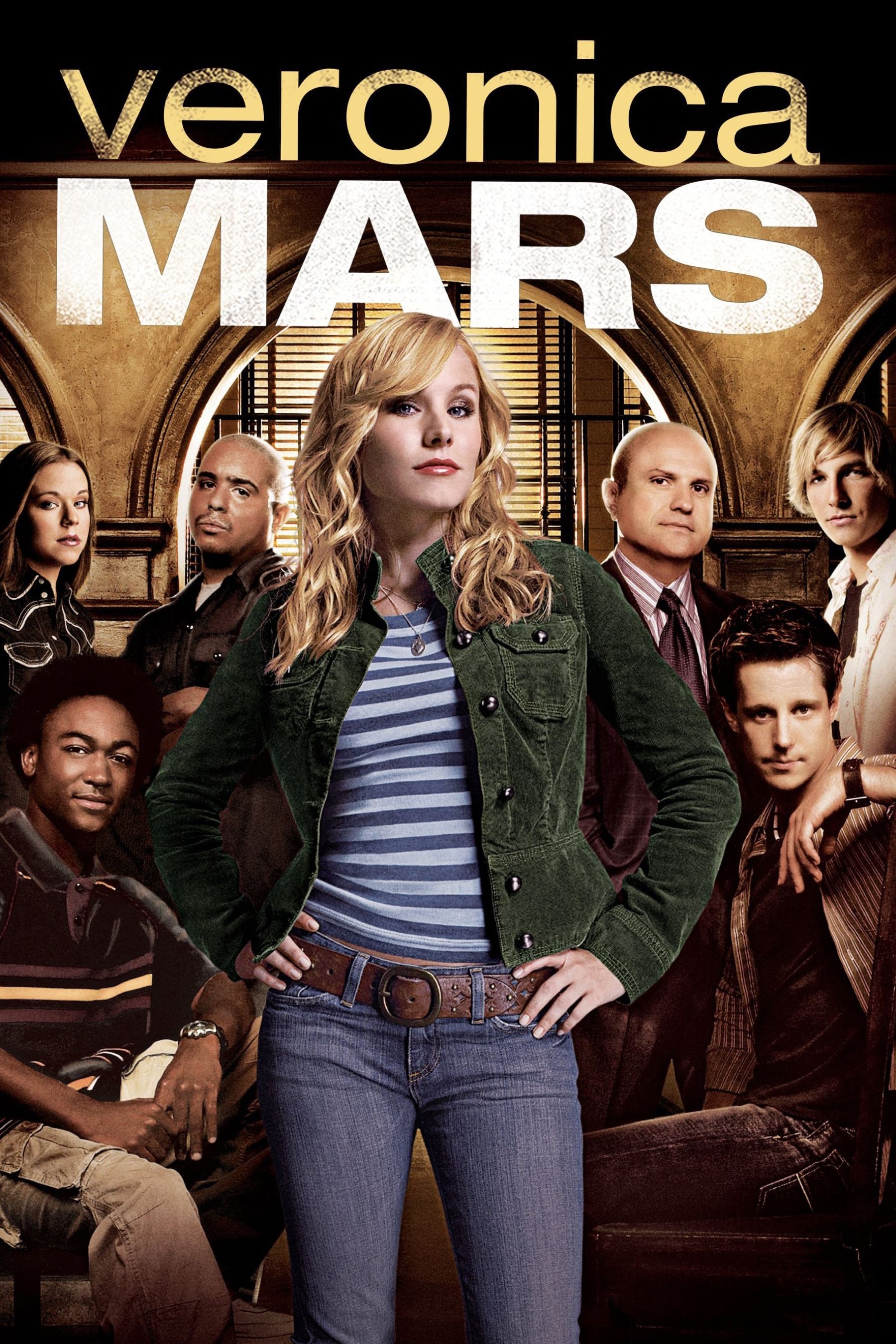
‘Veronica Mars’ centers on a student detective who takes on local cases while investigating a personal tragedy. The setting includes a town split by wealth, where class divides shape motives and access.
Cases dig into school politics, tech mishaps, and corruption that reaches city offices and private clubs. The series uses voiceover, clue boards, and recurring informants to show how small details unlock bigger conspiracies.
‘The Queen’s Gambit’ (2020)
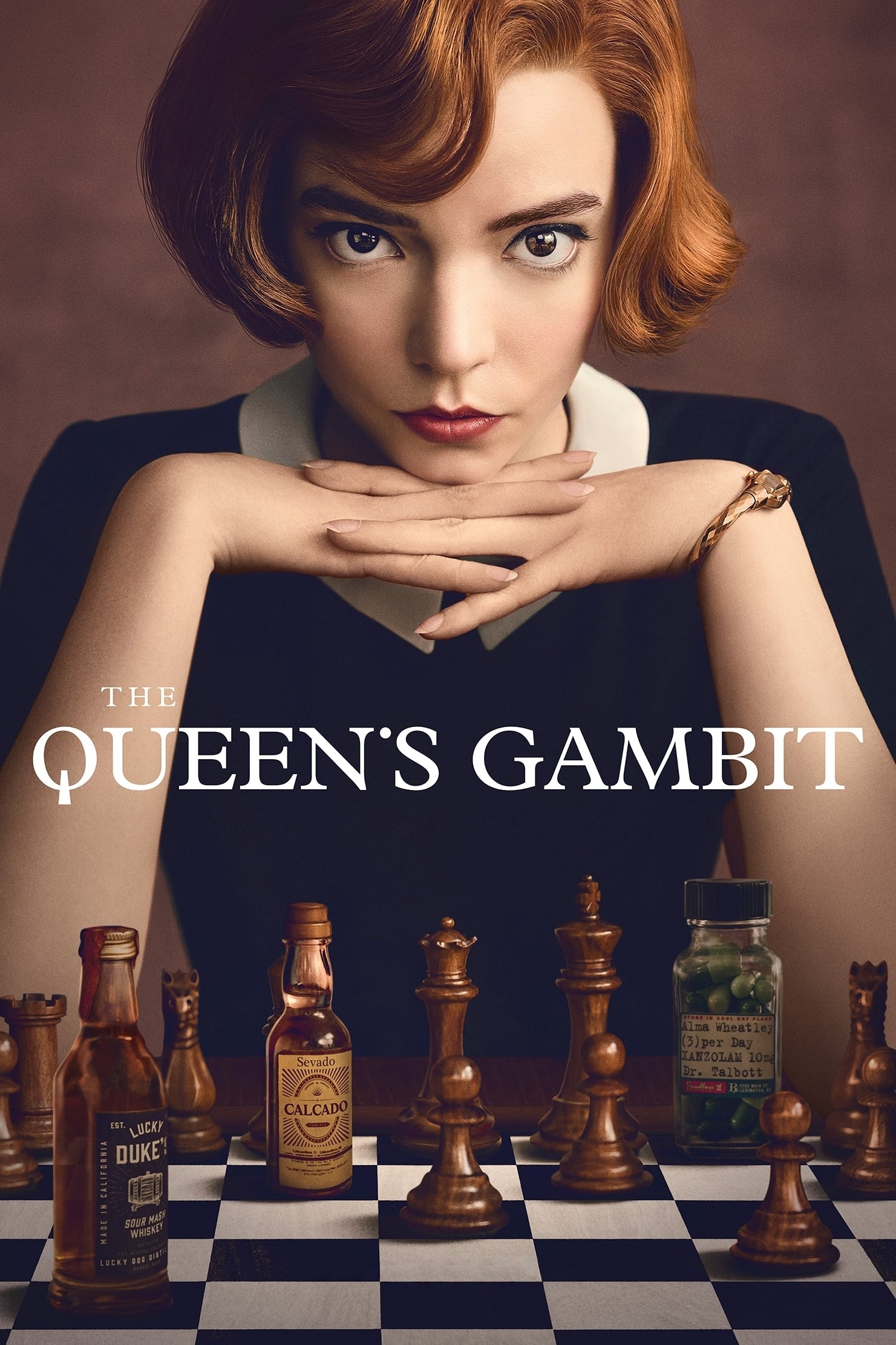
‘The Queen’s Gambit’ follows a chess prodigy navigating tournaments, travel, and addiction while refining her style against elite opponents. The script explains openings, midgame tactics, and endgame traps in ways that remain accessible.
Production design highlights training routines, visualization techniques, and the culture around competitive chess. The show tracks mentorship, preparation, and psychological warfare at the board, including clock management and study habits.
‘Happy Valley’ (2014–2023)
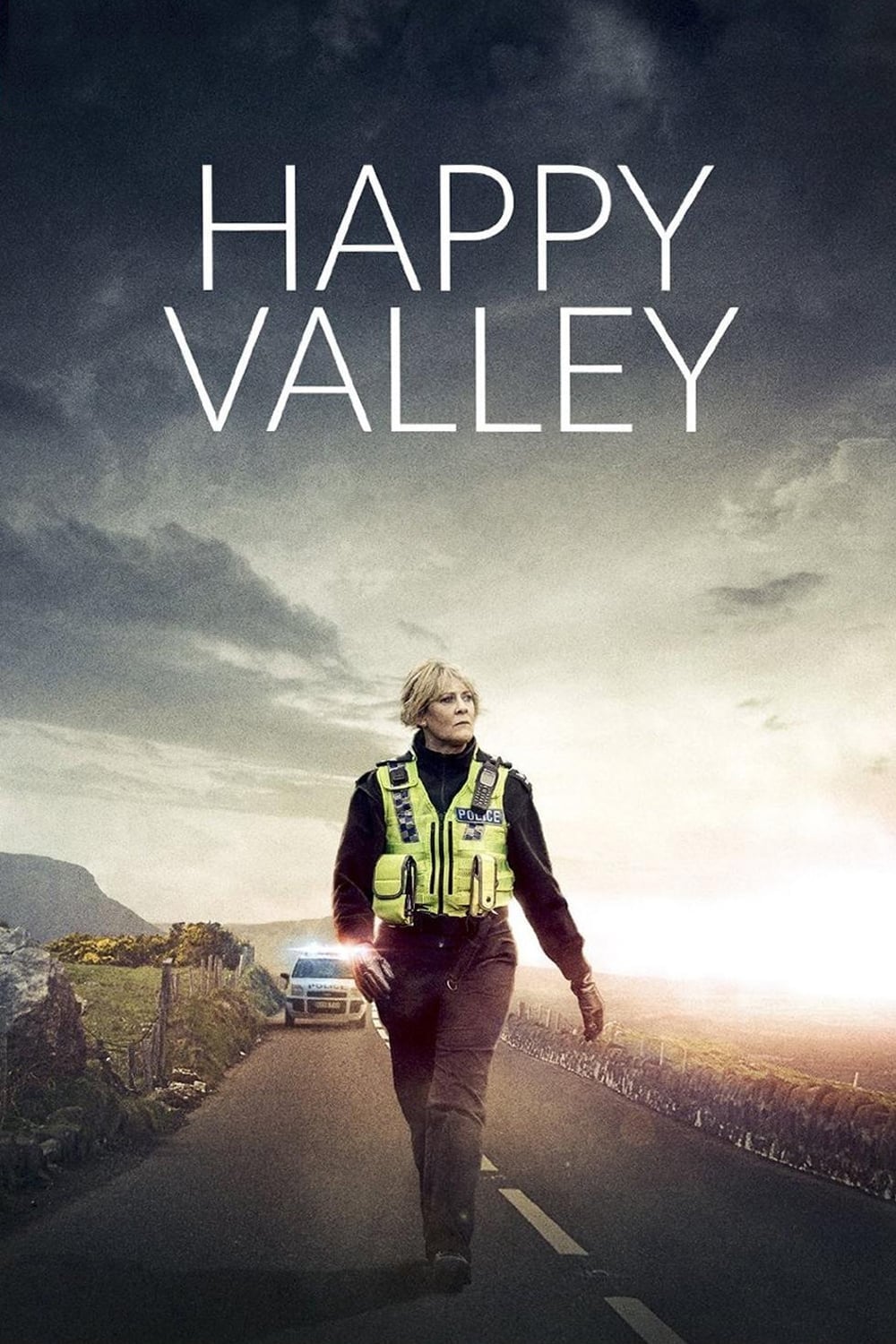
Set in a Yorkshire community, ‘Happy Valley’ follows a sergeant balancing family responsibilities with cases that escalate from petty crime to organized operations. Investigations take time and require coordination across units and social services.
The series captures how frontline policing manages informants, surveillance, and community trust. It also examines the long tail of violent crimes on families and officers, and how casework can resurface old wounds.
‘UnREAL’ (2015–2018)

‘UnREAL’ takes viewers behind the scenes of a dating competition show where producers craft storylines and manipulate contestants. Episodes break down segment planning, reshoots, and edit decisions that create heroes and villains.
The workplace drama covers labor disputes, budget constraints, and the scramble for ratings during sweeps. It shows how field producers, editors, and executives negotiate power while handling liability and safety concerns.
‘Broad City’ (2014–2019)

‘Broad City’ follows two friends moving through New York with odd jobs, roommate issues, and creative hustles. Episodes use grounded details like shared spreadsheets, Craigslist gigs, and transit hiccups to build the comedy.
The show maps a real city rhythm with walk-and-talks, neighborhood-specific errands, and weekend side quests. It also shows how friendships rely on small favors, shared calendars, and quick problem solving when plans implode.
‘Crazy Ex-Girlfriend’ (2015–2019)

‘Crazy Ex-Girlfriend’ blends character-driven storytelling with original musical numbers that unpack emotions and social expectations. Songs translate legal work stress, therapy sessions, and dating patterns into catchy set pieces.
The series treats mental health care as an ongoing process that involves diagnosis, medication decisions, and support systems. It uses recurring motifs and callbacks to track growth across relationships and career shifts.
‘The OA’ (2016–2019)

‘The OA’ follows a missing woman who returns with a strange story that connects captivity, science, and a group of recruits she assembles. The plot layers symbols, movement practices, and alternate possibilities that challenge what characters accept as real.
Settings range from suburban homes to research facilities, with journals and recordings filling gaps in knowledge. The show explores how shared rituals can bond a group and how storytelling becomes a survival tool.
‘Marvel’s Jessica Jones’ (2015–2019)

‘Jessica Jones’ centers on a private investigator with extraordinary strength who takes cases that collide with trauma from past abuse. The narrative examines consent and coercion in contexts that include mind control and legal gray areas.
Casework covers missing persons, corporate cover-ups, and media tactics to influence public perception. The series pairs street-level detective work with questions about oversight for powered individuals in a city full of secrets.
‘My Brilliant Friend’ (2018–2024)
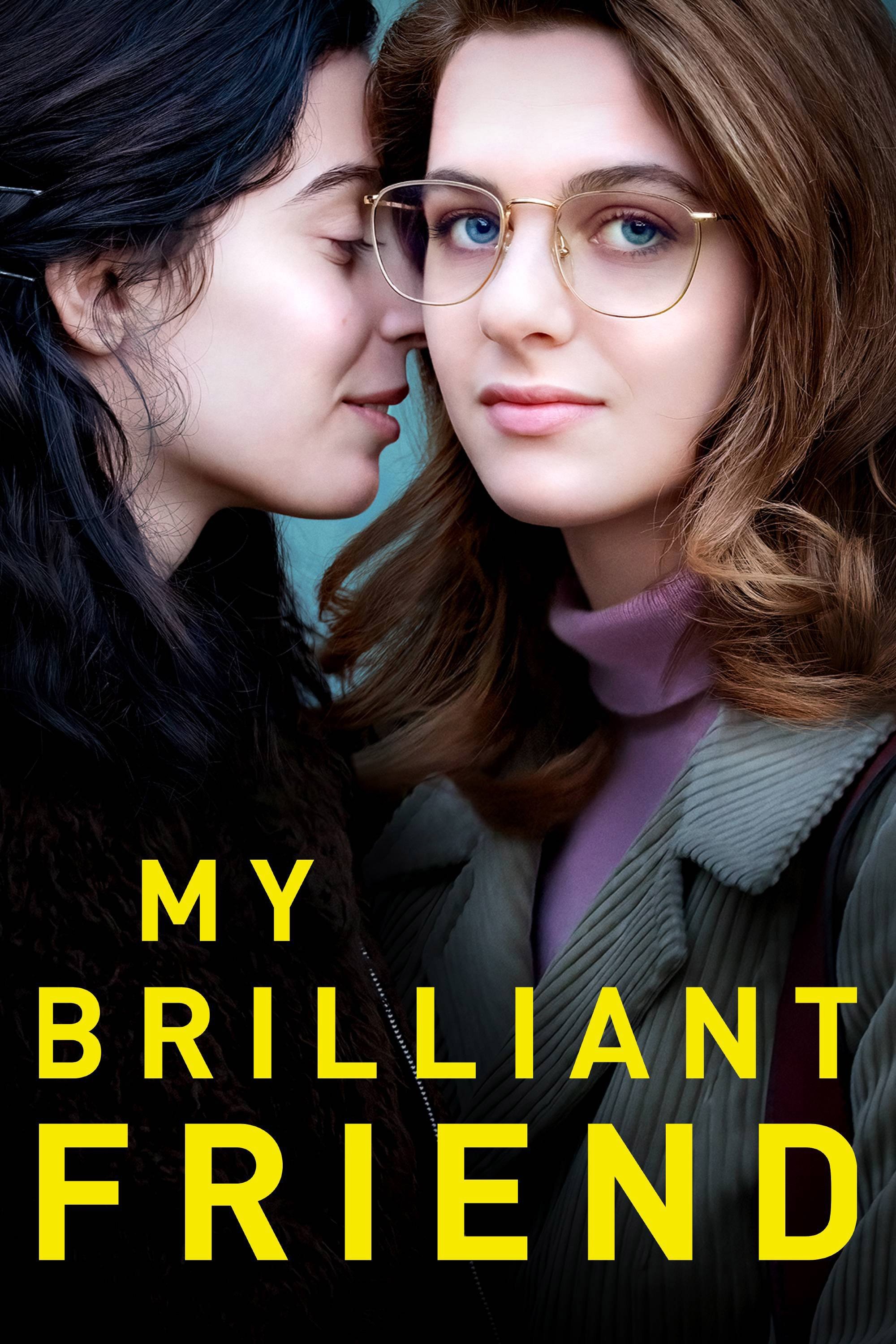
Adapted from a celebrated novel cycle, ‘My Brilliant Friend’ traces a lifelong bond between two girls who grow up in a poor Naples neighborhood. The story deals with education, marriage, and work opportunities that open and close as families make hard choices.
Production uses language, dialect, and period detail to immerse viewers in local politics and gender norms. It shows how publishing, teaching, and activism intersect with personal history and neighborhood loyalties.
‘The Honourable Woman’ (2014)
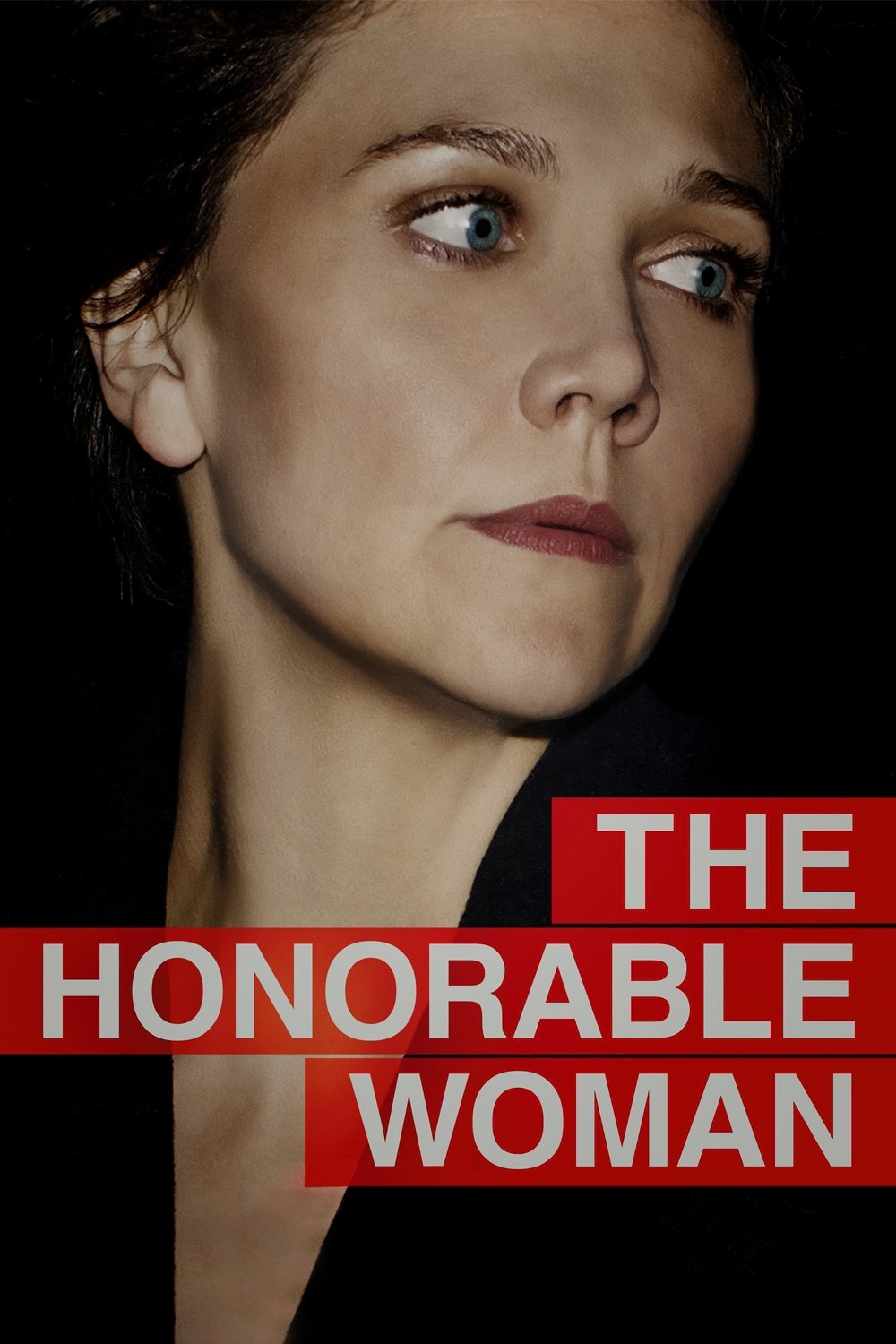
‘The Honourable Woman’ follows a business leader handling a family company that operates in a politically sensitive region. The plot involves procurement, intelligence oversight, and aid programs that face competing interests.
The series tracks how public speeches, donor meetings, and media narratives shape policy outcomes. It also details secure communications, convoy planning, and the vulnerabilities that accompany high-profile appointments.
‘P-Valley’ (2020– )
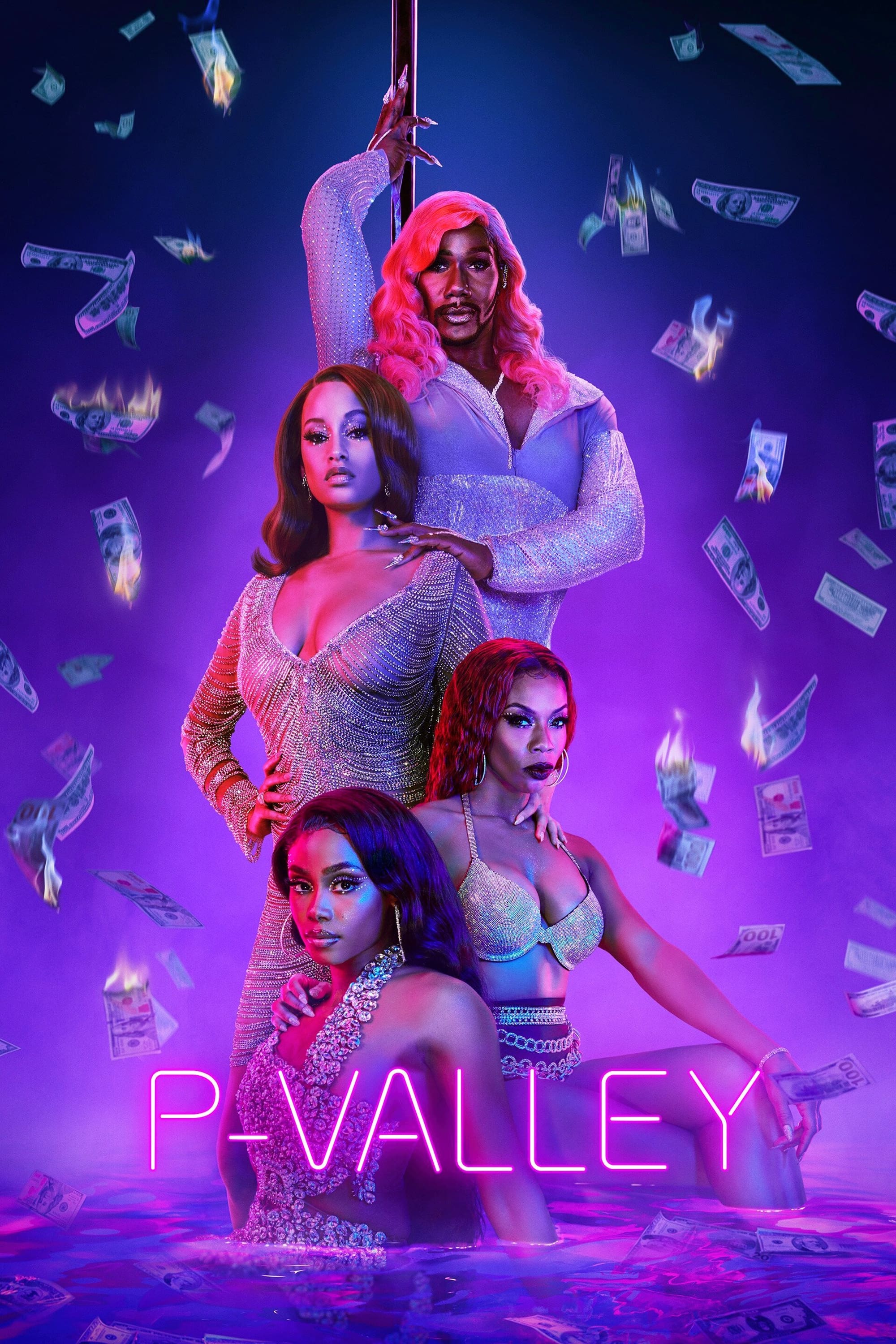
‘P-Valley’ focuses on a Mississippi club where performers, managers, and community members navigate money, zoning fights, and local politics. Storylines follow auditions, set lists, and promotion strategies that keep a venue afloat.
The show pays attention to training, injury prevention, and stagecraft, from lighting rigs to tip-out systems. It also explores banking, licensing, and the economics of nightlife in a town with limited opportunities.
‘Yellowjackets’ (2021– )

‘Yellowjackets’ alternates between a team’s survival ordeal and their adult lives years later as secrets threaten to surface. The structure uses present-day investigations, support groups, and media attention to unearth what happened.
Survival segments study leadership, resource allocation, and belief systems that emerge under stress. The series tracks how shared trauma influences careers, families, and reputations when old bonds turn volatile.
‘Hacks’ (2021– )
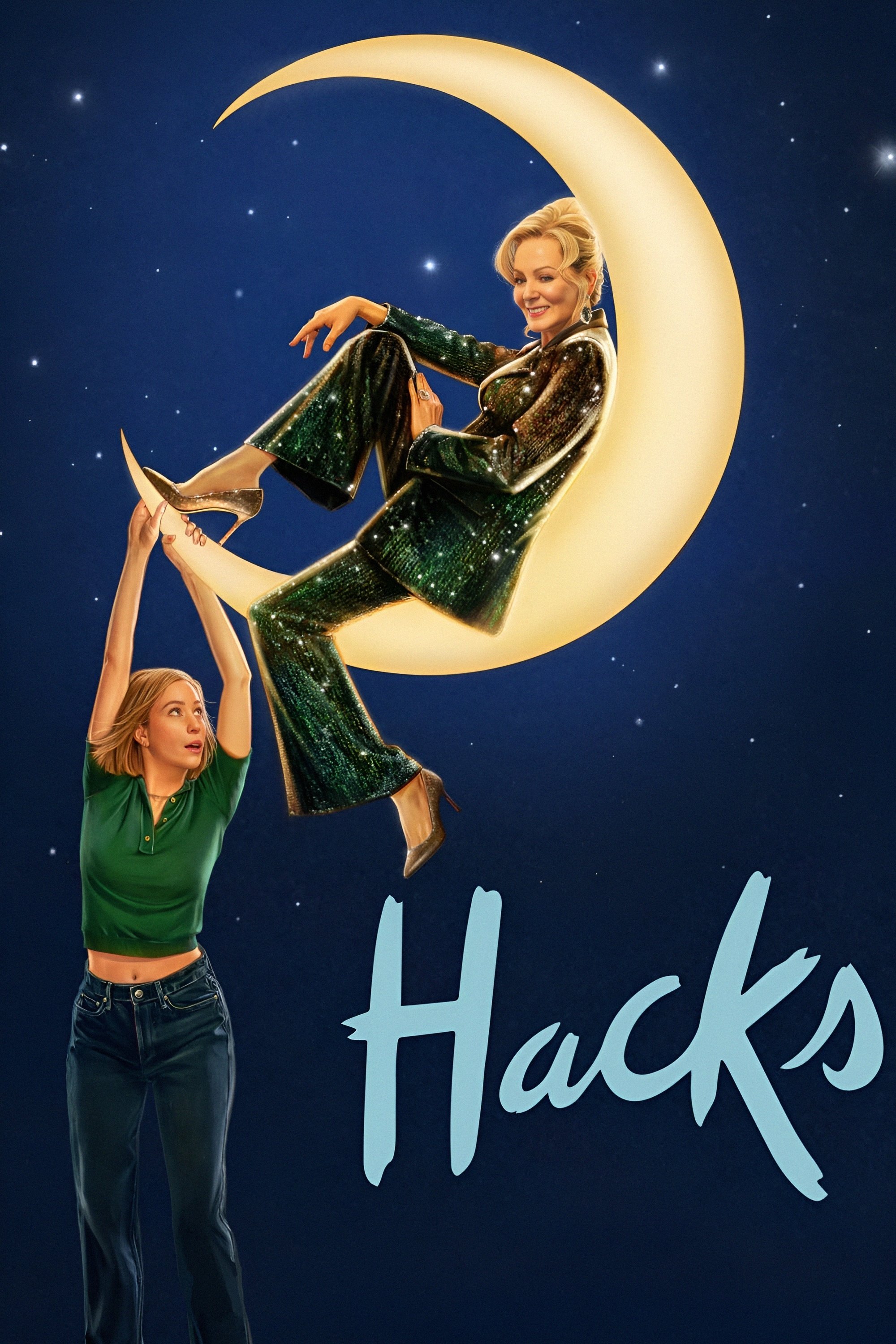
‘Hacks’ pairs a veteran comic with a young writer as they build new material and rework a career for different audiences. The show follows venue bookings, negotiation with casinos, and the grind of testing jokes on the road.
Writers’ room scenes break down punch-up passes, set ordering, and how feedback from small crowds shapes a special. The series also covers contracts, royalties, and the logistics of balancing personal life with touring schedules.
‘Maid’ (2021)
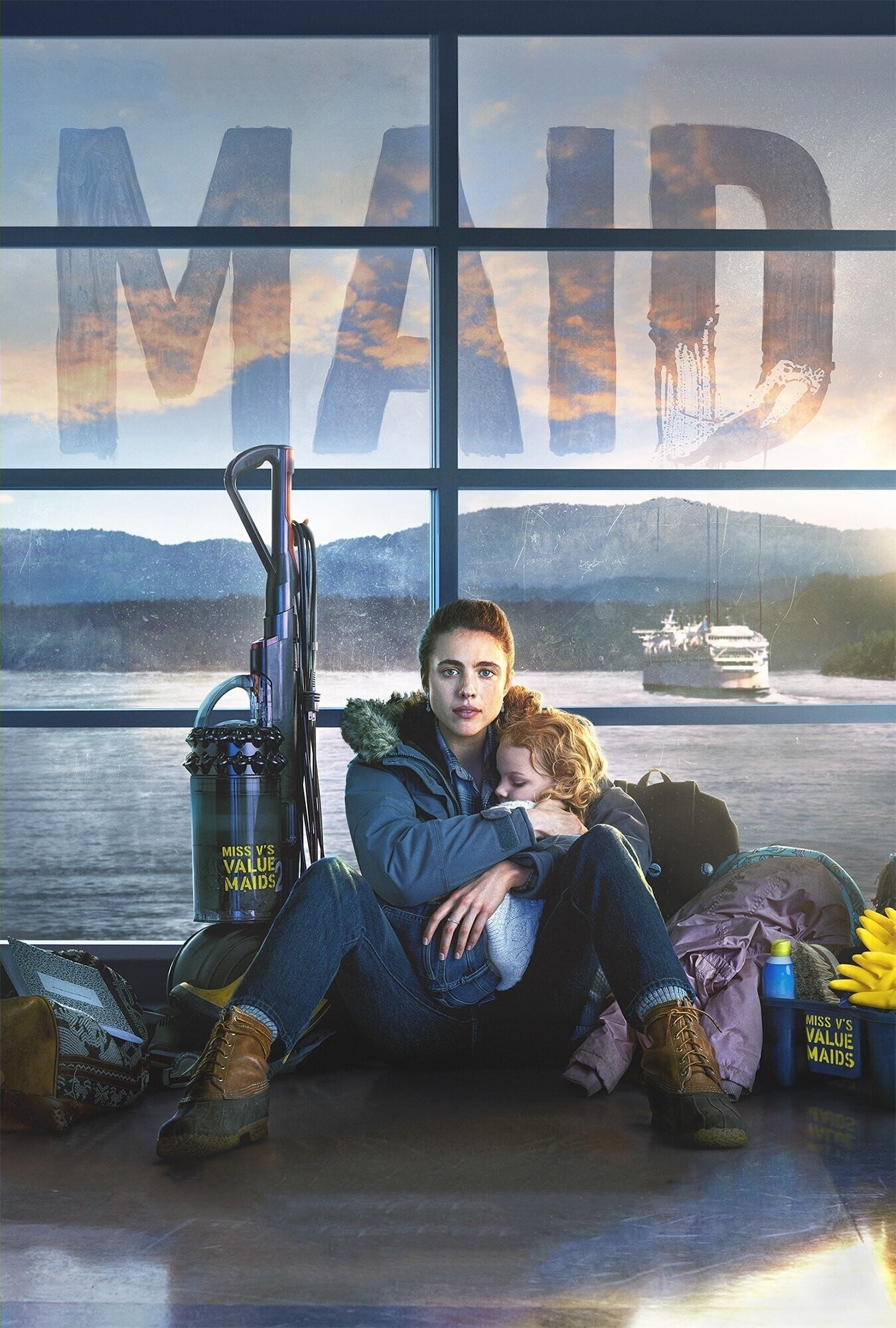
Based on a memoir, ‘Maid’ follows a young mother who leaves an unstable relationship and enters the world of domestic work. Episodes track intake forms, waitlists, and housing barriers that complicate getting back on one’s feet.
The series details agency assignments, scheduling, and transportation issues that affect hourly workers. It also shows how court paperwork, childcare, and benefits program rules create obstacles that require persistence and support.
‘Gentleman Jack’ (2019–2022)
‘Gentleman Jack’ chronicles a landowner’s efforts to expand a coal enterprise while maintaining a personal relationship that defies social norms. Business scenes show ledger entries, lease negotiations, and engineering challenges on the property.
Letters, journals, and etiquette around visits drive both romance and conflict as families weigh inheritance and social standing. The series uses real source materials to shape dialogue and plot beats inside the household and the town.
Share the female-led series you recommend in the comments so everyone can discover a new favorite.

