


Gay Actors Hollywood Failed to Understand

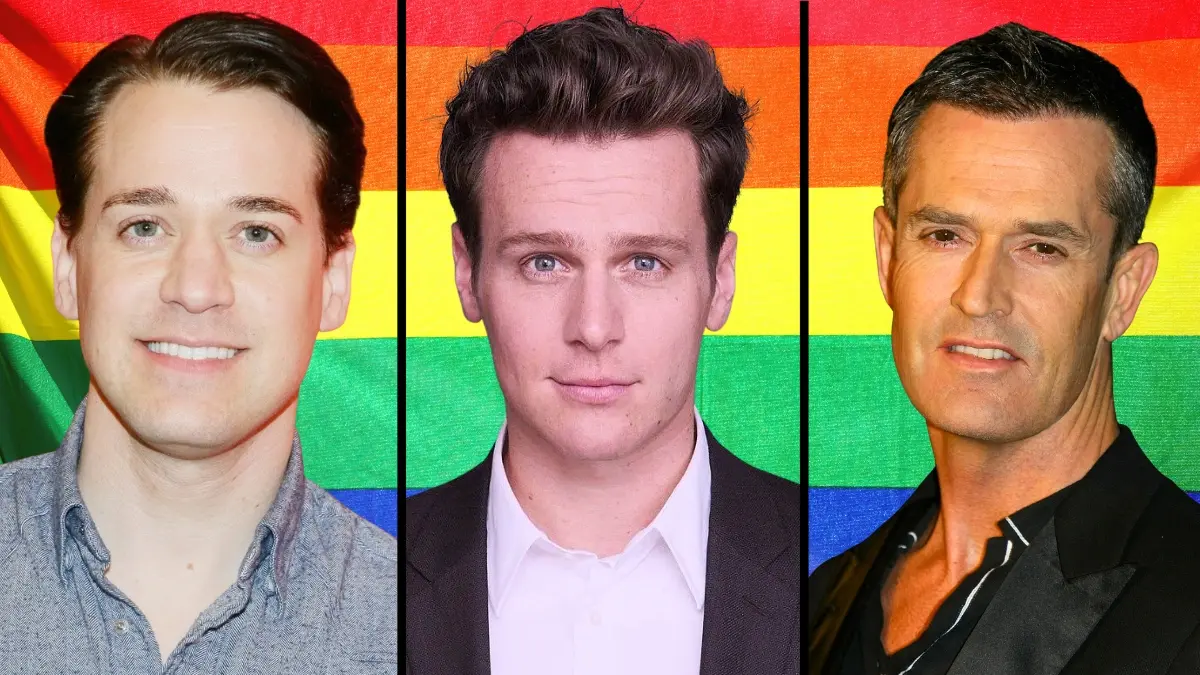


Hollywood has a long history of silencing voices that do not fit the traditional mold of masculinity. For decades the studio system forced gay actors into lavender marriages or typecast them as villains and comic relief while denying them leading roles. Even in more recent years industry executives have struggled to see past an actor’s sexuality to appreciate their full range of talent. The following men faced immense pressure to hide their true selves or saw their careers sidelined by a business that refused to understand them.
William Haines
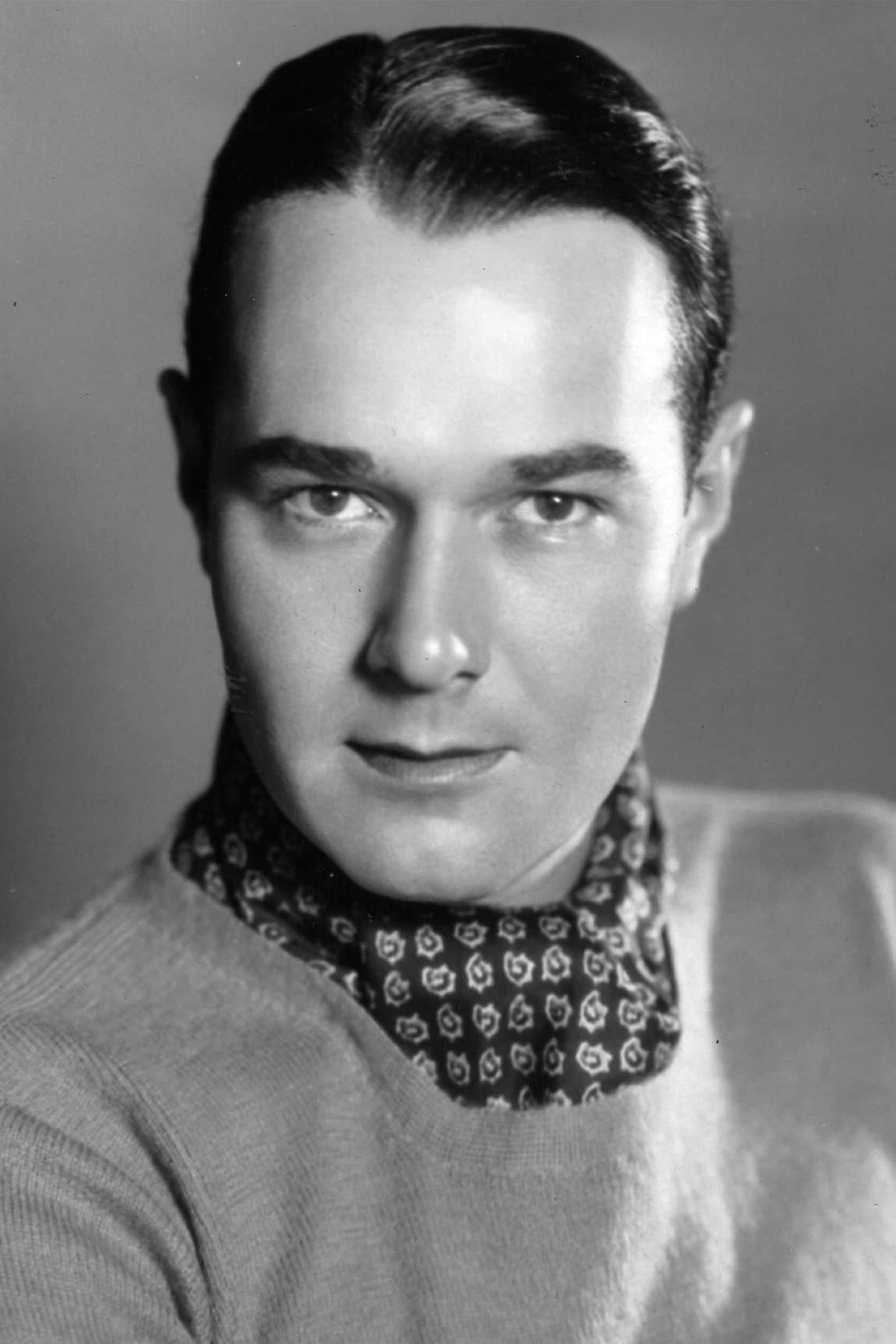
William Haines was the top male box office star of 1930 and known for his charismatic screen presence. His career came to an abrupt halt when studio boss Louis B. Mayer issued an ultimatum demanding he leave his partner Jimmie Shields. Haines refused to enter a lavender marriage and chose his relationship over his fame. This act of defiance led to him being fired and effectively blacklisted from the film industry for the rest of his life.
Rock Hudson
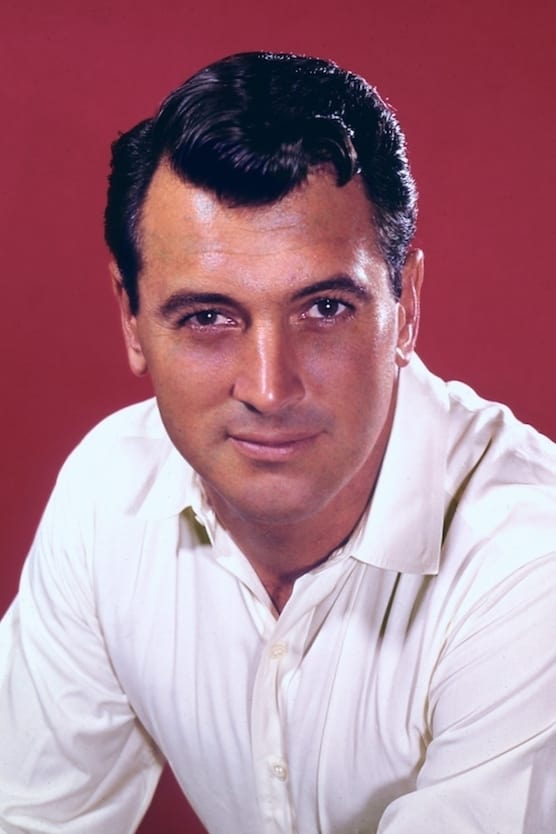
Rock Hudson was the ultimate Hollywood heartthrob who projected an image of rugged heterosexual masculinity. His career flourished as long as he maintained the facade of a straight leading man through a studio-arranged marriage to Phyllis Gates. The industry was willing to exploit his looks and charm but forced him to live a lie that caused him immense personal anguish. His eventual diagnosis with AIDS revealed the double life Hollywood had compelled him to lead.
Tab Hunter
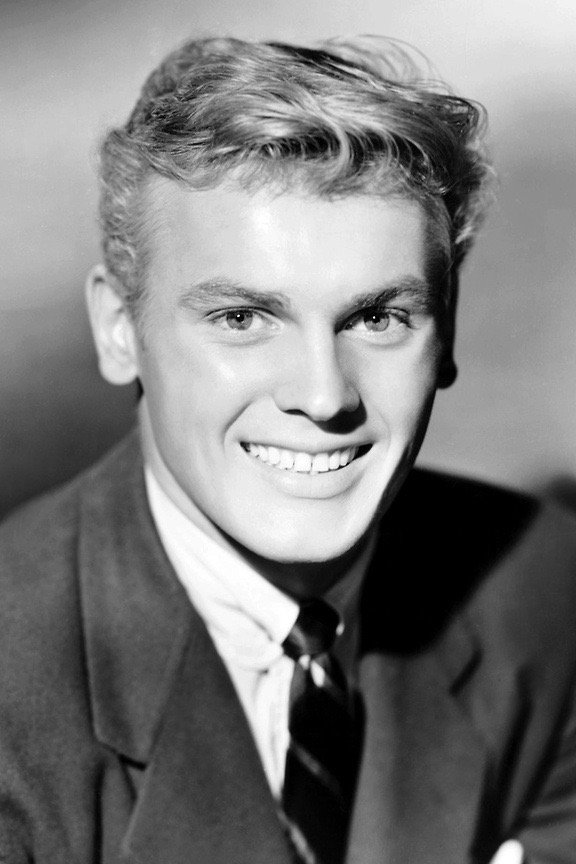
Tab Hunter rose to fame as a clean-cut teen idol and recording artist in the 1950s. The studio system worked overtime to manufacture romances between him and female stars to cover up his relationships with men like Anthony Perkins. When rumors about his sexuality began to circulate his career momentum stalled as executives feared losing the teenage girl demographic. He was a victim of an era that could not reconcile his boy-next-door image with his reality.
Anthony Perkins
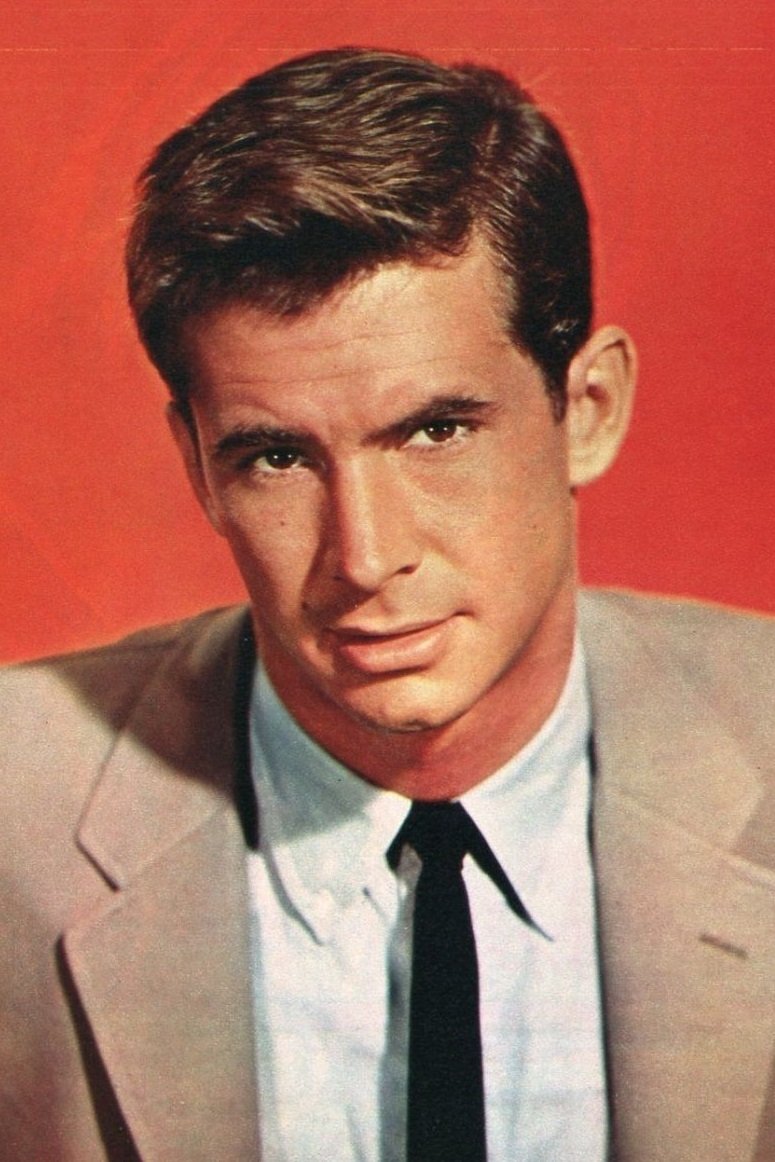
Anthony Perkins became an international sensation with his performance as Norman Bates in the classic thriller ‘Psycho’. While the role made him famous it also trapped him in a specific archetype that the industry refused to look beyond. Hollywood executives failed to cast him as a romantic lead in subsequent years due to whispers about his sexuality. He spent much of his career trying to escape the shadow of a character that the industry assumed defined him.
Sal Mineo
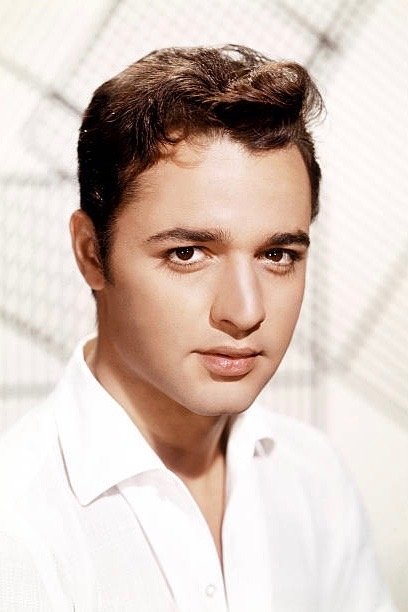
Sal Mineo was a two-time Academy Award nominee who became a cultural icon after starring in ‘Rebel Without a Cause’. Despite his massive talent and early success he found himself struggling for quality roles as he aged out of teen stardom. His openness about his sexuality in later years alienated conservative casting directors who refused to hire him for leading parts. He was tragically attempting a career comeback in theatre when he was murdered at a young age.
Montgomery Clift

Montgomery Clift was hailed as one of the most talented method actors of his generation with a brooding intensity that captivated audiences. He refused to sign studio contracts that would control his private life but still felt the crushing weight of Hollywood homophobia. His internal struggle with his sexuality contributed to the substance abuse issues that plagued his later career. The industry celebrated his talent but ignored the personal torment that the studio system helped exacerbate.
Ramon Novarro
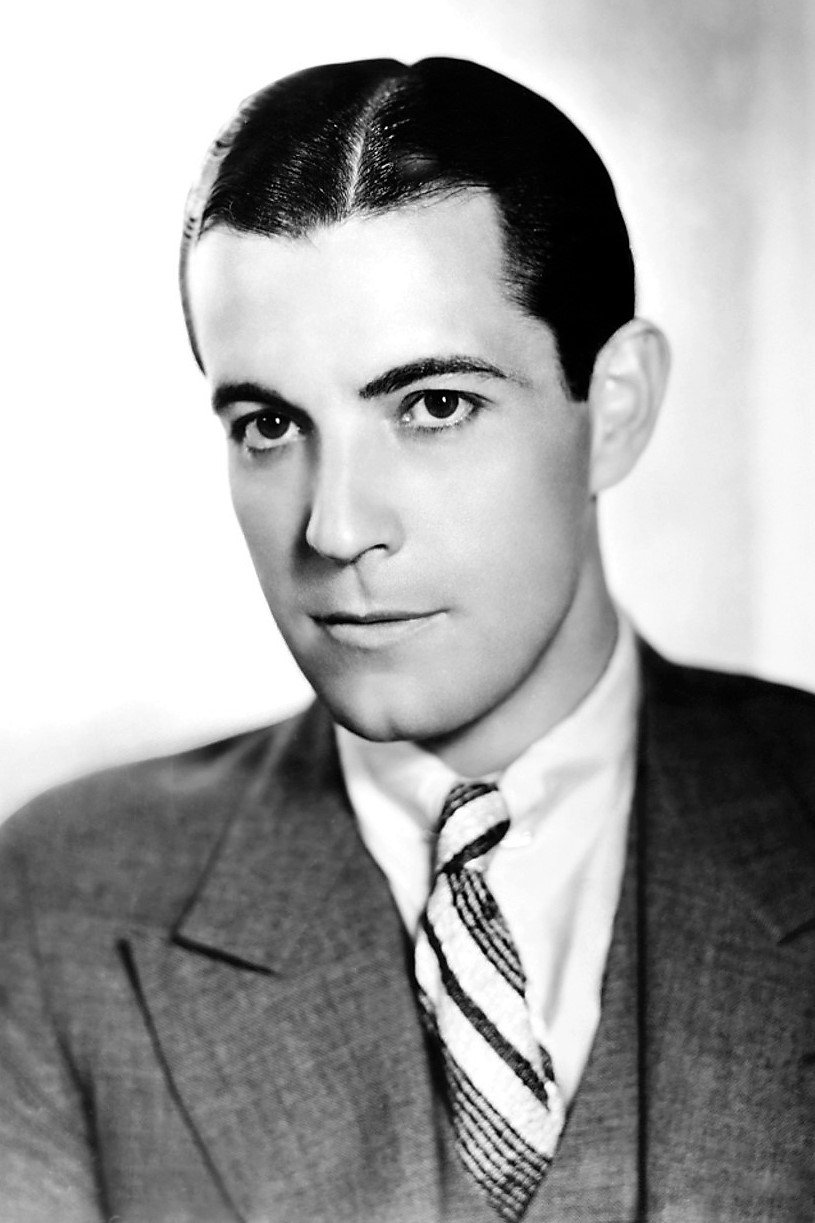
Ramon Novarro was a silent film superstar who achieved legendary status with his role in the original ‘Ben-Hur’. MGM studios pressured him relentlessly to marry a woman to secure his public image as a Latin Lover. When he refused to comply with their demands his contract was not renewed and his status as a leading man evaporated. He spent the remainder of his life taking smaller character roles while living in the shadow of his former glory.
Tommy Kirk
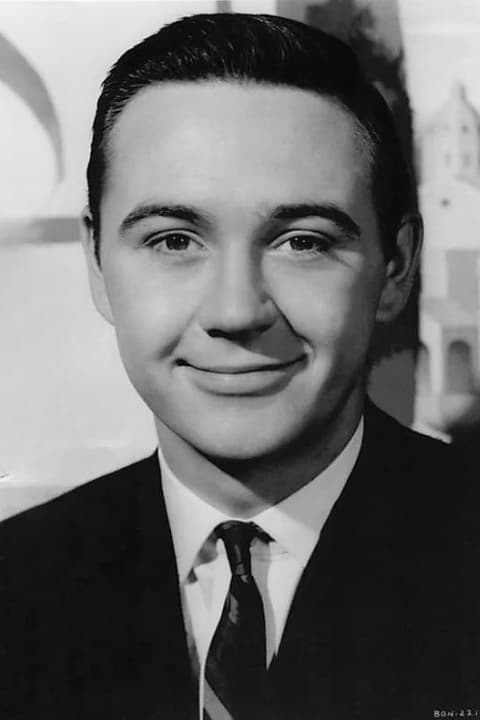
Tommy Kirk was a beloved Disney child star known for hits like ‘Old Yeller’ and ‘The Shaggy Dog’. His relationship with the studio ended abruptly when Walt Disney personally fired him after discovering he was gay. The termination derailed his trajectory from a major box office draw to an actor struggling in B-movies. Hollywood failed to protect a young talent and instead discarded him the moment he did not fit their family-friendly brand.
George Nader
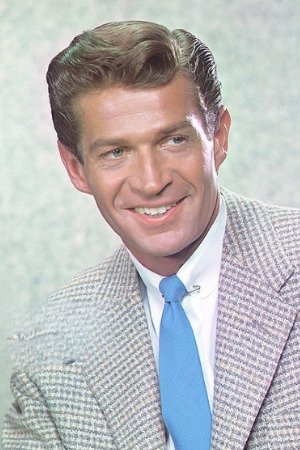
George Nader was a promising leading man with rugged good looks that rivaled the biggest stars of the 1950s. His career was sacrificed by Universal Studios to protect Rock Hudson from a scandal involving Confidential magazine. The studio traded information about Nader’s sexuality to the tabloids to keep Hudson’s secrets safe. Nader was forced to leave Hollywood and found success in Europe where his talent was judged on merit rather than his private life.
Raymond Burr
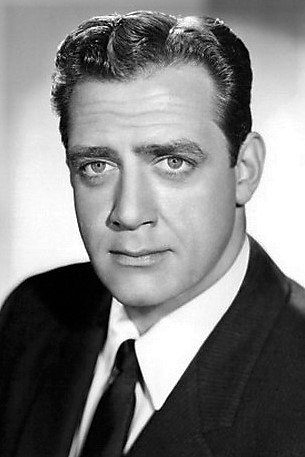
Raymond Burr achieved television immortality as the titular character in ‘Perry Mason’ and later in ‘Ironside’. He went to great lengths to hide his relationship with partner Robert Benevides by inventing stories about tragic dead wives. The industry rewarded his stoic performances but created an environment where he could never live openly without losing his livelihood. He remained a private figure who felt he could not trust the industry with his truth.
Paul Lynde
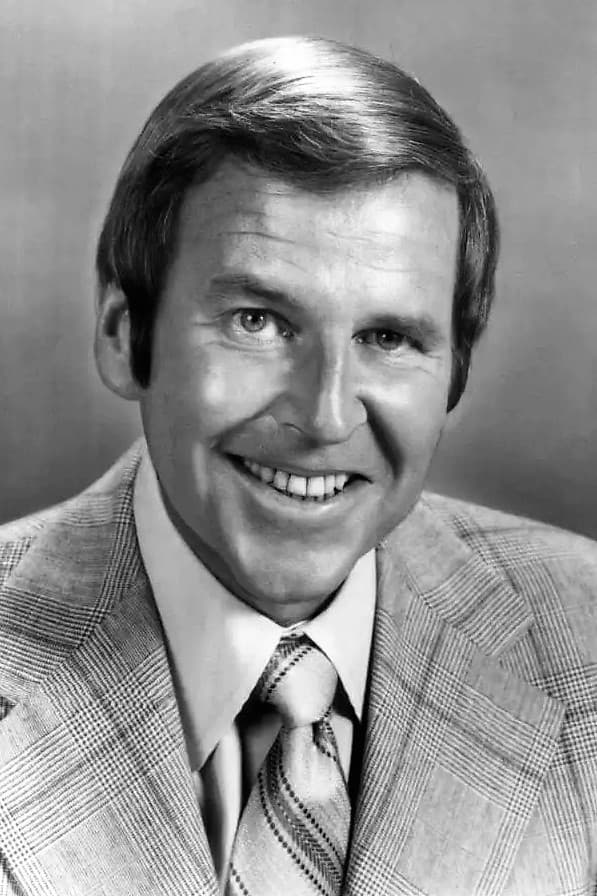
Paul Lynde was a comedic genius whose snarky delivery made him a fan favorite on ‘Hollywood Squares’ and ‘Bewitched’. Despite his obvious talent he was perpetually typecast as the campy uncle or the fussy sidekick. Executives utilized his flamboyant persona for laughs but never considered him for serious or romantic leading roles. He remained trapped in a caricature that prevented audiences from seeing the full extent of his acting abilities.
Richard Chamberlain
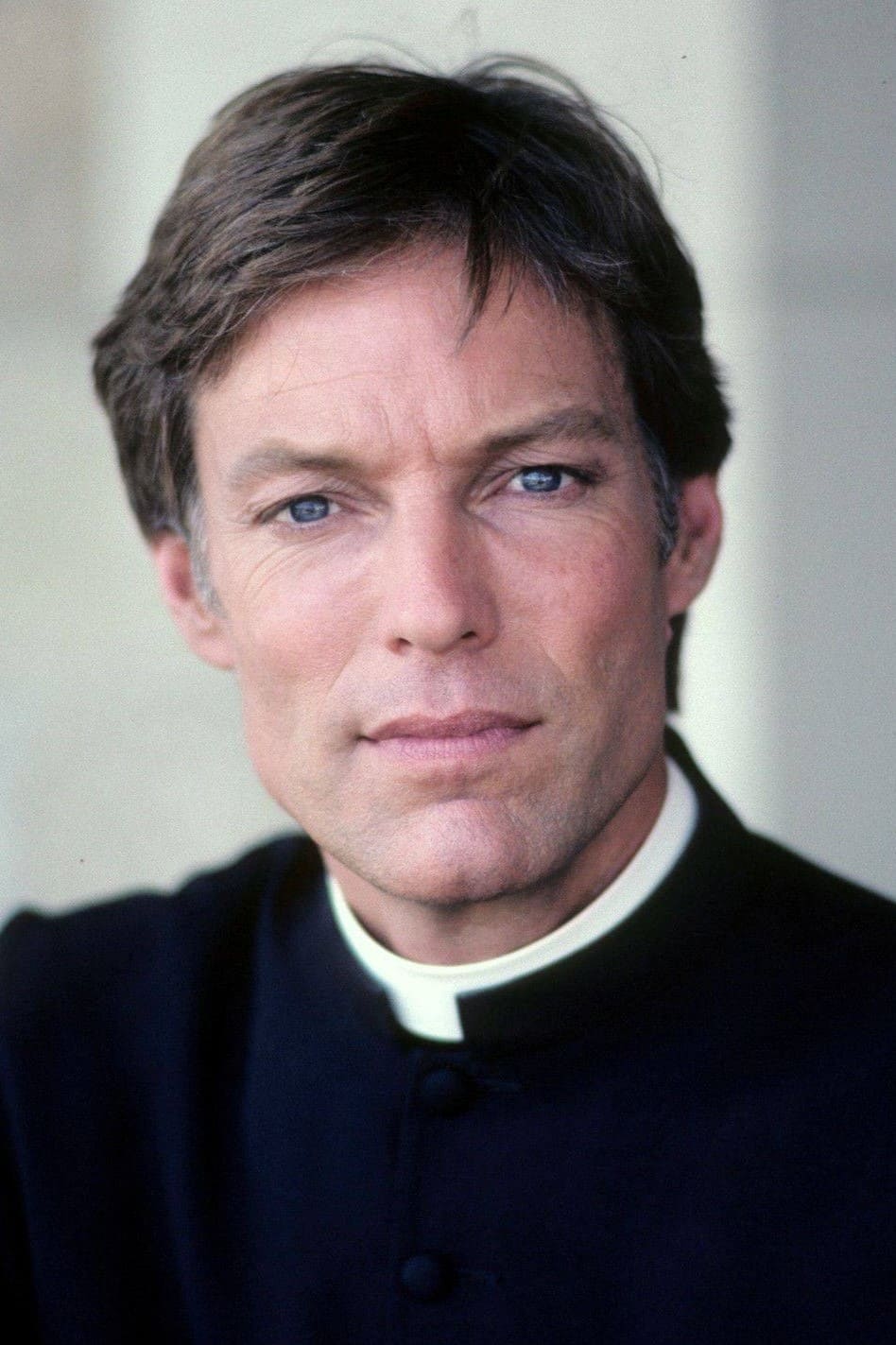
Richard Chamberlain became the king of the television miniseries with massive hits like ‘The Thorn Birds’ and ‘Shogun’. He lived in profound fear that being outed would destroy his status as a romantic lead for female audiences. The industry was happy to capitalize on his appeal while implicitly threatening his career if he ever revealed his true self. He only felt safe enough to come out decades later when his leading man days were largely behind him.
Robert Reed

Robert Reed is best remembered as the stern but loving father Mike Brady on ‘The Brady Bunch’. He despised the role and the simple nature of the sitcom because he was a classically trained actor who wanted more serious work. His closeted sexuality added to his on-set frustration as he felt trapped in a wholesome image that did not reflect his reality. Hollywood pigeonholed him as the ideal American dad while ignoring his desire for artistic complexity.
Dick Sargent
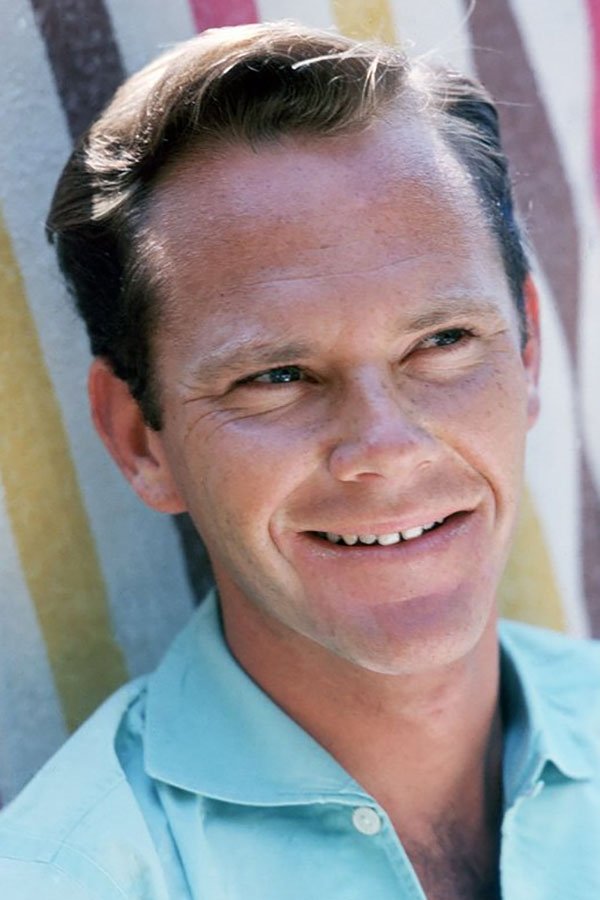
Dick Sargent took over the role of Darrin Stephens on ‘Bewitched’ and became a recognizable face in American households. He spent the majority of his career in the closet to protect his employability in a conservative television landscape. The stress of maintaining a double life led to personal struggles that he only discussed publicly much later in life. The industry saw him as a replaceable straight man rather than an individual with a unique identity.
Cesar Romero
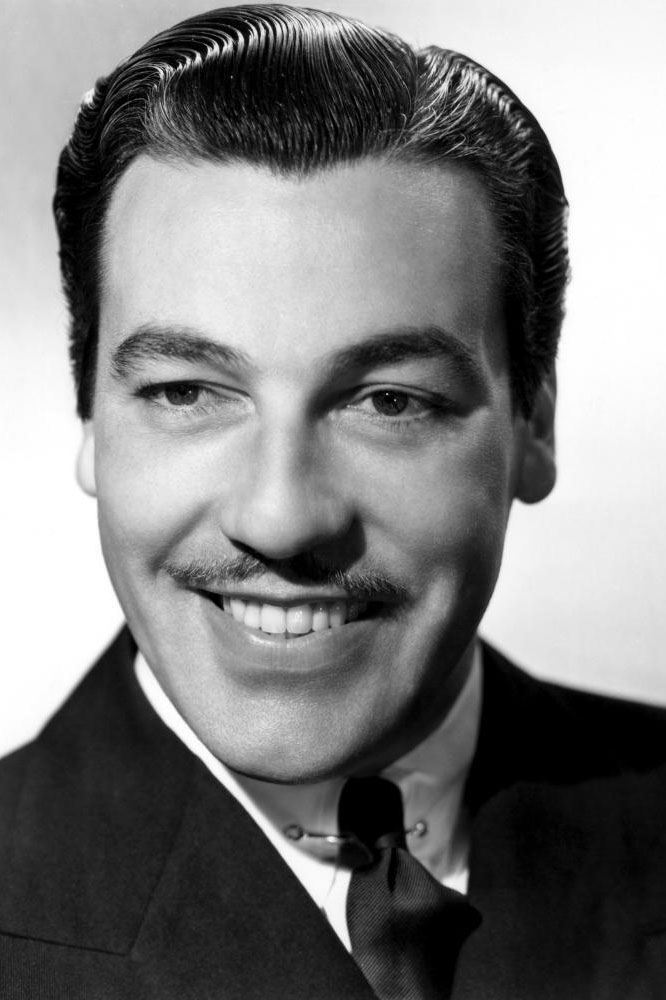
Cesar Romero was the original Joker in the 1960s ‘Batman’ series and a self-described confirmed bachelor. He built a career playing Latin lovers and dance partners to glamorous actresses while keeping his private life strictly off-limits. Hollywood was content to use his exotic appeal as long as he played the game and attended premieres with female dates. He navigated the industry by never confirming rumors and allowing the studios to craft his public persona.
Van Johnson
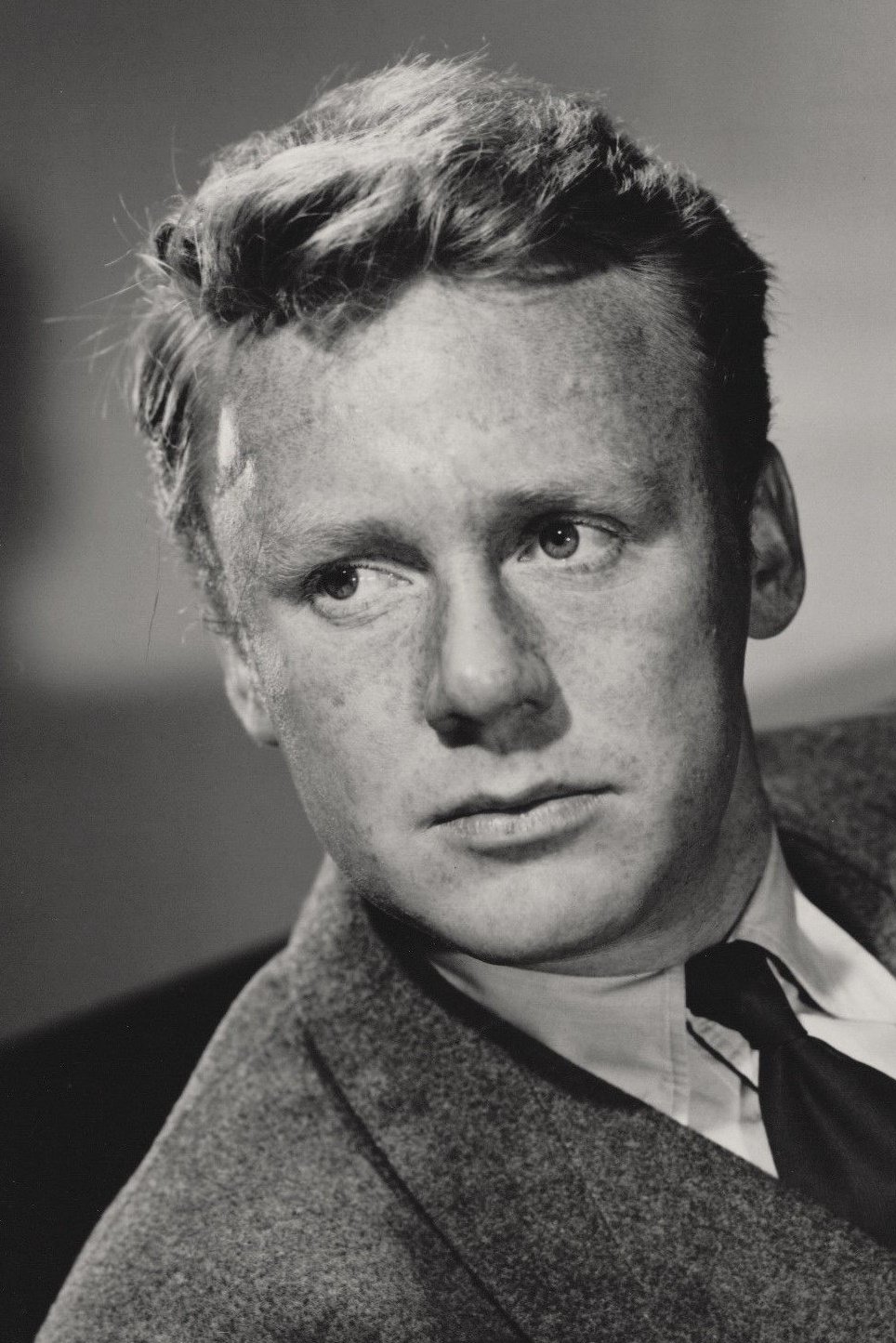
Van Johnson was the boy-next-door star of the 1940s who became a massive favorite among teenage fans. His career was managed by studios that carefully reconstructed his face after a car accident and his reputation after rumors of his sexuality surfaced. He entered a marriage that many industry insiders believed was arranged to quell gossip and secure his box office standing. The pressure to maintain his wholesome image meant he could never be honest about who he was.
Clifton Webb
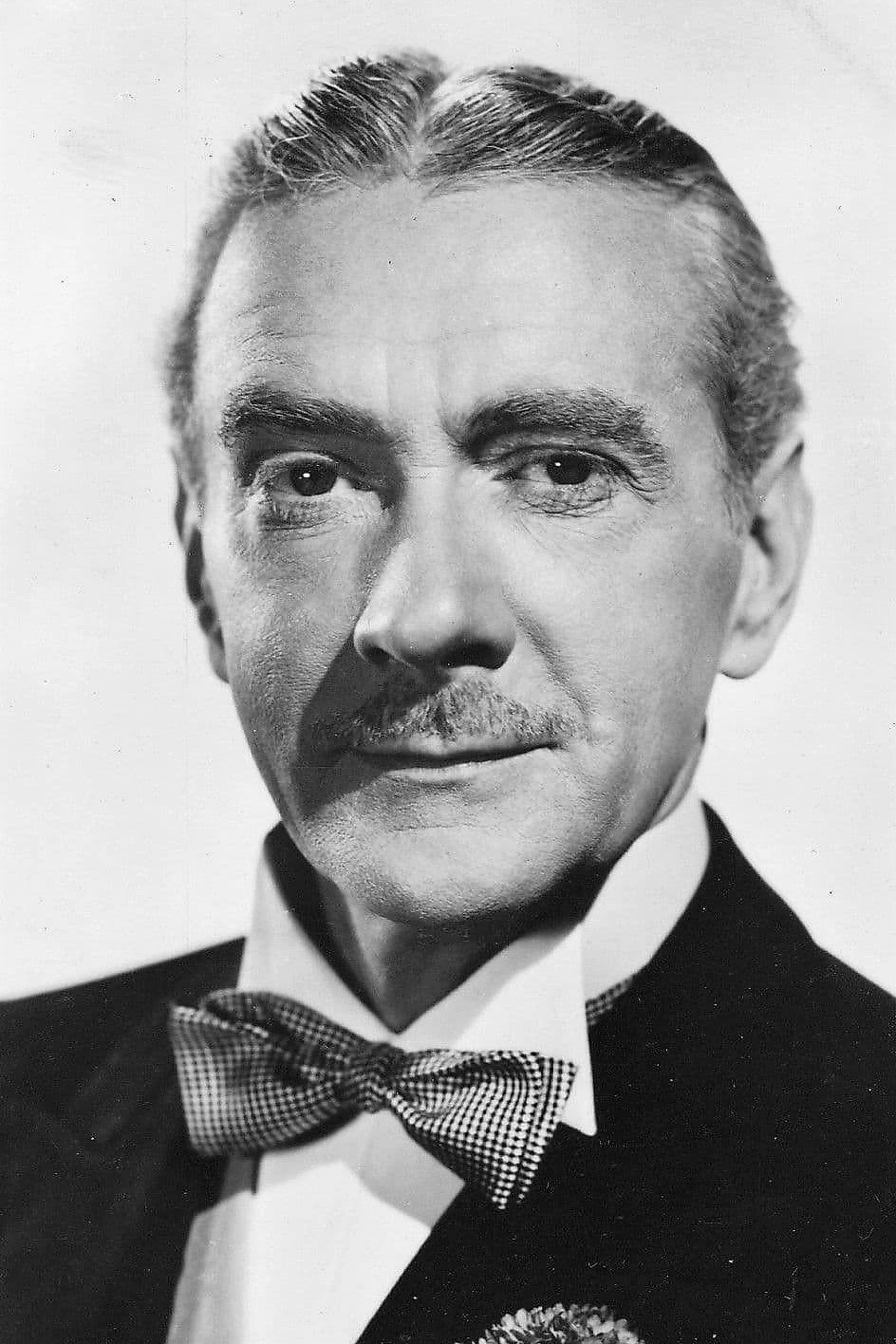
Clifton Webb was an Oscar-nominated actor known for his sharp wit and fastidious screen persona in films like ‘Laura’. Although he was one of the few actors who did not strictly hide his sexuality he was never considered for traditional romantic leads. The industry relegated him to roles as prissy bachelors or acerbic villains that leaned into stereotypes. He succeeded by carving out a niche that Hollywood could tolerate rather than one where he was fully accepted.
Dirk Bogarde
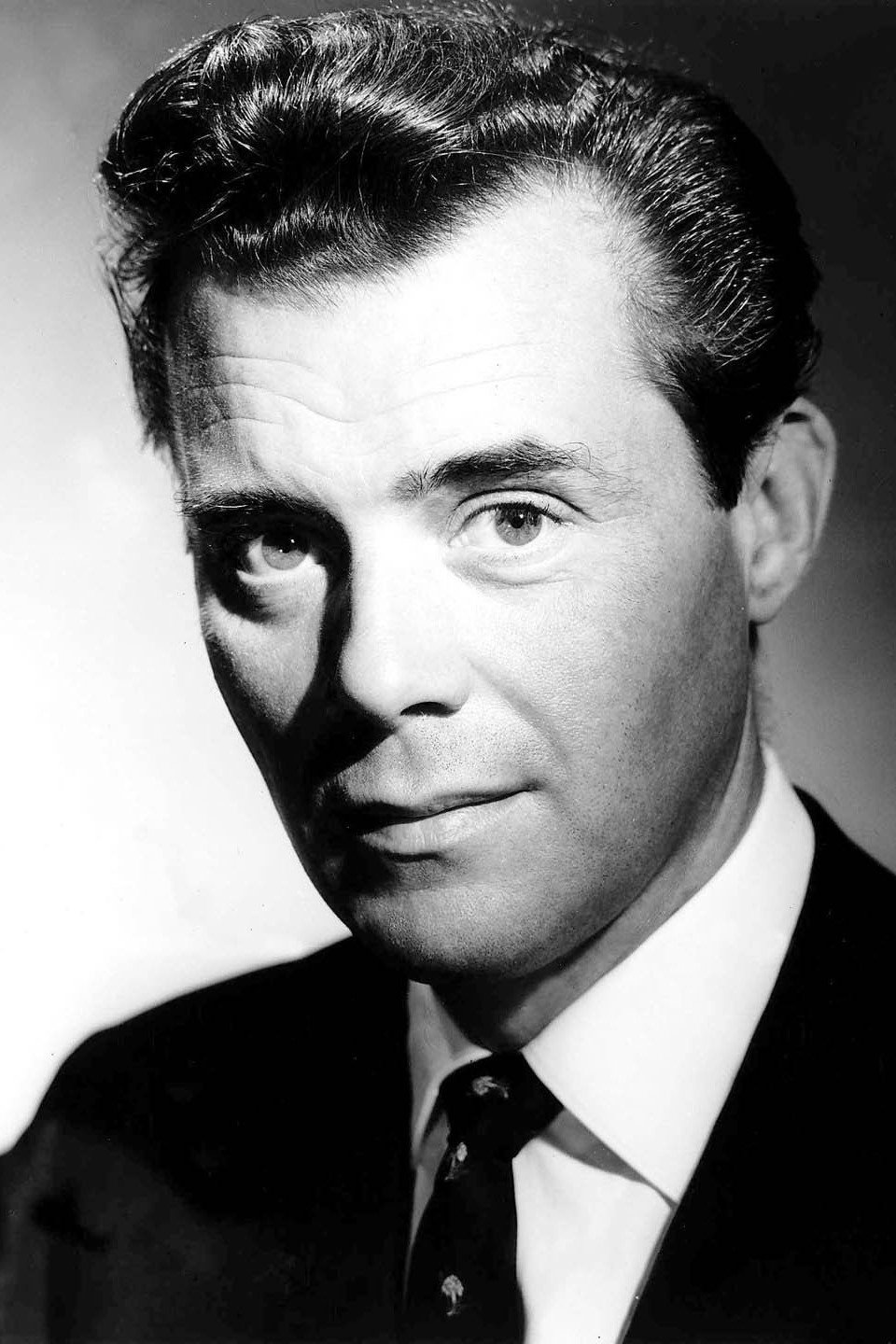
Dirk Bogarde was a British heartthrob who tried to make a transition to Hollywood stardom in the 1950s. He grew frustrated with the studio system’s insistence on molding him into a conventional romantic idol. He eventually turned his back on Hollywood to make complex and controversial films in Europe like ‘Victim’ which addressed gay blackmail. The American film industry failed to offer him the challenging roles that allowed him to explore the nuance of human sexuality.
George Takei
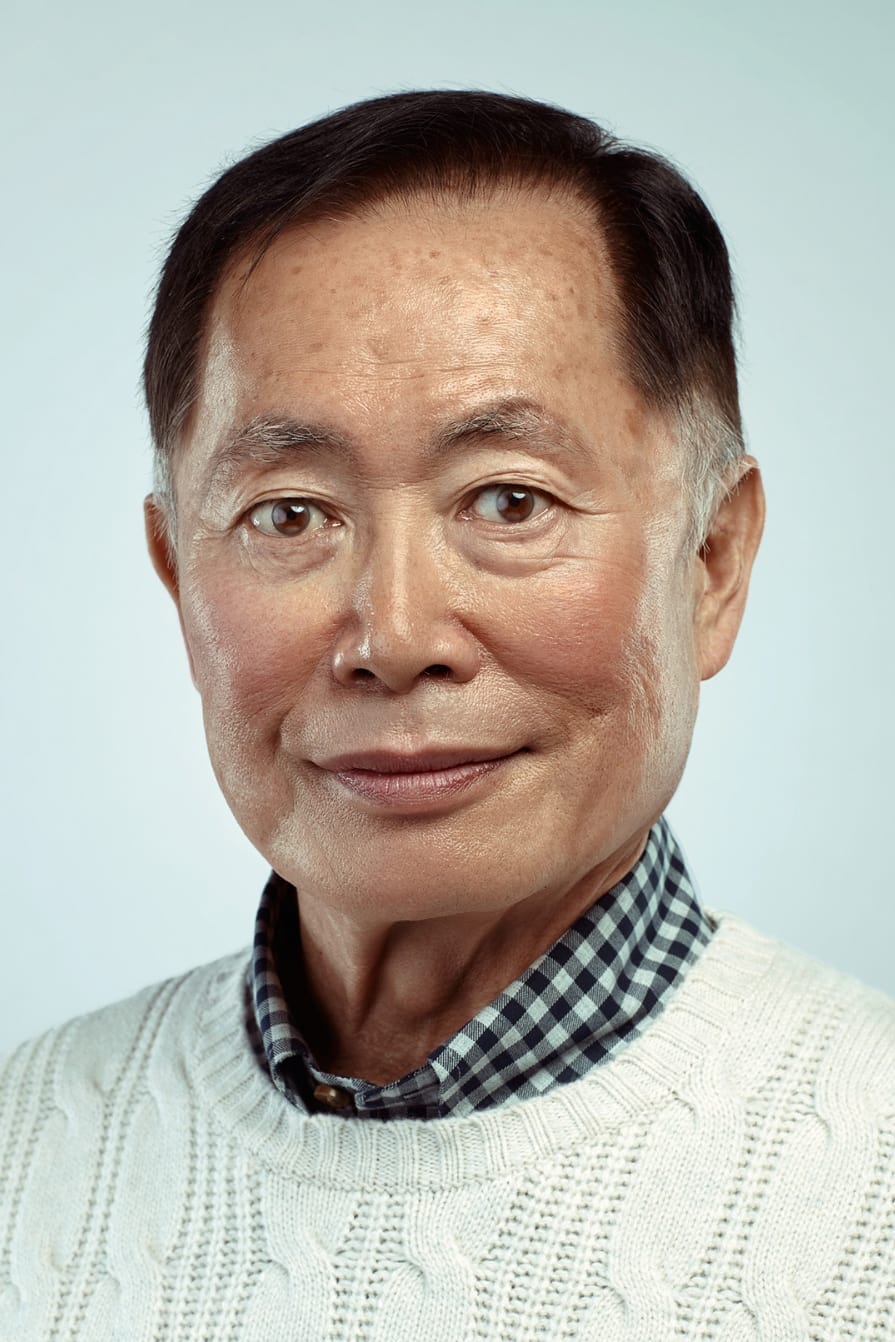
George Takei gained fame as Sulu on ‘Star Trek’ but found his opportunities limited after the show ended. He struggled against both racial stereotyping and the necessity of keeping his sexuality hidden to get work. He lived for decades as a closeted bachelor because he knew coming out would end his career instantly. It was only in his later years that the industry began to embrace him for his activism and authentic self.
Rupert Everett
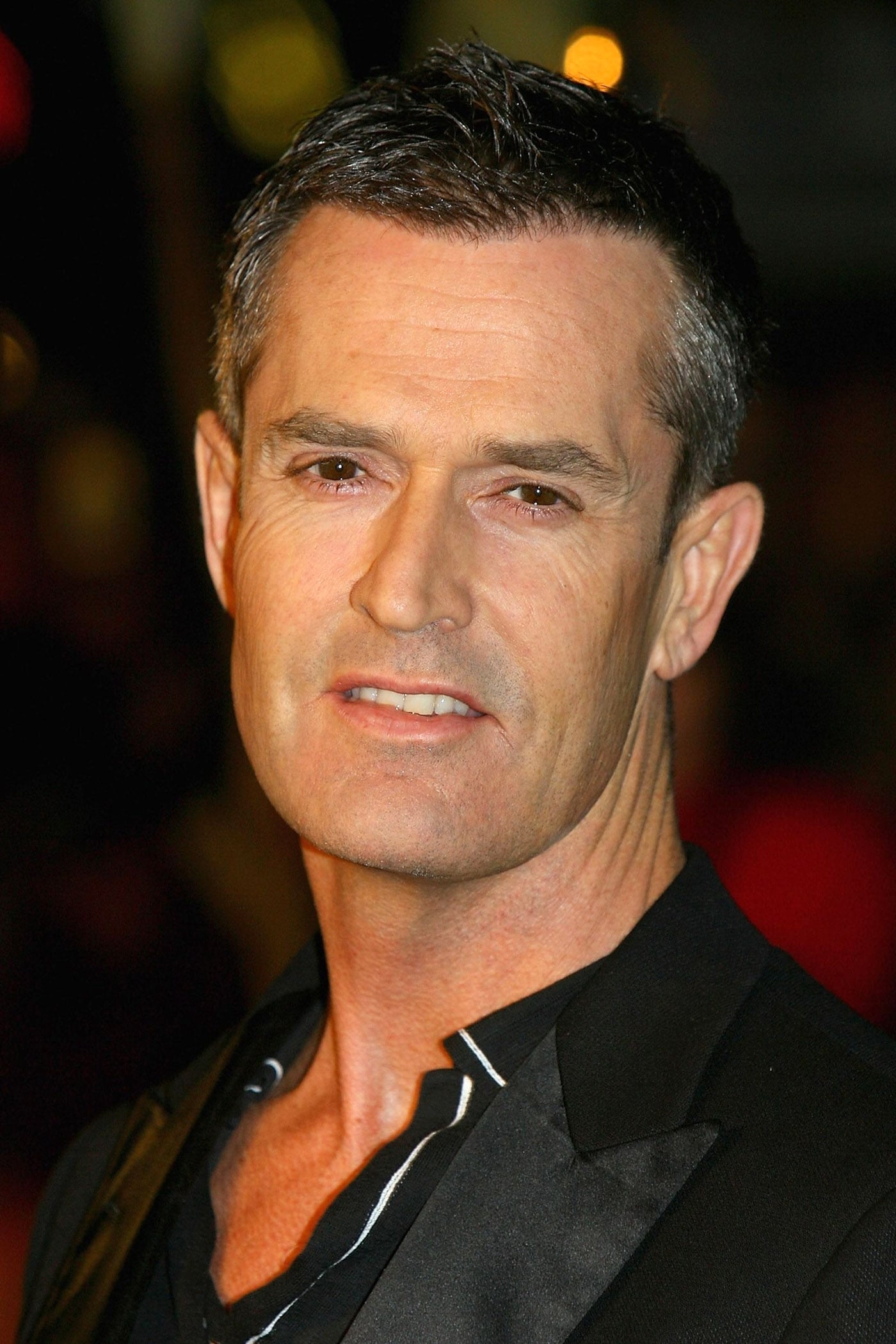
Rupert Everett was a rising star in the 1990s with breakout roles in films like ‘My Best Friend’s Wedding’. He has been vocal about how his decision to come out as gay negatively impacted his trajectory as a leading man. Studios suddenly stopped considering him for the romantic hero roles that he was perfectly capable of playing. His career stalled as executives struggled to market an openly gay actor to mainstream audiences.
Nigel Hawthorne
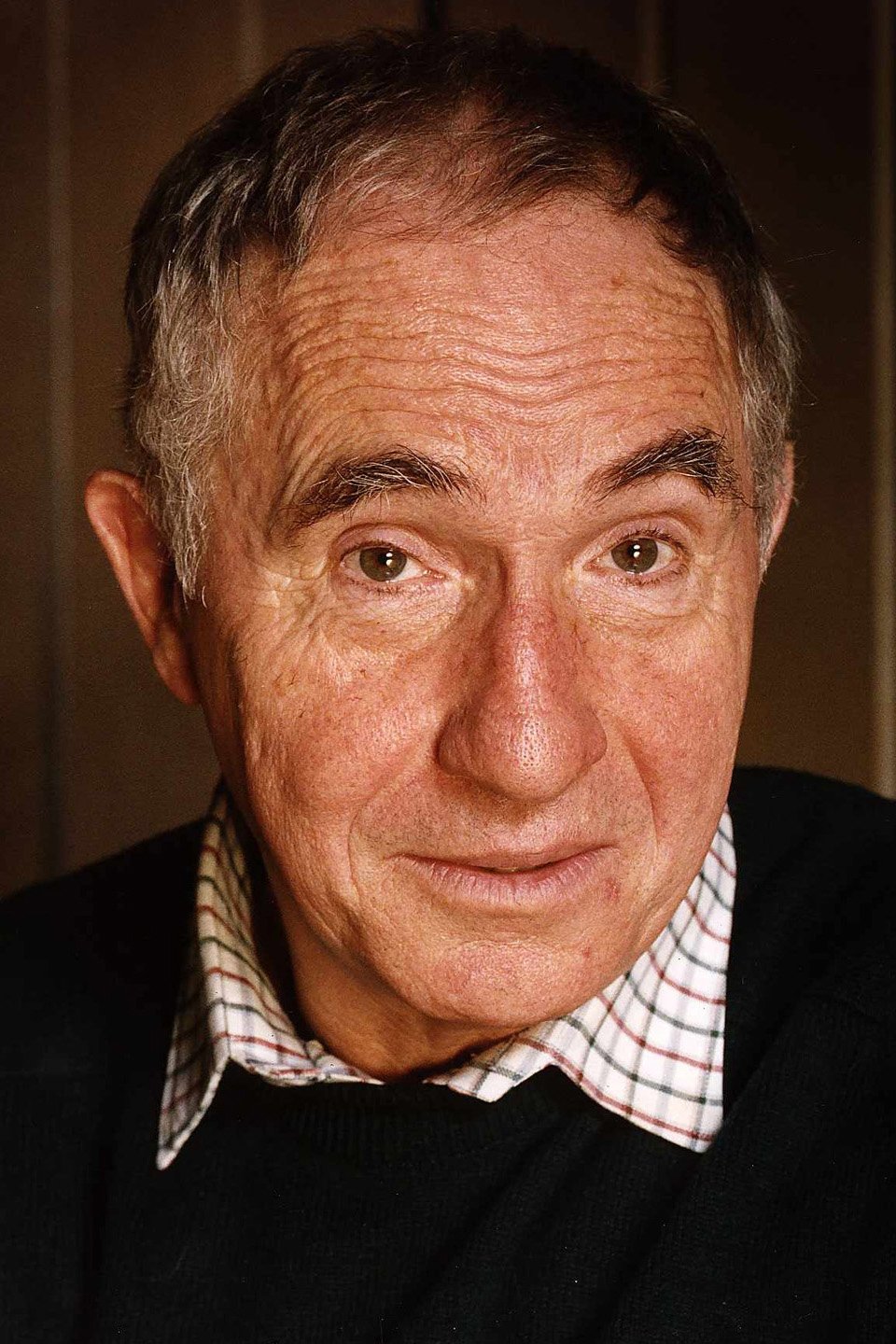
Nigel Hawthorne was a distinguished stage and screen actor who received an Oscar nomination for ‘The Madness of King George’. He was involuntarily outed by the press during the campaign for the Academy Awards. The industry and media focused more on his private life than his masterful performance during the height of his career. Hollywood treated his sexuality as a scandal rather than a simple fact of his life.
Ian McKellen
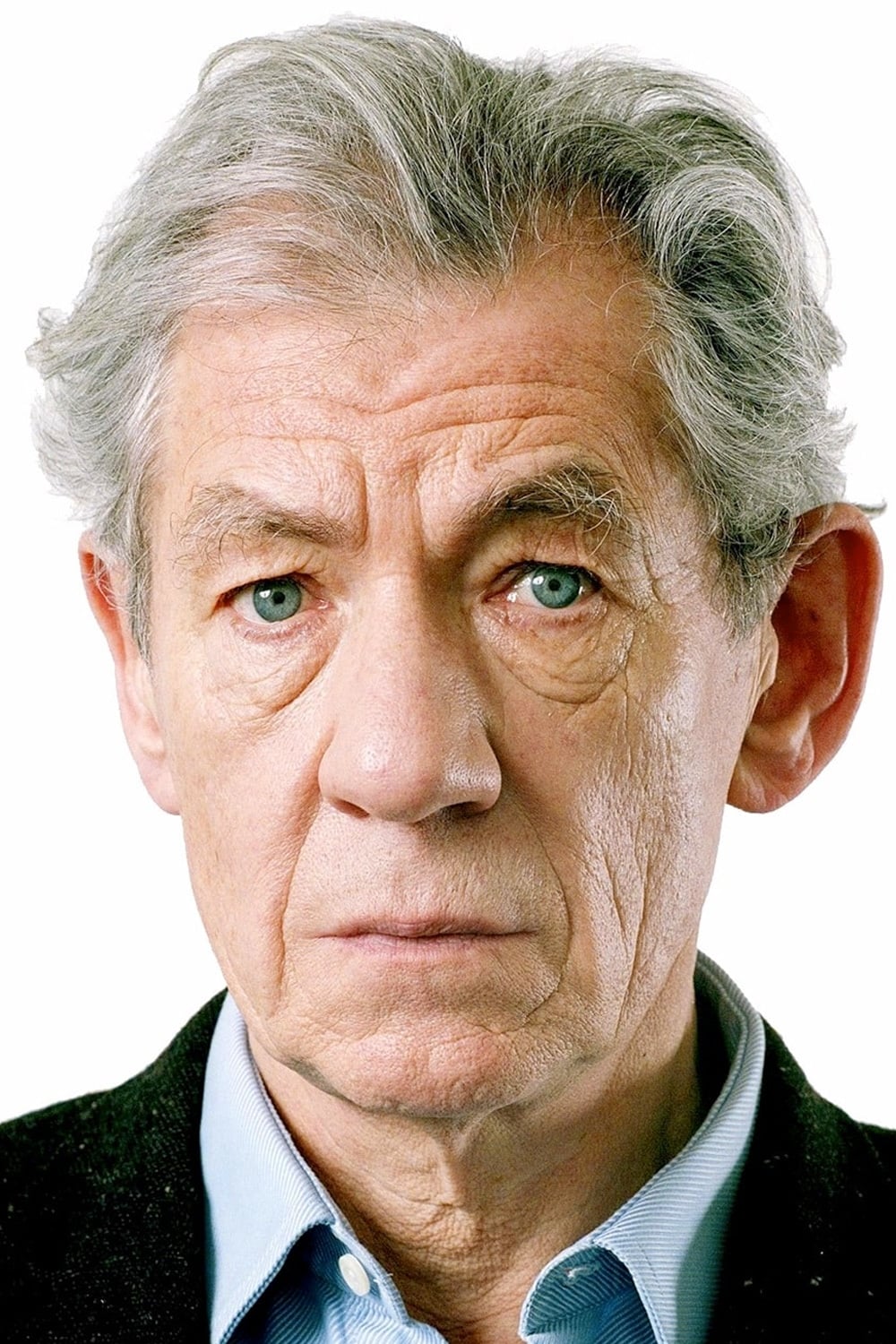
Ian McKellen is now a celebrated icon but his film career did not truly take off until he was much older. He spent years focusing on theater partly because the film industry of his youth was not a welcoming place for openly gay men. He came out publicly to fight against discriminatory laws and risked his career to do so. Hollywood finally embraced him as a wizard and a mutant only after he had established himself as a legend on the stage.
Nathan Lane
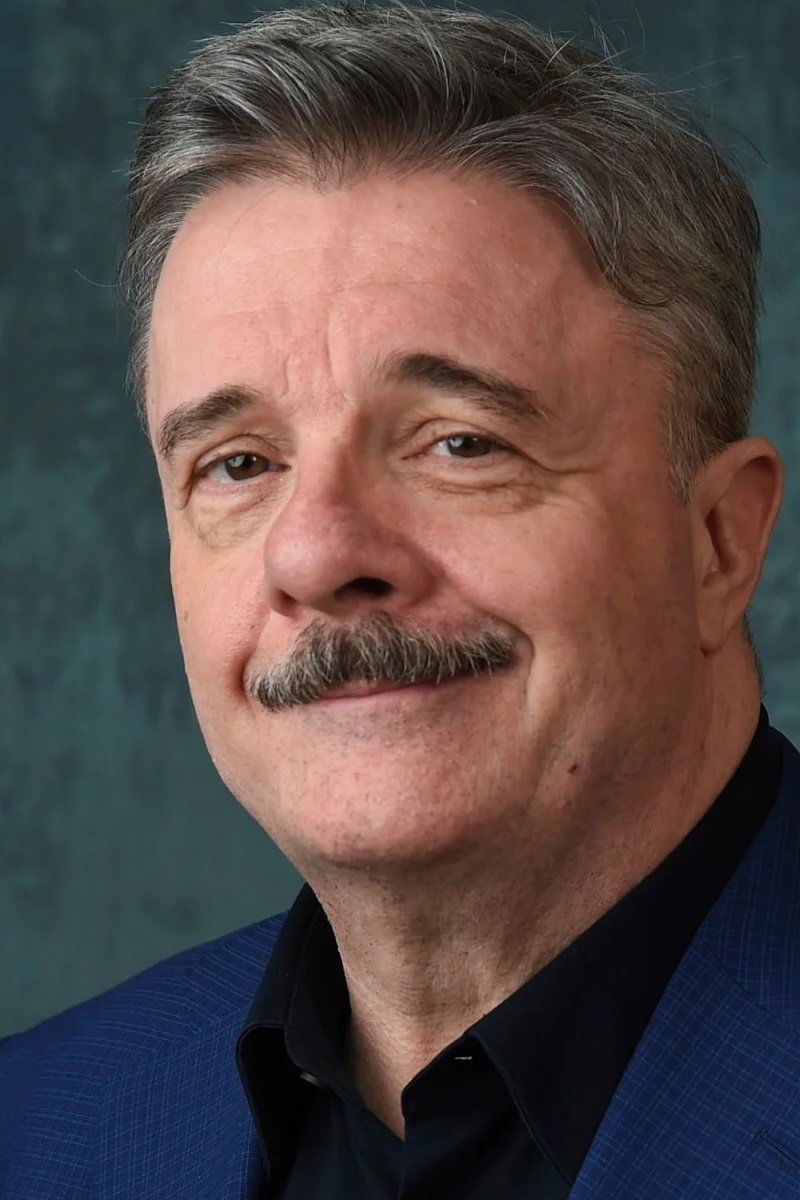
Nathan Lane is a comedic powerhouse who charmed audiences in ‘The Birdcage’ and voicing Timon in ‘The Lion King’. Despite his success he faced significant typecasting that limited his access to dramatic film roles for many years. The industry often viewed him solely through the lens of the flamboyant characters he played early on. He had to work arguably harder than his peers to prove he could handle serious material beyond the stereotype.
Sean Hayes
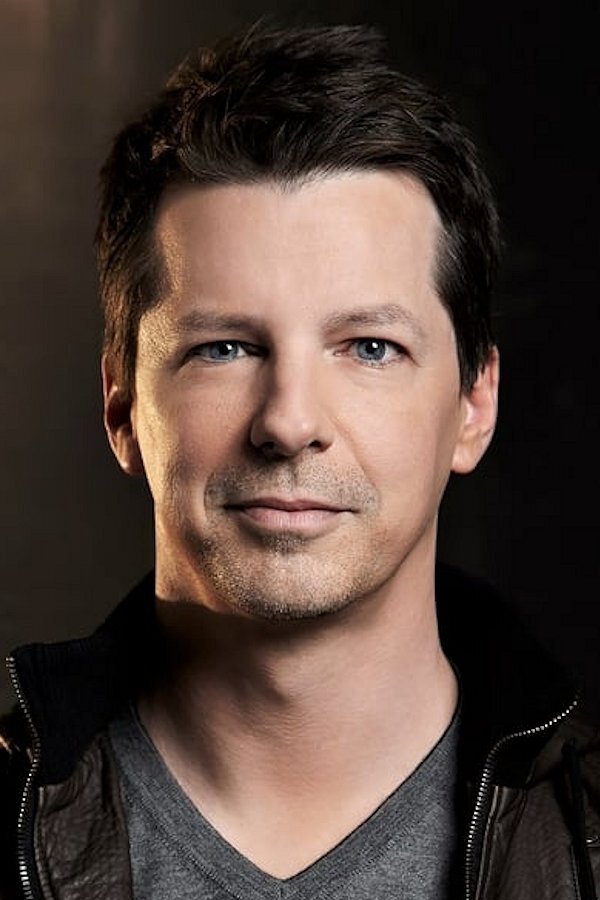
Sean Hayes created an iconic character with Jack McFarland on ‘Will & Grace’ but found it difficult to break out of that box. Hollywood executives and casting directors struggled to see him as anything other than the flamboyant sidekick for years after the show ended. He faced the unique double-edged sword of playing a gay character so well that the industry refused to believe he could play anyone else. It took years of persistence for him to be offered more diverse roles.
T. R. Knight
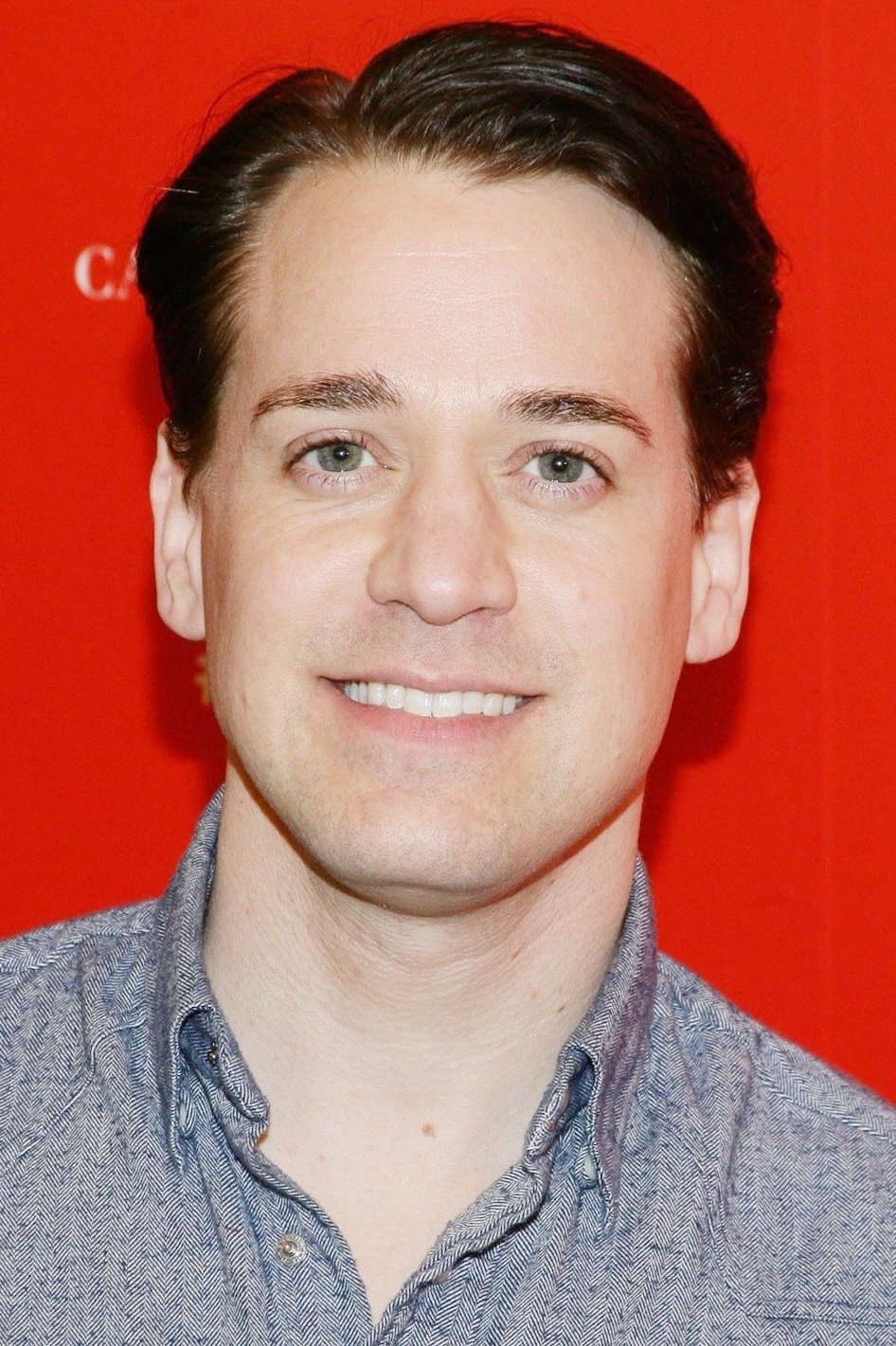
T.R. Knight was a breakout star on the hit medical drama ‘Grey’s Anatomy’ as the lovable George O’Malley. His time on the show ended in controversy after an on-set homophobic slur incident involving a co-star. The subsequent media storm and his coming out led to a cooling of his mainstream career opportunities. Hollywood failed to support him adequately during a crisis that was not of his making.
Chad Allen
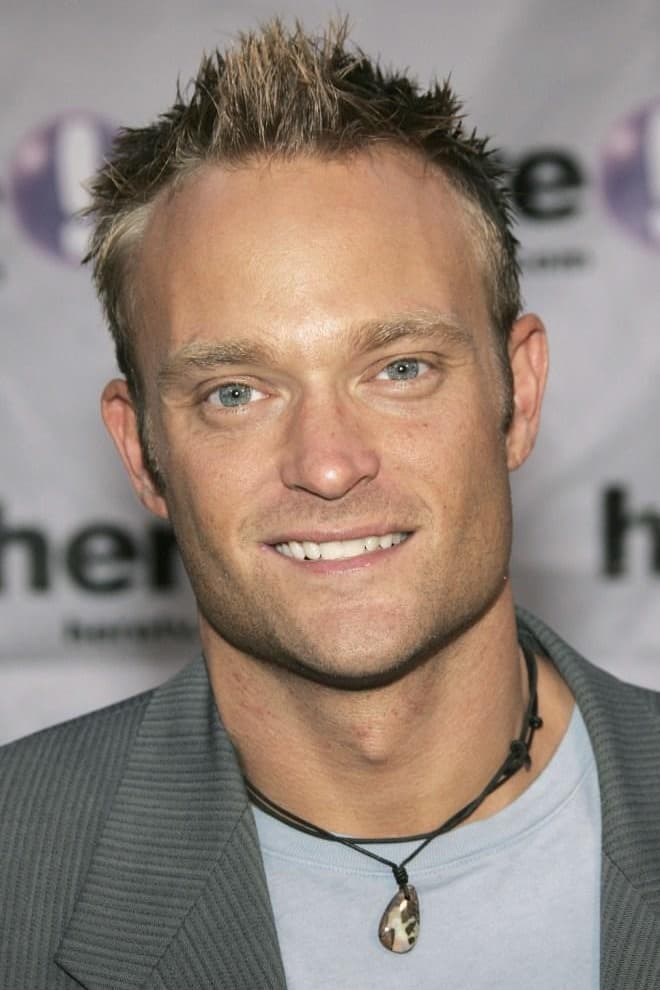
Chad Allen was a teen heartthrob on the drama ‘Dr. Quinn, Medicine Woman’ with a massive following. His career as a mainstream idol was derailed when tabloid photos outed him without his consent. The industry effectively shut him out of the leading man roles he had been grooming for as a young actor. He eventually stepped away from acting to become a clinical psychologist after seeing how hollow the business could be.
Matt Bomer
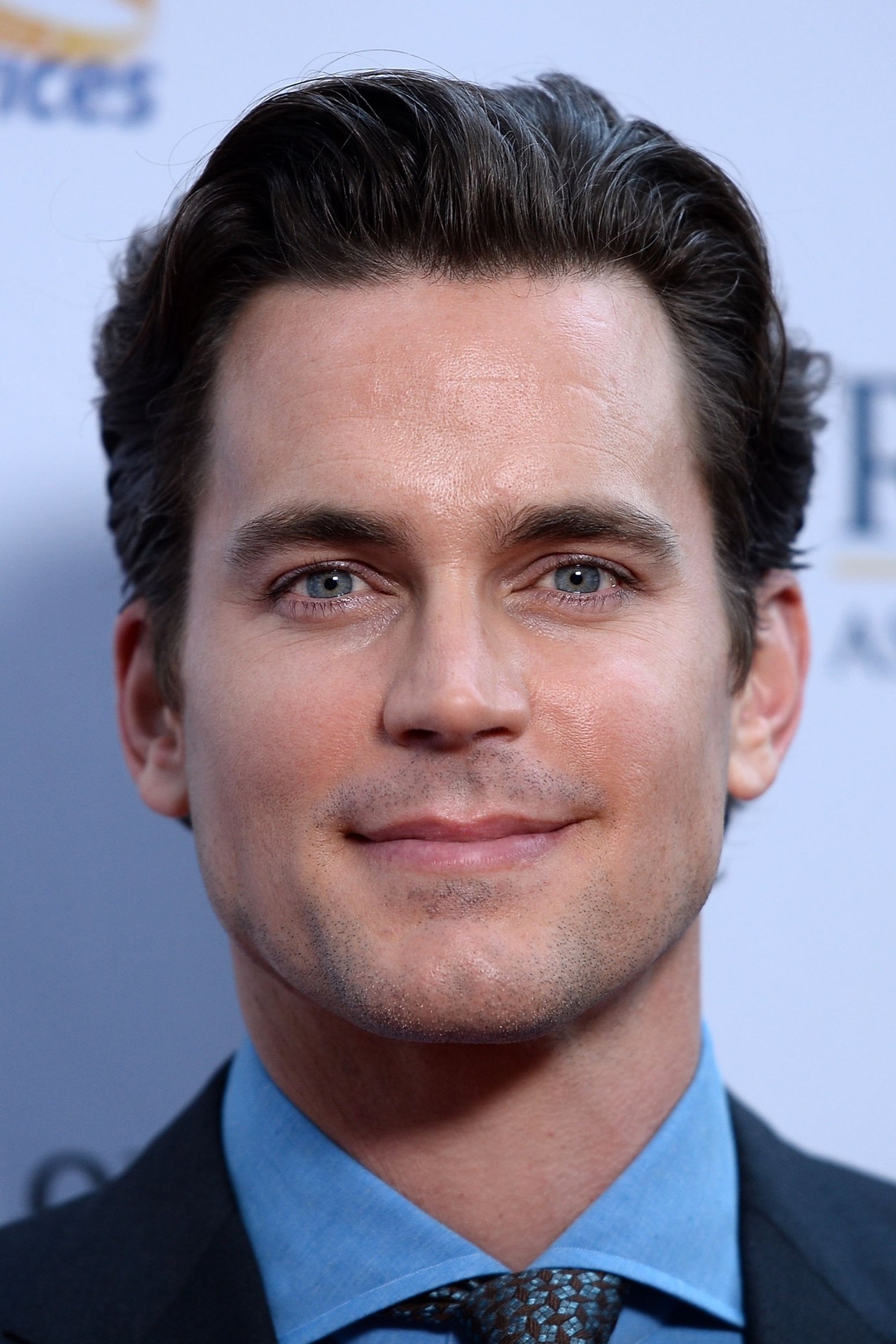
Matt Bomer possesses the classic looks of a Golden Age movie star and has proven his acting chops in projects like ‘The Normal Heart’. Author Jackie Collins famously claimed he lost the role of Superman because the studio discovered he was gay. Despite his obvious suitability for superhero and action leads he has often been passed over for the biggest franchise tentpoles. The industry still hesitates to cast openly gay men as ultimate symbols of masculine heroism.
John Barrowman
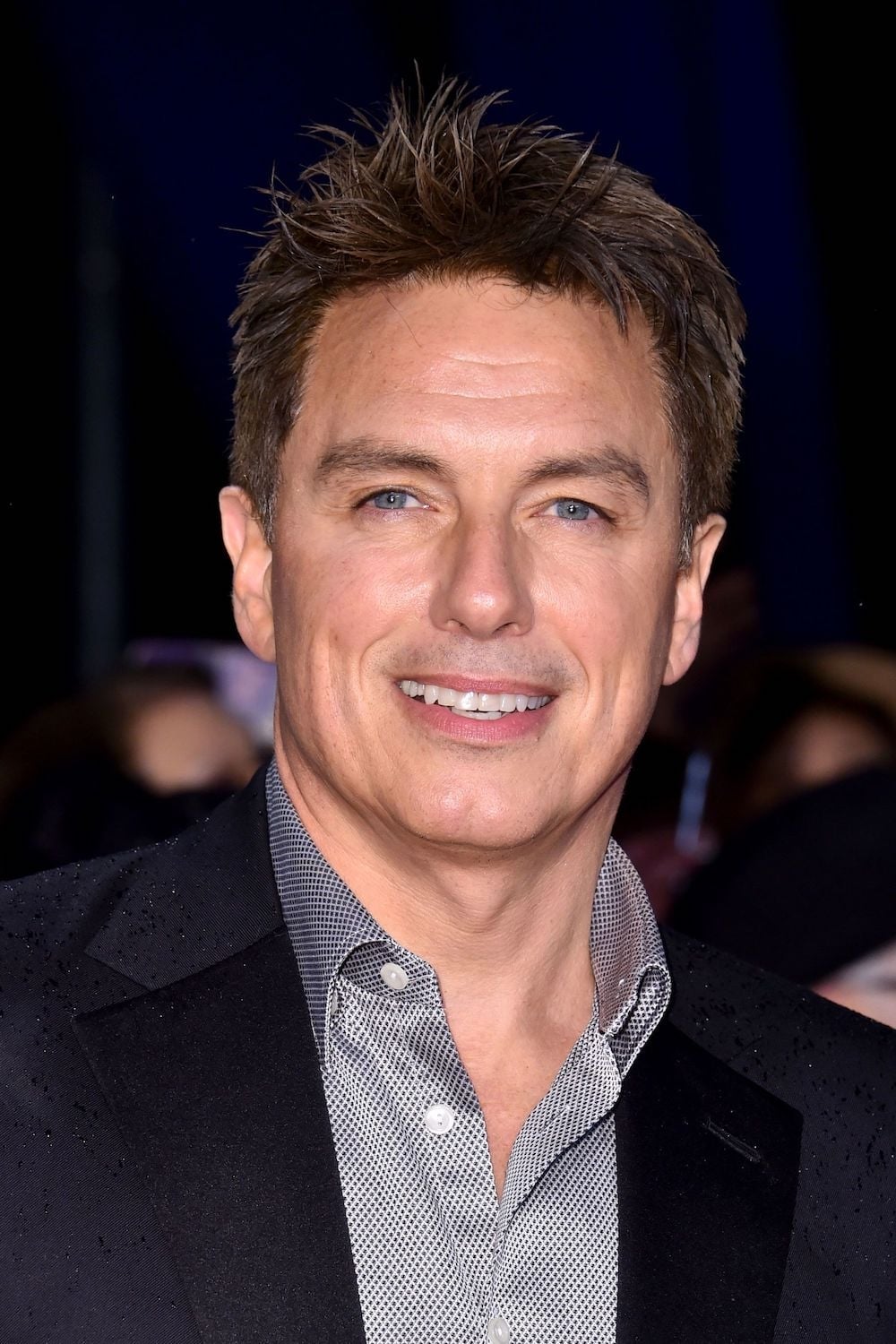
John Barrowman is a charismatic performer who found massive success in the UK as Captain Jack Harkness on ‘Torchwood’. He has spoken about being told by American producers that he was too gay to play straight and too straight to play gay. Hollywood executives could not figure out how to categorize a handsome leading man who was unapologetically himself. He had to cross the Atlantic to find a role that fully embraced his unique energy.
Wilson Cruz
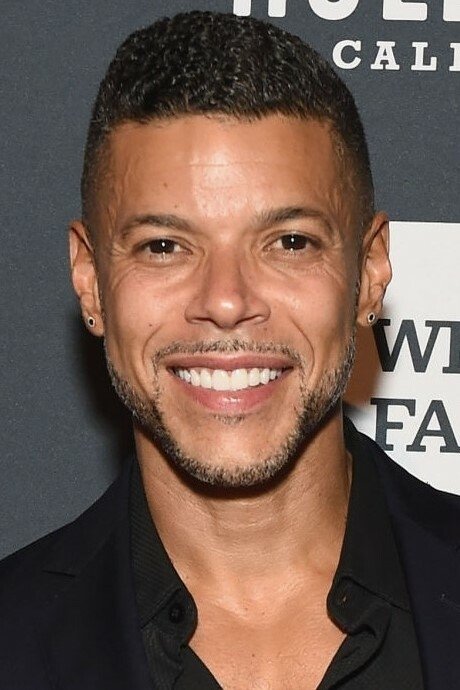
Wilson Cruz broke ground playing a gay teenager on the cult classic ‘My So-Called Life’ in the 1990s. Despite that critically acclaimed performance he struggled to find consistent work in an industry that had few roles for Latino gay actors. He often found himself relegated to guest spots rather than being developed as a series lead. It took decades for the industry to catch up to the visibility he tried to create early in his career.
Jonathan Groff
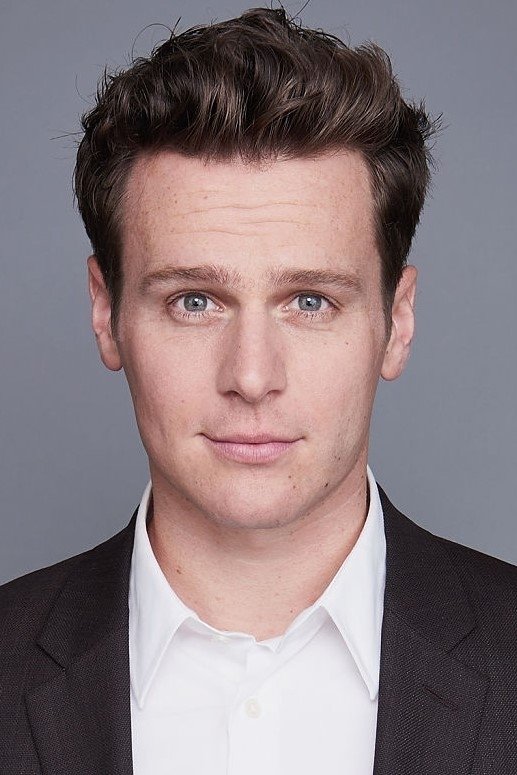
Jonathan Groff rose to fame in Broadway’s ‘Spring Awakening’ and became a recognizable face on television. While he has found success he has also faced criticism and pigeonholing from industry insiders who questioned his believability in straight roles. An infamous review once claimed he was not convincing as a heterosexual love interest solely because of his sexuality. Hollywood continues to grapple with its bias against out actors playing romantic leads opposite women.
Share your thoughts on which of these actors deserved better from the industry in the comments.

