


Gay Actresses Hollywood Failed to Understand

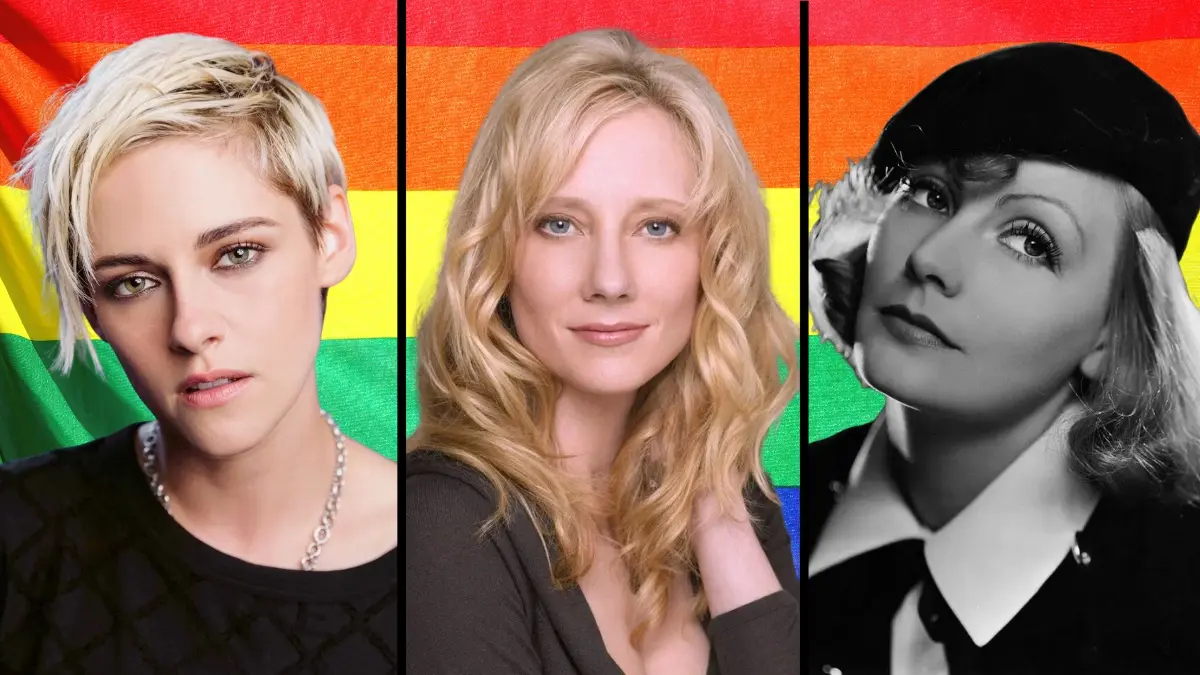


Hollywood has long struggled to reconcile the private lives of its stars with the carefully manufactured images sold to the public. For decades, the industry forced actresses into lavender marriages or silence to protect box office returns and appease moral guardians. Talented women who defied traditional gender norms or lived openly were often typecast, blacklisted, or pushed into early retirement. Even in more recent years, coming out has carried professional risks that many hesitated to take. These women navigated a system that rarely knew how to celebrate their authentic selves.
Greta Garbo
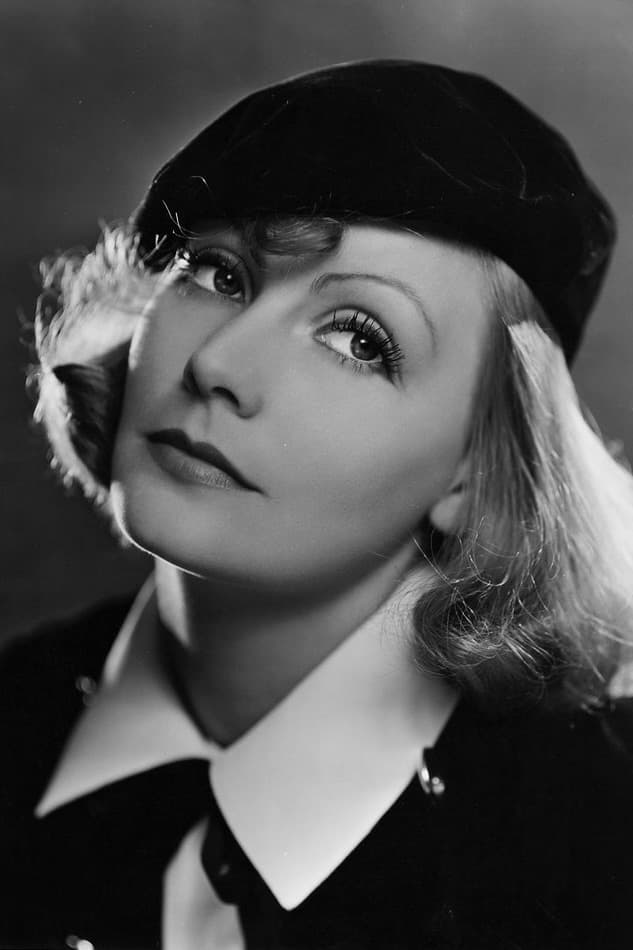
The Swedish sphinx captivated audiences with her enigmatic beauty and deep emotional reserves in films like ‘Grand Hotel’. She notoriously fiercely guarded her privacy and retired from the screen at the age of thirty-six to live a secluded life away from the public eye. Historians have since documented her intense romantic relationships with women including playwright Mercedes de Acosta. Her refusal to play the Hollywood publicity game allowed her to maintain her dignity but left the industry baffled by her choices. Garbo remains the ultimate symbol of a star who chose personal authenticity over prolonged fame.
Marlene Dietrich
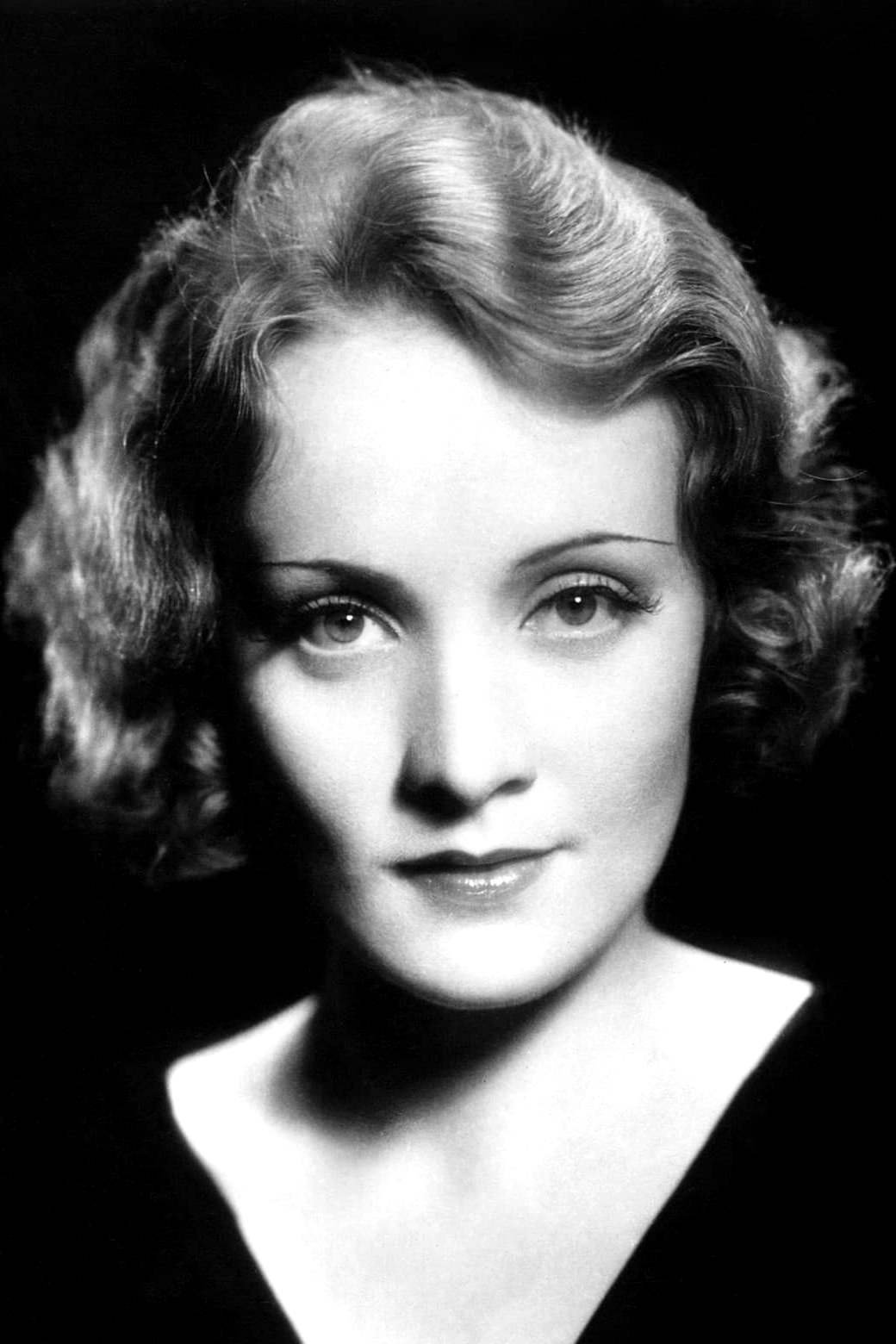
Dietrich shattered gender norms by wearing tuxedos and kissing women on screen in films such as ‘Morocco’. Her open bisexuality was known within the industry’s “sewing circle” but was carefully managed by studio publicity departments. She cultivated an androgynous glamour that fascinated audiences while subverting the traditional expectations of a leading lady. Her defiance of conventional femininity made her an icon but also limited the types of roles Hollywood felt comfortable offering her as she aged. She lived her life on her own terms regardless of what the studios preferred.
Janet Gaynor
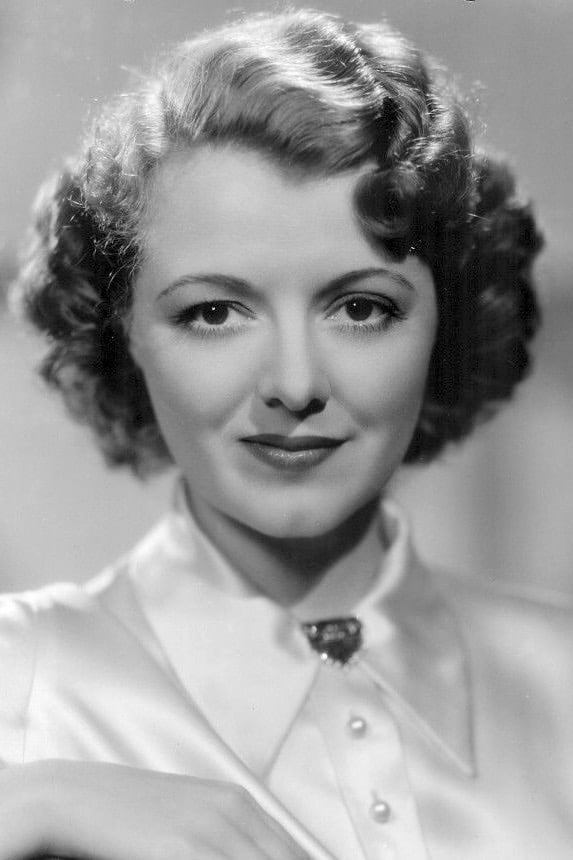
As the winner of the first Academy Award for Best Actress, Gaynor was a wholesome superstar of the silent and early sound eras. The studio system pressured her to maintain a heteronormative image which led to her lavender marriage to costume designer Adrian. This union allowed both of them to hide their sexuality while remaining powerful figures in the industry. Gaynor eventually retreated from acting to live a quieter life and largely escaped the scandals that plagued others. Her story highlights how deeply the industry relied on arranged marriages to protect its investments.
Lilyan Tashman
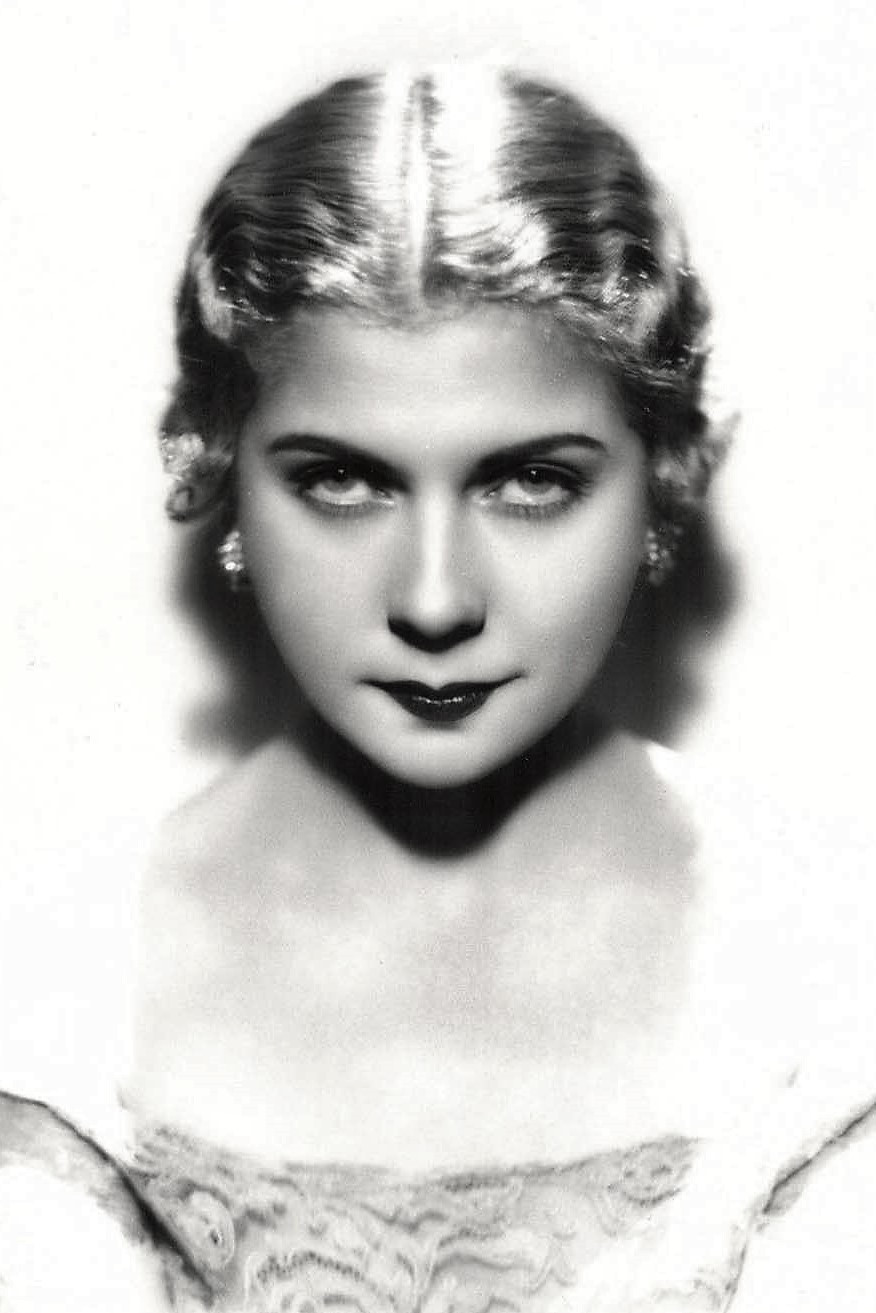
Tashman was known for her sophisticated style and scene-stealing performances in pre-Code films. She entered into a lavender marriage with actor Edmund Lowe that was marketed as an ideal Hollywood romance to cover both their tracks. Insiders knew of her affairs with other women but the public remained largely unaware during her lifetime. Her untimely death at a young age cut short a career that was built on a carefully constructed façade. She navigated the thin line between public visibility and private secrecy with remarkable skill.
Patsy Kelly
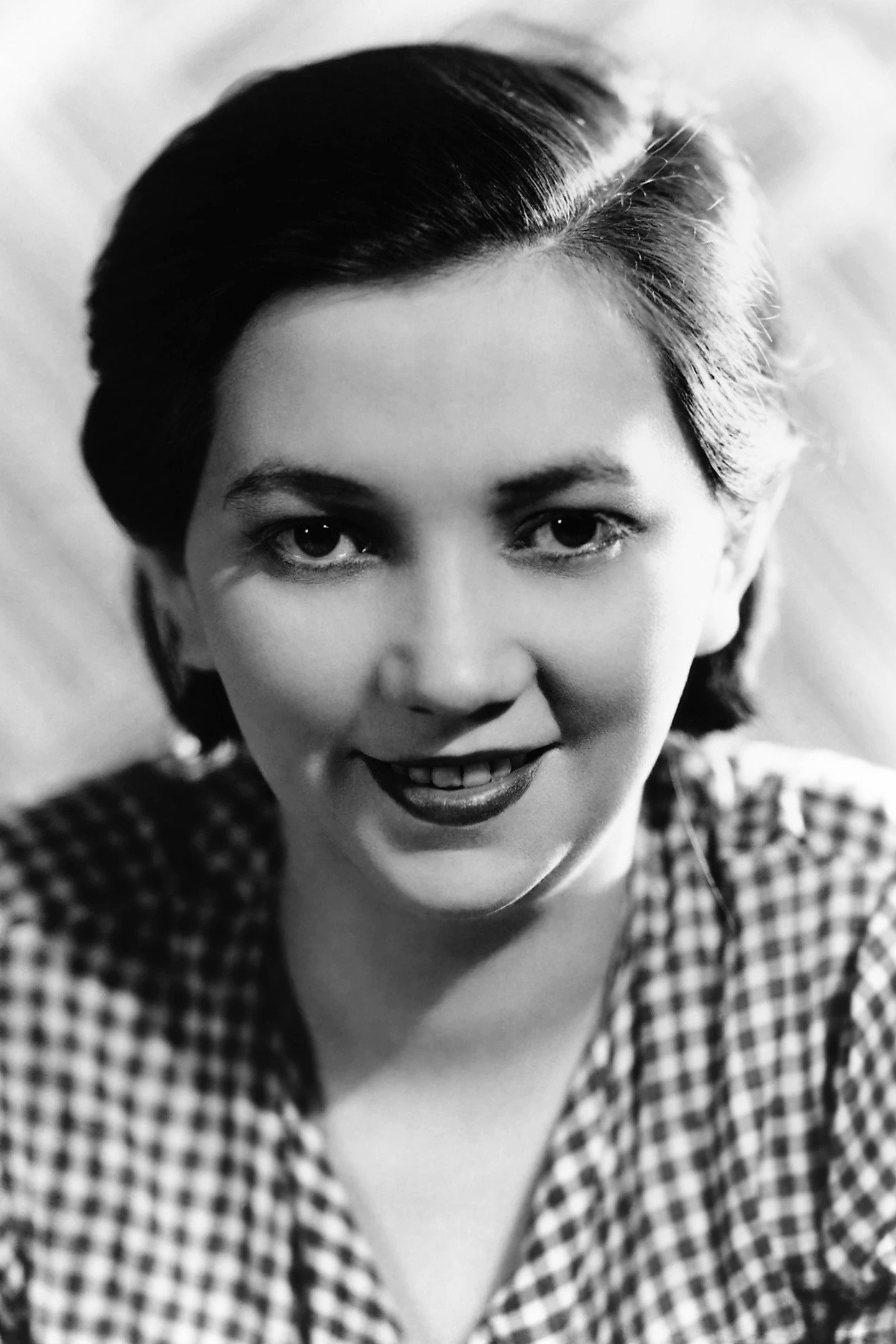
This comedic actress was celebrated for her wisecracking sidekick roles in the 1930s. Kelly was openly gay within the industry and refused to hide her sexuality which eventually led to her being blacklisted from major studios. Her refusal to conform to the moral clauses of the time forced her into poverty row productions and eventually out of film for years. She later found a resurgence in television and theater but paid a steep price for her honesty. Her treatment serves as a stark reminder of the professional cost of living openly in the Golden Age.
Agnes Moorehead
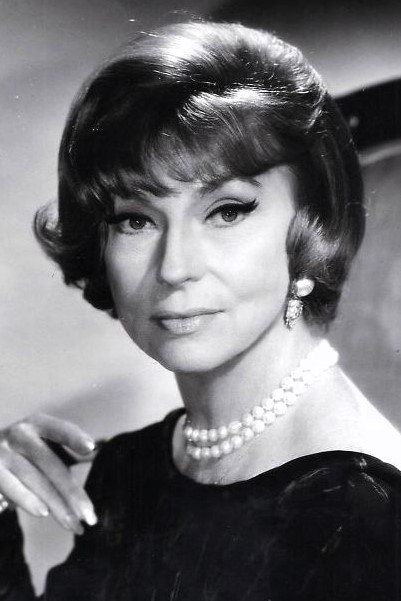
Best known as the sharp-tongued Endora on ‘Bewitched’, Moorehead was a character actress of immense range and talent. She was part of the “sewing circle” and lived a private life that often fueled rumors about her sexuality. Hollywood typecast her as the spinster or the villainess because they could not envision her as a romantic lead. She protected her career by maintaining a discreet public persona even as she lived authentically in private. Her legacy is defined by memorable performances that transcended the limited boxes the industry placed her in.
Spring Byington
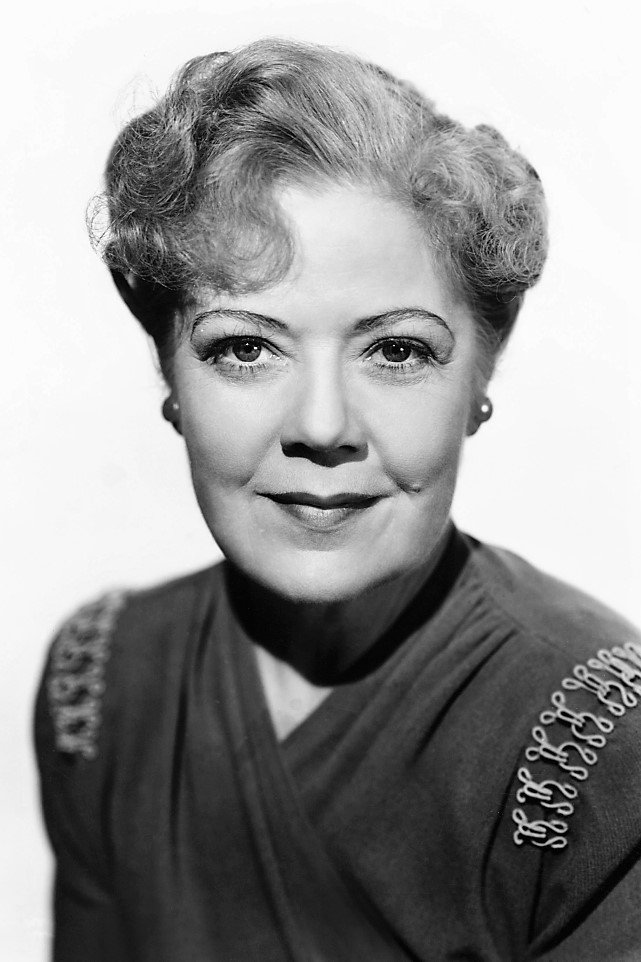
Byington often played the quintessential maternal figure or dizzy dowager in films and the television hit ‘December Bride’. In reality she was rumored to be in a long-term relationship with fellow actress Marjorie Main. The disconnect between her screen persona and her private life was a common survival strategy for gay actresses of her era. She successfully maintained her career by embodying the very traditional values that her personal life quietly defied. Hollywood profited from her motherly image while remaining willfully ignorant of her true self.
Marjorie Main
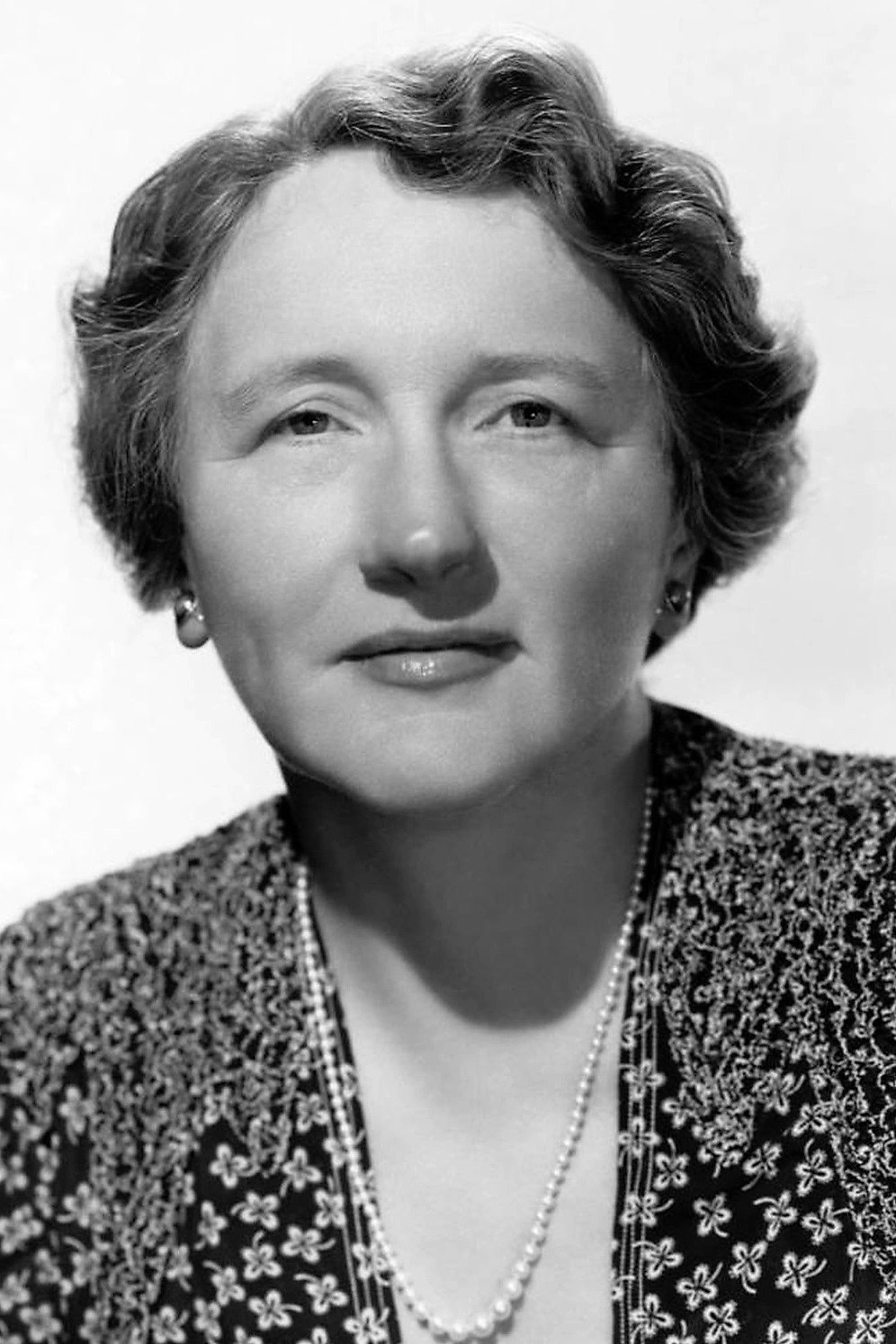
Audiences loved her as the gravel-voiced Ma Kettle who was the antithesis of the glamorous starlet. Main was a character actress who frequently played abrasive or domineering women. Her off-screen relationship with Spring Byington was an open secret among her peers. The industry utilized her unique persona for comedic effect but never explored the depth of her talent beyond stereotypes. She proved that one could be a box office draw without fitting the conventional mold of Hollywood femininity.
Nancy Kulp
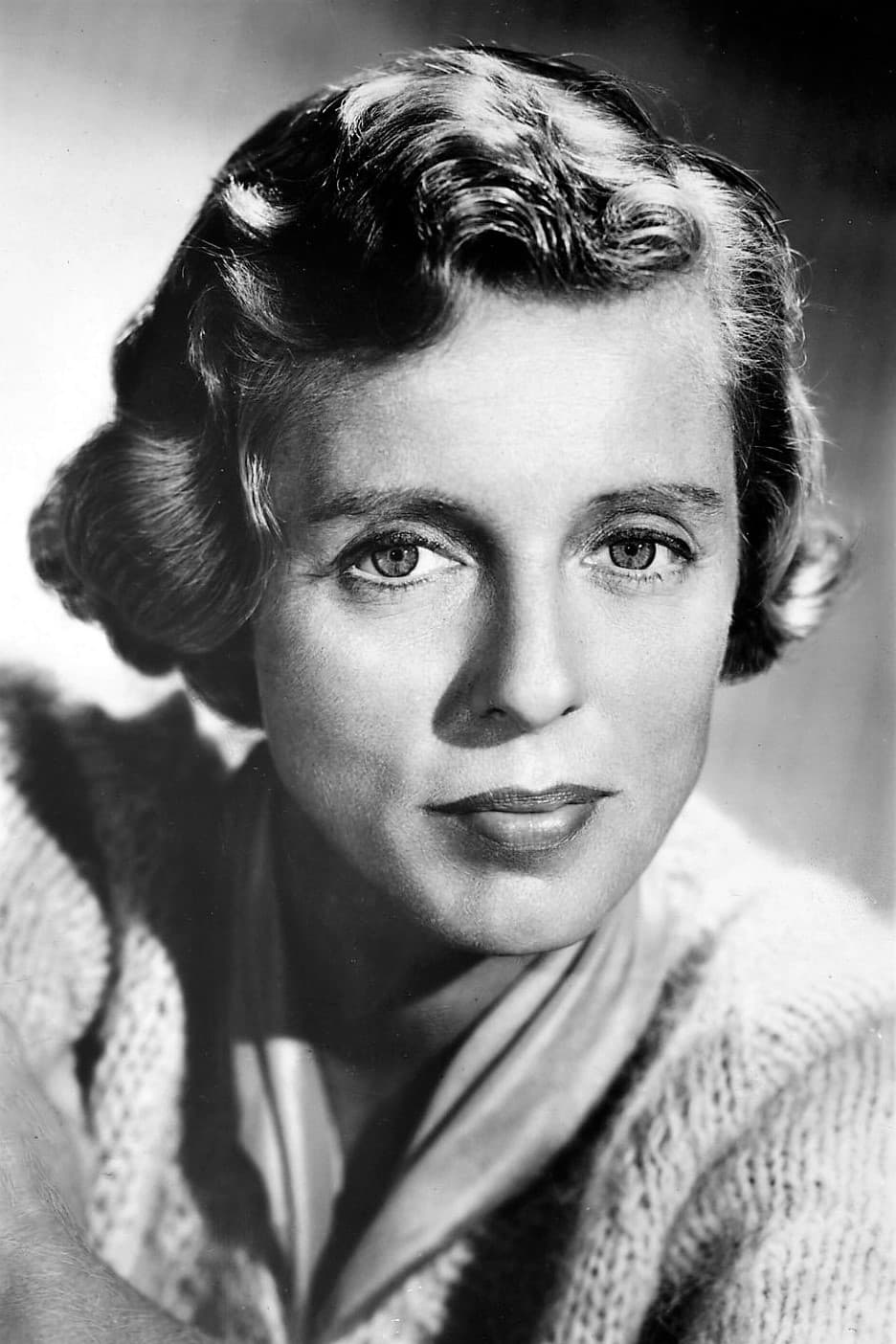
Kulp is remembered by millions as the bird-watching secretary Miss Jane Hathaway on ‘The Beverly Hillbillies’. She lived a closeted life during her acting career to ensure her continued employment in a conservative industry. When she later ran for Congress she was essentially outed by a former co-star which derailed her political aspirations. Her story illustrates the long reach of Hollywood’s heteronormative pressure even after an actor leaves the screen. She deserved a chance to be known for more than just her spinster alter ego.
Lizabeth Scott
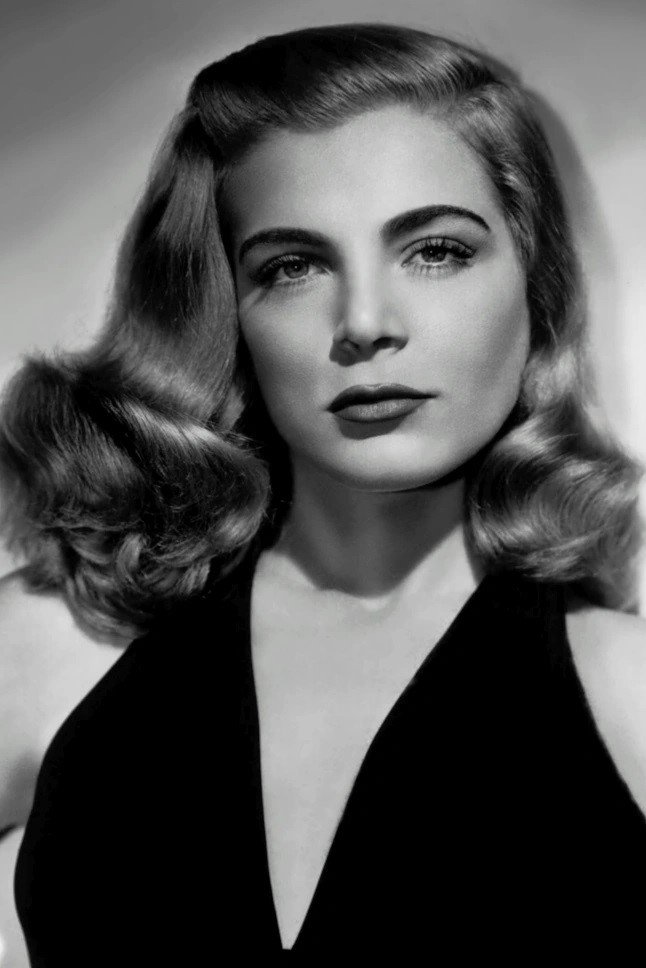
Scott was a queen of film noir known for her husky voice and sultry presence in movies like ‘Dead Reckoning’. Her career was nearly destroyed when a scandal magazine alleged she was a lesbian and published her name in a damaging article. She sued for libel to protect her reputation but the negative publicity caused her film offers to dry up. The industry was quick to distance itself from anyone who might alienate conservative audiences. Her experience demonstrates the fragility of stardom in the face of malicious gossip.
Tallulah Bankhead

Bankhead was a force of nature whose uninhibited lifestyle and fluid sexuality were legendary. She was too provocative for the constrained studio system which often failed to capture her dynamic stage presence on film. Her refusal to filter her personality meant she was often labeled difficult or eccentric by executives. She openly flouted the moral codes that governed Hollywood and blazed a trail for future rebels. The industry simply did not know how to package a woman who refused to be contained.
Alla Nazimova
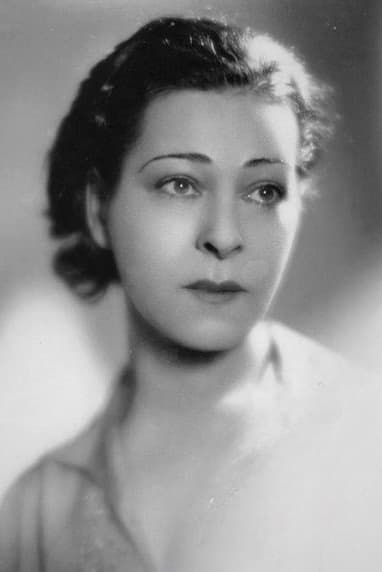
A silent film star and producer, Nazimova was the godmother of Hollywood’s lesbian community. She famously converted her Sunset Boulevard estate into the Garden of Allah hotel which became a safe haven for queer artists. Her career waned as the more puritanical Hays Code took effect and marginalized her exotic brand of filmmaking. She created a sanctuary for others even as the industry became increasingly hostile to her lifestyle. Nazimova was a pioneer who built her own world when Hollywood refused to accommodate her.
Josephine Baker
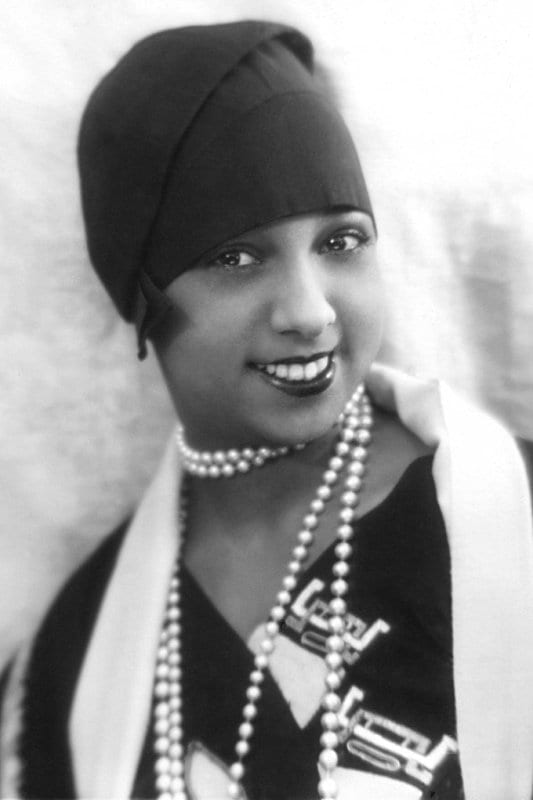
Baker found the United States too restrictive for both her race and her bisexuality. She achieved superstardom in France where she was embraced for her talent and her breaking of sexual taboos. Hollywood offered her roles that were demeaning or stereotypical which prompted her to reject the American studio system. She returned to the US as a civil rights activist but her film legacy remains largely European. Her success abroad highlighted the failures of American cinema to value diverse talent.
Eva Le Gallienne
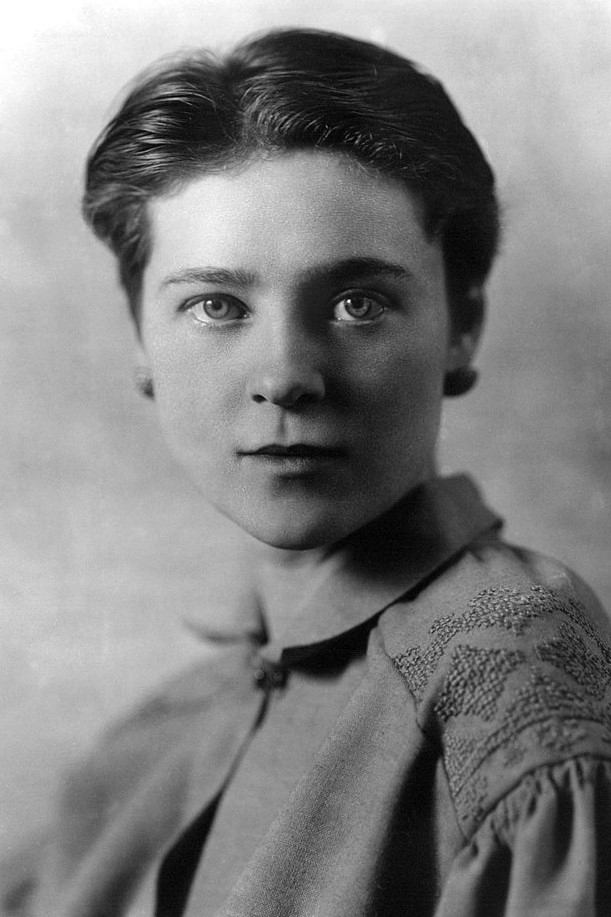
Le Gallienne was a Broadway legend who was open about her lesbianism long before it was acceptable. Her refusal to hide her sexuality meant that she never achieved the film stardom that her talent warranted. She founded the Civic Repertory Theatre in New York to create the kind of artistic environment she could not find in Hollywood. Her uncompromising integrity cost her movie roles but secured her place in theatrical history. She proved that artistic fulfillment was possible outside the constraints of the studio system.
Barbara Stanwyck
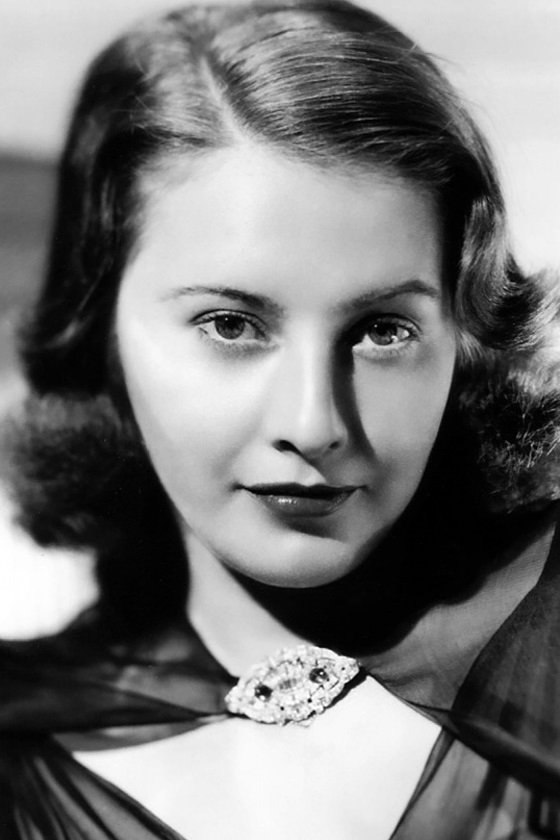
Stanwyck was a versatile powerhouse who starred in classics ranging from ‘Double Indemnity’ to ‘The Lady Eve’. Rumors of her sexuality persisted throughout her career and her marriage to Robert Taylor was widely viewed as a lavender arrangement. She played tough and independent women who often challenged male authority. The studio system valued her work ethic but compelled her to maintain a traditional public façade. She navigated the industry’s demands with a professionalism that concealed her private truth.
Katharine Hepburn
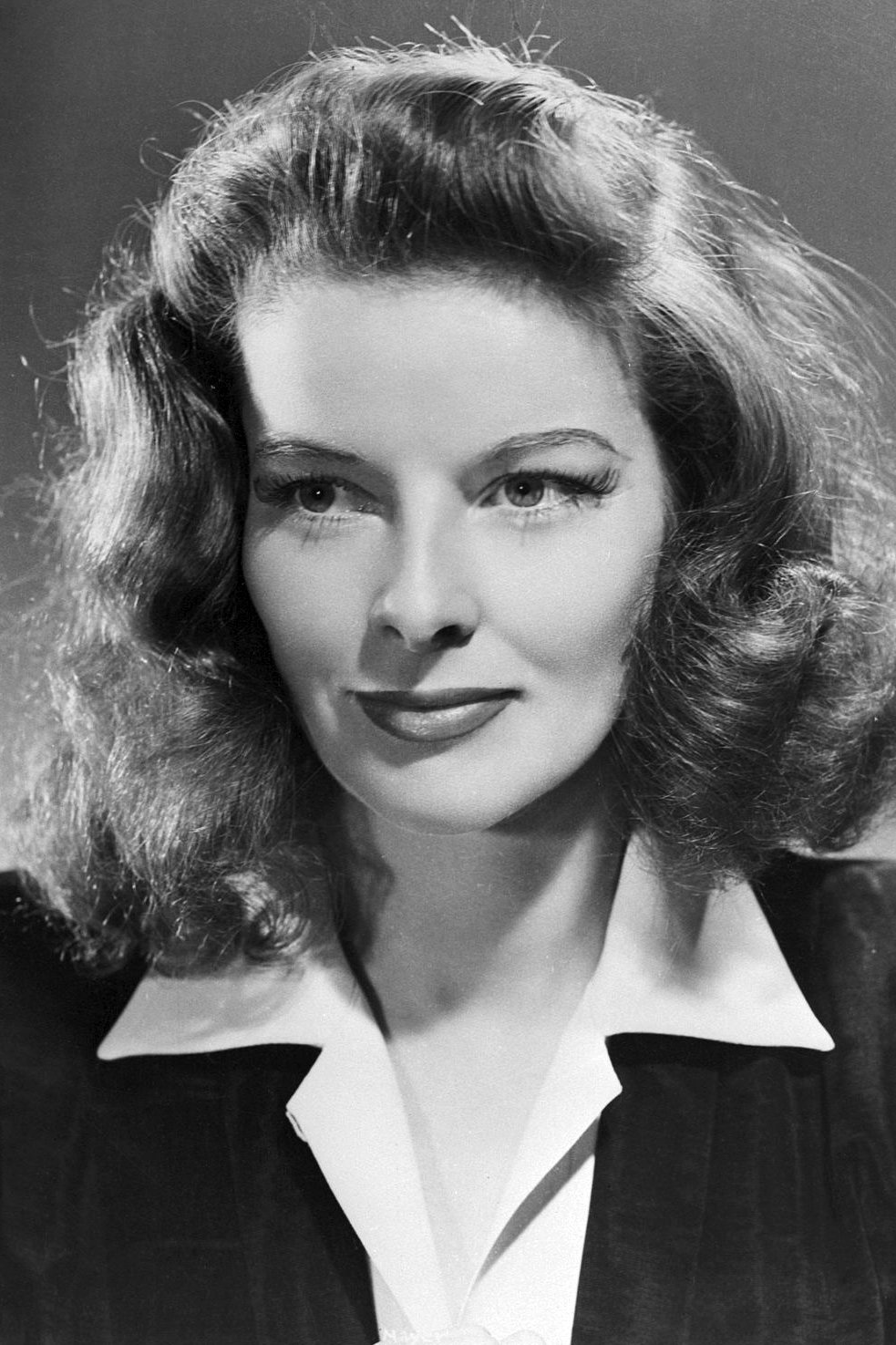
Hepburn wore trousers and projected an athletic independence that was radical for her time. Her decades-long relationship with Spencer Tracy was presented as a great romance though insiders have suggested it was a cover for both stars. Hollywood allowed her to bend gender rules only because she was undeniably bankable. She crafted a persona that was both unconventional and carefully controlled to survive in the mainstream. Her ability to control her own narrative was a rare feat in the studio era.
Anne Heche
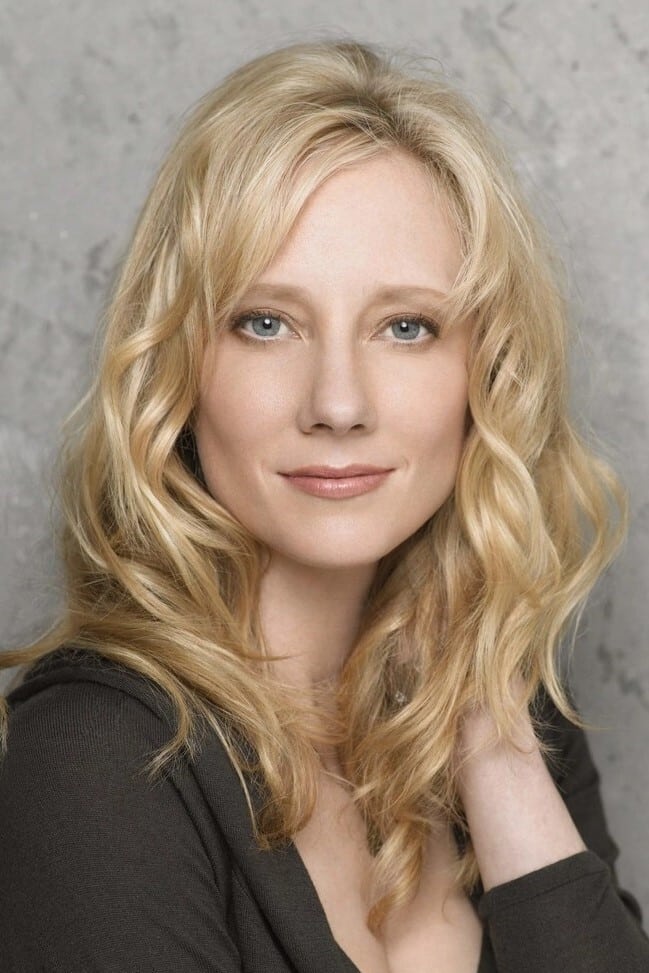
Heche famously faced immediate industry backlash when she took Ellen DeGeneres as her date to the premiere of ‘Volcano’. She later stated that she was fired from a picture deal and did not work in a studio film for ten years following the event. Her courage in coming out during the less tolerant 1990s derailed her trajectory as a rising leading lady. Hollywood punished her for breaking the illusion of availability to male audiences. Her story is a modern example of the professional penalties attached to visibility.
Ellen DeGeneres
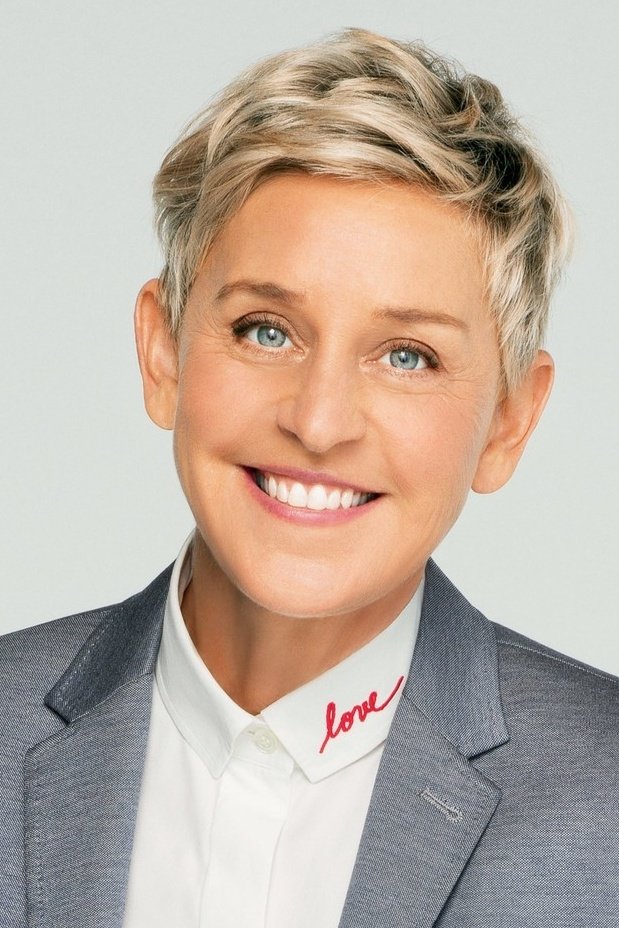
DeGeneres made history by coming out both in real life and as her character on her sitcom. The show was eventually cancelled and she faced a period of intense scrutiny and professional isolation. Executives feared that mainstream audiences would reject an openly gay lead actress. She eventually rebuilt her career as a talk show host but the initial fallout was severe. The industry initially failed to understand that honesty could resonate with viewers just as much as fantasy.
Kristy McNichol
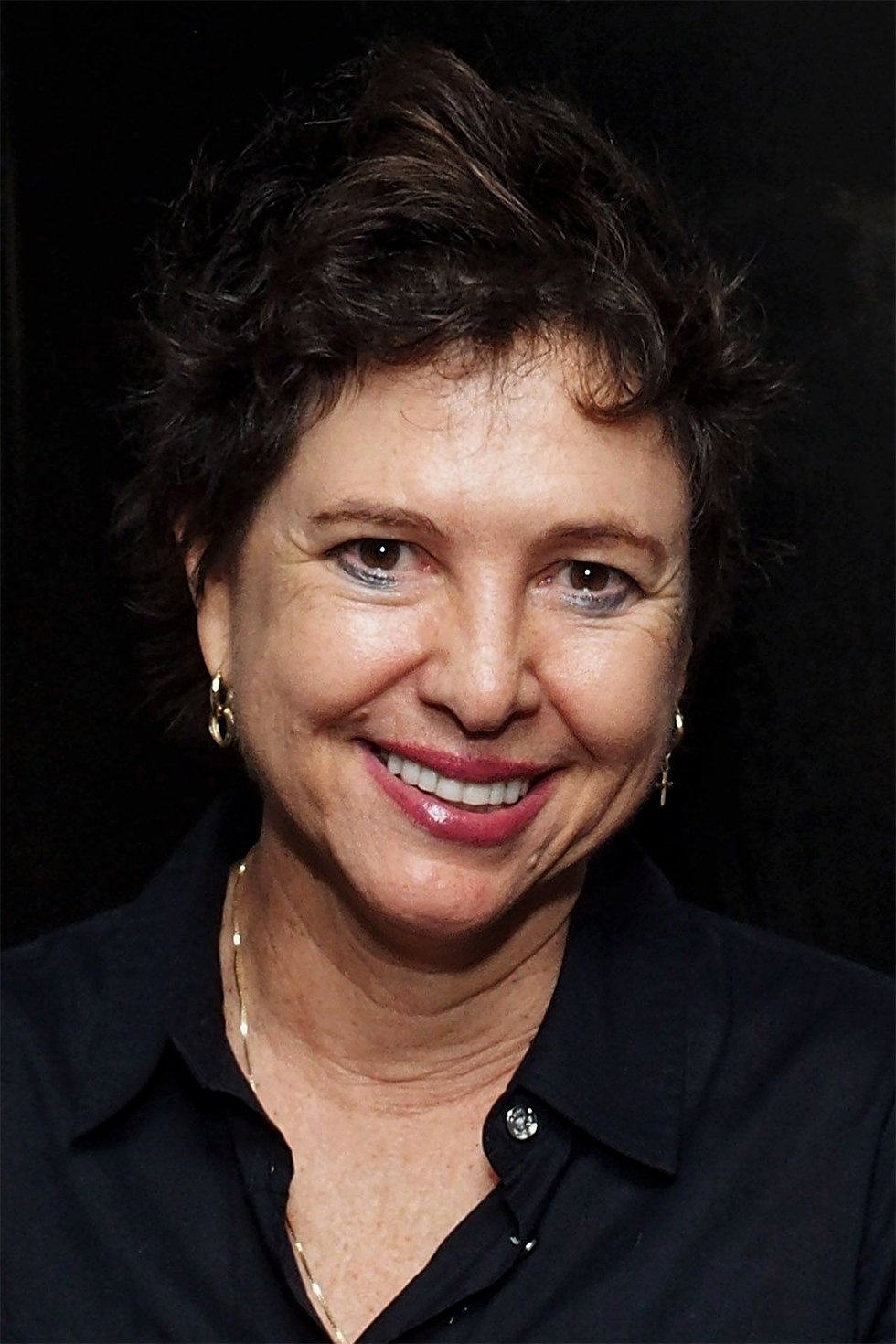
McNichol was a teen idol and Emmy winner who charmed audiences in ‘Family’ and ‘Empty Nest’. She struggled privately with the pressure to hide her sexuality while maintaining her wholesome girl-next-door image. The stress contributed to her decision to retire from acting at a young age to preserve her mental health. She eventually came out publicly years later to support younger generations. Her departure from the screen was a loss that resulted from an environment that demanded concealment.
Amanda Bearse
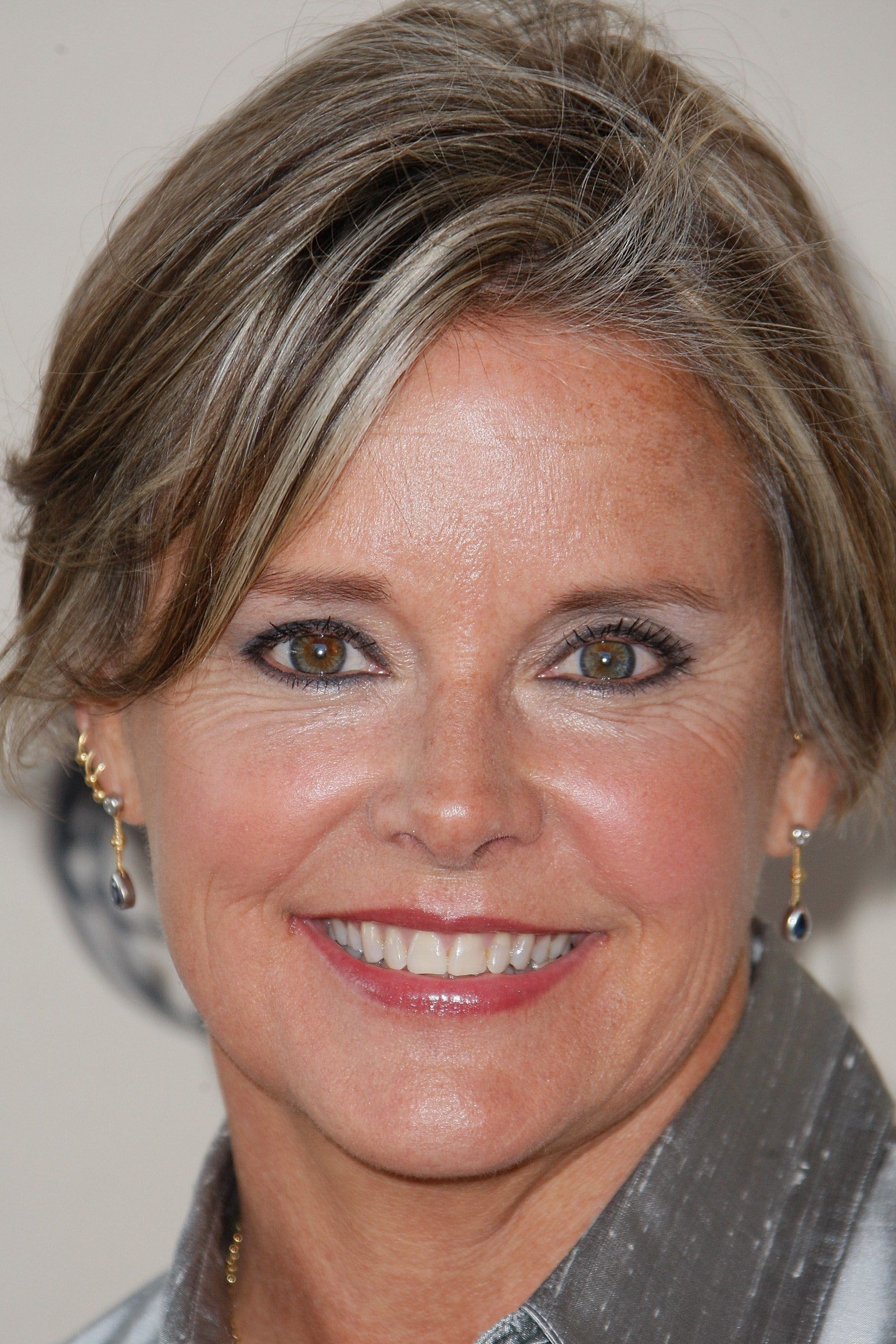
Best known as the neighbor Marcy D’Arcy on ‘Married… with Children’, Bearse came out publicly while the show was on the air. She transitioned into directing as she found that acting opportunities for out lesbians were scarce. The industry pigeonholed her and failed to offer roles that utilized her full comedic range. She carved out a successful career behind the camera where her identity was less of a barrier. Her pivot demonstrates the resilience required when the front of the house closes its doors.
Kelly McGillis
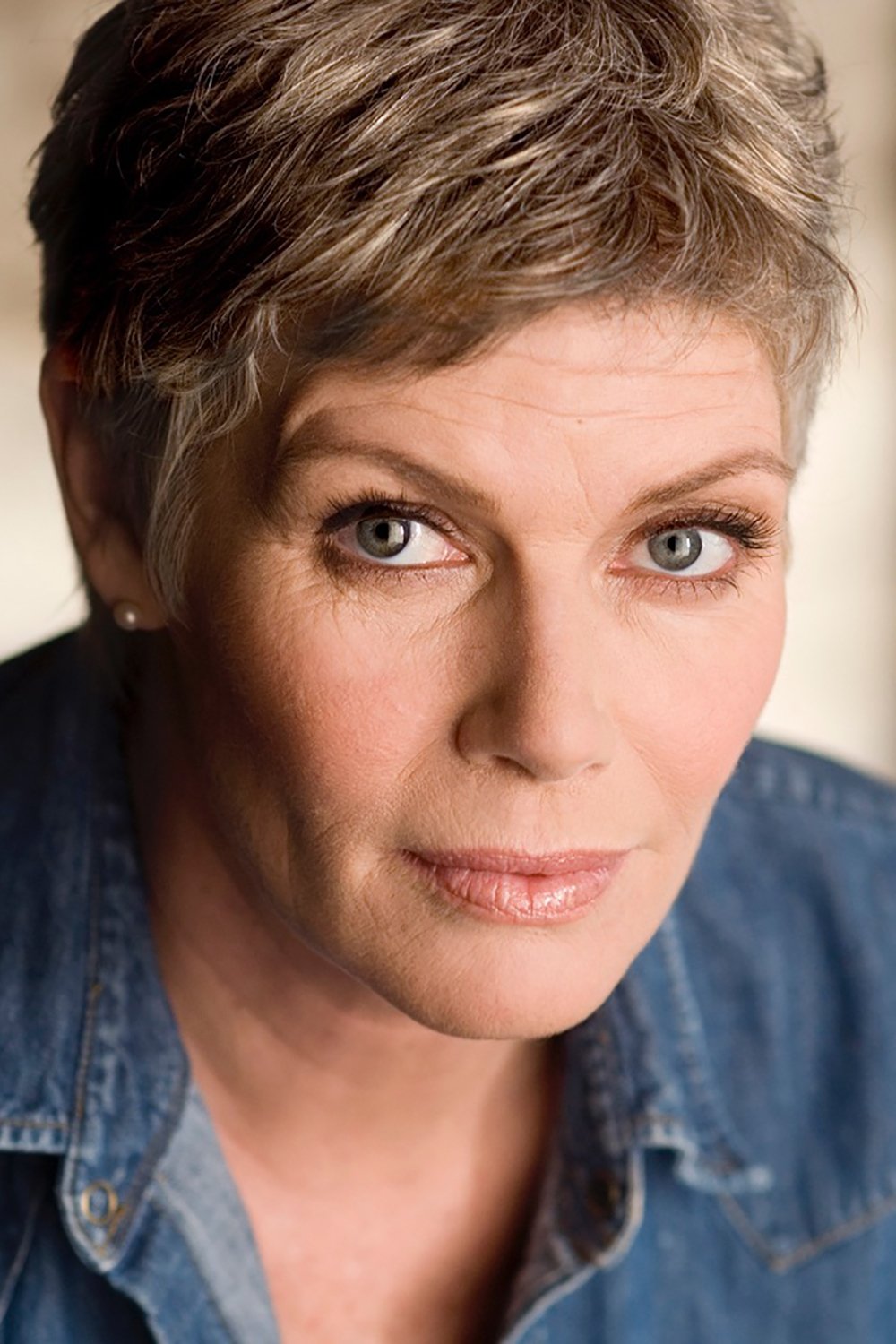
After starring in blockbusters like ‘Top Gun’ and ‘Witness’, McGillis stepped away from the limelight. She later came out and spoke about her struggle to find her identity within the confines of Hollywood expectations. The roles available to her shifted dramatically once she was no longer marketed as a traditional sex symbol. She prioritized her personal truth over maintaining the illusion required for A-list stardom. Her journey reflects the difficulty of aging in an industry that commodifies female sexuality.
Meredith Baxter

Baxter was America’s favorite mom on the hit sitcom ‘Family Ties’. She came out later in life after a long career playing heterosexual matriarchs. The contrast between her public persona and her private reality was stark and she wrote candidly about the pressure to conform. Her coming out challenged the industry’s limited imagination regarding who could play America’s mother. She navigated a late-in-life liberation that many of her predecessors never achieved.
Lily Tomlin
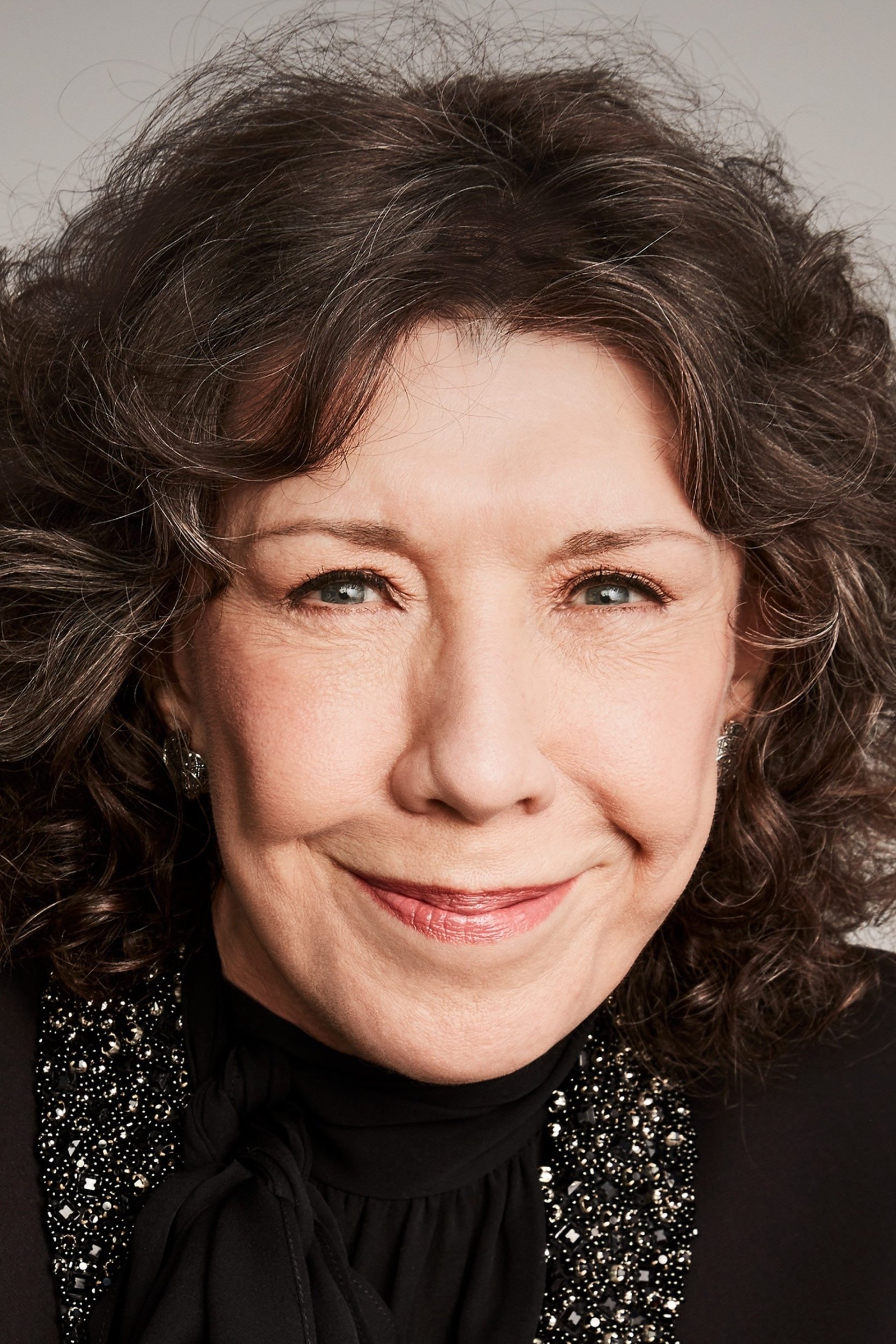
Tomlin has been a celebrated comedian and actress for decades with hits like ‘9 to 5’. She was with her partner Jane Wagner for many years before they married but kept the relationship officially private for a long time. This discretion allowed her to work steadily without being defined solely by her sexuality in the press. Hollywood was happy to employ her unique talent as long as the unspoken rules were followed. She slowly brought her full self into the light as the culture caught up to her.
Jodie Foster
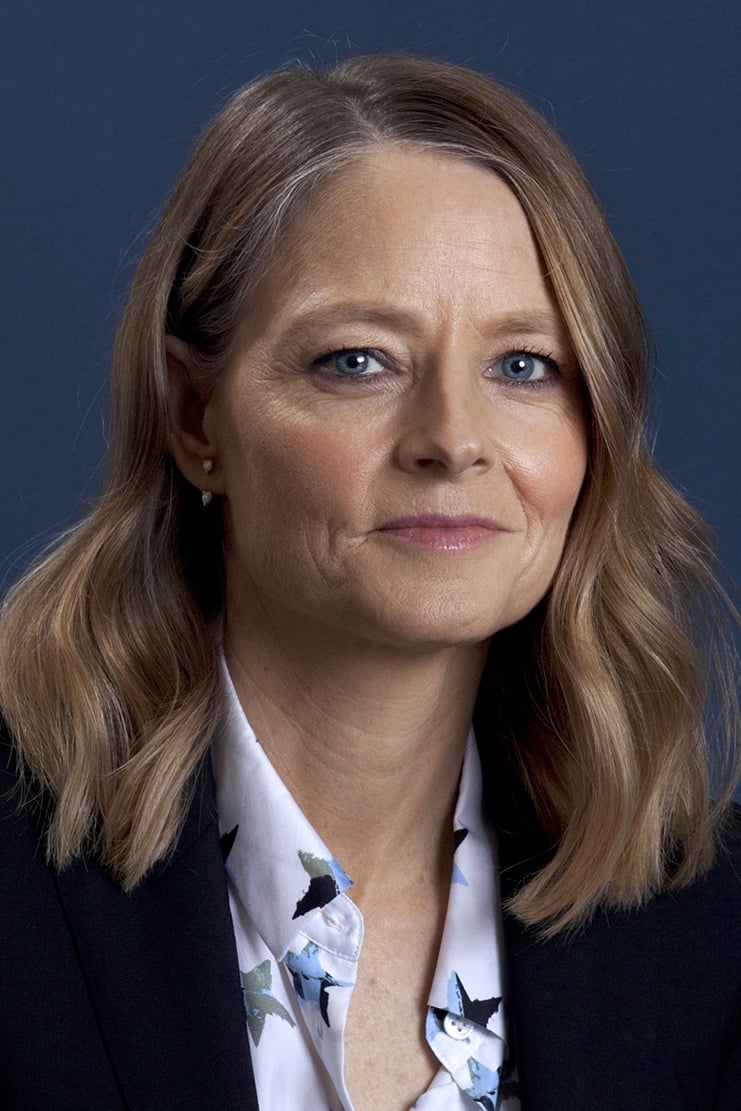
Foster grew up on screen and became one of the most respected actresses of her generation with films like ‘The Silence of the Lambs’. She famously acknowledged her partner in a Golden Globes speech after years of intense privacy. Her decision to avoid discussing her personal life for decades was a survival tactic in an intrusive industry. She managed to maintain A-list status by strictly separating her work from her identity. Her path highlights the intense scrutiny faced by women who grow up in the public eye.
Raven-Symoné
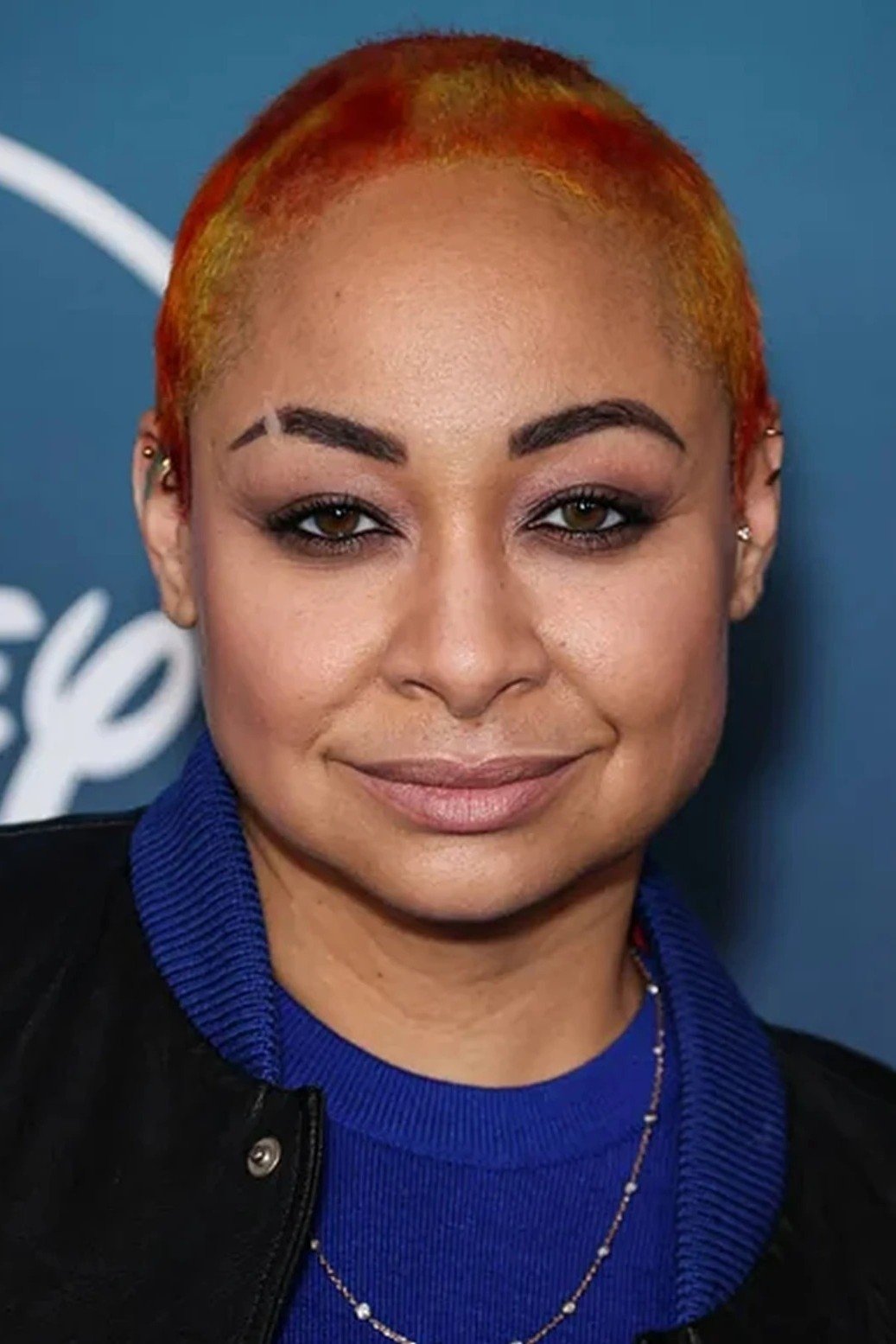
As a child star on ‘The Cosby Show’ and later a Disney Channel icon, Raven-Symoné grew up under a microscope. She felt the immense pressure to maintain the brand image that the studio had cultivated for her. She eventually came out and married a woman but only after stepping back from the constraints of her youth. Her experience reveals the specific burdens placed on young stars to be role models of heteronormativity. She successfully transitioned to being her authentic self despite the corporate expectations.
Kristen Stewart
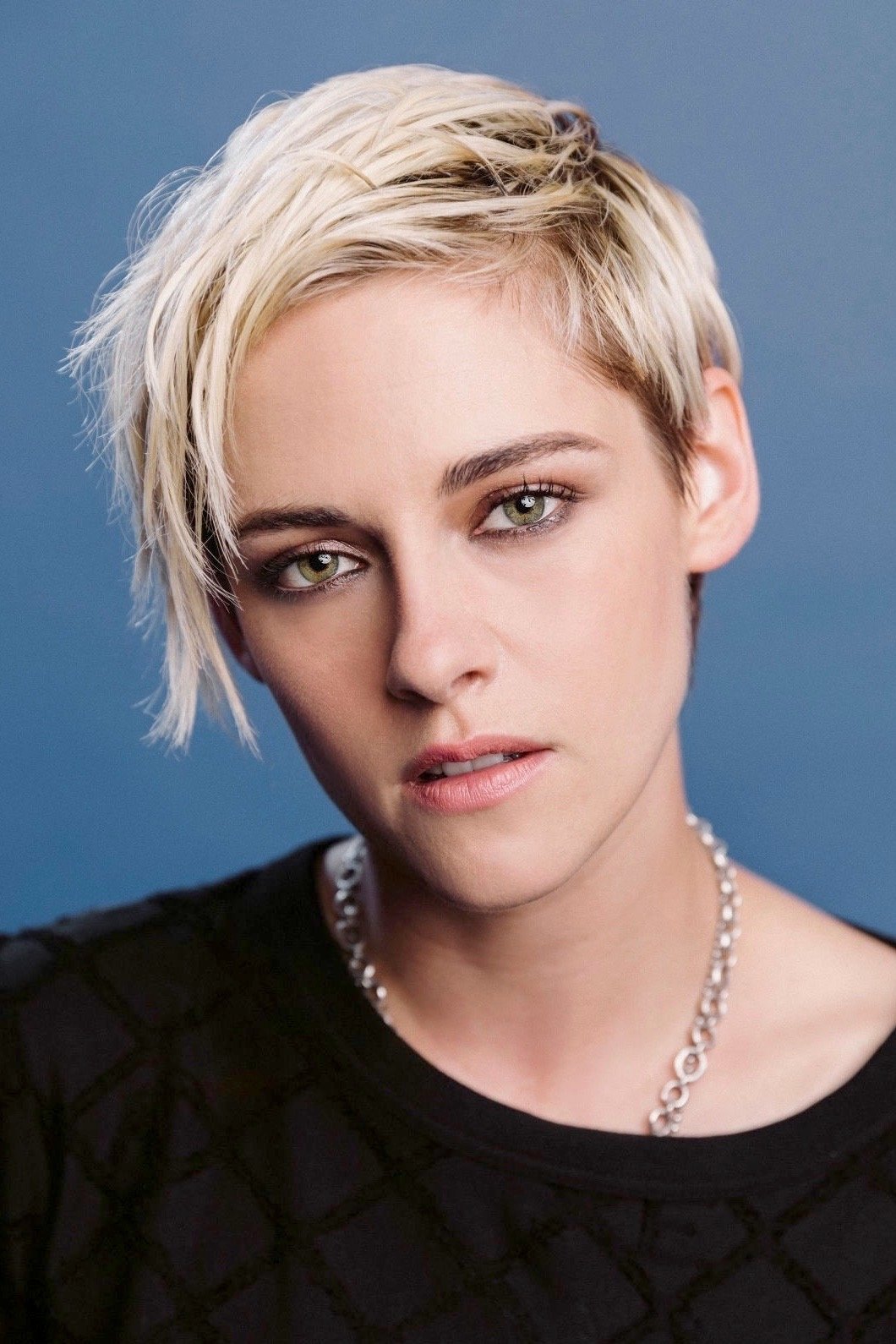
Stewart was catapulted to global fame with the ‘Twilight’ franchise and faced intense scrutiny regarding her love life. She revealed that industry figures advised her to hide her relationships with women to preserve her career and blockbuster potential. She chose to reject this advice and embraced indie films and a fluid public identity. Her refusal to play the game redefined what a modern movie star could look like. Hollywood is still learning to catch up with her unapologetic authenticity.
Portia de Rossi
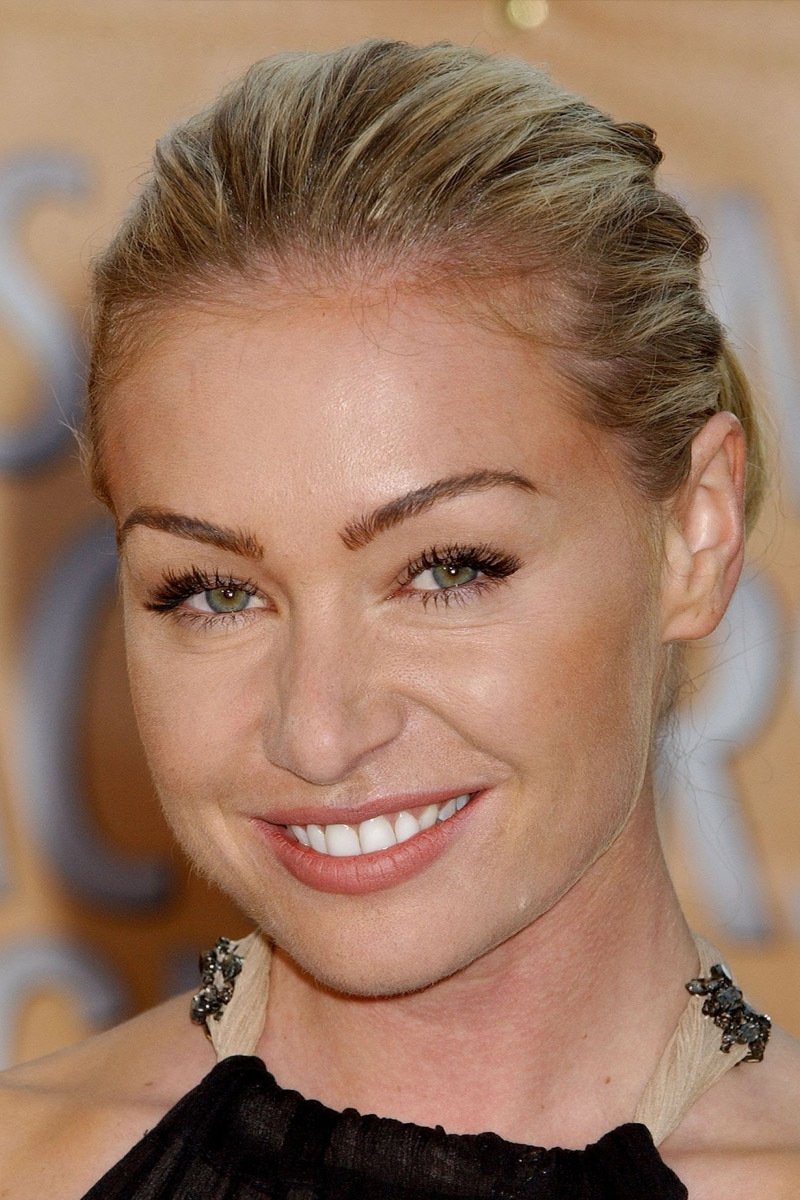
De Rossi starred in ‘Ally McBeal’ while secretly battling eating disorders and the fear of being outed. She believed that her career would end instantly if the public knew she was a lesbian. Her struggle to maintain a perfect image nearly cost her her life before she found the strength to come out. She later found happiness and stability but her early years were marked by the industry’s toxic pressure. Her story is a testament to the damaging effects of the closet.
Sara Gilbert

Gilbert grew up on the set of ‘Roseanne’ and realized her sexuality while dating her co-star Johnny Galecki. She kept her identity private for years to protect the show and her own career. She eventually became a vocal advocate and talk show host who discussed her family openly. The industry that once made her fear exposure eventually embraced her honesty. She navigated the transition from child star to out adult with grace.
Cynthia Nixon
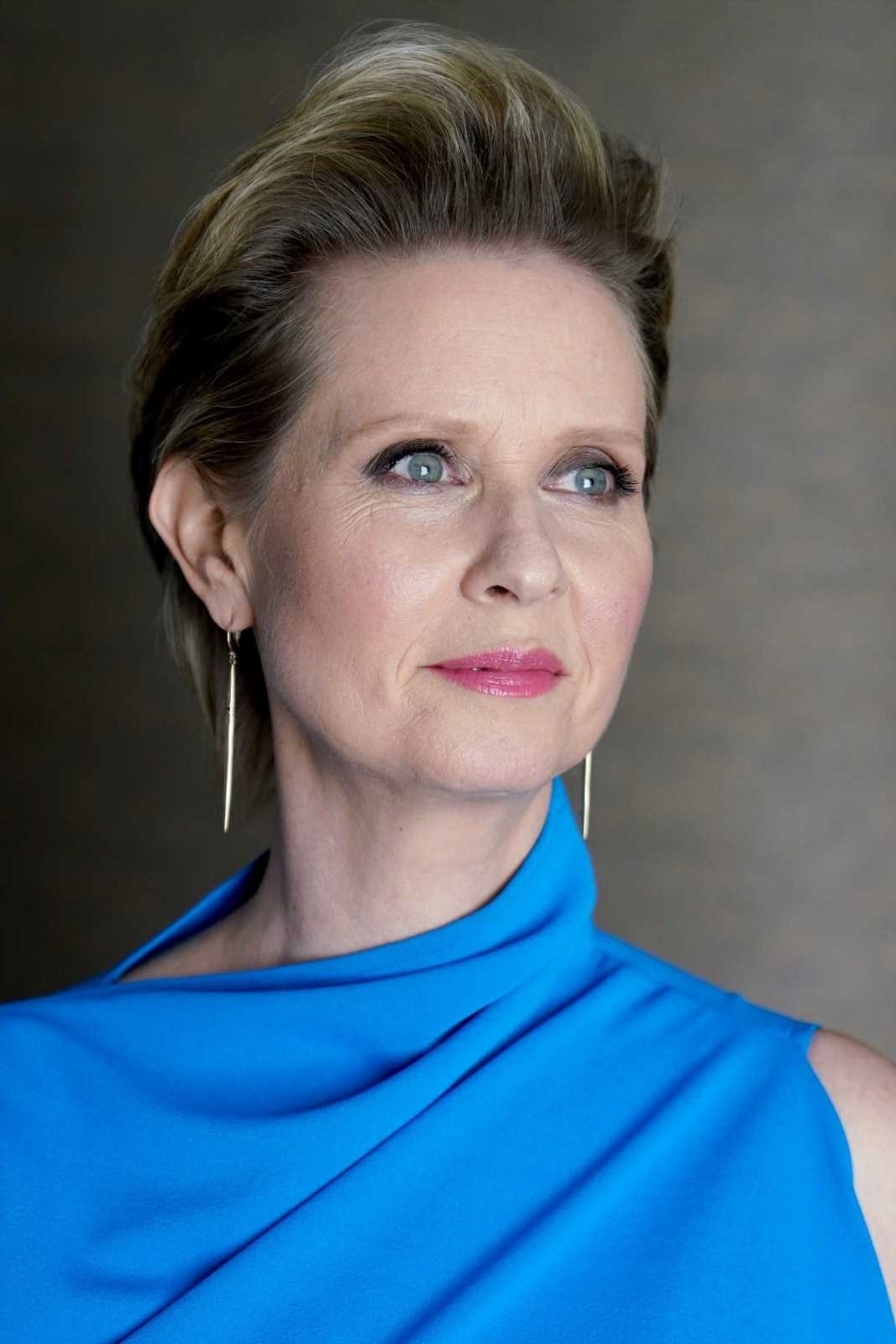
Nixon played the career-driven Miranda Hobbes on ‘Sex and the City’ for years before starting a relationship with a woman. She faced a media frenzy when she came out but refused to let it derail her career or activism. She transitioned from acting to running for governor of New York. Her ability to pivot between entertainment and politics showed a depth that her early typecasting missed. She proved that coming out could be an expansion of one’s public life rather than a contraction.
Holland Taylor
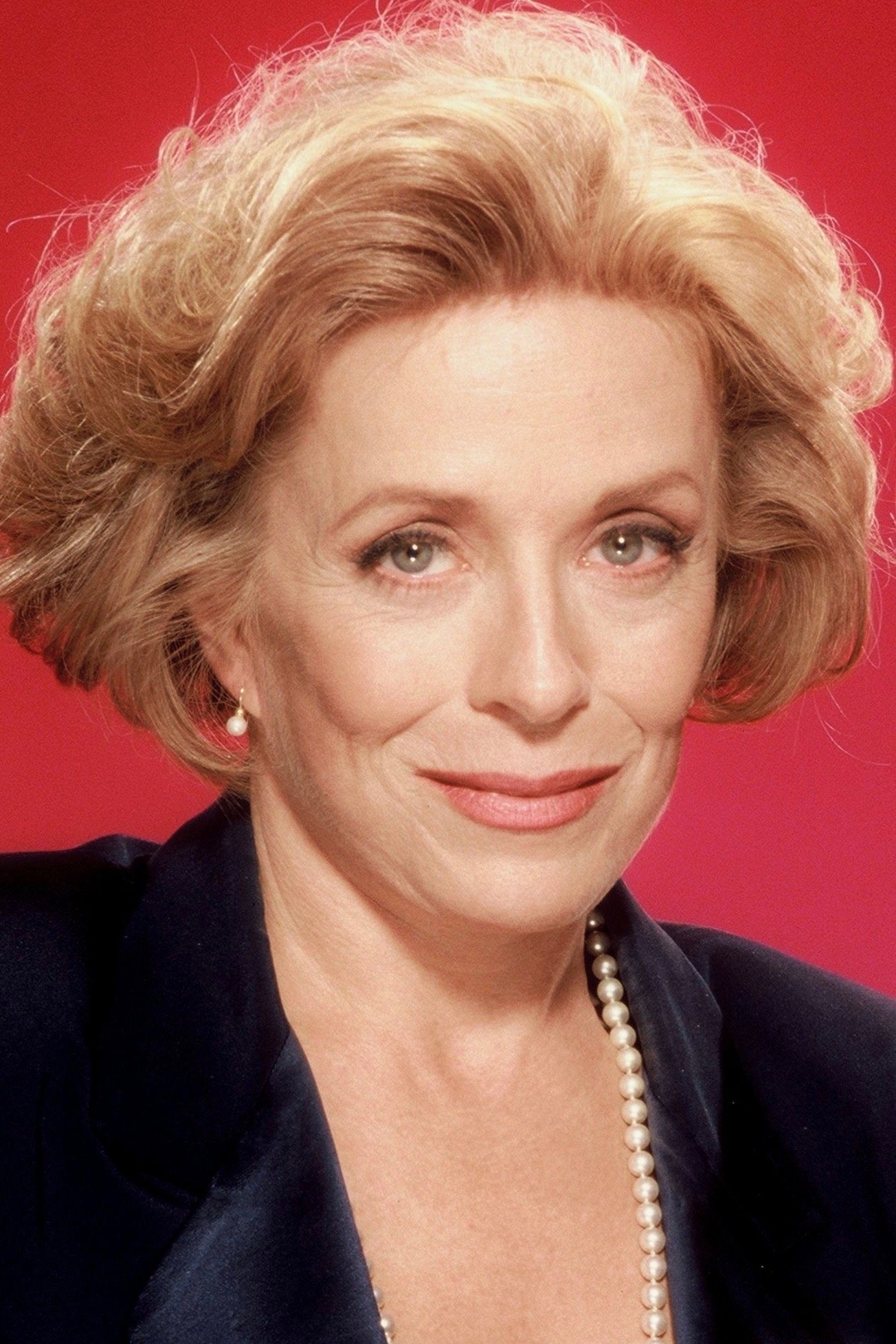
Taylor has been a consistent presence in film and television for decades in roles like the judge on ‘The Practice’. She entered a high-profile relationship with Sarah Paulson later in life and spoke openly about her love. The age gap and the same-sex nature of the relationship fascinated the public but Taylor handled it with elegance. She demonstrated that romance and visibility are not just for the young. Her late-career openness challenges the industry’s ageism and heteronormativity simultaneously.
Which of these actresses do you think had the most difficult time navigating Hollywood’s expectations? Share your thoughts in the comments.

