


Gay Actresses Who Got the Last Laugh After Being Called Unattractive

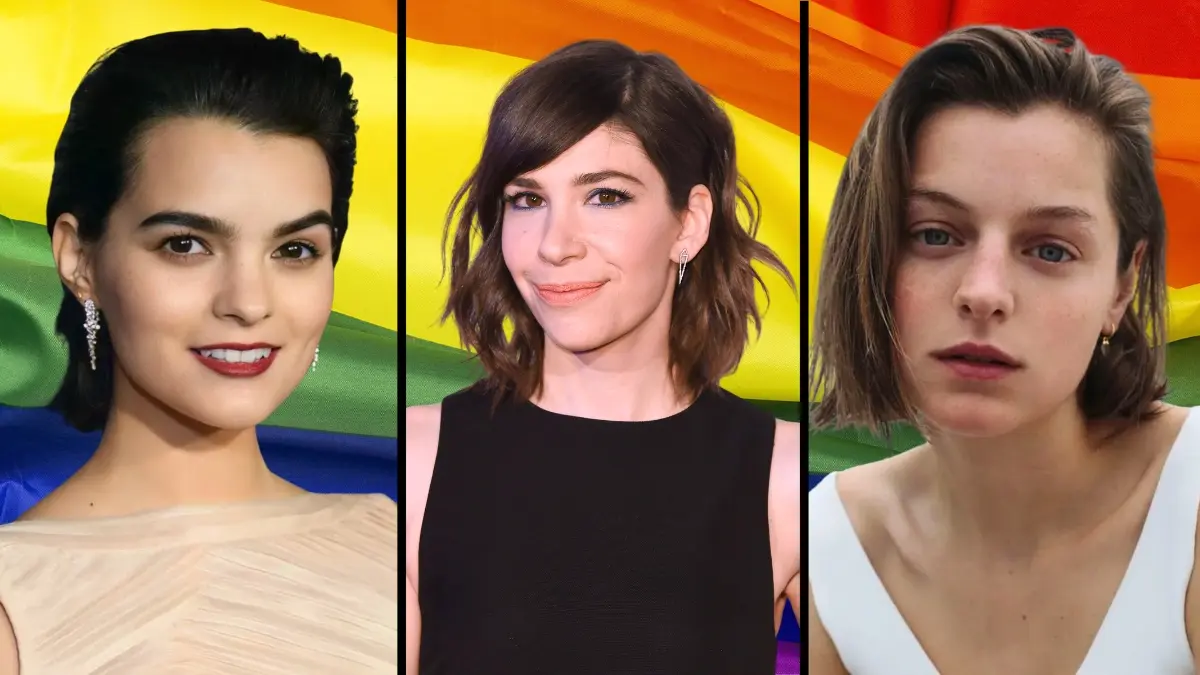


The entertainment industry has long been criticized for its rigid and often narrow beauty standards, which historically favored a specific type of leading lady. For many gay and queer actresses, entering this field meant facing not only systemic homophobia but also harsh critiques regarding their physical appearance and gender presentation. Many were told they were too “unconventional,” “too butch,” or simply lacked the “marketable look” required for stardom. However, these 50 performers defied expectations, leveraging their unique identities and immense talent to build legendary careers. By staying true to themselves, they proved that authenticity resonates more deeply with audiences than any prescribed aesthetic.
Sarah Paulson
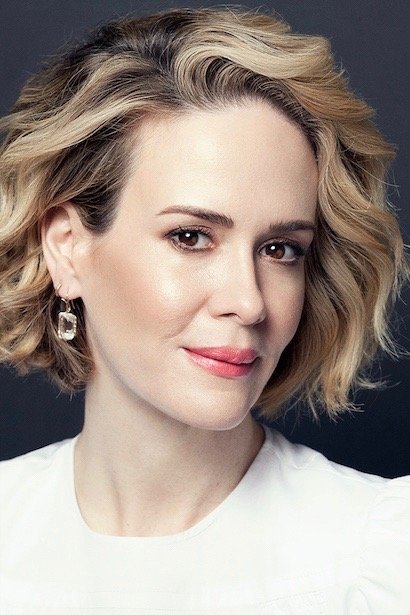
Sarah Paulson faced early career feedback suggesting her features were too unique for traditional leading roles. Casting agents often pushed her toward character parts, doubting her ability to carry a major production. She eventually found her stride in ‘American Horror Story’, where her versatility made her a mainstay of the anthology series. Paulson has since won an Emmy and a Golden Globe, solidifying her status as one of Hollywood’s most respected dramatic powerhouses. Her success serves as a direct rebuttal to those who initially dismissed her potential based on her looks.
Lea DeLaria
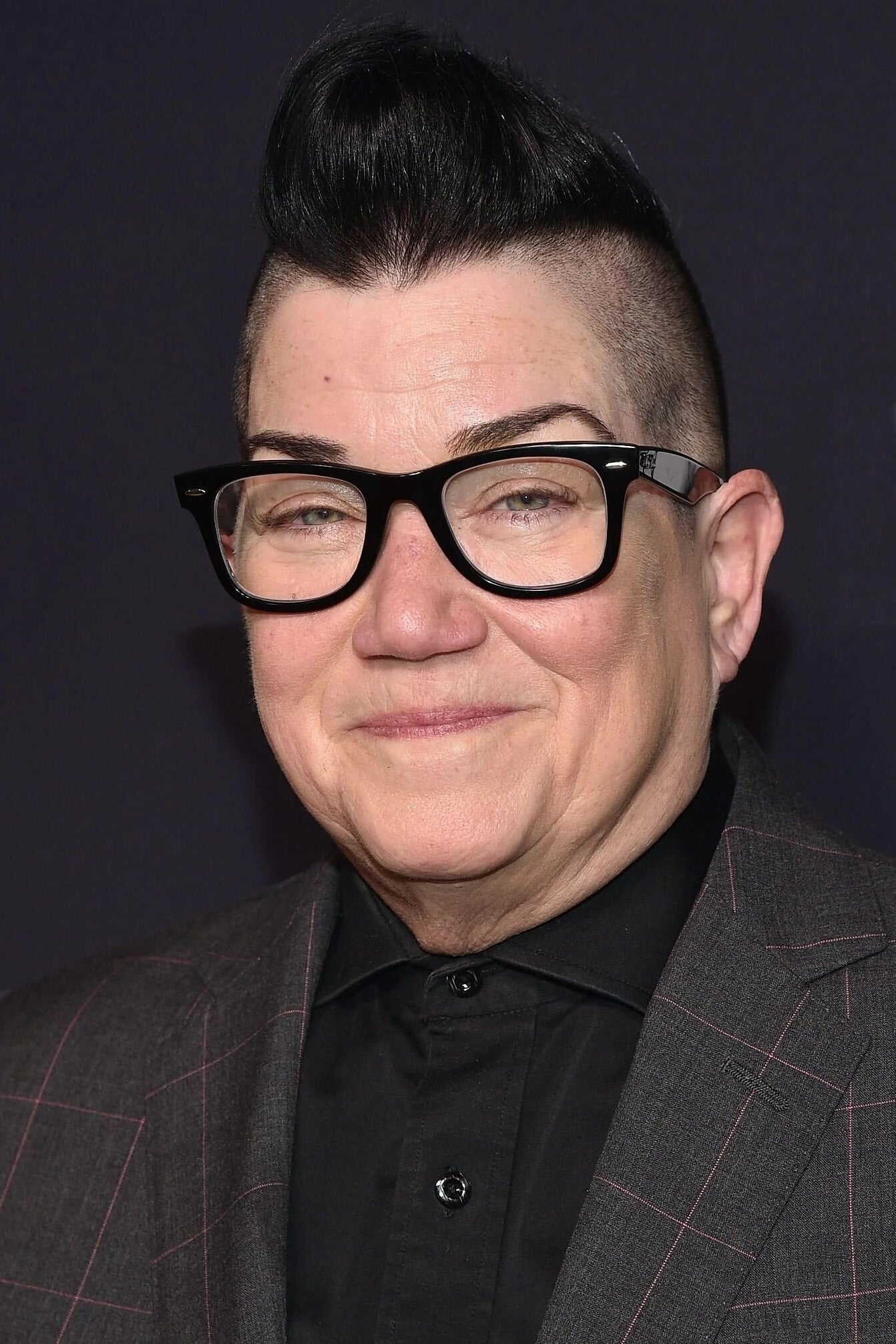
Lea DeLaria was one of the first openly gay stand-up comedians to appear on mainstream television, often facing ridicule for her butch aesthetic. For years, her physical appearance was treated as a punchline or a barrier to serious acting work. This changed significantly when she was cast as Big Boo in ‘Orange Is the New Black’, a role that celebrated her identity. The performance turned her into a global star and a symbol of queer visibility. DeLaria continues to use her platform to challenge industry norms regarding femininity and attractiveness.
Jane Lynch
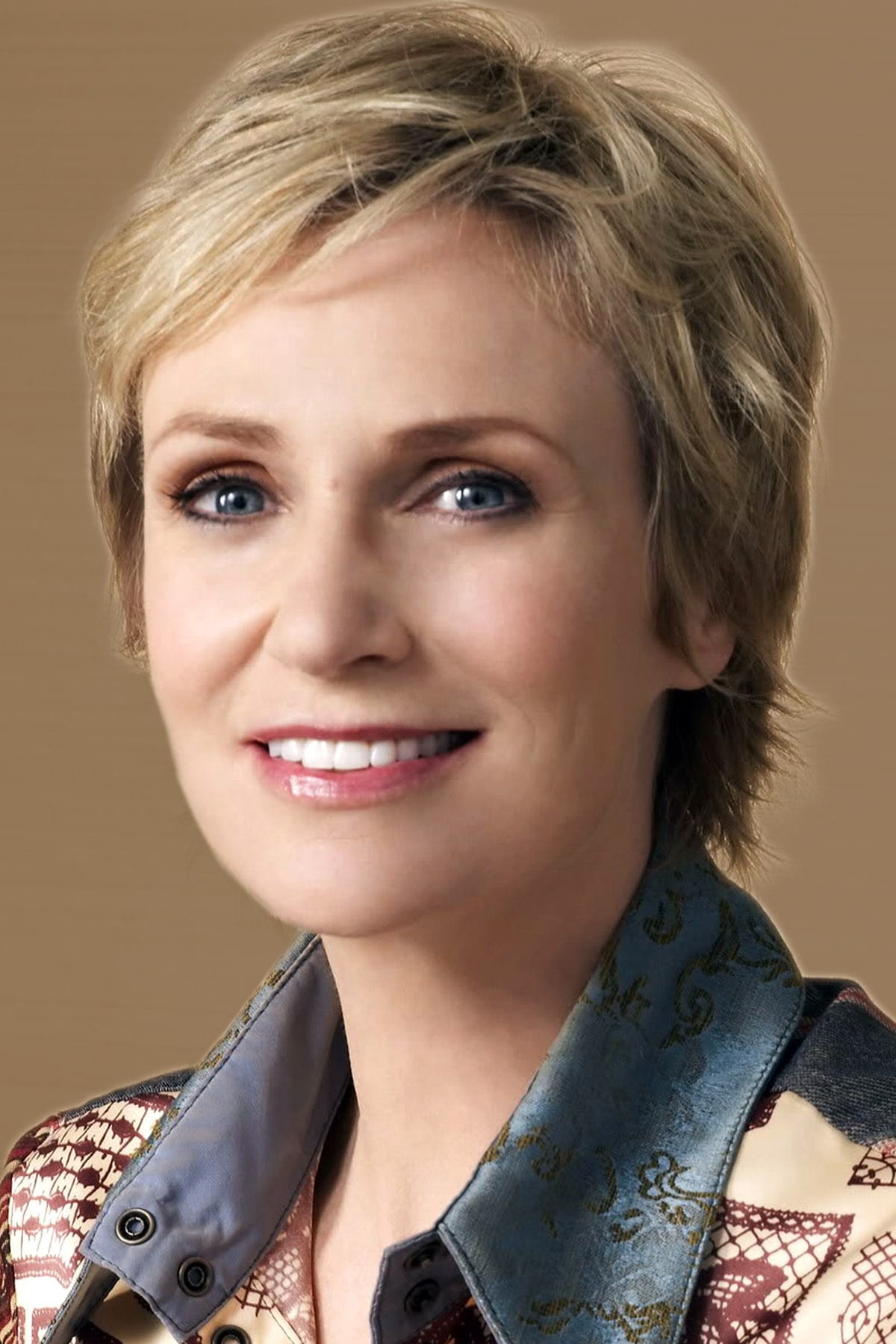
Jane Lynch spent years as a character actress, often told she was too tall or “too much” for standard female roles. Her height and distinct comedic timing were frequently viewed as obstacles to landing high-profile work. She eventually achieved mainstream superstardom as Sue Sylvester on ‘Glee’, a character defined by a signature tracksuit and sharp wit. The role earned her multiple awards and proved that her “unconventional” look was exactly what the industry needed. Lynch is now a household name with a prolific career across television and film.
Tig Notaro
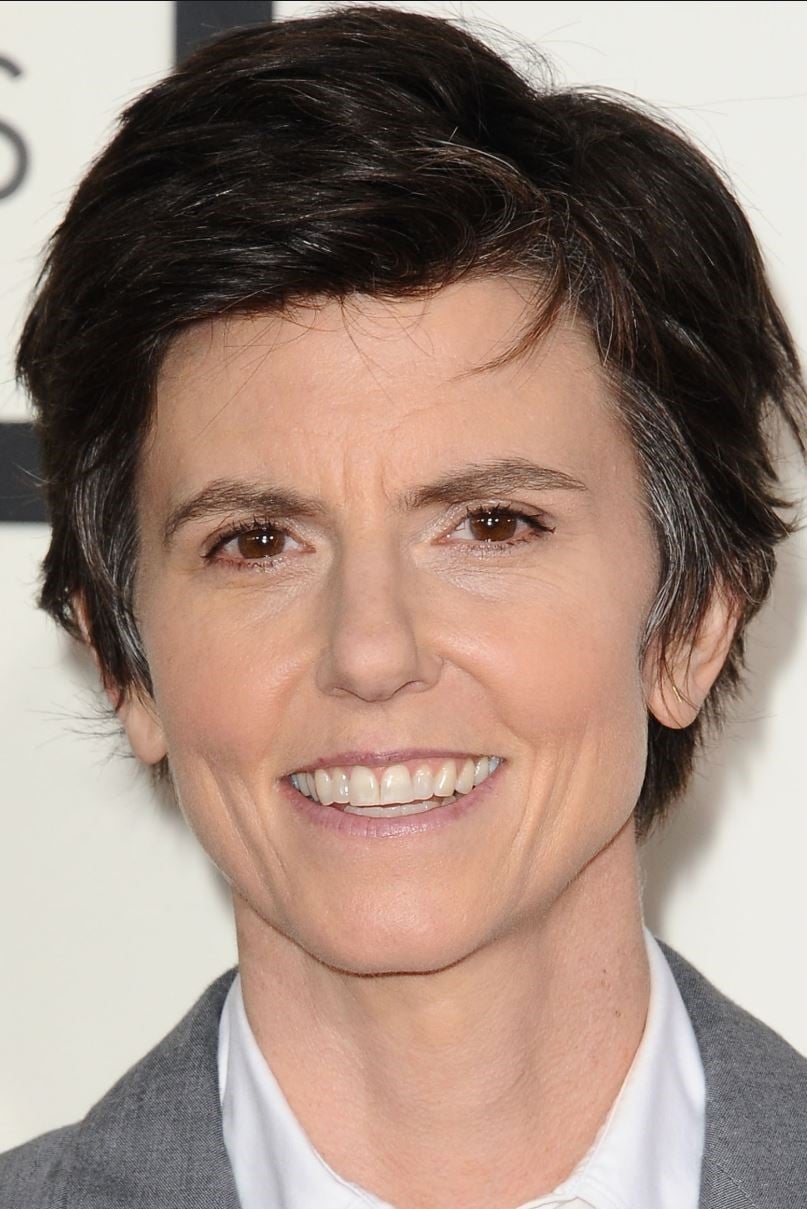
Tig Notaro’s deadpan delivery and androgynous appearance were once seen as niche traits that would limit her appeal. Early in her career, she dealt with critics who did not understand her rejection of traditional feminine performance. She gained international acclaim after her ‘Live’ stand-up set, which led to the creation of her semi-autobiographical show ‘One Mississippi’. Her career flourished as she landed roles in major franchises like ‘Star Trek: Discovery’. Notaro has proven that her authentic self is her greatest professional asset.
Fortune Feimster
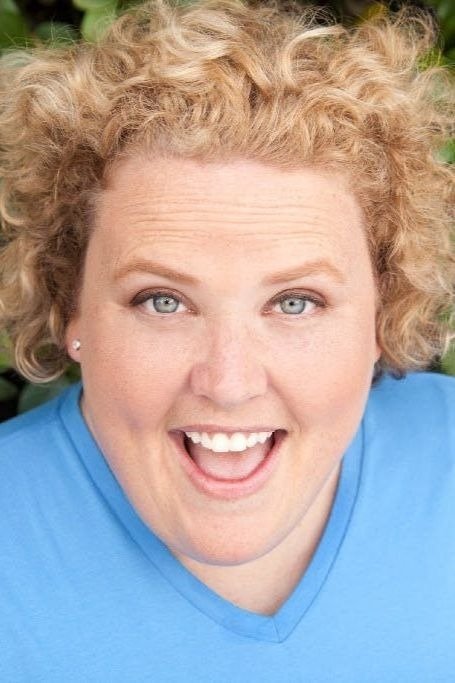
Fortune Feimster often discusses how her Southern roots and tomboyish appearance made her feel like an outsider in Hollywood. Early casting directors frequently overlooked her, unable to fit her into a specific, narrow category. She broke through as a writer and performer on ‘Chelsea Lately’ before landing prominent roles in ‘The Mindy Project’ and ‘Fubar’. Feimster’s success in stand-up comedy and acting demonstrates the high demand for her specific brand of humor and relatability. She remains a prominent figure in the LGBTQ+ community, championing self-acceptance.
Sandra Bernhard
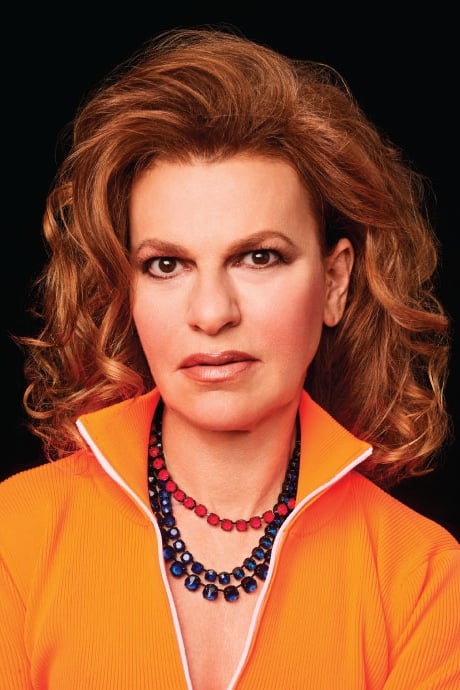
Sandra Bernhard emerged in the 1970s with a look and attitude that aggressively challenged the era’s beauty standards. She was often described by critics as “polarizing” or “unconventionally attractive” due to her sharp features and bold personality. Despite this, she became a cult icon and a frequent guest on ‘Late Night with David Letterman’ before landing a role on ‘Roseanne’. Her ability to blend fashion, music, and social commentary has kept her relevant for decades. Bernhard’s longevity in the industry is a testament to her refusal to conform.
Rosie O’Donnell
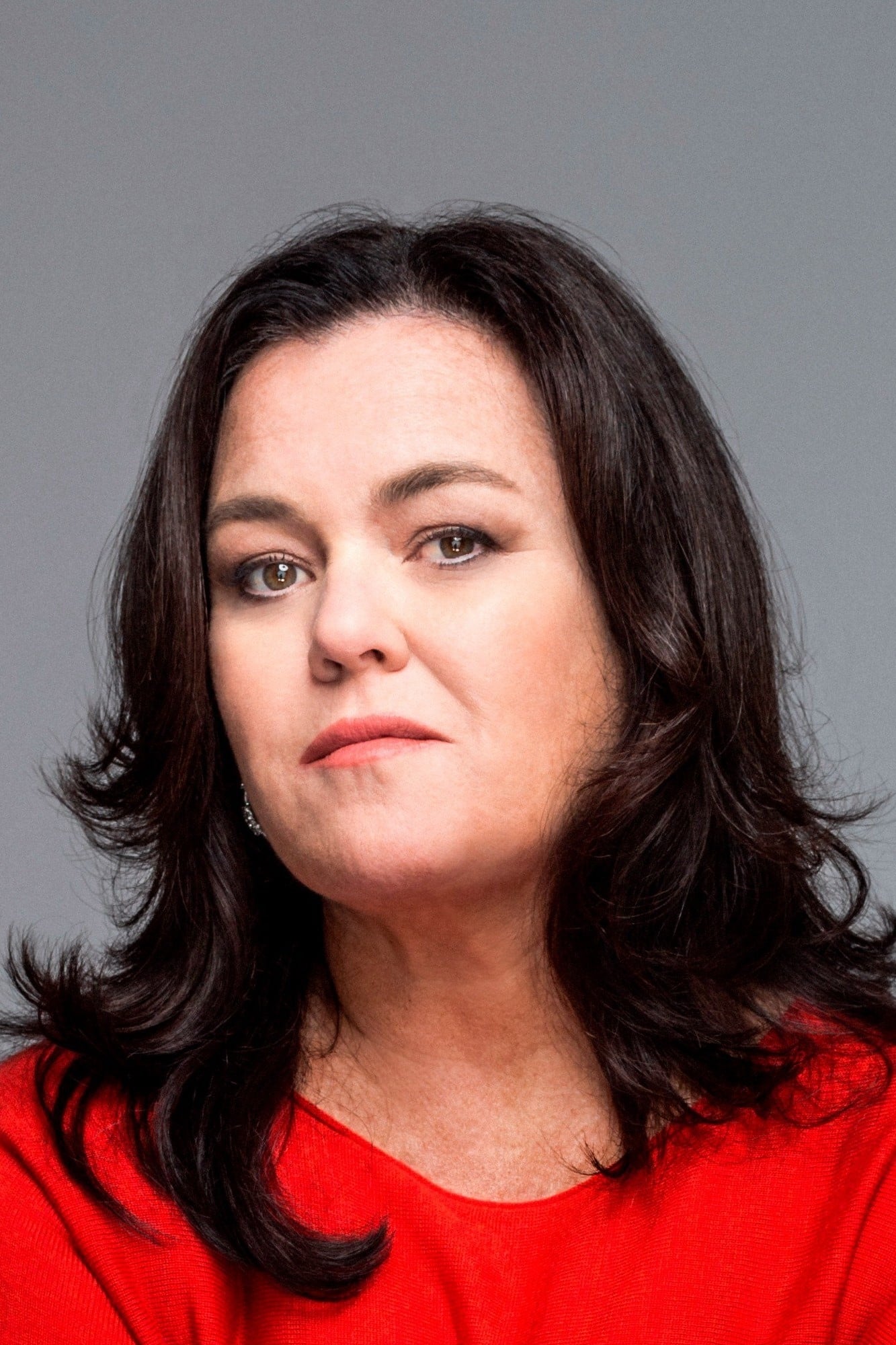
Rosie O’Donnell was often labeled the “Funny Girl” or the “Queen of Nice,” but her appearance was frequently the subject of tabloid scrutiny. Critics often compared her unfavorably to more conventional starlets, focusing on her weight and casual style. She bypassed these critiques by building a massive media empire with ‘The Rosie O’Donnell Show’. Her transition into dramatic acting in projects like ‘A League of Their Own’ further established her versatility. O’Donnell remains an influential voice in both entertainment and political activism.
Miriam Margolyes
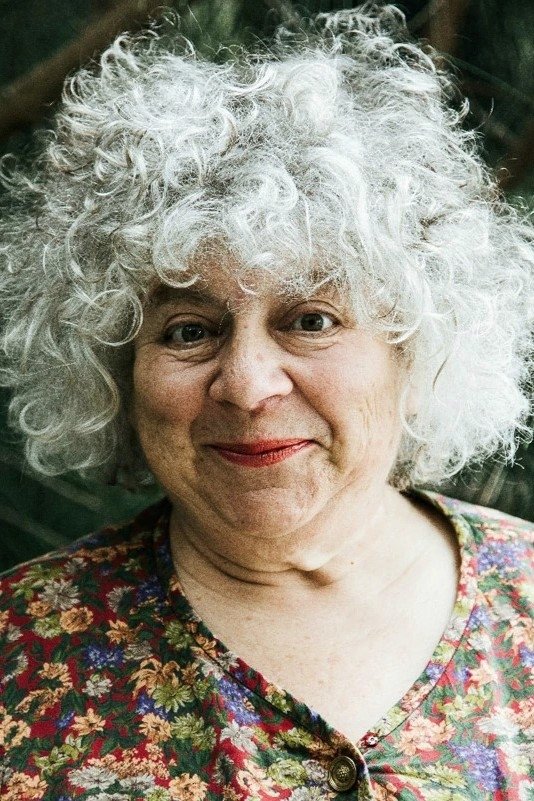
Miriam Margolyes has enjoyed a long career defined by her sharp intellect and refusal to adhere to Hollywood’s aesthetic pressures. Throughout her youth, she was often told she was too “characterful” for the leading roles she desired. She eventually gained worldwide fame for her role as Professor Sprout in the ‘Harry Potter’ film series. Her frequent appearances on talk shows have made her a viral sensation due to her unfiltered honesty. Margolyes has consistently proven that talent and personality are far more enduring than superficial beauty.
Hannah Gadsby
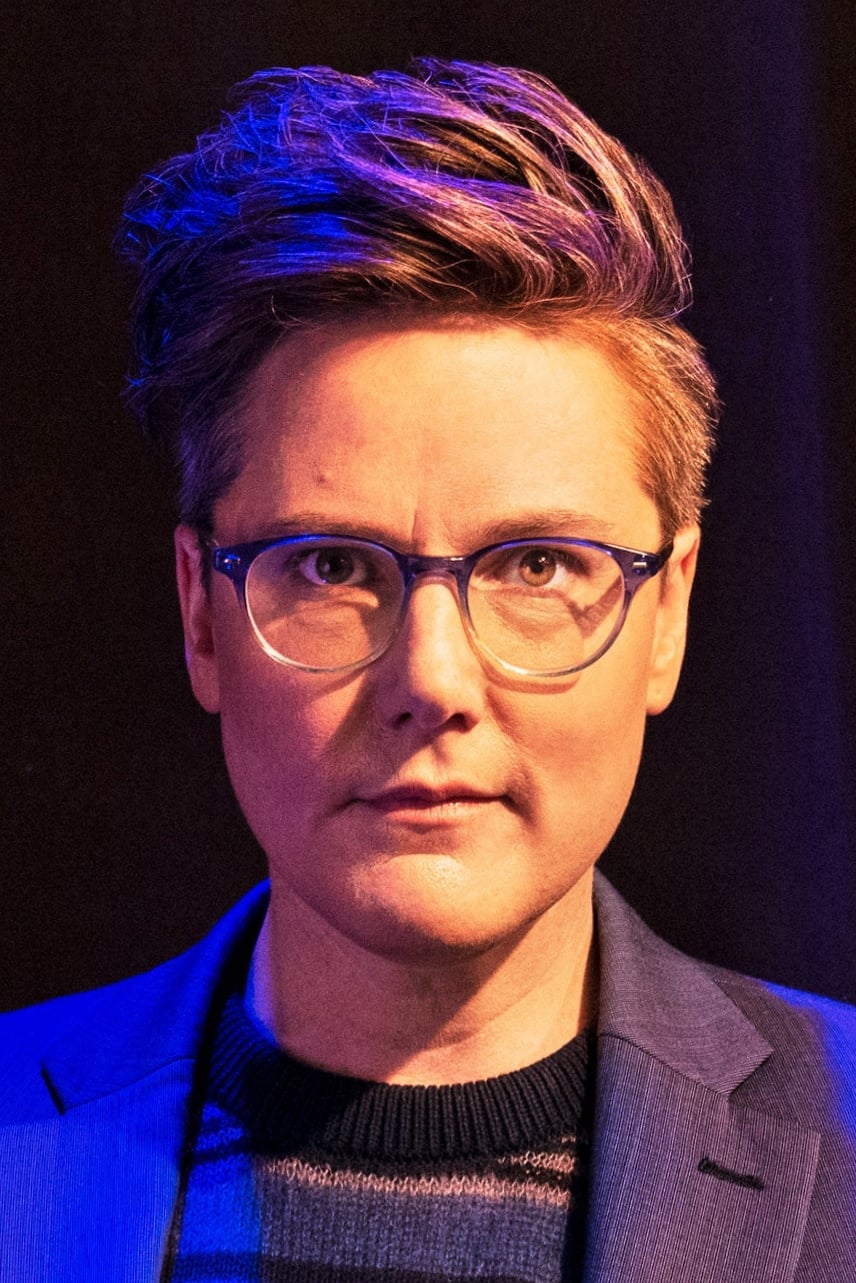
Hannah Gadsby rose to international prominence by dismantling the very idea of the “self-deprecating” queer comedian. In her special ‘Nanette’, she addressed how the industry viewed her body and her gender as something to be mocked. By shifting the narrative, she forced audiences to confront their own biases regarding appearance. Her success has led to multiple award-winning specials and a best-selling memoir. Gadsby’s work has fundamentally changed how queer identity is discussed in the world of stand-up.
Lily Tomlin
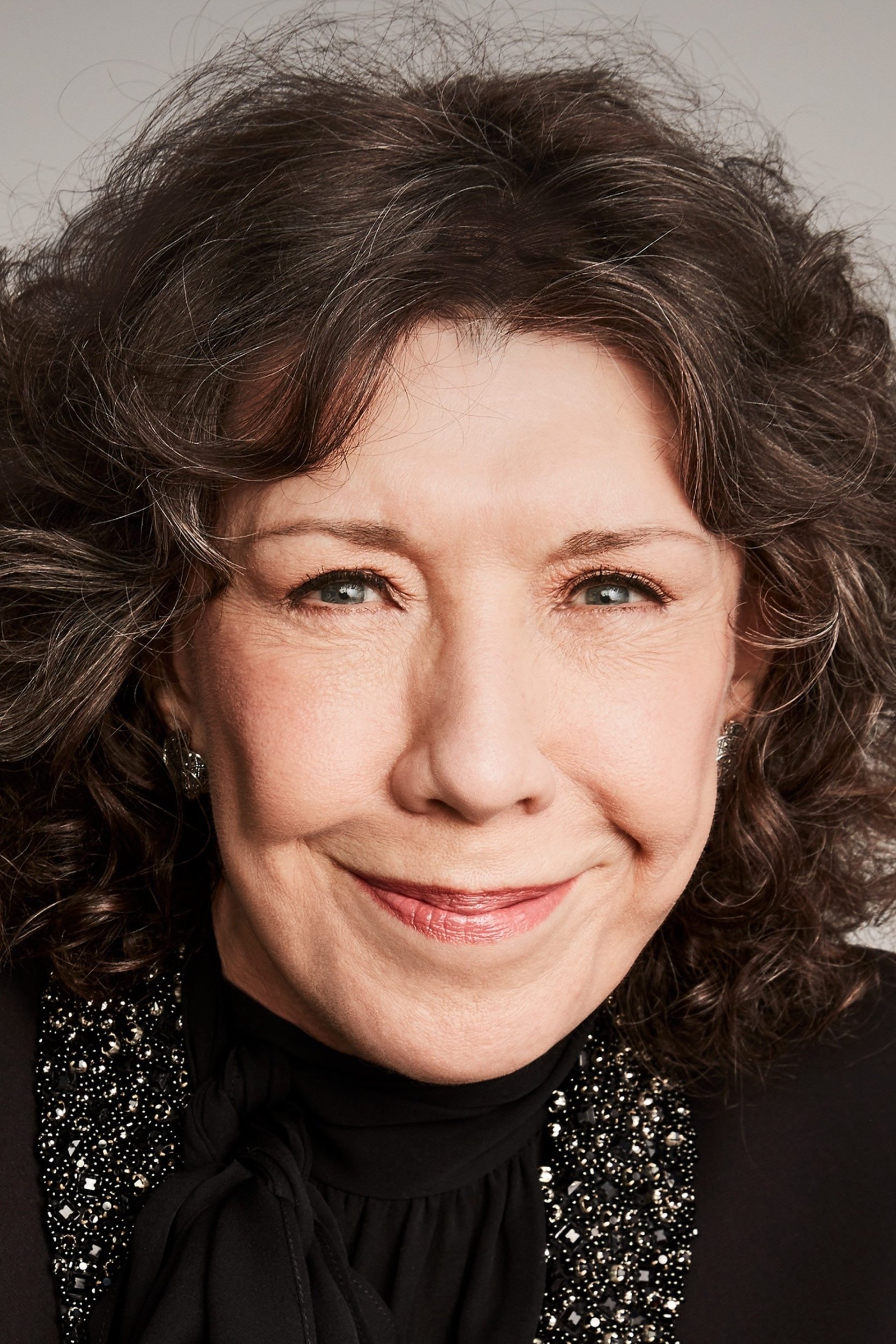
Lily Tomlin’s early career was marked by her creation of eccentric characters that often leaned into “homely” or odd aesthetics. Some industry insiders worried that her refusal to play the “glamour girl” would pigeonhole her permanently. Instead, she became a comedic legend through ‘Laugh-In’ and films like ‘9 to 5’. In her later years, her lead role in ‘Grace and Frankie’ solidified her status as a timeless star. Tomlin’s enduring appeal shows that a career built on character work can outlast those built on looks alone.
Wanda Sykes
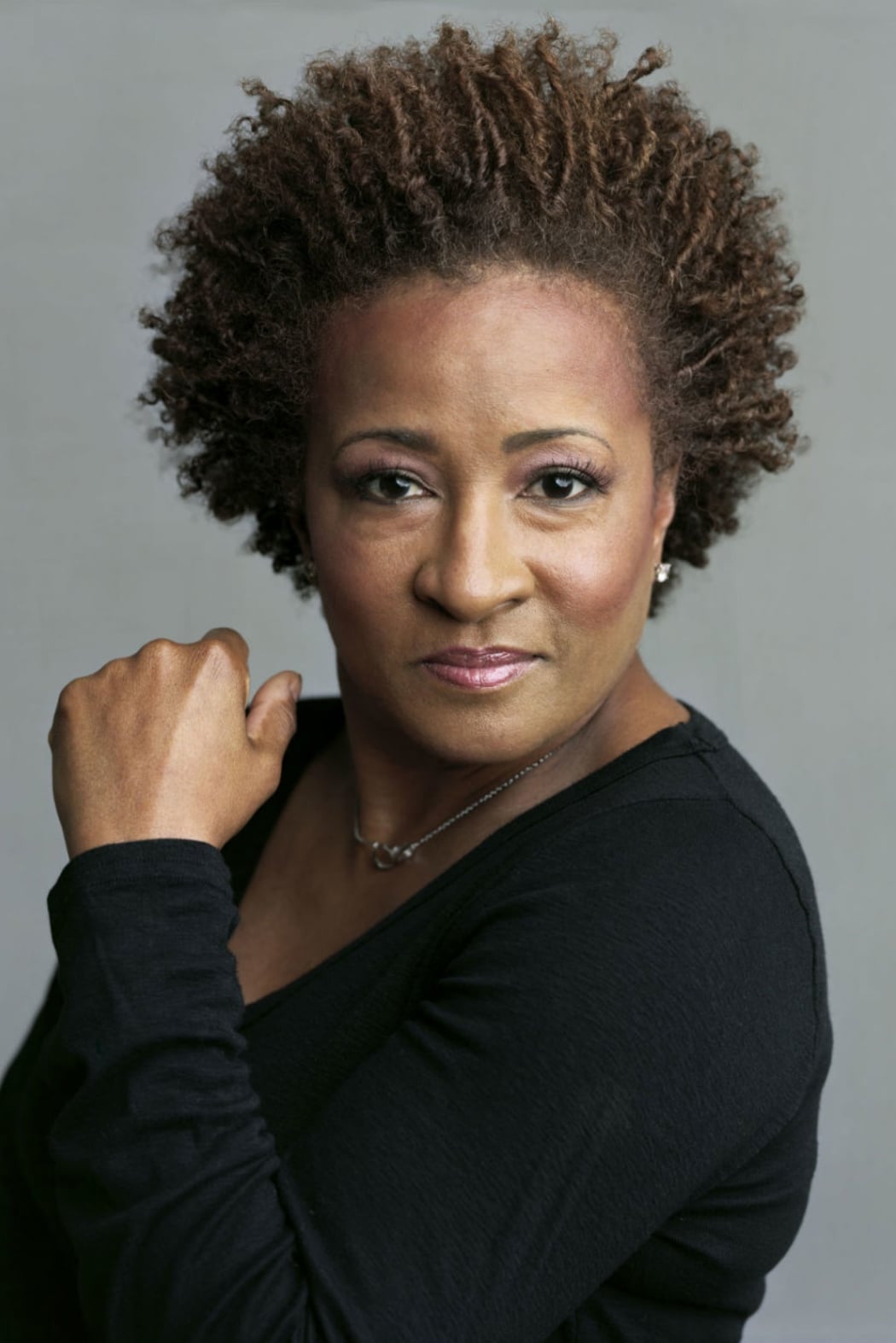
Wanda Sykes faced the double challenge of navigating Hollywood as a Black woman and a lesbian with a distinct, raspy voice. Early in her career, her style and delivery were sometimes viewed as too aggressive or “unrefined” for certain audiences. She proved her critics wrong by becoming one of the most successful writers and performers in television. With multiple Emmy nominations and starring roles in shows like ‘The Upshaws’, Sykes has become a staple of American comedy. Her success is a victory for performers who refuse to soften their edges.
Kate McKinnon
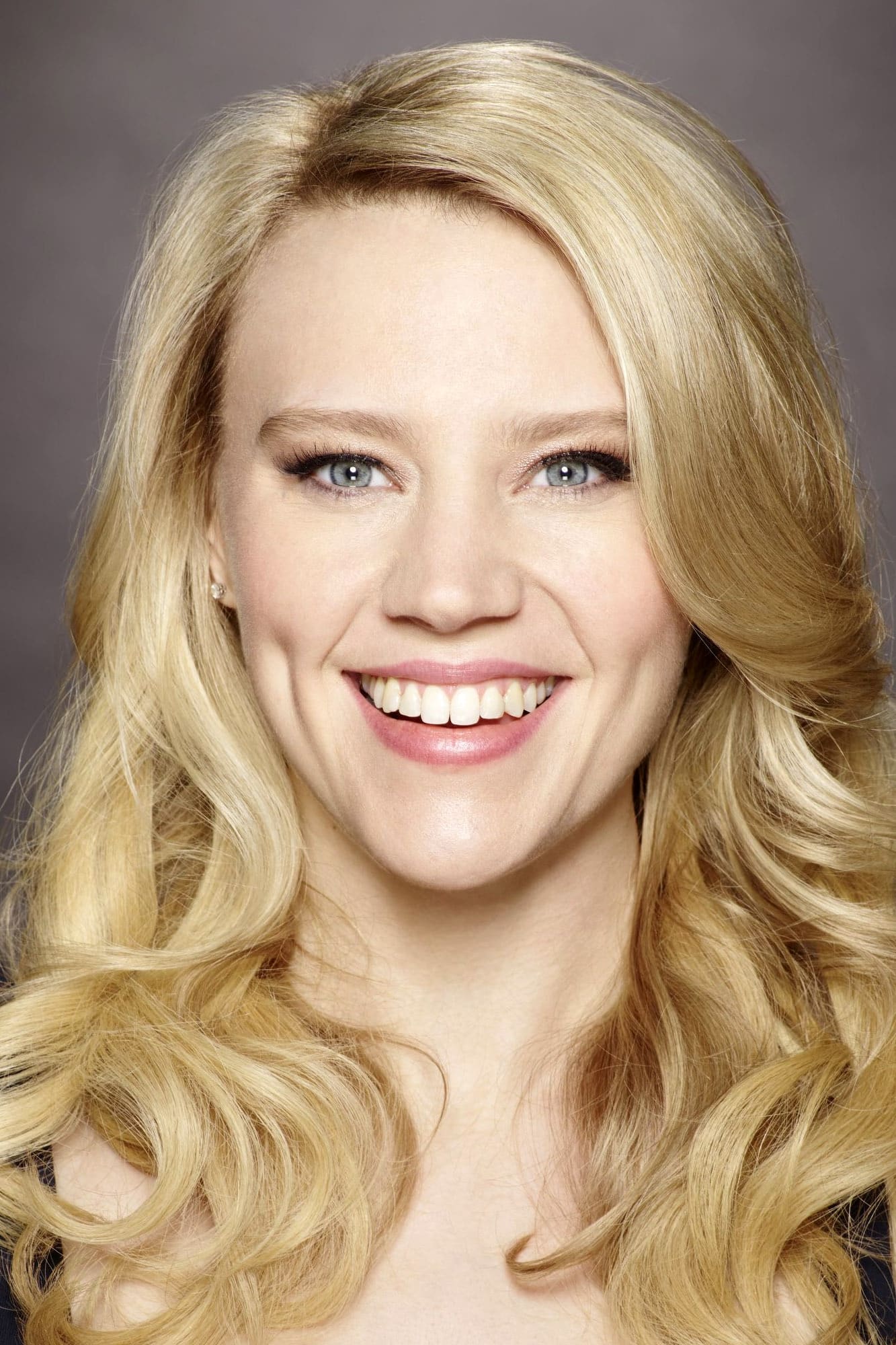
Kate McKinnon spent years in the sketch comedy circuit before becoming a breakout star on ‘Saturday Night Live’. She was often praised for her ability to transform into “unattractive” or bizarre characters, yet some doubted she could be a traditional lead. McKinnon shattered these perceptions by starring in major films like ‘Ghostbusters’ and ‘Barbie’. Her comedic range allowed her to play both high-fashion icons and eccentric outsiders with equal success. She remains one of the most celebrated comedic actresses of her generation.
Fiona Shaw
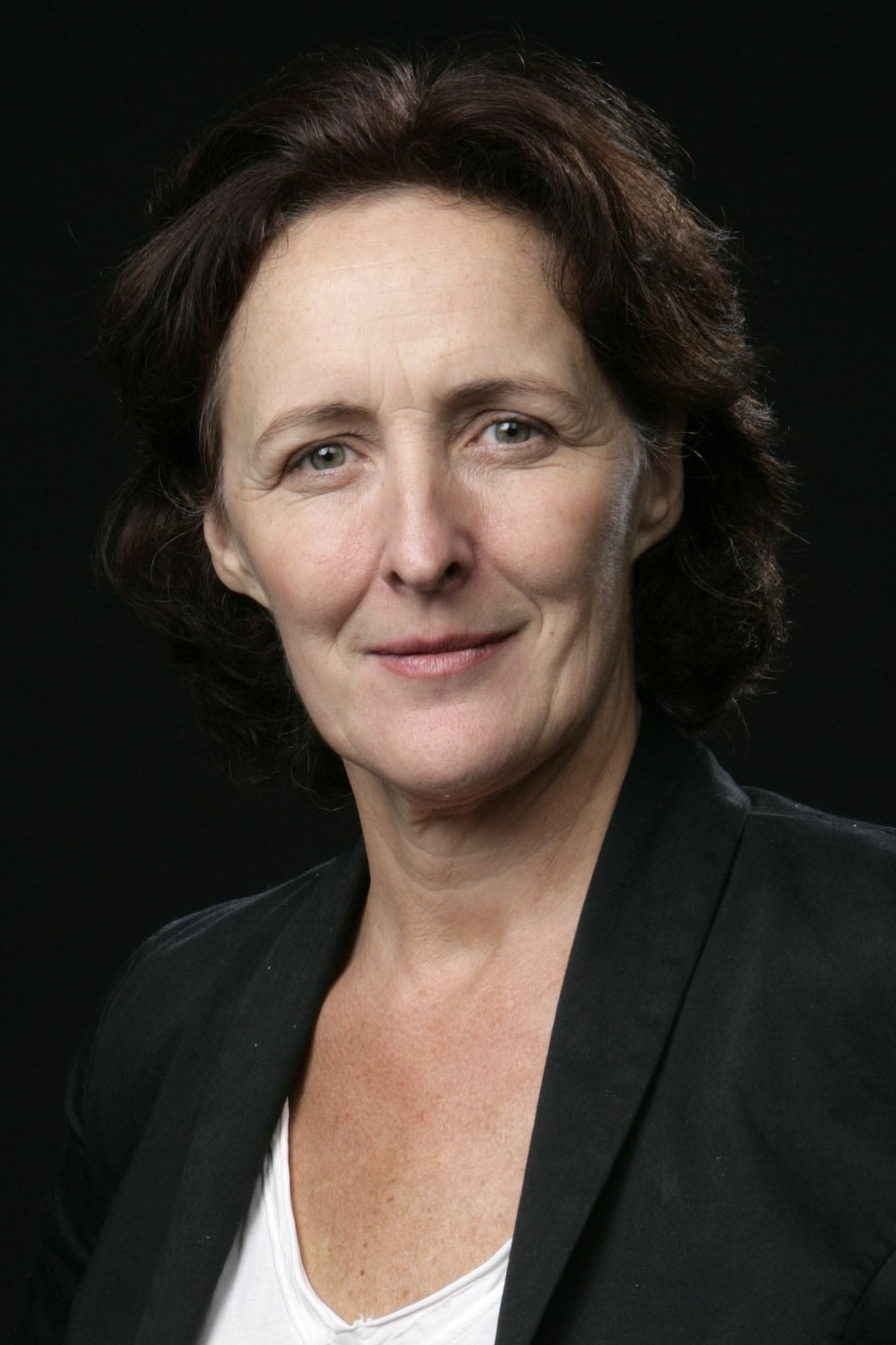
Fiona Shaw is often recognized for her intense, intellectual approach to acting, which some early critics found “severe.” She did not fit the mold of the soft, romantic lead that was popular during her early theater years. This perceived “harshness” became her greatest strength, leading to iconic roles in ‘Killing Eve’ and ‘Harry Potter’. Shaw’s ability to command a screen with her presence alone has made her a favorite of prestigious directors. She continues to be a dominant force in both British and American television.
Cherry Jones
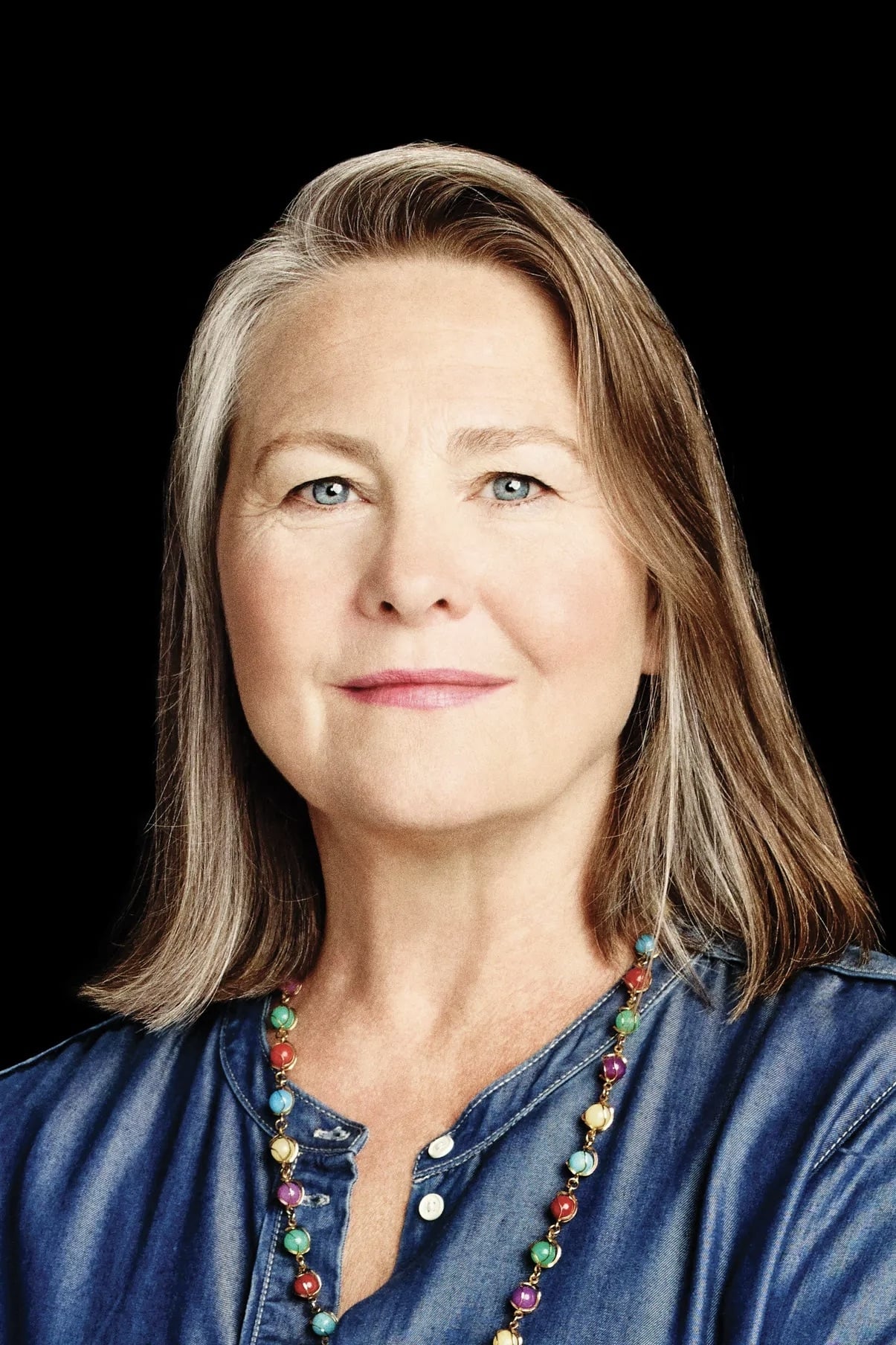
Cherry Jones is a titan of the American stage who often faced questions about her “marketability” on screen due to her butch sensibilities. For much of her career, she stayed in theater, where her talent was undeniable, winning multiple Tony Awards. Eventually, television caught up with her talent, casting her in high-profile roles in ’24’ and ‘The Handmaid’s Tale’. Her portrayal of President Allison Taylor earned her an Emmy, proving her power as a dramatic actress. Jones has become a role model for queer women in the arts.
Holland Taylor
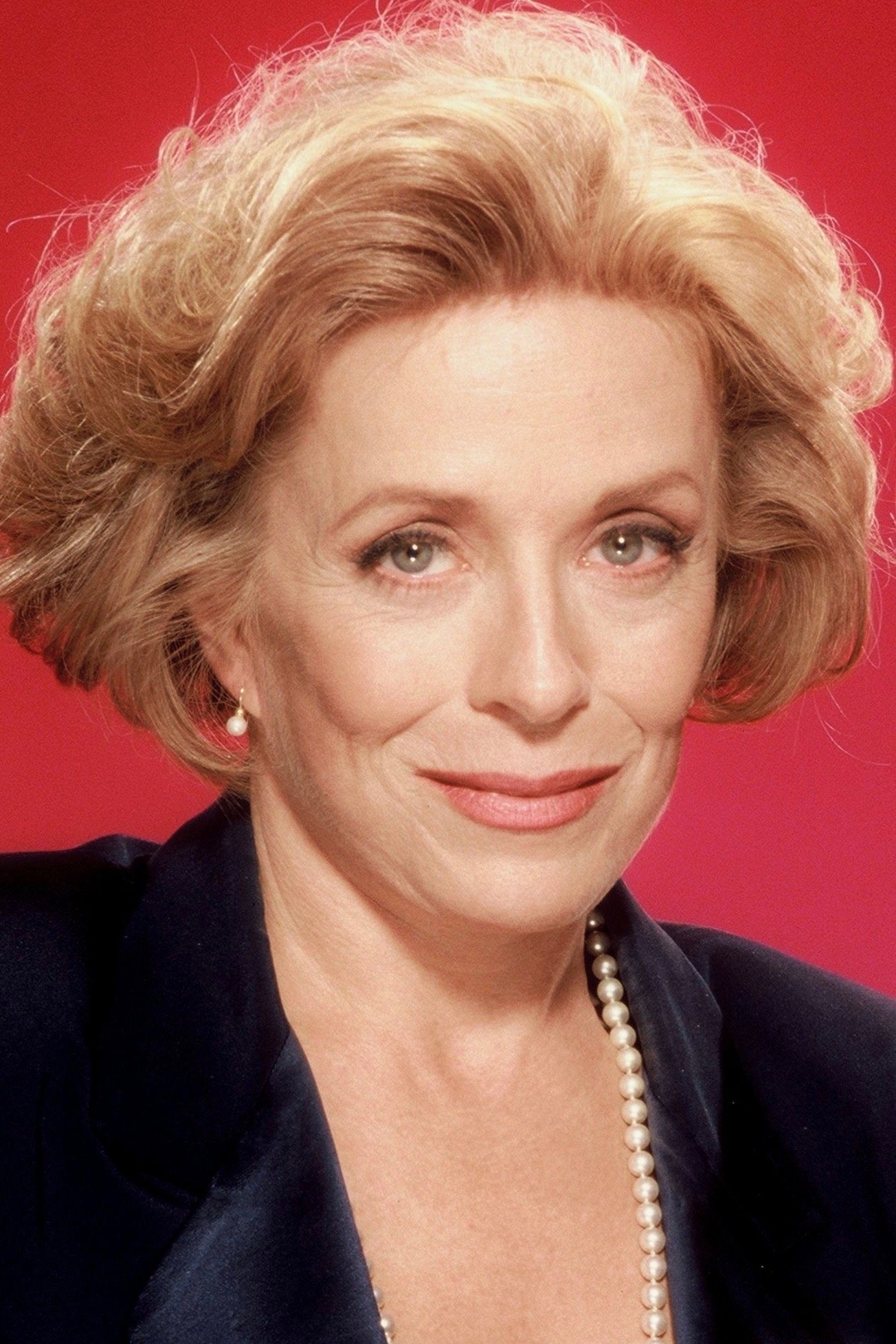
Holland Taylor’s sharp features and commanding presence often saw her cast in authoritative or “stern” roles. In an industry that often overlooks women as they age, she was sometimes told her best years were behind her. She countered this by delivering an iconic performance in ‘Two and a Half Men’, which earned her an Emmy. Her later work in ‘The Chair’ and ‘Hollywood’ showed a different, softer side of her talent. Taylor’s late-career resurgence has made her more popular than ever.
Linda Hunt
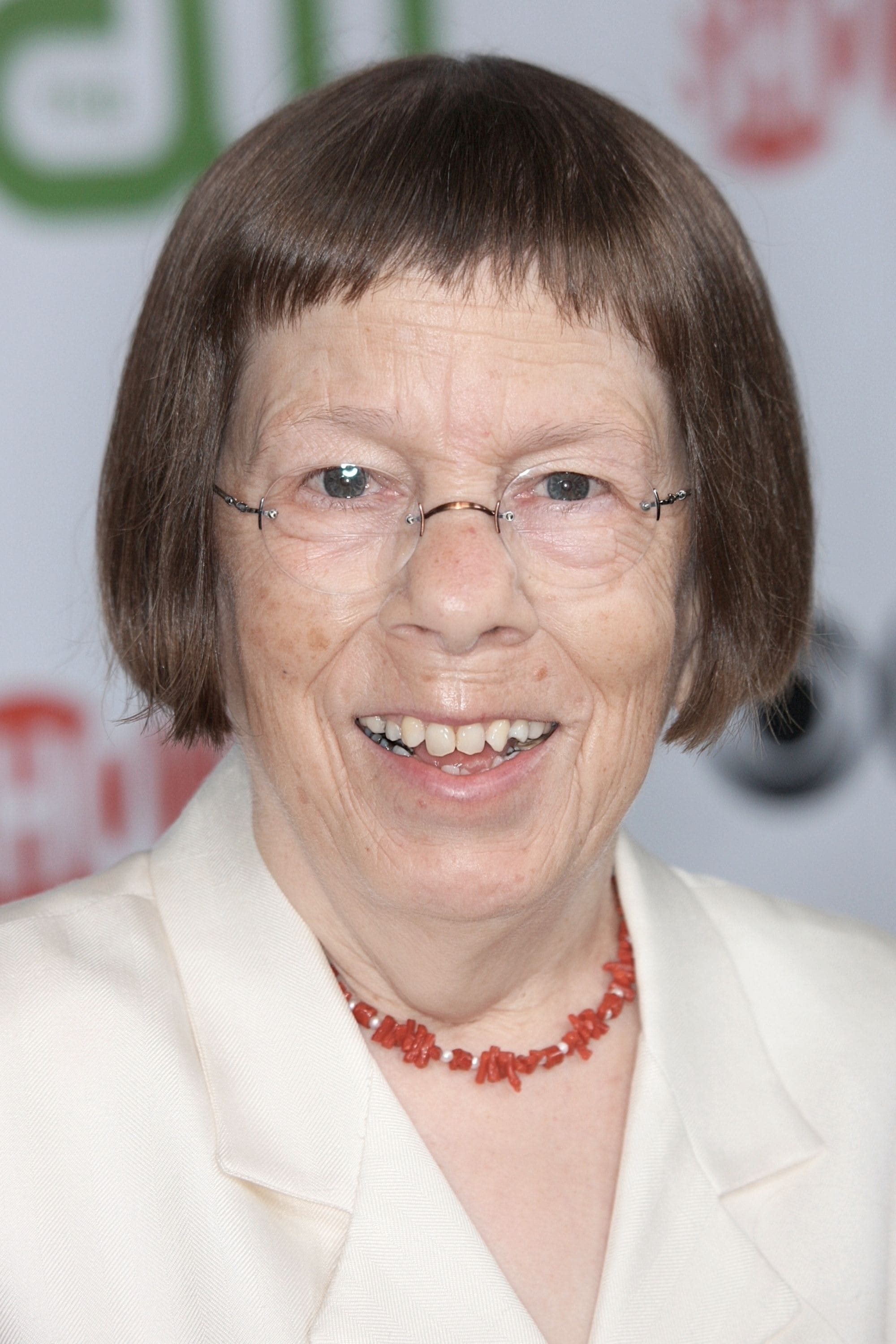
Linda Hunt’s physical stature and unique appearance led many to believe she would have a very limited career. Standing at 4’9″, she defied all industry expectations by winning an Academy Award for ‘The Year of Living Dangerously’. She proved that a distinctive look could be an asset rather than a liability in character-driven storytelling. For over a decade, she was a central figure on the hit series ‘NCIS: Los Angeles’. Hunt’s career is a landmark example of talent overcoming physical stereotypes.
Roberta Colindrez

Roberta Colindrez has built a career playing characters that explicitly reject traditional feminine beauty standards. She first gained attention for her role in the musical ‘Fun Home’, where she portrayed a confident, butch woman. This led to roles in ‘I Love Dick’ and ‘Vida’, where her “unconventional” look was celebrated. She has often spoken about the importance of representing people who don’t fit the Hollywood mold. Colindrez continues to be a sought-after actress for complex, grounded roles.
Lena Waithe
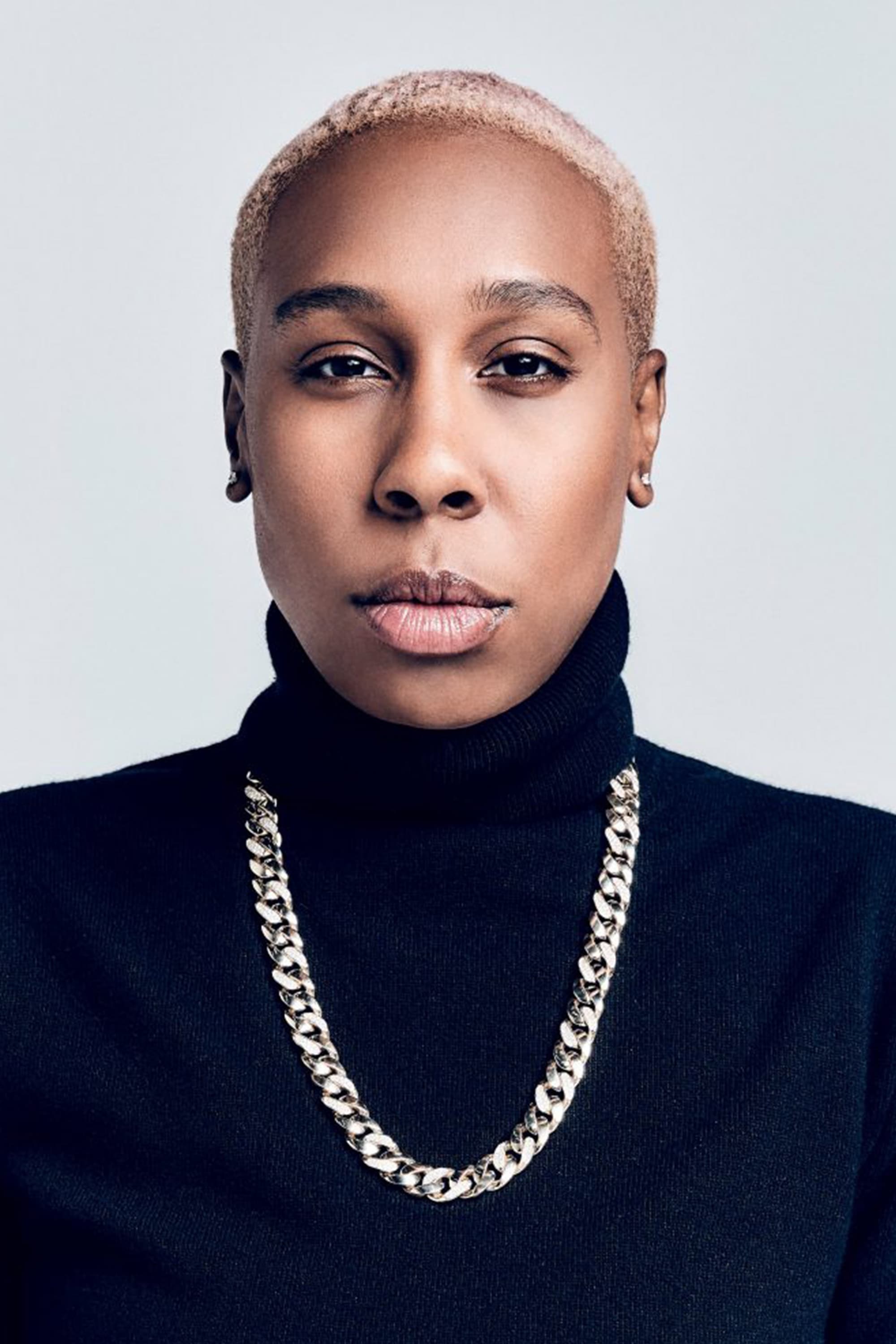
Lena Waithe initially struggled to find acting roles that suited her style and gender expression. Rather than changing her look to fit the industry, she began writing her own material, including the series ‘The Chi’. She made history as the first Black woman to win an Emmy for Outstanding Writing for a Comedy Series for ‘Master of None’. Waithe also moved in front of the camera for projects like ‘Ready Player One’ and ‘Westworld’. Her influence as a creator and performer has paved the way for more diverse gender expressions on screen.
Beanie Feldstein

Beanie Feldstein has often discussed the pressures of being a plus-sized actress in an industry obsessed with thinness. Early in her career, she was frequently cast as the “quirky best friend” rather than the lead. She broke this cycle with her starring roles in ‘Lady Bird’ and ‘Booksmart’, which showcased her as a multifaceted protagonist. Her performance as Monica Lewinsky in ‘Impeachment: American Crime Story’ further demonstrated her dramatic range. Feldstein has successfully challenged the notion that leading ladies must look a certain way.
Bella Ramsey
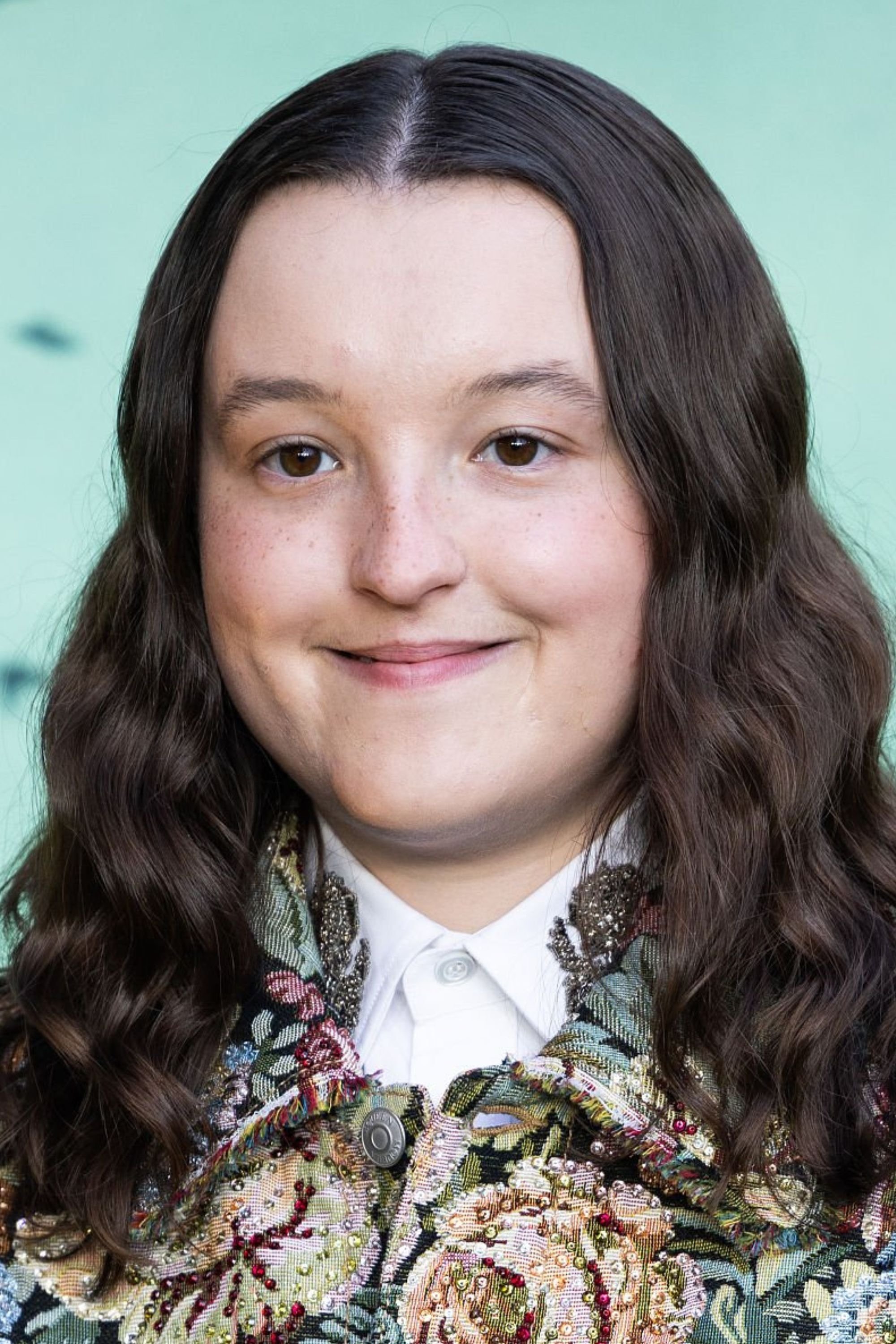
Bella Ramsey faced a wave of online vitriol regarding their appearance when cast as Ellie in ‘The Last of Us’. Critics claimed they did not “look like” the video game character, often using cruel and superficial metrics. Ramsey responded with a powerhouse performance that earned critical acclaim and an Emmy nomination. They have been open about their non-binary identity and the importance of authenticity in casting. Ramsey’s success has effectively silenced those who prioritized aesthetics over acting ability.
Emma Corrin
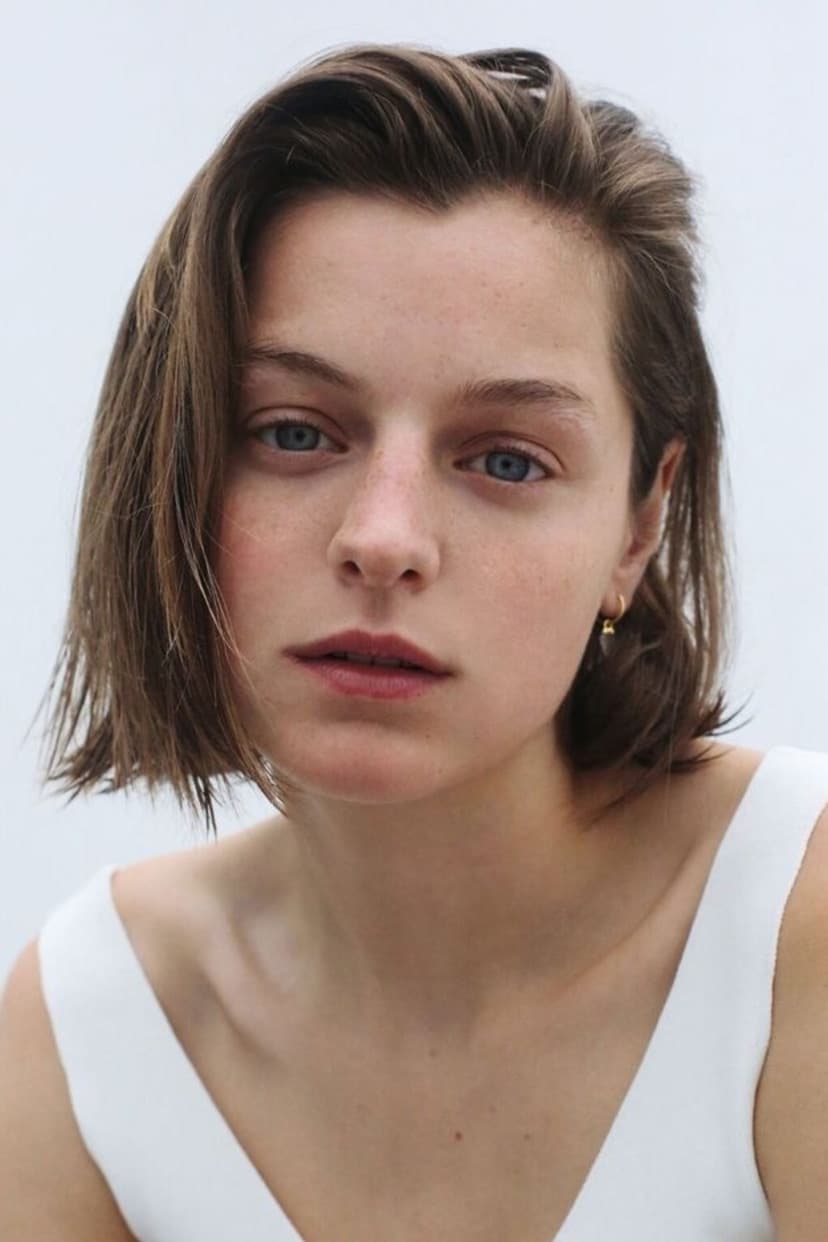
Emma Corrin rose to fame playing Princess Diana in ‘The Crown’, but their off-screen style often draws criticism for being “too experimental.” As Corrin began to explore their non-binary identity, they moved away from the feminine aesthetic the industry expected. Despite some public pushback, Corrin has landed major roles in ‘My Policeman’ and ‘Deadpool & Wolverine’. Their ability to pivot from period drama to high-octane action shows their incredible range. Corrin remains a trailblazer for gender-nonconforming actors in mainstream cinema.
Dot-Marie Jones
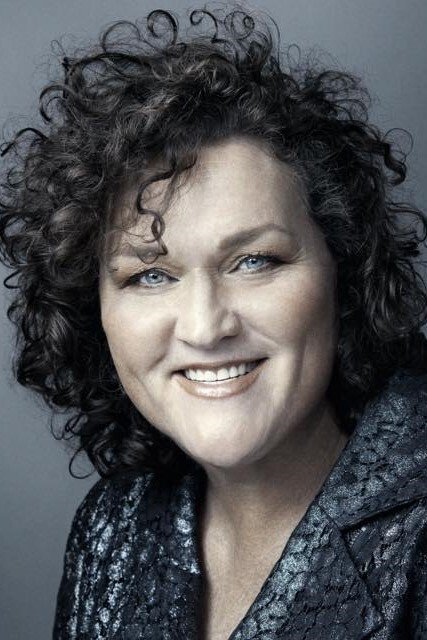
Dot-Marie Jones was told throughout her life that her athletic build and 6’3″ frame were “unfeminine.” Before acting, she was a professional arm wrestler, a background that many casting directors found difficult to place. She found her breakthrough as Coach Beiste on ‘Glee’, a role that specifically addressed the character’s struggles with appearance. The performance earned her three Emmy nominations and made her a beloved figure. Jones has since appeared in numerous projects, proving there is a place for all body types in Hollywood.
Kelly McGillis
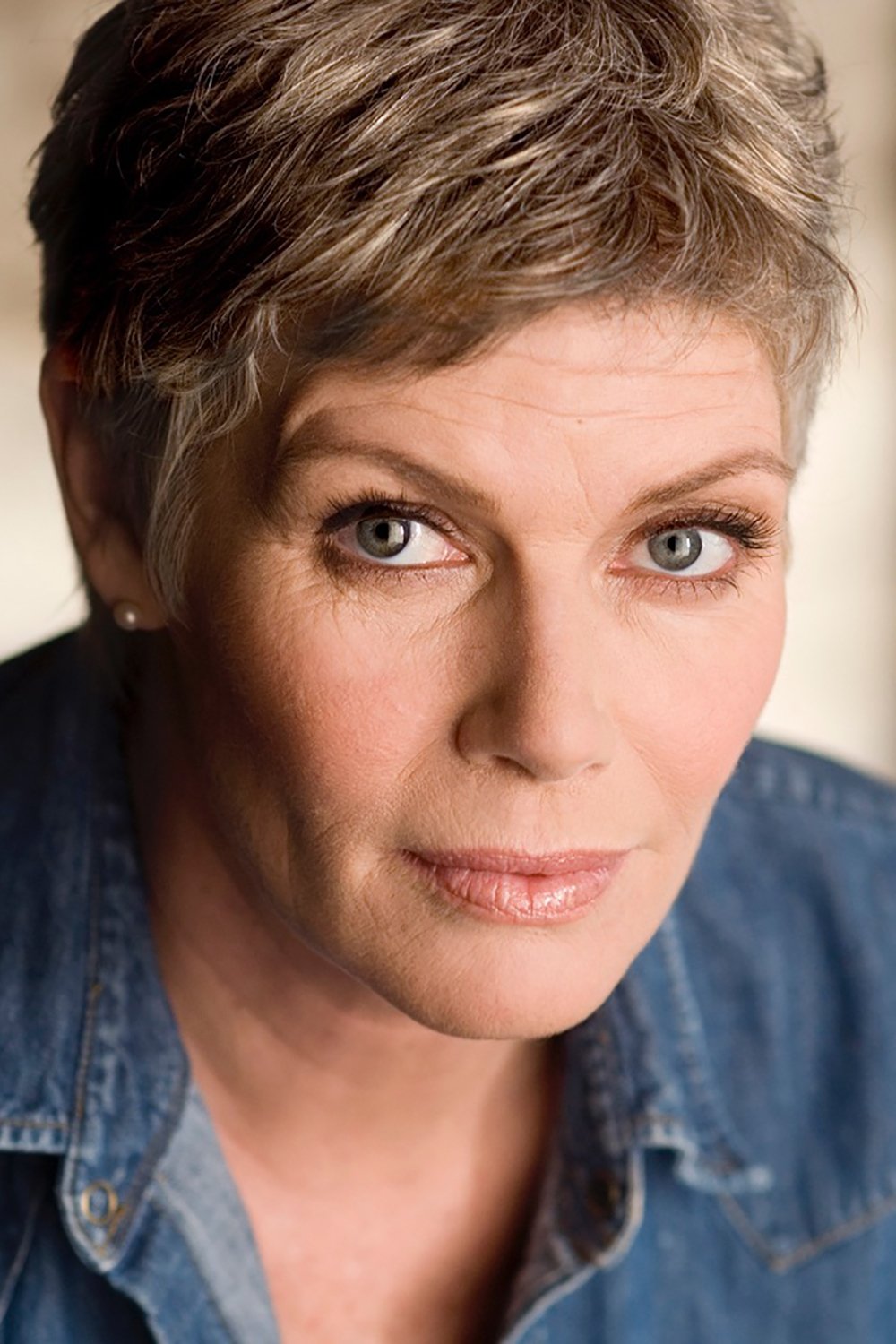
Kelly McGillis was once the ultimate Hollywood “it girl” in films like ‘Top Gun’, but she faced harsh criticism as she aged. When a sequel was announced, she was not asked to return, with many citing her “natural” aging process as the reason. McGillis handled the situation with grace, stating she preferred to look her age rather than undergo surgery to fit in. She has continued to work in independent films and theater, maintaining a career on her own terms. Her refusal to hide her age has made her an icon of authenticity.
Alia Shawkat
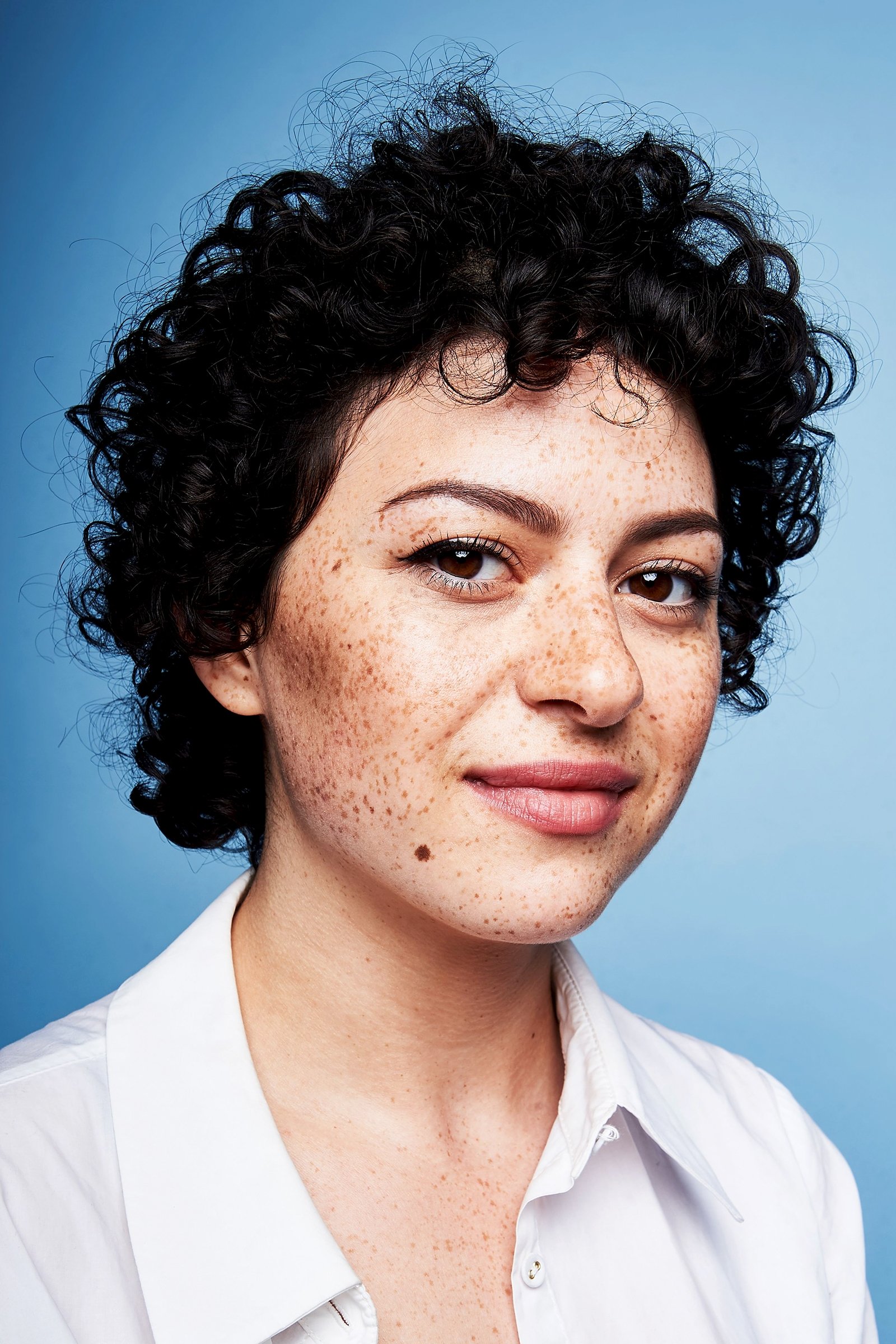
Alia Shawkat gained fame as Maeby Fünke on ‘Arrested Development’, where her freckles and curly hair were part of her charm. As she grew older, she resisted the pressure to transition into a hyper-feminine starlet. She chose instead to work on independent projects like ‘Search Party’, where she could play flawed and complex characters. Shawkat has also been open about her bisexual identity, contributing to her status as a queer icon. Her career trajectory shows a preference for artistic integrity over mainstream glamour.
Clea DuVall
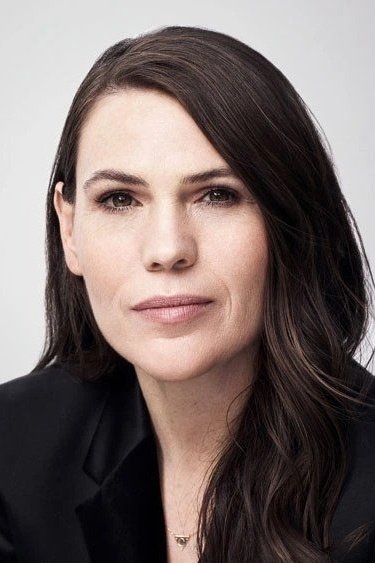
Clea DuVall was a staple of 1990s teen cinema, often playing the “outsider” or the “moody girl.” Critics at the time often contrasted her with more “conventional” blonde starlets. DuVall leaned into her unique energy, starring in the queer classic ‘But I’m a Cheerleader’. She eventually transitioned into directing, helming the successful holiday film ‘Happiest Season’. Her longevity in the industry proves that being an “alternative” choice can lead to a sustained and diverse career.
Aubrey Plaza

Aubrey Plaza’s “deadpan” and “awkward” persona was initially seen as a comedic gimmick that might not translate to leading roles. Some early reviews of her work focused more on her “weirdness” than her acting skill. She proved her depth with starring roles in ‘Ingrid Goes West’ and ‘Emily the Criminal’, receiving widespread praise. Plaza’s ability to lead both comedies and intense dramas has made her one of the most sought-after actresses today. She has frequently discussed her queer identity, adding another layer to her public persona.
Carrie Brownstein

Carrie Brownstein was primarily known as a rock musician before becoming a major television presence. Her look, rooted in the indie music scene, was far removed from the polished aesthetic of Hollywood. Through ‘Portlandia’, she demonstrated a brilliant comedic range by playing dozens of different characters. She has since moved into directing and writing, further expanding her influence. Brownstein’s career shows that having a distinct perspective is more valuable than fitting a visual mold.
Abbi Jacobson
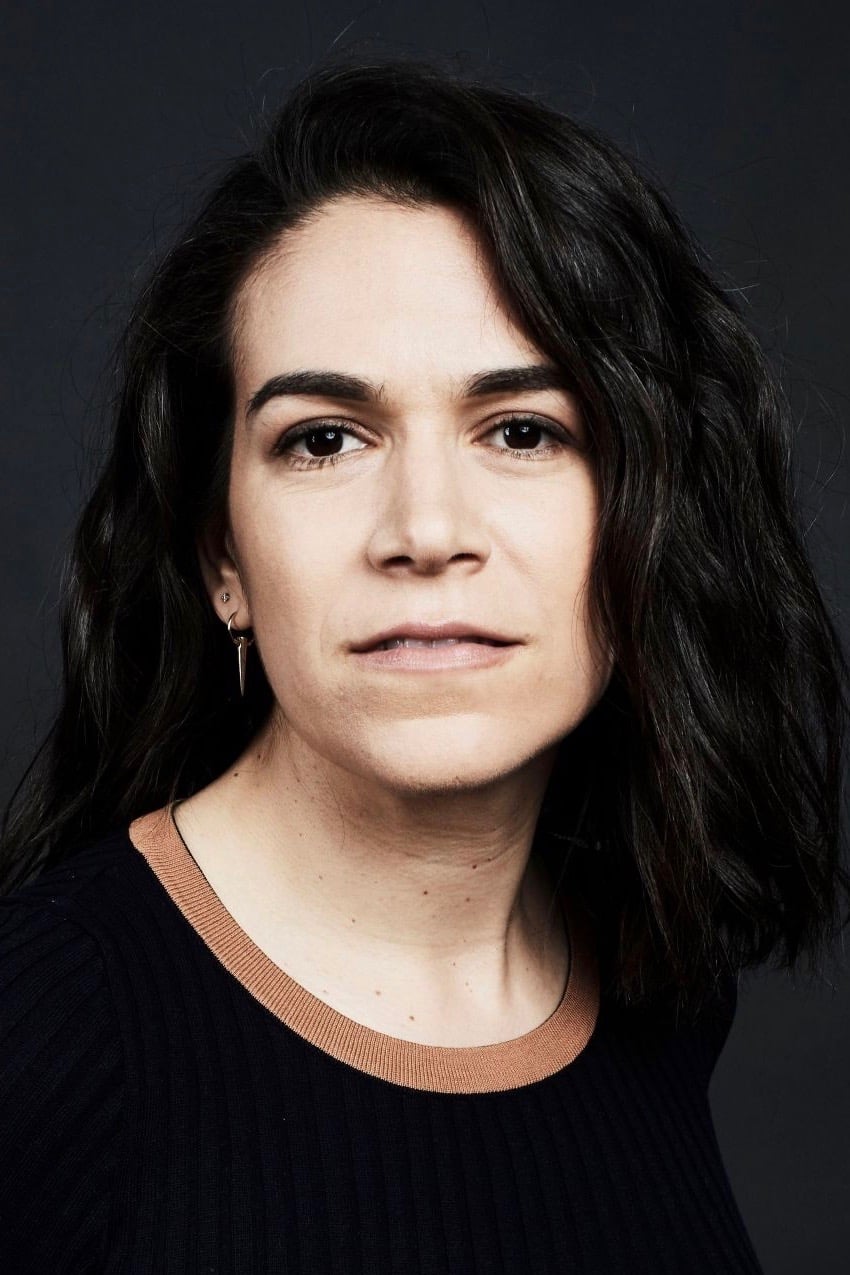
Abbi Jacobson co-created and starred in ‘Broad City’, a show that celebrated “unfiltered” and often “unattractive” moments of young adulthood. She and her co-star were often compared to more “glamorous” sitcom leads, but they chose to prioritize relatability. Jacobson’s success led to her voicing the lead in ‘The Mitchells vs. the Machines’ and creating the series ‘A League of Their Own’. Her work has consistently championed queer narratives and diverse body types. She has become a leading figure in modern television production.
Kristen Stewart
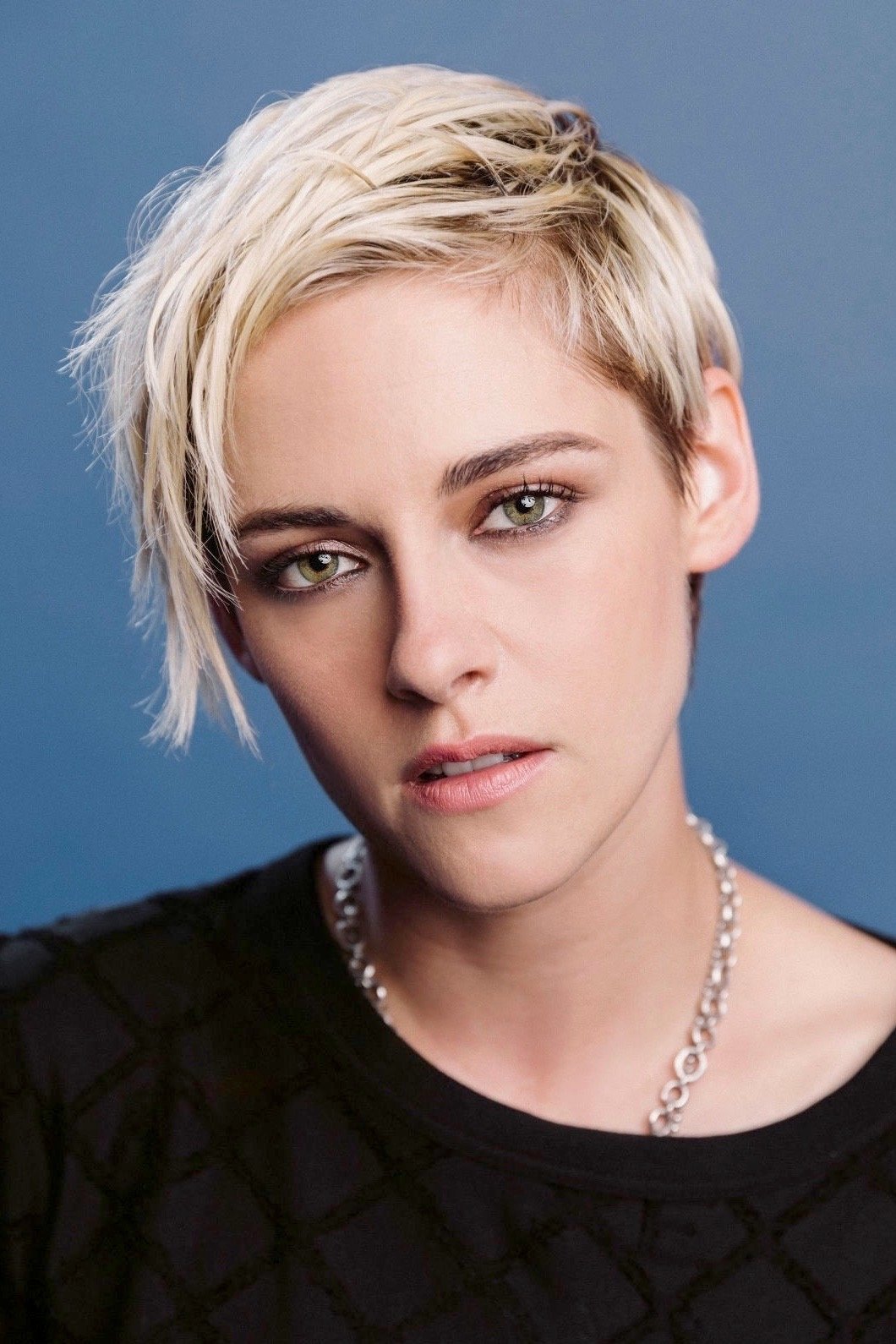
Kristen Stewart faced intense media scrutiny early in her career, with many criticizing her for being “awkward” or “unsmiling.” After the ‘Twilight’ saga, she moved away from blockbuster roles to focus on independent cinema. She became the first American actress to win a César Award for ‘Clouds of Sils Maria’. Stewart has since become an Oscar nominee for her role as Princess Diana in ‘Spencer’. Her refusal to play the “Hollywood game” regarding her appearance and personality has earned her immense respect.
Cynthia Nixon
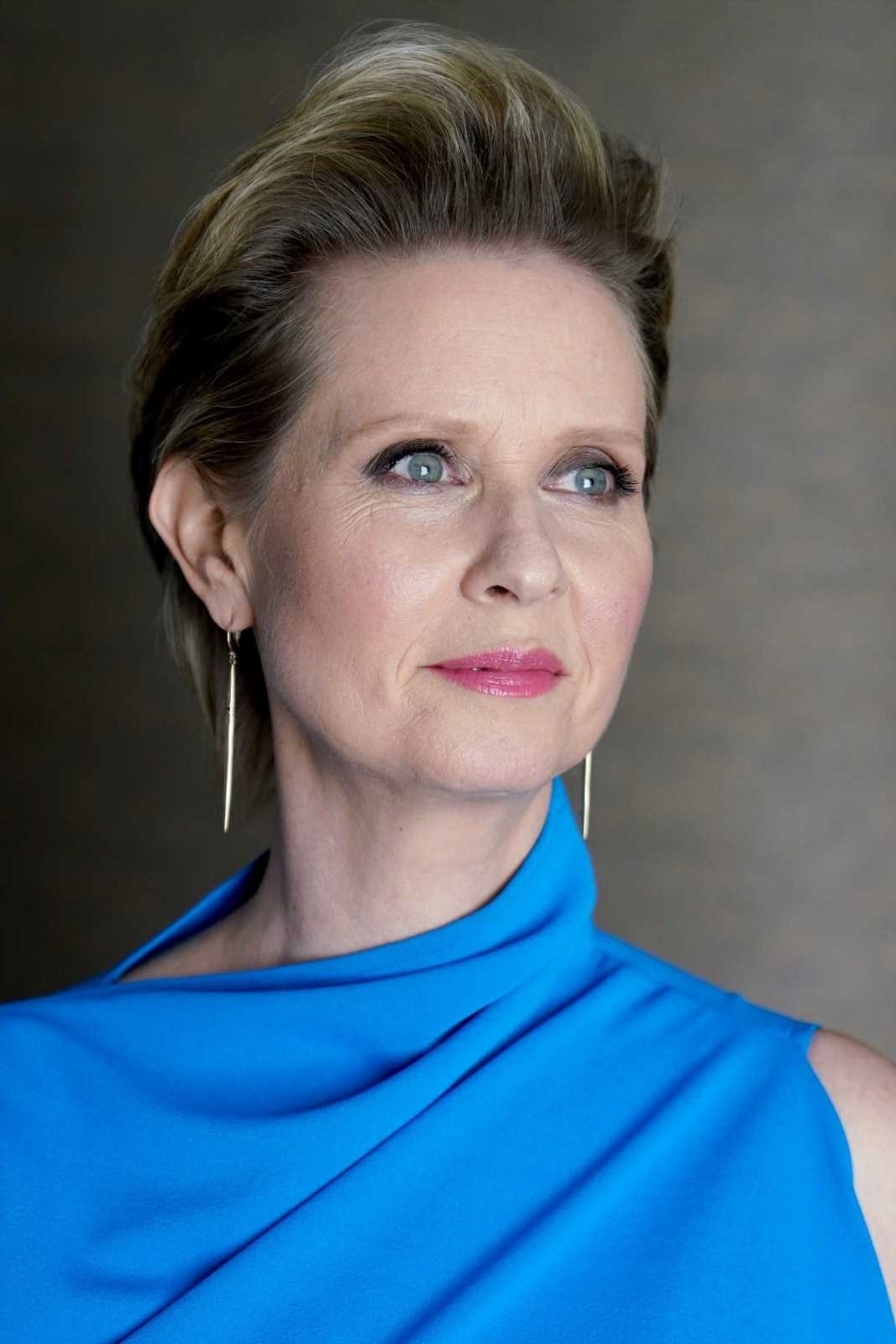
Cynthia Nixon became a household name as Miranda Hobbes on ‘Sex and the City’, a character often unfairly labeled the “least attractive” of the four leads. Nixon embraced the character’s pragmatism and often used the platform to discuss the double standards women face. After the show ended, she continued to work in prestigious theater and television roles, winning two Tony Awards. She also transitioned into politics, running for Governor of New York. Nixon’s multifaceted career proves that her value far exceeds the labels placed on her early on.
Sue Perkins
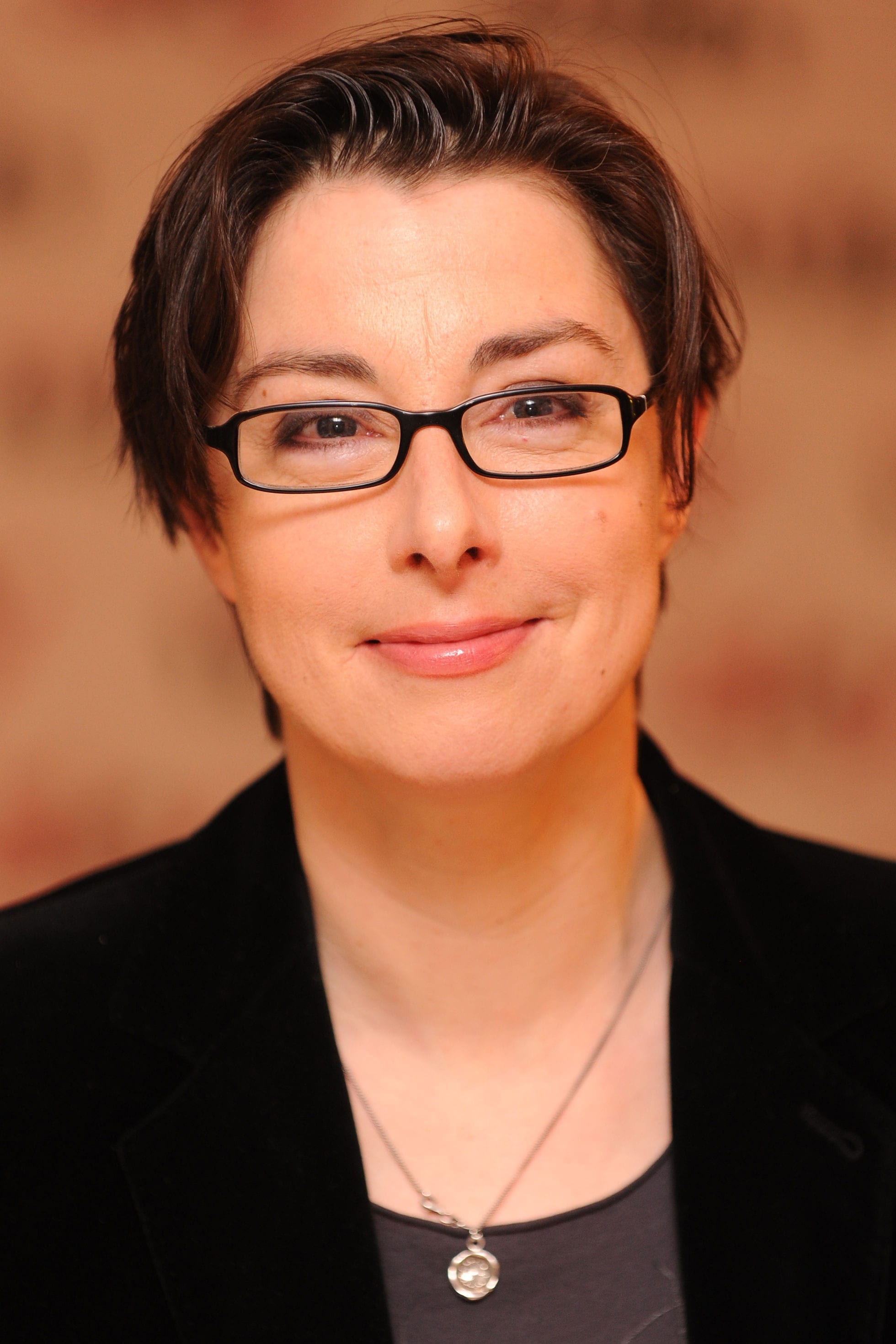
Sue Perkins is a beloved British comedian who has often joked about her “nerdy” and “androgynous” appearance. During her early years in the duo Mel and Sue, she was frequently the target of lighthearted but persistent jibes about her lack of traditional femininity. She became a national treasure as a host of ‘The Great British Bake Off’, where her wit and charm won over millions. Perkins has written best-selling books and hosted numerous documentaries, proving her broad appeal. She remains one of the most prominent out lesbians in British media.
Sandi Toksvig
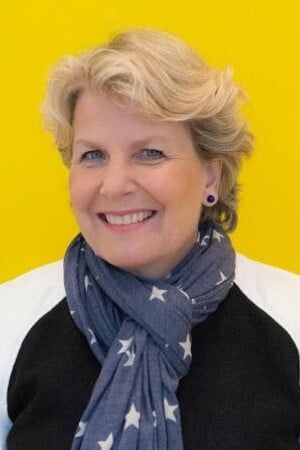
Sandi Toksvig has spent decades in the public eye, often navigating an industry that was not always welcoming to her height or gender expression. At 4’11” and with a penchant for tailored suits, she carved out a unique space in broadcasting. She eventually took over as the host of ‘QI’ and ‘The Great British Bake Off’, roles that utilized her vast intelligence and humor. Toksvig is also a co-founder of the Women’s Equality Party, showing her commitment to social change. Her career is a testament to the power of wit and intellect over superficiality.
Niecy Nash-Betts
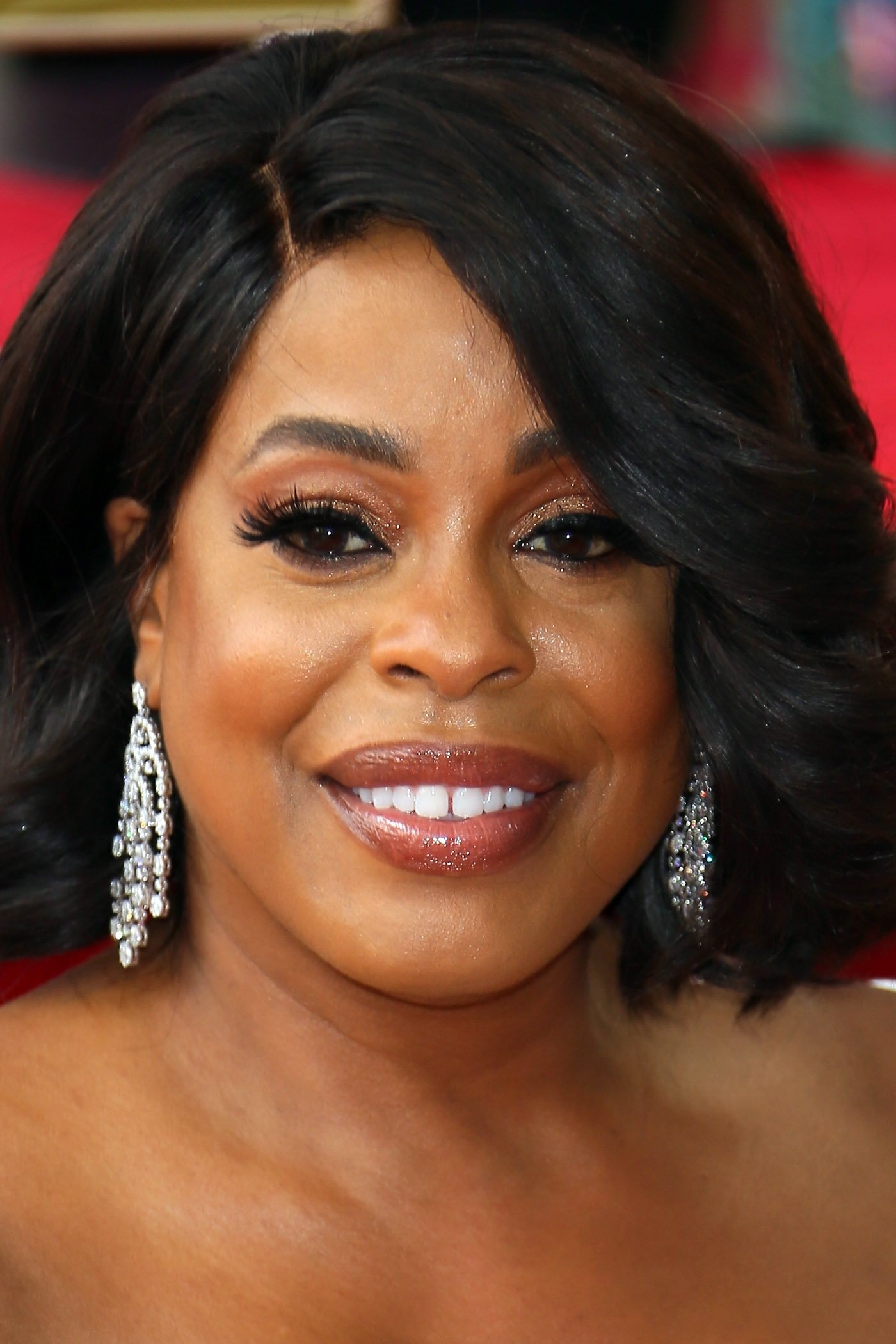
Niecy Nash-Betts was often pigeonholed into “loud” or “comic relief” roles based on her curvaceous figure and vibrant style. Early in her career, she was rarely considered for serious dramatic leads. She shattered these expectations with her role in ‘Getting On’ and later in ‘When They See Us’. Her Emmy-winning performance in ‘Dahmer – Monster: The Jeffrey Dahmer Story’ solidified her status as a premier dramatic actress. Nash-Betts has celebrated her late-in-life marriage to Jessica Betts, further inspiring fans with her authenticity.
Raven-Symoné
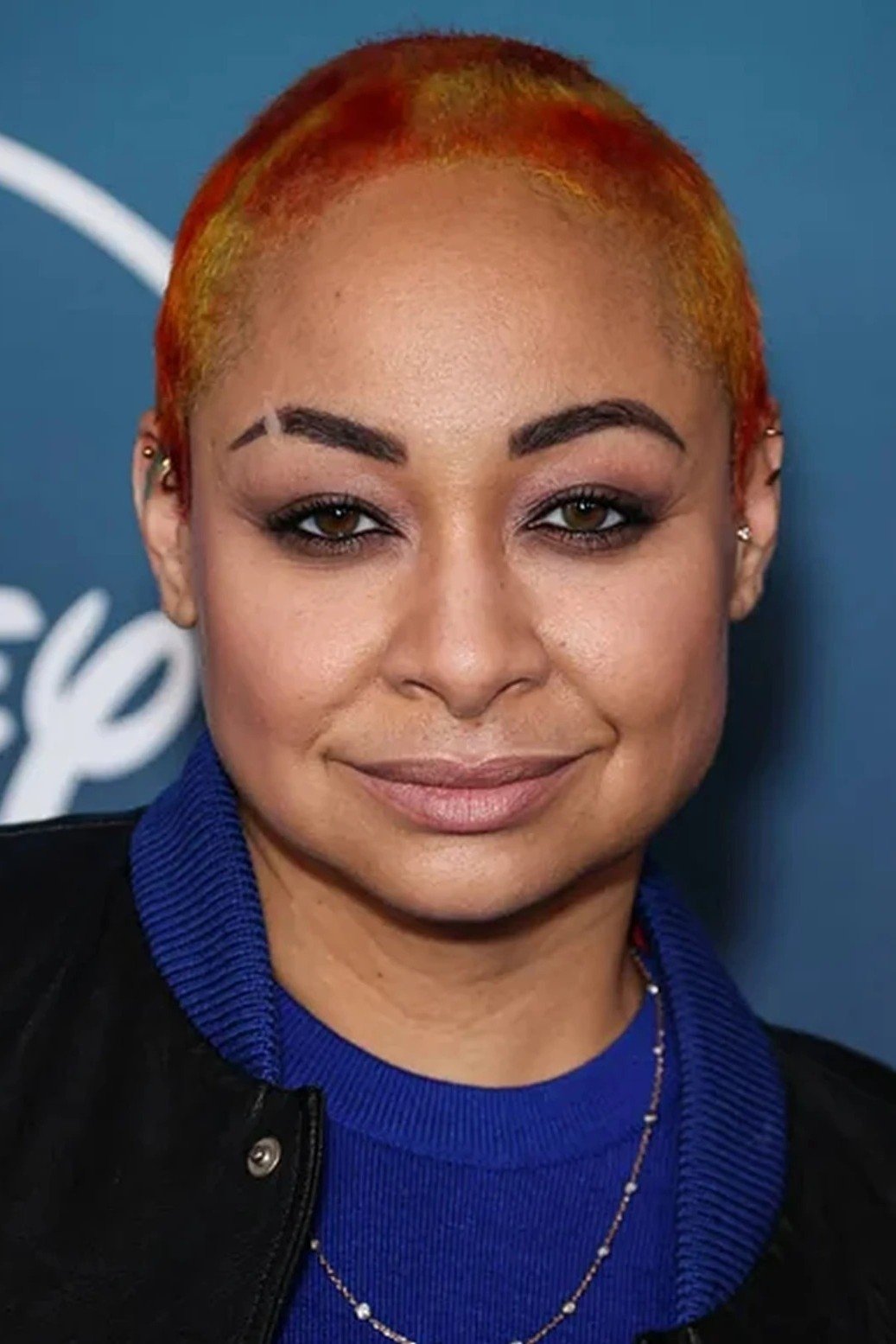
Raven-Symoné grew up in the public eye, and as she reached adulthood, she faced significant scrutiny regarding her weight and style. Tabloids often critiqued her for not maintaining the “Disney star” look they expected. She pushed back by continuing to lead her own shows, including the successful ‘Raven’s Home’. She has been open about her marriage to Miranda Maday and her journey toward self-love. Raven-Symoné’s longevity in the industry is a result of her talent and her refusal to let others define her.
Amandla Stenberg
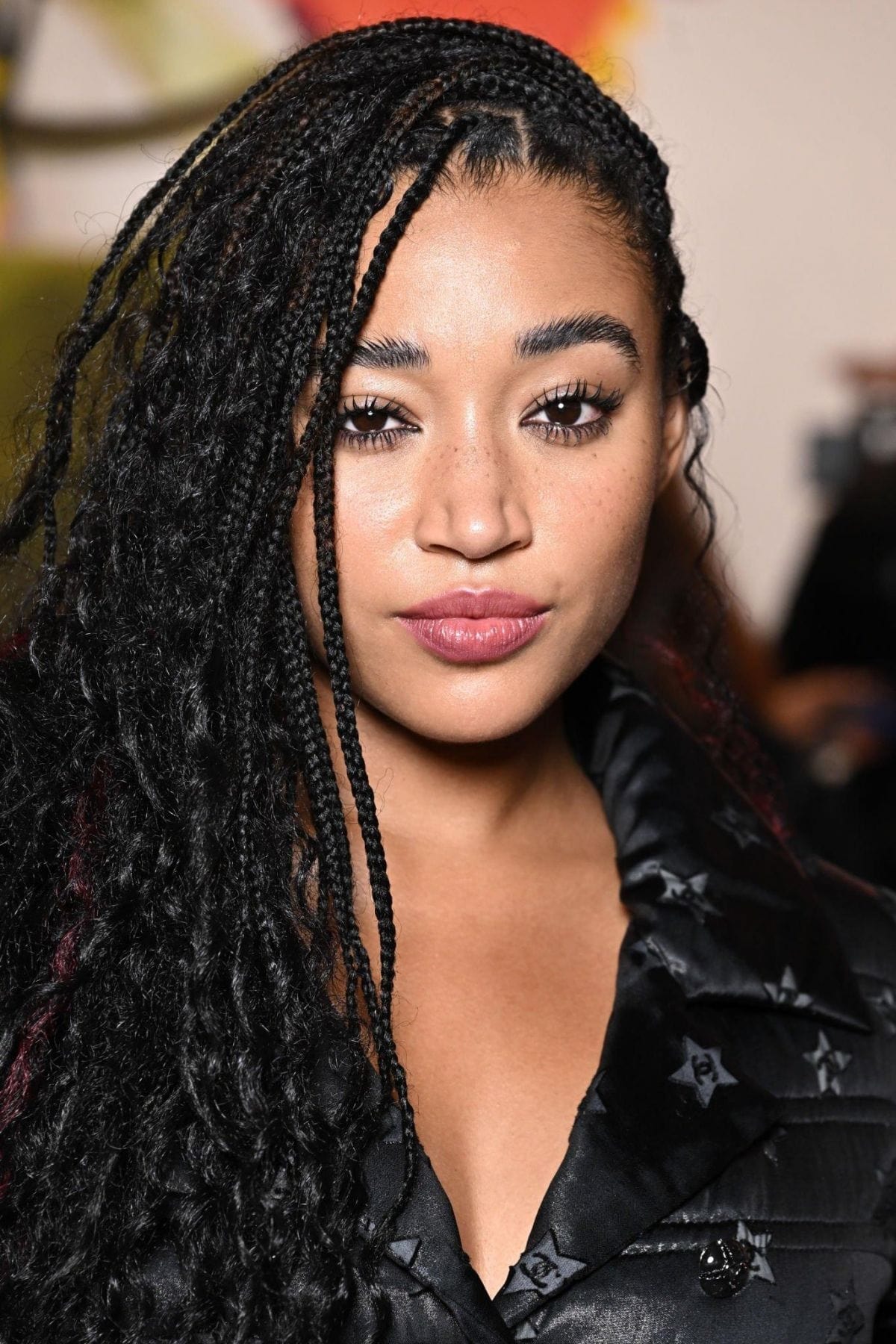
Amandla Stenberg rose to fame as a child in ‘The Hunger Games’ and quickly became a voice for a new generation. As they began to experiment with their gender expression and hair, they faced conservative pushback. Stenberg ignored the critics, starring in hit films like ‘The Hate U Give’ and joining the ‘Star Wars’ universe in ‘The Acolyte’. They have consistently used their platform to advocate for intersectional feminism and LGBTQ+ rights. Stenberg’s career is defined by their refusal to conform to any single standard of beauty.
Indya Moore
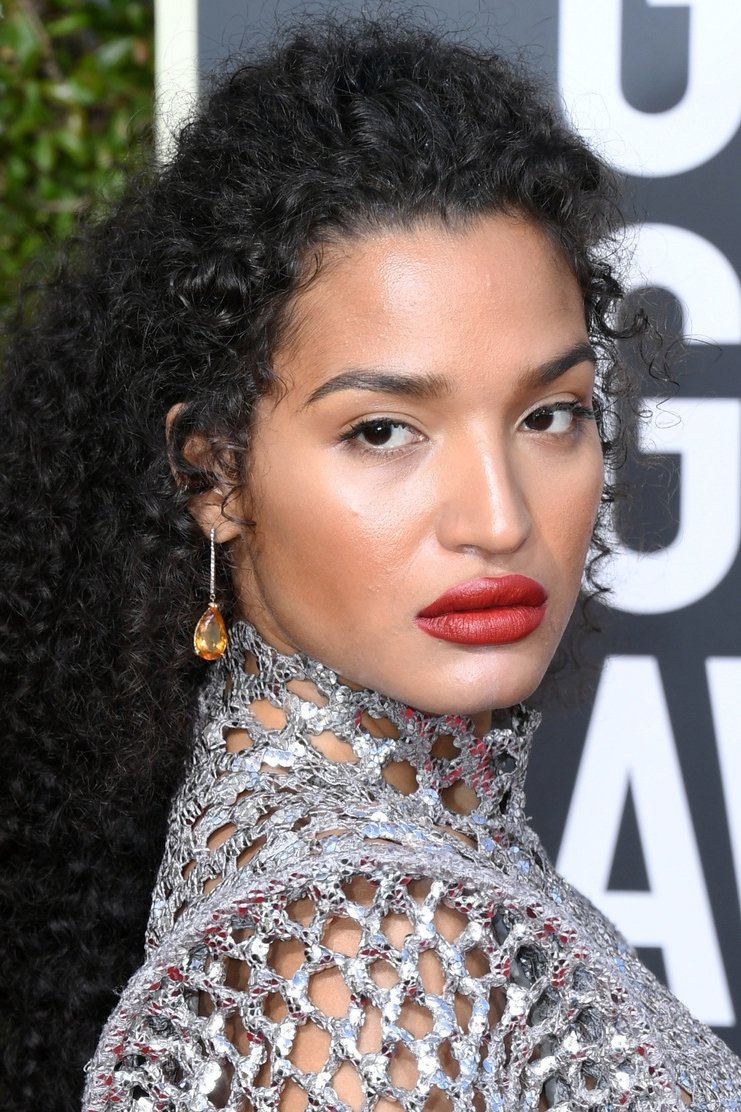
Indya Moore faced extreme hardship before finding success as a model and actress. As a non-binary trans person, they were often told by the fashion industry that their look was “too niche” or “not commercial.” They proved the skeptics wrong by becoming a breakout star on ‘Pose’, a show that centered on the ballroom scene. Moore has since become a face for major brands like Louis Vuitton and Calvin Klein. Their presence in mainstream media is a major milestone for trans representation.
Michaela Jaé Rodriguez
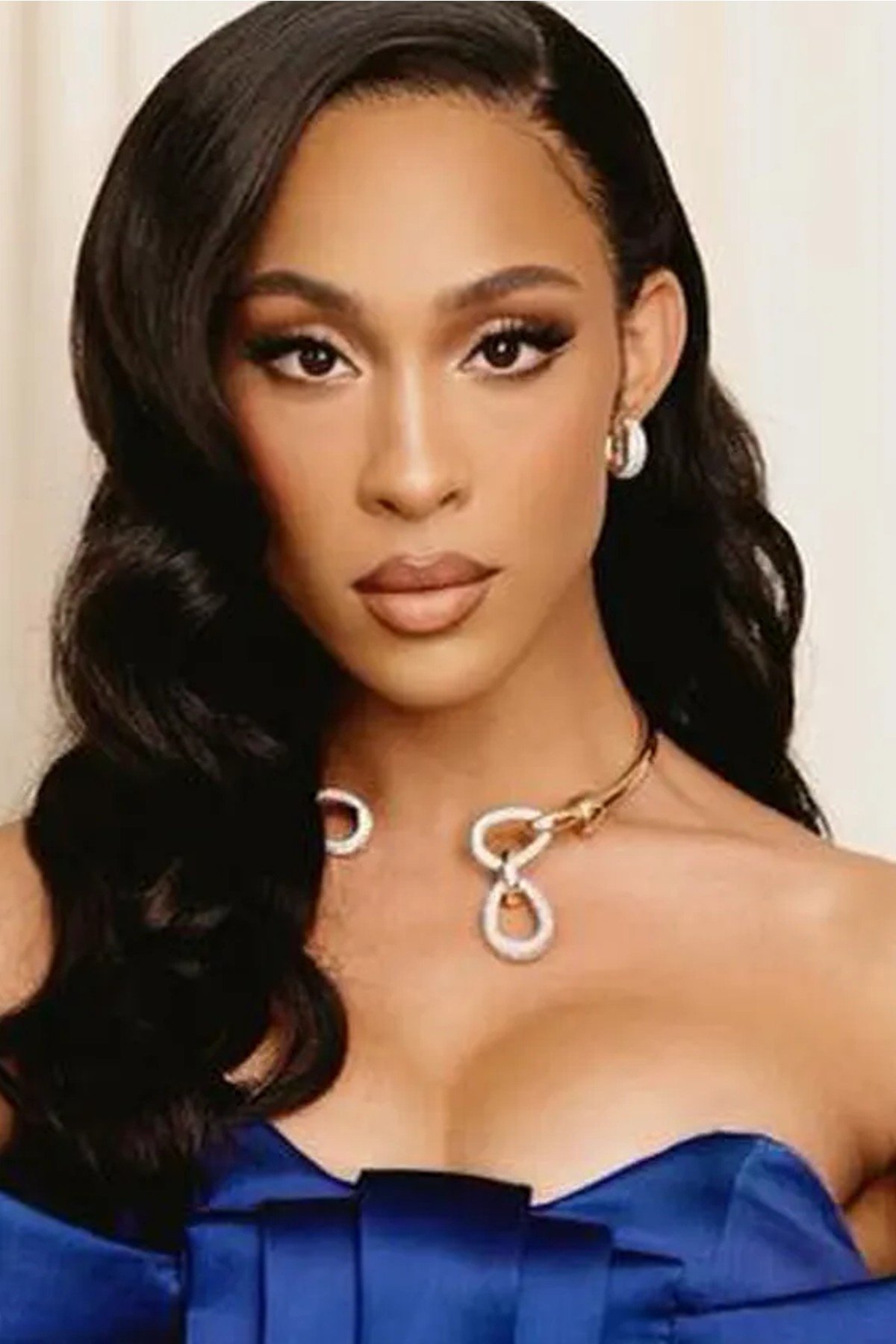
Michaela Jaé Rodriguez worked for years in theater and small television roles before getting her big break. She often spoke about the difficulties of being a trans woman of color in an industry that rarely offered them substantial roles. Her performance as Blanca on ‘Pose’ changed everything, making her the first trans woman to win a Golden Globe for Best Actress. She has since expanded into music and major film roles, including ‘Transformers: Rise of the Beasts’. Rodriguez has become a symbol of excellence and perseverance.
Laverne Cox
Laverne Cox became the face of the “Transgender Tipping Point” after her role in ‘Orange Is the New Black’. Before her success, she faced constant rejection, with many telling her she didn’t have the “right look” for television. She became the first openly trans person to be nominated for a Primetime Emmy in an acting category. Cox has used her fame to educate the public and advocate for trans rights globally. Her career has opened doors for countless other performers who previously felt invisible.
Angelica Ross
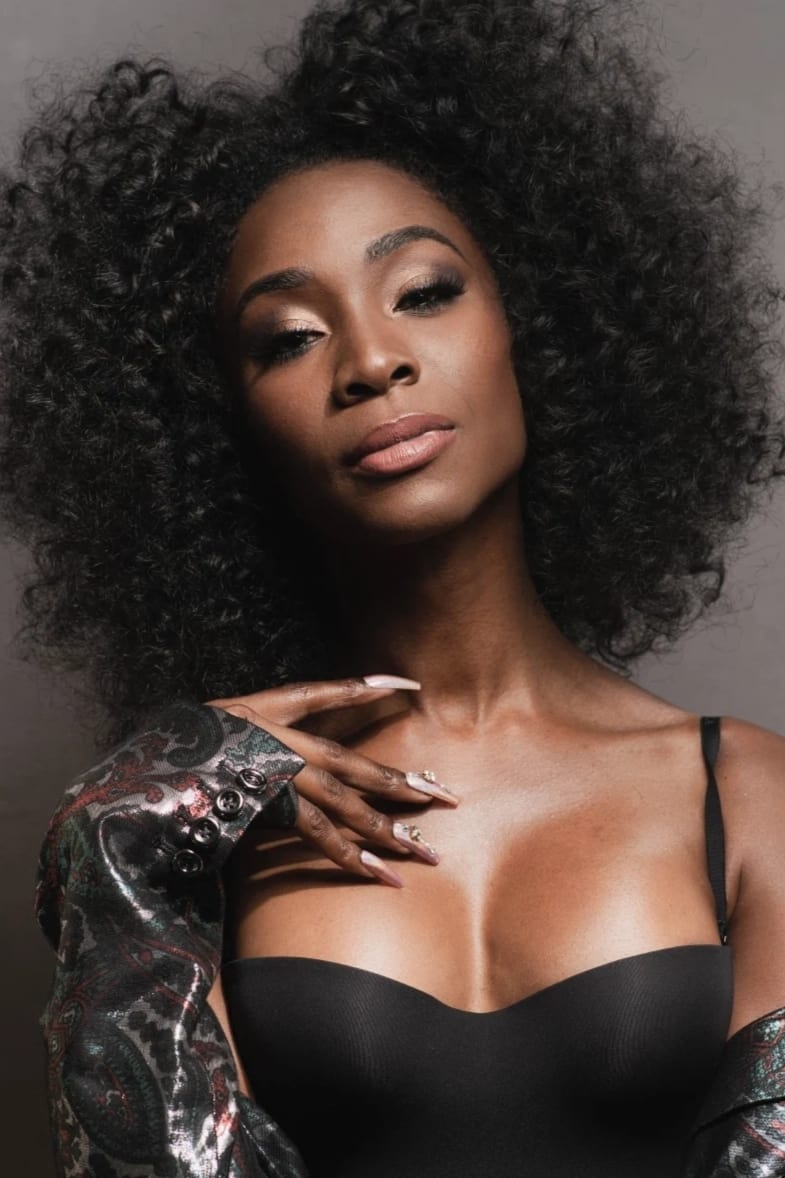
Angelica Ross taught herself to code and started a company before she ever found success as an actress. She faced systemic barriers due to her identity, often being told there was no space for her in front of the camera. Her roles in ‘Pose’ and ‘American Horror Story’ proved her incredible dramatic range. Ross has become a prominent advocate for trans people in tech and entertainment. Her success is a powerful reminder that talent can flourish when given the opportunity.
Dominique Jackson

Dominique Jackson’s journey to stardom was marked by years of struggle within the ballroom community and beyond. She often faced critiques about her “intimidating” height and features during her early attempts at modeling. She channeled that regal energy into the role of Elektra Abundance on ‘Pose’, creating one of television’s most iconic characters. Since the show ended, she has appeared in ‘American Gods’ and continues to be a high-fashion icon. Jackson’s career is a masterclass in turning perceived “flaws” into strengths.
Hari Nef
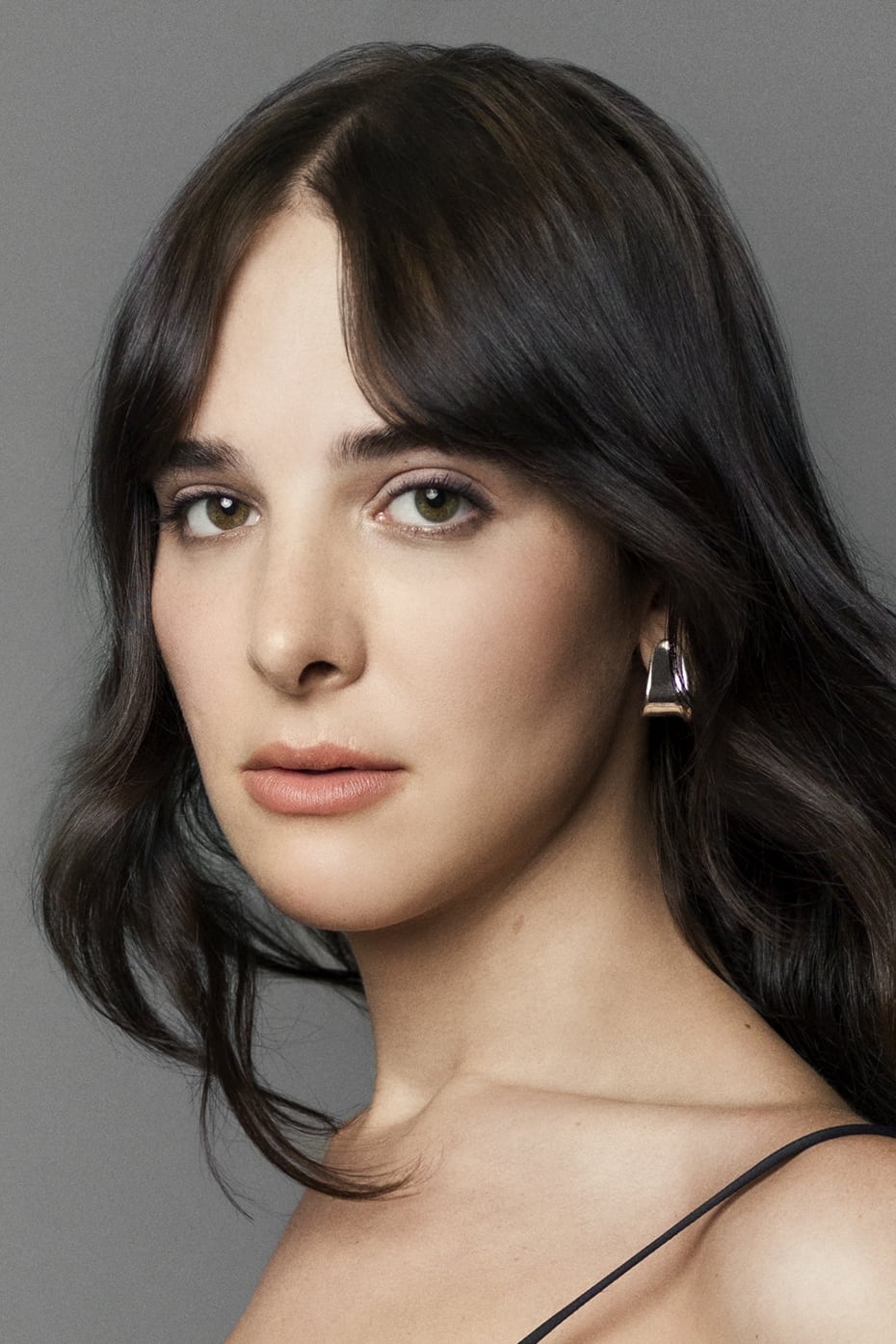
Hari Nef was the first openly trans woman to be signed to IMG Models, but she soon faced the challenge of being “tokenized.” Critics often focused more on her identity than her talent as an actress. She proved her skills in projects like ‘Transparent’ and the blockbuster film ‘Barbie’. Nef has also become a respected writer, contributing to major fashion publications. Her ability to navigate both the fashion and film worlds makes her a unique and influential figure.
Trace Lysette
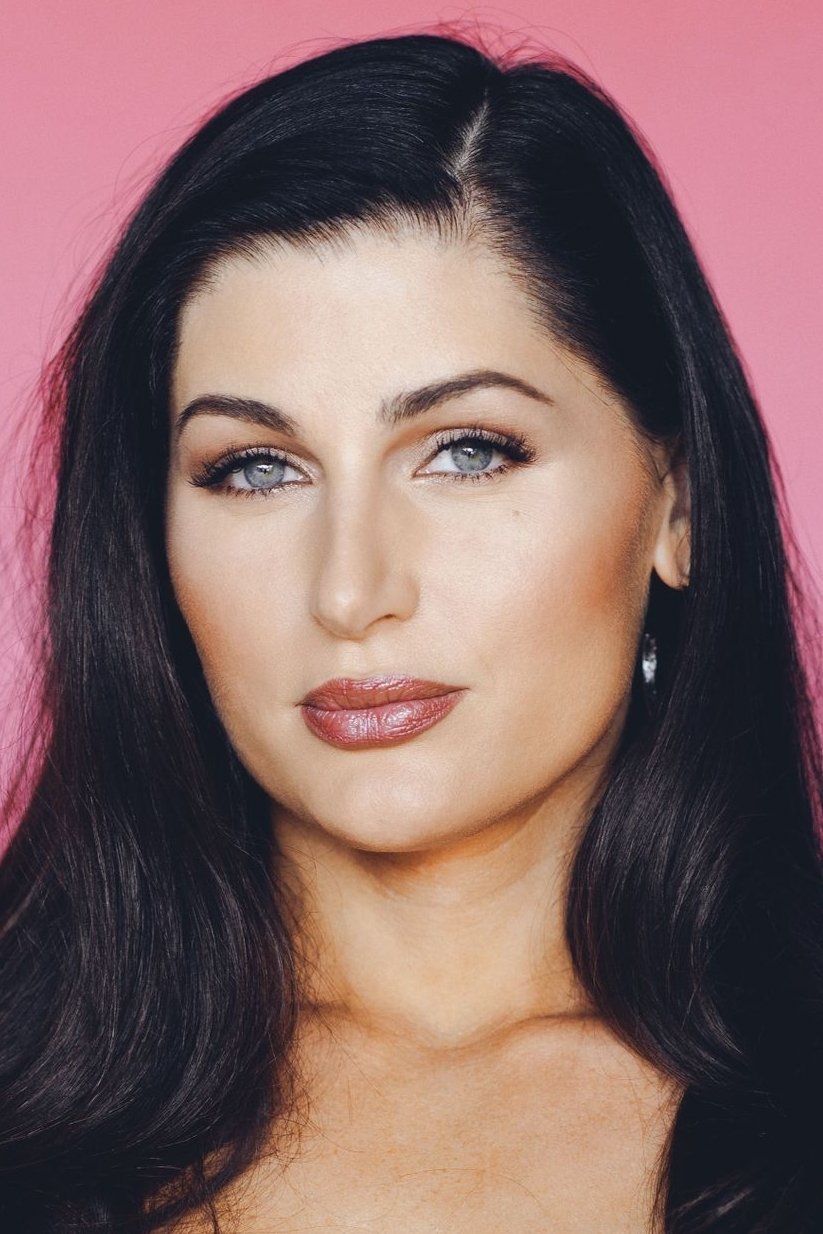
Trace Lysette worked as a background actor and in small roles for years, often fearing that coming out as trans would end her career. She was frequently told she was “too edgy” for mainstream television. She broke through with a recurring role on ‘Transparent’ and a scene-stealing performance in ‘Hustlers’. Her leading role in the film ‘Monica’ earned her critical acclaim at the Venice Film Festival. Lysette’s success is a testament to the importance of lived experience in storytelling.
Jen Richards
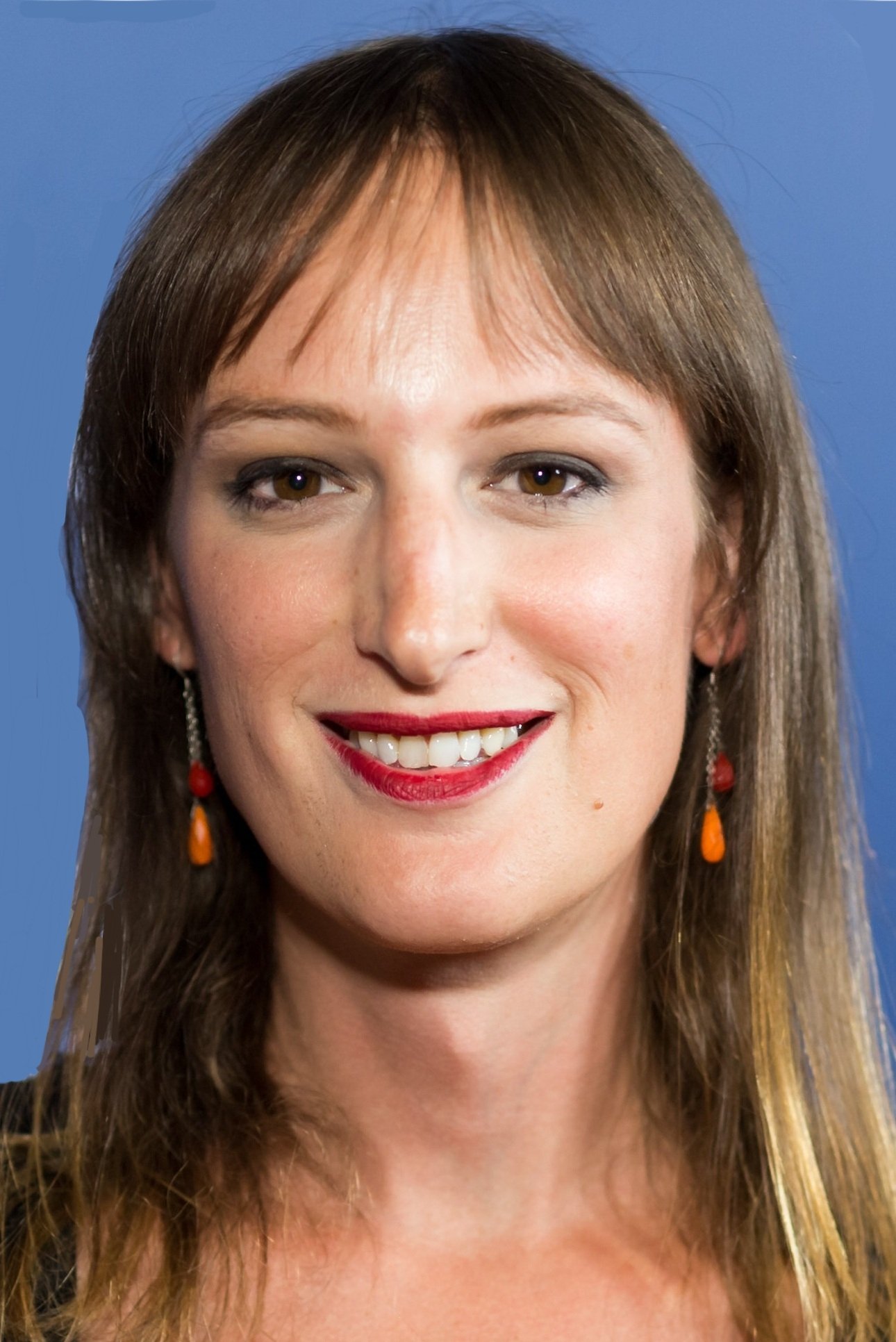
Jen Richards is a writer and actress who has long fought for better trans representation in Hollywood. Early on, she found that the only roles available to her were stereotypes or victims. She co-created the series ‘Her Story’ to showcase trans women in a more realistic and nuanced light. This led to roles in ‘Mrs. Fletcher’ and ‘Clarice’. Richards continues to be a leading voice in the industry, pushing for more inclusive casting practices.
Daniela Vega
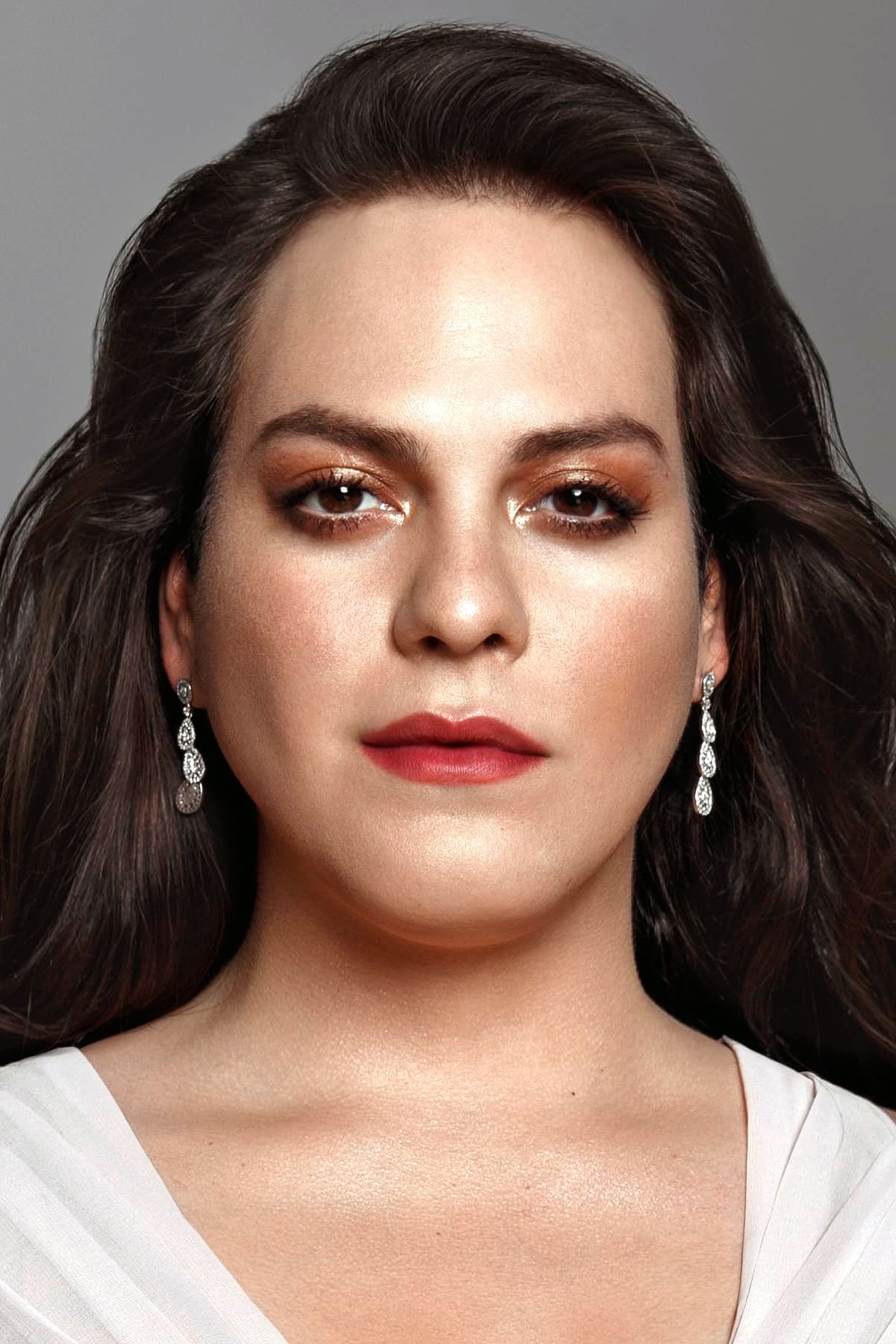
Daniela Vega gained international fame for her role in the Oscar-winning film ‘A Fantastic Woman’. Before her breakout, she worked as a singer and stage actress in Chile, often facing local prejudice. Her performance was so powerful that she became the first openly trans person to present at the Academy Awards. She has since worked on several international projects, including the series ‘Tales of the City’. Vega’s success has made her a global icon for the LGBTQ+ community.
Hunter Schafer
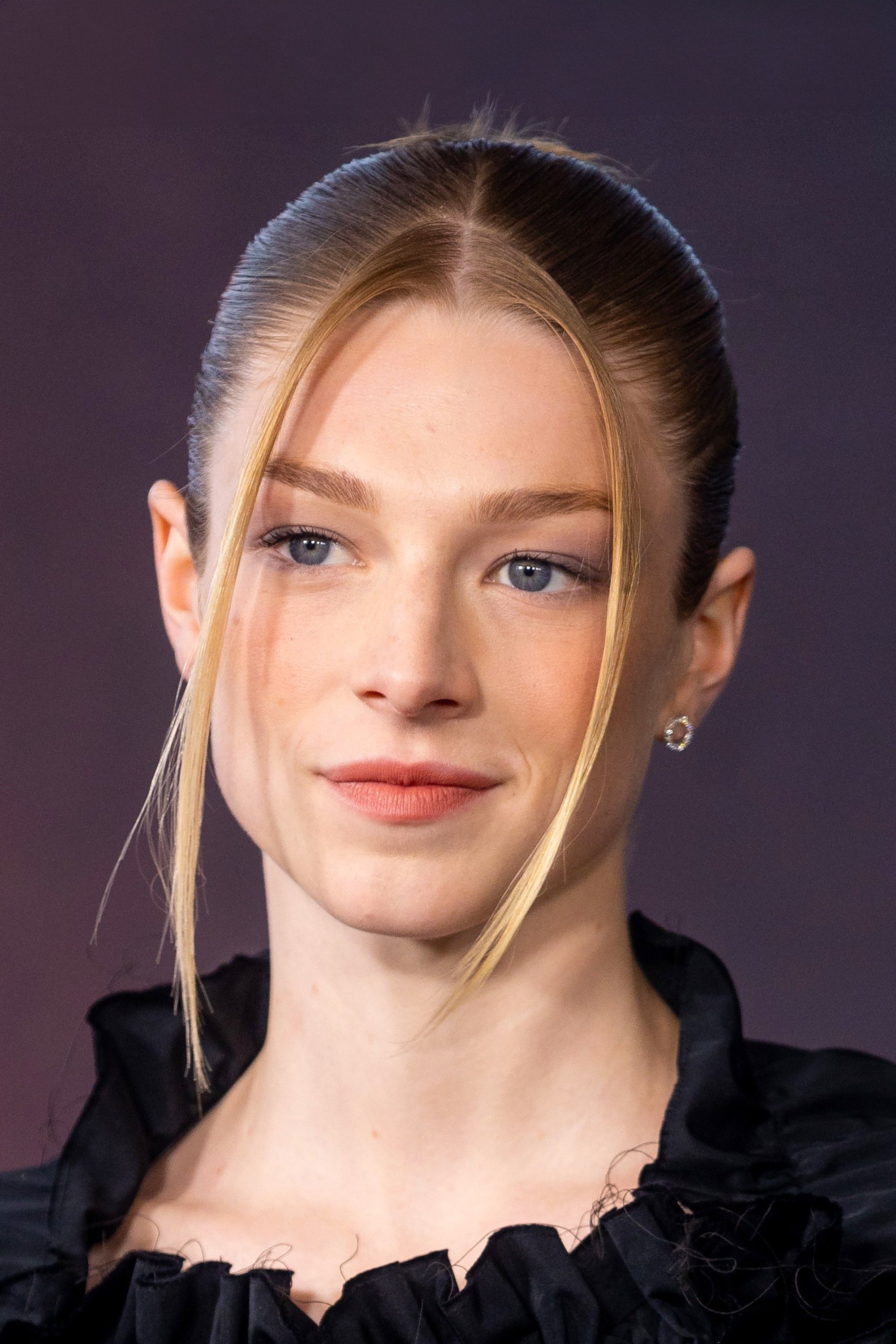
Hunter Schafer was a successful model before transitioning into acting with the hit series ‘Euphoria’. Some skeptics questioned if a model could handle such a demanding dramatic role. Schafer proved them wrong, delivering one of the show’s most grounded and emotional performances. She has since moved into major film roles, including ‘The Hunger Games: The Ballad of Songbirds & Snakes’. Schafer continues to be a prominent advocate for trans youth and a fixture in high fashion.
Quintessa Swindell
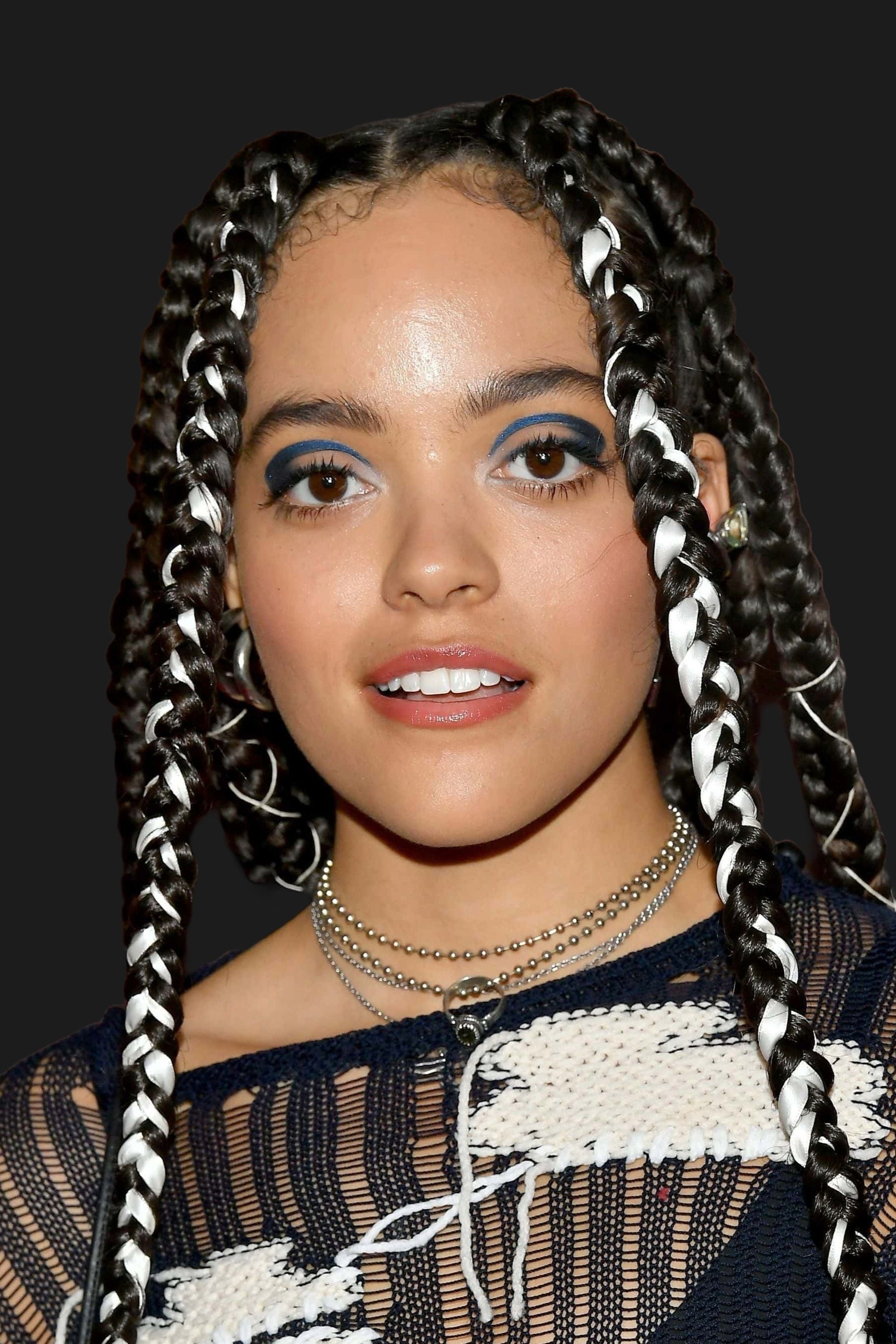
Quintessa Swindell has quickly become a rising star by embracing their non-binary identity and unique look. They first gained attention in the series ‘Trinkets’ before landing a role in ‘Black Adam’. Swindell has often spoken about the freedom of not conforming to traditional gendered aesthetics in their work. Their ability to lead a major superhero film shows the shifting tides in Hollywood casting. They remain a role model for young queer and non-binary performers.
Brianna Hildebrand
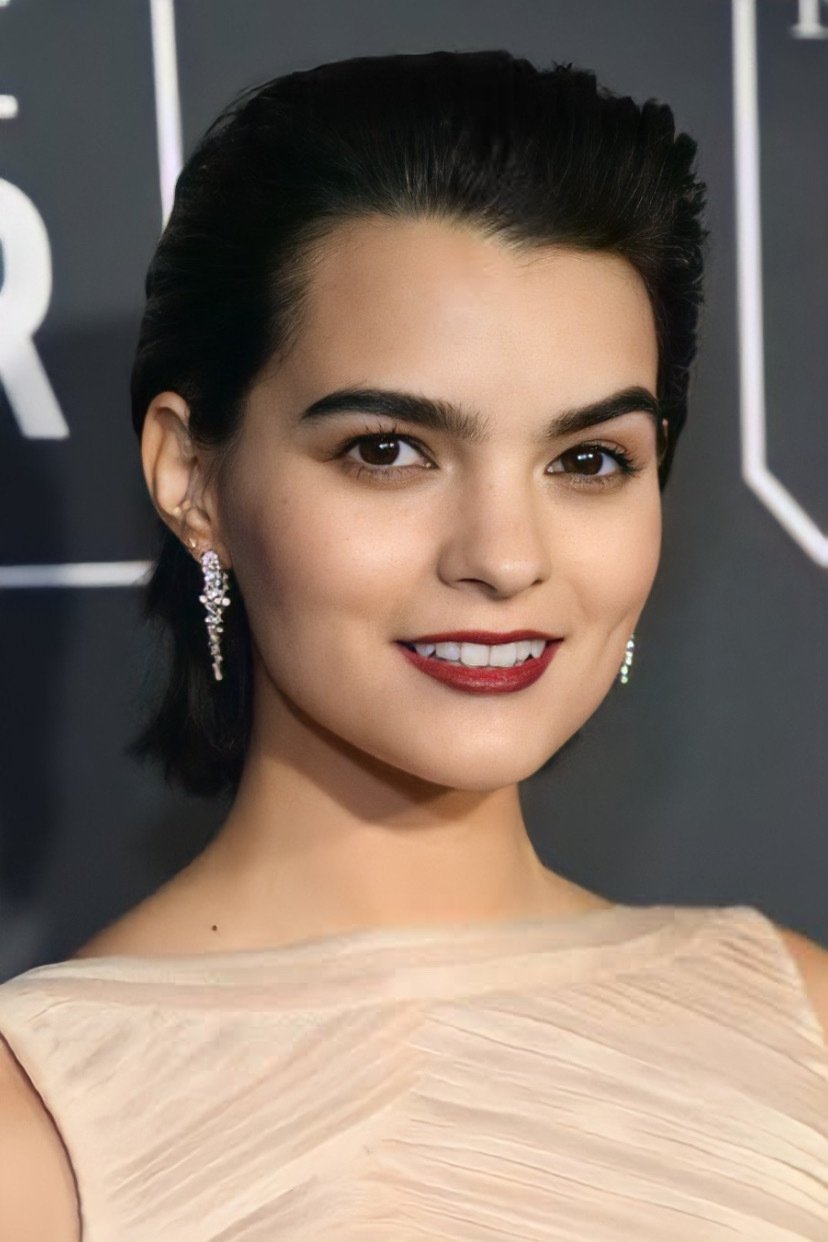
Brianna Hildebrand became a fan favorite as Negasonic Teenage Warhead in the ‘Deadpool’ films. Her buzzcut and “tough” persona were a departure from the typical female characters in the superhero genre. She has been open about her queer identity and has sought out roles that reflect her reality. She also starred in ‘Trinkets’ and ‘Lucifer’, showcasing her range beyond action films. Hildebrand’s success shows that there is a massive audience for “alternative” female leads.
Adèle Haenel
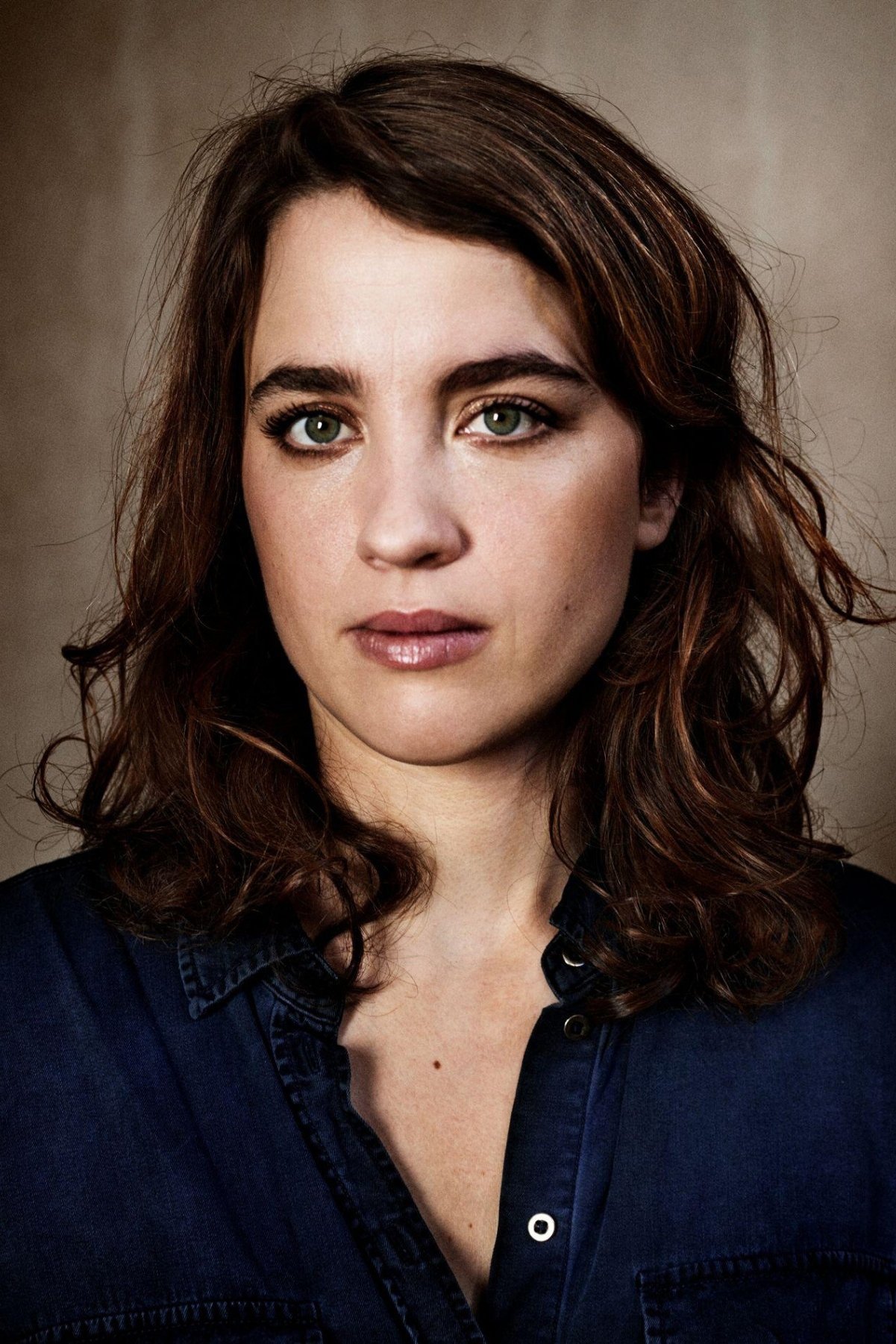
Adèle Haenel is one of France’s most acclaimed actresses, known for her intense and physical performances. She has often been described as “uncompromising” in both her acting and her public life. Her role in ‘Portrait of a Lady on Fire’ made her an international star and a queer icon. Haenel eventually chose to step away from the mainstream film industry to protest its systemic issues. Her legacy remains one of artistic brilliance and moral courage.
Sara Gilbert

Sara Gilbert became famous as Darlene Conner on ‘Roseanne’, a character known for her dry wit and tomboyish style. She was often contrasted with her more “feminine” TV sister, but audiences loved Darlene’s relatability. Gilbert later created and hosted ‘The Talk’, where she publicly came out and discussed her life. She was instrumental in the revival of ‘The Conners’, continuing the legacy of her most famous character. Gilbert has proven that being the “sarcastic outsider” can lead to a long and successful career.
Samira Wiley
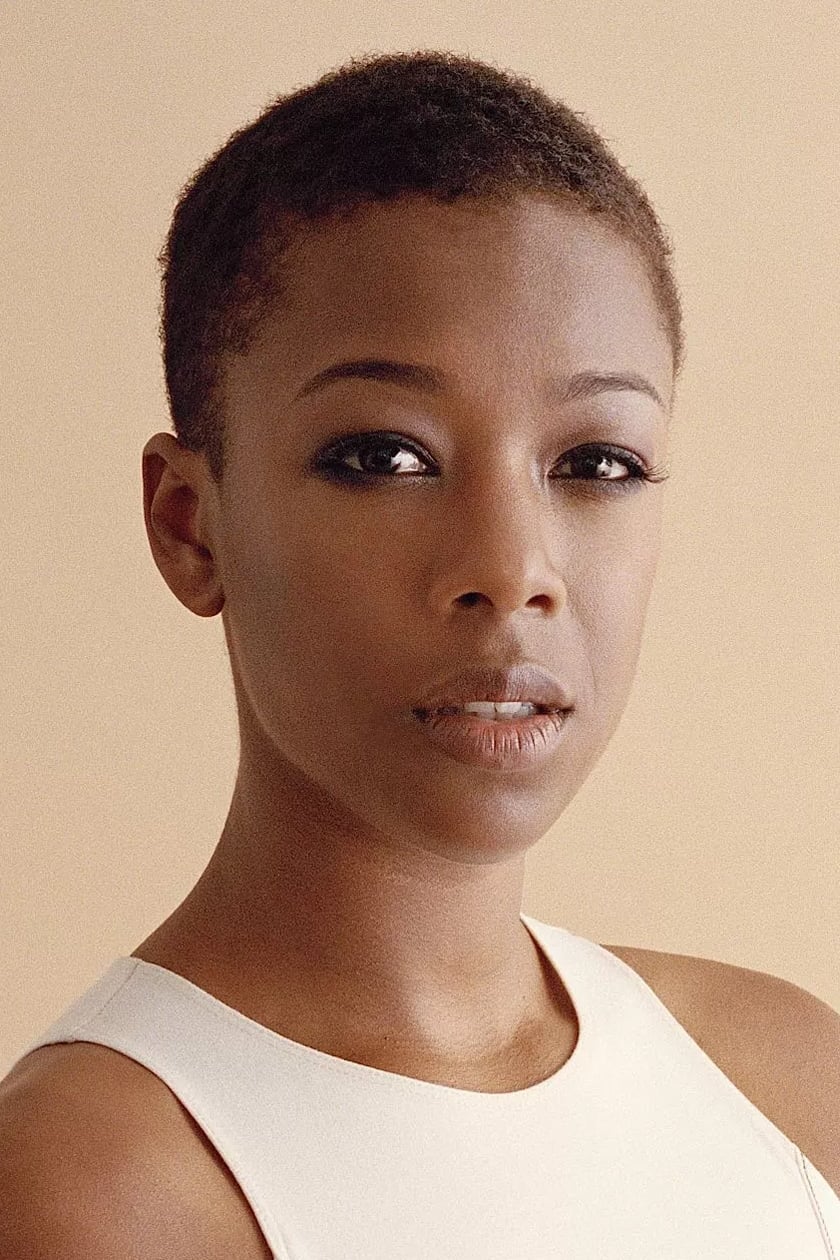
Samira Wiley’s breakout role as Poussey Washington on ‘Orange Is the New Black’ made her an instant favorite. Her short hair and “boyish” charm were central to the character’s appeal, defying typical feminine tropes. She followed this success with an Emmy-winning role in ‘The Handmaid’s Tale’. Wiley has become a prominent advocate for the LGBTQ+ community and is often seen as a role model for Black queer women. Her career continues to thrive as she takes on diverse and challenging roles.
Share your thoughts on these incredible performers and their career journeys in the comments.

