


Great 1990s Movies with “Bad” Endings People Just Don’t Understand



Endings from the 1990s sparked debates that still flare up today, often because filmmakers leaned into ambiguity, irony, or tonal whiplash that people didn’t expect from studio releases. Many of these finales are faithful to source material, hinge on a single character’s point of view, or deploy a twist that recontextualizes everything you just watched. Below are 40 titles whose conclusions confused audiences at first but make perfect sense once you know what the story is doing, from unreliable narrators to deliberate moral reversals.
‘The Sixth Sense’ (1999)
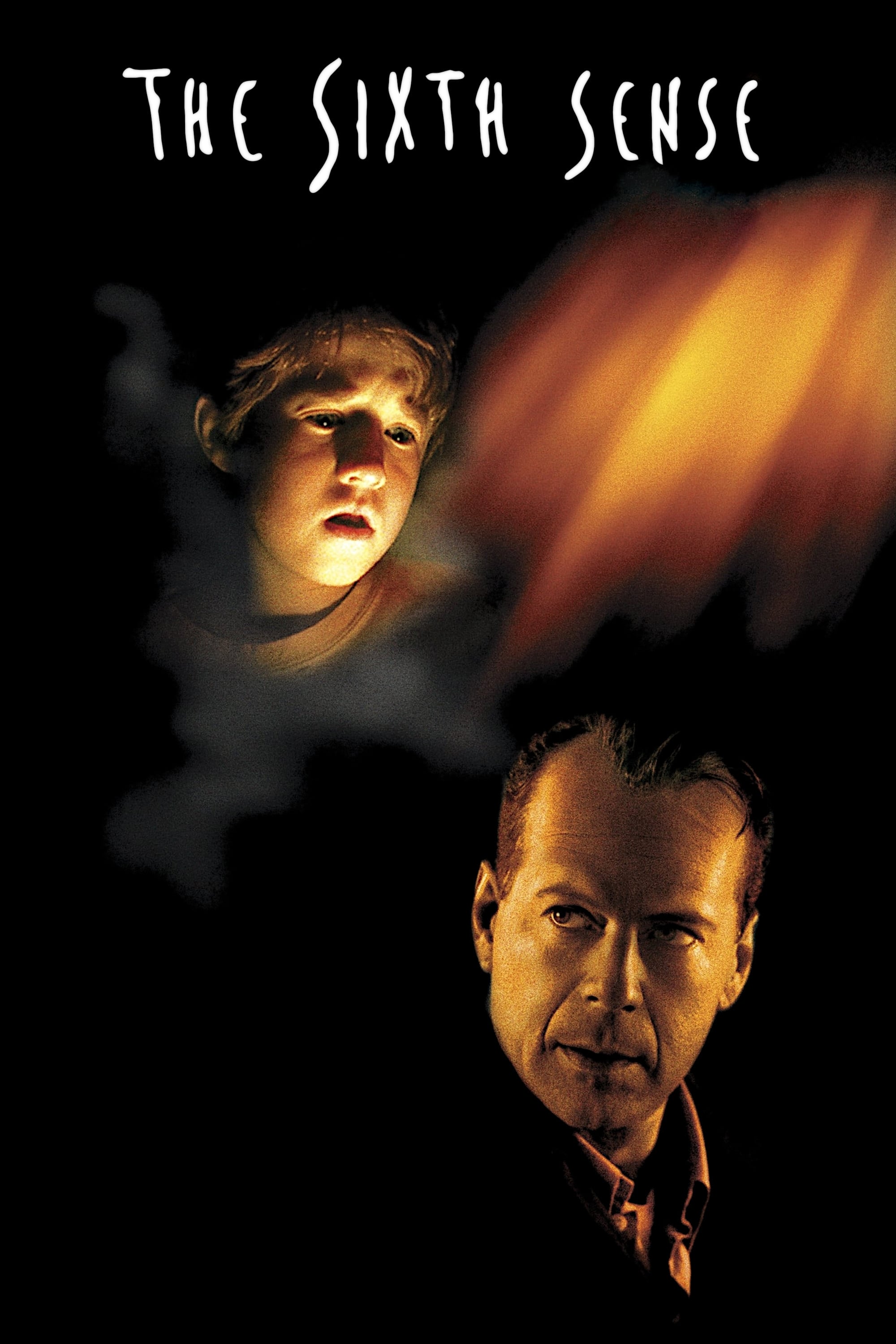
M. Night Shyamalan structures the story so that viewers only see what the protagonist directly experiences, which hides crucial information in plain sight. The final reveal functions as a narrative key, reframing prior scenes without breaking continuity. Careful blocking, wardrobe choices, and dialogue were designed to survive post-twist scrutiny, which is why rewatchers find consistent visual cues throughout.
‘Fight Club’ (1999)

David Fincher adapts Chuck Palahniuk’s novel using voiceover and editorial tricks to embed a split-identity narrative. The closing sequence resolves a personal delusion while escalating the broader anarchic plot, reflecting the narrator’s reclaimed agency separate from his projection. Visual flashes, mismatched alibis, and characters addressing empty space foreshadow the endpoint without explicitly stating it.
‘The Blair Witch Project’ (1999)
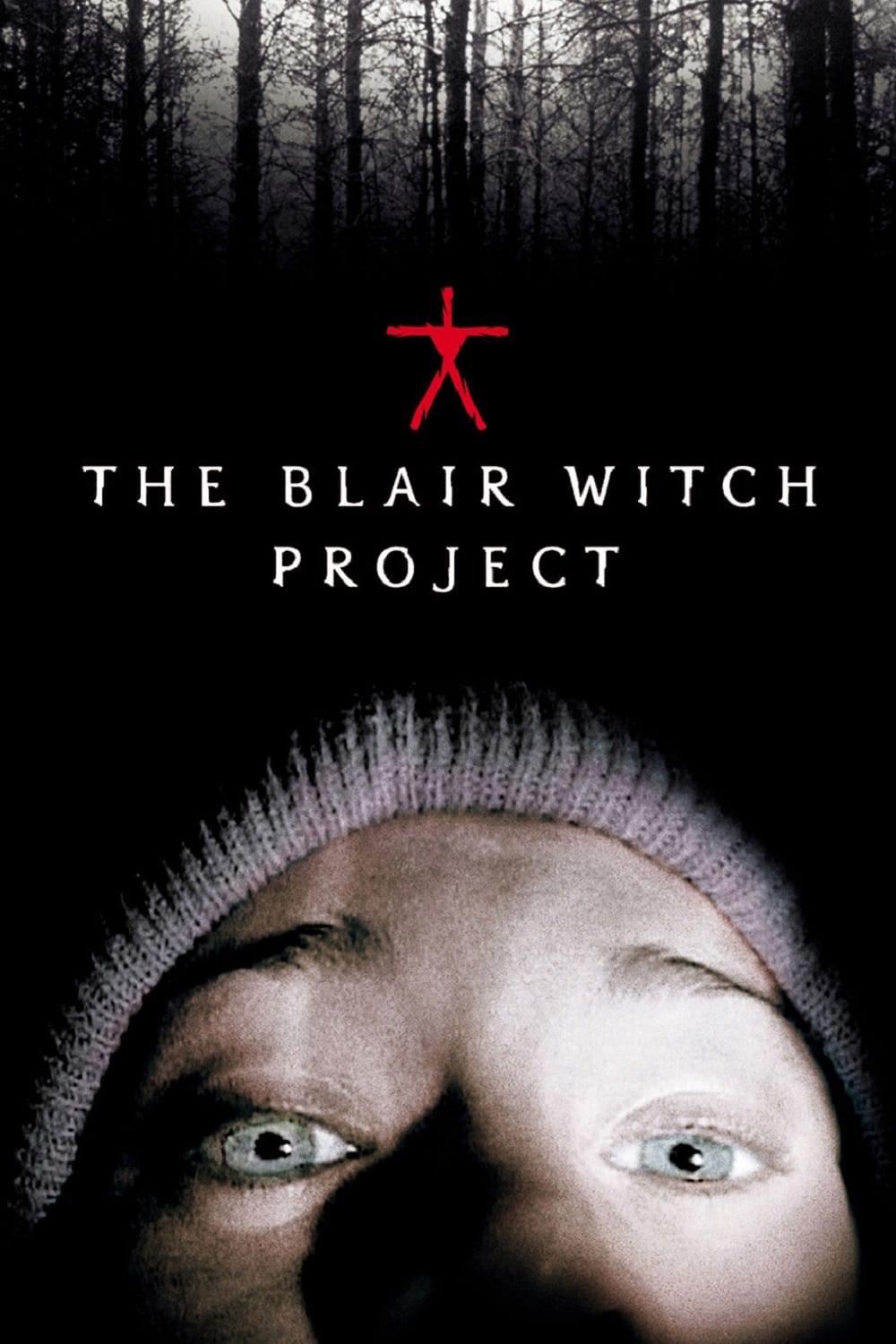
The ending mirrors regional folklore discussed earlier, specifically the detail about making a victim face the corner. The film’s found-footage format limits the audience to what the characters record, so the absence of on-screen supernatural proof is intentional rather than a missing payoff. Sound design and off-camera action supply the climax, aligning with the project’s pseudo-documentary conceit.
‘Eyes Wide Shut’ (1999)

Stanley Kubrick ends on a domestic conversation that pulls the story from conspiracy spectacle back to marital honesty. The masked-world ritual operates as a temptation and a mirror, not a mystery meant to be solved. Dialogue and repeated images link public fantasy to private negotiation, which is why the finale returns to the couple’s unresolved pact.
‘The Matrix’ (1999)
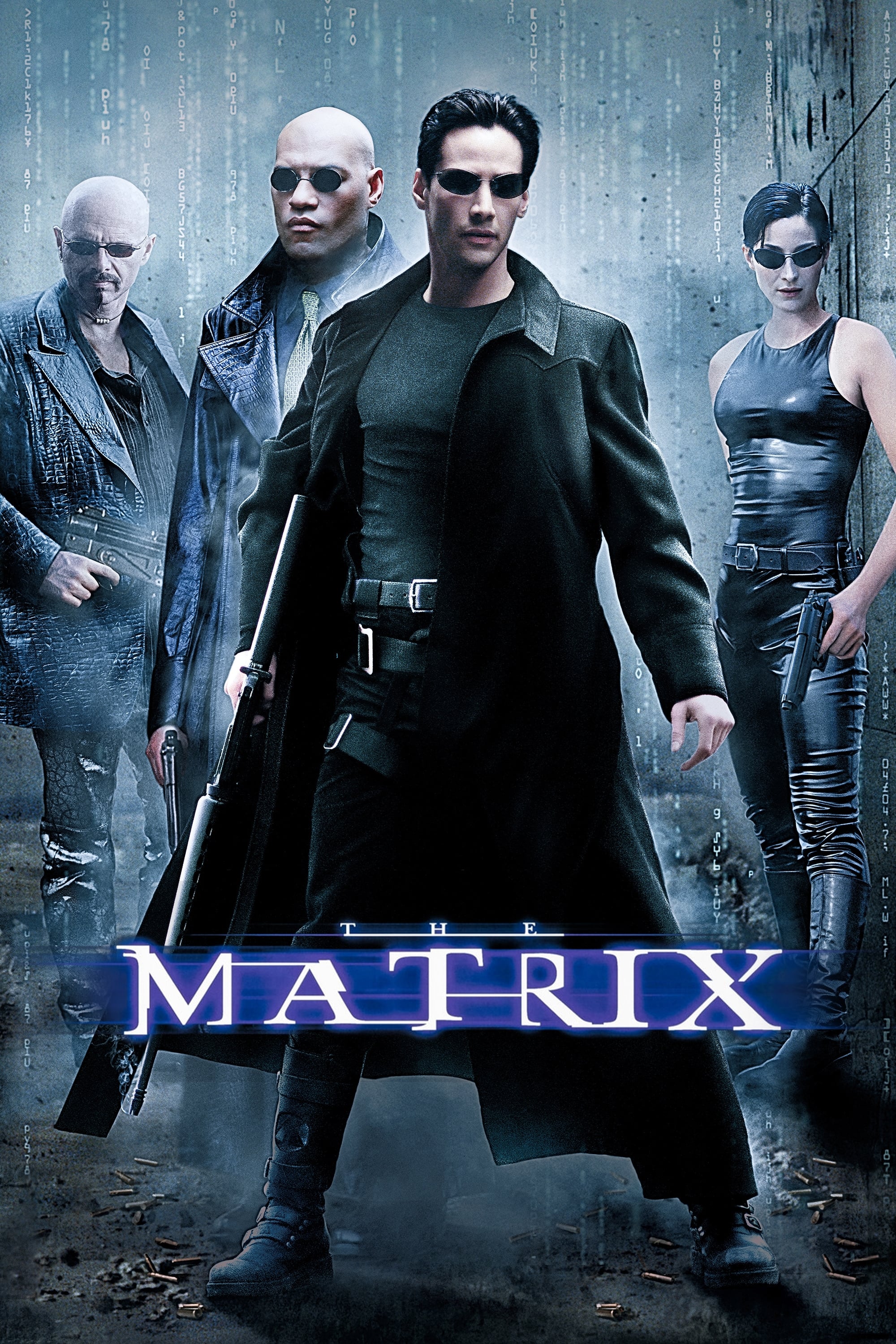
The concluding phone call and airborne leap are a thematic statement about control over simulated systems rather than a literal victory over all antagonists. Visual motifs—mirrors, cords, and code—track the protagonist’s increasing mastery of the rules that govern digital reality. The film closes at the moment belief becomes functional, setting the stage for broader resistance beyond the frame.
‘Magnolia’ (1999)

The late downpour echoes earlier biblical references and functions as a narrative reset that equalizes the ensemble’s crises. Characters confront coincidence, guilt, and chance through recurring symbols like numbers and musical interludes. The film concludes with small emotional pivots rather than tidy resolutions, consistent with its mosaic structure.
‘The Ninth Gate’ (1999)
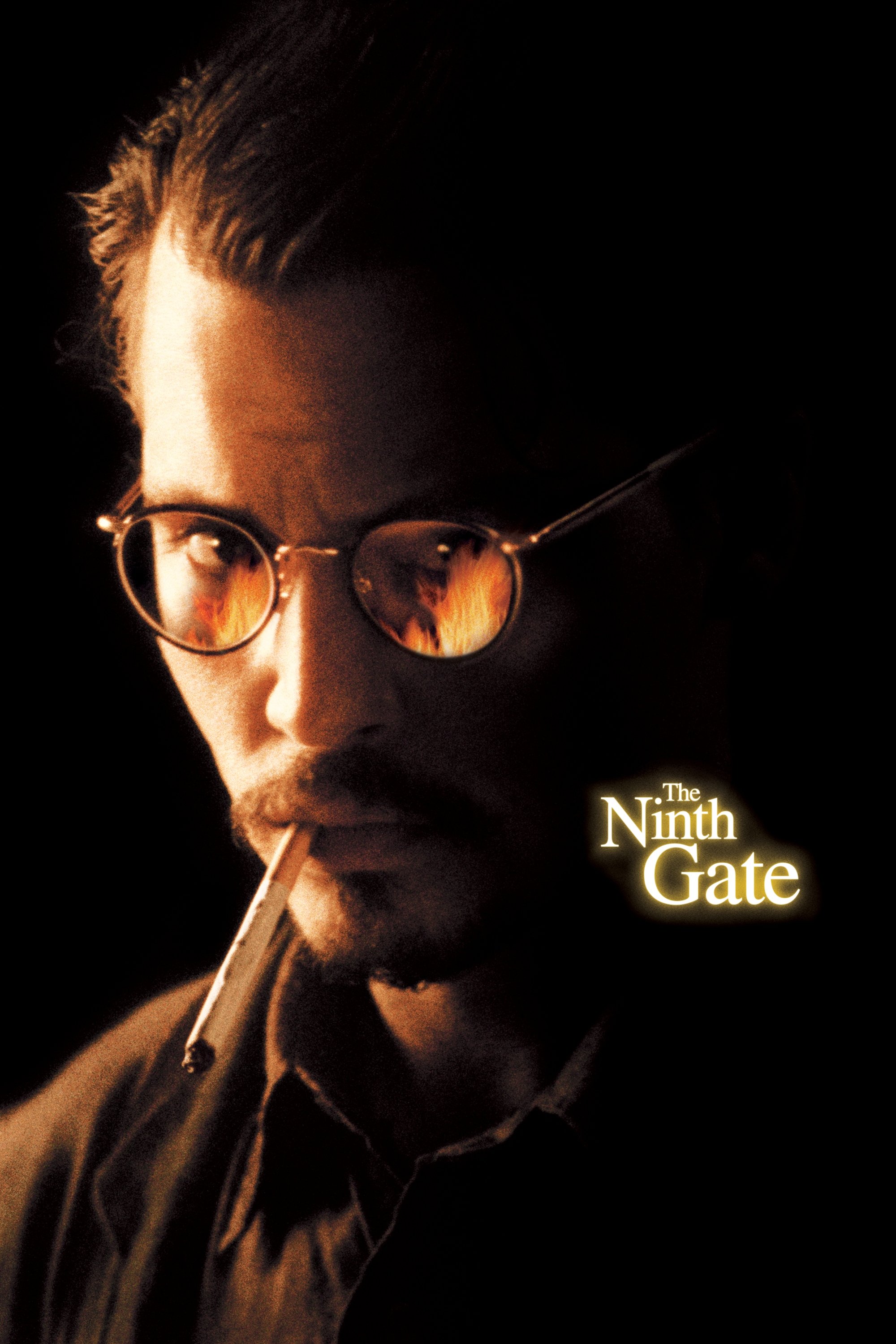
Roman Polanski builds a puzzle around an authenticating expert whose job is to separate forgeries from truth; the ending implies he finally deciphers the correct sequence of engravings. Differences among three near-identical books provide the solution, which is tracked through marginal symbols and woodcut details. The last images suggest completion of a ritual rather than a traditional good-versus-evil victory.
‘The Talented Mr. Ripley’ (1999)
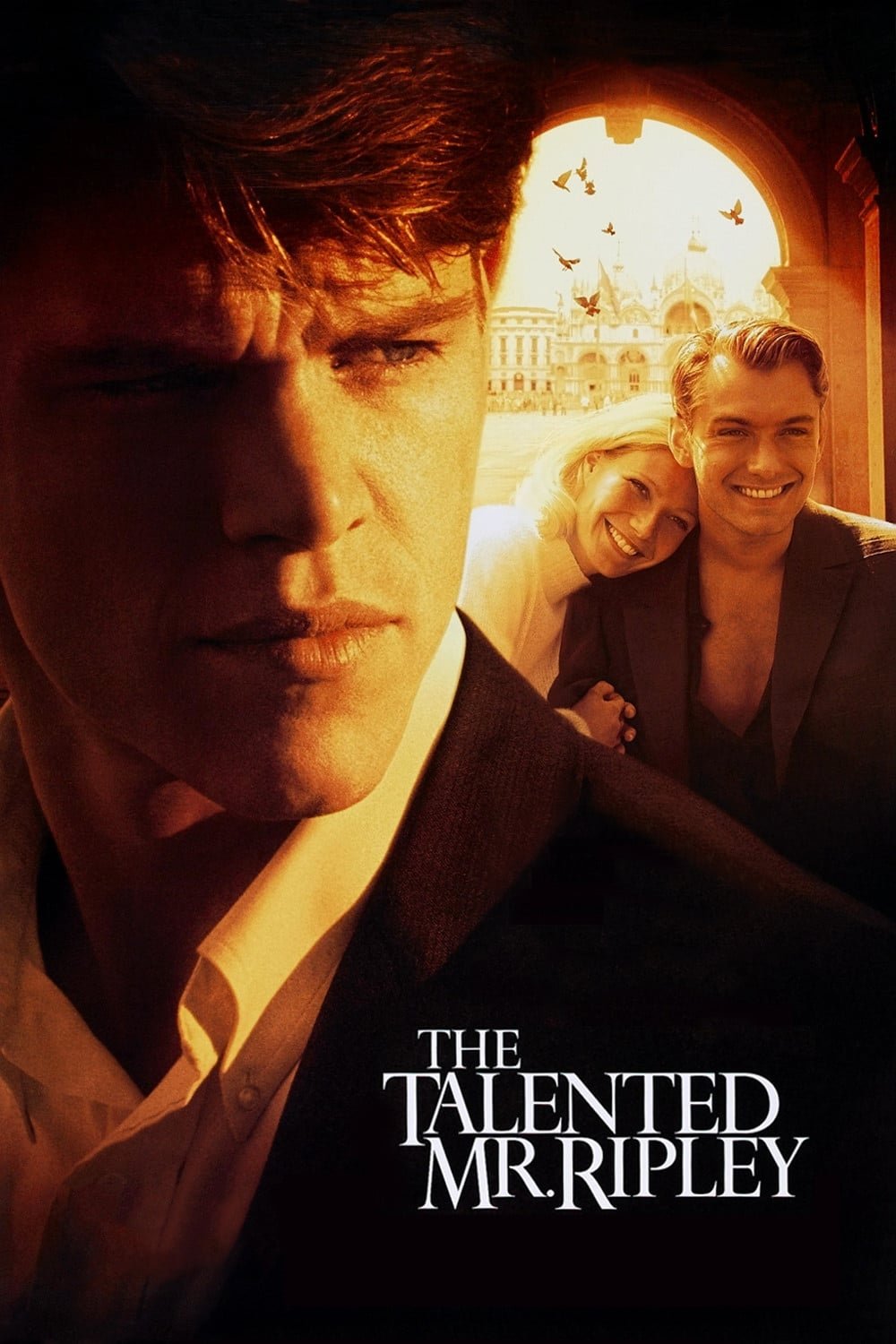
The finale follows the logic of a character maintaining a constructed identity under growing scrutiny. Social mobility, class mimicry, and improvisation drive the decisions that close the story. The film preserves the protagonist’s pattern from the source novel, emphasizing concealment over confession.
‘Arlington Road’ (1999)
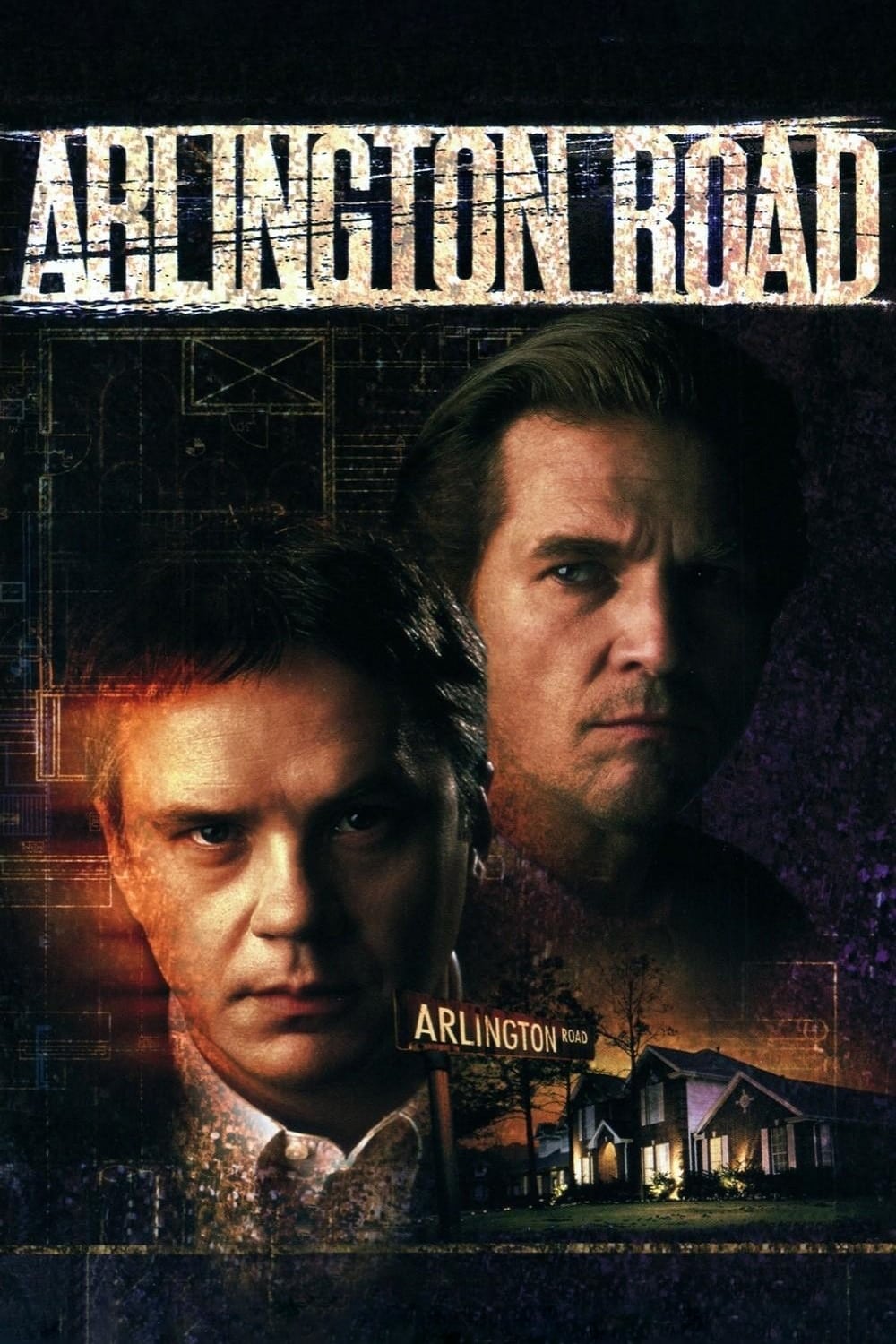
The climax inverts the investigative thriller by having the wrong assumption drive the final catastrophe. Clues about surveillance, staged coincidences, and community placements pay off as part of a long con. The resolution explains earlier misdirections and shows how public narratives can be manipulated after the fact.
‘The Truman Show’ (1998)
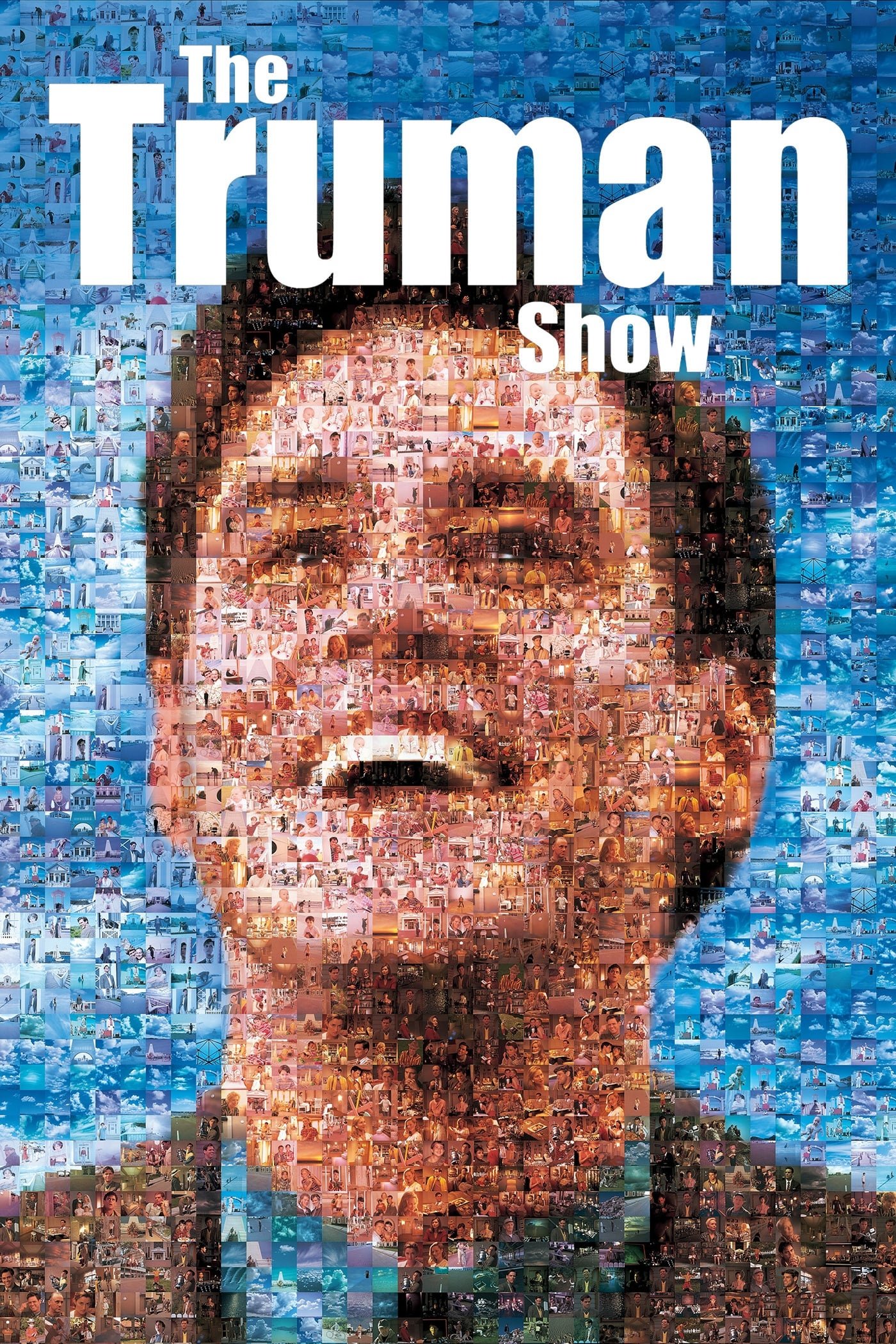
The last doorway is both a physical exit and a symbolic break from lifelong mediation. Production design scatters cues—horizon seams, repeating extras, and control-room inserts—to prepare viewers for the boundary’s location. The closing cut to spectators underscores the story’s critique of audience complicity.
‘Dark City’ (1998)
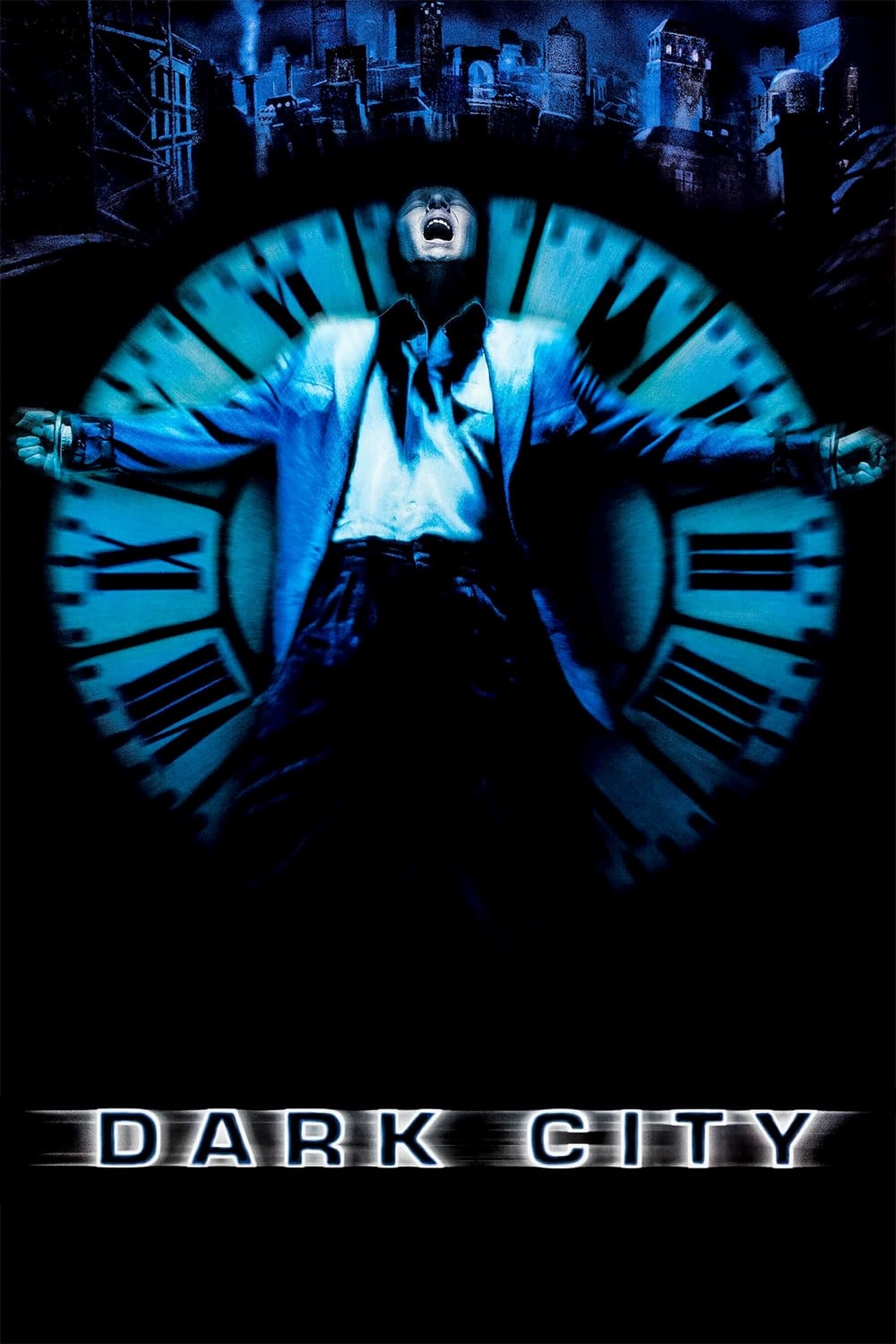
The ending reveals the purpose of the memory experiments and the city’s malleable architecture. Visual resets of time and space foreshadow a final act in which willpower reshapes the environment. The last sequence positions identity as something constructed yet defendable against external manipulation.
‘Fallen’ (1998)
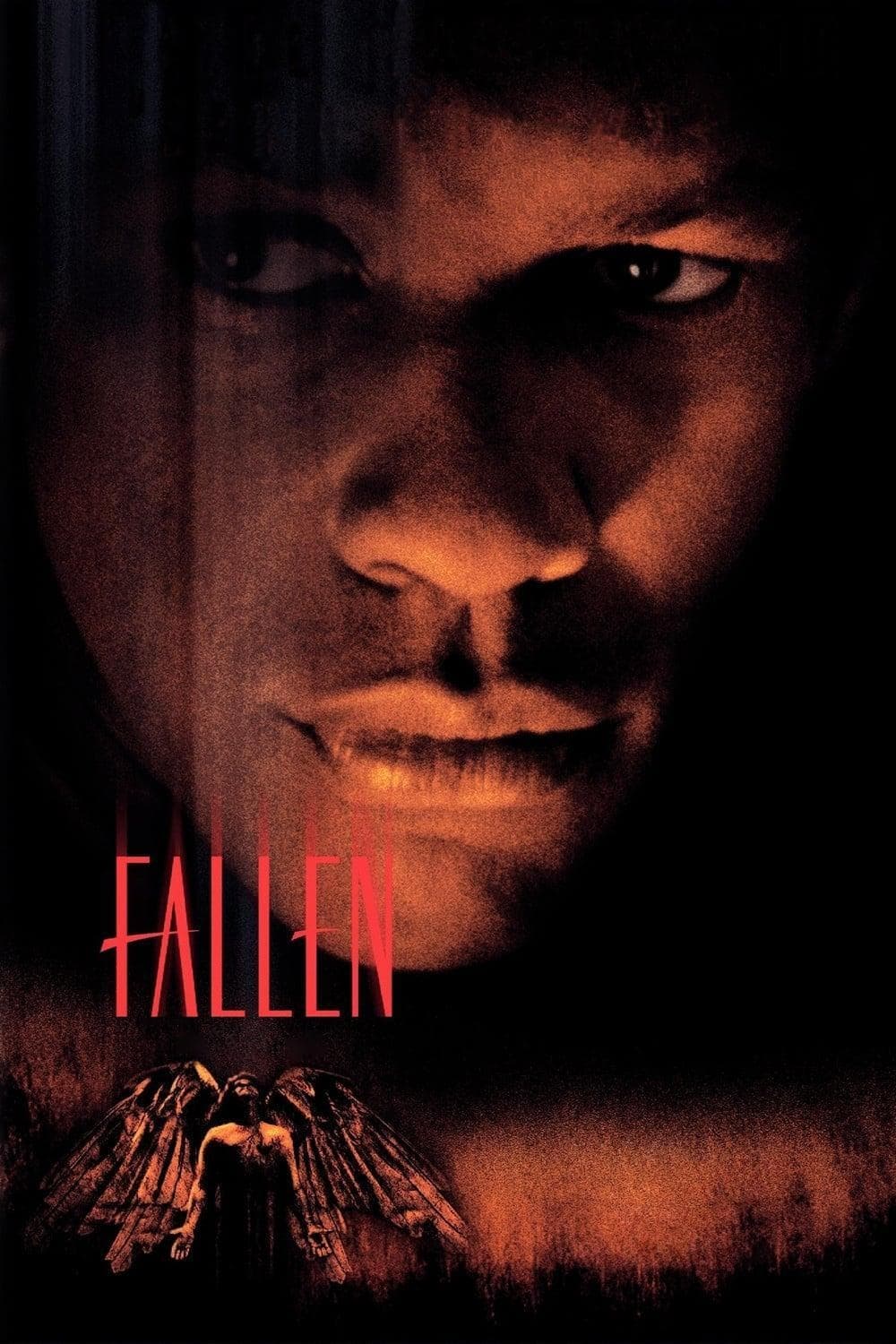
Rules for demonic transference are laid out through case history, possession behavior, and the antagonist’s taunting clues. The voiceover structure and framing location set up a gambit that only makes sense once the transfer mechanism is fully understood. The closing narration confirms the rule set without breaking what the audience has witnessed.
‘Wild Things’ (1998)
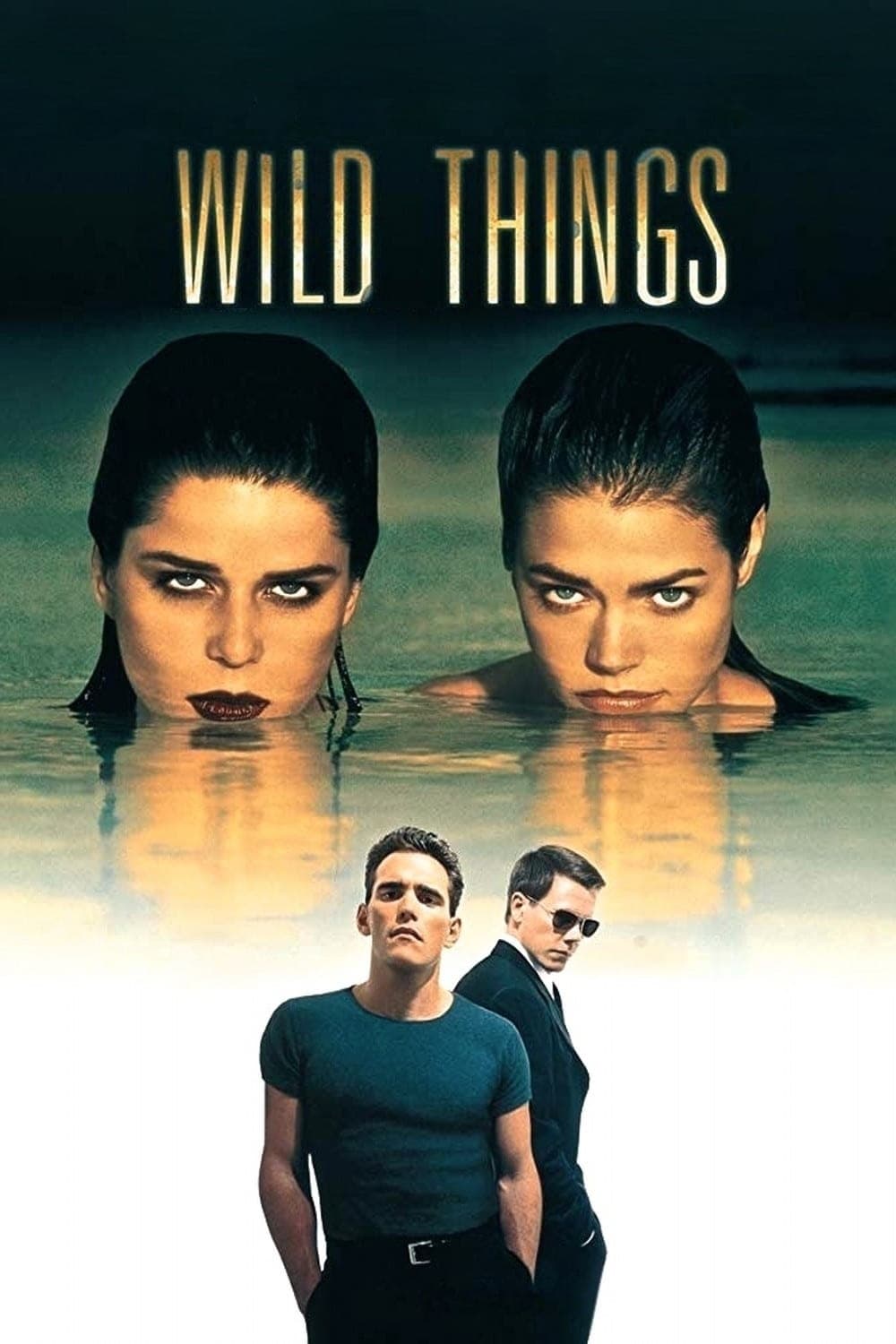
A series of mid-credits reveals maps the layered cons that were seeded across earlier scenes. Prop placements, off-screen alliances, and financial documents shown briefly become important once the scheme is visible. The film uses neo-noir conventions to explain how each player manipulated the investigation.
‘Cube’ (1997)
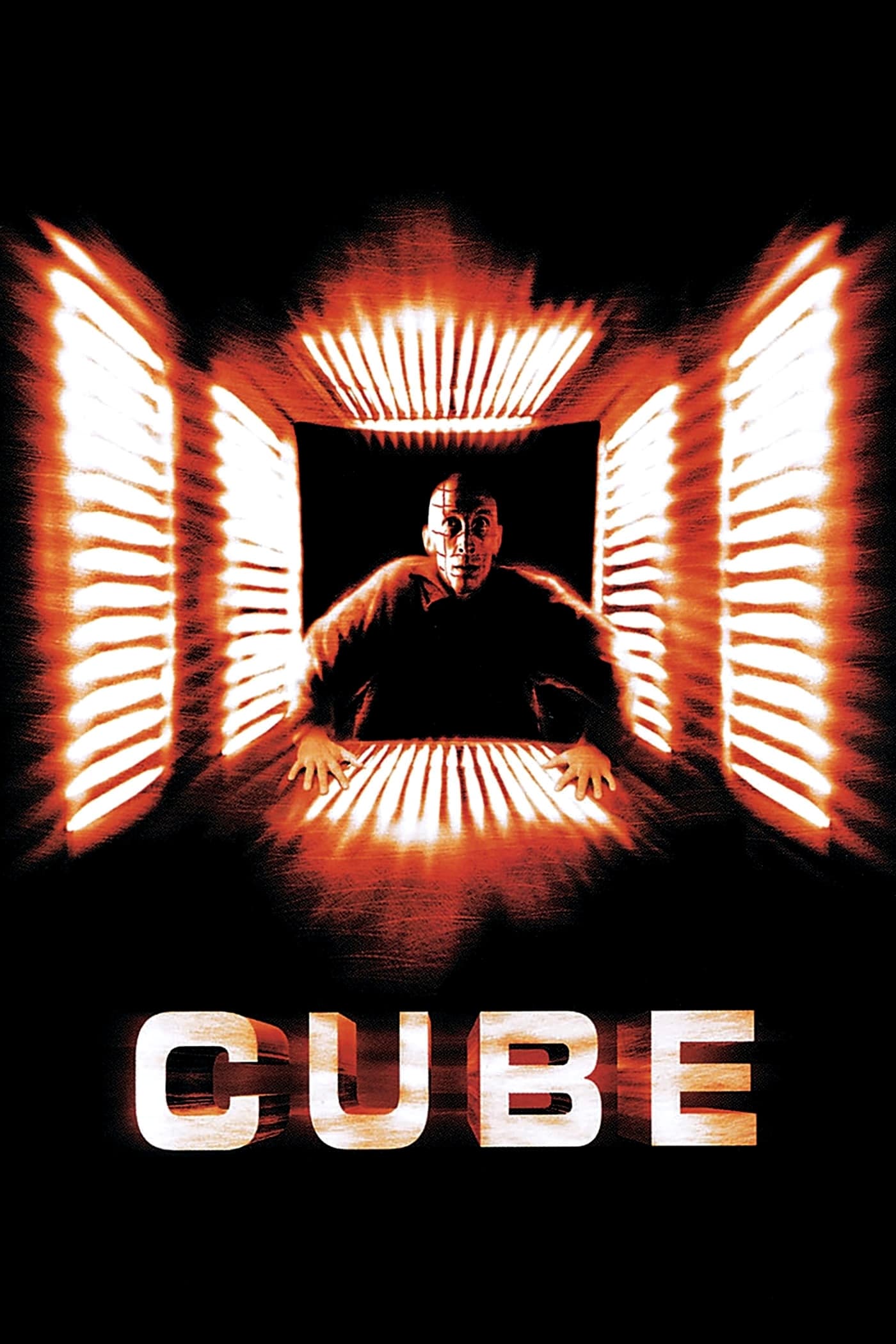
The final stretch clarifies how the group’s skills—math, engineering, and observation—fit the prison’s design. Prime numbers, Cartesian coordinates, and a shifting trap matrix establish a solvable logic rather than random cruelty. The last shot emphasizes the cost of cooperation failures more than the puzzle’s scale.
‘Funny Games’ (1997)
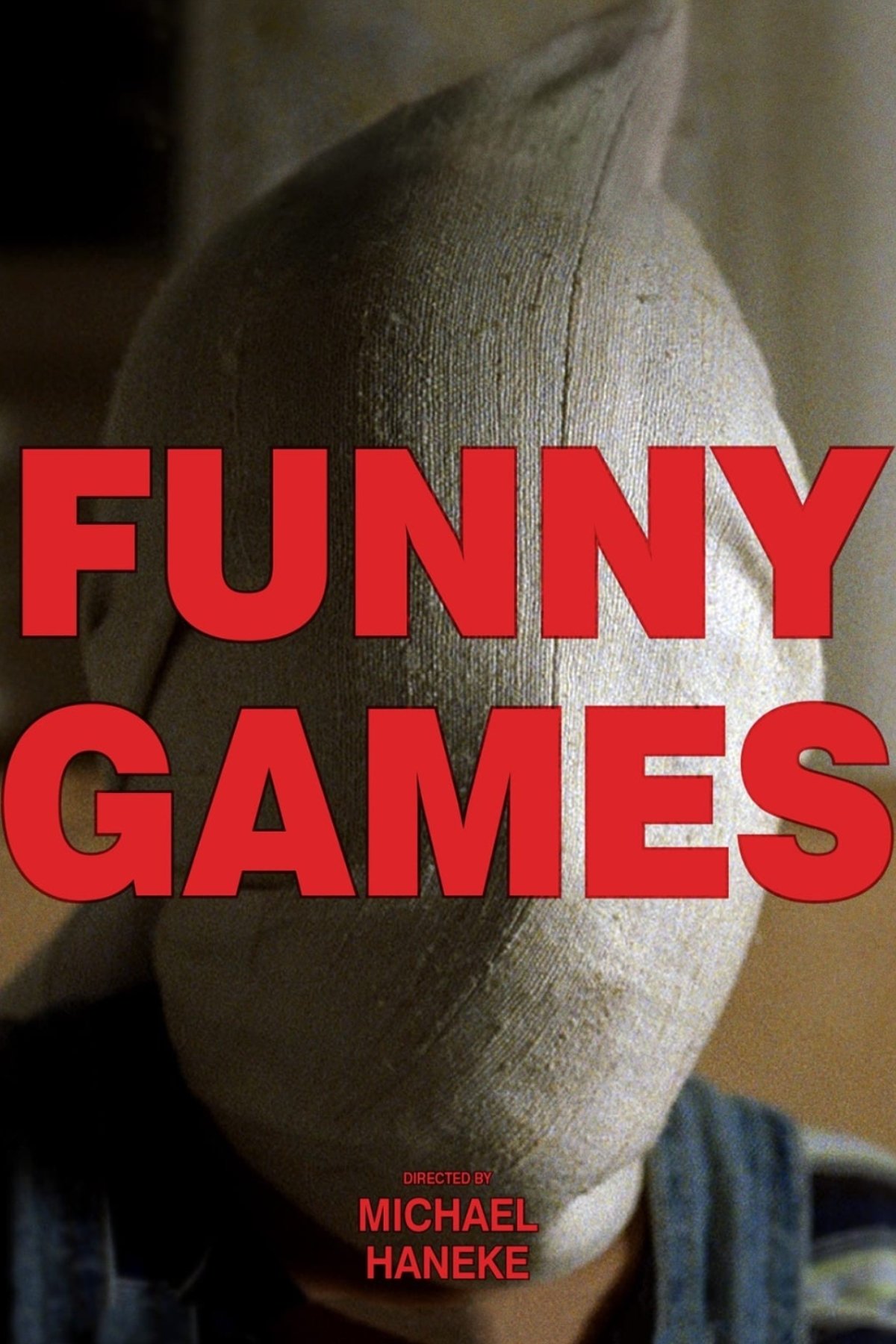
Michael Haneke deploys meta-cinematic devices to show how violence is sustained by spectator expectation. A remote-control moment breaks cause-and-effect to expose the film’s critique of narrative comfort. The ending loops the perpetrators’ routine, aligning structure with the thesis about complicity.
‘The Game’ (1997)
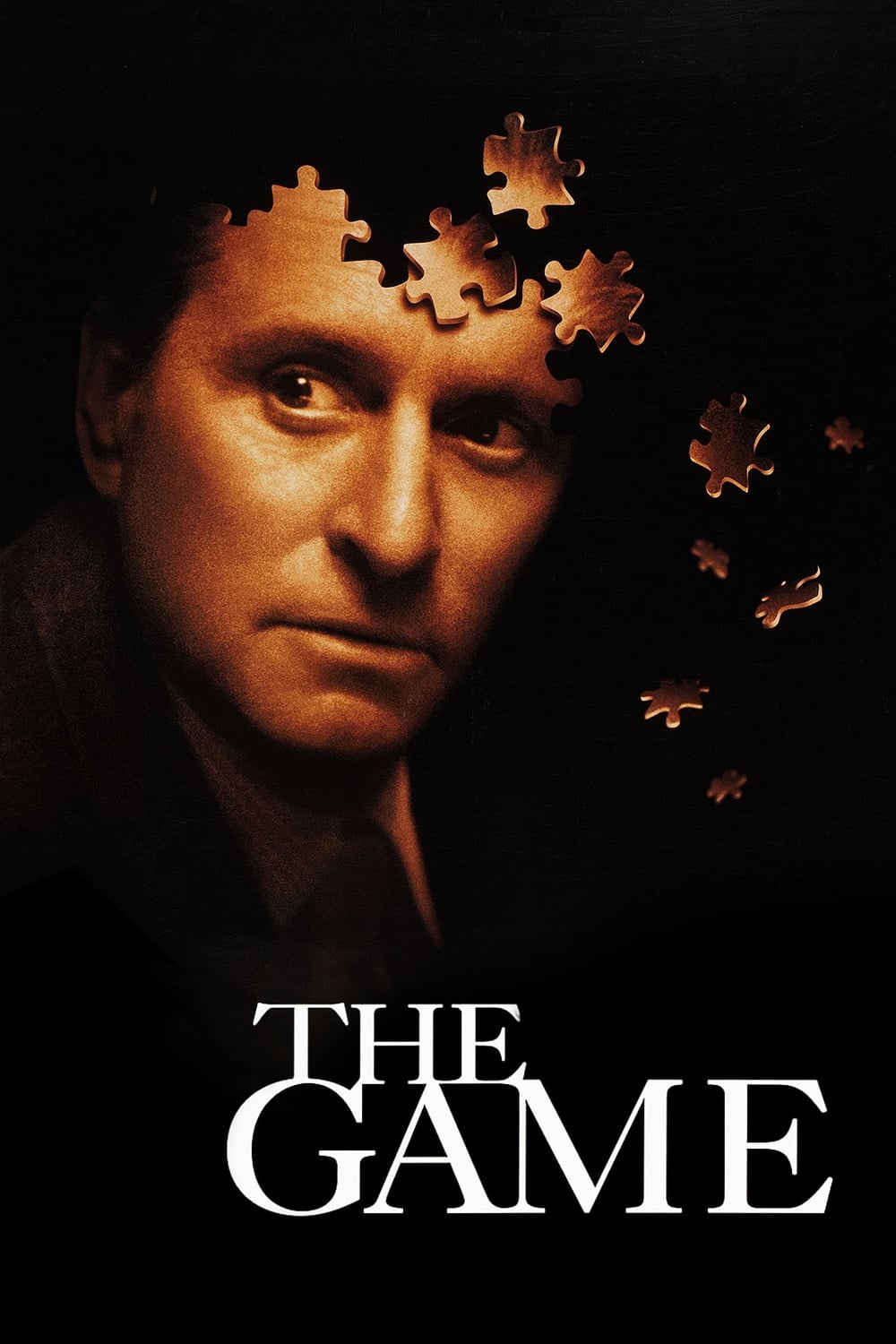
A birthday “gift” escalates through staged setbacks that blur performance and danger. Paper trails, corporate shells, and planted acquaintances illustrate how a bespoke experience could co-opt a life. The finale’s location and timing fold the scavenger-hunt mechanics into a single orchestrated reveal.
‘Starship Troopers’ (1997)
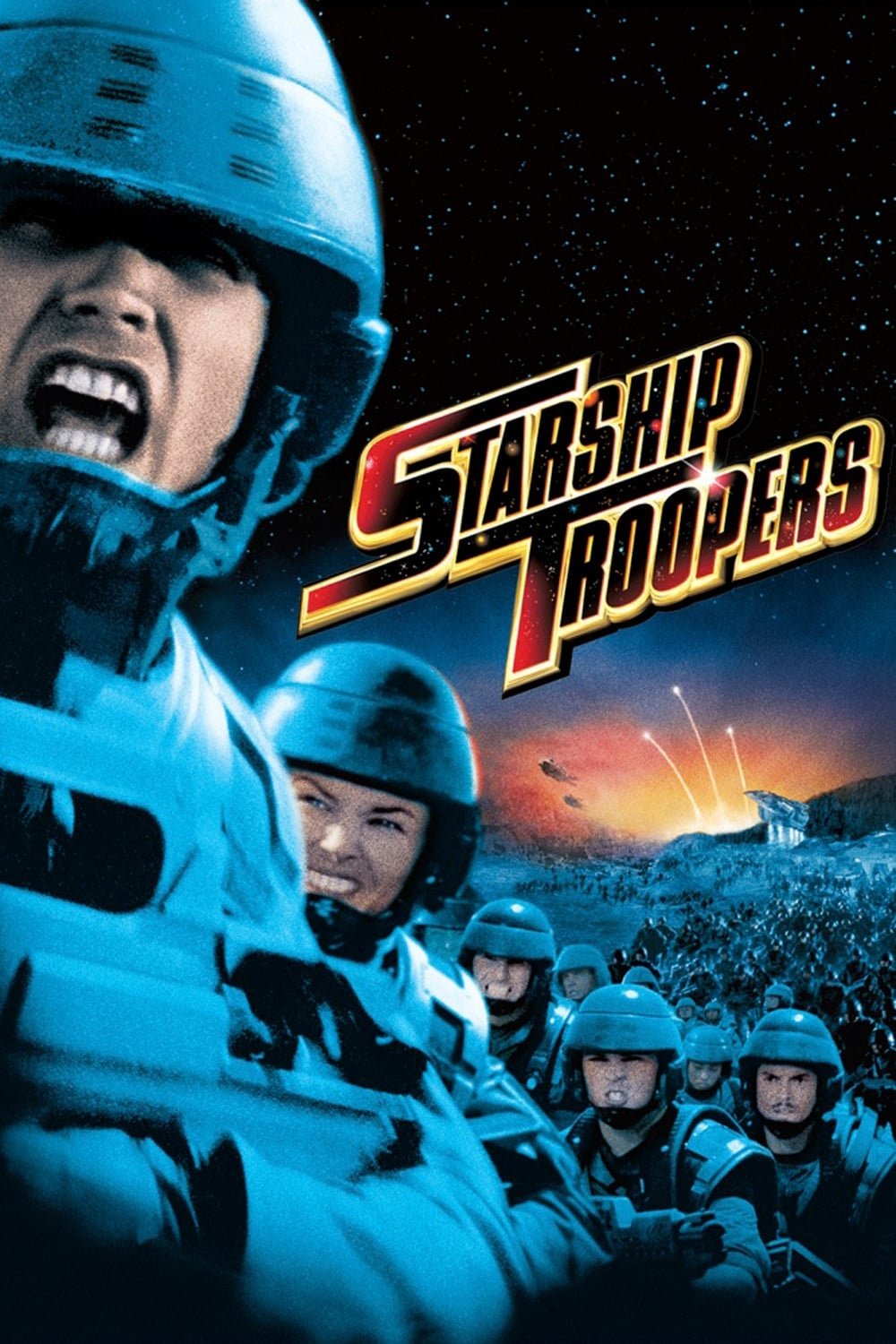
The closing propaganda montage maintains the film’s satirical newsreel frame. Military ranks, recruitment spots, and classroom doctrine establish a world where messaging supersedes reality. Ending on morale rather than closure is consistent with the media format the story keeps parodying.
‘Se7en’ (1995)
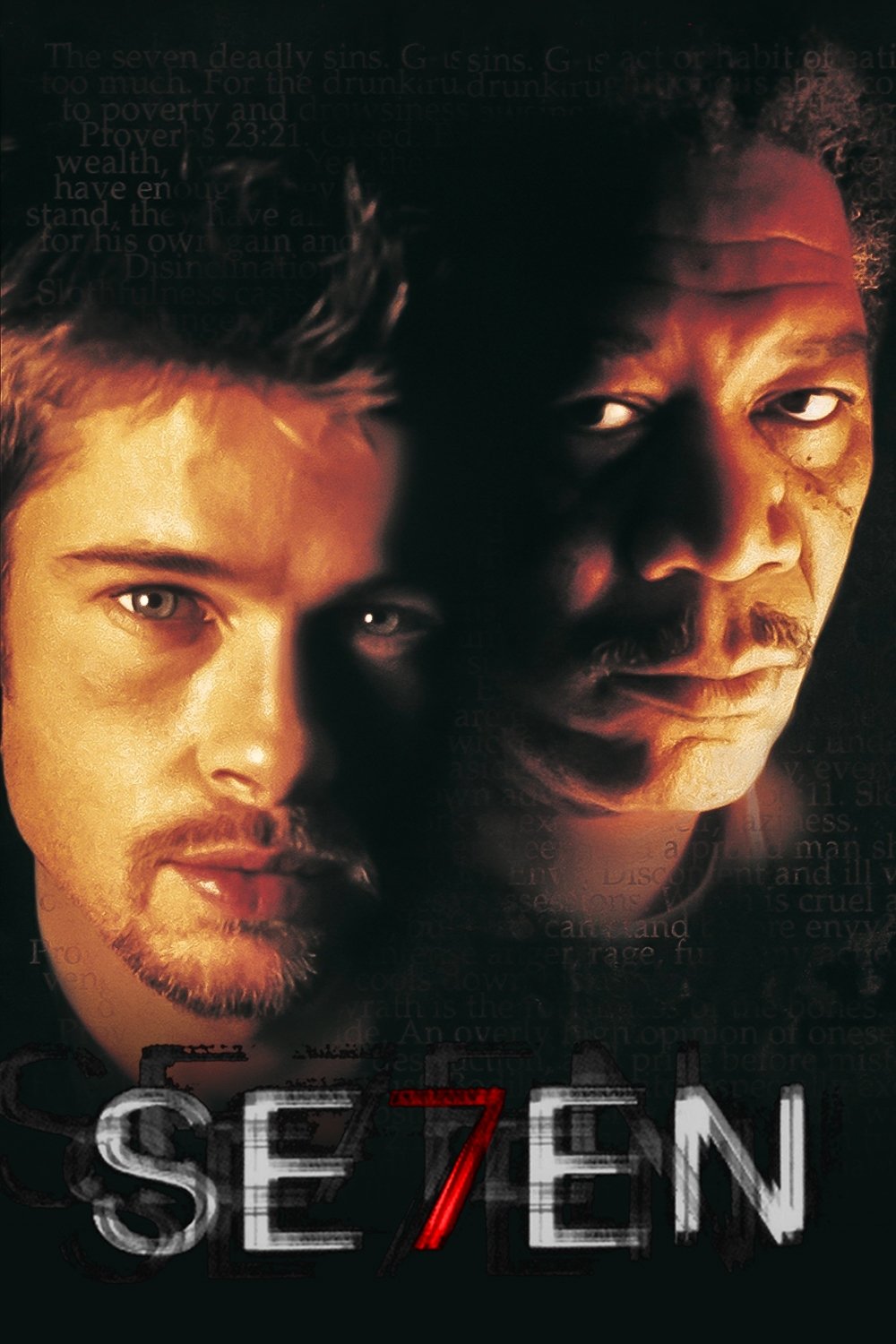
The final delivery completes a criminal schema explicitly patterned on a moral catalogue discussed earlier. Staging, remote location choice, and timing ensure that legal systems cannot intervene in the designed outcome. The case file’s structure and earlier lecterns foreshadow the endgame’s ingredients.
’12 Monkeys’ (1995)
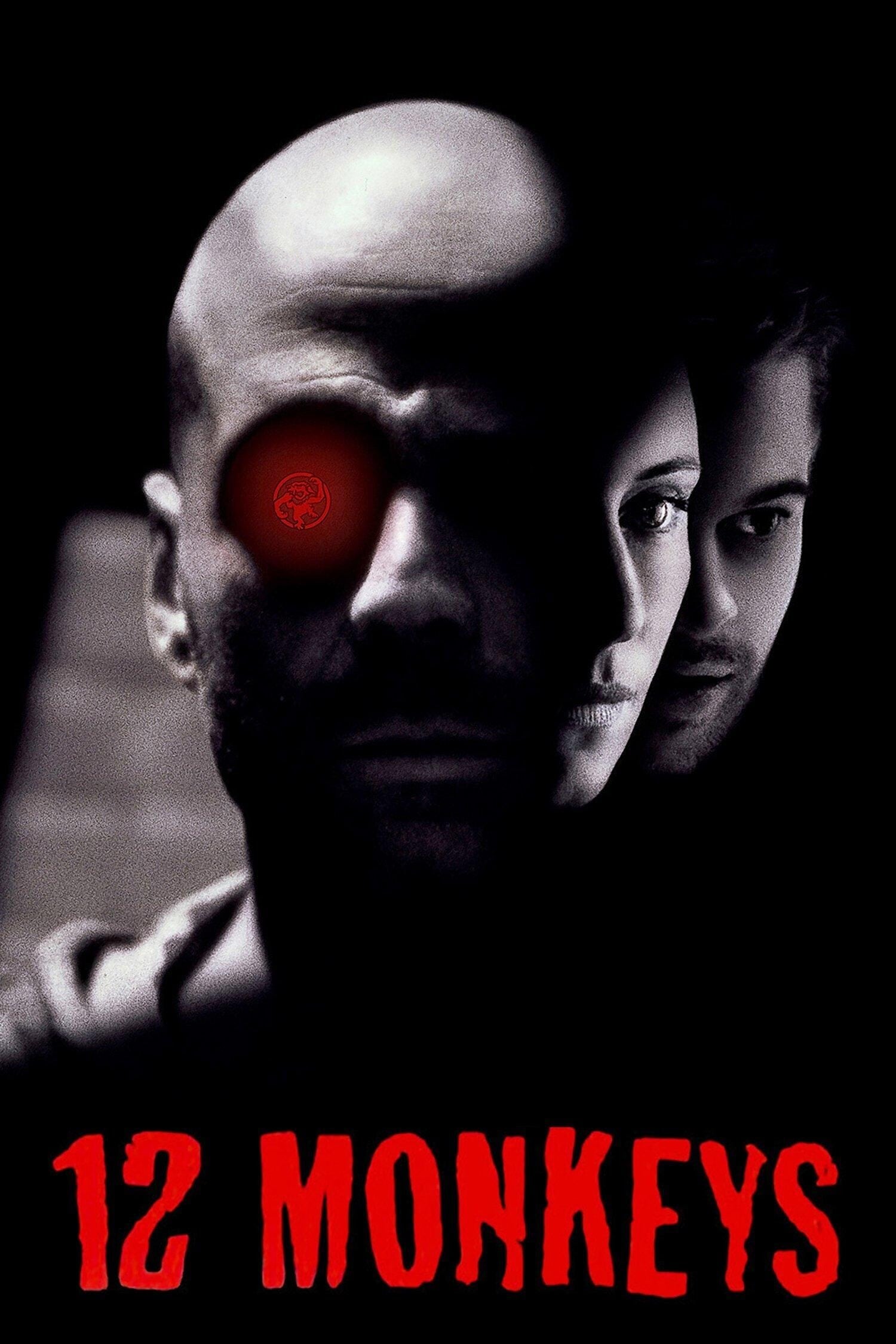
Time-travel mechanics in the film operate on a closed loop, which the airport sequence confirms. Photographs, recurring dreams, and surveillance artifacts link personal memory to historical record. The final images tie the protagonist’s childhood vision to a fixed event rather than a changeable future.
‘Strange Days’ (1995)
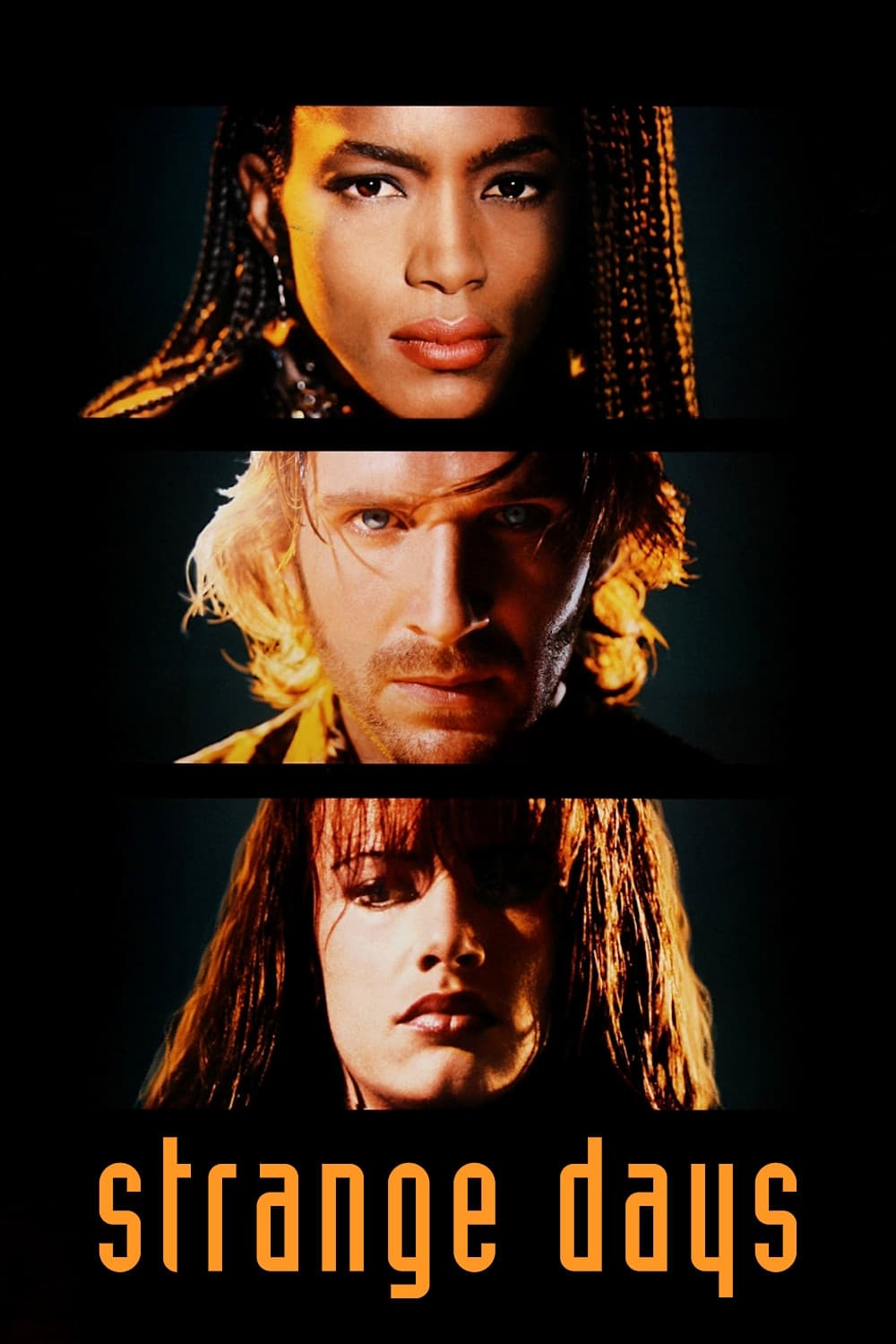
The finale resolves two parallel investigations—an industry cover-up and a personal obsession—during a citywide celebration. Playback devices, chain-of-custody details, and helmet hardware show how recorded experience becomes evidence. The crowd-control setting allows public exposure of crimes that private channels suppressed.
‘La Haine’ (1995)
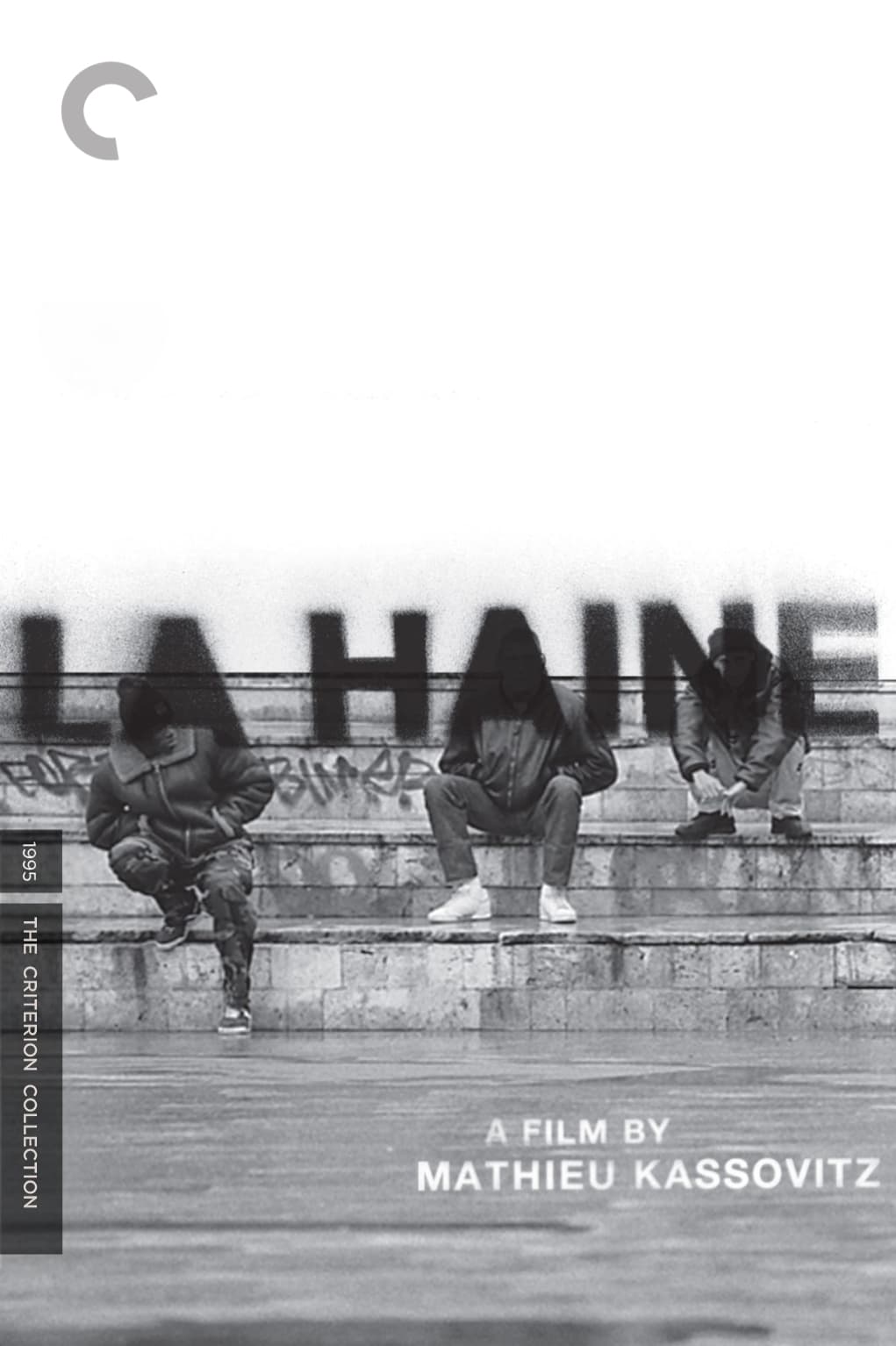
A recurring anecdote about a man falling while repeating a line about “so far, so good” sets the film’s trajectory. Visual motifs—clocks, doorways, and close-ups on faces—count down to an irreparable confrontation. The final cut concentrates systemic tension into a single instant, reflecting the story’s day-long build.
‘Basic Instinct’ (1992)
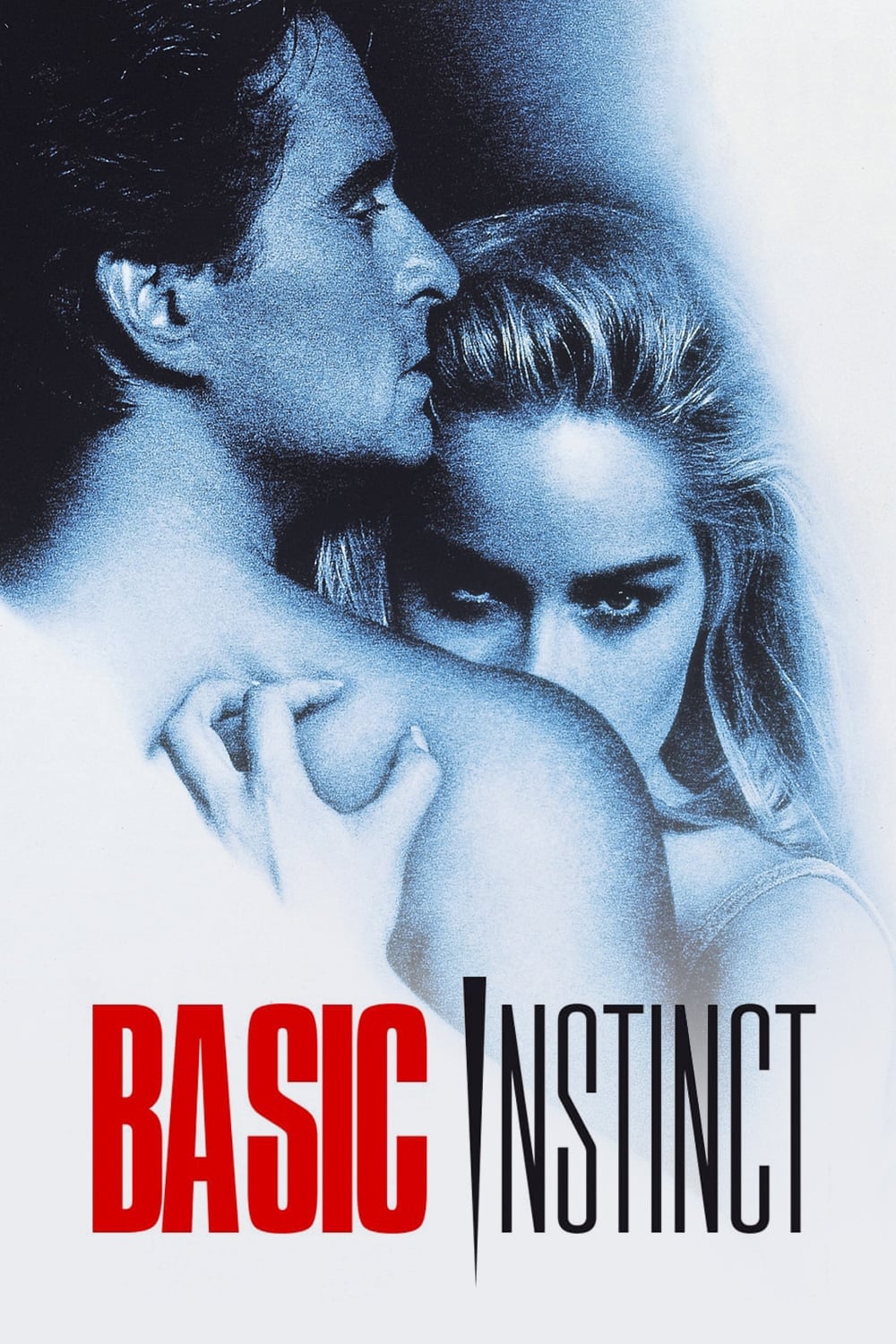
The closing shot references a weapon planted in earlier dialogue and props, leaving the investigative question deliberately unresolved. Interrogation scenes, manuscript excerpts, and mirrored alibis teach viewers how the suspect constructs narratives. The film adheres to neo-noir tradition by withholding definitive moral labeling.
‘Alien³’ (1992)
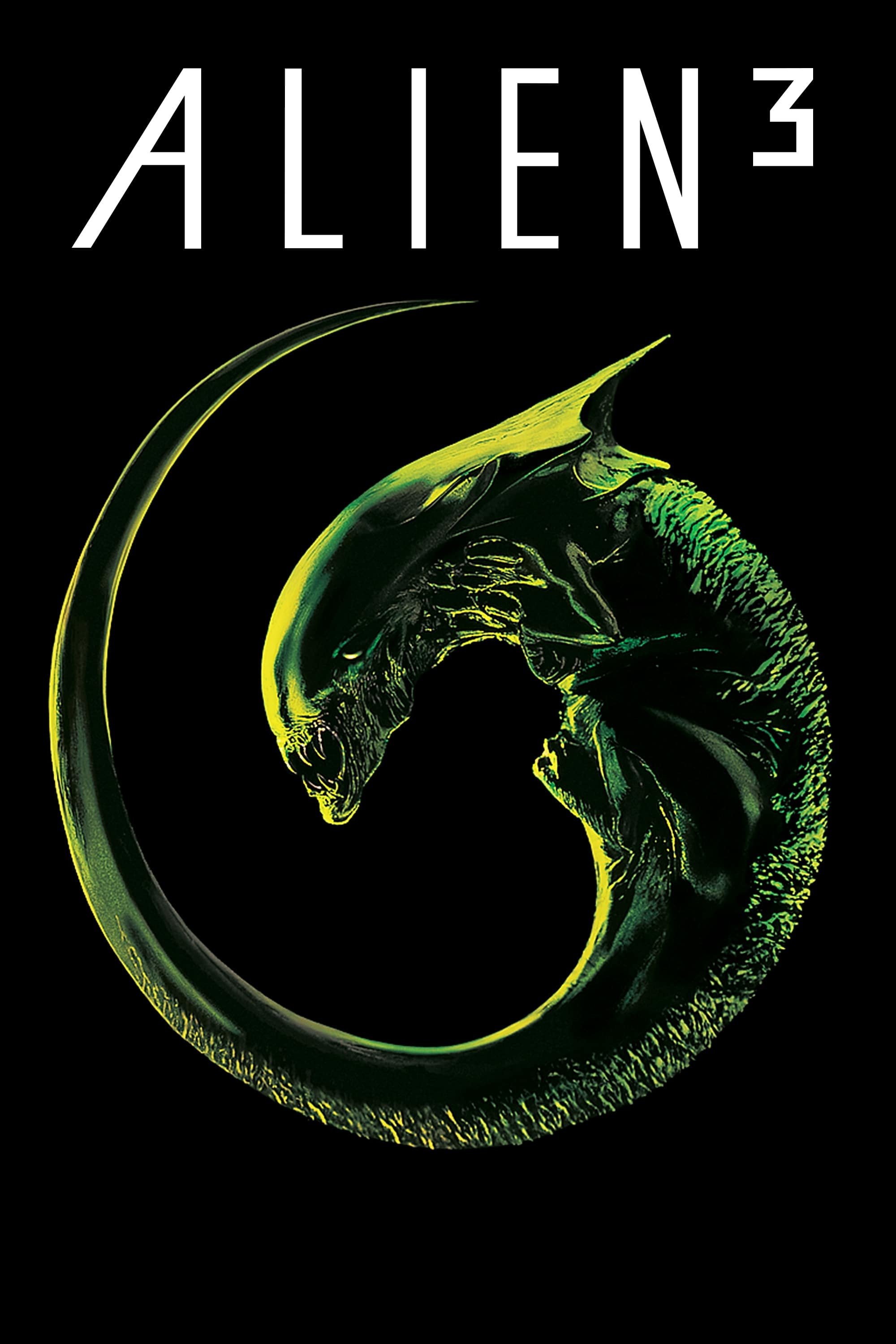
Production history resulted in multiple versions, and the assembly cut clarifies character motivations and plot logistics. The ending resolves a biological threat while completing an arc about sacrifice introduced from the opening crash. Monastic architecture, industrial machinery, and containment procedures shape the final setting’s logic.
‘Total Recall’ (1990)
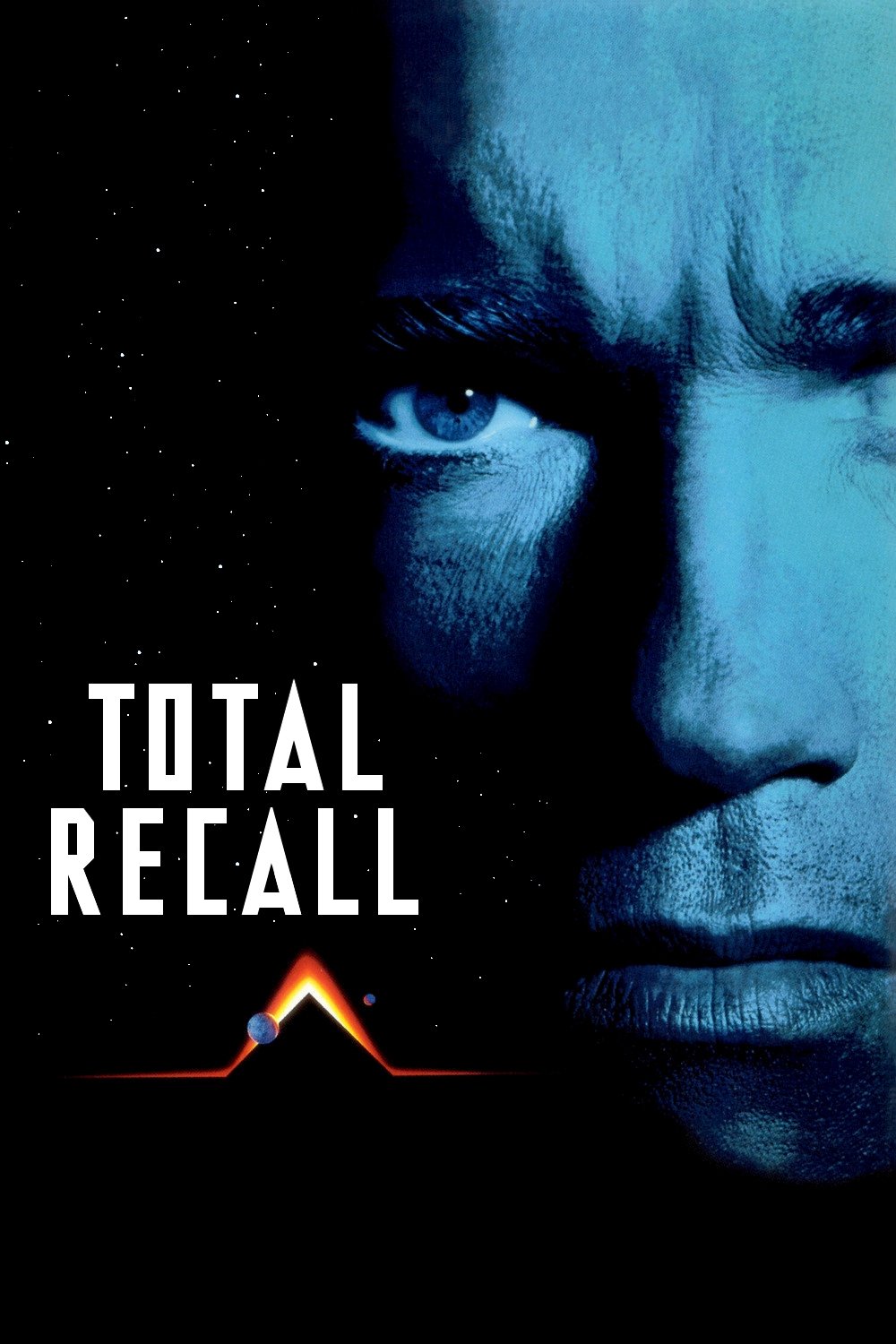
The story presents two consistent readings—rekindled identity or fantasy induced by a commercial implant—supported by planted tells. Company brochures, color-coded sets, and oxygen-control systems reinforce the dual-track interpretation. The last exchange invites viewers to decide which rulebook governed the prior action without contradicting the established clues.
‘Jacob’s Ladder’ (1990)

The narrative alternates between haunting visions and domestic fragments to portray a mind letting go of earthly attachments. Hospital paperwork, military records, and pharmaceutical references ground the central mystery in a specific trauma. The closing scene aligns with spiritual texts quoted earlier, connecting acceptance to release.
‘The Usual Suspects’ (1995)
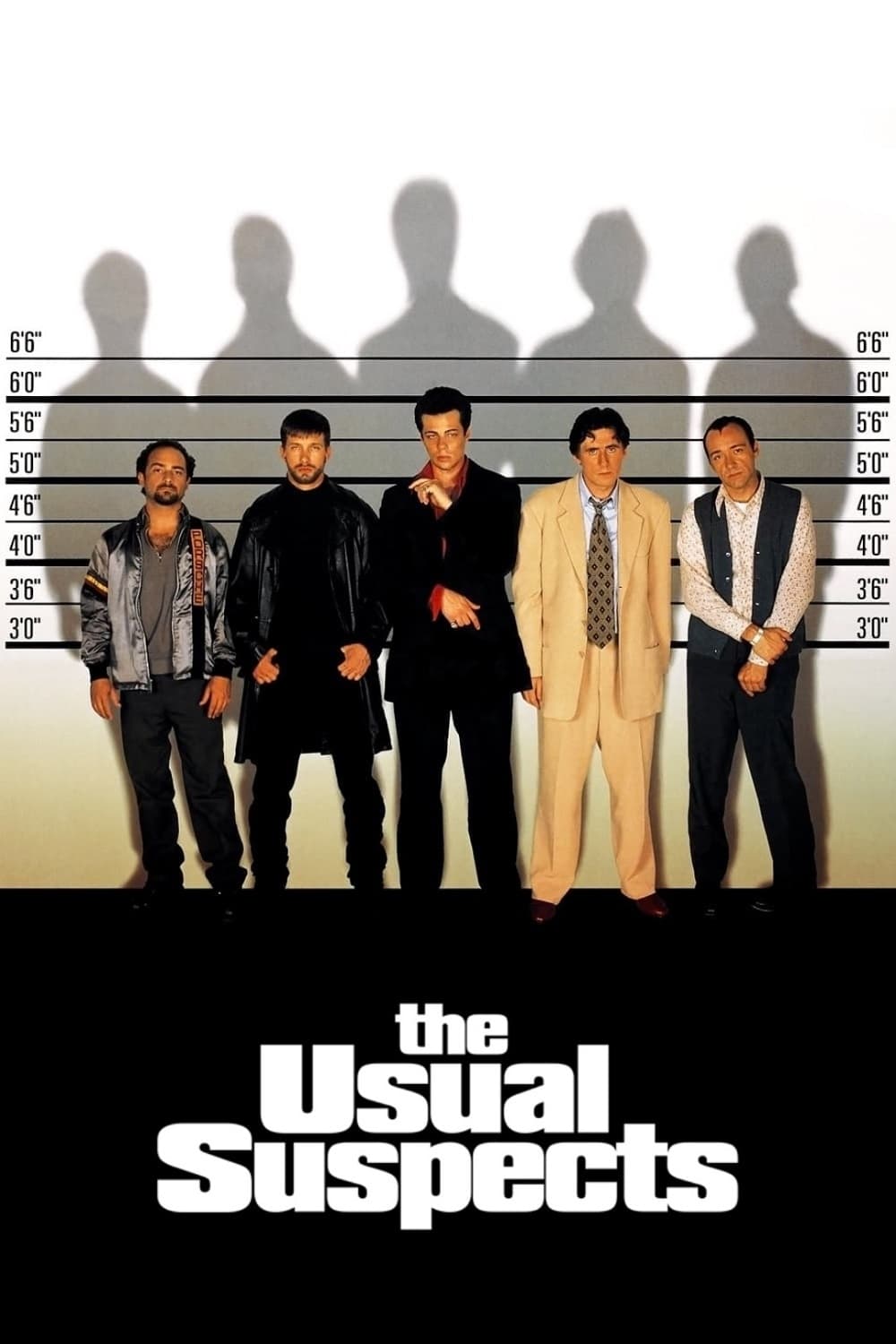
The narrative is delivered almost entirely through a single character’s testimony, which gives the story a built-in filter for truth and misdirection. Physical details in the office, the bulletin board, and case files supply the raw materials for an invented history. The closing reveal demonstrates how a coherent identity can be assembled from incidental prompts without contradicting on-screen events.
‘Lost Highway’ (1997)
The film employs a Möbius-loop structure where identities, locations, and timelines fold back into themselves. Recurring motifs—video tapes, house layouts, and musical cues—mark transitions between linked yet incompatible realities. The final stretch completes the loop, turning the opening crisis into the endpoint of the same closed circuit.
‘Perfect Blue’ (1997)

The story blurs performer image and personal reality using staged appearances, mirrored costumes, and manipulated recordings. Scene geography and editorial matches show how a public persona can overtake daily life. The last act clarifies the source of the deceptions while preserving the theme of image control.
‘Open Your Eyes’ (1997)
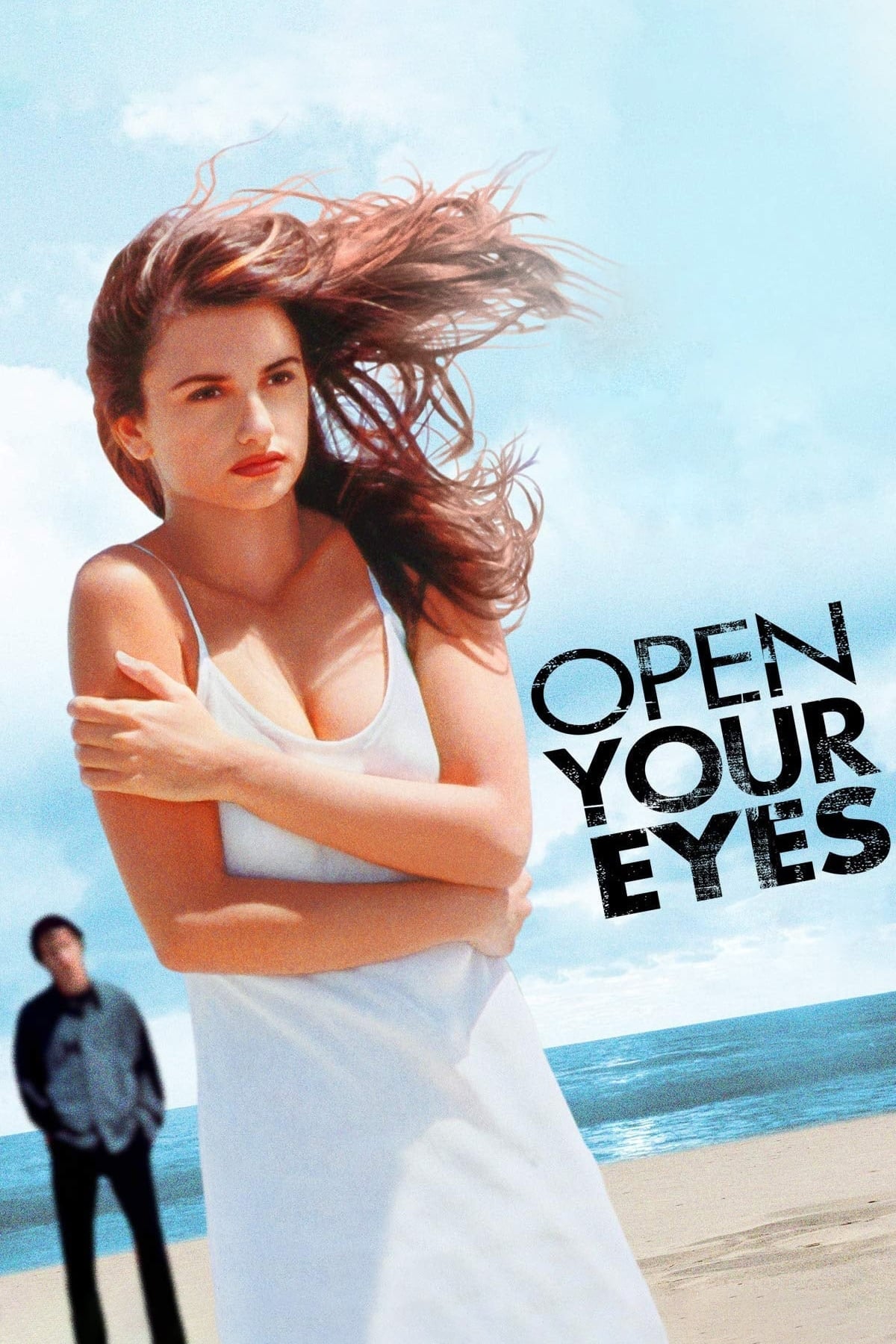
Contracts, facility procedures, and recurring dream markers lay out technology that can replace waking experience with curated scenarios. Visual glitches and impossible coincidences signal when that system is active. The ending aligns with the program’s rules, explaining earlier disjunctions without requiring supernatural causes.
‘Barton Fink’ (1991)
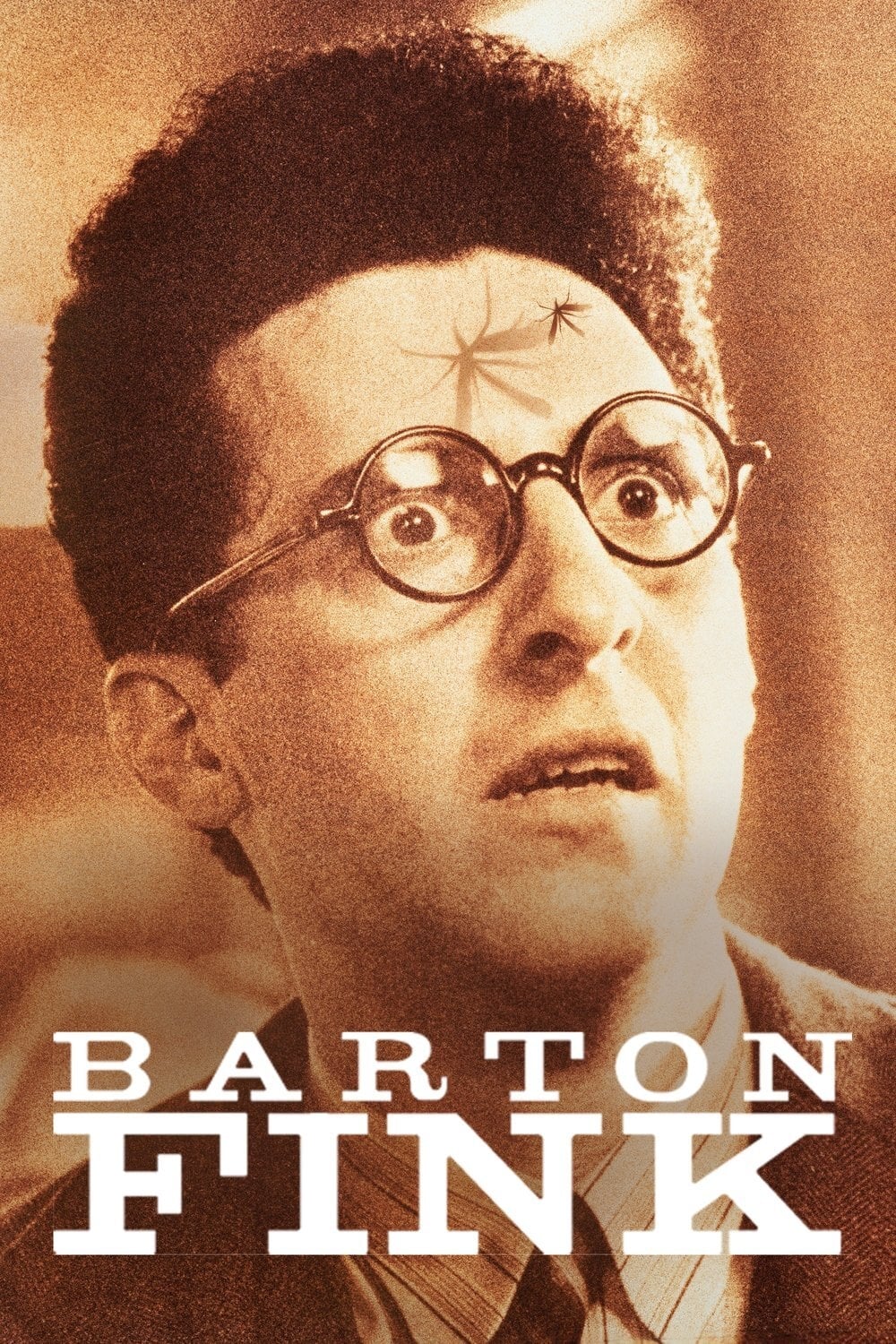
Production design ties hotel architecture to the protagonist’s stalled creative process through repeating hallway vistas and a beach painting. Prop flames and a box with uncertain contents externalize internal pressures rather than literal mysteries to be solved. The final image mirrors an earlier composition, closing a thematic circle about art and confinement.
‘The Devil’s Advocate’ (1997)
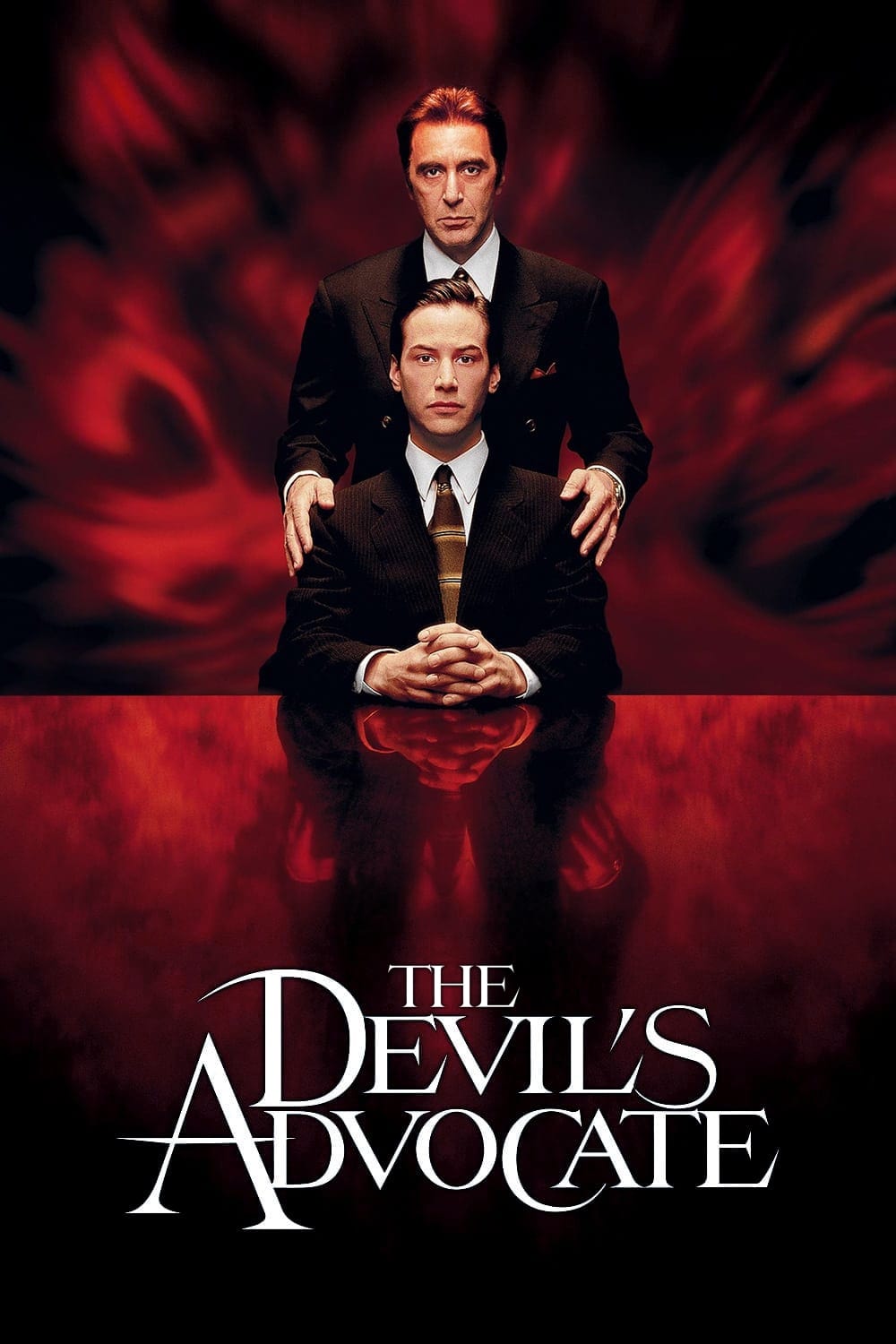
Courtroom outcomes, career temptations, and a final rewind establish a moral test presented as a professional ascent. Recurrent references to vanity connect individual choices to a broader manipulation. The last scene repositions earlier events as a renewed trial, not a plot hole.
‘Natural Born Killers’ (1994)
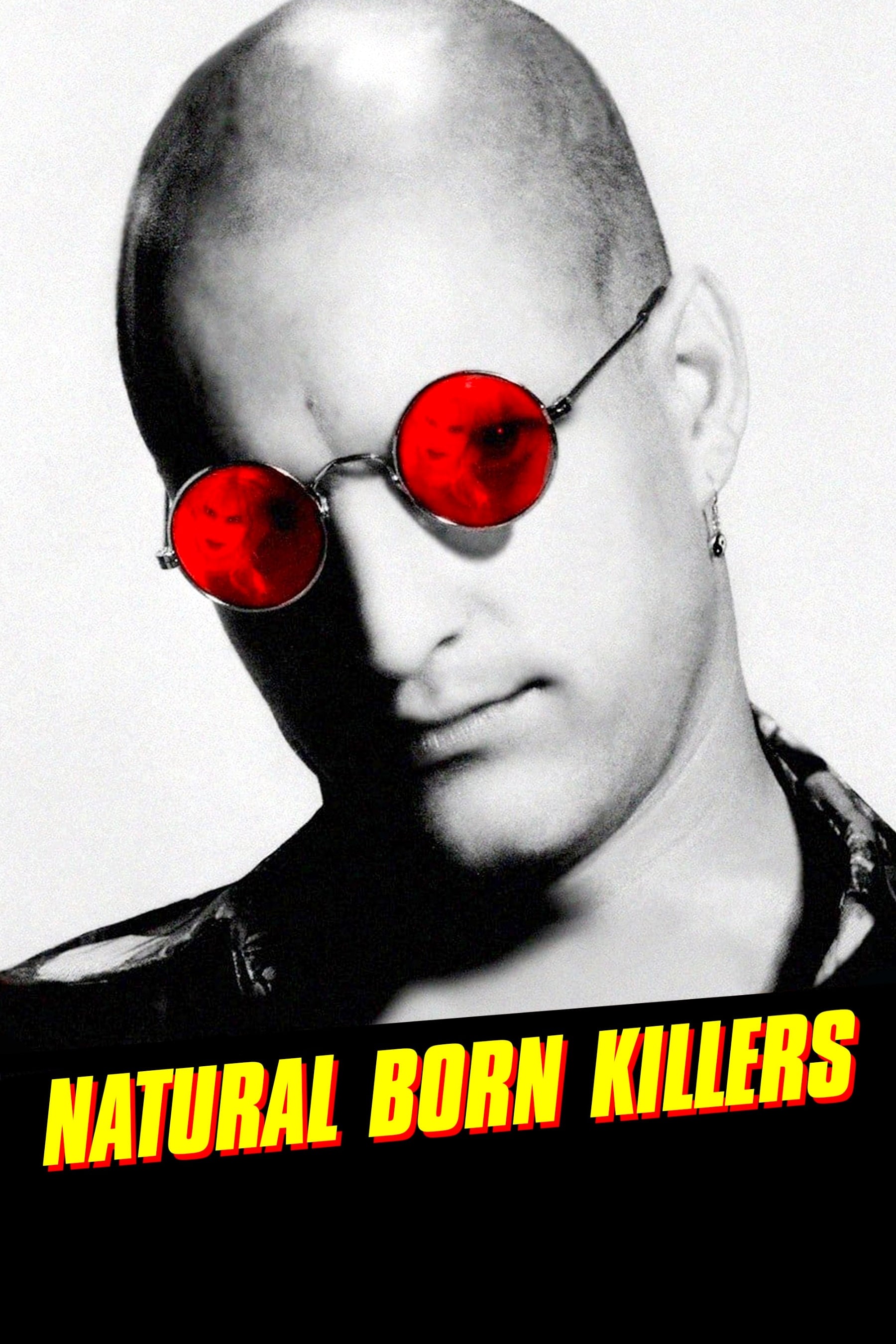
News segments, commercials, and interview framing turn the couple’s crimes into media product. The finale’s broadcast style and character fates follow the story’s satirical treatment of notoriety as currency. Ending on new footage reinforces the idea that spectacle regenerates itself.
‘Mission: Impossible’ (1996)
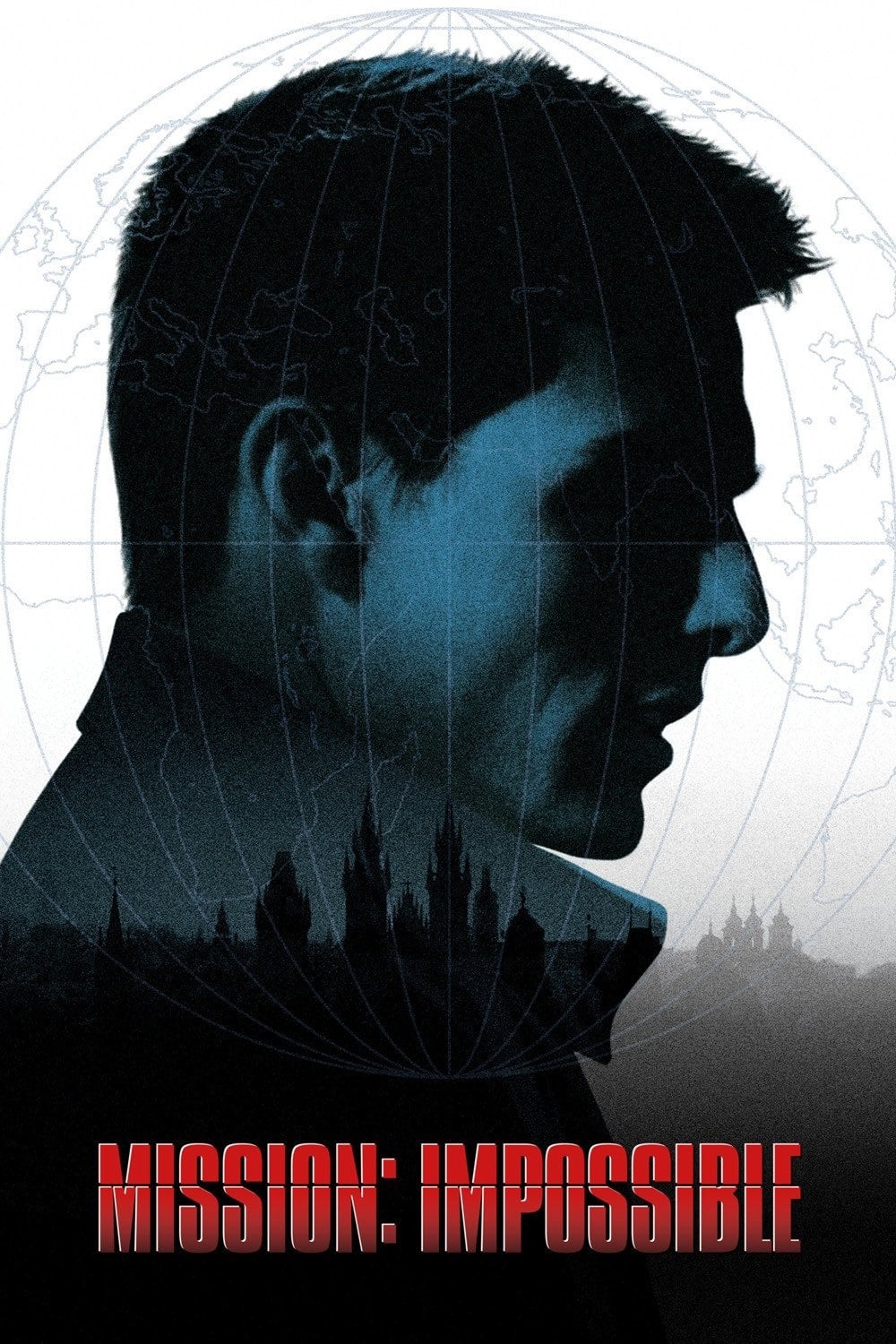
Mask technology, voice mimicry, and double-coded intel allow multiple actors to occupy the same role in different scenes. Train and vault set pieces demonstrate how preplanned deceptions exploit surveillance blind spots. The closing exchange confirms the chain of betrayals using tools the film introduced from the start.
‘Event Horizon’ (1997)
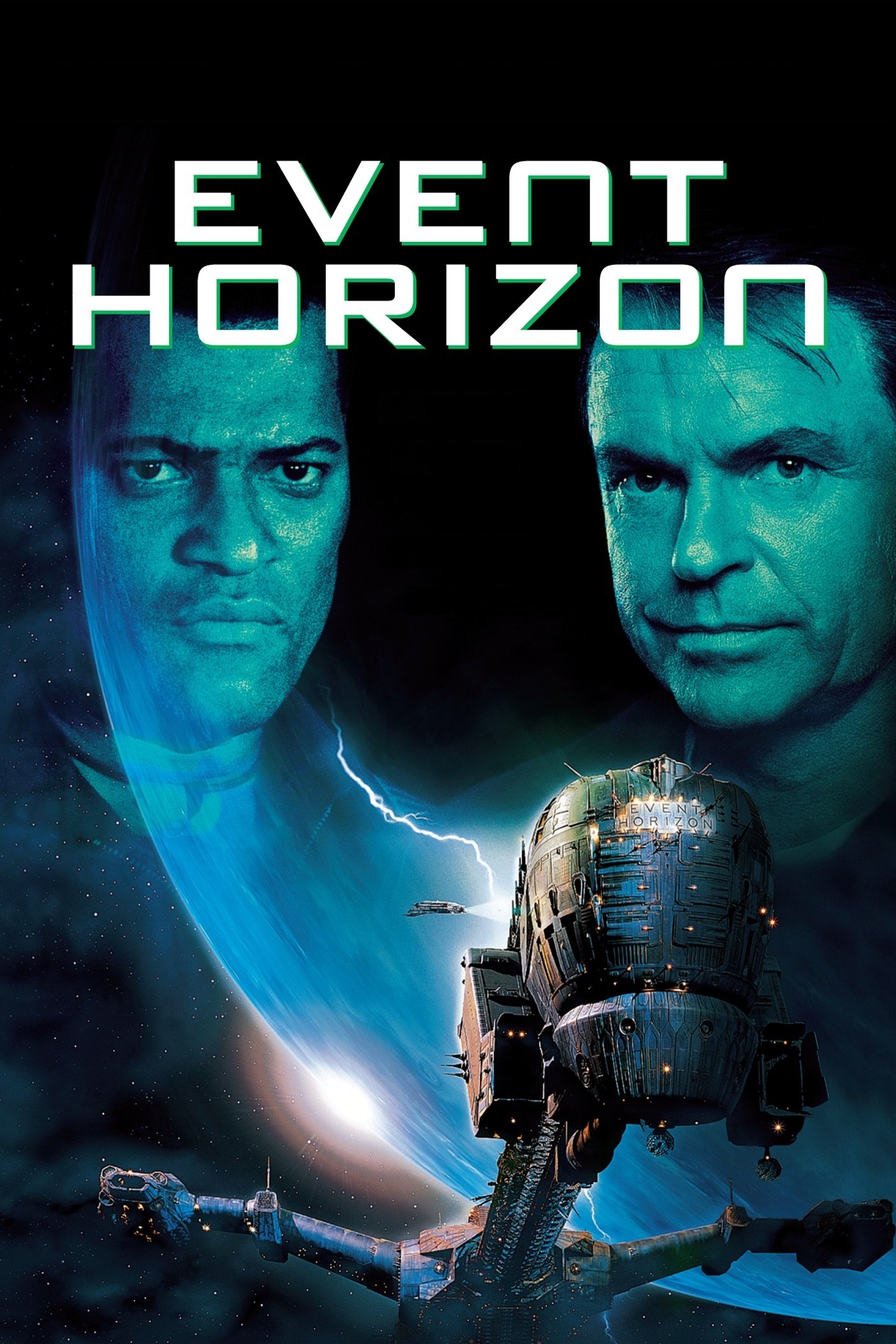
Ship schematics, log entries, and medical readouts define an engine that accesses an extra-dimensional space with psychological fallout. Visions correlate to personal histories rather than random scares, which the onboard footage supports. The ending preserves the uncertainty between rescue and relapse consistent with the stated effects of the drive.
‘The Crow’ (1994)
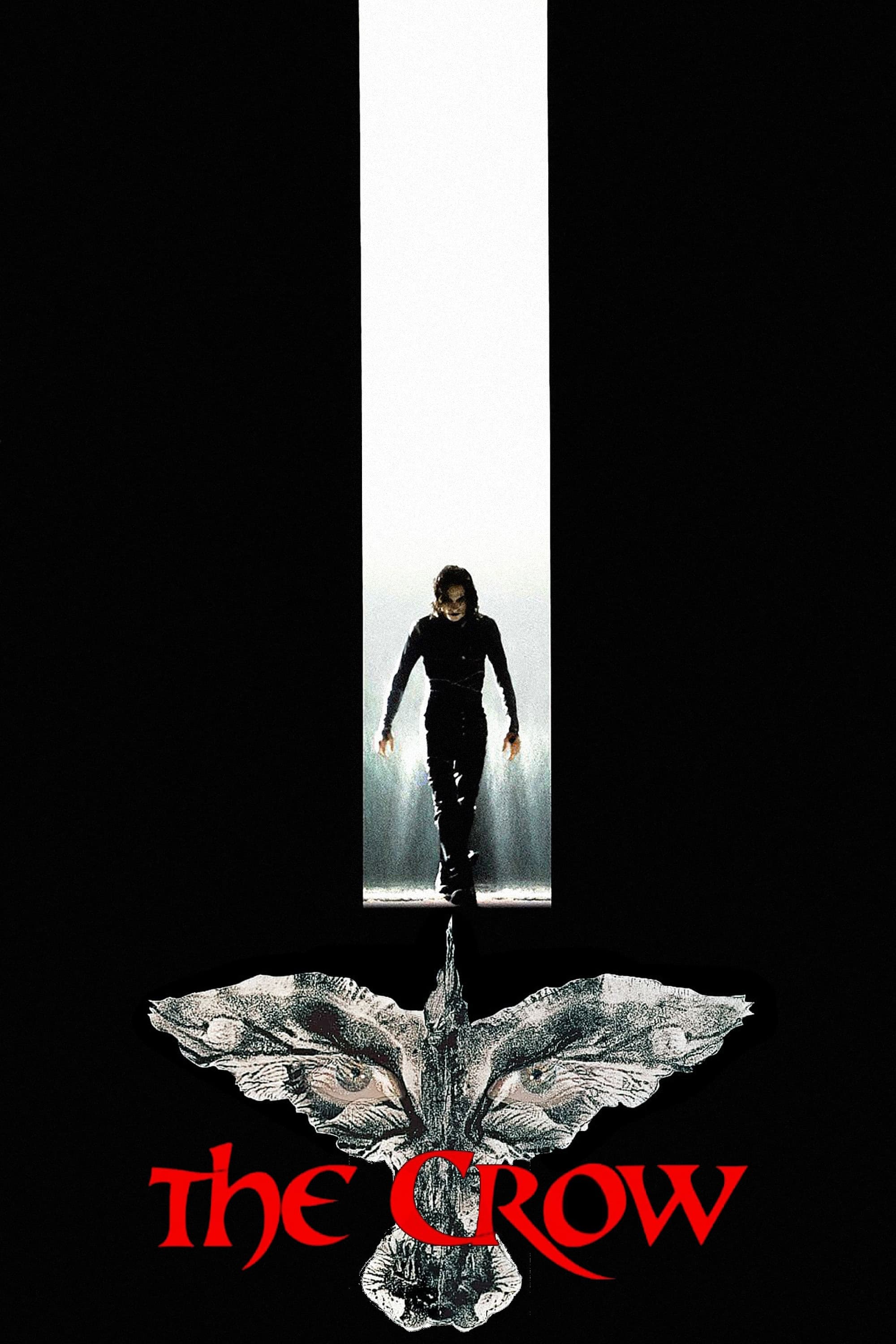
The narrative is anchored by a folkloric rule set in which a creature mediates between injustice and restitution. Visual emphasis on the bird, talismans, and weather patterns establishes how power transfers work. The climax follows that logic by targeting the conduit rather than the vigilante directly.
‘Reservoir Dogs’ (1992)
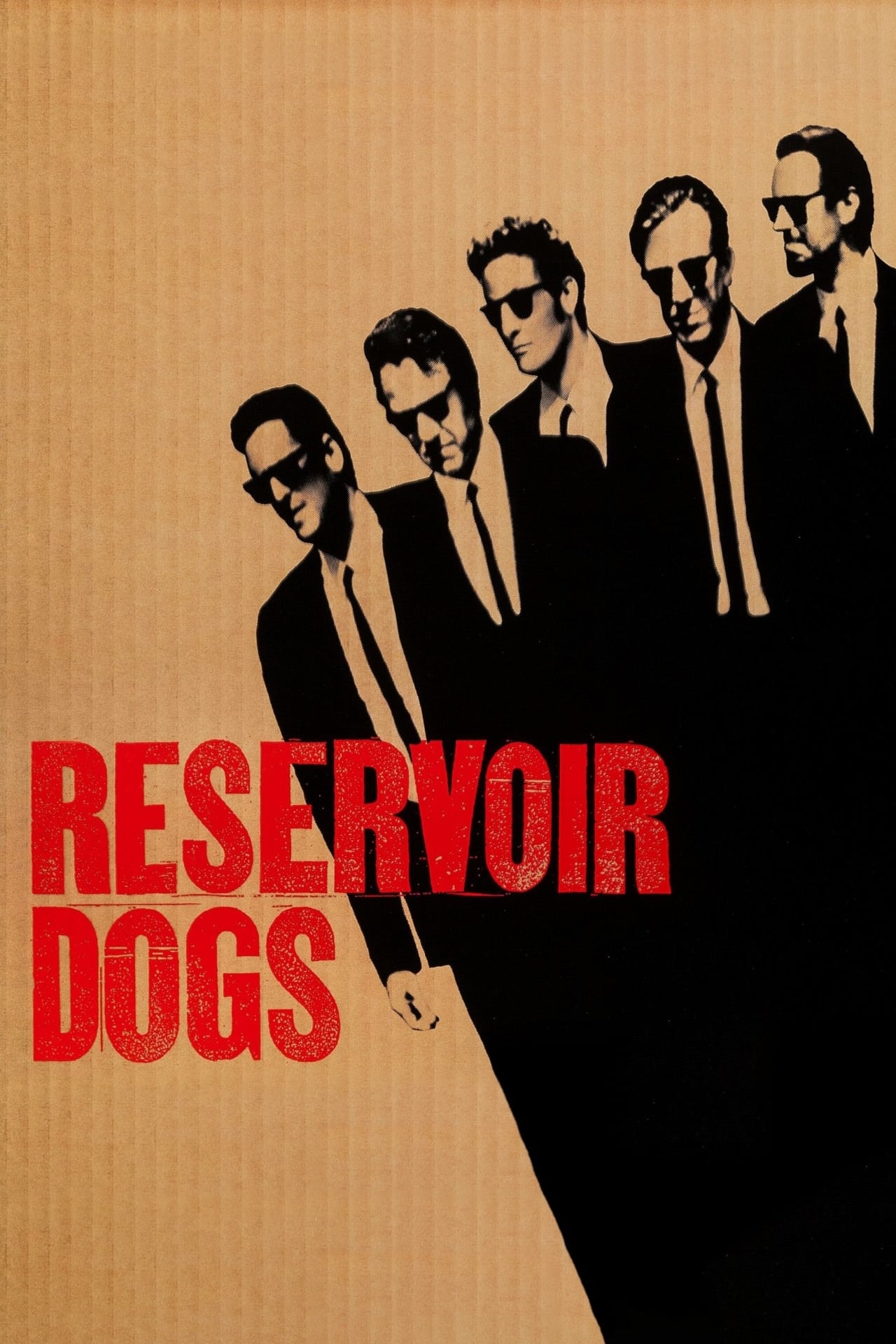
Color-coded aliases, conflicting accounts, and off-screen heist details position the story as a study of mistrust under pressure. The final warehouse standoff resolves a loyalty test seeded through earlier interrogations and phone calls. The aftermath sounds and commands align with the police operation described in fragments.
‘The Crying Game’ (1992)
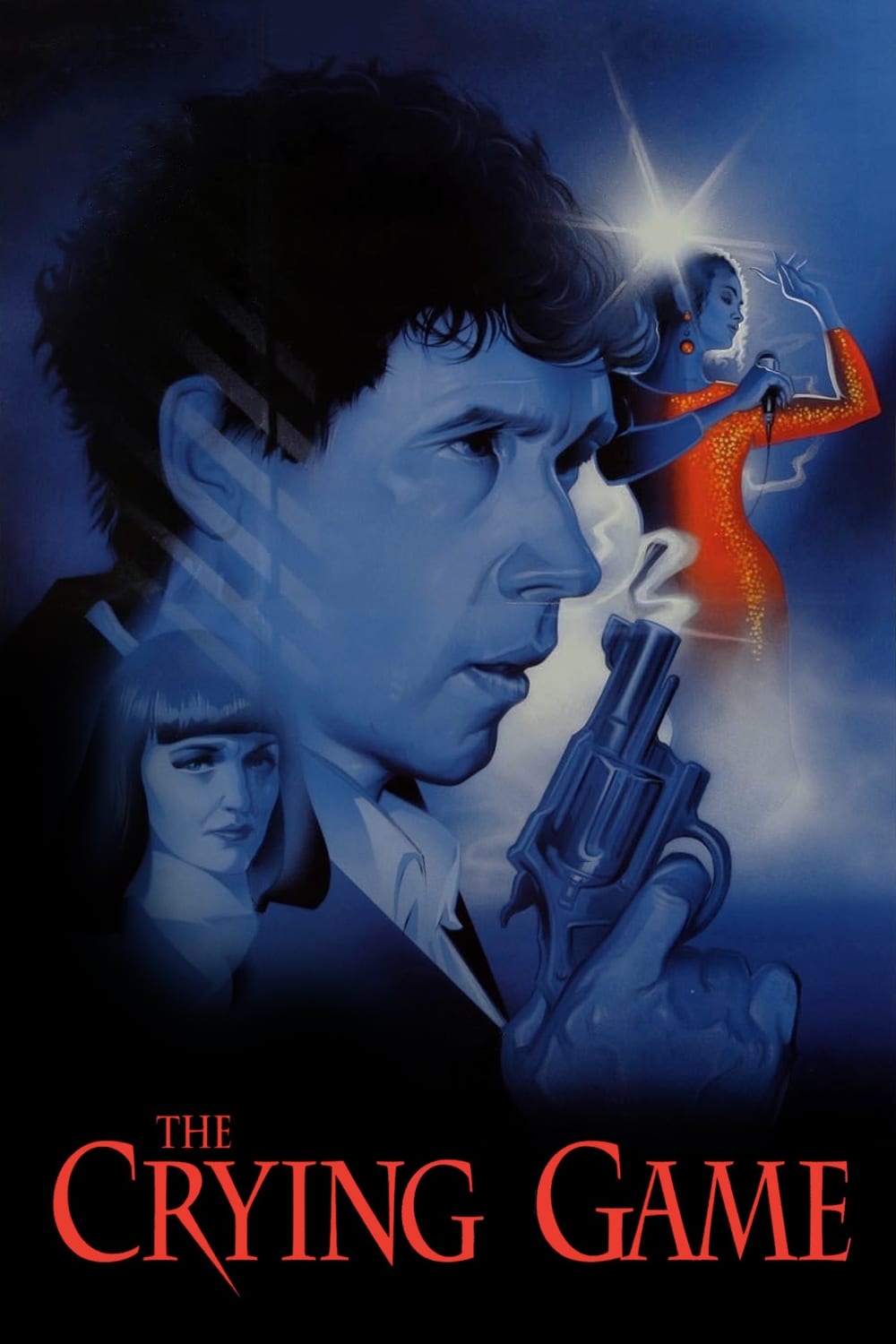
Political kidnapping procedures, coded conversations, and a London relocation create two connected halves of one story. The later revelations build on character backstories and a promise made under duress. The ending pays off that promise while acknowledging the consequences of earlier actions.
‘Candyman’ (1992)

Urban-legends scholarship, graduate research methods, and photographic evidence ground the apparition’s rules in community memory. Mirrors, names, and location-specific rituals govern when events occur. The final scene transfers the legend using the same invocation mechanisms documented throughout.
‘Heat’ (1995)
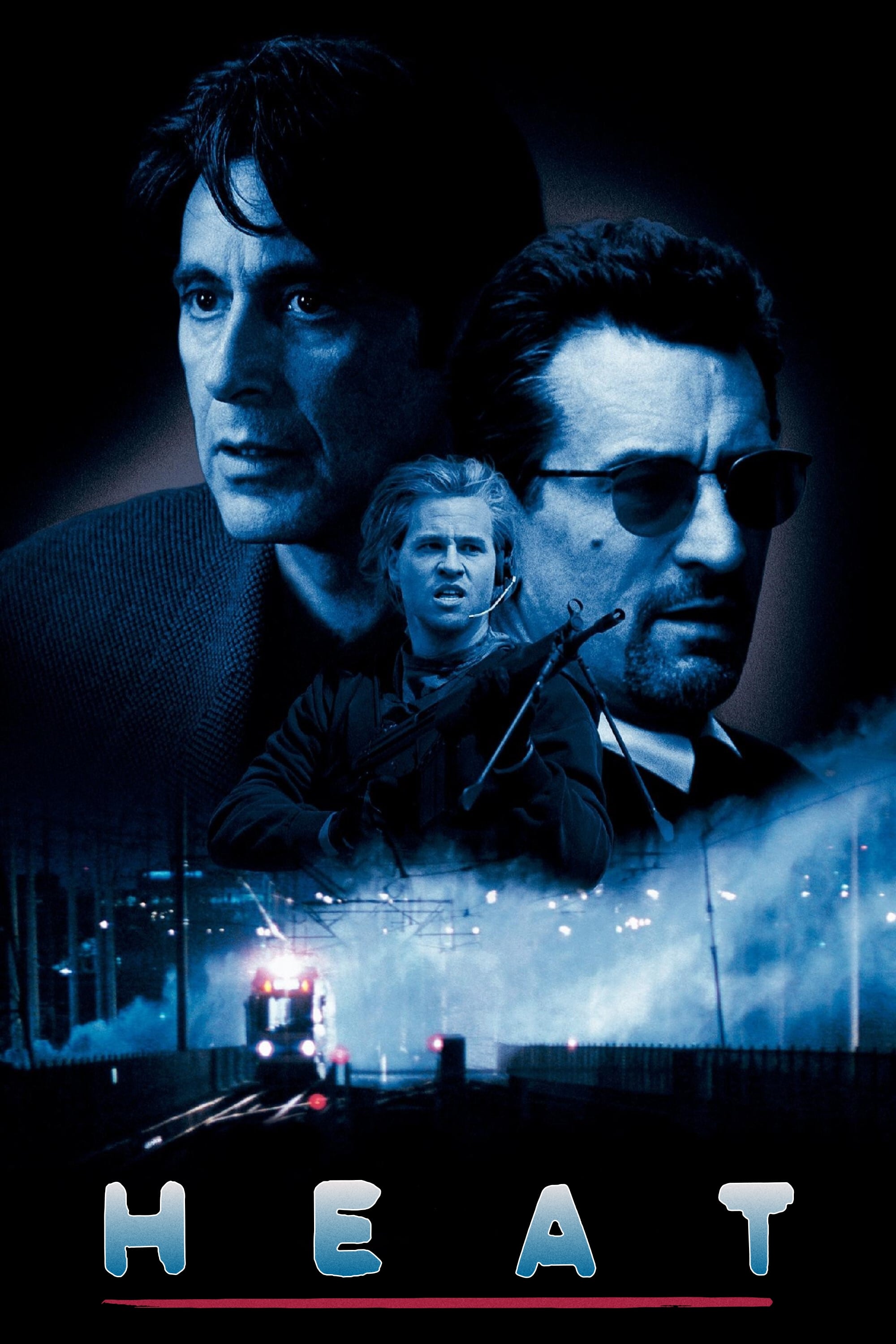
Surveillance work, bank tactics, and crew discipline are laid out in detail, allowing the final pursuit to hinge on training and light conditions. An airport’s floodlights and approach patterns create the sightlines that decide the outcome. The coda respects the professional codes both characters stated earlier.
‘American Beauty’ (1999)

A narrated structure announces the fatal endpoint at the beginning, then tracks the causes through suburban routines and secrets. Prop placement, taped workouts, and camera footage supply evidence that converges in the final minutes. The closing voiceover contextualizes the case resolution with details planted across the domestic setting.
Share your own take on these endings—especially the ones that puzzled you the first time—in the comments below.

