


Great 2010s Movies with “Bad” Endings People Just Don’t Understand

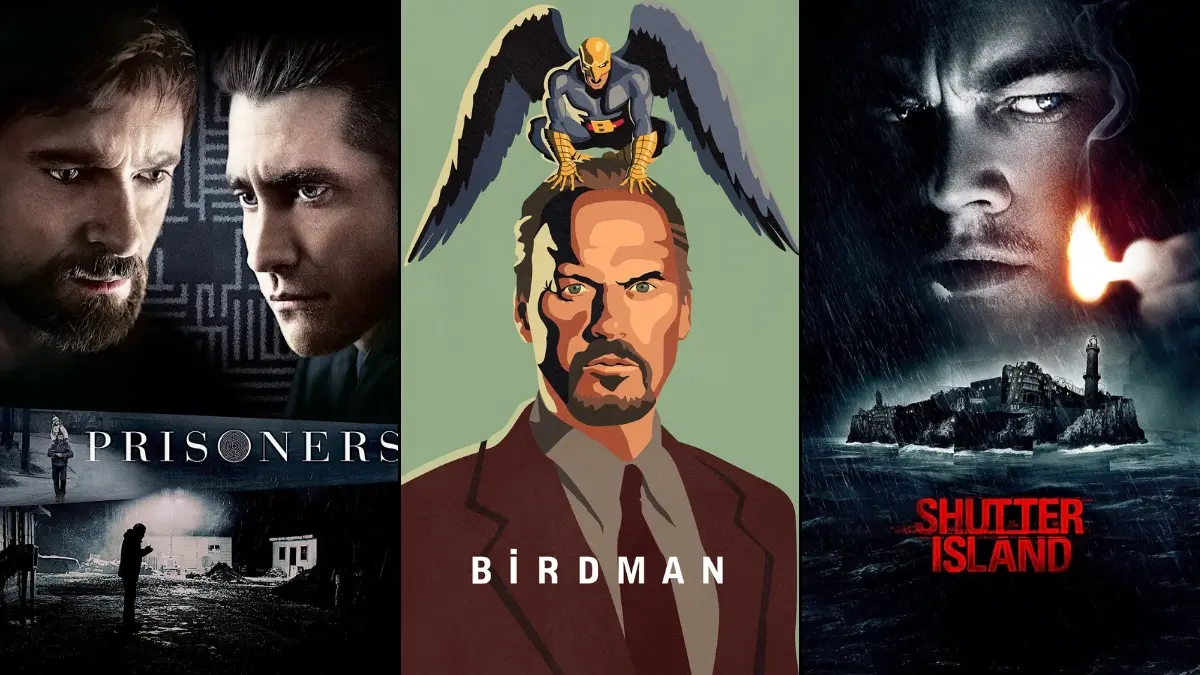


Some films stick the landing in ways that confuse, frustrate, or spark long debates long after the credits roll. The 2010s delivered plenty of finales that seemed “bad” at first glance but actually fit the story’s themes, character arcs, or genre traditions. Below are forty such titles, with quick, practical context on what happens at the end and why it aligns with the narrative groundwork the filmmakers laid.
‘Inception’ (2010)
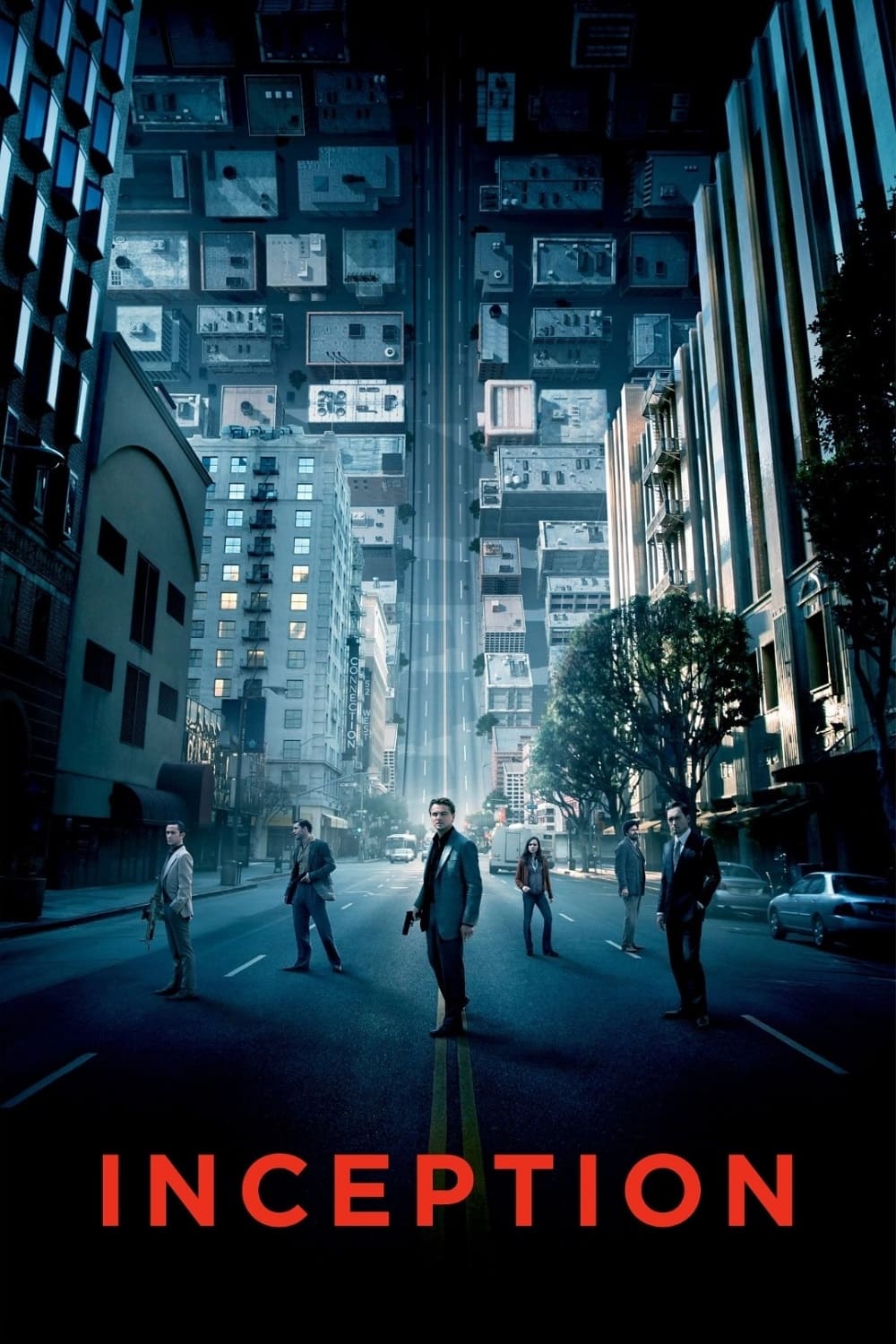
Christopher Nolan’s heist-in-dreams thriller closes on a spinning top, the totem that could confirm reality. The final shot cuts before revealing whether it falls, echoing earlier rules about personal totems and subjective perception. Multiple dialogue cues and the protagonist’s shifting behavior toward the totem are set up throughout, making the unresolved image consistent with the story’s focus on belief and memory.
‘Shutter Island’ (2010)
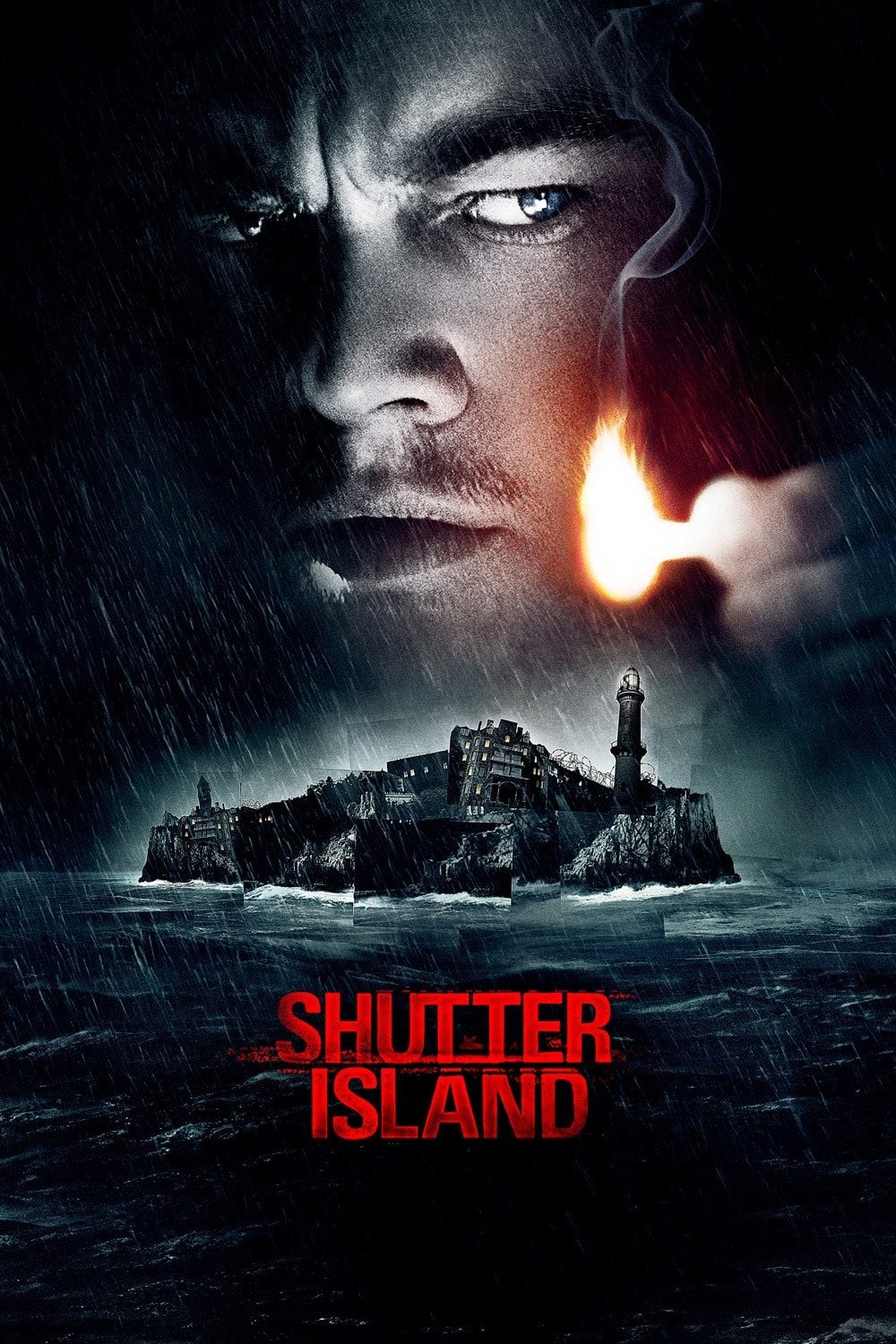
Martin Scorsese adapts Dennis Lehane’s novel about a U.S. Marshal investigating a disappearance at an asylum. The ending reveals a treatment designed to break through a patient’s delusion, with the lead character appearing lucid before deliberately embracing a “lobotomy.” Earlier scenes establish the role-playing therapy, false identities, and planted clues, so the final line reflects the institution’s methods and the character’s history.
‘The Grey’ (2011)
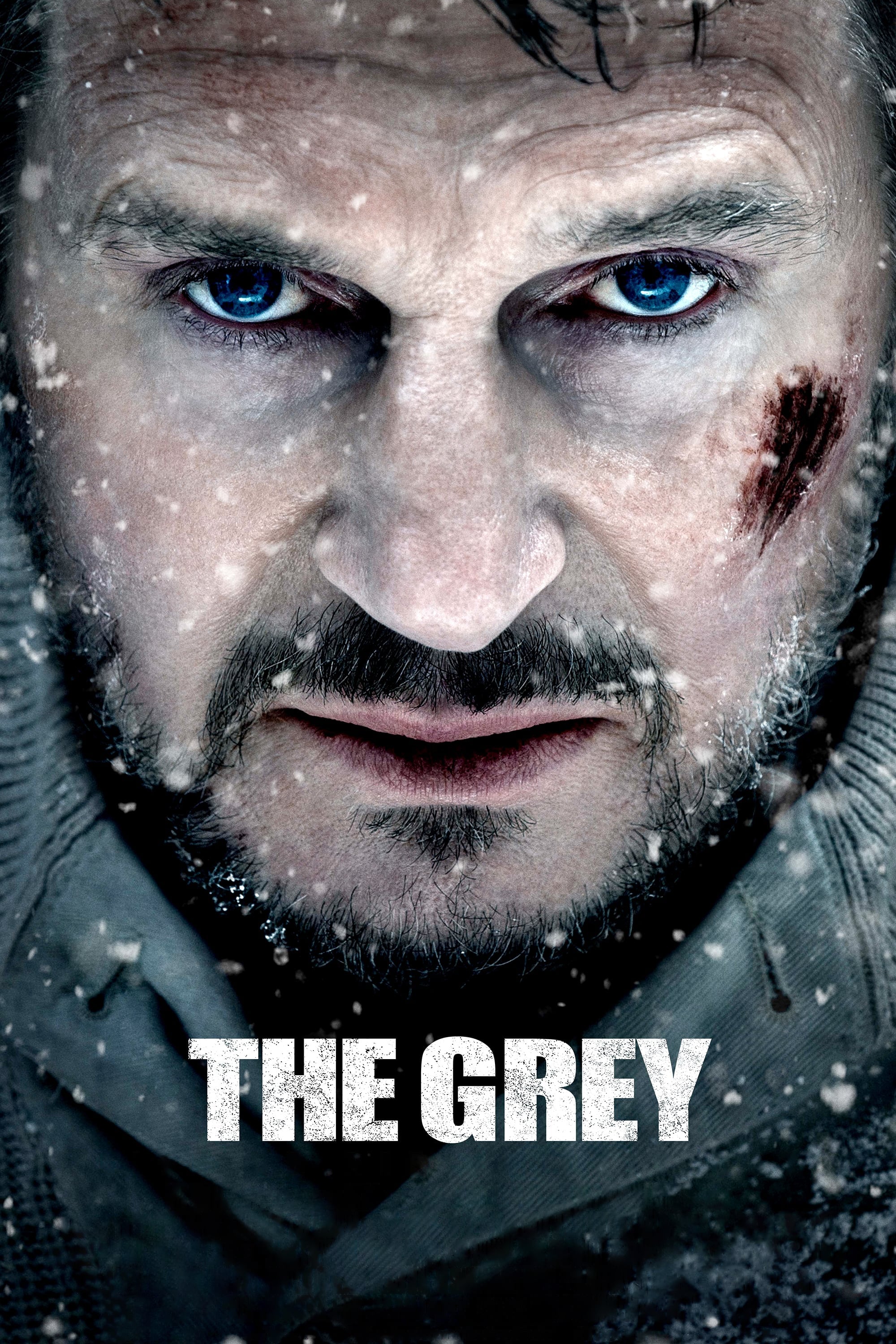
Joe Carnahan’s survival drama follows oil-rig workers hunted by wolves after a plane crash in Alaska. The ending teases a last-stand confrontation, then cuts to black, with a brief stinger showing the aftermath: man and alpha wolf both down. The film repeatedly underscores territorial behavior, injury hierarchies, and the protagonist’s preparedness, making the outcome coherent with the environmental odds.
‘Drive’ (2011)
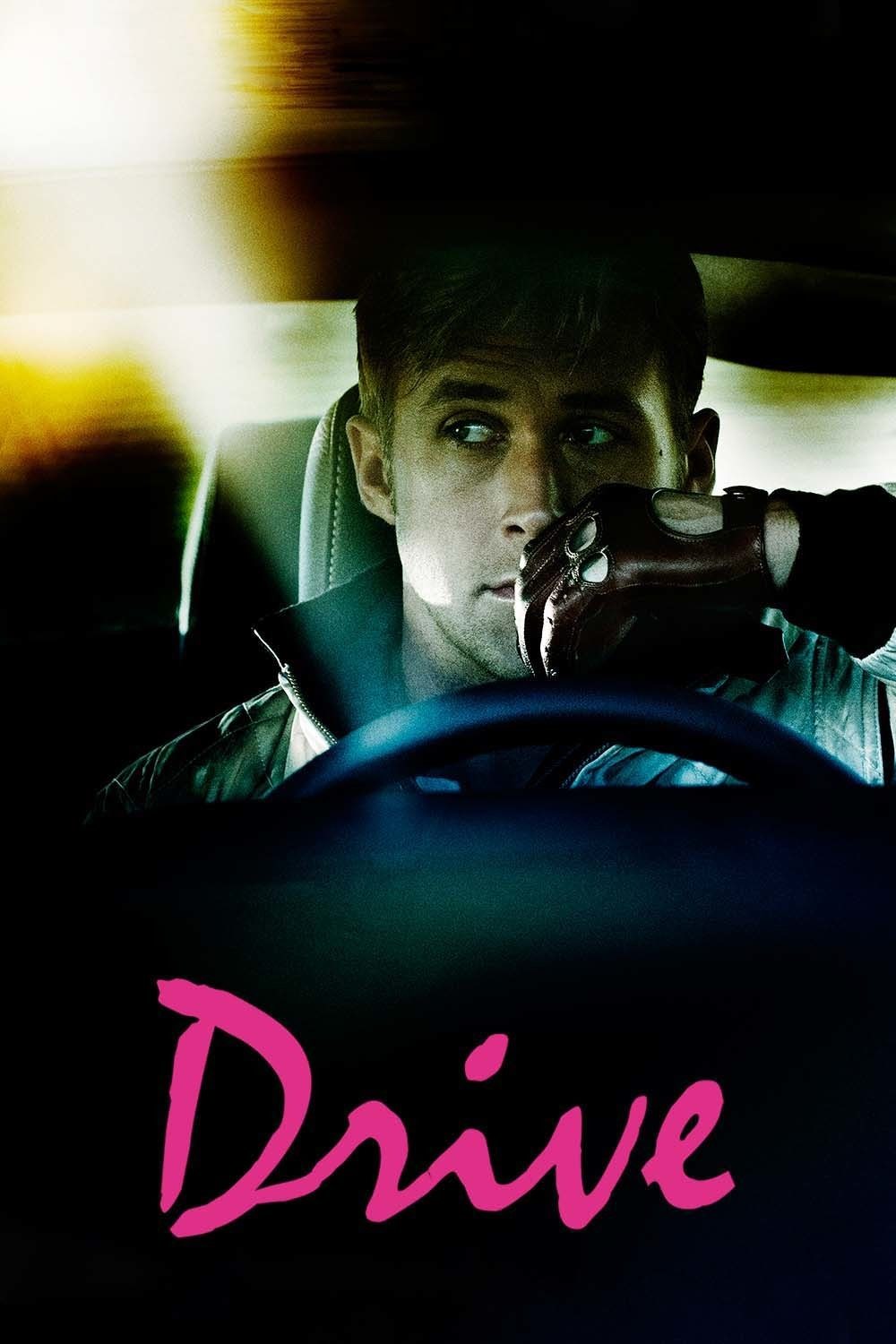
Nicolas Winding Refn’s neo-noir centers on a stunt driver entangled with criminals after a botched job. The finale leaves the driver wounded and leaving town, while a key antagonist is dispatched during a tense exchange. The film establishes strict codes around anonymity, the dangers of exposure, and the consequences of stepping outside a carefully controlled routine, which the ending carries to its logical conclusion.
‘Take Shelter’ (2011)
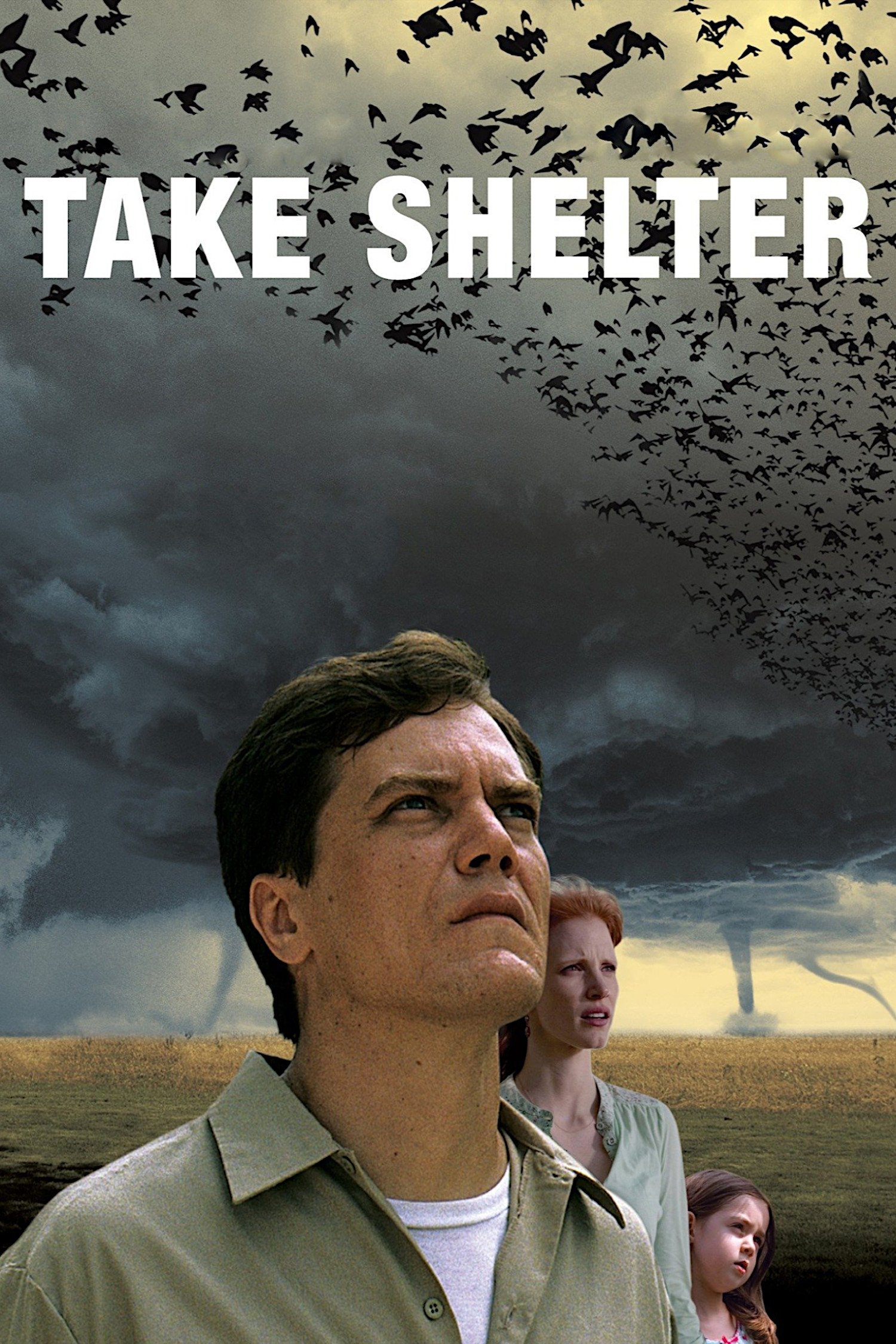
Jeff Nichols tells the story of a construction worker plagued by apocalyptic visions. The ending presents an image that mirrors his recurring dreams, but the film repeatedly uses visual motifs—oil-rain, storms, shelters—that may represent mental illness and family stressors. Clinical consultations, medication scenes, and community tensions make the ambiguous final image function within a psychological rather than purely literal framework.
‘The Cabin in the Woods’ (2011)
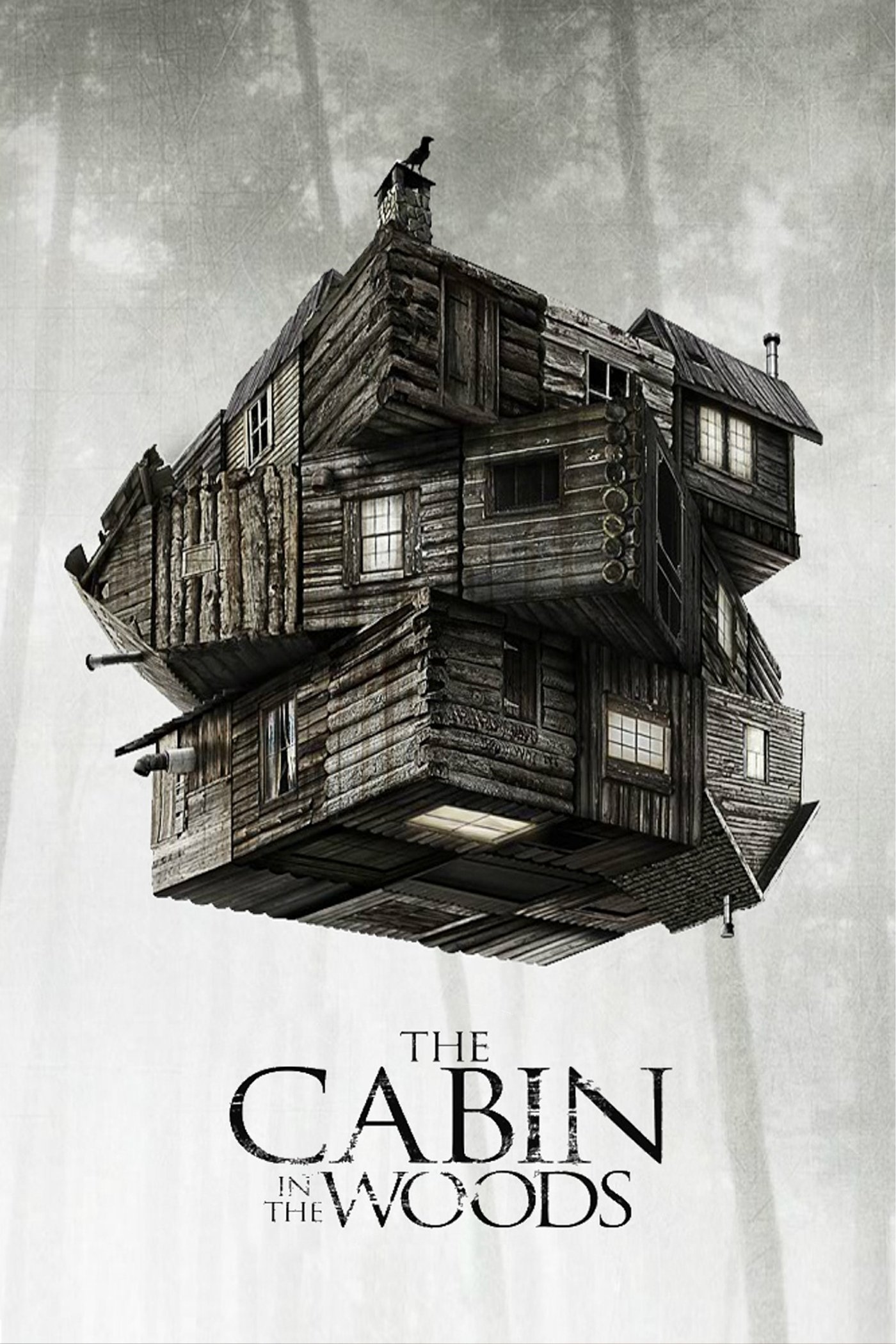
Drew Goddard’s meta-horror reveals a facility manipulating horror clichés to appease ancient beings. The finale shows the ritual failing and the world-ending consequence, which follows rules laid out by technicians describing required archetypes and sacrifices. The underground lab sequences and failed contingency plans all foreshadow that refusing the ritual ends the system.
‘Prometheus’ (2012)
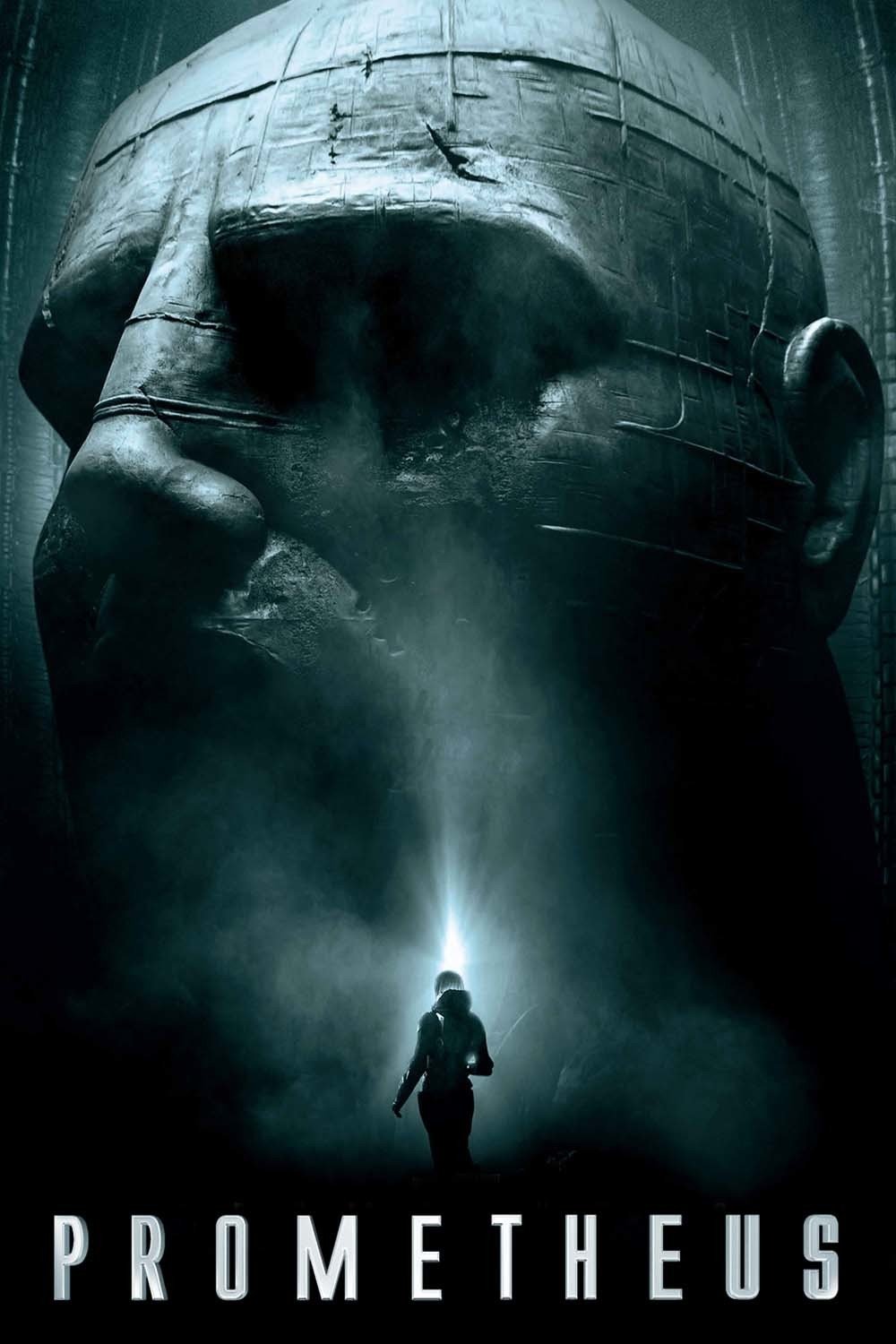
Ridley Scott’s sci-fi prequel investigates the origins of humanity via Engineers and black-goo mutagens. The climax strands a lone scientist who signals a desire to continue toward the Engineers’ homeworld, while the crashed ship seeds a familiar xenomorph-like lifeform. Earlier holographic records, urn behavior, and pathogen effects set up the biological chain that culminates in the final creature tag.
‘The Dark Knight Rises’ (2012)
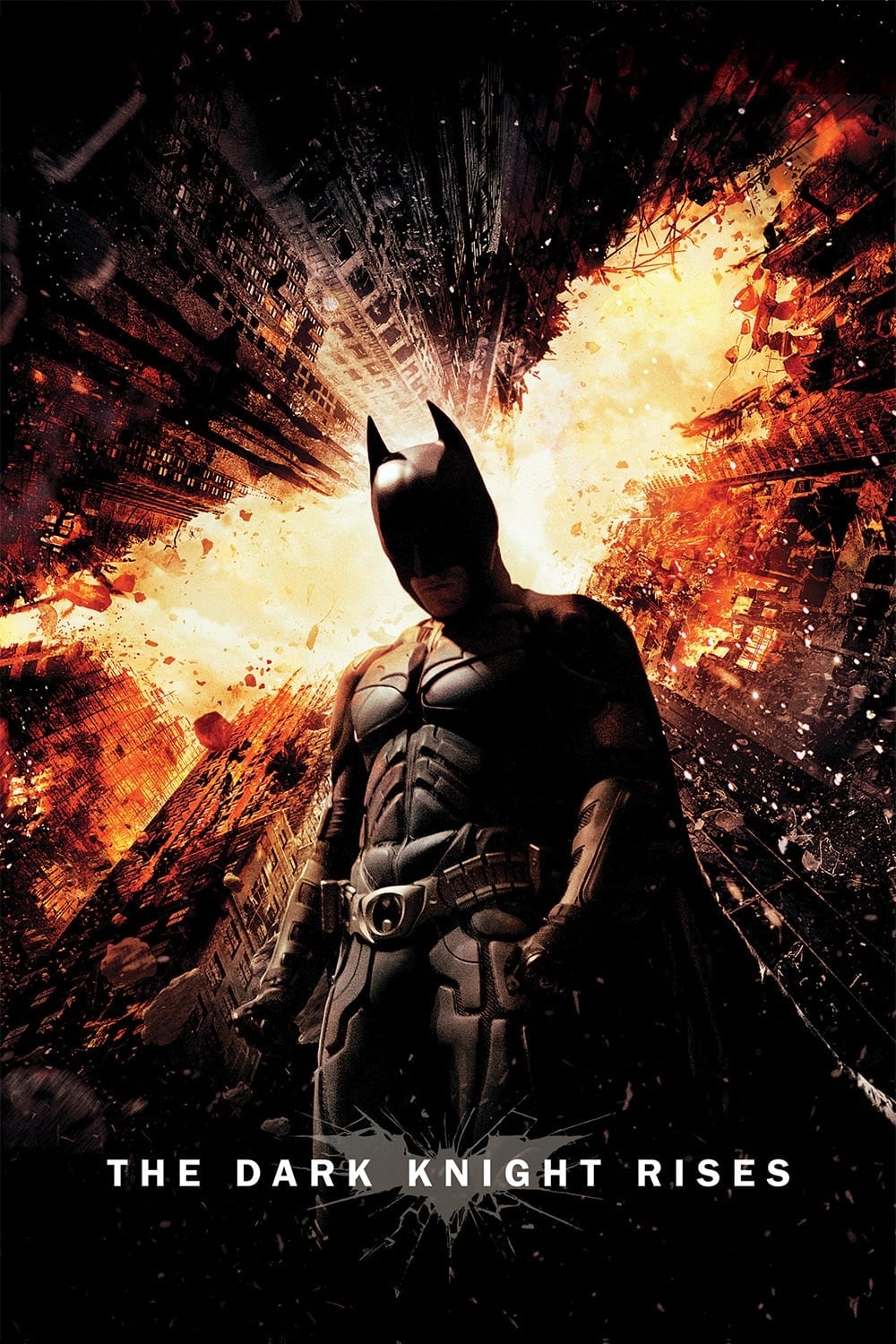
Nolan’s trilogy capper stages a citywide siege, a nuclear device, and a final sacrifice play. The closing montage shows the city moving forward, a repaired legacy, and a hint at a successor, matching earlier beats about symbolic identities and contingency plans. Financial ruin, physical rehabilitation, and a remote-pilot fix for the aircraft are all seeded, aligning the resolution with established logistics.
‘Looper’ (2012)
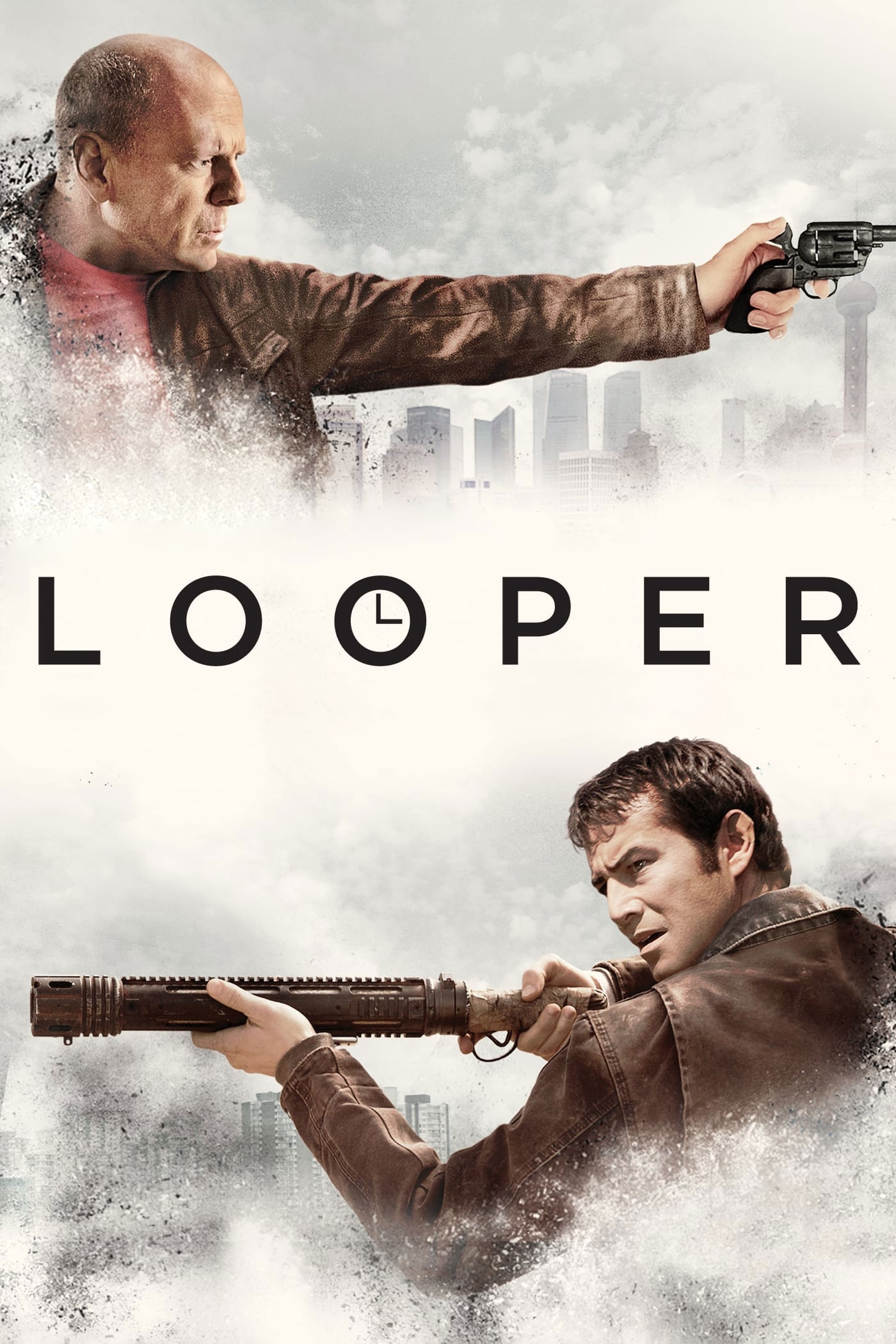
Rian Johnson’s time-travel crime story hinges on assassins killing future targets. The ending uses a self-negating choice to prevent a violent chain of events, a tactic foreshadowed by earlier demonstrations of causal loops and bodily changes echoing across timelines. The script’s house rules—blunt cause-and-effect, limited knowledge of the future, and paradox tolerance—support the final act’s mechanism.
‘The Master’ (2012)
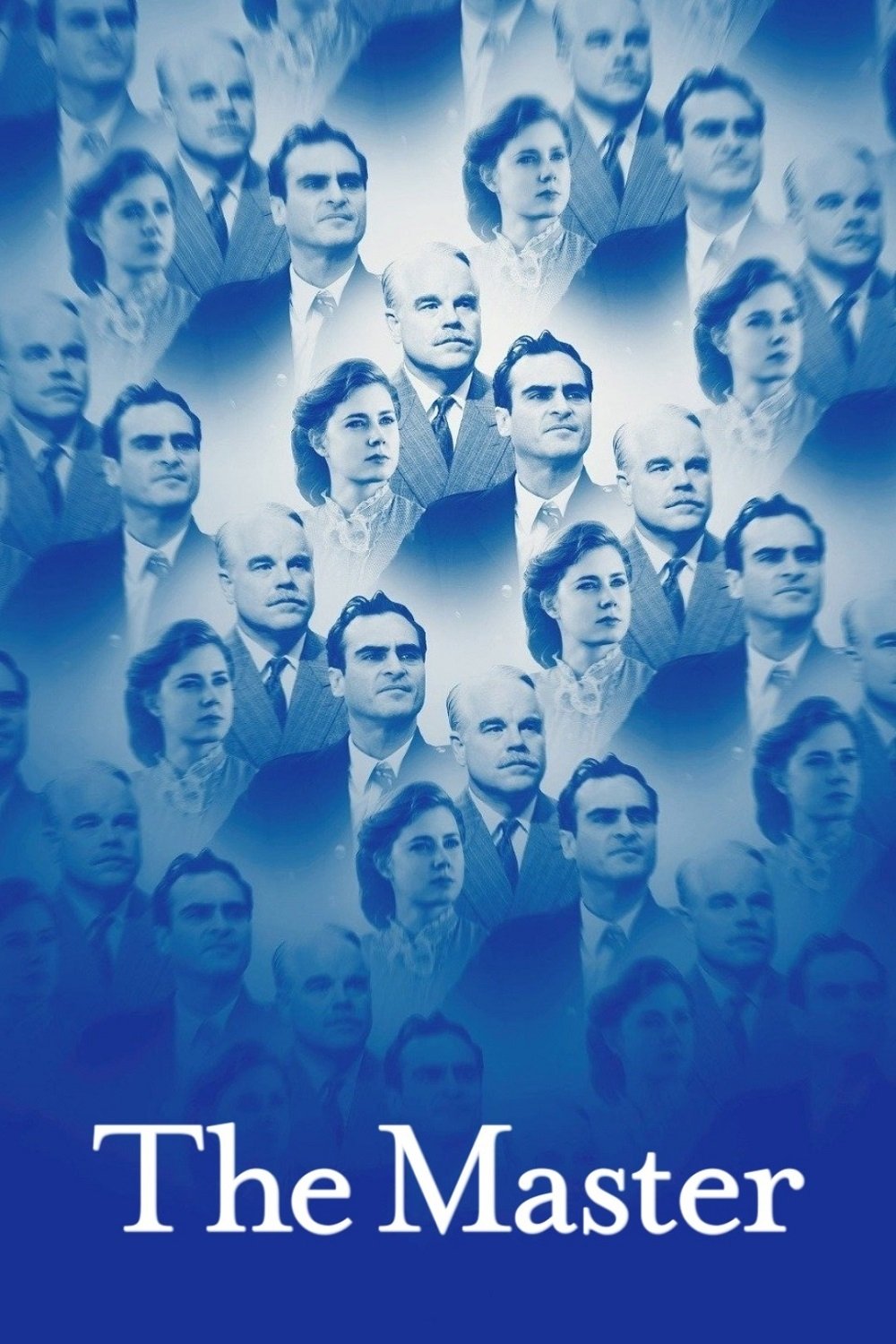
Paul Thomas Anderson’s drama tracks a drifter’s bond with a religious movement’s leader. The last scenes depict a separation that follows earlier interrogations, processing sessions, and tests of loyalty and discipline. Repeated exercises about control, impulse, and belonging make the parting consistent with the characters’ incompatible needs.
‘Prisoners’ (2013)
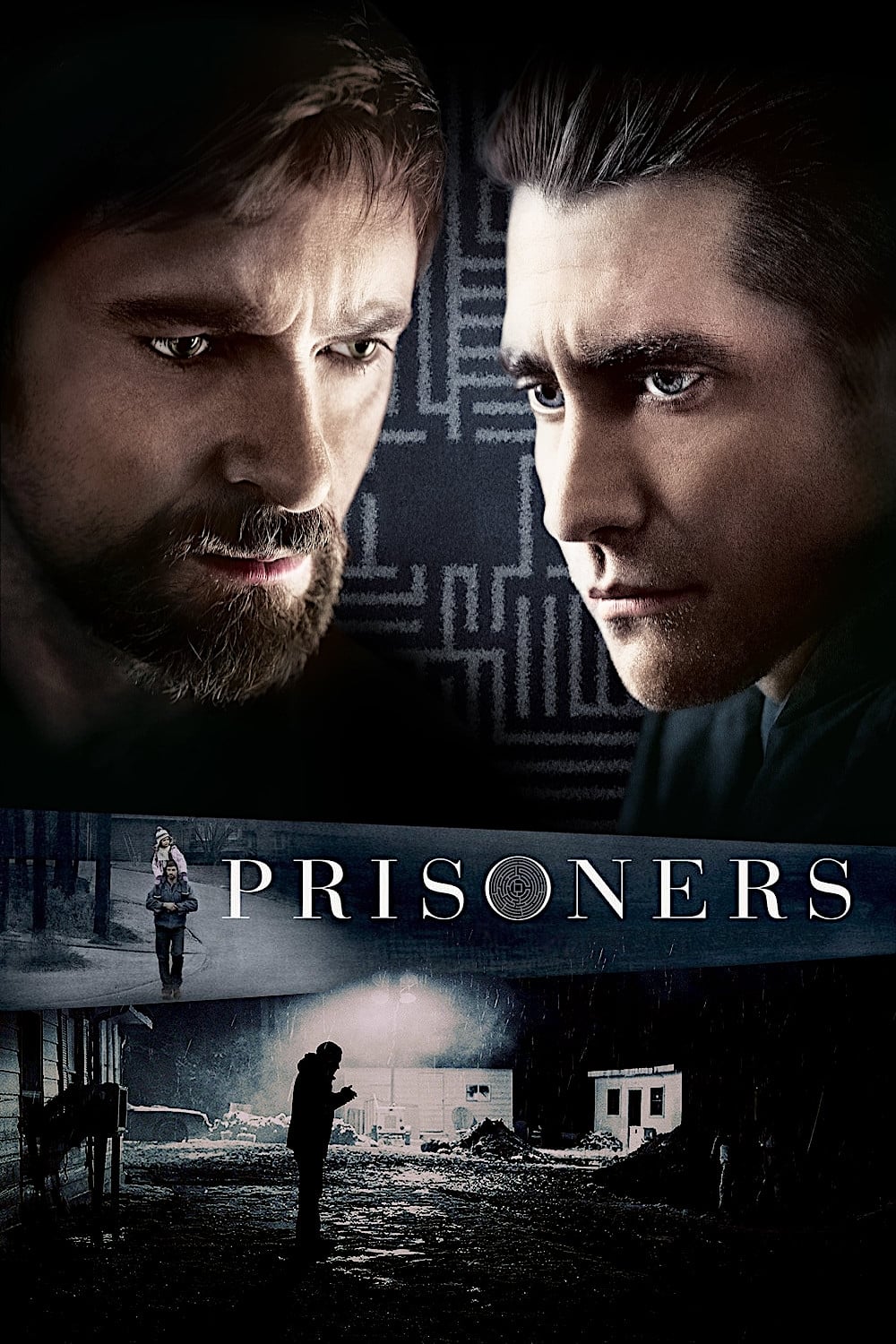
Denis Villeneuve’s thriller follows a father and a detective pursuing a child abduction. The final moments isolate a crucial clue as a character listens for a faint sound, echoing earlier patterns of hidden evidence and misdirection. Forensic breadcrumbs, mazes, and disguises established throughout converge on that closing auditory hint.
‘Enemy’ (2013)
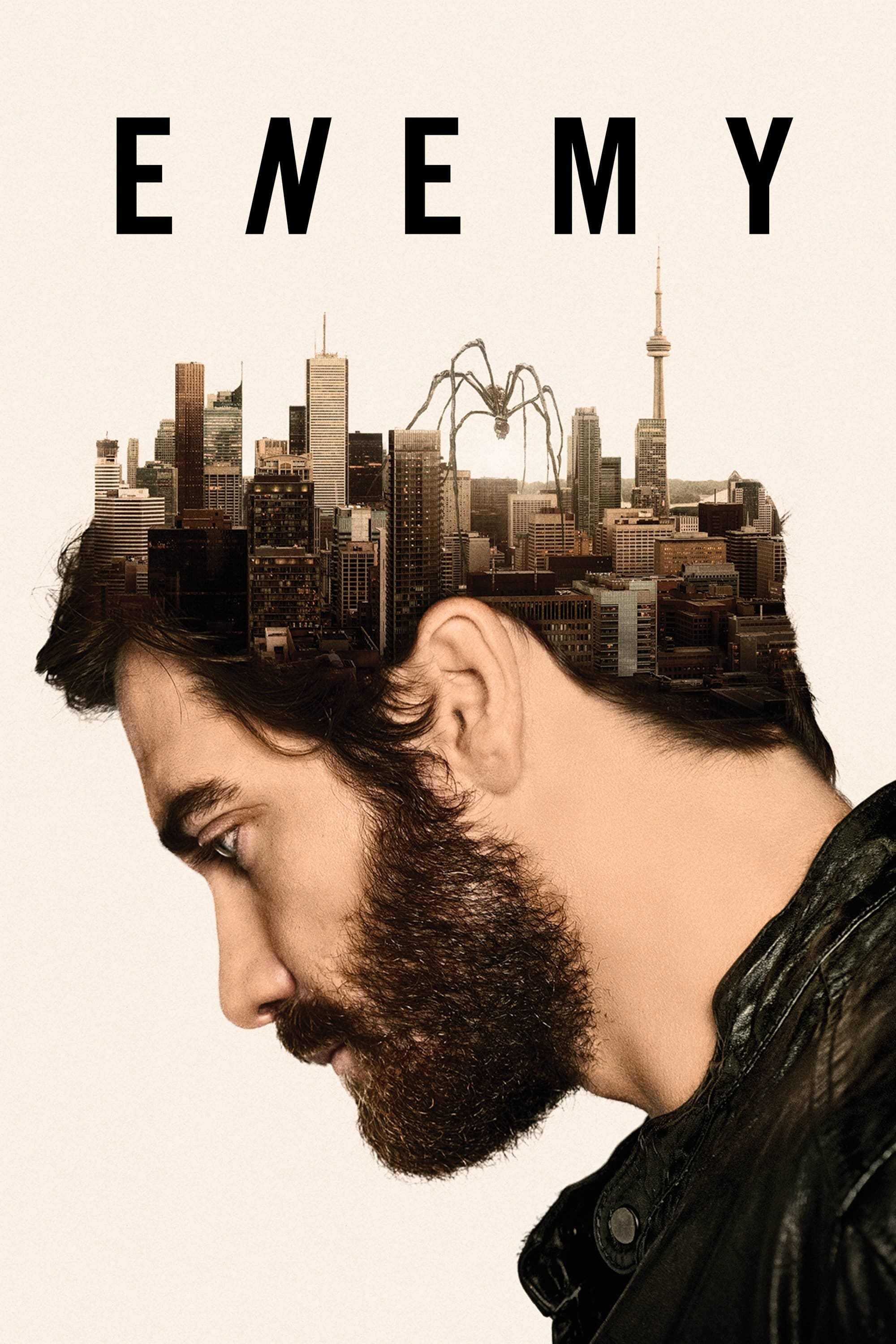
Villeneuve adapts José Saramago’s doppelgänger novel into a surreal puzzle. The abrupt final image ties back to spiders and webs that appear in lectures, skyline visions, and staged performances, alluding to entanglement and control. Apartment keys, clandestine clubs, and repeated visual motifs are mapped carefully so the shocking last shot fits the film’s symbol system.
‘Under the Skin’ (2013)

Jonathan Glazer’s film follows a predatory extraterrestrial moving through Scottish settings. The finale turns on the creature’s vulnerability once her human façade is broken, reflecting earlier sequences that show how her process depends on anonymity and ritual. The black void scenes, van routes, and clothing exchanges all foreshadow how the disguise can fail.
‘Snowpiercer’ (2013)
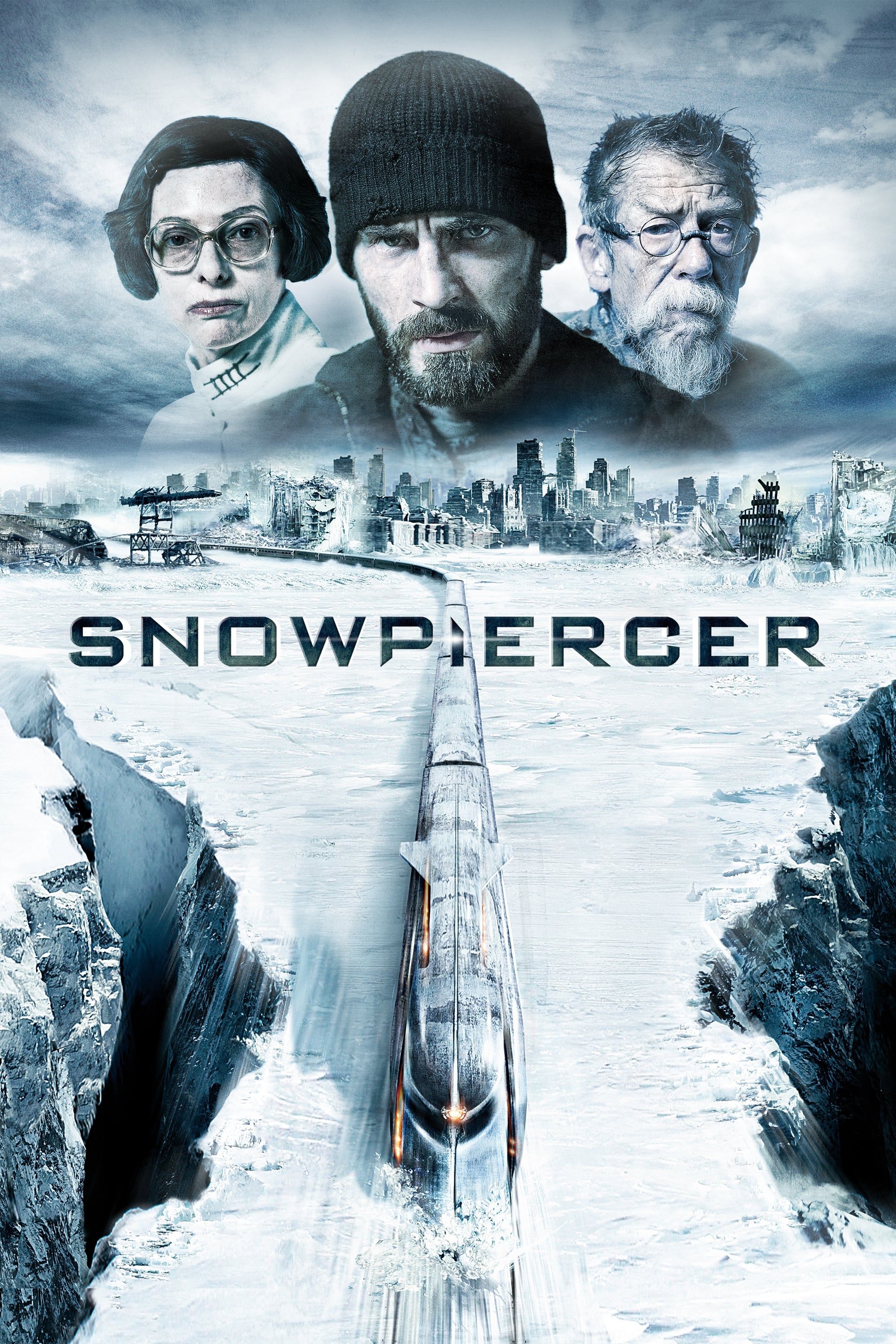
Bong Joon Ho’s dystopian train allegory ends with a derailment and two survivors stepping into a changed environment. The result flows from earlier discussions of engine upkeep, resource scarcity, and the imposed social order. Classroom propaganda, protein block manufacturing, and maintenance roles lay the groundwork for the systemic collapse depicted in the finale.
‘Birdman’ (2014)

Alejandro G. Iñárritu’s backstage satire closes with an image that blurs performance and identity. Throughout, backstage one-takes, floating sequences, and a shifting score establish porous boundaries between reality and fantasy. The ending mirrors prior scenes where public reception and inner voice collide, using the same visual language.
‘Gone Girl’ (2014)
David Fincher’s crime drama concludes with a public narrative cemented by media manipulation and an uneasy domestic status quo. Earlier diary structures, press interviews, and financial paper trails show how perception is orchestrated. The final situation follows the story’s own documented patterns of leverage, evidence control, and reputational calculus.
‘Nightcrawler’ (2014)
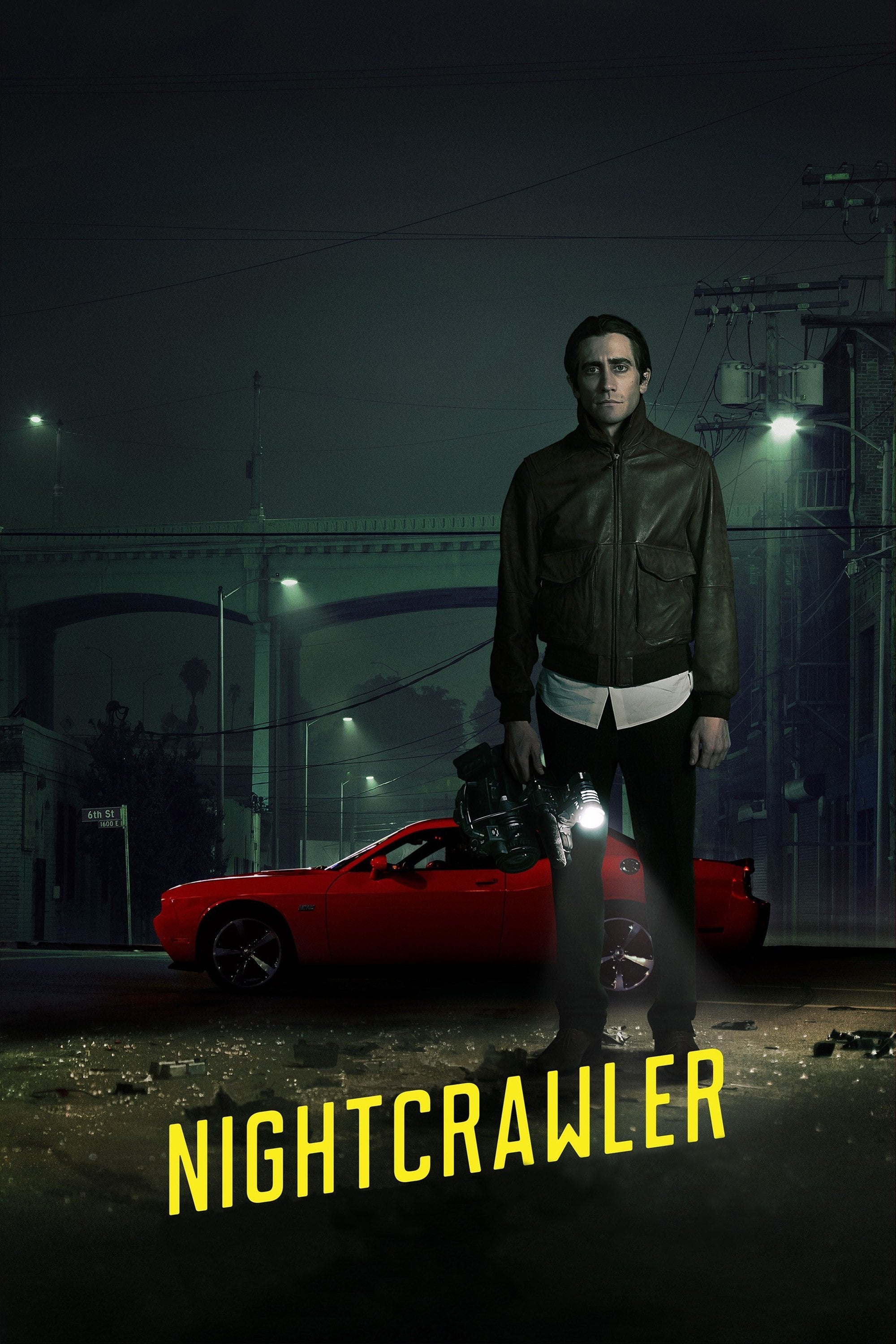
Dan Gilroy’s media thriller tracks a stringer who stages and sells crime footage. The conclusion expands his operation, a step prefigured by earlier equipment upgrades, hiring decisions, and negotiation tactics. Police briefings, scanner strategies, and editing choices demonstrate how the business model scales despite obvious risks.
‘It Follows’ (2014)
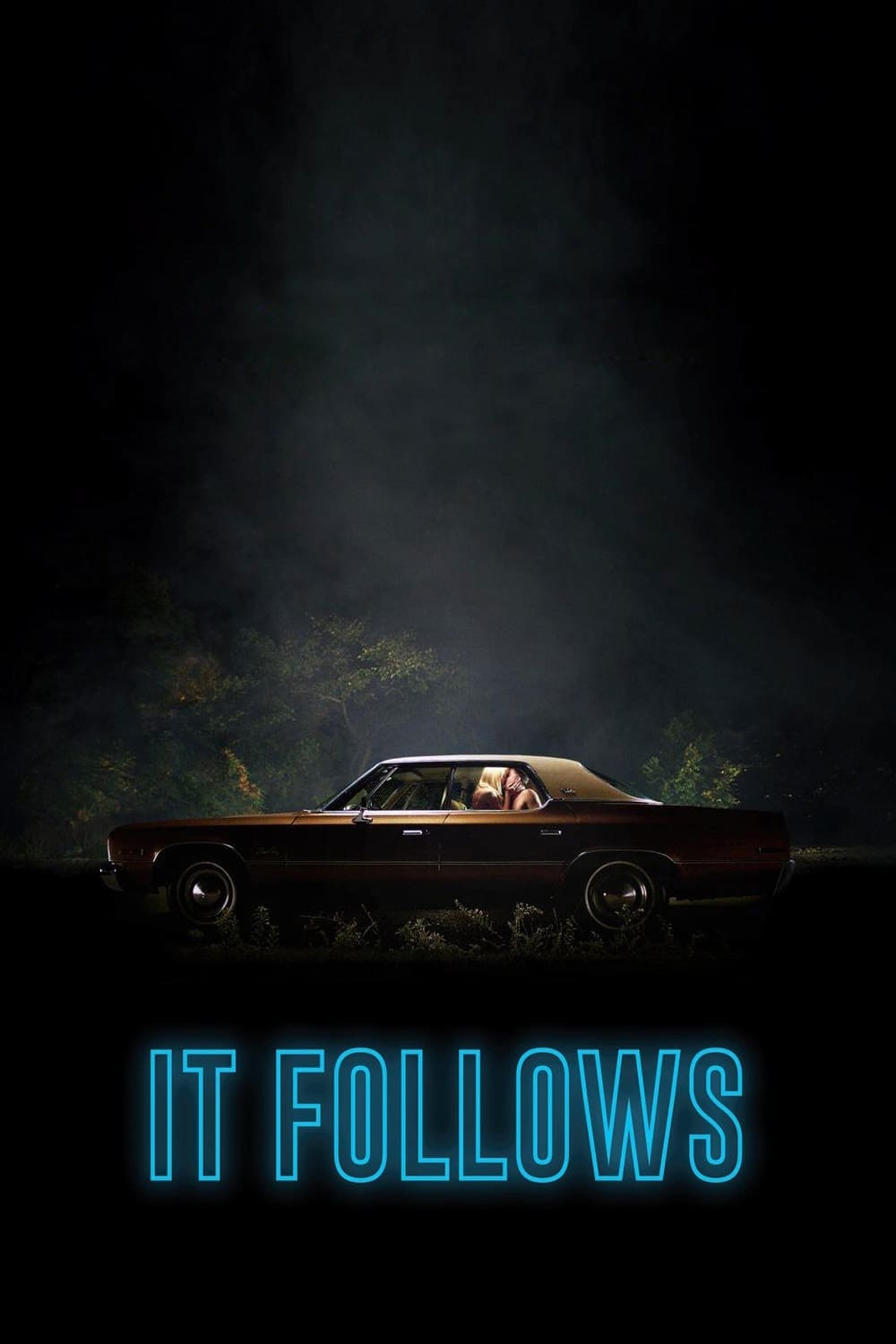
David Robert Mitchell’s horror film establishes a curse transmitted through intimacy and a pursuer that walks relentlessly. The closing shot, with two characters walking and a figure in the distance, reflects rules explained across multiple encounters. Attempts to trap, identify, and slow the entity—including a pool strategy—illustrate why vigilance, not eradication, is the pragmatic endpoint.
‘The Witch’ (2015)

Robert Eggers’ period horror uses diaries, court records, and folklore to shape its Puritan setting. The ending aligns with earlier omens, livestock incidents, and a forest presence tied to temptations and accusations. Archaic language, domestic routines, and religious rituals set up the final choice and its supernatural framing.
’10 Cloverfield Lane’ (2016)
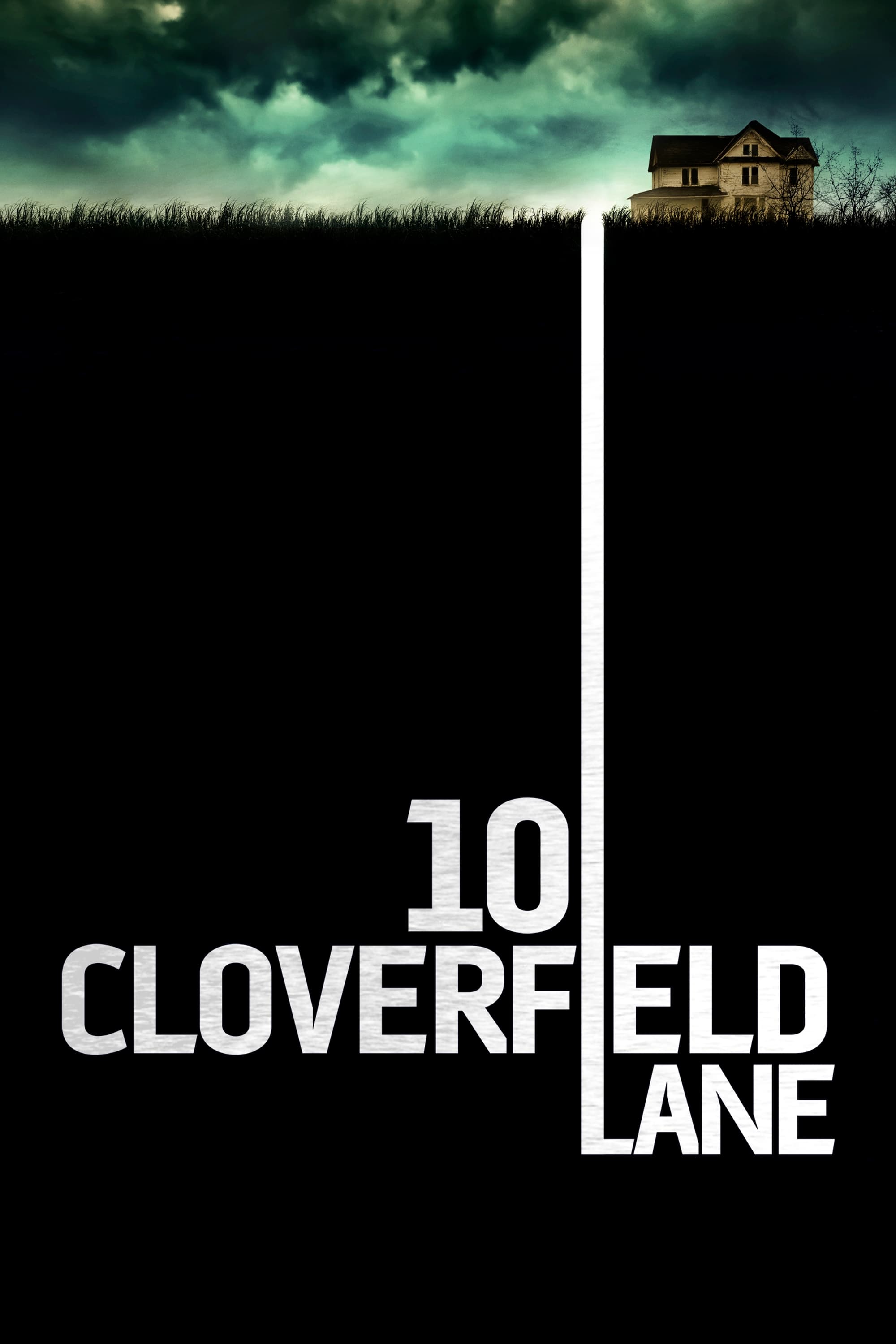
Dan Trachtenberg’s bunker thriller charts a captive’s tense coexistence with a survivalist, with conflicting stories about an outside threat. The climax confirms elements of his warnings while exposing his deceptions, as seen through meticulous bunker rules and behavior. Air-filter systems, chemical burns, and escape plans pay off in the closing stretch.
‘Nocturnal Animals’ (2016)
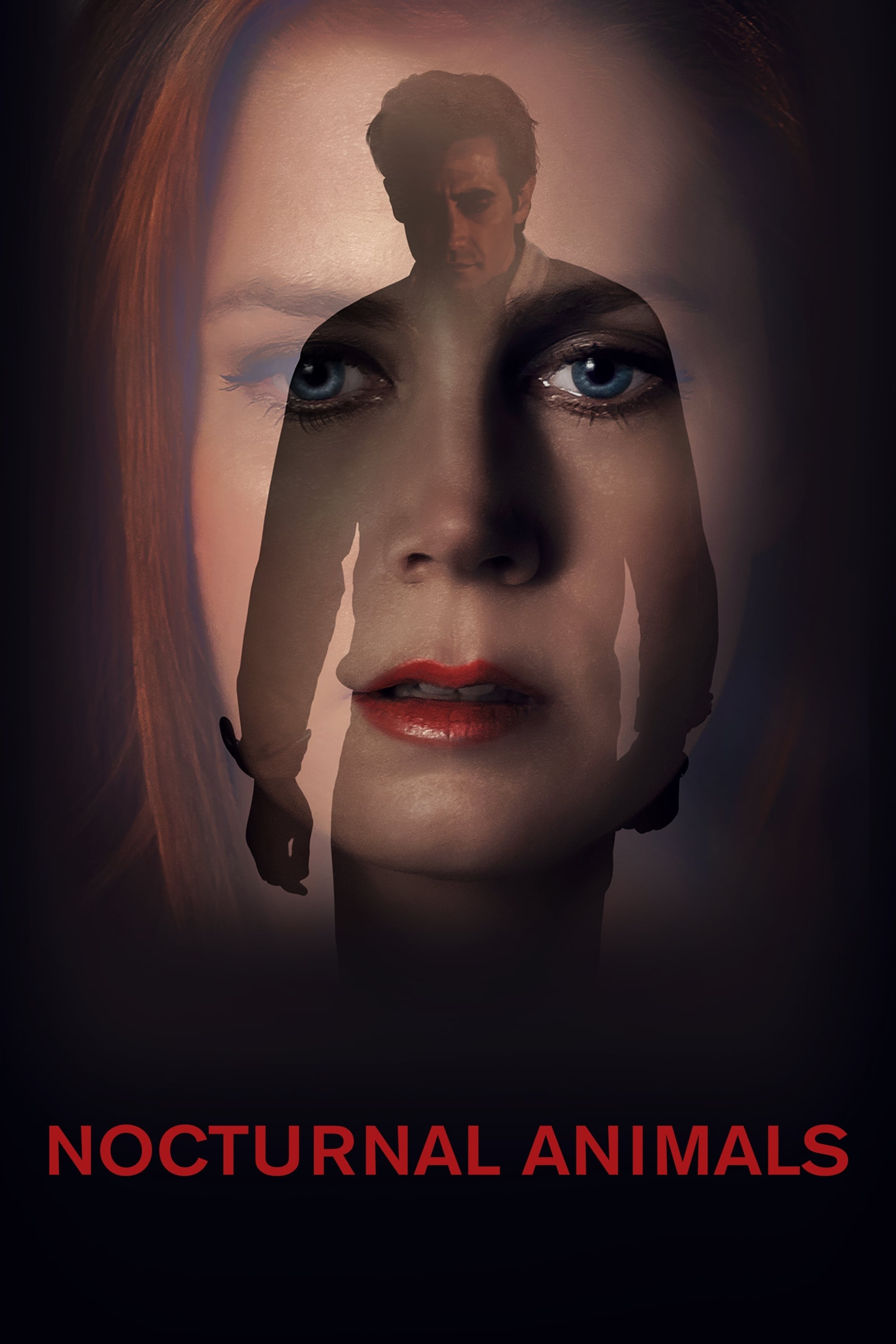
Tom Ford’s drama weaves a present-day storyline with a novel-within-the-film. The final non-meeting follows earlier signals about accountability, artistic transference, and personal history. Chapter titles, mirrored scenes, and character analogs outline how the book functions as a message rather than a reconciliation.
‘mother!’ (2017)

Darren Aronofsky’s allegorical chamber piece escalates from domestic tension to apocalyptic spectacle. The ending repeats cycles of creation and destruction shown through the house’s breathing walls, a crystal artifact, and a furnace. The film’s structure—visitors, rituals, and crowd scenes—lays out the loop the last shot restarts.
‘Annihilation’ (2018)
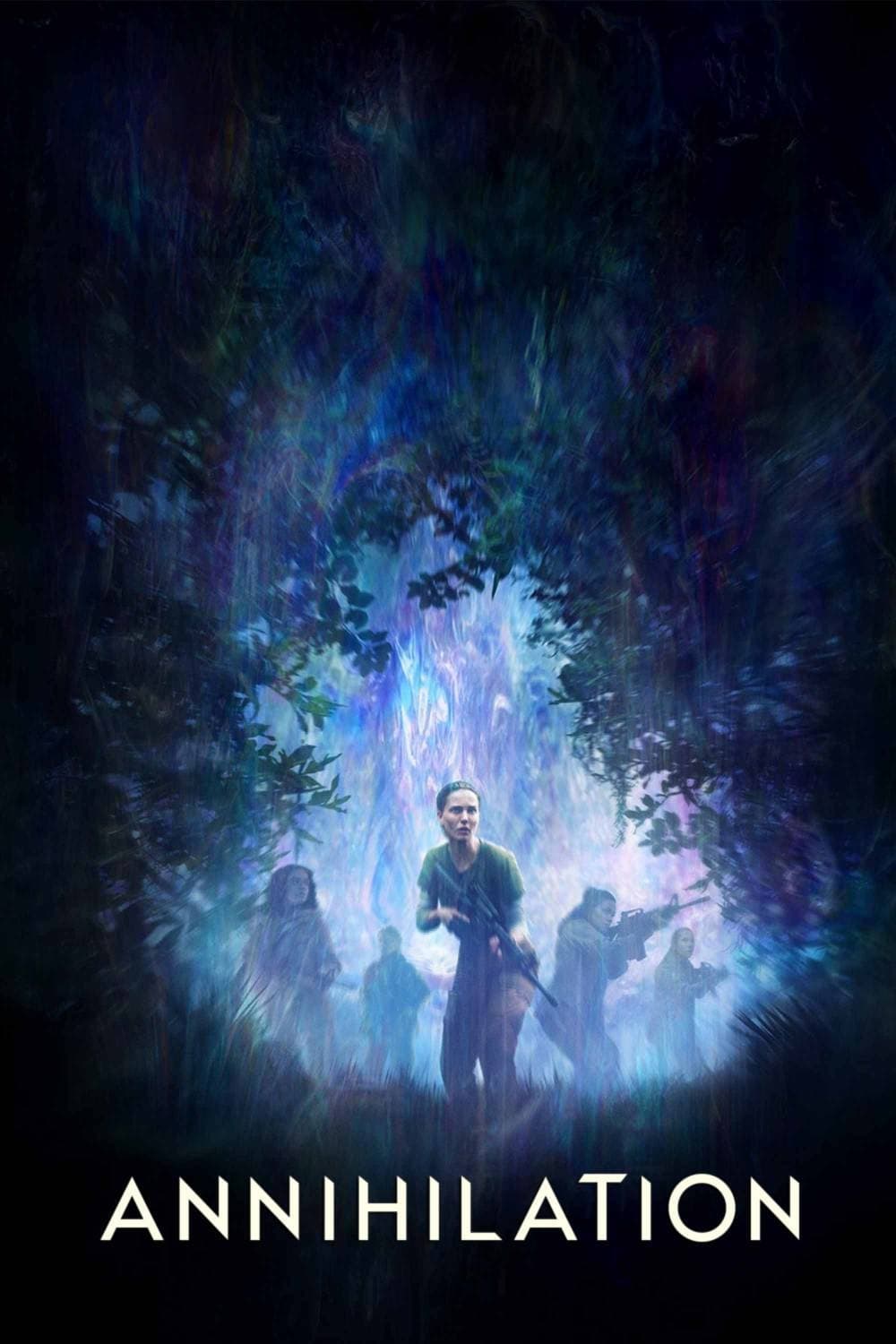
Alex Garland adapts Jeff VanderMeer’s story about an expanding zone that refracts biology and behavior. The finale involves a mimic sequence and a return marked by subtle physiological cues, previously set up by refracted DNA, duplicate footage, and unreliable testimony. Compass failures, flora–fauna anomalies, and recovered recordings anchor the closing images in the zone’s rules.
‘Hereditary’ (2018)

Ari Aster’s horror film carefully seeds a ritual involving lineage, symbols, and a specific host. The ending’s coronation scene pays off earlier appearances of sigils, miniature dioramas, and misfortunes engineered to steer events. Funerals, séances, and medication details map out the plan that comes to fruition in the attic.
‘Uncut Gems’ (2019)

Josh and Benny Safdie’s thriller follows a jeweler juggling debts, wagers, and an Ethiopian opal. The finale turns on a single bet and a fatal outburst, outcomes anticipated by prior pawn swaps, locked-door standoffs, and volatile enforcers. Security systems, auction appraisals, and basketball schedules are integral to the chain that ends in the showroom.
‘Source Code’ (2011)
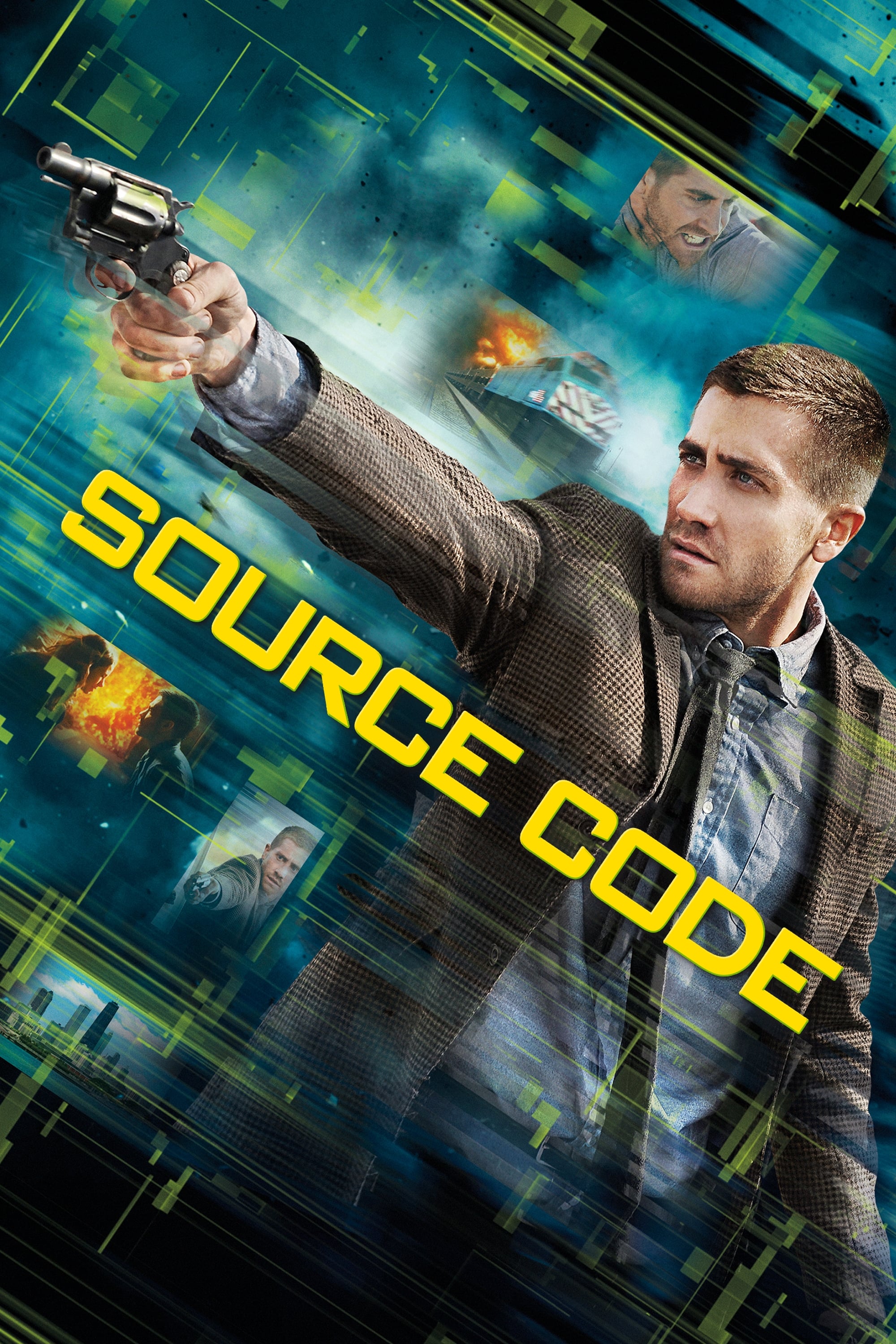
The finale reveals that the mission’s eight-minute window can spin off a continuing reality for the train’s passengers once the protagonist prevents the attack. Earlier lines about brain activity, memory imprints, and the recurring timer establish how the program operates. The closing email and changed platform scene follow the system’s demonstrated ability to branch outcomes while the original timeline remains intact elsewhere.
‘The Lobster’ (2015)
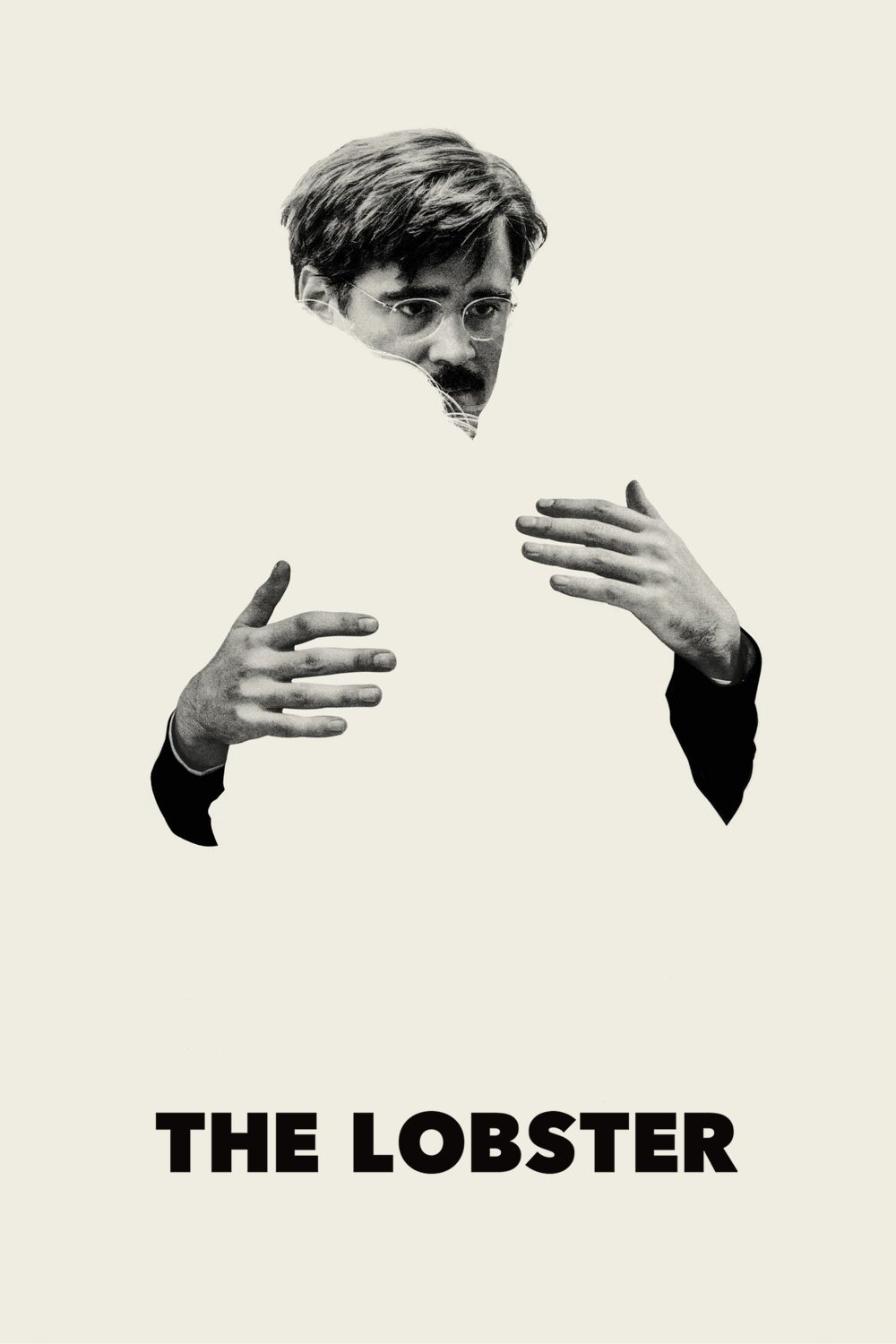
The closing bathroom moment leaves the surgical choice unseen, which fits rules the film repeatedly states about transformation penalties and partner “matching.” Hotel seminars, enforcement officers, and the woods community’s counter-rules all outline a world that punishes nonconformity in measured, procedural ways. The final cut preserves those mechanics by withholding confirmation while placing the character inside a decision the society has engineered.
‘The Invitation’ (2015)
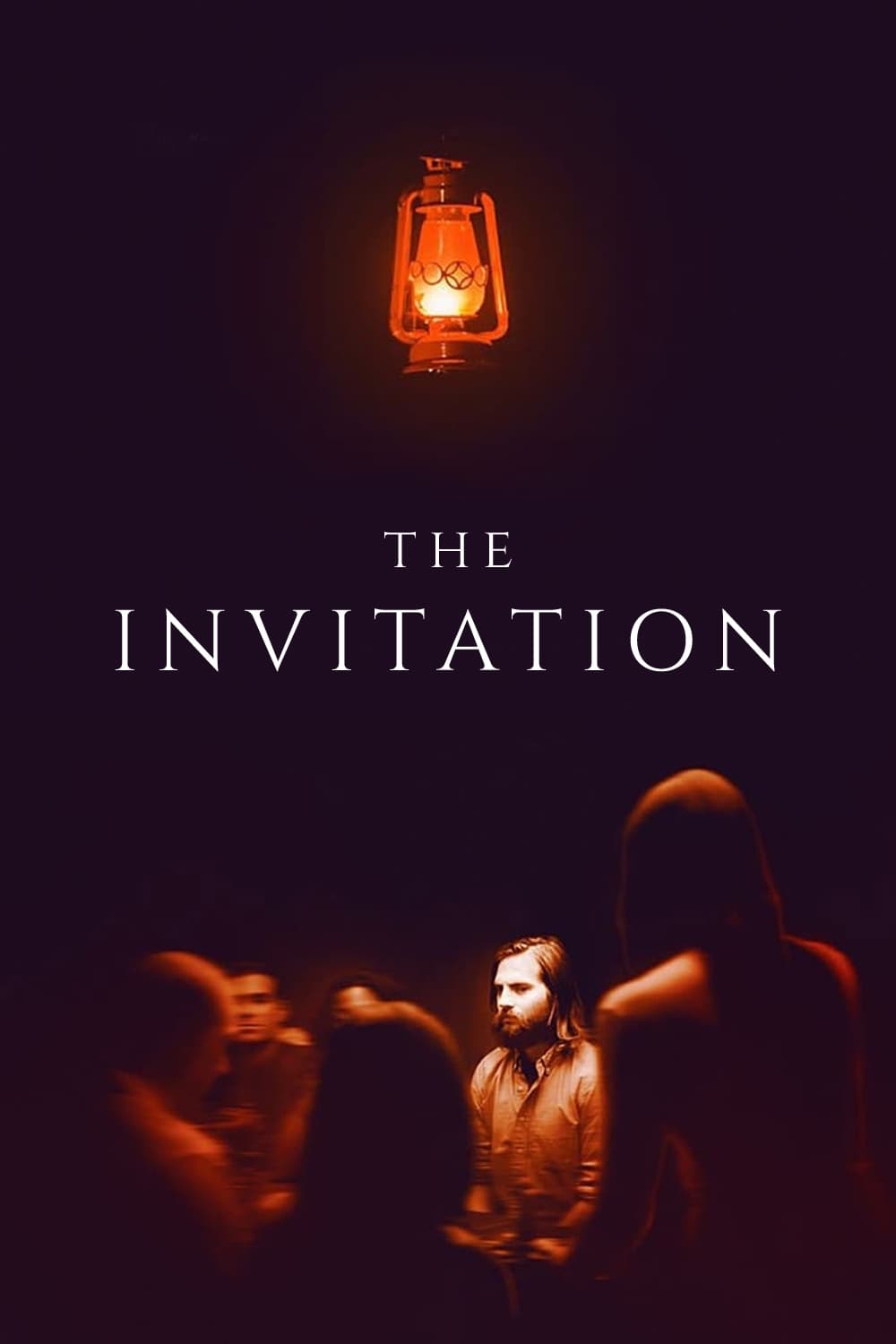
The last reveal of red lanterns across the hills confirms a coordinated event beyond one house. Earlier dinner-course rituals, recruitment videos, and locked doors map the group’s process from grooming to activation. Emergency calls, code names, and planned toasts foreshadow the citywide scale that becomes visible in the final backyard image.
‘La La Land’ (2016)
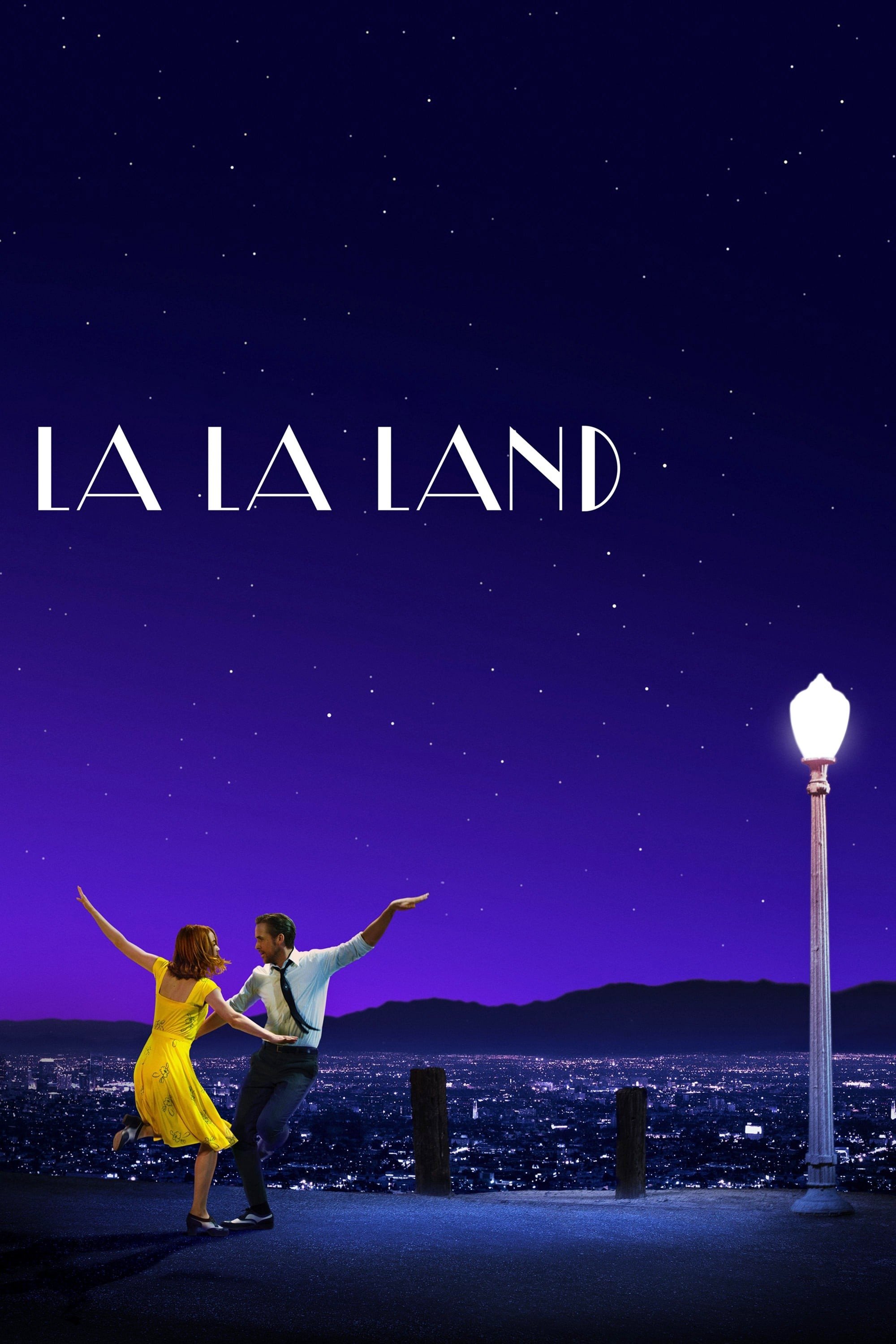
The epilogue presents an alternate-life montage that mirrors scenes introduced earlier—auditions, a club design, and a repeated musical motif. The coda uses recurring props and locations to show how one career choice changes the personal outcome without contradicting earlier goals. The exchanged nod at the club references prior promises and signals that the characters achieved what they set out to do on separate tracks.
‘Interstellar’ (2014)
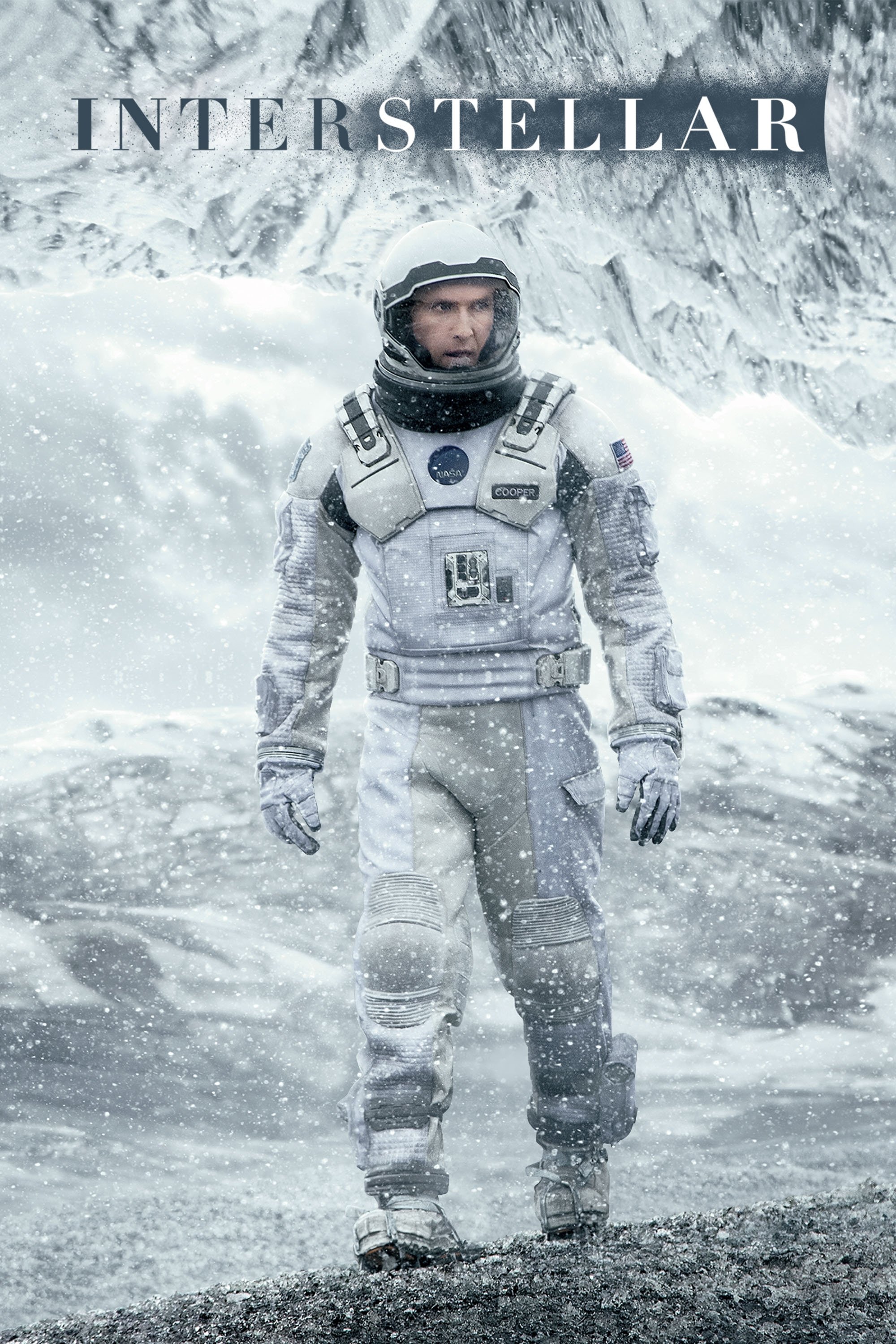
The climax places the protagonist inside a tesseract where gravity can transmit information across moments, paying off earlier demonstrations of time dilation and the “ghost” signals. Watches, dust patterns, and coordinates—introduced early—return as precise channels for data. The closing reunion and launch plans follow mission parameters outlined by scientists and the endurance program.
‘Black Swan’ (2010)

The final performance fuses the dancer’s double imagery with injuries tracked throughout rehearsals and mirror sessions. Choreography notes, casting pressure, and costuming all set up the physical and psychological toll that culminates onstage. The curtain call response and repeated cue lines mirror earlier coaching, giving the last words context inside the show’s structure.
‘Martha Marcy May Marlene’ (2011)

The ending shows a car tail that may or may not be connected to the group, echoing previous instructions about surveillance, names, and control. Lakehouse stories, door checks, and coded greetings demonstrate how the protagonist’s sense of safety has been recalibrated. The cut to black preserves that uncertainty while staying consistent with the cult’s tactics described earlier.
‘A Ghost Story’ (2017)
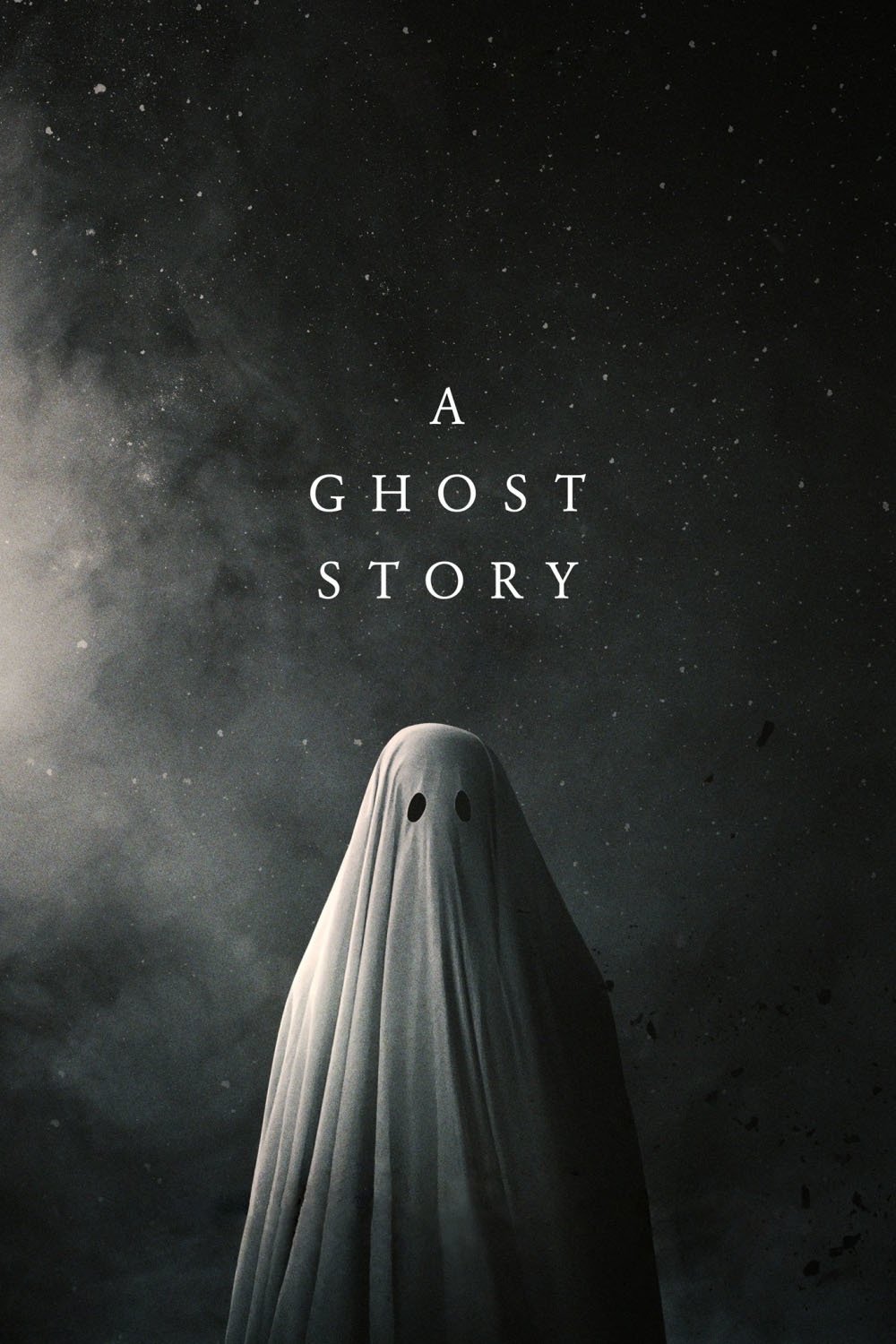
The final loop returns to a moment near the start, using a note hidden in a wall as a focal object that has been tracked through moves and renovations. Silent time-lapse sequences, construction, and the party monologue establish the film’s approach to time and persistence. The last release follows the same logic of objects and messages surviving occupants.
‘The Florida Project’ (2017)

The closing run to a theme park is presented in a different visual mode, after repeated scenes of eviction threats, welfare checks, and motel rules. Classroom roll-call, field trips, and room changes line up the stakes facing the child and her caregiver. The final dash reflects the documented pressures on families living week-to-week in roadside housing.
‘Good Time’ (2017)
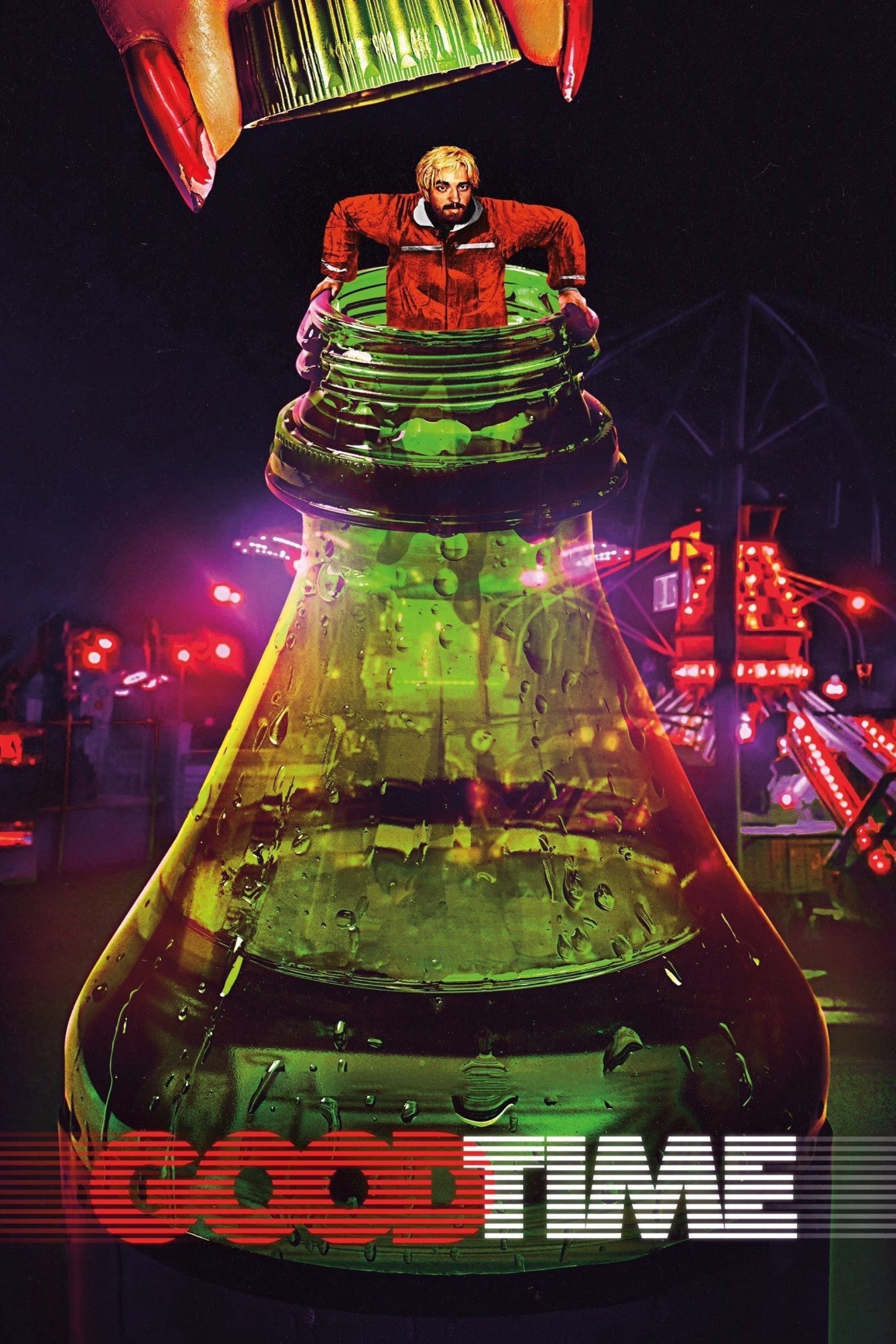
The last sequence shifts to a clinical setting where prompts and responses catalog what happened to a key character, tying back to police reports and hospital intake procedures shown earlier. Bank-dye evidence, security footage, and transit chases outline the paper trail that led there. The outcome matches the documented consequences for each decision across the night.
‘The Killing of a Sacred Deer’ (2017)
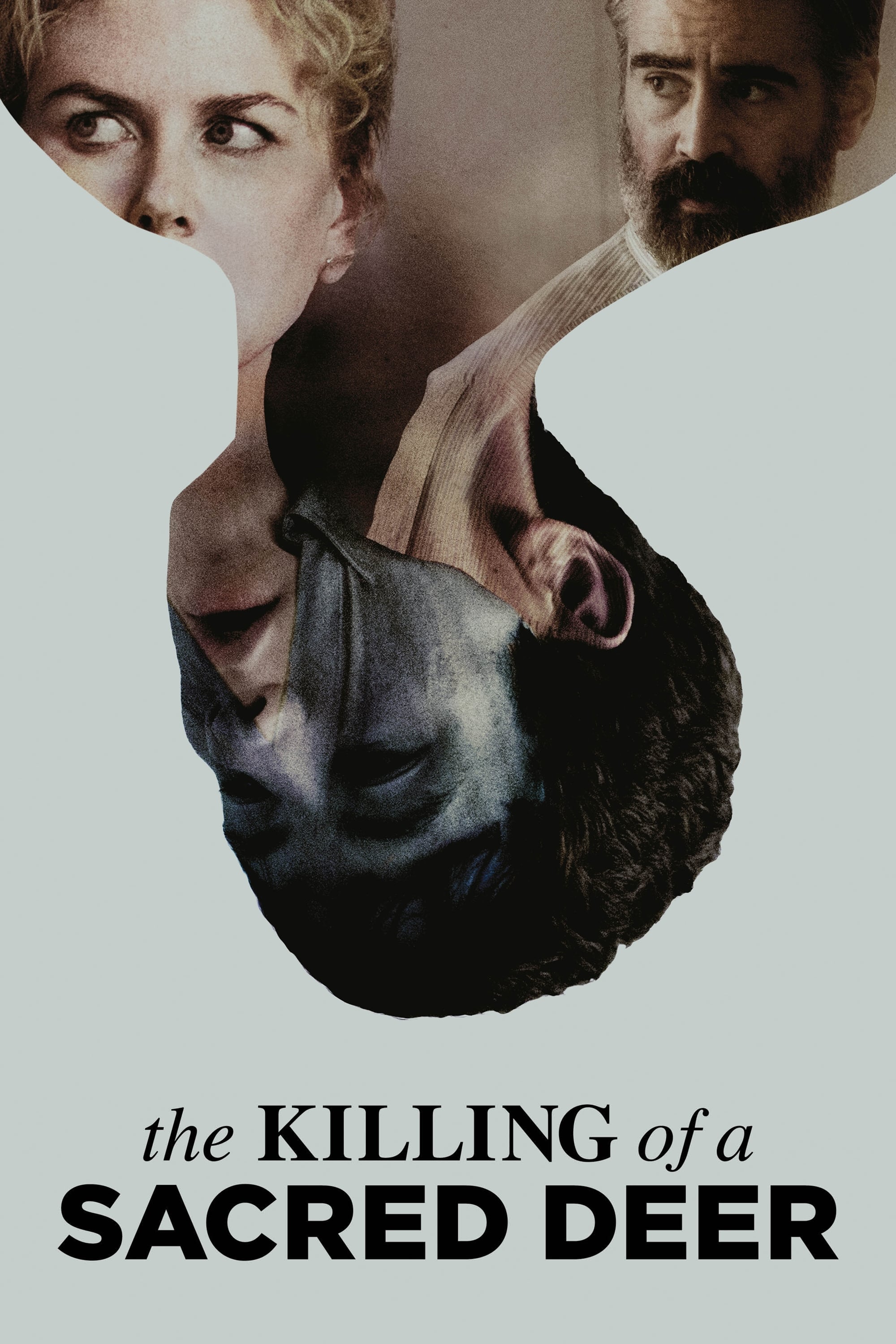
The final cafeteria scene follows a ritual constraint stated explicitly once the family accepts the bargain’s rules. Hospital corridors, anesthetic talk, and the basement countdown all map the process by which the decision must be made. The mechanical selection method echoes the film’s earlier clinical language and moral calculus.
‘The Lighthouse’ (2019)
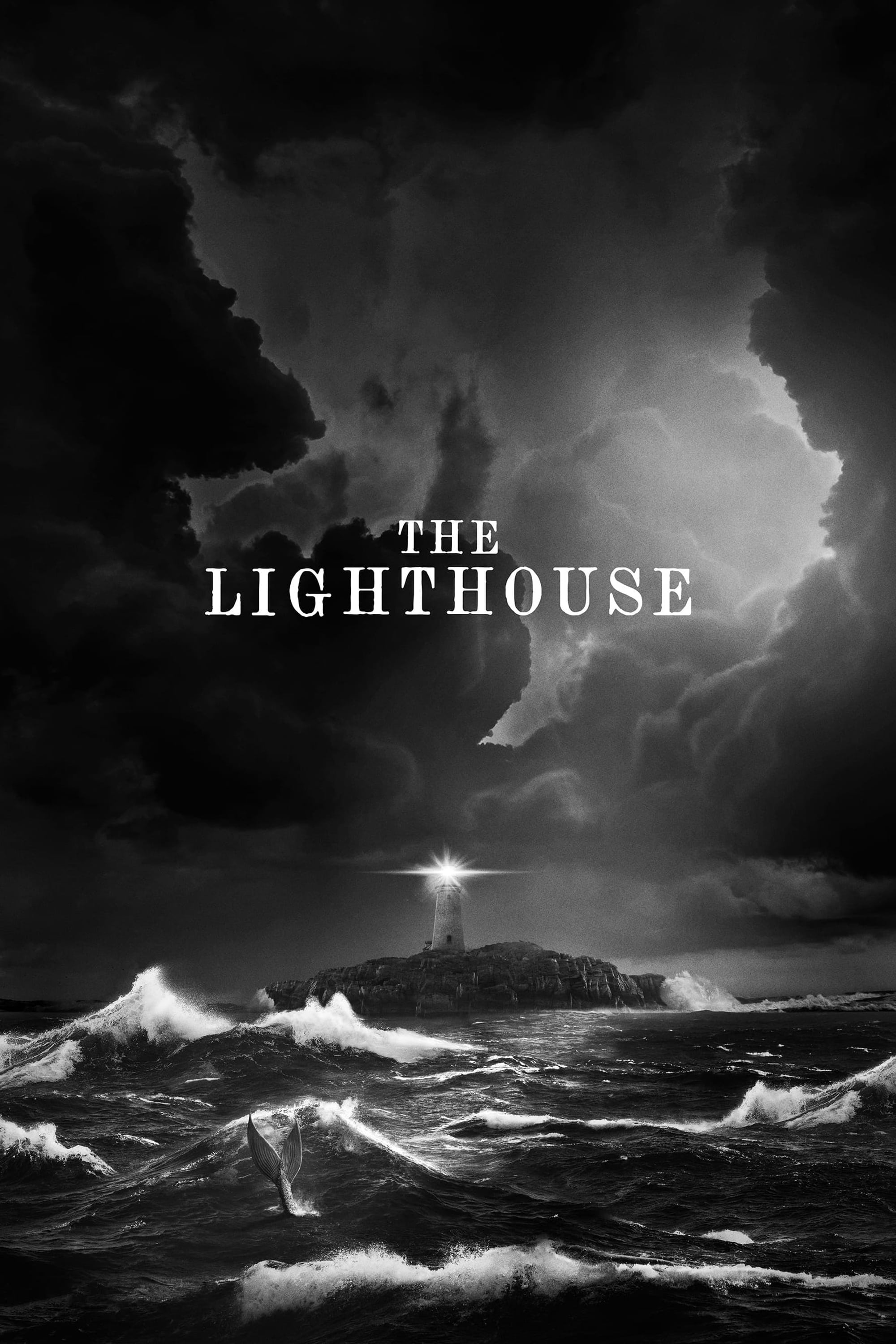
The closing image on the rocks follows repeated prohibitions about the lantern room and the logbook entries documenting infractions. Storm damage, ration changes, and supply delays have already pushed the keepers past posted regulations. The last shot matches the spiral of rule-breaking that the daily logs and inspections catalog.
‘Blade Runner 2049’ (2017)

The final steps on the snow-covered stairway are set up by a breadcrumb trail of DNA records, wooden artifacts, and baseline tests. File discrepancies, orphanage ledgers, and serial numbers have already rerouted the investigation’s target. The closing visit leaves the case’s central proof intact, following the legal and corporate pressures established earlier.
‘First Reformed’ (2017)

The ending cuts at a moment suspended between an abandoned act and an unexpected embrace after a long buildup of diaries, toxins, and planning checklists. Parish schedules, charity events, and meeting agendas show how the character arrived at that date and place. The abrupt finish mirrors an earlier collapse during a public service and preserves the record he has kept across entries.
‘Ad Astra’ (2019)
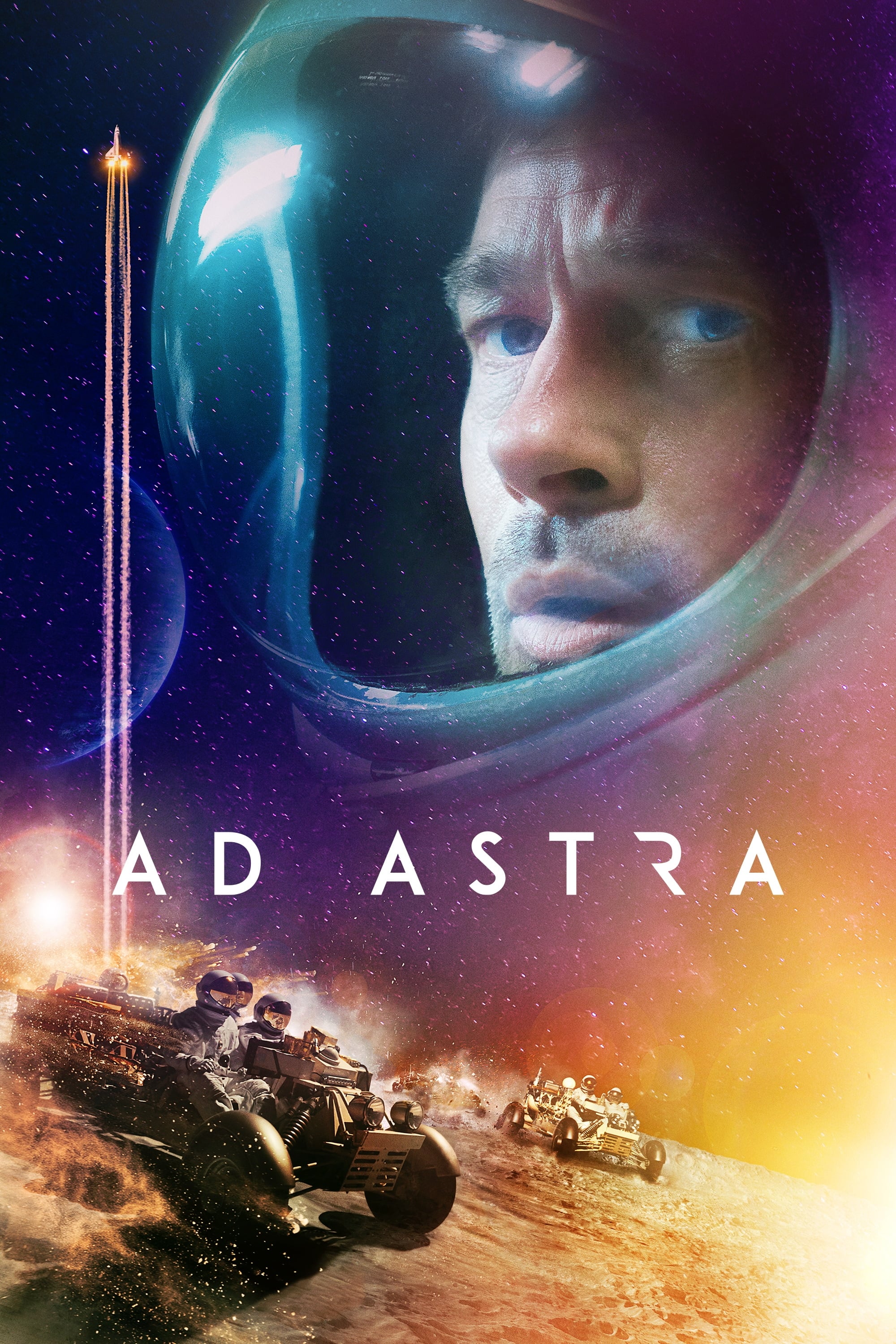
The final transmission and return resolve an interplanetary search that has repeatedly referenced faulty antennas, classified logs, and mission drift. Space-radar failures, psychological evaluations, and mutiny reports have laid out the chain of command and the communication gaps. The last message aligns with the program’s stated goal to reestablish contact protocols rather than extend the quest indefinitely.
Drop your own examples of misunderstood finales—and what details people miss—in the comments!

