


Great Foreign Films Americans Ignored Because of Headlines



Sometimes a foreign film’s U.S. fate gets decided before audiences even buy a ticket—controversies, protests, festival walkouts, marketing missteps, or an intimidating rating can dominate coverage and bury what the movie actually is. Below are forty notable titles that ran into headline headwinds on their way to American viewers. Each entry keeps the focus on what the film is and the real-world noise that kept many people from pressing play.
‘Cuties’ (2020)

French writer-director Maïmouna Doucouré’s ‘Cuties’ premiered at Sundance, where it won the World Cinema Dramatic Directing Award, before releasing in France and later worldwide on Netflix. The film critiques the hyper-sexualization of pre-teen girls through the story of an immigrant child in Paris. U.S. attention centered on Netflix’s initial promotional poster and trailer, which were widely criticized and quickly replaced. The backlash included petitions, political statements, and calls for boycotts, overwhelming conversation about the film’s actual narrative and research-driven intent.
‘Benedetta’ (2021)
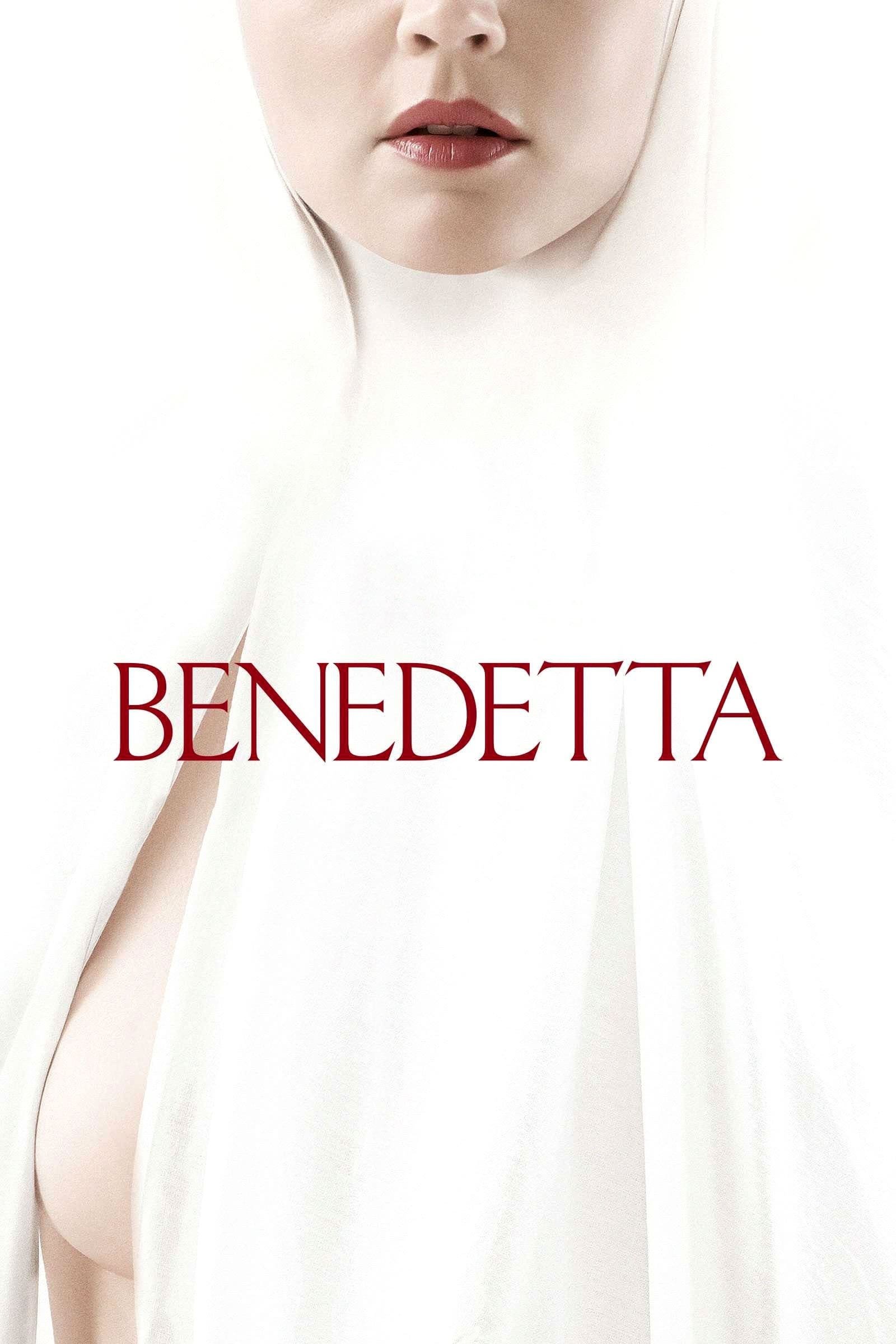
‘Benedetta’ is Paul Verhoeven’s French-language drama about a 17th-century Tuscan nun whose visions and same-sex relationship trigger church scrutiny. It premiered at the Cannes Film Festival before a limited U.S. theatrical release. American coverage often focused on religious protests and the film’s explicit content rather than its historical basis in Sister Benedetta Carlini’s documented case. The controversy shaped marketing and screenings, narrowing its reach to specialty theaters.
‘Raw’ (2016)

Julia Ducournau’s ‘Raw’ is a French-Belgian coming-of-age horror film that premiered at Cannes Critics’ Week and later screened at Toronto, where reports of audience members fainting became the dominant headline. The movie follows a veterinary student who develops a thirst for human flesh after a hazing ritual. U.S. coverage emphasized the paramedics-called stories and the film’s cannibal elements. Those accounts overshadowed its awards run and limited-platform rollout in arthouse venues.
‘Blue Is the Warmest Color’ (2013)

Abdellatif Kechiche’s ‘Blue Is the Warmest Color’ won the Palme d’Or at Cannes and later opened in the U.S. with an NC-17 rating. Media attention in America gravitated to the extended explicit scenes, the rating, and reported on-set disputes. Some theaters publicly debated admission policies for teens, which fueled more headlines. The noise around the rating and content often eclipsed the film’s awards history and literary source by Julie Maroh.
‘Titane’ (2021)
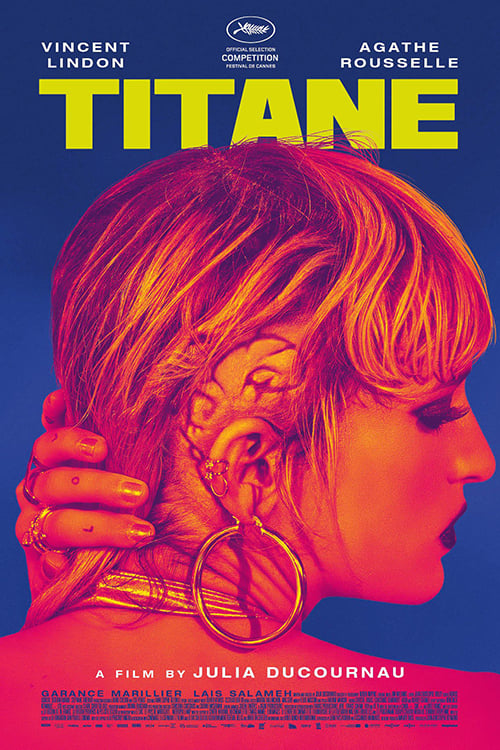
French filmmaker Julia Ducournau’s ‘Titane’ took the Palme d’Or at Cannes, becoming one of the festival’s most talked-about winners in years. U.S. coverage often fixated on its body-horror imagery and sensational plot elements. The film received a platform release through specialty distributors with a modest screen count. Headlines about shock value and genre extremity frequently outpaced discussion of its festival pedigree and awards momentum.
‘The Nightingale’ (2018)

Jennifer Kent’s Australian period thriller ‘The Nightingale’ premiered in competition at Venice, where reports of audience walkouts over depictions of sexual violence dominated early coverage. The film follows an Irish convict and a Palawa man pursuing justice in colonial Tasmania. Its U.S. release was limited, with marketing shaped by content warnings and festival-era controversy. Many potential viewers encountered the film primarily through those headlines rather than its historical framing.
‘Irreversible’ (2002)
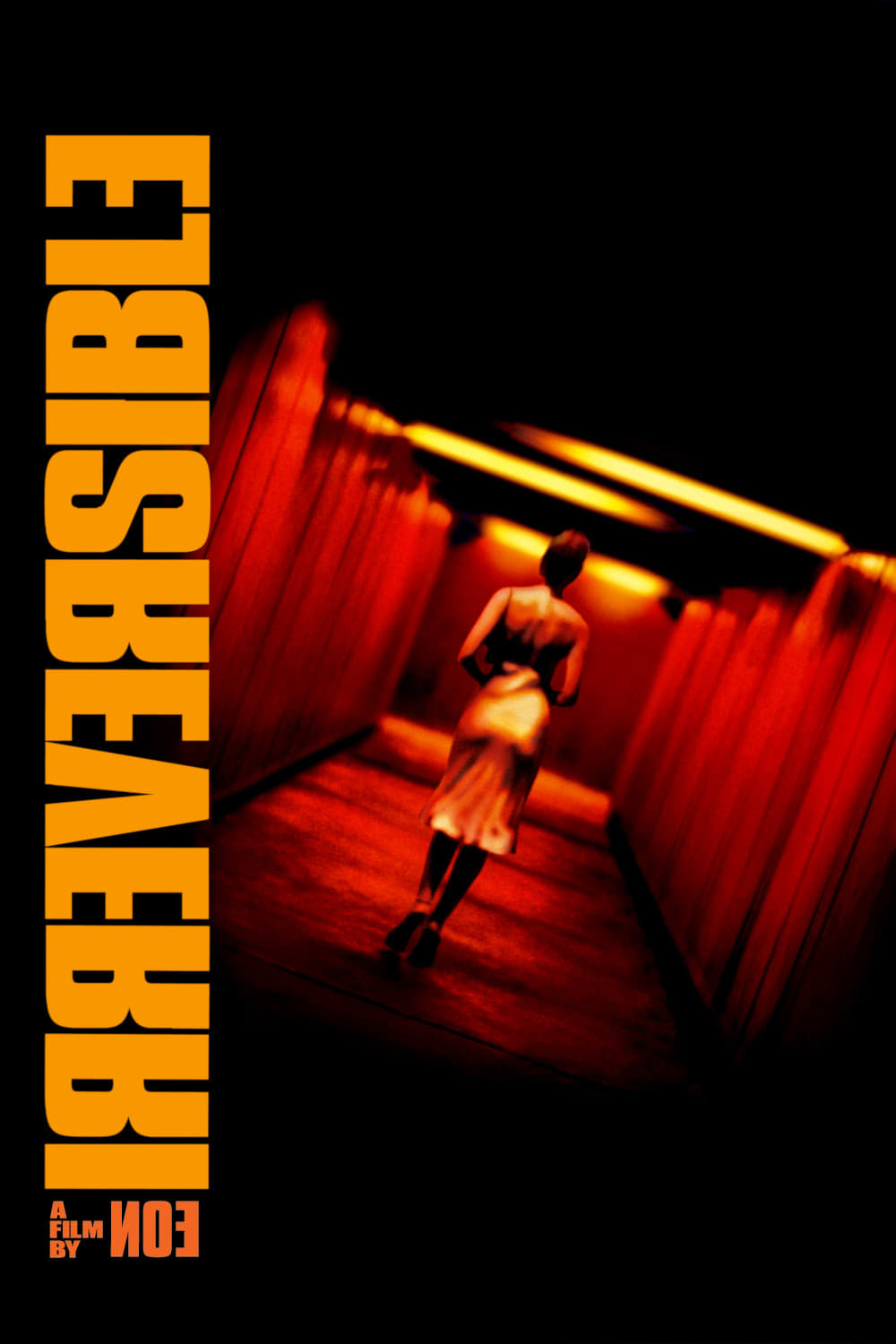
Gaspar Noé’s French film ‘Irreversible’ premiered at Cannes and quickly became known for its real-time structure and a lengthy, graphic assault sequence. The conversation in American outlets centered on the explicitness, the reverse chronology, and walkouts at early festival screenings. Its U.S. theatrical play was restricted to select venues and midnight programs. The notoriety around the content long overshadowed its technical construction and festival context.
‘The Painted Bird’ (2019)
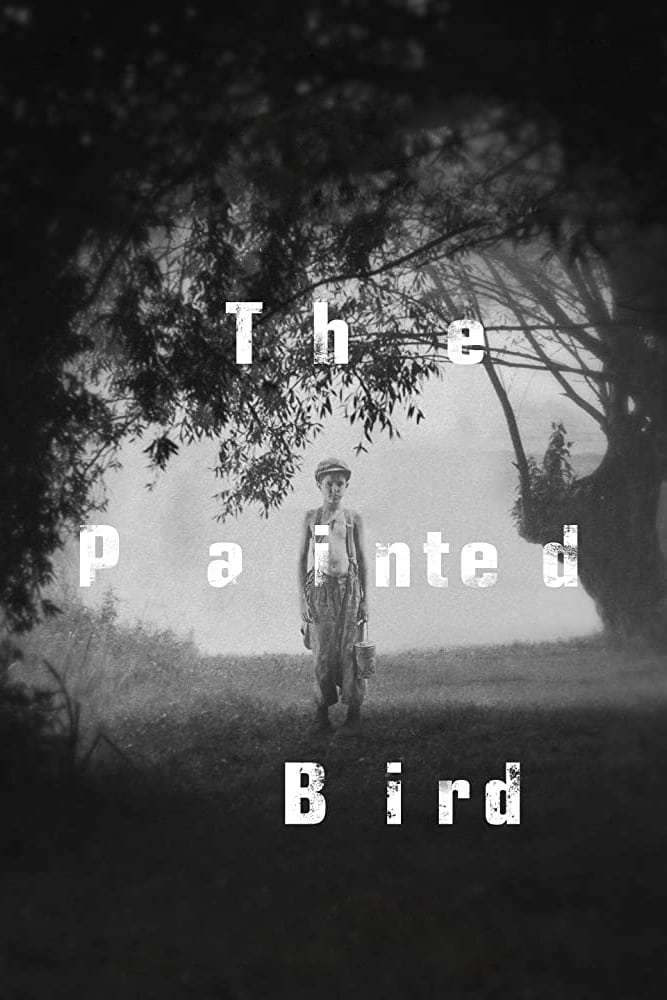
Adapted from Jerzy Kosiński’s novel, ‘The Painted Bird’ is a Czech-language World War II drama that premiered at Venice and screened at Toronto. Coverage in the U.S. frequently highlighted reports of walkouts due to brutal scenes. The movie opened on a small number of screens with a lengthy runtime and black-and-white presentation that further narrowed access. Its festival achievements and multinational production background were often secondary to the stories about audience reactions.
‘Nymphomaniac’ (2013)

Lars von Trier’s two-part ‘Nymphomaniac’ debuted in Europe with multiple cuts before staggered on-demand and limited theatrical releases in the U.S. Media attention routinely led with the explicit sexual content, use of body doubles, and differing “soft” and “hard” versions. The distribution strategy—VOD first, then selected theaters—also shaped who could see it. Headlines about content and censorship overshadowed its literary framing devices and ensemble cast.
‘Antichrist’ (2009)
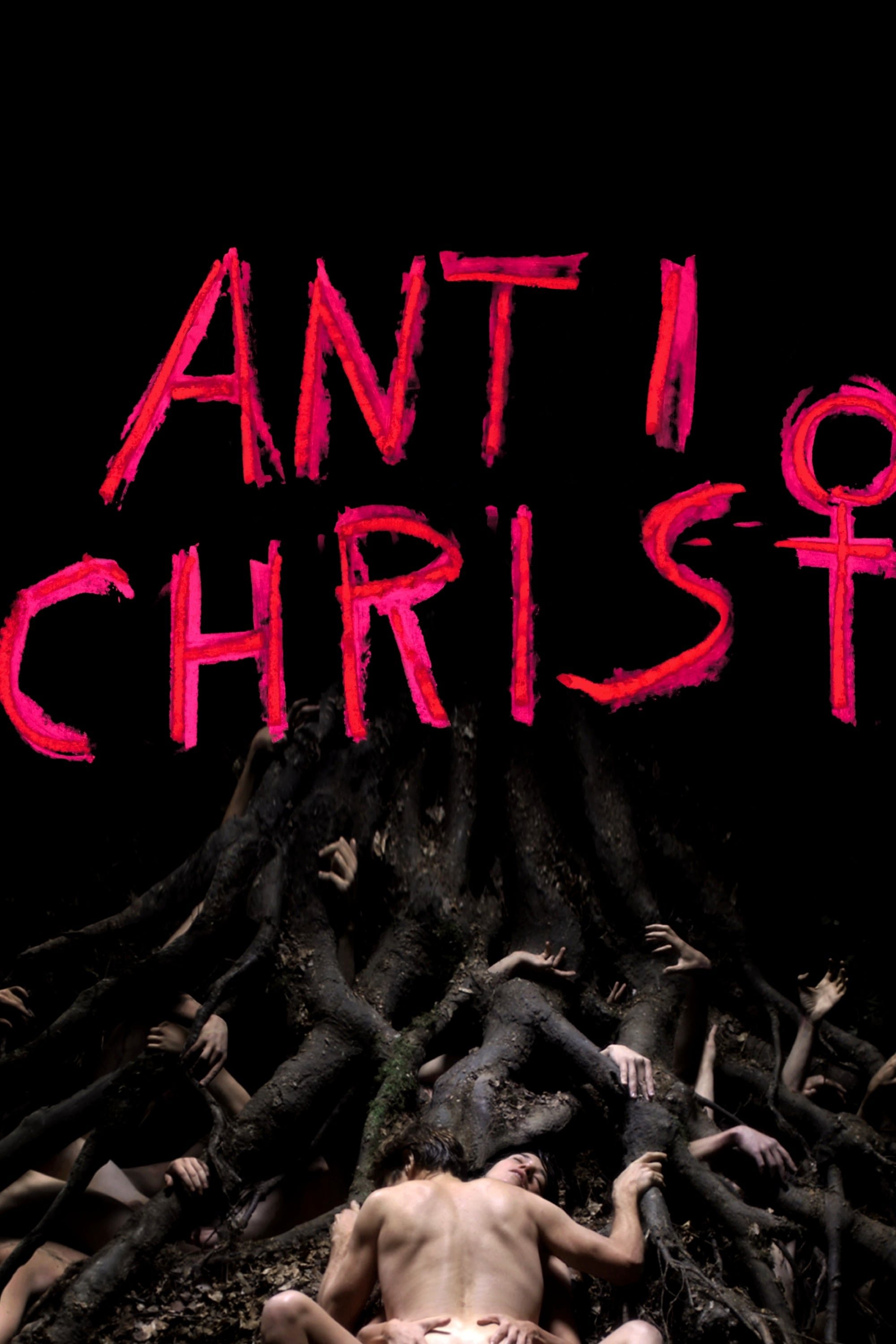
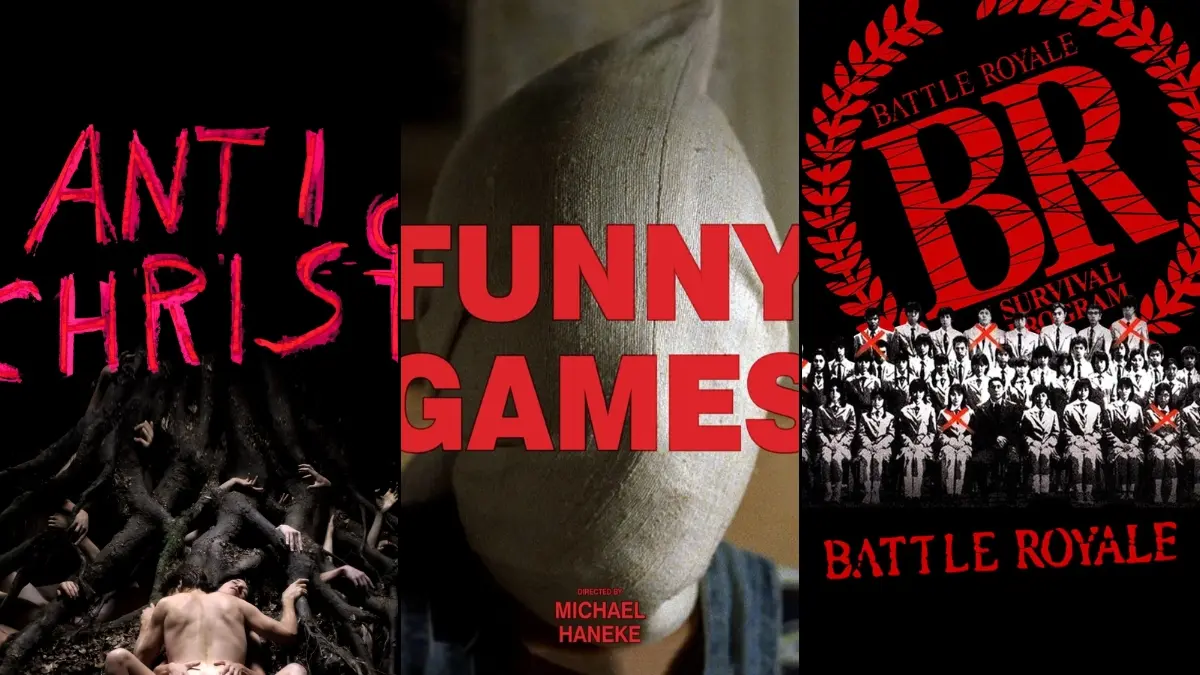
‘Antichrist,’ another Lars von Trier film, premiered at Cannes, where it won a Best Actress prize and sparked debate over graphic violence and sexuality. U.S. discourse emphasized censorship questions, the unrated release strategy, and advisory notices. Theatrical play was limited to art houses with strict age policies. Coverage of the shock elements frequently eclipsed discussions of its production background and festival trajectory.
‘A Serbian Film’ (2010)
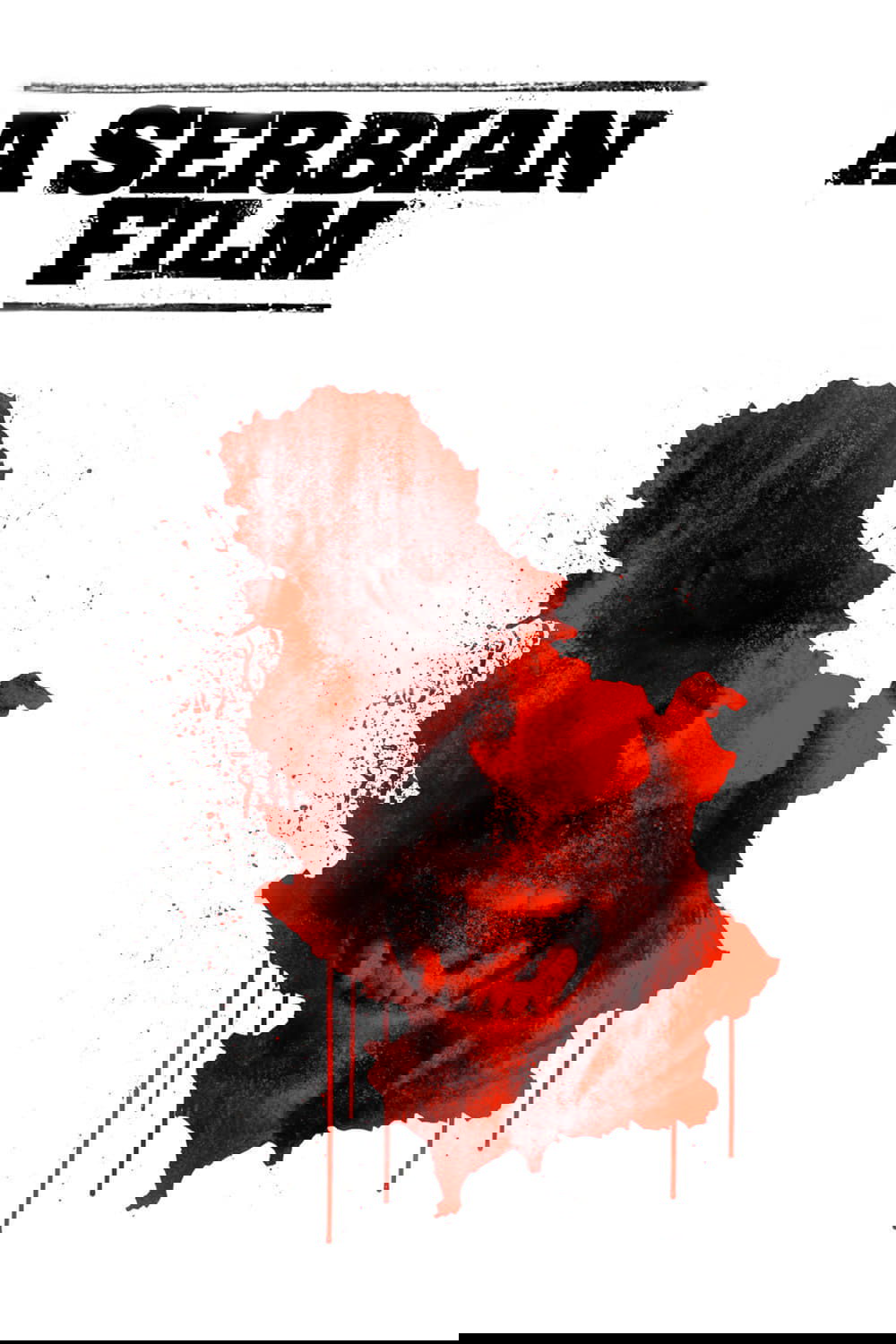
This Serbian production became a touchstone for modern censorship debates after its festival premieres. Headlines in the U.S. consistently focused on bans, cuts, and legal issues tied to its extreme content. The American release arrived in heavily edited form with very limited availability. The notoriety about prohibitions and seizures largely replaced ordinary distribution and review cycles.
‘The Tribe’ (2014)

Ukrainian drama ‘The Tribe’ is performed entirely in Ukrainian Sign Language with no subtitles or voice-over, a creative choice that drew extensive coverage. The film premiered at Cannes Critics’ Week, earning multiple awards before a small U.S. rollout. Many articles centered on its no-subtitles approach as an access barrier for mainstream audiences. That focus tended to eclipse its festival success and the school-set crime narrative it depicts.
‘Holy Spider’ (2022)

Ali Abbasi’s Persian-language thriller ‘Holy Spider’ premiered in competition at Cannes, where its lead won Best Actress. The film dramatizes the case of a real serial killer who targeted sex workers in Mashhad. U.S. stories often highlighted official condemnations and protests from Iranian authorities and diaspora groups. The political fallout became the primary frame for coverage during its specialty release.
‘The House That Jack Built’ (2018)

Lars von Trier’s ‘The House That Jack Built’ premiered out of competition at Cannes, immediately prompting headlines about walkouts due to graphic violence. The U.S. release followed a dual-version strategy, with an unrated one-night screening ahead of the R-rated cut’s run. Reporting frequently focused on the graphic content and MPAA issues. That conversation tended to overshadow the film’s production history and Europe-heavy financing.
‘Love’ (2015)

Gaspar Noé’s ‘Love’ premiered at Cannes and became known for unsimulated sex scenes and a 3D theatrical presentation. In the U.S., the film’s release path leaned on limited theaters and VOD availability. Media treatment centered on the explicitness and 3D format more than its relationship timeline narrative. Rating and exhibition constraints further narrowed exposure beyond niche audiences.
‘Climax’ (2018)
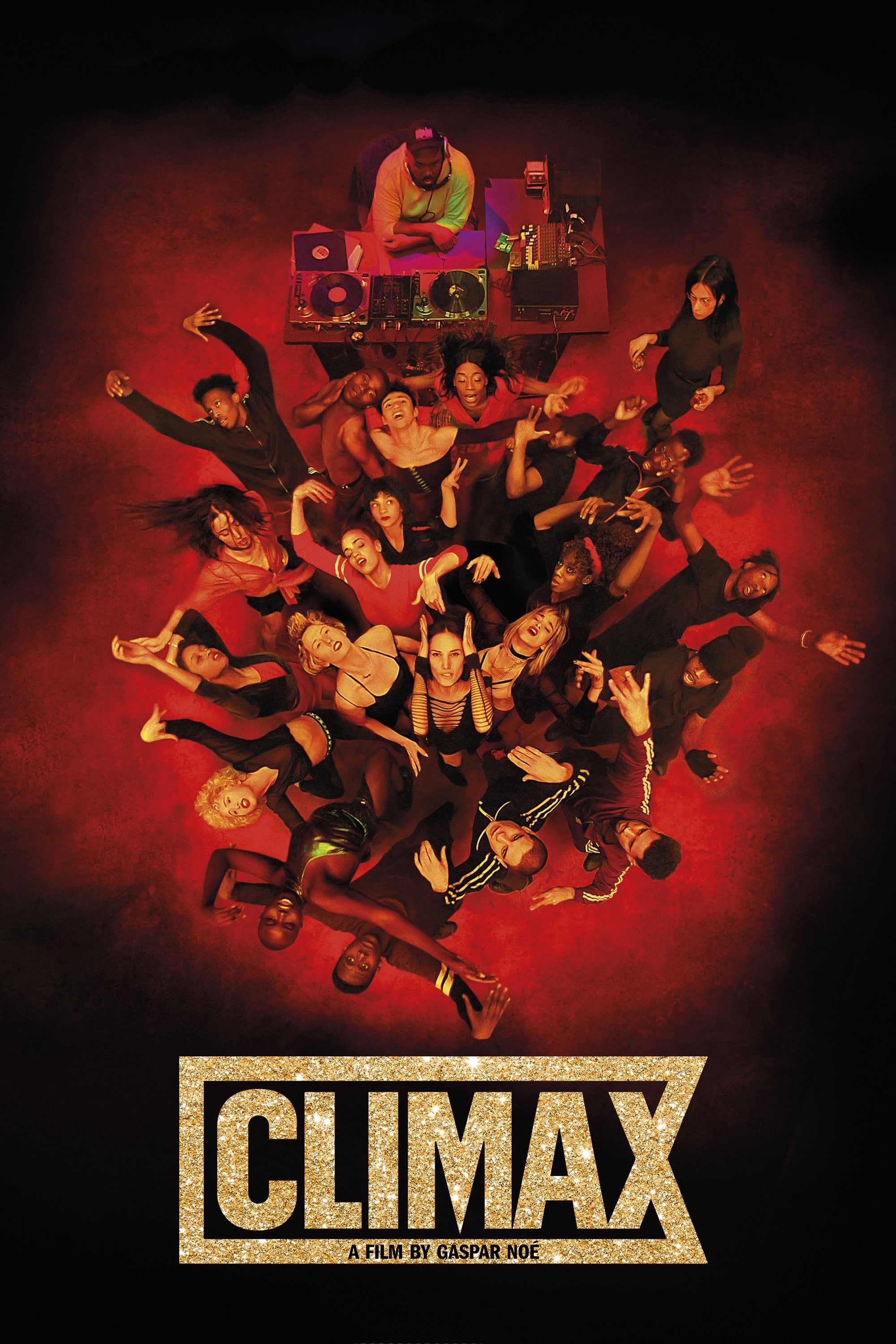
‘Climax’ is a French production that premiered at Cannes Directors’ Fortnight and later opened in the U.S. via specialty distributors. Press coverage often highlighted its dance-crew premise, real-time descent after a spiked bowl of sangria, and long-take choreography. The marketing emphasized intensity and shock, which dominated the narrative around the film. Its limited run and late-night showtimes helped keep it outside mainstream view.
‘Martyrs’ (2008)
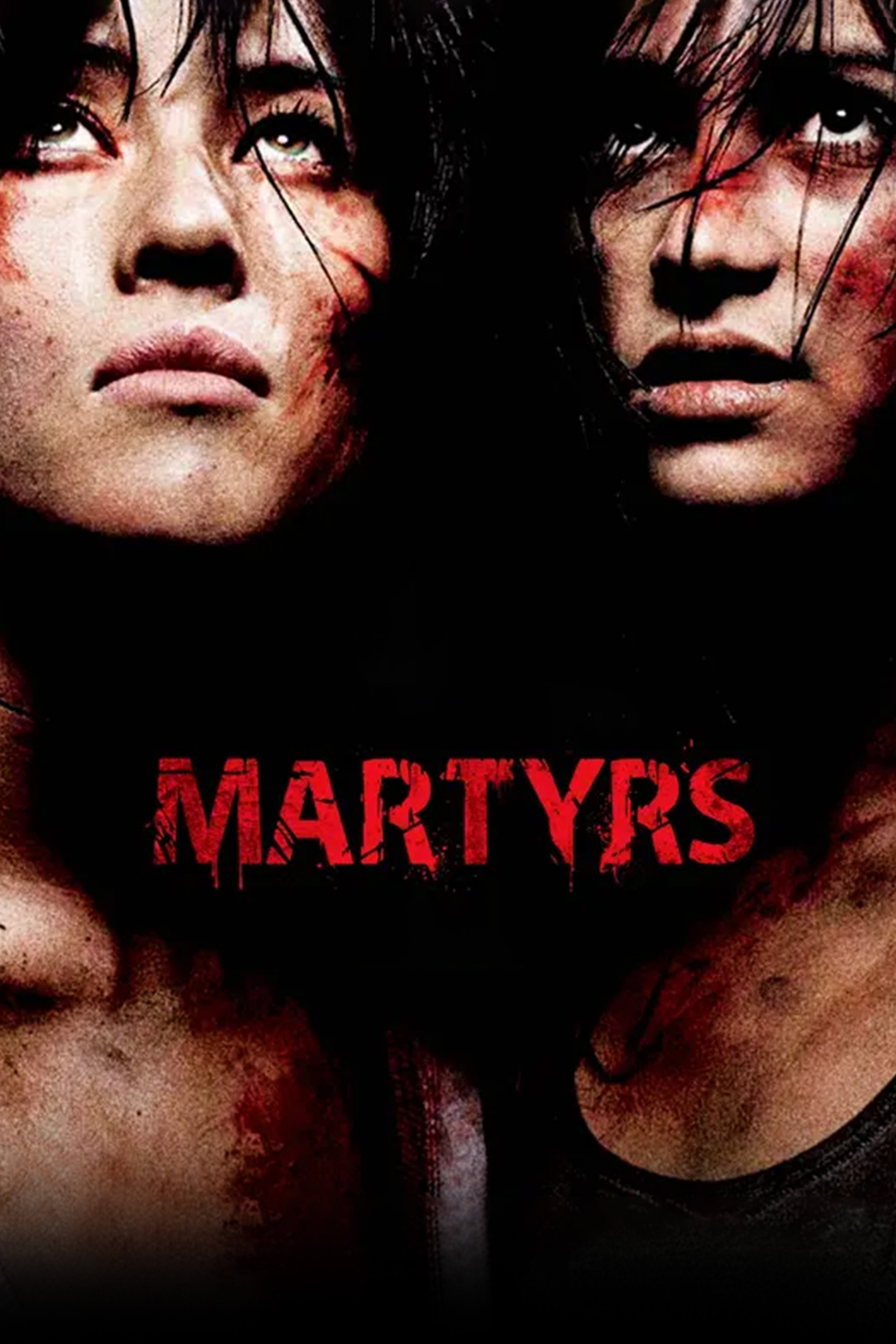
The French-language ‘Martyrs’ became a pillar of the so-called New French Extremity after a Cannes Market debut and festival circuit play. U.S. coverage stressed the film’s extreme violence and later the existence of a softer American remake. Distribution in America was limited, with unrated or festival-only screenings common. The notoriety around the film’s brutality overshadowed its release timeline and international co-production details.
‘Funny Games’ (1997)
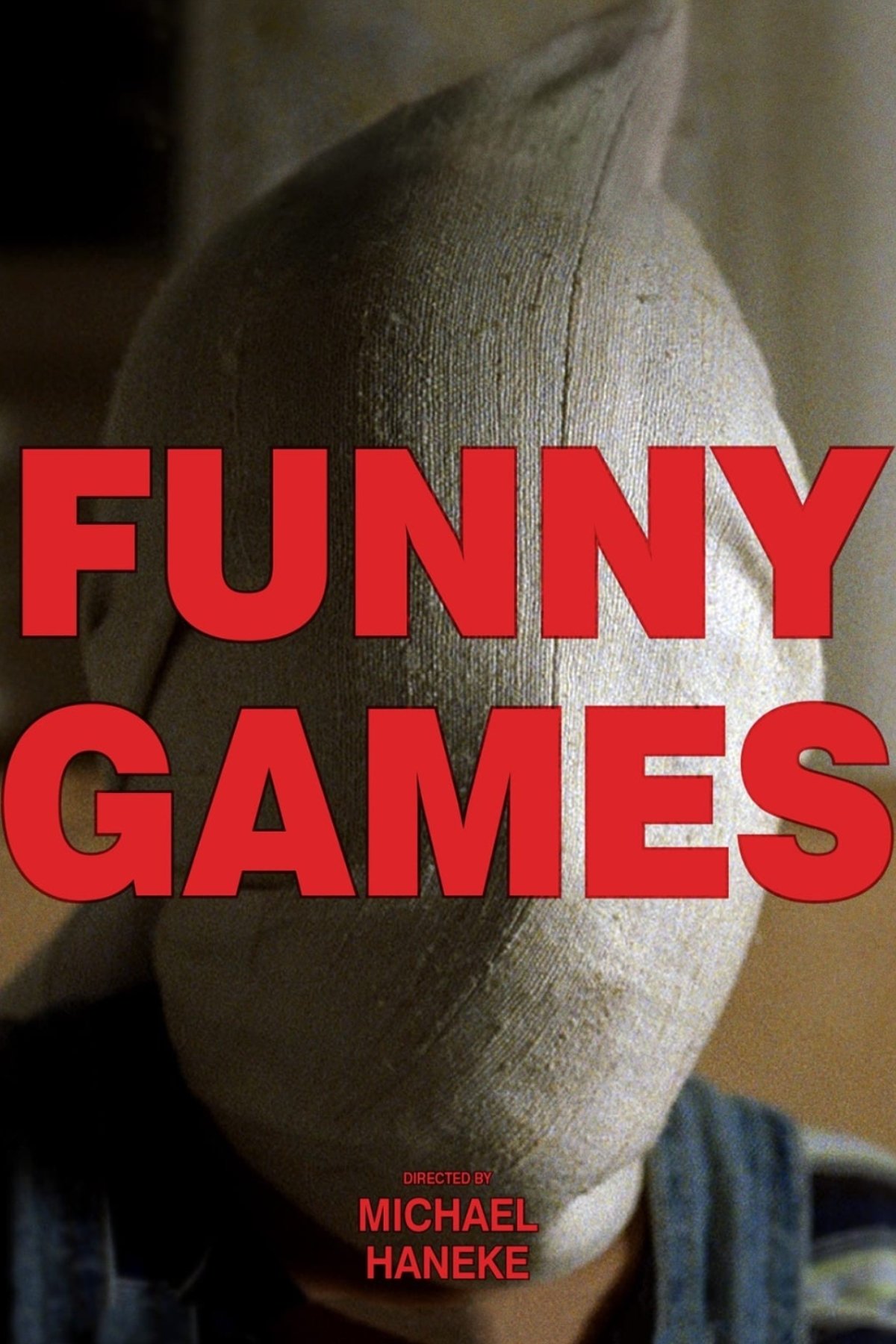
Michael Haneke’s original Austrian ‘Funny Games’ premiered at Cannes and later screened across Europe before modest U.S. exposure. Reports and reviews focused on its home-invasion cruelty and the director’s confrontational approach to audience complicity. Many Americans encountered it only after the 2007 English-language remake repeated Haneke’s shot-for-shot design. The earlier film’s limited distribution and reputation for nastiness kept it peripheral in U.S. theaters.
‘Hounds of Love’ (2016)
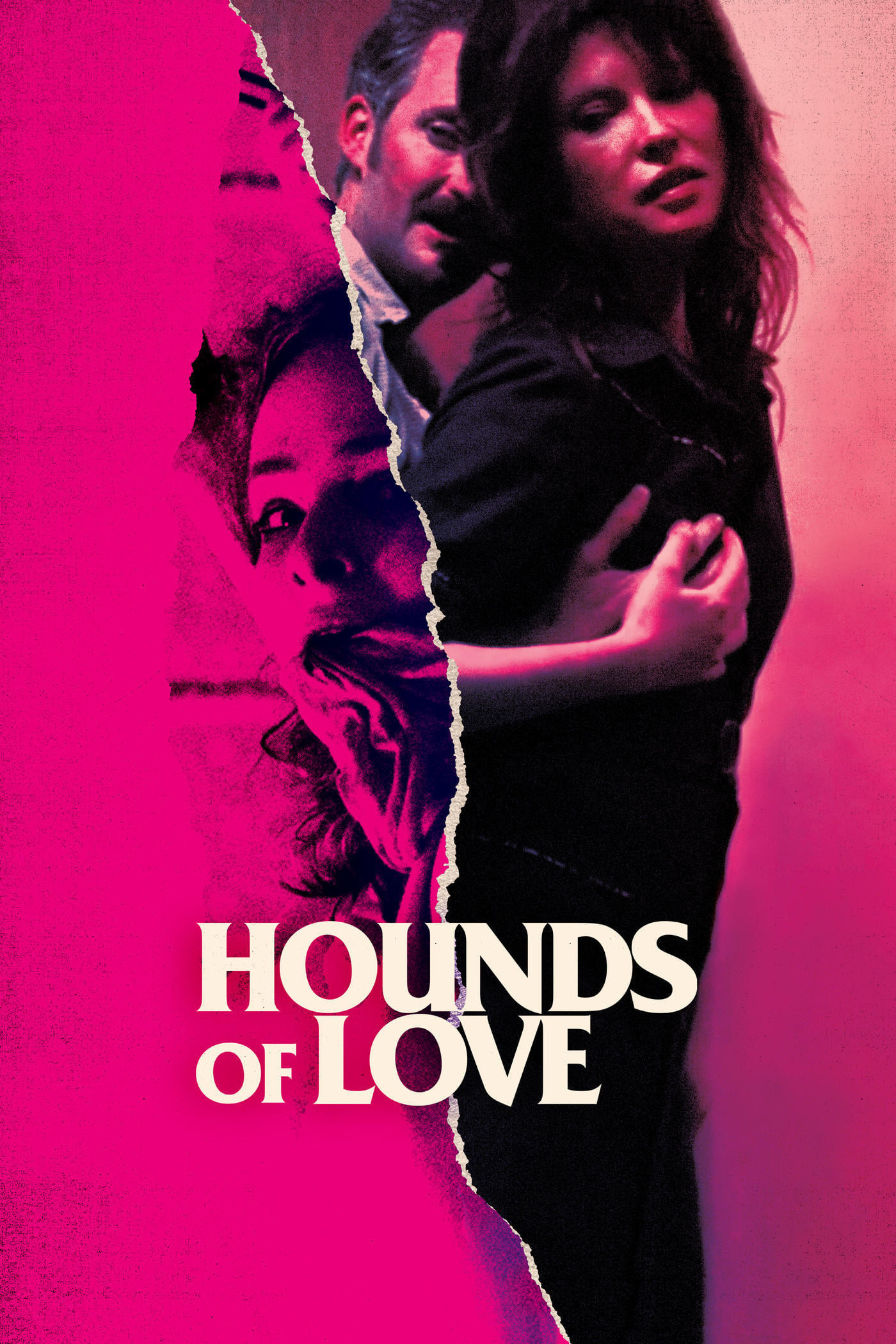
This Australian crime drama debuted at Venice and toured festivals before a limited American release. Coverage highlighted its depiction of a serial-killer couple and the film’s intense psychological control dynamics. Marketing leaned heavily on content warnings and critical pull-quotes about discomfort. The notoriety around its brutality overshadowed its festival path and the small-market platform it received stateside.
‘The Innocents’ (2021)
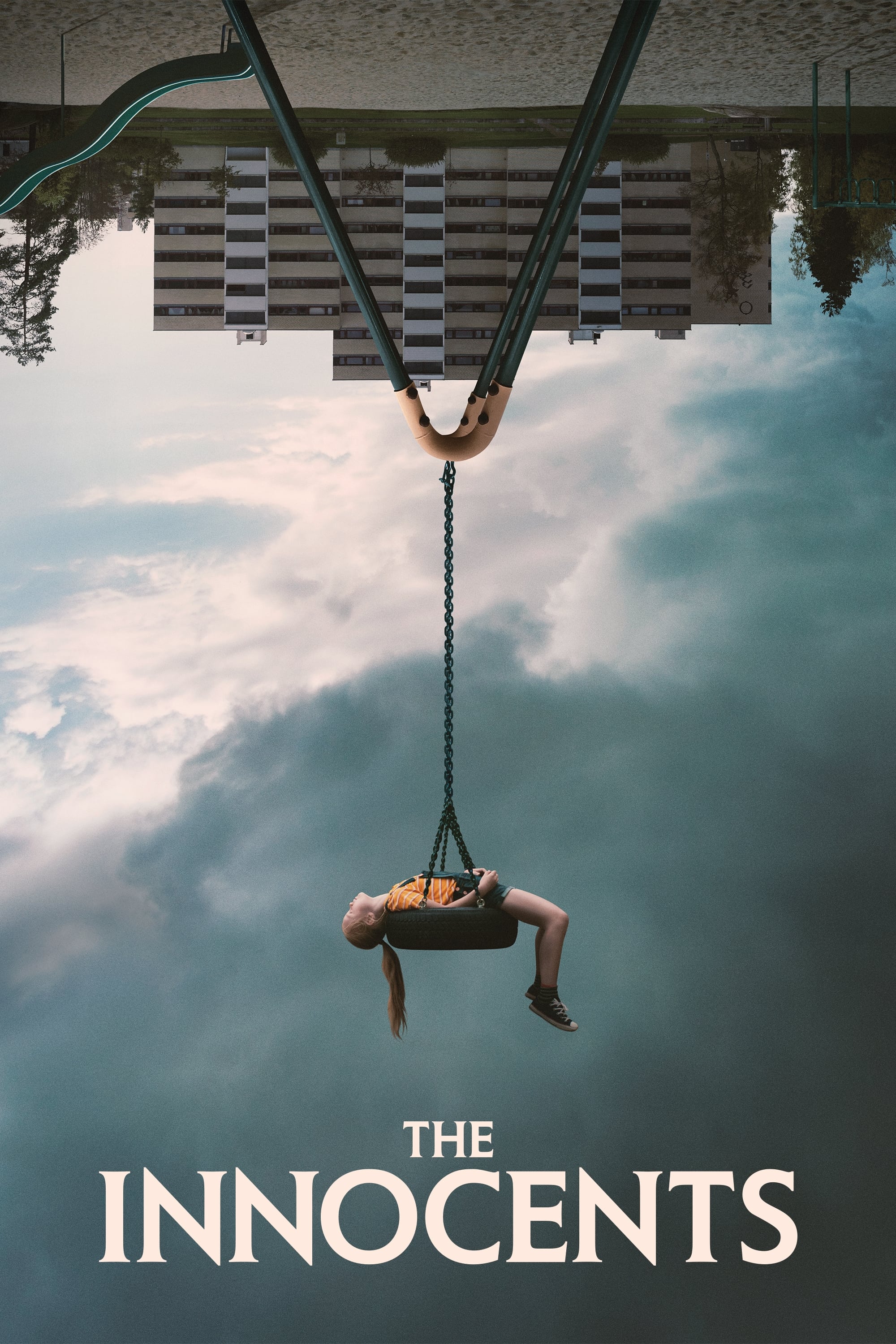
Eskil Vogt’s Norwegian film ‘The Innocents’ premiered at Cannes Un Certain Regard and later opened in the U.S. via arthouse circuits. Media attention often centered on its unsettling depiction of children wielding dangerous abilities and the ethical questions that raised. The film’s rollout emphasized specialty venues and late-night programming. Headlines about disturbing content tended to outpace discussion of its awards nominations and Nordic production backing.
‘Battle Royale’ (2000)

Japanese dystopian thriller ‘Battle Royale’ follows a class of students forced into a state-run fight to the death. U.S. discourse often tied the film to school-violence anxieties and cited import barriers that delayed widespread release. Coverage emphasized the premise’s shock value and alleged influence on later pop culture. Those headlines eclipsed discussion of its literary source and satirical intent.
‘Salò, or the 120 Days of Sodom’ (1975)

This Italian adaptation transposes the Marquis de Sade to a fascist setting and became synonymous with bans and seizures. In the U.S., coverage largely concentrated on censorship battles and the difficulty of finding uncut home-video editions. The notoriety fed midnight-show mythology rather than ordinary theatrical play. The commotion around its legal status overshadowed examinations of the production and historical framing.
‘Cannibal Holocaust’ (1980)
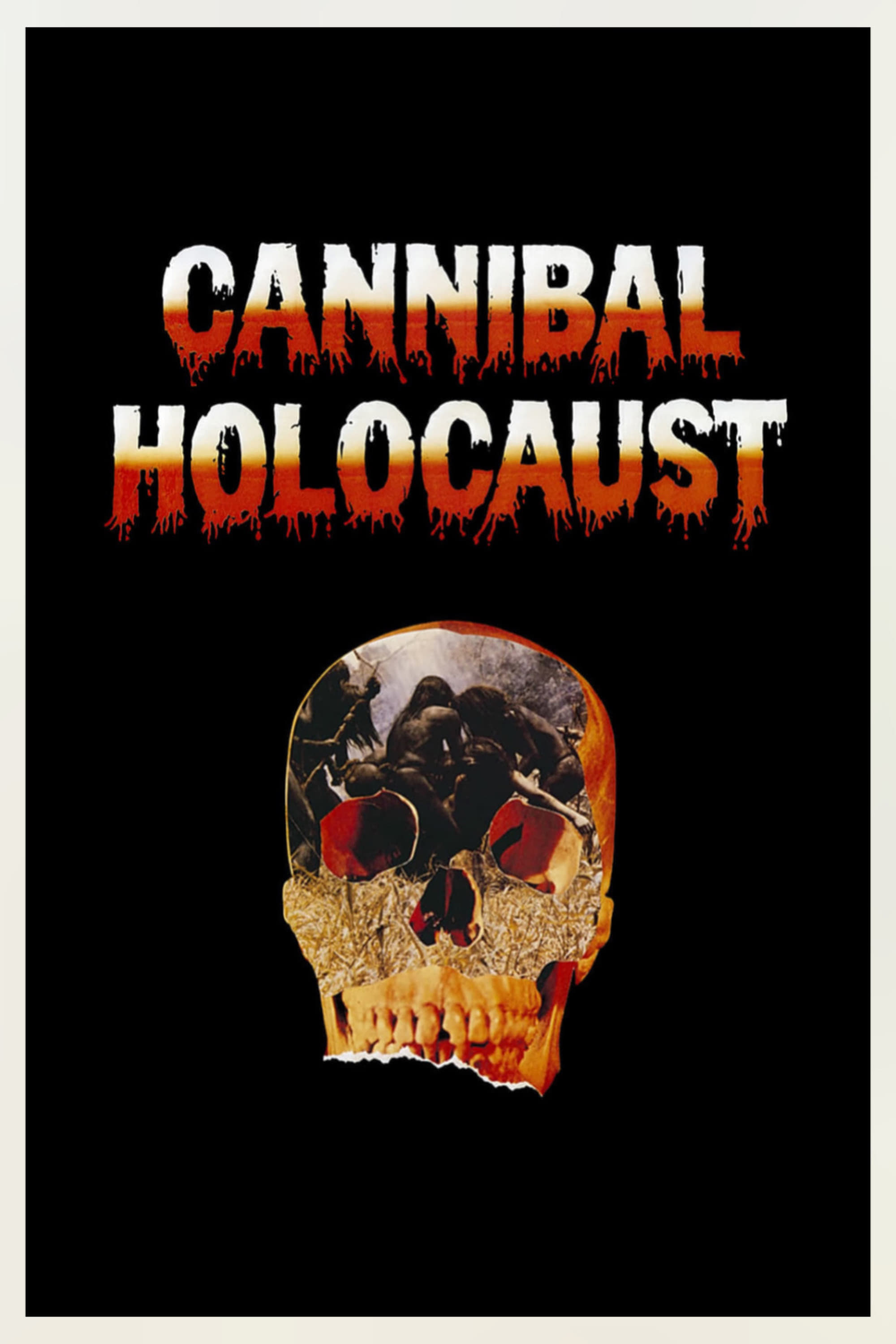
Italian found-footage pioneer ‘Cannibal Holocaust’ drew global attention for animal cruelty, legal proceedings, and confiscations. American coverage focused on whether the film violated obscenity laws and on the director’s court case to prove the actors were alive. Screenings were confined to niche venues and later specialty labels. The legal and ethical furor eclipsed any analysis of its narrative structure and media-critique framing.
‘Possession’ (1981)
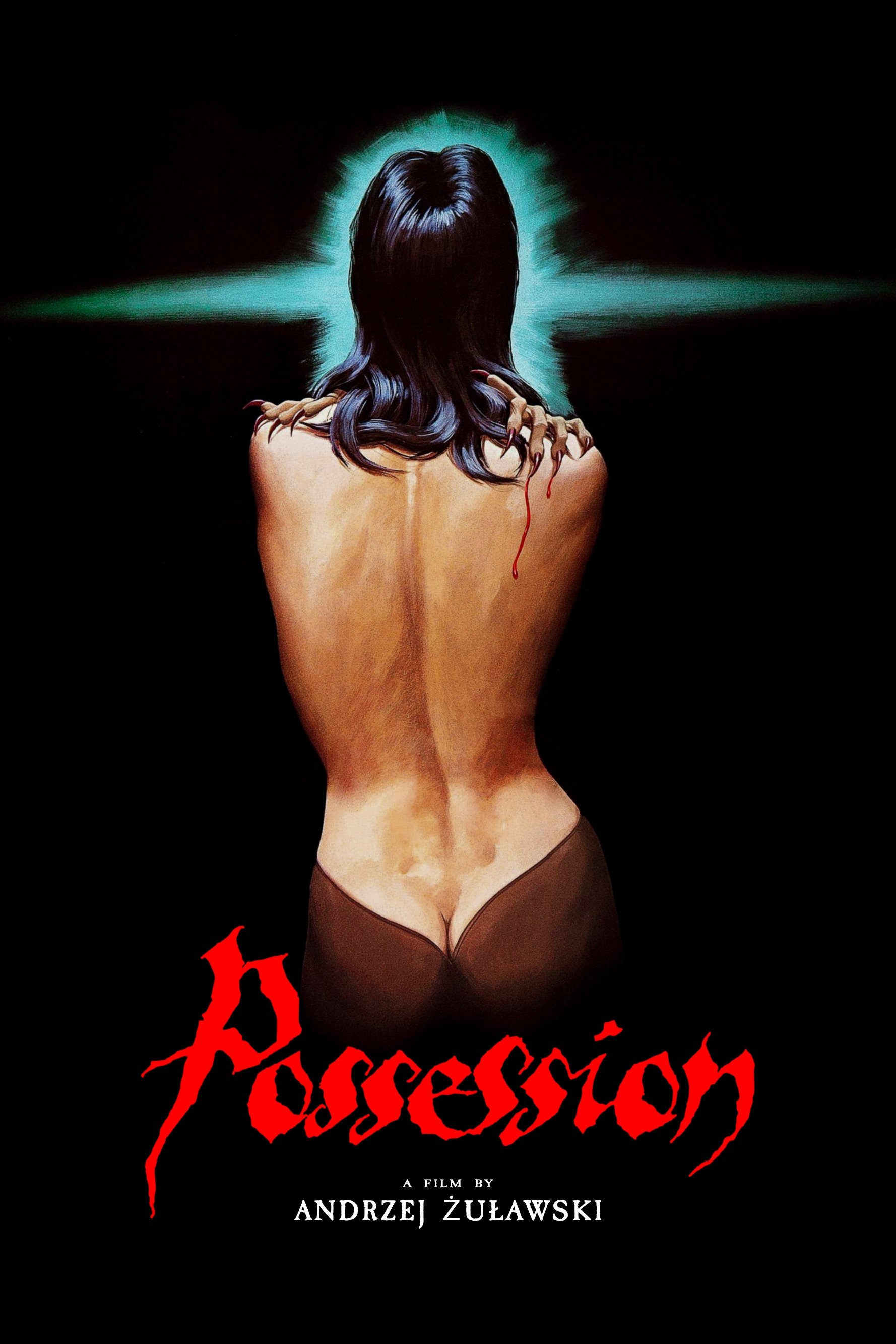
A West German–French co-production set in Berlin, ‘Possession’ became known for intense performances and hallucinatory horror. U.S. audiences mostly saw a heavily cut version, and the film acquired a “video nasty” reputation in English-language markets. Articles and retrospectives often emphasized bans and its notorious hallway sequence. That reputation kept attention on outrage and rarity rather than restoration history and production context.
‘Ichi the Killer’ (2001)
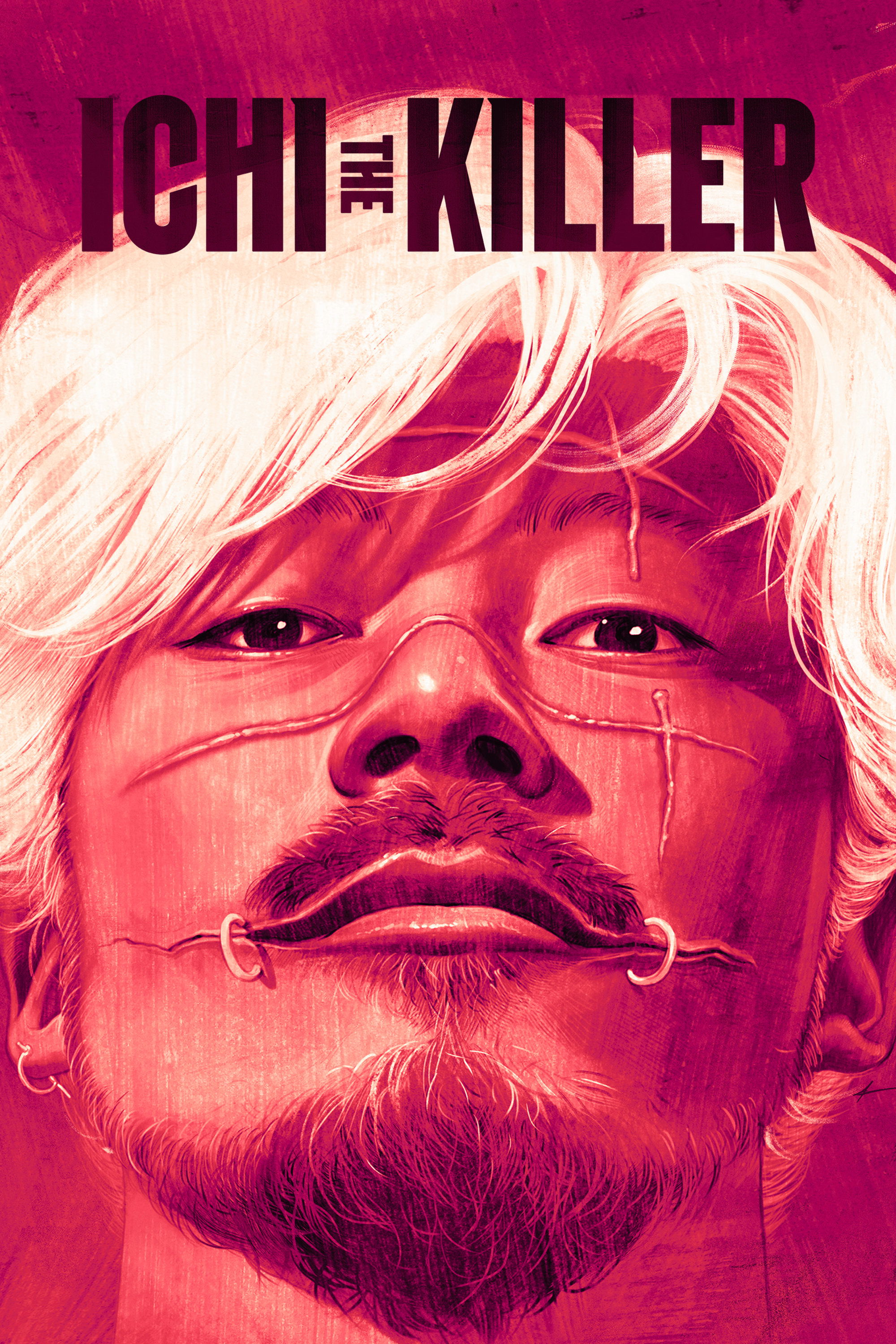
Takashi Miike’s yakuza splatter film ‘Ichi the Killer’ toured festivals amid warnings and censorship cuts. U.S. reporting frequently highlighted police interventions at screenings in some territories and bags handed out for queasy viewers. The emphasis on extreme gore shaped marketing and limited releases. Coverage about edits and seizures overshadowed discussion of its comic-book origins and craft.
‘Oldboy’ (2003)
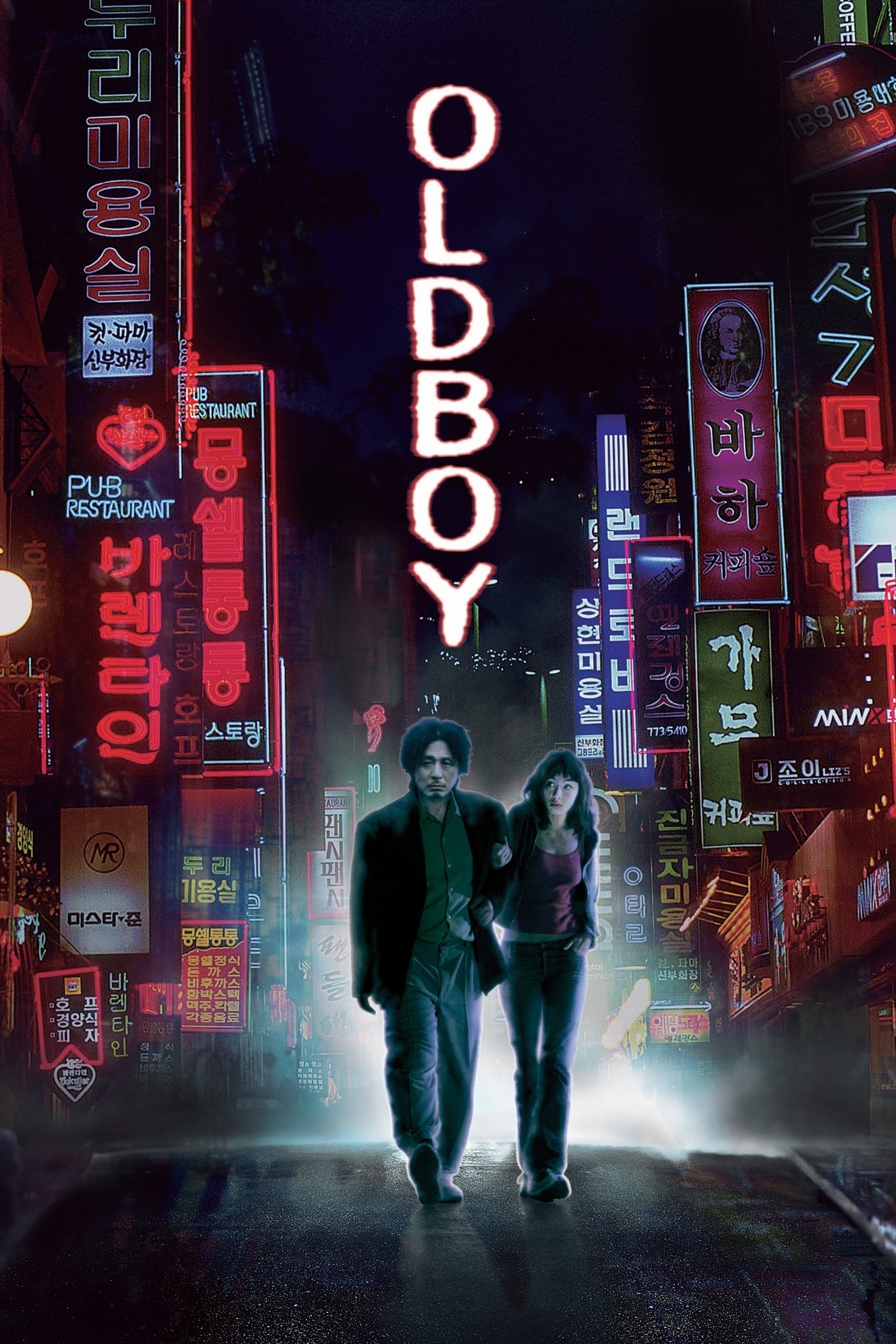
Park Chan-wook’s revenge thriller ‘Oldboy’ broke out internationally with major festival prizes and critical attention. In the U.S., coverage often homed in on a few graphic set pieces and the live-octopus moment. Early distribution was confined to specialty houses and later a remake absorbed attention that might have gone to the original. The fixation on shock moments and remake discourse obscured its place in a larger trilogy.
‘Paradise Now’ (2005)
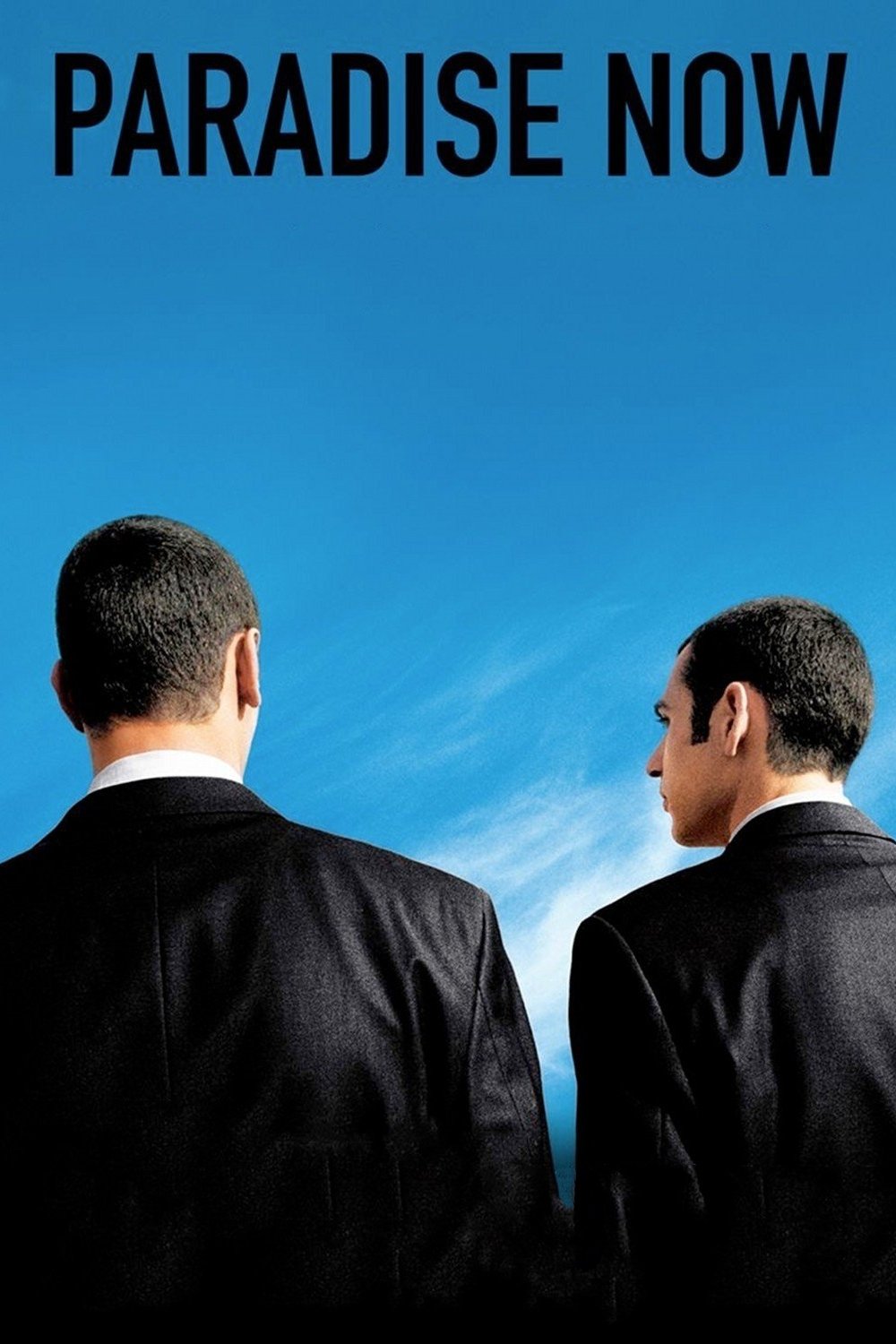
Palestinian drama ‘Paradise Now’ centers on two friends recruited for a suicide mission and was a focal point for political debate. U.S. headlines emphasized protests, terminology disputes around its awards campaign, and public statements by advocacy groups. The discussion often eclipsed the film’s production background and distribution path. Its run leaned on art houses and campus screenings rather than wide multiplex play.
‘4 Months, 3 Weeks and 2 Days’ (2007)

Romanian film ‘4 Months, 3 Weeks and 2 Days’ follows two students navigating an illegal procedure under a repressive regime. U.S. attention frequently focused on the subject’s sensitivity and content advisories from exhibitors. The film relied on a platform rollout and prestige-circle endorsements. Headlines around theme and access overshadowed the broader Romanian New Wave context.
‘Elite Squad’ (2007)
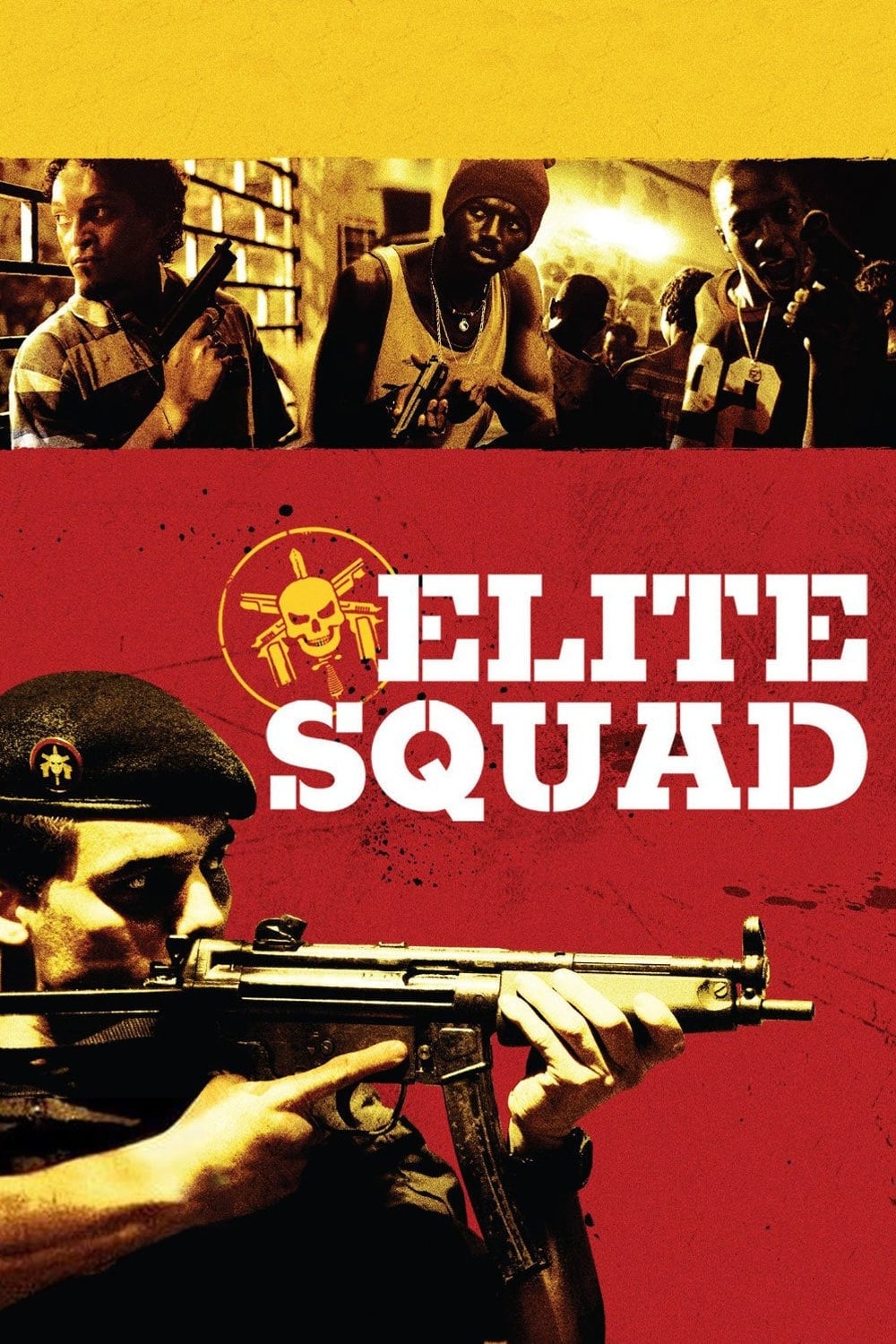
Brazilian crime drama ‘Elite Squad’ tracks a special police unit combating drug gangs in Rio de Janeiro. Coverage in the U.S. often centered on accusations that the film endorsed heavy-handed policing and on piracy issues that preceded release. The conversation about messaging and controversy outpaced discussion of its awards and sequel-driven franchise. Distribution was concentrated in urban art houses and festivals.
‘Baise-moi’ (2000)
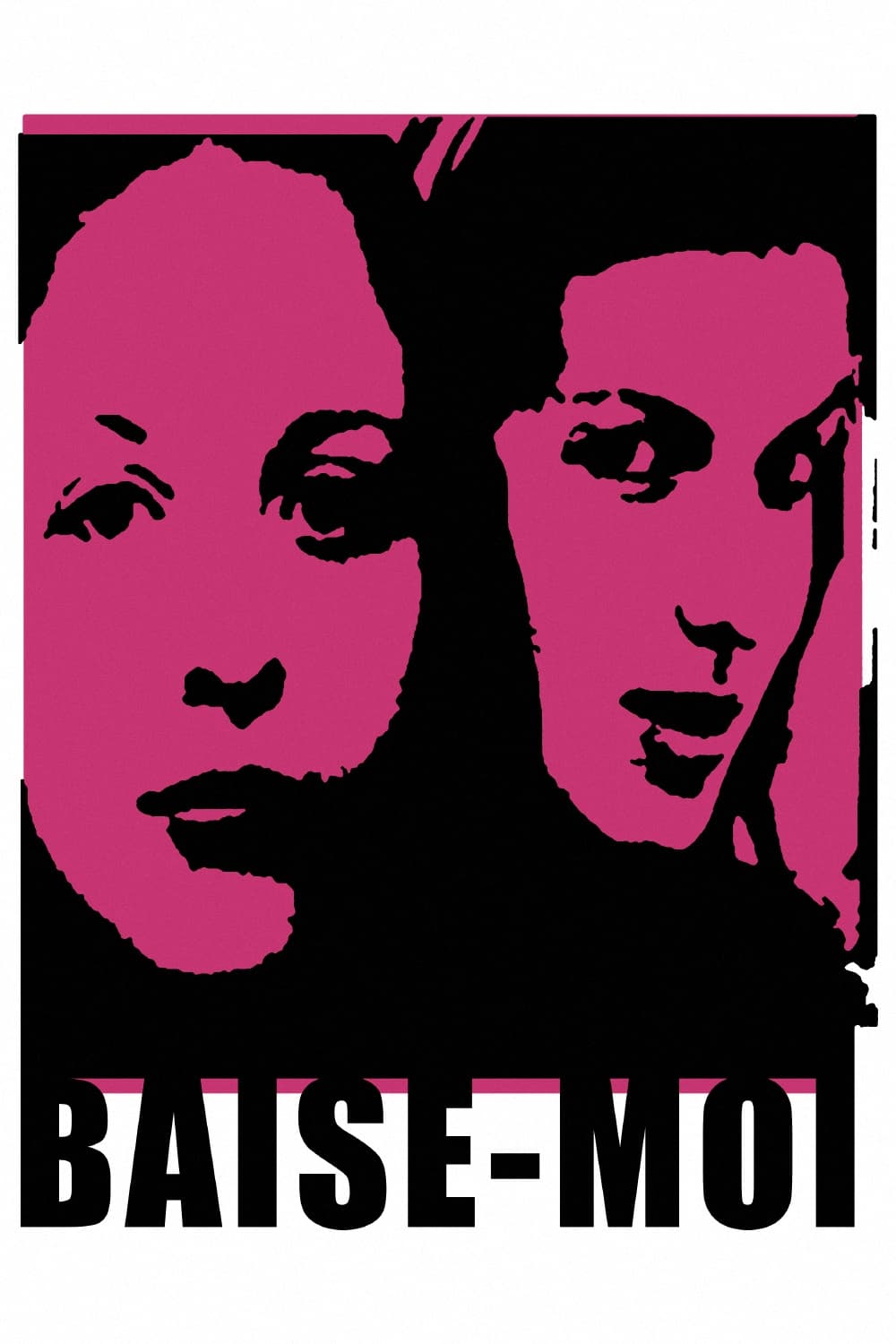
‘Baise-moi’ is a French road movie known for explicit sex and violence, which spurred ratings disputes and court rulings in its home country. American coverage emphasized whether it should be classified as pornography or art and the availability of uncut versions. Screenings were confined to specialty cinemas and late-night slots. The legal and ratings conversation overshadowed its production approach and microbudget origins.
‘Dogtooth’ (2009)

Greek filmmaker Yorgos Lanthimos’s ‘Dogtooth’ explores a family that isolates its children from the outside world. U.S. media often led with the film’s disturbing premise and content advisories. The attention to shock value shaped expectations and kept the release small and selective. That emphasis left less space for discussion of its craft, performances, and national cinema context.
‘Enter the Void’ (2009)
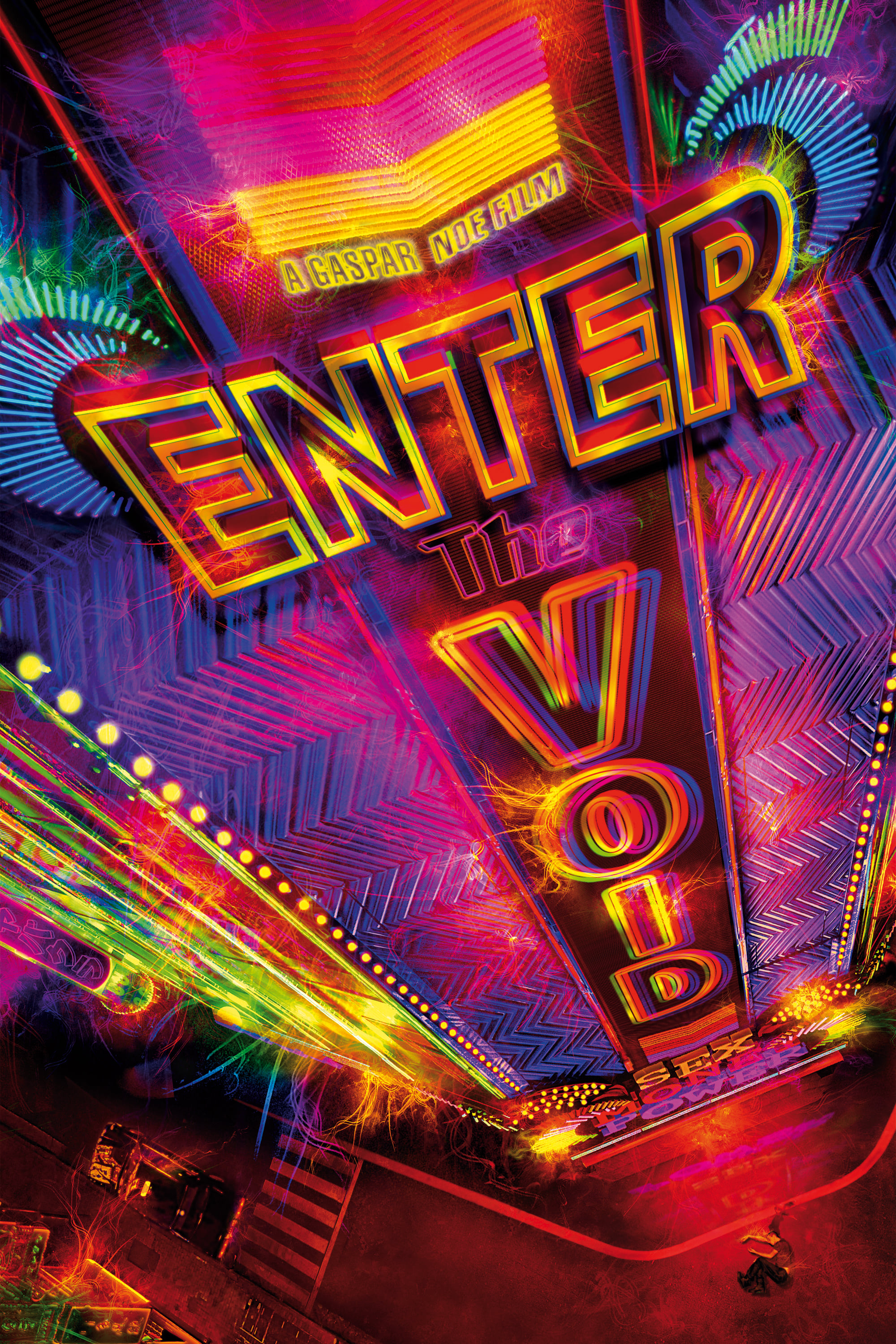
Gaspar Noé’s ‘Enter the Void’ blends first-person camerawork with extended strobing and urban psychedelia. U.S. coverage often flagged seizure warnings and the explicit sexual content. Theatrical exposure was concentrated in midnight programs and limited engagements. Technical experimentation and visual design were frequently overshadowed by safety notices and sensational elements.
‘The Hunt’ (2012)
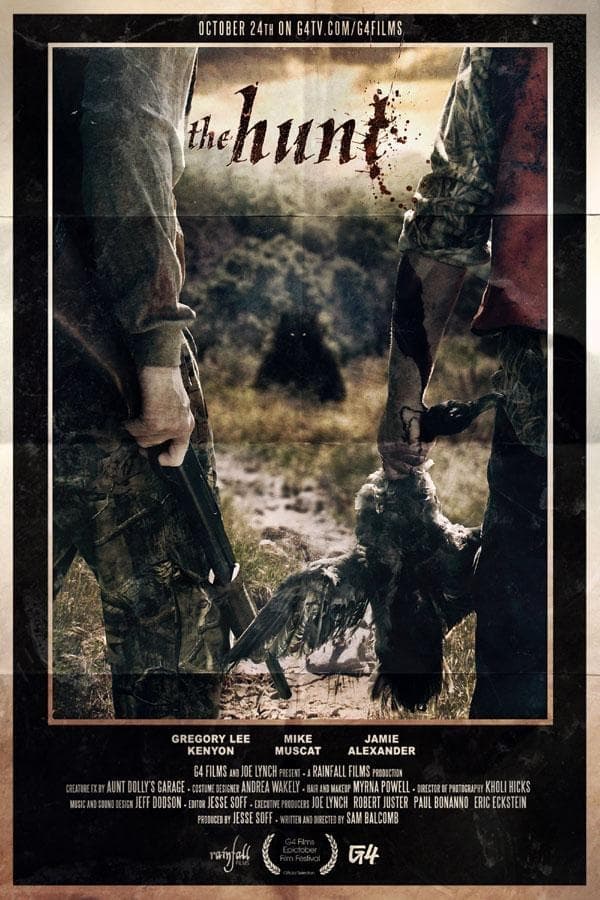
Danish drama ‘The Hunt’ follows a teacher facing a community’s reaction after a child’s allegation. American discussion often centered on the difficulty of the subject matter and viewer discomfort. The release strategy favored platforming and a careful age-policy approach by theaters. Those framing choices kept the focus on controversy rather than on the film’s performances and awards journey.
‘Elle’ (2016)
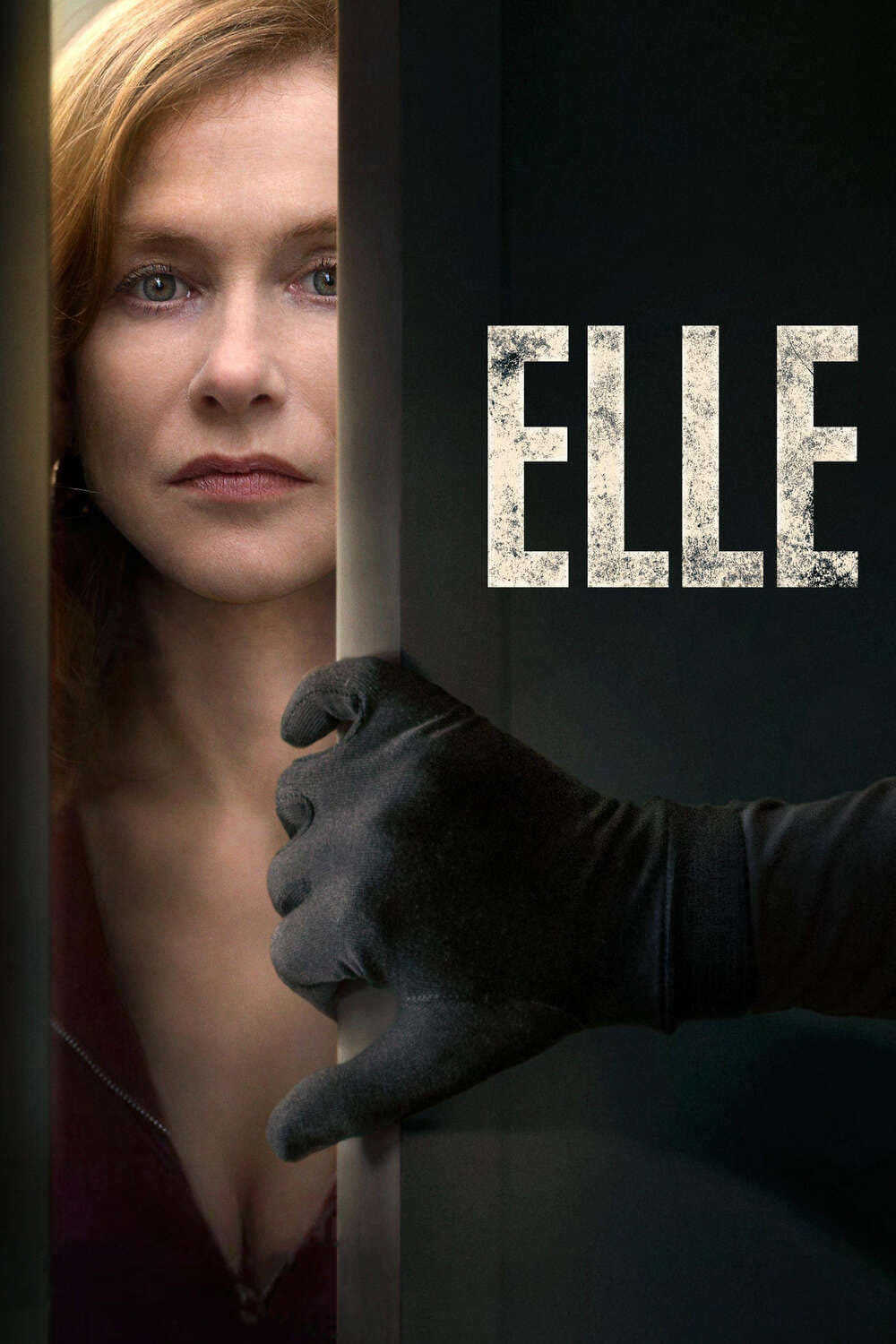
Paul Verhoeven’s French-language ‘Elle’ tells the story of a business executive grappling with an attack and its aftermath. U.S. coverage emphasized debates over tone and characterization in relation to sexual assault. Distribution targeted art houses and awards-season corridors. The sustained conversation about interpretation frequently eclipsed production details and the film’s literary source.
‘The Handmaiden’ (2016)

Park Chan-wook’s ‘The Handmaiden’ adapts a Victorian-set novel into a Korean period thriller with a con-artist plot. Media attention in the U.S. frequently highlighted erotic content and sparked discussion about marketing choices for trailers and posters. The release built slowly through specialty venues and word-of-mouth. Coverage of sensuality and twists often overshadowed talk of its production design and adaptation process.
‘The Salesman’ (2016)
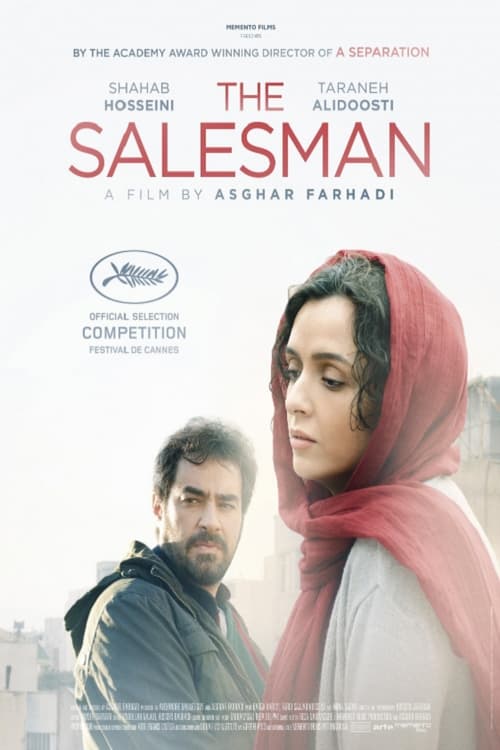
Asghar Farhadi’s ‘The Salesman’ reached U.S. audiences amid headlines about international travel restrictions and awards-ceremony boycotts. Much of the stateside conversation revolved around the director’s public statements rather than the film’s plot and performances. Exhibitors leaned into prestige positioning and limited engagements. The policy-focused spotlight overshadowed distribution milestones and production context.
‘The Death of Stalin’ (2017)
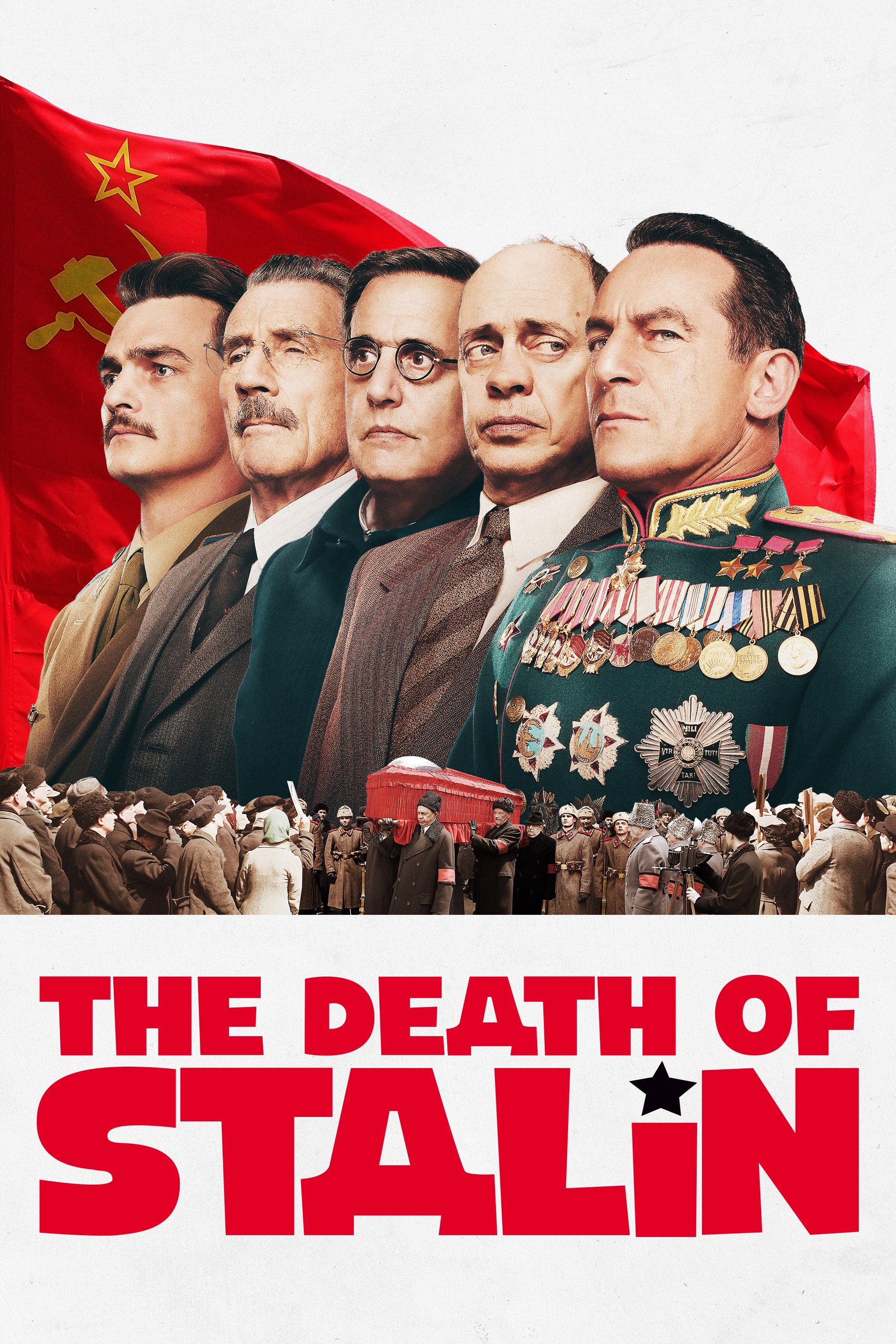
Armando Iannucci’s political satire ‘The Death of Stalin’ became a news item when authorities in one major market banned it. U.S. outlets amplified the ban and its cultural implications, which dominated coverage around the film’s rollout. The release leaned on specialty houses and targeted metropolitan markets. Discussion about censorship and geopolitics often eclipsed its ensemble casting and financing background.
‘Padmaavat’ (2018)

Indian period epic ‘Padmaavat’ arrived with high-profile protests and security measures around screenings. American coverage for diaspora and mainstream outlets emphasized demonstrations, threats, and altered release plans. Theatrical showings proceeded with advisories and select venue choices. Headlines about unrest frequently eclipsed the film’s production scale and music-driven presentation.
‘PK’ (2014)

Hindi-language satirical drama ‘PK’ follows an outsider who questions organized religion and social norms. U.S. reporting often highlighted blasphemy complaints and legal petitions filed in South Asia that influenced international coverage. The film’s U.S. exposure leaned on limited screens and targeted communities. Conversation about protests and lawsuits overshadowed discussion of its box-office records and creative team.
‘Border’ (2018)

Swedish fantasy-thriller ‘Border’ focuses on a customs officer with an unusual ability who meets someone like her. U.S. headlines frequently zeroed in on its body-horror elements and a widely discussed forest sequence. The release strategy emphasized specialty venues and awards-qualifying runs. That framing kept attention on shock moments rather than its folklore roots and makeup craft.
Share which titles you think deserve a fresh look—and which headlines you remember most—in the comments.

