


Great Movies with “Bad” Endings People just don’t understand



Some films stick the landing in ways that feel confusing, abrupt, or even infuriating at first, but those “bad” endings usually carry a purpose—tying back to theme, character, or source material in ways that reward a closer look. Below are forty movies whose finales sparked debates, director explanations, re-edits, and late-night think pieces. For each, you’ll find what actually happens, why the ending fits the story being told, and where alternate cuts, creator comments, or source differences help make sense of it all. No hot takes—just the context you need to see what these endings are doing under the hood.
‘No Country for Old Men’ (2007)
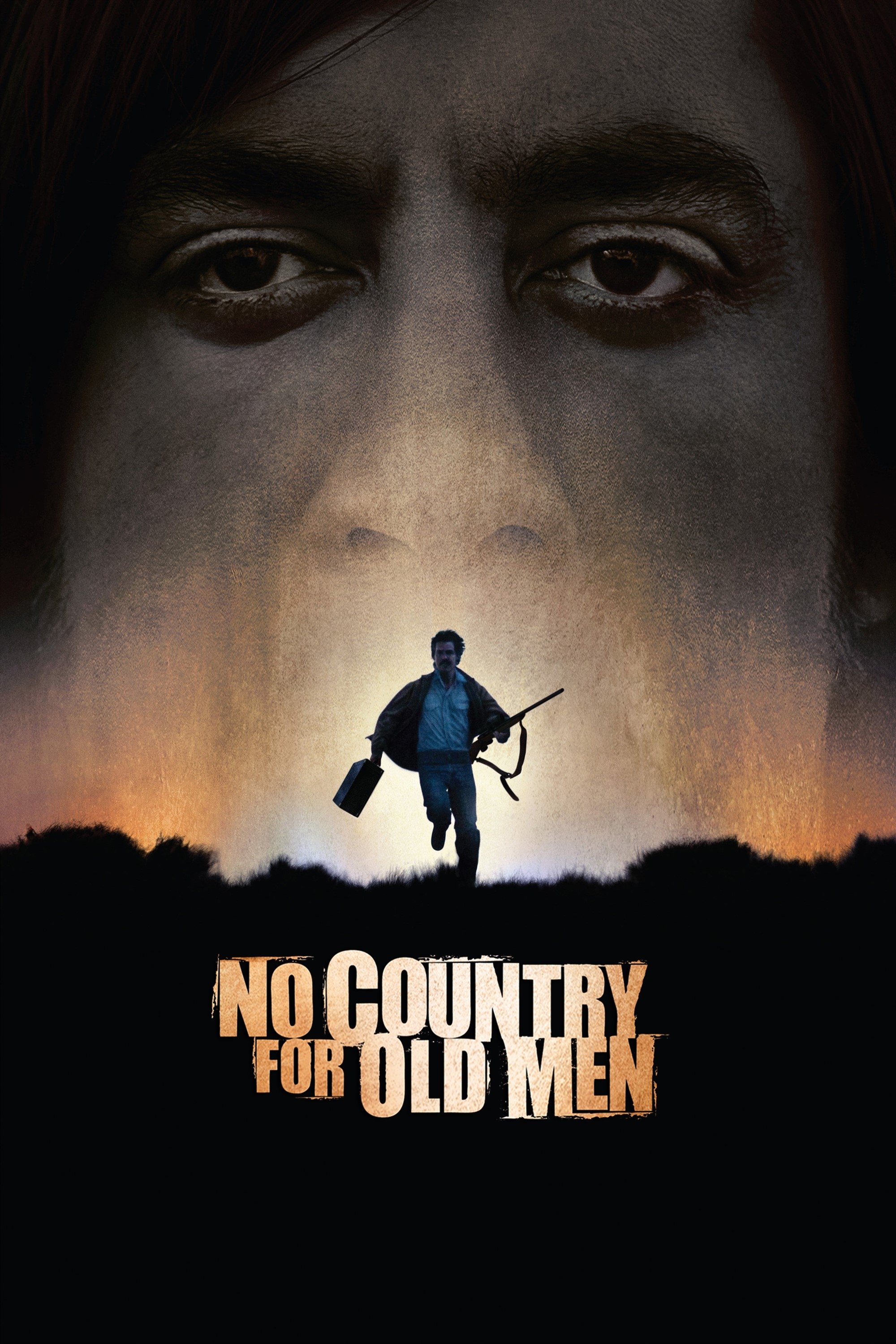
The film closes with Sheriff Bell recounting two dreams about his father, then cuts to black with no showdown between him and Chigurh. That ending follows the novel’s structure and theme about aging out of a world that feels increasingly chaotic. By denying a cathartic confrontation, the story keeps its focus on randomness, fate, and Bell’s reckoning with his limits. The final dreams function as a quiet epilogue about legacy and the light one hopes is still ahead.
‘The Mist’ (2007)
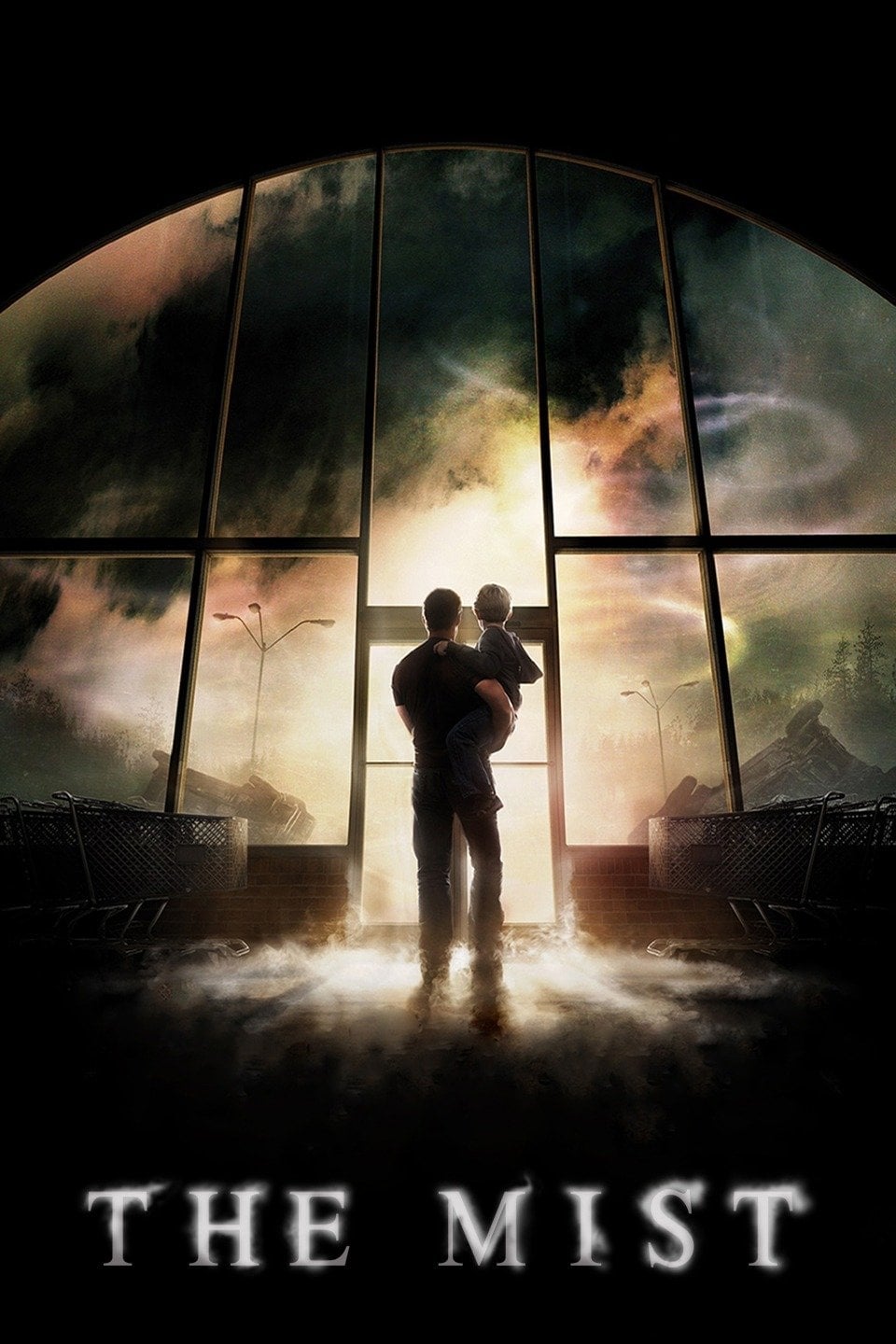
The movie diverges from Stephen King’s novella with a far bleaker resolution in the car before the fog lifts. Frank Darabont has explained he wanted an ending that carried the story’s logic to its most merciless conclusion. The military’s late arrival underlines how little perspective the characters had inside the panic of the supermarket. The cruelty isn’t a twist for shock’s sake—it’s the thematic pay-off to fear, rumor, and escalating groupthink.
‘La La Land’ (2016)
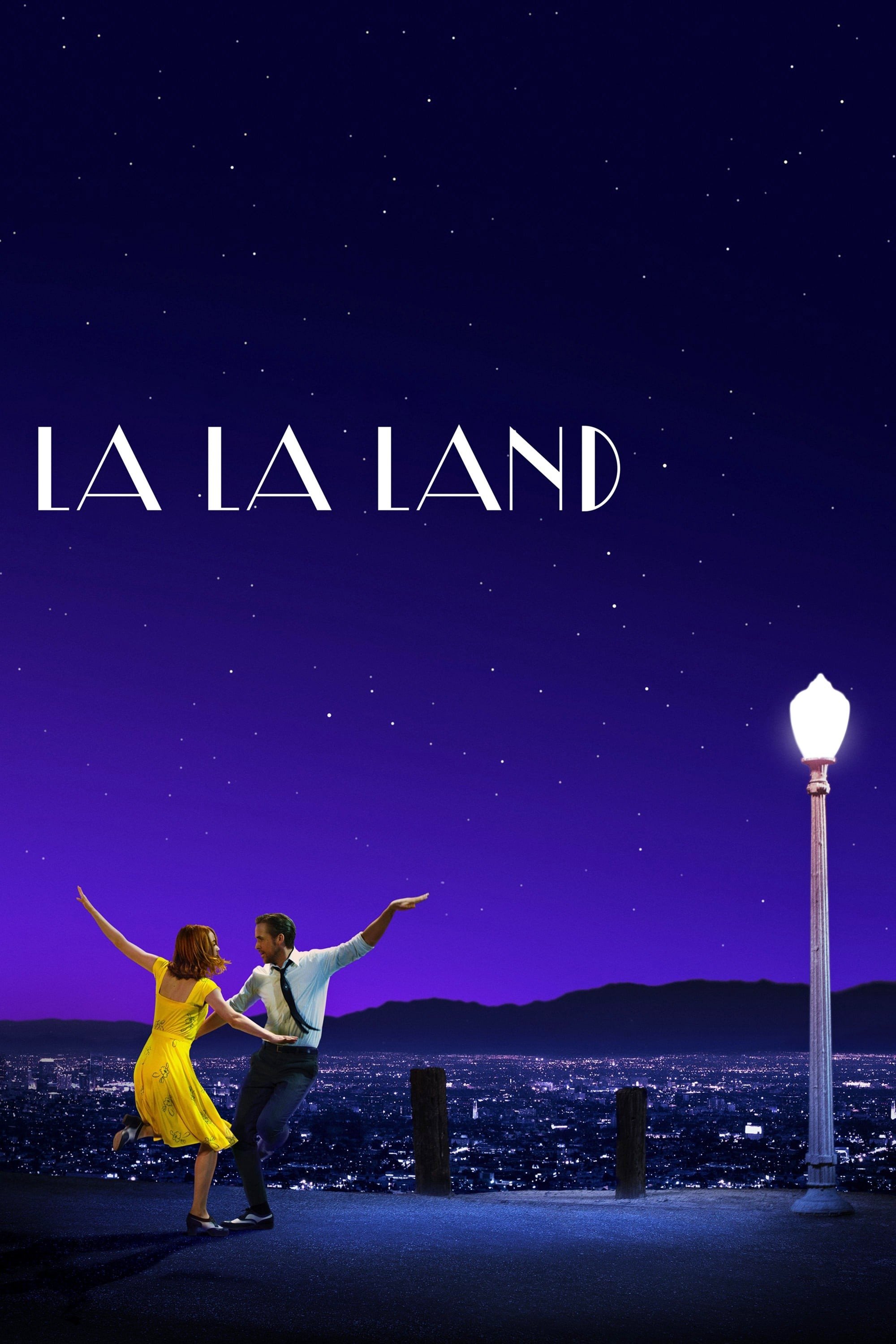
The epilogue imagines an alternate life for Mia and Sebastian while a musical suite reprises their motifs. Damien Chazelle uses that fantasy to show the cost of ambition and the reality that love can shape who you become even if it doesn’t last. The montage mirrors earlier scenes beat-for-beat, revealing how different choices would ripple through their careers and relationship. The closing smile acknowledges both versions of their story at once.
‘A.I. Artificial Intelligence’ (2001)
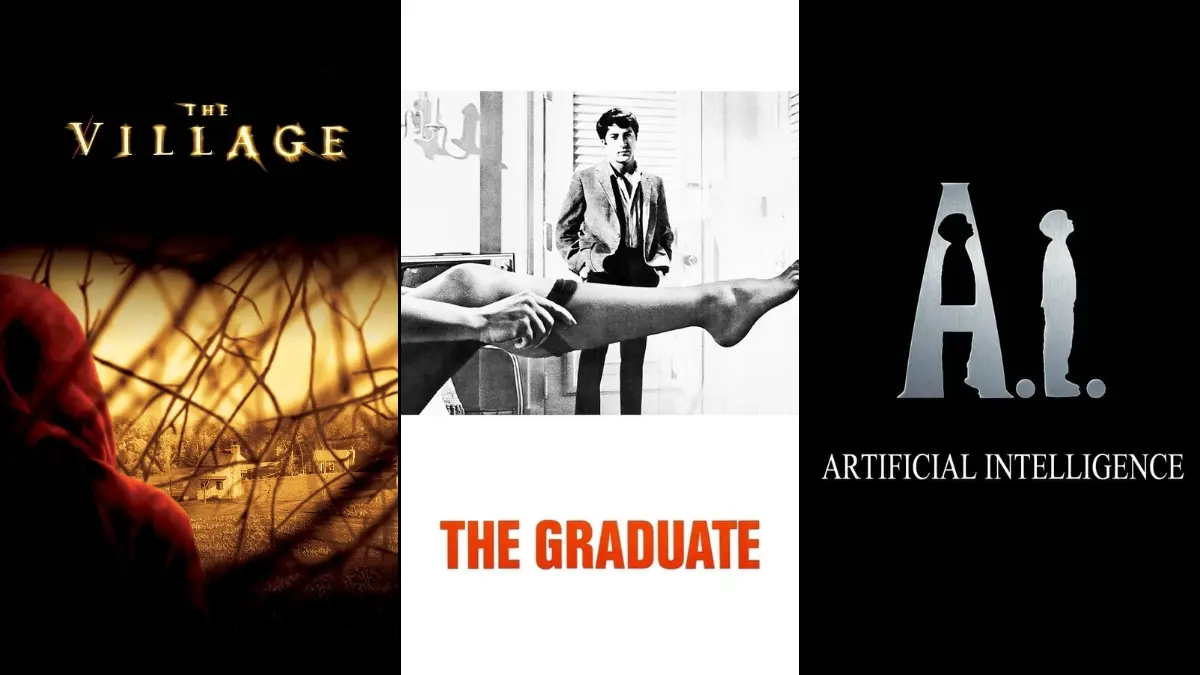
After David reaches the Blue Fairy, the story jumps to far-future beings who reconstruct a single day with his mother. That coda comes from long-gestating concepts developed by Stanley Kubrick and carried forward by Steven Spielberg. The advanced entities aren’t literal aliens; they’re evolved descendants honoring human memory through reconstruction. The “one perfect day” is designed as a finite grace note, not a loophole to live forever.
‘Se7en’ (1995)
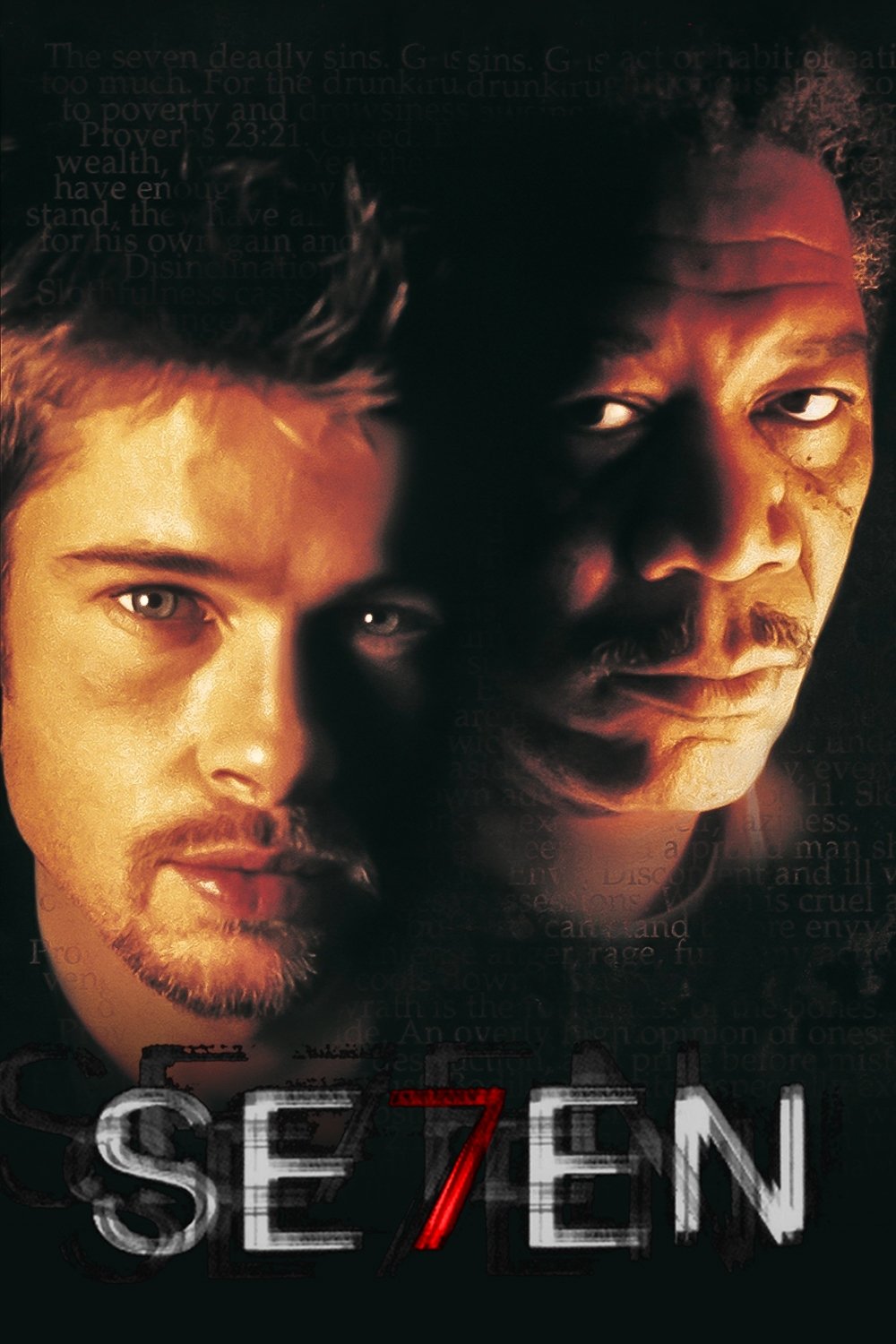
The final “seventh sin” hinges on John Doe manipulating events so the detectives complete his design. The box is never shown open, keeping the focus on Somerset and Mills’ reactions and the moral trap they’re in. This structure ensures the climax is about choice, not gore, aligning with the story’s obsession with compulsion and control. The last line about “fighting the good fight” reframes the bleakness as an ethical challenge rather than pure despair.
‘Inception’ (2010)
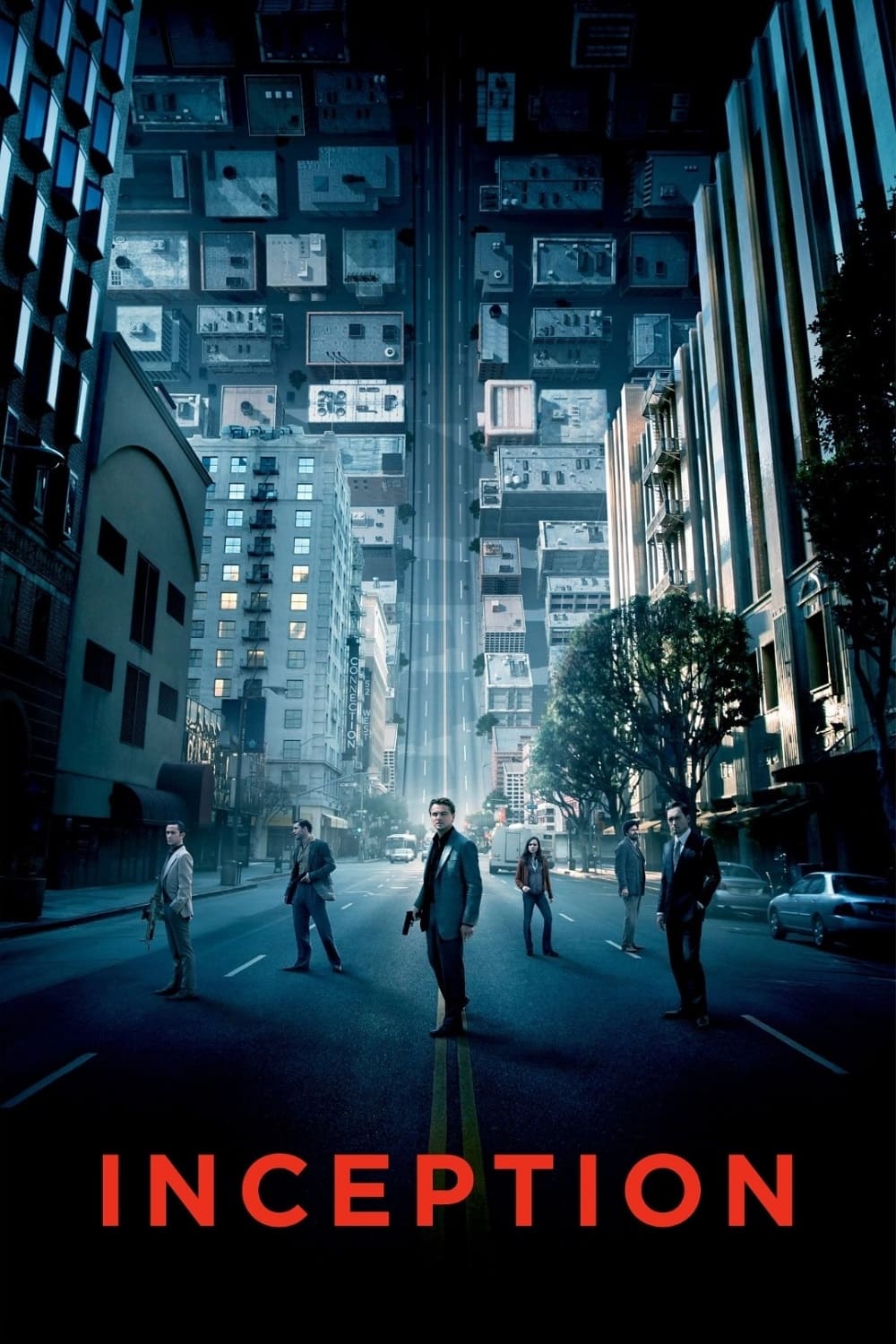
The spinning top wobbles but the cut arrives before it falls, leaving the question of reality unresolved. Christopher Nolan seeded tells for each character that aren’t definitive on purpose, shifting attention from “is it real?” to Cobb’s decision to walk away. The top is also not Cobb’s true totem, which undercuts readings that rely solely on that prop. The ending’s design centers on psychological release over objective proof.
‘Blade Runner’ (1982)
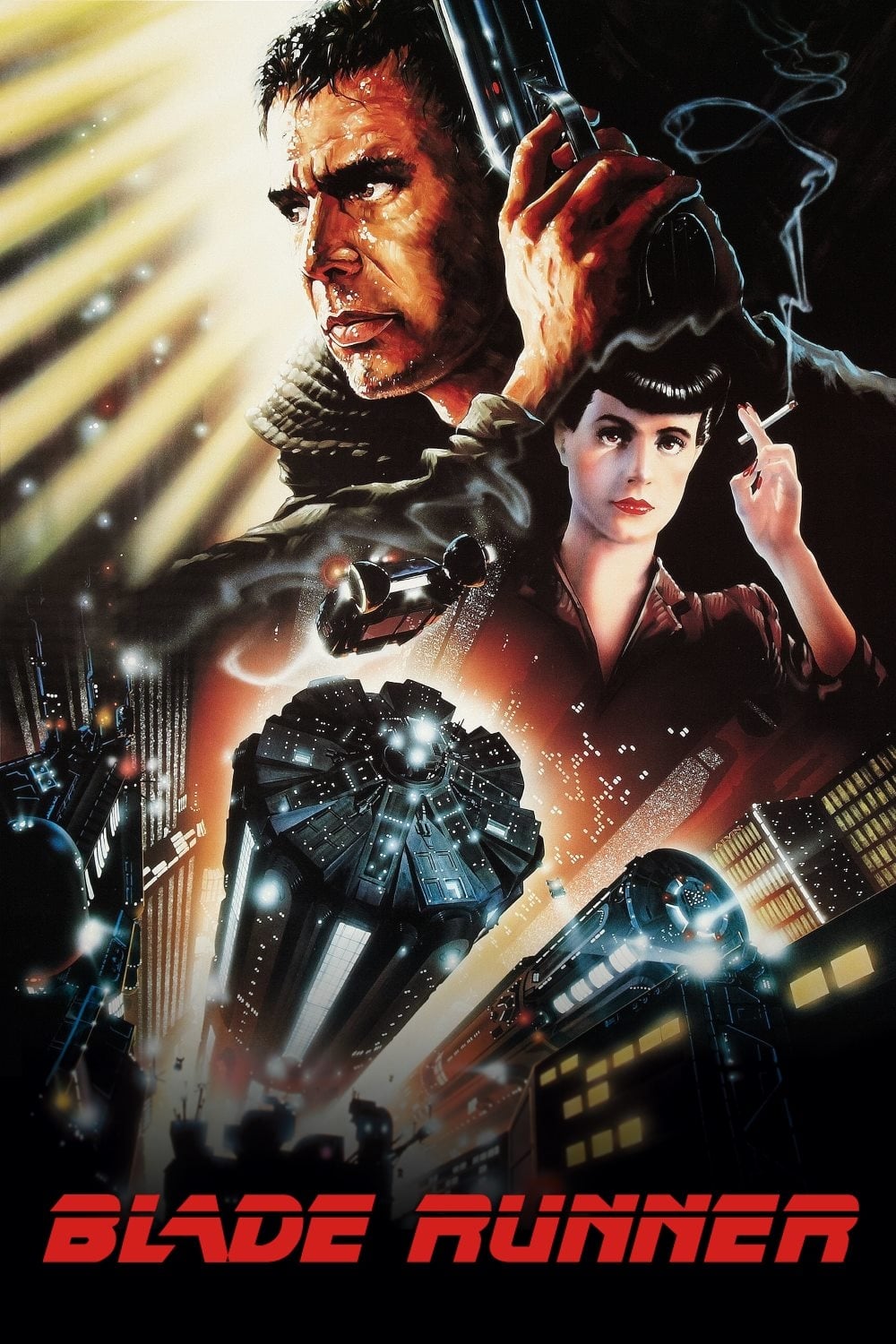
Different cuts end differently: the original theatrical release added a voice-over and optimistic coda, while the Director’s Cut and Final Cut remove both and include the unicorn dream. The unicorn implies Deckard’s memories may be known or implanted, echoing the replicants’ experience. These versions change the tone without altering the core question of what makes someone human. The Final Cut is the most textually consistent with the film’s visual and thematic language.
‘The Village’ (2004)
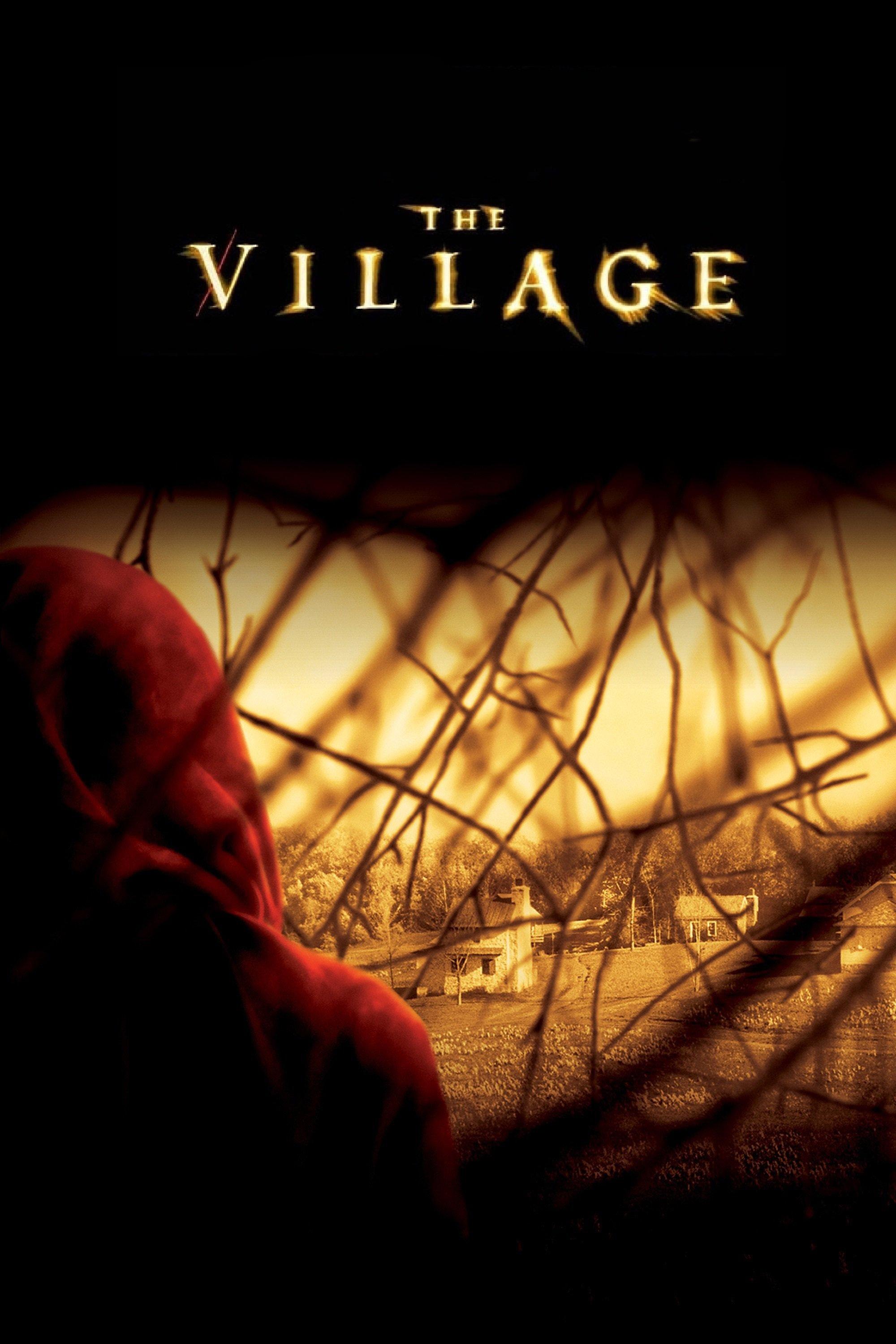
The twist reveals that the creatures are fabricated and the village exists inside a nature preserve. Clues are planted throughout—modern medicines referenced as “magic,” the elders’ strict rules, and creatures that never fully match the stories. The reveal reframes the film as an experiment in fear used to preserve innocence, not a monster tale. The final choice maintains the lie to save a life, which is the elders’ true governing principle.
‘Enemy’ (2013)
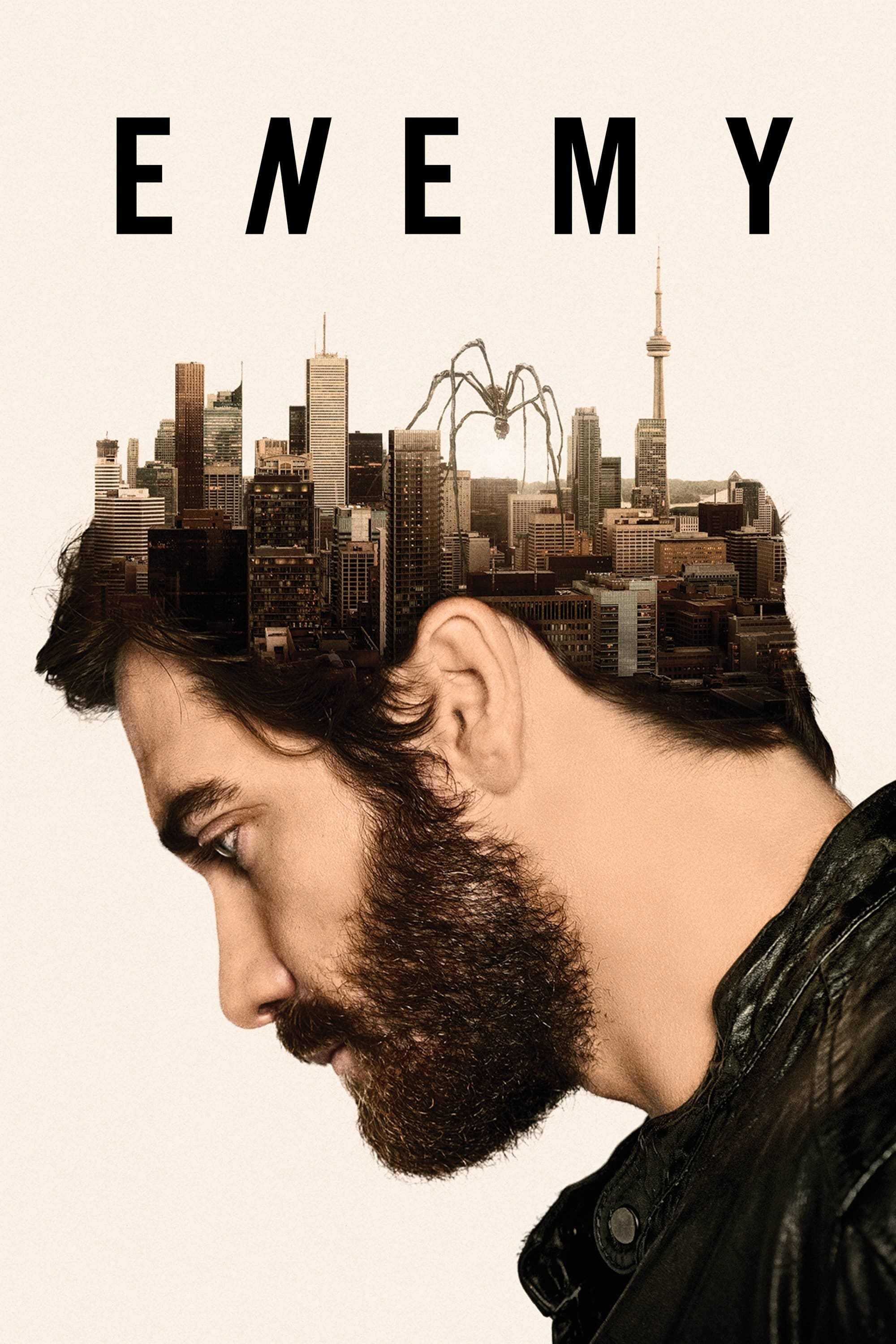
The last shot presents a spider in place of a spouse, then a resigned reaction rather than shock. Denis Villeneuve adapts motifs from José Saramago’s novel to literalize anxiety and infidelity through recurring spider imagery. Doubling, keys, and performance reinforce a cycle of repetition that the character can’t break. The ending signals recognition—he understands the pattern—but not liberation from it.
‘Hereditary’ (2018)

The finale names a demon and crowns a host while a treehouse fills with kneeling figures. Ari Aster threads this outcome from the opening, using miniatures, coded inscriptions, and rituals to show a plan carried out over generations. The grief plot and the cult plot aren’t separate; the latter exploits the former at every step. The last scene states the cult’s doctrine plainly, turning ambiguity into revealed doctrine.
‘mother!’ (2017)

The cyclical ending repeats the house’s story with a new muse, implying an infinite loop of creation and destruction. Darren Aronofsky structured the film as a biblical and artistic allegory, mapping characters to archetypes and creative processes. The house itself functions as a living metaphor whose “heart” literally burns out and is reborn. The loop isn’t a trick—it’s the form the film has been using all along.
‘2001: A Space Odyssey’ (1968)
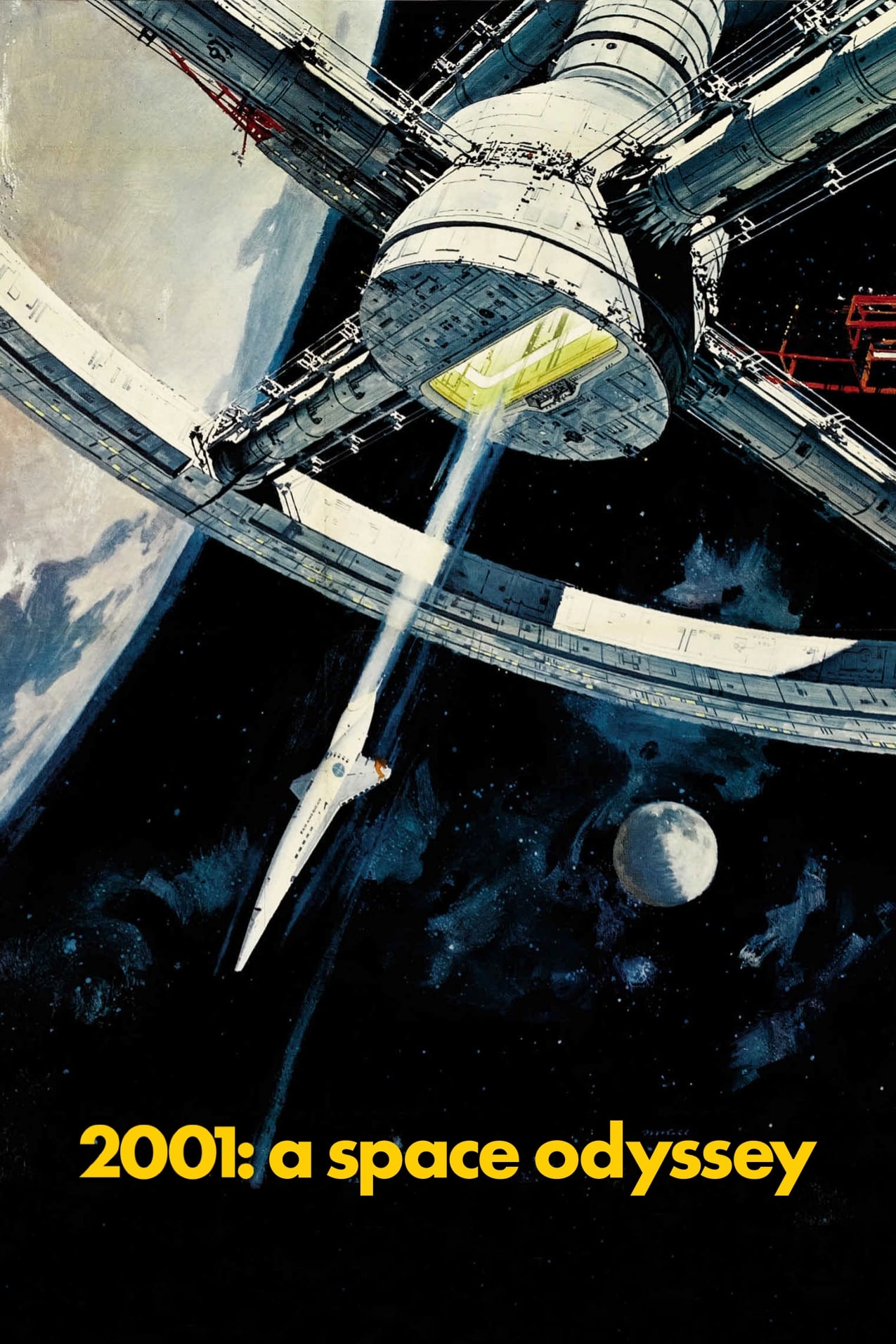
The star-gate, the room, and the Star Child unfold without dialogue, guided by image and music. Stanley Kubrick designed this sequence to be experienced rather than explained, with the monolith marking leaps in evolution. Production design places anachronistic details to evoke a constructed space where time compresses. The closing image signals a new stage of being, consistent with the monolith’s role across the story.
‘The Graduate’ (1967)
After the bus escape, the camera lingers as faces shift from triumph to uncertainty. Mike Nichols lets the energy of the chase drain into silence so the characters confront what they’ve actually done. The famous final shot refuses an easy romantic endpoint and instead sits in the consequences of impulse. The needle-drop and long take are timed to let the mood transform in real time.
‘Brazil’ (1985)
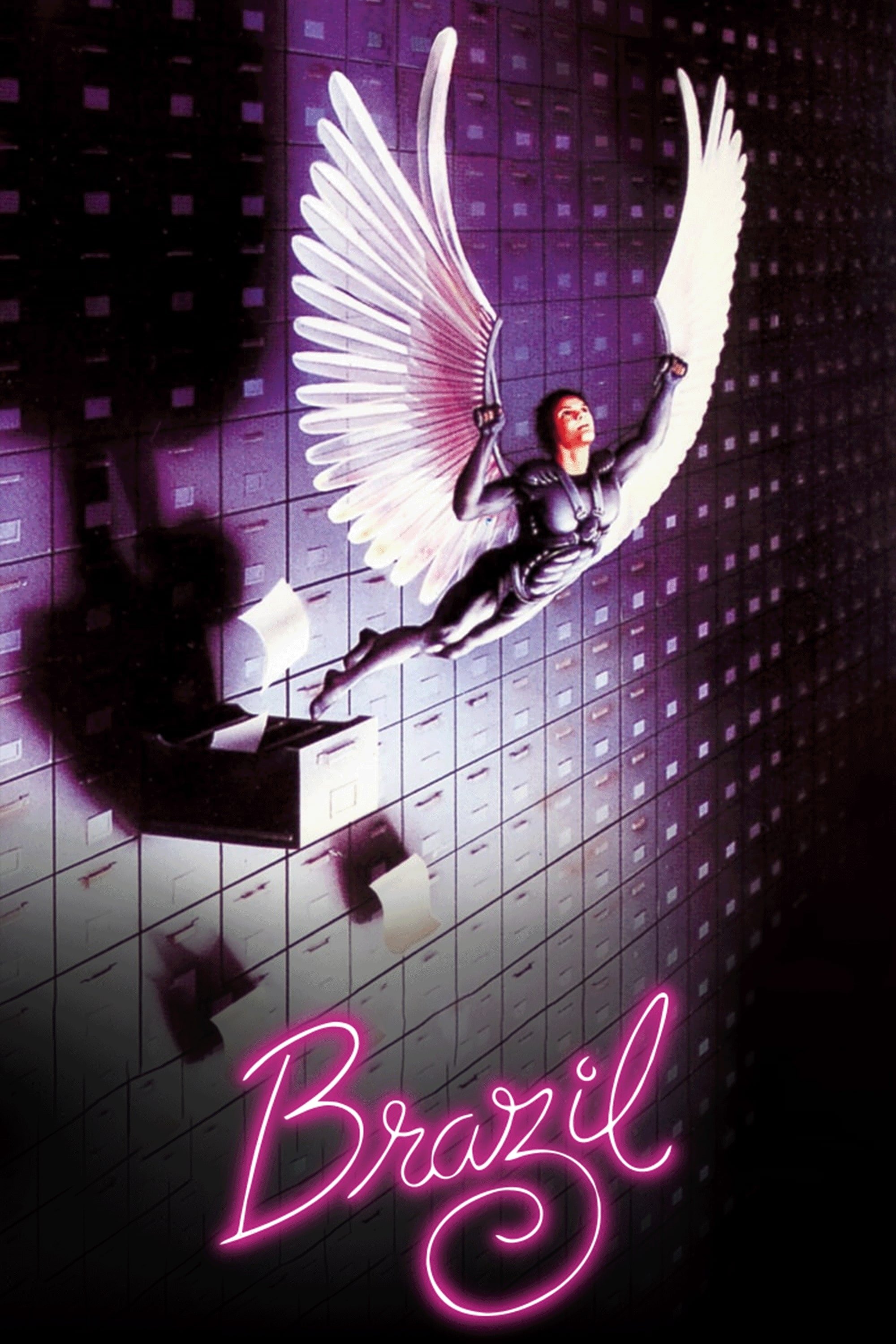
The apparent happy ending collapses into a reveal that Sam is still in the chair, lost in fantasy. Terry Gilliam’s preferred cut restores this bleak conclusion after a studio edit had imposed a cheerier resolution. Documents, ducts, and dream sequences have always intertwined reality and escape, making the reveal consistent with earlier transitions. The final shot locks form and theme together: bureaucracy wins in the world, imagination wins in the mind.
‘Take Shelter’ (2011)
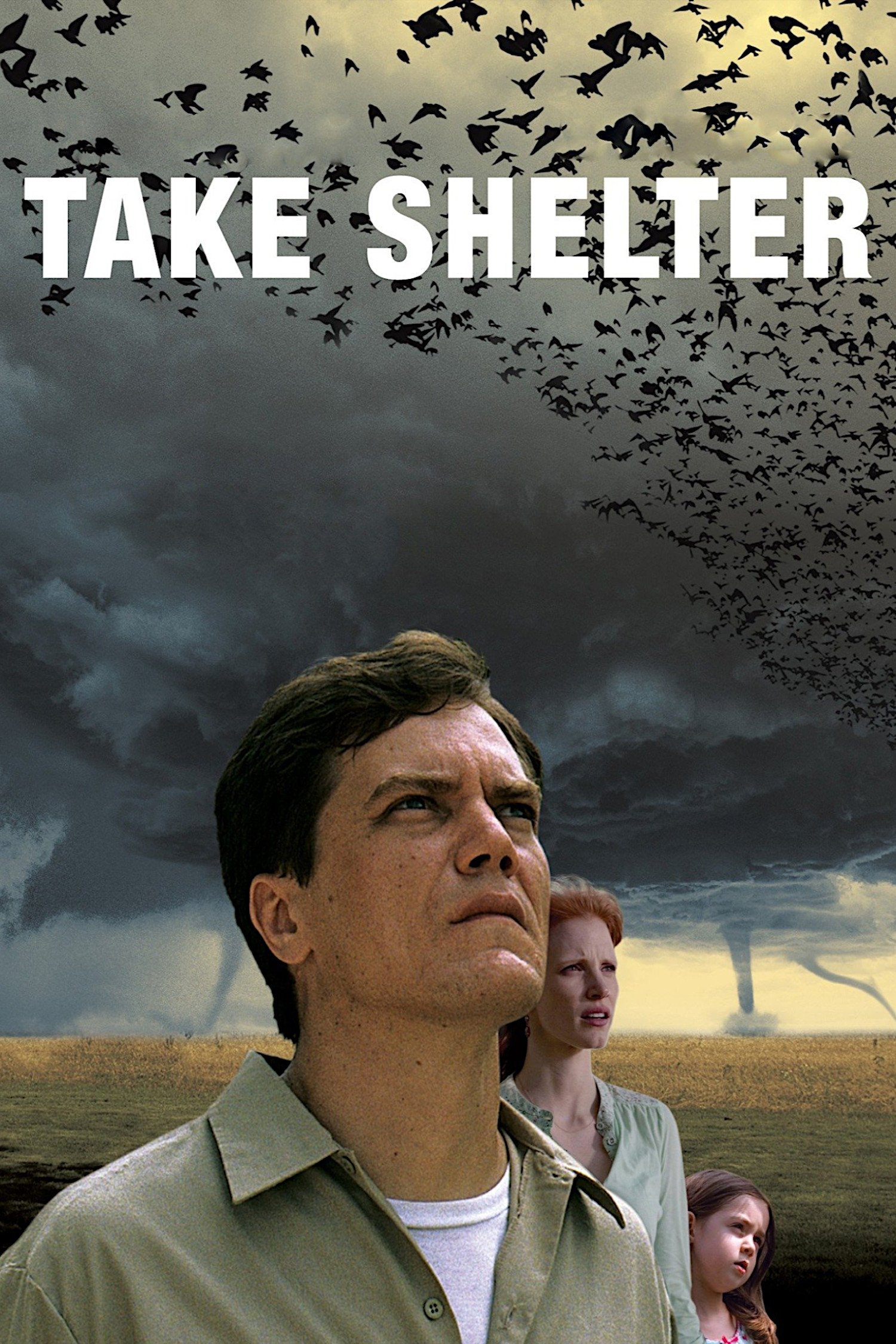
The beach vision merges premonition and reality in front of the whole family. Jeff Nichols uses recurring storm imagery and sound to blur whether the threat is mental illness or prophecy. The closing image externalizes what had been private, shifting the burden from one man to a shared acknowledgment. It’s staged to force acceptance, not to answer precisely what is “real.”
‘Burn After Reading’ (2008)
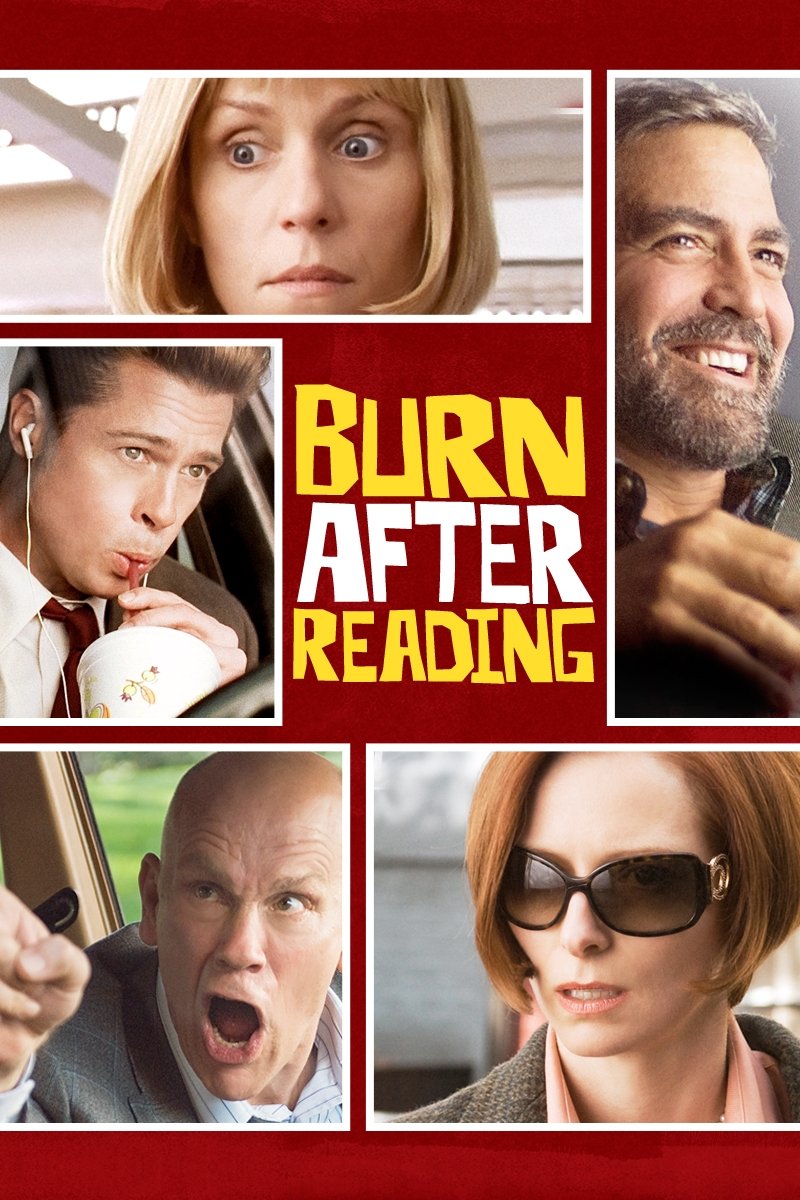
The ending tallies chaos at a CIA desk, reducing calamity to a shrugging report. The Coen brothers frame the story as a chain of bureaucratic misunderstandings rather than espionage competence. By resolving everything offscreen in memos and meetings, the film underlines how institutions process disaster. The final quip is a procedural summary, not a punchline about the characters’ worth.
‘The Grey’ (2011)
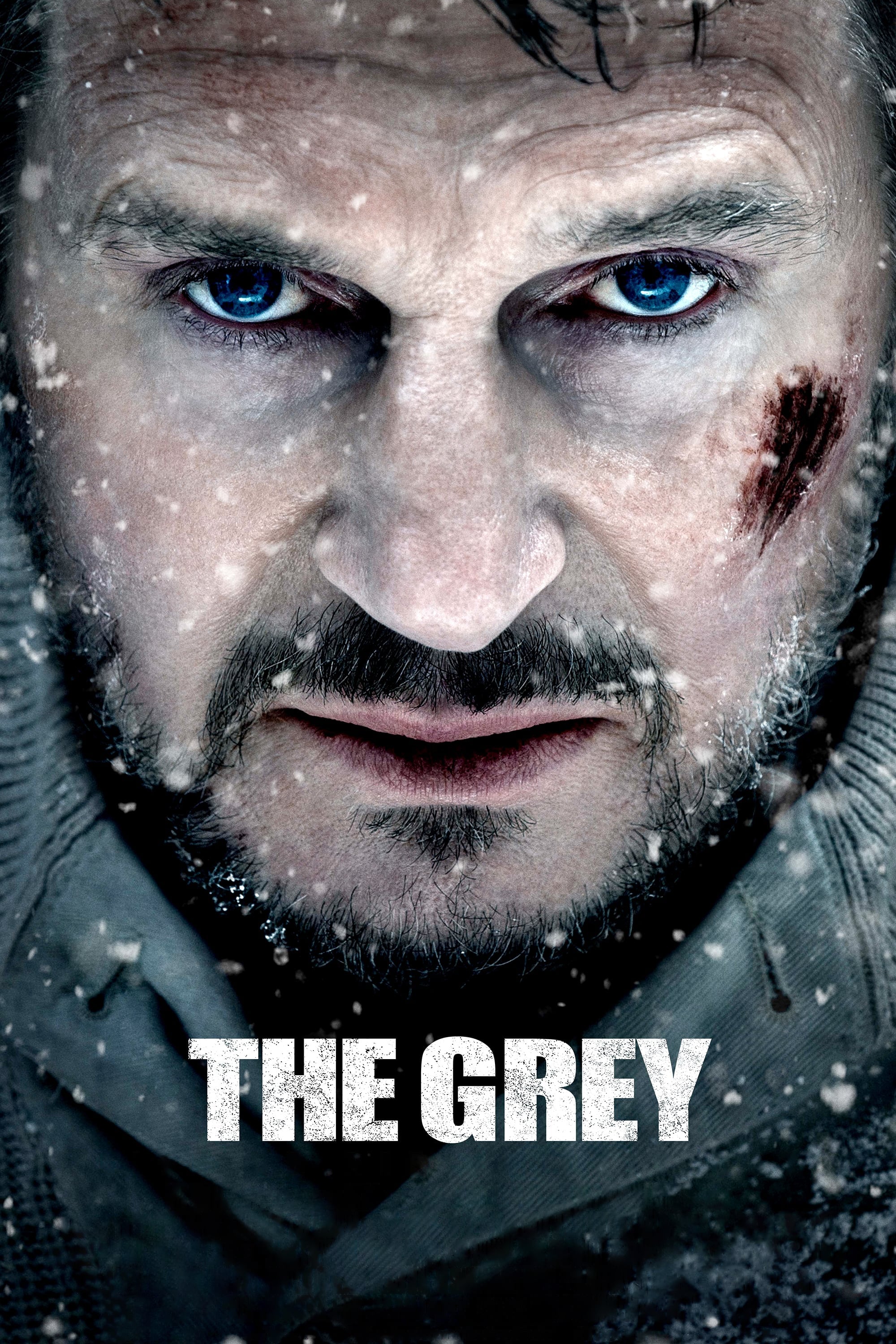
The credits obscure a brief tag that shows Ottway still breathing in the aftermath of his last stand. Throughout, he tapes mementos and recites a poem that structures his choices, culminating in that confrontation. The post-credits detail doesn’t nullify the scene; it simply shows the immediate aftermath, still ambiguous. The survival ethos is framed as choosing to fight rather than guaranteeing an outcome.
‘Gone Girl’ (2014)
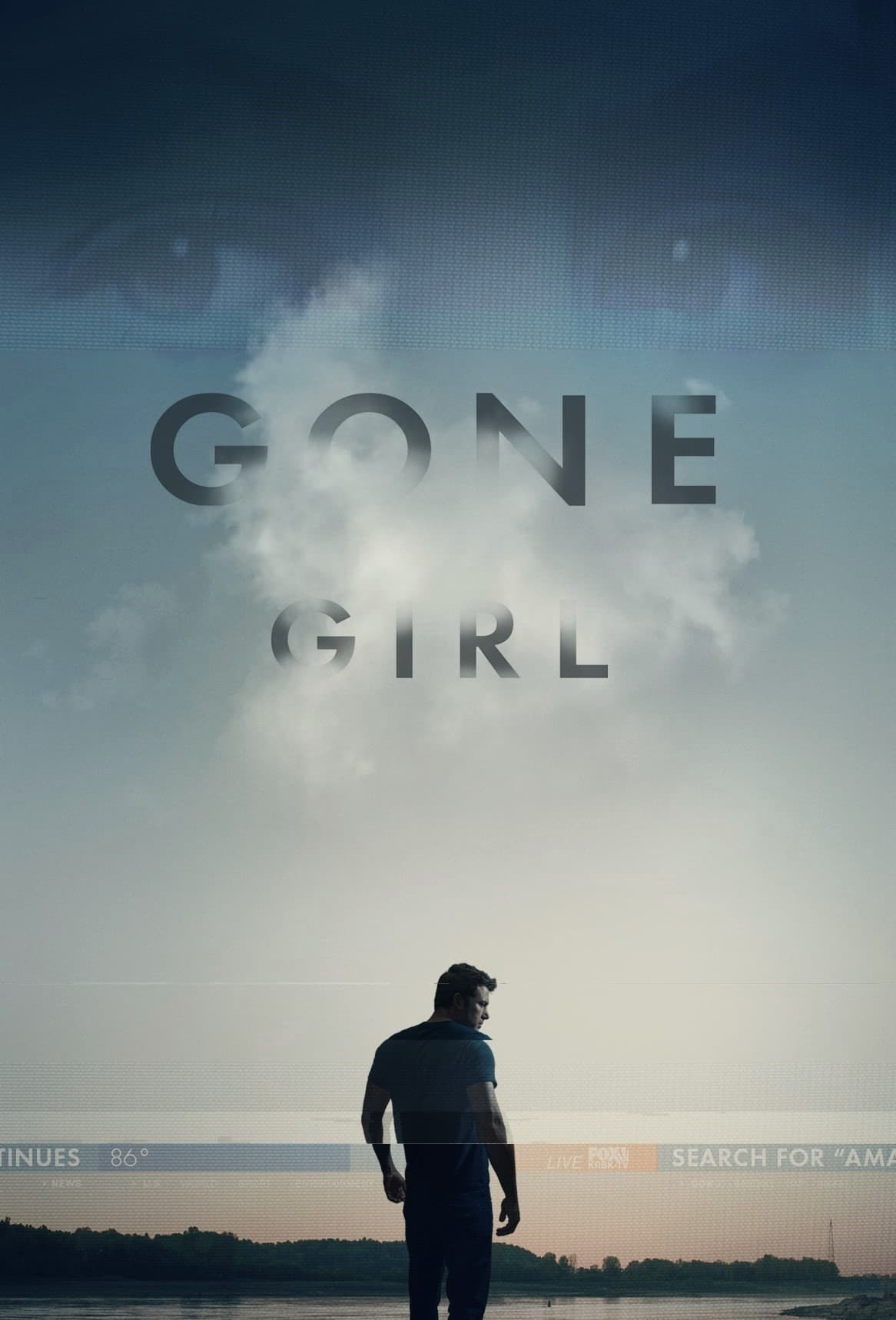
The final chapters keep Nick and Amy together under a weaponized narrative of image and control. David Fincher stages press conferences, TV interviews, and household routines to show marriage as a performance. The ending aligns with the story’s interest in authorship—who writes the version of events that the public believes. The closing exchange codifies a stalemate maintained by mutual leverage.
‘The Witch’ (2015)
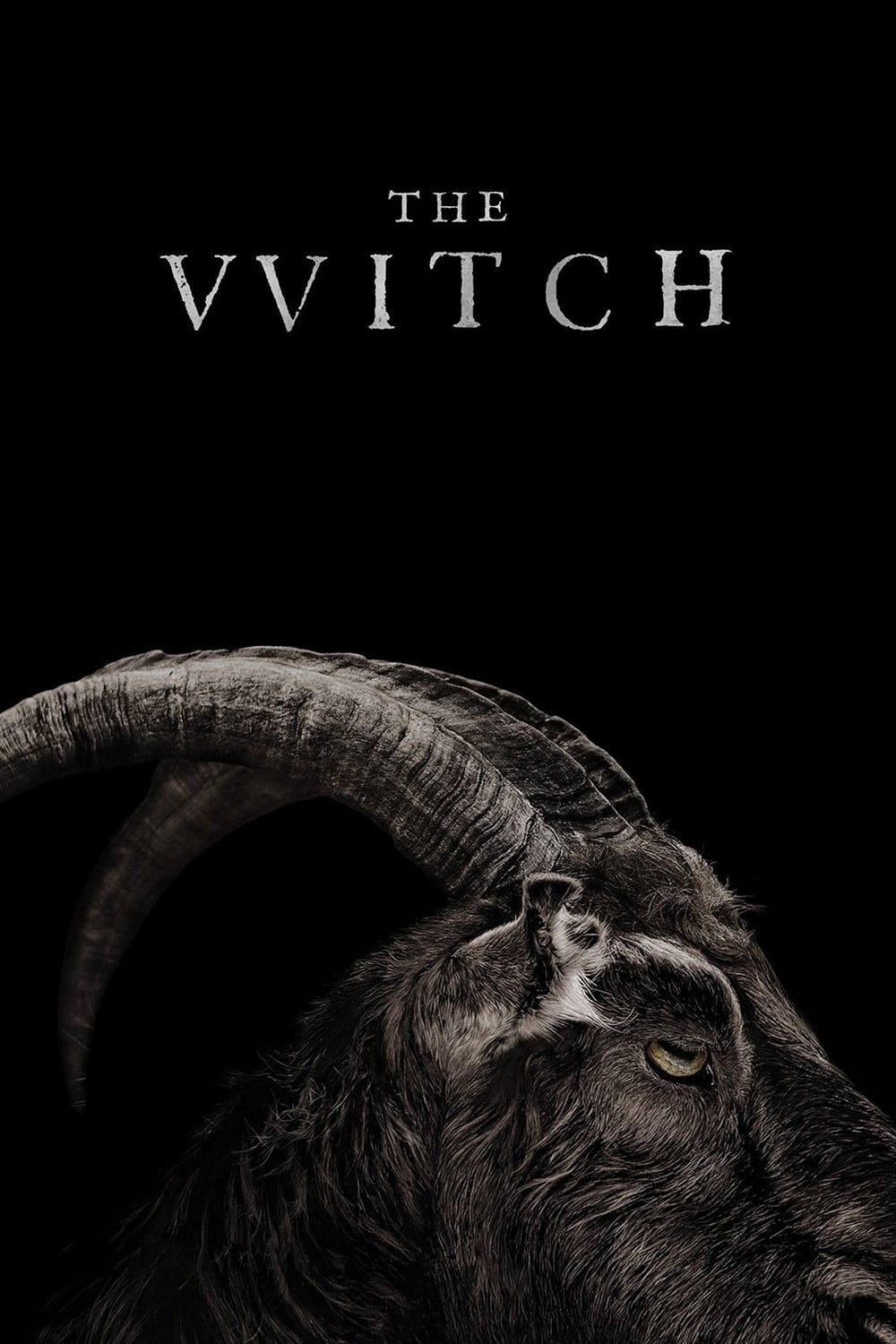
The last sequence takes Thomasin into the woods to join a sabbath after she signs a book. Robert Eggers builds this destination from earlier temptations, livestock omens, and a household eroded by religious paranoia. Early dialogue and folk details establish the cosmology the film will ultimately confirm. The final levitation is the literalization of forces the story has been invoking throughout.
‘Nope’ (2022)
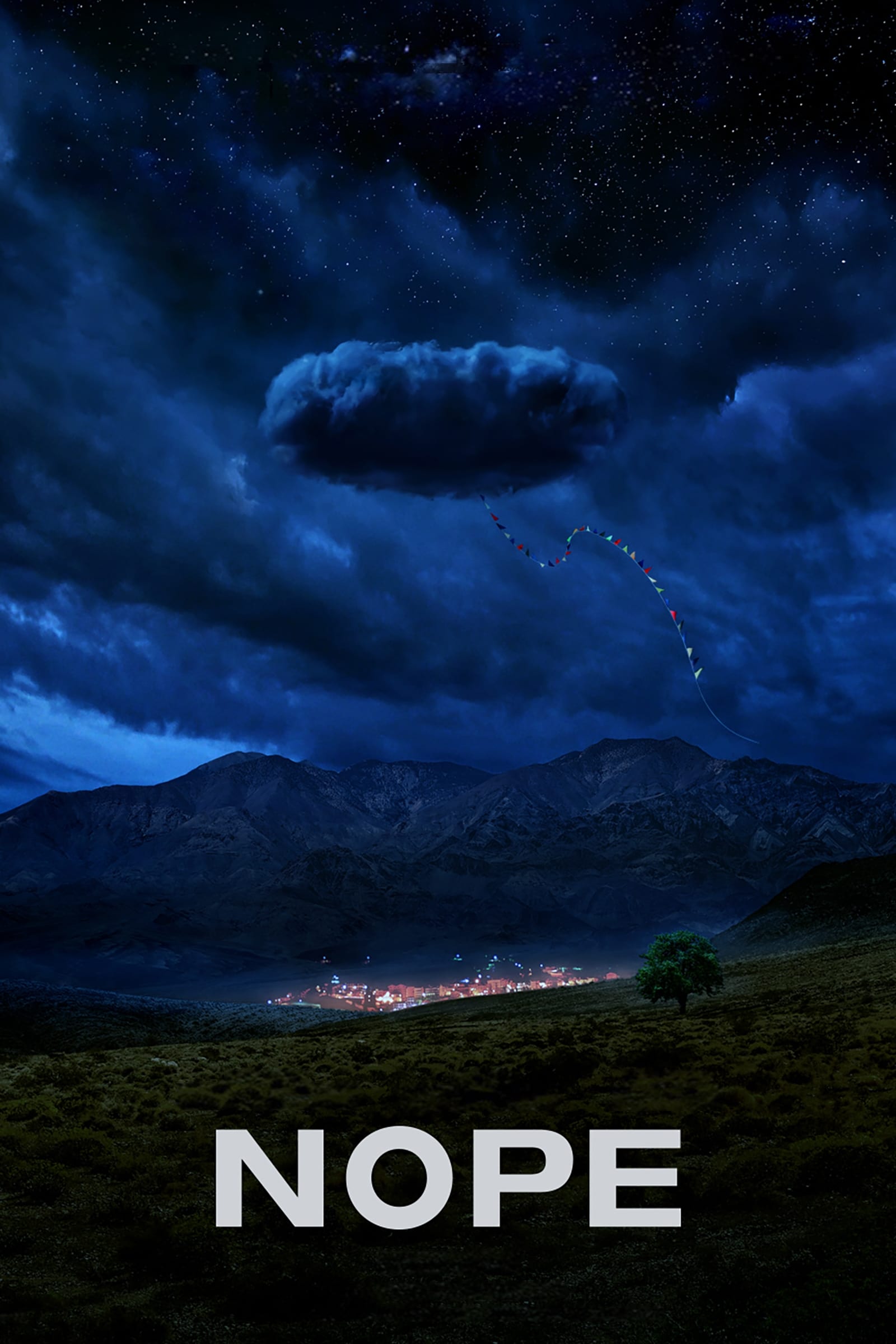
The climax reframes the threat as an animal whose behavior can be studied and exploited. Jordan Peele seeds rules—eye contact, decoys, flags, and digestion—that the characters test in the final plan. The image capture solution uses earlier showbiz motifs about spectacle and exploitation. The last shot’s ambiguity about survival focuses attention on what was witnessed and who controls the image.
‘The Shining’ (1980)
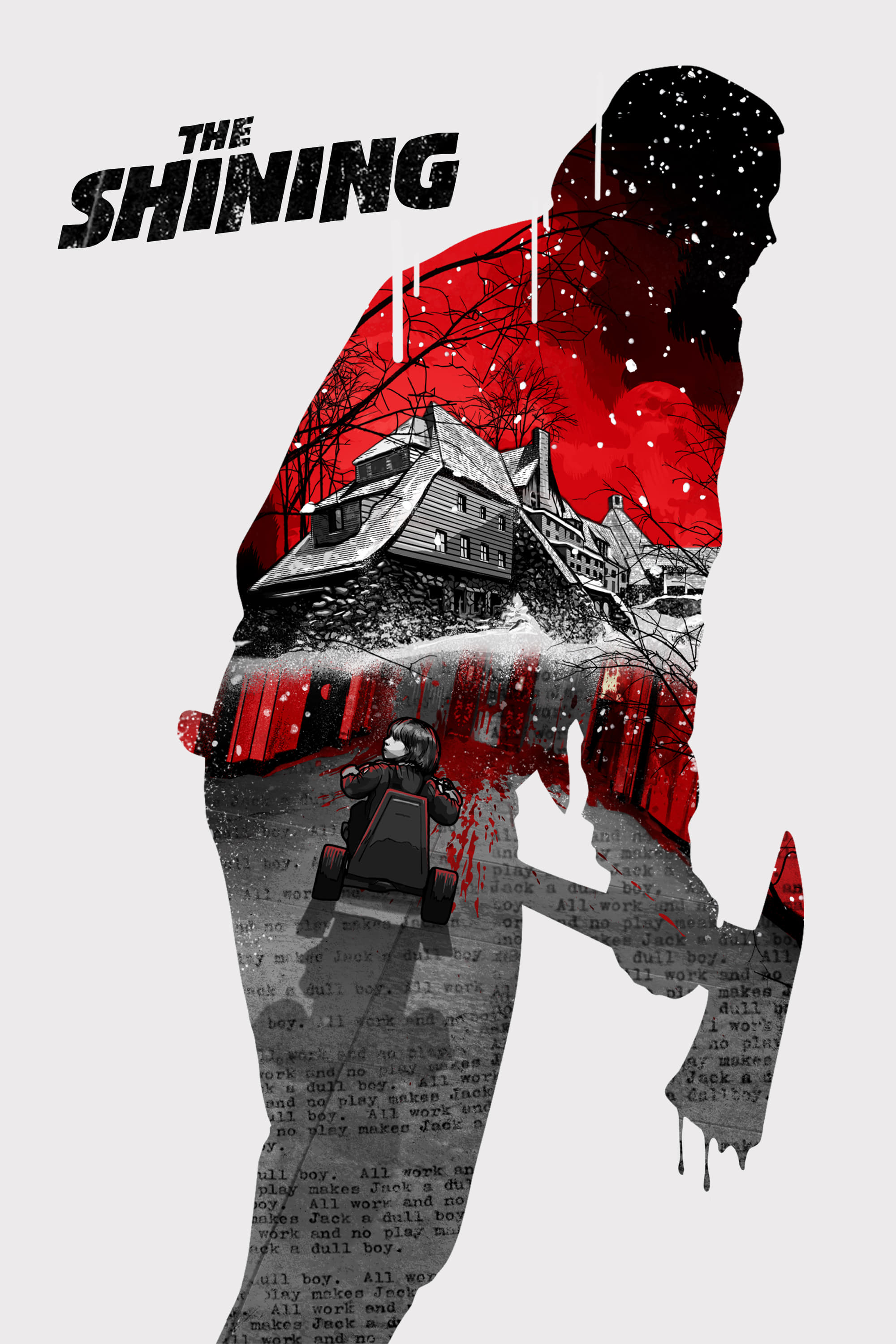
The closing push-in to the old photograph places Jack at the Overlook’s July 4th Ball, decades earlier. Production design repeatedly hints that the hotel absorbs and recycles its caretakers through patterns and echoes. The deleted hospital epilogue once softened this, but most releases end with the uncanny photo that completes a loop. The finale ties possession, history, and place into one enduring image.
‘Mulholland Drive’ (2001)
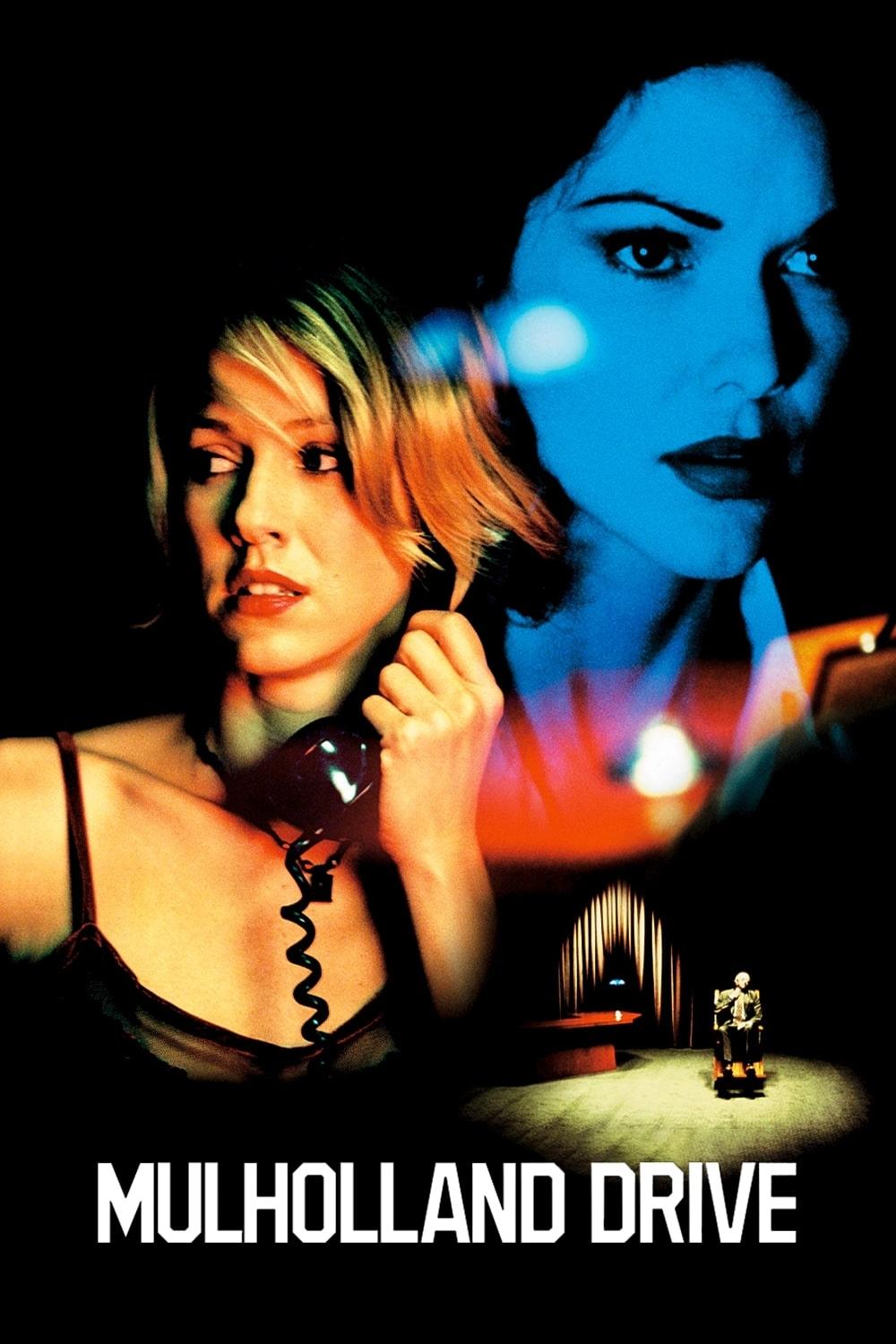
The final act switches identities and reframes earlier scenes as dreams or re-edits of memory. David Lynch uses Club Silencio, the blue box, and doubled characters to signal a collapse between fantasy and reality. The structure maps desire, guilt, and Hollywood aspiration onto a puzzle that intentionally lacks a single solution. The last images function as the aftermath of a choice the protagonist cannot undo.
‘Donnie Darko’ (2001)
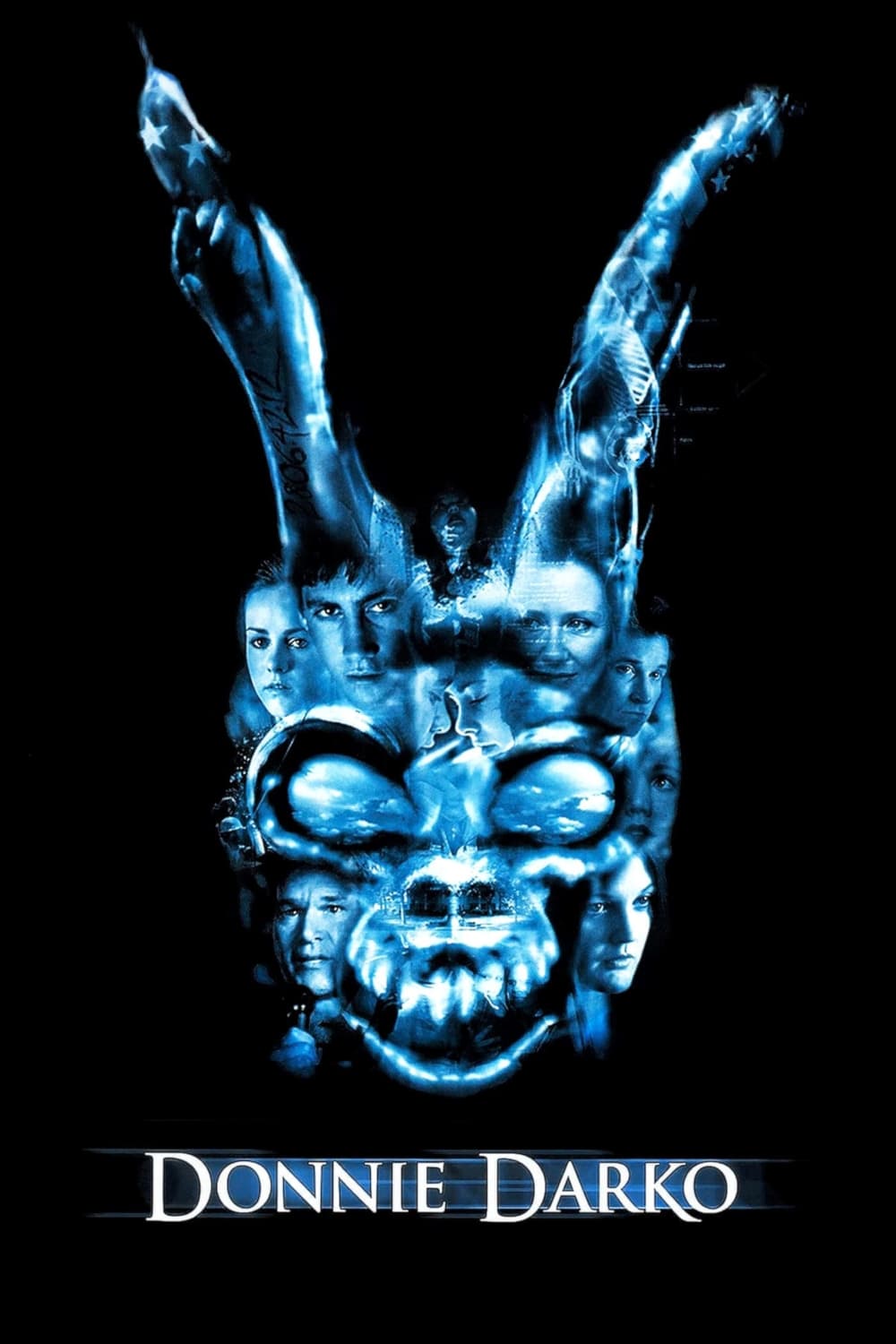
The rewind to the jet-engine impact resets events so that casualties from the tangent timeline never occur. Richard Kelly’s director’s cut adds chapter cards explaining the mechanics of manipulated dead and living. The closing montage shows characters with residual emotion, implying memory traces across timelines. The ending is a temporal correction rather than a trick twist.
‘The Thing’ (1982)
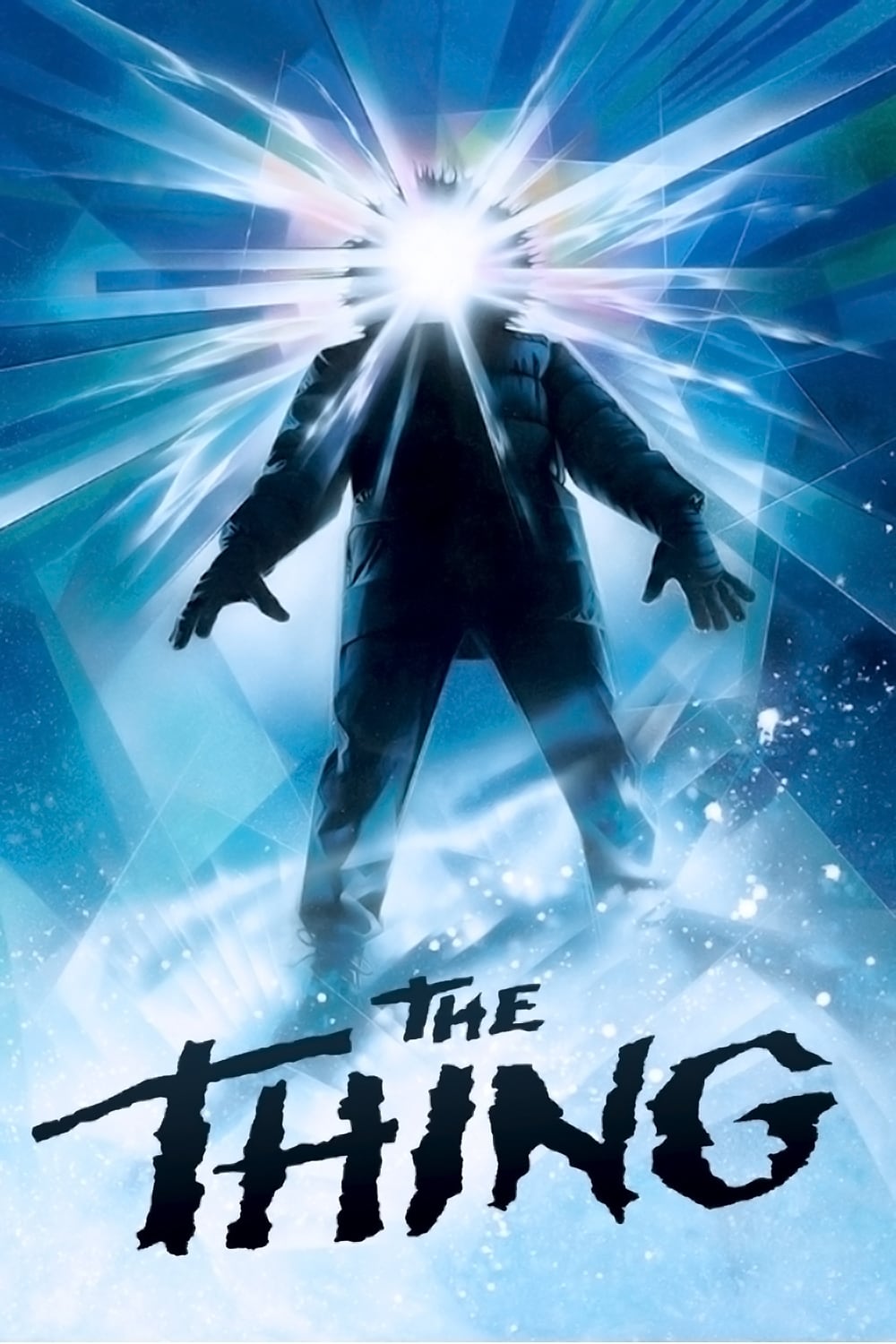
MacReady and Childs share a bottle as the camp burns, with neither man certain about the other. Throughout the film, tests, clothing swaps, and offscreen gaps keep the infection status uncertain. Sound and staging in the final scene preserve that ambiguity while confirming extinction-level stakes. The ending holds on mutual suspicion because that has been the governing condition from the start.
‘Shutter Island’ (2010)
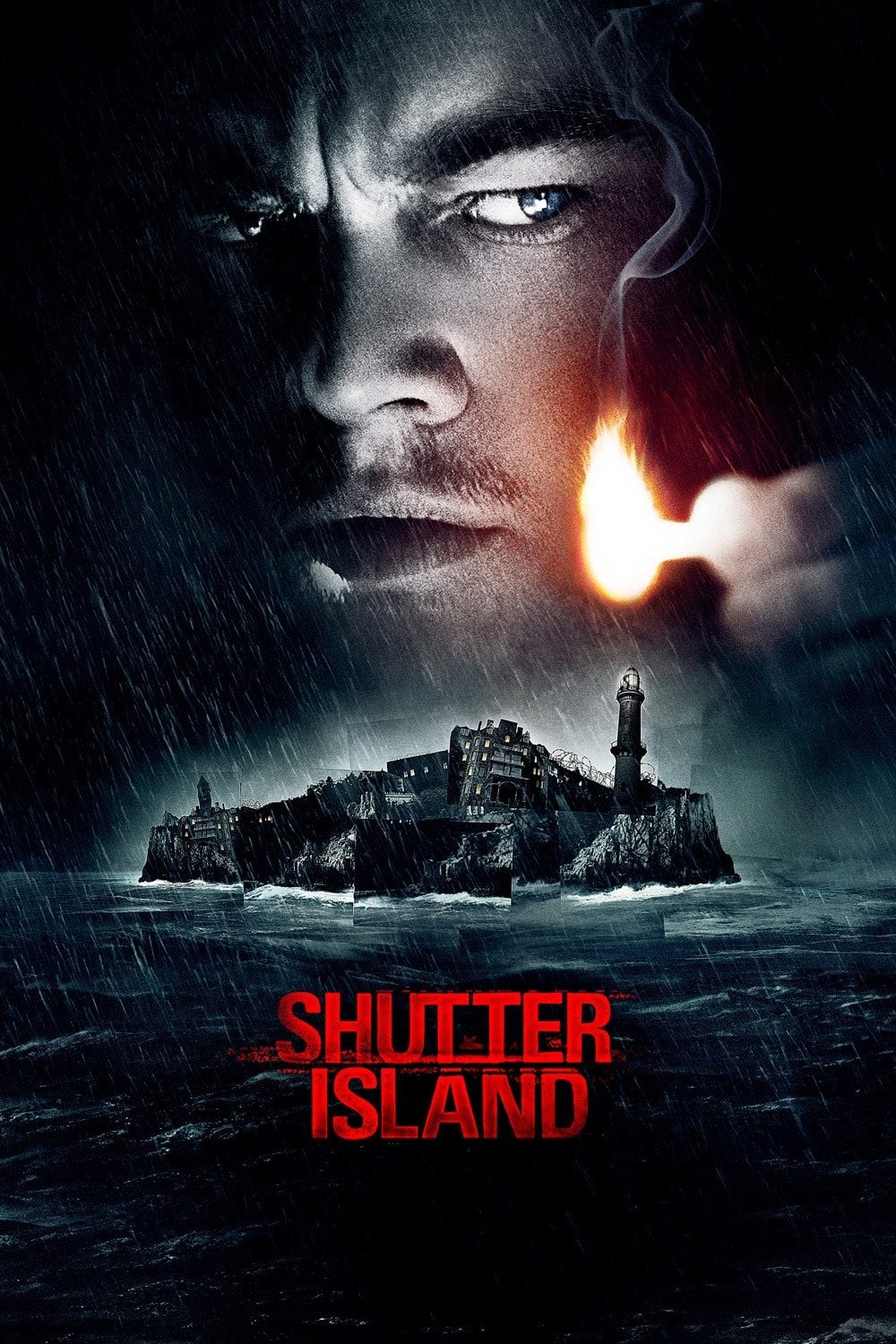
The closing line raises whether Teddy chooses a lobotomy or momentarily slips into clarity. Martin Scorsese and his editors layer flashbacks, role-play evidence, and doctor testimony to support the hospital’s version of events. The lighthouse sequence shows a designed therapeutic performance reaching its planned conclusion. The last exchange reframes the outcome as a voluntary escape from unbearable memory.
‘The Prestige’ (2006)
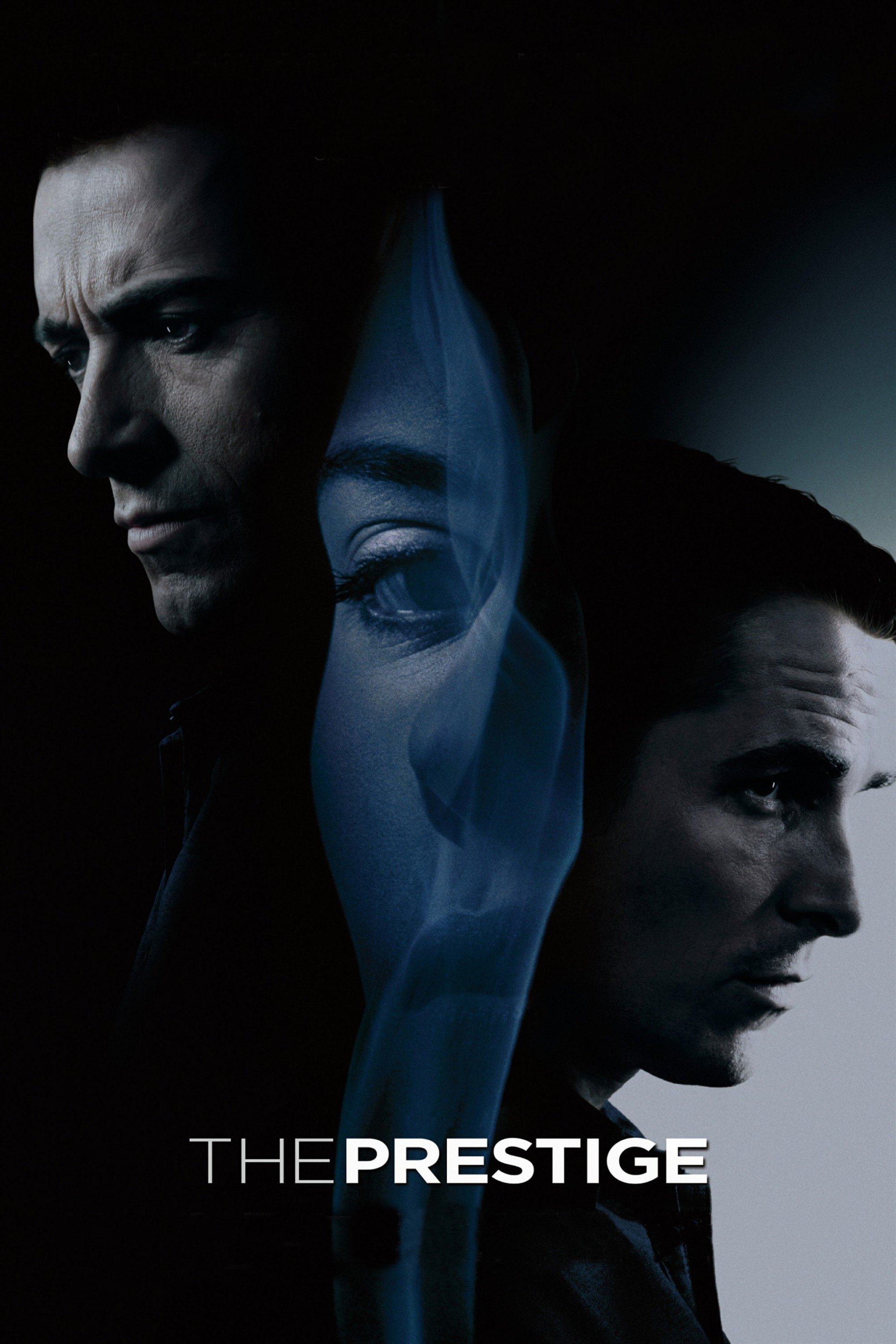
The reveal of duplicated Angiers and Borden’s secret twin resolves competing obsessions through parallel sacrifices. Journal structure and nested confessions prepare the ground for both solutions without signposting them. The row of tanks confirms the cost of Angier’s method and the scale of his deception. The closing line about the “pledge, turn, and prestige” maps magic’s form onto the narrative’s design.
‘Oldboy’ (2003)
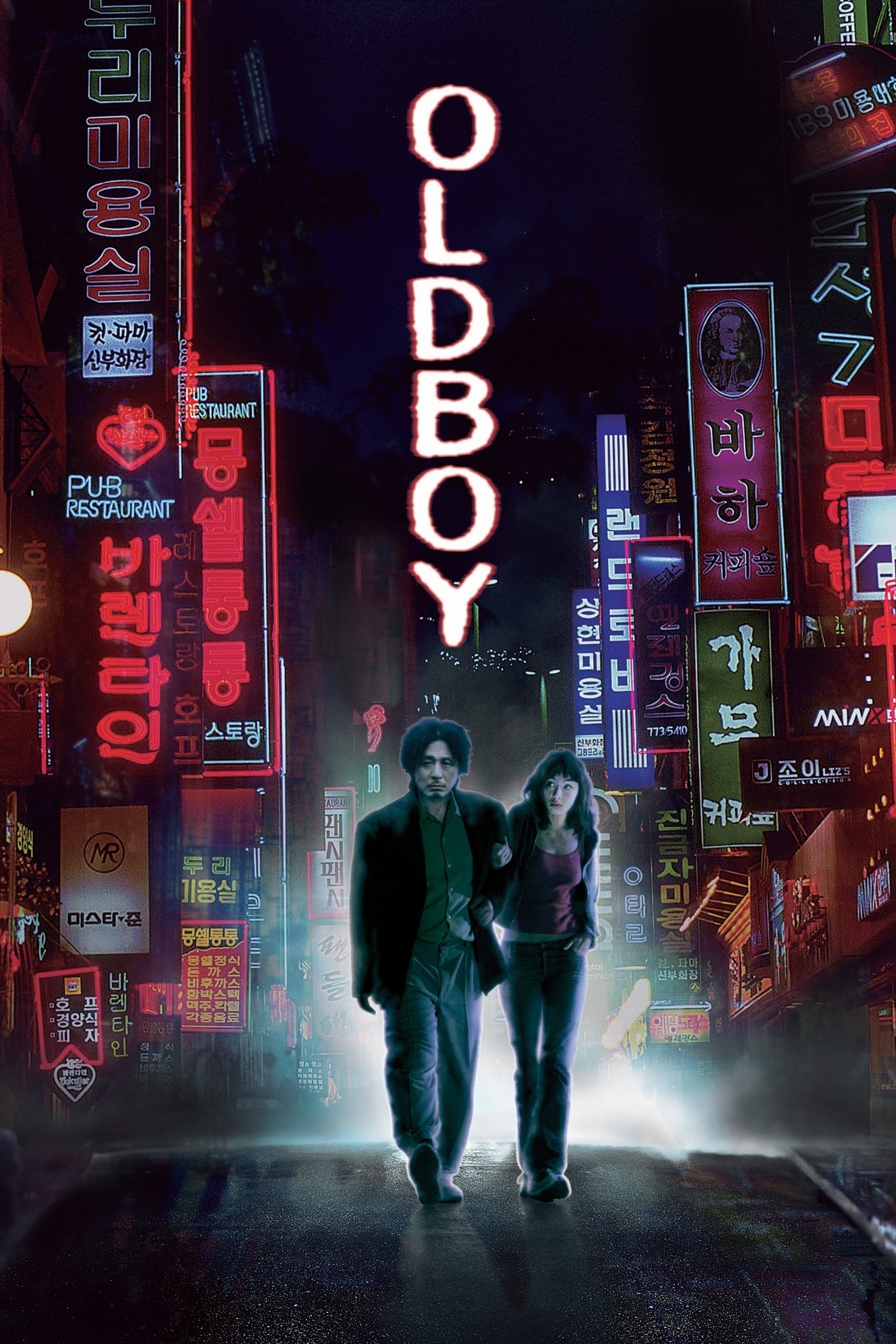
The hypnotic suggestion and self-mutilation leave the protagonist uncertain whether his memory has been altered again. Park Chan-wook ties the transgression, the revenge architecture, and the moral ruin into a final snowbound embrace. The photo studio, the tape, and the staged reveals build toward a choice to forget rather than to heal. The ending’s cruelty is the point of the revenge parable.
‘I Am Legend’ (2007)
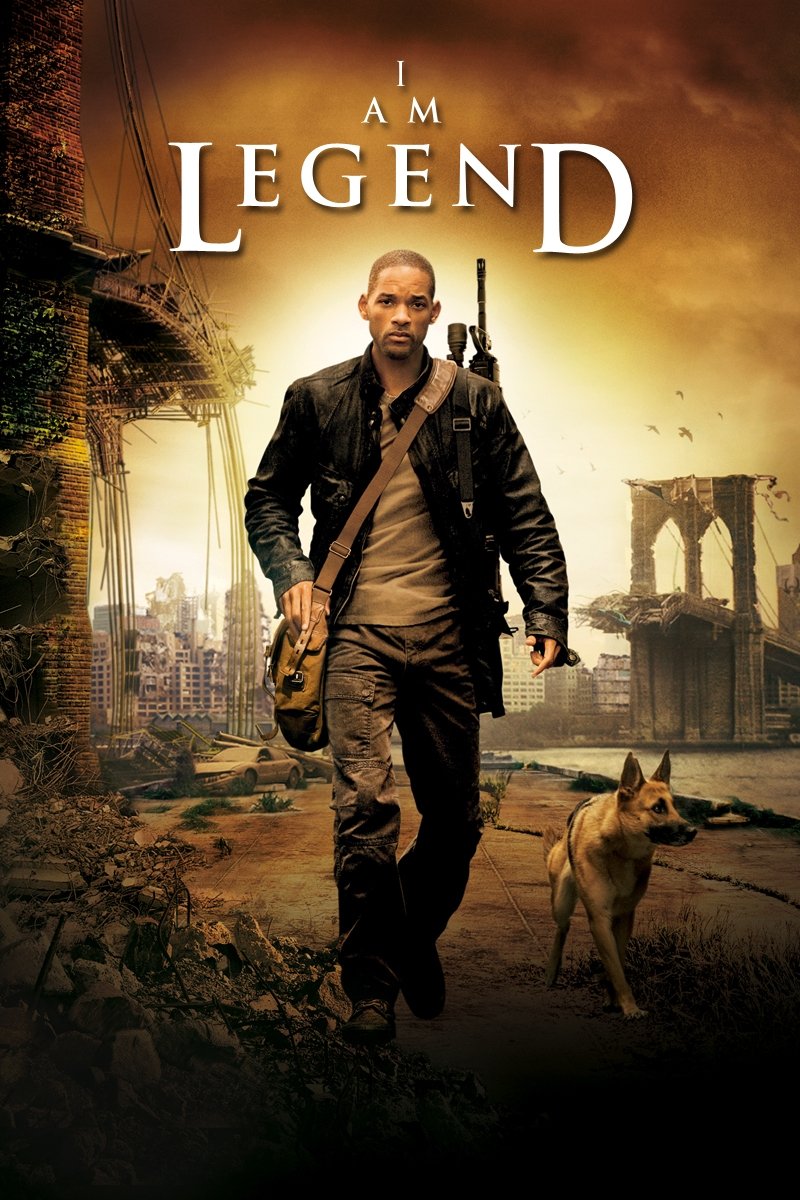
The theatrical cut ends with a sacrificial grenade, while an alternate cut shows the creatures retrieving a mate and leaving. The latter reframes the infected as social beings with their own codes, aligning more closely with the novel’s thesis. Visual motifs—butterfly shapes and wall photos—support both readings in different ways. Which cut you see alters the moral, not the plot’s spine.
‘Annihilation’ (2018)
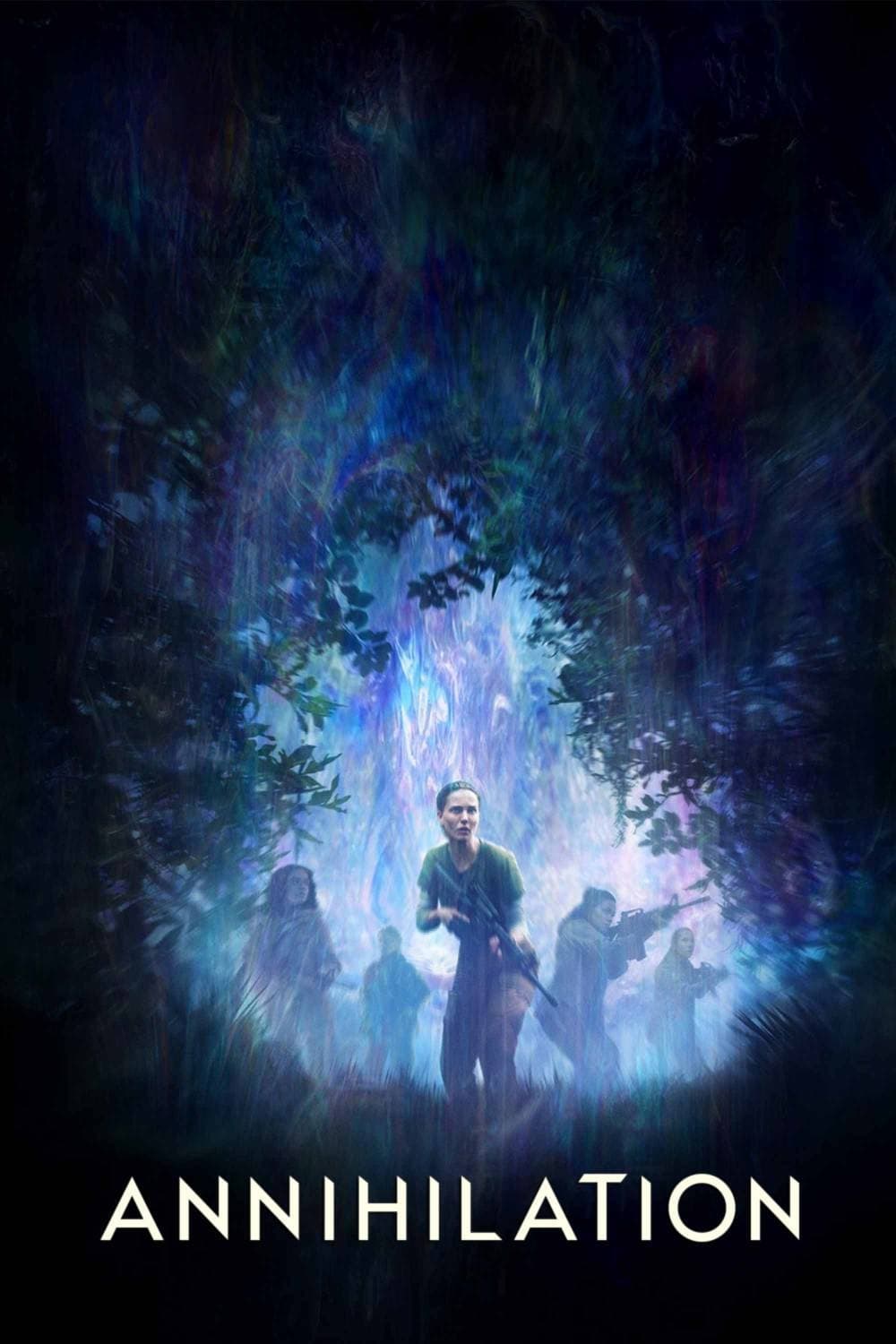
The lighthouse sequence merges doubles, refractions, and mimicry into a dance that replaces the protagonist. Throughout, the Shimmer rewrites DNA and behavior, so the finale literalizes that process with a copied self. The tattoo, the glass refractions, and the phosphorus grenade set up the final image’s uncertainty. The closing shot tracks the question of identity rather than survival alone.
‘A Serious Man’ (2009)
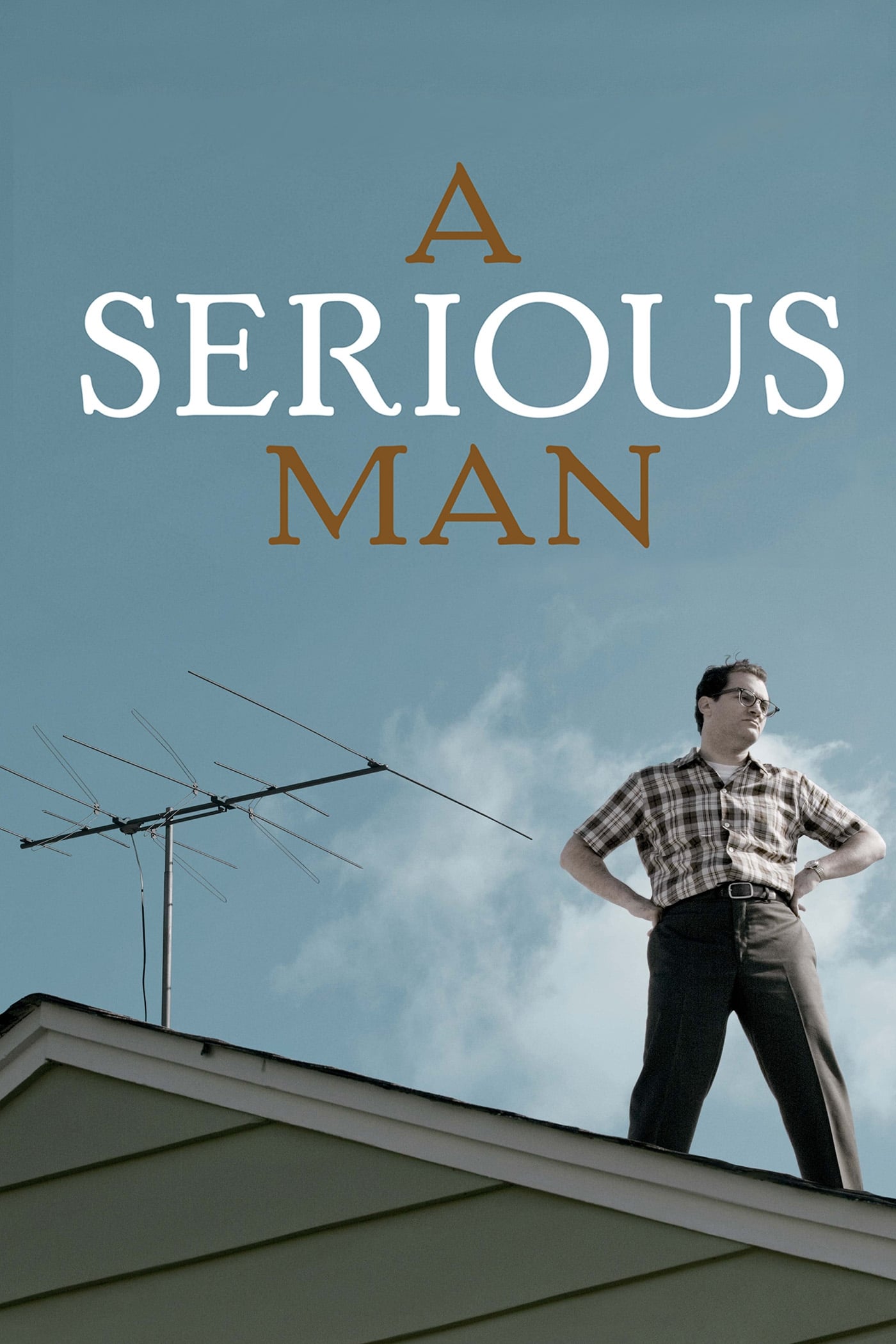
A phone call from a doctor and a forming tornado arrive as the screen cuts to black. The Coen brothers construct a Job-like structure where attempts to decode meaning yield only more trouble. A prologue in a shtetl and recurring parables establish an interpretive frame the protagonist cannot use to his advantage. The last beat ties moral compromise to looming catastrophe without spelling out a lesson.
‘The Usual Suspects’ (1995)
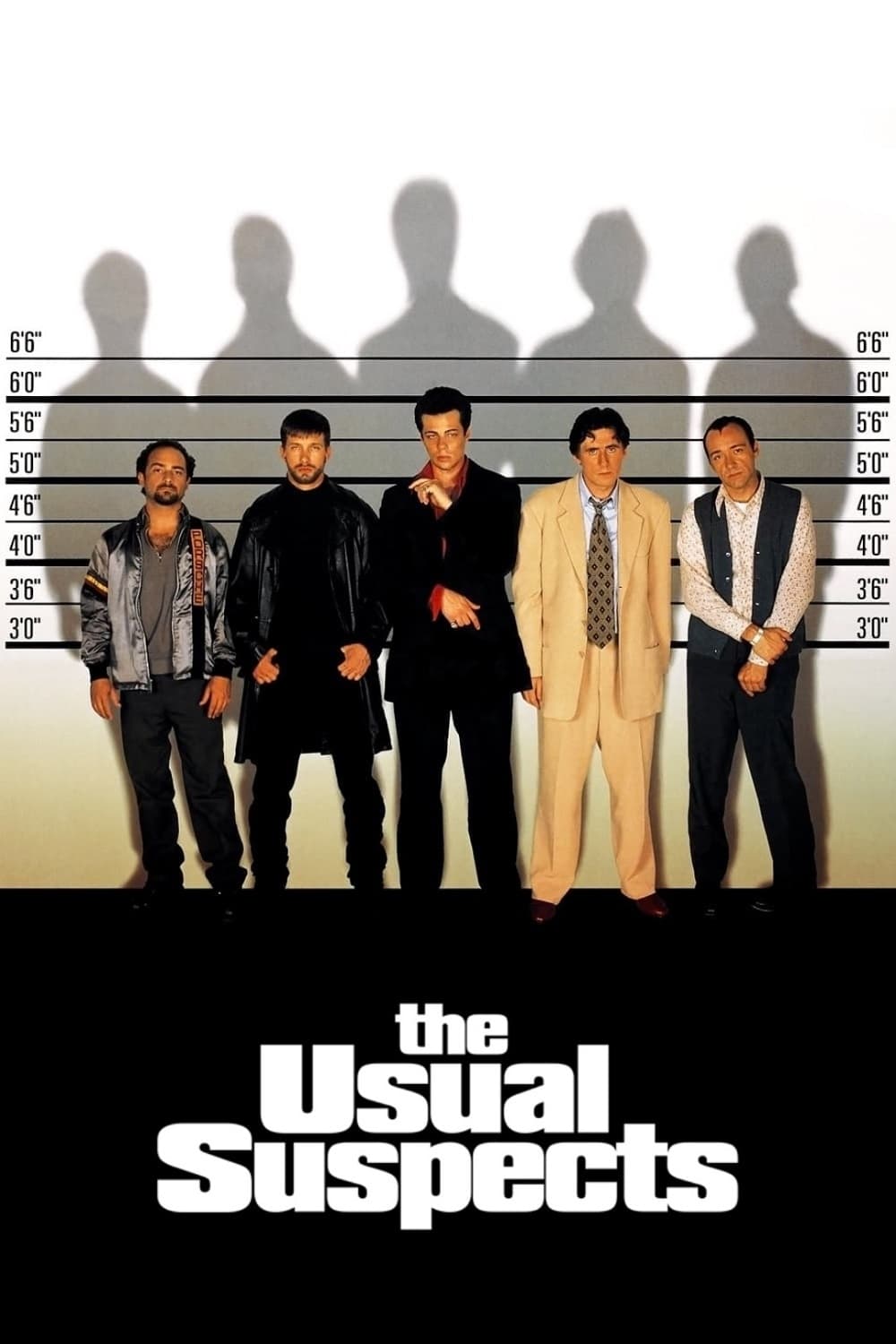
The mug dissolves, the limp vanishes, and a bulletin board’s details reassemble into a fabricated story. Editing and performance coordinate to recontextualize every prior scene as part of an unreliable confession. The lighter and gold watch confirm identity through props rather than exposition. The ending’s satisfaction lies in the mechanics of deception, not in a moral outcome.
‘The Wrestler’ (2008)
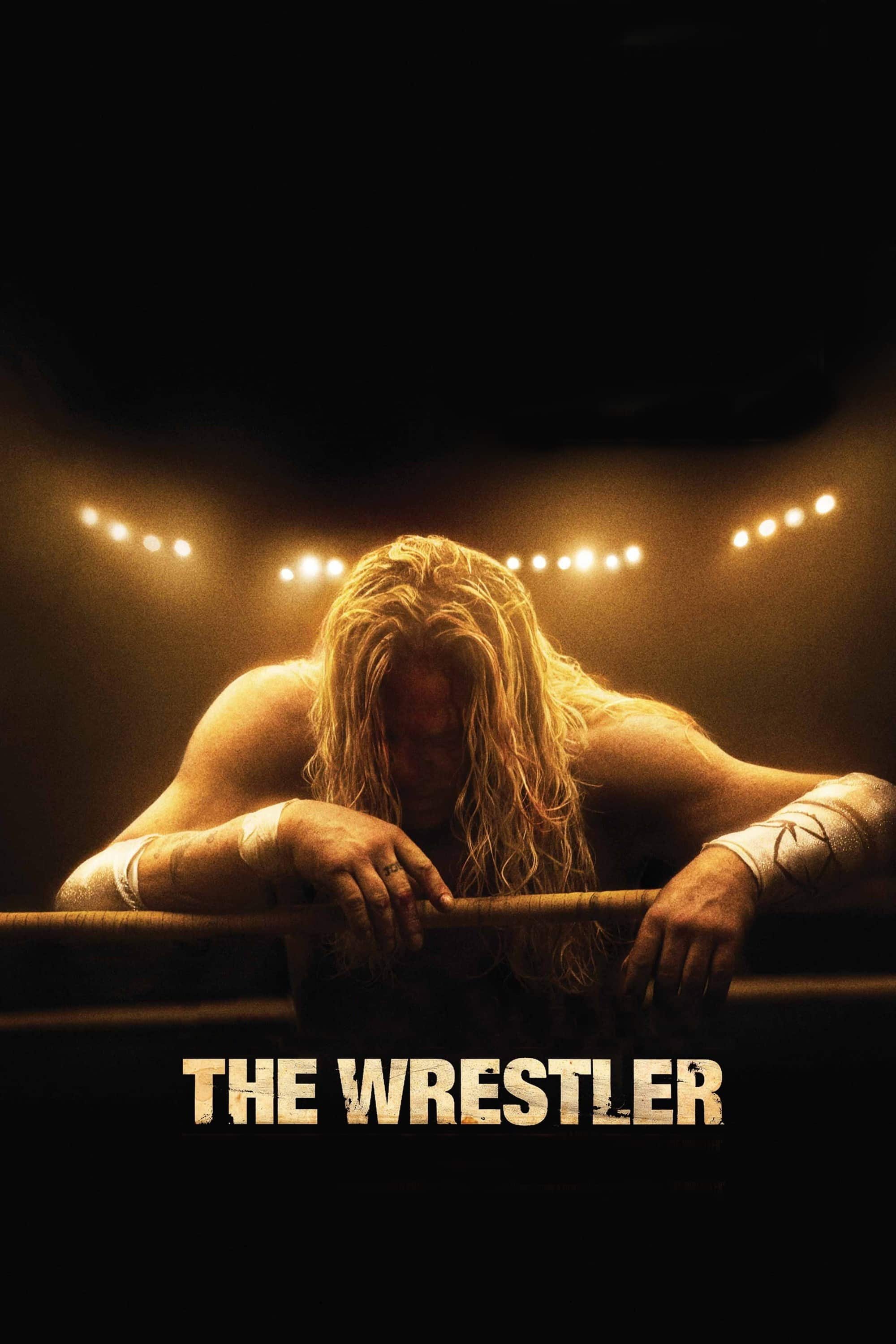
The final leap is held in the air as the screen cuts away from impact. Darren Aronofsky repeats the “Ram Jam” setup to show a decision that merges persona and self-destruction. Medical warnings, reconciliations, and backstage rituals all funnel into that last choice. The cutoff preserves dignity and denial at the same time.
‘Nightcrawler’ (2014)
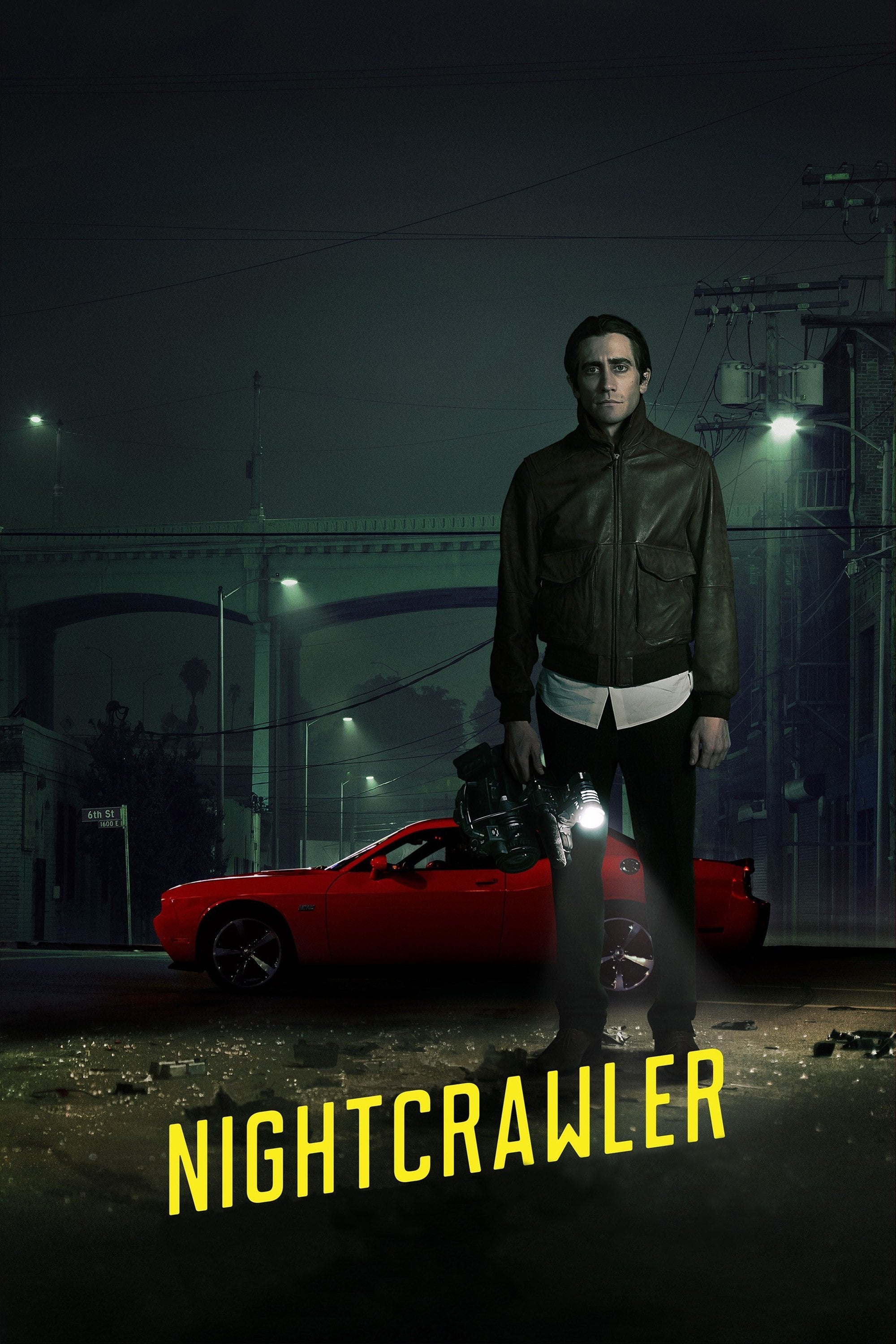
The protagonist expands his business after orchestrating and filming carnage for profit. Dan Gilroy uses contract language, newsroom meetings, and police briefings to show incentives that reward predation. The ending emphasizes structural validation—new vans, new hires—over punishment. It closes on process, not penance.
‘Prisoners’ (2013)
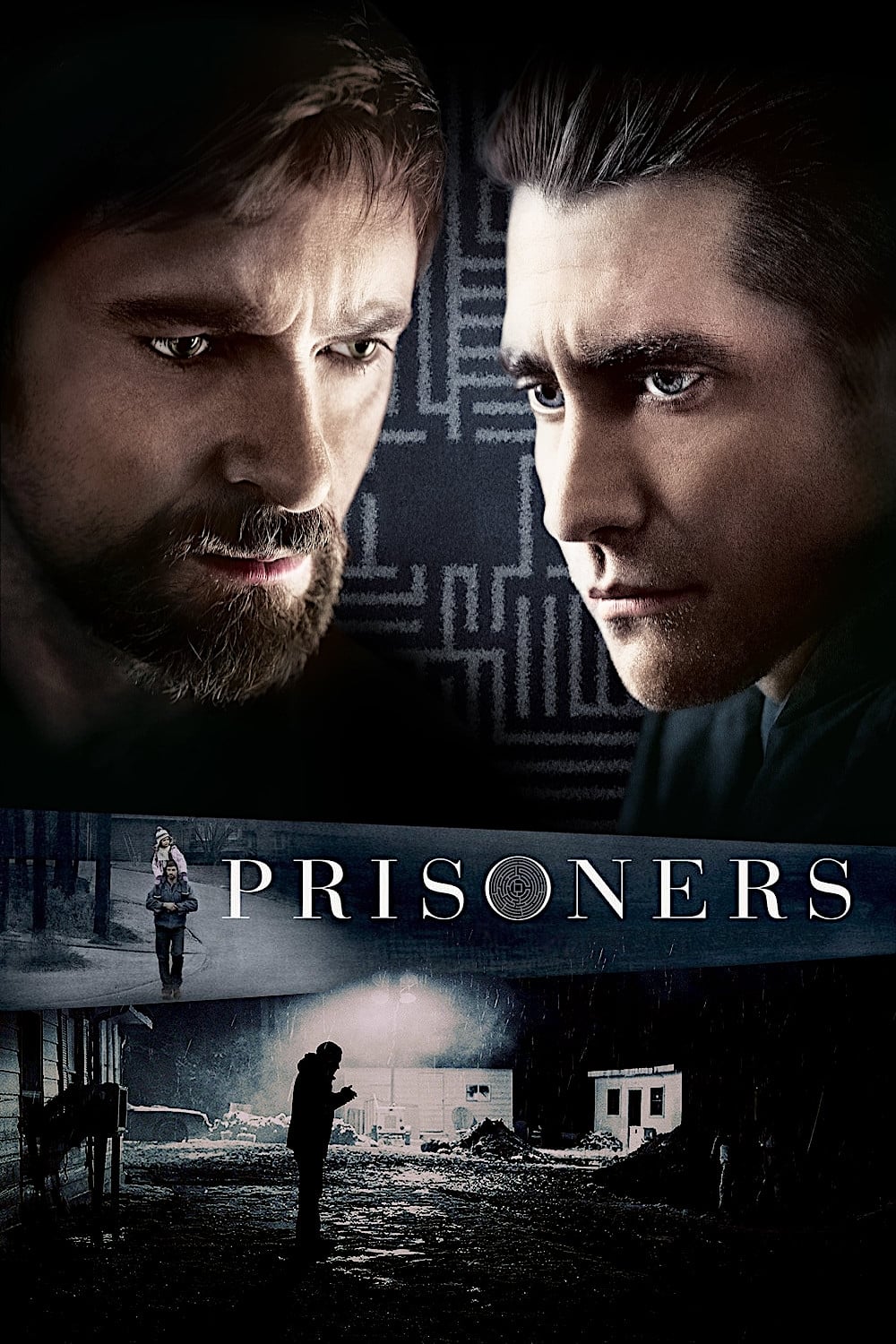
A faint whistle under the search lights implies discovery just as the film ends. Denis Villeneuve sets that sound up with the earlier maze whistle and the pit’s location on the property. The investigation’s timeline establishes why the search would continue there through the night. The cut preserves suspense while pointing to a probable rescue.
‘The Vanishing’ (1988)
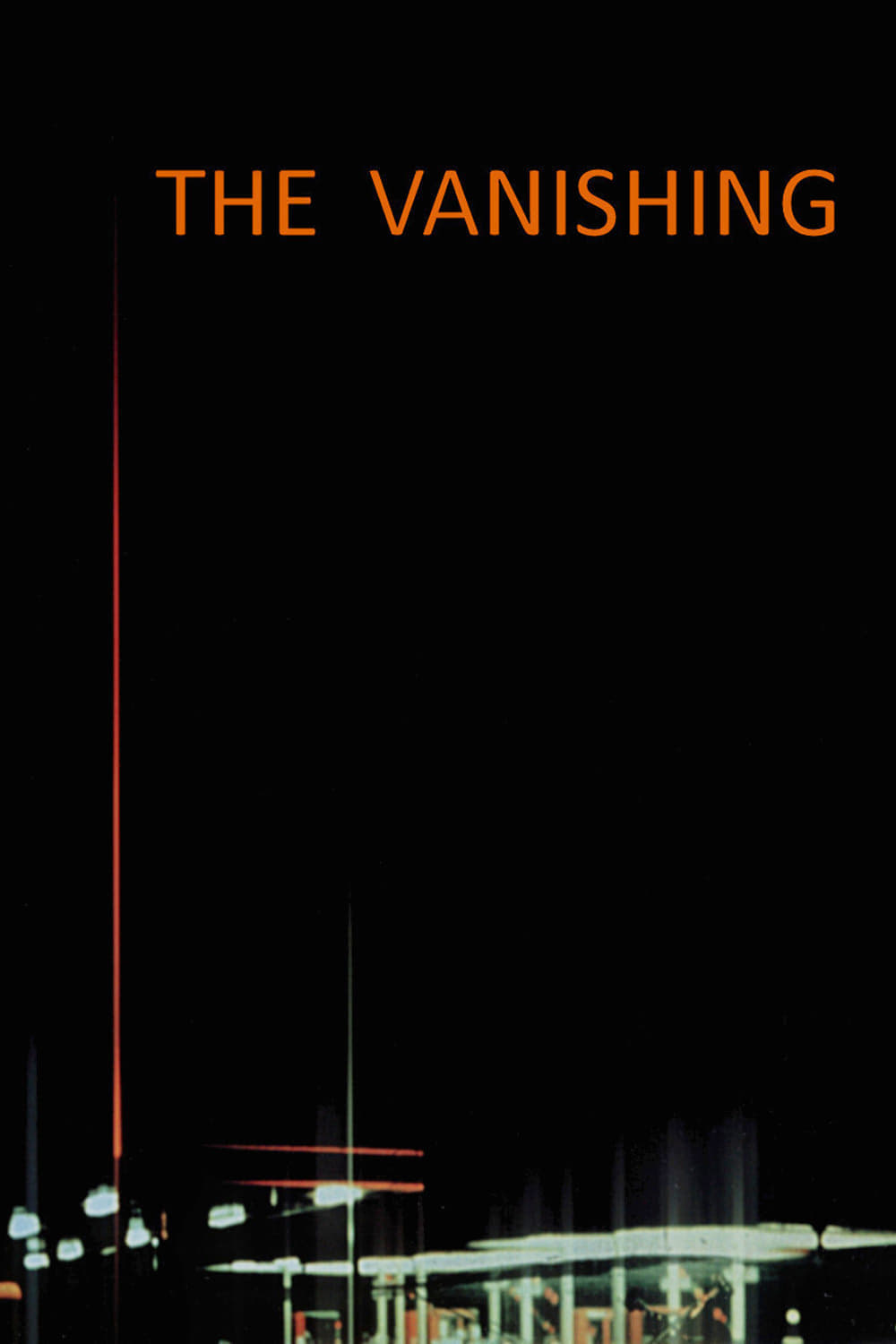
The buried-alive conclusion fulfills a kidnapper’s promise to reveal what happened. George Sluizer methodically builds to this with postcards, gas stations, and an unwavering ritual of coffee and coins. The structure denies catharsis to match the killer’s experiment about fate and free will. The ending stands as the film’s thesis about curiosity and consequence.
‘The Cabin in the Woods’ (2011)
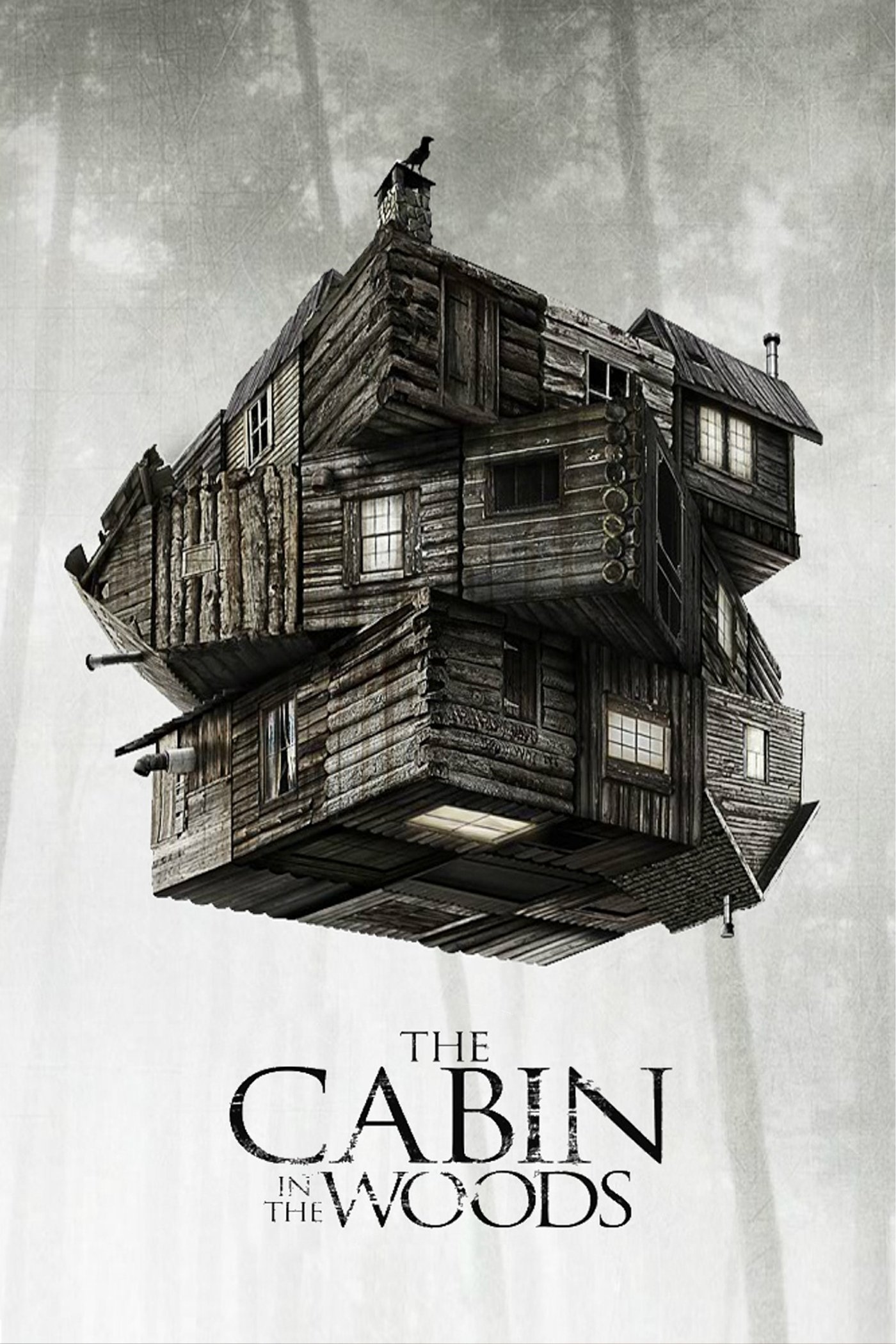
The purge and the hand of a giant god end the world after two survivors reject the ritual. Throughout, elevator monsters, betting pools, and control-room levers diagram a system that demands sacrifice. The joint decision in the finale follows the characters’ refusal to perpetuate that system. The apocalypse is the logical outcome of their choice, not a random shock.
‘Coherence’ (2013)
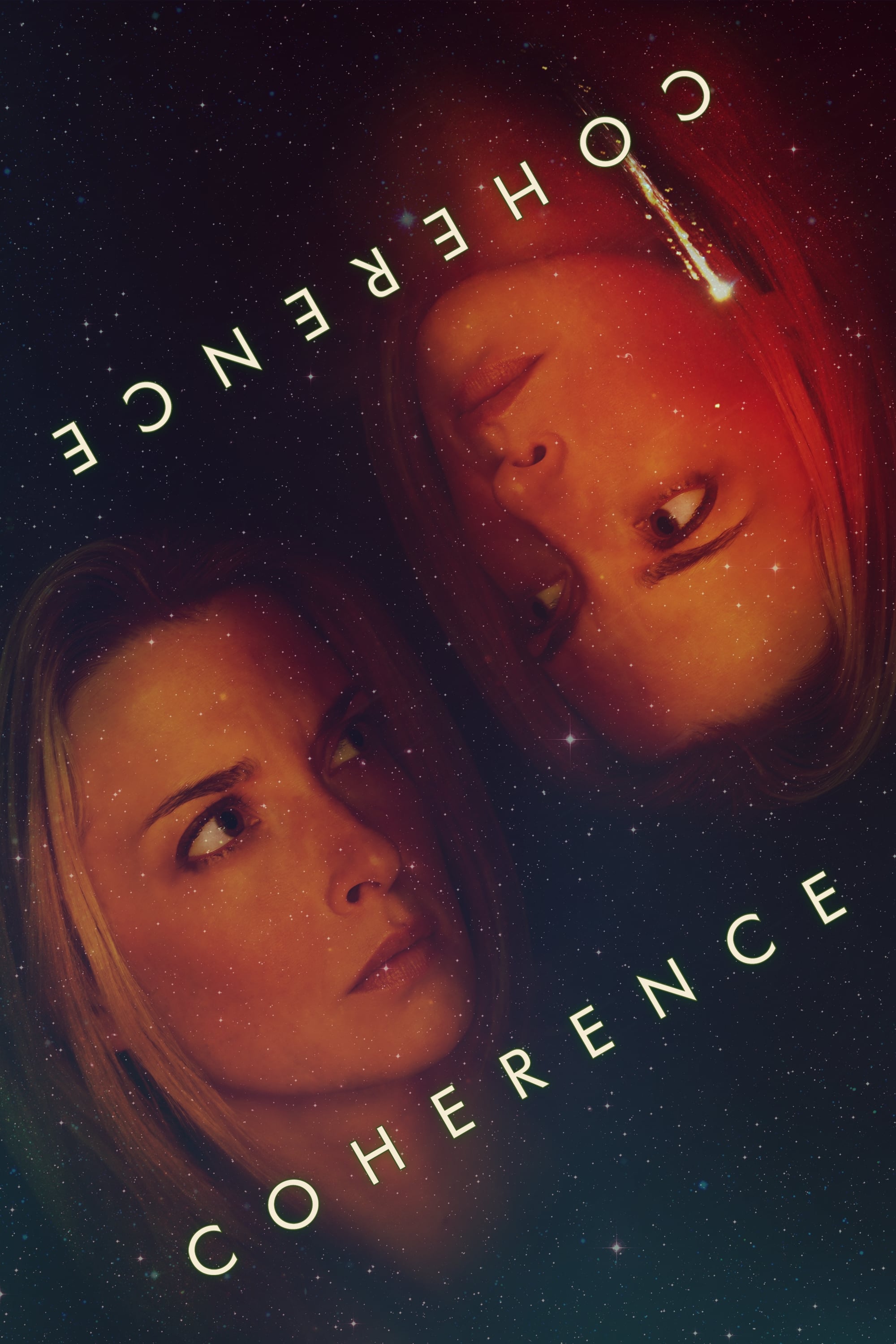
A dinner party fractures across realities as characters cross between identical houses during a comet pass. The final sequence shows a protagonist attempting to replace her better-self and waking into another mismatch. Glow sticks, numbered boxes, and photographs provide the film’s internal rules. The ending leaves her in a timeline where consequences catch up rather than resetting the board.
‘Triangle’ (2009)

A looping structure traps the lead in repeating incidents tied to guilt and denial. The ship’s logs, the masked assailant’s behavior, and dockside returns map a Möbius path back to the start. The driver conversation and cab ride confirm that the loop is anchored to a specific decision. The last return proves completion of another cycle rather than escape.
‘Snowpiercer’ (2013)
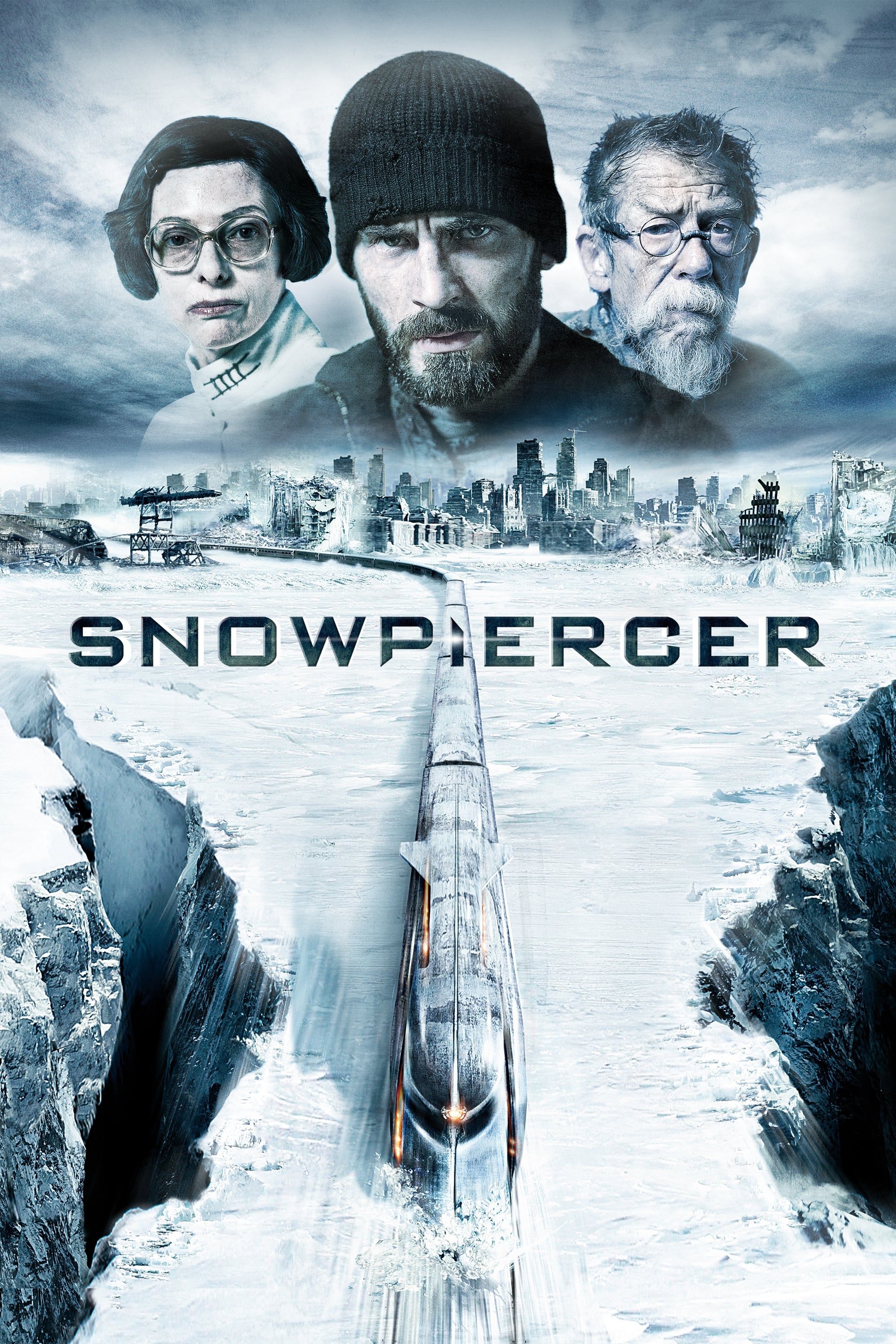
The train’s destruction releases two survivors into a world where wildlife has returned. Bong Joon-ho seeds that possibility with earlier sightings and temperature data within the engine room. The polar bear coda is a sign of ecological recovery, not an immediate guarantee of safety. The ending flips the film’s enclosure into an open question about rebuilding.
‘Burning’ (2018)

A final act of violence follows a long investigation into a possible serial predator. Lee Chang-dong adapts and expands a short story to sustain ambiguity about motive and evidence. Greenhouses, cats, and alibis accumulate as suggestive clues rather than confirmations. The last scene provides resolution of action while withholding certainty of truth.
What other “bad” endings deserve a second look—drop your picks in the comments!

