


Greatest Sitcom Actresses of All Time




Sitcom history is packed with unforgettable performances that shaped comedy and set the standard for what a half hour of television can do, from studio audience classics to sharp single camera hits that defined entire eras.
Lucille Ball
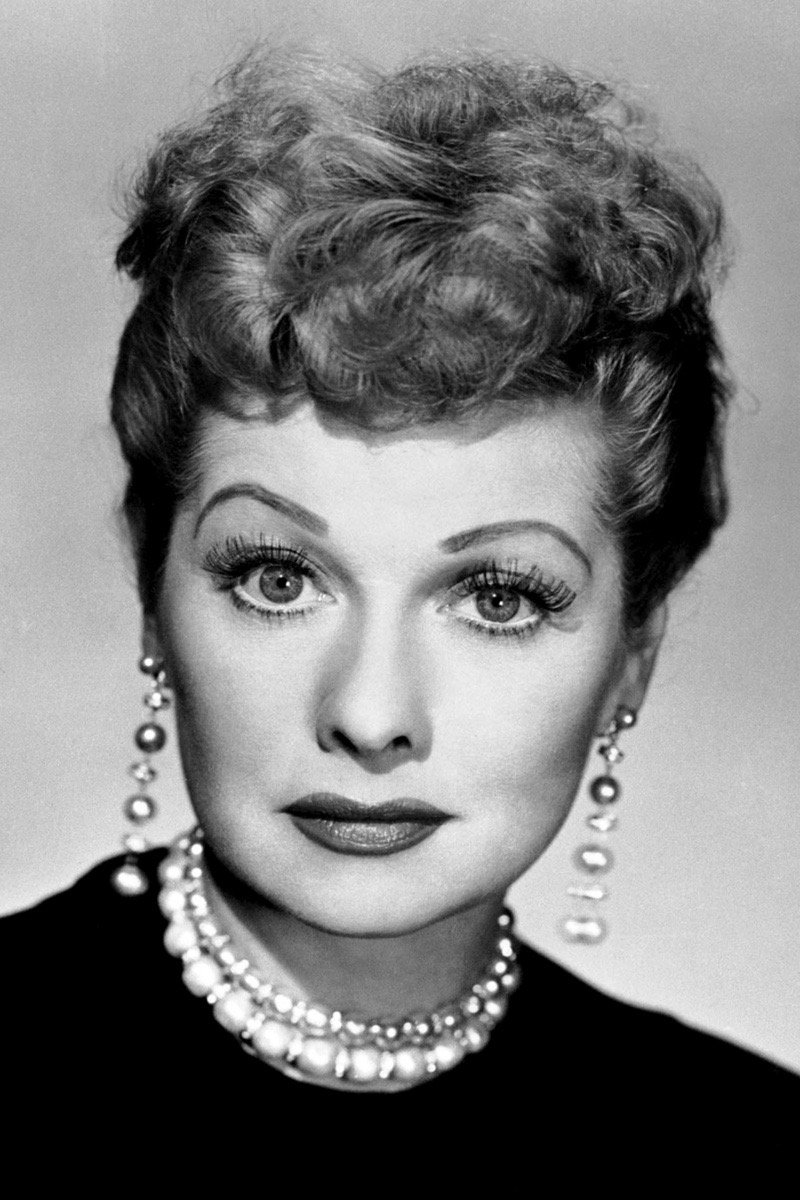
Lucille Ball turned physical comedy into an art form on ‘I Love Lucy’ and showed how precision timing could land laughs in every scene. The show’s chocolate factory and grape stomping set pieces became a blueprint for situational chaos that still inspires writers. She co-owned Desilu Productions, which helped pioneer multi camera shooting and live audience energy for sitcoms. Her leadership behind the scenes also opened the door for more women to produce and star in television.
Mary Tyler Moore
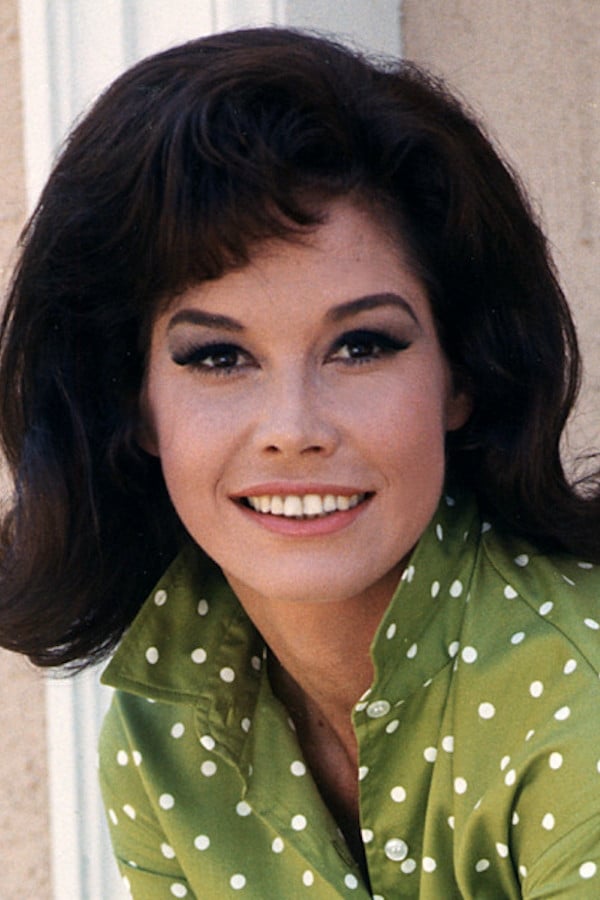
Mary Tyler Moore changed the image of the sitcom heroine with ‘The Mary Tyler Moore Show’ by centering a single working woman in a newsroom. The series used workplace stories to balance character comedy with social issues. Its ensemble approach influenced countless office based comedies that followed. Moore’s production company also helped launch spinoffs and proved star led creative control could deliver long running hits.
Julia Louis-Dreyfus
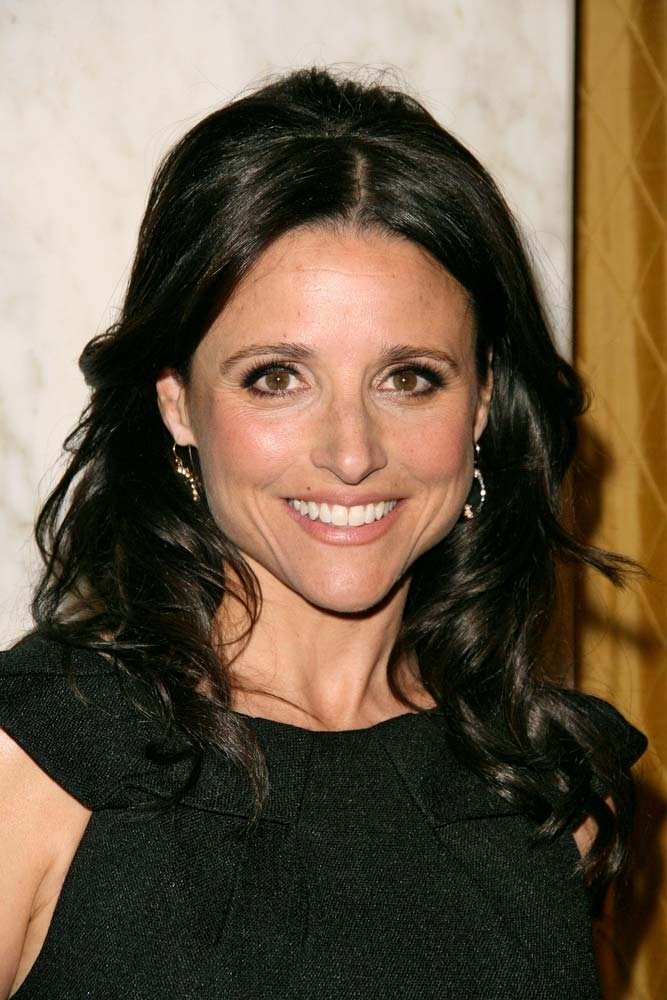
Julia Louis Dreyfus anchored multiple era defining sitcoms with ‘Seinfeld’, ‘The New Adventures of Old Christine’, and ‘Veep’. She set records for Emmy wins in comedy acting while reinventing herself across very different characters. Her work showed how a performer can steer both ensemble and star vehicles with equal sharpness. The consistency of her roles built a modern template for longevity in television comedy.
Betty White
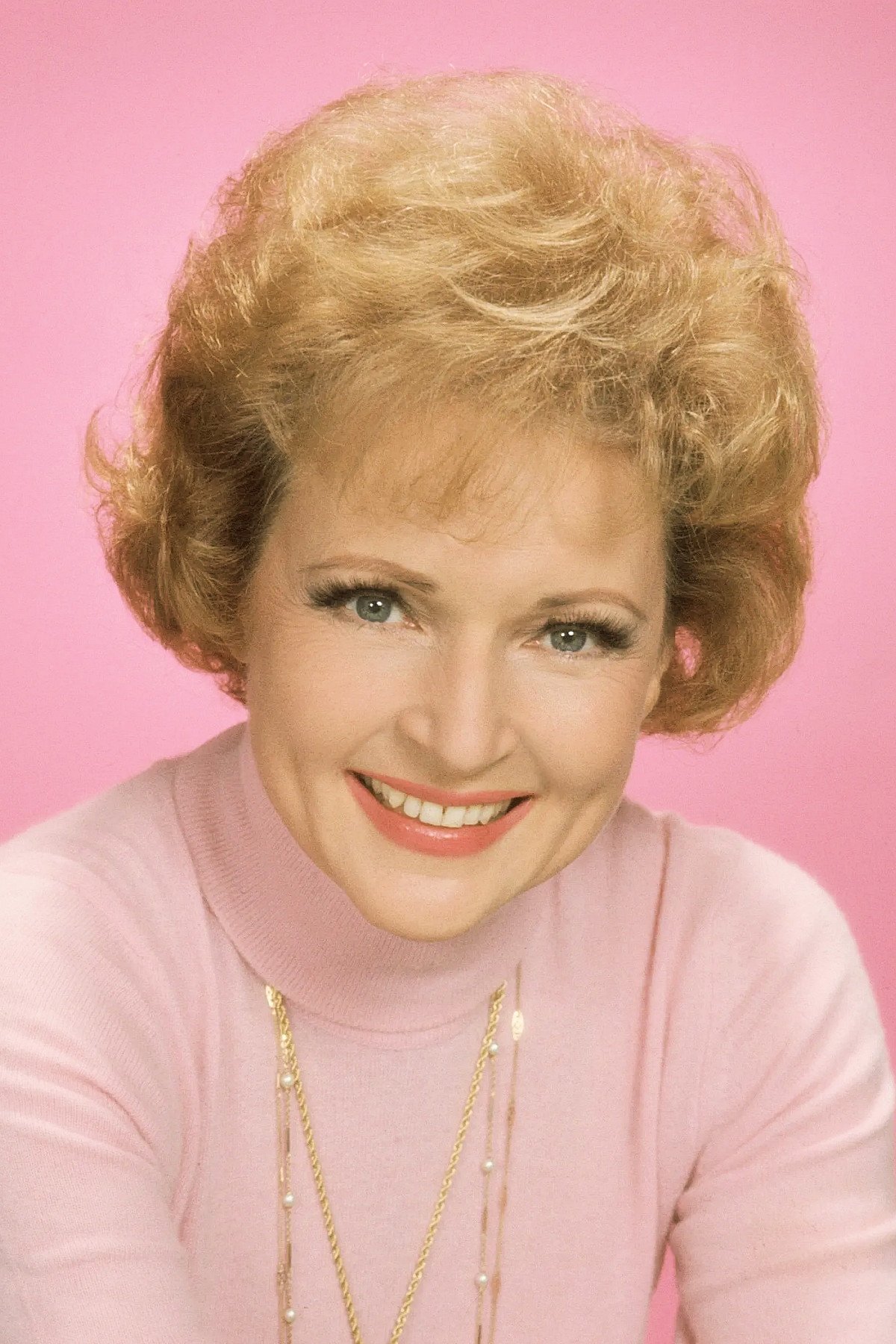
Betty White brought scene stealing precision to ‘The Mary Tyler Moore Show’ and later headlined ‘The Golden Girls’ with impeccable timing. She built a cross generational career that bridged early television and modern streaming cameos. Her ability to land punchlines while playing warm yet biting characters kept her relevant across decades. White’s late career resurgence also proved sitcom legends can find fresh audiences.
Bea Arthur
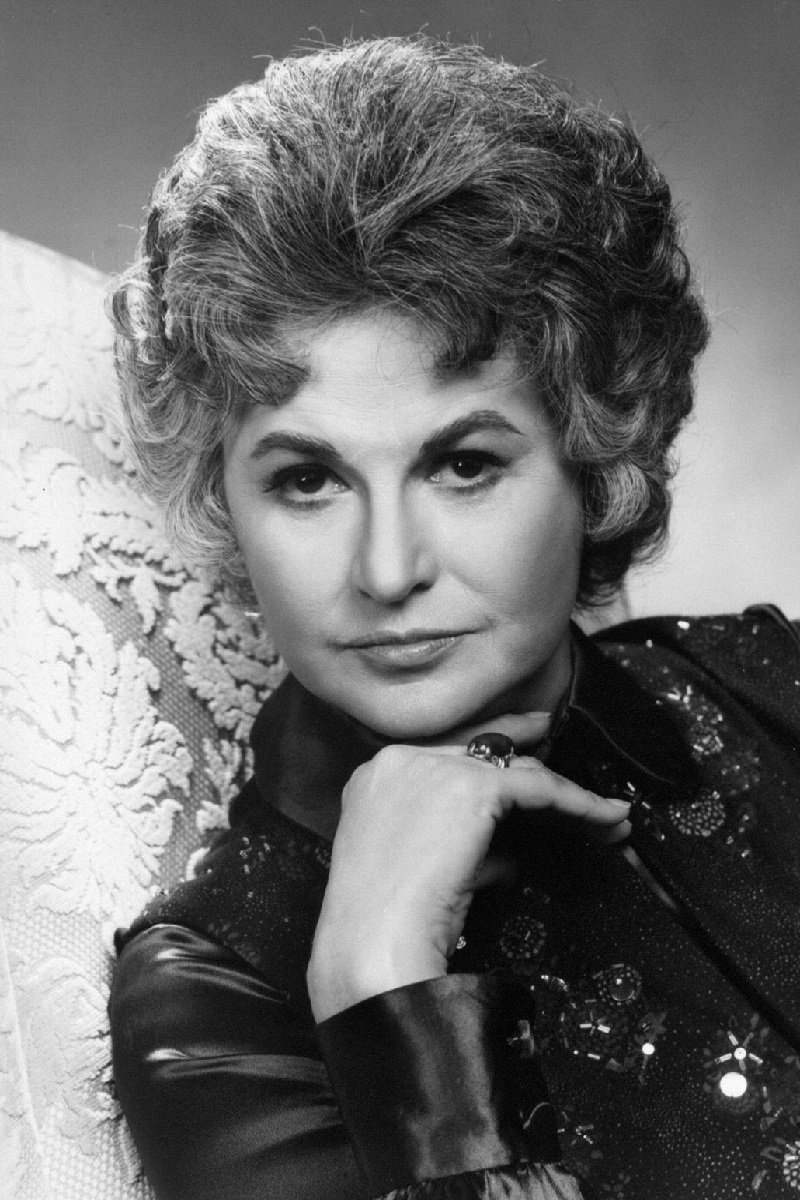
Bea Arthur delivered commanding lead turns in ‘Maude’ and ‘The Golden Girls’ with a blend of dry wit and moral backbone. ‘Maude’ used topical stories to bring social debate into living rooms through character driven humor. As Dorothy in ‘The Golden Girls’ she anchored a tight ensemble with rhythm and restraint. Arthur’s performances demonstrated how crisp line readings and reactive humor can power multi camera comedy.
Candice Bergen
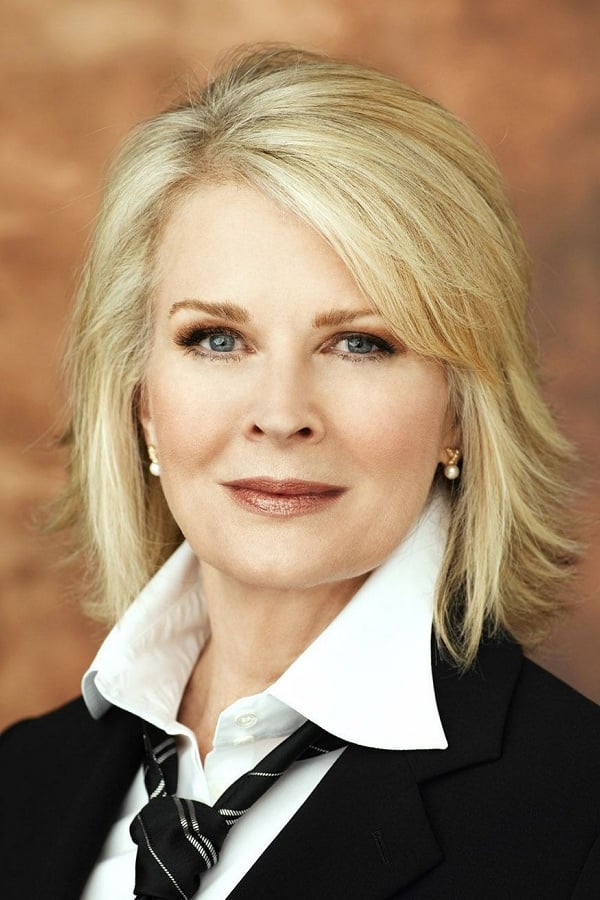
Candice Bergen made ‘Murphy Brown’ a newsroom touchstone with fast paced banter and topical storylines. The series used recurring bits like revolving secretaries to build running jokes that fans tracked week to week. Bergen’s portrayal balanced professional swagger with personal vulnerability in a way that influenced later workplace leads. The show’s revival introduced the character to a new generation without losing the original voice.
Tina Fey

Tina Fey created and starred in ’30 Rock’, bringing writer’s room authenticity to network satire. The show’s rapid fire jokes and meta humor rewarded attentive viewers and repeat viewing. Fey’s stewardship as showrunner proved a comedian can guide tone, casting, and structure at a high clip. Her success also opened doors for creator performers to shape their own sitcom vehicles.
Amy Poehler
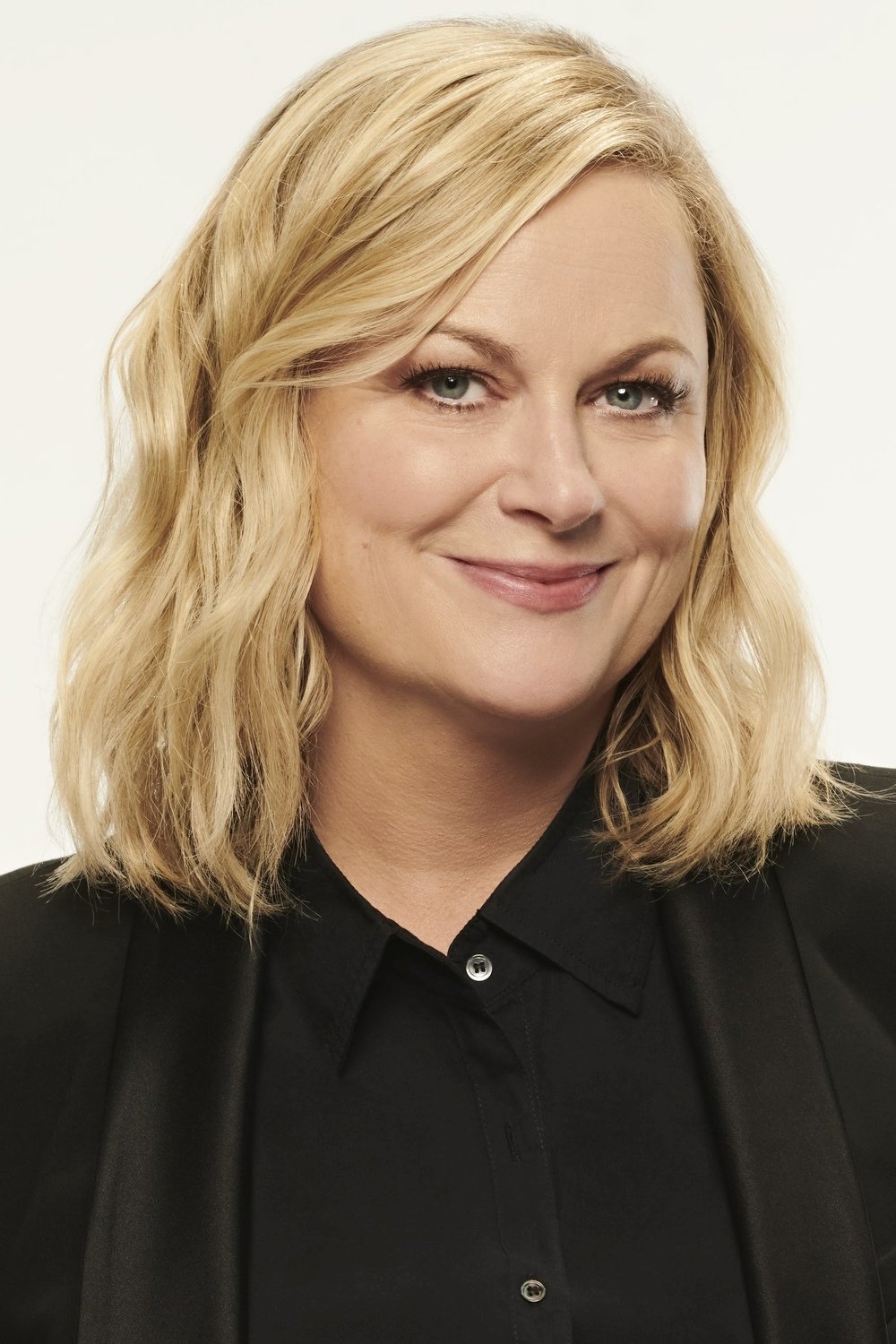
Amy Poehler anchored ‘Parks and Recreation’ with a relentlessly optimistic lead who turned small town government into rich comedy. The show refined the mockumentary format by focusing on community building and heartfelt payoffs. Poehler’s character work supported a deep bench of recurring players and long form arcs. Her producing and directing roles extended that influence beyond the screen.
Roseanne Barr
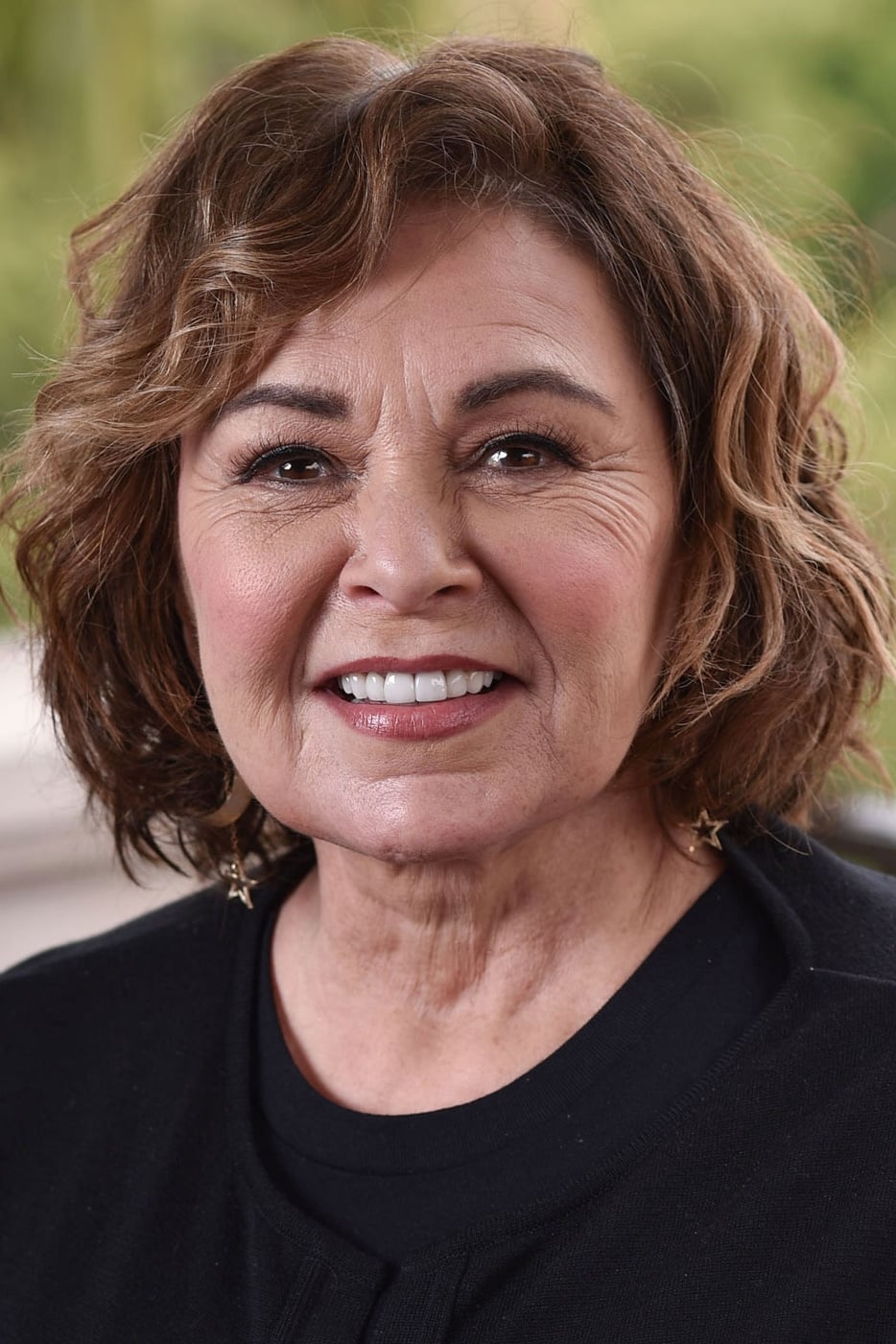
Roseanne Barr’s ‘Roseanne’ put a working class family at the center of primetime with unvarnished authenticity. The series used kitchen table scenes to explore money, parenting, and relationships with grounded humor. It broke ratings records while proving audiences connect with everyday stakes. The later relaunch and spinoff kept the show’s multigenerational template in circulation.
Fran Drescher

Fran Drescher turned a singular voice and style into a global brand with ‘The Nanny’. The sitcom leaned on fish out of water setups and fashion forward sight gags that traveled well in syndication. Drescher’s timing with the Sheffield household ensemble kept farce and heart in balance. The show’s international popularity demonstrated how character archetypes can cross cultural lines.
Patricia Heaton
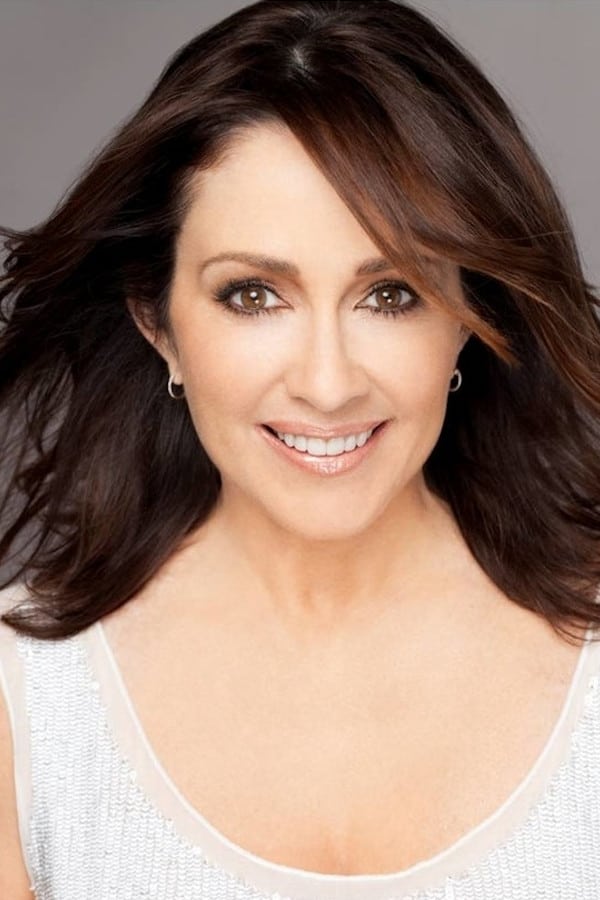
Patricia Heaton anchored two long running family sitcoms with ‘Everybody Loves Raymond’ and ‘The Middle’. She specialized in portraying everyday moms with wit and resilience across suburban storylines. Both series used grounded domestic conflicts that audiences recognized immediately. Heaton’s consistency across formats showed dependable leads can carry multi season runs.
Melissa McCarthy
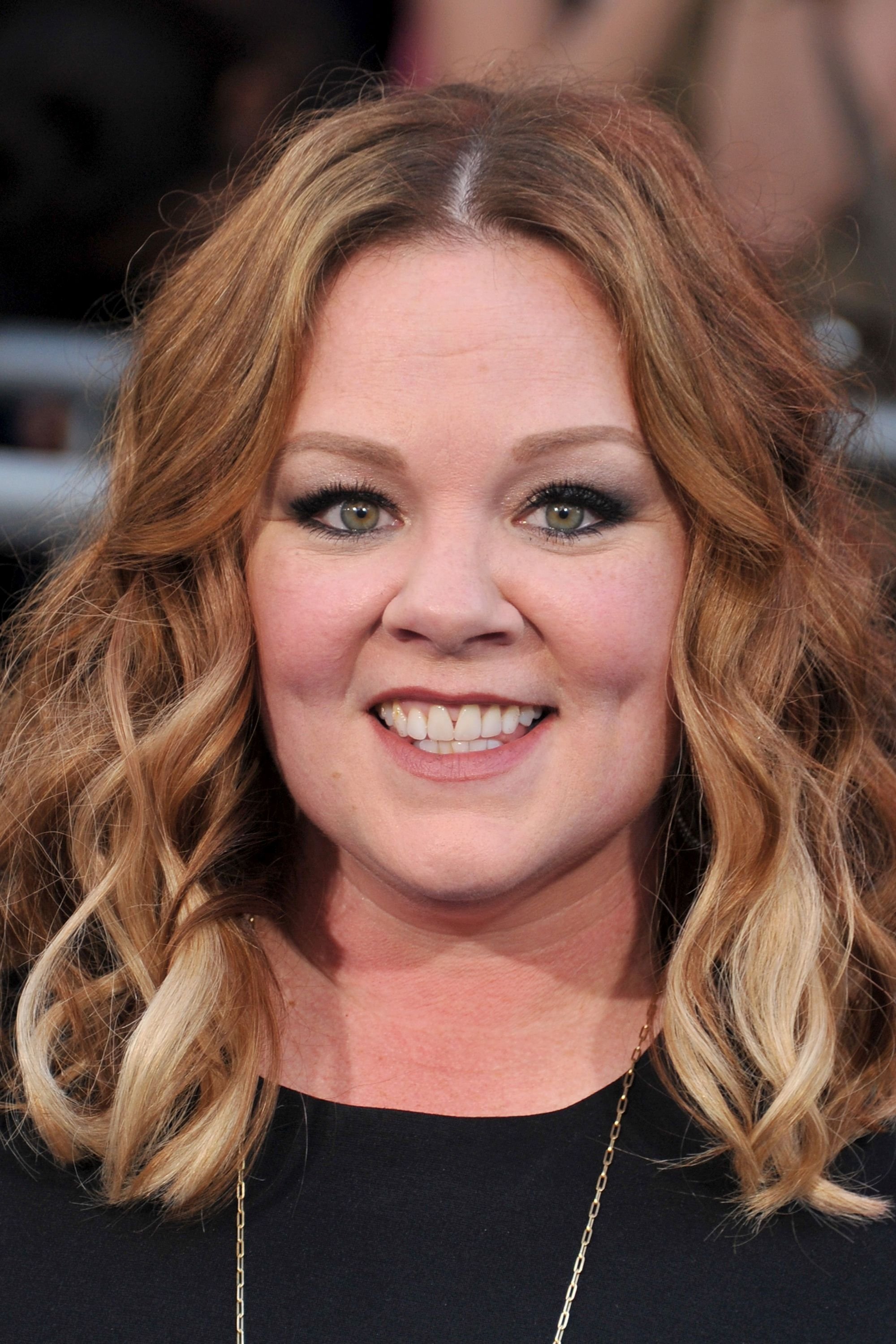
Melissa McCarthy broke out on ‘Mike and Molly’ and previously sharpened her sitcom chops on ‘Gilmore Girls’ before moving into films and returning to television as a producer. Her performance style blends physical comedy with quick improvisational beats that translate well to multi camera setups. She leveraged sitcom success into broader creative control on later projects. That path illustrated how television can launch and sustain a versatile comedy brand.
Tracee Ellis Ross

Tracee Ellis Ross brought warmth and sharp character work to ‘Black ish’ while steering stories about culture and family. The series balanced topical episodes with classic sitcom structure built around household dynamics. Ross’s performance elevated both comedic beats and emotional closers. Her presence also supported spinoffs that extended the show’s world.
Kaley Cuoco

Kaley Cuoco became a cornerstone of ensemble comedy on ‘The Big Bang Theory’, one of the most watched sitcoms of its era. She helped bridge outsider characters with mainstream audiences through grounded social interplay. The show’s long run demonstrated durable chemistry and reliable joke engines around living room spaces. Cuoco’s later projects expanded her range while keeping a strong connection to television.
Mindy Kaling

Mindy Kaling parlayed writer performer credentials from ‘The Office’ into leading and creating ‘The Mindy Project’. She used workplace and romantic comedy conventions to build character driven stories with a distinct voice. Kaling’s production work fostered diverse casts and new writers in the sitcom space. Her career path showed how writing rooms can launch creator led series that reflect personal sensibilities.
Jennifer Aniston
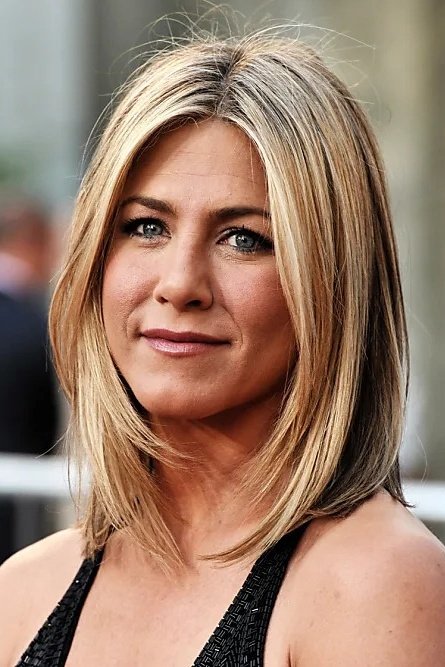
Jennifer Aniston helped shape ensemble comedy on ‘Friends’ with storylines that mixed romance, career moves, and friendship milestones. The show used episodic conflicts that reset cleanly while still building long running arcs. Aniston’s timing worked hand in hand with recurring bits and catchphrases that boosted syndication appeal. The character’s fashion and workplace plots also kept the series plugged into broader pop culture.
Lisa Kudrow

Lisa Kudrow anchored quirky character driven humor on ‘Friends’ while threading music gags and family backstory into weekly plots. The show’s bottle episodes gave her space for standout set pieces that traveled well in reruns. Kudrow later carried meta comedy on ‘The Comeback’ by leaning into showbiz satire. That series used mock documentary framing to explore fame cycles and creative control.
Courteney Cox

Courteney Cox brought tightly wound energy to ‘Friends’ and later shifted to suburban life comedy on ‘Cougar Town’. Both shows used group dynamics that rewarded running jokes and holiday episodes. Cox’s characters often drove plot momentum through hosting, planning, and competition beats. This structure helped writers stage physical comedy inside familiar home and apartment sets.
Megan Mullally
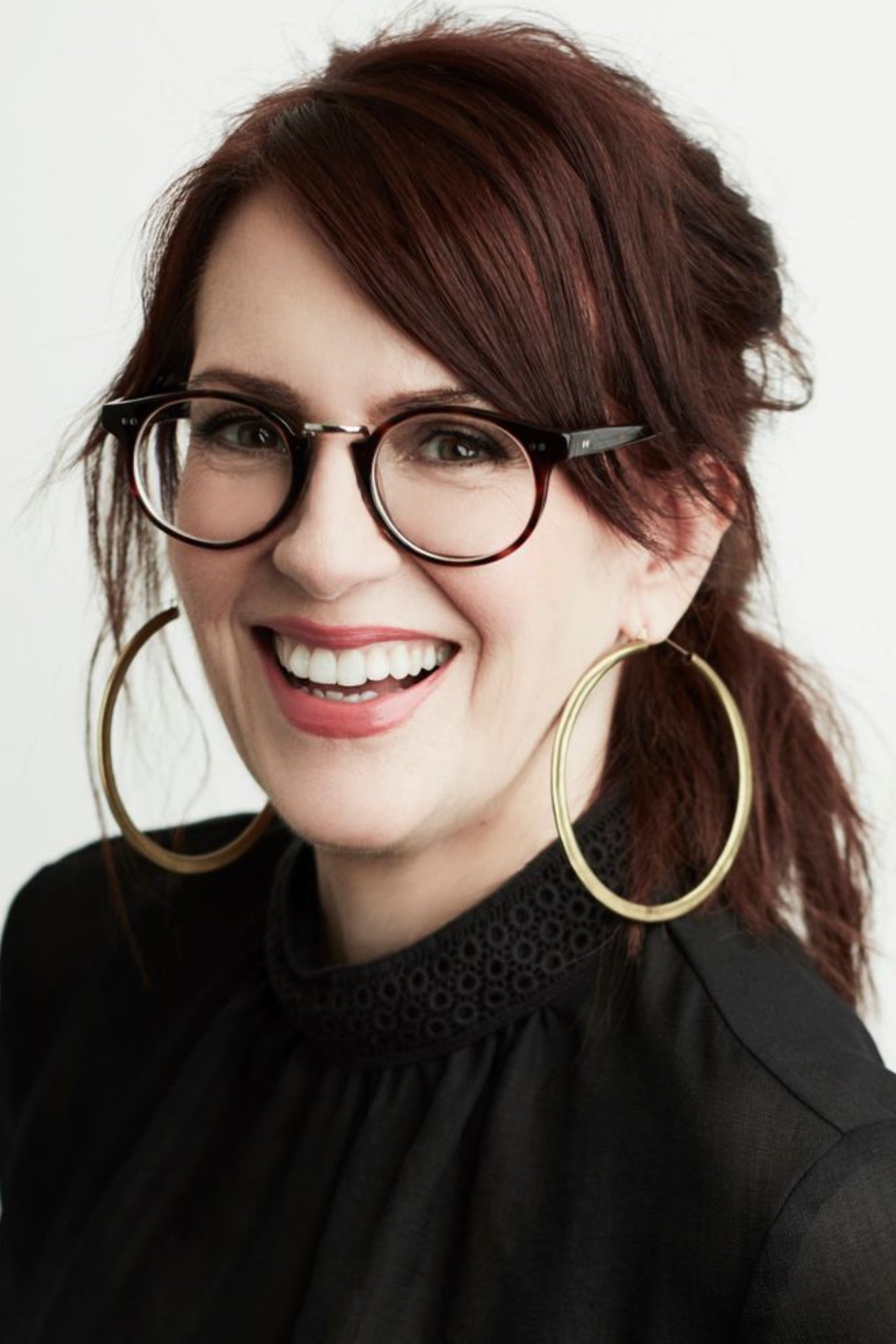
Megan Mullally turned side character entrances into event moments on ‘Will and Grace’. The show relied on rapid banter and culture savvy references that played to live audience rhythms. Mullally’s scenes often paired with recurring guest stars to escalate farce. The revival kept the character’s dynamic intact and introduced updated references without losing the original tone.
Debra Messing
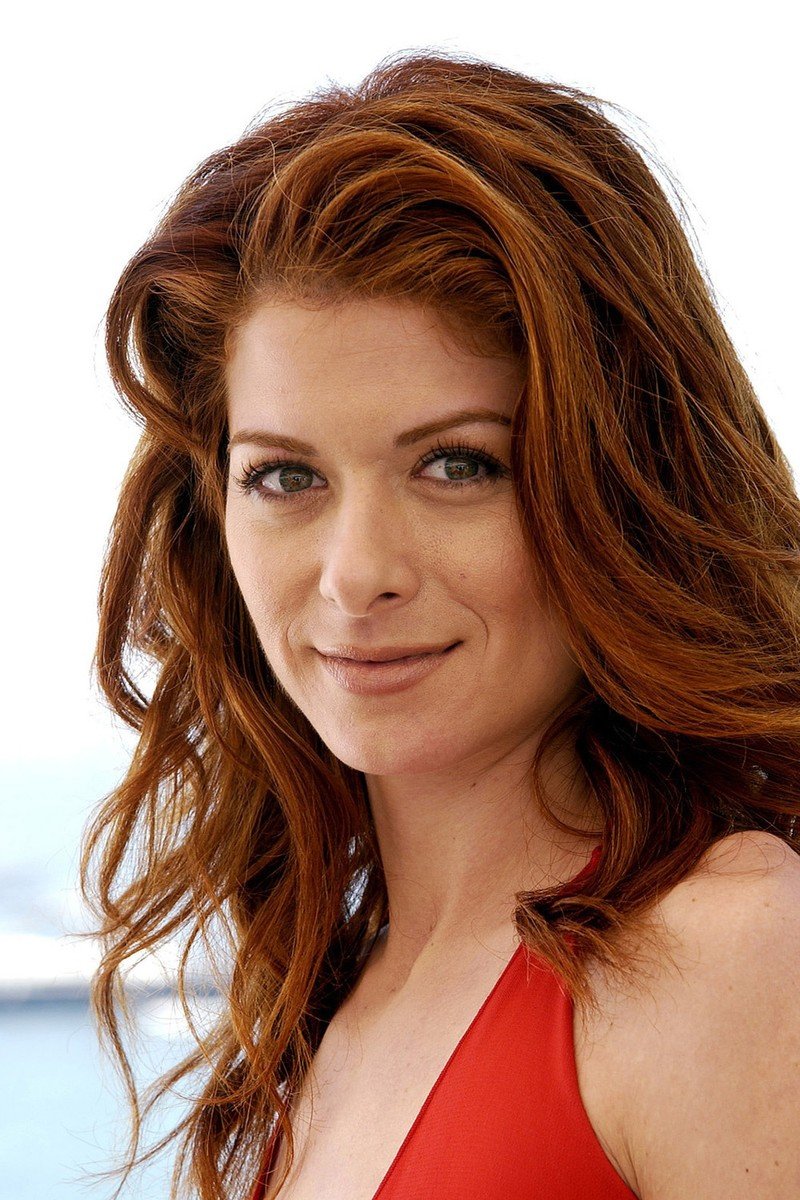
Debra Messing led ‘Will and Grace’ with workplace and friendship plots that moved quickly between apartment and office settings. The series built serialized romances while keeping episode structures tidy for syndication. Messing’s physical comedy beats used props and sight gags that popped with multi camera blocking. The show’s revival demonstrated the format’s durability with new topical threads.
Jane Krakowski

Jane Krakowski delivered precision joke rates on ’30 Rock’ and later on ‘Unbreakable Kimmy Schmidt’. Both shows used heightened versions of show business to fuel outrageous but tightly written stories. Krakowski’s characters often anchored musical bits and running gags that invited callbacks. Streaming distribution helped these joke dense episodes find long tail audiences.
Ellie Kemper

Ellie Kemper moved from ensemble support on ‘The Office’ to a lead role in ‘Unbreakable Kimmy Schmidt’. The latter used upbeat fish out of water stories that folded in flashbacks and catchy refrains. Kemper’s performance worked with fast cut editing to land frequent punchlines. The show’s structure supported strong guest arcs and memorable side characters.
Julie Bowen
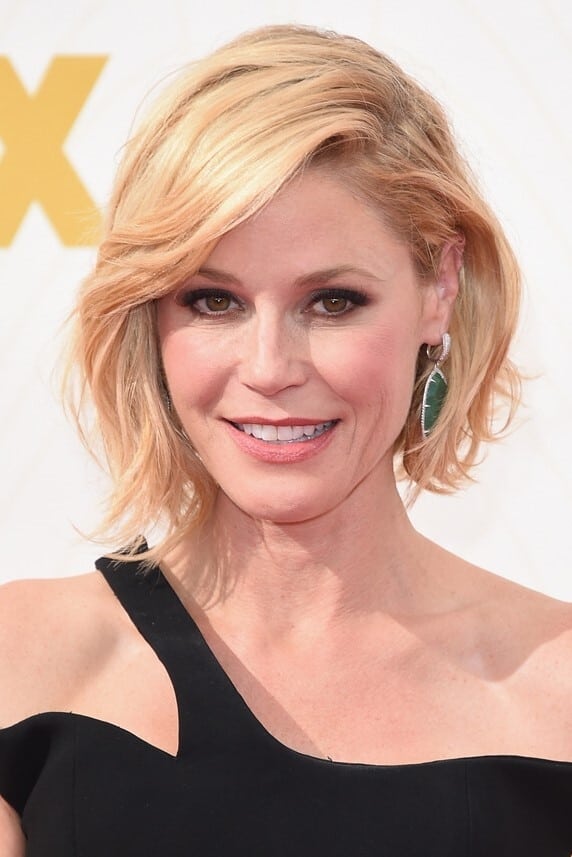
Julie Bowen helped organize intersecting household plots on ‘Modern Family’. The series used documentary style confessionals to underline motivations and tag jokes. Bowen’s storylines often balanced parenting beats with career hurdles. This approach kept weekly conflicts grounded while allowing big comedic set pieces.
Sofía Vergara

Sofía Vergara brought broad physical humor and sharp line readings to ‘Modern Family’. The show leaned on cultural mix ups and family celebrations to build episodic stakes. Vergara’s character frequently drove A plots that collided with other branches of the family. Those intersections created reliable setups for misunderstandings and heartfelt resolutions.
Mayim Bialik

Mayim Bialik joined ‘The Big Bang Theory’ and expanded relationship stories that grew the show beyond its original roommate setup. The series used science themed workplace scenes to balance domestic plots. Bialik’s character development supported milestone episodes that boosted event viewing. These arcs helped the ensemble sustain momentum through later seasons.
Zooey Deschanel

Zooey Deschanel centered ‘New Girl’ around a roommate group that rotated pairings for fresh comic combinations. The show used loft based bottle episodes to tighten dialogue and escalate bits. Deschanel’s musical cues and prop work gave scenes playful texture. Guest star runs extended the show’s world without disrupting core dynamics.
Rhea Perlman
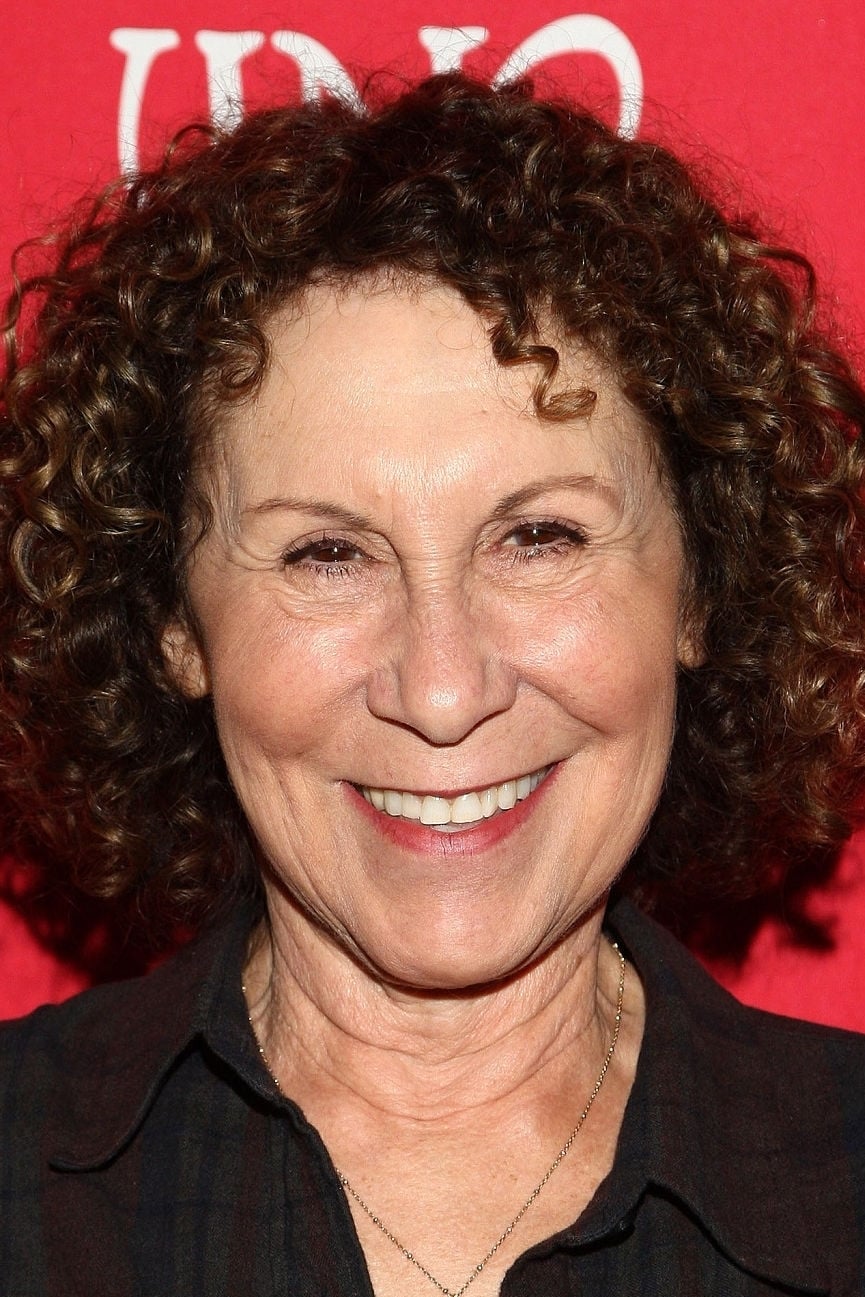
Rhea Perlman delivered consistent laugh beats at the bar on ‘Cheers’. The series built workplace routines that let minor conflicts bloom into full farce. Perlman’s character often sparked competitive subplots that paid off in the tag. Long syndication runs showcased how clean setups and payoffs support repeat viewing.
Kirstie Alley
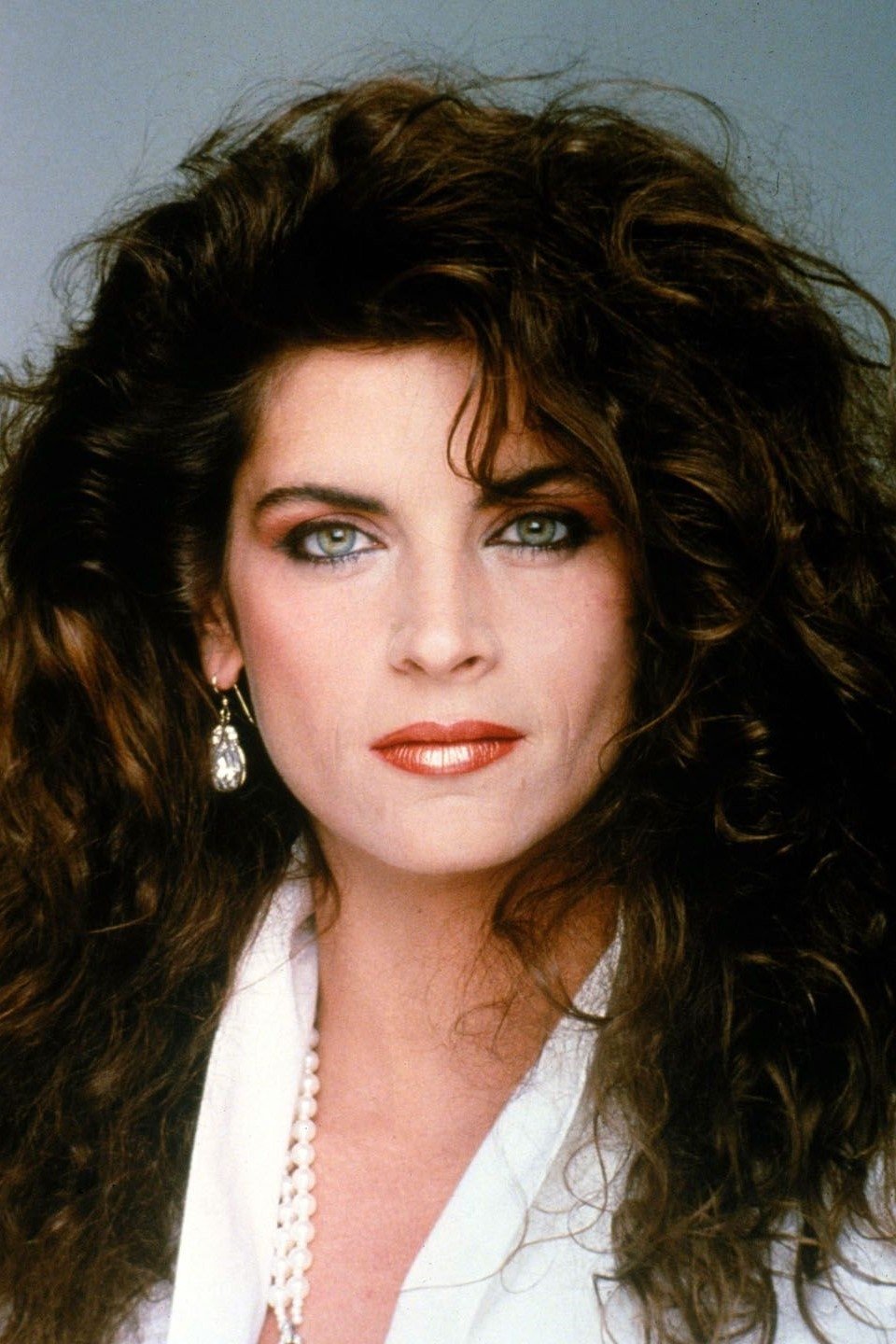
Kirstie Alley stepped into ‘Cheers’ and reoriented romantic and managerial storylines at the bar. The writers used her arrival to refresh will they or will they energy and workplace tension. Alley’s character layered status anxiety with fast paced dialogue that clicked with the ensemble. Those seasons demonstrated how cast changes can extend a sitcom’s life.
Marla Gibbs
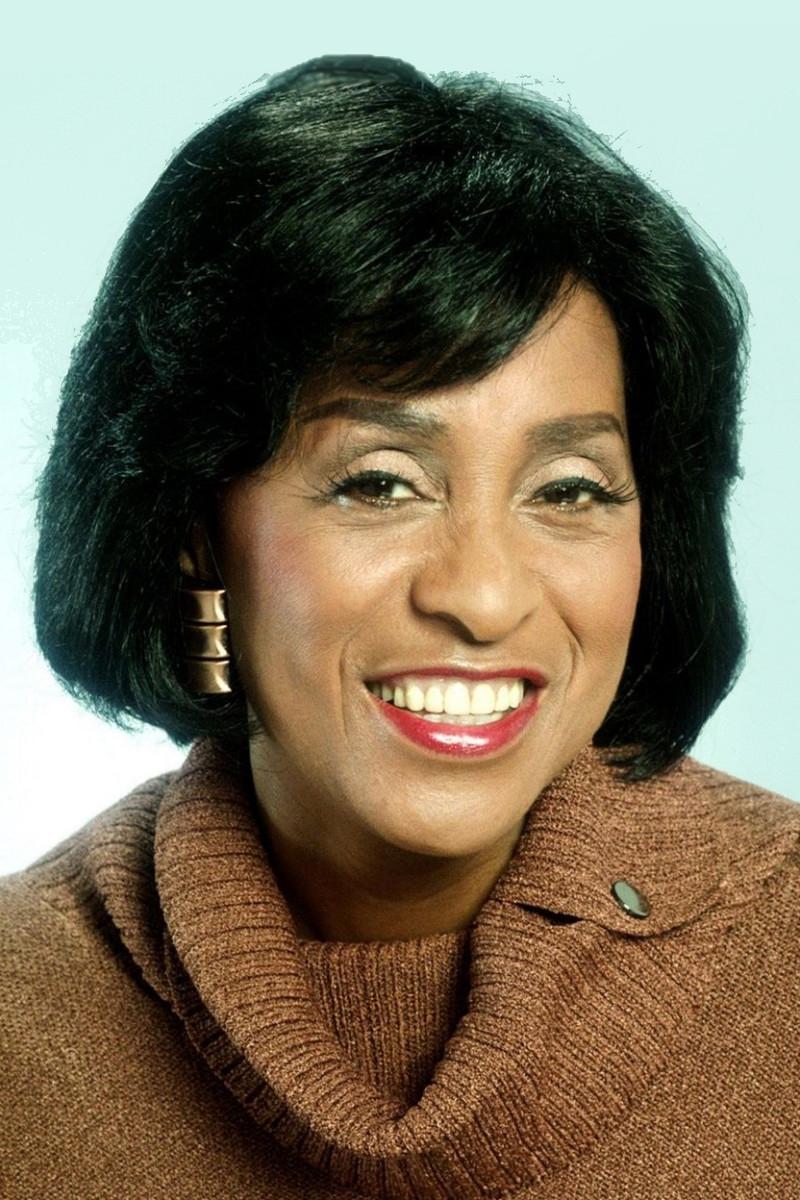
Marla Gibbs stood out on ‘The Jeffersons’ and later led ‘227’. Both shows used apartment building or high rise settings to stage neighbor conflicts and community events. Gibbs’s roles often delivered punchy asides that punctuated domestic scenes. The formats traveled strongly in reruns thanks to simple premises and memorable recurring characters.
Tichina Arnold
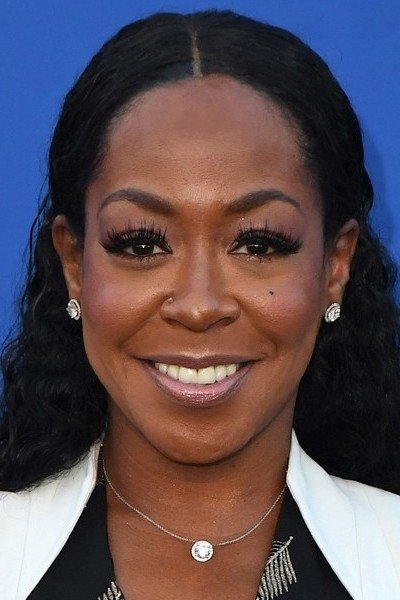
Tichina Arnold brought sharp timing to ‘Martin’ and then to family and nostalgia driven comedy on ‘Everybody Hates Chris’. The latter used voiceover and period details to frame coming of age stories. Arnold’s scenes balanced strict parenting beats with quick visual jokes. The show’s episodic lessons and neighborhood vignettes made it a staple in syndication.
Jean Stapleton
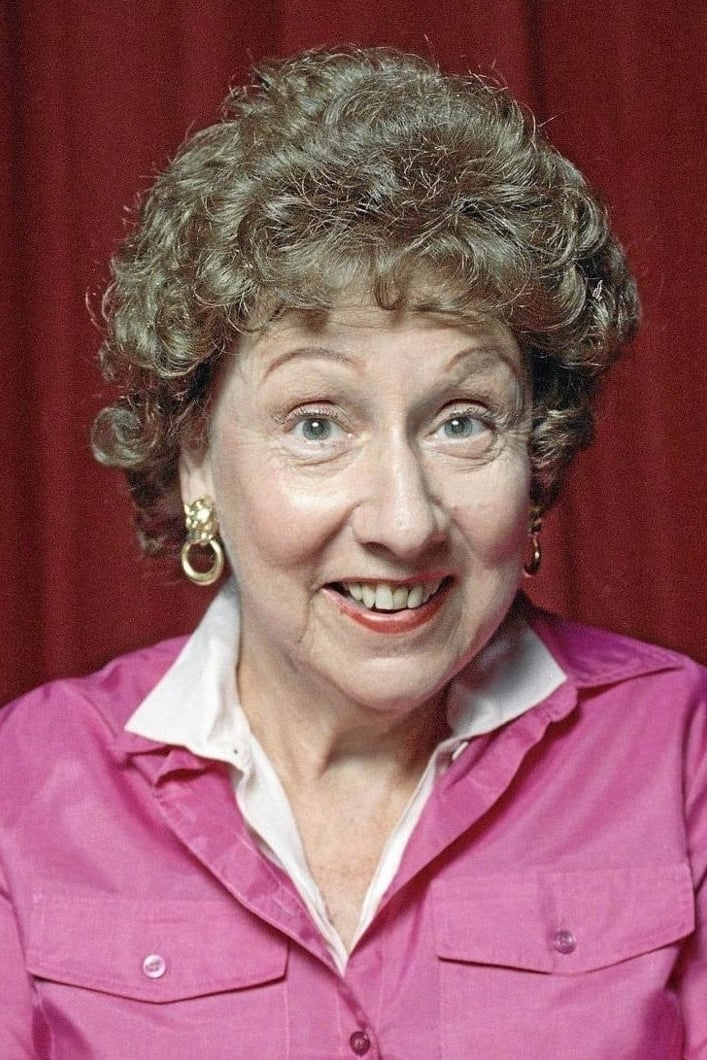
Jean Stapleton defined the sitcom matriarch on ‘All in the Family’ with stories that mixed domestic routines and topical debates. The show used living room and kitchen scenes to stage conflicts that resolved through pointed dialogue. Stapleton’s character work often set up episode morals without stopping the comedy. Her presence helped the series anchor spinoffs and rerun longevity.
Valerie Harper
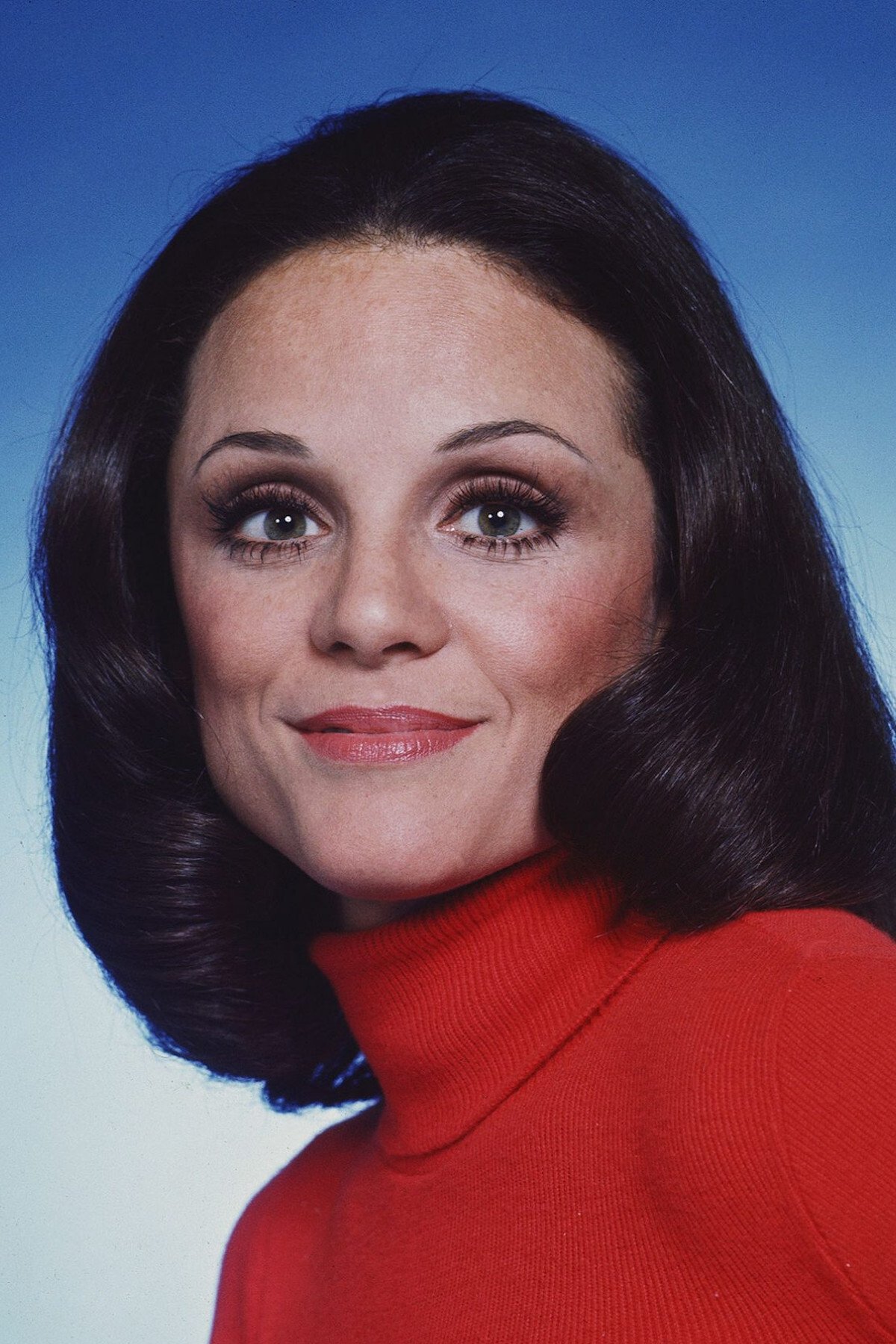
Valerie Harper carried character growth from ‘The Mary Tyler Moore Show’ into ‘Rhoda’ with neighborhood and family centered plots. The writing used apartment moves, jobs, and weddings to structure multi episode arcs. Her shows balanced one liners with grounded New York settings that supported recurring guest roles. This model kept viewership steady in syndication blocks.
Catherine O’Hara
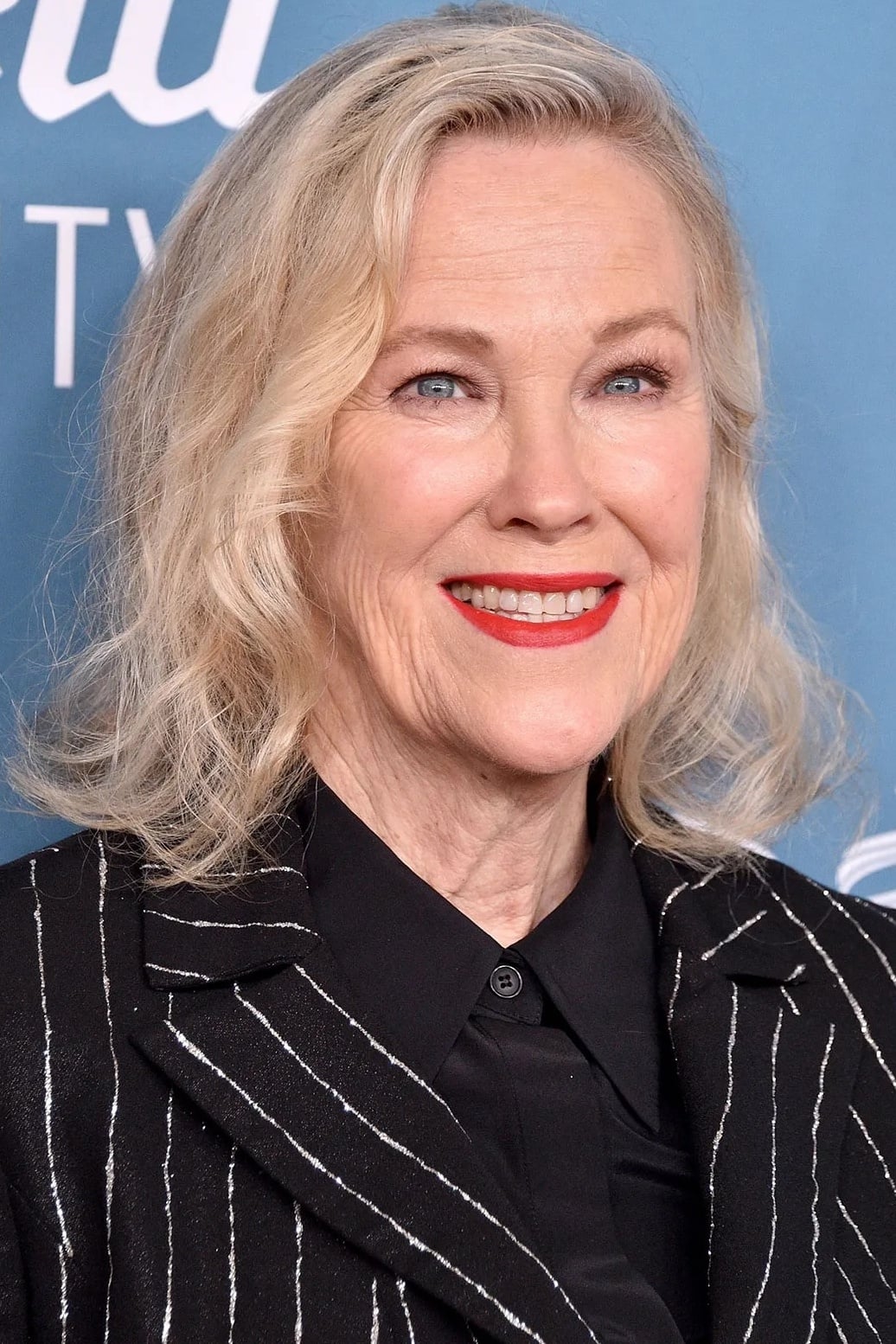
Catherine O’Hara powered ‘Schitt’s Creek’ with precise character beats that evolved across season long arcs. The show used small town routines to build running jokes that paid off in finales. O’Hara’s scenes leaned on wordplay and wardrobe to amplify character shifts without breaking the ensemble rhythm. Streaming distribution expanded the fan base and kept episodes in constant rotation.
Kristen Bell

Kristen Bell led ‘The Good Place’ through a high concept premise that refreshed itself with frequent resets. The series combined ethics lessons with classic sitcom tag scenes that clarified stakes. Bell’s lead anchored ensemble puzzle solving that rewarded close attention. The format showed how serialized twists can fit neatly into half hour episodes.
Allison Janney
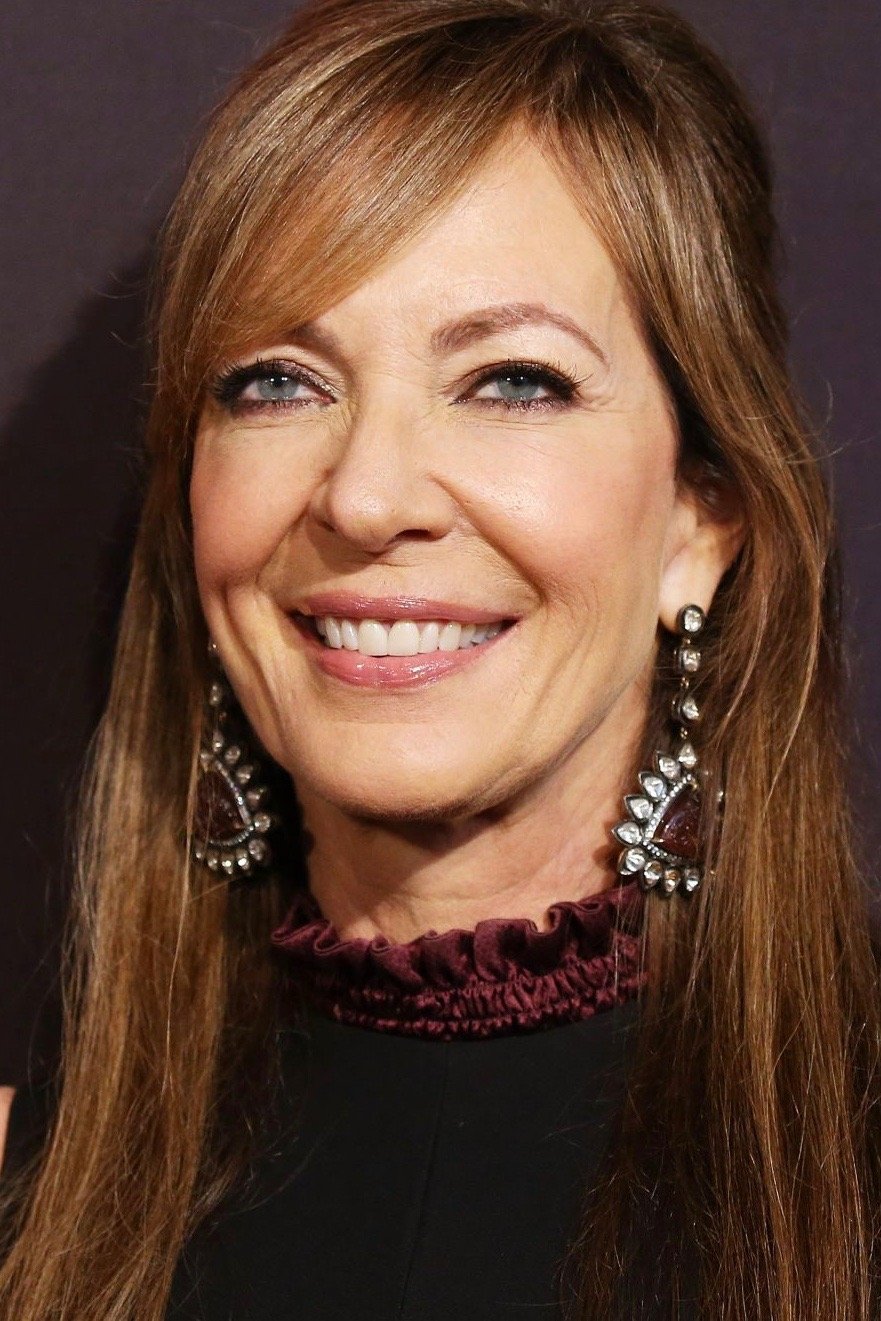
Allison Janney guided ‘Mom’ through recovery themed stories that balanced laughs with clear emotional beats. The show used support group scenes to rotate guest players and tie together A and B plots. Janney’s performance supported holiday episodes and finales that returned to family stakes. Multi season pacing allowed character setbacks and progress to feel earned.
Anna Faris

Anna Faris built ‘Mom’ around mother daughter dynamics that fueled episodic conflicts. The writers used workplace shifts, romances, and meetings to generate clean act breaks. Faris’s physical comedy worked with studio audience timing to land punchlines. The ensemble structure kept stories flexible when characters entered or exited.
Jenna Fischer
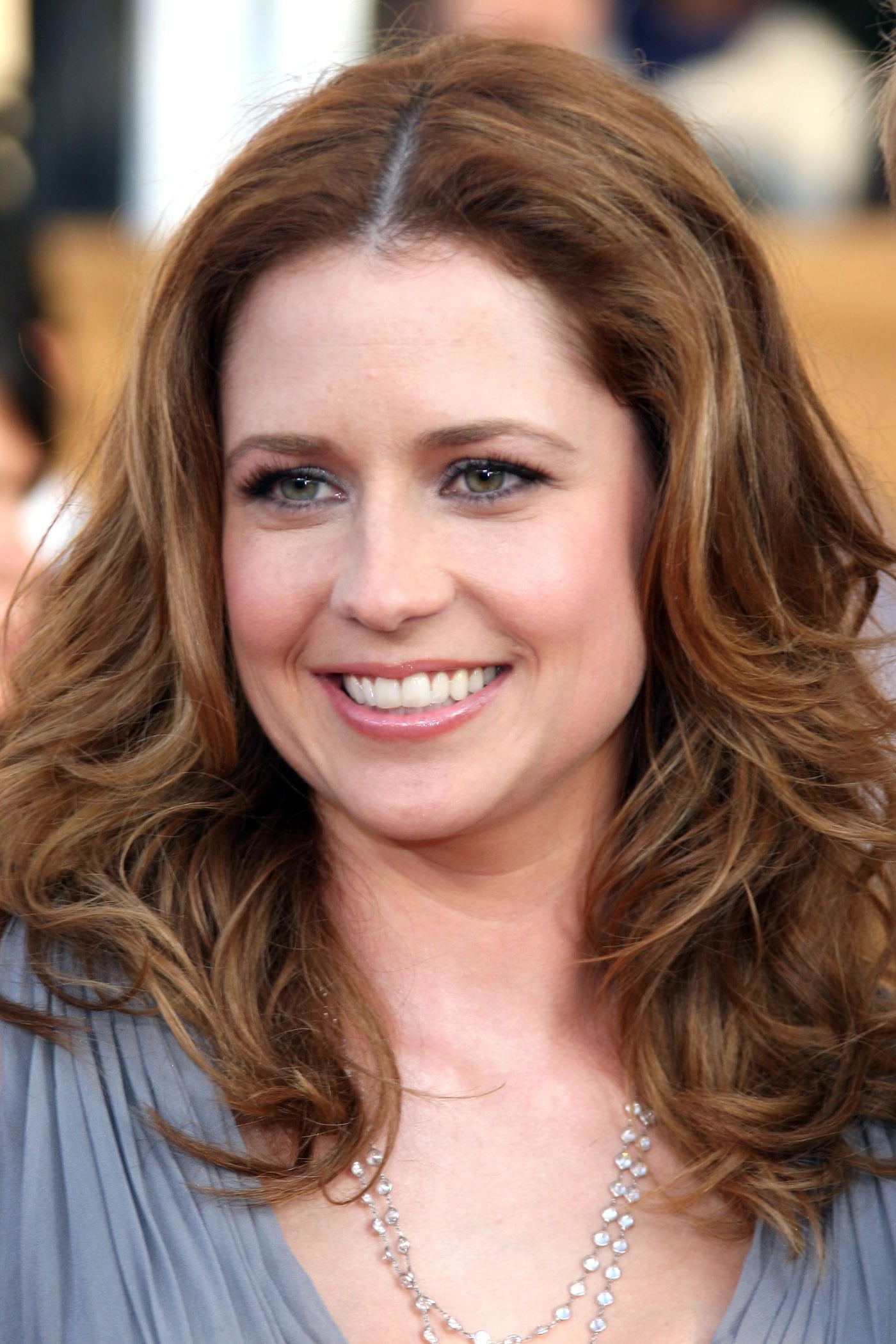
Jenna Fischer helped shape workplace realism on ‘The Office’ with arcs that unfolded through talking head scenes and small gestures. The series relied on mundane office tasks to spark farce that stayed grounded. Fischer’s storylines supported long build payoffs in finales and holiday episodes. The mockumentary format made quiet reactions as important as punchline lines.
Angela Kinsey
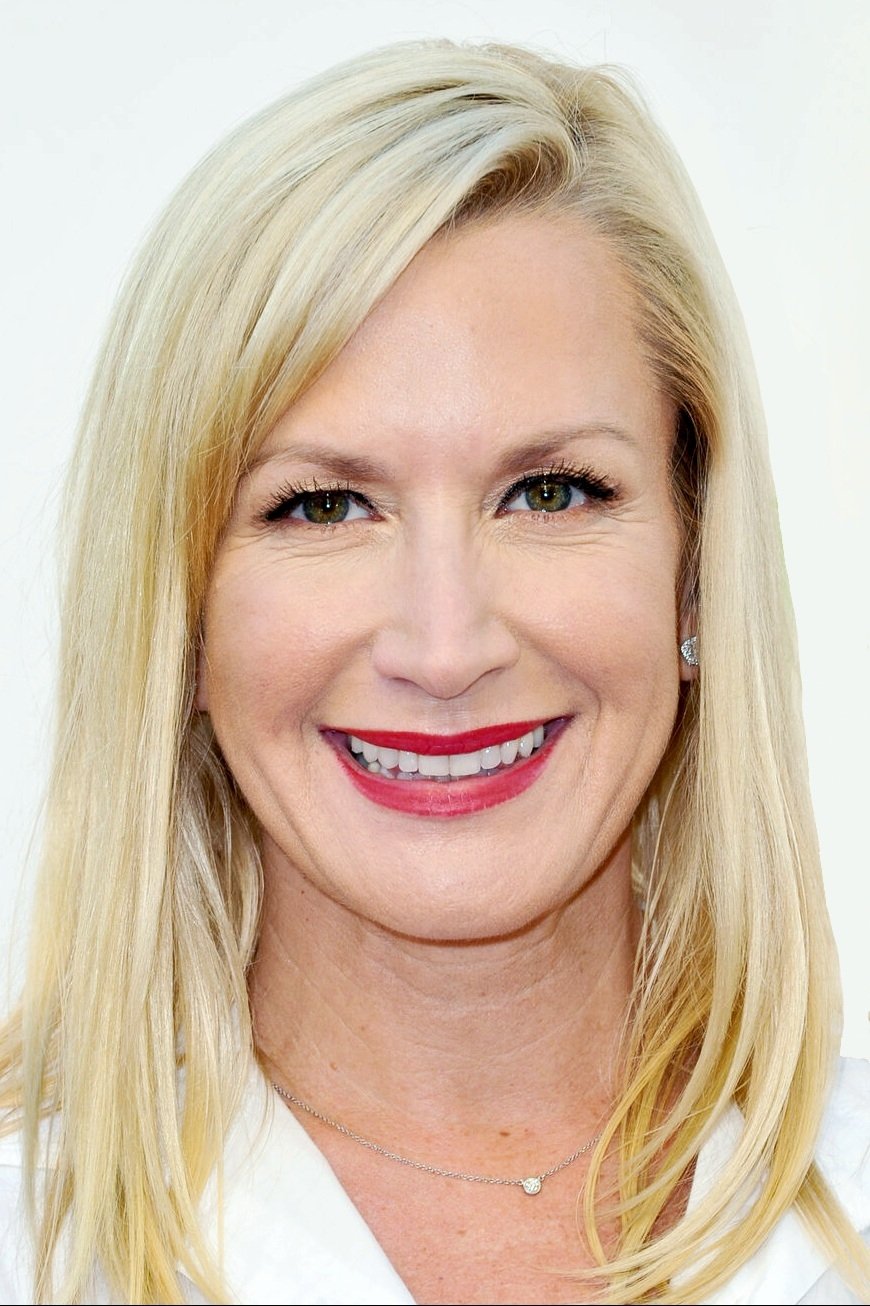
Angela Kinsey delivered consistent character driven humor on ‘The Office’ using rules, routines, and rivalries to escalate scenes. Her plots often tied HR policies to romantic subplots that intertwined across departments. The show’s documentary style let quick cutaways add jokes without slowing story movement. Recurring party planning beats created reliable event episodes.
Christina Applegate
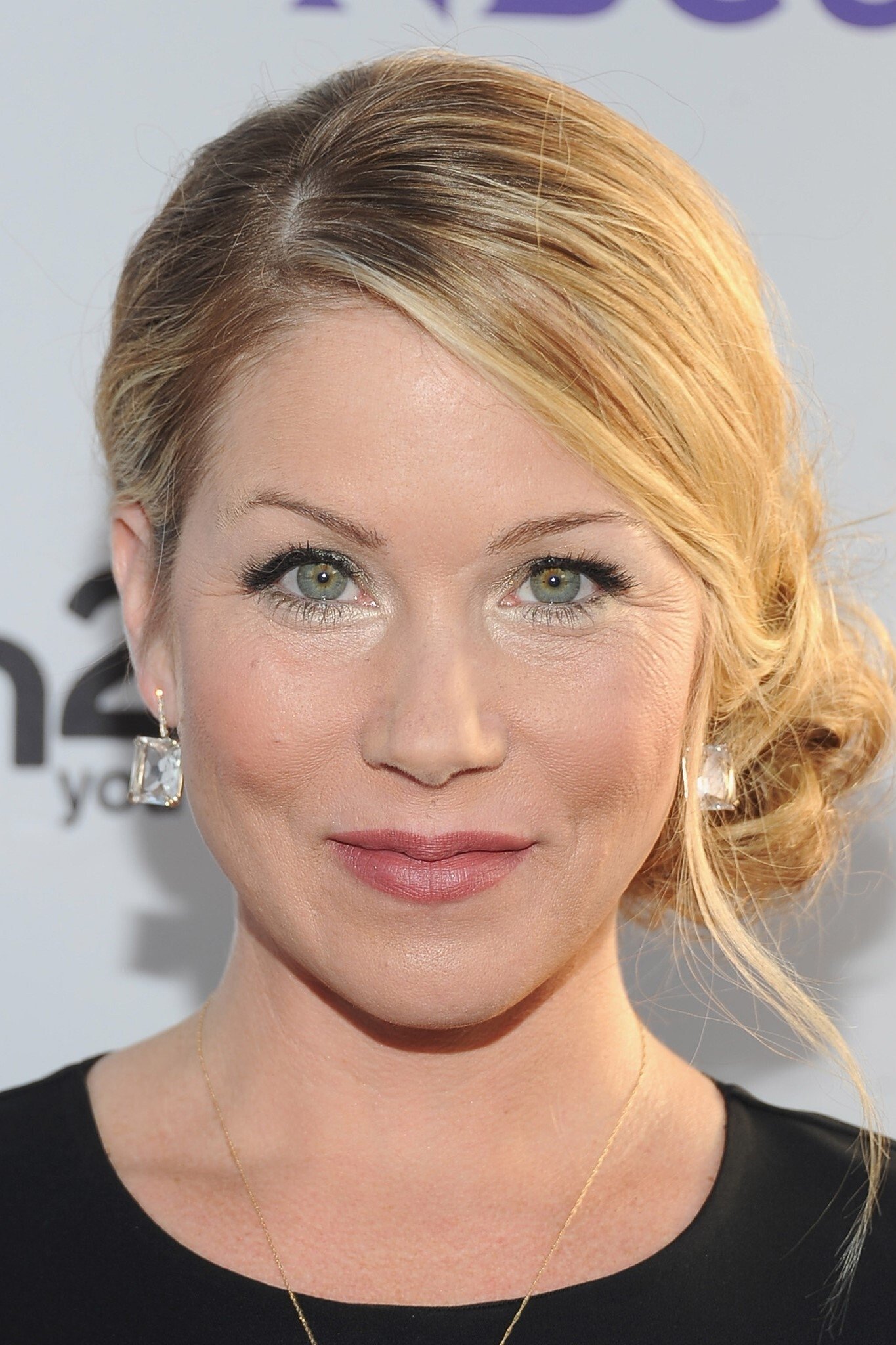
Christina Applegate stood out on ‘Married with Children’ and later headlined ‘Samantha Who?’ with memory reset storytelling. Her roles often used suburban backdrops to stage status games and misunderstandings. Applegate’s episodes leaned on running bits that clicked in syndication playlists. Multi camera blocking supported fast entrances and exits that kept scenes moving.
Katey Sagal
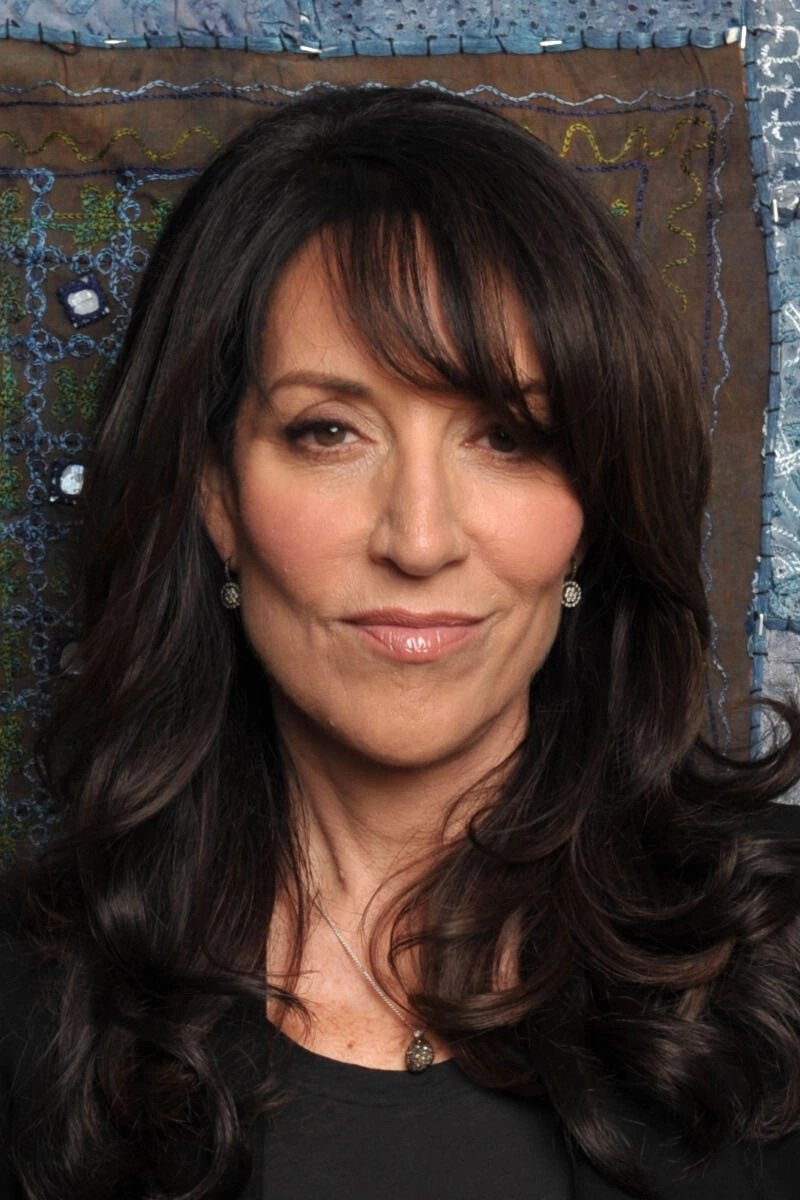
Katey Sagal anchored ‘Married with Children’ and brought authority to ‘8 Simple Rules’ during a cast transition. Both shows used family schedules and school or work calendars to create weekly conflicts. Sagal’s characters often balanced sarcasm with problem solving that wrapped episodes neatly. These structures traveled well in after school and late night reruns.
Leah Remini
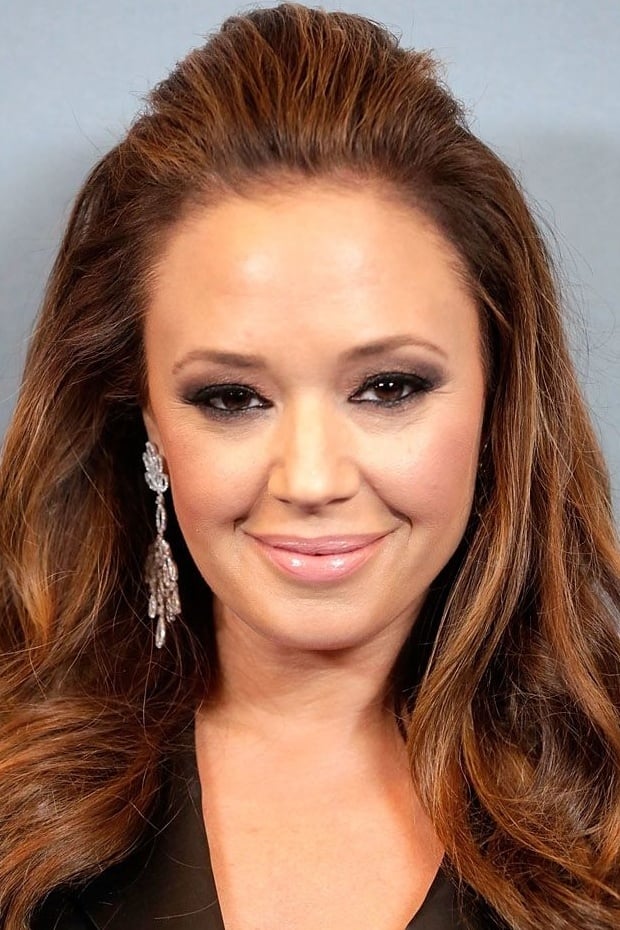
Leah Remini kept ‘The King of Queens’ focused on household logistics that drove delivery job and in law stories. The series mixed blue collar workplace scenes with living room farce. Remini’s timing paired with physical bits from costars to complete set piece endings. Long syndication runs showcased the show’s dependable A and B plot pattern.
Justina Machado

Justina Machado led the ‘One Day at a Time’ reboot with multi generational apartment stories that blended tradition and modern life. The show used family meetings and building events to weave A plots and tags. Machado’s character arcs moved cleanly through career decisions and parenting beats. Streaming release schedules helped the series build dedicated word of mouth.
Rita Moreno
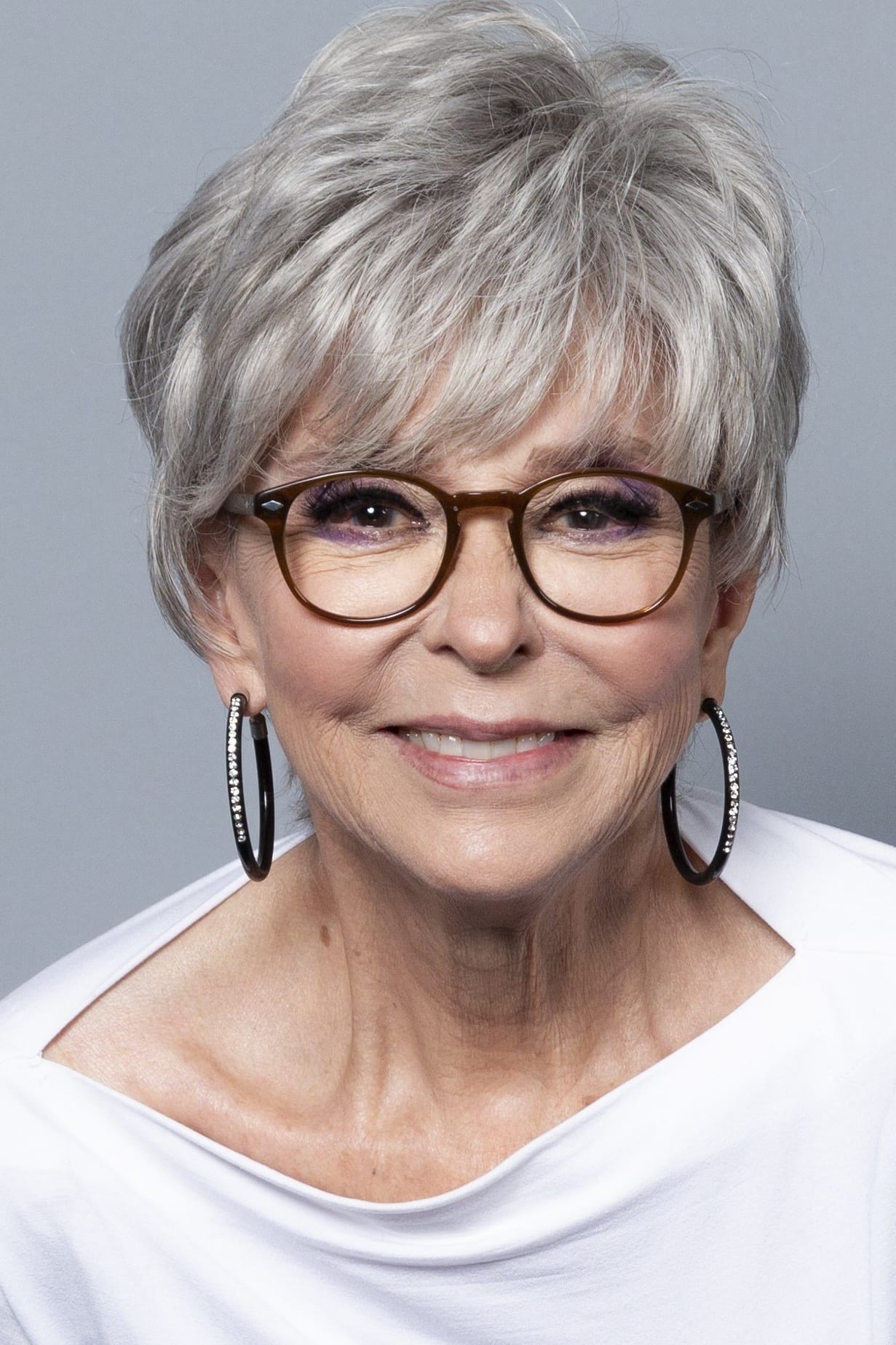
Rita Moreno delivered scene stealing craft on ‘One Day at a Time’ by tying cultural rituals to everyday conflicts. Her character often framed episodes with advice that returned in the tag. The series leaned on holidays and milestones to organize seasons. Moreno’s presence connected classic sitcom rhythms with contemporary topics.
Quinta Brunson
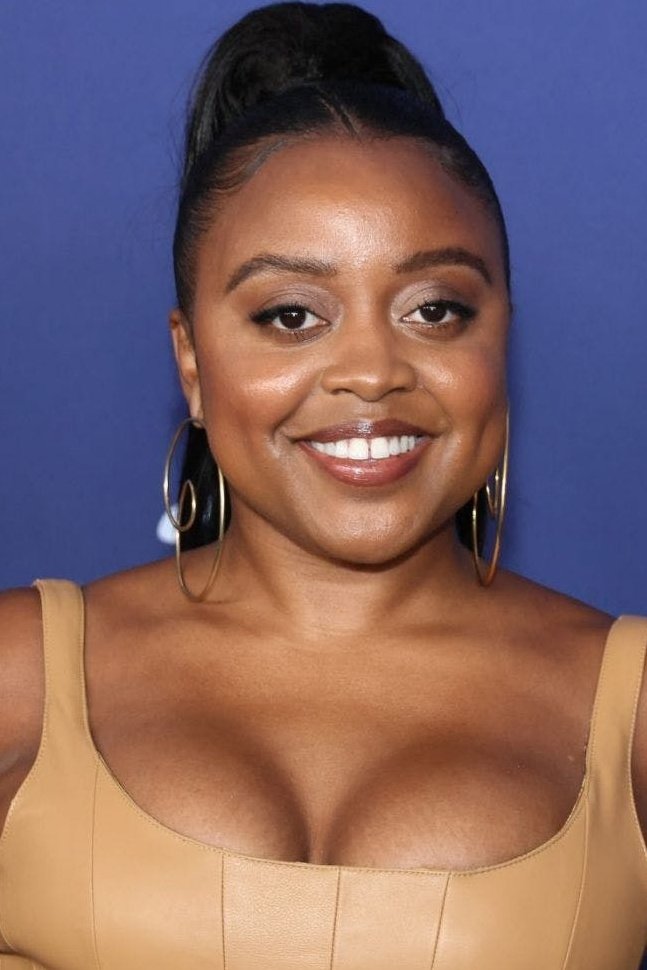
Quinta Brunson created and stars in ‘Abbott Elementary’ using mockumentary interviews to clarify motives and jokes. The school setting supplies recurring event episodes like open houses and field trips. Brunson’s structure keeps character growth steady while preserving episodic rewatch value. Network scheduling and streaming access work together to grow the audience.
Sheryl Lee Ralph

Sheryl Lee Ralph supports ‘Abbott Elementary’ with mentor student dynamics that ground the school’s weekly problems. The series uses faculty lounges and classrooms to stage intersecting plots. Ralph’s scenes often complete lesson themed tags that echo earlier setups. The ensemble design gives each grade level a clear story lane.
Share your picks for the greatest sitcom actresses in the comments and tell us who you think we missed.

