


‘Harry Potter’ Details You Only Catch as an Adult


The ‘Harry Potter’ series is a magical world loved by kids and adults alike. As a child, the books and movies dazzle with spells, adventures, and friendship. But as an adult, you notice deeper layers—details that hit differently with life experience. These hidden gems make rereading or rewatching the series a fresh journey.
J.K. Rowling’s storytelling is packed with subtle clues and mature themes that often fly over younger heads. From character motivations to real-world parallels, these details add richness to the wizarding world. Here are 10 things in ‘Harry Potter’ you only catch when you’re grown up.
Snape’s Complex Love for Lily
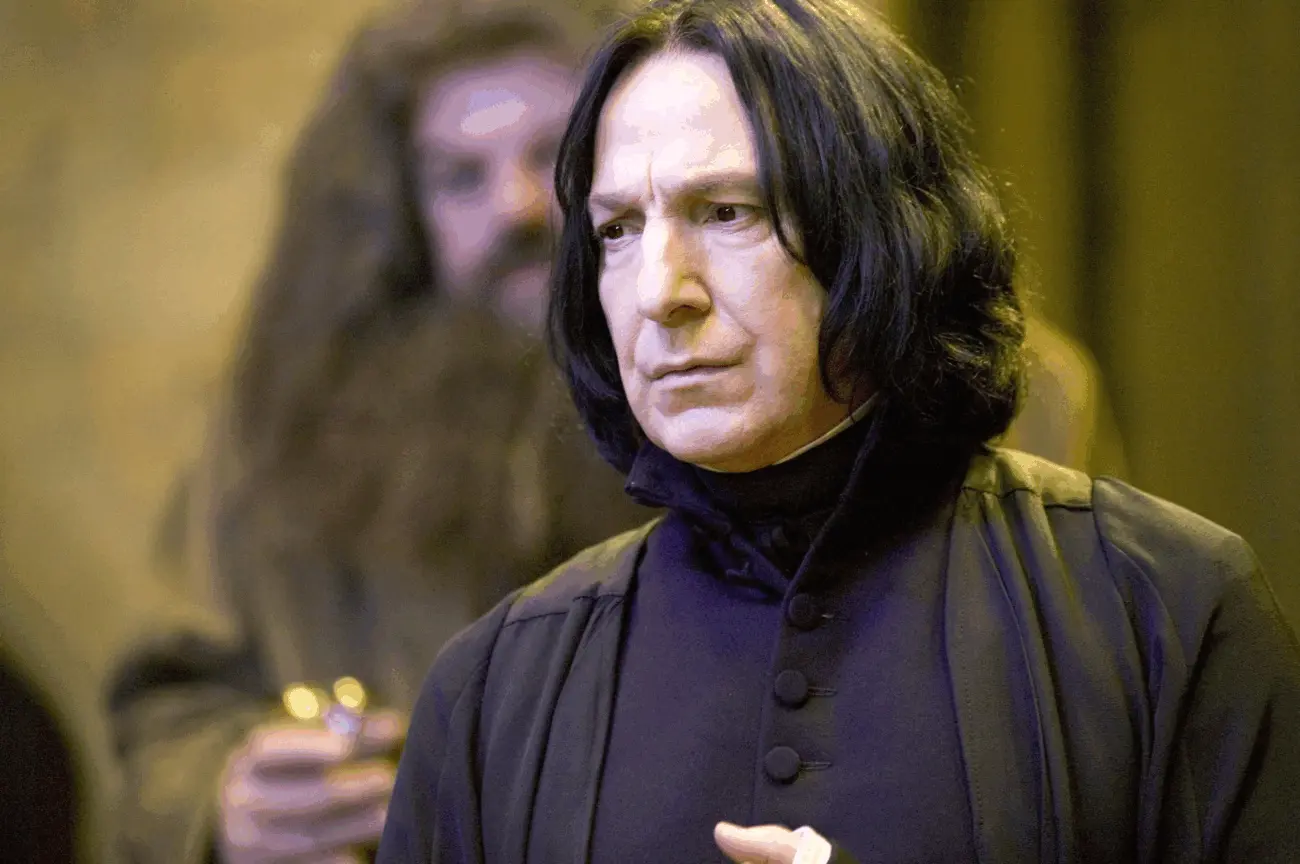
As kids, we see Snape as a mean teacher who picks on Harry. But adults understand the heartbreaking depth of his love for Lily Potter. His Patronus, a doe, matches hers, showing his devotion never faded, even after her death. His bitterness stems from losing her and living with guilt over his role in her fate.
This love drives every choice Snape makes, from spying on Voldemort to protecting Harry. It’s not just romance—it’s a mix of regret, loyalty, and sacrifice. As adults, we see how love can shape someone’s life, even when it’s one-sided or unspoken.
Dumbledore’s Manipulative Side

Young fans view Dumbledore as a wise, kind mentor. Adults, though, notice he’s a master strategist who uses people like chess pieces. He raises Harry knowing he might need to die to defeat Voldemort. His secrecy about the prophecy and Horcruxes shows he prioritizes the greater good over individual lives.
This doesn’t make Dumbledore evil, but it adds gray to his character. As grown-ups, we recognize how leaders make tough calls, sometimes at a personal cost. His flaws make him human, not just a storybook hero.
The Dursleys’ Abuse of Harry

Kids see the Dursleys as cartoonish villains who make Harry sleep in a cupboard. Adults realize their treatment is straight-up emotional and physical abuse. They starve him, isolate him, and crush his self-worth, which leaves lasting scars on Harry’s psyche.
Rowling shows how this trauma shapes Harry’s humility and empathy. As adults, we connect with how childhood pain lingers, even in a magical world. It’s a stark reminder that neglect isn’t just a plot device—it’s real harm.
Lupin’s Struggle with Self-Worth
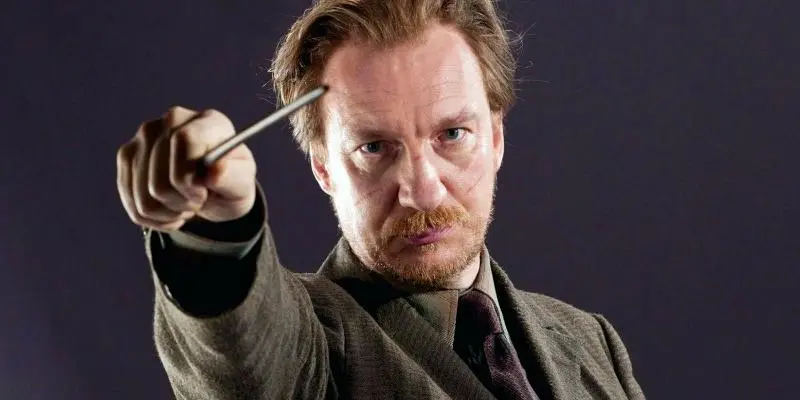
Remus Lupin’s werewolf condition seems like a cool twist to kids. Adults see it as a metaphor for chronic illness or societal stigma. Lupin hides his condition, fearing rejection, and struggles with poverty because of discrimination. His shame runs so deep he nearly leaves his pregnant wife, Tonks.
His story hits harder when you’ve faced judgment or insecurity. Adults relate to Lupin’s battle to accept himself while society pushes him down. It’s a quiet but powerful thread in the series.
The Weasleys’ Financial Stress
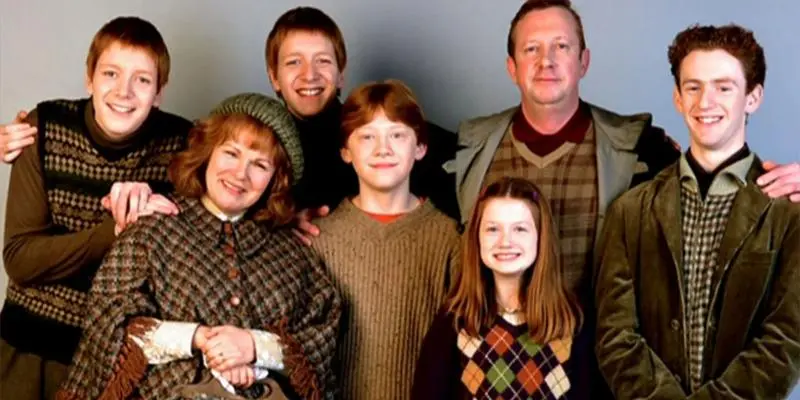
Kids love the Weasleys’ cozy, chaotic home. Adults notice their constant money worries. Ron’s hand-me-downs, Molly’s stress over school supplies, and the family’s worn-out possessions show real poverty. Yet, they never let it dim their warmth or generosity.
This resonates with anyone who’s stretched a paycheck. The Weasleys’ pride and love despite hardship feel authentic. Rowling nails how money troubles test families but don’t define them.
Hermione’s Fight Against Prejudice

Young readers cheer Hermione’s smarts and bravery. Adults see her as a crusader against systemic bias. As a Muggle-born, she faces slurs like “Mudblood” and fights for equality, like with S.P.E.W. for house-elves. Her passion comes from knowing what it’s like to be an outsider.
Her arc mirrors real-world activism. Grown-ups admire her grit in challenging injustice, even when others dismiss her. It’s a lesson in standing up, no matter how loud the haters get.
The Ministry of Magic’s Corruption
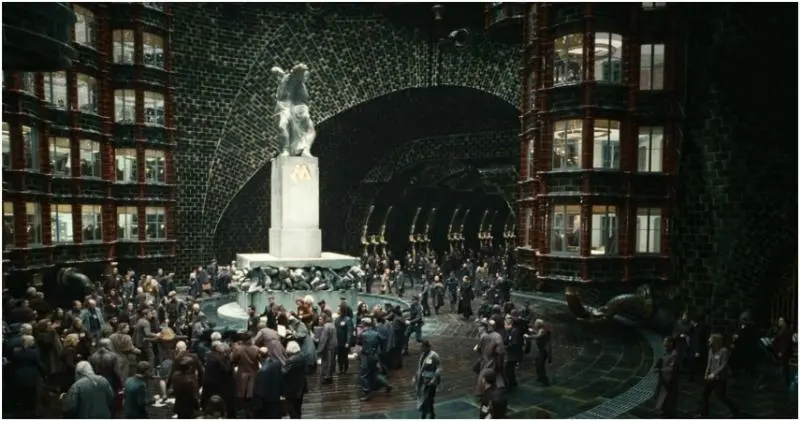
To kids, the Ministry is just a boring government with funny workers. Adults see it as a sharp critique of corrupt systems. From Umbridge’s cruelty to the Ministry’s denial of Voldemort’s return, it shows how power protects itself over people. The propaganda and scapegoating feel eerily familiar.
Rowling exposes how institutions fail when led by fear or greed. As adults, we’ve seen enough news to know this isn’t just fantasy—it’s a warning about blind trust in authority.
Sirius Black’s Tragic Life
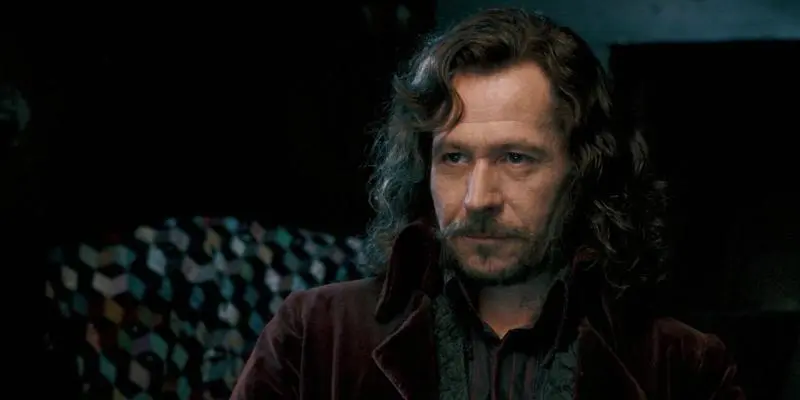
Kids think Sirius is a cool rebel with a flying motorbike. Adults see a man broken by loss and injustice. He loses his best friends, gets betrayed by Peter, and spends 12 years in Azkaban for a crime he didn’t commit. Then, he’s trapped in a house he hates, reliving his abusive childhood.
His story screams of wasted potential and unfair fate. Grown-ups feel the weight of Sirius’s pain—how life can derail even the boldest hearts. His death hits harder when you’ve known grief.
Voldemort’s Fear of Death
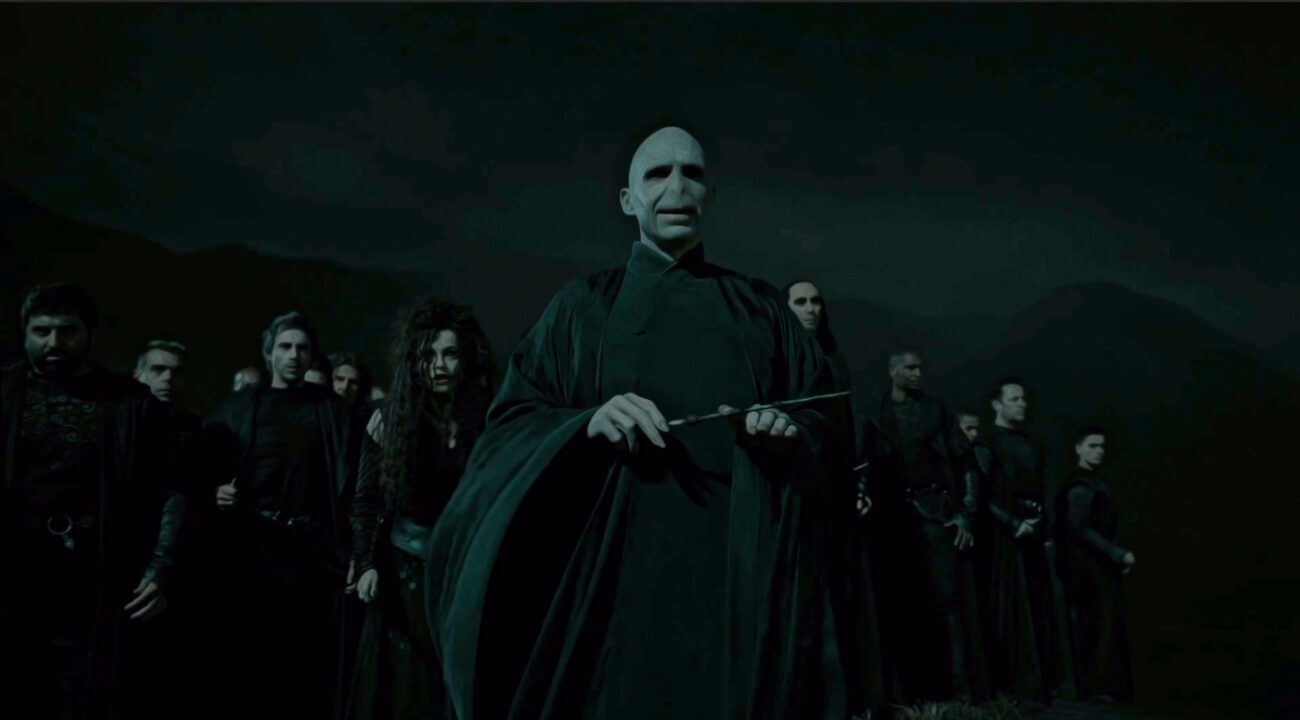
Young fans see Voldemort as a scary bad guy who wants power. Adults understand his deeper motive: a crippling fear of death. He splits his soul into Horcruxes to live forever, sacrificing love and humanity. His obsession shows how far someone will go to avoid mortality.
This clicks when you’ve faced your own fears of aging or loss. Voldemort’s villainy isn’t just evil—it’s a warped reflection of a universal human worry. It makes him complex, not just a monster.
Harry’s Mental Health Struggles
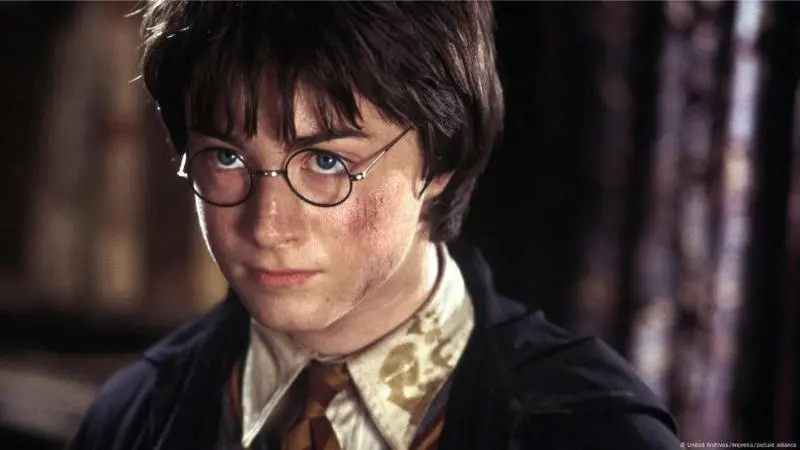
Kids root for Harry as the brave Chosen One. Adults notice his signs of trauma and depression, especially in ‘Harry Potter and the Order of the Phoenix’ (2007). He’s angry, isolated, and haunted by nightmares after Cedric’s death and Voldemort’s return. His outbursts show untreated PTSD.
Rowling doesn’t shy away from Harry’s pain, making him relatable. As adults, we see how even heroes struggle with mental health. It’s a raw look at resilience through darkness.
What ‘Harry Potter’ detail hit you hardest as an adult? Drop your thoughts in the comments!

